



Burgundy can look crisp against cool skin — or muddy, which is the part most people get wrong. The difference usually comes down to undertone. A blue-red, plum-red, or wine-red shade will flatter pink, rosy, or porcelain complexions far more than a burgundy that leans orange, copper, or brown.
That’s why burgundy hair color ideas for cool skin tones need more than a pretty shade name. Placement matters. Depth matters. So does the finish on the hair: glossy black cherry reads one way on a blunt bob, while a sheer merlot glaze on long waves reads another.
The good burgundy shades don’t fight your complexion. They sharpen it. They make the whites of the eyes look brighter, they play nicely with silver jewelry, and they give the hair a richer look without turning it into a loud red that wears you instead of the other way around.
Some of the best options below are nearly black at first glance. Others are bright, almost juicy, and a few are low-commitment ways to test the water before you go full wine-cellar dramatic. That range is useful. Cool skin can handle more burgundy than people think — if the undertone is right.
1. Black Cherry Burgundy
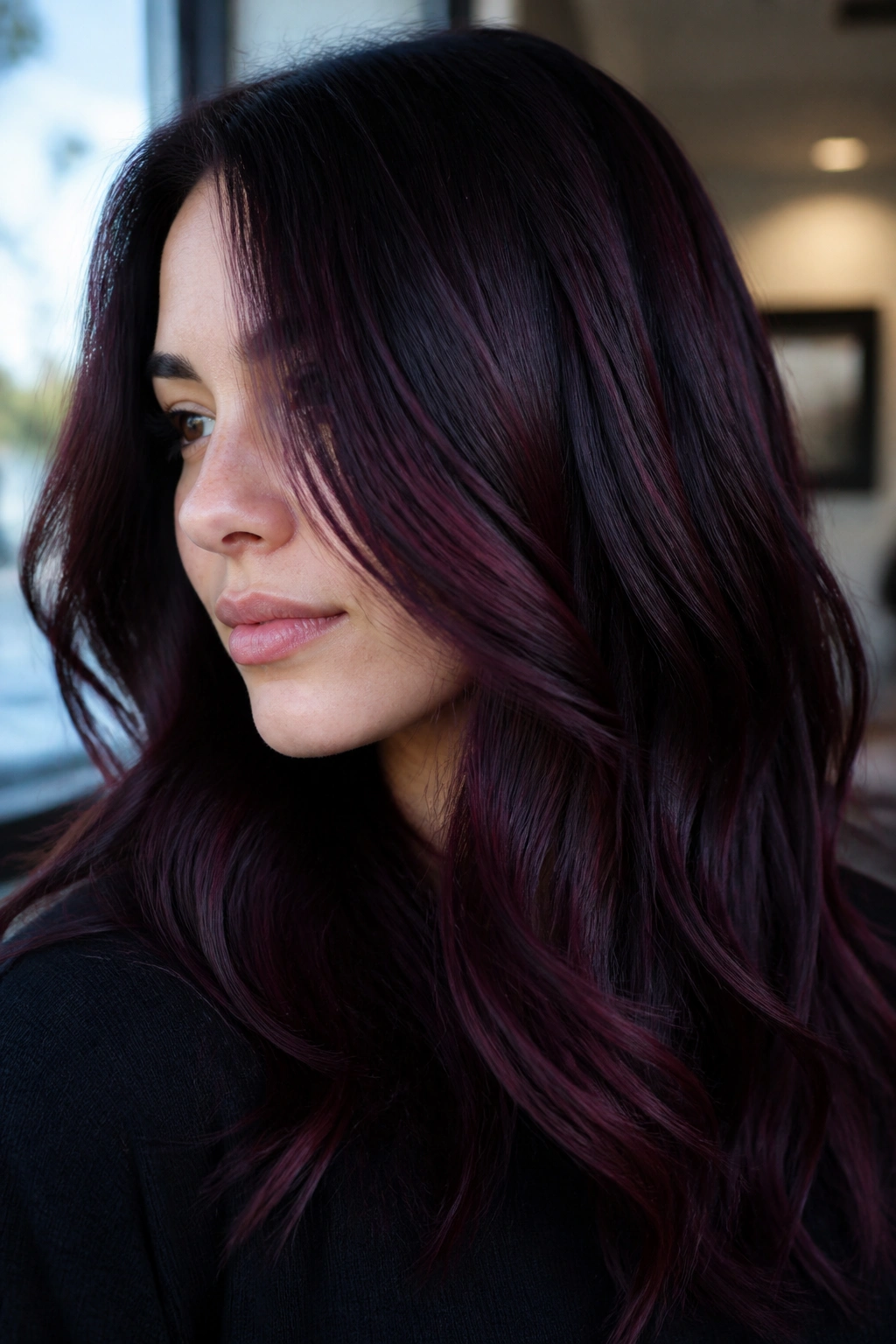
Black cherry is the shade I reach for when someone wants burgundy but refuses anything flashy. It sits deep on the hair, nearly black in shade, then flashes a cool red-violet tone when the light hits it. On cool skin, that little shift is money.
Why It Flatters So Well
The blue-red base keeps the color from turning rusty. That matters more than people think. If your skin already has pink or blue undertones, a cherry shade with no orange in it tends to make the whole face look cleaner and more awake.
- Best on level 3 to 4 brown bases
- Works well with cool-toned highlights around the face
- Needs a gloss refresh every 4 to 6 weeks
- Looks sharp on straight hair, waves, and blunt cuts
Pro tip: ask for a black-cherry gloss over a dark brunette base if you want the color to move between almost-black and red-violet instead of reading flat.
2. Merlot Melt
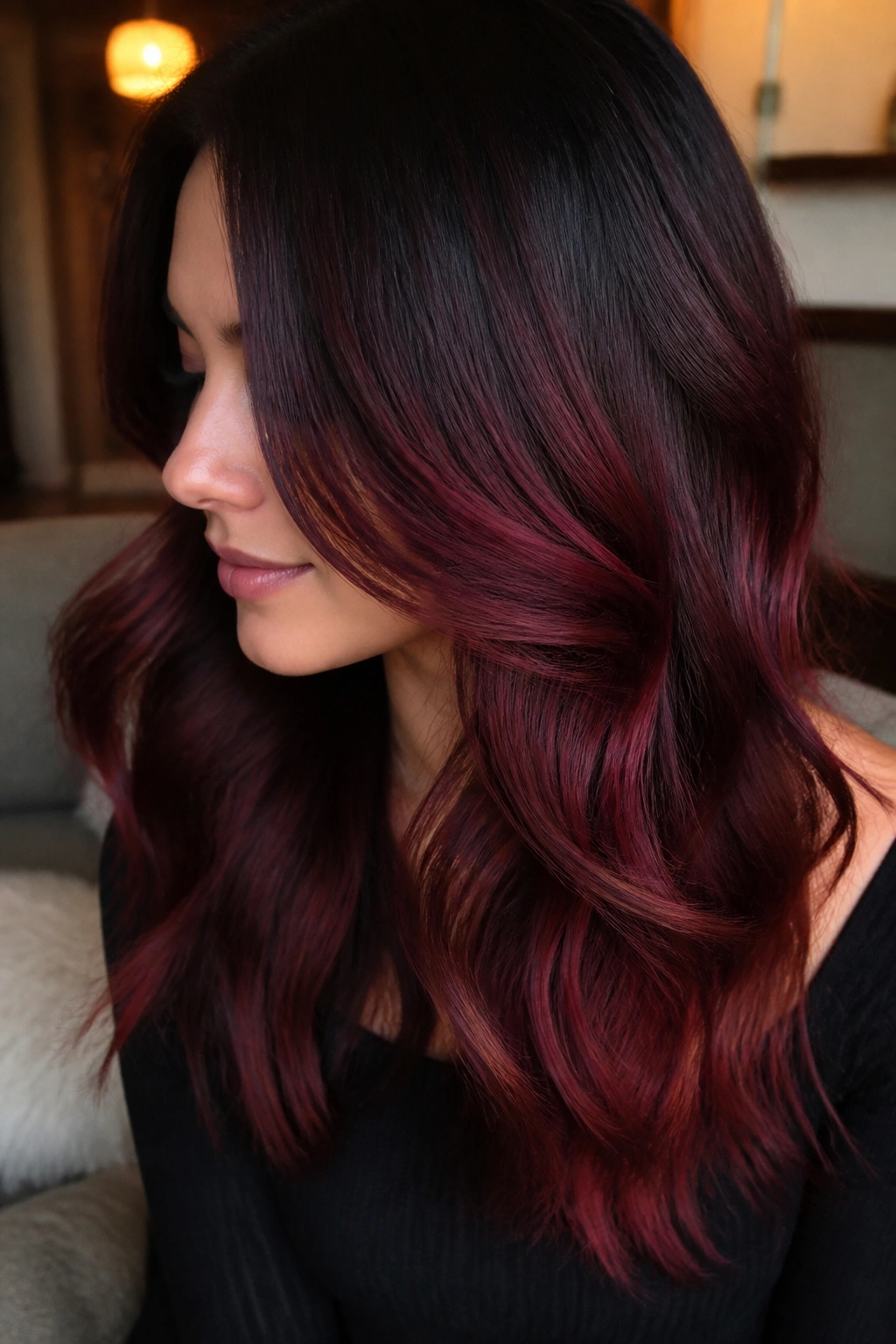
Merlot melt has the kind of depth that makes hair look expensive without trying too hard. The roots stay dark, then the mid-lengths slide into a wine-red burgundy that feels smooth, not streaky. On cool skin, that darker wine note keeps the face from going washed out.
A melt is the best choice when you do not want a hard line of color. It softens the transition from natural brunette to burgundy, which makes regrowth less annoying and the whole look more wearable day to day.
I like this one on medium to long hair because the color has room to move. When the hair swings, you see a darker root, then a grape-red body, then a slightly deeper end. It has shape.
If your wardrobe leans black, gray, navy, or charcoal, this is one of the easiest burgundy ideas to live with. It reads polished, not costume-y.
3. Plum Burgundy Bob
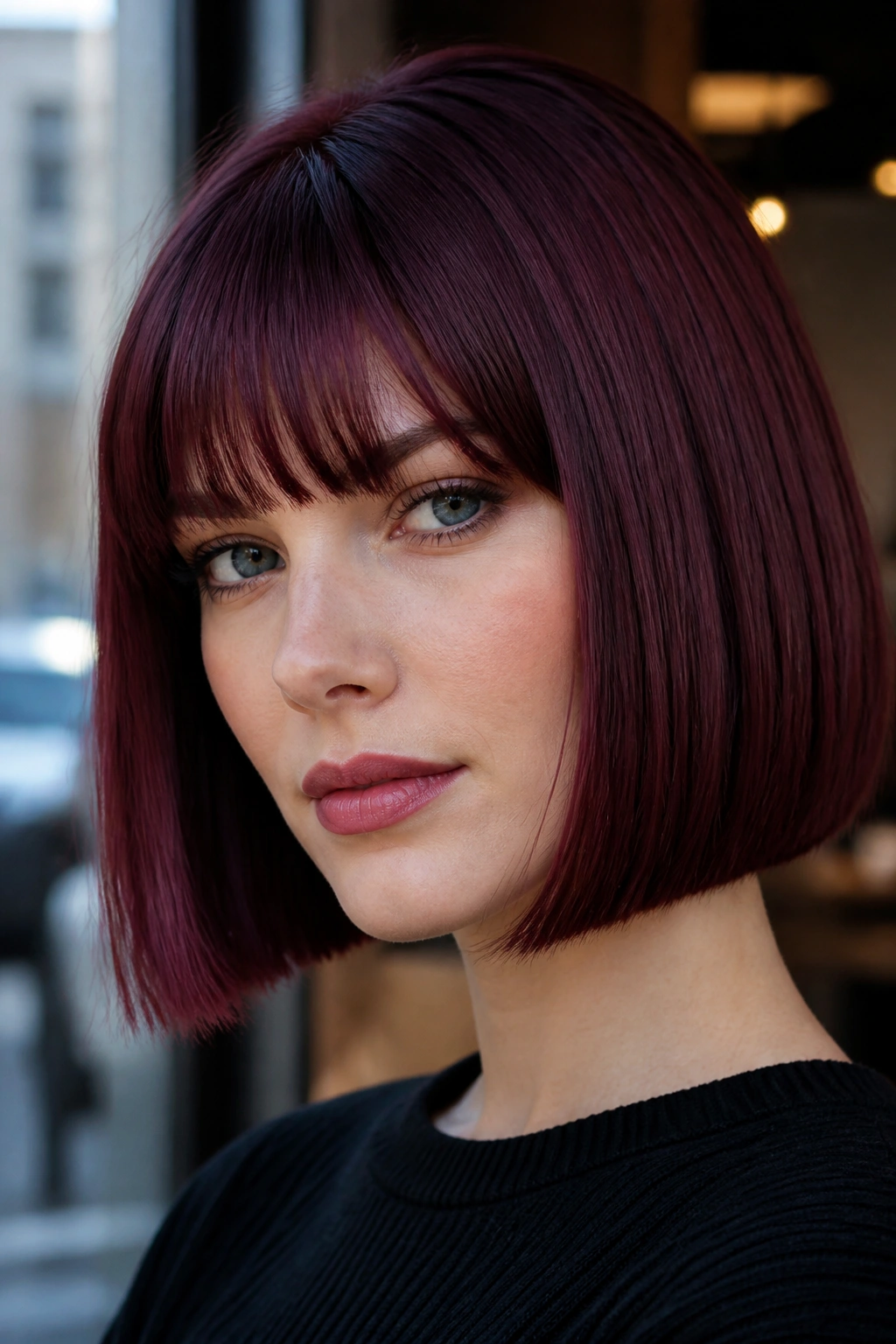
Why does plum work so well on a bob? Because the cut already has structure, and plum burgundy adds a cool, almost velvet-like edge that makes the shape look sharper. On cool skin, that violet bias is what keeps the shade from looking too warm or too brown.
What Makes It Different
A bob does not need tons of dimension to look interesting. The blunt line does most of the work. A plum burgundy tone gives that line some attitude without cluttering it up with too many colors.
How to Wear It
- Keep the ends slightly darker than the mid-shaft for more depth
- Ask for a violet-red demi-permanent formula
- Style with a flat brush blowout for a sleek finish
- Use a cool-toning conditioner once a week if the red starts drifting warm
This one is especially good if you want a haircut that looks intentional in seconds. No fuss. Just shape and shine.
4. Cranberry Ribbon Highlights
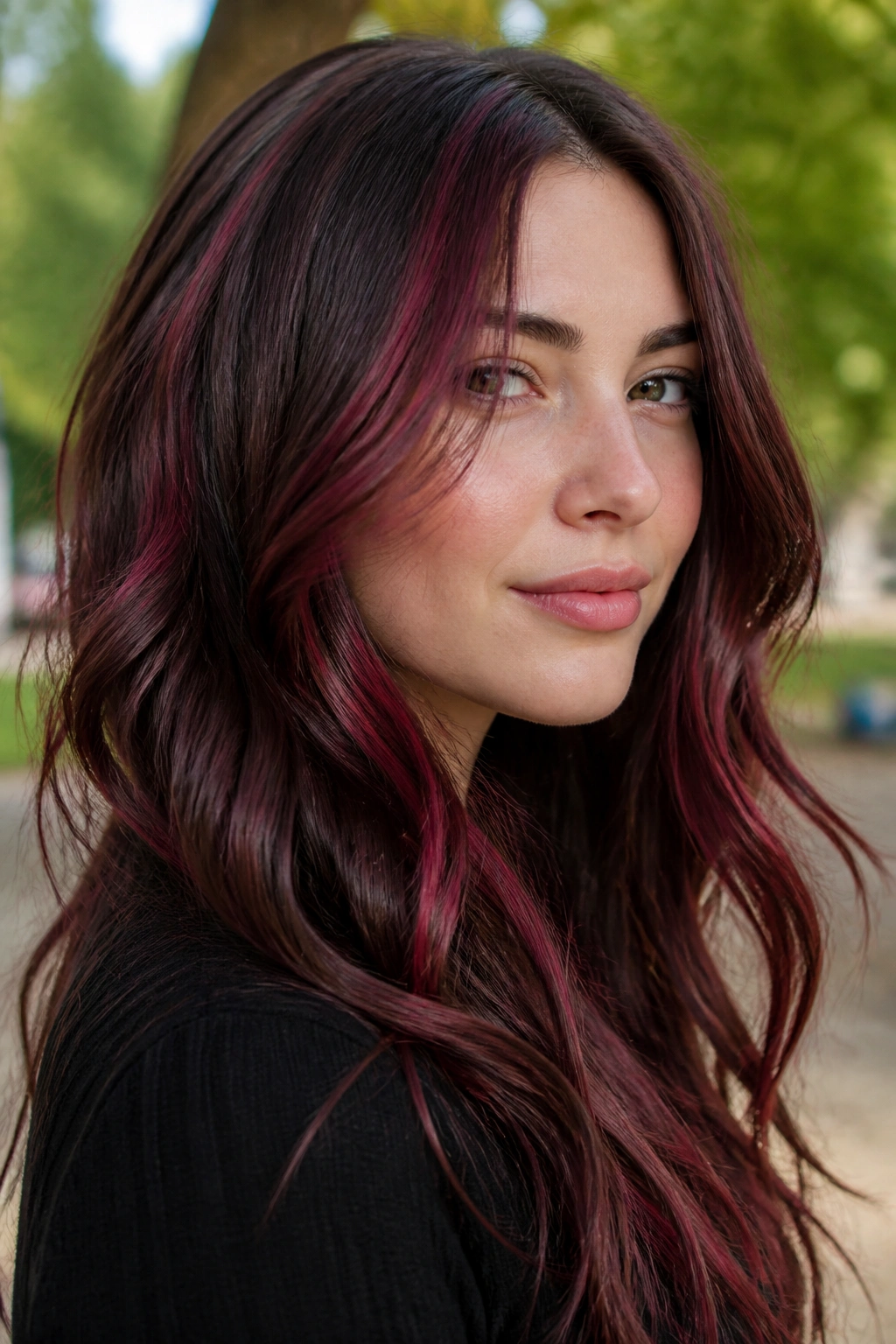
A friend of mine once tried to “go burgundy” by dyeing her whole head a red-brown shade, and it swallowed her face. Cranberry ribbons would have been the better call. Thin, cool-red streaks woven through brunette hair are much easier to wear, especially when your skin is on the cooler side.
The trick is keeping the ribbons fine enough to look layered, not striped. Around the face, a few pieces that are one to two levels lighter than the base can wake everything up without turning the look loud.
This is one of the better choices if you want movement, not a solid block of color. It also grows out more gently than all-over burgundy, which matters when you’re not keen on frequent salon visits.
Best of all, the red catches on curls and bends. Even a loose wave makes cranberry highlights look more expensive than they have any right to.
5. Velvet Wine Balayage
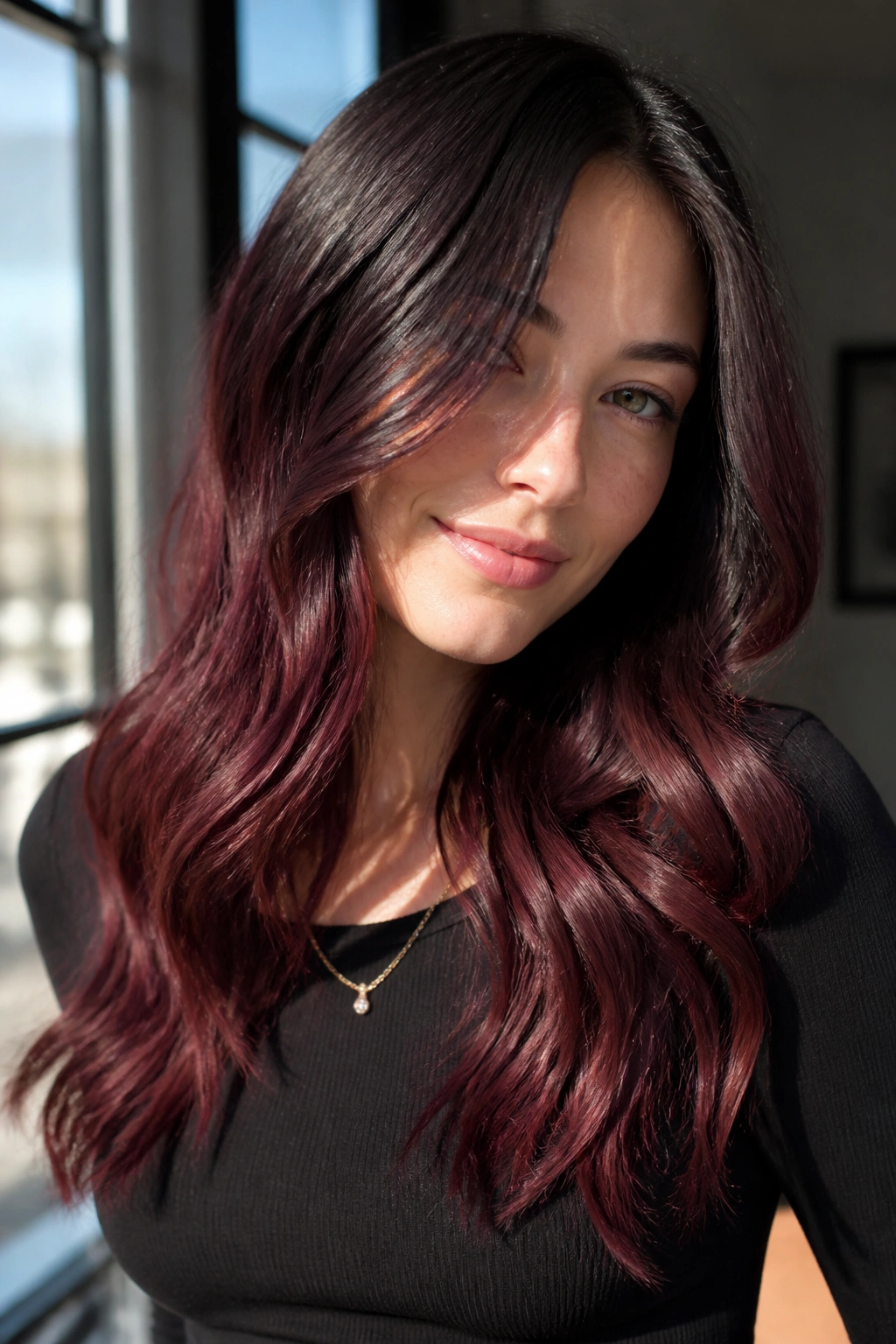
Velvet wine balayage is the shade I recommend to people who want burgundy, but only if it looks soft and blended. Hand-painted wine tones give the hair that low-lit, moody finish that cool skin can wear without the face turning flat.
The secret is leaving the roots deeper and painting the wine tones through the mid-lengths and ends. That creates a soft fade rather than a bright red stripe. It also gives you a little more breathing room between appointments.
This one looks especially good on hair with some length, because the color can spread out. On long waves, the burgundy hits at different points and keeps the whole style from feeling too heavy.
A cool-toned wine balayage can look almost brown indoors, then shift red-violet in daylight. I like that. It feels grown-up.
6. Sable Burgundy Shadow
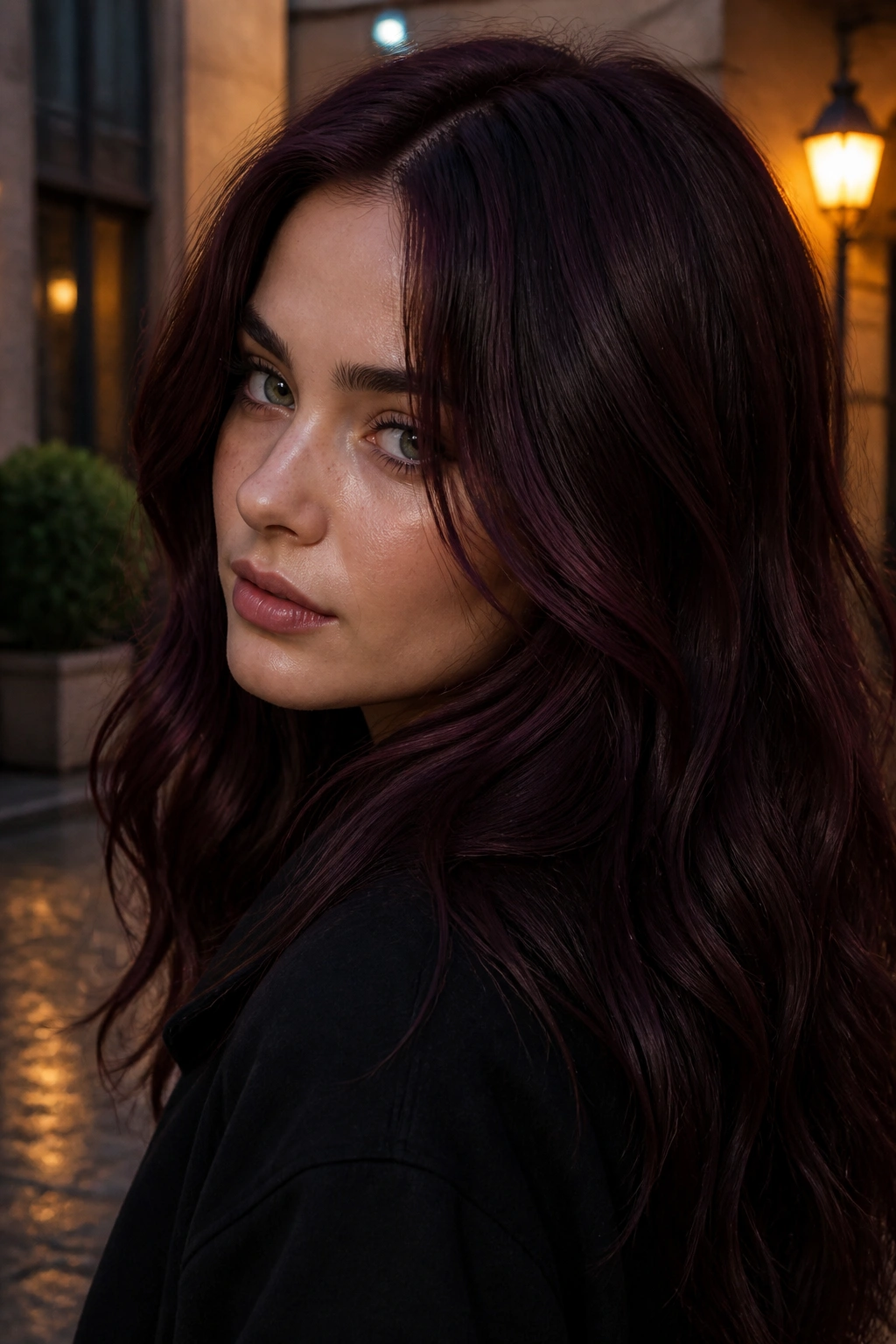
Sable burgundy is for the person who wants red, but not red. The base stays deep brunette, and the burgundy shows up as a shadowy sheen rather than a full color change. That makes it easier to wear if your style runs more minimal.
Compared with a bright cherry shade, this one is quieter and more forgiving. You get dimension, but not a dramatic contrast. That’s a win if your cool skin tends to go pink when you wear warm hair colors.
Ask for a level 4 brown with blue-red reflect if you’re talking to a colorist. That phrasing helps keep the result cooler and prevents the burgundy from drifting into chestnut territory.
It’s also one of the easiest shades to maintain. A gloss every month or so keeps the shine alive, and the color fade tends to look intentional instead of patchy.
7. Cool Berry Burgundy
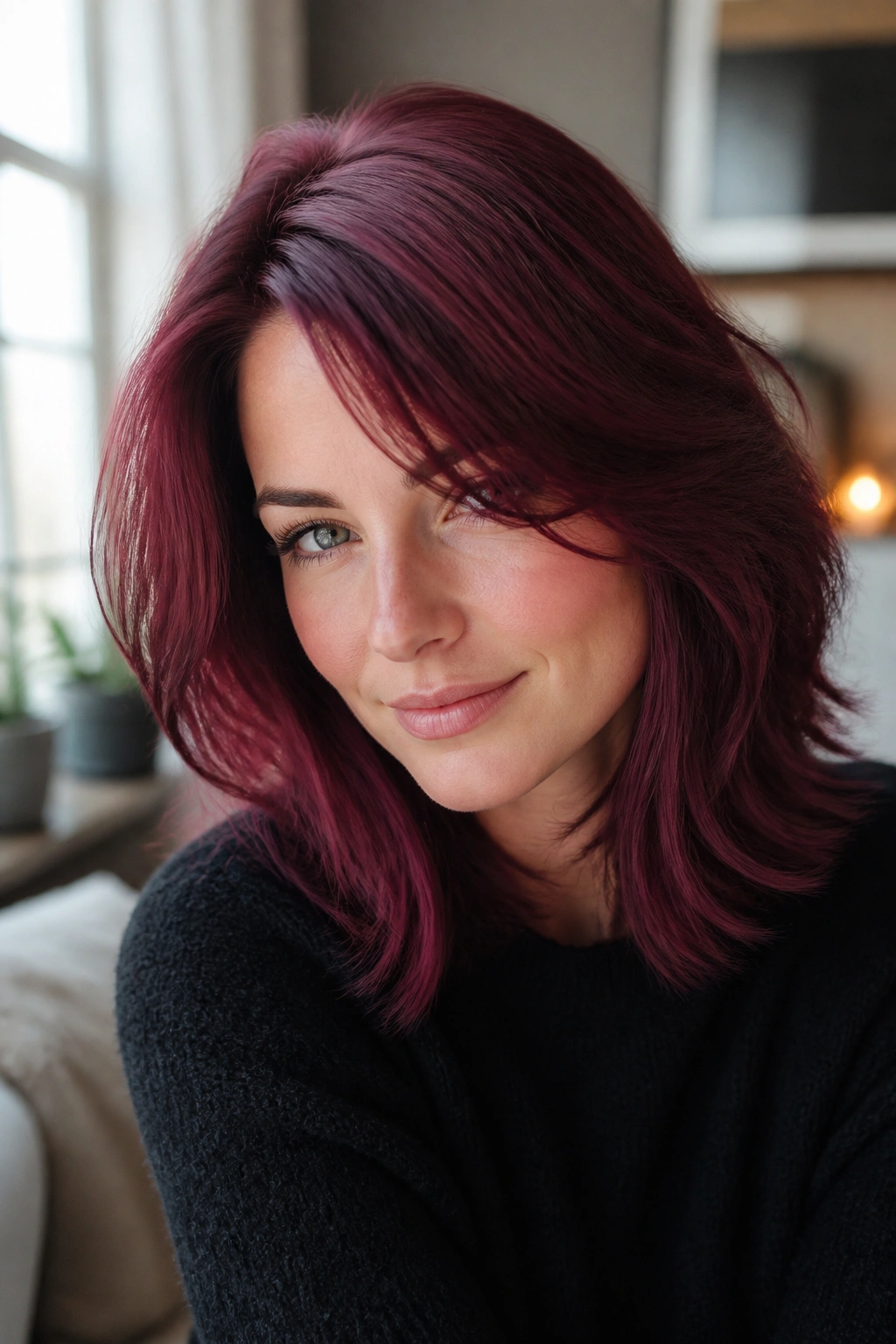
Cool berry burgundy has more lift than black cherry, but it still stays in the cool family. Think berry jam with a violet edge. It’s brighter near the face, which makes it a smart pick for fair or light-medium cool skin that needs a bit more color contrast.
Why It Works
The berry note softens the heaviness that some burgundies carry. It gives the hair a fresher feel, especially on layered cuts where the color can break up a little. If your hair is fine, that brightness can make it look fuller than a deeper, flatter wine shade.
Best Ways to Wear It
- On shoulder-length layers
- With a slightly darker root for depth
- Styled in soft bends rather than tight curls
- Finished with a shine spray, not a heavy oil
This is a nice middle ground if you want burgundy that still feels youthful without sliding into neon. It’s vivid, but not shouty.
8. Midnight Burgundy Black
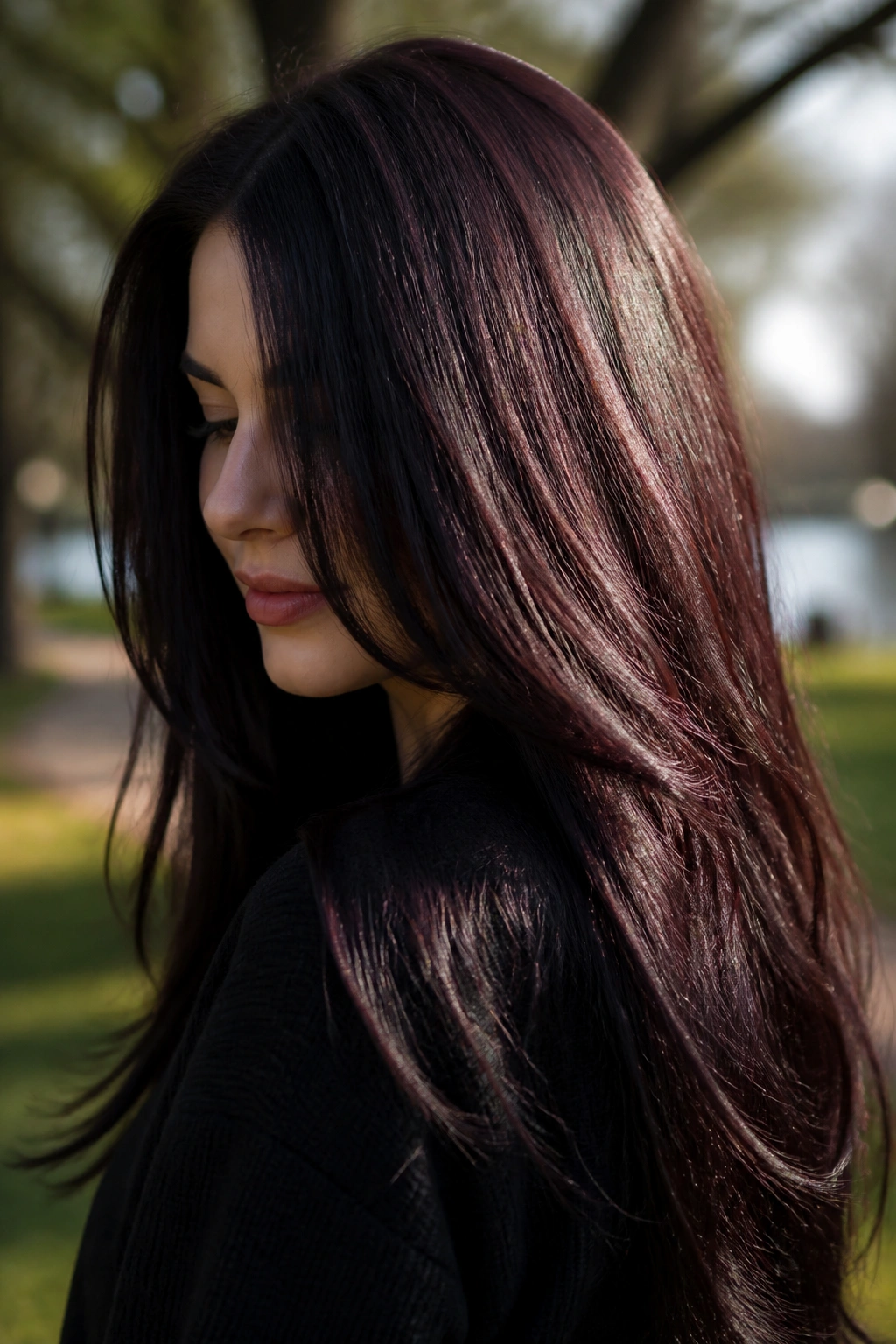
Midnight burgundy black is a shade for people who want a secret, not a statement. Indoors, it looks almost like soft black hair. Outside, it releases a hidden burgundy tint that lives in the light rather than sitting on top of the hair.
That hidden quality is part of the charm. Cool skin often looks best with deep colors that don’t compete with the complexion, and this one gives you exactly that. The red lives underneath the darkness, so the face stays the focus.
I especially like it on longer hair with a little movement. On pin-straight hair, the effect can be subtle to the point of disappearing. Add a bend at the ends, and the burgundy starts to show up where it should.
If you want a burgundy color that works in conservative settings, this is one of the safest bets.
9. Cherry Cola Layers
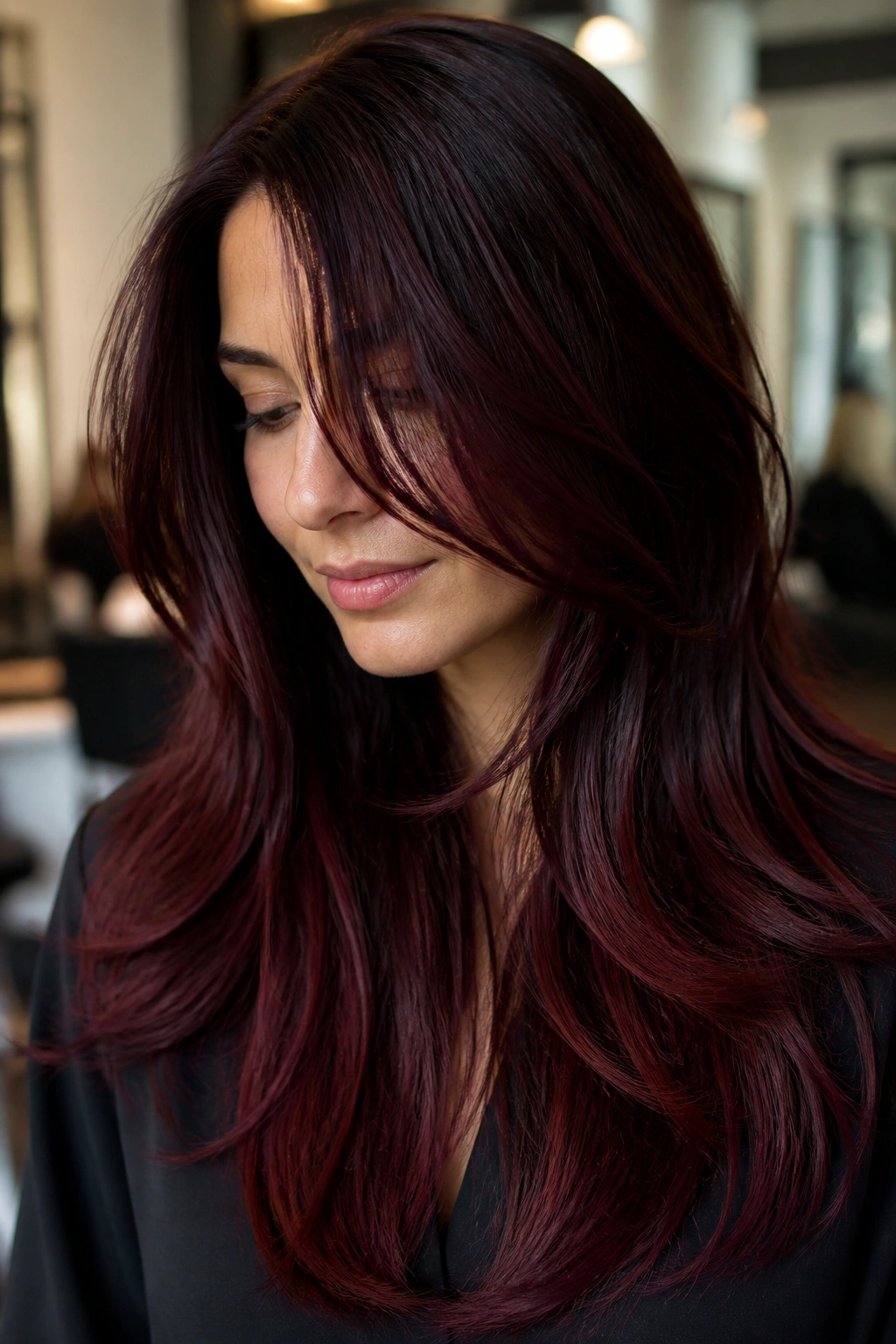
Does cherry cola sound warm? A little. But on cool skin, the cool-red version works because the cola part stays dark and the cherry comes through as a blue-red accent rather than a copper one. That balance is what makes it wearable.
How to Use the Idea
The best version lives on layered hair. Long layers, shag layers, even soft face-framing layers can help the color break up so it doesn’t look like one heavy block. You want the red to peek through, not sit on top like paint.
A good salon note is “dark brunette base with cherry-red lowlights and a cool gloss.” That keeps the color from getting too bright or too orange.
Cherry cola also plays well with curls. The bends in the hair catch the darker and lighter sections, which gives you depth with almost no extra effort. Lazy color, honestly, and I mean that as a compliment.
10. Smoky Plum Brown
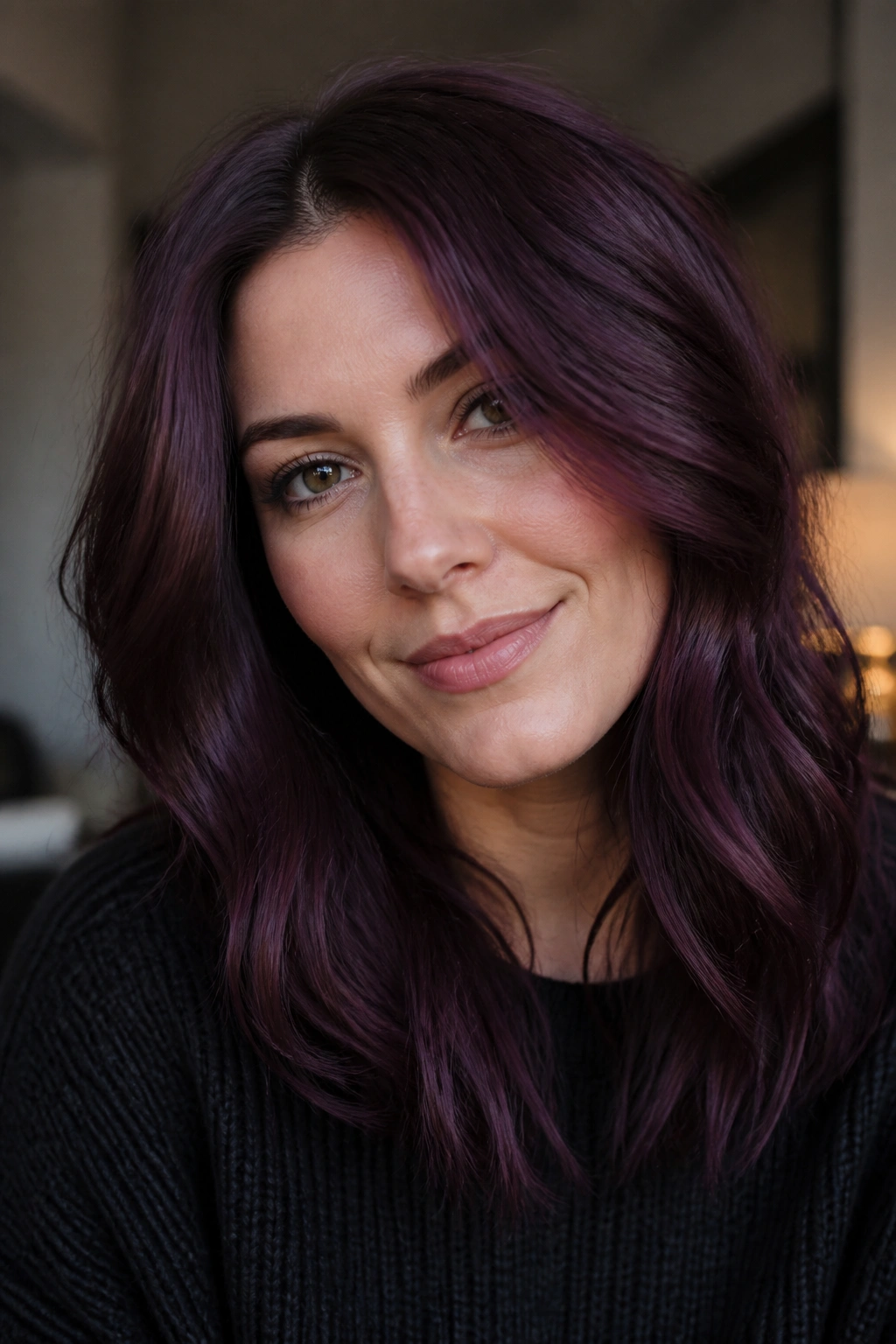
Smoky plum brown is the shade you choose when you want burgundy to feel soft and a little muted. It has enough violet in it to flatter cool skin, but the brown base keeps it grounded. That’s the sweet spot for people who don’t want obvious red hair.
Picture a brunette glaze with plum inside it. Not bright. Not flat either. The finish matters here, because shine can make the color look richer without making it louder.
This tone is especially nice on medium cool skin, where too-bright burgundy can feel harsh. The smoky edge gives the face room to breathe. It’s also a good match for thick hair, since thicker strands can sometimes make lighter burgundy look too busy.
If you want low drama and real depth, this one earns its keep.
11. Cabernet Red Velvet
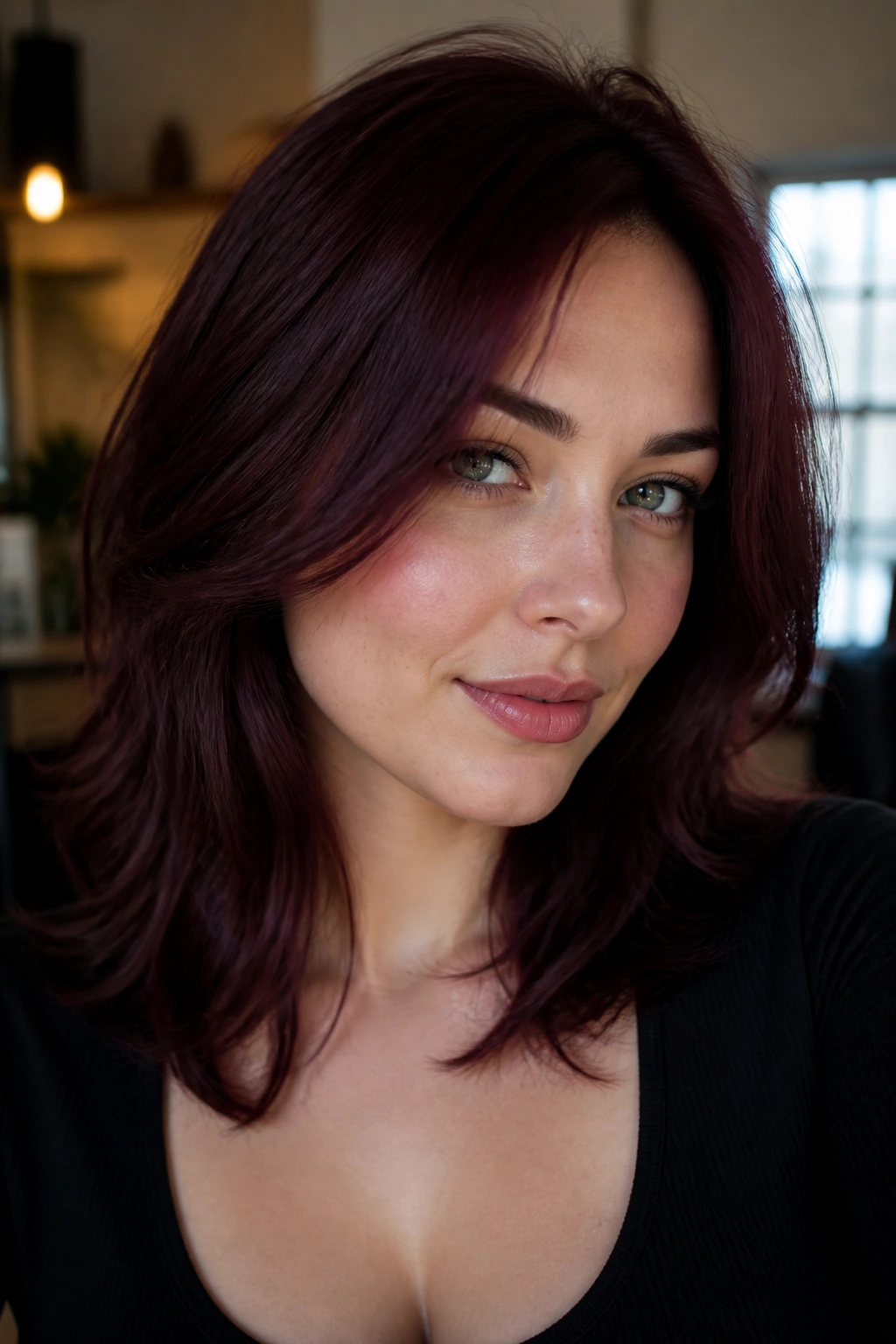
Cabernet red velvet is a deeper, smoother take on burgundy hair, and it has one of the nicest finishes when the formula stays blue-red instead of leaning brick. On cool skin, it reads like a polished wine tone rather than a fire-red one.
I like this shade on medium-length cuts and layered blowouts because the color looks fuller when the hair has shape. It’s one of those colors that seems to change depending on the room. Soft indoor light makes it look darker; daylight wakes up the red.
The main thing to watch is warmth. If the formula gets too orange, the whole effect goes off. A cool gloss keeps it in line, and a color-safe shampoo helps the tone last longer between visits.
It’s a strong pick if you want your hair to feel rich without losing its depth.
12. Deep Amethyst Burgundy
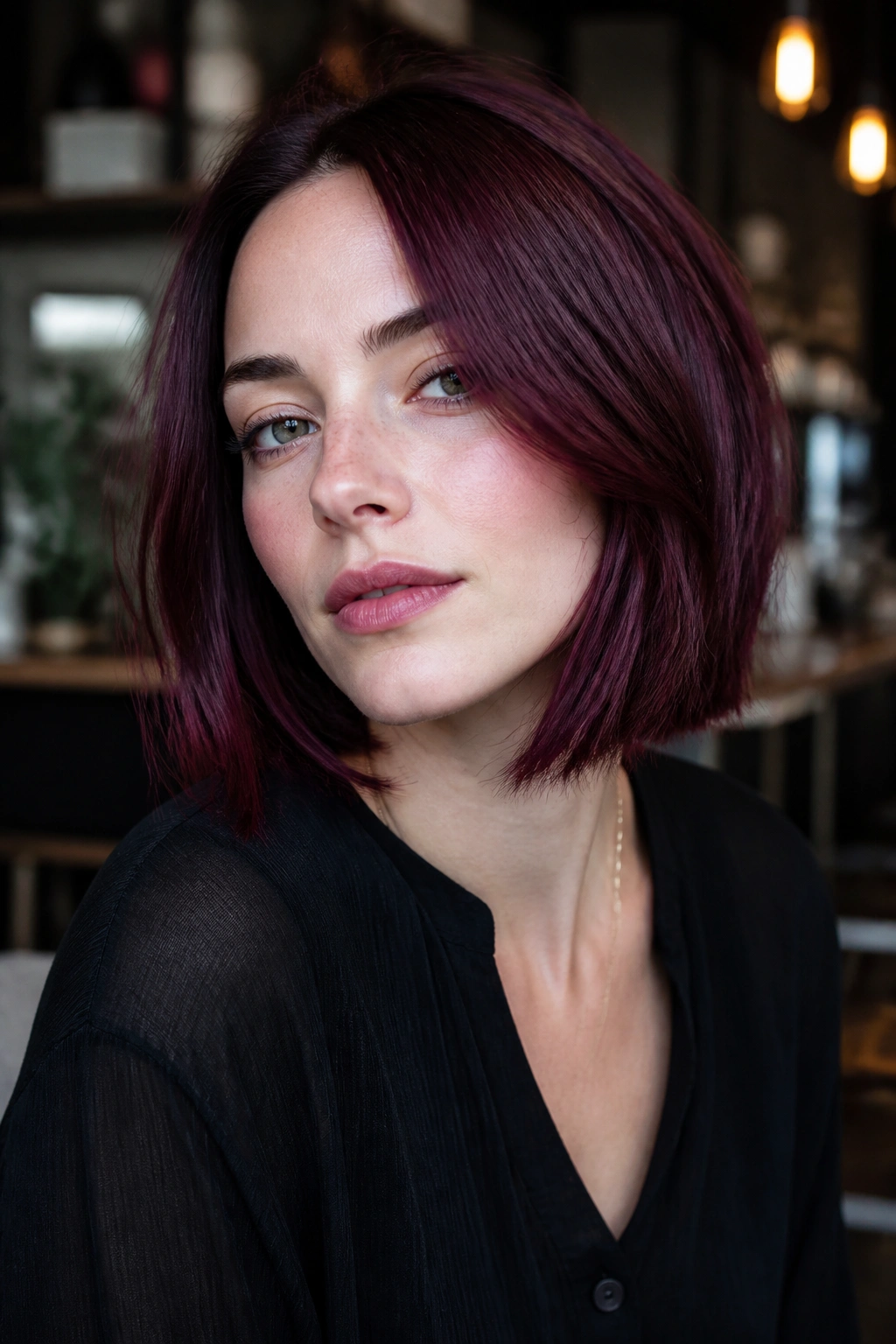
Deep amethyst burgundy sits right at the edge of purple and wine. That makes it a favorite for cool skin, because the violet side of the shade pulls the complexion in a cleaner direction. It’s a little mysterious, which sounds dramatic, but hair color can use a little drama.
What Makes It Different
Compared with classic burgundy, this shade carries more purple reflect and less red heat. That means it often looks cooler under daylight and more jewel-like at night. The difference is subtle until you see it move.
Best For
- Porcelain and rosy skin
- Dark hair that lifts easily
- Short cuts, bobs, and lobs
- People who want a richer alternative to plum
Ask for a demi gloss with violet-red pigment if you’re trying this at the salon. It helps keep the color luminous rather than muddy.
13. Burgundy Gloss on Brunette Base
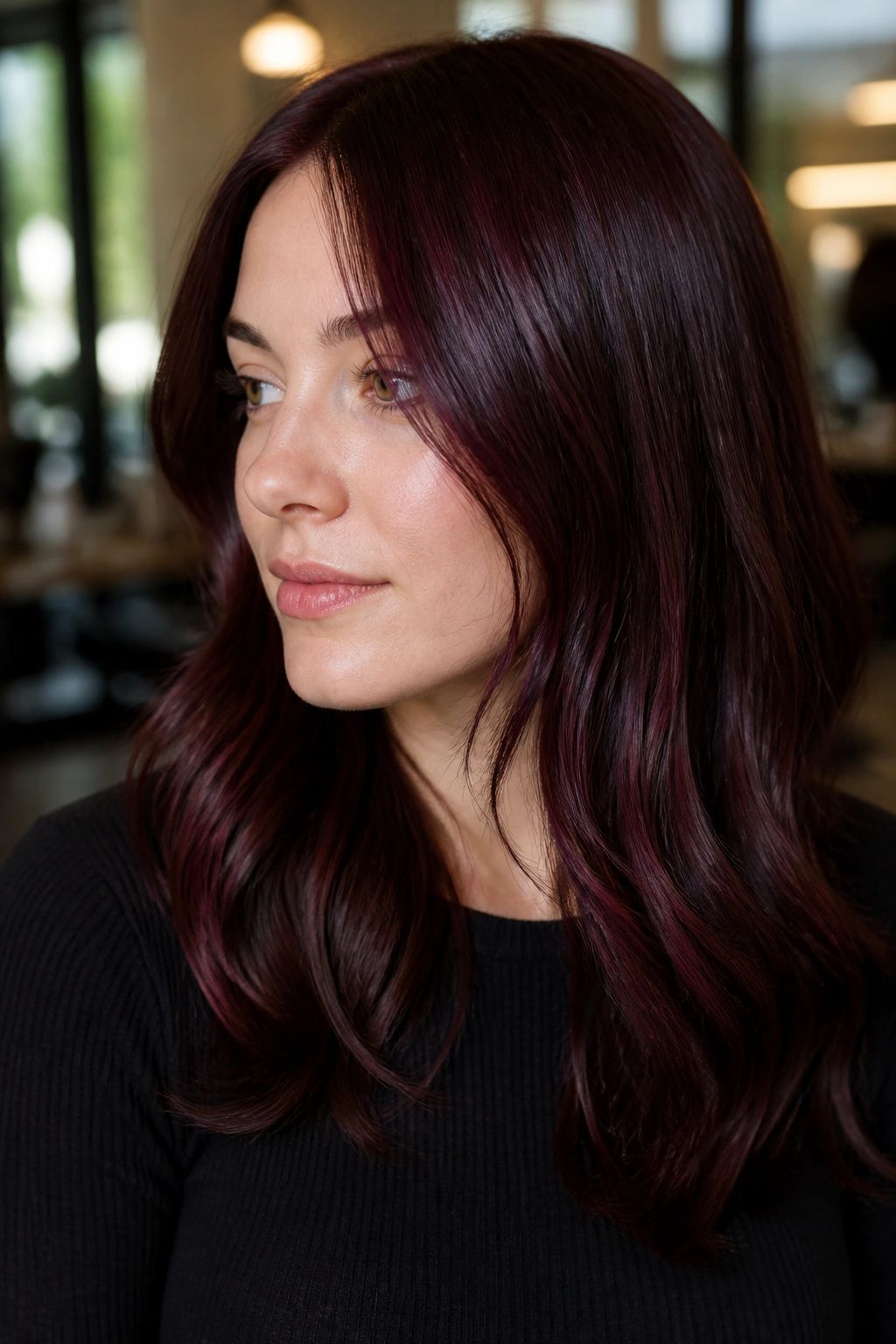
Sometimes the best burgundy idea is not a full dye job at all. A burgundy gloss on a brunette base gives you shine, a hint of wine color, and enough change to feel fresh without a harsh line of demarcation. That’s a smart move if you’re cautious.
Why It Works on Cool Skin
The brunette underneath keeps the color grounded, while the burgundy gloss gives the hair that cool, reflective cast that plays well with pink or blue undertones. It’s subtle, but the face still gets a little lift.
Easy Ways to Wear It
- Ask for a clear or sheer burgundy gloss
- Refresh every 4 to 6 weeks
- Style with loose waves to show the color shift
- Keep heat styling low so the gloss lasts
This is the one I’d suggest to someone who wants to test burgundy before committing to permanent color. It wears softly, and that matters.
14. Shadow Root Burgundy Ombre
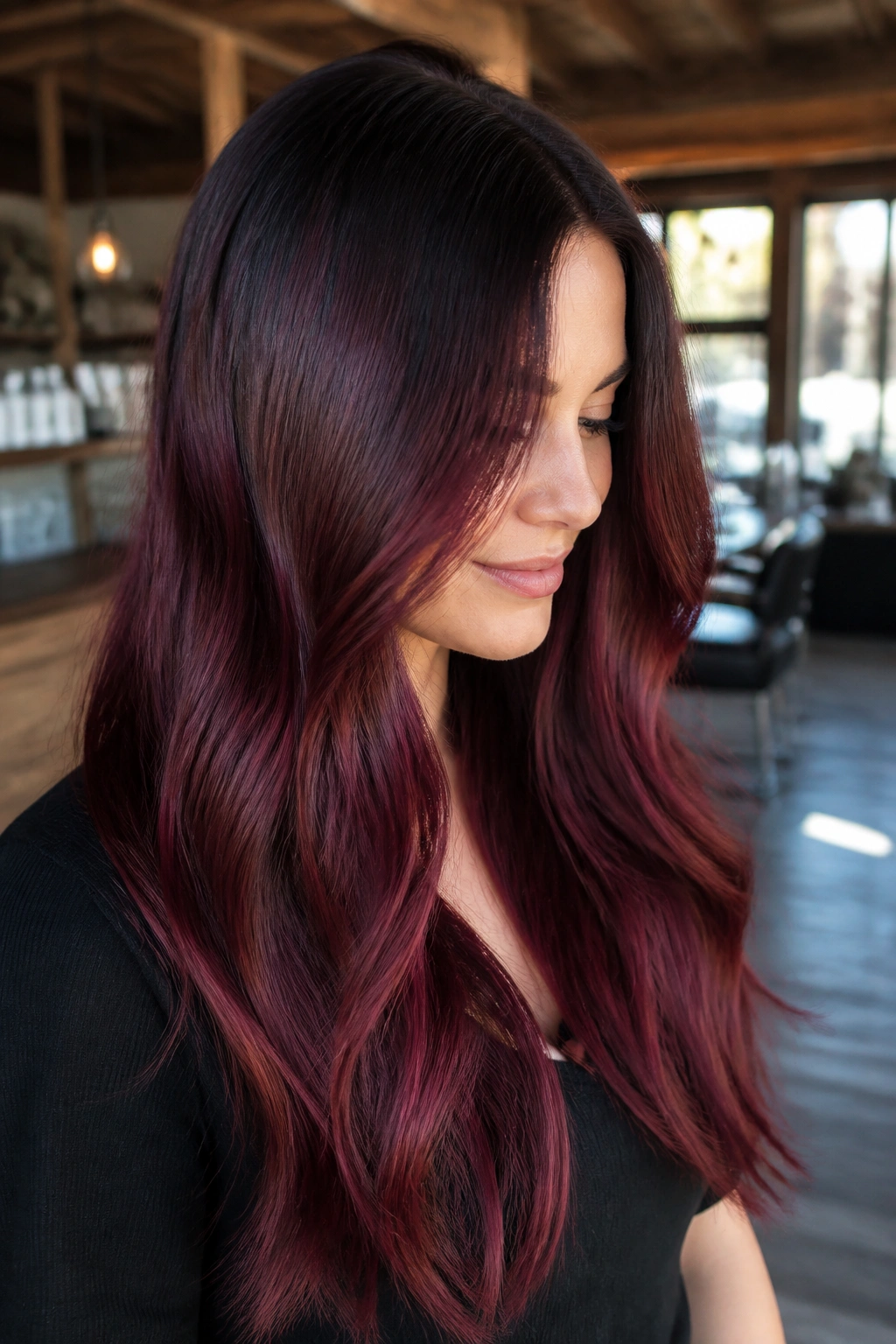
A shadow-root ombre is the sensible person’s answer to vivid burgundy. The root stays dark, then the color deepens into burgundy through the mids and ends. It looks deliberate, and the grow-out is easier to live with than a solid all-over red.
The ombre shape also helps cool skin by keeping the face-framing area darker at the root. That creates contrast without making the complexion look washed out. The burgundy shows up where it should — lower on the hair, where it can catch movement.
This works especially well on longer lengths, where the fade has room to breathe. On shorter cuts, the blend can get crowded and lose some of its appeal.
If you hate obvious maintenance, start here.
15. Cool Raspberry Burgundy
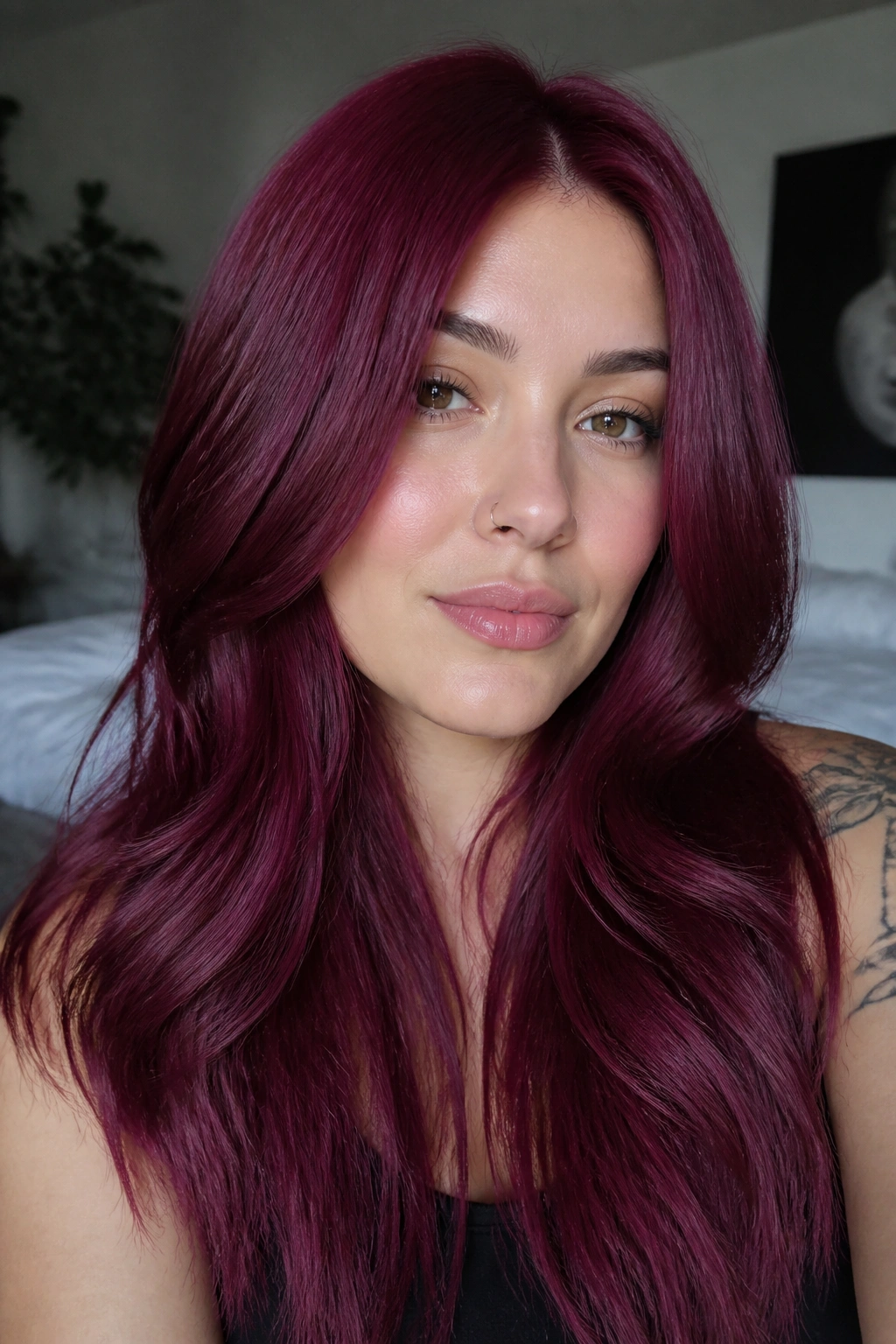
Can burgundy be bright and still flattering on cool skin? Absolutely. Cool raspberry burgundy proves it. The key is keeping the red side crisp and the undertone icy, almost berry-syrup cool, instead of warm fruit punch.
How to Wear It
This shade looks best when the hair has some shine and a bit of texture. It can feel too intense on pin-straight hair without movement. Loose curls, bent ends, or a lived-in blowout help soften the brightness.
Watch For
- Too much orange in the formula
- Overprocessing the hair until it goes flat
- Using hot water, which fades the berry tone faster
- Skipping UV protection on colored hair
If your complexion is fair and cool, raspberry burgundy can be a lovely way to bring life to the face without drifting into coral. It’s cheerful, but still on your side.
16. Mulled Wine Curls
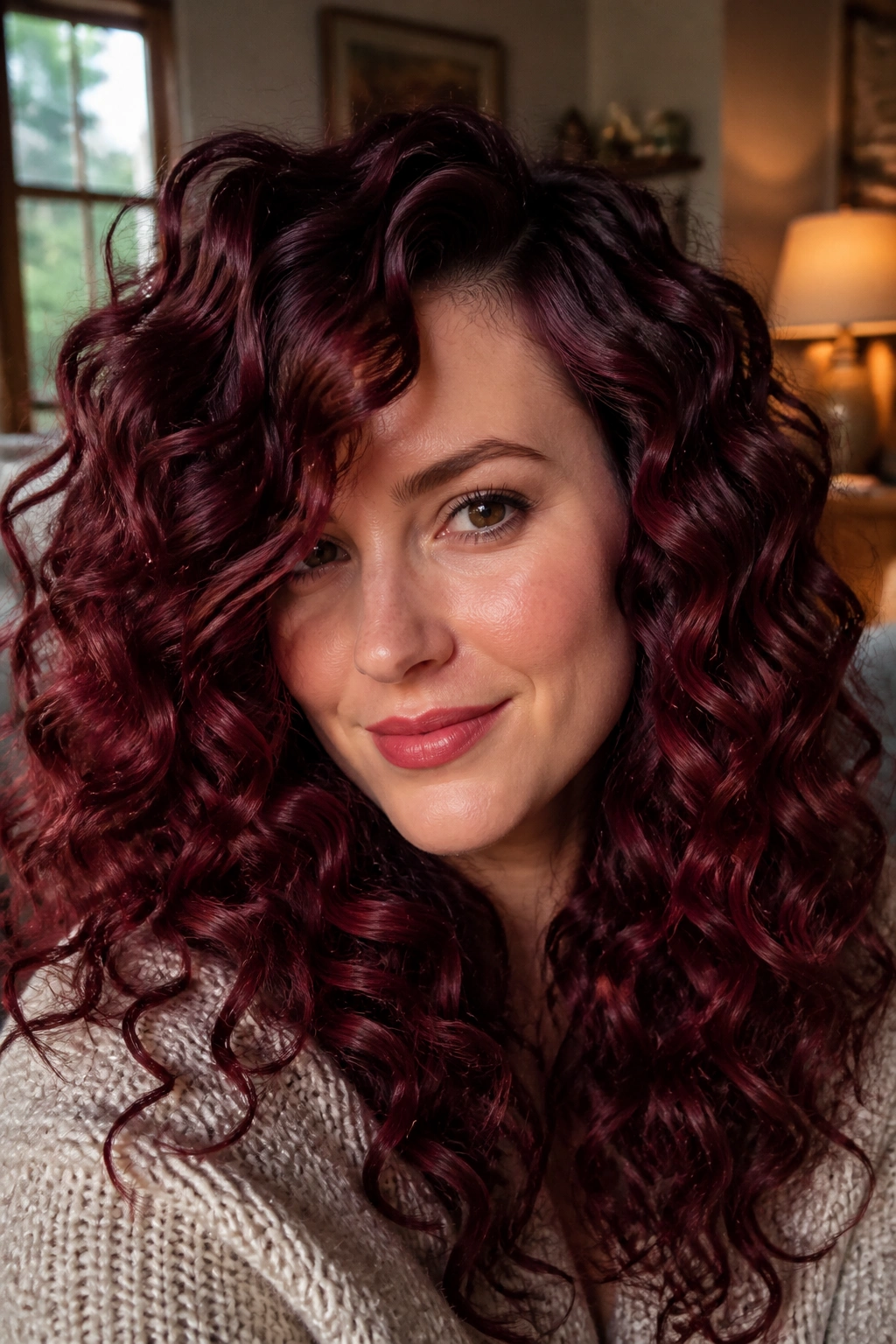
Mulled wine curls have a warm name, but the shade itself can be kept cool if the formula leans red-violet and the curls are deep enough to add contrast. On cool skin, the result feels layered and plush, not brassy.
I like this look on textured hair because the curls do half the work. Each bend catches a different slice of red, so the color never sits there like a solid sheet. It moves. That movement is what gives mulled wine its charm.
A few things make it better in real life:
- A dark base with red-violet dimension
- Mid-sized curls rather than tiny ringlets
- A gloss finish every month or so
- A sulfate-free shampoo to keep the tone intact
The shade feels romantic without becoming fussy. That’s rare.
17. Sable and Burgundy Peekaboo
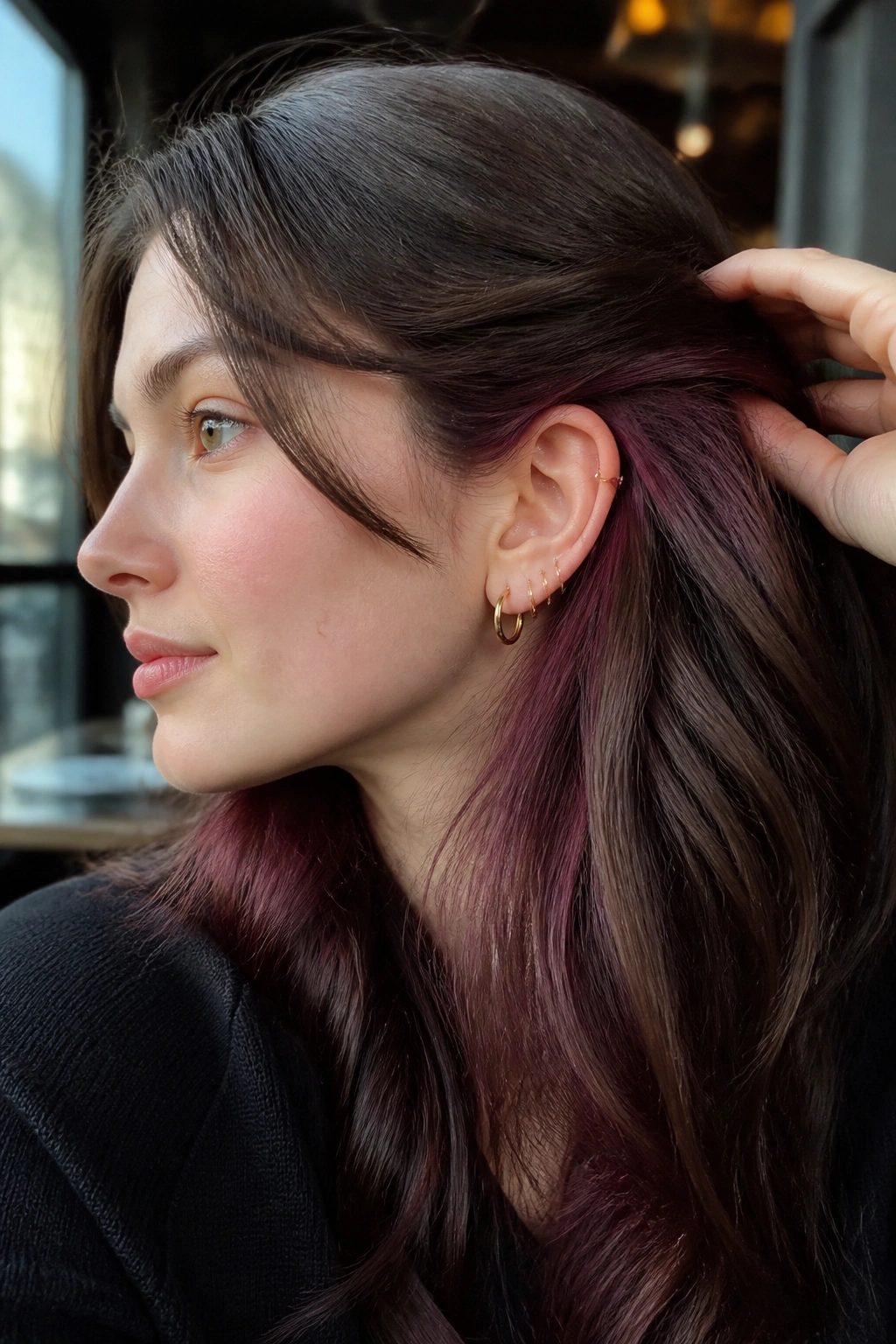
Peekaboo burgundy is one of my favorite ways to keep things interesting without announcing it to the room. The top layer stays sable or deep brown, and the burgundy hides underneath, flashing when you tuck your hair behind your ear or move it into a half-up style.
That hidden placement is especially good for cool skin because the darker top layer preserves contrast. The burgundy still shows through, but only in little bursts. It’s a controlled way to wear red.
This works on short and long hair, though it’s especially fun on lobs and shoulder-length cuts. You get the surprise without the full commitment.
If you’ve got a strict dress code or just don’t want your color to run the show, this is a clever compromise. Not bland. Just smart.
18. Violet Burgundy Lob
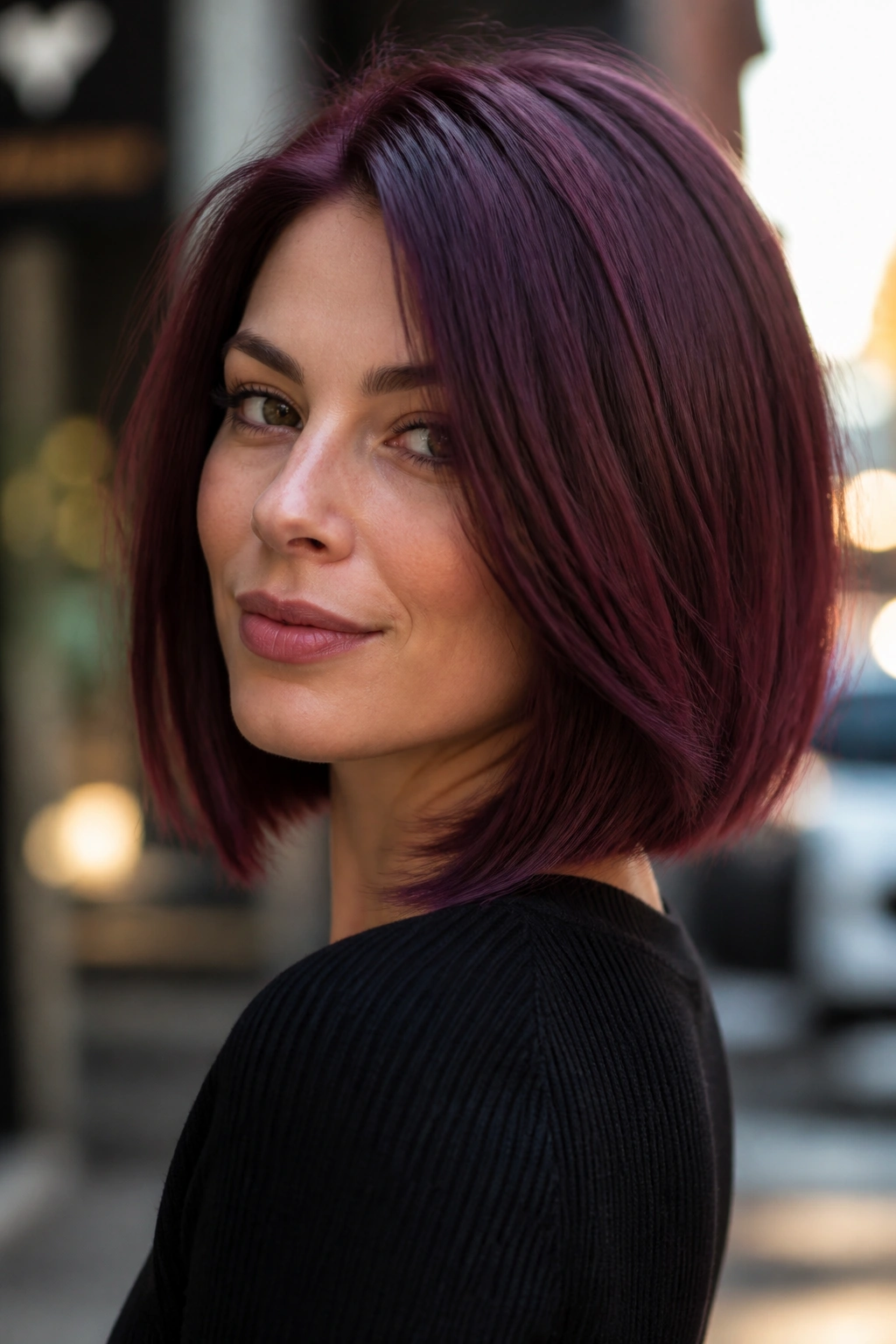
A lob gives violet burgundy the perfect stage. The cut is long enough to show color shifts, but short enough that the shade never feels weighed down. On cool skin, the violet side of the burgundy keeps the overall look crisp.
Compared with classic red burgundy, this one feels more refined and less fiery. That makes it a good match for people who wear a lot of black, white, gray, or jewel tones. The color doesn’t fight the outfit.
I’d ask for a violet-heavy burgundy toner if your base is already lightened. If the hair is dark, a gloss or demi-permanent color will usually do the job with less damage.
The lob also makes regrowth less obvious, which is a small mercy if you don’t enjoy constant touch-ups.
19. Red Velvet Brunette
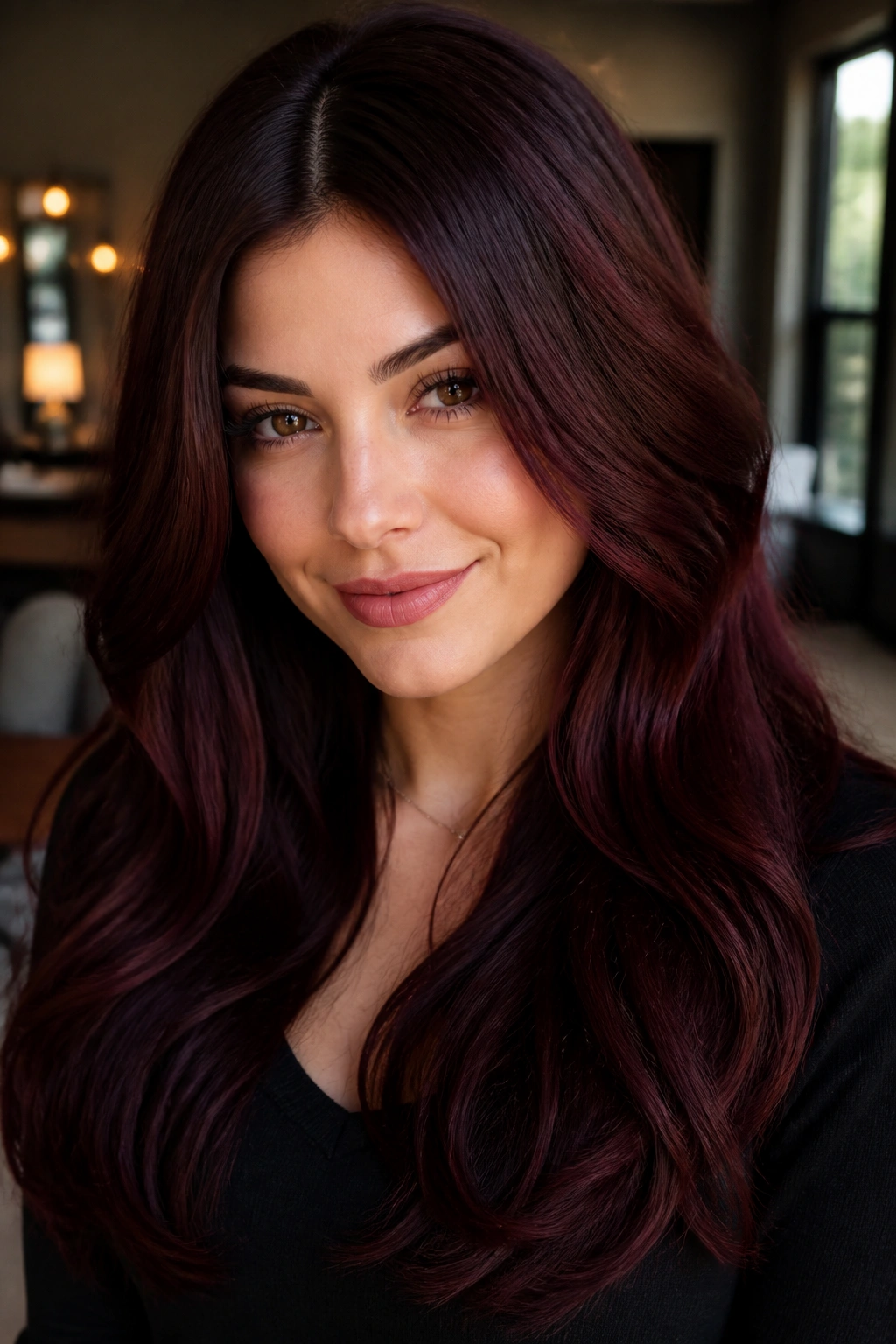
Red velvet brunette is what happens when you want burgundy to feel soft, plush, and expensive-looking without going fully red. The brunette base keeps it grounded, while the velvet-red reflect gives the hair enough warmth to feel alive — but not warm in a copper sense.
Why It Suits Cool Skin
The trick is the balance. If the red sits too high, the skin can look flushed. If it sits too low, the hair looks flat. Red velvet hits the middle and gives cool skin a smooth contrast that feels flattering rather than harsh.
Good Pairings
- A layered cut
- Soft blow-dried volume
- Side parts or curtain bangs
- Glassy finish sprays
I like this shade on hair that already has some natural depth. It makes the color feel believable, which is a big deal when you’re dealing with burgundy.
20. Berry Noir Pixie
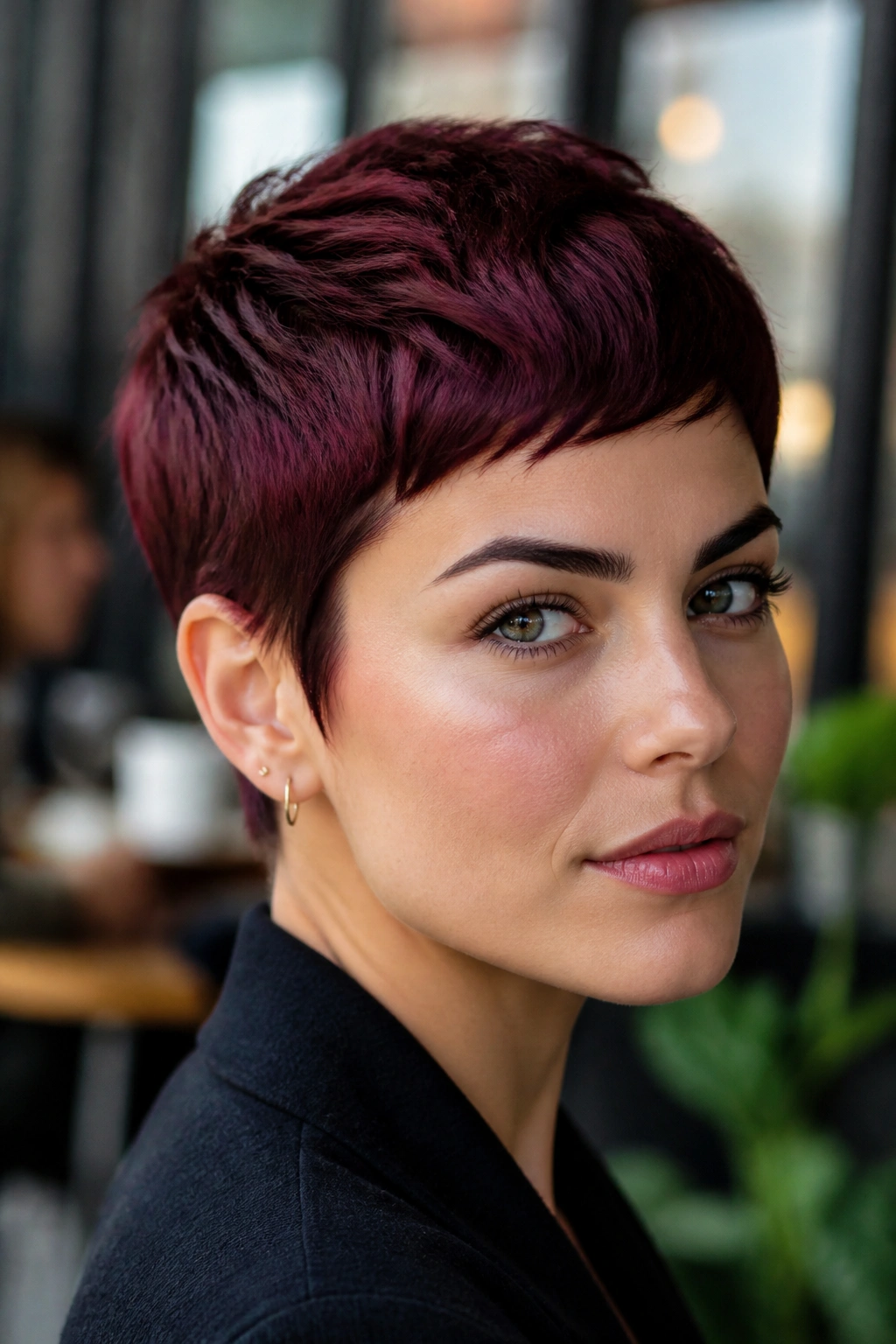
A berry noir pixie is tiny hair with a lot of attitude. The cut itself is short and sharp, and the berry-black color gives it a cool, glossy edge that flatters pale or cool-toned skin without making the face disappear.
Short cuts can carry darker burgundy better than people expect. In fact, the small surface area makes the color look richer, because every strand gets noticed. On a pixie, a violet-red sheen can replace the need for heavier styling.
The best part is maintenance. You’re not chasing long root lines, and the color tends to fade in a controlled way if you use gentle shampoo and avoid scorching the hair with high heat.
This is a good choice if you want a bold color story with very little length to manage. Clean, punchy, done.
21. Cooled-Down Mahogany Burgundy
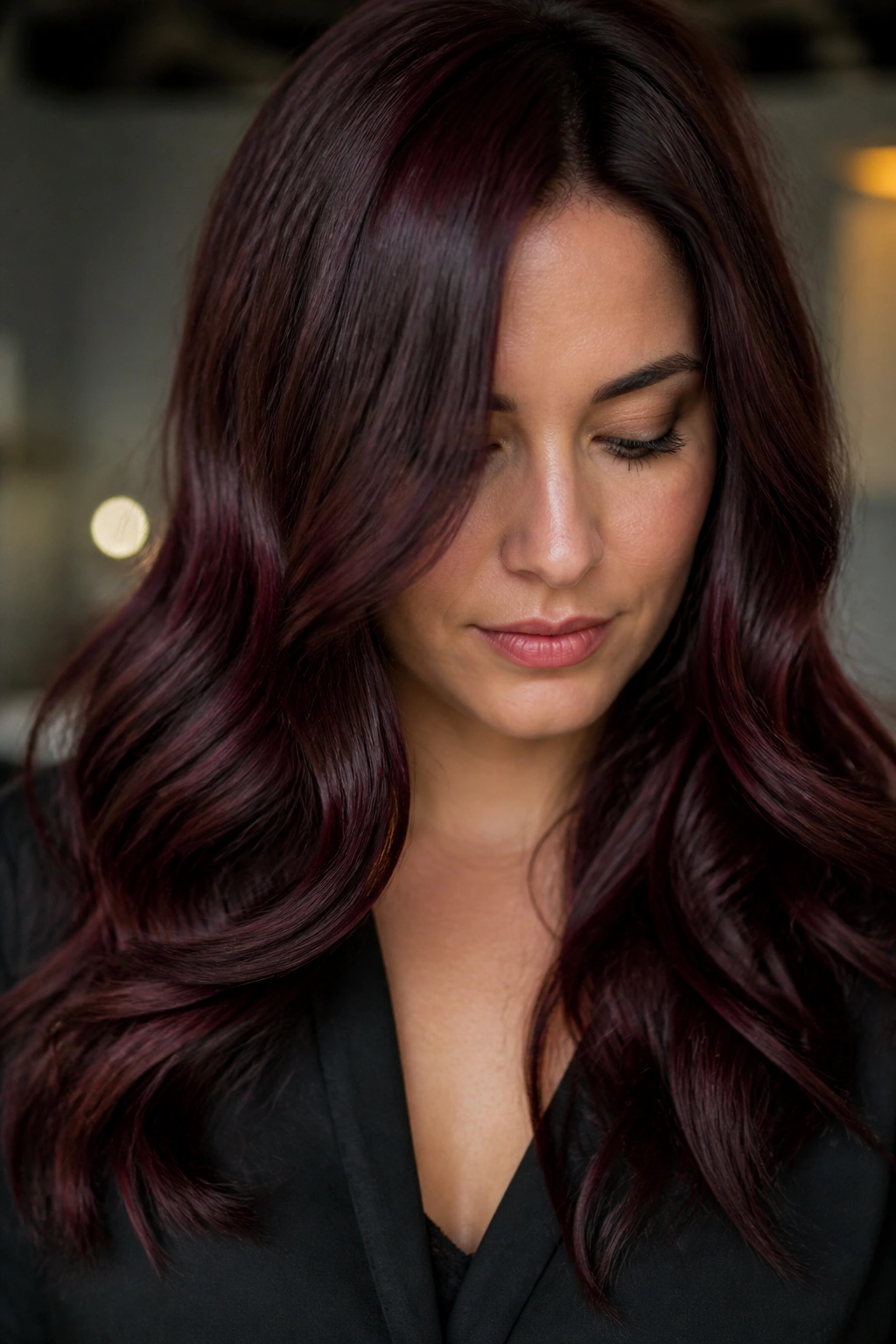
Mahogany usually wanders warm, which is why I only like it when the warmth gets pulled back. Add violet, mute the orange, and suddenly it becomes a much better fit for cool skin. That cooled-down version feels deeper and less brown than the standard mahogany people picture.
What to Ask For
Tell your colorist you want a mahogany burgundy with blue-red correction. That phrase matters. Without the correction, mahogany can turn cinnamon or rust, and that’s exactly what cool skin tends to dislike.
Best Uses
- On medium to dark brunette bases
- With subtle lowlights
- On wavy or layered hair
- When you want a burgundy that feels more natural than dramatic
This shade works because it respects the underlying brown, then nudges it into a cooler red lane. That balance keeps it wearable.
22. Burgundy Face-Framing Streaks
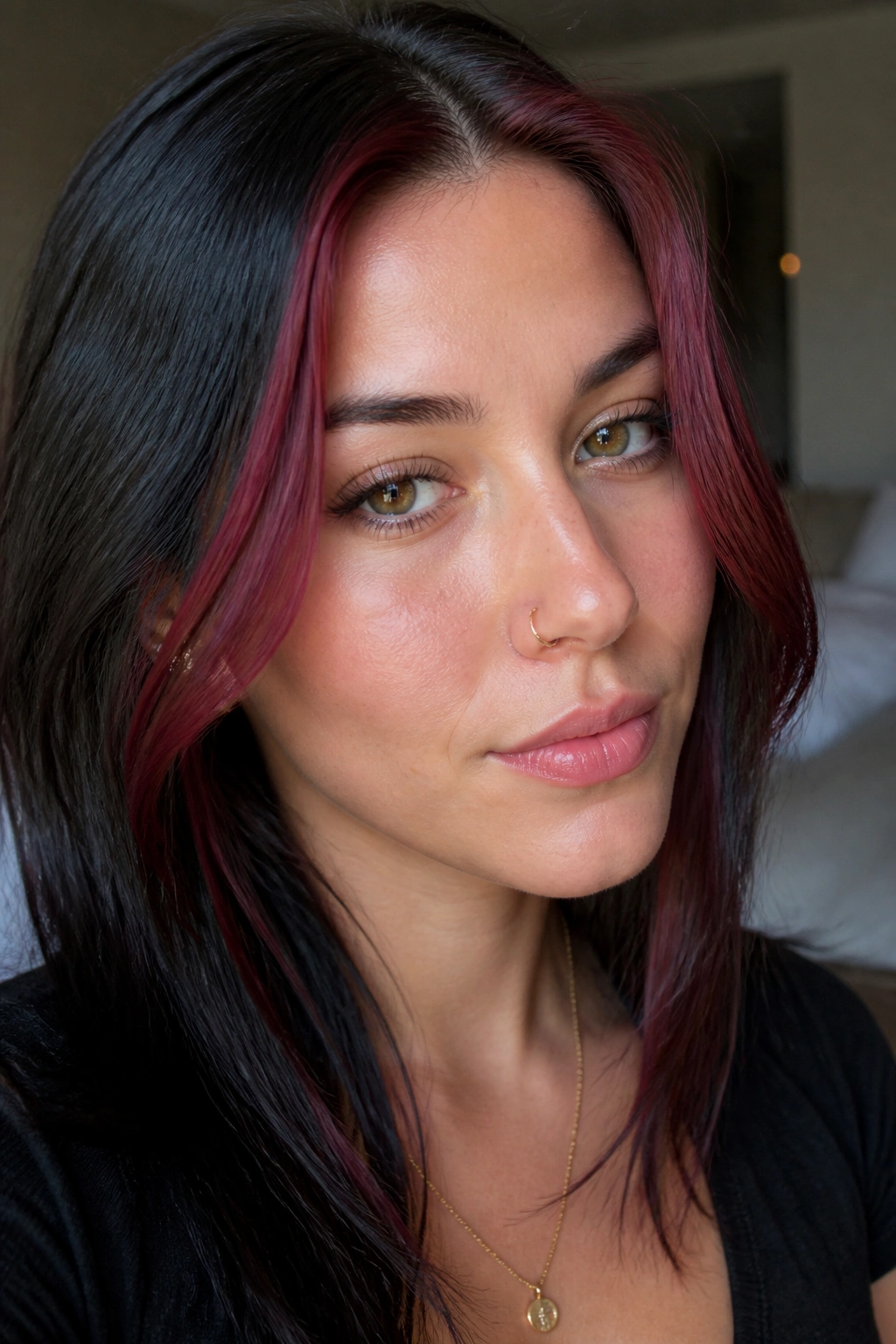
Face-framing burgundy streaks are a sharp little trick when you want color near the face but don’t want to commit to an all-over change. A pair of cool-red streaks beside the cheeks can wake up the skin fast, especially if the rest of the hair stays deeper.
The placement is the whole point. Keep the streaks about one inch wide if you want them obvious, or half that if you want them softer. Around a cool complexion, even a small amount of burgundy can create enough contrast to brighten the face.
This idea works on straight hair, curls, braids, and ponytails. The streaks show up differently in each style, which makes them useful rather than decorative fluff.
If your hair is already dark, this is one of the easiest ways to try burgundy without coloring the whole head. Small commitment. Big payoff.
23. Wine-Tipped Curtain Bangs
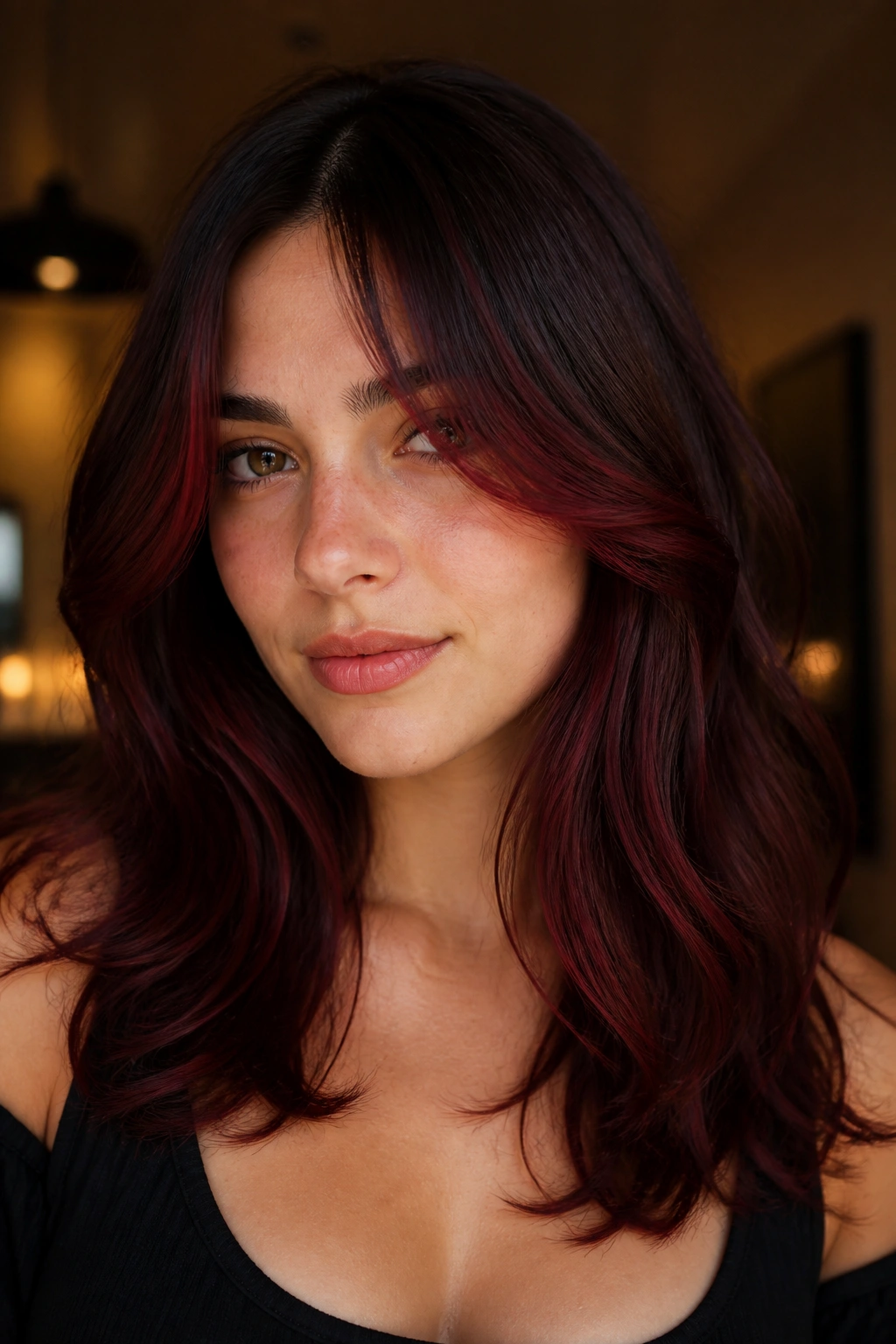
Curtain bangs with wine-tipped ends have a nice, lived-in feel. The front pieces stay dark near the root, then the burgundy shows up only toward the lower half of the bang, where movement catches the color. That keeps the face soft while still giving you some edge.
I like this on cool skin because it frames the cheeks without flooding the whole face with red. Too much color around the forehead can feel heavy. A wine tip is enough.
The look works best when the rest of the hair is either brunette or a darker burgundy tone. That way the bangs act like a little spotlight rather than a separate color block.
It’s a good choice if you like changing your hair but don’t want to live in the salon chair. Bangs grow out, yes. Still easier than a full-head overhaul.
24. Blackberry Burgundy Shag
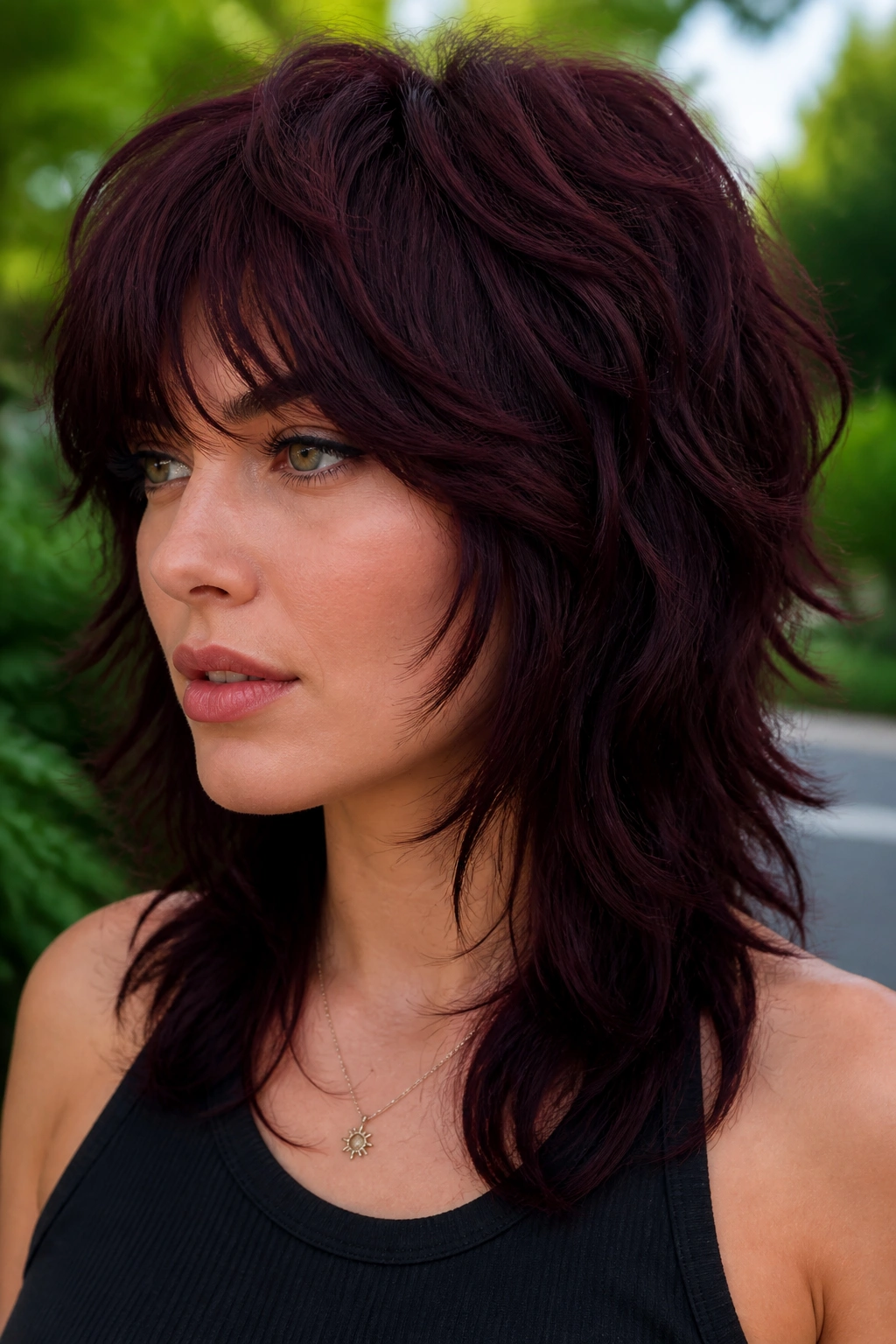
A shag and blackberry burgundy go together like they were designed by the same person. The choppy layers break up the color, and the blackberry tone adds cool depth that keeps the cut from looking too soft or too sweet.
Compared with a sleek burgundy style, this one feels rougher around the edges. That’s the point. The texture gives the color a place to land, and the color gives the haircut some mood.
This is a smart pick if your hair has natural wave, because the movement does half the styling. On straight hair, you’ll want a texturizing spray or a little bend with a curling wand to keep the layers from looking flat.
Blackberry burgundy is especially kind to cooler skin because it stays in the red-violet lane, not the brick lane. That matters more than the name on the box.
25. Dark Merlot Pixie Cut
A pixie cut already shows off your face, so the color has to do something useful. Dark merlot does that job well. It’s deep enough to feel polished, but the cool wine tone still gives the crop some personality.
Why It Works on Short Hair
Short hair reflects light fast. A burgundy shade with merlot depth keeps the cut from looking harsh while still adding shape around the crown and sides. On cool skin, it creates a clean edge instead of a warm glow that can skew orange.
Keep It Looking Sharp
- Trim every 4 to 6 weeks
- Use a shine serum sparingly
- Refresh with a cool red gloss when the color dulls
- Avoid heavy oils that can flatten short hair
This is a great choice if you want color that feels grown-up and easy. It’s tidy, but not boring.
26. Plum-Black Color Melt
Plum-black color melt is one of the best ideas on the list if you want depth first and color second. The hair starts near-black, then eases into plum burgundy through the mids and ends. The fade is soft enough to look expensive, and cool skin usually loves the contrast.
What makes it different from a standard ombre is the tone. A plum-black melt stays in the violet family instead of opening into warm red. That helps the complexion stay clean, especially around the eyes and cheeks.
It’s also a forgiving look for grow-out. Because the root area is dark on purpose, regrowth doesn’t look like a mistake. It just becomes part of the style.
If you want burgundy that leans moody rather than bright, this is a very good place to stop.
27. Soft Bordeaux Waves
Soft Bordeaux waves are the shade I recommend when someone says, “I want burgundy, but I still need it to look like me.” The color is rich, smooth, and restrained, with enough red-violet depth to flatter cool skin without taking over the face.
What Makes It So Wearable
The wave pattern keeps the color from looking heavy. Each bend catches a slightly different tone, so the hair looks dimensional even if the formula is fairly simple. That’s useful if your hair is long and you don’t want it to turn into one giant dark mass.
Good Salon Notes
- Ask for a bordeaux base with violet reflect
- Keep the root area half a shade deeper
- Finish with a clear gloss for extra shine
- Style with medium bends, not tight curls
This shade feels the most universally easy on the list. It has depth, polish, and enough coolness to stay on your side.
28. Sheer Burgundy Glaze
Sheer burgundy glaze is the closest thing to a test drive. The hair barely changes at first glance, but the cool red tone sits over the base and catches light in a softer way. On cool skin, that can be enough to brighten the face without making the whole look feel dramatic.
If you’ve been nervous about red, start here. A glaze gives you a hint of burgundy while keeping most of the natural brunette or blonde base intact. It’s a cleaner, lower-commitment move than permanent color, and it fades in a gentler way.
I like this choice for people who want to see how burgundy behaves with their wardrobe, makeup, and skin tone before going deeper. It’s also the easiest shade to layer into a future color plan.
Sometimes the smartest burgundy is the one that whispers first.
