



A good lob sits in that sweet spot between polished and easy, and medium length hair is exactly where it makes the most sense. The shape can land at the collarbone, graze the shoulders, or tilt a little shorter in back, and each version changes the whole mood of the cut.
The best lob haircuts for medium length hair don’t all look the same. Some are sharp and blunt, some are soft and airy, and some rely on texture so the ends never feel heavy. A half-inch can matter here. Move the line up or down a little, and the haircut shifts from crisp to relaxed fast.
That’s why this cut keeps hanging around. It works with straight hair, wavy hair, curly hair, thick hair, fine hair, and the odd in-between texture that looks one way when damp and another way once it dries. The trick is matching the shape to the hair you actually have, not the hair you wish you had on a good day.
A lob also has a practical side people like to ignore until they’re stuck in front of a mirror at 7:15 a.m. It should tuck behind one ear without fighting you. It should still look intentional after a rough blow-dry. And it should grow out without turning into a weird triangle.
1. The Blunt Collarbone Lob
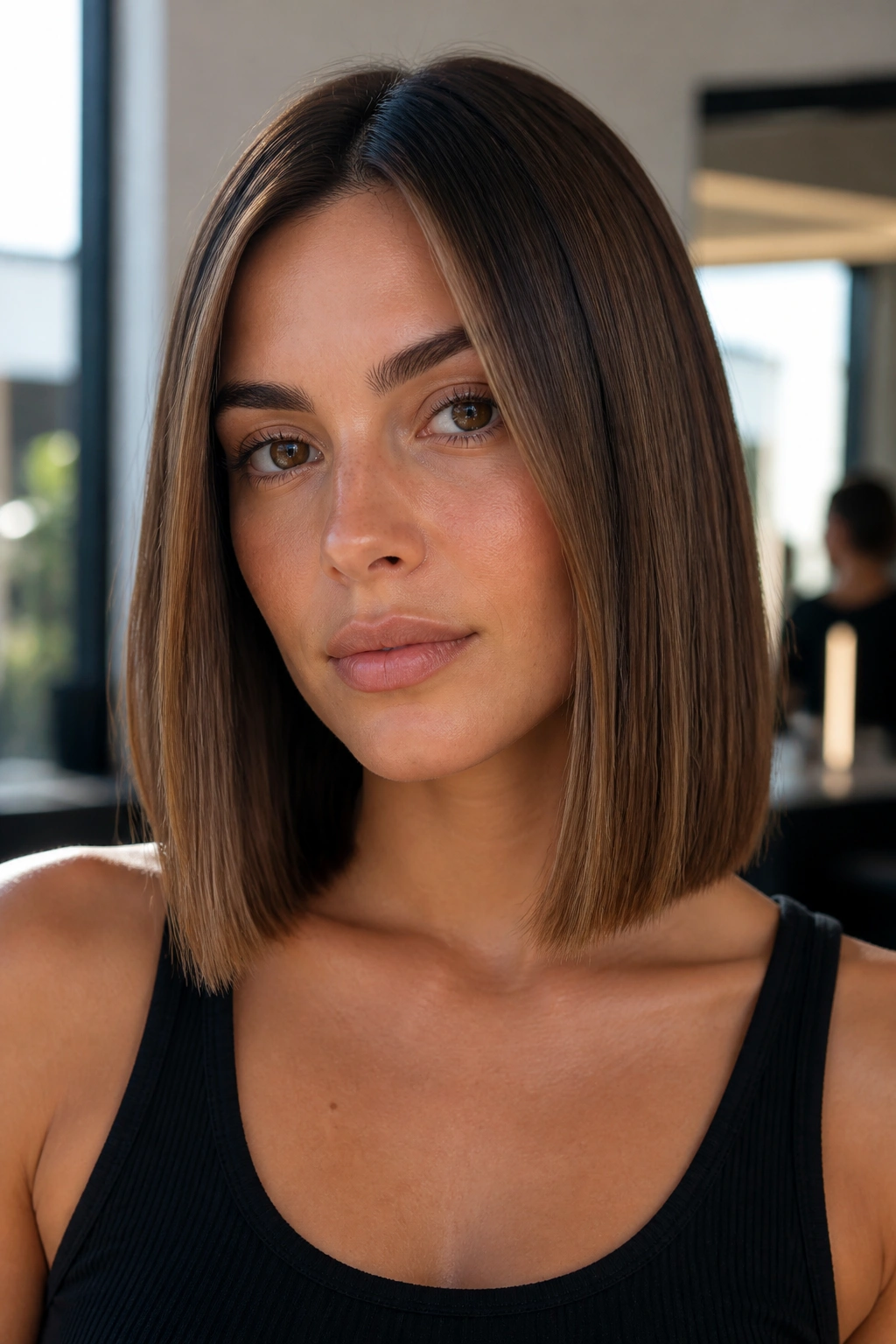
A blunt collarbone lob is the haircut I reach for when someone wants medium length hair to look clean, expensive, and low-fuss at the same time. The line lands right around the collarbone, which gives the cut a little swing without letting the ends disappear into the shoulders.
Why the Line Matters
The blunt edge does most of the work. It makes fine hair look denser and gives thicker hair a calmer outline, which is a nice trade when you’re tired of fluffy ends that spread out at the sides. If your hair tends to bend under at the bottom, this cut still holds its shape.
Ask for one solid perimeter with almost no layering through the bottom 2 inches. That detail matters. Too many tiny layers and the line gets soft in a hurry.
- Keep the front no more than 1 inch longer than the back.
- Ask for the ends to be cut blunt, not razor-thinned.
- Style with a flat brush or paddle brush for a straight finish.
Best fit: straight to slightly wavy hair that needs structure.
2. The Soft Layered Lob
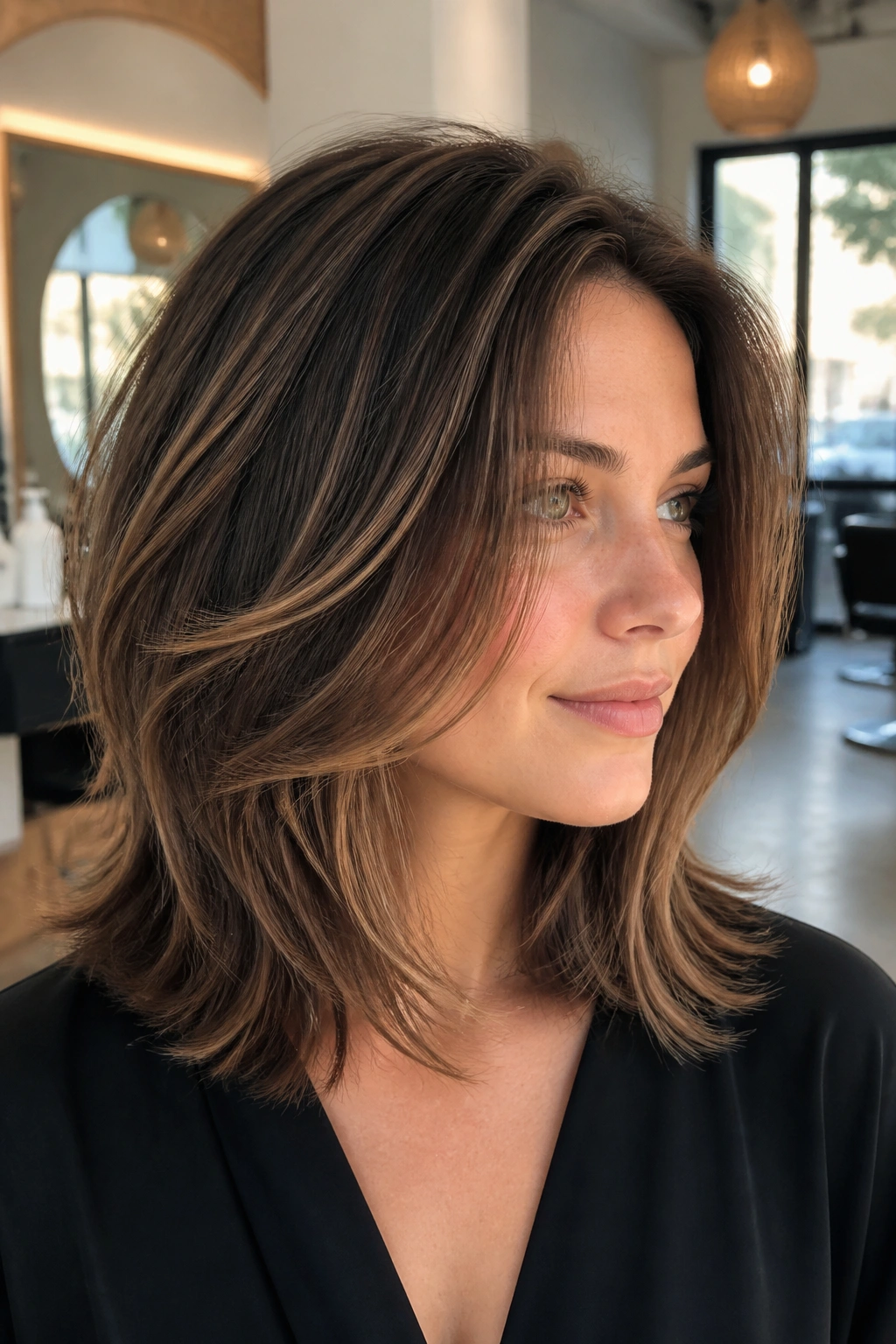
Layers are not the enemy. Too many of them are. A soft layered lob keeps the outline intact while adding just enough movement so medium length hair doesn’t sit like a block.
The smartest version uses long internal layers, usually starting around the chin or just below it. That keeps the top from collapsing while letting the ends move when you turn your head. On fine hair, this can keep the cut from feeling flat. On thick hair, it takes away some of the weight without turning the shape shaggy.
What I like most is how forgiving it is. A little wave, a loose blowout, even a quick air-dry — the shape can take all of it. The cut still looks finished on days when you do almost nothing.
If you want something easy to live with, this is one of the safest lob haircuts for medium length hair. Not boring. Safe.
3. The Angled A-Line Lob
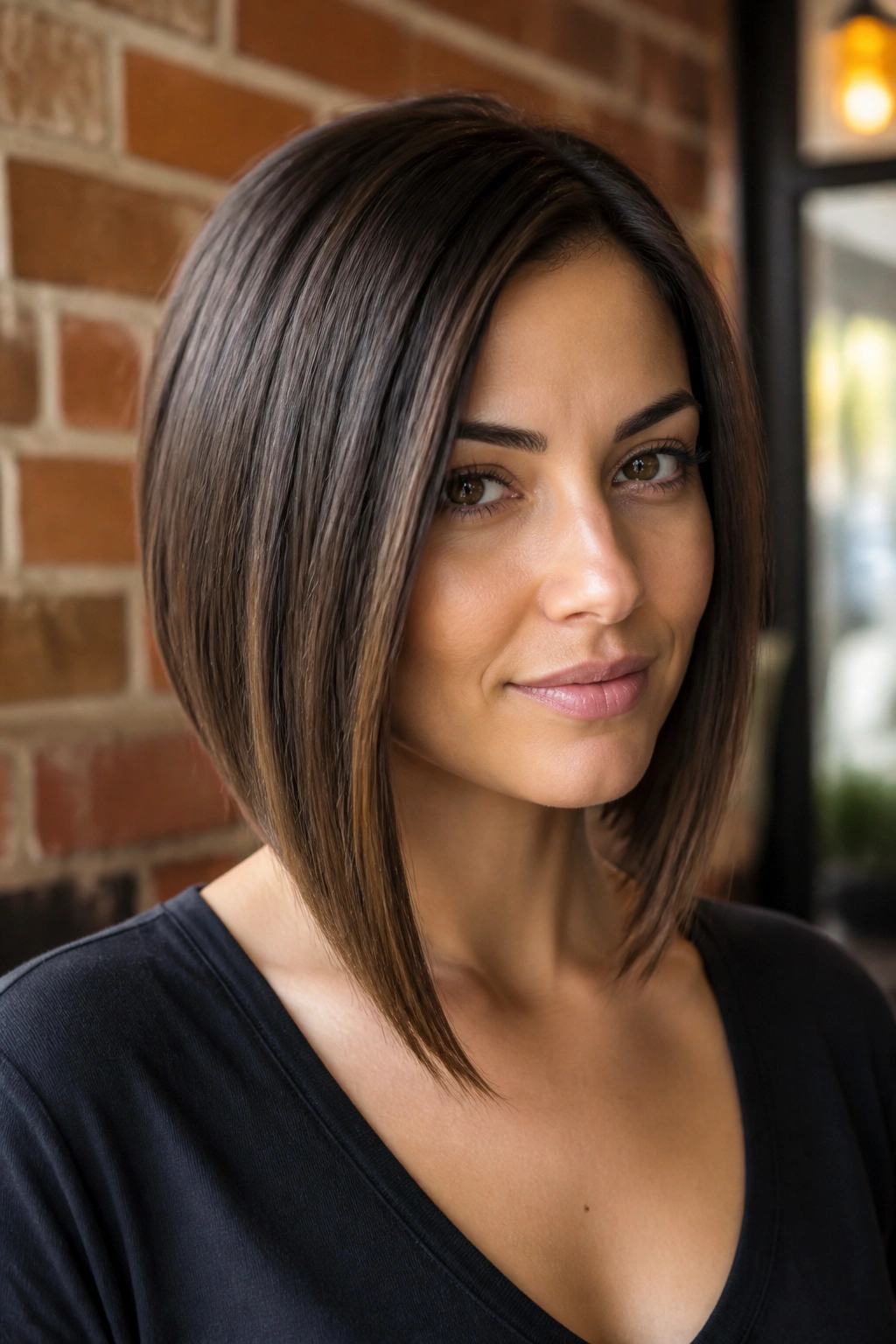
Why does an angled lob make medium length hair look longer? Because the eye follows the front edge. When the front pieces sit 1 to 2 inches below the back, the whole cut feels stretched out and a little sharper without going full dramatic.
How to Wear It
This shape works best when the back is trimmed close to the nape and the front falls toward the collarbone or just past it. You get a clean slope, not a sharp wedge. That difference matters more than most people think.
A-line lobs suit hair that naturally wants to lie flat in back. The angle gives the cut some built-in movement. If your hair is thick, the front length helps keep the shape from puffing out at the sides. If your hair is fine, keep the angle subtle so the ends don’t look stringy.
Ask For
- A soft forward angle, not a severe stack.
- Light point-cutting only at the front.
- A center part if you want the line to read cleanly.
This one has a neat little habit of making the jawline look more defined. Handy.
4. The Choppy Textured Lob
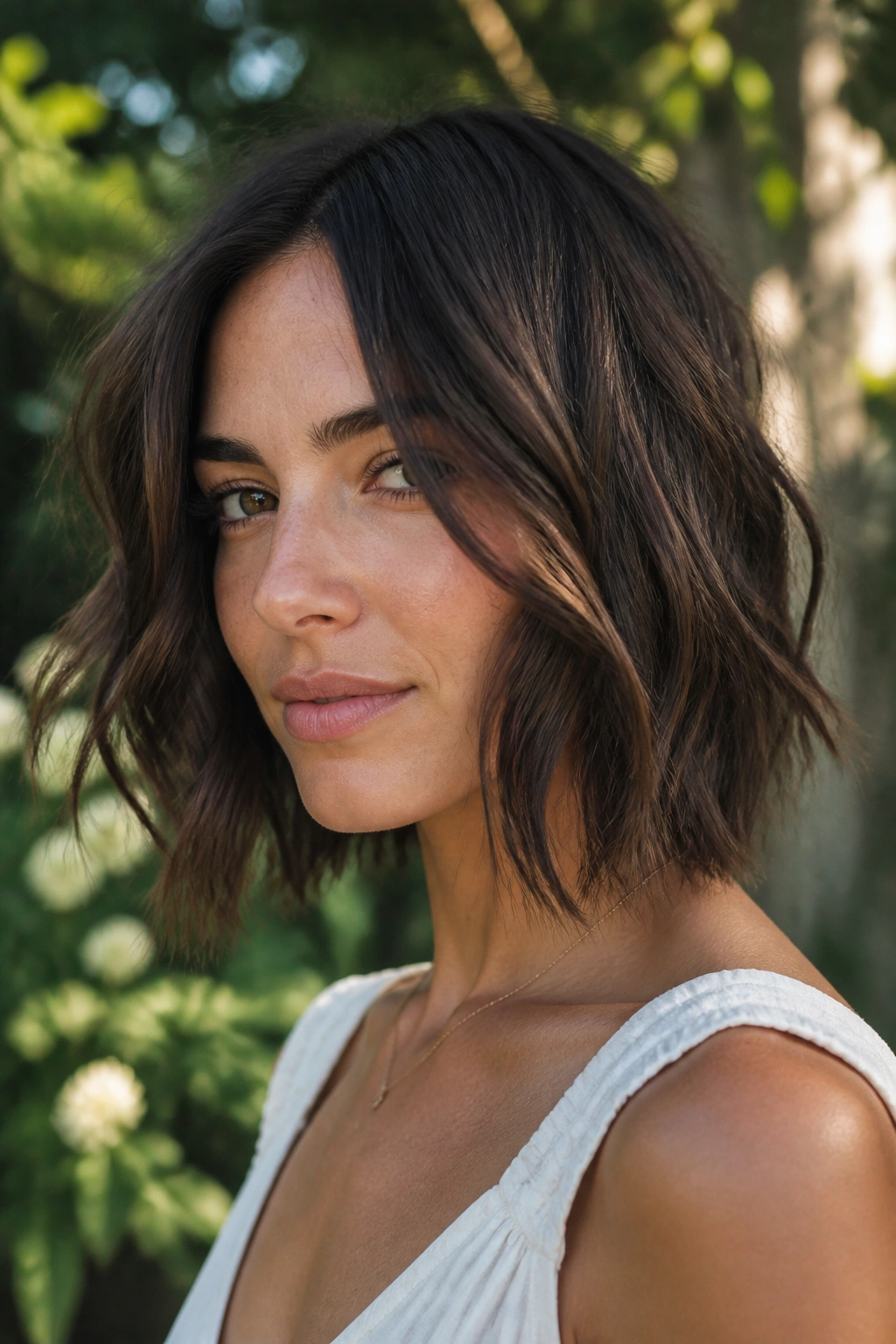
A choppy lob works when you want the cut to feel lived-in instead of formal. The ends are snipped with a lighter hand, often using point cutting, so the perimeter breaks into little pieces rather than one hard line.
That sounds small. It isn’t. On thick hair, the difference between “choppy” and “mussed up” is usually whether the stylist removes bulk in the right places. You want texture around the ends, not gaps through the middle. If the cut is done well, the hair moves in little bends instead of hanging as one heavy sheet.
This style likes a bit of product. A pea-sized amount of matte cream, a spritz of salt spray, or a light mousse can help the pieces separate without turning crispy.
- Best on wavy hair and dense straight hair
- Needs minimal heat styling
- Grows out with a softer edge than a blunt cut
It’s a good one when you want shape but not polish.
5. The Curtain-Bang Lob
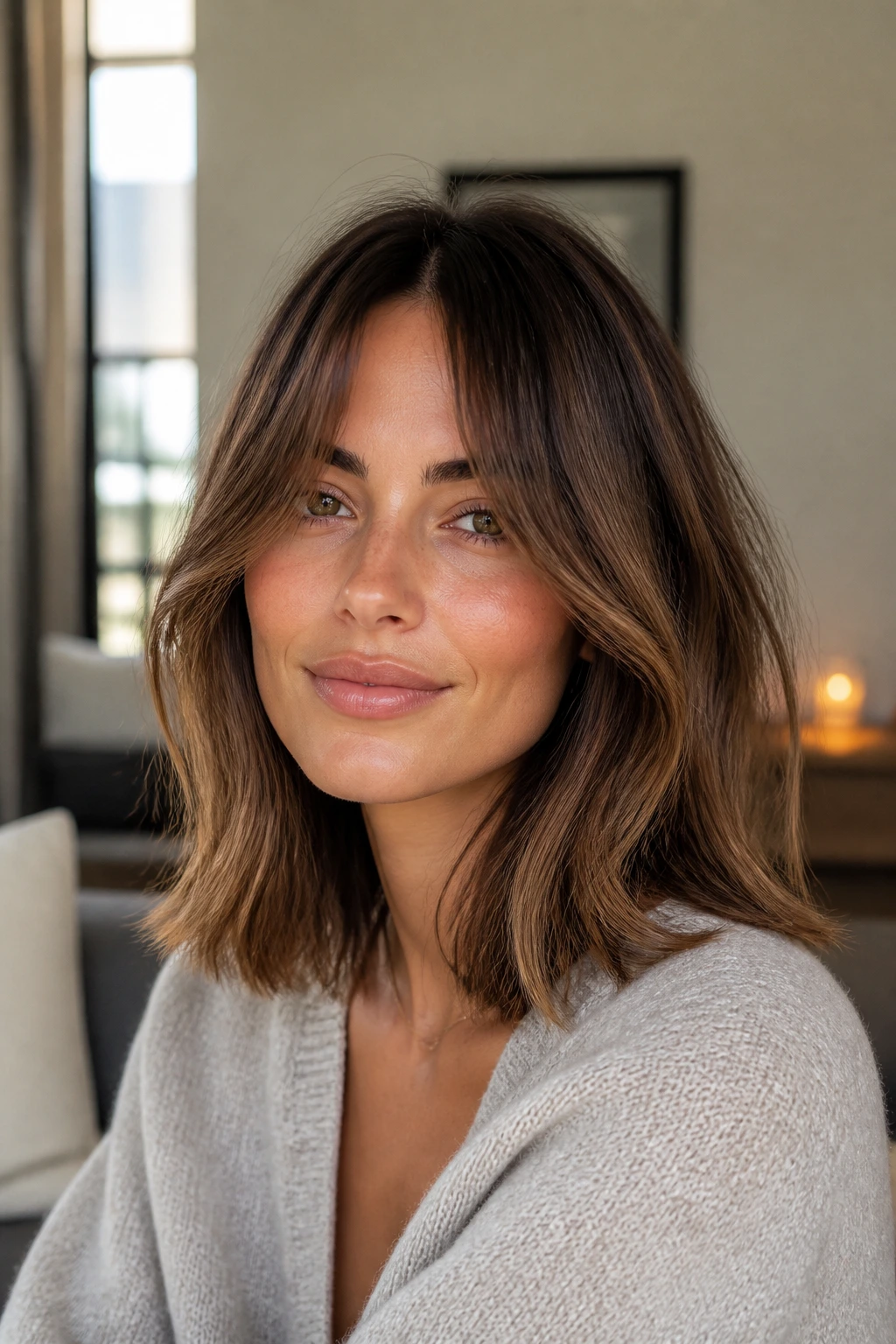
Curtain bangs change a lob fast. They pull attention toward the eyes, soften the forehead, and make medium length hair feel a little more relaxed around the face. The key is keeping the bangs long enough to part in the center and slide into the sides.
A bad curtain-bang lob gets too chopped up near the front. A good one has room to move. The shortest point usually hits around the bridge of the nose or just below the eyebrows, then opens toward the cheekbones. That shape gives you the fringe effect without trapping the hair in one fixed spot.
I like this cut on people who want change without giving up length. It has enough personality to register, but it doesn’t box you in. You can blow the bangs forward with a round brush, push them to the side, or let them fall with a little bend.
If your hair is very fine, keep the bangs light. Heavy fringe can swallow the whole face.
6. The Sleek Center-Part Lob
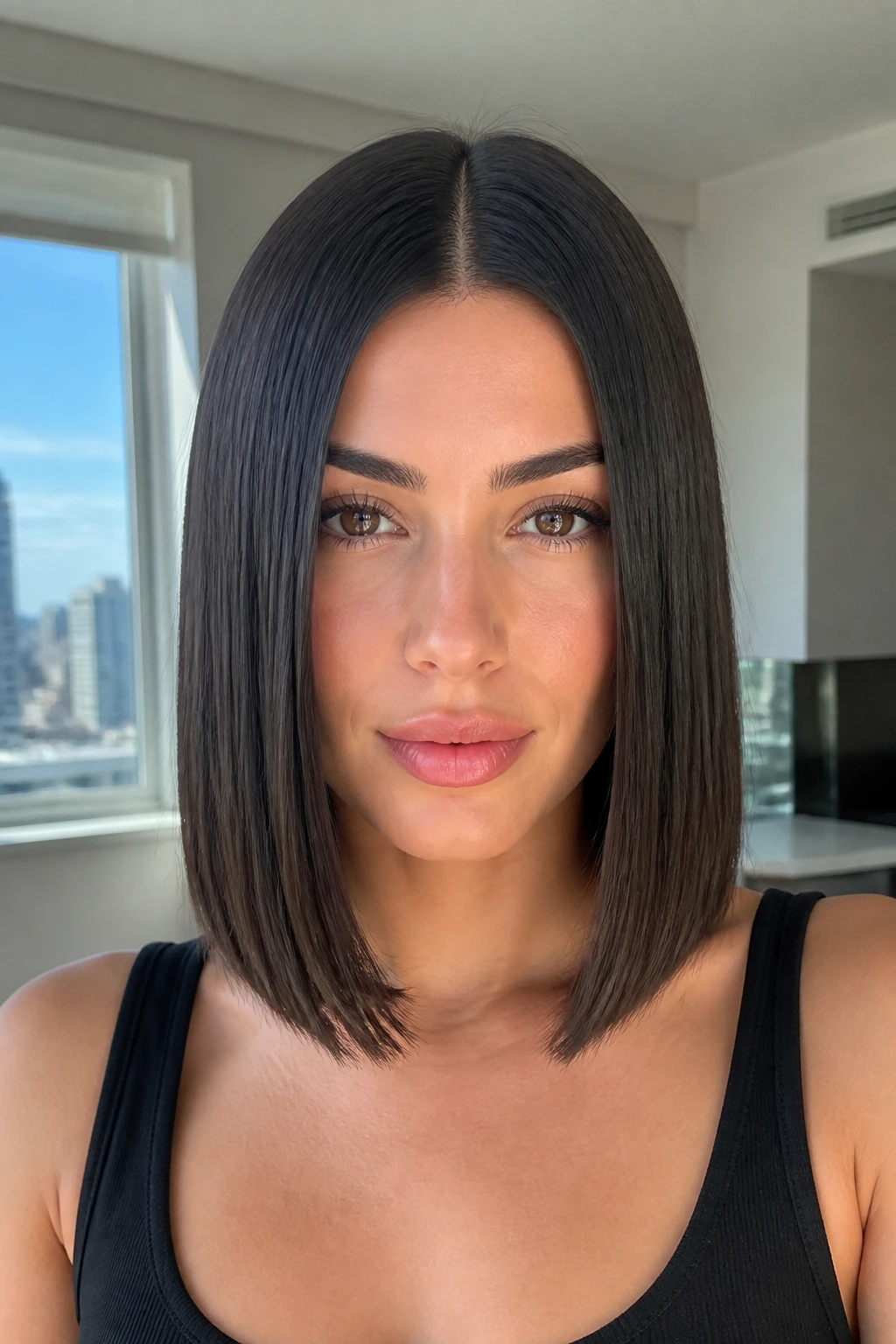
A sleek center-part lob is all about line. No fuss, no fluff, no extra movement pretending to be something it’s not. The middle part splits the face cleanly, and the blunt or near-blunt hem makes medium length hair look sharp.
Unlike a textured lob, this one relies on shine and precision. That means the finish matters more than the cut itself, at least on the surface. A smooth blow-dry, a heat protectant that doesn’t leave a greasy film, and a pass with a flat iron if needed will make the line read properly.
It suits straight hair or hair that straightens easily. If your hair bends a lot on its own, the center part can still work, but the ends should be cut with enough weight to sit still.
This is the lob I’d point to when someone wants a haircut that looks deliberate in a white shirt, a sweater, or with no styling at all. Plain? Maybe. But in a good way.
7. The Loose Wave Lob
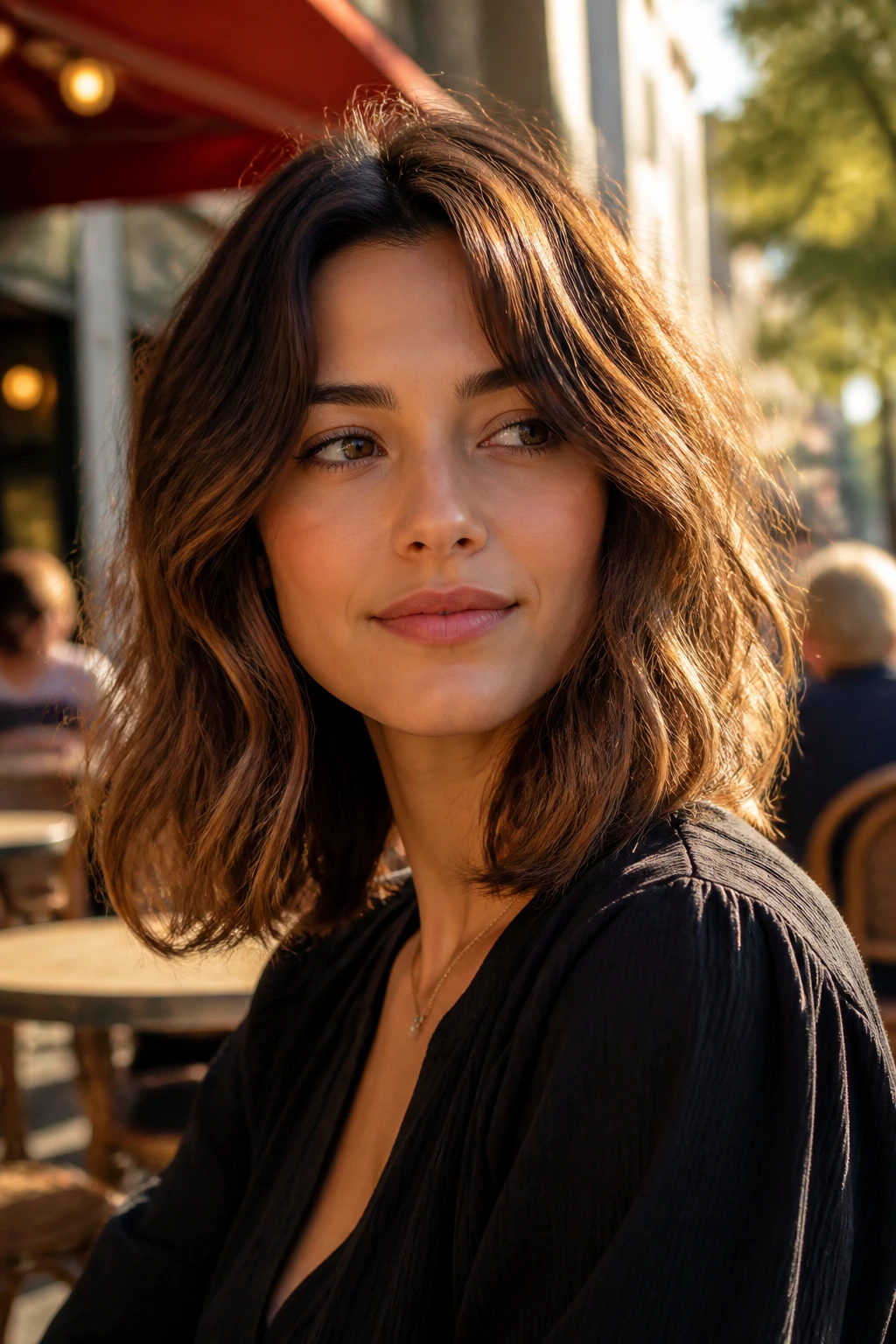
A loose wave lob gives medium length hair a softer shape without making the cut feel overdone. It’s the kind of style that looks better when the wave pattern is a little uneven. Too symmetrical and it starts to look set. A little mess makes it better.
Why the Bend Matters
The wave breaks up the hemline, which is useful if your hair is one-length and tends to feel heavy at the ends. It also keeps the cut from sitting too close to the head. A bend at the mid-lengths adds lift without needing a dramatic layer stack.
Use a 1-inch curling iron or wand, wrap sections away from the face, and leave the last inch out. That keeps the ends from curling into tight spirals. Then shake the hair out with your fingers, not a brush. A brush can make the wave too soft and wipe out the shape.
- Best for medium-density hair
- Use a light hold spray, not a sticky one
- Work in 1-inch sections for a faster bend
It’s casual, but not lazy. There’s a difference.
8. The French-Girl Lob
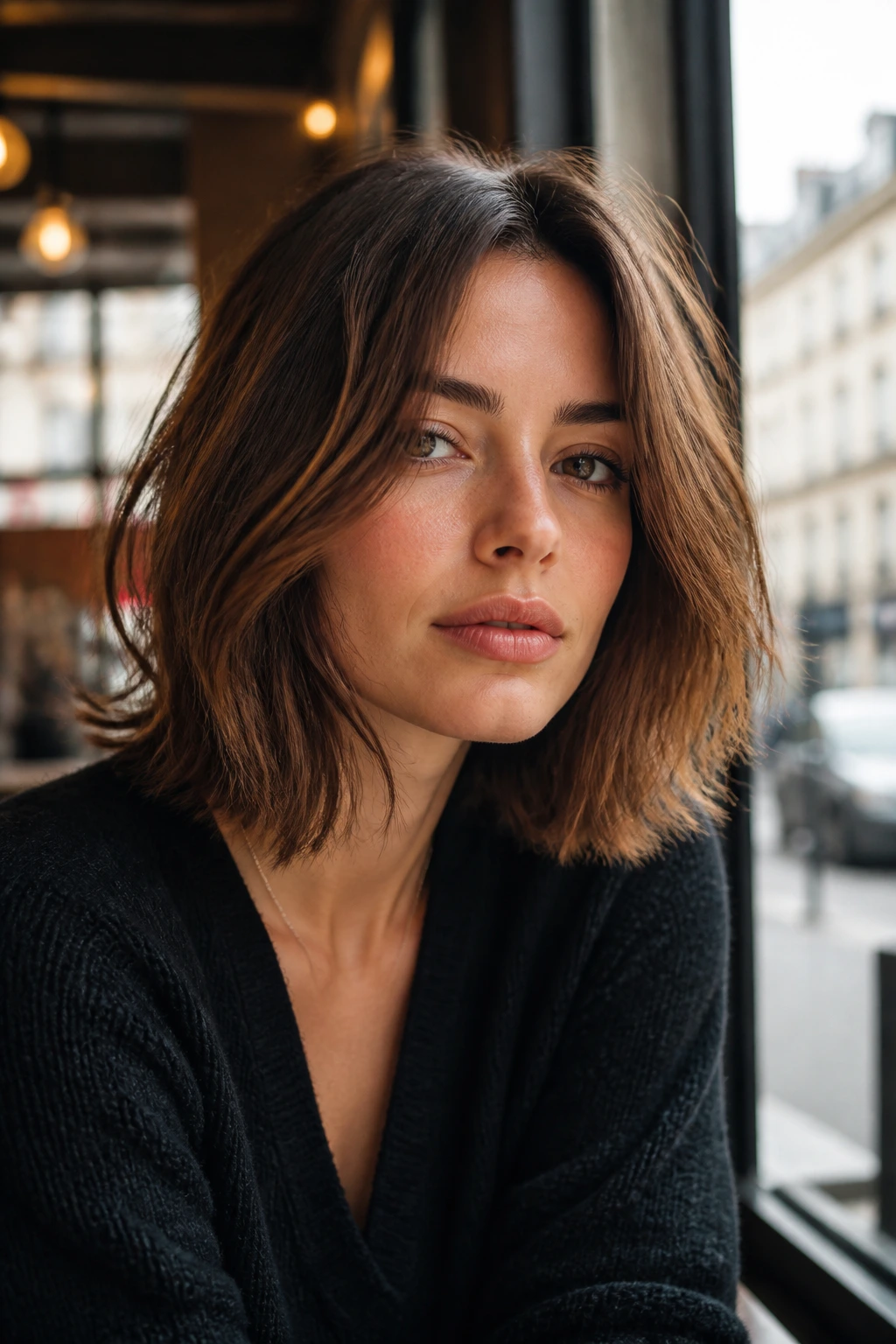
The French-girl lob has a certain “I didn’t overthink this” charm, which is exactly why people keep asking for it. The cut usually sits somewhere between the chin and collarbone, with a soft edge and enough movement to look slightly undone.
That undone part is the point. The ends shouldn’t look over-polished. They should fall with a little bend, maybe even a small flick outward on one side and inward on the other. The cut usually pairs well with a center part or a loose fringe, though a deep side part can make it feel more editorial.
What makes this style work on medium length hair is the balance between shape and looseness. It has a frame, but it doesn’t feel carved. It reads as a haircut someone lives in, not a haircut someone babysits.
I like it on hair that has a little natural texture. Straight hair can wear it too, but the styling should stay light. A soft blow-dry is enough.
9. The Italian Lob with Soft Ends
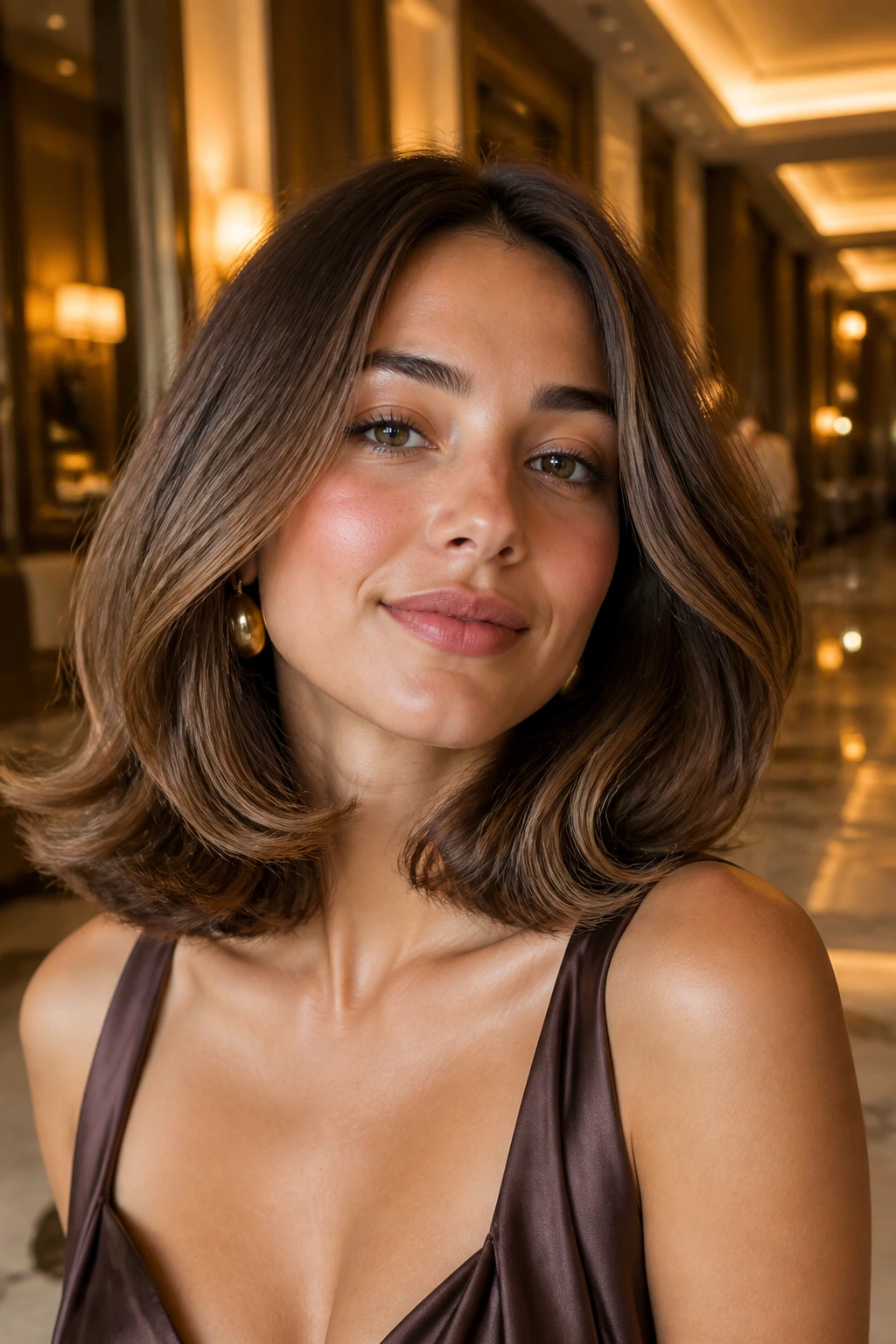
What separates an Italian lob from a plain blowout cut? The fullness sits through the mid-lengths, and the ends are kept soft rather than ragged. It gives medium length hair a rounder, richer shape that feels plush without looking stiff.
Styling Notes
The styling is part of the whole deal. You want volume at the roots, movement through the body, and ends that turn slightly inward or outward depending on your brush angle. A medium round brush works well. So does a large Velcro roller at the crown if your hair goes flat fast.
This cut is especially nice on medium to thick hair because it holds that airy lift. On fine hair, keep the layers minimal and ask for a dense perimeter so the ends don’t disappear. The line still needs weight.
- Ask for soft internal shaping, not heavy texturizing
- Blow-dry with a 1.5- to 2-inch round brush
- Finish with a shine spray on the mid-lengths only
There’s something about the volume here that feels a little glamorous without trying too hard. I’m into that.
10. The Razor-Cut Lob
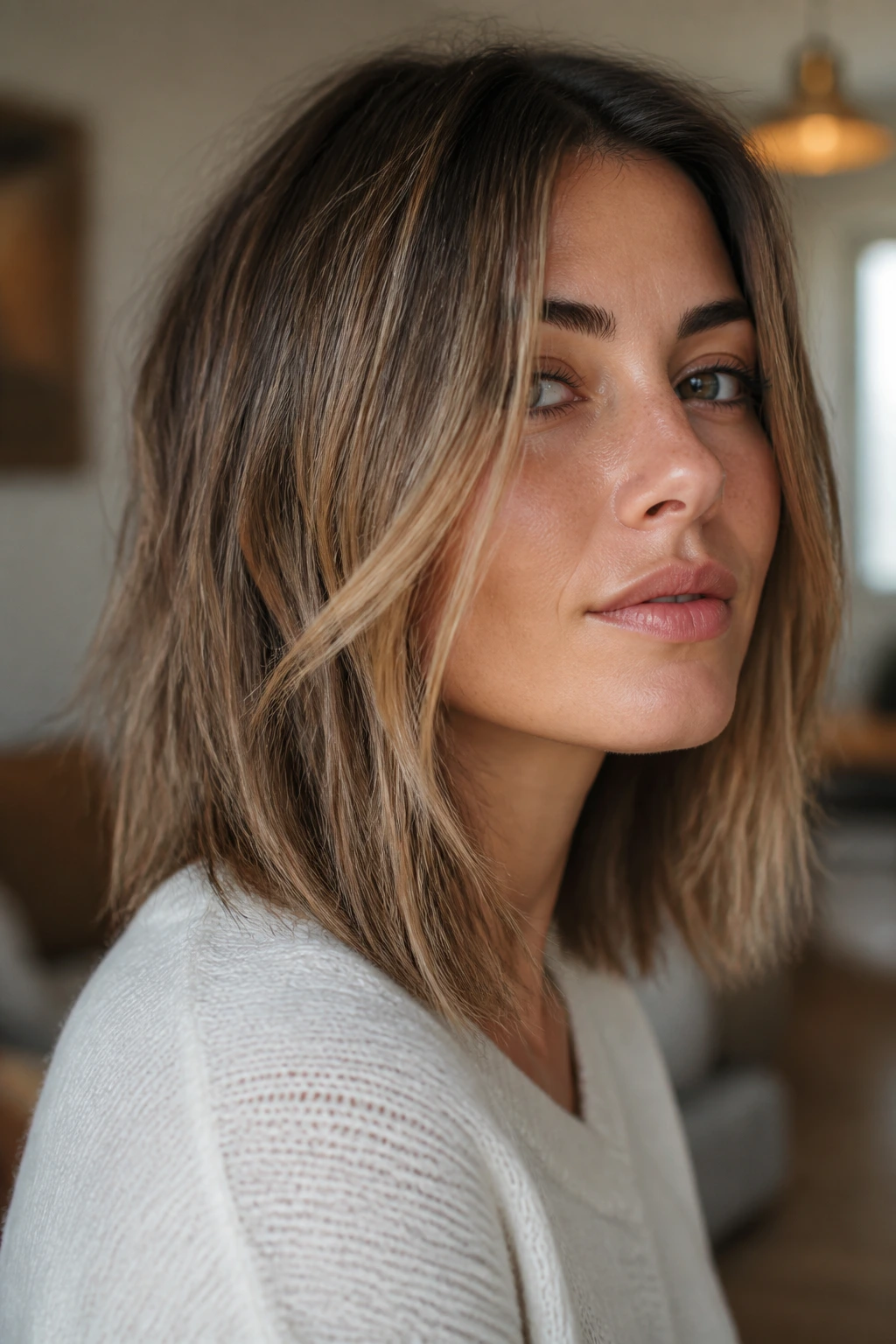
A razor-cut lob has a lighter, feathery edge that can look really good on straight to wavy hair. The razor removes hair in a softer way than scissors, so the ends fall in a more broken-up line.
That softness is also the danger. On dry, coarse, or frizz-prone hair, a razor can make the ends puff. So this is not the cut to ask for blindly. If your hair already has a lot of texture, the razor should be used sparingly, mostly around the perimeter and a few face-framing pieces.
The payoff is movement. A razor-cut lob can swing when you turn your head and still keep a bit of air through the bottom. It looks especially good when the hair is worn loose, not pinned back.
- Best on healthy, medium-density hair
- Avoid heavy razor work on very frizzy hair
- Style with light cream, not thick oil
A little restraint makes this cut better.
11. The Curly Lob
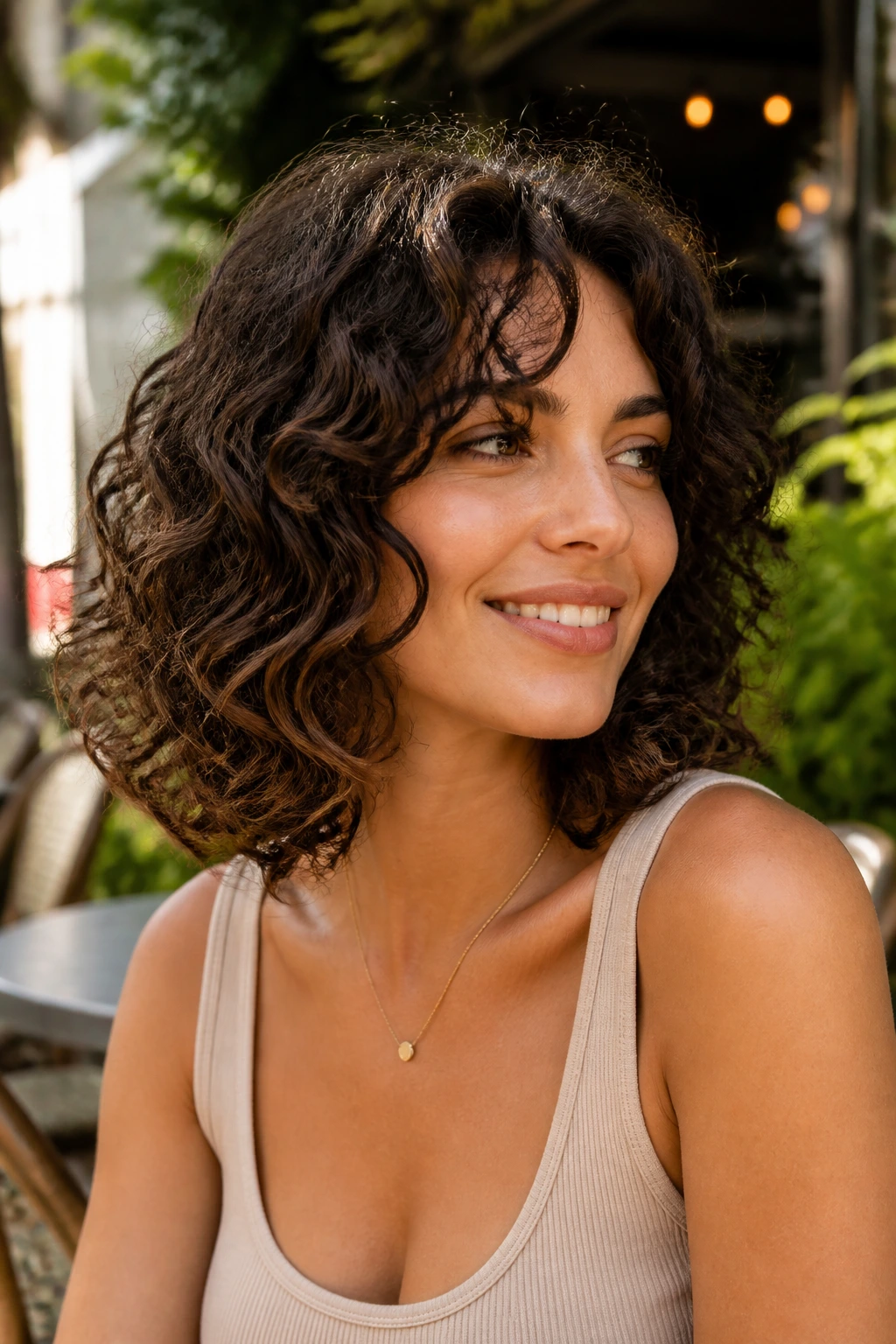
Curly hair loves a lob when the cut respects the curl pattern instead of fighting it. The best version is usually cut dry or nearly dry, because curls shrink, expand, and bend in ways that are hard to predict when wet.
A curly lob should have enough length to keep the curl from springing up too high, but not so much length that the bottom gets weighed down. That middle ground is the sweet spot. Often the shortest pieces sit around the jaw or just below it, while the longest ones skim the collarbone.
I’d avoid over-thinning curly lobs. It sounds helpful. It usually isn’t. Too much thinning can create frizz and leave the curl groupings looking loose in the wrong way. Better to shape the bulk with careful layering and leave the ends strong.
This is one of those cuts that looks better when it’s handled with a little patience. A curl cream, a gel with decent hold, and a full air-dry or diffuser session make a real difference.
12. The Inverted Lob
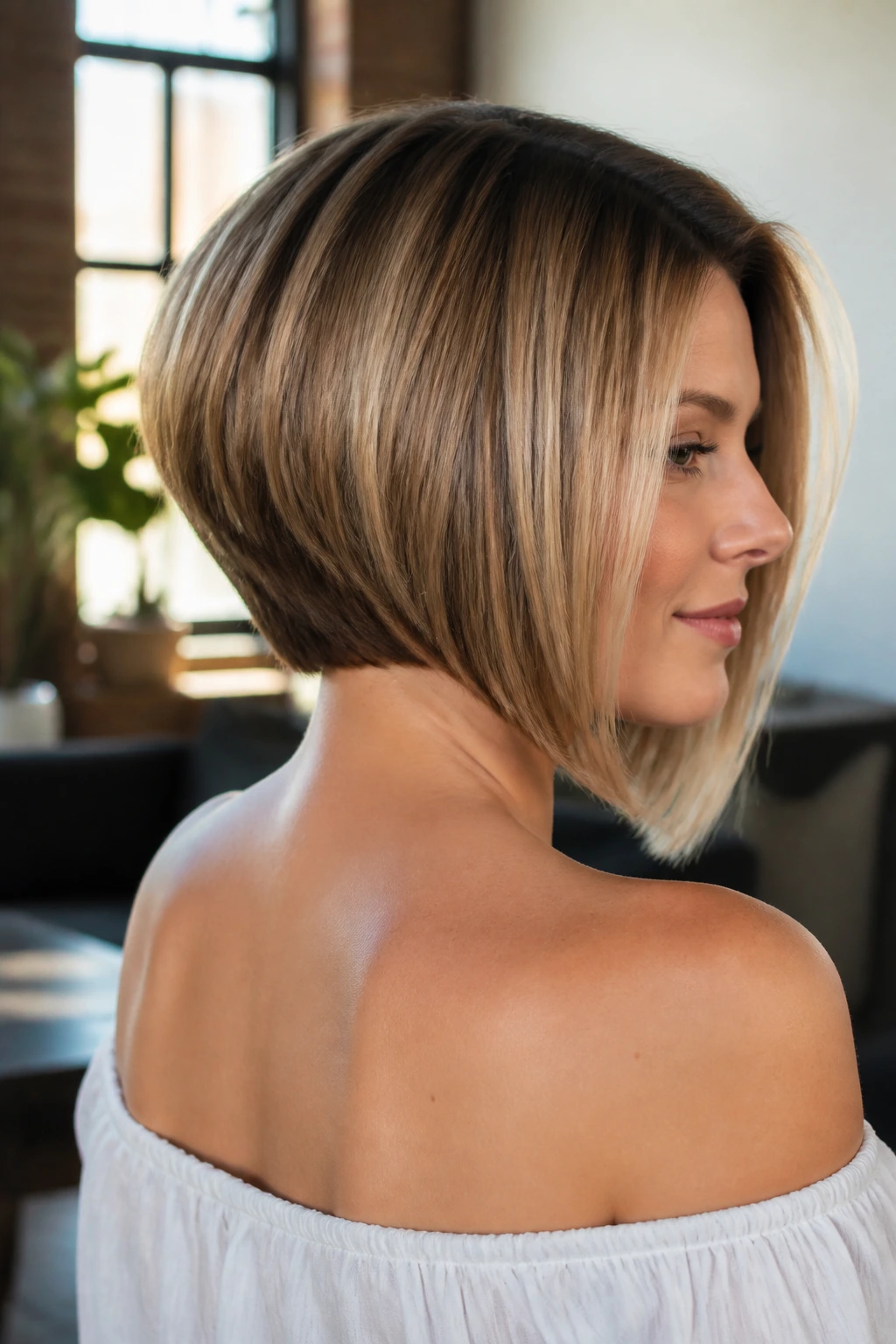
An inverted lob is like the angled lob’s more structured cousin. The back is shorter and often slightly stacked, while the front stays longer and sleeker. The effect is clean, lifted, and a little more dramatic than a standard A-line.
It works especially well on medium length hair that has trouble keeping shape in the back. The shorter nape removes weight where hair tends to sag, and the longer front keeps the style from feeling too short. On thick hair, that can be a lifesaver. On fine hair, the stack should stay subtle so the crown doesn’t get too airy.
This cut likes a smooth finish. A round brush, a directional blow-dry, and a touch of lightweight serum are enough. You don’t need to force it into perfection. The shape already gives you a lot.
If you like sharp haircuts with a little edge, this one delivers that without going full dramatic undercut territory.
13. The Shaggy Lob
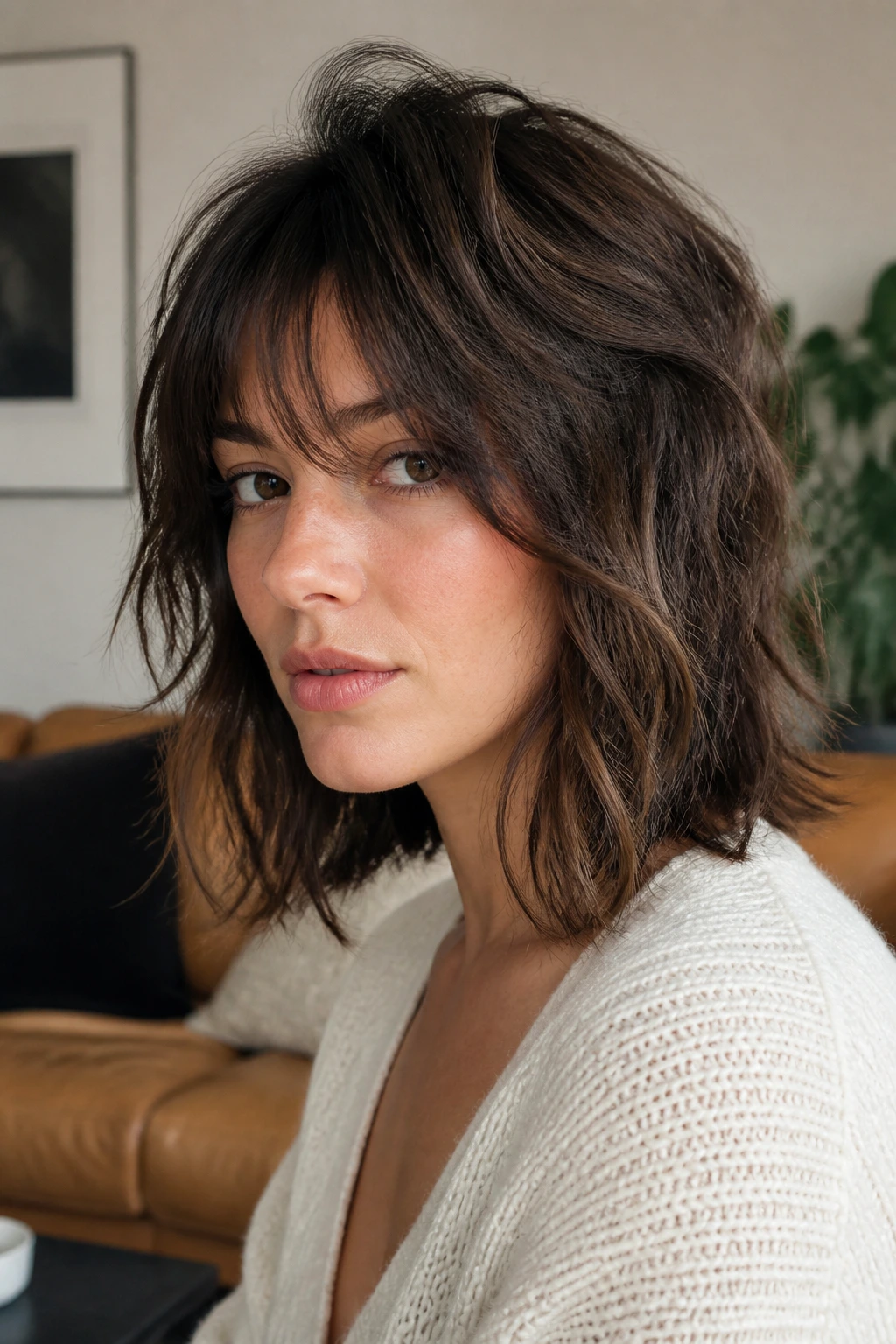
A shaggy lob is built for people who like movement more than neatness. The layers are more visible, the ends are more broken up, and the whole cut has a little piecey attitude that keeps medium length hair from looking too tidy.
What Makes the Shape Work
The magic sits in the placement. Shorter pieces around the crown can add lift, while longer face-framing layers keep the haircut from feeling wild. The ends should still be wearable. Shaggy does not have to mean messy.
Ask for internal layers through the top and sides, then keep the bottom line soft but not shredded. That balance matters a lot. If the layers are too heavy, the cut loses its shape. If they’re too light, you end up with a mullet-adjacent outline.
- Great for wavy and thick hair
- Works with natural texture
- Style with diffuser heat or air-dry cream
This is the lob for people who want their hair to look like it has a pulse.
14. The Glassy One-Length Lob
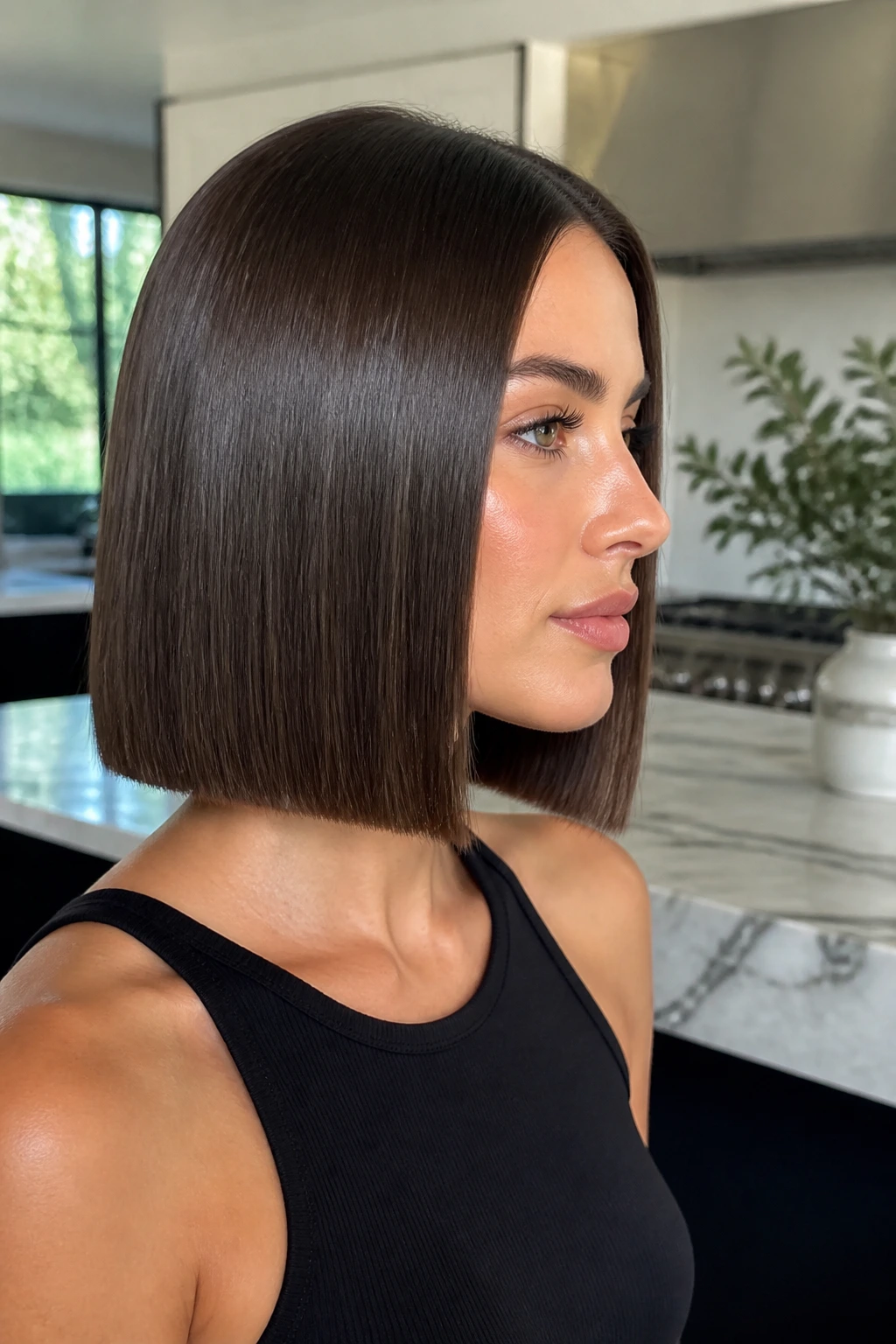
A glassy one-length lob is all about shine and a hard, clean edge. No visible layers. No ragged ends. Just a smooth sheet of hair that falls in one line and reflects light in a way that makes the cut look deliberate.
The style can be gorgeous on medium length hair, but it does ask for maintenance. You need a good blow-dry, a heat protectant that doesn’t dull the finish, and a trim schedule that keeps the line crisp. Split ends show faster here than they do in a more textured cut. That’s the trade.
I like this lob on straight hair because the shape holds. On hair with a lot of natural wave, it can still work, but you’ll spend more time smoothing the bend out. If that sounds annoying, pick a softer cut instead.
It’s not the most forgiving lob on the list. It might be one of the strongest-looking ones, though.
15. The Face-Framing Lob
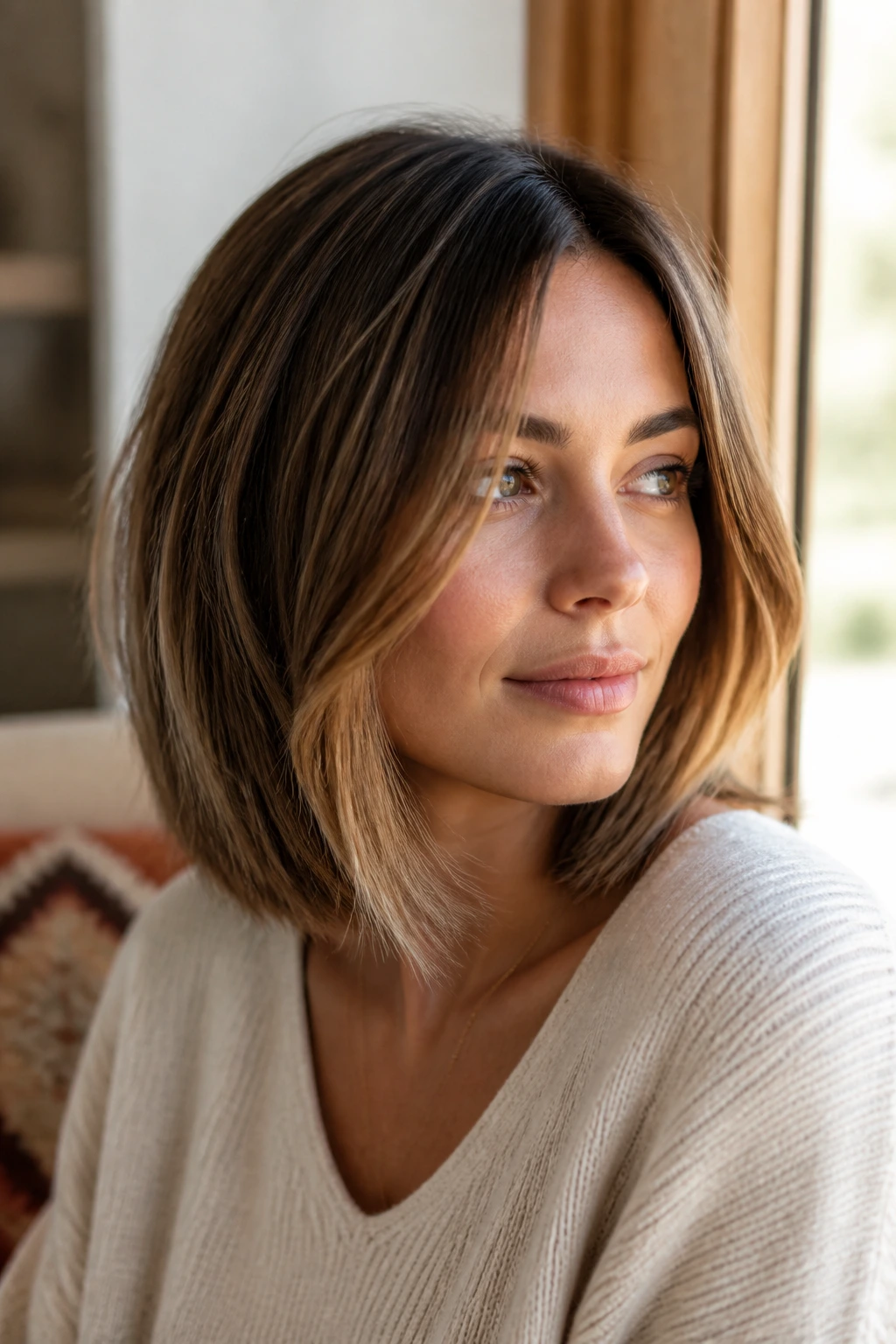
What does face-framing actually do? A lot, if the pieces are placed well. A face-framing lob uses longer front sections to guide the eye inward, soften the jaw, and stop medium length hair from feeling blunt around the cheeks.
The front pieces can start at the chin, the mouth, or a little lower depending on how much shape you want. Shorter front pieces create more drama. Longer ones keep the haircut quiet and wearable. I usually prefer the longer side unless the hair is very thick and needs movement near the face.
Ask For These Pieces
- Two front pieces cut 2 to 4 inches shorter than the back
- Soft graduation around the cheekbone
- No hard shelf at the front
It’s a smart choice if you wear your hair tucked behind one ear often, because those front pieces still show up and keep the cut from disappearing. Nice little detail. Not flashy. Useful.
16. The Deep Side-Part Lob
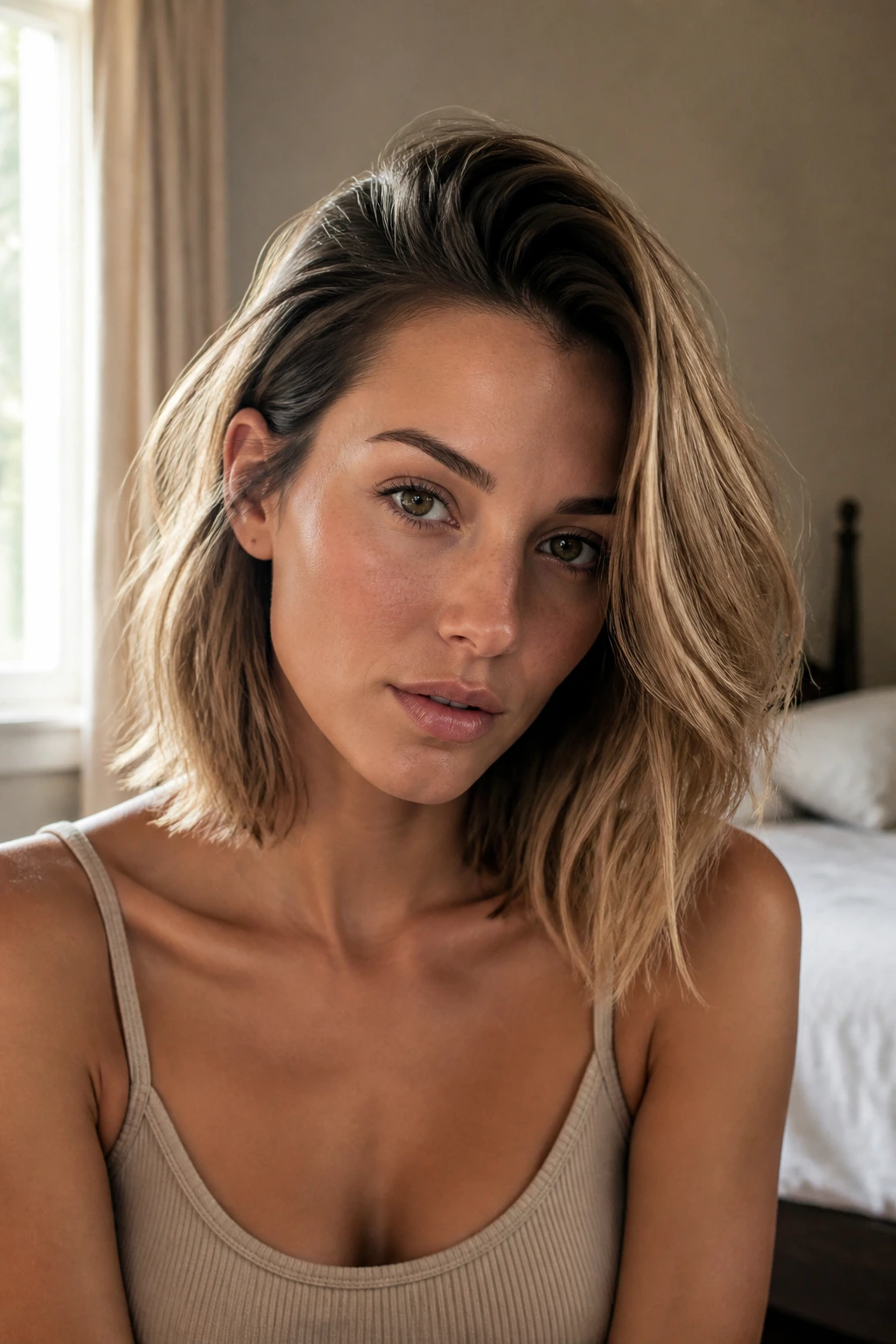
A deep side-part lob gives medium length hair instant lift at the crown. The part creates a little height on one side and lets the opposite side fall with more weight, which is handy if your hair lies too flat at the roots.
The cut itself can be blunt, layered, or somewhere in between. The part is what changes the whole mood. A deep side part can make fine hair look fuller and can soften a strong jawline without making the haircut mushy. If the hair is thick, the part also helps break up the mass so the shape feels less heavy.
- Best when the crown needs extra volume
- Works with blowouts and loose waves
- Use a root spray at the part line
I like this on days when the hair needs a little attitude. It takes no time and changes the silhouette fast. Sometimes that’s enough.
17. The Tucked-Under Lob
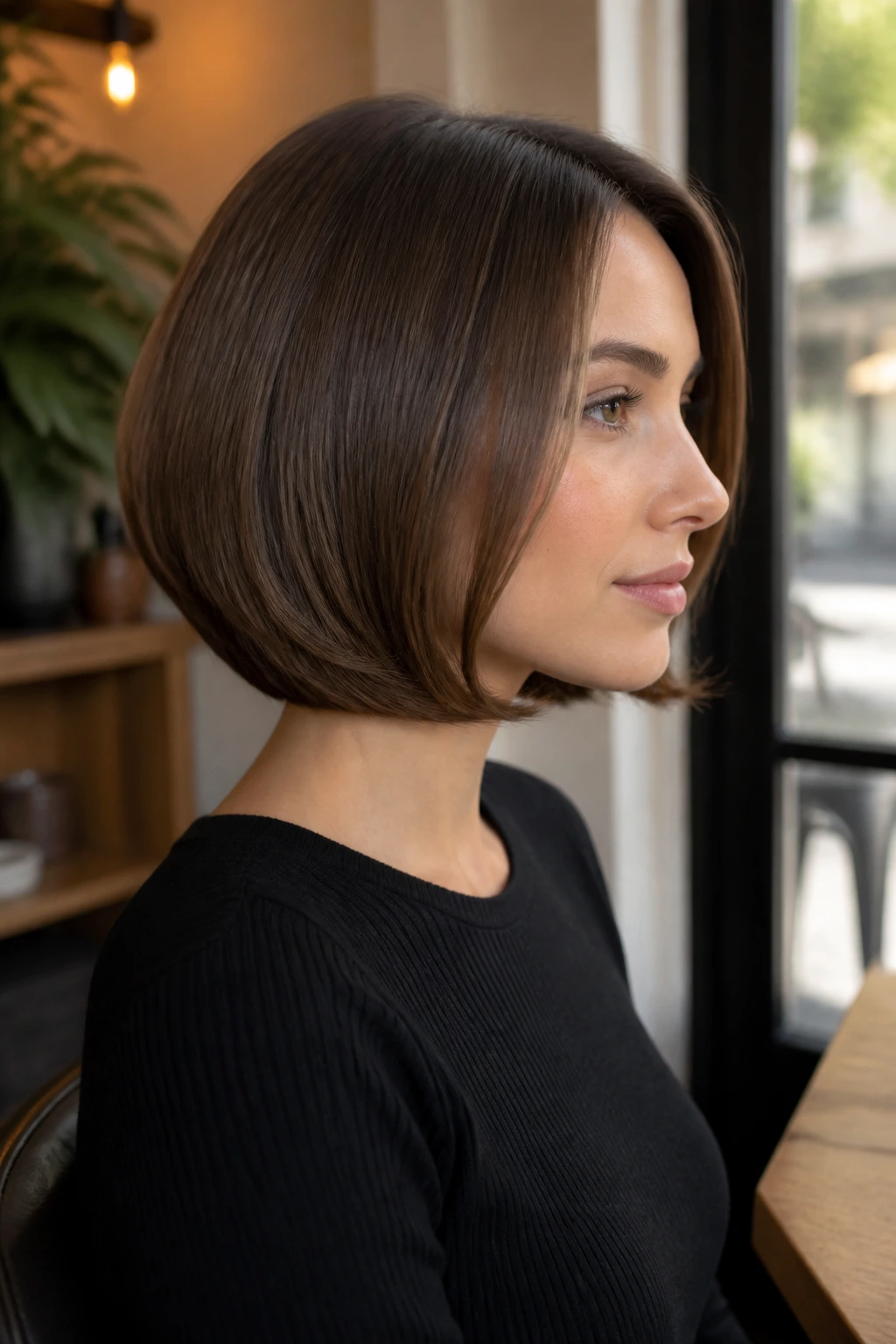
A tucked-under lob is one of those haircuts that looks simple until you try to get the bend right. The ends curve inward toward the neck, usually with a round brush or a large curling brush, and the result feels soft and controlled.
The cut should support that inward motion. A blunt or softly layered hem works best, because the ends need enough weight to hold the bend. If the bottom is too thin, it flips and frays instead of tucking cleanly.
This shape is especially kind to medium length hair that tends to puff at the bottom. The inward curve reins in the outline. It also pairs nicely with a side part or a center part, though the side part gives it a little more old-school polish.
It’s a very wearable look. Not loud. Not complicated. Just the sort of haircut that quietly behaves.
18. The Air-Dry Lob

An air-dry lob is cut to cooperate with your natural texture instead of fighting it every morning. That means the ends, layers, and face-framing pieces should all be shaped with drying in mind, not just with wet hair and hope.
Unlike a polished blowout lob, this one should look good once the hair settles on its own. A bit of wave, a small bend, maybe some curl clumps if your texture runs that way — the cut should hold together without needing a brush to rescue it. On straight hair, the shape can be subtle. On wavy or curly hair, it becomes a lot more obvious.
If you air-dry often, ask your stylist to cut the hair in a way that respects shrinkage and movement. That usually means less bluntness at the ends and a few strategic layers to keep the shape from turning triangular.
This is one of the more practical lob haircuts for medium length hair. It fits real mornings. Those matter.
19. The Bottleneck-Bang Lob
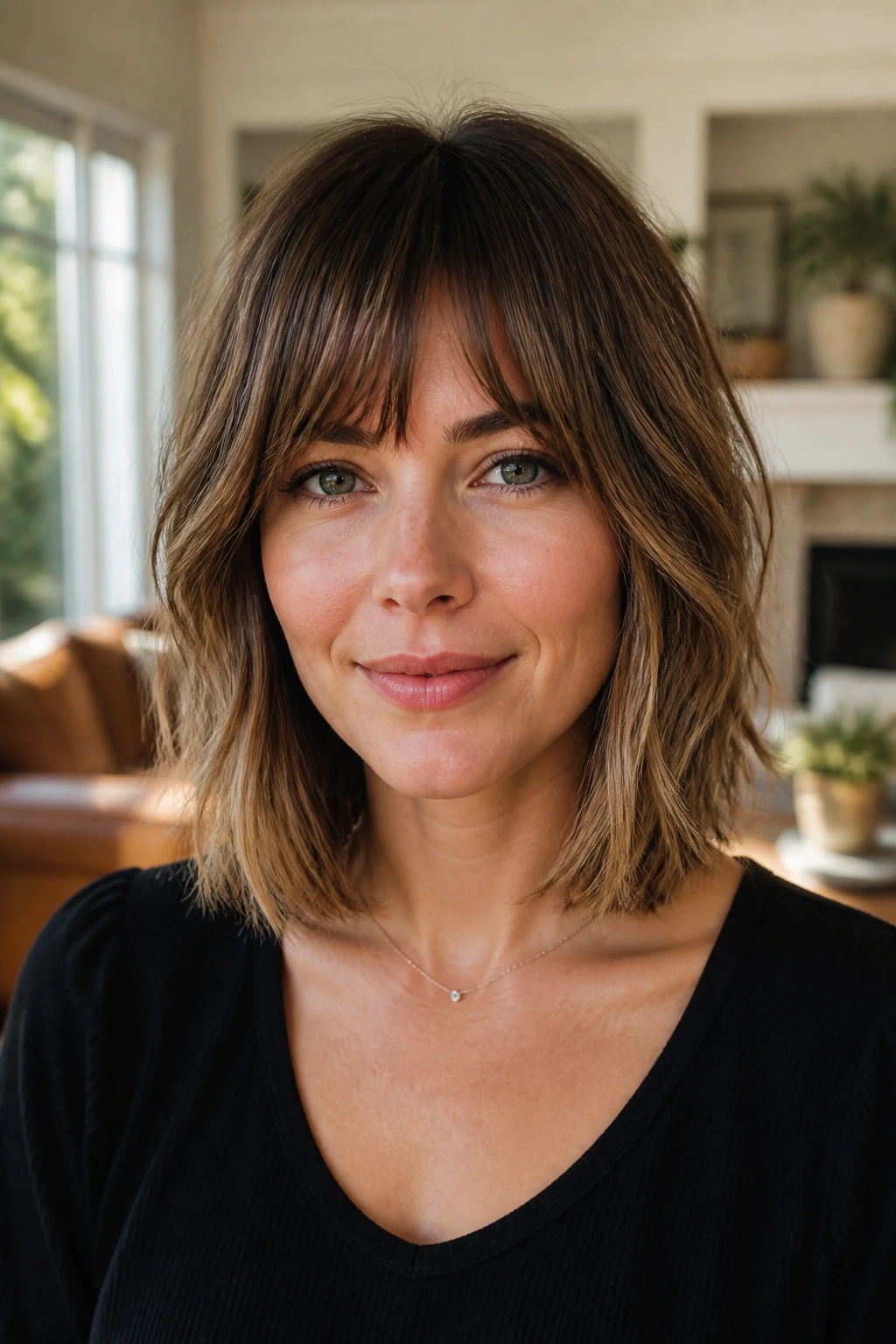
A bottleneck bang lob brings a little shape to the front without covering too much of the face. The bangs are shorter in the center, then taper wider as they move toward the temples. The result feels softer than a full fringe and less fussy than a curtain bang.
Why It Works
The bangs guide the eye down the face in a gentle way, which can be useful if you want the haircut to feel fresh but not severe. They also blend nicely into medium length hair because the side pieces can stay long and flow into the lob instead of sitting like a separate feature.
- Ask for the bangs to sit around eyebrow level in the center
- Keep the sides long enough to tuck behind the cheekbones
- Style with a small round brush or fingers and a dryer nozzle
The cut has a nice little balance issue solved: you get fringe, but you don’t lose openness around the face. That’s why people keep coming back to it.
20. The Feathered Lob
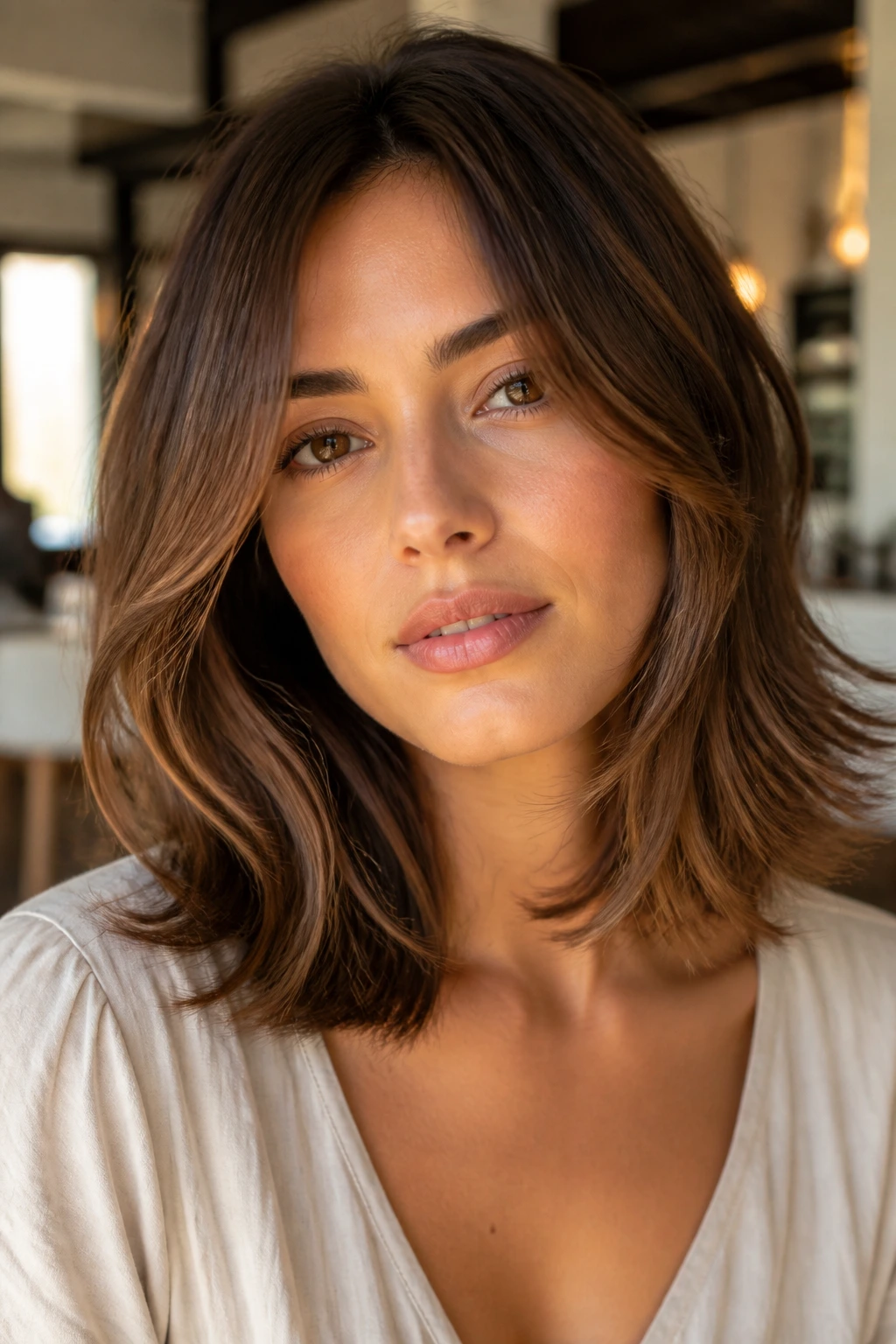
A feathered lob has soft, airy ends that move instead of hanging in one solid block. The feathering should be gentle, not wispy to the point of collapse. That’s the difference between a good feathered cut and one that looks old-fashioned in the wrong way.
On medium length hair, feathering can lighten the shape without taking away the outline. It works particularly well when the hair is dense but not coarse. The layers catch the light and the ends kick out a little, which gives the haircut some motion even when you’re not doing much styling.
I like this cut when someone wants softness but still needs the hair to keep some body. It’s friendly to blowouts. It also forgives a slightly rough air-dry.
The only caution: if the feathering starts too high, the haircut can get flimsy fast. Keep the lightness near the bottom half.
21. The Boxy Modern Lob
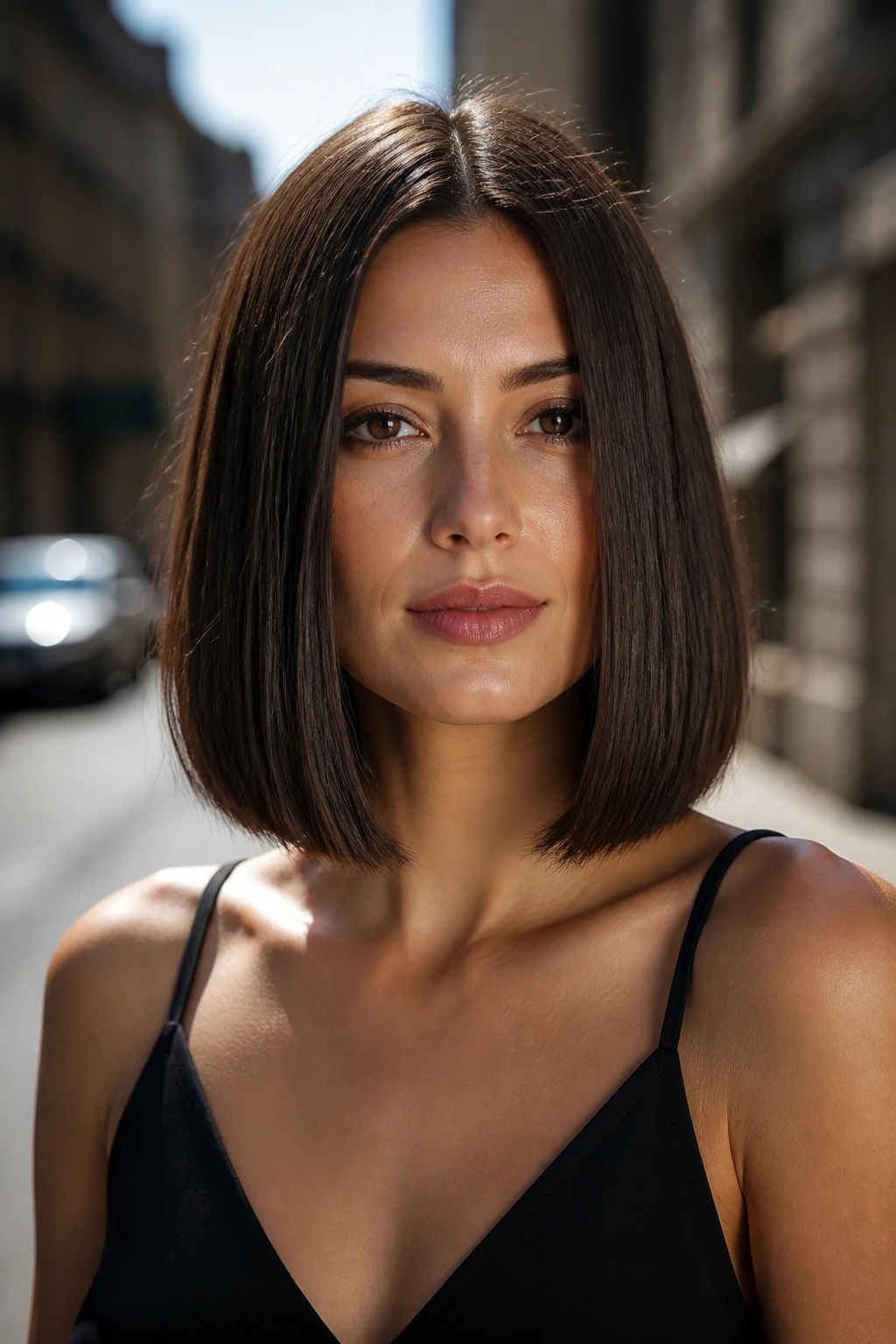
A boxy modern lob is blunt on purpose. The sides stay straight, the perimeter stays solid, and the haircut makes a clean frame around the face and shoulders. It sounds severe. It can be, but not in a bad way.
Why would anyone want that? Because medium length hair can get fluffy at the ends, and a boxier cut stops that from happening. It gives thick hair a strong edge and makes straight hair look fuller. If you like crisp lines, this one has real presence.
Who Should Skip It
- People who want a lot of movement through the ends
- Very fine hair that already lacks density
- Hair that frizzes badly in humidity
A boxy lob is not about softness. It’s about shape. If that appeals to you, the cut is sharp in the best sense.
22. The Rounded Lob
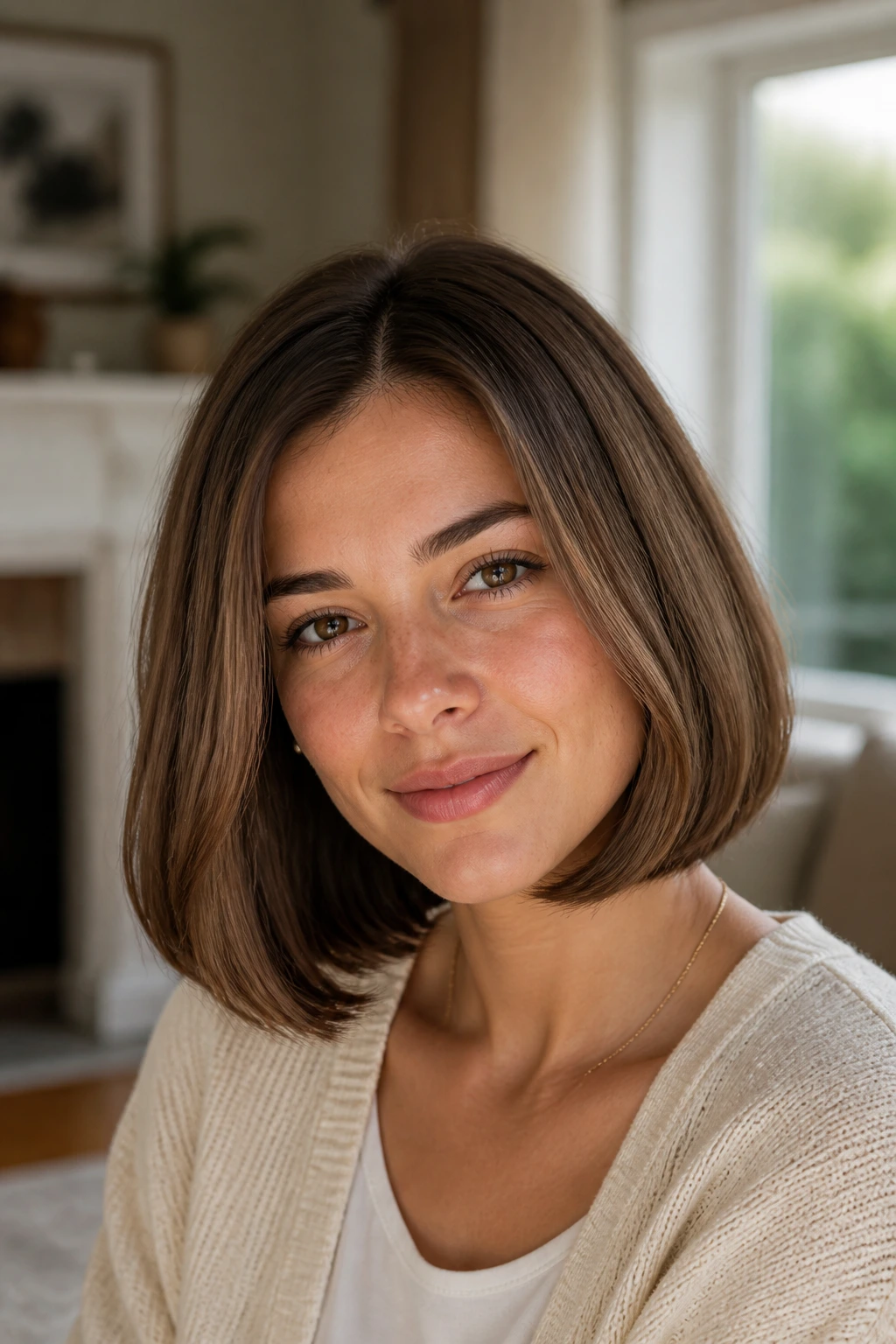
A rounded lob curves inward slightly at the bottom, which softens the whole cut and gives medium length hair a gentler outline. The line still matters, but it doesn’t read as hard or geometric.
This shape is useful when the jawline feels strong and you want the hair to sit a little less square. It also works well on fuller hair because the curve helps the length settle around the face instead of flaring out at the sides. A good round brush finish makes the shape obvious, but the haircut should still fall into a rounded line on its own.
- Great for medium to thick hair
- Ask for a soft bevel at the ends
- Best styled with downward tension while blow-drying
There’s an easy elegance to it, even when the hair is casual. Not fussy. Just shaped.
23. The Asymmetrical Lob
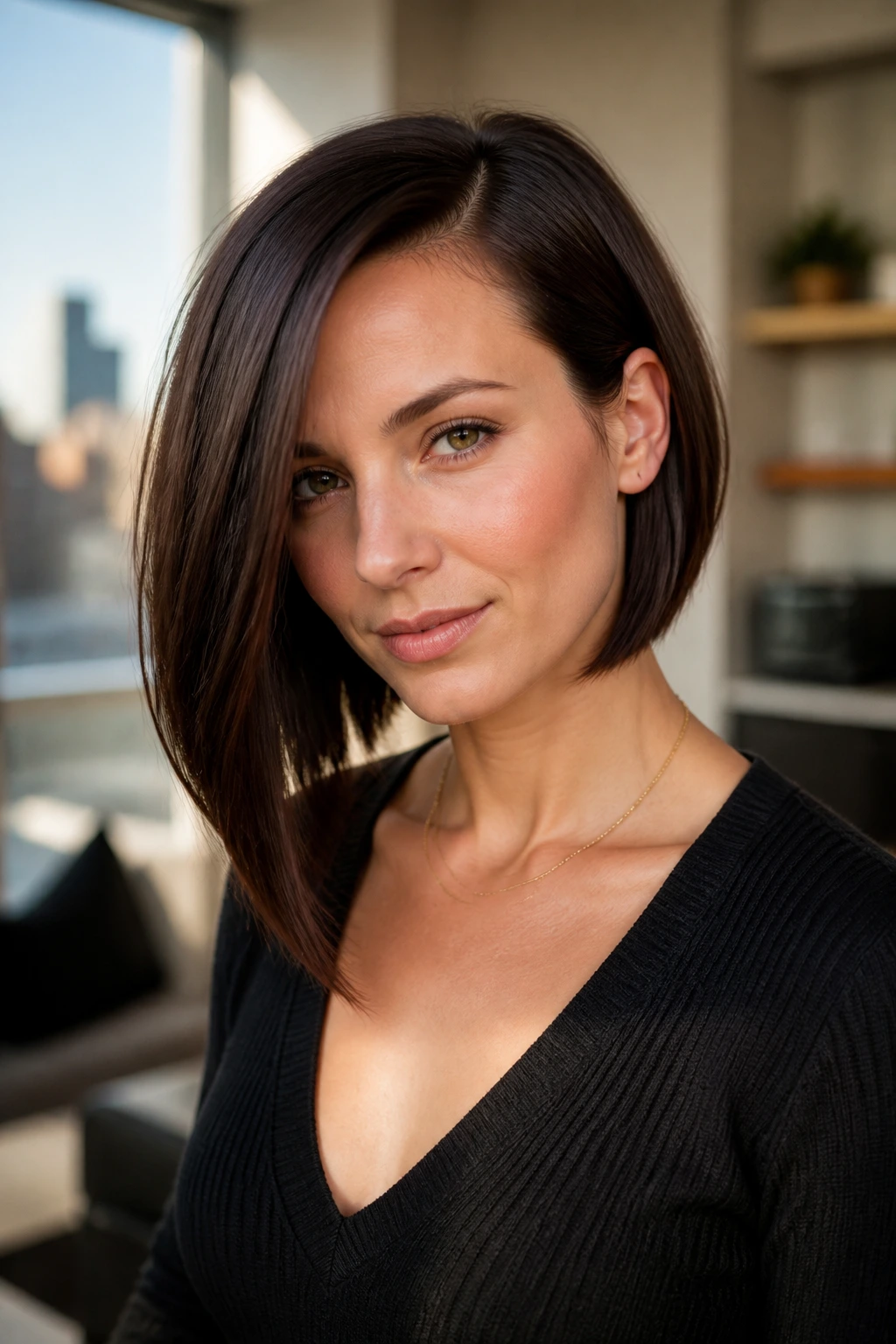
An asymmetrical lob is the haircut for someone who wants one side to lead and the other side to follow. One side is cut a little longer — sometimes by an inch, sometimes by two — and the difference gives medium length hair a clear directional feel.
You can make the asymmetry subtle or obvious. A subtle version reads as modern and slightly off-center. A stronger version feels more editorial and changes the balance of the face fast. Either way, the cut works best when the rest of the line stays clean. Too many other tricks and it turns chaotic.
I like this shape with a side part, a tucked side, or a simple flat-iron finish. It gives the haircut something to say without demanding a lot of styling time. That matters if you’re not interested in fussy hair every day.
The small risk is obvious: if the asymmetry is too extreme, it can get hard to grow out neatly. Keep that in mind before asking for a dramatic gap.
24. The Wispy Layered Lob
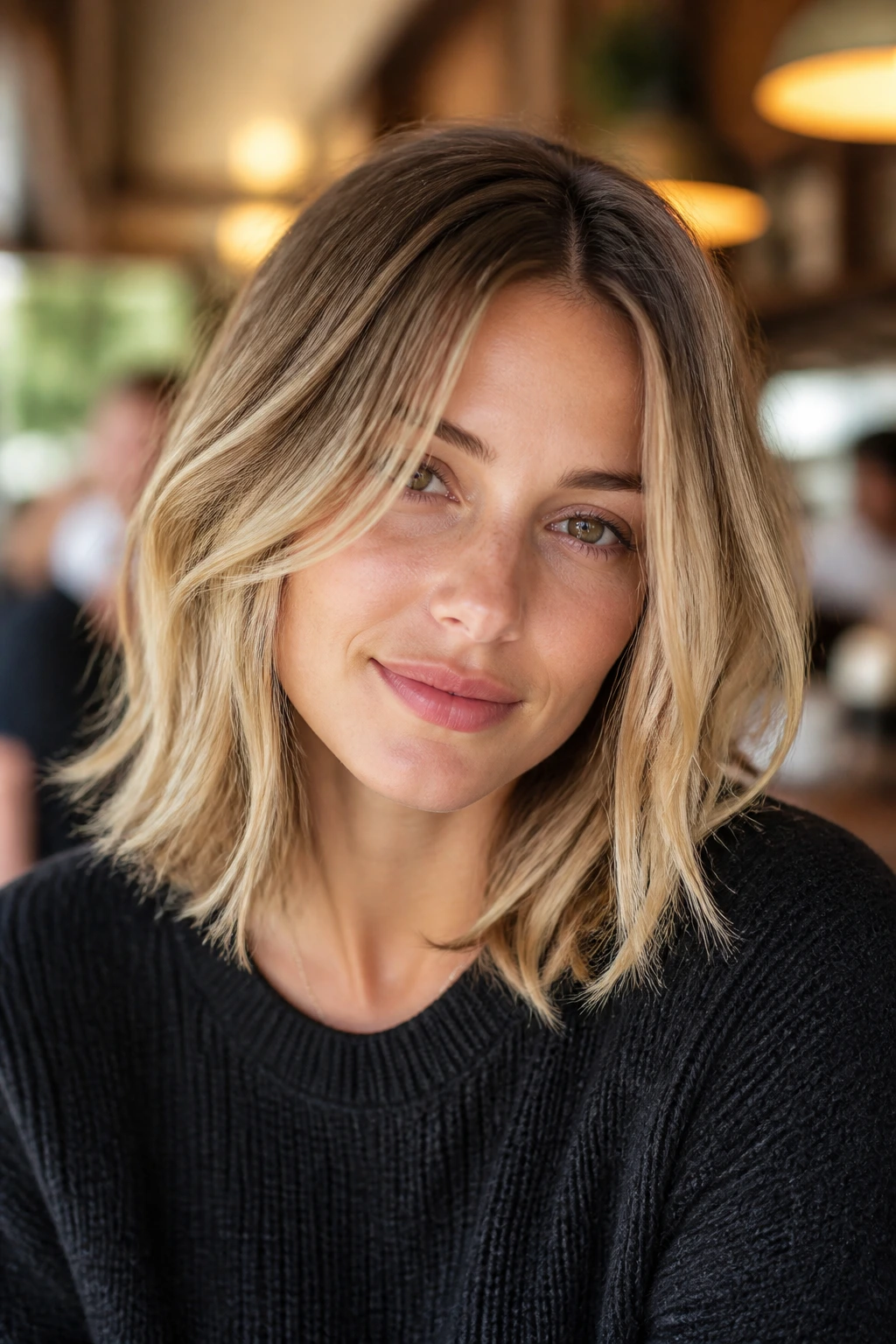
A wispy layered lob is lighter than a choppy one and softer than a shag. The layers are fine, spread out, and meant to remove a little bulk while keeping the overall shape calm. On medium length hair, that can be a sweet spot.
This cut is especially useful for fine to medium hair that wants movement but loses density fast. The wispy layers give the ends a bit of lift without making the perimeter look thin. You still want enough structure at the bottom to keep the haircut from evaporating.
It’s one of the lob haircuts for medium length hair that works best when the goal is softness. Not volume at all costs. Softness. A round brush, a light mousse, and a careful trim every so often keep it in shape.
If your hair already has a lot of texture, keep the wisps controlled. Too much lightness can make the cut float away from the face.
25. The Grow-Out-Friendly Lob
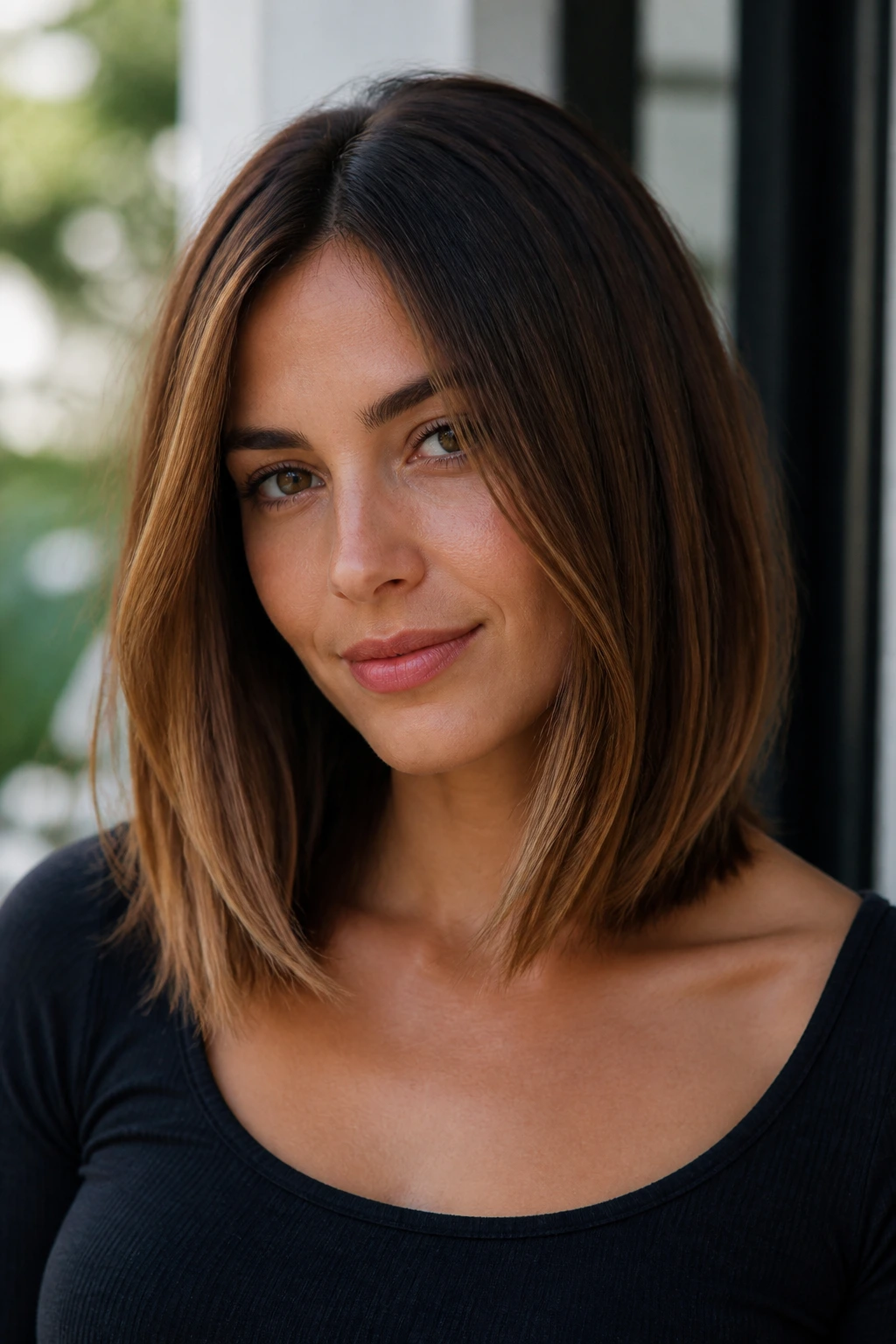
A grow-out-friendly lob is the one I keep coming back to when I want a cut that behaves for months, not days. It usually sits somewhere around the collarbone, carries a soft perimeter, and uses just enough layering to stop the ends from feeling bulky as they get longer.
Why It Stays Wearable
The shape doesn’t depend on a sharp line, so small changes in length don’t wreck it. That matters. Hair grows. Life gets busy. Trims get delayed. A good grow-out lob should still look fine when the ends start brushing the shoulders.
- Keep the front only slightly longer than the back
- Use soft face-framing pieces instead of heavy layers
- Ask for an outline that can be worn straight, waved, or air-dried
This is the calm answer to the lob question. If you want medium length hair that can be polished one day and lazy the next, this is probably the safest version on the list. And honestly, I trust that kind of haircut more than a dramatic one that only behaves in a salon chair.
