



If warm blonde keeps sliding orange against your face, ash hair color ideas for cool skin tones are usually the safer bet. Cool undertones—pink, blue, rosy, sometimes a little violet—tend to sit better beside smoky beige, silver, graphite, and blue-based blonde than beside copper or honey. That does not mean you need to go icy and pale. The better ash shades look soft, glossy, and deliberate, not flat.
Warm brass is the enemy here.
Cool skin can be fair, medium, or deep, and that matters more than people think. A level 10 icy blonde can wash one person out and look clean on another; a level 5 mushroom brown can look elegant on someone else because the depth is right. The trick is matching the tone family to your hair level and the amount of contrast in your face.
There’s also a wide gap between ash done well and ash done lazily. Good ash has a blue, violet, or green cast under the surface, which is why it resists that yellow-orange drift that happens after a few washes. Bad ash reads muddy. Or gray in the wrong way. Those are not the same thing.
Below are the shades I keep coming back to when the brief is cool, smoky, and flattering rather than loud. Some are bright, some are deep, some are barely there, and that range is the point.
1. Smoky Ice Ash Blonde for Cool Skin Tones
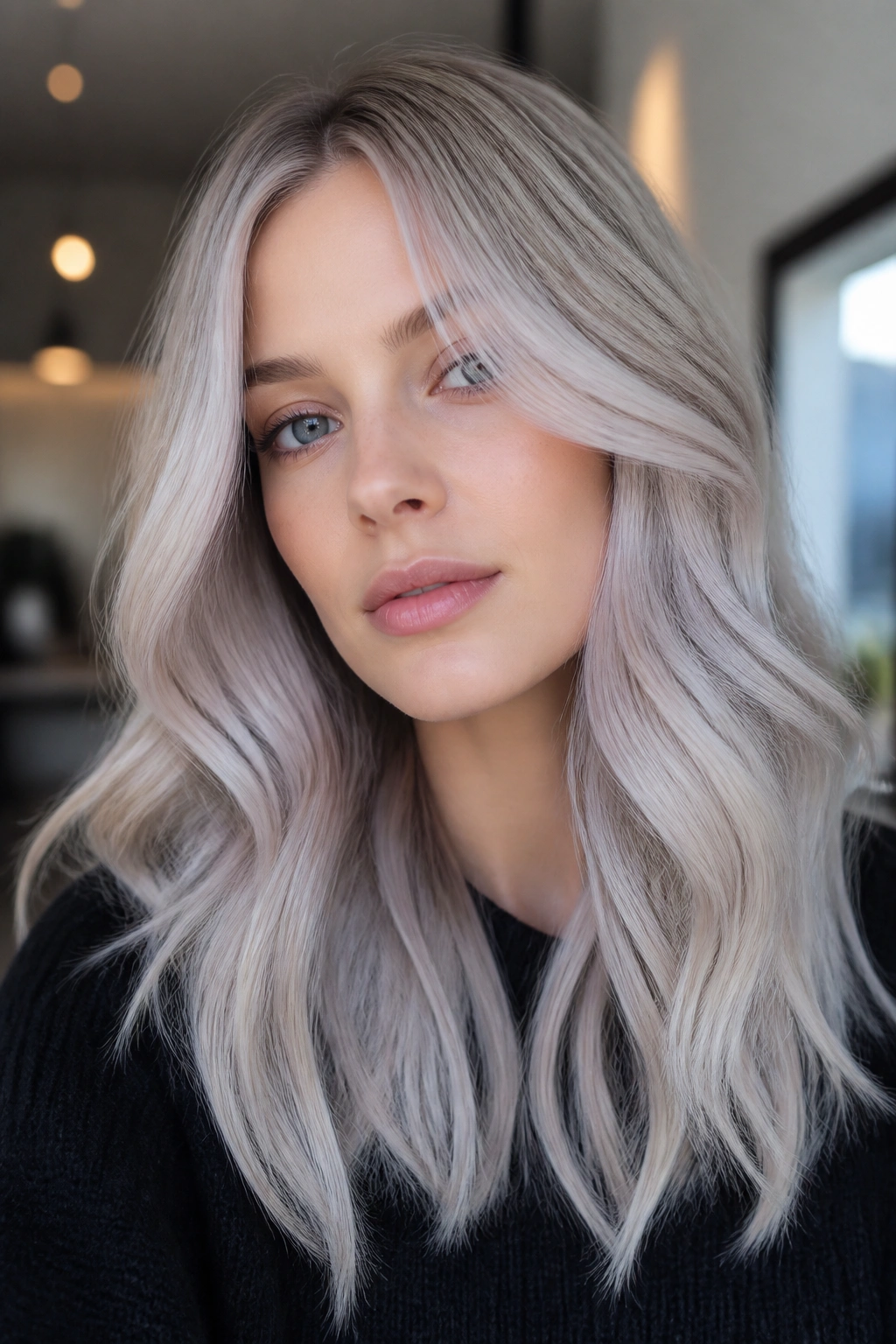
Smoky ice ash blonde is the shade that makes platinum feel wearable instead of overcooked. It keeps the brightness, but a veil of blue-violet toning softens the edges so the blonde doesn’t flash yellow when the light changes.
Why It Works on Cool Skin
The color sits cleanly beside pink or blue undertones and can make redness look quieter. It also looks sharper than beige blonde, which matters if your features are crisp and you like a little contrast.
What to Ask For
- Ask for a level 9 or 10 blonde base that is lifted evenly from root to end.
- Ask for a violet-blue toner rather than a honey or beige toner.
- Ask for a soft root shadow if you want regrowth to blend instead of shouting.
Best for: fair to light-medium cool skin, especially if you like silver jewelry and clean makeup.
A small caution: porous hair grabs silver fast, so a gloss is usually kinder than a heavy toner. That keeps the finish shiny instead of chalky.
2. Pearl Ash Blonde
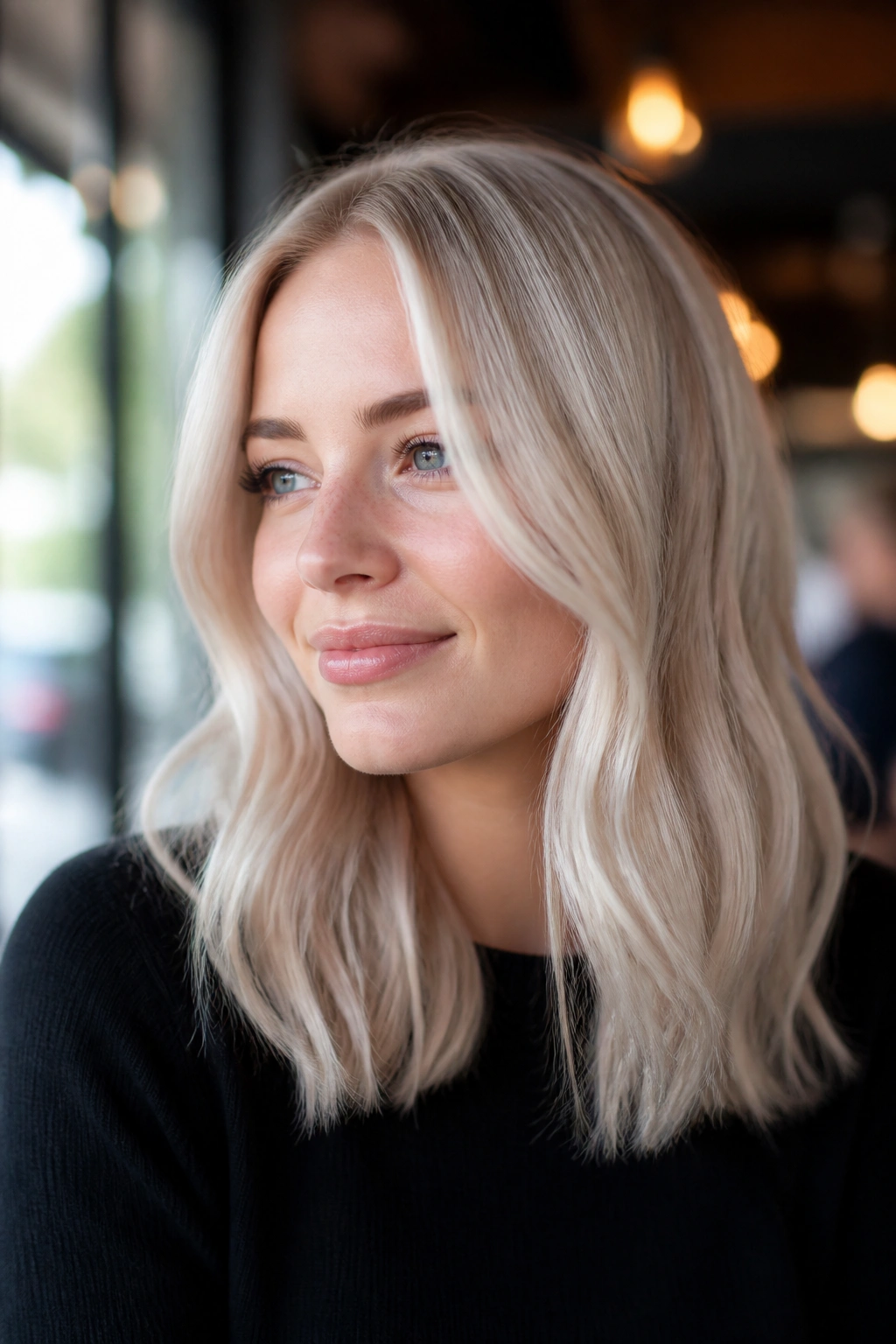
Pearl ash blonde is the shade I reach for when someone says they want blonde, but not the bright, beachy kind. It has a pale, creamy look from a distance, then a cool pearl cast when you get closer.
It suits cool skin because it softens pinkness without making the face look gray. That matters more than people think. A lot of blondes go too beige and start fighting the skin; pearl ash stays in its lane.
The nice part is that it looks expensive on waves, curls, and straight hair alike. On textured hair, the light catches the bends and the pearl effect shows up in little flashes. On sleek hair, it reads polished and a touch delicate. I like this one when the client wants something pretty and easy to live with, not a full ice-blonde commitment.
3. Mushroom Ash Brown
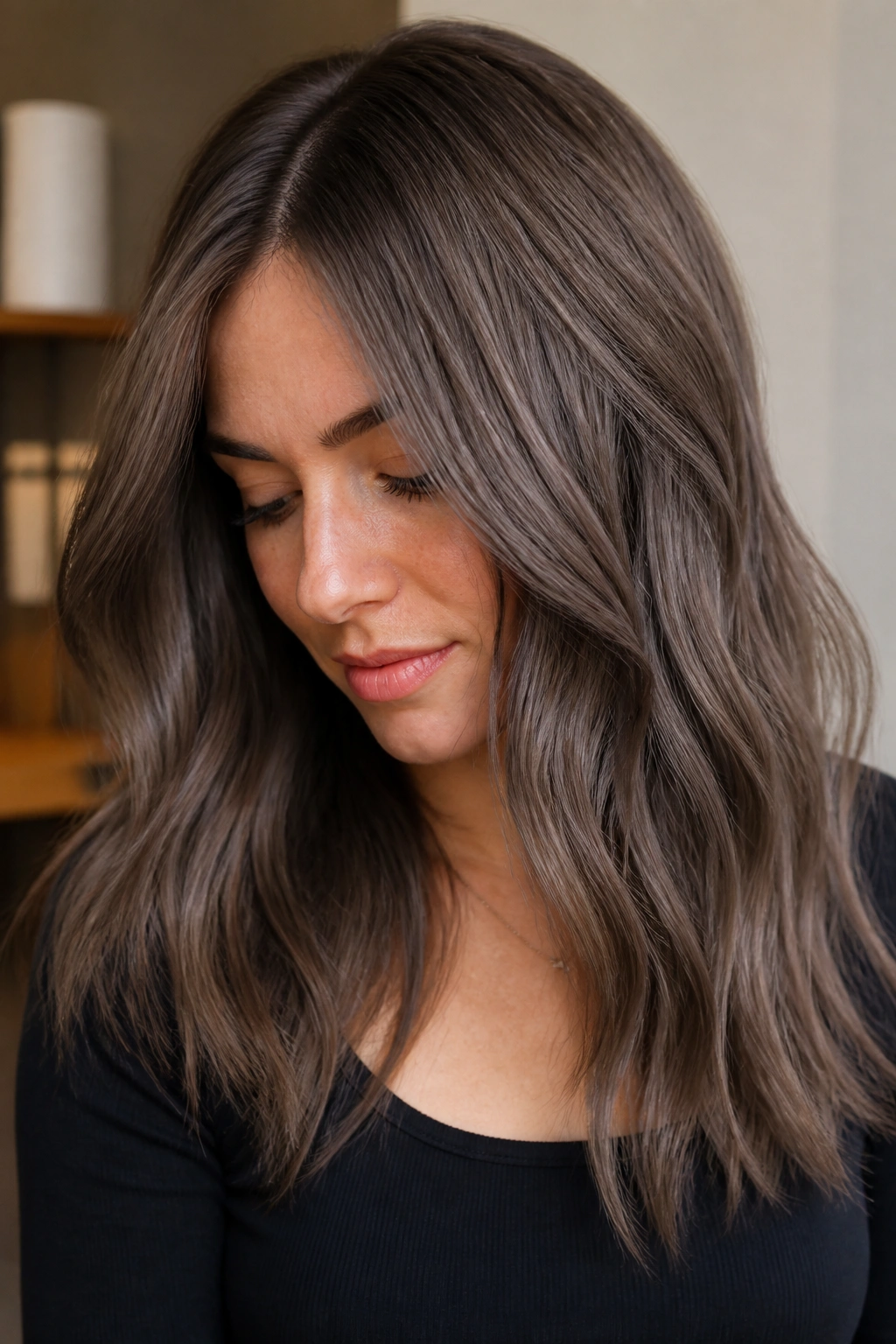
What if you want brown, but not warm brown? Mushroom ash brown is the answer most colorists reach for when the client keeps saying, “I want it soft, but not boring.” It sits in that taupe-gray zone where brown meets a little smoke.
How to Get the Tone Right
This shade usually looks best on a level 5 or 6 base, or on lighter hair that has been toned down rather than dragged all the way dark. The goal is not a flat brown cap. The goal is a cool, muted brown that never tips red.
A few things make it work:
- Keep the formula free of copper or gold.
- Ask for a demi-permanent gloss if you want softness with less commitment.
- Leave a touch of depth at the root so the ends do not look washed out.
Who should try it: anyone with cool medium skin who wants a grown-out color that still has shape.
It is a good one when you want low drama. Quiet, but not dull.
4. Cool Bronde With Soft Ash Ribbons
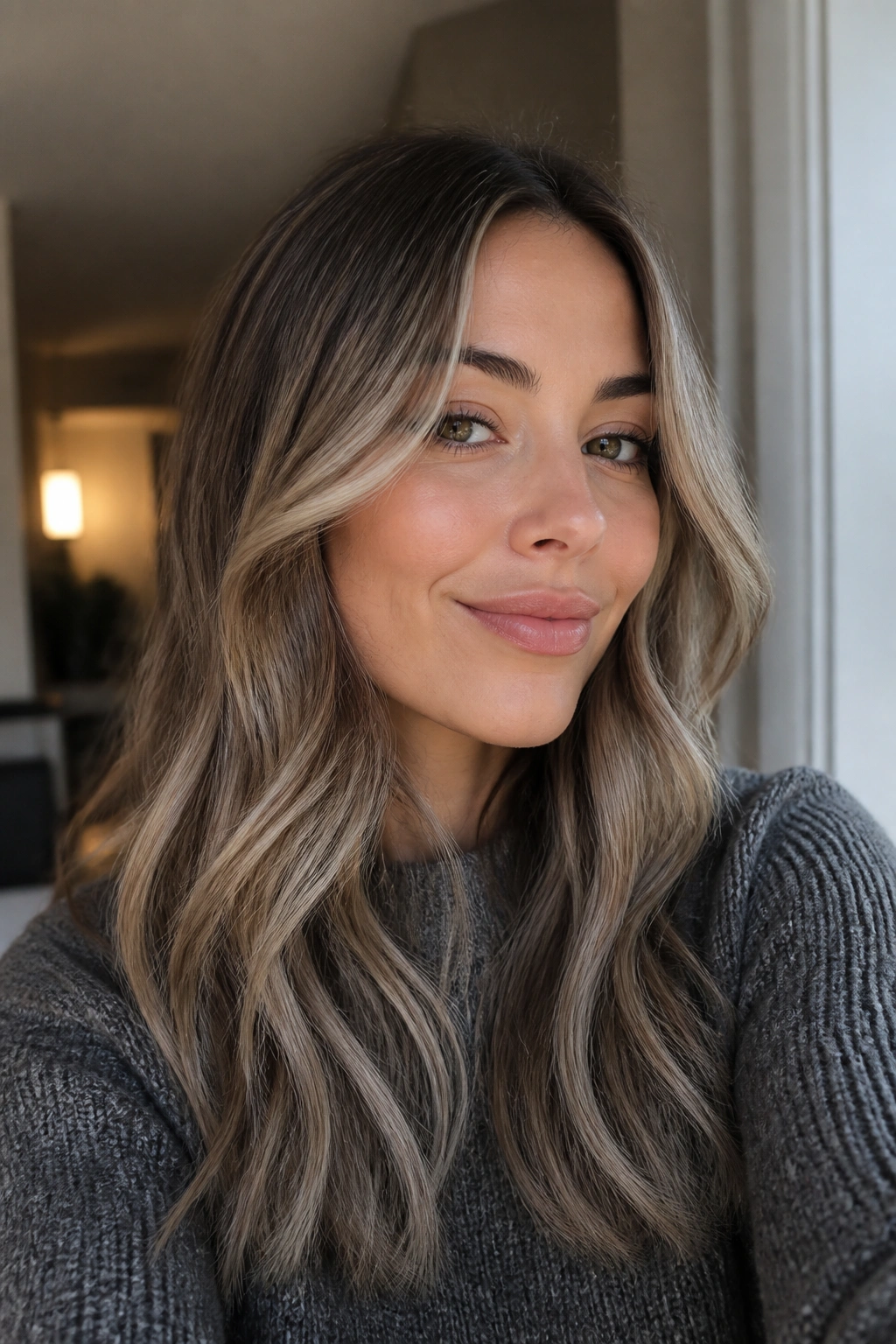
This is the shade for the person who is tired of choosing between blonde and brunette. Cool bronde with soft ash ribbons keeps the base in the middle and adds just enough lightness to keep the hair from feeling heavy.
Picture a dark blonde or light brown base with thin, smoky ribbons placed through the crown and around the face. That placement matters. If the pieces are too chunky, the color starts looking striped. If they’re too fine, you lose the point of the whole thing.
Placement That Keeps It Soft
- Put the lightest pieces around the cheekbones and hairline.
- Keep the interior a shade deeper so the hair still has depth.
- Tone the ribbons to a cool beige or ash beige, not gold.
This works especially well on shoulder-length cuts, because the bend in the hair shows off the mix of light and dark. It’s one of those shades that looks casual until you realize how carefully it was put together.
5. Slate Ash Brunette
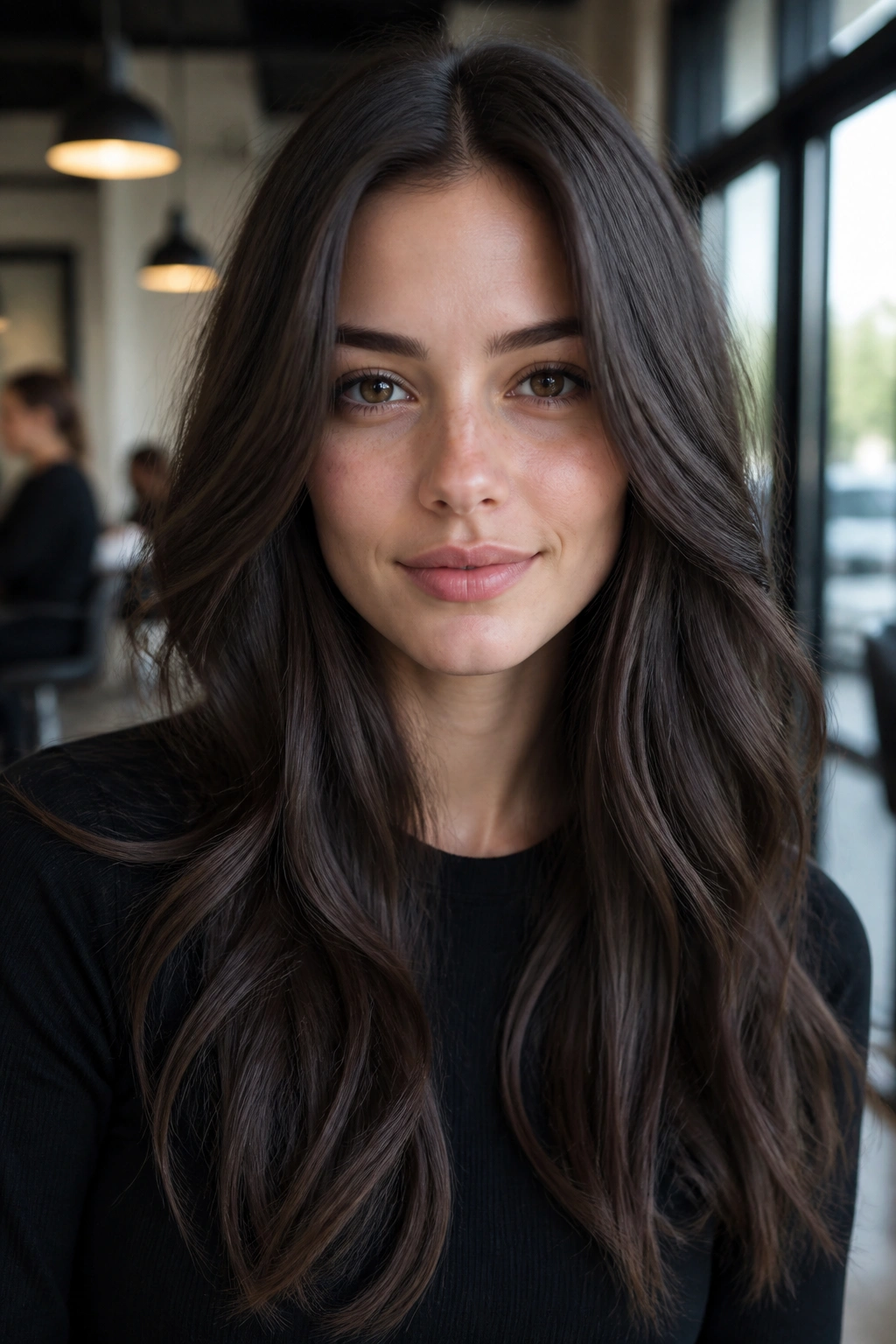
Slate ash brunette has a little edge. It’s a deep brown with a cool, smoky cast that leans between chocolate and charcoal, and it’s one of the best choices for someone who wants brunette depth without warmth.
This is the shade that saves a face from looking too red in daylight. The cool base pulls the whole look together, especially if your skin already has pink or blue undertones. It can also make white shirts, black clothes, and silver earrings look sharper against your hair.
I like slate ash brunette on straight hair because the shine line gets cleaner, but it works just as well on waves. The trick is keeping the finish glossy, not matte. Matte ash can go flat fast. Glossy ash looks rich.
If you’ve ever had brown hair that turned chestnut in the sun, this is the correction.
6. Icy Platinum Ash for Cool Skin Tones
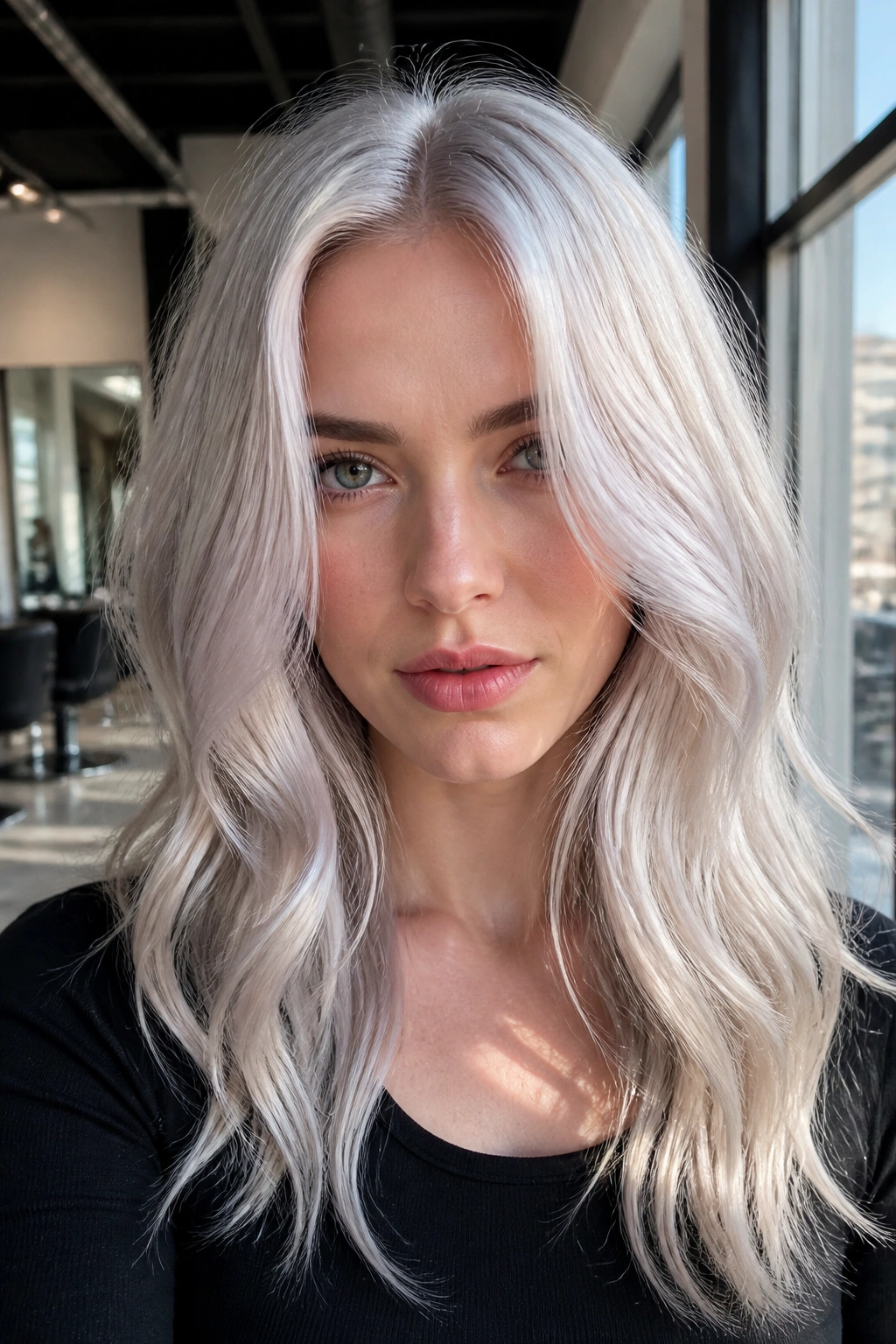
Icy platinum ash is not the same as warm platinum, and that difference is the whole story. Warm platinum can drift creamy or yellow. Icy platinum stays clean, almost white-silver, with a blue-violet cast that suits very cool skin.
What Makes It Different
The shade has more bite than pearl blonde and more edge than beige blonde. If your skin is fair and cool, that sharpness can be exactly what makes the color work. On someone with high contrast—dark brows, light skin, or strong features—it looks especially striking.
Who It’s Best For
- People whose hair can handle a strong lift without breaking.
- Anyone who is happy to keep up with toning.
- Clients who like a crisp, polished finish rather than softness.
If the hair is porous, this one needs caution. Porous ends can turn hollow or silver-gray in a way that feels dry, so a slightly deeper root shadow and regular glossing help a lot. Not glamorous advice, but useful.
7. Silver Smoke Balayage
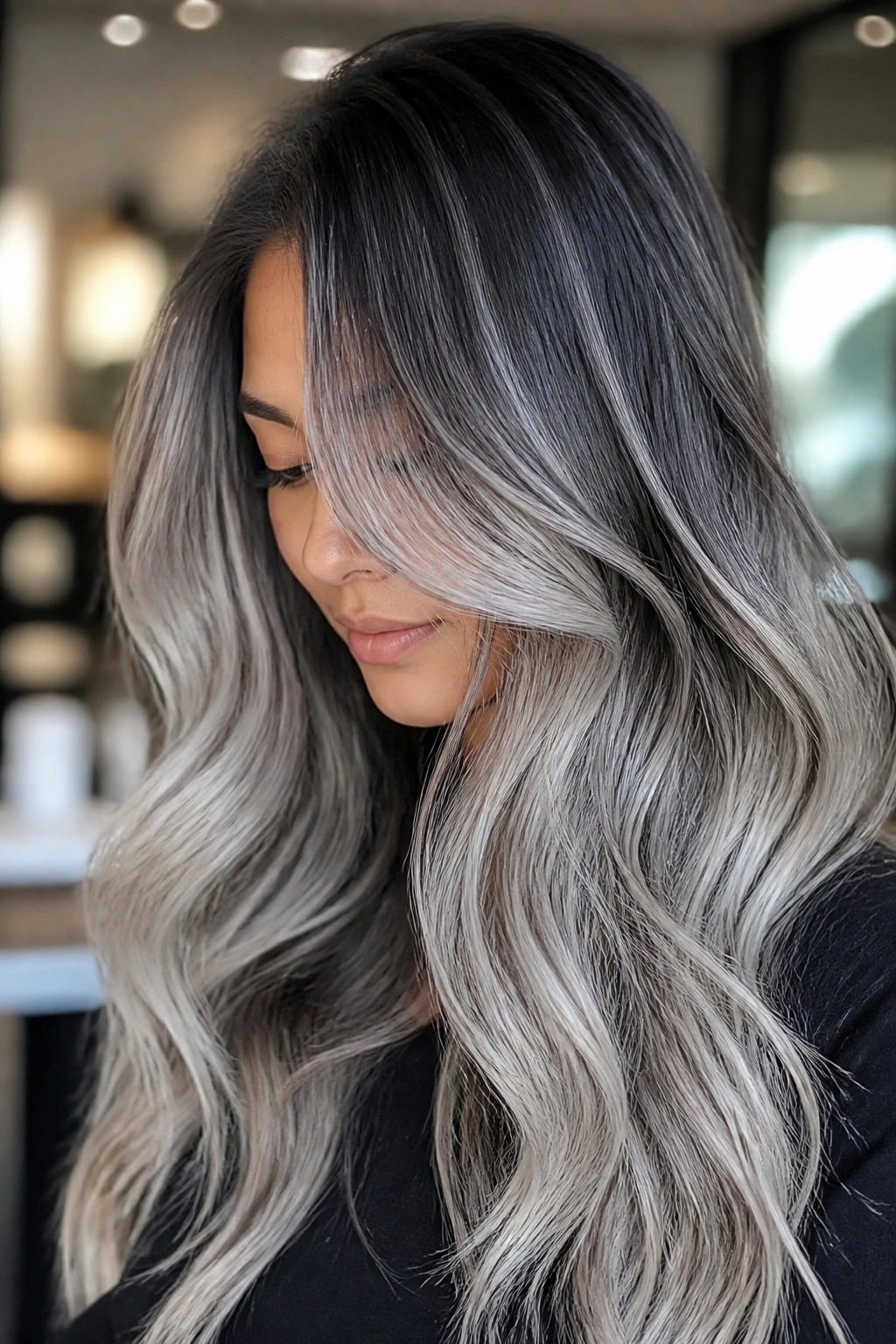
Silver smoke balayage is the cool-toned version of effortless contrast. Dark roots melt into smoky silver pieces that look like they were brushed on by hand, because they were.
The Shine Factor
This color works best when the light pieces are painted where the hair naturally moves: around the face, through the top layer, and at the ends. On waves, the silver sits in the bends and gives the whole style a soft shimmer. On straight hair, it creates long, sleek streaks that feel more modern than obvious highlights.
Ask Your Colorist For
- A dark ash brown or slate root.
- Hand-painted silver-beige pieces through the mid-lengths and ends.
- Soft blending, not thick stripes.
- A toner that keeps the silver from turning yellow.
Best on: medium to long hair with some natural movement.
This is a shade that likes texture. A flat iron can make it look sharp, but a loose wave usually shows the color better.
8. Soft Taupe Brown
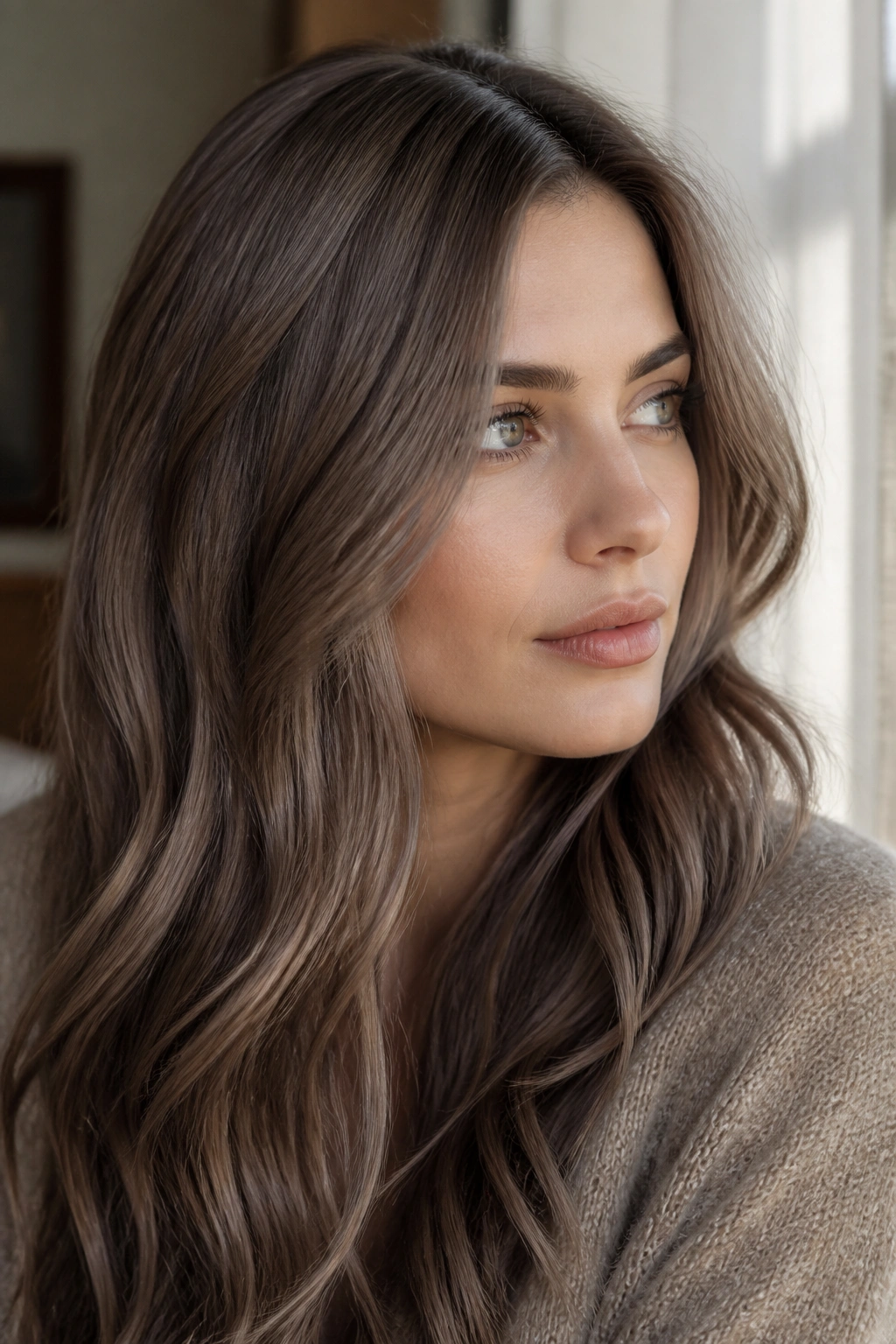
Soft taupe brown is the shade I recommend when someone says ash blonde feels too bright and ash brunette feels too heavy. It sits between brown and gray in a very quiet way, which makes it easy on cool skin that turns flushed with warmth.
It is also one of the easiest ash shades to wear in everyday life. It does not scream for attention. It just makes the hair look cleaner, smoother, and a little more expensive under normal light.
A good taupe brown should never look muddy. That’s the trap. If the formula is too flat, the hair can look dusty instead of cool. The fix is usually a touch of neutral shine or a very soft beige-ash tone that keeps the color alive. I like it on finer hair, too, because the soft coolness gives the illusion of denser strands.
9. Charcoal Gloss on Dark Hair
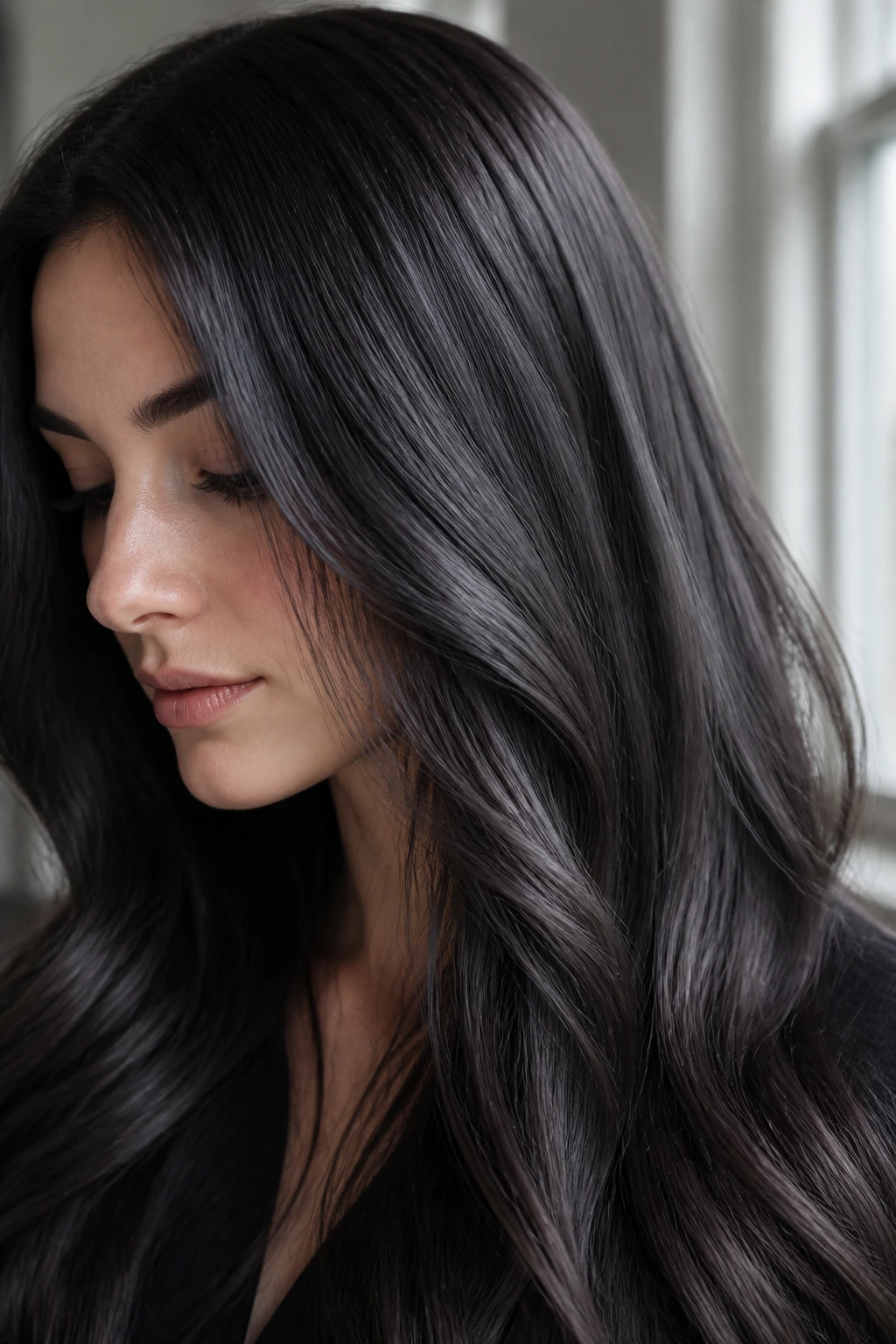
Can very dark hair still look ash instead of flat black? Yes. Charcoal gloss is the answer, and it’s a lot more flattering than people expect.
The point is not to cover the hair in opaque black pigment. The point is to give the hair a deep, smoky finish with a cool reflection that keeps the color from reading warm in daylight. That subtle shift matters on cool skin, especially if your natural hair is already dark.
How to Wear It
If your hair sits at a level 3 or 4, ask for a charcoal gloss rather than a hard dye block. The finish should look reflective. Almost wet. If the hair feels dull, the shade loses its impact fast.
This works well on blunt cuts, sleek ponytails, and long straight hair. It is less forgiving on very dry ends, so the condition of the hair matters here more than almost anywhere else on this list.
10. Ash Money Piece
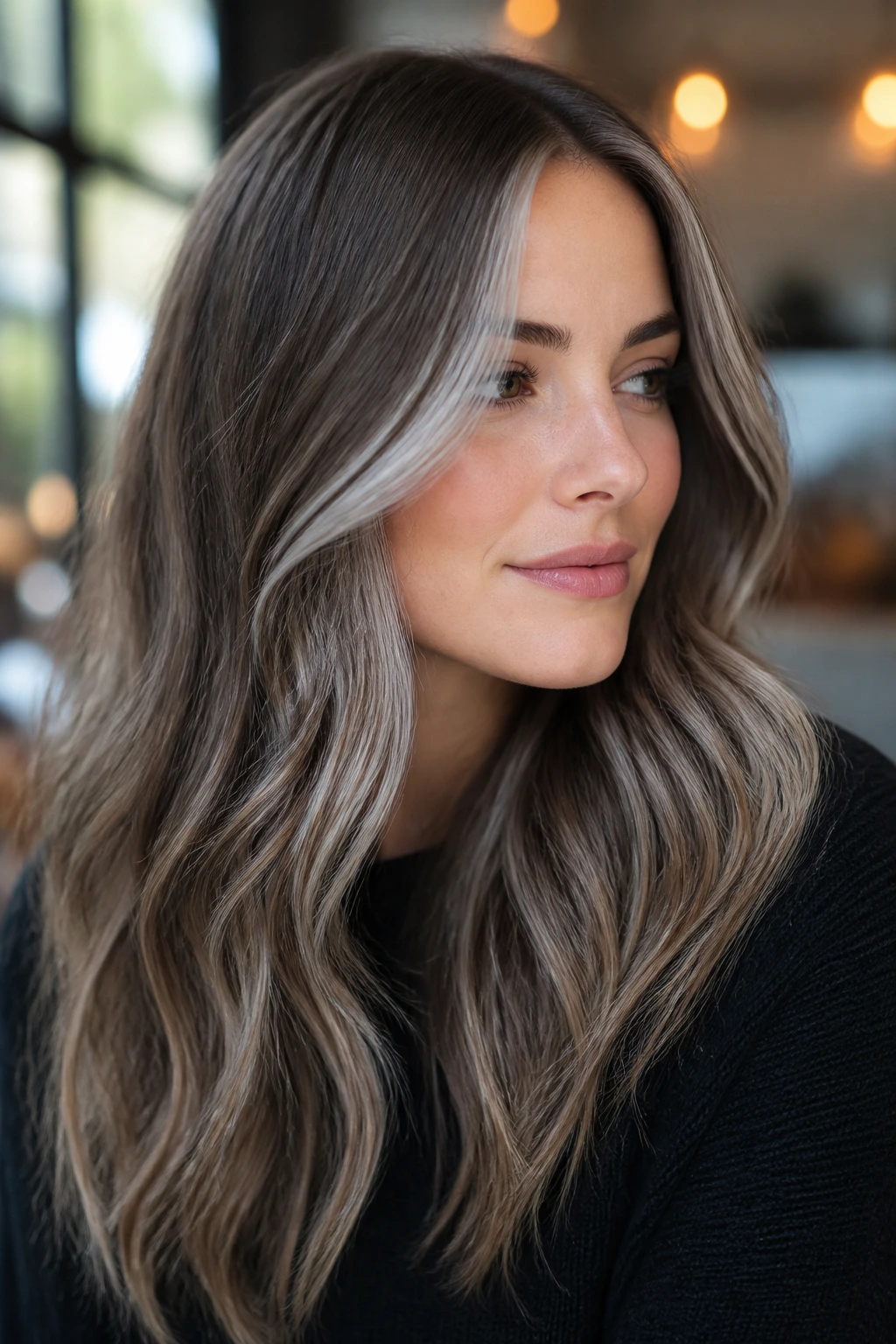
An ash money piece is for anyone who wants change without signing up for a full color overhaul. A lighter strip at the front can brighten the face fast, and an ash tone keeps that brightness cool instead of golden.
The key is placement. Too far forward and it looks harsh. Too chunky and it stops looking chic. The best ash money piece usually starts around the hairline and the part, then fades softly into the front layers.
Where the Money Piece Starts
- Begin the lightest section around the cheekbone or eyebrow line.
- Keep the strip only one to two shades lighter than the rest of the hair.
- Tone it blue-violet if the base tends to go yellow.
A lot of people try to make this piece too bright. That’s the mistake. With cool skin, a softer ash frame usually does more than a loud blonde stripe ever will. It looks awake, not overworked.
11. Smoke-Gray Ombré
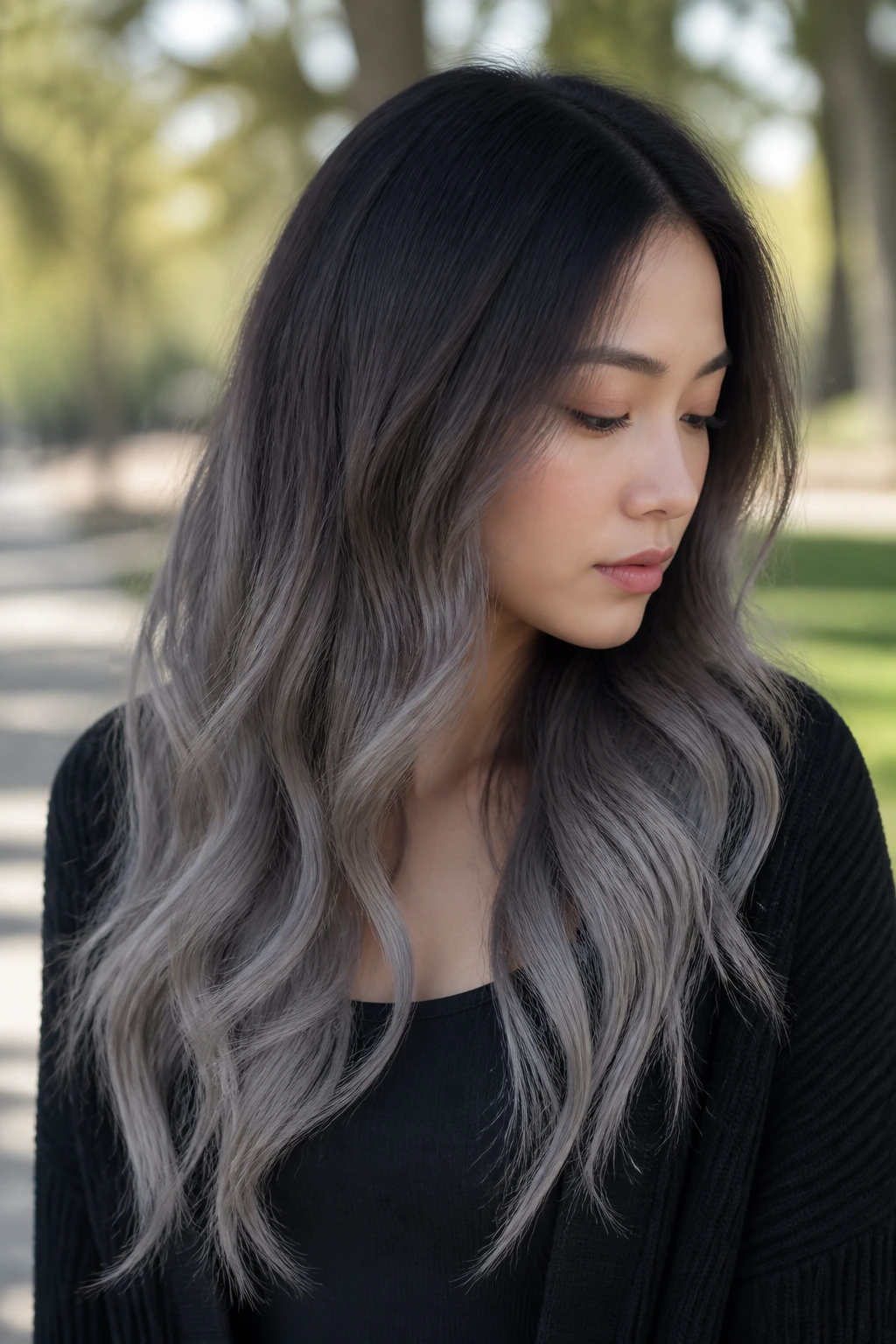
Smoke-gray ombré is dramatic without being loud. The roots stay deeper and cooler, then the color drifts into smoky gray through the mid-lengths and ends. It looks especially good on long hair because the gradient has room to show itself.
The trick is keeping the transition soft. A harsh line kills the whole thing. You want a slow fade, almost like the color is thinning out rather than changing all at once. That softness helps the gray look intentional instead of washed.
This one is best on hair that can hold a gloss well. If the ends are dry or rough, gray shades can get crunchy-looking. A smooth cut helps, too. Layers or a clean blunt edge give the color a shape to sit in, and that keeps the ombré from feeling heavy.
12. Dusty Beige Ash Blonde for Cool Skin Tones
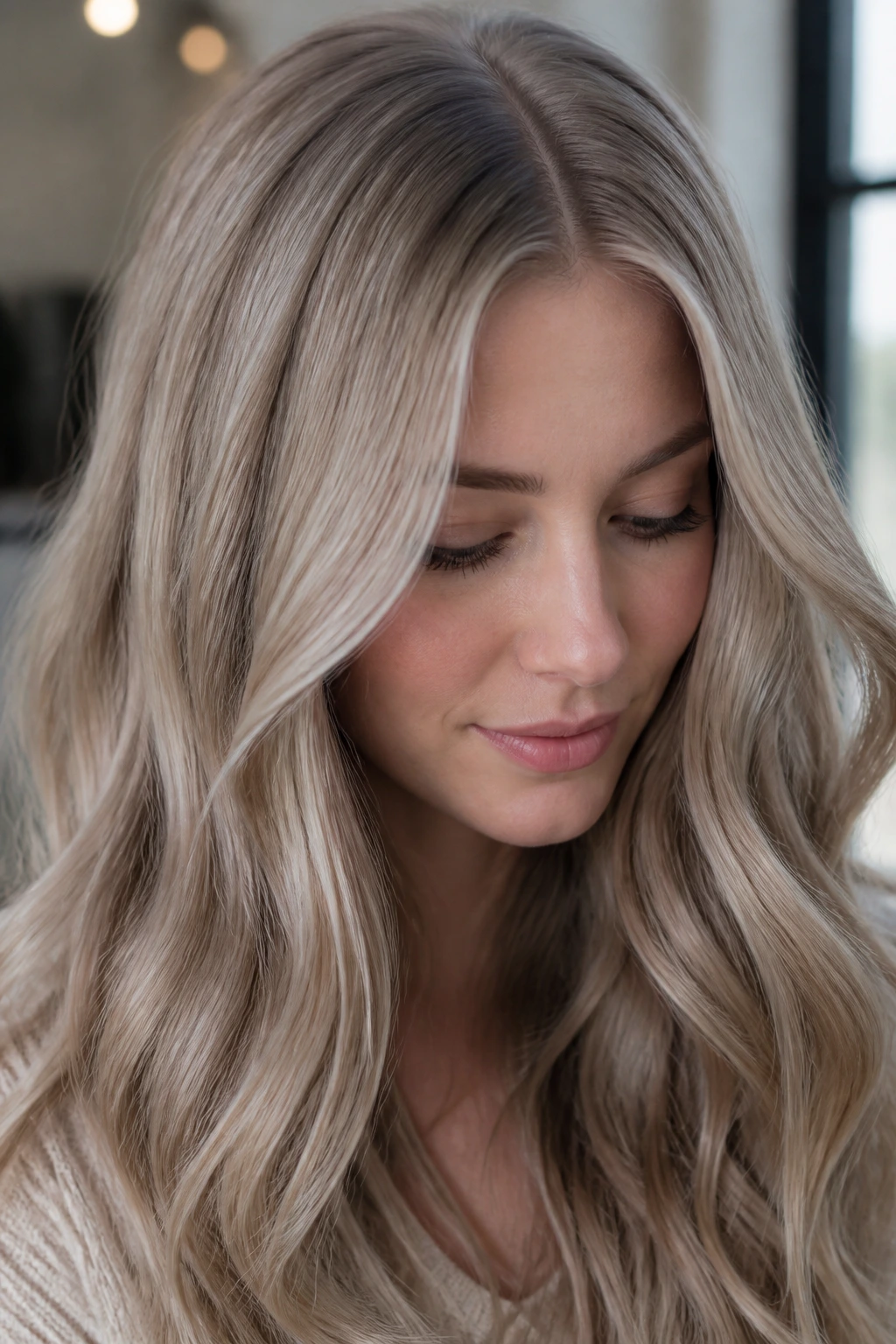
Dusty beige ash blonde is the answer when someone wants softness more than drama. Beige blonde usually warms things up, but the dusty ash version keeps the same light feel without tipping yellow.
That makes it a good fit for cool skin that still wants a gentle, flattering blonde rather than a crisp ice shade. It is especially nice on fine hair because the muted tone gives the strands more visual thickness. Too much brightness can expose every thin spot. Dusty beige is kinder.
Compared with pearl blonde, this shade is a touch quieter. Compared with mushroom brown, it is lighter and airier. That middle ground is exactly why it works so well. It feels easy, and not in a lazy way.
13. Cool Mocha Melt
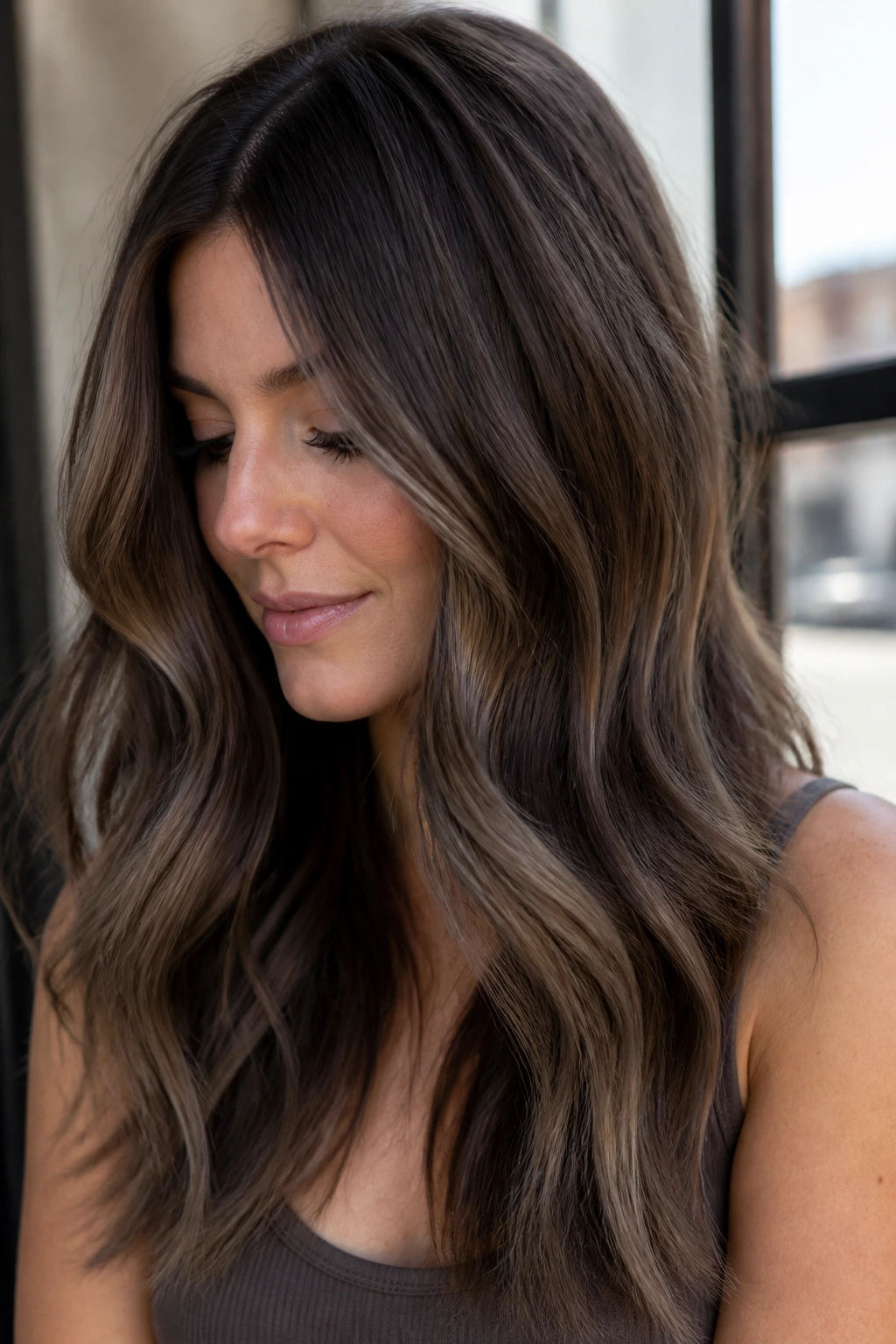
Cool mocha melt has one job: make brown hair look deep, soft, and expensive without using warm caramel to fake dimension. The root stays mocha, the mid-lengths stay cool, and the lighter ribbons are toned into ash rather than honey.
Why the Melt Looks Rich
The shade works because it avoids hard stops. The color moves from deeper brown to softer ash brown in a way that looks natural under office light, daylight, and evening light. That matters. A lot of brown shades look fine in the salon mirror and then go orange outside.
What to Ask For
- A root level around 4 or 5.
- Ash lowlights through the mids.
- A neutral or cool gloss on the ends.
- Soft contrast instead of thick blonde streaks.
It’s a smart choice for cool medium skin and for anyone who wants dimension without a maintenance headache. The grow-out is forgiving, which is rare in color that still looks polished.
14. Ash Espresso With Sheer Shine
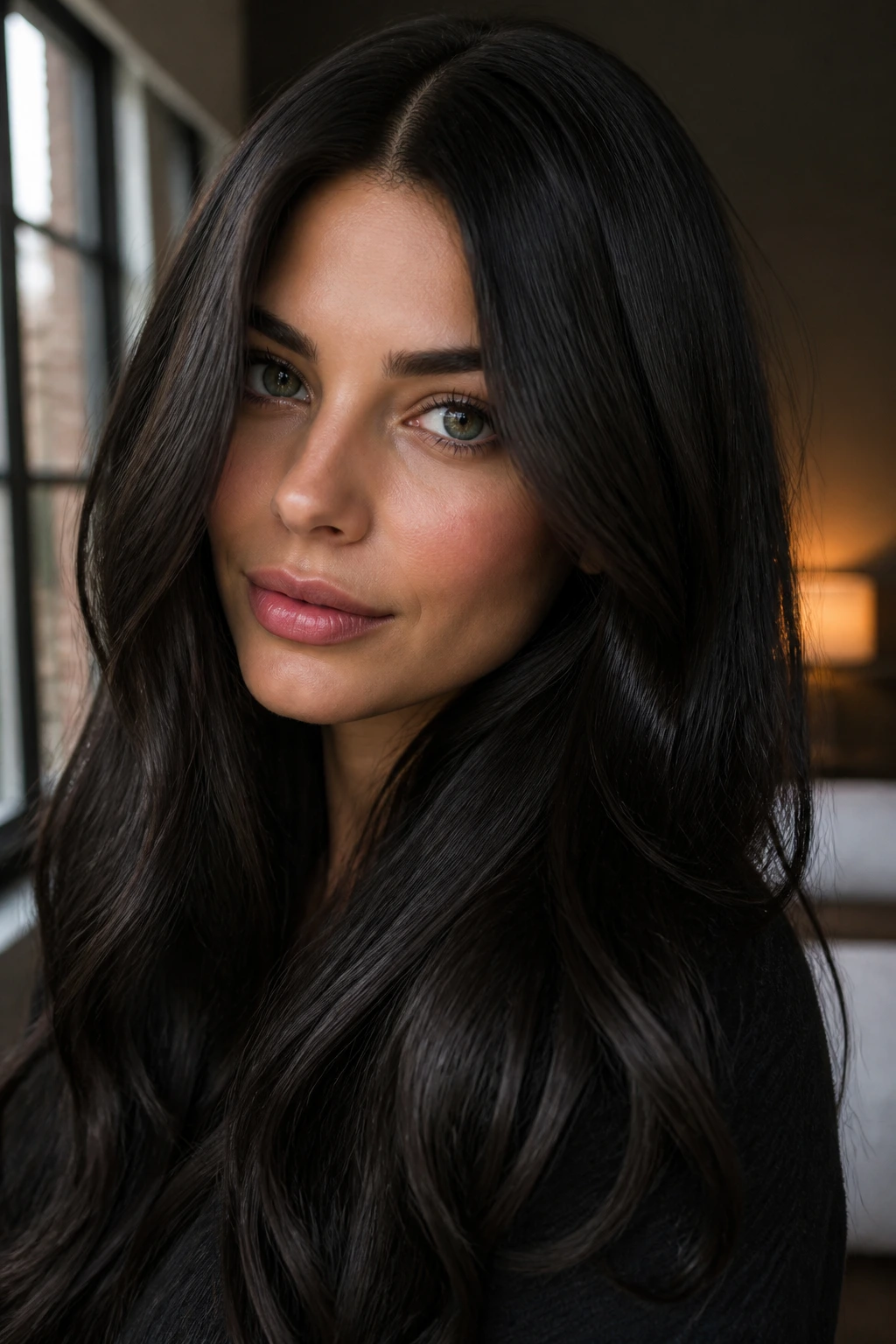
Ash espresso is deep brown with a cool base that sits just shy of black. It is one of the easiest dramatic shades for cool skin because it gives you darkness without the hard edge of pure ink.
The shine is the whole game here. If the hair is glossy, the ash reads rich and smooth. If it is dry, the color can look heavy. That’s why this shade suits hair that can hold reflection well—straight styles, blowouts, sleek curls, all of it.
This is a good option for anyone with dark brows and cooler features who wants a color that feels strong but not severe. A black-brown can sometimes look harsh next to cool skin. Ash espresso keeps a little softness in the finish, which is why I like it more.
15. Pewter Gray Blend
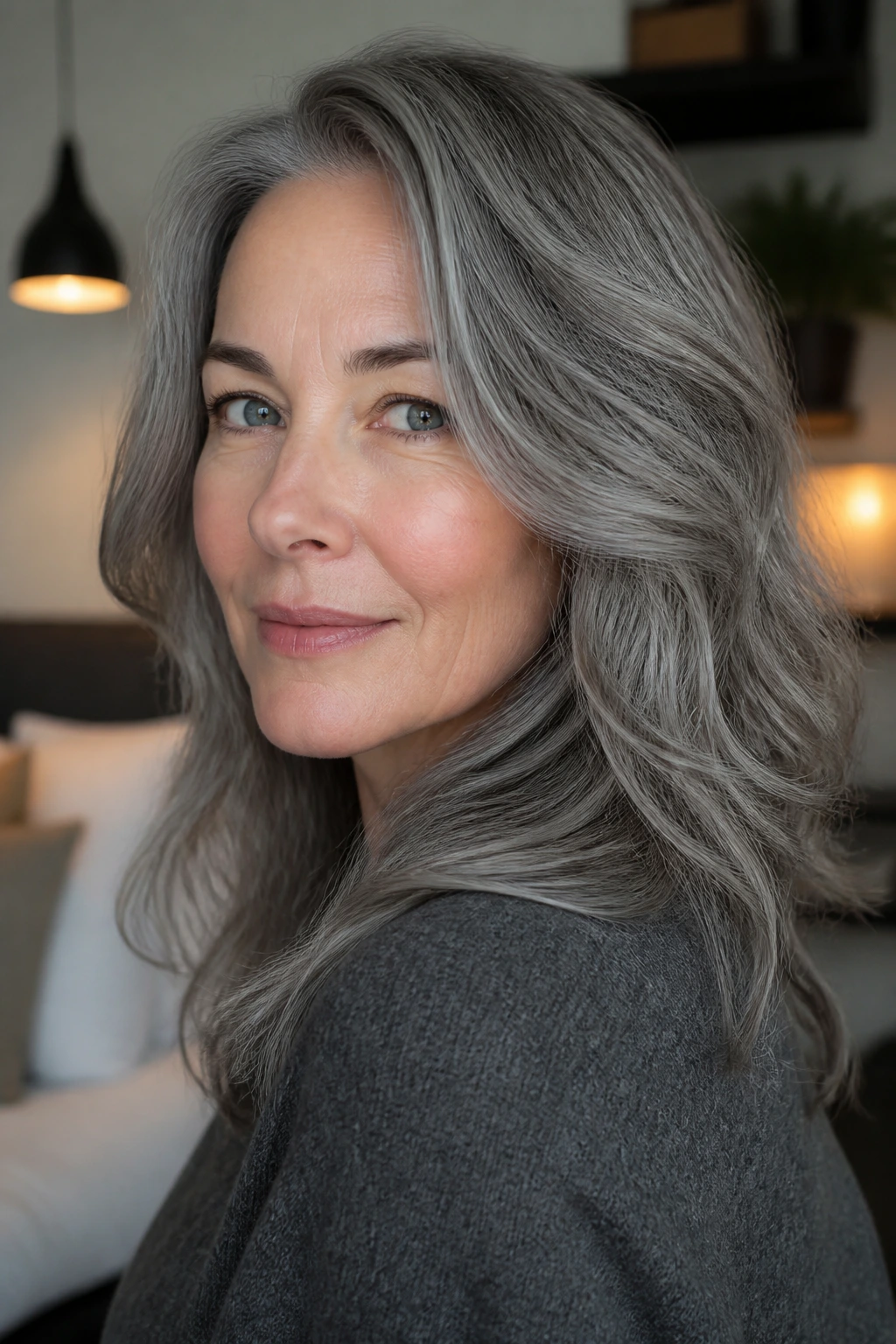
Want gray hair that looks intentional, not patchy or brassy? Pewter gray blend is the calm answer. It mixes silver, smoke, and a muted charcoal base so the hair looks like it belongs together from root to end.
How to Use It
Pewter works well if you’re blending natural gray, because it doesn’t fight the silver already coming in. It also suits cropped cuts and shoulder-length layers where the shape of the haircut can carry the color. On long hair, it needs a little more shine to keep from going flat.
The nicest versions have a soft metallic edge, not a shiny chrome finish. That difference matters. Chrome can look costume-like. Pewter feels quieter and easier to wear with everyday clothes.
If your cool skin leans pale or rosy, this shade can be a very clean match. It frames the face without adding warmth you do not need.
16. Lavender Ash Blonde
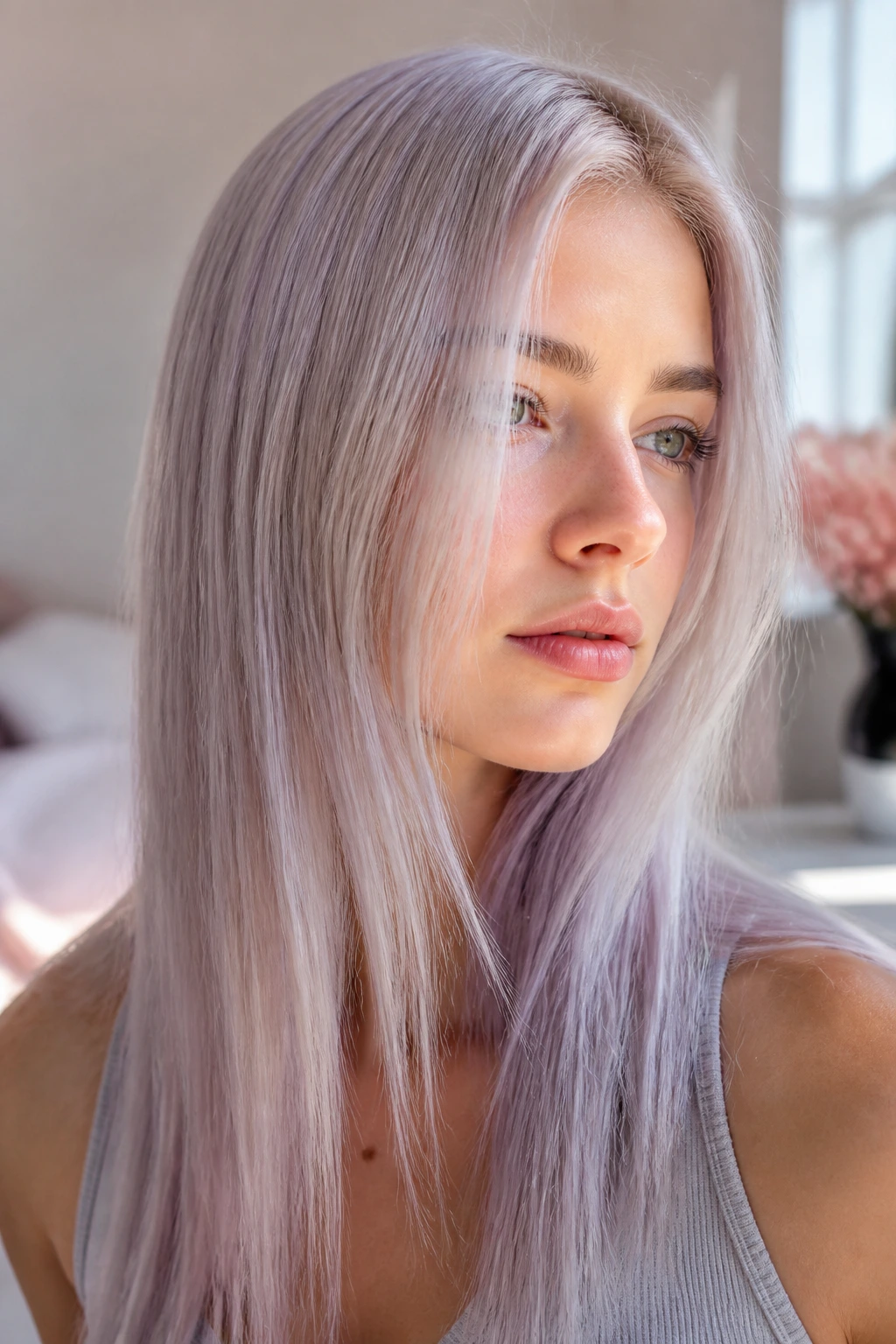
Lavender ash blonde is where cool blonde gets a little playful. The lavender is subtle, though. This is not purple hair in the loud sense. It’s a pale, smoky blonde with a violet cast that keeps the tone cool and fresh.
That faint violet note does a nice job on cool skin because it echoes the undertones instead of fighting them. It can also take the sting out of very light blonde, which sometimes looks too stark on pale skin. A little lavender softens the whole thing.
Where Lavender Helps
- On very light blonde bases that need softness.
- On faded highlights that have gone yellow.
- On straight hair, where the tint reads cleanly.
- On waves, where the color shifts between silver and lilac.
It is a fun shade for someone who wants a little personality without committing to bright fashion color. The maintenance is real, though. Lavender fades fast. That’s the trade.
17. Mink Ash Balayage
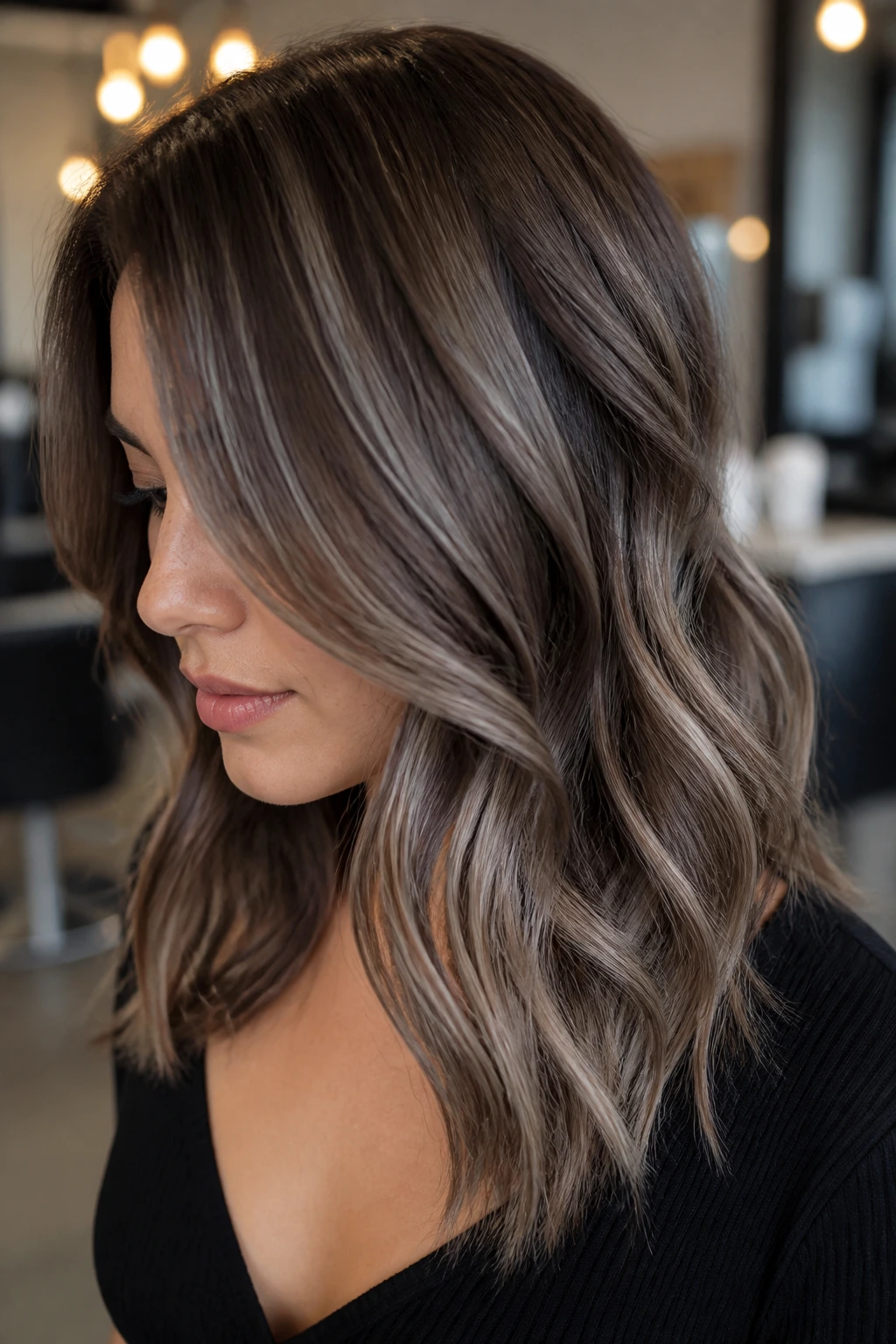
Mink ash balayage has a plush look that a lot of other ash shades miss. It’s a soft brown-gray blend with hand-painted lightness that moves through the hair instead of sitting on top of it.
What I like here is the depth. Mink is deeper than mushroom, and that keeps the color from feeling too pale or dry. It’s especially nice on shoulder-length hair and long layers, because the pieces can shift as you move. That movement gives the ash more life.
This is a shade for someone who wants dimension but hates obvious highlights. The balayage should be soft enough that you notice the tone before you notice the dye pattern. If you can see where every foil started, it probably went too far.
18. Blue-Black Ash for Deep Cool Skin Tones
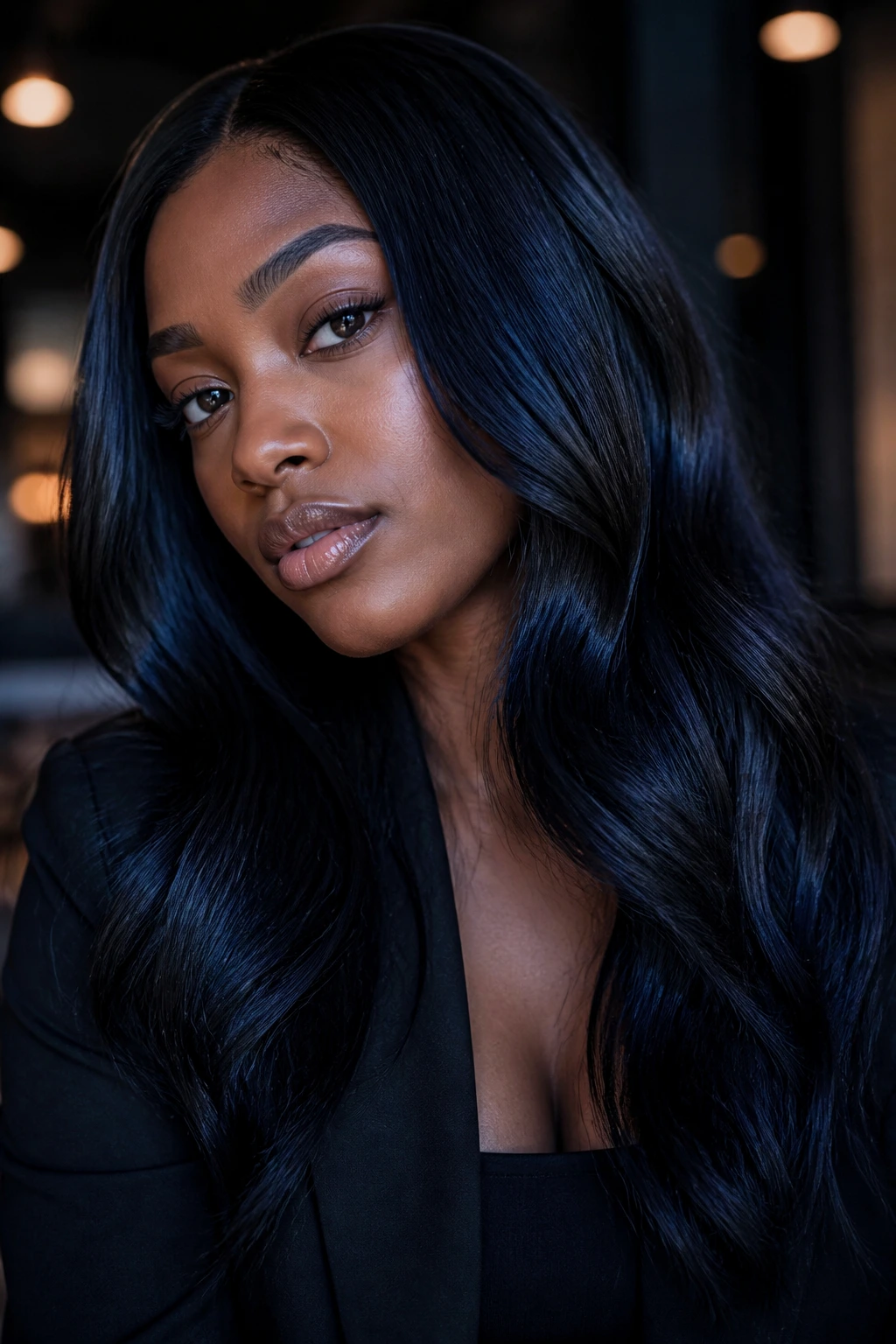
Blue-black ash is the strongest dark shade on this list, and it can look fantastic on deep cool skin. Pure black can sometimes feel flat or severe. Blue-black has a cool cast that gives the dark more depth.
That blue note is doing quiet work. It keeps the black from reading brown in the sun and gives the hair a cooler edge around the face. On strong features, that contrast can be striking without being harsh.
The shade suits hair that already has a lot of shine. If the hair is dull, blue-black can look heavy. A gloss finish helps. So does a clean cut. Blunt ends, sharp layers, or sleek curls all make the tone look richer. If you want drama but do not want warmth creeping in, this is the lane.
19. Smoky Rose Brown
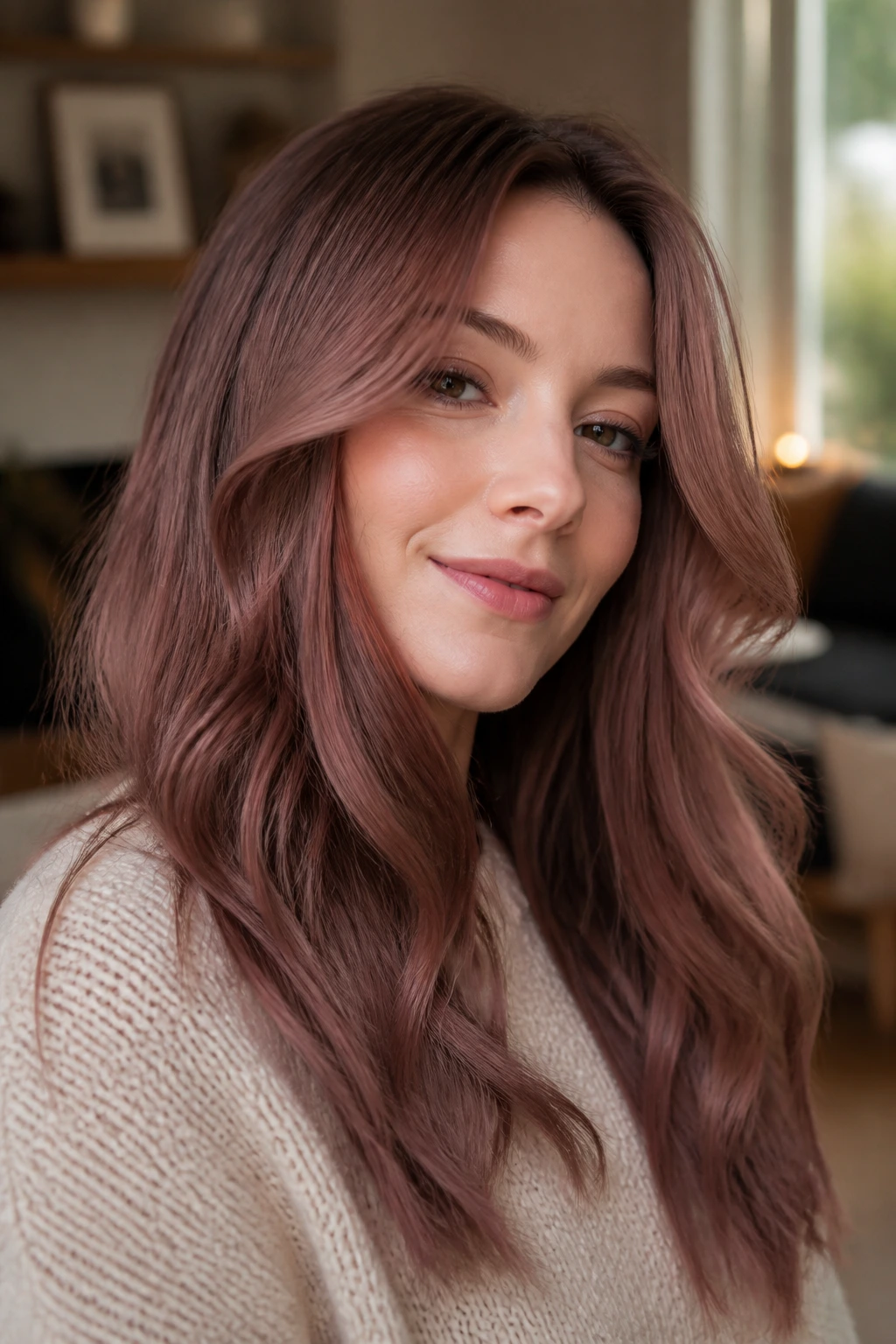
Smoky rose brown is one of those shades that sounds delicate and still manages to feel grounded. It’s a cool brown with a muted rose cast, not a vivid pink tone, and that balance is why it works on cool skin.
The Sweet Spot Between Pink and Brown
The rose note softens flushed skin, while the ash base keeps the color from drifting warm. If the rose gets too bright, the shade can start looking candy-like. If the brown gets too dark, the rose disappears. The sweet spot is somewhere in the middle.
What Makes It Wearable
- Keep the rose muted, not bright.
- Hold the brown base cool.
- Add gloss rather than strong red pigment.
- Let the ends stay a touch lighter for movement.
This is a lovely choice if you want something a little romantic without crossing into obvious fashion color. It looks especially good on textured hair, where the mix of brown and rose shows up in soft flashes.
20. Frosted Ash Highlights on Curls
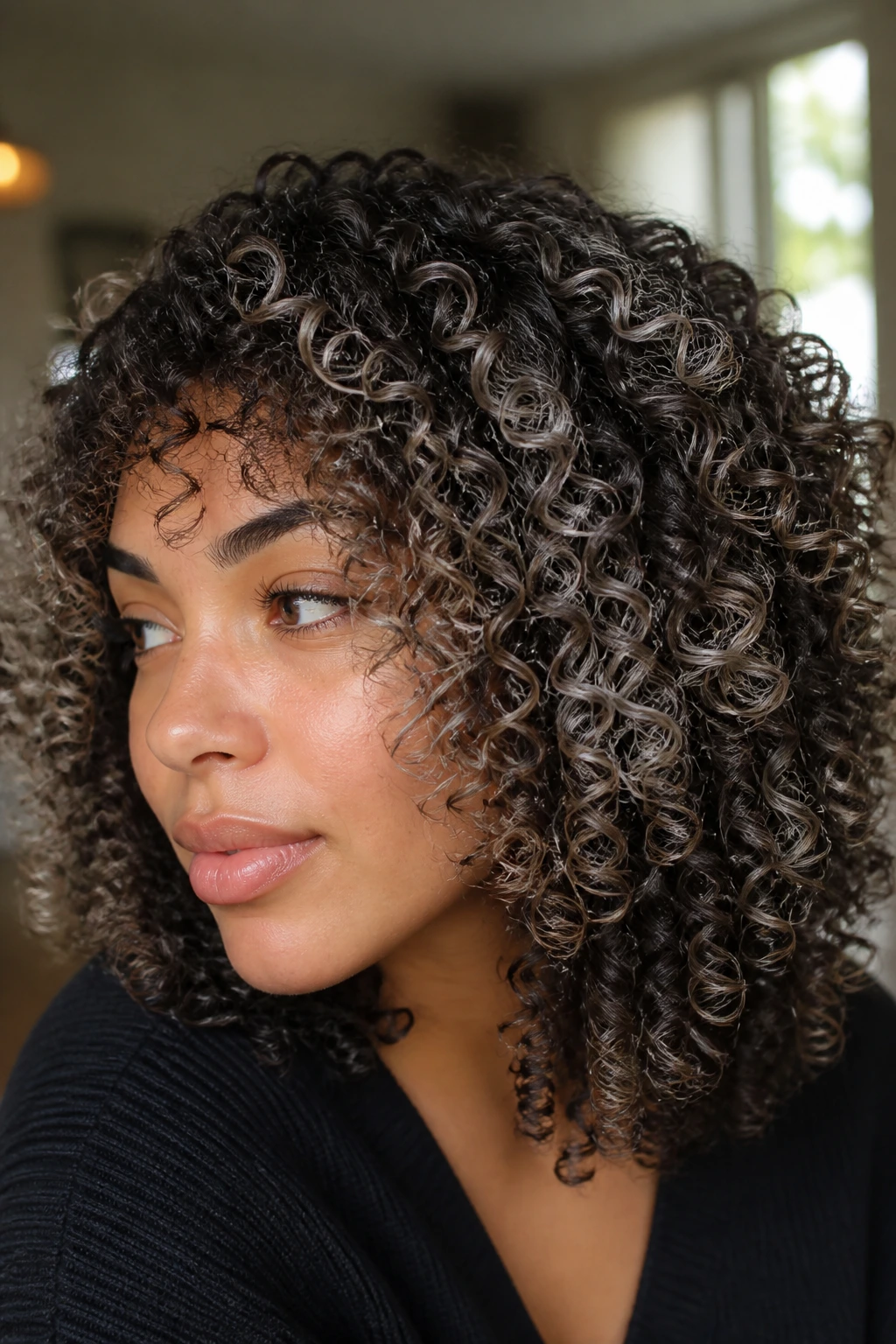
Curls need dimension, or ash can look dull. Frosted ash highlights solve that by lifting only selected pieces and leaving enough depth behind them for the curl pattern to stay visible.
The best placement usually sits on the outer ring of the curls and around the crown, where light naturally hits. That way the lighter pieces move when the hair moves. If the highlights go everywhere, the curl pattern can blur.
A low-volume lightener is the gentler way to get the lift, especially if the curls are dry or fine. After that, a cool toner pulls the pieces back into ash territory instead of yellow. The result should look frosted, not bleached out.
This is one of my favorites because it respects the curl shape. That matters more than people think.
21. Rooted Ash Blonde With Soft Grow-Out
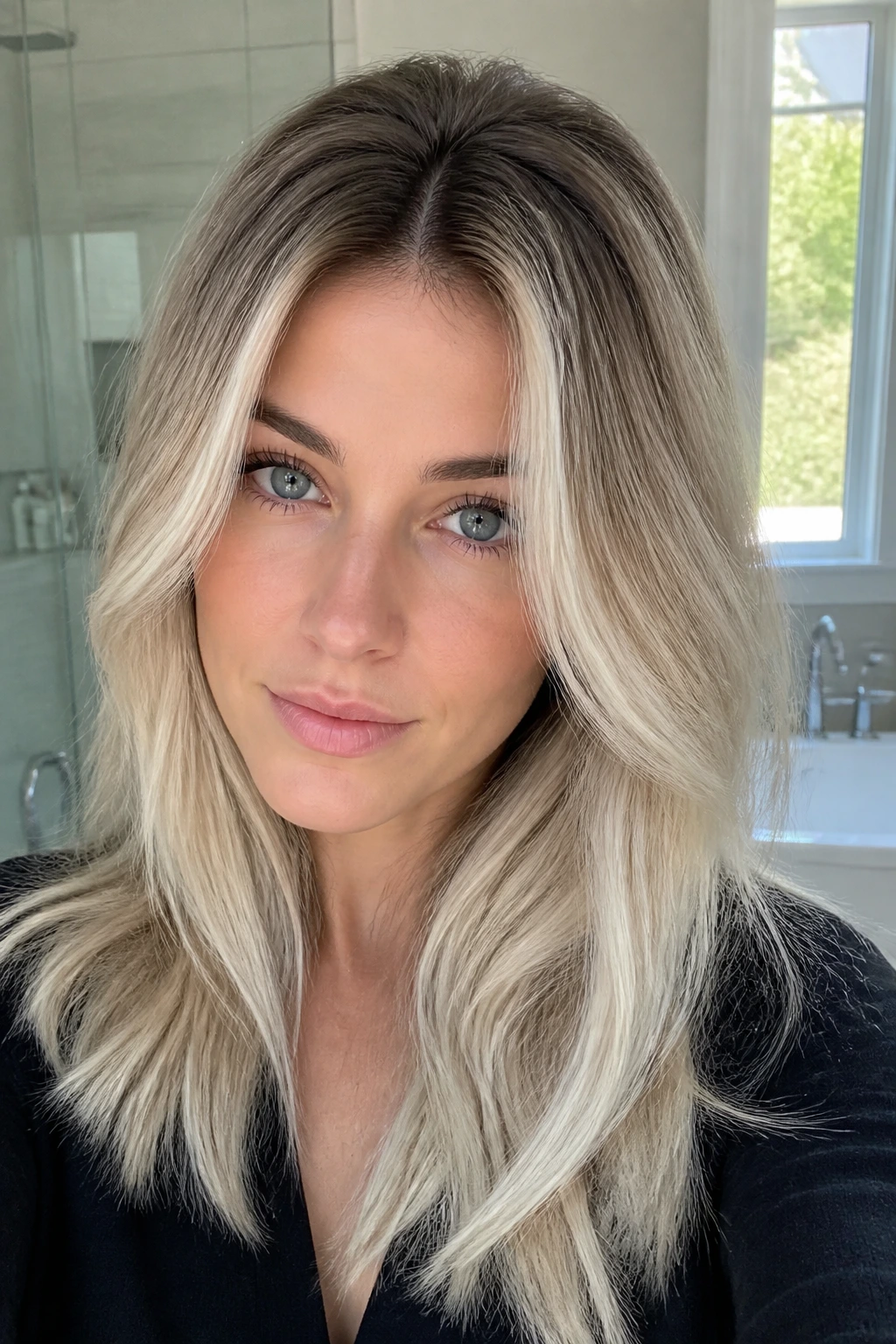
If salon visits are a pain, rooted ash blonde is the shade to ask for. The darker root gives you breathing room, and the ash mids and ends keep the whole look cool.
How to Ask for the Root Shadow
- Keep the root shadow 1 to 2 levels deeper than the blonde.
- Blend it softly so there is no hard line at the part.
- Ask for ash or neutral mids, not gold.
- Let the ends stay light enough to frame the face.
This shade is practical without looking plain. That’s the real win. It grows out in a way that feels intentional instead of accidental, which means you can stretch appointments without the color looking rough.
It’s a good choice for medium to light cool skin and for anyone who wants blonde but refuses to babysit it every few weeks.
22. Smoke-Taupe Face Frame
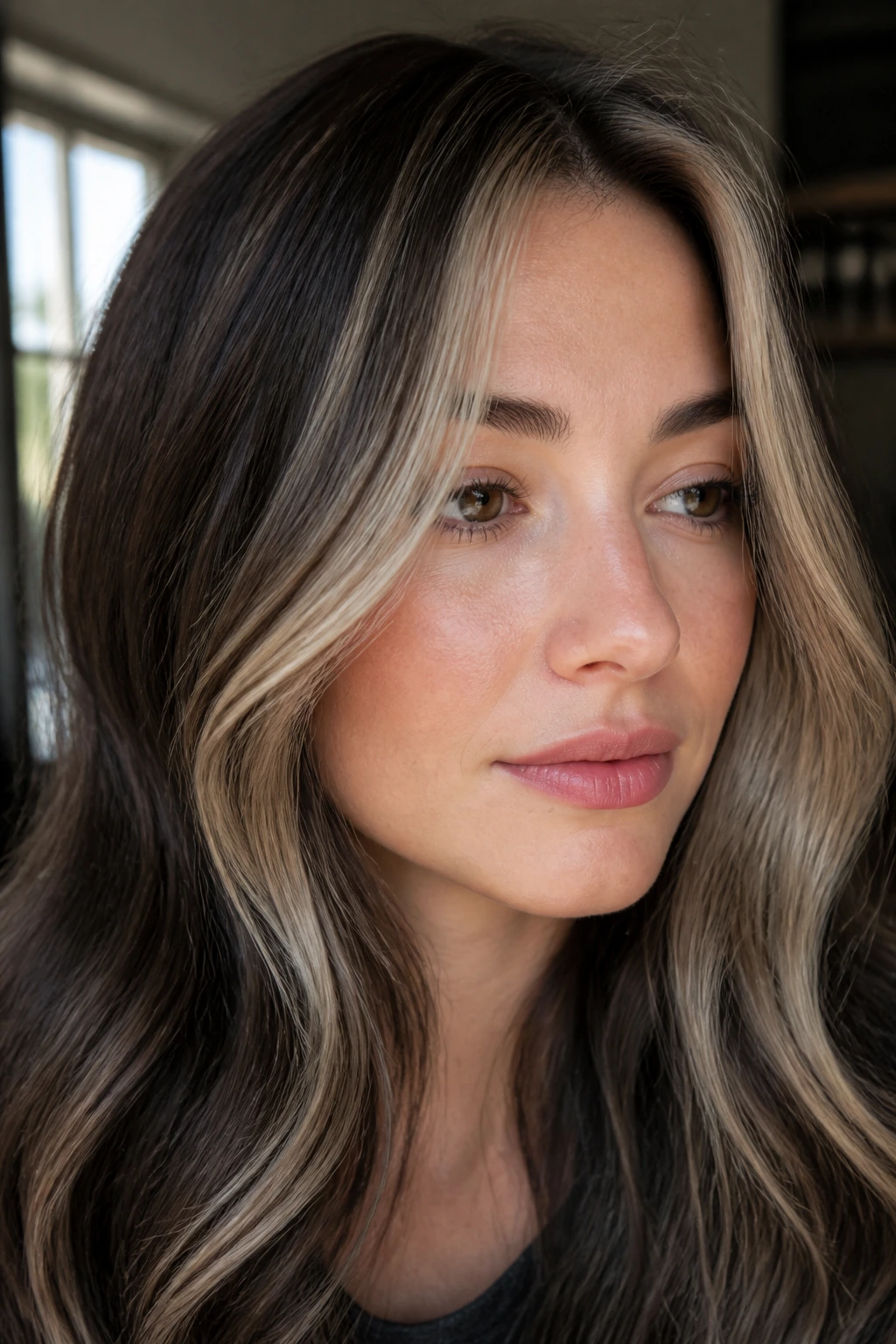
A smoke-taupe face frame is the easiest way to change your hair without changing all of it. You keep the base where it is, then place smoky taupe pieces around the face so the skin looks cooler and the features get a little shape.
The placement is the trick. Too wide and it feels like a heavy stripe. Too narrow and it disappears. The best face frame usually starts around the eyebrow or cheekbone line, then softens as it drops into the front layers.
Where It Works Best
- Bobs and lobs, where the front pieces have room to show.
- Long layers, where the color can taper.
- Cooler skin that needs a little brightness near the face.
This shade is good when you want a small change that still shows in photos and daylight. It is subtle, but not forgettable.
23. Graphite Brunette
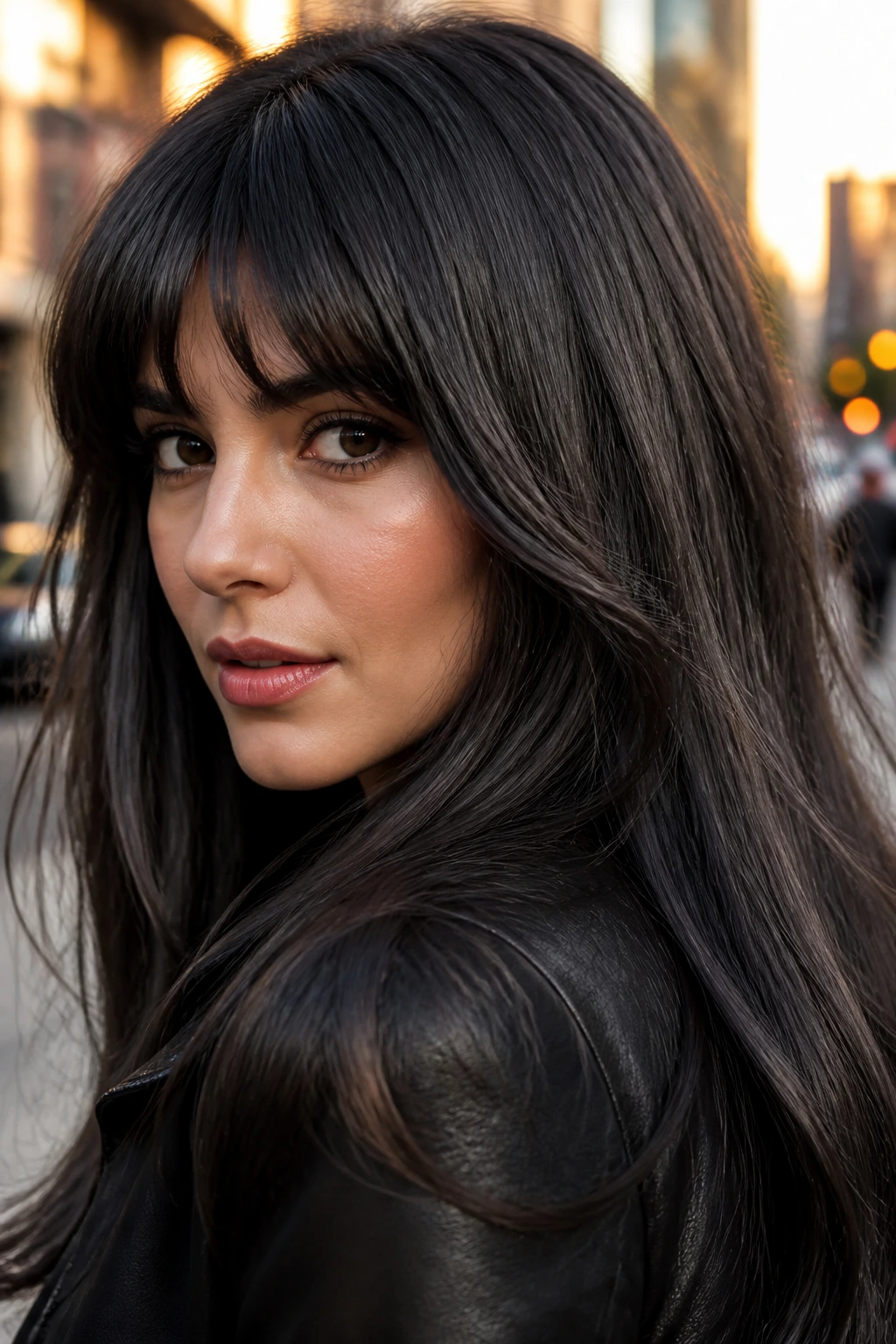
Graphite brunette is cooler and more metallic than slate, and that extra edge makes a difference. The shade sits in the deep brown family, but it has a graphite sheen that helps cool skin look more balanced.
It works especially well on thick hair and blunt cuts because the darkness gives the shape more weight. On fine hair, it can still work, but the finish needs shine or it can look too solid. That’s the only real catch.
This is one of those colors that rewards a smooth blowout. Even a simple round-brush finish can make the graphite reflection show up. It is not a loud shade. It’s a sharp one. And there is a difference.
24. Muted Silver Fox Blend
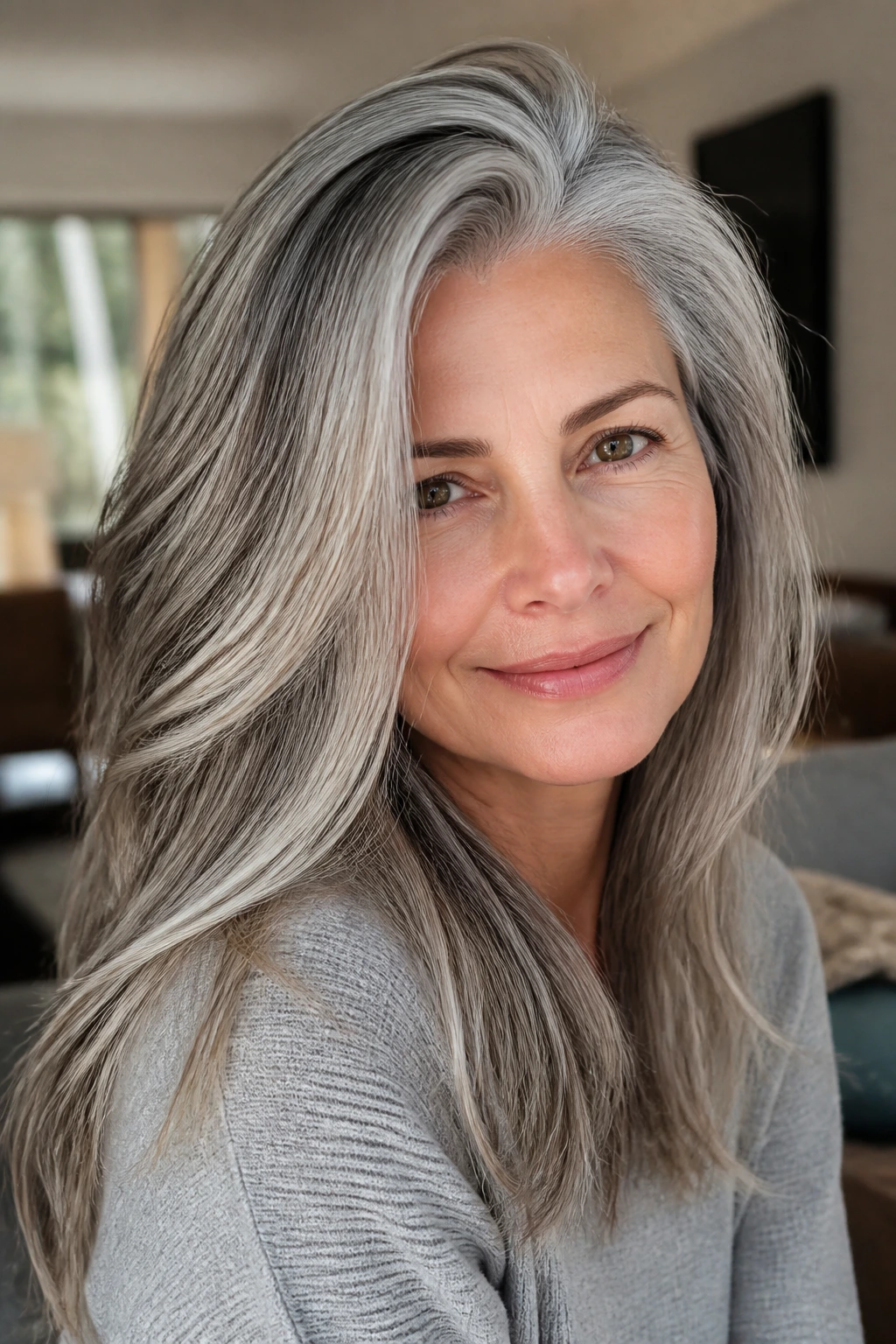
Muted silver fox blend is for the person who wants silver without the full chrome effect. It uses your natural gray, soft ash highlights, and a muted gloss to make the transition look blended instead of abrupt.
This is a smart route if you are already seeing white or gray and do not want to fight it. The silver fox look is clean when the contrast stays soft. Too much brightness makes it look streaky. Too much dark makes it look patched.
The nicest versions have a soft salt-and-pepper feel with a little polish around the front. That polish is what keeps the color from looking accidental. I like this one on people who wear simple clothes and strong glasses, because the hair becomes part of the look instead of the entire show.
25. Midnight Ash Black for Cool Skin Tones
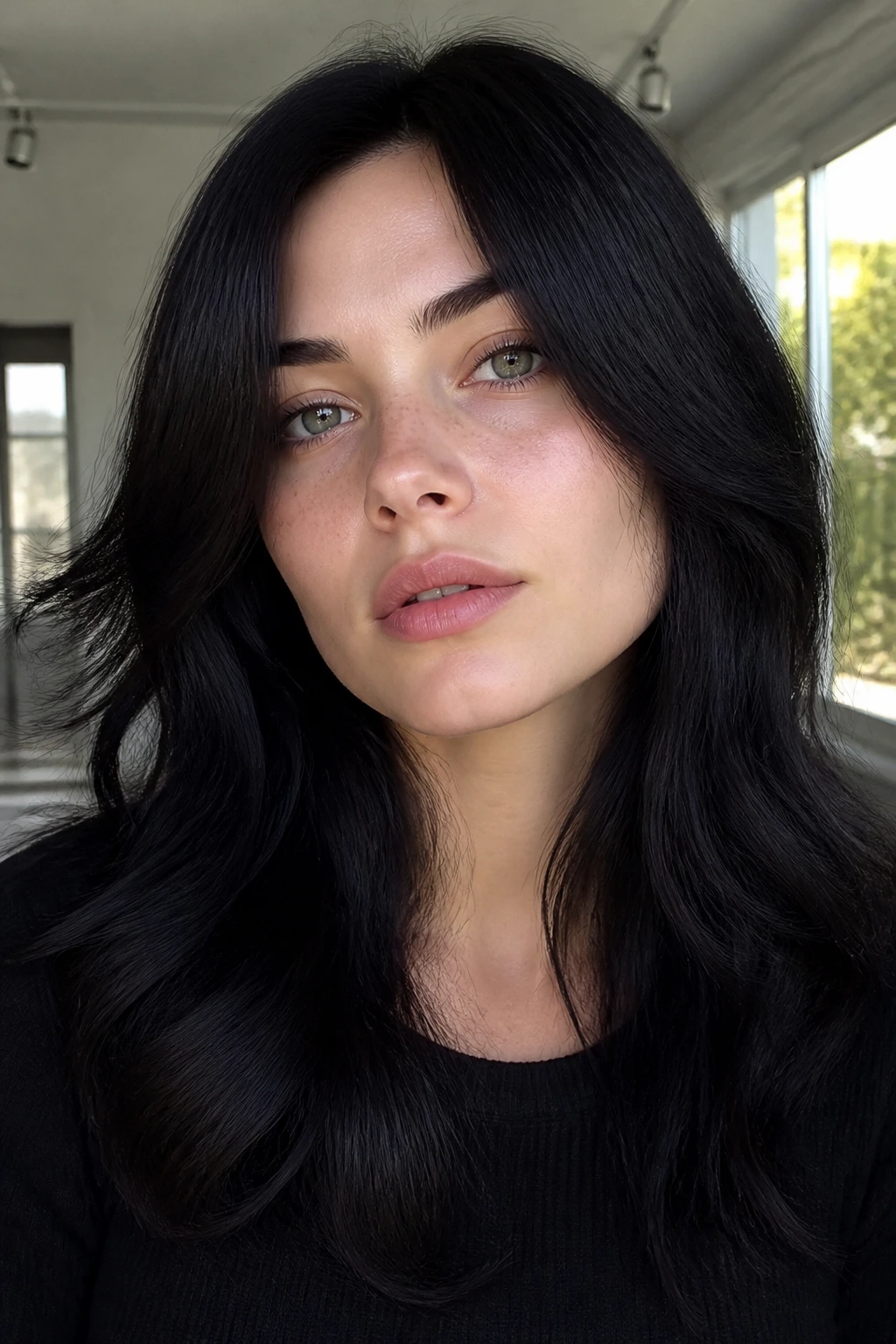
Midnight ash black is the deepest ash lane that still flatters cool skin. It has the drama of black hair, but the blue-cool base keeps it from feeling flat or warm. On the right face, it looks almost liquid.
This shade is best when the hair is glossy and healthy. Black colors show rough ends fast, and ash black is no different. A clean shape helps a lot here. So does a cut that gives the hair some movement, even if it is only the ends.
If you want a bold finish that still respects cool undertones, this is a strong choice. It is especially nice on deep cool skin, but fair cool skin can wear it too if the contrast is part of the appeal. Check it in daylight. If the color stays smoky instead of bronze, you’re in the right place.
