



Fair skin can wear more hair color than people assume, but the wrong tone can make the face look tired in a hurry. The best hair color ideas for fair skin are not always the palest ones. Sometimes the prettiest result is a soft beige blonde, a smoky brown, or a red that has enough depth to frame the face instead of floating away from it.
Tone matters more than brightness. A very light blonde can look airy and fresh on one person, then turn flat and chalky on another because the undertones are fighting each other. A deeper shade can do the opposite: make pale skin look brighter, clearer, and more awake, especially when there is a little warmth or red in the color.
I always think about contrast first. A pale complexion with pink undertones tends to like cooler beige, ash, mushroom, and soft rose tones, while peachy or golden fair skin can take more honey, copper, and caramel without going brassy. None of that means you are locked into one lane. It just means the right shade should work with your skin, not against it.
The 30 ideas below cover that full range, from soft and subtle to bold and moody. Some are easy grow-out colors, some need regular toning, and a few are for people who want a little drama with their brightness. Good color should do something for your face the second you see it in the mirror. That is the standard here.
1. Soft Champagne Blonde for Fair Skin
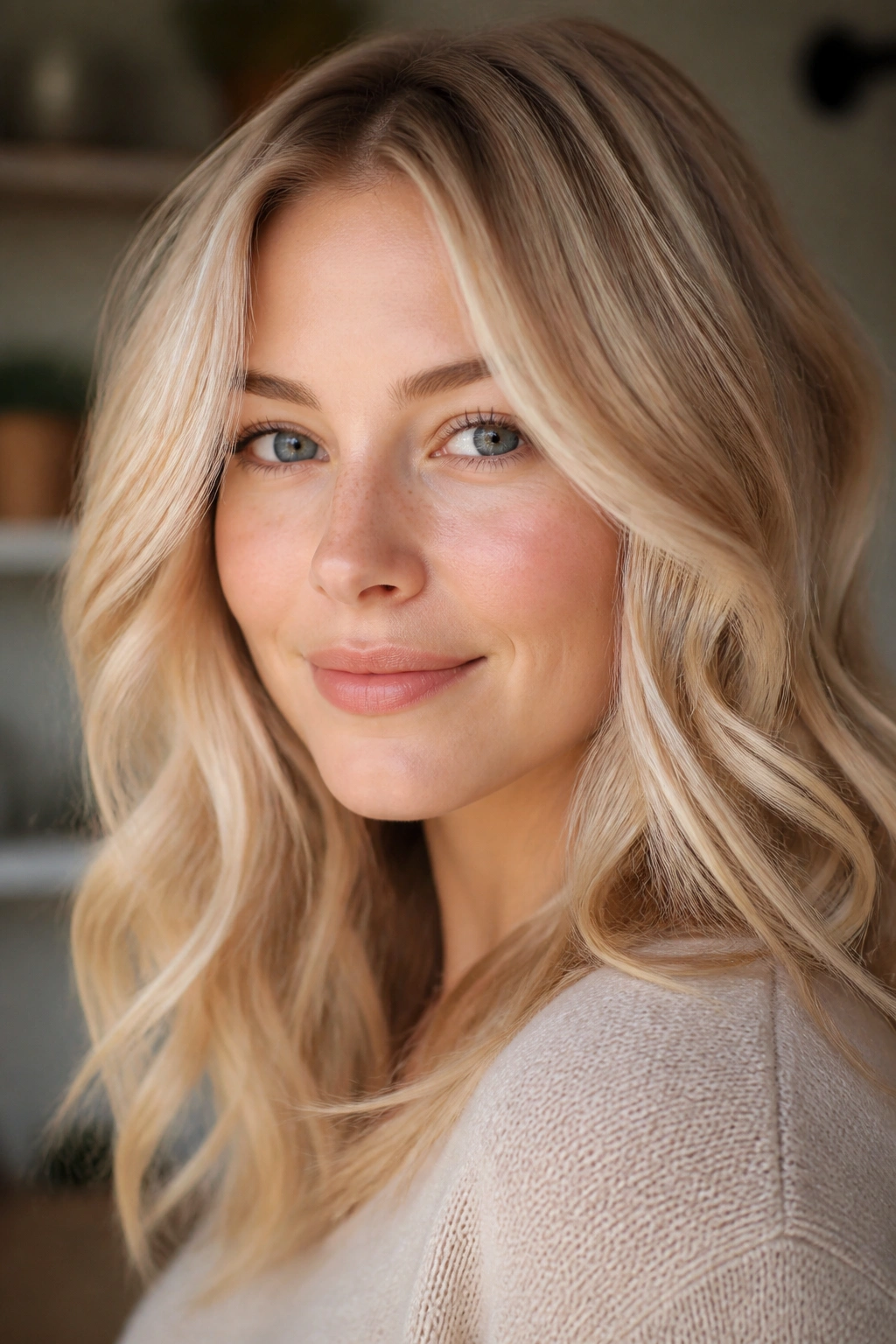
Champagne blonde sits in that sweet spot where light hair still feels creamy, not stark. On fair skin, that matters. The mix of pale beige and soft gold keeps the face from looking washed out, and it gives the whole look a little warmth without pushing into yellow.
Why It Works
Champagne blonde flatters fair complexions because it reflects light without turning icy. If your skin has pink or neutral undertones, this shade usually feels gentler than a very cool platinum. It also works well with soft brows, peach blush, and light eye color.
A gloss every 4 to 6 weeks helps keep the tone clean.
What to ask for: a beige-blonde base with soft golden reflect and no harsh white pieces.
Best for: fair skin that wants brightness without a high-contrast look.
Watch for: brassiness at the ends if the hair is porous.
My favorite part: it grows out in a graceful way, which is rare for such a light blonde.
2. Beige Blonde
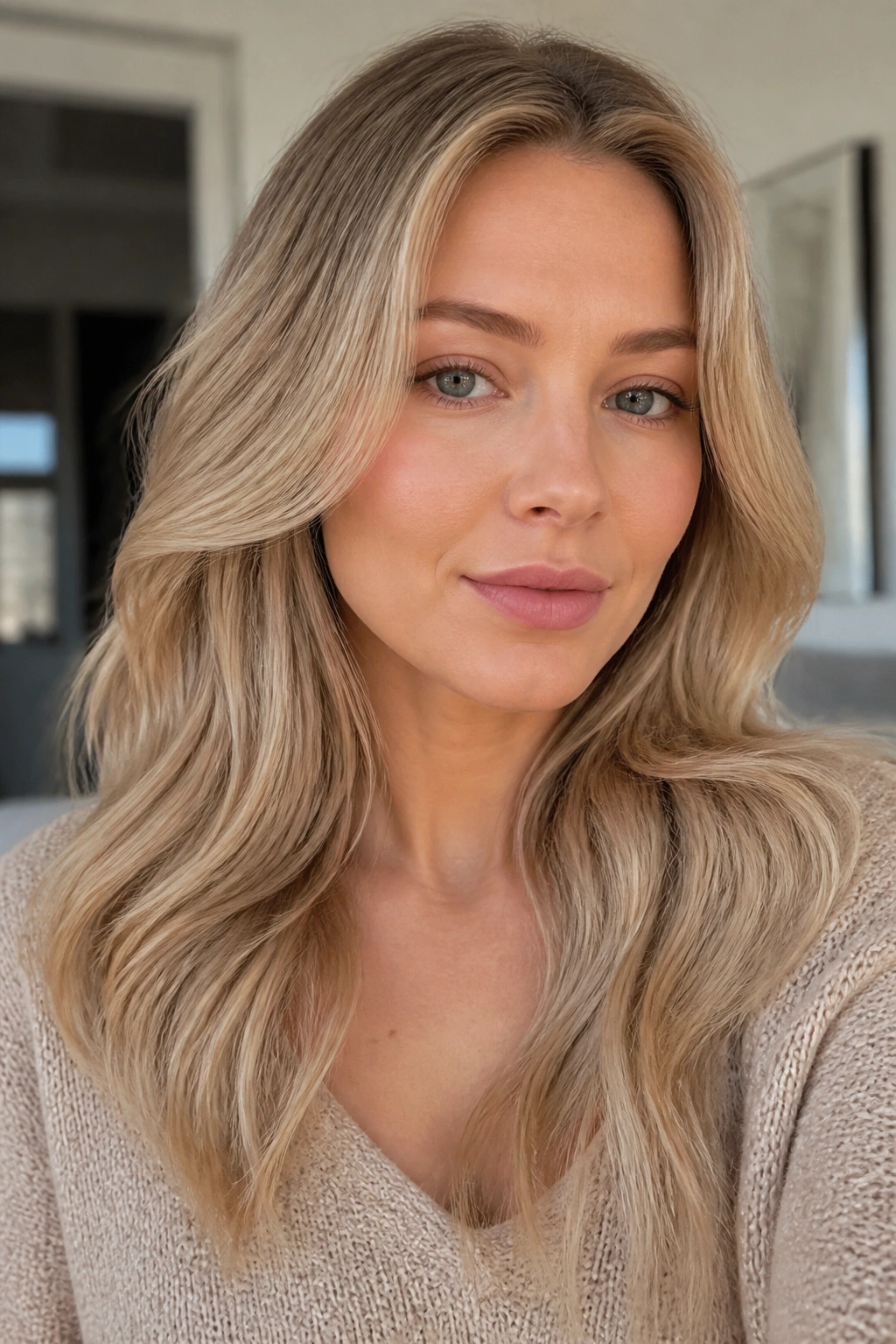
Beige blonde is the shade I reach for when someone wants blonding that feels expensive but not icy. It has a muted, almost soft-focus look that works beautifully on fair skin with neutral undertones. The color reads polished in daylight and easy indoors, which is a nice trick if you do not want your hair to look different every time you walk into another room.
Unlike very golden blonde, beige blonde does not shout warmth. And unlike silver-blonde shades, it does not pull the face too cool or too sharp. That middle ground is what makes it so reliable.
This shade is especially good if your skin flushes easily, because the muted tone does not fight redness. Keep the ends trimmed every 8 to 10 weeks so the lightness stays smooth instead of stringy.
3. Ice Blonde
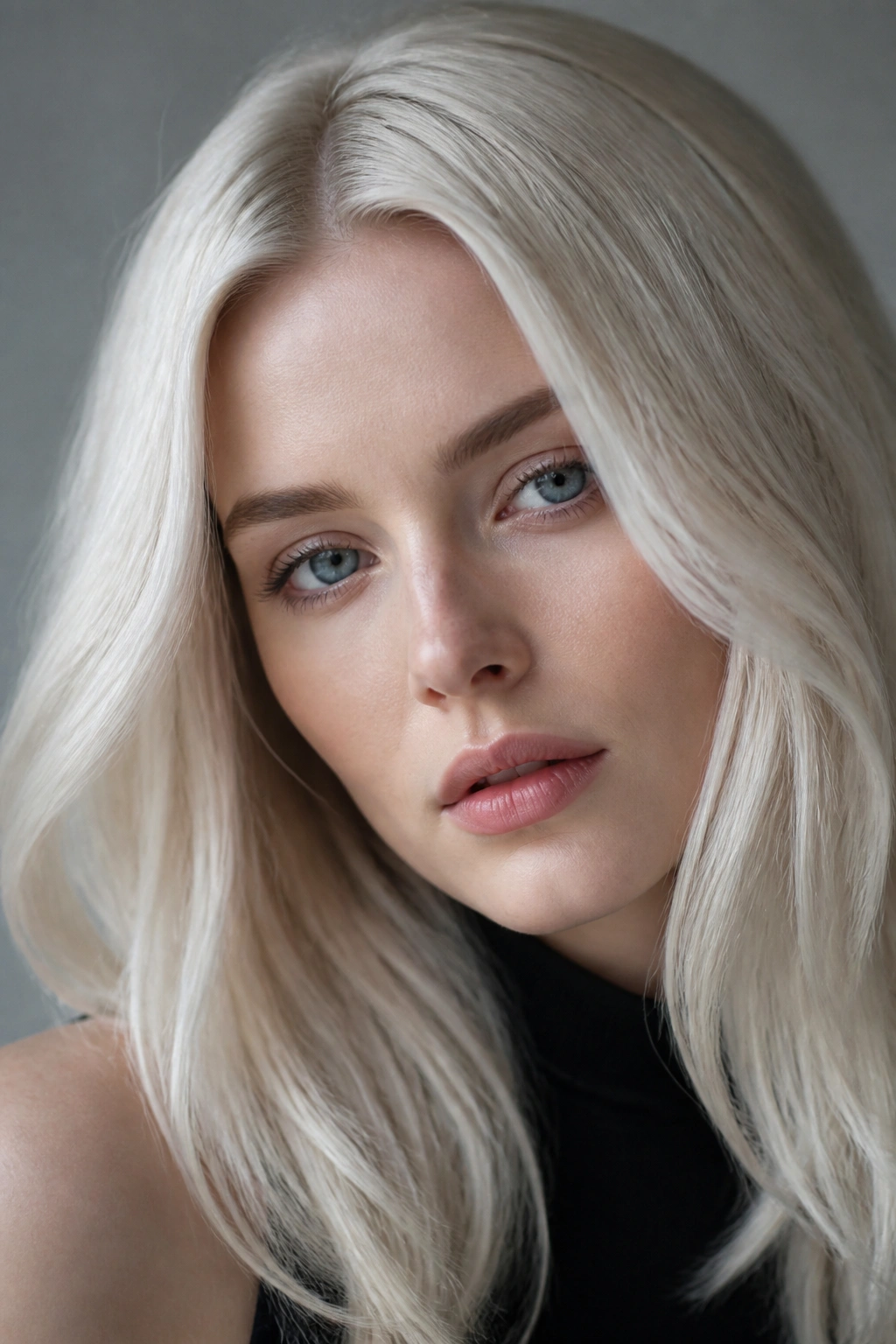
Why does ice blonde look gorgeous on one fair-skinned person and flat on another? Usually because of undertone, not face color. Ice blonde is a clean, pale, cool blonde with barely any gold in it, so it can make porcelain skin look crisp and luminous when the match is right.
How to Wear It
Ice blonde needs healthy hair, period. The color shows damage fast, and that glassy finish only works when the cuticle is in decent shape. A bond-building treatment and a purple shampoo used once a week usually keep it from drifting yellow.
This shade tends to love blue, gray, and green eyes. It can also sharpen soft features in a really pretty way. If your eyebrows are naturally very light, ask for a root shadow so the hair does not disappear into the skin.
Best move: keep the root a half shade deeper than the mids. It gives the blonde some structure.
Skip it if: your hair is already brittle from repeated lightening.
4. Strawberry Blonde
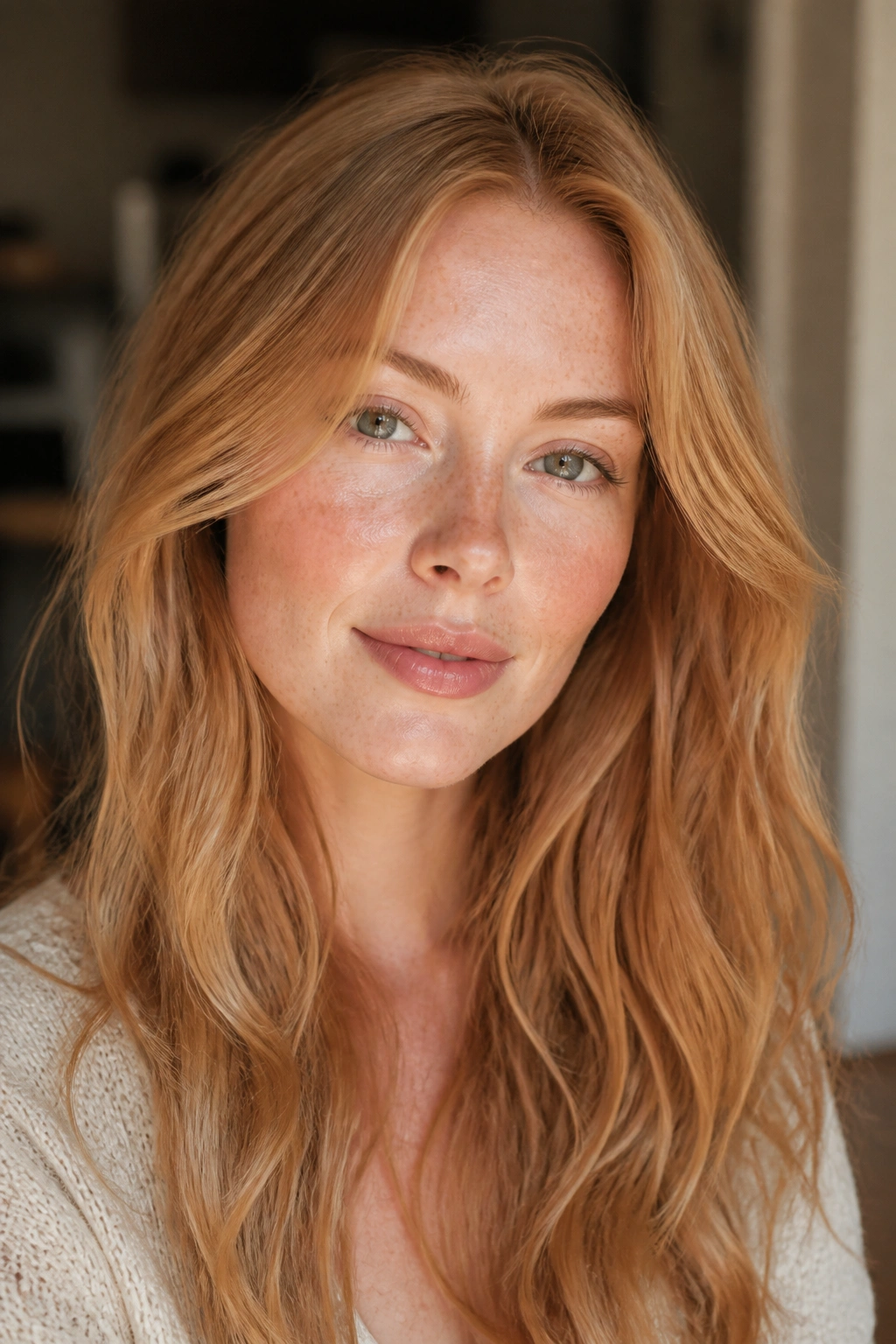
Picture a fair-skinned face with freckles, a little blush, and hair that looks like it caught some warm evening light. That is strawberry blonde at its best. It is not red enough to feel heavy and not blonde enough to feel plain, which is why it flatters so many pale complexions.
The trick is keeping the red soft. A copper-heavy strawberry blonde can turn loud fast, especially on very pale skin. A lighter version with peach and gold in it feels sweeter and easier to wear. It is one of those shades that makes the skin look alive without needing a lot of makeup.
- Works especially well with freckles and green eyes.
- Looks best when the red is soft, not neon.
- Needs a color-safe shampoo, because red fades fast.
- Usually looks prettier in a loose wave than in a pin-straight style.
Tiny warning: if you want low-maintenance hair, this is not the easiest pick.
5. Rose Gold
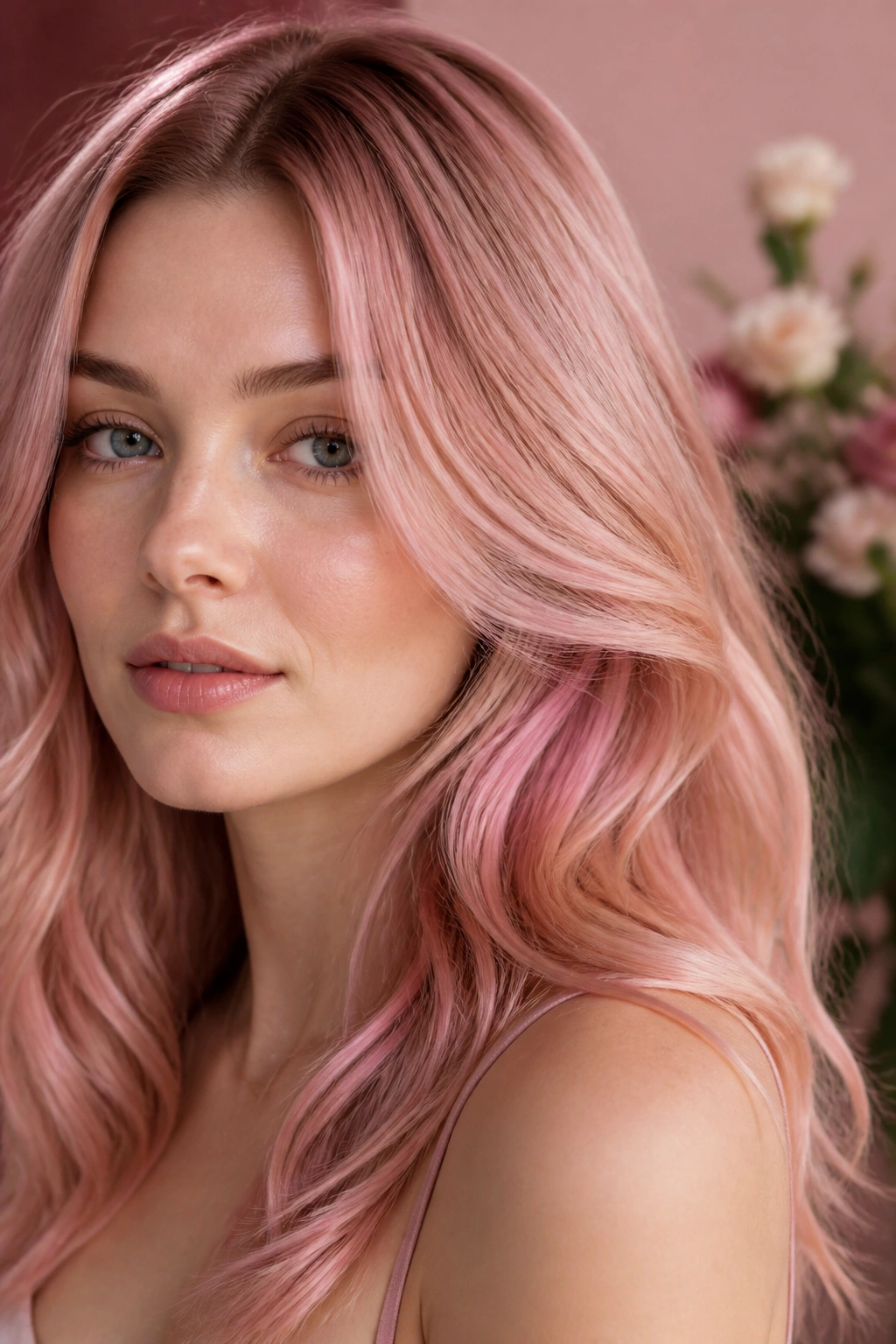
Rose gold has a soft blush-pink cast that can be beautiful on fair skin, especially if your complexion already leans rosy or neutral. It feels playful without looking childish, which is a hard balance to hit. The trick is keeping the pink subtle enough that it reads as a tone, not a costume.
I like rose gold best as a gloss over a pale blonde base. That keeps the color airy and translucent instead of muddy. On a darker blonde base, rose gold can turn peachier, which is fine too, but the vibe changes. It gets warmer and a little sunnier.
If your skin is cool and you wear a lot of gray, black, or navy, rose gold can make your face look fresh in a way a plain blonde sometimes cannot. It does fade fairly quickly, though, so plan on toner refreshes if you want the color to stay soft rather than dull.
6. Mushroom Brown
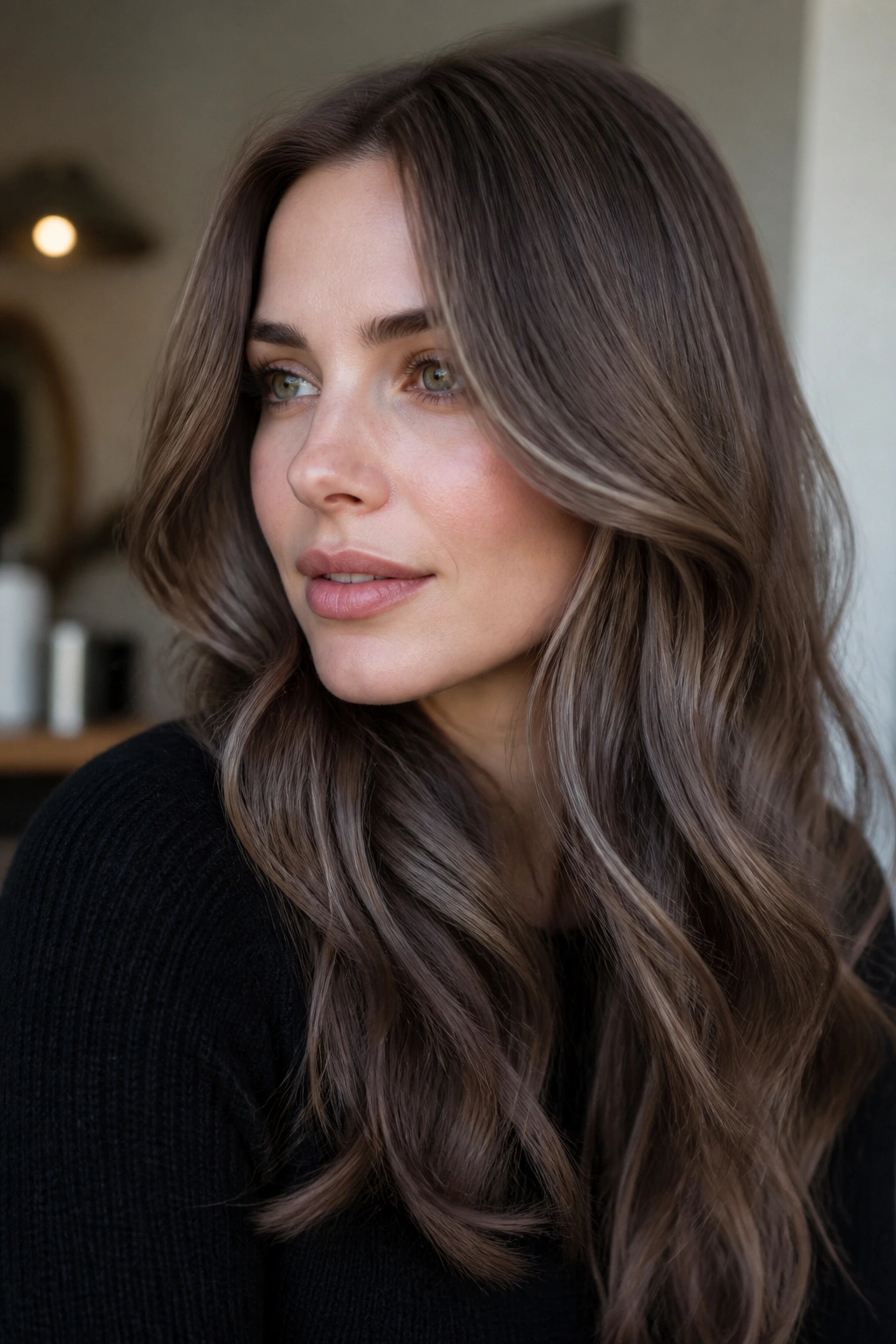
Mushroom brown is one of the smartest brunette shades for fair skin, and I wish more people tried it. It is a cool taupe brown with a little gray in the mix, so it avoids the heavy red cast that can fight pink or porcelain complexions.
Unlike chestnut or caramel brown, mushroom brown feels quieter. That is the appeal. It gives the hair depth and makes the skin look clearer without stealing the show. Add some soft babylights, and the whole thing gets movement instead of looking like one flat block of color.
What Makes It Different
Mushroom brown is not dark in a harsh way. It is shaded, smoky, and soft at the same time. That makes it a good choice if you want brunette hair but do not want warmth to dominate your face.
Best Fit
- Fair skin with cool or neutral undertones.
- People who want lower-maintenance brunette color.
- Anyone who likes a modern, muted finish.
Best styling trick: loose bends in the hair show the cool ribbons better than a straight blowout.
7. Copper Auburn for Fair Skin
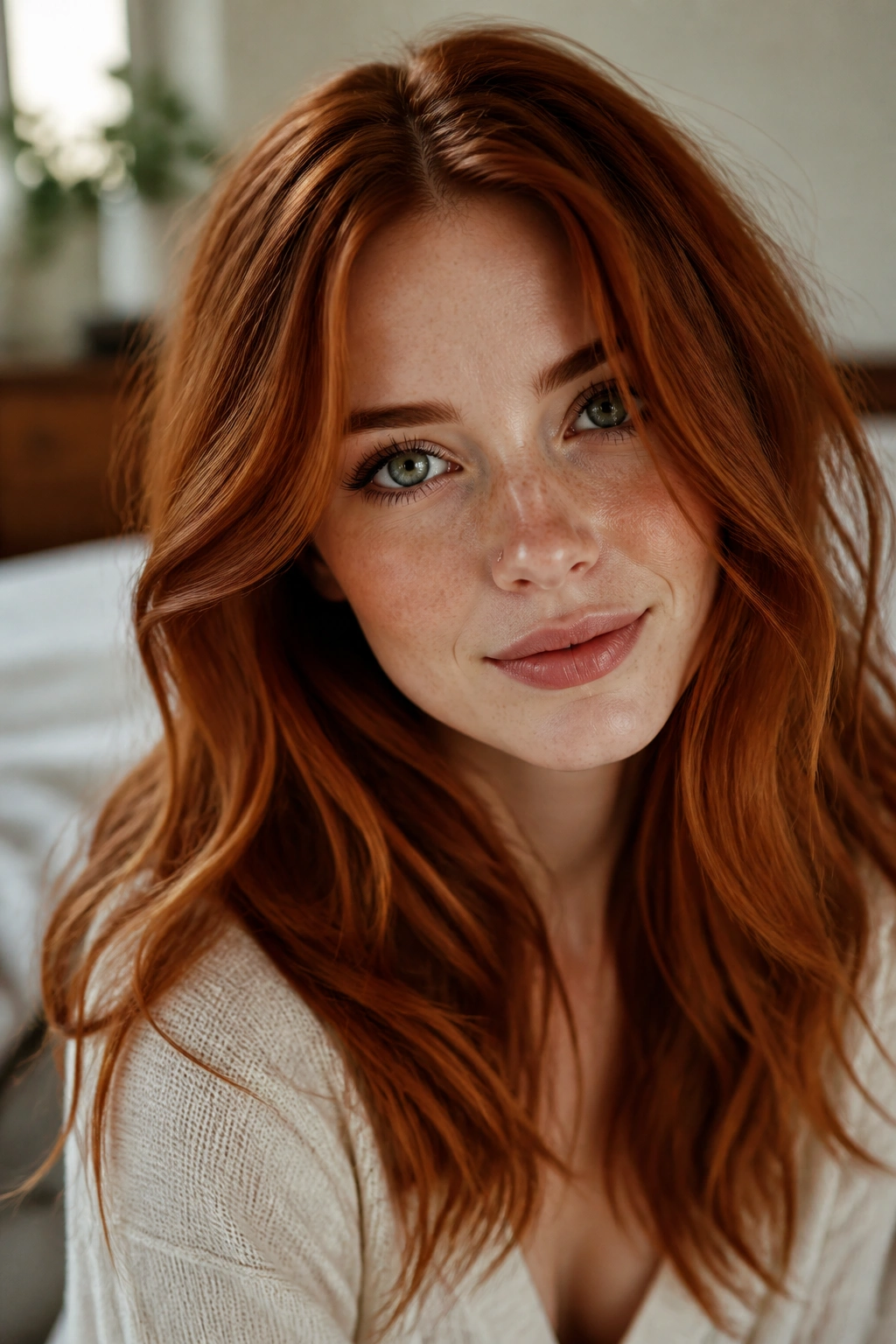
Copper auburn can look electric on fair skin, but only if the depth is right. A medium copper with auburn undertones usually flatters pale complexions better than a bright orange-red, because it gives the face warmth instead of overload.
This shade is especially good if your skin is freckled or your eyes have green, hazel, or gold flecks. The red in the hair pulls those colors forward in a way that feels natural. I also like it on fair skin that tends to look a little gray in winter light. Copper fixes that problem fast.
Keep in mind that red fades faster than brown. A gloss every few weeks helps keep the tone rich, and sulfate-free shampoo is worth the small extra effort. If you like a vivid result, ask for copper at the mids and ends with a slightly deeper root. That keeps the look wearable.
8. Golden Honey Blonde
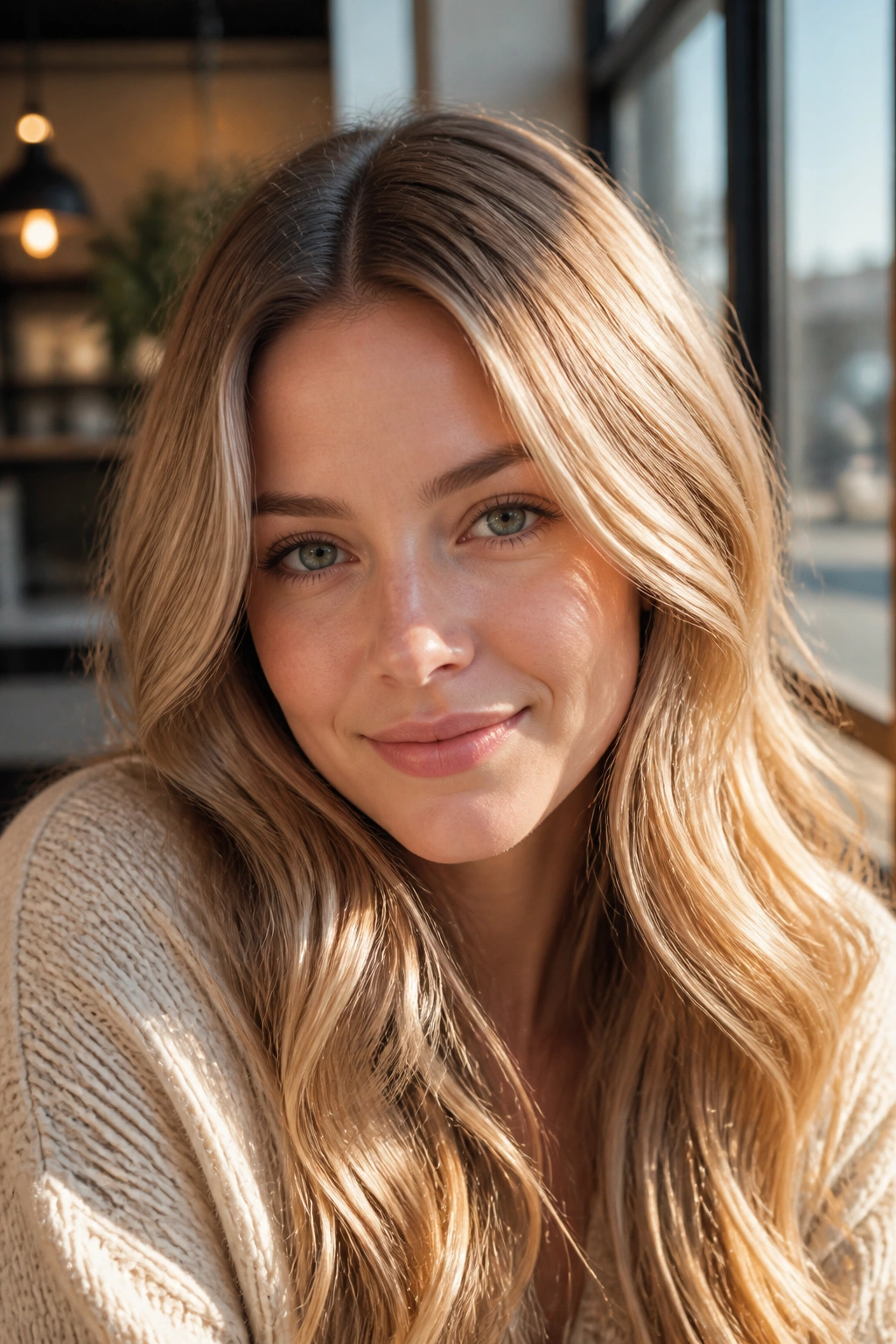
Golden honey blonde is a warmer, sunnier choice for fair skin that leans peach, beige, or lightly golden. It is not the kind of blonde that disappears. The warmth gives the face a healthy look, especially if your natural coloring has a soft glow already.
The shade works well when the roots are a touch deeper than the lengths. That little shadow keeps the blonde from feeling flat. It also stops the color from turning too yellow, which is the thing people notice when honey blonde goes wrong.
This is one of the best shades for someone who wants visible blonde but does not want the chill of an icy tone. It looks good with curls, too, because the highlights catch around the bend of each wave. That movement matters. Flat hair can make honey blonde look ordinary, while a little texture makes it shine.
9. Ash Brown
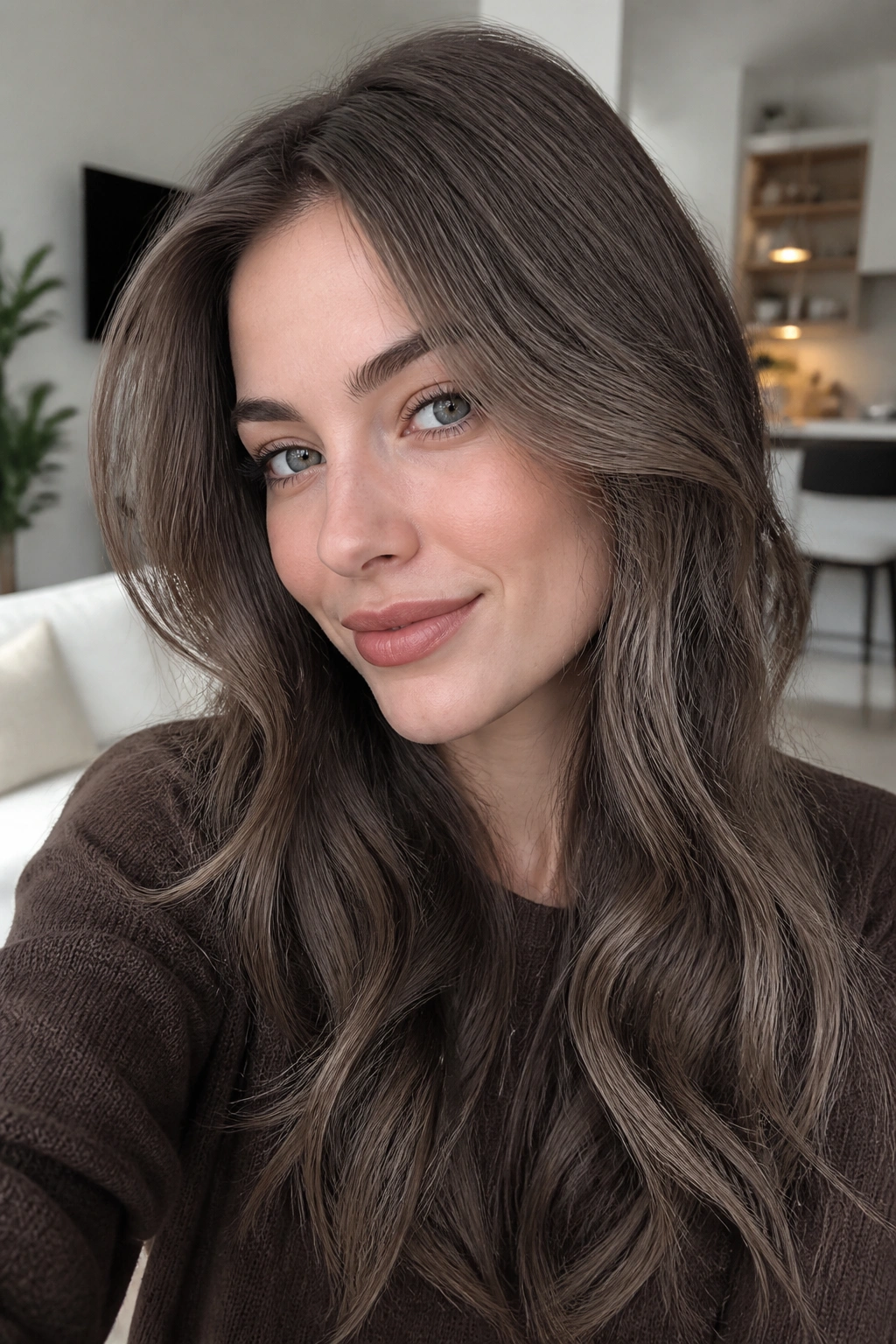
Ash brown is cool, earthy, and quietly flattering on fair skin with pink or neutral undertones. It does not scream for attention. It just makes the face look more balanced, which is often what people are after when they say they want a brunette shade that feels “natural.”
If your skin reddens easily, ash brown can help soften that effect. The cool pigment pulls the eye away from facial redness and toward the hair itself. That said, it needs some dimension. A totally flat ash brown can look muddy, especially in low light.
The Science Behind It
The green-gray quality in ash brown cancels excess warmth. That is useful if your hair tends to pull orange after lightening or if your skin gets overwhelmed by golden tones. A few beige ribbons or a soft gloss can keep it from going dull.
My take: ash brown looks best with texture, not perfection. Slight waves beat a stiff blowout every time.
10. Chestnut Brown
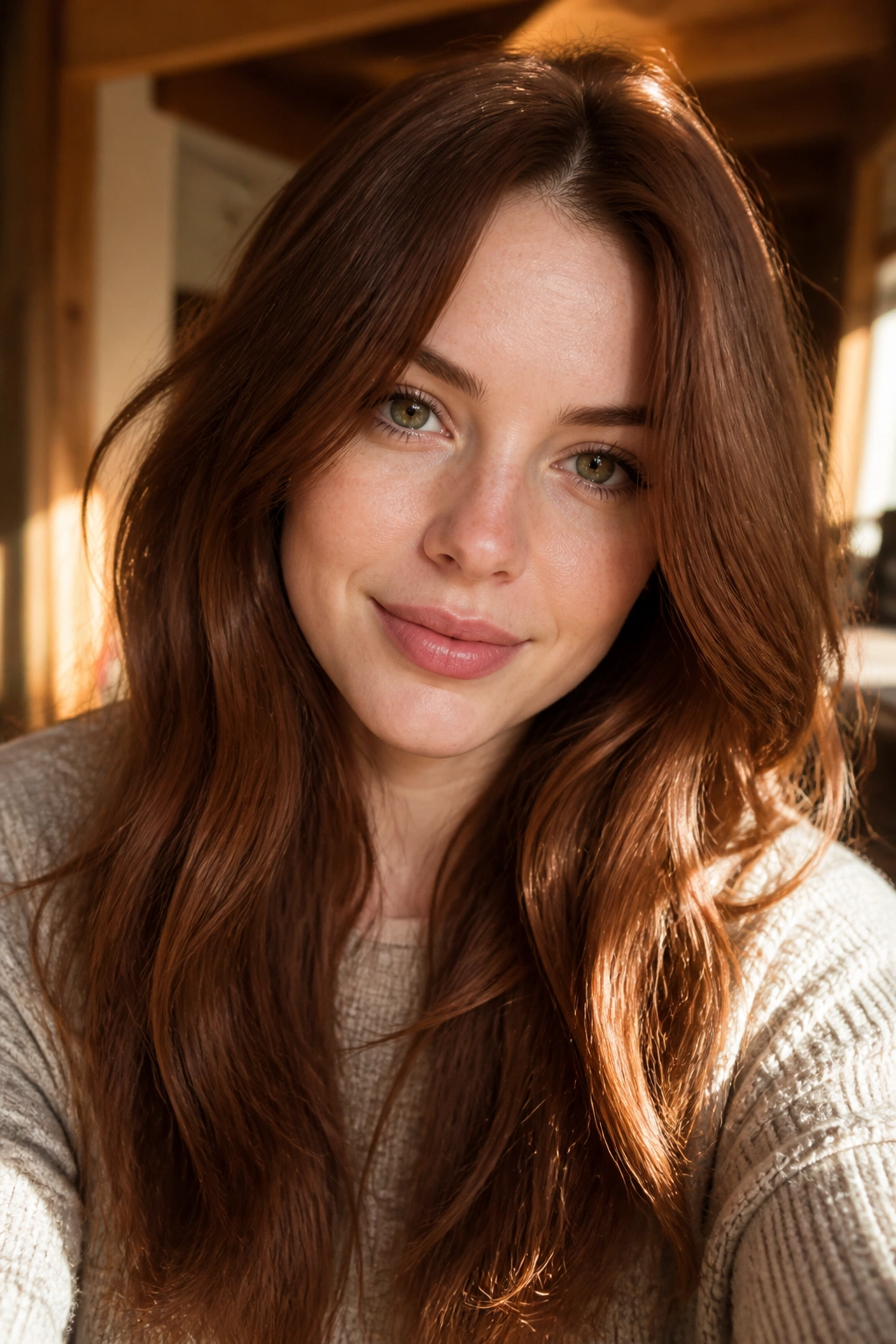
Chestnut brown is a safe pick, but “safe” here is not a bad thing. It has enough red-gold warmth to keep fair skin from looking severe, yet it still feels grounded and rich. That balance is why so many pale brunettes end up here after testing brighter reds or darker ash shades.
I like chestnut brown when the goal is softness. The color frames the face without sharpening every feature, and it looks especially nice on people with brown, hazel, or green eyes. It also handles grow-out better than darker brunettes, because the warmth helps blend the root.
A chestnut base with tiny caramel strands around the face can look even better than a solid color. The light hits the layers, and the whole thing feels less heavy. If you want a brunette shade that still leaves room for blush and lipstick, this one earns its place.
11. Espresso Brown
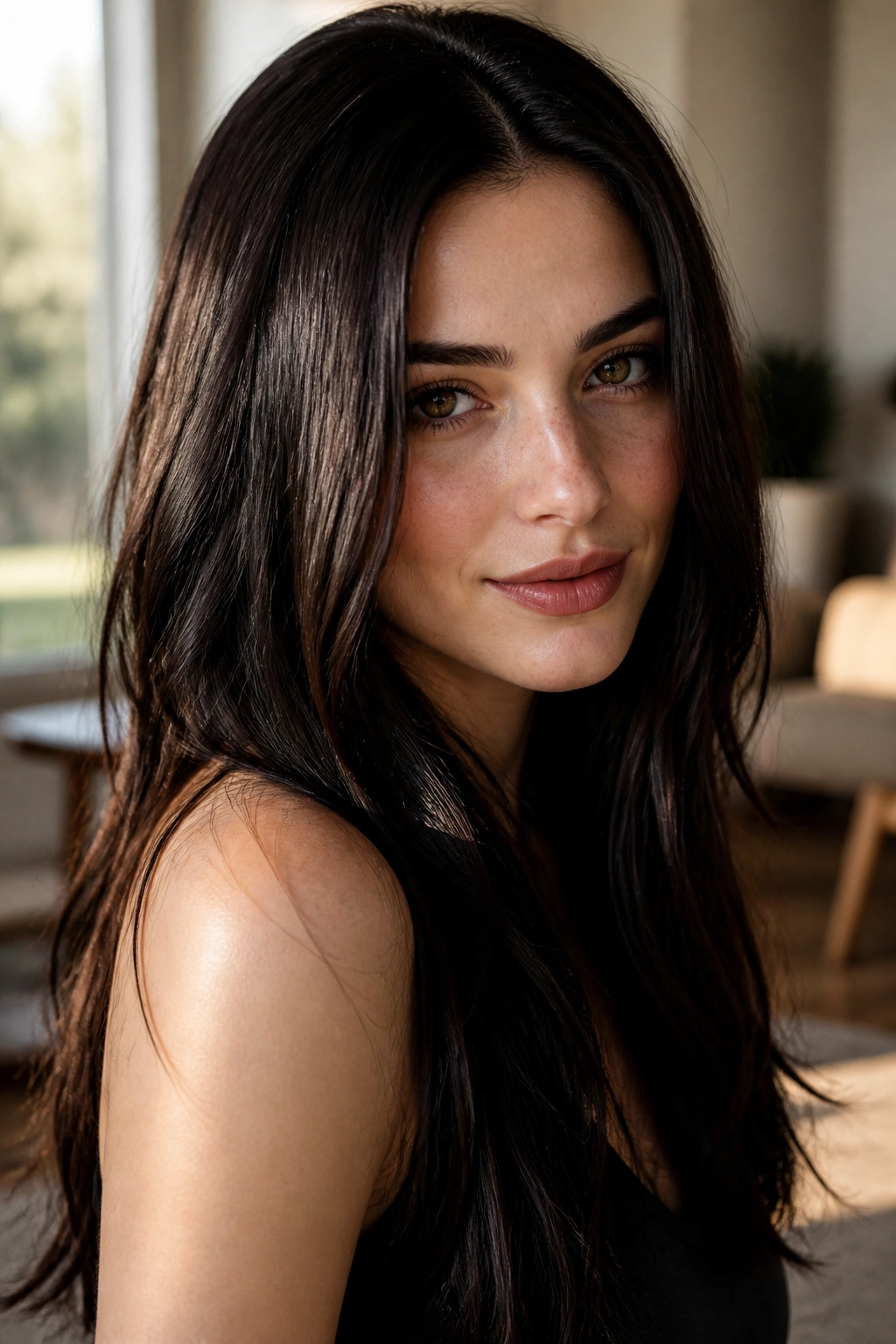
Espresso brown is for fair skin that can handle serious contrast. It is deep, glossy, and a little dramatic, but not in a harsh black-hair way. When the tone stays neutral or softly warm, espresso can make pale skin look almost luminous.
The key is shine. Matte espresso can look flat and blocky, which nobody needs. A gloss finish or a smoothing blowout keeps the color sleek and expensive-looking. If your brows are naturally dark, this shade often feels more cohesive than lighter browns because it ties the face together.
How to Make It Work
Keep the length healthy and the ends trimmed. Dark hair shows split ends fast, and the color looks dull when the cut is rough. If you want a softer result, ask for espresso at the root with a few chocolate ribbons through the mids.
Best for: people who like makeup that shows up against their hair.
12. Bronde Balayage
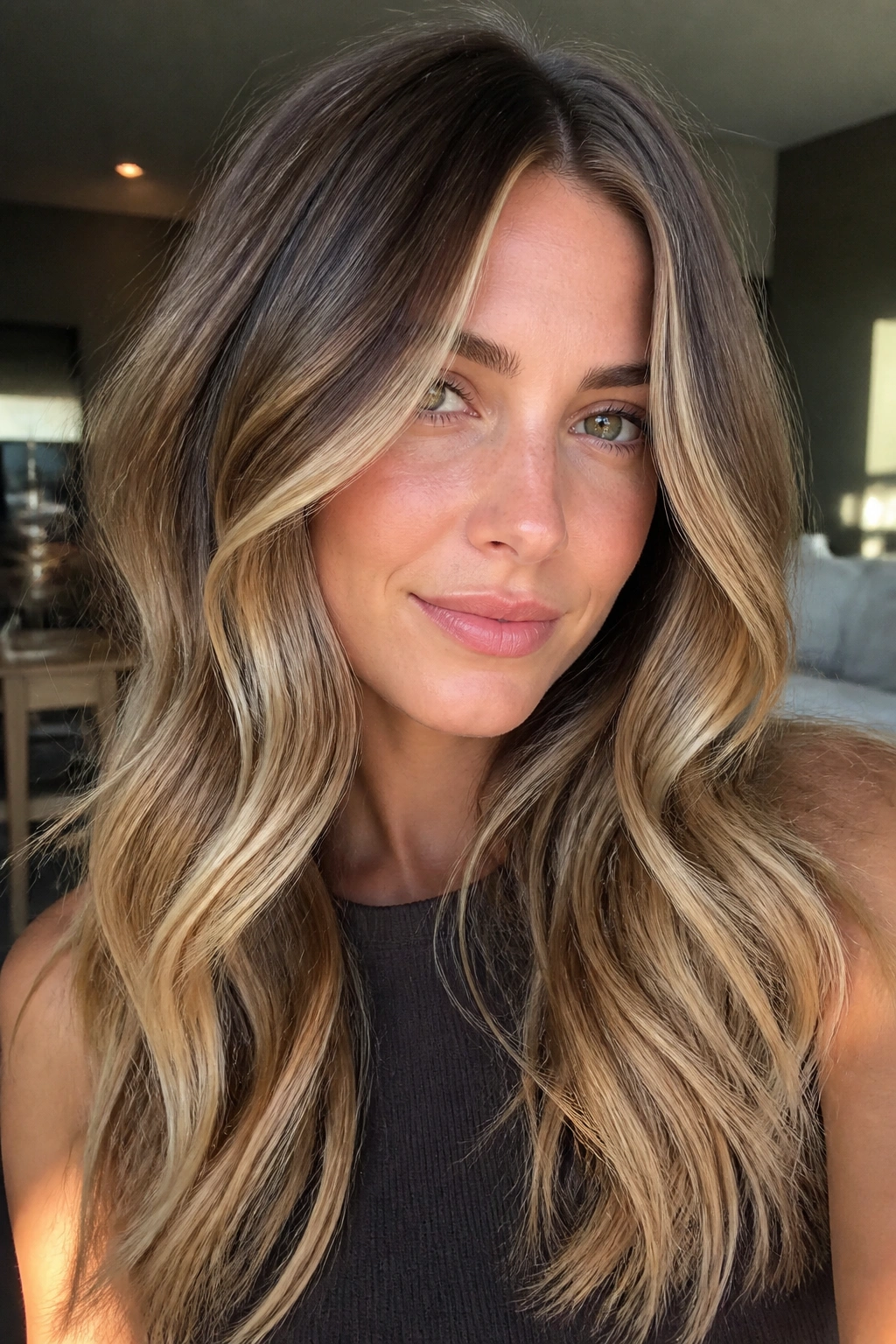
Bronde balayage is one of those shades that makes fair skin look easy. The mix of brown and blonde gives the face movement, and the hand-painted placement keeps it from feeling too striped or too salon-perfect. That softness matters on pale skin, where harsh contrast can sometimes take over.
Unlike an all-over blonde, bronde lets you keep depth near the root. Unlike a solid brunette, it still brightens the face. That middle zone is why it works on so many people. You get dimension, but you also get a grow-out that does not scream for a touch-up every few weeks.
What Makes It Different
- Brown base with lighter ribbons through the mids and ends.
- Low-maintenance grow-out compared with full blonde.
- Good choice if your natural hair is already medium brown.
- Easy to warm up or cool down with toner.
Tiny note: ask for face-framing pieces a half shade brighter than the rest. That small move makes a big difference.
13. Buttercream Blonde for Fair Skin
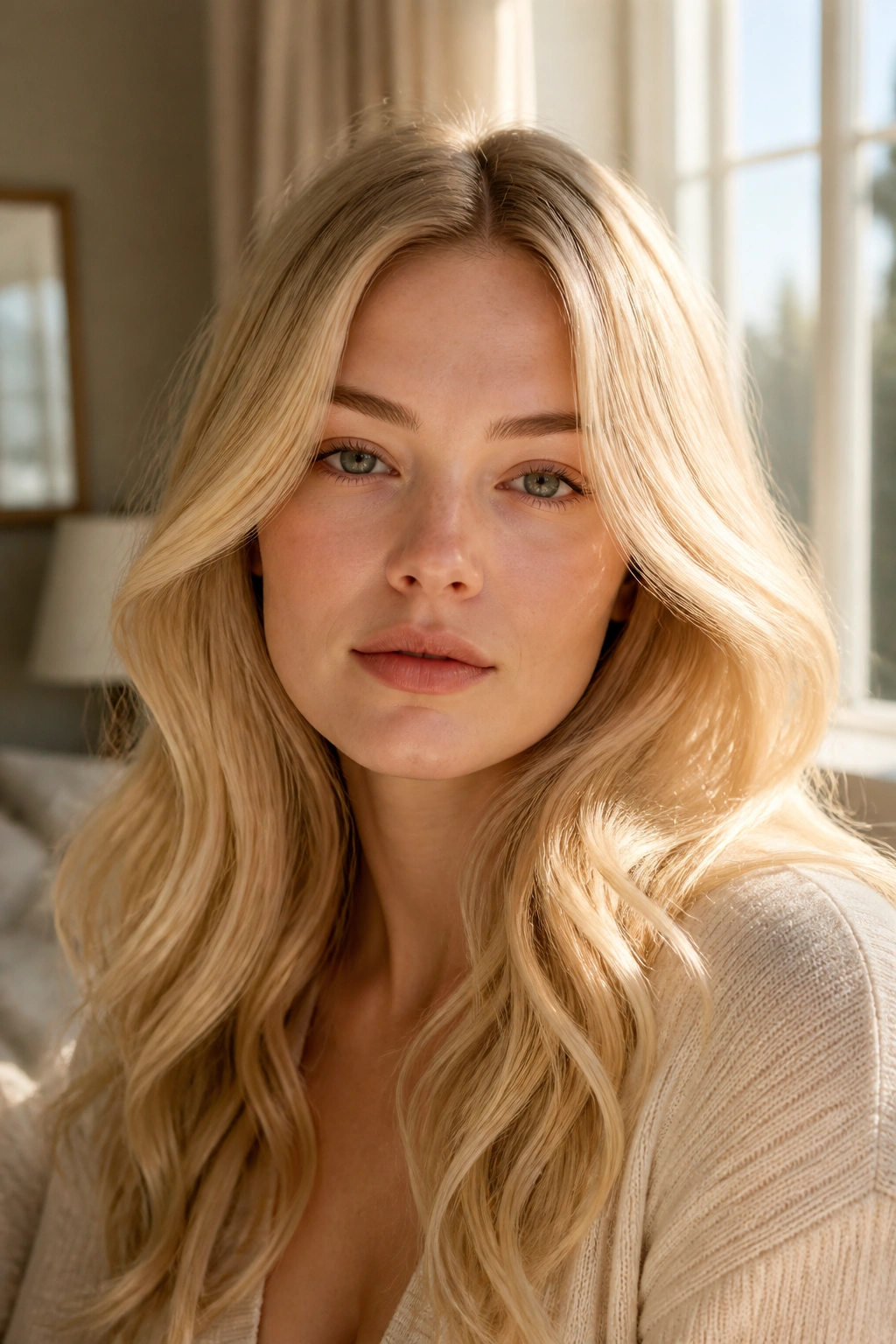
Buttercream blonde is softer than platinum and warmer than ice blonde. That makes it a sweet spot for fair skin that needs lightness but not a hard, metallic finish. The color feels creamy, almost plush, which is probably why it looks so nice next to pale complexions.
Why It Works
Buttercream blonde has enough warmth to stop the face from looking washed out, but it stays pale enough to feel bright. On skin with pink or neutral undertones, it can look gentler than a pure beige blonde. On warmer fair skin, it still reads fresh instead of brassy if the toner is kept clean.
I like this color best with soft, glossy waves. It gives the tone a little depth and keeps the look from turning too flat. If your hair is porous, you will need to watch for yellowing at the ends. A violet mask once every 1 to 2 weeks usually keeps it on track.
Good sign: the hair should look creamy in daylight, not flat or chalky.
14. Platinum Blonde
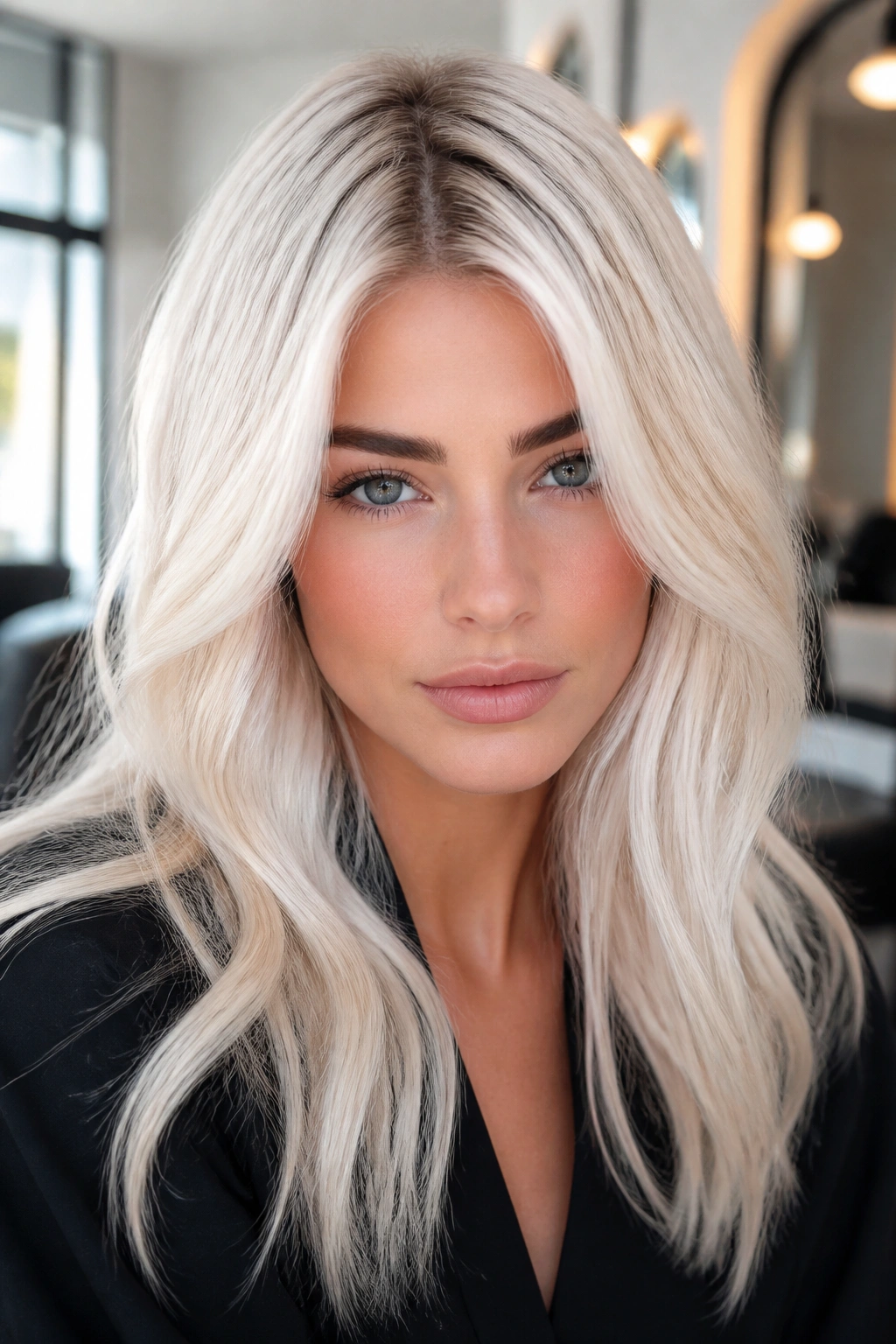
Platinum blonde is the boldest pale-blonde choice on this list, and fair skin can carry it better than many people think. The key is contrast. If your skin is very light, a cool platinum can make your face look sharp and almost sculpted, especially with defined brows and a clean haircut.
That said, platinum is not casual. It asks for commitment. The hair has to be lifted high enough to lose yellow pigment, and that means regular toning, careful washing, and a little patience with dry ends. Skip it if your hair is already fragile. Seriously.
A root shadow can make platinum more wearable, and I think it improves the color most of the time. It stops the whole head from blending into one pale tone. If you want the high-impact version, platinum is still the one that turns heads first. No drama. Just brightness.
15. Smoky Silver
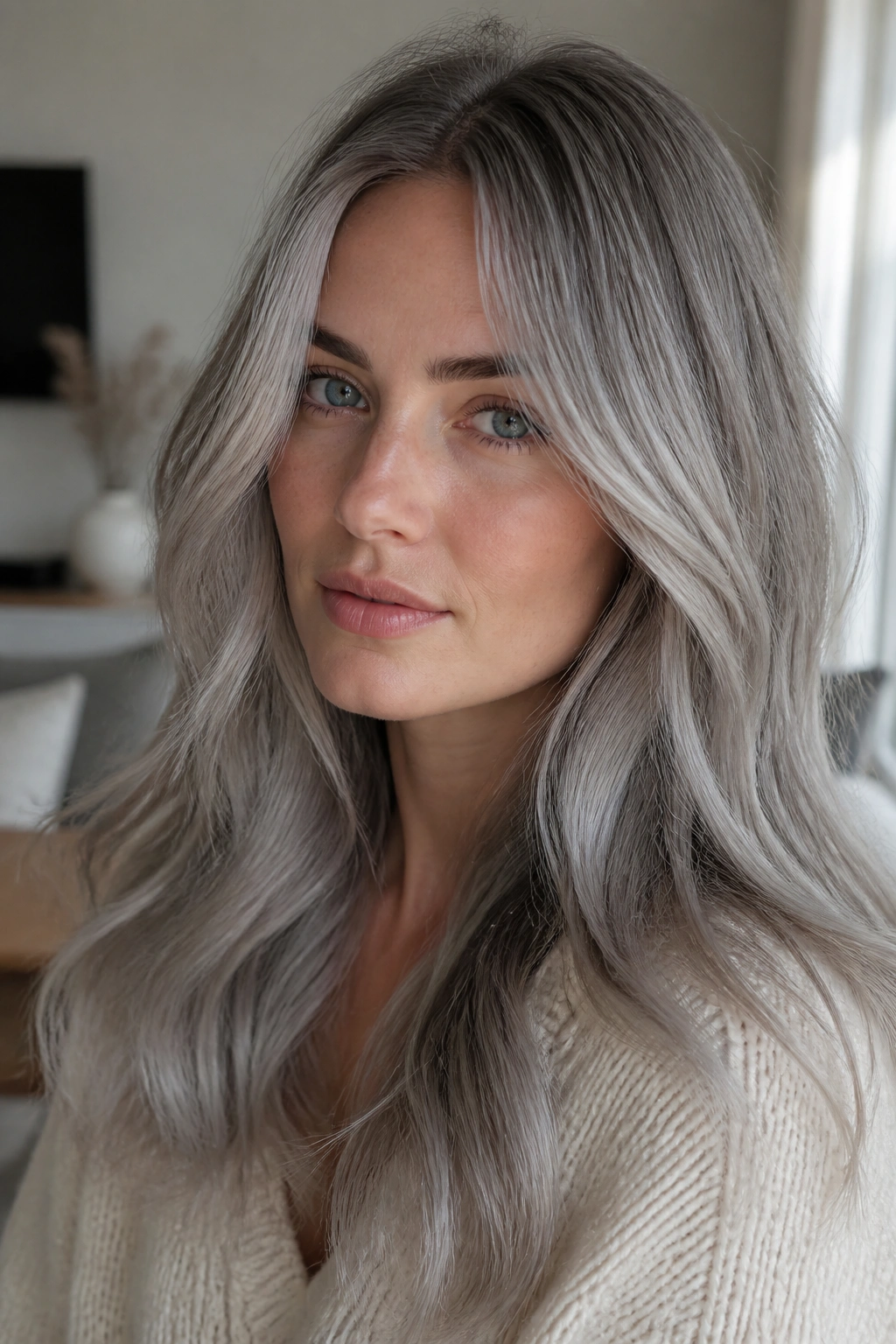
Smoky silver is cooler and more muted than platinum, which is why it can look so refined on fair skin. The gray tone softens the lightness and gives the hair a satiny finish instead of a bright white one. That makes it especially flattering if your complexion is cool or neutral.
A good smoky silver is never flat. It needs depth at the root, lightness at the crown, and a little darker haze through the ends. That mix keeps it dimensional and keeps the color from reading like one note. It also helps when your natural brows are darker, because the silver can otherwise feel disconnected.
How to Get the Most From It
- Keep the hair in strong condition before lightening.
- Ask for a cool toner, not a flat gray wash.
- Use a purple shampoo sparingly, maybe once a week.
- Trim dry ends often, since silver exposes damage fast.
My opinion: this shade looks best with simple makeup and a sharp cut.
16. Burgundy Wine
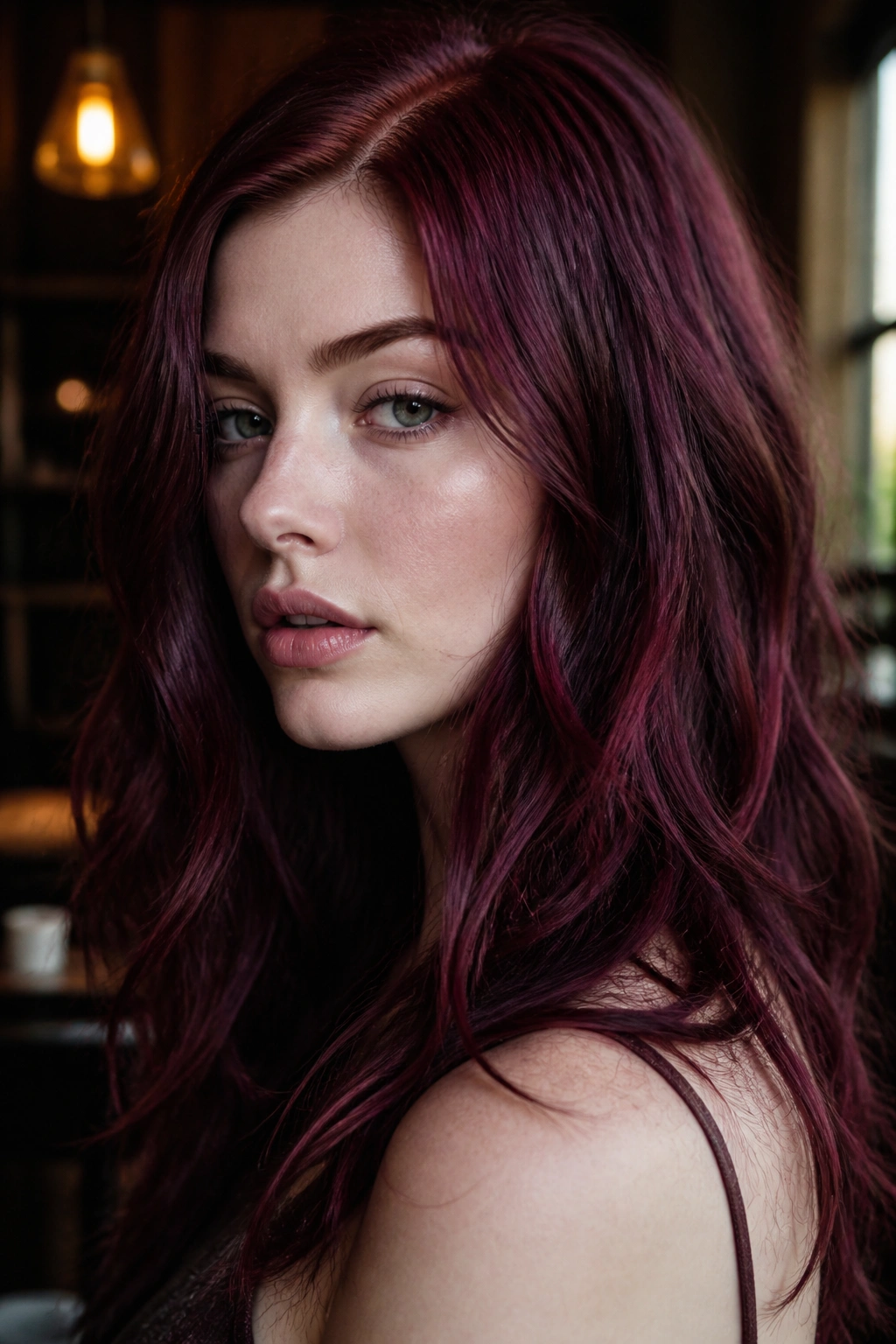
Burgundy wine gives fair skin a dramatic, almost porcelain effect. The red-violet depth is rich without becoming orange, which is why it usually flatters pale skin more than people expect. It is moody, but not grim. That distinction matters.
This color works well if you want something stronger than auburn but softer than black. It also makes green eyes look striking and can give blue eyes a smoky edge. A gloss finish keeps burgundy wine from going muddy, which is the main thing to watch out for. Too much brown in the mix can dull the whole effect.
If you like darker lipstick shades, this is a fun color to wear because it carries the same mood as the makeup. If you do not, a burgundy bob or shoulder-length cut can still feel fresh with very little styling. The color does most of the work.
17. Cherry Cola
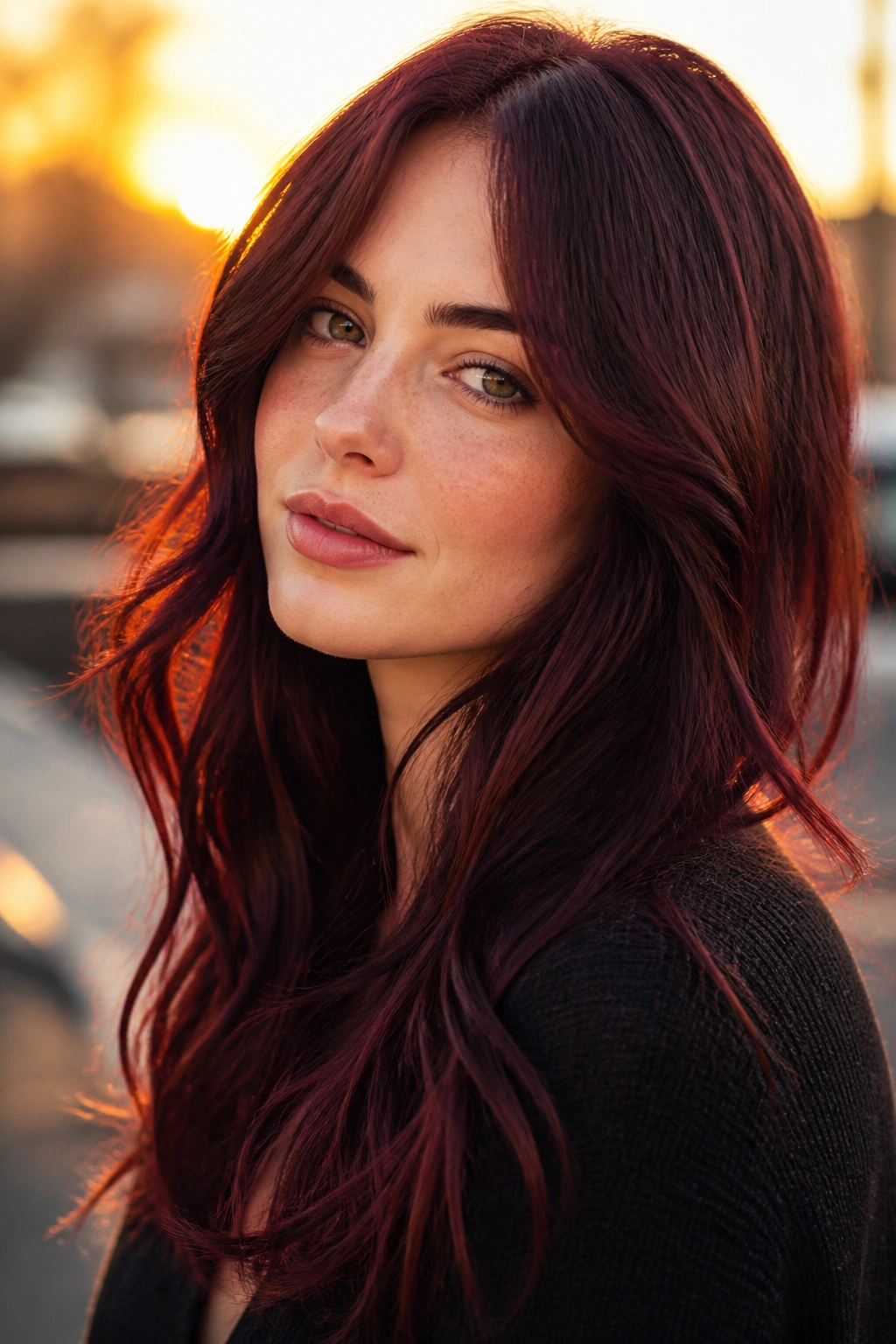
Cherry cola is one of my favorite brunette-red hybrids for fair skin. It looks dark at first glance, then a red cherry shine shows up when the light hits it. That depth keeps pale skin from getting overwhelmed, while the red reflect adds life.
It is a softer choice than burgundy wine and less overtly red than copper auburn. That makes it easy to wear if you want depth but do not want to look like you planned a dramatic red transformation. Under indoor lighting, cherry cola can look almost espresso-brown. Outside, the red comes through more clearly.
This is a good color for layered cuts, because the dimension lives in the movement. Straight hair can still look nice, but the shine reads better in waves. A color-depositing mask that leans red or plum can help maintain the tone between salon visits.
18. Soft Black
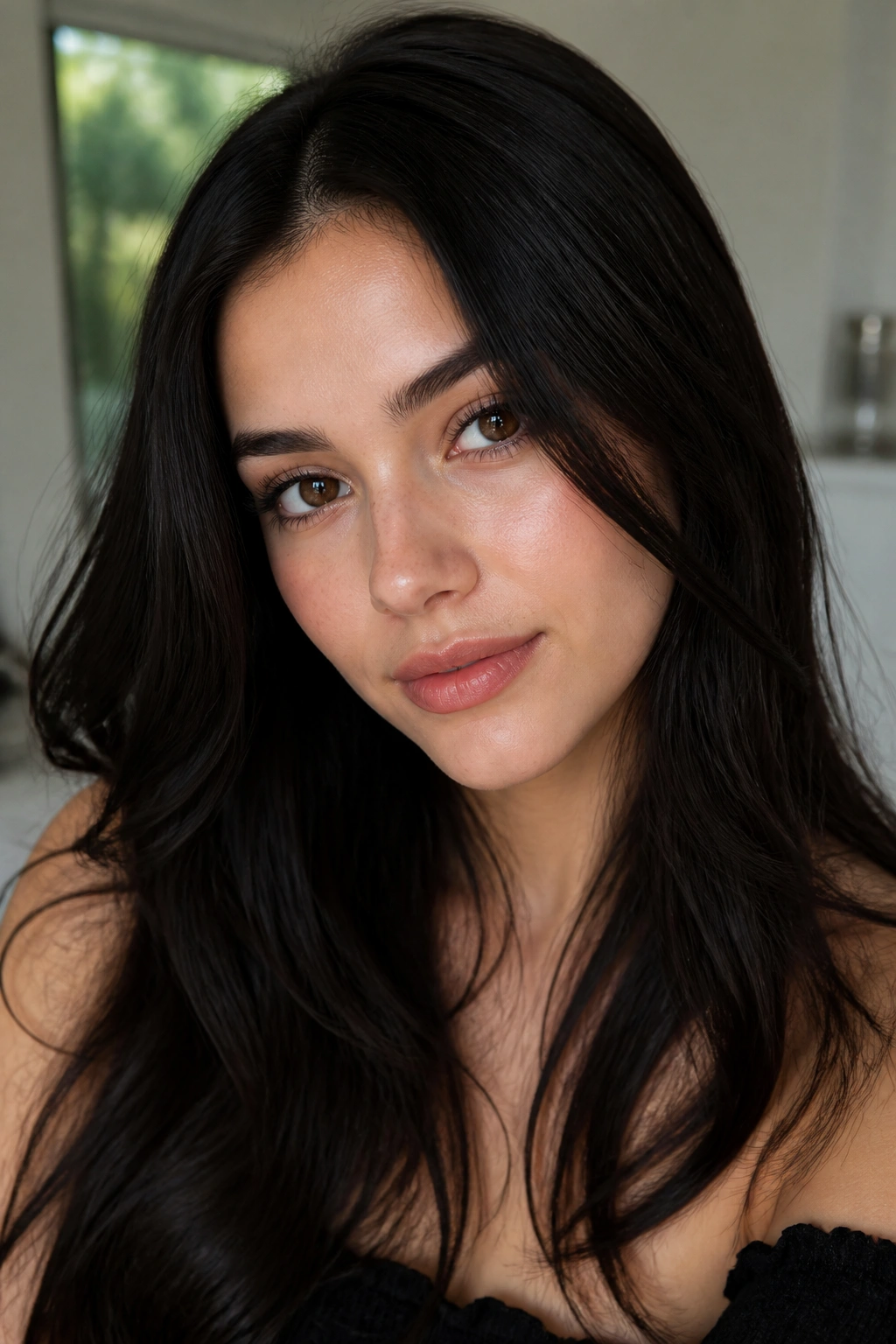
Soft black is the version of black hair that fair skin can actually wear without looking swallowed by it. The difference is in the undertone. A soft black has a brown or smoky reflect, not a blue-black edge that can feel too hard against very pale skin.
This is the shade for people who want contrast but do not want to live in brunette territory. It can make the skin look brighter and the eyes more focused, especially if your natural lashes and brows are already dark. The catch is harsh regrowth. Dark roots on a pale face show up fast.
What to Watch For
If your complexion is very pink, ask for a soft black with brown warmth instead of a hard blue-black. If your skin leans neutral, you can usually wear it cleaner and deeper. Either way, shine matters. A dull black is unforgiving.
Best styling partner: a sleek blowout or a blunt cut.
19. Caramel Balayage for Fair Skin
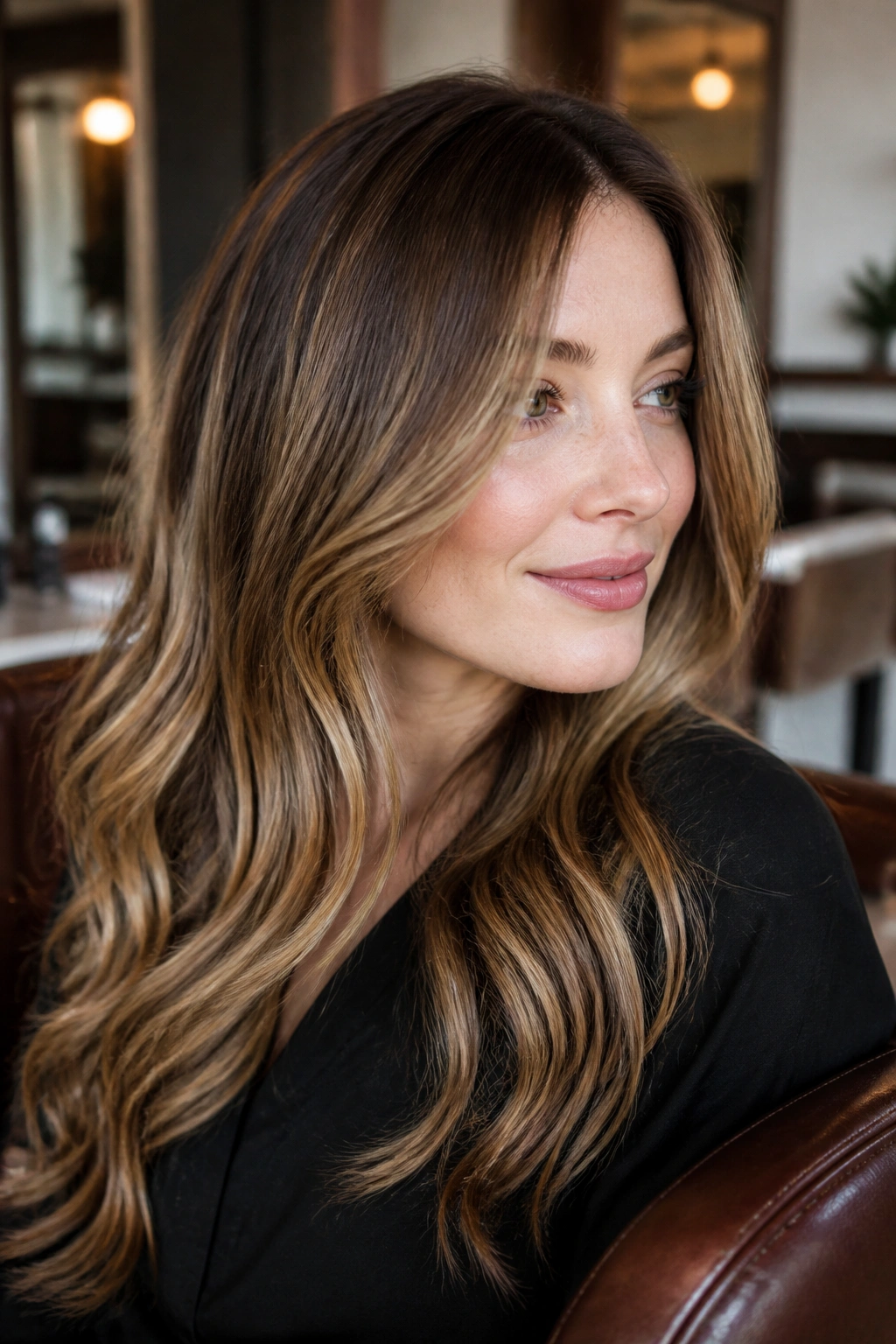
Caramel balayage is one of the easiest ways to warm up fair skin without changing your whole color story. The ribbons of caramel sit over a brunette base and give the face a soft glow, especially around the cheeks and jawline. It is flattering in a way that feels almost effortless, even though the placement does most of the work.
How It Flatters
The warmth in caramel balayage makes pale skin look less flat, especially if your natural coloring is a little muted. It also gives texture to hair that might otherwise fall into one solid shade. That bit of lift near the front of the face can wake everything up.
How to Wear It
- Ask for brighter pieces around the hairline.
- Keep the base one or two levels deeper than the ribbons.
- Add loose curls or bends so the highlights move.
- Refresh the toner when the caramel starts turning orange.
My honest take: this is one of the most forgiving fair-skin color ideas on the list.
20. Peach Blonde
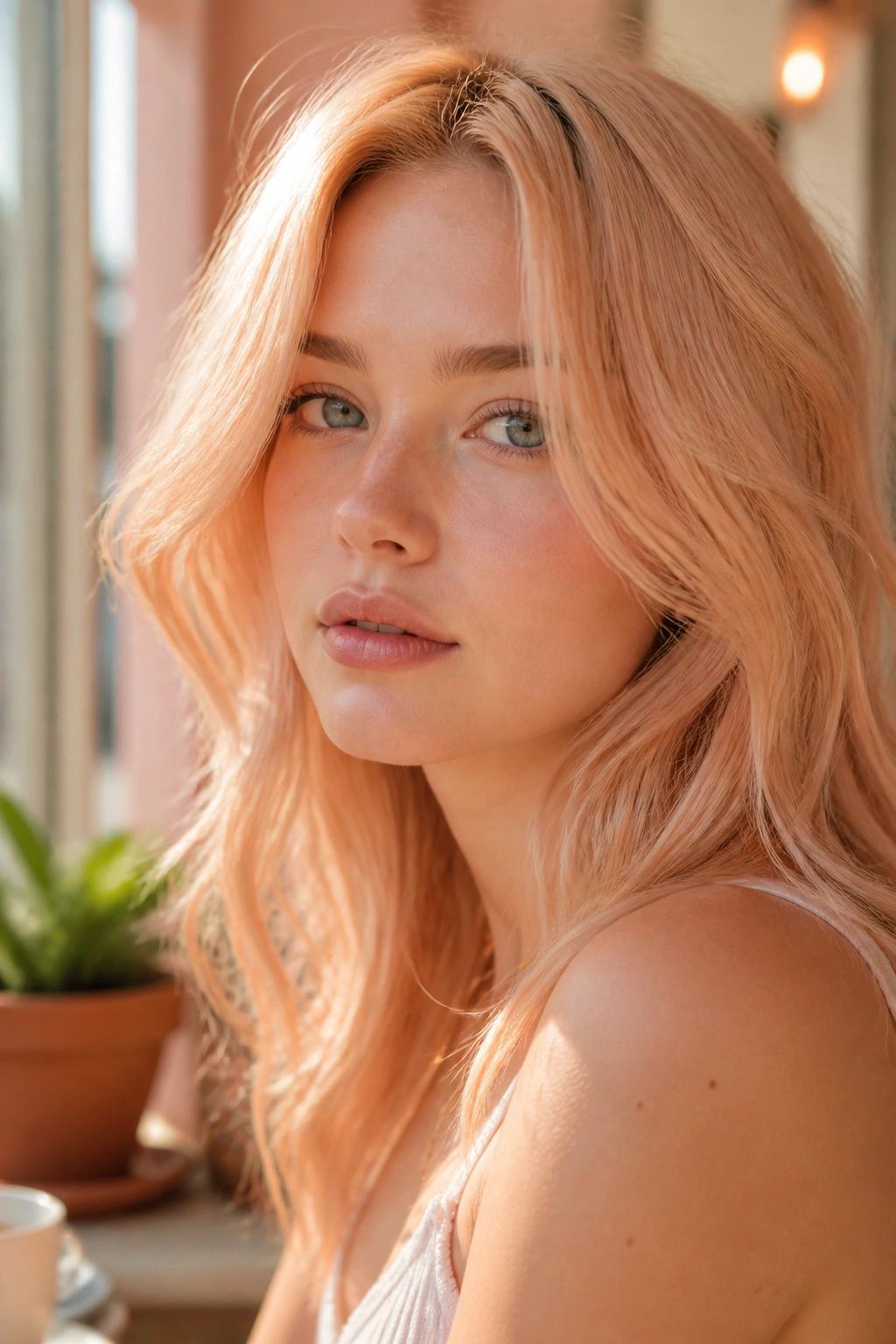
Peach blonde has a soft, romantic tone that suits fair skin with peachy or neutral undertones. It is not loud, even though it sounds playful. The color usually sits somewhere between strawberry blonde and pastel copper, which gives it a delicate warmth that feels fresh.
I like peach blonde best on shorter cuts or soft waves, where the color can show up without competing with too much length. It also works well as a tinted gloss over blonde hair. That version fades more gently and is easier to live with if you are nervous about fashion shades.
The one thing to know is that peach tones do not stay vivid forever. They fade into soft gold or pale strawberry fairly quickly. If you are fine with that, the look is charming. If you want a permanent statement, this may feel like too much upkeep.
21. Apricot Copper for Fair Skin
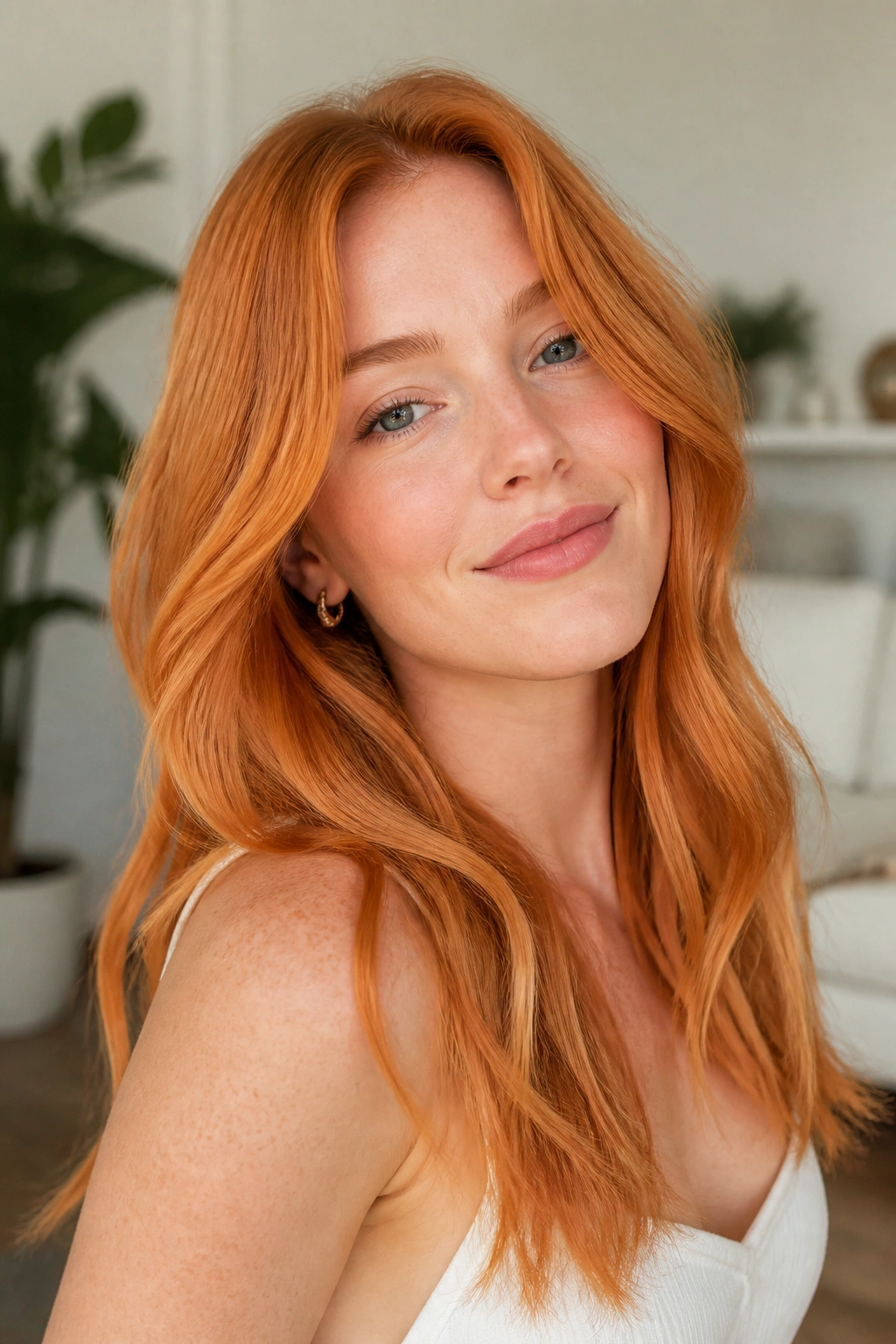
Apricot copper has a little more orange-pink brightness than classic copper, and that makes it a lovely choice for fair skin that needs warmth without going full flame-red. It feels softer than bright copper and less pink than rose gold, which is a nice middle ground.
Why It Works
The apricot note brings warmth close to the face, while the copper keeps it alive. On fair skin with freckles, the shade can look especially natural, almost like the hair has its own warm blush. It pairs well with minimal makeup and a little gloss on the lips.
How to Keep It Pretty
- Use a color-safe shampoo and wash in cooler water.
- Ask for a soft copper glaze instead of a hard permanent red.
- Wear the hair in waves so the apricot tones catch in layers.
- Schedule toner refreshes before the color turns flat.
Best for: people who want warmth, but not a loud red.
22. Toffee Brown
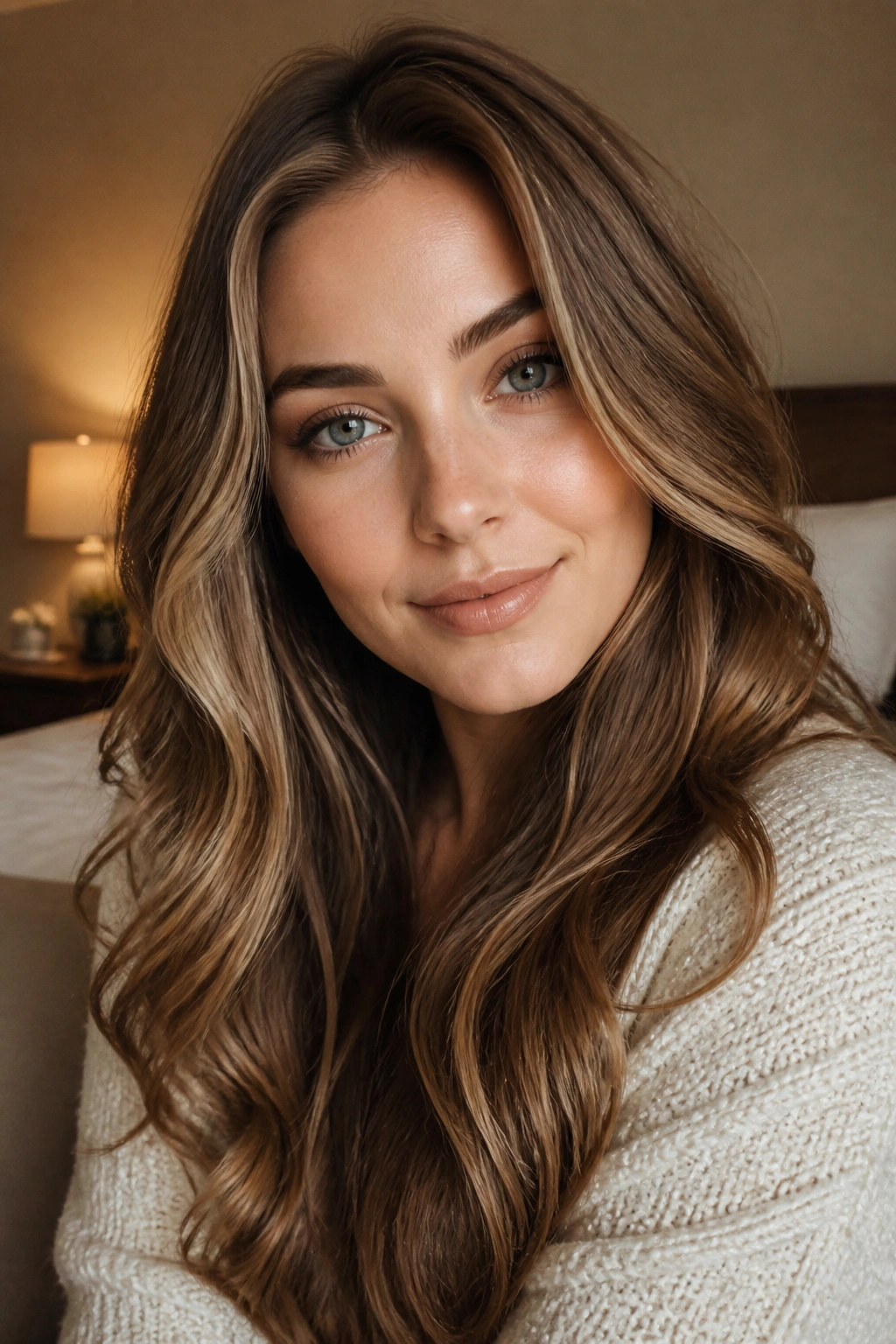
Toffee brown is a creamy mid-brown that sits between chestnut and caramel, and it can be very flattering on fair skin because it brings warmth without going orange. It is one of those shades that makes the face look softer, especially around the cheeks and temples.
Unlike darker chocolate browns, toffee brown does not weigh the complexion down. It leaves enough lightness in the hair to keep things open and airy. That matters on pale skin, where very dark hair can sometimes feel heavy unless the brows and makeup are strong too.
A few subtle ribbons of beige or honey can keep toffee brown from looking one-note. If your hair is naturally fine, this shade also adds visual thickness because the warm depth creates the illusion of fuller strands. That is a small trick, but it works.
23. Sandy Blonde
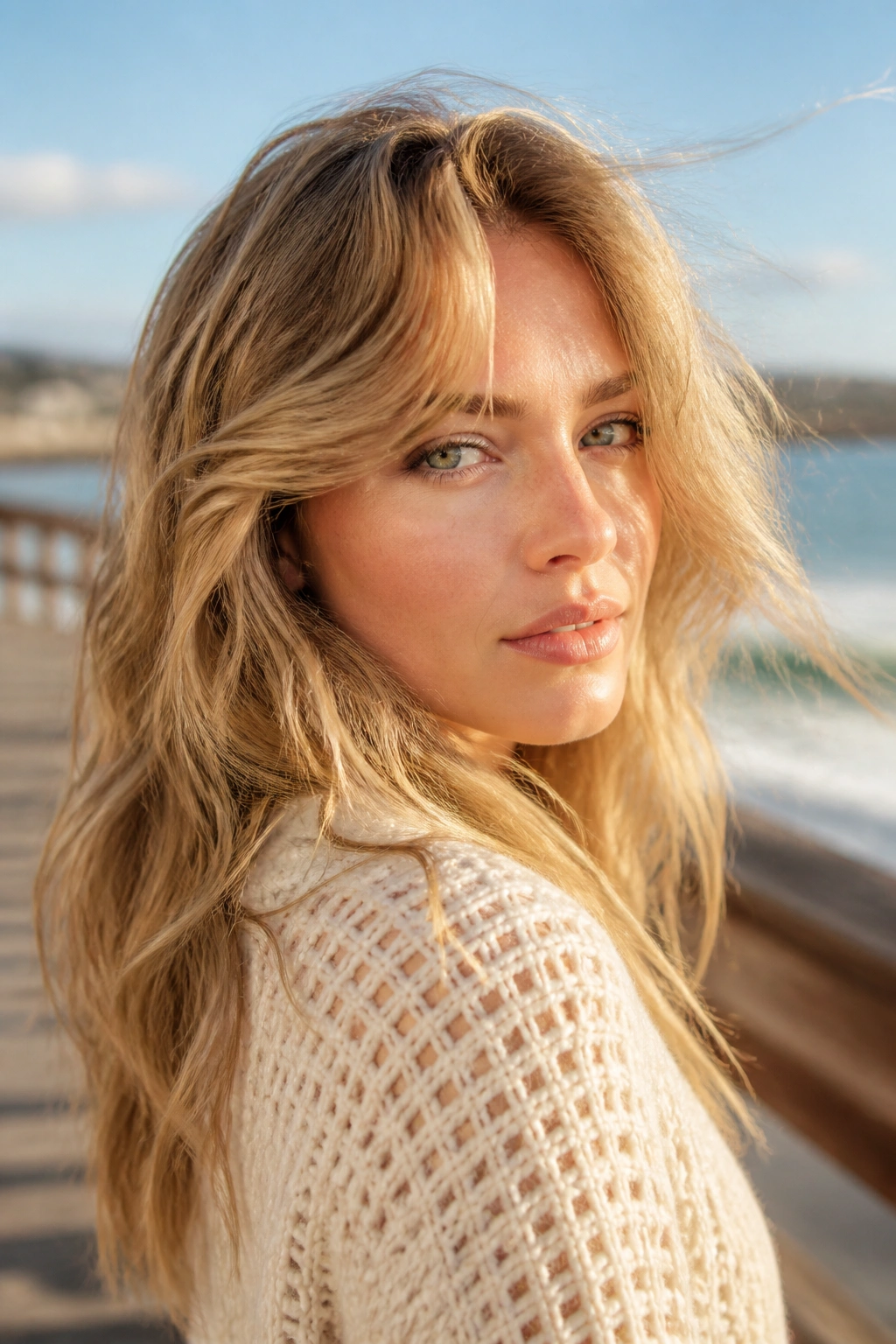
Sandy blonde is the sort of color that looks easy, even when it was carefully planned. It has a muted golden-beige tone that works well on fair skin with neutral or cool undertones. The shade does not get too brassy, and it does not lean icy enough to make the face look pale.
This is a nice option if you want blonde that feels lived-in. It looks even better when there is a slight root shadow or a few darker lowlights underneath. That little depth makes the blonde look natural, not flat.
Sandy blonde is also a decent choice if you do not want constant salon maintenance. Because the tone is soft, outgrowth is less obvious than with platinum or buttercream blonde. The color reads beachy without being loud. That alone makes it one of the easiest blondes to wear on fair skin.
24. Honey Bronde
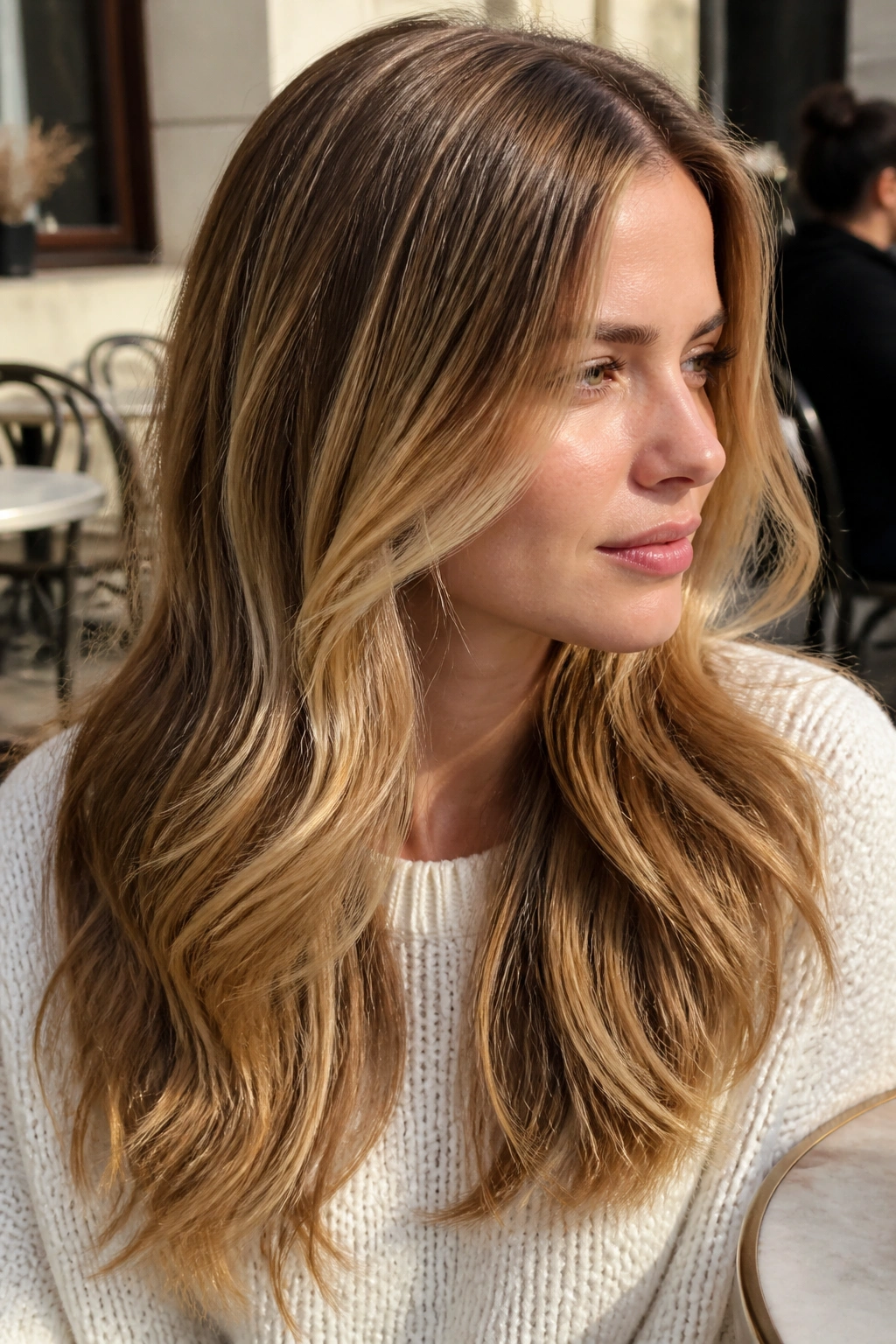
Honey bronde gives fair skin warmth and dimension at the same time. It is brunette at the root, blonde at the ends, and honey-toned through the middle, which makes the whole result feel sunlit without turning overly gold. That balance is why it works so well on people who want something soft but not plain.
What Makes It Different
Bronde shades are useful because they sit between categories. A full blonde can flatten fair skin if the tone is wrong, while a full brunette can feel too solid. Honey bronde keeps both sides alive. You get depth near the head and brightness near the shoulders.
If your hair is naturally medium brown, this is a smart way to go lighter without committing to a fully blonde maintenance schedule. Ask for face-framing pieces a shade lighter than the rest. That is the part people notice first.
My take: honey bronde looks best when the finish is glossy, not fluffy or overstyled.
25. Lavender Blonde for Fair Skin
Lavender blonde can be beautiful on fair skin because the cool violet cast softens the pale base instead of fighting it. The color is playful, but the pastel tone keeps it gentle. It feels more romantic than punk when the shade is kept light.
How to Wear It
Lavender blonde works best when the hair is pre-lightened evenly, because patchy blonding makes pastel color look messy fast. A clean base matters here more than with a lot of other shades. If the blonde is too yellow, the lavender can read muddy or gray.
This is the kind of color that looks best with simple clothing and makeup. Let the hair do the talking. A soft wave helps the hue move from lilac to silver-lavender depending on the light, which is half the fun.
Best fit: cool or neutral fair skin.
Maintenance note: pastel colors fade fast, so tinted conditioner helps stretch the tone.
26. Chocolate Cherry
Chocolate cherry is rich, dark, and quietly glossy. On fair skin, it gives the face a deep frame without the starkness of black. The cherry reflect adds just enough red to keep the color from feeling flat, which is usually the problem with very dark browns on pale complexions.
I like this shade because it changes in different light. Indoors, it can read like a dark brunette. In sunlight, the red shows up and gives the hair a little surprise. That makes it useful if you want depth with some movement built in.
This shade works especially well on medium to long hair, where the red reflect has room to shift. Short cuts can wear it too, but the effect is sharper. If your skin is cool, keep the red in the cherry family rather than drifting into copper. The difference is subtle and matters a lot.
27. Rooted Ice Blonde
Rooted ice blonde is a smarter version of full platinum for fair skin. The darker root gives the eye somewhere to land, while the icy lengths keep the look bright and sharp. That contrast makes the whole style more wearable, and honestly, more flattering on most people.
The shadow root also buys you time between salon visits. That matters because icy blondes are high-maintenance in a way people underestimate. When the root is intentionally deeper, the regrowth looks like part of the design instead of a problem.
The Practical Side
- Ask for a cool root shadow one or two levels deeper than the blonde.
- Keep brass away with purple shampoo once a week.
- Use a hydrating mask, since lightened hair dries out fast.
- Trim the ends before they start looking see-through.
Best for: fair skin that likes a bright, editorial look without a harsh grow-out line.
28. Copper Money Piece
A copper money piece is a clever move if you want warmth near the face without committing to full copper hair. The front panels frame fair skin with a bright, flattering glow, and the rest of the hair can stay blonde or brunette. That makes the look feel edited instead of overwhelming.
This is especially useful if you are nervous about red hair. A few copper pieces around the face give you the effect without the all-over change. The color also brings out freckles and warm eye tones fast. If you have a fair complexion that tends to look flat in certain light, this can fix the problem in one visit.
Unlike full-head copper, a money piece is easier to grow out. It fades into the base color in a softer way, which is nice if you like changing your mind. Keep the copper fresh with a tinted conditioner or a salon glaze when the shine starts slipping.
29. Mocha Brown
Mocha brown is a cool-neutral brunette that gives fair skin depth without too much warmth or redness. It sits a little softer than espresso and a little darker than chestnut, which makes it a useful middle ground for people who want brunette hair that still feels light enough around the face.
The shade works because it does not argue with pale skin. It supports it. That is a small difference, but a meaningful one. Mocha brown gives the eyes a frame, makes blush look more intentional, and keeps the overall look grounded.
If you want the color to stay elegant, keep the finish glossy and the layers tidy. Mocha brown can look flat if the cut is heavy. A few lighter ribbons through the ends can help, but they should stay subtle. This is a color that works best when the shape of the hair is doing half the talking.
30. Dusty Rose Brown
Dusty rose brown is the soft, artsy option on this list, and I love it for fair skin because the low-saturation pink keeps the color from feeling loud. It is brown at heart, but there is enough rose in the mix to give it a muted blush effect that feels modern and a little unexpected.
Why It Flatters
Fair skin often looks good with lower-saturation shades because the color does not overpower the face. Dusty rose brown does that nicely. It gives you warmth, depth, and a subtle hint of color all at once. It also looks lovely with texture, especially undone waves or a shaggy cut.
How to Make It Work
Ask for a brunette base with a rose glaze rather than a fully vivid pink. That keeps the tone wearable. If the pink gets too bright, the color can start to feel costume-like. The softer version is the one that holds up in real life.
My favorite detail: it looks different every time the light changes, and that keeps it interesting.
Final Thoughts
Fair skin does not need to stay in one lane. Light shades can brighten it, deep shades can frame it, and muted shades can make it look calmer and more even. The best choice is the one that gives your face some shape, not the one that follows a rule.
If you are torn between two shades, pick the one that creates the right kind of contrast near your eyes and brows. That is usually where the color either works or falls apart. A good hair color should make your skin look like itself on a better day.
