



Warm skin tones can be picky in the best way. They love color that carries a little gold, copper, amber, or honey, and they often look flat next to shades that lean icy, smoky, or blue. That’s why hair color ideas for warm skin tones are such a useful thing to sort through before you sit in a salon chair.
The wrong shade doesn’t always look bad. It just looks off. A cool ash blonde can make warm skin read a little dull, while a rich caramel brunette can make the same face look brighter, fresher, and more rested in five seconds flat. That shift is small on paper and obvious in real life.
Gold jewelry tells the same story. So do peach blush, terracotta lipstick, and a white tee that looks better when it has a creamy cast instead of a stark blue-white cast. Hair works the same way. The trick is finding shades that echo the warmth already in your skin instead of fighting it.
Some of the best choices are soft and subtle. Others are loud in the nicest possible way. Either route can work, as long as the undertone stays friendly to your complexion and the finish has enough depth to look rich rather than brassy.
1. Honey Blonde for Warm Skin Tones
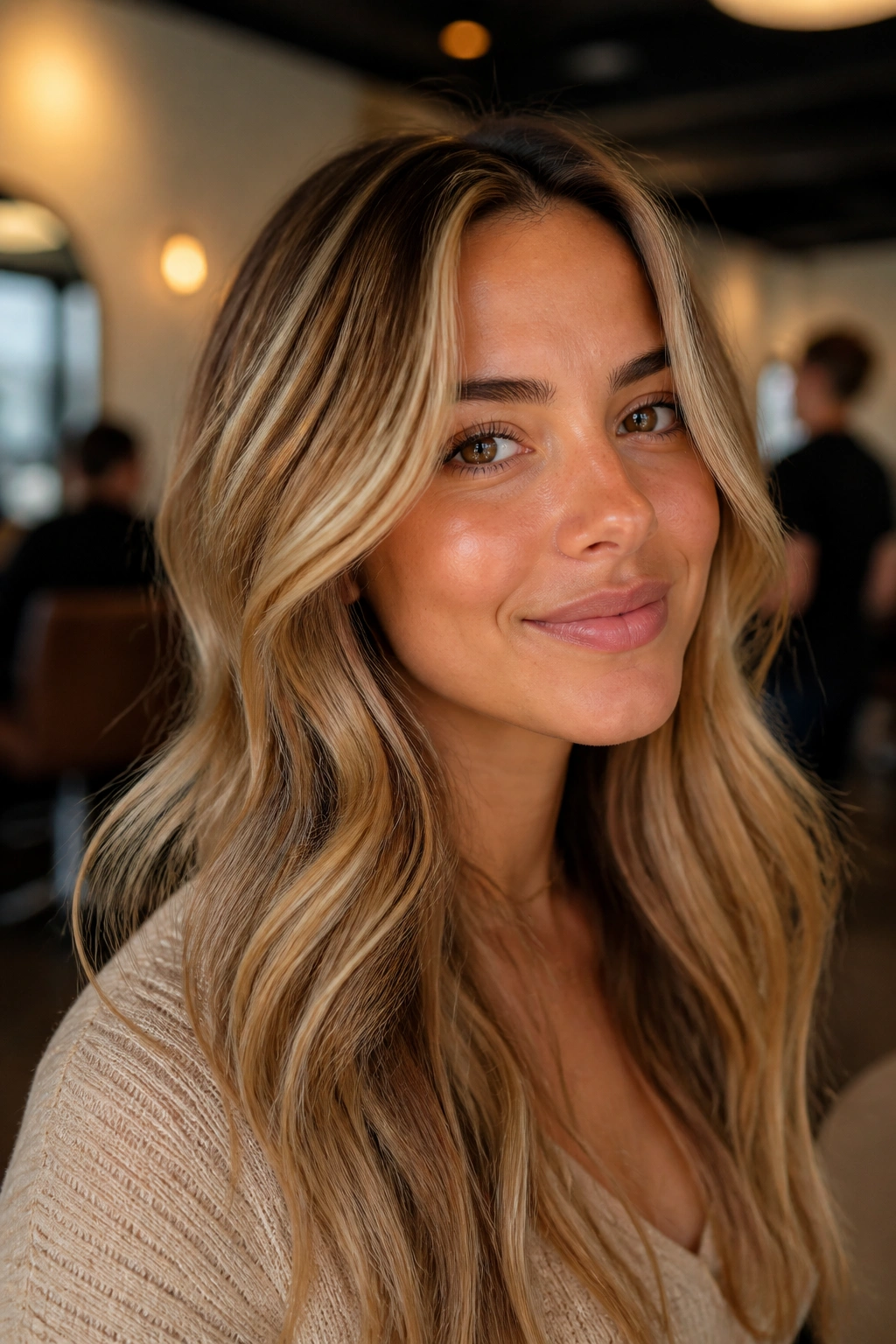
Honey blonde is one of those shades that earns its reputation the hard way: it flatters a huge range of warm complexions without looking fussy. The color sits between gold and beige, so it gives skin a brighter edge without screaming for attention. On warm skin tones, that matters. Too much platinum can wipe out the face; honey blonde keeps the glow.
Why Honey Blonde Works So Well
The best honey blonde is softly golden, not yellow. Think level 8 or 9 with a creamy finish, not a pale wash that looks stripped. If your skin has peach, golden, or yellow undertones, this shade usually feels balanced right away.
For the salon chair, ask for:
- A beige-gold blonde base instead of a cool toner
- A soft shadow root if you want less upkeep
- Face-framing pieces one shade lighter than the rest
- A gloss every 6 to 8 weeks to keep the tone clean
Pro tip: If your hair tends to go brassy fast, use a sulfate-free shampoo and skip purple shampoo unless the blonde starts turning too yellow. A little warmth is the point.
2. Copper Penny
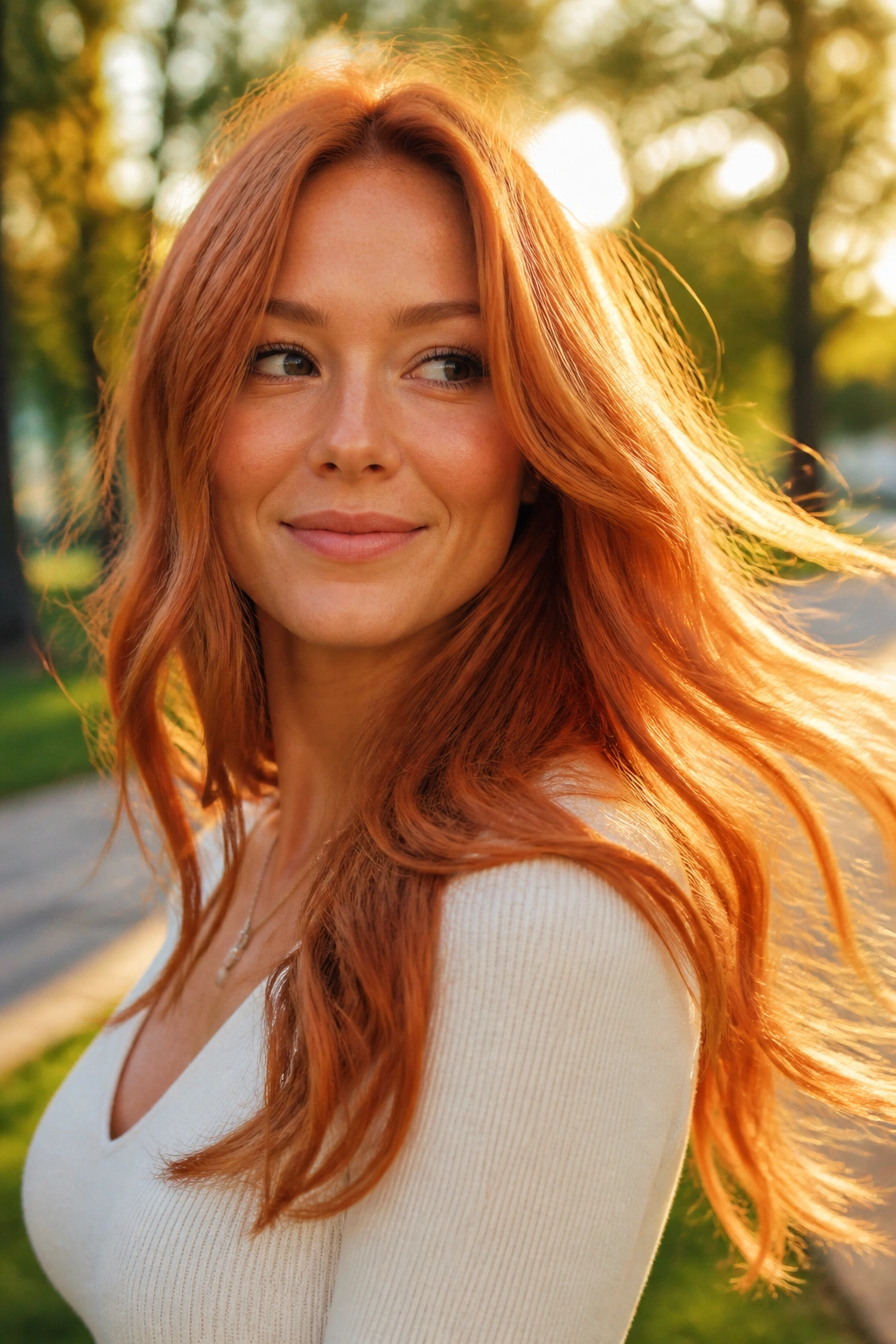
Copper penny hair has a shine that warm skin seems to catch instantly. It’s bright, but not in a candy-red way. The orange-red base gives the face energy, and the metallic edge keeps it from looking flat. On fair warm skin, it can make freckles stand out. On deeper warm skin, it reads rich and striking.
I like copper better than pure red for most warm undertones because it feels less severe. Pure red can sometimes sit on top of the face. Copper sinks in a little better. It looks especially good when the hair has movement, since the color changes from amber to rust to gold every time the light shifts.
The one catch? Copper fades fast if you wash it too often with hot water. A cool rinse helps. So does stretching washes and using a color-safe mask once a week. If you want the copper to stay loud, keep the shampoo gentle and the water cooler than you think.
3. Caramel Balayage
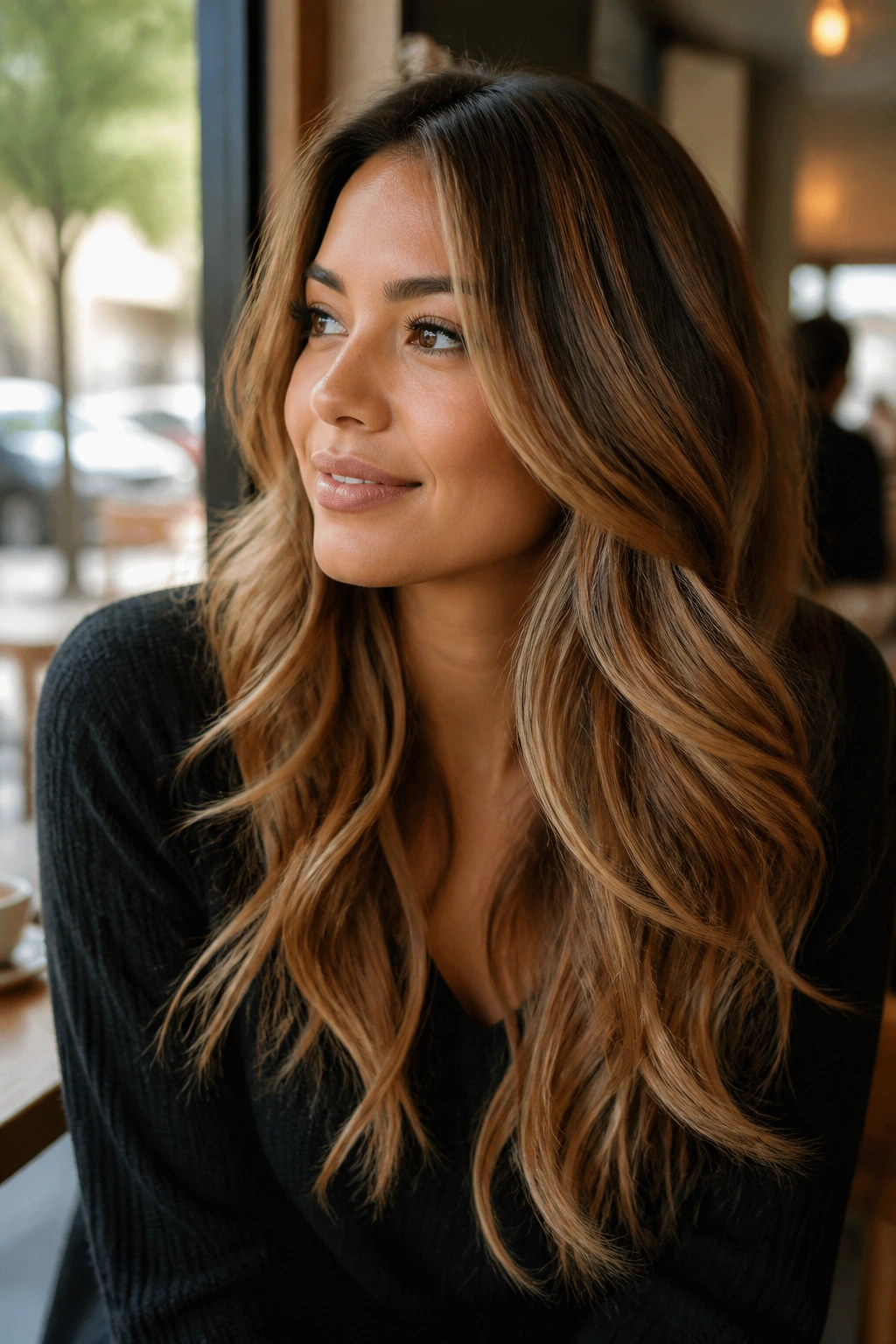
Why does caramel balayage work on warm skin when flat brown sometimes doesn’t? Because the light pieces break up the base and keep the whole look from sinking into one dark block. Caramel has enough gold to flatter warm undertones, but it still feels grown-up and easy to wear.
Where the Color Should Sit
The best caramel balayage is painted where the sun would hit it naturally: around the money piece, on the top layer, and through the ends. You do not need chunky stripes. In fact, chunky stripes usually look dated fast.
A good colorist will often use:
- A level 6 or 7 brunette base
- Caramel ribbons one to two levels lighter
- A soft root melt so grow-out stays easy
- A few brighter pieces near the cheekbones for lift
This is one of the nicest low-maintenance choices for warm skin tones because it grows out without a hard line. It also works on straight hair and curls, which is rare enough to appreciate.
4. Chestnut Brown
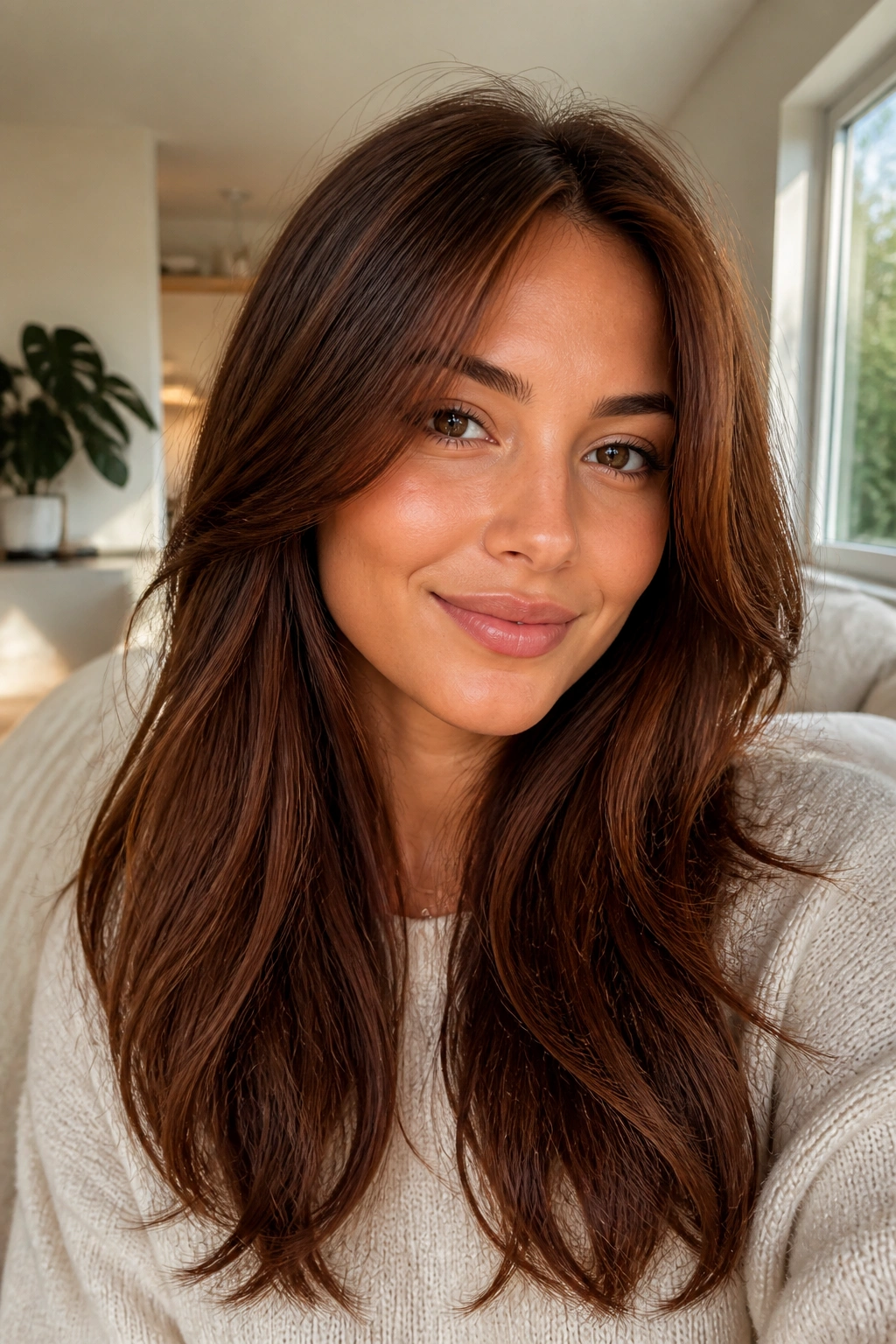
Chestnut brown is the quiet luxury of hair color. Not because it’s trendy. Because it does a lot of work without looking loud about it. The warm red-brown base adds depth to warm skin, and the chestnut finish keeps the shade from turning muddy in indoor light.
Picture a brunette shade that looks smooth in a ponytail and even better when it catches daylight. That’s chestnut. It’s a good choice if you want your hair to look healthier, thicker, and more polished without stepping into obvious red territory.
A few things matter here:
- Ask for a brown base with subtle red warmth
- Keep the gloss neutral-warm, not mahogany-dark
- Use shine spray lightly; chestnut looks best when it has movement, not grease
- If your hair is fine, keep some lighter ends so the color does not sit too heavy
Chestnut is easy to wear. That’s the real appeal.
5. Golden Bronde
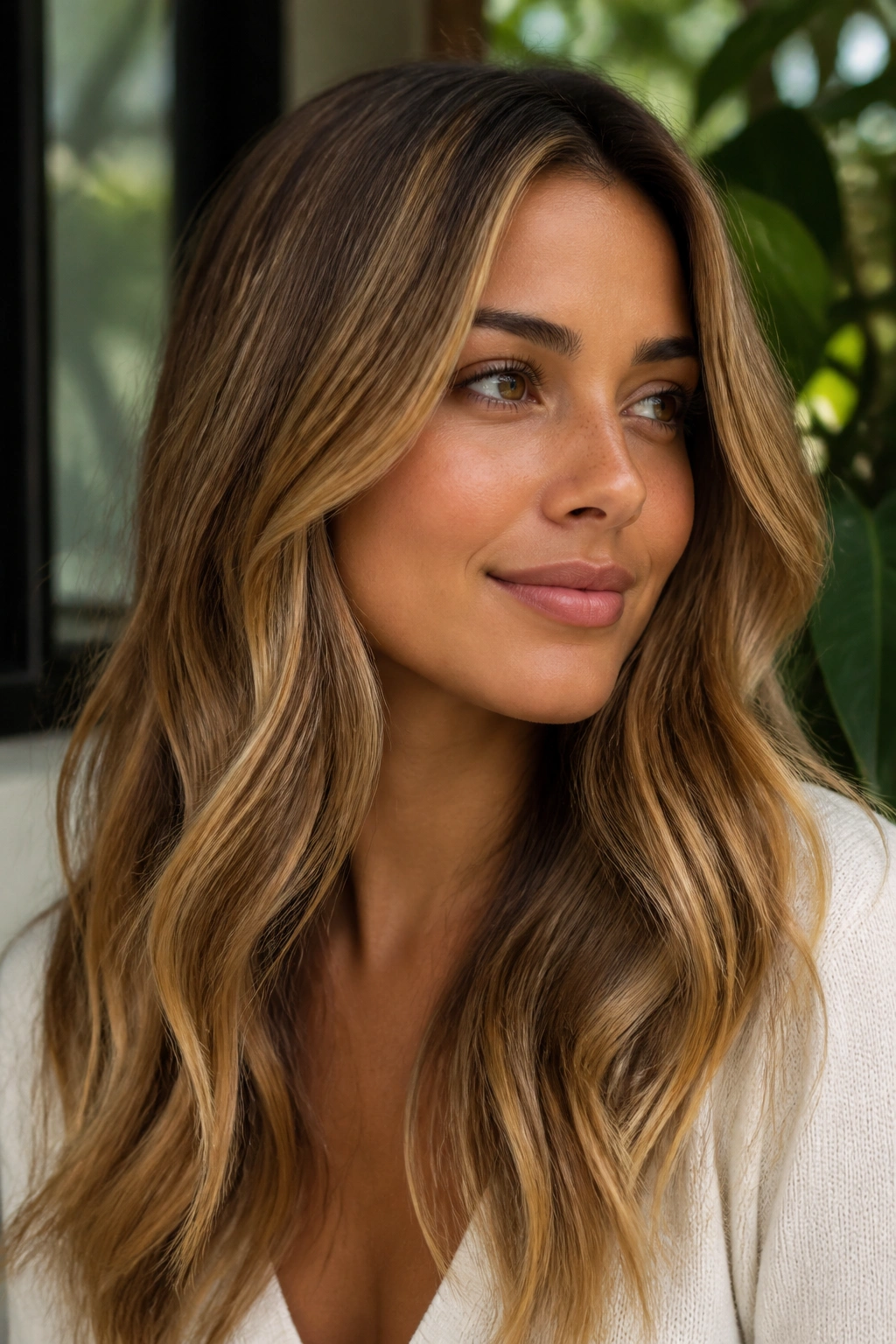
Golden bronde is the color I’d hand to someone who wants brightness but hates looking too blonde. It sits right between brown and blonde, and the golden finish does the heavy lifting for warm skin. There’s enough dimension to make the hair look expensive, but not so much lightness that the color feels high-drama.
The reason it flatters warm undertones is simple: gold reflects warmth back into the face. Ashy bronde can look smoky and cool. Golden bronde feels sunlit. The effect is especially nice on medium skin with olive or peach undertones, where the color adds glow instead of contrast.
This shade also ages well on the grow-out. Roots soften into the bronde rather than fighting it. If you want something wearable for months, not weeks, this is one of the better bets.
6. Strawberry Blonde
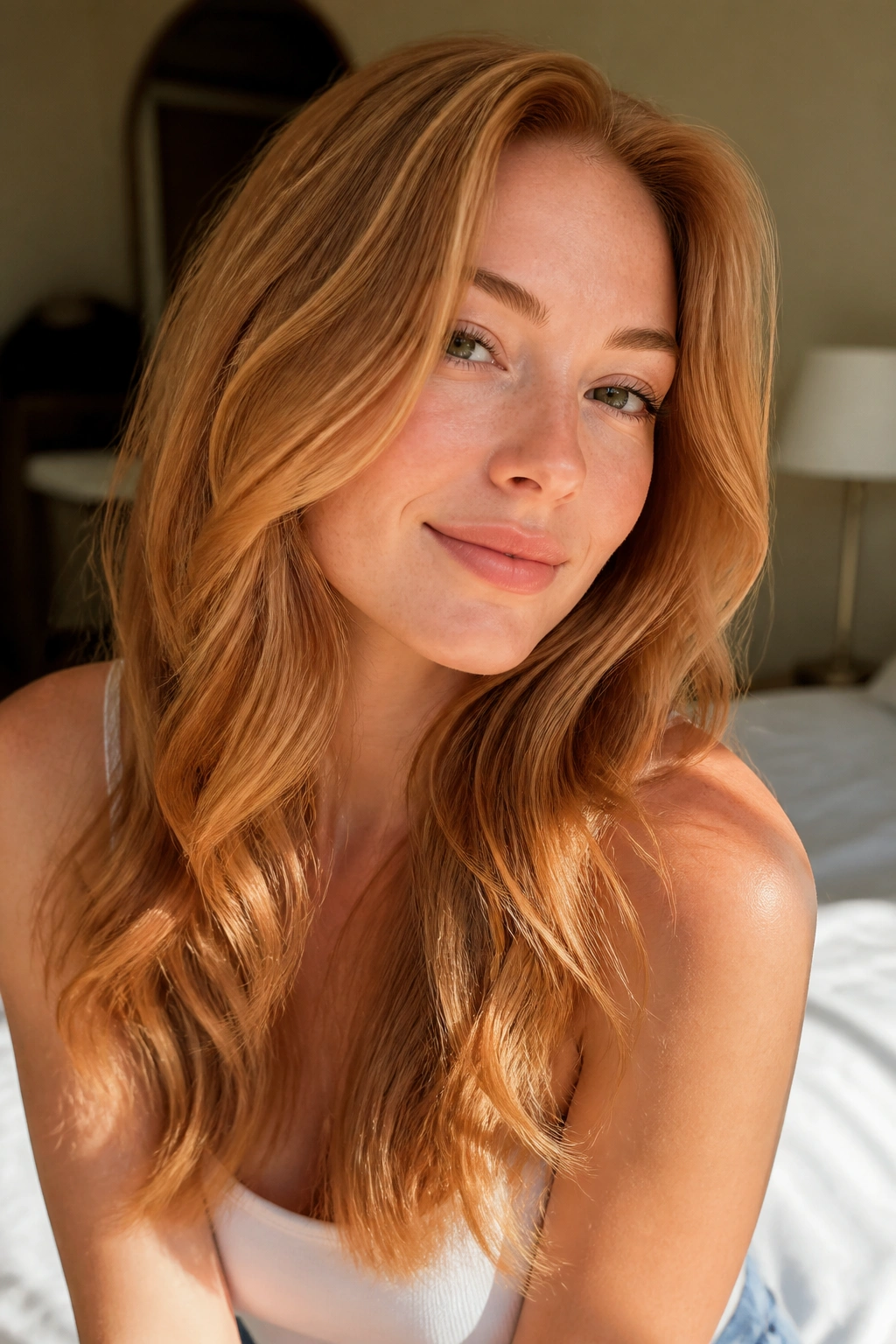
Strawberry blonde gets mislabeled a lot. People hear “blonde” and picture cool, pale hair with a pink filter. That’s not it. The version that suits warm skin has a gentle gold base with a whisper of copper, which keeps the color warm enough to flatter peachy or golden undertones.
Compared with icy blonde, strawberry blonde looks softer and less sharp around the face. It works best when the red note stays light. Too much red and it turns into copper. Too little and it becomes a bland beige blonde. The sweet spot is right in the middle.
This is a strong pick if you want something lighter than brunette but not as bright as platinum. It also looks good on textured hair because the slight color shift between strands makes the whole shade feel alive.
7. Butterscotch Blonde
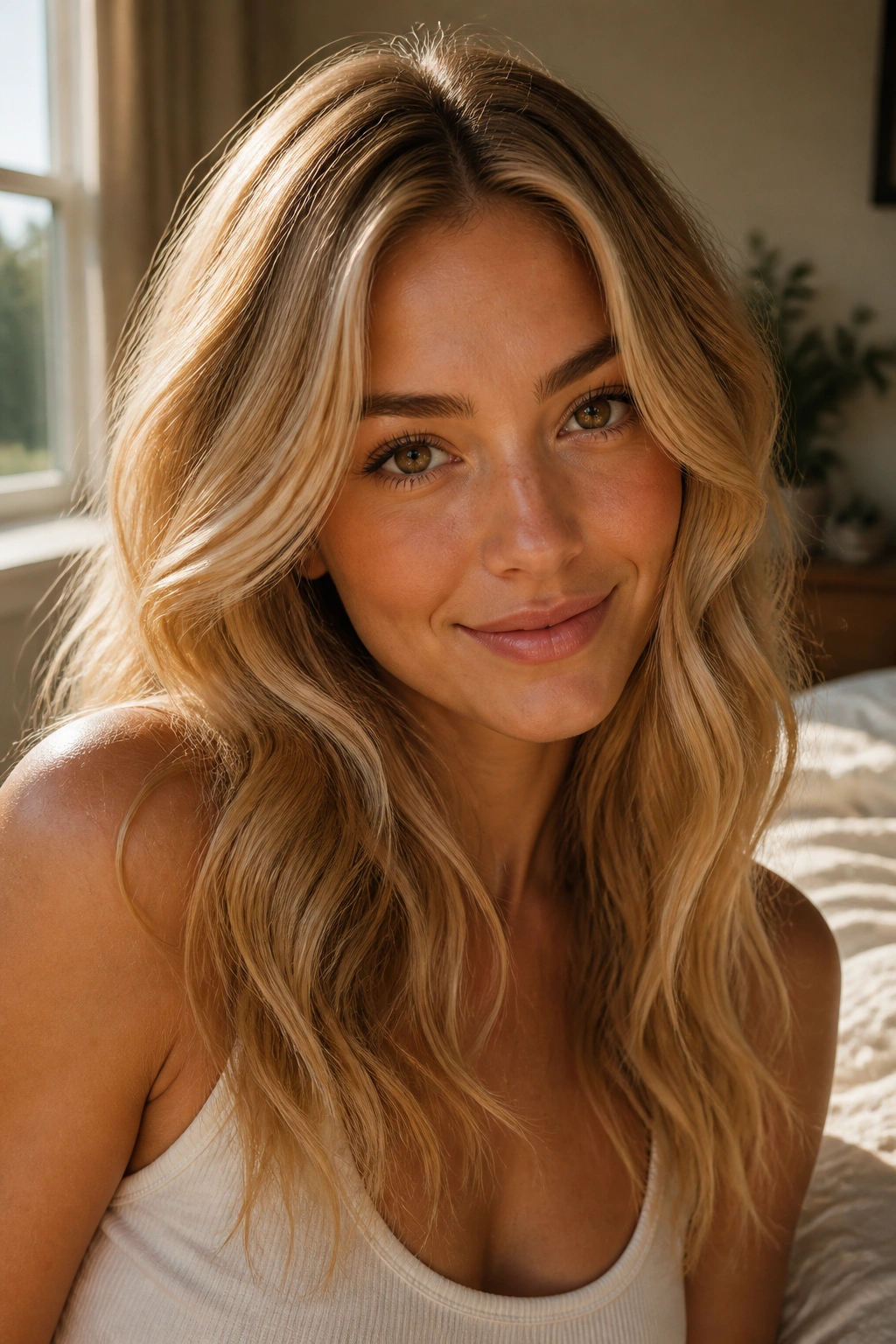
Butterscotch blonde has a creamy, melted feel that warm skin usually loves. It’s richer than honey blonde and a little deeper than gold blonde, so it reads soft rather than bright. The name fits the look: buttery, warm, and smooth at the ends.
What to Watch For
The danger with butterscotch is going too yellow. A good version should lean beige-gold with a soft amber finish. If it looks like highlighter marker ink, it’s too much. If it looks flat, it needs more warmth back in the toner.
Ask for:
- A warm beige blonde base
- Golden lowlights through the underneath layers
- A glossy finish instead of a matte toner
- Soft face-framing pieces to keep the face open
It’s a smart choice for warm skin that wants brightness without the maintenance of icy blonde. You get lift, shine, and a little bit of richness all at once.
8. Cinnamon Brown
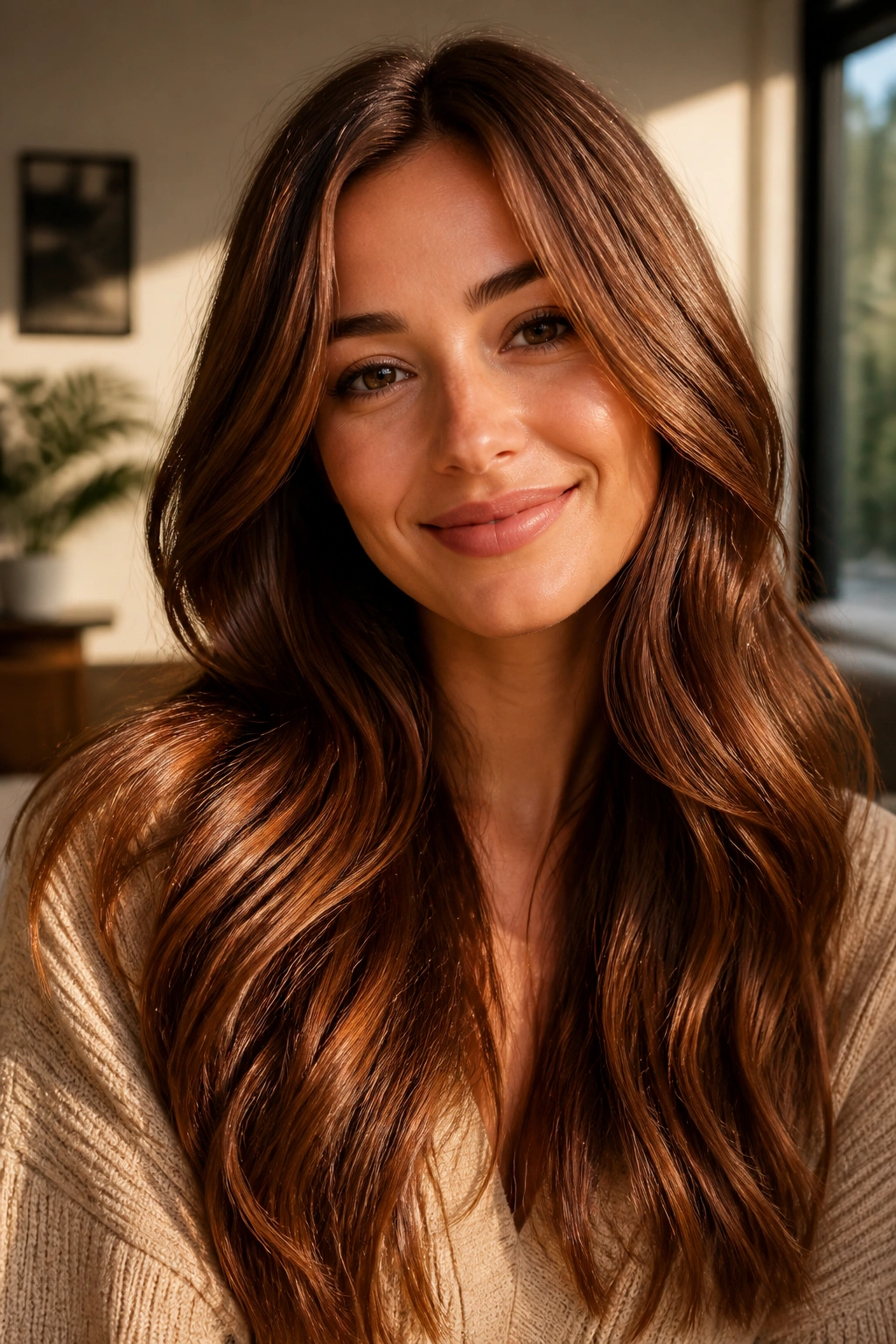
Cinnamon brown is one of those shades that sneaks up on you. At first glance it looks like a deep brunette. Then the light hits it and the warm spice comes through. That little red-gold undertone is exactly what warm skin tends to like.
I think cinnamon brown is underrated because it gives you depth without going all the way into red. It works especially well if your complexion has golden or olive warmth and you want your hair to feel richer, not lighter. On medium and deep skin, the shade can make the whole face look smoother.
The best part is the polish. Cinnamon brown rarely looks flat if it has a gloss. A healthy shine makes the red-brown notes visible. If the hair is dry, the color can turn a little dull, so moisture matters here more than people admit.
9. Auburn Melt
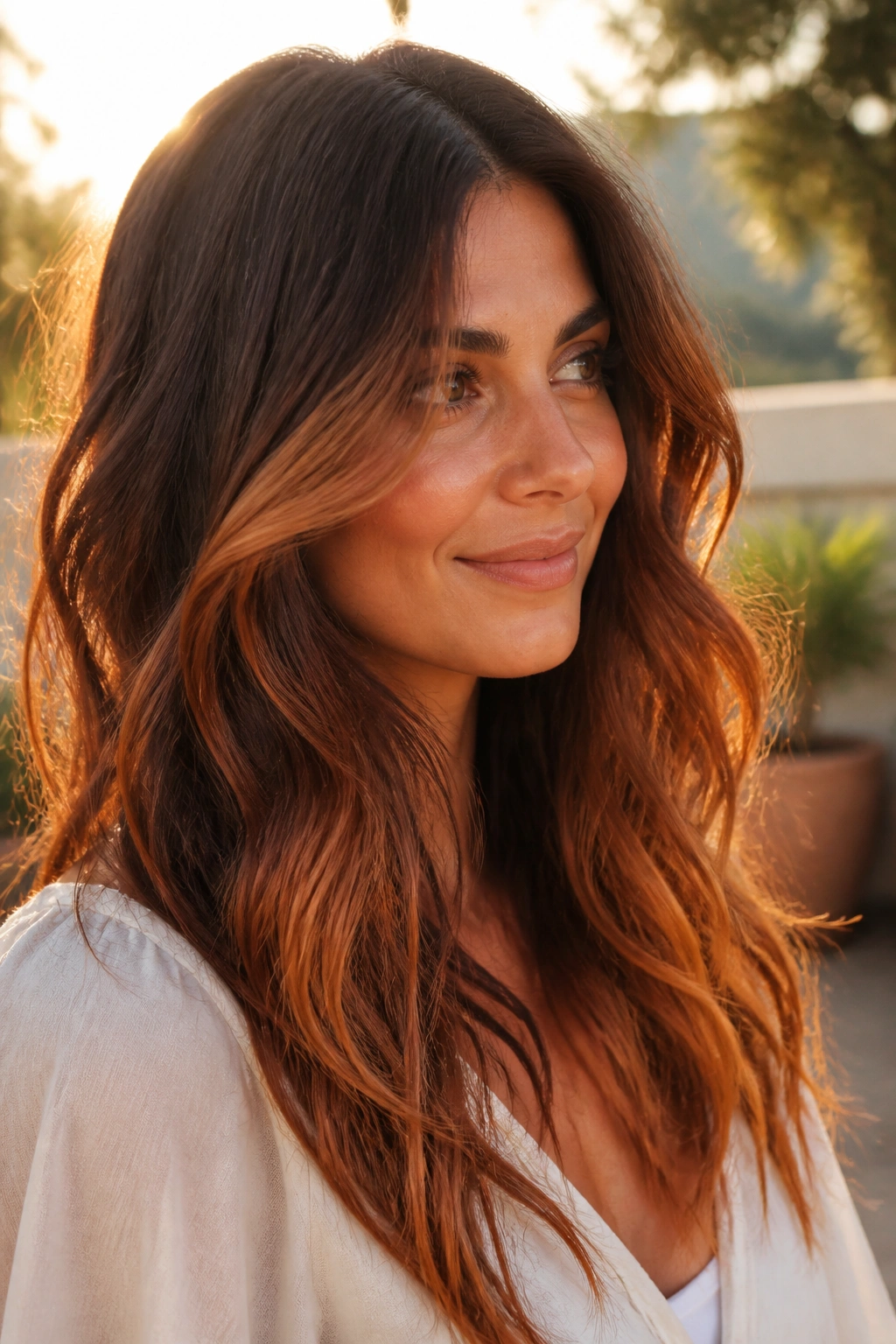
What makes an auburn melt better than a single-process red? The transition. Roots stay deeper, mids turn warm brown-red, and the ends pick up more copper. That gradient gives warm skin a lot of life without locking you into one flat tone.
Best Placement for Auburn Melt
This shade looks especially good when the colorist paints the warmth where your haircut moves. Waves, layers, and curls all help. The color bends with the shape of the hair, which keeps the red from looking heavy.
A good auburn melt usually has:
- A deeper root around level 4 or 5
- A mid-length brown-red zone
- Copper or amber ends for brightness
- A gloss that stays warm, not burgundy
If you like red but worry about commitment, this is the easier version. The grow-out is gentler, and the mix of shades keeps warm skin from looking washed out.
10. Amber Brown
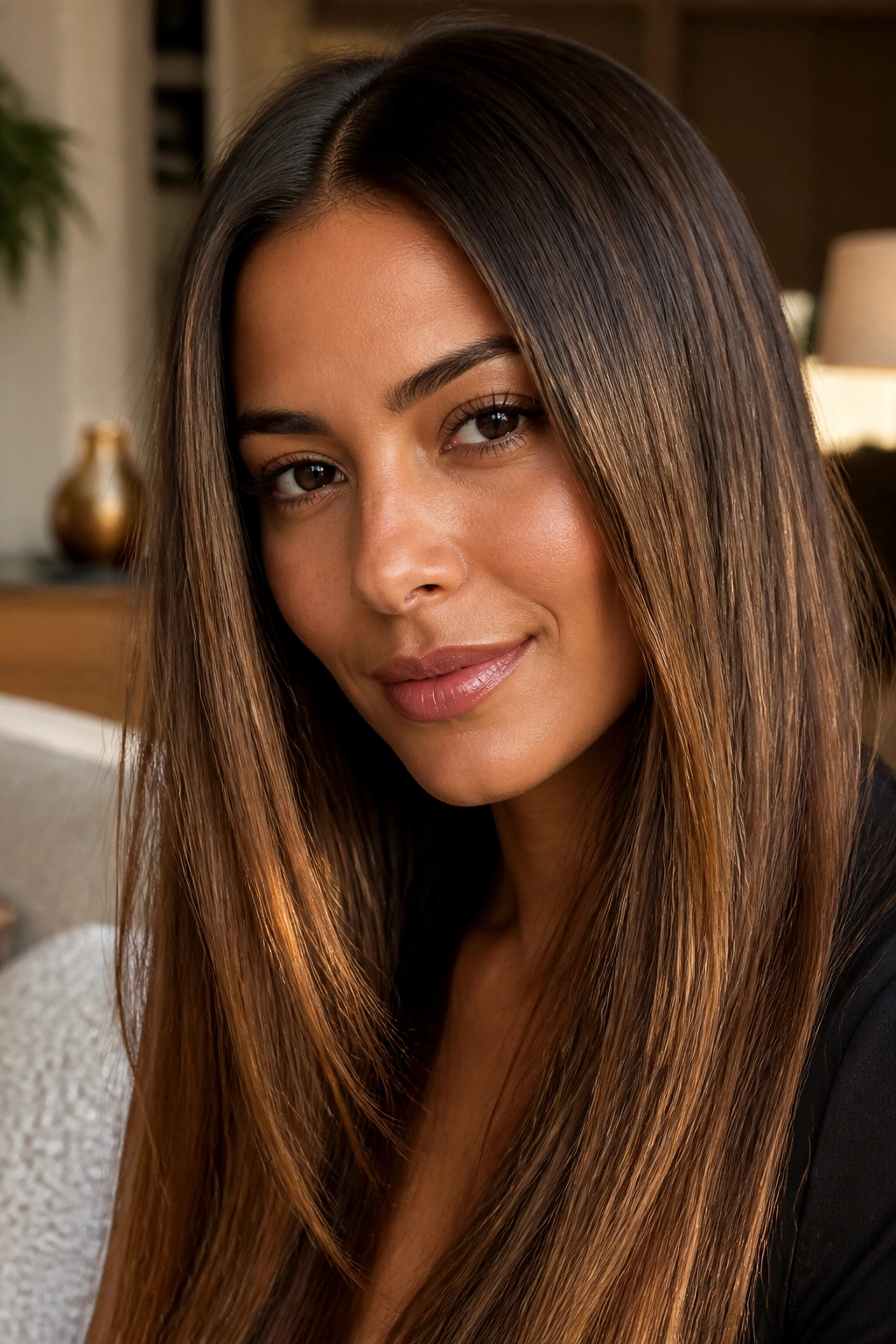
Amber brown is basically what happens when brown hair decides it wants a little sunshine. The base stays brunette, but the finish glows with honey and light caramel. On warm skin tones, that glow can be the difference between “nice hair” and “that color looks expensive.”
It’s a good fit if you want depth first and brightness second. Amber brown does not shout. It glows. That makes it handy for people with medium to deep warm undertones who want dimension without obvious highlights.
A few salon notes help:
- Ask for amber-toned glossing over a medium brunette base
- Keep the lowlights warm and soft
- Add lighter pieces near the front if the hair feels heavy
- Use a shine serum on the mids and ends, not the roots
Straight hair shows the amber sheen cleanly. Wavy hair shows the variation. Either way, the color has enough movement to stay interesting.
11. Toffee Ribbons
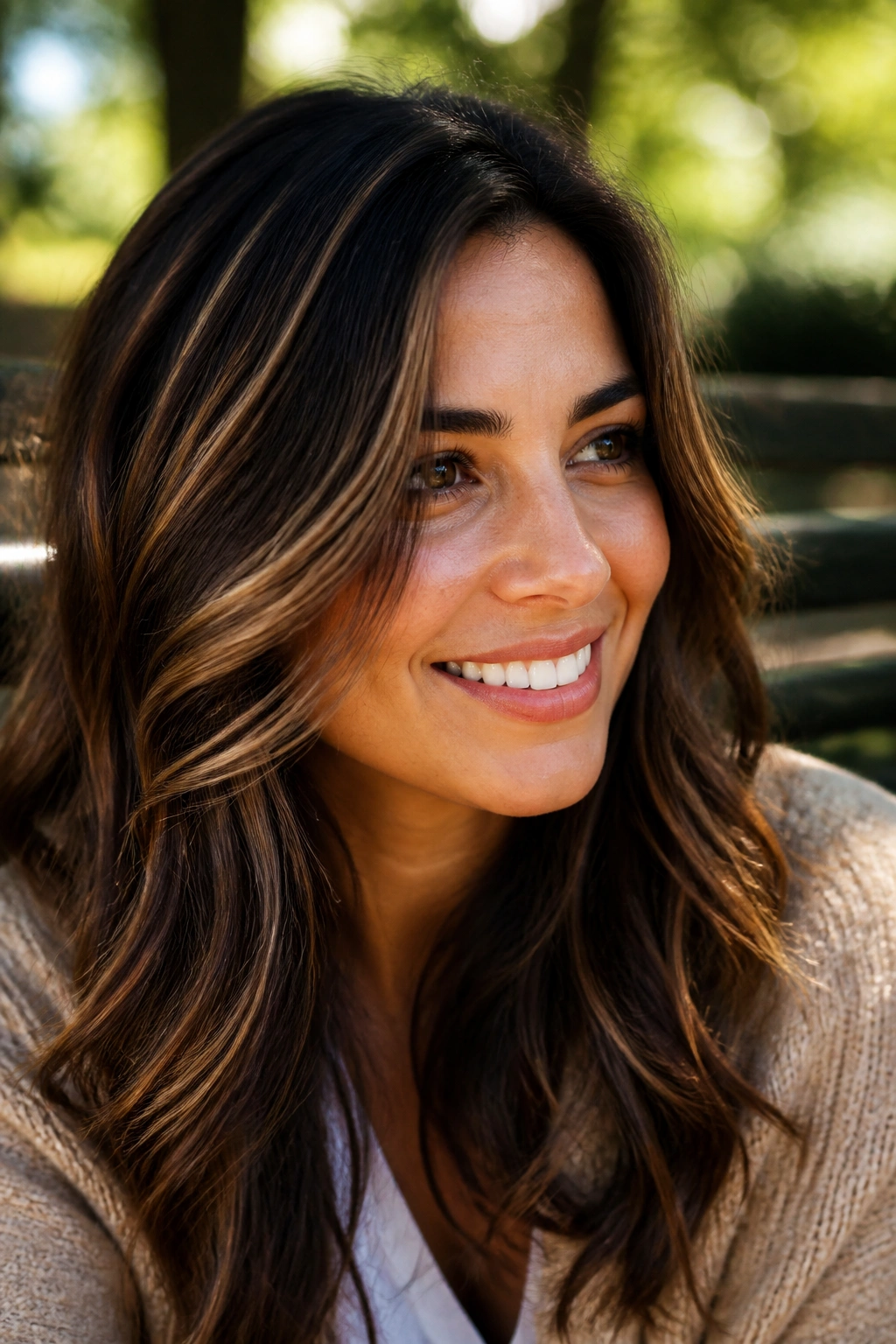
Toffee ribbons are better than one flat all-over brunette when you want warmth that moves. The lighter strands sit in the hair like thin streams of caramel, and warm skin gets the benefit immediately. The face looks less shadowed, and the hair looks fuller.
Unlike chunky highlights, toffee ribbons are narrow and blended. That’s the point. You can place them through the top layer, around the temples, or just at the ends if you want a softer effect. They are especially good on dark brown hair that needs a little life without a dramatic lift.
The color works because it gives contrast without a hard line. If you’re cautious about lightening, this is the kind of detail that makes a big difference. Small pieces. Warm tone. Soft placement. That’s the whole trick.
12. Bronze Brunette
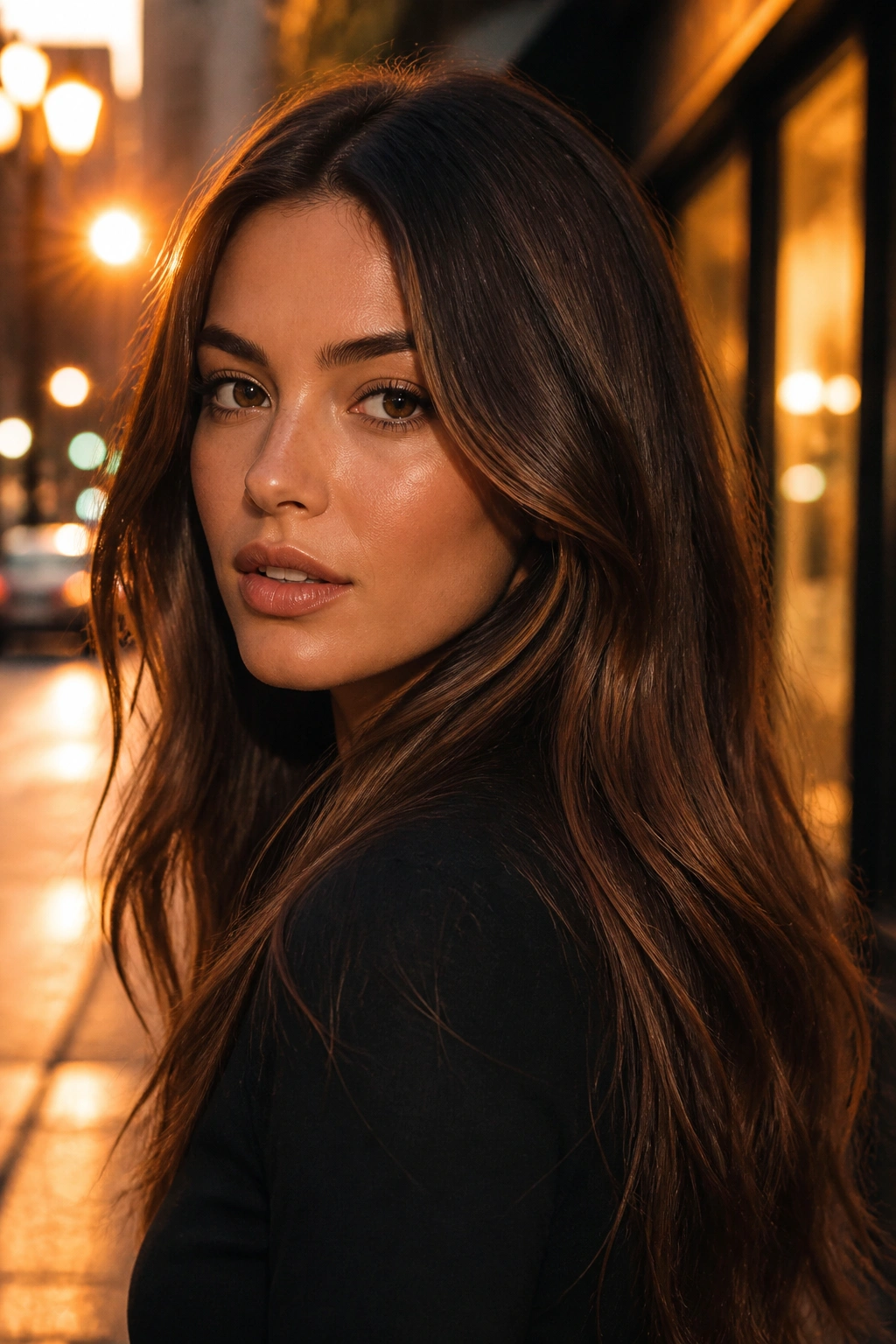
Bronze brunette has more shine than ash brown and more depth than caramel. It’s a warm brown with a metallic edge, and that metallic note makes it especially friendly to warm skin. If your undertone leans olive, this shade can look especially clean around the jaw and cheeks.
The bronze finish is what sets it apart. Bronze has a little red, a little gold, and enough brown to keep everything grounded. That means it tends to look rich in both daylight and indoor light, which is not something every brunette shade can say.
This is a shade for someone who wants polish with a bit of edge. It’s less soft than chestnut and less sweet than toffee. If you want your brown hair to feel intentional without becoming red, bronze brunette is a strong middle path.
13. Golden Copper
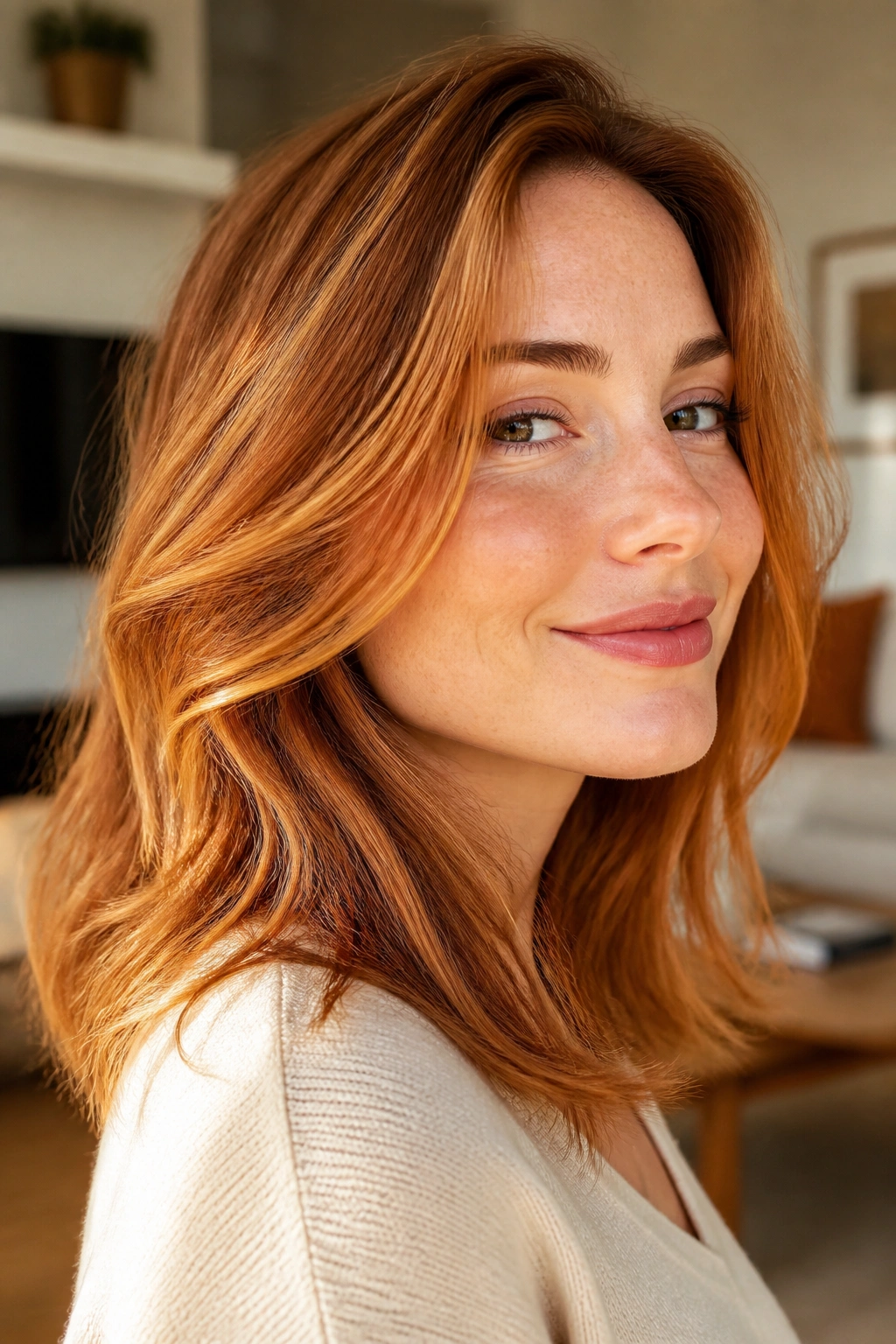
Golden copper is the brighter cousin of classic copper. Where regular copper can lean rusty or deep, golden copper pushes the warmth lighter and shinier. Warm skin often lights up under it, especially if the complexion already has freckles, peach undertones, or a natural flush.
How to Keep Golden Copper From Going Flat
This shade needs dimension. If it’s done as one flat color, it can look heavy. A better version mixes golden reflect with a little depth at the roots and around the underneath layers.
Ask your colorist for:
- A copper base with gold reflect
- A slightly deeper root shadow
- Soft face-framing lights one level brighter
- A gloss refresh every 4 to 6 weeks
Golden copper is a little bolder than honey blonde and a little brighter than auburn. That middle ground is exactly why it works so well on warm skin tones.
14. Maple Brown
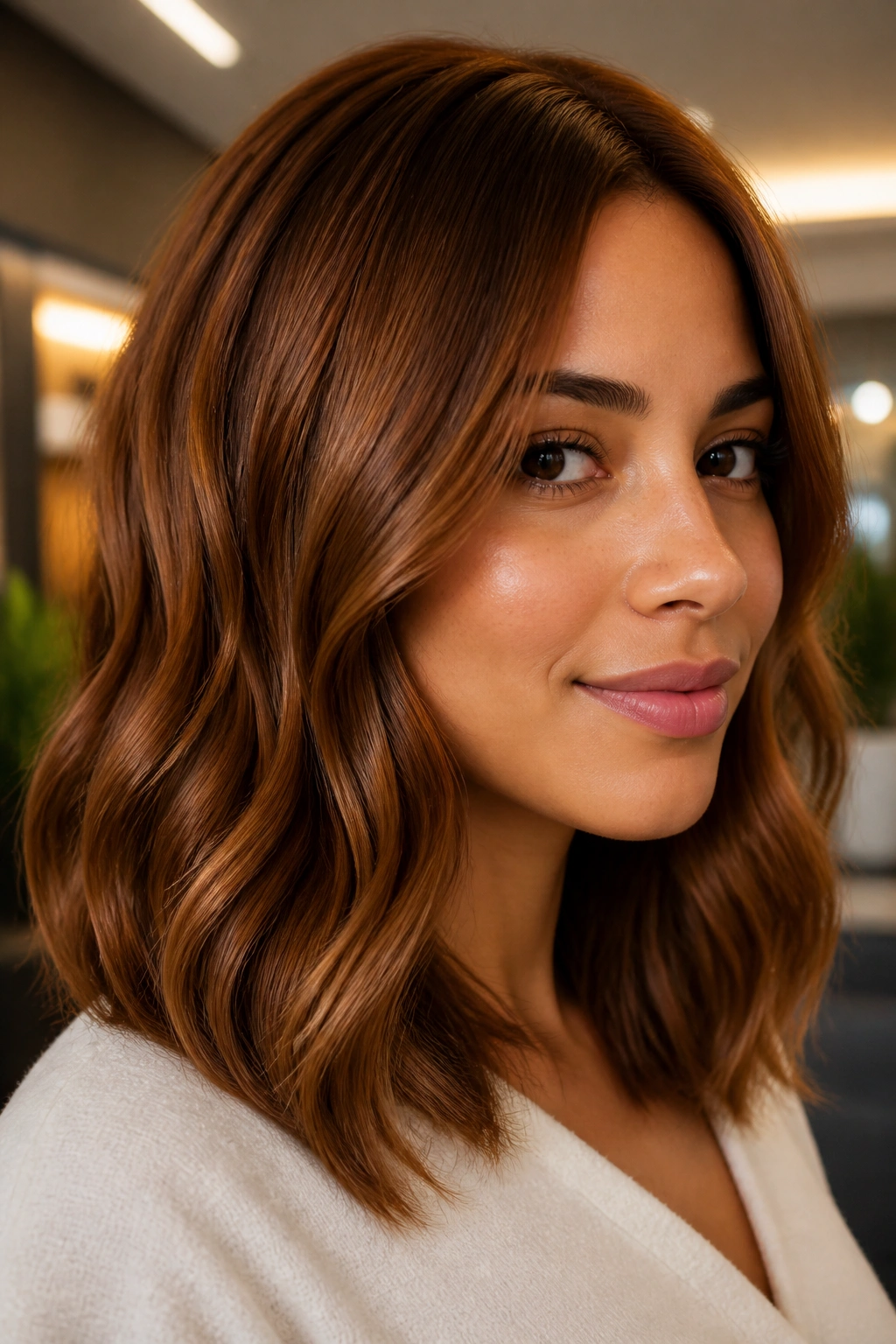
Maple brown has the warmth of syrup without looking sticky or overly red. It’s a brown shade with a toasted amber cast, and that cast makes the skin look brighter instead of heavier. On warm skin, it can be one of the easiest ways to add richness without obvious highlights.
This color is especially good if you want something professional but not boring. It reads polished in a bun, soft in waves, and thick on straight hair. I like it on medium-length cuts because the movement helps you see the warmth. On very long hair, it can look extra lush if the ends stay glossy.
Maple brown does best when the tone stays clean. If it goes muddy, the charm disappears fast. A clear gloss and gentle color shampoo go a long way here.
15. Peach Blonde
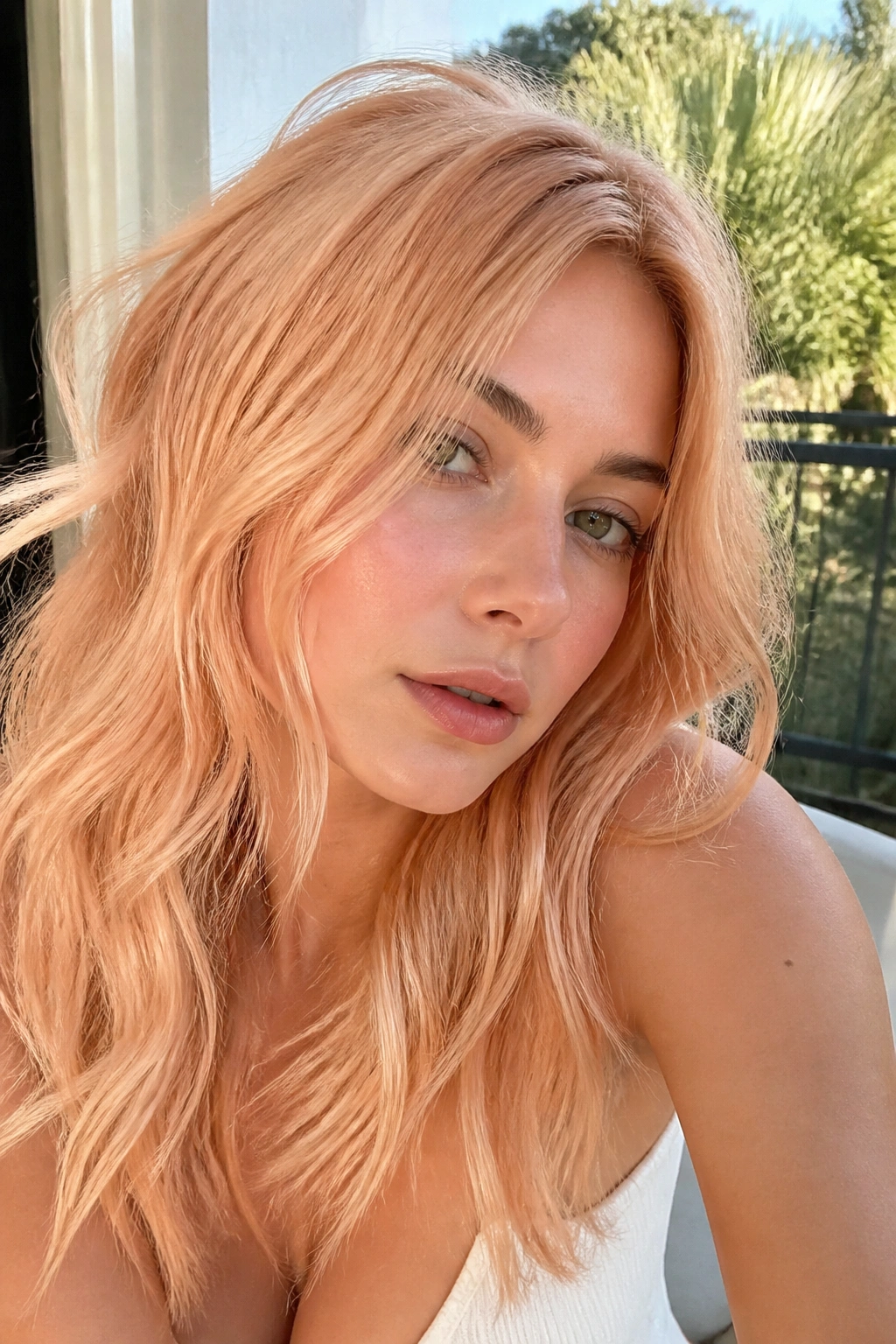
Can blonde hair look warm without turning yellow? Absolutely. Peach blonde is the proof. It blends soft gold with a faint peach tint, so warm skin gets color that feels playful without looking costume-like. It’s brighter than strawberry blonde and less orange than copper blonde.
This shade works best when the peach stays subtle. You want the effect of warmth in the light, not a neon pink cast. On fair warm skin, it can make the face look fresher. On deeper warm skin, it adds a soft glow that feels modern without being cold.
The safest way to wear peach blonde is as a glossy finish over a light blonde base. That keeps the tone controlled. Too much pigment and it can feel loud in a hurry.
16. Warm Mahogany
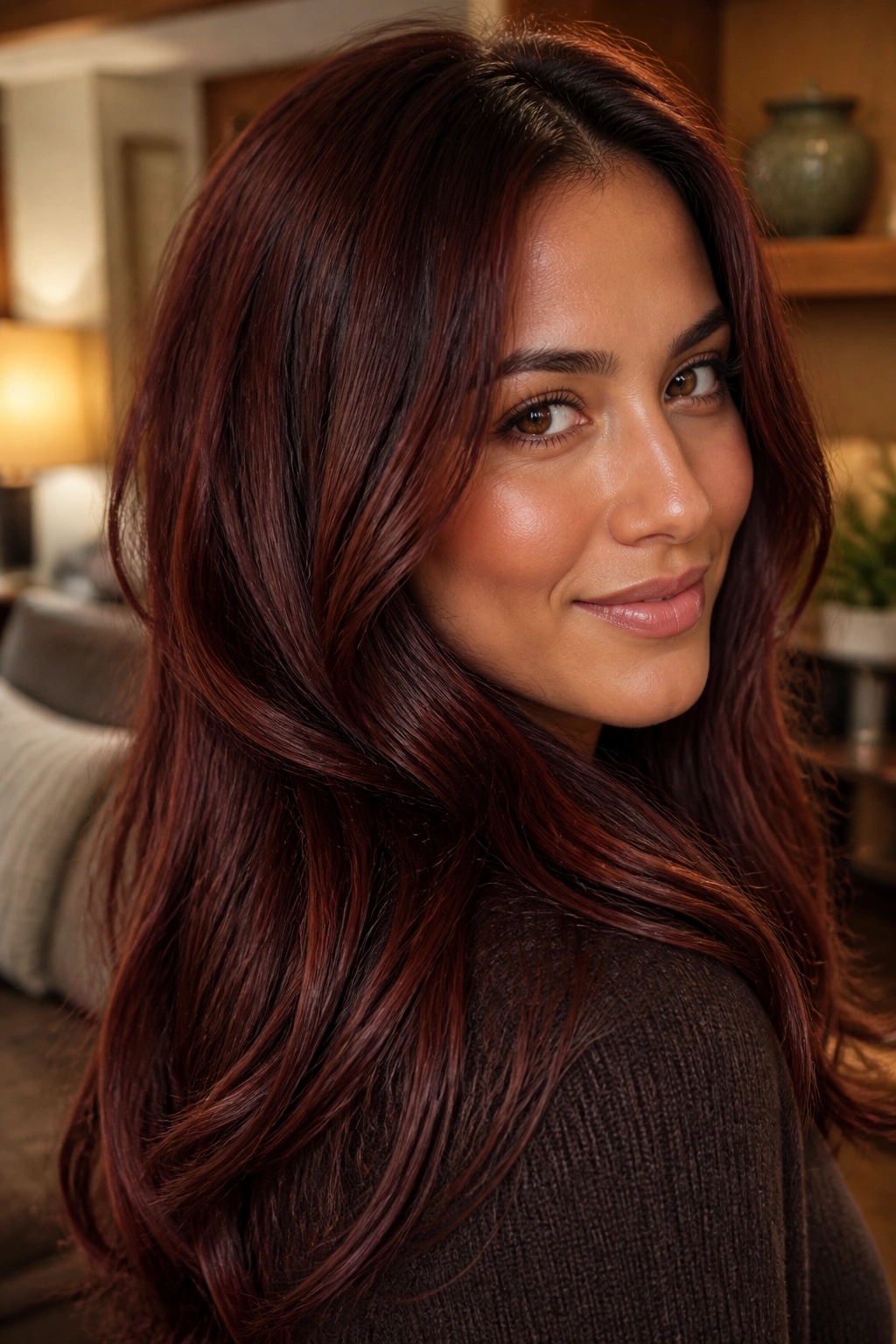
Warm mahogany is the color you choose when you want depth, shine, and a little drama. It sits between brown and red, but the red is earthy, not bright. Warm skin tones tend to like that because the color brings out the face without making every feature look redder.
A few things make mahogany easy to get wrong. If the shade is too dark, it can swallow fine hair. If it leans purple, it can fight warm undertones. The better version stays brown-red with a soft gloss and a bit of reflection at the ends.
A salon ask list helps here:
- Medium-to-dark brown base with warm red reflect
- No violet or cool burgundy tones
- A shiny finish rather than a matte one
- Softer ends if your hair is fine or straight
Mahogany looks especially good in layered cuts and on thicker hair, where the depth has room to breathe.
17. Chocolate Cherry
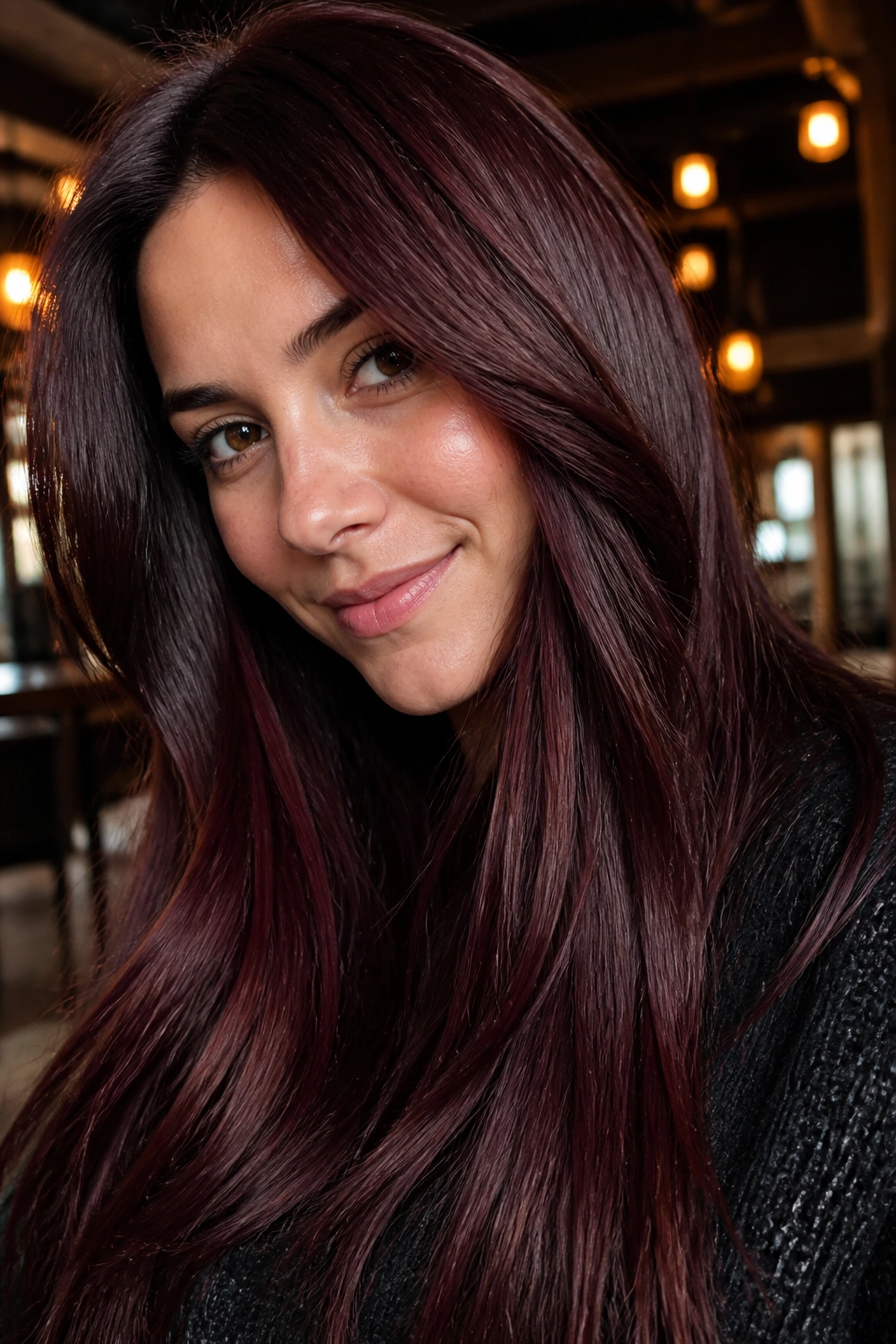
Chocolate cherry is what happens when brunette hair gets a little bottle of red wine poured through it—carefully. The result is deep, glossy, and far more wearable than it sounds. Warm skin tones often like this shade because the cherry note is tucked under the brown instead of sitting on top of it.
I prefer chocolate cherry to plain burgundy for most warm complexions. Burgundy can skew cool. Chocolate cherry keeps the warmth grounded. Under indoor light, it can look like a rich dark brunette. In sunlight, the red notes wake up and give the hair more character.
This shade is good if you want depth with a small surprise. It is not subtle. It also isn’t screaming red. That balance is what makes it interesting.
18. Sunlit Espresso
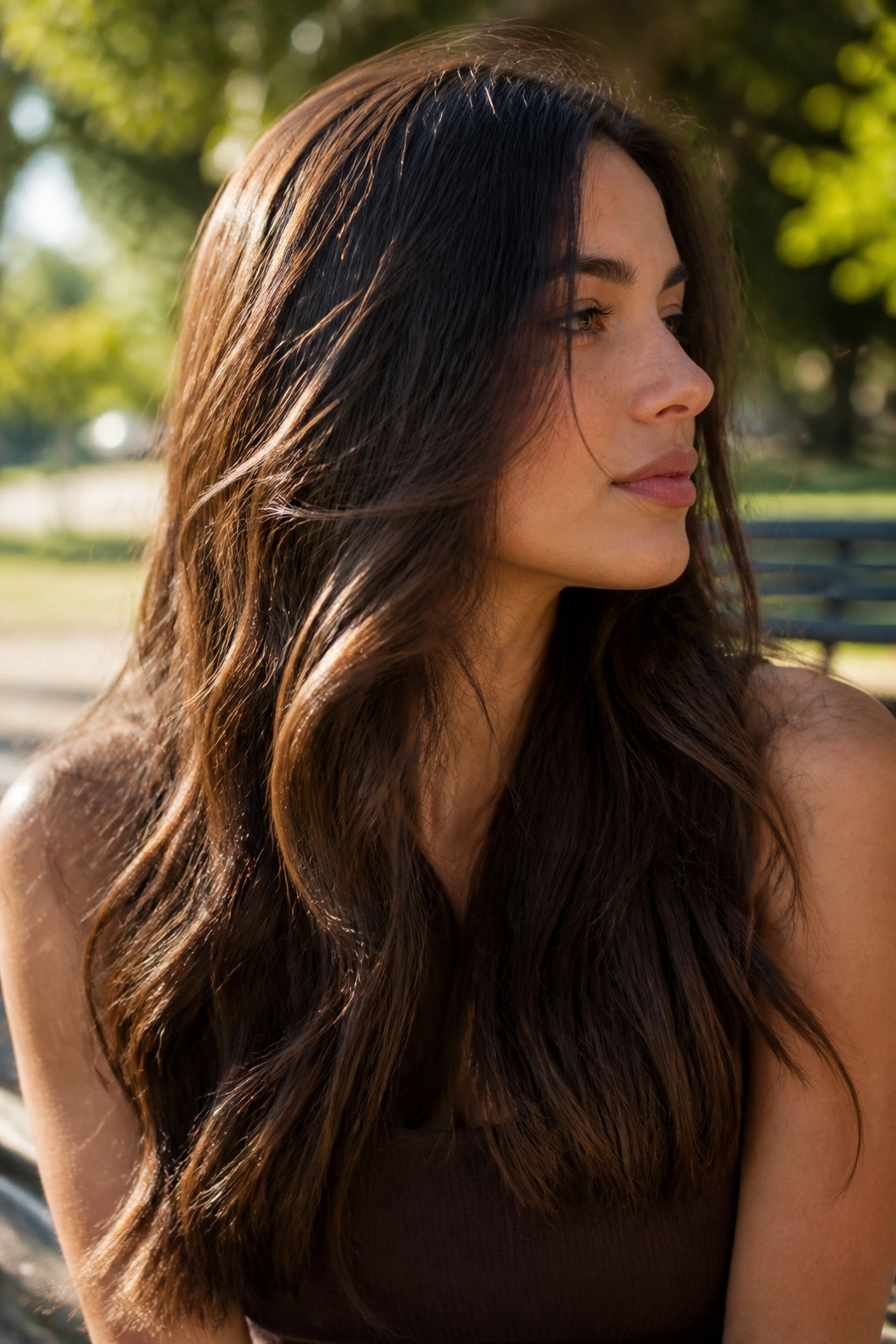
Sunlit espresso is the answer to people who like dark hair but do not want it to look harsh. Pure black can be a lot on warm skin, especially if the face is lighter or has peachy undertones. Espresso brown softens the edge, and the sunlit finish keeps the hair from looking one-dimensional.
The color works because it holds enough brown warmth to flatter the complexion while still giving that dark, shiny effect people like. If your hair is straight, it can look sleek. If it’s wavy, the lighter reflect shows up in ribbons. Either way, it feels cleaner than blue-black.
This is one of the easiest shades to maintain if you hate frequent salon visits. Keep the gloss warm, trim the ends on time, and the color can stay rich for a long stretch.
19. Cinnamon Latte Brown
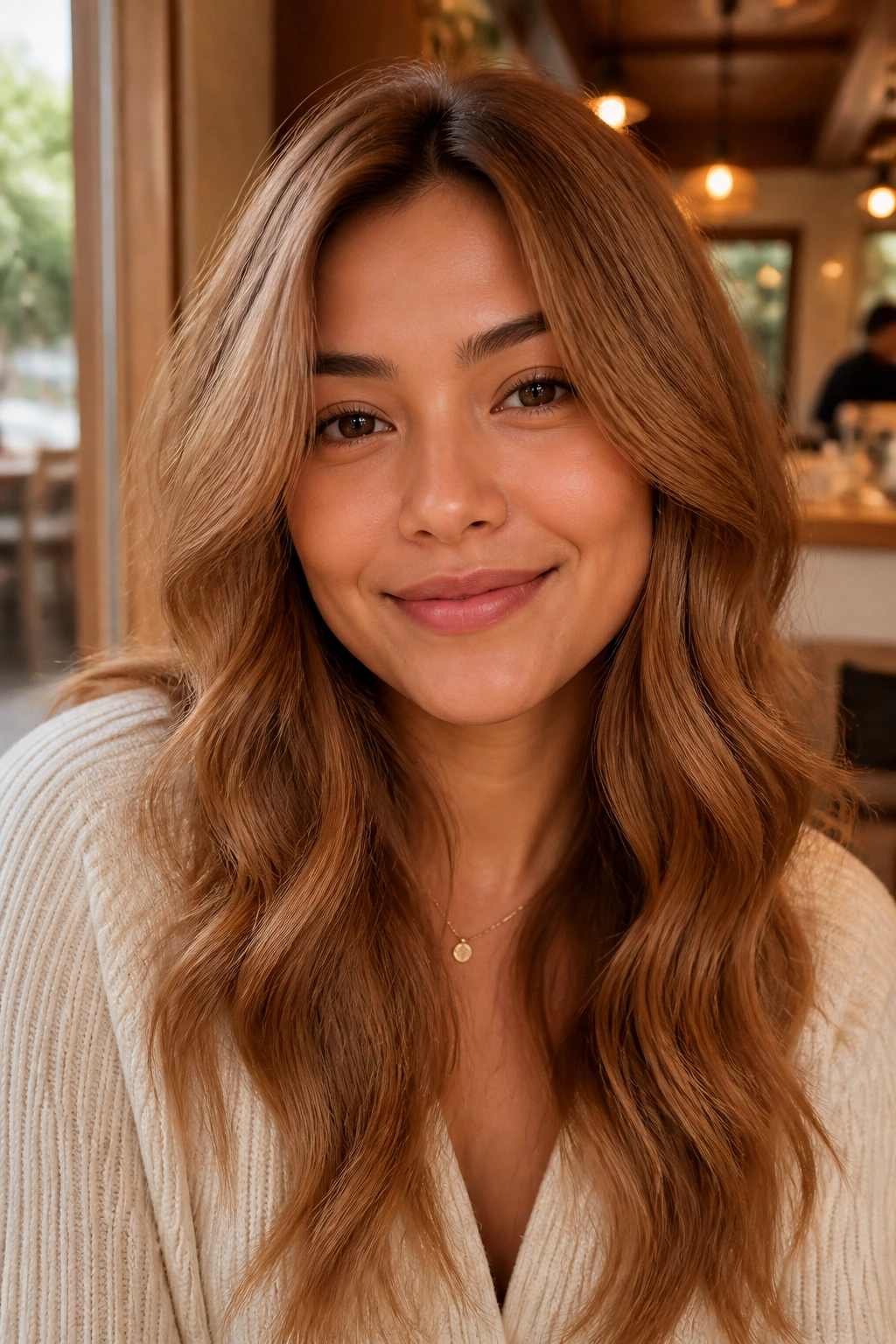
Cinnamon latte brown is a softer, creamier version of cinnamon brown. It mixes warm brown with milkier gold and a gentle spice note, so the final shade feels smooth instead of intense. On warm skin, that softness can be a relief if brighter copper shades feel like too much.
Why It Flatters So Easily
The warmth is there, but it’s spread across the color instead of concentrated in one red stripe. That makes the look less dramatic and more wearable day to day. It also helps if your wardrobe is full of cream, camel, olive, or rust tones.
A good cinnamon latte brown often includes:
- A medium brunette base
- Warm beige-gold ribbons
- A soft cinnamon gloss
- Face-framing pieces kept just a touch lighter
It’s a shade that looks especially good when hair has a little wave. The movement breaks up the warmth and keeps it looking natural.
20. Copper Balayage on Dark Hair
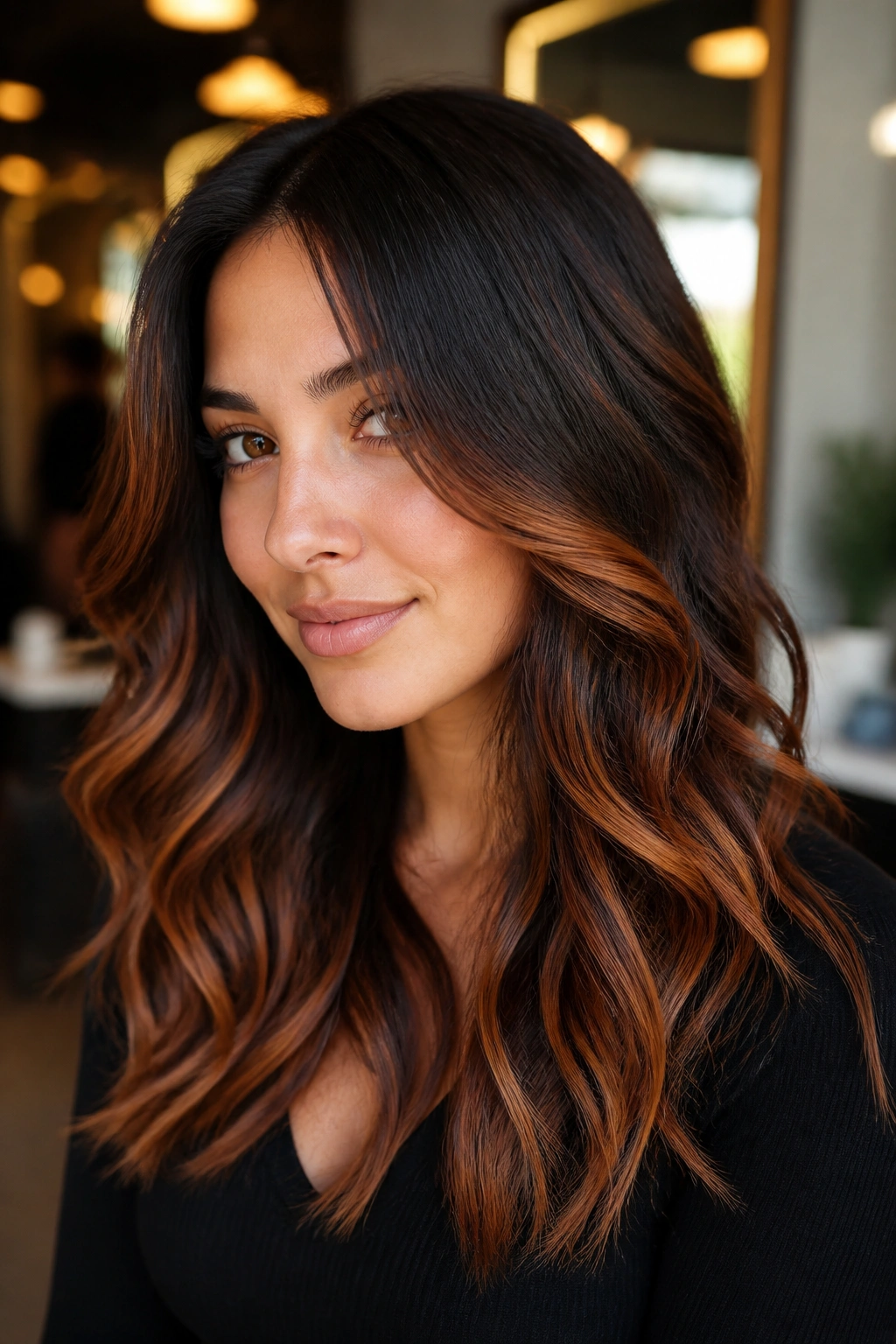
Copper balayage on dark hair is for people who want warmth without giving up depth. The dark base keeps the color grounded, and the copper pieces add flash where the light hits. Warm skin tones usually benefit from that mix because the face keeps its contour while the hair picks up brightness.
This works best when the copper is painted in wide, soft strokes rather than tight stripes. Think mid-lengths and ends, plus a few face-framing pieces. If the copper starts too high at the roots, the grow-out can get loud fast. Keeping the base deep makes the whole look calmer.
One practical detail matters here: dark hair often needs enough lift before copper shows properly. If the underlying hair is too dark, the copper can disappear. A good colorist will lift just enough to let the tone breathe without pushing the hair into orange overload.
21. Golden Beige Blonde
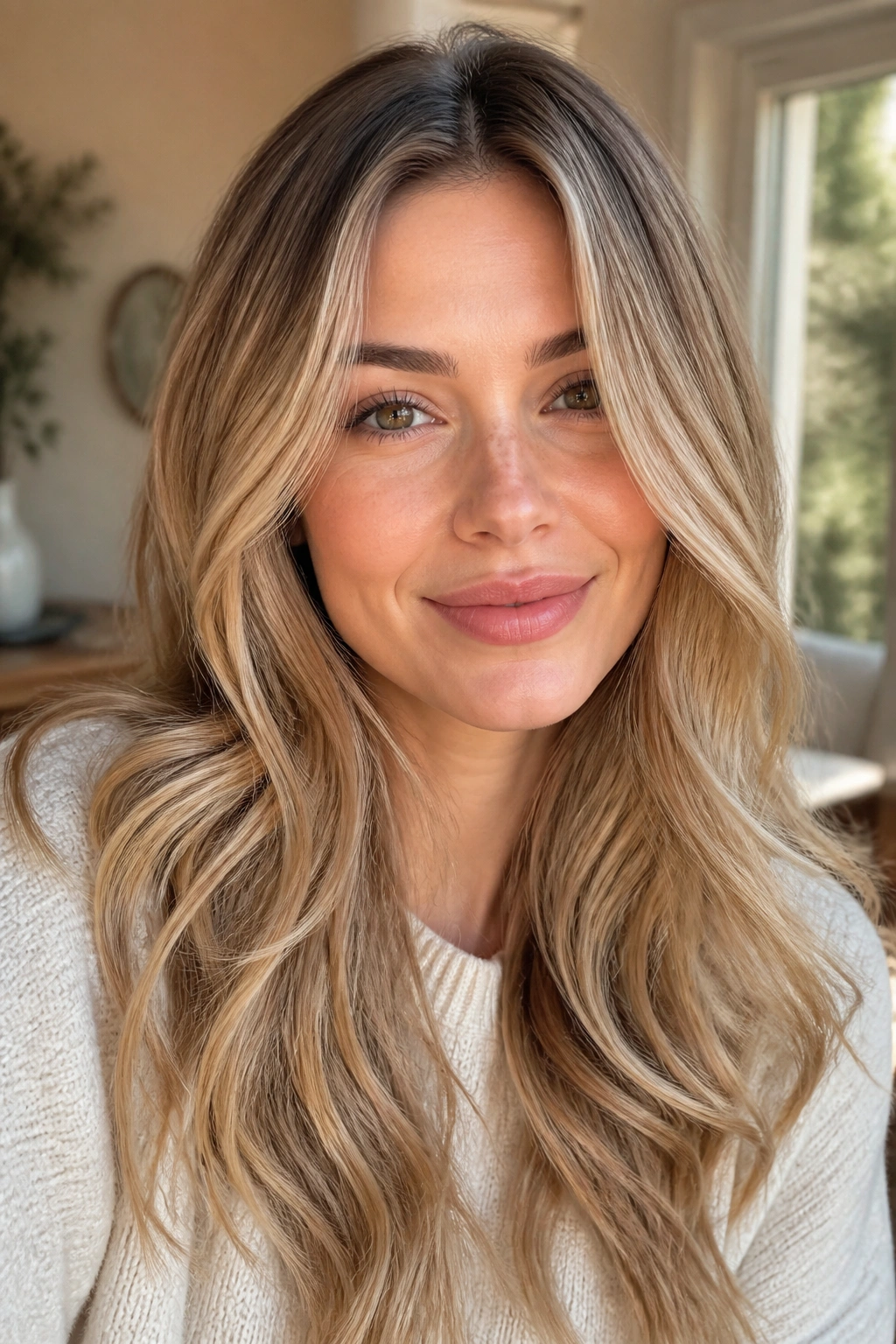
Golden beige blonde sits in a very useful middle space. It is warmer than ash blonde, but it is not as saturated as honey or butterscotch. That balance is why warm skin tones often wear it so well. It brightens the face without making the hair feel too yellow.
Why choose beige over a stronger gold? Because not every warm complexion wants maximum warmth. Some faces look better with a quieter tone, especially if the skin already has a lot of natural color. Golden beige blonde gives lightness while staying calm.
It also grows out nicely if the root is softened. That means you can keep the blonde feeling polished without a hard maintenance schedule. If you like a clean, creamy blonde rather than a sunny one, this shade is worth a serious look.
22. Tiger-Eye Brunette
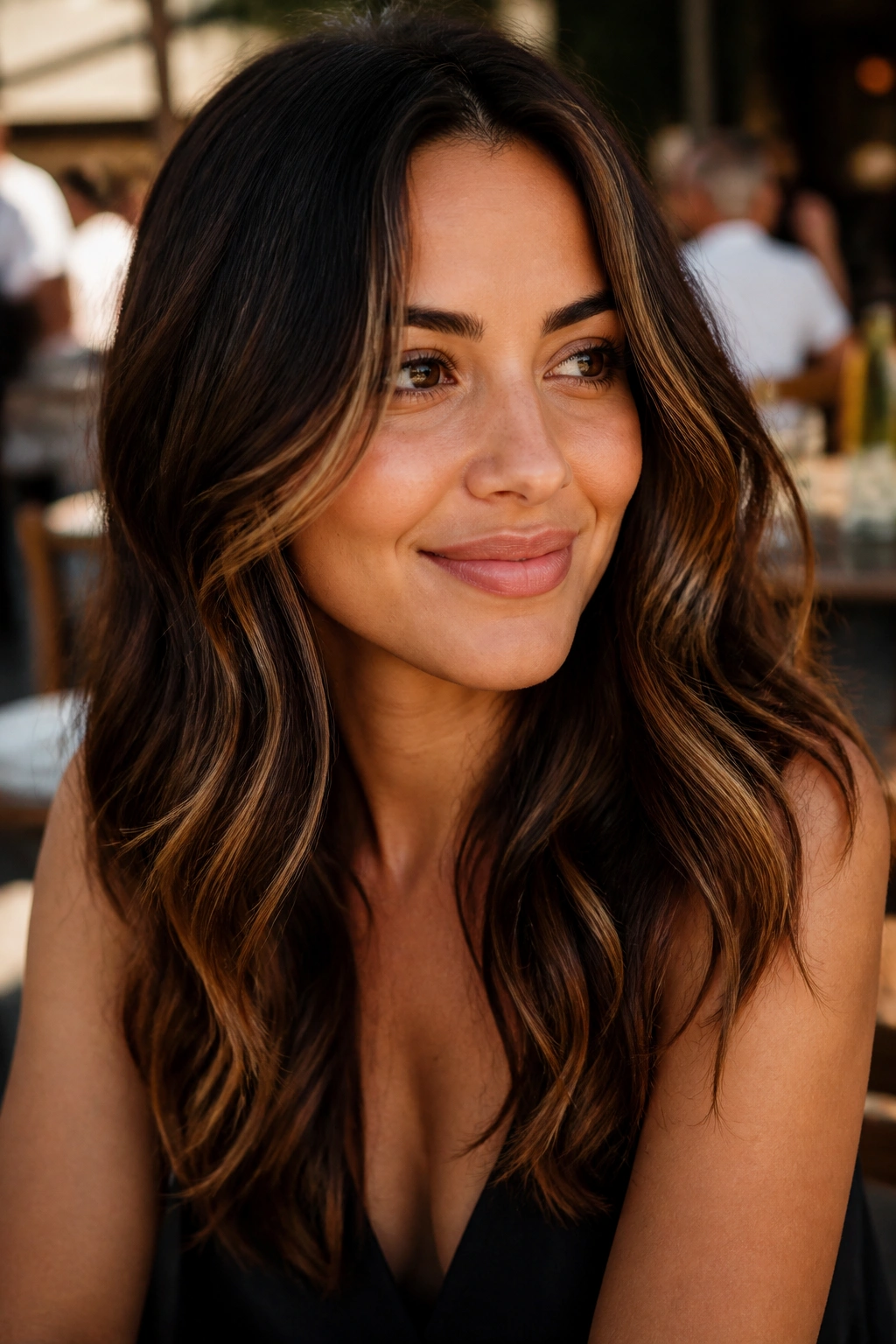
Tiger-eye brunette has a little drama in it, but not the loud kind. The name fits because the hair looks like it has layered streaks of brown, caramel, bronze, and gold running through it. On warm skin, that variation keeps the face from disappearing into one dark color.
I like this shade on long layers, lob cuts, and curls. The movement helps each color band show up. Flat, one-length hair can hide some of the detail, which would be a shame. The whole point is the multi-tone effect.
A few features make tiger-eye brunette stand out:
- A deep brunette base
- Bronze and caramel hand-painted pieces
- A warm golden finish through the mids
- Soft contrast around the front hairline
It looks rich without trying too hard. And that, honestly, is the appeal.
23. Rose Gold Blonde
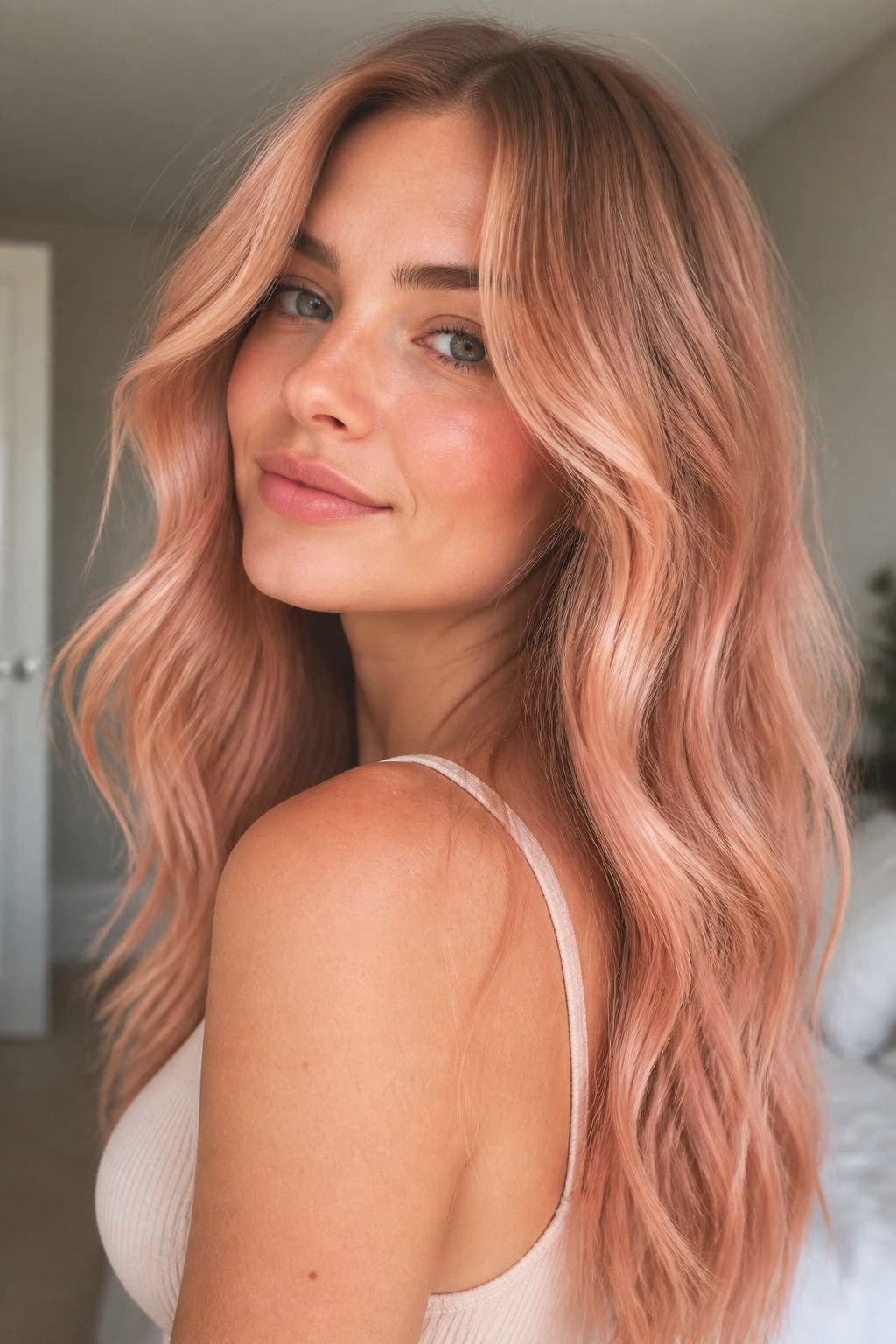
Rose gold blonde works only when the rose is warm, not icy pink. That’s the difference between pretty and weird. The best version has a golden blonde base with a soft blush tint layered over it, which makes warm skin look fresh instead of washed out.
This shade is a good move if you want something playful but still wearable. It has more personality than honey blonde and less intensity than copper. On warm skin, it can bring out the softness in the face, especially around the cheeks and eyes.
The color is happiest when treated as a gloss or toner rather than a permanent commitment to full pink. That keeps it light and easier to refresh. If the rose starts drifting cool, the whole shade loses its charm.
24. Pumpkin Spice Auburn
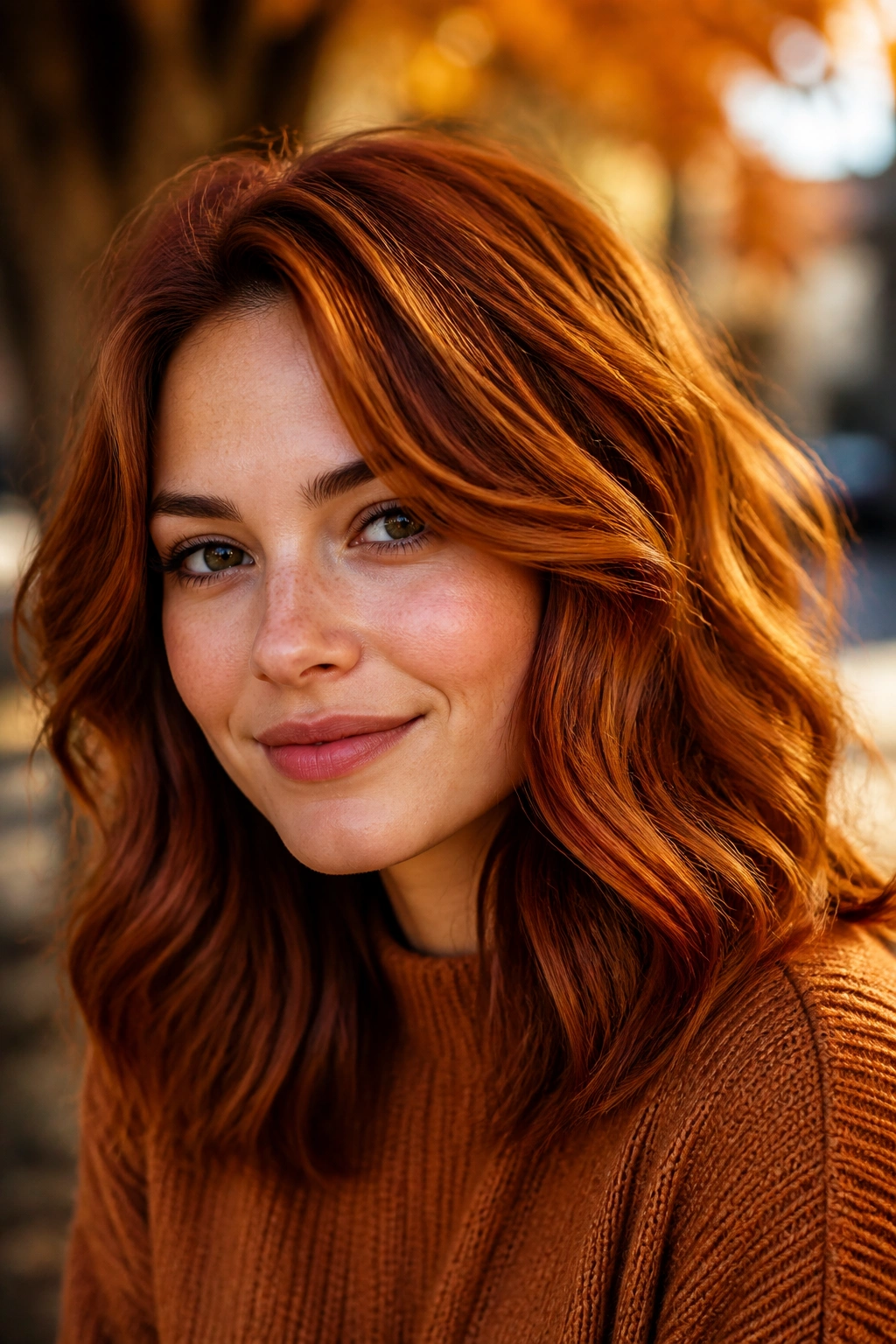
Pumpkin spice auburn sounds seasonal, but the color itself is the real story: earthy red, warm brown, and a little orange spice. On warm skin, that combination can be flattering because it gives the face warmth without veering into fire-engine territory.
Compared with classic red, pumpkin spice auburn feels softer and more grounded. It’s the kind of shade that looks good on textured hair, layered cuts, and anyone who wants color with a little personality. If your wardrobe leans camel, cream, olive, rust, or denim, it tends to fit right in.
The trick is keeping the orange note under control. Too much and it can turn brassy. Too little and it loses the name. A balanced gloss is what keeps it wearable.
25. Honey Ombré
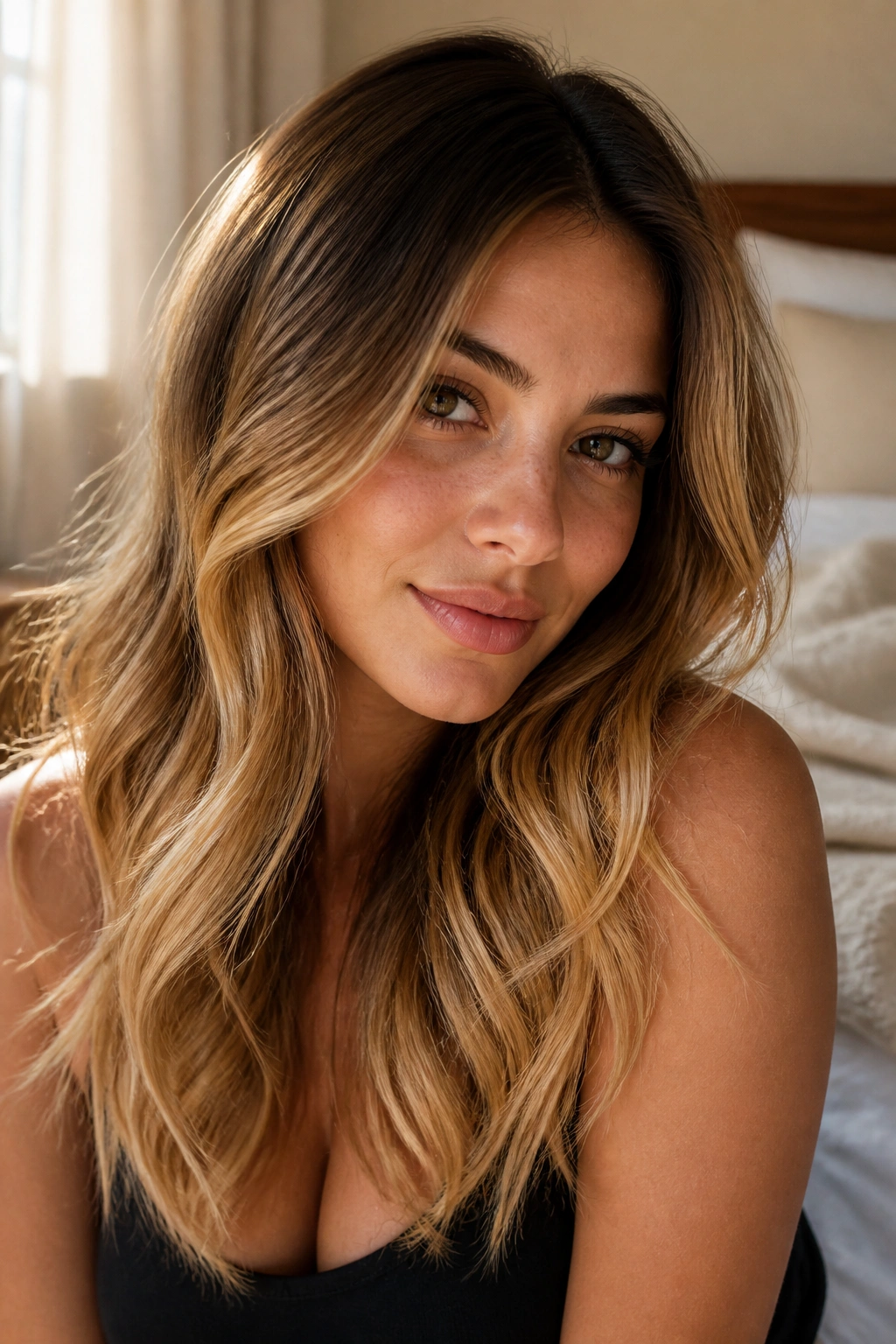
Honey ombré is one of the easiest warm-skin ideas to wear because the roots stay deeper and the ends turn light and sunny. The fade is gradual, which means the face gets brightness without a harsh line at the scalp. That softness matters if you want a color that grows out with grace.
How to Make It Look Expensive
The best honey ombré is not a giant color jump. It’s a controlled melt from brunette or dark blonde into honey-gold ends. The root shadow keeps the base believable, while the lighter ends give the hair a lifted finish.
Ask for:
- A natural root with warm depth
- Honey-gold mids and ends
- Blended transitions, not stripy sections
- A gloss to keep the blonde from going flat
This is a nice choice if you want brightness but need low maintenance. The grow-out is forgiving, and the warmth stays friendly to the skin.
26. Burnt Caramel Brunette
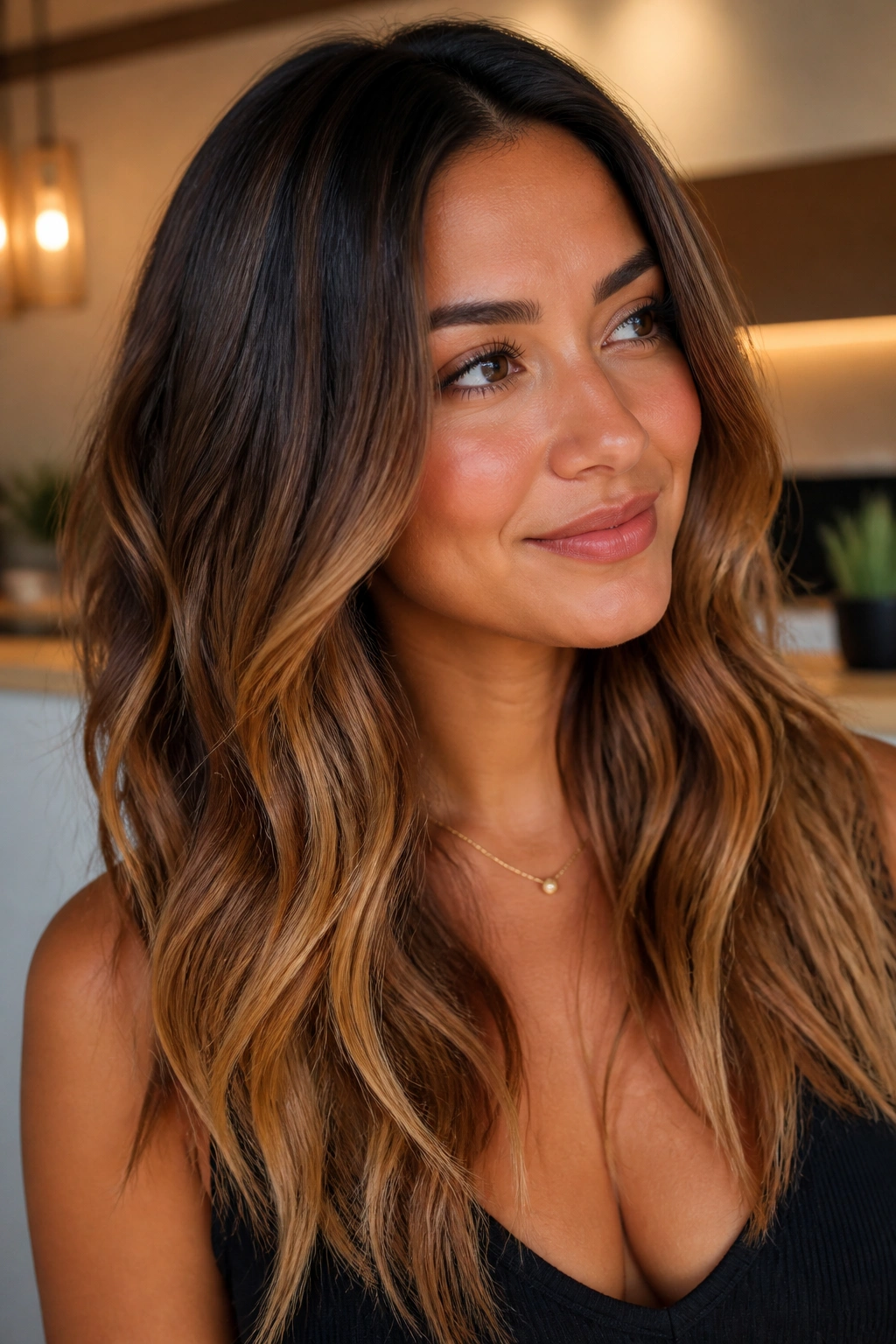
Burnt caramel brunette takes the sweetness out of caramel and adds depth. It’s darker, toastier, and a little moodier. On warm skin, that extra depth can look fantastic because it still carries warmth, just in a richer key.
The color works best when the ends are a touch lighter than the roots. That tiny shift keeps the hair from feeling too heavy. If everything is the same dark brown, the shade can look boxed-in. A little caramel through the lengths opens it up.
This is a strong option if you want a brunette color that looks polished in every setting. It is especially kind to medium and deep warm skin tones, where the darker base can make the face look brighter by contrast.
27. Soft Warm Black
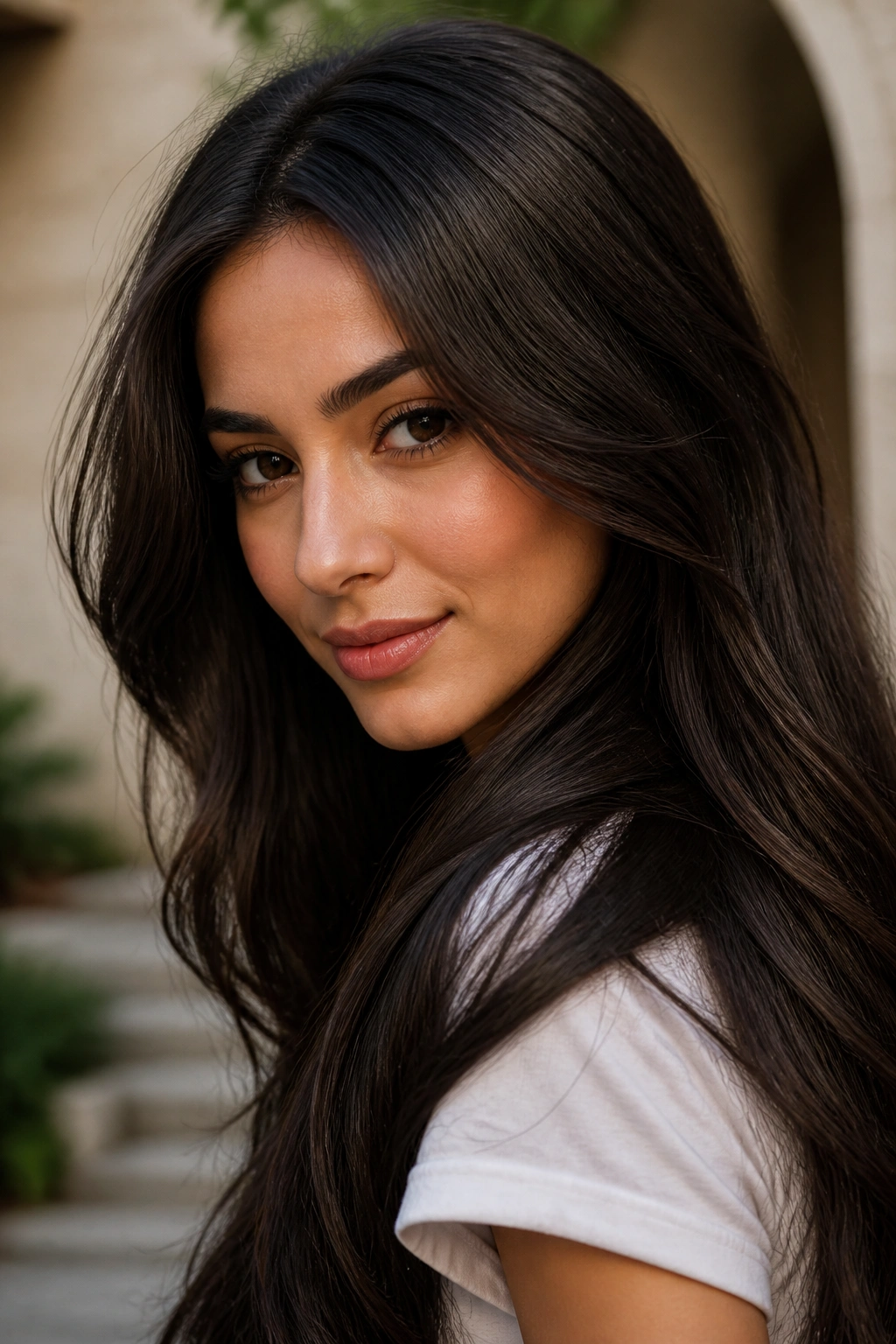
Can black hair suit warm skin? Yes, if it’s softened. Soft warm black is not blue-black and not harsh ink-black. It has a brown undertone that keeps the color from looking too severe, which is exactly why it can flatter warm complexions better than a cooler black.
This shade is especially good if you like high contrast but hate the harshness of true black. The brown note makes the color sit more naturally against golden, olive, or peach undertones. In sunlight, it often reads as deep espresso rather than flat black, which is a nicer effect on most faces.
The key is shine. Warm black looks best when it reflects light. Dry ends make it look dull and heavy, so trim regularly and keep the moisture up. A gloss can help a lot here.
28. Apricot Gold Blonde
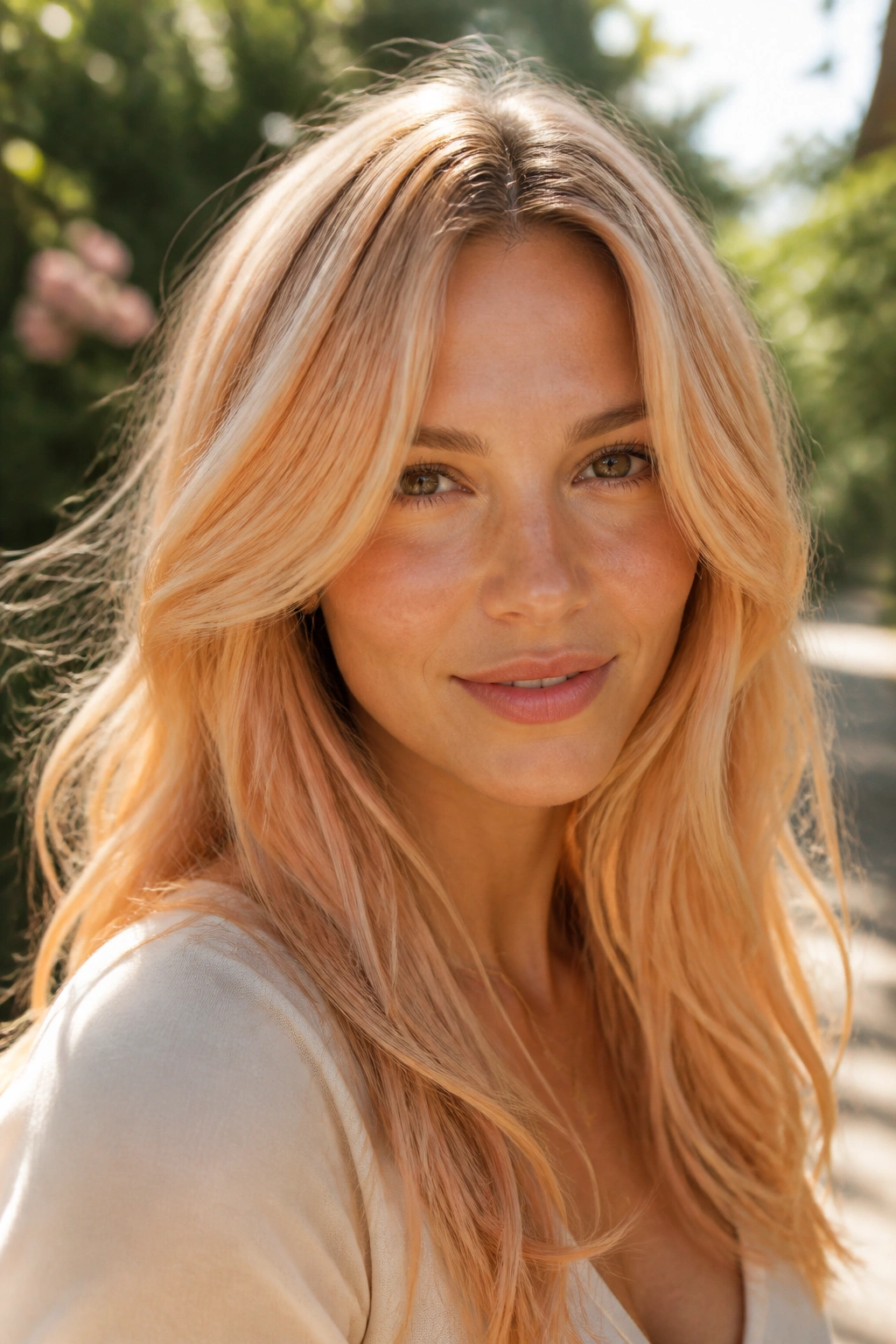
Apricot gold blonde is the playful end of the warm-skin spectrum. It mixes golden blonde with a soft apricot tint, so the color feels light, bright, and a little unexpected. On warm skin, it can make freckles pop and give the face a fresh, sunlit look.
Who It Suits Best
This shade tends to shine on fair-to-medium warm skin, especially if you already have a bit of peach in your complexion. It is not the color I’d choose if you want something quiet. It has personality. That’s the point.
A good version usually has:
- A light blonde base with warm gold reflect
- A whisper of apricot rather than full orange
- Soft dimension around the face
- Frequent glossing to keep the tone clean
Apricot gold blonde is for someone who wants warmth with a little spark. If you keep the tone soft and the finish shiny, it can be one of the prettiest warm options in the whole bunch.
Warm skin usually looks best when the hair feels like it belongs there. Not identical, not matching head to toe, just in the same family of color. That’s why gold, copper, caramel, amber, and soft red-brown shades keep coming back—they give the face shape, light, and a little life.
If you’re choosing between two shades, I’d pick the one with the cleaner undertone before I’d pick the one that looks brighter in the bowl. Brightness fades. Undertone does the real work.
