



Coloring natural hair is not just about changing your aesthetic; it is an act of architecture. When you introduce chemical lighteners or dyes to textured strands—which are inherently drier and more porous than straight hair—you are fundamentally altering the protein structure of your hair. This requires a different level of respect and preparation. You are looking for a look that catches the light and adds dimension, but you have to keep the curl pattern bouncy and the cuticle intact. If you rush the process or skip the foundational steps, you will lose the bounce that defines your texture.
Choosing the right color comes down to understanding the contrast between your natural base and the desired result. We are not just talking about lifting pigment; we are talking about maintaining hydration. Whether you are aiming for a subtle shift in tone or a high-contrast transformation, the following ideas offer a path to vibrancy without sacrificing the health of your hair.
1. Honey Blonde Highlights
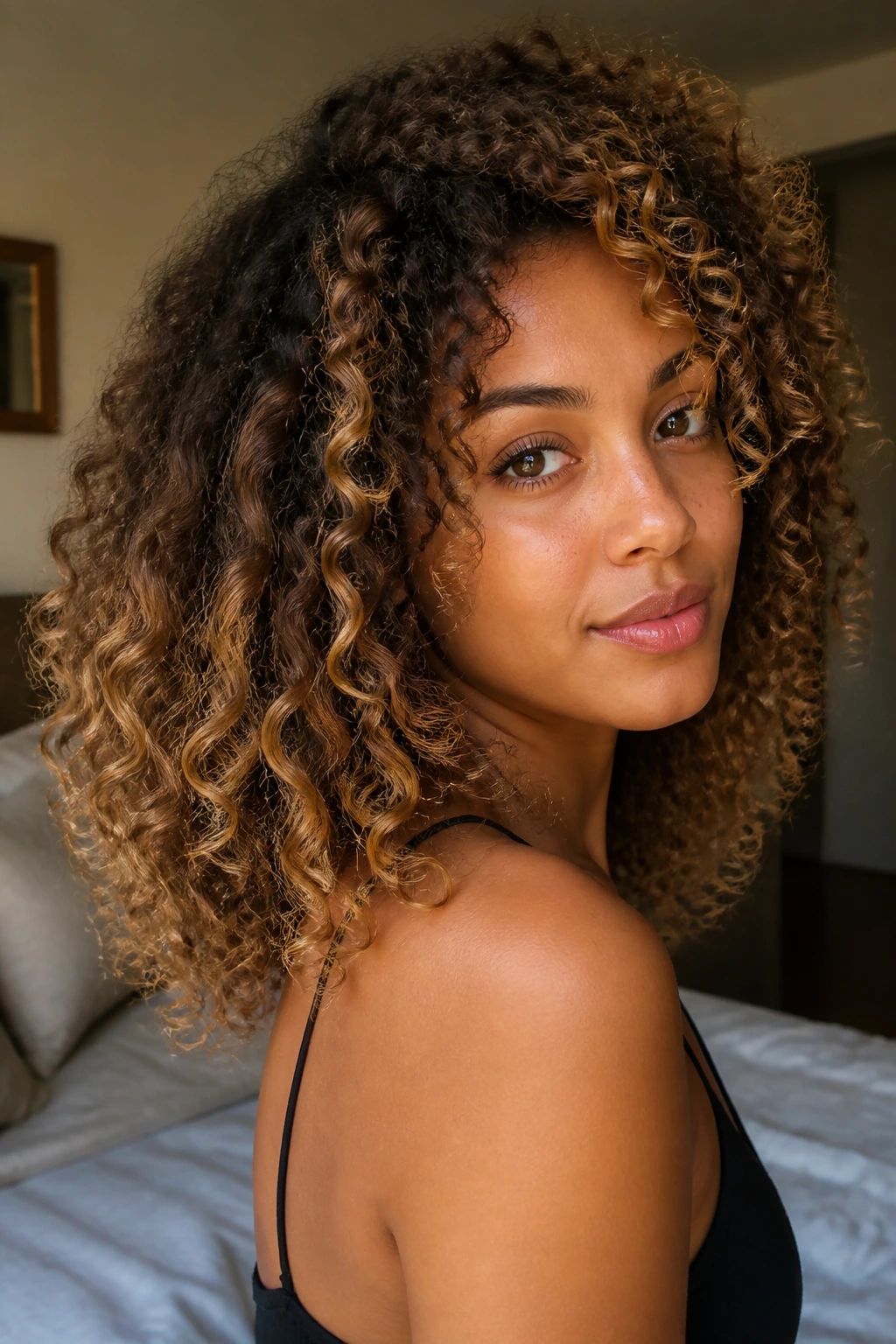
Honey blonde is the gateway for many people with deep, dark curls. It provides immediate warmth without requiring the aggressive, high-level lifting that platinum blonde demands. Because it sits in the golden-brown spectrum, it is often more forgiving on hair that has been previously processed or is prone to dryness.
The magic here lies in placement. You want to focus the color on the mid-lengths and ends where the hair is naturally darker and needs a bit of light to prevent it from looking like a solid, flat block. Ask for a “painted” balayage application. This keeps the roots natural, which means you do not have to worry about a harsh line of demarcation as your hair grows out.
Why This Works for Texture
Honey blonde brings out the definition in your curl pattern. When you have a solid, dark color, it can be difficult to see the individual definition of your coils or curls. By adding lighter pieces, you create visual depth that makes the curls “pop” and appear more voluminous.
Pro tip: Use a protein-rich deep conditioner the week leading up to your coloring appointment to ensure your hair is strong enough to handle the lifting process.
2. Jet Black Gloss
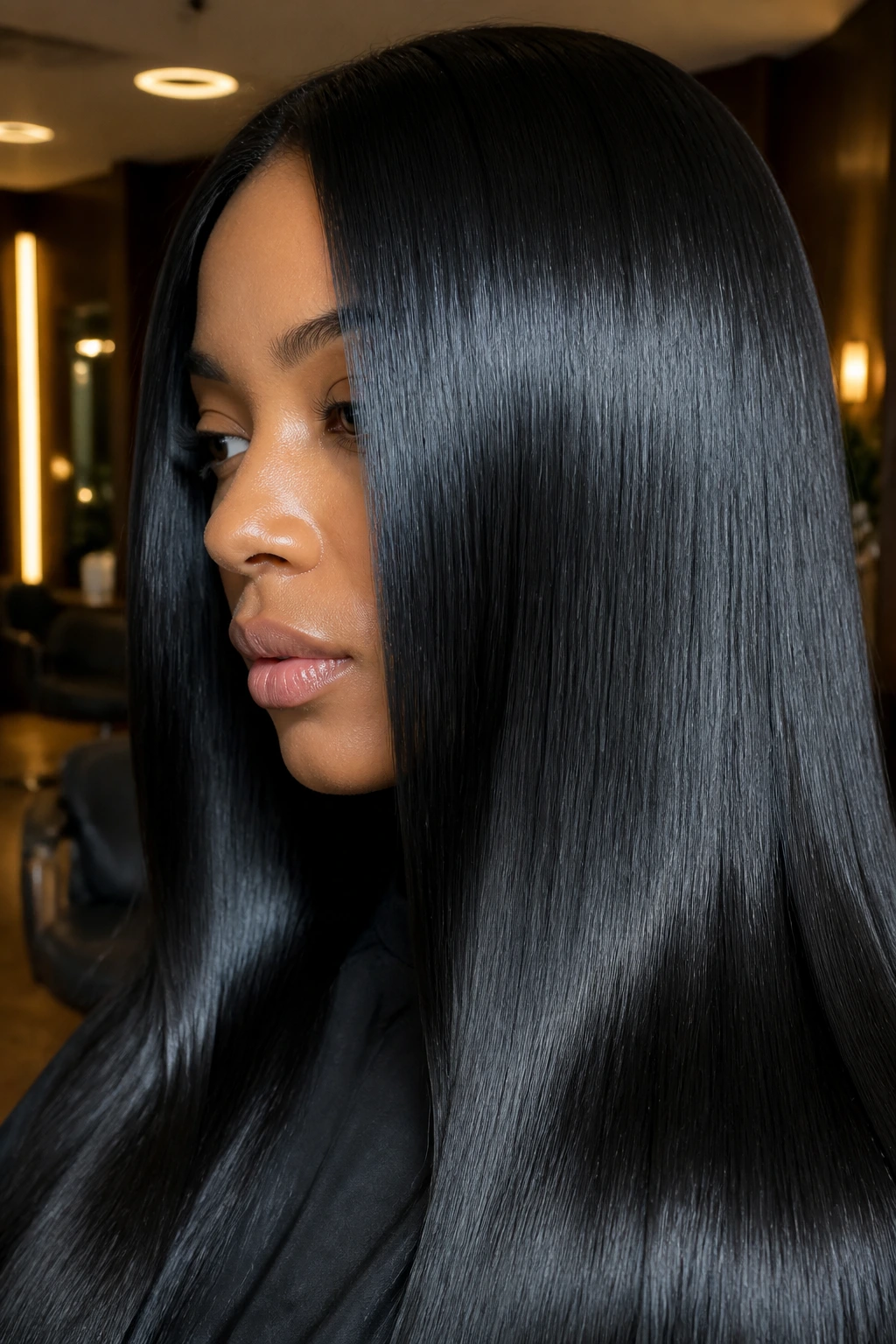
Sometimes the most dramatic move you can make is to go deeper into your own natural shade. A jet black gloss or semi-permanent color can transform dull, sun-faded hair into a mirror-like finish. This isn’t just about color; it is about cuticle health.
Glossing treatments are distinct from traditional box dyes. They coat the hair shaft rather than lifting the cuticle to deposit pigment. This creates a seal that reflects light, making your hair look healthier than it did before. It is particularly effective for high-porosity hair, as the coating helps smooth down the raised cuticle layers, resulting in less frizz and more defined curls.
- The Look: Sleek, sharp, and intentional.
- Maintenance: This is a low-maintenance color because it fades gracefully.
- Application: Stick to ammonia-free glazes to preserve moisture.
3. Copper and Auburn
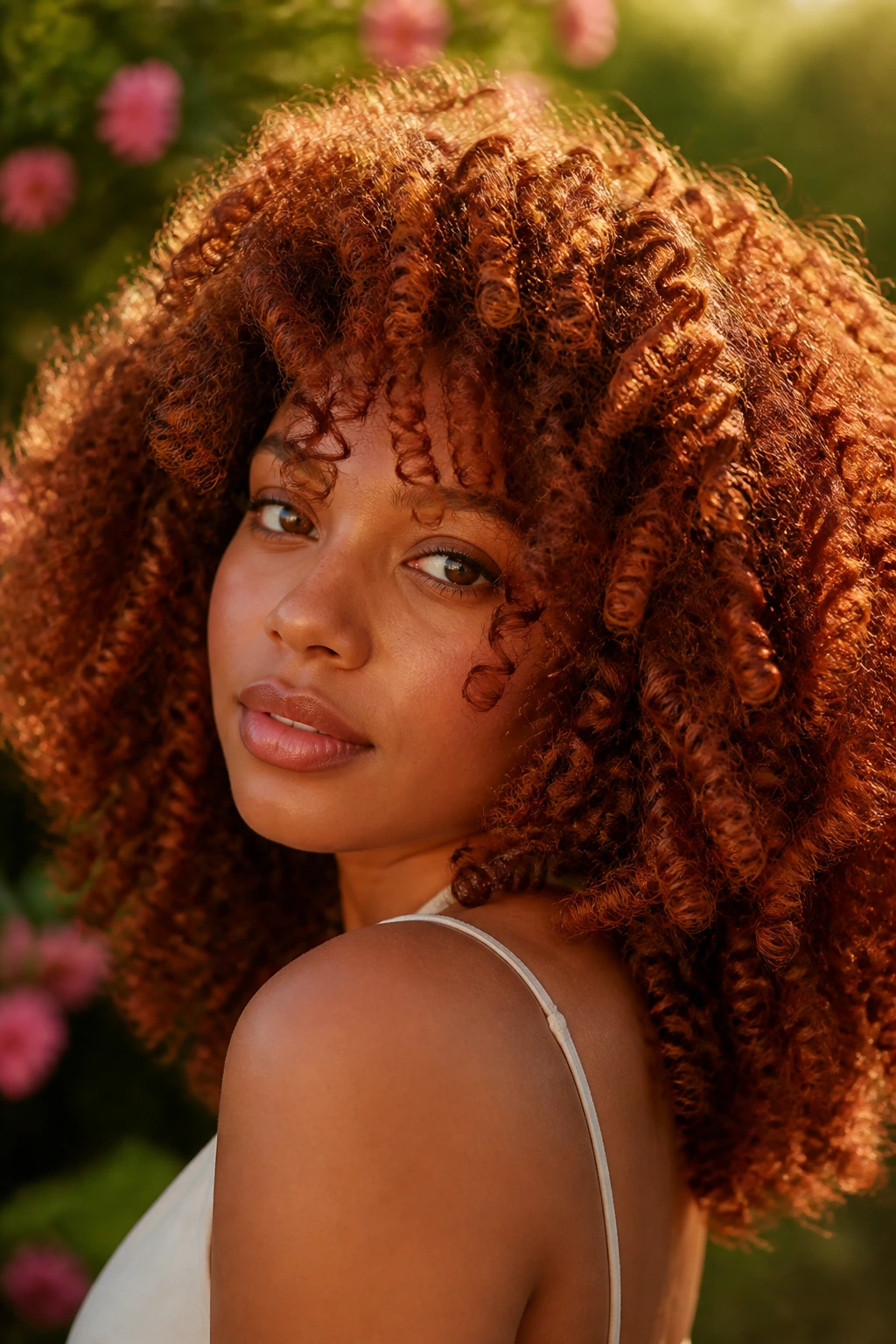
Copper is an incredibly vibrant, earthy tone that looks stunning against deep skin tones and natural hair textures. It is bold, yet it feels grounded in nature. Unlike artificial-looking reds, a true copper or rich auburn mimics the natural highlights that occur when hair is exposed to the sun, just dialed up a few notches.
This look works best on healthy, virgin hair. If you have previously dyed your hair black, you will need a color correction process, which is harsh on curls. If you are starting fresh, your stylist can use a demi-permanent dye to lift your color just a few levels, which is far gentler than using a heavy bleach.
The color tends to fade quickly, however. You will need to invest in a color-depositing shampoo that matches your shade to keep the intensity high. If you wash your hair too frequently with clarifying shampoos, you will strip this color away in just a couple of weeks. Stick to co-washing when possible.
4. Caramel Balayage
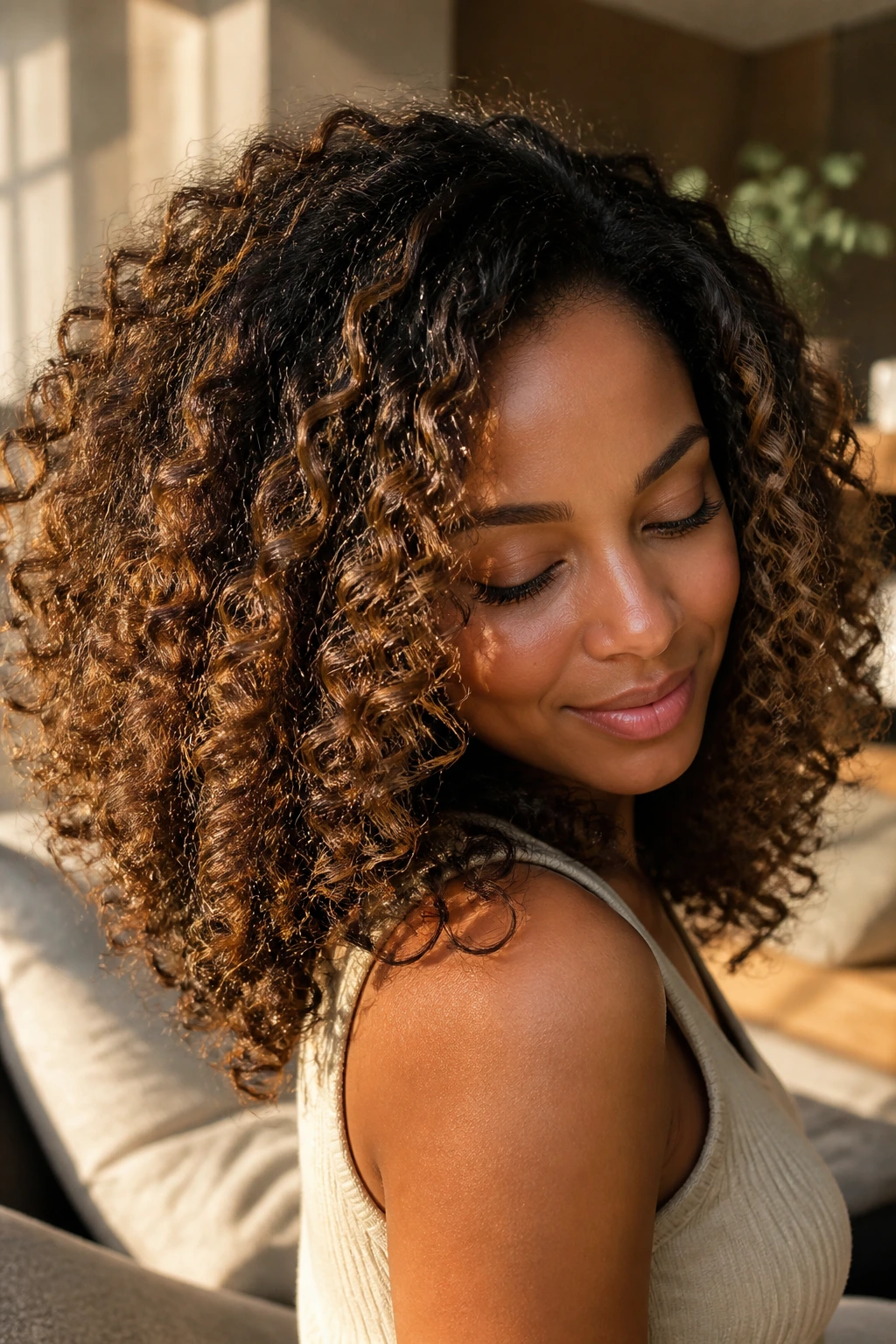
Caramel is the perennial favorite for a reason. It is the perfect marriage of brown and blonde, sitting comfortably in the middle of the spectrum. It is warm, inviting, and adds an “expensive” look to natural hair without being high maintenance.
The key to a successful caramel balayage on coily hair is keeping the roots dark. You want that transition to be soft. If the lighter color starts too close to the scalp, it can look like an accident. Aim for the color to start roughly three to four inches from the root.
How to Maintain the Blend
You do not want to see stripes or chunky sections of color. It should look like the sun kissed your hair. When your stylist is applying the lightener, ensure they are using a technique that keeps the pieces very thin, especially near the top of the head. This ensures the grow-out period remains seamless.
5. Platinum Blonde
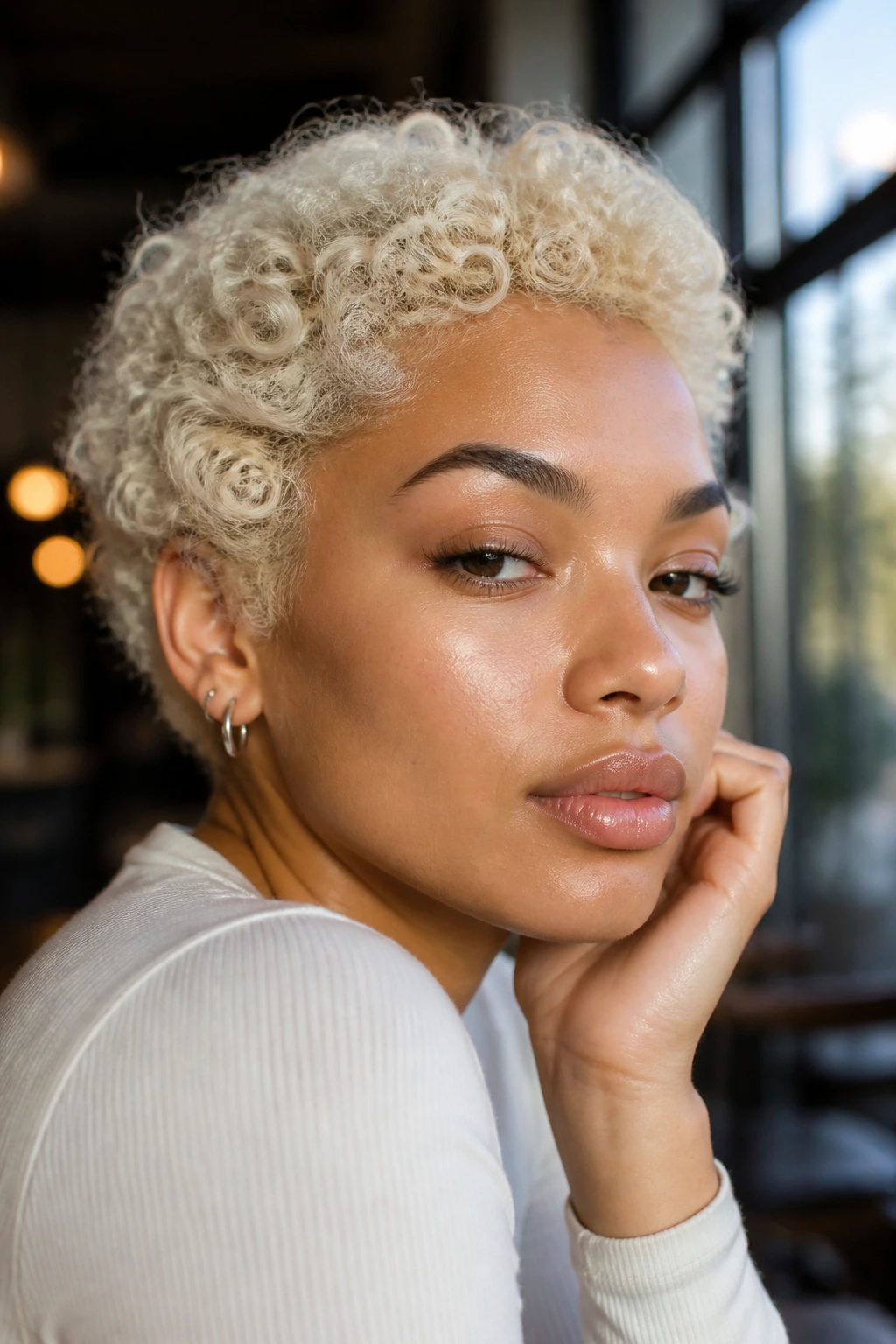
This is the “high stakes” color choice. Going platinum requires significant lifting, usually involving multiple sessions if your hair is very dark. You are essentially stripping the melanin out of your hair shaft until it is a pale yellow. This process can be incredibly damaging to delicate curl patterns.
If you are determined to go platinum, you must be realistic about the trade-off. Your hair will likely feel different after the process. It will be more porous, and you will need to completely overhaul your hair care regimen to focus on moisture retention and protein reinforcement.
Never attempt this at home if you are not a licensed professional. You need a stylist who understands the chemistry of bleaching textured hair—someone who knows exactly when to stop the process before the curl pattern is permanently compromised.
6. Deep Burgundy
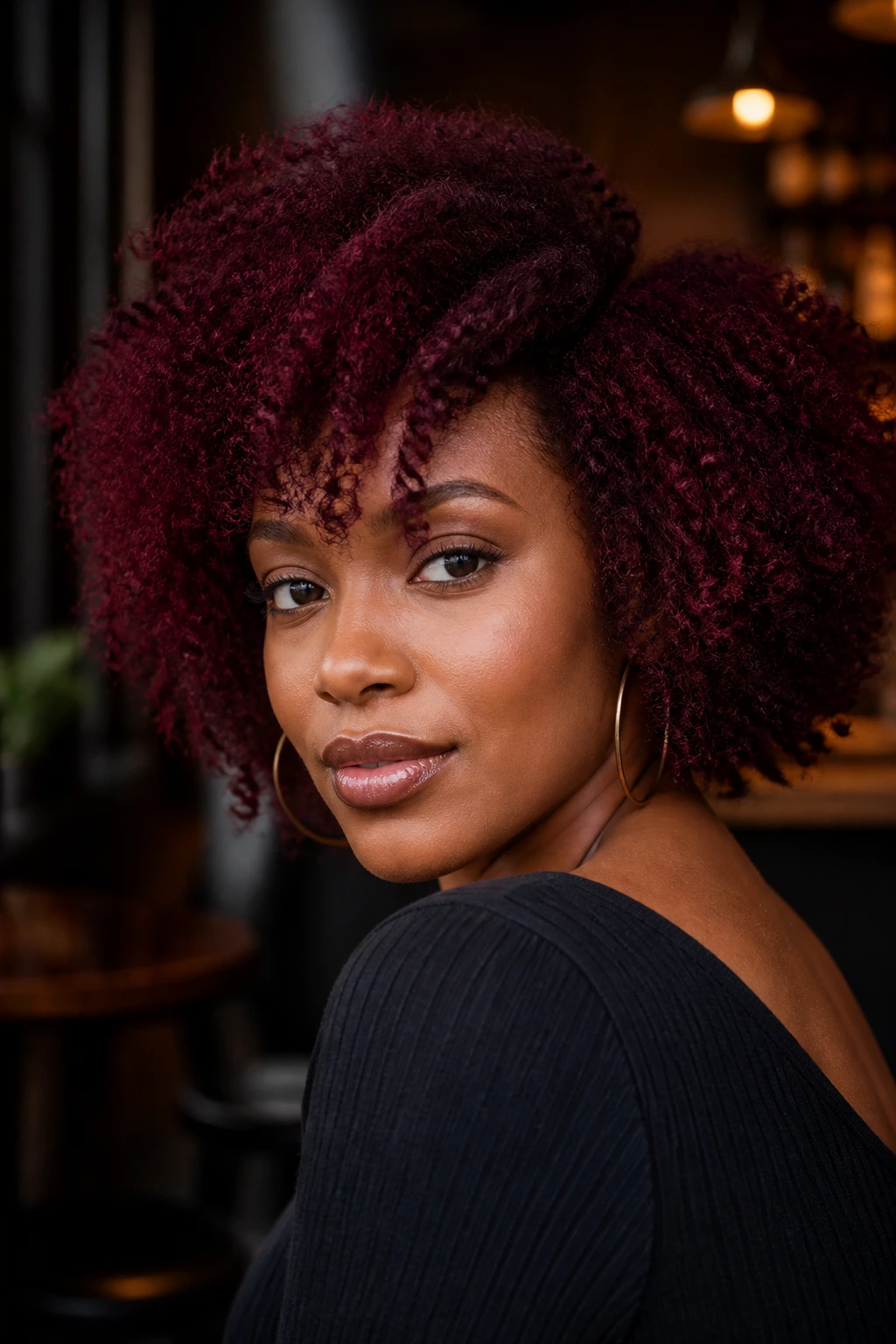
Burgundy is for those who want a change but are not ready for a bright, neon hue. It is sophisticated and moody. Because it is a deeper color, it often requires less lifting than lighter colors, which means your hair stays healthier.
Think of it as a deep, red-wine tone. It pairs beautifully with dark brown roots. You can go for a full-head application or just color the ends for a dip-dye effect. If you have tight, kinky curls, this color looks incredible when the hair is styled in a wash-and-go, as the light catches the different angles of the coils.
Maintenance note: Red pigments are the hardest for the hair to hold onto. You will see color in the drain the first few times you wash your hair. Use cool water—not hot—to rinse your hair, as hot water opens the cuticle and lets the color leak out faster.
7. Chocolate Brown
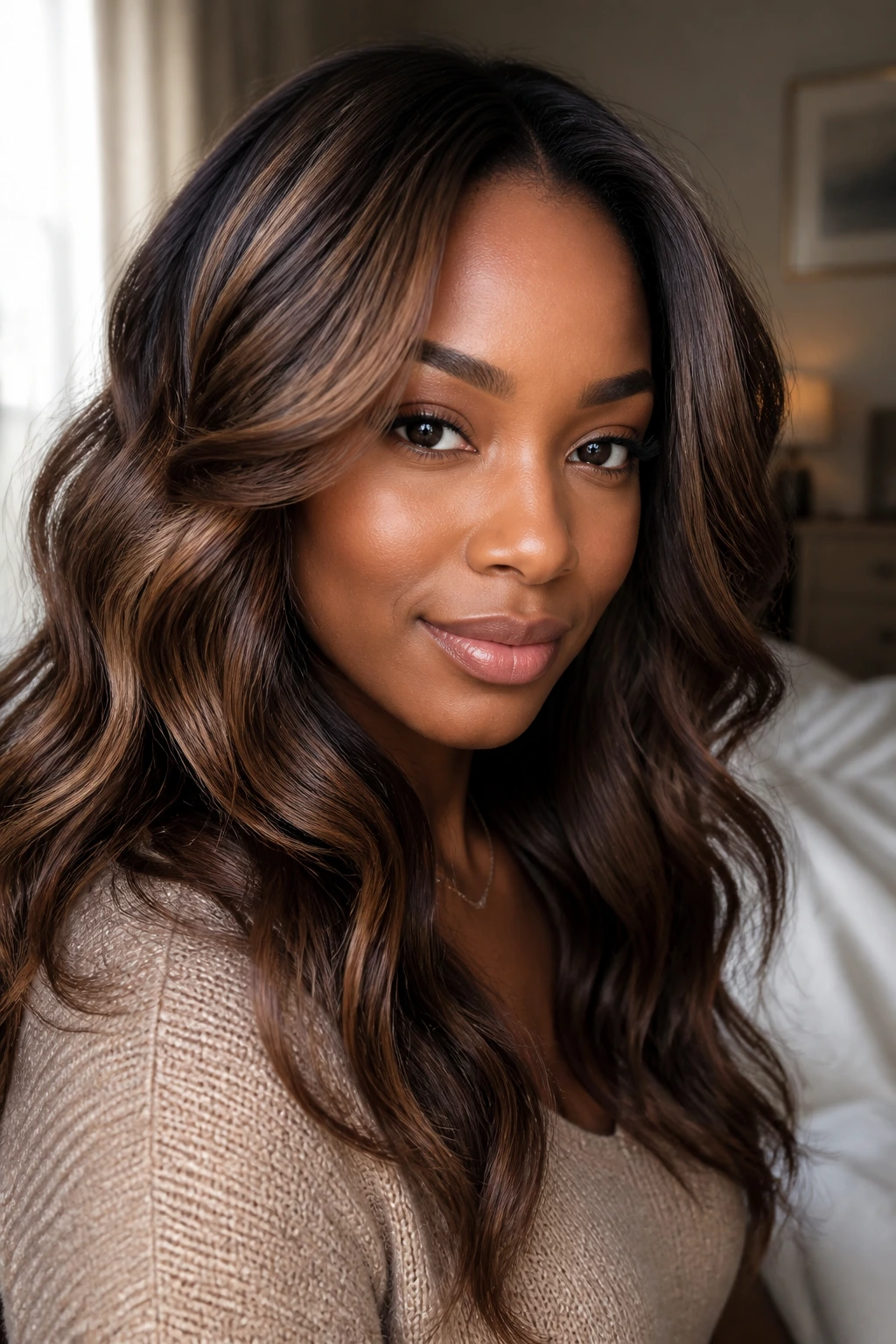
Sometimes, people with very dark hair want to add a bit of softness without going “blonde.” Chocolate brown provides that. It is a rich, warm brown that creates subtle dimension. It is arguably the safest color choice for anyone worried about damage.
This is a great starting point if you have never colored your hair before. It is subtle enough that it won’t be a jarring change when you look in the mirror, but it makes a noticeable difference in how your hair interacts with your complexion.
Placement Matters
Do not just color everything the same shade. Ask for two different tones of chocolate—a cooler tone and a warmer tone. Alternating these shades throughout the hair creates a natural, multi-dimensional look that is much more interesting than a flat, monochromatic tint.
8. Rose Gold
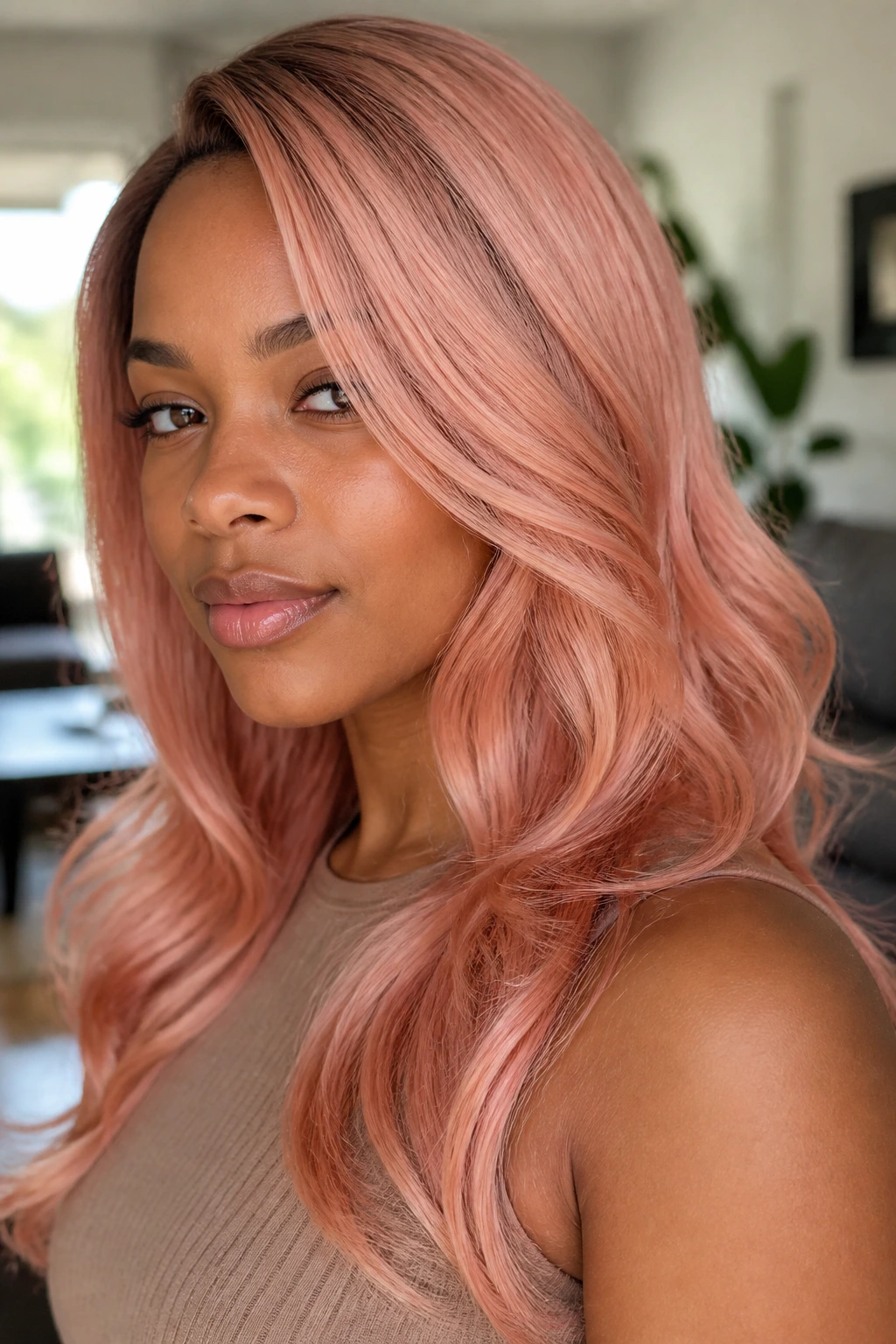
Rose gold is a delicate mix of pink, peach, and gold. It feels whimsical and modern. On natural hair, this color is a statement. To get this specific shade, you have to lift your hair to a very light blonde first. If the hair underneath is too dark or too orange, the rose gold will just look muddy.
This is a high-maintenance shade. It will fade into a soft pink or peach within a few washes. You have to be comfortable with the color evolving over time. It is a “living” color that changes every time you wash it. If you want to keep the rose gold intensity, you will need to go back to the salon for a gloss treatment every four to six weeks.
9. Ash Blonde
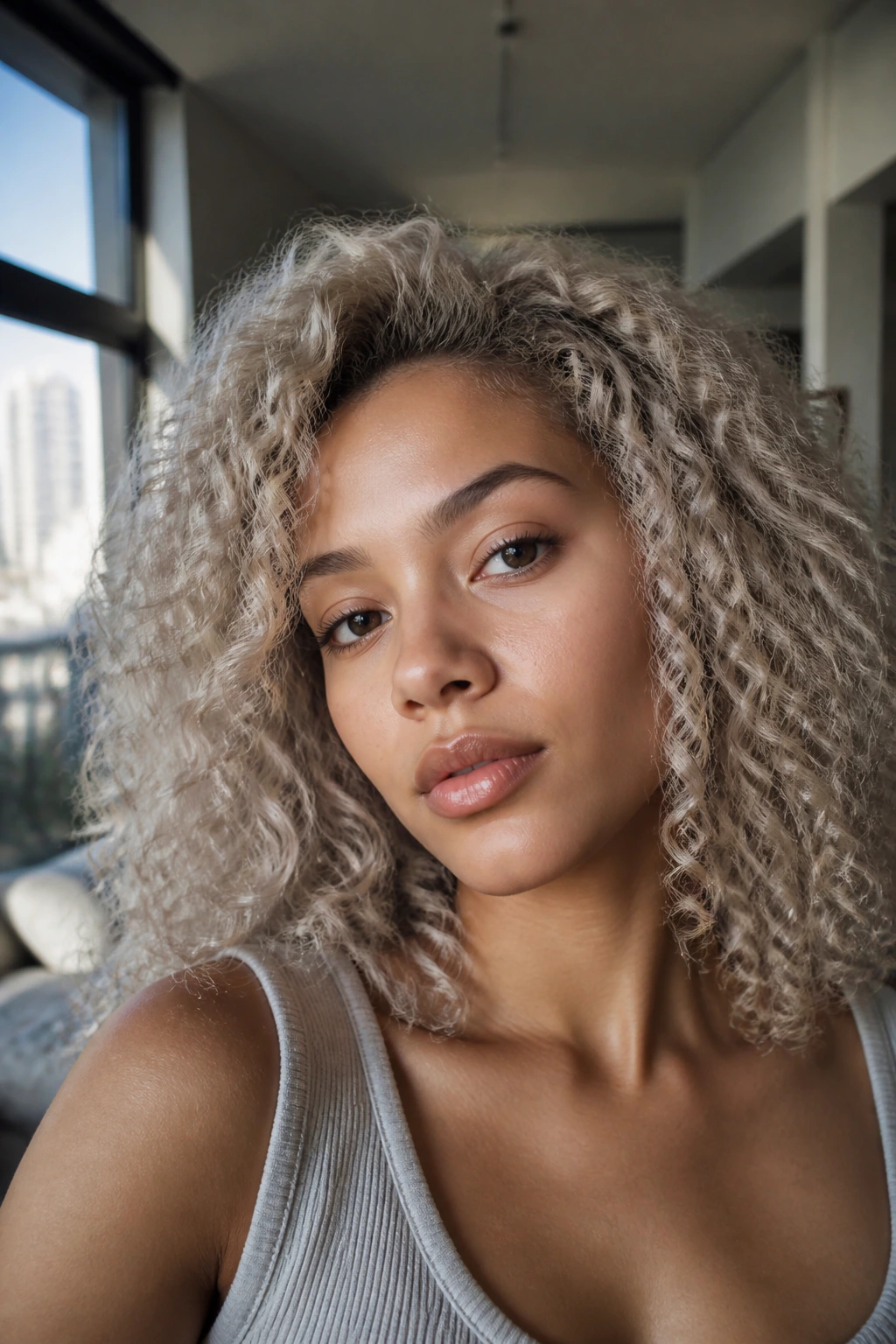
Ash blonde is cool-toned, lacking the warmth of honey or caramel. It is a sophisticated, icy shade. However, achieving this on dark, natural hair is difficult because when you bleach dark hair, the underlying pigment is naturally warm (orange/red).
To reach ash blonde, your stylist has to neutralize those warm tones with a toner. This is an extra step in the chemical process, which means more potential for dryness. It is a stunning look, but it requires a very specific colorist who knows how to manage those undertones.
Warning: Ash blonde can look “dusty” on some skin tones. If your skin has very warm, golden undertones, this color might wash you out. It is often better to lean toward a “mushroom” brown—a darker, cooler brown—if you want to avoid the yellow-blonde look without going full-on icy ash.
10. Deep Violet
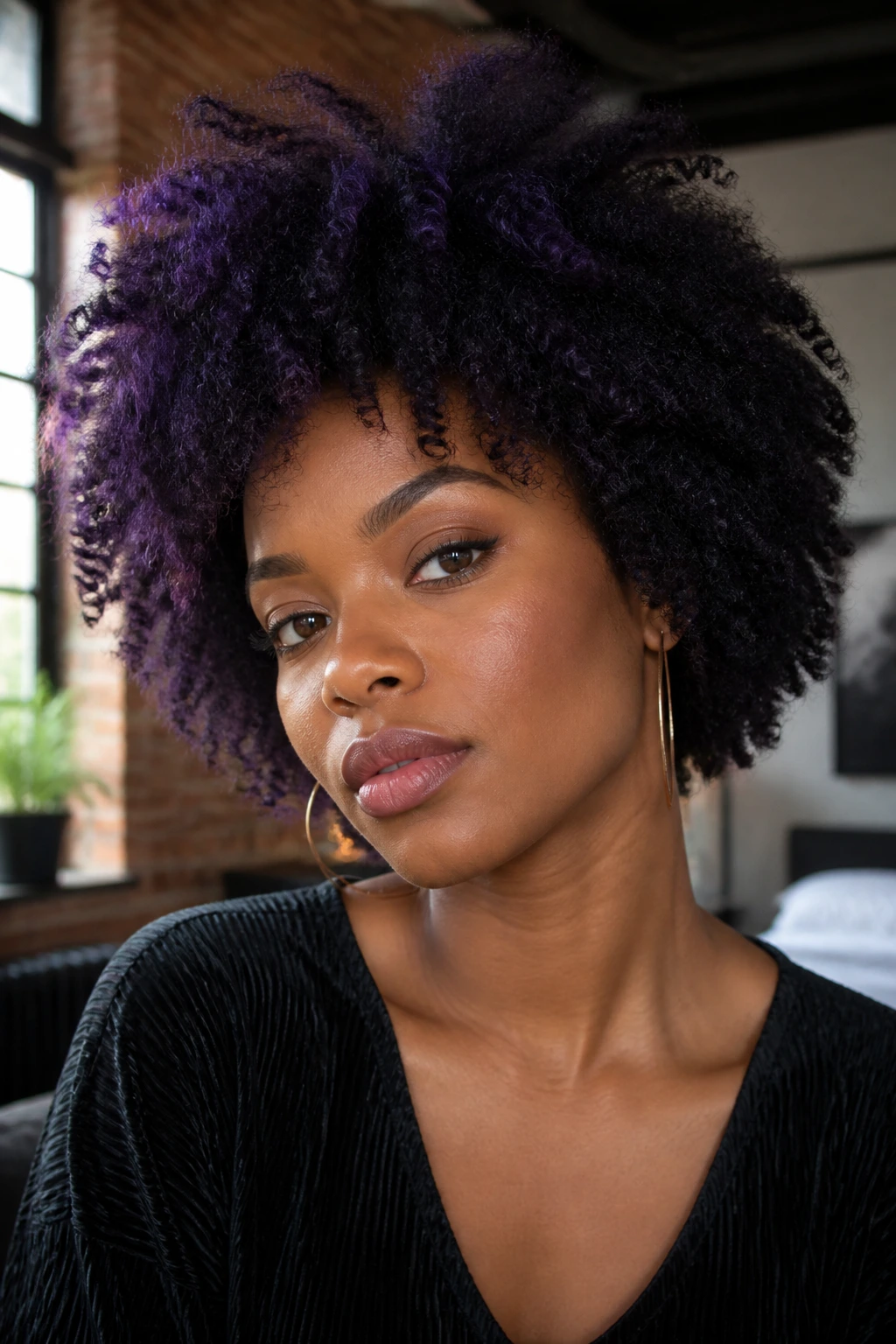
Violet is a surprisingly versatile color. When it is deep, it looks almost black in low light but reveals a rich purple hue in the sun. It is a fantastic option if you want to be “edgy” but still remain within the bounds of a professional setting.
The best part about deep violet? It covers dark hair beautifully. You often do not need to bleach your hair to a high level to get a vibrant purple result. A semi-permanent, direct dye often works wonders here. It acts like a stain, adding pigment without the need for harsh developers.
- Longevity: Surprisingly good.
- Style: Looks incredible on twists and braids.
- Care: Use a sulfate-free shampoo to prevent the purple from turning into a muddy grey.
11. Emerald Green
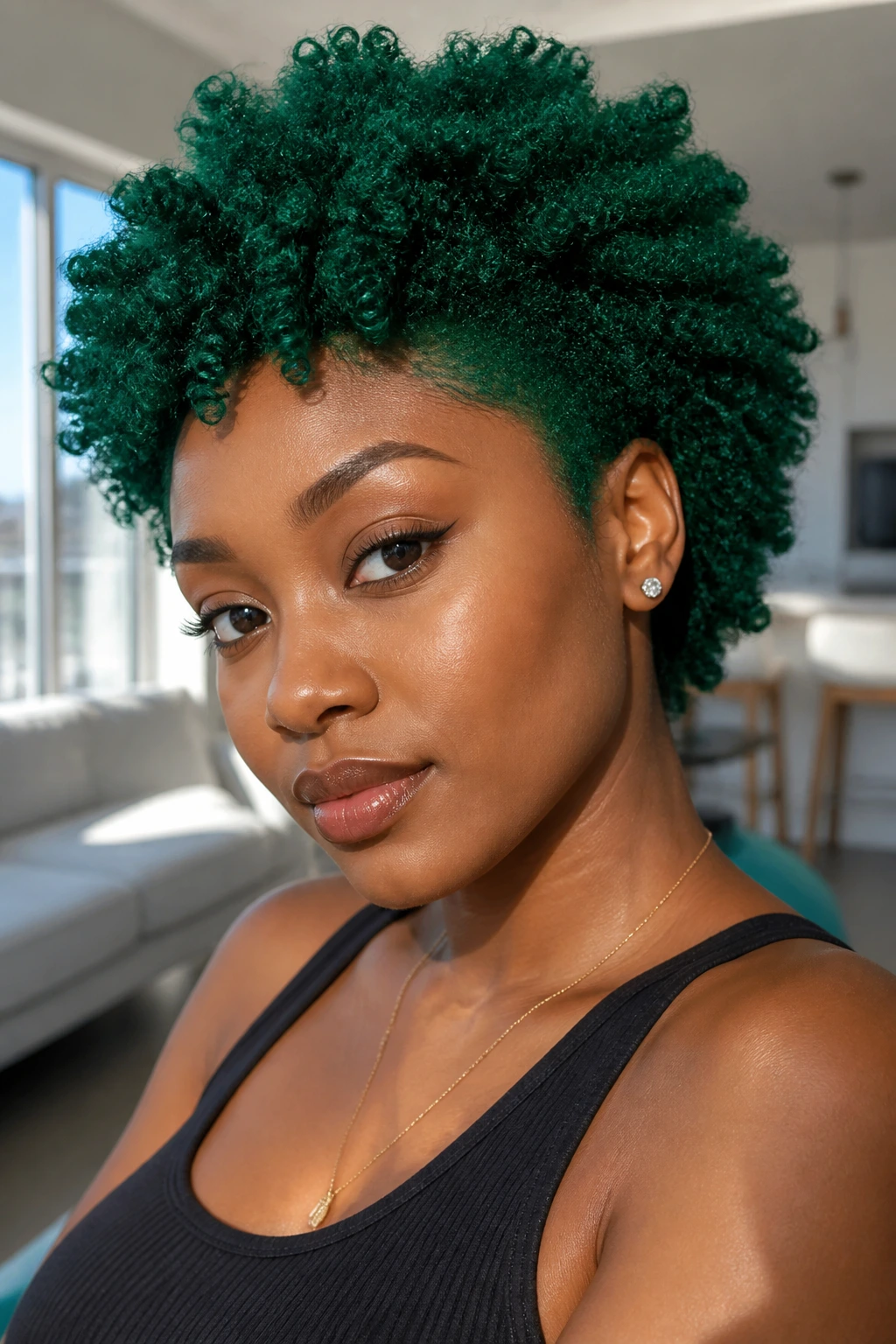
If you are looking to do something truly bold, deep emerald is the way to go. It is regal and striking. Unlike the neon greens that wash out quickly, a deep, saturated emerald green has staying power.
You will need to lighten your hair to get this green to show up, but it doesn’t need to be platinum. A dark blonde or light brown base is usually sufficient for a dark green to take hold. Because this is a fantasy color, you should be prepared for it to stain your pillowcases and towels.
This color looks best when it is saturated. Don’t go for highlights here; go for a full-head application or a deep ombre. The depth of the green creates a sense of luxury that neon colors lack.
12. Midnight Blue
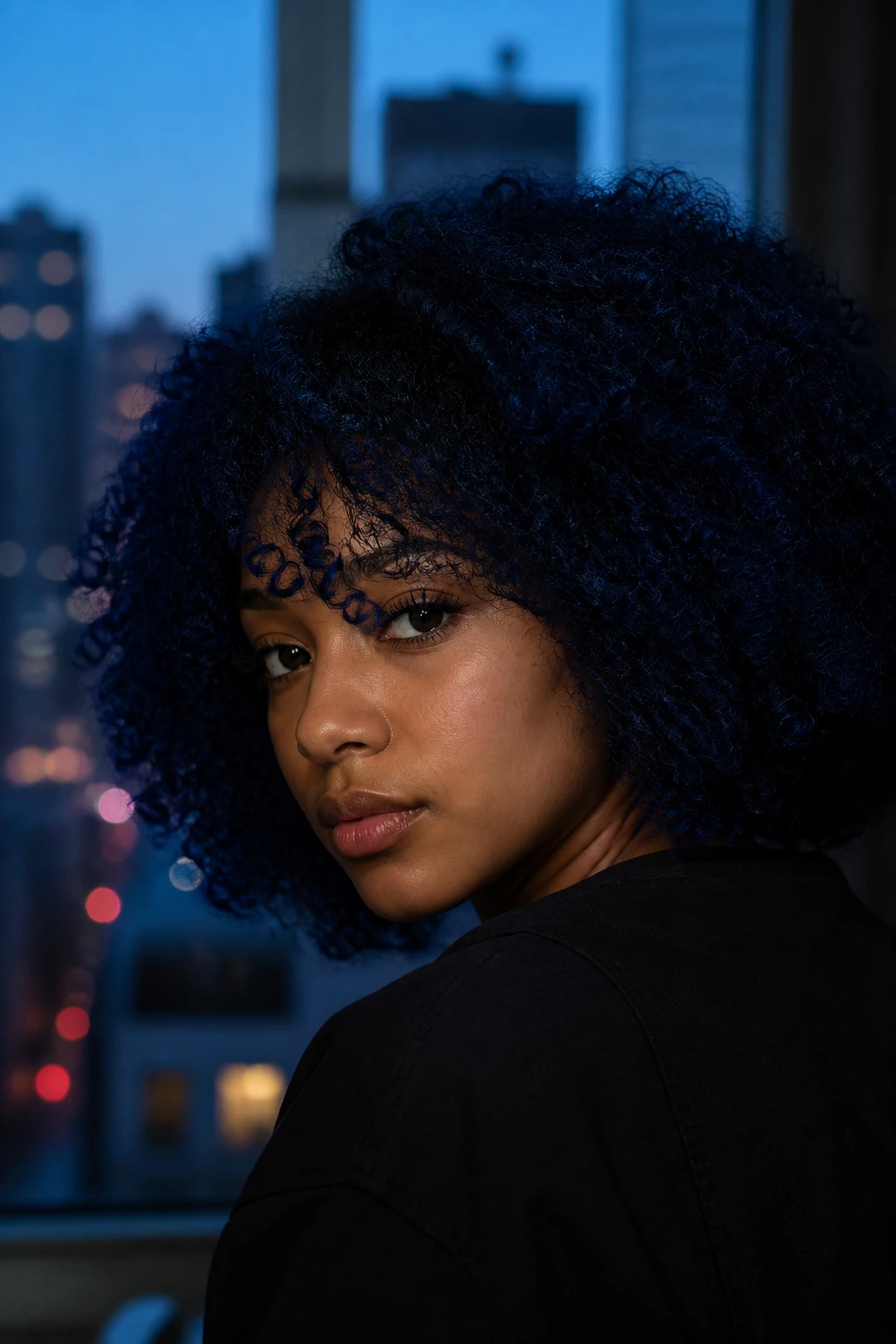
Midnight blue is the mysterious cousin to jet black. It is cool, dark, and sophisticated. It requires a solid base to show up, so you will need to lift your hair a few levels. But once you achieve that dark, cobalt-leaning hue, it is one of the most rewarding colors to wear.
It pairs exceptionally well with cool-toned skin. It also has a way of making the whites of your eyes look brighter. Like the deep violet, it can be done with semi-permanent dyes, which means you can reapply it at home easily to keep the color fresh.
The “Faded” Look
Be warned: Blue tends to fade into a teal or a muddy green. This is just the nature of blue pigment on hair that has been bleached. Plan on doing touch-ups every four weeks if you want to keep it strictly blue.
13. Warm Chestnut
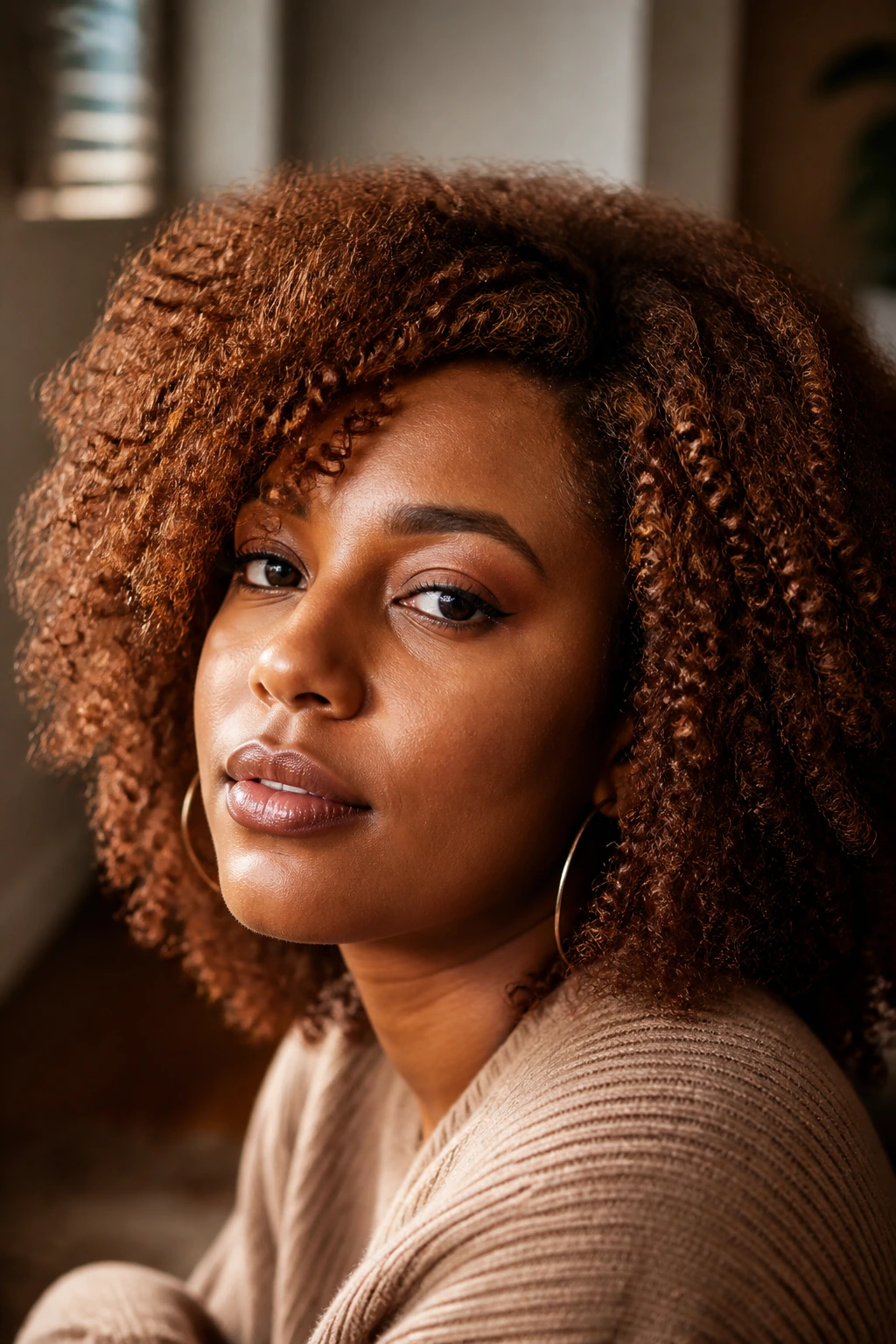
Chestnut is the classic, reliable autumn color. It has red and gold undertones that make it feel alive. On textured hair, it looks incredibly healthy and shiny.
This is the easiest color to maintain because it is so close to the natural dark hair colors most people have. You won’t have to worry about dark roots growing in too sharply. It is a great option if you want to experiment with color without the commitment of high-maintenance roots.
Tip: Ask your stylist for a “glaze” in this tone if you want to test it out. A glaze will last 6-8 weeks and fade out completely, giving you a chance to see if you like the warmth against your skin before committing to permanent dye.
14. Champagne Blonde
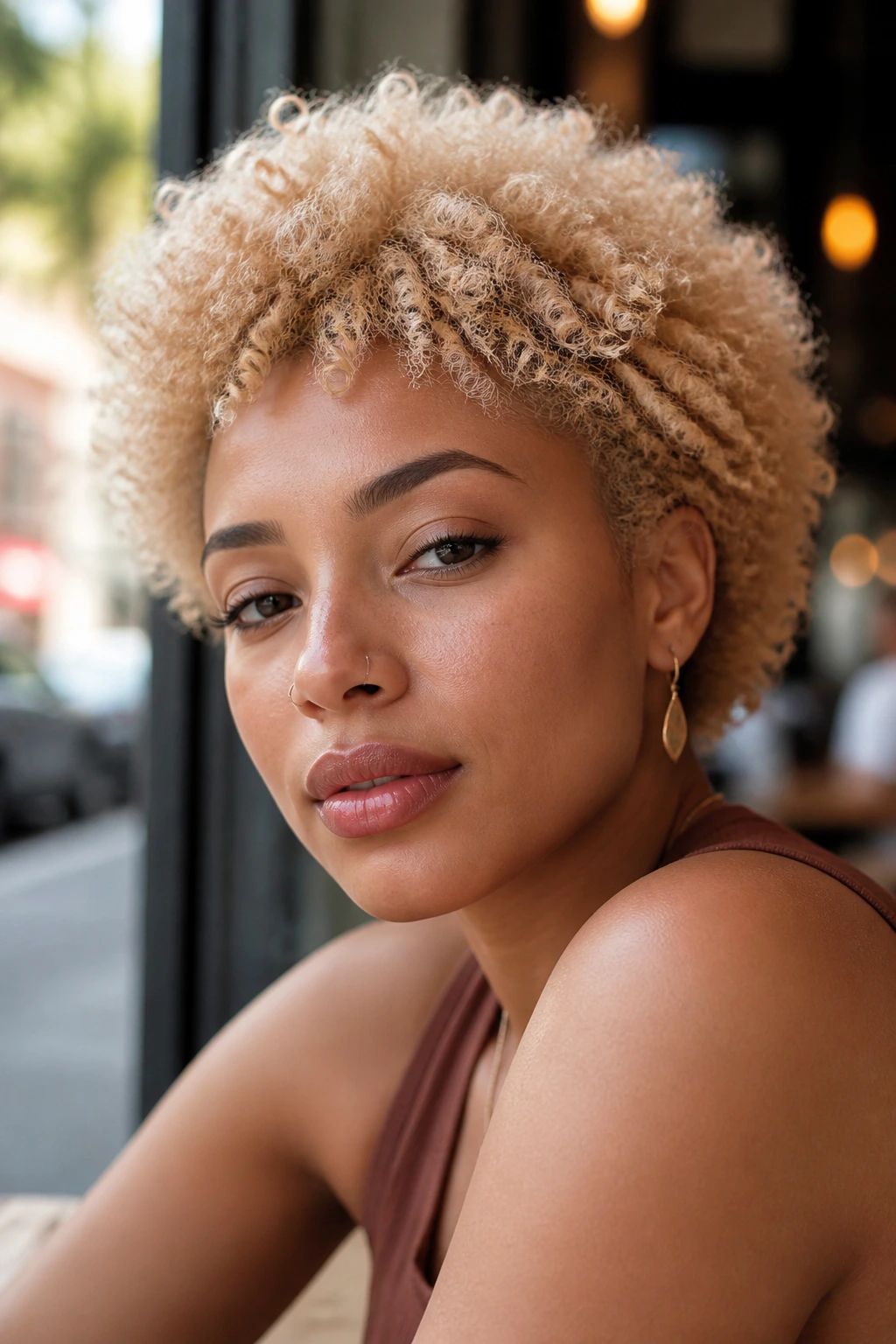
Champagne blonde is a subtle, creamy take on blonde. It is not quite platinum, not quite honey. It has a softness to it that is very flattering. It looks like a neutral, beige blonde.
This color requires a clean lift. You cannot have orange or yellow tones in your hair, or the champagne color will turn brassy. It is a high-skill color. Your stylist will need to tone your hair perfectly after the bleach is washed out.
- Skin Tone: Works well on both cool and warm complexions.
- Vibe: Sophisticated, understated, and elegant.
- Maintenance: You will need regular toning sessions to keep the “creamy” look alive.
15. Terracotta
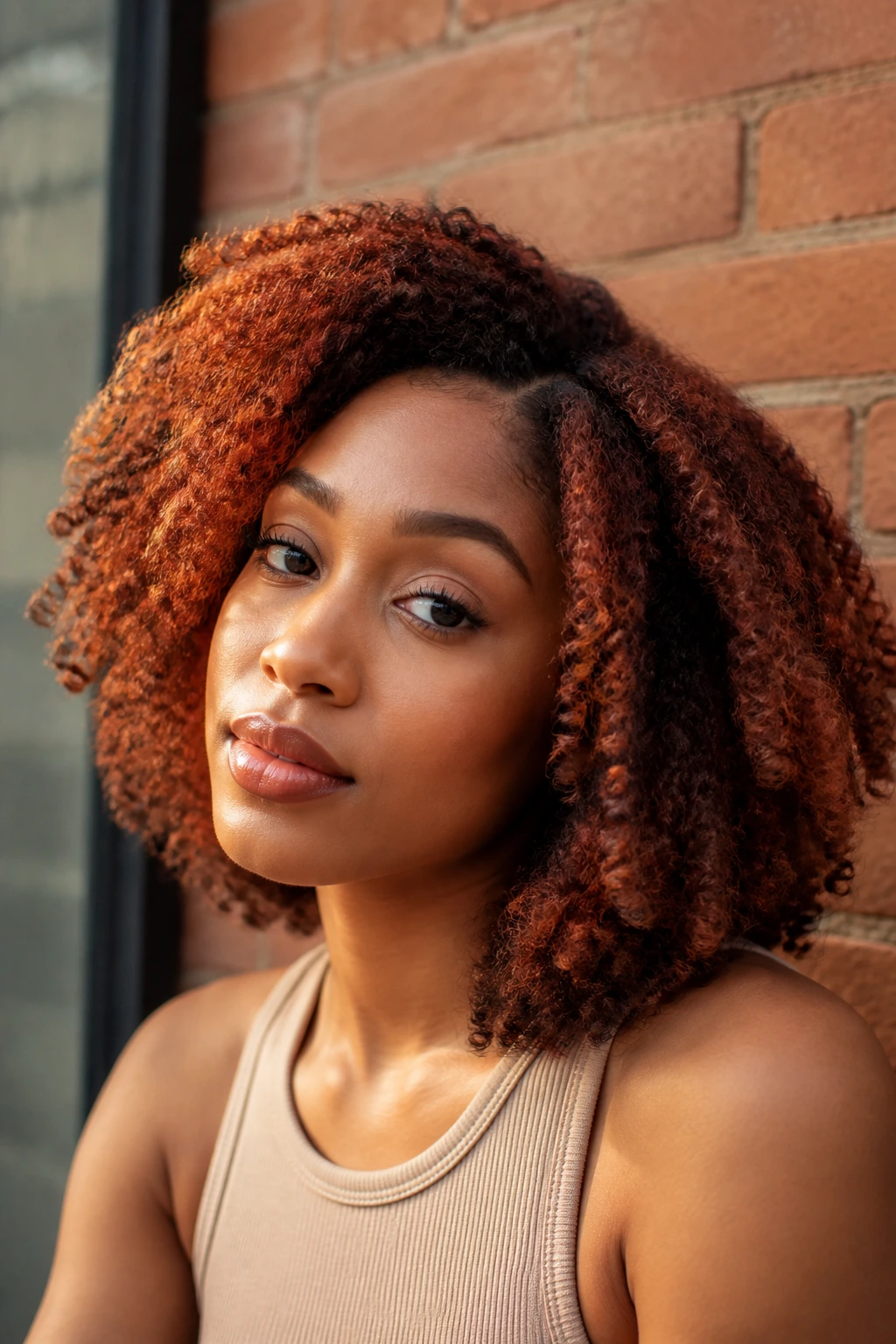
Terracotta is a rustic, earthy red. It is softer than a bright cherry red but more interesting than a standard auburn. It feels organic. On dark, natural hair, this color mimics the look of copper wire.
It is a beautiful color for the fall and winter months, but honestly, it works all year round. It brings warmth to the face and adds a touch of brightness to your overall appearance. If you are worried about the commitment, start with a balayage of terracotta tones rather than a full-head color.
16. Silver and Grey
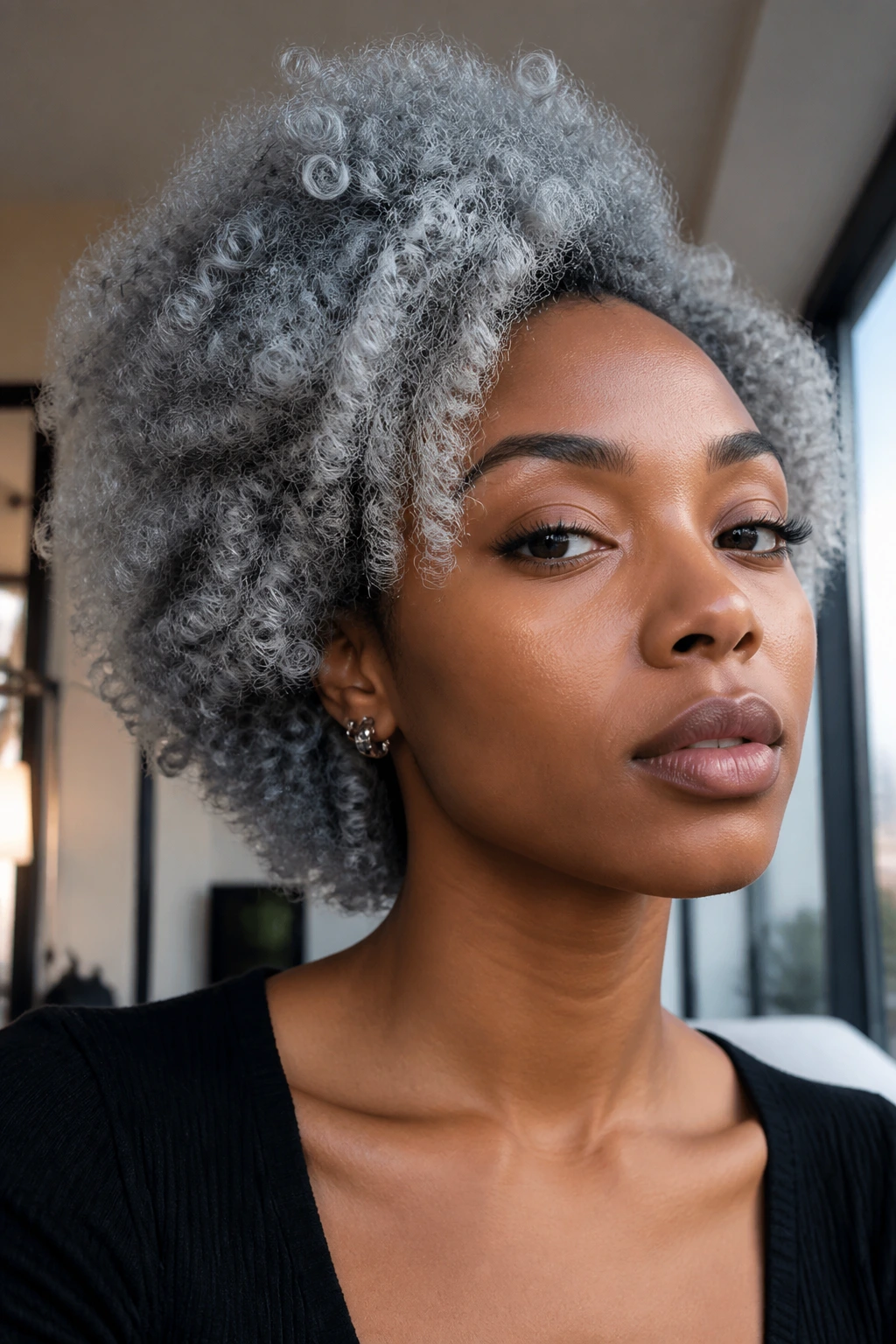
Silver has become a mainstream trend, but it is one of the hardest colors to achieve on dark, natural hair. To get silver, you must lift your hair to a level 10 (platinum). Any remaining yellow in the hair will make your silver turn green or muddy.
This is a project color. You might need two or three separate sessions with a professional stylist to get there without frying your hair. Once you get the silver, you need to use a purple shampoo religiously to keep it from turning yellow.
Structural Reality
I have to be honest: if your hair is fine and fragile, avoid this. The amount of processing required to remove every ounce of natural pigment is often too much for textured hair to handle without breaking. If you really want the look, consider a wig or high-quality extensions instead.
17. Peek-a-boo Color
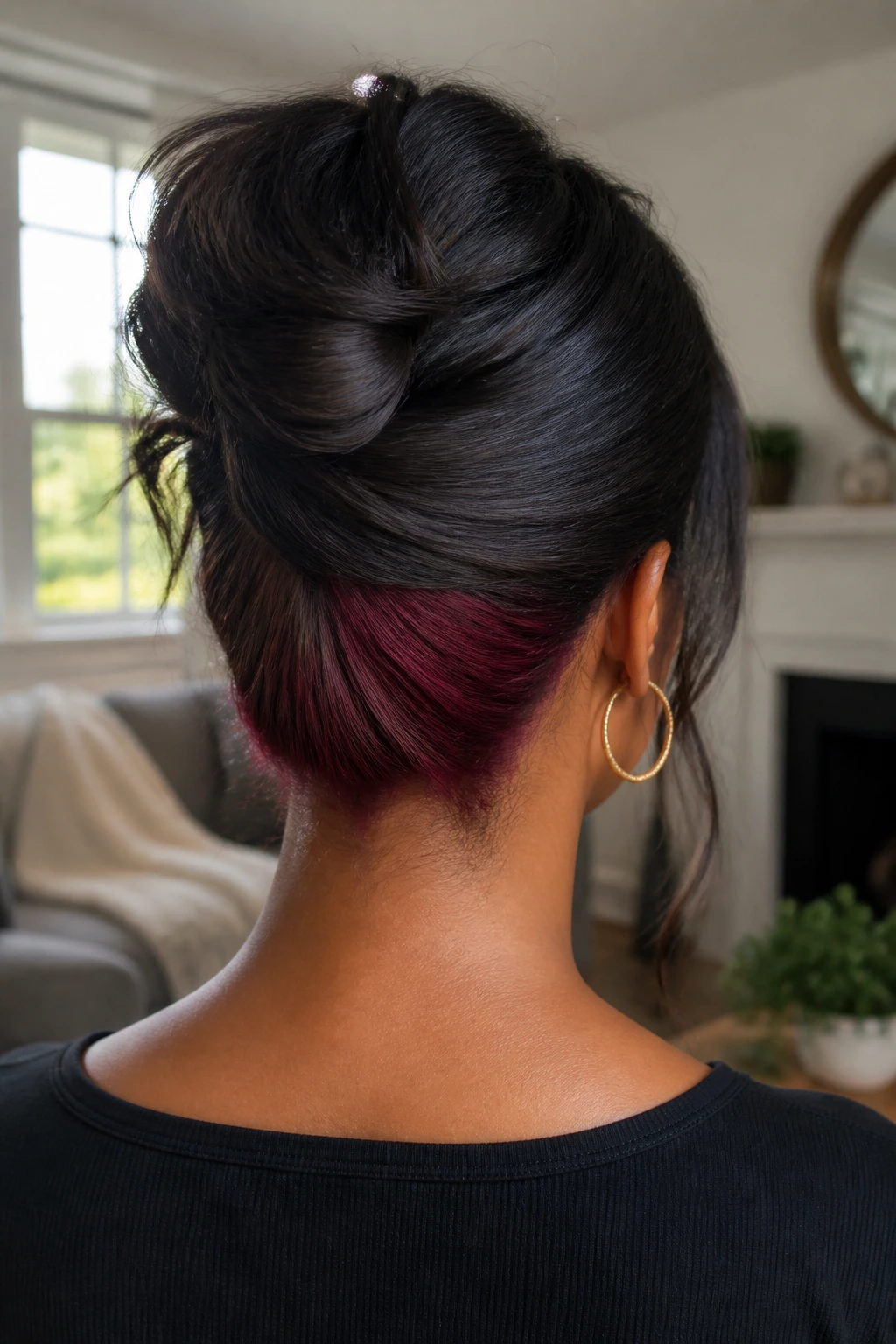
This is a technique, not a specific color, but it is one of the smartest ways to color natural hair. You color the underneath layers or the back of your hair, leaving the top layer dark. This allows you to have a bold color—like blue, red, or blonde—without compromising your natural hair color on top.
It is brilliant for several reasons. First, your top layer of hair (which is usually the most exposed to sun and heat) stays virgin and healthy. Second, the color is only visible when you style your hair, put it in a ponytail, or move. It is a “work-appropriate” way to have fun with color.
Application idea: Try a bright fuchsia or a metallic copper on the nape of your neck. It gives you a pop of personality every time you put your hair up.
18. Ochre or Mustard
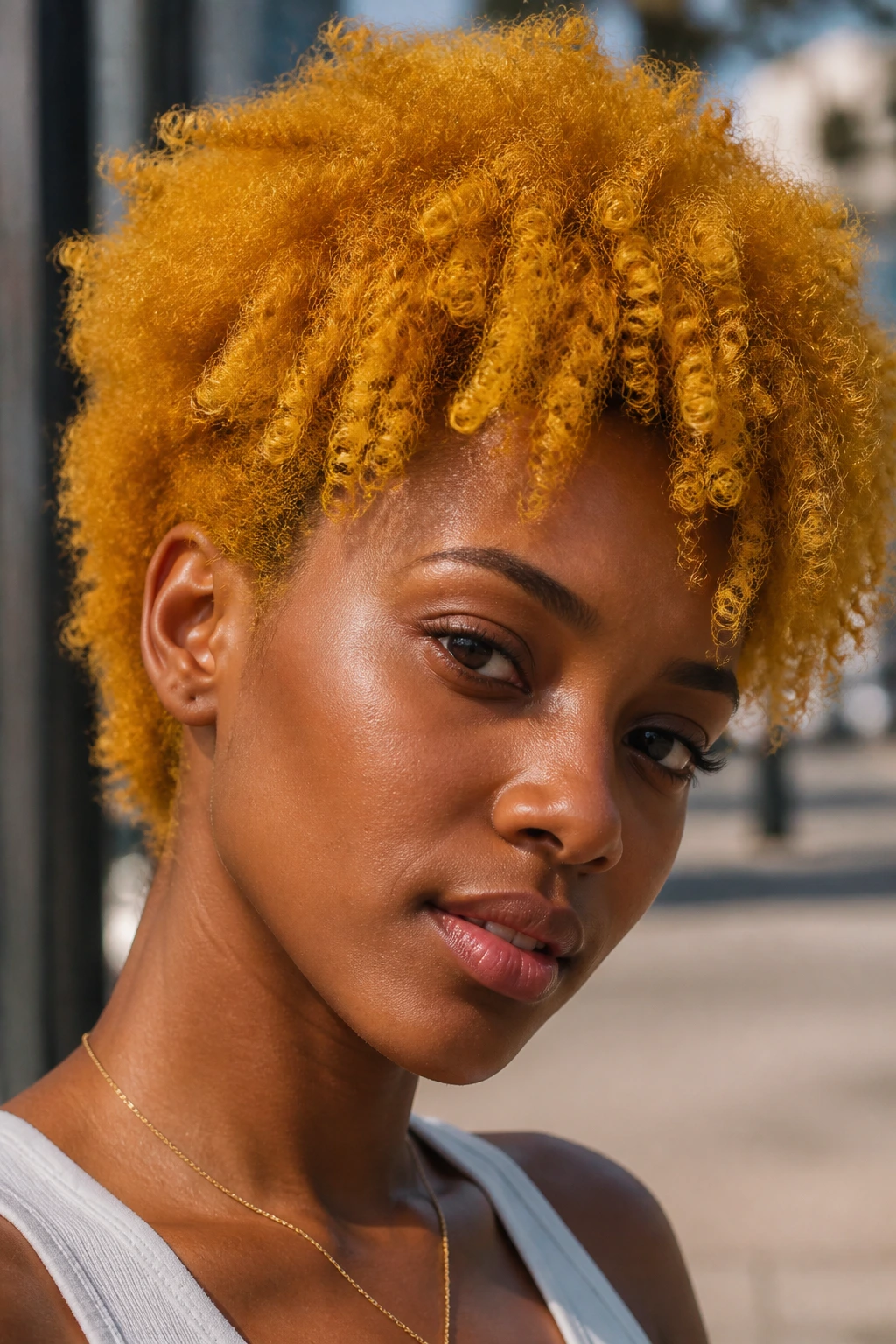
If you are tired of the standard blonde, ochre or mustard yellow is a daring alternative. It is unconventional and artistic. It is not a color that looks “natural,” and that is the point.
This color requires a light base, but because it is a warm, earthy yellow, it is slightly more forgiving than a stark platinum. It creates a bold contrast against deep skin tones and looks incredible against darker, richer colors in clothing.
Boldness Check
Only choose this if you are prepared for people to stare. It is not a subtle shade. However, if you are an artist or someone with a unique style, it fits the bill perfectly.
19. Espresso with Mocha Lowlights
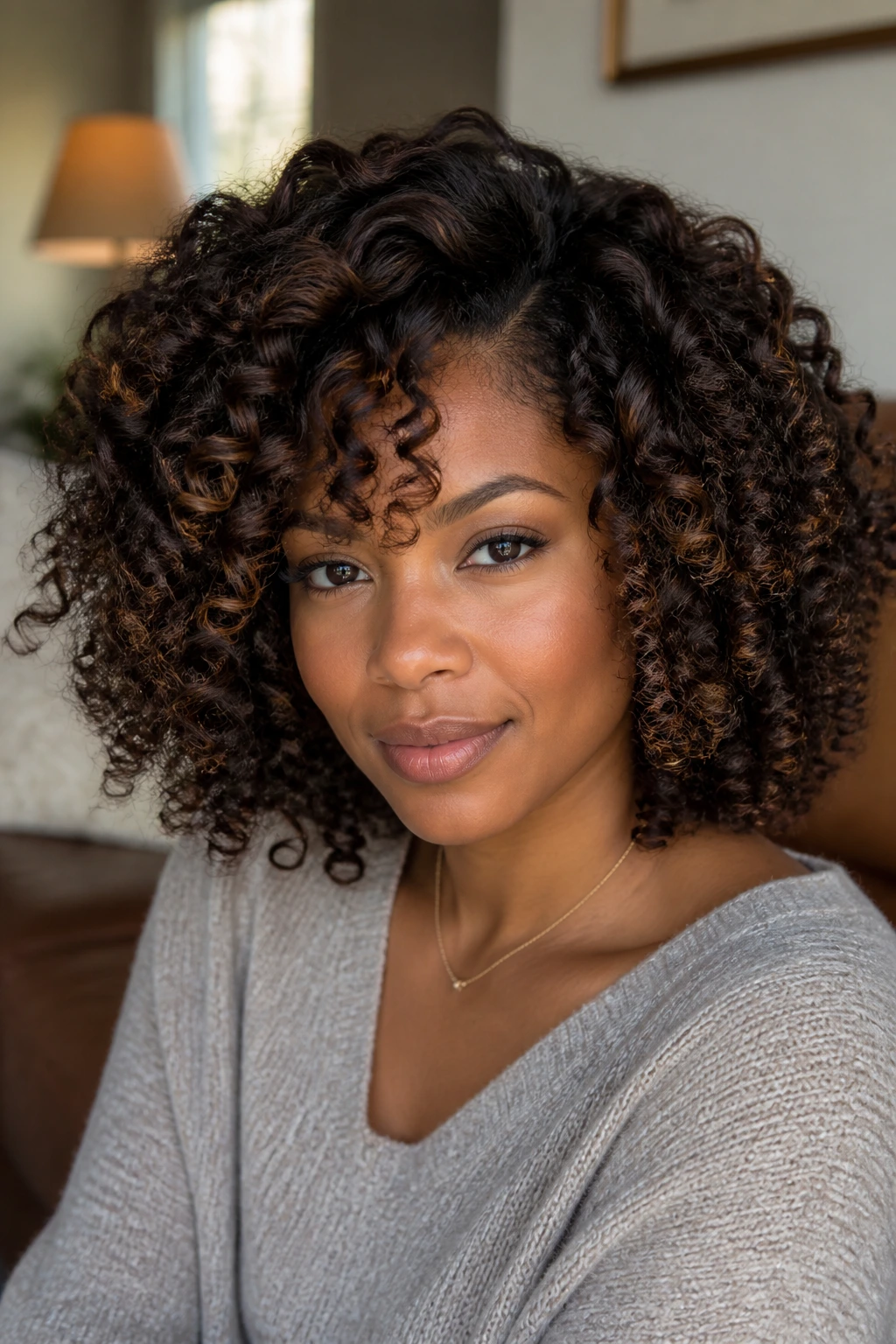
Sometimes, you don’t want to get lighter—you want to add depth. Espresso with mocha lowlights is a sophisticated way to add richness to your hair. By adding darker-than-your-natural-hair lowlights, you create a sense of density.
This is fantastic for people with fine hair who want to give the illusion of thicker, fuller curls. The contrast between your natural dark base and the slightly darker lowlights creates shadow and dimension.
- Benefit: Zero damage. Since lowlights are usually darker than your natural color, you don’t need to use bleach. You can use demi-permanent dye, which is much kinder to your strands.
20. Cherry Cola
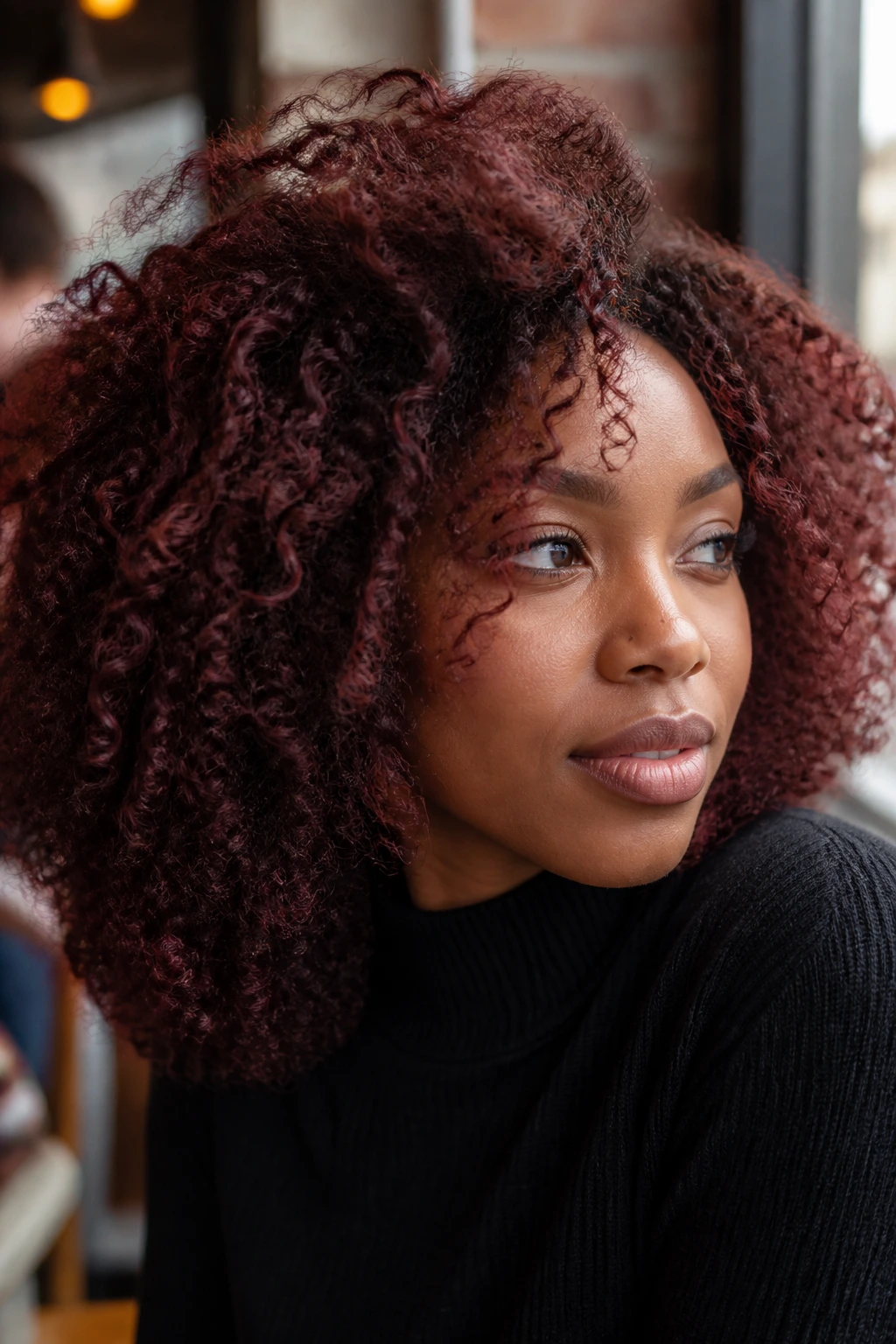
Cherry cola is a deep, dark brown with a distinct red tint. It is the color of a dark soda. It is vibrant and noticeable, but because it is rooted in deep brown, it maintains an air of professionalism.
It is a great alternative to standard red. Where red can feel too “loud,” cherry cola feels rich and intentional. It is also quite easy to achieve if your hair is already dark; a simple color-depositing dye can often get you there.
Maintenance note: This color stays true for longer than lighter reds. However, avoid heavy heat styling, as heat will draw the red tones out and leave you with a flat brown base.
21. Bronde
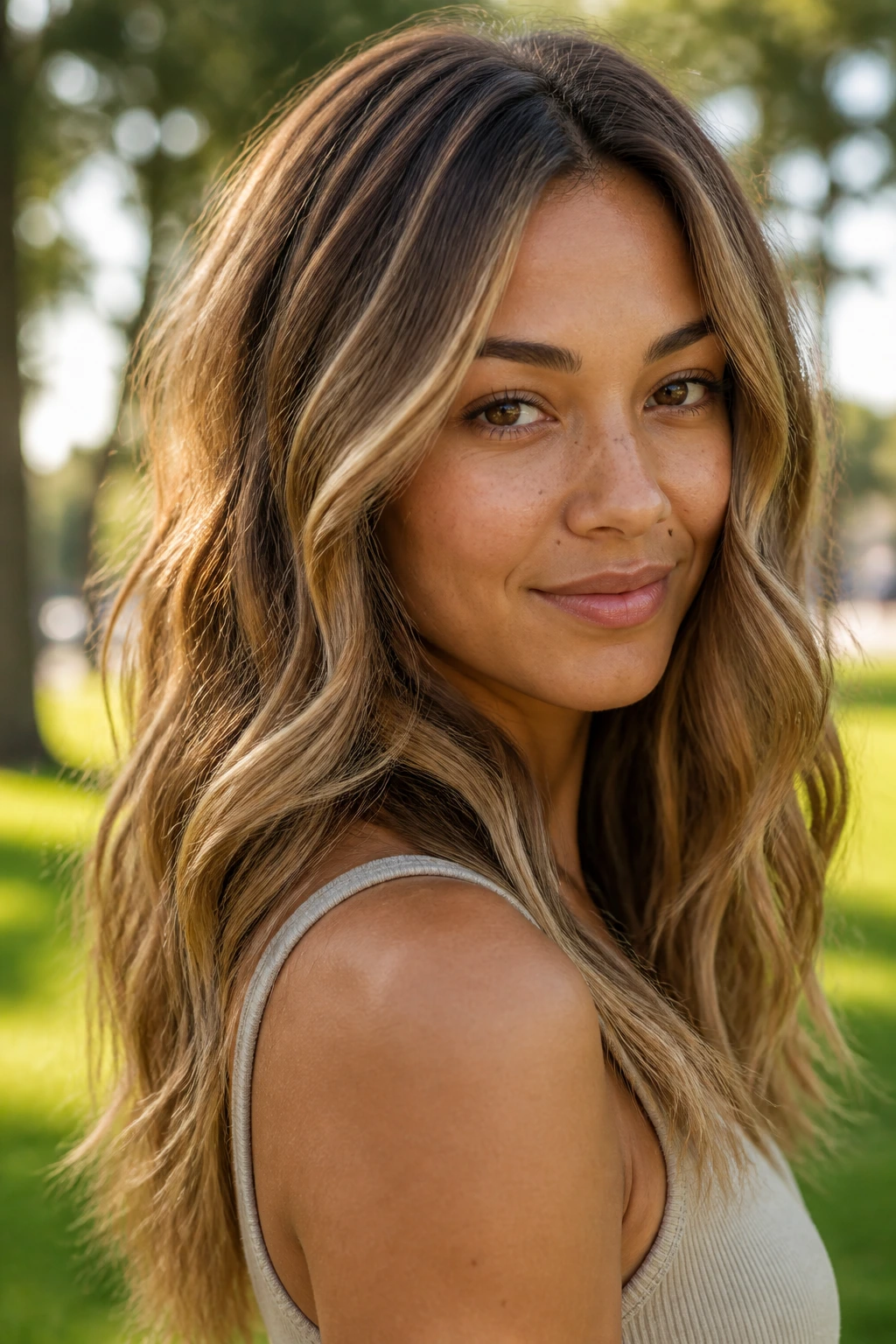
Bronde is the portmanteau of brown and blonde. It is a mix of the two, resulting in a sandy, beachy color that looks perfectly lived-in. It is the ultimate low-maintenance blonde look.
The appeal of bronde is that it mimics the way hair naturally lightens in the sun, especially for those with brown hair. It is not a distinct blonde; it is a blend. It’s perfect for the person who wants to be “light” but not “bright.”
How to Request This
Ask for “babylights” rather than thick highlights. Babylights are tiny, micro-fine sections of hair that are lightened. This creates a soft, diffused blend that looks like natural highlights rather than streaks.
22. Soft Cinnamon
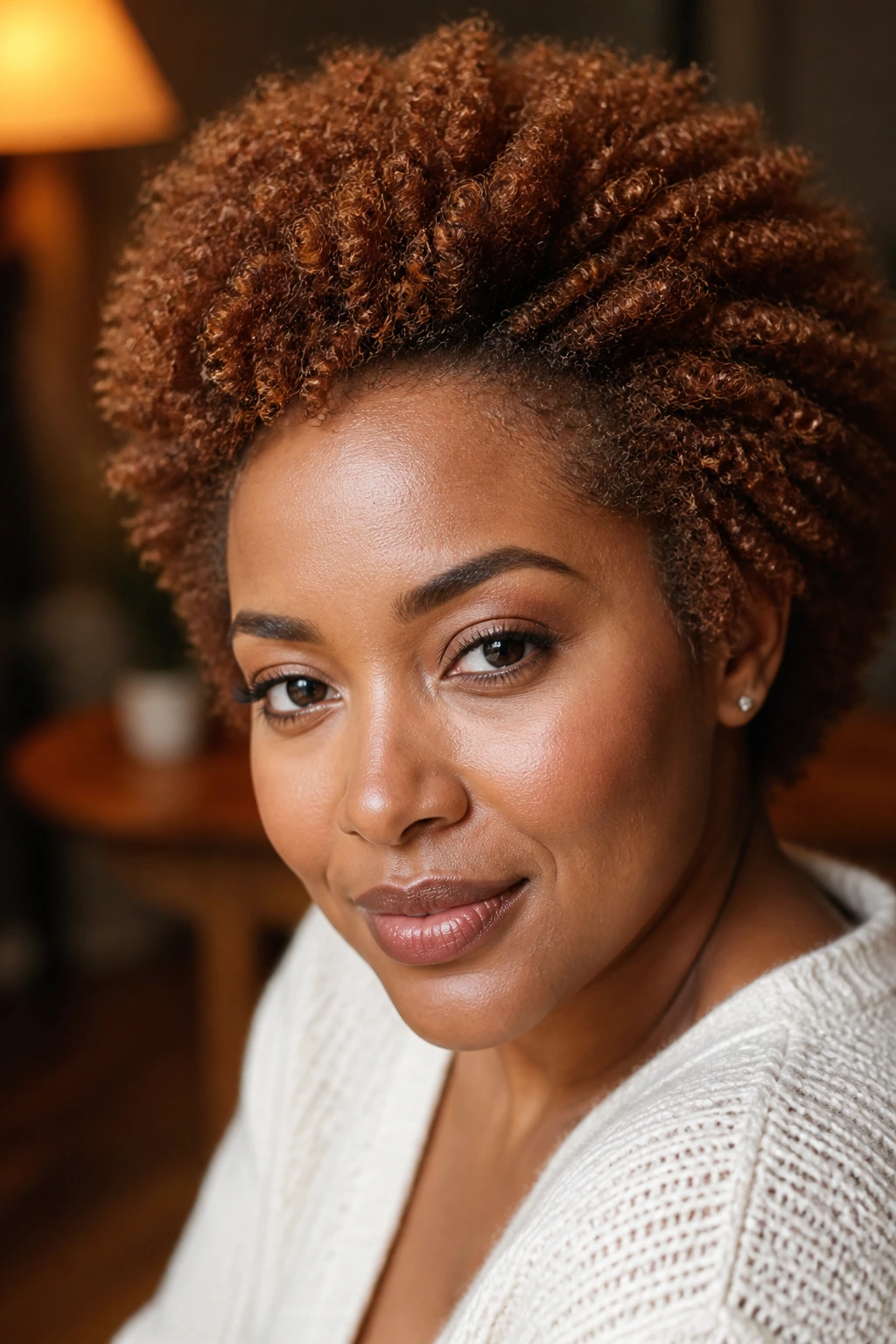
Cinnamon is a warm, spicy brown that looks incredible on natural coils. It is a very flattering, warm-toned brown that brightens the complexion without the maintenance of a full blonde.
It sits comfortably between chestnut and copper. It has just enough red to be interesting, but enough brown to be subtle. It is a beautiful way to transition into warmer colors if you are coming from a dark base.
This is a great year-round color. It looks cozy in the winter and bright in the summer. It’s a versatile, safe, and beautiful choice for any curl type.
Final Thoughts
The journey of coloring natural hair is one of balance. You are constantly negotiating between the aesthetic you want and the structural integrity your hair needs to thrive. Never prioritize the look over the health of your curls. If you find a color you love but your hair cannot handle the lifting process, look for alternatives—glosses, semi-permanent stains, or even high-quality temporary pieces.
Take your time. Do not try to achieve your dream color in a single afternoon. Great color—the kind that looks healthy and vibrant—is often a process. It takes patience, good products, and a stylist who understands the unique nature of textured hair. When you find that balance, you don’t just have a new look; you have a new way to express yourself, and that confidence is the best accessory you can own.
