



Hair color ideas for men are at their best when they look like a choice, not a costume. A clean brown, a blue-black gloss, or a controlled blonde can change how a haircut reads before anyone notices the cut itself. That’s the part people miss: color does not sit apart from the haircut. It changes the whole shape.
The real decision is contrast. How dark are your brows? How warm is your skin? How fast do your roots show? A shade that looks sharp on a buzz cut can feel too loud on shoulder-length hair, and a color that hides gray well can look muddy if your beard stays a different tone. That mismatch is where a lot of bad color jobs start.
Bleach deserves respect, too. Dark shades are forgiving. Pale blonde, silver, and pastel tones usually need lightening first, and lightening is where hair can get dry, fragile, or patchy if the process gets rushed. If your scalp has ever reacted to box dye, a patch test is not optional. A strand test helps even more, because hair tells the truth faster than a bottle label ever will.
The trick is to pick a shade that fits your face, your haircut, and your patience for upkeep. Some of these ideas are quiet and easy to wear. Some are bold enough to turn heads at a bar, a concert, or a work meeting you’d rather keep short. Different moods, different maintenance, same goal: make the hair look intentional.
1. Jet Black
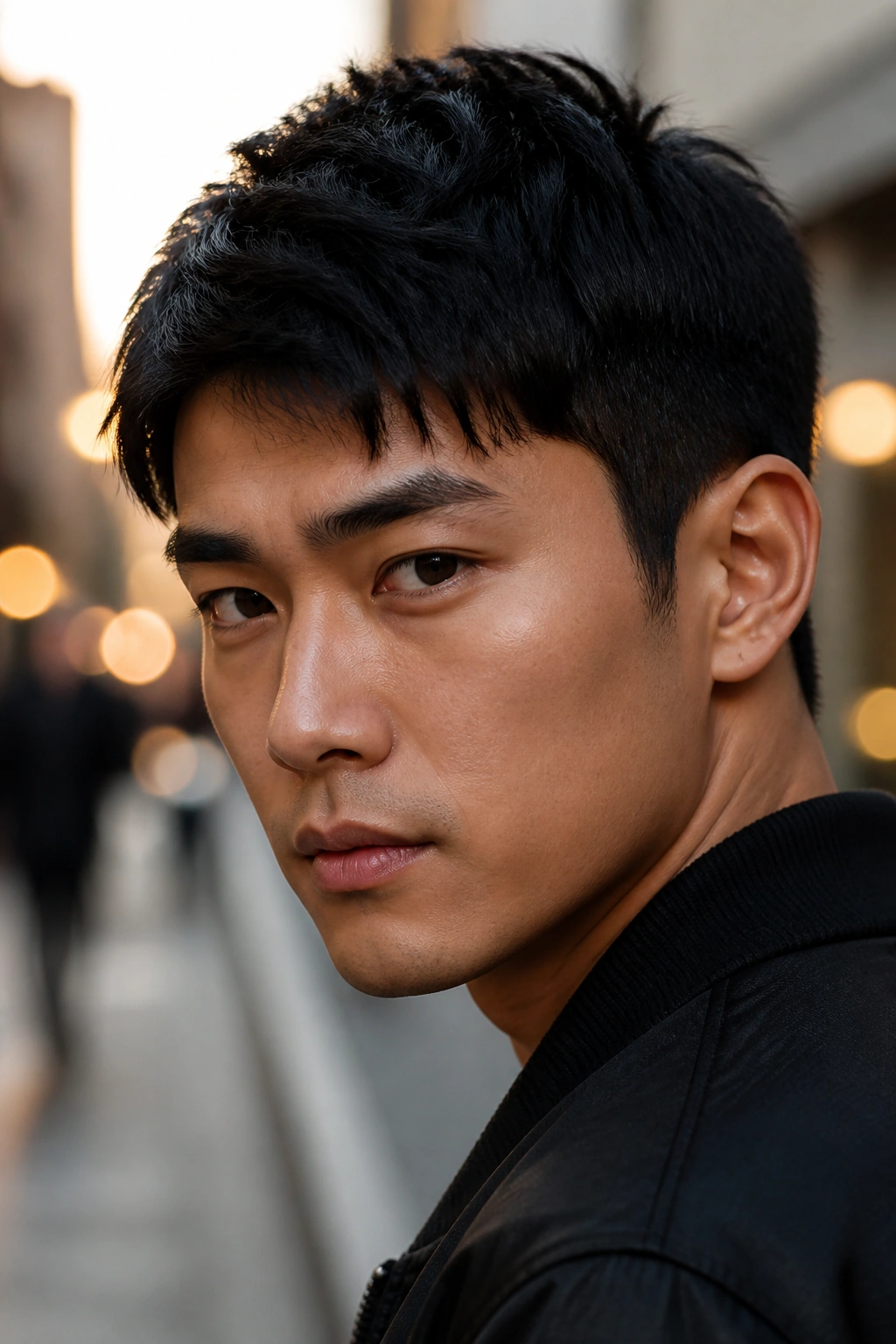
Jet black is the blunt instrument of hair color ideas for men. It looks sharp fast, and on the right guy it makes a crop, fade, or slicked-back cut look cleaner than a fresh line-up.
The catch is that it can go hard. If your skin is pale or your features are soft, a flat black can make the hair look like a helmet unless there’s some texture in the cut. A matte paste or clay helps break up that shine. So does a little movement at the top.
Why It Works
- Best on naturally dark brows and beards.
- Reads strongest on short hair, where the finish stays crisp.
- Looks less harsh when the black has a blue base instead of a flat brown base.
My take: if you want black hair, keep the cut modern and tight. Long, perfectly straight jet-black hair can look heavy fast.
2. Blue-Black
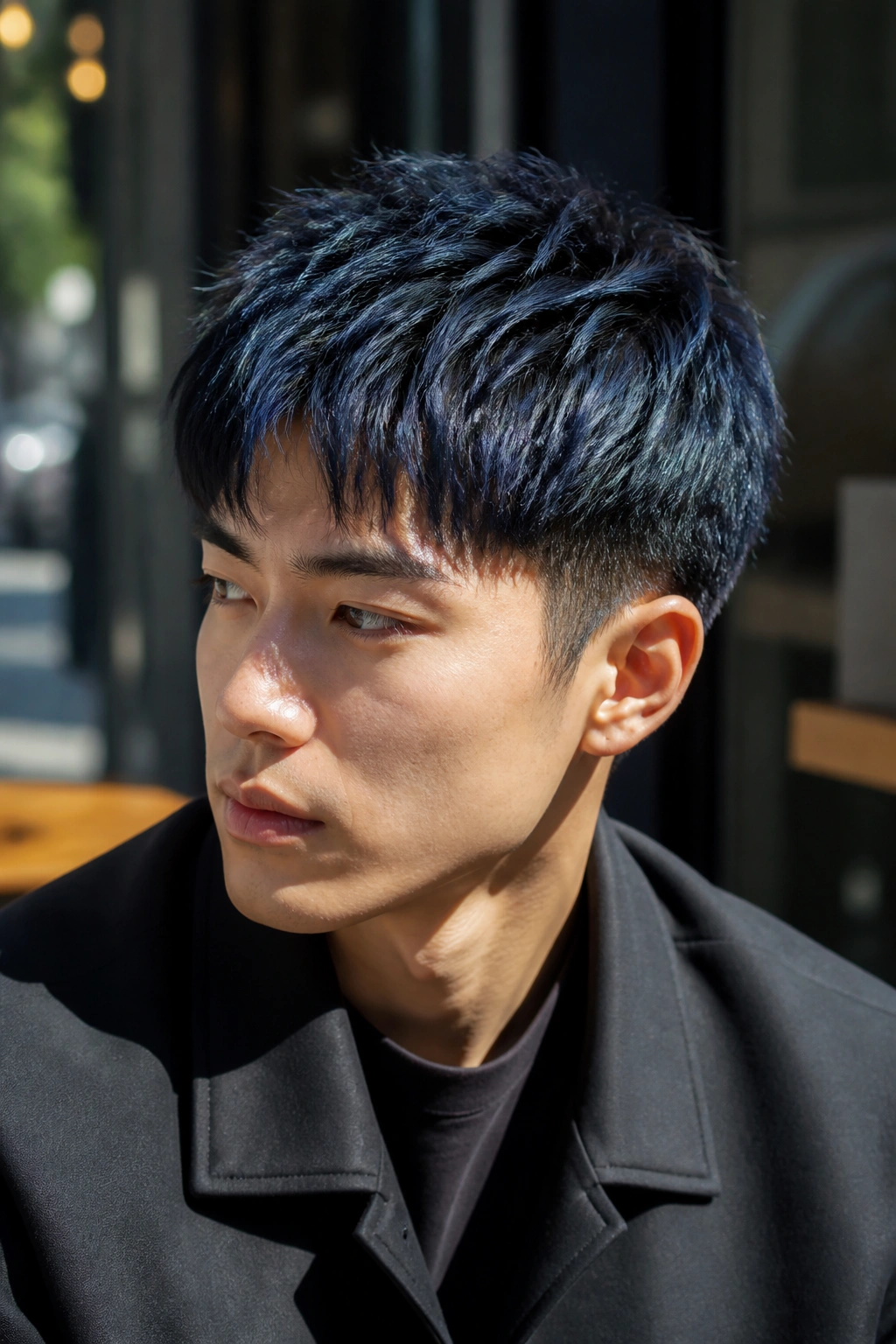
Blue-black is the better version of black for a lot of men. It still looks dark in low light, but when sunlight hits it, there’s a cool blue edge that keeps the shade from feeling flat.
That tiny shift matters. It softens the hard line you sometimes get with pure black, especially if your skin has cool or neutral undertones. On short textured hair, blue-black feels sleek without looking painted on. On longer hair, it has a little more depth and movement.
It’s also a smart pick if you wear black clothing a lot. Pure black-on-black can disappear. Blue-black gives the hair a little separation from the outfit, which sounds minor until you see it in a mirror and realize why the whole look works better.
3. Espresso Brown for Men
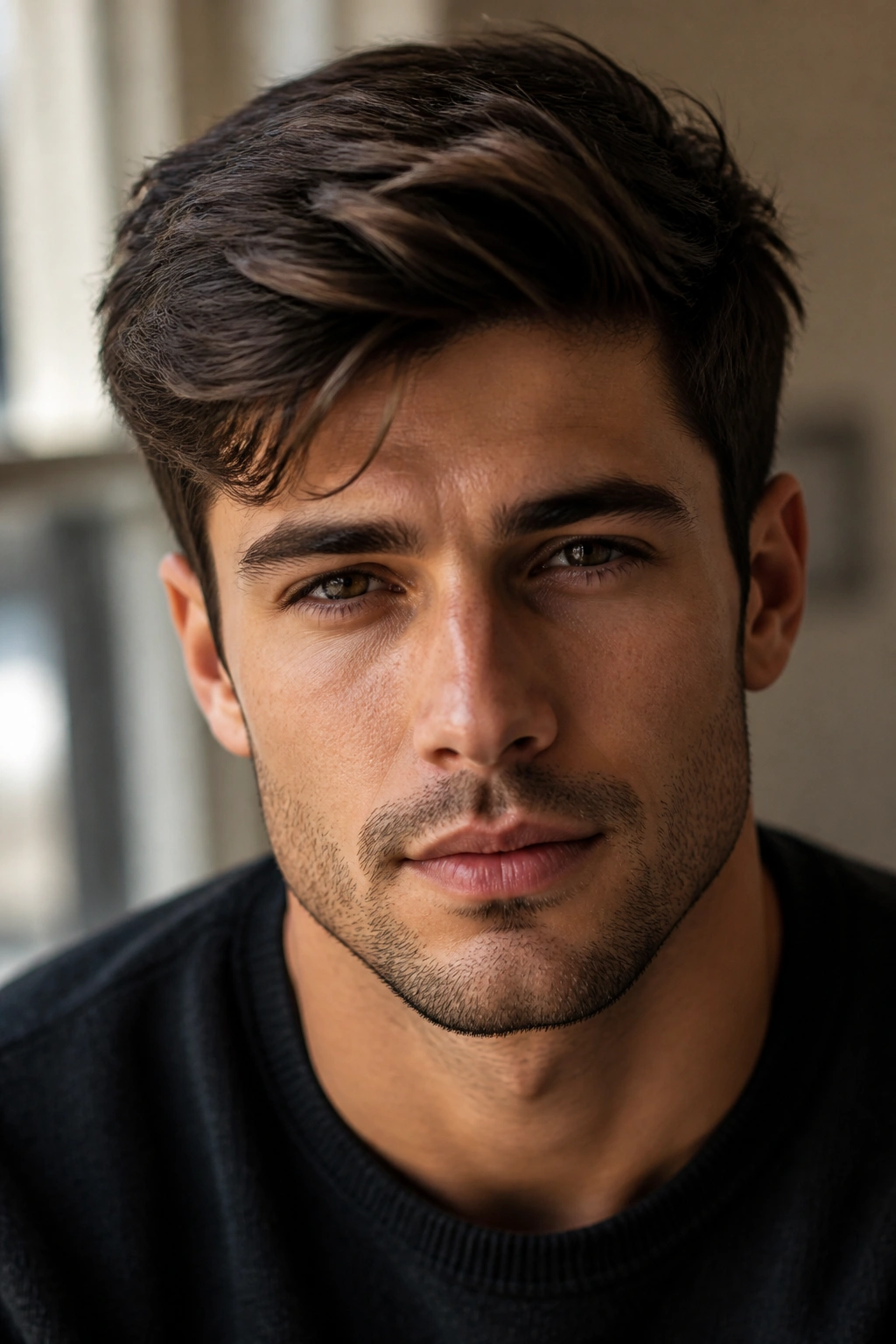
Why do so many men end up here? Because espresso brown sits in the sweet spot between “my natural color, but better” and “I clearly did something.” It covers gray, adds richness, and does not scream for attention.
What Makes It Different
Espresso brown has enough depth to look serious, but it avoids the flatness that plain black can bring. On medium to dark hair, it adds a polished look without changing your whole face. On lighter brown bases, it can be built in with a demi-permanent gloss instead of a hard permanent dye.
How to Wear It
- Use it if you want low drama and clean edges.
- Works well with fades, side parts, and brushed-up tops.
- Ask for a cool or neutral brown if your skin burns red easily.
A good espresso shade also gives you room to grow. Roots blend in longer, which is nice when you do not want to be in a chair every few weeks.
4. Mushroom Brown
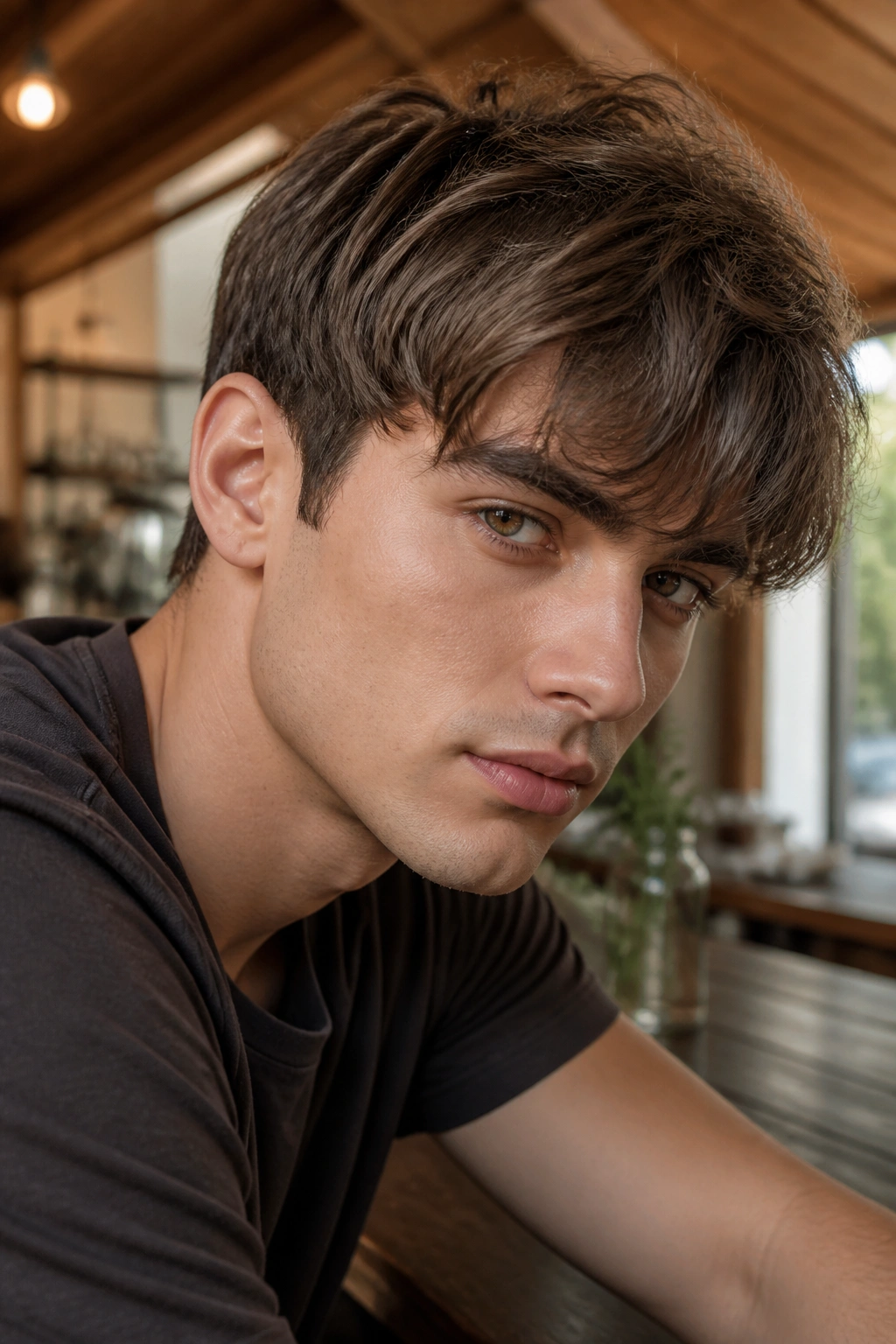
Mushroom brown has that cool, earthy look that keeps hair from drifting orange or red. It sits between taupe and soft brown, and on the right base it looks expensive in the best sense of the word — controlled, not flashy.
This shade is excellent for guys whose hair pulls warm every time it gets dyed. You know the problem. You ask for brown, and six washes later it turns coppery. Mushroom brown fights that. It works especially well on straight or wavy hair where the cool tone can show at the surface.
A textured crop or a medium-length layered cut makes this color look even better because the shade changes slightly as the hair moves. It is not loud. That’s the point.
5. Ash Brown
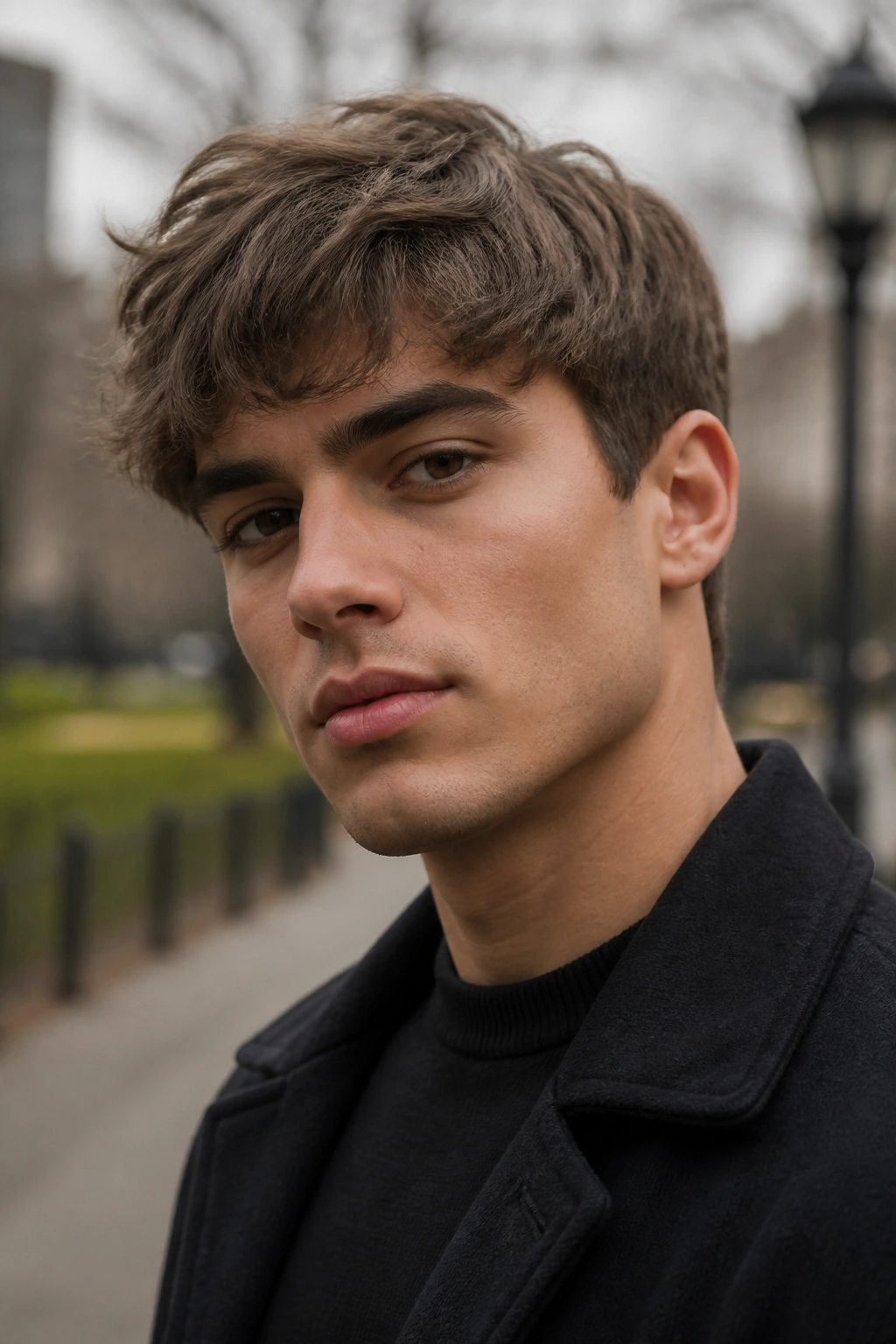
Ash brown is for men who hate warmth in their hair. No orange. No gold. No fake caramel glow. Just a cool brown that looks clean, dry, and controlled.
The shade is especially useful if your hair tends to brass up after lightening or if you already have some gray and want the color to blend instead of shout. It can make curls look sharper and straighter hair look more deliberate because the tone is so even.
But ash brown is unforgiving if you overdo it. Too much ash and the hair can look dull or muddy, especially under indoor lighting. That is where a gloss or a slightly warmer lowlight can save the day. Tiny adjustment. Big difference.
6. Caramel Brown
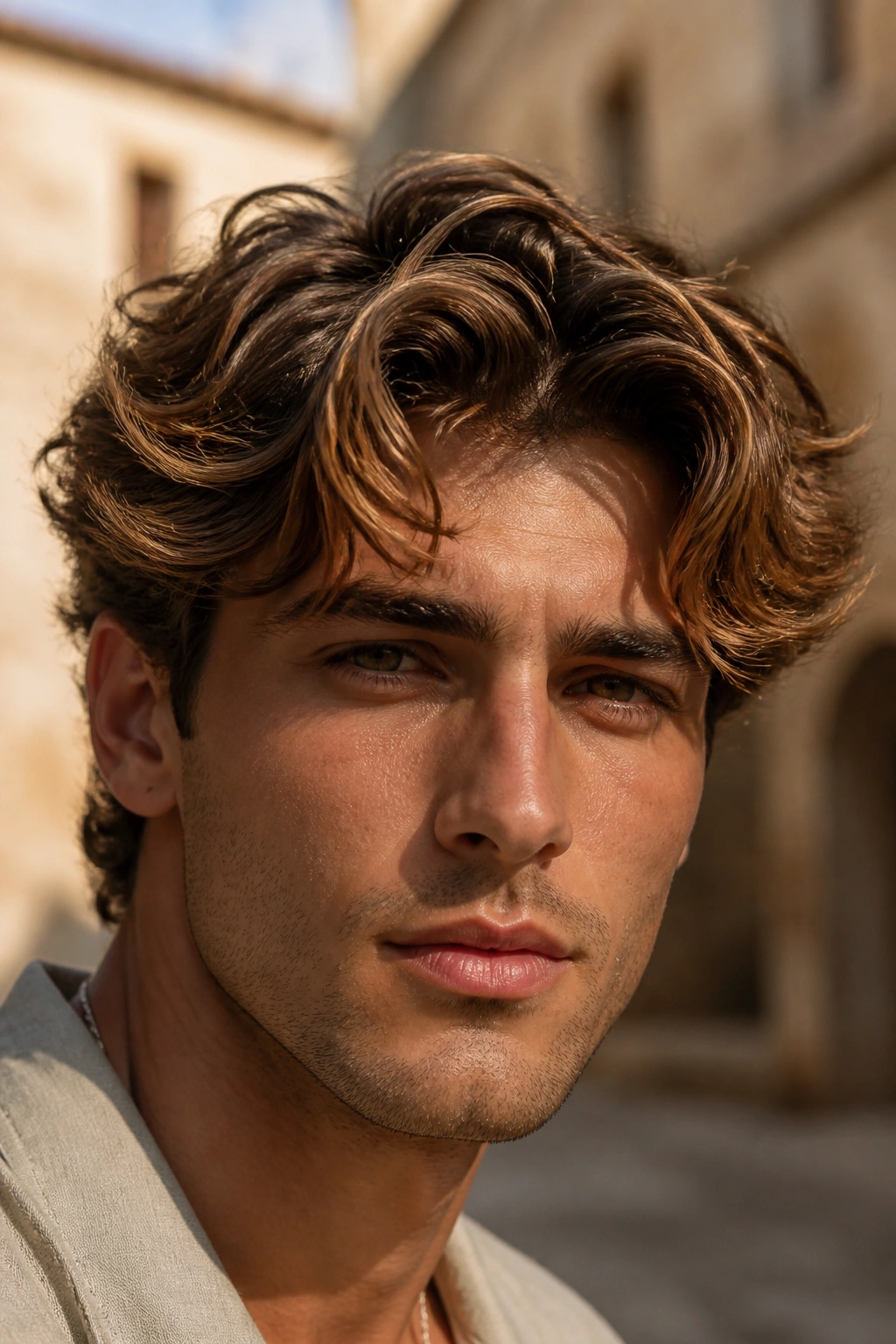
Caramel brown is what I recommend to men who want movement more than drama. It warms up the hair, gives it depth, and makes waves or curls look richer without pushing the color into obvious blonde territory.
Where Caramel Shows Up Best
- On medium brown bases that need a little lift.
- Around the front hairline, where lighter pieces soften the face.
- In curled or wavy hair, where the highlights catch on the bends.
What to Ask For
Ask for painted ribbons or soft balayage, not chunky streaks. Chunky highlights can look dated fast, and they usually grow out in a weird way. Caramel works best when the root stays closer to your natural color and the lighter pieces sit where the sun would hit.
Good call: if you wear a beard, keep the beard one shade deeper than the hair. That contrast looks cleaner than making everything the same tone.
7. Golden Blonde
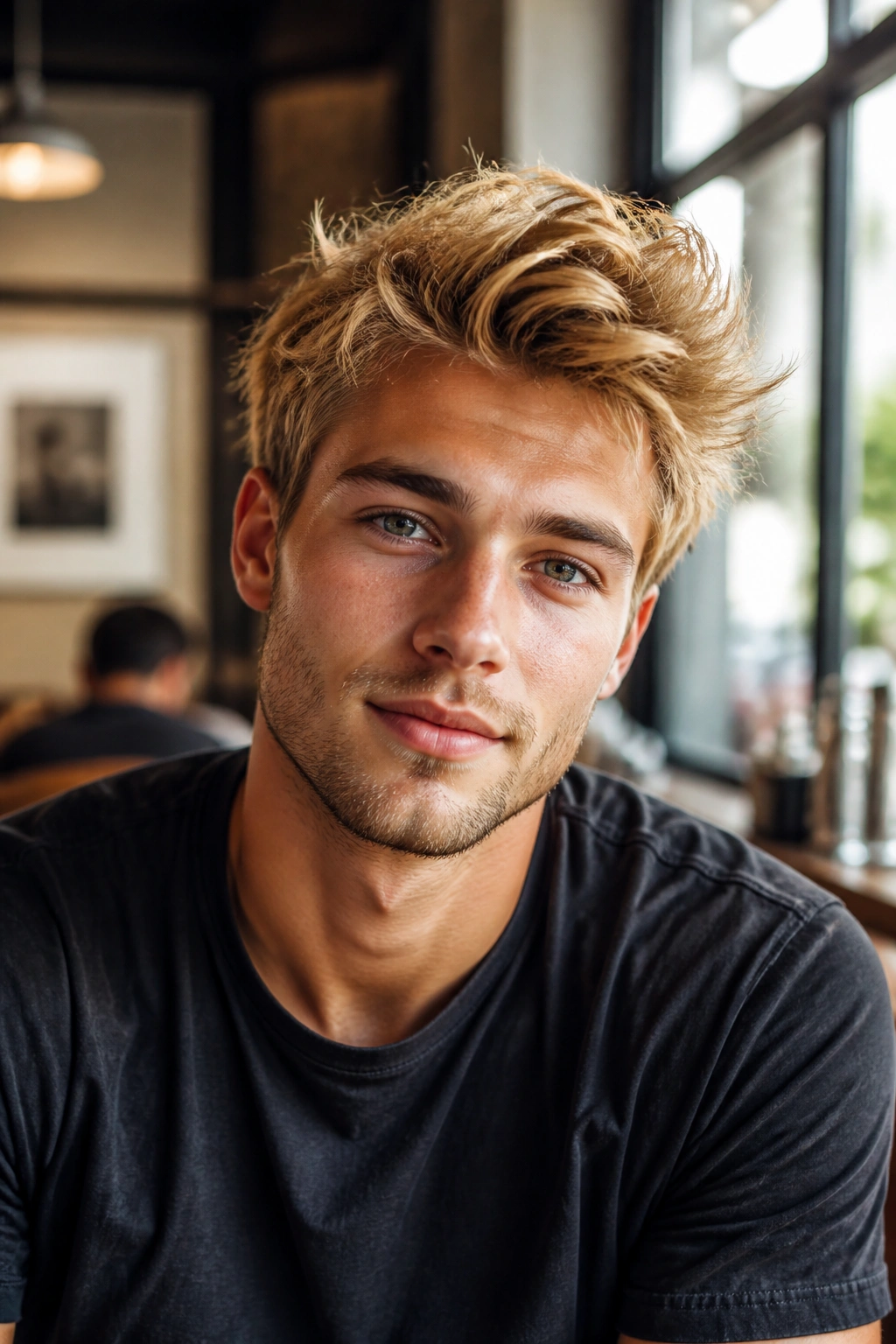
Golden blonde is the friendliest blonde shade for men. It has warmth, a little brightness, and none of the icy sharpness that can make platinum feel harsh on the wrong face.
It’s a strong choice for guys with peach, olive, or golden skin. The warmth keeps the hair from looking washed out, especially if your haircut has texture or some length on top. Think messy quiff, loose fringe, or a layered crop that can catch light without looking overworked.
The downside is brass. Golden blonde can drift too yellow if the toner gets ignored. A purple shampoo once in a while helps, but don’t flood the hair with it unless you want to mute the warmth completely. The point is glow, not chrome.
8. Platinum Blonde for Men
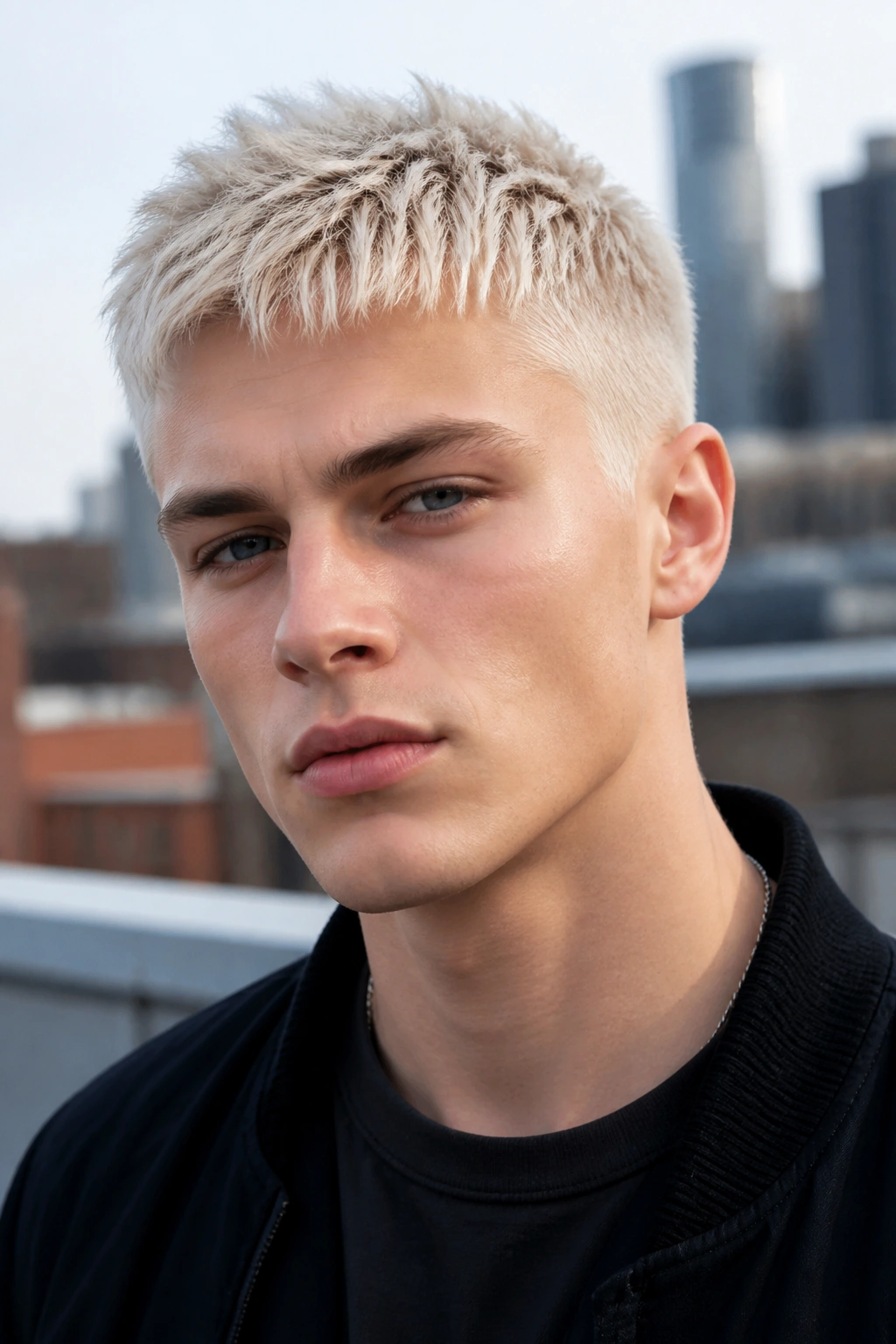
Platinum blonde is not the same thing as blonde. It’s a different job, with more lift, more toning, and more upkeep. If golden blonde is a warm glow, platinum is a cold flash of light.
What Makes It Different
Platinum usually needs pre-lightening, and pre-lightening is where hair gets stressed. That means shorter cuts often handle it better than long ones because the color job stays tighter and the damaged ends are easier to trim off. If you already have fragile hair, this shade can be a rough ride.
How to Keep It from Going Straw-Like
- Use a moisture-heavy conditioner after every wash.
- Keep heat styling low and brief.
- Tone regularly so the hair stays icy, not yellow.
Platinum looks strongest on cropped cuts, sharp fringes, and styles with clean lines. It can look expensive. It can also look fried, and there is not much middle ground. That’s the honest version.
9. Silver Gray
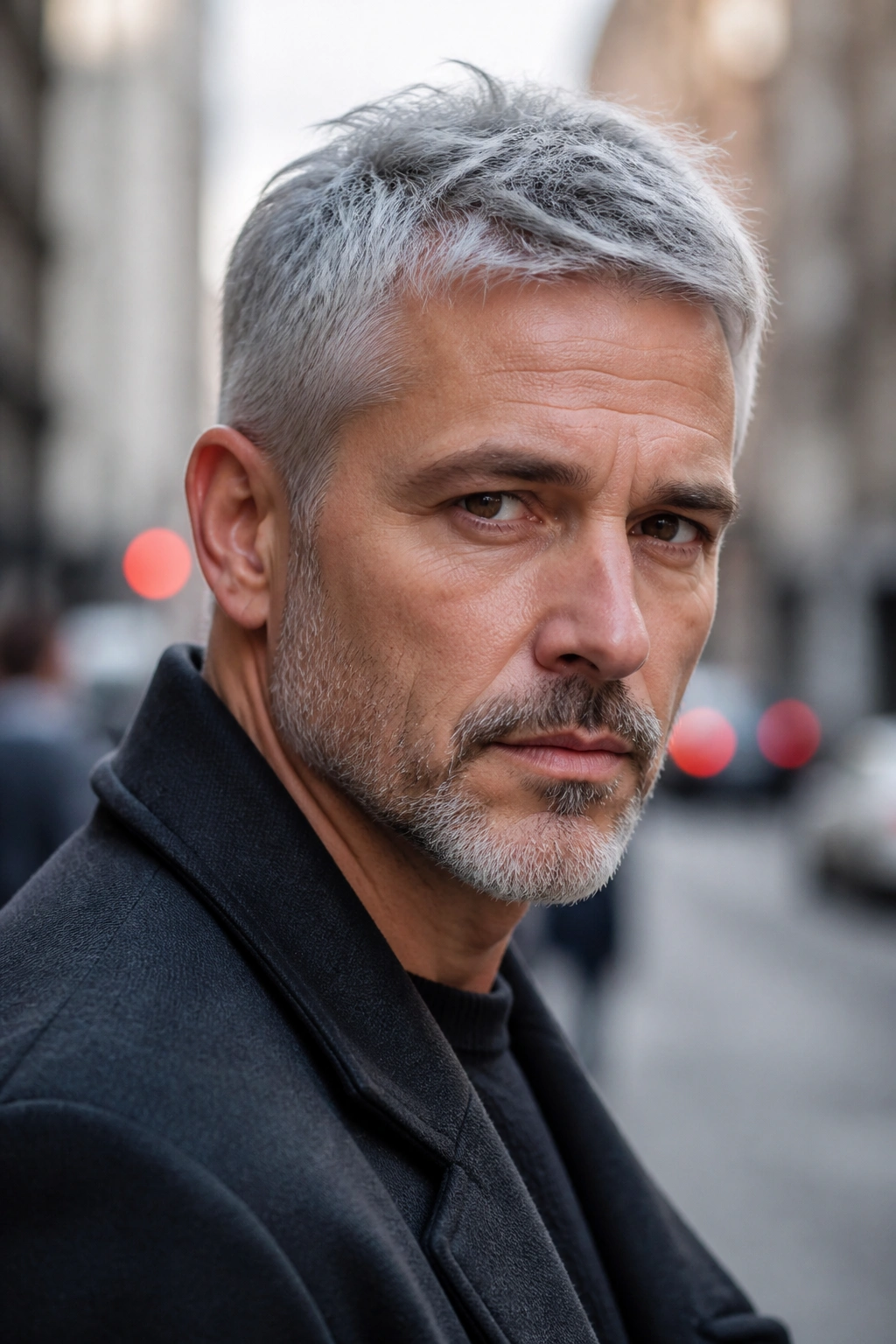
Can gray be chosen on purpose? Absolutely. Deliberate silver has a very different feel from accidental gray, and that difference is mostly in the tone and the finish.
Silver gray works when the hair is lightened enough to hold a clean metallic note, then toned so the yellow is gone. On men with salt-and-pepper beards, the look can feel pulled together instead of patchy. The whole face reads as one story.
It’s a good move for short hair, especially if you like structure. A textured crop, short pompadour, or brushed-forward style gives the silver something to sit on. Long silver hair can be striking, but it needs shape or it starts to look flat in a hurry.
10. Salt-and-Pepper Blend
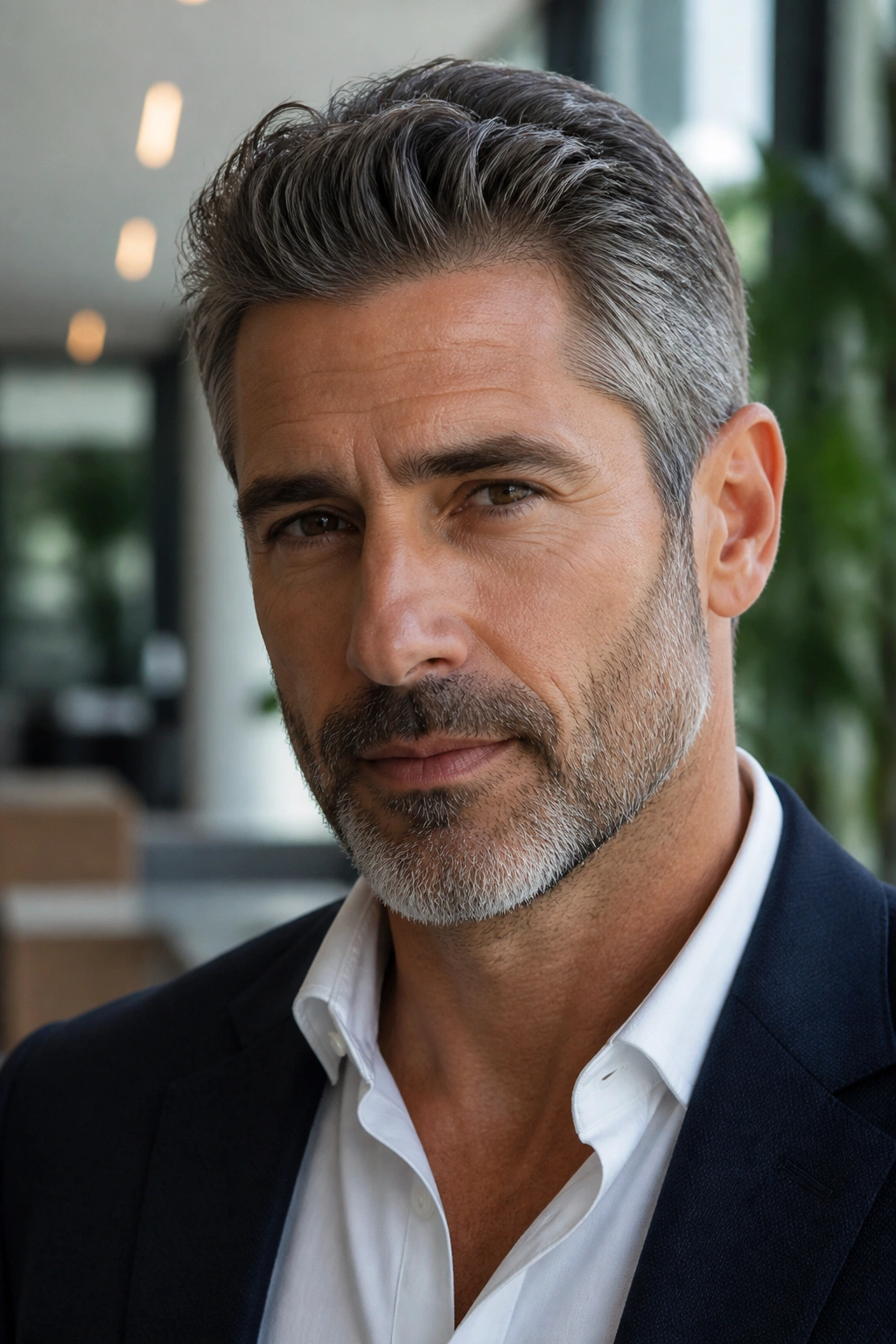
A lot of men spend years fighting gray, then finally realize the gray looks better when it is blended instead of hidden. Salt-and-pepper hair is proof.
The key is to keep the color soft. Instead of covering every silver strand, a colorist can use lowlights or a light gloss to blend the transition so the gray feels part of the cut. That means less harsh grow-out and fewer obvious roots. Nice bonus.
It works best when the haircut is clean. If the sides are sharpened and the top has texture, the blend looks deliberate. If the cut is grown out and shapeless, the same color can look unfinished. That’s the part people forget. Hair color and haircut are roommates; they fight if you ignore one of them.
11. Copper
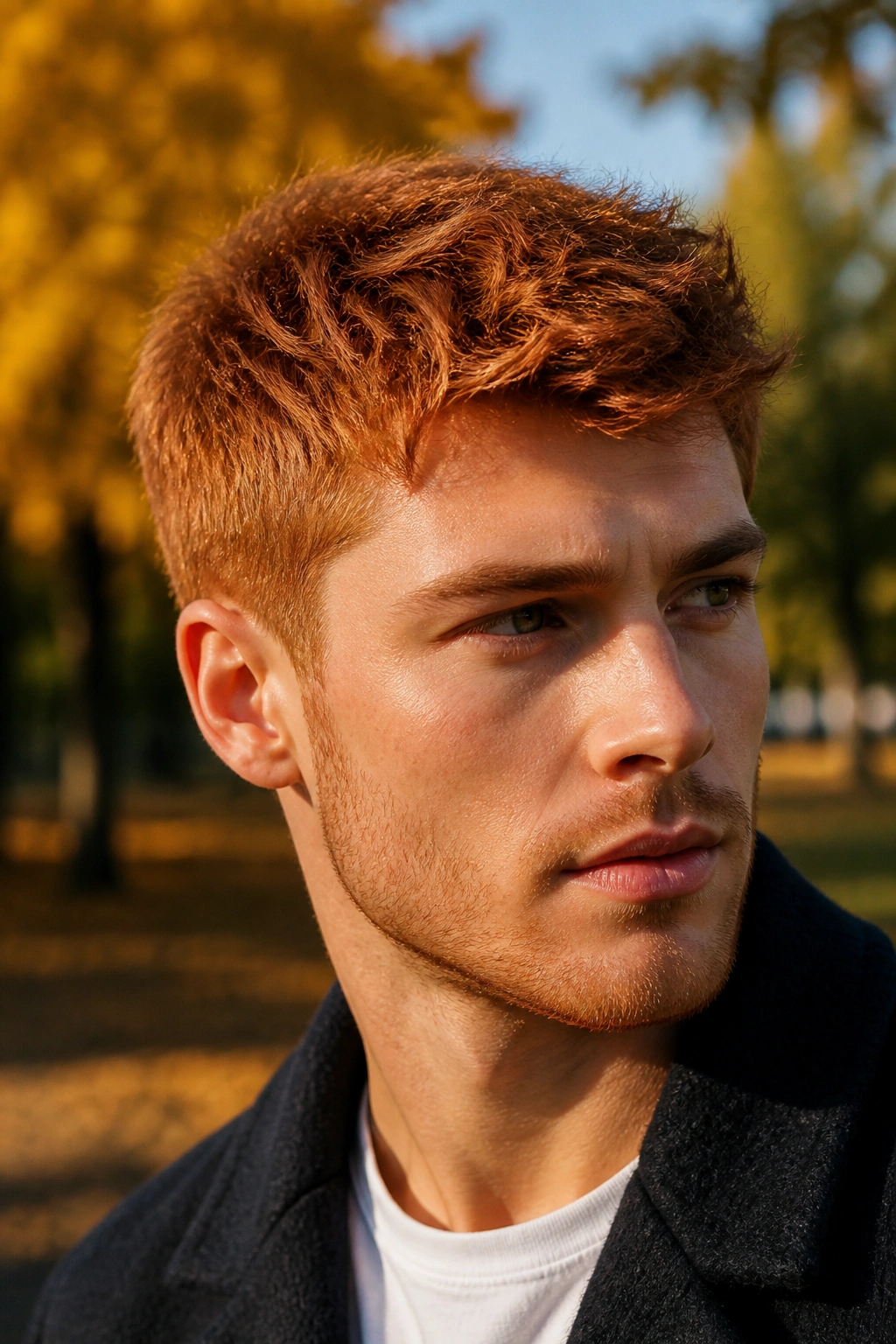
Copper gets noticed before the haircut does. That’s the truth of it. If you want a warm color with energy, copper lands harder than brown and softer than a loud red.
When Copper Looks Best
Copper works best on men with fair to medium skin, especially if there’s some warmth in the undertone. It also plays well with hazel or green eyes, though eye color is not a rulebook. Short, textured cuts and layered mid-length hair tend to show the tone best because the color changes as the hair moves.
What to Watch For
- Copper fades fast if the hair is porous.
- Color-safe shampoo matters more than fancy styling products.
- A beard dyed too bright can make the look feel costume-like.
Copper is a color for men who like attention but do not want neon. It has enough edge to stand out without turning the whole head into a stunt.
12. Auburn
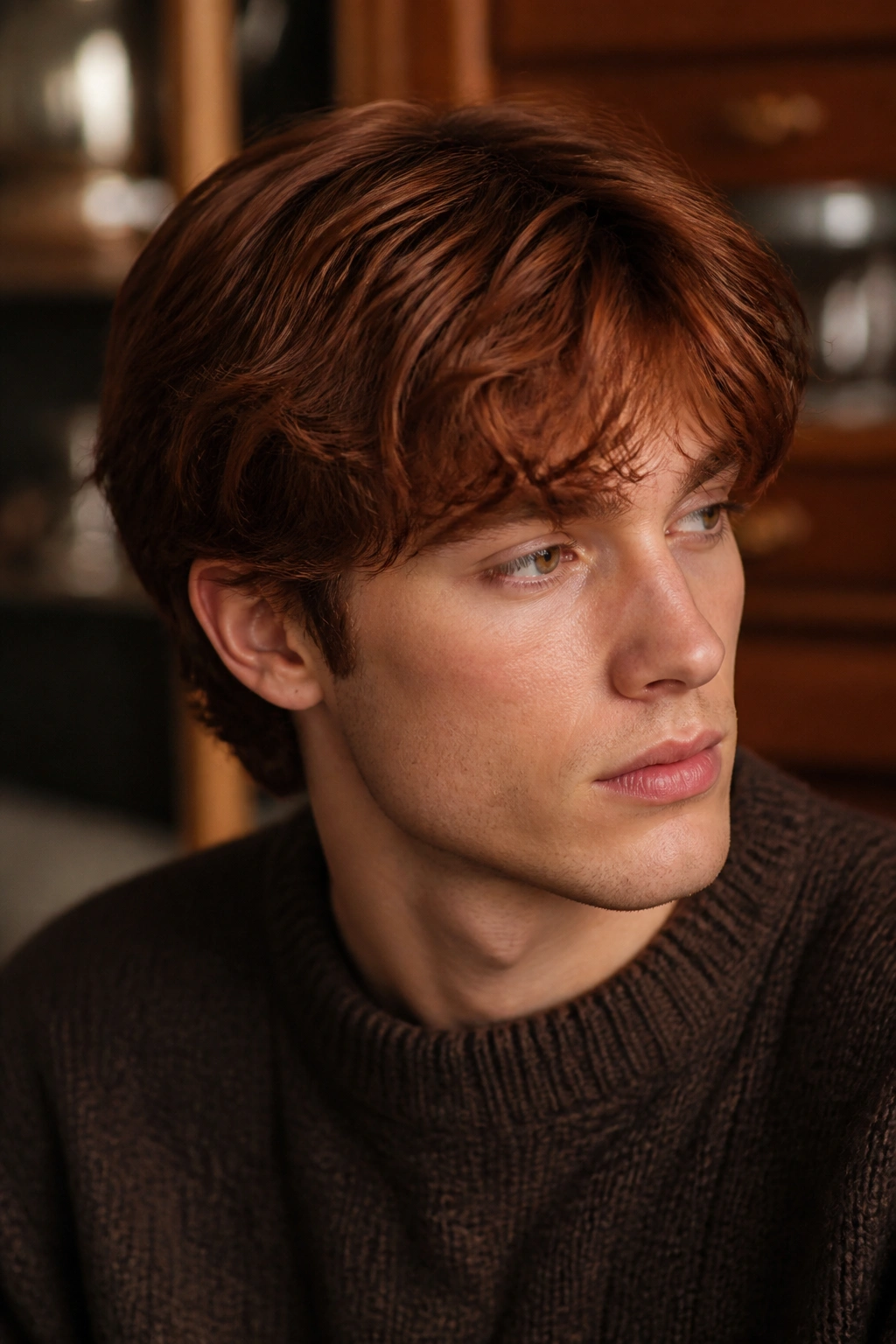
Auburn sits between brown and red, which is exactly why it works on so many guys. It has the warmth of red hair without the full brightness of copper, and it has enough brown in it to stay wearable.
That balance makes auburn one of the easier red-family shades to live with. It looks good on layered cuts, curls, and medium-length styles because the depth shows in motion. Indoors, it can read as rich brown. In sunlight, the red part wakes up.
If you want a little personality but not a loud color, this is a smart move. Auburn also ages better than many reds because it fades into a warm brown instead of a weird pink. That matters more than people think.
13. Burgundy
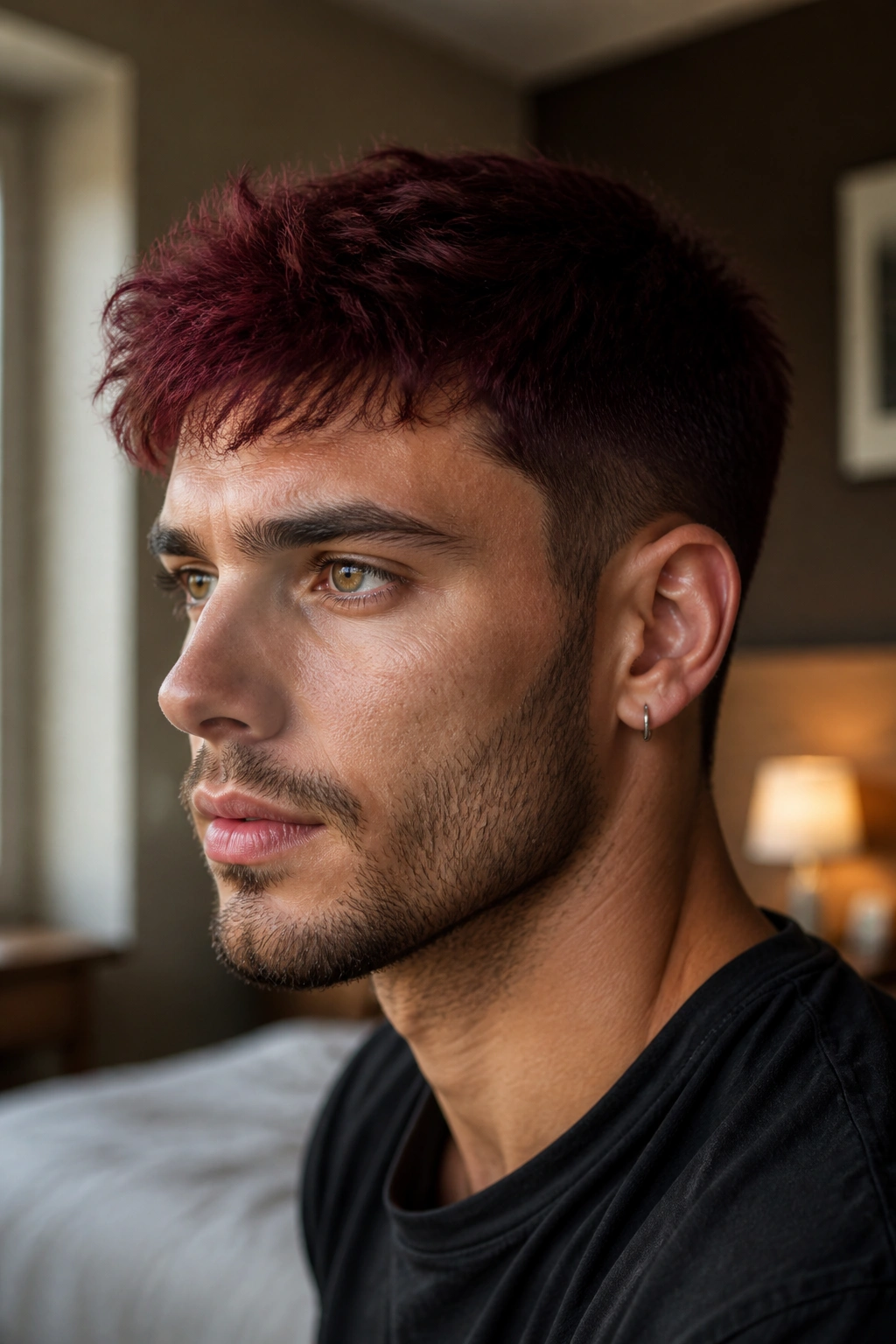
Burgundy is the quieter cousin of red. It has wine tones, a darker base, and enough depth to look almost brown in low light.
That makes it one of the easiest bold shades to wear in a work setting. You get color, but it does not jump out from across the room. On dark hair, burgundy can be done as a full color or as a layered gloss that shifts in daylight. On lighter hair, it can turn more vivid and a little cooler.
The best burgundy shades stay deep. If they get too magenta, the look changes fast. Keep the tone rich, not pink. That’s the whole game.
14. Cherry Red
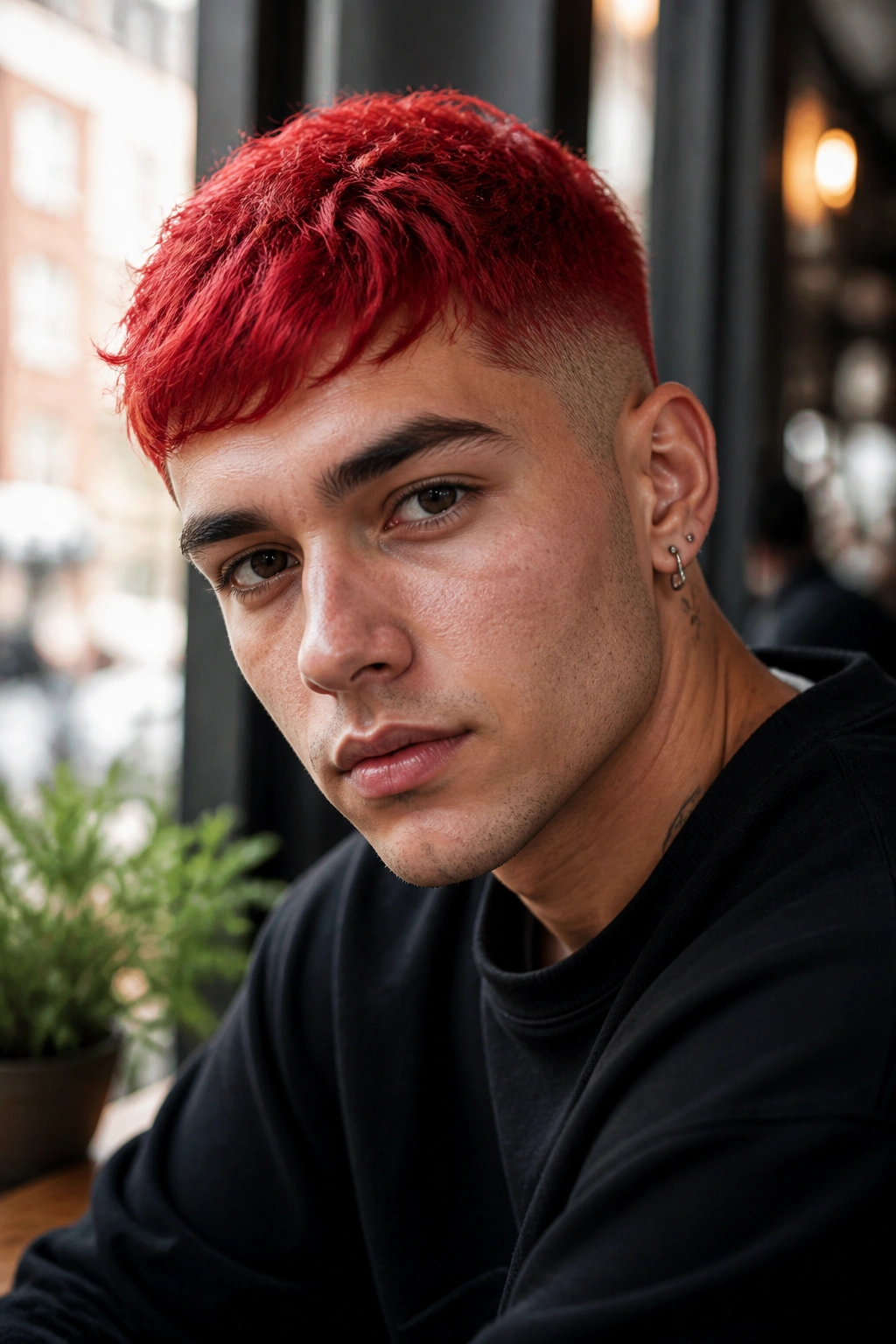
Cherry red is not shy. It is bright, clean, and a little reckless in the best way. If you want a color that says you meant it, this is one.
Short hair makes cherry red easier to wear because the shape stays neat and the color takes center stage. It also works as an accent — a fringe, an underlayer, or a panel under darker hair if you do not want a full head of red. That approach gives you the color without having to commit to it everywhere.
Good Uses for Cherry Red
- Buzz cuts and cropped tops.
- Fringe-heavy cuts where the front piece can take the hit.
- Semi-permanent color if you want a short-lived experiment.
Use color-safe shampoo and cool water if you want the shade to hold. Hot water strips red fast. Annoying, yes. True, also yes.
15. Midnight Blue for Men
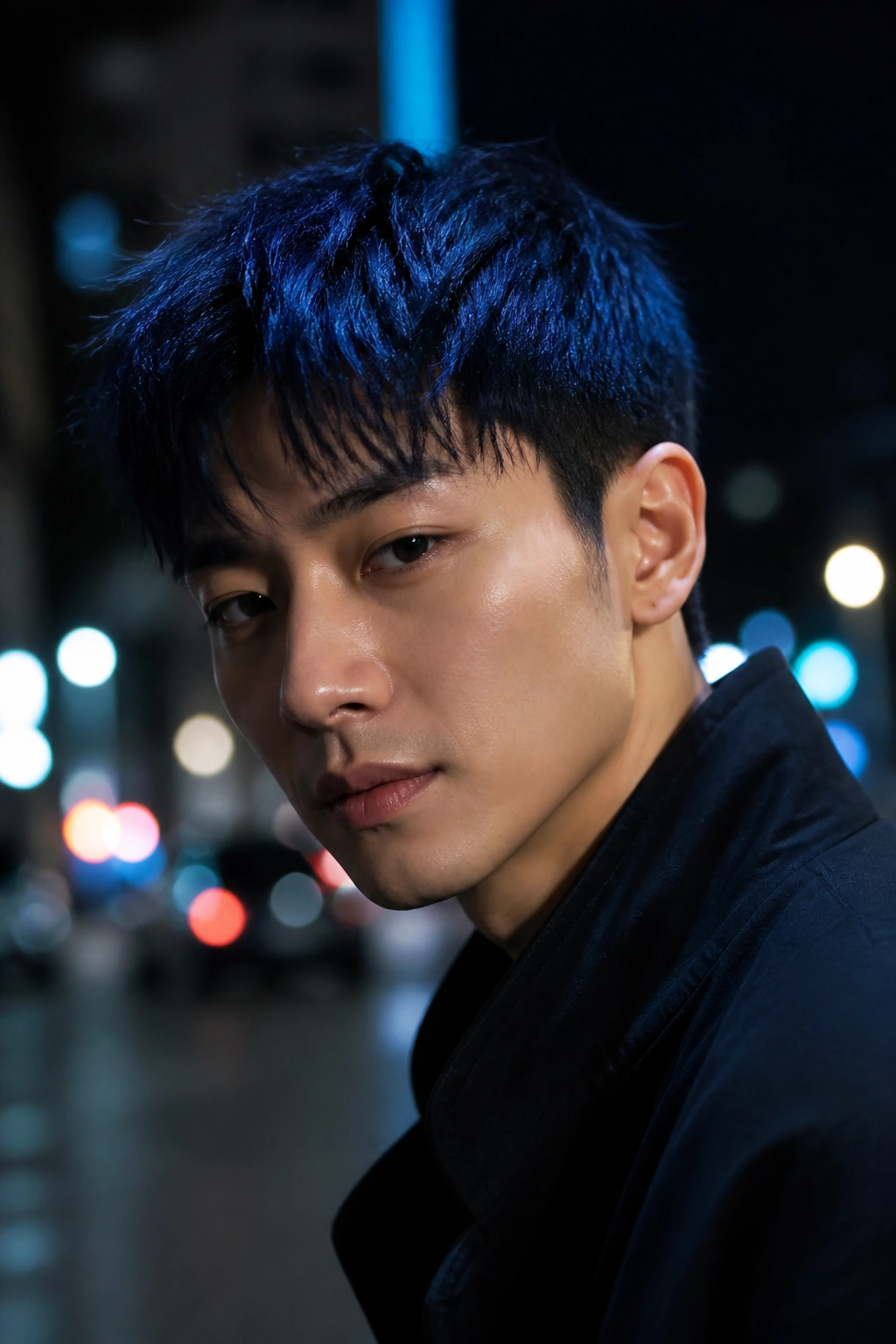
Midnight blue is one of the smartest “bold but not too bold” shades a guy can pick. It reads as black from a distance, then shifts blue when the light moves. That little trick is the appeal.
Why It Fools the Eye
The darker the base, the more midnight blue behaves like a shadow with color hidden inside it. On dark hair, it can be subtle enough for daily wear. On pre-lightened hair, it gets brighter, which is great if you want more of a statement. The shade also sits well on short cuts because the shape stays crisp while the color does the talking.
Who It Flatters
- Men who already wear black, gray, or navy clothing.
- Guys with cool or neutral skin tones.
- Short to medium styles with some texture.
A matte styling product keeps the finish from getting too glossy. Too much shine and the blue can look brighter than you planned. Too little texture and the whole look gets heavy.
16. Forest Green
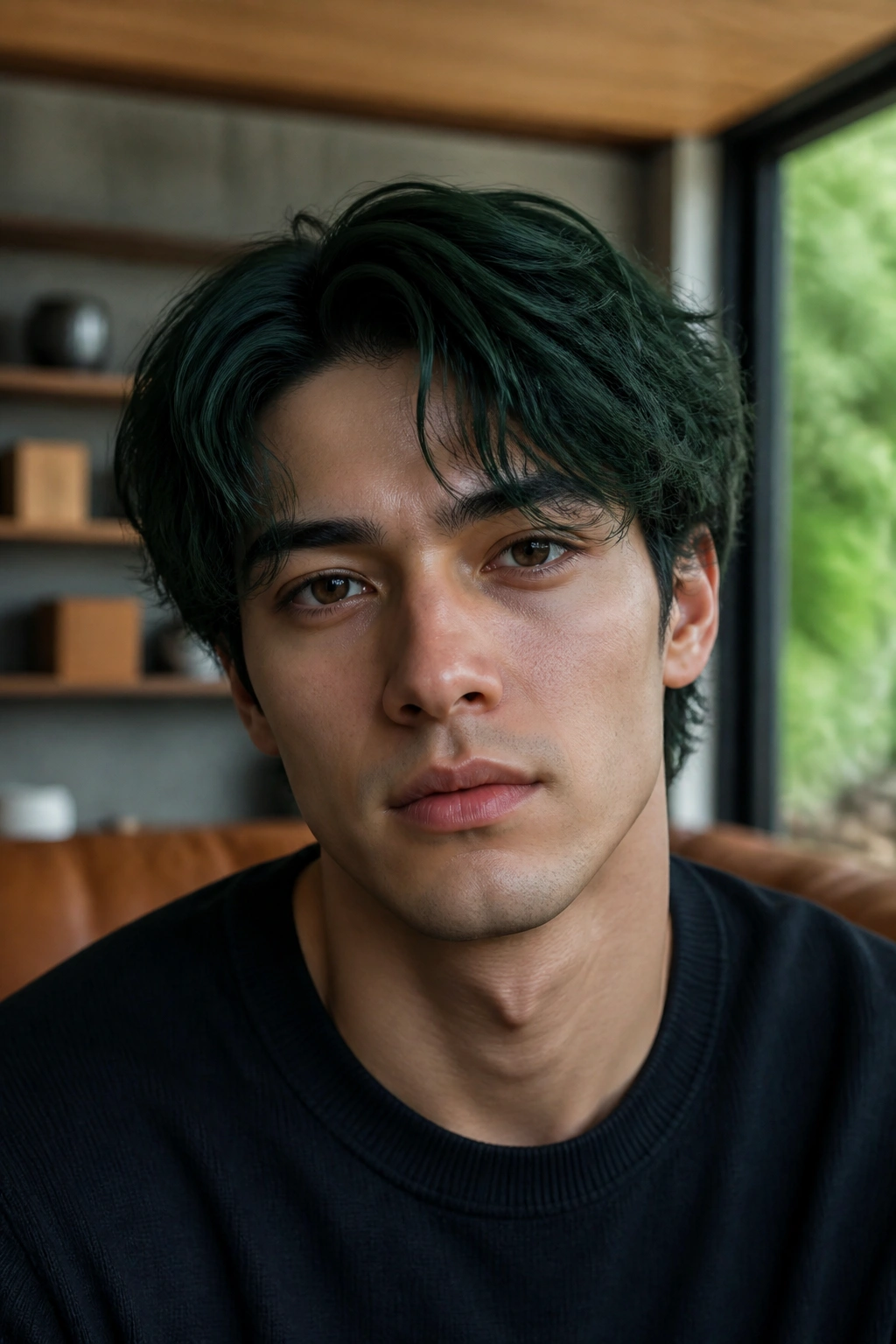
Forest green is for men who want color without going neon. Keep it deep, dark, and a little muted, and it can look rich instead of costume-y.
This shade works especially well as a full color on dark bases or as a hidden panel under the top layer. That hidden version is one of my favorites because it gives you a second look when the hair moves. When it stays covered, the color feels private. When it shows, it gets attention.
Do not let forest green drift into lime or swamp territory. Once the tone gets too bright or too muddy, the whole thing falls apart. A darker green with some blue in it usually wears better and fades more gracefully.
17. Smoky Lavender
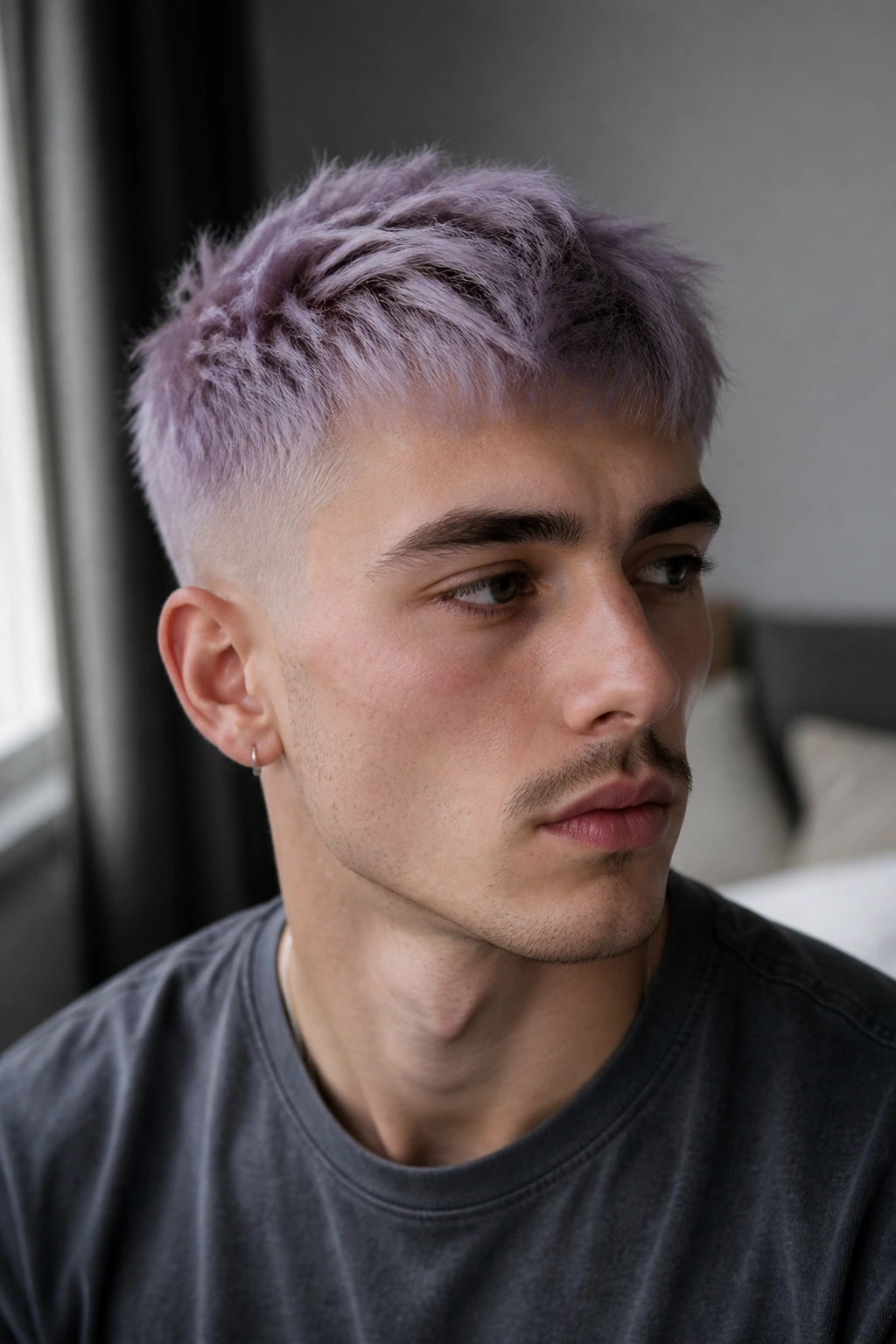
Can purple hair look grown-up? Yes, if the tone is smoky instead of candy-bright. Smoky lavender has a gray cast that keeps it from feeling childish.
It does need a pale base, which means the hair has to be light enough for the color to show. That makes it a better pick for men who already live with bleach or who are willing to keep the hair short and refreshed. On textured crops, the shade can look sharp and a little moody. Good in a good way.
How to Keep It Soft
Use a color mask or direct dye refresher when the tone starts to fade. Lavender loses its edge fast on porous hair, and once the purple drains out, the leftover blonde can look tired. If you keep the shade dusty rather than bright, it fades into a softer silver-violet instead of a weird yellow base.
18. Rose Gold
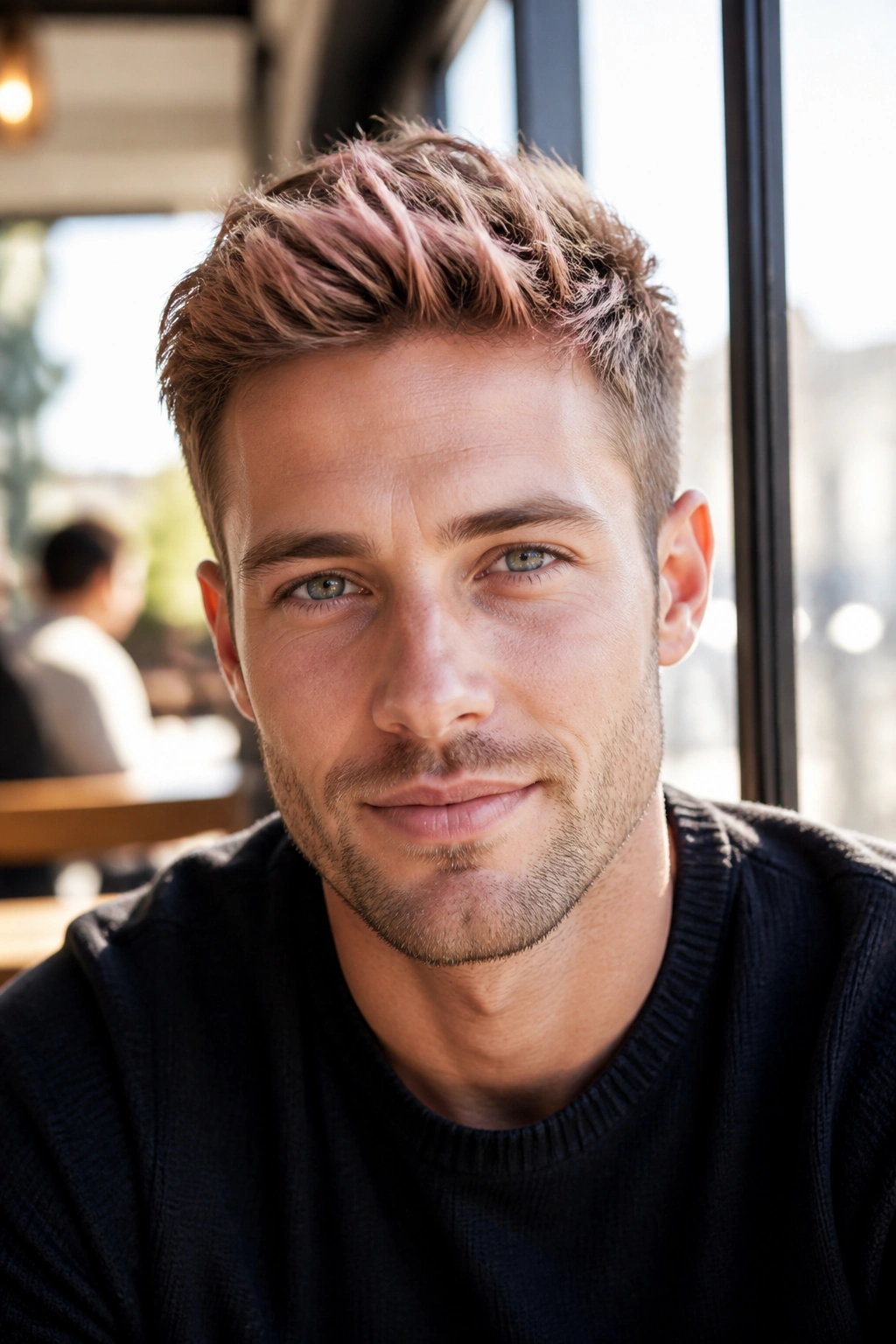
Rose gold is the warmer, softer cousin of pastel pink. It brings in pink and copper at the same time, which helps the shade feel less sugary and more intentional.
It works best on light brown to blonde hair, and it often looks better as highlights or a glaze than as a full heavy color. On short hair, rose gold can read almost like a warm sheen. On longer hair, it has more room to show off the pink note.
A good rose gold job depends on placement. Around the fringe, near the crown, or in a few front pieces, the shade can look fresh. All over, it can be a lot unless you really like the color. And that’s fair — if you want pink in your hair, there is no point pretending you don’t.
19. Frosted Tips
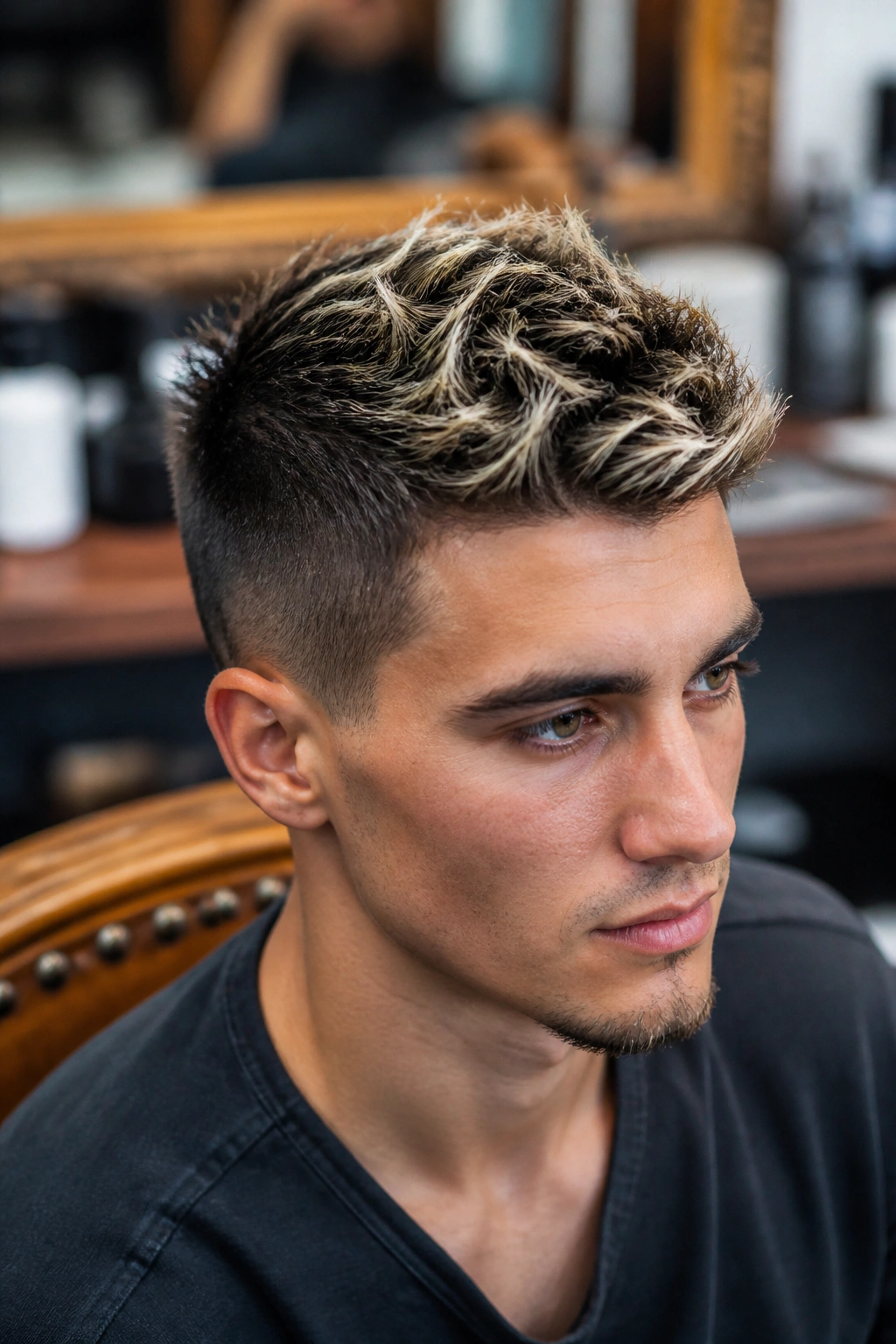
Frosted tips still work, but only when they are cleaned up. The chunky, spiky version from old photos tends to feel dated. A tighter, more controlled version can look sharp on the right cut.
The modern take is about contrast. Keep the sides darker and the ends lighter, then let the top texture do the work. It looks good on short crops, curly tops, and cuts with a little lift at the front. The bleached ends catch movement, which is the whole point.
What Makes It Look Current
- Keep the lightened area narrow.
- Tone the ends so they stay pale, not yellow.
- Pair the color with a neat shape instead of a blown-out one.
Frosted tips are one of those styles that can look silly if the haircut is wrong and surprisingly cool if the haircut is right. Annoying, but true.
20. Split Dye
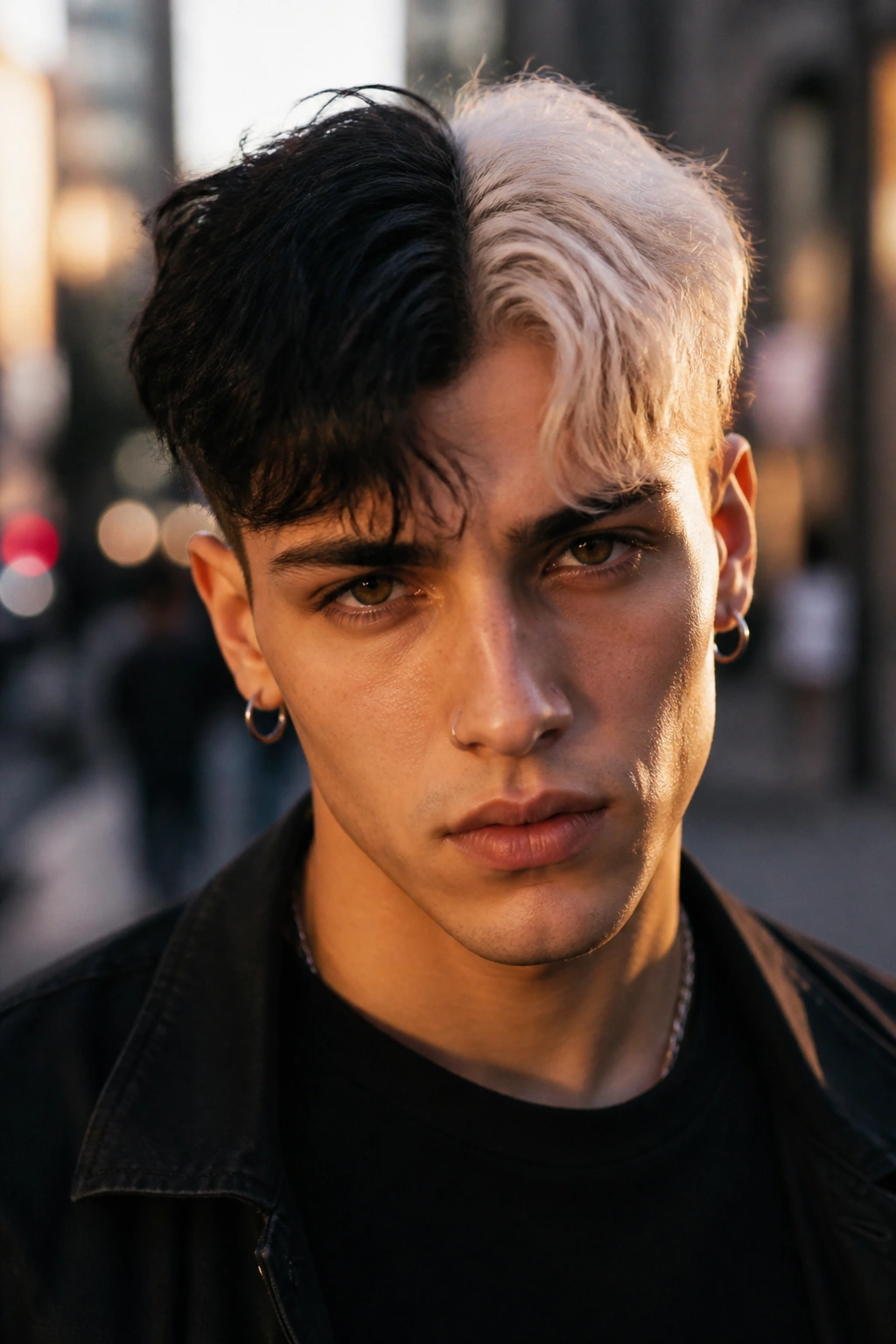
Split dye is the loudest idea on this list, and it is not for the faint of heart. One side dark, one side light. Or blue on one half, black on the other. Or a hidden underlayer that flashes when the hair moves. The point is contrast, and lots of it.
This works best when you like strong shapes. A clean part helps. So does a cut with enough length to show the division without turning the whole thing into noise. If you want people to notice your hair before they notice your shoes, this is the one.
It does come with maintenance. The two sides grow out differently, and the color line needs regular attention if you want it to stay crisp. But that is also the appeal for some guys. You are not trying to blend in. You are trying to make the hair part of the outfit.
Final Thoughts
The best hair color ideas for men are the ones that fit the way you already live. A subtle brown can be smarter than a wild shade if you want less upkeep. A bold blue, green, or split dye can be the right call if your haircut is clean and you actually enjoy being noticed.
One useful rule: the more dramatic the color, the cleaner the cut needs to be. That is true for platinum, cherry red, midnight blue, and every other shade that sits far from your natural base. Messy shape plus loud color usually looks accidental. Sharp shape plus loud color looks deliberate.
If you are on the fence, start one step quieter than your first impulse. Hair color fades, roots grow, and that first glossy mirror moment always has more power than the third week of regrowth.
