



Silver earrings tend to look right. Gold often looks a little loud. That quick mirror test is one of the simplest clues that you’re working with cool undertones, and hair color should play along instead of fighting them.
Cool skin tones usually carry pink, red, or blue undertones. Hair colors with ash, violet, silver, blueberry, or smoky beige notes tend to keep the face looking fresh; shades loaded with gold, copper, and orange can sometimes make the skin look washed out or a bit tired. Not always. But often enough that the difference is worth paying attention to.
The good news is that “cool” does not mean “blonde only.” It also doesn’t mean you have to wear hair that looks icy or severe. Cool brunettes, berry reds, smoky blondes, blue-black shades, and silver-based fashion colors can be striking on cool complexions when the tone is chosen with a little care.
What matters most is balance. A pale pink face can hold a deeper color if the tone is clean. A deeper cool complexion can wear pale hair if the tone isn’t too yellow. That’s the thread running through the shades below — they all flatter cool skin tones by repeating the same crisp, cool notes the skin already has.
1. Platinum Ice Blonde for Cool Skin Tones
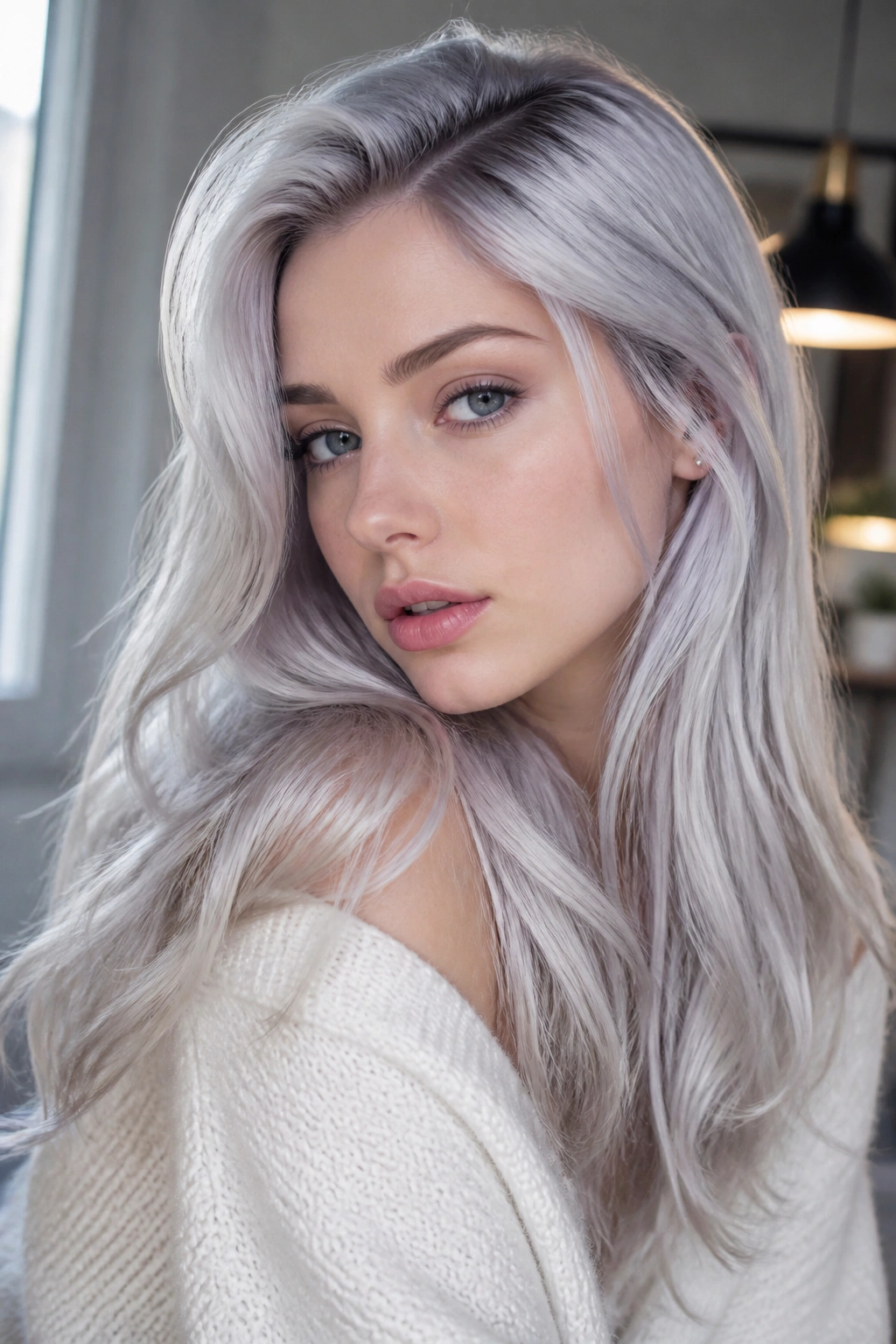
Platinum is the shade people picture first, and for good reason. On cool skin, a pale platinum blonde can look crisp instead of brassy, especially when the toner has a silver or violet cast.
Why It Works
The trick is keeping it cold, not yellow-white. A lift to a clean level 10, followed by a violet-silver toner, gives the hair that pale, frosted finish that sits nicely beside pink or blue undertones.
- Ask for a high-lift blonde with silver toner
- Keep the root soft if your natural color is dark; a tiny shadow keeps it from looking flat
- Use purple shampoo once a week, not every wash
- Book toning glosses every 4 to 6 weeks if brass shows through
Best on: fair to medium cool skin with clear contrast. It looks sharper when the brows still have some depth.
Platinum is not a low-effort choice. It needs patience, trims, and real conditioning. Still, when the skin has that cool, porcelain lean, nothing else quite gives the same clean edge.
2. Arctic White Blonde
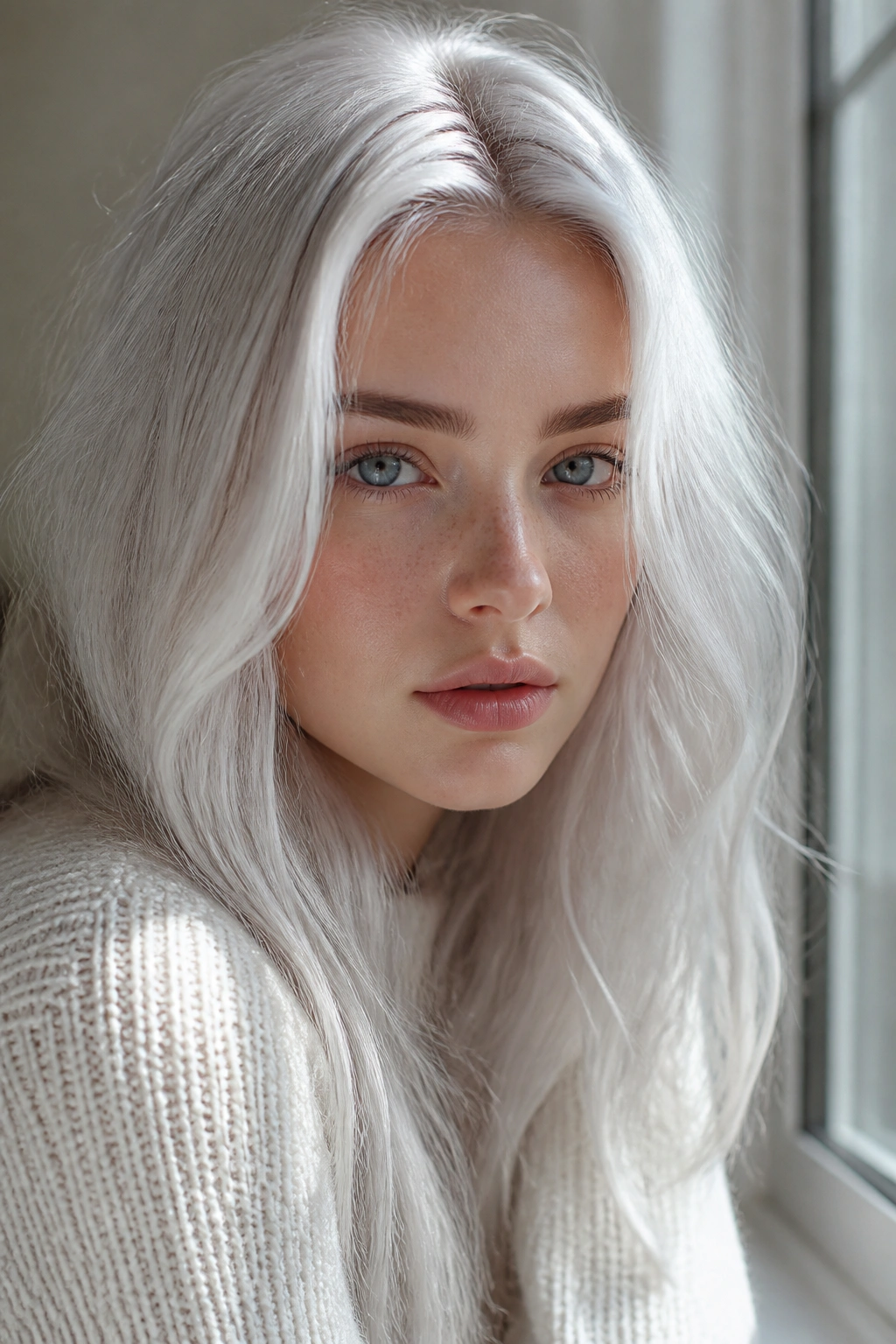
Arctic white blonde sits even farther into the pale end of the scale. It has less cream and more frost, which makes it a strong choice when you want brightness without warm yellow notes sneaking in.
This shade can be gorgeous on cool skin because it makes the face look almost lit from within, but it does ask for healthy hair. Dry ends show fast. So does uneven lift. If your hair has been through several rounds of color, this one needs a careful colorist and probably a good bond-building routine at home.
I like this shade most with a faint root shadow and a glossy finish. The little bit of depth at the scalp keeps the white blonde from looking flat, and the shine matters more here than people expect. No shine, no payoff.
3. Pearl Blonde
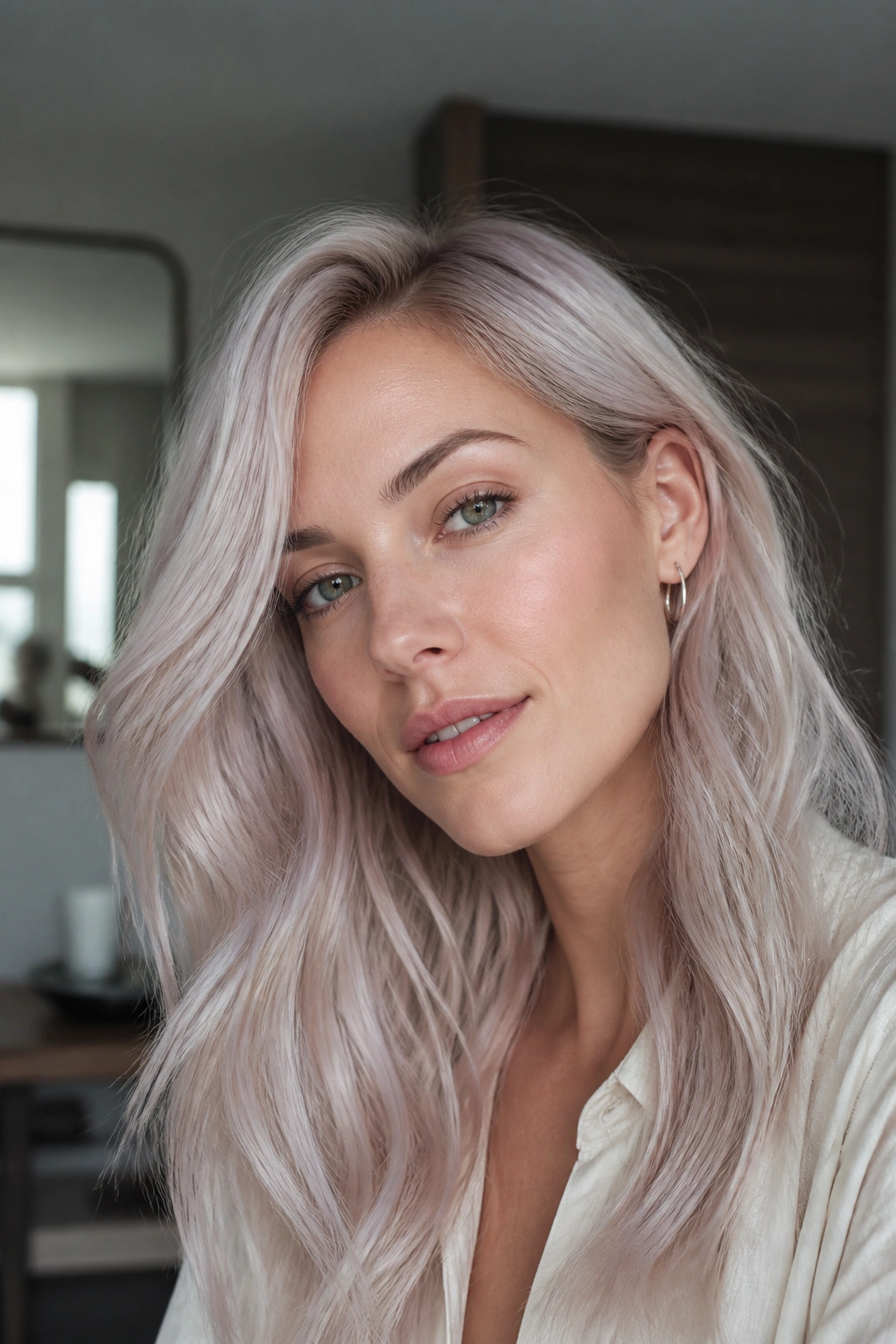
Pearl blonde has a softer feel than platinum. It carries a mix of pale beige, violet, and silver, which gives the color a smooth, shell-like finish instead of a sharp blast of white.
How to Wear It
Why does pearl blonde flatter cool skin so often? Because it has enough coolness to match the complexion, but not so much starkness that the face gets drained. That balance matters a lot if your skin is fair and easily reddened.
A good salon note is “pale blonde with pearl toner, not gold toner.” That keeps the result soft and reflective. It also means the shade grows out a little more gracefully than icy white, which is useful if you hate harsh regrowth lines.
If you want something polished but not severe, pearl blonde is one of the smartest hair color ideas for cool skin tones. It looks refined with minimal makeup and still holds its shape when you wear a bold lip.
4. Icy Beige Blonde
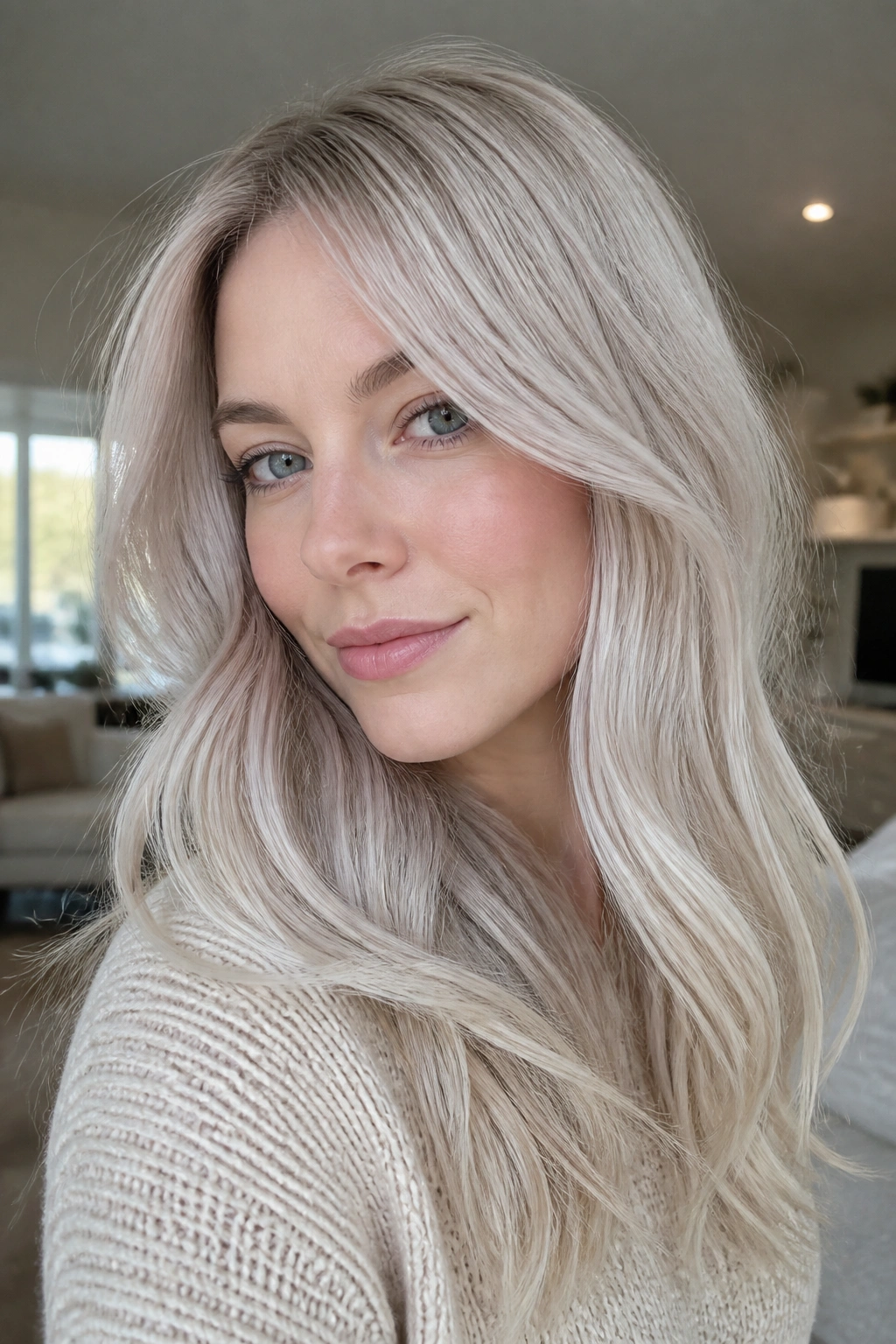
Icy beige blonde sounds warmer than it is. The “beige” here should lean toward oyster and mushroom, not honey or sand. That little distinction changes everything.
Picture a blonde that feels calm instead of bright. Not buttery. Not golden. More like a soft, muted cream with a cool topcoat. On cool skin, that kind of tone can be easier to wear than a very pale white blonde because it doesn’t shout from across the room.
A lot of people ask for beige blonde and end up with something too warm. Don’t let that happen. Ask for a cool beige blonde with ash and pearl notes if you want the skin to stay fresh. The color should read as soft, not yellow.
5. Silver Blonde Balayage
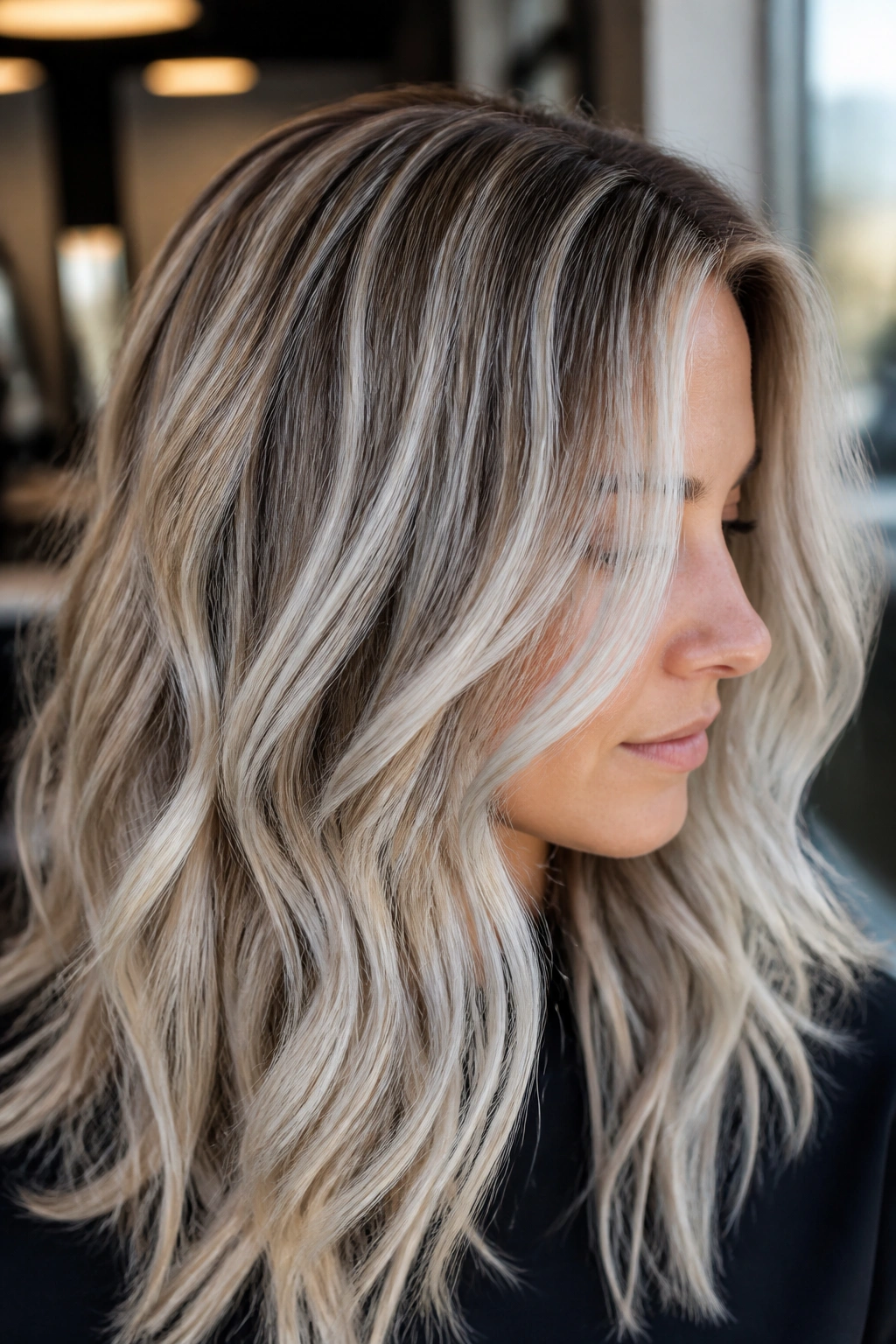
Silver blonde balayage gives you movement without making the whole head one flat tone. That matters, because cool skin tends to look especially good when the hair has dimension instead of a single block of color.
The effect usually comes from a darker blonde or light brown base with silver ribbons painted through the lengths. Those ribbons catch light in a way that feels airy, almost metallic. It’s a good choice if you like blonde, but not the maintenance of full platinum.
A rooted balayage also buys you time between salon visits. The grow-out is softer, and the silver pieces can be refreshed with a glaze instead of a full highlight session. Less damage. Less panic.
6. Shadow-Root Ash Blonde
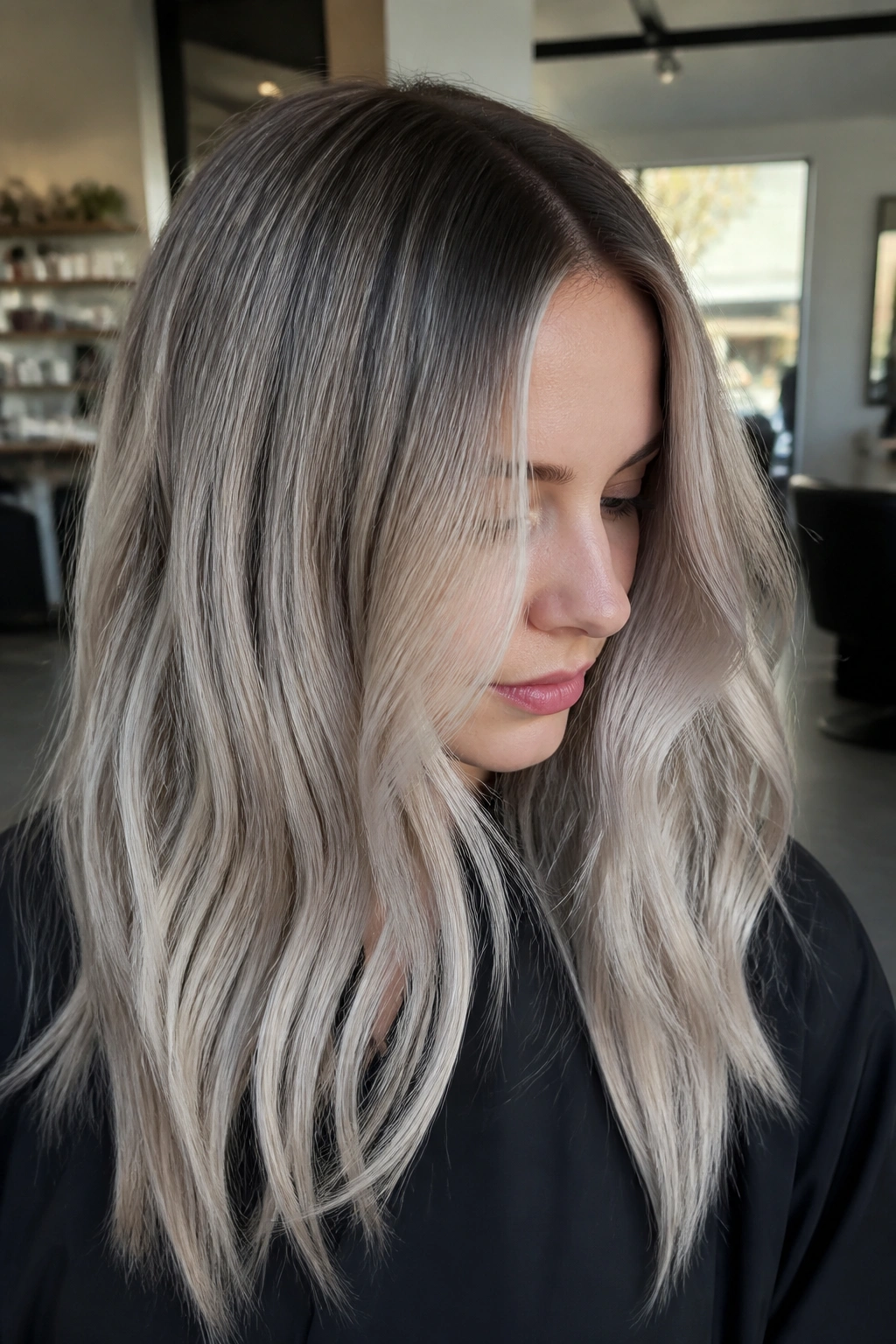
This is the shade for anyone who likes blonde but hates the high-maintenance feel of all-over pale color. The shadow root gives the hair depth at the scalp, while the mids and ends stay cool and light.
Unlike flat blonde, a shadow root ash blonde keeps the face from getting washed out. The darker root creates contrast near the brows and lashes, which can make cool skin look clearer and more defined. It’s especially useful if your natural hair is between level 6 and level 7 and you don’t want to fight that base every six weeks.
Ask for a soft root melt into ash blonde lengths. The root should not look stripey. It should fade, almost like smoke spreading through water.
7. Mushroom Brown
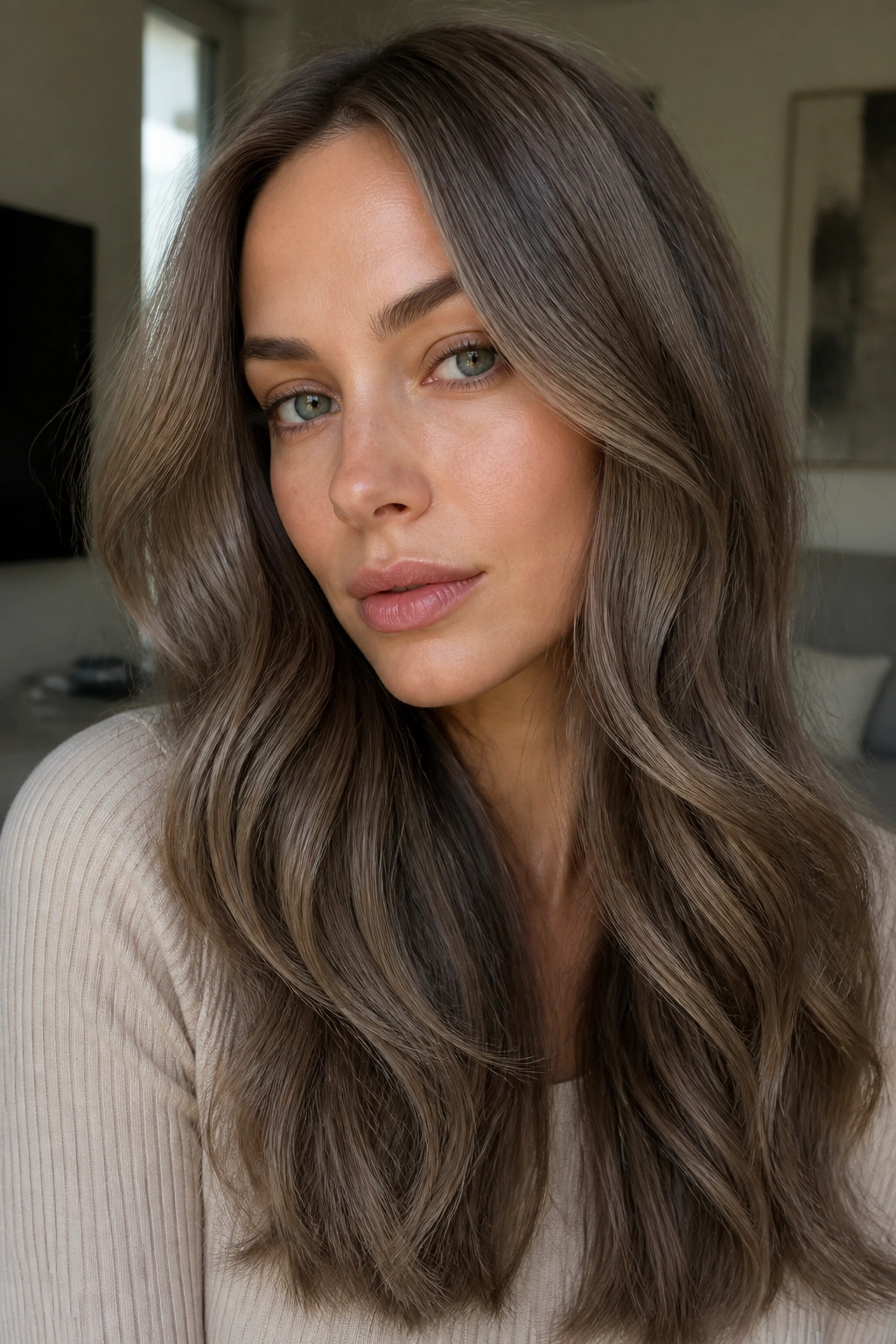
Mushroom brown is one of those shades that looks understated in the best way. It mixes brown with gray, taupe, and a touch of beige, so the final result feels earthy without slipping warm.
What Makes It Different
The best mushroom brown shades never go red. That’s the whole point. The tone should echo the quieter side of cool skin — a little muted, a little gray, and very wearable.
- Works well on natural brunettes who want change without going light
- Looks especially good with soft waves or a blunt cut
- Needs a gloss to keep the ash notes from fading muddy
- Can be built with balayage or all-over color, depending on how bold you want it
Pro tip: If your skin tends to flush easily, mushroom brown can be kinder than chestnut or caramel because it stays away from orange heat.
8. Ash Brown for Cool Skin Tones
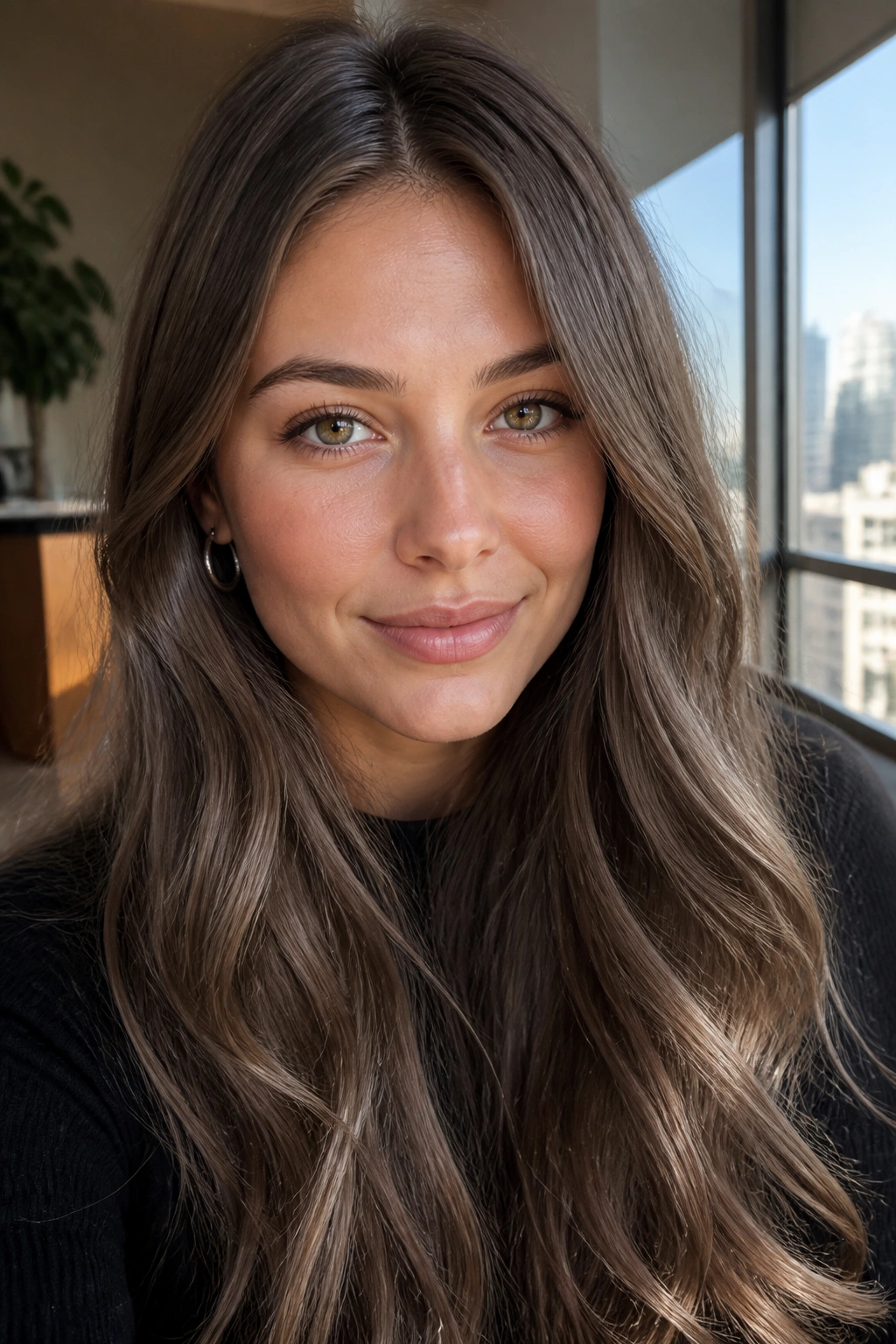
Ash brown is the dependable shade that people overlook because it doesn’t scream for attention. That’s a mistake. On cool skin, ash brown can look expensive in the plainest, most useful sense of the word: clean, even, and believable.
The color sits in the brown family, but the ash tone pulls out the red. That matters more than people think. Red or copper in brunette hair can make pink skin look pinker in a way that reads tired. Ash brown does the opposite. It quiets things down.
If you’re nervous about going too dark, start at a level 5 or 6 ash brown and keep the ends slightly lighter. That keeps movement in the hair and stops the color from turning into one heavy block.
9. Smoky Bronde
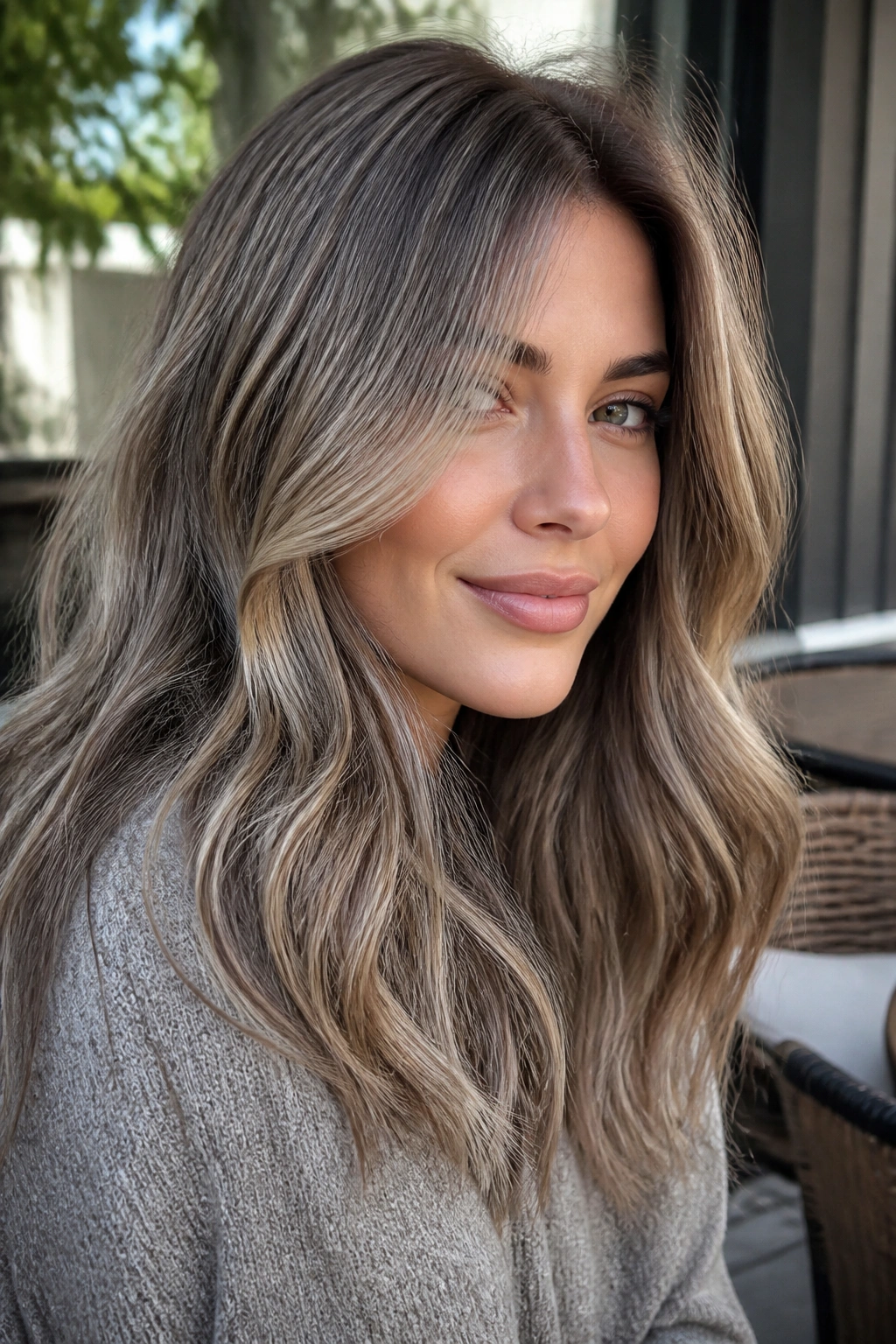
Smoky bronde is what happens when brunette and blonde stop arguing. You get a soft middle ground with cool ribbons through a brown base, and the result tends to flatter cool skin because it doesn’t lean too warm on either side.
How to Get the Most From It
The shade works best with a root shadow and hand-painted highlights that stay beige, ash, or pearl. Golden pieces can throw the whole thing off. A little warmth in the base is fine if the highlight tone stays cool.
A good colorist will place lighter pieces around the face and through the surface layers, then leave the underside deeper. That creates contrast without harsh stripes.
Smoky bronde is one of my favorite answers for people who want brightness but still want to look like themselves. It’s soft. It’s easy to wear. And it grows out without demanding constant correction.
10. Ice Brunette
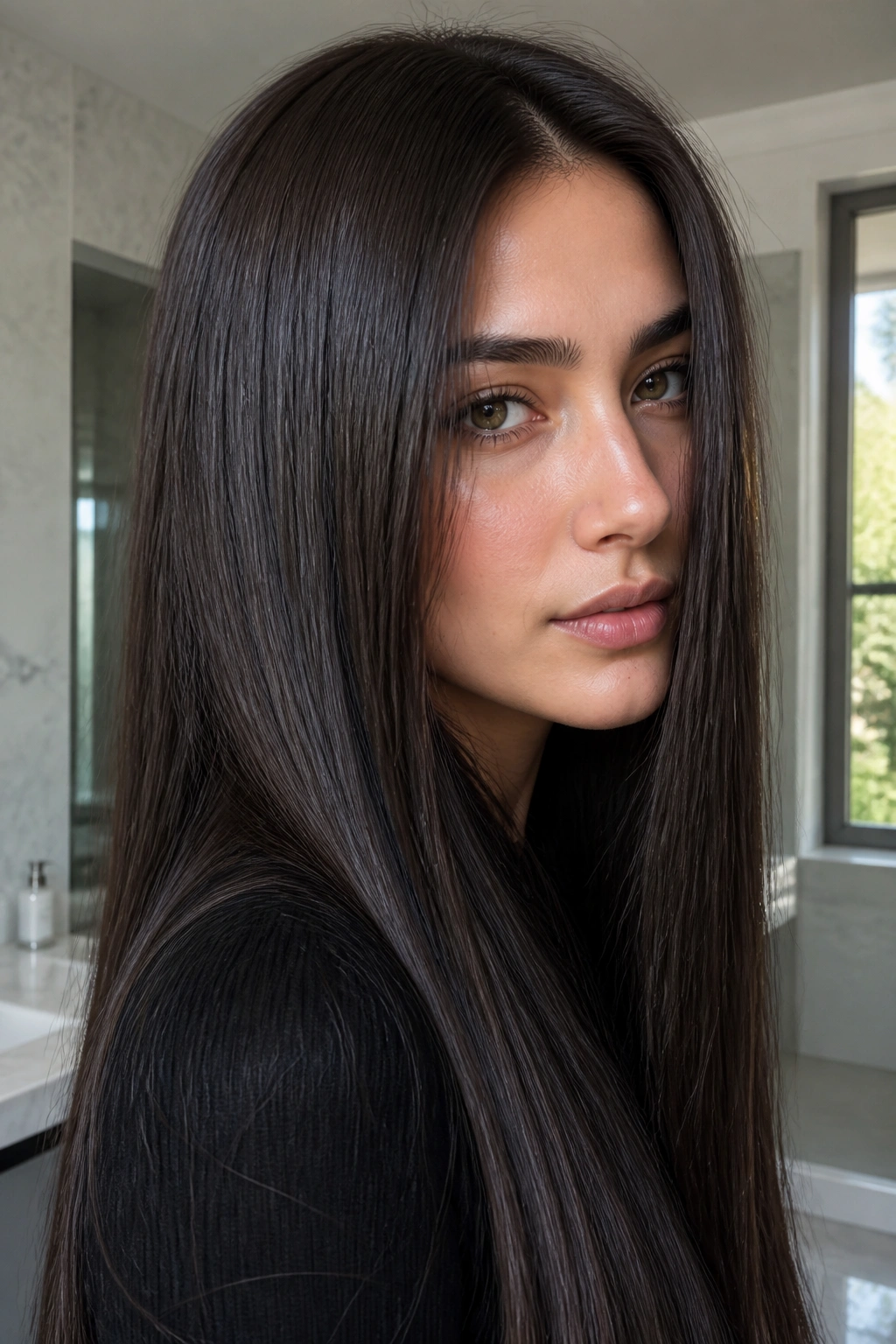
Ice brunette is a deep brown with a cool, glossy finish that sits somewhere between espresso and slate. It’s darker than ash brown, but it still carries that clean, cool edge that works so well on pink and blue undertones.
The appeal here is shine. Ice brunette should look sleek, not matte. If the hair picks up red in the light, it loses the point. A blue-violet gloss can help keep the tone where it belongs.
This shade suits people who want depth without the severity of black. It’s polished, but not harsh. There’s a difference, and you can see it right around the jawline.
11. Cool Espresso Brown
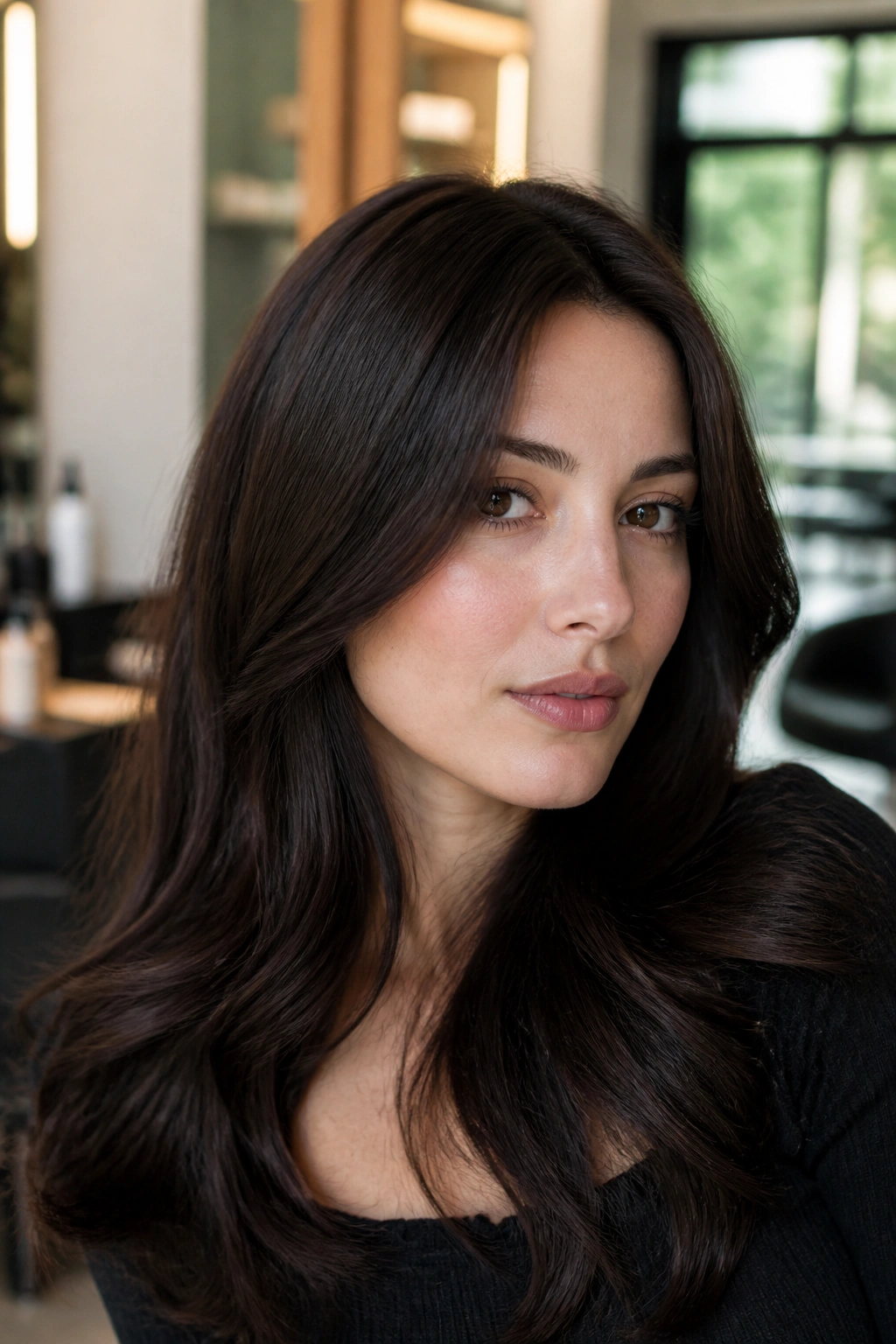
Cool espresso brown is rich, deep, and a little bit serious. I mean that in a good way. It gives cool skin a frame without adding warmth that can muddy the complexion.
Compared with ash brown, espresso is darker and denser. It’s the shade you choose when you want the hair to look full and expensive, with almost no obvious warmth at all. On medium to deep cool skin, it can look especially strong because the contrast is cleaner.
Ask for a level 3 or 4 espresso brown with blue base pigments if your colorist likes that language. It’s a practical request, and it keeps the brown from turning chestnut by accident.
12. Blue-Black
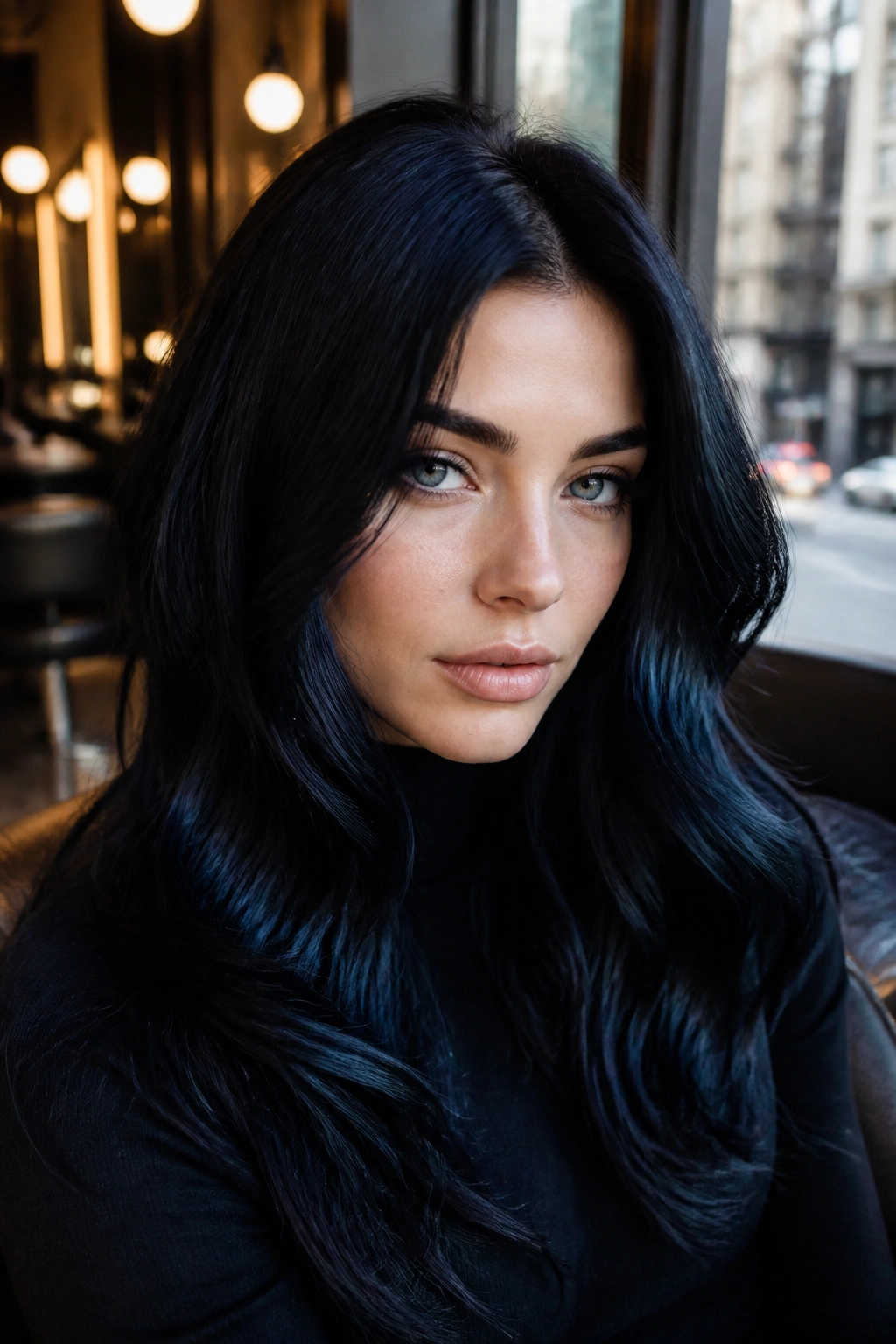
Blue-black hair has been around forever because it solves a real problem: black can sometimes look flat, while blue-black still has depth and shine. On cool skin, that blue reflection keeps the color from feeling harsh.
The best version is glossy and inky, not purple-black and not green-black. Indoors it can look almost like liquid ink. Outside, the blue note shows up just enough to make the color feel deliberate.
Blue-black is a strong choice if you like contrast and wear darker brows or eyeliner anyway. It can look a little intense on very fair faces if the color is too opaque, so a soft grow-out or a few face-framing pieces can help.
13. Soft Black with Blue Undertones
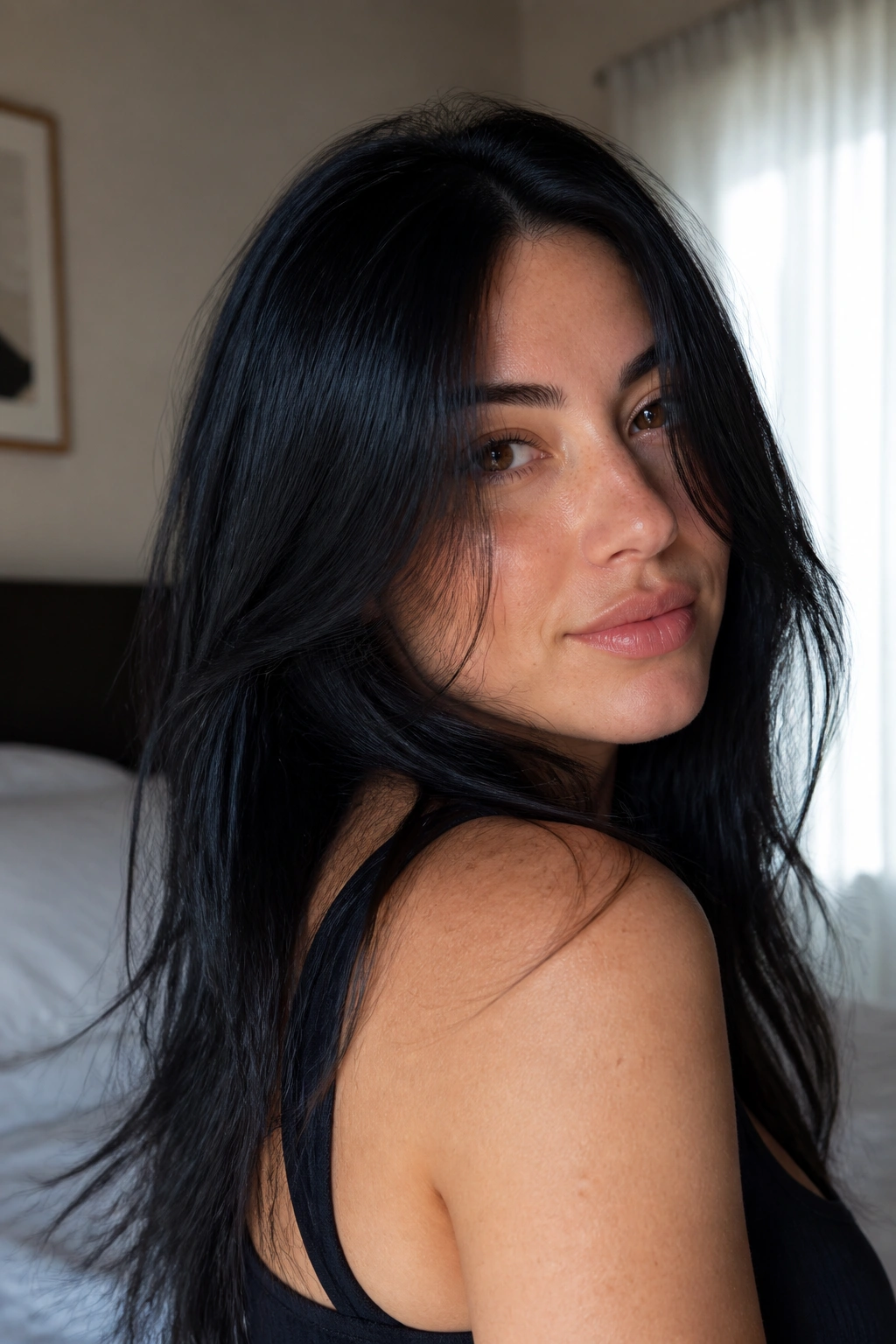
Soft black is less severe than blue-black and easier to wear if you’re worried about looking too stark. The undertone still stays cool, but the finish is gentler, almost smoky at the edges.
What to Watch For
This shade should not drift into warm jet black. That version can read flat against cool skin and leave the complexion looking paler than you meant. Blue undertones keep the black alive.
- Ask for a cool-black gloss rather than a warm black dye
- Keep the shine high with lightweight oils on the mids and ends
- Avoid repeated heat styling without protection; dull black hair shows damage fast
- If your skin is very fair, soften the front pieces a touch
Soft black works when you want drama without the “new hair, who dis?” effect. It looks especially good on blunt cuts, glossy waves, and chin-length bobs.
14. Midnight Navy Black
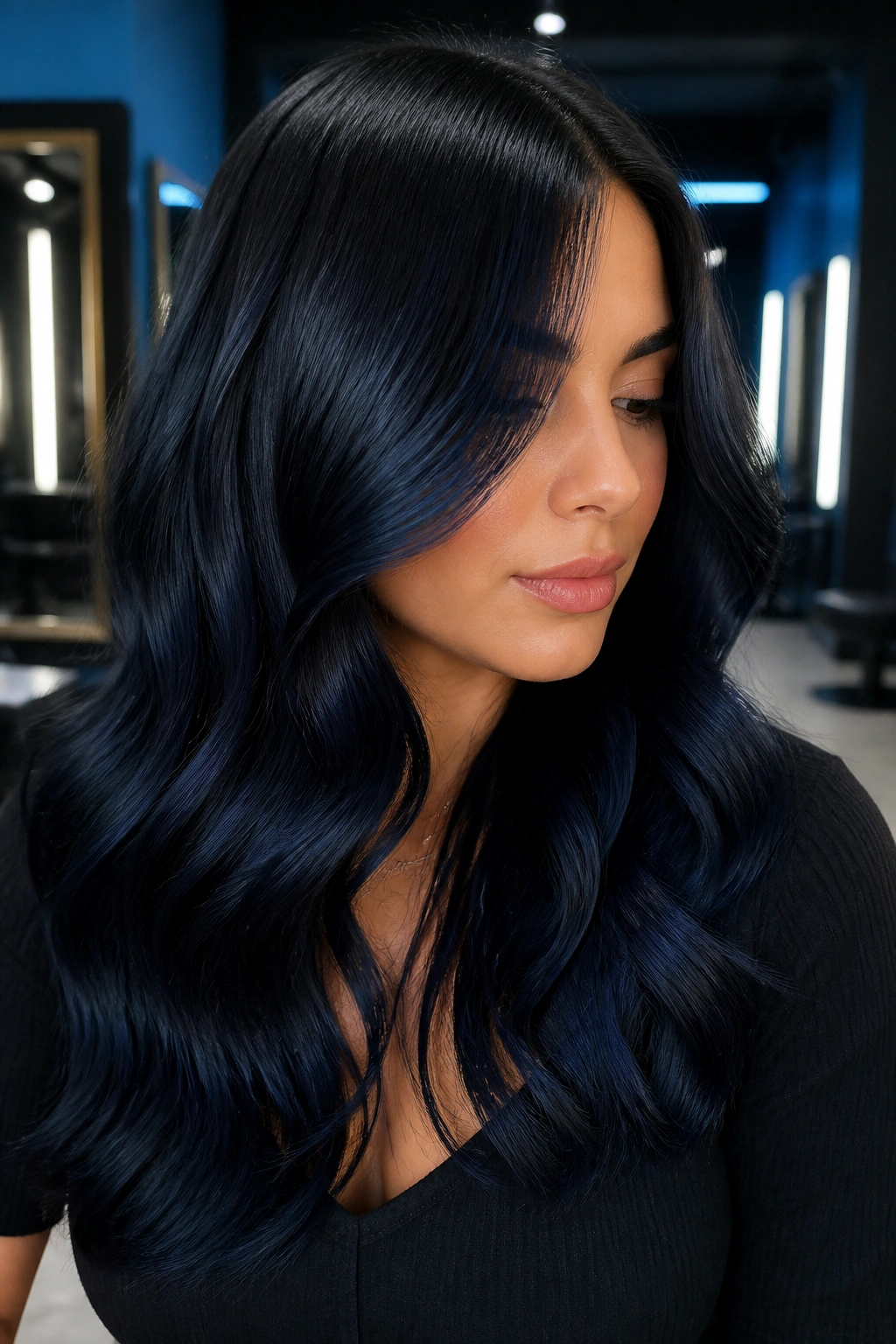
Midnight navy black is one of those shades that looks subtle at first and then changes when the light moves. The navy note keeps the black from collapsing into one heavy block, which is useful if your cool skin has a lot of pink in it.
A tiny bit of blue can make dark hair feel polished instead of severe. That’s the whole trick. The shade is rich enough for darker complexions and still crisp enough for pale ones, which is why it’s such a strong option across a range of cool undertones.
If you want this color to read clearly, ask for a gloss or demi-permanent overlay with navy reflect. Permanent dye can flatten the effect if it’s too opaque. Shine matters here. A lot.
15. Slate Gray for Cool Skin Tones
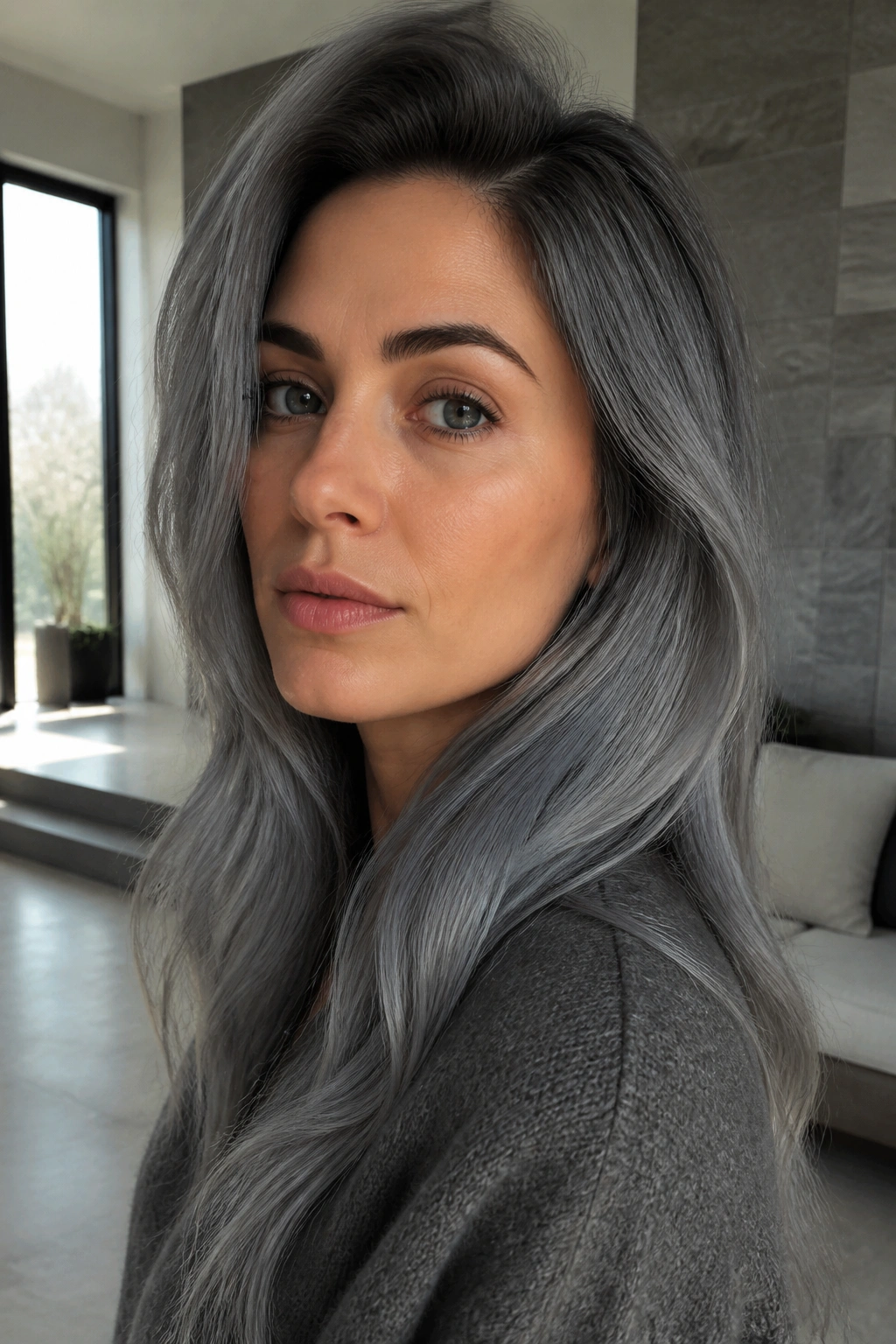
Slate gray is bold, but it’s not loud in the way bright fashion colors can be. It has charcoal depth with a steel finish, which suits cool skin because the tone echoes the same quiet, cool base.
Why It Feels So Clean
Gray hair color can look unfinished if the toner is too muddy. Slate gray should read as steel, not dusty brown. That means the underlying lift needs to be even, and the toner needs enough cool pigment to stay crisp.
A lifted base around level 9 or 10 works best. On darker starting hair, that may take more than one session, which is the part people forget when they fall in love with a photo online.
Slate gray is better for someone who likes a little edge and doesn’t mind touching up toner. It’s not a wash-and-wear color. Still, on cool skin, it can look surprisingly elegant when it’s done well.
16. Silver Smoke
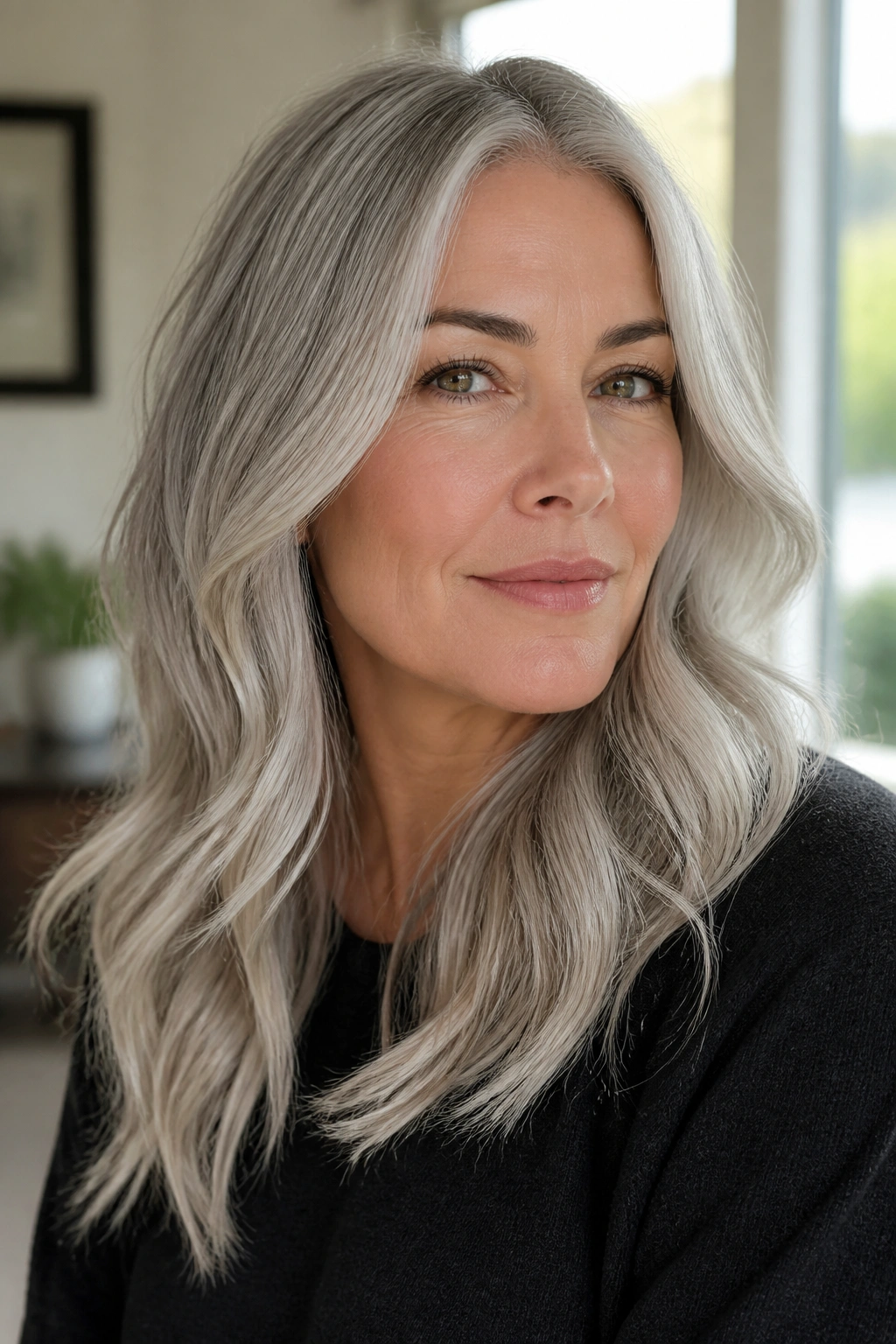
Silver smoke is softer than slate gray and less stark than platinum. Think of it as a translucent silver veil over lightened hair, with enough gray to keep the tone cool and enough brightness to keep it from going flat.
The color works best when the highlight pieces are fine and blended. Chunky stripes make silver smoke look costume-y. Thin ribbons, babylights, or a diffused balayage keep it believable.
This is a good option if you like metallic tones but don’t want a white-blonde look. It also ages out gracefully. When the silver fades a little, the hair still reads as cool instead of turning buttery.
17. Lilac Frost
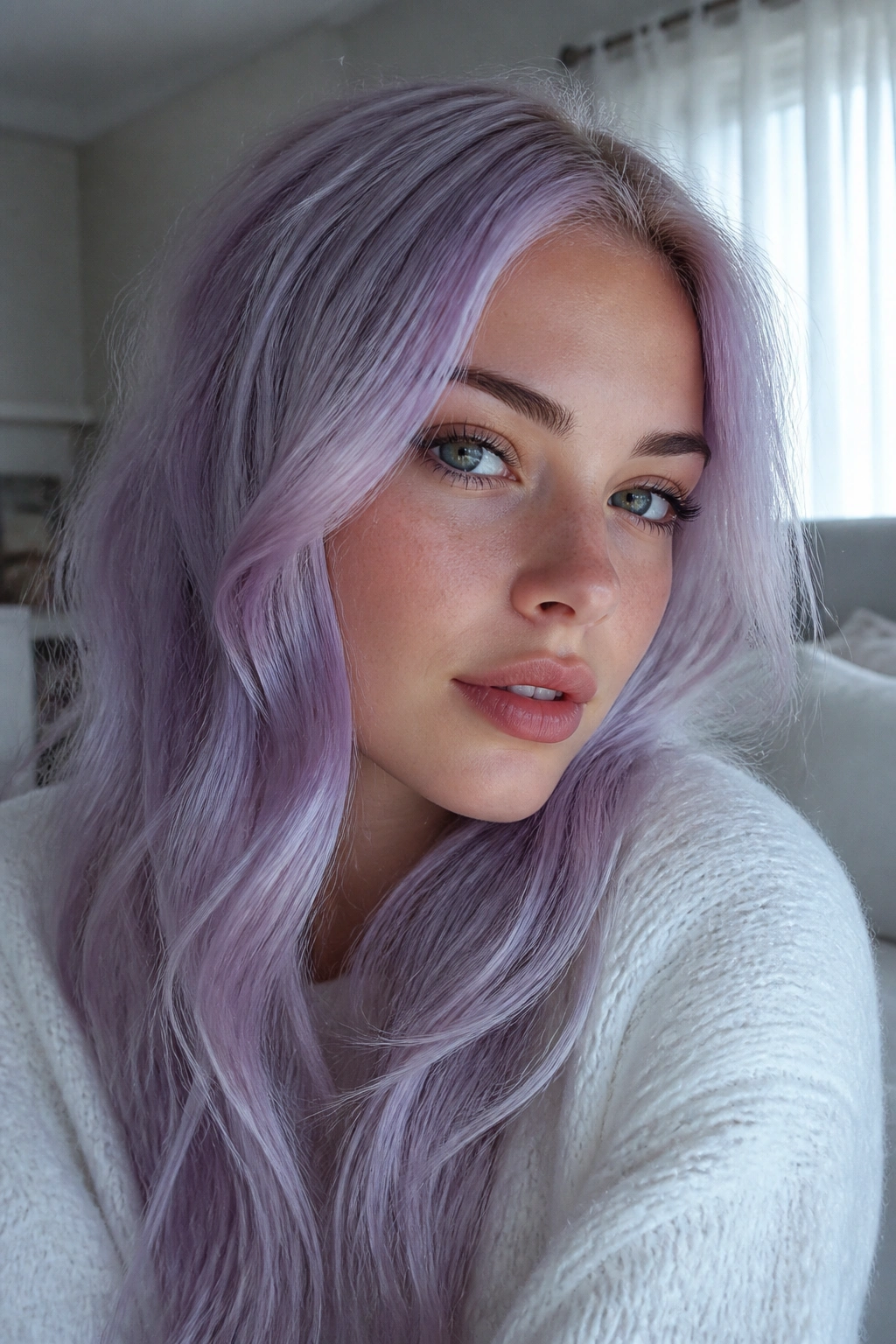
Lilac frost is one of the easiest fashion shades for cool skin because lilac already lives on the cool side of the color wheel. There’s no need to fight brass or golden warmth.
A pale lilac can look airy and a little ethereal on fair skin, but it also works on medium cool skin if the base is lifted cleanly enough. The trick is not going too pastel too fast. A weak, diluted lilac can disappear. A clear frosted lilac holds its shape longer.
How It Fades
Most lilac shades fade toward silver or pale lavender. That’s not a bad thing. In many cases, the fade is half the appeal.
If you want it to stay clean, use sulfate-free shampoo and keep heat low. Fashion colors like this lose pigment fast when the water is hot and the washing routine is rough.
18. Lavender Silver
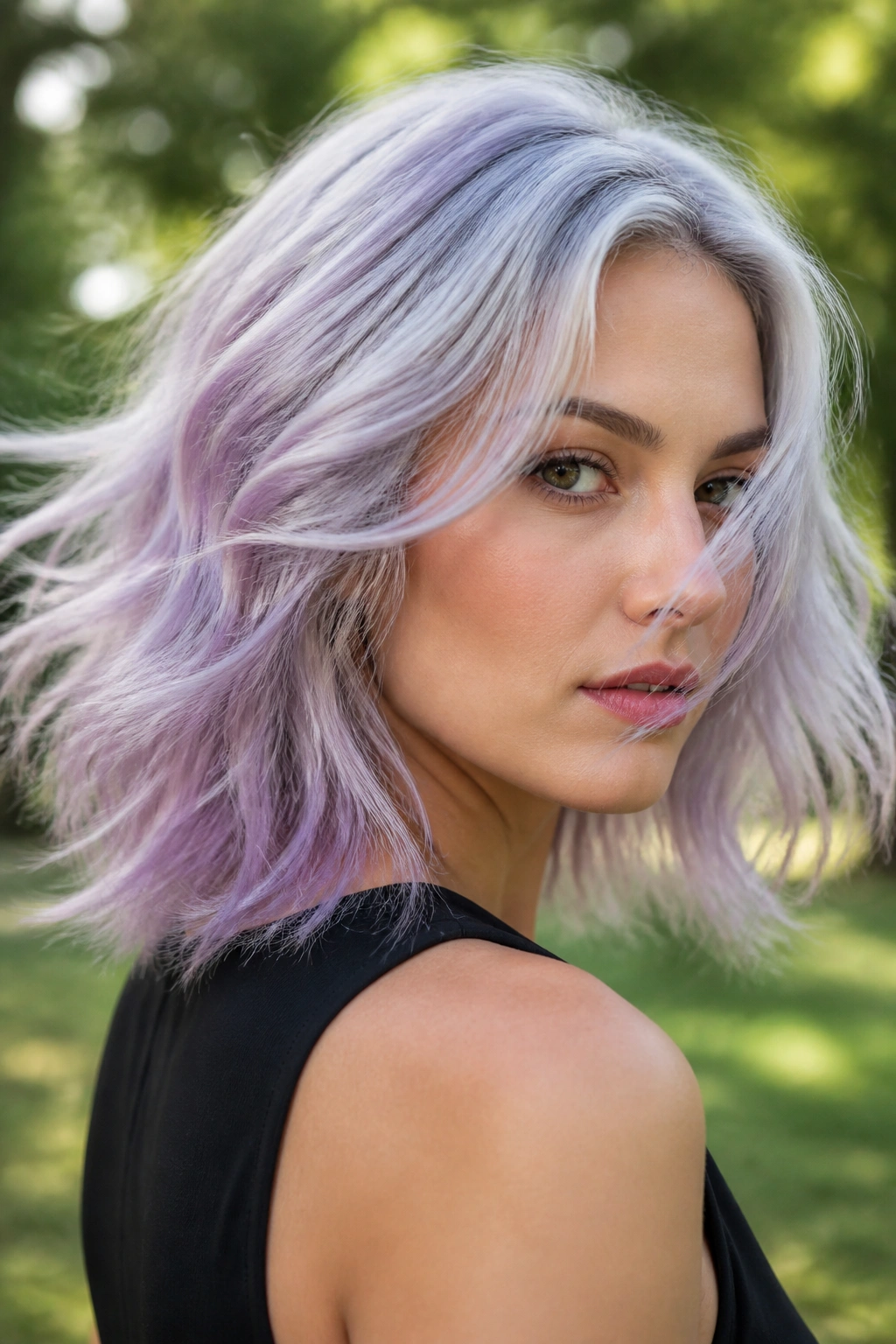
Lavender silver has a little more presence than lilac frost. The silver base keeps it cool, while the lavender gives it shape and depth. On cool skin, that combination can look playful without turning sugary.
The shade sits nicely on both short and long hair, though I think it looks especially good on textured lobs and loose waves. The movement helps the two tones — silver and lavender — show up separately instead of blending into a flat pastel haze.
If you’ve wanted a colored blonde but didn’t want pink or peach anywhere near your head, this is a smart detour. It feels whimsical, but not childish. There’s a difference there too.
19. Dusty Rose Blonde
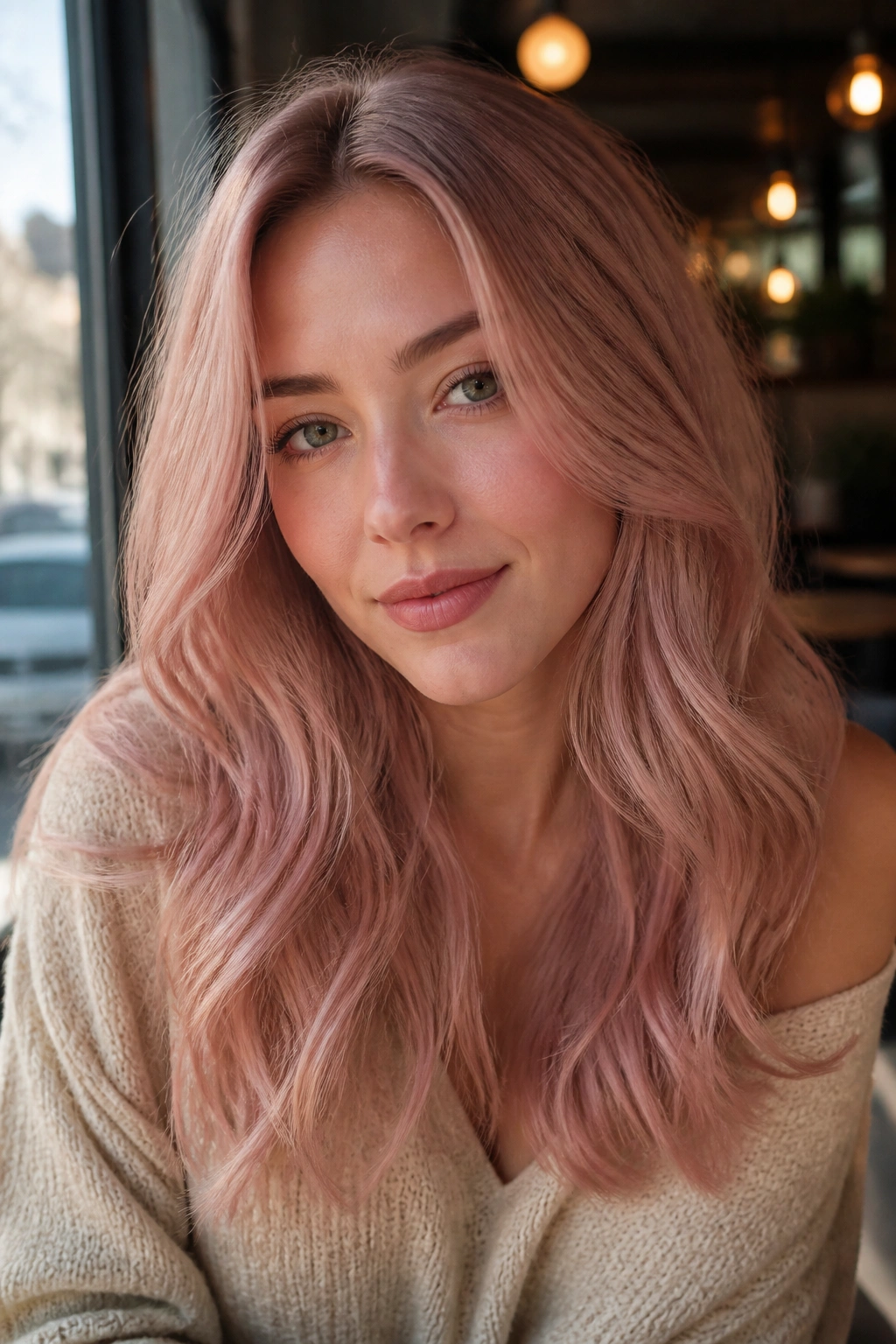
Dusty rose blonde is not the same thing as peach blonde, and that distinction matters a lot for cool skin. Dusty rose should lean pink, muted, and a little smoky, not coral and not orange.
The Right Kind of Pink
A cool pink glaze over blonde can make the skin look fresher, especially if your undertones run red. The wrong pink, though, can make the face look flushed. That’s why dusty rose works better than brighter rose gold on cool complexions.
- Ask for a pink-beige gloss with no copper
- Keep the base light enough that the pink can show through
- Refresh with a color-depositing conditioner if the shade fades too fast
- Wear it with soft makeup if you want the tone to look intentional rather than costume-like
Dusty rose blonde is one of those shades that looks delicate in photos and even nicer in real life.
20. Muted Mauve Brunette
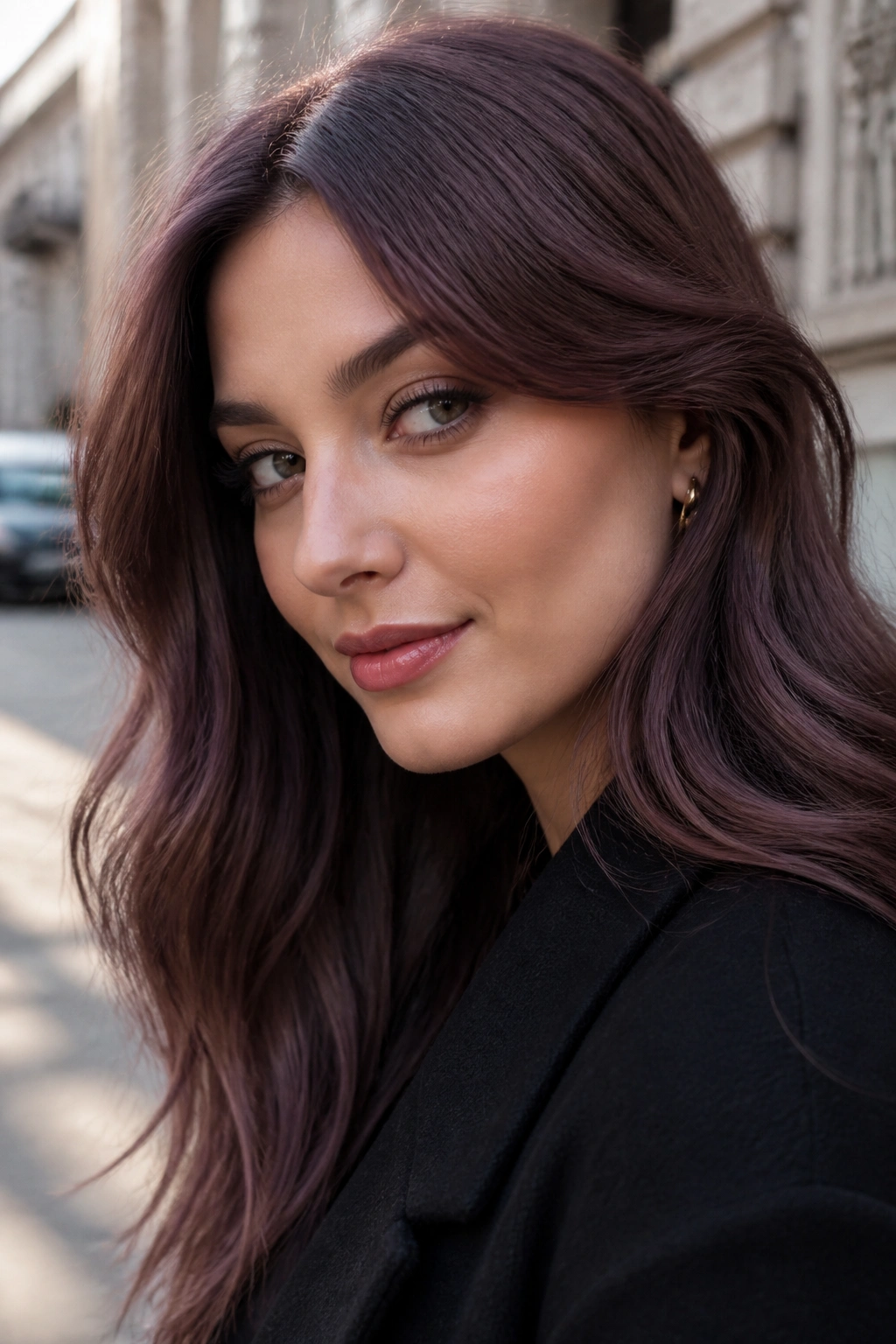
Muted mauve brunette is a sleeper hit. It keeps a brown base, but the gloss adds mauve, plum, and a little gray-violet over the top. The result is subtle from a distance and richer up close.
This is a good choice if you want color but don’t want anyone to spot the exact shade right away. In daylight, the mauve hint gives movement. Indoors, it can look like a deeper brunette with a cooler finish.
Cool skin likes this shade because mauve sits between pink and purple, and neither of those pulls the complexion orange. If your hair tends to go warm after coloring, this shade is a nice corrective move.
21. Cool Cherry Cola
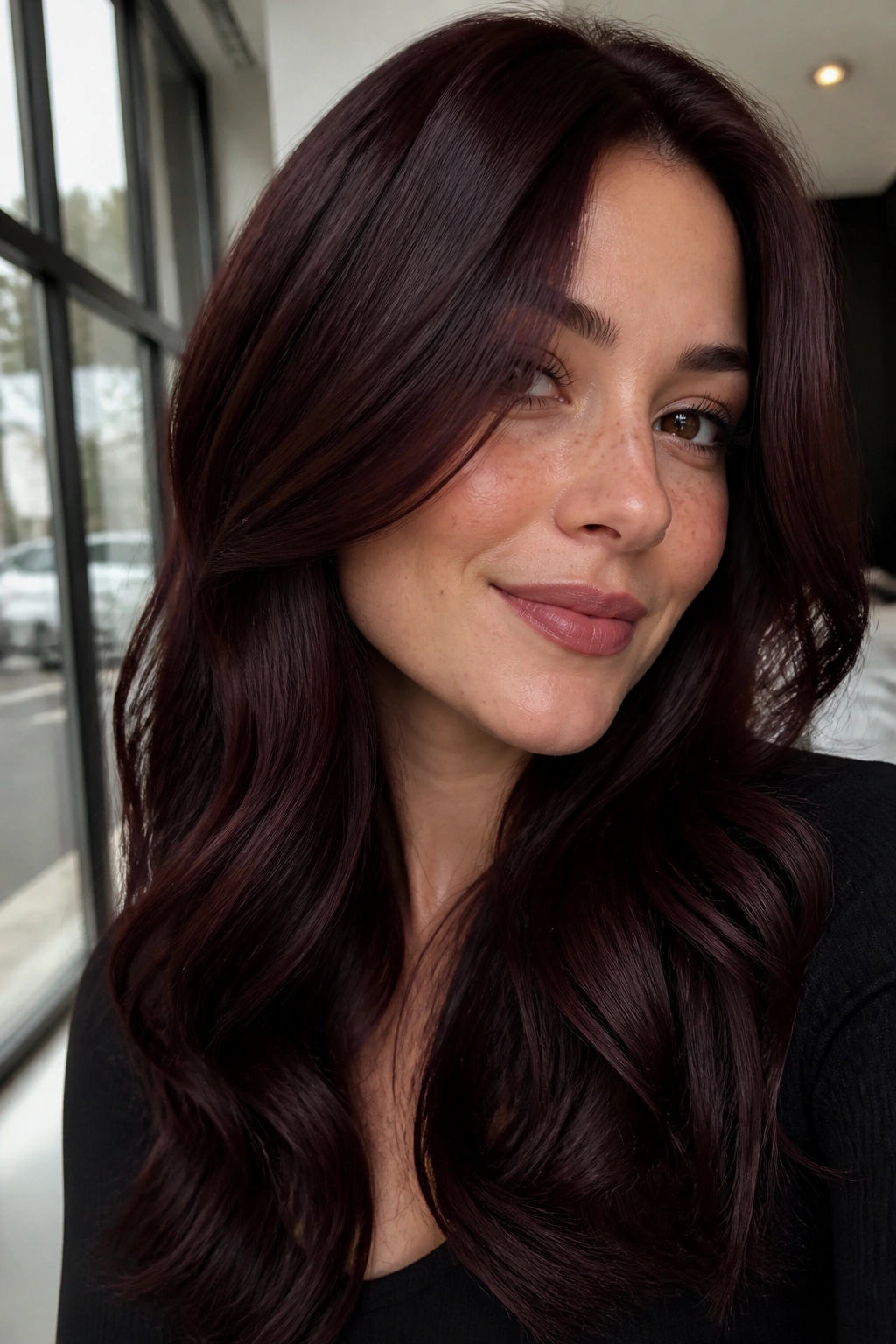
Cool cherry cola brings in red, but it keeps the red dark and berry-like instead of coppery. That’s why it works on cool skin when brighter auburns do not.
The color usually reads as a deep brown base with black cherry, cranberry, or plum reflected through the lengths. It feels richer than plain burgundy and a bit less purple than plum. That middle space is what makes it wearable.
A gloss can make this shade shine without tipping it warm. If your colorist talks about “spice” or “copper notes,” steer them back toward berry. You want cola, not cinnamon.
22. Burgundy Wine
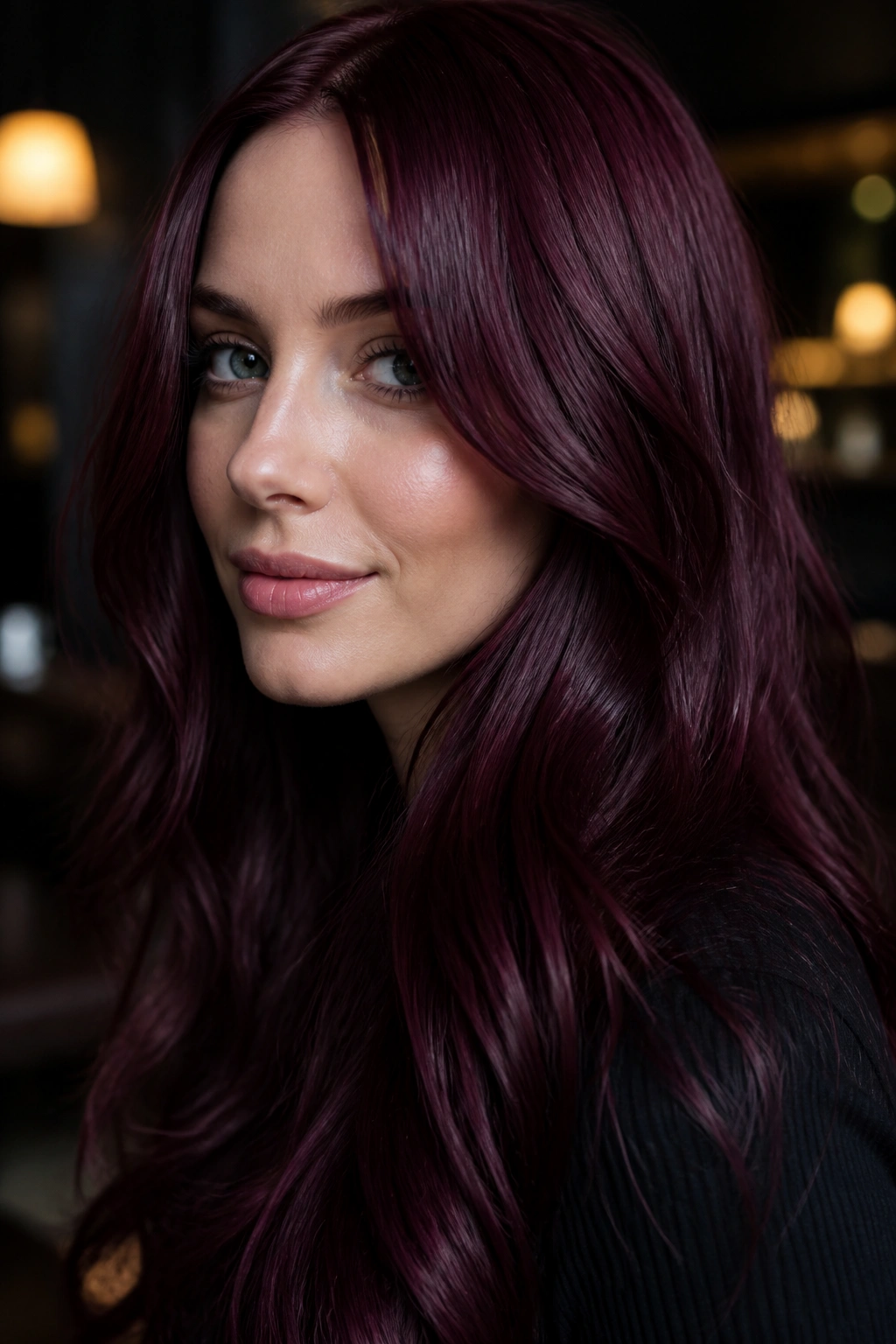
Burgundy wine is one of the most flattering red-family shades for cool skin because it stays deep and restrained. The color has enough red to feel alive, but the blue or violet base keeps it from looking orange.
Dark burgundy can be striking on fair skin with cool undertones, and it can look especially rich on deeper cool skin. It plays nicely with black clothing, silver jewelry, and strong brows. The whole thing feels composed.
If you’re nervous about red hair, start with a demi-permanent burgundy glaze over brunette. That gives you a sense of the shade without fully committing to a permanent red. Nice middle ground. No drama required.
23. Plum Brunette
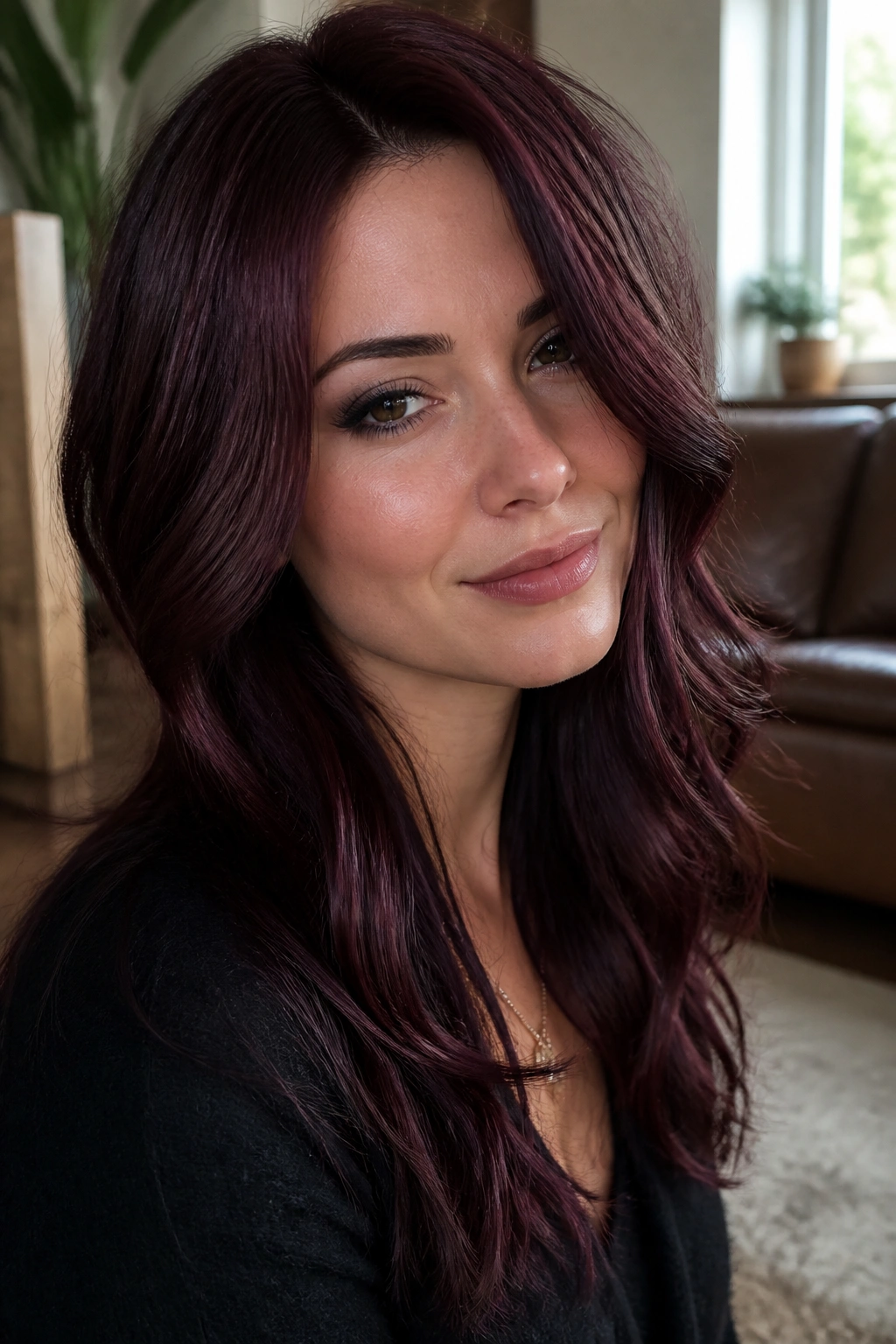
Plum brunette is the kind of shade that looks quiet from a distance and then reveals itself when the light shifts. The brown base keeps it wearable, while the plum note gives it a cool, almost jewel-like finish.
Why does it suit cool skin so well? Because plum carries red and violet in the same color family, and neither pushes the complexion toward warmth. It can make the eyes look deeper too, especially if you have dark lashes or a strong brow line.
This is a solid pick if you want something less obvious than burgundy and more dimensional than plain brown. It’s also one of the better shades for people who want color at work without going full fantasy.
24. Blackberry Brown
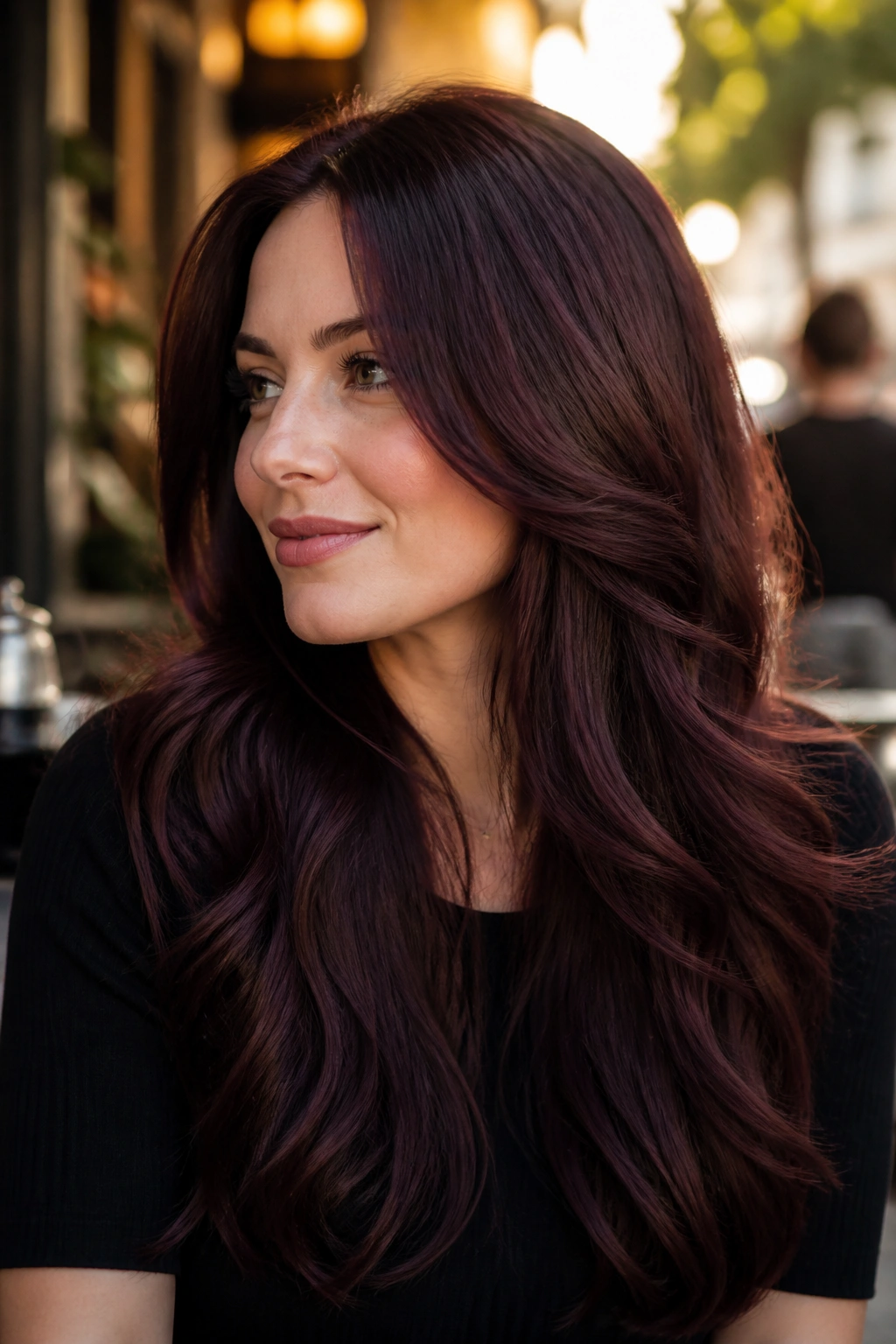
Blackberry brown sits between brunette and berry, which makes it one of the most wearable cool red-browns on the list. The shade has enough darkness to stay grounded, but the berry note keeps it from feeling flat.
I like this color on people who want movement without a big visual jump. In low light it reads as a rich brunette. In sun, the berry comes forward and gives the hair shape.
The maintenance is easier than brighter reds, too. Because the shade is darker, fading tends to be more graceful. You still want a color-safe shampoo, but you do not need the kind of weekly rescue routine that lighter fashion colors demand.
25. Denim Blue
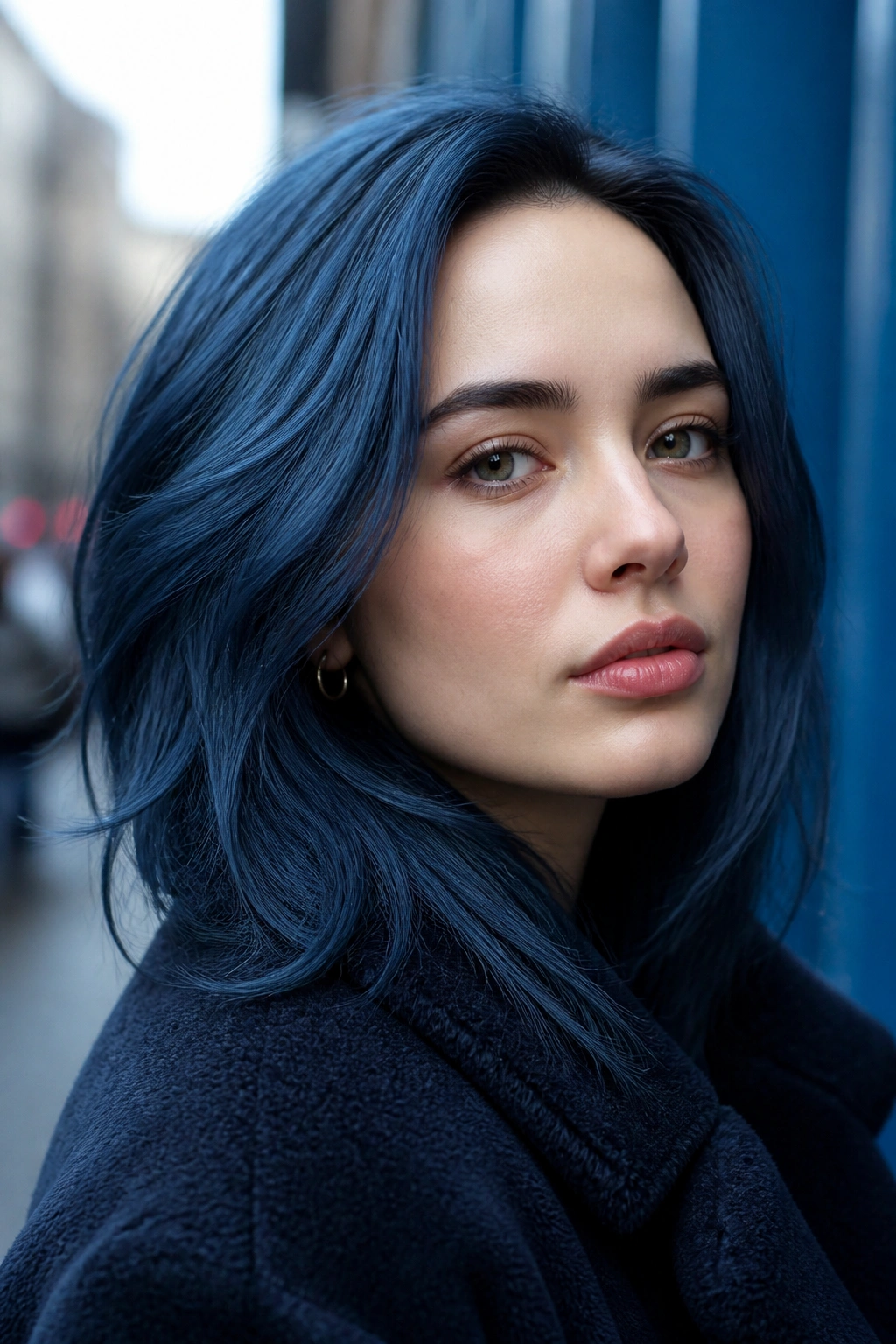
Denim blue is the boldest choice here, and honestly, it’s more wearable than people think. A muted blue — not neon, not electric — can sit beautifully against cool skin because it repeats the same cool notes already in the face.
The nicest versions have a smoky base under the blue, so the color moves between navy, steel, and faded indigo depending on the light. That keeps it from looking like costume hair. It looks especially sharp on bobs, pixies, and short layered cuts, though long hair can carry it too if the tone is muted enough.
If you want a fashion color that still feels grounded, this is a smart place to land. It has personality, but it doesn’t shout. And after all the blondes, brunettes, and berry shades above, it’s a reminder that cool skin can hold more range than people expect.
A final note: the most flattering shade is the one that keeps your skin looking clear instead of tired. That sounds simple, but it’s the whole game. When the undertone is right, the color does half the work for you.
