



Straight hair shows everything. The shine, the regrowth, the toner, the mistake you thought nobody would notice—none of it gets hidden by curl or wave.
That is exactly why the right hair color can look sharp on straight strands, while the wrong one can fall flat fast. Some of the strongest hair color ideas for straight hair are quiet ones: deep brunettes, cool beige blondes, soft ribbons of caramel, glossy reds that only flash in the light.
On straight hair, color placement has to do the heavy lifting. A blunt bob, a one-length lob, or long pin-straight lengths all behave like a clean canvas, which is great when the tone is right and unforgiving when it isn’t. If the blonde is too pale, it can look chalky. If the brunette is too muddy, it can look dull. If the red leans too orange, it tends to shout before it sings.
The upside is obvious. Straight hair makes sheen look expensive, makes dimension read clearly, and makes even simple color look deliberate when the tone is chosen well. First up: the shades that wear especially well when every strand lies smooth.
1. Espresso Brown with Mirror Shine
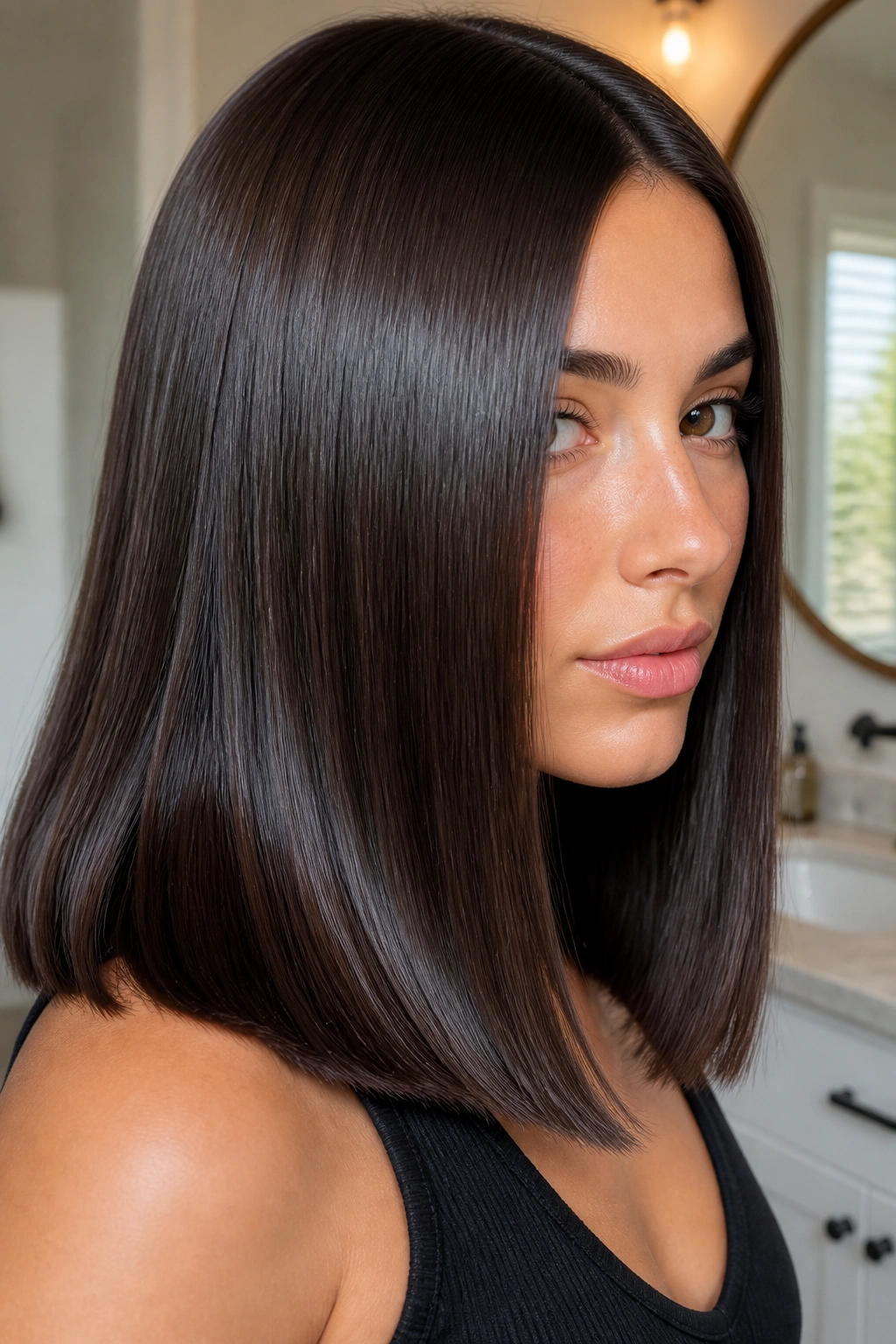
Espresso brown is the shade I’d hand to someone who wants polish without fuss. On straight hair, deep brown doesn’t have to fight texture for attention; it just sits there and reflects light in the cleanest way possible.
Why It Works on Straight Hair
Straight strands act like a glossy surface, so dark brown reads richer instead of heavier. That matters. A soft espresso shade with a level 3 or level 4 base can look almost liquid on a sleek lob or a long blunt cut, especially if the ends are trimmed clean. Add a clear gloss, and the whole thing starts to look intentional in a way flat black often doesn’t.
This shade also buys you breathing room on upkeep. New growth blends more softly into espresso than it does into a lighter brunette, which means the regrowth line stays calmer between salon visits. That’s a small thing, but small things matter when the hair is straight and every line shows.
My favorite version is a neutral espresso with a tiny bit of warmth underneath. Not red. Not ash. Just enough depth to keep the color from looking dead under indoor light.
2. Caramel Balayage on a Dark Base
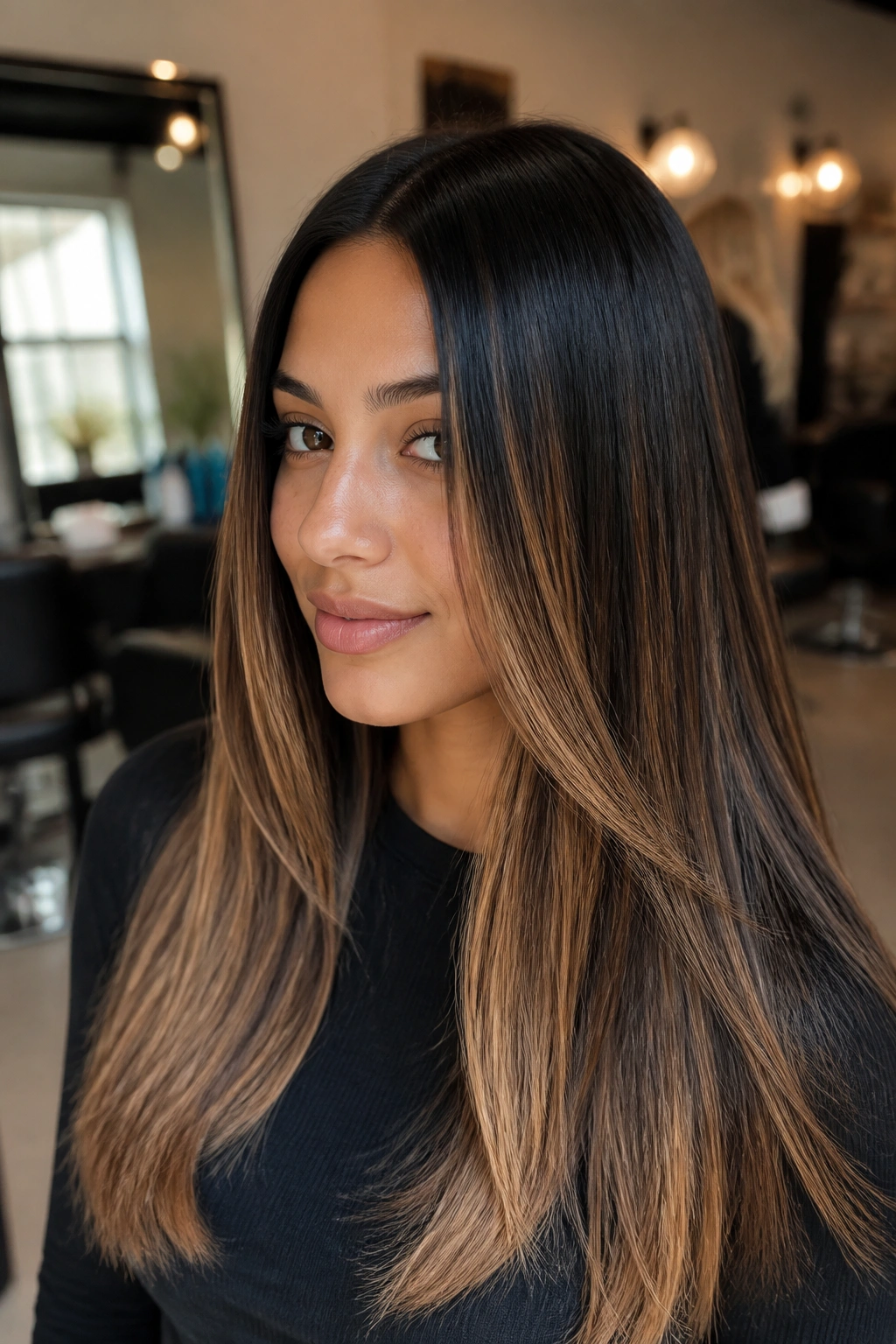
Caramel balayage can be gorgeous on straight hair, but only when the placement is disciplined. Loose, beachy ribbons hide a lot of sins. Straight hair does not.
What to Ask For
- Keep the first caramel pieces below the part line so the crown doesn’t look striped.
- Leave 1 to 2 inches of root depth for a softer grow-out.
- Ask for beige-caramel, not orange-caramel.
- Place the lightest ribbons around the cheekbones and midlengths, then taper them toward the ends.
A dark base with warm caramel gives straight hair movement without asking for curls to do the work. You get contrast, but not chaos. The best version looks like sunlight moved through the lengths, not like someone painted highlights on with a ruler.
My blunt tip: caramel is prettier when it’s sparse. Too much of it turns straight hair into a stripey mess, and that’s hard to fix without going darker again.
3. Ash Brown with Cool Ribbon Highlights
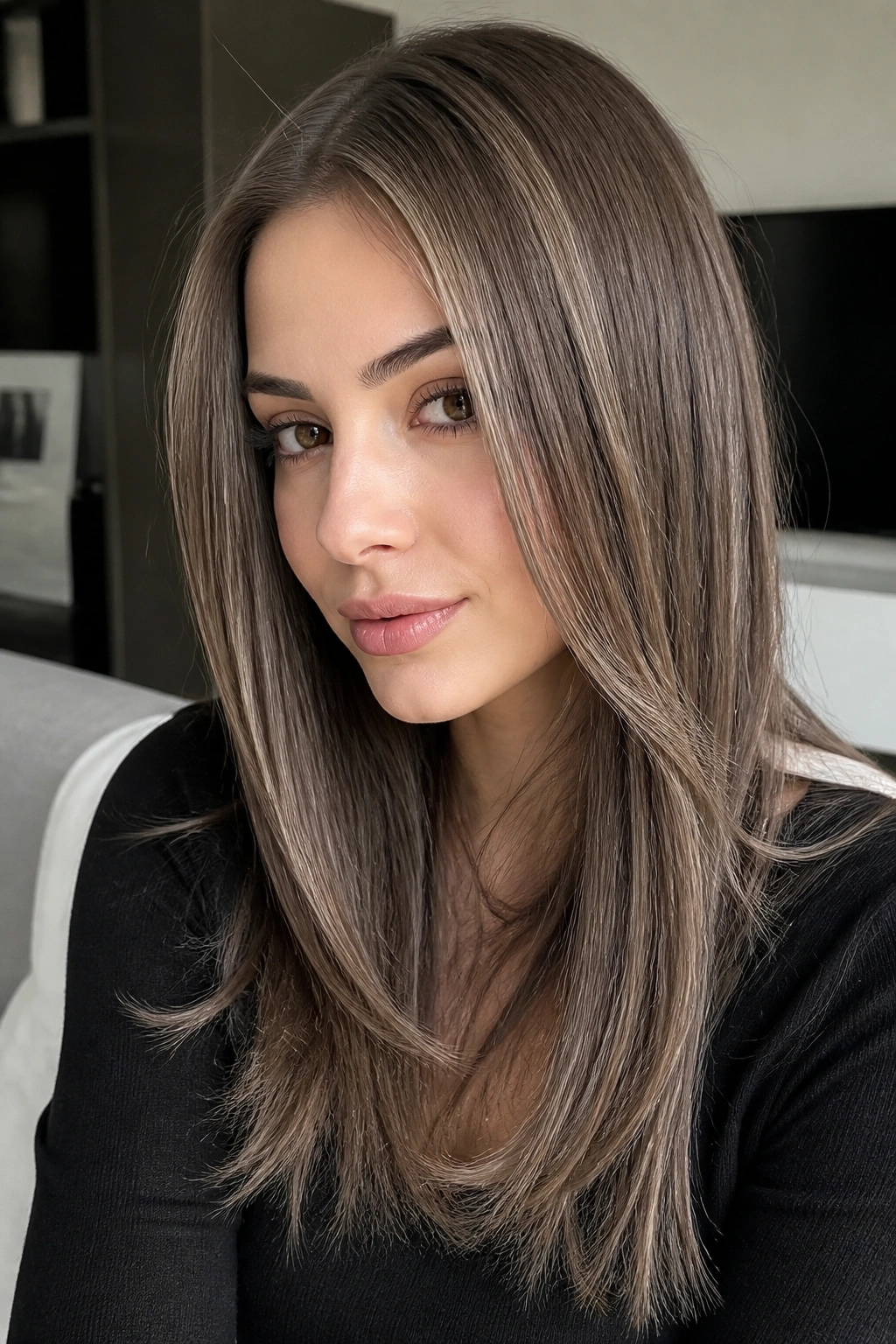
Want dimension without warmth? Ash brown is the move. It has a cooler, more smoky feel, which keeps straight hair from looking too red or gold when the light hits it.
What Makes It Different
Ash brown works best when the base sits around a level 5 or 6, with fine cool highlights threaded through the midlengths. The trick is restraint. Straight hair shows every ribbon, so chunky highlights can look dated fast. Thin placement keeps the finish soft and expensive-looking, especially on a collarbone lob or a smooth long cut.
The cool tone is also useful if your hair naturally pulls orange. A neutralizing toner can help, but going too icy can push the brown into muddy territory. That’s the trap. You want smoky, not swampy.
How to Wear It
- Keep the brightest pieces away from the root.
- Use a blue- or purple-tinted shampoo only when the highlights start to warm up.
- Ask for a soft beige toner if your hair lifts too flat.
This shade is quiet, but not boring. There’s a difference.
4. Creamy Beige Blonde with Soft Root Shadow
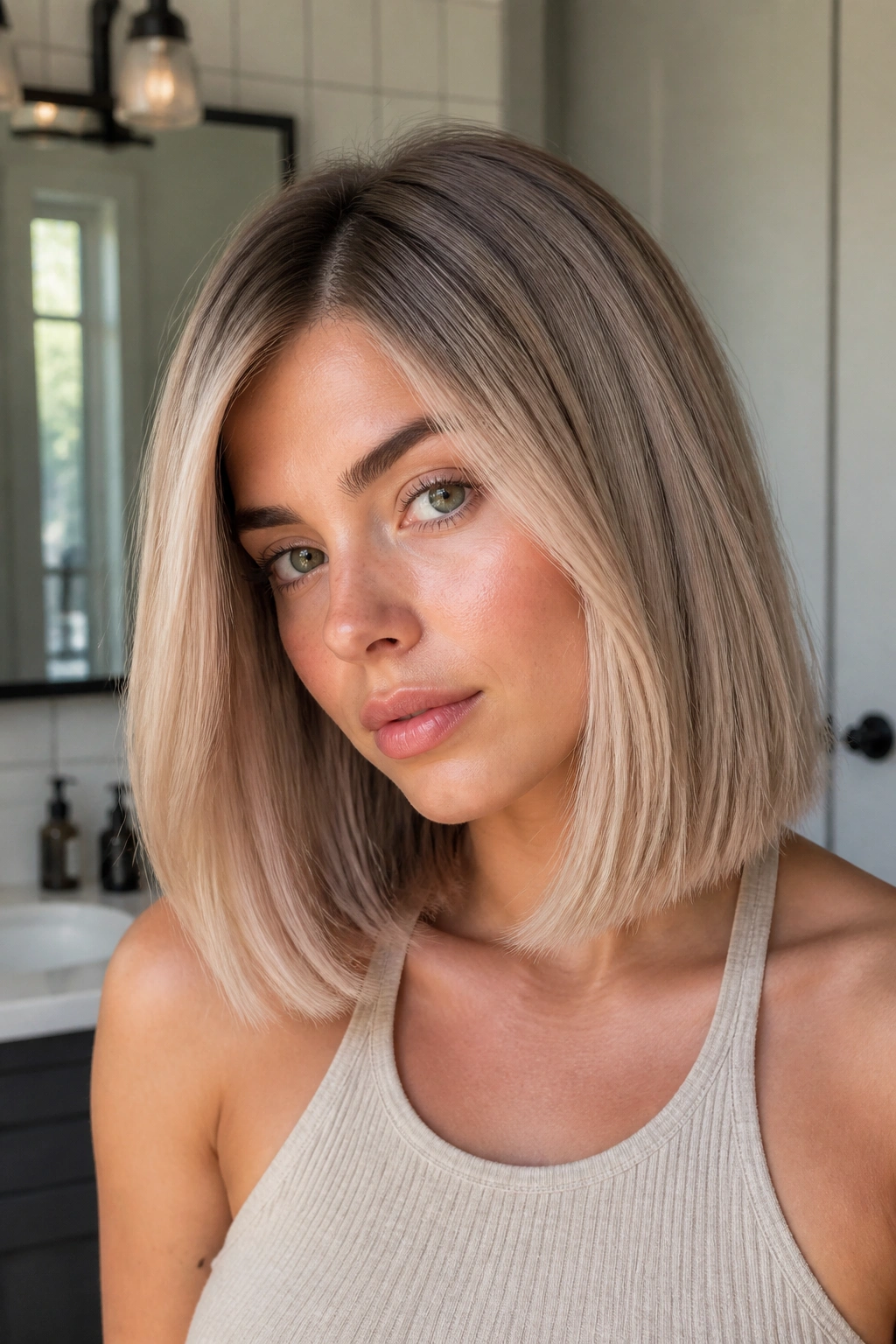
A sleek lob and a creamy beige blonde root shadow are a very good pairing. The color stays bright, but the root gives your eyes somewhere to rest. Without that deeper base, straight blonde can tip into washed-out territory.
Picture a smooth, shoulder-length cut with creamy beige tones through the midlengths and a root that stays one or two shades deeper. That little shift makes the whole head look fuller. It also keeps regrowth from screaming the second it appears, which is a relief if you don’t want salon maintenance to run your life.
Ask For This at the Salon
- Lift the hair to a level 8 or 9 blonde.
- Keep the root softly smudged, not harshly dark.
- Finish with a beige toner, not a silver one.
- Ask for brightness around the face and softer color underneath.
Straight hair makes beige blonde look tidy, almost edited. I like it most on clean lines: blunt bobs, polished lobs, and long layers that don’t need texture spray to feel finished.
5. Copper Penny
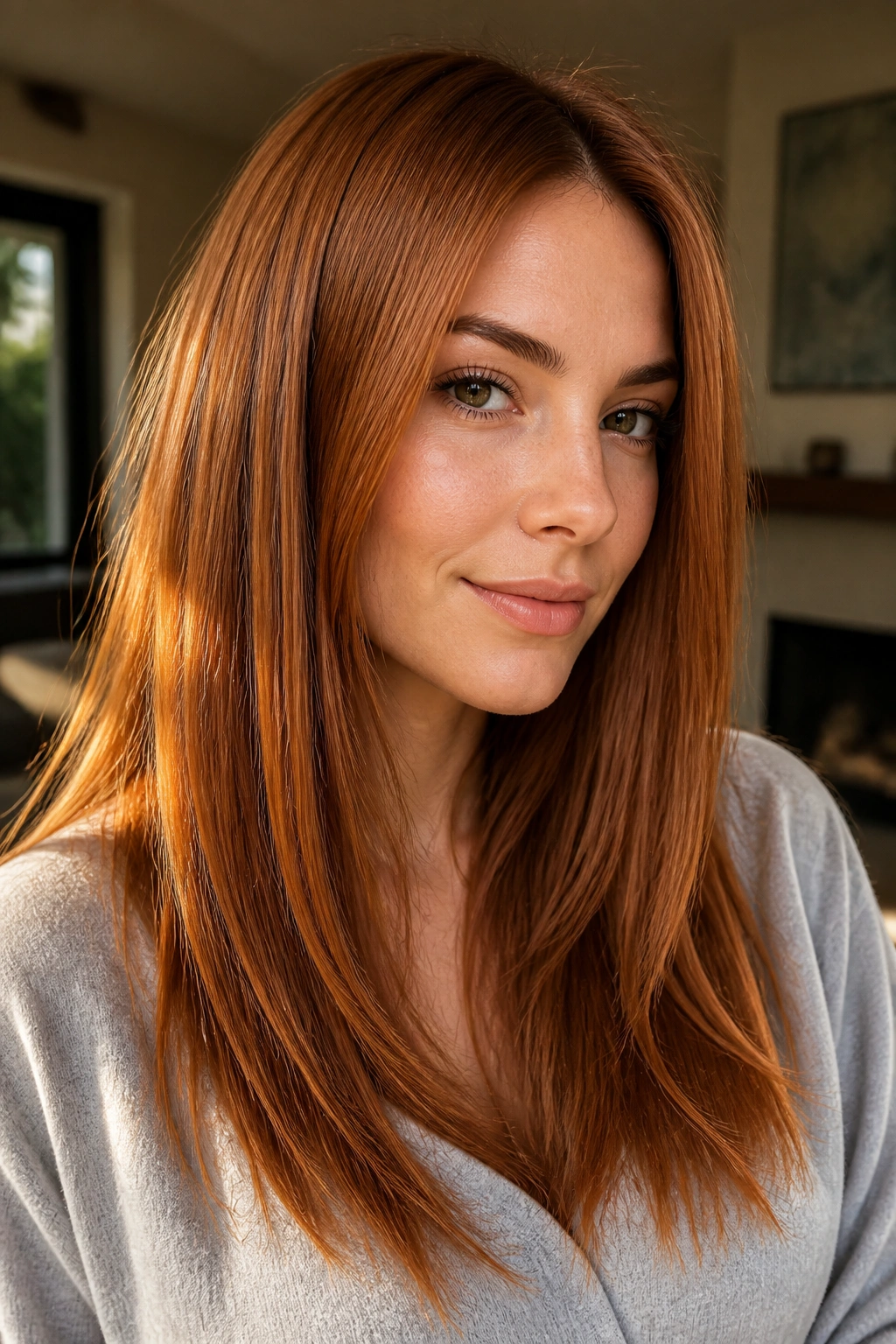
Copper on straight hair has a kind of metal shine that curls never show quite the same way. It looks warm, sharp, and a little bit expensive when the tone is right. It is not shy.
The best copper penny shades sit somewhere between red and orange, but not all the way into either camp. On a straight bob or a collarbone cut, the color catches light at the ends and along the part line, which gives the whole style more life than you’d expect from a single shade.
This is a good pick if your natural base is light brown or dark blonde and you want something with energy. It does ask for upkeep, though. Copper fades faster than brunette, and straight hair makes that fade easier to spot because the shine stays so even. A color-depositing conditioner helps, and a gloss every few weeks keeps the tone from turning brassy.
If you want a shade that looks warm without feeling soft, copper is hard to beat.
6. Rose Gold Gloss
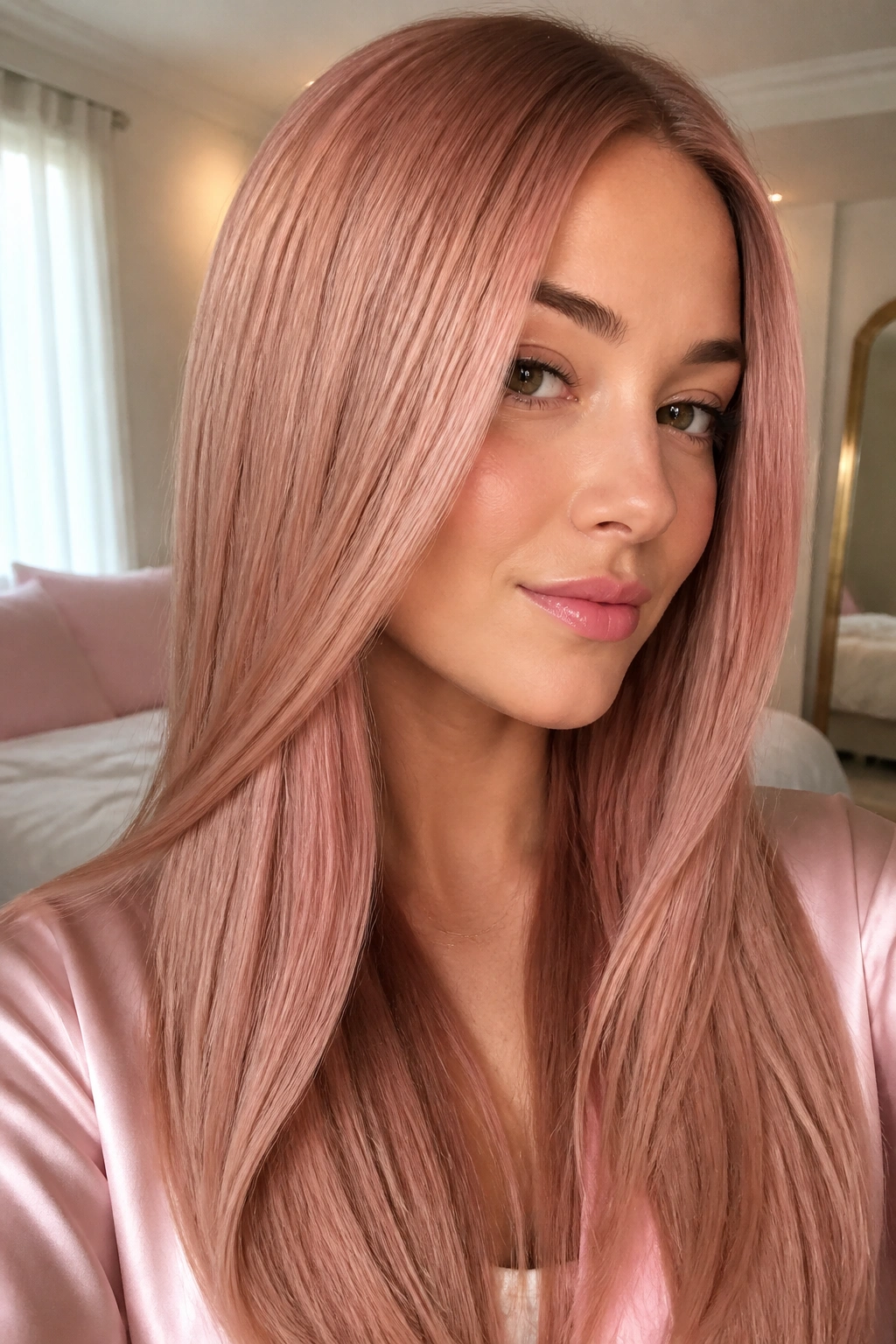
Rose gold is one of the easiest fantasy-adjacent tones to wear on straight hair because it reads polished before it reads playful. That matters. Straight strands can make pale pink tones look childish if the base isn’t light enough, but a proper rose gold gloss lands in a much prettier place.
The color works best on pre-lightened hair around a level 8 or 9, where the pink-gold blend can stay airy instead of muddy. Too dark a base and you get peach. Too much pigment and you lose the softness that makes rose gold so wearable in the first place.
What I like most is how temporary it can be. A gloss or demi-permanent formula lets you test the shade without committing to a full pastel routine. It fades into a gentle blush, which is easier to live with than a harsh grow-out line.
Rose gold is the easiest warm “fun” shade that still feels refined. On straight hair, that balance is the whole point.
7. Jet Black with Blue-Black Sheen
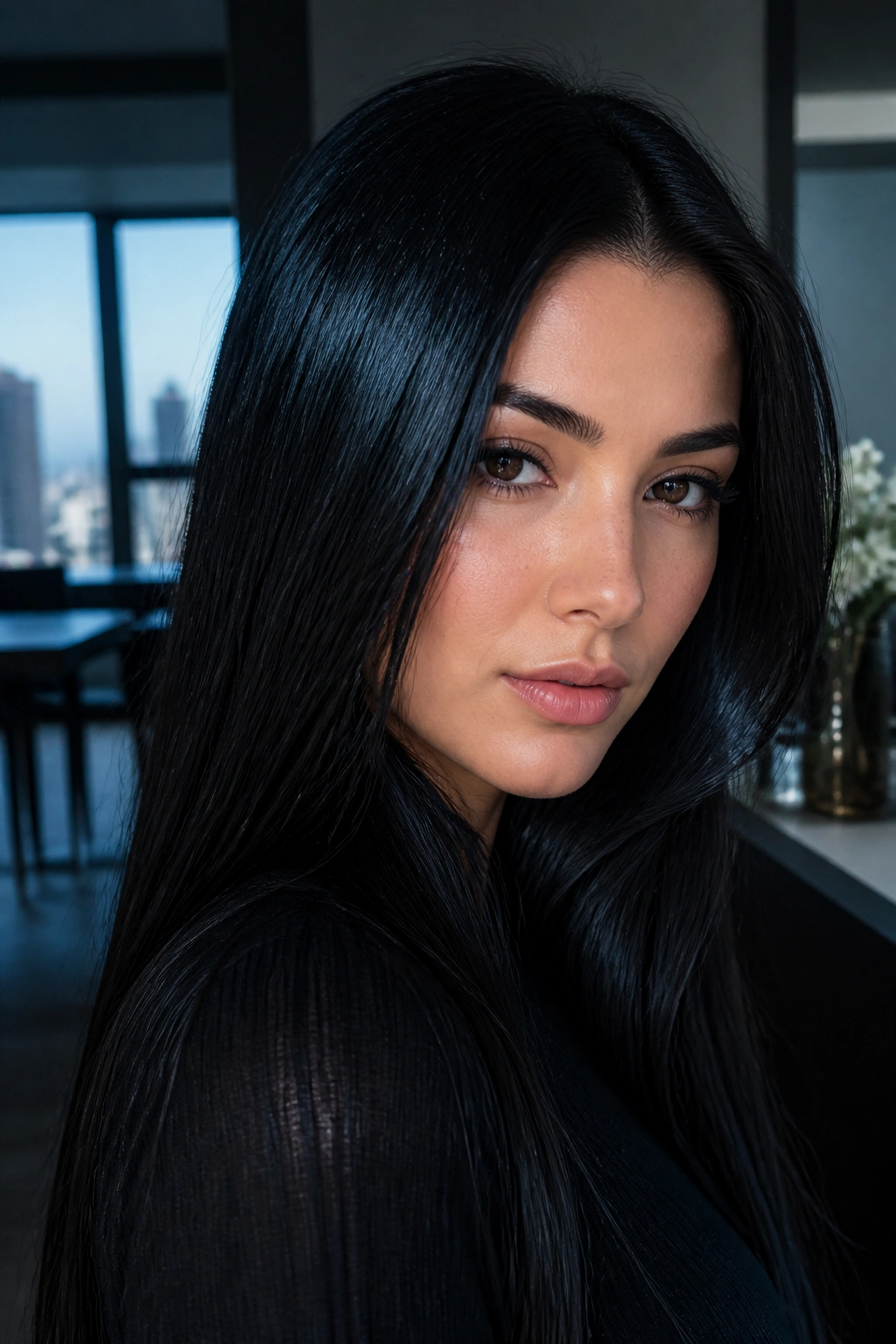
Jet black is not for people who want subtlety. It’s for people who like a clean, sharp line. On straight hair, that kind of darkness can look almost reflective, especially if the cut is blunt and the finish is smooth.
Blue-black adds a cool cast to that darkness, which keeps it from reading flat. Indoors, it can look like deep black. In bright light, you get a blue flash that gives the color a bit of edge. That shift is what makes it more interesting than basic black.
The catch? It does not forgive dryness. If the ends are rough, the whole color looks dull. A shine serum, a good heat protectant, and regular trims matter more here than they do with softer brunettes. If your hair is porous, a strand test is smart too, because blue-black can grab harder than you expect.
This shade suits blunt cuts, sharp fringes, and long straight hair that you actually keep polished. If you don’t like maintenance, skip it.
8. Mushroom Brown
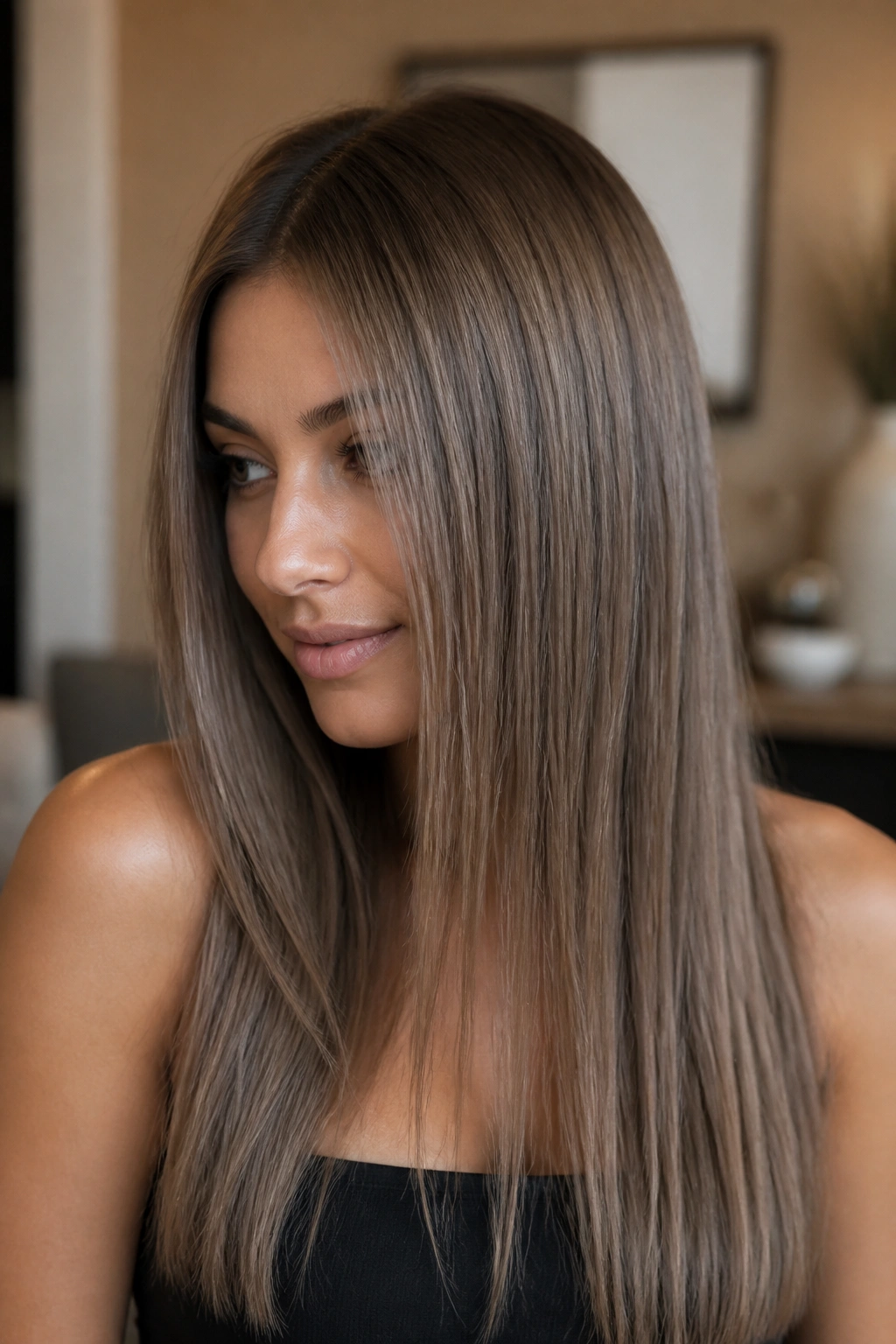
Mushroom brown lives in that cool-neutral middle zone that some colorists handle beautifully and some flatten into mud. When it works, though, it’s one of the best straight-hair shades around.
The Neutral Middle Ground
Mushroom brown mixes taupe, ash, and a little beige so the result feels smoky instead of warm. Straight hair loves that because the soft tonal shifts are easy to see. You get depth without obvious highlights, which is useful if you want movement without high contrast.
I like this color on medium-length straight cuts and long layers. The shade gives the hair shape even when the styling is minimal. It also pairs well with a center part, since the symmetry makes the color look even cleaner.
What to Watch For
- Ask for smoky beige-brown, not flat ash.
- Keep the root slightly deeper than the mids.
- Avoid over-toning; too much cool pigment can make it look khaki.
Mushroom brown is for someone who wants quiet detail. Not loud. Not muddy. Just a careful, expensive-looking brown.
9. Honey Bronde
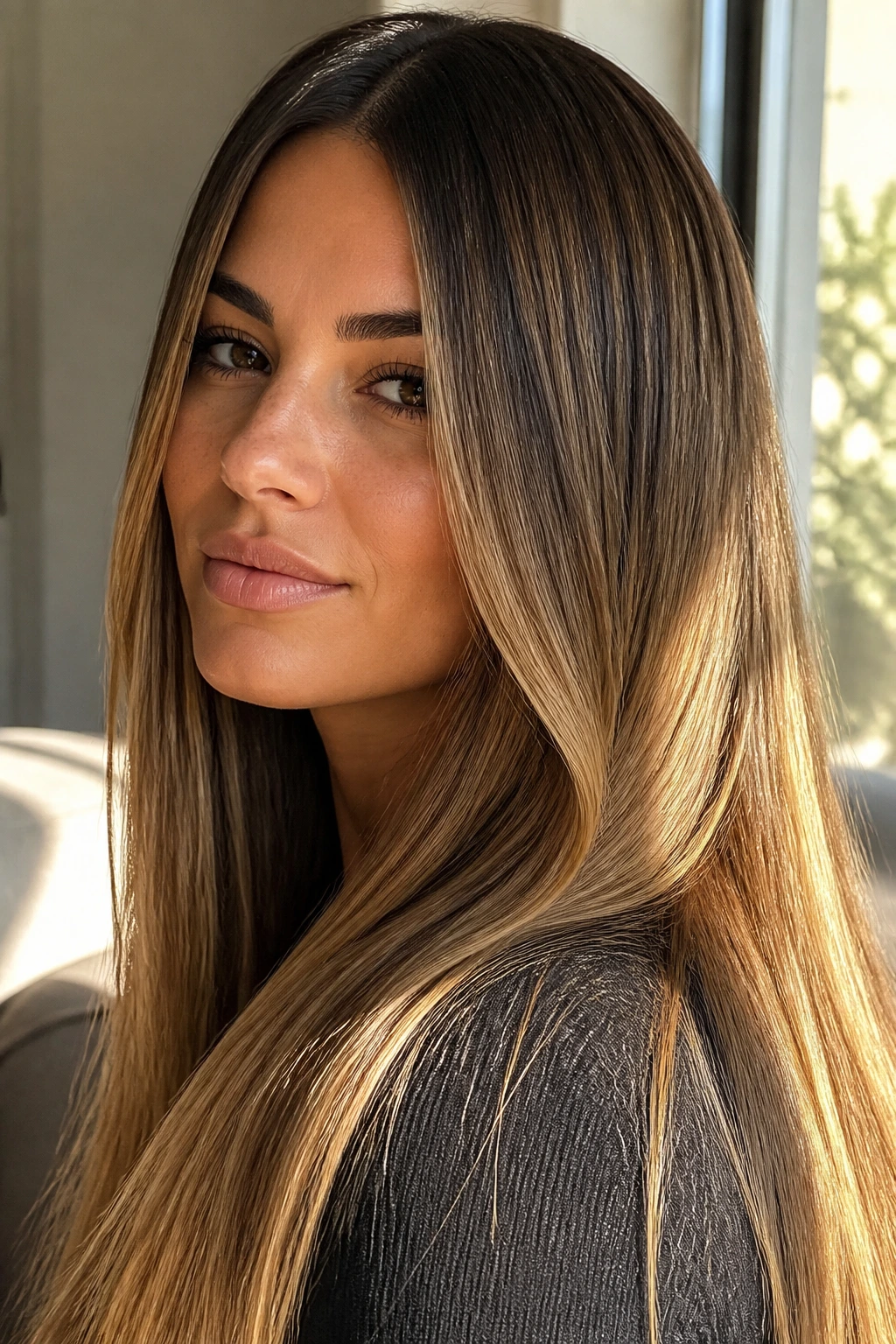
Honey bronde sits between brunette and blonde in a way that actually makes sense on straight hair. The warmth is there, but it doesn’t shout. The dimension is there, but you don’t need waves to show it off.
What makes it work is the blend. A darker root, soft golden lights through the mids, and lighter ends create a smooth transition that reads clean on straight lengths. There’s no hard break, which is exactly what you want. Straight hair can make contrast look abrupt, so a bronde shade that melts gradually tends to look more natural than a chunky highlight job.
This is one of my favorite options for long, one-length hair, because the color travels down the hair like a ribbon. It also works for people who are tired of fighting brassiness. Honey is warmer than beige blonde, so it feels friendlier and less high-maintenance.
If you want a color that brightens the face without dragging you into full-blonde upkeep, honey bronde is a very smart middle ground.
10. Platinum Blonde with a Clean Money Piece
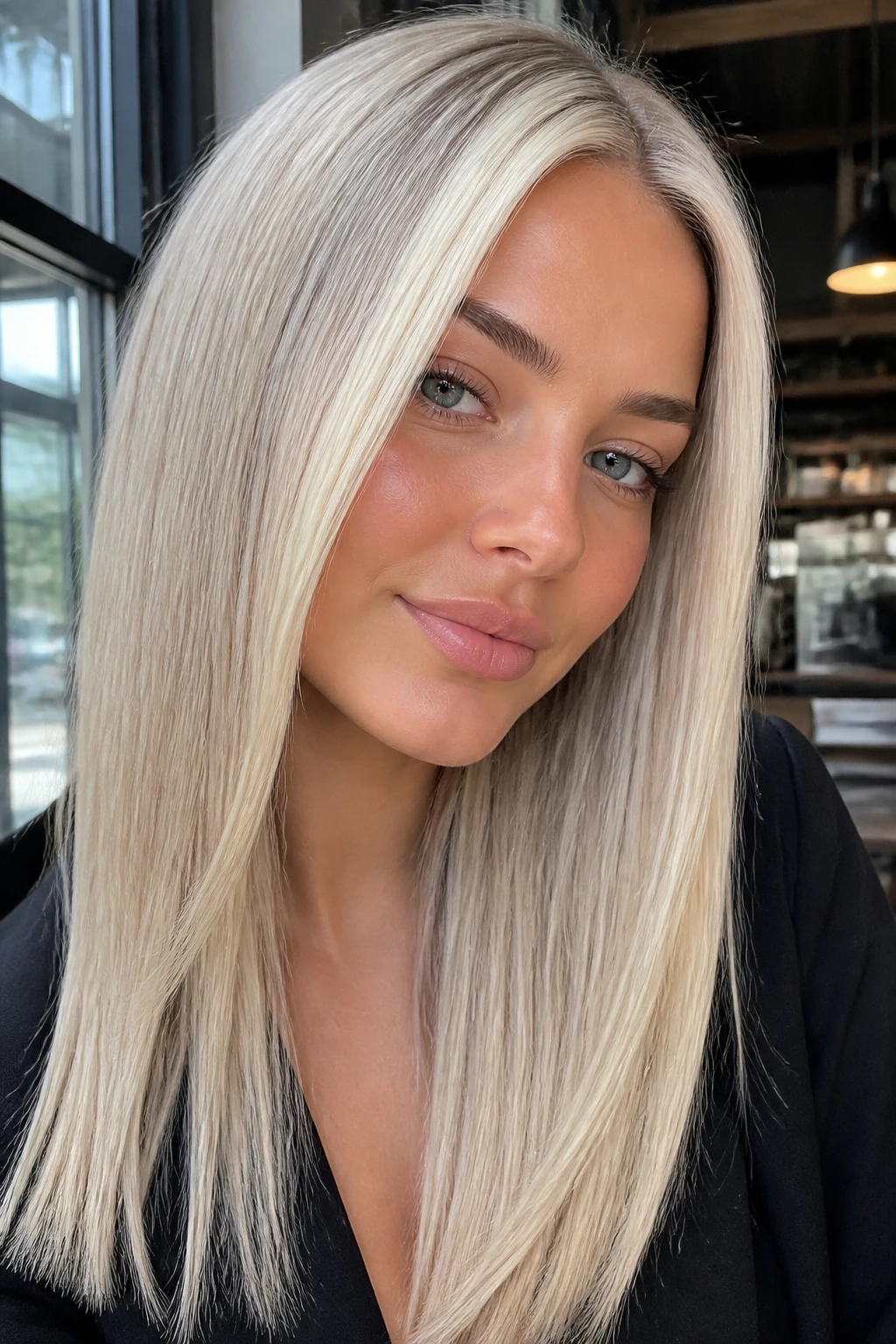
Platinum is a commitment. No way around it. On straight hair, though, it can look incredibly crisp because the cuticle shine and the pale tone work together instead of competing.
Maintenance Reality
- Expect touch-ups every 4 to 6 weeks if you want the roots kept tight.
- Use bond repair products after lightening; the hair will need it.
- Ask for a money piece only if you want the front to stay bright between full appointments.
- Use purple shampoo sparingly. Too much of it can make platinum look dull and slightly violet.
The reason platinum works so well on straight hair is that every piece of the shape stays visible. A blunt bob or a center-parted lob can look almost architectural in this shade. The clean money piece adds brightness around the face without forcing you into an all-over ice-white look, which is a nice compromise if you want drama but not full commitment.
Platinum is best for people who don’t mind upkeep. It is not a casual color. It is a statement, and straight hair gives it the cleanest stage.
11. Cherry Cola
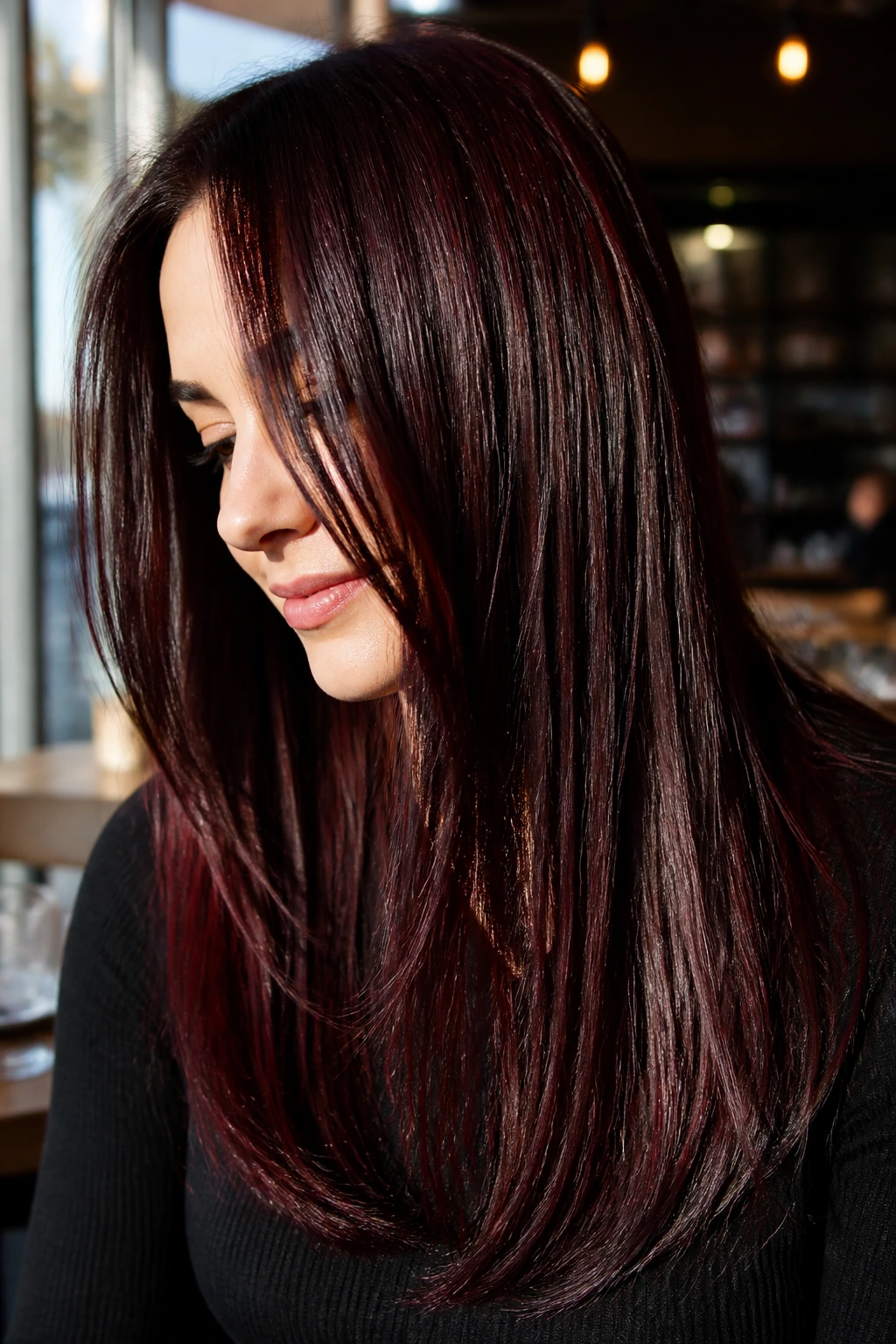
Cherry cola is the color for someone who wants depth with a hidden flash of red. On straight hair, it looks dark and glossy first, then the ruby or violet notes show up when the light shifts. That little reveal is half the fun.
This shade tends to work well on medium to deep brunette bases because it keeps the finish rich rather than neon. If the red is too bright, the color can start looking costume-like. A deeper cherry cola, though, stays wearable. It feels polished on a blunt cut and even better on longer straight hair, where the shine can travel down the lengths.
I like this one for people who are nervous about red but still want something warmer than brown. A demi-permanent gloss is a nice entry point. It gives you the tone without locking you into a heavy commitment, and it fades in a softer, less abrupt way than permanent red shades often do.
Cherry cola is moody in the best sense. Dark. Glossy. A little secretive.
12. Burgundy Wine
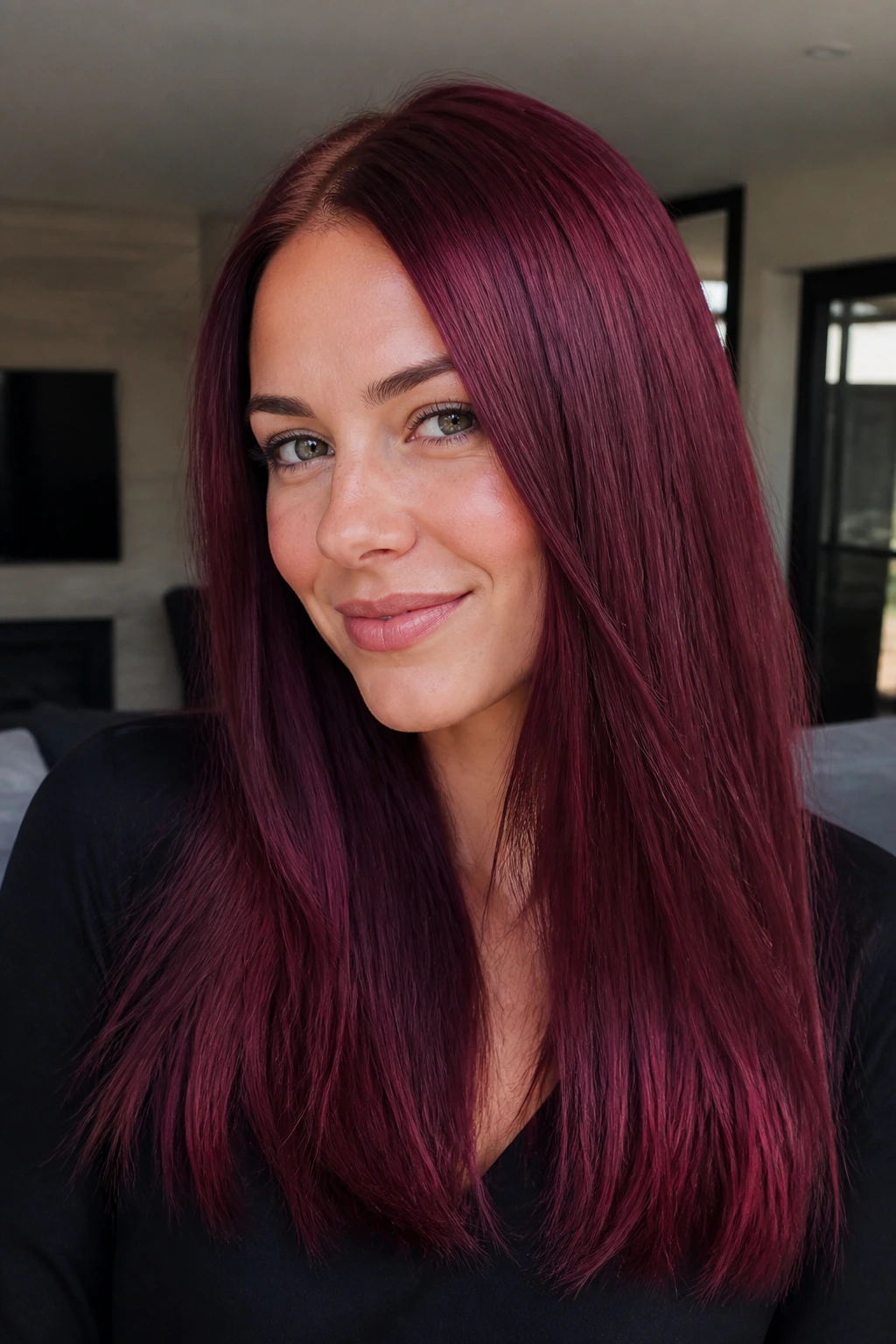
Burgundy wine is deeper and cooler than cherry cola, and that difference matters on straight hair. Cherry has a brighter red lift. Burgundy sits lower, with a richer plum edge that feels calmer and more grown-up.
Who It Flatters
- People with naturally deep brunette hair.
- Skin that looks better with berry or plum tones.
- Straight cuts that need color depth more than visible highlights.
Straight hair makes burgundy look especially neat because the tone stays clean along the length. You don’t get the visual breakup that curls create, so the shade reads like velvet rather than scattered highlights. It’s a strong option if you want something darker than red but warmer than black.
The practical side is worth mentioning. Red-based shades fade faster than brunette, and burgundy is no exception. A color-depositing mask can stretch the life of the tone, and cooler wash water helps keep the pigment from racing down the drain. That part is boring, yes. Also necessary.
If you want red without the brightness, burgundy is the quieter, deeper choice.
13. Smoky Brunette Ombré
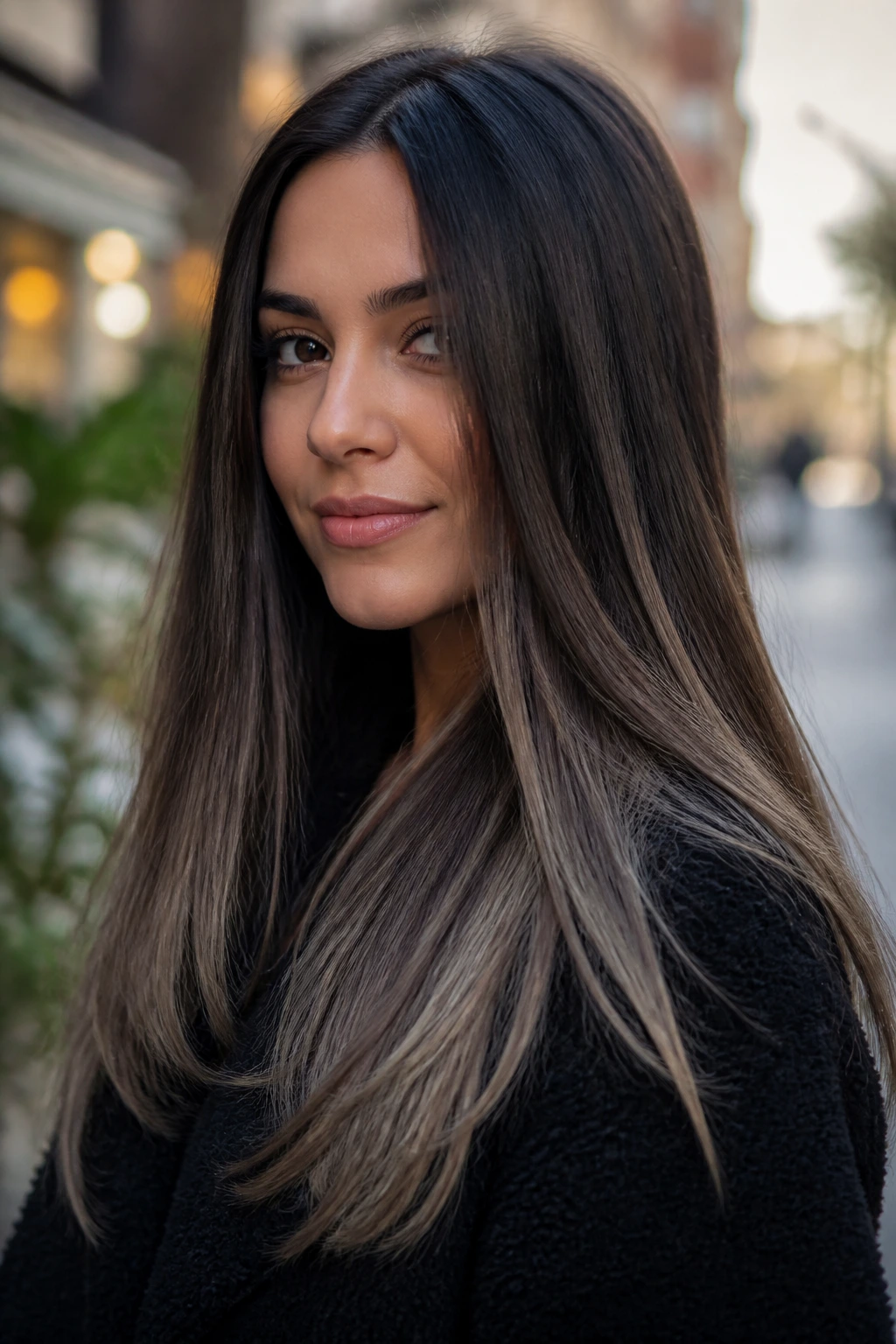
Smoky brunette ombré can look elegant on straight hair if the fade is soft enough. The problem with ombré is that straight strands make bad blending obvious. You can see the line. You can see when the transition gets lazy. So the color has to be done with care.
How to Keep the Fade Soft
A good smoky ombré starts with a deeper root and gradually opens into cooler midlengths and softened ends. The shift should happen below the chin or at the collarbone, not right around the part line. That keeps the top from looking stripey.
A few details matter here:
- Keep the root at least 2 levels deeper than the lightest ends.
- Blend with micro-highlights, not chunky light pieces.
- Finish with a clear gloss so the fade looks smooth instead of dusty.
I like this on long straight hair because the color movement becomes part of the shape. No curls needed. The lengths do the showing for you.
14. Strawberry Blonde
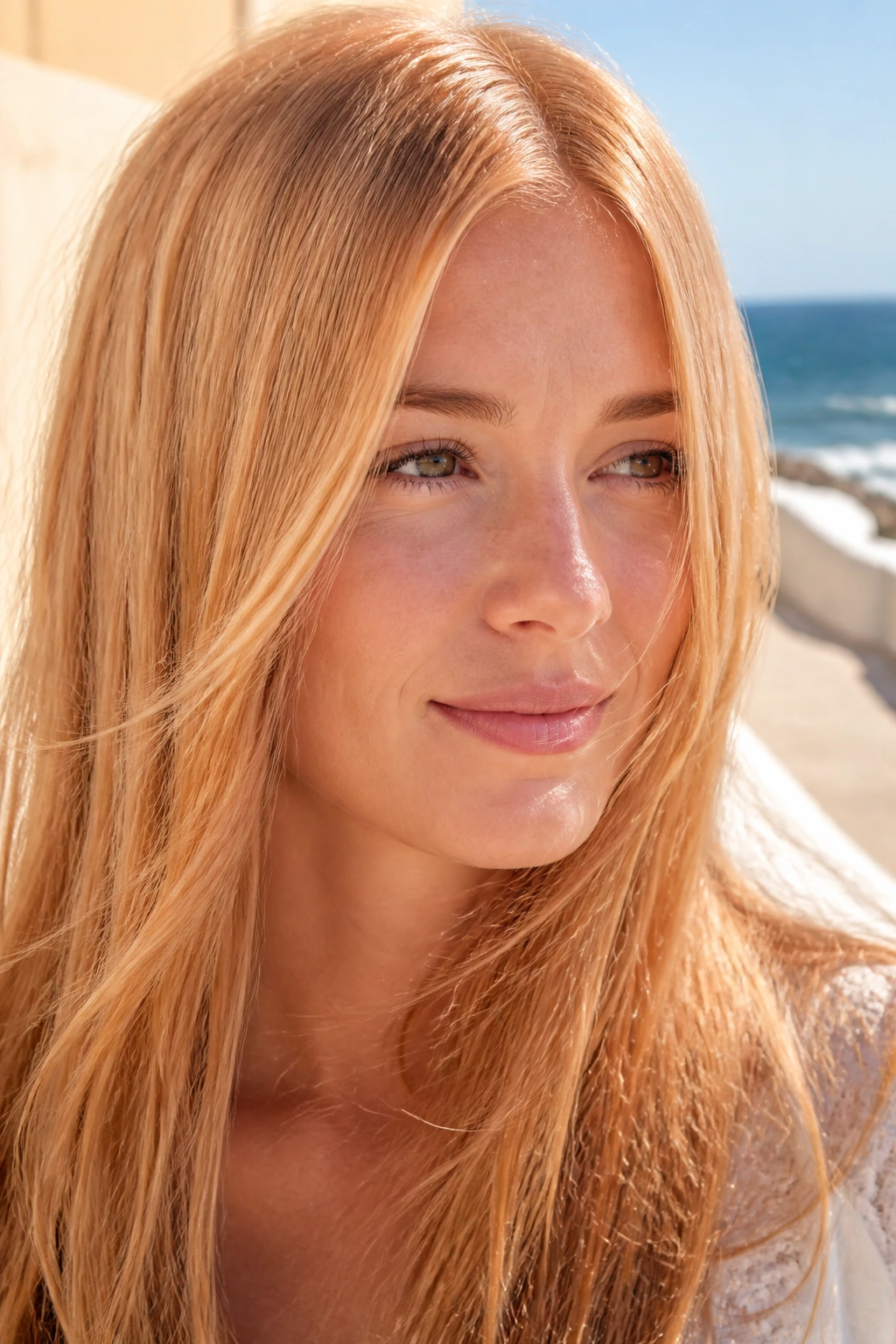
Strawberry blonde has a reputation for being delicate, and that reputation is earned. On straight hair, it looks especially soft when the pink-gold balance is kept light and airy.
What matters most is the base. If the blonde is too pale, strawberry can vanish. If the copper is too strong, it turns orange fast. The sweet spot sits somewhere between peach and warm gold, with just enough red to make the hair feel alive. That’s why this shade often looks best on natural blondes, light brunettes, or redheads who want something gentler than true copper.
A straight cut makes strawberry blonde feel polished rather than sweet. That’s the nice part. It stops being “cute” and starts reading as intentional, especially on long layers or a shoulder-length cut with a clean finish.
Who This Flatters
- Fair to medium skin that likes warmth.
- Naturally light hair that lifts easily.
- Anyone who wants a red-leaning shade without going full copper.
It’s softer than copper, but not weaker. There’s a difference.
15. Silver Smoke
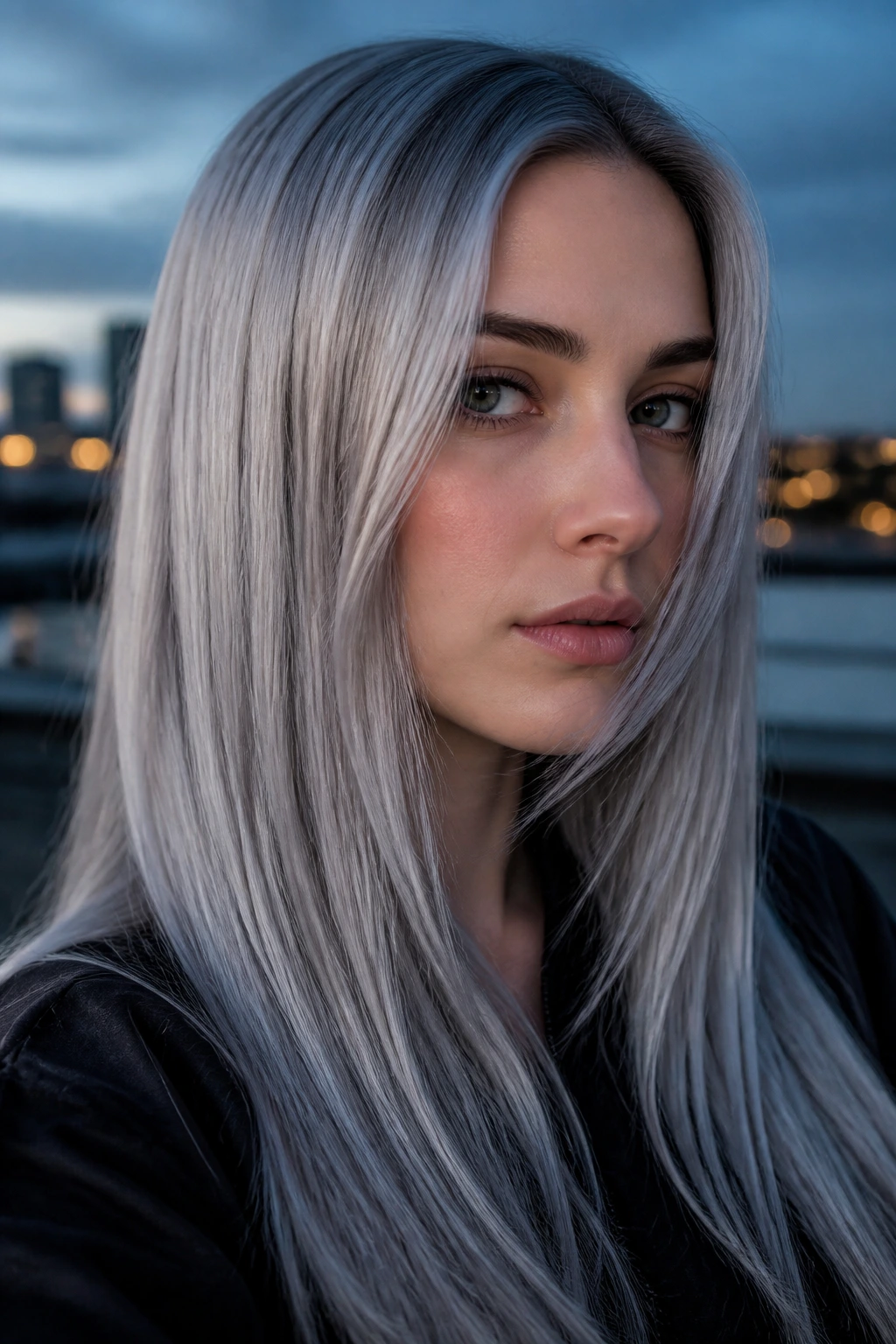
Silver smoke looks strongest on straight hair because the surface is smooth enough to show the tone cleanly. Curly hair can make silver feel diffuse. Straight hair makes it look deliberate.
How to Keep It From Going Flat
- Use a cool-toning shampoo only when the color starts to yellow, not every wash.
- Rinse with lukewarm water instead of hot water.
- Put shine spray on the midlengths and ends, not the root area.
- Ask for a gloss that keeps the silver looking smoky, not purple.
The key with silver is tone control. A bright, icy version can look harsh, while a smoky silver has more depth and tends to flatter straight cuts better. It works especially well on blunt bobs, long one-length hair, and sleek lobs because the clean lines echo the shade.
This is not the color for someone who wants zero upkeep. Silver takes upkeep. But if you like a cool finish and a haircut that stays tidy, it has a clean, almost futuristic feel without needing anything extra.
16. Cinnamon Brown
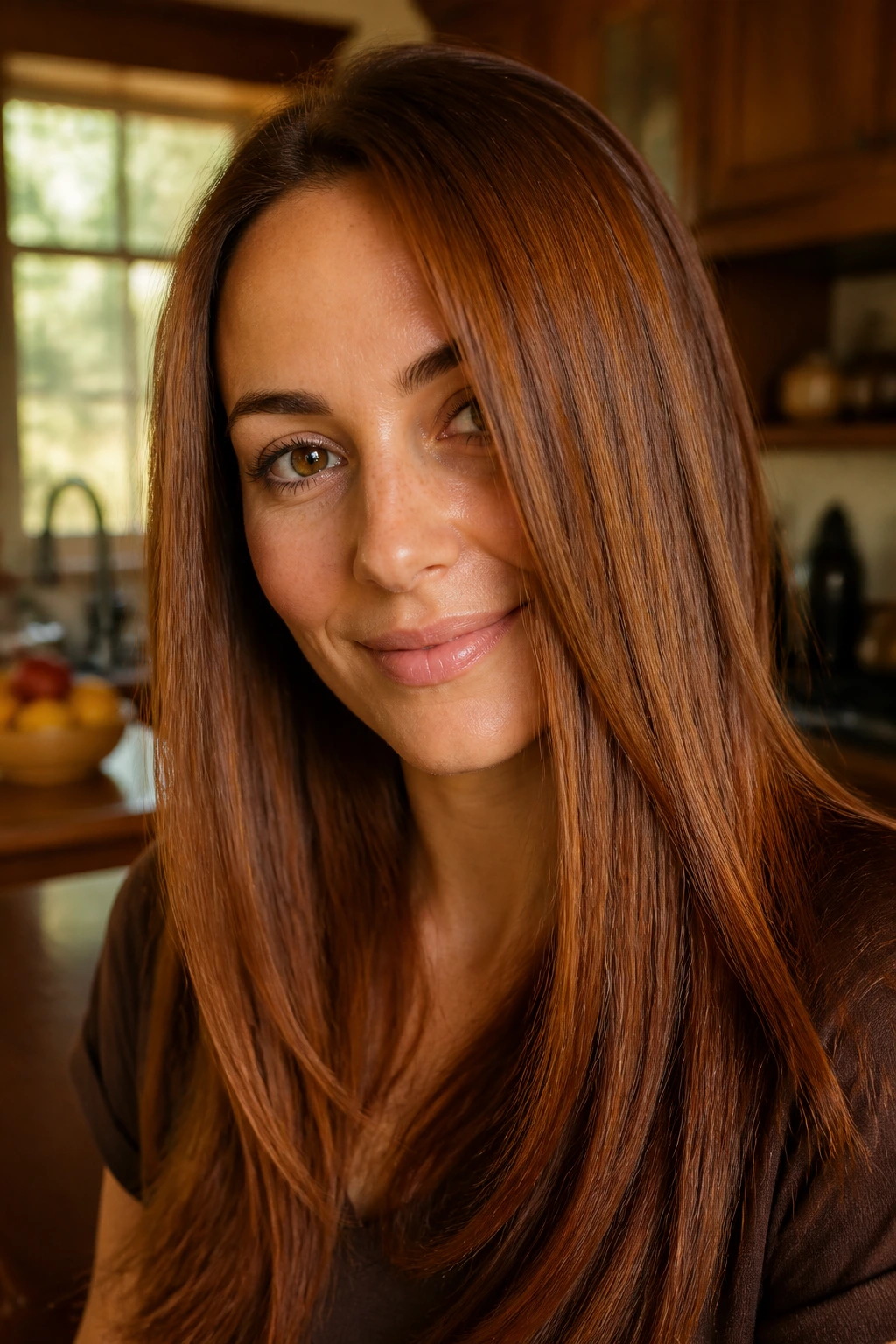
Cinnamon brown is what happens when brown gets a little warmth and stops apologizing for it. On straight hair, the copper-gold undertone shows in the shine instead of hiding in the texture.
The color is especially good if you want warmth but not obvious red. It reads richer than plain chestnut and softer than copper. That middle ground is useful on straight cuts, where too much warmth can turn orange in certain lighting. Cinnamon keeps the warmth grounded.
Best Cut Pairings
- A collarbone lob with blunt ends.
- Long straight layers that need a little movement.
- Curtain bangs, if you want the front pieces to glow.
The shade also plays nicely with medium brunettes who don’t want to go blond or red. A subtle gloss can keep the tone lively, and a heat protectant matters because flat-ironing or blow-drying too hot will dull the finish fast. Cinnamon is one of those colors that looks richer when the hair actually shines.
It smells like warm spice in my head. Not literally. You get the idea.
17. Midnight Navy Black
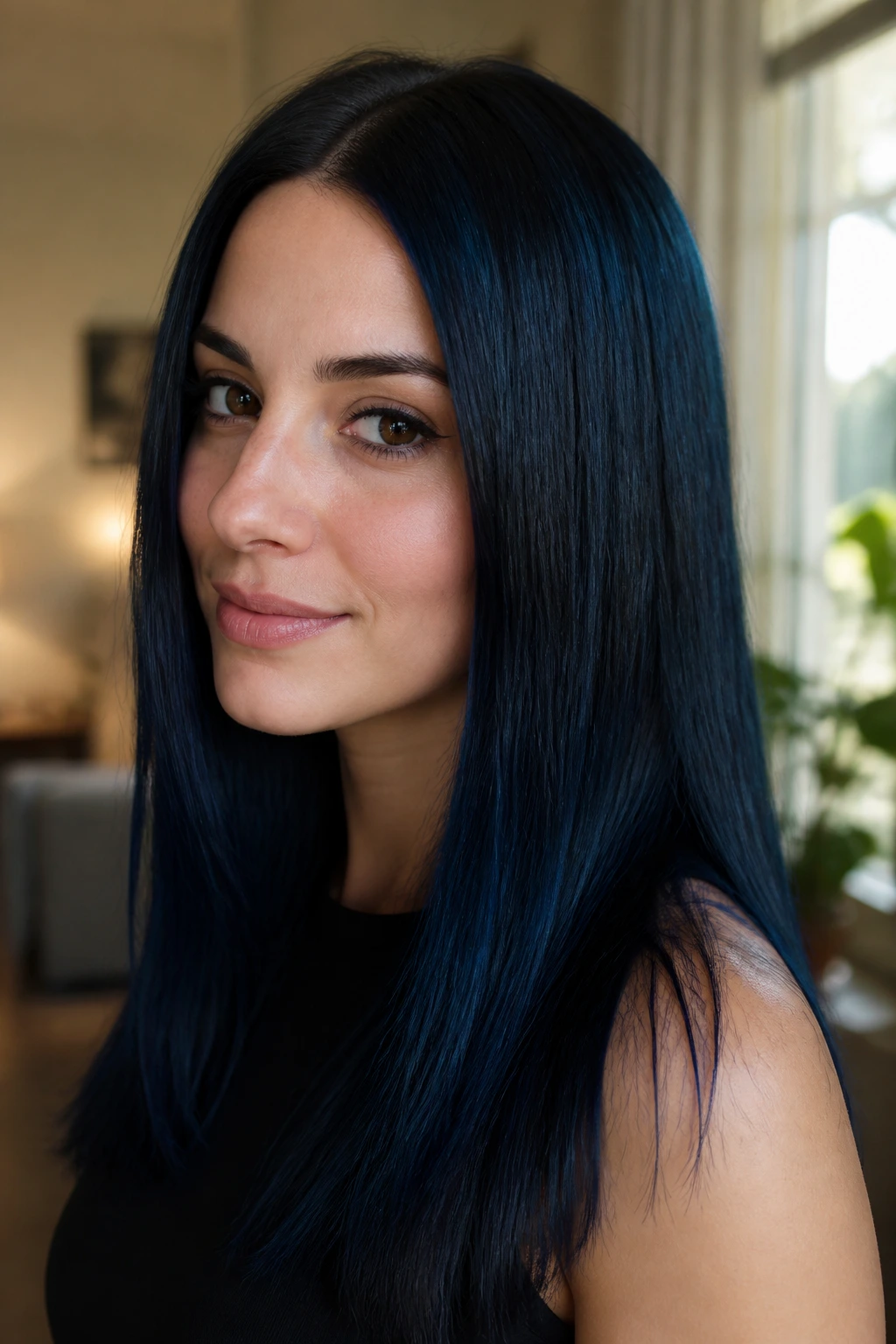
Midnight navy black is a smarter choice than it sounds. Unlike jet black, which stays black-black most of the time, navy black hides a cool blue note underneath. Straight hair shows that shift well because the surface is smooth and the light moves across it evenly.
This color looks especially good on shorter straight cuts, sharp fringes, and long sleek hair that you keep polished. The navy flash can feel edgy without turning loud. Indoors, it reads like deep black. Under daylight, it gives a small blue wink that keeps the shade from feeling flat.
The practical piece is this: if you want a true navy effect, your starting level matters. Dark bases can take the tint directly. Lighter or more porous hair may need a gentler route, or the blue can grab unevenly. That’s where a strand test saves trouble. A lot of trouble, actually.
If you like black hair but want one small twist, this is the one I’d pick before moving into brighter fantasy color.
18. Beige Blonde with Face-Framing Highlights
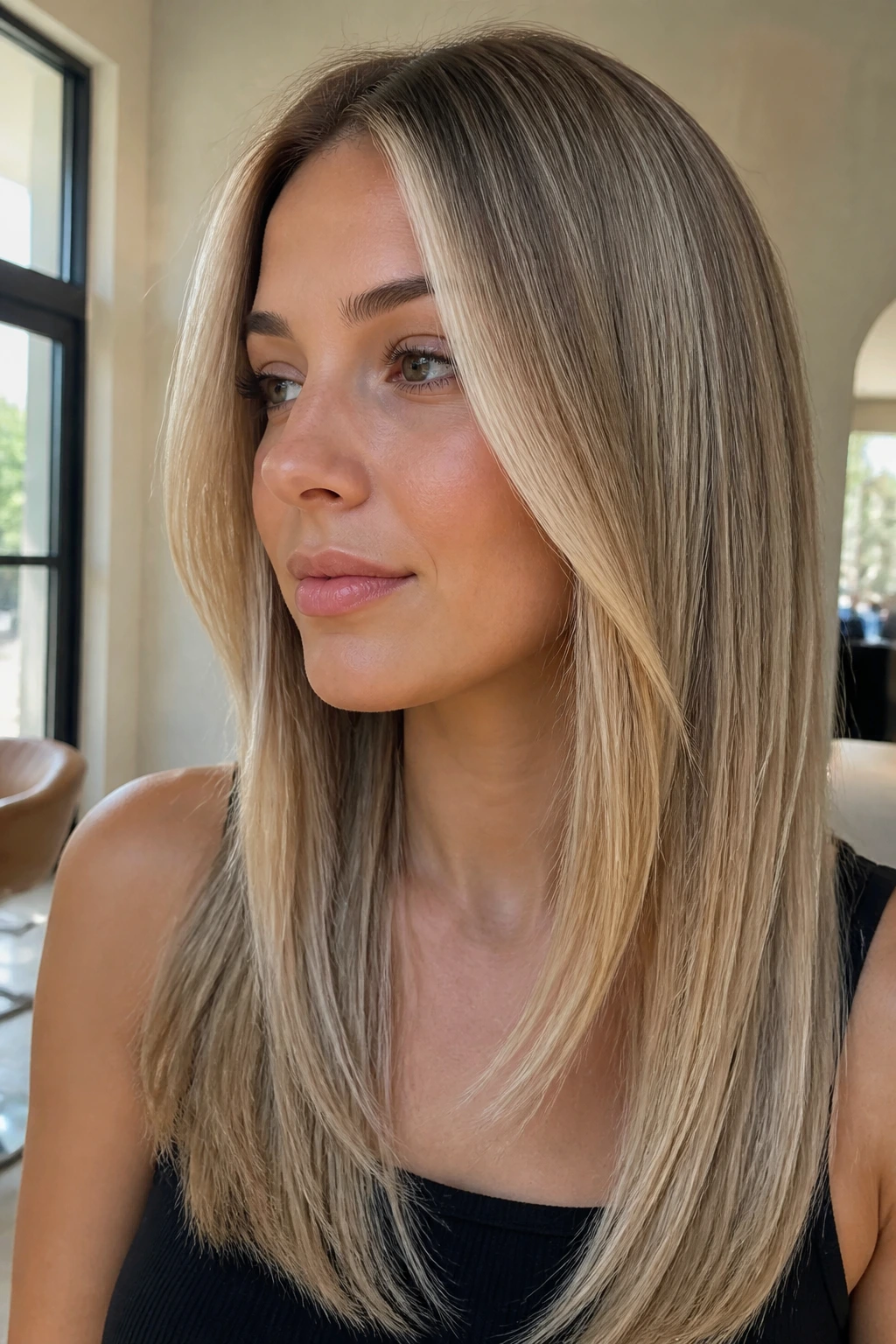
Beige blonde with face-framing highlights is a neat way to brighten straight hair without signing up for full blonde maintenance. The contrast stays soft, and the brightest pieces sit where they do the most work: around the face.
That placement matters more than people think. Straight hair shows structure plainly, so the part line, cheekbone pieces, and front sections can make or break the whole look. When the money pieces are beige instead of white, the color feels fresh without looking sharp. The rest of the hair can stay a shade deeper, which makes the front pop even more.
Where to Place the Brightness
- Keep the brightest pieces around the hairline and cheekbones.
- Leave the back softer so the color doesn’t look overdone.
- Ask for a beige toner rather than an icy one.
I like this shade on straight lob cuts and long hair with a middle part. It gives brightness without the upkeep of full platinum, and it grows out in a friendlier way. Nice color. Less drama. Hard to argue with that.
19. Warm Auburn
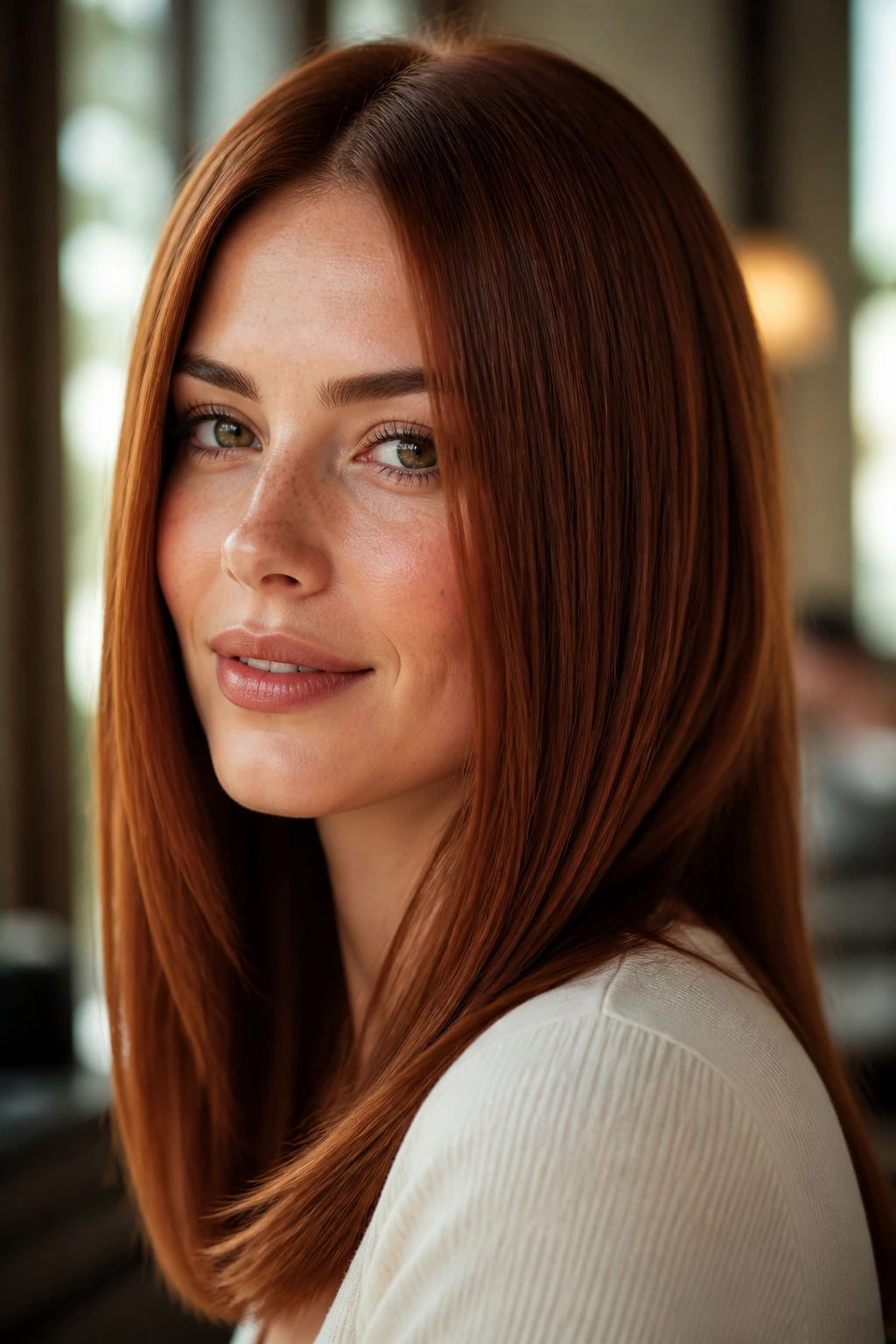
Warm auburn is one of those shades that makes straight hair feel alive without needing a lot of styling help. It sits between brown and red, so you get richness and warmth without the brightness of copper or the darkness of burgundy.
Who Should Pick It
Auburn tends to flatter medium brunettes, darker blondes going warmer, and anyone who wants more color depth without committing to a red that screams. It works especially well on straight bobs and one-length cuts because the color can look almost lacquered when the light hits it. The finish matters here. Shine makes the shade.
I also like auburn for people who wear very little makeup. The warmth in the hair carries a lot of the visual weight. That can be a good thing if you want your hair to do the talking for you. A subtle root shadow helps the color grow out more softly, and a glaze every so often keeps the copper notes from drying out into orange.
Auburn is warm, not loud. That’s the reason it keeps showing up in good salon work.
20. Soft Black with a Glassy Finish
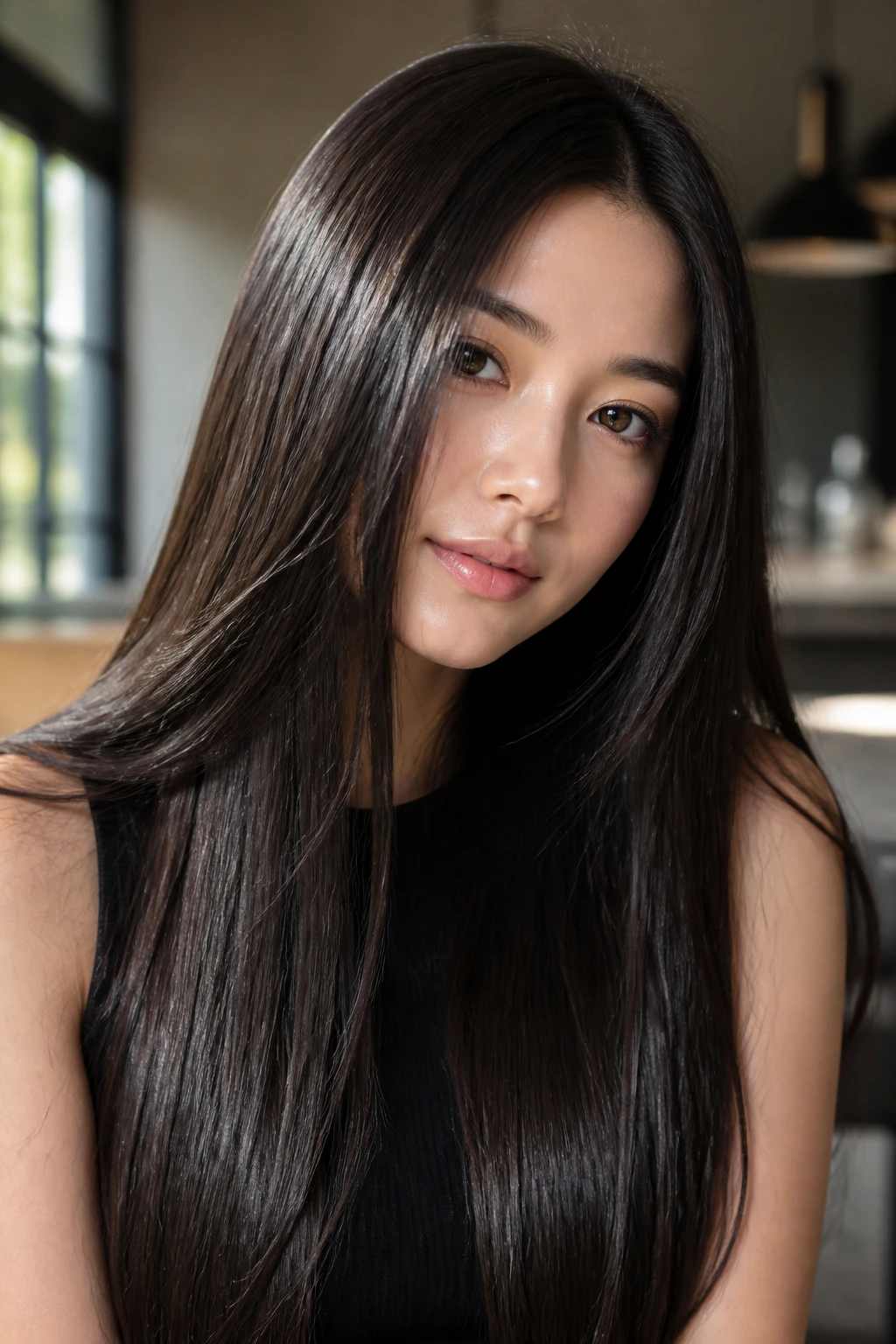
Soft black is not jet black. That difference is bigger than it sounds. Jet black can read inky and stark, while soft black has a little brown in the base, which keeps straight hair looking deep without looking severe.
On straight strands, this shade looks polished fast. A clean part, trimmed ends, and a glassy finish are enough. No texture tricks. No heavy styling. Just shape and shine. That’s why I like it for people who want low-drama color that still feels deliberate.
It also wears well with a lot of cuts, from blunt bobs to long straight layers. If the hair is healthy, the color looks rich. If the ends are rough, the color can turn dull, so trims and a lightweight shine product matter more than people expect. A clear gloss every so often helps too, especially if the black starts to look dusty in indoor light.
Low drama. High shine. For a lot of straight hair, that combination is hard to beat.
