



Warm hair color can be rude. Put a copper blonde next to cool skin, and the face often looks pinker, a little drained, or oddly gray around the edges.
The best hair color ideas for cool skin tones usually live in the ash, pearl, blue-black, violet, and berry families because those pigments play with the undertone instead of fighting it. That does not mean you’re stuck with only icy blondes and black hair. Cool skin can wear a wide range of shades when the warmth is controlled.
That’s the part people miss. A brunette can be cool without looking flat, and a red can be cool without turning orange. The trick is choosing color with blue, violet, or smoky pigment in it, then matching the depth of the shade to your contrast level so the hair frames the face instead of swallowing it.
1. Platinum Blonde for Cool Skin Tones
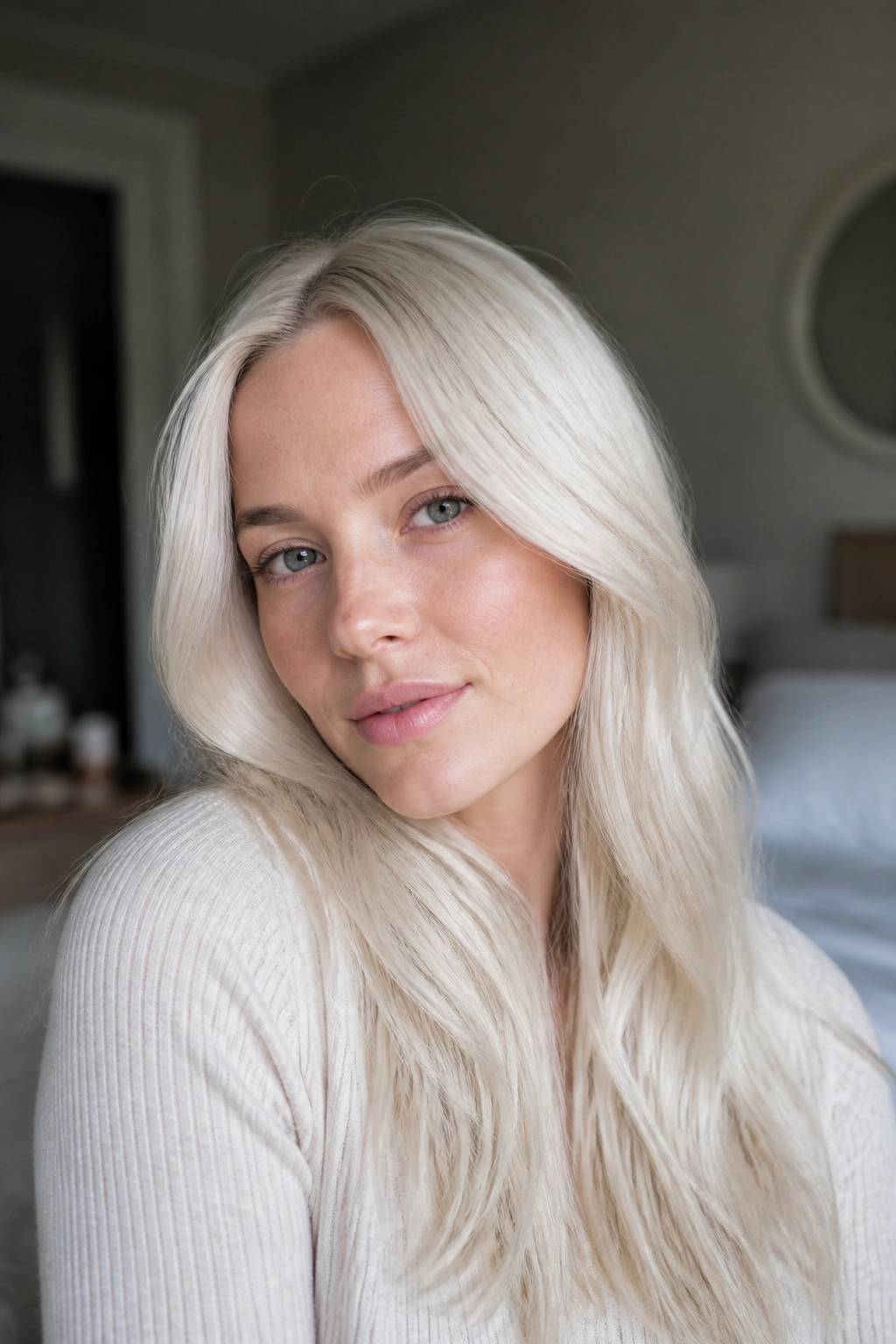
Platinum is the loudest quiet shade you can choose. It wipes out warmth almost completely, which is exactly why it can look so clean on cool skin. If your undertone leans pink, blue, or neutral-cool, platinum gives the face a crisp border instead of a yellow halo.
I like platinum most when the finish is glossy, not chalky. A pale blonde that has been toned with pearl or violet reads expensive in a way that flat beige blonde never does. The hair should look white-gold at the most, never buttery.
Maintenance is the price of admission. Roots show fast, and the toner will drift if you wash with harsh shampoo or go hard on hot tools. A soft shadow root can make the grow-out easier, especially if your natural color is deeper brown.
Platinum suits people who like contrast. It can make dark brows, blue eyes, and sharp bone structure look even cleaner. If your skin is very delicate, ask for a slightly softer pearl blonde at the face so the color does not sit too hard against your complexion.
2. Silver Blonde
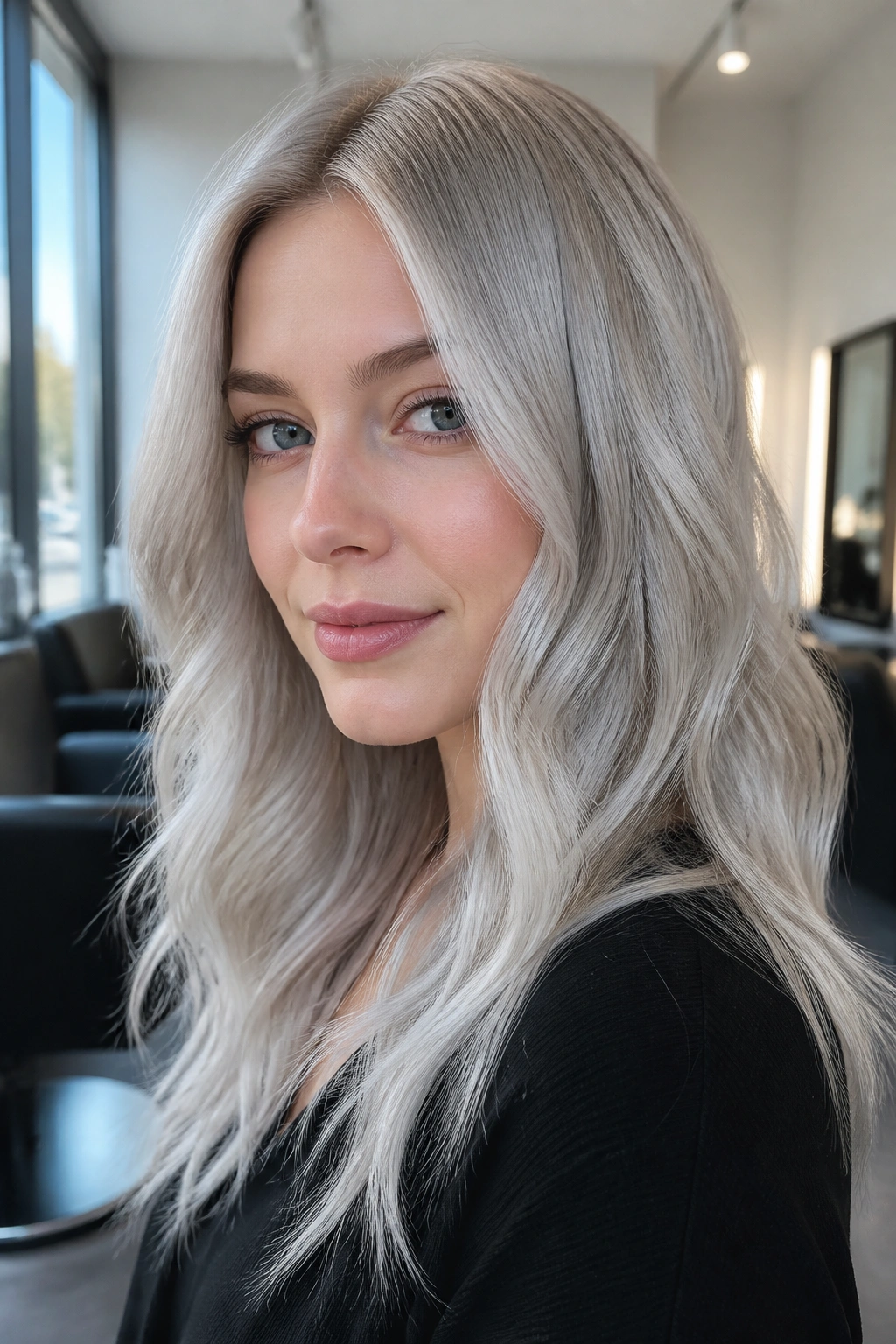
Why does silver blonde flatter cool skin so easily? Because it mirrors the same crispness already in the face instead of layering on gold. Silver blonde is not gray pretending to be blonde. It is blonde with the warmth stripped out until it looks like brushed metal.
I prefer this shade when someone wants a cooler look without going all the way to white. It has more depth than platinum, which means it can be kinder on fine hair and a little less severe around the hairline. On wavy hair, the different tones in silver blonde catch in soft bands, and that stops the shade from looking flat.
What to ask for
- Lift the hair to a pale level 9 or 10 first.
- Use a violet-pearl toner, not a beige or golden one.
- Keep a soft root if your natural color is medium brown or darker.
- Refresh with a cool gloss every 4 to 6 weeks when the tone softens.
Best for: pale cool skin, cool neutral skin, and anyone who wants an icy result without pure white. If your hair tends to turn yellow quickly, this is one of the shades that makes that problem obvious, so the toner has to be kept honest.
3. Icy Beige Blonde
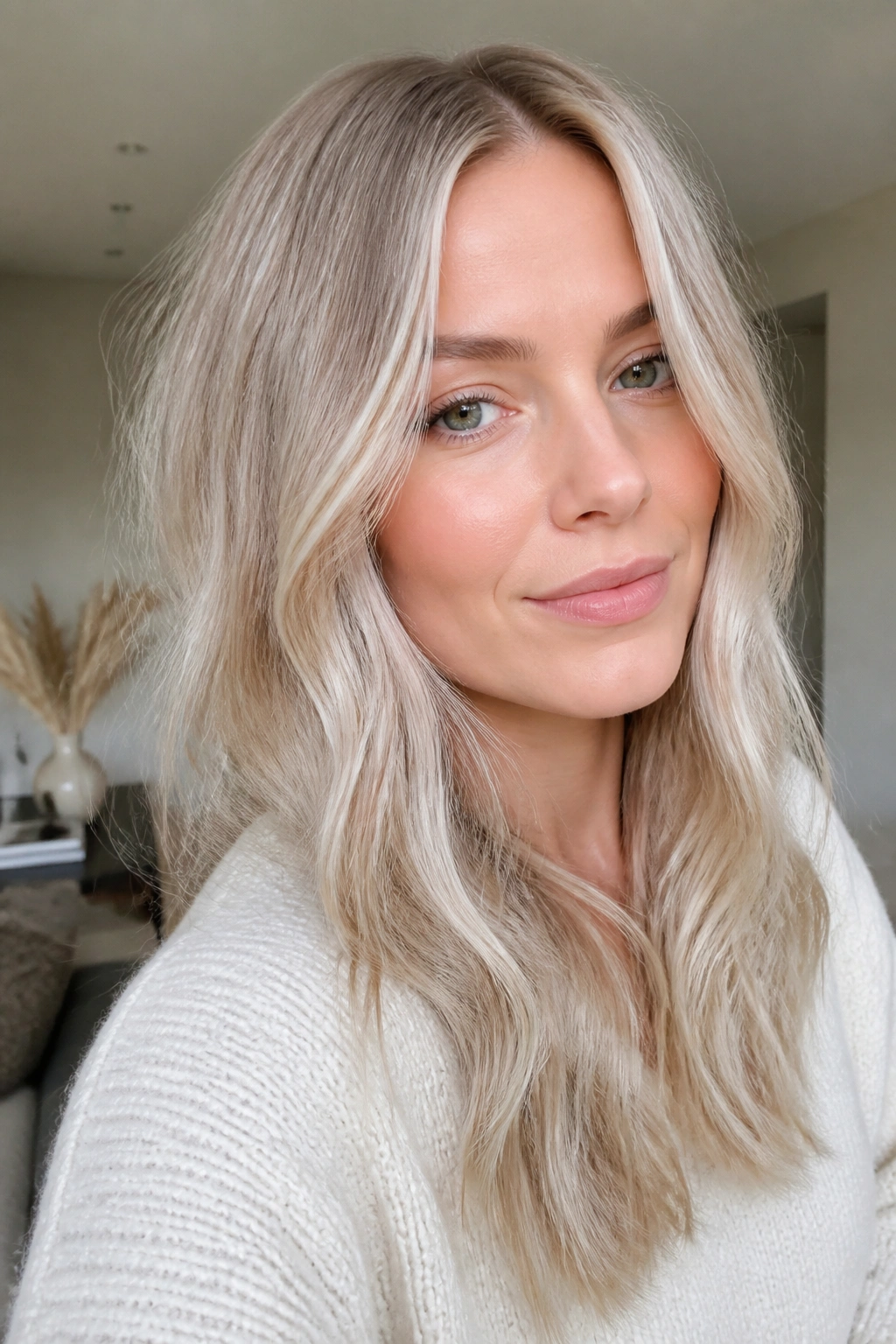
Beige is not warm by default. A cool beige blonde has a little sand in it, a little smoke, and none of the honey that usually sneaks into salon blondes. That is why it works on cool skin when warmer beiges often go muddy.
This shade is useful if you want blonde that feels softer than silver. It has a gentler finish, especially on shoulder-length cuts or longer layers where harsh light blonde can sometimes look too stark. The color sits nicely beside pink cheeks and cool eyes because it does not pull out the warmth in the skin.
A good icy beige blonde needs restraint. Too much gold and the whole thing shifts. Too much gray and it can look lifeless. The sweet spot is a muted, creamy blonde with a cool base—clean, but not frosty.
Pro tip: ask for a beige blonde toned with pearl or ash, then keep the ends a touch lighter than the roots. That tiny shift keeps the hair from looking one-note.
4. Mushroom Brown
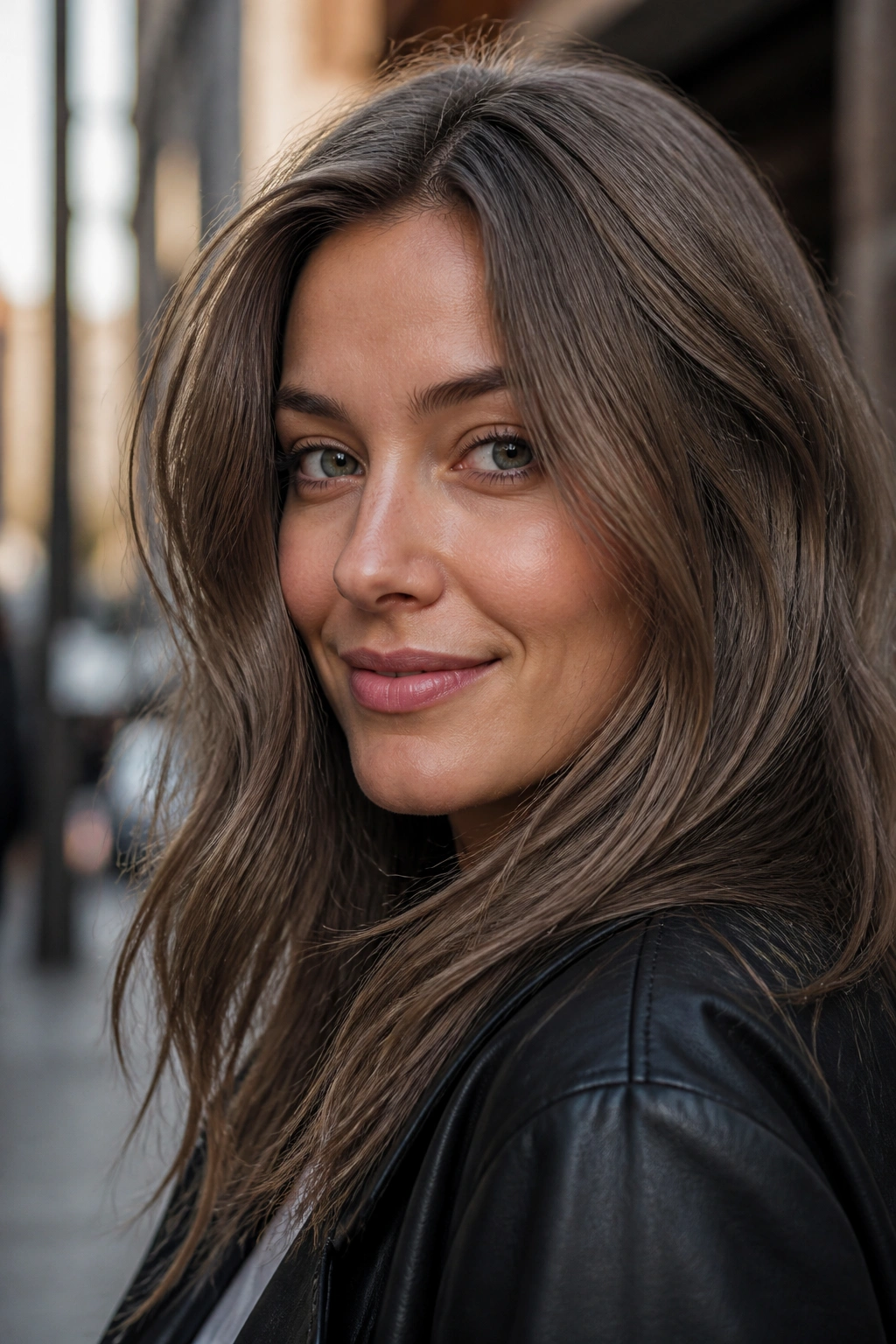
If your hair keeps slipping into red or orange territory, mushroom brown is the fix that people often overlook. It sits between brown and taupe, with an earthy gray cast that makes cool skin look calmer and less flushed.
This shade works especially well when you want brunette depth without the heavy, ink-dark feel of black. On layered hair, mushroom brown can look almost suede-like. The color doesn’t scream for attention; it just makes the shape of the haircut look neater.
It also grows out politely. That matters more than people admit. A mushroom brown base can move through several weeks of regrowth without turning brassy at the roots, which is one reason it’s such a good choice for anyone who hates constant salon visits.
I like it on soft waves, not because it needs the texture, but because the movement helps the taupe tones show. Straight hair gets a sleeker, more modern effect. Both work.
5. Smoky Brunette
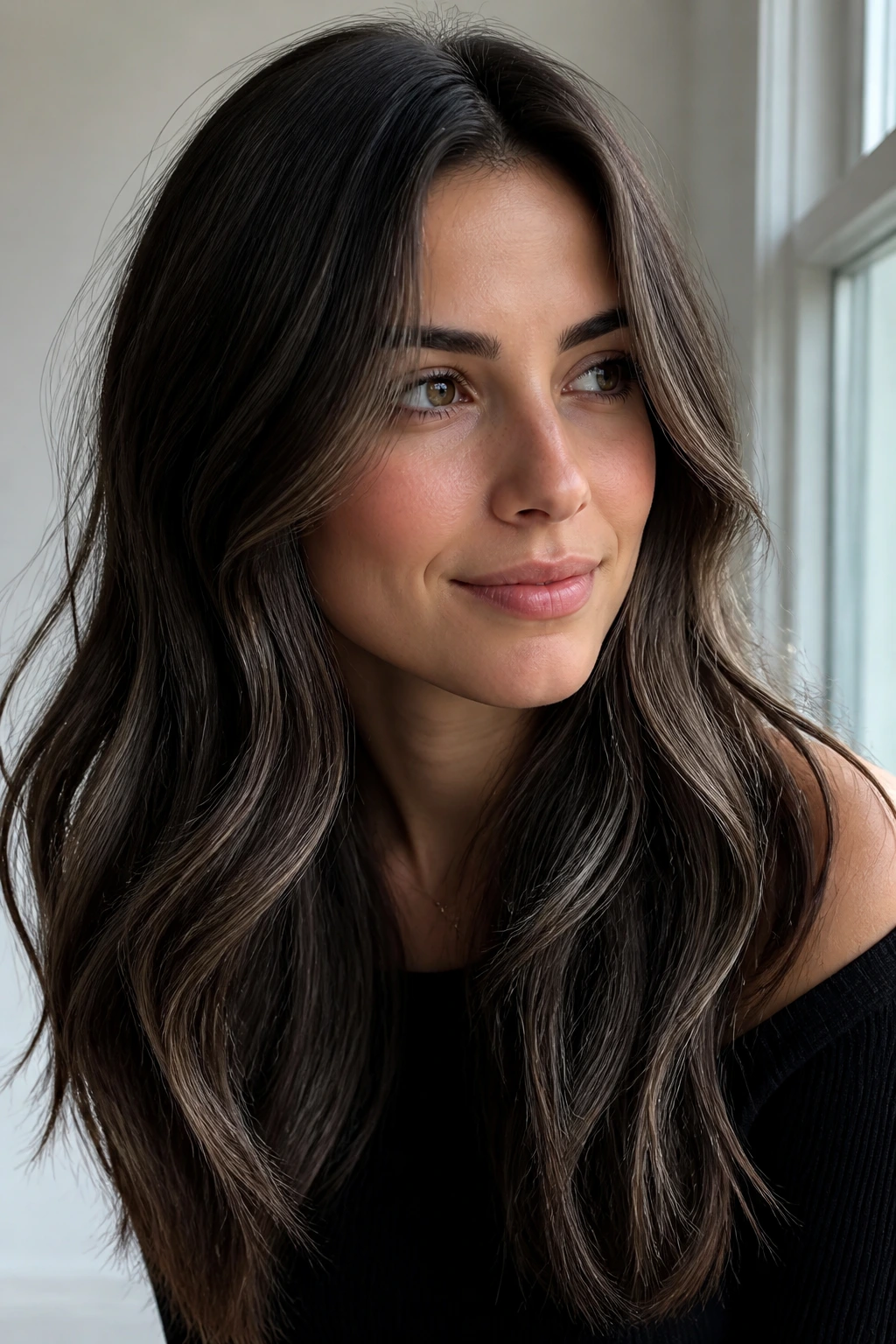
Smoky brunette is what happens when brown stops trying to be warm and decides to be elegant instead. The shade sits in the cool zone without turning flat gray, which is a hard line to walk and one a lot of browns miss.
This color is a strong fit for cool skin that wants depth without harshness. It plays especially well with medium to dark brows, because the overall look stays in the same family. The hair should read like dark cocoa with a veil of ash over it, not like chestnut with a little toner slapped on top.
The finish matters here more than the name. A smoky brunette looks best when the cuticle is smooth and the shine is soft, not mirror-bright. Too much shine can expose any warmth underneath.
I’d choose this for someone who wants a brunette shade that looks polished in daylight and indoors. It’s not flashy. Good. Not every color needs to be loud.
6. Blue-Black
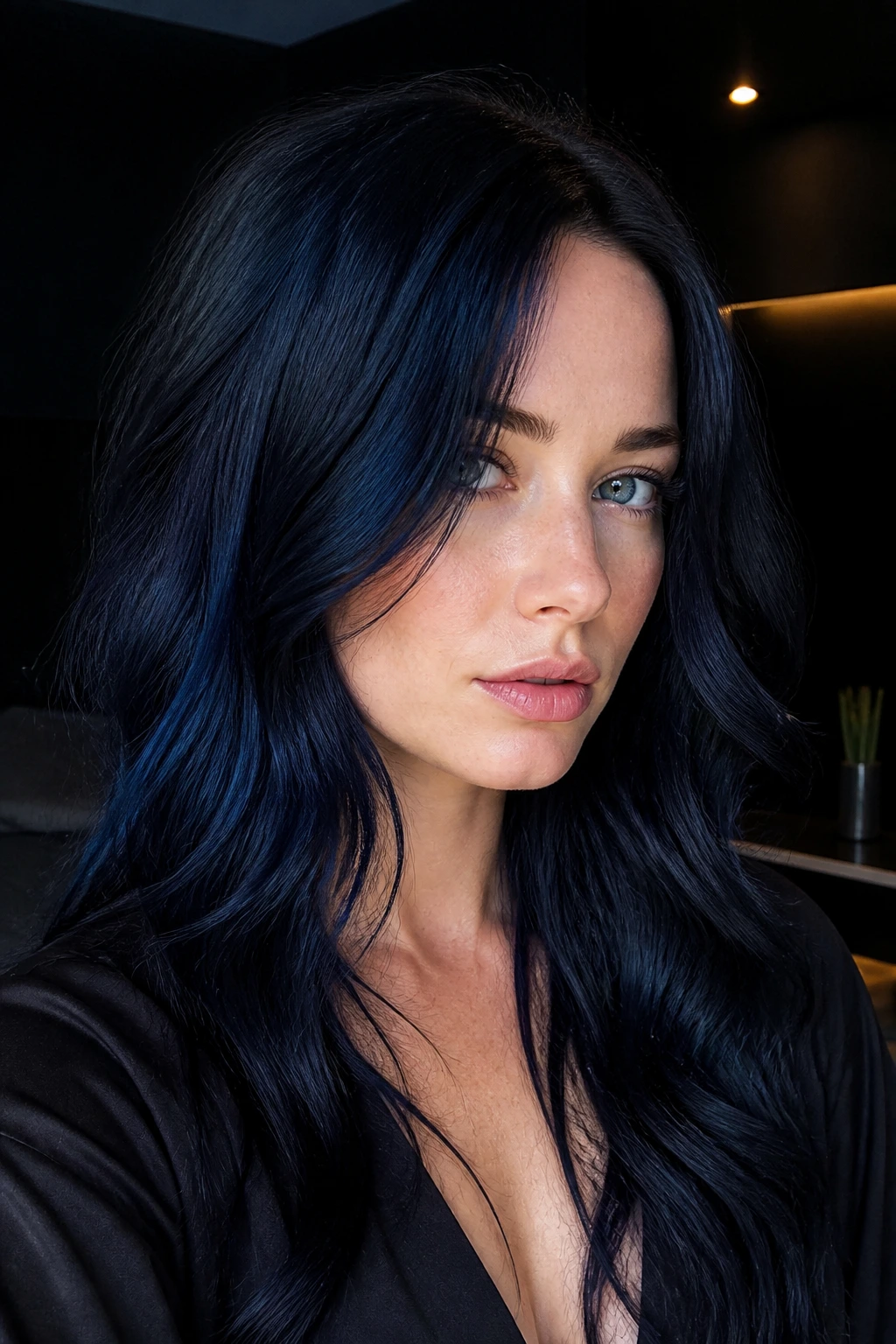
Blue-black is a mood. It gives you the drama of black hair, but the indigo cast keeps the color from reading flat or harsh against cool skin.
Unlike plain black, blue-black changes with the light. In shade, it looks almost ink-dark. In sunlight, the blue tone shows up around the edges and through the mid-lengths, which makes the hair look richer and a little more alive. That tiny bit of color is what stops it from looking like a wig on the wrong complexion.
This shade works best when the haircut has a clear shape. Blunt bobs, long layers, and glossy lobs all benefit from the clean edge that blue-black creates. If your features are soft and your skin is very fair, I’d keep the color slightly softer at the roots so it doesn’t overpower you.
It also pairs well with strong brows and simple makeup. The hair does a lot of the heavy lifting on its own.
7. Cool Espresso Brown
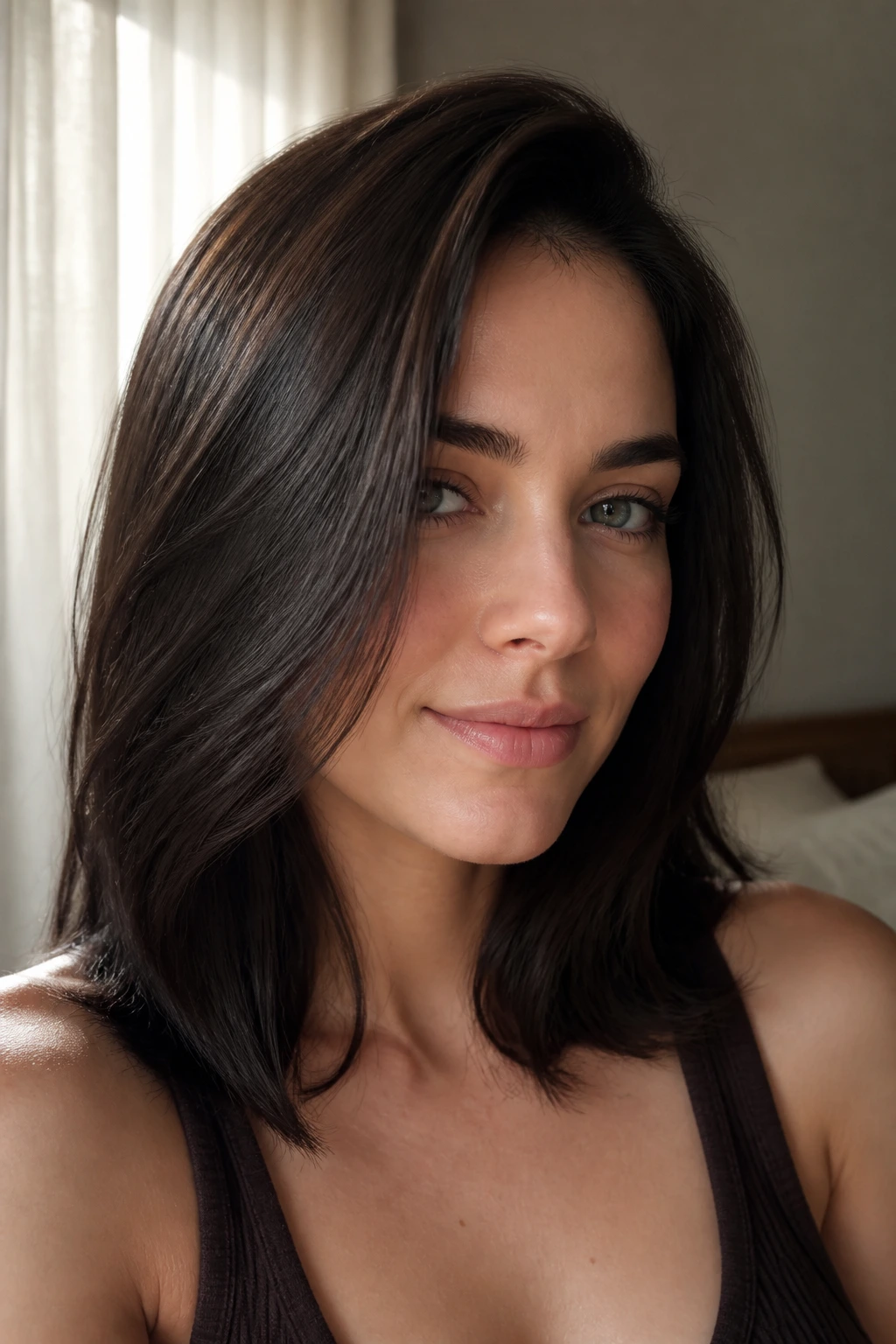
Cool espresso brown is one of those shades that sounds plain until you see it done right. Then it makes sense. It’s deep, dark brown with the red pulled way back, so the hair looks rich instead of rusty.
I like this color for people who want something safe-looking that still has personality. It’s darker than chestnut, softer than black, and cleaner than most warm brunettes. On cool skin, espresso brown creates contrast without turning the face harsh.
The best version has a smooth, glossy surface. You want the color to sit in the hair like polished wood, not like dye that has been sitting too long in the bowl. That means a decent glaze after coloring, and a shampoo routine that doesn’t strip the tone to death.
This is a good choice if you wear sleek hairstyles, low buns, or straight layers. It makes the whole look feel deliberate without being stiff.
8. Ash Brown Balayage for Cool Skin Tones
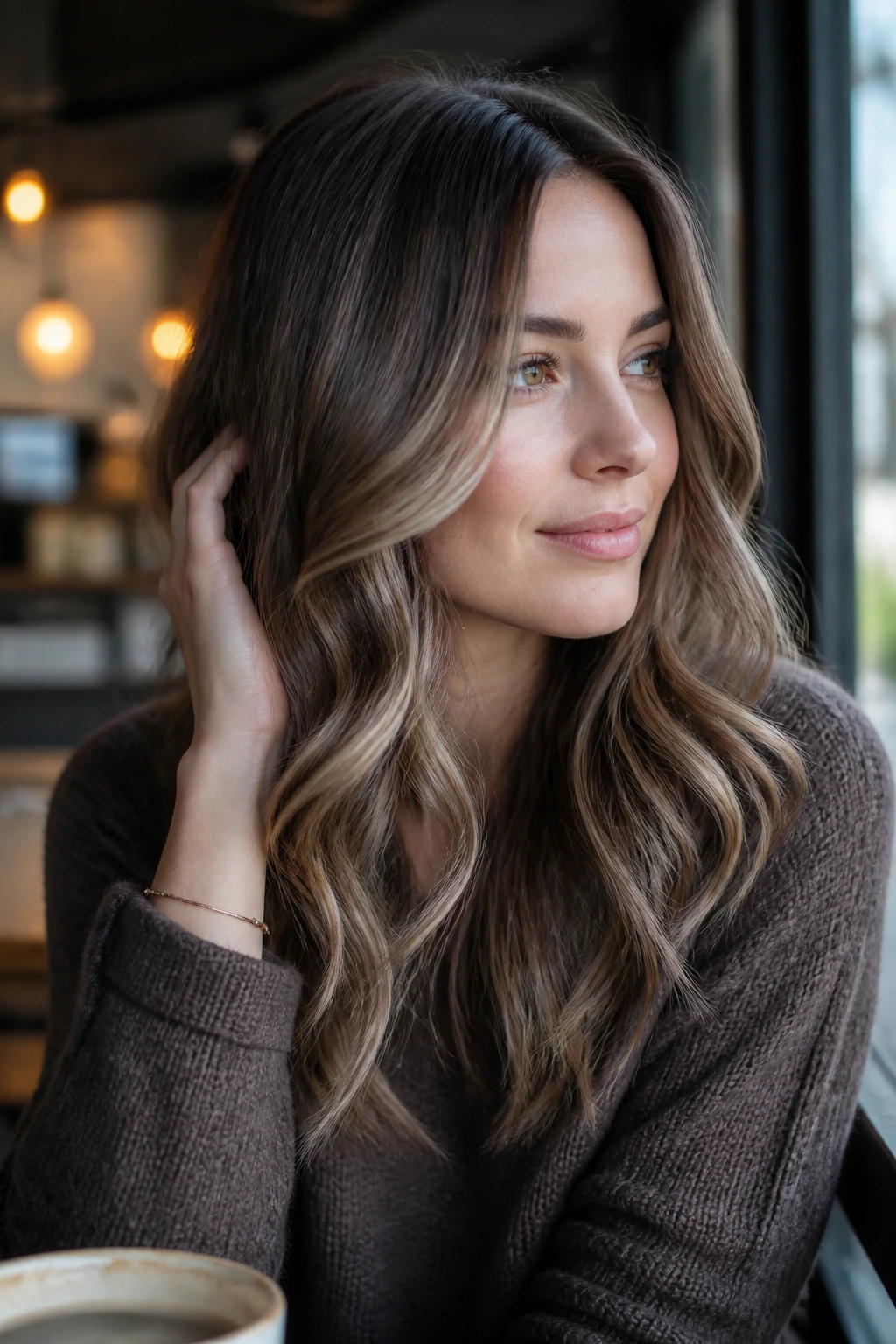
Why does ash brown balayage flatter cool skin so well? Because the lightness is spread out in soft ribbons, not dumped into chunky stripes. The ash tone keeps the bright pieces from turning caramel, which is where so many brunette balayage jobs go wrong.
Why it reads softer
The mix of brown and ash creates depth around the face and lightness through the ends, so the hair looks dimensional without getting loud. On cool skin, that matters. Warm balayage can throw a yellow cast onto the cheeks. Ash brown stays quieter and cleaner.
How to keep it crisp
- Ask for cool-toned ribbons, not honey or toffee.
- Use a blue shampoo only when the brown starts to pick up orange.
- Keep the base a level or two deeper than the lightest pieces.
- Refresh the tone with a neutral or ash gloss instead of a gold one.
This is one of my favorite options for people who want movement without a full blonde commitment. It works on curls, waves, and long straight hair because the placement does the work.
9. Cool Chestnut
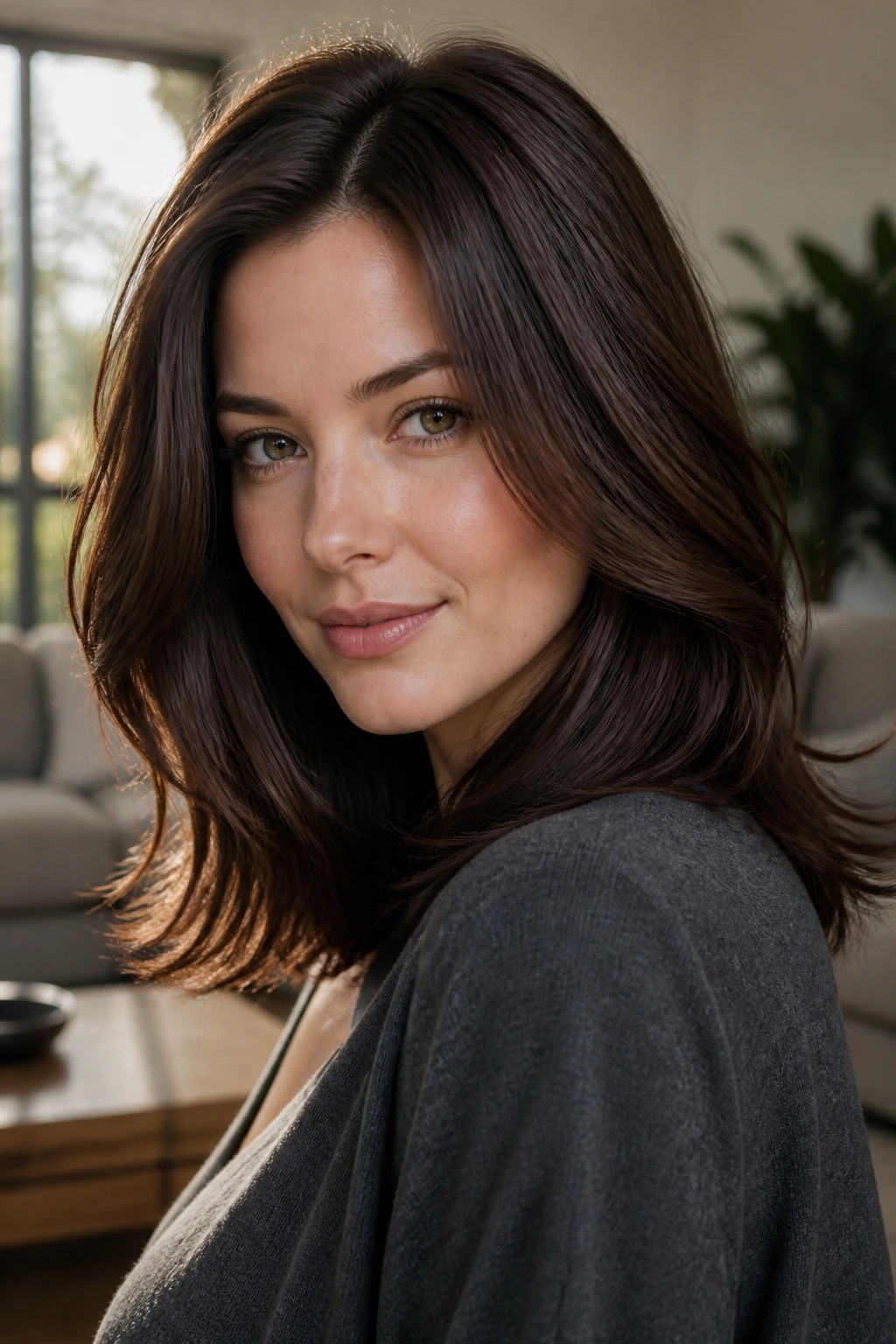
Chestnut usually gets too warm. That is the problem. A cool chestnut fixes it by pushing the red-brown toward cocoa, walnut, and a soft brown-red that never drifts into copper.
This shade is especially nice on medium and deep cool skin, where a little warmth in the brown can keep the face from looking too flat. The key is that the warmth stays buried. You should notice the richness before you notice the red.
It’s also a good bridge color if you’re nervous about going fully ash. Cool chestnut gives you enough depth to look natural, but there’s still some life in it. It works on medium-length hair where the shape can show off the tone changes.
Best detail to ask for: a chestnut brunette with low red and a neutral-cool glaze. That wording matters more than people think. Say “chestnut” and some colorists will reach for warmth on autopilot. Not ideal.
10. Cherry Cola Brown
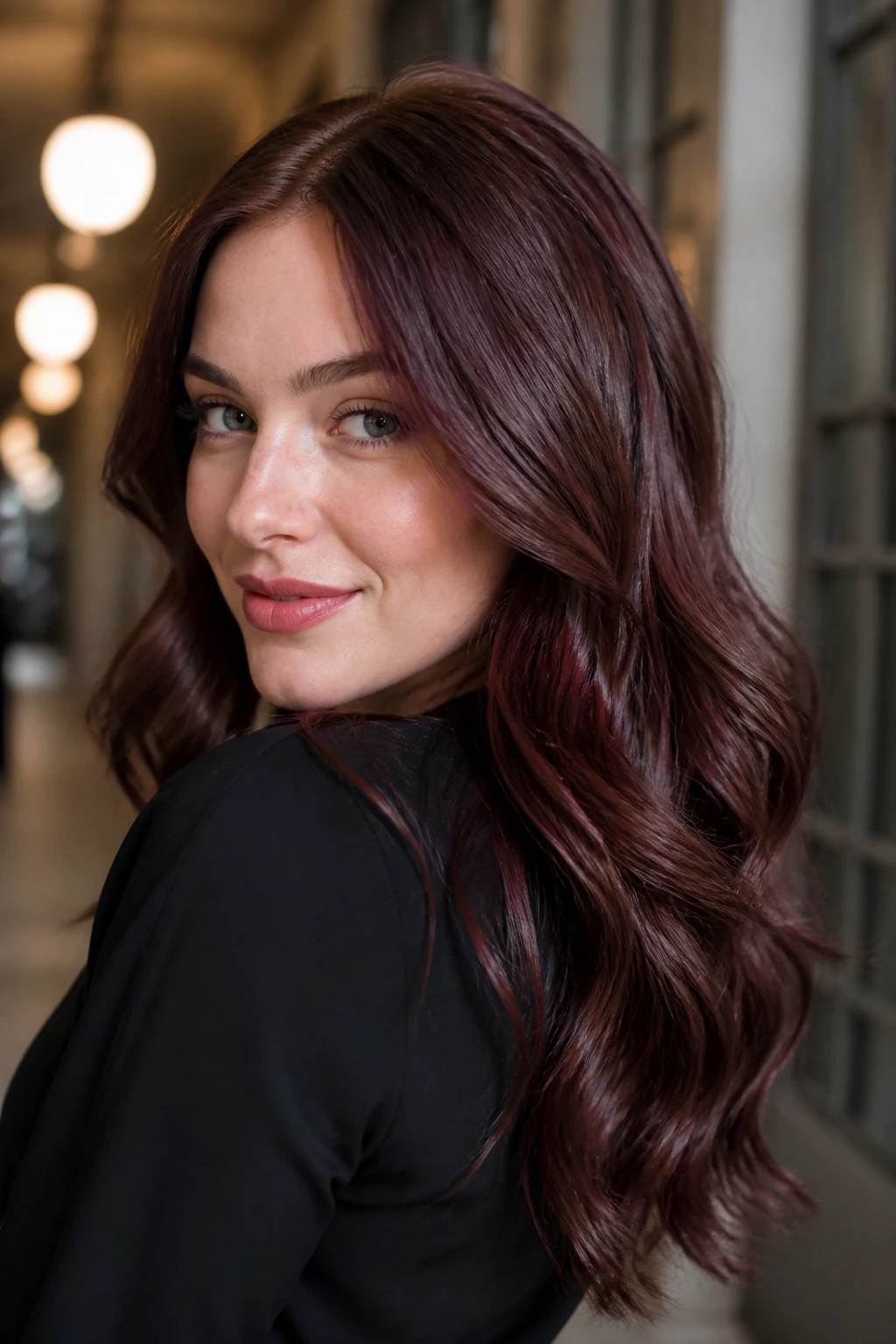
Cherry cola brown has a way of shifting under light that makes it look richer than a standard brunette. The base is dark brown, but the red is cool—more cherry than copper, more soda than wine.
It’s a good option when you want dimension without stepping into bright red territory. On cool skin, the blue-red pigment can make the complexion look fresher instead of flushed. That is the whole trick. The red has to lean cool, or the effect falls apart.
This shade is especially nice on curls and waves, where the different tones can show up as the hair moves. Straight hair can wear it too, but you get more of the color story when there’s some bend in the ends.
A gloss helps here. A burgundy-brown or violet-brown glaze keeps the color deep and stops the red from going muddy between appointments. Without that, cherry cola can lose its sparkle fast.
11. Burgundy Wine
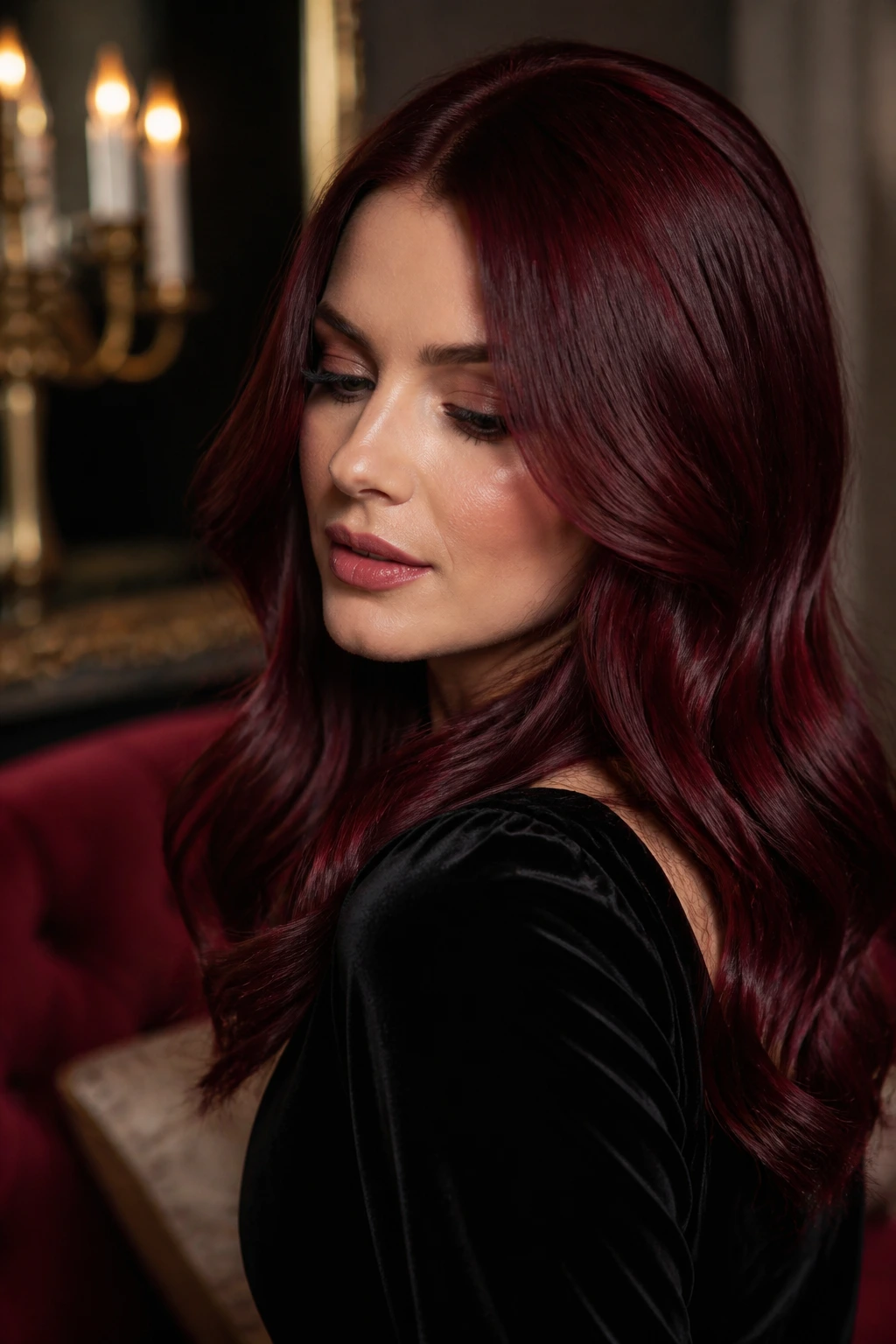
Burgundy wine is deeper and more controlled than copper red, which is exactly why it works on cool skin. The color has the richness of dark red wine, but not the orange cast that can fight pink or blue undertones.
I like this shade for people who want red, but not loud red. It feels mature, a little dramatic, and very deliberate. On fair cool skin, it can look almost vampy. On medium or deep skin, it reads lush and full.
The best version has shine. Matte burgundy can look muddy. Glossy burgundy looks like the hair has depth inside it, which is what you want when the shade is already so dark. If the red starts leaning too brown, a violet gloss can pull it back.
This color is not quiet, and that is part of the charm. If you want your hair to announce itself when you walk into a room, burgundy wine does the job.
12. Plum Black
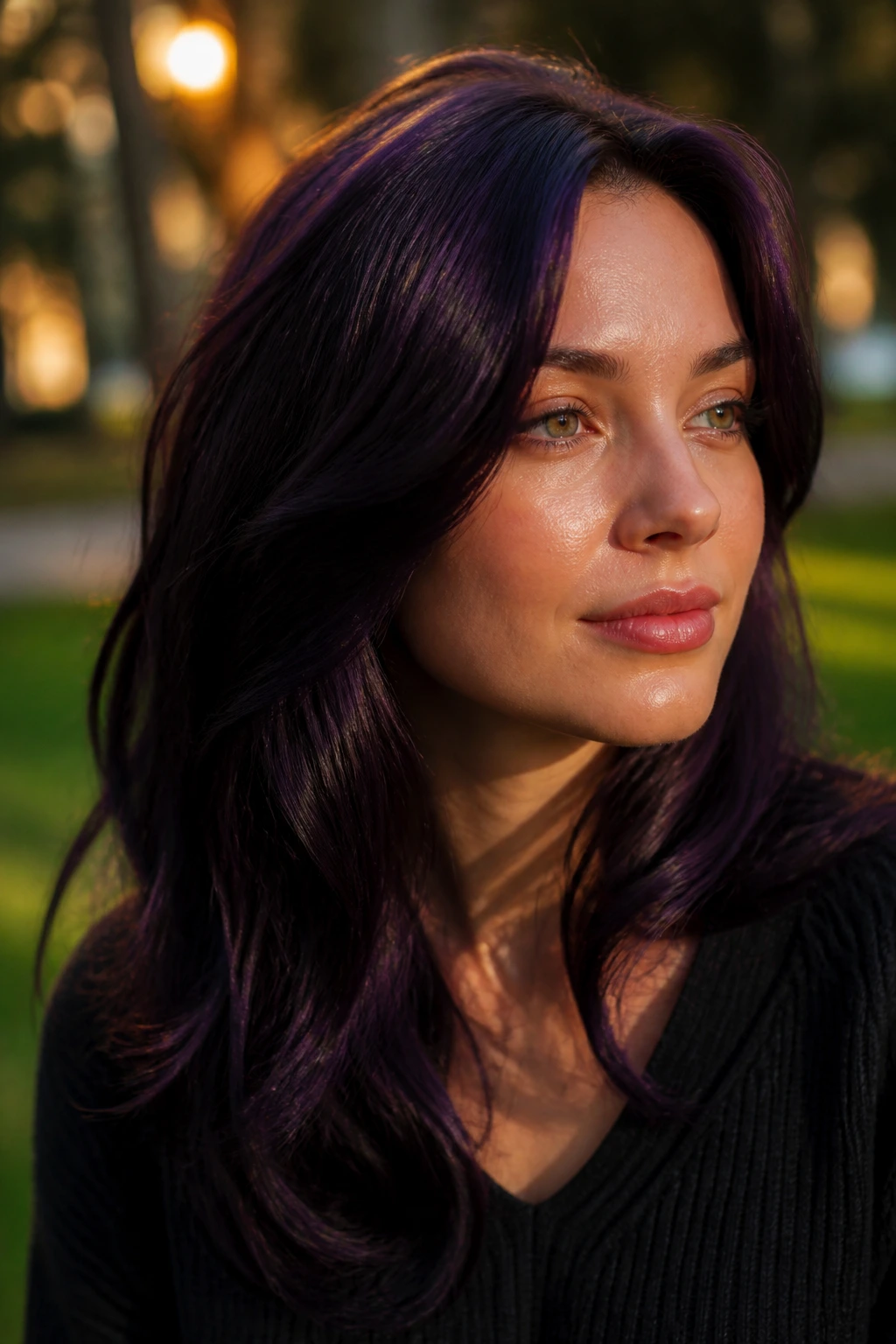
Plum black is a smart choice when you want almost-black hair but don’t want the color to feel severe. The plum lives under the black base, so the hair looks dark indoors and then gives off a violet sheen when the light hits it.
Cool skin tends to like this because violet is one of the easiest color families to wear against pink or blue undertones. Red-based darks can look muddy. Plum usually does not. It has enough depth to look serious and enough color to keep the hair from going dead-flat.
I especially like plum black on smooth, shiny cuts. A blunt bob or long, straight layers can really show off the hidden color shift. On textured hair, the plum reads in softer flashes, which is lovely in a different way.
If you’re torn between black and a fashion shade, this is a good middle ground. It looks conservative until it doesn’t.
13. Soft Lavender
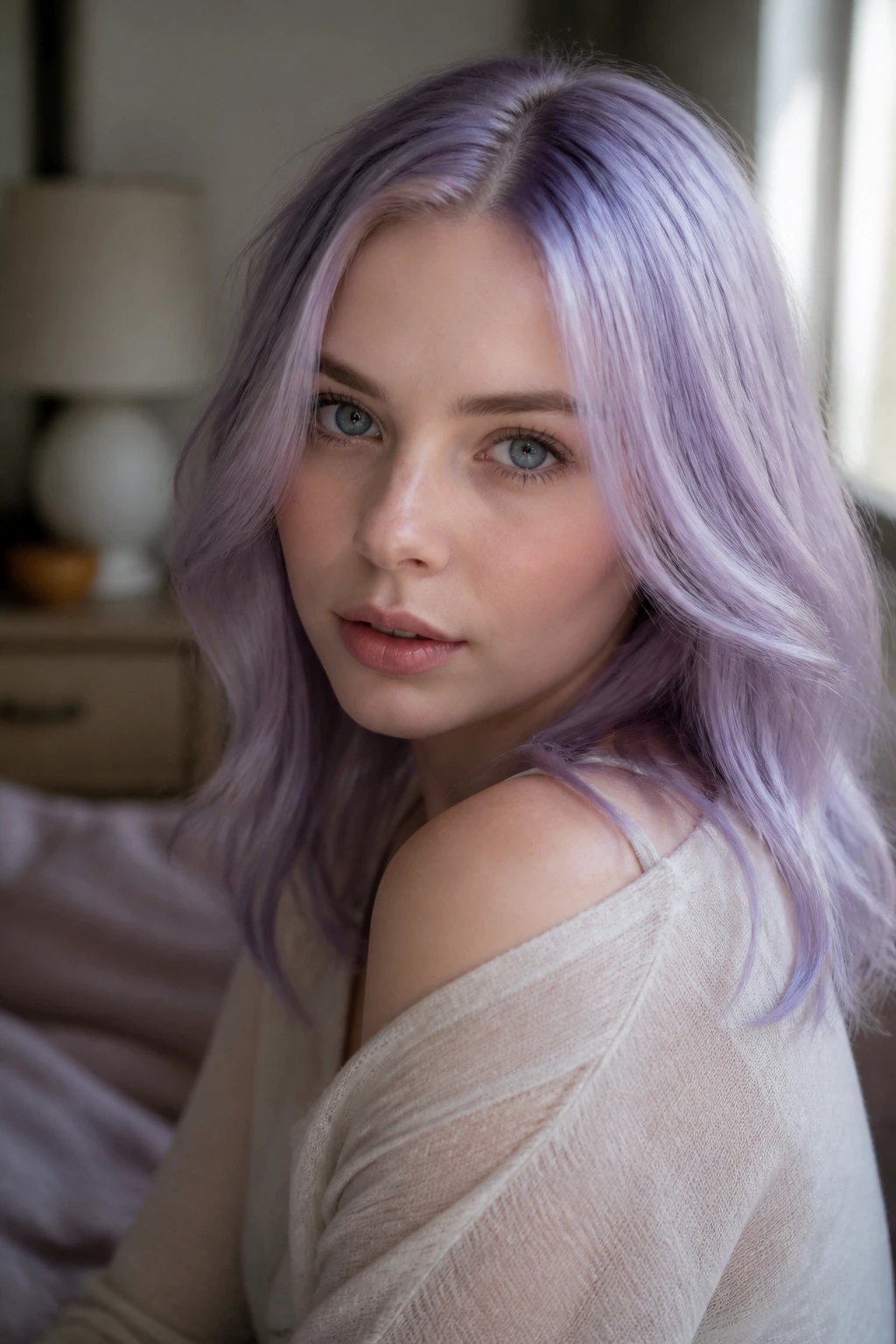
Soft lavender is the shade people think they can’t wear, then end up loving because it makes cool skin look fresh instead of pale. The color is gentle, but it still has enough pigment to register as a real shade rather than a pastel blur.
This one usually needs pre-lightened hair. There’s no way around that. Lavender sits on a pale base, and if the canvas is too yellow or too dark, the color turns murky fast. Once the base is right, though, the result can be lovely—airy, cool, and a little dreamy without going full fantasy.
How to keep it wearable
Keep the roots soft, not stark. Use a color-depositing conditioner with violet or lavender tones, and wash in cool water when you can stand it. Hot water strips pastels fast.
If you want a version that feels less childish, ask for lavender with a gray veil over it. That single change makes a huge difference. The color becomes cooler, quieter, and easier to live with.
14. Smoky Lilac
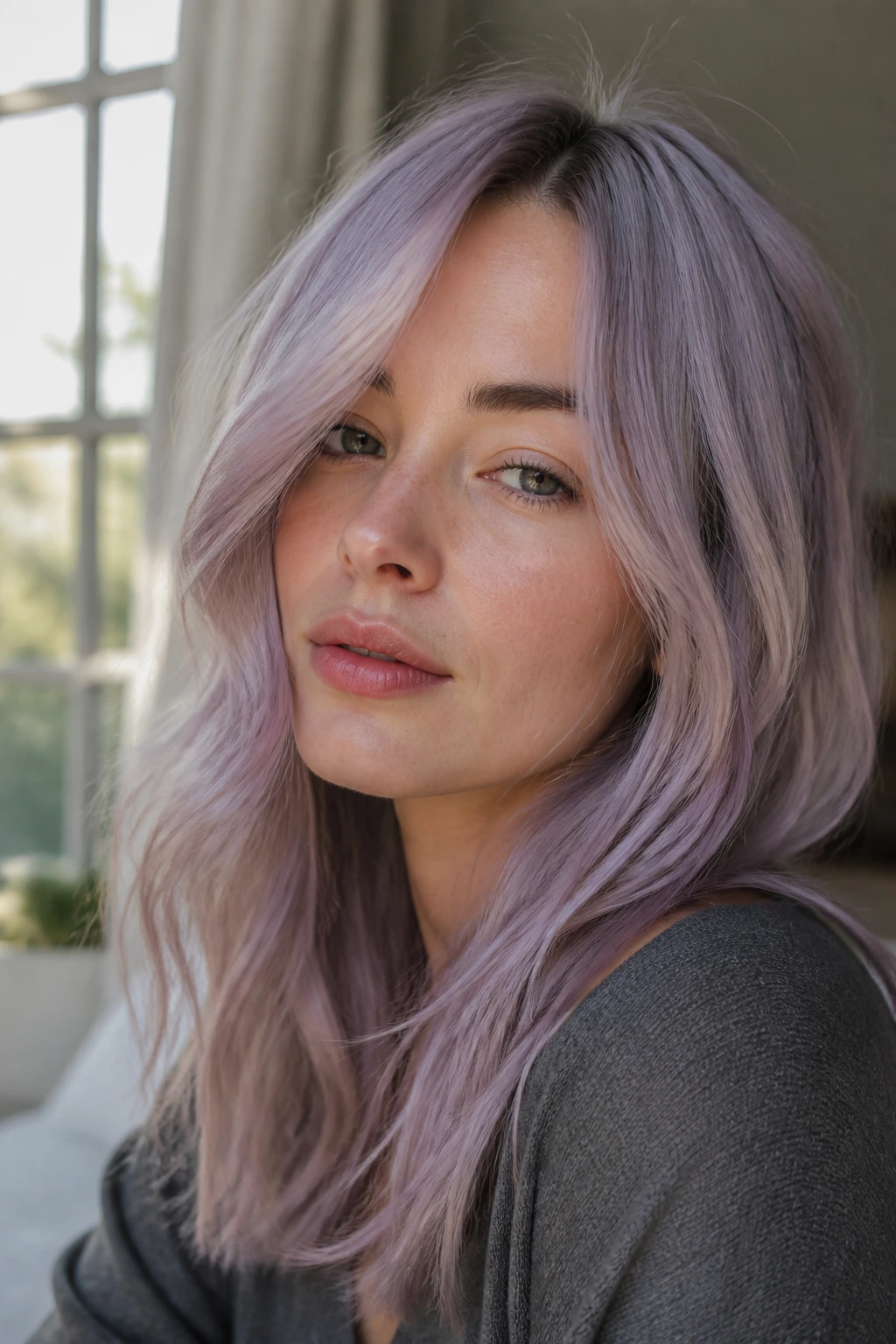
Smoky lilac is lavender’s older, calmer cousin. It has the same cool family feel, but the gray base makes it look more muted and less candy-colored. On cool skin, that muted quality is the whole point.
This shade works well when you want fashion color that doesn’t shout from across the room. It can sit on a bob, long layers, or even a shag cut and still look soft. The color moves between lilac and silver depending on the light, which keeps it interesting.
- Best on pale to medium cool skin.
- Strongest on pre-lightened hair that sits around a pale yellow base.
- Looks cleaner when the root area stays slightly deeper.
- Needs regular color masks because the tone fades faster than brunette shades.
I’d call this a good compromise between playful and polished. It’s not as delicate as pastel lavender, and not as dark as plum. That middle zone is where it gets useful.
15. Dusty Rose
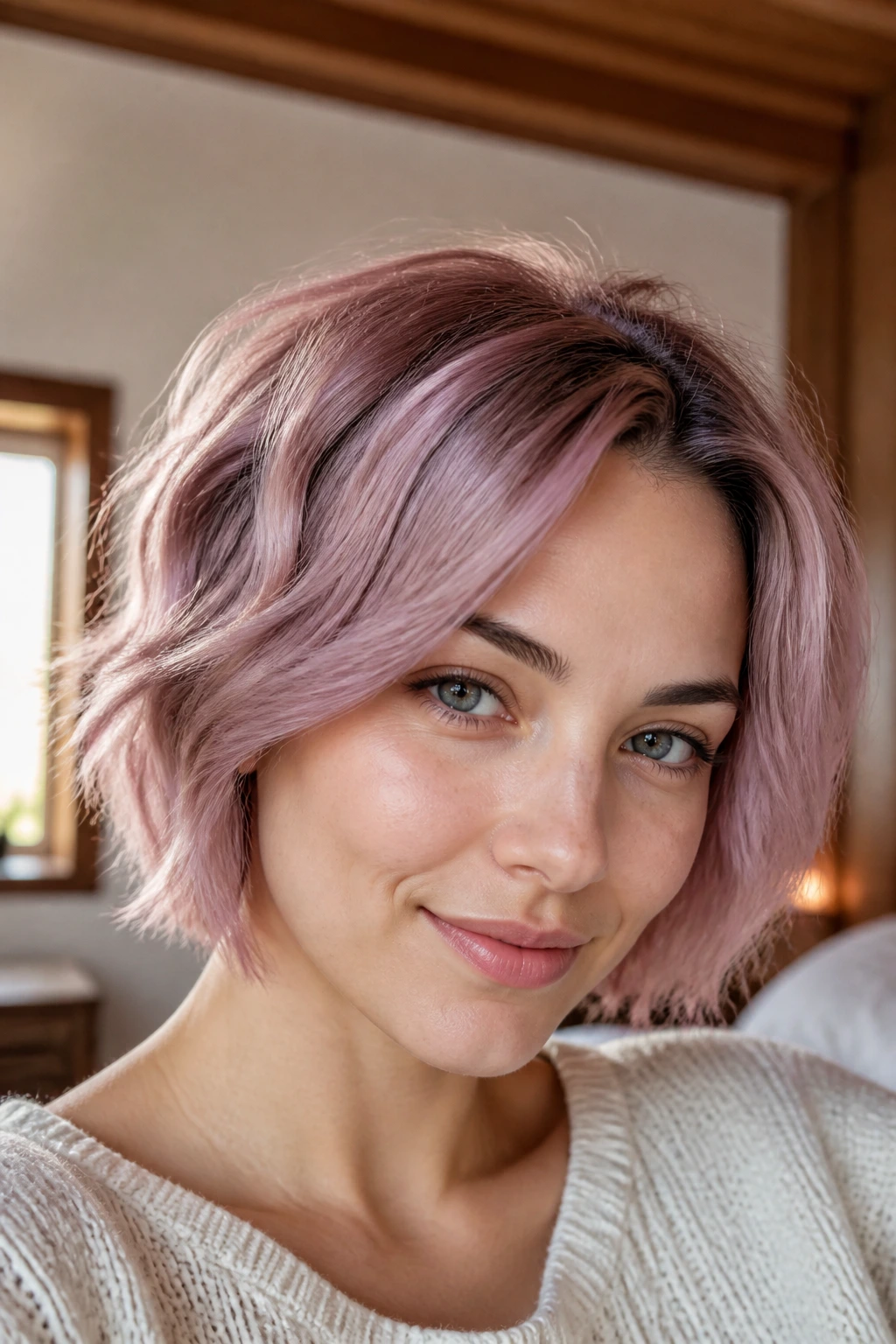
Dusty rose is the pink shade grown up enough to wear well. The gray undertone keeps it from drifting into bubblegum, which is why it can look so good on cool skin.
Why it flatters cool undertones
The pink softens the face, while the gray base stops the color from looking sugary. That combination can make pale cool skin look lively, and it can make deeper cool skin look softer around the edges. The hair should look like muted rose petals, not candy floss.
Where it looks best
- On short cuts, where the color can read cleanly.
- On pre-lightened blonde bases.
- On wavy hair, where the tone shifts a little in motion.
- With a root shadow, if you want the grow-out to stay less obvious.
Dusty rose does fade. Fast, sometimes. So if you love it, you have to be willing to maintain it. The upside is that it often fades into a soft blush tone before it disappears, which is nicer than the ugly orange-to-yellow drift some warm colors leave behind.
16. Steel Gray
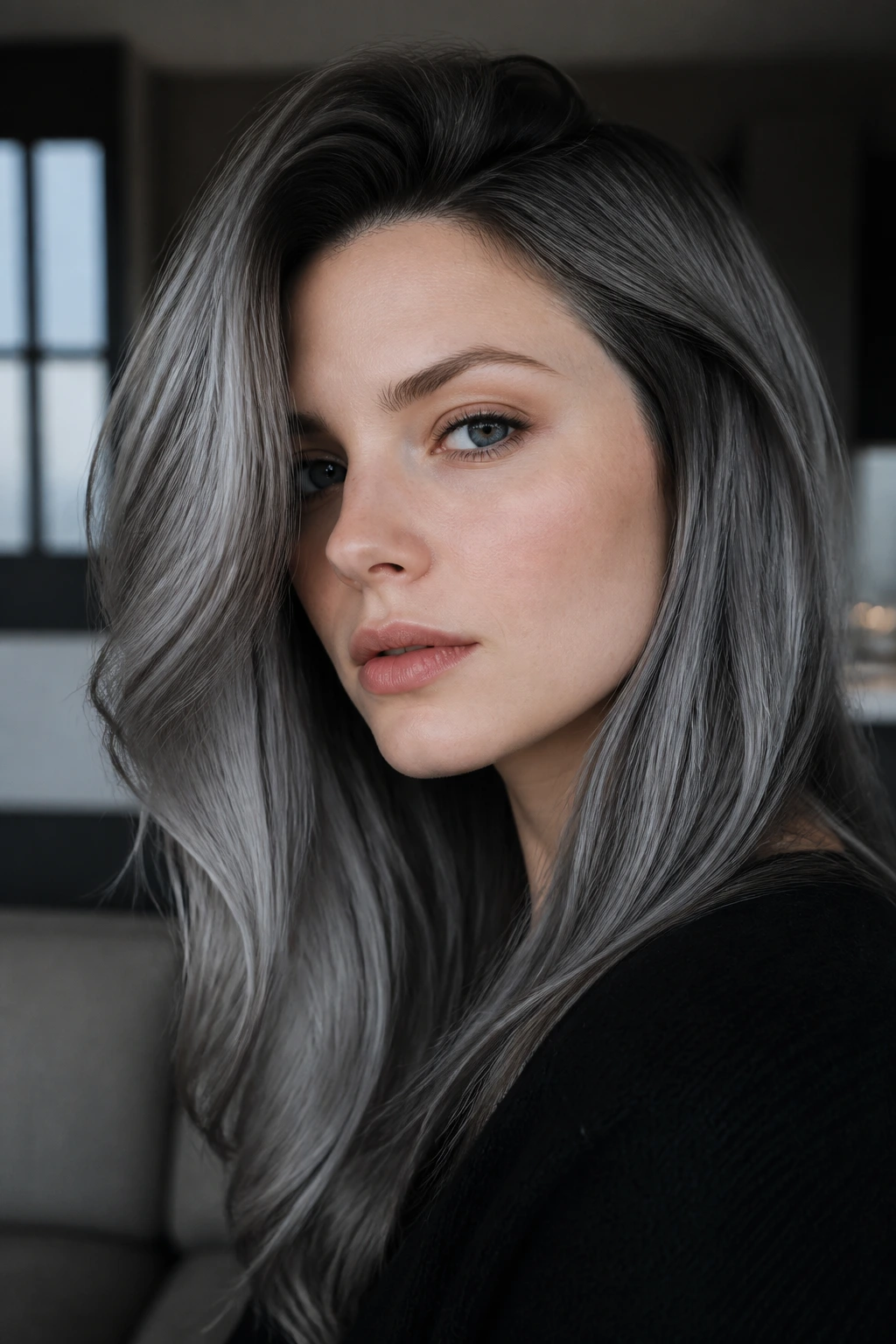
Steel gray is not the same thing as silver blonde. It sits darker, cooler, and a little more graphic. The shade has the feel of brushed metal rather than pale frost, and that makes it especially good for cool skin with strong features.
I like steel gray when someone wants a fashion color that still feels restrained. It has edge, but not glitter. On short hair, the shape gets sharper. On longer hair, the color can look almost moody in a good way, especially when the finish is smooth.
This shade depends on shine. If the hair is dry or rough, steel gray can turn dull fast, and then the whole point is gone. A good toner and a conditioner that keeps the cuticle smooth are non-negotiable.
It’s a strong choice for people who are tired of warm blondes and tired of brown. That narrow middle ground is exactly where steel gray lives.
17. Slate Blue
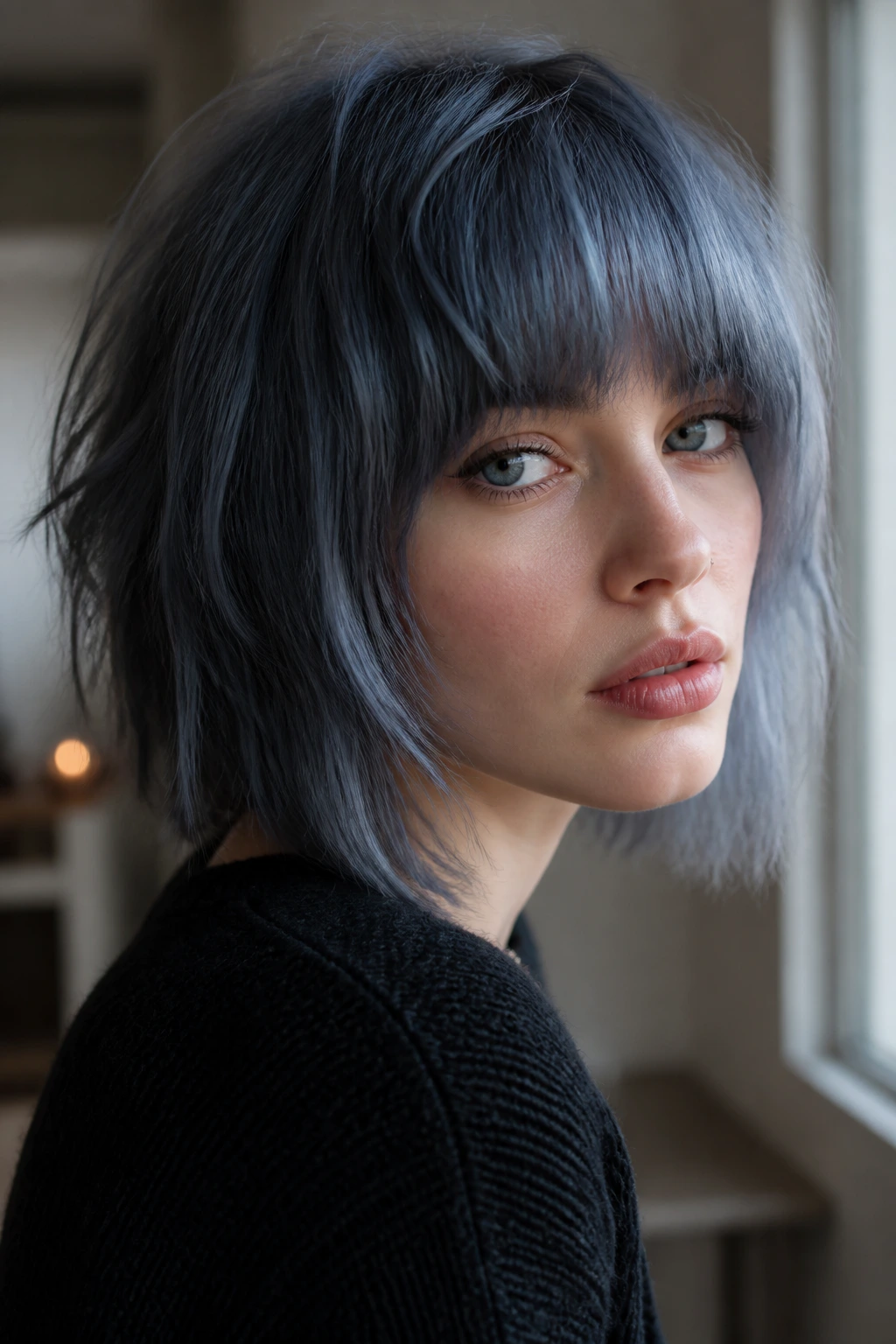
Slate blue is one of the easiest fashion shades for cool skin to wear because the blue is softened with gray. It does not scream. It just sits there with a cool, edited feel that works well on skin with pink or blue undertones.
This color is less electric than cobalt and less dark than navy. That middle zone makes it more usable on hair that isn’t super lightened all the way. It can also work as an all-over color or as hidden panels under a darker top layer, which is a nice option if you want the shade to show only when the hair moves.
One of the nicest things about slate blue is how well it works with a clean haircut. A blunt bob, a shag, or even a simple long cut looks more intentional when the blue is muted. The color does not compete with the shape.
If you want something cool that feels artistic but not loud, this is an easy favorite.
18. Teal-Black
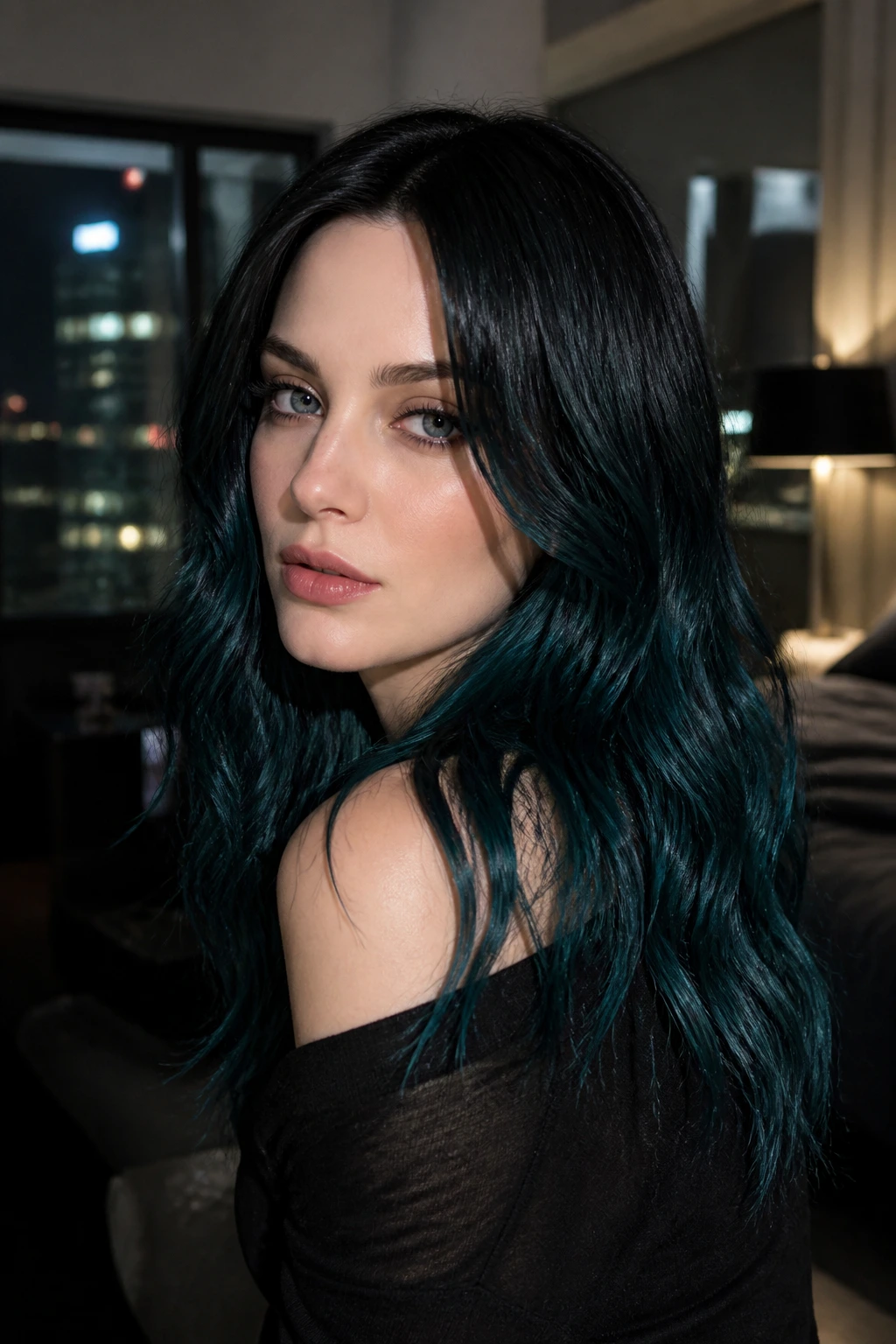
Teal is not automatically warm. Put enough black under it and the color becomes deep, cool, and slightly mysterious instead of bright and tropical. Teal-black works because the blue-green sits below the surface.
This shade is especially good on dark hair that already has a lot of pigment. You do not need to bleach the whole head to death to get a hint of teal. Sometimes the best version is a dark base with teal sheen through the mids and ends, or a peekaboo layer underneath.
The downside is porosity. If the hair is damaged, teal can fade unevenly and turn flat faster than blue or violet shades. That’s why I prefer it on hair that still has some strength left in it.
Teal-black suits cool skin because it keeps the overall look cool without going icy. There’s color there, but it’s tucked in.
19. Deep Aubergine
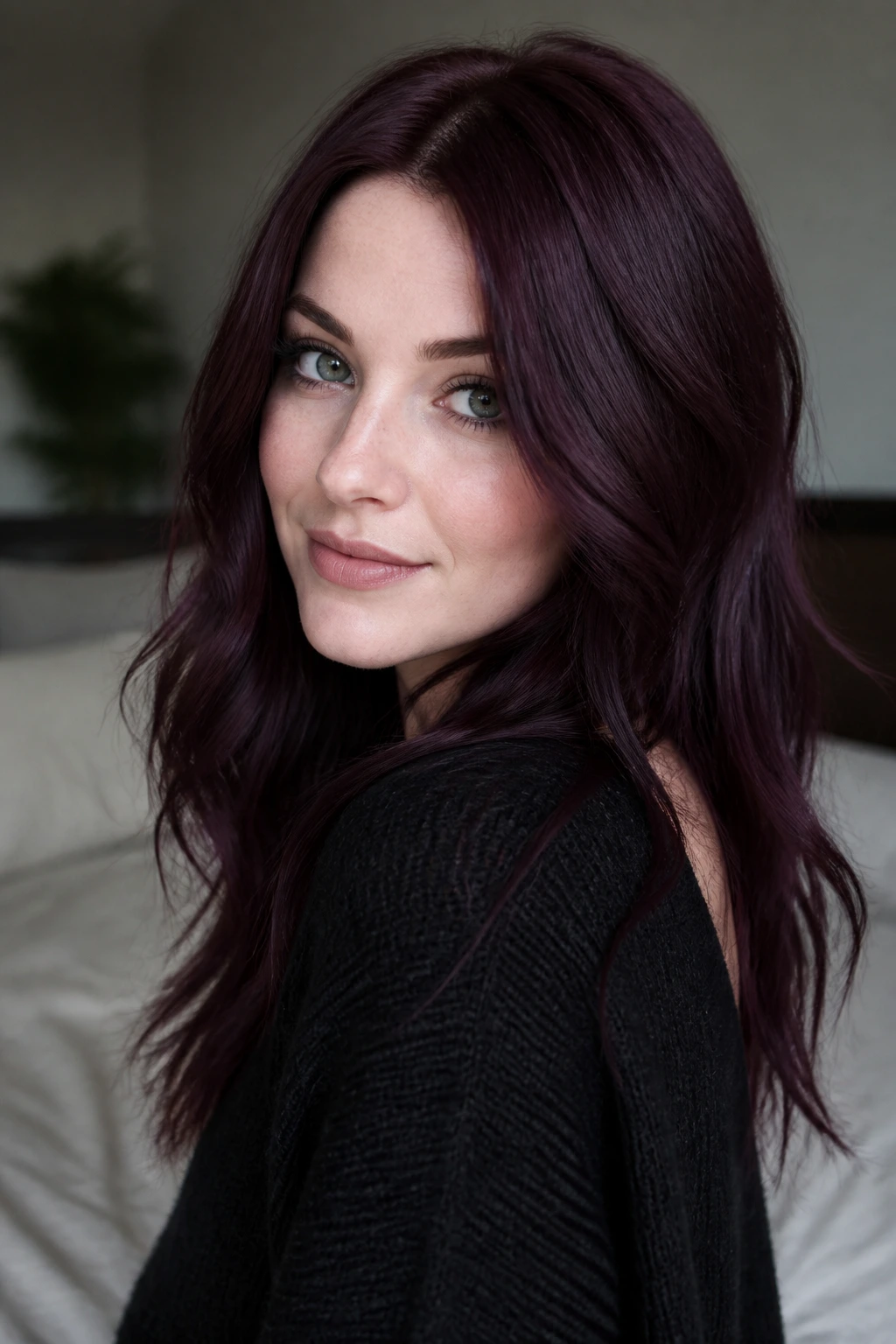
Why does aubergine work so well on cool skin? Because it gives you depth and color at the same time. The violet base keeps it from reading like a flat brown, and the darkness makes it feel richer than a bright purple ever could.
What to ask for
- A blackened violet or eggplant base.
- No copper, no auburn, no red-gold gloss.
- A glossy finish so the purple can show in the light.
- A fade plan, because aubergine usually softens into plum before it disappears.
This color is a favorite of mine for people who want something bold without the maintenance of pastel shades. It looks strong on brown eyes, green eyes, and cool skin with any level of contrast. On fair skin it can look dramatic. On deeper cool skin, it can look lush.
The best aubergine shades do not scream purple from across the street. They whisper it. That’s the sweet spot.
20. Mink Brown with Ash Face-Framing Pieces
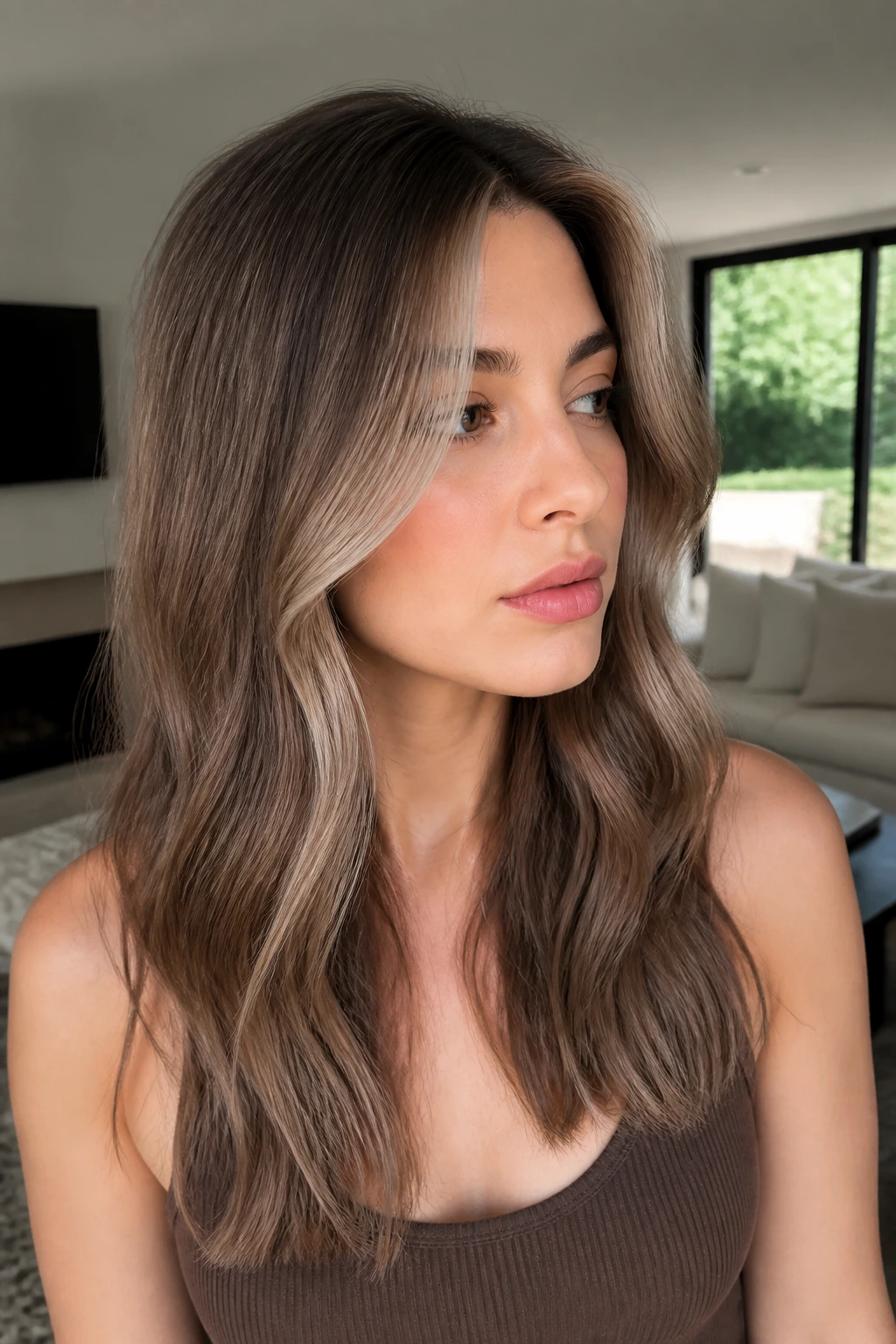
If you want brunette that still lights up the face, this is the sweet spot. Mink brown sits in that cool taupe-brown family, and the ash face-framing pieces give the hair just enough brightness to lift the features.
I like this look because it feels modern without being fussy. The base stays dark and wearable, so the grow-out is forgiving. The lighter front pieces do the work that highlights used to do in a much harsher way, but the ash tone keeps them from turning stripey or warm.
This shade is especially good if your hair is naturally dark blonde to medium brown and you want dimension without a full blonde job. It can also soften a strong jawline or bring light around a face that tends to disappear under all-over dark color.
The color works best when the lighter pieces are thin, not chunky. Thick face-framing streaks can look dated fast. Soft, controlled placement is what keeps this one looking clean.
21. Soft Black with Blue Gloss
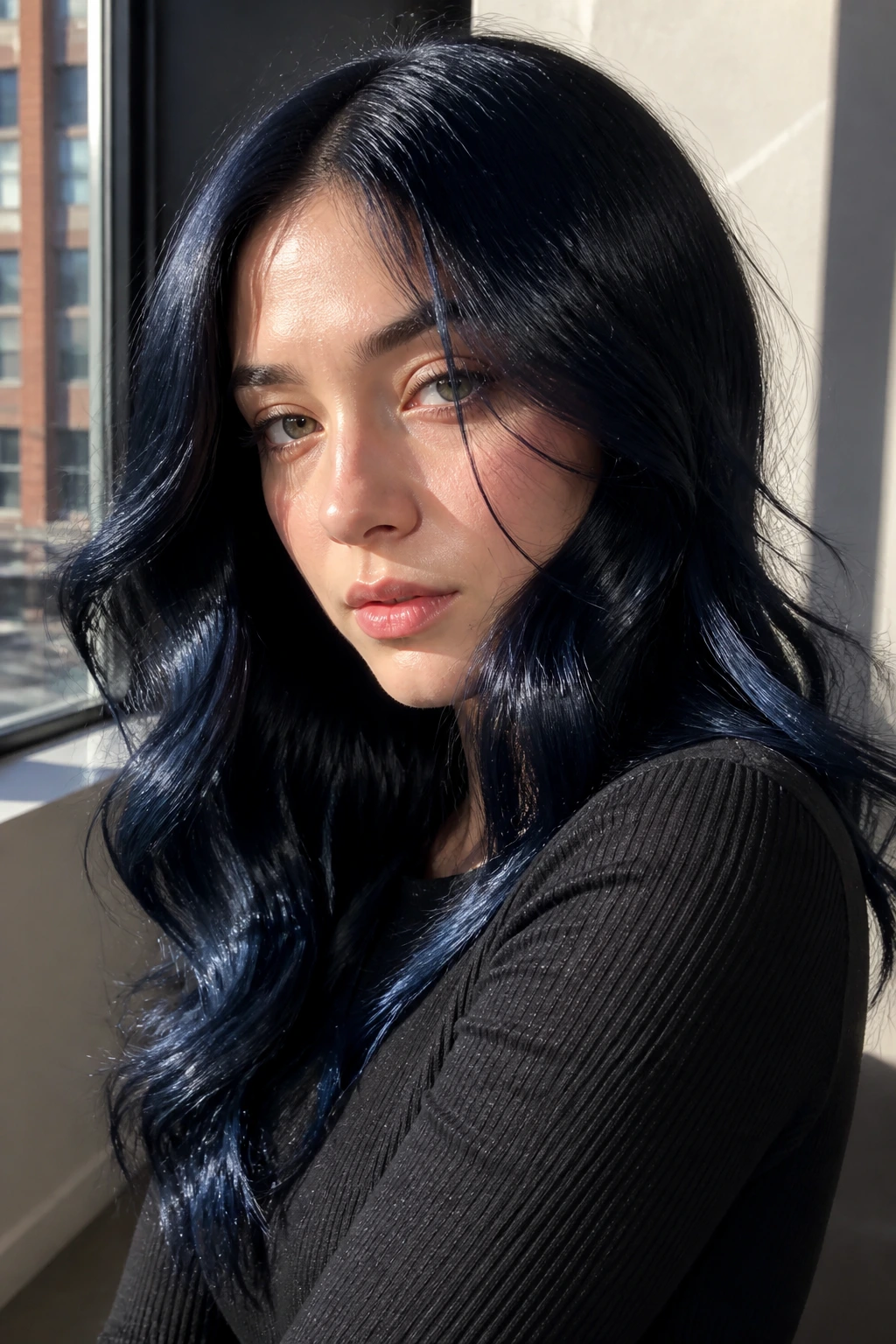
Soft black with blue gloss is sharper than espresso and gentler than blue-black. That middle space is exactly why it flatters cool skin so well.
The base is black, but the blue gloss keeps it from looking flat or harsh. In sunlight, you get a quiet indigo reflection instead of a hard, inky mass. Indoors, it reads dark and polished. That shift matters because pure black can sometimes look too severe on very fair skin.
Who it suits best
- Cool skin with medium-to-strong contrast.
- Dark brows and darker eye color.
- People who want depth without a visible fashion shade.
- Cuts with clean lines, since the gloss makes shape more obvious.
It’s a smart option if you want low-key drama. The maintenance is lighter than pastel shades and more manageable than full bleach work, but the color still needs care so it doesn’t lose the blue sheen and collapse into flat black.
22. Charcoal Brown for Cool Skin Tones
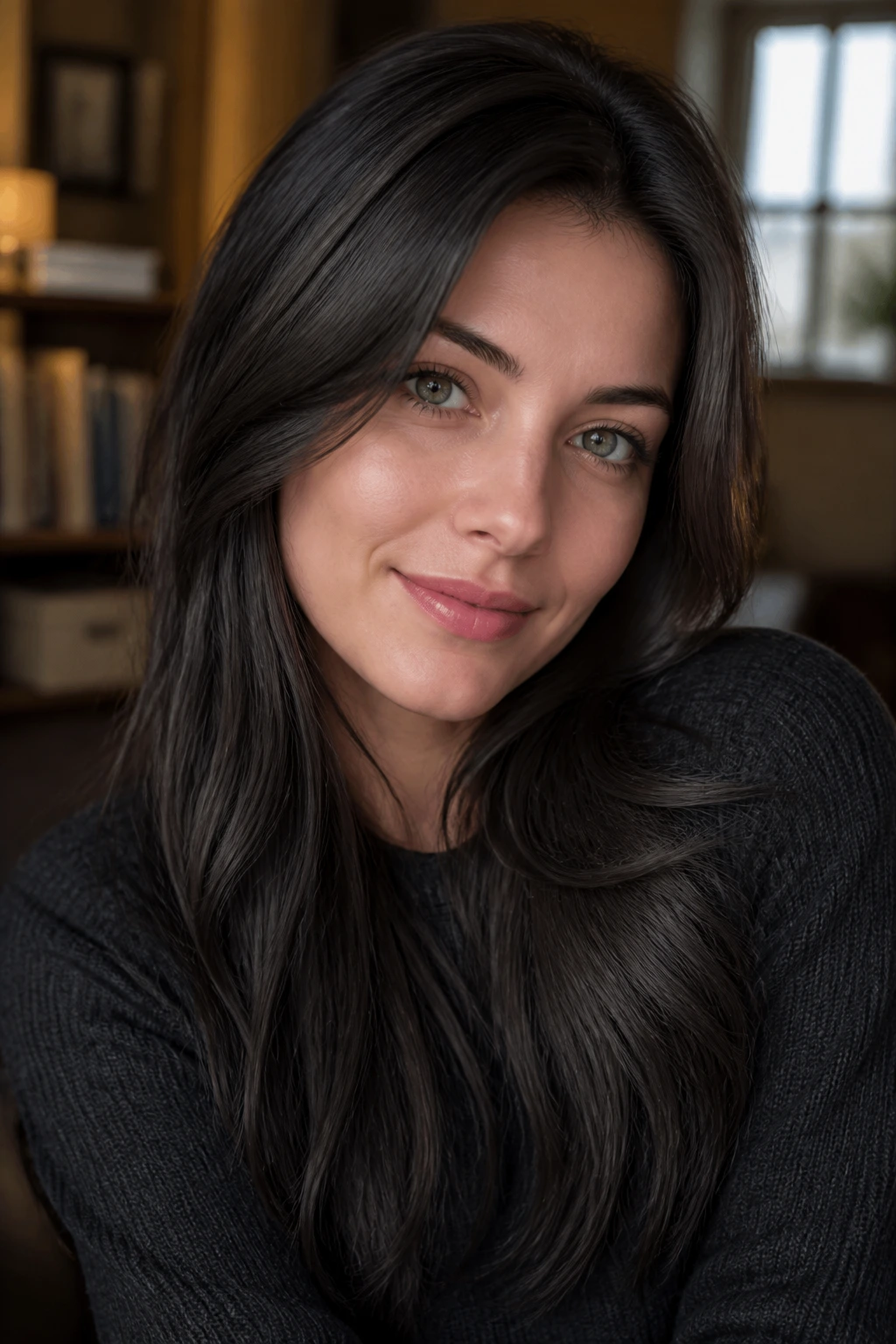
Charcoal brown is the shade I reach for when someone wants something quieter than black and cleaner than chestnut. It has the depth of brunette, but the ash-gray finish keeps it firmly in cool territory.
This is one of the most forgiving hair color ideas for cool skin tones because it gives you a lot of room. If your complexion is very fair, charcoal brown can be softened with a slightly lighter root melt or a few subtle cool highlights. If you’re deeper toned, the same shade can be pushed darker so the hair feels richer and more grounded.
I also like it because it does not lock you into one look. Straight hair shows the cool smoke in a crisp way. Waves bring out the layered brown-gray tones. Even a simple ponytail looks cleaner when the color has that charcoal cast.
If you want one shade to bring to a salon consultation first, this is a strong place to start. Bring a photo in daylight and a second photo indoors; charcoal can shift more than people expect, and that tiny difference changes the whole read of the color.
