



Twists are the hairstyle I reach for when hair needs to look finished without pretending to be something else. Natural twists for hair can be neat, soft, chunky, sculptural, or a little messy in a good way, and that range is exactly why they stay useful.
The real decision is not whether to twist. It’s how to twist. Section size, parting, how stretched the hair is, and how much tension you put at the root change the whole outcome. A tiny twist on well-moisturized, detangled hair behaves nothing like a chunky rope twist on thick coils, and anyone who has worn both knows that immediately.
Clean prep matters more than people admit. Hair that is lightly stretched, conditioned, and dry at the root usually twists better, lasts longer, and smells better under a bonnet. Heavy product can make the style feel greasy fast, while too little moisture leaves the ends fuzzy and thirsty by day two. There’s a sweet spot, and you can feel it when the twist has enough slip to form smoothly but still has a little grip when you finish it.
Some of these styles are quiet and practical. Some are dressy. A few are the kind of look that makes you stand a little straighter when you catch your reflection. The first twist style below is the one that taught a lot of people how forgiving natural hair can be when you give it the right shape.
1. Mini Twists on Stretched Natural Hair
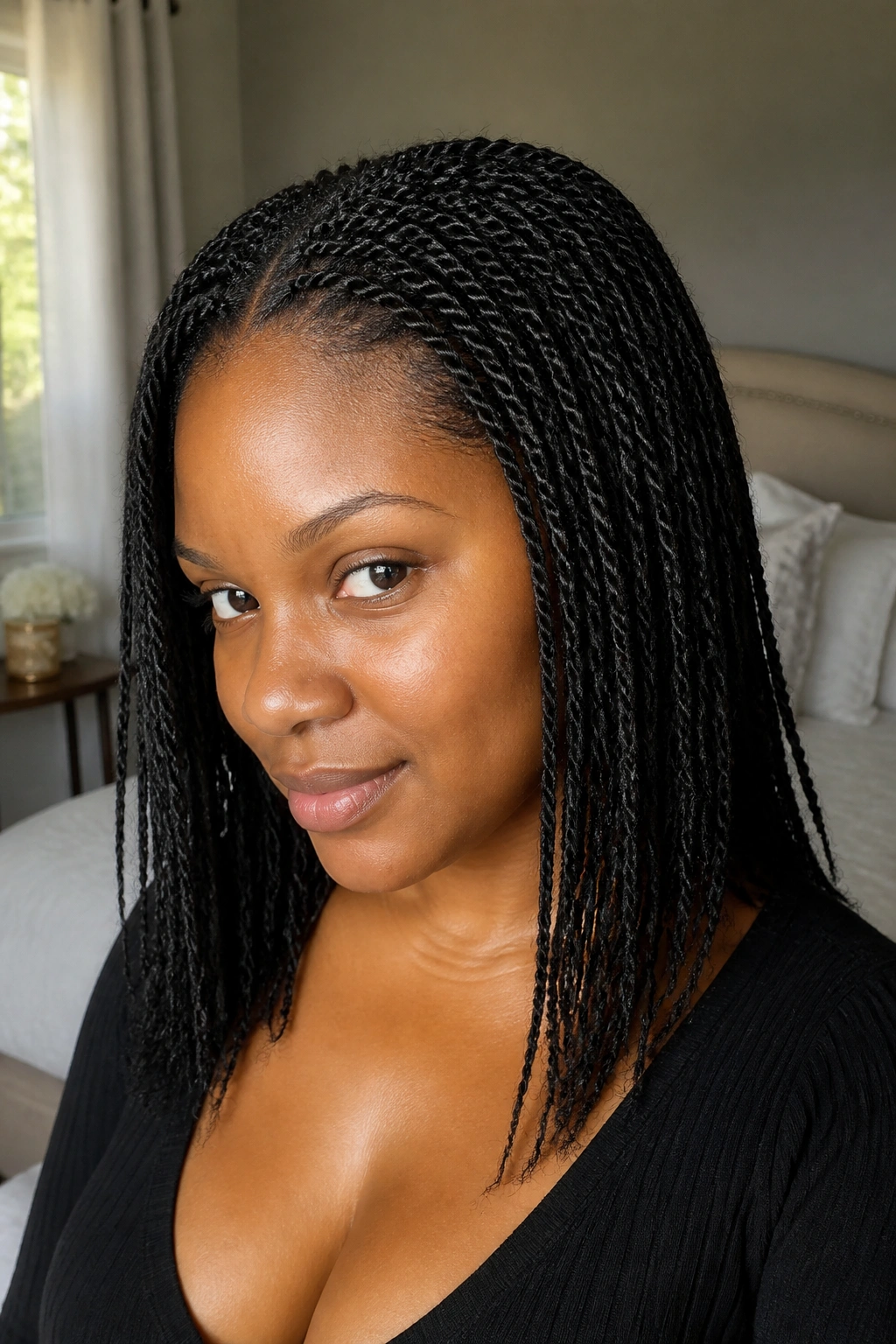
Mini twists are the workhorse of twist styles. They sit close, look tidy, and make hair feel controlled without flattening all the life out of it. On stretched natural hair, they hang with more length and less puff at the root, which makes the finish look cleaner from the start.
What makes them so useful is the size. Smaller sections hold their shape better, and that means less frizz creeping in too early. They also break up dense hair into manageable pieces, which is handy if your hair likes to expand the second humidity shows up.
Why They Last
- Use sections about the width of a pencil for a true mini twist.
- Work on hair that is stretched at least a little, not soaking wet.
- Seal the ends with a tiny amount of cream or light oil.
- Sleep in a satin bonnet or on a satin pillowcase every night.
My blunt advice: if you hate long install times, this is not the style to start with on a tired afternoon.
2. Chunky Side-Part Twists
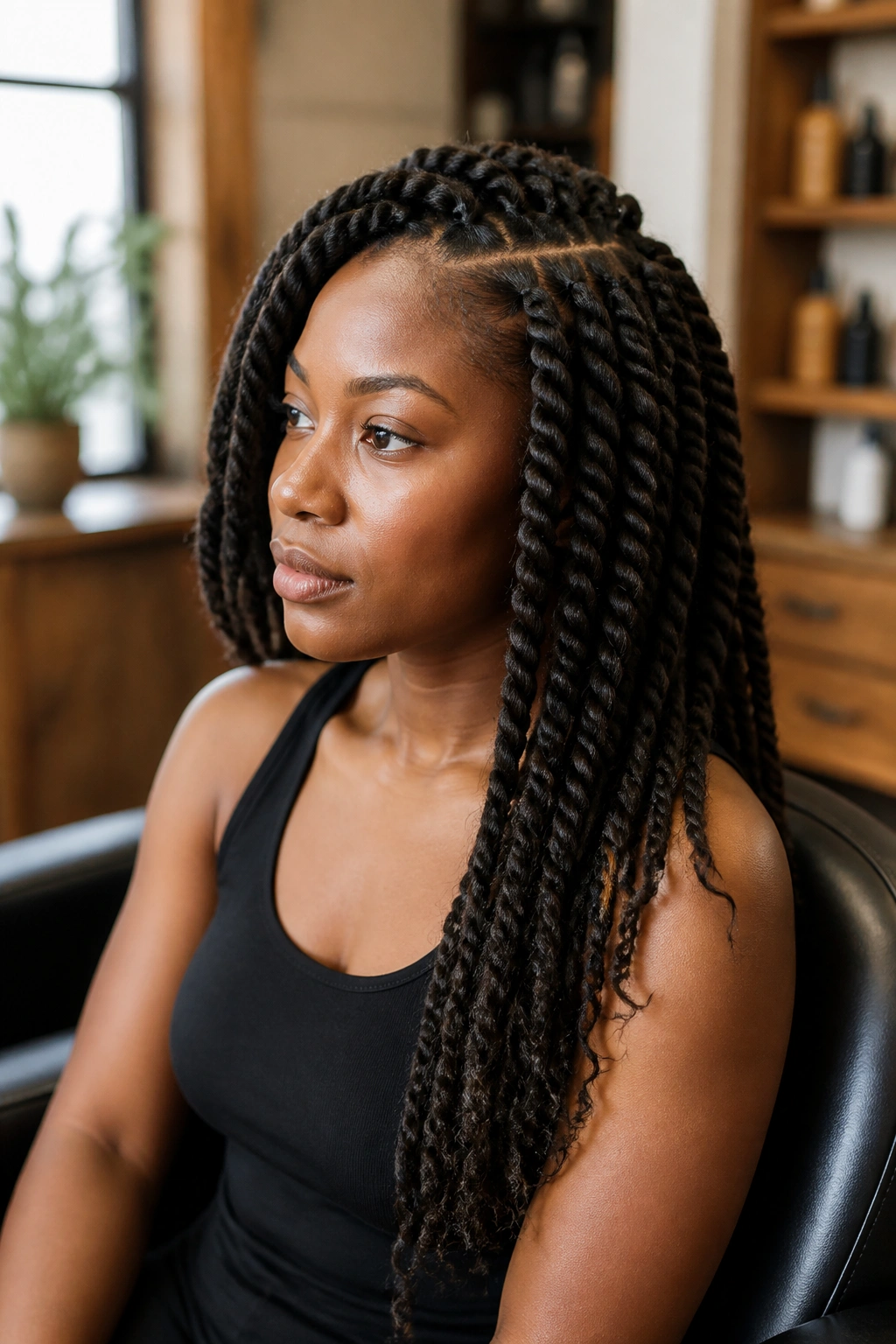
Big twists with a side part are the easiest way to get volume fast. You use fewer sections, so the install moves quicker, and the deep side part gives the style a little swing instead of a flat, straight-down look. It’s a smart choice when you want your hair to look styled without spending forever at the mirror.
Chunky twists also make texture feel more visible. Each rope reads clearly, which is nice if your curl pattern has a lot of shrinkage and you want that shape to show up on purpose. I like this look on medium to long hair because the twists can drape instead of puffing outward.
The one catch is balance. Too few twists can make the style feel unfinished, and too much product can weigh the part down. Keep the scalp clean, define the side part with care, and let the hair move a little. Stiff twists are never the goal.
3. Flat Twists Straight Back
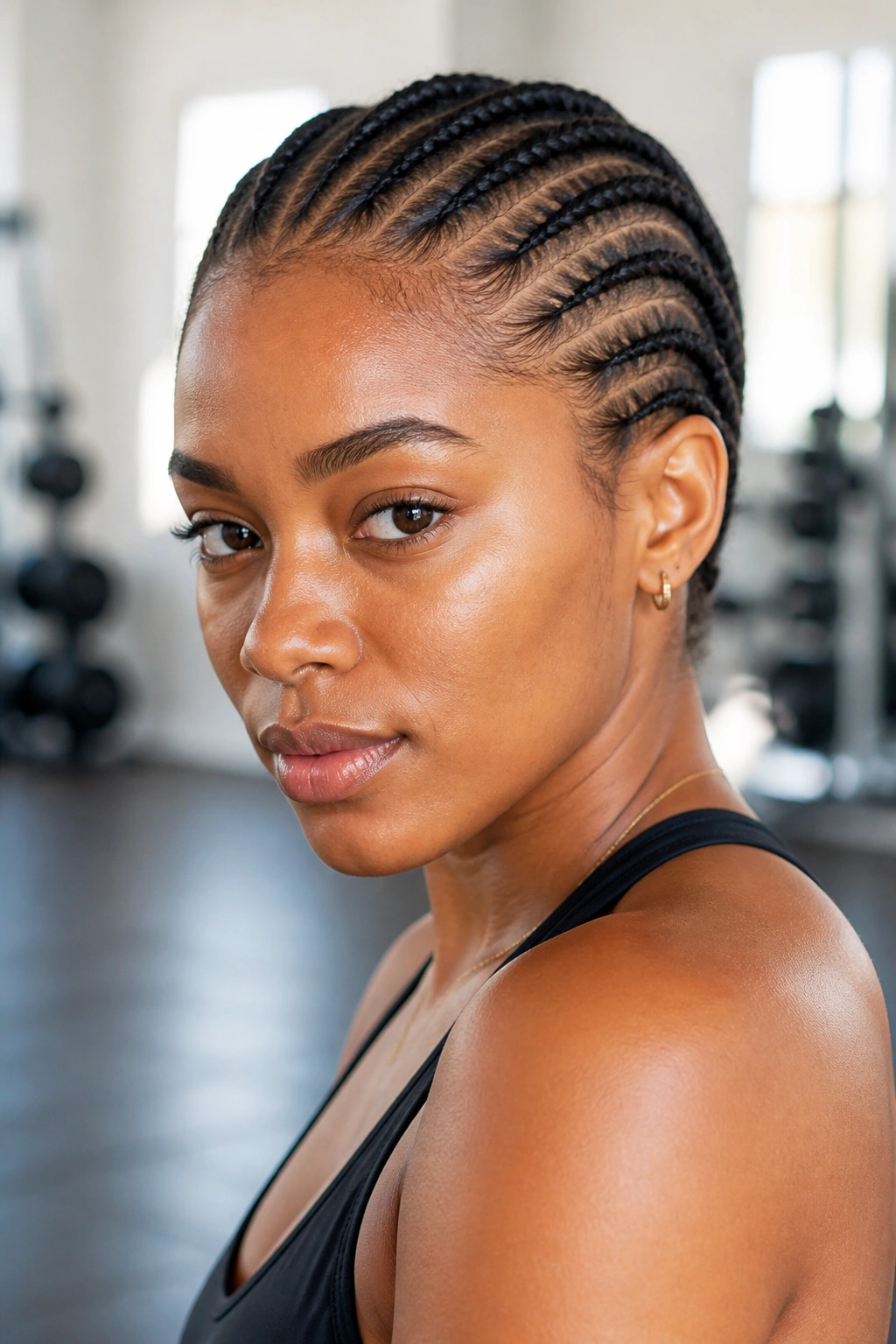
Want something that stays close to the head and gets hair out of your face? Flat twists do that without the hard, tight look that some people get from braids. They hug the scalp, follow the head’s shape, and look especially sharp when the parts are clean.
The style works because the twist line lies flatter than a free-hanging two-strand twist. That gives you a smoother finish across the crown, temples, and nape. It’s a good pick for workouts, busy days, or any time you want a style that behaves.
How to Keep Them Neat
- Part with the tip of a rat-tail comb, not your fingers.
- Use a small amount of leave-in, then a cream that gives slip.
- Keep tension firm enough to stay neat, but never tight at the hairline.
- Smooth the base with fingertips as you work so the twist lies flat.
If your edges feel sore after styling, that’s your warning sign. Loosen the next set.
4. Twist-Out on Stretched Hair
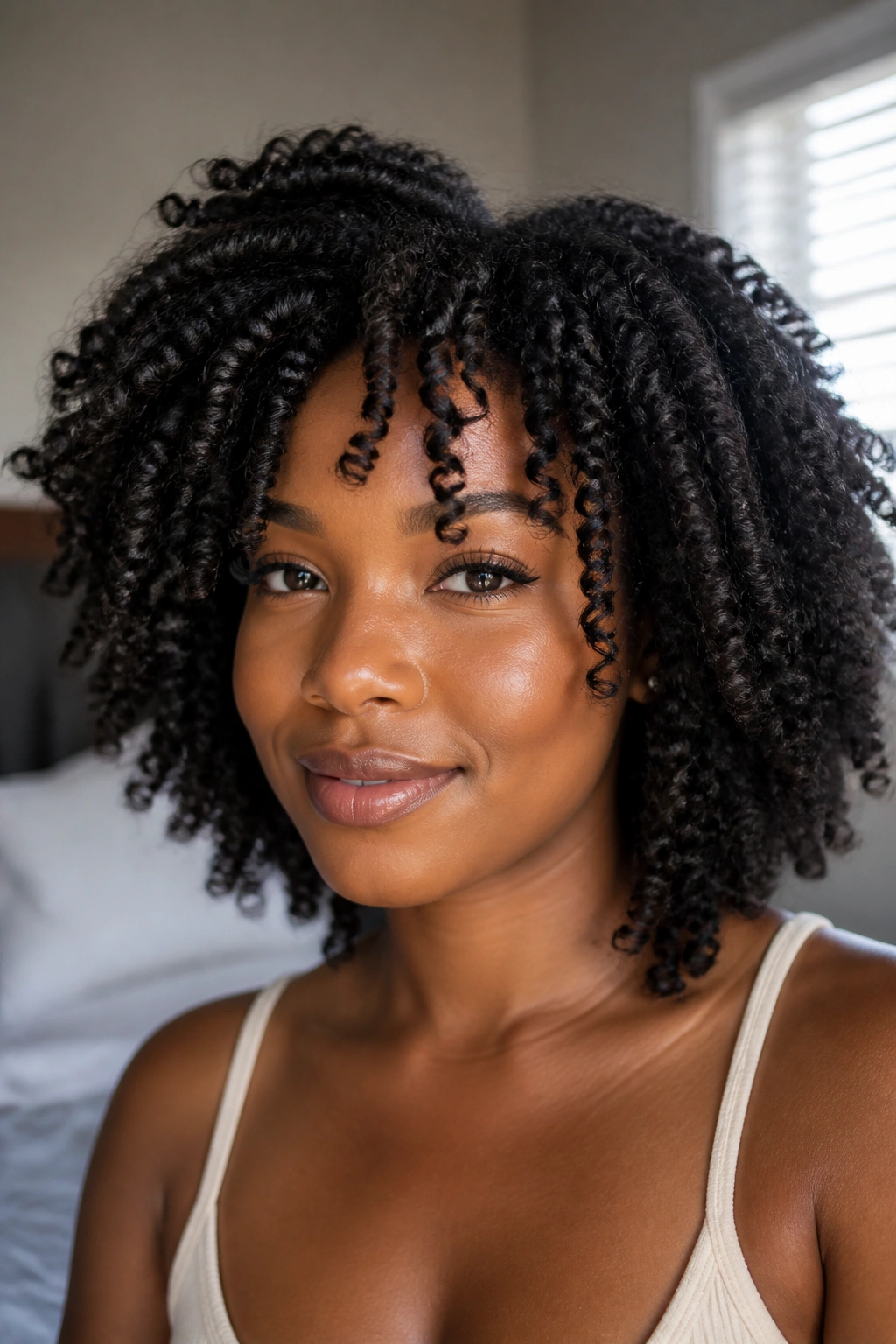
If you’ve ever untwisted hair in the morning and watched it spring into a soft cloud, you already know why twist-outs have such a loyal following. On stretched hair, the result usually looks smoother, less cramped, and easier to shape at the roots.
A good twist-out depends on dry hair. Not mostly dry. Dry-dry. If the inside of the twist is still damp when you take it down, the curls fall oddly and frizz shows up faster than you’d like. Give the hair time. Overnight is better than rushed.
You also want to separate with care. Oils on the fingers help the strands slip apart without grabbing. Pulling at the twist creates fluff in all the wrong places, especially around the ends. A wide-tooth comb can be useful at the roots, but I’d keep it away from the finished curl pattern unless you want the whole thing to blow out more.
One small detail changes the whole style: twist direction. Twist each section the same way, and the unraveling looks cleaner.
5. Two-Strand Twists with Beads
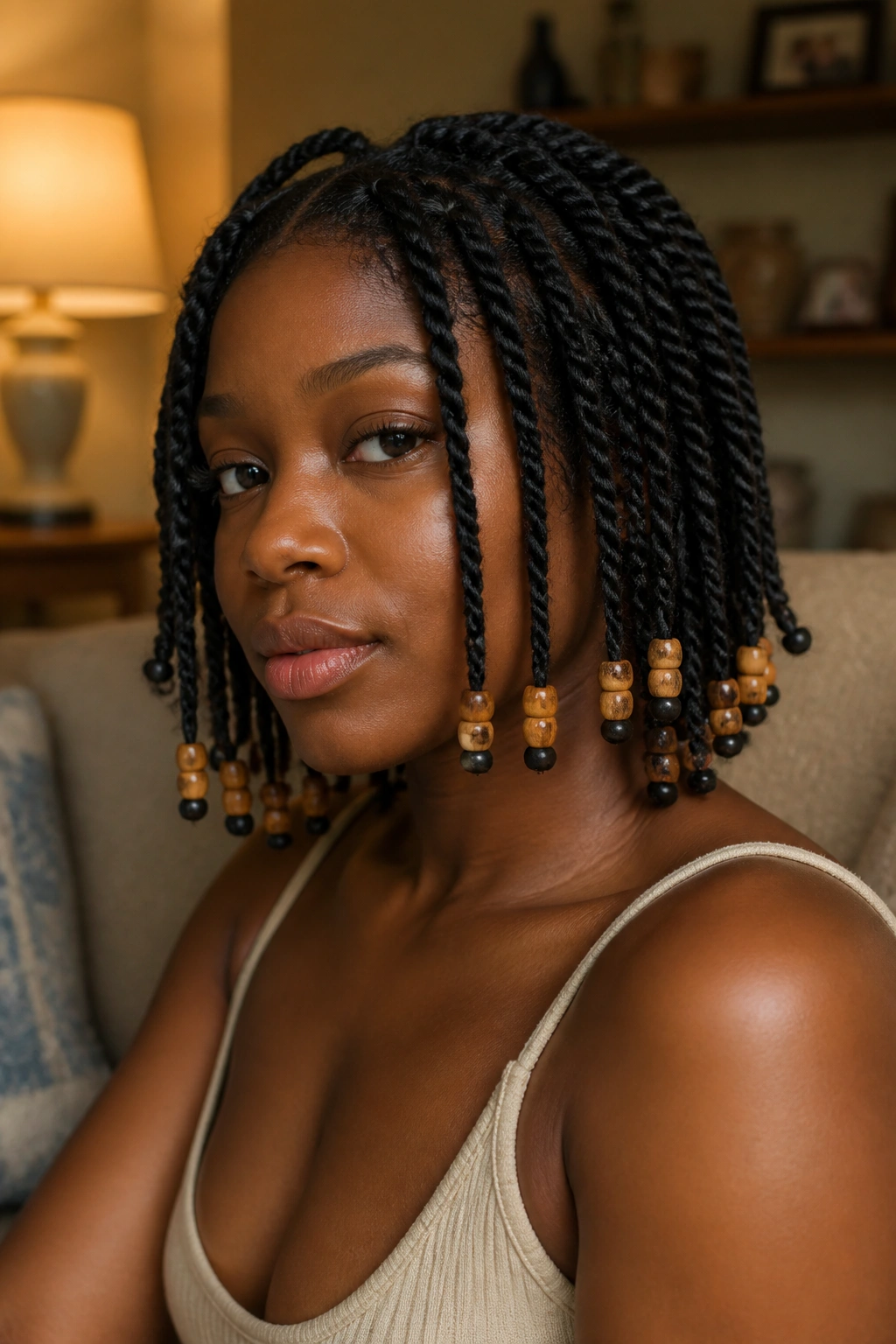
Beads change the mood of twists immediately. The same two-strand twist that reads simple on its own can feel playful, polished, or a little nostalgic once you add a few beads at the ends. The trick is not piling them on like an afterthought. Less usually looks better.
On natural hair, beads work best when the twists are secure and the ends are sealed well. Loose ends slip inside the bead openings and make the style feel messy after a day or two. If the hair is fine, I’d keep the beads light. Heavy wooden beads look good, but too many can tug at the finish and make sleep uncomfortable.
This style has range. You can use clear beads for a clean look, black beads for contrast, or mix a few accent pieces instead of decorating every twist. The sound of the beads moving around is part of the charm, honestly. It’s a small thing, but hair should feel fun sometimes.
Just don’t overpack the ends. Three beads on every twist is plenty for most heads.
6. Crown Twist Halo
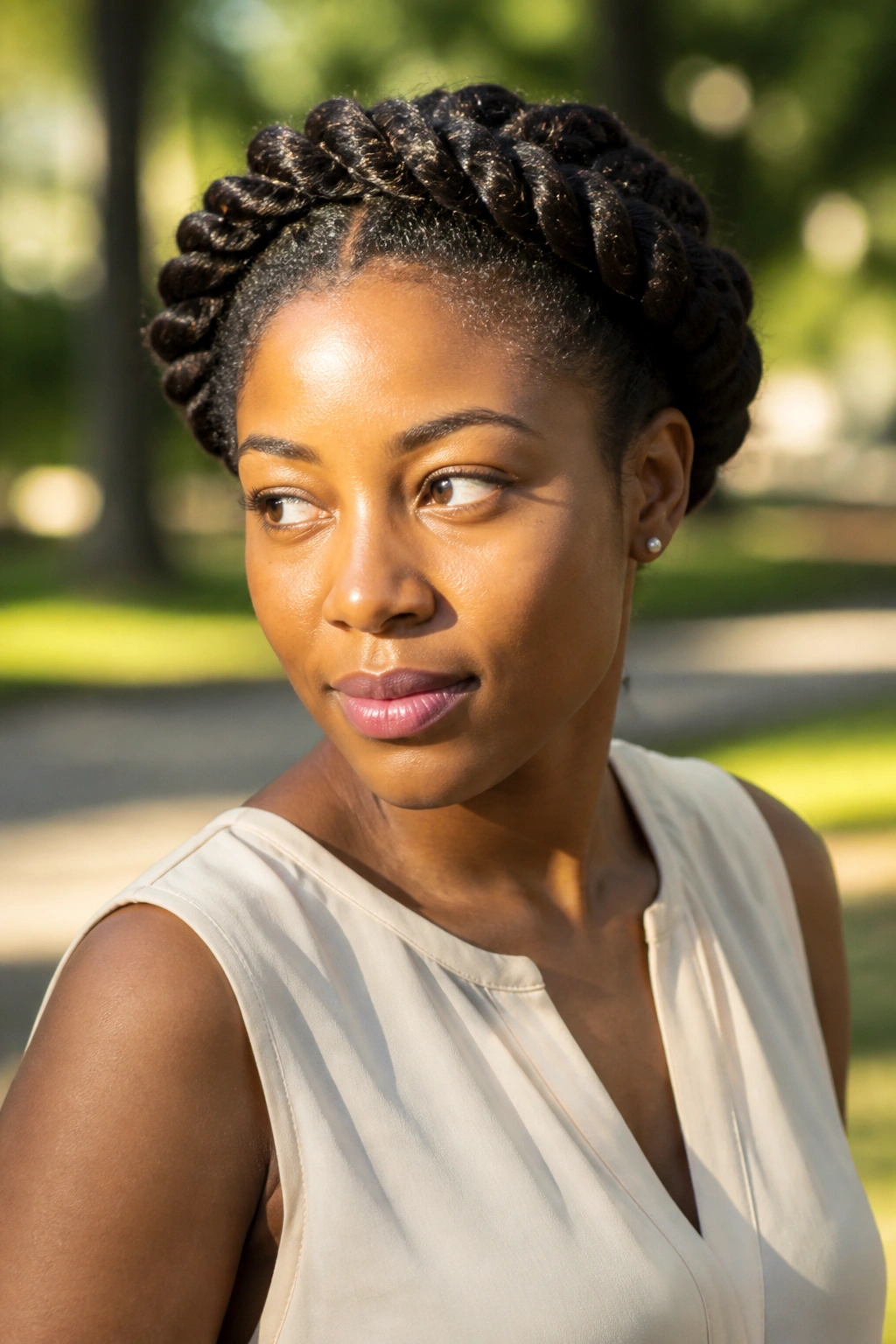
A twist halo gives the head a soft frame and keeps the neck open at the same time. It has the same graceful outline people like in braided crowns, but twists make it feel a little less formal and a little easier to loosen up for everyday wear.
This style works especially well when the hair has enough length to wrap around the head without fighting back. If the sections are too short, the halo can look patchy at the back. A few hidden pins solve that, but the base still needs enough length to cooperate.
A Small Detail That Matters
Anchor the ends under the crown, not over the top of it. That keeps the finish smooth and stops the style from looking bulky at the seam. A soft side part also helps, because it breaks the circle and keeps the halo from feeling too symmetrical.
I like this one for dressy events, but it’s also a solid answer to second-day hair that needs to behave.
7. Tucked Twist Bun
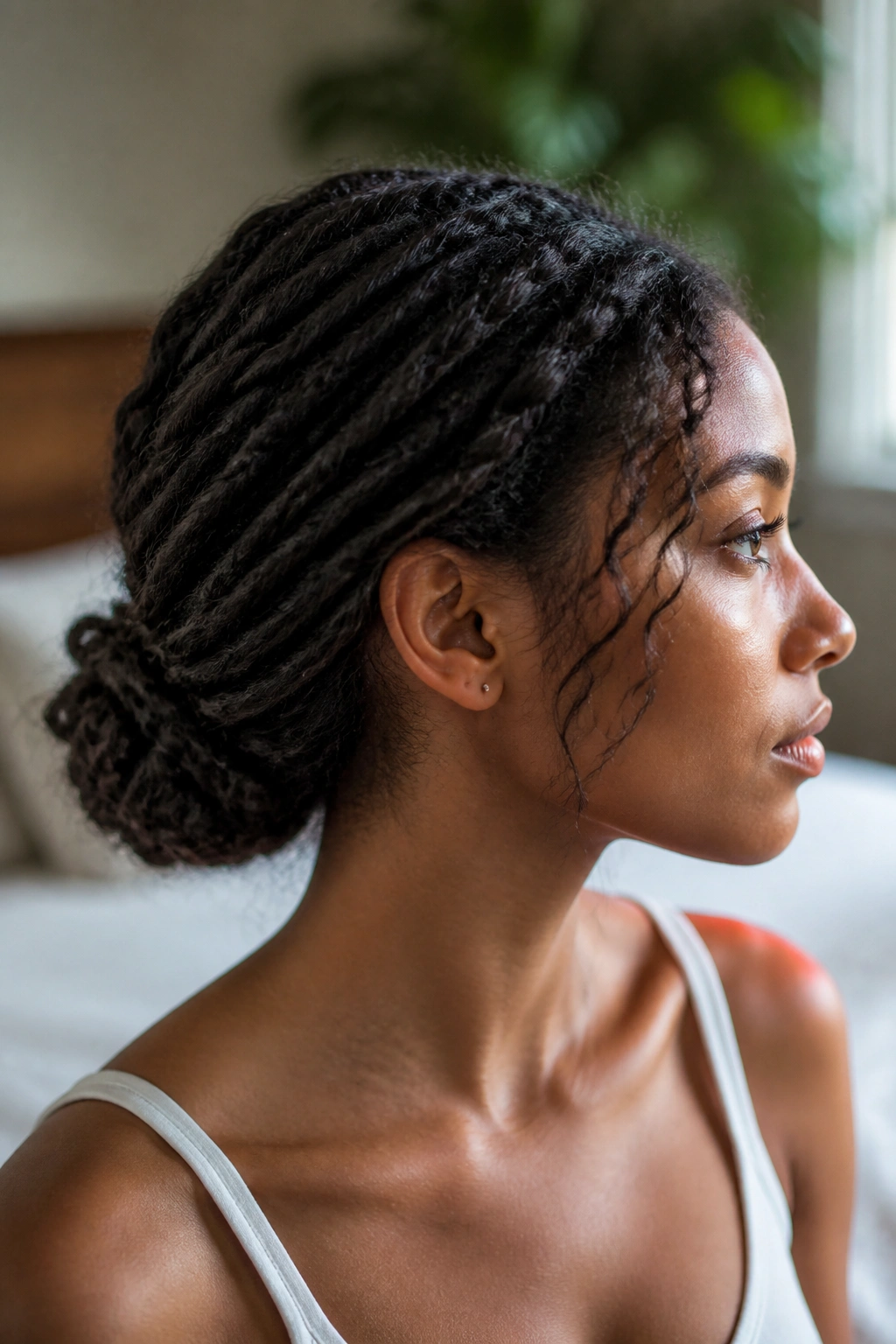
A tucked twist bun is the style I reach for when I want the hair off the neck and still want to see texture. The top can stay smooth or slightly puffed, while the lengths are coiled or rolled into a low knot at the nape. It feels calm. Not boring. Just calm.
The shape matters more than perfection here. A bun that sits a finger-width lower than expected often looks better than one placed too high, because the twists can settle naturally against the head instead of pulling upward. If the hair is thick, use pins that actually hold; flimsy pins disappear under the weight and leave you fixing the same section twice.
One thing I like about this style is how forgiving it is. A few loose pieces around the ears can soften the look, and a small twist wrapped around the bun base hides the elastic cleanly. You do not need every strand to behave. You only need the overall shape to land right.
8. Marley Twists
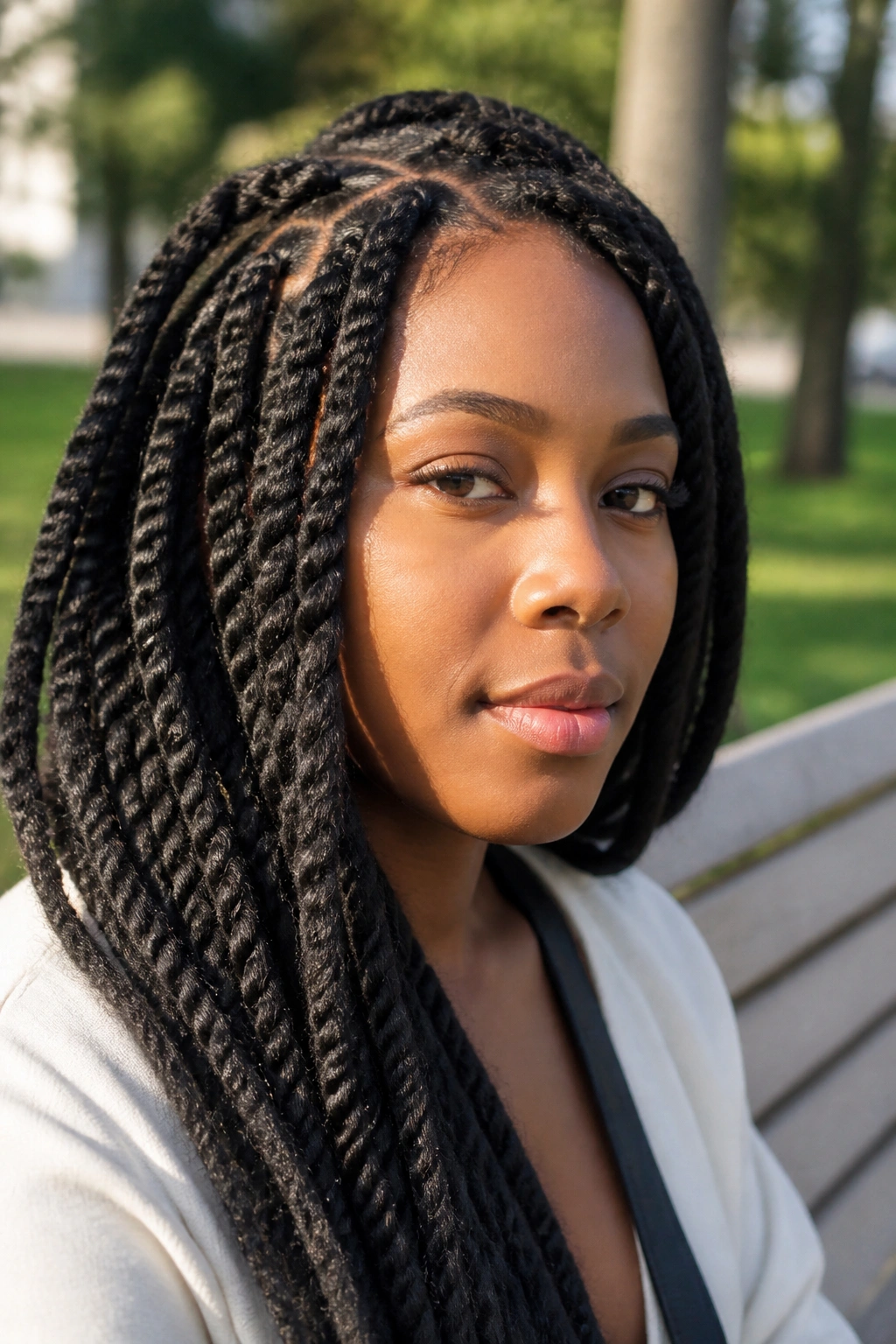
Marley twists are the heavy, textured cousin in the twist family. They have a matte finish and a fuller shape, which makes them a good choice if you want the style to read bold right away. The texture of Marley hair blends well with coarser natural textures, so the result feels cohesive instead of slippery.
Who They Suit Best
- Hair that holds tension well and does not mind a fuller install.
- People who want length and density without a glossy finish.
- Styles that need presence for a few weeks, not just a few days.
- Anyone who likes hair that looks soft but substantial at the same time.
They do come with weight. That part is real. If your roots are sensitive, ask for smaller sections or shorter length, because long Marley twists can tug more than people expect. Still, when they are done well, the shape looks rich and full in a way that never feels fragile.
9. Havana Twists
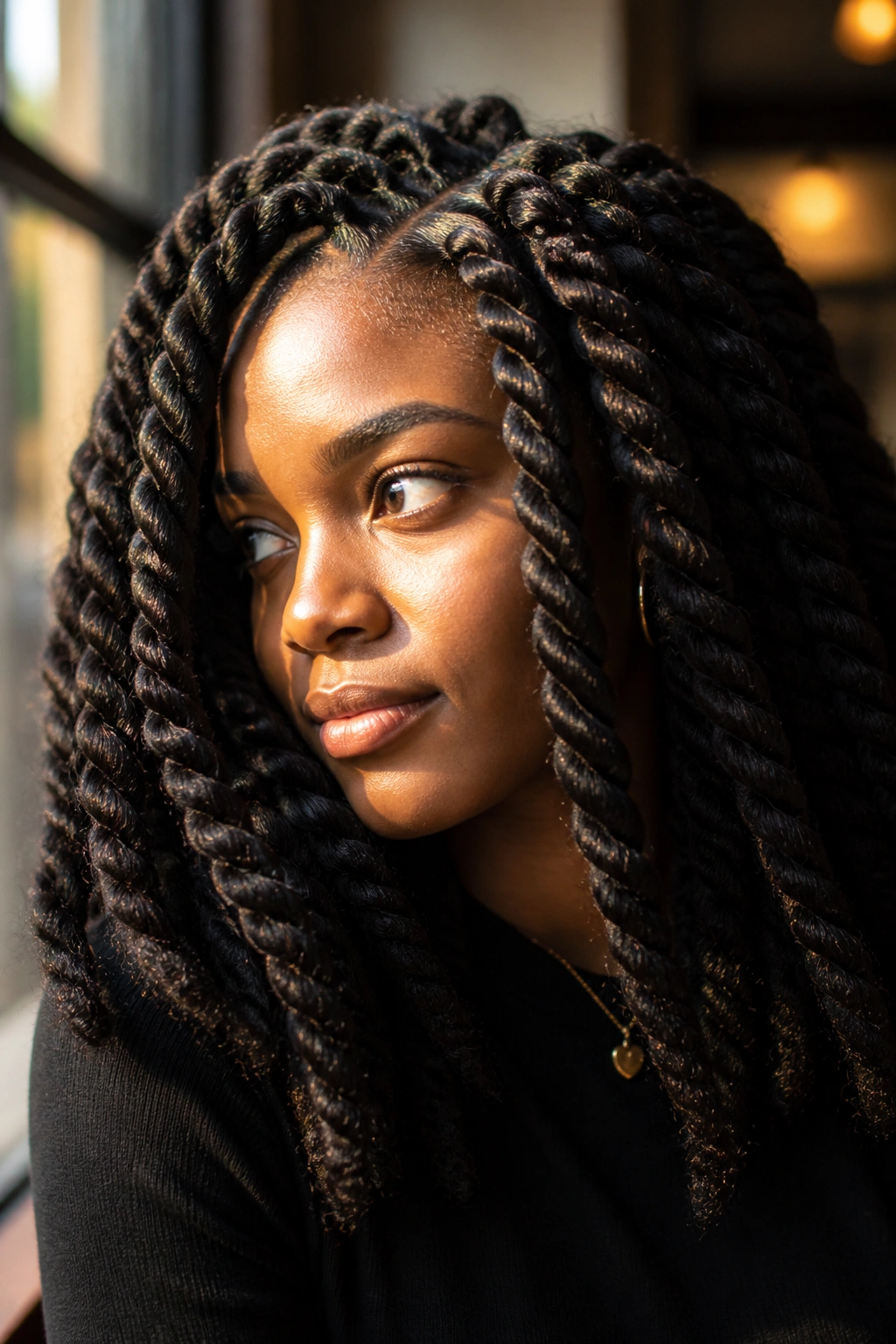
Havana twists are for people who want big hair with a soft, airy finish. They look plush, but they usually feel lighter than they look because the install is often a little looser and the pieces are chunky. That makes them easier to wear than they appear at first glance.
I like Havana twists when the goal is shape. They make the profile of the hair read wide and lush, which can be a gift if you want volume around the face or through the sides. They’re also nice when you want the twist itself to be the main feature, not just the texture.
Use a few fewer sections than you would for mini twists, and keep the scalp lines clean. The larger size means stray flyaways show up sooner, so smooth the root well before you begin twisting down. If the finish feels too heavy, trim the length a little rather than cramming in more product. That’s the easier fix.
10. Passion Twists
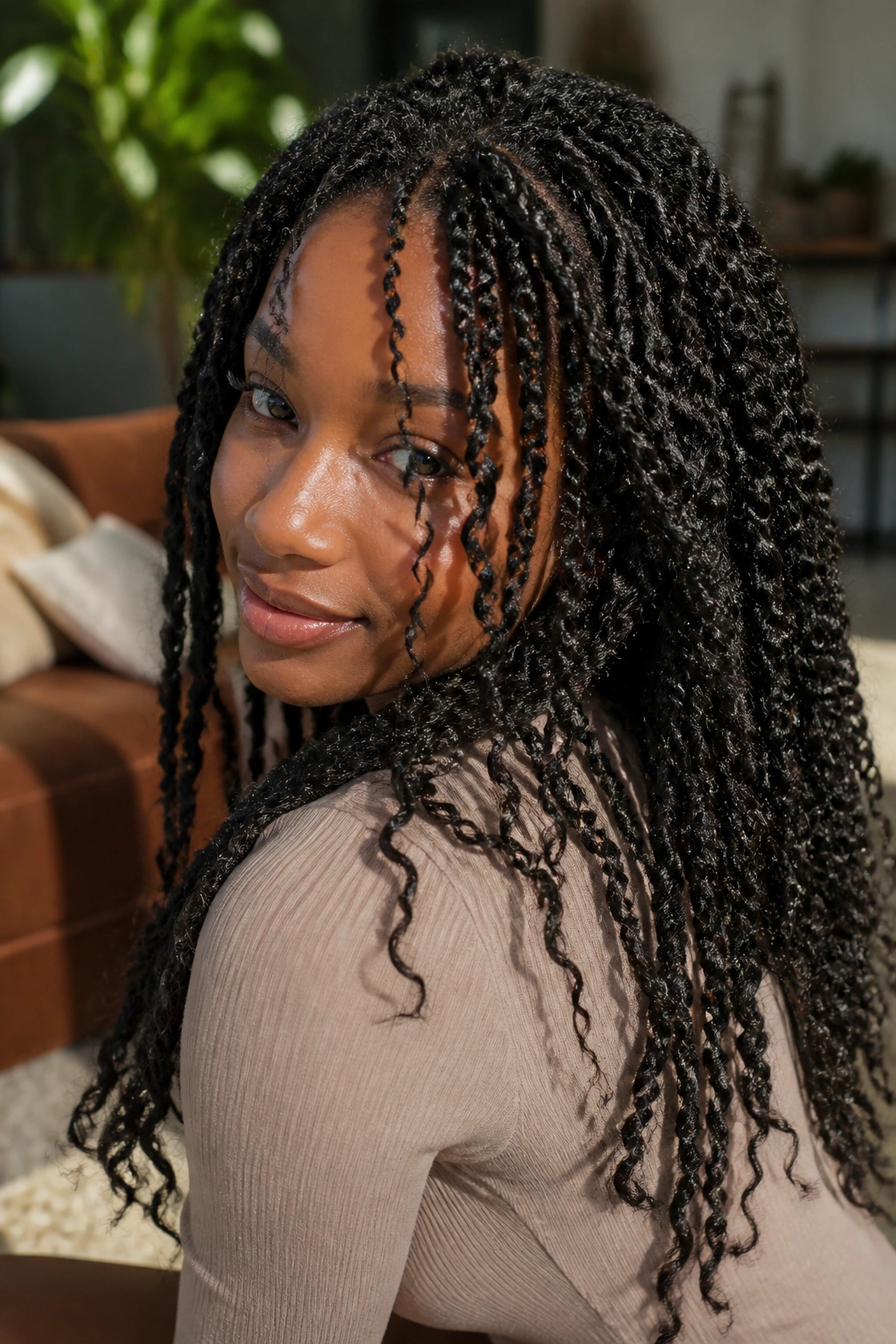
Passion twists have a looser, springier feel than traditional rope twists, and that’s the whole appeal. They move when you move. They look softer in photos, but more important, they avoid that stiff, locked-in finish some twist styles can get when the hair is packed too tightly.
The texture can read a little messy in a good way. I mean that kindly. If you want sleek and geometric, this is not your style. If you want a twist that looks airy and touchable, passion twists get there fast. They suit medium lengths especially well, because the bounce shows up without the style getting too heavy at the ends.
They do frizz sooner than some other twist styles, and I think that’s worth saying plainly. It is not a flaw if you like the lived-in look. It is a problem if you want the hair to stay crisp for a long stretch. Choose the style for the softness it gives, not the neatness it promises.
11. Short Tapered Twists
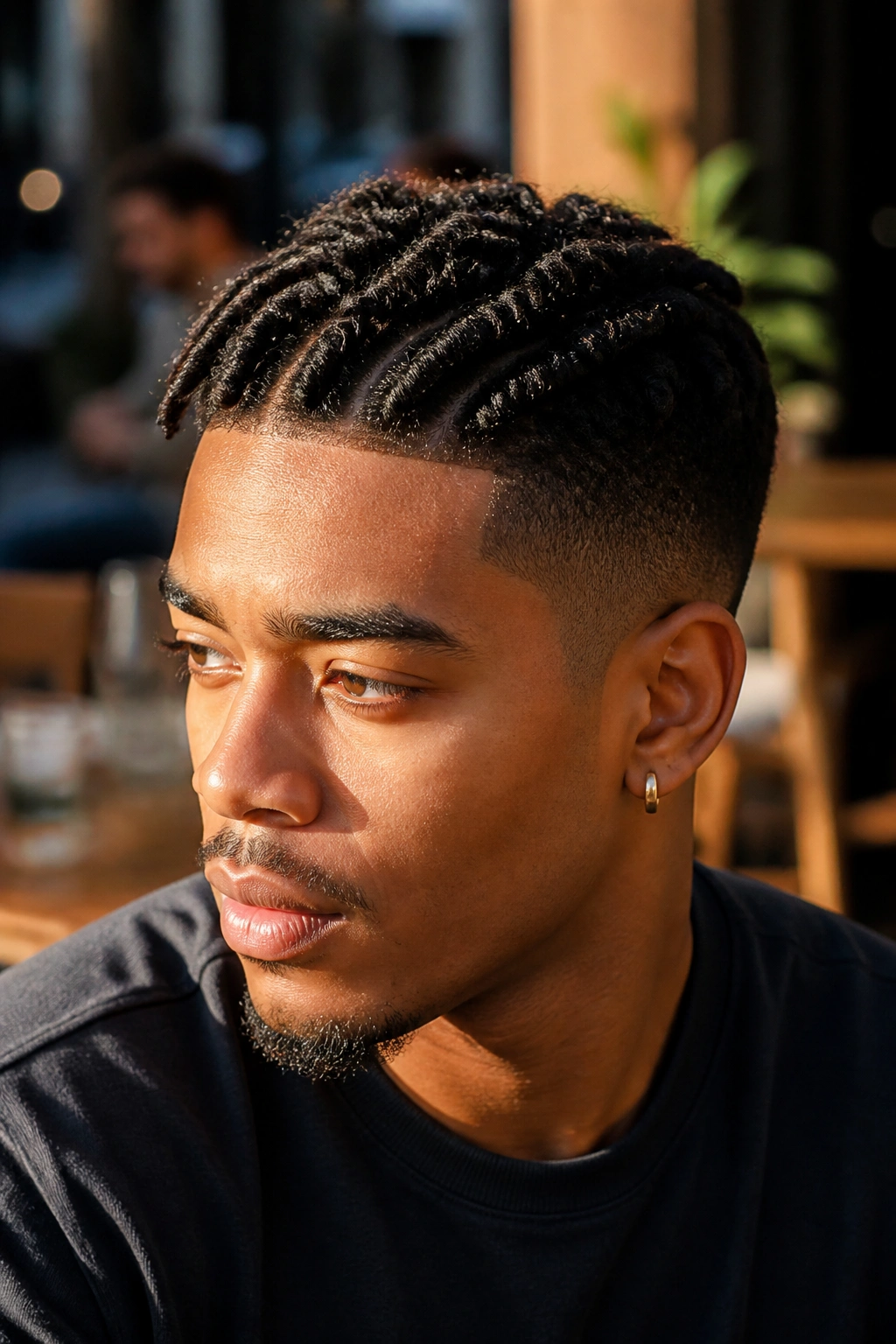
A tapered cut can look excellent with twists because the haircut already gives you shape. The twists just sharpen that shape a bit. Shorter sides and a longer top make the eye go where you want it, and the style avoids the heavy triangle effect that can happen when dense hair is left loose.
The best part is proportion. A few twists on top can look deliberate and clean, even when the sides are closely cropped. You do not need dozens of pieces to make the style read complete. Sometimes six to ten well-placed twists say more than a whole head packed tight.
A small amount of styling cream helps the top stay smooth, but don’t load it up. Short hair shows product faster than long hair does, and buildup loves to sit near the scalp. Keep the parts crisp, twist from root to tip, and let the haircut do some of the work. It should feel sharp, not crowded.
12. Side-Swept Rope Twists
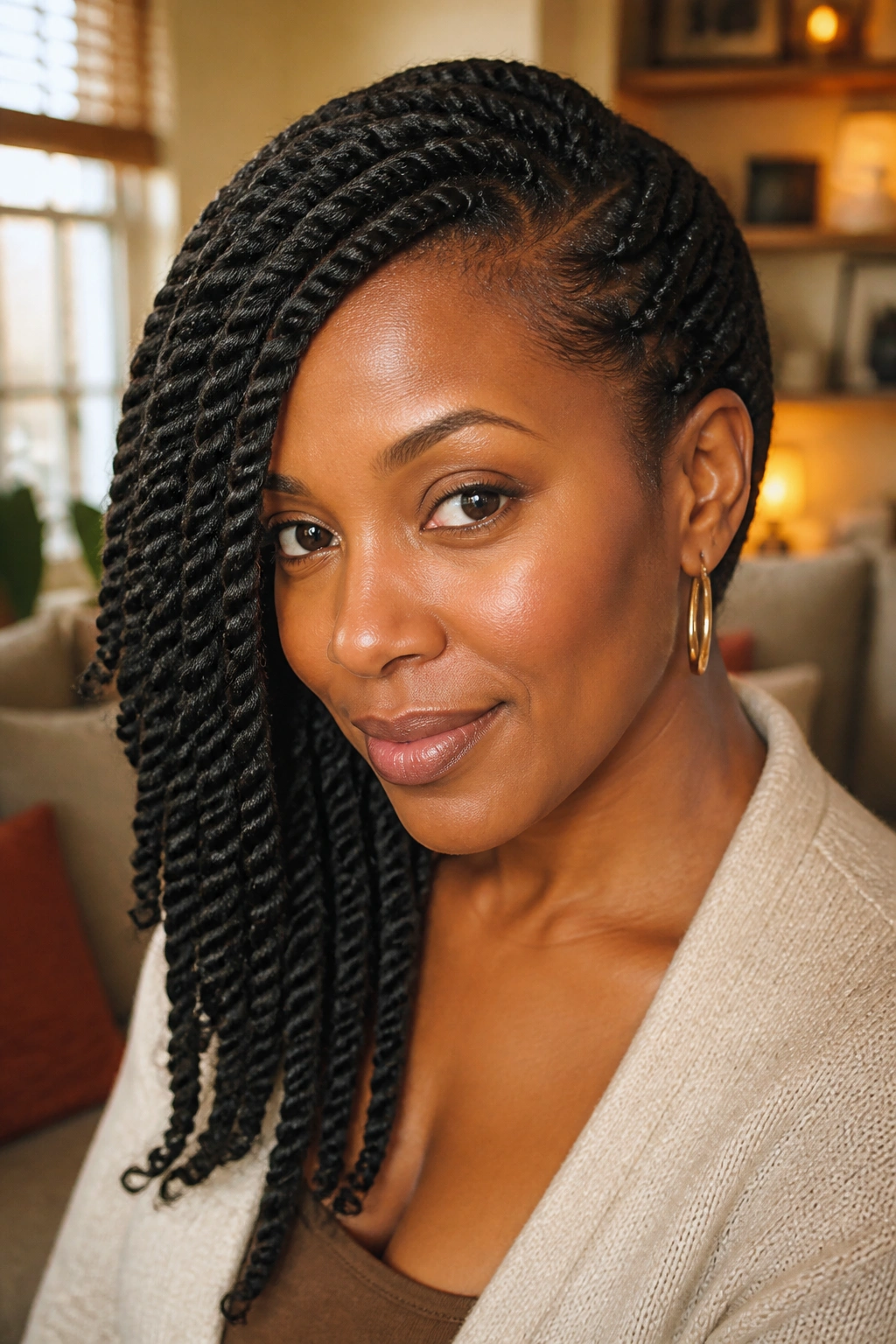
Side-swept rope twists give you movement without extra fuss. Instead of falling evenly on both sides, the twists are directed to one side so the shape feels more deliberate. It’s a simple shift, but it changes the whole mood of the style.
The rope twist structure itself adds a little thickness and glide, which works well when you want the ends to rest across the shoulder instead of standing away from the face. If the hair is long enough, the side sweep can make the style look almost tailored. If it is shorter, the same idea still works, just with less drape.
Pin the heavier side behind one ear if you want the face to stay open. A touch of shine at the part helps too, but don’t overdo it. The strength of this style is in the line it creates, not in making the whole head glossy.
13. Flat Twist Updo
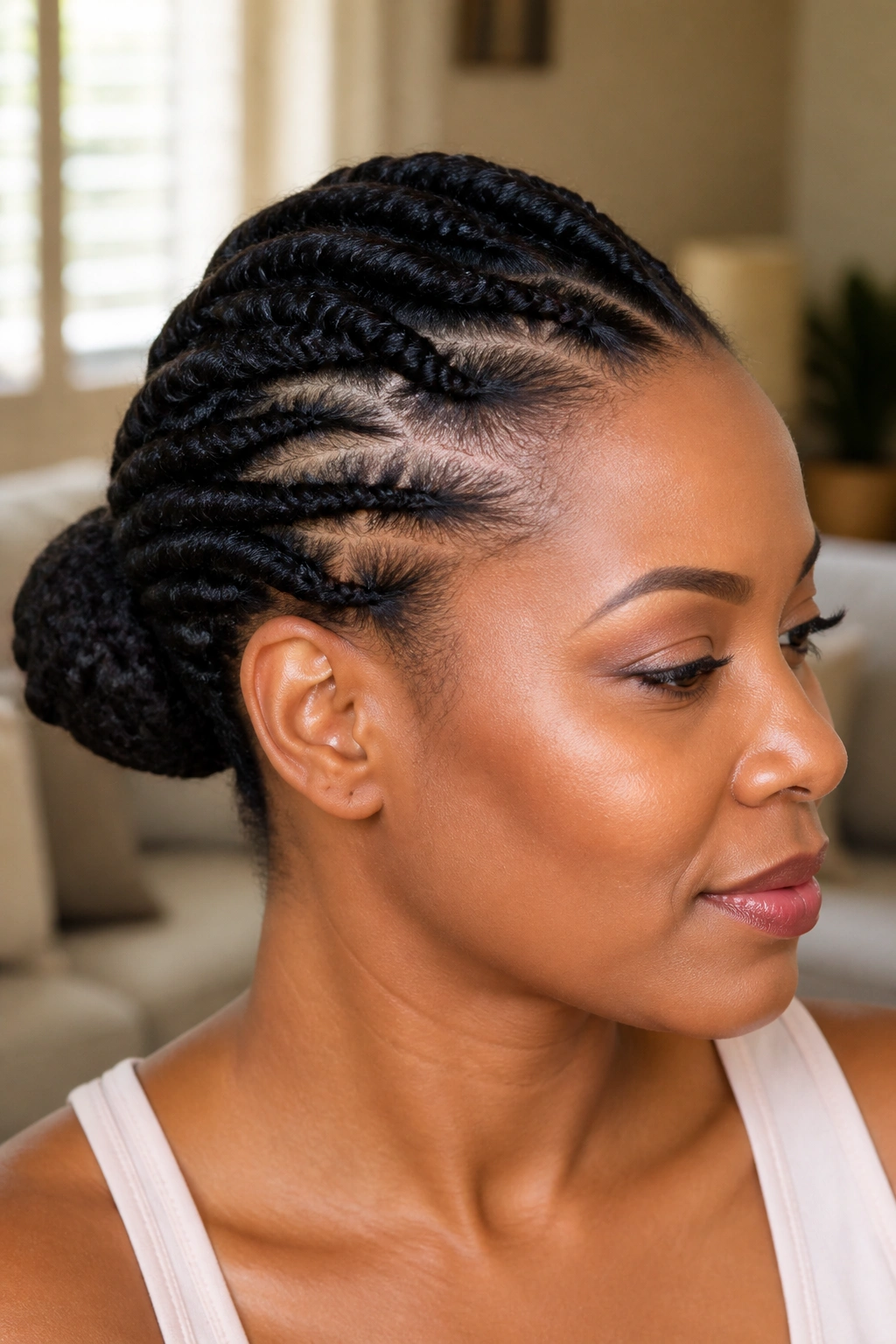
A flat twist updo is the kind of style that looks polished without acting precious. The twists sit close to the scalp at first, then gather into a bun, coil, or tucked shape at the back. It keeps the hair off the neck, which is half the appeal right there.
What makes this one smart is the way it balances structure and softness. The scalp work gives it a neat base, while the gathered back keeps it from looking too severe. If you want something that reads formal but still feels like natural hair, this is one of the best bets.
How to Pin It
- Use bobby pins at the seams where twists meet, not on the smoothest part of the hair.
- Hide pins under a finished twist or coil so they don’t poke out later.
- Leave one twist a little longer if you want a wrap detail around the bun.
- Check the back with two mirrors before calling it done.
That last part saves time. Every time.
14. High Twist Ponytail
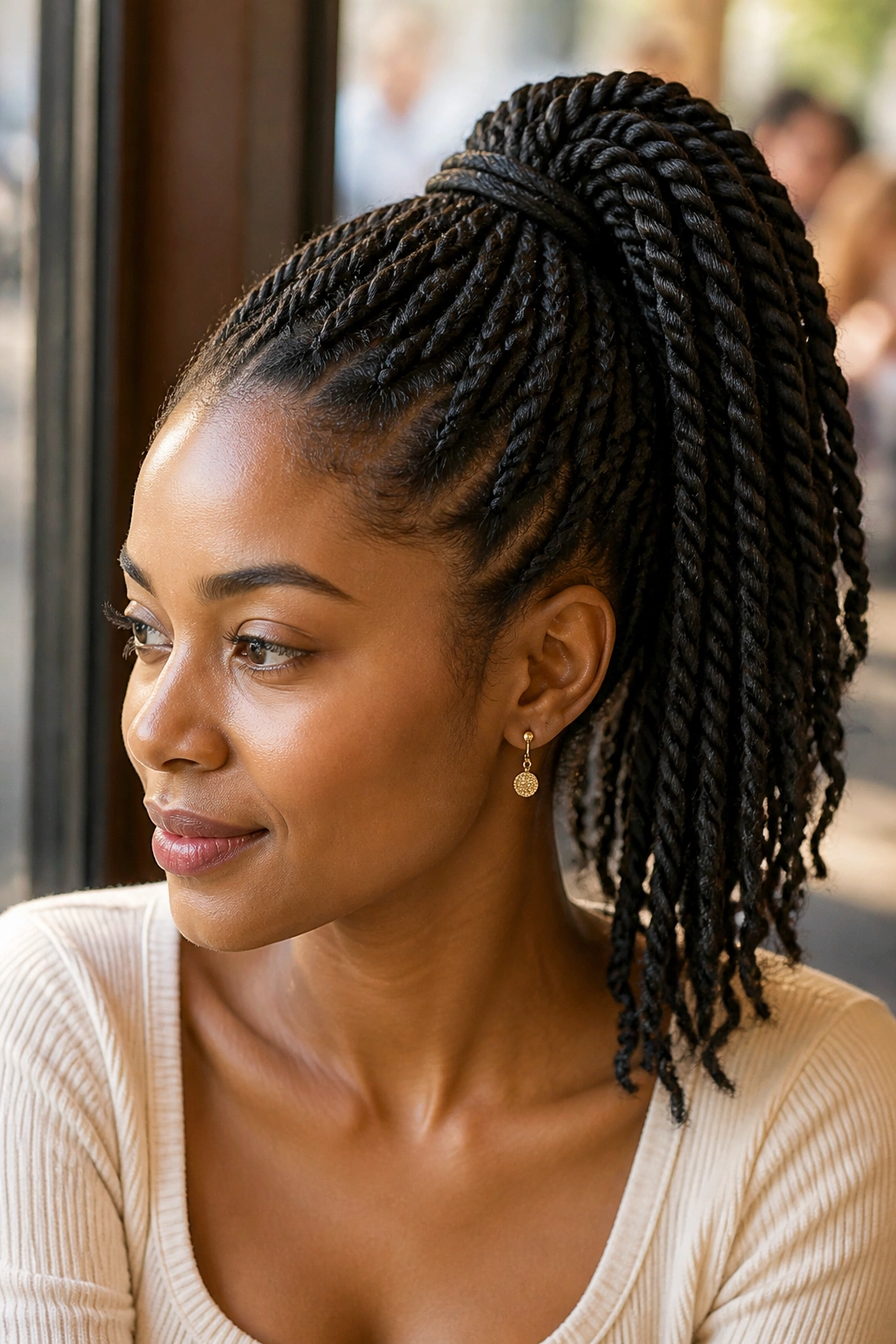
A high twist ponytail has a lifted shape that wakes up the face fast. It can look playful or sharp depending on how smooth the base is, and that’s why I like it more than a standard puff when the goal is clean lines. The twists create texture, while the height gives the style some attitude.
The trick is keeping the roots comfortable. If the ponytail sits too tight at the front, the style stops feeling fun and starts feeling like a headache waiting to happen. Use a soft elastic, gather the hair high but not pulled to the bone, and let the twists fan out rather than forcing them into a tiny bundle.
Wrap a small twist around the base to hide the band. That one move makes the whole style look finished. A high ponytail with twists should feel lifted, not strained.
15. Goddess Twists
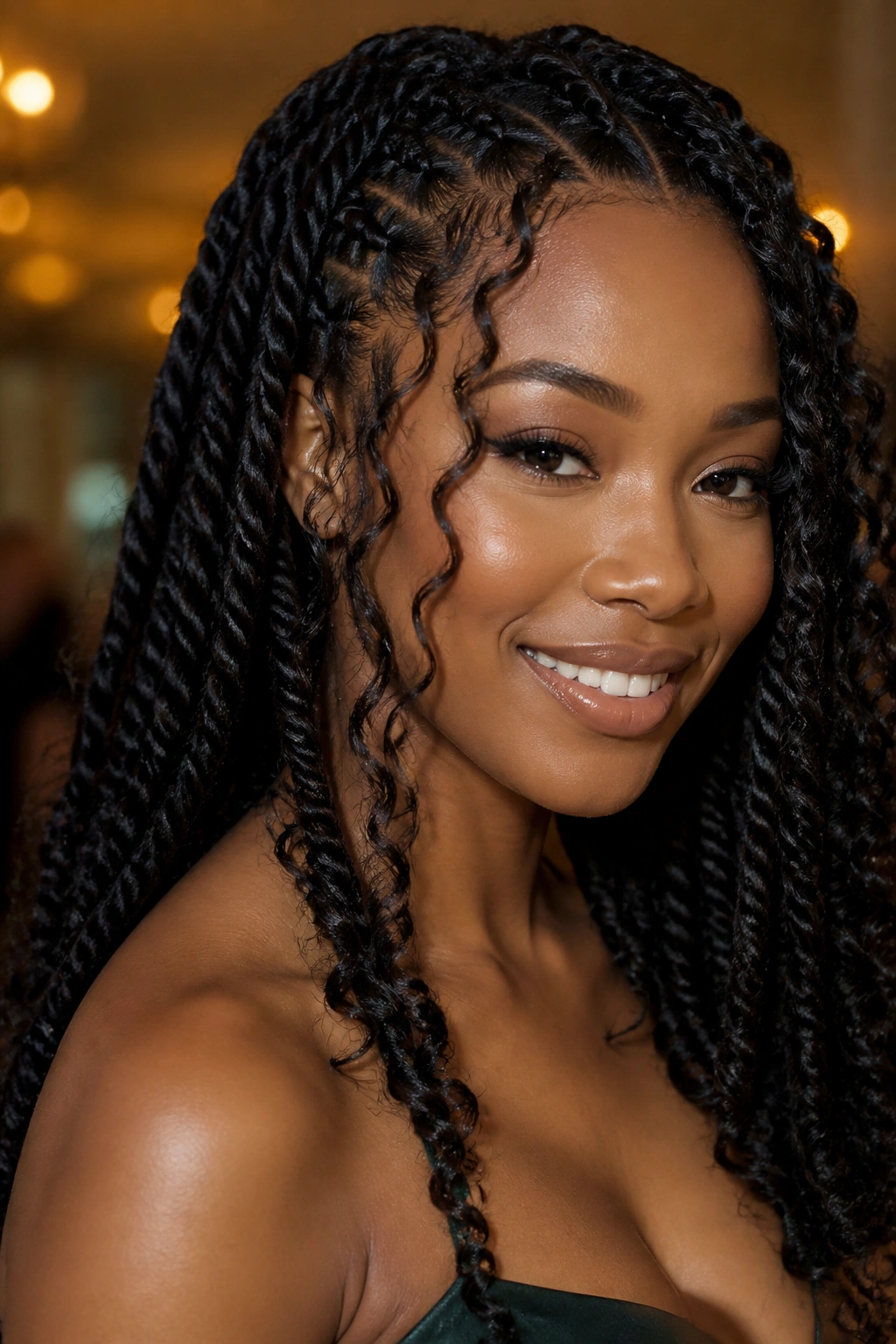
Goddess twists are what happen when you want twists with a softer, more decorative finish. Loose curly pieces are left out here and there, or the ends are finished with a curl instead of a straight rope. The result is gentler and a little more romantic than a standard twist set.
They work well for events because they catch the eye without needing a lot of extra styling. The loose pieces break up the shape in a nice way, especially around the face and shoulders. That said, they also frizz faster than clean, plain twists. I would not pick them if I needed a style to look crisp for a long stretch.
Use them when softness matters more than strict neatness. Weddings, dinners, photos, brunch. You know the drill. They’re less about durability and more about the feel of the finish, and that tradeoff makes sense.
16. Bantu-Knot Twist Hybrid
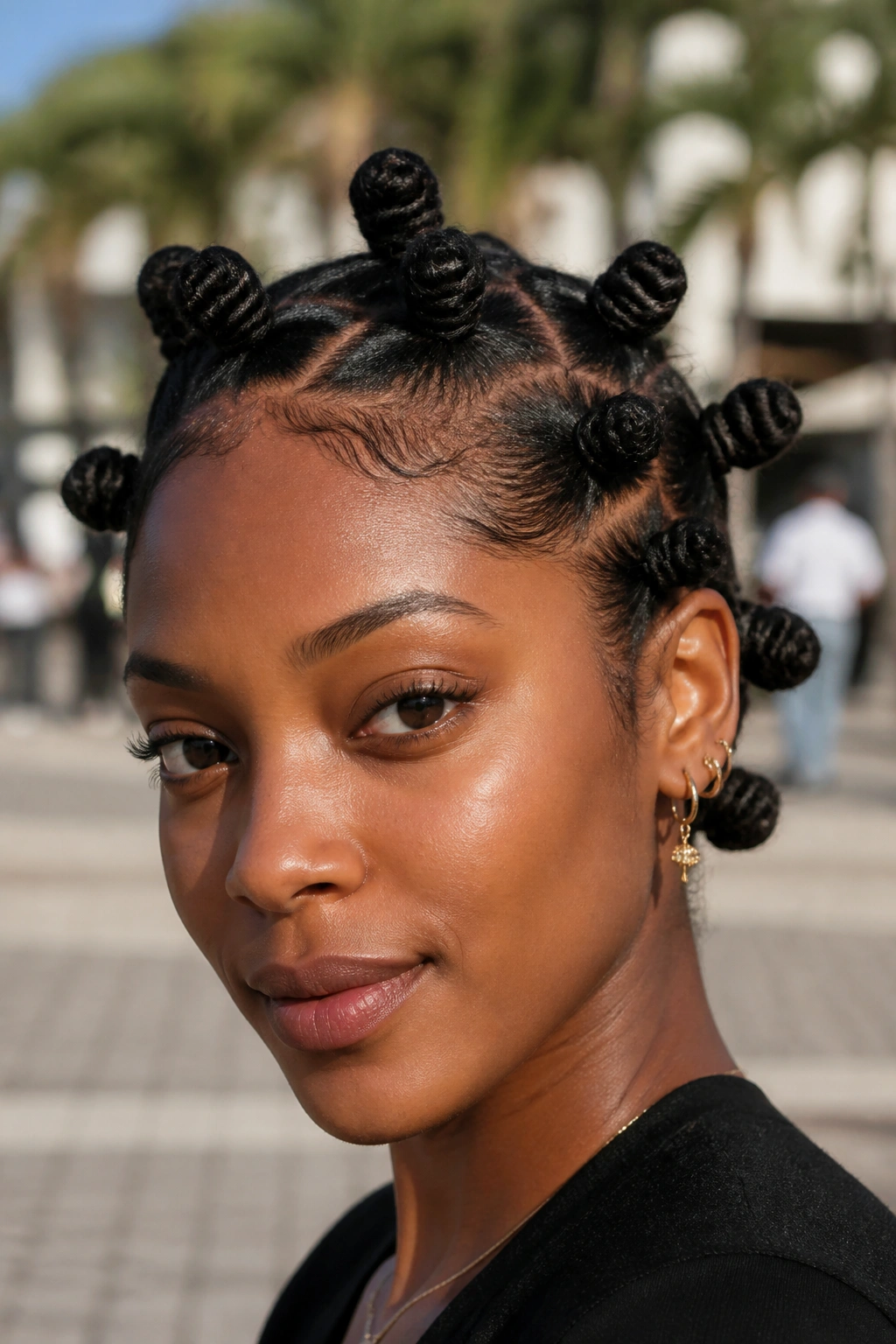
A twist that ends in a Bantu knot has a sculptural look that feels a little playful and a little polished at once. The hair starts as a twist, then coils into a small knot instead of hanging loose. It gives you shape at the ends and a more finished silhouette across the whole head.
What Makes It Work
- The knot keeps the ends tucked and protected.
- The twist base helps the section lie neatly before it is wrapped.
- Small to medium sections give the cleanest knot shape.
- A little hold at the root helps the knot stay put overnight.
This style can also double as a set if you’re planning to unravel later for curl definition. That is the fun part. It’s one of those looks that works as both a style and a prep method, which I always appreciate because it gives the hair more than one job.
17. Micro Twists
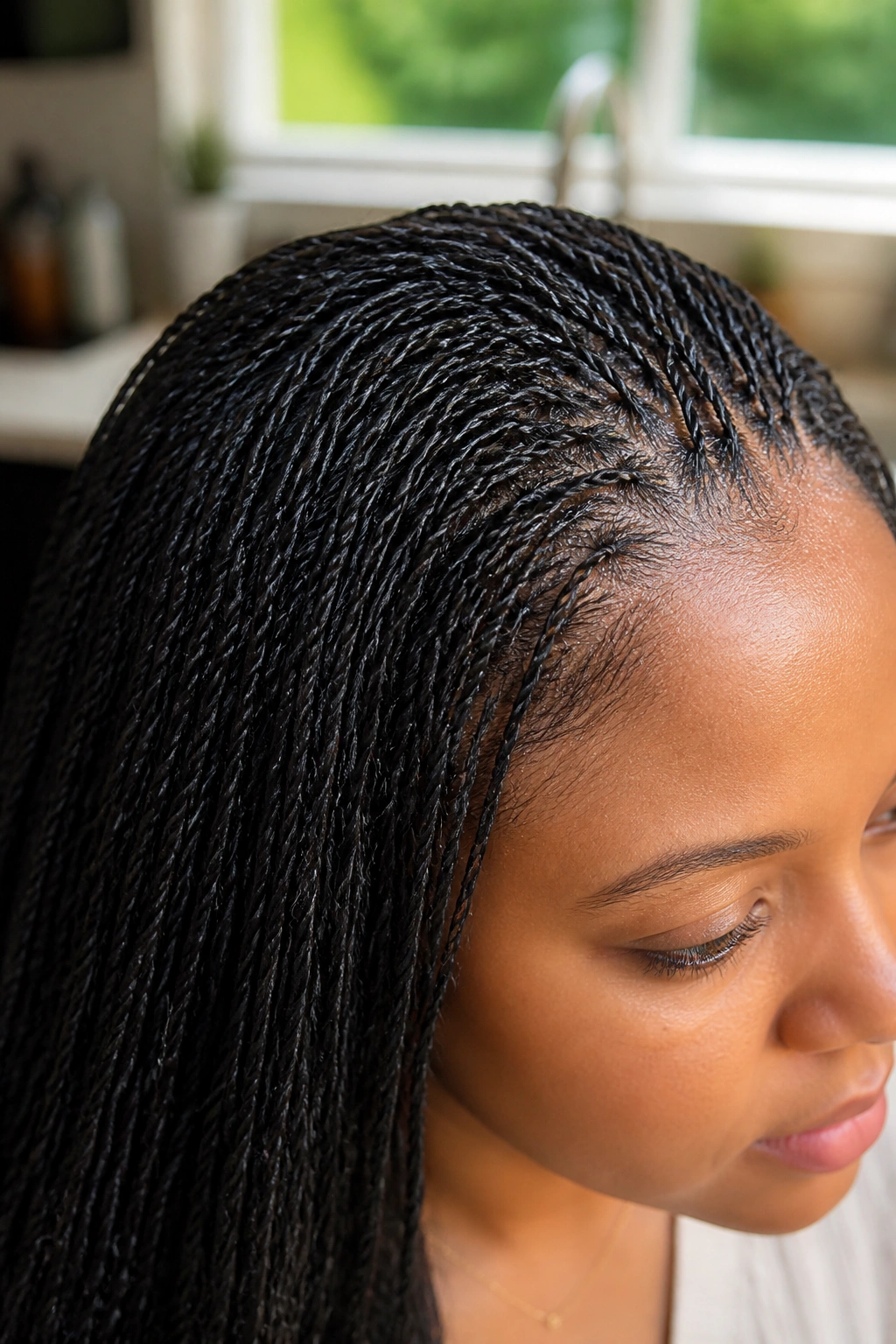
Micro twists are the long-haul option. They take time to install, and they ask for patience at every stage, but the finished look can be beautiful in a quiet, detailed way. They fall between a twist style and a low-manipulation protective style, which is why some people wear them for weeks at a time.
The small size lets the hair move more freely than chunky twists do, and it also creates a very fine texture across the head. Up close, the detail is gorgeous. From a distance, the style reads soft and full. The downside is maintenance. Tiny sections can tangle if you ignore them, especially at the roots and nape.
Keep the scalp clean and the ends coated lightly, not drenched. If the roots start to mat, deal with it early instead of waiting. Removal takes longer than people think, and rushing that part is where breakage sneaks in. Small twists reward care. They do not forgive neglect.
18. Shoulder-Length Twist Bob
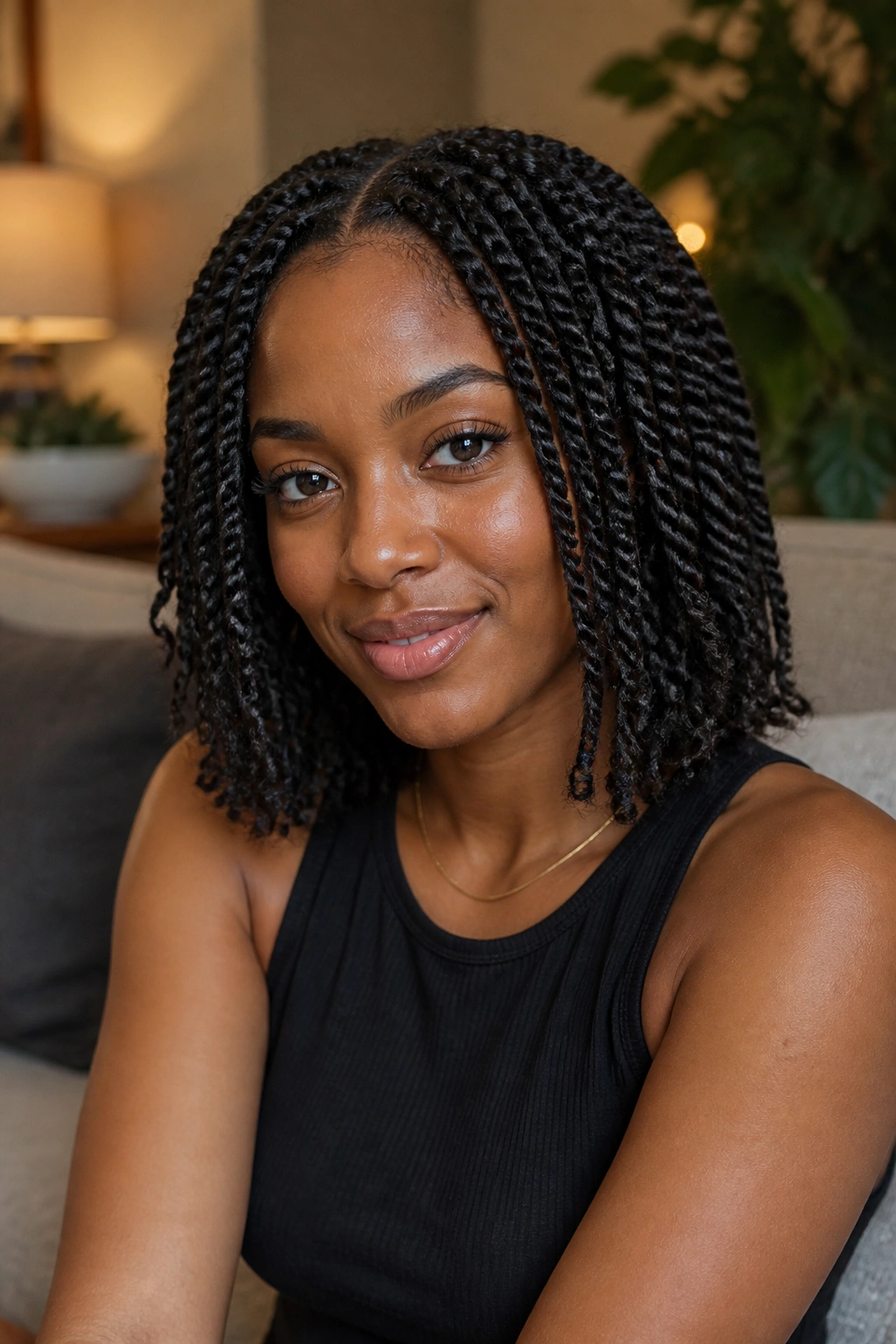
A shoulder-length twist bob hits the sweet spot between short and long. It frames the jawline, swings a little when you turn your head, and stays lighter than a waist-length set. That makes it one of the easiest twist styles to wear daily without feeling buried under hair.
The bob shape works best when the ends sit around the collarbone or just above it. Any shorter and the style can puff outward too much; any longer and it starts to lose the clean bob line. A center part gives it a neat, almost classic look. A deep side part makes it feel softer and less boxed in.
I like this style because it doesn’t demand much. You can tuck one side behind the ear, pin both sides back, or leave it loose and let the ends do the talking. It behaves well with earrings too, which is a small thing, but small things matter.
19. Twists with Cuffs and Thread
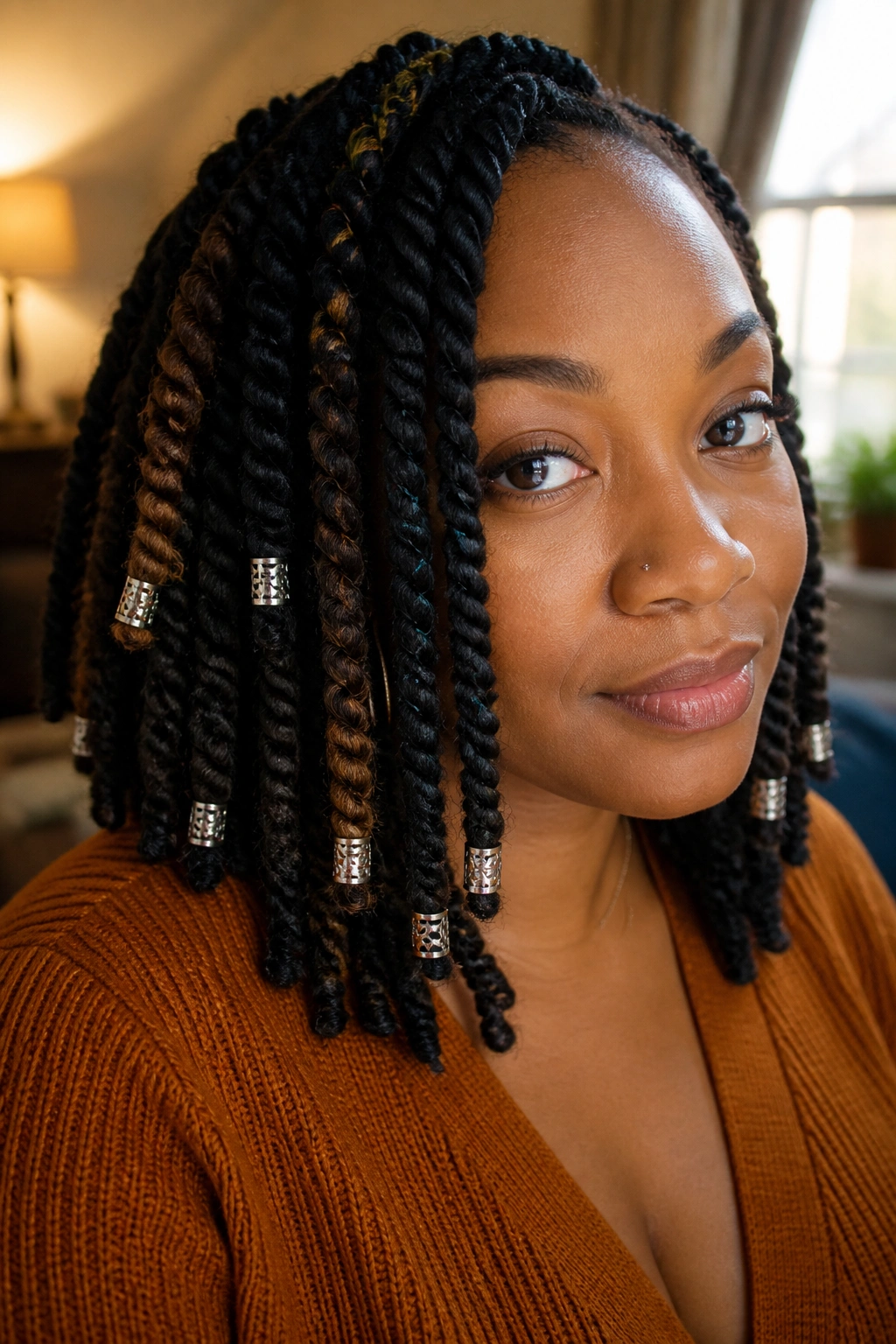
Hair cuffs and thread wraps can turn plain twists into something that looks styled on purpose. The trick is restraint. One silver cuff near the ends of a few twists goes a long way. Ten cuffs scattered everywhere usually looks busy, and not in a flattering way.
Thread brings in color without changing the whole structure of the hair. A thin wrap around one or two sections can pull out a shirt color, a scarf color, or even a lip color if you’re feeling coordinated. I’d keep the palette narrow. Two shades is enough.
A Few Practical Rules
- Place accents on the outer twists, where they show up.
- Keep metal cuffs away from the roots so they don’t snag.
- Use thread that doesn’t shed or pill after a few days.
- Remove accessories gently so the hair doesn’t catch.
The best accessory work looks intentional from a few feet away and subtle up close. That balance is the whole point.
20. Half-Up, Half-Down Twists
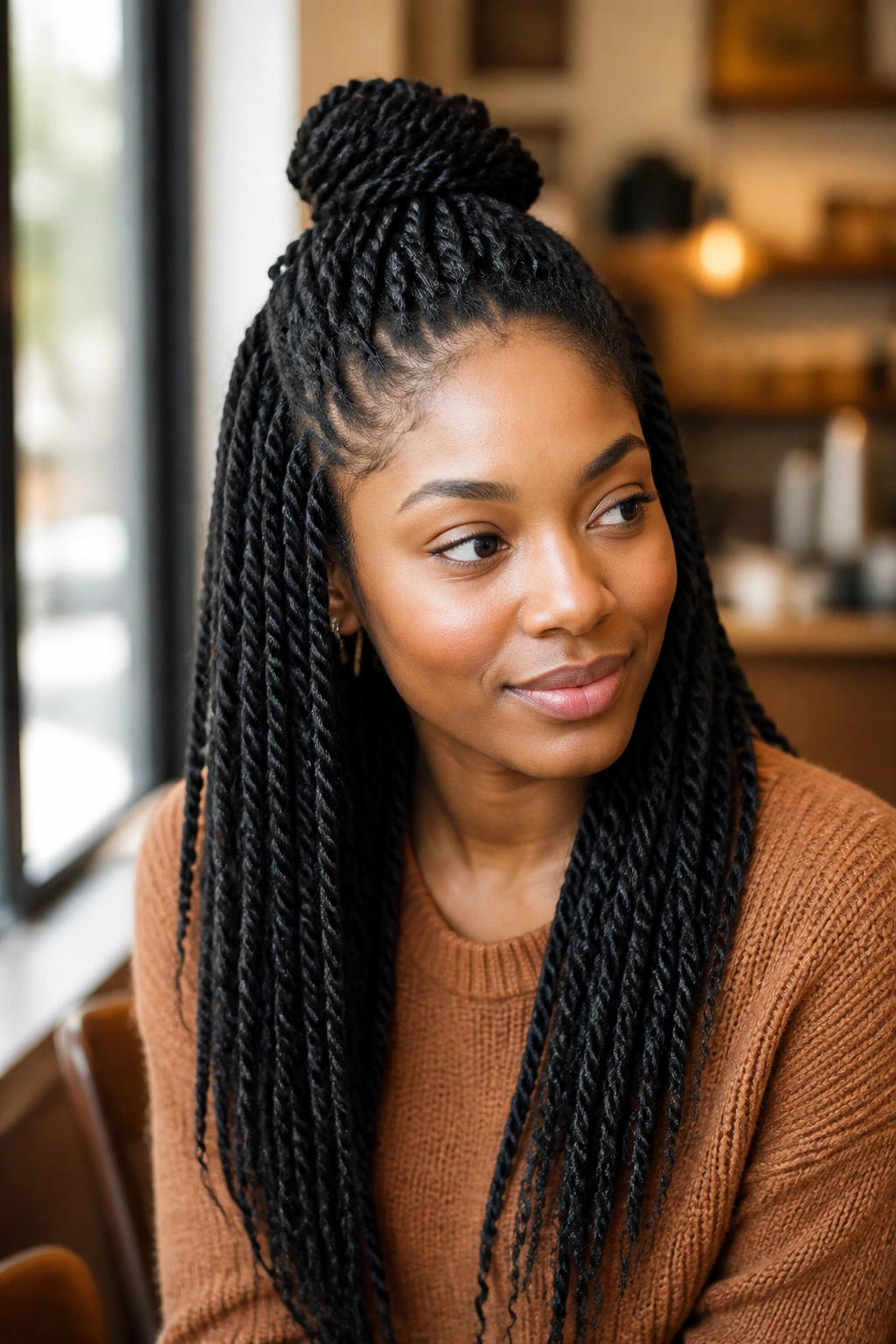
A half-up, half-down twist style gives you the best of both worlds. The face opens up, the crown feels controlled, and the length still hangs where you can see it. It’s a comfortable middle ground when a full updo feels too formal and a full-down style feels too loose.
The top section can be pulled into a knot, clipped back, or gathered into a small puff of twists. The lower section stays free, which adds movement and keeps the style from reading too severe. That freedom makes it work on medium and long lengths especially well.
What I like here is how easy it is to adjust. Tighten the top for a cleaner line, or leave it a little softer for a relaxed finish. You can also switch the parting direction and change the whole mood without redoing every twist. That kind of flexibility is worth having.
21. Twist Mohawk or Faux Hawk
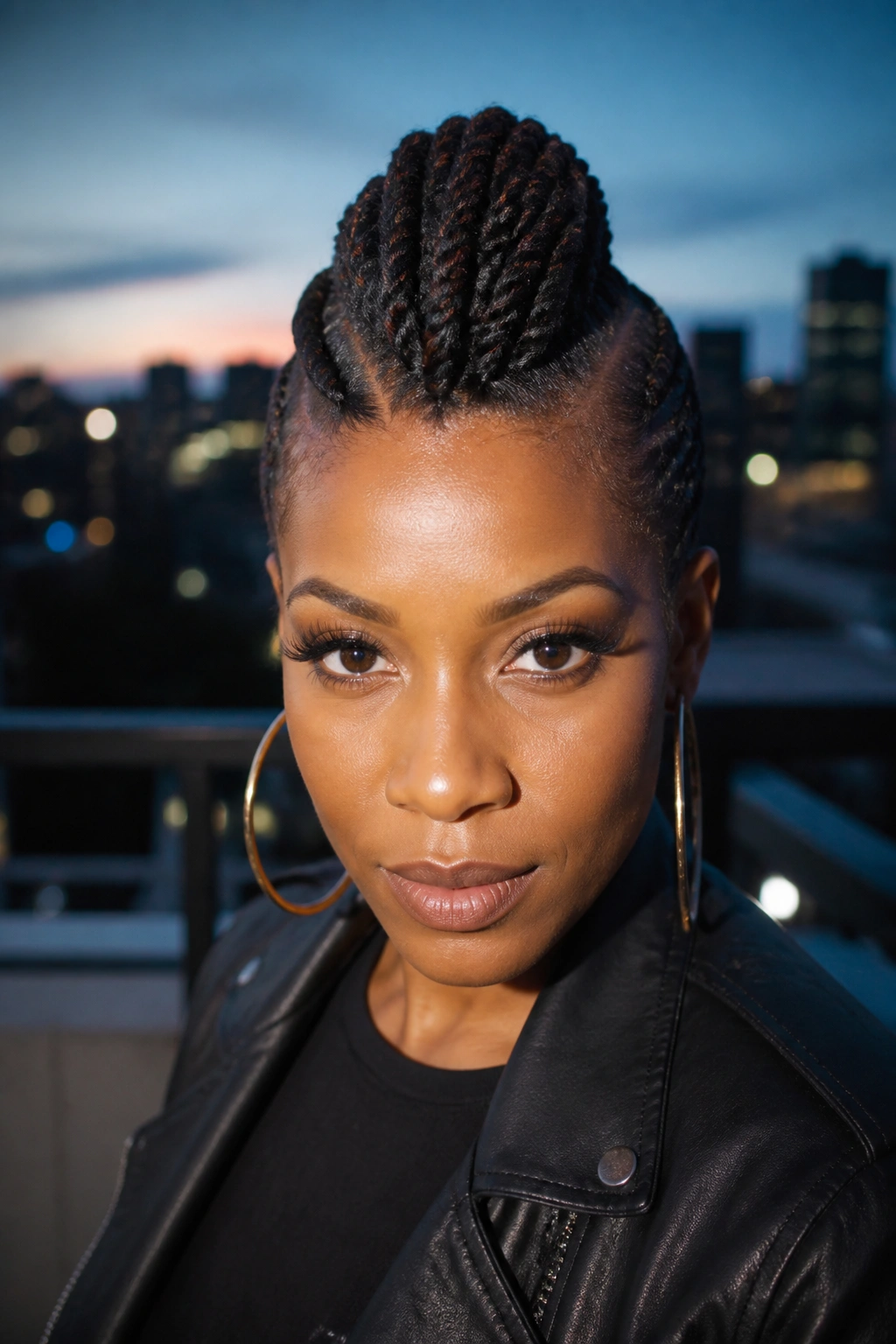
A twist mohawk has edge without needing a lot of extra decoration. The sides are pinned, flat twisted, or tucked close, while the center ridge stays raised and full. It gives the head a strong shape, which is why it works so well when you want the style to stand out.
This one is especially good for nights out, performances, or any time you want the hair to look sharp from every angle. The center can be chunky twists, smaller twists, or a mix of both. What matters most is contrast between the sleek sides and the lifted middle.
Watch the Tension
- Keep the temples gentle.
- Avoid pulling the sides so tight that the mohawk sits on a sore base.
- Use pins that anchor under the twists, not across them.
- Add a little shine to the center ridge if you want the shape to read more clearly.
It’s a dramatic style, yes, but not a complicated one once the shape is right.
22. Tucked Low Twist Chignon
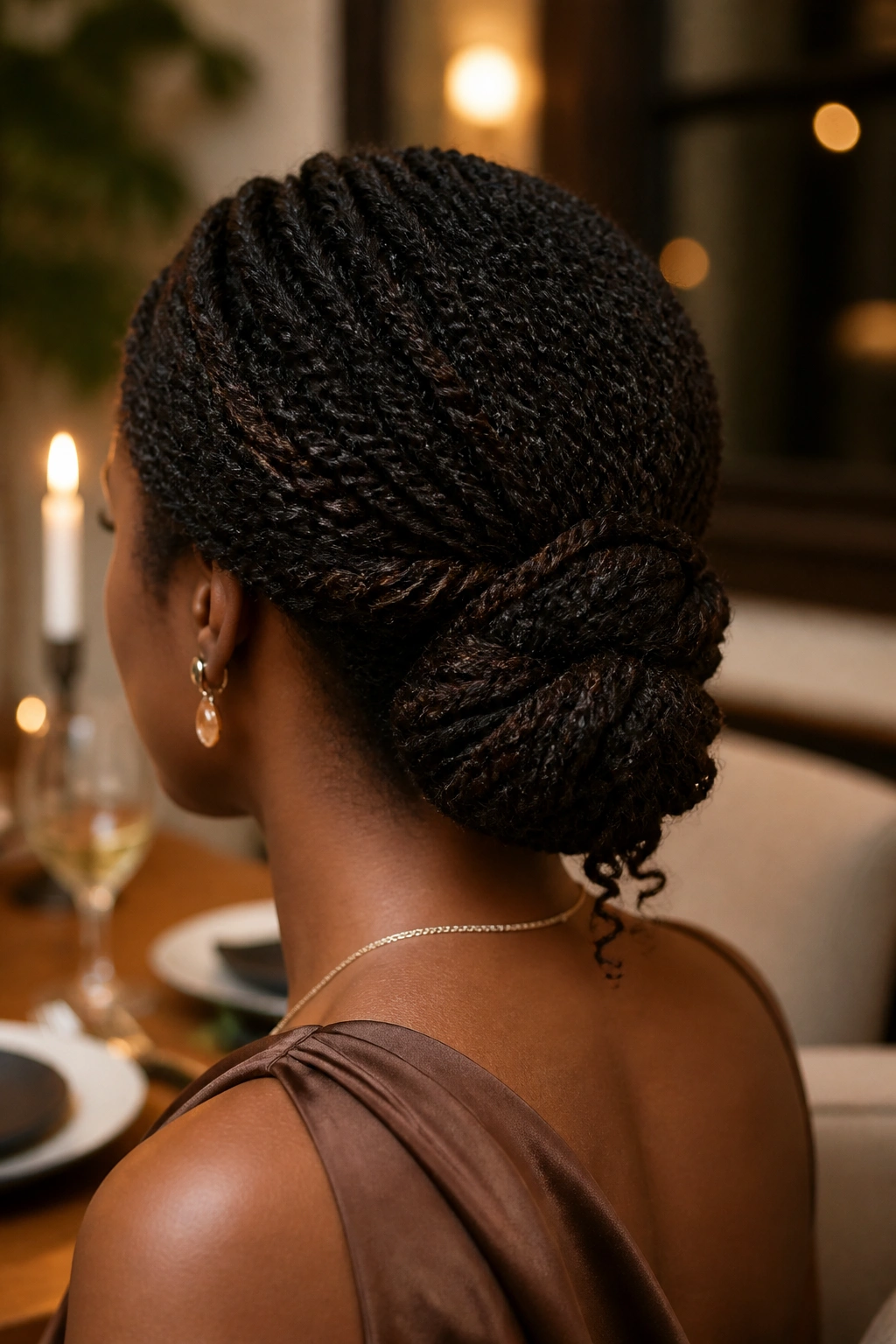
A tucked low twist chignon is the style I’d keep if I could only keep one polished twist look. It sits at the nape, keeps the silhouette clean, and works with almost any outfit that asks for something a little more composed. It’s quiet in the best way.
The finish depends on the tuck. If the twists are folded under neatly, the bun looks smooth and deliberate. If you leave a small twist tail peeking out, the style feels softer and less formal. I usually prefer the second version because it gives the eye something to follow.
This is the one that holds up when the day runs long. It stays sensible at work, then still looks fine at dinner without begging for a full refresh. If you want a twist style that plays nice with jewelry, collars, and a busy schedule, this is the final pin I’d reach for.
