



Fine hair can look flat in a bob if the cut is too polite. The messy bob haircuts for fine hair that actually work share one sneaky trick: they break the outline just enough to make the ends look denser, not thinner.
A chin-length line can be gorgeous, but only if the finish has movement. Leave the shape too soft and it collapses; cut it too shaggy and the ends start to look wispy in a bad way. That narrow middle ground is where the good stuff lives.
I like bobs on fine hair because they do not need a lot of length to look styled. A quick root lift, a blunt edge, a little bend through the mids — that’s usually enough. Heavy layering, on the other hand, is where a lot of people get burned.
What follows are 22 cuts that keep body at the perimeter, create lift at the crown, and make fine strands look fuller without pretending the hair is something it isn’t. Pick the one that matches your texture, not the one that looks best on a mannequin head.
1. Chin-Length Choppy Bob for Fine Hair
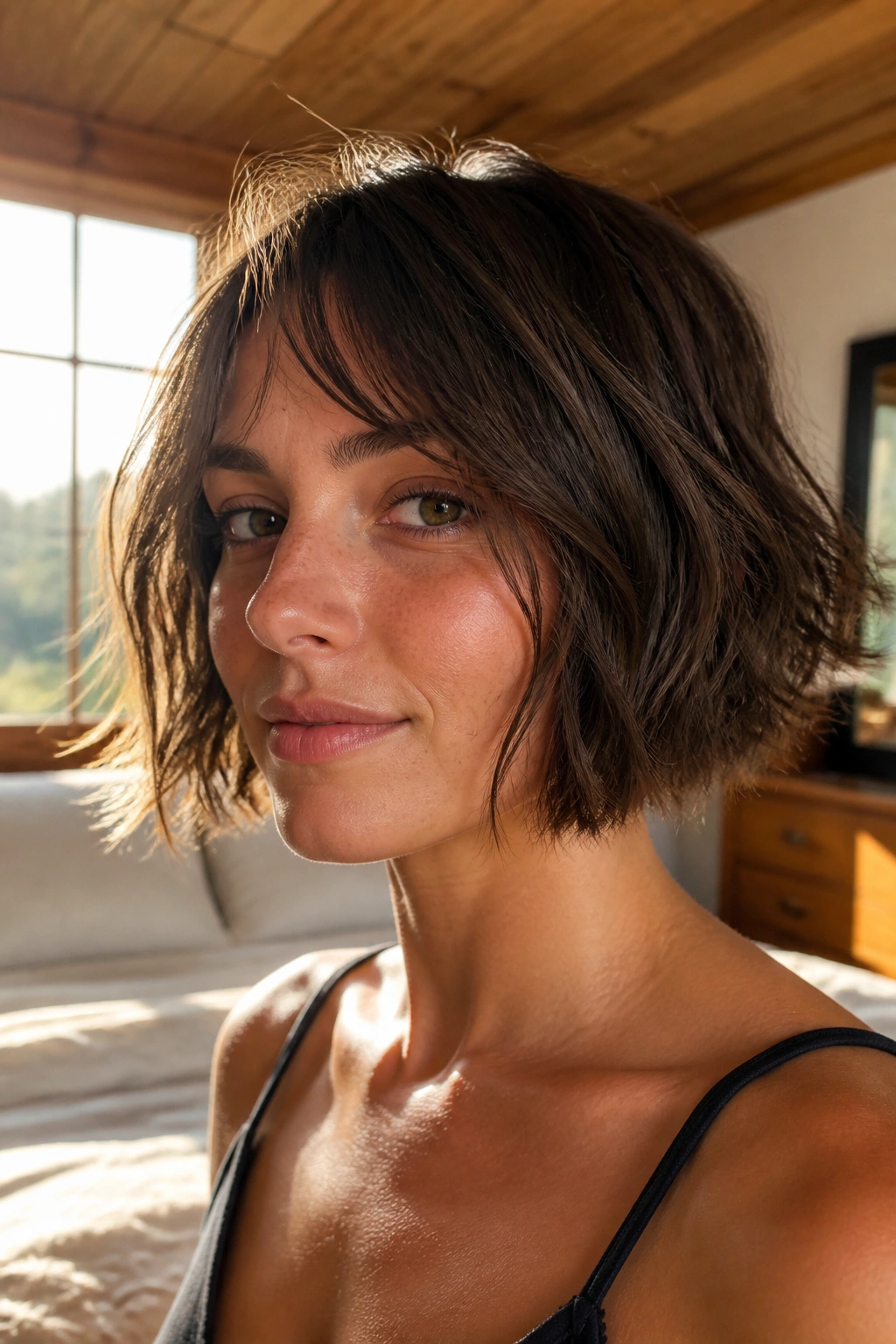
This is the bob I’d hand to someone who wants volume without a lot of fuss. A chin-length cut gives fine hair a clean, solid line, and the choppy finish keeps it from feeling helmet-like.
The trick is in the ends. Ask for soft point cutting through the perimeter, not aggressive thinning. That little bit of irregularity makes the hair move, and movement reads as fullness when the strands are fine.
I’d style this with a walnut-size blob of mousse at the roots, then rough-dry with fingers until the crown feels lifted. A few random bends with a 1-inch iron are enough. Keep the waves loose. Tight curls can make the cut look smaller than it is.
2. Collarbone Lob With Loose Movement
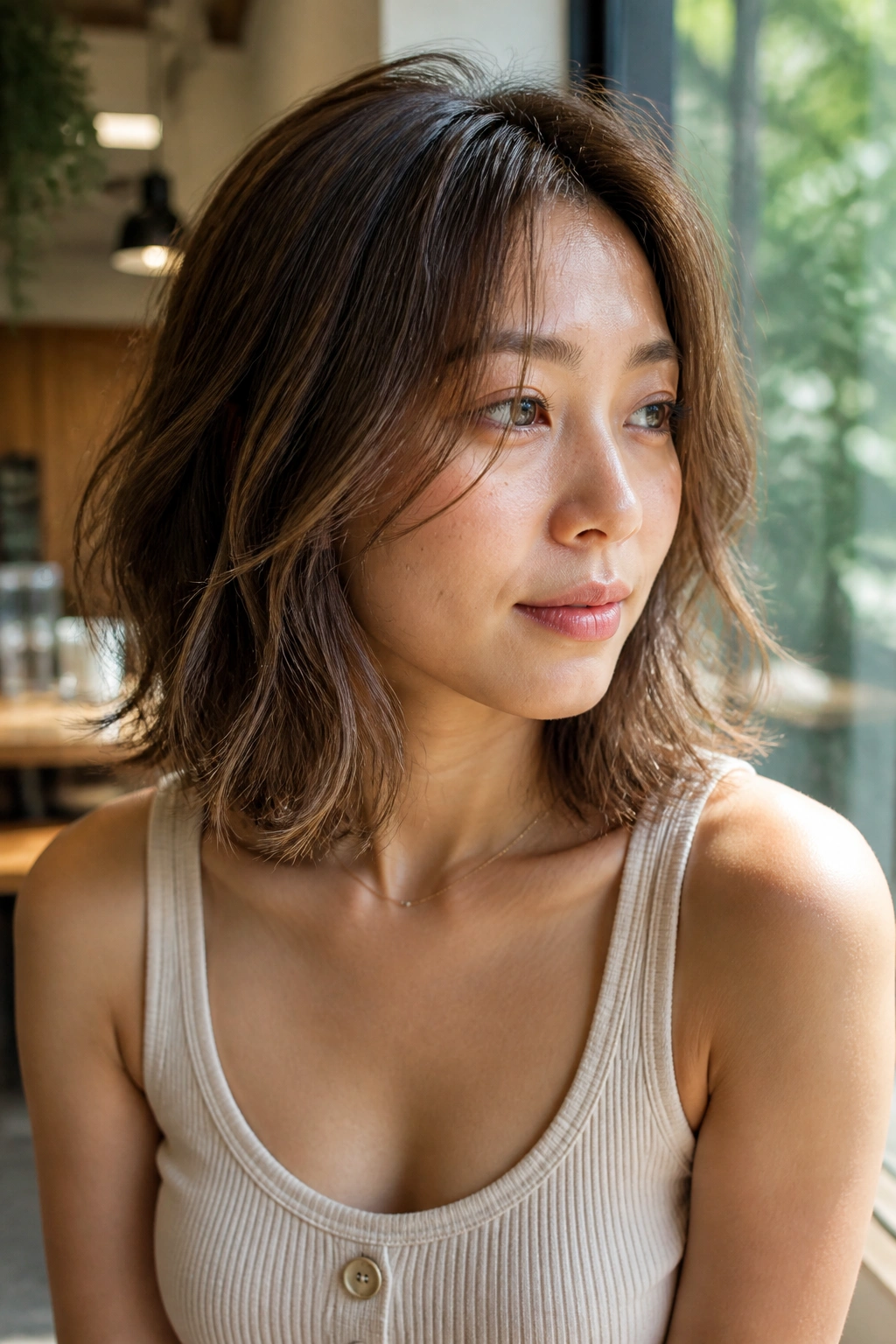
Why do so many fine-haired people land here after trying a shorter bob? Because the collarbone lob gives you room to breathe. The extra length keeps the shape from looking too airy at the ends, which is a real problem with very short cuts on delicate hair.
This version works best when the texture stays soft and slightly undone. Think gentle bends, not polished curls. A deep side part can help if your roots collapse fast, and a couple of face-framing pieces around the cheekbones keep the line from feeling heavy.
If you like hair you can tuck behind your ears, this is a smart choice. It still has that bob feeling, but it behaves more like an easy shoulder-length cut.
3. Blunt Bob With Broken Texture for Fine Hair
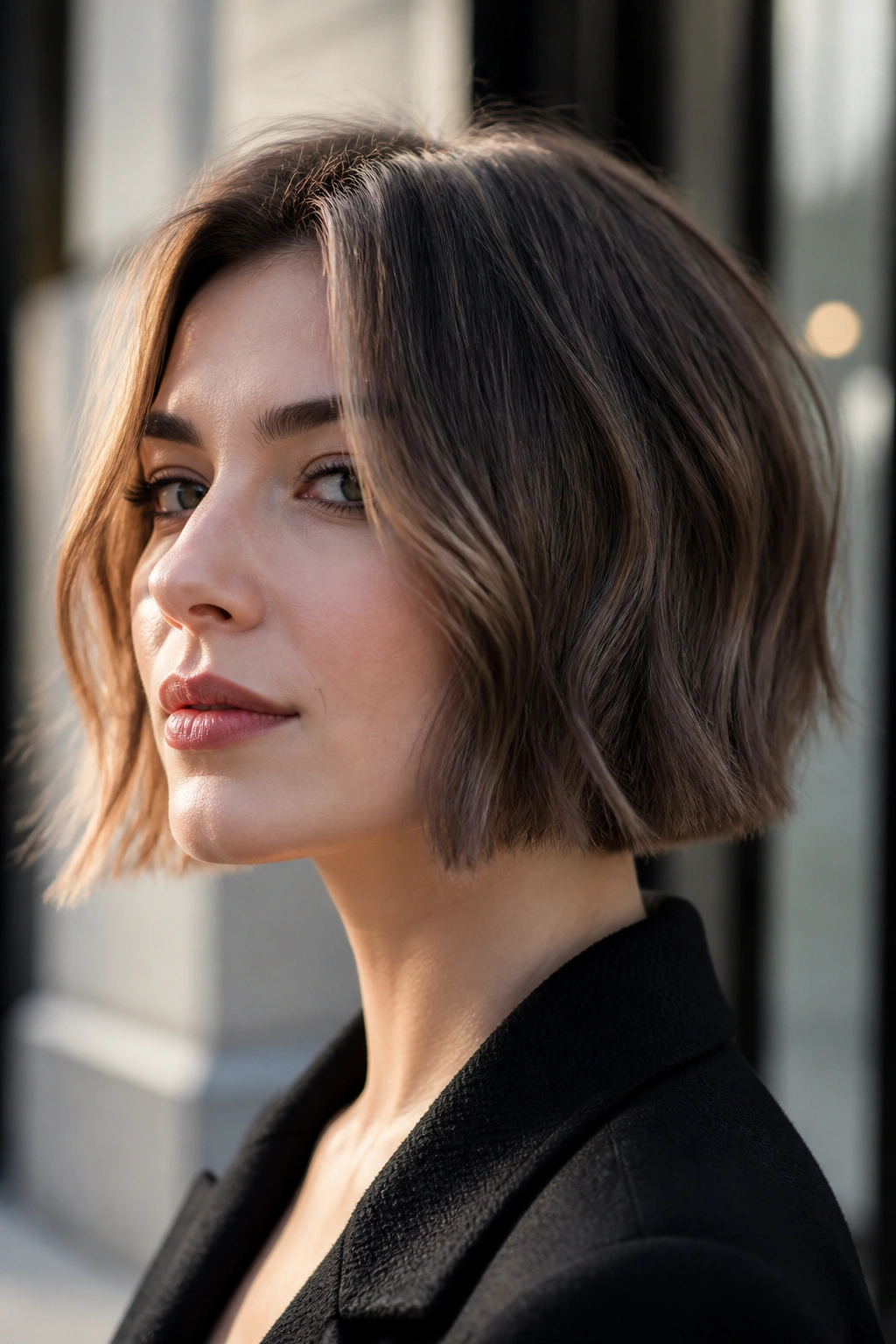
A blunt bob is not the enemy. In fact, a blunt edge is one of the fastest ways to make fine hair look thicker because the eye sees a stronger line at the bottom.
What keeps it from feeling severe is the finish. Ask your stylist to leave the perimeter clean, then break up the surface with a few subtle bends or a light point-cut only at the very ends. Do not let anyone go wild with thinning shears here. That’s how you end up with see-through tips.
- Best on straight or slightly wavy fine hair
- Keep the length at jaw or just below it
- Use a smoothing cream, not heavy oil
- Finish with a slight bevel under the ends
My blunt take: if your hair is fine but dense, this cut can look expensive in the best way.
4. French Bob With Wispy Fringe
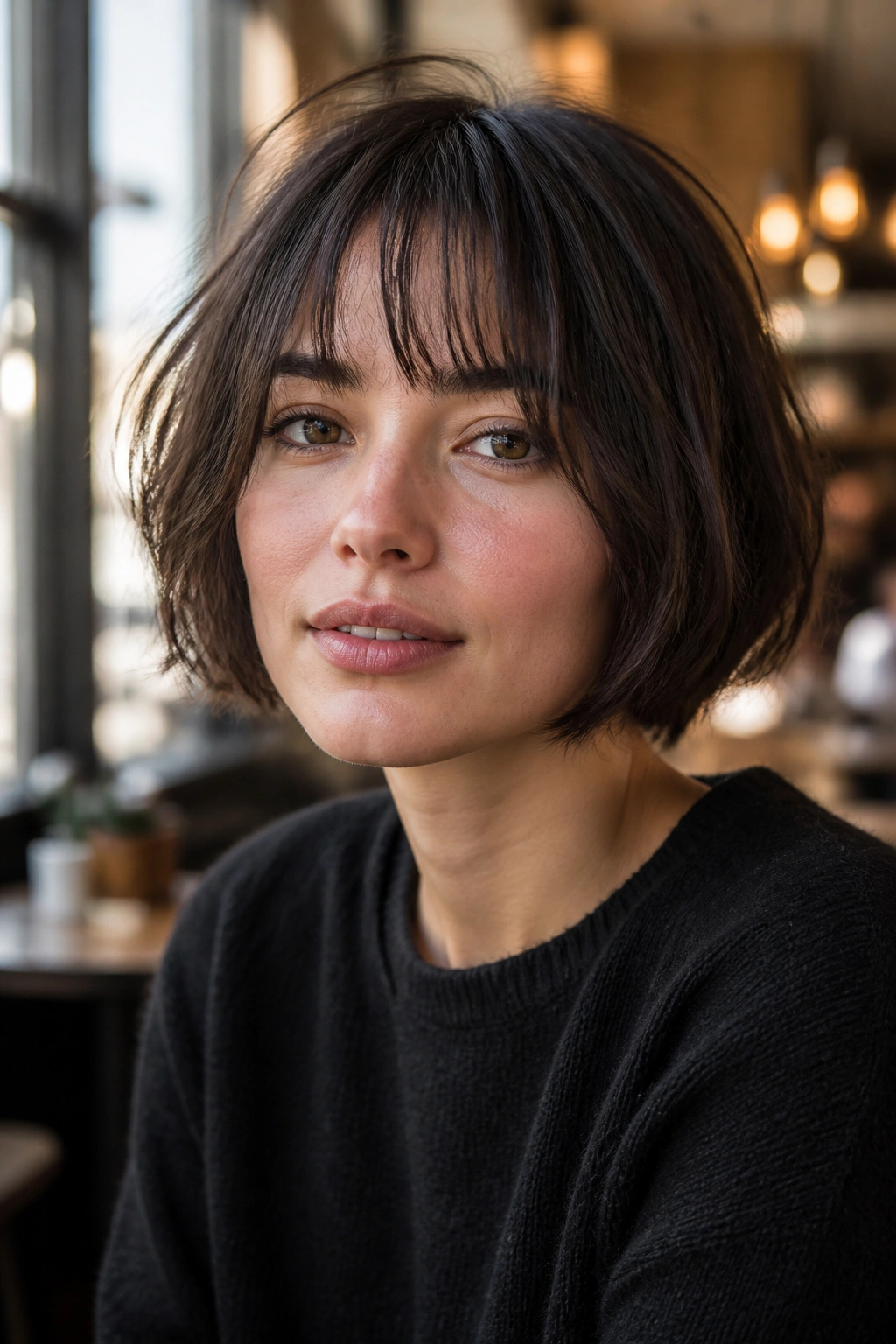
The French bob has a specific attitude. It sits short, usually around the lip or chin, and the fringe lands soft enough to feel effortless rather than fussy. On fine hair, that short length can make the hair look plushier at the bottom because there’s less length dragging the strands down.
The fringe matters here. Too thick, and the face closes in. Too light, and it can look sparse. Ask for a wispy, slightly uneven bang that can be worn straight across or pushed apart with your fingers.
What to ask for at the salon
- A length that hits around the jaw or a touch higher
- Soft, piecey fringe, not a heavy block
- A blunt perimeter with only light texture
- Enough room around the temples so the cut does not feel boxed in
This one shines when the hair has a little natural bend. Dead-straight fine hair can wear it too, but it needs a touch of styling cream and a quick pass with a round brush.
5. Layered Bob With Curtain Bangs for Fine Hair
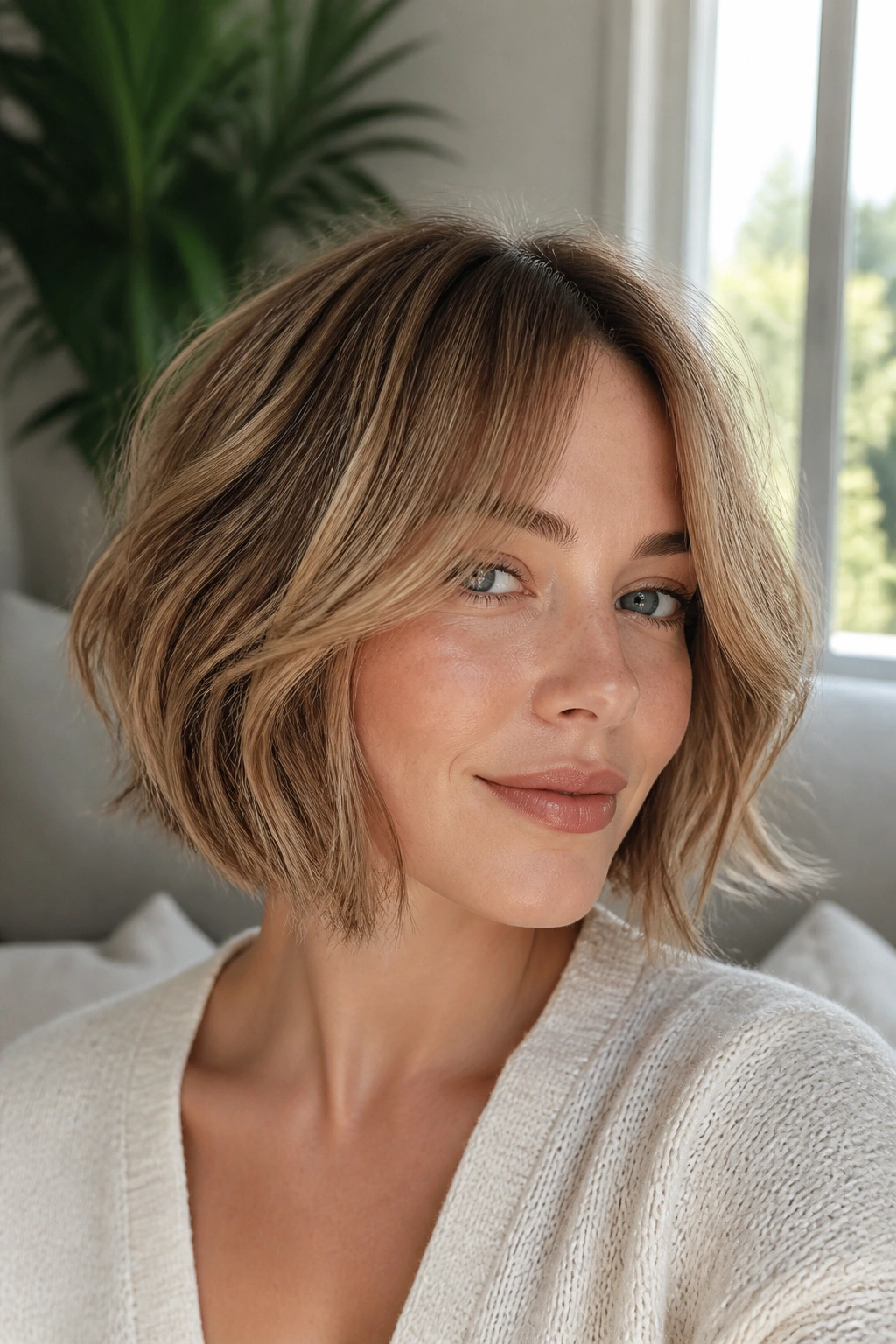
Curtain bangs are a small trick with a big payoff. They open the face, add width around the cheekbones, and keep the front of the cut from feeling flat against the head.
The safest version for fine hair uses longer internal layers that start below the cheekbone, not at the crown. That keeps the top from losing too much body. Fine hair can get stringy fast if the layers begin too high, and I see that mistake all the time.
Why it works
The bangs create movement right where people look first. The bob line stays soft, but the front pieces build shape and make the whole cut feel fuller.
How to wear it
Blow-dry the fringe away from the face with a small round brush, then pinch the ends once they cool. The rest of the hair can stay loose and slightly messy. A little dry shampoo at the roots helps the bangs sit better on day two, too.
6. Wavy Bob With a Side Part
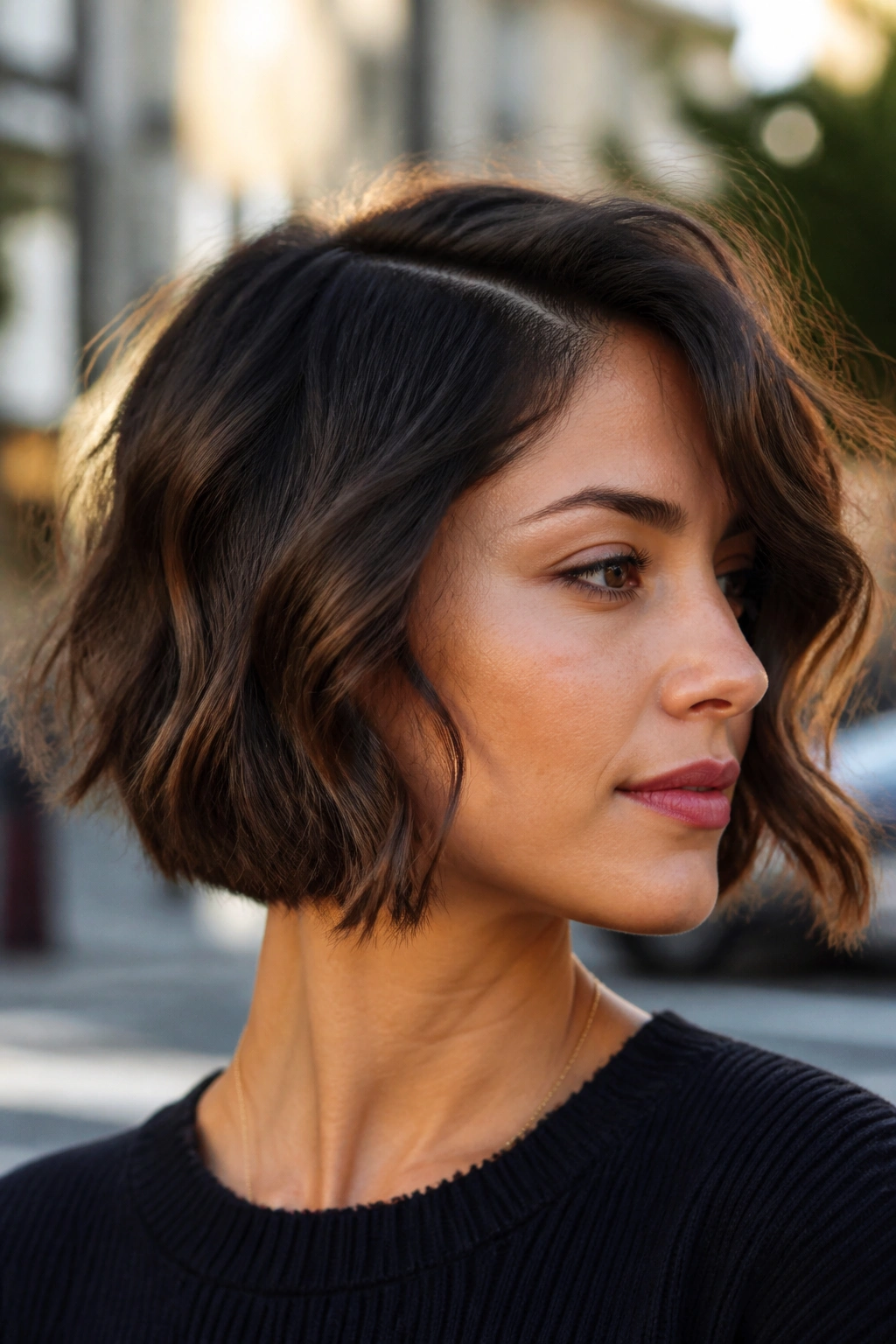
A side part does one thing fast: it steals volume from one side and gives the crown a better shape. On fine hair, that can make the whole bob look less flat without cutting off any length.
This style looks best when the waves are soft and irregular. You do not want every bend to match. That uniform curl pattern can make fine hair feel smaller. Instead, bend a few sections away from the face, let the mid-lengths stay loose, and keep the ends slightly imperfect.
It’s also a nice choice if your hair separates at the top no matter what you do. The side part lets you work with that habit instead of fighting it. Sometimes that’s the whole game.
7. Razored Bob With Feathered Ends
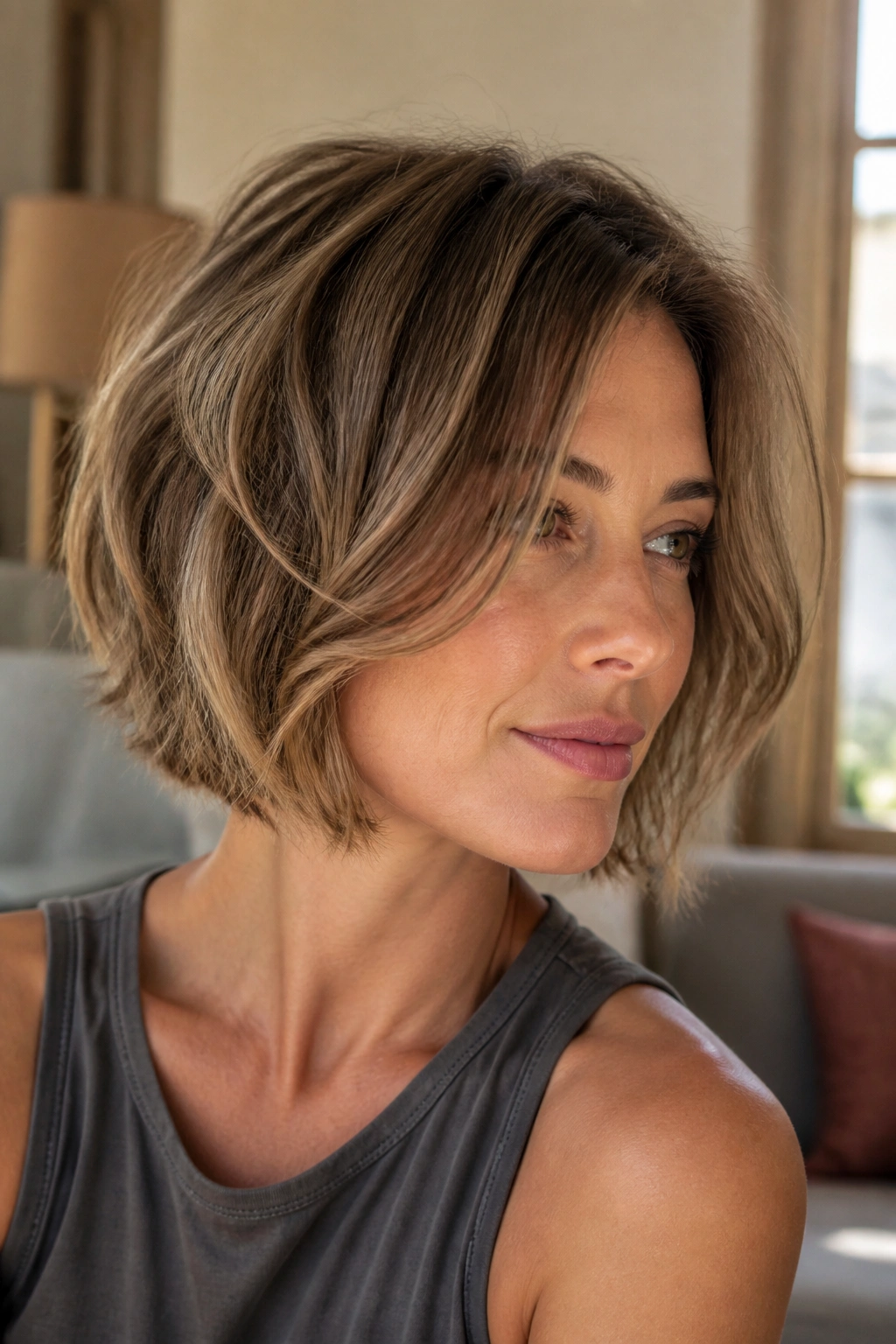
A razor cut can be gorgeous on fine hair, but I’m picky about where it’s used. The best version keeps the body through the middle and feathers only the ends, so the hair moves without fraying.
This is a better pick for fine hair that has some density or a little bend. If your strands are baby-fine and prone to frizz, a razor can make them look too wispy. That’s the catch. On the right head of hair, though, the finish is airy and modern.
- Ask for soft razoring, not aggressive slicing
- Keep the top mostly intact
- Use a light cream to calm flyaways
- Avoid heavy finishing sprays that make the ends piece apart too much
I like this cut on someone who wants texture but hates looking over-styled. It has a cool, lived-in feel when it’s done well.
8. Inverted Bob With Crown Lift
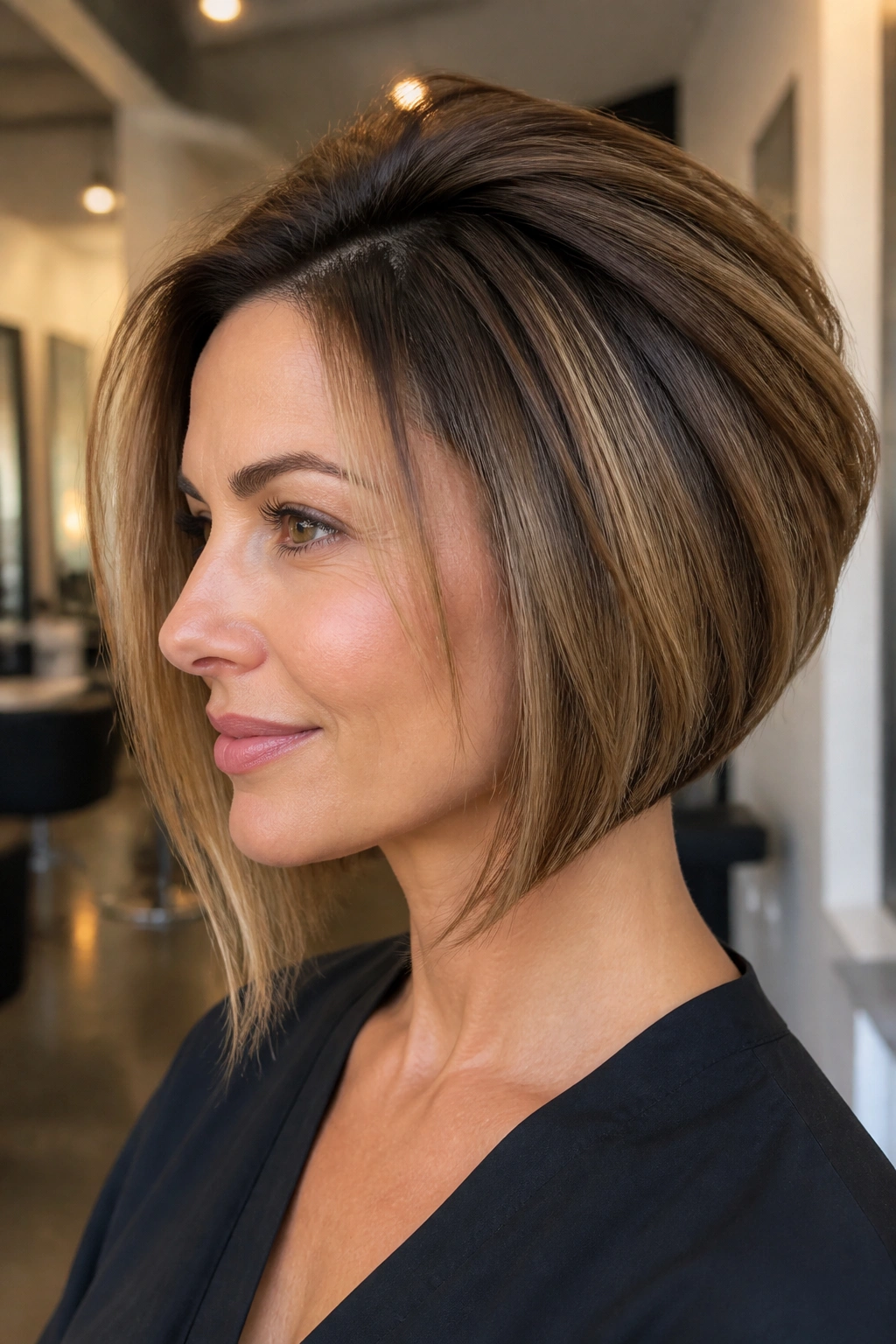
Short in the back, longer in the front. It’s a simple shape, but it does a lot for fine hair. The inverted line gives the crown a little lift and helps the nape sit neatly, which keeps the cut from falling limp behind the ears.
This style is especially handy if the back of your hair tends to collapse while the front feels okay. The shorter back removes weight where you do not need it, and the longer front keeps the face-framing part interesting.
A good blow-dry makes a huge difference here. Lift the roots at the crown with a vent brush or a round brush, then let the longer front sections curve inward just slightly. That little curve is enough. You do not need a perfect set.
9. Piecey Bob With Invisible Layers
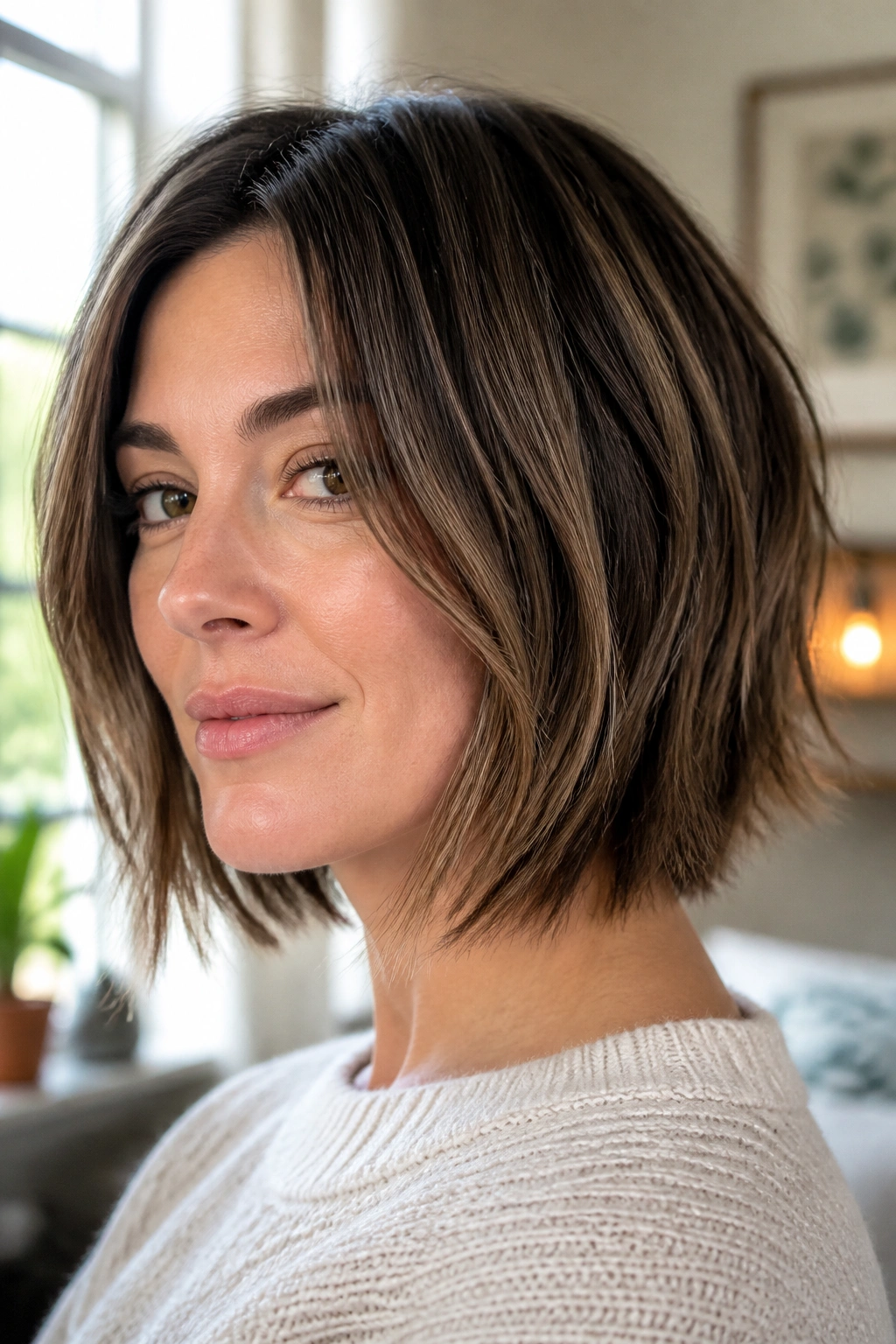
Some layers should never announce themselves. That’s the whole point here. Invisible layers give fine hair movement without leaving obvious steps in the shape, so the bob still looks full at the ends.
This cut works best when the stylist removes weight from the inside of the bob, not the perimeter. The outline stays solid. The inside gets a little breathing room. That’s what keeps the hair from lying like one flat sheet.
The look in practice
You’ll see separation, not chunkiness. Pieces move around the face, but the bottom line stays thick enough to feel intentional.
How to style it
Use a texturizing spray at the mids, then pinch a few strands as they dry. Do not coat the whole head. Fine hair does not need much product to start looking dirty or stringy, and too much separation is the fastest way to lose the fullness you were trying to build.
10. Side-Swept Bang Bob
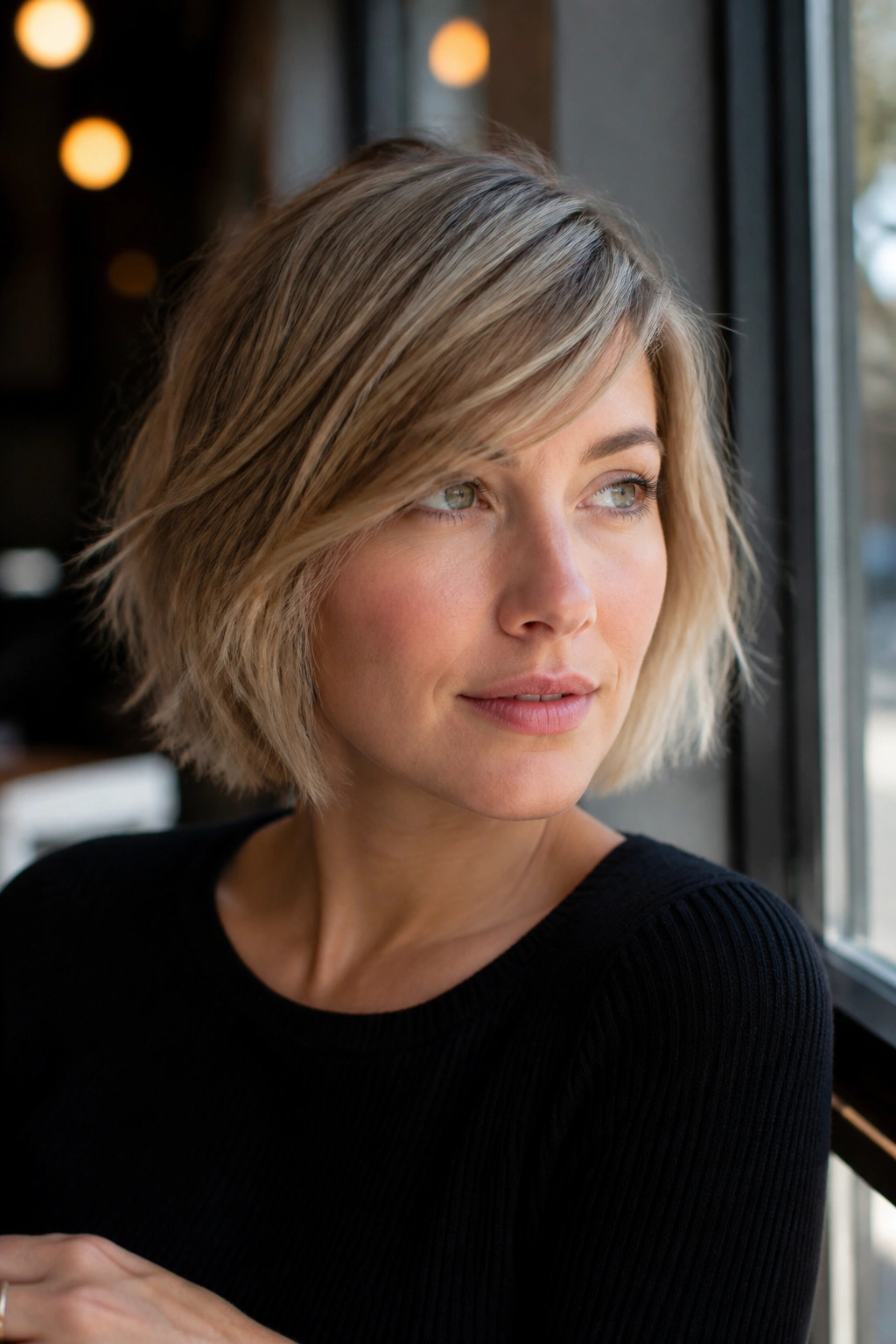
A side-swept bang adds diagonal movement, and diagonal lines are flattering on fine hair. They pull the eye across the face instead of down the part, which makes the overall cut feel softer and fuller.
This version is a nice fit for anyone who wants fringe but does not want the maintenance of a straight-across bang. The longer sweep grows out more gracefully, and it is easier to tuck away on a busy day. That matters. Nobody wants a style that falls apart the second the weather shifts.
I like this on round and heart-shaped faces, but it can work almost anywhere if the bang length is set correctly. Keep the shortest point around the eyebrow or just below it, then let the sweep land around the cheekbone.
11. Jaw-Skimming Box Bob
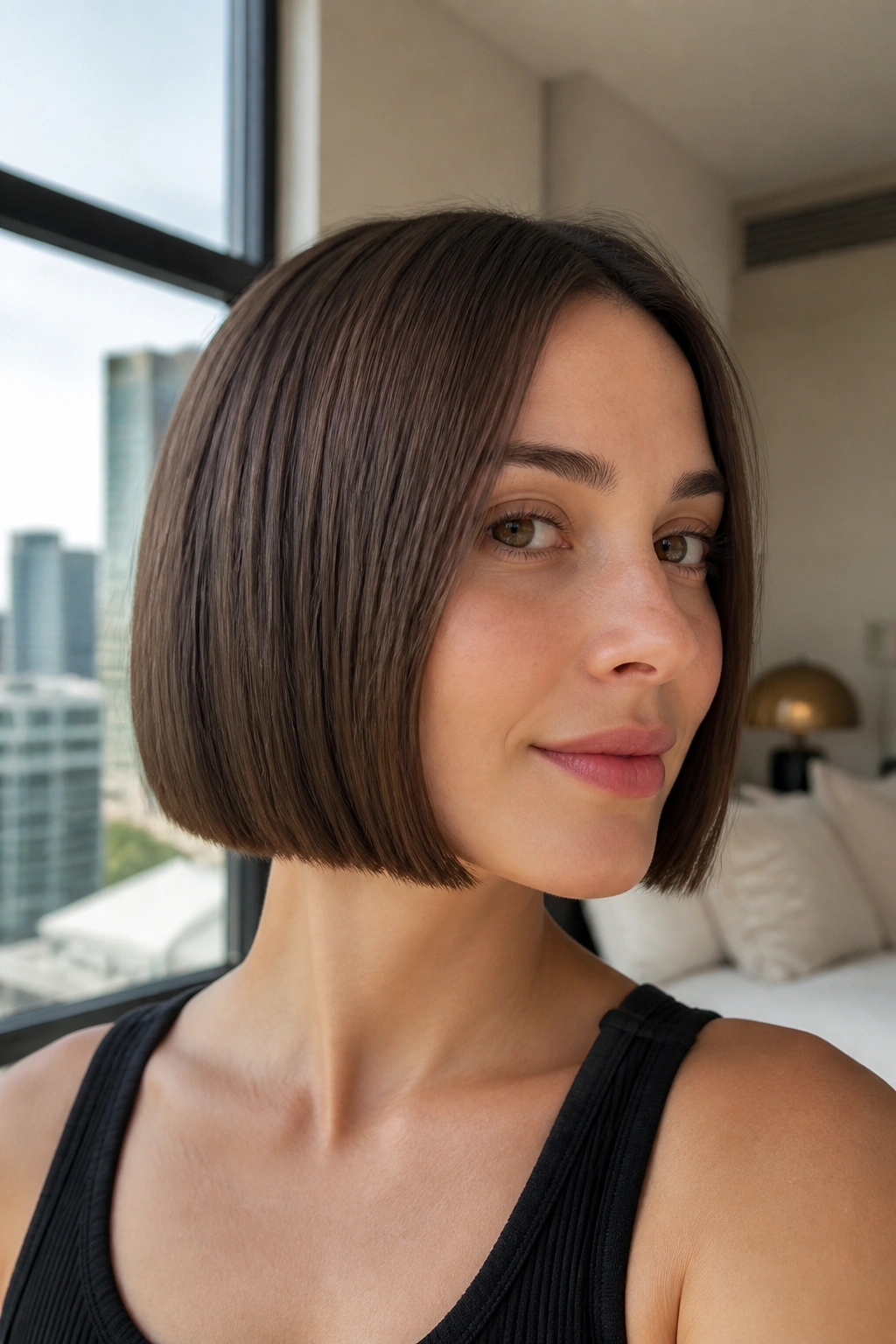
Sharp lines can be kind. A jaw-skimming box bob gives fine hair a crisp outline that makes the ends look thicker, and that boxy shape reads modern without needing a ton of styling.
The key is keeping the perimeter straight and clean. Do not over-layer it. That’s the whole point of the cut. The more you chip away at the bottom, the less density you keep where the eye lands first.
A side part can soften it if you want less of a square feel. A center part makes it feel more graphic. Either way, this bob is a good fit for straight fine hair that loses shape fast. It likes a quick blowout, a dab of smoothing cream, and very little else.
12. Shaggy Bob With Micro Layers
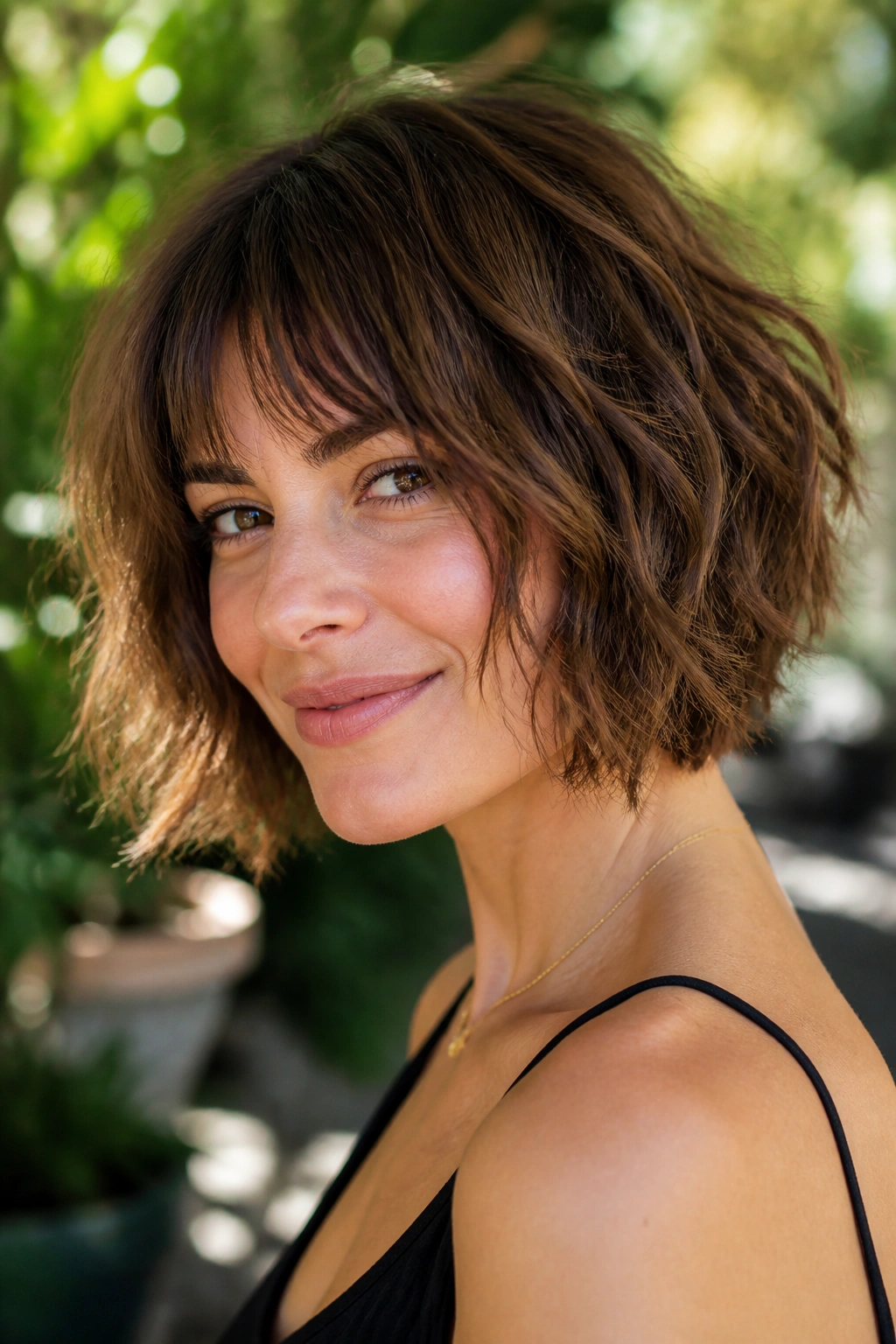
If your fine hair has even a little wave, a shaggy bob can wake it right up. Micro layers add texture in tiny doses, so the cut moves without turning stringy.
This is not the old-school shag with giant, dramatic pieces. It’s quieter than that. The layers sit close together, mostly around the crown and the sides, which creates a soft, broken finish that’s easy to wear.
Who it suits
- Fine hair with natural wave
- Anyone who likes a messier finish
- People who want body around the top, not just the ends
What to skip
- Heavy texturizing if your strands are fragile
- Flat ironing it poker-straight every day
- Too much length, because the shape loses its lift
A little sea salt spray helps here, but use a light hand. Fine hair can go crunchy faster than you expect.
13. Air-Dried Natural Wave Bob
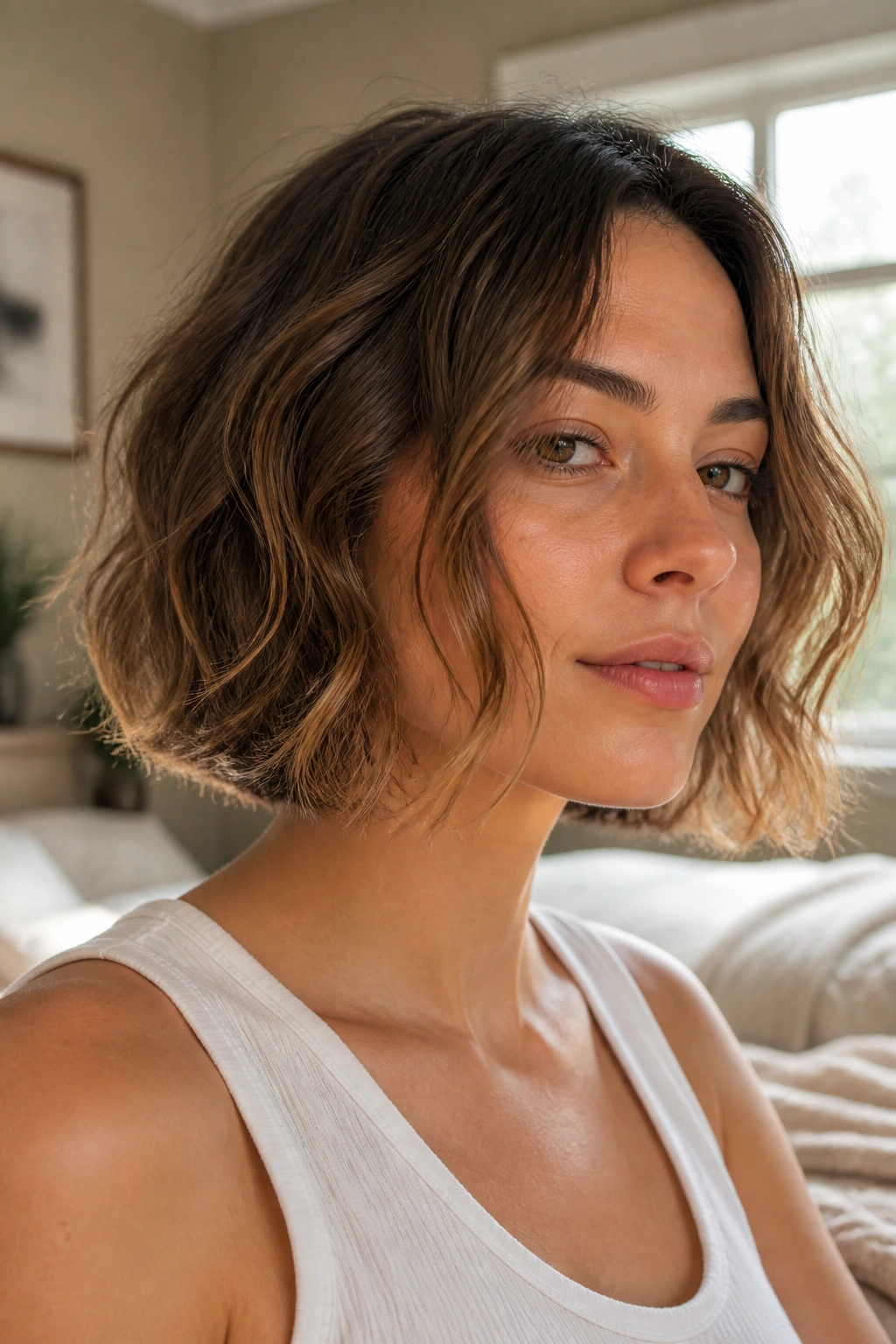
What if your real styling routine is five minutes and a towel? Then this is the cut to pay attention to. An air-dried bob works with the hair you already have, which is a relief if you hate hot tools.
The shape should stay soft at the perimeter, usually around chin to collarbone length, with enough internal support that the hair doesn’t collapse as it dries. Ask for a cut that respects your natural wave pattern instead of fighting it. That means less bulk at the ends and no harsh layering at the top.
A lightweight leave-in and a small amount of mousse can make a huge difference. Scrunch the mids, twist a few front pieces, and leave the hair alone while it dries. Touching it too much is where the frizz comes from.
14. Asymmetrical Bob With One Longer Side
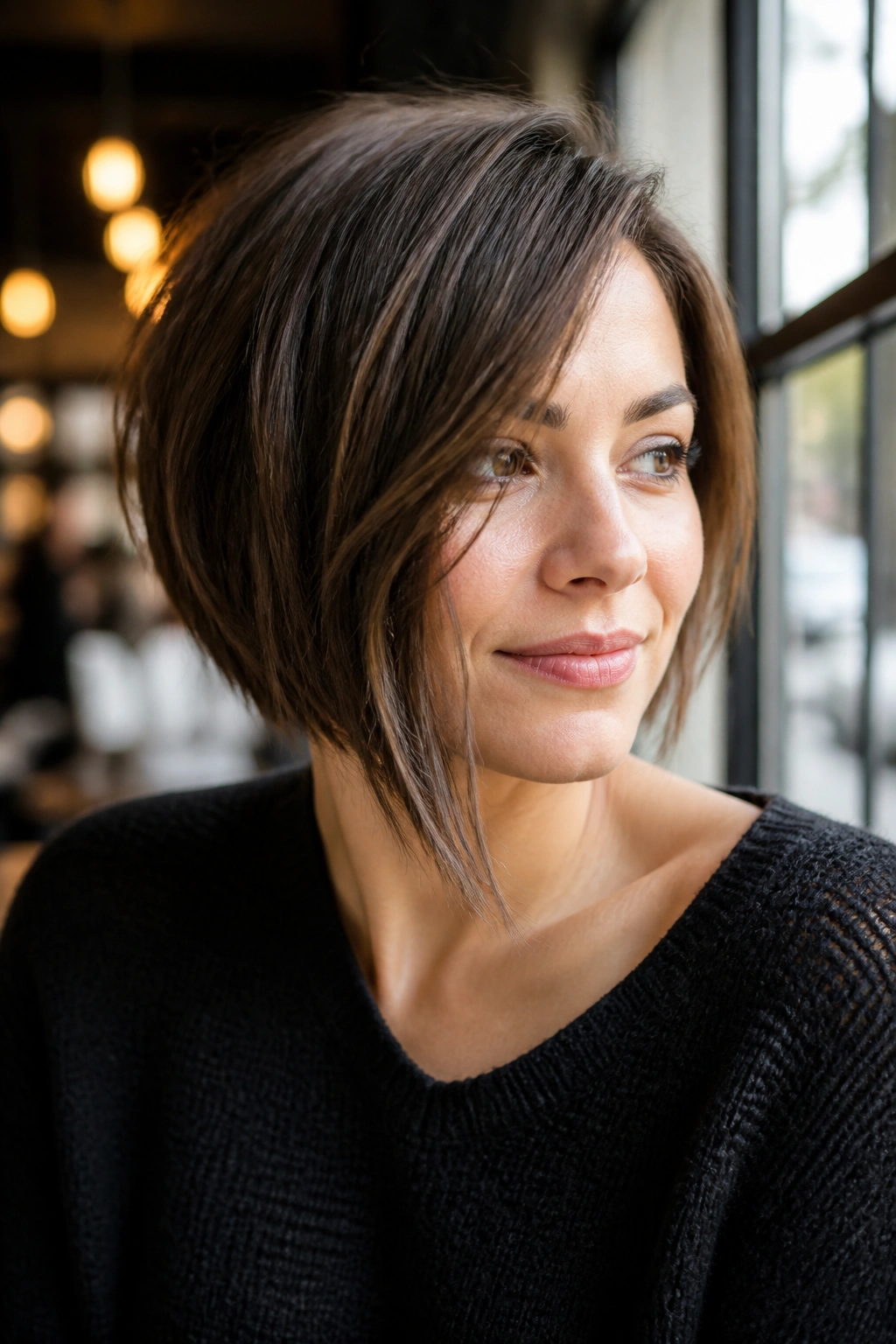
An asymmetrical bob sounds bold, but on fine hair it can be surprisingly easy to wear. The longer side creates a diagonal line that makes the hair feel fuller and more alive, especially when one side tends to fall flatter than the other.
This cut works best when the difference is subtle. One side might sit an inch or so longer, not wildly longer. That keeps the shape from looking costume-y. The point is motion, not drama.
It’s a good choice if you wear your hair tucked behind one ear a lot. The longer side peeks through, which keeps the cut from feeling static. I’d avoid this if you hate trims, because asymmetry loses its shape faster than a classic bob.
15. Bixie-Bob Hybrid
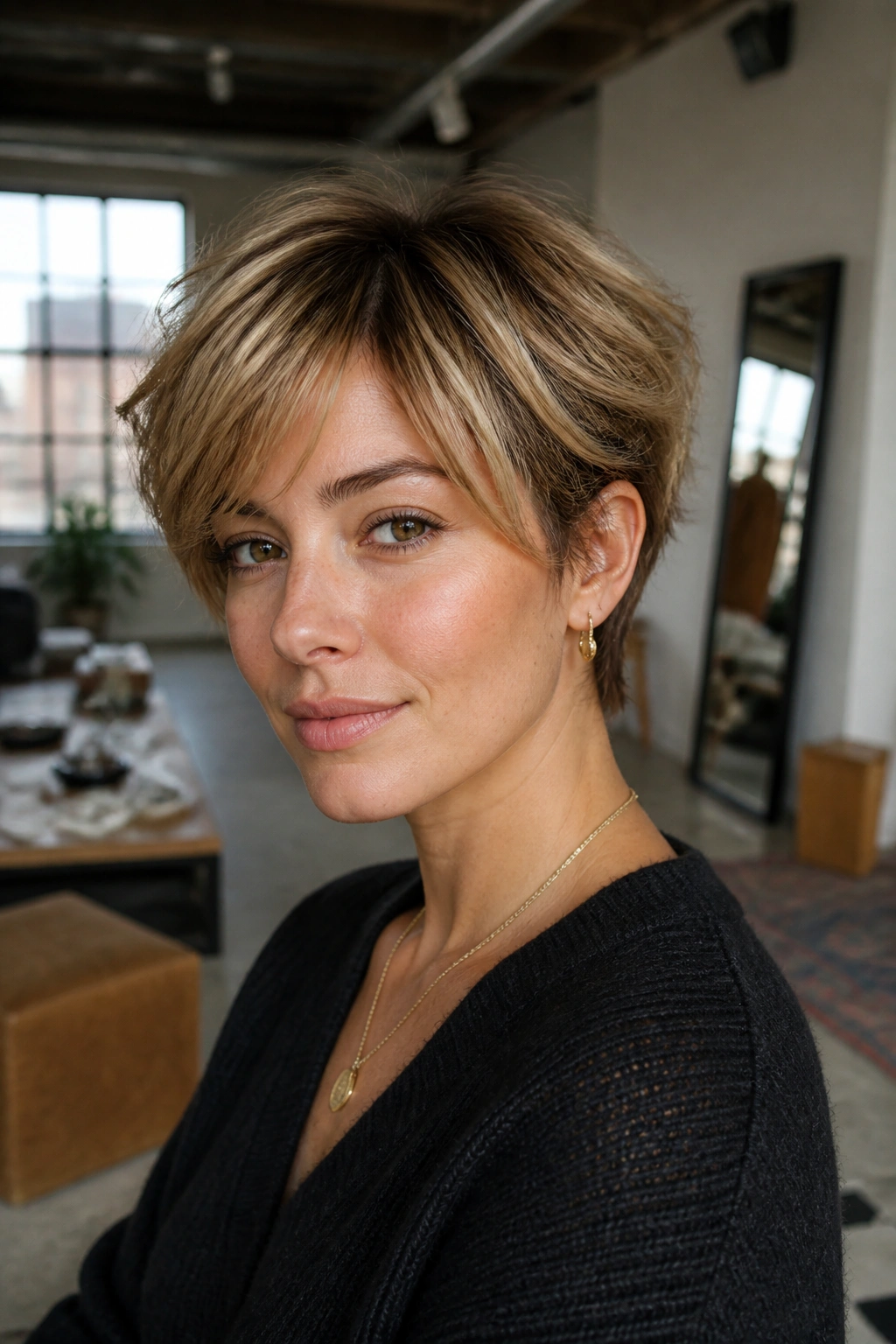
This is the shortest cut in the group, and it has edge without needing a lot of thickness. A bixie-bob hybrid leaves the top a bit longer and the nape close, which gives fine hair a punch of lift where it matters most.
You get pieces that fall around the ears and a soft, cropped shape at the back. It sits between a pixie and a bob, which sounds odd until you see how much body it can create. Less length means less weight, and less weight means more movement at the roots.
- Best for fine hair that gets flat fast
- Works well with subtle texture around the crown
- Needs regular trims to keep the shape open
- Looks especially good with a little piecey styling cream
I would only suggest this if you like short hair on purpose. It’s not trying to be shy.
16. Undone Curly Bob
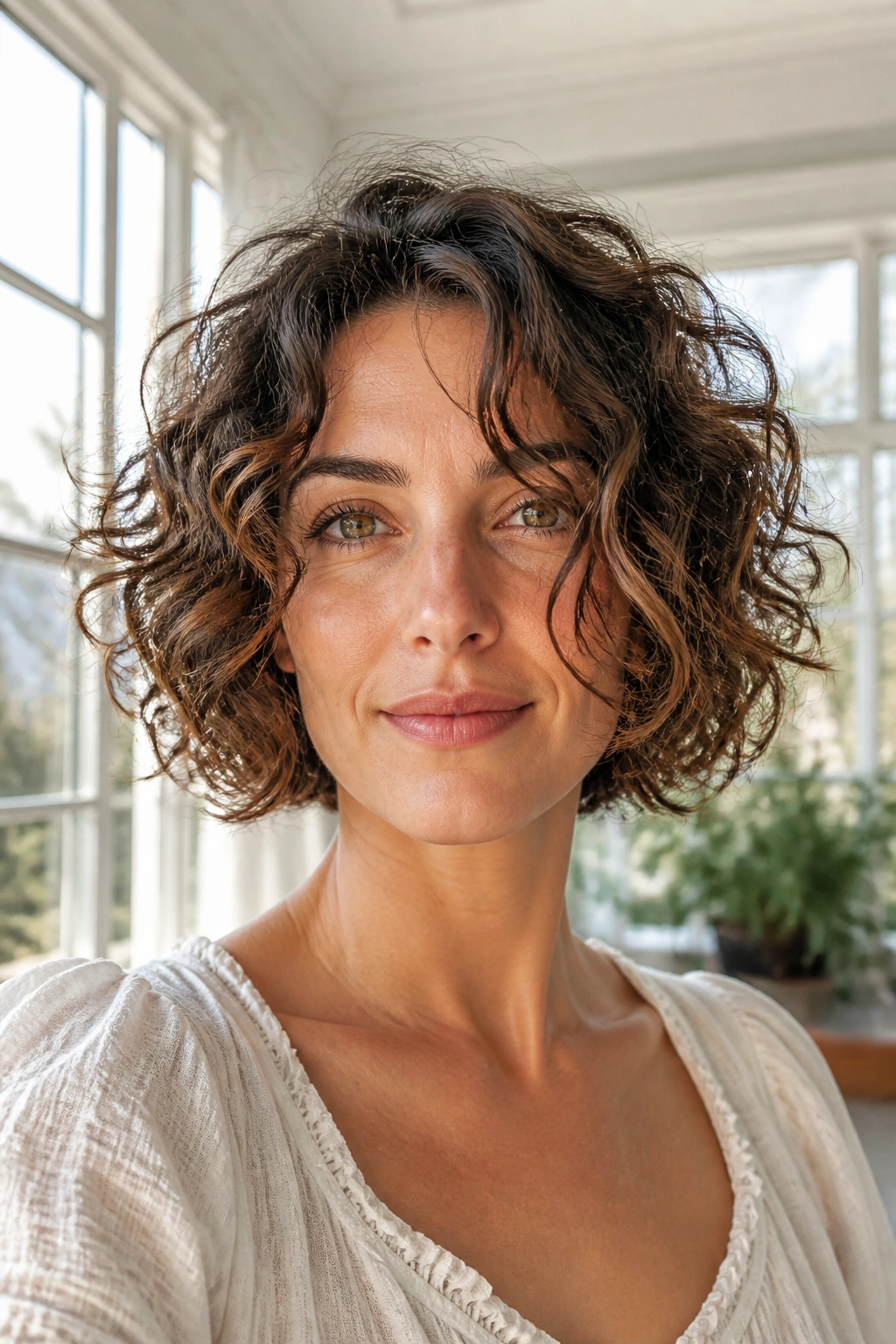
Fine hair with curl is its own thing. It can be soft, springy, and easy to overwork in one bad haircut. A good curly bob respects the curl clump and leaves enough space for the shape to breathe.
The safest move is to cut it dry or mostly dry, so the stylist can see how the curls fall when they’re not stretched. Keep the line around the chin or slightly below, and avoid over-thinning the interior. That often makes curly fine hair look puffy at the top and sparse at the bottom.
Use a light gel cream or curl mousse, then diffuse on low heat or let it air-dry. Do not brush it once it’s set. That’s a fast way to turn tidy curls into frizz.
17. Stacked Bob With Soft Graduation
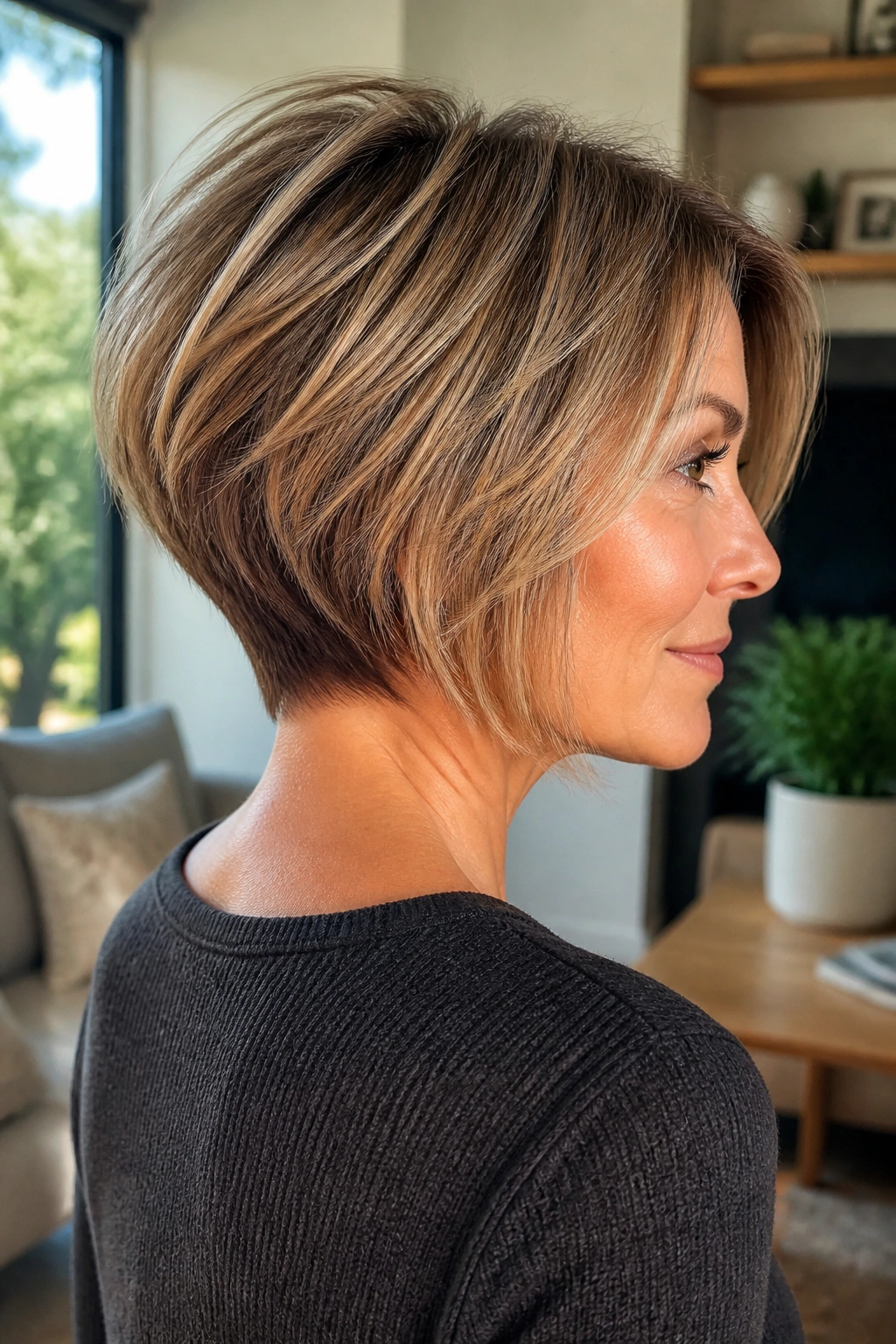
A stacked bob can go very wrong if it gets too stiff. The version I like for fine hair keeps the graduation soft at the back and leaves the crown with a little lift, not a hard shelf.
What soft graduation does
It removes weight near the nape and lets the back rise a little, which helps the bob hold shape. Fine hair often needs that push because it slumps against the neck faster than thicker hair does.
Styling notes
Blow-dry the back with a round brush or a hot air brush, lifting the roots and curving the ends under just a touch. The front can stay looser. That contrast keeps the cut from looking too tidy.
This style is a good fit if you want a bob that looks put together from the back without feeling overbuilt from the front.
18. Tousled Bob With Bottleneck Bangs

Bottleneck bangs are shaped to start narrow at the forehead and open wider as they reach the cheekbones. On fine hair, that shape helps the fringe feel fuller without making it heavy.
The messy bob part is what makes the cut feel relaxed. Keep the ends loose, let a few pieces fall forward, and avoid trying to make the bangs sit in one perfect curtain. That clean center split can look too flat if the hair is delicate.
A light mousse at the roots and a touch of blow-dry cream on the bang area are enough. If the fringe starts to separate too much, back off on products. Fine hair rarely needs the amount people think it does. Less usually wins here.
19. Minimal-Layer Bob With Root Volume
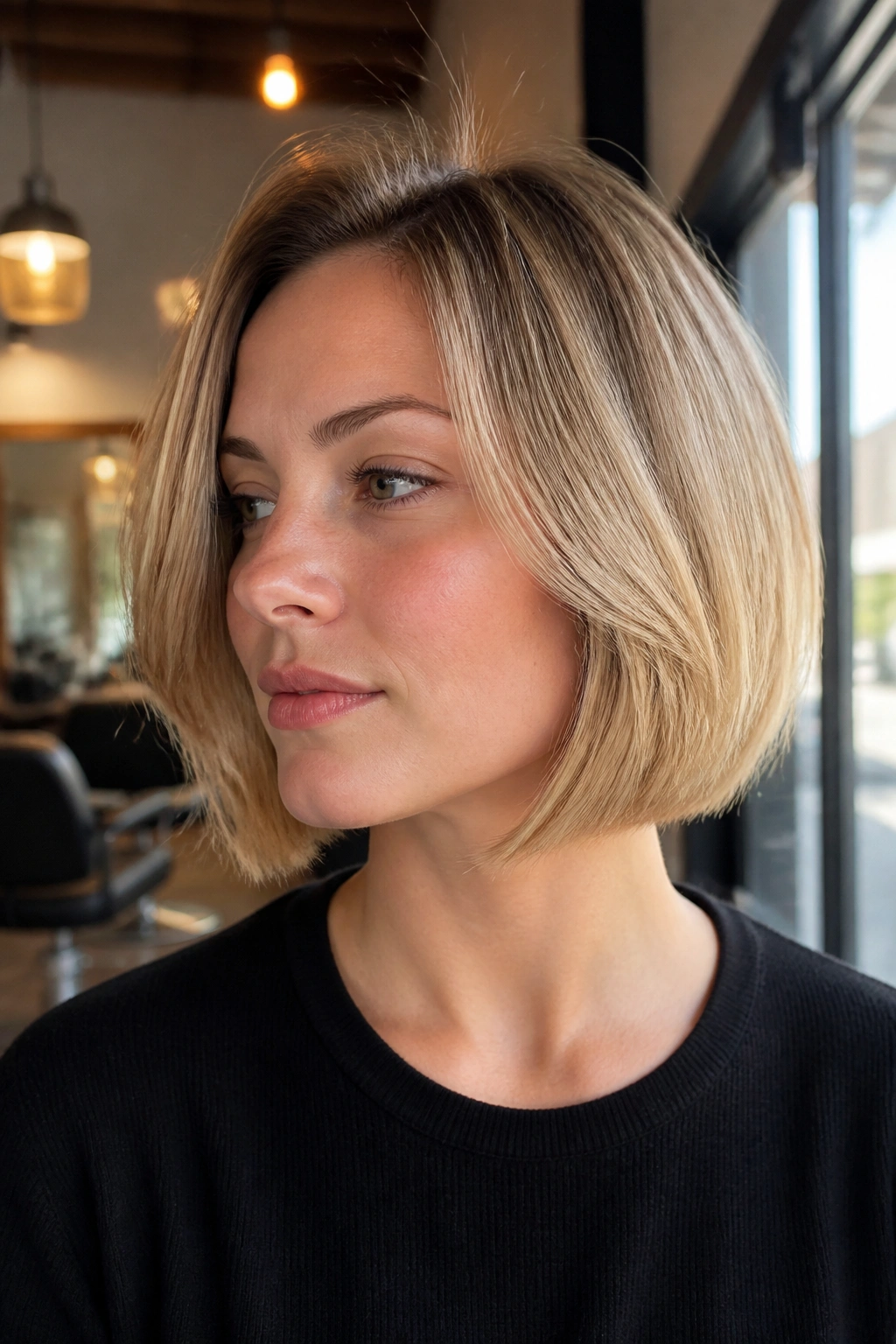
Some people want body without all the texture. Fair enough. A minimal-layer bob keeps the perimeter mostly one length and uses tiny internal layers to help the roots lift.
This is a smart cut if you want polish but hate seeing choppy ends. It can look expensive, clean, and full at the same time, which is not easy with fine hair. The styling matters, though. You’ll get the best result with a root-lifting spray, a round brush, and a quick blow-dry that directs the hair up at the crown before smoothing it down.
- Good for conservative workplaces
- Nice for straight fine hair
- Easier to grow out than a heavily layered bob
- Needs less trimming than a short shag
If you want your hair to look neat on Monday and slightly undone by Friday, this is a strong pick.
20. Rounded Bob With Internal Layers
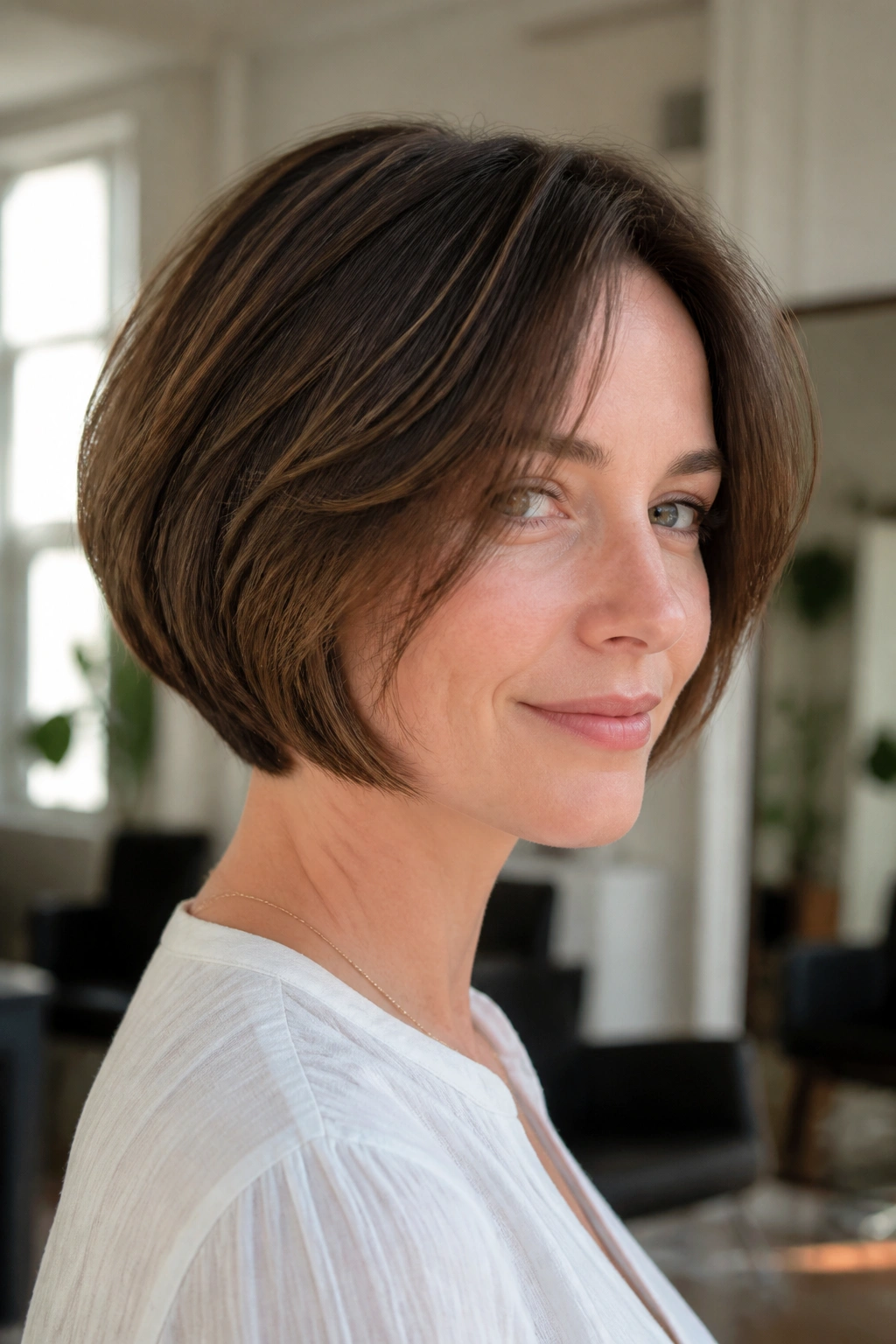
A rounded bob hugs the head in a soft curve, and that curve can be a gift for fine hair. The round shape creates the feeling of density, while the internal layers keep it from turning into a bell.
This cut works especially well if your hair is straight or only lightly wavy. The roundness gives the outline a plush look, and the hidden layers stop the middle from puffing out too much. You want fullness, not bulk in the wrong place.
I’d style it with a round brush under the ends, then lift the crown a bit with your fingers once it cools. A tiny bit of dry texture spray at the roots can keep the shape from collapsing after an hour or two.
21. Nape-Tapered Cropped Bob
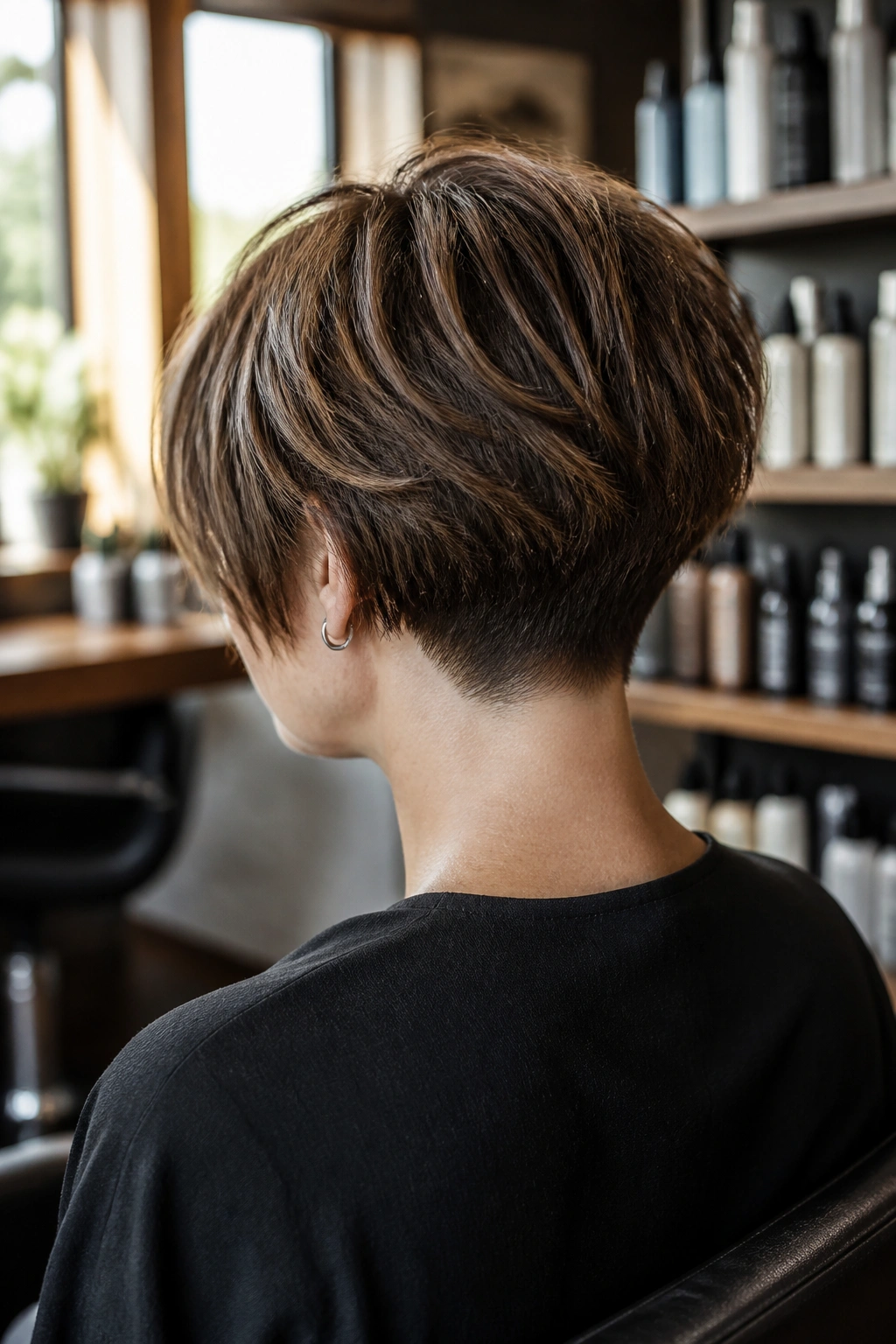
The nape matters. A cropped bob that tapers neatly at the back gives fine hair a clean base, and that clean base makes the rest of the cut look more deliberate.
This style feels crisp when it’s fresh, but it does not have to look severe. Keep the top soft and a little messy, and let the back stay close to the neck. That contrast is what gives the haircut energy. Fine hair often looks best when one part of the shape is controlled and the other part is loose.
It’s a good option if your hair grows out puffy at the back or flips out in awkward ways. A tapered nape keeps that under control. A small detail, sure. But it changes the whole silhouette.
22. Soft A-Line Bob With Airy Ends
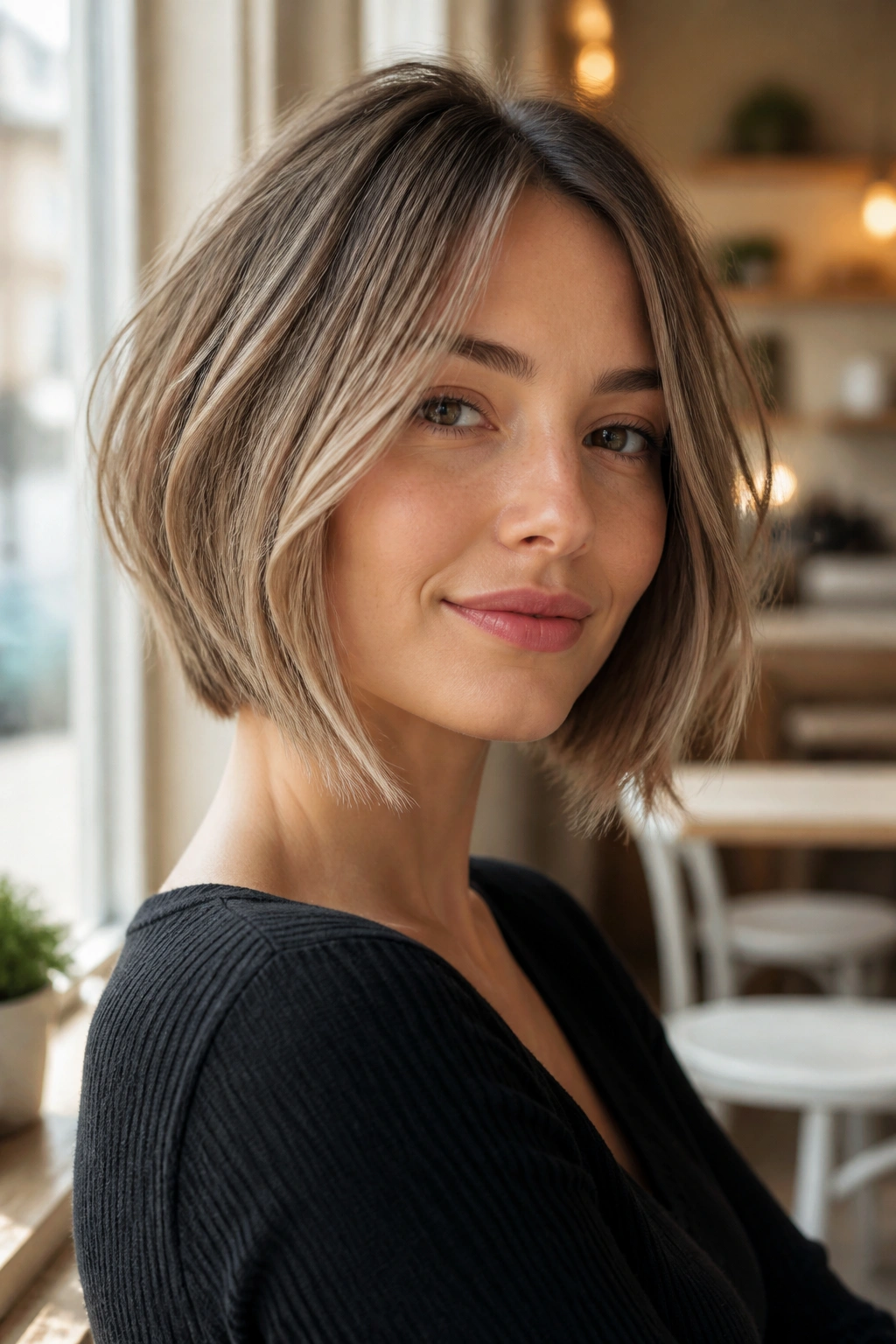
A soft A-line bob is one of those cuts that quietly does a lot. The front stays slightly longer than the back, which keeps fine hair looking full while still giving you movement around the face.
I like this style for people who want something flexible. It can look neat with a smooth blow-dry, or more undone with a little wave spray and finger-styled bends. The slight slope keeps the perimeter from feeling blunt in a stiff way, and the airy ends stop it from looking heavy.
Ask for the difference between front and back to stay subtle — think an inch or two, not a dramatic angle. Too much slope can make fine hair feel thin at the ends. Keep the texture light, the layering controlled, and the outline easy to wear. If you want one cut that can go clean, messy, or somewhere in between, this is the one I’d hand you first.
