



Cool skin tones do not need to hide behind beige blonde. They often look sharper, fresher, and more expensive in blond pink hair color than warm complexions do, especially when the pink leans icy, dusty, mauve, or silver instead of peachy.
That’s the part a lot of color charts miss. Pink is not one note. A sheer rose glaze on a level 10 blonde reads nothing like a smoky berry melt on a darker blonde, and the difference matters even more when your skin has blue, pink, or violet undertones. If silver jewelry looks better on you than yellow gold, you probably already know the kind of pink that wins.
The trick is keeping the blonde base pale enough for the pink to sit on top instead of fighting it. Once the hair starts drifting too golden, the whole look gets muddier fast. Clean blonde. Clean pink. That’s the sweet spot.
Some of the shades below are whisper-soft, some are louder, and a few are for people who want their hair to look like it belongs under studio lights. A few need regular glossing to stay crisp. A few are easier to wear than they sound. All of them can flatter cool skin tones when the tone work is done right.
1. Icy Rose Blonde
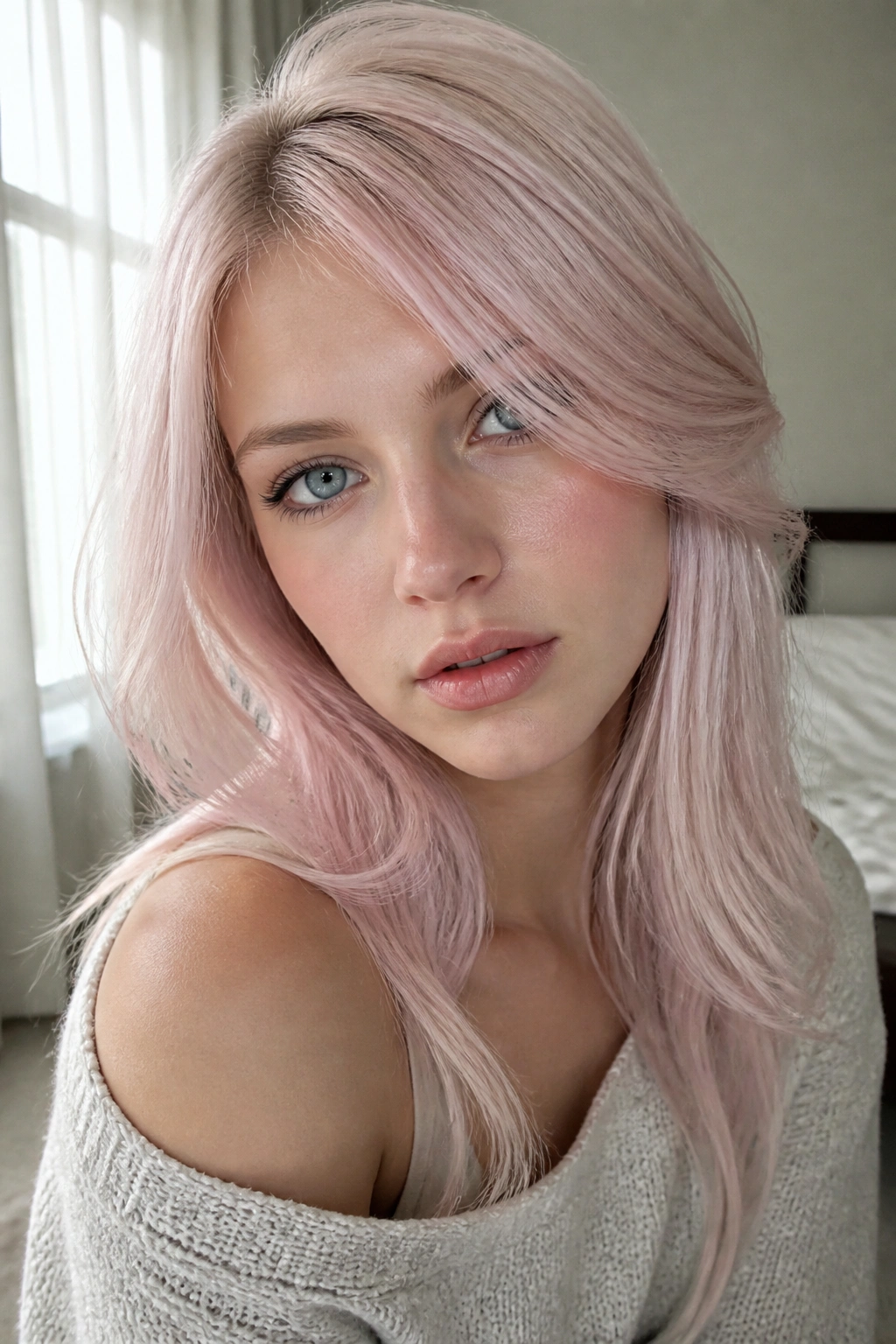
This is the shade I hand to people who want pink hair but do not want anything sugary or loud. The blonde base stays pale, almost platinum, and the pink sits on top like a thin rose veil rather than a thick color block.
Why It Works
The coolness comes from the balance: level 10 blonde, violet toner, and the lightest hint of rose. On cool skin, that mix keeps the face looking clear instead of flushed. It also softens sharp features in a nice way without turning the hair warm.
- Ask for a pale blonde lift to level 10.
- Finish with a sheer rose gloss that has a violet base.
- Keep the root shadow cool beige, not gold.
- Refresh the pink every 4 to 6 weeks if your hair porosity is high.
Best move: keep your makeup cool too. A muted pink lip and taupe blush make this shade look polished fast.
2. Pearl Pink Platinum
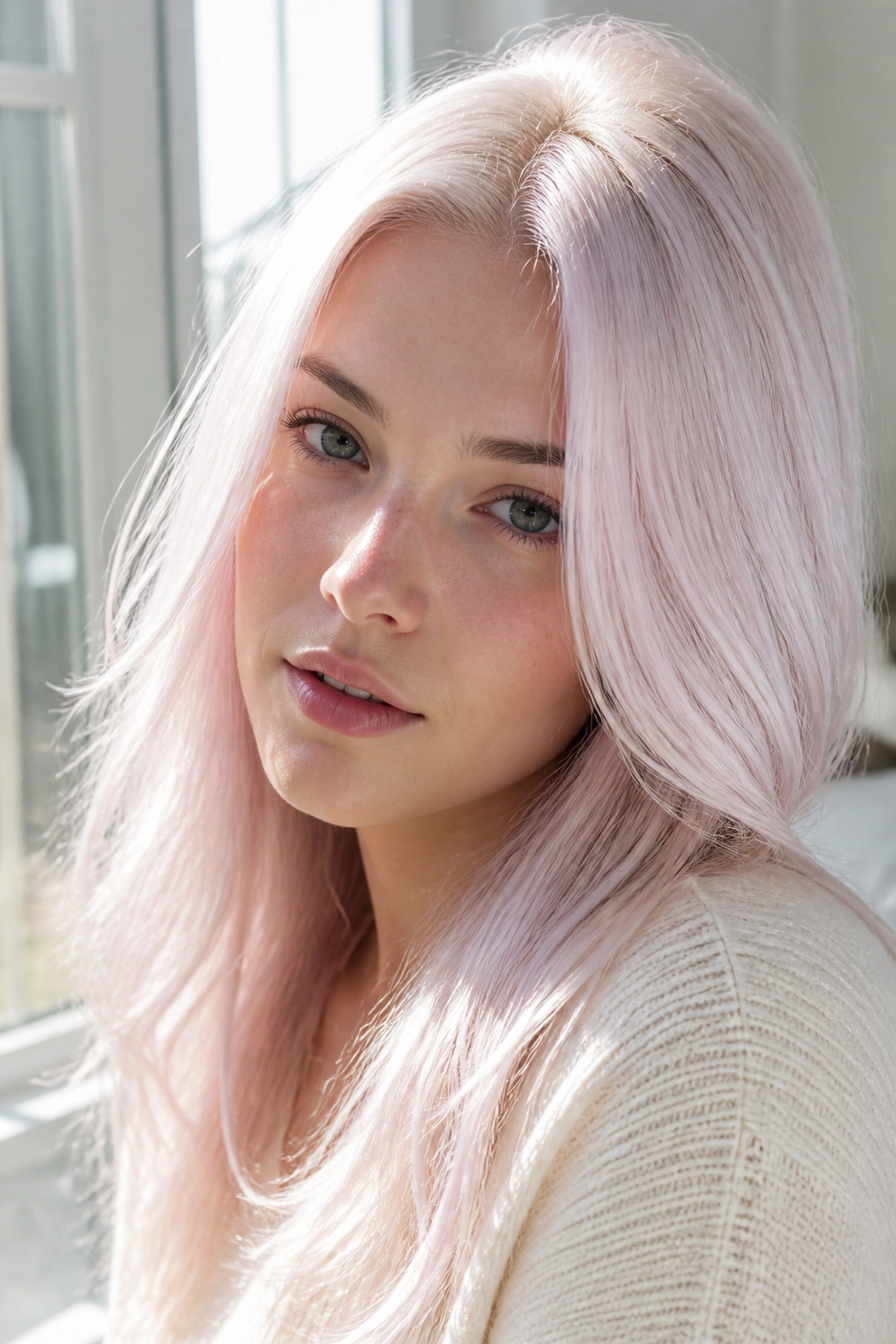
Pearl pink platinum is for someone who likes hair that looks clean from six feet away and even better up close. The pink is so soft it almost disappears into the shine, which makes the whole finish read more pearly than playful.
No warmth, no brass, no peach. That’s the point.
This works especially well if your skin is fair and cool or if your complexion has a slight rosy cast. The near-white blonde gives the pink room to breathe, while the pearl finish keeps it from looking flat. If you want a pink blonde that feels sleek instead of cutesy, this is one of the easiest directions to love.
The key is gloss maintenance. A pearl glaze starts fading the minute hard water, heat, and rough shampoo get involved, so keep washing gentle and slow. A color-safe shampoo twice a week is usually enough if you are not over-styling it.
3. Silver Blush Balayage
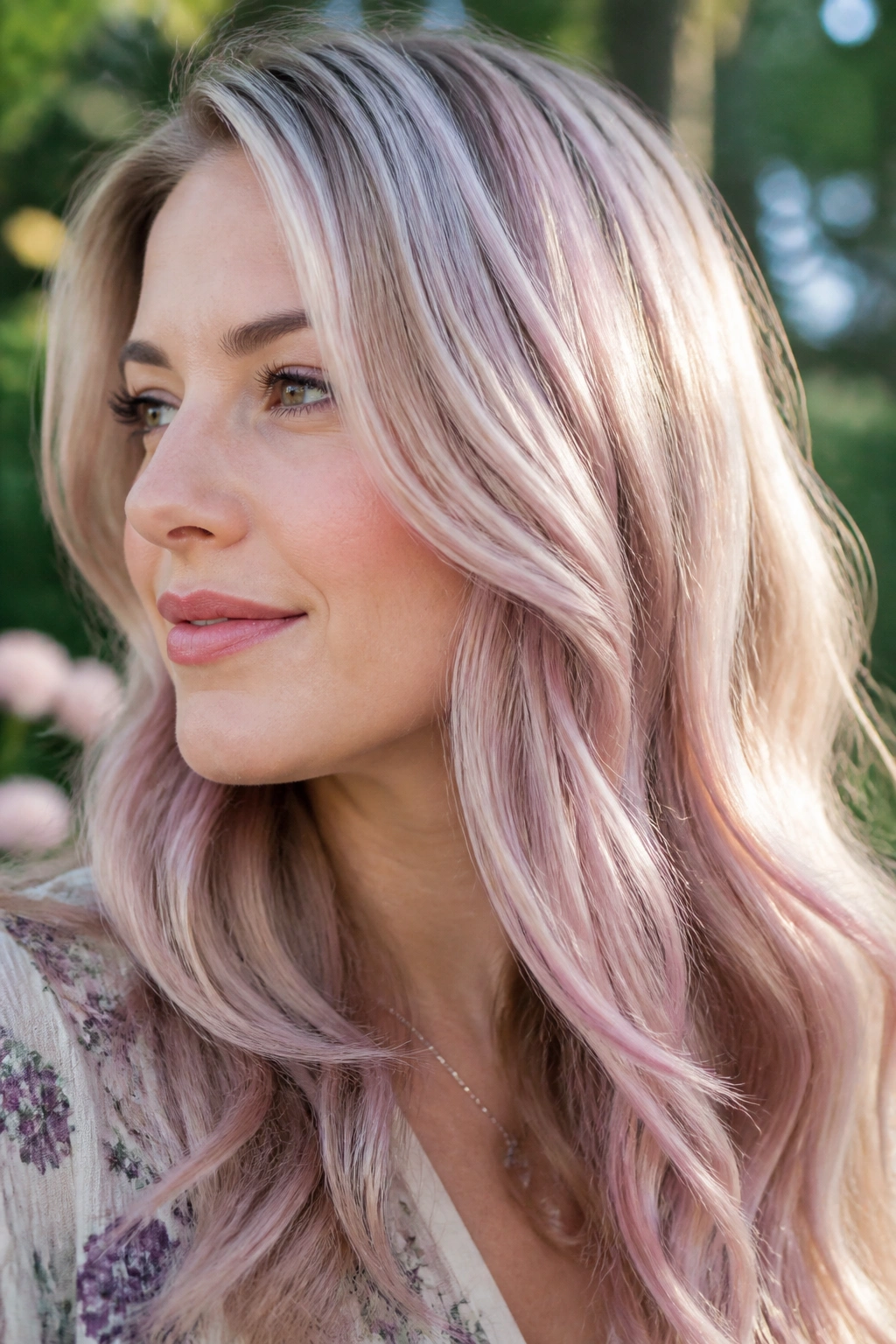
Why does this work so well on cool skin? Because the silver and blush tones echo what cool undertones already do naturally. You get a soft contrast rather than a color clash.
How to Ask for It
Tell your colorist you want painted silver-blonde ribbons with a translucent blush finish through the mids and ends. The balayage should stay airy, not striped. The pink should sit like a wash over the light pieces, not cover everything evenly.
- Use a pale blonde base with hand-painted ribbons.
- Keep the pink sheer and cool, not salmon.
- Leave a soft shadow at the root for depth.
- Tone the silver side with violet, not yellow-neutral beige.
A shade like this is great if you like dimension. It moves. It has sparkle without glitter. And because the pink is broken up by silver, the grow-out is easier than an all-over pastel.
4. Dusty Rose Root Melt
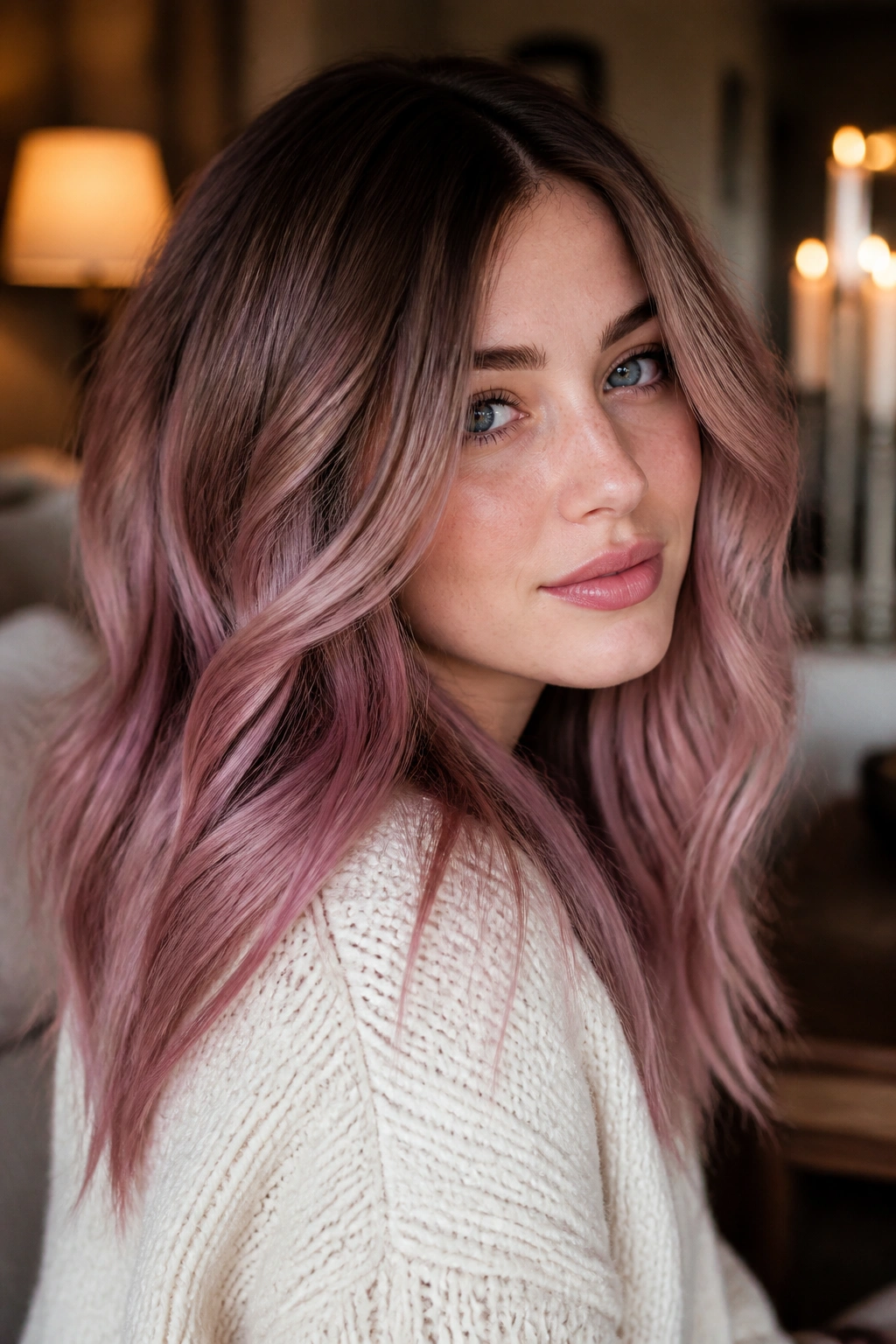
Dusty rose root melt is the low-drama version of pink blonde, and that is not an insult. It is the kind of color that still looks intentional when your roots start showing.
The root stays a cool brunette or deep blonde, then melts into dusty rose through the mids and ends. On cool skin, that soft smoky transition looks expensive in the old-fashioned sense of the word. Not shiny. Not loud. Just well judged.
This shade also handles real life better than a pure pastel. If you wash your hair often or use heat tools, the root area keeps the style anchored even after the pink starts fading. That matters. A lot.
Ask for a root shadow at level 7 or 8, then transition to a mauve-rose glaze on the lighter lengths. If the ends are porous, the pink may grab darker there, and that can actually make the melt look better.
5. Mauve Beige Blonde
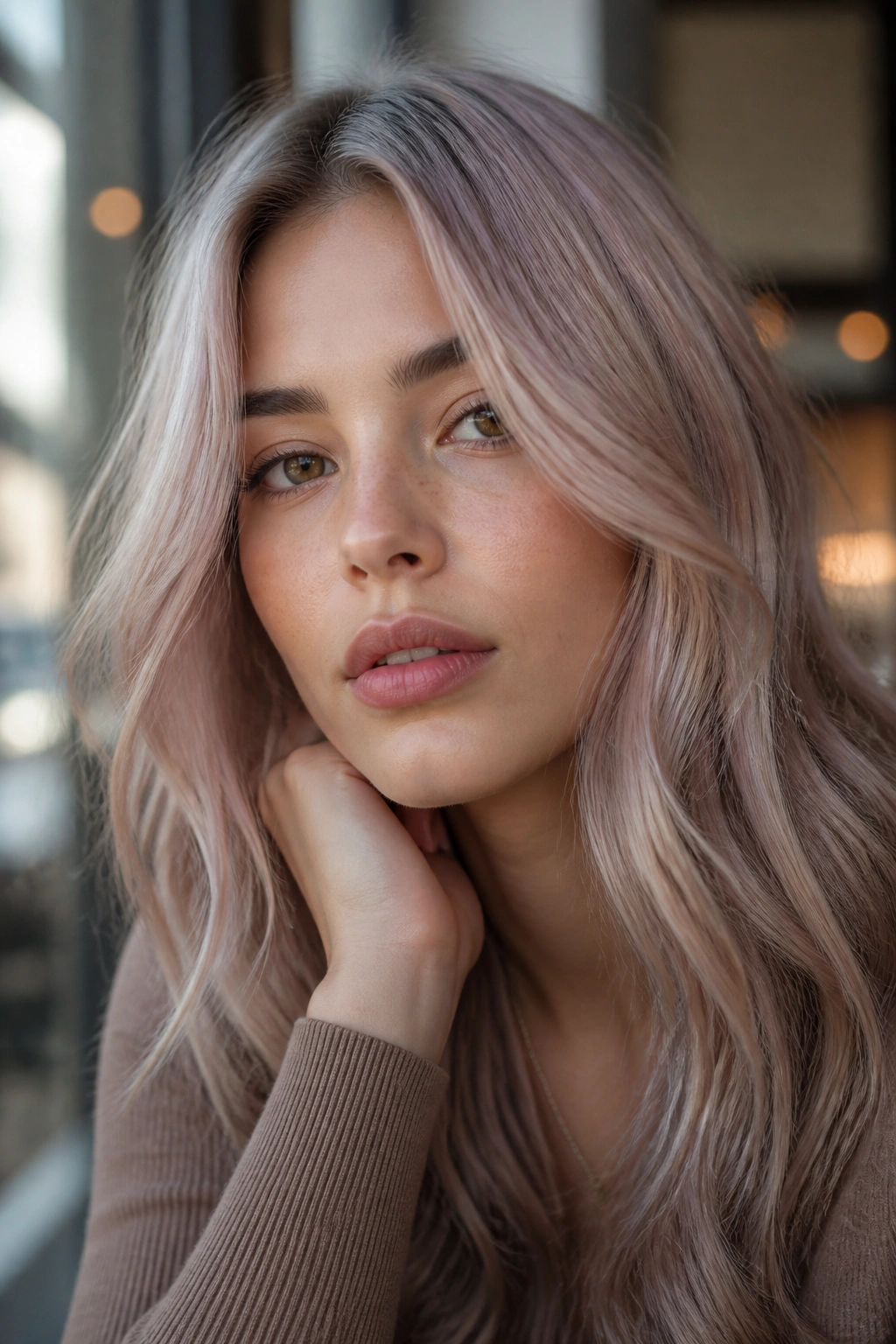
Mauve beige blonde is one of those shades that sounds quiet and ends up looking quietly smart. The beige keeps it wearable, but the mauve pulls it back into cool territory so it does not drift yellow.
This is a good call if your style leans soft neutrals, charcoal, navy, black, or crisp white. The shade has enough pink in it to read fresh, but enough beige to keep the hair from feeling like a full pastel experiment.
It also plays nicely with cool olive skin, which can be tricky. Too much pink can look blunt on olive undertones. Mauve beige smooths that out.
What to watch for: if your blonde base is too warm, the mauve can turn muddy. Ask for a toner that cancels yellow first, then add the pink-beige glaze after the lift is clean.
6. Frosted Strawberry Blonde
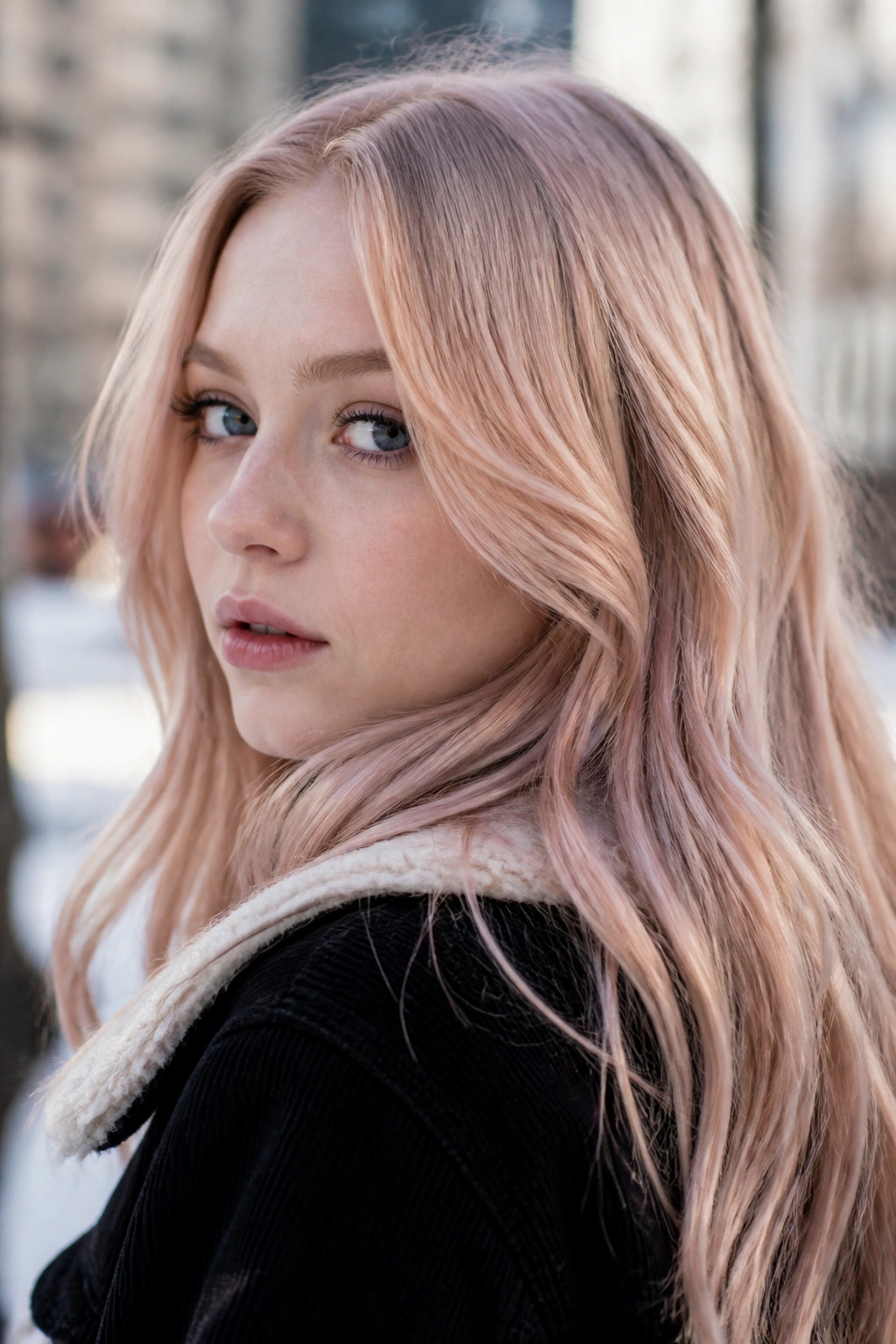
Strawberry blonde usually points warm, which is why the frosted version matters here. This take keeps the coppery edge very faint and leans more toward pink-beige with a cold finish.
It works best when the hair is pale enough that the pink is visible in daylight but soft enough that it does not shout. On cool skin, that little bit of frost stops the shade from looking orange. The result is gentler than a true strawberry blonde and easier to wear with silver-toned makeup or clothing.
If you want to keep the warmth in check, ask for a pink gloss with a violet corrector. That tiny addition changes everything. It keeps the final color in the cool lane instead of letting it wander into apricot.
A single sentence, but a useful one: skip heavy golden glosses here.
7. Opal Pink Money Piece
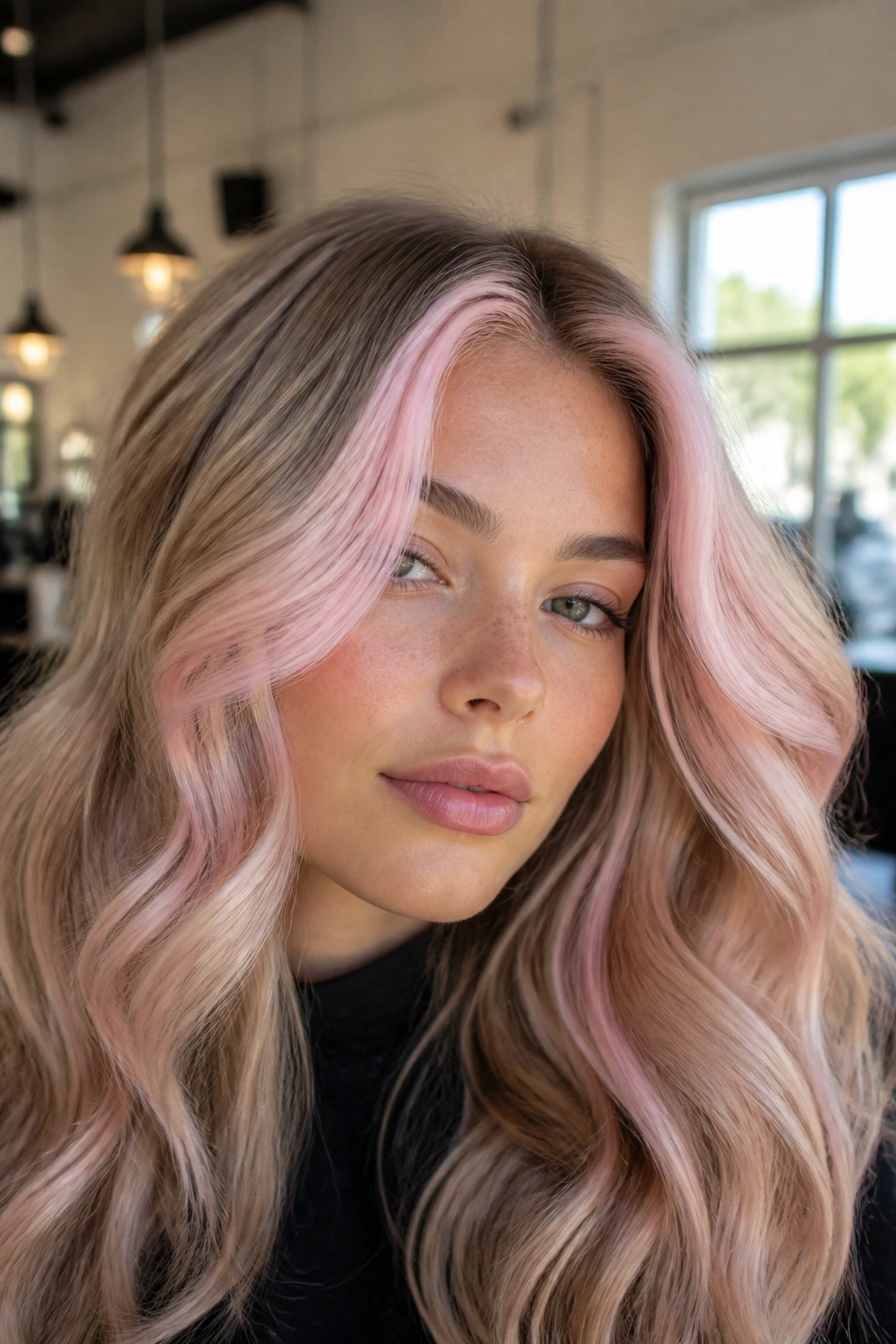
A money piece can do a lot of heavy lifting when you are testing pink blonde for the first time. With opal pink, the face-framing strands stay luminous, pale, and slightly color-shifting, so the look feels intentional rather than loud.
What Makes It Different
Unlike all-over pink, this style keeps the rest of the hair calmer. The opal pieces sit around the face and reflect pale pink, silver, and icy blonde as you move. That glow is especially nice on cool skin because it brightens the cheek area without turning the whole head cotton-candy.
- Place the lightest pieces around the part and front hairline.
- Keep the pink translucent so the blonde still shows through.
- Use a violet-based toner to stop the front from going yellow.
- Pair with a soft root shadow if you want less contrast.
It is a smart choice if you want color without a full commitment. And yes, it grows out well, which matters when you are tired of constant salon visits.
8. Rose Quartz Face Frame
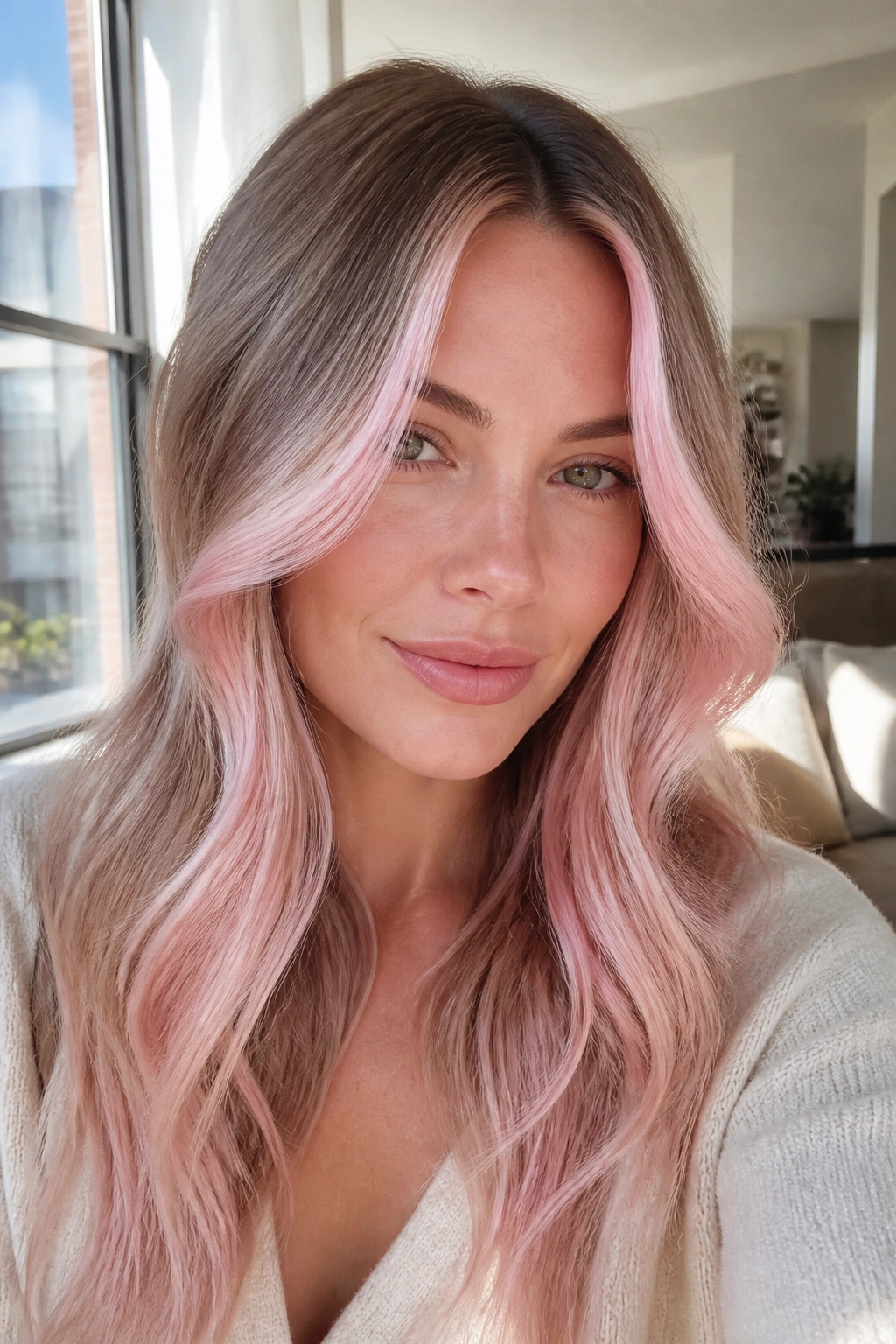
Rose quartz is softer than rose gold and cooler than strawberry blonde, which is why it lands nicely on cool skin. A face frame in this shade can lift the whole look without taking over your hair.
The trick is keeping the pink in the quartz family: pale, slightly milky, and a little translucent. Too much saturation and it turns into a different color entirely. Too much warmth and it stops flattering cool undertones.
I like this one on medium blondes who want a small change that still feels new. The face frame gives the illusion of brightness near the skin, and that is often enough. You can keep the rest of the hair beige, pearl, or icy blonde.
If you already wear cool-toned blushes and lip colors, this shade will slide right into your usual look. No costume energy. Just a soft pink frame that does its job.
9. Pastel Pink Cream Blonde
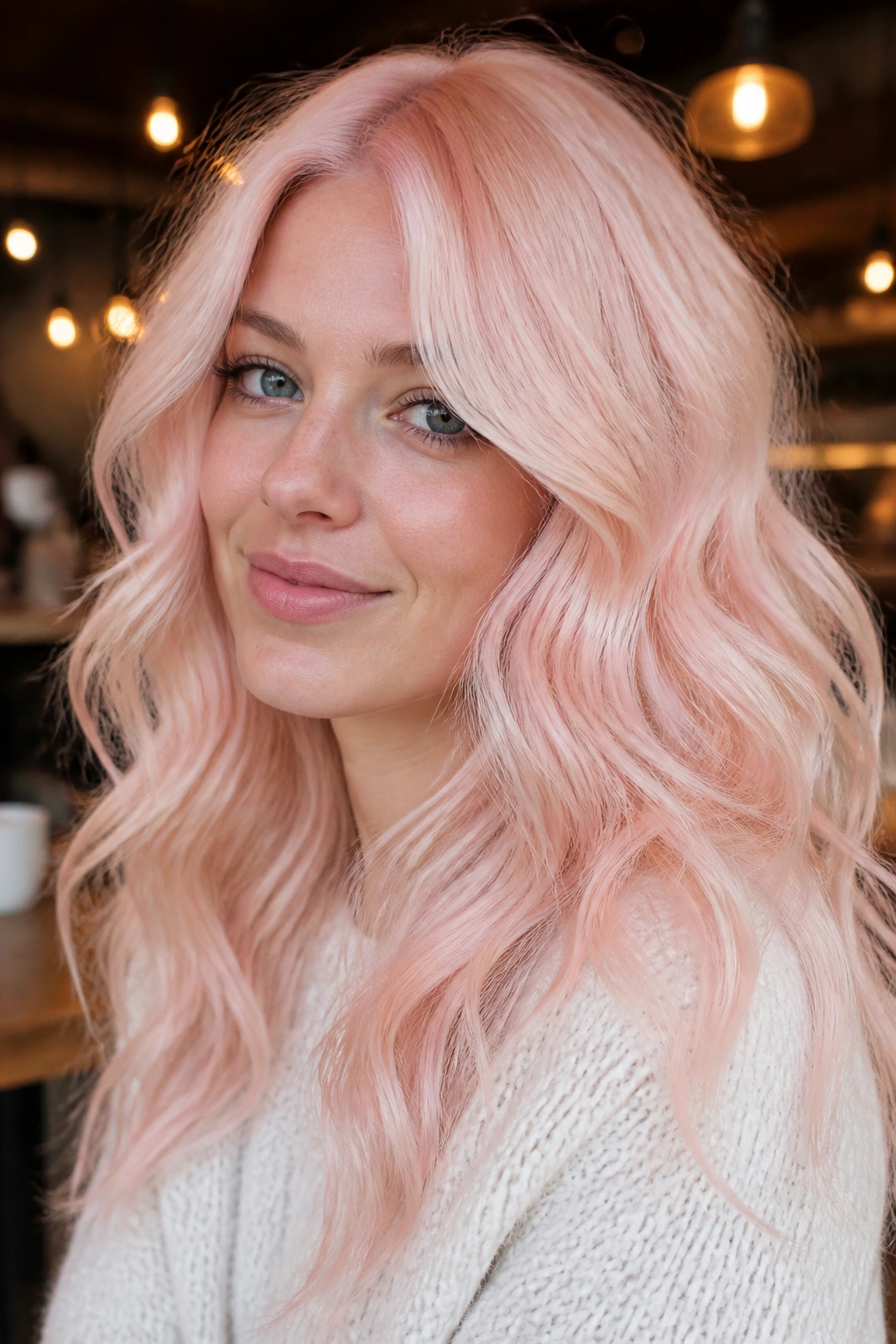
Pastel pink cream blonde is the kind of shade that looks almost edible in the best sense: soft, whipped, and pale. The cream base keeps the pink from going chalky, which is a real risk with pale fashion colors.
This works best on hair lifted to a near-white blonde. If the base is too dark, the pink looks heavy instead of airy. That is the whole game here. The more even the lift, the better the pastel sits.
Cool skin tones usually like this shade because the creaminess keeps the hair from feeling stark. It is a nice option if pure platinum feels too severe but you still want something light. A few silver accessories and a berry lip can make it look sharper in a second.
Tip: wash in cool water and air-dry when you can. Heat makes pastel pink fade faster than people expect.
10. Lavender-Tinted Pink Blonde
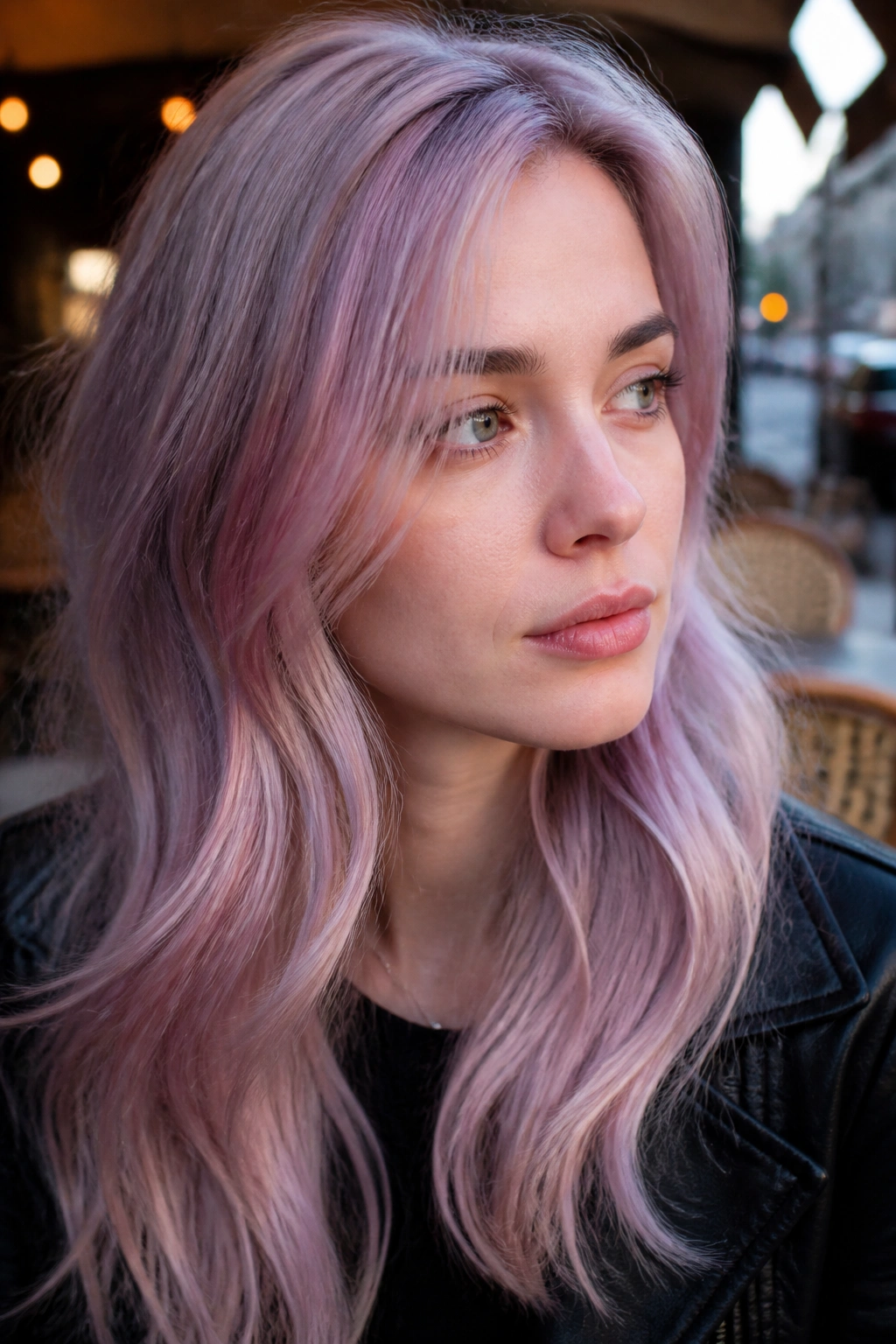
Lavender-tinted pink blonde is one of my favorites for cool undertones because it has a little edge. The lavender pulls the pink colder, and that gives the hair a soft lilac haze instead of a candy finish.
The Science Behind It
Pink sits next to red on the color wheel, while lavender adds blue-violet. That extra cool pigment keeps the blonde from warming up too much between toning appointments. In plain English: it stays crisp longer if you maintain it well.
A few notes help here:
- Start with a clean level 9 or 10 blonde.
- Ask for a pink-violet gloss, not a peach gloss.
- Avoid strong clarifying shampoos unless the hair needs a reset.
- Use a color-depositing mask only when the lavender starts fading.
This shade is lovely on fair cool skin, but it can also look sharp on deeper cool complexions if the pink stays saturated enough. It has a little mood to it. Not moody in a gloomy way. Just more interesting than plain pastel.
11. Smoke-Pink Balayage
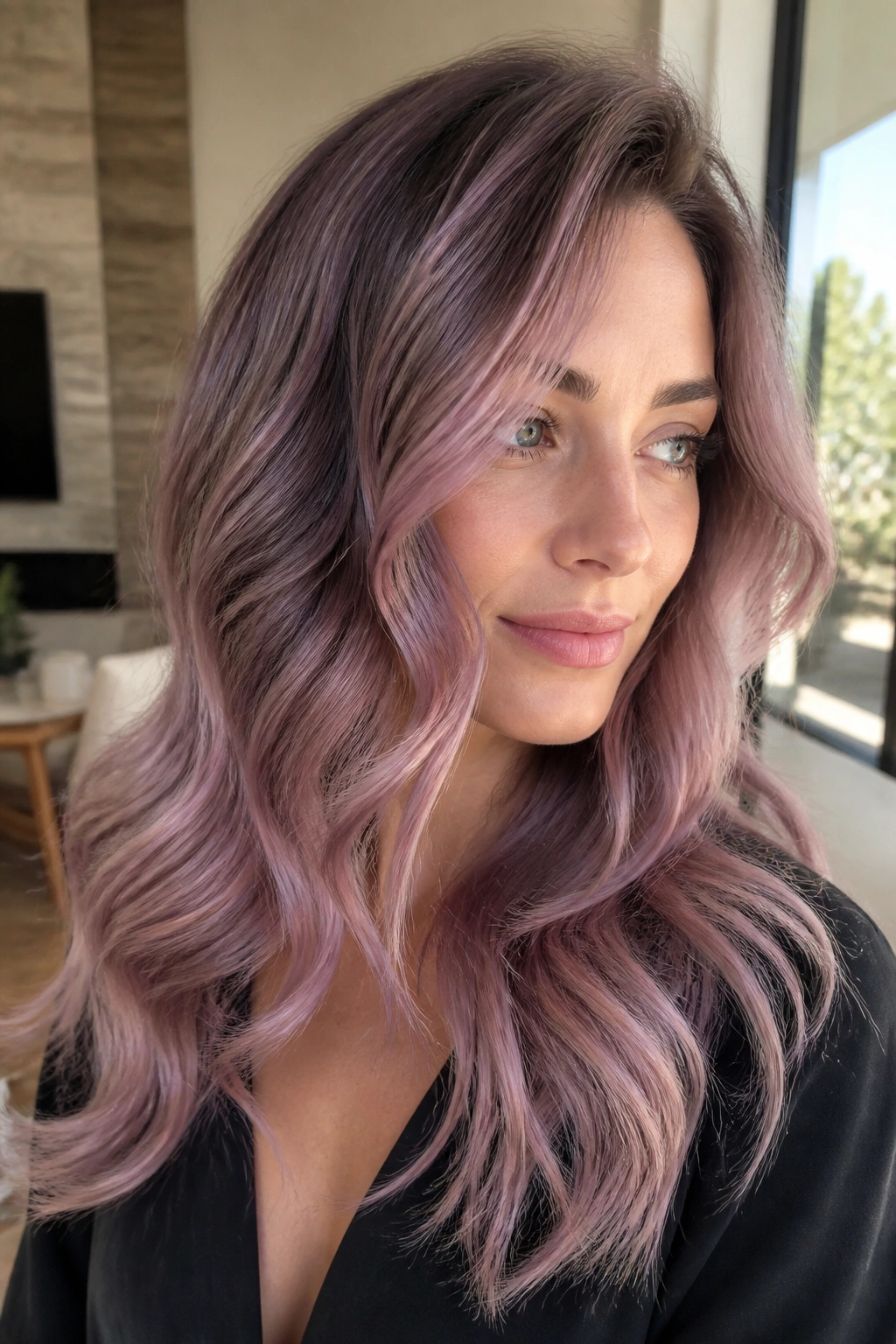
Smoke-pink balayage is what happens when pink gets a little grown up. The smoke tone takes the sweetness out of the color and gives it depth, so the final look feels soft instead of bubble-like.
The blonde pieces are painted through the length, then toned with a smoky pink glaze that has a gray-violet edge. That edge matters. Without it, the hair can drift too warm or too bright. With it, the color settles into a cool haze that pairs well with cool skin and dark clothing.
This is a good style if you wear your hair loose a lot. The painted dimension shows up in waves, bends, and rough-dried texture. Straight and flat, it looks subtler. Curled, it wakes up fast.
One small warning: smoky pink can muddy if the base is too dark or too yellow. Clean lift first. Always.
12. Berry Blonde Glaze
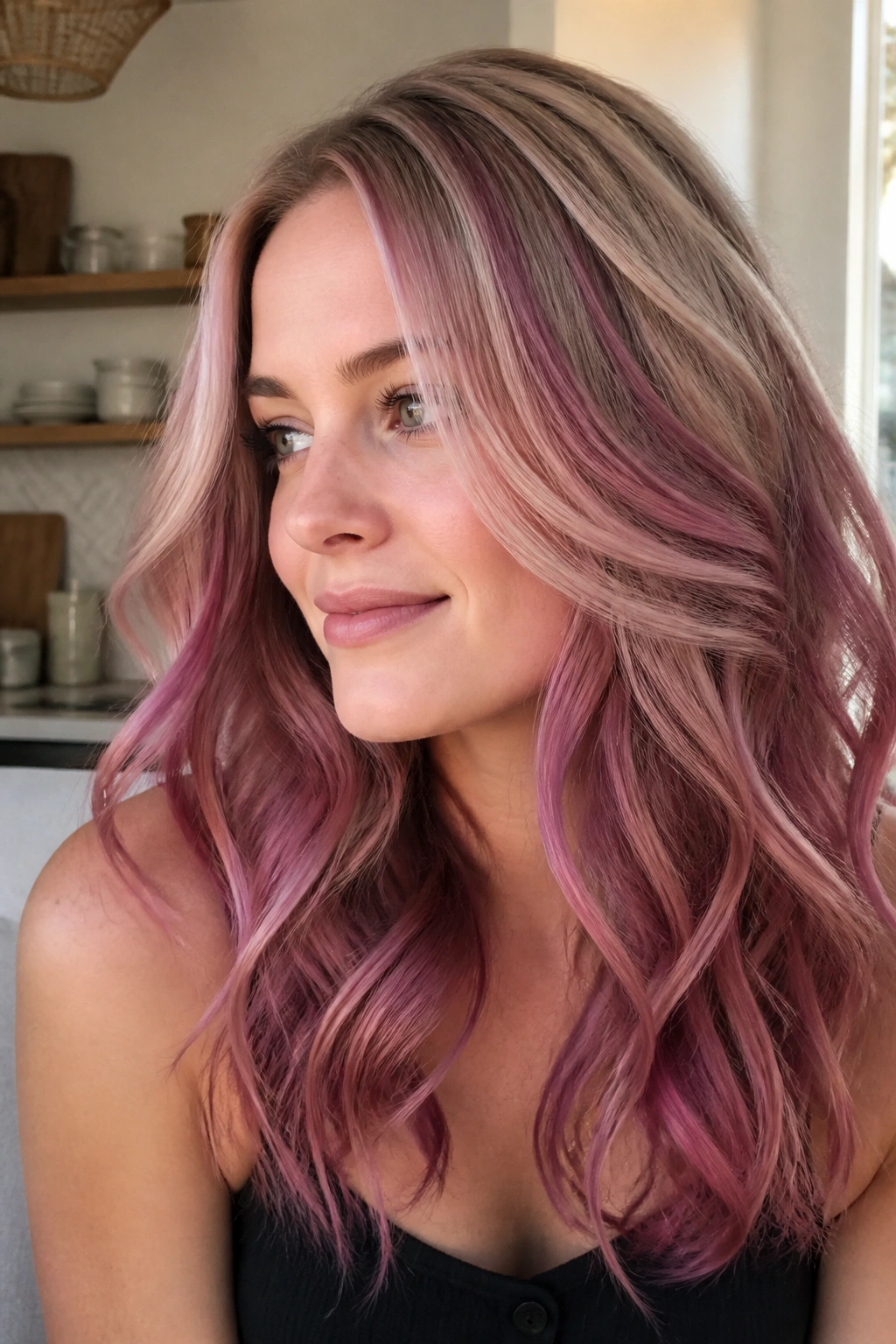
Berry blonde glaze is richer than pastel pink and much easier to see on medium or deeper cool skin tones. Think blueberry, raspberry, and a touch of plum, all stretched across a blonde base.
It is a smart direction if you want pink with more presence. The berry note gives the color shape, and the blonde underneath keeps it from becoming too dark. On cool undertones, that red-blue balance usually looks better than warmer pinks because it supports the skin instead of fighting it.
This one can be done as a full glaze or as a quick gloss refresh over highlights. If your hair tends to grab color quickly, ask for a diluted formula first. You can always go deeper on the next appointment.
There is a practical upside too: berry tones fade into soft rose and mauve, which still look intentional. Faded peach? Not so much.
13. Bubblegum Ice Blonde
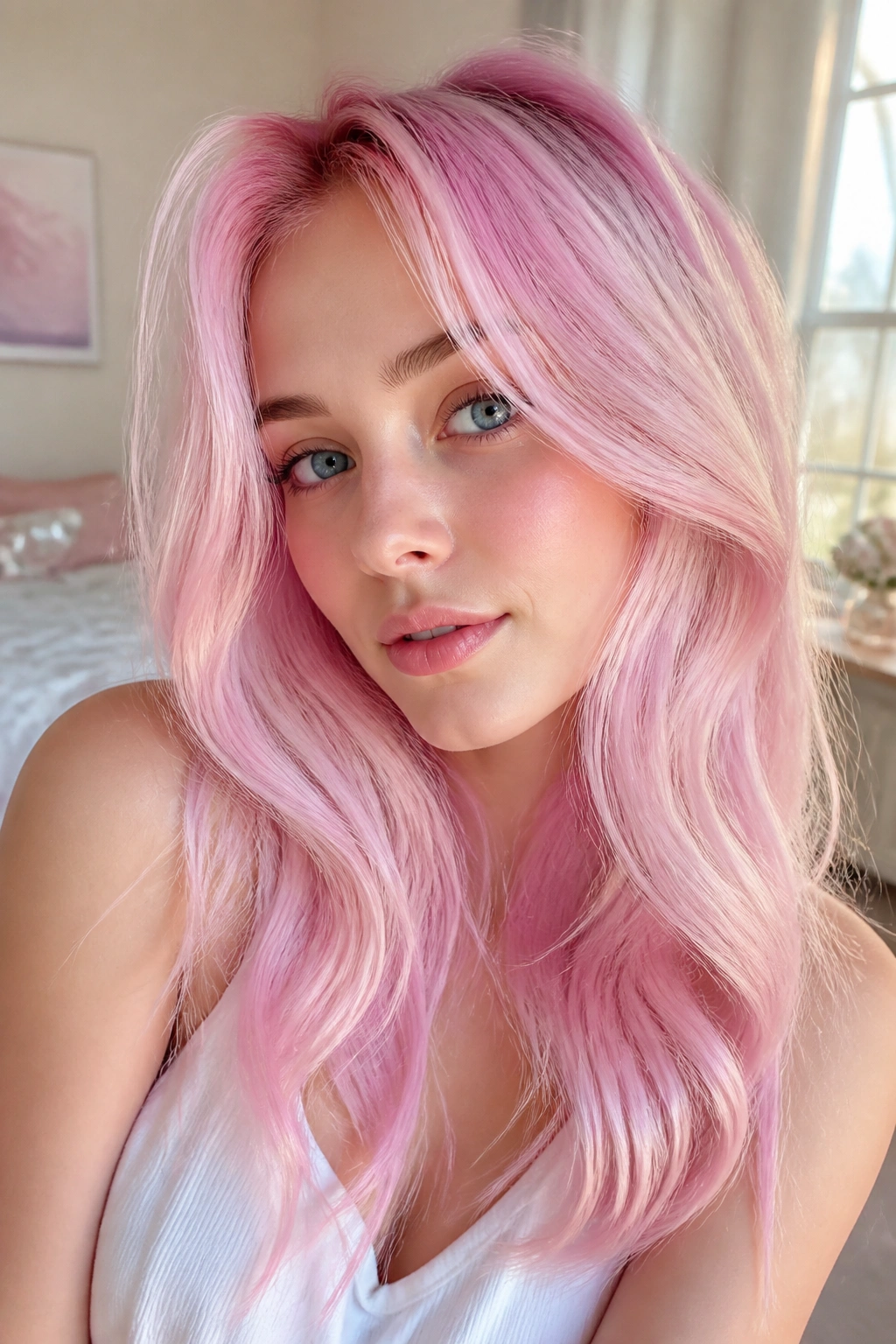
Bubblegum sounds loud, but the icy version behaves better than people think. The trick is using a white-blonde base so the pink stays airy instead of turning dense.
This shade loves cool skin because the icy base keeps it clean. If your complexion is porcelain, pink-beige, or pink-olive, the brightness can look playful without tipping into warm territory. It is bold, yes. But bold does not have to mean messy.
What to Ask for
- A pale blonde lift to the lightest level your hair can take.
- A cool pink direct dye or glaze, diluted if needed.
- A silver-violet toner before the pink goes on.
- Minimal warmth in the roots.
The downside is upkeep. Bubblegum pink fades faster than dusty rose, and that is normal. If you want the color to stay vivid, keep sulfate shampoo off your shelf and reserve hot tools for special days.
14. Petal Pink Champagne Blonde
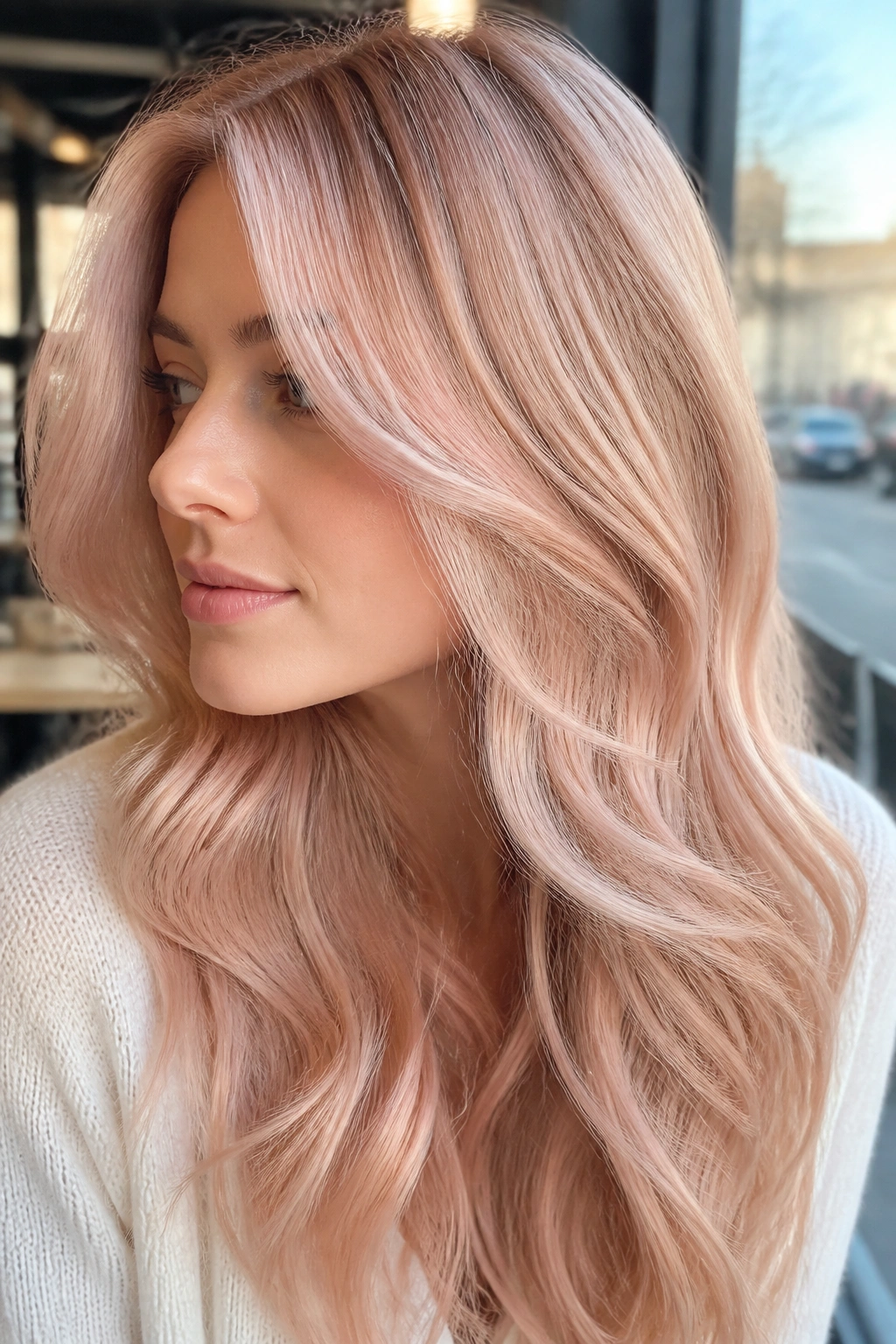
Petal pink champagne blonde sits in a sweet middle ground. It has enough pink to be visible and enough champagne to keep the finish soft, which makes it easier to wear than a stronger pastel.
The champagne note is what saves it from looking flat. It keeps the blonde reflective, while the petal pink cools it down for skin with blue or pink undertones. If you like delicate colors but do not want your hair to look washed out, this is a tidy answer.
It also works across different lengths. On a bob, the sheen looks polished. On longer hair, the color looks airy and light. Either way, it feels clean.
A lot of people overdo pink. This is the opposite approach. You get the mood without the sugar rush.
15. Arctic Orchid Blonde
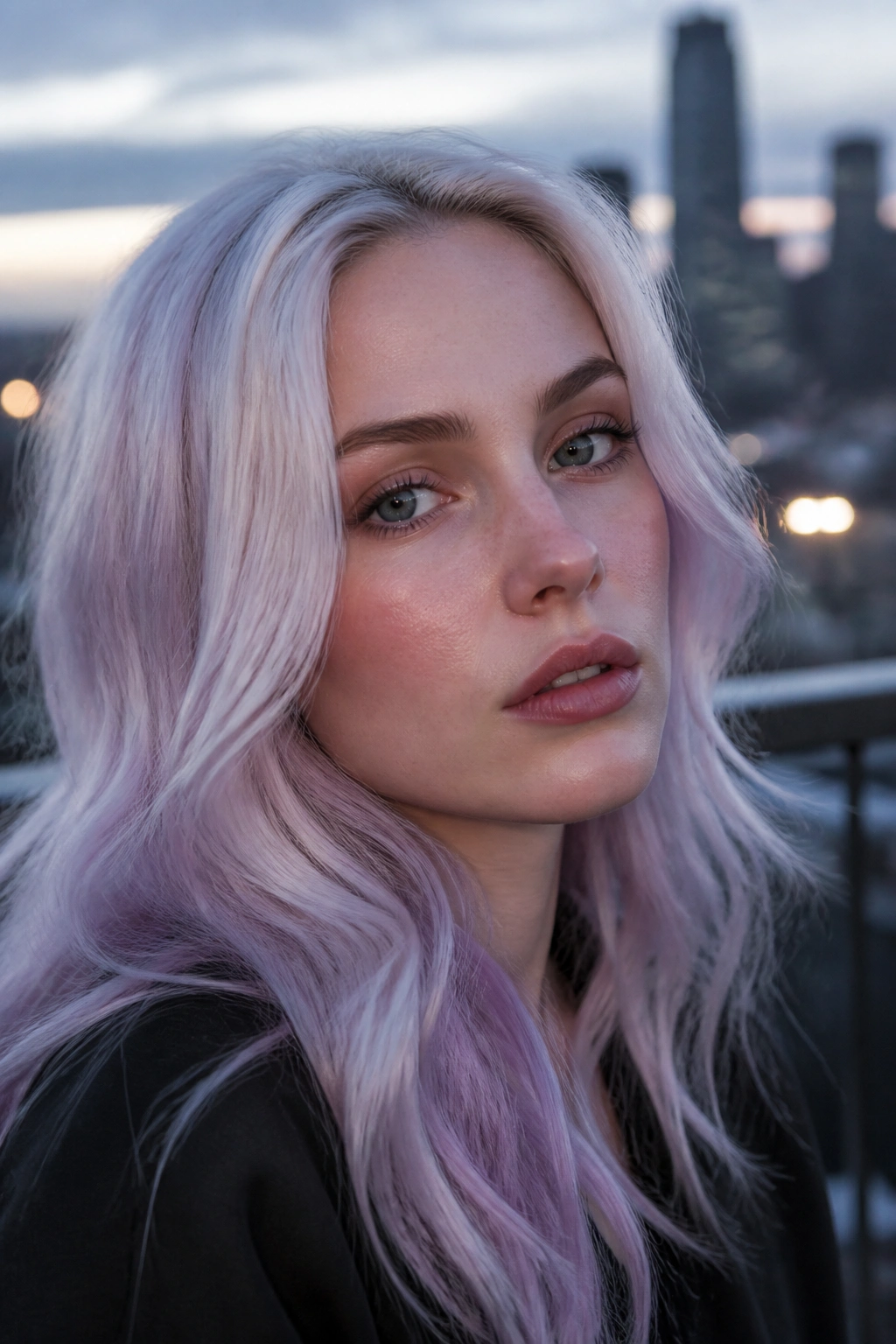
Arctic orchid blonde is for someone who wants a cooler, more editorial pink. The orchid note leans violet, which is why it flatters cool skin without turning candy-bright.
The base needs to be pale and clean. If the blonde is yellow at all, orchid can go off fast. Once the lightness is there, though, the color has this sleek, icy depth that looks expensive and a little unexpected.
It is a strong choice for people who already wear cooler makeup: mauve eyeshadow, berry lips, slate clothes, silver frames. The whole look starts making sense together. That said, it can still soften a strong face shape or a sharper haircut because the color has enough pigment to show from across the room.
If you want dimension, leave the roots a half-shade deeper. If you want impact, keep the lift even from scalp to ends. Both work.
16. Rose Silver Melt
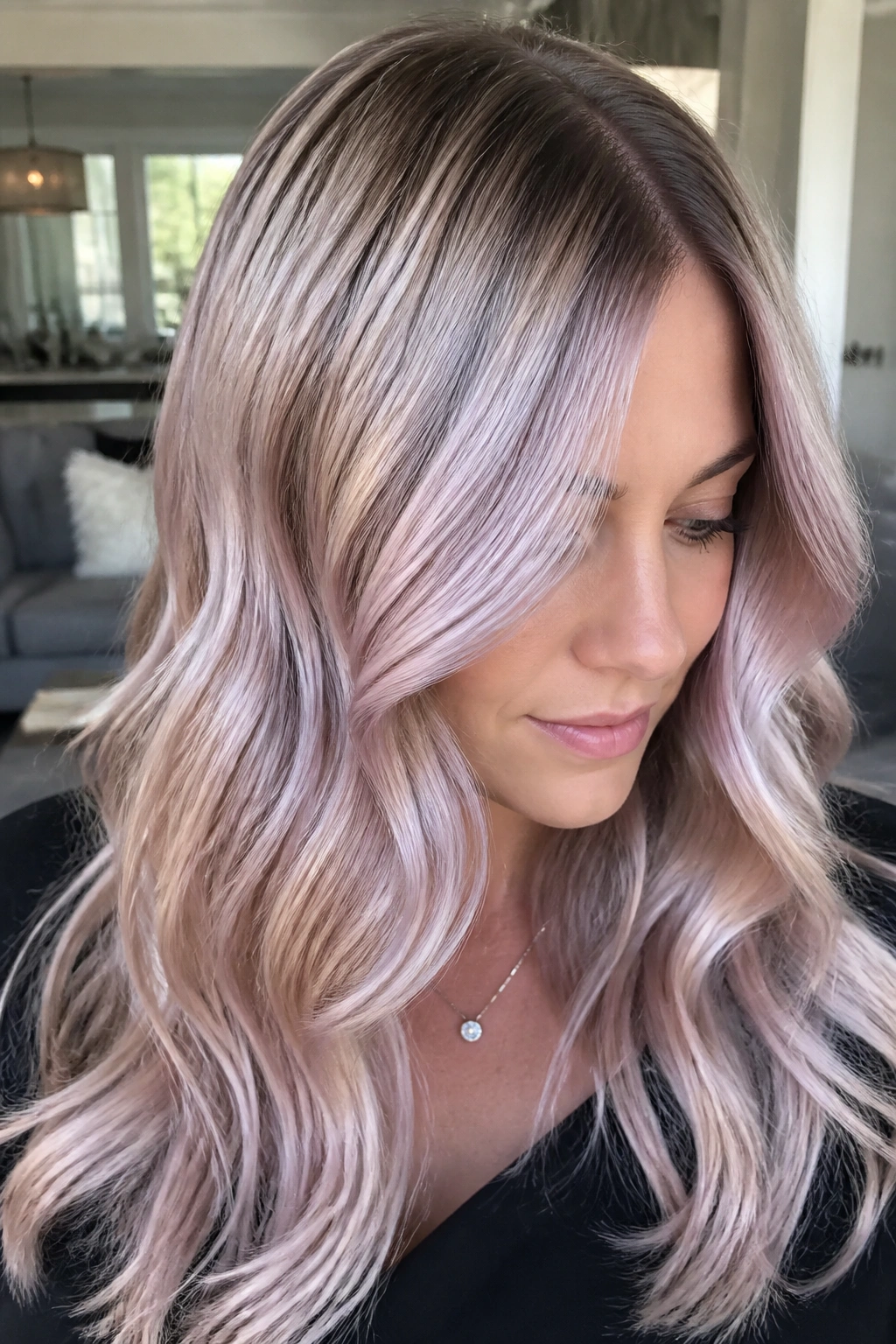
Rose silver melt is one of the easiest ways to wear pink blonde without looking too sweet. The silver keeps the shade crisp, and the rose brings enough warmth to keep the hair from going flat and cold.
This color is especially nice on fine hair because a melt can create the illusion of more thickness. The deeper root area gives the lengths some visual weight, and the silver-rose transition keeps the style moving. It is a subtle trick, but it works.
How It Reads on Cool Skin
On cool skin, the blend feels almost metallic. Not mirror-shiny. Just clean and reflective. That is why it can look especially good with monochrome outfits and minimal makeup.
- Root: soft cool taupe or ash blonde.
- Midlengths: silver-blonde with a rose glaze.
- Ends: slightly lighter, so the melt has a finish line.
- Maintenance: refresh the silver first, then the pink if needed.
Do not let this shade get too yellow. Silver hates brass. So does your mirror.
17. Blueberry Blonde Pink
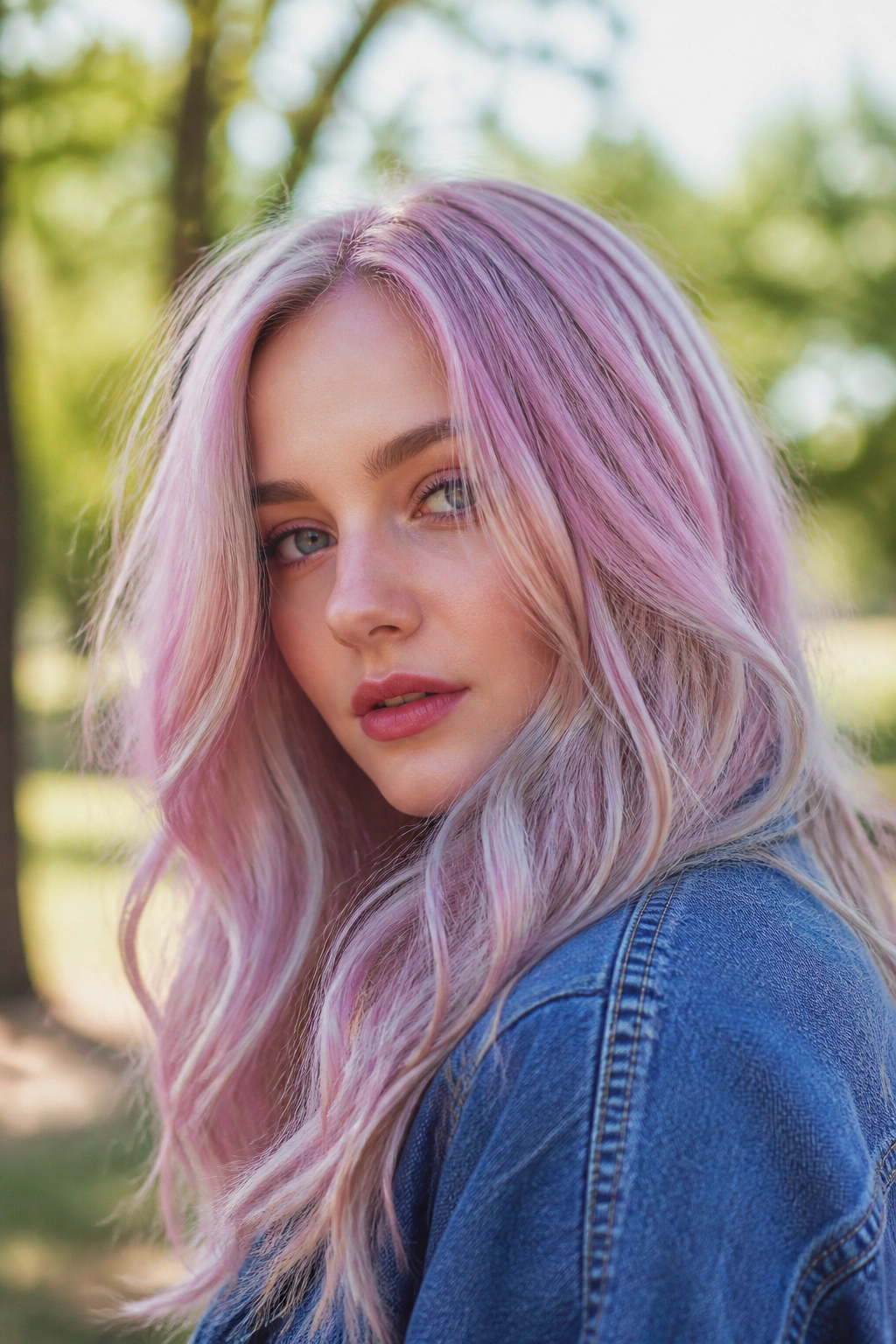
Blueberry blonde pink sounds unconventional, and that is part of the fun. The blue-red undertone gives the pink more depth, almost like a berry stain stretched over light blonde hair.
This works better than you might expect on deeper cool skin tones. The cooler pigment stops the shade from looking childish, and the blonde keeps it from becoming too dark. You end up with a pink that feels richer, not louder.
If you want a hair color that looks good with denim, silver hoops, and navy sweaters, this is a strong pick. It also photographs with a little more contrast than a pale blush shade, which some people prefer.
A useful detail: if your stylist can use a blue-based pink gloss instead of a warm one, the final color will hold its shape longer. Warm pink fades to peach. Blueberry pink fades more gracefully.
18. Soft Fuchsia Veil
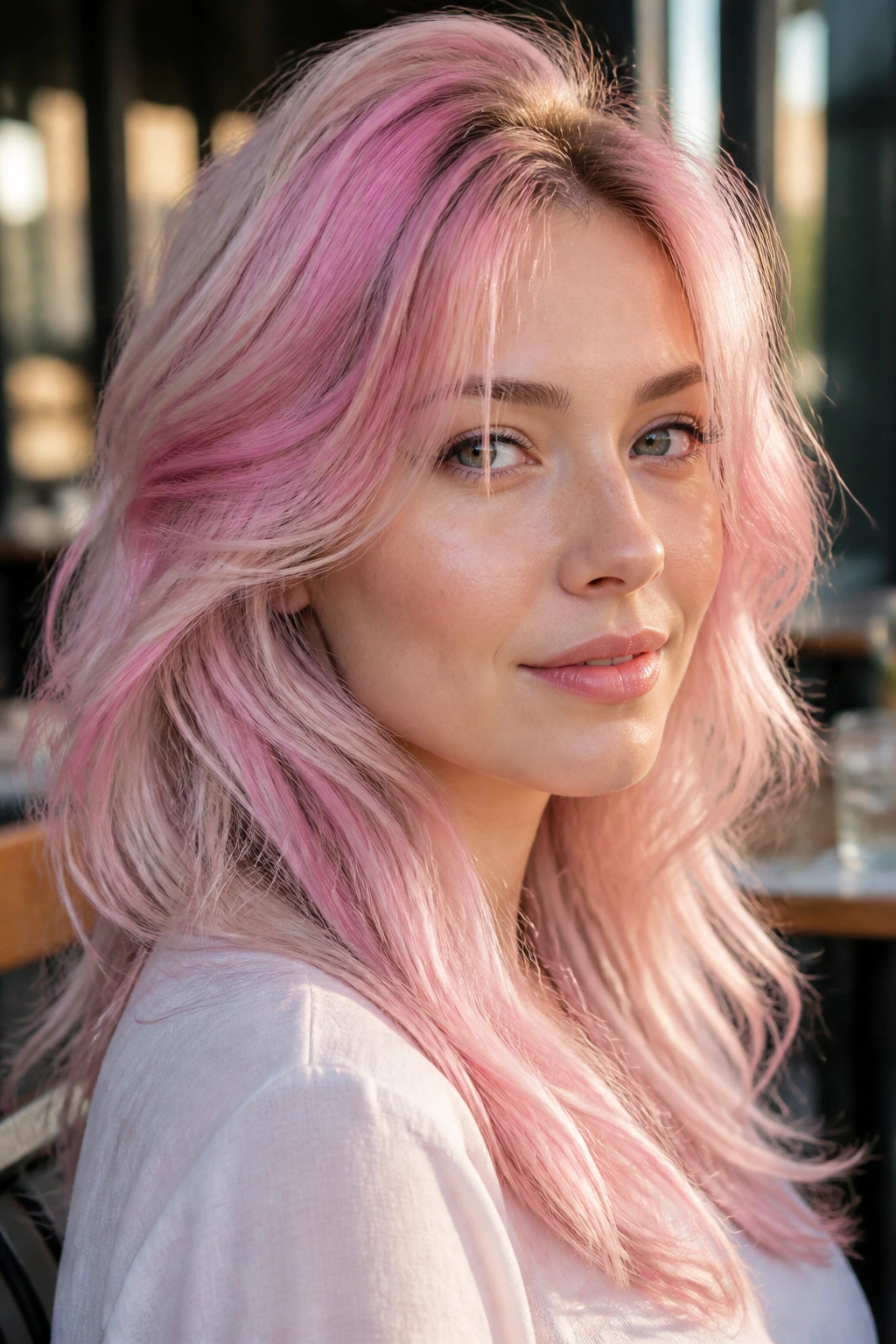
Soft fuchsia veil is the bold option for people who still want the pink to sit on the cool side. The trick is keeping the fuchsia sheer enough that the blonde underneath shows through.
A strong pink on cool skin can look fantastic when the formula has blue and violet in it. It can also look harsh if the base is not light enough, so the lift matters more here than in almost any other shade on this list. You want brightness first, color second.
This is not a shy shade. That is fine. Not every pink needs to whisper.
If you want to wear it without feeling too loud, keep the roots pale and the makeup soft: cool taupe lids, sheer blush, glossy nude lips. The contrast makes the hair carry the drama while your face stays calm.
19. Pink Quartz Balayage
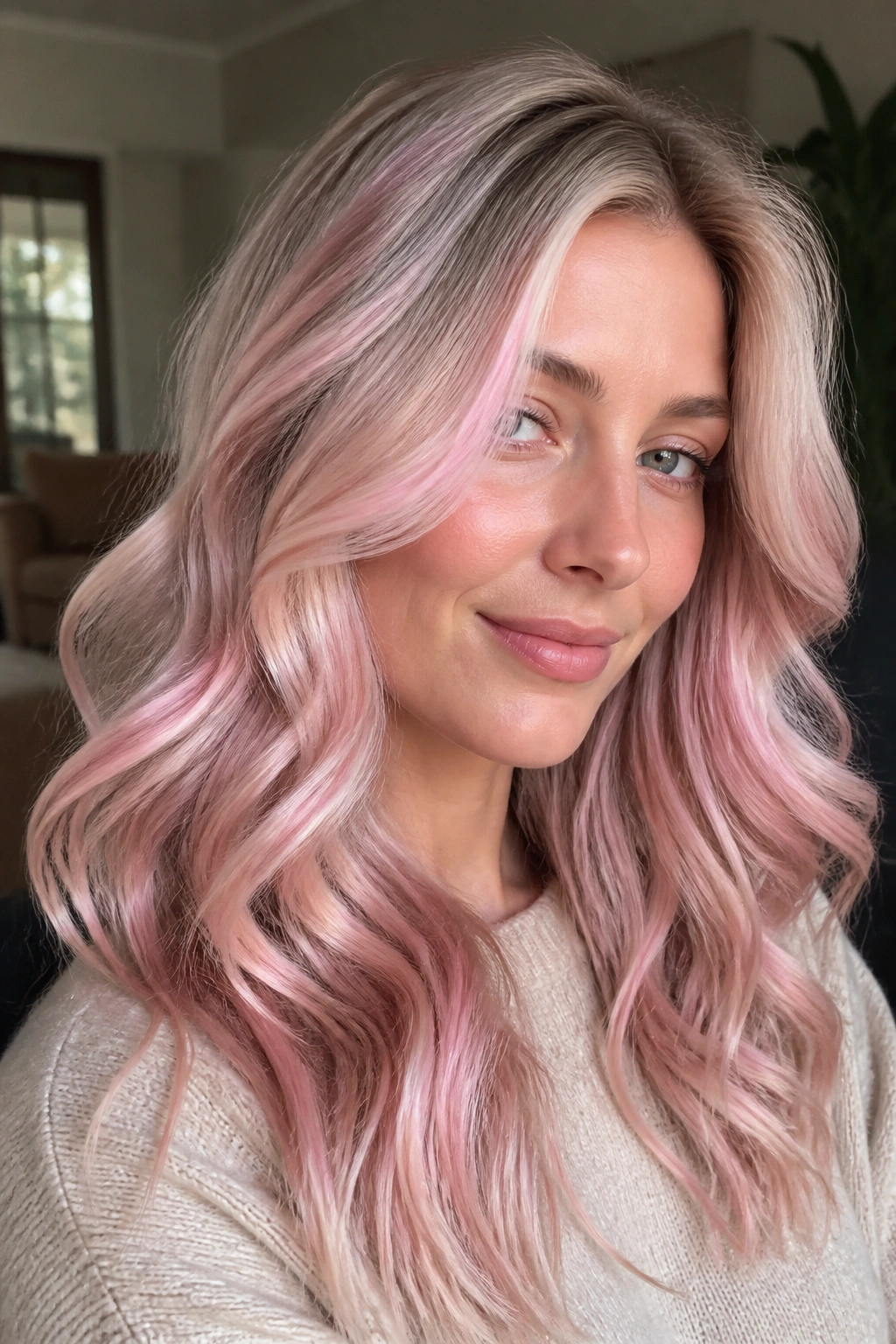
Pink quartz balayage has a crystal-like feel because the pink lands in soft ribbons rather than one solid block. That keeps the look dimensional and makes the color easier to live with between appointments.
The quartz effect comes from mixing translucent pink with light beige and silver-blonde pieces. On cool skin, the mix reads fresh and slightly luminous. Not glittery. Just reflective in a clean way.
This is a good compromise if you want something pink but not fully pastel. The balayage placement lets the blonde do some of the talking, which matters if you wear a lot of neutral clothes or like a low-key finish on workdays. Waves show it best, but straight hair still gets the color story.
Best for: people who want a soft grow-out and fewer root touch-ups.
20. Whisper Pink Ice Blonde
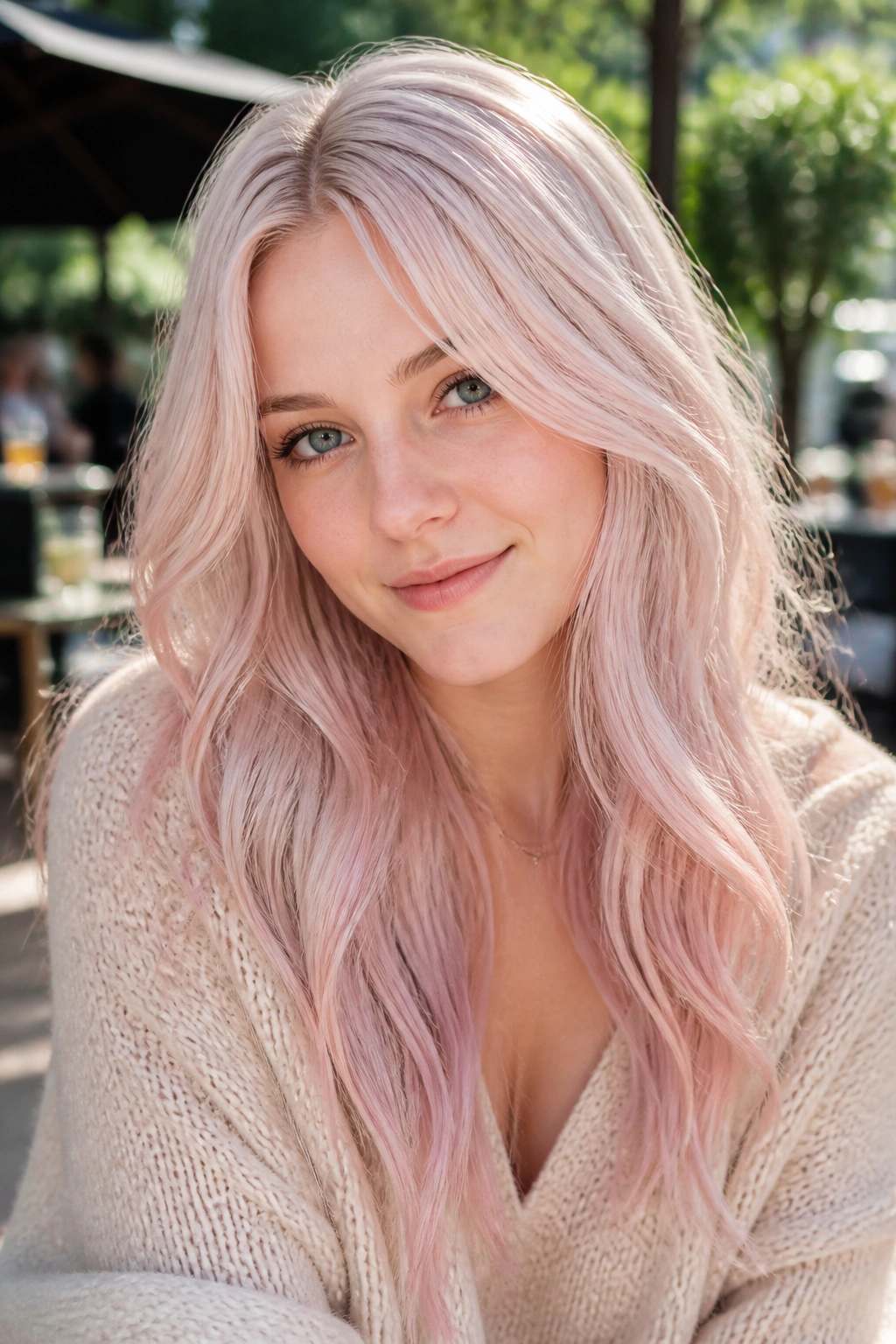
Whisper pink ice blonde is barely-there pink at its most wearable. It is the shade I reach for when someone says, “I want pink, but I still want to look like myself.”
The pink sits inside the blonde rather than on top of it. That creates a frost-pink effect that looks especially nice on fair cool skin and pink-beige complexions. It also makes the hair shine instead of looking coated.
A lot of people think subtle color is easy. It is not. The base has to be clean, and the toner has to be balanced, or the whole thing turns dull. But when it is done well, this is one of the prettiest pink blondes around because it feels effortless without trying to look effortless. That phrase gets abused. Here, it actually fits.
If you want the faintest version possible, ask for a diluted glaze and a clear shine finish.
21. Cranberry Pearl Blonde
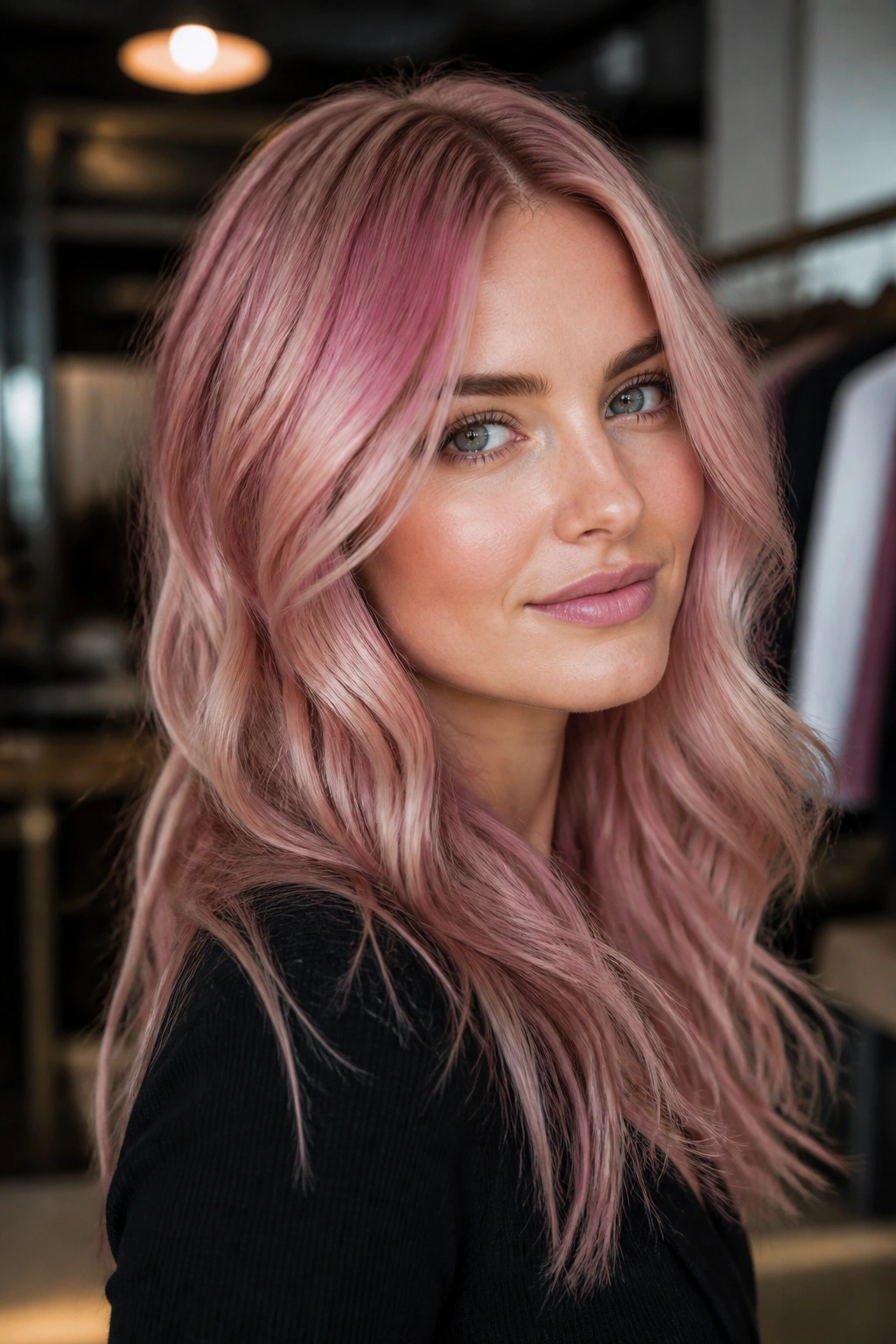
Cranberry pearl blonde brings more depth and a little richness, which makes it a strong option for deeper cool skin tones or anyone whose features need a darker frame. The cranberry keeps the pink grounded. The pearl keeps it light.
It is a good shade when plain pastel feels too weak. The cranberry note gives you color that people notice, but the pearl finish keeps the blonde visible underneath. That balance is doing a lot of work.
If you wear dark lipstick, black eyeliner, or tailored clothes, this shade fits right in. It also holds up better visually than ultra-pale pinks, because a little depth in the formula means the fade still looks deliberate.
Small warning: this color can stain porous ends more quickly than you expect. Pre-tone porosity fillers help. So does a glaze refresh on the driest pieces first.
22. Moonstone Pink Blonde
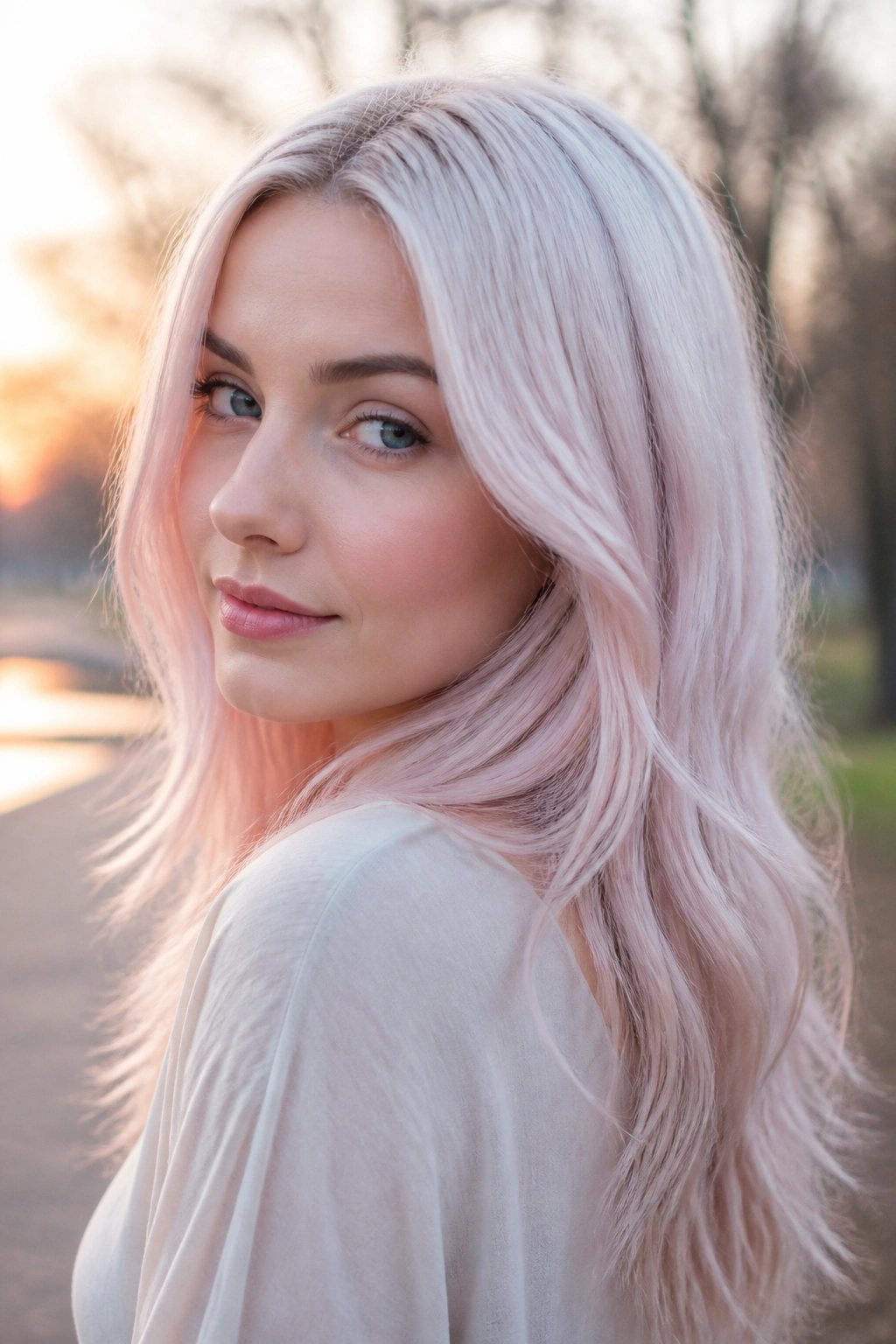
Moonstone pink blonde is the quietest close to this whole range, and maybe the most flexible. The color shifts between pale pink, silver, and soft white blonde, which gives it that stone-like softness the name suggests.
On cool skin tones, moonstone reads clean because it never settles into a warm lane. It stays airy. It stays cool. And it works whether your haircut is blunt, layered, long, or cropped, which is more useful than people realize when choosing a fashion color.
If you want a low-risk pink blonde, start here. The shade can be whisper-soft or a little more visible depending on the toner strength, so it gives you room to adjust without jumping straight into bright pastel territory. That matters if you are testing the waters.
Pick the palest version your hair can hold without breaking, then keep the finish shiny and cool. That combination is what keeps moonstone from looking tired a few washes in.
