



The best pastel hair color ideas for cool skin tones usually stay on the icy side of the palette. A peach-heavy pastel can look sweet in the bowl and flat on the face. That mismatch is what sends so many people back to the salon disappointed.
Pastel color is fussy in a very specific way. If the hair underneath is too yellow or orange, lilac starts to look muddy, baby blue can go green, and pink can turn oddly salmon. When the base is lifted cleanly to a pale blonde or soft silver, though, the color sits on the hair instead of fighting it.
Cool skin tones tend to look strongest beside shades with blue, violet, gray, or silver in them. That does not mean you’re stuck with purple forever. It just means the smartest pastel choices usually have a crisp edge, even when the finish is soft.
1. Icy Lavender for Cool Skin Tones
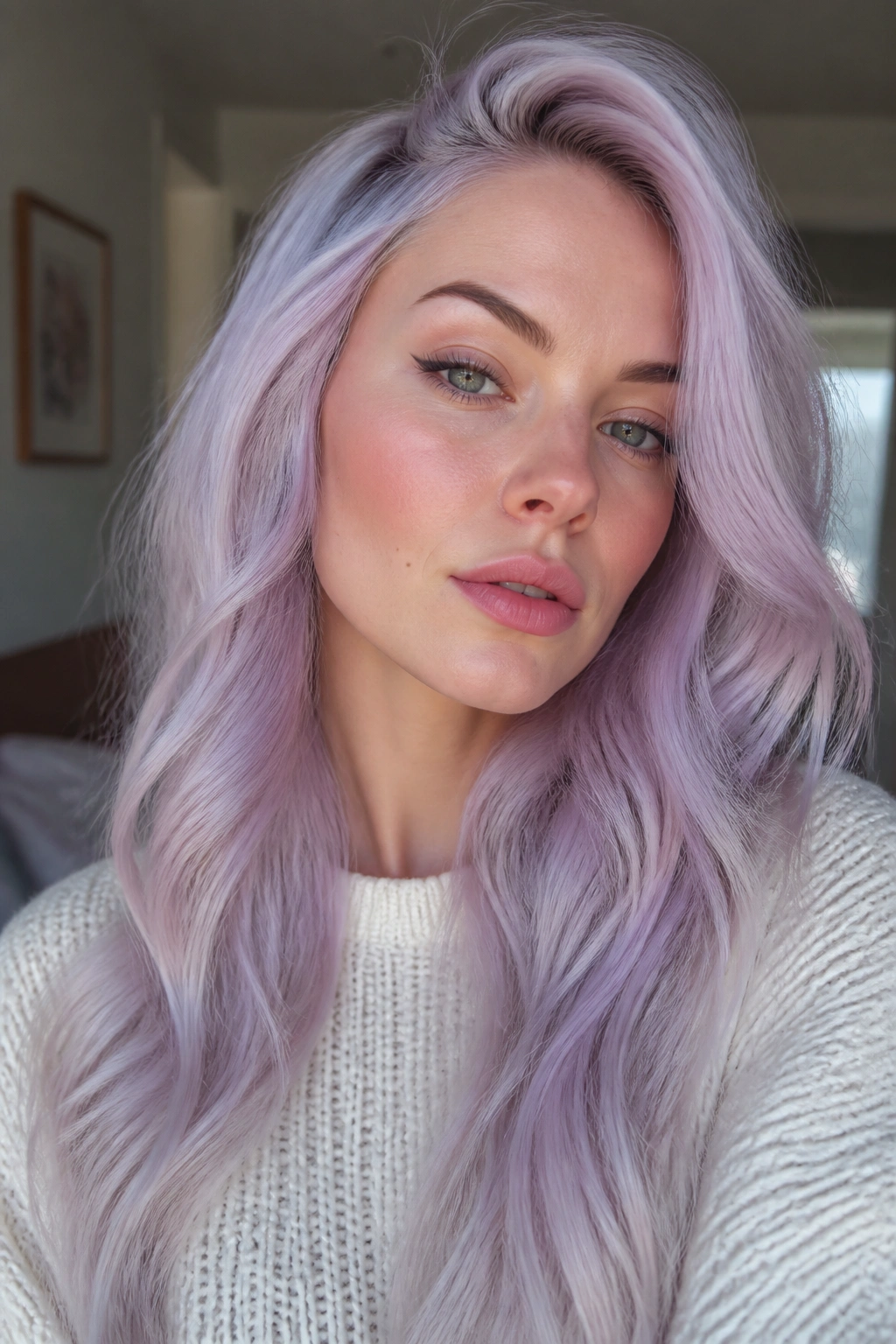
Icy lavender is the shade I reach for first when someone wants pastel hair without looking like they borrowed a costume wig. It has enough violet to flatter cool undertones, but the frosty finish keeps it from drifting into sugary territory.
Why It Flatters Cool Skin
Lavender works because it sits close to the blue side of purple, so it doesn’t compete with pink cheeks or fair, cool complexions. Ask for a pale violet glaze over a level 9 or 10 blonde base if you want the color to stay clean instead of cloudy.
- Looks crisp on straight hair, where the tone reads clearly.
- Soft waves make it feel a little misty and romantic.
- Fades into smoky lilac, not brassy peach, when the lift is even.
I like this shade with a silver ring and a blunt cut. It keeps the whole look sharp without trying too hard.
2. Blue-Gray Lilac
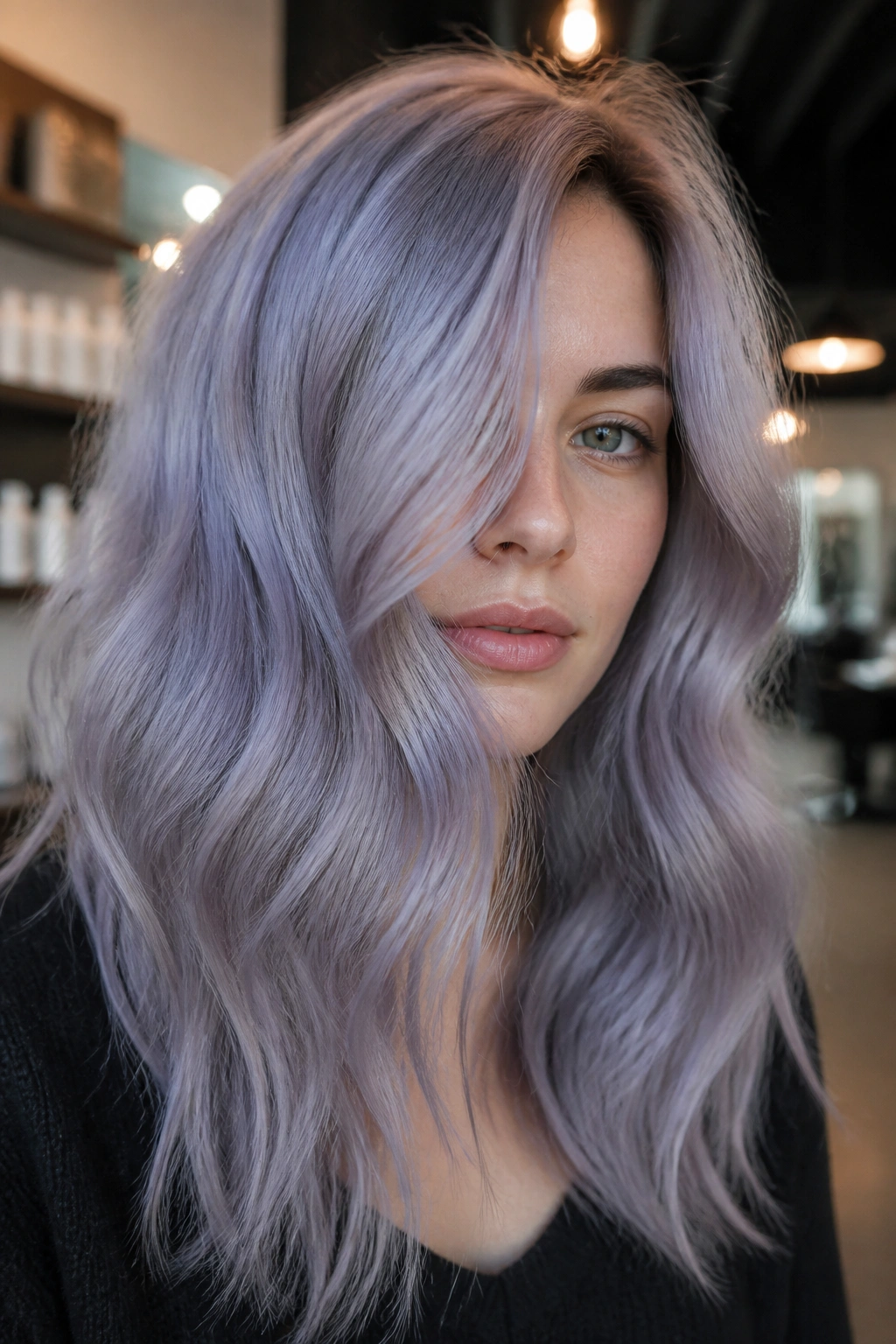
Want purple hair that does not scream purple? Blue-gray lilac is the softer answer. It has the sweetness of lilac, but the smoky cast pulls it toward slate, which is a nice match for cool skin.
The thing people miss is that “pastel” does not have to mean bright. A blue-gray lilac can look expensive because it leaves room for your skin to show. That matters. Heavy, candy-bright purple can swallow a fair or pink-toned face, while this version just sits beside it and does its job.
Ask your colorist for a diluted direct dye or a toner with violet and a touch of steel. If the finish looks cloudy in the bowl, that’s usually a good sign. You want airy, not chalky.
3. Baby Blue Melt
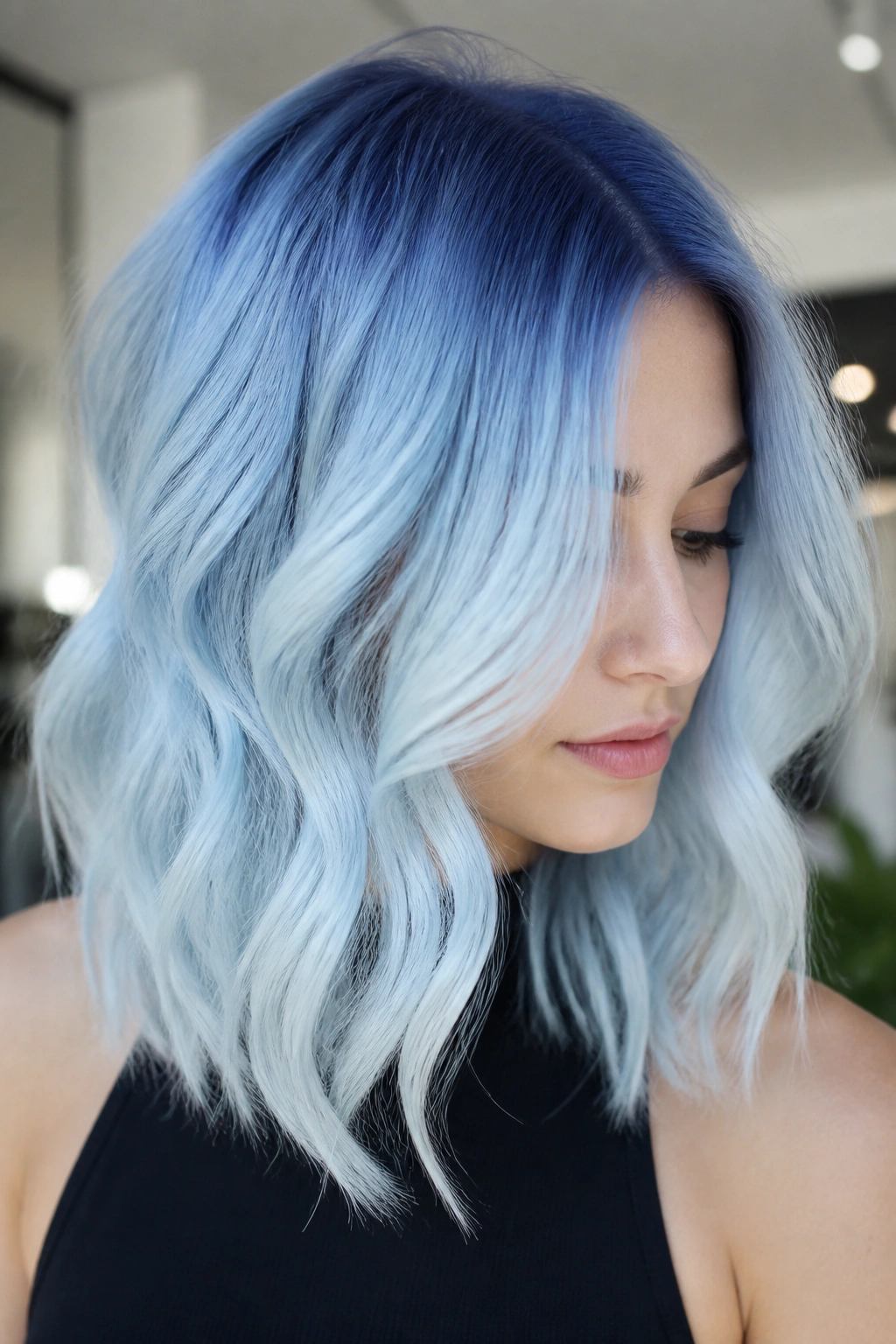
Picture a pale blue root that slips into even lighter ends. That’s the whole charm of a baby blue melt. It gives you color movement without a hard line, which is a relief if you hate anything that looks blocky.
How to Wear It
The root can stay a little deeper — icy silver, pale denim, even a smudged charcoal at the scalp — so the ends carry the brightness. That keeps the face from being boxed in by blue, and cool skin gets the benefit of the color without the shock of a solid panel.
- Works best on layered cuts where the fade can move.
- Needs a clean lift to pale yellow before the blue goes on.
- Looks strongest when the blue is semi-sheer, not opaque.
If your hair is porous, ask for a test strand. Baby blue grabs fast, and one patchy section can throw off the whole thing.
4. Periwinkle Ends
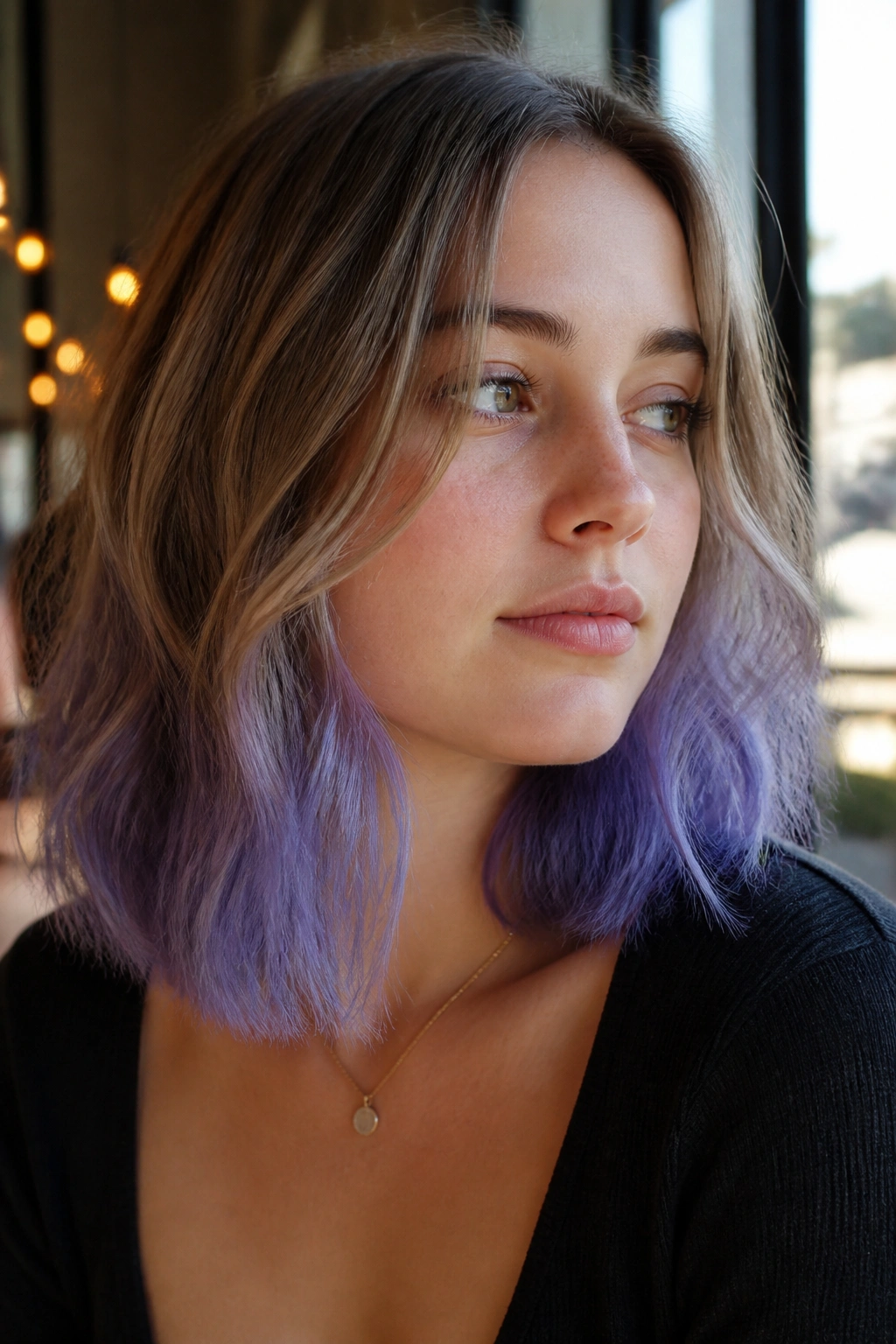
Periwinkle is the shade I suggest when someone wants playful hair that still behaves in daylight. On cool skin, the blue-violet balance keeps it friendly, not sugary.
I like it on shoulder-length cuts because the ends can carry most of the color. A darker root or natural base makes the pastel tips easier to live with, and the contrast gives the shade some shape. On curls, it looks a little more whimsical; on loose waves, it reads softer and cleaner.
- Ask for a blue-lavender mix, not a warm lilac.
- Keep the saturation light at the very tips.
- Use it on movement-heavy styles if you want the color to look airy.
Periwinkle loses its charm when it gets too dense. It should feel almost weightless.
5. Smoke Rose
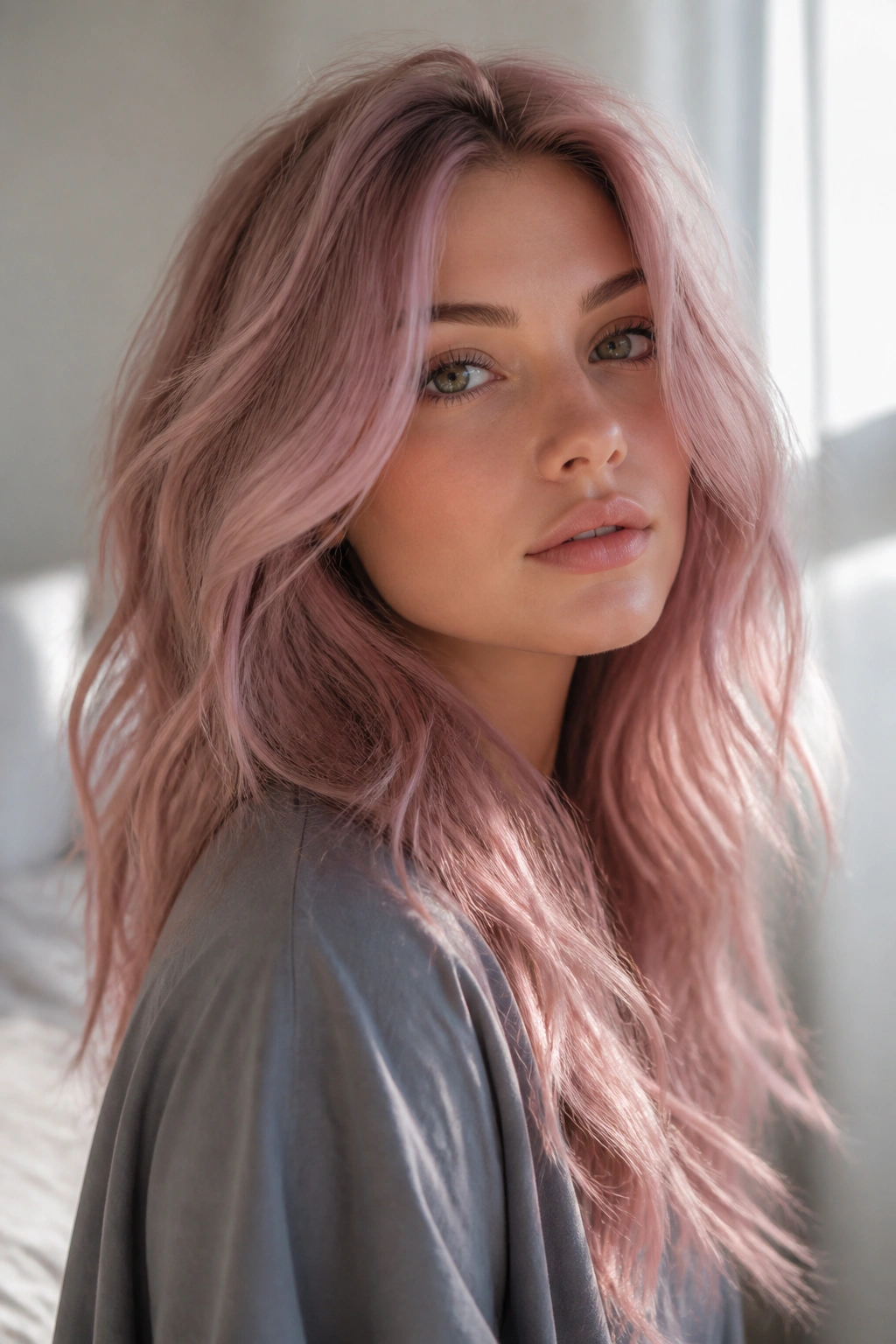
Smoke rose looks like blush pink that somebody dusted with gray. That gray layer is the reason it works so well on cool undertones. It stops the pink from turning warm and keeps the whole color calm against the skin.
A warmer rose can make cool complexions look a little tired. Smoke rose does the opposite. It gives the hair a soft flush without pushing the face into peach territory. Ask for a rose toner with a violet or blue base, and keep the finish translucent rather than opaque. The prettiest versions have that cloudy, washed-soft look you’d expect from a satin ribbon left in the sun.
On longer hair, the shade looks lovely in ribbons. On shorter cuts, it feels cleaner when the shape is blunt and the color is even. Soft makeup helps here — cool nude blush, a mauve lip, and maybe a silver earring. That’s enough.
6. Mint Ice
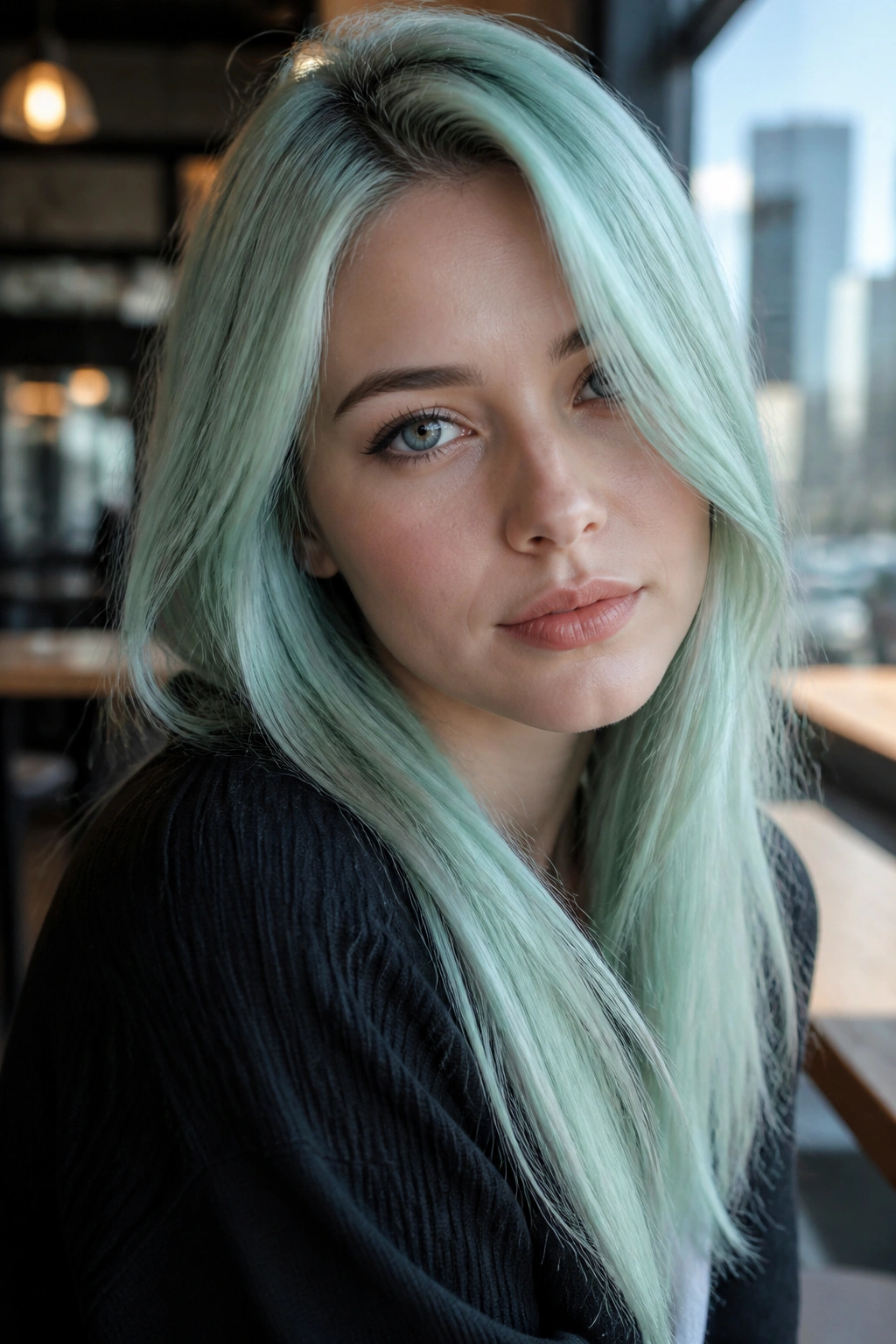
Unlike spring green, mint ice keeps its cool. That is the whole point. The blue in the formula calms the green and makes the shade sit better beside pink-toned or neutral-cool skin.
This is one of those colors that looks louder in the bowl than on the head. A pale, frosted mint can read almost like sea glass once it’s on hair, especially if the base was lifted evenly. If there’s too much yellow left underneath, though, mint can go weirdly neon under warm indoor light. Nobody wants that. Ask for a gray-leaning mint, not a candy one.
Mint ice works especially well on sleek bobs and shoulder-length cuts. The smoother the texture, the more the color reads like a single clean tone. The frosted version is the one that flatters.
7. Powder Blue Money Piece for Cool Skin Tones
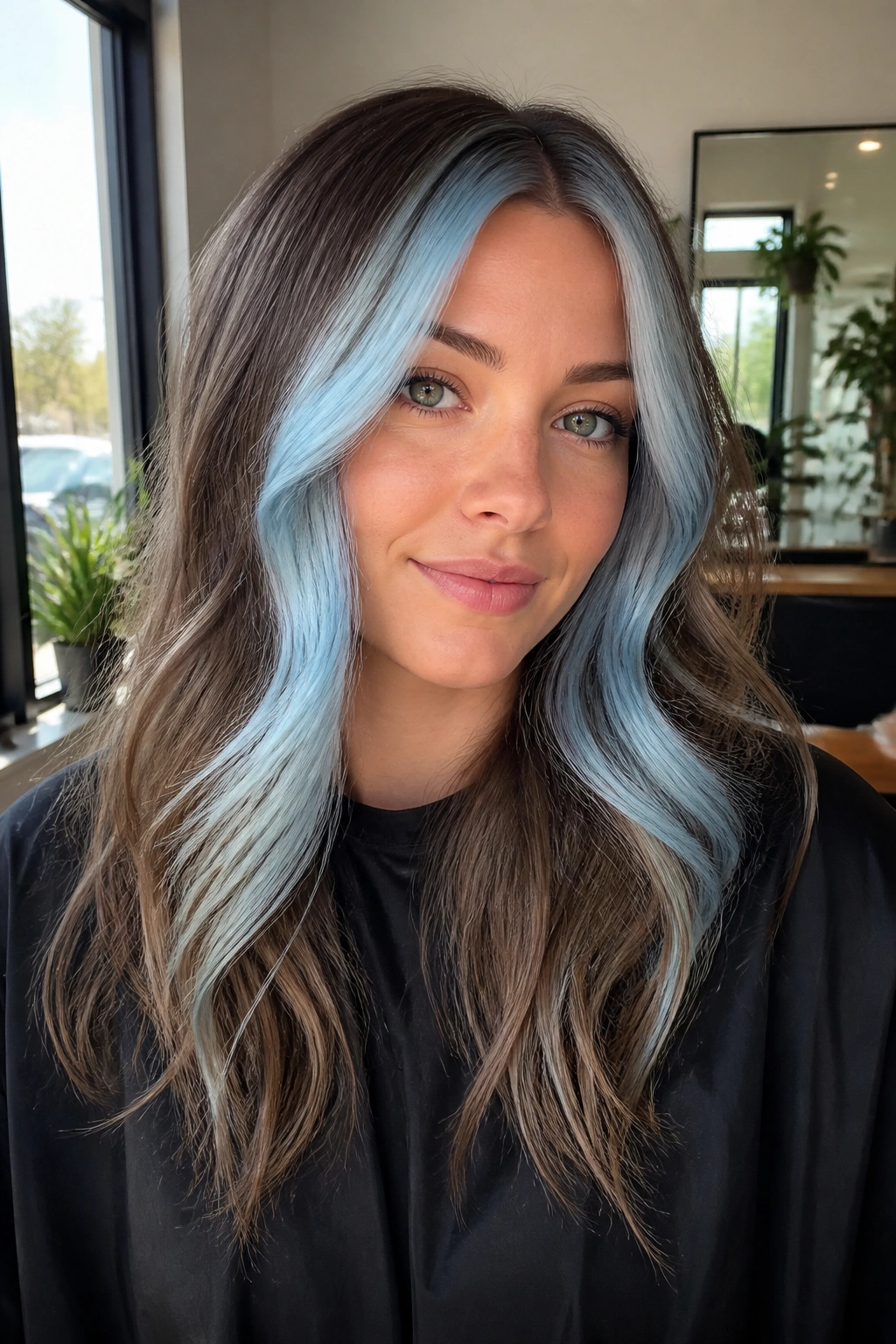
If you want a pastel that makes a visual dent without a full-head commitment, start at the front. A powder blue money piece frames the face, brightens cool skin, and leaves the rest of your hair alone.
Why It Works
The front sections sit close to your cheeks and eyes, so the blue needs to be pale, not icy-neon. A soft powder shade does the job with less upkeep than all-over color, especially if the rest of your hair stays brunette, ash blonde, or muted silver. It also gives you room to test whether you like pastel blue at all before you go bigger.
- Best for curtain bangs, face-framing layers, or a blunt fringe.
- Ask for fine sections rather than chunky streaks.
- Keep the blue slightly dusty so it doesn’t fight your undertone.
I like this on people who wear eyeliner. The color and the makeup have the same clean edge, and that can look very sharp.
8. Pastel Teal
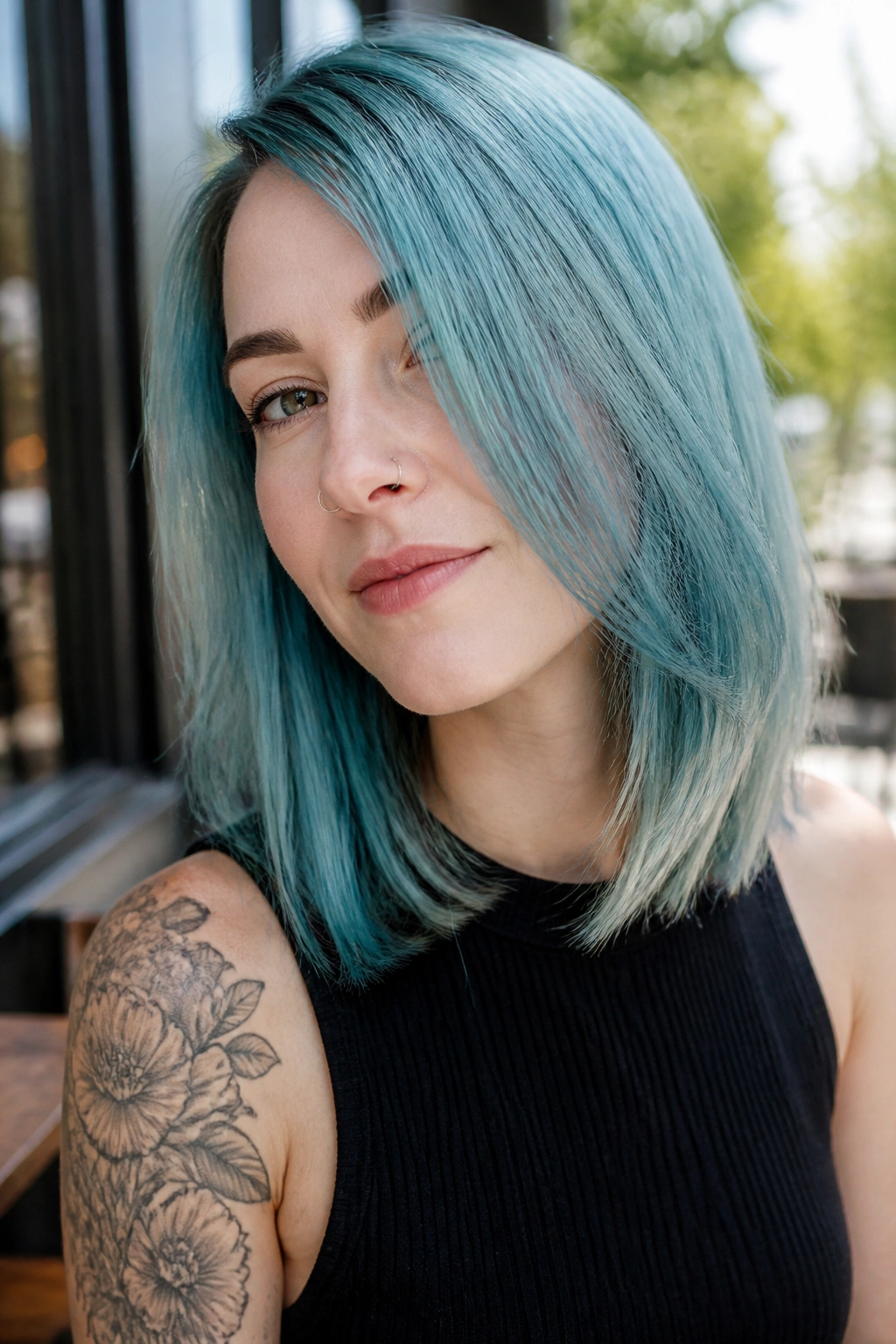
Pastel teal can flatter cool skin faster than people expect. The blue-green mix feels fresh, and the cool base stops it from drifting into tropical-water territory.
A good teal has a gray veil over it. That softens the green and keeps the shade from looking cartoonish, which is the main problem with cheaper-looking formulas. On blunt hair, teal feels sleek. On messy texture, it gets a little more playful, almost like the color was borrowed from a vintage glass bottle.
Where It Works Best
- Shoulder-length cuts with movement
- Hair lifted evenly to pale blonde
- Wardrobes with black, white, charcoal, or denim
Skip the bright version. The pastel one is the one that flatters cool skin without turning loud.
9. Mauve Orchid
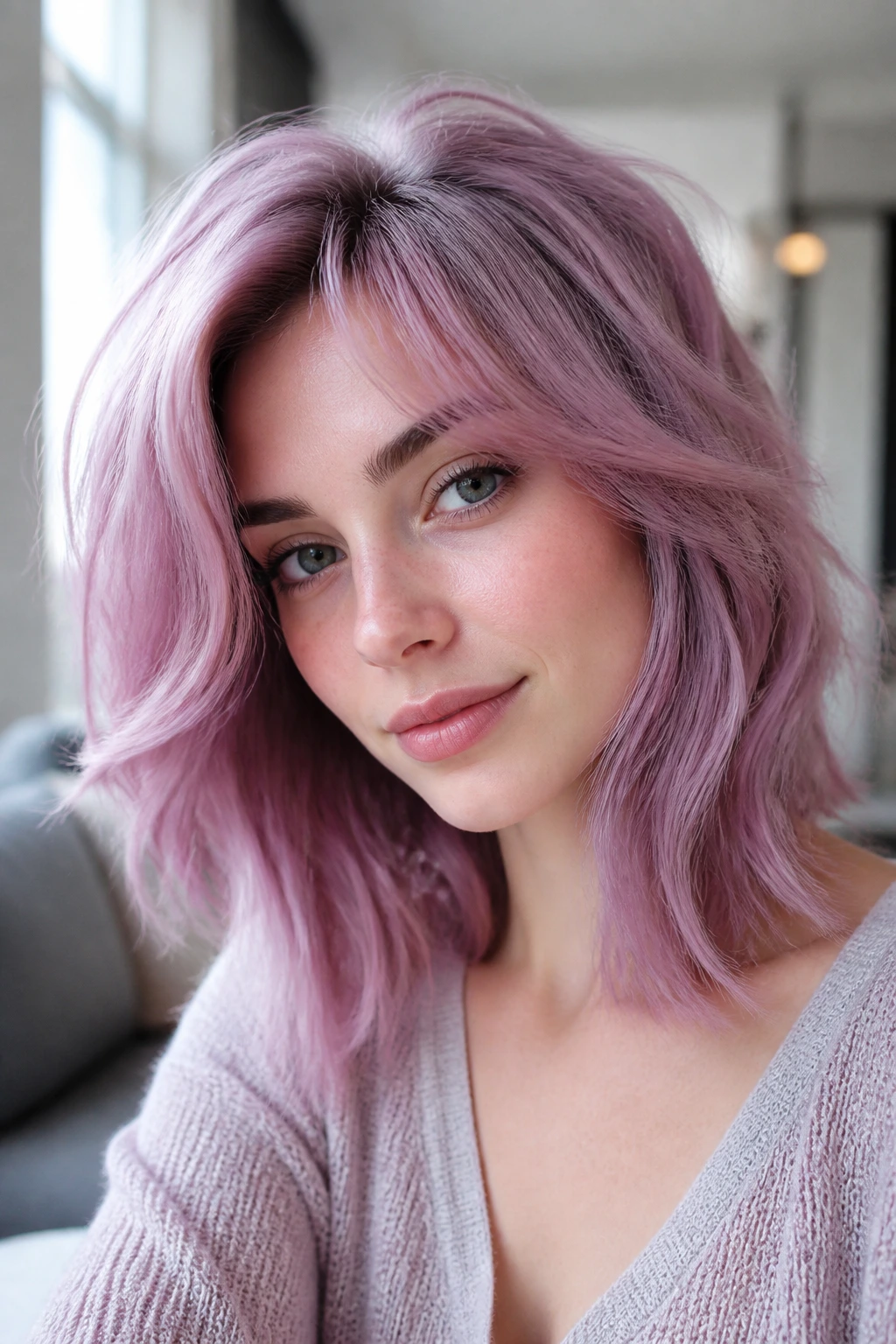
Why does mauve orchid look richer than bubblegum pink? Because it has a cool, dusty base that gives the shade some depth. On cool skin, that little bit of restraint matters.
Mauve orchid sits between pink and purple, but the violet side does the heavy lifting. That means the color can brighten the face without pushing warmth into it. It’s a nice option if you want something feminine but not sugary. The finish should be soft and slightly muted, like silk that has lost a little sheen, not flat, not dull.
This is also one of the easier pastels to wear with berry lipstick, dark lashes, and silver jewelry. It looks especially good on layered cuts, where the color can break up a little as the hair moves. A heavy, one-tone block can feel too dense. You want air around it.
10. Cotton Candy Pink with a Blue Base
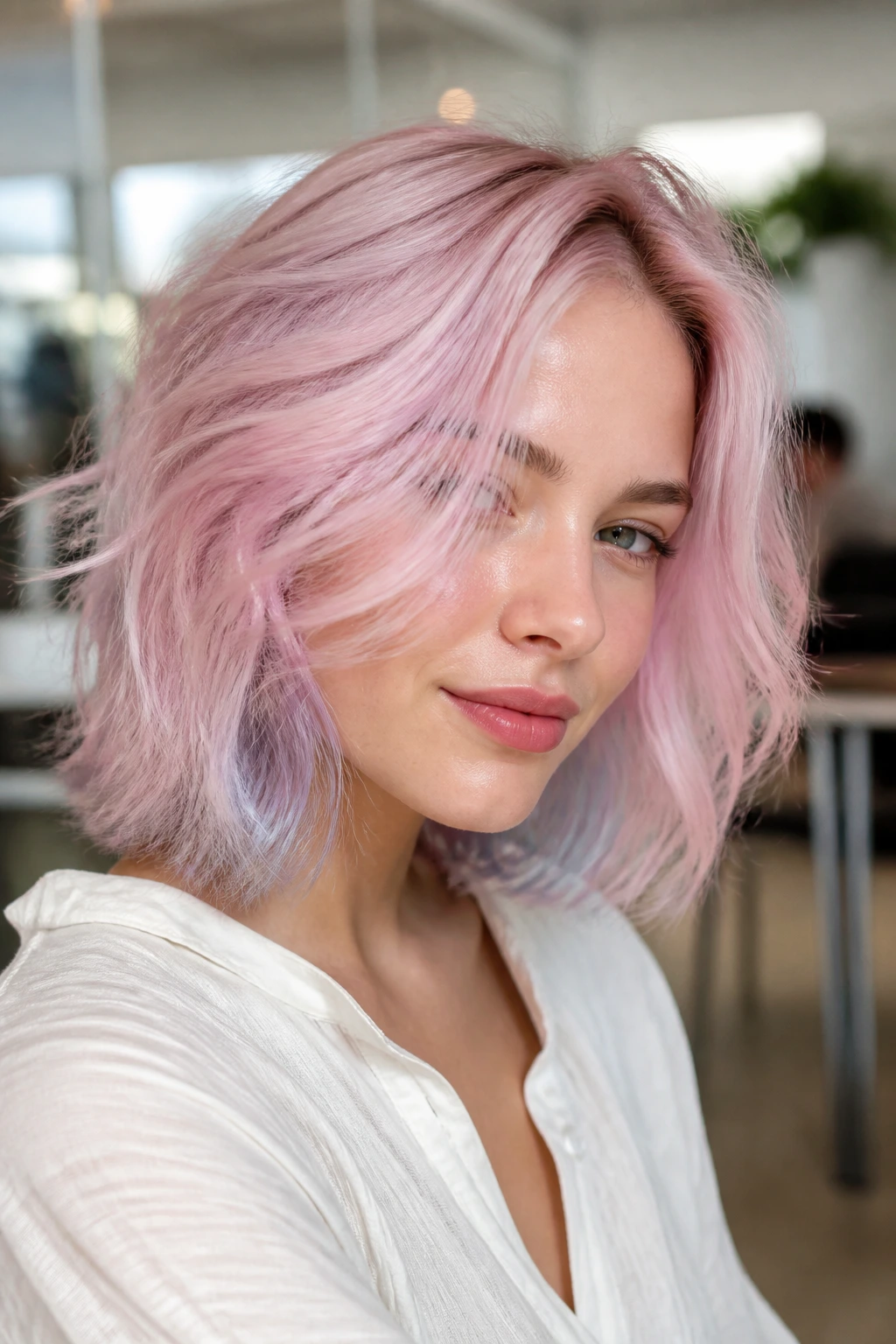
The trick with cotton candy pink on cool skin is keeping the warmth out of it. A blue or violet base stops the pink from turning peach, and that one detail changes everything.
Ask for a whisper-soft pink, not a neon rose. The pale version looks best when the hair has enough lift to hold translucence, because opaque pink can sit heavy around the face. On cool skin, the lighter version reads like frost-tinted blush. It feels airy, not sticky-sweet.
- Good for all-over color on short hair.
- Even better as faded ends on long layers.
- Needs gentle cleansing if you want the pink to last.
This is the shade people think is high maintenance, and it can be. Still, it has a lovely softness that warmer pinks do not always manage.
11. Seafoam Balayage
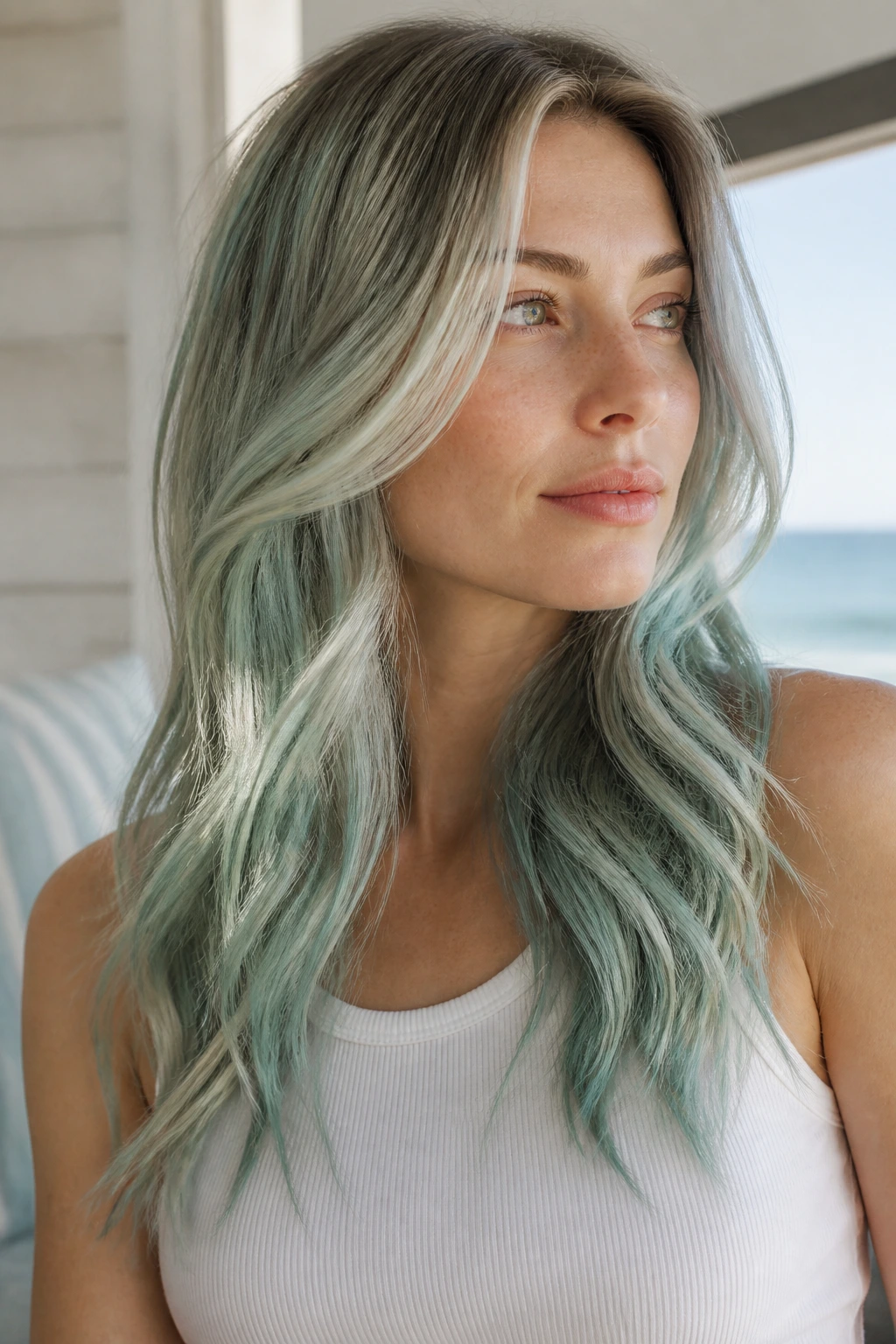
Seafoam sounds beachy, but the right version is more mist than vacation. On cool skin, the blue-green mix can look clean and glassy, especially when it’s painted in loose balayage ribbons instead of solid blocks.
What Makes It Work
A pale seafoam with a silver cast avoids the yellow-green problem. The placement matters too. If the color starts lower on the shaft, your face keeps the focus and the ends do the interesting work. That’s a smart move for anyone who wants a pastel that feels light rather than loud.
- Works well on layered hair and waves.
- Looks strongest on an icy blonde or ash brunette base.
- Fades into soft mint or pale aqua, not orange.
I’d choose this for someone who wants movement first and color second. It shows up without taking over.
12. Smoky Amethyst
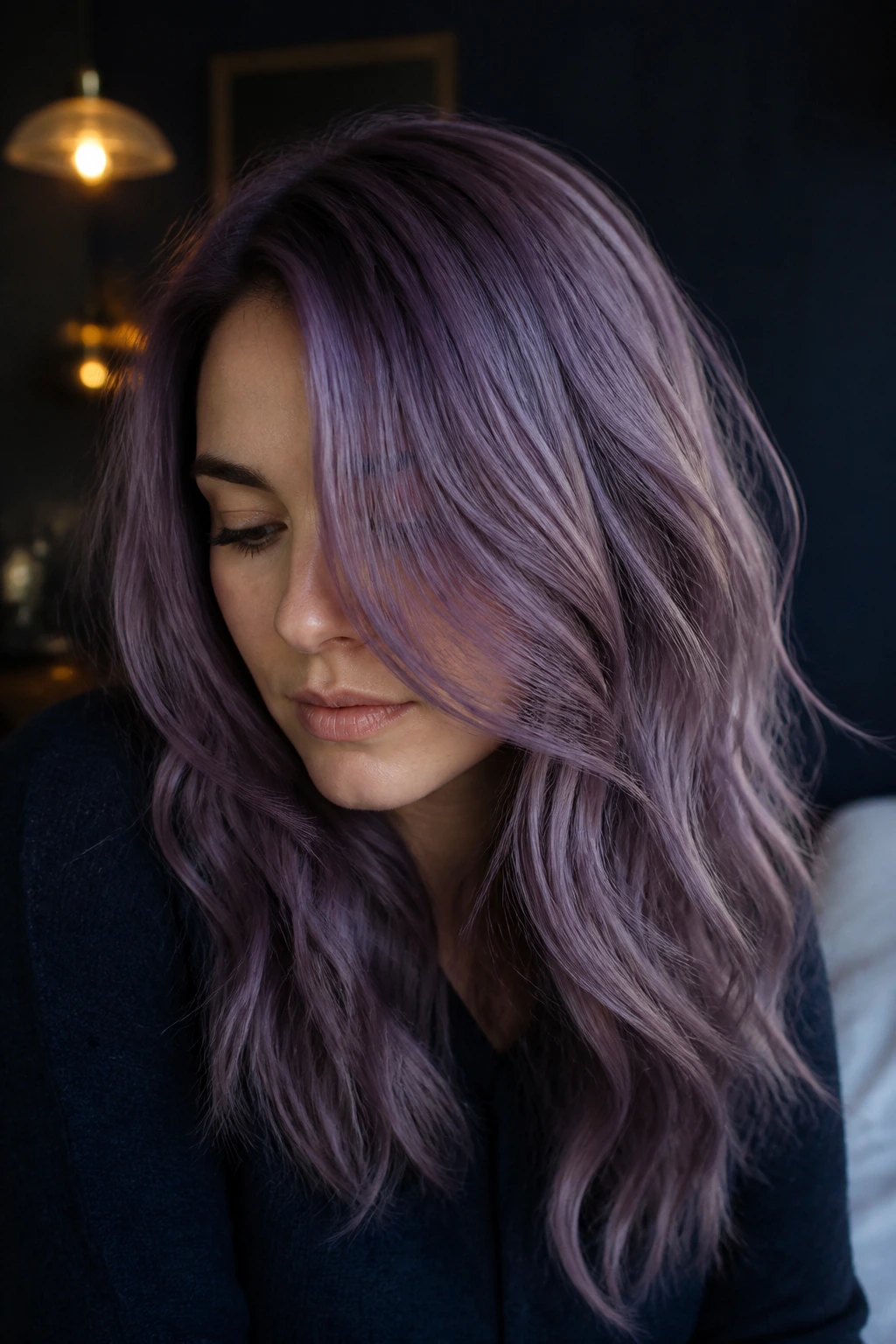
Smoky amethyst is for the person who wants purple, but not candy purple. The smoky part matters. It pulls the shade away from sweetness and gives cool skin a deeper frame.
This color can read almost velvet-like in dimmer light, then turn softer and more lilac in daylight. That shift is part of the appeal. It feels polished on straight hair and a little more romantic on curls. If your wardrobe leans navy, black, charcoal, or deep green, smoky amethyst slots in without a fight.
It also has a practical side. The darker depth makes it easier to wear on hair that has not been lifted all the way to the palest blonde, though the base still needs to be clean. Ask for a violet-heavy formula if you want the fade to stay clean. When the pink creeps in, the shade loses its edge.
13. Glacier Silver for Cool Skin Tones
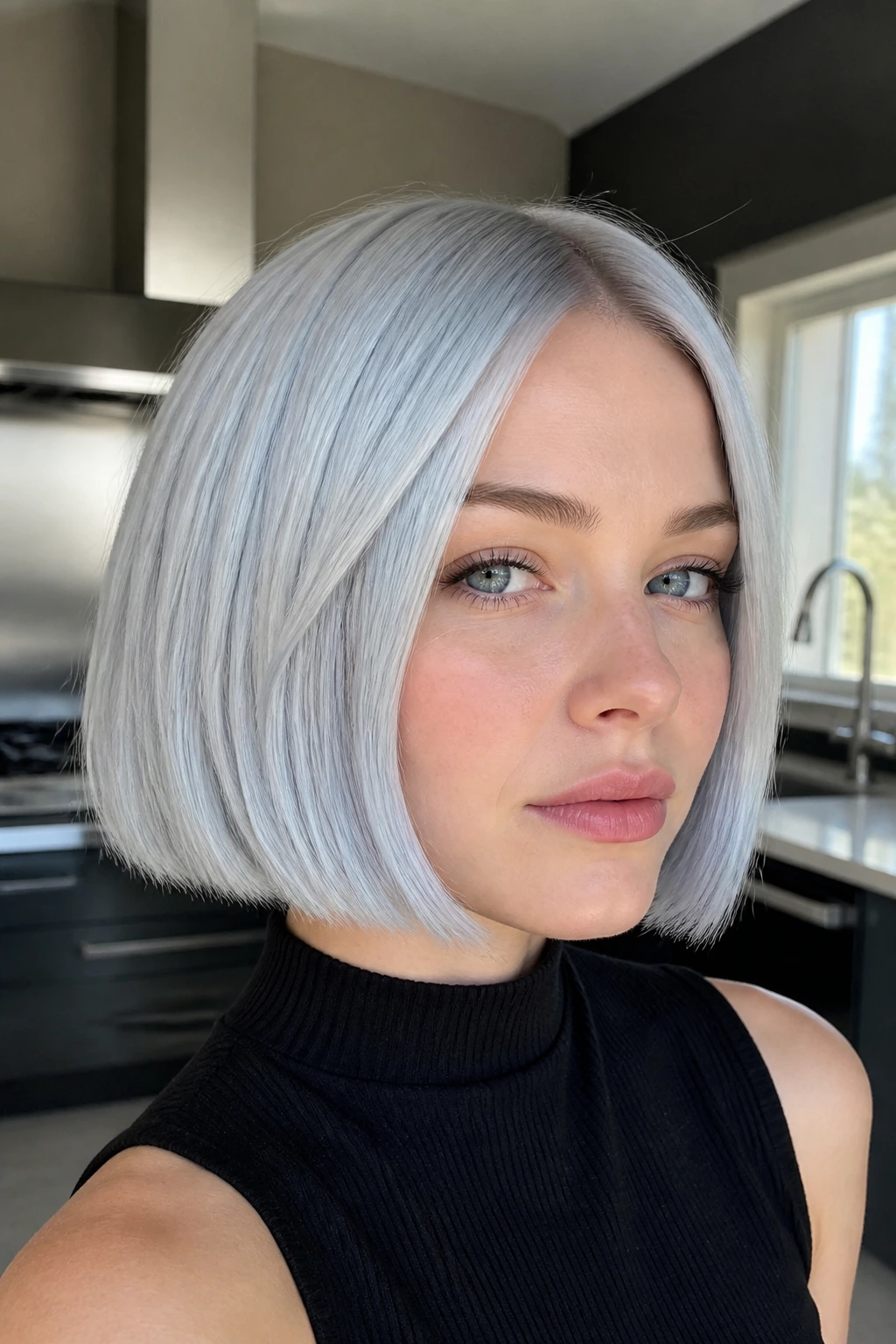
Glacier silver is the closest thing to a cheat code for cool undertones. It makes the skin look fresher because the hair and face are speaking the same color language.
A real silver finish should look icy, not dull. If the base is too yellow, the color goes khaki fast, so the lift has to be clean. This shade shines on blunt cuts, sleek bobs, and long layers with a little shine spray. Not greasy. Just glossy enough to keep the metallic tone from reading flat.
A quick reality check
It is not a low-care color. Silver needs toning, careful washing, and a base that can hold a pale shade. But if you want hair that looks crisp beside cool skin, this is one of the sharpest options.
The silver that leans blue is the one to ask for. It feels cleaner on the face than a warmer pewter.
14. Soft Denim Blue
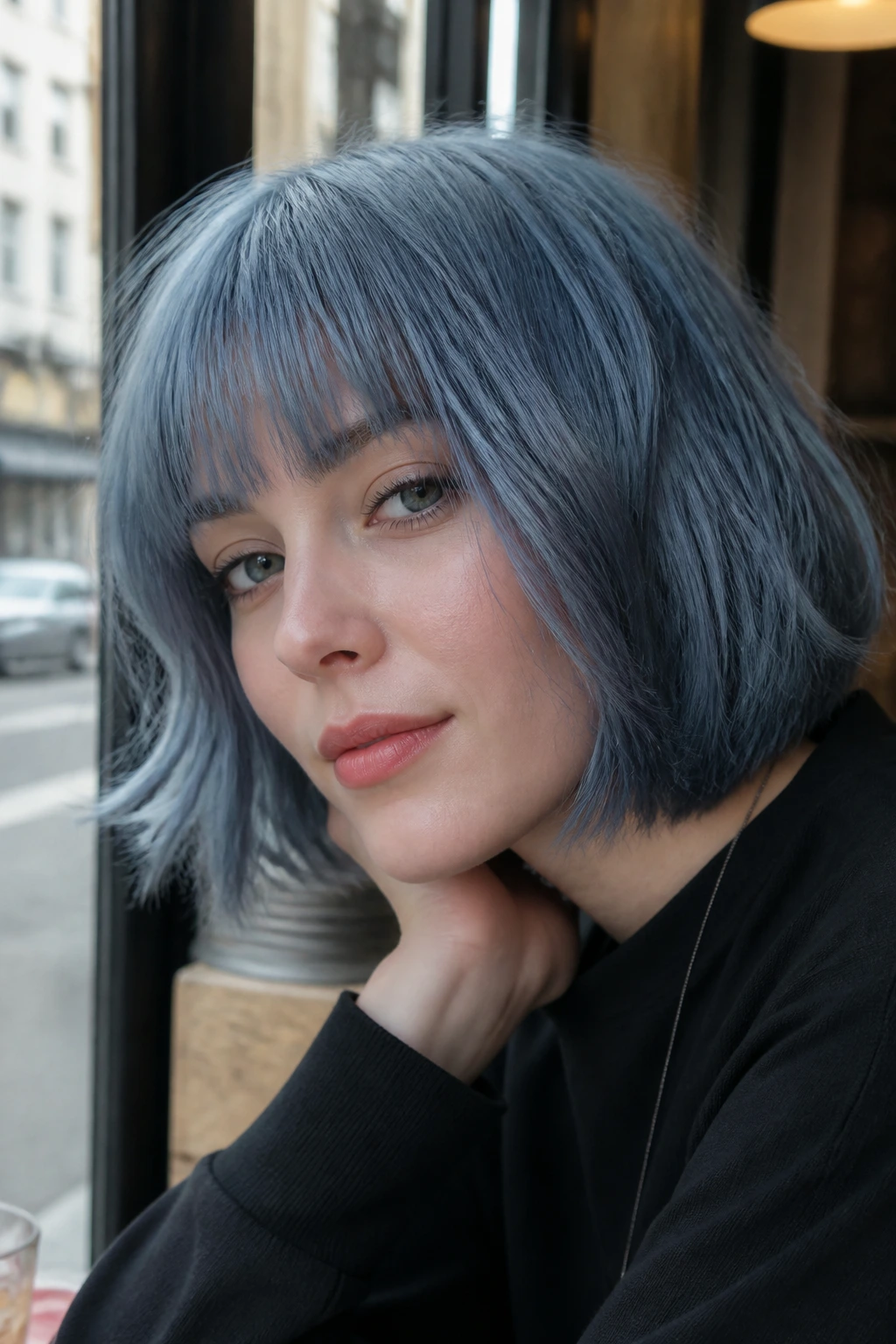
Compared with baby blue, denim blue feels more grounded. It’s still pastel, but the extra depth gives it a lived-in look that cool skin can wear without looking too precious.
That slightly dustier finish is what makes it work with blunt bangs, shaggy layers, and shorter cuts that need a little attitude. Ask for a blue that leans gray rather than turquoise. The moment yellow sneaks in, the whole shade loses that clean denim feel and starts looking muddy instead of cool.
Soft denim is one of those shades that looks especially good with simple clothes. A white tee, black eyeliner, and silver hoops are enough. I like it because it doesn’t ask for a whole costume. It stands on its own.
15. Frosted Plum
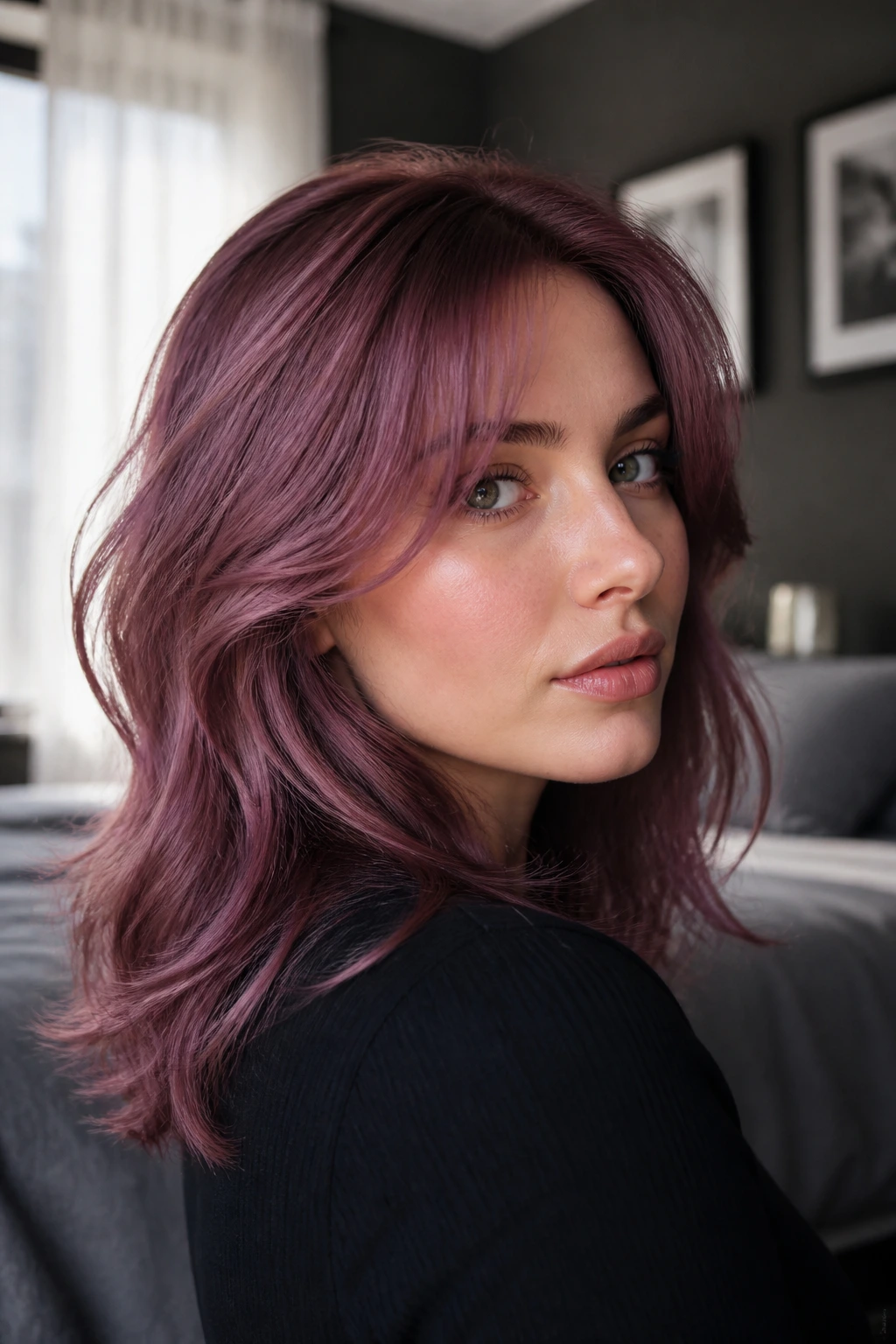
A lot of people ask for berry hair and end up with something too warm. Frosted plum fixes that. It keeps the purple side of berry, drops the red, and leaves you with a cool, soft shade that flatters pink undertones.
This one works especially well if your wardrobe already leans black, charcoal, navy, or deep green. The color has enough depth to look grown-up, but it still reads pastel once the light hits it. On curls, it softens into a cloud of color. On straight hair, it shows its plum edge more clearly.
Ask for a violet-heavy gloss if you want the fade to stay clean. That keeps the pink from drifting warm. And if your hair tends to grab pigment fast, this is a nice place to be, because plum usually fades in a more graceful way than brighter pinks do.
16. Arctic Aqua
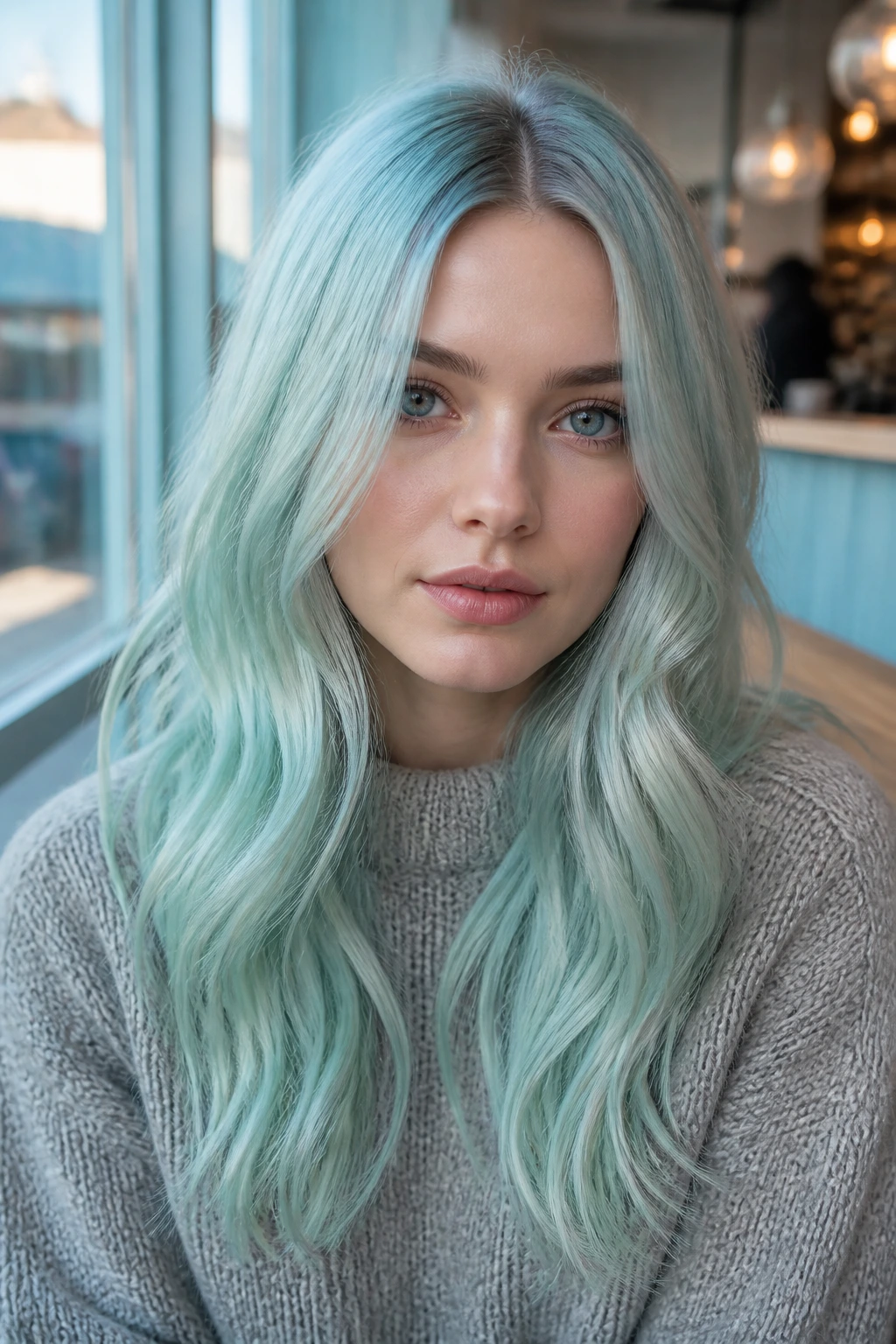
Can aqua work on cool skin without looking loud? Yes, if it stays pale and frosted. Arctic aqua has a blue-green snap, but the icy finish keeps it from sliding into tropical territory.
The nicest versions sit somewhere between pool water and sea glass. They usually need a very pale base, because any leftover yellow can make aqua feel slightly swampy. That is the whole game here. Clean lift, cool tone, and a finish that looks almost frosted at the ends.
Best cut pairings
- Long layers
- A blunt lob
- Loose waves with a center part
It is a bold shade, but not a noisy one. That distinction matters more than people think.
17. Lavender Gray
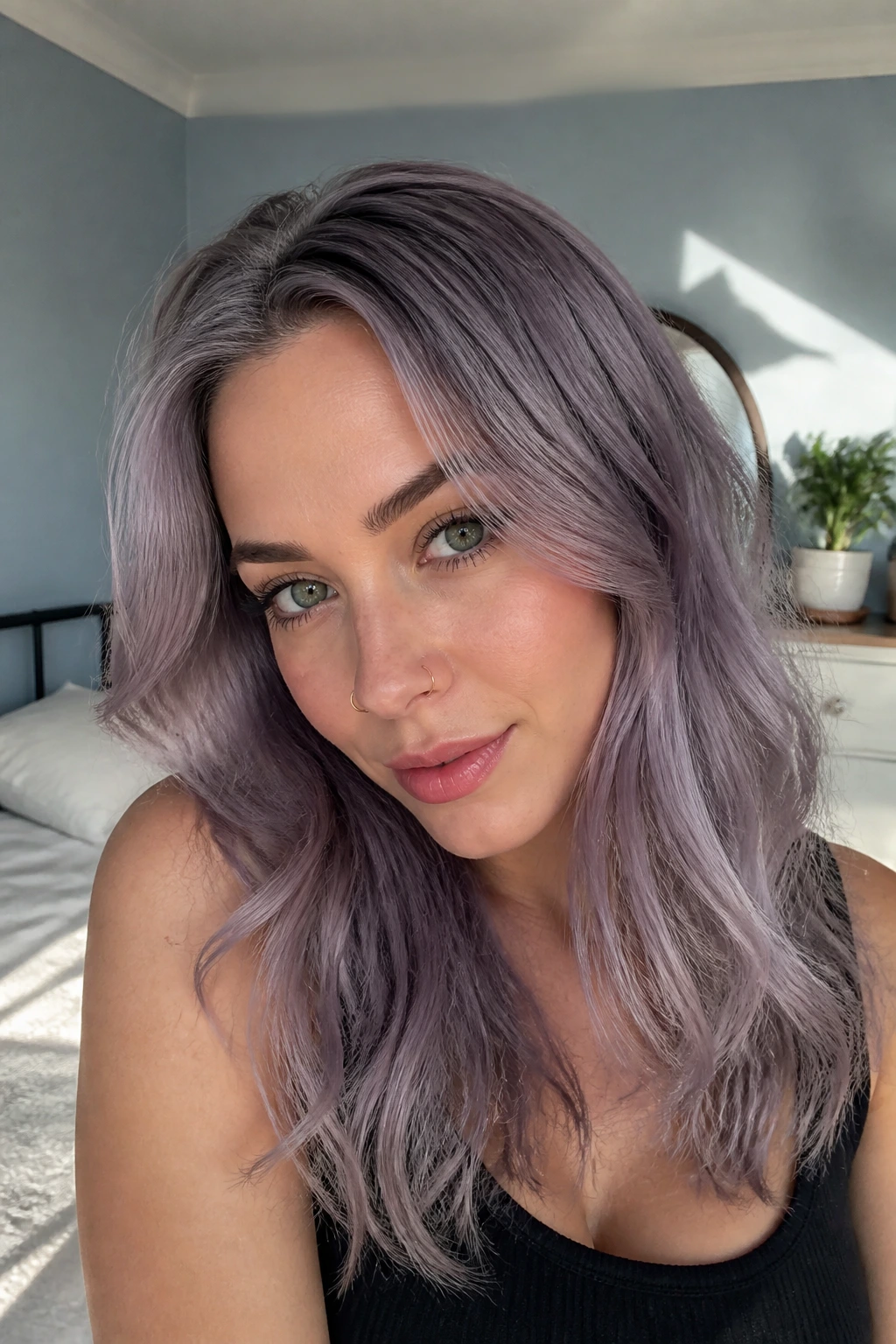
Lavender gray is one of the easiest ways to make pastel hair feel a little more grown-up. The gray mutes the sweetness, and the lavender keeps the shade from becoming flat silver.
This color is a strong match for cool skin because it mirrors the soft blue-pink cast many cool complexions already have. It is also forgiving when it fades. Instead of turning brassy, it drifts into a dusty haze that still looks intentional. That is a nice thing to have in your corner when you’re dealing with pastel color, which can go wonky fast if it was mixed too warm.
I like this on hair that has movement but not too much volume. Too fluffy, and the shade gets lost. Too tight, and the gray can feel heavier than it should. A soft wave or gentle bend is enough.
18. Blueberry Milk
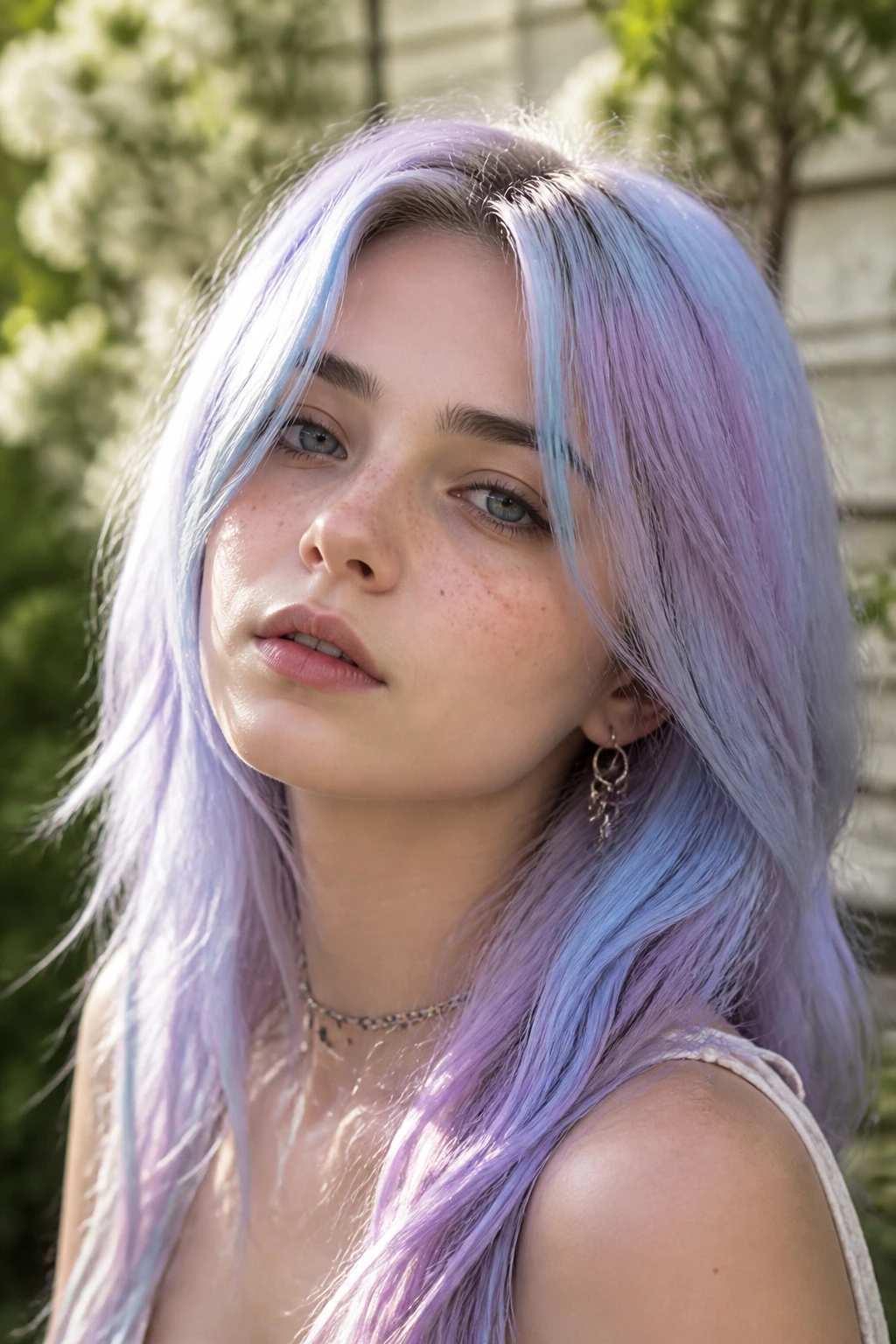
Blueberry milk sits between baby blue and lilac, and that middle ground is exactly why it works. It has enough color to be playful, but the milky finish keeps it soft against cool skin.
Ask for a creamy pastel, not a flat blue. The word milky matters here because it signals diffusion, not opacity. On bleached hair, the shade looks almost like colored fog. On a darker base with highlights, it shows up as a cool whisper rather than a full repaint.
- Good on loose waves.
- Better on mid-lengths than super-short crops.
- Needs a pale base if you want the lilac note to stay visible.
It’s a pretty shade, but the appeal is in the softness, not the brightness. That’s what makes it wearable.
19. Holographic Pastel Panels
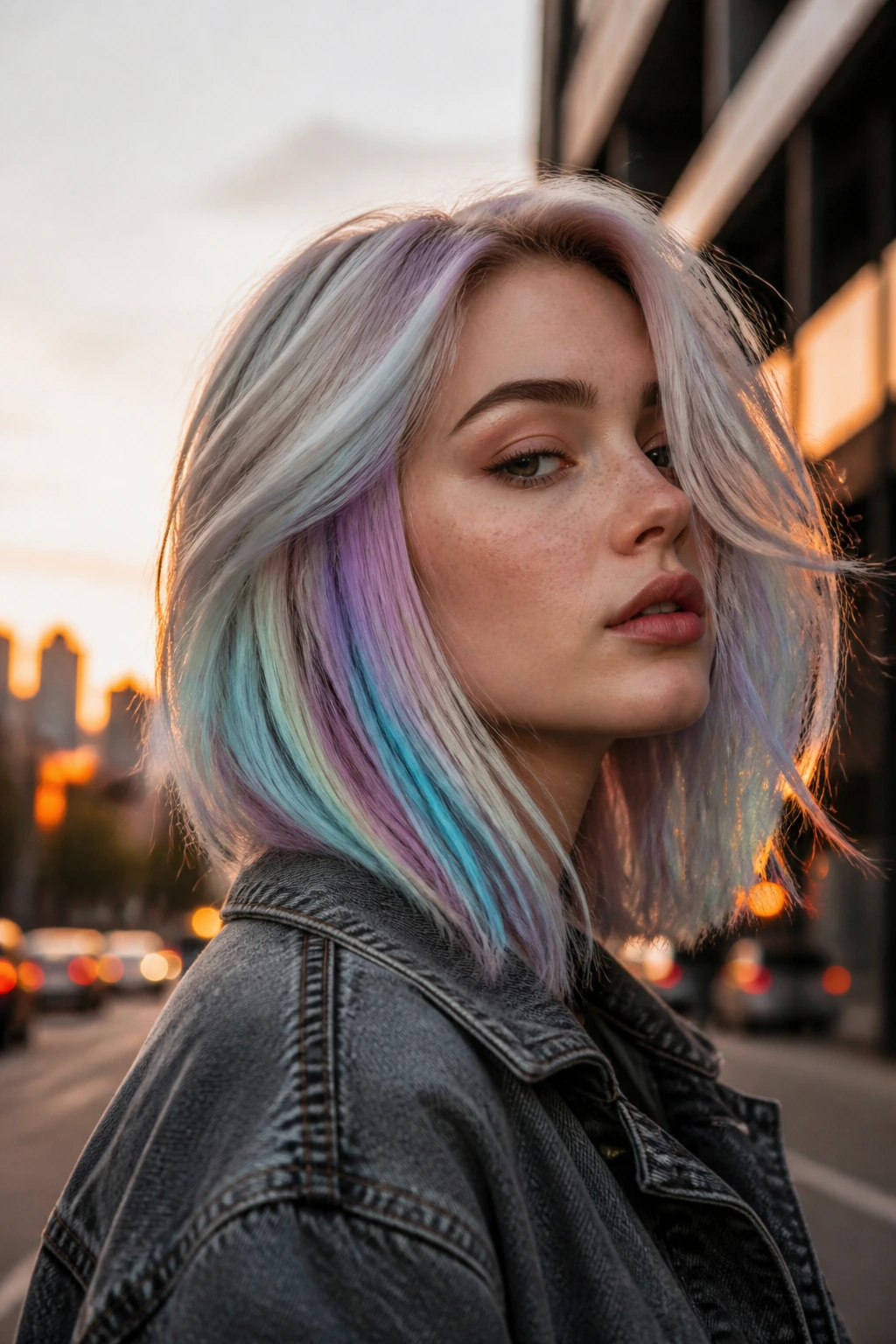
If you like color that changes when the hair moves, pastel panels are the fun version of commitment hair. Hide lavender, mint, blue, or mauve under the top layer, and the look shifts every time you tuck your hair behind your ear.
That approach flatters cool skin because you can keep the brightest tones away from the face and let them show only when you want them to. It also makes maintenance easier. When the pastel starts to fade, the hidden placement means the grow-out is less obvious, which I appreciate more than I should probably admit.
What to ask for
- Thin panels, not heavy chunks
- Cool shades only: violet, blue, mint, smoky pink
- A neutral or ash top layer to keep the look balanced
This is the one I’d pick for someone who gets bored fast. It has enough surprise to stay interesting.
20. Pastel Shadow Root Rainbow for Cool Skin Tones
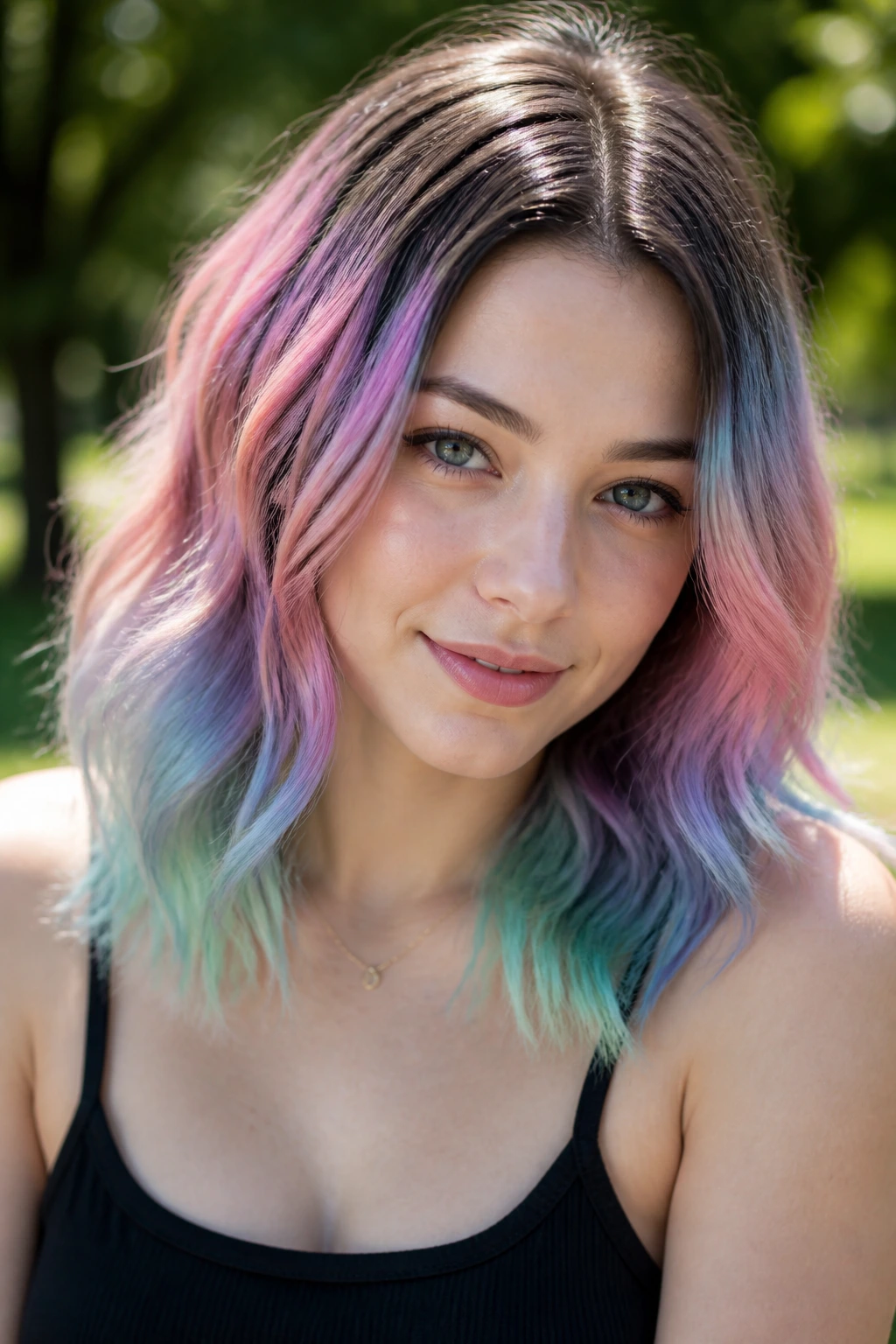
Unlike a full-head rainbow, a pastel shadow root keeps the look anchored. The darker root gives your cool skin something to sit against, while the pastel lengths can move between lilac, blue, mint, and silver without turning muddy.
This is a smart choice if you want several soft colors but do not want the whole head to look busy. Ask for a root smudge in ash brown, charcoal, or deep violet, then place the palest shades through the mid-lengths and ends. That bit of depth at the scalp makes the colors beneath it feel cleaner. It also helps the grow-out look more deliberate, which is a nice relief when the color is meant to be playful.
A shadow root rainbow works especially well on long layers or wavy hair, where each band can peek through without crowding the others. It is the least precious way to wear pastel color. That makes it easy to live with.
If you’re choosing between two shades, hold a silver necklace or a cool gray sweater under your chin in daylight. The one that keeps your skin looking calmer is usually the right direction.
Pastels fade fast, but the ones built on blue, violet, smoke, or cool gray age with more grace. That is why these shades keep getting asked for, and why the warm ones keep getting crossed off.
