



Fine hair and bob haircuts get along best when the cut stops pretending the hair is thicker than it is. A clean bob can do that better than almost any other shape because it gives the ends a hard edge, and hard edges read as density in a mirror.
That sounds simple, but it’s the whole trick. Fine hair is about strand diameter, not how much hair you have, and that difference matters a lot when layers start eating into the outline. Too many snips in the wrong place can turn a sleek bob into something wispy at the bottom and flat at the crown. Not cute.
The good news is that a bob is not one haircut. It’s a whole family of shapes, and the line, length, and part can change everything. Some versions bring the jaw forward. Some build lift at the crown. Some make the hair look fuller by keeping the perimeter blunt and the internal layers almost invisible.
The 20 styles below cover the cuts I’d put on the shortlist for fine hair when you want shape, movement, and a little bit of polish without losing the look of thickness. Start with the one that matches how much styling you’ll actually do on a normal Tuesday. That matters more than the name of the cut.
1. Blunt Chin-Length Bob
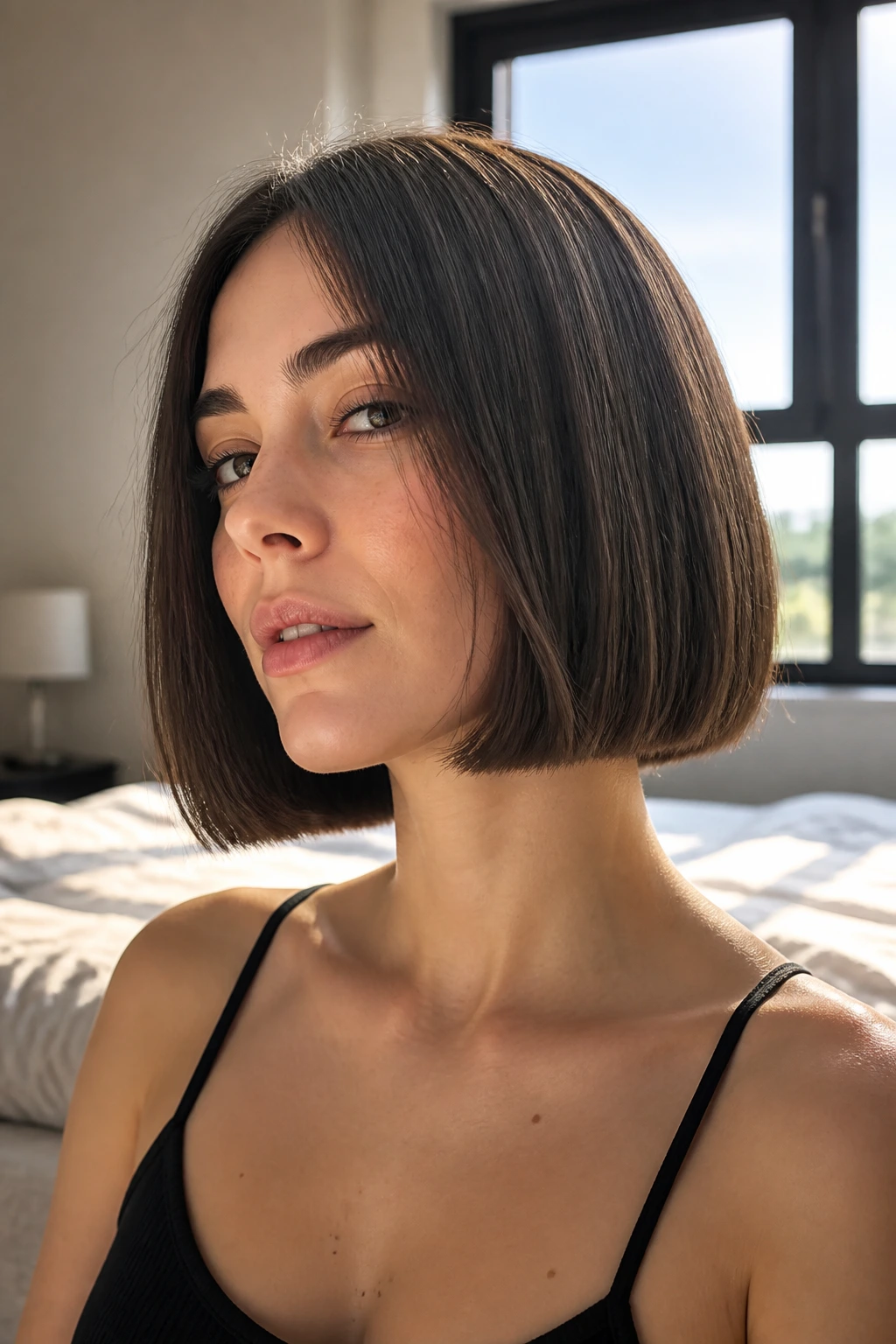
A blunt chin-length bob is the first cut I’d show someone with fine hair who wants more body without a lot of fuss. The reason is boring, in the best way: a single clean line makes the ends look denser, and chin length keeps the hair from sagging into a long, flat curtain.
Why It Works
This cut puts the visual weight right where you need it. The perimeter sits strong around the jaw, so even hair that’s soft or sparse at the ends looks fuller on sight. If your hair tends to go limp after a blow-dry, this shape gives it a better chance to hold its form.
Ask for minimal interior layers. You want shape, not shredding. A tiny bit of point cutting at the very ends is fine, but if the stylist starts taking too much out from the middle, the whole point of the blunt bob disappears.
- Best for straight to softly wavy hair
- Easy to style with a round brush or flat brush blow-dry
- Trims matter every 6 to 8 weeks
- Works especially well with a center part or soft side part
Best styling move: use a lightweight root mousse before drying, then bend the ends under with a 1.25-inch round brush. Clean, crisp, done.
2. French Bob

Can a short bob look soft instead of severe? Absolutely. The French bob does that trick by sitting a little shorter, usually around the cheekbones or just under the jaw, with a shape that feels relaxed rather than chopped.
What makes it friendly for fine hair is the length. Fine strands often look their fullest when they are not asked to hang too long, and this cut keeps the hair in the zone where it still has spring. Add a wispy fringe or a light eyebrow-skimming bang, and the whole thing starts to feel airy in a good way.
The key is restraint. A French bob should not be over-layered or over-styled. It looks best when the ends are a little imperfect, the part is slightly off-center, and the texture has room to breathe. If your hair is pin-straight, you can still wear it, but a soft bend with a small-barrel iron helps keep it from looking too rigid.
This is one of those cuts that feels expensive without trying hard. That’s the appeal. Quiet, but not boring.
3. Jaw-Length Textured Bob
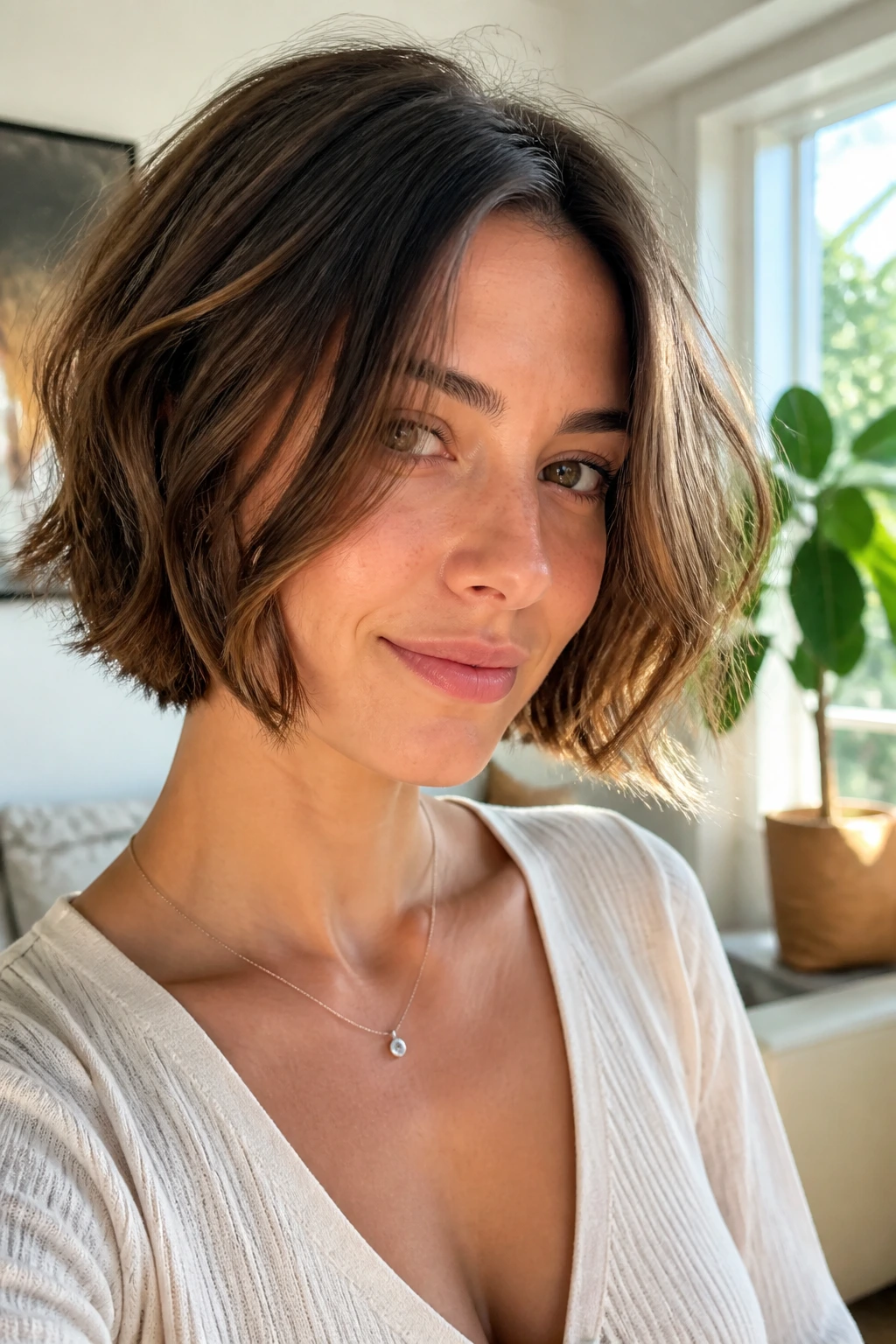
A jaw-length bob with texture can be a smart move when your fine hair needs movement more than length. The trick is to add texture at the ends, not to chew up the whole shape.
What to Ask For
Tell your stylist you want a full outline with soft movement. That usually means keeping the bottom line visible while using gentle point cutting or slide cutting near the front pieces. If the haircut gets too choppy, the ends can look thin fast. That’s the line you do not want to cross.
This cut works best if your hair already has a bit of bend. Straight hair can wear it too, but the styling is a little more hands-on. A small amount of texturizing spray or a pea-sized dab of lightweight cream through the mids helps the strands separate just enough to show shape.
What I like about this version is that it does not fight your hair. It gives the bob a little motion, which keeps fine hair from lying like a sheet. You still get a neat outline, but it doesn’t feel stiff or helmet-like. And yes, that matters.
4. Stacked Bob
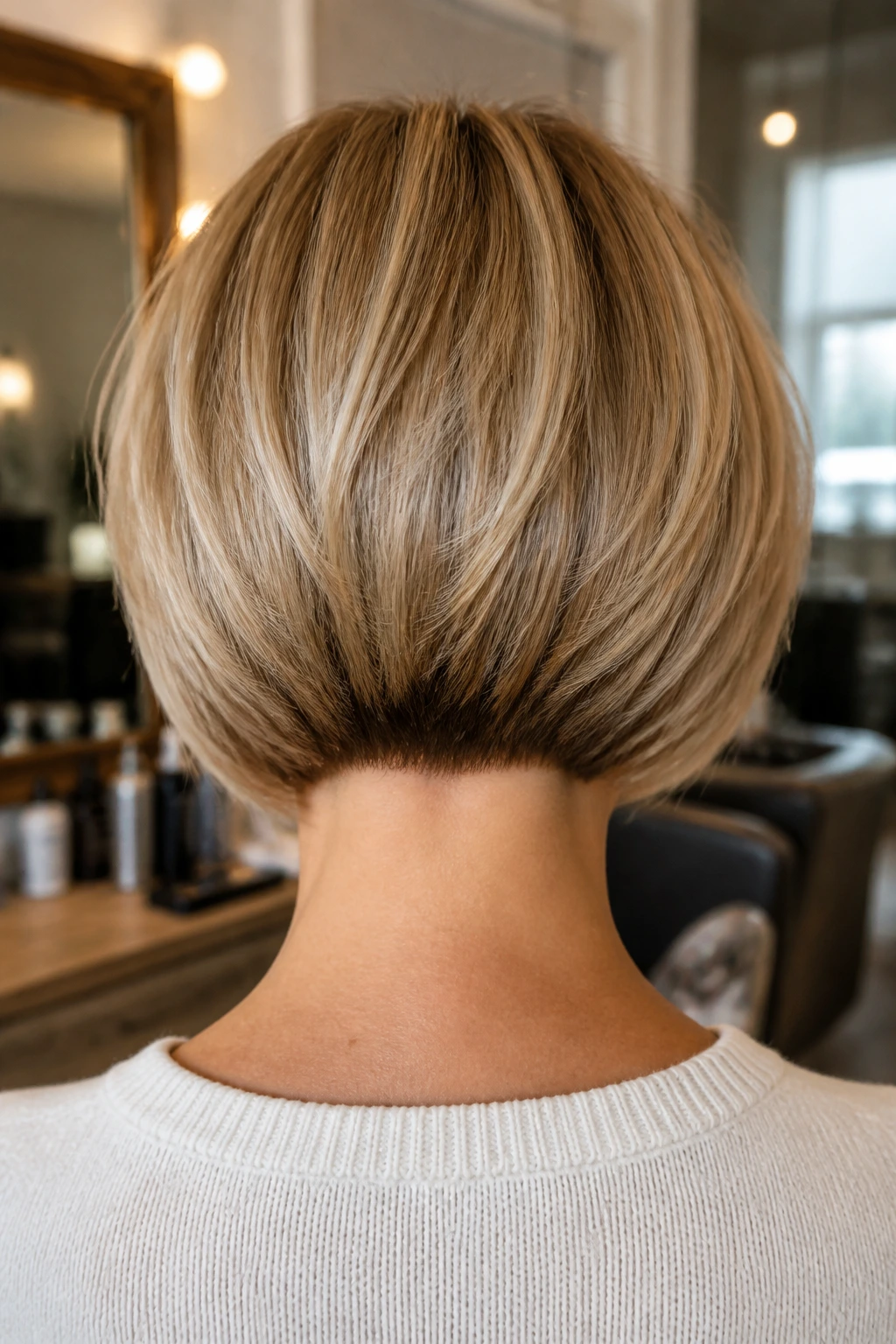
A stacked bob is the cut for anyone whose crown goes flat the second they walk out the door. The back is graduated shorter, so the hair lifts on its own instead of collapsing against the head.
That shorter back creates a small built-in boost, which fine hair often needs more than anything else. If the stylist stacks it properly, the silhouette looks rounder from the side and fuller from behind. That can be a big deal when your hair looks good in the mirror but limp in photos.
Quick Reality Check
- Needs a precise cut at the nape
- Best for people who don’t mind regular salon trims
- Works well on straight hair and softly bent hair
- Can feel too structured if you prefer messy texture
This is not a lazy haircut. It has to be maintained. If you skip trims for too long, the back grows into a strange in-between shape and the lift disappears. But when it’s fresh, it’s one of the strongest volume cheats for fine hair.
5. A-Line Bob
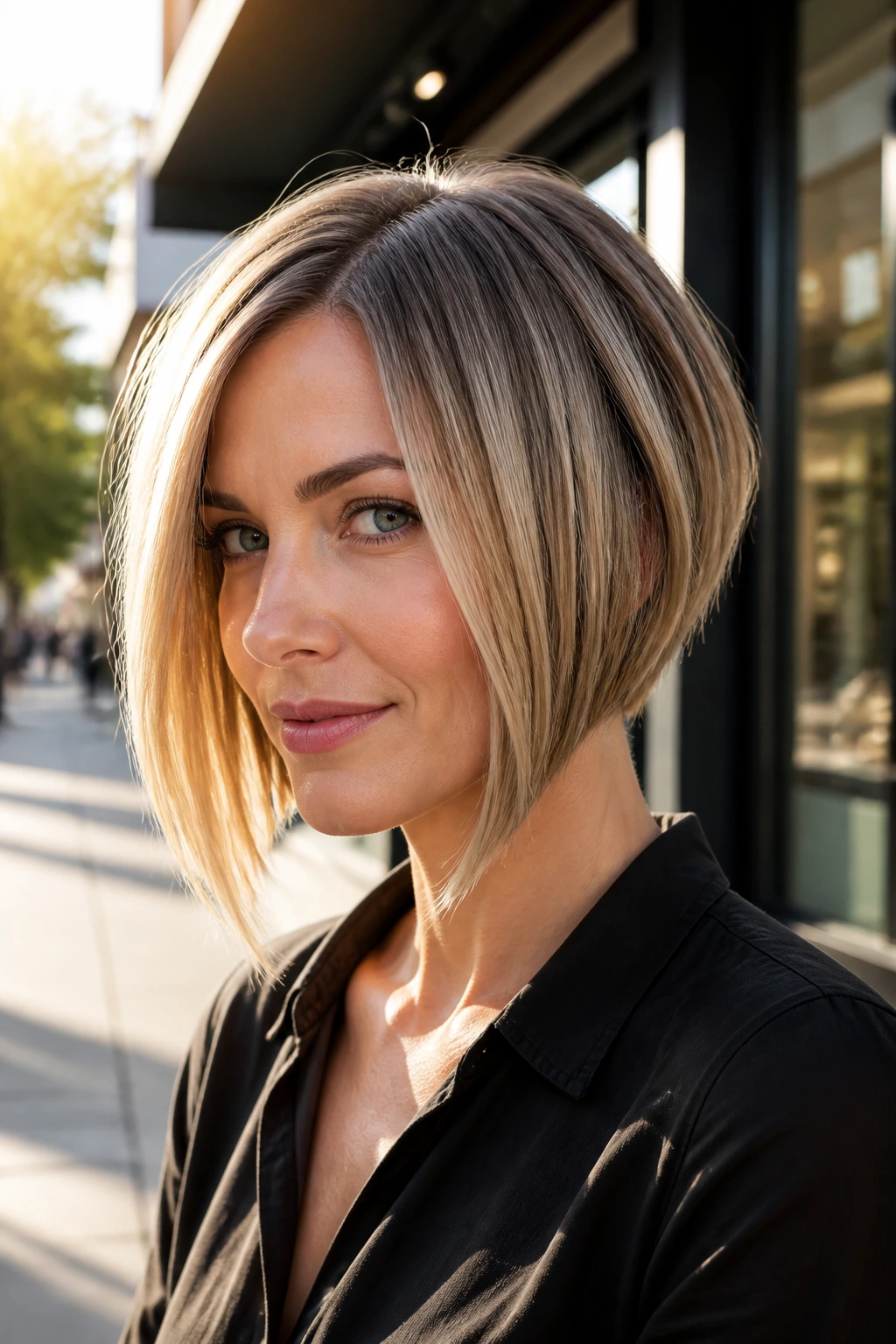
The A-line bob keeps more length in the front and shorter length in the back, which is a nice setup for fine hair because the front pieces create the feeling of movement while the back stays neat and controlled.
Unlike a blunt bob, this one gives you a bit of angle. That angle helps the hair look more intentional, and it can make the face seem a touch longer. If your jaw is square or your cheeks are fuller, that front sweep can be useful. If your hair tends to puff at the sides, the longer front pieces also help the silhouette feel less boxy.
The cut looks best when the angle is moderate. Too steep, and it becomes a graphic shape that can overpower fine hair. Too mild, and it loses the whole point. You want enough difference between back and front to feel the line, but not so much that it starts looking like two separate haircuts.
A good A-line bob is sleek, tidy, and a little sharp. It’s one of my favorites for people who want polish without losing the illusion of thickness.
6. Collarbone Lob

A collarbone lob is the safe bet that doesn’t look safe once it’s cut well. It gives you enough length to tuck behind the ears, throw into a clip, or pull into a small ponytail, but it still sits short enough to keep fine hair from drooping into sad territory.
This cut works because the collarbone is a useful stopping point. Hair hits that area, catches, and moves a little instead of hanging limp all the way down. Keep the ends blunt, and the hair reads fuller than it would at shoulder length. Add a couple of subtle face-framing pieces, and the whole cut gets easier to wear.
It’s a good choice if you’re nervous about going too short. That’s not a small thing. Some people want the bob look but need the comfort of being able to tie their hair back on busy days. The lob gives you both.
If your fine hair is also delicate, this is a kinder length than a long layered cut. Less weight, fewer tangles, better shape. Simple.
7. Micro Bob
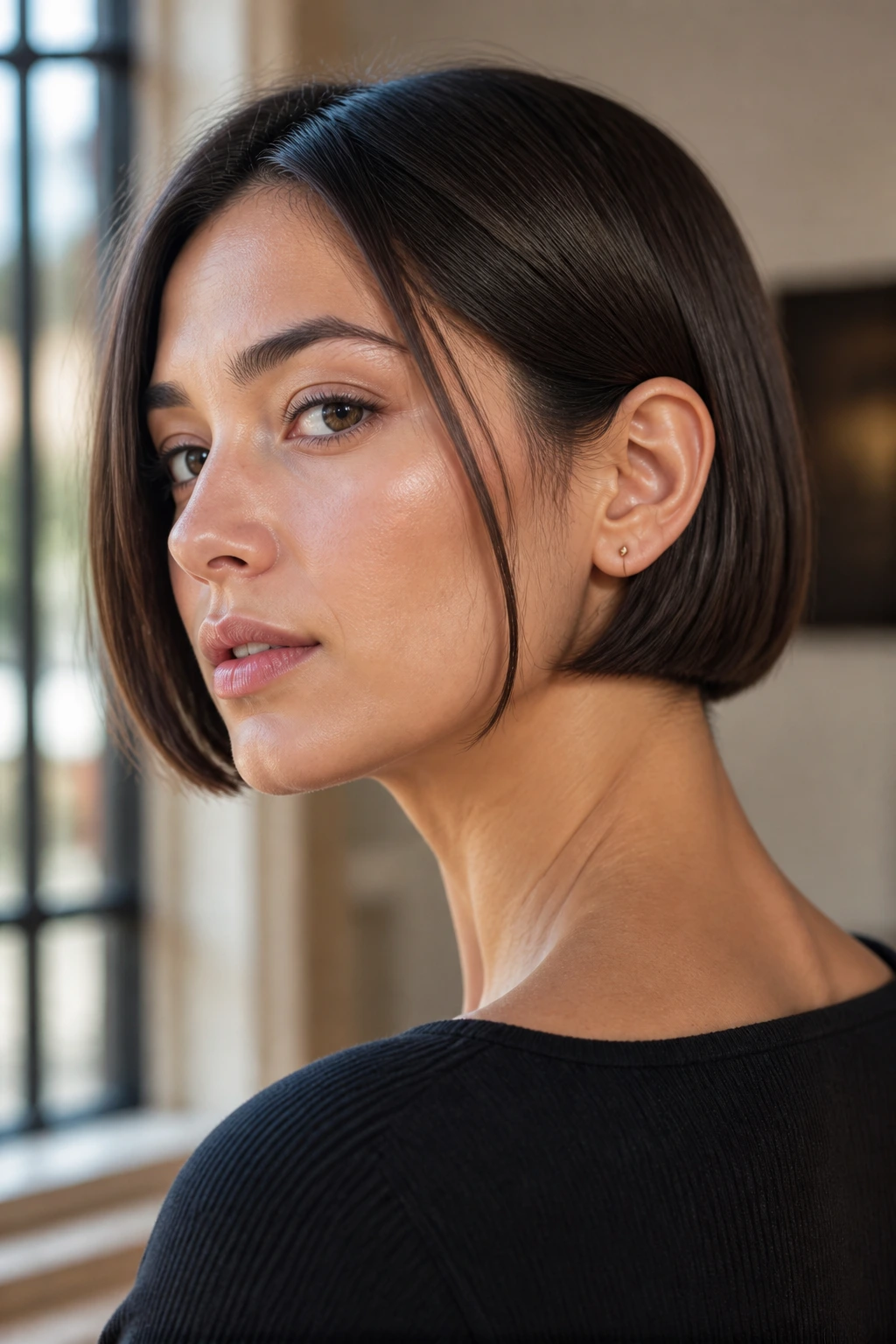
A micro bob sits at the edge of bold and practical, and fine hair can wear it surprisingly well. The short length removes the drag that often makes fine strands fall flat, so the hair suddenly has a stronger outline.
Who It Suits
This cut is especially good if you like sharp lines around the face and don’t mind showing your neck. It can make cheekbones look more pronounced, and it often gives the whole head a cleaner, denser look because there’s less hair fighting gravity.
The catch is obvious. It asks for confidence, and it asks for upkeep. If you let a micro bob grow out too long, it can lose the crispness that makes it work. A trim every 5 to 7 weeks keeps it tidy.
- Strong choice for straight or slightly wavy hair
- Not great if your crown swirls in odd directions
- Looks best when the ends are blunt, not shredded
- Needs a small amount of smoothing cream or light polish spray
My honest take: this is a haircut that looks best when it’s intentional. If you want “I just woke up like this,” choose something softer.
8. Italian Bob

The Italian bob is a little more glamorous than a plain blunt cut, and that’s exactly why it works so well for fine hair. It’s fuller around the outline, often a bit longer through the front, and usually styled with a soft bend rather than a flat, straight finish.
What gives it presence is the silhouette. The hair sits with a rounded, rich shape that makes fine strands look heavier in the best sense. It feels plush without needing piles of product. That part matters because heavy product can drag fine hair down fast.
How To Wear It
A large round brush, a quick blow-dry, and a slight inward curve at the ends are usually enough. Some people add a side part for extra lift at the crown, while others keep it centered and let the shape do the work.
If you want a bob that looks done but not stiff, this is a strong pick. It has polish, but it doesn’t feel severe. Think smooth edges, soft volume, and a little swing when you move.
9. Soft Layered Bob
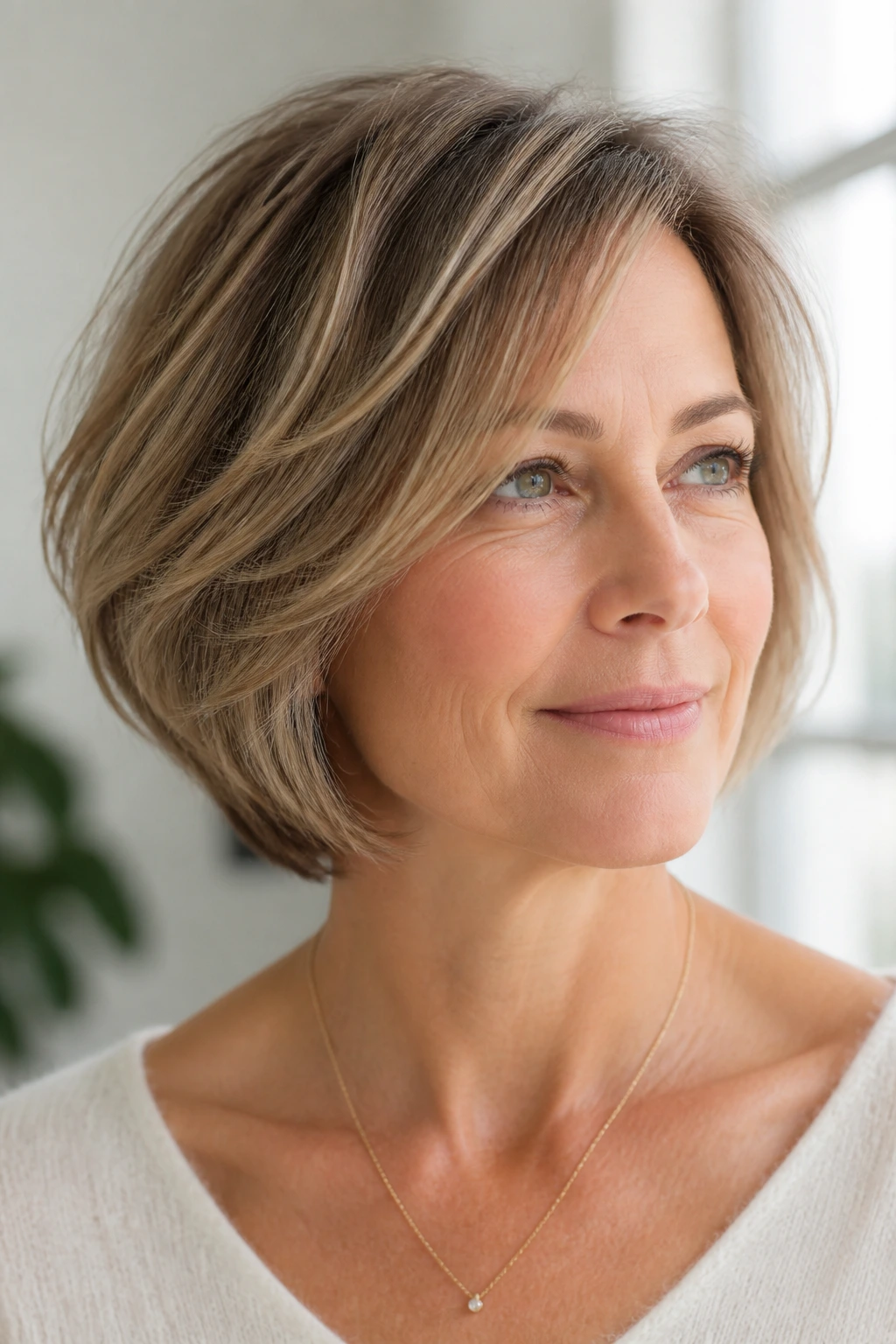
Can fine hair handle layers? Yes, but only when the layers are behaving. A soft layered bob gives movement without stripping out the bulk that keeps the ends looking full.
The difference between good layers and bad layers is pretty easy to feel. Good layers support the shape. Bad layers break it apart. On fine hair, you usually want layers that start low and stay subtle, often below the cheekbone, so the top doesn’t turn airy and thin.
This cut is a smart choice if your hair is fine but dense. That’s an important distinction. Fine hair can still have a lot of strands, and in that case a few controlled layers help the bob move instead of sitting like a block. If your hair is fine and sparse, keep the layers very light.
Good signs to look for
- The outline still looks solid from the side
- The ends do not look see-through
- The crown has a bit of lift
- The cut moves when you turn your head, not just when the wind hits it
A soft layered bob is subtle, which is why it stays useful.
10. Inverted Bob
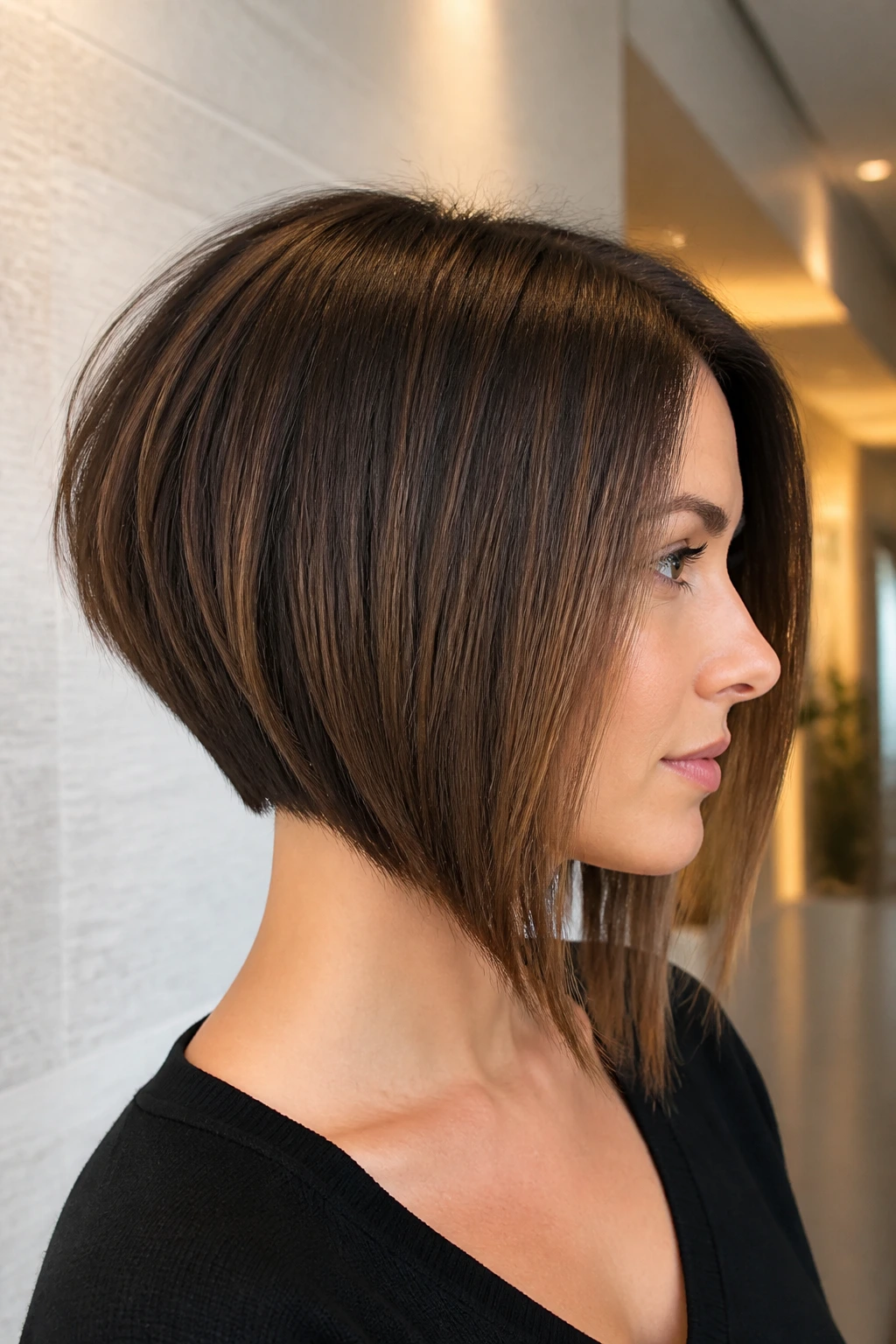
The inverted bob has a stronger angle than the A-line version, with the back shorter and the front clearly longer. On fine hair, that shape can create the illusion of density because the hair is concentrated into a sharper outline.
The front pieces do a lot of visual work here. They frame the face, stretch the line downward a bit, and stop the cut from looking too round. That makes the style feel crisp, especially if your hair naturally falls straight.
This is one of the more dramatic bobs on the list, so it suits people who like a sharper profile. It can also help if your hair grows outward at the nape, because the shorter back keeps that area neat. But the angle has to be balanced. If the front is too long, the bob starts to feel heavy in front and thin in back, which is a bad trade.
Clean edges, regular trims, and a smooth finish matter here. This is not the place for casual neglect. It wants a little discipline.
11. Box Bob
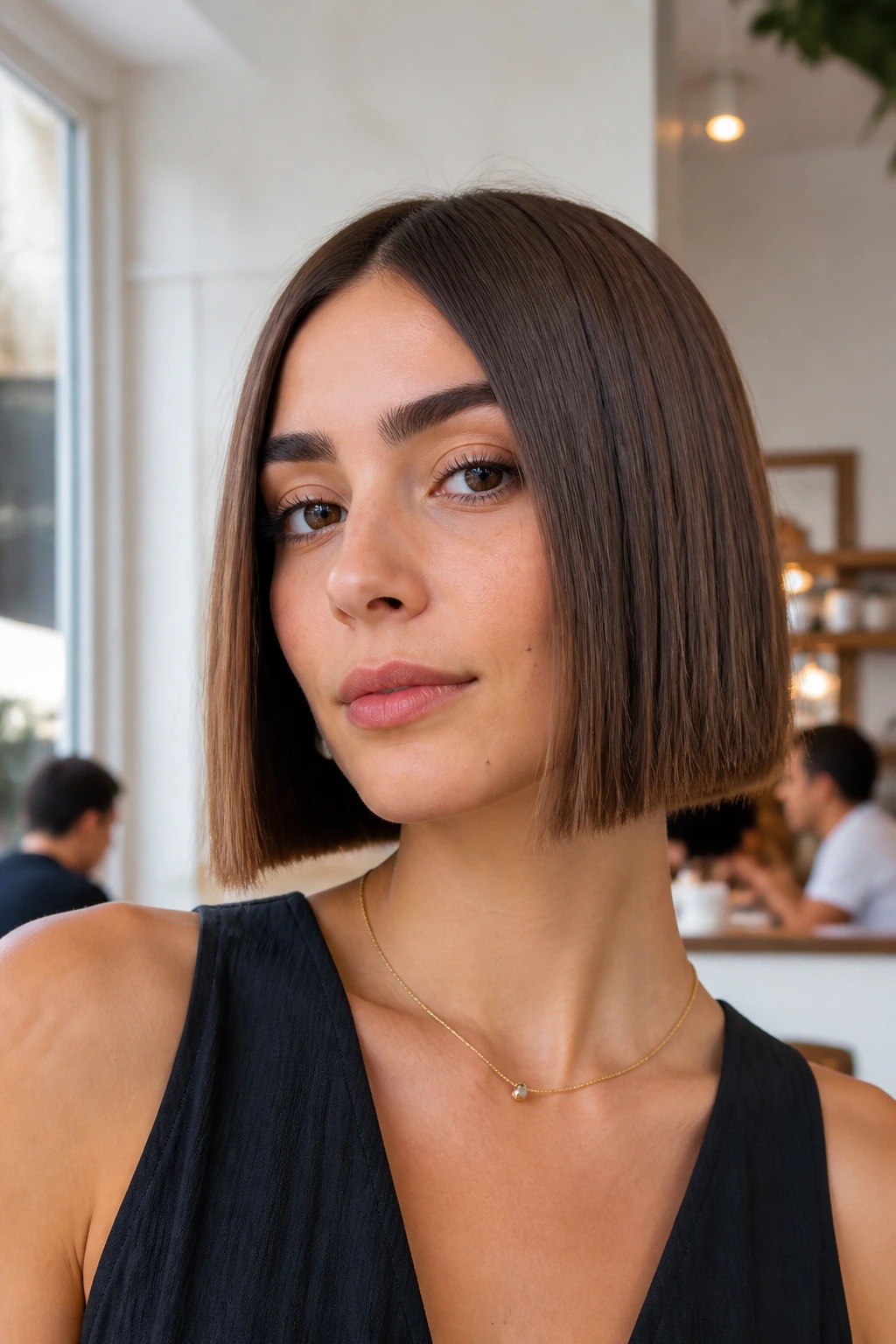
A box bob is blunt in a graphic way. The sides stay straight, the outline looks square, and the shape carries a little architectural weight that fine hair often lacks on its own.
What I like about it is the honesty of the line. There is nowhere for the cut to hide, which means the hair reads dense from almost every angle. If you have straight fine hair and want a bolder look, this is one of the best answers.
It also pairs well with a center part, though a side part can soften the shape if square lines feel too hard on your face. Keep the interior layers minimal. The whole point is the boxy silhouette. Too much layering and it turns into a weaker version of itself.
This cut suits people who like a polished, almost fashion-editor feel. It’s neat. It’s clean. And when it’s cut right, it makes fine hair look deliberate instead of delicate.
12. Asymmetrical Bob
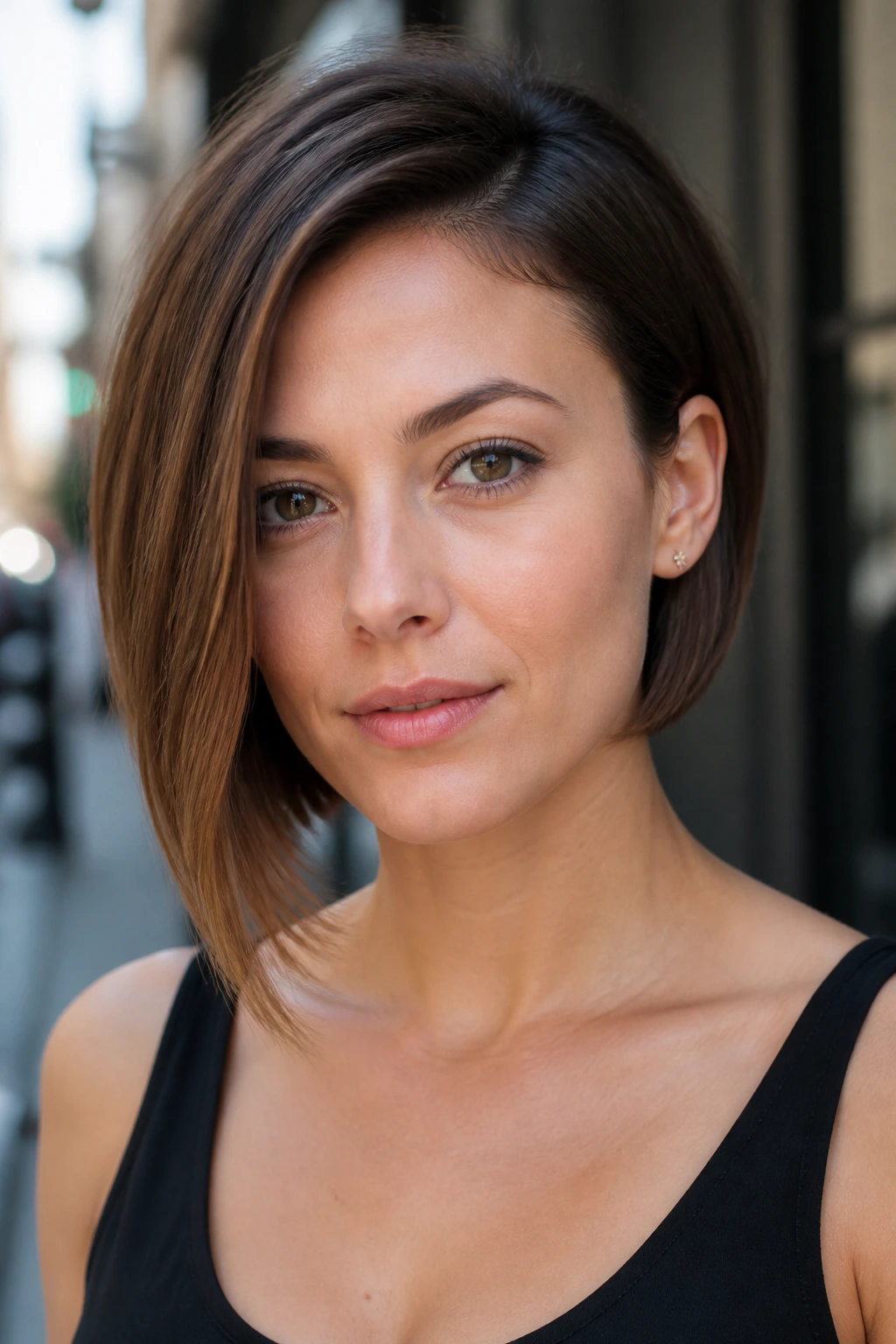
One side a touch longer than the other can make a surprisingly big difference on fine hair. A asymmetrical bob adds movement without needing heavy layers, and it creates a line that feels a little more alive than a perfectly even cut.
That unevenness can help distract the eye from sparse spots or flat areas. It also works well if one side of your hair has a stronger bend or if you naturally part your hair off to one side. Instead of fighting the way the hair wants to fall, the cut leans into it.
Keep the difference subtle. A small asymmetry looks chic and easy to wear. A huge difference between the two sides can feel dated fast, and on fine hair it may start to look unbalanced instead of stylish.
This is a good option for someone who wants a bob with personality but does not want layers all over the place. It’s a little off-center, which is the point. Not dramatic. Just enough.
13. Shaggy Bob

A shaggy bob can work on fine hair, but only if the stylist doesn’t go wild with the thinning shears. That’s the whole story. A little texture is useful; too much destroys the shape.
What Makes It Work
The best version keeps a clear outer line and uses short, broken-up layers inside to create lift and movement. That gives the bob a lived-in feel while keeping the ends from looking shredded. Fine hair often benefits from that mix because the cut no longer lies flat, but it still looks like a bob.
This is a good fit if your hair has some wave or if you like a rougher finish. Air-drying with a light mousse can bring out the texture without making it sticky. If you use a curling iron, keep the bends loose and leave the ends straight for a more modern look.
- Avoid heavy oils near the roots
- Keep the perimeter visible
- Ask for soft texture, not aggressive thinning
- Works best when the styling feels a little undone
A shaggy bob can look effortless. It can also look stringy. The difference is all in the cut.
14. Rounded Bob
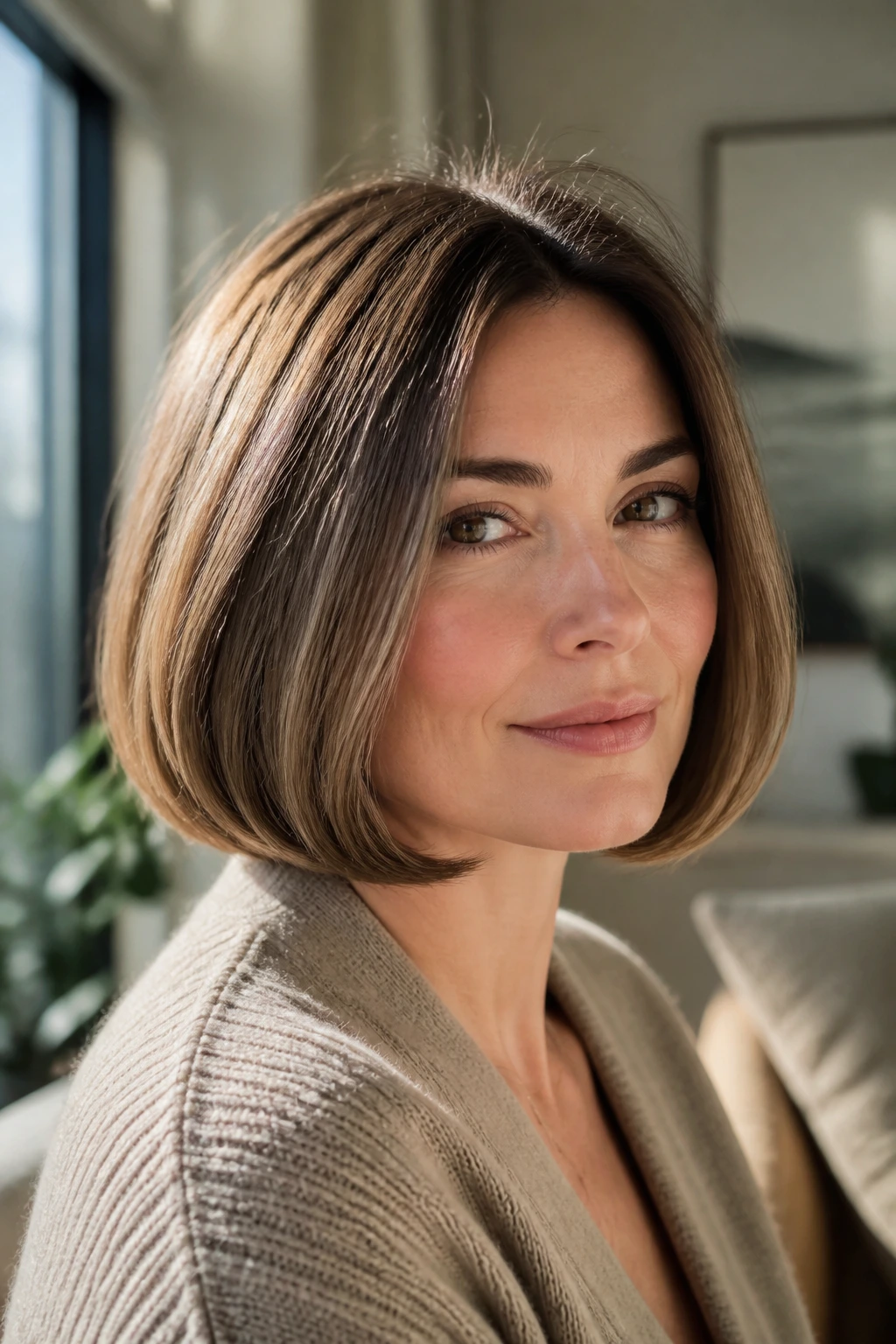
Why does a rounded bob make fine hair look fuller than a poker-straight one? Because the curve at the ends gives the eye more shape to follow, and shape reads as body.
This cut is especially helpful if your hair tends to flip out or fall flat at the corners. The rounded finish brings the ends inward, which creates a smoother, thicker-looking outline. It’s a nice choice for people who want softness around the face without layers that keep separating.
A round brush and a quick blow-dry usually do the trick. You don’t need a fancy routine. Dry the roots first, then smooth the mids and curve the ends under at the last few seconds. The finish should look controlled, not helmet-like. There’s a difference, and a big one.
If your face is already very round, ask for a little more length in front so the shape doesn’t feel too closed in. That tiny adjustment makes the cut much easier to wear.
15. Pageboy Bob
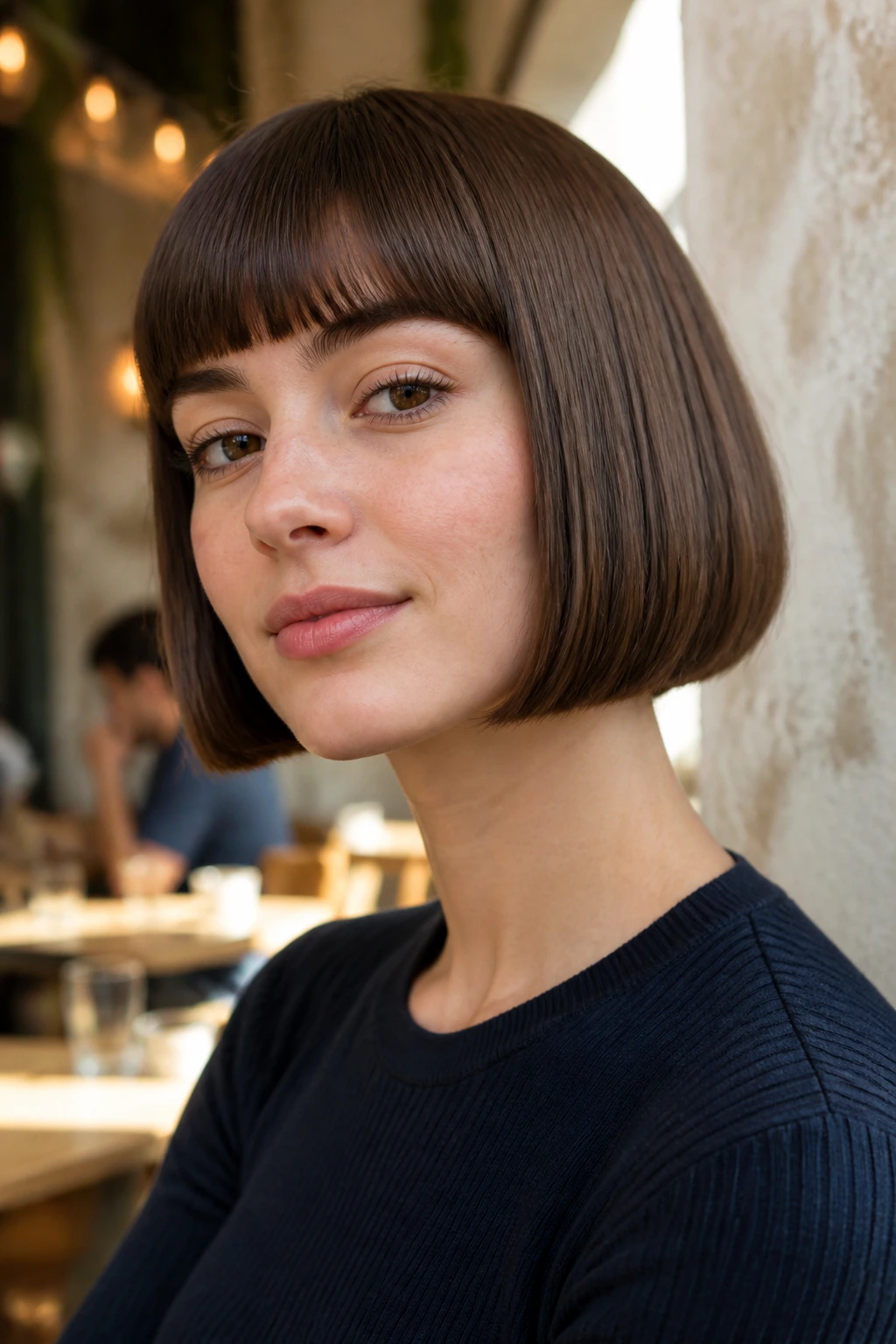
The pageboy bob has a retro feel, but it keeps turning up because the shape works. The hair sits smooth, the nape is neat, and the bottom line gives fine strands a stronger frame.
That weight at the bottom is useful. It helps the cut look fuller where a lot of fine hair starts to go see-through. Add a fringe, and the whole look becomes sharper still. Without bangs, it can feel cleaner and more minimal.
Best For
People who like a controlled finish usually love this cut. It also suits hair that naturally wants to tuck under a bit, because the pageboy shape leans into that bend instead of fighting it. If your hair flips outward, the cut may need more styling, which gets old fast.
I’d call this one quietly stylish. It is not the loudest bob in the room, but it has structure. That structure is what fine hair needs when you want the cut to carry some of the visual weight instead of relying on product.
16. Bubble Bob
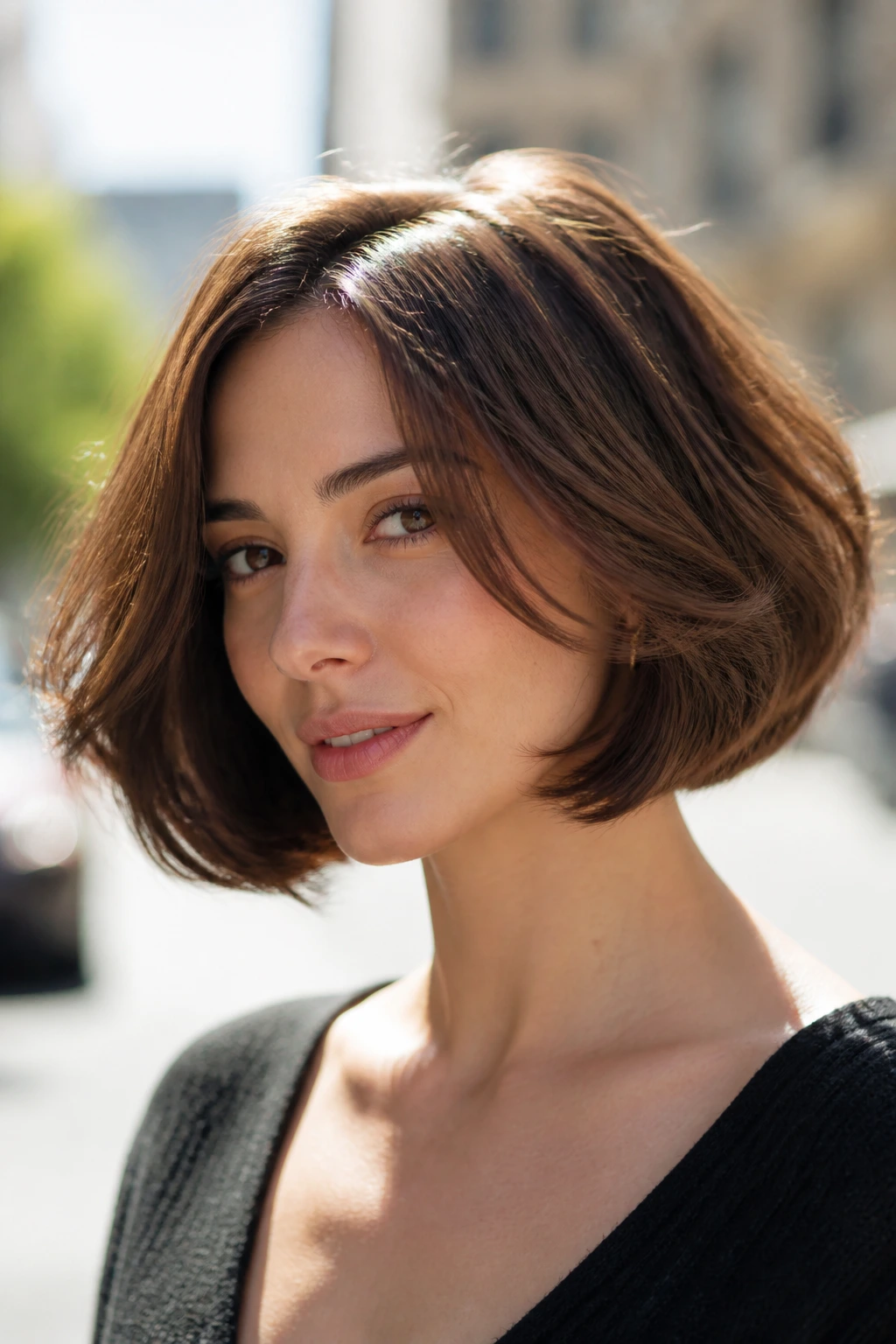
A bubble bob sounds playful, and it is, but the useful part is the rounded shape. The hair tends to sit fuller through the middle and taper slightly at the ends, which can make fine hair look softer and more substantial.
The cut has to be balanced. If the rounding gets too puffed up, it can look dated or overly blown out. But when it’s done with restraint, the silhouette feels modern and easy to wear. Fine hair often likes this because the fullness is built into the haircut instead of forced with a ton of styling.
Ask For This
- A rounded outline through the sides
- Slight tapering toward the neckline
- No heavy thinning at the ends
- Enough length to keep the shape from collapsing
This is a good choice if you like hair that moves but still has a sense of form. It’s softer than a box bob and fuller than a shag. That middle ground is where a lot of fine hair looks best.
17. Razor-Cut Bob

A razor-cut bob is useful only when the hair can handle it. That sounds harsh, but it’s true. Fine hair can look airy and modern with a light razor cut, yet it can also fray fast if the blade is used too aggressively.
The benefit is softness. Razor cutting can soften rigid lines and help very straight hair move without becoming bulky at the bottom. On thick fine hair — yes, that odd combo exists — it can remove enough weight to make the bob swing better. On fragile or dry hair, though, the ends may start to look rough.
So the rule is simple: use it carefully. Ask for soft shaping, not heavy slicing. If your ends already split easily, skip this one. If your hair is smooth but stubbornly flat, a careful razor cut can bring it to life.
This is not the cut for someone who wants zero maintenance. It needs good condition and a stylist who knows where to stop. Very different from the “just thin it out” school of haircutting. Please avoid that school.
18. Deep Side-Part Bob
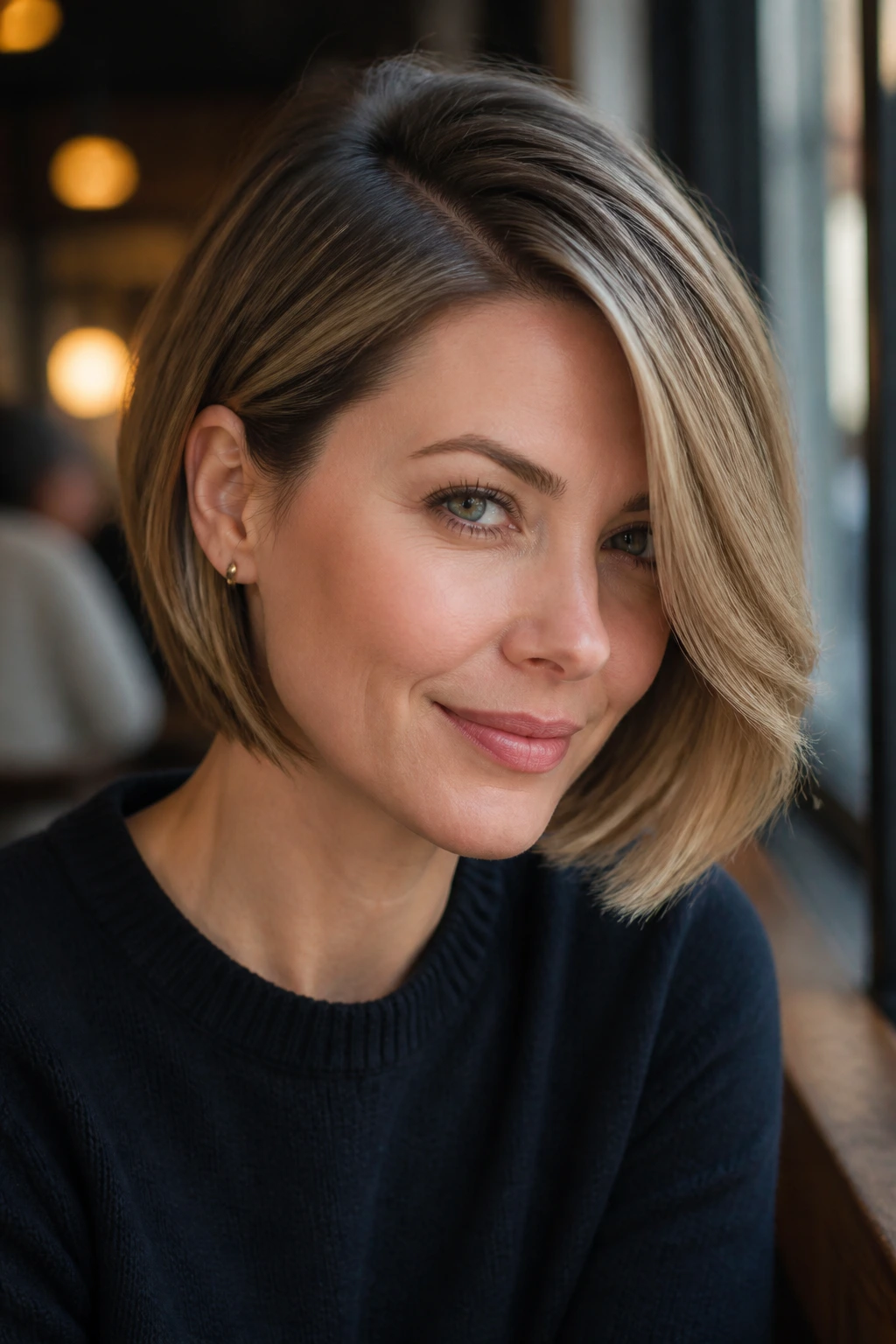
A deep side-part bob is one of the easiest ways to fake volume, and it takes almost no commitment. The cut itself can be blunt, layered, French, whatever you like. The part is doing the heavy lifting.
When hair is moved far to one side, the roots on top lift naturally instead of lying flat across the crown. Fine hair loves that. It creates height, changes the silhouette, and gives the bob some asymmetry without needing a separate haircut.
Quick Styling Trick
- Part the hair while it’s damp.
- Spray a light root lift mist at the crown.
- Blow-dry the roots in the opposite direction for a few seconds.
- Flip the part back and let it cool.
That little bit of flip-and-cool can make a plain bob look fuller for hours. It’s especially good if you need the hair to look more awake in five minutes, not fifteen.
If you like volume but hate a lot of styling products, this is a smart move. It’s a part change with a payoff.
19. Curtain Bang Bob

Can bangs work on fine hair without making the rest of it look thinner? Yes, if the bangs are soft and long enough to blend. A curtain bang bob keeps the front light, opens up the face, and adds shape without swallowing too much density.
The best version starts the fringe around the cheekbone and lets it sweep into the sides of the bob. That creates a kind of frame around the face without building a thick wall of hair across the forehead. Fine hair usually does better with that lighter approach than with a heavy straight bang.
This cut is useful if you want the bob to feel a little more styled and a little less plain. It also helps if your hairline feels sparse at the temples, because the fringe can sit there and soften the area. The downside is upkeep. Bangs need trimming sooner than the rest of the cut, and they get greasy faster, which is annoying but true.
Still, when they’re cut well, curtain bangs make a bob feel fresh fast. No drama. Just a nice frame.
20. Tapered Nape Bob
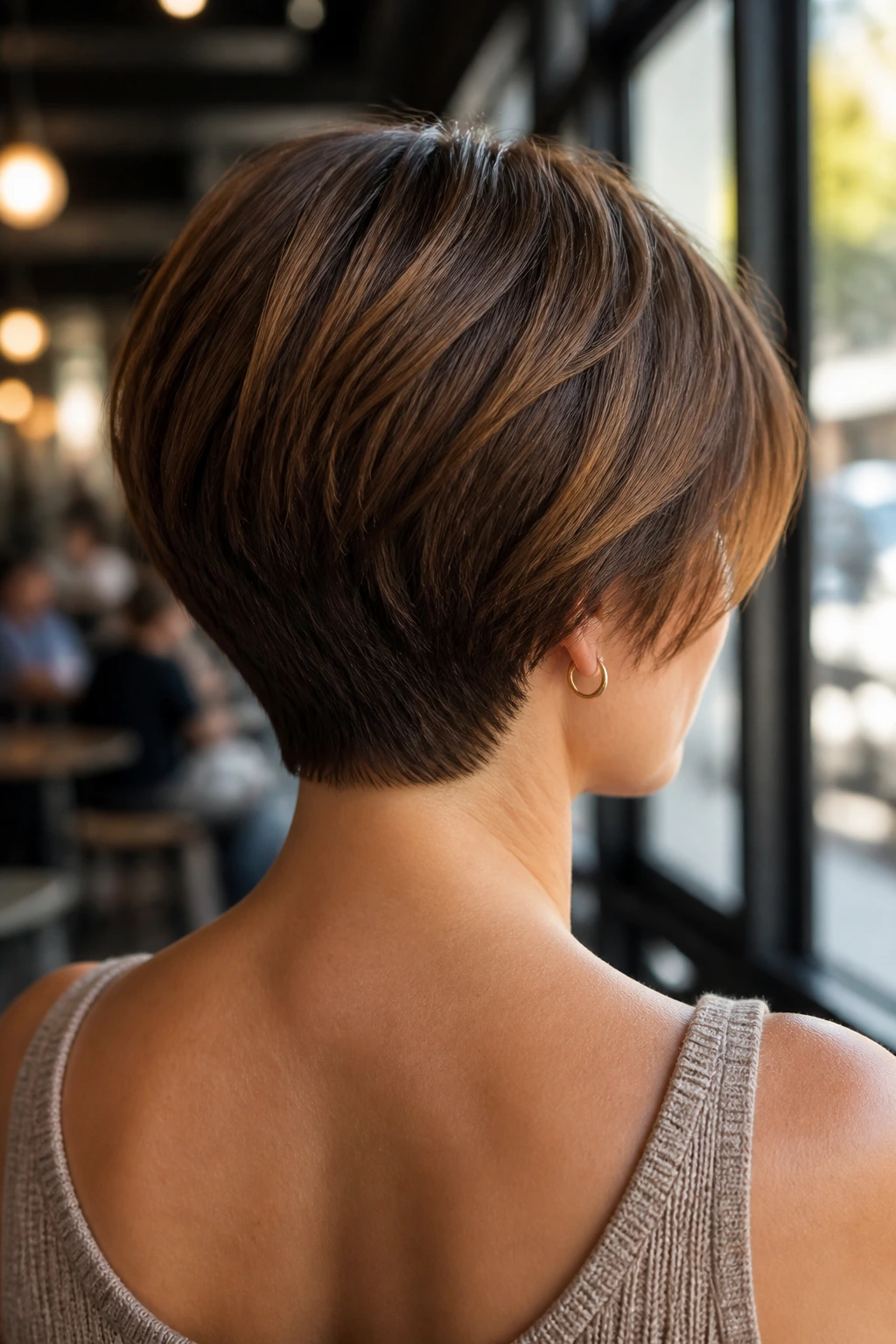
A tapered nape bob is the sleeper pick for fine hair because it keeps the neckline clean and lets the top look fuller by comparison. The back hugs the neck a little more closely, then the shape opens gently toward the sides.
That taper is useful when you want the bob to feel neat without looking too stiff. It also helps if your hair puffs awkwardly at the nape or grows out with a bulky triangle shape. A clean taper smooths that out and gives the whole cut a more finished look.
This style wears well with both center and side parts, which makes it more flexible than some of the sharper bobs. It can look polished on work days and softer on weekends, depending on how you dry it. If you want a bob that grows out gracefully, this is a good one. The shape stays readable longer than you might expect.
Fine hair does well when the haircut does some of the work for you. This one does.
