



Mahogany brown hair can flatter cool skin tones in a way plain chocolate brown often can’t, but the undertone has to be right. A mahogany shade that leans red-violet or blue-red gives the hair depth without throwing a coppery halo around the face.
That matters more than people think. Cool skin usually carries pink, blue, or rosy undertones, so overly orange brown can make the complexion look blotchy or tired; a brown with berry or wine notes does the opposite and makes the skin look cleaner and brighter. I also like that mahogany can live anywhere on the spectrum from soft gloss to near-black cherry, which means you can keep it low-key or go darker and moodier without leaving brunette territory.
The trick is to think in terms of undertone, not just darkness. A level 4 or 5 brown can still read cool if the formula carries violet, blue, or plum pigment, and highlights should stay smoky instead of gold. The shades below stay in that lane, from quiet mushroom mahogany to wine-dark brunettes that look especially sharp against fair, cool complexions.
1. Cool Violet Mahogany Gloss
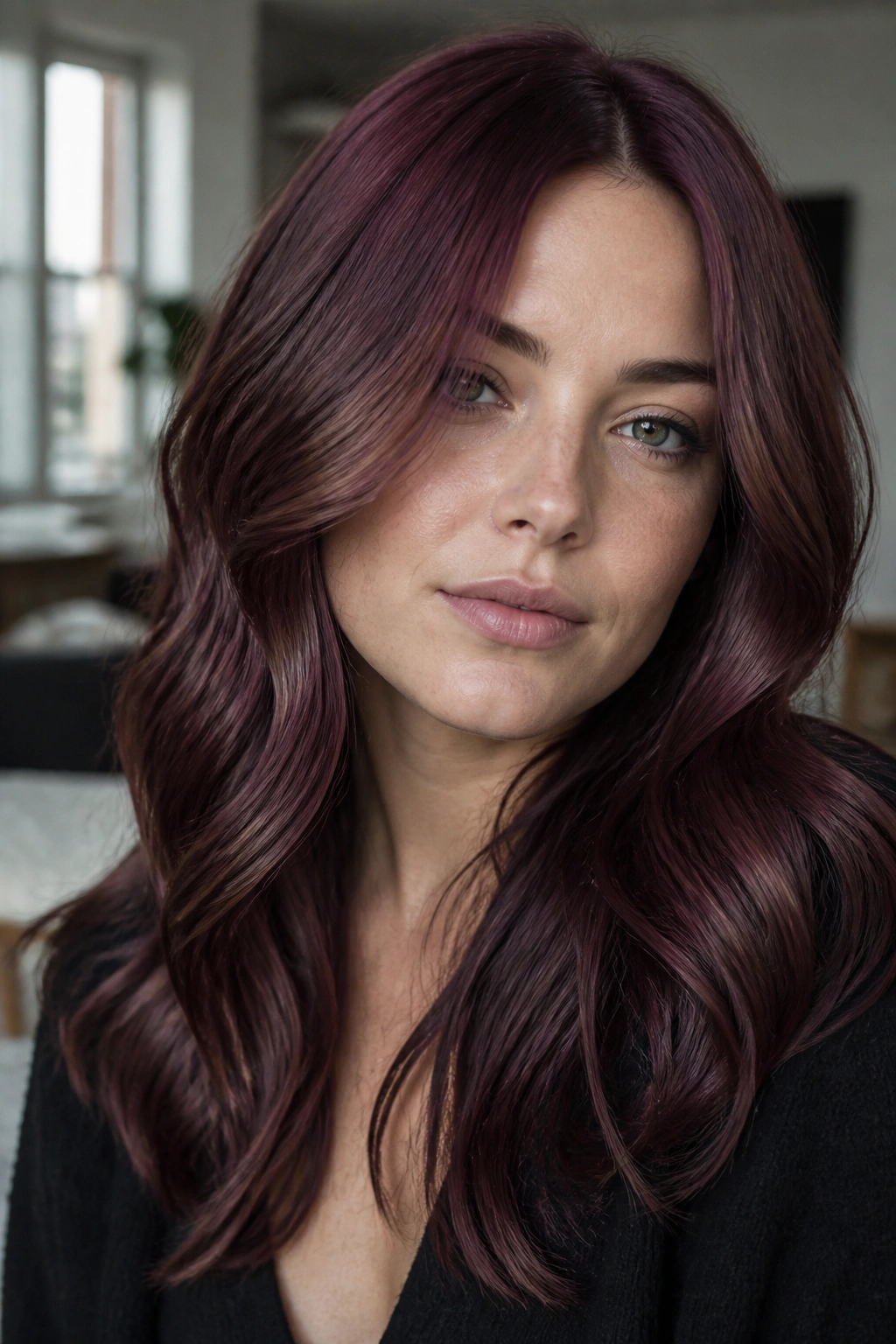
If you want mahogany to look polished on cool skin, start with a violet-leaning gloss instead of a copper-heavy dye. That single choice changes everything. Violet in the formula keeps the red from turning pumpkin-warm, and the brown base keeps the whole thing grounded.
How to Ask for It
Ask for a level 4 or 5 brunette with red-violet reflect and a sheer gloss finish. If your hair is already brown, a demi-permanent glaze can do the job without a hard line at the root. On fair cool skin, this shade looks clean near the face and soft through the lengths.
- Ask for a brown base that still reads brown in indoor light.
- Keep the red note in the violet family, not the orange family.
- Finish with a clear or tinted gloss so the color looks shiny, not flat.
- Refresh every 4 to 6 weeks if your hair tends to fade warm.
A gloss like this is the easiest place to start if you’ve never worn mahogany before. It gives you the color story without forcing you into a loud red.
2. Espresso Mahogany Shadow
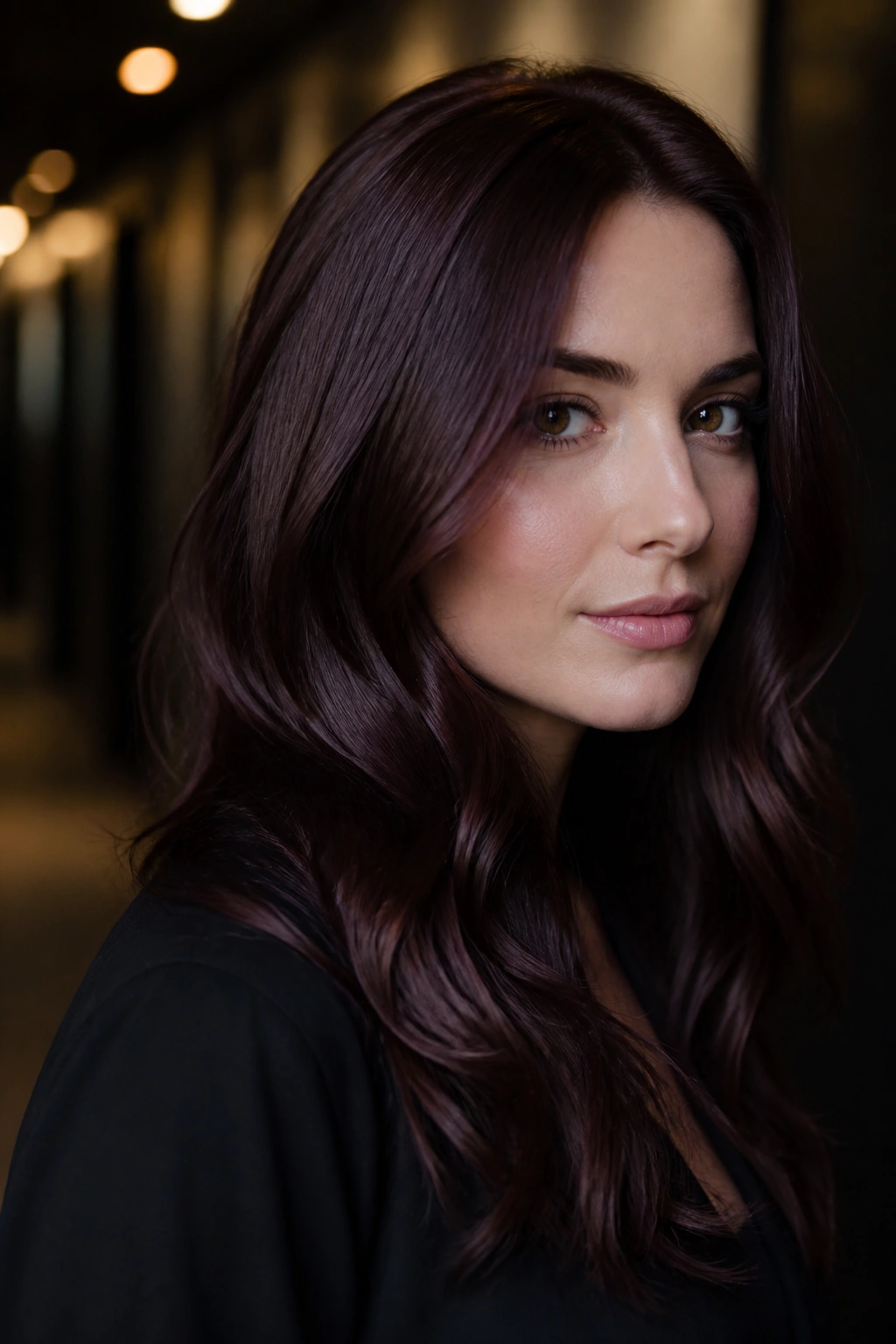
This is the quiet one. Espresso mahogany sits so deep that people notice the shine before they notice the red, and that works nicely on cool skin because the contrast feels clean instead of brassy.
The shade is a dark brown first, with just enough red-violet depth to keep it from looking like plain espresso. On cool undertones, that little bit of mahogany can make the eyes look sharper and the complexion look calmer. If the formula gets too warm, the whole effect falls apart fast.
I like this shade on anyone who wants their hair to read expensive in a low-key way. It suits straight hair, blunt cuts, and long layers that move in sheets. And if your natural base is already dark, this one is easy to wear because the grow-out stays soft.
One-sentence truth: dark does not mean dull when the undertone is right.
3. Cherry Mahogany Ribbon Highlights
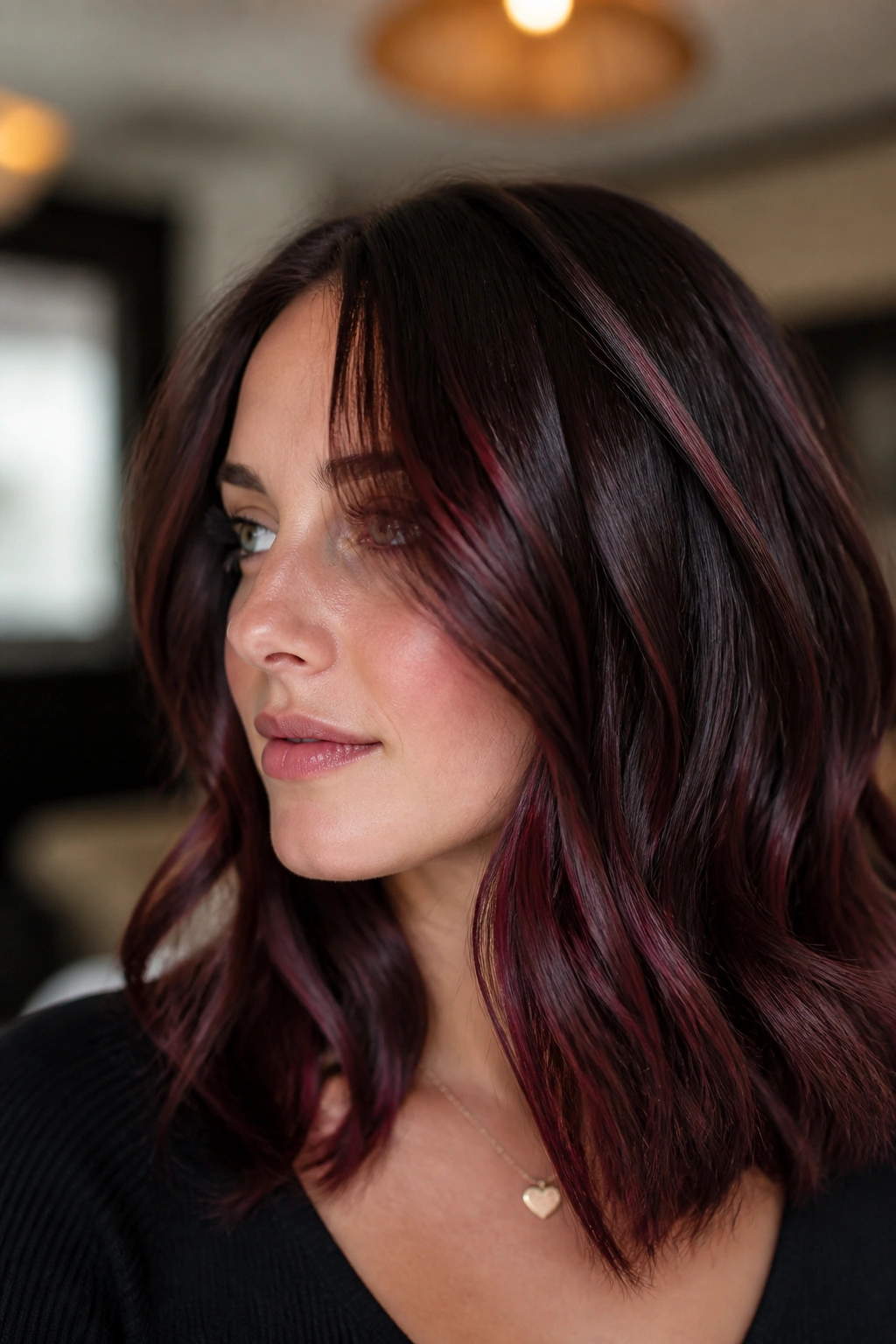
Want the red to show only when the light hits? Ribbon highlights are the move. They let the mahogany flash through the mid-lengths without turning the whole head red, which is handy if you like brunette hair but want a little edge.
What Makes It Work
The ribbons should be thin, airy, and placed where the hair bends around the face and collarbone. That keeps the color dimensional instead of stripey. On cool skin, cherry mahogany reads more like berry-brown than fire engine red, which is exactly why it works.
A good colorist will use fine painted pieces around the front hairline and through the top layer, then soften the rest with a brown glaze. The result is movement, not blocks of color. You’ll see the mahogany most when the hair swings or catches indoor light.
How to Wear It
- Best on medium brown or dark blonde bases that can hold a red-violet tone.
- Ask for thin ribbons, not chunky streaks.
- Keep the red side cooler than copper.
- Style with loose waves if you want the dimension to show.
This is one of those shades that looks calm from across the room and interesting up close. I’m a fan of that.
4. Smoky Mahogany Balayage
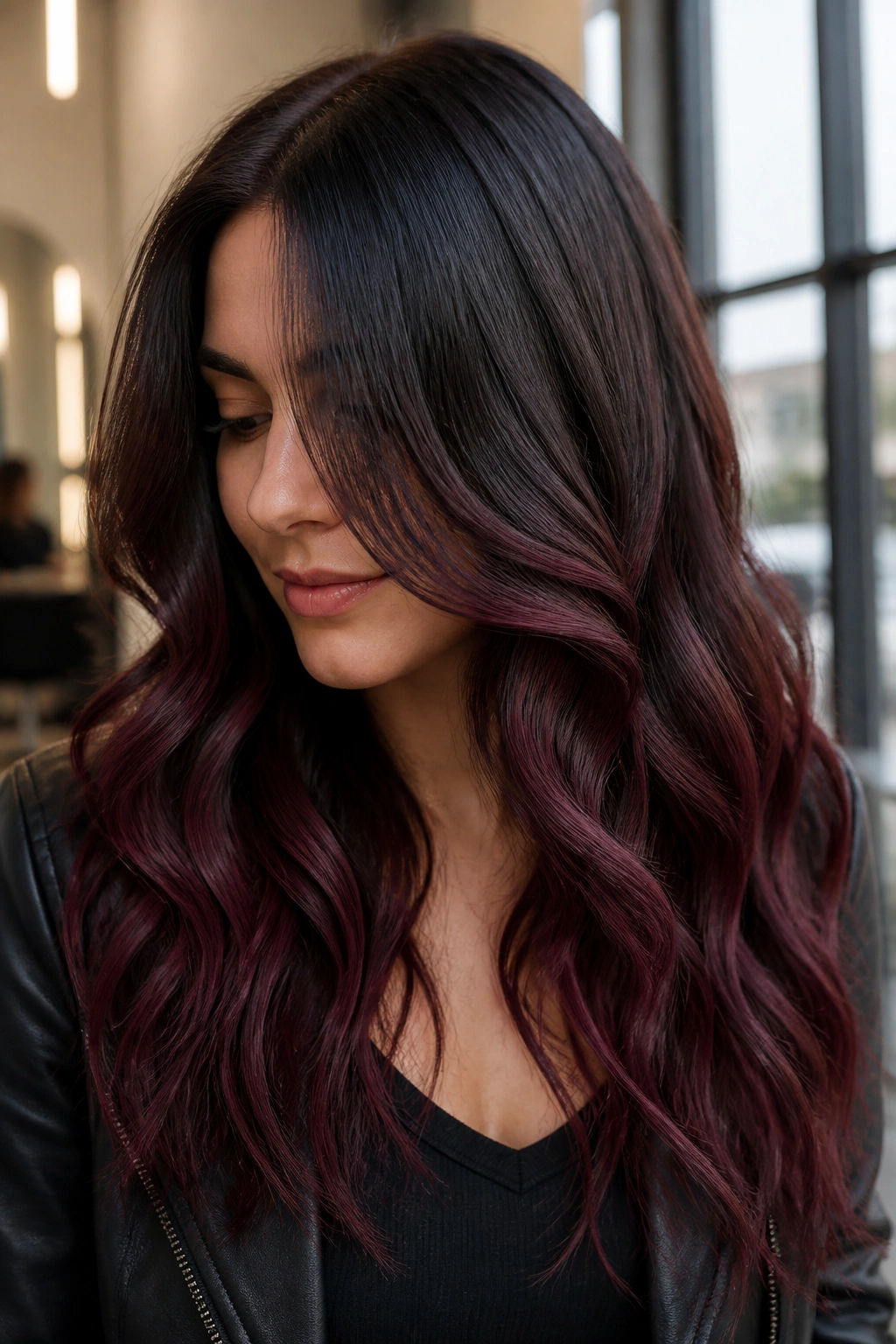
Picture a brunette who wants dimension but can’t stand caramel highlights. Smoky mahogany balayage solves that problem without drifting warm.
The color usually starts with a deep brown base and melts into plum-brown or wine-brown ends. Because the transition is hand-painted, the grow-out stays soft, and the smoky finish keeps cool skin from looking flushed. It’s a good choice if your hair is naturally darker and you want depth without a blocky color line.
The best version of this shade has soft, blurred pieces through the mid-lengths, not a hard jump from root to end. That blurred shift makes the mahogany feel richer and more expensive-looking. It also means your hair can move around and still look intentional, even on a messy ponytail day.
- Use a cool brown base, not chestnut.
- Ask for muted plum or berry toner on the lighter pieces.
- Keep the face-framing pieces a touch brighter if your skin needs more light.
- Avoid gold glosses; they fight the whole point.
Smoky balayage is practical, which I appreciate. It grows out well and still looks finished.
5. Plum Brown Bob
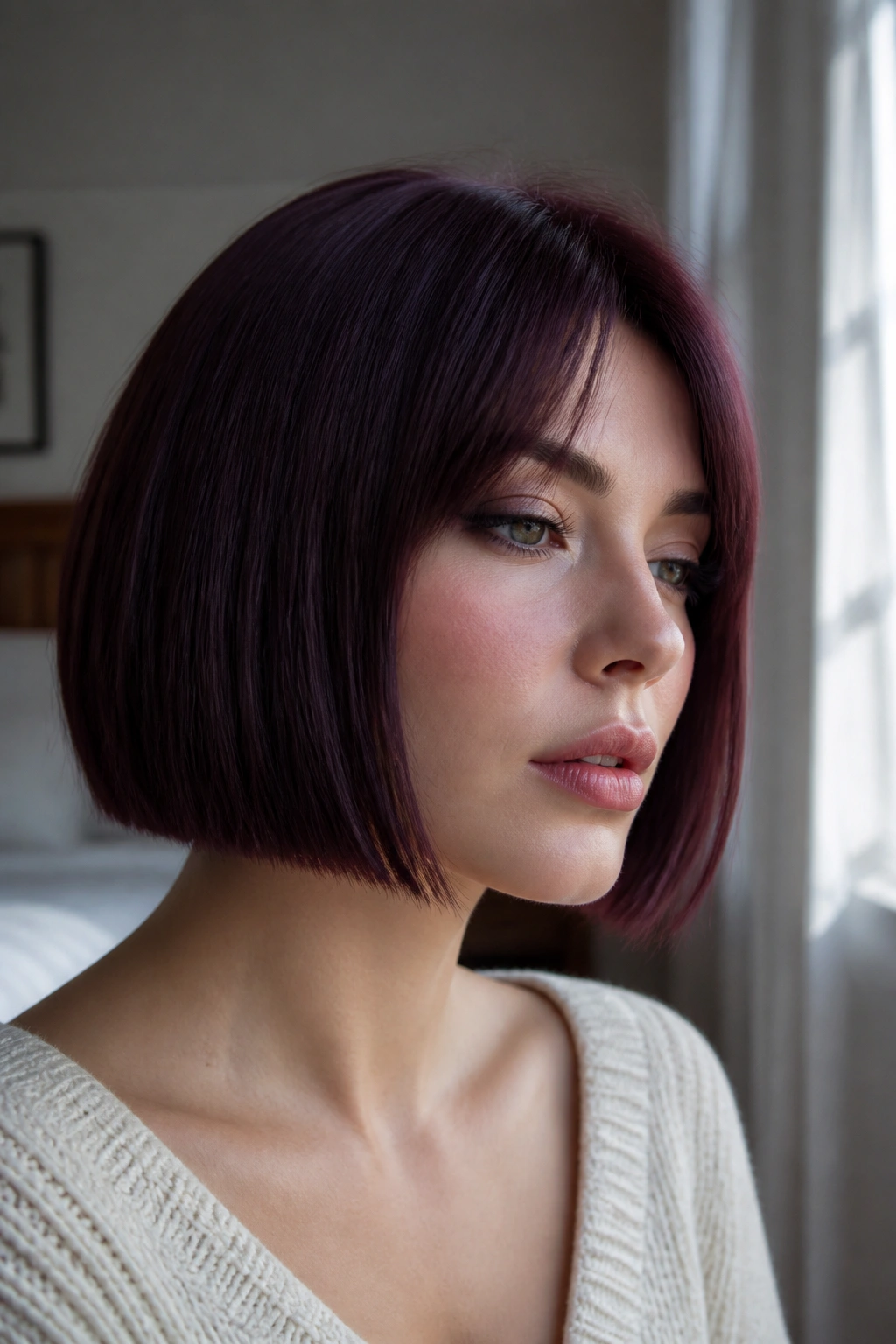
A bob and mahogany are a strong pair when the shade leans plum instead of copper. The clean lines of a bob make the color look sharper, and the cool undertone helps the cut feel fresh rather than heavy.
On cool skin, plum brown adds contrast without going red in the wrong way. It has that dark berry feel under daylight, but indoors it reads as a rich brunette. That shifting quality is what keeps a short cut from looking flat. Short hair needs a little drama, or it can disappear.
I especially like this color on blunt bobs and French-ish chin-length cuts. The edge of the haircut gives the color somewhere to land. If the hair is layered, the plum tone shows in the movement and at the ends, which makes the whole style feel more alive.
One small warning: a bob color like this needs shine. A dry finish makes the mahogany look muddy. Use a lightweight glossing spray or a shine cream on the ends, and don’t pile on heavy oil unless the hair is coarse.
6. Mahogany Money Piece
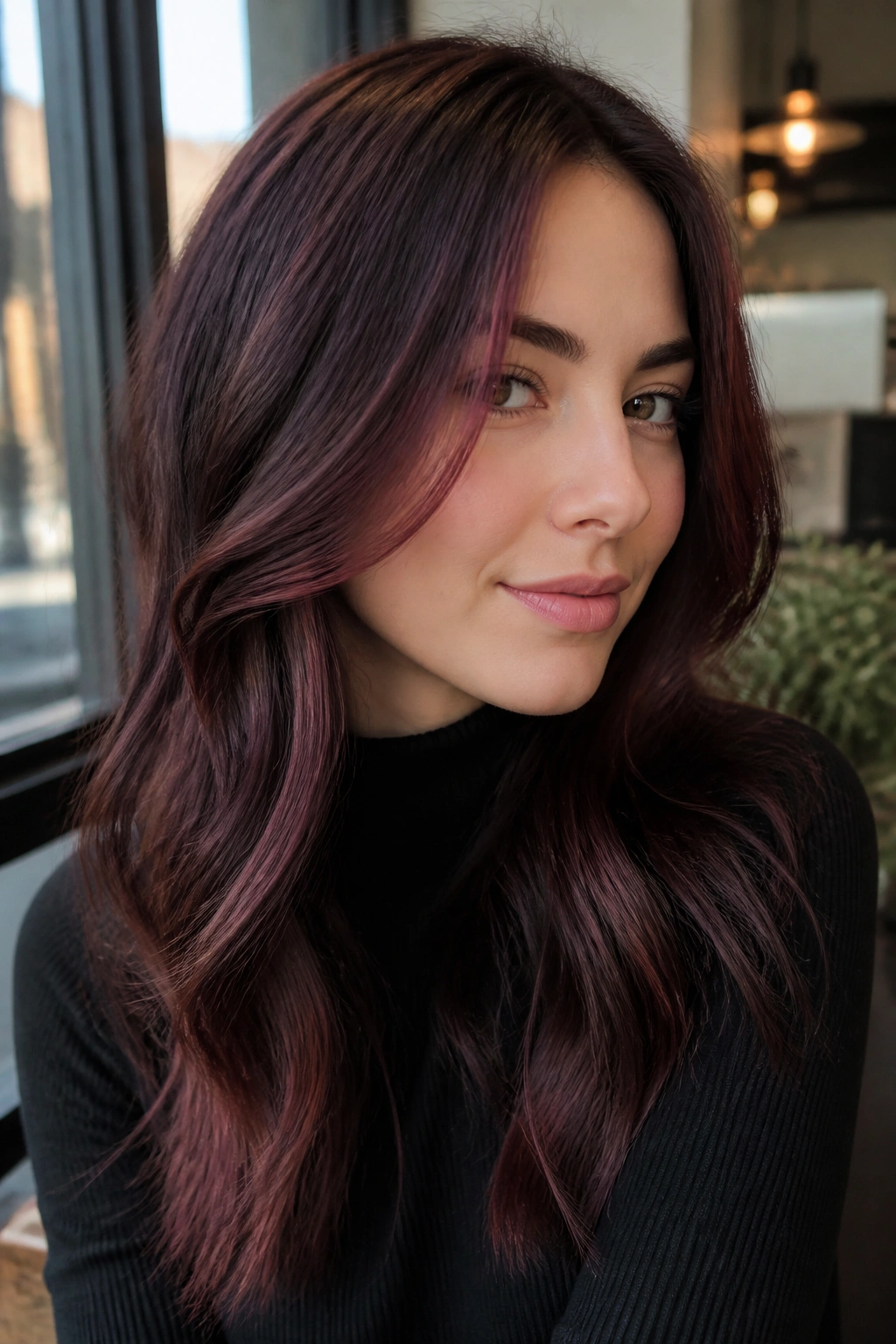
A money piece is the easy way to test mahogany if you don’t want a full-color commitment. The face-framing section gives you the color close to the skin, which is where cool undertones benefit the most.
The trick is keeping it a shade or two lighter than the base, but still cool. A mahogany money piece should look like berry-brown light, not warm red. Around cool skin, that little flash can brighten the face without forcing you to change the rest of your hair.
Why It Reads Flattering
The front sections sit beside the cheeks, jaw, and eyes, so they affect how the whole face looks. A cool mahogany frame can make pale skin look less washed out and deeper cool skin look more luminous. The contrast is the point.
If you want to wear this well, keep the section narrow enough to blend. Too wide and it looks harsh; too thin and it disappears. About one inch on each side is enough for most people, though thicker hair may need a touch more.
This is the move for someone who likes change but does not want a full appointment every few weeks.
7. Soft Auburn Mahogany
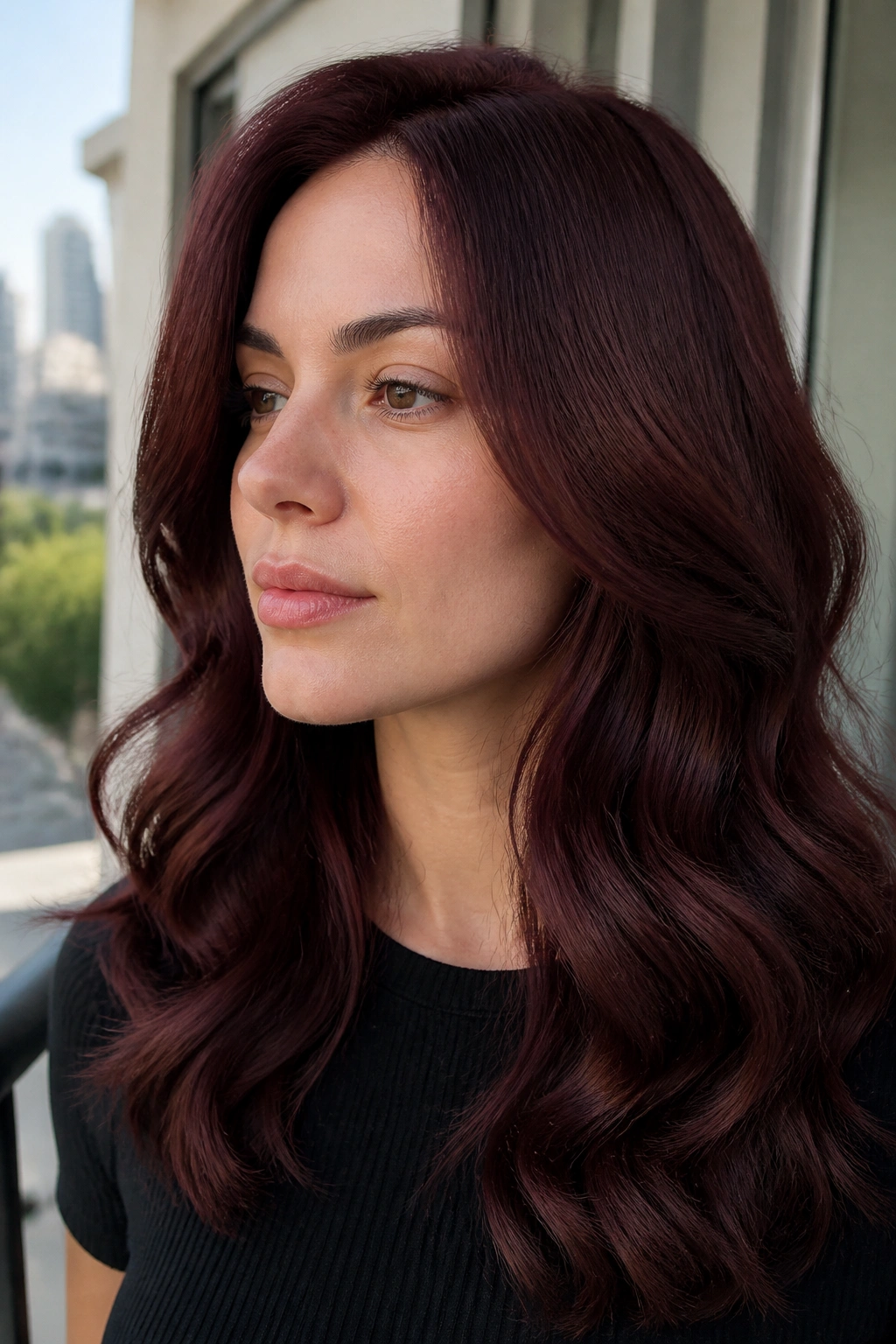
Auburn does not have to shout. A soft auburn mahogany can sit in brunette territory and still carry enough red-violet warmth to look alive on cool skin.
Best Base Shades
The shade behaves best on a medium brown base with muted red-brown pigment layered over it. Think brown first, red second, not the other way around. That keeps the color from drifting orange, which is the fastest way to lose the cool-tone balance.
- Works well on level 5 to 6 brown hair.
- Looks especially good on cool beige or pink skin.
- Needs a low-shine red-brown gloss rather than a bright copper toner.
- Pairs nicely with soft waves and shoulder-length cuts.
Soft auburn mahogany is one of those shades that looks more expensive when it’s a little imperfect. A touch of shadow at the root keeps it from feeling too painted on. If your hair is fine, this tone can also make it look fuller because the red-violet reflect catches the light.
I’d call this a good middle ground for someone who wants warmth without losing the coolness around the face.
8. Mushroom Mahogany
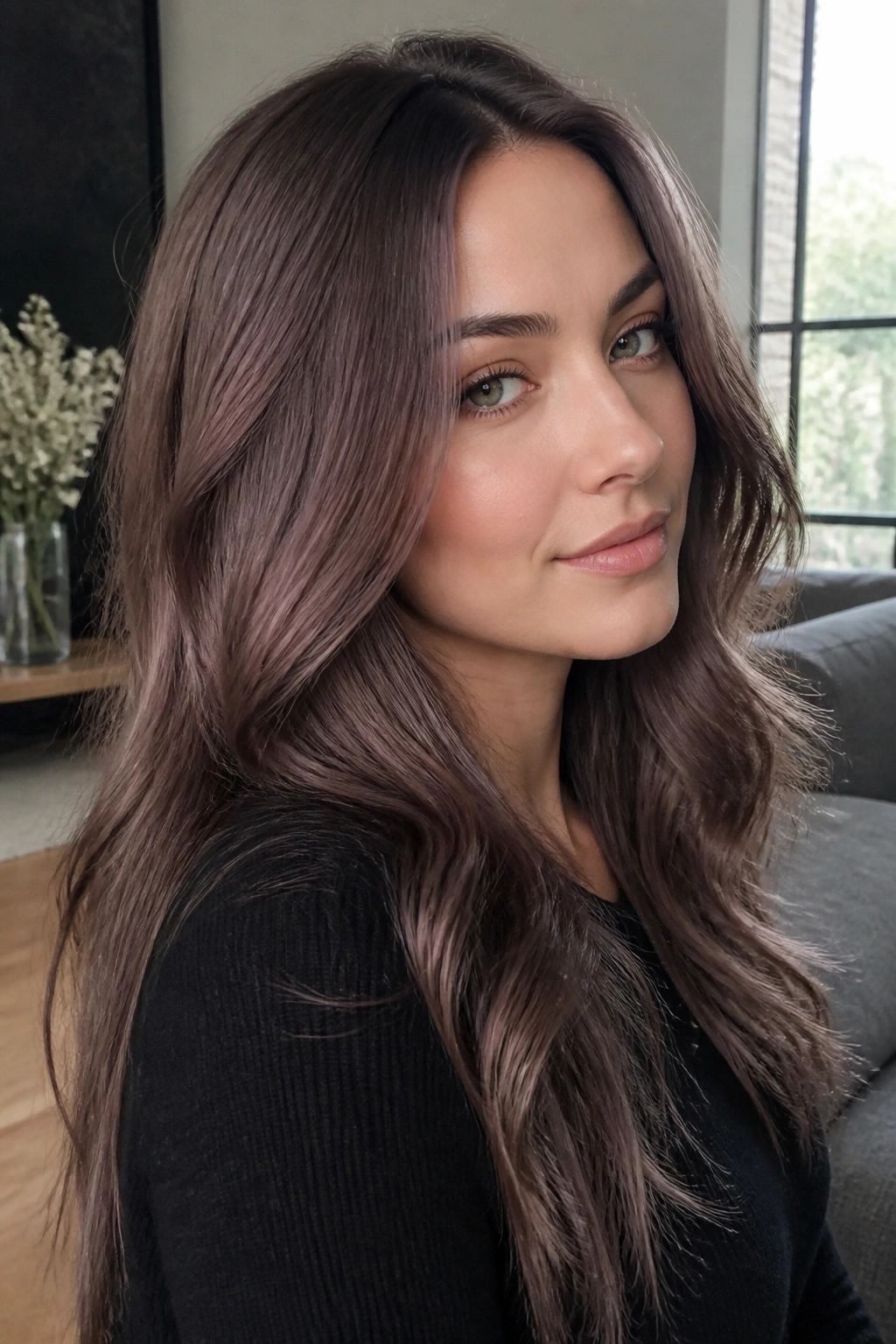
Mahogany does not have to announce itself. Mushroom mahogany is for the person who wants brown hair with a cool, earthy twist and no obvious red flash.
The shade mixes beige-brown softness with a faint violet or plum reflect, so the result is muted, smoky, and close to neutral. On cool skin, that restraint is a gift. It keeps the face from looking over-warmed and gives the hair a soft satin look instead of a shiny copper one.
This shade suits long hair, yes, but it also looks good on medium-length cuts that need a little texture. It’s especially nice if your wardrobe runs gray, black, navy, or cream, because the color doesn’t fight those tones. It just sits there and looks expensive in a quiet way.
I like mushroom mahogany for people who have been scared off by red tones in the past. It’s the version that whispers instead of sings.
9. Velvet Mahogany Layers
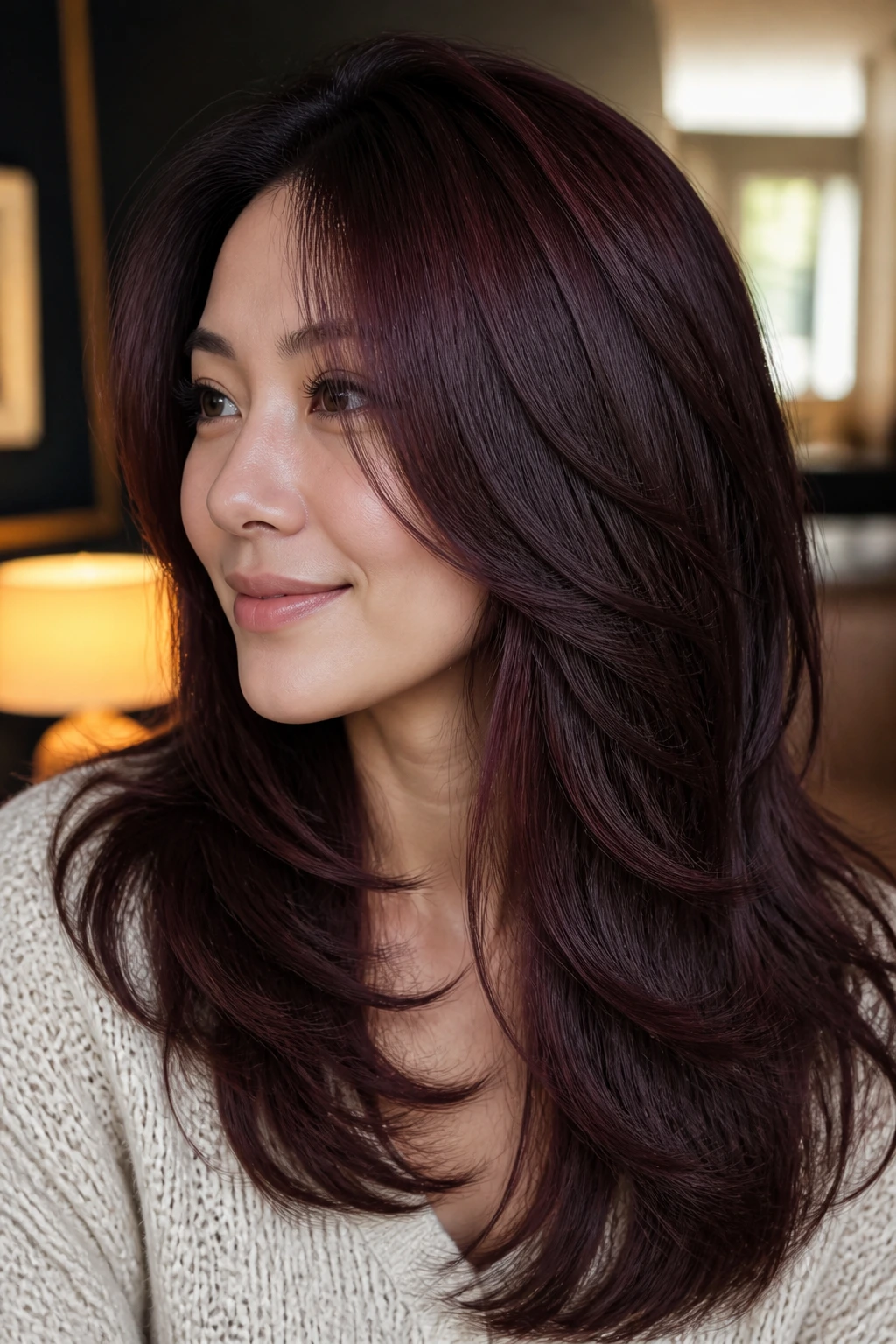
Velvet is the right word here because the color should look thick, soft, and a little plush. On layered hair, mahogany gets depth from the cut itself, and cool skin gets a richer frame without any orange spill.
The best version starts with a dark brunette base and adds a red-violet glaze that shows most on the moving pieces. Layers help because they break the color into planes. A flat one-length cut can make mahogany feel heavy; layers let it breathe.
There’s also a nice practical side. When the color begins to fade, the layers keep it looking dimensional instead of washed out. That matters more than people expect. A good brunette red should age gracefully, not collapse into one flat brown slab after three washes.
If you wear your hair blown out, this shade looks silky. If you wear it air-dried, it looks softer and more lived-in. Either way, the texture is doing half the work.
10. Black Cherry Mahogany
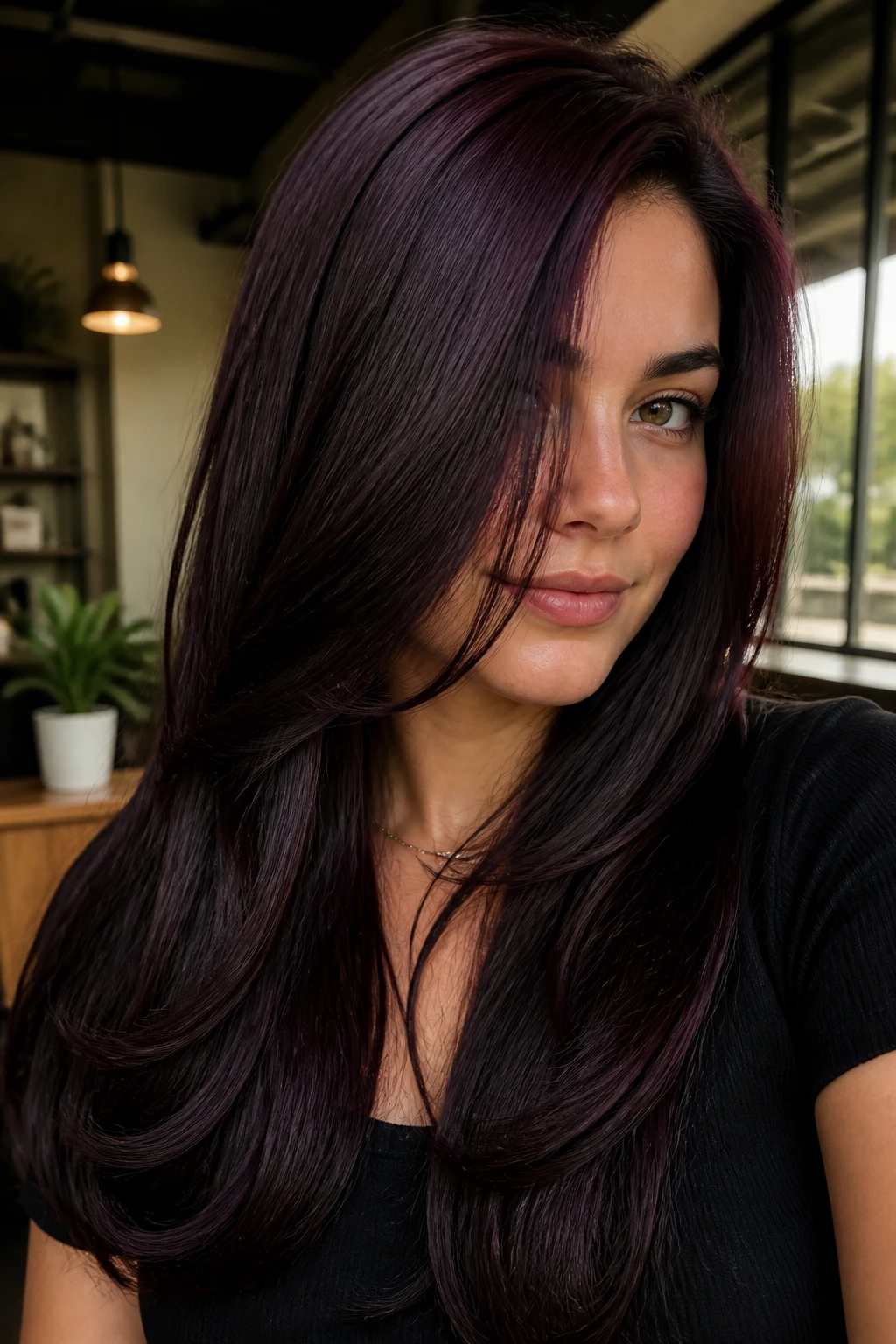
If you want depth first and red second, this is the one. Black cherry mahogany lives so dark that the red-violet note only appears when the light shifts, which makes it ideal for cool skin that looks best in richer contrast.
When to Choose It
Choose this shade if your natural hair is already dark brown or near-black and you want to keep that moody feeling. It gives you the mahogany family without pushing the color too far toward burgundy. The best versions stay polished, not neon.
A black cherry tone can make blue or gray eyes stand out fast. It also works well on cool olive skin, which can go sallow if the red gets too orange. Here, the berry note keeps things balanced.
- Ask for a dark brunette base with cherry or wine reflect.
- Keep the shine finish glossy, not matte.
- Refresh toner before the red dulls into brown-gray.
- Use cool-water rinses when you can stand them.
This shade has a little attitude, which I enjoy. It looks especially good with sleek blowouts and clean hairlines.
11. Cinnamon Mahogany
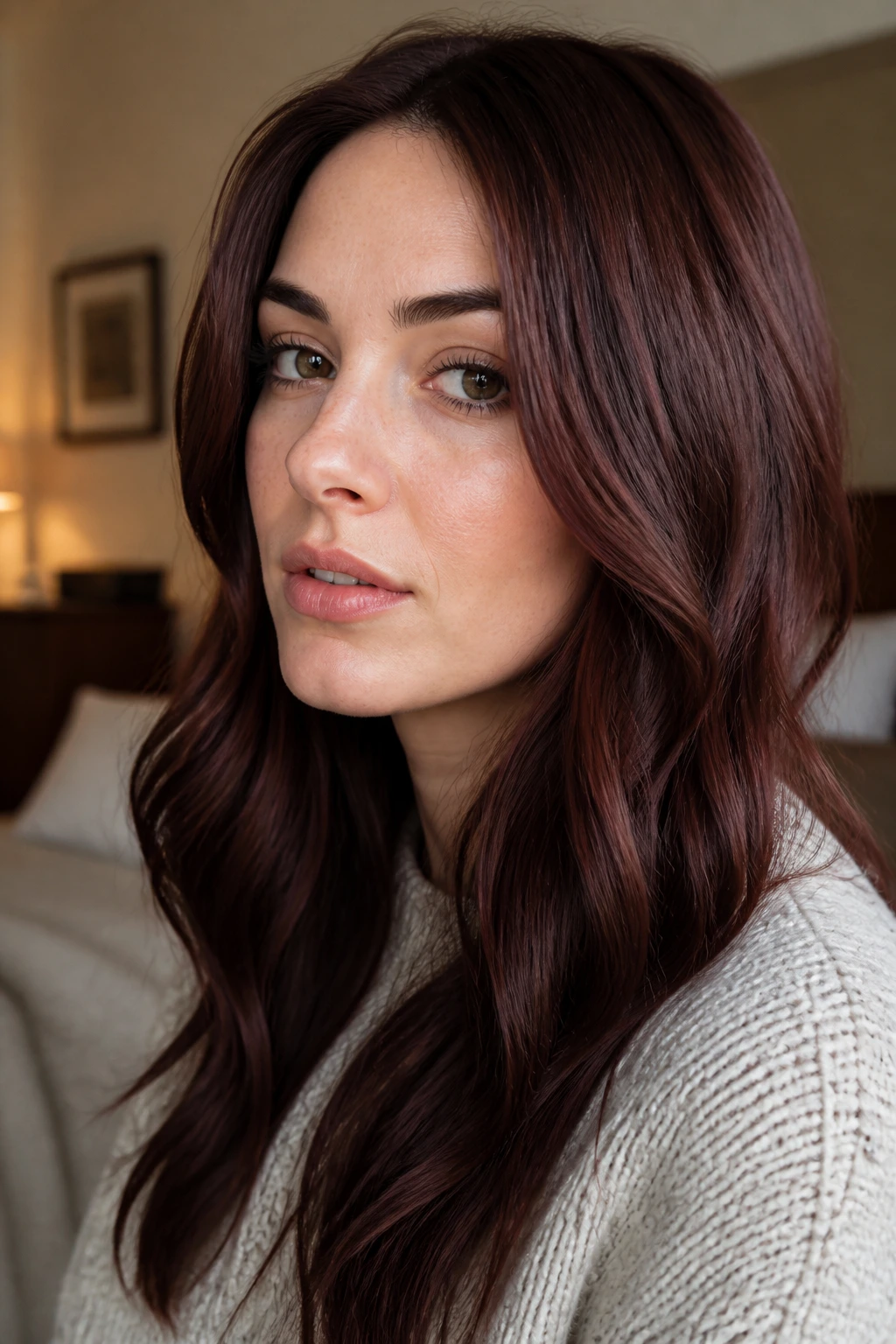
Cinnamon can go warm in a hurry, so the cool-skin version needs discipline. The trick is a brown backbone with only a pinch of red spice, not a full copper pour.
On a medium brunette base, cinnamon mahogany softens the face and gives the hair a warm-dark glow that still plays nicely with pink or blue undertones. It should feel like a quiet heat, not a bright ginger turn. If the toner is too orange, the whole thing starts working against the complexion.
How to Keep It Cool
A cool version of cinnamon mahogany usually needs a violet or neutral brown glaze on top. That takes the sharp edge off the warmth. It also helps the color sit better in daylight, where orange can show itself faster than you’d like.
- Keep the base at medium brown or darker.
- Avoid blonde foils; they can push the color too golden.
- Use a gloss once the red starts looking too loud.
- Wear it with loose texture so the color can move.
This shade is good for someone who wants a little spice without leaving brunette land.
12. Mahogany Balayage on Curly Hair
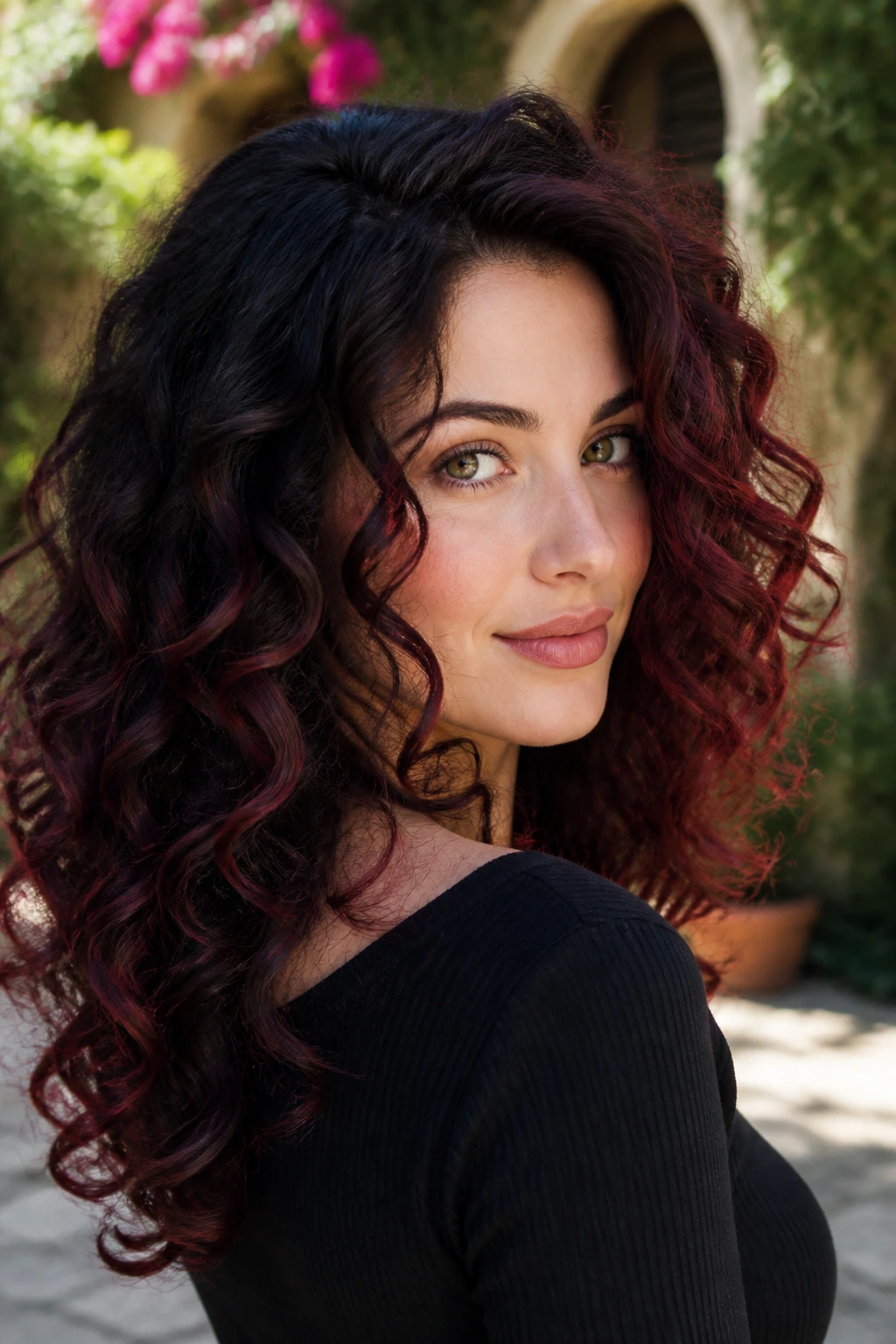
Curly hair is where mahogany gets fun. The bends in the curl catch pigment in bands, so a cool red-brown can look twice as dimensional as it does on straight hair.
A hand-painted balayage works better than chunky highlights here. Curls already create visual movement, so you want the color to follow the shape rather than sit on top of it. Thin, curved placement around the face and through the outer layer usually gives the nicest result. The mahogany flashes when the curl opens, then hides a little when it collapses back into shape.
That hidden-reveal effect is half the appeal. On cool skin, the hair can look darker and richer at rest, then show berry warmth when you move. It feels expensive without being fussy.
What to Ask For
- Painted pieces that follow the curl pattern.
- A cool brown base with berry or plum-toned ends.
- No chunky gold pieces near the face.
- A gloss that keeps the curl clumps shiny, not crunchy.
I’d keep the finish light. Heavy oils can flatten the curl pattern and make the color look blotched instead of blended.
13. Mushroom Mahogany Lob
A lob gives mushroom mahogany a clean canvas. The cut is long enough to show color movement, but short enough that the shade never feels too dense.
This works especially well if you want something modern and low-drama. The base stays in the cool brown family, while the mahogany comes through as a smoky red-violet sheen. On cool skin, that balance feels easy. No copper. No bright auburn edge. Just a smooth brunette with a little mood.
The lob length matters because it keeps the color from getting swallowed by too much hair. That’s the whole point with deeper mahogany shades. You want the eye to catch the shine near the ends and through the front, not lose everything in one dark block.
A center part makes this look sharper. A slight bend with a flat iron makes the mahogany show up better. Simple styling, good payoff.
14. Wine-Stained Pixie
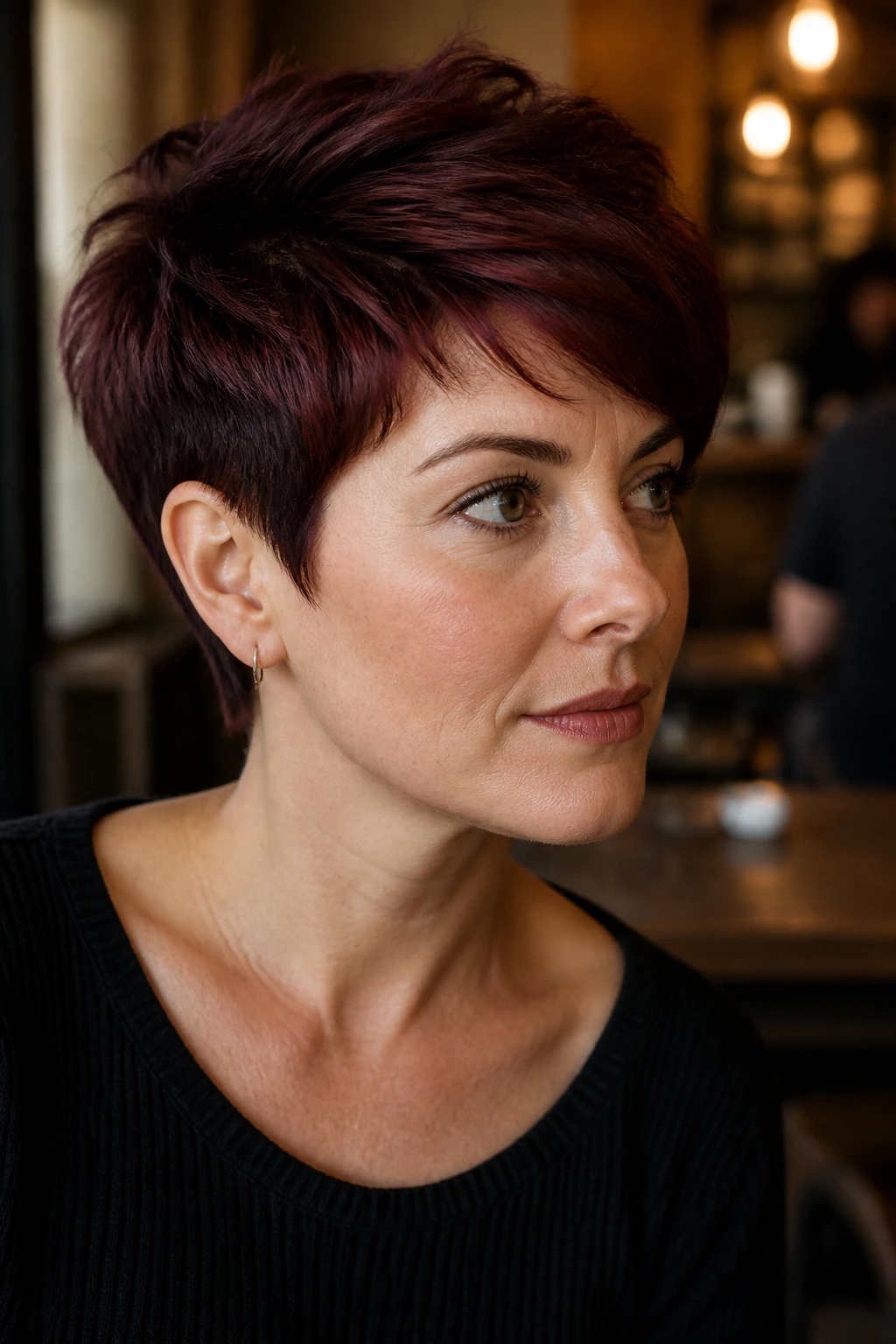
Short hair can handle darker red tones better than people think. A wine-stained pixie gives you that mahogany depth in a cut that already has shape, so the color doesn’t need to do all the work.
Compared with a brighter red pixie, this one feels more grown-up and far less loud. The wine note keeps it cool, which matters if your skin leans pink or blue. It also means the grow-out won’t scream at you the way a copper pixie often does. That’s a blessing when the haircut itself already needs regular trims.
This shade looks best when the top is a touch lighter than the sides. That tiny shift gives the short cut some movement. If everything is the same depth, the color can flatten out fast.
For styling, a small amount of matte paste at the crown can be enough. Then the mahogany shine stays visible on the smoother bits, which is where it looks best anyway.
15. Dimensional Mahogany Babylights
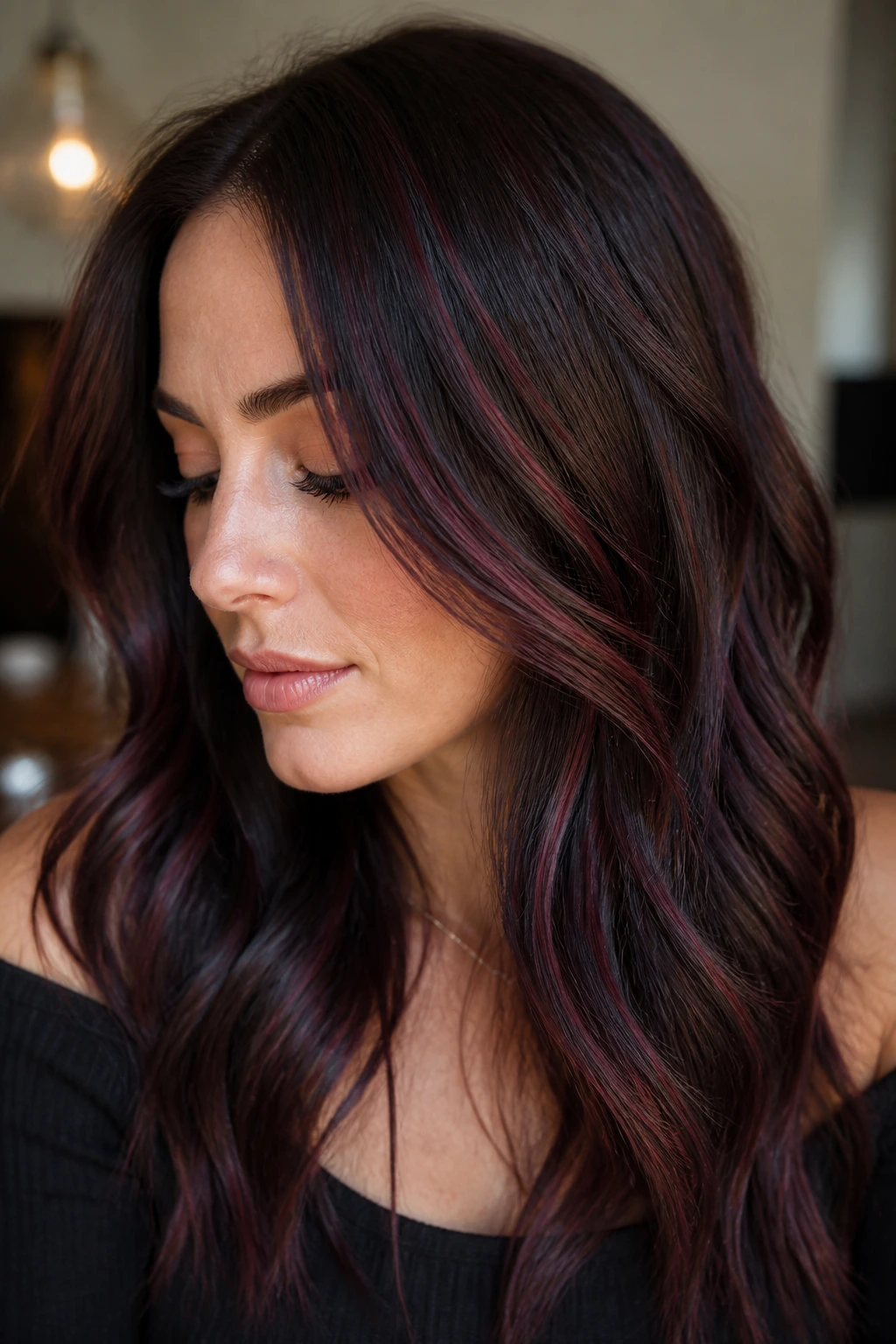
Babylights are the fine, whisper-thin version of highlights, and they work beautifully when you want mahogany to read as dimension rather than color change. On cool skin, that subtlety is worth chasing.
The idea is to weave tiny sections through a brunette base and tone them into a red-violet brown, not a warm copper. Because the pieces are so fine, the hair looks naturally multi-tonal. No stripe effect. No blunt contrast. Just small shifts in depth that show up when you turn your head or tuck your hair behind your ear.
I like this approach on people who spend a lot of time in indoor light. Big highlights can look flashy under fluorescent bulbs; babylights stay smoother. They’re also easier to live with between appointments because the regrowth blends better.
A gloss every so often keeps the tiny pieces from going dull. Tiny color needs shine, or it disappears.
16. Glossed Mahogany Melt
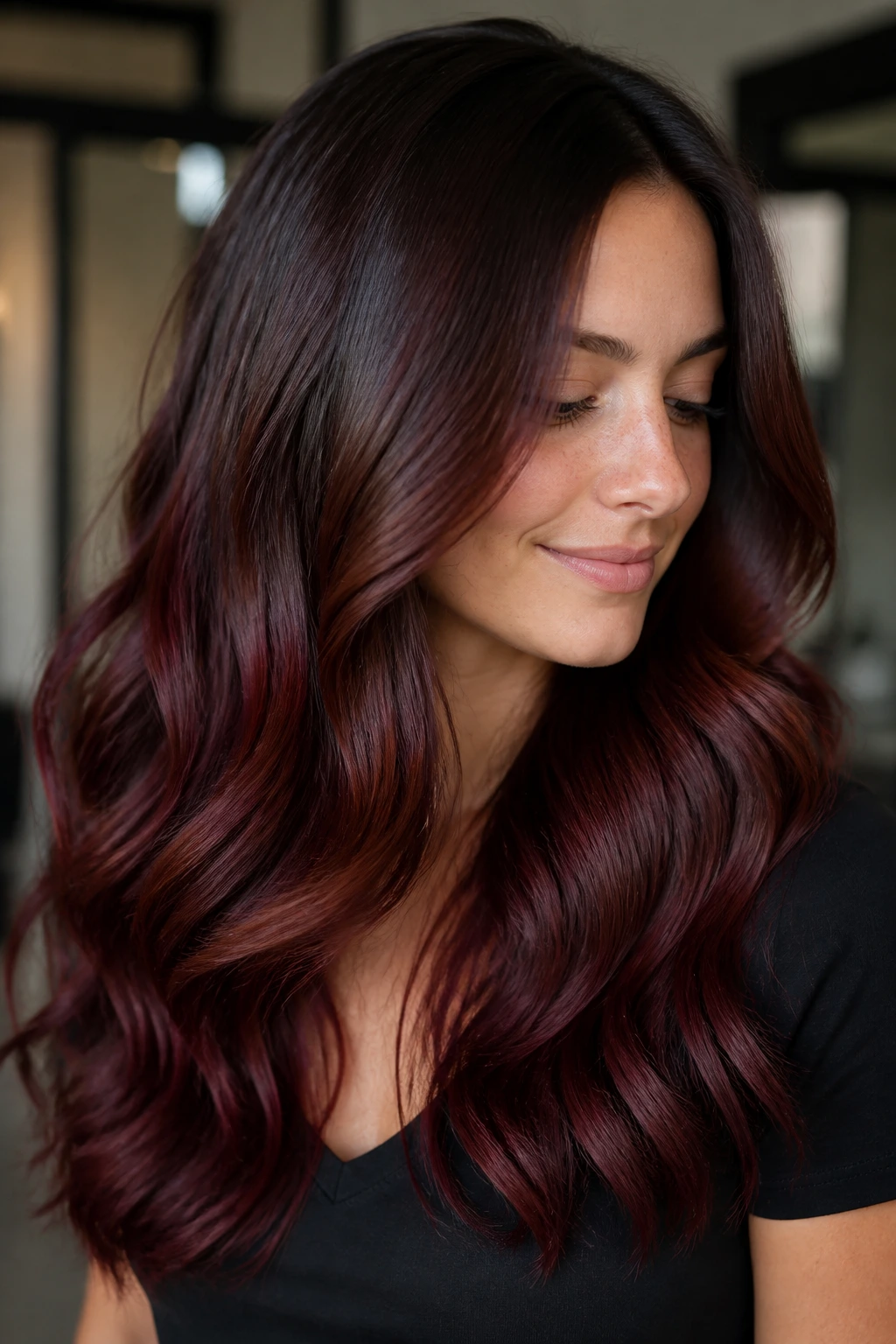
Can a gloss do all the work? Sometimes, yes. A glossed mahogany melt is one of the smartest ways to wear the color if you want the shift to feel gradual and soft from roots to ends.
The root stays a darker brunette, the mid-lengths pick up a brown-red note, and the ends carry the richest mahogany. That slight fade creates movement without obvious highlighting. On cool skin, the effect is flattering because the face stays framed by deeper brown while the lower half of the hair carries the color interest.
What to Ask For
Ask your colorist for a root shadow, then a red-violet gloss through the lengths. If your hair is porous, keep the ends a little deeper so they do not grab too much pigment and turn too bright. Porous hair loves to misbehave. It takes the fun out of warm shades fast.
- Keep the transition soft, not banded.
- Stay away from golden midtones.
- Use a demi-permanent finish if you want easier fade-out.
- Add a clear gloss layer if your hair tends to look dull.
This is a good pick if you want mahogany without the maintenance of full color blocking.
17. Smoky Mahogany Ombré
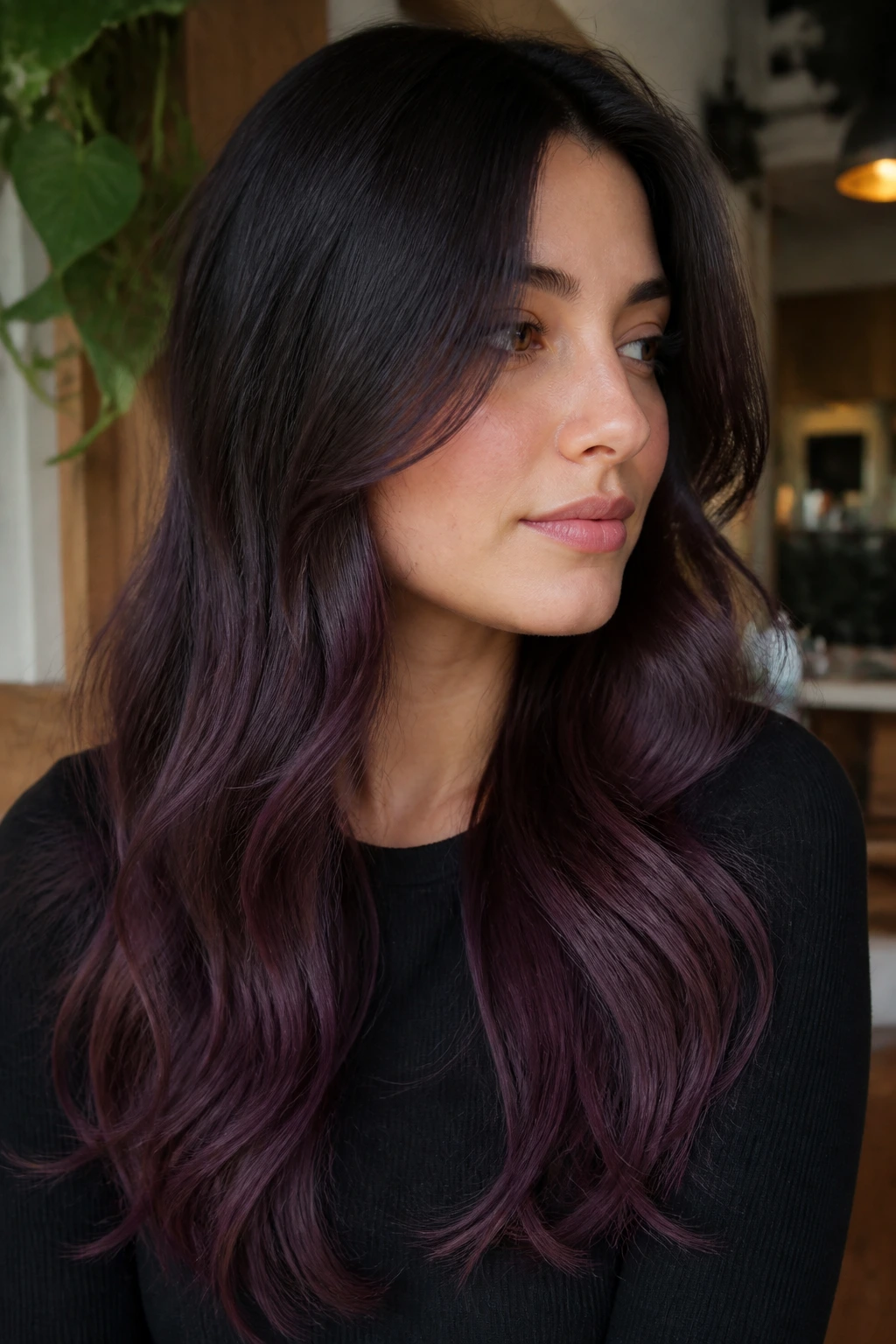
Ombré can look expensive when the fade is controlled. A smoky mahogany ombré starts deep at the roots and gets a little lighter, but not blonde, toward the ends.
The key is keeping the lighter part in the brown-red family. Think plum-brown, not auburn copper. That matters for cool skin because a warm fade can make the face look sharper in the wrong way, while a smoky fade keeps the whole look balanced. The dark root also buys you time between appointments, which never hurts.
This shade works especially well on longer hair, where the fade has room to stretch. The transition looks more deliberate when there’s actual length to show it. On medium hair, keep the shift short and soft so it doesn’t feel like a dip-dye from years ago.
One thing I’d avoid: a hard orange line between dark roots and lighter ends. That’s where ombré starts looking dated. Keep the in-between zone smoky and the whole style gets better.
18. Mahogany Underlights
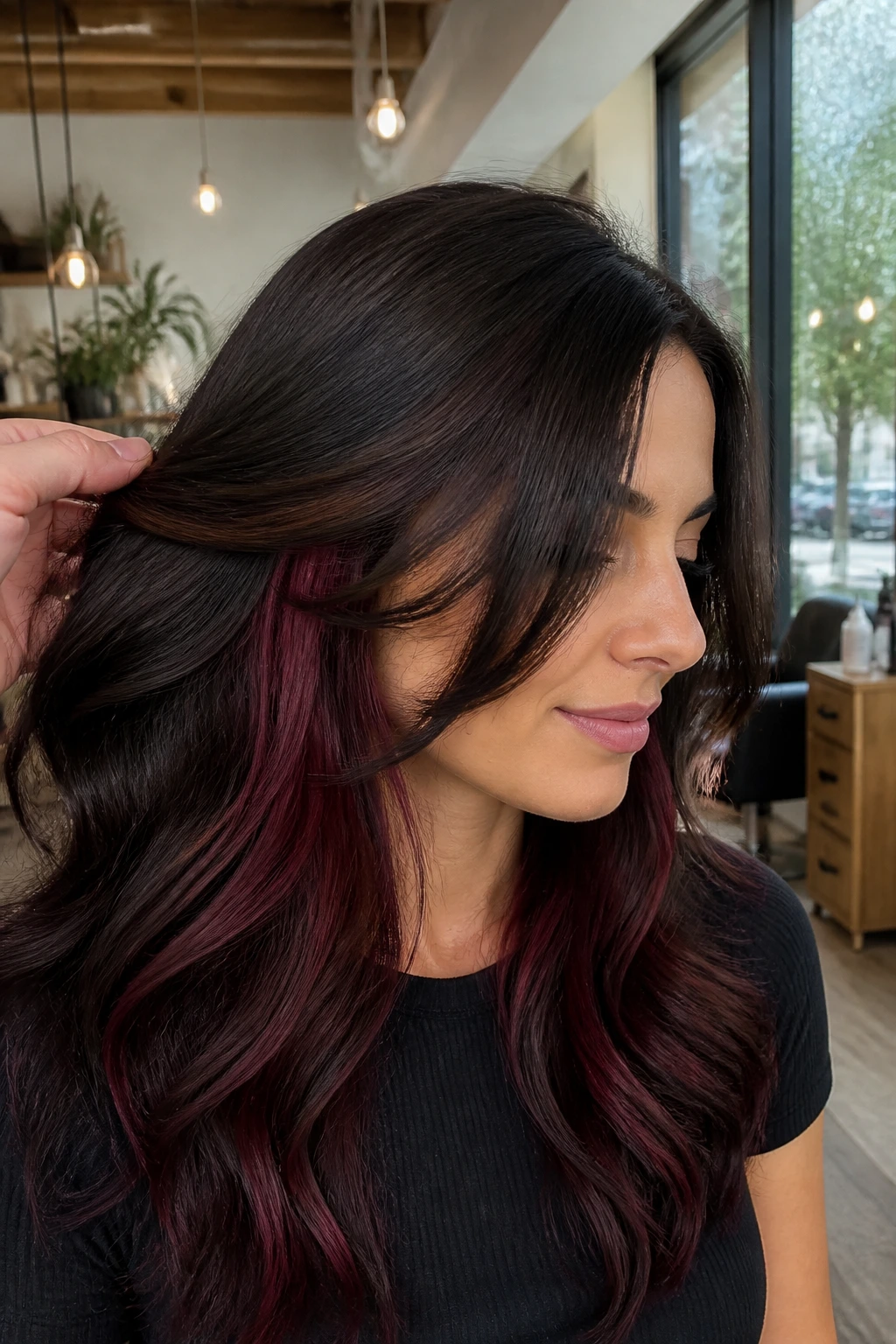
Underlights are for people who want their hair to stay mostly brunette on top with a deeper mahogany surprise underneath. It’s a good choice if you need something workplace-friendly but still want personality.
The color sits in the hidden layers, so it flashes when you move, tie your hair up, or let a breeze lift the ends. On cool skin, this is nice because the face stays framed by a calm brunette surface while the mahogany appears in motion. It’s a little like wearing jewelry under your shirt. You know it’s there. Other people catch it in pieces.
Why It Works So Well
Underlights give you depth without changing the whole head. That makes maintenance easier and fade less obvious. If your natural brown is already close to the target shade, the contrast feels even better.
- Best on layered cuts or hair with some natural movement.
- Ask for red-violet pieces beneath the top layer.
- Keep the top sections darker for contrast.
- Style with clips or half-up looks to show the hidden color.
I like this one for people who get bored easily but do not want a dramatic grow-out.
19. Satin Mahogany with Beige Balance
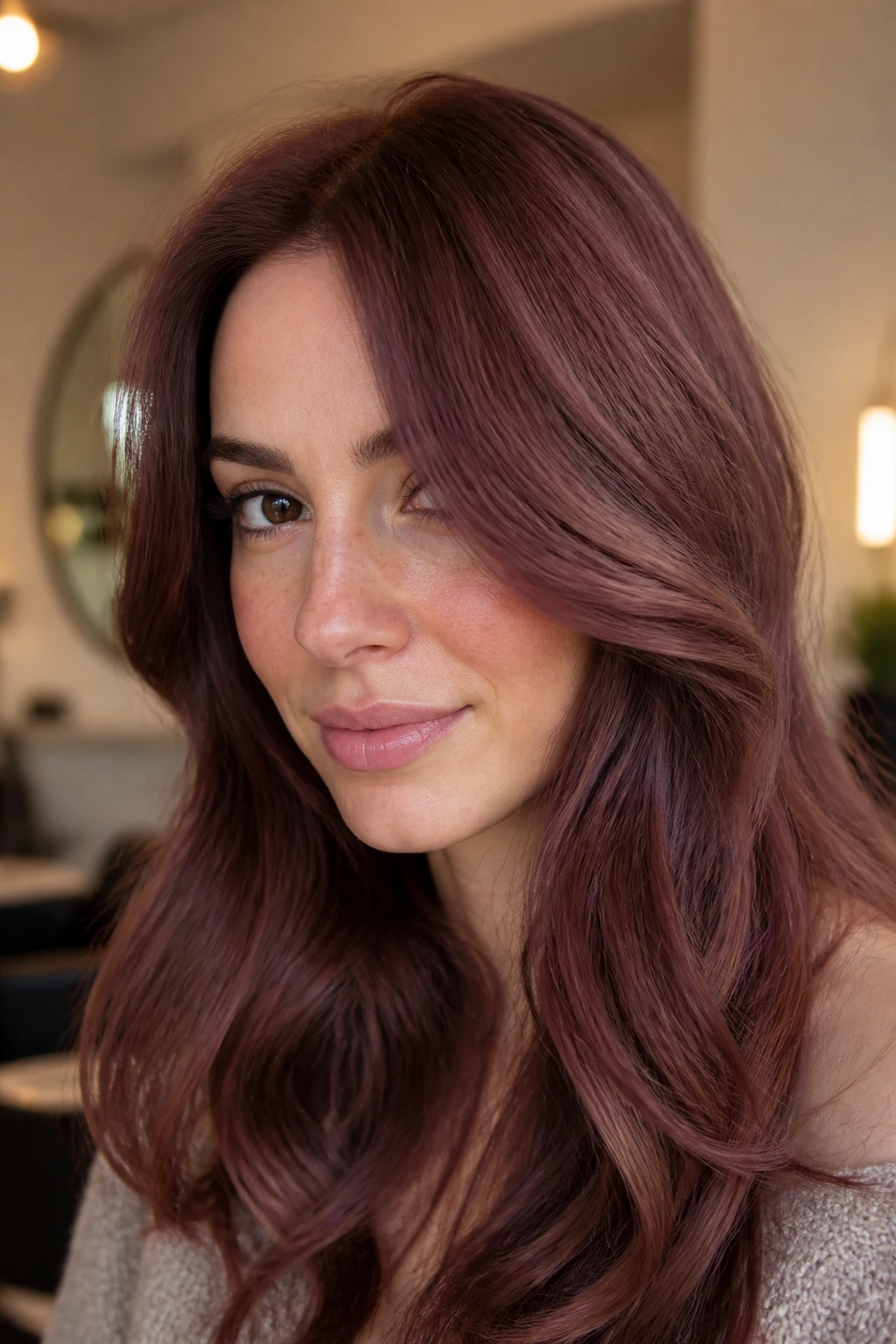
This is the shade for someone who wants mahogany to feel smooth, not sharp. Satin mahogany with beige balance sits between cool brown and muted berry, so the finish looks soft and blended on cool skin.
The beige note matters because it stops the color from feeling too wine-like. Too much wine can look great in photos and heavy in daylight. Beige gives the mahogany a creamy edge, which softens the look around the face. On pale cool skin, that can be a relief. On deeper cool skin, it keeps the brown from going flat.
The finish should feel silky, almost like polished wood. That means gloss matters more than contrast. If the hair is too matte, the beige-brown side gets muddy. If it’s too shiny, the red side can pop too hard. The sweet spot is somewhere in the middle.
A soft side part and loose bend in the lengths suit this shade well. It’s calm, but it still has life.
20. Blue-Violet Mahogany
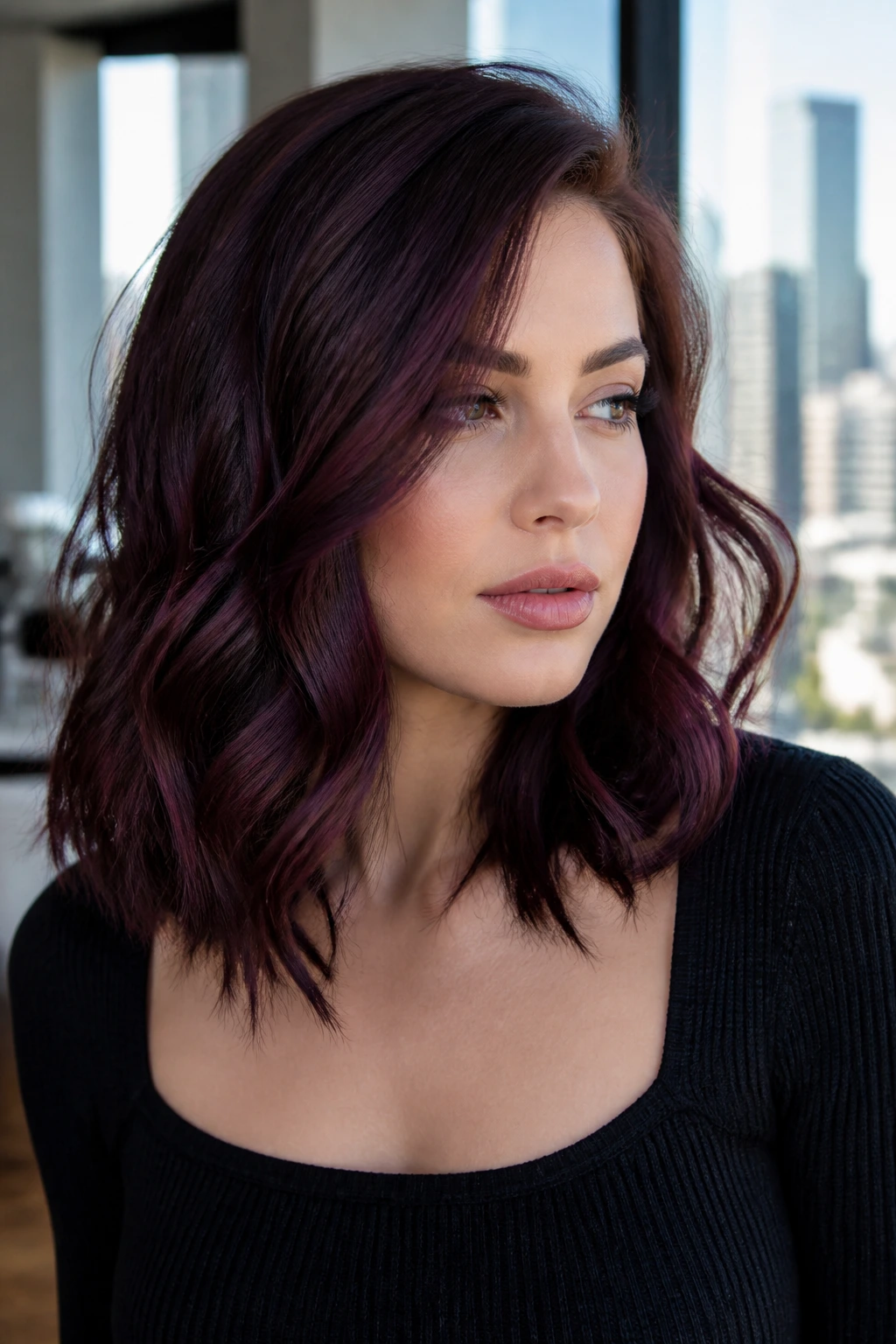
Blue-violet mahogany is the coolest version in the group, and it’s the one I’d point to for anyone whose skin goes pink easily or who can’t wear orange tones near the face. It reads brown first, but the reflection leans berry, plum, and a little bit of midnight wine.
That blue-violet thread makes the color feel crisp rather than warm. It is especially good on cool skin that has a lot of contrast, because the hair can hold its own without fighting the complexion. If your eyes are gray, icy blue, or deep brown, this shade often sharpens them nicely.
The best application keeps the roots a neutral brown and shifts the violet note through the mids and ends. That way the shade stays wearable, not theatrical. You can also tuck in a few darker lowlights if your hair is naturally lighter brown and needs more depth to support the pigment.
If you want one simple rule, keep it this: brown first, violet second, red last. That order usually keeps mahogany flattering instead of fussy, and it works a lot better than chasing a bright red that your skin never asked for.
