



Fine hair and a flat bob are a bad match if the cut is lazy. The shape matters more than the trend, and an inverted bob can be one of the smartest moves you make because it builds lift where fine strands usually collapse first — at the crown and through the back.
The trick is understanding what fine hair actually needs. Fine hair is about strand size, not how many hairs you have, so a head of dense fine hair behaves differently from hair that’s both fine and sparse. That’s why the best inverted bob haircuts for fine hair lean on clean graduation, controlled length, and a perimeter that still looks solid in daylight.
I’m a fan of this cut when it’s done with restraint. Too much thinning turns the ends see-through. Too much razor work can make the shape look frayed. But a good inverted bob? It gives you a neat neckline, a stronger silhouette, and enough movement that the hair doesn’t sit there looking tired.
Some versions are sharp. Some are soft. A few are almost sneaky — they build volume without screaming for attention. The first one is the classic, and for a reason.
1. Classic Stacked Inverted Bob
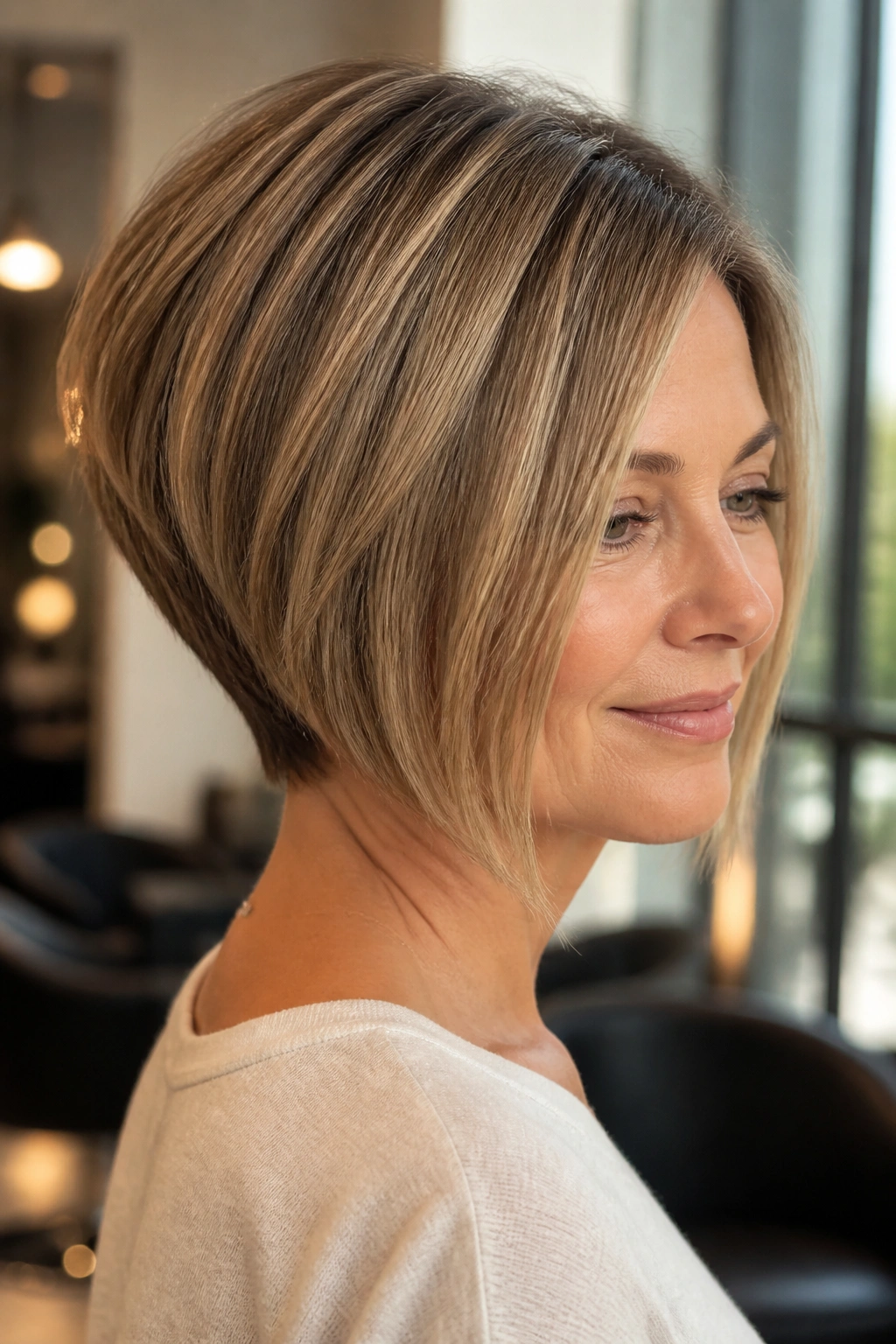
The classic stacked version is still the easiest place to start if your fine hair needs lift fast. It gives you that shorter back, longer front shape without getting fussy, and the stacked nape does a lot of the visual heavy lifting.
Why It Works for Fine Hair
The back is cut in graduated layers, usually tight enough to create a little shelf of volume at the nape. That matters because fine hair tends to lie flat right where you need shape most. A stacked bob builds the illusion of density by keeping the back compact and the front pieces longer and cleaner.
Ask for a soft stack, not a choppy one. The line should still look polished when you tuck one side behind your ear. If the stylist removes too much weight from the perimeter, the bob starts to look floaty instead of full.
- Keep the nape short, but not shaved.
- Leave the front grazing the jawline or just below it.
- Ask for minimal internal thinning.
- Style with root-lifting mousse and a round brush.
Pro tip: If your hair is very fine, keep the stack subtle. A huge graduation can make the back look airy in the wrong way.
2. Chin-Length Inverted Bob with Blunt Ends
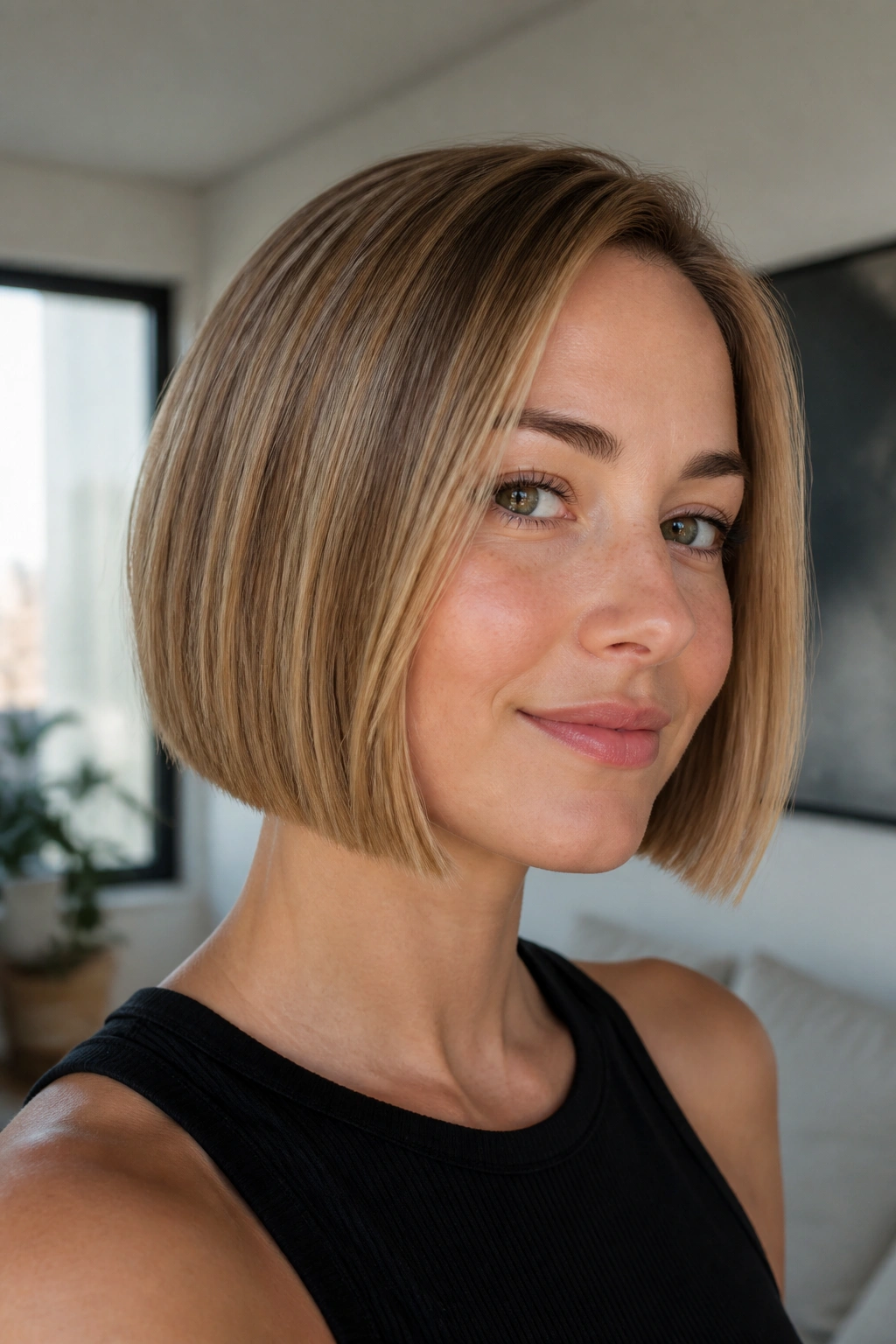
Why does a blunt edge often look thicker than soft, wispy ends? Because the eye reads a solid line as density. On fine hair, that matters more than a lot of people think.
This version keeps the front at chin length and lets the back angle up just enough to make the shape feel lifted. The ends stay blunt, which gives the cut a denser finish and keeps the perimeter from fraying out by the end of the day. It’s a cleaner look than a heavily layered bob, and I’d pick it for anyone whose hair looks stringy when it gets too much texture.
It works especially well if your hair is straight or only slightly wavy. Blow-dry with a paddle brush first, then bend the very ends under with a 1-inch round brush or flat iron if you need a little polish. You don’t need much heat. Too much heat makes fine hair look dry, and dry ends always look thinner.
The real advantage here is restraint. No drama, no fluff. Just a neat line that makes the hair look like it has more body than it actually does.
3. Side-Parted Inverted Bob with Deep Crown Lift
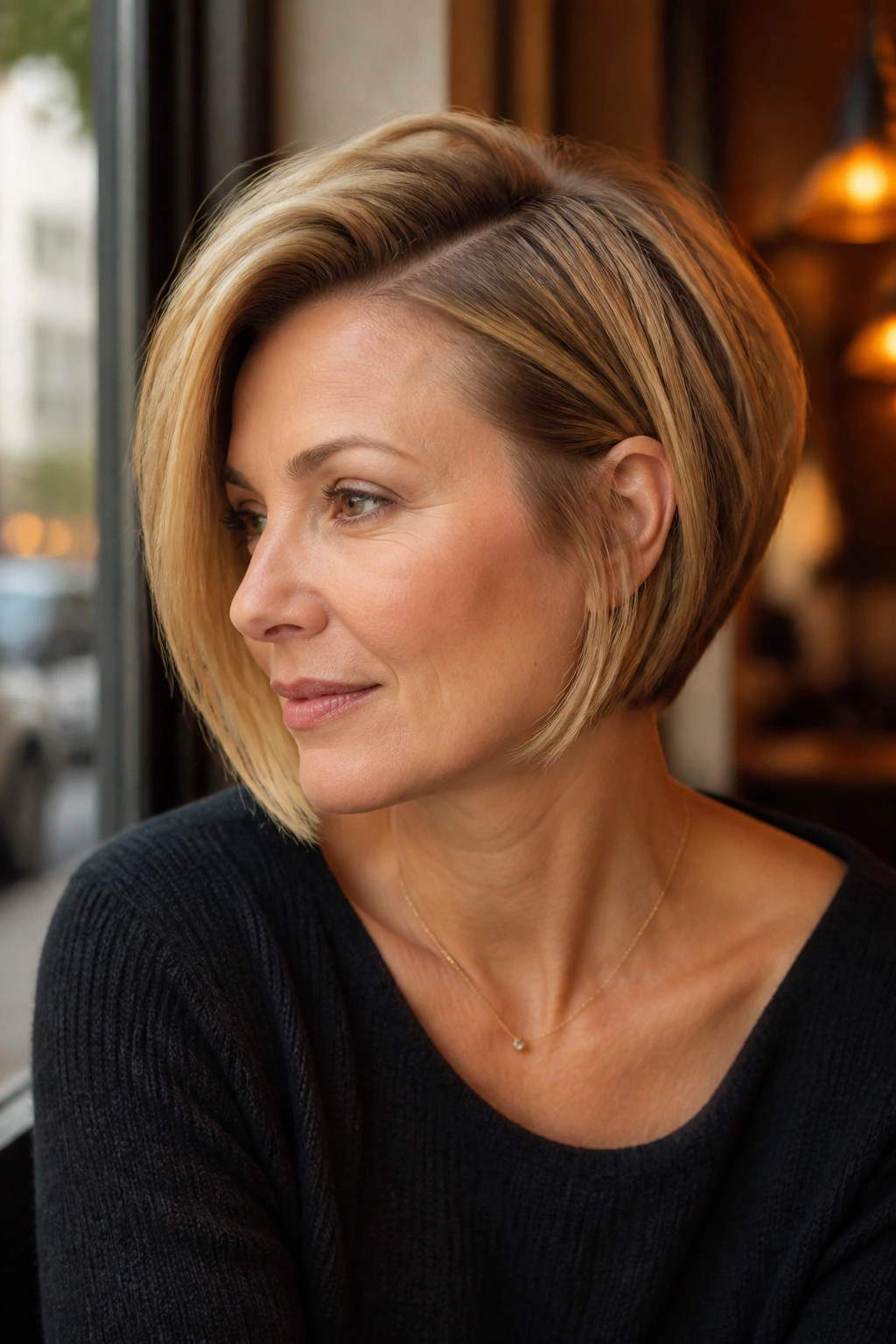
If your roots collapse by lunchtime, a deep side part can do more for your crown than a pile of products ever will. It shifts weight off the center line and gives the top a little natural push-up.
The side part also changes how the front pieces fall. One side hugs the face, while the other opens up and shows off the angle of the cut. That asymmetry helps fine hair look less flat because the eye has more to work with. It’s a small change. It makes a big difference.
How to Style It
- Part the hair about 2 to 3 inches off center.
- Blow-dry the roots in the opposite direction first.
- Clip the crown up for 5 to 10 minutes while it cools.
- Finish with a light mist of dry shampoo at the part, even if your hair is clean.
A side-parted inverted bob is a good choice if you like movement but don’t want anything too shaggy. It has structure. It still behaves.
4. Softly Feathered Inverted Bob
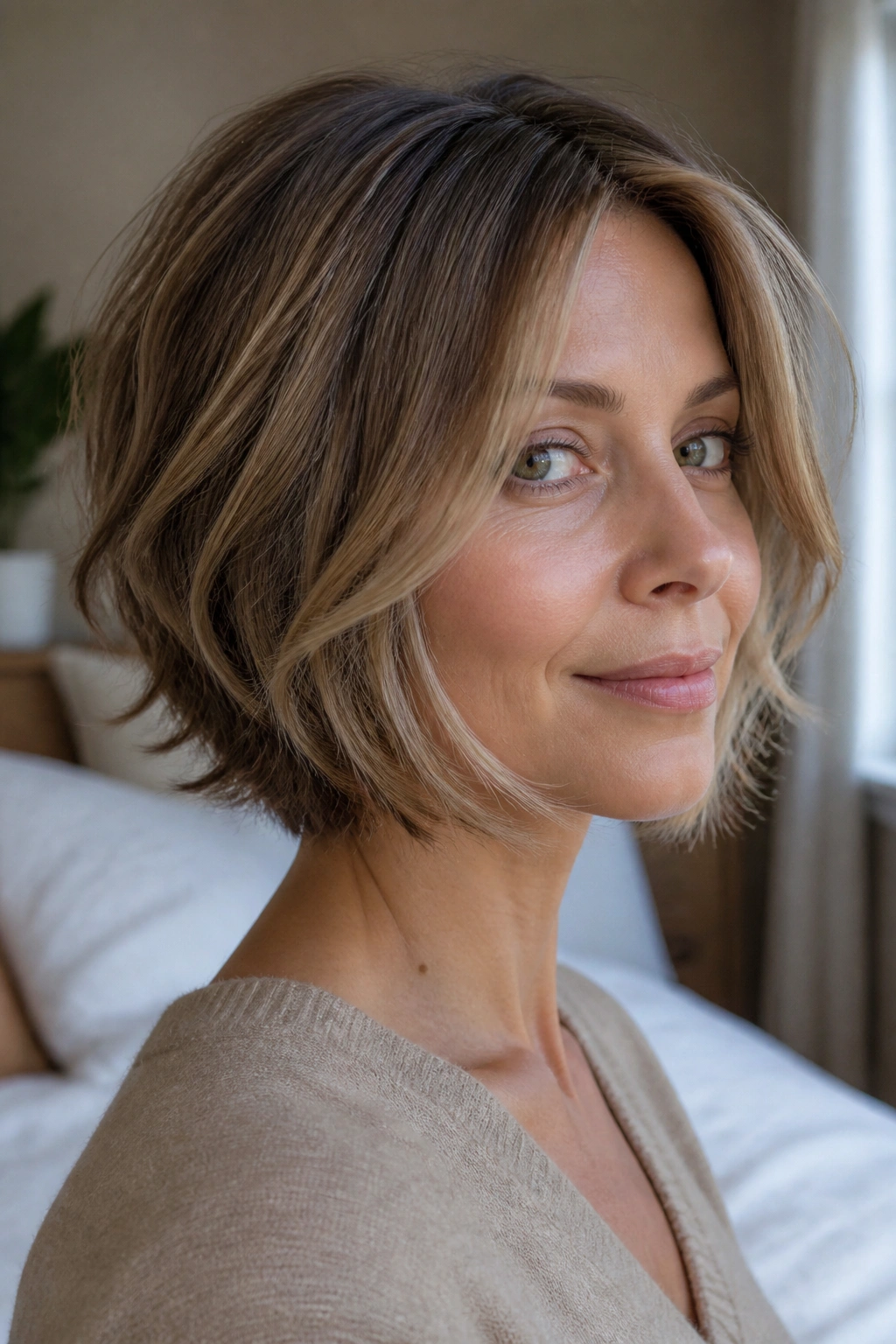
Not every fine-haired bob needs a hard line and a loud stack. Some look better with a lighter touch, especially if your hair is delicate and tends to split at the ends.
Soft feathering gives the bob a little air around the perimeter. The cut still keeps the inverted shape — shorter in back, longer in front — but the ends are point-cut instead of chopped bluntly. That softens the whole outline and keeps the style from feeling too rigid.
It’s the kind of bob that moves when you turn your head. Nice, right? The movement matters because fine hair can look stale fast when it sits in one shape all day. A feathered finish solves that without turning the haircut into a shag.
Ask for long interior layers, not a lot of piecey removal. Then style with a light cream or a lotion, not a paste. You want slip, not grit. A 1.25-inch curling iron can add a bend through the front, but leave the ends loose so the cut doesn’t start looking overworked.
5. Inverted Bob with Curtain Bangs
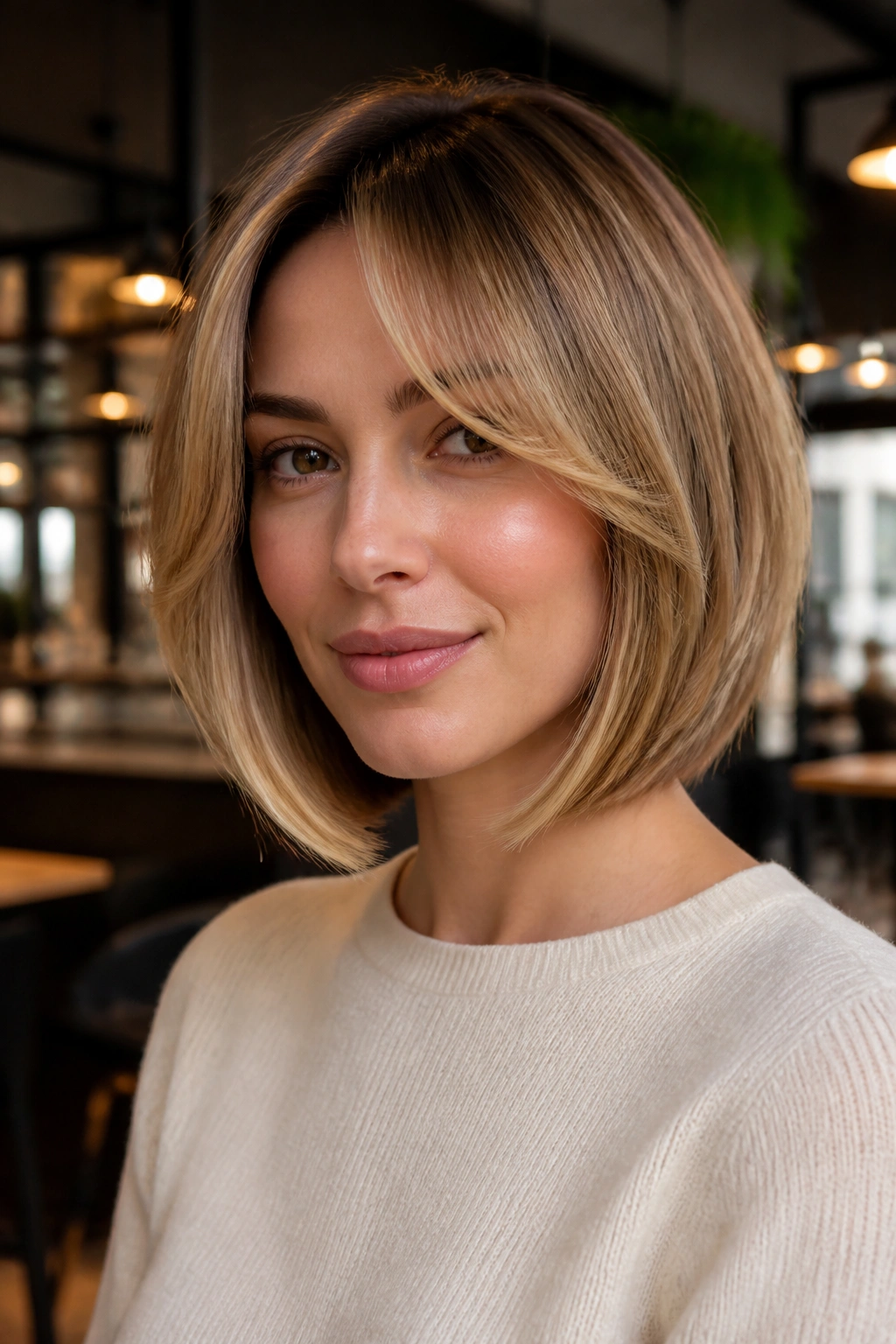
Curtain bangs can be a smart partner for fine hair when the front needs a little extra presence. They frame the face, break up a wide forehead, and stop the whole haircut from looking too severe.
The key is length. Curtain bangs that sit right at the eyebrow can make fine hair look choppy in a bad way. Better to keep them around cheekbone length or a touch longer so they sweep back instead of sitting heavy in the middle. That longer fringe also gives the inverted shape something soft to balance against.
I like this version when the hair needs a little romance. Not sweetness. Romance. The kind that comes from a loose front section, a gentle bend at the ends, and enough shine that the bob still feels clean. The cut should stay neat at the back while the fringe does the softening up front.
One thing to watch: curtain bangs on fine hair need regular drying. If you let them air-dry in a weird split, the whole front can look sleepy. A round brush and a quick blast at the roots usually fixes it.
6. Sleek Angled Bob with Micro Layers
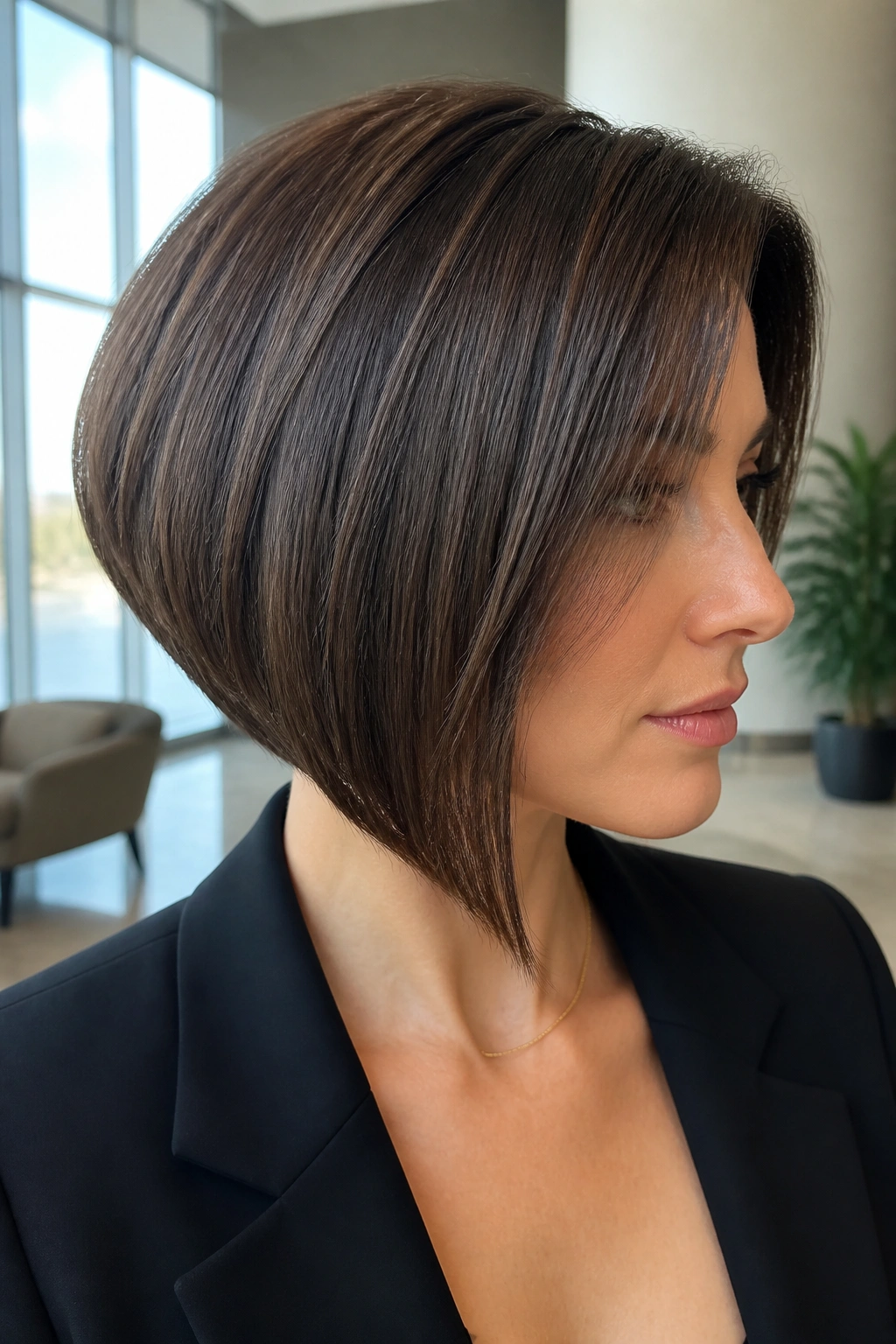
Unlike a heavily stacked bob, this one keeps the main line clean and uses tiny interior layers to stop the shape from falling flat. That’s the whole point.
The angle is visible, but not shouty. The front length usually sits a little below the jaw, while the back stays tight enough to show the inverted shape without building a big shelf. The micro layers live inside the haircut, where they add movement without breaking up the outline. That’s a good trade for fine hair, because the perimeter still looks full.
This version suits people who like a neat finish and don’t want to be fighting texture spray every morning. Blow-dry it smooth with a nozzle attachment, then use a flat brush to pull the front forward and down. A tiny drop of serum on the ends is enough. Too much product and the hair will separate.
If your hair is fine, straight, and a little stubborn, this shape is one of the safer bets. It looks expensive without needing much styling. And no, I don’t mean that in a flashy way. I mean it looks controlled.
7. Wavy Inverted Bob with Airy Texture
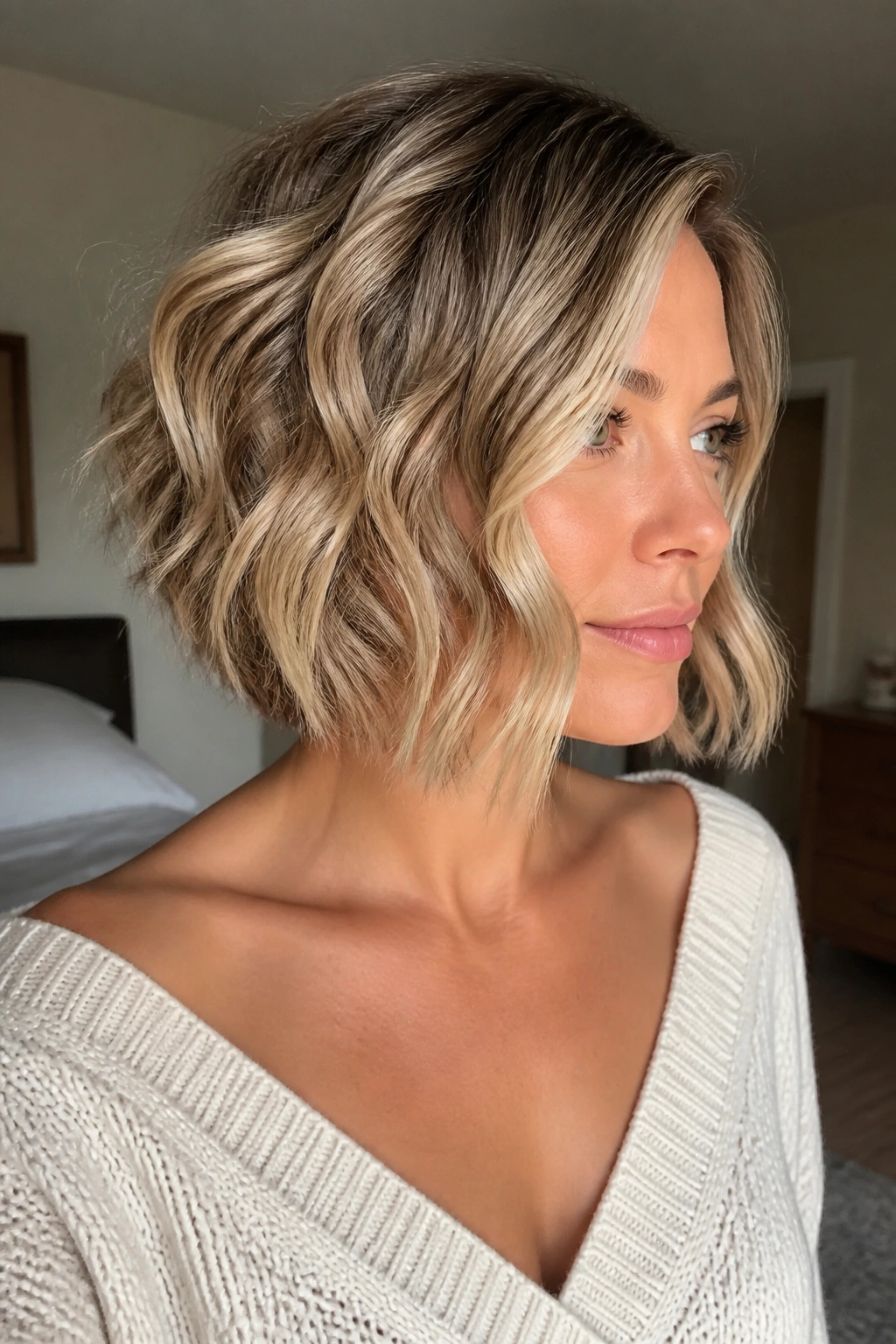
A few soft bends can make fine hair look twice as full at the ends. That’s the real appeal here.
The wavy version keeps the inverted cut, but it loosens the finish so the hair doesn’t read as too neat or too thin. The back still sits shorter, and the front still angles down, yet the texture breaks up any harsh lines. That helps fine hair because the eye sees width, not just length.
What Makes It Different
The texture should look soft and lived-in, not crunchy. Use a 1-inch curling iron and wrap only the mid-lengths, leaving the last inch or so out. Alternate the curl direction on each side. That keeps the waves from turning into one giant shape.
- Start with dry hair and a heat protectant.
- Curl only 6 to 8 sections.
- Shake the waves out with your fingers, not a brush.
- Finish with a light texture spray at the mid-lengths.
This cut is best if you like movement and don’t mind a little styling time. It’s not a wash-and-go fantasy. That fantasy is overrated anyway.
8. Collarbone-Length Long Inverted Bob
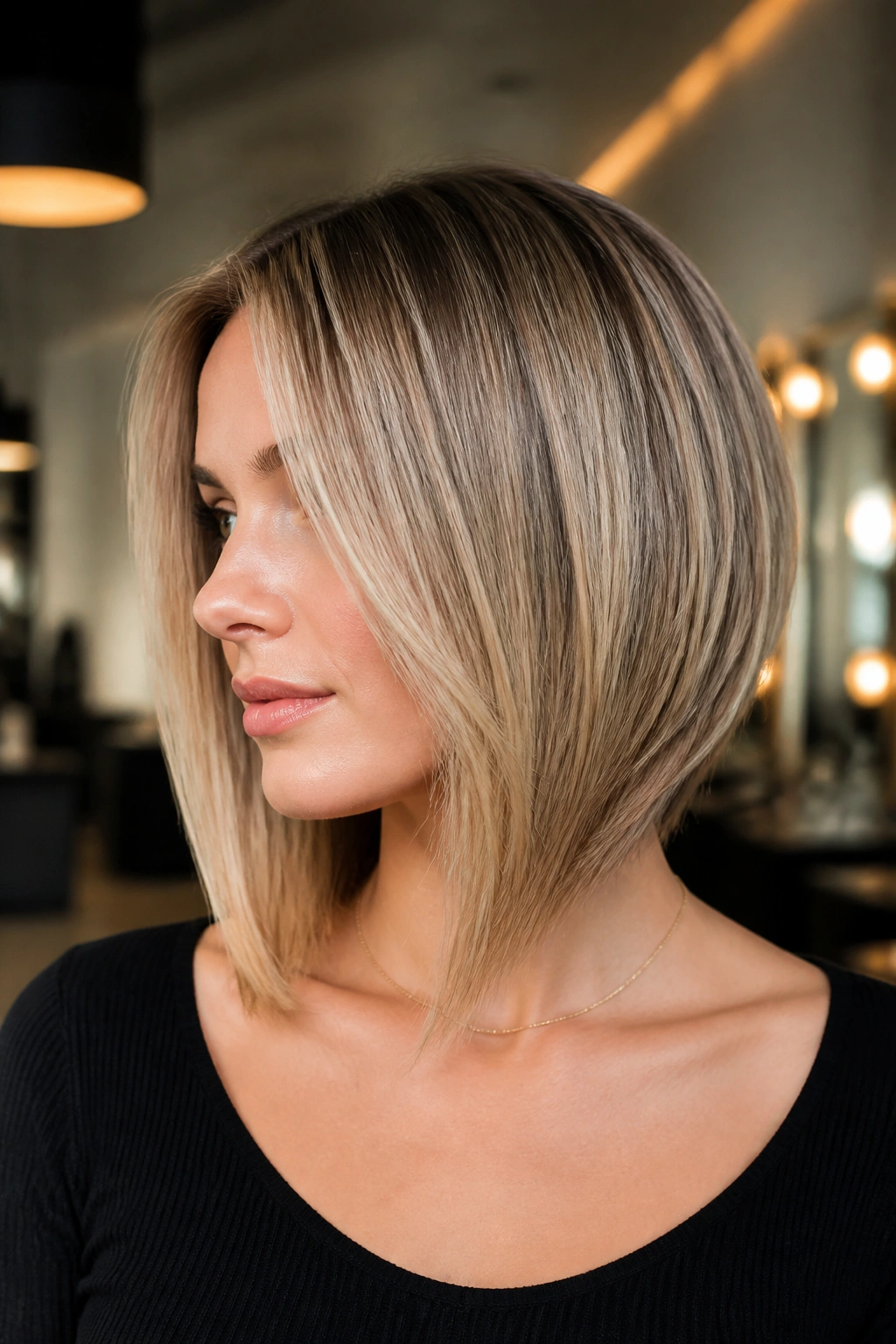
If you want body but you’re not ready to go short, the collarbone-length inverted bob is the one I’d keep on the list. It gives you the angle and lift of an inverted shape while leaving enough length to tuck, pin, or clip back on a bad hair day.
For fine hair, the longer front can be a relief. It keeps the ends from looking too sparse and gives the haircut some swing when you walk. The back should still be shorter, but not so short that the top starts looking disconnected from the rest. Think gentle slope, not dramatic wedge.
This is a good choice if your hair feels thin at the ends but you still want the bob shape to read clearly. Ask for soft graduation through the back and a blunt-ish edge at the front. That mix keeps the silhouette from getting wispy.
It also grows out well. That matters more than most people admit. A cut that still looks intentional after six or eight weeks is worth more than one that looks good only on day one.
9. Curly Inverted Bob with Rounded Shape
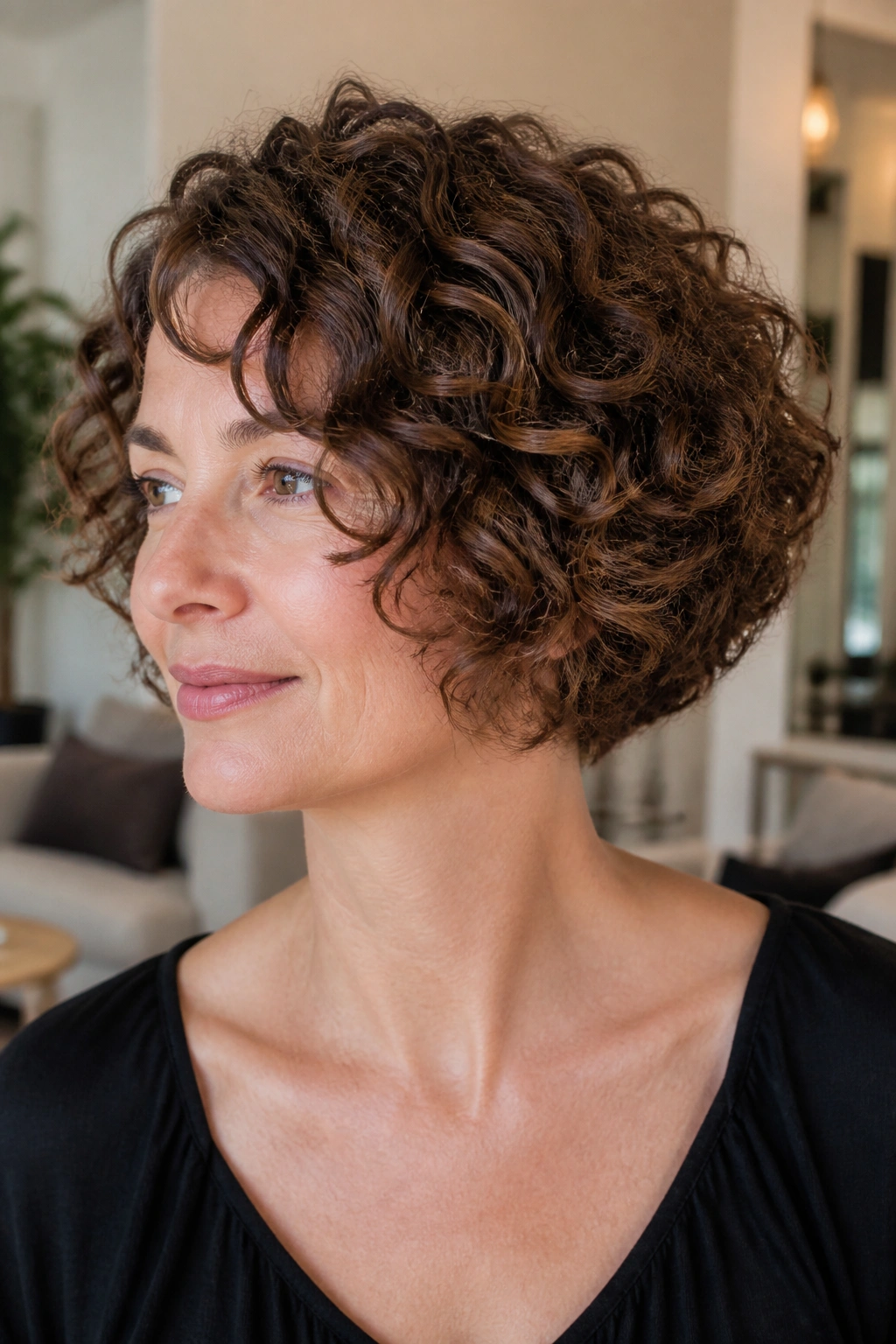
Curly fine hair needs room to breathe, and it usually looks best when the silhouette is rounded instead of overly stacked. A sharp wedge can fight the curl pattern and leave the ends looking sparse.
The rounded inverted bob keeps the back shorter while letting the curls build their own shape around the head. It’s a cleaner look than a traditional curly bob with random bulk at the sides. The angle helps the nape sit neatly, and the longer front pieces frame the face without collapsing into a triangle.
How to Ask for It
- Ask for a dry cut if your curls shrink a lot.
- Keep the longest front curl around chin length.
- Preserve the perimeter so the ends do not look see-through.
- Skip aggressive thinning at the crown.
A diffuser helps, but the way you dry matters more than the tool. Scrunch with a light curl cream, then diffuse on low heat until the roots are dry and the curl clumps look defined. Fine curls don’t need a ton of product. They need enough moisture to hold shape without getting weighed down.
10. French-Inspired Inverted Bob with Fringe
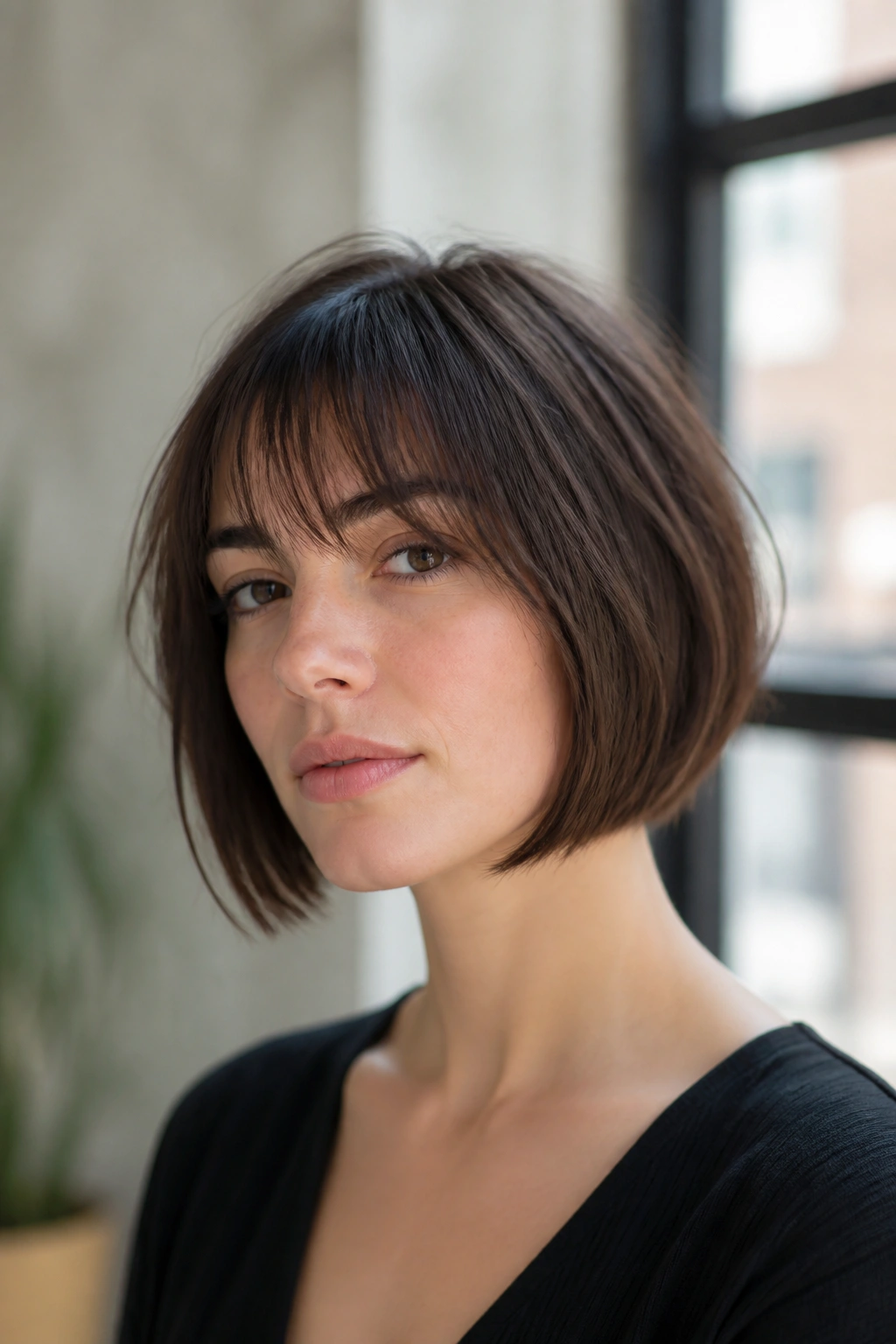
A soft fringe can make an inverted bob feel a little less formal, and that’s often the better move for fine hair. The French-inspired version keeps the nape neat, but the front feels airy, a touch undone, and much more relaxed than a severe geometric cut.
The fringe should sit soft across the brow or slightly longer, almost skimming the lashes on one side. That gives the face some frame and draws attention upward, which is handy when the hair itself is fine and the ends need a little help. The back stays compact. The front gets the personality.
This cut works best if you like hair that looks better with a bit of mess in it. Not a mess-mess. Just a little looseness. A quick bend with a round brush, a touch of dry texture at the roots, and the fringe can look lived-in without looking lazy.
One detail people forget: the fringe and the front angle need to talk to each other. If the bangs are too short and the front is too long, the shape can feel split in half. Keep them in the same family.
11. A-Line Inverted Bob with Minimal Graduation
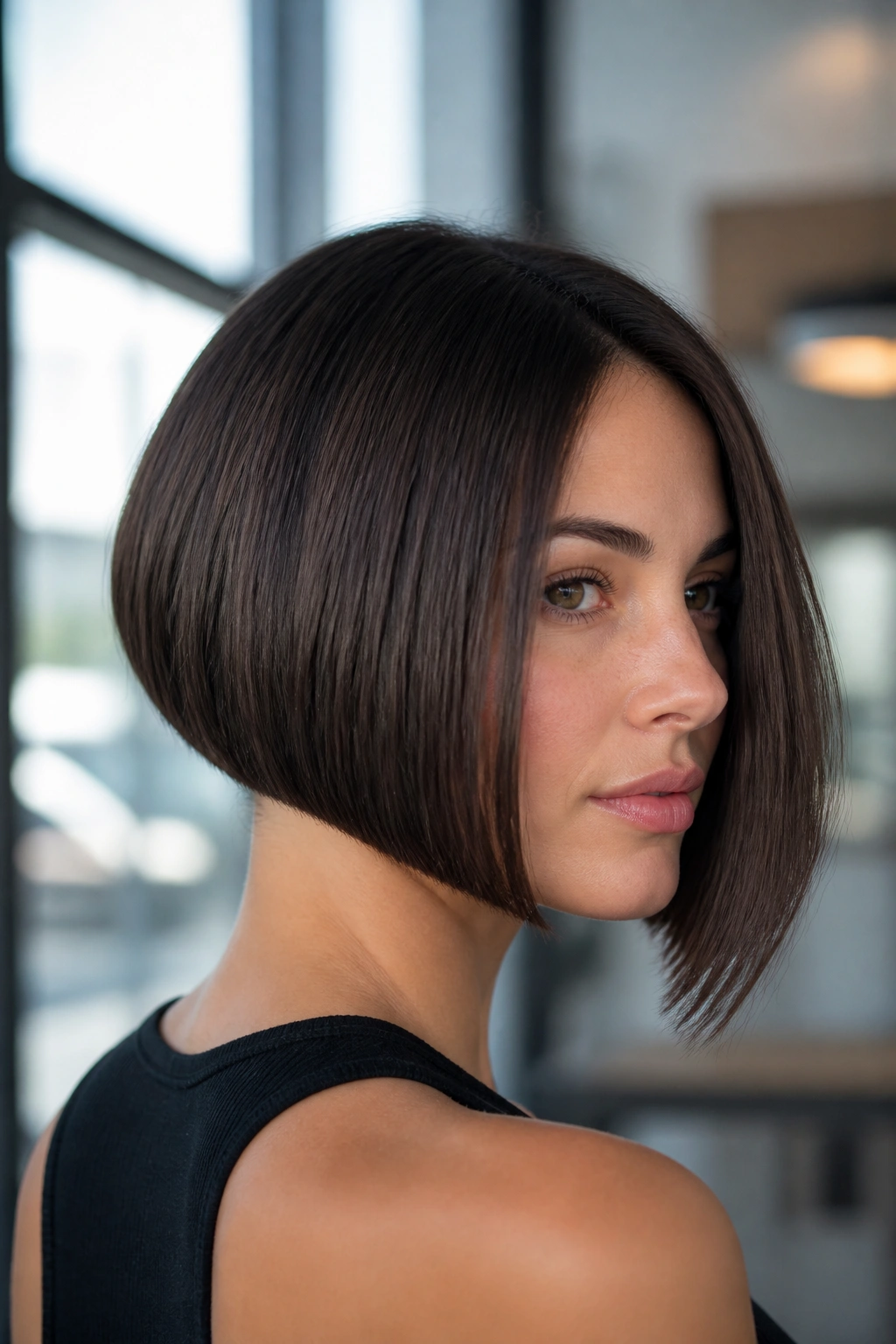
Less stacking can sometimes make fine hair look fuller. Strange, but true.
The A-line version keeps the angle obvious — shorter at the back, longer in front — while reducing the amount of graduation in the nape. That means you get the shape of an inverted bob without a lot of visible layers. For fine hair, that can be a win because the cut line stays strong and the ends look denser.
This is the bob for someone who wants sleekness more than texture. It leans clean, almost graphic. The front usually lands somewhere between the chin and the collarbone, depending on how much softness you want around the face. The back stays neat, but not stacked to the point of drama.
It’s a good option if your hair is fine and straight or only slightly wavy. A center part can make it feel modern. A side part makes it feel softer. Either way, the main thing is the line. Don’t let the stylist carve it up too much. Fine hair often looks best when the shape is still easy to read.
12. Choppy Inverted Bob with Piecey Ends
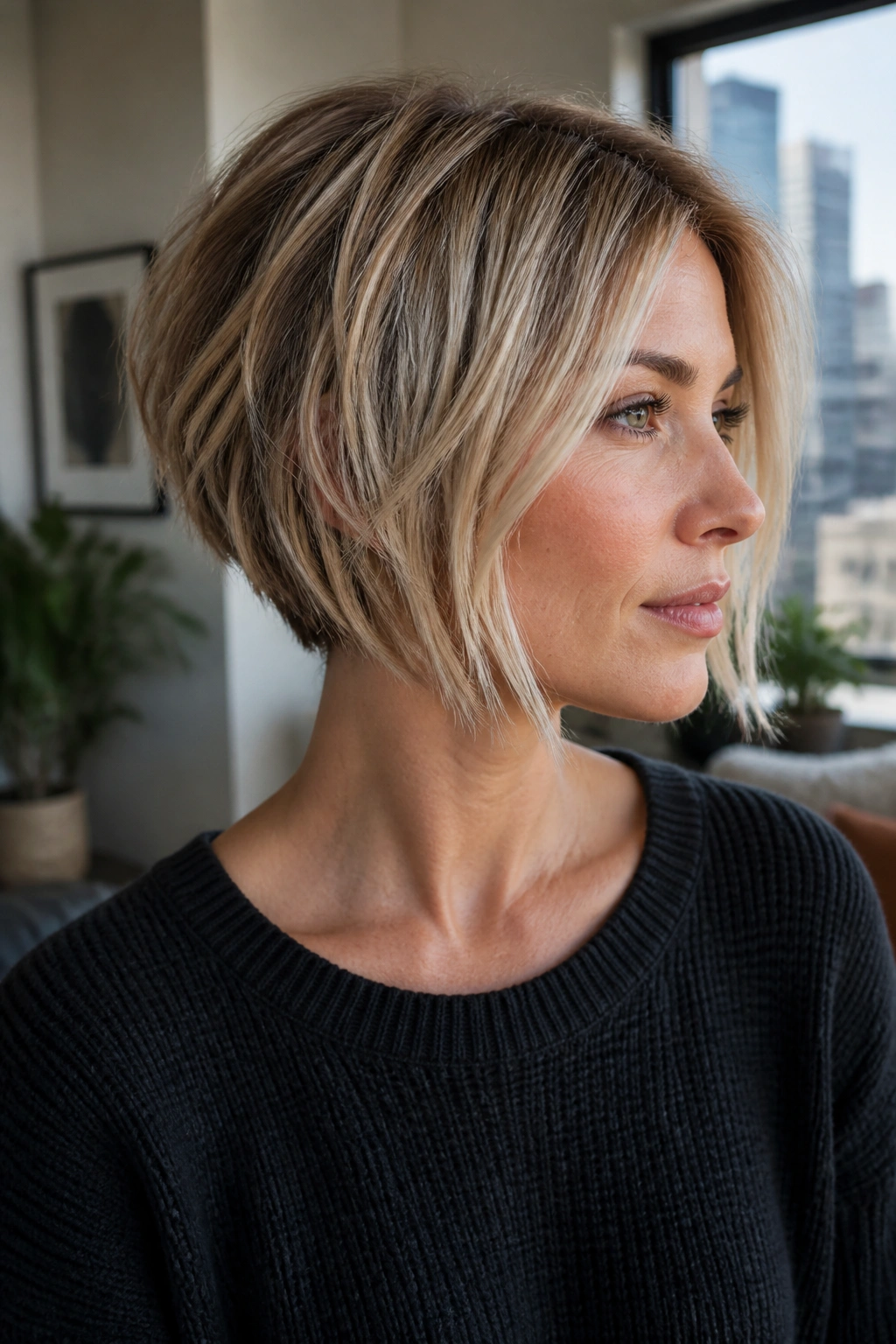
What if you want texture without turning the whole cut into a shag? That’s where the choppy version lands.
The piecey finish gives fine hair some grit at the ends, which can help the bob look fuller when it’s worn loose. The trick is to keep the chop controlled. You want selective texture, not random holes. A stylist can point-cut the ends and leave the back stacked enough to show lift without creating a messy outline.
The Styling Trick That Keeps It Clean
Use a pea-sized amount of styling cream on damp hair, then rough-dry the roots first. Once the hair is mostly dry, use your fingers or a small flat brush to define the front pieces. A tiny bit of texturizing spray at the ends can help, but don’t drown the cut in it.
This version suits people who don’t want a polished helmet look. Good. Neither do I. It has edge, but it still respects the fact that fine hair can go limp if the shape is too broken up.
The best choppy bobs still have a backbone. Without that, they just look tired.
13. Inverted Bob with Tucked-Behind-Ear Sides
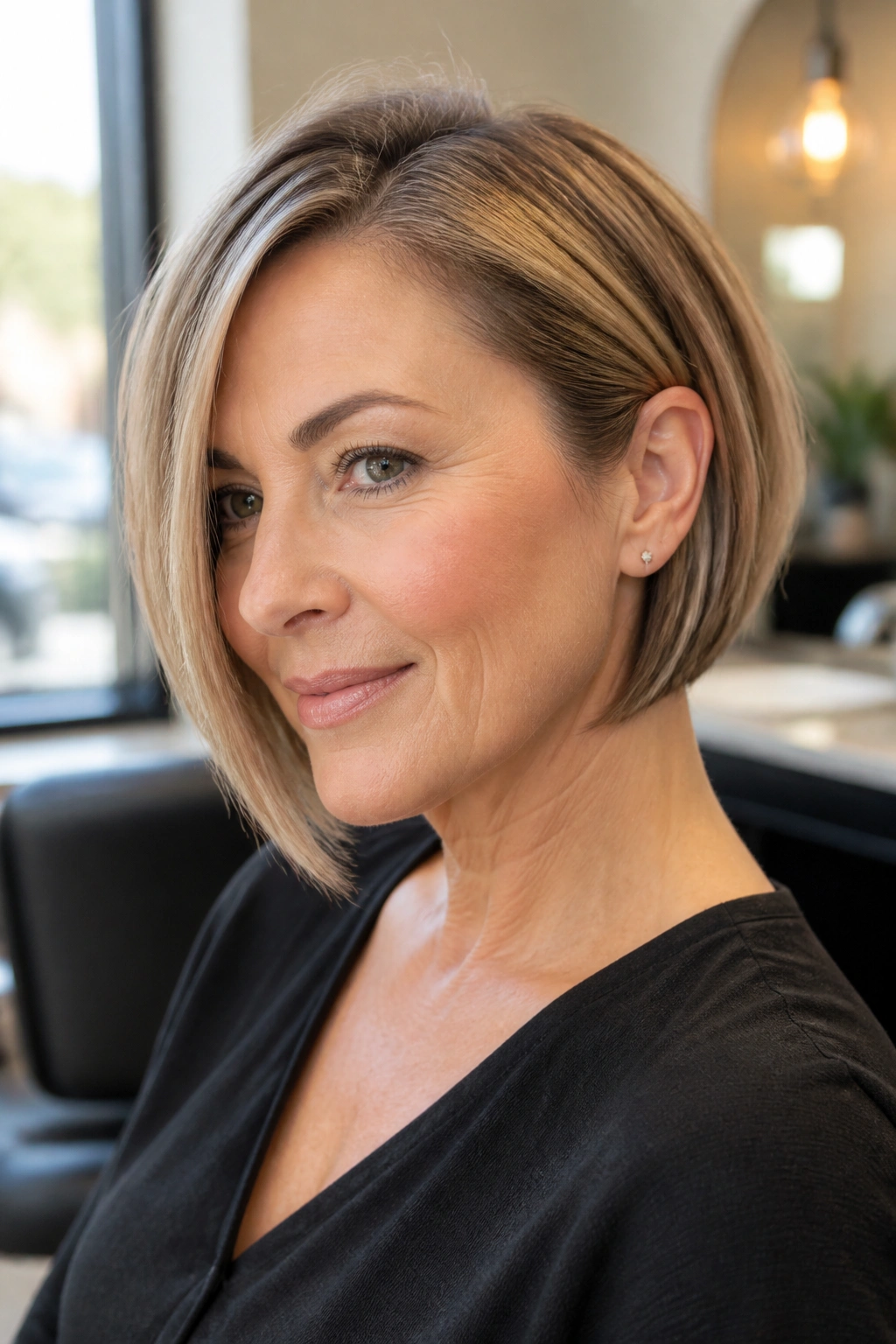
A tucked side can change everything. It opens up the face, shows off the neckline, and makes the angle of the bob easier to see from the front.
That’s a nice move for fine hair because it creates contrast. One side sits cleanly behind the ear, while the other side falls forward a little more. The eye reads that difference as shape and volume, even if the hair itself is not thick. It also keeps the sides from puffing out in a weird way, which can happen when fine hair has too much length around the ears.
Key Details to Ask For
- Keep the ear area light, not bulky.
- Leave enough front length to tuck without sticking out.
- Ask for a clean nape line.
- Use a light hold spray so the tucked side stays put.
This is the kind of bob I like for people who wear earrings, glasses, or sharp collars. The haircut gives those things room. Small detail, maybe. Still matters.
14. Inverted Bob with Side-Swept Bangs
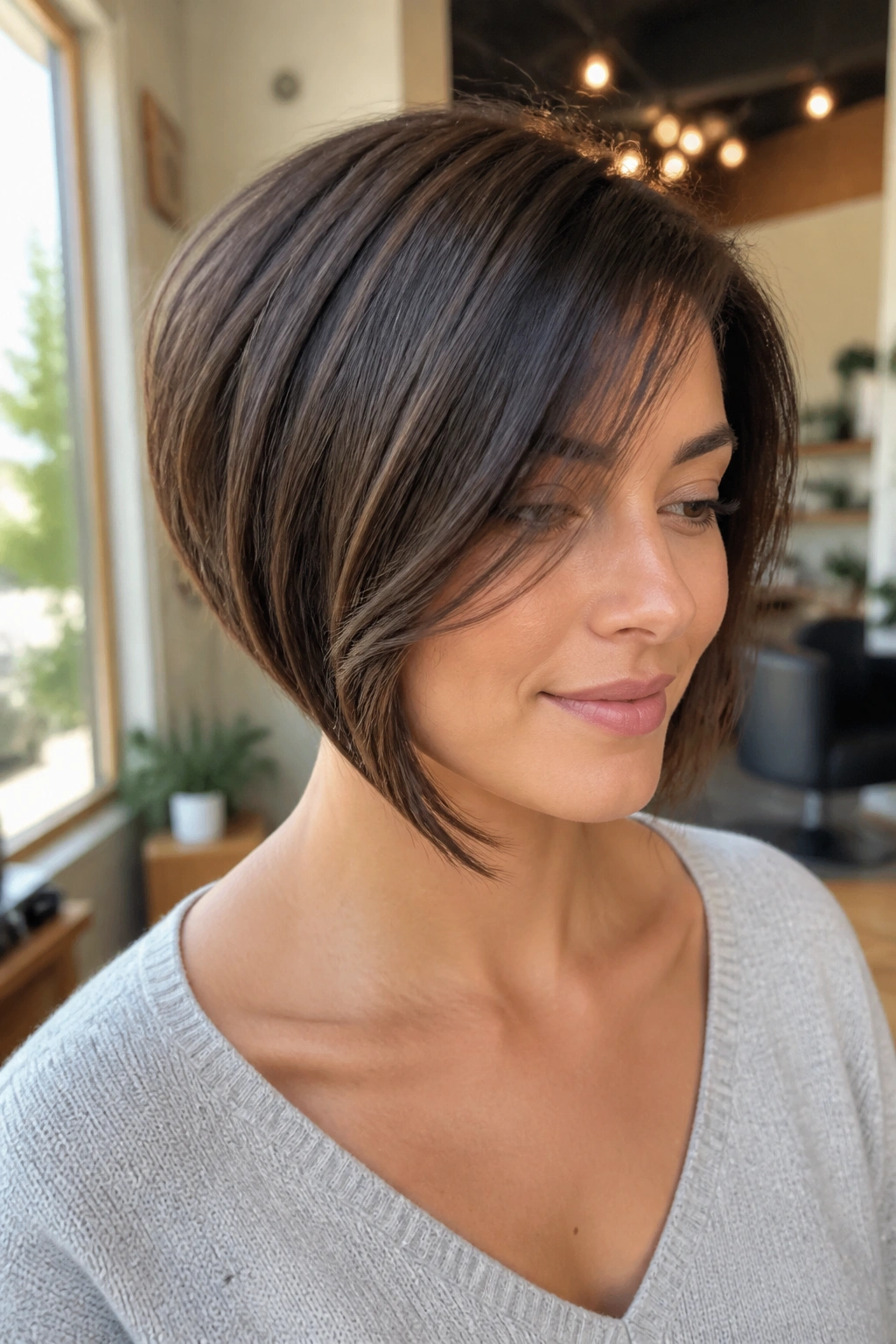
Side-swept bangs can be a better fit than curtain bangs if your forehead needs a little more coverage or if your hairline is uneven. They cut diagonally across the face, which pulls attention toward the eyes and away from flat roots.
The angle of the fringe also helps the rest of the bob feel fuller. Fine hair often loses a bit of presence at the front, and side-swept bangs fill that gap without stealing too much density from the rest of the cut. The bang should be long enough to blend into the front section of the bob. Short side bangs tend to flip awkwardly. They’re fussy. Nobody needs that.
Blow-dry the fringe over a large round brush or even a medium vent brush if your hair gets too airy with lots of tension. Then clip it aside while it cools. That keeps the shape from falling flat. The rest of the bob can stay sleek or slightly textured, depending on how you like to wear your hair.
This version has a bit of softness, but it still feels tailored. That’s the sweet spot.
15. Short Inverted Bob with Exposed Nape
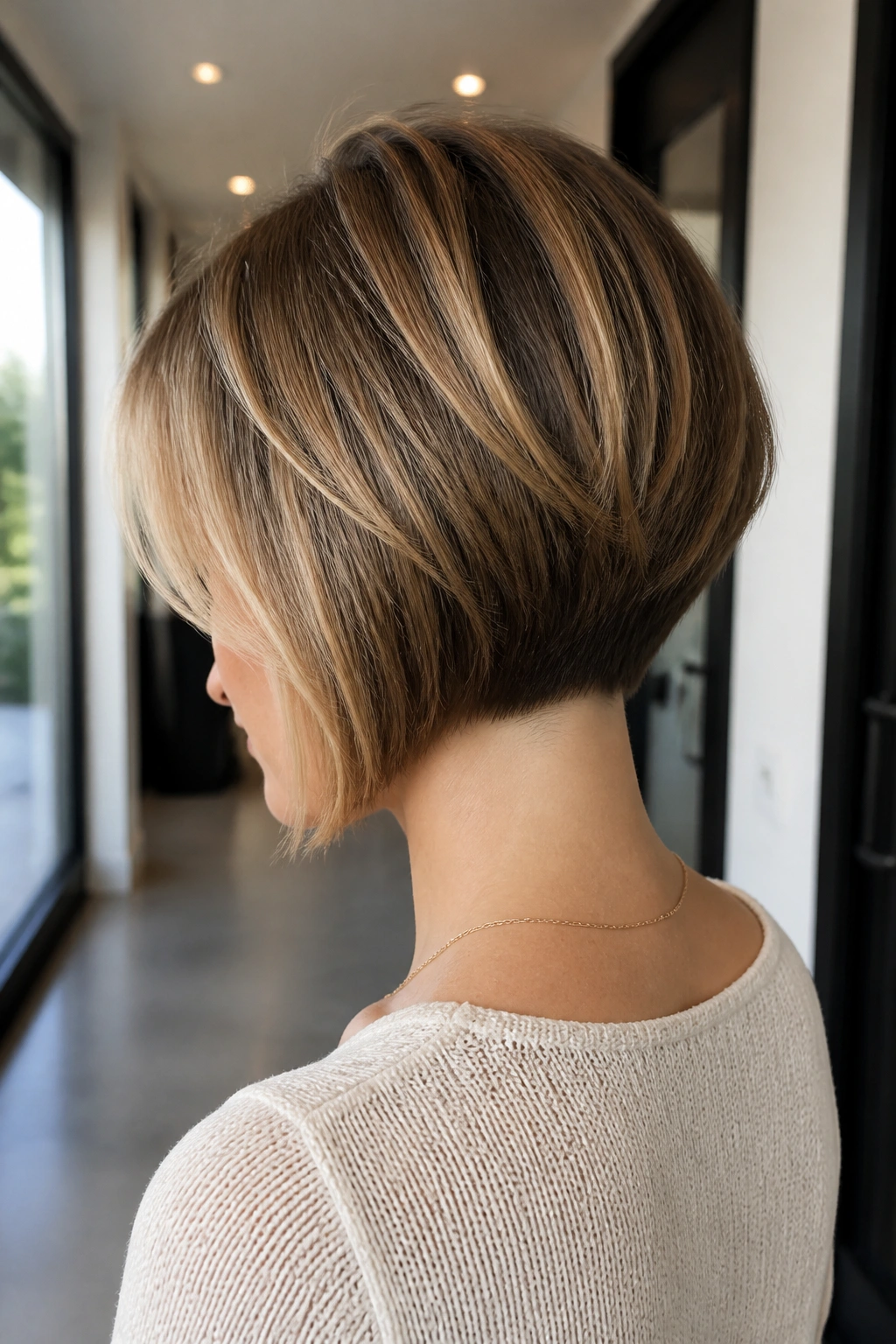
There’s something clean and crisp about a short inverted bob with a visible nape. It feels sharp around the neck, almost like the cut has room to breathe.
For fine hair, the shorter back can be a blessing because it removes the dead weight that often drags the whole shape down. The front still has a little length, so you don’t lose all your options, but the cut stays light and lifted. If your hair tends to lie close to the head, this version can create the strongest sense of volume with the least amount of styling.
Who This Suits
- People who like a neat neckline.
- Anyone whose fine hair gets limp fast.
- Shorter faces that can handle a bit of lift in back.
- Hair that’s straight or slightly bent.
I’d avoid this if you hate regular trims. A shorter inverted bob shows growth faster than a longer one. That’s not a flaw. It’s just the deal.
16. Glassy Straight Inverted Bob with Razor-Smooth Finish
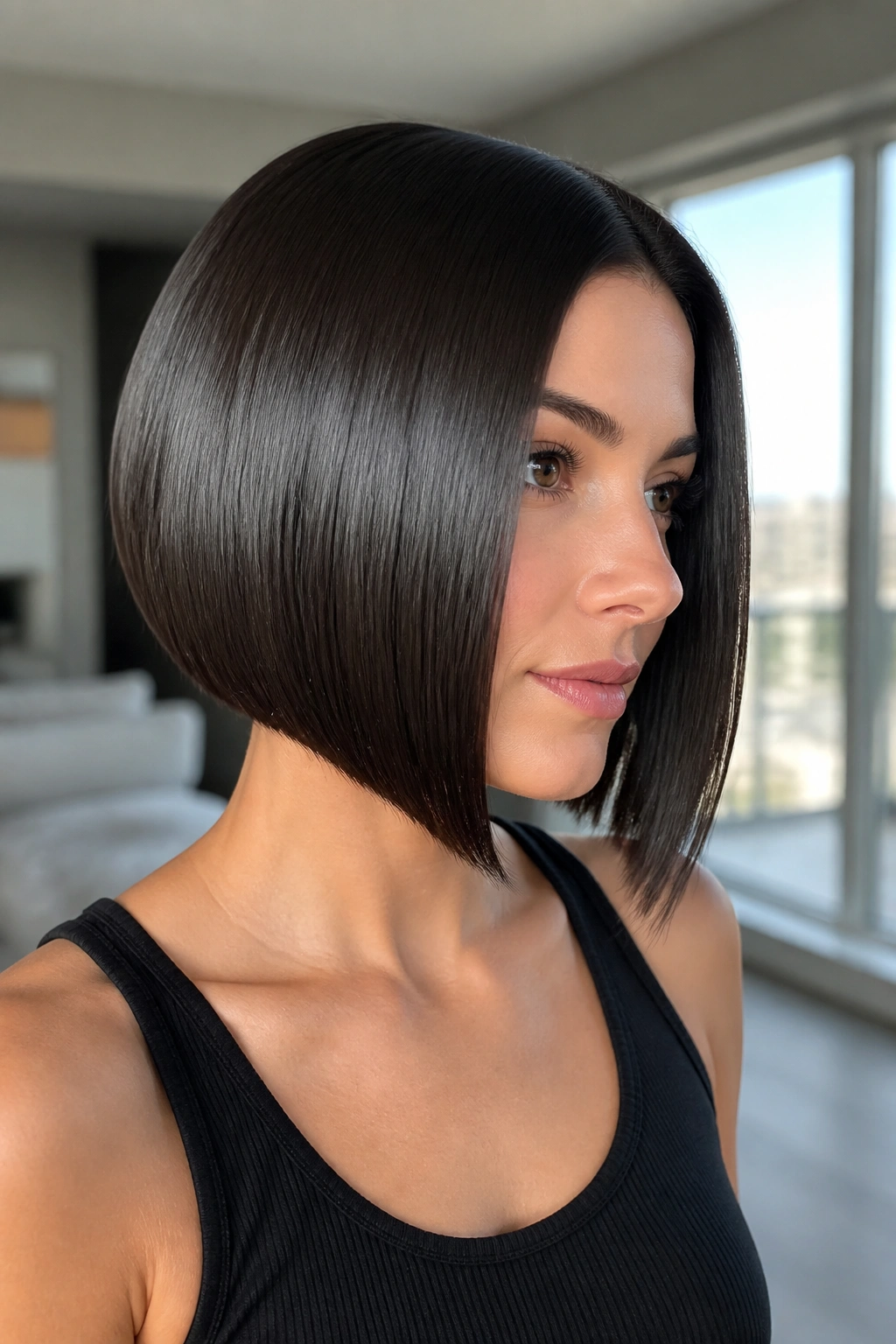
Unlike textured cuts, this one leans hard into shine. The hair is smoothed until the angle reads clean and the ends look deliberate, not fluffy.
That makes a lot of sense for fine hair, which can sometimes look thicker when it’s polished instead of roughened up. A glassy finish keeps the perimeter intact and stops the bob from separating into wisps. The line from back to front should be crisp, and the front pieces should swing rather than fray.
Use heat protectant, then blow-dry with a nozzle and a round brush, pulling the hair taut as you go. One pass with a flat iron can finish the look, but one pass is enough. Repeated passes fry fine hair fast, and fried ends look thinner no matter how hard you style the roots.
This is a sharp, clean haircut. Not soft. Not messy. If you like tidy edges and a little shine, it’s hard to beat.
17. Inverted Bob with Underlayer Volume
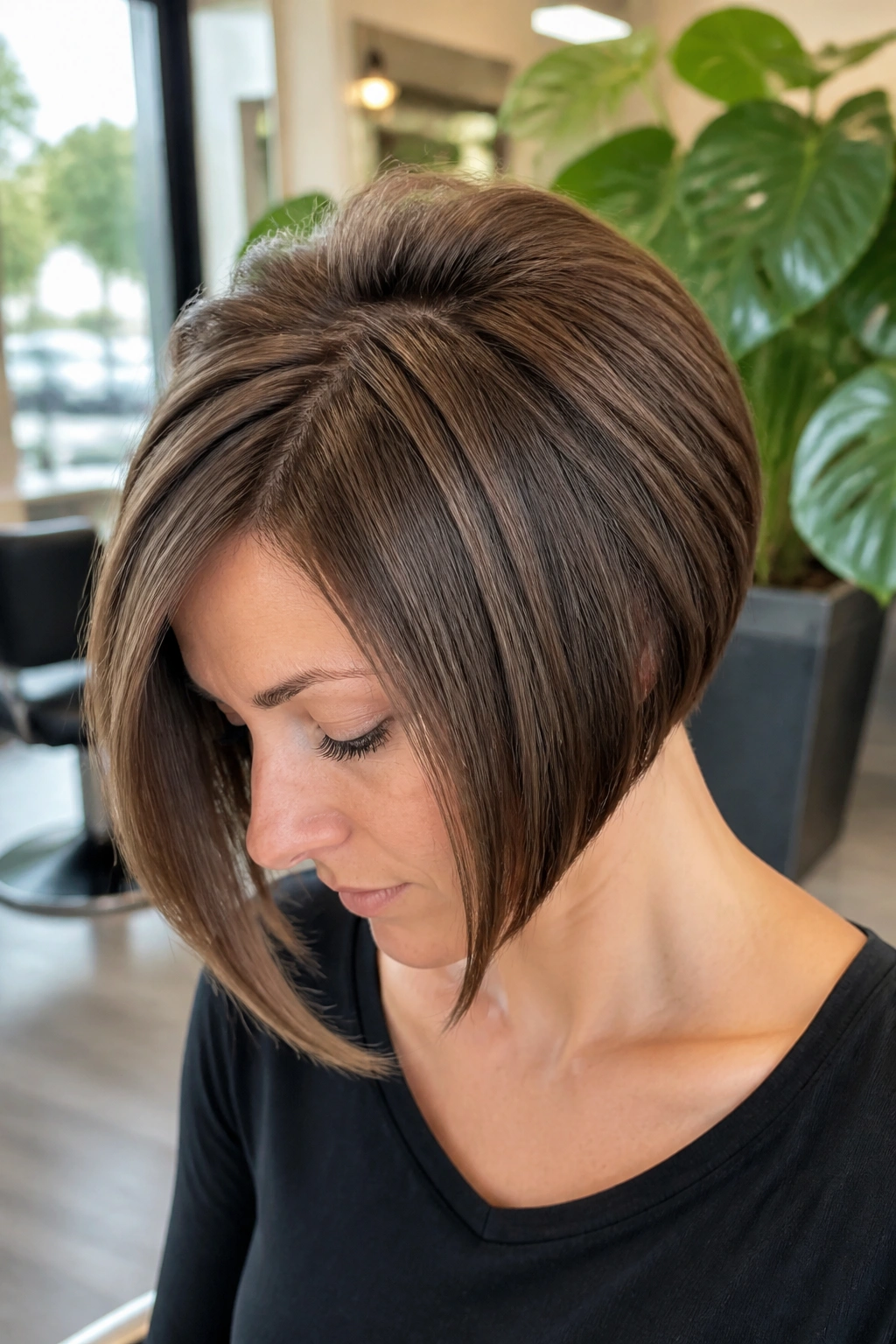
Three hidden sections can change the whole silhouette, and this cut is proof.
Instead of stacking the outside too much, the volume lives underneath. That means the visible line stays smooth while concealed layers lift the crown and back from the inside. For fine hair, that’s a smart move because you get body without obvious choppiness. It’s like building a little support structure under a neat shell.
How It Works
The stylist removes weight below the top layer, then leaves the outer section a bit longer. When the hair dries, the underside pushes the top up just enough to keep the bob from collapsing. It can look especially good if your hair is fine but dense, since there’s enough material to support the shape.
- Ask for hidden layering, not visible razor thinning.
- Keep the outer layer long enough to cover the interior.
- Blow-dry upward at the crown.
- Finish with a light root spray, not heavy mousse.
This is one of those cuts that looks simple and isn’t. That’s usually a good sign.
18. Asymmetrical Inverted Bob for Fine Hair
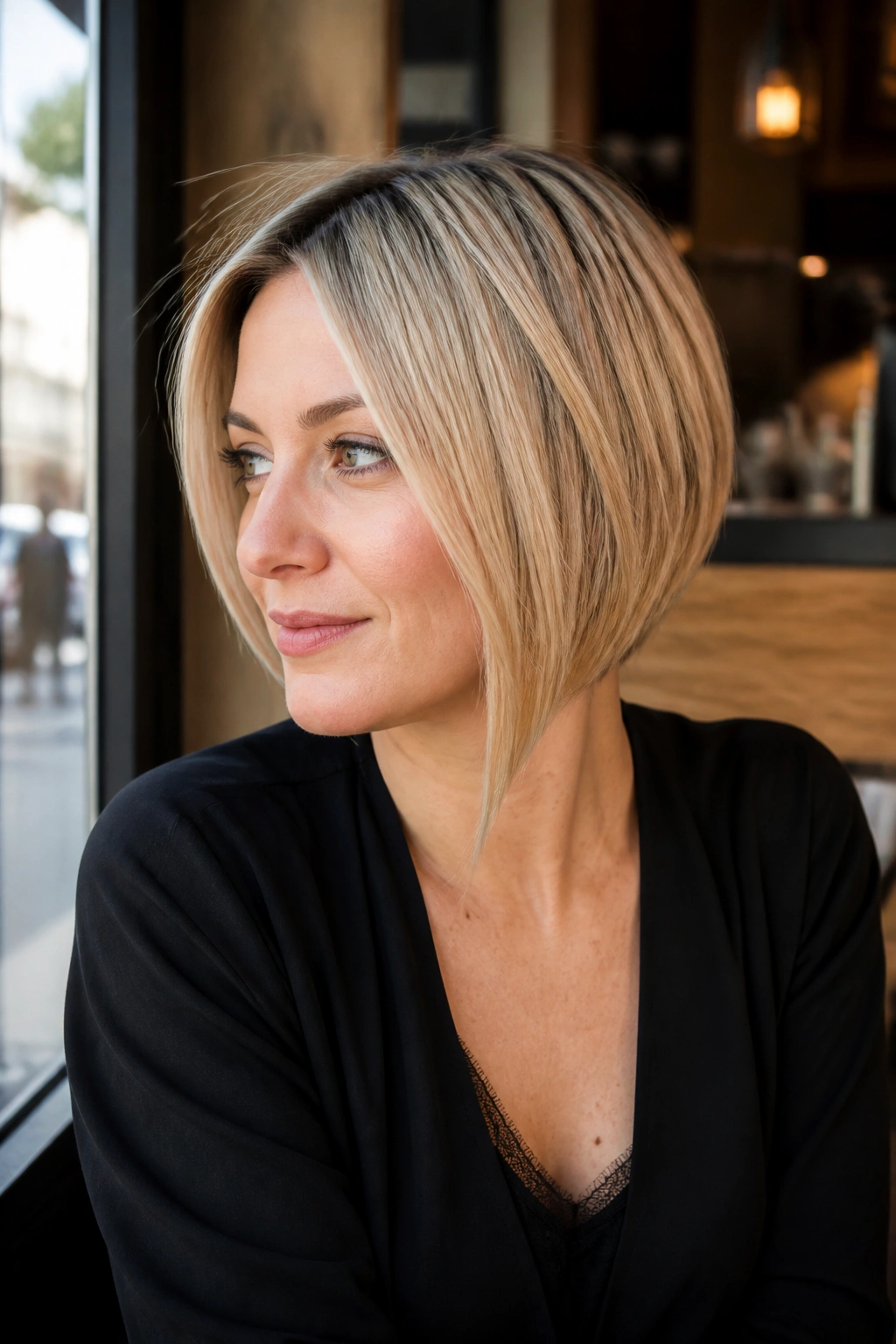
If one side of your hair always falls flatter than the other, lean into it. A slightly asymmetrical inverted bob turns that quirk into part of the design.
One side is cut a touch longer, sometimes by half an inch, sometimes a bit more if you want the shape to read clearly. That small shift adds movement and keeps the haircut from looking static. It can also make the hair look fuller because the eye follows the line instead of staring straight at the thin spots.
The asymmetry works best when the back still has a firm base. Don’t let the whole cut drift into random unevenness. You want a deliberate slope, not a mistake that grew out.
This style suits people who like a little edge but still need their hair to behave at work or in everyday life. It’s subtle enough to wear anywhere. Sharp enough to feel like a choice.
19. Textured Bob with Money Piece Highlights
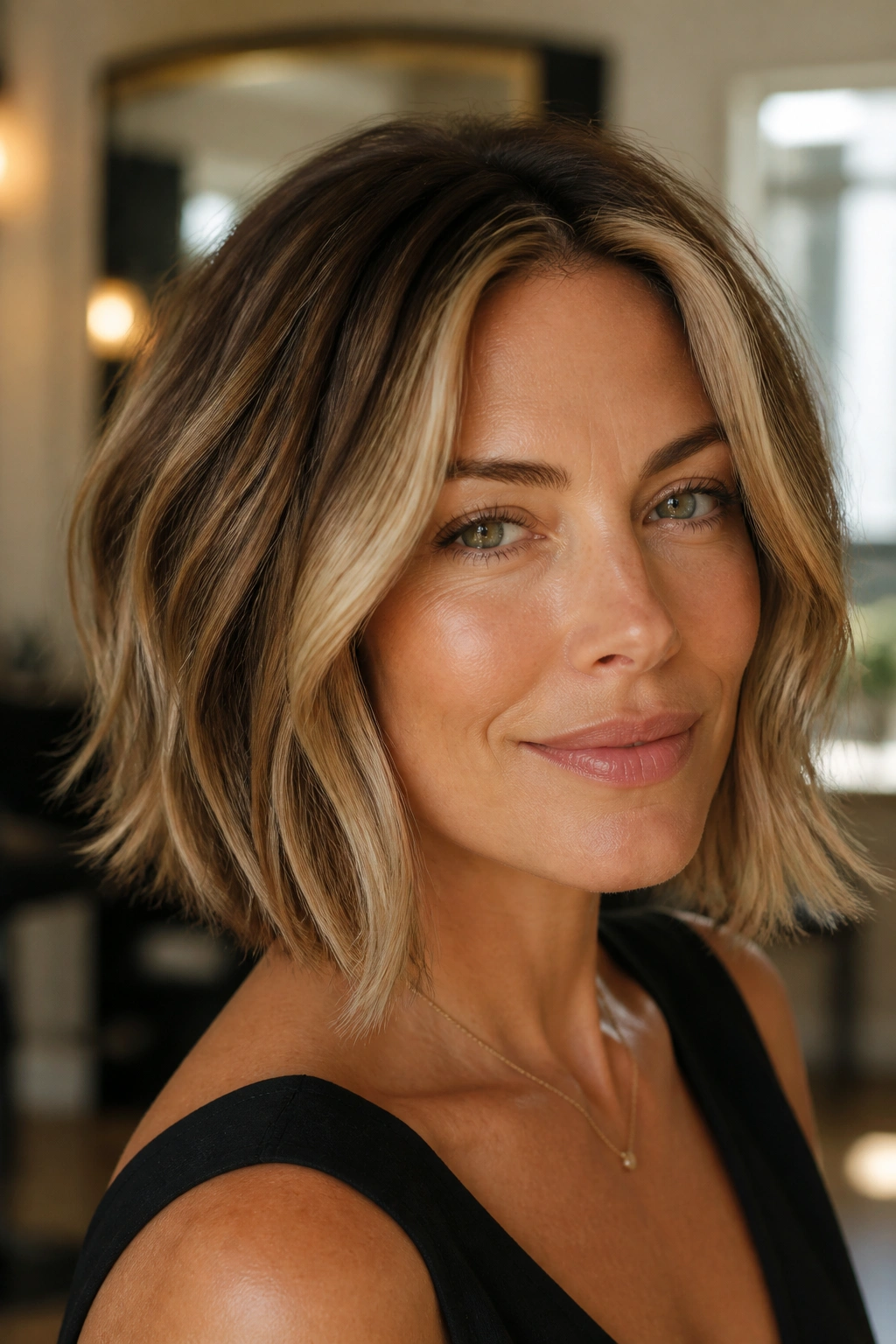
A little brightness near the face can make fine hair look denser around the edges. That’s why money piece highlights and an inverted bob get along so well.
The lighter front sections create contrast, and contrast creates the illusion of thickness. The bob itself does the structural work, while the color keeps the face frame from disappearing into the rest of the hair. The effect is strongest when the highlights are just one or two shades lighter than the base color. Chunky stripes usually fight the cut. Soft placement wins.
What to Watch For
- Keep the light pieces around the face, not all over.
- Ask for dimension, not zebra lines.
- Pair the color with a clean angle at the front.
- Style with a bend at the ends so the highlights show movement.
This is a good one if you want the haircut to do more than one job. Shape and brightness together can make fine hair look fuller from three feet away, which is about as far as most people are actually looking.
20. Low-Maintenance Inverted Bob That Grows Out Nicely
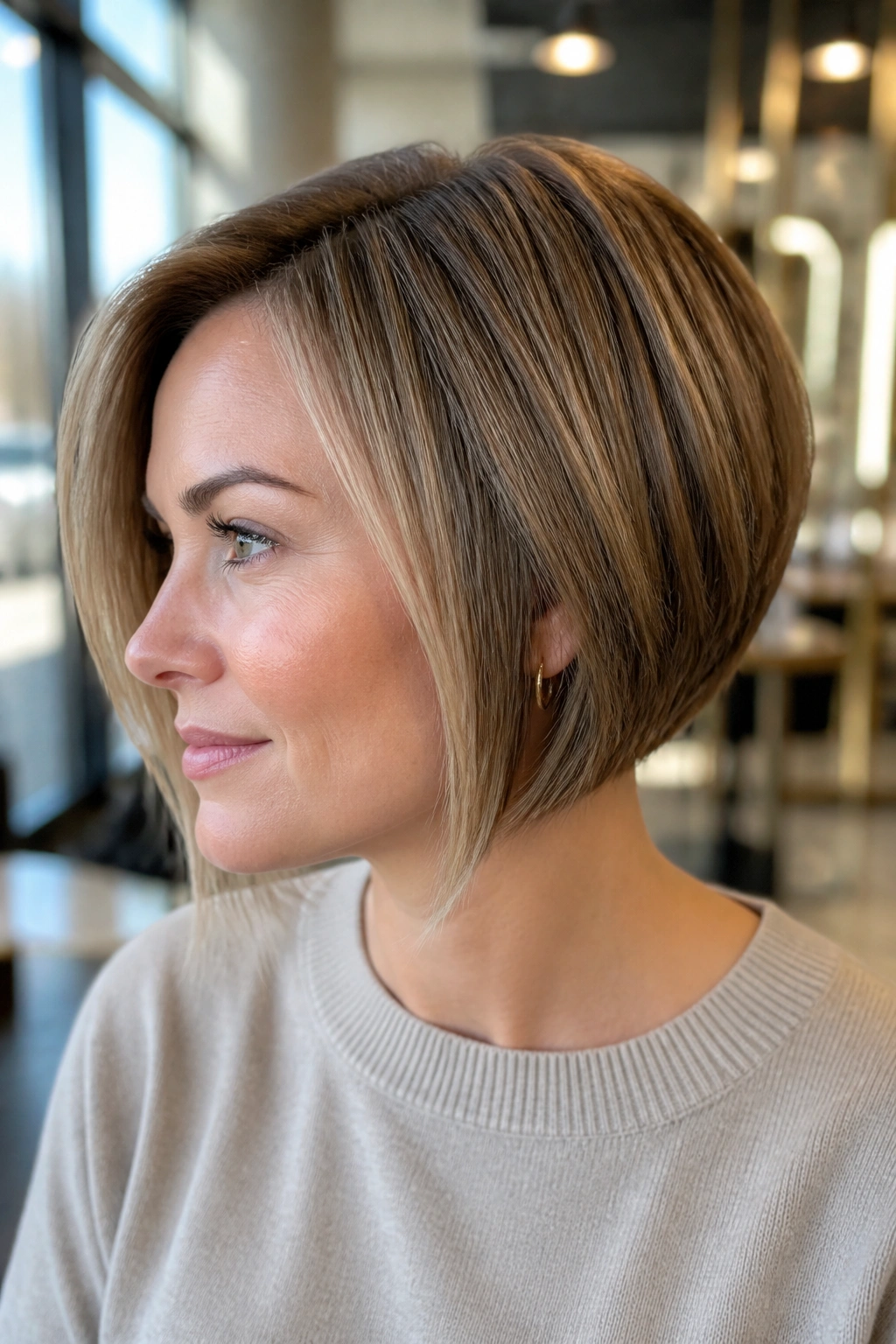
No one wants a bob that falls apart after two trims. This is the version for people who want shape without constant babysitting.
The best low-maintenance inverted bob keeps the front long enough to tuck behind the ear and leaves only a gentle angle through the back. The stack stays soft. The outline stays clean. As it grows, it turns into a tidy lob instead of a weird triangle, which is exactly what you want if you don’t love salon appointments on a tight schedule.
The cut should still have intention on day one, but the real test is what happens on day forty. If the shape survives the grow-out, you’ve got a good haircut. If it turns puffy in the back and stringy in the front, the angle was too aggressive.
I’d ask for a slightly longer front, a modest nape lift, and no heavy thinning through the ends. That gives fine hair room to move while keeping enough weight to look full. A little dry shampoo at the roots and a quick bend at the front pieces is usually all it needs.
And honestly, this may be the smartest choice of the bunch if you want a bob that behaves, grows out cleanly, and still makes fine hair look like it has a backbone.
