



Brown hair can go flat fast when the light is dull. A few well-placed honey highlights fix that without pushing the whole head into blonde territory, and that is exactly why this shade family keeps showing up in salons. It gives movement, warmth, and a little shine around the face without screaming for attention.
The tricky part is that “honey” is not one note. On chestnut hair it can read golden and soft, on espresso brown it often needs a warmer amber edge, and on cooler brunette bases it usually needs a beige gloss so the color doesn’t drift orange. Placement matters just as much as tone. A bright panel near the cheekbone can lift the haircut; fine babylights through the ends can make straight hair look fuller; a deeper root can keep the whole thing from feeling too light.
That’s the fun of this color family. Some versions are barely there in the best possible way. Others are bolder and a little more playful, but still rooted in brown hair’s natural depth.
The best version is the one that looks like it belongs on your head, not like it was pasted on top of it.
1. Soft Honey Ribbons on Chestnut Brown Hair
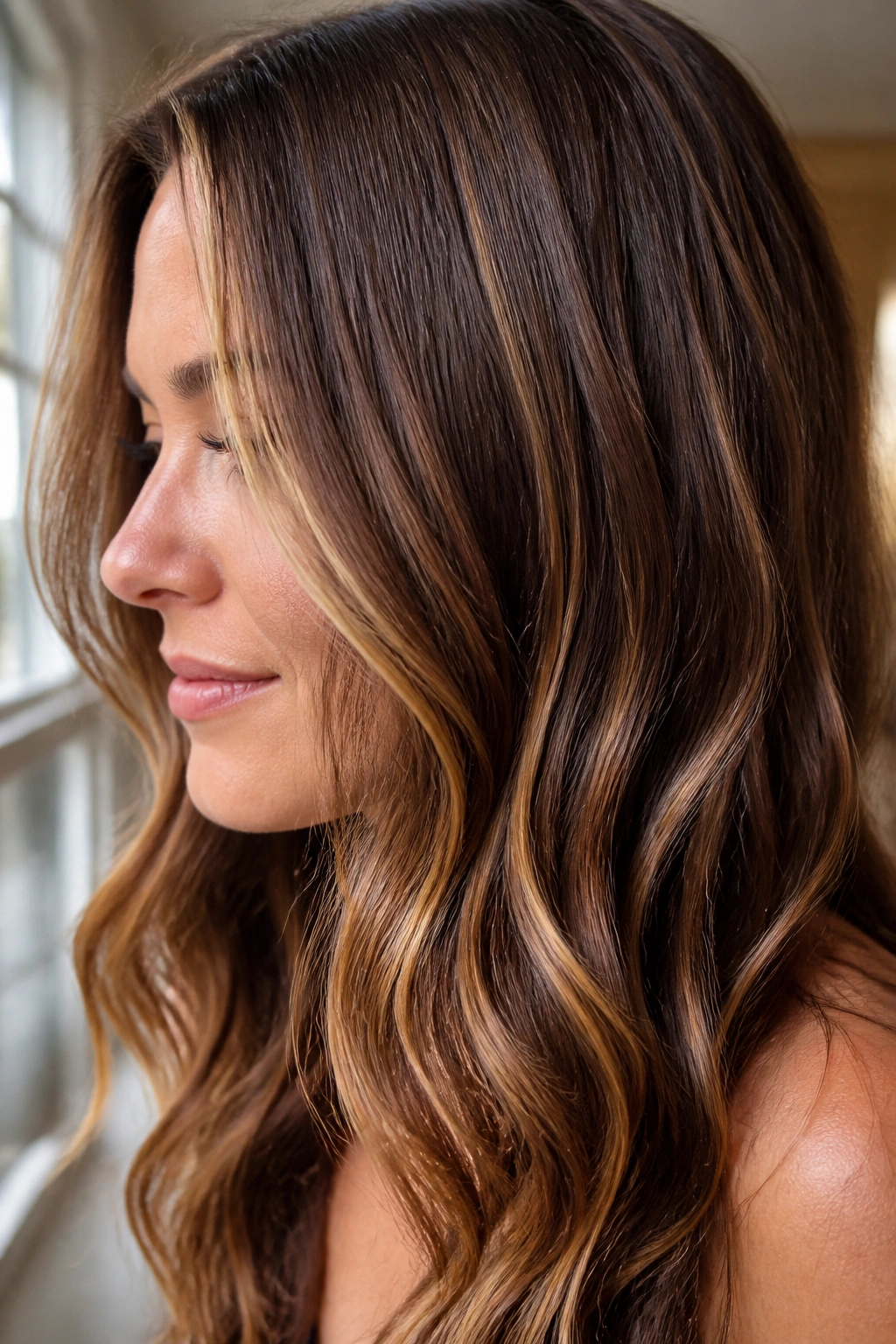
Soft ribbon highlights are the version I keep coming back to for chestnut brown hair. The color sits in that middle zone — not pale blonde, not heavy caramel — so the result looks glossy in indoor light and even better when the sun hits it.
Why it flatters chestnut hair
Chestnut already has warmth in it, so honey doesn’t fight the base. It just wakes it up. The trick is to keep the ribbons thin enough that the brown still does most of the talking.
Where to place it
- Paint the brightest pieces through the mid-lengths and ends, not all the way up to the root.
- Leave the underlayer deeper so the color has some shadow.
- Ask for pieces no wider than a pencil if you want the result to stay soft.
- Style with a loose bend, because flat-ironed hair can make even a gentle highlight look harsher than it is.
My favorite version: a few warmer strands around the face and softer ones through the back. It looks expensive without trying too hard.
2. Face-Framing Honey Pieces for Dark Brunettes
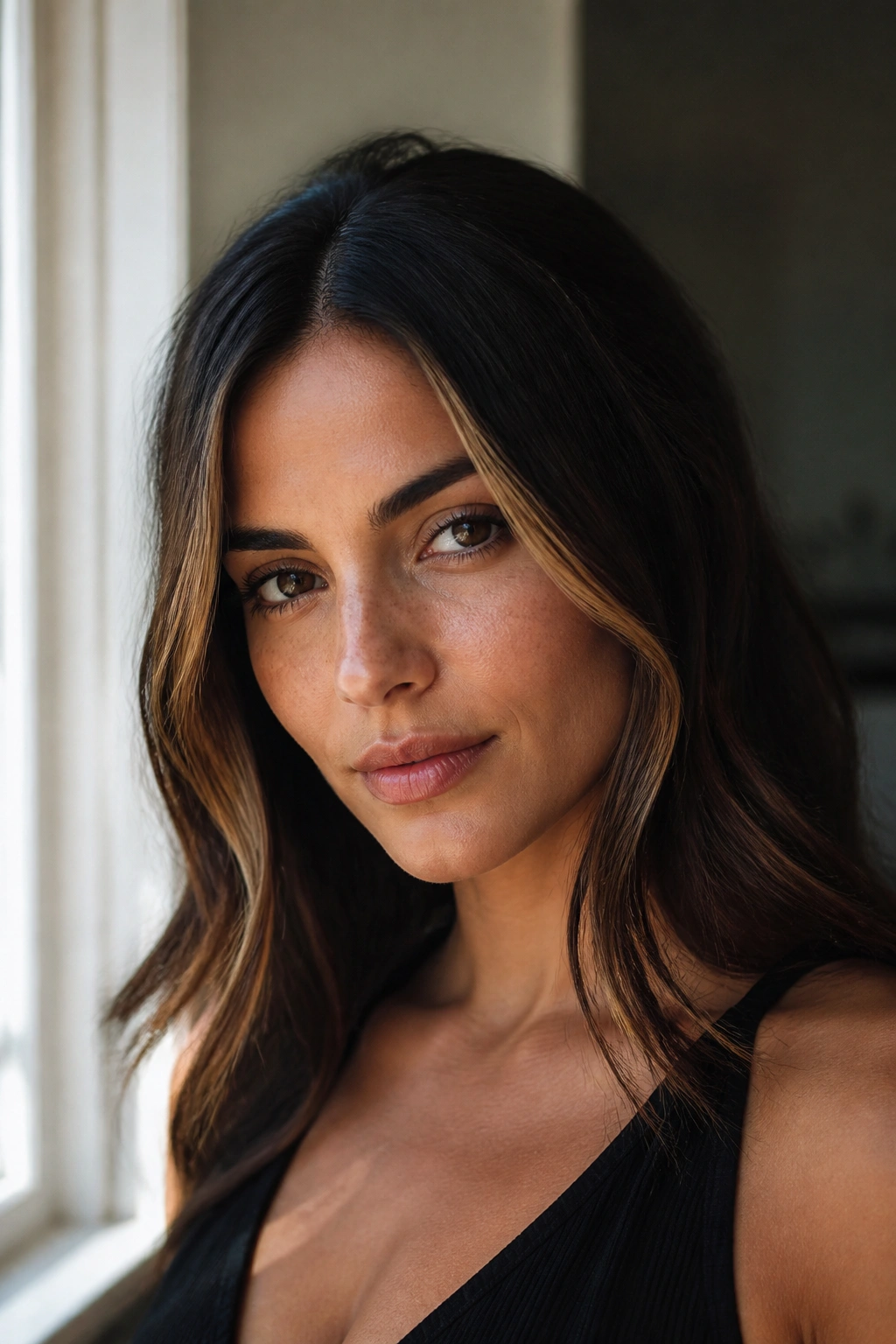
A few front pieces can change the whole haircut. If you have dark brown hair and you want a fast visual lift, this is the one I’d point you toward first. You do not need an all-over lightening service to look brighter.
The magic is in the placement. A honey money piece, especially when it starts just below the root and sweeps through the cheekbone area, catches the eye before anything else. That makes the face look more open, and it can make layered cuts look sharper too.
It works especially well with curtain bangs, long layers, or a shoulder-length cut that needs a little life. Keep the rest of the hair richer and deeper. That contrast is what gives the front pieces their job to do.
Skip the temptation to go too wide. Two bright panels are usually enough. More than that, and the look starts to slide from polished to stripey.
3. Honey Balayage on Medium Brown Hair
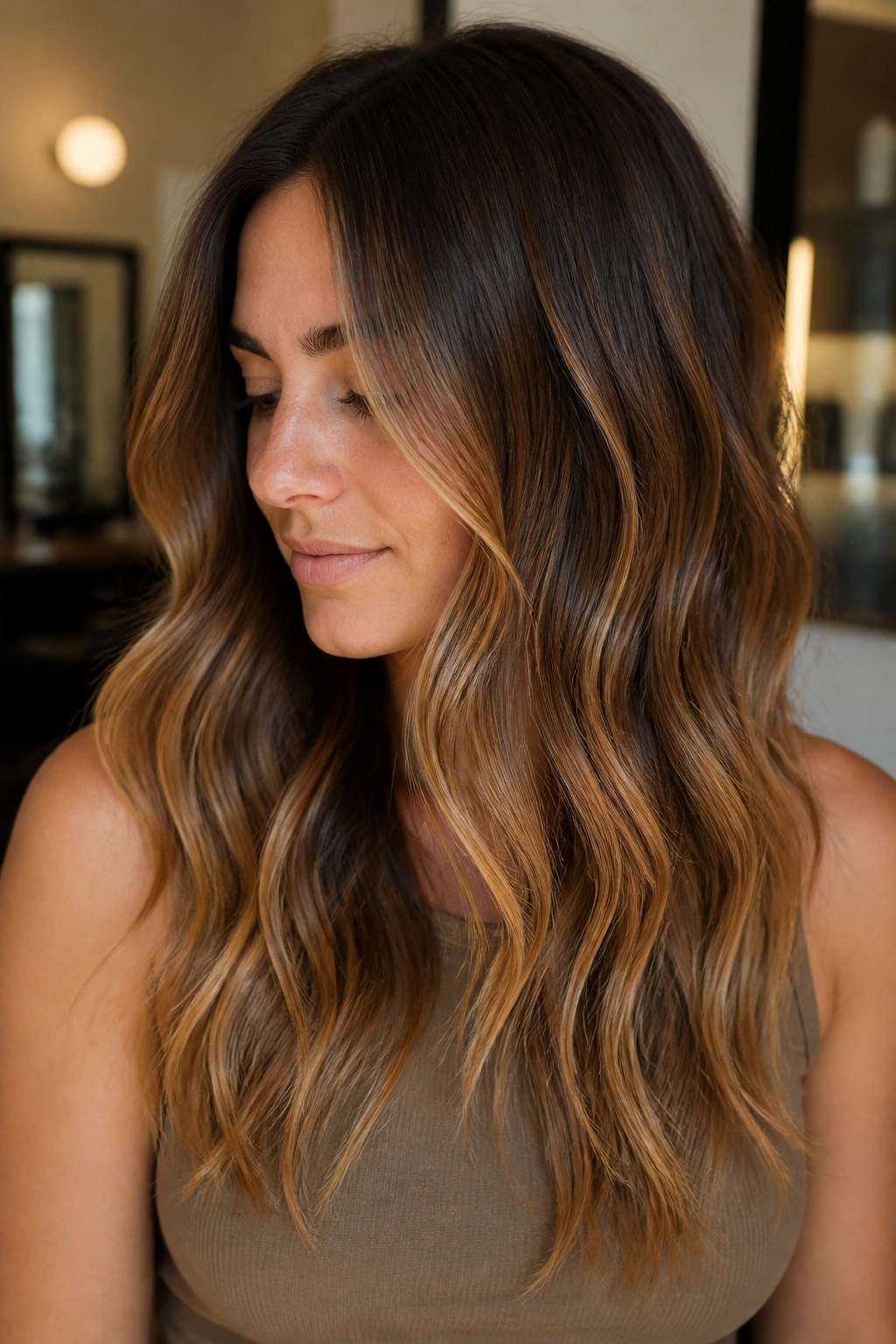
Why does balayage look softer than classic foils on brown hair? Because the hand-painted pieces blend into the base instead of sitting in neat, obvious rows. That matters when you want honey highlights to feel sun-touched rather than salon-bright.
Medium brown hair gives you a lot of room to play. The stylist can feather the lightener through the mids, keep the root more natural, and make the ends a touch lighter so the whole thing reads like depth, not streaks. The best versions have movement in them. The color seems to shift every time the hair moves.
How to ask for it
- Say you want brightness concentrated from ear level down.
- Mention that you want the honey tone to stay warm, not beige-blonde.
- Ask for a soft root melt if you want easier grow-out.
- Bring a photo where the highlight placement is visible, not just the finish.
This look is especially forgiving on wavy hair. The bends break up the light pieces and keep everything from looking too uniform.
4. Babylights With a Barely-There Glow
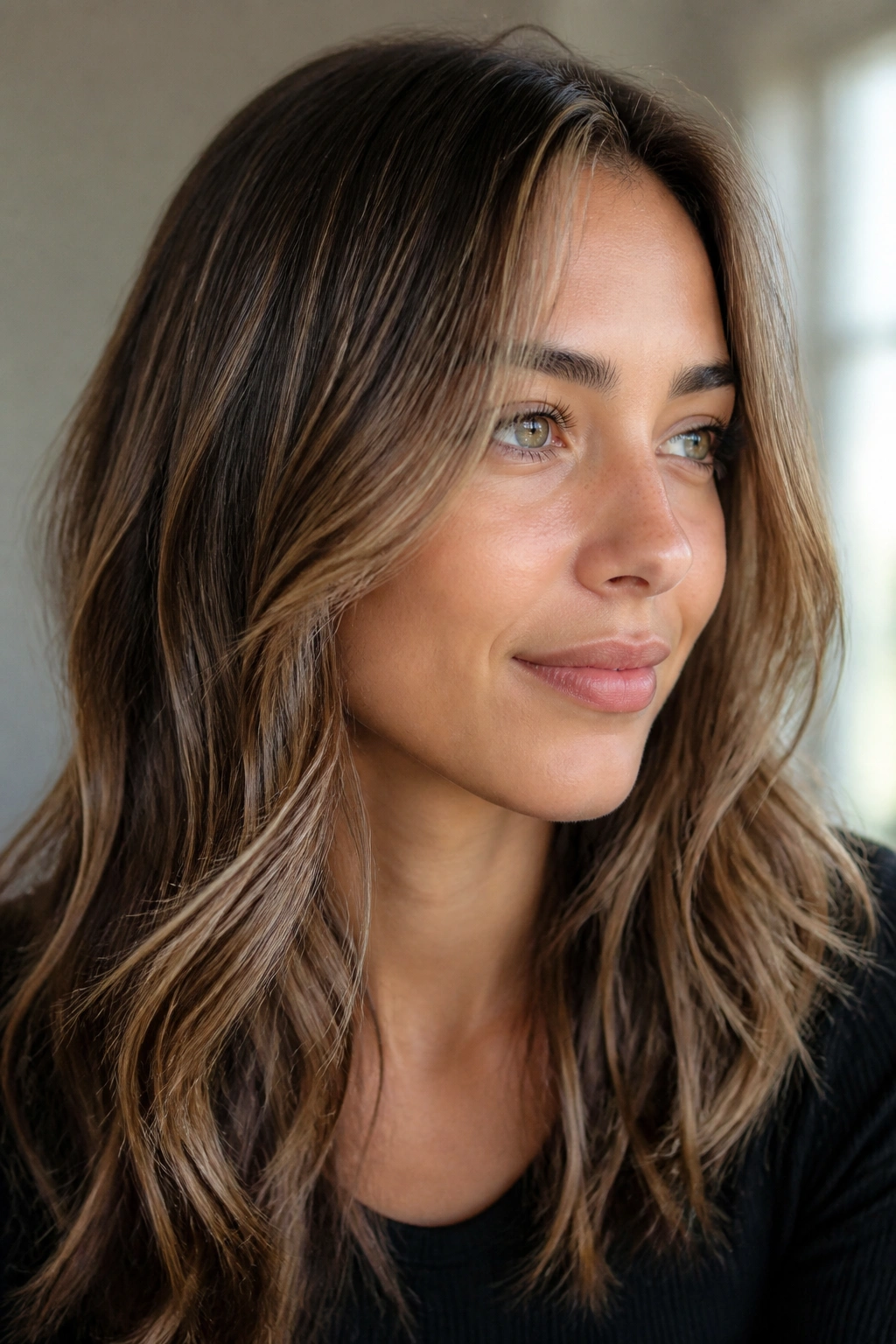
Babylights are for the person who likes the idea of honey highlights but hates obvious streaks. The sections are tiny, the spacing is tight, and the overall effect is more shimmer than stripe.
Picture hair that looks like it spent time in soft daylight, not hair that clearly sat under foil for an hour. That’s the appeal here. The color change is subtle enough that people notice the shine before they notice the dye.
Who it suits
- Straight brown hair that looks flat without dimension.
- Fine hair that needs the illusion of fullness.
- Someone who wants a polished look and a slower grow-out line.
- Anyone nervous about a big change.
A good babylight job takes patience. The salon time can run longer, and the payoff is quiet. But quiet is the point. These pieces catch light in little flashes, especially around the crown and through the front.
If you want your hair to look a bit denser, this is one of the safest bets.
5. Caramel-Honey Contrast on Espresso Brown Hair
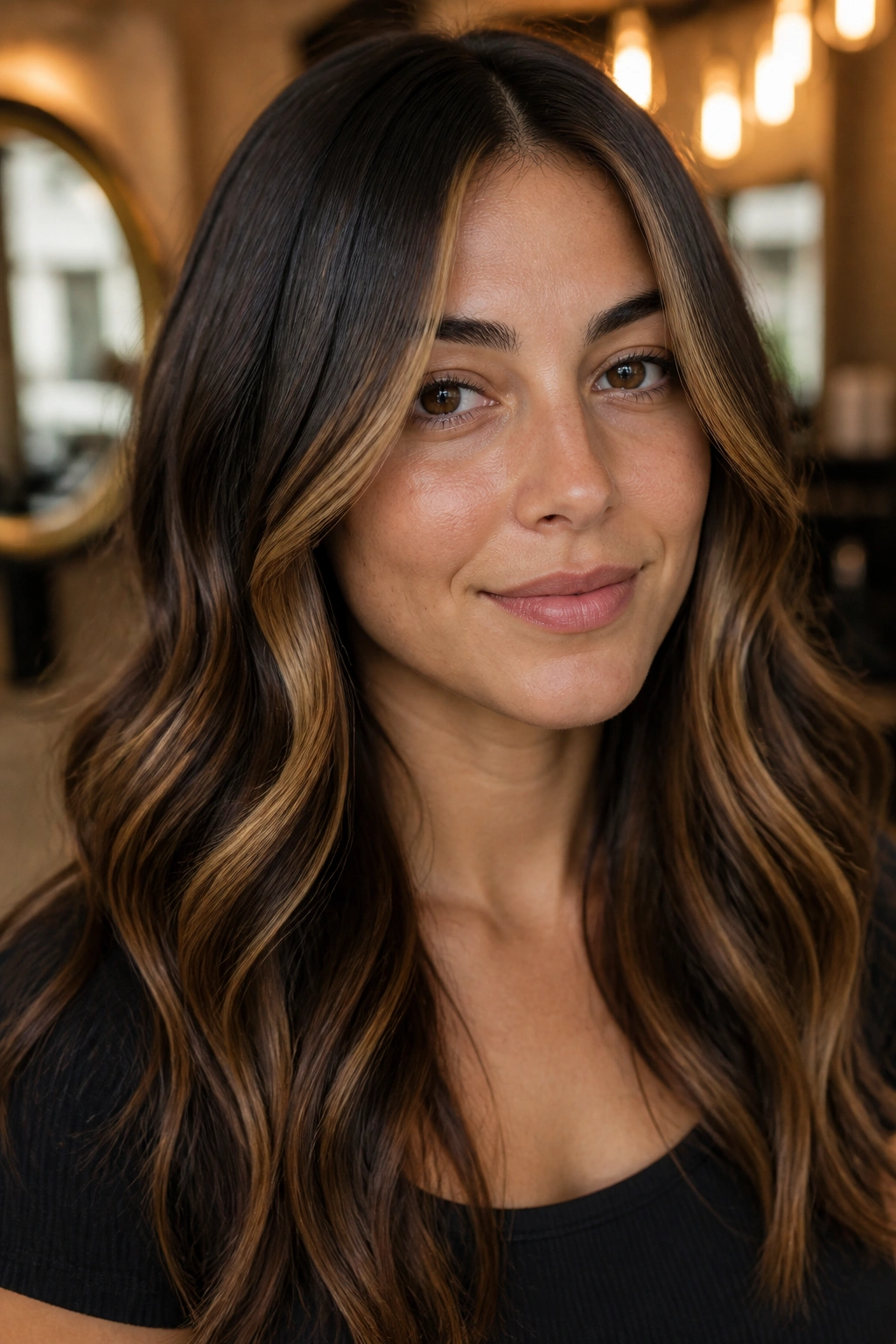
Not every honey highlight needs to read blonde. On espresso brown hair, that would usually be too much anyway. What works better is a caramel-honey mix that sits a shade or two lighter than the base, so the hair keeps its depth while still moving in the light.
The contrast should feel deliberate, not harsh. I like the brighter pieces around the face and through the outer layer, then softer caramel tones lower down where the hair naturally folds over itself. That keeps the color from looking blocky when you wear it down.
A deeper root is your friend here. It gives the honey pieces something rich to sit against, and it keeps the color looking expensive in a low-key way. If the base gets lifted too much, the whole thing can lose its punch.
A good colorist will often fold in a few lowlights too. That extra brown is what keeps the highlights from turning into a flat wash of gold.
6. Golden Honey Ends on Layered Hair
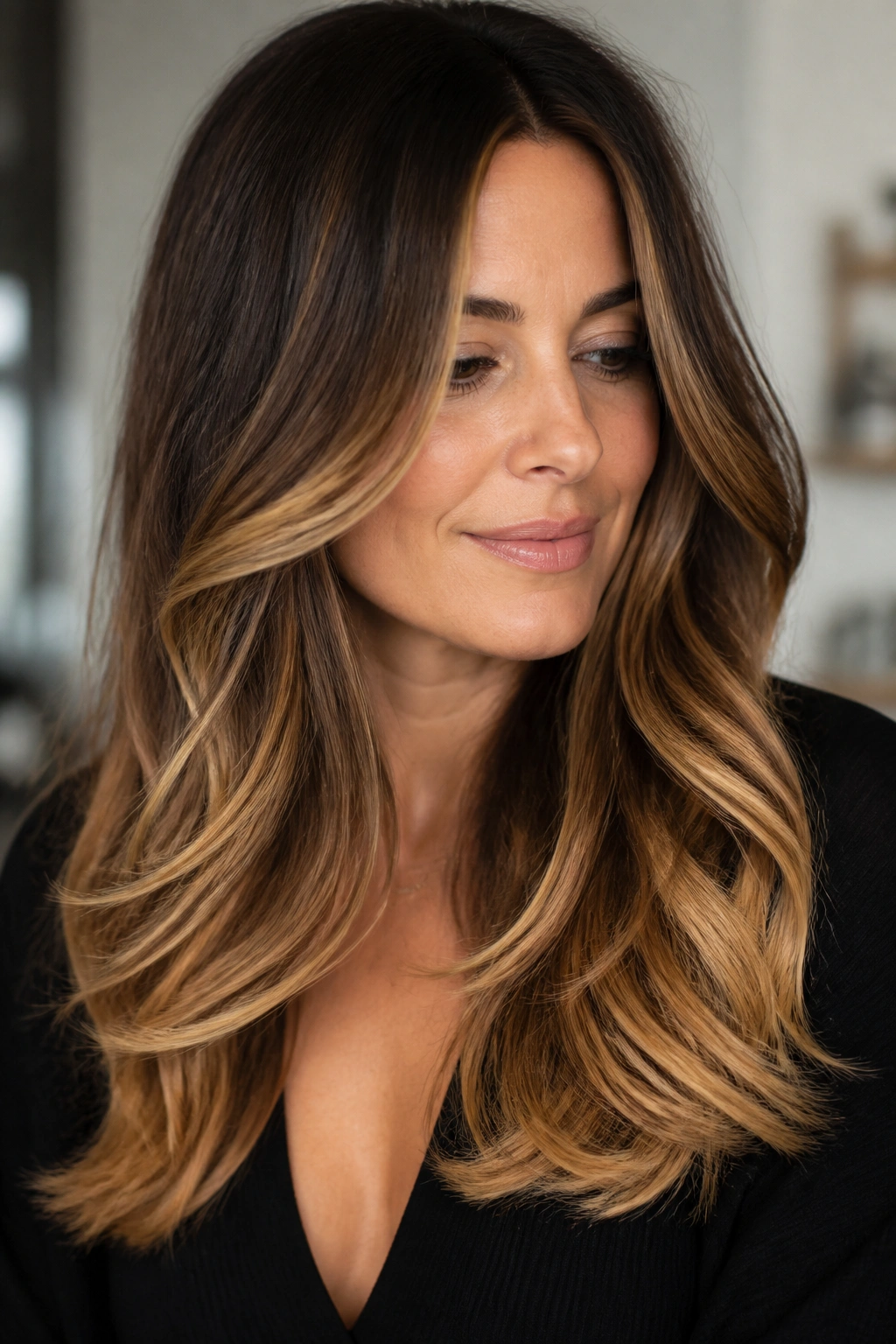
Layered cuts love light ends. That is the whole story here. When the hair has movement built into the cut, golden honey on the lower half makes each layer show up more clearly.
Unlike all-over highlights, this approach leaves the roots alone and lets the ends carry the brightness. That makes it easier to wear if you like your natural brown base but still want the hair to look lighter when it swishes. The result is airy, not busy.
It works especially well on a long bob, shag, or layered haircut that already has some shape. The lighter ends outline the cut. They also make waves look looser than they are.
I’d avoid taking the gold too pale on this one. Keep it warm and creamy. If the ends go too yellow, the contrast can start to look choppy instead of soft.
7. The Honey Money Piece
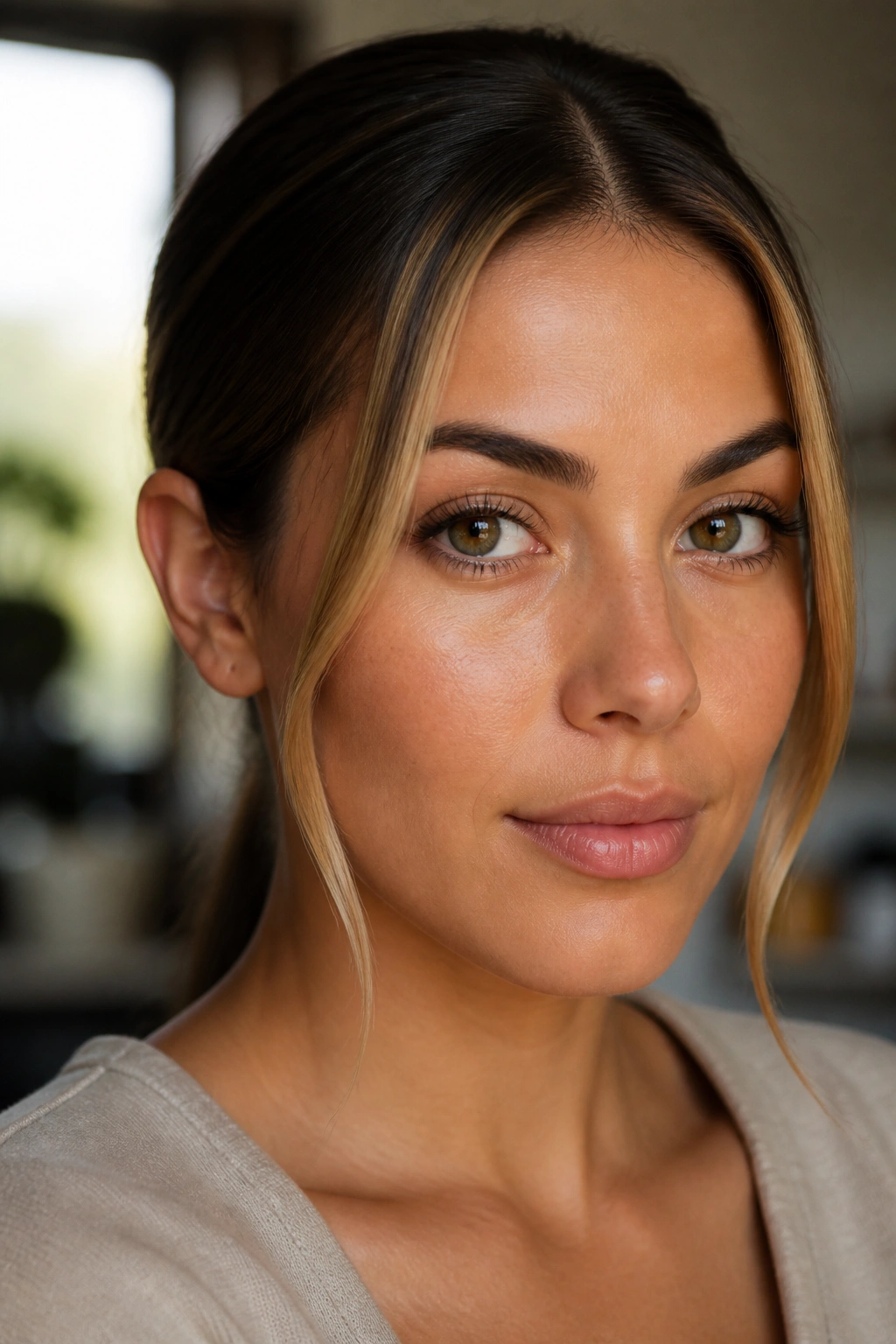
A money piece is the fastest way to change the mood of brown hair. One bright section on each side of the face can do more than a full head of understated color if the placement is right.
The reason it works is simple. Those front pieces frame your features every time you tuck your hair behind your ears, curl it, or pull it into a half-up style. They also show up in photos without needing the rest of the hair to be extra light.
Where to place it
- Start the bright panel just off the part line.
- Keep the front section a little brighter than the rest of the hair.
- Blend it into softer honey tones as it moves down toward the cheek and jaw.
- If your hair is very dark, ask for a warm amber lift instead of a pale blonde strip.
This look suits people who want visible impact with less maintenance. Grow-out is easier because the rest of the hair can stay deeper. And yes, it still looks good if you wear glasses. Actually, it often looks better.
8. Cinnamon Honey Highlights on Warm Brunettes
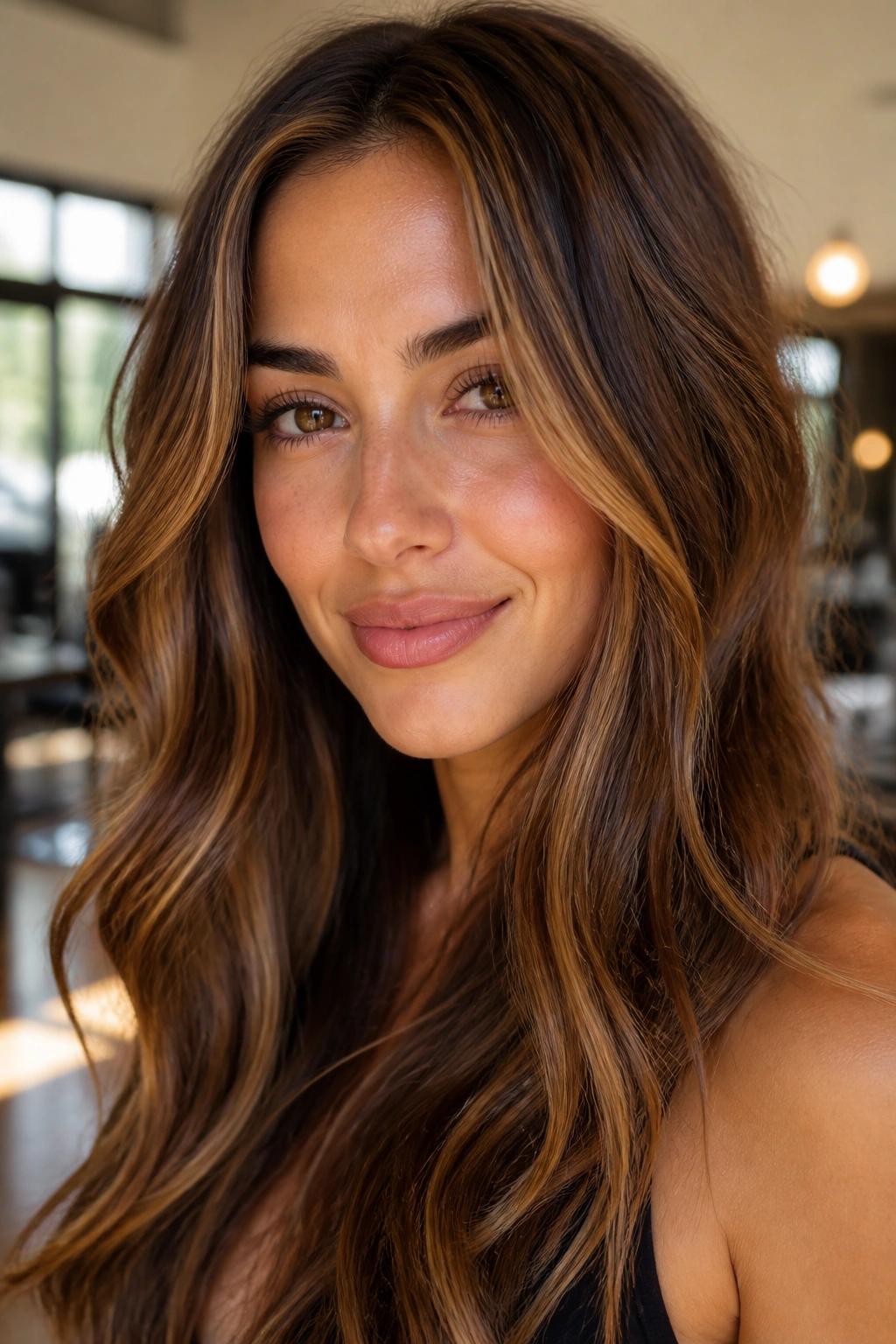
Cinnamon-toned honey is the sweet spot for warm brunettes. It has enough gold to brighten the hair, but there’s a little red-brown warmth in it that keeps the result from going flat.
This shade family is especially good if your natural brown already leans auburn, chestnut, or soft mahogany. The highlights melt into the base instead of sitting on top of it. That makes the hair feel richer, not lighter for the sake of being lighter.
I like this choice on shoulder-length cuts and long waves. The color picks up movement, and the warmer tone gives the hair a kind of baked-in glow. Not shiny in a slick way. More like the color has depth from the inside out.
If you wear a lot of gold jewelry or warm-toned makeup, this one tends to fit easily. It also keeps the roots from looking stark, which is a problem I see all the time when warm brunettes go too pale too fast.
9. Beige-Honey Gloss on Cooler Brown Hair
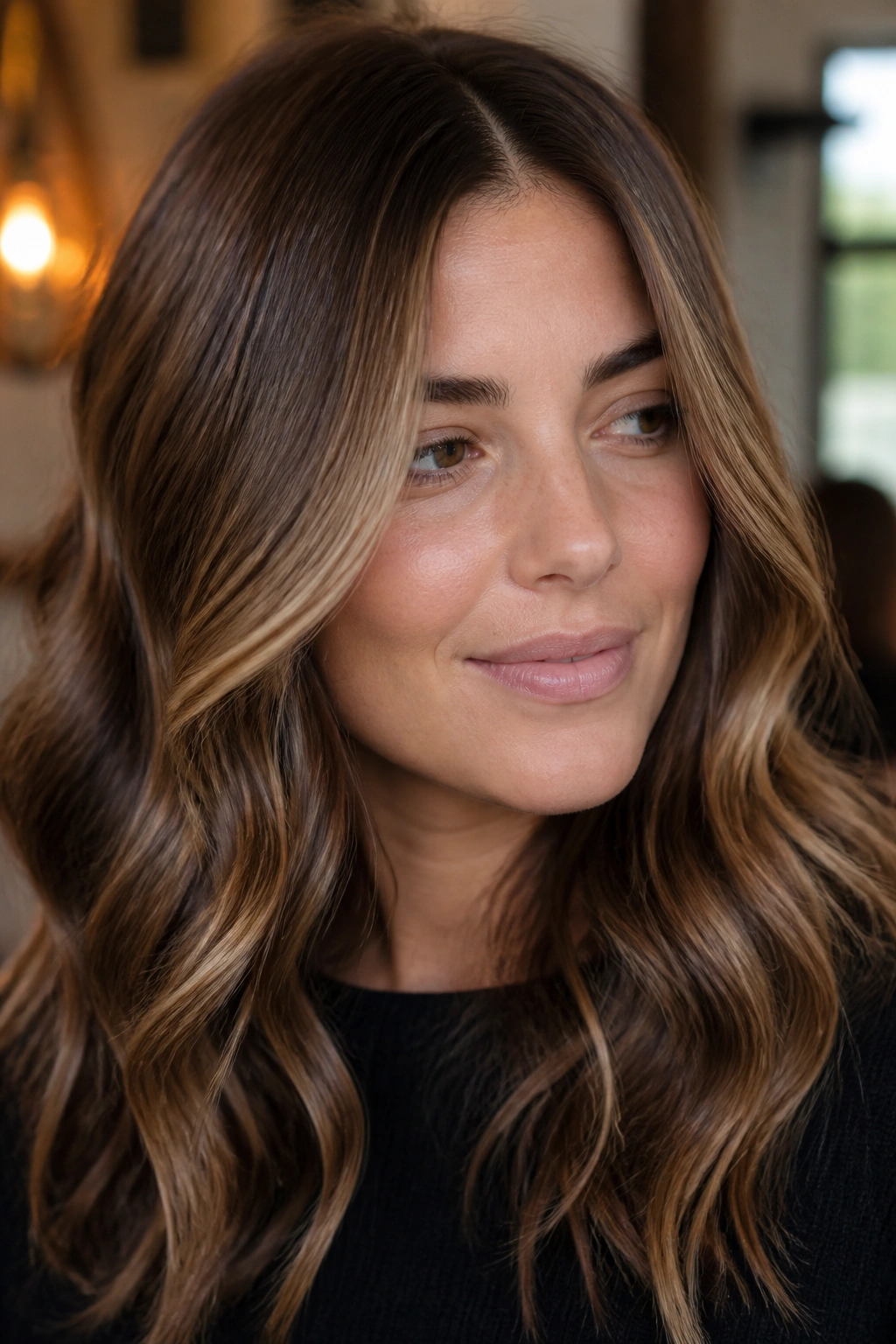
Can honey highlights work on cooler brown hair without turning orange? Yes, but the finish needs a beige gloss, or at least a careful toner, to keep the warmth in check. That part matters more than people think.
Cooler brunettes usually have ash, taupe, or mushroom undertones. If you drop pure gold into that base, the result can look brassy rather than soft. Beige-honey is the middle path. It gives you warmth, but not the loud kind.
How to keep it from going orange
- Ask for a lightening formula that lifts only one to two levels at first.
- Request a beige or neutral gloss after the lightener.
- Keep some darker pieces in the underlayer so the warmth has contrast.
- Use sulfate-free shampoo if your hair tends to fade fast.
This is the version for someone who wants a softer finish, not a golden one. It’s subtle, and that’s the appeal. The color looks calm, even when the rest of the styling is loose and undone.
10. Honey Ombré from Roots to Ends
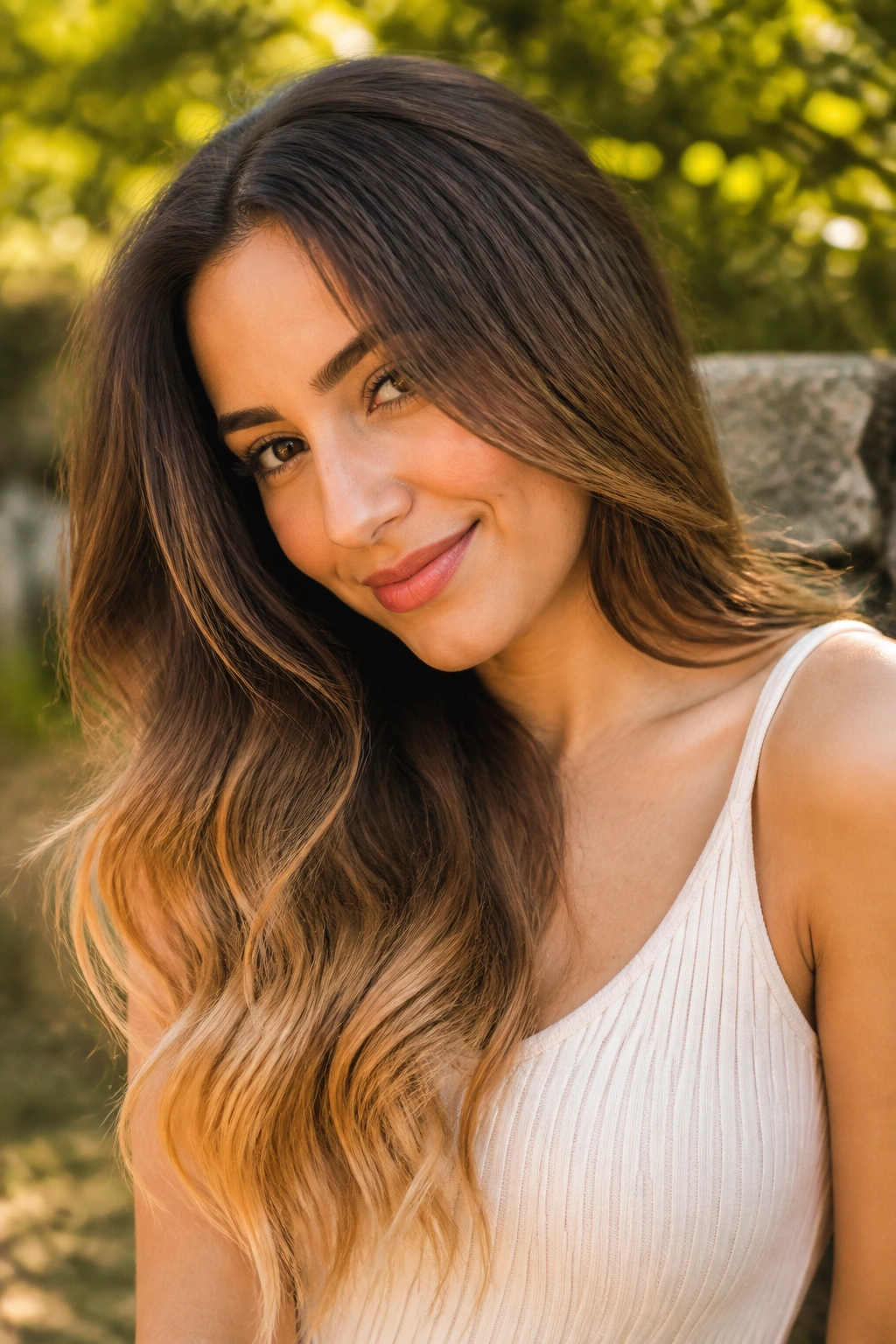
A good ombré gives you a long, gradual fade that starts deep at the root and gets sweeter toward the ends. On brown hair, honey ombré can be lovely because it lets the darker base stay intact while the length carries the brightness.
I’ve always thought this works best on hair that’s at least shoulder length. Shorter cuts can lose the fade. Longer hair gives the color room to breathe, and the transition looks smoother when there’s more length to work with.
The best part is the grow-out. You do not have to sit on a harsh line of demarcation. The roots are part of the design, which makes this a smart choice if you want color that behaves itself between appointments.
That said, ombré can look lazy if the fade is too abrupt. The shift from brown to honey should happen gradually across several inches. If it jumps too fast, it reads like dip-dye, and that is a different mood altogether.
11. Chunky Honey Highlights With a Retro Feel
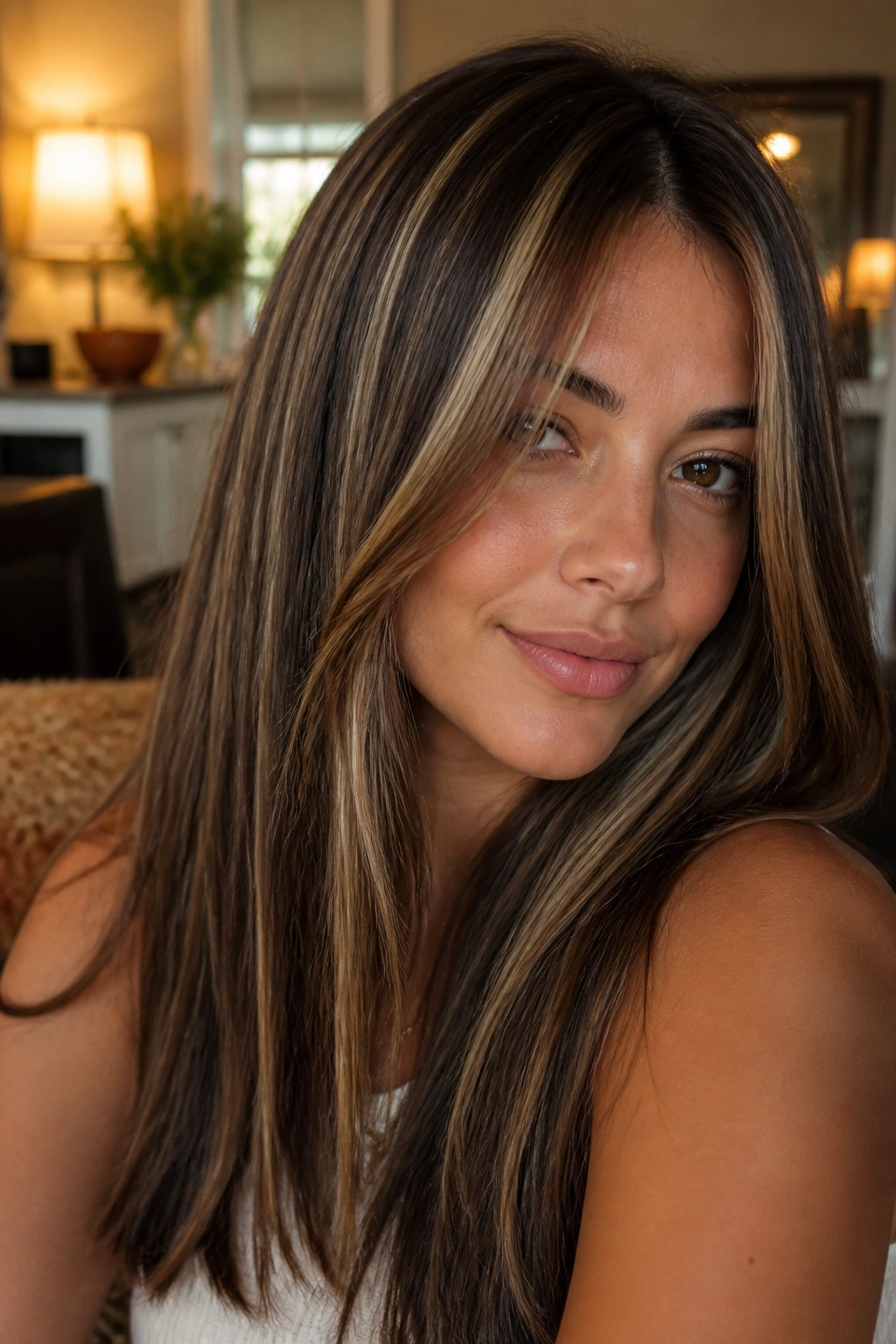
Chunky highlights are back in a quieter, better form. The old version could look harsh because the stripes were too wide and too evenly placed. The modern version still has definition, but the colorist leaves dark space between the light pieces so the brown hair can keep some weight.
This is a good pick if you want the highlights to be visible from across the room. Honey works well here because it softens the retro vibe a bit. Instead of icy contrast, you get warmth and shape.
It tends to look best on straight or slightly wavy hair, where the sectioning can stay clean. On very curly hair, chunky pieces can get lost unless the placement is done with real care. The boldness is the point, so the spacing matters.
I’d use this on medium brown hair or lighter brunettes. If the base is very dark, the contrast can become too stark unless the honey tone stays rich and warm.
12. Honey and Mocha Lowlights Mix
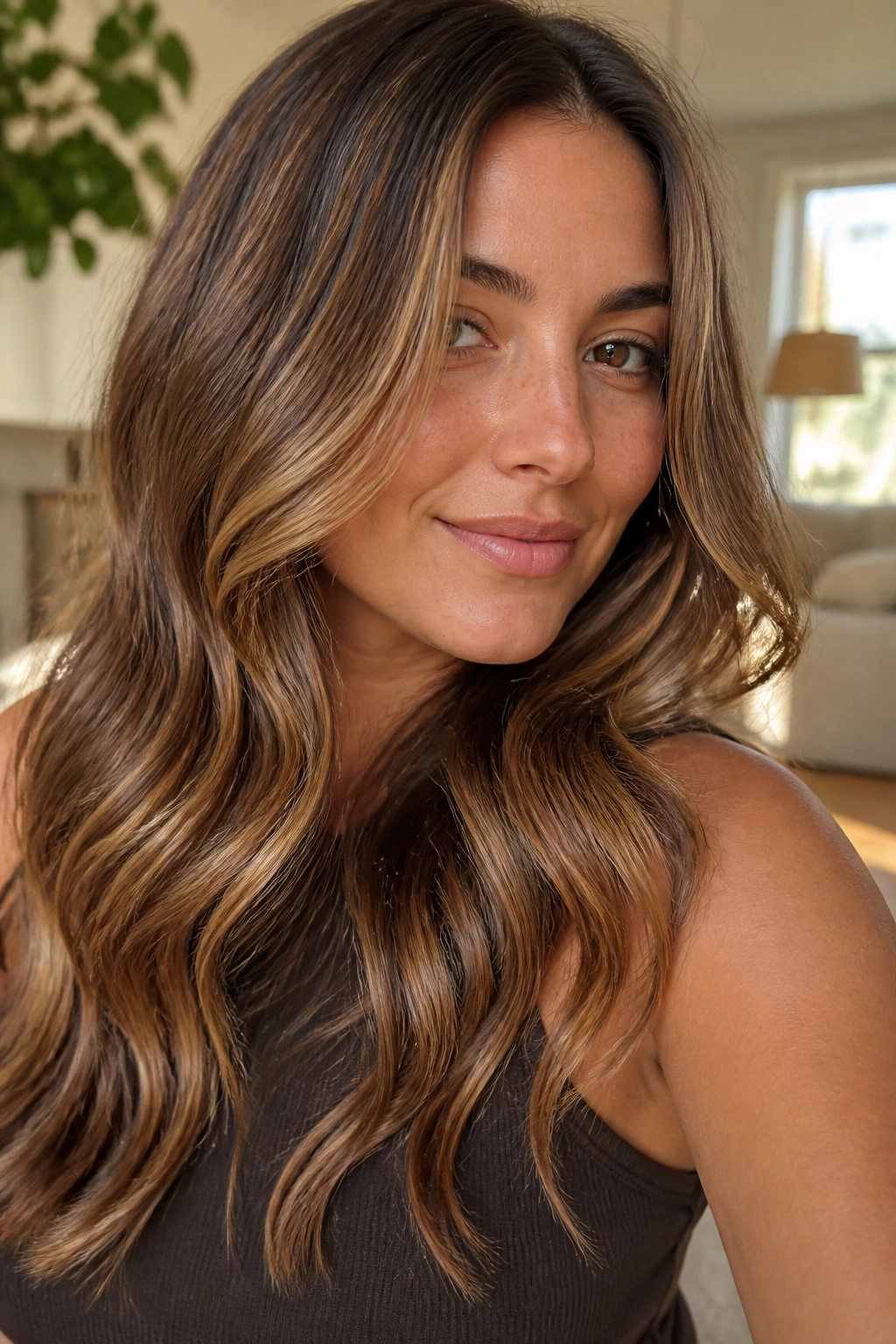
Honey highlights are prettier when they have something dark to sit next to. That’s why I like a honey-and-mocha mix on thicker brown hair. The mocha lowlights keep the color from turning into a single bright layer, and the honey pieces pop more because of the contrast.
This combination is especially useful when the hair has been over-lightened in the past. A few deeper strands can put the shape back into it. They also help fine hair look less wispy, which is not something people think about until they see the difference in a mirror.
The look feels especially full on long layers and blunt cuts. You get shine, yes, but you also get a little shadow. Without that shadow, highlight-heavy brown hair can start to look washed out.
If you want your hair to feel more dimensional rather than lighter overall, this is one of the smartest color maps to ask for.
13. Peekaboo Honey Panels Under the Top Layer
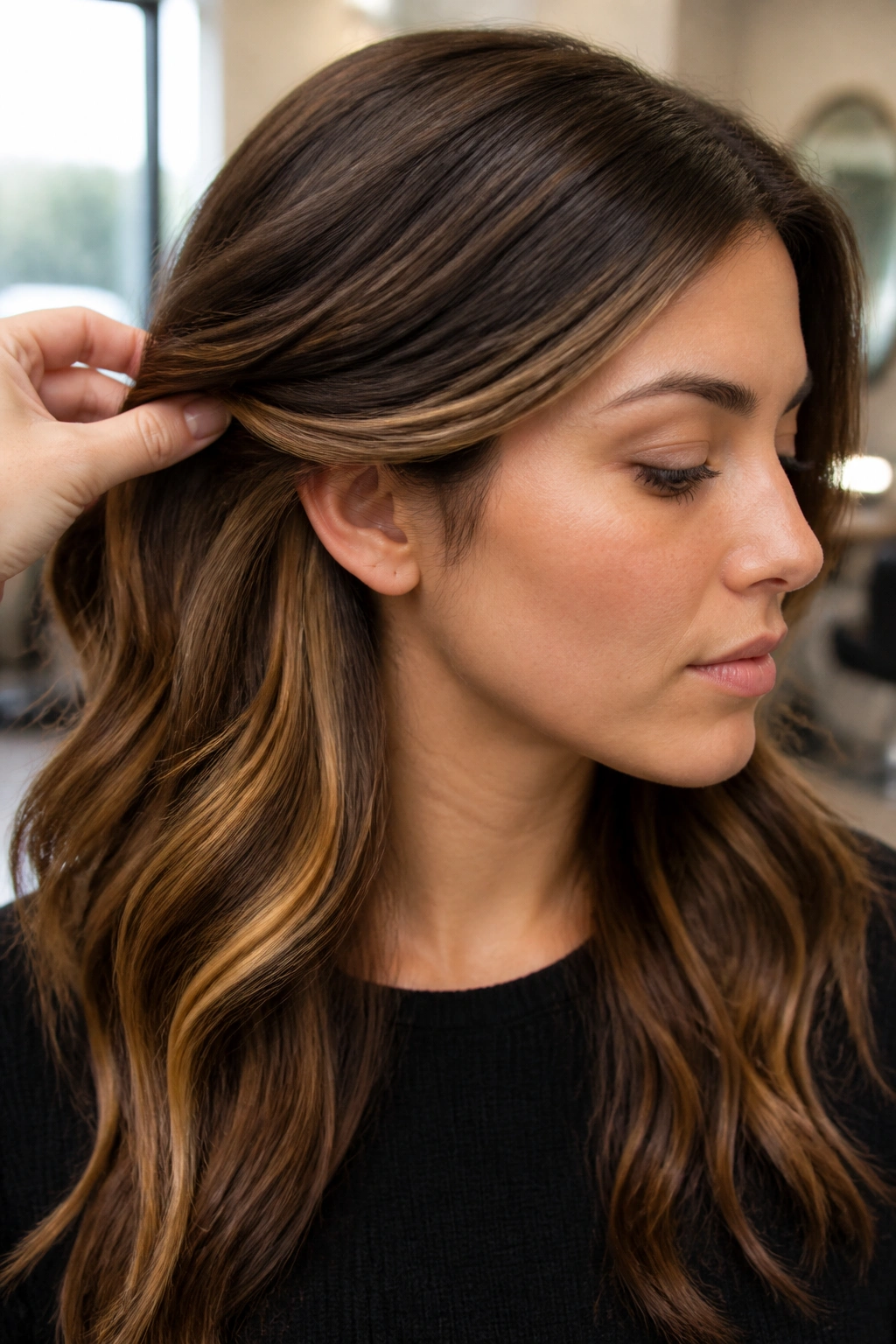
Peekaboo highlights are the sneaky version of honey color. Most of the brightness hides under the top layer, so the pieces only show when the hair moves, gets tucked behind an ear, or goes into a ponytail.
That makes this a fun option for someone who wants a little surprise in the hair without making the whole head lighter. The top layer stays mostly brown, which keeps the maintenance low and the grow-out forgiving.
Where they hide best
- Under a deep side part.
- Around the nape on shoulder-length cuts.
- Beneath the outer layer of waves.
- Inside a half-up style where the lighter pieces peek through the back.
This kind of placement is especially good if your workplace or personal style leans understated. You still get the warmth of honey highlights, but you can choose when the color shows up. That flexibility is the whole appeal.
14. Honey Highlights for Curly Brown Hair
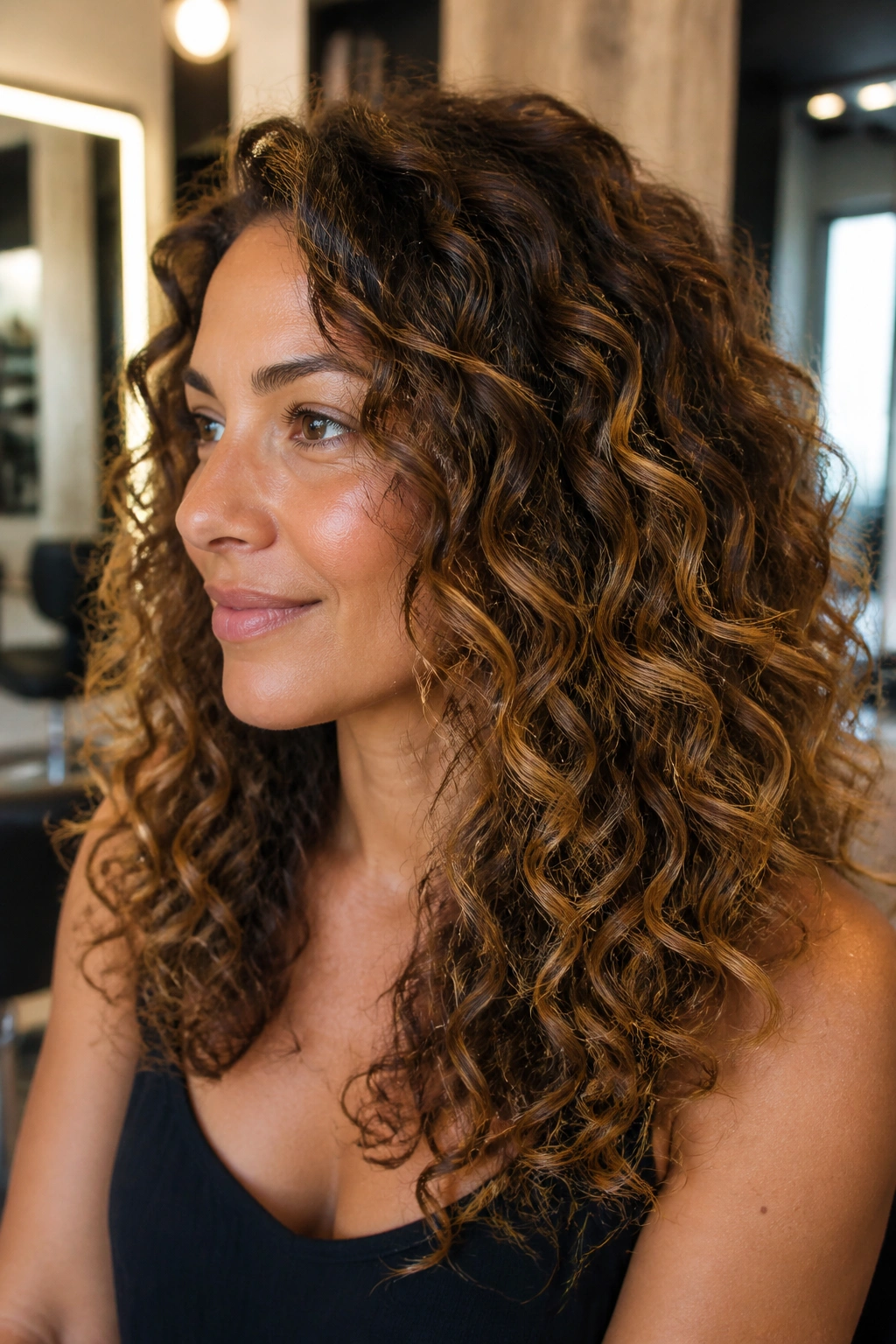
Curly hair can carry honey highlights better than straight hair in some cases. The reason is the curl pattern itself. It breaks up the color, so even a few light pieces can look rich instead of stripey.
The main thing is placement. A stylist should paint the outside curve of each curl bundle and leave some depth inside the curl so the shape doesn’t collapse into one flat tone. If every strand gets lightened the same way, the curls lose their shadow and start looking fuzzy.
What curls need
- Warm honey, not pale gold.
- Brightness around the face and crown.
- Deeper color through the interior layers.
- A gentle gloss after lightening to keep the curl pattern shiny.
I like this look most on bouncy shoulder-length curls and longer ringlets. The highlights catch on the bend of the curl, which gives the hair motion even when it’s not moving. That’s a nice thing to have on a day when the curls need a little help.
15. Sun-Kissed Honey on Long Waves
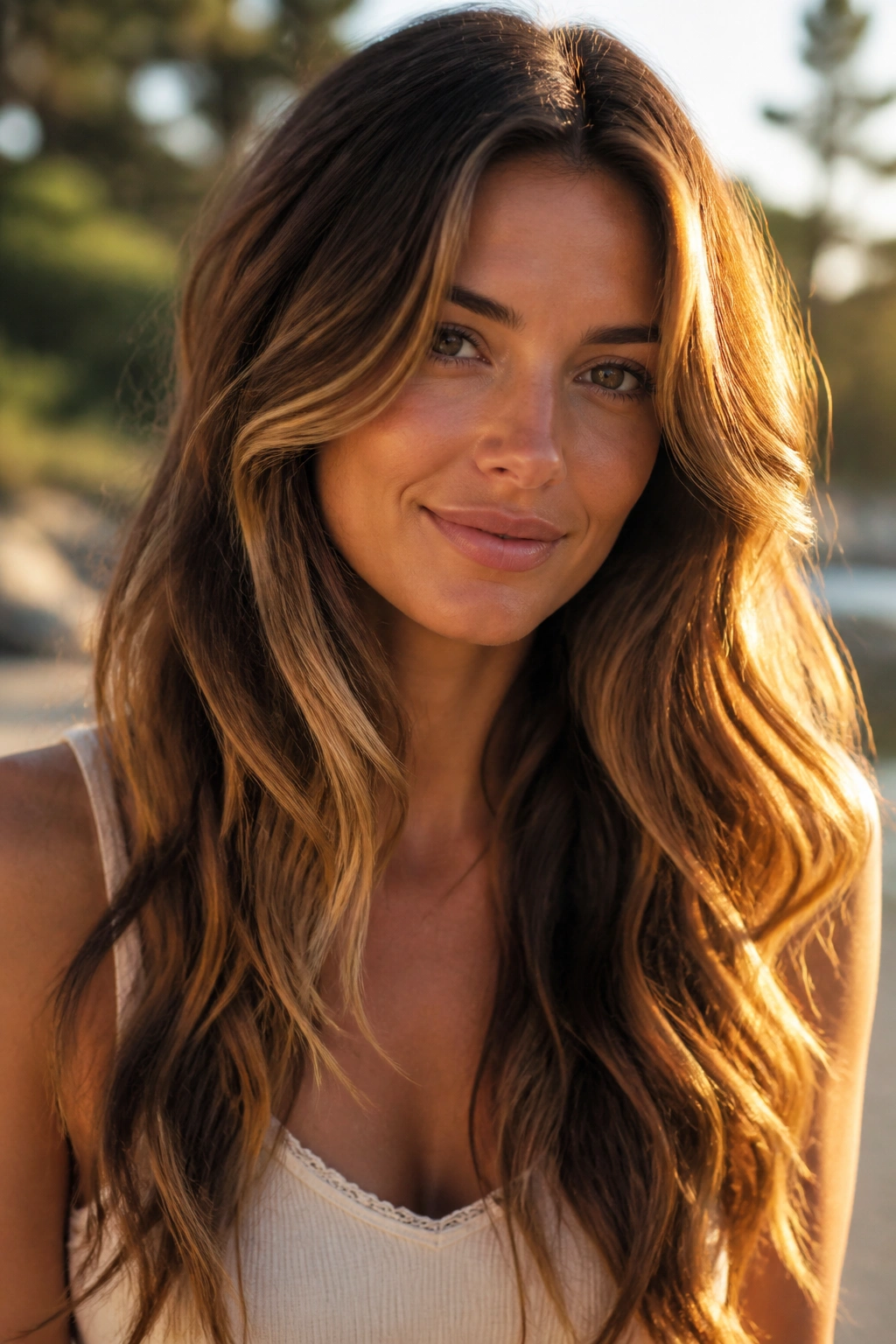
Why do long waves make honey highlights look so easy? Because the bends keep the color from sitting still. Each curve catches a different piece of light, and the highlights read softer because of it.
Long hair needs a little more planning than shorter cuts. If the bright pieces are only at the top, the ends can drag the color down and make it feel heavy. I like honey placed through the face frame, mids, and the lower third of the length, with the most delicate pieces near the top so the root stays grounded.
That balance helps the hair look thick enough to hold the highlight. Too much lightness on very long hair can turn wispy fast, especially if the ends are already fine.
This is one of those looks that gets better when the styling is a little imperfect. Loose waves, a soft middle part, and a touch of texture cream are enough. The color does the rest.
16. A Gloss With Just a Few Foils
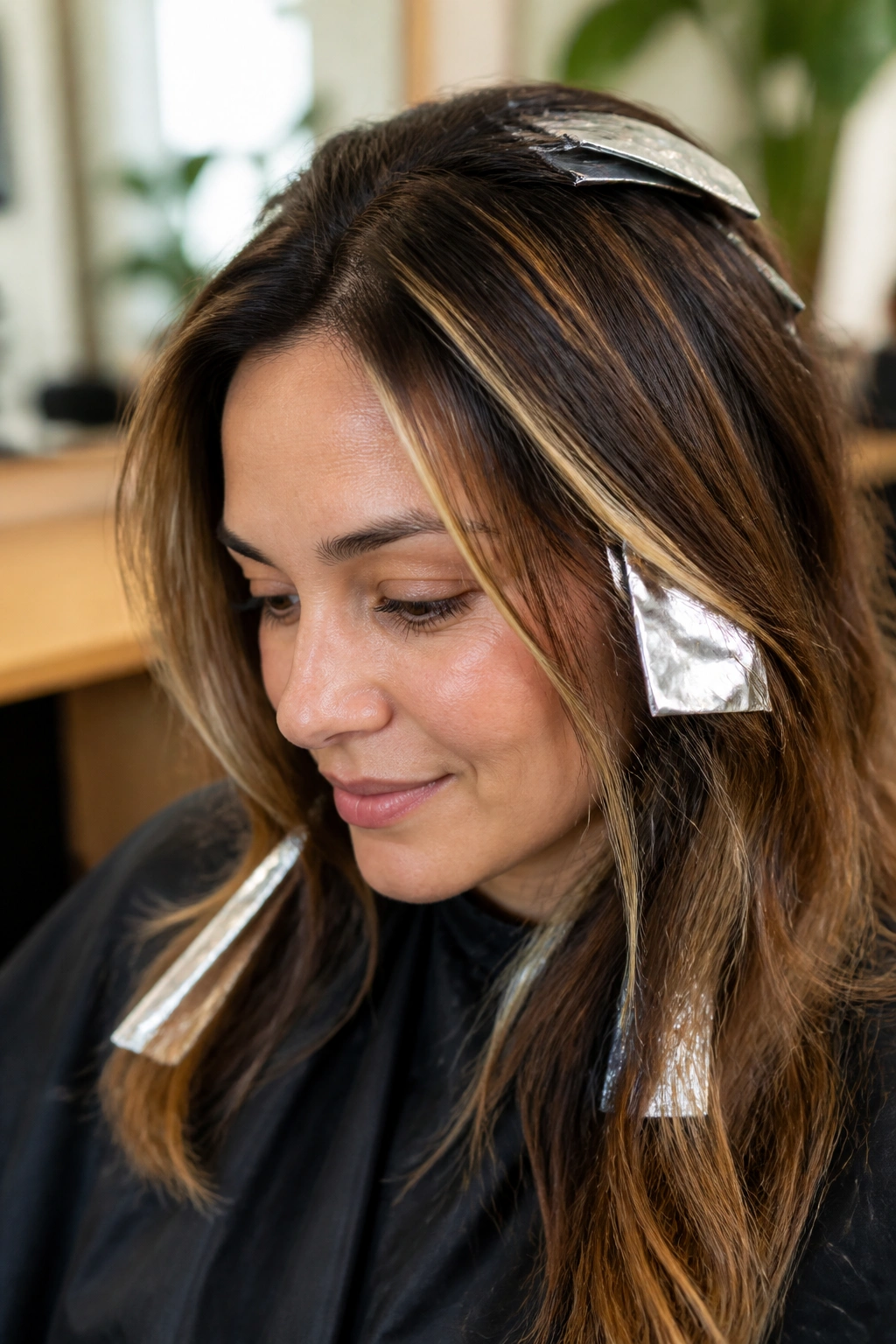
Sometimes the smartest honey highlight service is barely a highlight service at all. A gloss with six to twelve foils can add warmth, shine, and movement without turning the appointment into a major color shift.
This works well for someone who already likes their brown hair but wants it to look more polished. The foils can sit around the face, through the top layer, and a little into the ends, while the gloss smooths everything together. That last step matters. It pulls the warmth into one finish instead of leaving each foil too separate.
It’s also a good choice if your hair has been through a lot. Full blonding is not the answer for everybody. A gloss-and-foils service can give you the honey tone without beating up the hair.
The look is subtle at first glance. Then the light moves, and you see it.
17. Deep Brunette With Amber-Honey Streaks
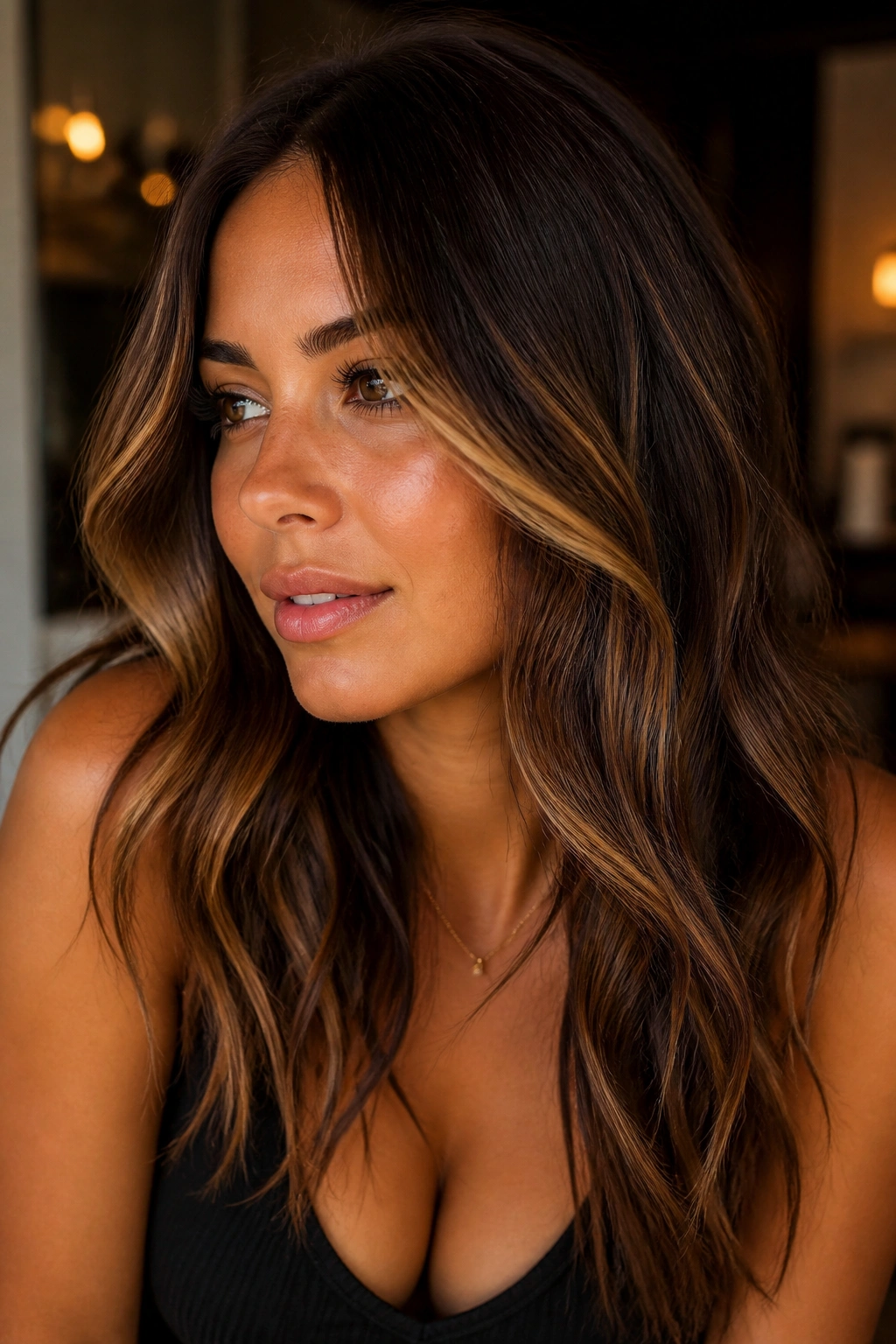
Amber honey is the right move when the base is deep brown and you want warmth more than brightness. It has a richer feel than pale gold, and it blends beautifully into espresso or soft black-brown hair.
I prefer this version when the hair has a lot of shine naturally or when the cut is blunt and clean. The amber pieces outline the shape without stealing the show. They also keep the base from reading flat under indoor lighting, which is where dark brown hair often loses some of its depth.
You can keep the streaks concentrated around the face and through the outer canopy, then leave the back more understated. That gives the hair movement without exposing every single strand to lightener.
This is not the shade to choose if you want obvious blonde contrast. It’s the one to choose if you want your brunette color to feel richer and a little warmer, like the hair itself has more life in it.
18. Lived-In Honey Balayage With a Shadow Root
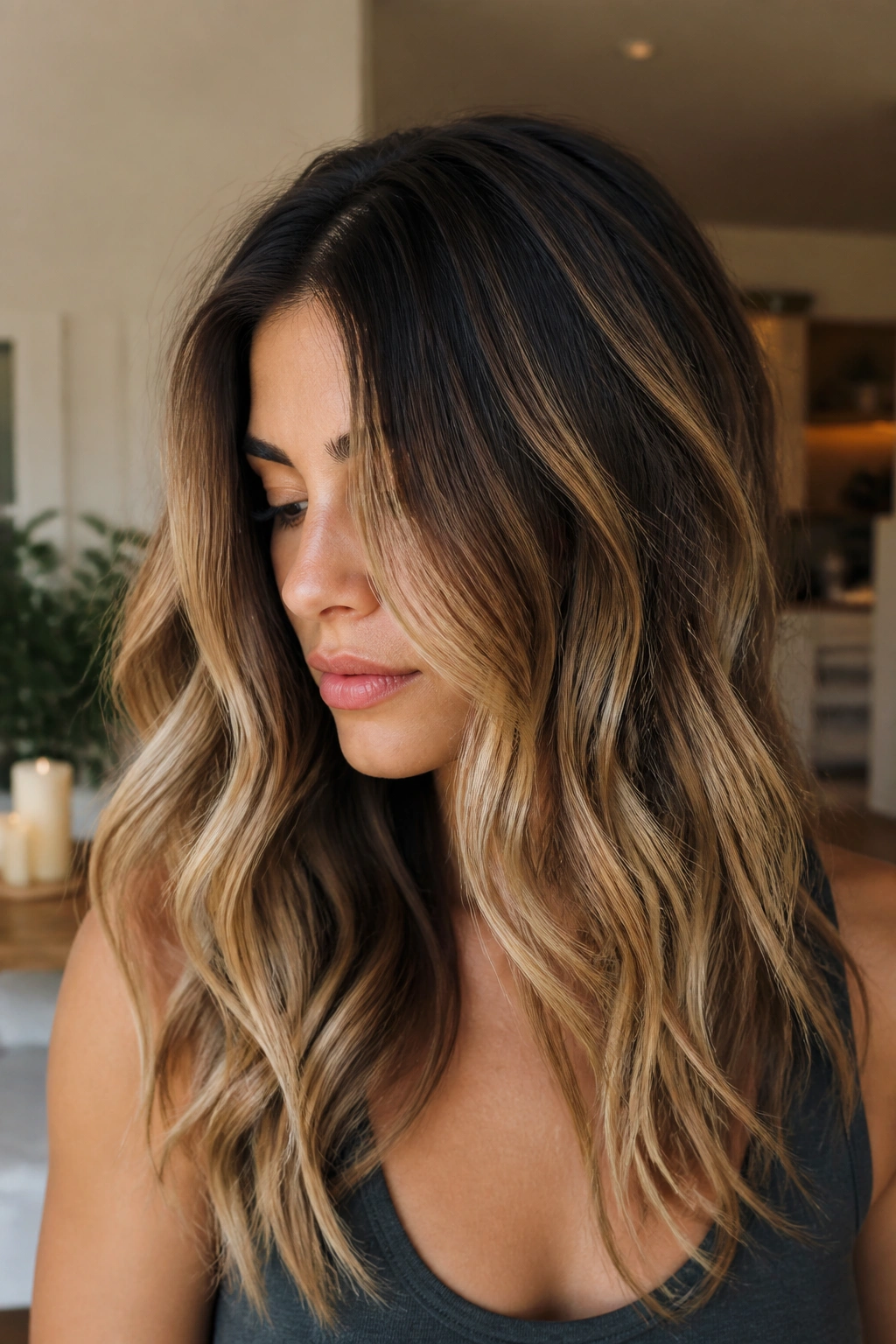
Lived-in color is different from a high-maintenance highlight job. The root stays darker, the honey pieces start lower, and the whole thing is built to look good while it grows out. That’s why a shadow root makes so much sense with brown hair.
The root shadow gives the lighter pieces a soft landing. Without it, the honey can look pasted on, especially if the base is only one or two levels darker. With it, the hair has depth at the scalp and brightness through the mids and ends, which is a much easier look to wear.
This style is for people who do not want to be back in the salon every few weeks. You can stretch the wear time and still look deliberate. That’s a nice trade-off, honestly.
If you like a bit of motion in your hair but hate obvious regrowth, this is probably the one to bookmark first.
19. Honey Highlights With a Soft Root Smudge
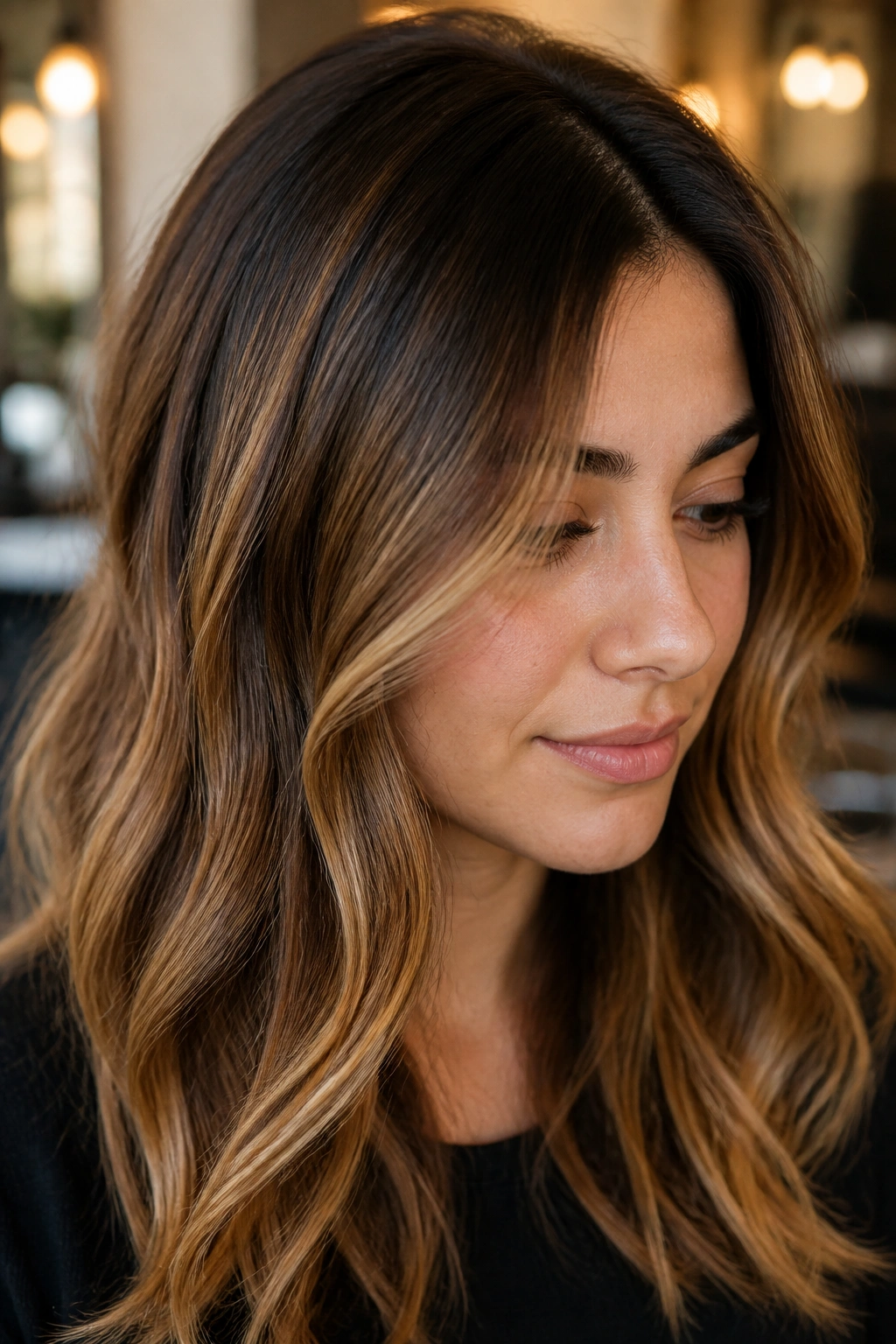
A soft root smudge is one of those small salon details that changes everything. It keeps the line between the natural brown base and the honey pieces from looking too sharp, which helps the color grow out in a calmer way.
The smudge usually sits right at the root, maybe half an inch to an inch depending on the length and density of the hair. It is not meant to erase the root. It is meant to blur it. That blur makes the highlight look more expensive, even when the actual color placement is pretty simple.
What to ask for
- A root shade that is one or two levels deeper than the highlight.
- A honey toner with enough warmth to stay soft, not yellow.
- A blend through the first inch so the regrowth line isn’t harsh.
- Minimal lift at the scalp if your hair tends to get lighter fast.
This is one of my favorite choices for brown hair that needs polish but not drama. The color has movement, but it never looks frozen in place.
20. Warm Honey Ends on a Cool Brown Base
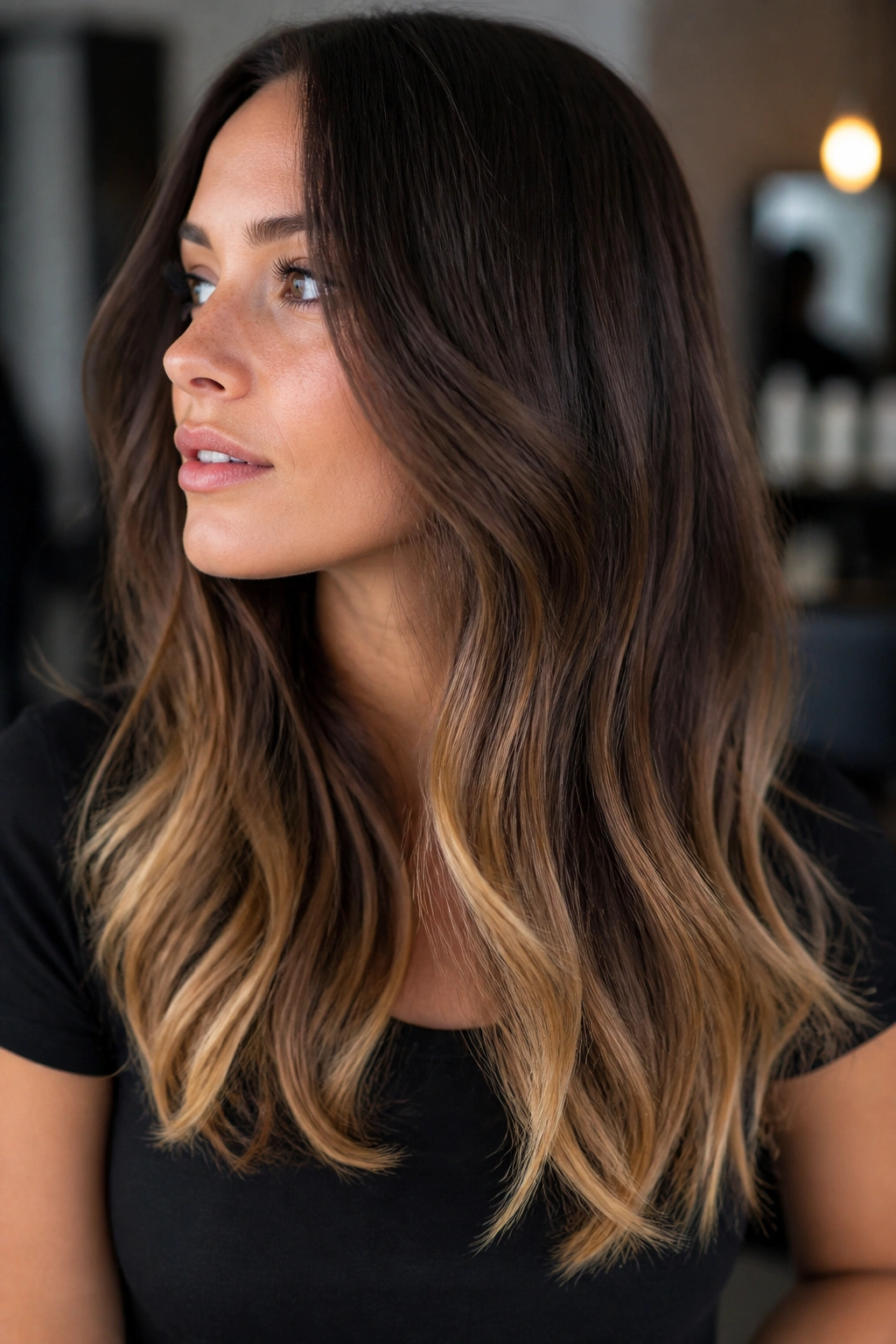
If your natural brown runs cool, the safest way to wear honey is often on the ends only. That keeps the base true to itself while still giving the length a warmer finish that shows up in motion.
The important part is restraint. Cool brown and warm honey can look gorgeous together, but only if the transition is gentle. If the lightener gets too bright too fast, the result can veer orange or coppery in a way that feels accidental. A good colorist will keep the ends creamy and soft, then use a gloss to settle the tone.
This version suits people who want the brown to stay brown. Not chocolate-blonde. Not brassy. Brown. The honey just gives the haircut a little lift at the bottom, where long hair often needs it most.
And that, honestly, is the whole appeal of honey highlights on brown hair: you can brighten the color without losing what made the base good in the first place.
