



Brown hair can go flat fast. A few well-placed hazelnut highlights fix that in a way blond streaks often don’t—they bring warmth, shine, and dimension without turning the whole head into a brighter, louder color story. That’s why hazelnut highlights for brown hair keep showing up in salons: they sit in that sweet spot between soft and noticeable, and they usually look expensive even when the placement is simple.
The part people miss is this: hazelnut is not one shade. It can lean golden, beige, toasted brown, chestnut, or a little smoky depending on your base color and undertone. On a medium brunette, it can read glossy and sun-touched. On espresso brown, it can look more like a soft ribbon of light cutting through depth. On curls, it shows up differently again, because the curl pattern breaks the color into pieces. That’s the fun of it.
I like hazelnut on brown hair because it does not fight the base. It works with it. You still get the richness that makes brunette hair feel polished, but you also get movement when the hair swings, bends, or catches daylight near the face. The trick is choosing the right placement, because a hazelnut streak in the wrong spot can look striped. In the right spot, it looks like the hair was always meant to have it.
1. Face-Framing Hazelnut Ribbons
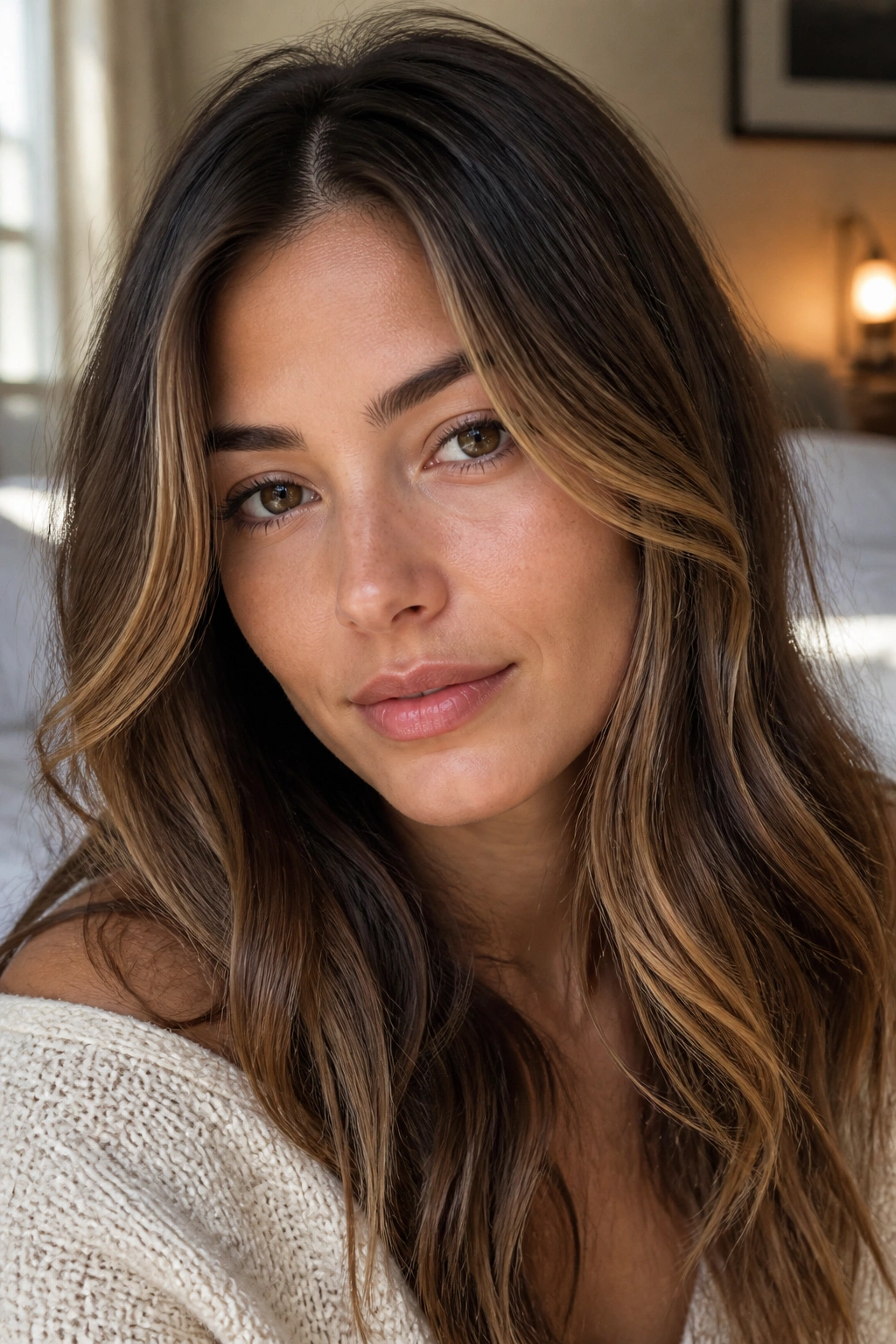
A few soft ribbons around the face can change the whole mood of brown hair. That’s the appeal here. You keep most of the depth, then place hazelnut pieces where the eye lands first—along the cheekbones, near the temples, and just inside the front layers.
Why This Placement Works
The face is where a highlight does the most visual work. Light pieces near the front make brown hair look fresher without needing a full color overhaul, and hazelnut is gentle enough that it won’t scream “new color” from across the room. That matters if you want brightness but still want the hair to look believable.
Ask for thin-to-medium ribbons, not chunky slabs. The goal is movement, not stripes. If your hair is layered, the color can follow the shortest pieces and then soften through the longer lengths. If it’s all one length, the colorist may need to break up the panels a little more so the front doesn’t look heavy.
Best for: medium brown, chestnut brown, and dark blonde brunettes who want quick payoff.
Watch for: very yellow hazelnut near the roots. That can make the face look warmer than intended.
What to say at the chair: “Keep it soft around my face, and let the pieces blur into the rest of the hair.”
2. Barely-There Hazelnut Babylights
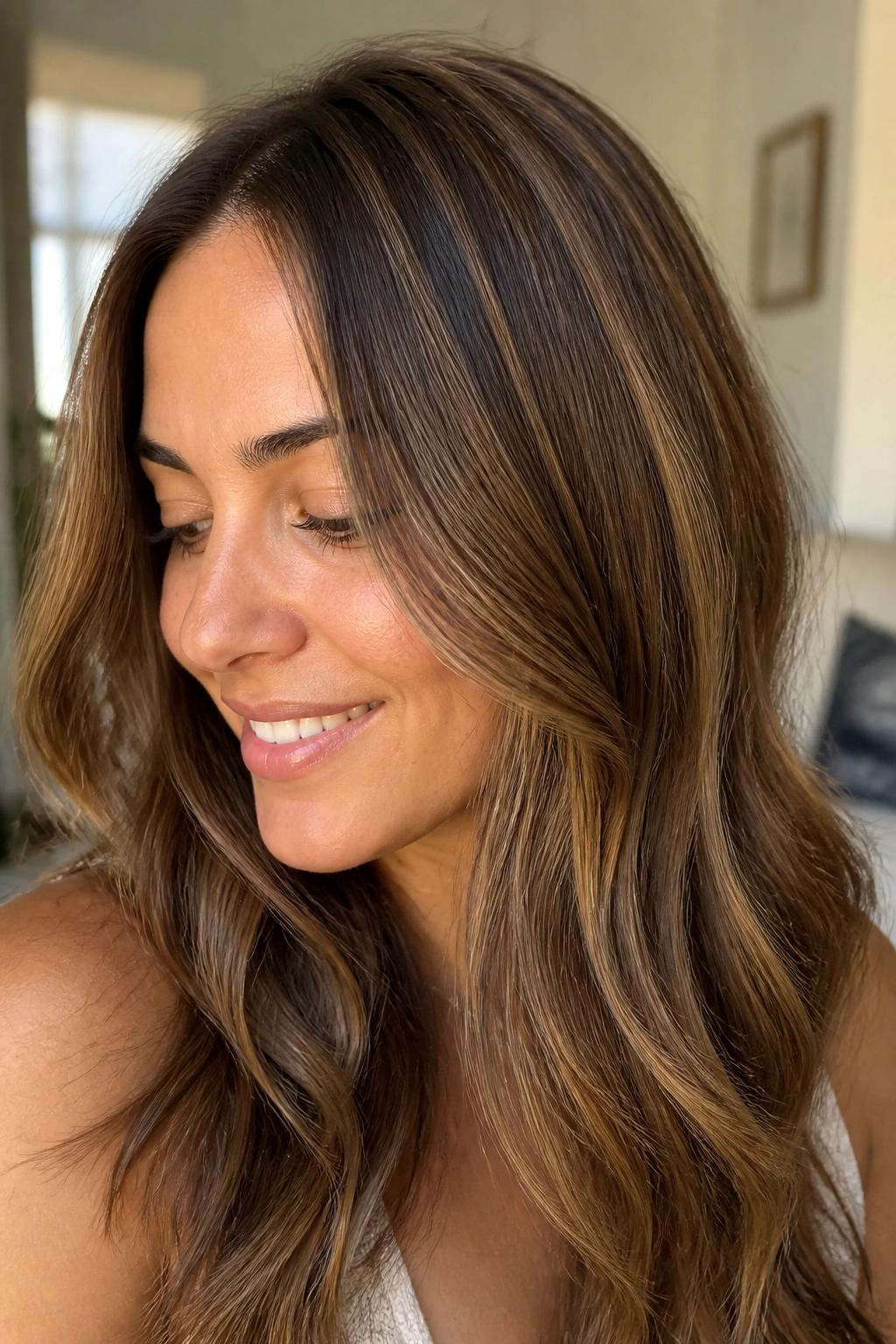
Do you want people to notice your hair first and the color second? Then babylights are your friend. These are the thinnest possible highlights, and hazelnut babylights on brown hair give a whisper of brightness instead of a loud contrast.
The best version stays close to the base, usually only one to two levels lighter. That keeps the result refined. On medium brown hair, the effect can look like sunlight moved through the room and left a trace. On dark brown hair, the change is subtler, but the texture still wakes up.
How to Ask for It
- Fine weaves through the crown and sides.
- A soft hazelnut toner, not a pale blonde finish.
- More pieces where the hair falls naturally, fewer pieces where the hair hides under itself.
- Root shadow kept intact so the grow-out stays quiet.
This is the style I’d send a nervous first-timer toward. It is modest on day one and forgiving on week eight. Good. Sometimes that’s exactly what you want.
3. Hazelnut Balayage on Mid-Length Brown Hair
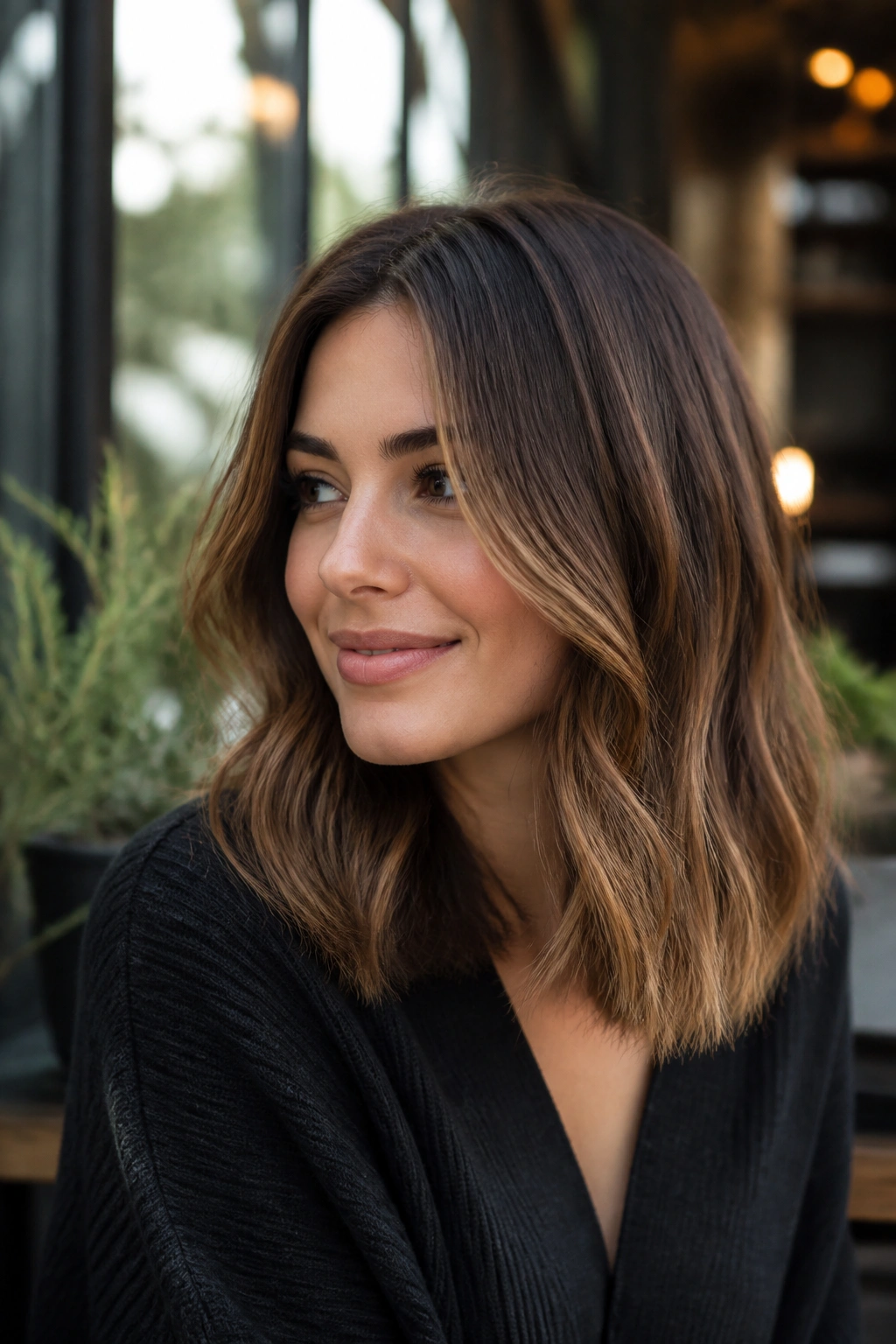
Mid-length brown hair loves balayage because there’s enough surface area for the color to breathe. Hand-painted hazelnut through the mid-lengths and ends can make a shoulder-length cut look fuller, especially if the hair is fine and tends to lie flat.
The key here is softness. Balayage should not look like a line was painted on the hair. It should fade into the base. When hazelnut is brushed through the lower half of brown hair, it reads as depth and light at the same time, which is a nice trick if your cut feels heavy at the ends.
A little root shadow helps. Without it, hazelnut balayage on brown hair can flatten out after a few washes. With it, the whole look keeps its shape longer and grows out in a cleaner way. That’s one reason stylists lean on this placement so often.
If your hair is wavy, the effect gets even better. The bends catch the lighter strands, and suddenly the color looks custom instead of painted on.
4. The Hazelnut Money Piece
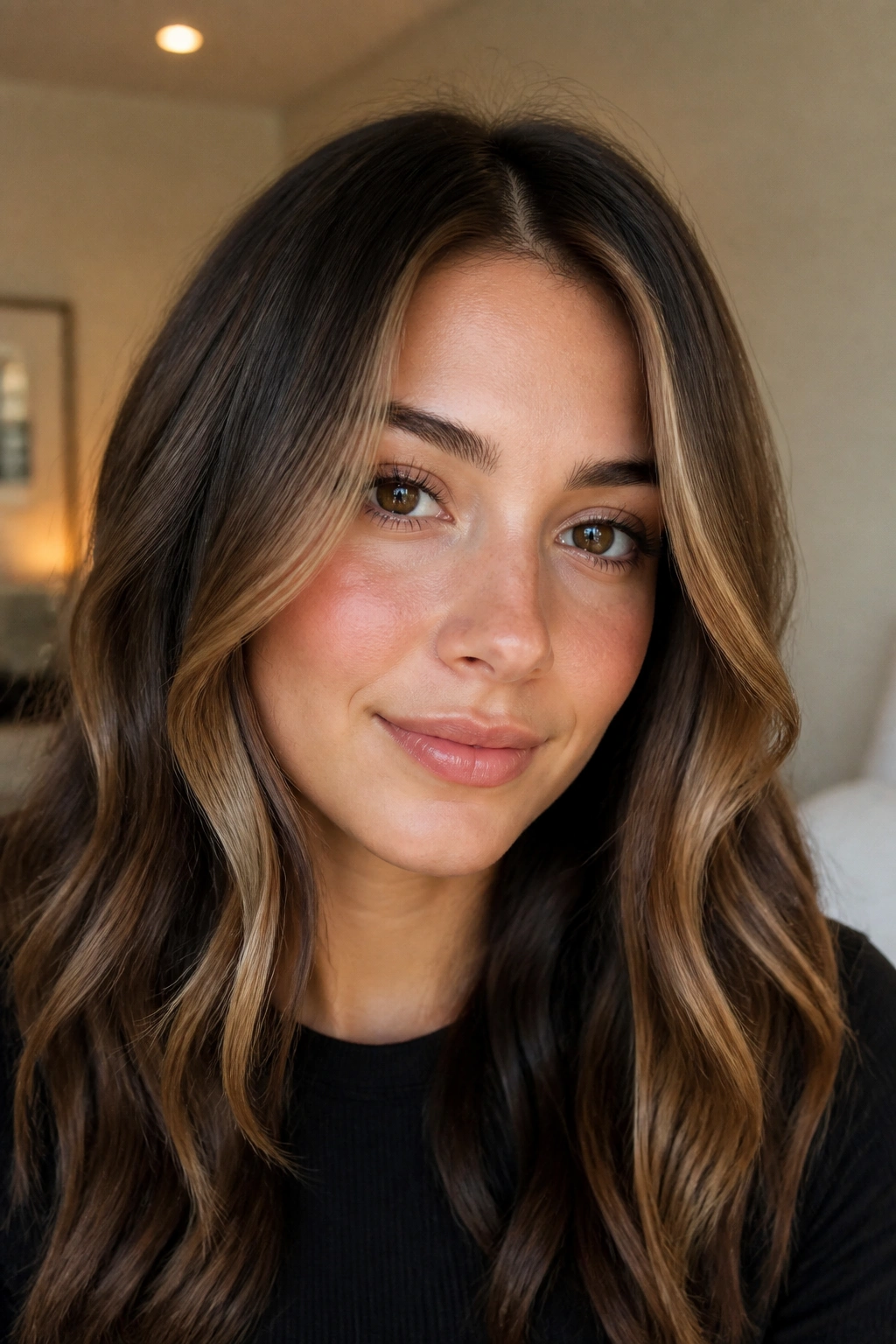
A money piece is not for the shy. It puts the brightest color right at the front, so you need a hazelnut shade that feels warm but not brassy. Done well, it gives brown hair that lifted, face-opening look without requiring highlights through the entire head.
What Makes It Different
The money piece works because it shifts attention to the center part or hairline. That little flash of hazelnut can make brown eyes pop and can soften strong jawlines or heavy bangs. It’s one of those placements that reads bold in photos and wearable in real life.
I prefer it when the front section is only slightly lighter than the rest of the highlight pattern. Too much contrast makes the face piece look detached. The cleanest version usually starts a little lower than the root and melts down near the brow line or cheekbone, depending on the cut.
If you wear your hair up a lot, this is the piece that shows the most. If you wear it down, it gives the whole style an instant focal point. Either way, it earns its keep.
Ask for: a hazelnut front section that blends into the side layers instead of stopping abruptly.
5. Hazelnut Lowlights for Richer Dimension
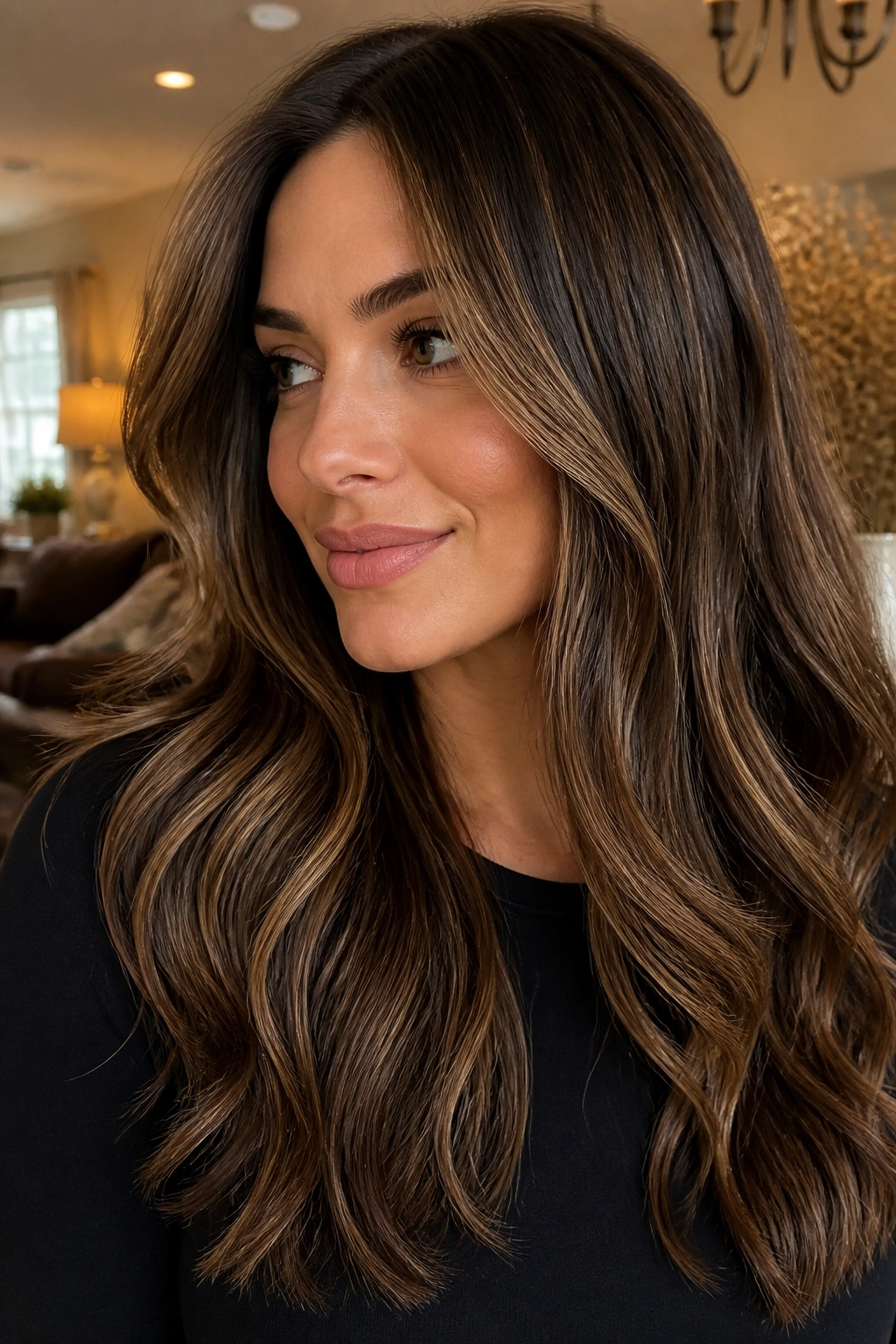
Not every brunette needs more light. Sometimes the hair needs shadow. That’s where hazelnut lowlights come in, and they deserve more credit than they get.
On brown hair that has gone too flat or too warm, deeper hazelnut strands can bring back structure. They create contrast inside the base, which makes the lighter pieces around them look more intentional. It’s a useful move if the hair has been lightened several times and needs something to anchor it again.
This is a quieter color story, but it’s not boring. Lowlights are what stop brown hair from looking washed out under indoor light. They also make finer hair appear denser, because the eye reads the contrast as fullness.
A good colorist will place the darker hazelnut pieces under the top layer and through the interior, not all over the outside. That way the color shows when the hair moves. Static hair is the enemy here. Movement is the point.
6. Espresso Brown with Soft Hazelnut Ends
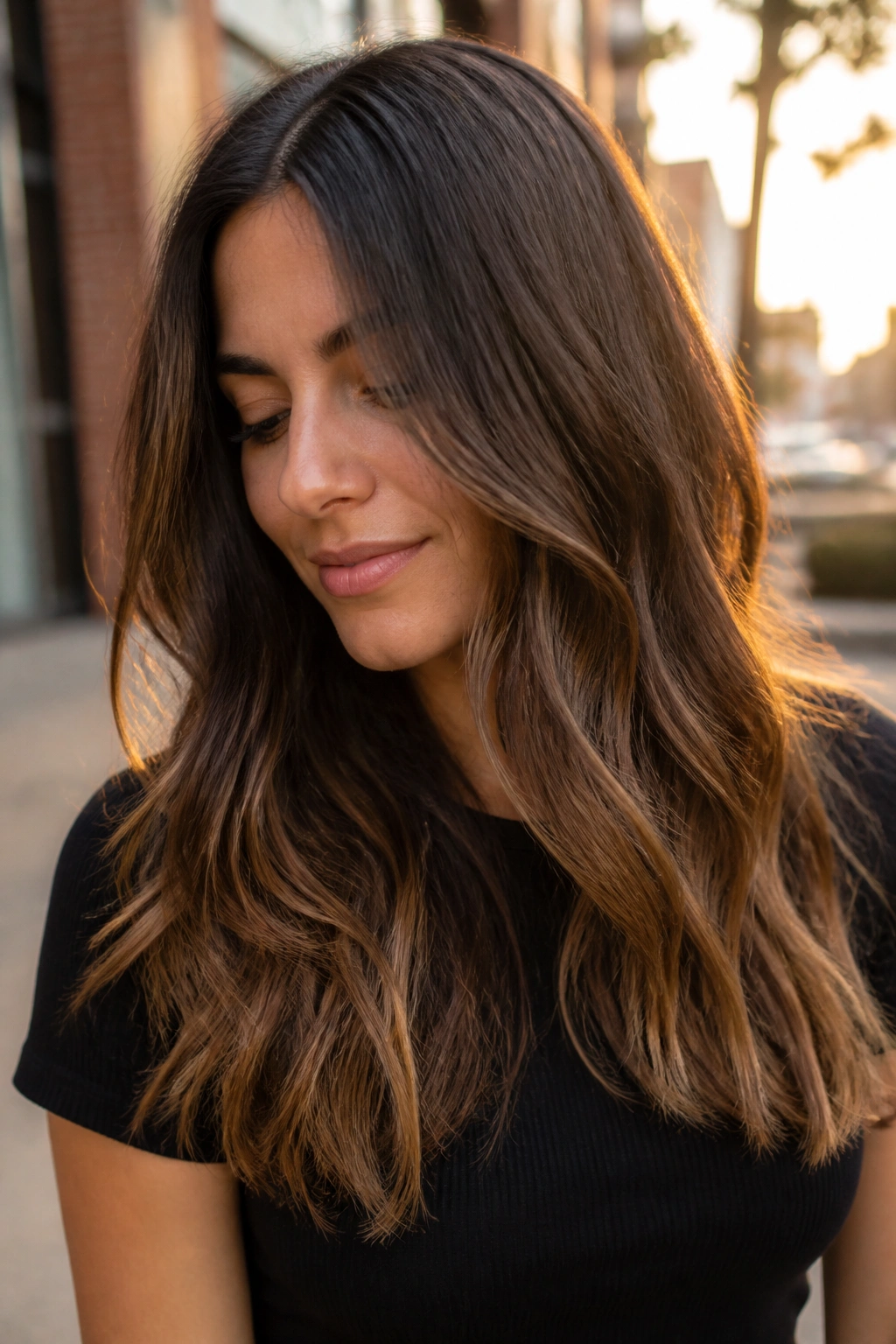
Dark roots and lighter ends are old news. What matters is the tone, and hazelnut gives espresso brown hair a softer finish than caramel usually does. It feels less sticky, less gold-heavy, and a little more grown-up.
The ends should look toasted, not bleached. That’s the distinction. A hazelnut finish on the bottom third of brown hair keeps depth at the crown and brightness where the cut needs it most, especially on long layers that can look heavy if every inch is the same shade.
This style works especially well if your hair is thick. The lighter ends break up the mass and keep the length from feeling like one solid block. On fine hair, the same placement can make the ends look a little thinner, so the color needs to be handled with care.
No drama. Just a soft shift in value from root to tip.
7. Chunkier Hazelnut Ribbons on Thick Hair
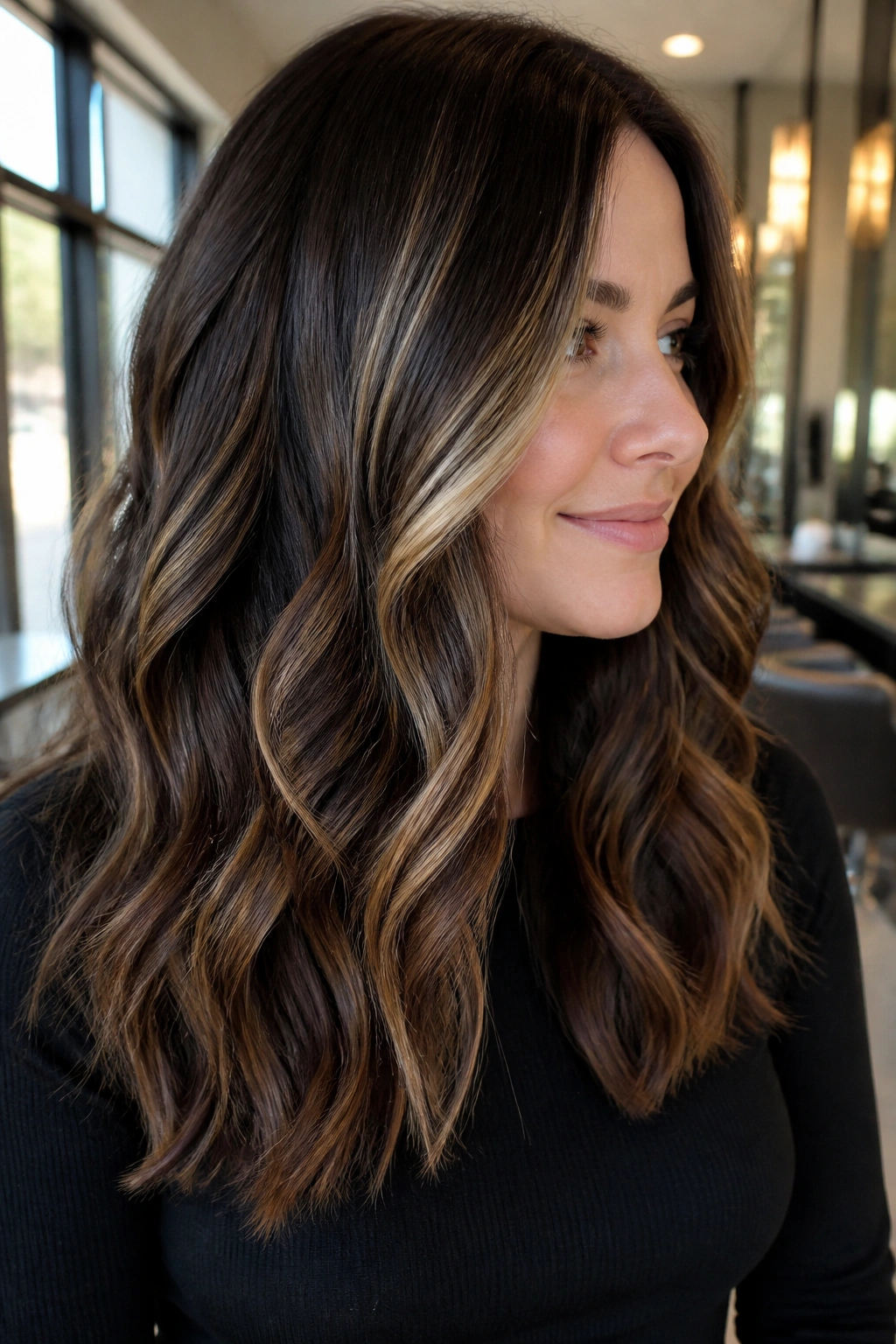
Thick brown hair can swallow tiny highlights. That’s the blunt truth. If the weave is too fine, the color disappears under the surface and all you see is a general warm haze. Chunkier hazelnut ribbons solve that.
What to Ask For
- Wider painted sections through the mid-lengths.
- Some face-framing pieces, but not only face-framing pieces.
- A beige-hazelnut toner if the hair pulls too orange.
- Enough spacing between ribbons so the base color still shows.
The point is contrast. Thick hair has enough visual weight to carry it. The bigger ribbons give the style shape, especially if the cut has layers. On straight, dense hair, this can keep everything from reading as one dark sheet.
I like this look because it has presence. You can see the color when the hair moves, and that is often what brunettes actually want when they say they want “dimension.” They don’t need a full blonde transformation. They need the hair to stop looking stubborn.
8. Hazelnut Gloss Lights for Faded Color
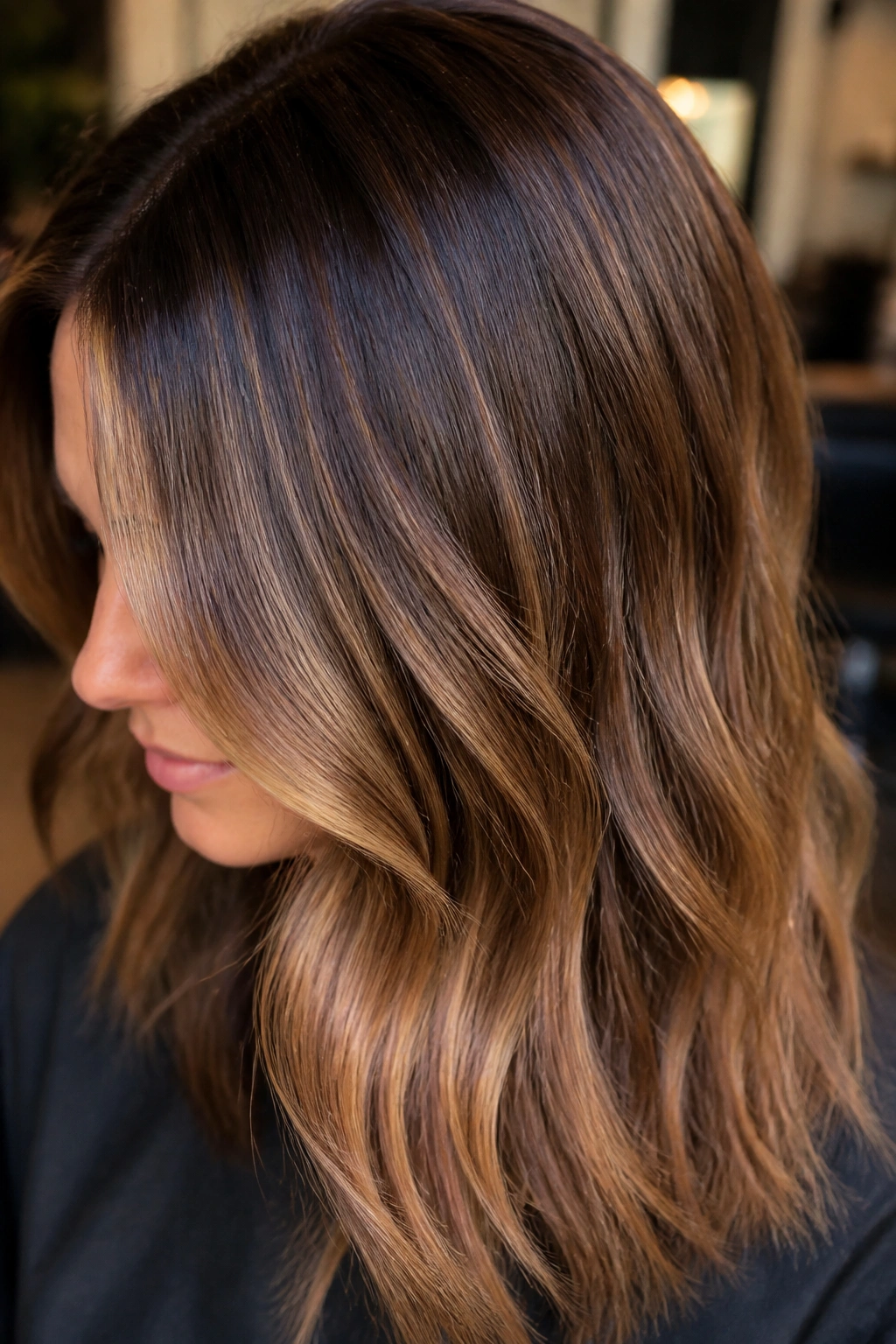
Sometimes the problem is not that your highlights are too dark. They’re just tired. A hazelnut gloss can bring life back to brown hair that has lost tone, especially if old highlights have gone dull or overly yellow.
A gloss is not the same thing as a full highlight session. It deposits tone, smooths the surface, and adds shine. On previously lightened brown hair, a hazelnut gloss can soften harsh blond pieces so they read as richer and more expensive-looking. That is the whole point here.
This is a smart move if you already have highlights and do not want a big appointment. It also works between larger color services when the ends start looking dry or washed out. You get warmth back without a dramatic shift.
The one catch: a gloss can be too warm if the base already leans red. If your hair has copper in it, ask for a cooler hazelnut or a beige-brown mix. Otherwise the finish may drift into chestnut too fast.
9. Hazelnut Highlights on Curly Brown Hair
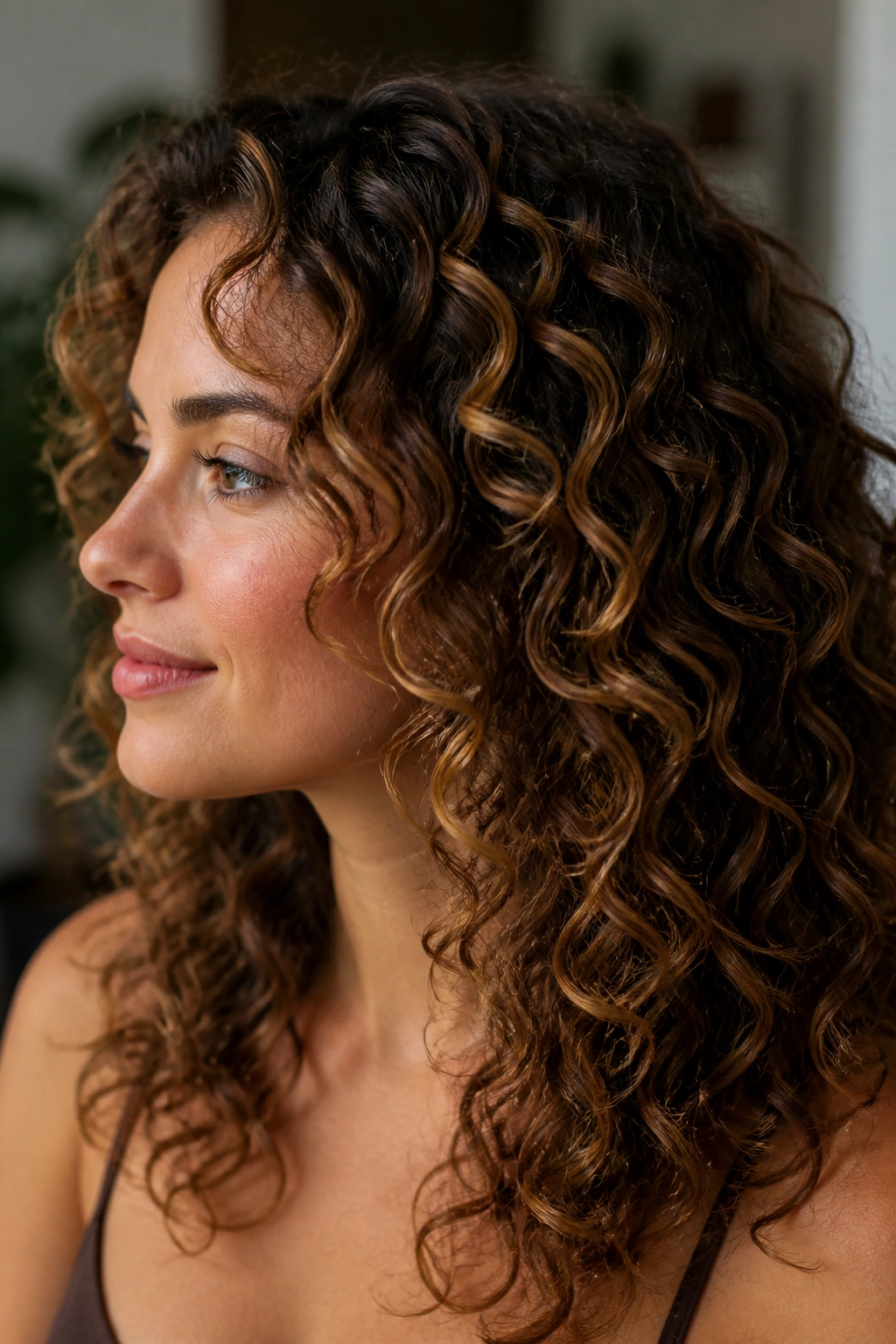
Curly hair changes everything. The curl pattern breaks up the color, so hazelnut highlights on brown curls often look softer and more natural than the same placement on straight hair. The highlights land on the curl clumps and catch the light in little flashes.
That is why curls are such a good match for hazelnut. The color does not need to work hard. The shape does most of the job. A few well-placed ribbons around the outer curve of the curls can make the whole style look fuller and more alive.
The Good Kind of Placement
The best curl highlighting usually follows the curl pattern instead of fighting it. You do not want bright stripes running straight through ringlets. You want pieces that sit on top of the curl and travel with it as it shrinks and springs.
That means the colorist has to think in sections, not just in foil count. A front curl may need more light than a back curl. An outer layer may need less than an interior bend. Curly hair rewards that kind of patience.
If you have dense curls, hazelnut highlights can also keep the shape from looking like one dark mass. Small bright spaces between curls give the eye something to track. It’s subtle. It works.
10. Mushroom Brown with Hazelnut Veils
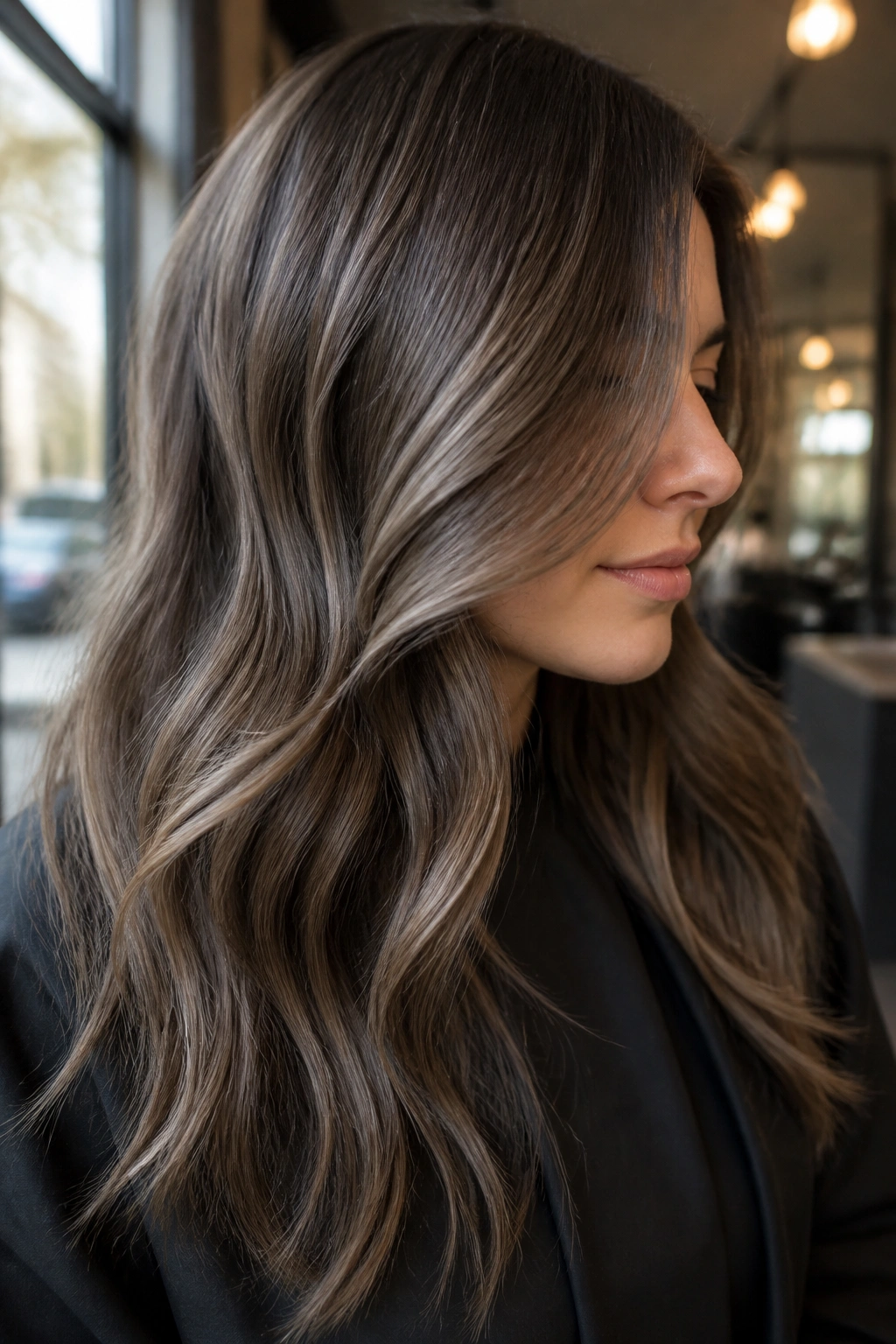
Mushroom brown is cool, smoky, and a little quiet. Hazelnut veils soften it without stripping away that moody feel. The result is less golden than classic brunette balayage and more refined, almost satin-like.
This mix is useful if your skin tone likes a cooler palette but your hair still needs some warmth to keep from looking flat. Hazelnut in this case should lean beige-brown, not honey. Too much gold will push the whole thing out of balance.
A veil is thinner than a ribbon and less obvious than a streak. It sits on top of the darker base and creates the illusion of lightness rather than a hard contrast. That makes mushroom brown feel dimensional instead of muddy.
If your natural hair already has ash undertones, this may be one of the easiest hazelnut looks to wear. It doesn’t demand a dramatic color change. It just refines what’s already there.
11. Hazelnut on a Chocolate Brown Lob
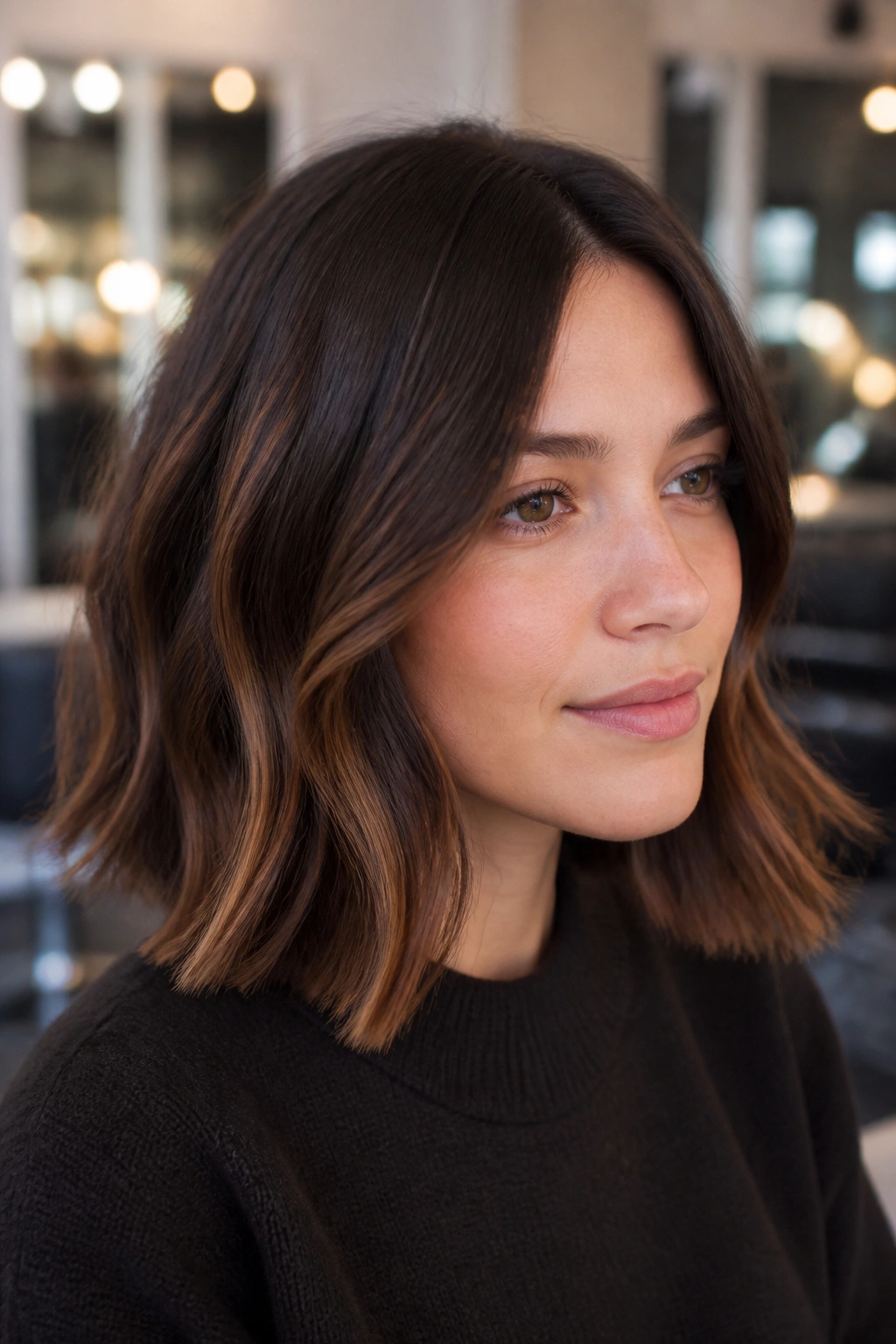
A lob gives hazelnut highlights enough room to show off, but not so much length that the color gets lost. On a chocolate brown lob, the right placement can make the cut look sharper, lighter, and more expensive without changing its shape.
The finish should be clean. I like this style best when the highlights sit just under the outer layer, with a few front pieces to keep the face from going too dark. A blunt lob can handle a little more contrast; a softly layered lob usually needs a gentler hand.
There’s a reason this combination gets requested so often. A lob already looks deliberate. Hazelnut just adds movement. The hair swings, the light lands on the ends, and suddenly the whole cut feels less heavy.
If you want the color to last, ask for a rooty finish. Chocolate brown grows out fast into a visible line if the highlights start too high. Keep the root soft, and the style behaves itself.
12. Hazelnut Peekaboo Panels
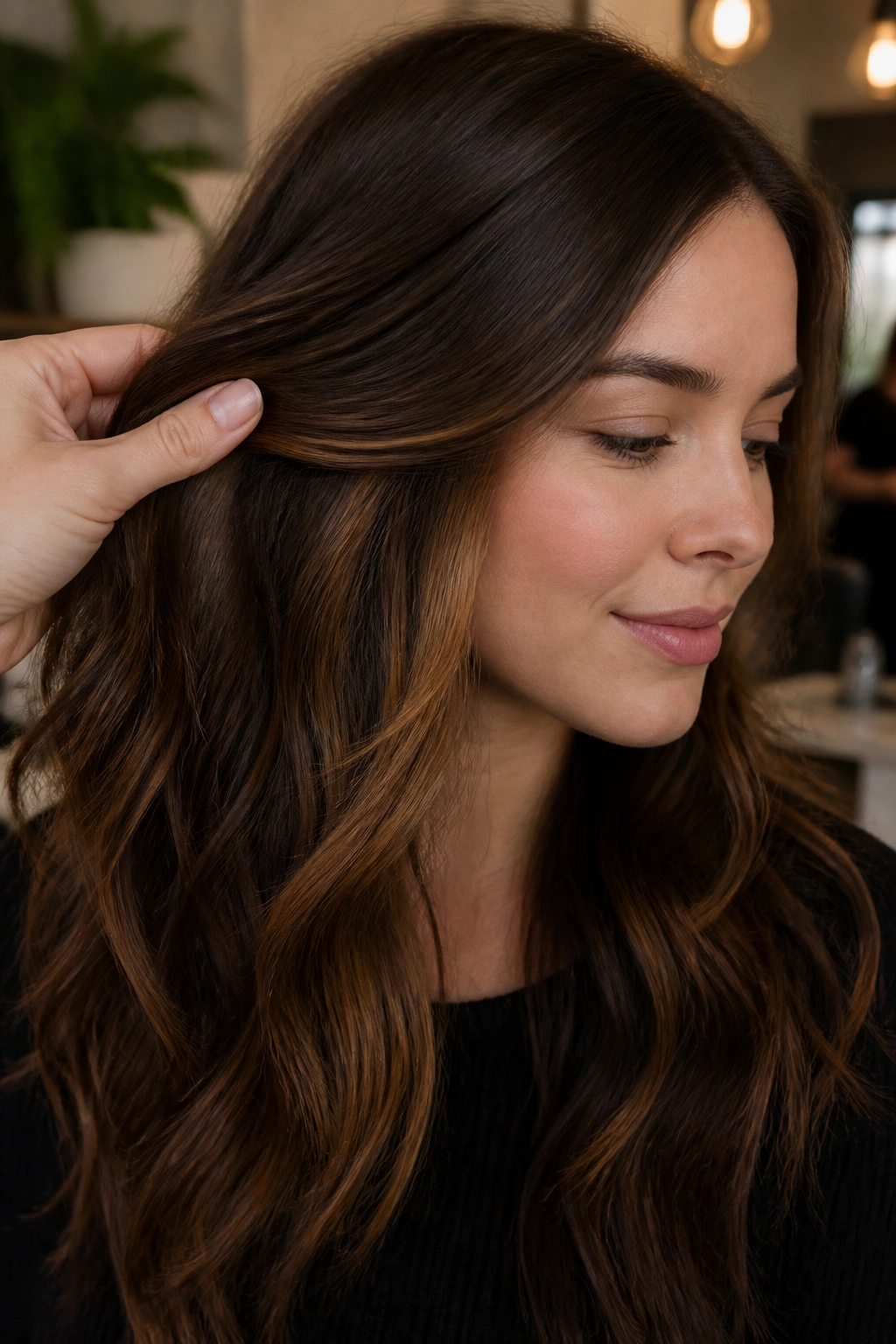
Peekaboo color is for people who like a little surprise. The hazelnut sits underneath the top layer, hidden until the hair moves, tucks behind an ear, or gets clipped up. On brown hair, that hidden flash can feel playful without becoming loud.
This placement works because it gives contrast in motion. You don’t see the color every second. You catch it. That makes it more interesting, honestly. A lot of one-note brunette color becomes predictable after a while, and peekaboo panels break that pattern.
The trick is choosing where the panels live. Under the crown? Around the nape? Beneath the side layers? Each choice changes how visible the color feels. I prefer it near the side and back if you want subtlety, or lower at the nape if you want a stronger reveal when hair is lifted.
It’s also one of the easier ways to test a brighter hazelnut without fully committing to all-over lightness. Smart move. Low risk, good payoff.
13. Warm Hazelnut Melt on Dark Brunette
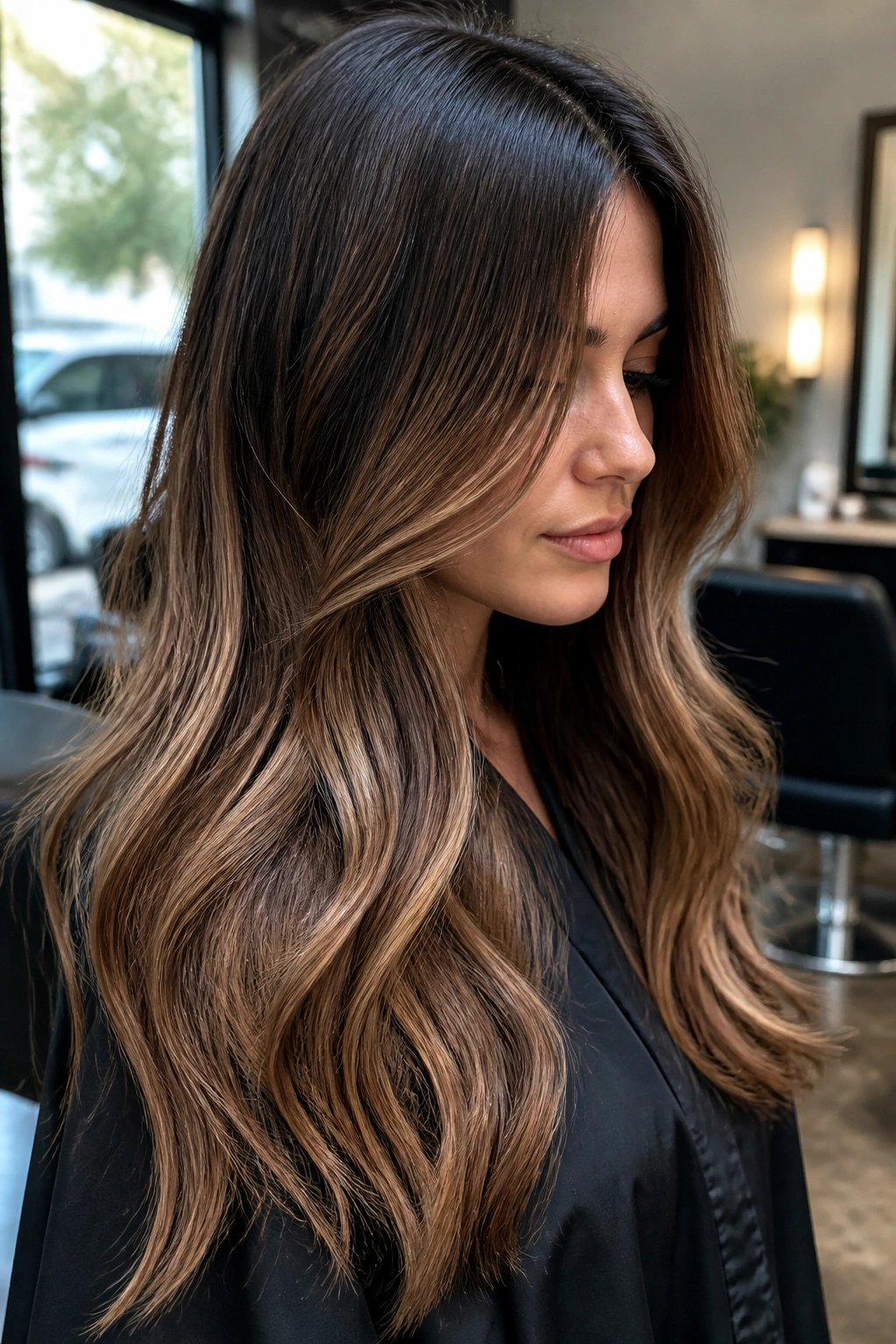
A color melt only works when the transition feels believable. Dark brunette roots sliding into warm hazelnut lengths can look rich and soft, but the blend has to be gradual. No hard line. No visible stop.
How the Melt Should Shift
Start with the deepest brown at the root area, then move through chestnut or cocoa in the mid-lengths before landing on hazelnut at the ends. That step-down in depth keeps the color from looking flat. It also helps the eye follow the movement of the hair.
This is a strong choice for long hair, especially if the ends tend to feel stringy. The lighter finish gives them a little more shape. On layered cuts, the melt can show up in different places as the hair moves, which keeps the color interesting.
A good melt should not look “done” in the stiff, obvious sense. It should look lived-in and carefully placed. That’s a better word for it. The closer the tones are to one another, the easier the grow-out.
If you want drama, this may not be your section. If you want richness, it’s a very good one.
14. Ash-Hazelnut Highlights for Cool Undertones
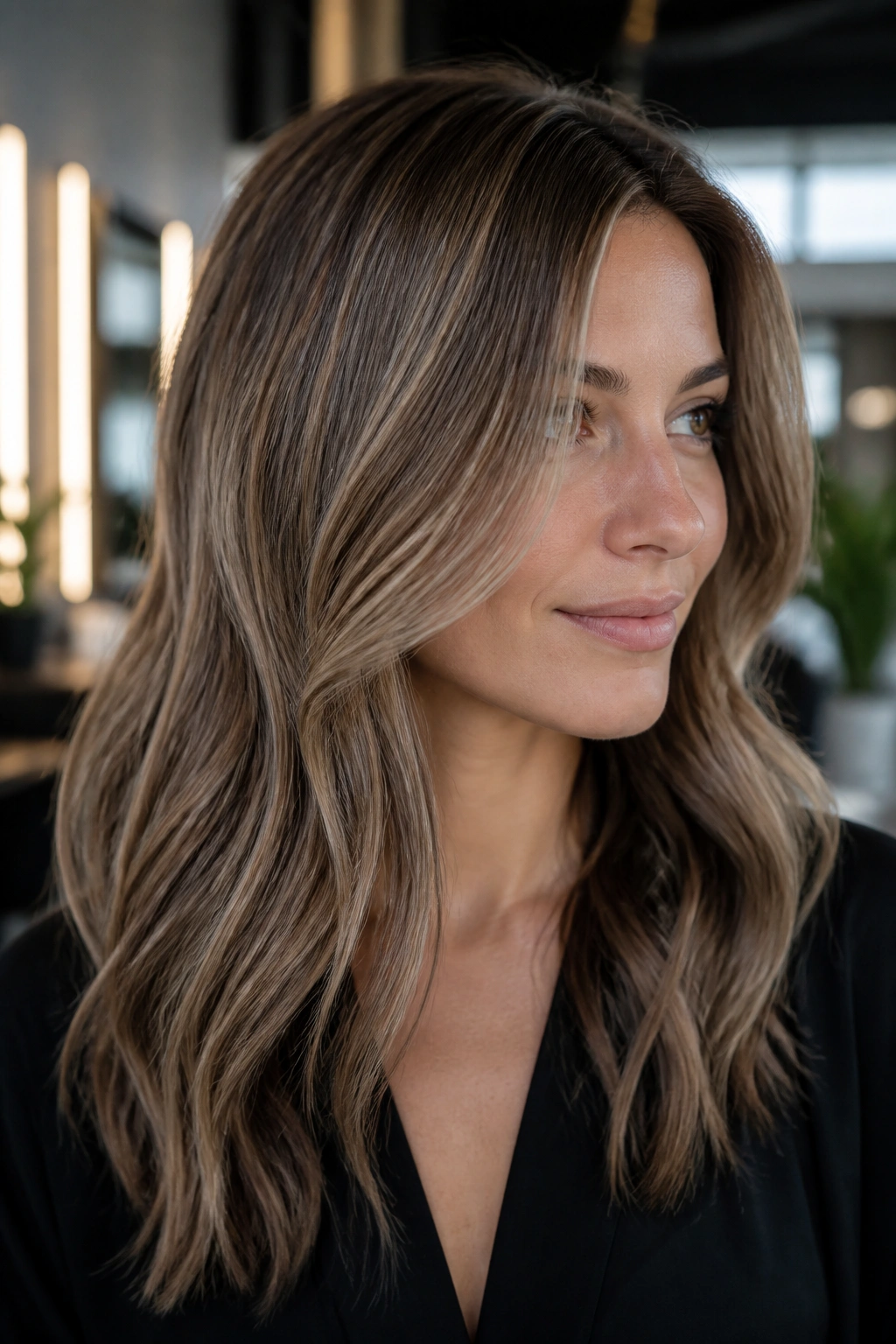
Can hazelnut be cool? Absolutely. People hear the word and imagine toasted gold, but hazelnut can lean beige, smoky, and even a touch ash-brown when the toner is handled right. That matters if your skin pulls pink or your wardrobe lives in cooler shades.
Cool hazelnut highlights on brown hair keep dimension without warming the whole face. The tone is softer than silver, warmer than mushroom brown, and easier to wear than a pale blonde that might fight your undertones. That middle ground is where a lot of brunettes look best.
What Makes It Different
- The highlight should look beige-brown, not golden.
- The base should stay neutral or slightly cool.
- The toner needs to cancel yellow, not erase warmth completely.
- The pieces should be fine enough to avoid a striped effect.
This is one of my favorite options for anyone who says, “I want something lighter, but not warm.” That sentence comes up constantly, and for good reason. Cool hazelnut usually solves it.
15. Hazelnut Around Curtain Bangs
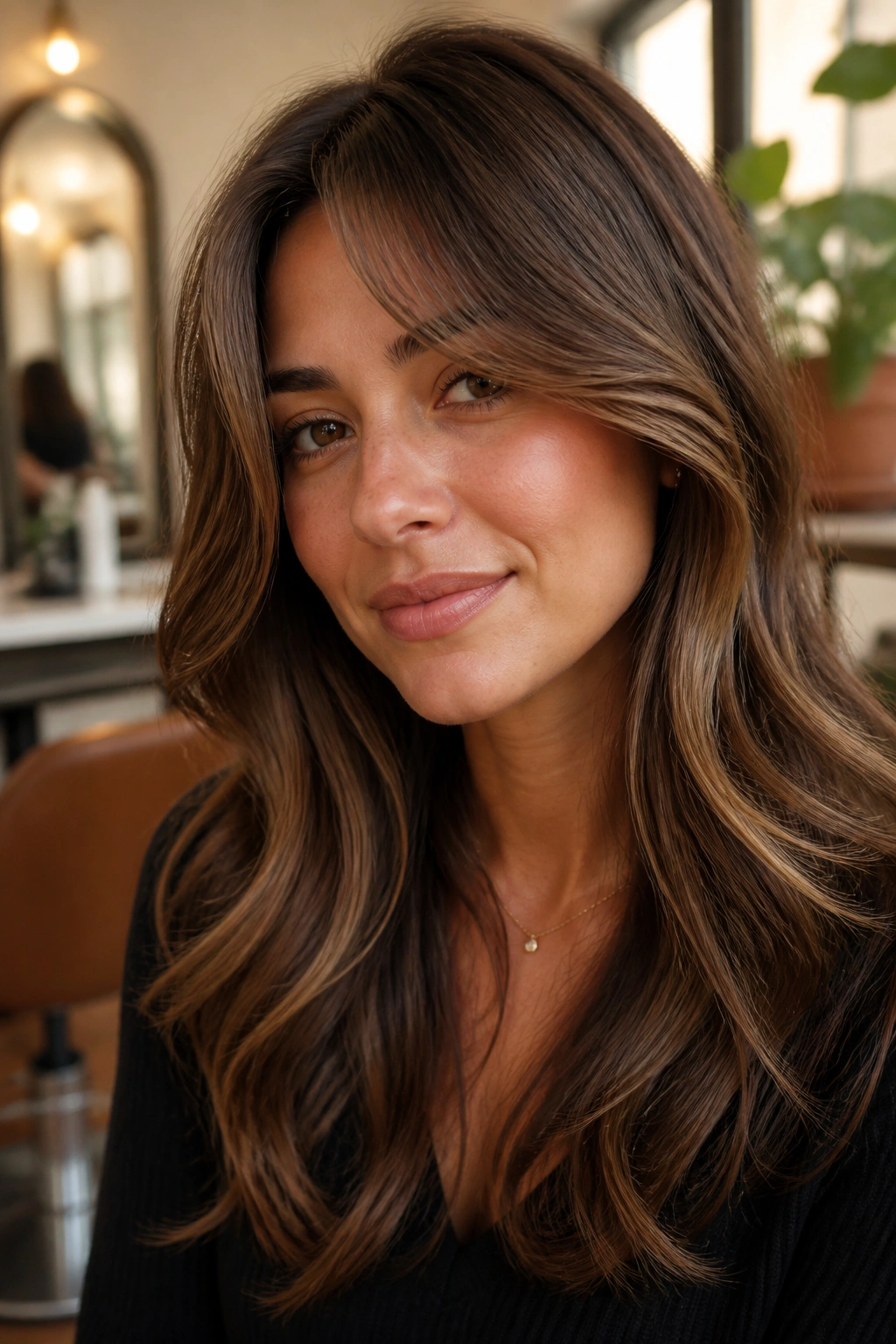
Curtain bangs need help. They can go heavy fast if the color is too flat, and hazelnut highlights around the fringe give them shape without turning them into a loud front section.
The best placement follows the fall of the bangs and the first face-framing layers. That way the color moves with the cut instead of sitting on top of it. If the bangs are textured, the highlight pieces should be soft and irregular. If they’re polished and smooth, the placement can be a little more even.
I like this look because it makes the bangs part of the haircut, not an afterthought. A few lighter strands around the fringe can also open the face in a gentler way than a full money piece. Less drama. More control.
If your bangs are short, keep the hazelnut subtle. Short fringe exposes everything, and a heavy highlight can take over. Longer curtain bangs can handle a bit more brightness, especially if the rest of the hair stays deep.
16. Hazelnut Streaks for Straight Blunt Cuts
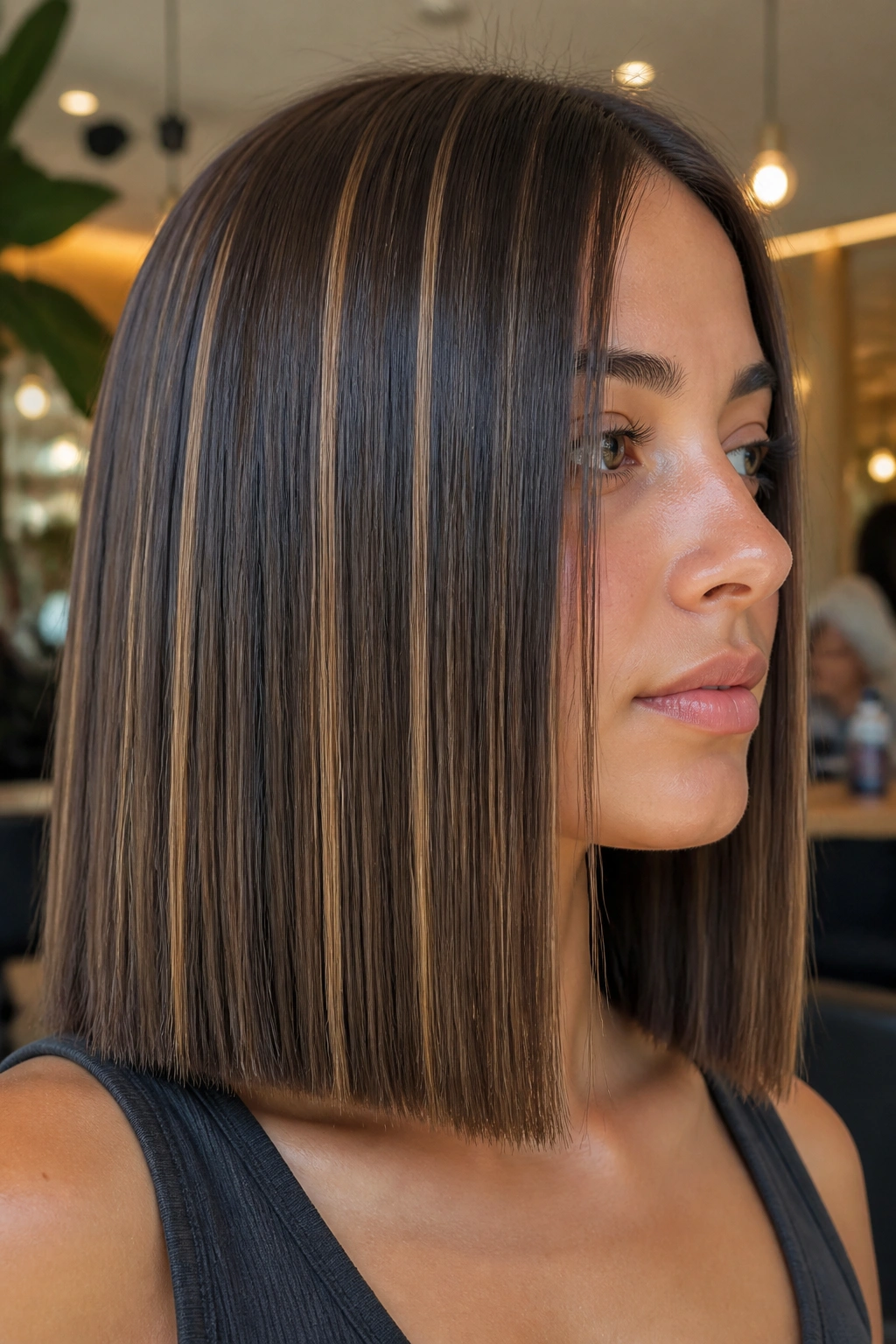
Straight, blunt hair is unforgiving. That’s not me being dramatic. It just is. Every highlight shows its edges more clearly, so hazelnut streaks need to be placed with a little extra care.
A blunt cut benefits from straighter highlight lines than a layered cut, because the hair itself is already graphic. Thin, vertical streaks can make the shape look sharper and more deliberate. If you go too soft, the color may disappear into the length. If you go too chunky, it can look dated fast.
This style is especially good when you want the haircut to stay the star. The hazelnut should act like light passing through the hair, not a pattern fighting the cut. Think clean, narrow, and evenly spaced.
One smart move is to keep the brightest pieces slightly farther from the ends. That keeps the line of the cut intact. It also stops the color from looking frayed at the bottom, which can happen on very straight hair if the lightness is too heavy.
17. Dimensional Hazelnut with Cinnamon Lowlights
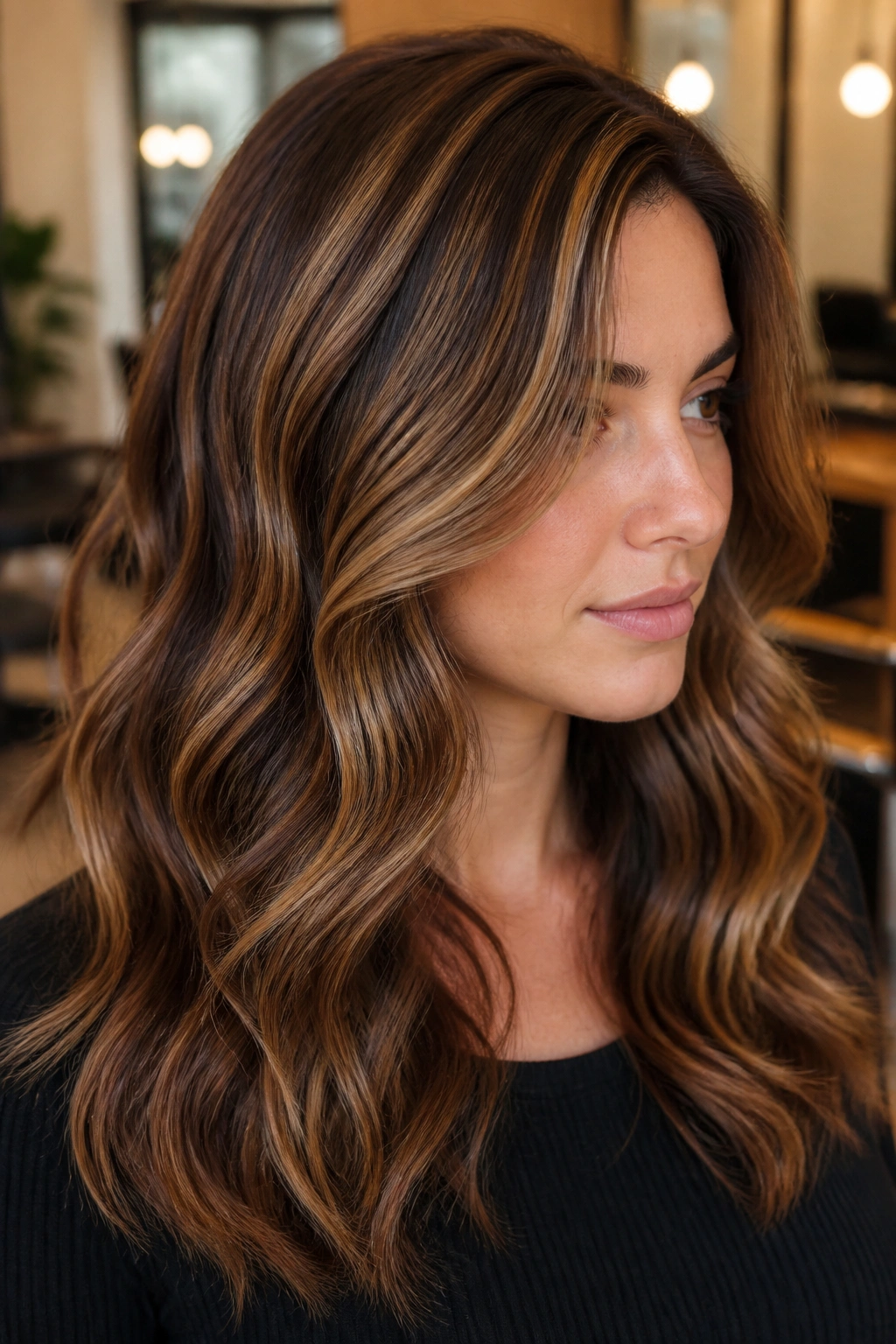
A brunette with highlights can still feel flat if every light piece is the same tone. Hazelnut plus cinnamon lowlights solves that. The hazelnut brings the brightness; the cinnamon adds a warmer shadow that keeps the color from looking thin.
Where This Combo Works Best
This is a strong choice for medium brown and dark brown hair that needs visual depth, especially if the hair is layered or textured. The darker cinnamon pieces sit under the hazelnut and stop the highlight pattern from becoming too airy. The result feels layered in the literal sense.
You do need balance. Too much cinnamon and the hair turns copper-heavy. Too much hazelnut and you lose the richness. The right mix feels like toasted brown with movement, not a color stripe chart.
I like this for people who want a brunette look with a little attitude. Not loud attitude. Just enough contrast to make the hair look intentional. The color changes every time the light changes, which is the part that keeps it interesting.
18. First-Appointment Hazelnut for Color Newcomers
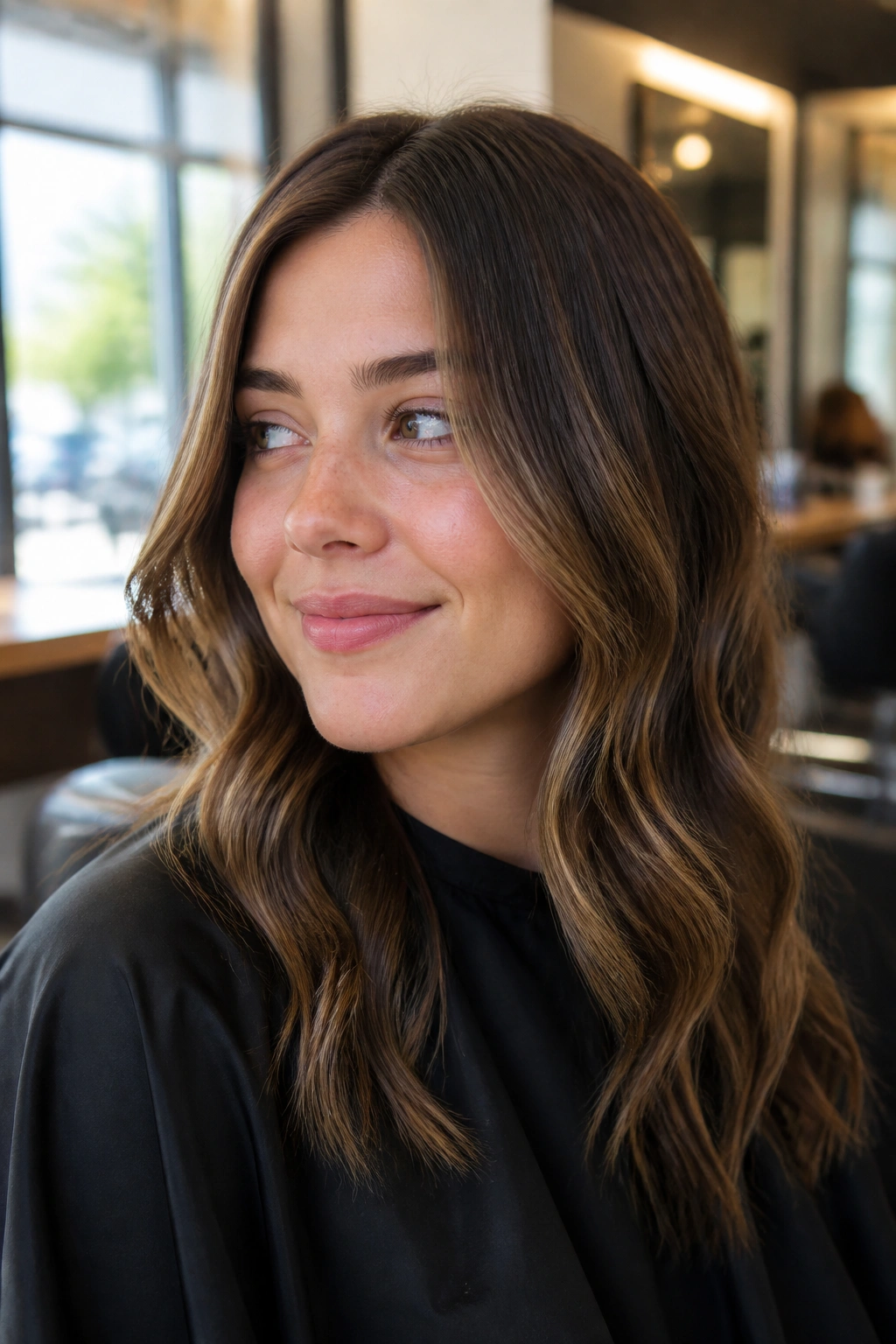
The first time you lighten brown hair, restraint is smart. Hazelnut is a good entry point because it lives close enough to brunette that the grow-out feels manageable, but it still gives you a visible change.
If you are nervous, ask for fewer foils and finer slices around the face and crown. The goal is to learn how your hair holds tone before you commit to a bigger pattern. Hair texture matters here. Porous ends will go lighter faster and may need less processing than healthy mids.
This is where a lot of people get tripped up: they ask for “brown with dimension” and end up with too much contrast. Hazelnut solves that if you keep the lift modest. One to two levels lighter than the base is often enough for a first visit.
A soft toner matters, too. If the highlights come out too golden, the whole thing can feel brassy instead of polished. Ask for a beige finish if you want the safest middle road.
19. Sun-Kissed Hazelnut on Long Layers
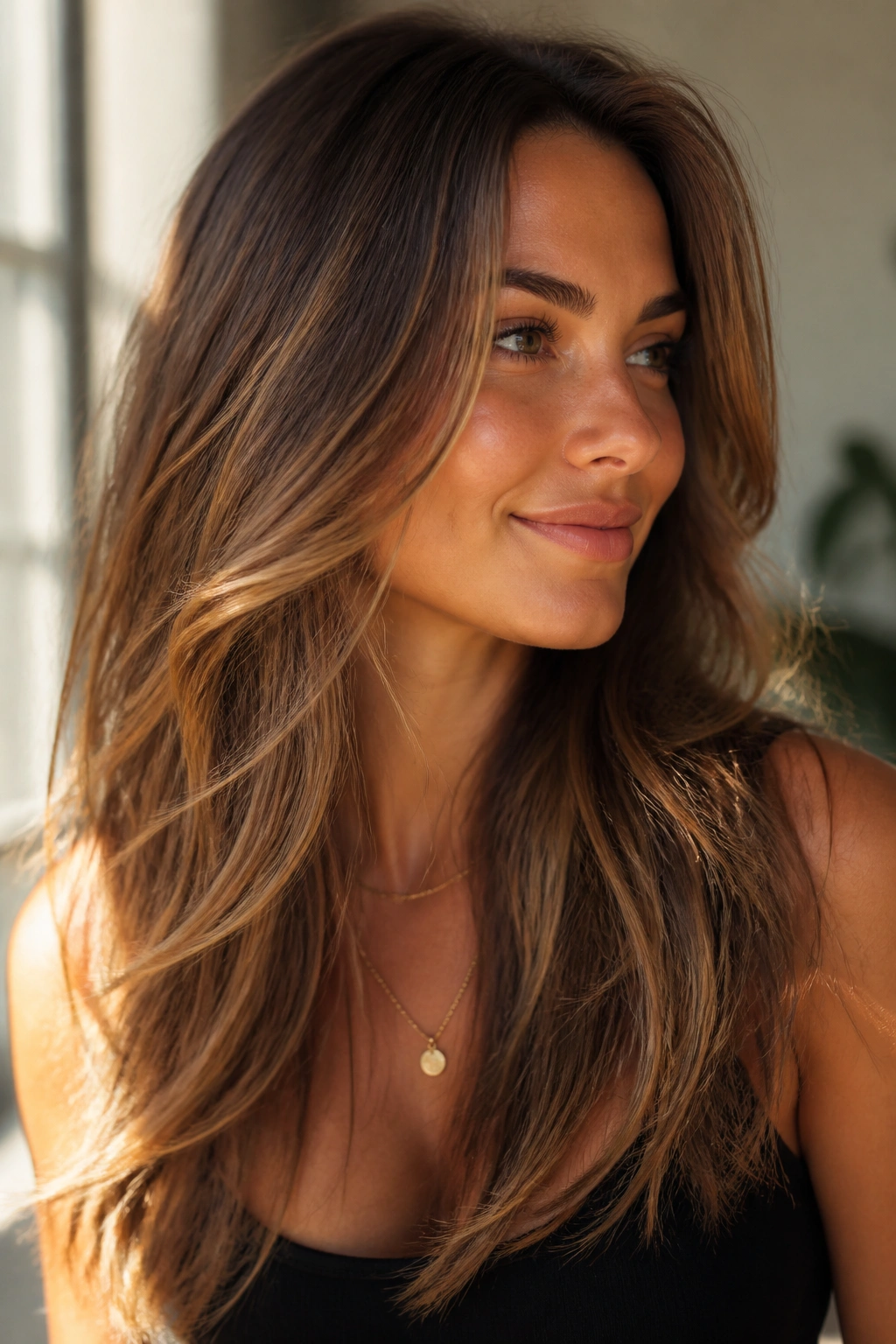
Long layers were made for hazelnut highlights. The movement in the cut gives the color somewhere to go, and the lighter pieces can trail through the ends without making the hair look thin.
This is not about obvious blonde ribbons. It’s about the illusion of light moving through the lengths. The top stays rich, the mid-lengths get a gentle lift, and the ends carry enough hazelnut to keep the whole thing from sinking into darkness.
Long hair can look heavy when it’s all one brunette tone, especially if the texture is straight or slightly coarse. Hazelnut breaks that up in a way that still feels grown-up. It doesn’t need to be loud to be effective.
If your layers are soft and blended, keep the highlight placement soft too. If the layers are dramatic, you can push the contrast a little more. The haircut should tell you how bold the color can be.
20. Hazelnut on Wavy Hair with Airy Placement
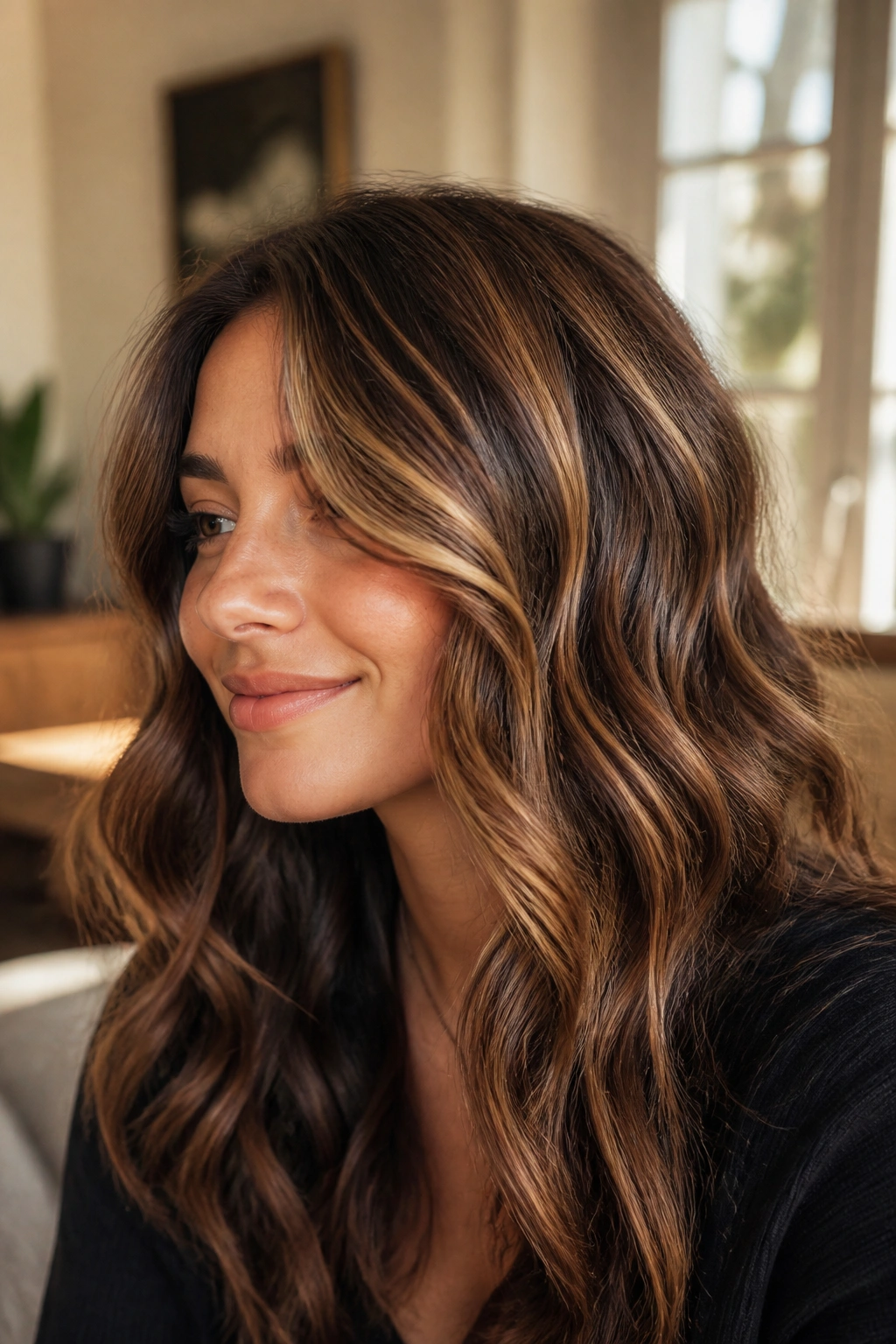
Waves do half the work for you. The bends create natural breaks in the color, so hazelnut highlights on wavy brown hair often look airier than the same color on straight hair. That’s especially true when the highlight placement follows the S-shape of the wave.
The best result comes from scattering the lighter pieces where the hair naturally bends and lifts. You do not need even coverage. In fact, even coverage can make wavy hair look too neat, which is usually not the point. A little unevenness looks better.
How to Keep It Soft
- Put some lightness around the crown, not only the ends.
- Leave a few deeper pieces between highlight sections.
- Keep the toner beige or golden-brown, depending on how warm you want the finish.
- Avoid over-lightening the very bottom, or the waves can look stringy.
Wavy hair likes breathing room. Hazelnut gives it that. The hair swings, the color shifts, and the whole style looks like it has more body than it actually does.
21. High-Contrast Hazelnut on Very Dark Brown
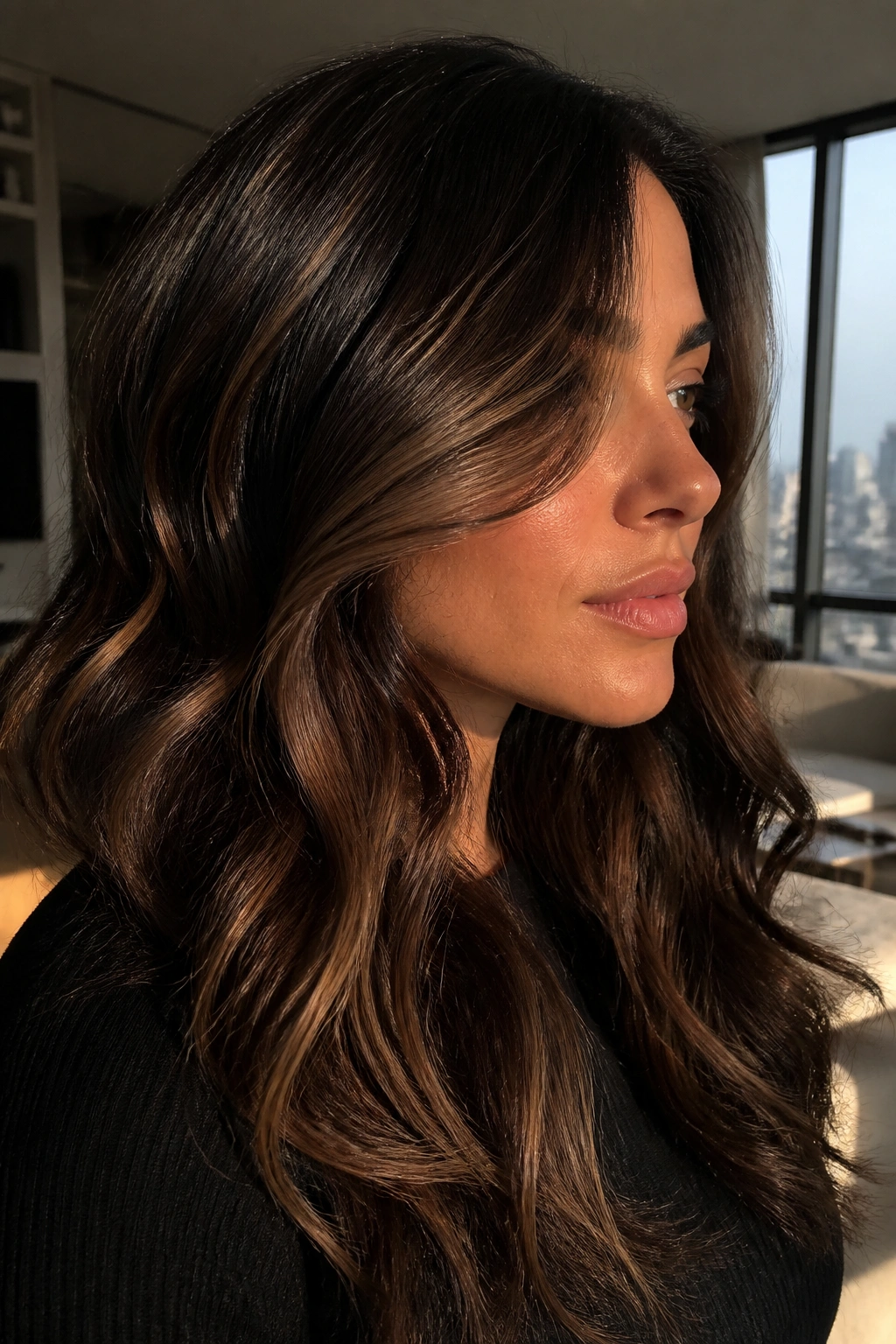
Very dark brown hair can take hazelnut in a dramatic direction, and I mean that in the good way. If the base is deep enough, even a medium hazelnut highlight can show up with real contrast. That can look sleek, modern, and a little moody.
The trick is not to overdo the brightness. On very dark hair, a huge jump to pale brown can look patchy. Better to keep the highlights in the toasted-brown family so they stay believable against the base. The hair should still read brunette first.
This style is strong on straight hair and striking on glossy curls. It can also make features stand out more because the contrast frames the face and reflects light near the outer layers. Not subtle. Not screaming. Somewhere in the middle, and that’s the sweet spot.
If your hair has been dyed black or very dark brown, lifting to hazelnut may take patience. That’s not a flaw. It’s the reality of dark pigment. A careful lift keeps the hair in better shape than trying to force it lighter all at once.
22. Soft Hazelnut Ribboning That Grows Out Cleanly
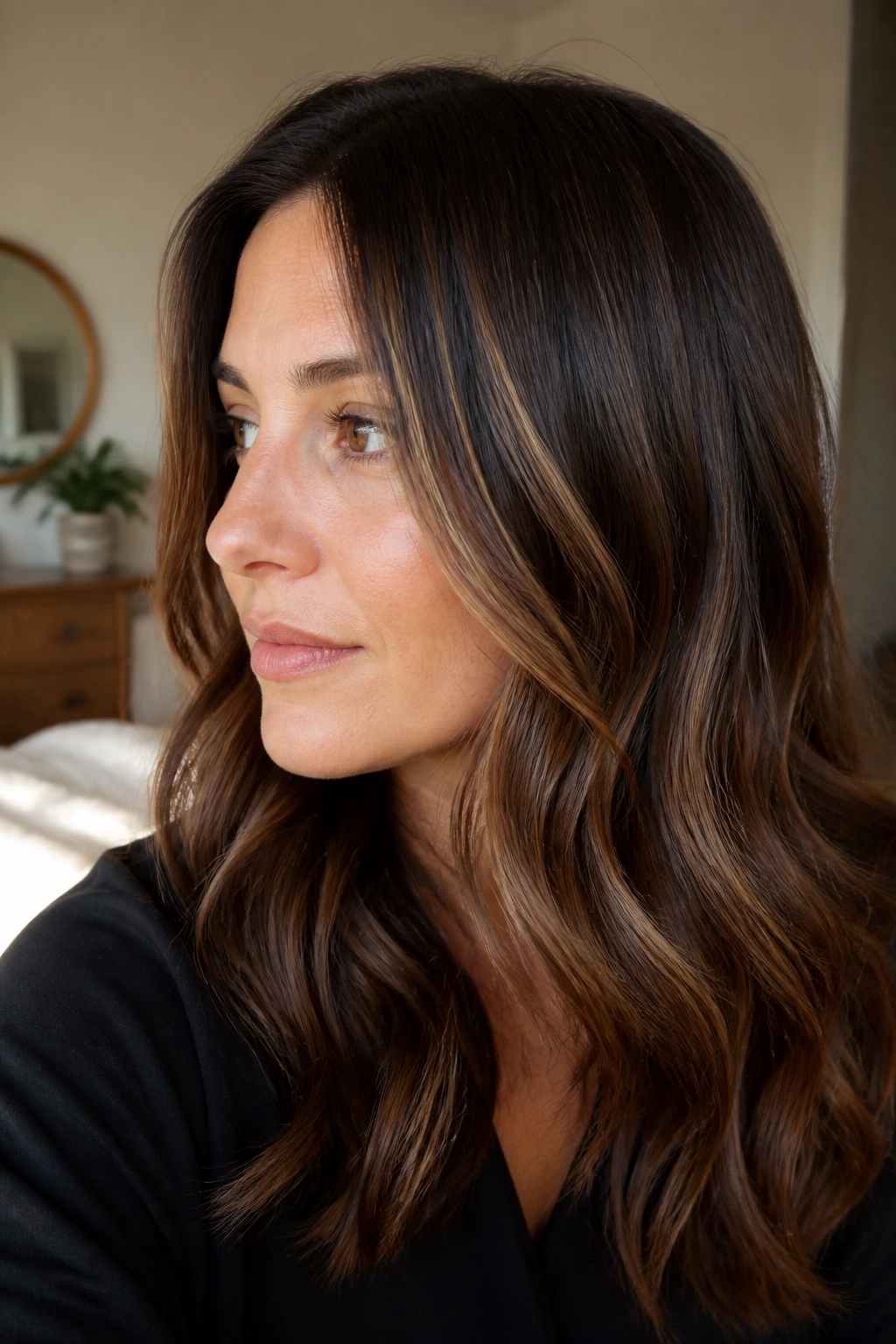
Some highlight looks age well. Others look great on day one and then start arguing with the root line two weeks later. Soft hazelnut ribboning belongs in the first group.
The reason is simple: the pieces are spaced enough to keep the base visible, and the hazelnut shade stays close enough to brunette that regrowth doesn’t create a harsh shelf. That makes it one of the easiest hazelnut looks to live with if you don’t want constant salon visits.
I especially like this on medium-to-dark brown hair with a natural wave or bend. The ribbons show when the hair moves, then disappear a little when it settles. That shift keeps the style from going flat. It also makes the color feel more natural, which is often what people are after when they ask for dimension.
If you want one practical rule to keep in your head, use this: the best hazelnut highlights should make brown hair look richer before they make it look lighter. That’s the line I keep coming back to, because it keeps the look grounded. And grounded hair color ages well. It just does.
