



Fine hair is often treated like a problem that needs to be fixed. You’ve likely heard the advice a dozen times: use volumizing sprays, backcomb until your arms ache, or avoid certain cuts entirely because they lack “density.” But that approach is completely wrong. Fine hair isn’t a flaw; it’s a texture. When you stop fighting it and start cutting it with intent, fine hair becomes a powerful tool for edgy, high-fashion styles that thicker, coarser hair simply cannot hold.
The secret to making fine hair look deliberate rather than thin lies in structure and movement. You need angles, you need weight removal, and you need to embrace the shattered, piecey quality that fine strands naturally want to do. If you try to force fine hair into a blunt, heavy shape, it will look limp within an hour. But if you cut into it, texturize it, and lean into the grit, you get that effortless, cool-girl vibe that every stylist chases.
Stop looking for ways to make your hair look like someone else’s. Instead, look for cuts that highlight the airy, wispy, and sharp qualities inherent to your hair type. Here are twenty ways to cut fine hair that don’t just work with your texture—they weaponize it.
1. The Razor-Cut Shag Bob
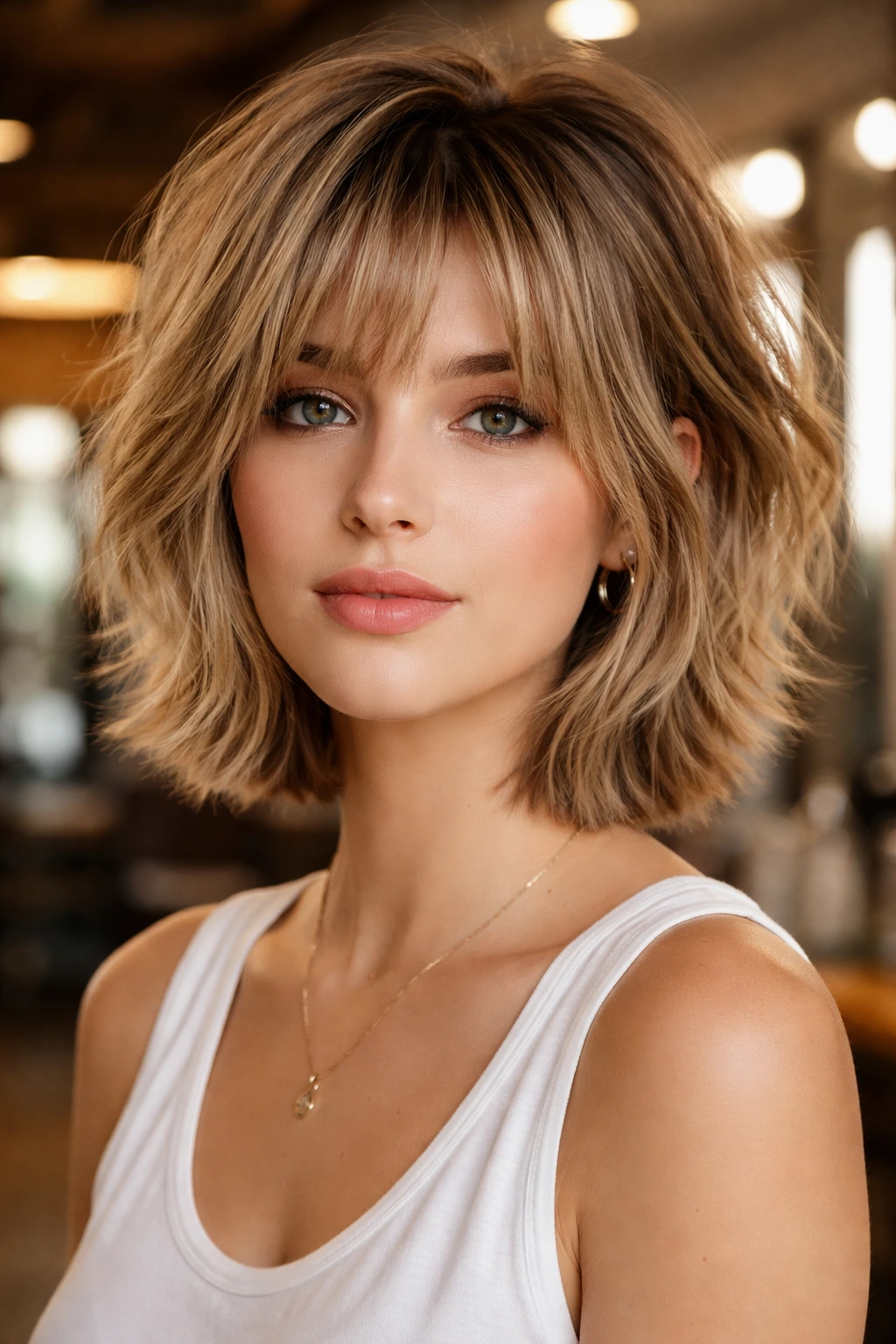
The razor is the MVP of fine hair styling, and the shag bob is its best application. Using a straight razor allows a stylist to remove weight while creating varying lengths of ends, which is critical for fine hair. This cut relies on internal layers that stack up to create volume without the need for heavy, blunt ends that just drag everything down.
Why It Works for Fine Hair
When you use scissors, you get a clean line. When you use a razor, you get a tapered, feathered edge. This tapering makes fine hair look like it has more movement. The shag look itself—defined by shorter layers at the crown and longer, wispy layers framing the face—builds height naturally. You aren’t forcing the hair to stand up; you’re cutting it so it falls that way.
How to Style This Cut
- Use a sea salt spray on damp hair to encourage the razor-cut layers to piece together.
- Avoid heavy creams or oils that will weigh the crown down and kill the shag effect.
- Blow-dry using a diffuser, gently scrunching the hair to enhance the natural wave that fine hair often possesses when it’s freed from the weight of length.
Pro tip: Tell your stylist to keep the razor cuts “shattered,” not “thin.” There is a fine line between edgy texture and over-thinned, straggly ends.
2. The Asymmetrical Undercut Bob
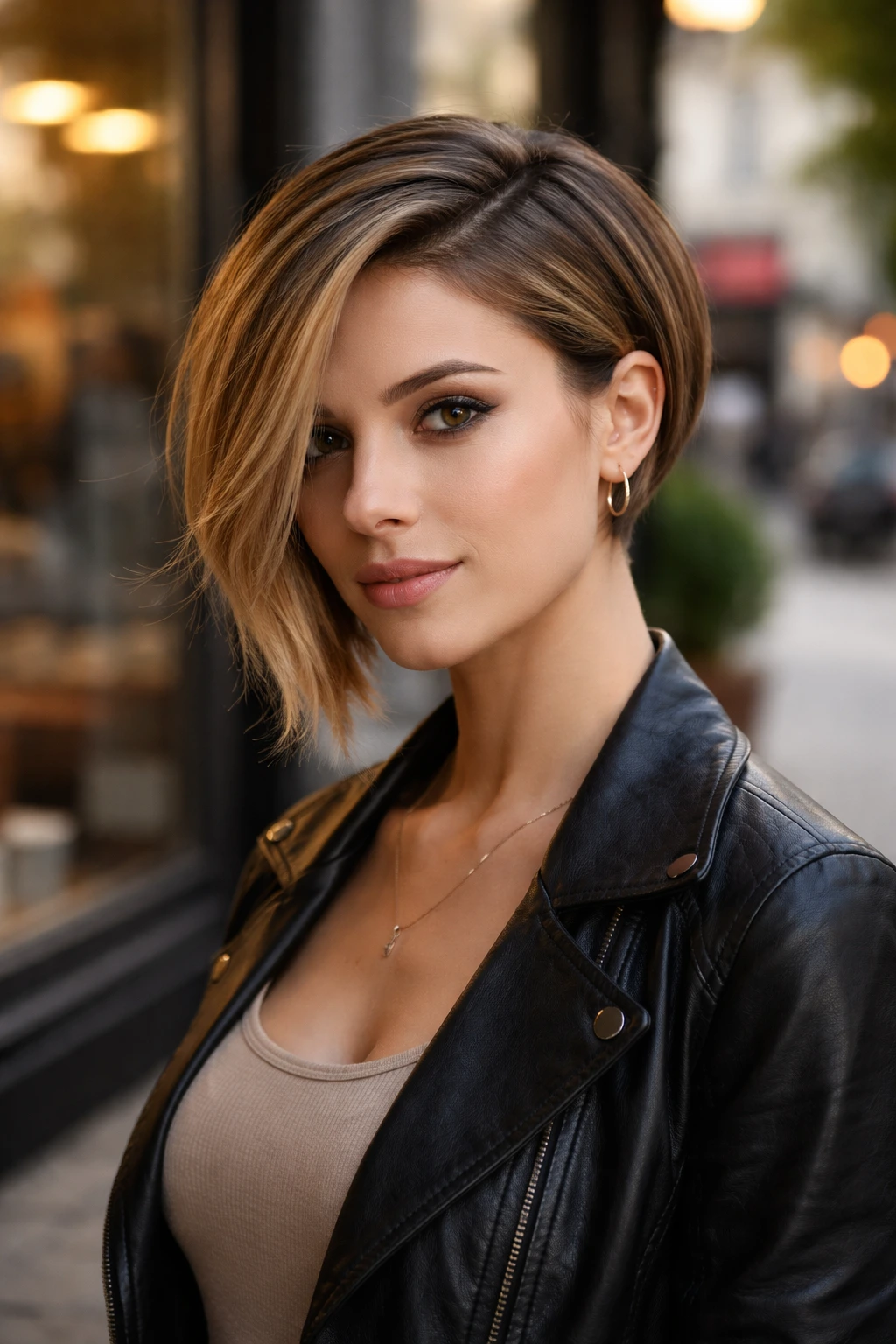
Asymmetry is an aggressive way to balance the lack of density in fine hair. By cutting one side significantly shorter than the other—or even introducing a subtle, tight undercut at the nape—you force the eye to focus on the geometry of the cut rather than the thickness of the individual strands.
The key to this style is the contrast. You want one side to hit the jawline perfectly, while the other side sits shorter, maybe just below the earlobe. Because fine hair is lightweight, it hangs beautifully in asymmetrical shapes, swinging away from the face without dragging down your features.
It’s bold. It’s definitely not for everyone. But if you have the confidence to carry a shorter, tighter, more angular look, it’s one of the best ways to frame a face. The shorter side acts as a visual anchor, making the slightly longer side look purposeful and intentional rather than just “growing out.”
3. The Blunt Jaw-Line Bob with Micro-Bangs
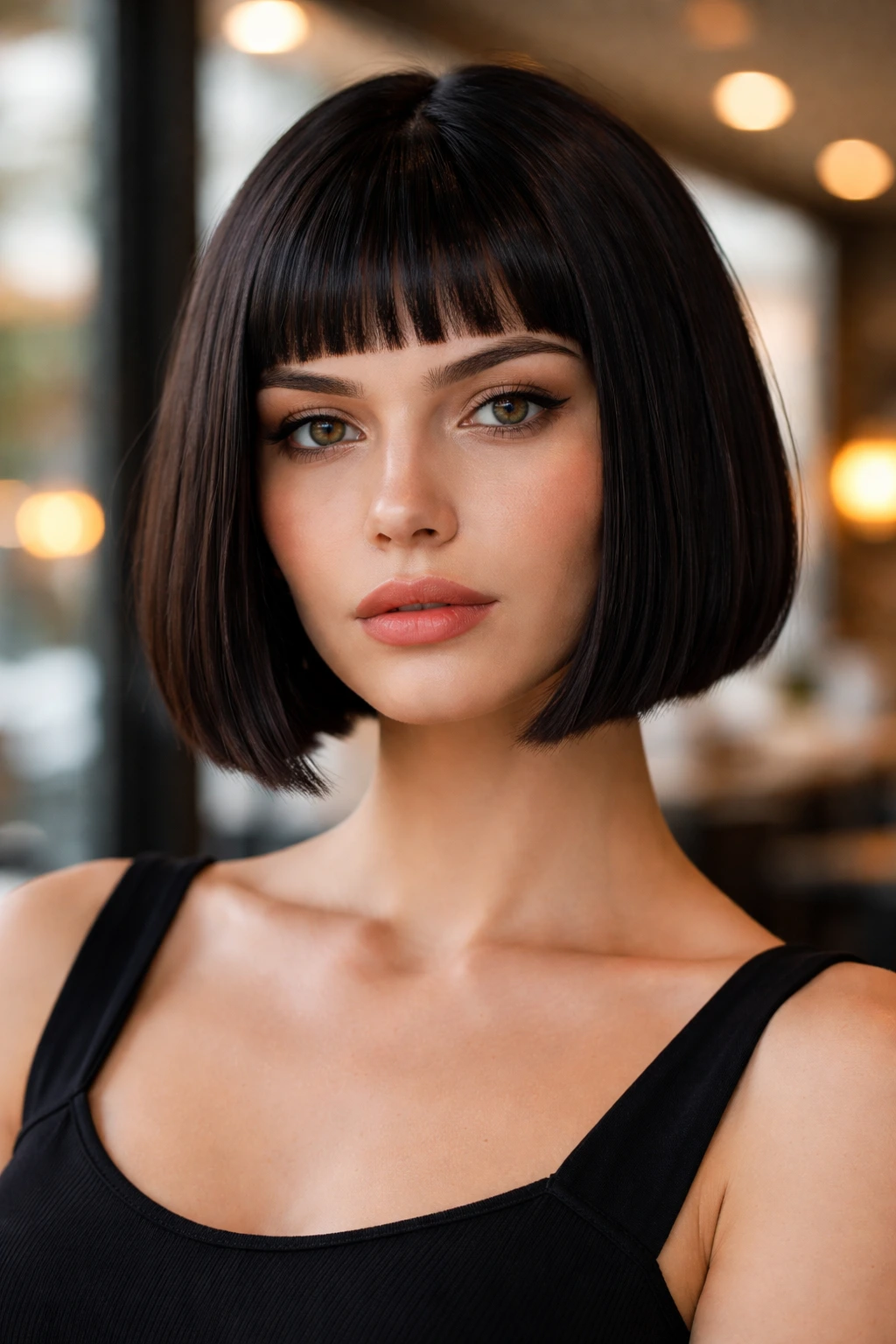
You might have heard that fine hair should never be cut in a blunt line, but that’s a myth. A razor-sharp, blunt bob at the jawline can look incredibly chic and expensive. The trick? The bangs. By adding micro-bangs—those very short, straight-across bangs that sit well above the eyebrows—you draw attention upward to the eyes and cheekbones.
The Science of the Blunt Cut
Fine hair tends to look “wispy” at the ends when left too long. By chopping it all to one length, you remove all that dead weight. The perimeter becomes the focal point. It makes the hair look instantly denser, even if the individual strands haven’t changed.
Why Micro-Bangs Help
- They consume a portion of the hair from the front, which creates a concentrated area of thickness.
- They break up the silhouette, making the bob feel edgy and modern rather than like a school-girl cut.
- They require minimal styling; a quick pass with a flat iron is usually all you need to keep that crisp line.
4. The Textured Choppy Inverted Bob
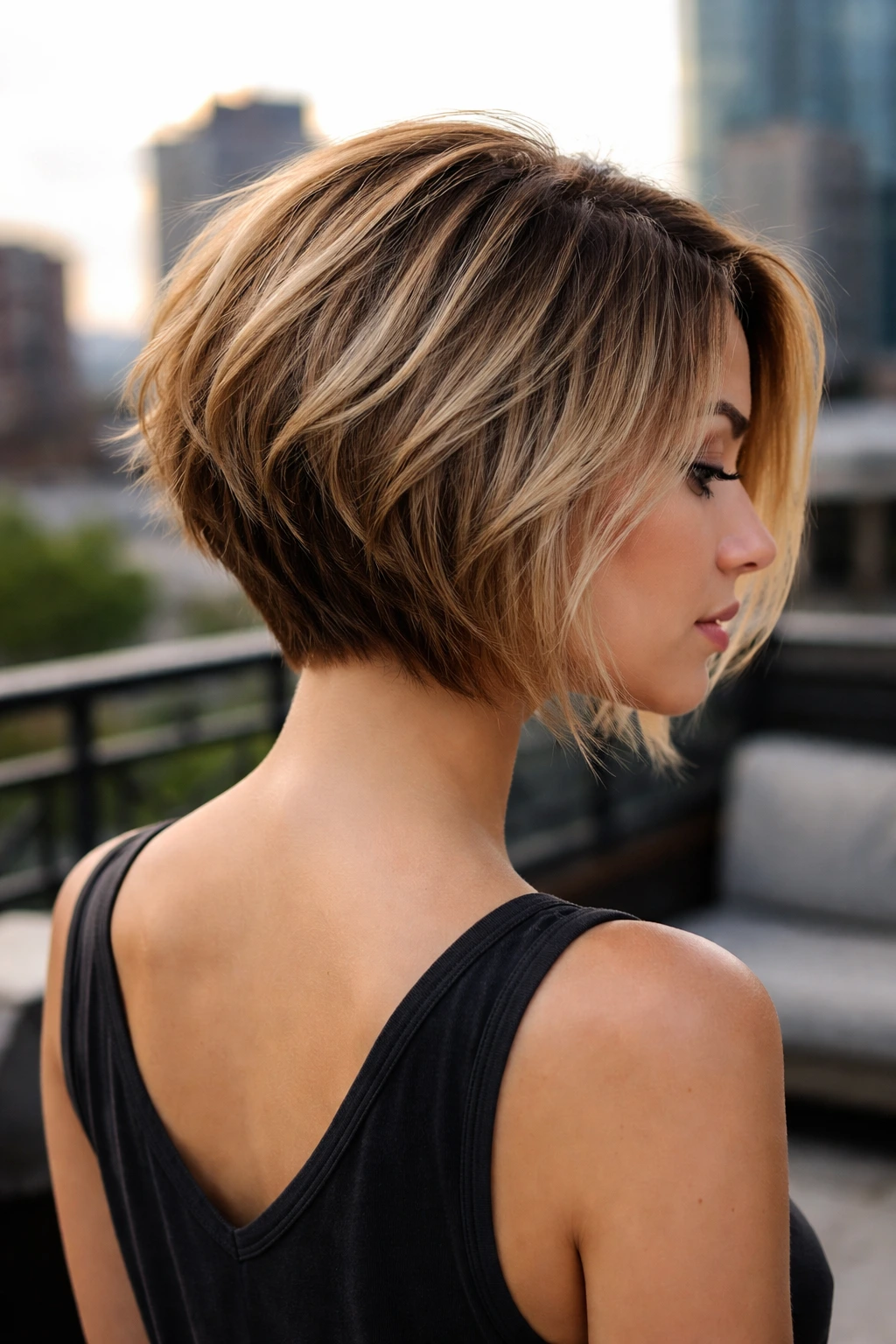
The inverted bob, or the “stacked” bob, involves keeping the back significantly shorter than the front. For fine hair, this is brilliant because the shorter, stacked layers at the nape create a natural cushion of volume. You get lift without having to use a pound of hairspray.
I’ve seen many clients with fine hair gravitate toward this style because it’s the ultimate “low-effort” cut. The back is short and punchy, requiring zero maintenance, while the front frames the face. If you go for a “choppy” finish, your stylist will use point-cutting—snipping into the ends vertically—to ensure the texture is uneven and messy, not perfect and rounded.
5. The Messy Beach-Wave Lob
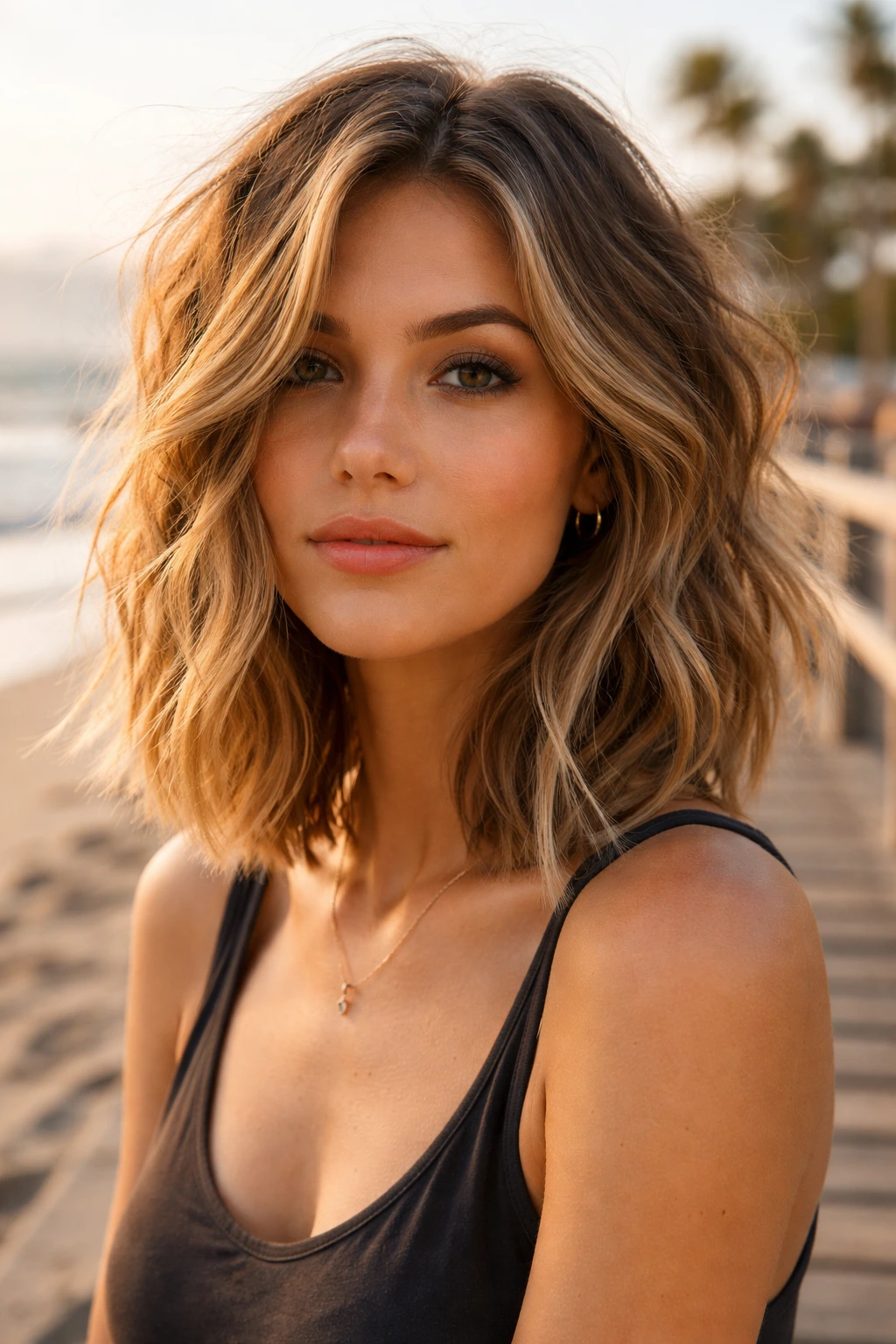
The long bob, or “lob,” is the bridge between short and long. For fine hair, the danger zone is when the hair gets long enough to pull straight. Keep it at the collarbone. Any longer, and the weight of the hair will flatten your roots.
The beauty of the messy lob is that it’s supposed to look like you just rolled out of bed. Because fine hair holds a curl well but hates to stay straight, this style plays to your strengths. You use a texture paste to rough it up, maybe a quick wave with a wand, and you’re done. It’s soft, it’s romantic, and it’s undeniably edgy if you pair it with a lived-in color, like a root smudge or a balayage.
6. The Sleek “Glass” Blunt Bob
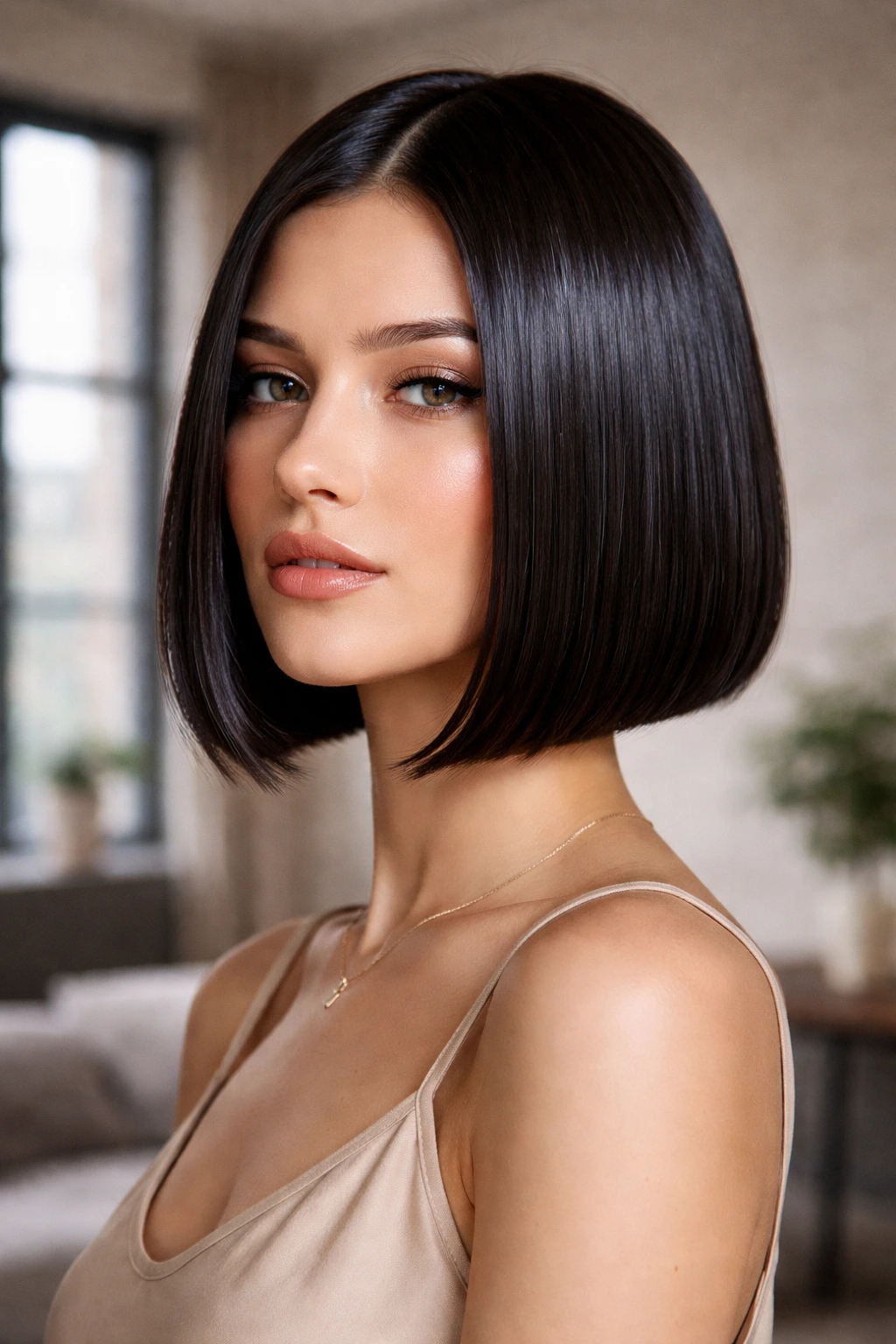
If you crave the editorial look, go for the glass bob. This is a one-length cut that sits right at the chin. It is precision-cut, perfectly blunt, and styled to be incredibly shiny and straight. It works for fine hair because it mimics the texture of silk.
When your hair is fine, it already has a tendency to be soft. Instead of fighting that softness with texturizing products, lean into it. A glass bob is all about luster and smoothness. It looks best when it’s absolutely flawless. This is a high-maintenance cut, mind you. You need a good flat iron, a quality heat protectant, and a glossing serum to pull it off. But the payoff? A sophisticated, razor-sharp look that screams high-end fashion.
7. The Piecey Layers French Bob
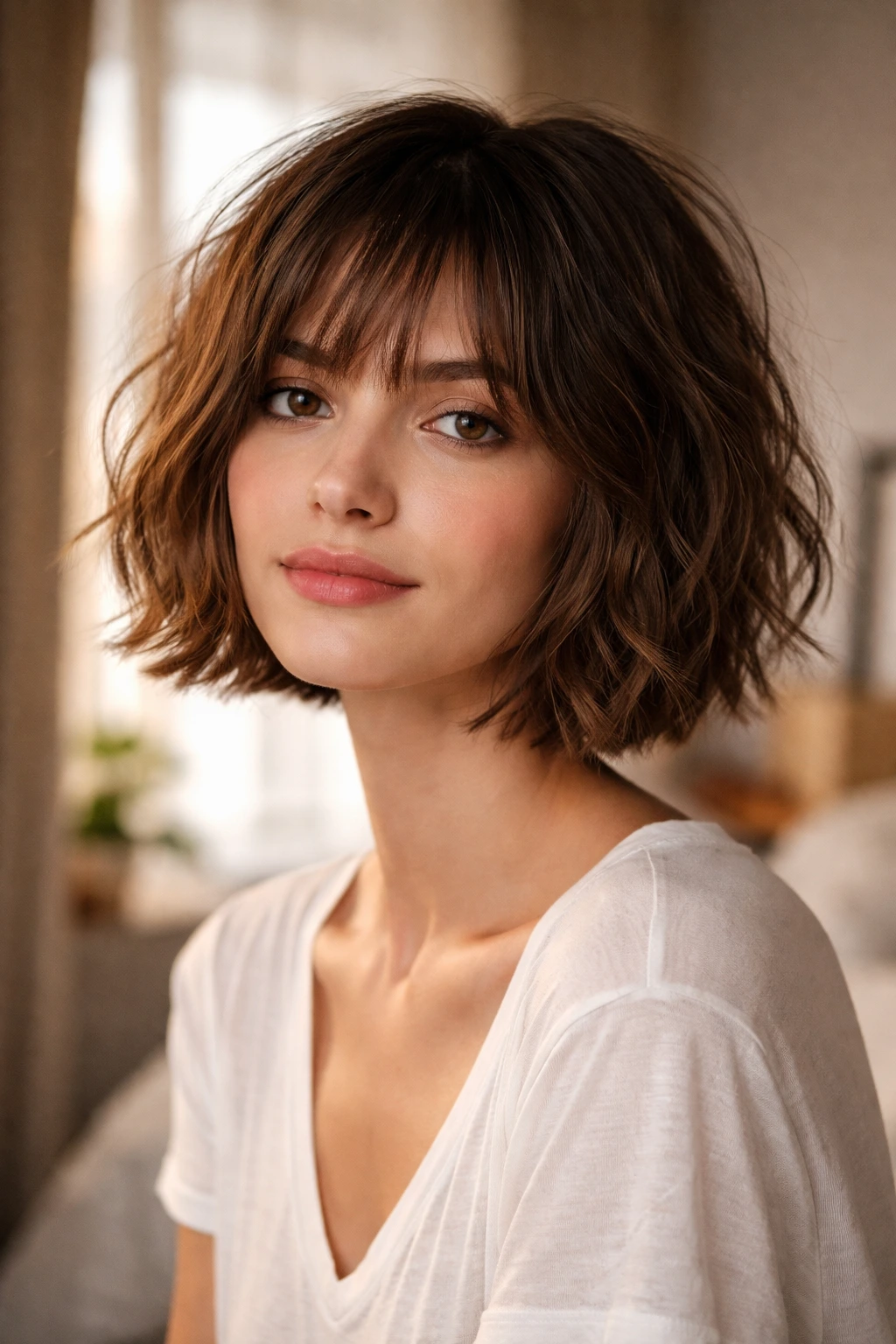
Think of the quintessential 1920s flapper bob, but stripped of the rigid structure. The French bob is typically chin-length or even shorter, often hitting right at the mouth. It’s meant to be worn air-dried and a little bit wild.
Why It’s Perfect for Fine Texture
- The shortness eliminates the gravity that usually flattens fine hair.
- The “piecey” element comes from soft, internal layers that let the hair settle into a messy, tucked-behind-the-ears style.
- It’s inherently low-maintenance. You can just scrunch a bit of styling cream into damp hair and let it do its thing.
Essential Styling Tip
Don’t use a brush. Ever. Brushing this cut will make it puffy and lose the definition you spent time creating. Use your fingers to rake the product through, and then walk away.
8. The Platinum Grunge Bob
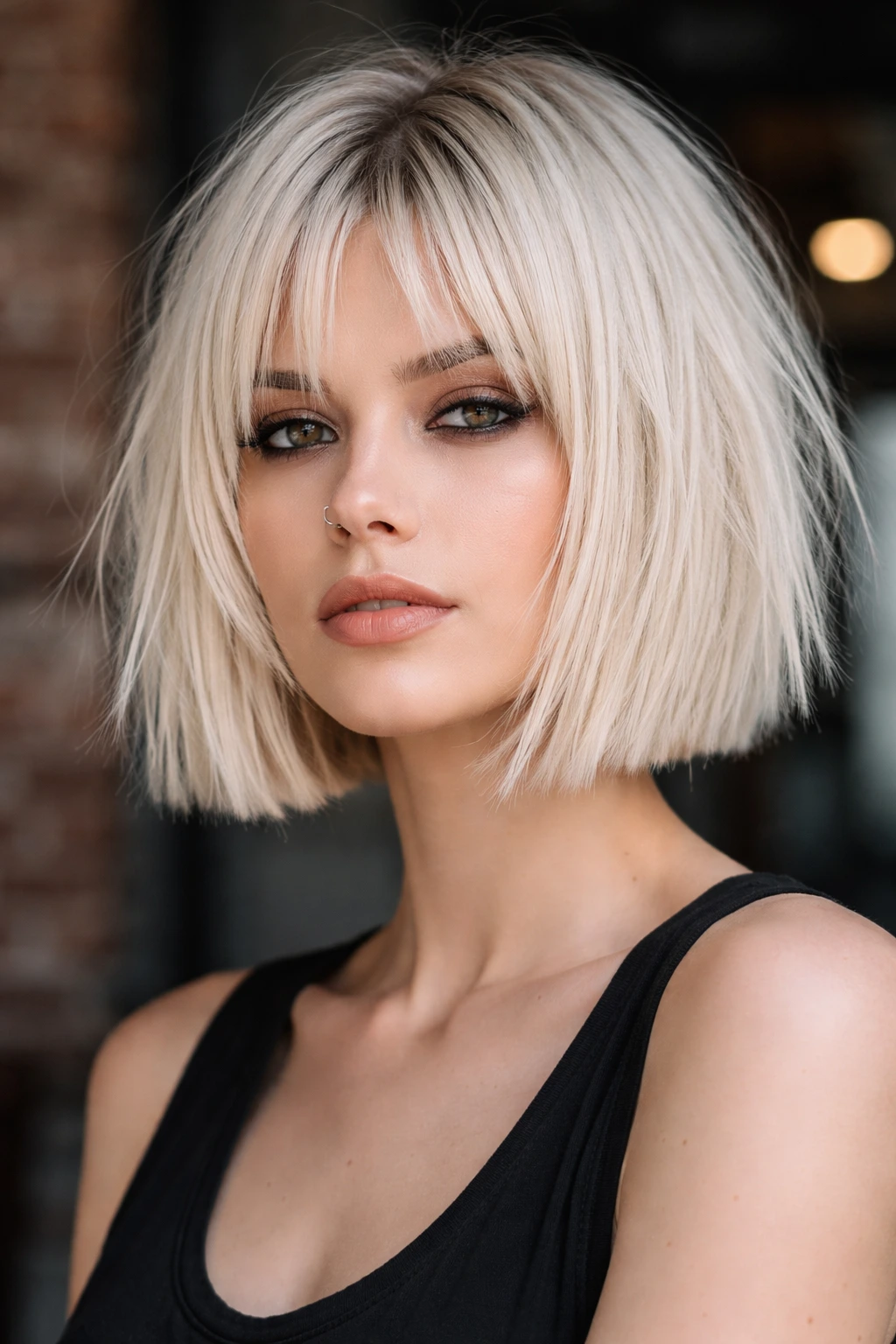
Sometimes, the best way to handle fine hair is to alter the texture of the strand itself. Bleaching your hair to a bright, icy platinum (with the help of a professional, of course) creates a chemical reaction that swells the hair cuticle.
Yes, it’s damage, but it’s intentional damage. This process makes the hair feel coarser and thicker, which is a massive advantage for fine hair styling. A platinum bob, cut with blunt ends and a little bit of jagged texture, looks impossibly cool and edgy. It’s the “model off-duty” look. Just be prepared for the upkeep—this isn’t a “set it and forget it” style. You’ll be in the salon for root touch-ups regularly.
9. The Deep Side-Parted Messy Bob
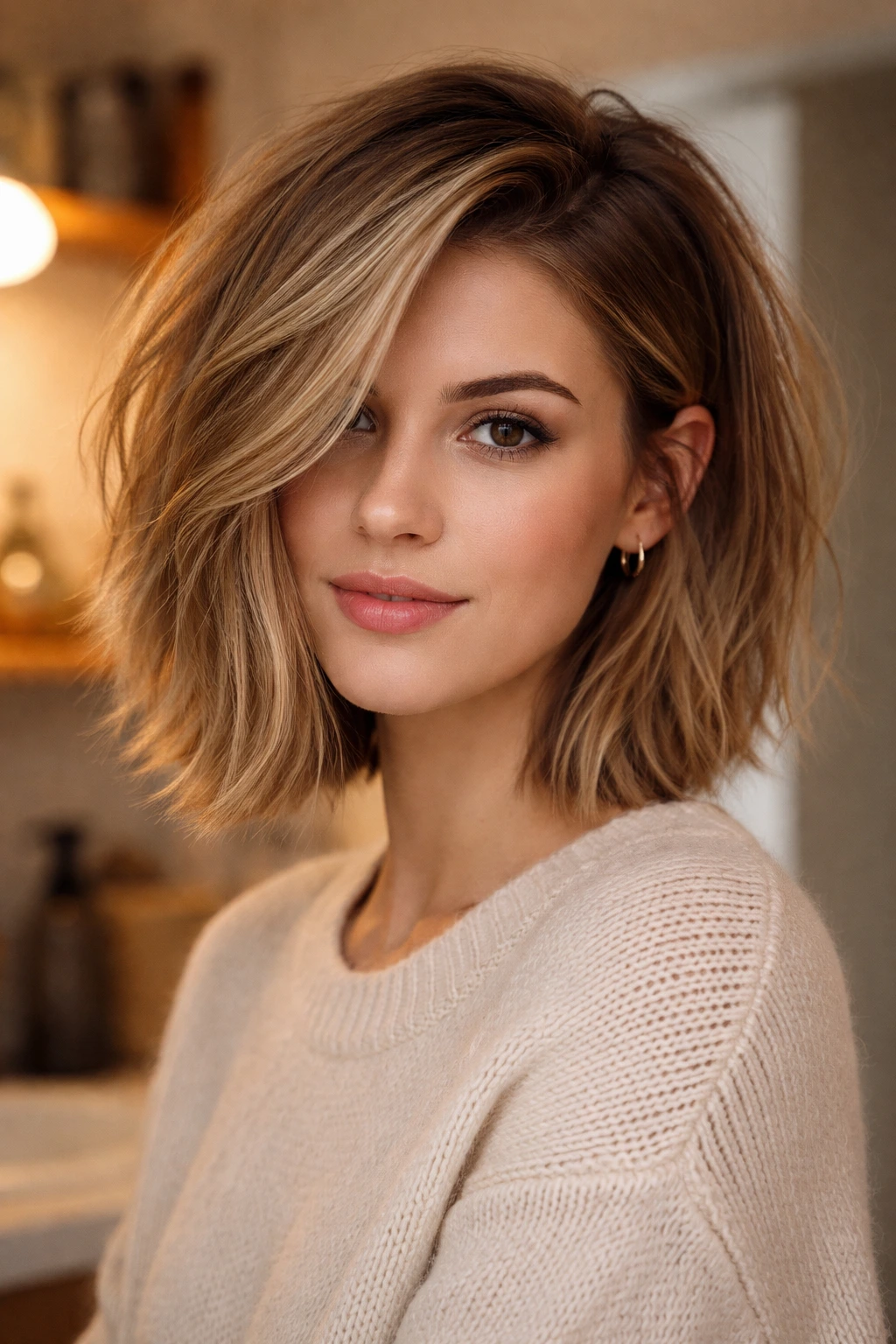
The deep side part is the oldest trick in the book for a reason. By flipping the majority of your hair to one side, you create an instant, dramatic wall of volume at the crown. It’s an optical illusion that works every single time.
Pair this part with a slightly longer, messy bob—maybe collarbone length—and you have a style that looks effortless. The secret here is to keep the ends slightly uneven. You want the hair to look like it was cut by a friend in a bathroom, not by a robot with a laser. That imperfection hides the fact that the hair isn’t naturally dense.
10. The Soft A-Line with Shattered Ends
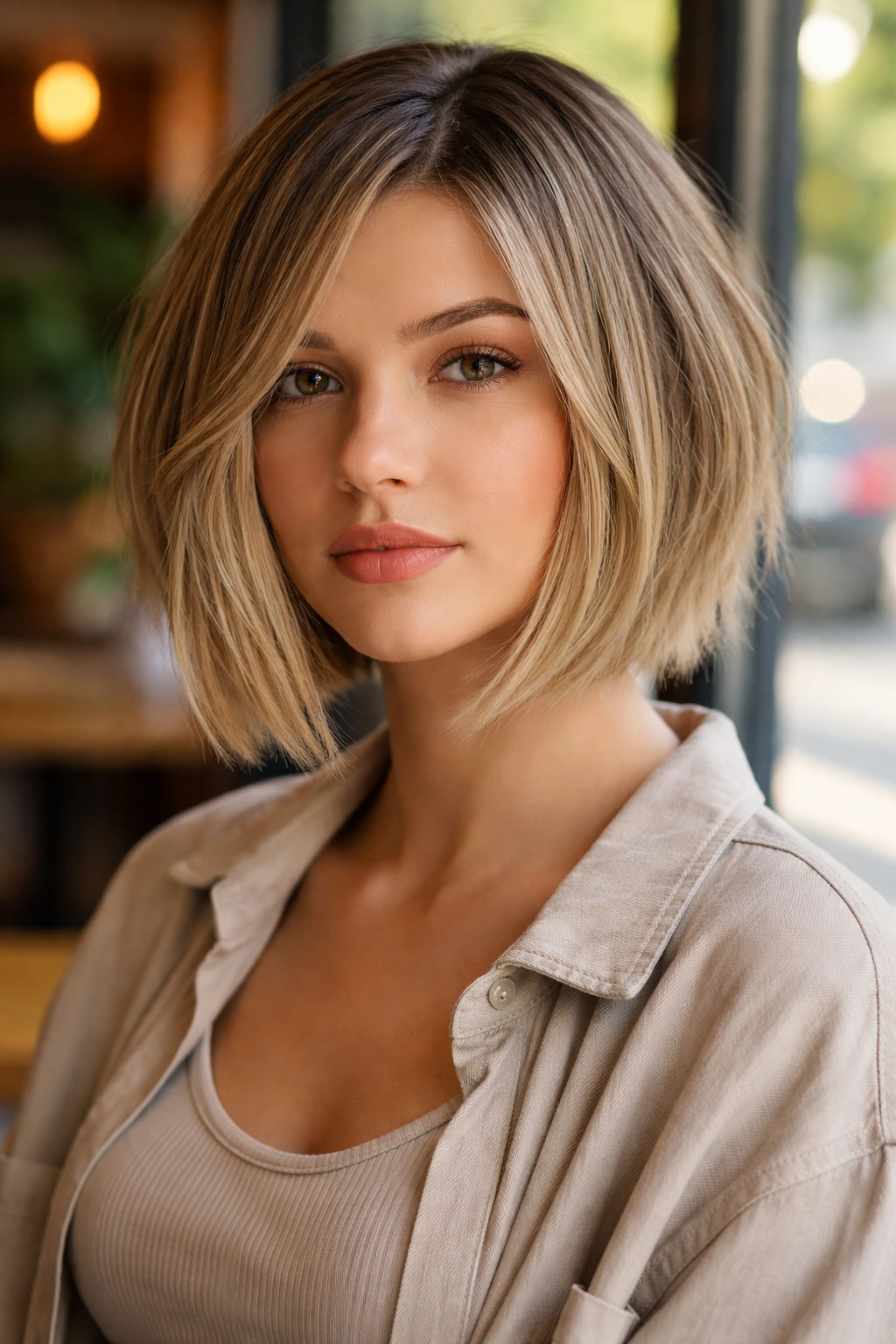
The A-line bob is a classic, but it often gets a bad rap for looking dated. To make it “edgy,” you need to shatter the ends. Instead of a hard, graphic line that goes from short in the back to long in the front, ask for the ends to be texturized with a razor.
This softens the silhouette. It moves the cut away from “corporate bob” and into “downtown cool.” The A-line shape is still there, providing that necessary structure, but the shattered ends give it a floaty, light quality. It’s forgiving for fine hair because it doesn’t require a perfect blowout to look right.
11. The Wet-Look Slicked Back Bob
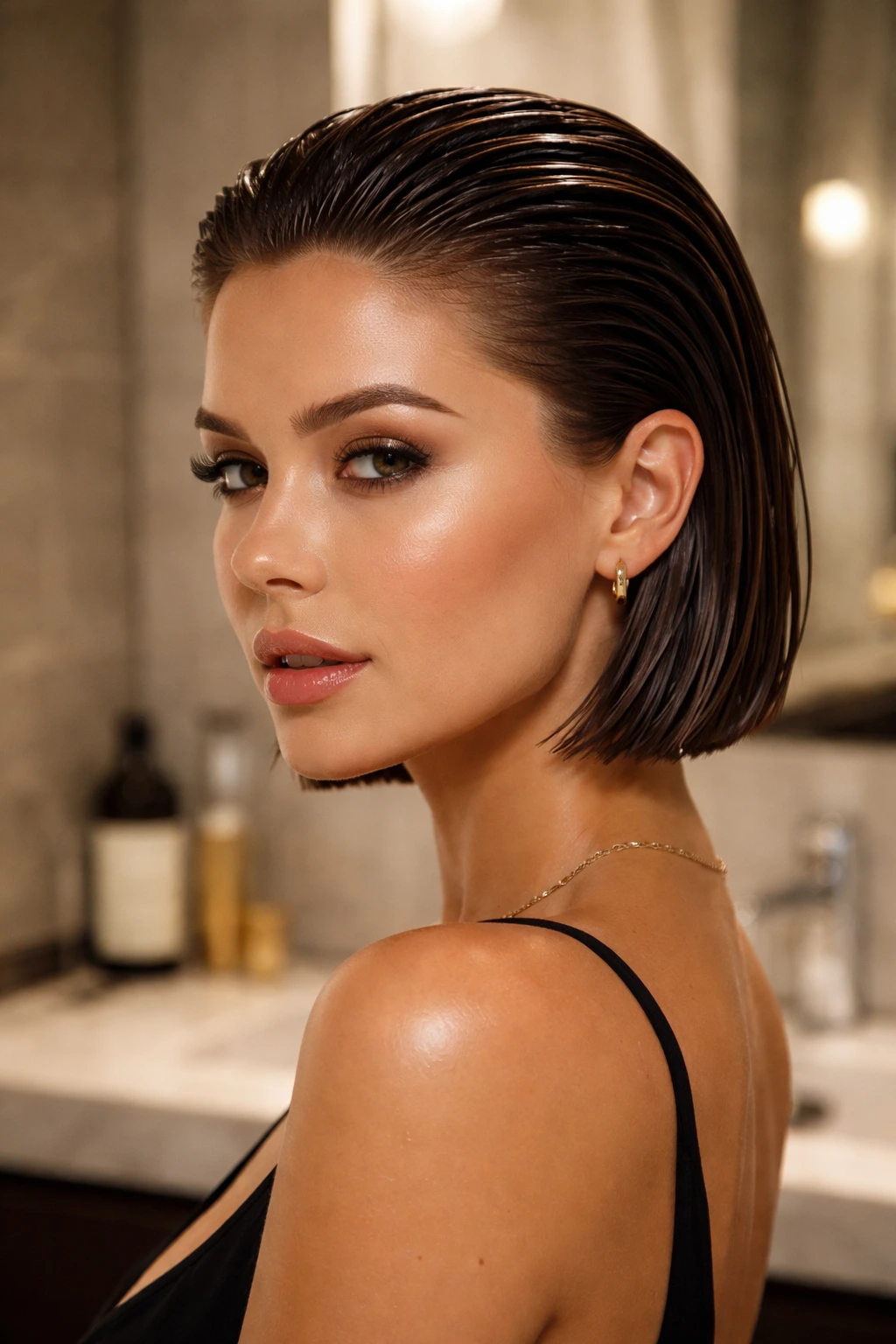
The wet-look is not a haircut, technically—it’s a style. But you can design a haircut to excel at this. If you have a blunt-cut bob, you can easily slick it back with a strong-hold gel or a high-shine pomade.
For fine hair, this is a lifesaver on days when your hair feels like it’s lacking volume. Instead of trying to fake volume, own the sleekness. A slicked-back bob looks deliberate, chic, and very editorial. It stays in place all day, and it highlights your facial features without the hair getting in your eyes.
12. The Two-Tone Dimensional Bob
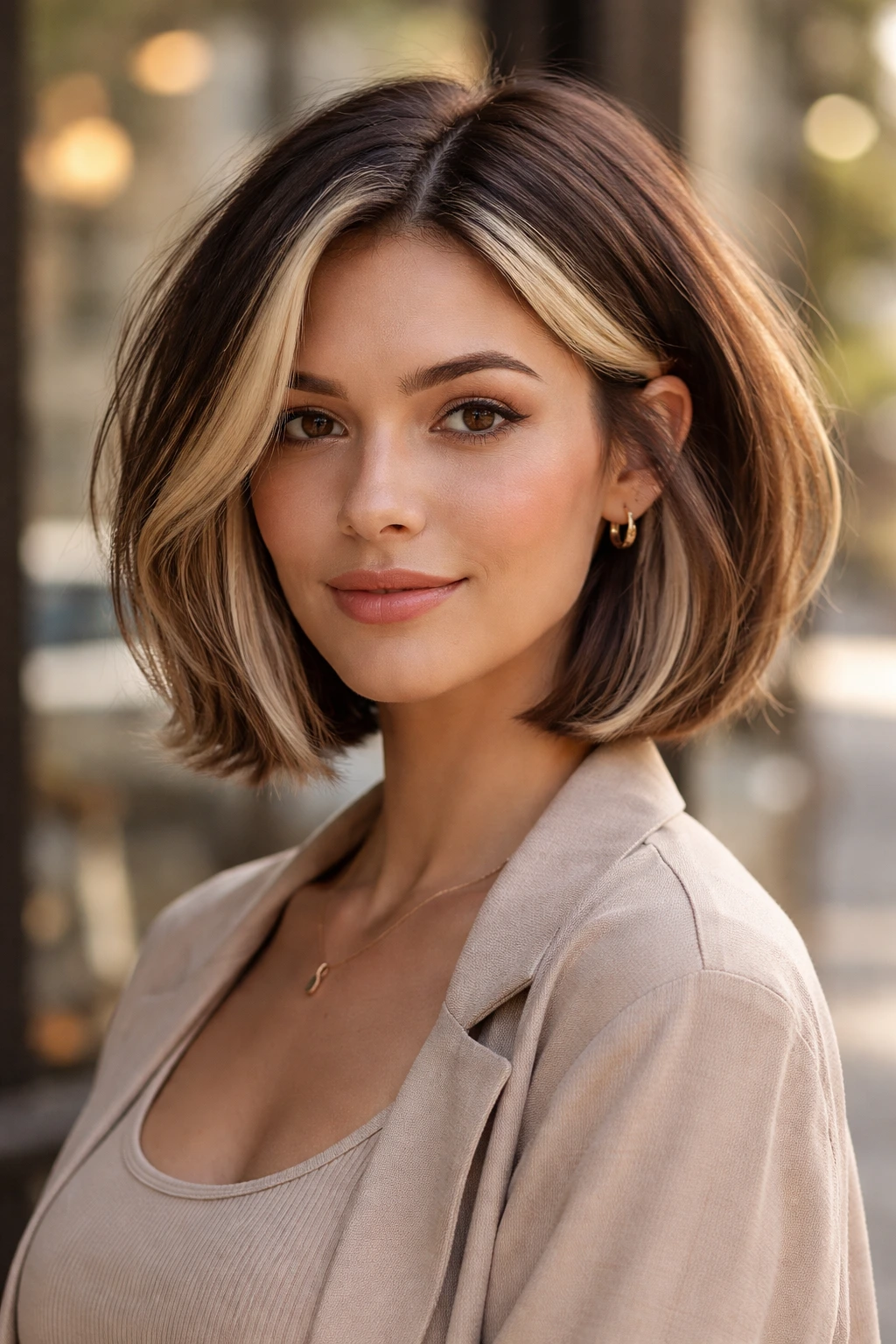
Color placement is just as important as the haircut itself. If you have fine hair, asking your colorist for a “two-tone” approach—a darker root or lowlights underneath and brighter, face-framing pieces—adds an incredible amount of depth.
When the hair has dimension, it looks like it has more physical volume. Your eye follows the highlights and lowlights, which tricks the brain into seeing depth where there is only flat, fine hair. Pair this color technique with a textured, layered bob, and you’ll have a style that looks far thicker than it actually is.
13. The Wispy Layered Lob
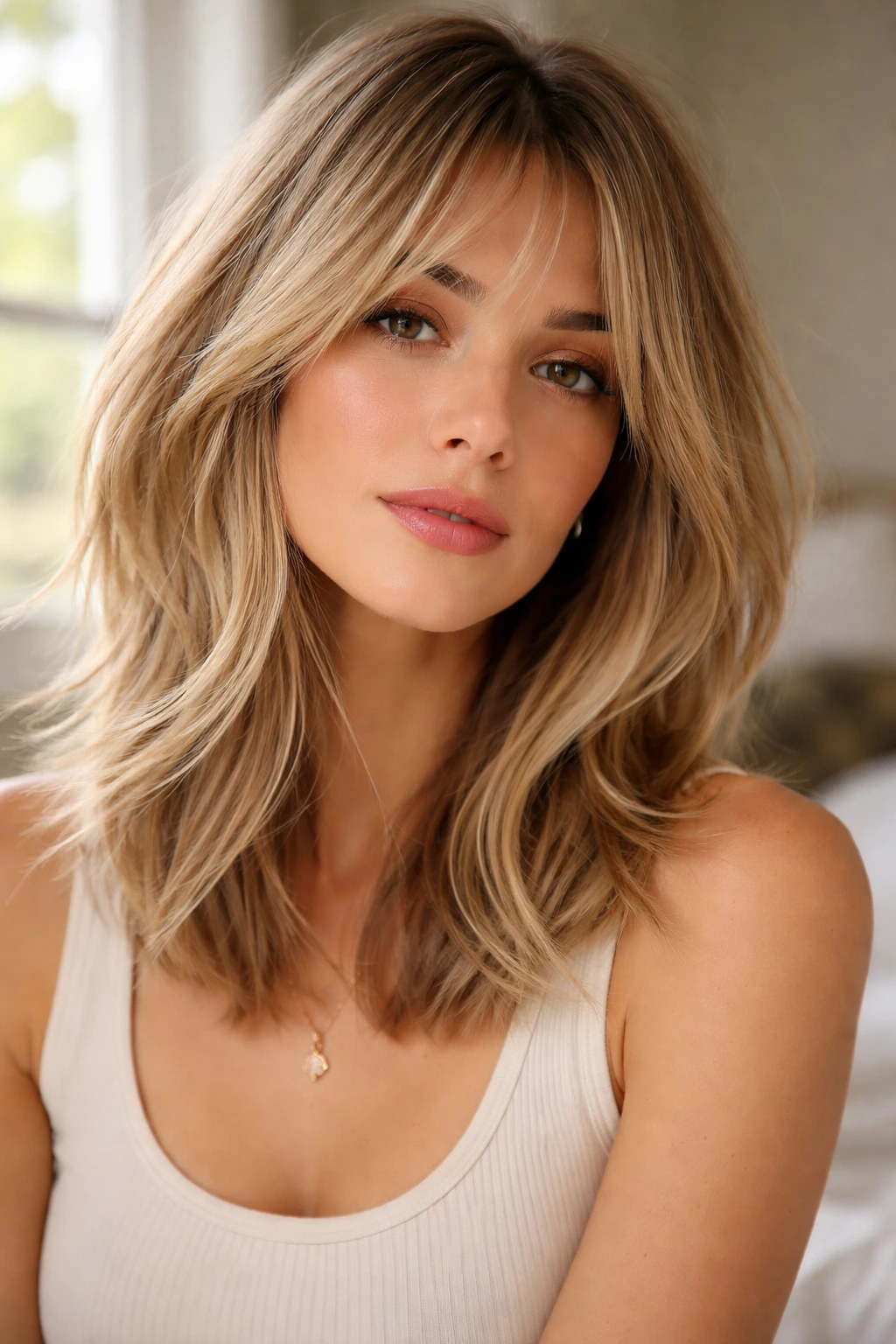
Wispy layers are the opposite of heavy, blocky layers. They are light, airy, and designed to move. A wispy lob is an excellent choice for someone who wants to keep some length but is tired of their ends looking like they’re disappearing.
The Strategy
Ask for long, invisible layers that start below the chin. These layers don’t have to be dramatic; they just need to be present enough to stop the hair from falling like a curtain. Because the layers are wispy, they won’t make the hair look frizzy. They’ll just give the style a bit of a kick.
When to Choose This
- You want the ability to tie your hair back.
- You have a slight natural wave you want to encourage.
- You prefer a softer, less aggressive look than a short, blunt bob.
14. The Spiky Pixie-Bob Hybrid
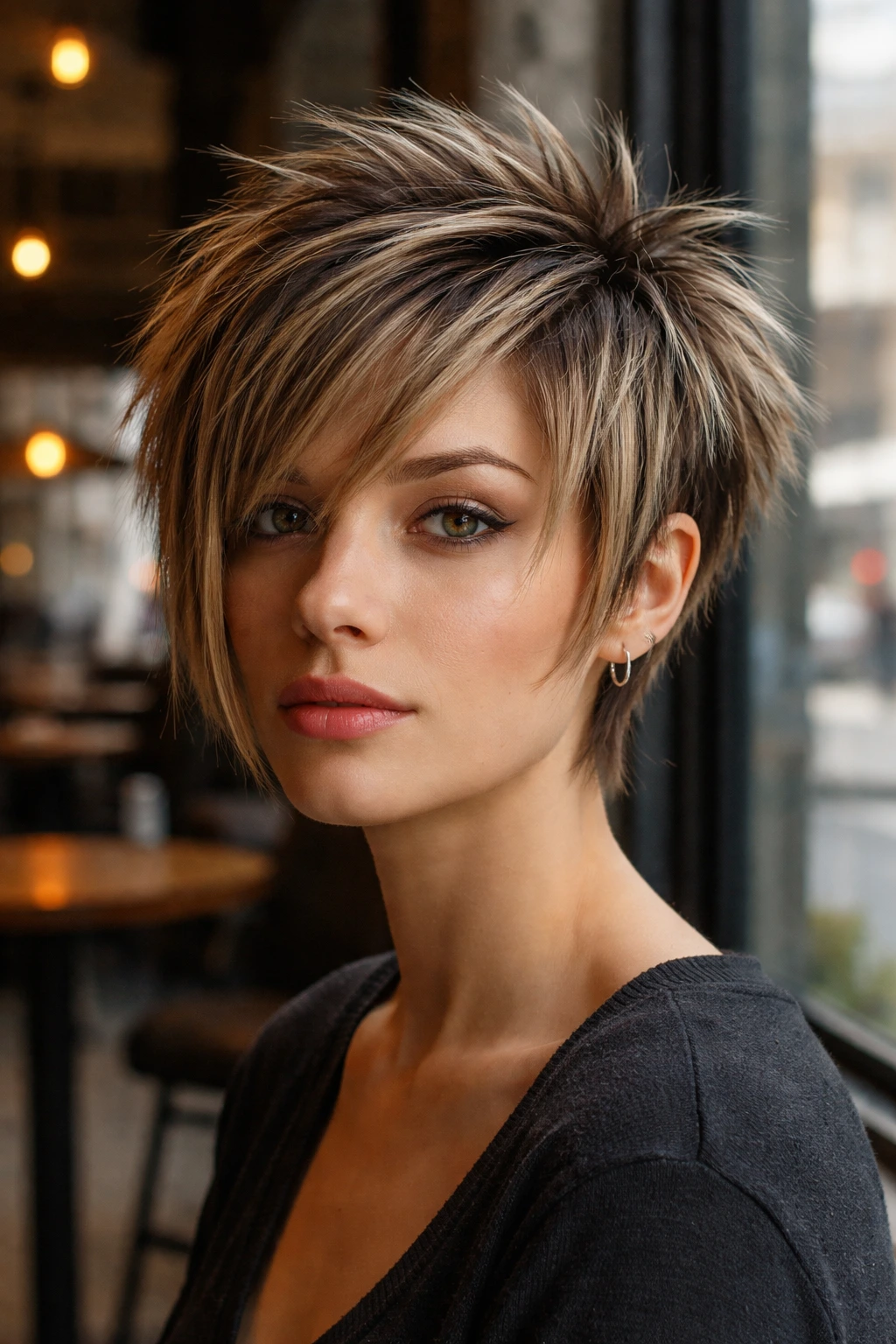
If you’re feeling truly daring, the pixie-bob (or the “bixie”) is where it’s at. This cut is essentially a bob that has been chopped significantly in the back, blending into a longer, fringe-heavy front.
It’s spiky, it’s punky, and it is entirely effortless for fine hair. Because there is so little hair, gravity has no power here. You can use a bit of molding wax to spike it up, or just let it lie flat for a mod, 60s-inspired look. It’s the ultimate “I don’t have time to style my hair” cut that somehow manages to look like you spent an hour on it.
15. The Hidden Layered Bob
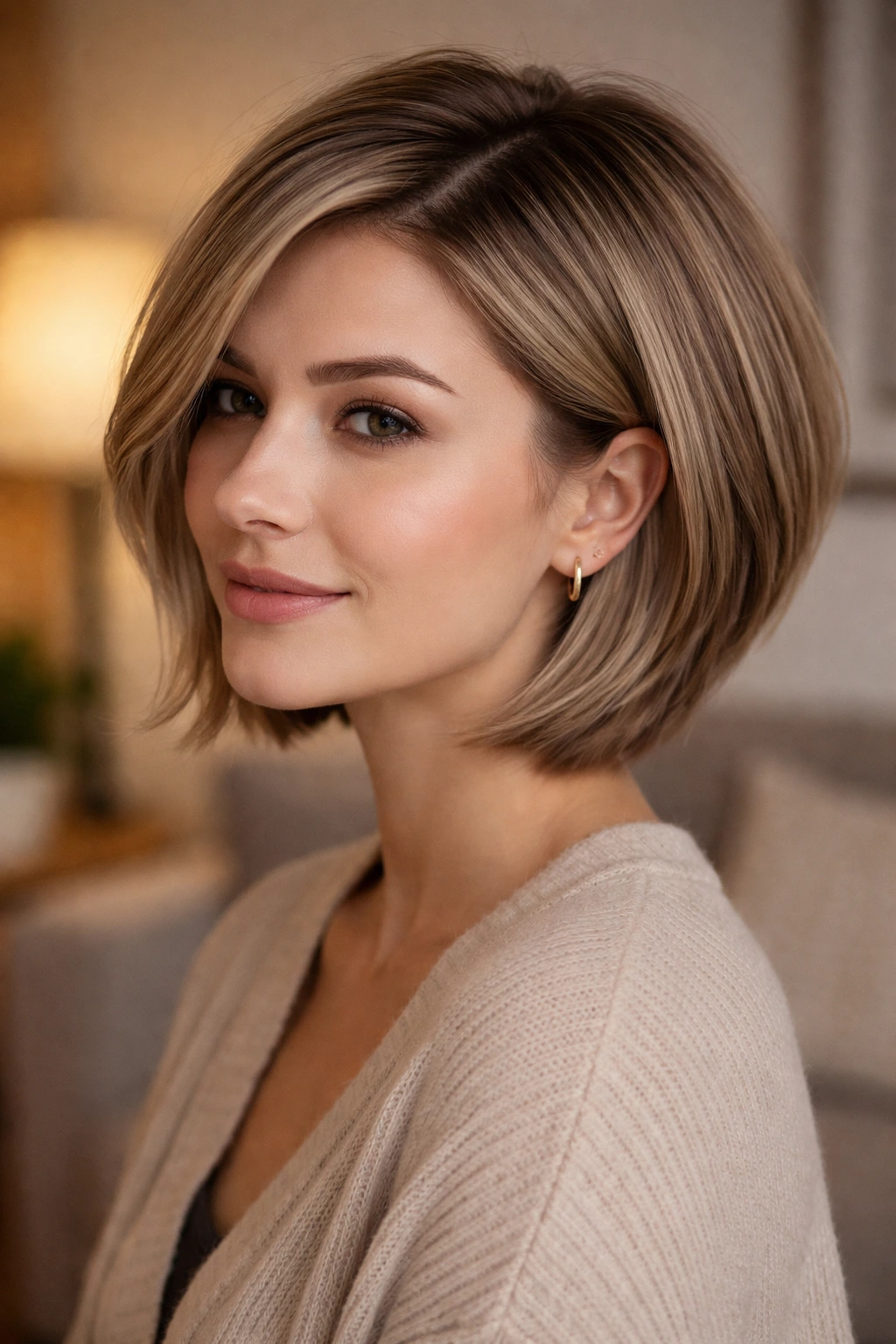
Often called “ghost layers” or “invisible layers,” this technique involves your stylist cutting shorter layers underneath the top layer of hair. These layers act like a scaffold. They push the top hair out and up, creating volume without the jagged, layered look of a traditional cut.
If you love the look of a blunt bob but hate how flat it lays on your head, this is the fix. It’s a subtle technical adjustment that makes a massive difference in how the hair behaves. It keeps the surface of your hair smooth and shiny while the support system underneath does all the heavy lifting.
16. The Blunt Cut with Face-Framing Tendrils
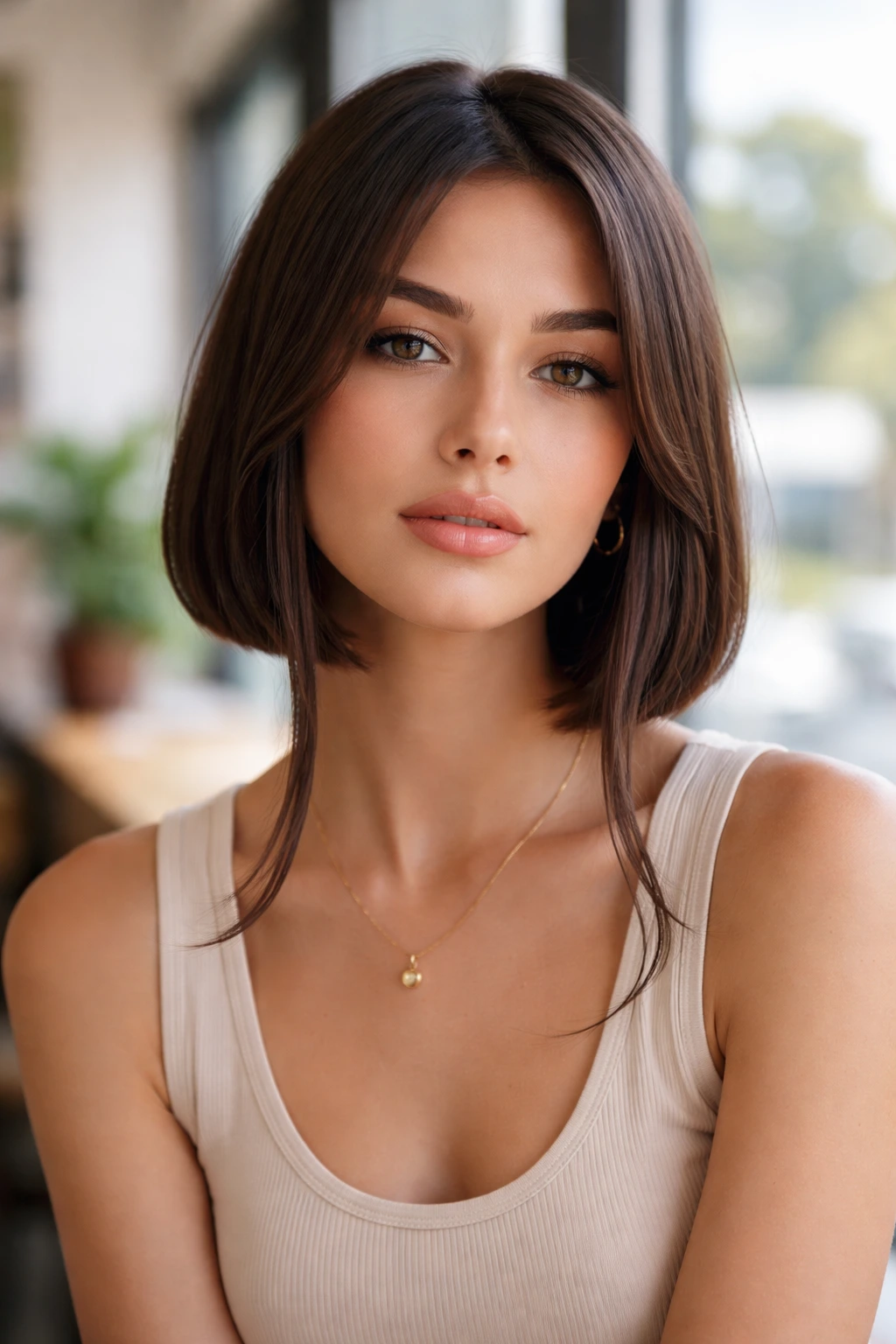
There is something undeniably “cool” about the 90s aesthetic of a straight, blunt-cut bob paired with two long, face-framing strands left out of a messy bun or just hanging loose. This works incredibly well for fine hair because those tendrils don’t look like they’re stealing too much hair from the rest of the cut.
To make this look modern, ensure the blunt cut is crisp. No rounded ends. It should hit mid-neck, leaving a clean, sharp line. The tendrils should be slightly thinner than the rest of the hair, almost wispy, which frames the face without overwhelming it.
17. The Undone Textured Bob
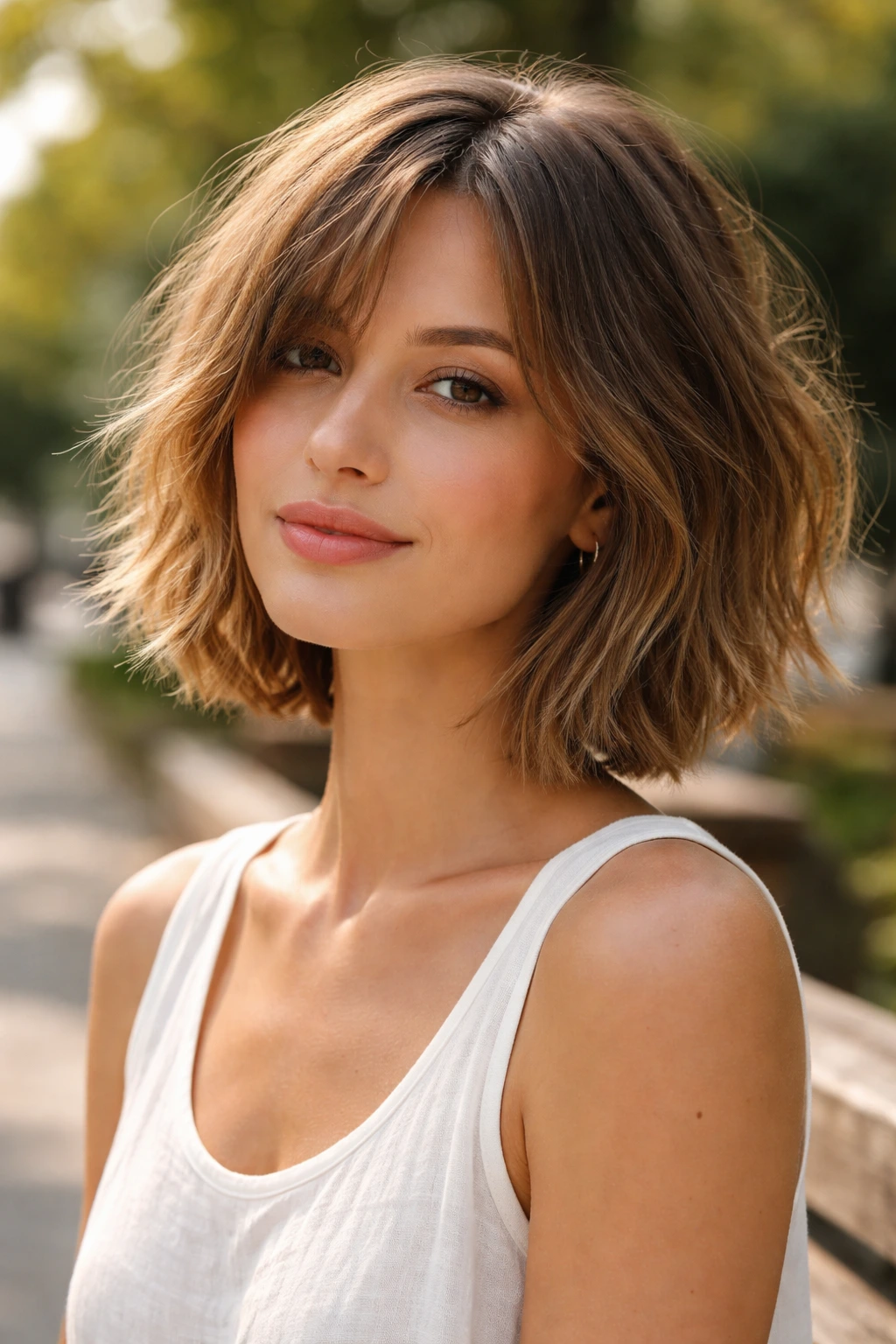
This is the “I just woke up like this” look, refined. It involves a very soft, subtle layering throughout, and it is specifically designed to be air-dried. You want the ends to be blunt enough to look intentional but soft enough to bend.
Why It’s Great
- It embraces the natural imperfections of fine hair.
- It doesn’t require heat styling, which saves your fragile hair from damage.
- It’s the easiest style to grow out. When it gets long, it just transitions into a shaggy lob.
Styling Product Choice
Stick to light mousses or texturizing sprays. Anything heavier, like a pomade or a heavy cream, will instantly turn this airy style into a greasy mess. The goal is to keep the hair looking as light as air.
18. The Graduated Stacked Bob
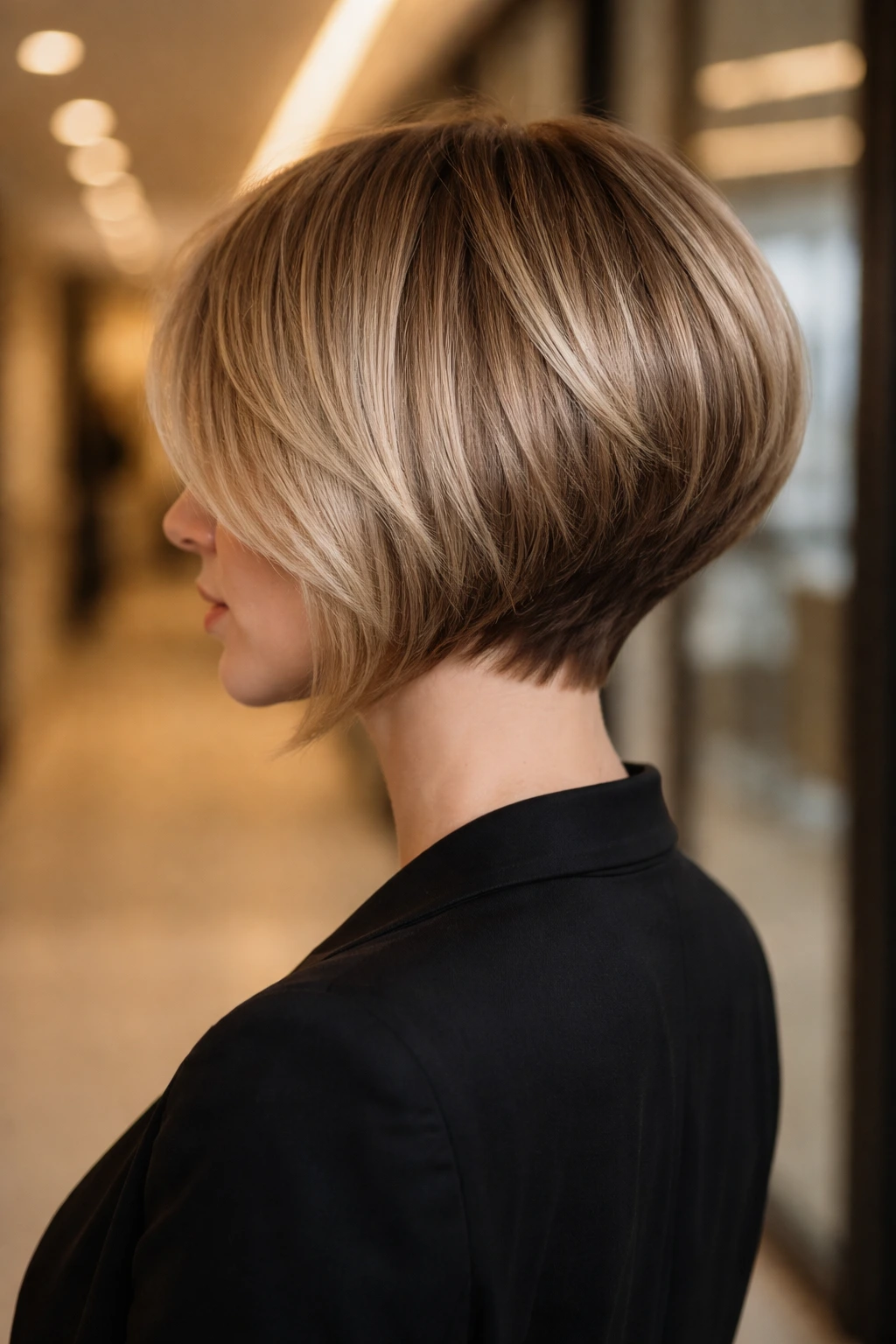
The graduated bob is the more severe cousin of the inverted bob. The hair at the back is cut very short, and the layers are stacked (cut at 45-degree angles) to create a rounded shape at the occipital bone—the back of the head.
For fine hair, this is pure magic. It forces hair that wants to lie flat to build upward. The stack creates a literal dome of hair. It is sophisticated, sharp, and very professional, but if you keep the front layers a bit longer and messier, it retains that edgy, non-conformist vibe.
19. The Modern Grunge Bob with Curtain Bangs
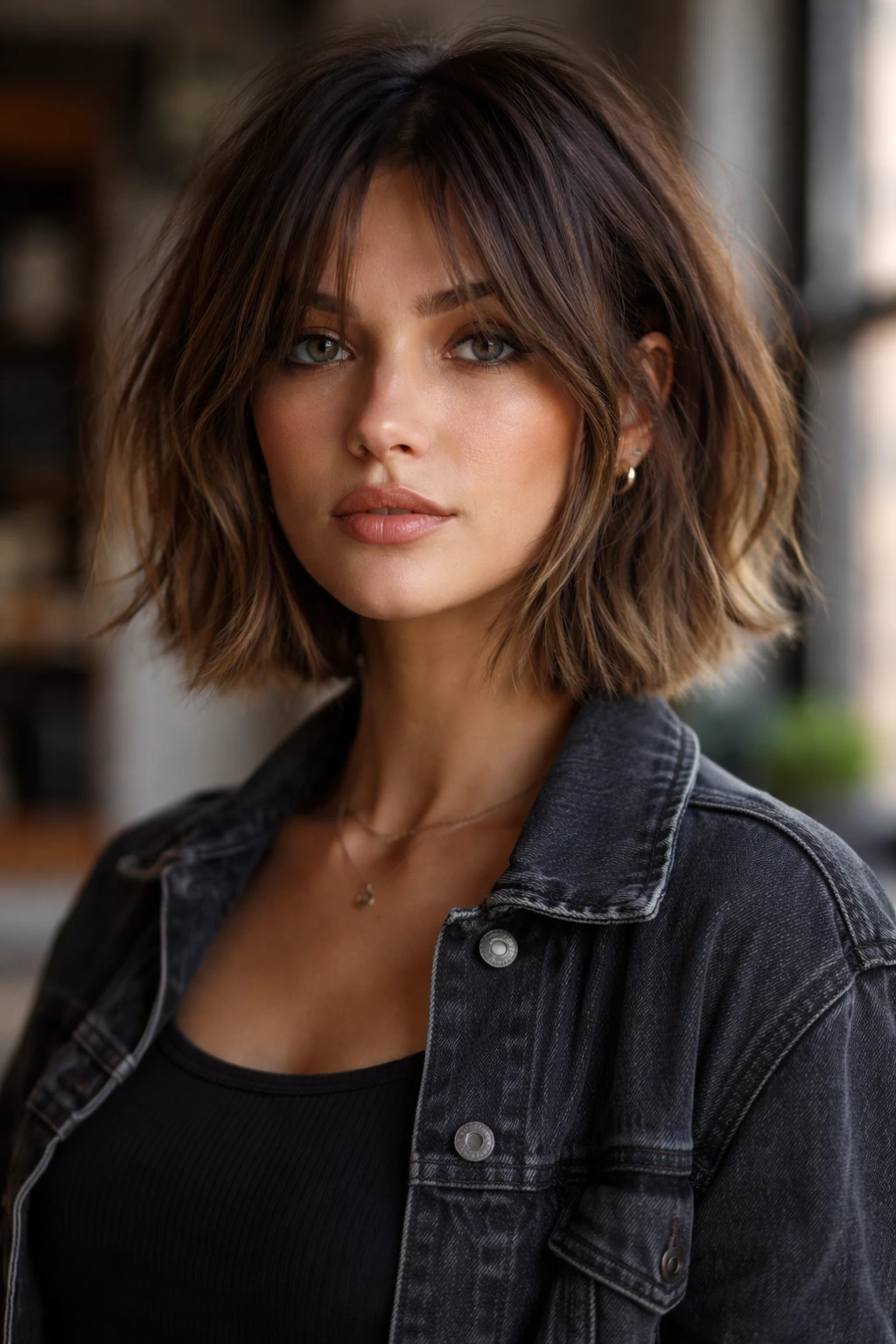
Grunge is back, and it’s a perfect match for fine hair because the aesthetic requires a bit of grit. The modern grunge bob involves a slightly longer, chin-grazing length, a messy, undone finish, and—crucially—curtain bangs.
Curtain bangs are great for fine hair because they are meant to be parted down the middle and swept away from the face. They frame your features, and because they are soft and wispy, they blend perfectly with the rest of the hair. Style this with a bit of dry shampoo at the roots to give it that powdery, lived-in feel. It’s not about being sleek; it’s about being grungy and effortless.
20. The Choppy Collarbone-Length Bob
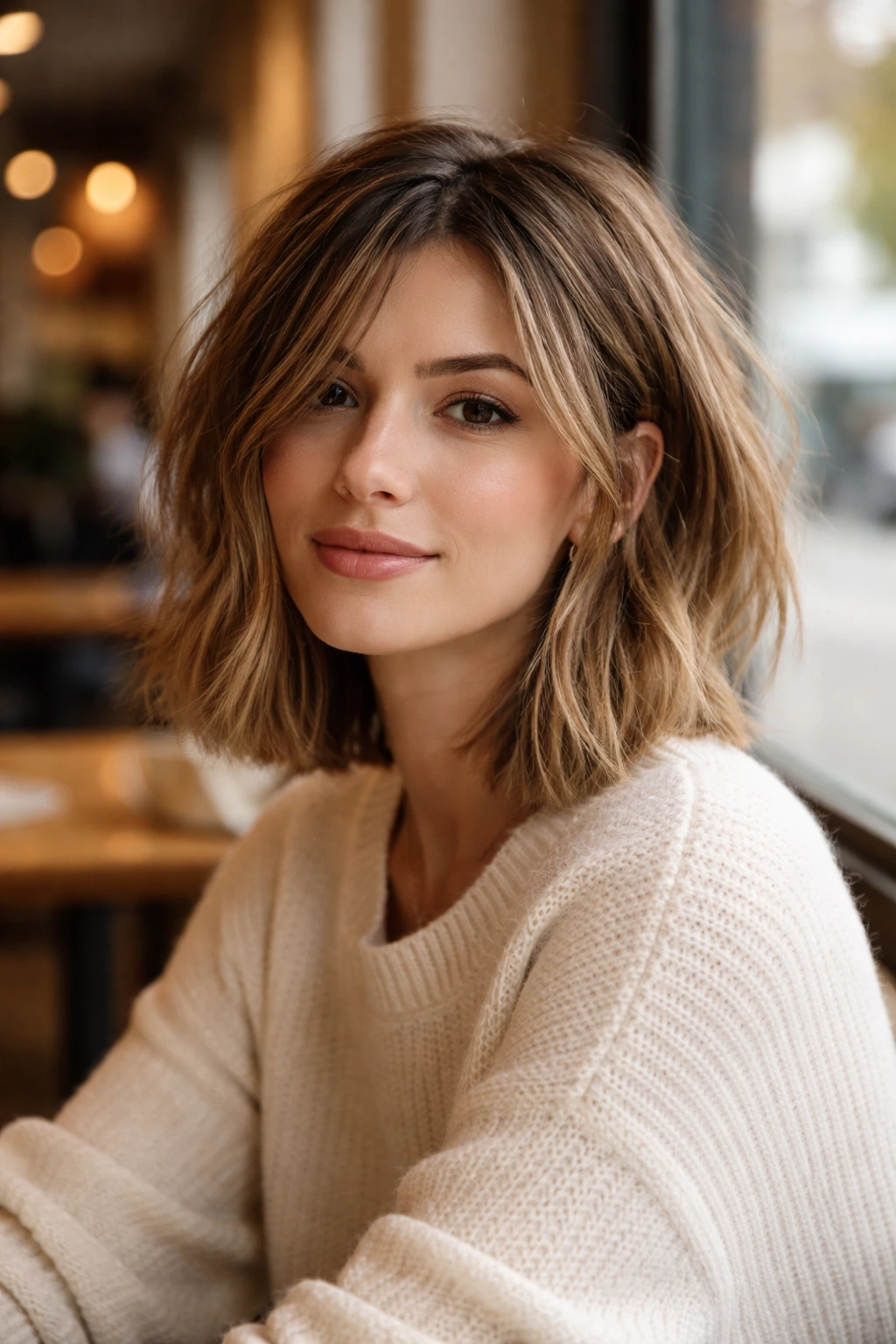
If you are terrified of going too short, the choppy lob that grazes your collarbones is your best friend. It’s the “safety” cut, but that doesn’t mean it has to be boring. By requesting a choppy, texturized finish—where the stylist goes in with scissors and takes small bites out of the ends—you prevent that “triangle hair” effect that fine hair often suffers from as it grows out.
This length allows you to tuck your hair behind your ears, which creates a slight lift at the roots. It’s a very practical style. It’s also long enough to allow for accessories like headbands or clips, which can add a touch of personality without needing a complex styling routine.
Final Thoughts
The reality of fine hair is that you have more options than you think, provided you let go of the idea that your hair needs to look like a thick, heavy mane. When you stop fighting the natural limitations of your texture, you realize that fine hair is actually easier to manage, faster to style, and better suited for the edgy, sharp, and modern cuts that are trending in high fashion.
Take these ideas to your stylist, but don’t just ask for a “bob.” Show them the texture you want. Explain that you want movement, you want shattered ends, and you want to avoid the “heavy” look. A great stylist will know exactly how to adjust these cuts to suit your specific face shape and hair density. Remember, the best haircut isn’t the one that looks good in a photo—it’s the one that makes you feel confident the moment you walk out of the salon. Lean into your texture, trust the razor, and enjoy the ease of a shorter, sharper style.
