



Fine hair often gets a bad reputation, but it actually has a unique set of strengths that many people fail to capitalize on. When your hair strands are thin in diameter, they behave differently than coarse hair. They do not hold onto weight the same way, and they are much more susceptible to drooping if left too long. The bob is the ultimate corrective tool for this specific hair type. It removes the dead weight of ends that have been thinning out for years and provides an immediate, visual density that longer styles simply cannot replicate.
Choosing the right bob is all about geometry. You want to manipulate the visual weight of the hair to create the illusion of fullness. It is not about changing your hair texture, but about changing how the light hits your hair and how the cut sits against your jawline. When done correctly, even the thinnest hair can look substantial, sharp, and intentional. The following styles are designed to leverage your hair’s natural properties—softness, shine, and manageability—to build a look that feels far thicker than it is.
1. The Classic Blunt Bob
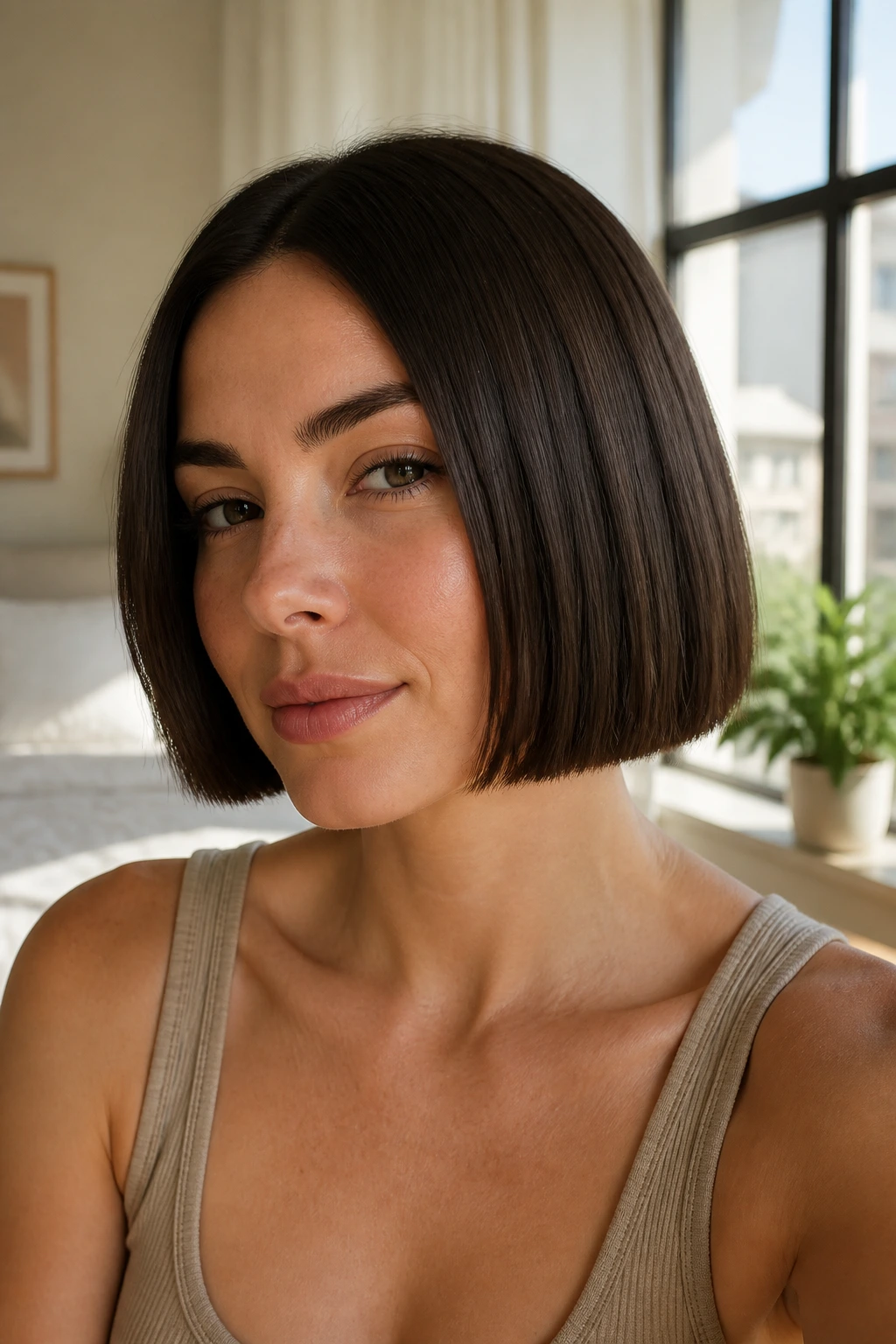
There is something inherently powerful about a blunt line. When you cut fine hair straight across, you create a solid, thick perimeter that immediately makes the ends look healthier. It eliminates those wispy, stringy bits that plague fine hair and makes the entire head of hair appear denser from root to tip.
Why It Works for Fine Hair
The secret lies in the lack of layering. By keeping the length uniform, you allow the hair to stack up on itself. This creates a weight line at the bottom that provides a sense of fullness. When the scissors cut straight across, they blunt the tips, which prevents the hair from looking see-through at the ends.
How to Style It
- Use a volumizing mousse on damp hair before blow-drying.
- Keep the tension even when drying to ensure the ends don’t flip outward uncontrollably.
- A flat iron can be used on the very tips to lock in that sharp, clean line.
Pro tip: Do not be afraid to revisit the salon every six weeks. The precision of a blunt bob is what makes it look expensive; once it grows out unevenly, the effect vanishes.
2. The Textured Lob
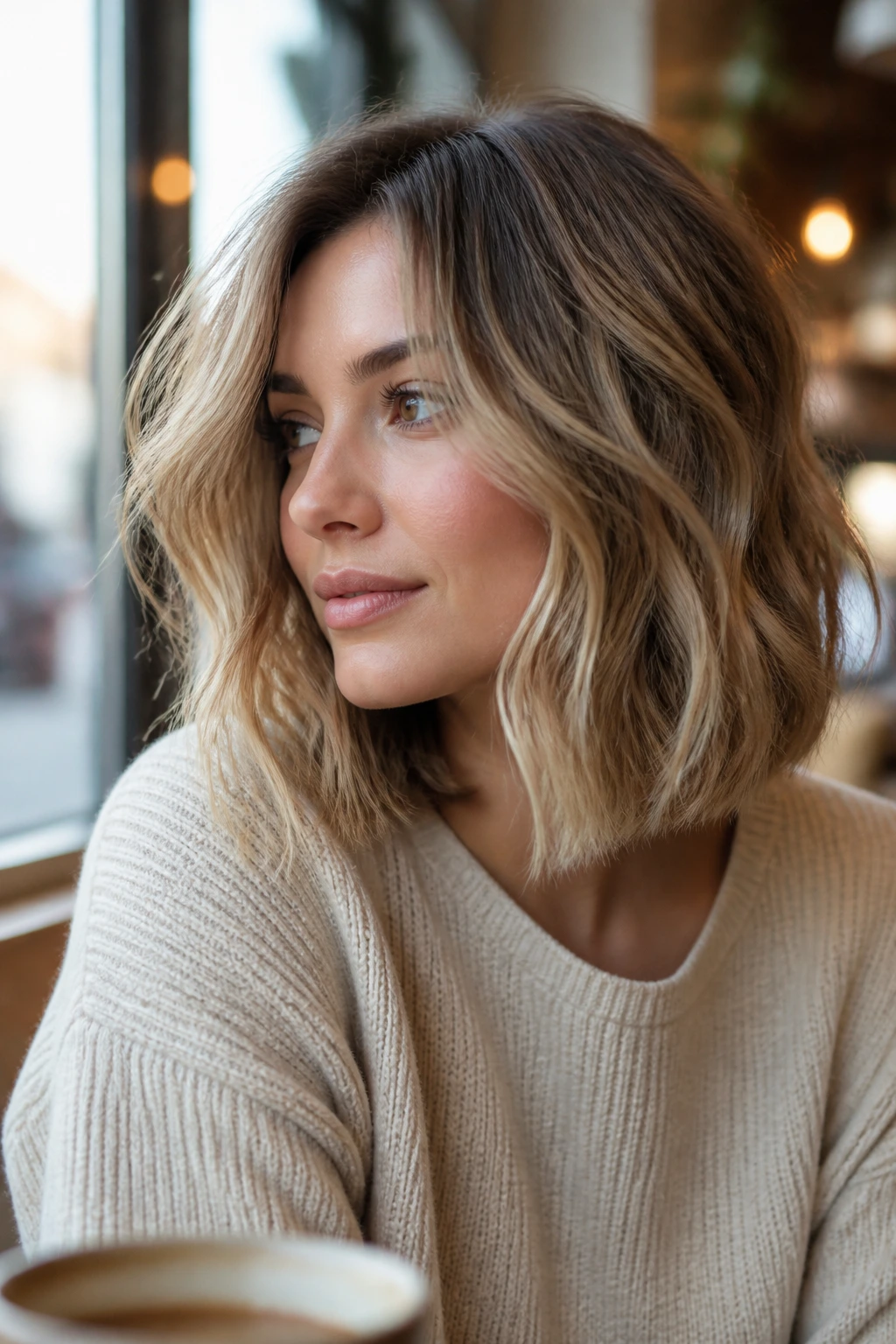
A lob, or long bob, is the bridge between short and long hair. For fine hair, the key is adding just enough internal texture to create volume without removing the weight you need at the bottom. This style grazes the collarbone, which is a universally flattering length.
When you add texture, you aren’t removing hair; you are creating pockets of air within the style. Think of it like fluffing a pillow. By cutting subtle, internal layers, you allow the hair to sit slightly apart from itself rather than clumping together into flat, singular strands.
The Best Way to Wear It
- Ask for a “point cut” on the ends to remove the heaviness without making the bottom look thin.
- Use a texturizing salt spray to encourage a natural, messy wave pattern.
- Air-drying works well here if your hair has a slight natural bend, as it adds grip and body that heat styling can sometimes strip away.
3. The Stacked Bob
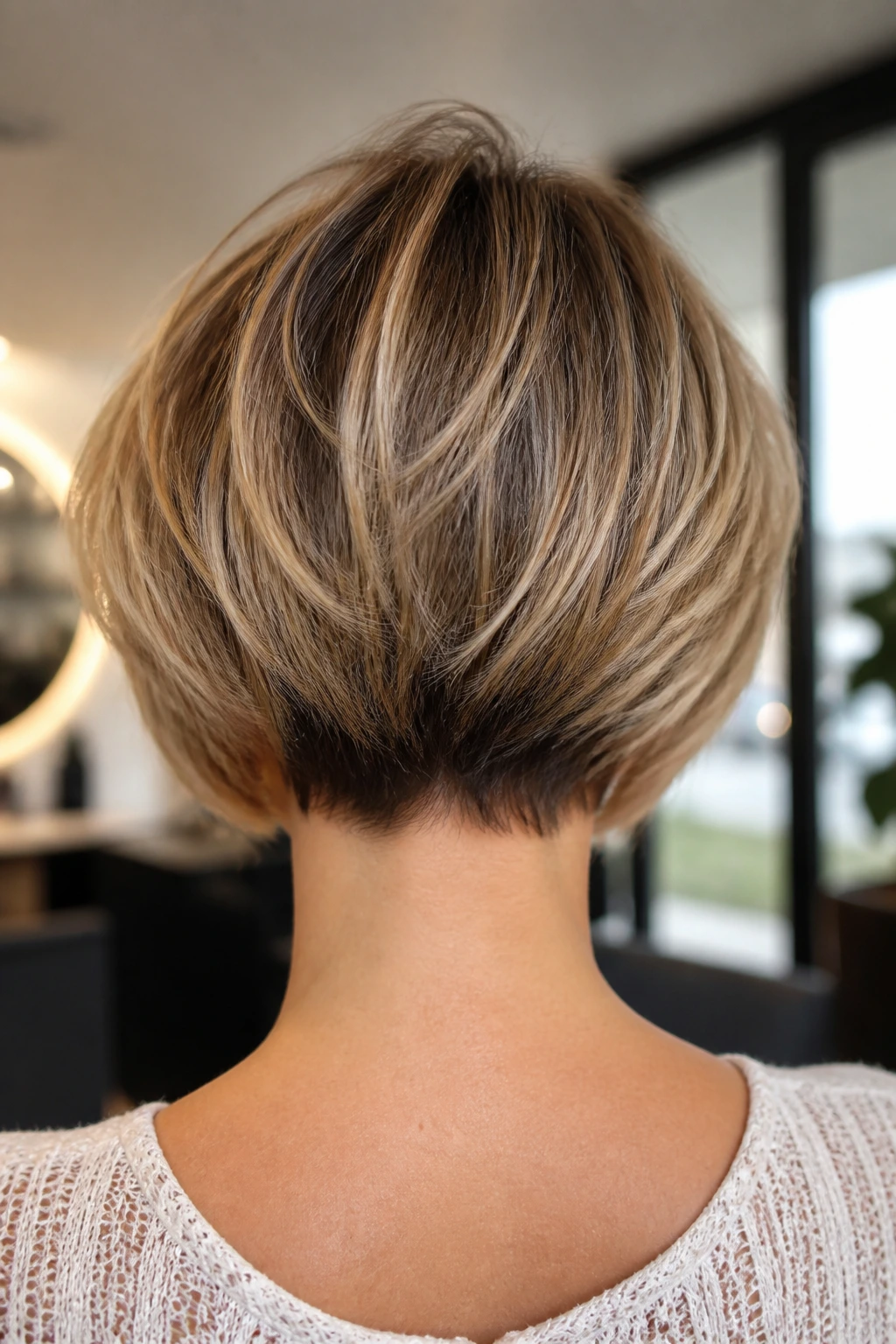
Why do so many people with fine hair swear by the stack? It is all about the back. By cutting shorter, graduated layers in the nape of the neck, you create a natural lift that pushes the hair upward. This mimics the appearance of a much thicker crown area.
How to Achieve the Shape
The stack relies on precision cutting in the back, typically starting with shorter layers at the hairline that gradually get longer as they move up toward the crown. This structure builds a “shelf” of hair. Even if you have very little hair density, the mechanical shape of the cut forces the hair to stand up rather than laying flat against the skull.
Maintenance Notes
- This cut requires more frequent maintenance than a standard blunt bob.
- You will need to keep the nape of your neck cleaned up to maintain that sharp, lifted appearance.
- Use a round brush while blow-drying to accentuate the curve and volume at the back of the head.
4. The Slightly Inverted Bob
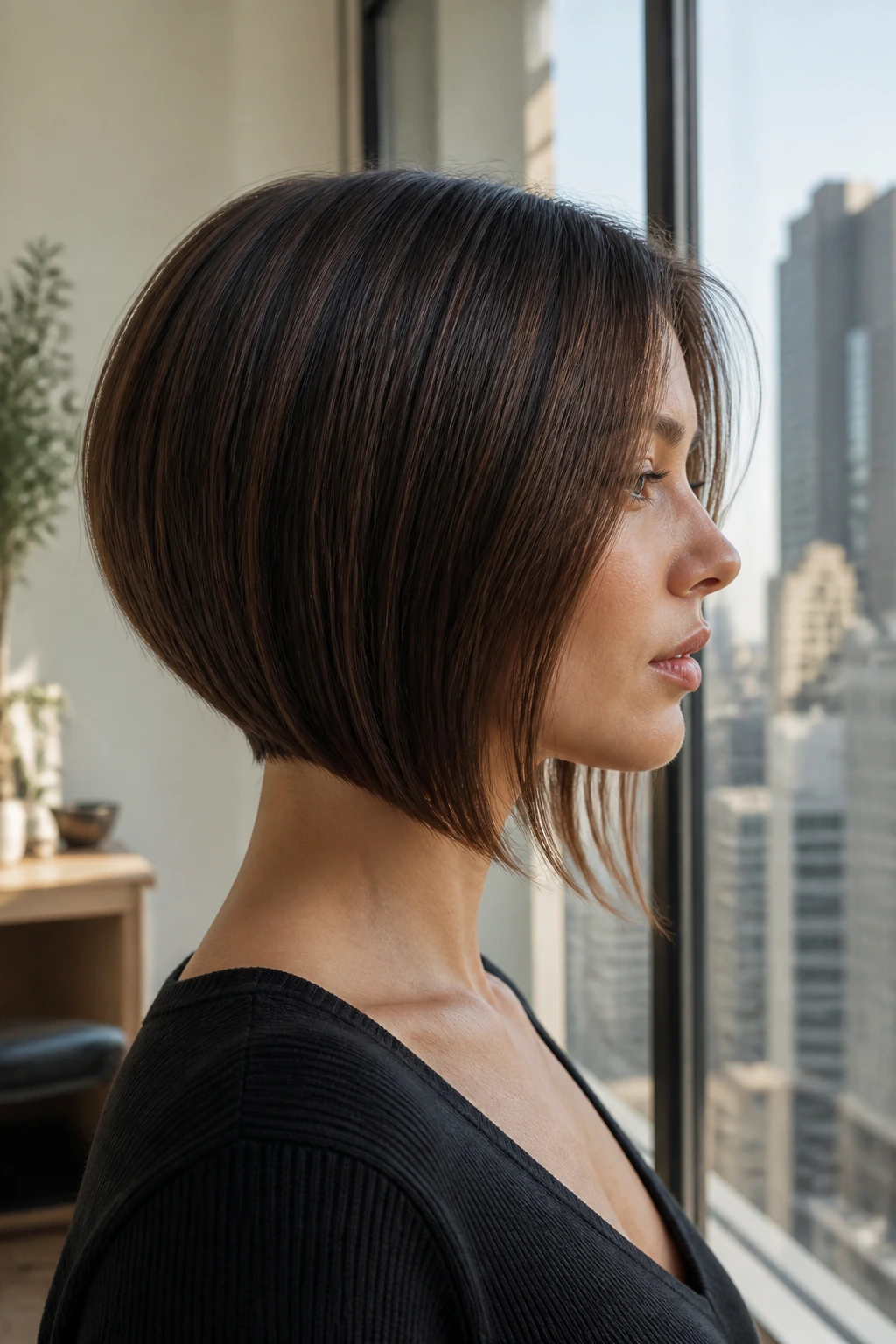
An inverted bob is a variation where the front pieces are slightly longer than the back. It adds a bit of edge to a classic silhouette and helps frame the face, which can be particularly helpful if you feel your fine hair makes your face look too round.
The Mechanics of the Cut
The subtle angle provides a visual flow. Because the back is shorter, you get that same lift seen in a stacked bob, but the longer front pieces draw the eye downward, creating a slimming effect. It is a fantastic option if you want something that feels modern but remains professional and easy to manage.
What to avoid: Do not go for an extreme angle. If the front pieces are too long compared to the back, they will look stringy and thin because they lack the support of the shorter layers. Keep the graduation soft and gradual.
5. Choppy Layers
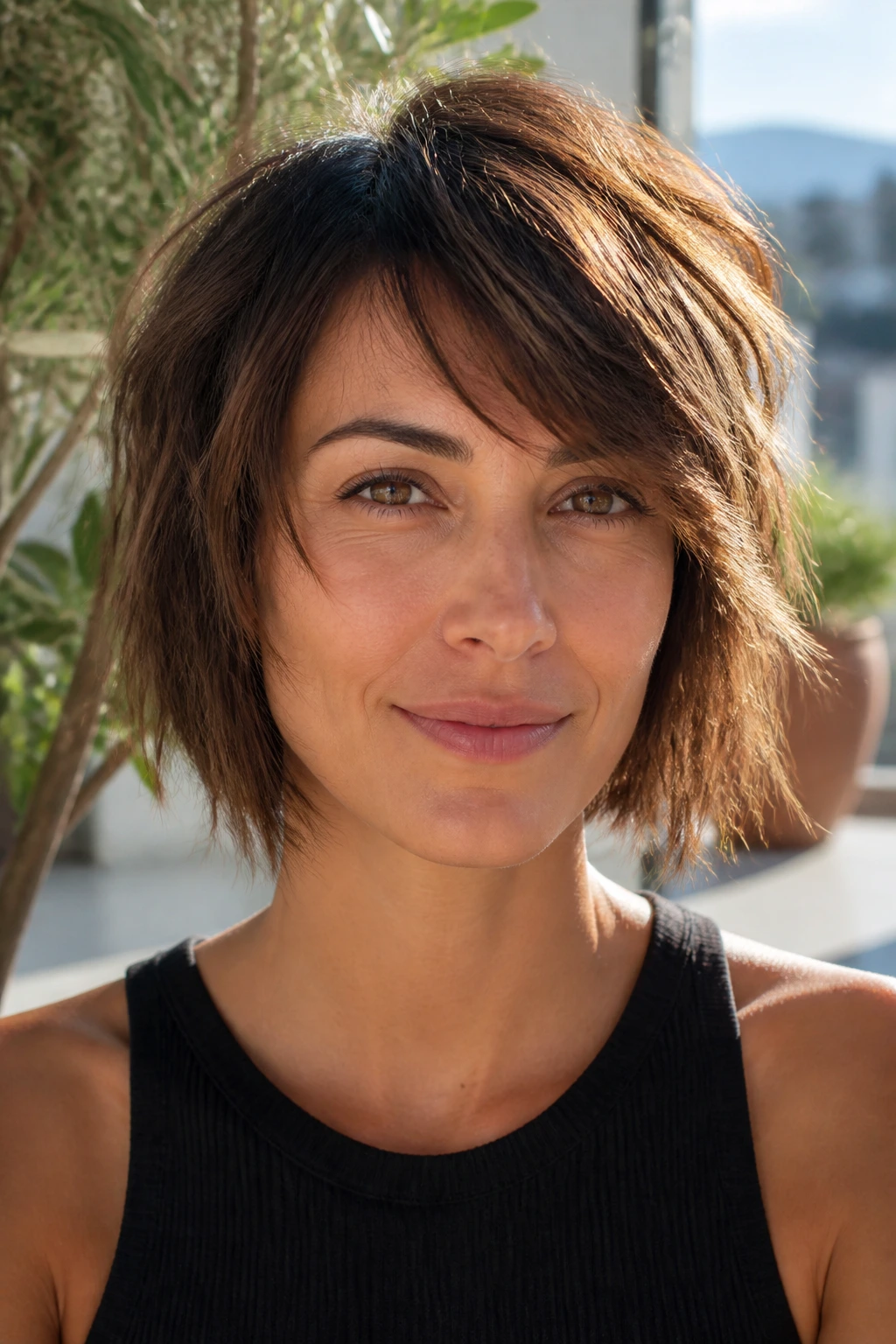
Choppy layers are the antithesis of the blunt, uniform bob. Instead of seeking a clean line, you are seeking deliberate chaos. By cutting layers of varying lengths throughout the head, you create individual “pieces” of hair that can be styled to look thicker and more voluminous.
Why This Style Succeeds
Fine hair can often look like a single, flat sheet. Choppy layers break that sheet apart. When the hair is cut at different lengths, it interacts with light differently. The shorter pieces support the longer pieces, providing a scaffold of volume that holds throughout the day.
Styling Strategy
- Invest in a quality pomade or matte paste.
- Apply the product to your hands, rub it until it’s warm, and “pinch” the ends of your hair to emphasize the choppiness.
- This style is inherently messy, so don’t worry about perfection; it’s supposed to look lived-in.
6. The Chin-Length Layered Bob
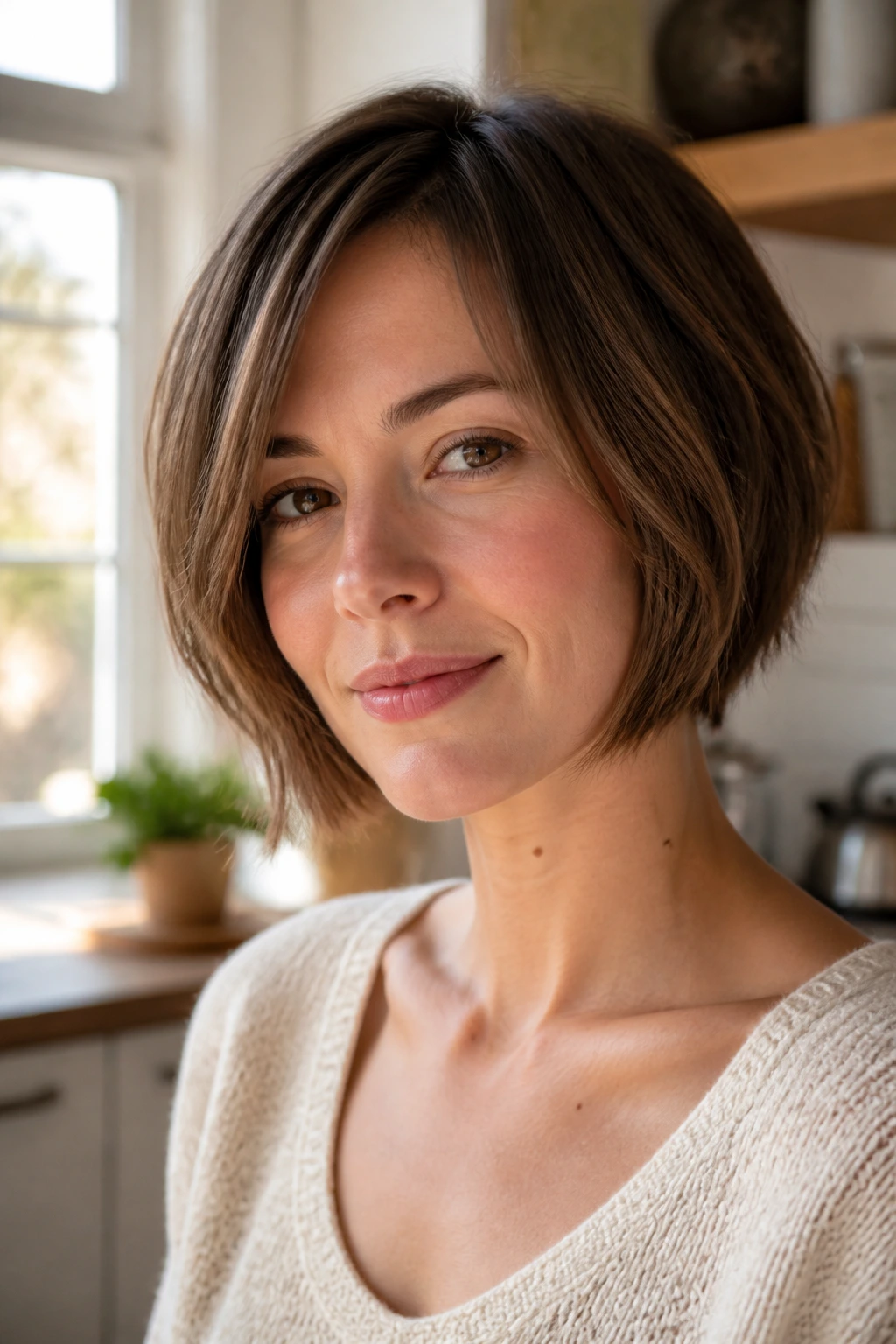
If you are brave enough to go short, the chin-length bob is your best friend. The shorter the hair, the less weight pulling on the root. When your hair is cut to graze your chin, you are essentially removing the drag that causes fine hair to go flat.
Finding the Right Angle
The chin-length cut works best when it hits exactly at the jawline. This creates a focal point that draws attention to your face rather than the texture of your hair. You can add a few long, sweeping layers to add movement, but keep the bulk of the hair at the chin to maintain that solid structure.
Pro tip: Ask your stylist to avoid “thinning shears.” On fine hair, thinning shears can often create holes or leave the hair looking frizzy rather than textured. Ask for point-cutting with regular scissors instead.
7. The Side-Swept Fringe Bob
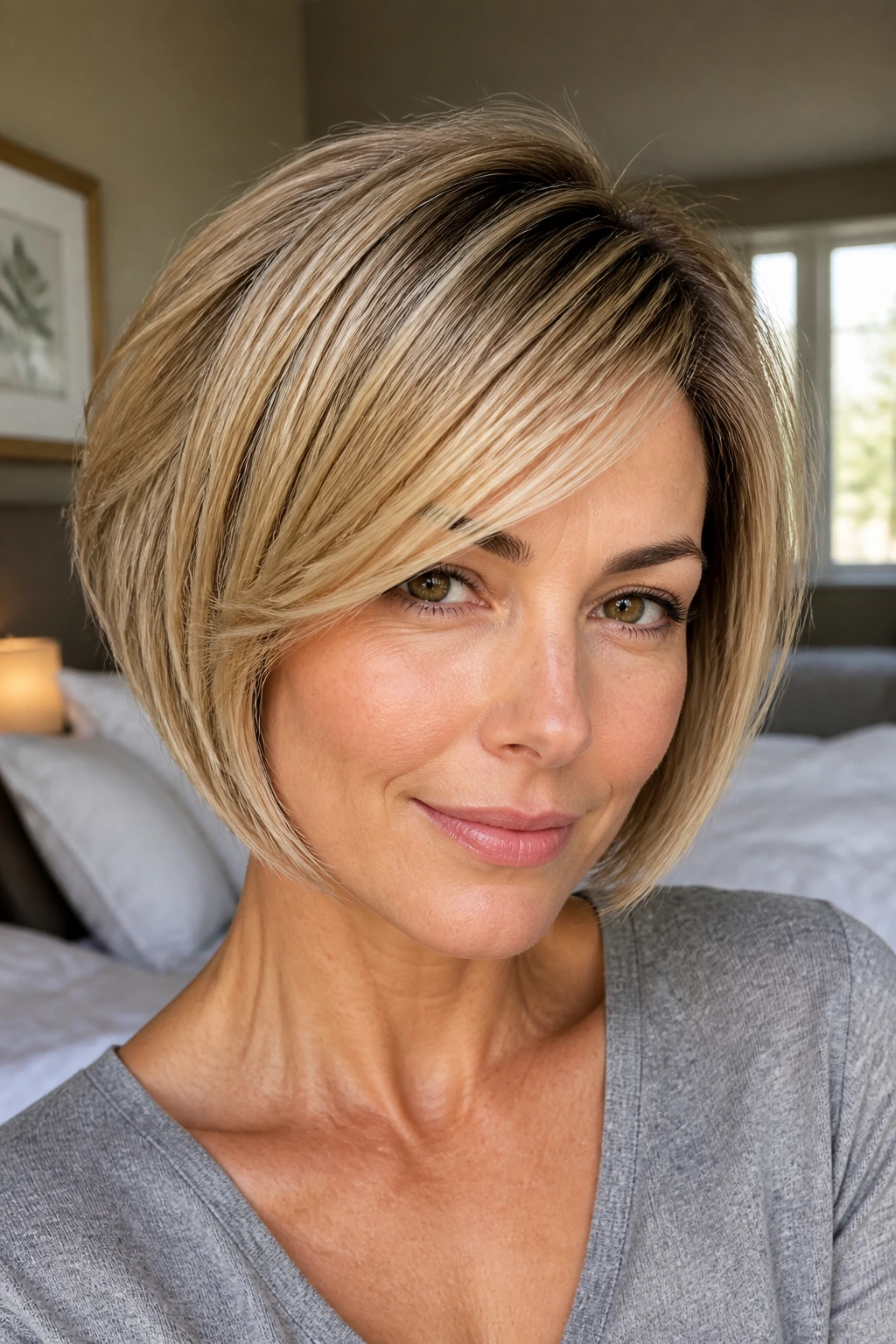
A bob with a side-swept fringe is one of the oldest tricks in the book for making hair look fuller. A fringe removes hair from the crown and brings it forward, making the top section of the head look much thicker than it actually is.
Styling the Fringe
The key here is volume at the root. When you dry your bangs, use a small round brush to pull them up and away from the forehead. This prevents them from sticking to your skin, which can make fine hair look greasy or sparse.
Why It Changes Everything
- It frames the eyes.
- It hides any thinning around the hairline.
- It adds a soft, approachable element to a sharp, angular bob.
8. Wispy Ends Bob
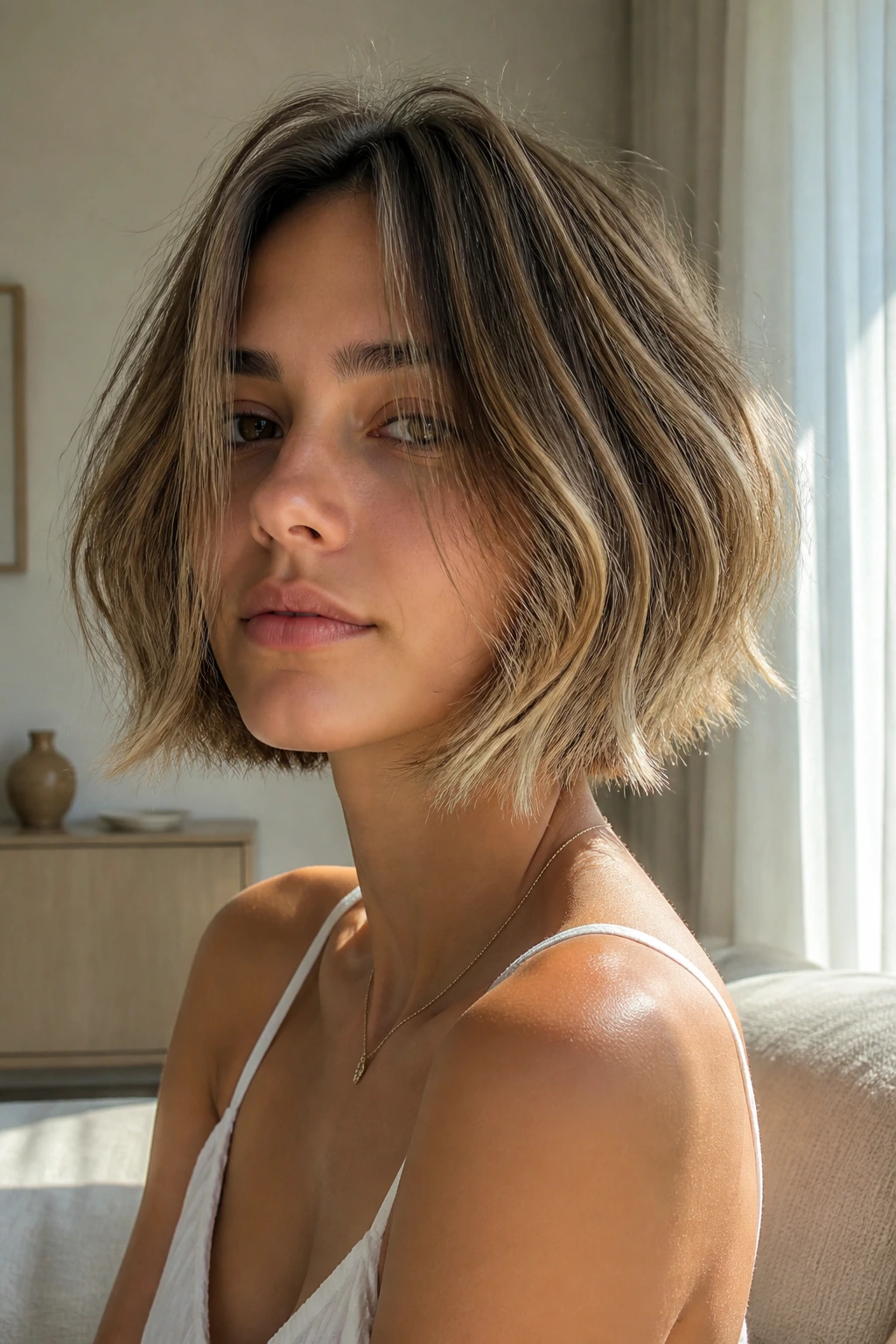
Sometimes, you want to lean into the nature of your hair. A “wispy” bob doesn’t try to look thick and heavy; it tries to look ethereal and light. This style is cut with razor-like precision to create soft, feathery ends that look intentionally delicate.
The Benefit of Movement
Because the ends are soft, they don’t look blocky. This style feels very feminine and requires very little styling effort. It is essentially a “wash and go” cut. You want the ends to have that soft, broken-in look immediately, which saves you from the frustration of waiting for a blunt cut to soften up.
Where to wear this: This look is perfect for casual settings or creative workplaces where a rigid, polished look might feel too uptight.
9. The Graduated Bob
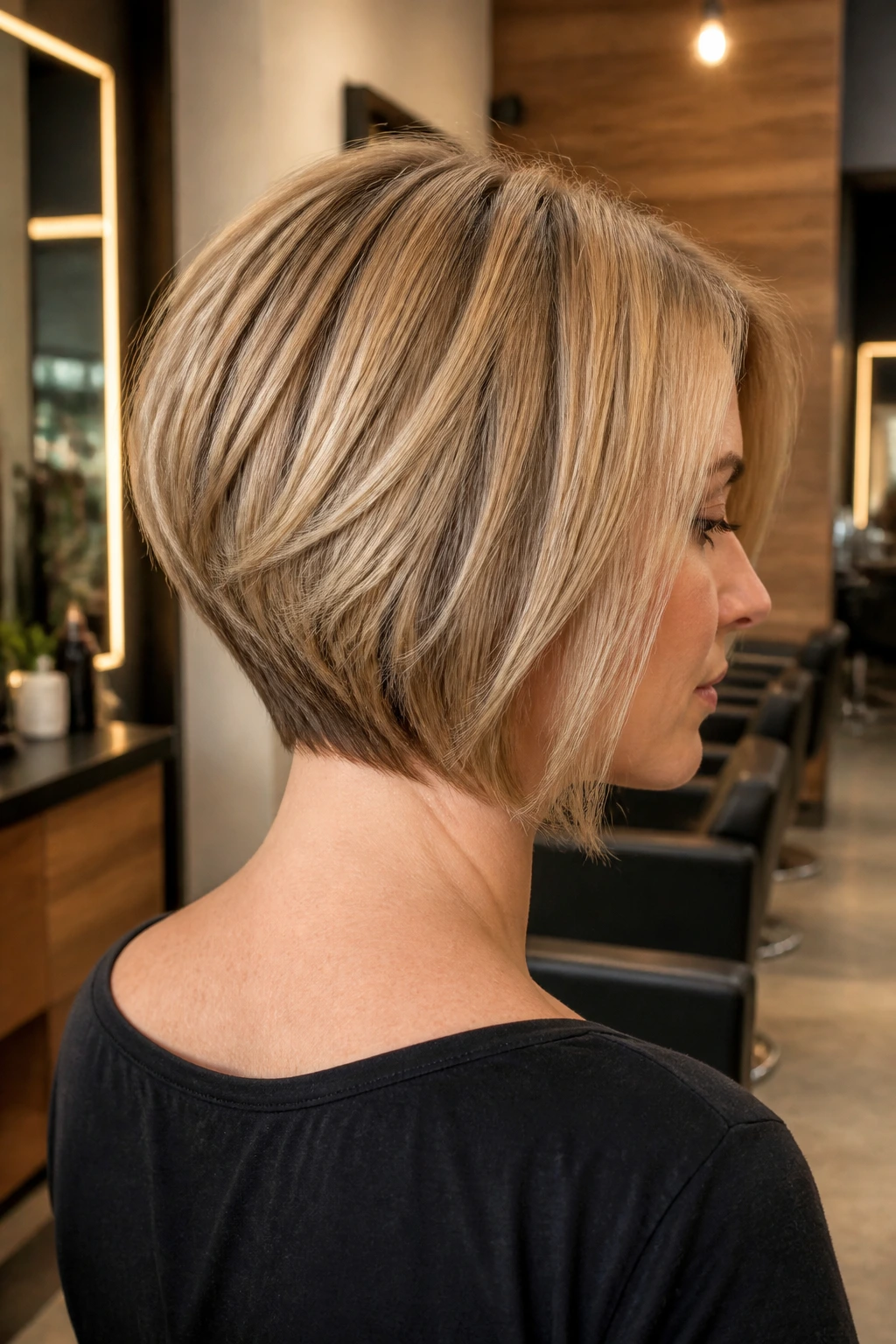
A graduated bob is similar to an inverted bob but usually features much softer, more blended lines. It is designed for those who want the lift of a shorter back but do not want the aggressive “V” shape of an inverted cut.
The Gradation Process
Your stylist will create a series of layers in the back that transition smoothly into the length in the front. This creates a soft, rounded shape that hugs the head. It is incredibly flattering for fine hair because the graduated layers naturally build volume in the back, where fine hair usually falls flat.
Managing the Shape
- Use a volumizing foam at the crown while the hair is damp.
- Blow-dry with a large round brush, focusing on lifting the hair away from the scalp at the roots.
- This cut grows out gracefully, so you don’t need to be in the salon every few weeks for a trim.
10. Blunt Cut with Subtle Highlights
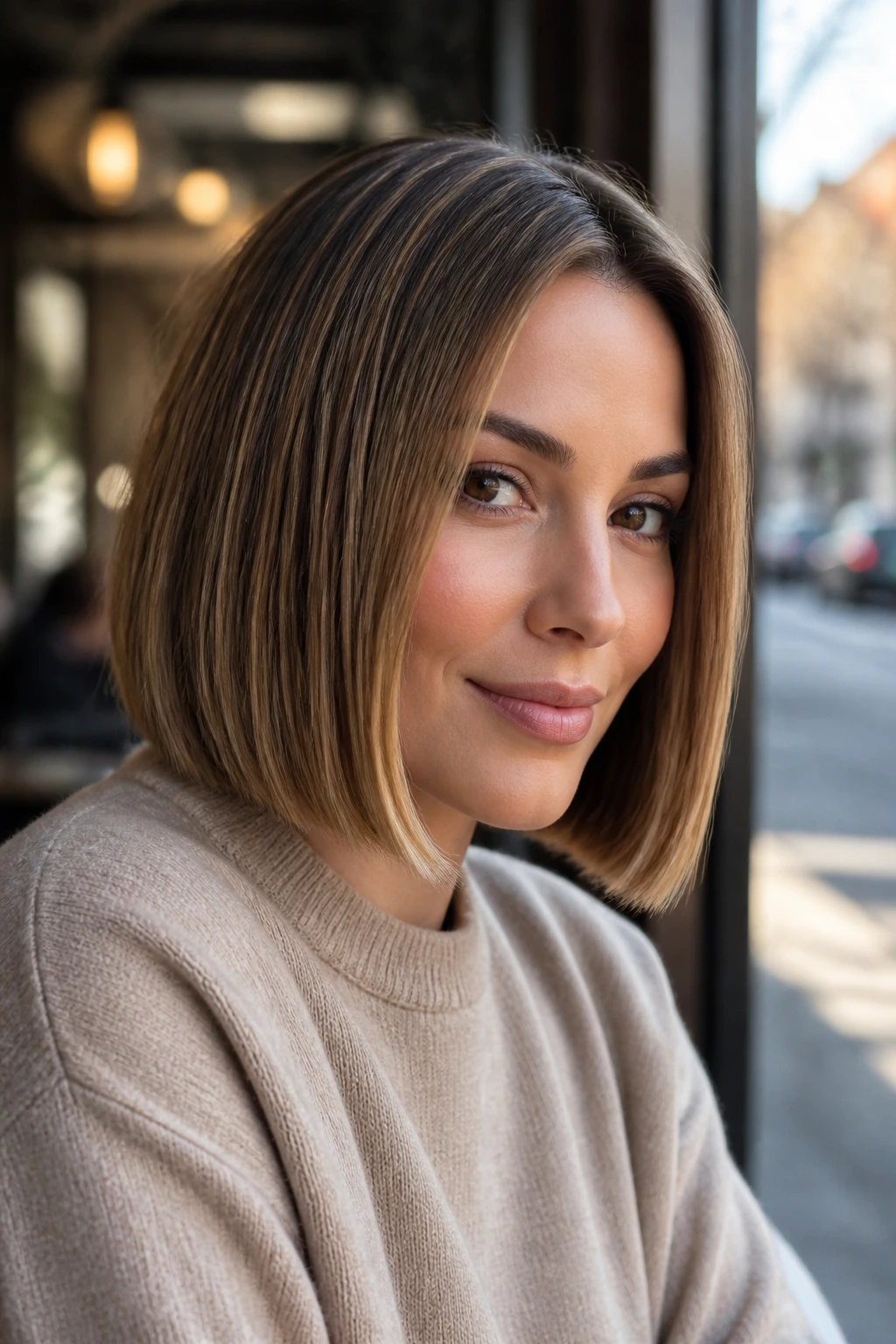
Sometimes the issue with fine hair isn’t just the cut, but the color. A blunt bob can look a bit one-dimensional if the color is flat. Adding subtle, sun-kissed highlights—also known as babylights—adds depth and contrast.
Why Contrast Matters
When all your hair is one solid color, the brain sees a flat surface. When you add highlights, you introduce different light reflections. This optical illusion makes the hair look more complex and, consequently, fuller.
Styling tip: Keep the highlights subtle. Large, chunky highlights can actually make fine hair look stringy. You want them to be fine and woven throughout the hair, mimicking the way hair naturally lightens in the sun.
11. The Rounded Bob
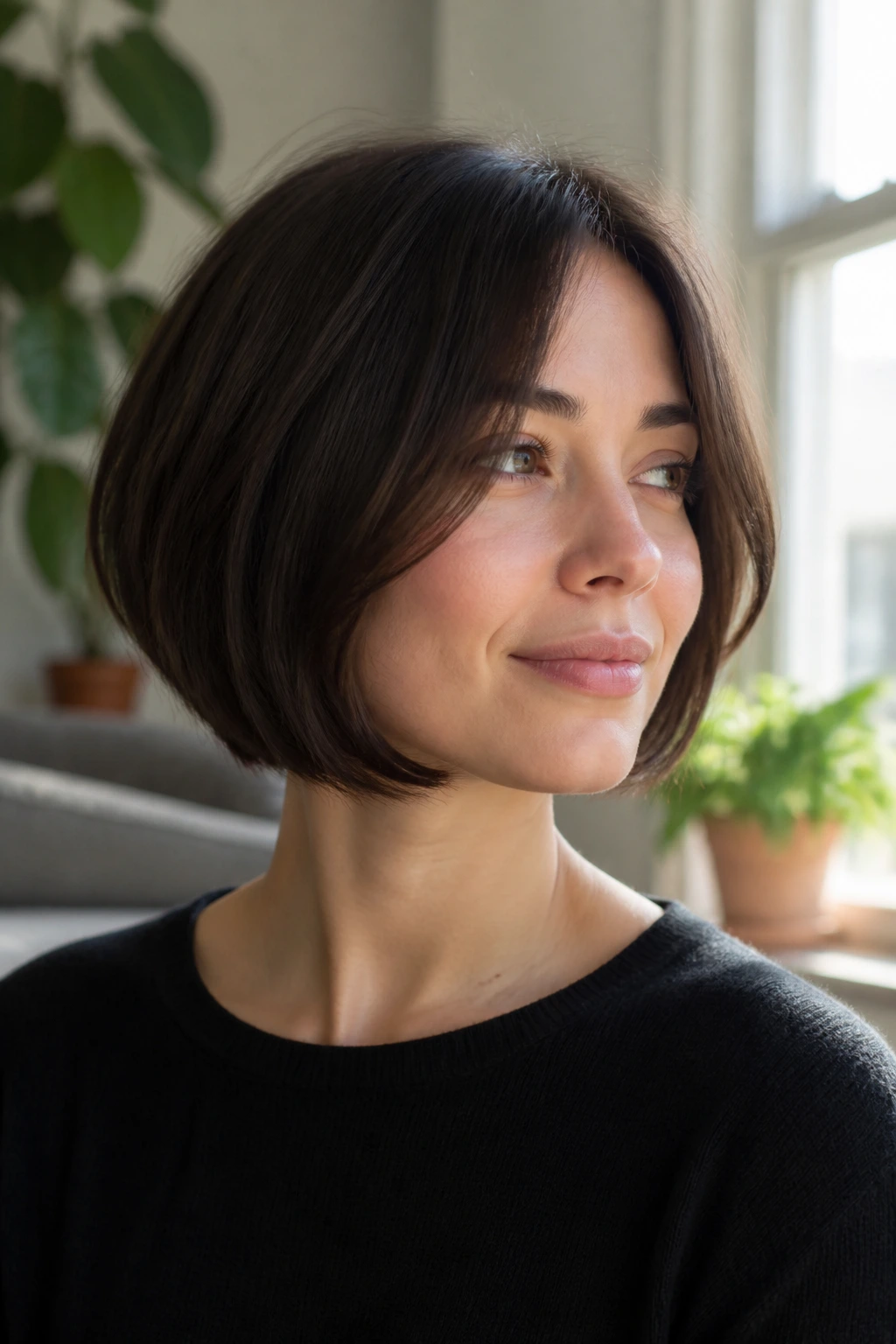
The rounded bob is a classic for a reason. It is cut to follow the shape of the head, with rounded layers that frame the face and create a soft, bouncy silhouette. This style is all about creating the appearance of thick, healthy hair through shape.
Achieving the Roundness
The cut requires a bit of layering throughout to create that curvature. Because the hair is fine, you don’t want the layers to be too short, or they will stand up and create frizz. Keep them long enough to sit smoothly, but short enough to contribute to the overall round shape.
Maintenance and Care
- This is a high-maintenance cut. It requires styling with a round brush every single time you wash it.
- It is not a “wake up and go” style, but for the right person, the polished, sophisticated result is worth the effort.
12. The Shaggy Bob
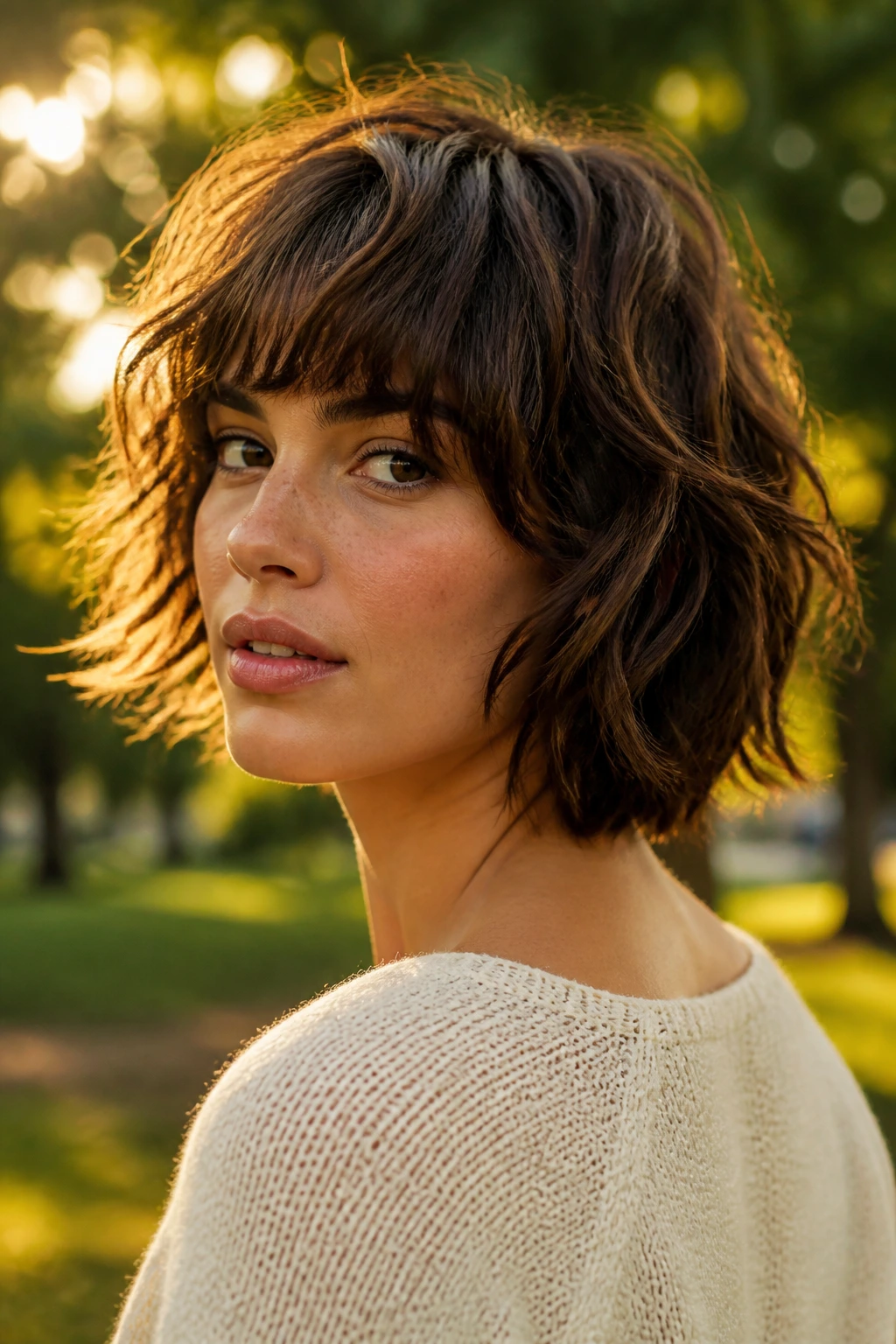
The shaggy bob is a deliberate, messy, and layered take on the classic. It is perfect for those who want volume and body without having to spend an hour with a blow dryer. The shagginess itself is the volume.
Why It’s Great for Fine Hair
- The layers provide immediate texture.
- It’s designed to look slightly undone, so you don’t have to worry about perfect alignment.
- It works beautifully with air-dried hair.
Styling secret: Apply a texture spray to damp hair, scrunch it with your hands, and let it dry naturally. The natural oils and movement of your hair will help the layers settle into a voluminous shape.
13. The Asymmetrical Bob
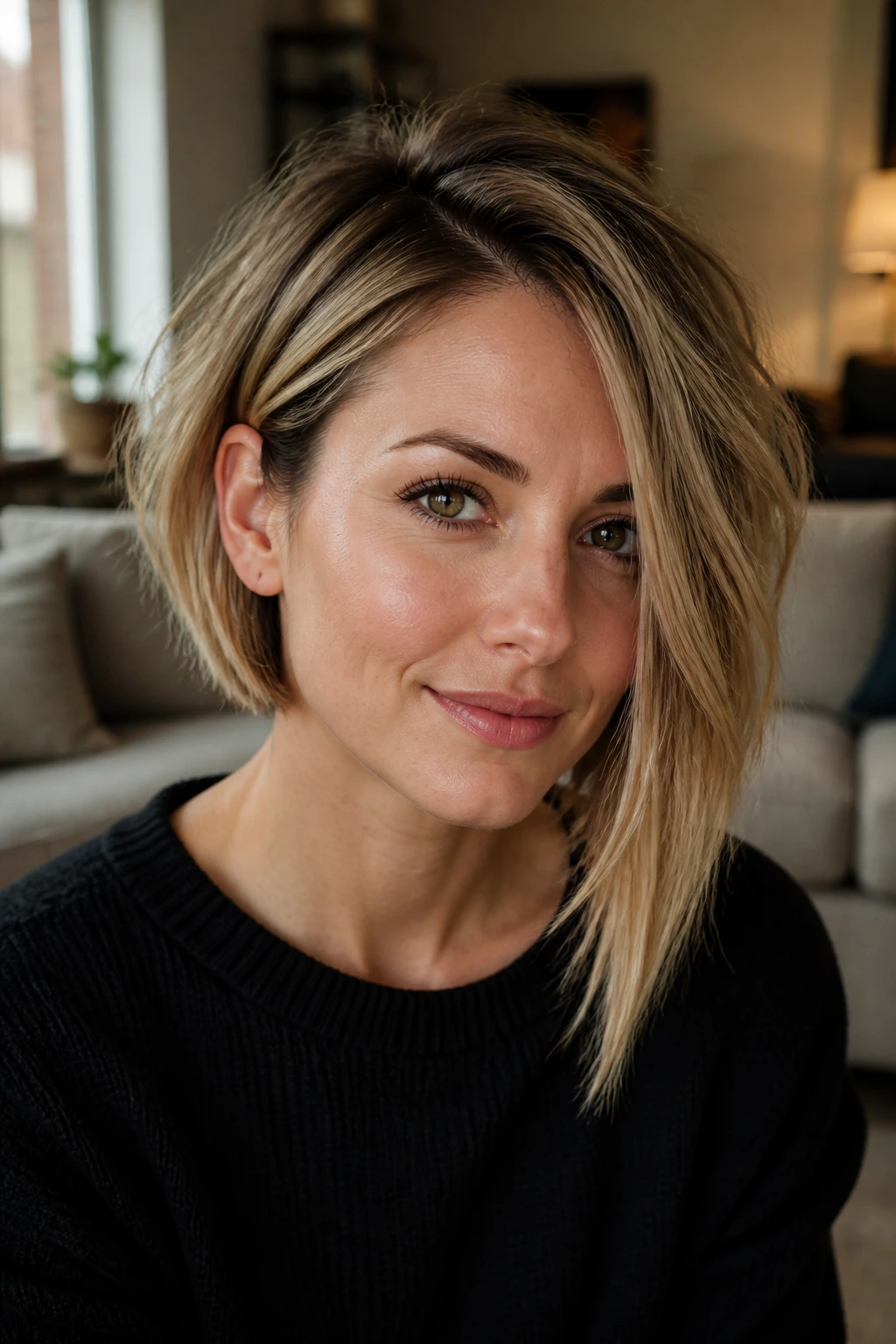
Asymmetry is an excellent tool for those with fine hair. By cutting one side longer than the other, you create a dynamic, interesting look that distracts from the hair’s density. The uneven line is the focal point, not the thickness of the hair.
Choosing Your Side
You can decide how dramatic you want the difference to be. A subtle, inch-long difference is elegant and easy to style. A more dramatic, steep angle is bold and modern.
Who Should Try It?
This style works well for people who want to change their look without committing to a full, short bob. It adds a touch of personality and can be very flattering for face framing.
14. The Collarbone-Grazing Lob

The collarbone-grazing lob is often the “sweet spot” for fine hair. It’s long enough to pull back into a small ponytail, but short enough to avoid the heavy, flat look that comes with longer styles. It sits perfectly at the collarbone, avoiding the shoulders where the hair would otherwise flip out.
Weight Distribution
At this length, you have enough hair to work with for styling, but you still benefit from the lack of weight. It’s a great length for anyone who is nervous about going “too short” but knows their long hair is looking thin.
Pro tip: A deep side part with this cut can add an instant boost of volume to the crown, making the style look much fuller than a center part would.
15. The Blunt Bob with Curtain Bangs
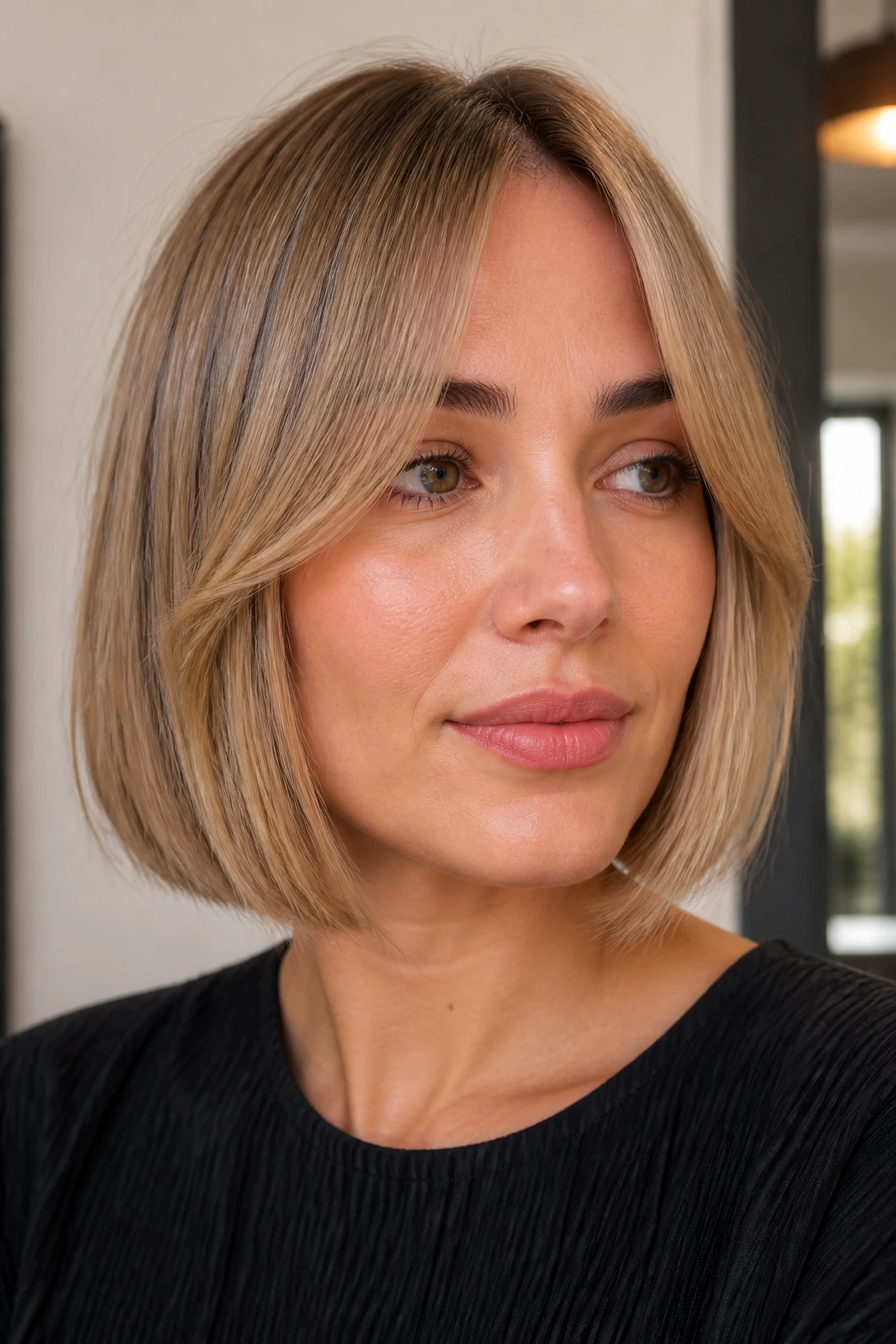
Curtain bangs are a fantastic addition to a blunt bob. They create a soft, feathered frame around the face that makes the hair look like it has more movement and volume around the temple area.
Why It works
The curtain bang is typically cut long and wispy, sweeping back to blend with the rest of the hair. Because these bangs are usually lighter and thinner, they don’t look heavy on the face, which is a major bonus for fine-haired individuals.
Styling the Bangs
- Use a round brush to blow-dry the bangs backward, away from the face.
- Let them cool in the brush for a few seconds to “set” the volume.
- They will frame your face beautifully and add that extra bit of “oomph” to your bob.
16. The French Girl Bob
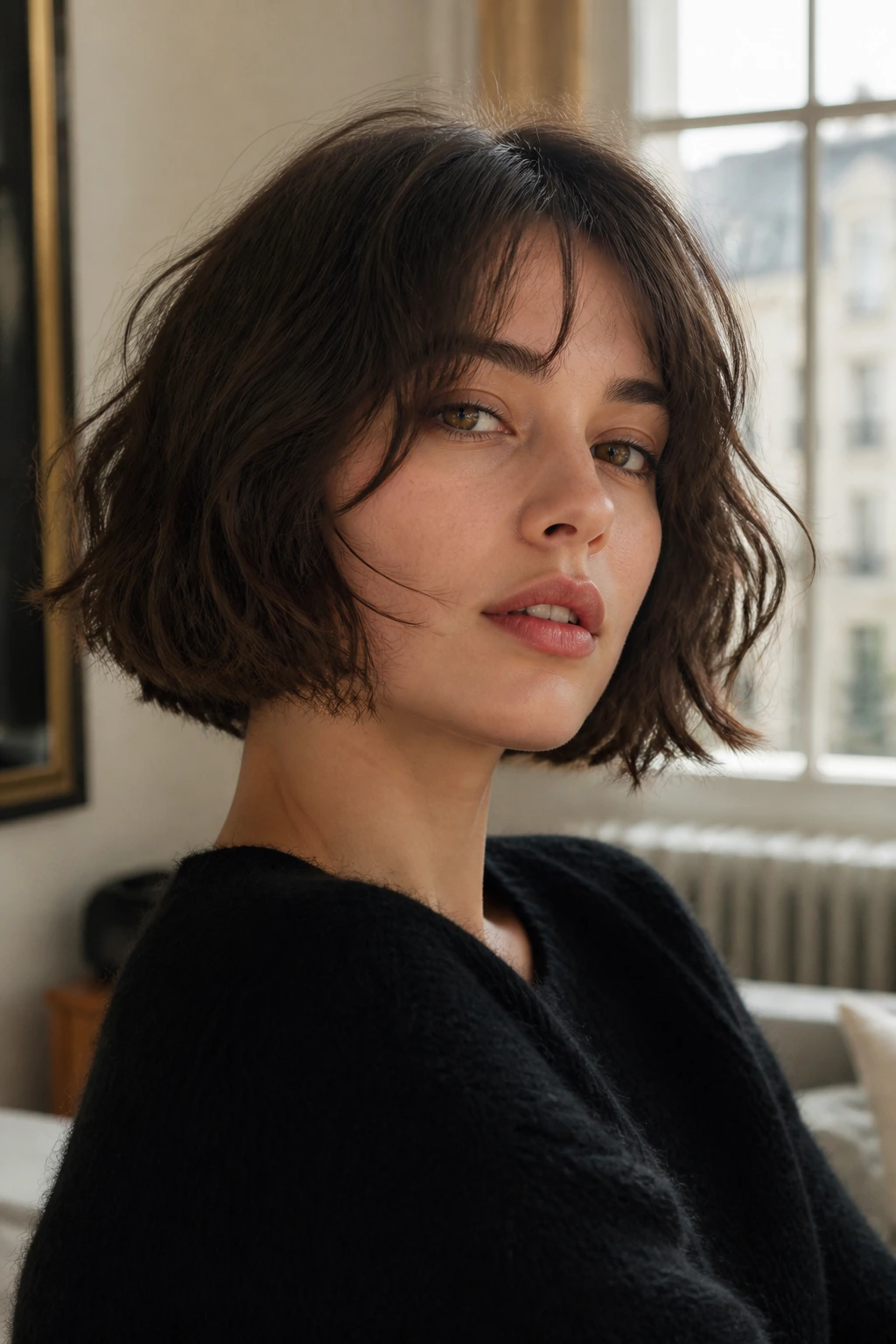
The French Girl bob is short, cheekbone-grazing, and unapologetically messy. It’s the kind of cut that looks better the messier it gets. This style is defined by its air-dried, natural texture.
The Essence of the Style
It isn’t about being perfectly polished. It is about embracing the natural wave or straightness of your hair and letting it sit in a way that feels effortless. For fine hair, this is brilliant because you aren’t fighting your hair texture; you are working with it.
Maintenance: Very low. You need a good cut to start, but once it’s done, you can basically forget about it. A little sea salt spray or a touch of dry shampoo for grip is all you need.
17. Sleek Center-Part Bob
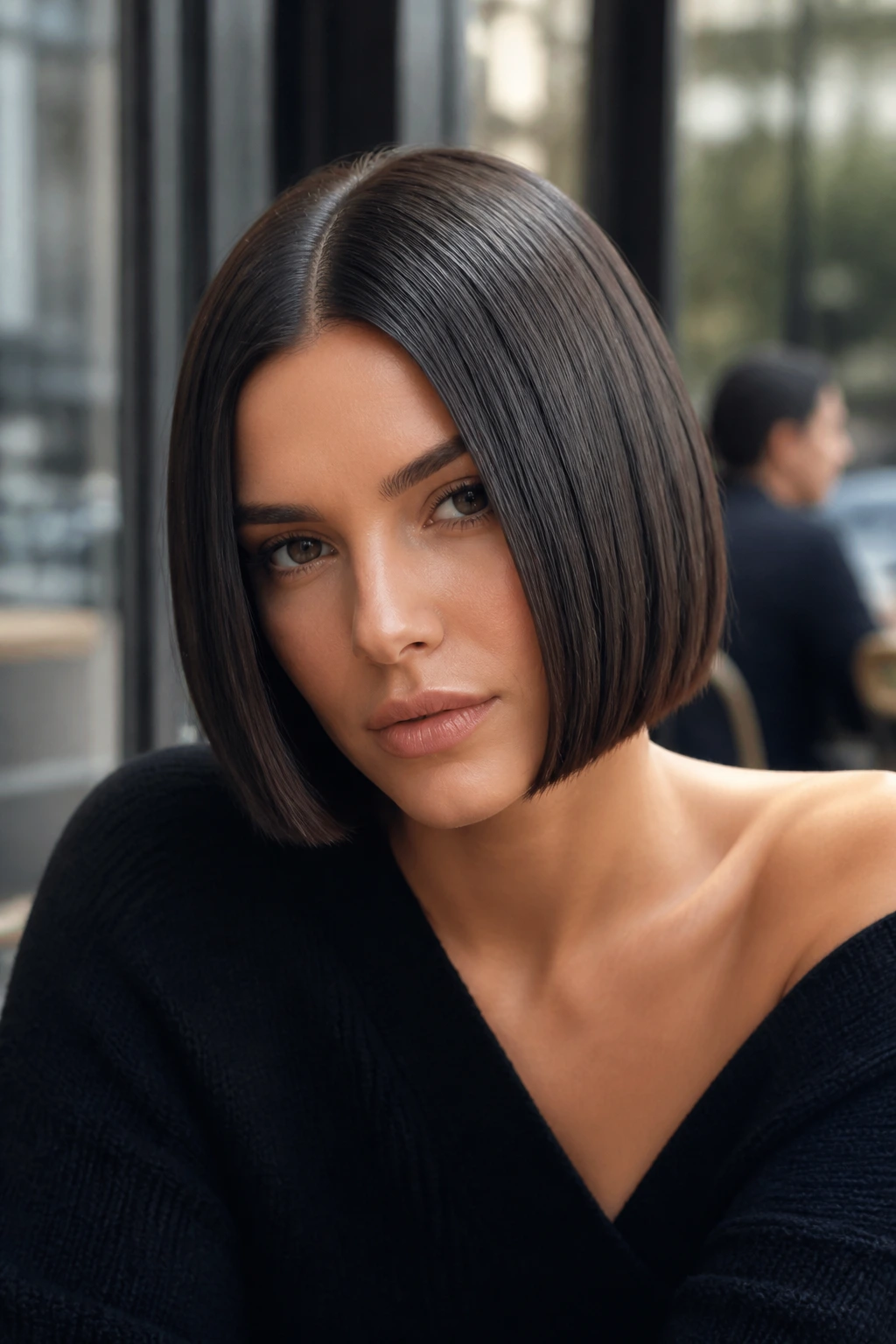
If you have very fine, very straight hair, lean into it. A sleek, center-parted bob is chic, minimalist, and incredibly modern. The key here is the shine. When your hair is fine, it can often be very soft and shiny—don’t hide that.
Achieving the Sleek Look
- Use a smoothing serum to tame any flyaways.
- A flat iron is your best friend here, but keep it on a lower heat setting to avoid damage.
- The center part provides a balanced, symmetrical look that can be very striking.
Essential Tool: A Tail Comb
For a center part to look intentional, it must be perfectly straight. Use a tail comb to draw that line precisely. It makes all the difference in the final look.
18. Layered Undercut Bob
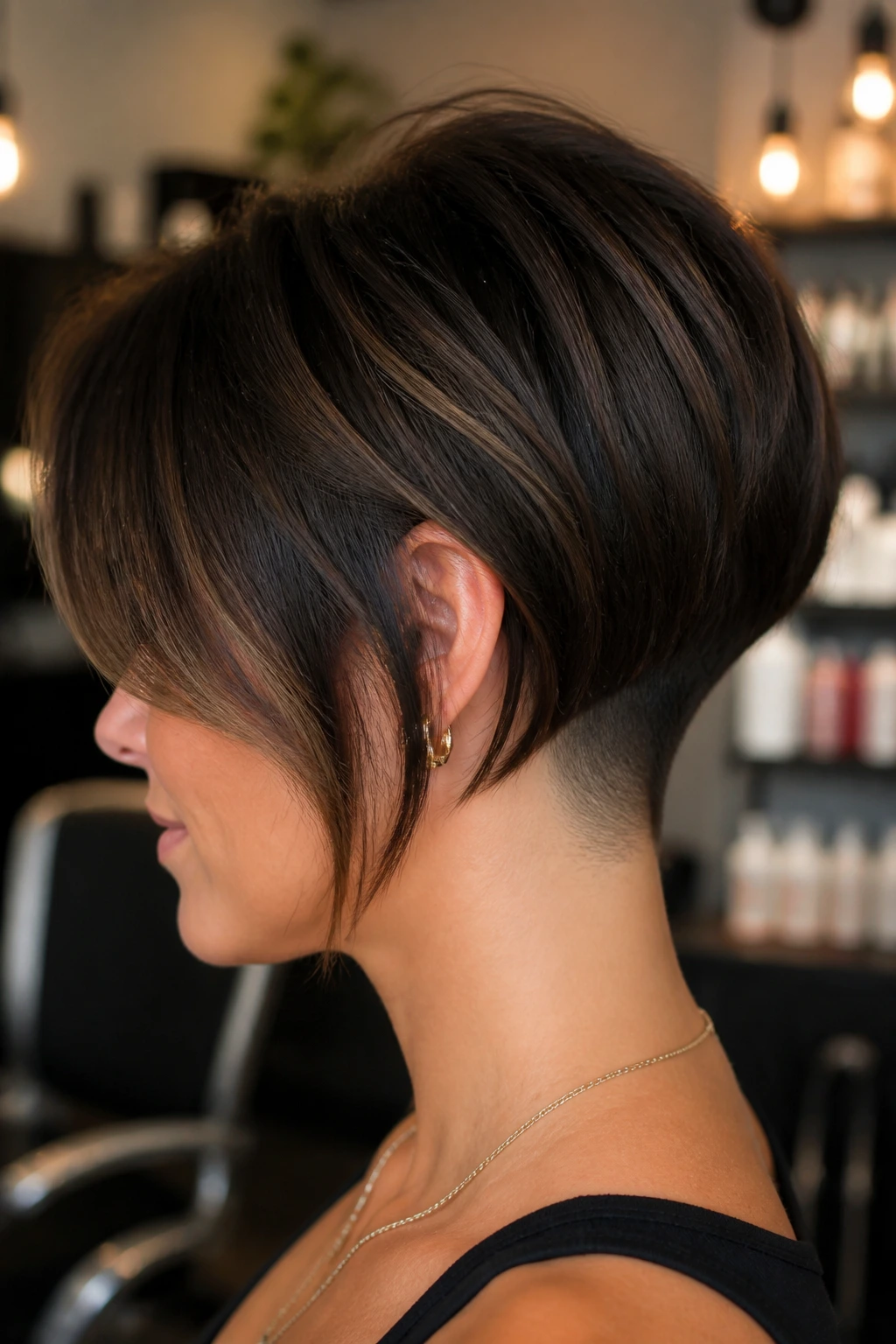
An undercut bob might sound intense, but it can be a secret weapon for fine hair. By “undercutting”—essentially shaving or closely cropping a small section at the nape of the neck—you remove the hair that usually gets tangled and flat, while the hair above it can sit more freely.
Why Do This?
- It reduces the bulk at the very bottom, making the hair look sleeker.
- It adds a hidden layer of edge.
- The weight of the remaining hair is distributed better, allowing for more volume in the crown.
Note: This is a stylistic choice. If you don’t want to shave the nape, simply ask your stylist to “shorten the nape” significantly, which gives a similar effect of lift without the commitment of clippers.
19. Messy Beachy Bob
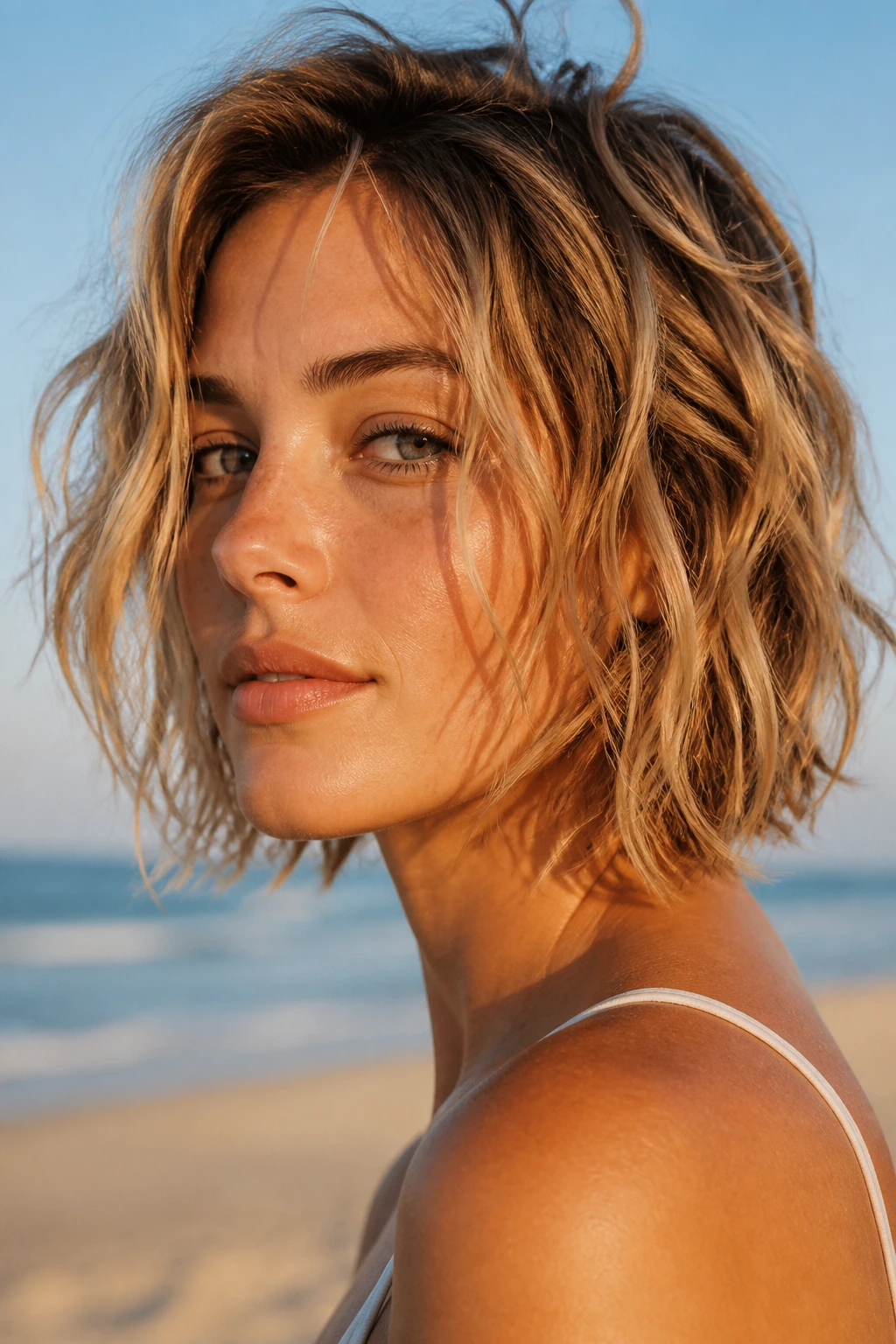
This is the ultimate low-effort, high-impact style. It’s essentially a lob with messy, undone waves. The key is in the product. You need a good sea salt spray or a “beach wave” lotion to give your fine hair the grip it needs to hold a wave.
How to Create It
- Damp hair is essential.
- Apply your spray, braid your hair into two loose braids, and let it air-dry.
- When you undo the braids, you will have a natural, soft wave pattern that adds incredible texture and volume.
Why It’s Perfect for Fine Hair
The waves create distance between the strands, which creates the illusion of more hair. The more space between your hairs, the thicker your head of hair will look.
20. The Softened Blunt Bob
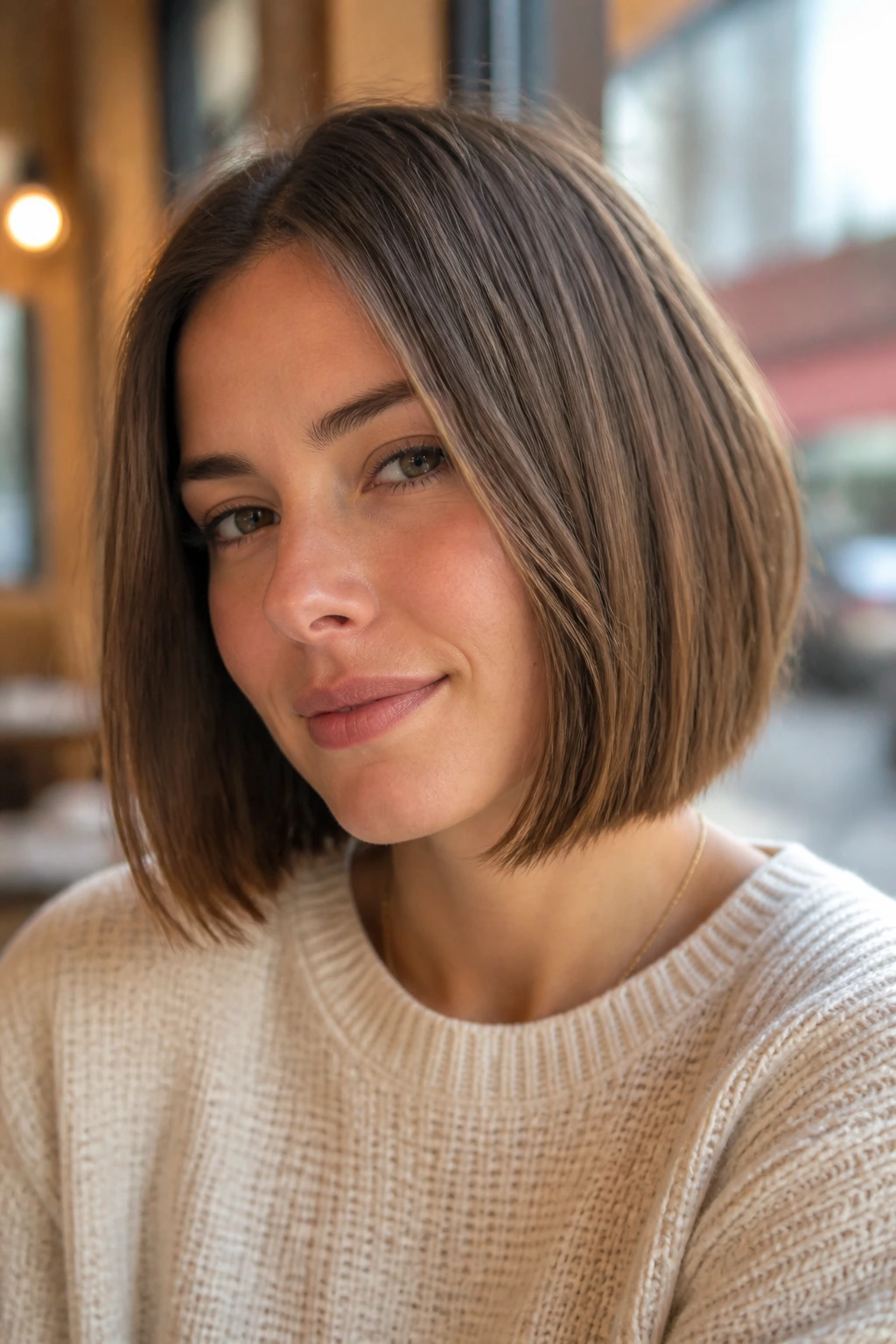
If you love the look of a blunt bob but find that a perfectly straight, sharp line looks too severe on you, go for a softened blunt bob. This cut has the solid, heavy-weight perimeter of a blunt bob, but the very ends are point-cut to remove any harshness.
The Best of Both Worlds
You get the visual density at the bottom that you want, but the style feels more relaxed and approachable. It sits somewhere between a sharp, editorial cut and a soft, everyday style.
Final Styling Advice: Always finish with a light-hold hairspray. Fine hair is easily weighed down, so stay away from heavy, sticky hairsprays. A fine mist will hold your style in place without making it look clumped or stiff.
Final Thoughts
The secret to mastering a bob with fine hair is consistency and the right product routine. Too many people with fine hair walk into a salon, get a great cut, and then go home to use heavy conditioners that collapse their new style within an hour. A bob is a commitment to a new way of caring for your hair. You need products that offer weightless volume—mousses, texturizing sprays, and light root lifters. Avoid anything labeled “smoothing” or “hydrating” unless it is specifically formulated for fine hair; those products are often packed with heavy oils that will turn a fresh, bouncy cut into a flat, limp one.
Remember that a great bob is a collaborative effort between you and your stylist. Bring photos, but more importantly, talk about your lifestyle. If you don’t have time to blow-dry your hair, don’t get a rounded bob that requires daily maintenance. Choose a cut that fits your morning routine. A bob is meant to make your life easier, not more complicated. When you choose the right shape and respect your hair’s unique density, you will find that a shorter cut isn’t a restriction—it’s the best way to make your hair look its absolute thickest and healthiest.
