



Long hair gives blonde ombre room to breathe.
On a blunt bob, the fade has to be tight. On waist-length hair, you can let the color drift from smoky roots to pale ends in a way that feels softer, richer, and far less fussy as it grows out. That is why blonde ombre hair ideas for long hair are such a satisfying thing to browse: the length gives you space for tone, contrast, and movement.
The tricky part is this: long hair also shows every bad decision. A muddy midsection can make the whole style look flat, and a harsh line of lightness can feel chunky instead of blended. I pay close attention to where the bright pieces land around the face and through the last six inches, because that is where the eye goes first.
A good blonde ombre on long hair should look like it was built in layers, not painted in one flat sweep. Soft root depth, believable mids, and ends that feel a shade or two lighter than the rest usually beat an overly pale, overworked finish. That kind of color has room to move with loose waves, sleek blowouts, and even a messy braid.
1. Honey Blonde Ombre Melt
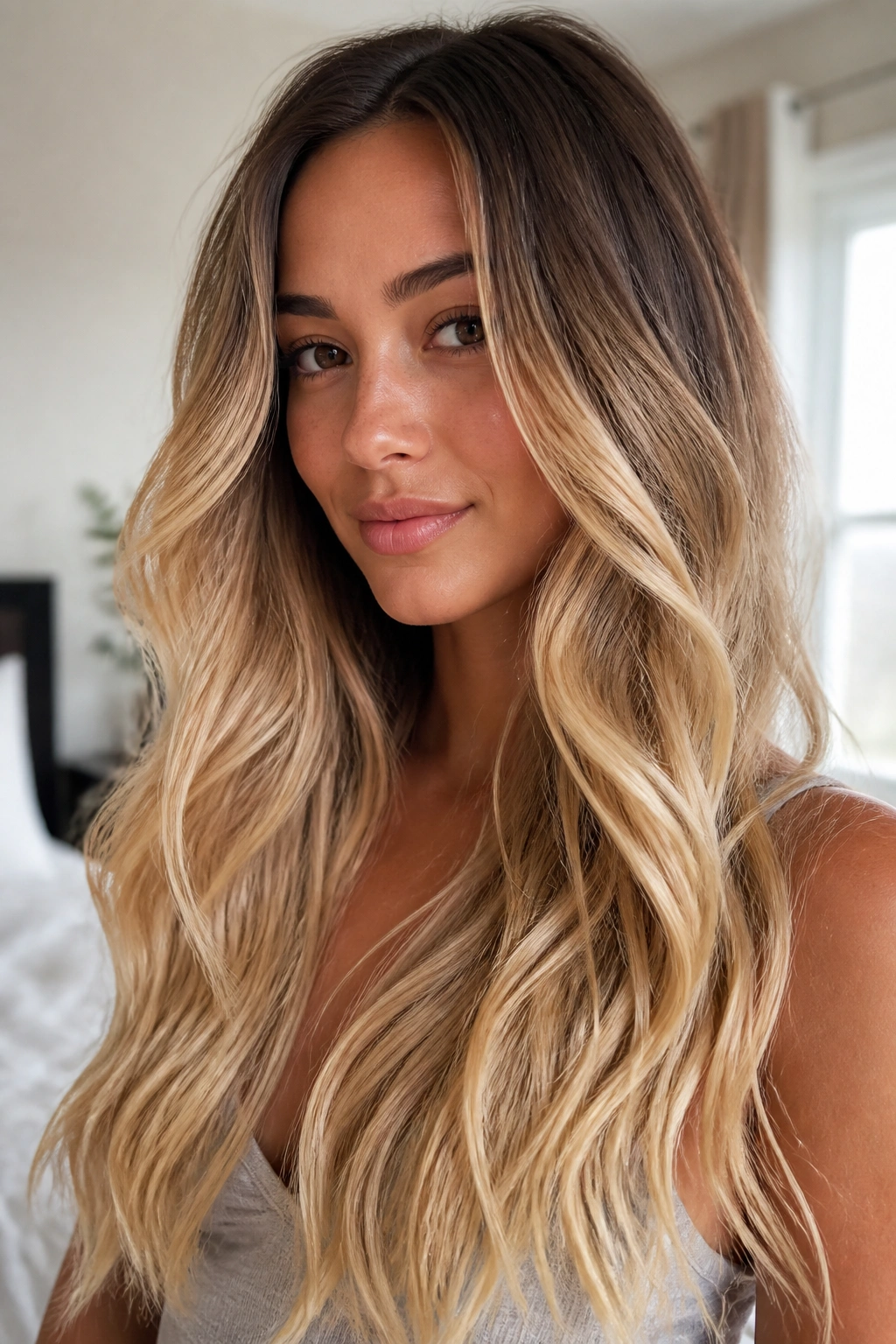
Honey blonde is the easiest way to make long hair look warm, full, and expensive without pushing it into brassy territory. The shade sits in that sweet spot between gold and beige, so the fade feels glowing instead of loud.
Why It Works on Length
Long layers help honey tones look almost woven in. The darker root area keeps the top from feeling puffy, while the lighter ends catch the light when the hair moves. On long hair, that shift reads cleanly from a distance and still feels soft up close.
A deep brunette base makes the honey look richer. A medium brown base gives it a sunnier finish. Either way, it’s a forgiving choice if you want blonde ombre hair ideas for long hair that do not demand constant correction.
- Best for warm or neutral skin tones
- Looks strong on loose curls and big blowouts
- Usually grows out softly, which keeps salon visits calmer
- Ask for a beige-gold toner if the blonde leans too orange
My favorite part: this color makes thick hair look glossy instead of heavy. That matters more than people think.
2. Ashy Beige Root Smudge
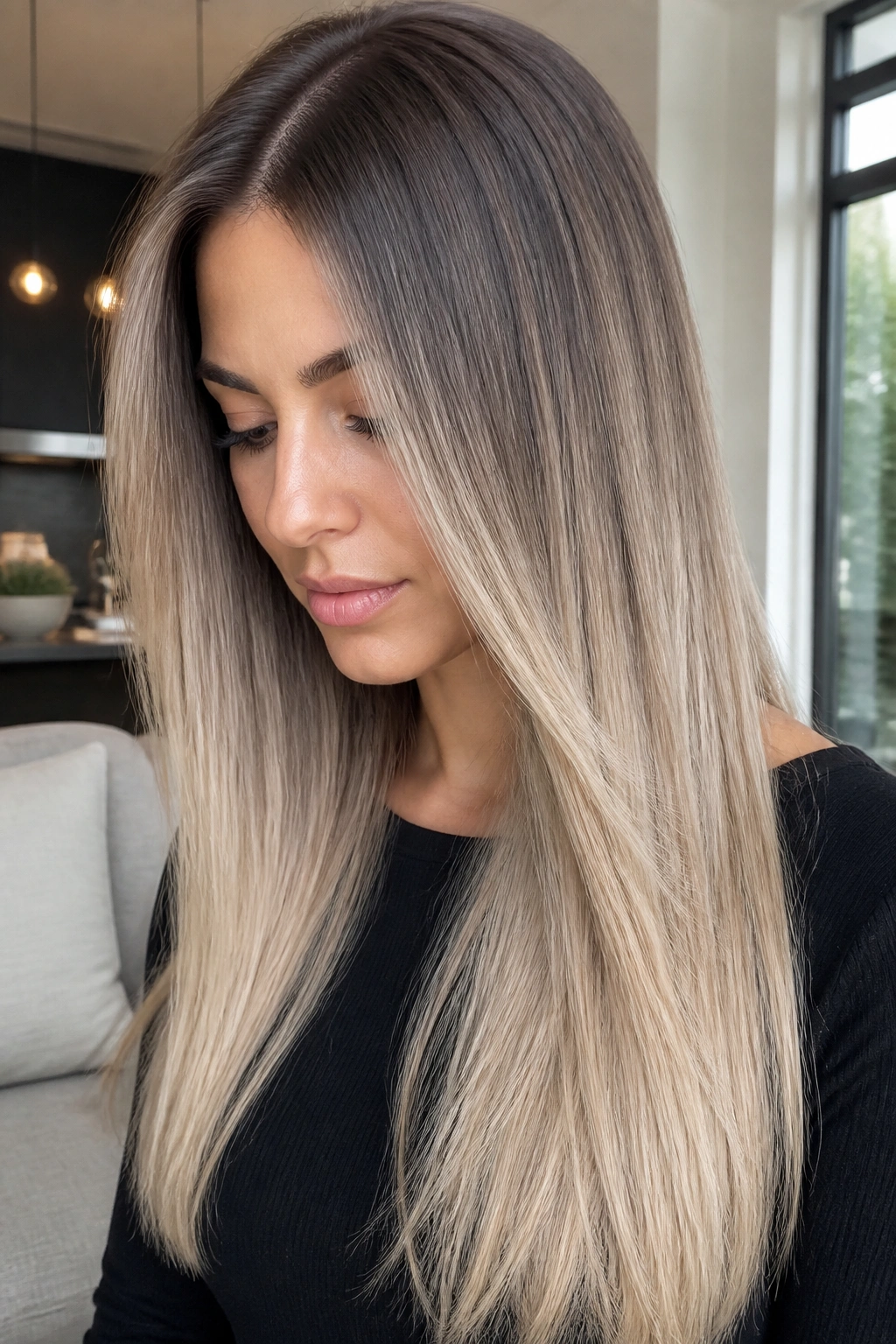
Why does this look so polished on long hair? Because the ashier root smudge removes the hard line most ombre styles struggle with. The fade feels slower, almost misty, and that works especially well when the hair is worn straight or with soft bends.
The base stays deeper for a few inches, then slips into a pale beige blonde that never gets too yellow. That slight smoky cast is doing a lot of work. It keeps the style modern, but not harsh. And on longer lengths, a cooler blend stops the ends from looking stripey.
How to Wear It
Keep the cut slightly layered so the lighter pieces separate when you move. A one-length cut can look too heavy with this color. Gentle waves are the sweet spot.
A wide-barrel iron gives the color more dimension than tight curls. You want ribbon-like movement, not crimped texture. If the blonde starts to feel chalky, a sheer beige gloss brings it back fast.
3. Platinum Feathered Ends
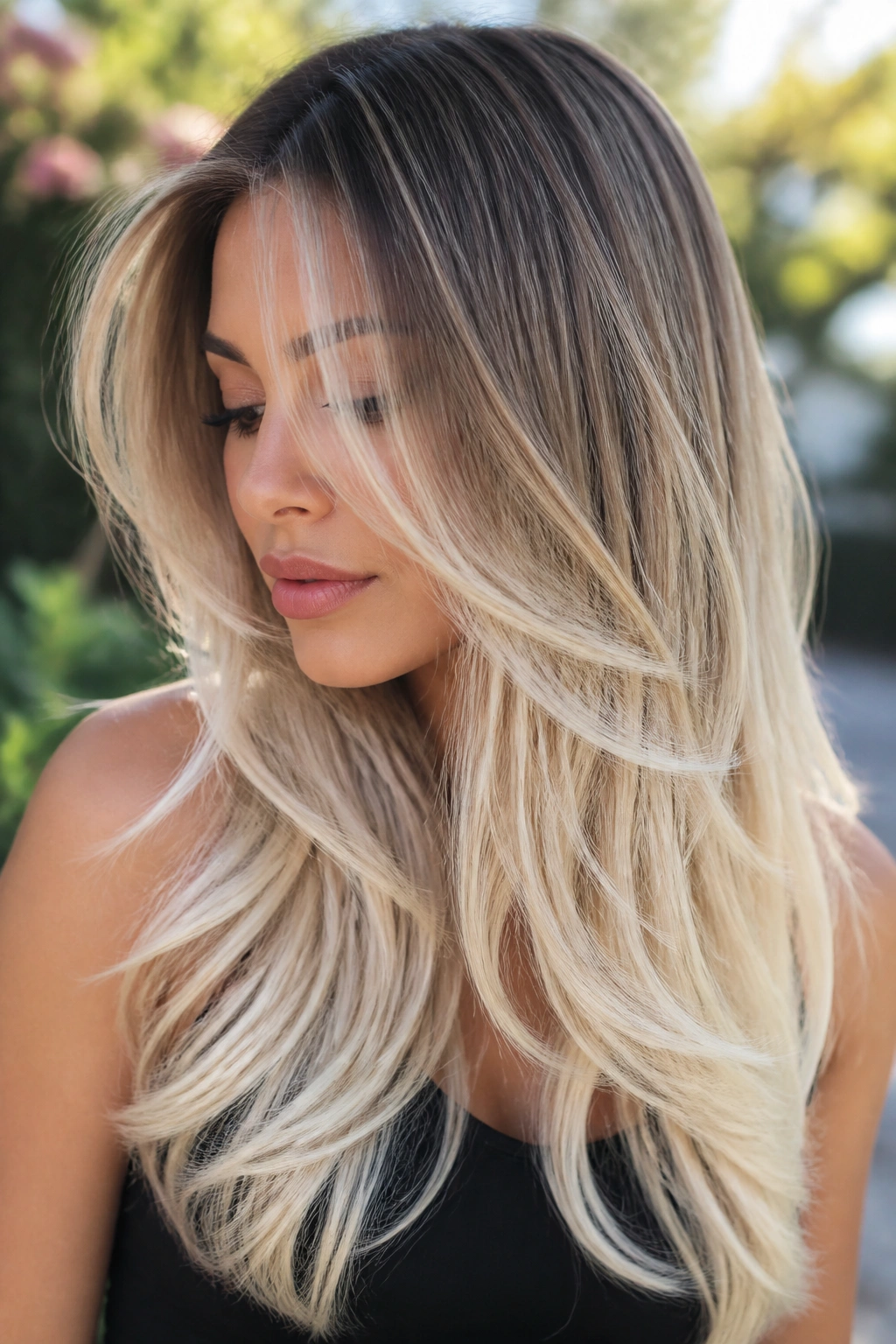
Platinum ends are for the person who wants drama, but not the kind that screams from across a parking lot. The magic is in the feathering. Instead of bleaching the whole length flat, the lightest color sits on the ends and a few face-framing pieces, which keeps the grow-out line from feeling severe.
This look is sharp on long hair because the length gives the platinum somewhere to live. On shorter hair, platinum can feel abrupt. On longer hair, it spreads out and looks intentional, especially if the cut has airy layers or soft V-shaping at the bottom.
Quick Notes That Matter
- Works best when the ends are already in decent shape
- Needs strong heat protection if you straighten often
- A violet shampoo once a week is usually enough
- Glossing the mids keeps the fade from looking dry
The downside is obvious. Platinum ends show damage faster than honey or beige. If your hair is fragile, keep the lightest section narrower and stop two inches before the very bottom.
4. Champagne Ribbon Balayage
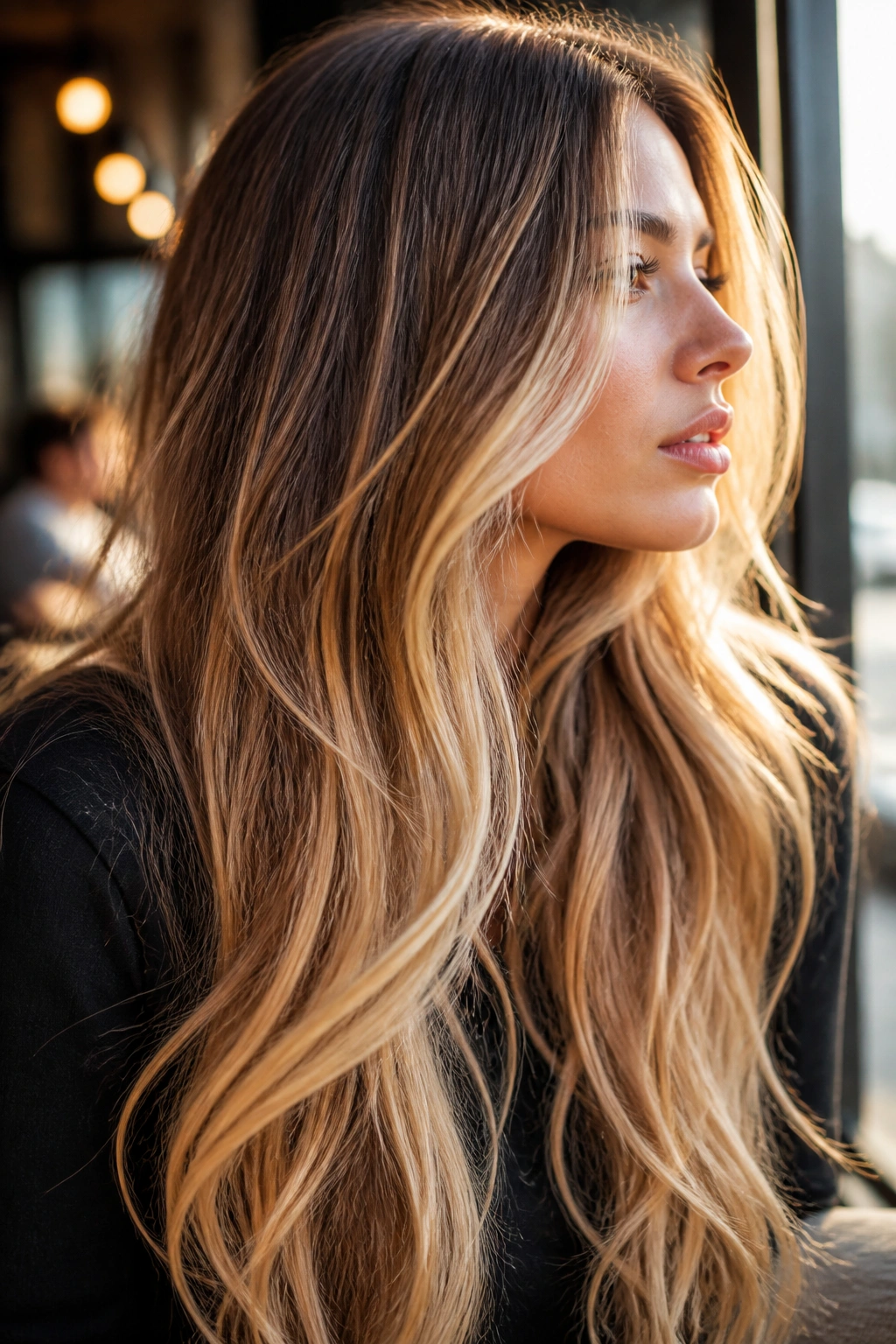
Champagne blonde has a nice trick: it looks light without looking flat. On long hair, that matters a lot, because you need brightness at several levels or the whole style can sink into one pale sheet. Ribbon balayage breaks that problem apart.
The color usually sits between soft gold and cool beige, which gives the hair a fizzing kind of shine. I like it on layered lengths because the brighter ribbons separate when the hair swings. The result is more movement, less monotone.
Straight hair can wear this too, but the style really wakes up in soft waves. Those bends show off the color change in a way that sleek hair sometimes hides. A middle part feels clean; a side part gives it a little more swing.
A champagne finish is also a smart move if you want blonde ombre hair ideas for long hair that feel grown-up without turning beige and dull. It has enough warmth to stay friendly, enough coolness to stay clean.
5. Strawberry Blonde Ombre
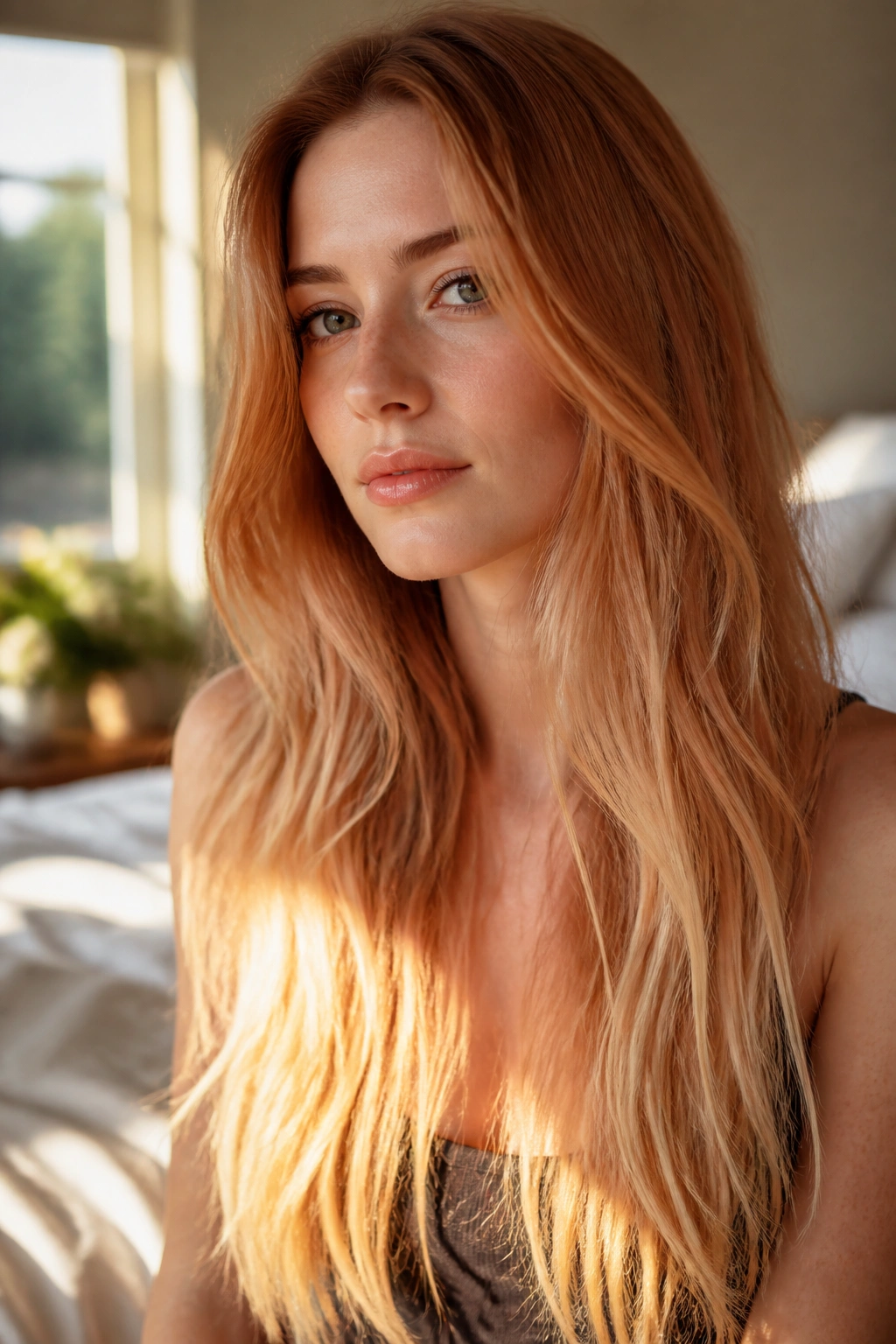
Strawberry blonde ombre sits in a softer lane than most people expect. It is not copper. It is not rose gold pretending to be blond. It’s a gentle blush-gold fade that can make long hair feel lighter without stripping out its warmth.
This style works especially well on people who hate icy blonde but still want something that reads as blonde. The transition from deeper roots to strawberry-tinted mids and golden ends keeps the hair lively. On long layers, the color looks almost dimensional on its own, even before you style it.
Who Should Reach for It
If your natural color is dark blonde, light brown, or soft auburn, this is a flattering place to start. The warmth can tie the whole look together instead of fighting against your base.
Warm-toned makeup makes the shade sing. Peach blush, brown liner, and a sheer gloss keep the whole look in the same lane. A cool pink lipstick can make strawberry blonde look washed out, so I’d skip that pairing unless you want the contrast on purpose.
6. Buttercream Face-Frame Fade
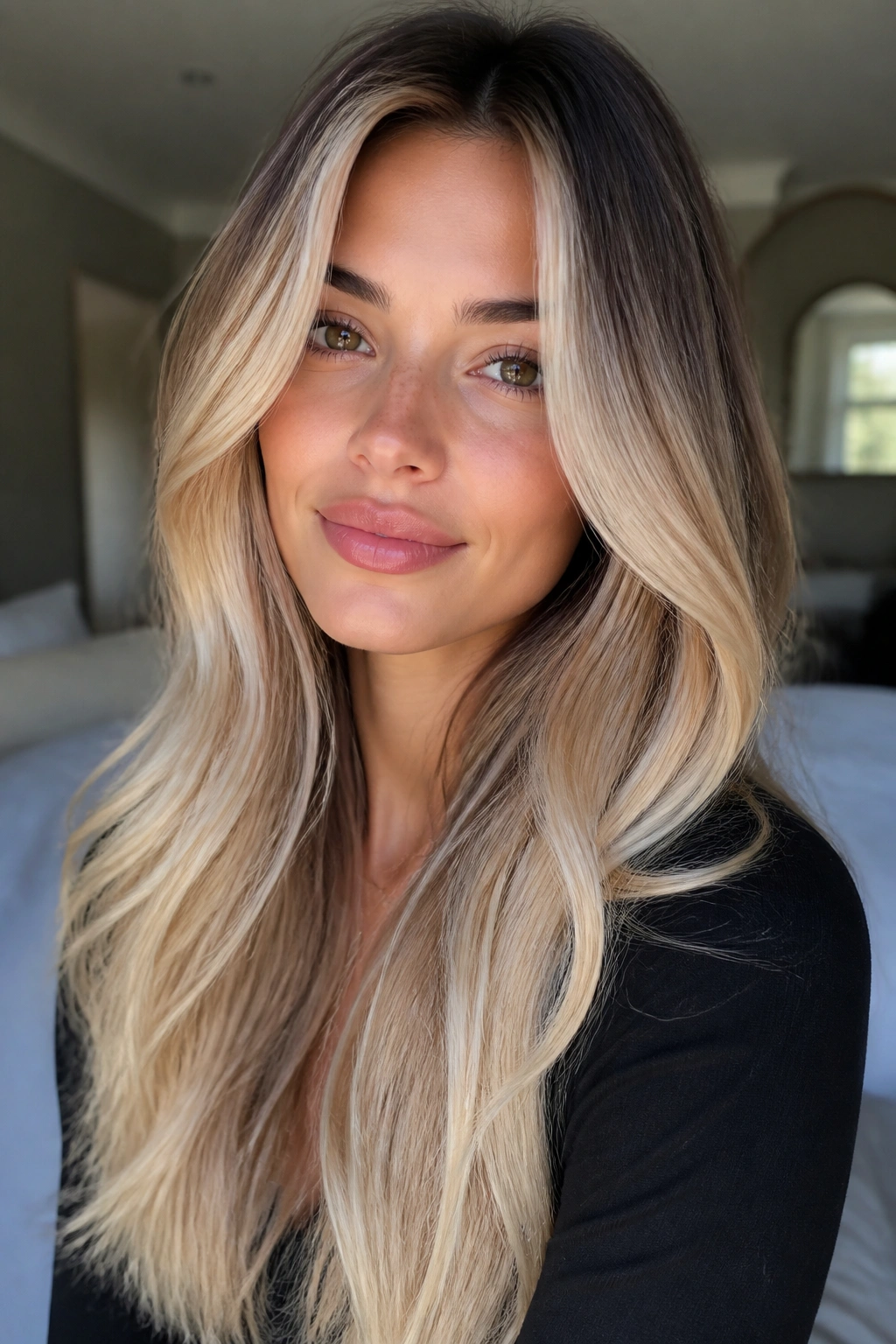
Buttercream is one of those shades that sounds sweeter than it looks, and that is exactly why it works. The blonde is creamy, soft, and pale enough to brighten the face, but not so white that it takes over the whole head.
On long hair, I love this as a face-frame-first ombre. The front pieces get the brightest lift, then the color gradually softens through the mid-lengths and ends. You keep the brightness where you want it, and the rest of the hair stays expensive-looking instead of overprocessed.
This is a friendly choice if you want a blonde refresh without the commitment of a full blonde transformation. It also photographs well in a real-life sense — not because it is “flashy,” but because the face-framing brightness gives the eyes and cheekbones a little lift.
And yes, the name matters. Buttercream sounds soft, and the color should feel soft too. If it starts reading yellow, the toner is off. A creamy beige gloss fixes that fast.
7. Icy Silver-Beige Ombre
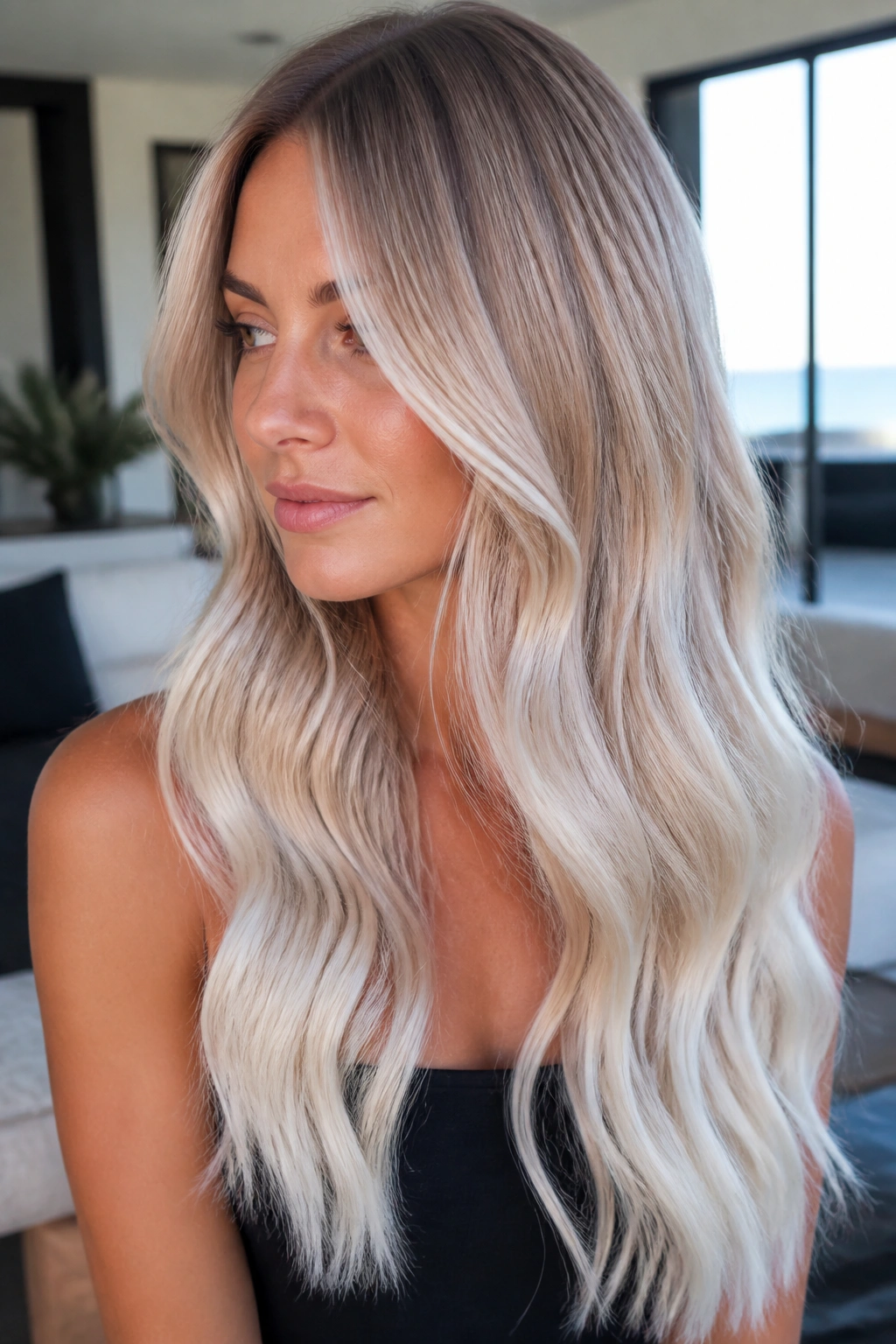
Can icy blonde still look soft on long hair? Absolutely, if you keep the middle of the fade beige enough to act as a buffer. That buffer is what stops the style from becoming a hard brunette-to-white jump.
The look is cooler than champagne, but less stark than a full platinum ombre. On long hair, that middle zone matters because it gives the eye a place to rest before it reaches the lightest ends. Loose waves help the color look polished instead of flat. Straight hair can work too, though the contrast reads stronger.
How to Keep It Bright
- Use a purple shampoo once a week, not every wash
- Swap in a moisturizing mask after any clarifying shampoo
- Ask for a cool beige glaze if the silver turns dull
- Avoid heavy oils on the ends before styling; they can make icy tones look limp
This is a style with attitude. It looks clean, sharp, and a little bit cool in the good sense. If warm blondes feel too sunny for you, this is the darker, crisper cousin.
8. Caramel-to-Sand Blonde
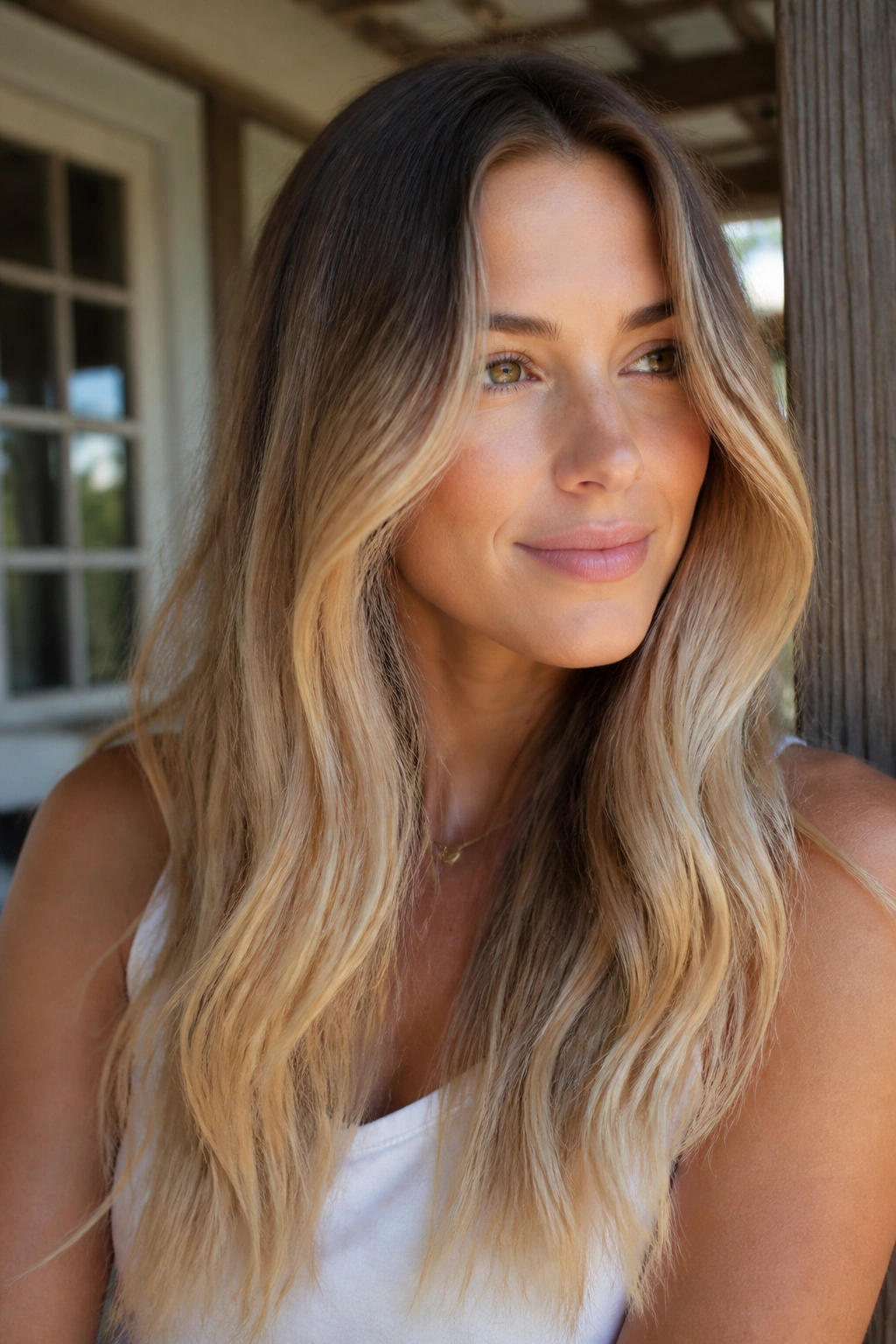
A caramel-to-sand fade is one of those long-hair colors that looks effortless while being a little more strategic than it appears. The caramel base keeps the root area rich, then the sand blonde on the lower half gives the ends that pale, sun-softened look.
The best part is the transition. It does not need to shout. It just needs to be smooth enough that the eye reads one long sweep of color from top to bottom. On thick hair, that sweep can stop the cut from looking blocky. On fine hair, the mix of tones can create the illusion of extra body.
This shade likes long waves, but it also works on a smooth blowout. The color is warm, yet not sticky or orange. If your brunette base tends to go red in the sun, this blend usually handles that better than a cool ash ombre.
A caramel-to-sand ombre is a practical choice, not a boring one. There’s a difference.
9. Vanilla Cream Waves
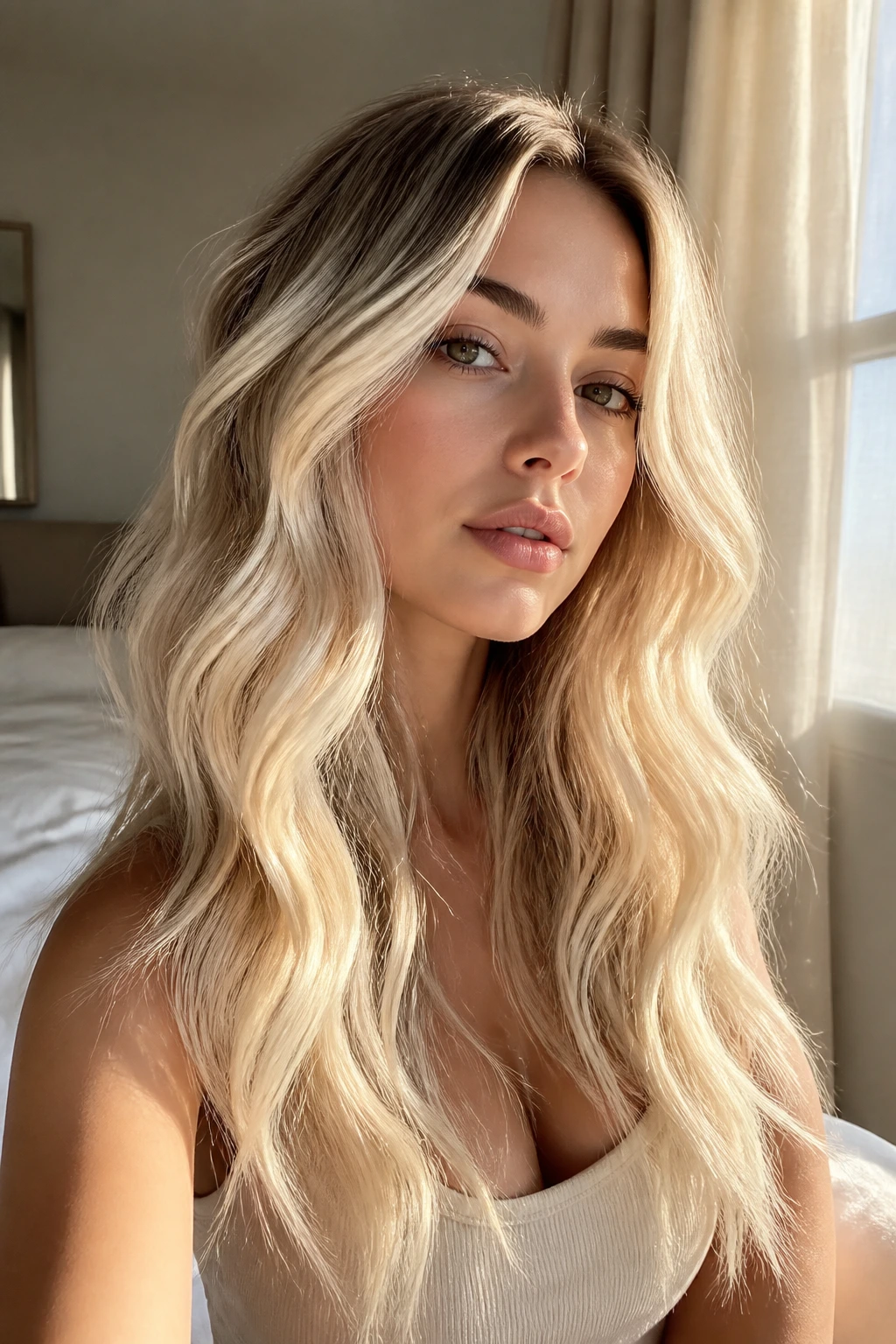
Vanilla cream is the shade I reach for when I want blonde to feel light but not icy. It has a soft, milky finish that sits nicely on long hair because it keeps the ends bright without making the whole style look bleached out.
The color is especially kind to wavy lengths. Those waves break up the blonde into little sections, so the hair looks fuller. That matters if your ends are naturally fine or a bit see-through. Too much contrast can expose thin spots; vanilla cream smooths them over.
I also like this on longer hair with a subtle U-shape cut. The curve at the bottom makes the creamier ends feel intentional, not accidental. You get movement at the perimeter, which helps the fade feel polished.
A vanilla blonde can go flat if the toner is too beige. A touch of softness is good. A sleepy, gray cast is not.
10. Mushroom Blonde Ombre
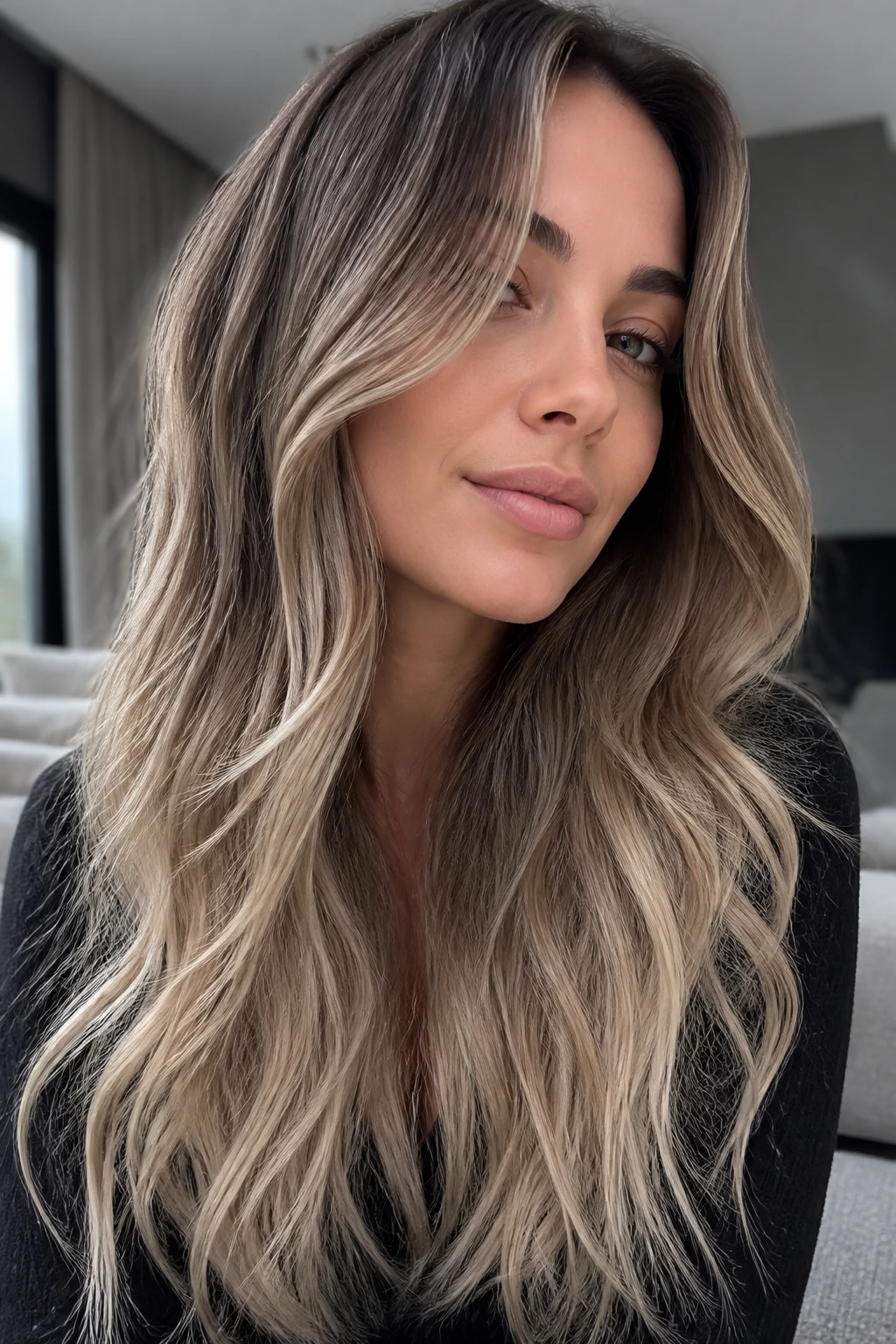
Mushroom blonde is the moody cousin in the blonde ombre family. It leans cool, earthy, and slightly smoky, which gives long hair a more muted finish than the sunlit blondes above. I like it when someone wants something blonde-ish but refuses to wear anything that feels sugary.
The fade usually starts with a deeper taupe-brown root and melts into a muted beige blonde through the mids. On long hair, that cool range looks sophisticated because the length gives the color enough room to show off every tone. Short hair can make mushroom blonde look flat. Long hair lets it breathe.
What Makes It Different
Unlike honey or vanilla blondes, mushroom blonde does not depend on brightness. It depends on depth. That darker undertone is what makes the lighter pieces feel expensive rather than loud.
It works best if your wardrobe already leans cool: black tees, gray knits, denim, silver jewelry. If you live in warm browns and golds, it can still work, but the color story gets a little mixed.
11. Sunlit Gold Ends
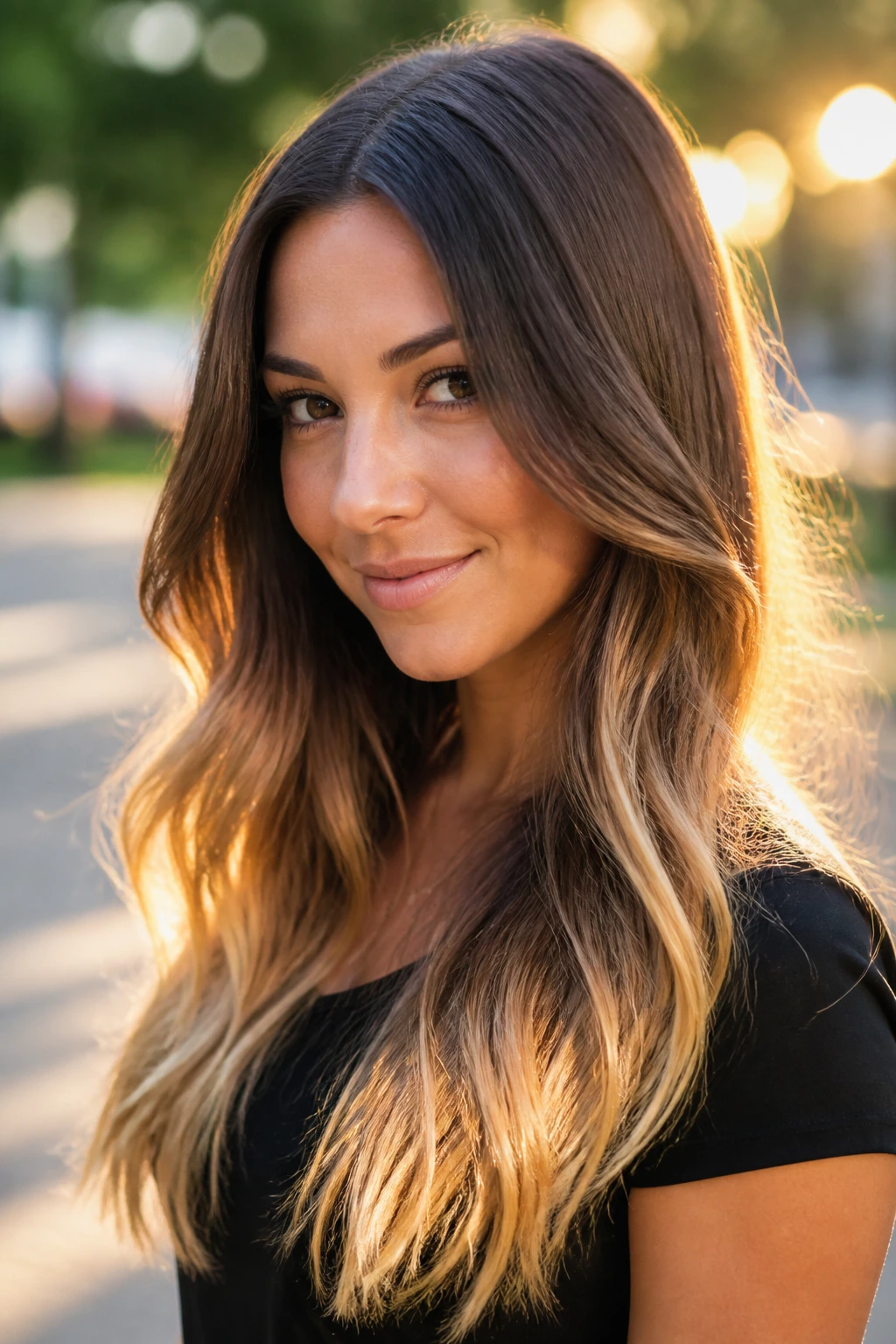
Sunlit gold ends are for people who want their hair to look like it has been outside for two weeks without actually needing to sit in the sun. The lightest color sits at the bottom, and it should look gold, not yellow. There’s a difference, and it matters.
On long hair, this style can make the lower half look thicker because gold reflects light so easily. If the hair is layered, the brighter pieces catch on each bend and make the whole thing feel fuller. That’s one reason this is such a dependable blonde ombre for long hair: it gives movement without asking for a fancy cut.
I prefer this on medium brunettes and dark blondes. Very deep bases can make the gold ends look a little disconnected unless the transition is handled carefully. A soft root shadow solves that.
The practical part is simple. Keep the ends moisturized, and do not over-tone them into ash. Gold should stay gold.
12. Bronde to Blonde Cascade
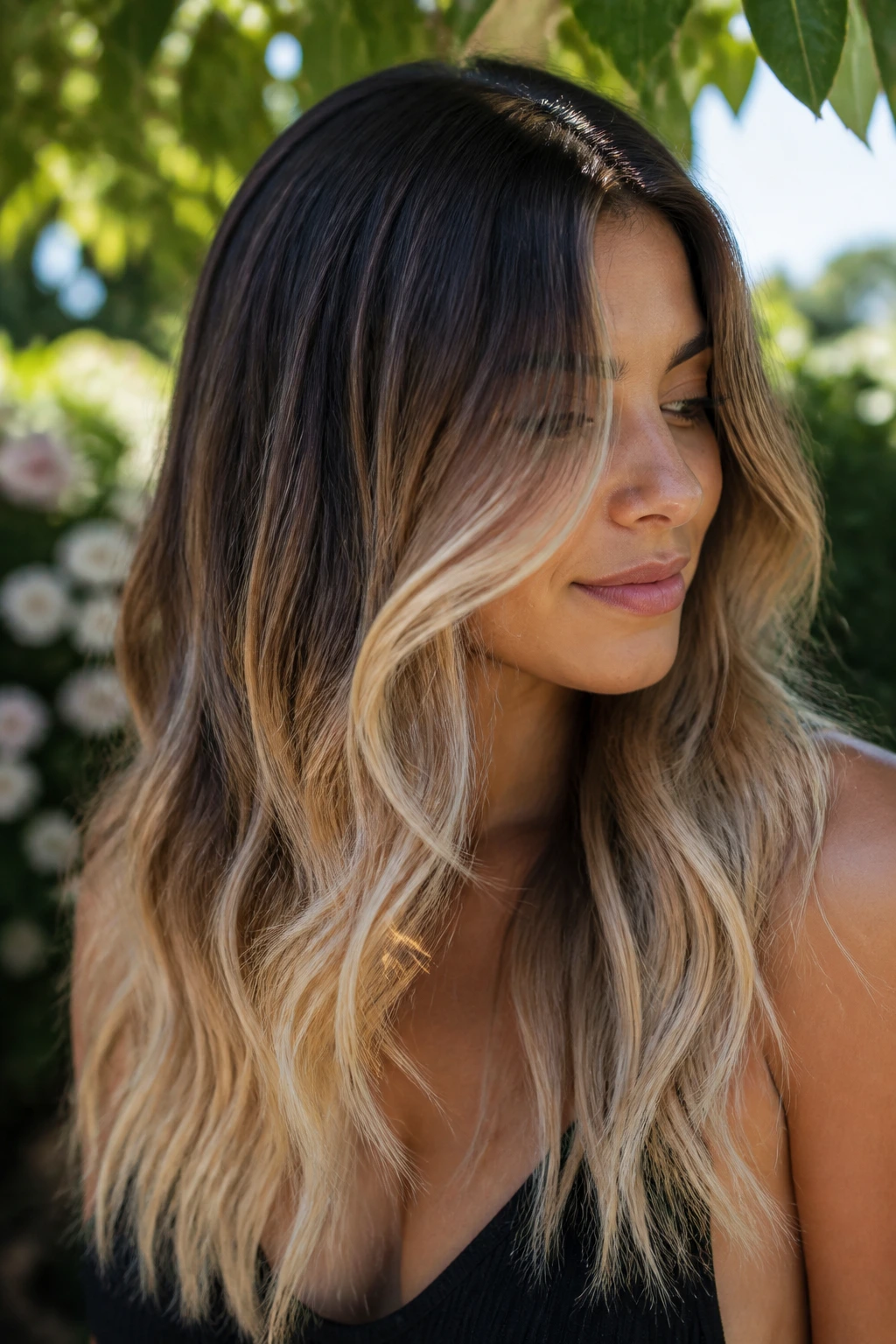
Why does bronde work so well on long hair? Because it gives the fade a built-in soft landing. Bronde — that brown-blonde middle ground — keeps the top half grounded, then the blonde cascade at the bottom makes the whole style feel lighter without a harsh jump.
This is one of my favorite options for people who want to go brighter but are nervous about losing their brunette identity. The transition is gradual enough that you can still see the darker character at the root and through the mids. On layered long hair, that makes the color look natural in motion.
How to Ask for It
Ask for a deep brunette root, beige-bronde mids, and blonde ends that are one to two levels lighter. That kind of phrasing helps a colorist understand you want separation without stripes.
Soft waves are your friend here. They pull the colors apart in a nice way. If you wear your hair straight most of the time, ask for a few brighter face-framing pieces so the front does not disappear.
13. Pearl Blonde Curtain Layers
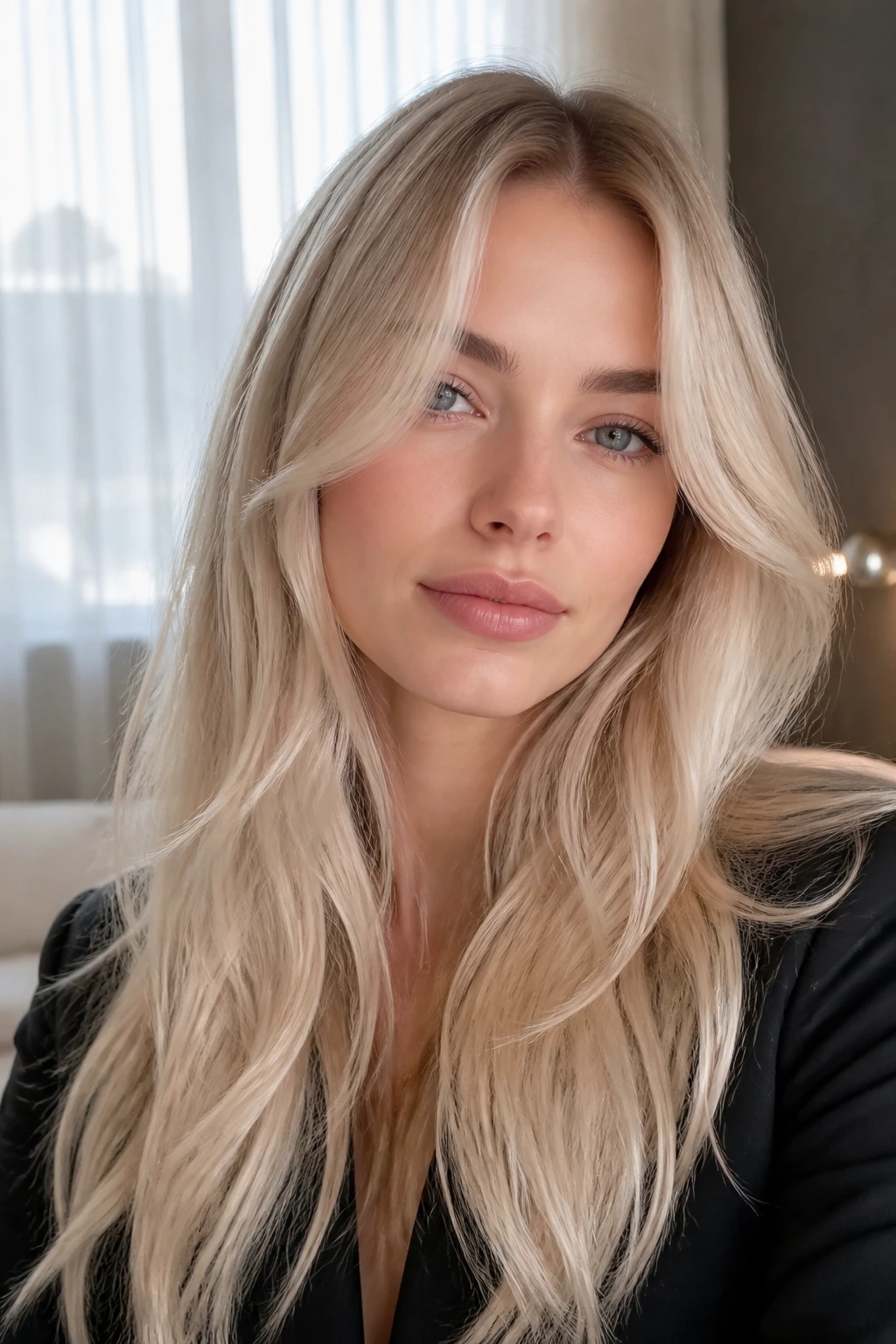
Pearl blonde is a cool, soft blonde with a faint sheen that can look almost cloudy in the best way. On long curtain layers, it gets a lot of help from the cut. The layers frame the face, and the pearly tone gives them enough lightness to stay visible even when the rest of the hair falls behind them.
This color is more delicate than platinum and less warm than champagne. It has a clean, almost satin finish. Long hair is ideal for it because the length prevents the shade from looking too precious or costume-like. There is enough hair for the tone to feel balanced.
A middle part with curtain bangs suits this look especially well. The lighter pieces at the front soften the face, and the long lengths keep the style from feeling too sweet. If the tone turns flat, a soft pearl gloss brings back that sheen.
It’s a quieter blonde, and I mean that in a good way.
14. Wheat Blonde Ombre
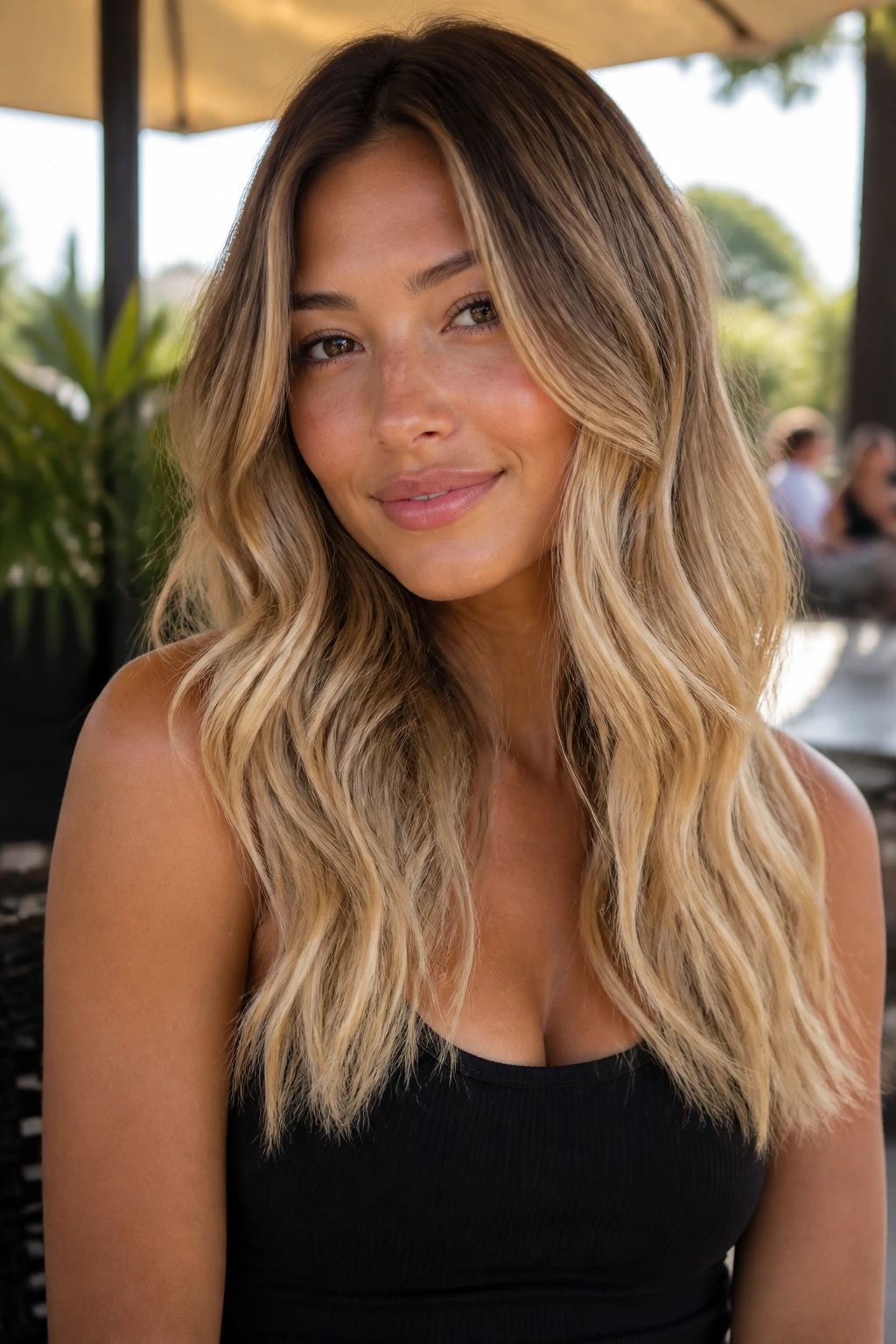
Wheat blonde is one of those shades that feels lived-in from the first appointment. It has a sun-faded, slightly earthy look that sits between beige and soft gold. On long hair, that balance matters because it keeps the color from reading too “done.”
The fade usually starts with a warm brunette or dark blonde root and moves into pale wheat tones through the lower half. The result is calm, not flashy. It suits people who want their hair to look natural in daylight, in office lighting, and under a dim restaurant lamp — which, honestly, is a tougher test than salon photos.
Loose waves make wheat blonde look textured. Air-dried hair with a little cream can look just as good. This is not a style that needs perfect styling to make sense.
A wheat ombre also ages well between appointments. The grow-out line stays soft, so you do not end up with an obvious strip of root unless the contrast was pushed too hard from the start.
15. Soft Peach Blonde Fade
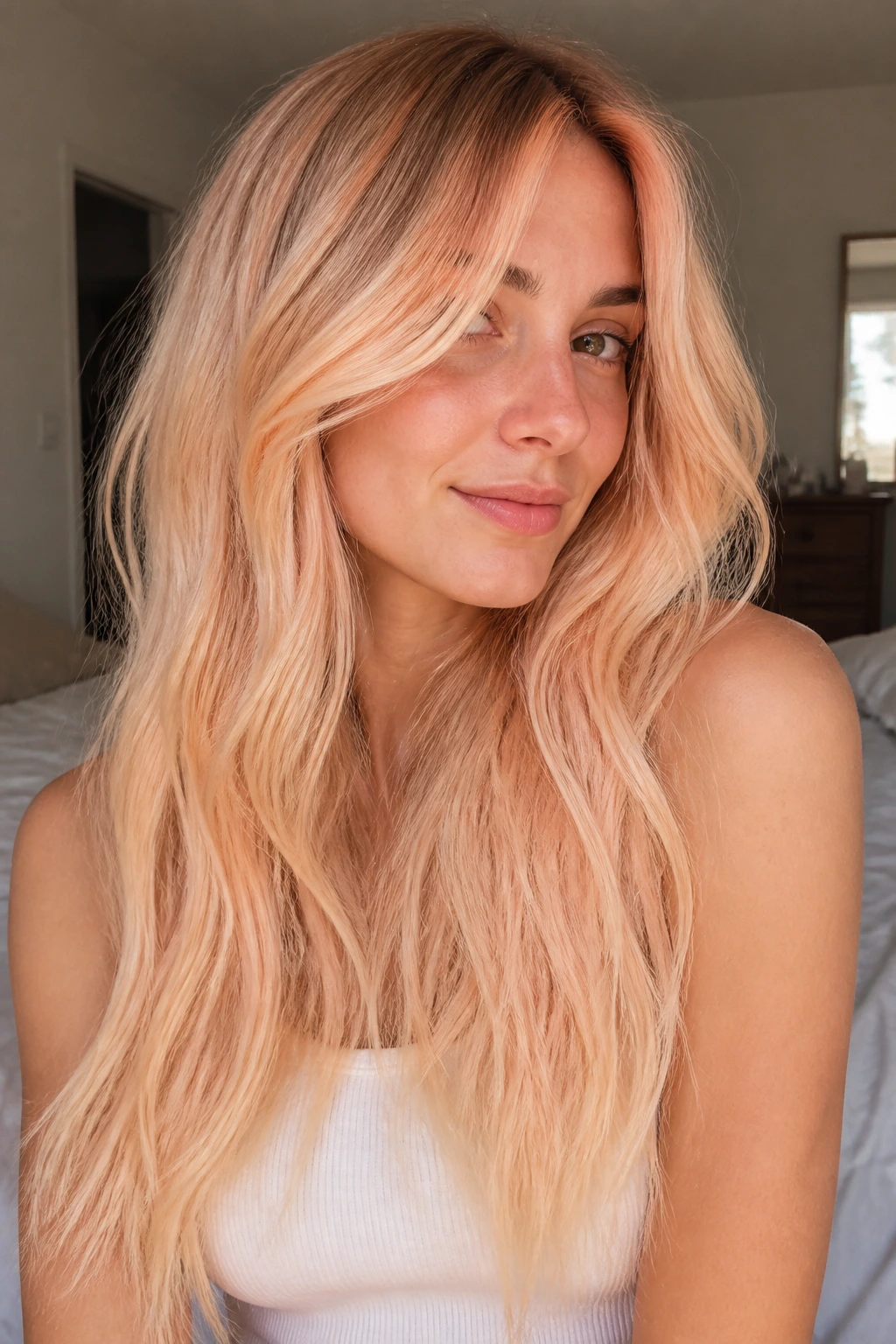
Peach blonde is warmer than strawberry blonde, but lighter and less red. It reads as a pale apricot wash over blonde, which can be gorgeous on long hair if you want something a little unusual without going full fantasy color.
The reason this works on long lengths is simple: there is enough surface area for the peach to stay airy. On short hair, peach can take over fast. On long hair, it behaves more like a tint. The blonde underneath still shows through, and that gives the color a soft glow.
What It’s Best For
If your skin has warm or neutral undertones, peach blonde can bring a nice warmth to the face. If your complexion runs cool, it can still work, but I’d keep the peach very pale and let beige stay the louder note.
This shade looks especially good with soft makeup — cream blush, peach gloss, brown mascara. A heavy contour can make it feel too busy. The cleaner the styling, the better this one behaves.
16. Creamy Money Piece Ombre
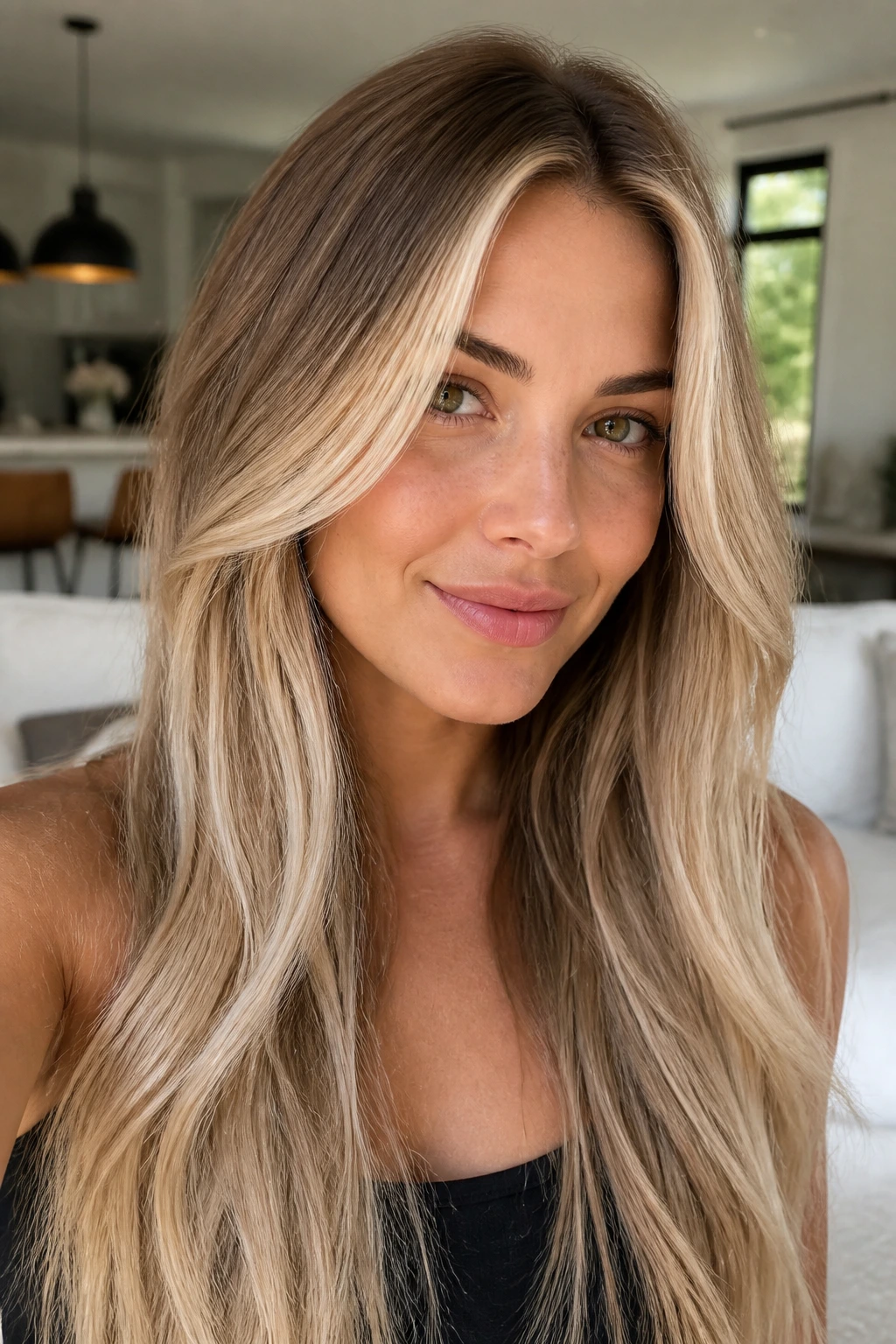
This is the one I recommend when someone wants brightness near the face but does not want to commit to bleaching the whole head. A creamy money piece gives you that fresh-light-around-the-cheekbones look, then the ombre lets the brightness drift downward instead of stopping at the front.
Long hair is a perfect match for this because the lighter front pieces can lead the eye into the length. You get a little drama at the face and a softer finish through the ends. It is a smart compromise, and not a boring one.
I prefer a creamy blonde over a stark white money piece for long hair. Stark blonde can look disconnected if the rest of the hair is still warm. Creamy blonde ties the front and back together more gracefully.
This style is also easier to maintain than a full bright blonde. The front pieces need attention first, but the rest of the ombre can grow quietly in the background. That’s the part people appreciate three months later.
17. Smoky Taupe-to-Ivory Ends
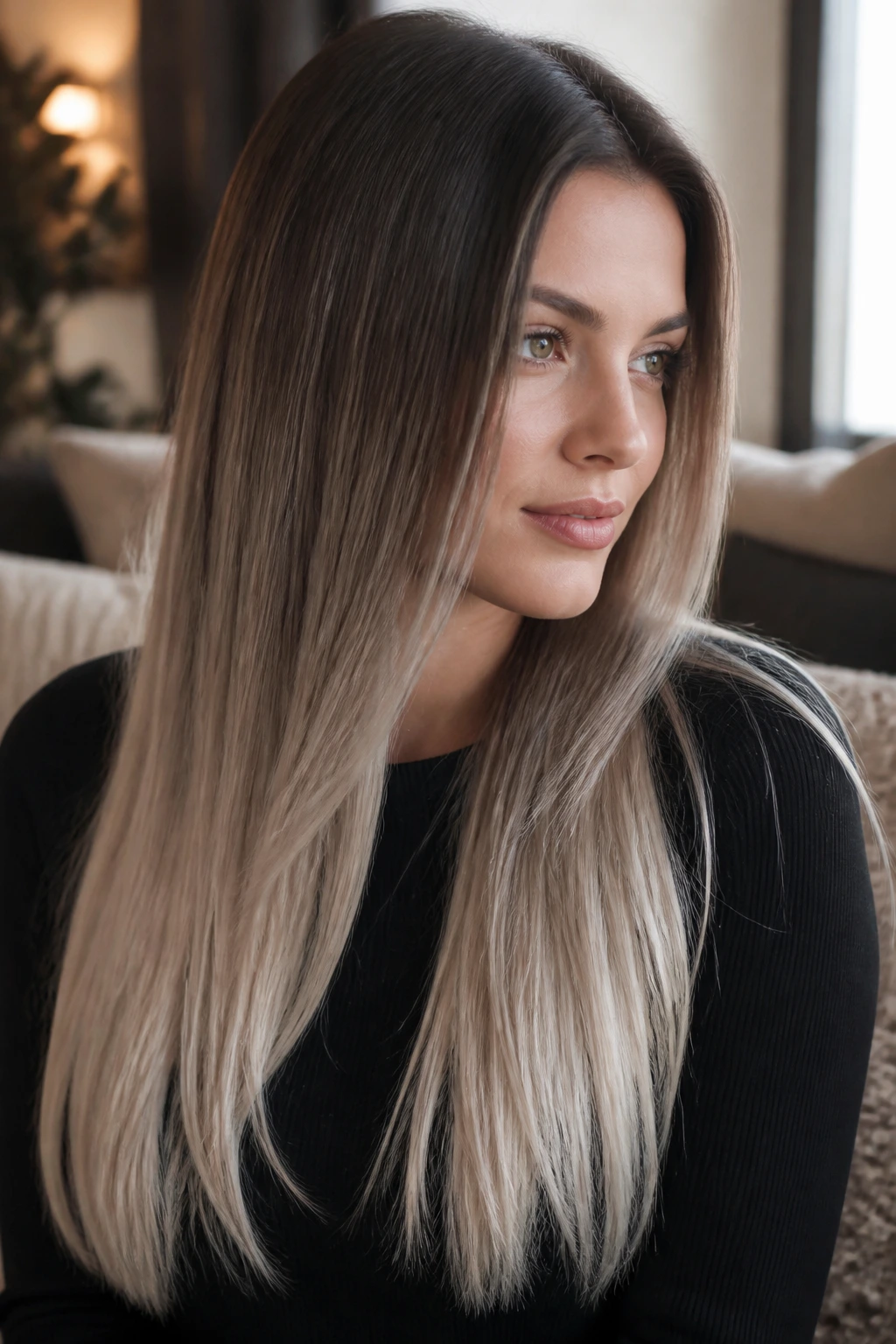
Can cool blonde feel soft instead of severe? Yes, if you build it with enough taupe in the middle. Smoky taupe-to-ivory ombre keeps the roots grounded, then takes the ends to a pale ivory blonde that still feels wearable.
Long hair helps here because the fade has room to breathe. The taupe section can stretch a little farther down the shaft, which prevents the ivory ends from looking pasted on. That matters especially if your hair is very straight, where every color shift shows up in a clean line.
How to Keep It From Looking Flat
- Ask for a soft shadow root, not a dark block
- Keep the ivory section narrow on very fine hair
- Use a gloss in the taupe family if the mids go greenish or dull
- Let the cut keep some movement at the bottom; a dead-straight hemline can make this feel stiff
This shade is for someone who likes restraint. It feels chic, but not loud.
18. Golden Honey Spiral Ombre
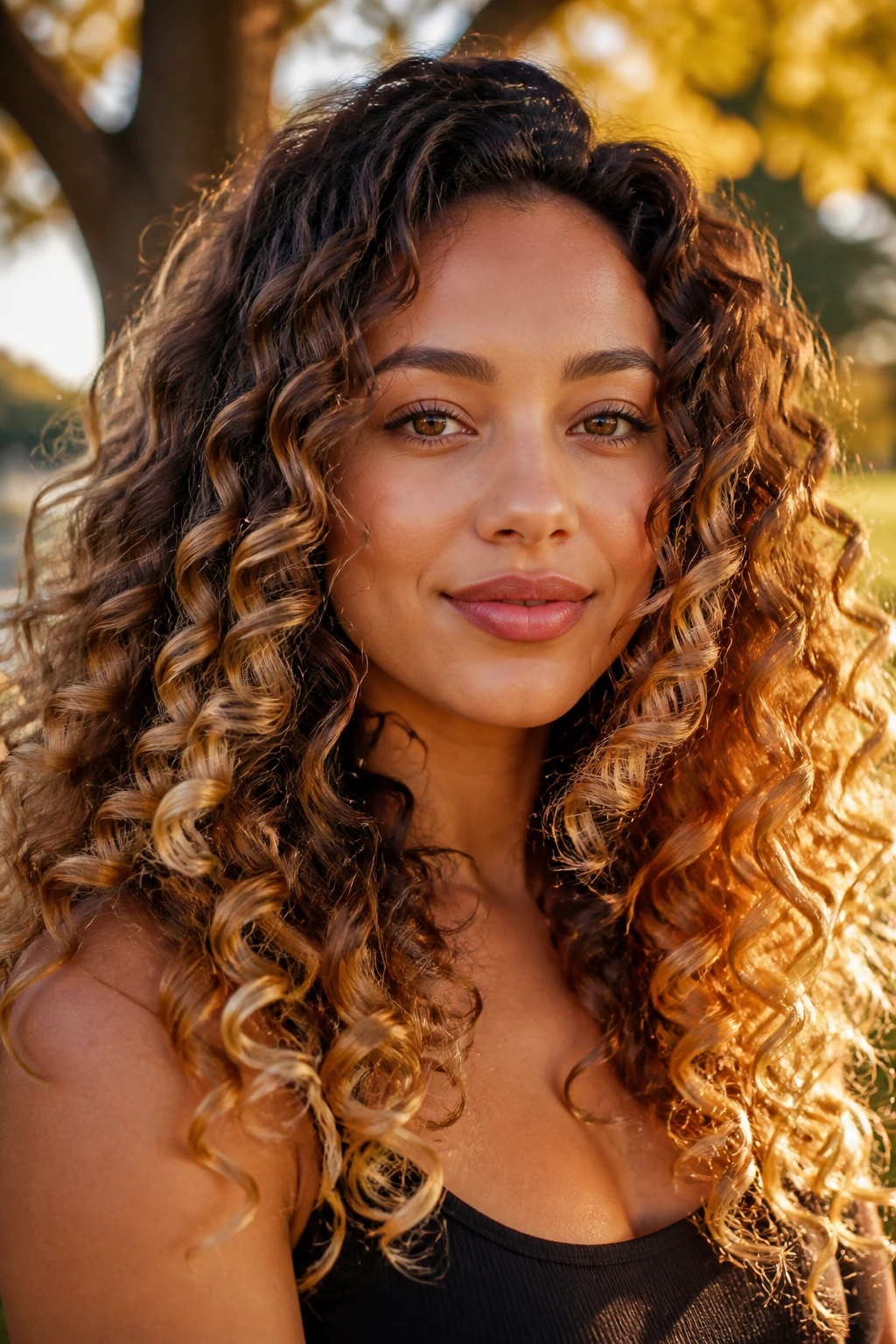
Curly and wavy long hair love this style because the gold pieces catch movement in a way straight hair can’t quite copy. A golden honey spiral ombre usually places the lightest color through the lower lengths and spiral sections, so every bend gets its own flash of brightness.
The darker root keeps the hair from getting too puffy at the crown. The gold through the mids and ends makes the curls look springy and defined. If your long hair tends to blur into one big shape, this kind of color can pull it apart visually.
This is where ombre gets practical. The lighter ends give the curl pattern something to show off. Too much ash can make curls look tired; honey gives them energy. If your curls are dry, keep the lightened ends trimmed a little more often than you might with straight hair. Dry blonde ends always show first.
I’d call this one warm, lively, and easy to love.
19. Cool Beige Spillover
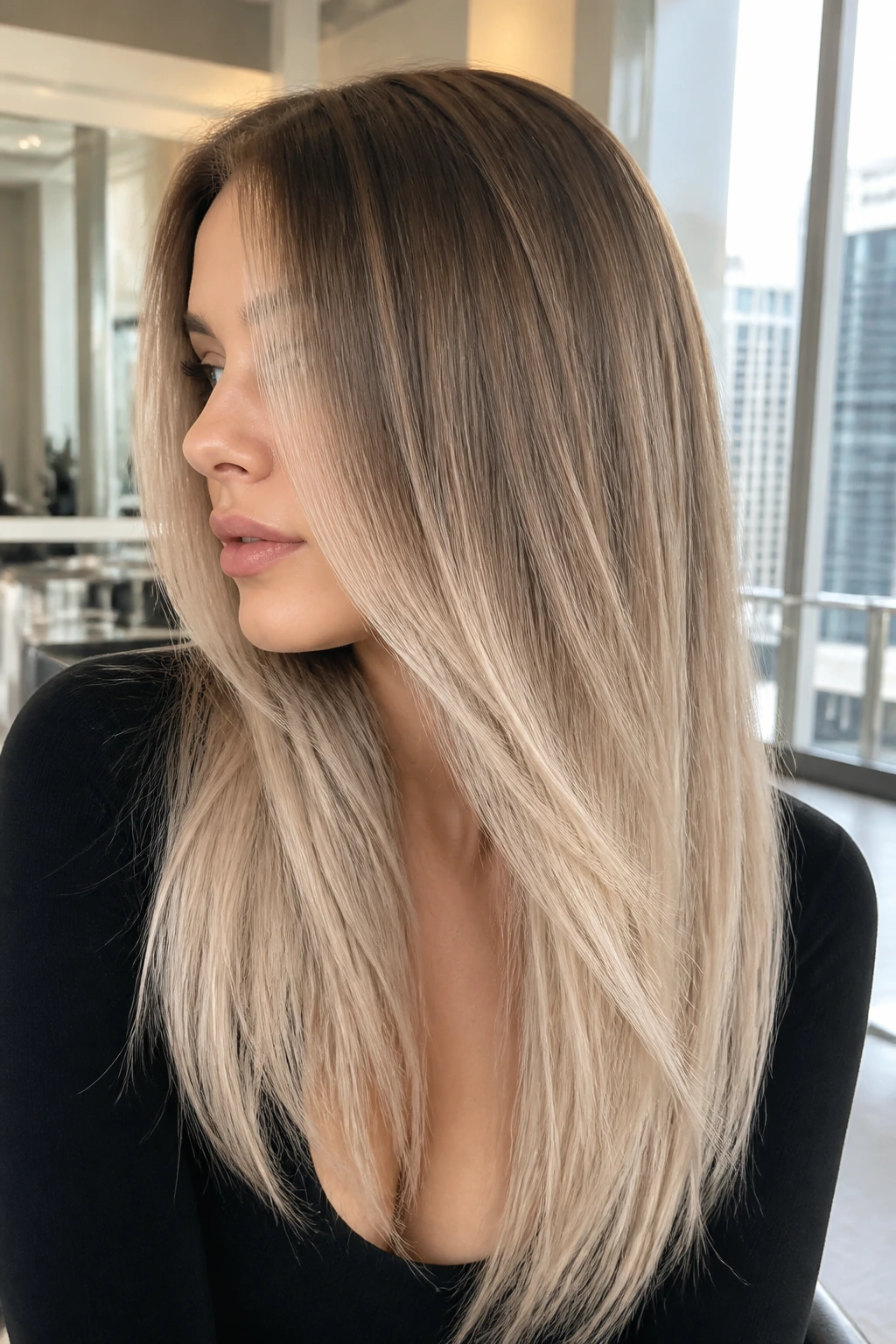
Cool beige is a strong choice for long hair if you want the blonde to feel soft, not sugary. The spillover effect means the lighter blonde does not stop in a hard line; it drifts gradually through the lengths so the eye never catches a blunt cutoff.
This looks especially good on long blunt cuts and sleek layers. The beige keeps the finish calm, while the cooler tone prevents it from drifting into yellow. On straight hair, that clean line can look refined. On waves, it looks a little softer and more romantic.
I like this color because it solves a common long-hair problem: too much warmth at the ends. Hair that is long enough to fade can also start to look orange if the toner is off. Cool beige keeps the blonde in check without making it icy and dull.
If you want a blonde ombre that feels easy to live with, this is a smart place to land. It is low-drama in the best way.
20. Multi-Tonal Blonde Tail Ends
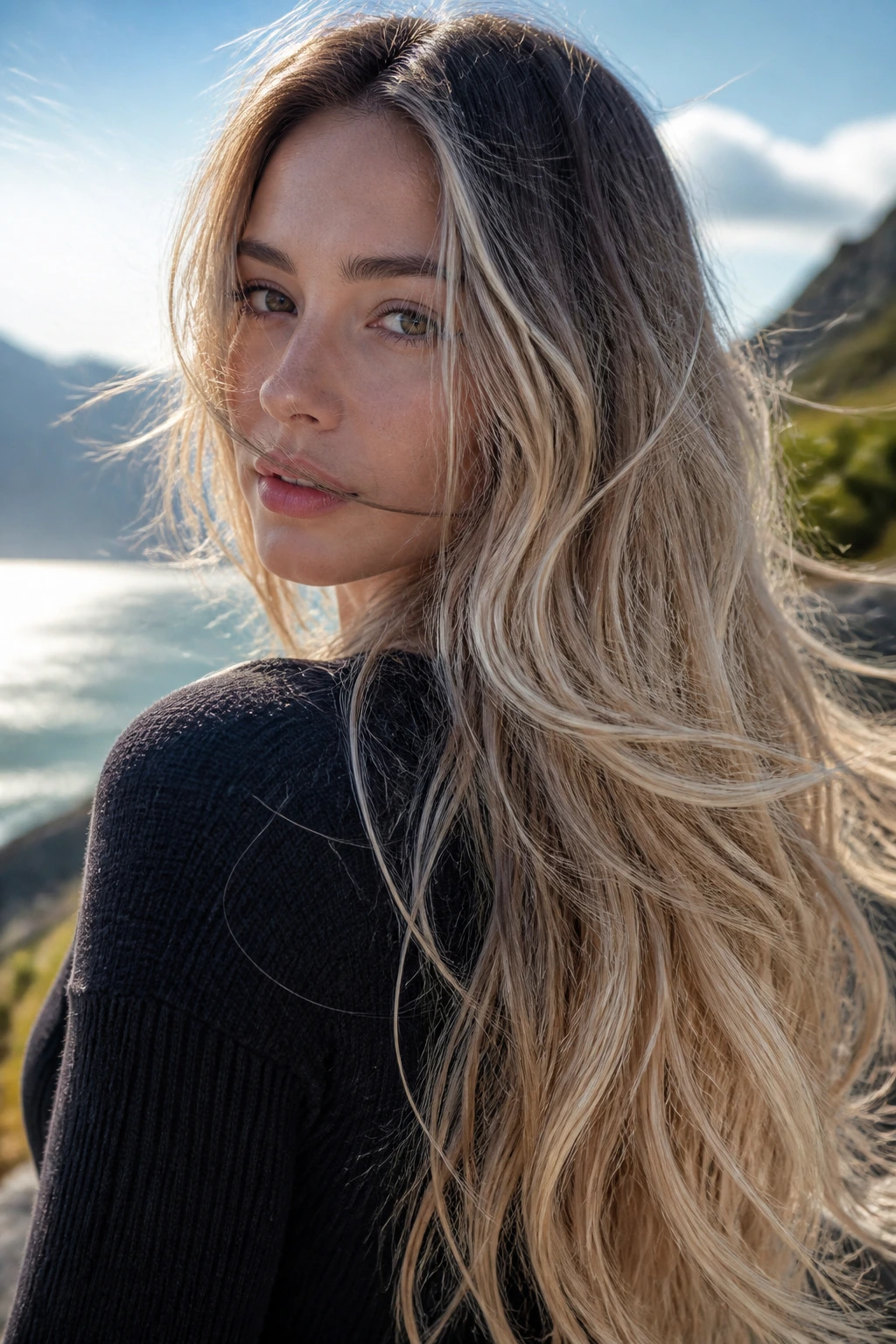
Multi-tonal ends are my favorite answer for very long hair that needs more depth than a single blonde shade can give. Instead of one flat blonde finish, you get three or four tones living near the ends: a pale beige, a soft gold, a touch of cream, maybe a whisper of ash. That mix keeps the lower half from looking thin or washed out.
The longer the hair, the more useful this gets. Extremely long lengths can look heavy if the color is too uniform. A multi-tonal finish breaks that up and makes the hair move, even when it’s sitting still. It also gives braids, ponytails, and half-up styles more texture.
This is the most flexible idea in the whole bunch. It can lean warm, cool, or neutral depending on the toner mix. It can feel polished on a blowout or loose and beachy with air-dried waves. And unlike one-note blonde, it gives you a little room to adjust as the seasons shift, or as your skin tone changes with makeup and wardrobe.
If you only pick one long-hair ombre direction, I’d pick this one. It does the most work with the least fuss.
