



Fine hair can go flat before lunch, which is why sleek bob haircuts for fine hair make so much sense. A good bob does not need a ton of teasing, a pile of spray, or a prayer in humid weather. It needs shape. That’s the whole trick.
The cut matters more than most people think. Fine hair isn’t the same thing as thin hair, though the two often get lumped together, and both can look sparse if the ends are wispy or over-layered. A blunt edge, a clean neckline, and a perimeter that holds its line will usually give you more visual fullness than long lengths ever will.
I keep coming back to bobs for fine hair because they can look polished without working hard. That matters. If a style only looks good after twenty minutes with a round brush and three products, it’s asking too much on a busy morning. The right bob should still look deliberate when you tuck one side behind your ear or let it air-dry with a quick bend.
And the best part? There isn’t only one shape that works. A bob can be sharp, soft, short, long, tucked, angled, or stacked, and each version changes the way fine strands sit on the head.
1. The Blunt Chin-Length Sleek Bob
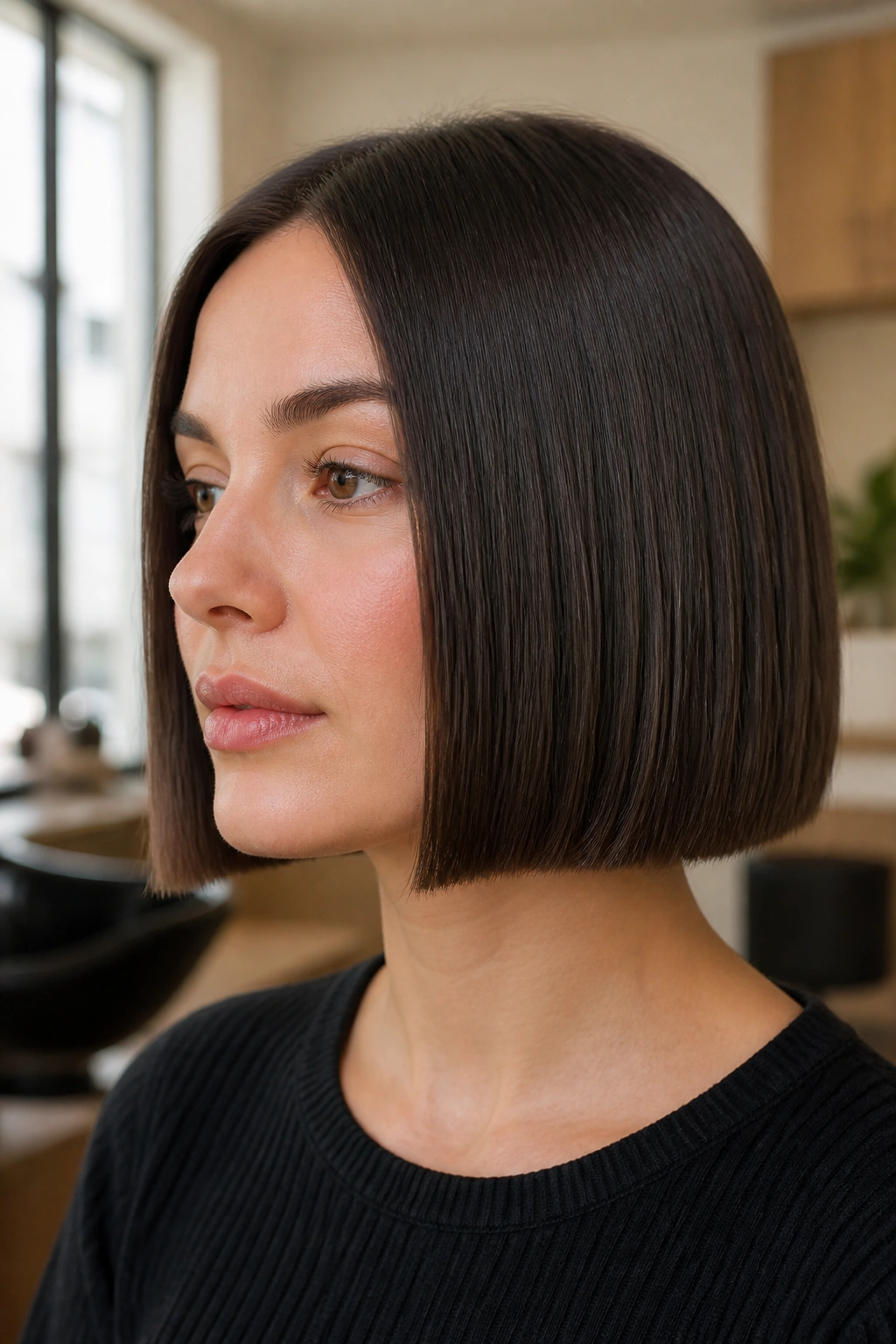
A blunt chin-length bob is one of the smartest sleek bob haircuts for fine hair because it keeps every strand lined up at the same level. That single edge makes the ends look denser right away. No feathery finish. No choppy outline. Just a clean line that holds its shape.
Why it works
Fine hair tends to look scrawny when the perimeter is ragged. A blunt cut fixes that by keeping the bulk where you want it — at the bottom. Chin length is especially useful because it stops the hair at a point where the eye reads fullness fast.
Ask for one solid line with no heavy internal layers. A tiny bevel at the ends is fine if you want the bob to curve under a little, but the structure should stay sharp. If your stylist reaches for thinning shears, speak up. That tool can be brutal on fine hair.
- Best for straight or slightly wavy textures
- Sits nicely with a center part or a soft side part
- Needs a flat brush or paddle brush for the sleekest finish
Pro tip: A pea-sized drop of lightweight serum on dry ends is enough. More than that can make fine hair look stringy.
2. The Micro Bob at the Earlobe
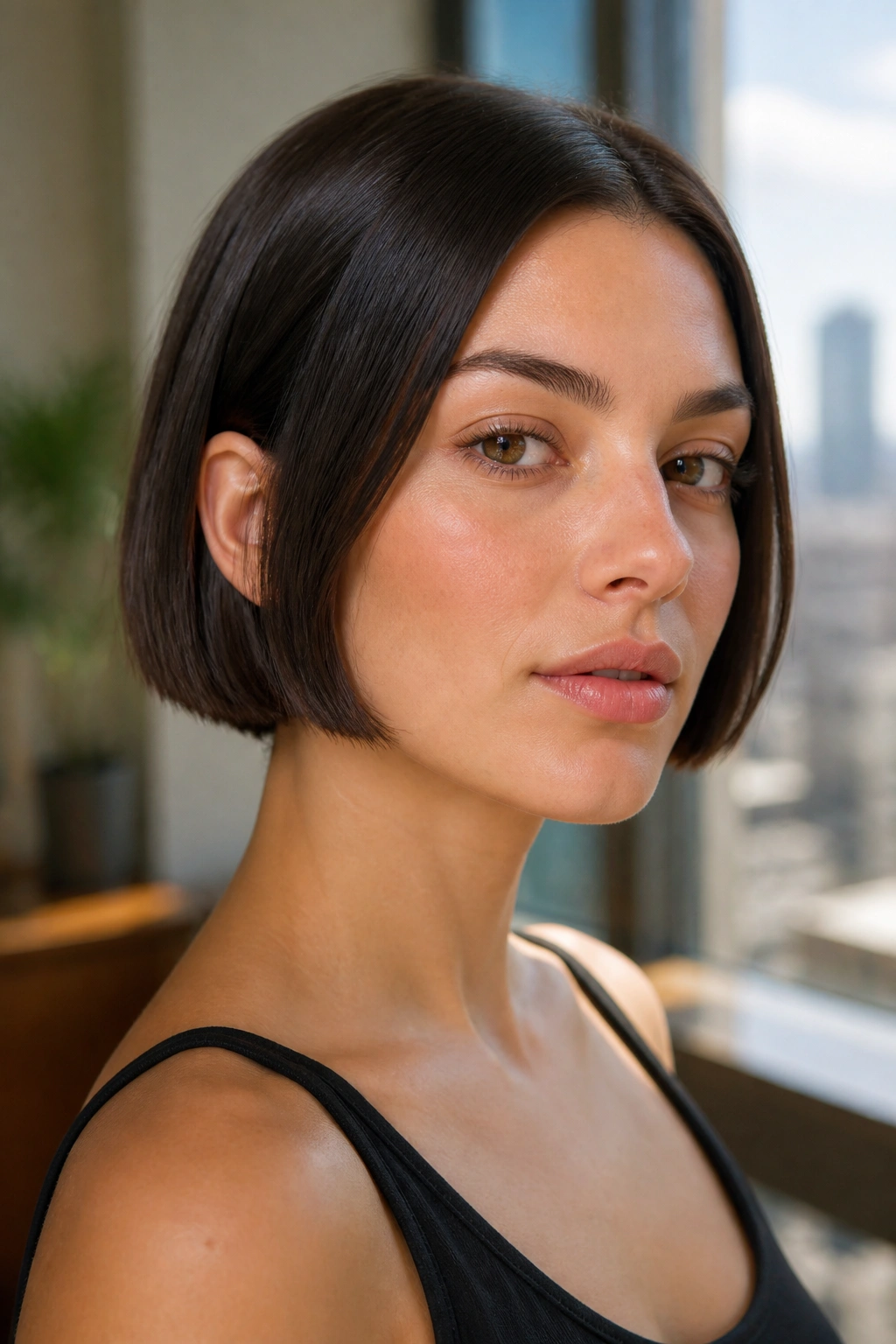
If your fine hair disappears the second it gets past the jaw, the micro bob is worth a hard look. It stops around the earlobe or just below, which sounds short, but that’s exactly why it works. Less length means less drag. Less drag means more lift at the root.
This cut has a crisp, fashion-forward feel, but it isn’t only about attitude. The shorter length makes the silhouette look compact and deliberate. Fine strands stop floating around at the bottom, where they can turn see-through. Instead, the shape looks dense and controlled.
I like this cut on hair that falls straight on its own, because the line stays visible all day. It also makes a strong case for a clean nape. If the back is tidy, the whole cut looks sharper. If the back gets fuzzy fast, the style loses its edge.
A micro bob is not the easiest choice if you hate regular trims. It grows out quickly. Still, when it’s fresh, it looks expensive in the best sense of the word — neat, crisp, and finished.
3. The French Bob With a Soft Fringe
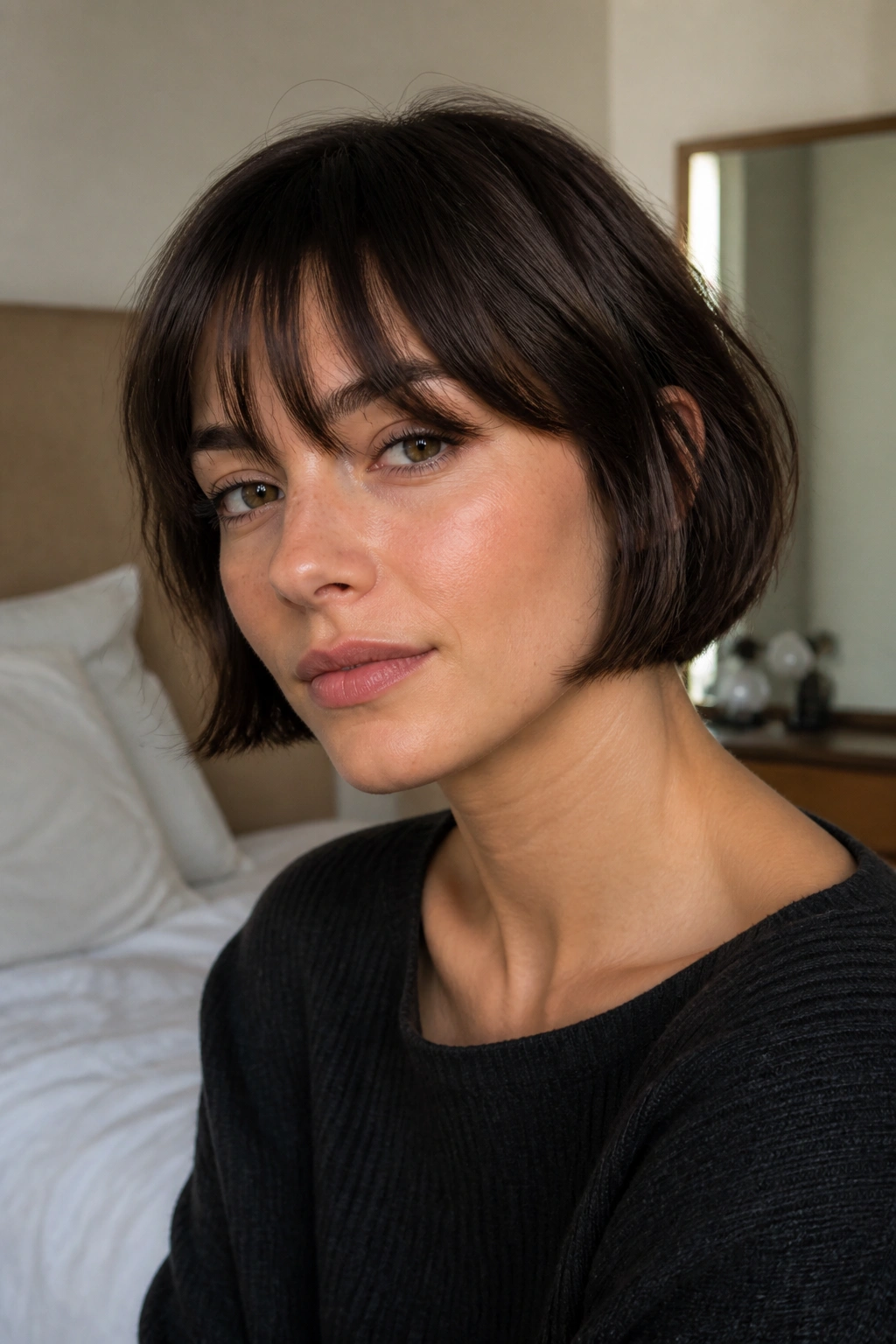
Want something shorter than a classic bob but softer than a blunt chin cut? The French bob is the one people keep saving to their hair boards for a reason. It usually sits around the cheekbone or jawline, and the fringe adds a little personality without stealing too much density from the sides.
How to style it
The fringe should feel light, not wispy in a sad way. That’s a real difference. You want enough hair in the bang area to frame the eyes, but not so much that it closes off the face. On fine hair, a soft fringe can make the whole cut look intentional instead of severe.
The best version has a slightly undone bend, not a stiff helmet shape. Blow-dry the fringe first while it’s damp, then smooth the rest of the bob with a small round brush or flat brush. A tiny amount of mousse at the roots can help, but keep it away from the ends.
- Great if your forehead feels too open in straight-across bobs
- Works well with oval and heart-shaped faces
- Looks best when the fringe is trimmed regularly, usually every 4 to 6 weeks
If you want sleek without looking severe, this is a strong place to start.
4. The Italian Bob With a Full Edge
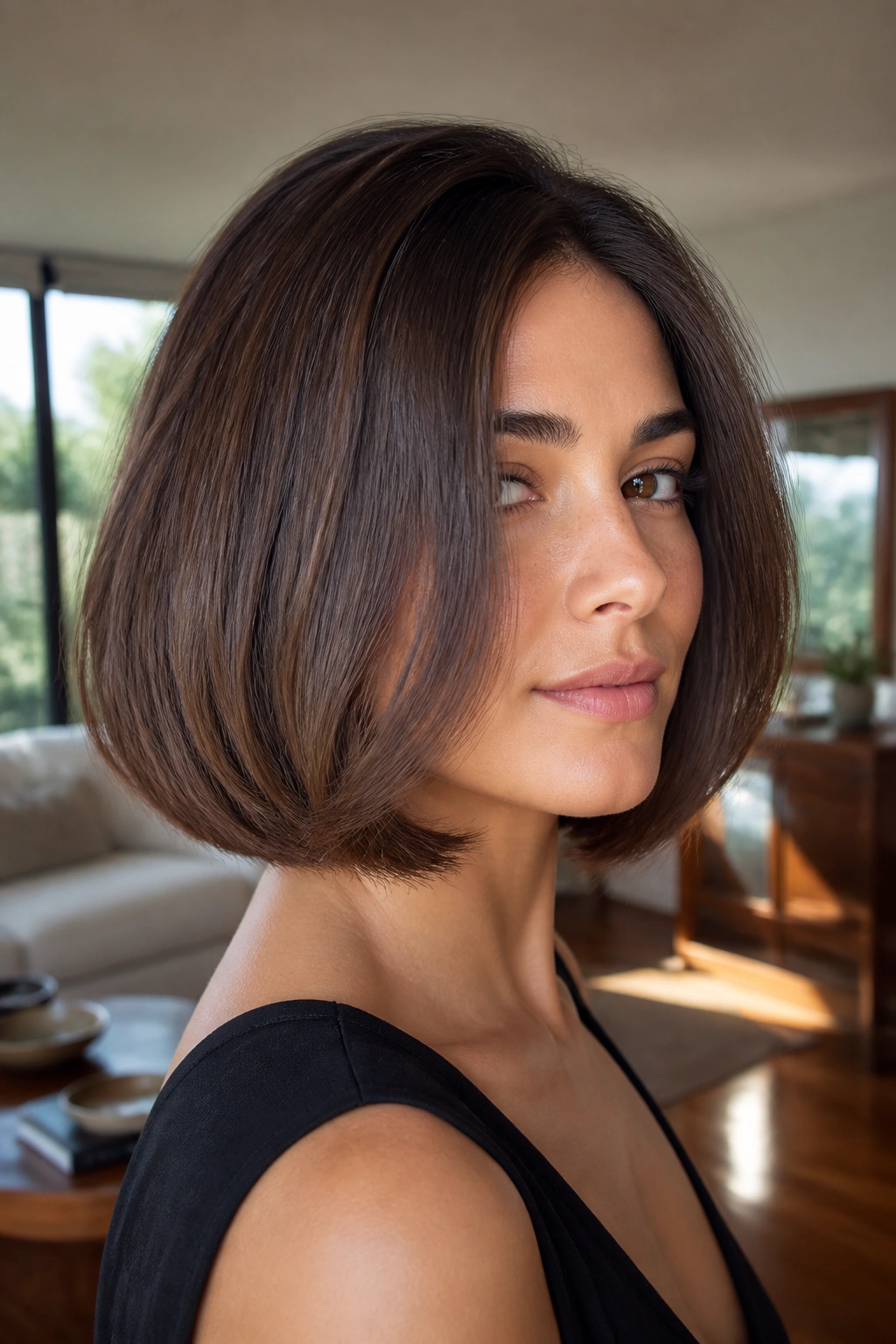
The Italian bob has a little more body through the ends, which is exactly why it flatters fine hair. It usually lands at the jaw or just below it, with a fuller outline than a micro bob or French bob. The shape feels plush, not puffy. Big difference.
This cut is built for people who want movement but still want the hair to read as thick. The ends are usually cut with enough weight to stay visible, and the front can be a touch longer so the bob swings when you turn your head. That tiny bit of length in front keeps the cut from looking boxy.
What to ask for
- A fuller perimeter with minimal layering
- A soft bend under the ends, not a stacked back
- Enough length to skim the jawline or sit slightly below it
- A polished finish that still moves
The Italian bob is one of those styles that looks expensive even when it’s simply blown out with a paddle brush. It’s not fussy. It just wants clean lines and a bit of gloss.
If your fine hair tends to collapse in short cuts, this shape gives you a little more room to work.
5. The One-Length Bob With a Middle Part
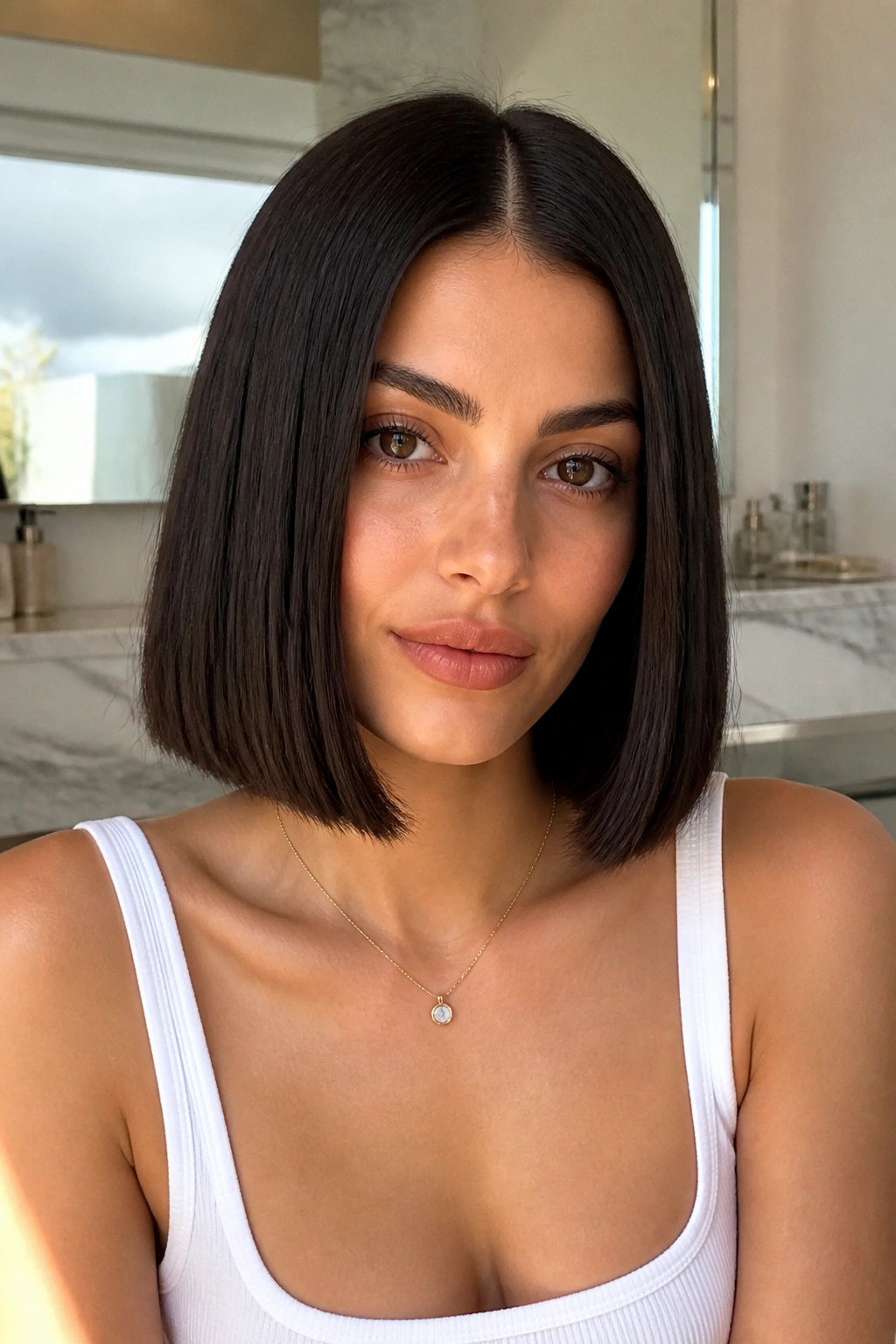
This is the haircut I trust most when the goal is density. One-length bobs are blunt, tidy, and quietly powerful on fine hair because they keep the ends thick-looking from side to side. Add a middle part, and the whole style reads balanced right away.
There’s no hidden trick here. The cut does the work. Because the length stays even, the eye sees a stronger edge. Fine hair often looks better when it is not asked to do too much, and this bob proves it. You do not need dramatic layers if your real goal is fullness.
I like this cut just above the shoulders or at the jaw. Too long, and the ends can look soft in a way that feels accidental. Too short, and the shape can get severe fast. The sweet spot is the place where the hair still feels light but the perimeter stays solid.
Use a flat brush when you dry it, and keep the part clean. A center part makes the shape feel modern, but it also helps both sides fall evenly. If one side flips more than the other, tuck the heavier side behind your ear while it cools. That small move can save you ten minutes of redoing the whole thing.
6. The Collarbone Lob With Sleek Ends

Not everyone wants to go chin-short, and that’s fair. The collarbone lob gives you length to play with while still keeping the ends heavy enough to look full. For fine hair, that extra inch or two can make the difference between “fine” and “flat.”
Unlike a layered shag or a feathered cut, this lob keeps the outline clean. That means the eye follows the line downward, not through broken pieces. The result is a sleeker shape that still feels soft enough to tuck behind the shoulder. It’s one of the best options if you like hair that can go from down to half-up without looking chopped up.
The key is restraint. Too many layers around the face will eat the density that fine hair needs. Ask for a blunt or slightly beveled edge and keep the front pieces controlled. A tiny inward bend at the ends is enough.
This is also a good cut if you wear blazers, high necks, or collars often. The length sits in a sweet spot where the hair looks deliberate instead of crowded.
7. The Box Bob With Sharp Corners
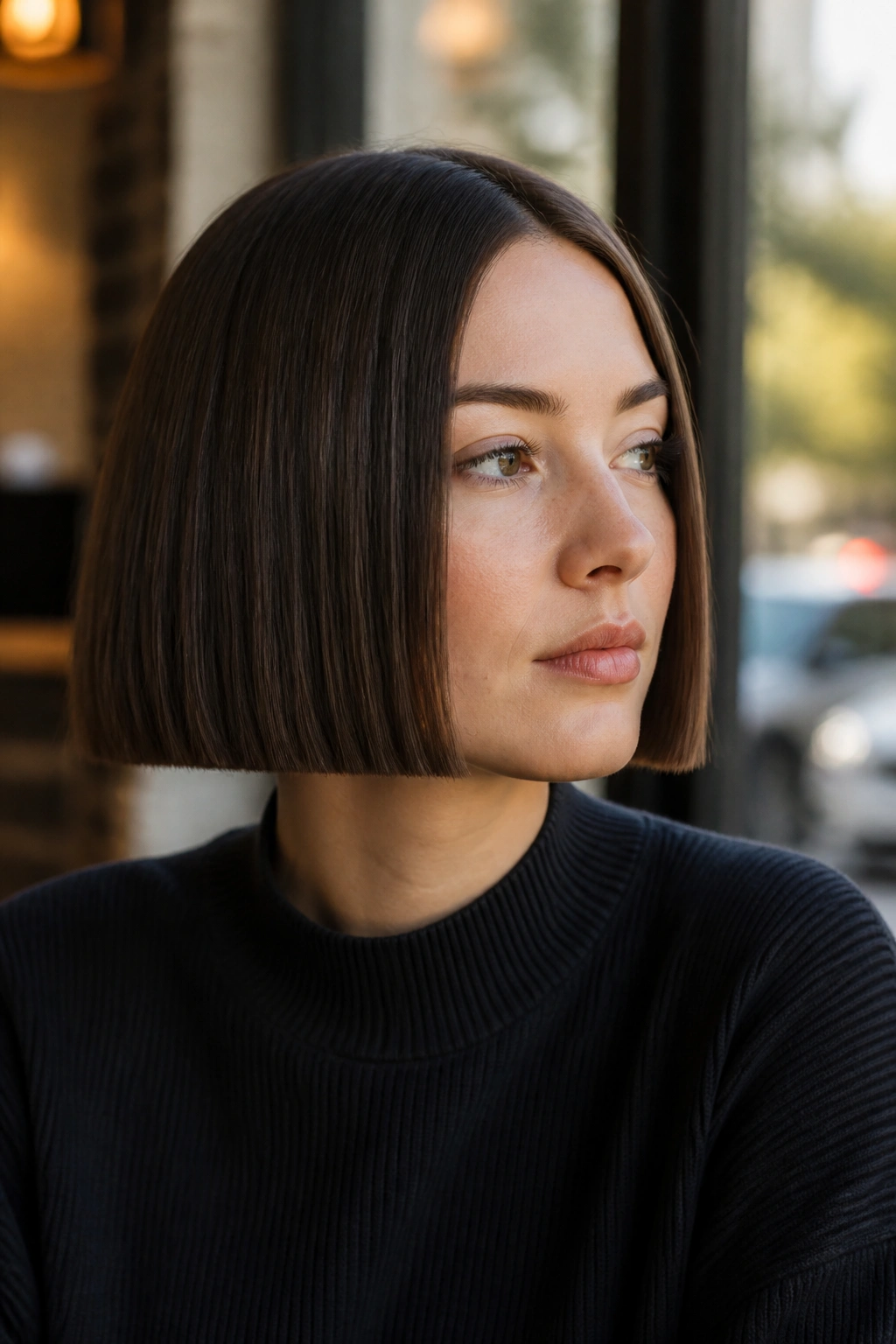
A box bob is for people who like structure. It has straighter sides, stronger corners, and a more graphic outline than softer bob shapes. On fine hair, that clean geometry can be a gift, because the edges look dense and the silhouette stays readable from across the room.
Why the shape matters
The reason this works is simple: sharp corners make the hair look thicker at the perimeter. When the line is crisp, the eye stops searching for movement and starts reading volume. That is useful when your strands are fine and tend to slip flat.
This is not the cut for someone who wants airy softness. It’s a polished, almost architectural look. The best version lands around the jaw and stays even from side to side. If the stylist starts razoring the ends too much, the shape loses its punch.
- Best with straight textures
- Needs a smoothing cream or heat protectant before blow-drying
- Looks strong with dark shades and glossy finishes
- Requires clean trims so the corners stay defined
A box bob can feel a little serious, and that’s part of the charm. It gives fine hair a backbone.
8. The Side-Part Bob With a Heavy Sweep
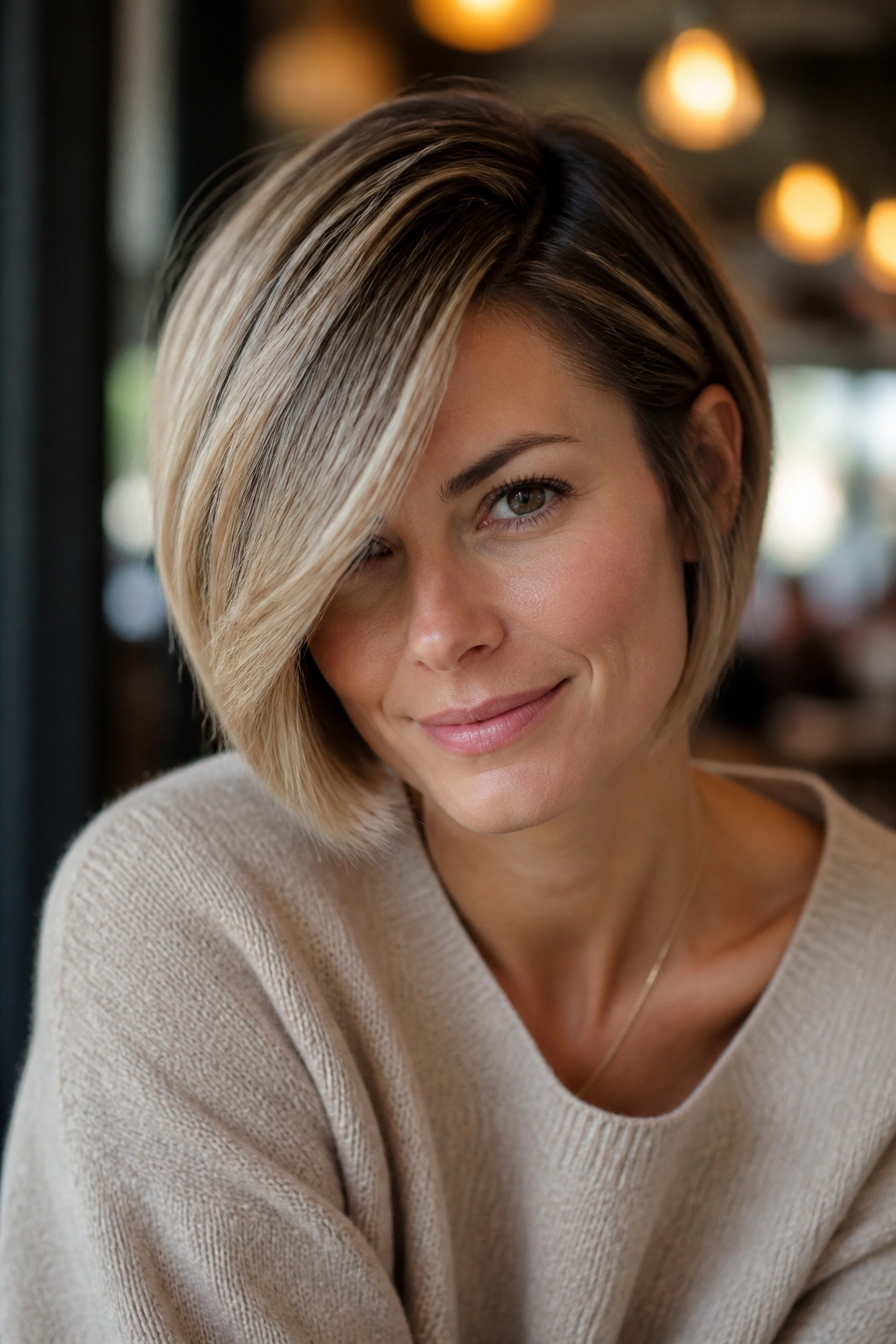
Can fine hair handle a side part? Absolutely, if the cut supports it. A side-part bob adds instant lift because the hair is pulled away from one side of the scalp, which creates a stronger root line and a little asymmetry. That visual shift can make the whole style feel fuller.
The version I like most has a dense sweep on one side and a tidy fall on the other. The longer side should still skim the face, not swallow it. That keeps the cut sleek instead of bulky. If your crown area is flat, a side part can be a much better choice than a strict middle part because it breaks up the narrow line at the top.
How to get the most from it
- Blow-dry against the part first for root lift
- Clip the heavier side while it cools
- Use a light root spray, not a sticky mousse
- Finish with a flat iron only on the ends if they flip out
This cut works especially well when you want a bob that feels a little softer and less uniform. It has movement, but not chaos. That’s the sweet spot.
9. The Inverted Bob With a Gentle Stack
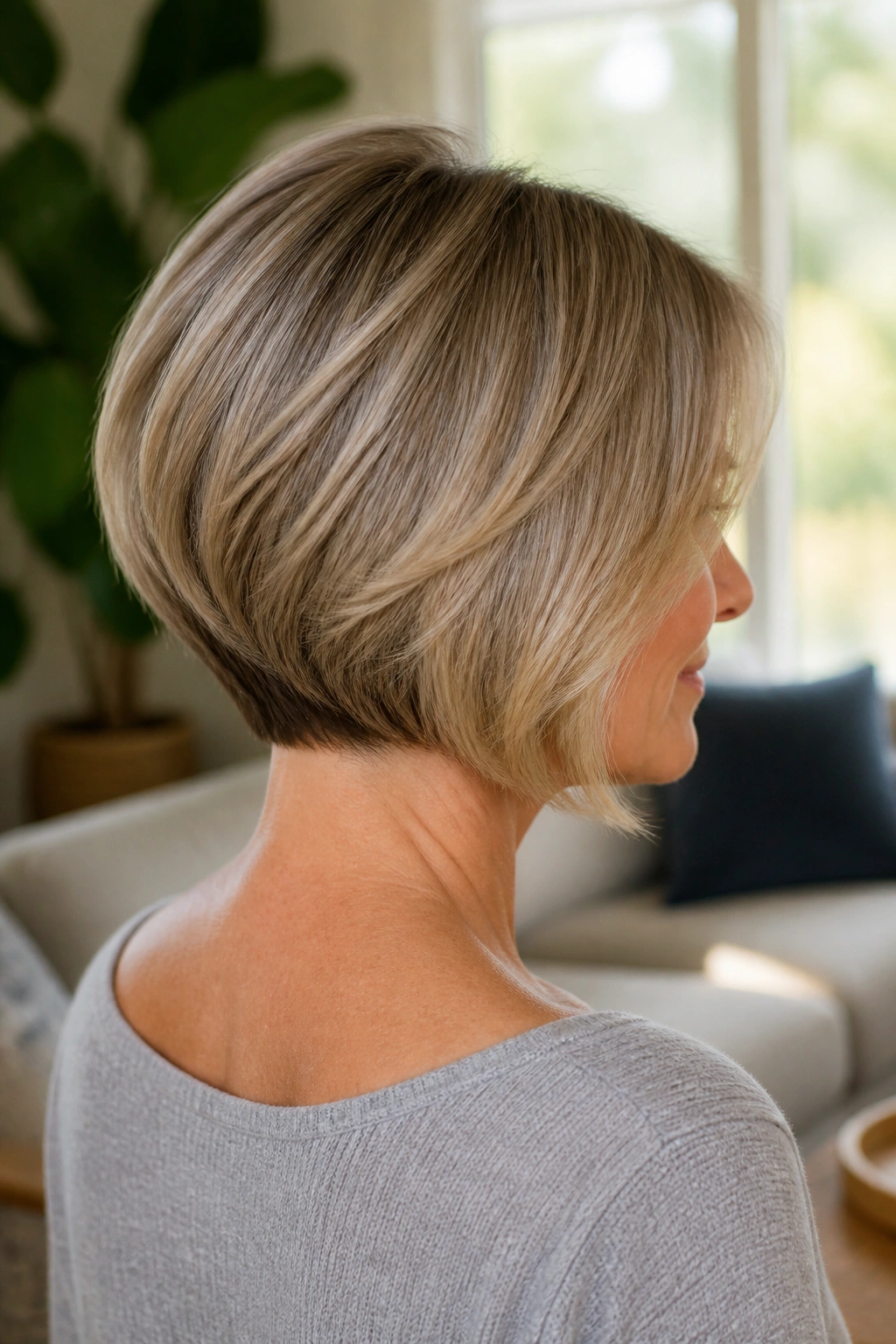
If the back of your hair lies flat against your head and refuses to budge, the inverted bob is worth a serious look. It’s shorter in the back and longer in the front, which creates lift without asking fine hair to carry too much length at the nape.
The stack in the back should be gentle, not chunky. Choppy layers can make fine hair look patchy fast, and that is not the goal. What you want is a clean rise at the back of the head so the silhouette has shape, then a smooth fall toward the front. That forward angle helps the face look a little longer too.
This cut is especially good if your hair naturally flips under when it’s dry. The shape uses that movement instead of fighting it. It also gives the bob a bit of swing, which keeps the style from feeling static.
The main caution: keep the stack soft. If the back gets too short or too packed with layers, the hair can start to show the scalp line more than you’d like. Fine hair needs lift, yes, but it needs space too.
10. The Rounded Bob That Hugs the Jaw
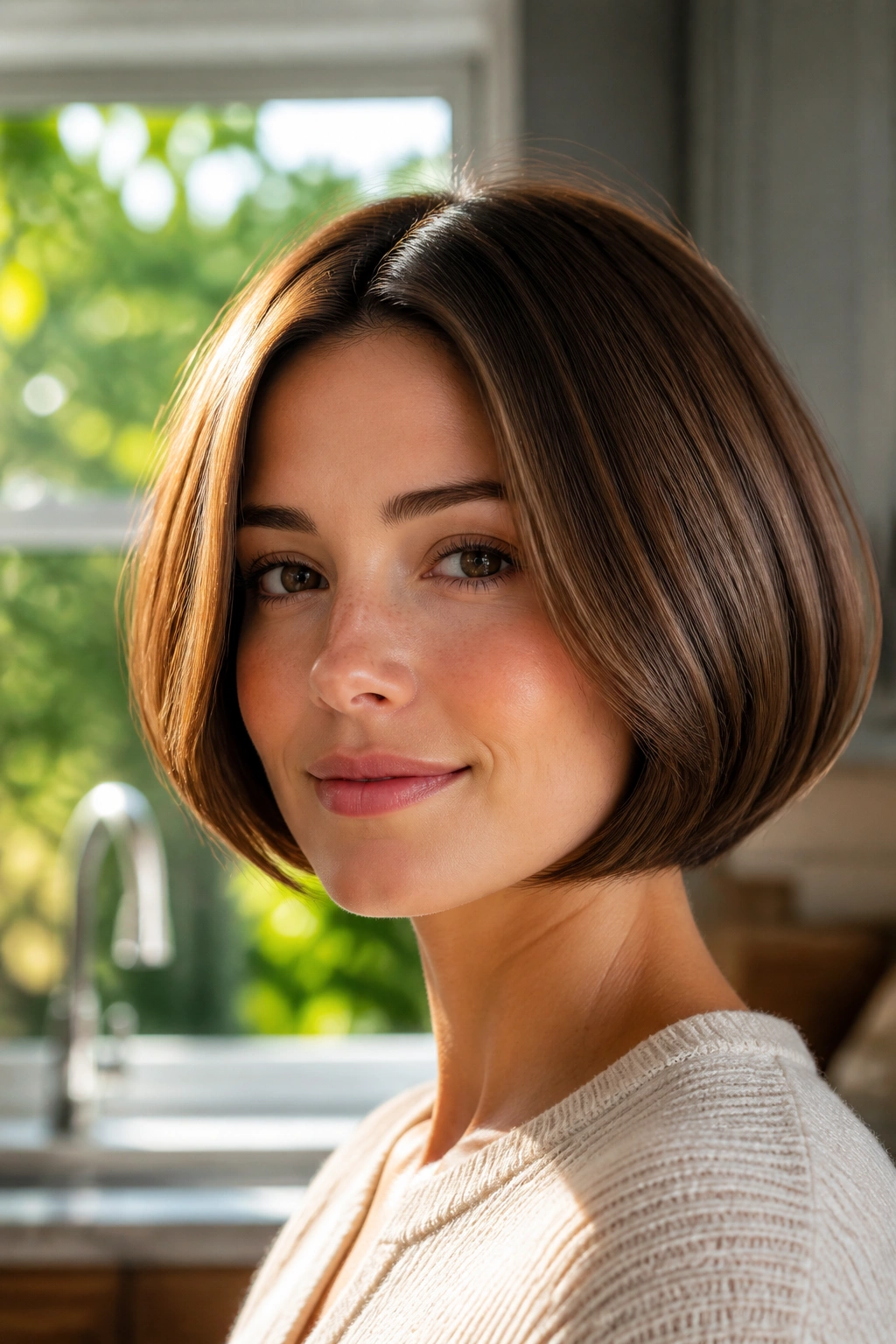
A rounded bob is a little softer than a box bob and less severe than a blunt chin cut. The ends curve inward just enough to follow the shape of the jaw, which can be a smart move if you want fullness without hard edges.
I like this cut for people whose fine hair has a natural bend but loses its shape when it gets longer. The rounded line gives the hair a home. It sits close to the face, keeps the silhouette neat, and makes the ends feel thicker because they aren’t hanging straight down in a thin curtain.
This is also one of the easiest styles to wear with minimal styling. A quick blow-dry with a round brush can create that inward curve, and once the hair cools, it tends to hold. If you want the finish to look sleek rather than puffy, keep the brush moving from root to end in one smooth pass.
The rounded bob can soften a square jaw and give the face a calmer frame. It’s not flashy. It just looks finished, and that matters more than people admit.
11. The Asymmetrical Bob With a Subtle Tilt
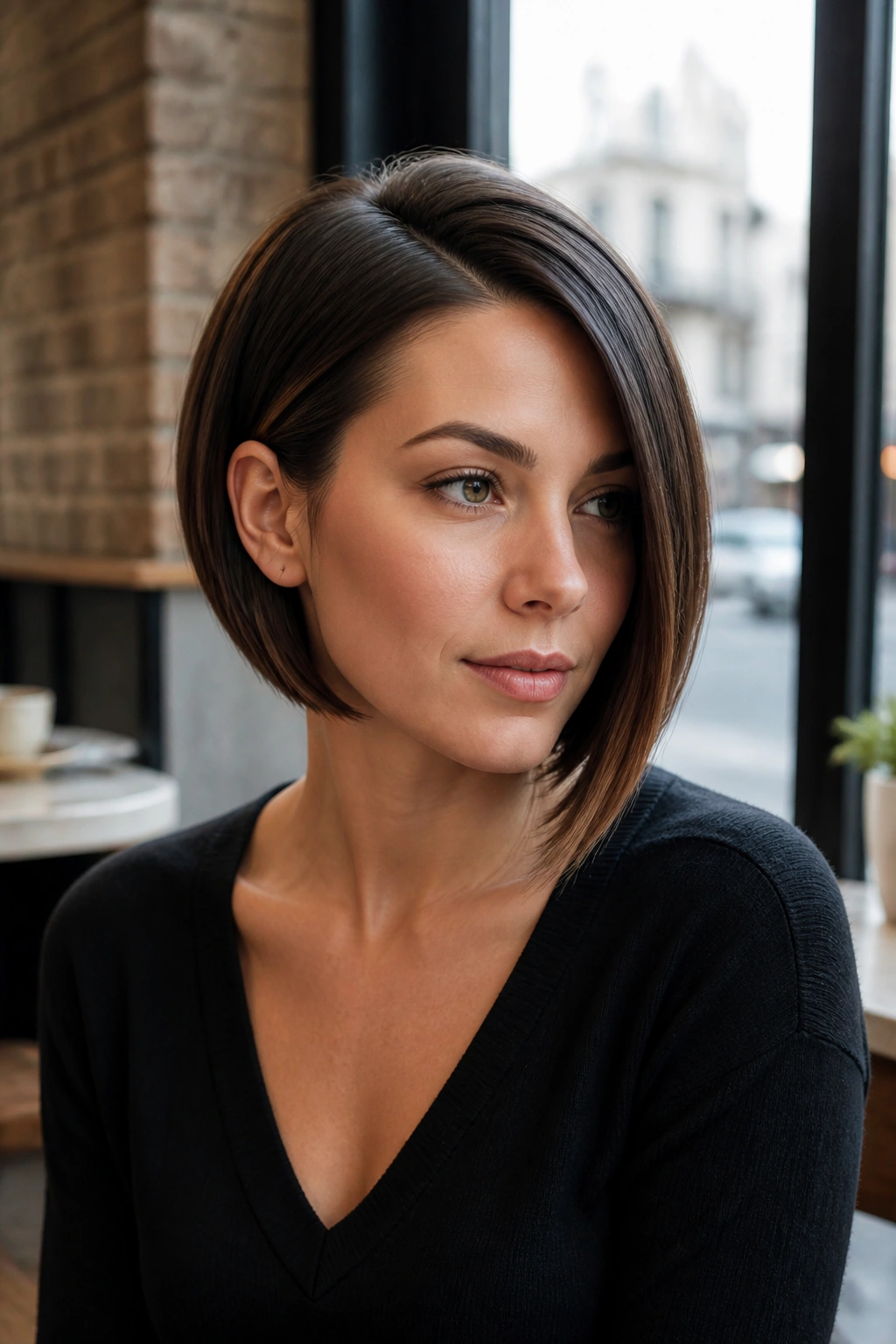
An asymmetrical bob gives fine hair a little tension, and that’s what makes it interesting. One side is slightly longer than the other, usually by an inch or two, which creates a diagonal line that draws the eye forward. That shape can make fine hair look fuller because the cut stops feeling too symmetrical and predictable.
Unlike a dramatic fashion cut, this version should stay subtle. The difference between sides needs to be clear enough to notice, but not so extreme that the bob loses its polish. Fine hair looks best when the asymmetry feels intentional and tidy.
This cut is a strong choice if you wear one side behind your ear a lot or if your hair naturally parts off-center. The longer side gives you a little drama, while the shorter side keeps the shape lifted near the neck. It’s a small change that makes the haircut feel custom.
The styling is straightforward. Keep the line smooth, add a touch of shine serum through the mid-lengths, and avoid overcurling the ends. The whole point is that the cut itself does the talking.
12. The Bob With Curtain Bangs

Curtain bangs can change the whole mood of a bob, especially on fine hair. They break up the front without taking too much density from the sides, which is useful if you want face-framing shape but do not want a heavy fringe sitting across the forehead.
The bangs should be long enough to sweep out from the center and blend into the bob. Too short, and they can look choppy. Too sparse, and they disappear. The sweet spot is usually around the cheekbone or just below it, where the pieces can move without looking wispy.
What to ask for
- Long curtain bangs that blend into the front lengths
- A blunt or softly beveled bob underneath
- Enough density at the bang line to avoid see-through gaps
- A smooth finish through the front, not a curled-out flick
This is a nice option if your face feels too open in an all-one-length bob. It also gives you a little more styling variety, since the bangs can be swept wide, tucked, or parted down the middle. And yes, they do need a trim now and then. Bangs always do.
13. The Tapered Nape Bob
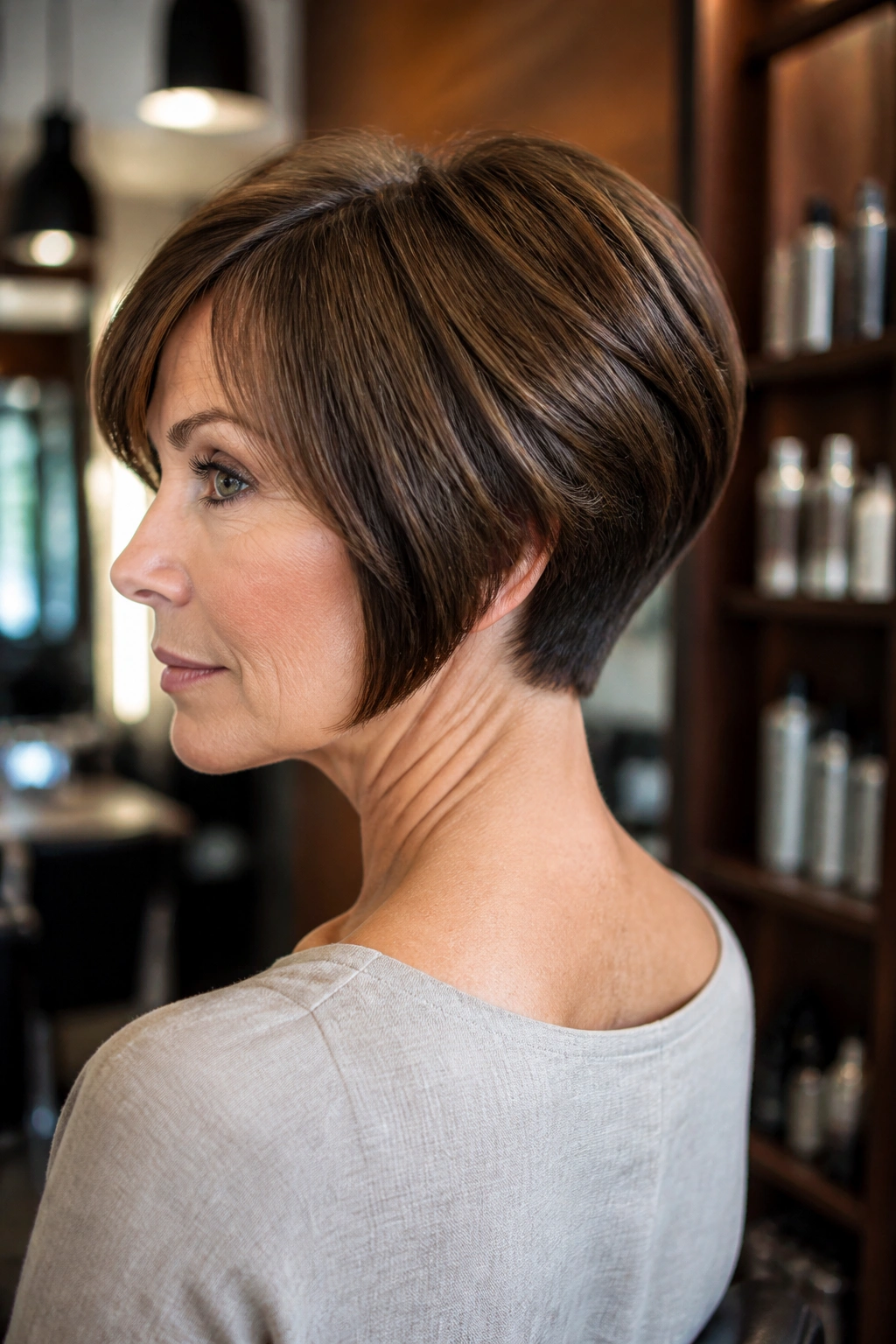
Need a bob that stays neat at the back? The tapered nape bob is the one that makes the neck look clean while keeping the top fuller. It’s short where the hair hits the nape and slightly longer as it moves upward, which gives the silhouette a tidy lift.
That taper is useful on fine hair because it removes bulk from the lower back section without making the whole cut look thin. The trick is keeping the graduation soft. Too much stacking, and the back can look spiky. Too little, and the shape loses its edge.
This cut tends to look best when the neckline is visible, even a little. A collared shirt or crew neck can show off the shape. If your hair grows fast at the nape, this one needs regular touch-ups, because the clean line is half the appeal.
Styling note
Dry the nape first and smooth it down with the nozzle of the dryer pointed from top to bottom. That keeps the short hair lying flat instead of poking out. A tiny bit of wax on the fingertips can help, but use a whisper, not a scoop.
14. The Ear-Tuck Bob
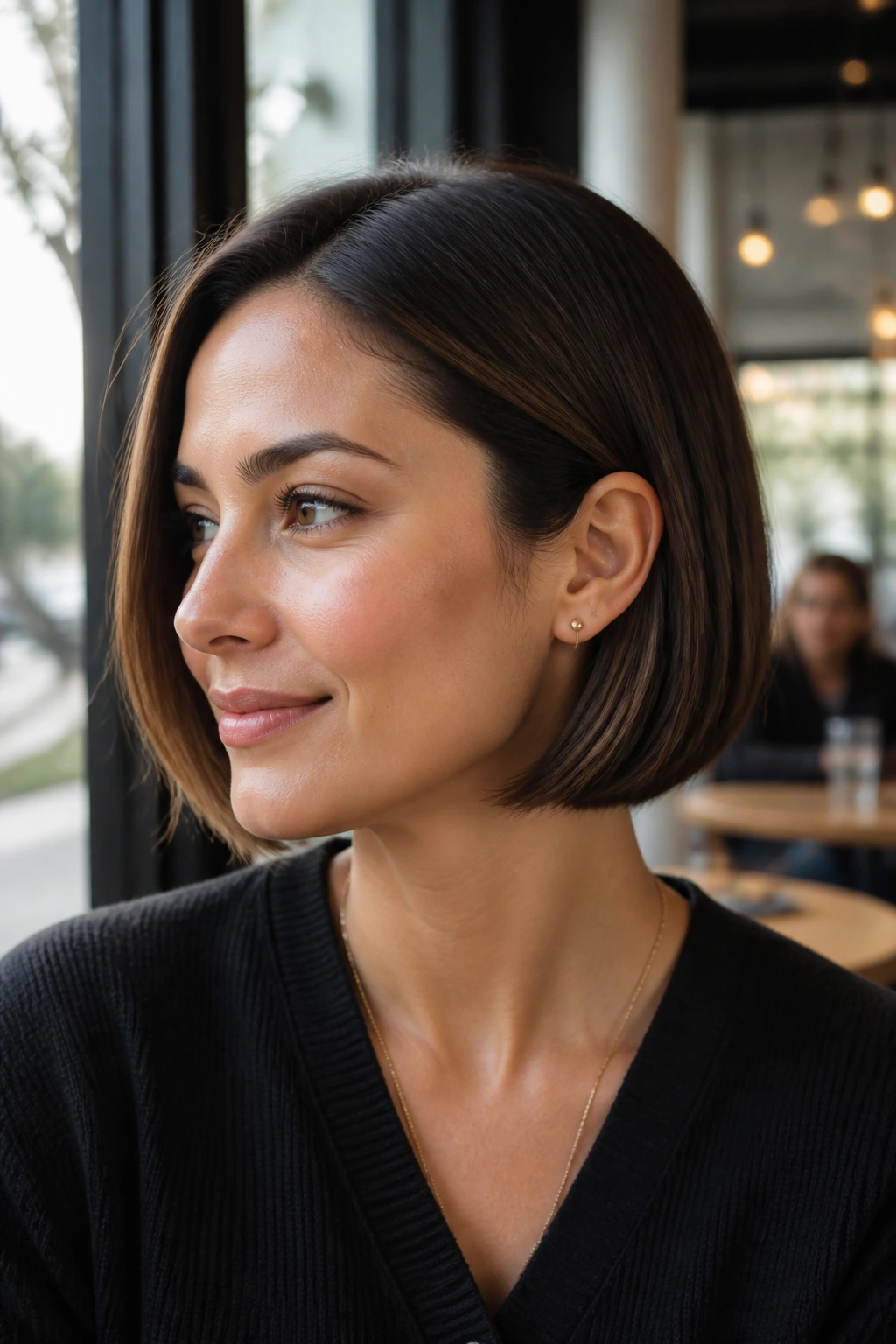
The ear-tuck bob is one of those styles that looks casual and polished at the same time. The front pieces are long enough to tuck neatly behind the ear, while the rest of the bob stays clean and close to the head. For fine hair, that tucked shape creates the feeling of control.
The reason it works is visual balance. When one side tucks in, the exposed cheekbone and jawline give the haircut structure. The other side can fall naturally, which keeps the bob from looking too stiff. It’s a simple trick, but it changes the whole impression.
I like this cut when the client wants a style that behaves around glasses, earrings, or scarf collars. Tucking the hair is not an afterthought here — it’s part of the design. The cut should be planned with enough length in front to stay elegant when the ear tuck happens.
One small note: this bob looks best when the ends are clean. If the perimeter gets fuzzy, the tucked side loses its neat edge fast. Keep a light smoothing cream nearby and skip heavy oils.
15. The Bob With Invisible Layers
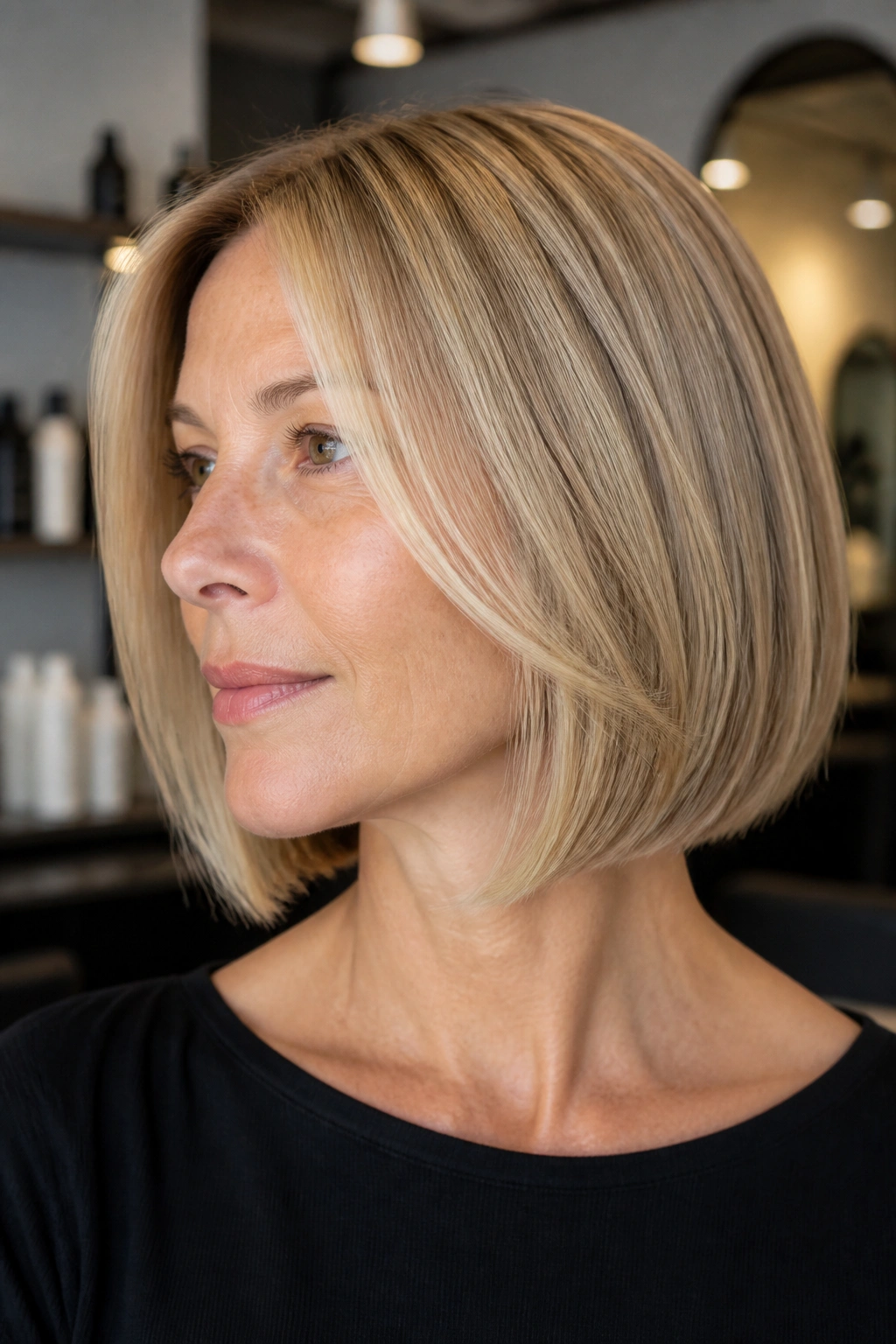
Invisible layers are the quiet fix for fine hair that needs movement without losing its edge. Instead of obvious choppy pieces, the layers sit inside the shape, hidden from view. That gives the hair a little bend and air while keeping the outline full.
This is the cut I reach for when someone says, “I want shape, but I do not want to see layers.” Fine hair can turn see-through if the layering is too aggressive, so the internal version is often safer. It removes just enough weight to keep the bob from sitting like a helmet, but not so much that the ends fray.
The result is subtle. You may not notice the layers at a glance, but you notice the movement when the hair turns. That is the point. The bob still reads as sleek, yet it does not feel stiff.
The key is a light hand from the stylist. Ask for internal shaping only if your hair can handle it, and avoid anything that thins the perimeter. A good invisible-layer bob should still look thick at the ends when it is freshly dried.
16. The Precision Lob With a Center Part
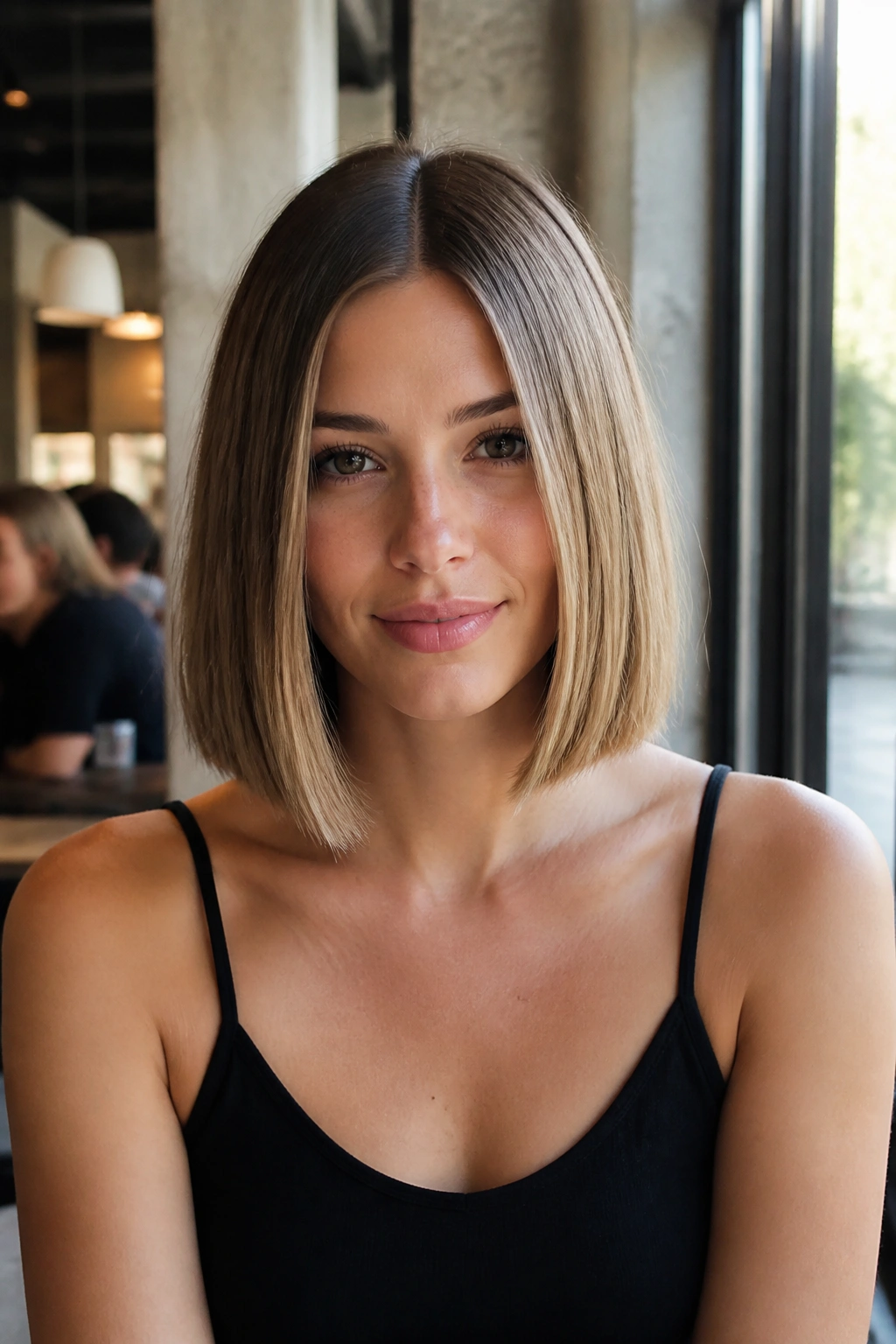
A precision lob is a longer, calmer cousin of the classic bob. It sits around the collarbone, keeps the outline sharp, and uses a center part to make the style feel balanced. If you want length but hate wispy ends, this is a strong middle ground.
Unlike a micro bob, the precision lob gives you enough hair to tuck behind the shoulders or pull into a low clip. Unlike a heavily layered cut, it keeps the weight line where the eye can see it. That matters for fine hair, because a visible perimeter does a lot of visual heavy lifting.
This style works best when the cut is clean from root to tip. The ends should not look shredded. The part should be deliberate. The finish should be smooth enough to show off the shape but not so flat that the hair loses life.
It’s a good pick if you want something polished for work, easy to pin back, and still long enough to feel versatile. I like it with a slight bend at the bottom, not full curls. Fine hair usually looks better with restraint.
17. The Sleek Bob With a Soft Underbevel
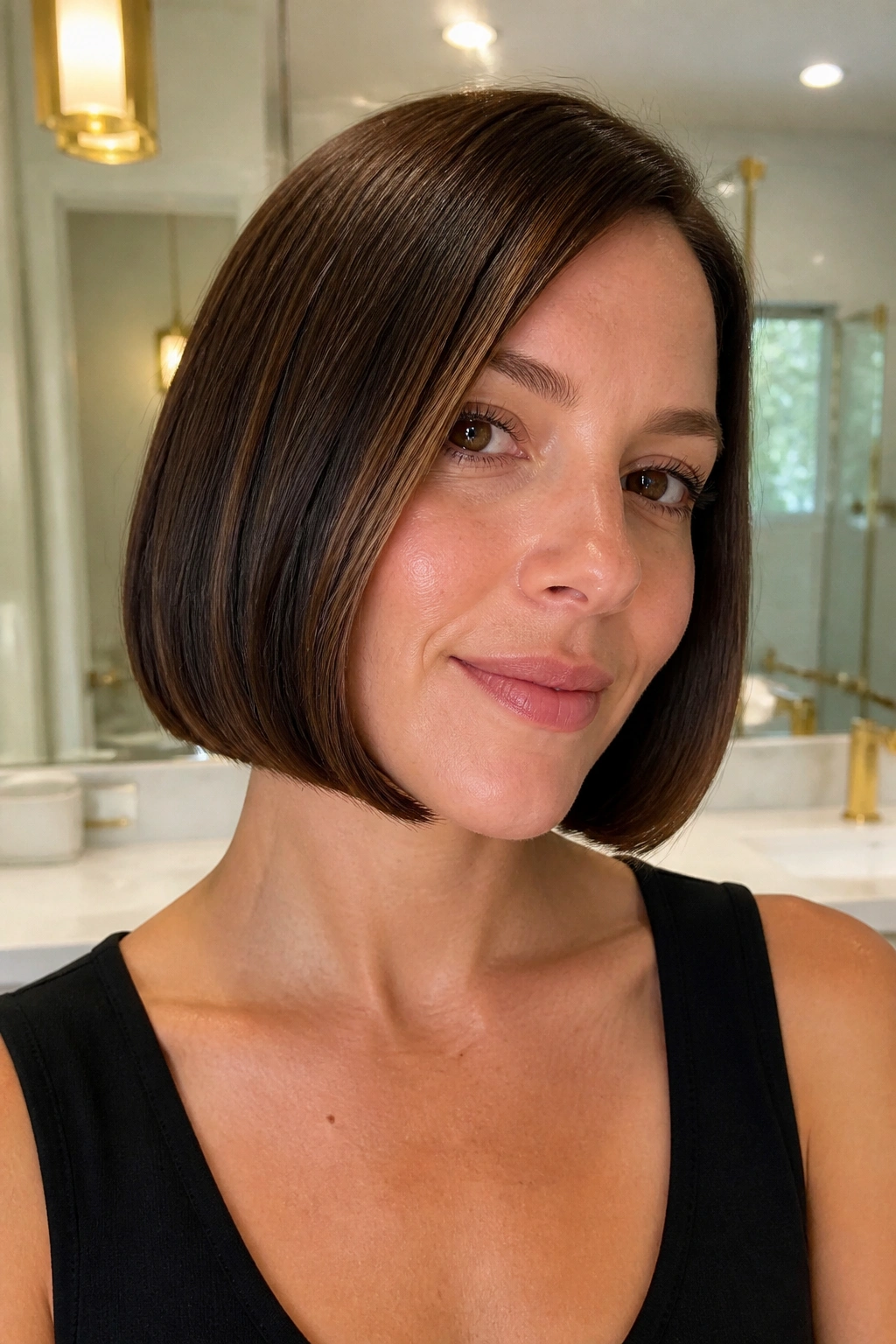
A soft underbevel gives a sleek bob a little extra body at the bottom without making it look round or puffy. The hair bends inward just under the edge, almost like the cut is hugging itself. That tiny detail can make fine hair look thicker where it counts.
What to ask for
- A blunt perimeter with a gentle inward bevel
- No obvious layering through the crown
- Ends that curve under instead of flipping out
- Enough weight left at the hemline to keep the edge visible
This cut is a smart answer if your ends tend to fray when they get too blunt or if you want a bob that feels a little softer than a razor-sharp line. The underbevel gives the illusion of density because the bottom edge appears fuller and more controlled.
I like this style with a clean side part or a soft center part. It does not need much else. A flat iron pass or a quick blow-dry with tension from a brush is usually enough to show the shape. Keep the heat moderate and the finish smooth, and the bevel will do its job without looking fussy.
18. The Grow-Out Friendly Precision Bob
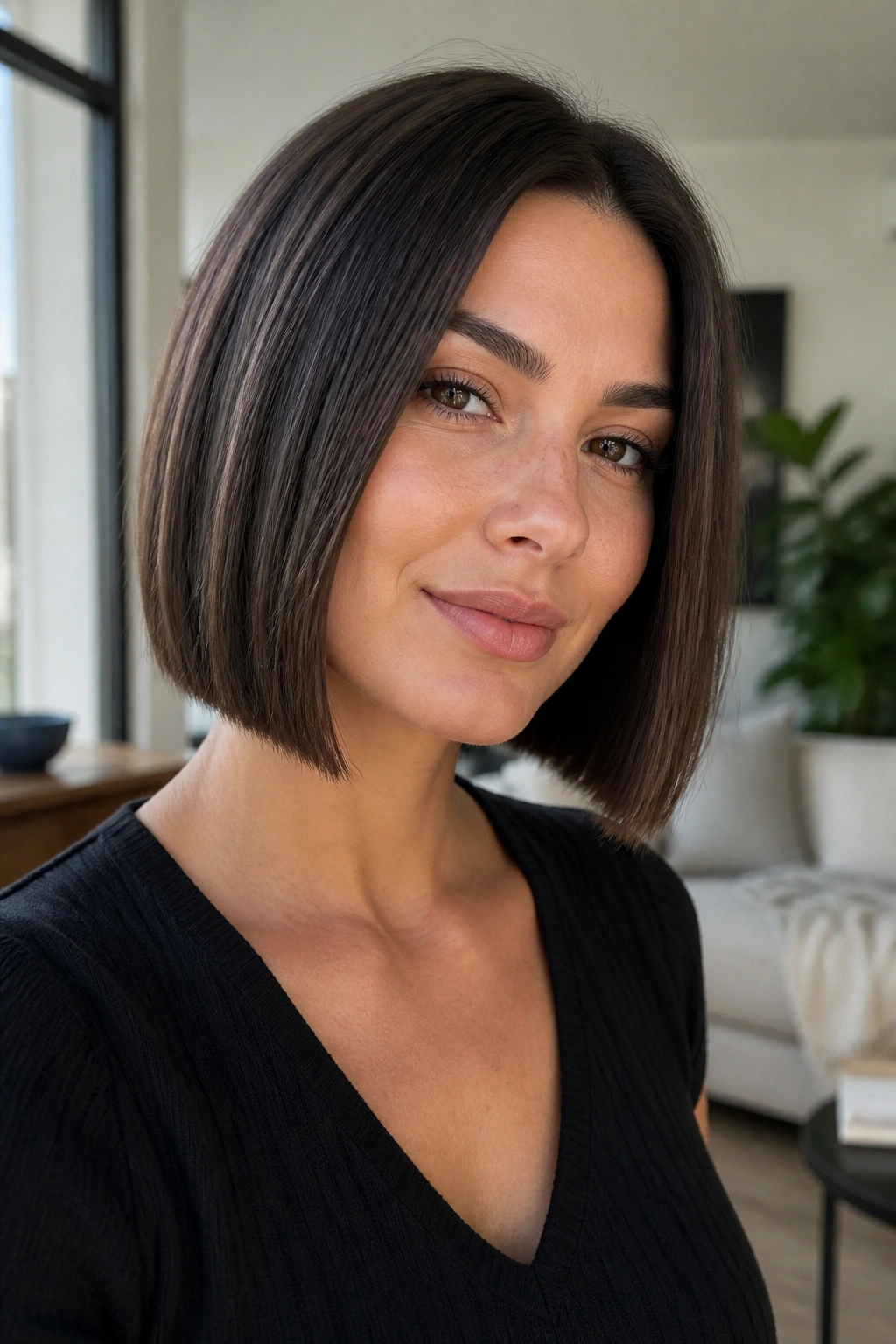
What if you want sleek, but you do not want to live in the salon chair? Then a grow-out friendly precision bob is the safe, smart choice. It keeps the ends blunt, the outline clean, and the length somewhere between the jaw and the collarbone, so it still looks good after a few weeks of growth.
The trick is avoiding anything too short at the neck or too layered through the interior. As the bob grows, those details can start to look uneven fast. A precision shape holds its line longer, which means you can stretch the time between trims without the haircut falling apart. That is a big deal for fine hair, because once the ends start to separate, the whole cut can look thin.
I would choose this version for anyone who wants the sleek bob look but does not want high-maintenance hair. It can be worn straight, tucked, parted down the middle, or given a slight bend at the ends. That flexibility matters more than glamour.
If your main complaint is limp ends, start here. If you want, I can also turn these 18 cuts into a salon-ask cheat sheet with the exact wording to use at the chair.
