



Fine hair can look plush, expensive, and full of movement when the cut respects what it actually is. It can also collapse into the scalp in about twenty minutes if the shape is too wispy, too layered, or too long for the strand thickness. That’s the frustrating part: the wrong cut doesn’t look “bad” in a dramatic way. It just looks a little tired.
The best haircuts for fine hair do one of two things. They either build the illusion of density with a blunt perimeter, or they create lift in the right places without shredding the ends into nothing. Fine hair is not the same as thin hair, by the way. Fine means each strand is smaller in diameter. You can have a lot of fine hair, and it can still behave like it has a mind of its own.
That’s why the usual advice often misses the mark. People hear “add layers” and end up with ends that look see-through. Or they keep growing it long because they want more fullness, then wonder why the weight pulls everything flat. A better cut changes the whole equation. Sharp lines, clever shape, and a little restraint usually beat a fussy, overworked style.
1. Blunt Chin-Length Bob for Fine Hair
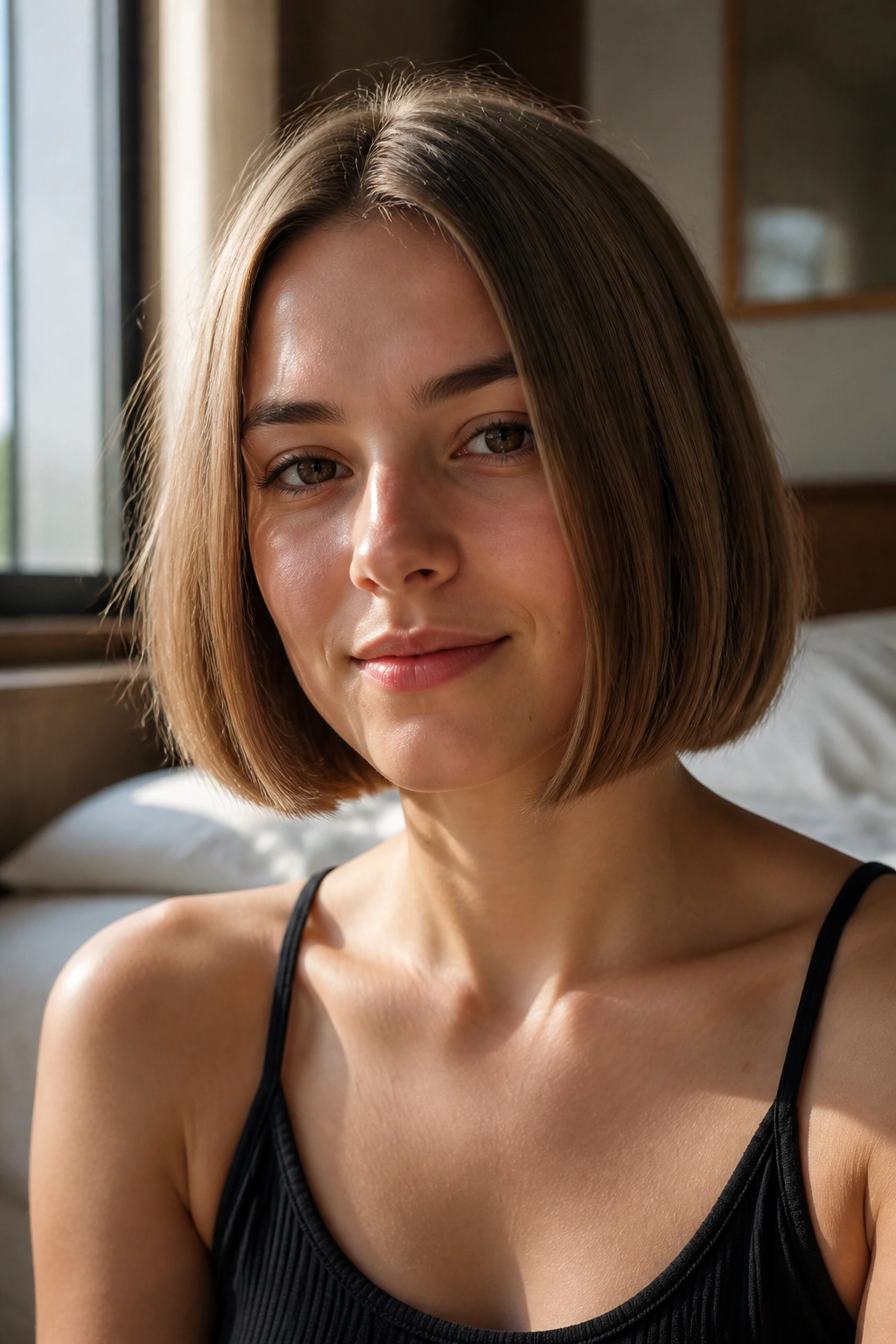
A blunt chin-length bob is one of the easiest ways to make fine hair look denser at first glance. The cut sits right where the face opens up, which gives the hair a clean edge and keeps the ends from looking stringy. There’s no mystery here. The blunt line does the heavy lifting.
Why It Works
The magic is in the perimeter. When every strand ends in nearly the same place, the eye reads the line as fuller. Fine hair with too many soft layers can look airy in a way that reads as sparse. A blunt bob avoids that.
Ask for the ends to be kept one length, or nearly one length, with only a tiny bit of internal shaping if your hair needs movement. Style it with a round brush or a flat iron bend so the hair curves under at the jaw. That small bend makes the cut look deliberate instead of severe.
- Best on straight to softly wavy hair
- Looks strongest at chin level or just below
- Needs regular trims to keep the edge crisp
- Pairs well with a side part if you want extra lift
Tip: Skip aggressive thinning shears. On fine hair, they can chew through the shape faster than you think.
2. Italian Bob

The Italian bob gives fine hair a little glamour without asking it to do too much. It usually lands between the jaw and the top of the collarbone, with enough weight left in the line to keep the style from floating away. That extra length matters. It keeps the cut from feeling fragile.
What I like about this one is that it doesn’t rely on heavy layering to look styled. The shape itself has enough presence. A soft bevel at the ends and a side part can make the hair move, but the base stays solid. That’s the part many people miss when they ask for “something fuller.” They need a stronger outline, not more texture.
Wear it with a tucked-behind-the-ear moment or loose bends through the mids. A light mousse at the roots and a brush-dry finish usually give it enough lift without making it fluffy. If your hair tends to fall flat at the crown, this cut is kinder than a long layered style.
It’s also a good choice if you want polish without the hard edge of a super-short bob. The Italian bob feels relaxed. Not lazy. Just easy to wear.
3. French Bob
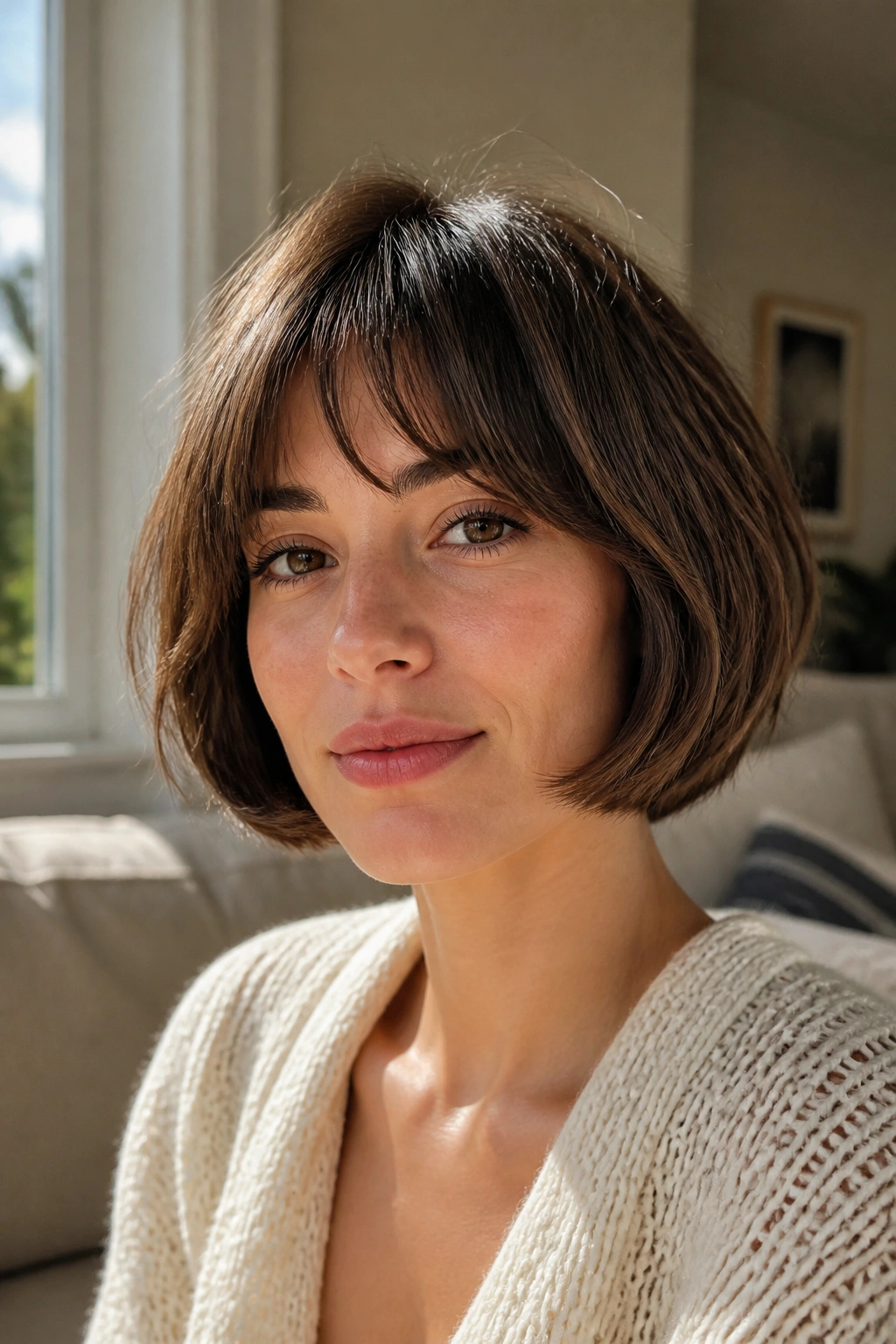
Why does the French bob work so well on fine hair? Because it keeps the shape compact and close to the face, which makes the whole style feel fuller than a longer cut with the same amount of hair. Shorter hair has less weight dragging it down, and the cheekbone-grazing length gives the illusion of thickness where people look first.
A French bob usually sits around the cheek or jaw and often includes a fringe, though not always a heavy one. On fine hair, I prefer a light fringe or a broken-up front rather than a dense curtain of bangs. Too much forehead coverage can make the top feel flat. A little softness is enough.
How to Wear It
Dry it with a small round brush, or let it air-dry halfway and finish with a flat iron bend at the ends. A touch of texture spray at the mid-lengths helps, but don’t drown the hair in product. Fine strands get greasy fast.
The best part is the attitude. This cut looks intentional even when it’s a little imperfect. That matters on mornings when you don’t want to fight with your hair.
4. A-Line Bob
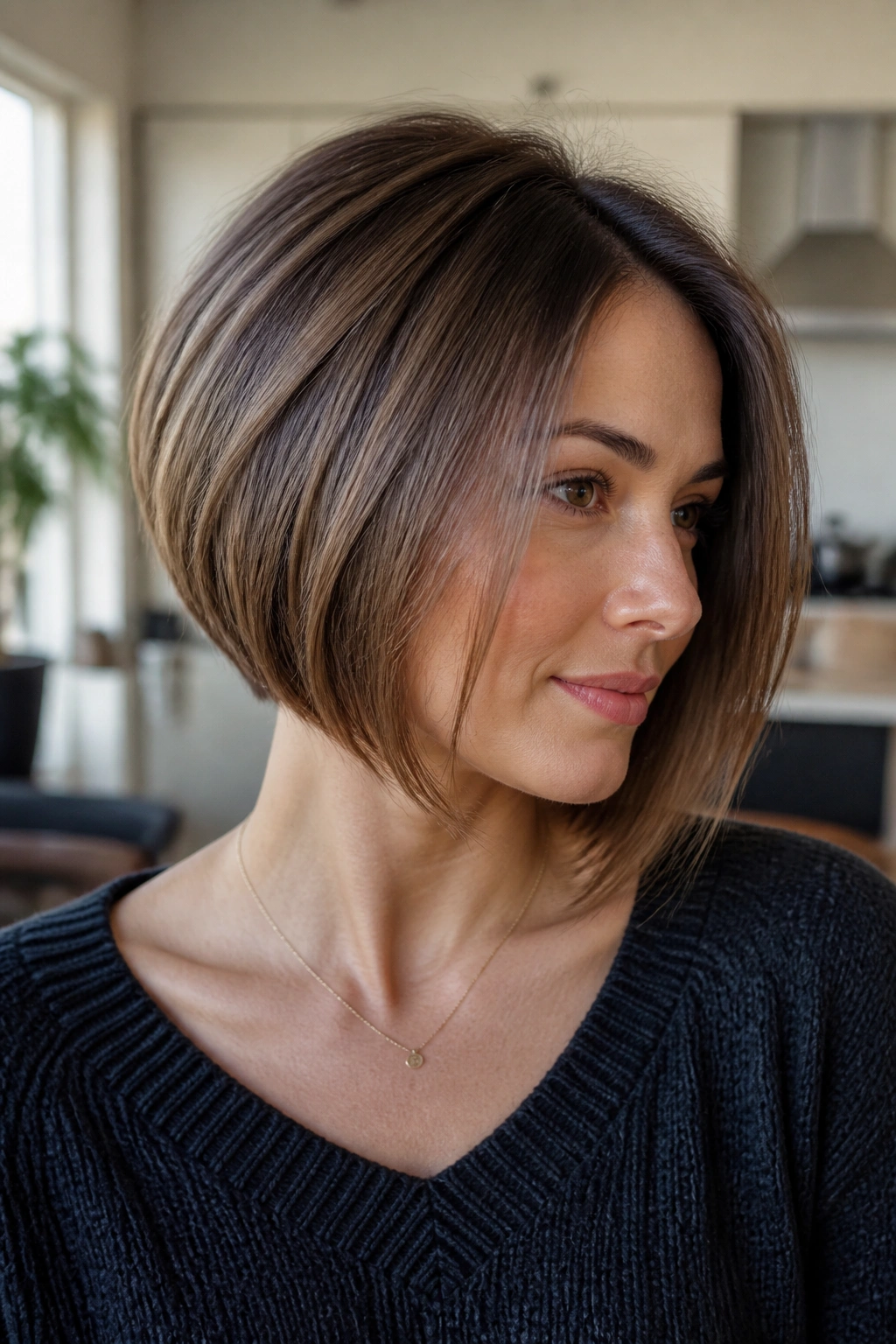
An A-line bob gives fine hair a shape that feels more architectural. The back sits a little shorter, while the front stays longer, so the cut creates a diagonal line that the eye reads as fullness and movement at once. It’s one of the smartest haircuts for fine hair if you want structure without a severe blunt edge.
I like this cut on people whose hair goes flat at the back of the head. That slight lift in the rear keeps the style from clinging to the nape. The longer front pieces also slim the face in a nice way, which is useful if you want a little length around the jaw.
- Ask for a soft A-line, not a dramatic wedge
- Keep the front long enough to tuck behind the ear
- Avoid too many chopped layers in the back
- Blow-dry with the head tipped slightly forward for root lift
A harsh A-line can look dated fast. A soft one, though, has staying power. It works because the shape is clean, not because it tries to be edgy. The line should be visible, but not fussy. If the cut feels too stacked, the hair can start looking hollow underneath, and that is exactly what you do not want.
5. Collarbone Lob With Soft Ends
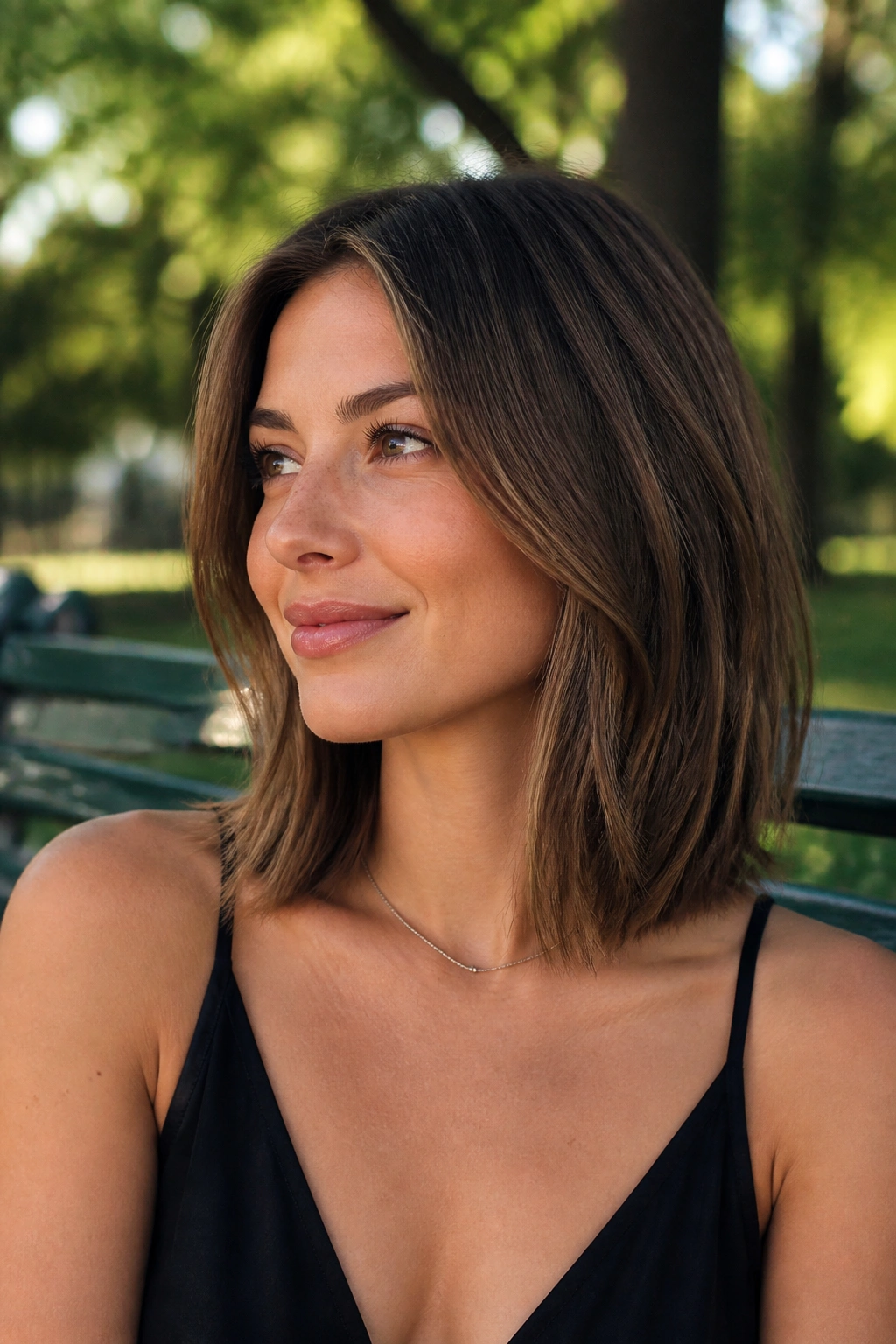
A collarbone lob is the safe place where fine hair often looks its best. The length skims the collarbone, which gives enough body to feel substantial without dragging the roots flat. It’s long enough to tuck, wave, or pin back, but short enough that the hair still has life in it.
This is the cut I’d point to for someone who wants flexibility more than drama. You can wear it straight and sleek one day, then add soft bends the next. The ends should stay fairly blunt, though. Soft ends are fine. See-through ends are not. That distinction matters.
The collarbone lob also behaves better than longer hair when you add a little texture. A medium-barrel curling iron, set in loose bends, creates movement that lasts longer on fine strands than tight curls do. Tight curls can fall out and leave the hair looking frizzy. Loose bends usually relax in a prettier way.
It’s a good cut for growing out shorter styles, and it’s forgiving if you like low-effort styling. Honestly, that’s half its appeal. It doesn’t demand a perfect blowout to look decent.
6. Box Bob
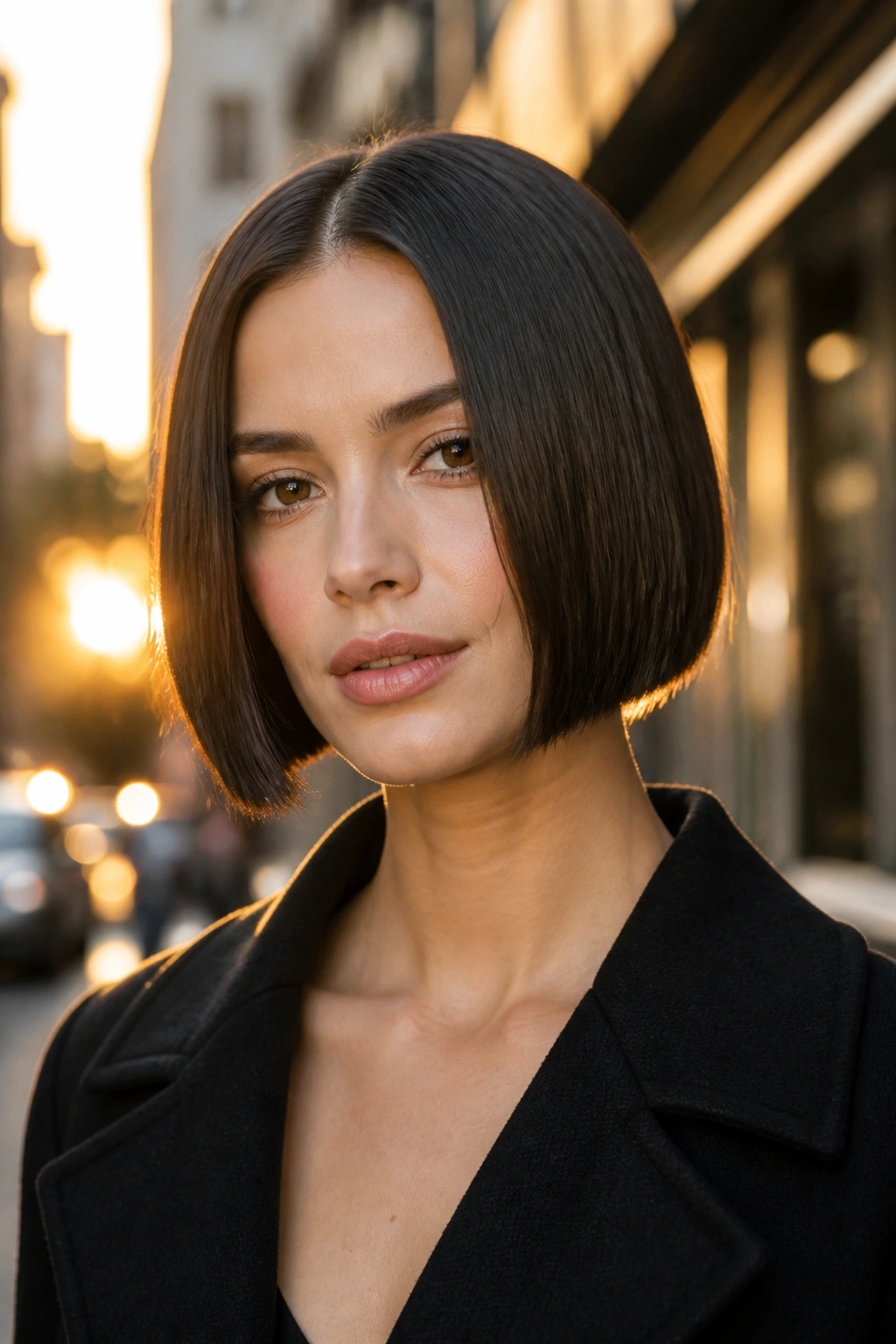
Unlike a rounded bob, the box bob keeps its sides strong and its outline blunt. That makes it a solid pick for fine hair that tends to disappear when the cut is too soft. The boxy shape creates the impression of a fuller mass because the silhouette is broad and clean.
This cut sits somewhere around the jaw or just below it, with minimal tapering at the ends. The look is crisp. Almost graphic. If you love sleek hair and want the cut itself to do the work, this is a strong option. It can look expensive in the quietest way, which I say as a compliment, not as fluff.
The box bob is best if your hair lies straight or only bends a little. Very curly fine hair can wear it too, but the shape needs more care. For straight hair, a center part makes the geometry more obvious. A deep side part softens it.
Who should skip it? Anyone who wants lots of shaggy texture. The whole point is the line. If you start slicing it up, you lose the effect.
7. Pixie Cut for Fine Hair
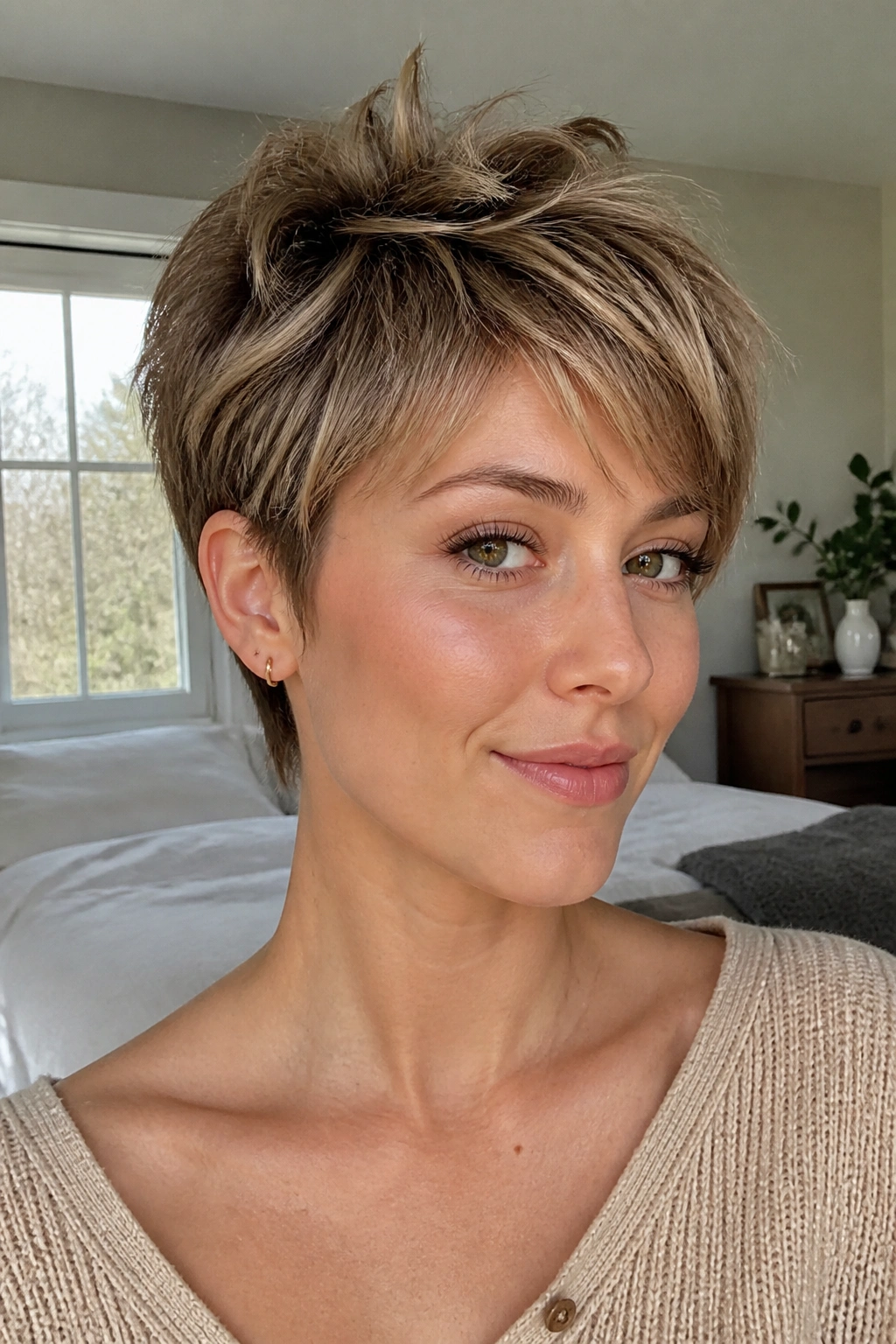
Shorter is not a defeat. For fine hair, a pixie cut can be the smartest move on the board because it removes the dead weight that drags limp strands down. Suddenly the hair has room to lift at the roots, and the shape looks fuller than it did at shoulder length.
What to Ask For
Ask for soft texture at the crown, not choppy thinning everywhere. That’s the difference between a flattering pixie and one that looks patchy. You want the top to have enough length to move, with the sides and nape kept neat so the style doesn’t mushroom out.
A good pixie on fine hair has a bit of direction. It might sweep forward, spike softly at the crown, or tuck close around the ears. It should not feel like a helmet. The best versions look lightly grown-in, even when freshly cut.
- Great for straight or slightly wavy fine hair
- Needs a bit of styling paste or cream
- Benefits from regular trims every 4 to 6 weeks
- Can be brushed forward for softness or back for lift
If you’ve been clinging to length because you think short hair won’t suit fine strands, this cut can be a surprise. It often gives more visual fullness than long hair ever did.
8. Bixie Cut
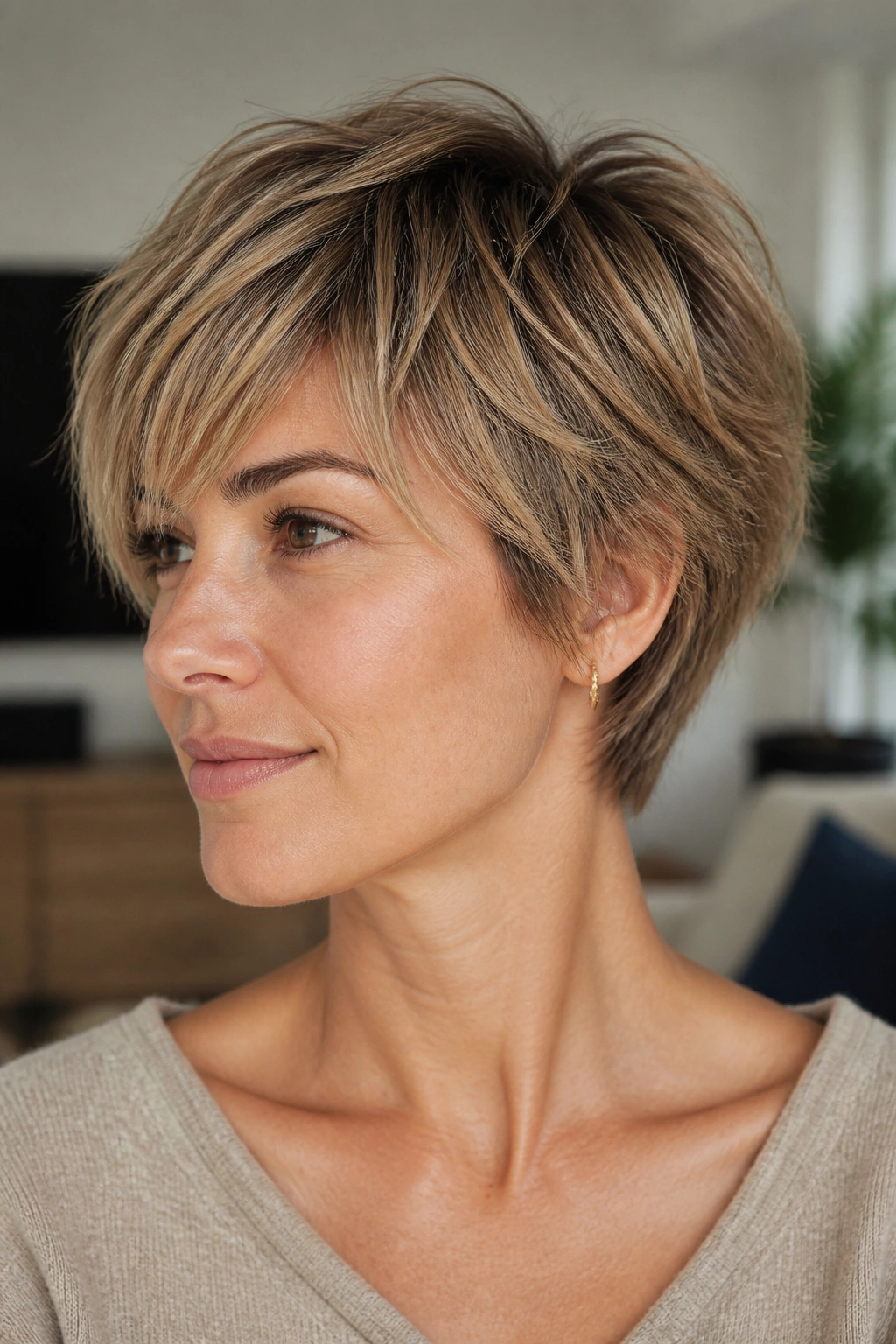
The bixie sits between a bob and a pixie, and that middle ground is exactly why it works for fine hair. You get a little more length than a classic pixie, which keeps the style from feeling too exposed, but you still lose enough weight to wake up the roots. That balance is the point.
This cut usually has soft layers around the crown and ears, with a neck that stays clean and tapered. It moves easily. It also grows out better than a very short crop, which is useful if you don’t love frequent trims. Fine hair often looks best when it’s allowed to move a little, and the bixie gives you that movement without asking for much bulk.
I’d recommend it to someone who likes airy, piecey texture and doesn’t want a cut that needs perfect blow-drying. A little pomade between the fingers is usually enough to define the ends. If you use too much product, the hair can go limp fast. Use less than you think. Then stop.
It’s playful, but not precious. That’s why it works.
9. Shoulder-Length Cut With Curtain Bangs

Can long hair work for fine strands? Yes, but it needs help from the cut. A shoulder-length base with curtain bangs keeps the perimeter substantial while giving the front enough shape to stop the hair from looking flat around the face.
Curtain bangs are useful here because they split the visual weight. They draw the eye to the cheekbones and eyes, which makes the rest of the hair feel more deliberate. On fine hair, I’d keep the bangs soft and slightly longer through the sides so they blend instead of sitting on top like a separate piece.
Styling Notes
Dry the bangs first. They set fast and they decide the mood of the whole haircut. Use a round brush or even just your fingers with a little heat to bend them away from the face. The rest of the hair can stay straighter or take a loose wave.
This cut is a nice middle road if you want length but hate the limp, stringy look that can happen when fine hair hangs too far past the shoulders. That extra length at the front gives the style enough shape to feel lived-in, not heavy.
10. One-Length Lob With a Center Part
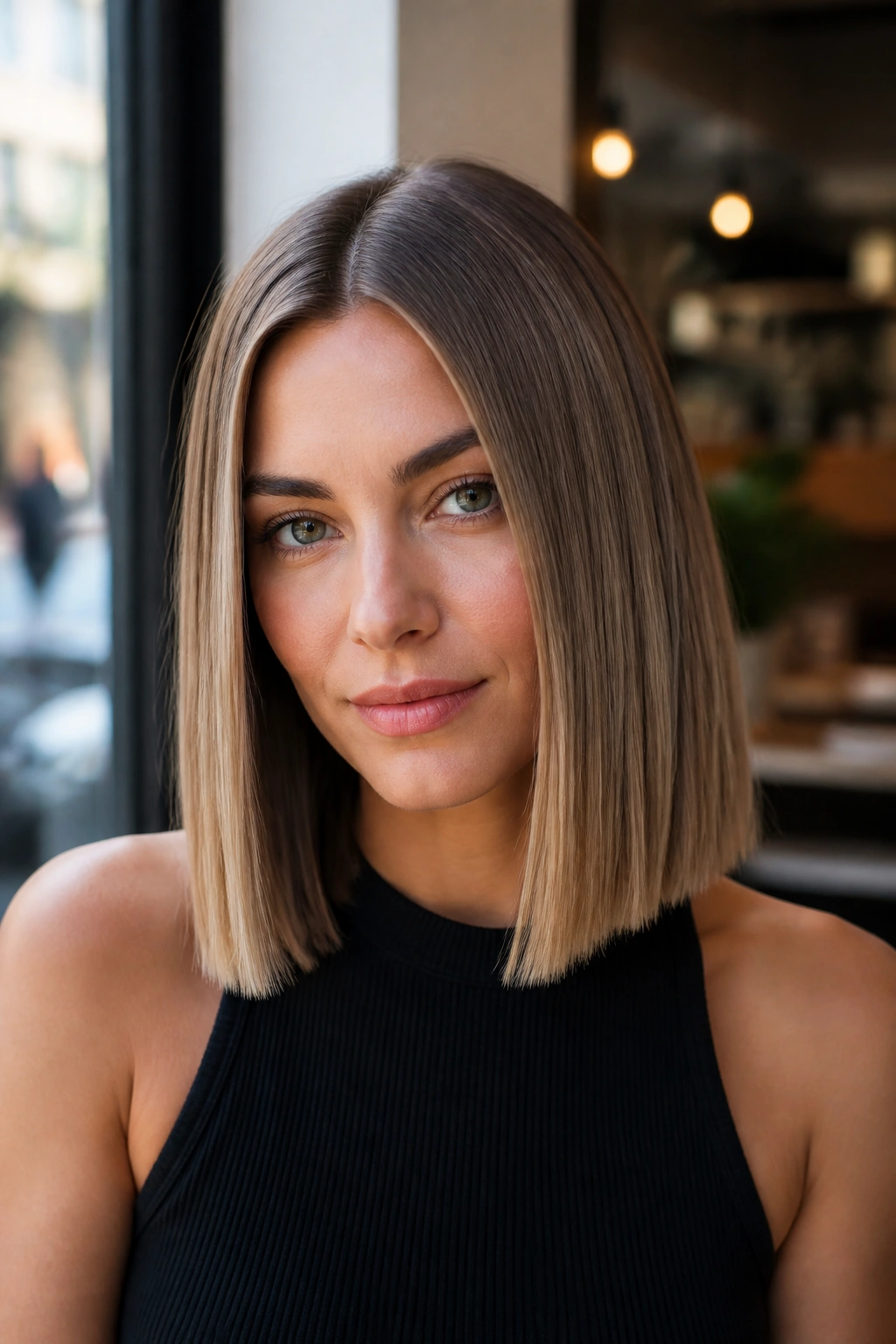
A one-length lob with a center part is clean, calm, and sneaky-good for fine hair. The center part creates symmetry, which makes the haircut feel balanced, while the blunt ends keep the perimeter thick. No frills. No tricks. Just shape.
I’ve always liked this cut for hair that’s naturally straight or only slightly wavy. It doesn’t need much to look polished, and that matters because fine hair often gets overworked with too many products. The straight line at the bottom does most of the visual work. The center part gives the style a modern, no-nonsense feel.
- Best when the ends are kept blunt and healthy
- Works well with a flat brush blowout
- Can be tucked behind both ears for an easy, neat look
- Pairs nicely with glasses and strong brows
There’s a quiet confidence to this cut. It doesn’t pretend to be bigger than it is. It just looks tidy and expensive when the ends are fresh. If your hair is fine and you want low drama, this is one of the easiest wins.
11. Rounded Bob

The rounded bob is one of those cuts that looks soft in the mirror and unexpectedly full in motion. Fine hair benefits from the curve because it follows the head shape and gives the style a cushioned outline, especially when the ends bend inward toward the neck and jaw.
What matters here is control. If the bob gets too heavily layered, the roundness disappears and the hair starts to fray out. If the cut is too blunt in a way that ignores the head shape, it can sit stiffly. The sweet spot is a curved perimeter with just enough internal shaping to keep it from puffing in the wrong spots.
This style is especially nice if your hair tends to flip out at the ends. A rounded bob tames that habit instead of fighting it. A paddle brush or a medium round brush works well during blow-drying, and a light serum on the ends keeps the shape smooth.
It’s a polished cut. Not fussy, but definitely controlled. Some people want more edge. I get that. Still, on fine hair, controlled often looks fuller.
12. Jaw-Length Bob With a Deep Side Part
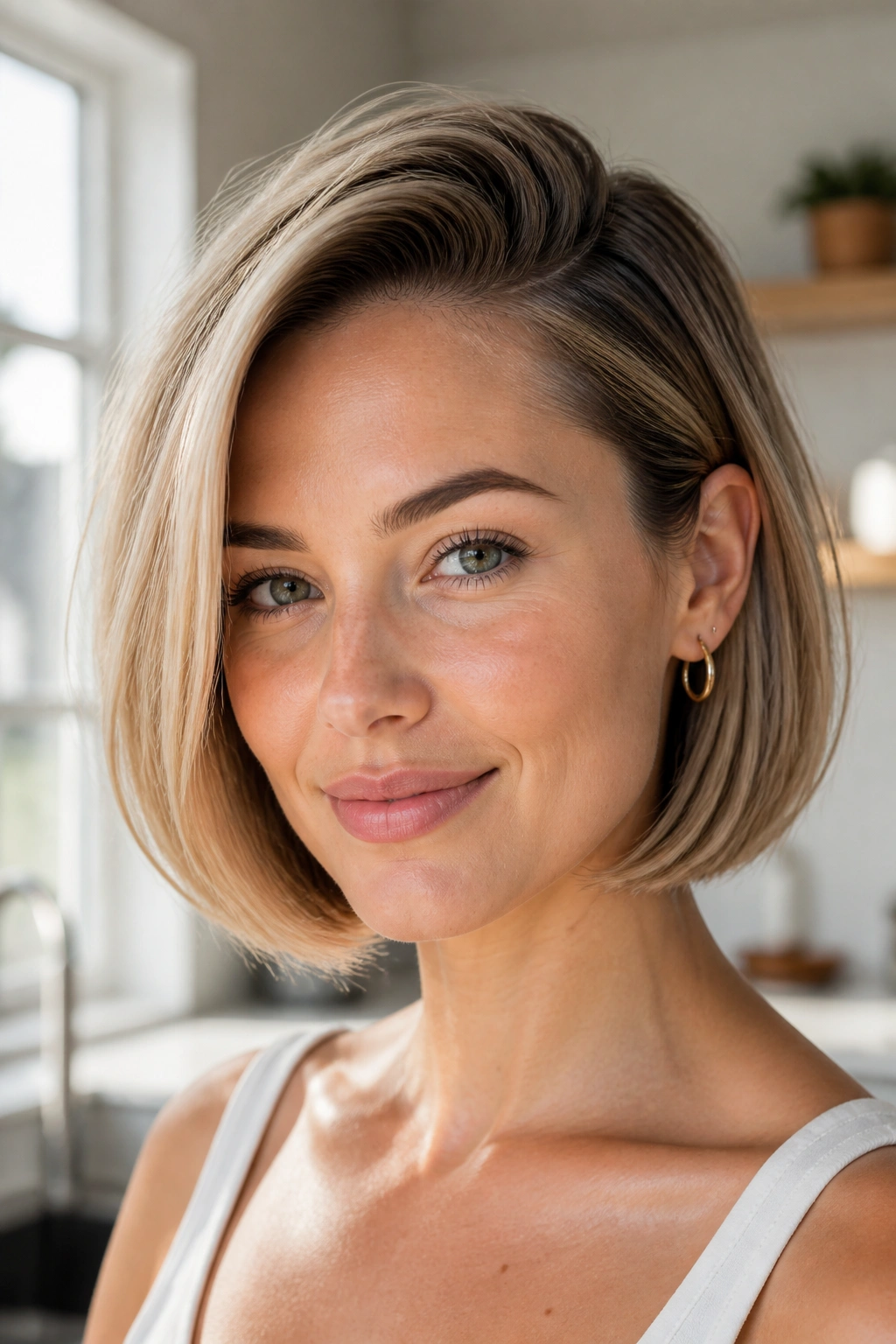
A jaw-length bob with a deep side part is the move when you need volume in one obvious place and you don’t want to rely on a dozen styling products to get it. The side part pushes hair across the crown, which creates lift at the root. That alone can change the whole mood of fine hair.
Compared with a center part, this version feels softer and a little more dramatic. It also helps if one side of your hair naturally lies flatter than the other. The heavy side gives the style body, while the shorter side opens the face. Small shift, big effect.
This cut works best when the line at the bottom stays clean. A little bevel helps, but the point is not to make the ends airy. Fine hair needs some solidity. I’d avoid razor cutting here unless your stylist knows exactly how your hair behaves when dry, because over-texturizing can make the shape collapse.
If you want volume without big curls, this is one of the best bets. The part alone does a lot of the work. The rest is maintenance and a decent blow-dry.
13. Soft Shag With Light Layers for Fine Hair
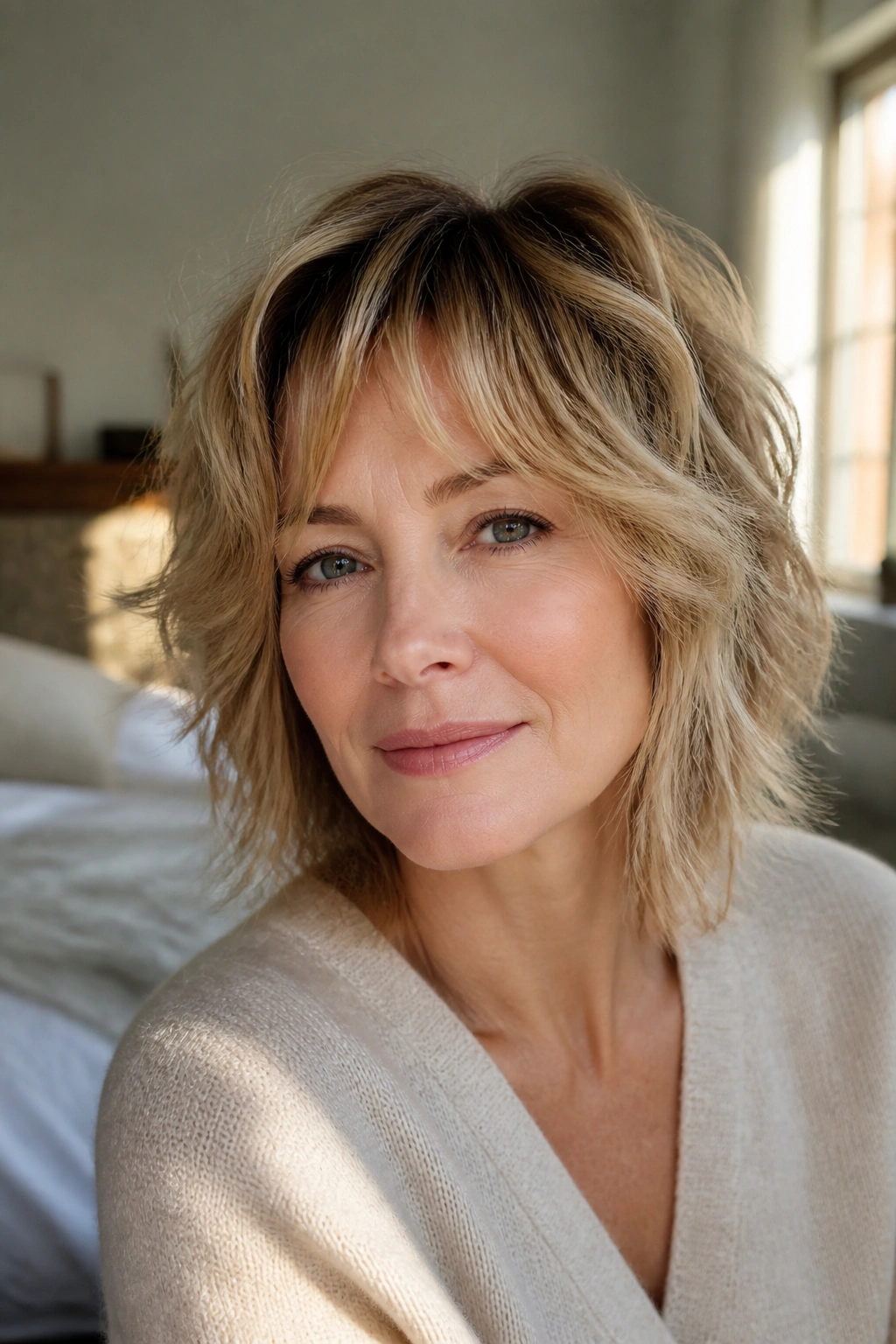
A soft shag can be brilliant for fine hair, but only if the layers are light and well-placed. Heavy shag layers can leave the ends hanging by a thread. Soft ones give movement without gutting the shape. That is the whole difference.
Why It Works
The cut builds texture around the crown and cheekbones, where the eye notices fullness first. The ends stay alive, and the whole style feels looser. Fine hair that has some natural wave can wear this beautifully because the texture helps the shape, instead of fighting it.
The trick is restraint. Ask for layers that start lower, not a million short pieces all over the head. A shag on fine hair should look airy, not shredded. If the hair is straight, a bit of mousse and a diffuser can give it enough bend. If it’s wavy, scrunching with a light cream is often enough.
- Best for natural wave or loose curl
- Avoid razor-heavy layering
- Looks fuller when the fringe is soft, not blunt
- Needs regular reshaping to keep the outline from getting messy
A good soft shag has personality. A bad one looks like the hair was attacked with scissors. Not the same thing.
14. Long Pixie With a Soft Fringe
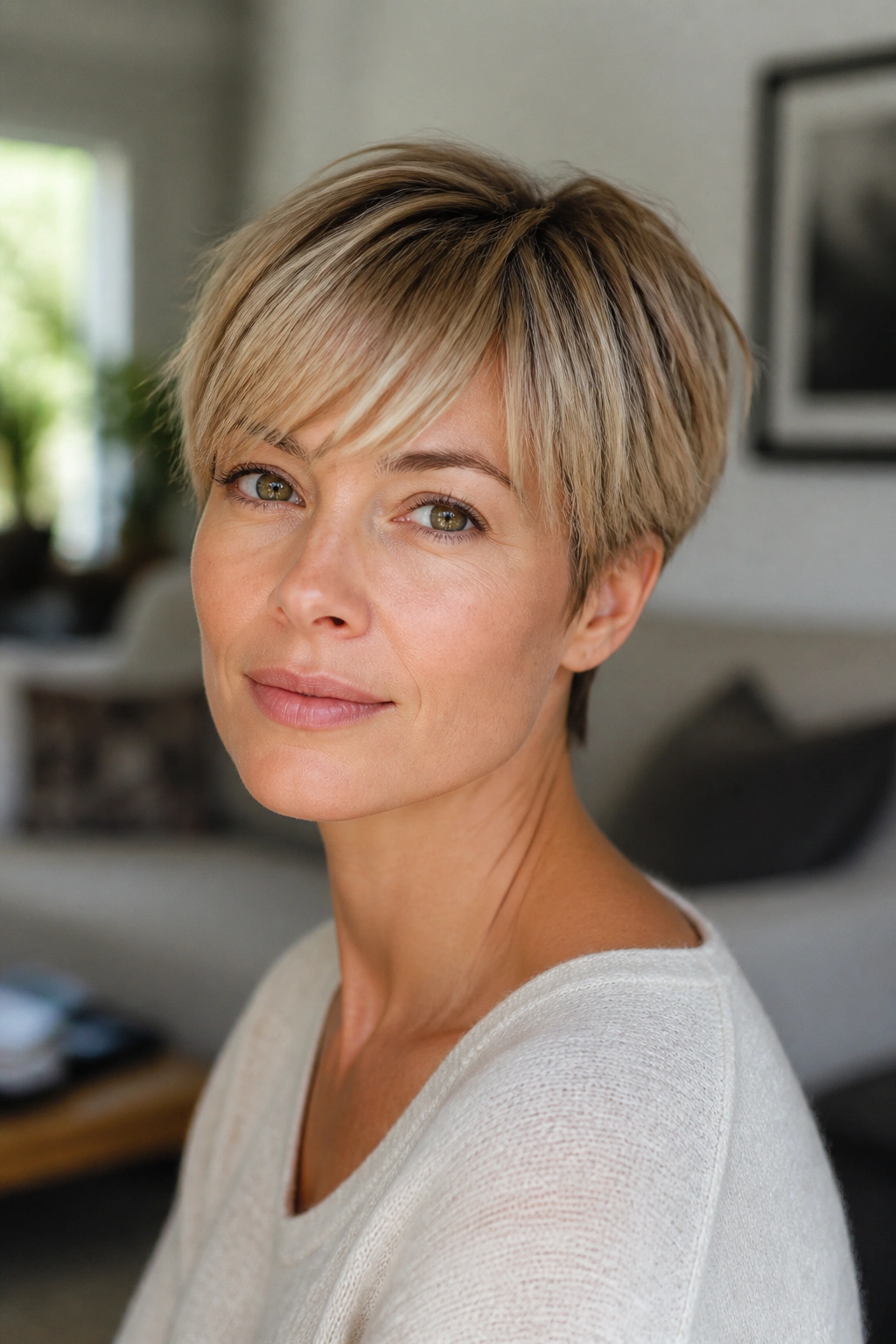
If you want easy mornings, the long pixie earns its keep fast. It keeps enough length on top to feel feminine, if that word matters to you, while the close-cut sides and back take away the bulk that can weigh fine hair down. The result is neat, light, and surprisingly flexible.
The soft fringe is what keeps this from looking too severe. It can sweep across the forehead, fall in a broken line, or blend into the side layers. On fine hair, a heavy fringe can feel like a curtain dropped over a tiny window. A softer front keeps the face open.
This cut is a good choice if your hair tends to lie flat at the roots and you don’t want to fight it every morning. A little root mousse, a quick blast from the dryer, and a finger-combed finish usually do the job. You do not need ten products. Please don’t give yourself ten products.
The long pixie also grows out in a manageable way, which is underrated. You get several weeks of good shape before it starts to feel awkward.
15. Invisible Layers on a Long Lob
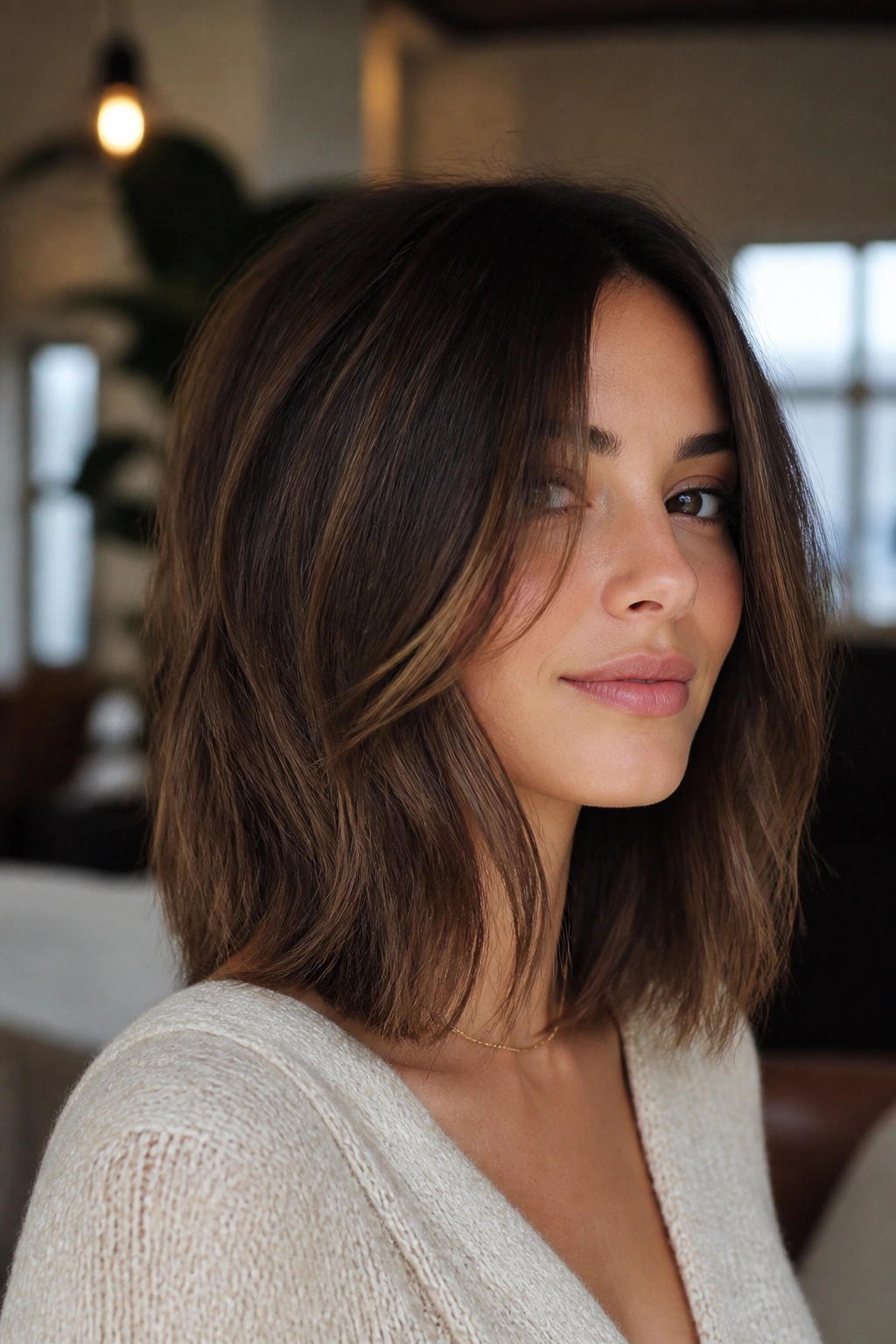
Can layers help fine hair? Yes. But they have to be quiet. Invisible layers are hidden inside the shape so the outside line still looks full. That’s the whole trick. You get movement without the obvious thin-out that can happen when every layer is visible.
This is a smart option if you want to keep length but feel trapped by the heaviness of one solid curtain of hair. The layers can remove bulk in the right places, usually around the crown and mids, while leaving the perimeter intact. The ends stay thick. That matters more than people realize.
How to Use It
Tell your stylist you want movement without losing the edge. That phrase is more useful than asking for “lots of layers,” which usually means different things to different people. A center part or soft side part both work here, depending on where your hair lifts best.
- Good for straight, wavy, and slightly curly fine hair
- Best when the outer line stays blunt
- Helps long hair move instead of hanging
- Can be styled smooth or with soft bends
I think this is one of the most practical haircuts for fine hair if you refuse to go short. It solves the “it’s long, but it looks flat” problem without overcommitting to a short style.
16. Wavy Lob
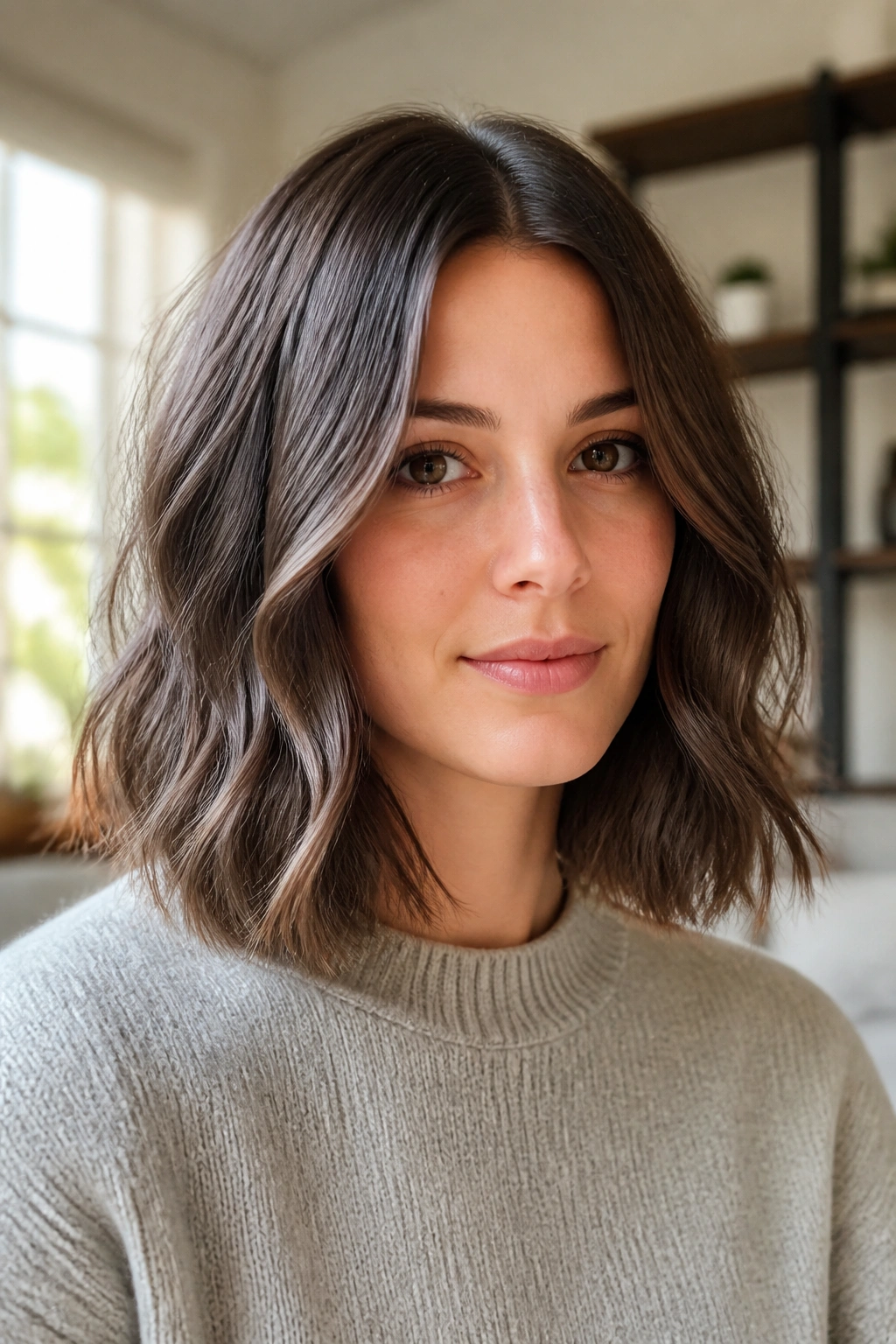
A wavy lob gives fine hair a break from looking too neat. The length is long enough to bend, but short enough that the waves have somewhere to sit. That balance matters. If fine hair is too long, waves drop out and the style goes limp. If it’s too short, the waves can puff.
This cut works best with a blunt or nearly blunt base. The wave pattern adds volume, and the line at the bottom keeps the ends from looking thin. I like it on hair that has a little natural texture, even if that texture only shows up after a mist of water or a scrunch of styling cream.
You can air-dry it halfway, then twist a few sections around your fingers while it finishes. A salt spray can help, but use it lightly. Too much salt can make fine hair feel rough and stringy. A soft wave is better than a crunchy one. Always.
The wavy lob is a good everyday haircut. It’s casual, but not sloppy. And for fine hair, that middle ground is where a lot of the best cuts live.
17. Short Layered Crop With a Tapered Nape
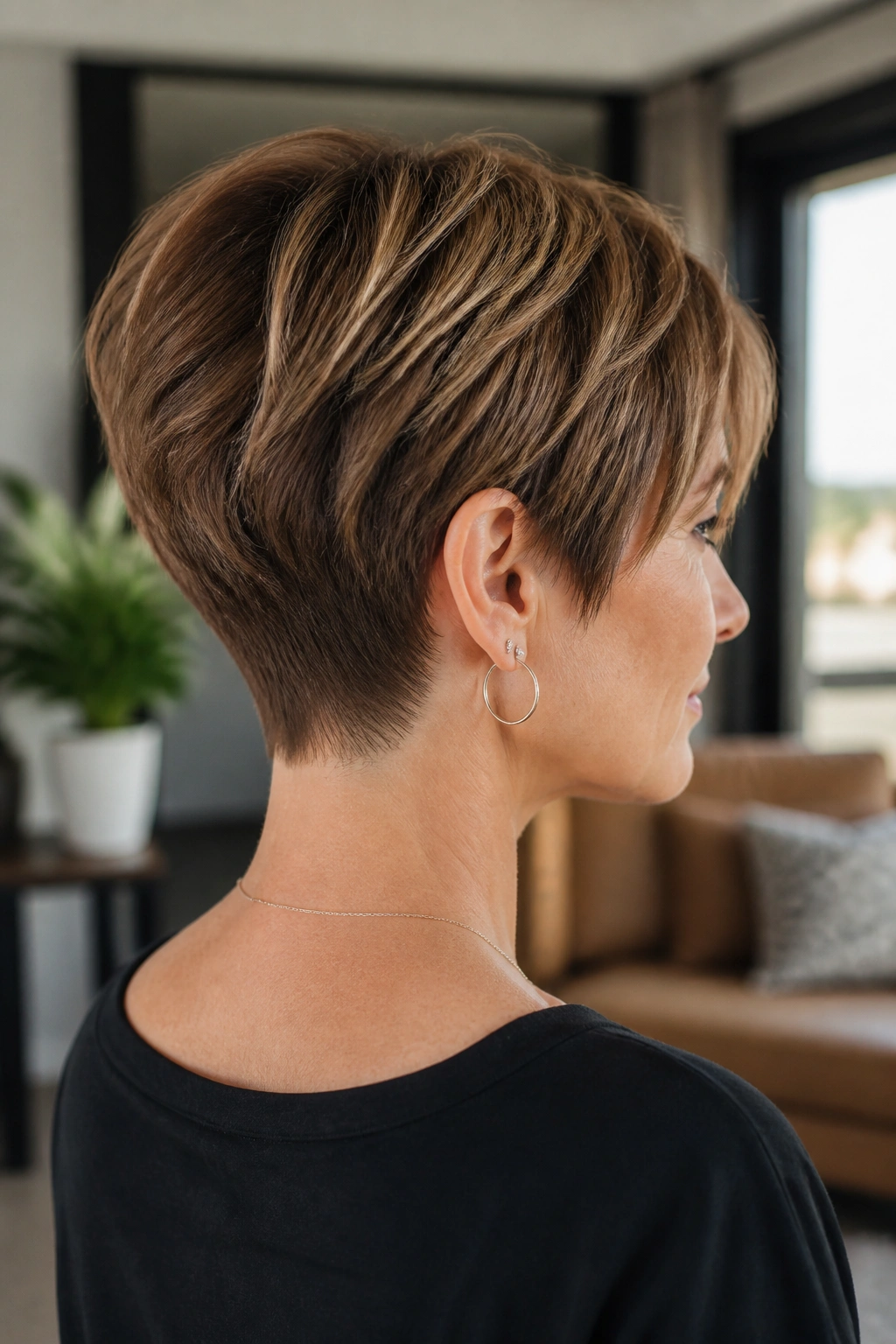
The short layered crop with a tapered nape is one of those cuts that makes fine hair look sharper and lighter at the same time. The back hugs the neck neatly, while the top keeps enough length to be brushed forward, lifted, or parted to the side. It feels modern without needing a lot of styling.
What I like most is how it handles the crown. Fine hair often goes flat there, and a well-cut crop can create lift without making the head look too tall or too wide. The taper at the nape keeps the bottom from puffing out. The layers at the top keep the style from lying dead against the scalp.
This cut is especially good if you like the feeling of short hair but don’t want a pixie that exposes too much of the face. It gives you a bit more coverage, a bit more softness, and a lot less bulk. A pea-sized amount of styling paste is usually enough. More than that can make the hair look heavy and sticky.
It’s practical. It’s neat. It gets out of the way.
18. Long Blunt Cut With Face-Framing Fringe for Fine Hair
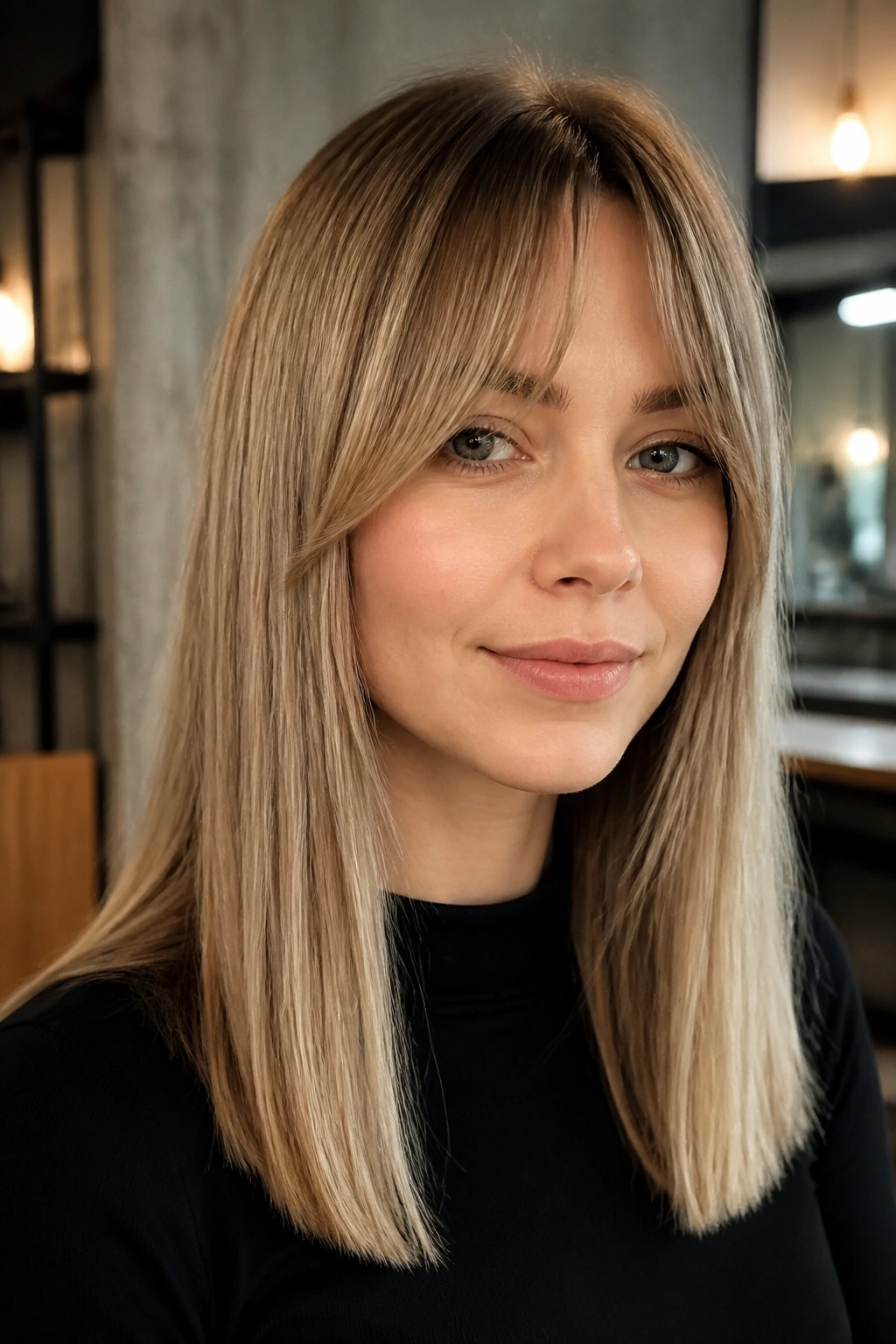
A long blunt cut with face-framing fringe is the strongest long-hair answer for fine hair because it keeps the ends thick while giving the front some shape. Unlike heavily layered long hair, which can start to look wispy from the mid-lengths down, this cut protects the perimeter. That perimeter is what your eye reads as fullness.
The fringe should be soft enough to blend, not so heavy that it takes over the face. Think cheekbone-skimming pieces or a light curtain effect that opens when you move. The rest of the hair stays mostly one length. That simplicity is what makes it work. Fine hair does not need extra decoration at the ends. It needs a clean edge and a little framing where it counts.
This cut suits people who want to keep length but hate the see-through look that can happen below the shoulders. A glossing cream, a medium round brush, and a bit of bend at the front usually make the shape come alive. If you wear it straight, the line feels expensive. If you wear it with soft waves, the face-framing pieces keep it from looking heavy.
If I had to choose one long option for the largest number of fine-hair types, this would be near the top. It’s steady, flattering, and easy to live with. And that matters more than chasing a cut that looks exciting for three days and annoying for three months.
