



Fine hair often gets a bad reputation for being unmanageable, flat, or prone to tangling, especially when you try to grow it out. People tell you that length and volume cannot coexist, and that if you want to keep your hair looking healthy, you have to sacrifice the inches. That is simply not true. You can have long, flowing hair that maintains density and movement; you just have to be more intentional about how you cut and style it. The secret lies in creating the illusion of fullness while protecting the fragile ends that fine hair is known for.
When you have fine strands, the individual hair shafts are smaller in diameter than coarse or medium hair. This means you do not have to contend with a massive amount of weight, which is actually a hidden benefit. With the right haircut, your hair can hold styles better than thicker textures, provided you use the right support. It is all about strategic placement of layers, the integrity of your ends, and the clever use of products that build grip rather than slicking everything down with heavy silicones.
Achieving length with fine hair is not about doing less; it is about doing the right things. You want to avoid styles that weigh the hair down or emphasize the scalp, and instead move toward cuts that encourage bounce. Whether you are looking for a dramatic change or just want to refine the length you have already achieved, the options are surprisingly versatile. We are going to break down twenty-eight distinct ways to wear your long, fine hair so you can embrace your natural texture without constantly fighting for volume.
1. The Blunt Cut
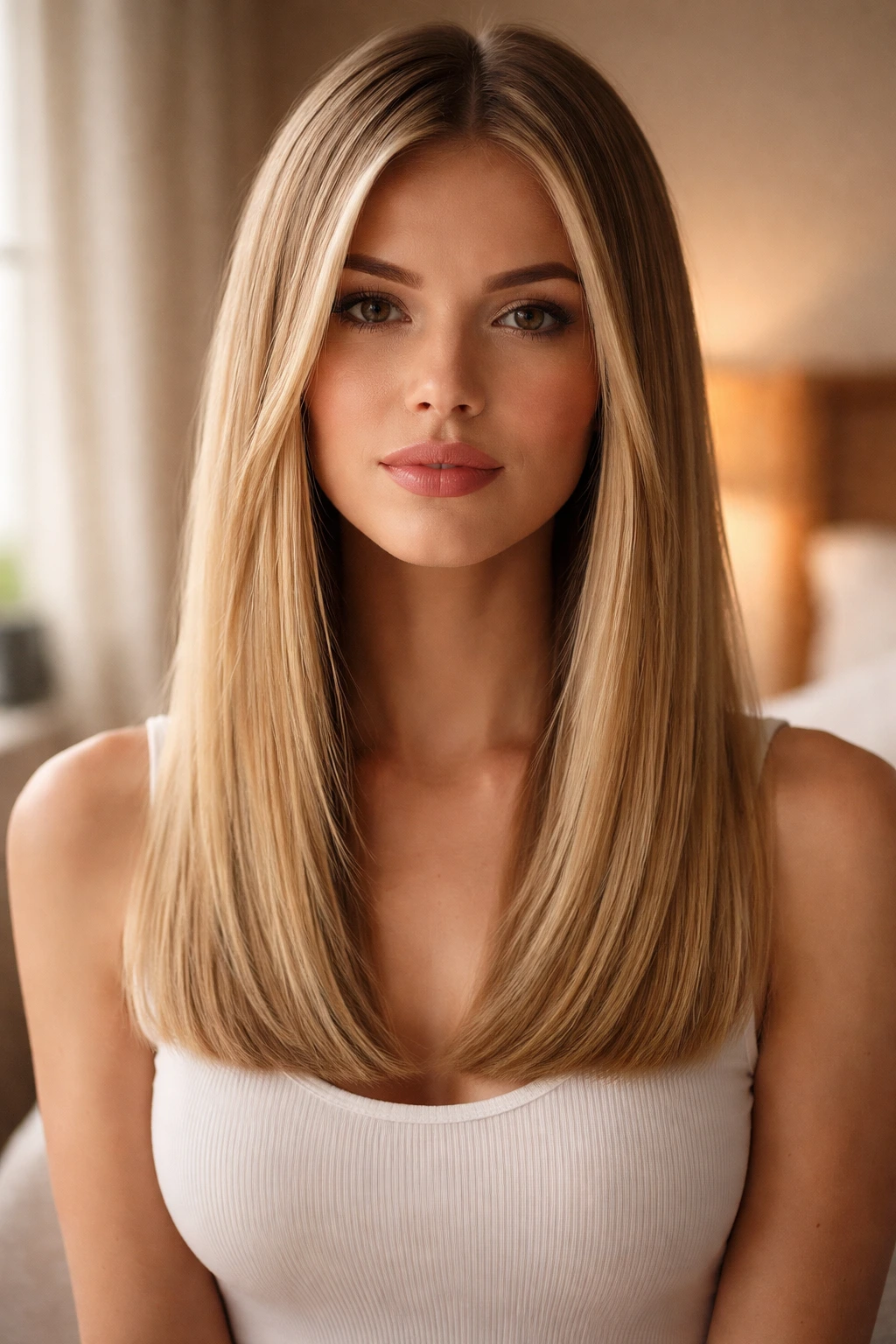
This is arguably the most effective style for anyone with fine hair. When your hair is thin, thinning shears or heavy layering can make the ends look stringy and sparse. By asking your stylist for a blunt, zero-elevation cut, you create a sharp line at the bottom. This visual weight at the ends tricks the eye into thinking the hair is thicker and fuller than it actually is. It makes the perimeter look dense and healthy, even if the individual strands are fine. You can wear it completely straight to showcase the clean line or add a slight bend for movement.
2. Soft Face-Framing Layers
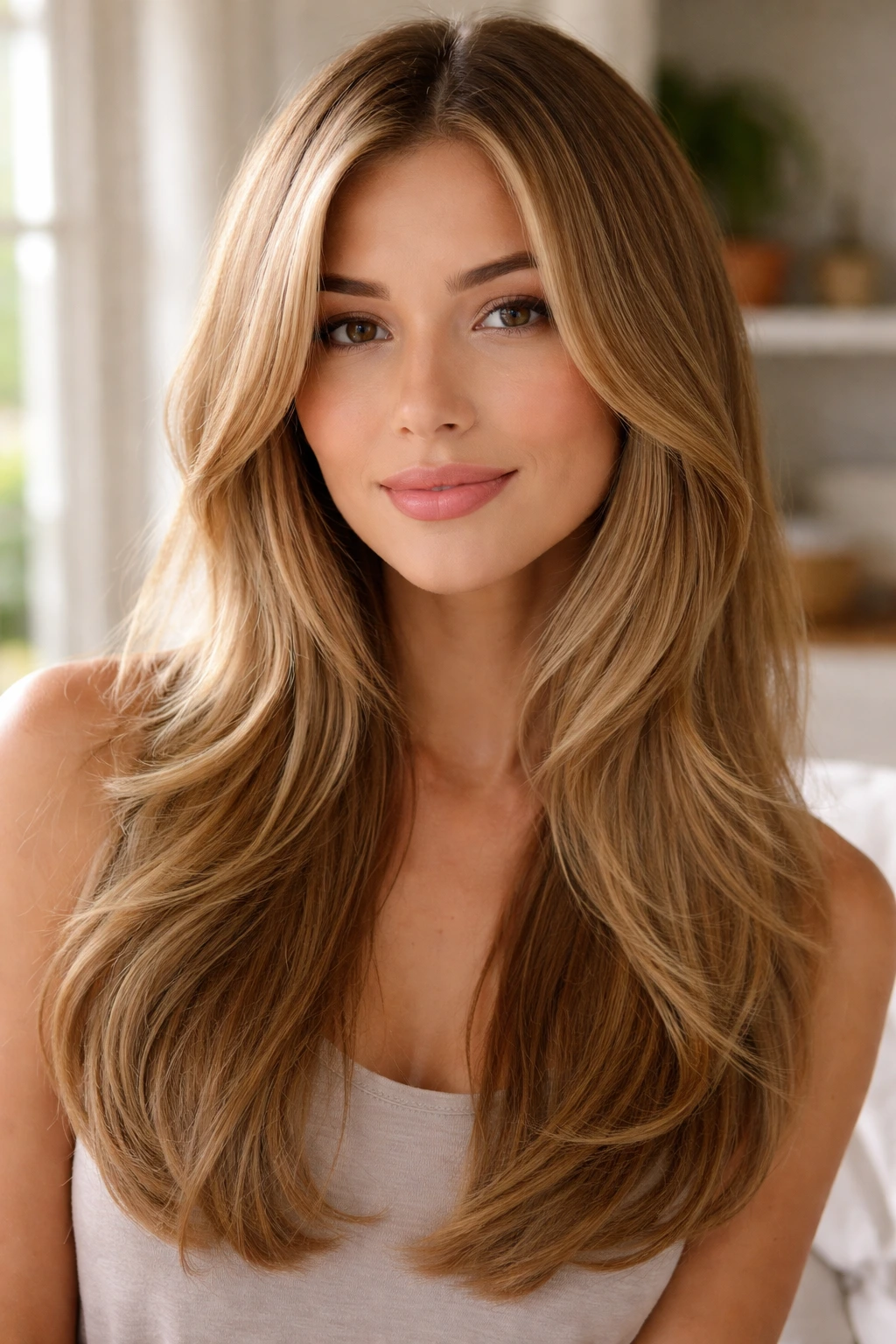
If a blunt cut feels too severe, soft face-framing layers provide a perfect compromise. You do not want heavy, jagged layers that start too high, as these remove too much density from the mid-lengths. Instead, keep the bulk of your length intact and ask for “face-framing” that begins near the collarbone or chin. This creates movement around your face without compromising the overall volume of the hair. These layers should be blended carefully to ensure they do not look disconnected from the rest of your mane.
Why This Technique Matters
When you keep the back of your hair one solid length and only layer the very front, you retain the weight needed to support the style. This prevents the “mullet” effect where the hair looks thin near the nape of the neck.
- Styling tip: Use a round brush to blow-dry these pieces away from your face for a bouncy, voluminous finish.
- Maintenance: These layers can grow out gracefully, meaning you do not need to rush to the salon every six weeks.
3. The Lob with Invisible Layers
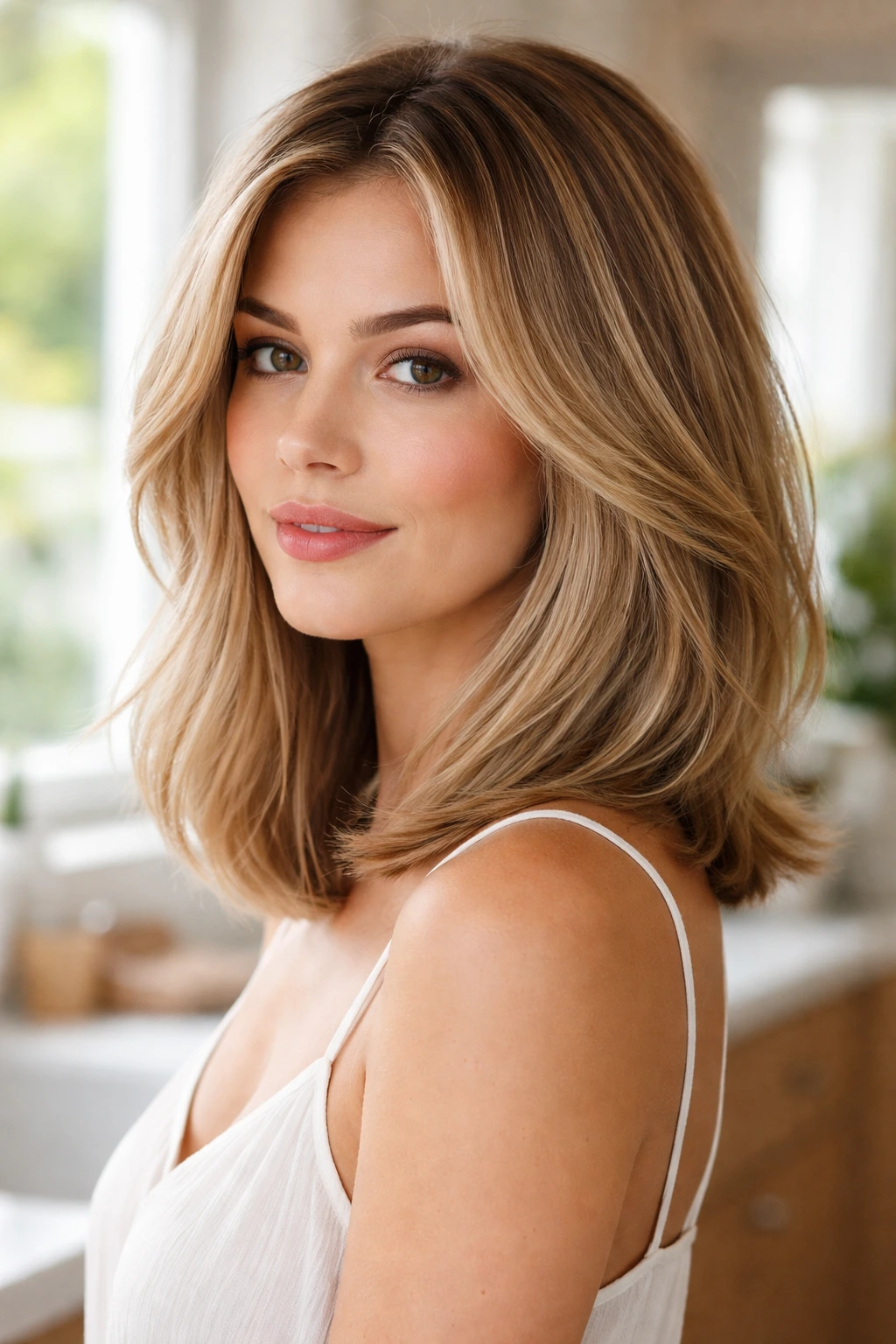
The long bob, or “lob,” is a classic for a reason, but when executed with “invisible layers,” it becomes a fine hair powerhouse. Invisible layers are hidden underneath the top layer of hair. They provide lift and internal support, essentially acting as a scaffolding for the rest of your hair to sit on. This prevents the hair from lying flat against the skull. It is a brilliant way to gain volume without seeing the actual lines of the layers, which can sometimes make fine hair look choppy.
4. Curtain Bangs
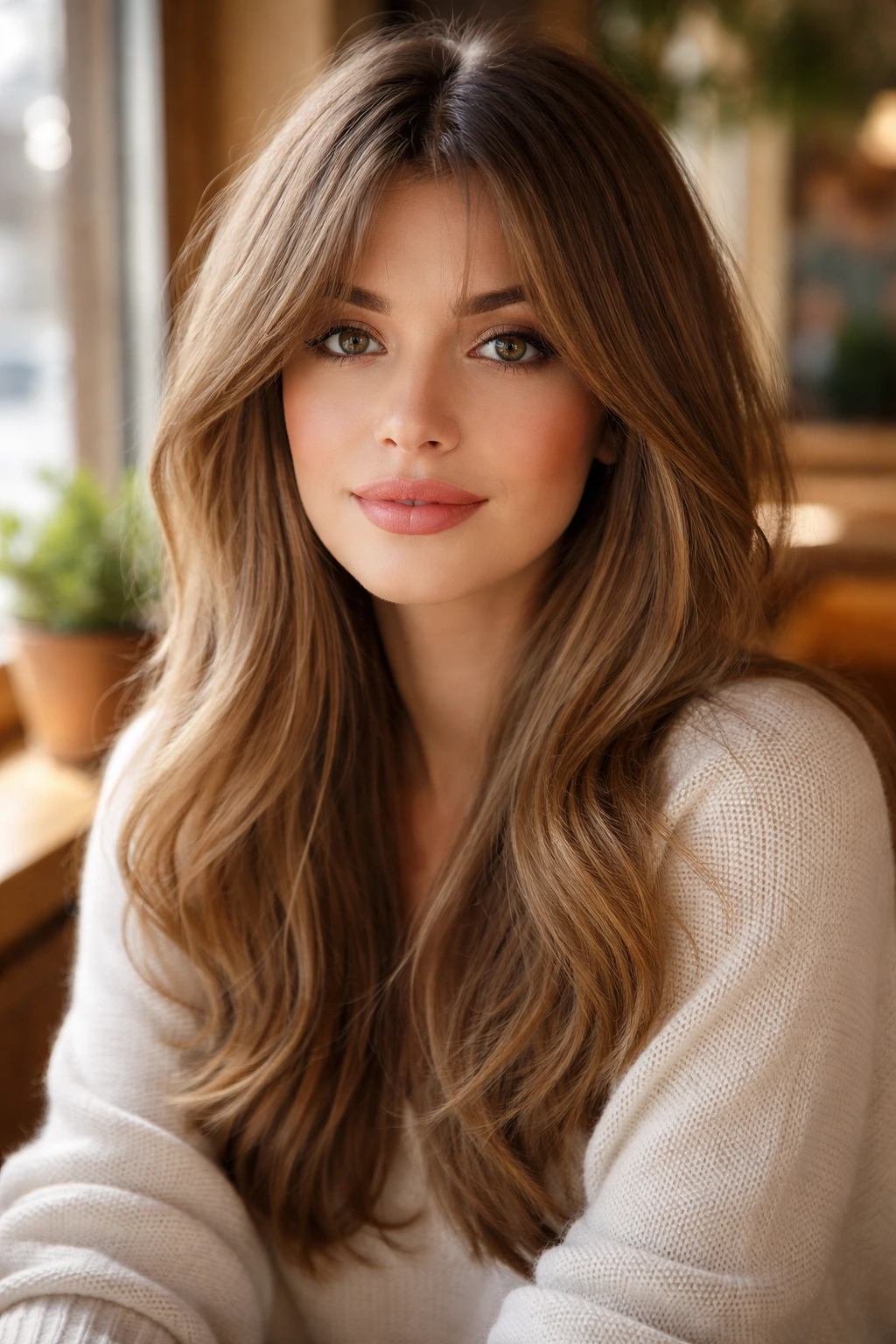
Curtain bangs are universally flattering, and they happen to be fantastic for fine hair. Because they are parted down the middle and swept to the sides, they frame your face while creating a soft, voluminous effect. The key here is not to pull too much hair forward. If you bring too much hair to the front for the bangs, you will end up with a sparse ponytail. Use a smaller section and keep the ends wispy. This style draws attention to your eyes and cheekbones, making the rest of your hair feel like a deliberate, airy frame.
5. The Deep Side Part
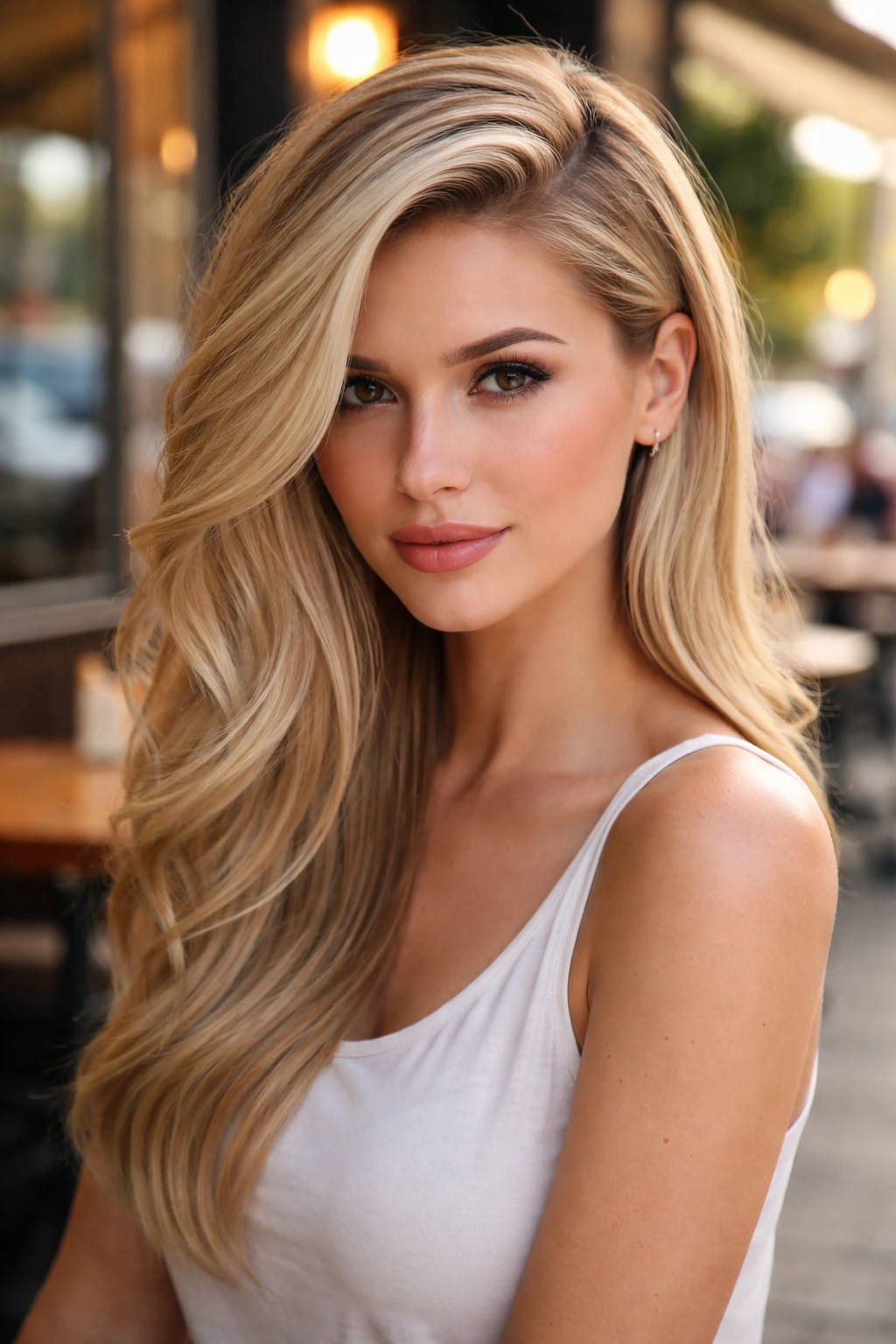
Sometimes the simplest changes have the most impact. A deep side part is an effortless way to create instant volume at the crown. By shifting the bulk of your hair to one side, you create a lifted, swept effect that physically pushes the hair up away from the scalp. This creates height that does not require heavy teasing or products. To make it work for long, fine hair, flip your part regularly to prevent the hair from “training” into a flat position.
6. Voluminous Beachy Waves
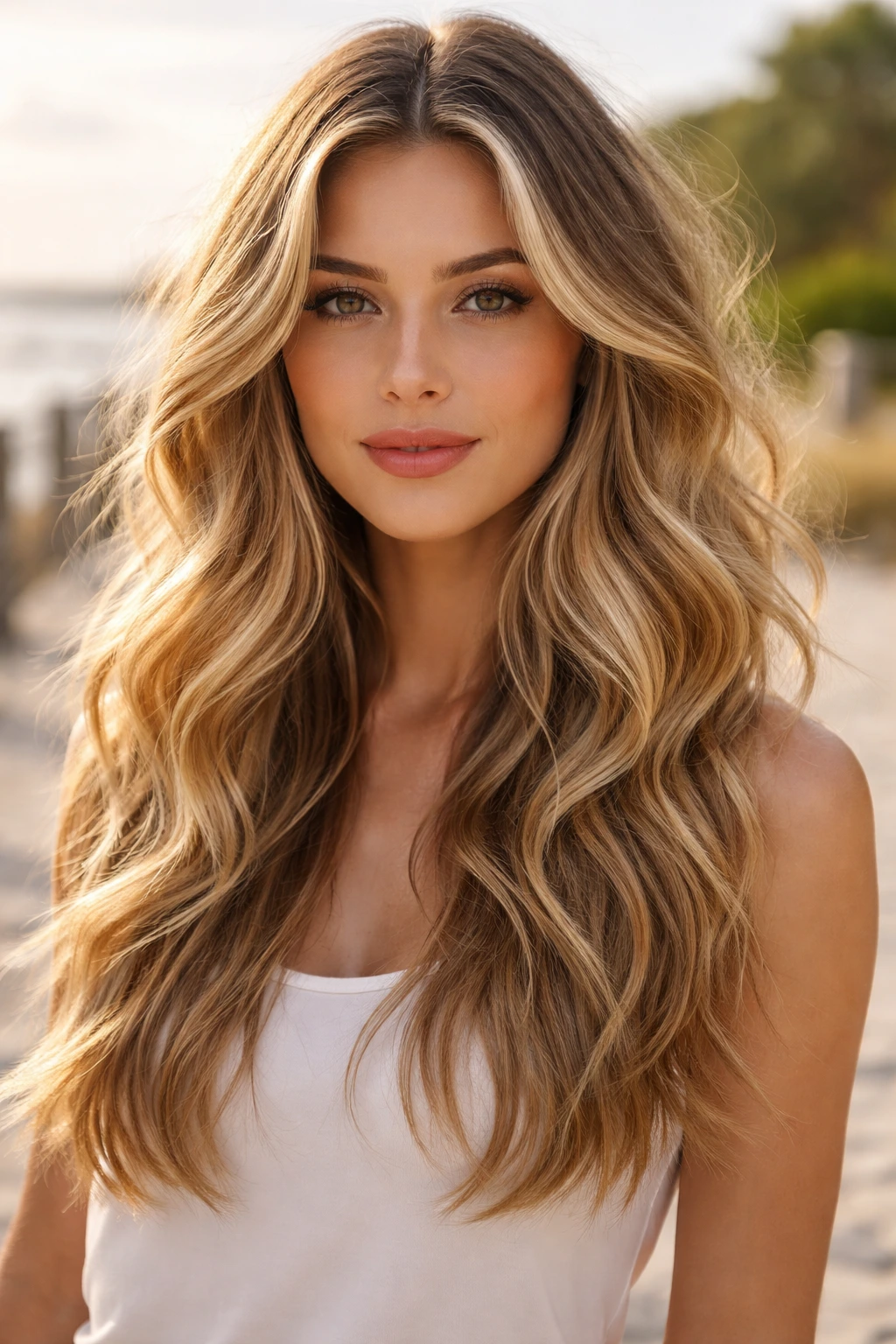
Fine hair is notoriously good at holding a curl if you use the right method. Beachy waves are perfect because they are meant to be messy and textured. The key is to avoid curling your hair all the way to the ends, which can make them look brittle. Instead, focus the waves on the mid-lengths and leave the last inch or two straight. This keeps the ends looking blunt and full while the texture in the body creates that much-desired thickness.
Essential Products for Waves
You need texture, not hold. Avoid heavy hairsprays that will drop the style.
- Sea Salt Spray: Best applied to damp hair before drying to create grit.
- Dry Texturizing Spray: The holy grail for fine hair; use it after styling to expand the hair shafts.
- Avoid: Heavy pomades or waxes that will make your hair clump together and look oily.
7. The Half-Up Top Knot
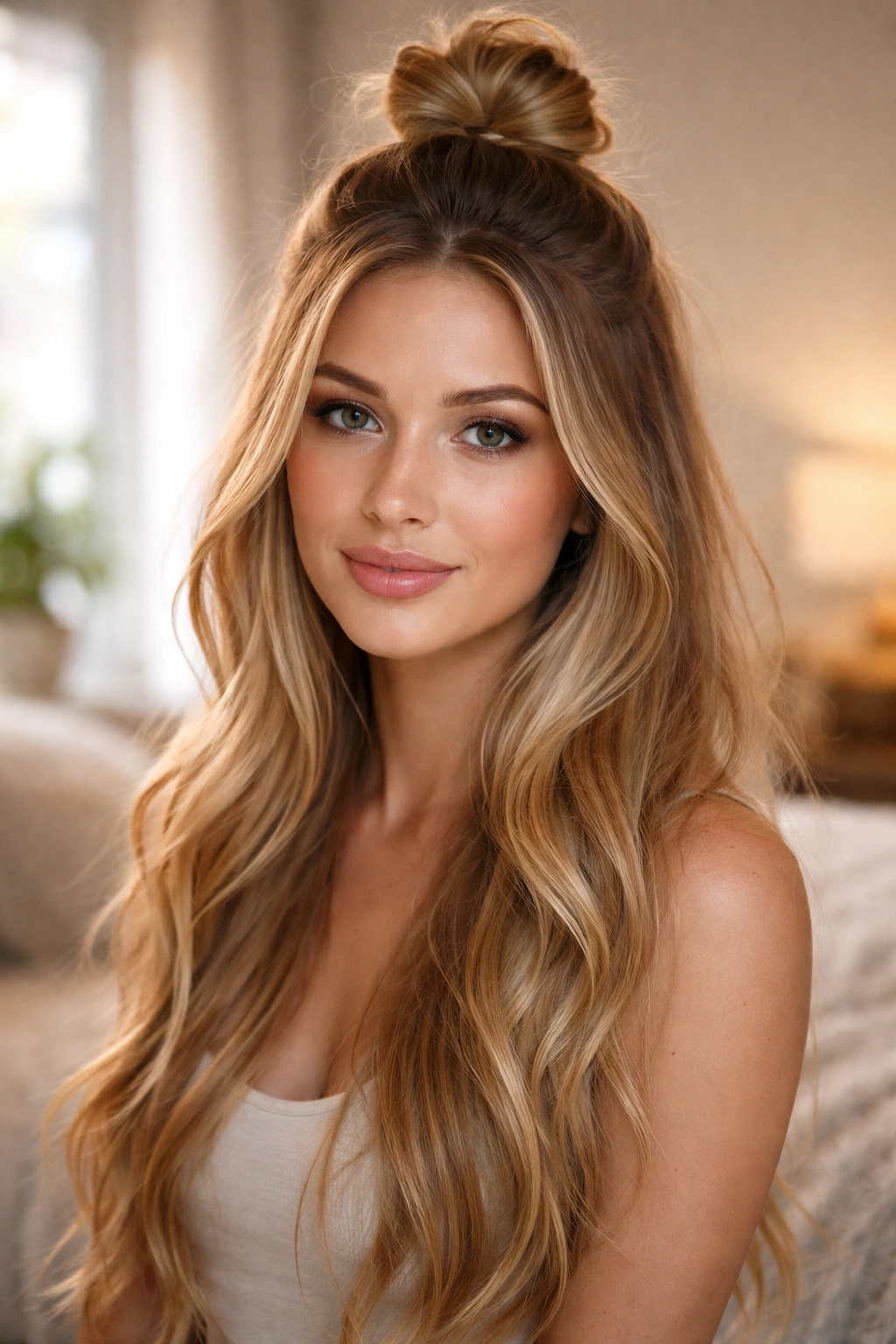
The half-up top knot is a genius style for fine hair because it gives the illusion of a full head of hair while keeping the hair off your face. By gathering just the top section and securing it in a knot, you create a focal point of volume at the crown. The remaining hair hanging down provides length. If the bun feels too small, you can gently tug at the loops to expand it, or use a small “donut” insert to give the bun more presence. It is a practical, chic way to style your hair for work or a casual day out.
8. Wispy, Disconnected Layers
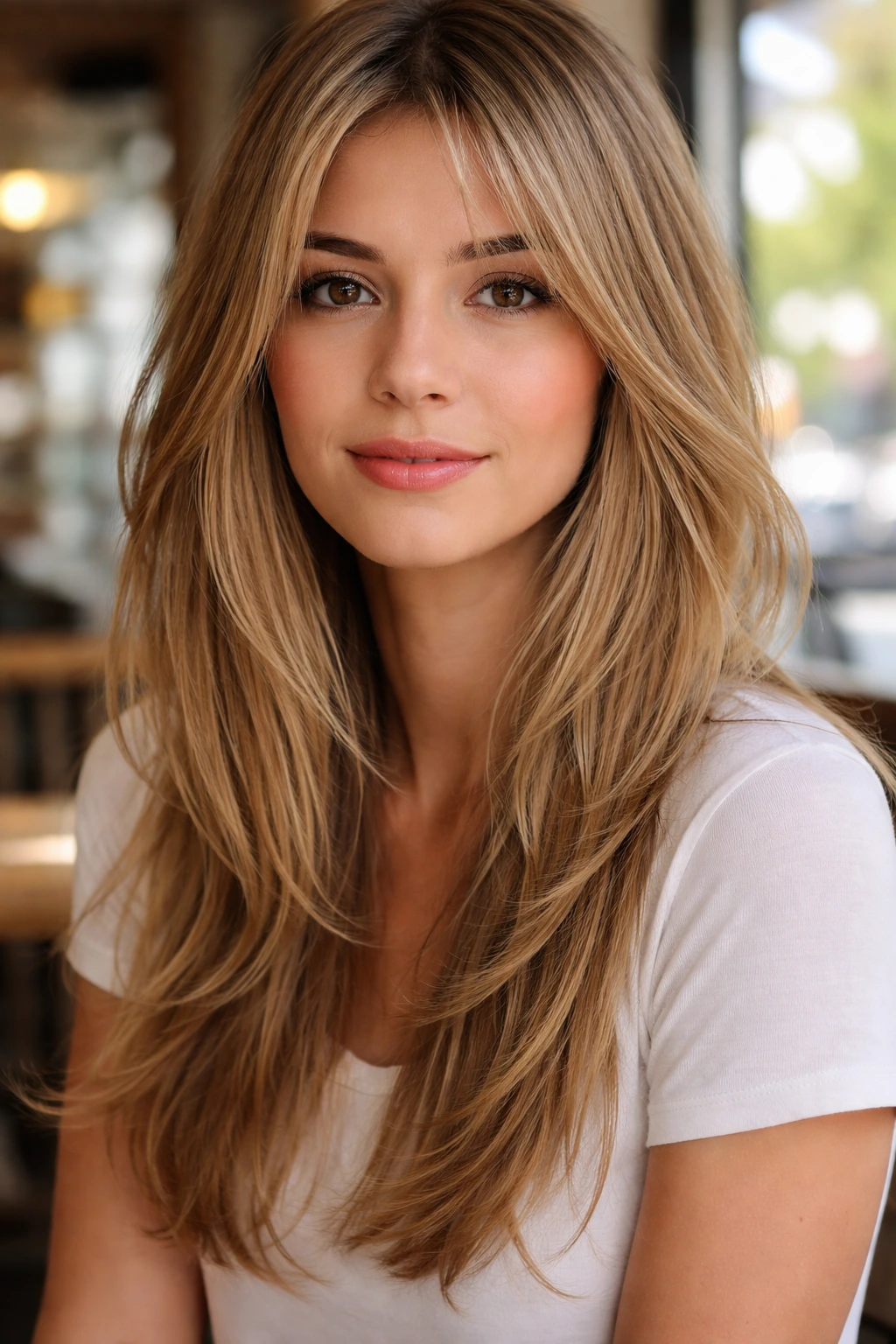
While heavy layers are generally avoided, “wispy” layers can work wonders if they are kept minimal. These are not really layers at all, but rather slight texturizing at the very ends. This style helps prevent the hair from looking like one solid, heavy block, which can sometimes drag down a round face. It is about removing the tiniest bit of weight to allow the hair to swing naturally. It requires a skilled stylist who understands that less is always more when you are working with fine strands.
9. The Braided Crown
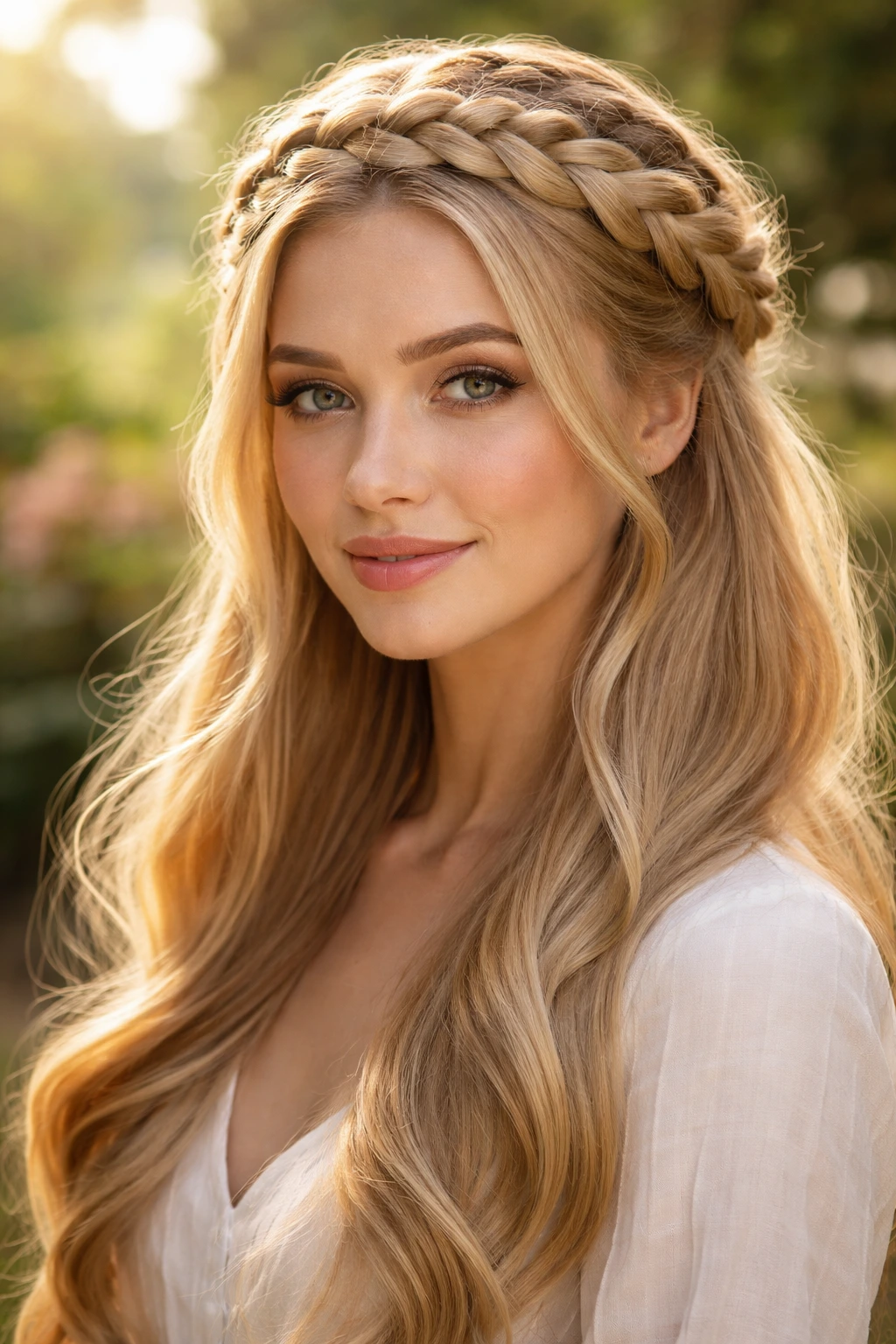
Braiding is a fantastic way to make fine hair look more substantial. When you braid fine hair, you can “pancake” the braid—gently pulling on the outer edges of each loop to make it appear thicker and wider. A halo braid or a crown braid creates the visual of density and volume around your head. It is also a protective style, keeping your fine ends tucked away and preventing breakage, which is a common issue for those of us with fragile hair.
10. Low Ponytail with Volume
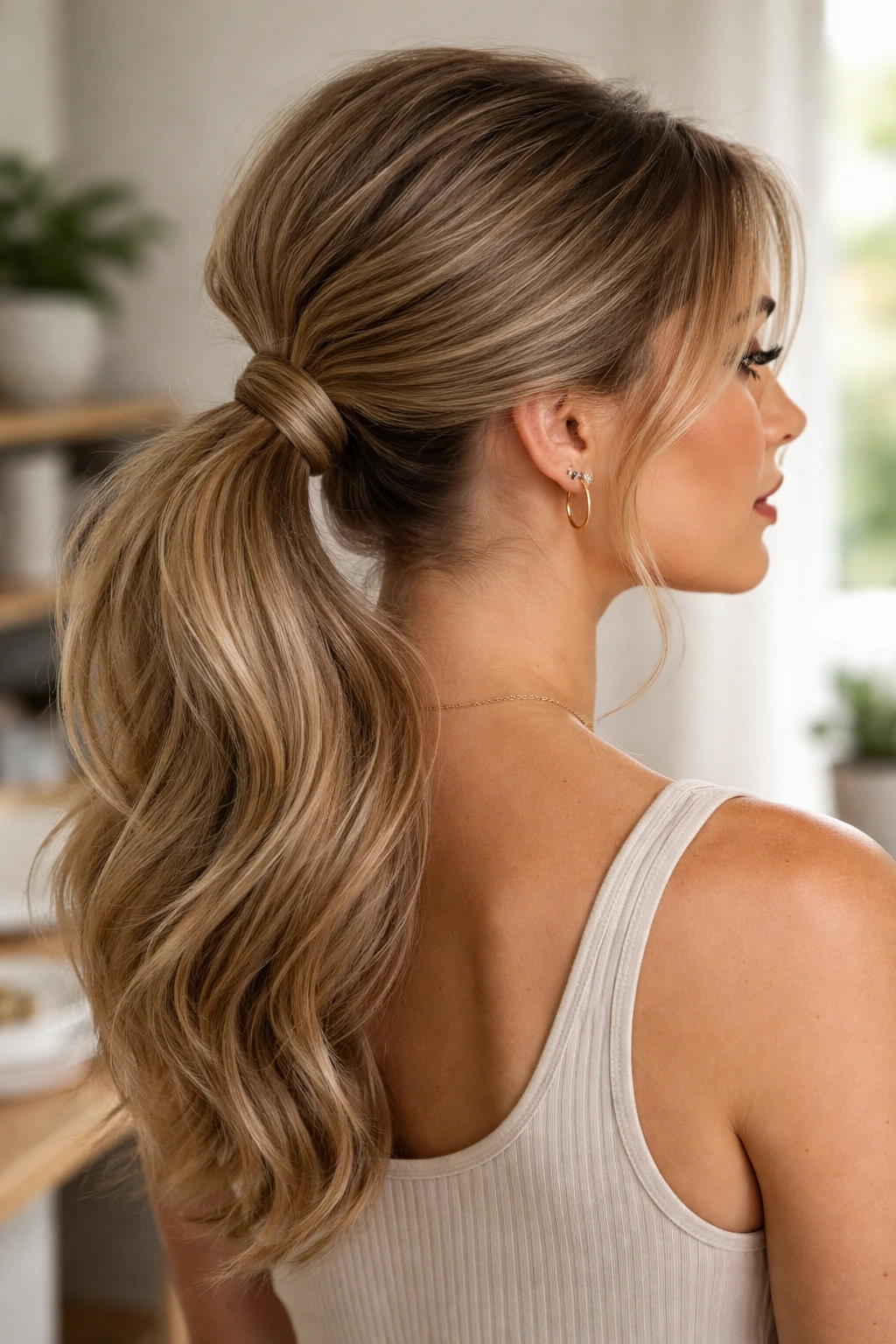
A standard low ponytail can look a bit sad on fine hair if it is just pulled tight and left alone. To upgrade it, create a bit of volume at the crown first by gently backcombing (or teasing) a small section of hair at the top of your head. Secure the pony with a silk scrunchie—which is gentler on fine strands than standard elastic—and wrap a small piece of hair around the base to hide the band. This simple trick elevates a basic ponytail into a sophisticated, intentional style.
11. The Textured Shag
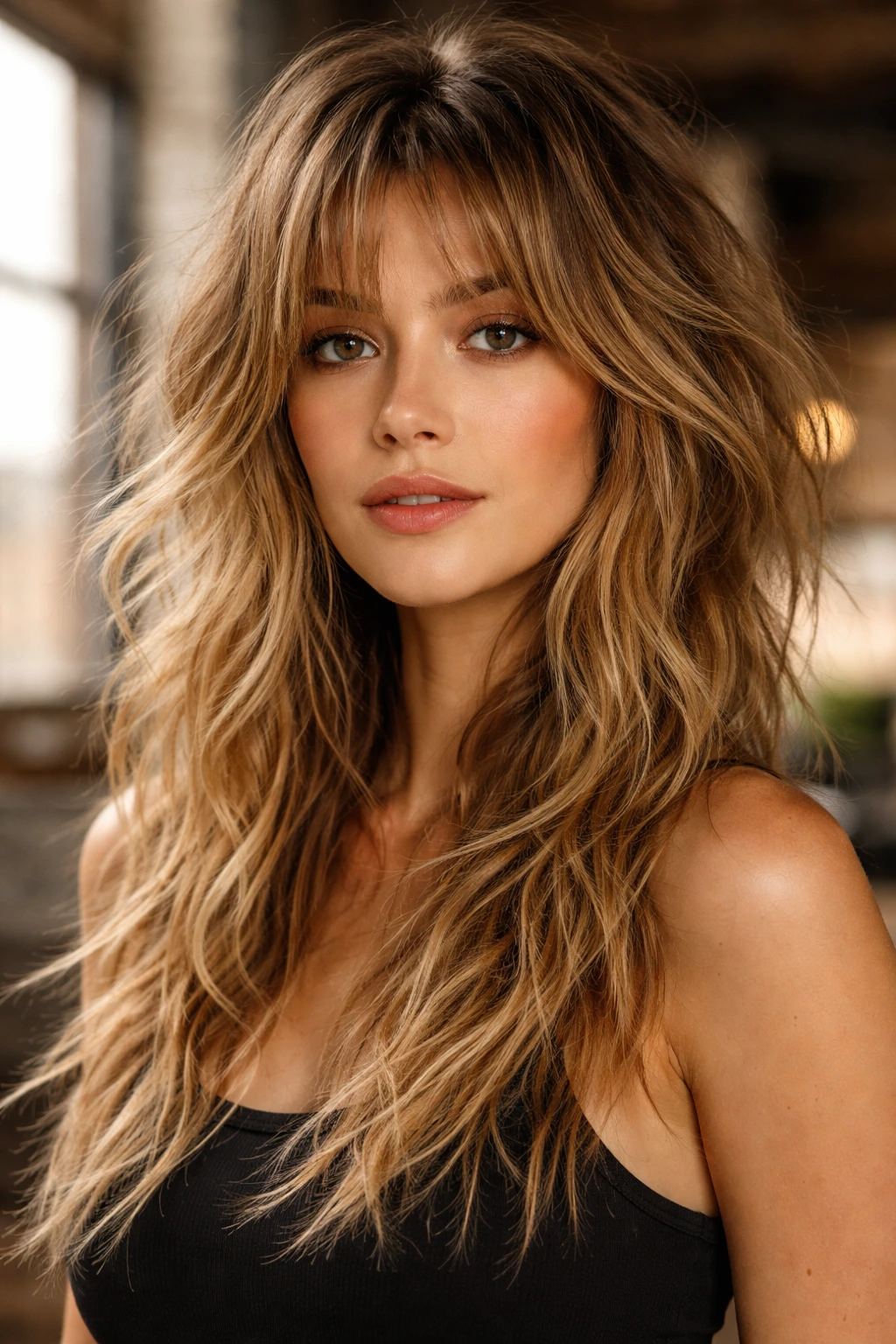
The shag is having a resurgence, and it is surprisingly great for fine hair if you play it right. A modern shag relies on texture rather than excessive layering. Think of it as a base cut that is heavily texturized. By adding “shattered” ends, you encourage the hair to move and bend, which creates a messy, lived-in aesthetic that hides the fact that the hair is fine. It is an edgy, low-maintenance look that works perfectly for those who want to avoid the “perfectly polished” aesthetic.
12. Blunt Bangs
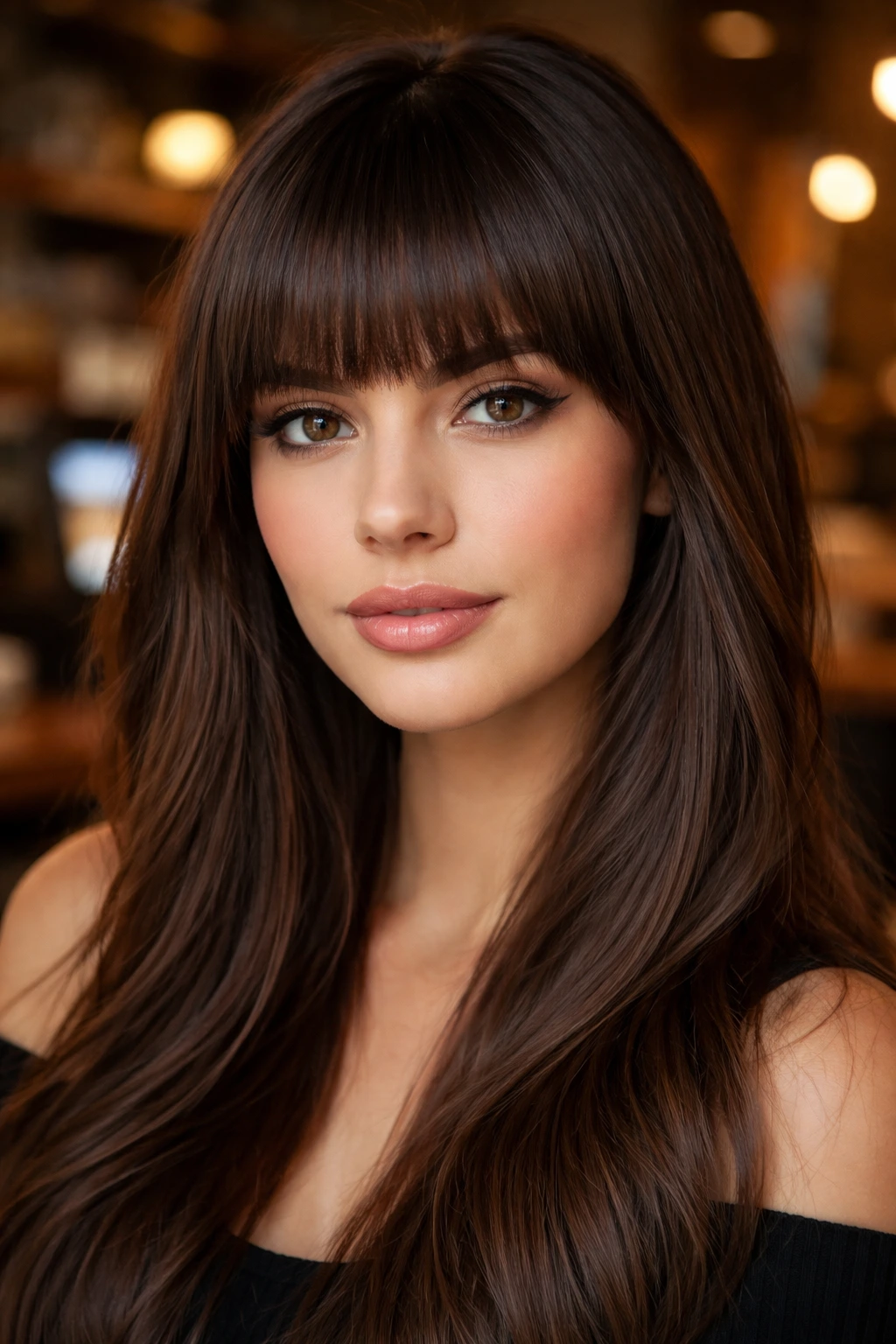
If you are confident enough to commit to them, blunt bangs can be a statement piece for fine-haired people. Unlike wispy bangs, which can look greasy or sparse, blunt bangs use a larger portion of hair from further back on the head to create a solid, thick-looking fringe. This gives the illusion that your hair is thicker everywhere, because if you have “thick” bangs, people often assume the rest of the hair is equally dense. It’s a classic optical illusion that works.
13. The Sleek Straight Cut
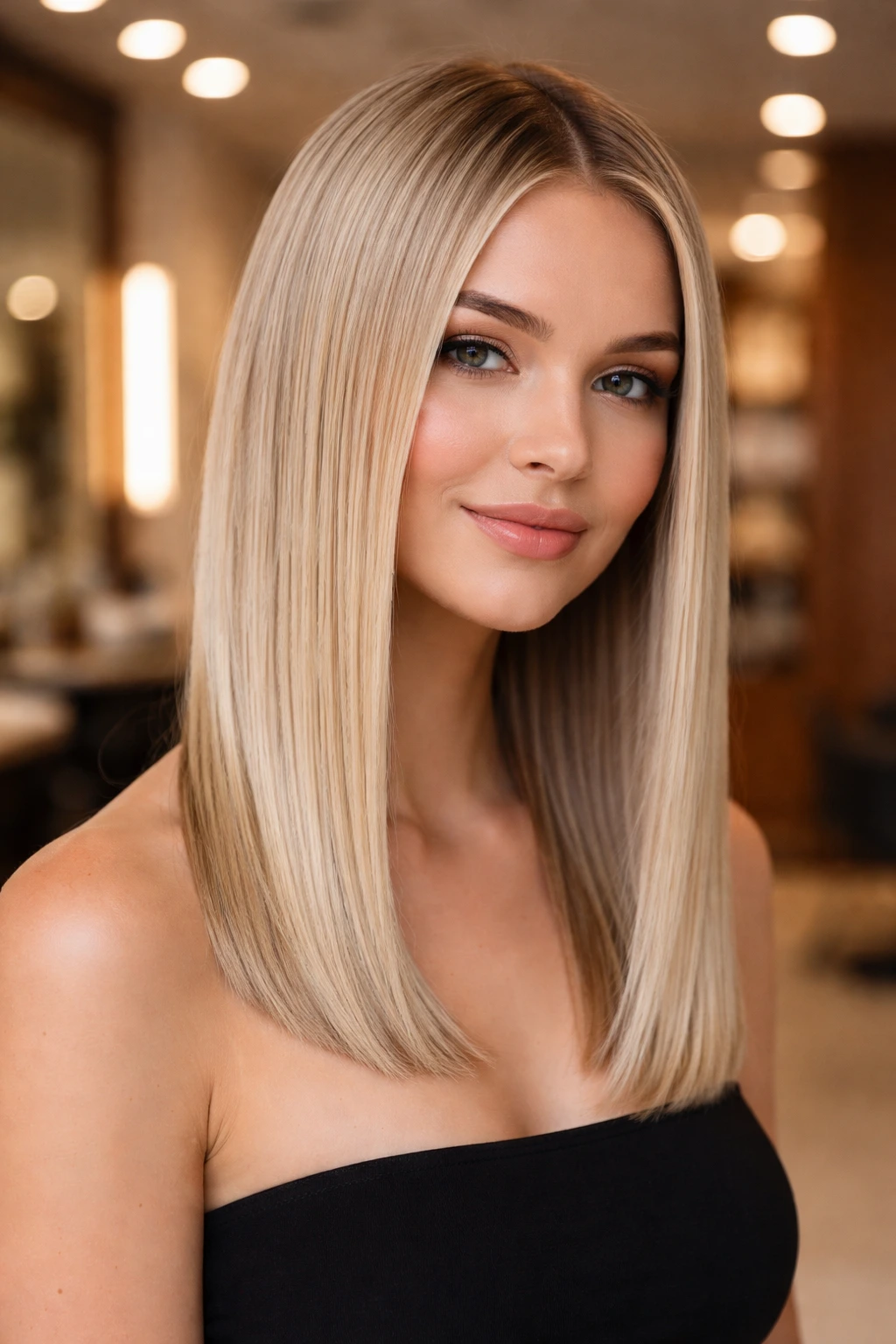
Sometimes, embracing the fineness of your hair is the best path forward. A perfectly sleek, straight, one-length cut is modern, clean, and highly sophisticated. Because fine hair has a natural tendency to be smooth, it is often easier to keep this style looking pristine. Use a high-quality flat iron and a heat protectant spray that adds shine. The secret to making this look full is to use a clarifying shampoo occasionally to ensure there is no product buildup, as even a small amount of residue can make fine hair appear greasy and flat.
14. The Waterfall Braid
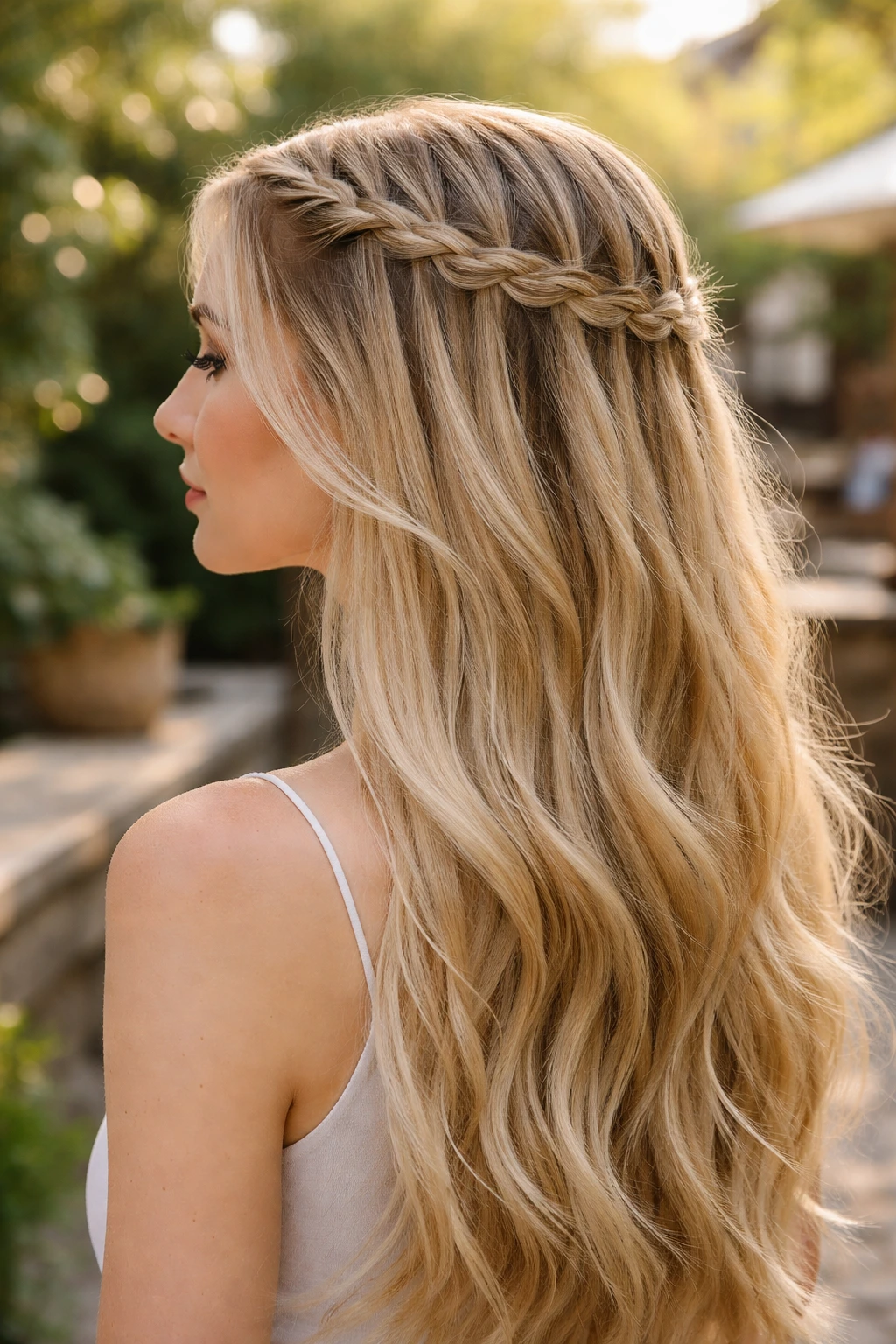
If you have long, fine hair, a waterfall braid allows you to show off your length while adding a decorative, volumetric element. The braid sits across the top of your hair, creating a frame that adds width. Because you are only incorporating a portion of your hair into the braid, you do not have to worry about the rest of your hair looking thin. It is a romantic, soft style that works beautifully for events or just when you want to feel a bit more put together.
15. Messy Bun with Face-Framing Pieces
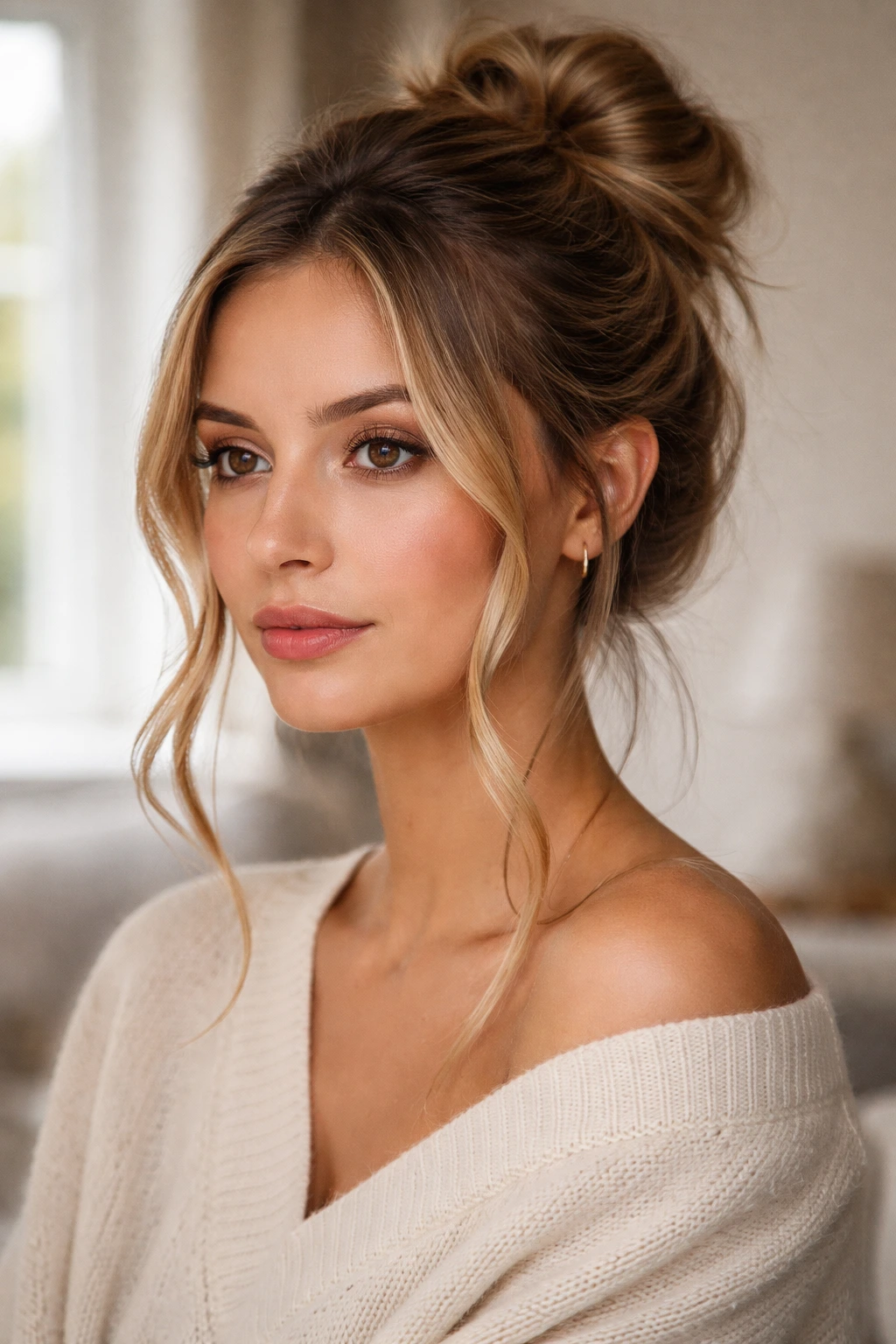
The messy bun is a staple, but for fine hair, it can sometimes turn into a tiny, sad knot. To fix this, do not try to put all your hair into the bun. Leave two significant, slightly thicker sections out at the front to frame your face. This creates visual width. Then, create the bun by looping the hair loosely and pinning it, rather than pulling it tight. Use a texturizing powder at the roots before you pull it up to give the hair the grip it needs to stay in place without falling flat.
16. Layered Ends Only
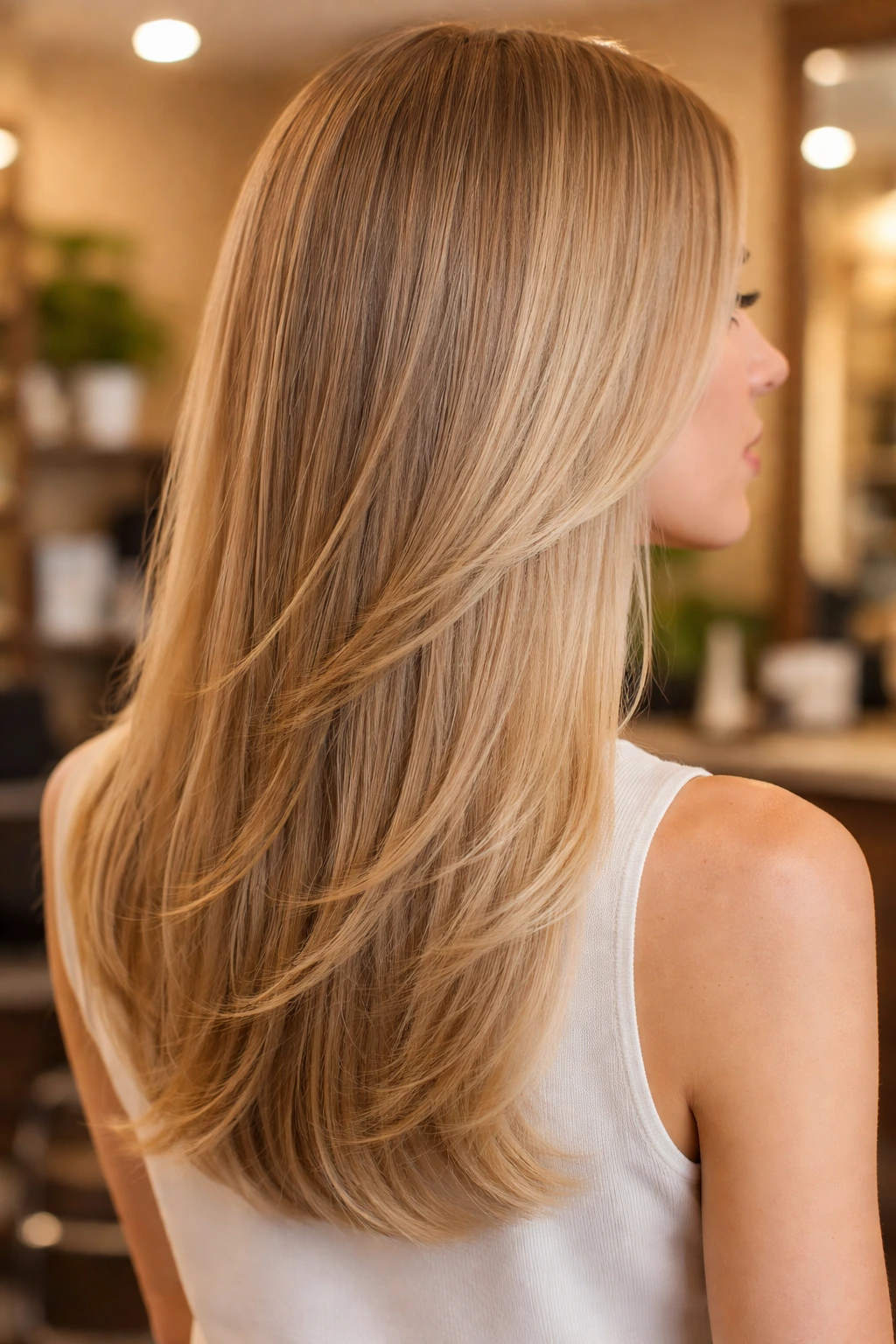
If you are terrified of losing volume through layering, consider “ends-only” layering. This means the stylist only cuts into the bottom two or three inches of your hair. This softens the blunt line and prevents the hair from looking too heavy, but it leaves the mid-lengths completely untouched. By keeping the bulk of your hair at one length, you maintain that density where it matters most, while the texturized ends keep the style from looking dated or stiff.
17. Side-Swept Bangs
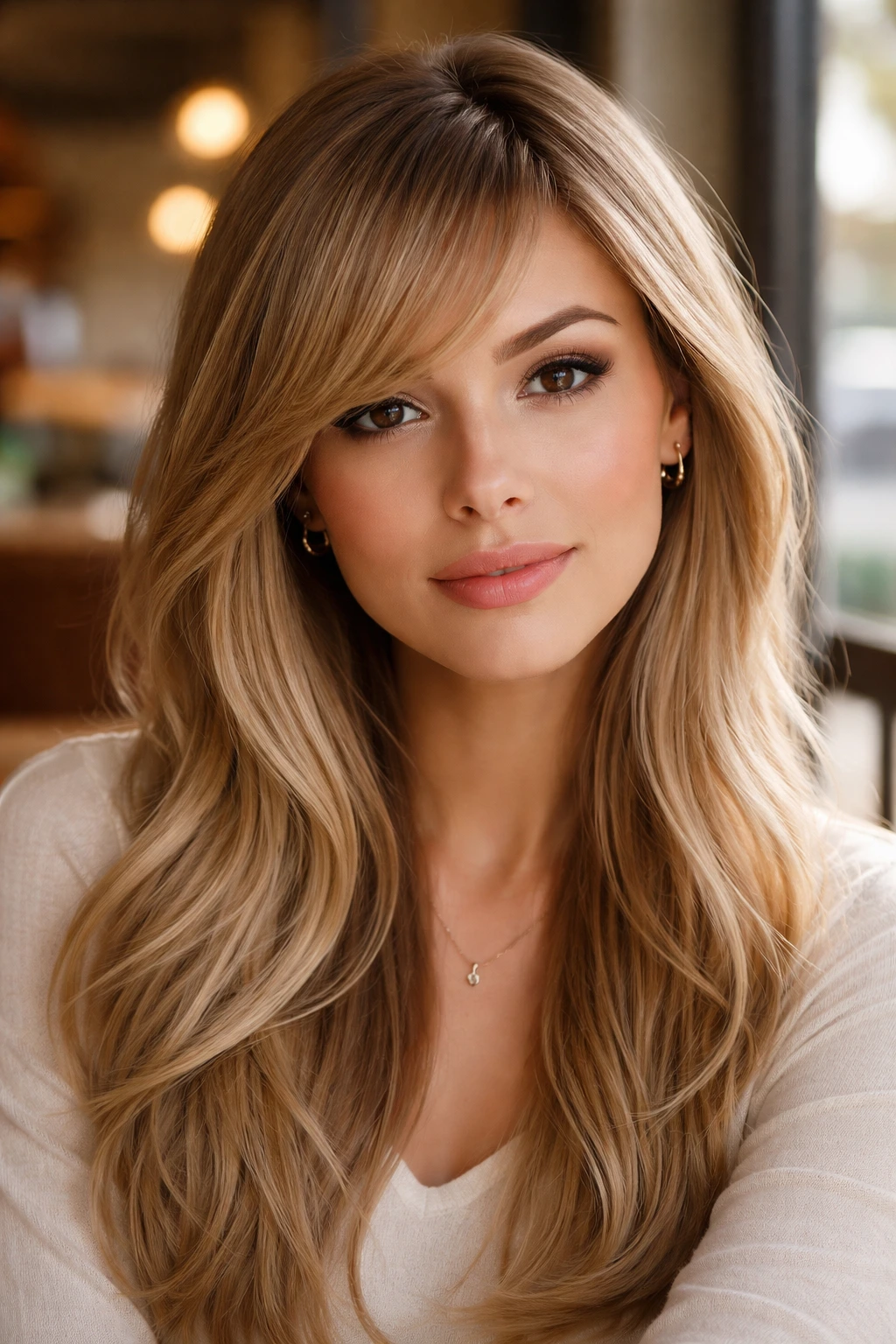
Side-swept bangs are a softer alternative to blunt bangs. They are easier to grow out and require less daily styling. For fine hair, the key is to ask for a “deep” side-swept look, where the bangs start further back on the head. This adds a sense of density to the fringe. Sweep them across your forehead and tuck the ends behind your ear. This style frames the face and breaks up the monotony of long, fine hair without requiring a drastic change to your overall length.
18. Subtle Balayage for Depth
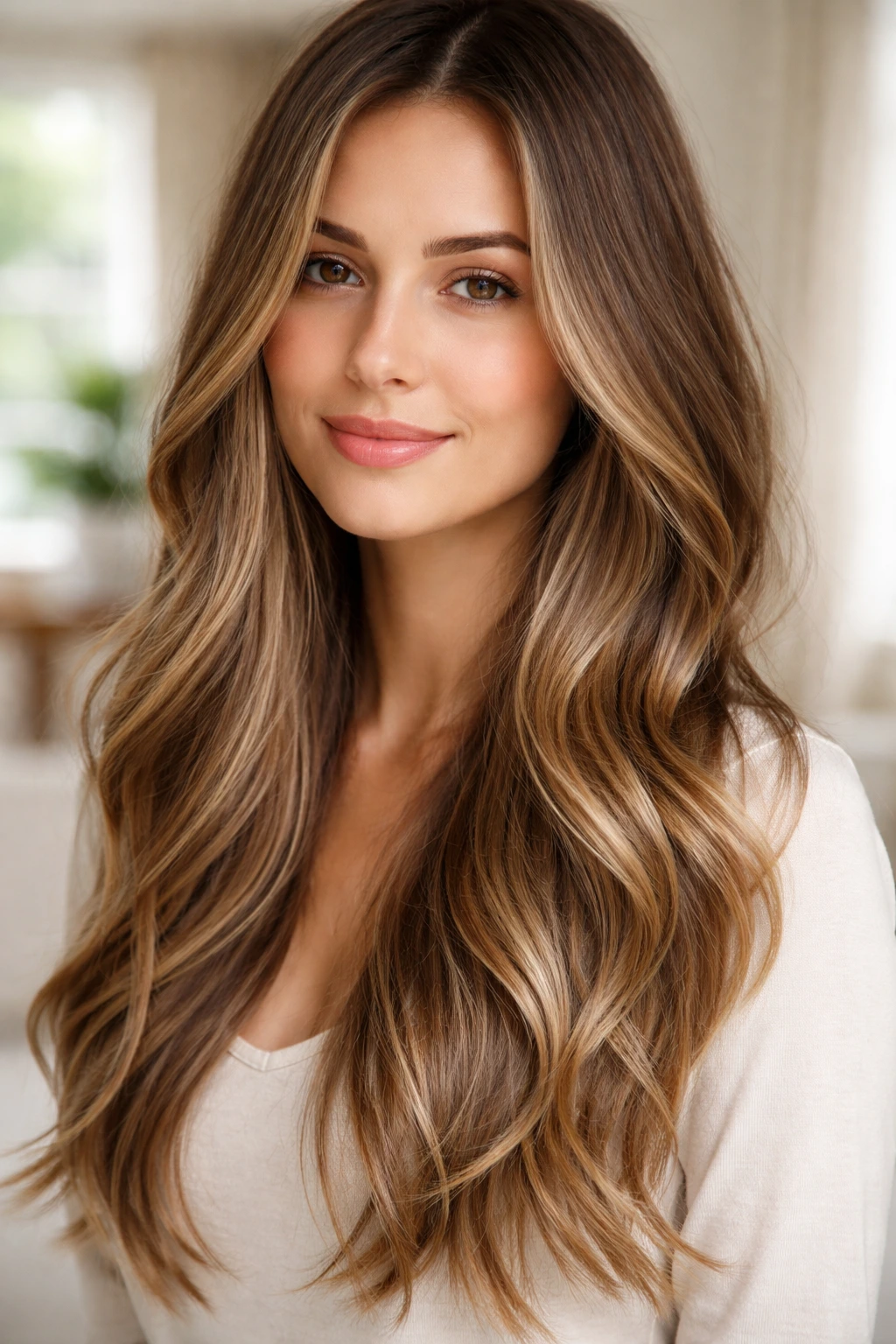
Color can be a powerful tool for visual volume. A subtle balayage—hand-painted highlights that mimic the way the sun lightens hair—creates dimension. When you have single-color fine hair, it can sometimes look like a solid sheet. By adding lighter pieces, you create depth. The contrast between the darker base and the lighter highlights makes the hair appear to have more “layers” and volume than it actually does. Keep the color natural to avoid damaging the fine strands with over-processing.
19. Bohemian Braids
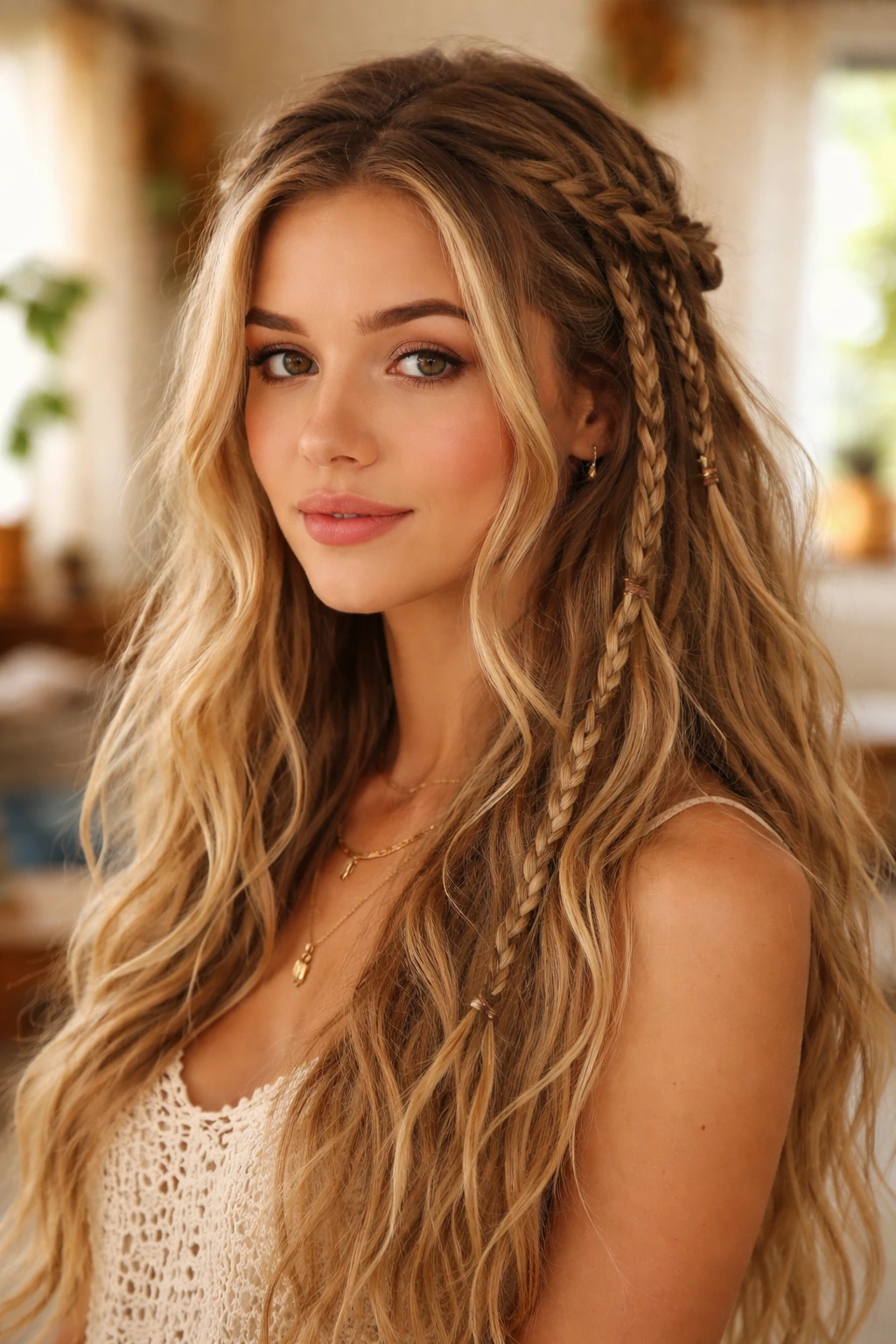
Bohemian style is all about movement and texture, which is exactly what fine hair needs. Think of multiple, loose, thin braids woven into a half-up style. Because you are creating small, individual braids, you can make them look full by gently pulling on them. This style is not about perfection. The messier it gets, the better it looks, which is perfect for someone who does not want to spend hours heat-styling their hair every morning.
20. Feathered Ends
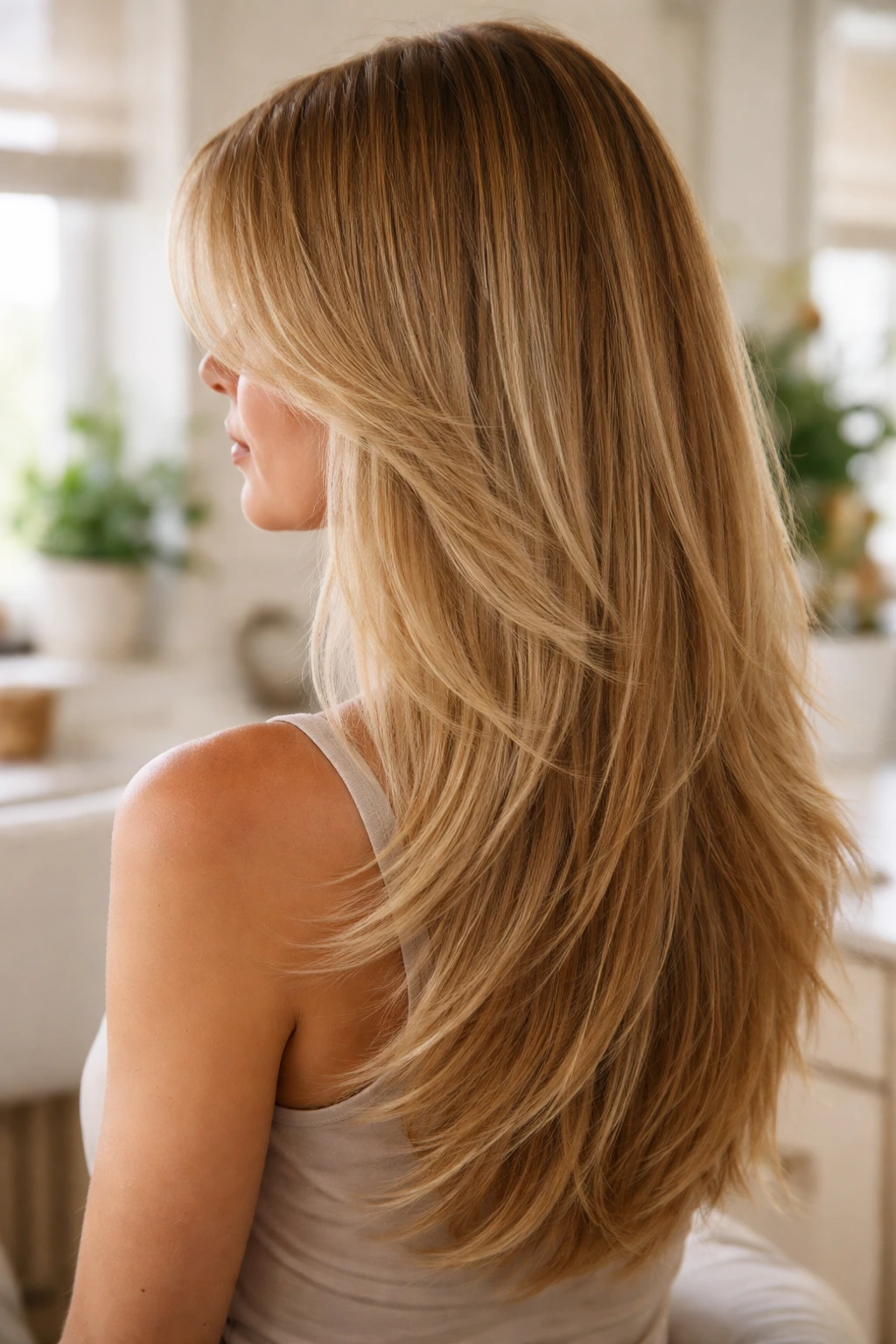
Feathering is a technique where the stylist cuts into the ends of the hair at an angle to create a lighter, more ethereal look. For fine hair, this is done very cautiously. You do not want the hair to become wispy and see-through. Used sparingly, feathered ends create movement and prevent the hair from looking too “heavy” or “bottom-heavy,” which can sometimes drag down fine hair. It allows the ends to flick out naturally, adding a bit of softness to the entire silhouette.
21. High Ponytail with Volume
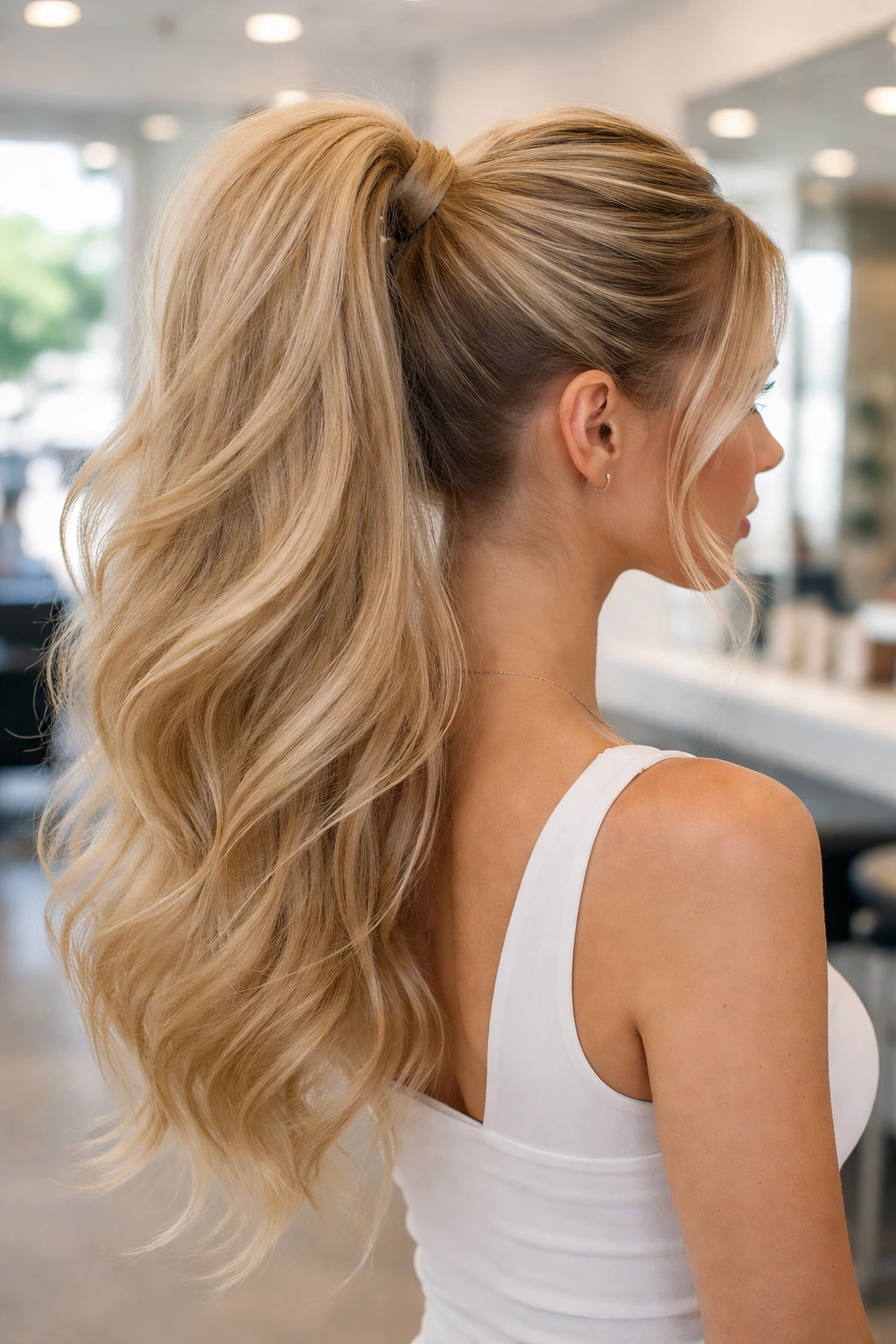
A high ponytail is a classic look, but if you have fine hair, it can look a bit flimsy. To maximize the effect, do not just gather your hair and pull it up. Instead, split your hair into two sections—a top section and a bottom section. Create two ponytails, one right above the other, and then blend them together. This “stacked” ponytail trick doubles the length and volume instantly. It is a bit of a pro-secret that changes the game entirely for those with thin hair.
22. The Twisted Half-Up
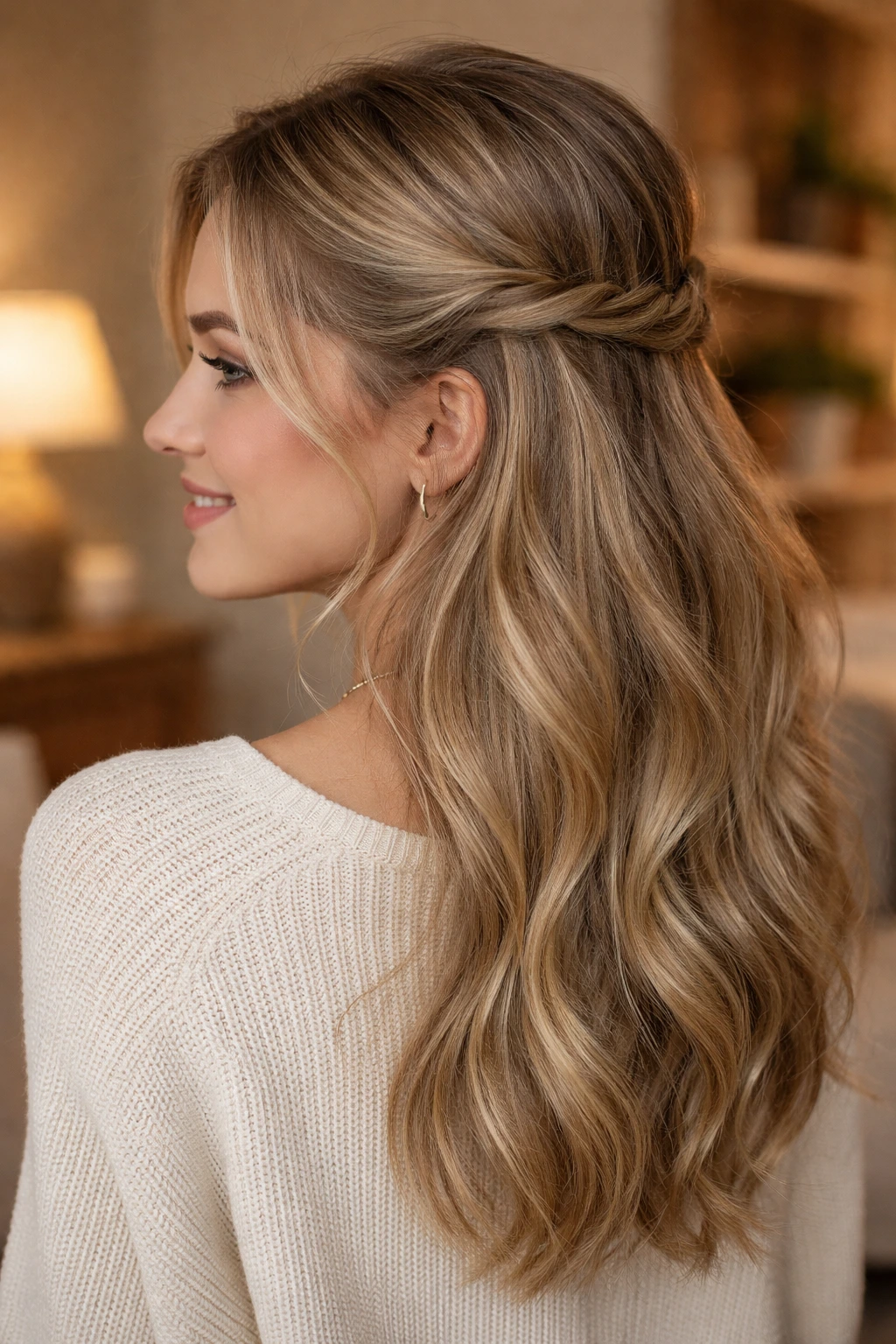
Sometimes you just want the hair off your face without committing to a full updo. The twisted half-up is elegant and takes about thirty seconds. Take two small sections of hair from near your temples, twist them away from your face, and bring them together at the back of your head. Secure with a pretty clip or a small clear elastic. To make it look thicker, gently pull on the twists to expand them. This style opens up your face and adds a delicate detail to the back.
23. Effortless Beachy Texture
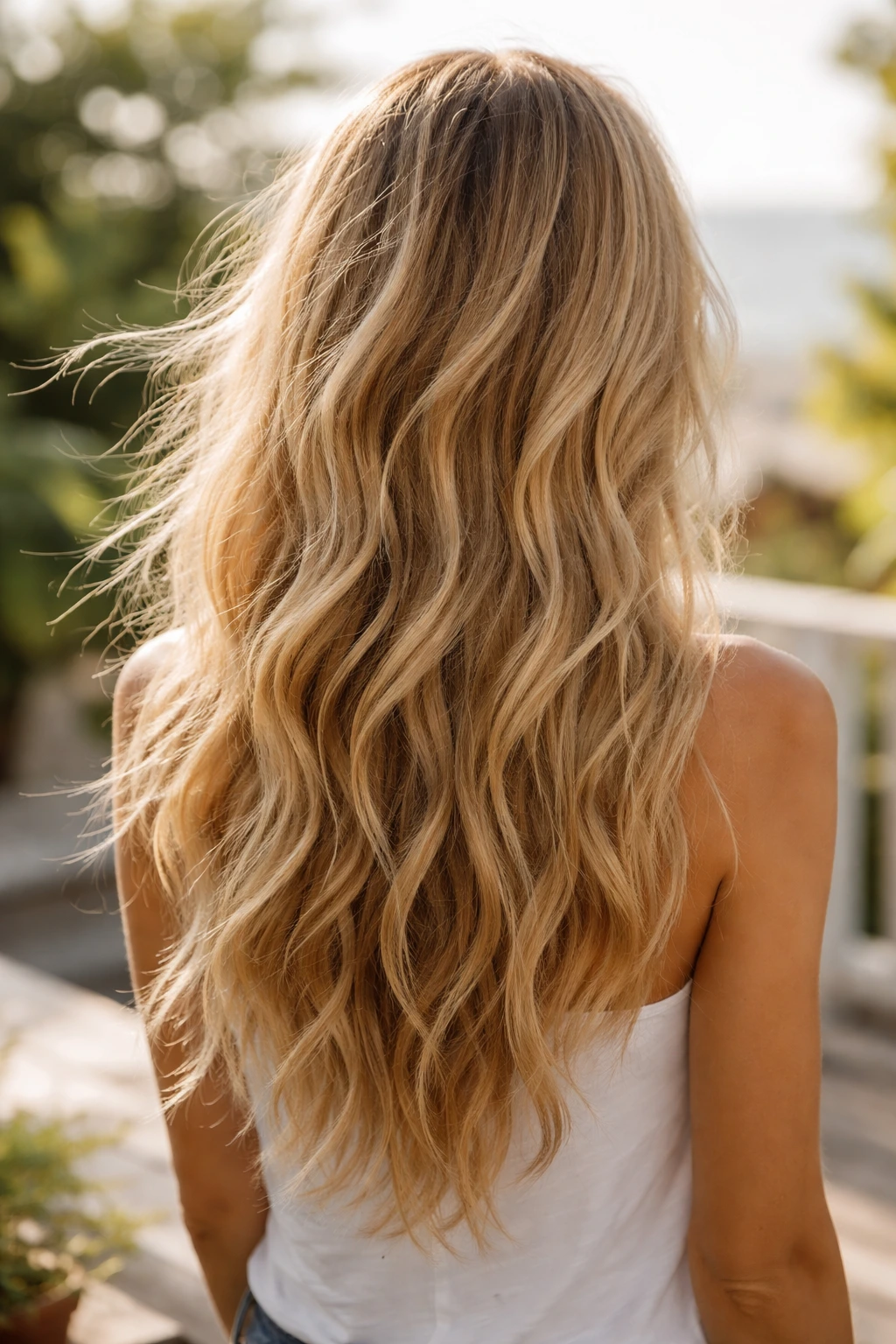
If you want that “just got back from the ocean” look, you have to be careful with the products you use. Fine hair gets weighed down easily. Instead of heavy sea salt sprays, try a “texture tonic.” These are usually lighter and contain fewer salts, so they do not dry out the hair. After washing, spritz onto damp hair and twist sections as you let it air dry. The key is to touch the hair as little as possible while it dries, which allows the natural texture to form without frizz.
24. Tucked-Behind-Ears Style
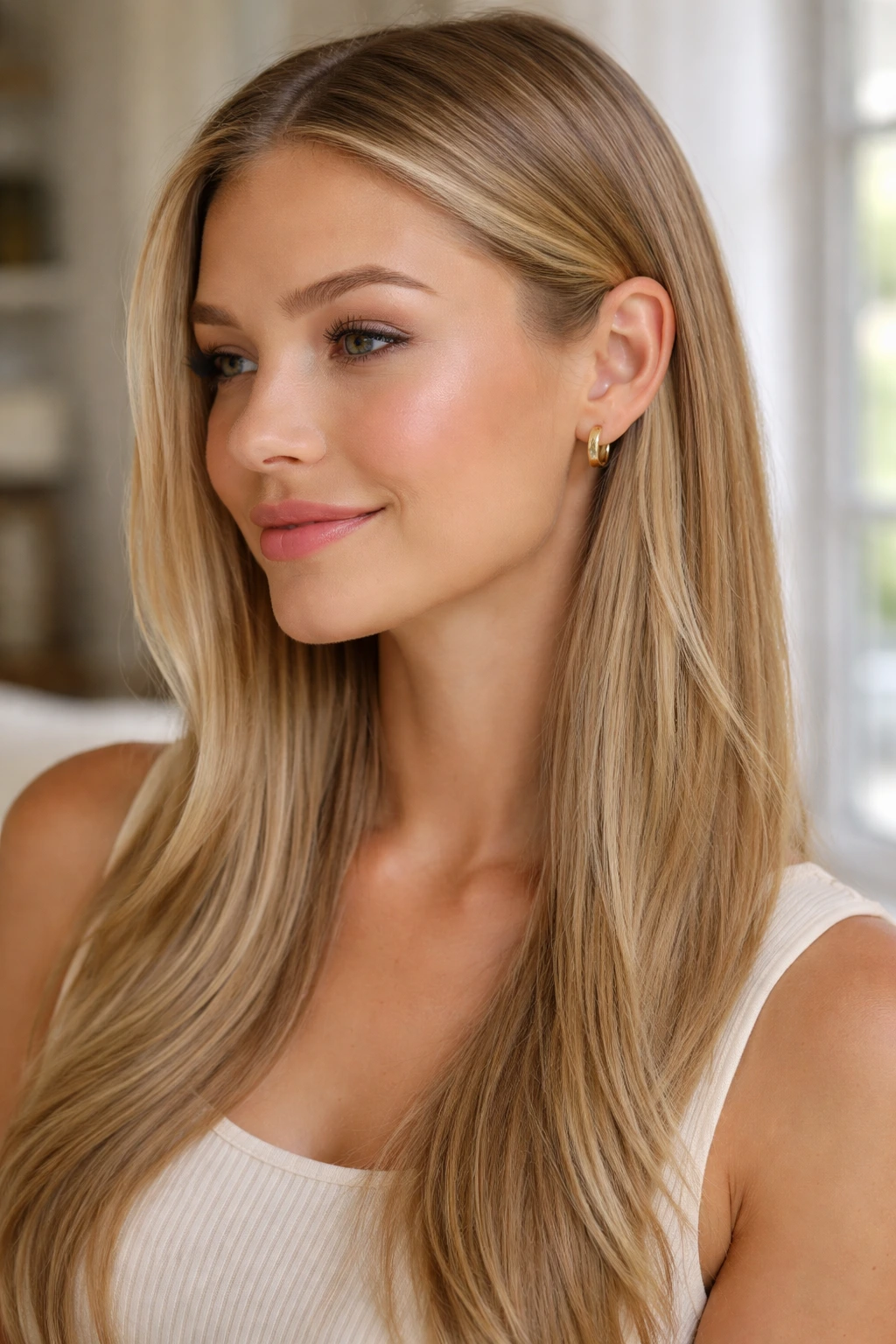
There is something inherently chic about wearing long hair tucked behind the ears. For fine hair, this is a great way to showcase your face and keep hair manageable. If you find the hair keeps falling out, use a small, clear bobby pin hidden behind the ear to keep it in place. This style allows you to wear your length long and loose while ensuring it does not constantly get in your face or look unkempt.
25. Soft Curls with a Large Barrel
If you use a curling iron, ditch the thin wand. For long, fine hair, a large barrel (1.5 inches or bigger) is your best friend. Small barrels create tight ringlets that can look a bit dated and sometimes make fine hair look like it is thinning if the roots are exposed. Large, loose curls provide volume, bounce, and that coveted “bouncy” look without requiring you to do too much work. Remember to let the curls cool completely before you run your fingers through them—this is essential for the style to hold.
26. The Textured Root
Often, the problem with fine hair is not the length, but the lack of lift at the roots. A “textured root” is more of a styling technique than a cut. Use a dry shampoo or a root-lifting powder, even on clean hair. Apply it directly to the roots, massage it in with your fingertips, and then use your blow dryer to blast the roots upward. This creates a lasting foundation of volume that supports the rest of your hair, no matter which style you choose.
27. Bobby-Pin Art
Using accessories is a fantastic distraction technique. If your hair is feeling particularly thin on a certain day, use decorative bobby pins, clips, or barrettes to pin back one side. This draws the eye to the accessory rather than the hair density. It is also functional; it keeps the hair pushed to one side, which effectively doubles the amount of hair on that side, creating a voluminous, swept look that feels intentional and stylish.
28. Accessorized Style
Never underestimate the power of a headband, scarf, or silk ribbon. For fine-haired people, a headband is a lifesaver. It pushes the hair back, creating height at the crown, and provides a polished finish. A scarf tied around a ponytail or woven into a braid adds bulk and visual interest, making your hair look much fuller than it is. These accessories are perfect for days when you do not have time to style your hair or when you want to add a bit of personality to your look without sacrificing any volume.
Final Thoughts
At the end of the day, your hair is just an extension of your style, and fine hair is often easier to manage than you might think. It dries faster, it takes less product to coat, and it often has a silky, smooth texture that others spend money to replicate. The goal should never be to fight your natural texture, but to find cuts and styles that work with it. Whether you choose a blunt cut for a sharp, dense perimeter or embrace loose waves for movement, the key is consistency and gentle handling. Remember that your fine hair is just as capable of looking stunning as any other texture; it just requires a little more strategy and a lot less heaviness.
