



Many people with round faces have been told their entire lives to avoid bangs. They hear the same warnings: “It will cut your face in half,” or “It’s going to make your cheeks look wider.” I have spent enough time in salon chairs and talking with stylists to know that is largely nonsense. It isn’t the presence of bangs that causes problems; it is the cut, the density, and the placement. When you get it right, fringe can actually be the most effective tool for adding definition, length, and balance to a rounder face shape.
The goal when working with a round face is usually to create a bit of verticality or to break up the roundness of the cheekbones. You aren’t trying to hide your face; you are trying to frame it. Think of it less like a curtain that blocks the view and more like a picture frame that highlights the best features of the art. A heavy, blunt line right across the forehead can indeed be risky if it is too dense, but a piecey, texturized, or swept fringe? That is an entirely different story.
Choosing the right fringe comes down to two major factors: your hair texture and your willingness to style it daily. Some fringes require a round brush and a blow-dryer every single morning, while others can be air-dried and left to do their own thing. Before you commit to the scissors, look at these options and consider which ones actually fit into your morning routine. A high-maintenance look that you resent styling is never going to look good.
1. Classic Curtain Bangs
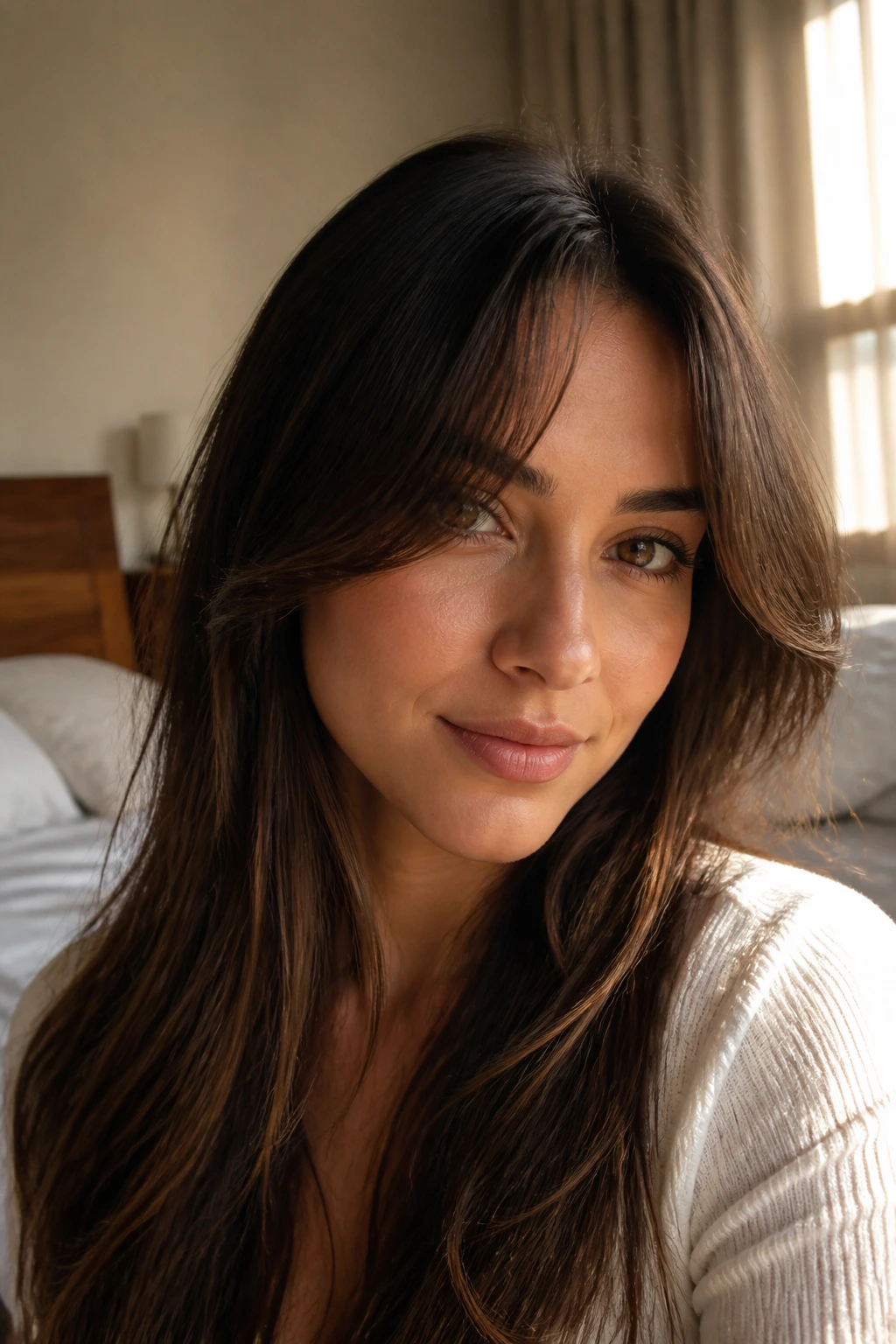
These are the gold standard for round faces, and for good reason. Curtain bangs are longer, parting in the middle or slightly off-center, and they frame the eyes while tapering down toward the cheekbones. They create a “V” shape or a soft slope, which visually elongates the face rather than shortening it.
Why They Work
The length is the secret sauce here. Because they hit around the cheekbone or jawline, they draw the eye downward, creating a sense of length. They avoid the horizontal “bar” effect that heavier bangs can sometimes create.
Maintenance Tips
- Use a large round brush to blow-dry them away from your face for that swooping, voluminous effect.
- Keep a lightweight texturizing spray on hand to add grit so they don’t look too limp or greasy by midday.
2. Wispy Fringe
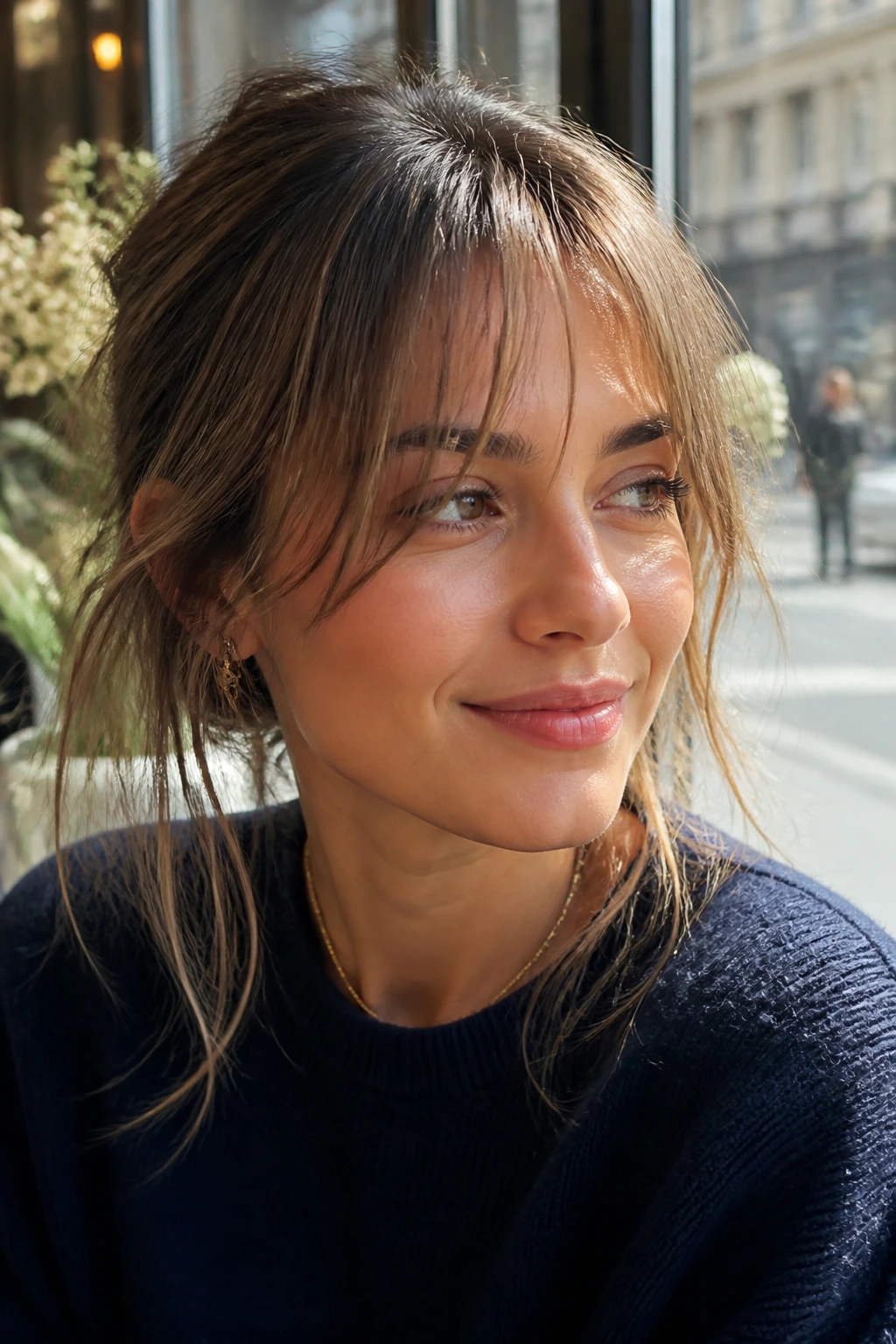
If you are hesitant to commit to a thick, heavy bang, the wispy fringe is your entry point. This style involves cutting less hair, allowing some of your forehead to show through. It is soft, airy, and very forgiving.
The lightness of a wispy fringe ensures that your face doesn’t look overwhelmed or “boxed in.” It adds a gentle aesthetic without the weight of traditional bangs. It works particularly well for people with fine or straight hair who want to experiment without a drastic change.
3. Side-Swept Bangs
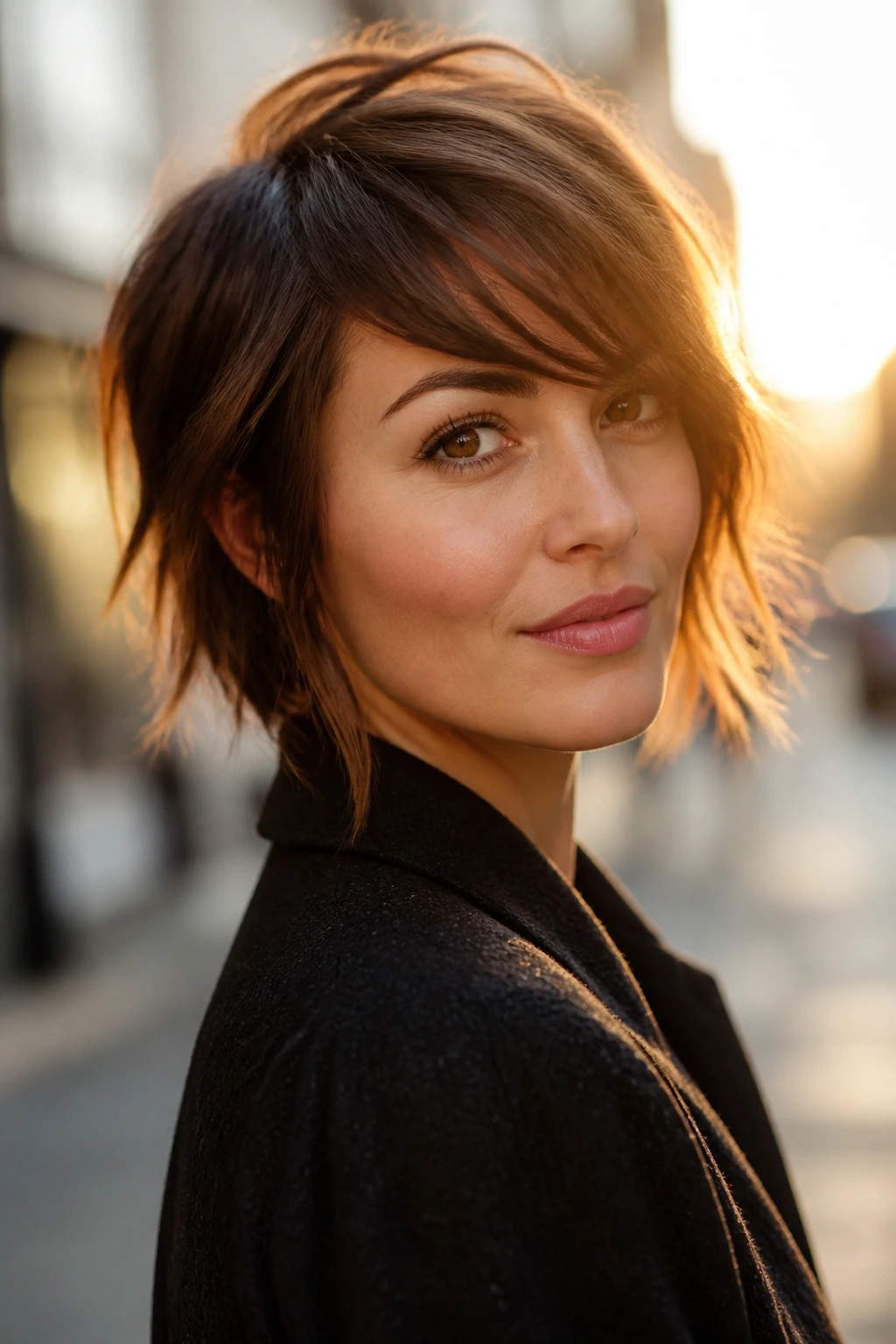
The side-swept bang is a classic for a reason. By creating a diagonal line across the forehead, you are essentially drawing a line that breaks up the roundness of the face. This creates an immediate illusion of angles and asymmetry, which helps define a softer jawline.
What to Ask For
Tell your stylist you want them to start longer near the temples and swoop across the forehead to blend into the rest of your hair. Ensure they keep the ends slightly textured rather than blunt-cut, as a blunt side-bang can look stiff and dated.
4. Blunt Baby Bangs
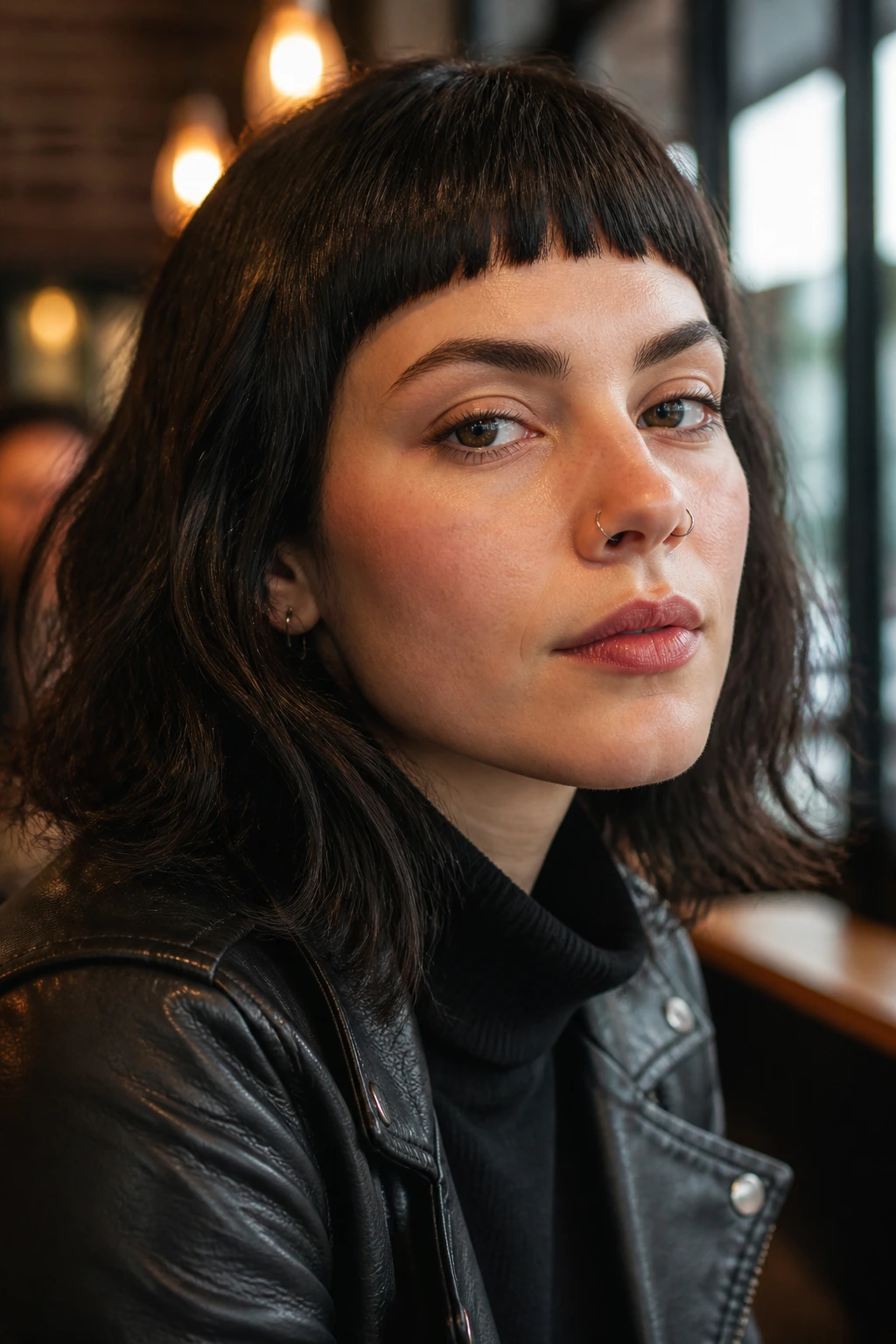
This is a bold choice, and I wouldn’t recommend it for everyone, but if you have the right attitude, it is fantastic. Baby bangs (or micro bangs) sit well above the eyebrow. Because they are so short, they force the eye upward, which can actually make a round face appear more lifted and open.
The Stylist’s Perspective
- Avoid if: You have a very low hairline.
- Perfect for: Those who want to emphasize their eyebrows and eyes, making them the centerpiece of the face.
5. Long Layered Fringe
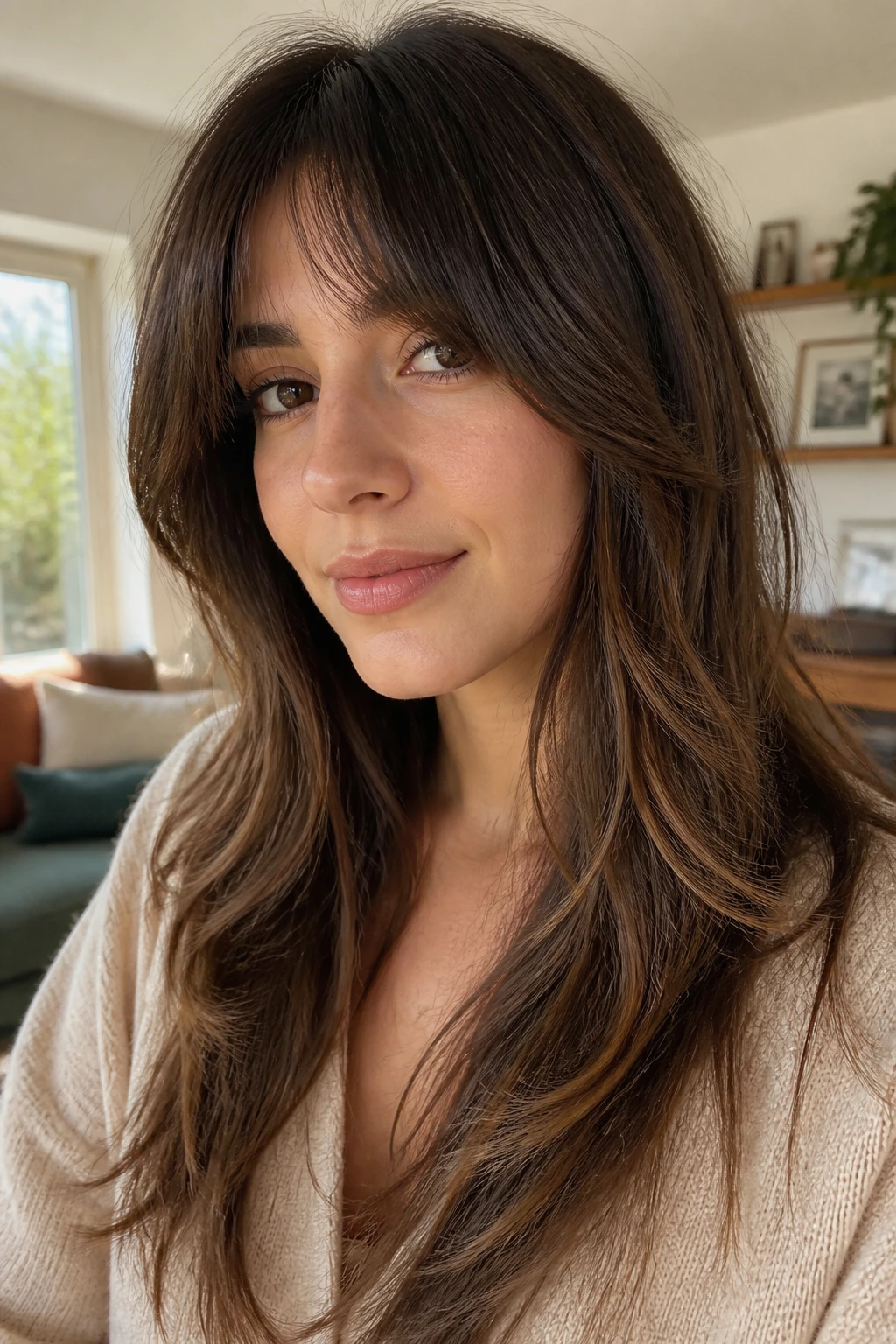
Think of this as the “growing out” phase, but intentional. These bangs graze the cheekbones and blend seamlessly into long, face-framing layers. They are incredibly low maintenance and require almost zero styling beyond a quick brush-through.
The beauty of this style is how it softens the transition between the hair and the face. It isn’t a harsh “fringe” so much as it is a structured cut that happens to sit around your face. It is ideal for someone who wants movement without the commitment of a shorter, thicker bang.
6. Textured Shag Bangs
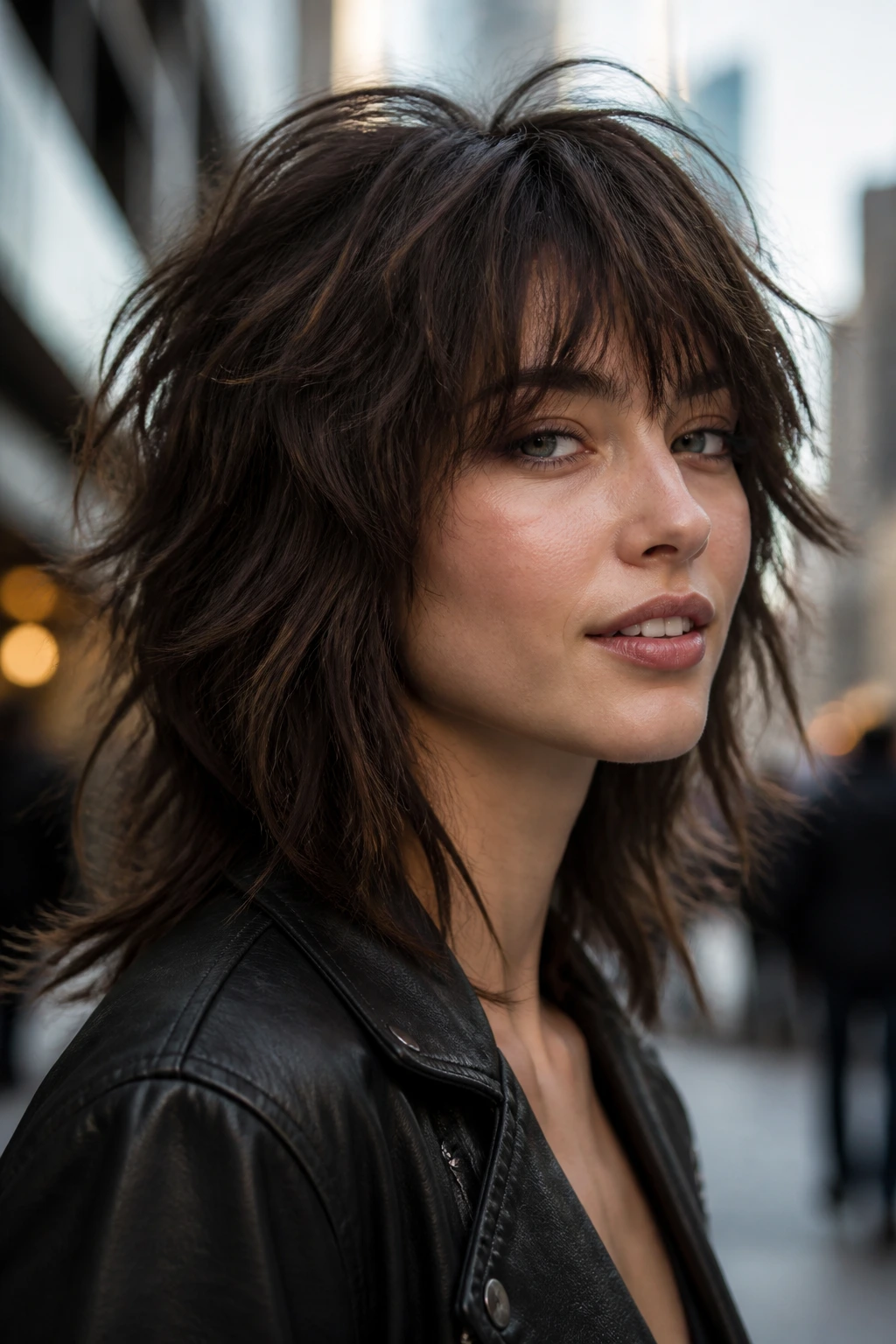
The shag is back, and it is a round face’s best friend. Shag bangs are intentionally messy, choppy, and uneven. They provide volume at the top of the head, which is exactly what a round face needs to balance out the width of the cheeks.
How to Style
Don’t reach for the straightener. This look thrives on natural texture. Apply a sea salt spray or a mousse to damp hair and let it air dry. If you have any wave to your hair, this is the style that will make that wave stand out.
7. See-Through Korean Fringe
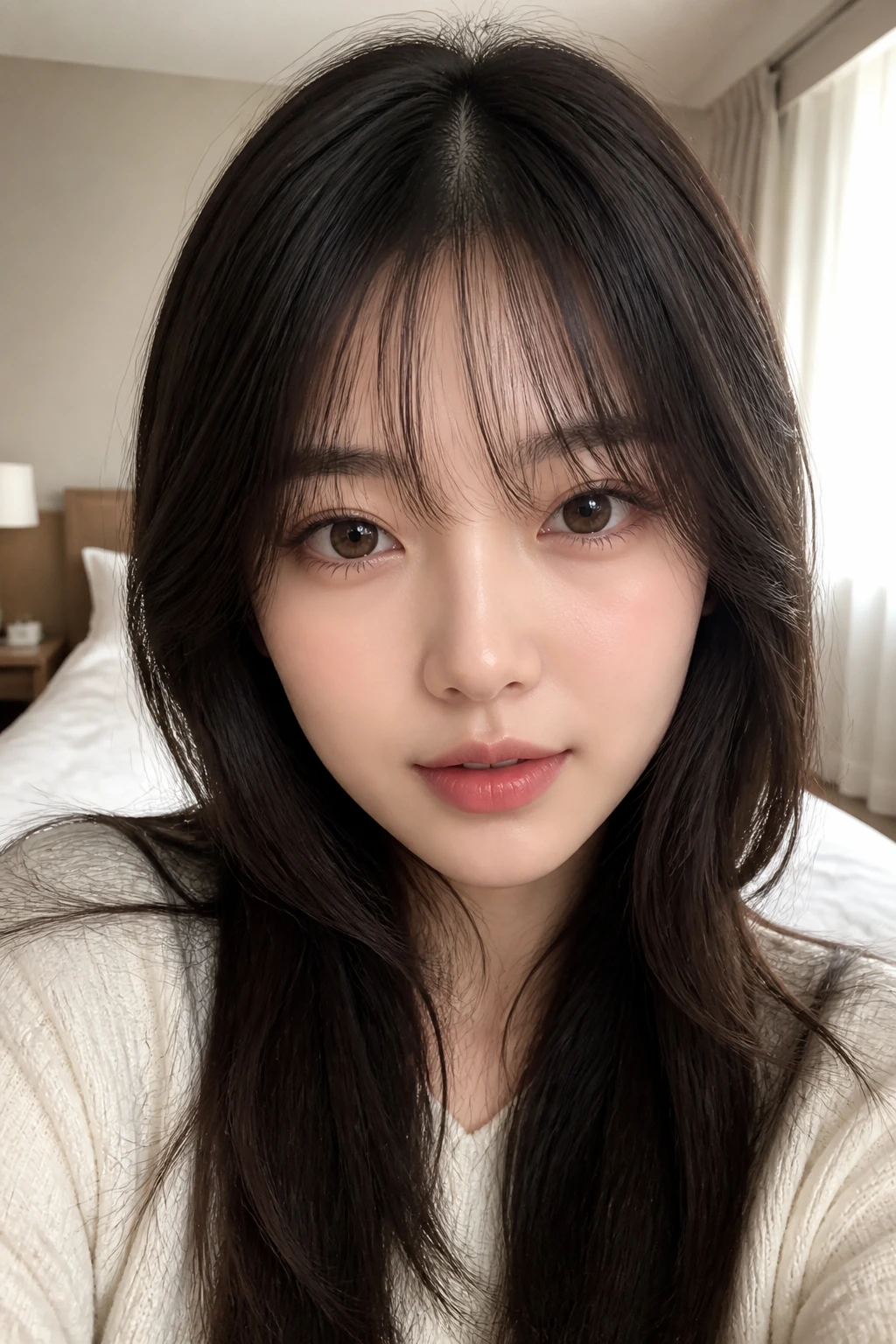
Popularized by K-beauty trends, this style is the ultimate “barely there” look. It’s thinner and longer than a standard wispy bang, usually hitting just below the eyebrow, but it is cut with very little hair. It looks incredibly soft and romantic.
What makes this work for round faces is the transparency. You aren’t creating a wall across your forehead. It provides a soft framing effect that highlights the bridge of the nose and the eyes while maintaining the overall open look of the face.
8. Curved Face-Framing Fringe
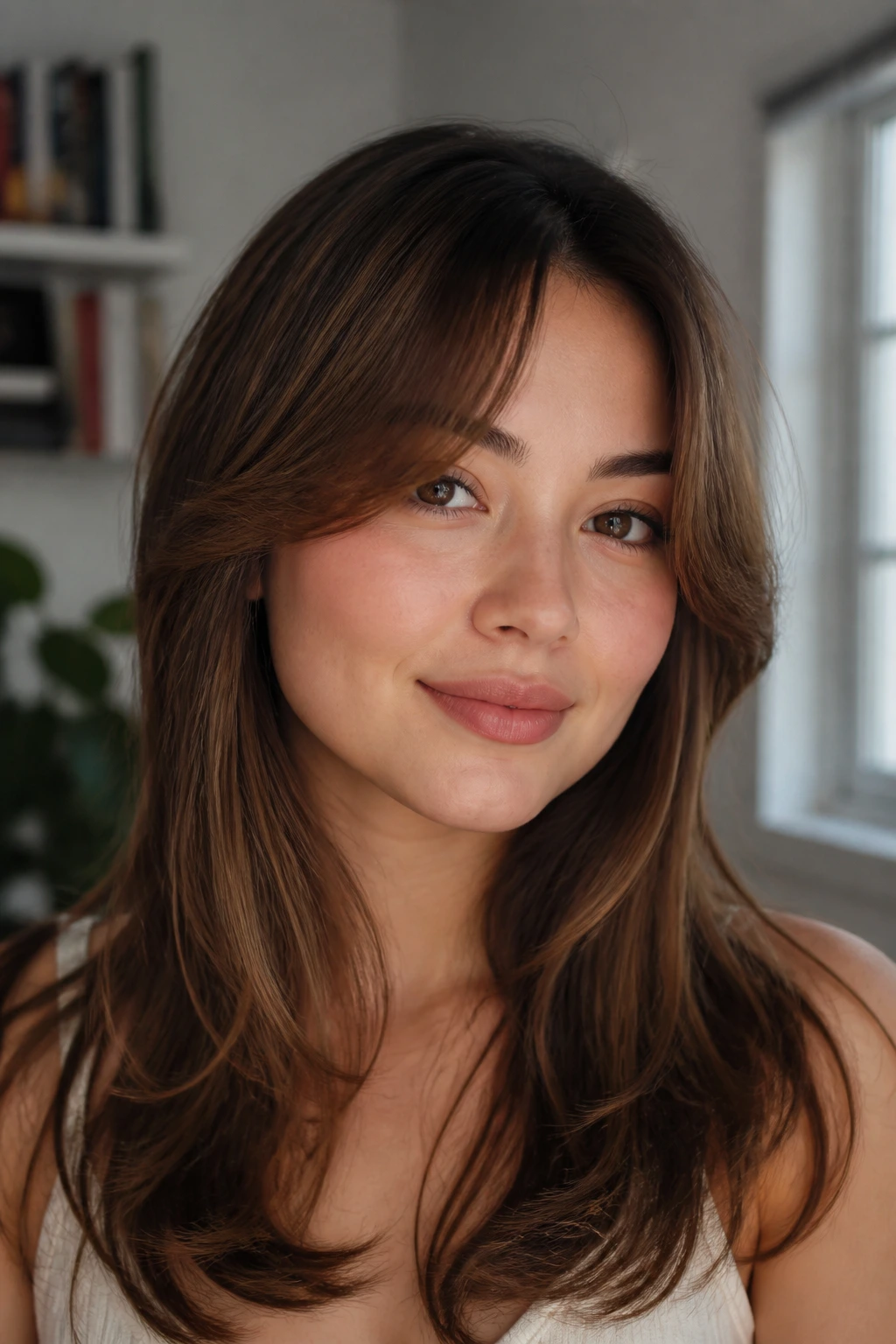
These are often cut as a long, continuous arch. Instead of being disconnected from the rest of your hair, the fringe starts at the center and curves down toward the temples, eventually blending into the rest of your hair length.
Why This is Effective
It creates a beautiful oval shape around your face. By mirroring the natural curve of a round face but extending it slightly with the hair, you create a harmonious, intentional frame that looks effortless.
9. Bottleneck Bangs
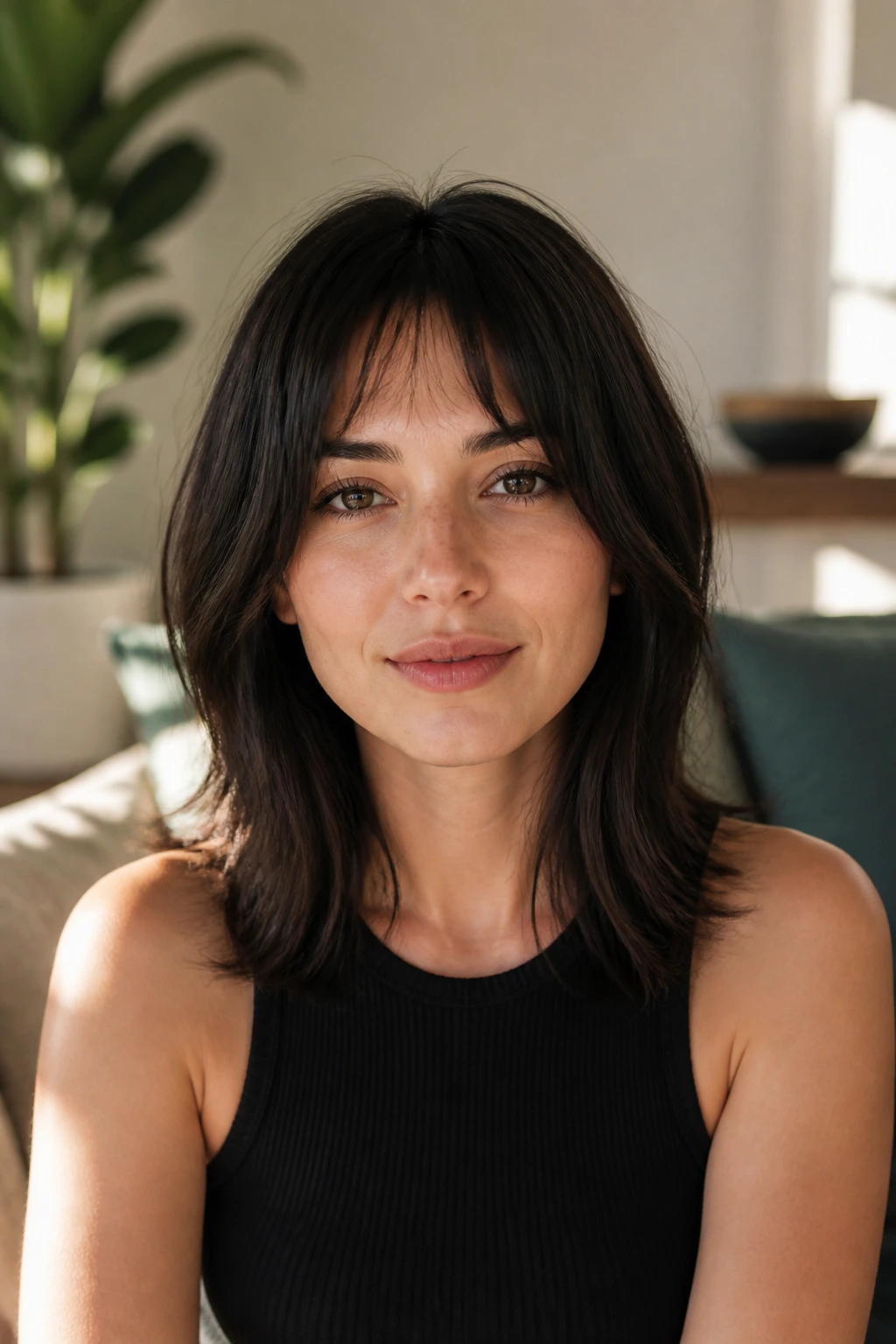
Bottleneck bangs are essentially a mix between curtain bangs and a shaggier fringe. They are shorter in the middle—hitting around the arch of the eyebrow—and then get longer and wider as they reach the cheekbones. They create a bottleneck shape.
They provide the vertical break in the center of the forehead (which elongates) while providing length on the sides (which slims). It is a highly versatile cut that works on almost every hair texture, from straight to wavy.
10. Heavy Choppy Bangs
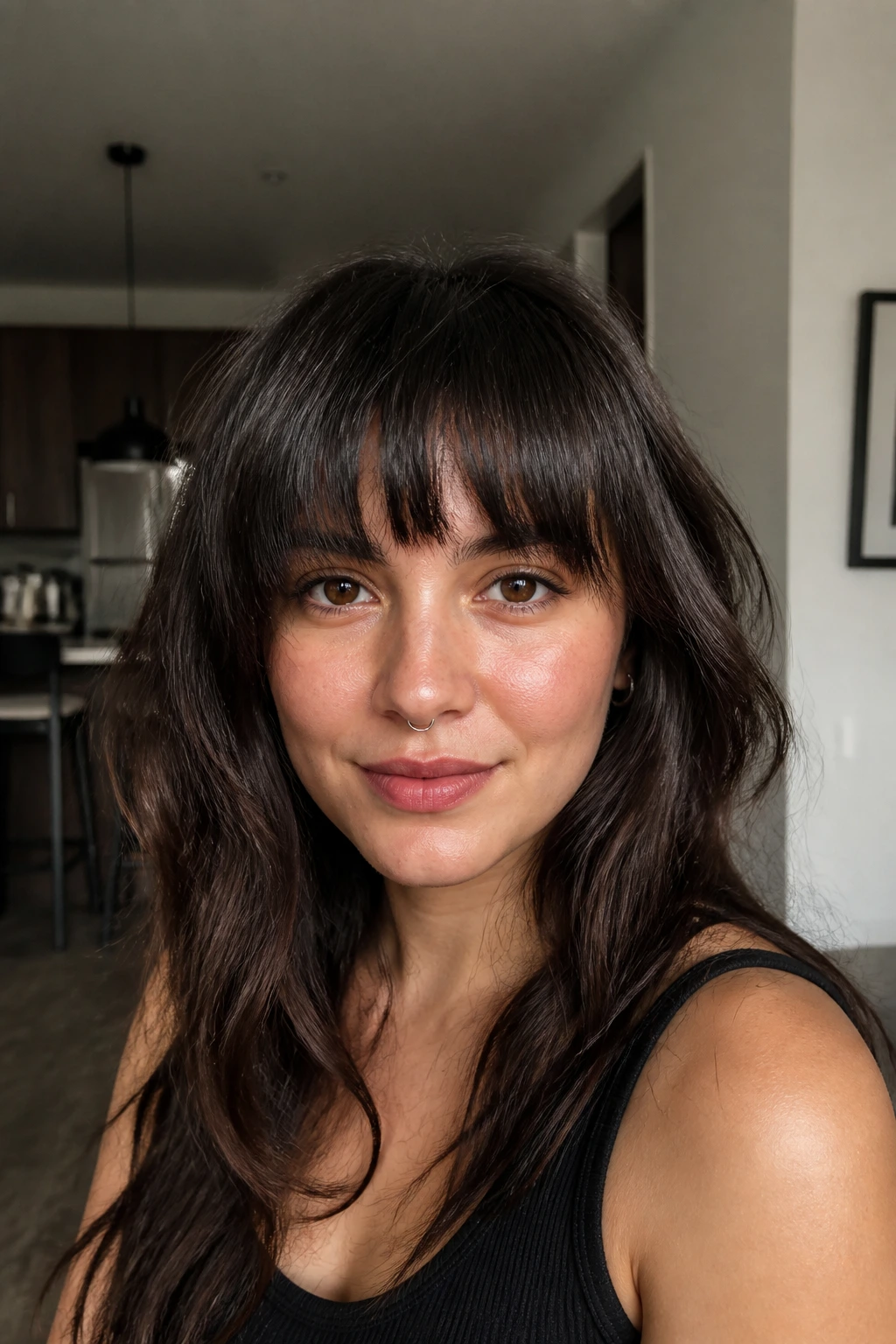
If you have thick hair, you might be tempted to avoid bangs altogether, but heavy choppy bangs can work if they are cut right. The “choppy” part is key. You don’t want a blunt, straight-across line. You want jagged, texturized ends that break up the density.
Styling Tip
Use a flat iron to just barely flick the ends of the bangs. You don’t want them straight down; you want them to have a little bit of bend and movement. A matte pomade is great for separating the ends and keeping them from clumping together.
11. Asymmetrical Fringe
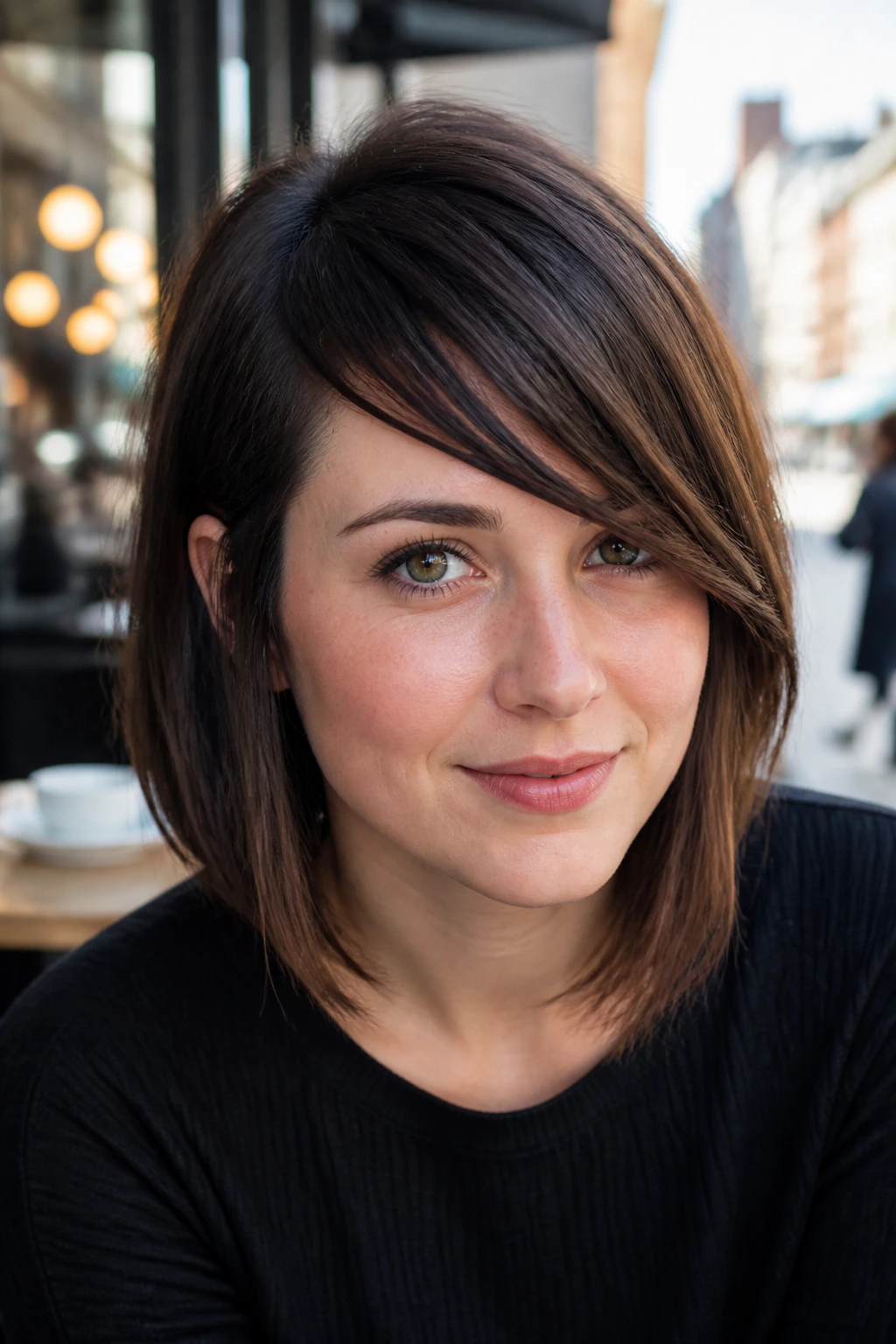
Asymmetry is a great way to create a focal point that isn’t the width of your cheeks. An asymmetrical fringe, where the hair is cut at a sharp or soft angle from one side to the other, naturally draws the eye diagonally.
This movement is the enemy of a static, round shape. By forcing the eye to travel from one side of your face to the other, you create the appearance of a longer, more angular facial structure.
12. Piecey Fringe
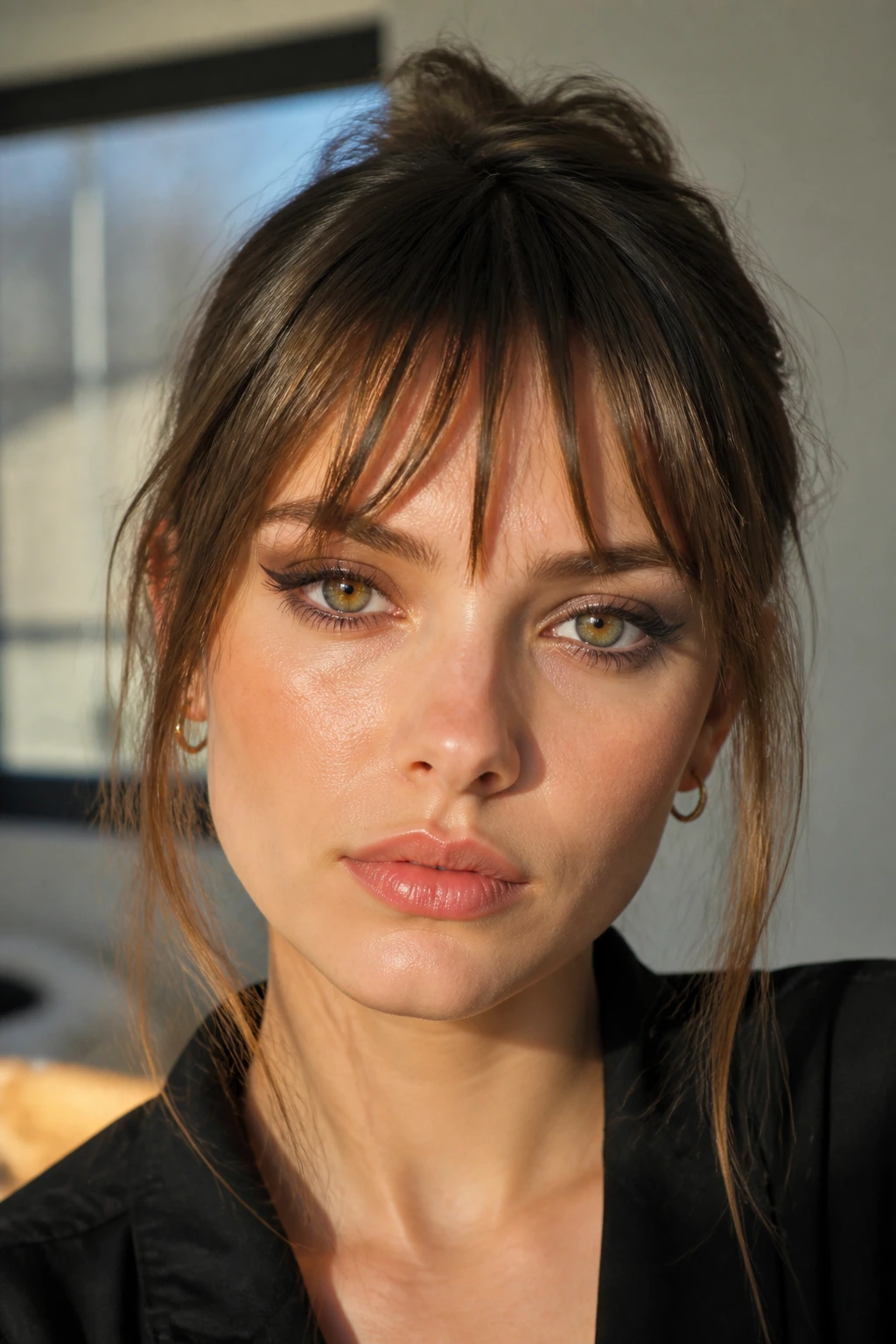
Piecey bangs are about separation. Unlike a solid block of hair, these bangs are styled into individual sections—think “Twiggy” or 60s mod style, but softer. This creates air pockets in the fringe, which prevents it from looking heavy or creating a horizontal line.
How to Achieve This
- Use a tiny bit of hair oil or wax on your fingertips.
- Pinch the ends of your bangs together into small groups.
- Do not overload with product, or they will turn stringy.
13. Feathered Fringe
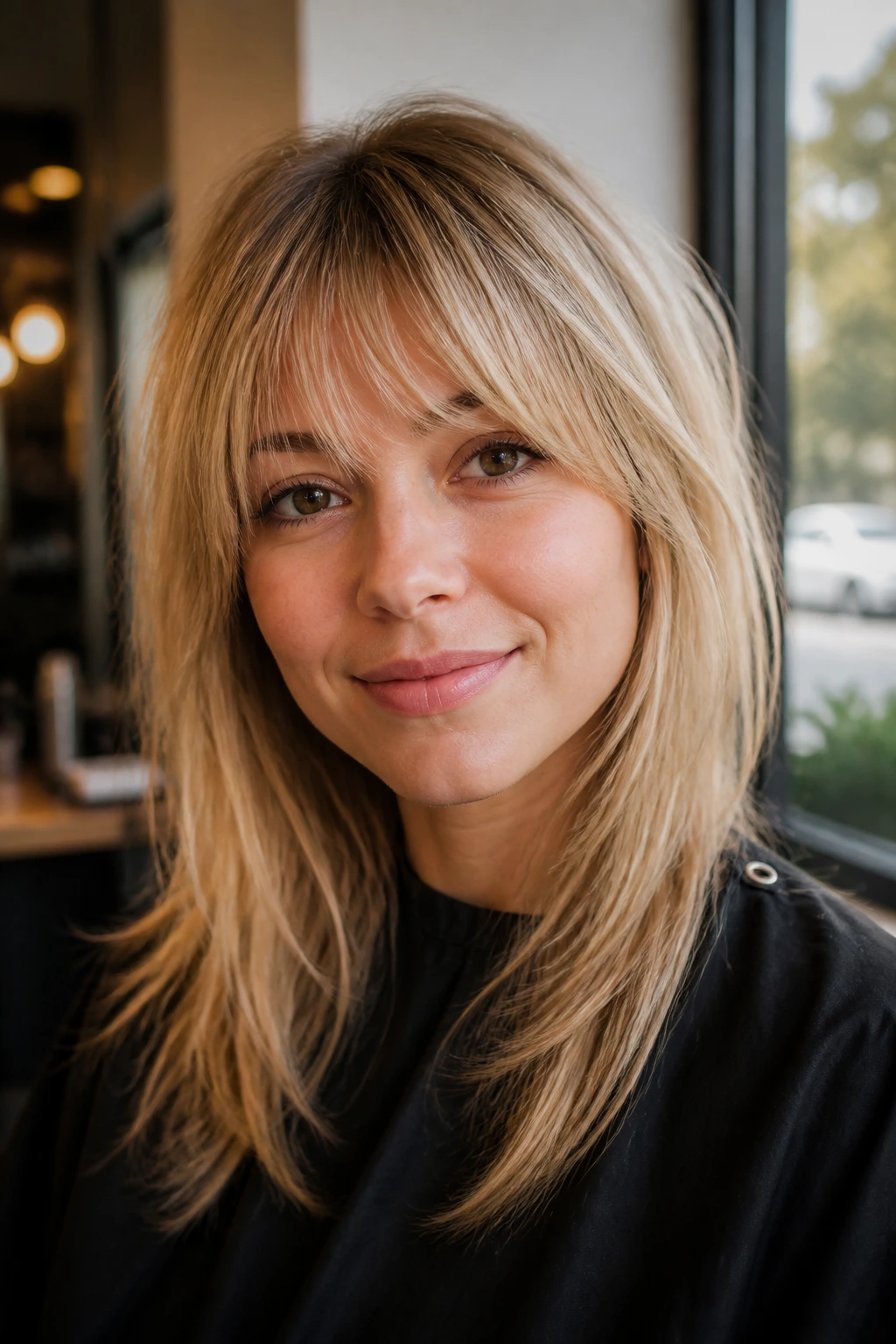
Feathering involves cutting the hair with a razor rather than scissors, which creates a softer, tapered edge. It is less about a blunt cut and more about layers that lay flat against the forehead. It feels light and looks very feminine.
For someone with a round face, this is ideal because it lacks the “heavy” feeling that sometimes makes a round face look shorter. It allows light to pass through the ends of the hair, keeping the overall aesthetic airy.
14. Soft Arched Bangs
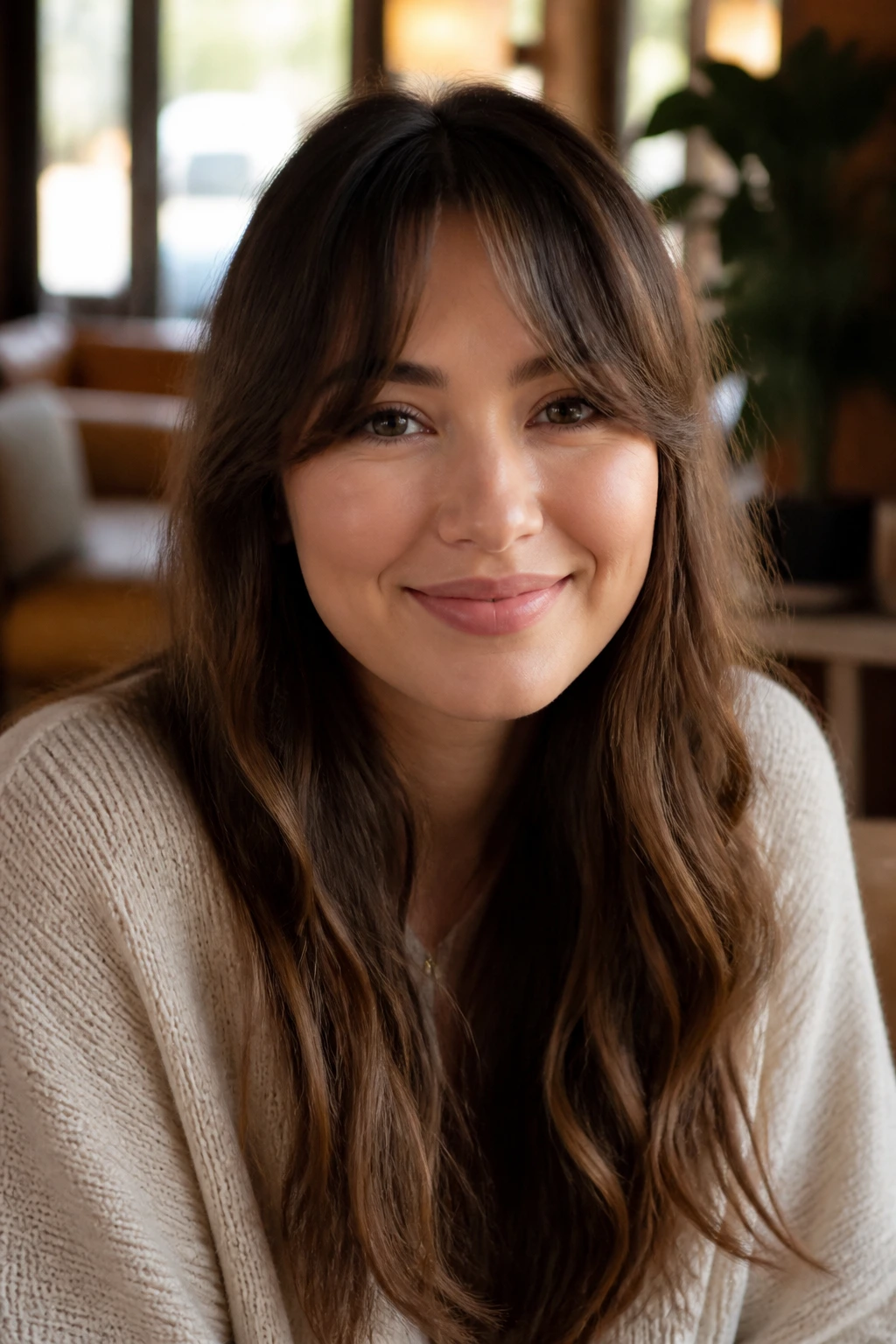
These bangs are cut in a subtle “U” or arch shape, where the center is the shortest point and the sides are longer. This creates a very flattering frame that follows the bone structure of the face.
The Benefit
The arch naturally complements the round shape of your face. It feels cohesive rather than forced. If you keep the arch soft rather than extreme, it serves as a gentle transition between your bangs and your cheekbones.
15. Curtain Bangs with Layers
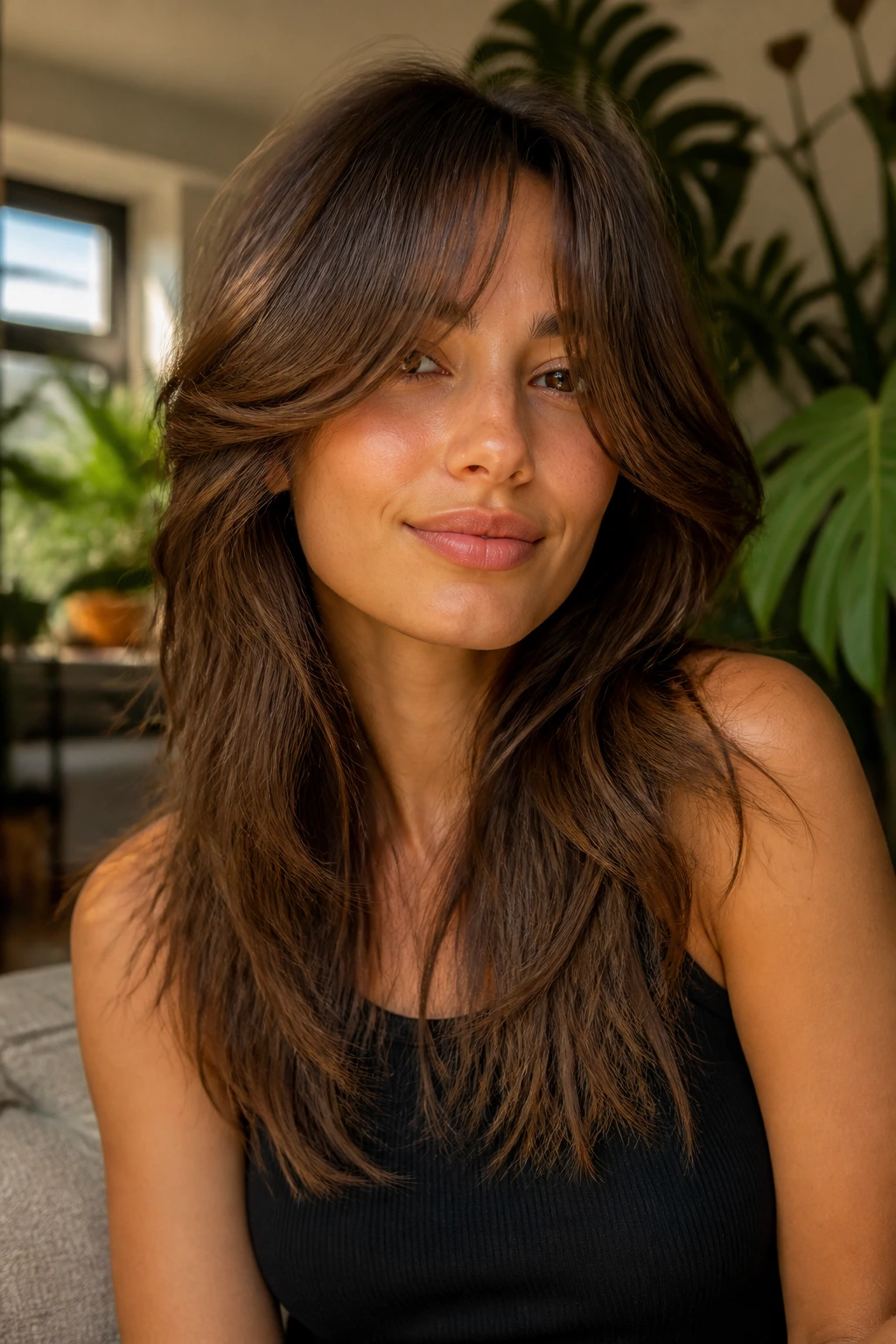
Take the classic curtain bang and add heavy layers around the face. This creates a cascading effect where the bangs melt into the layers, creating a unified flow of hair. This style is excellent for people who want a lot of movement.
This provides the illusion of length because there is so much vertical movement around the face. It draws the eye up and down rather than side-to-side, which is the exact trick you need to balance out rounder features.
16. Long Wispy Bangs
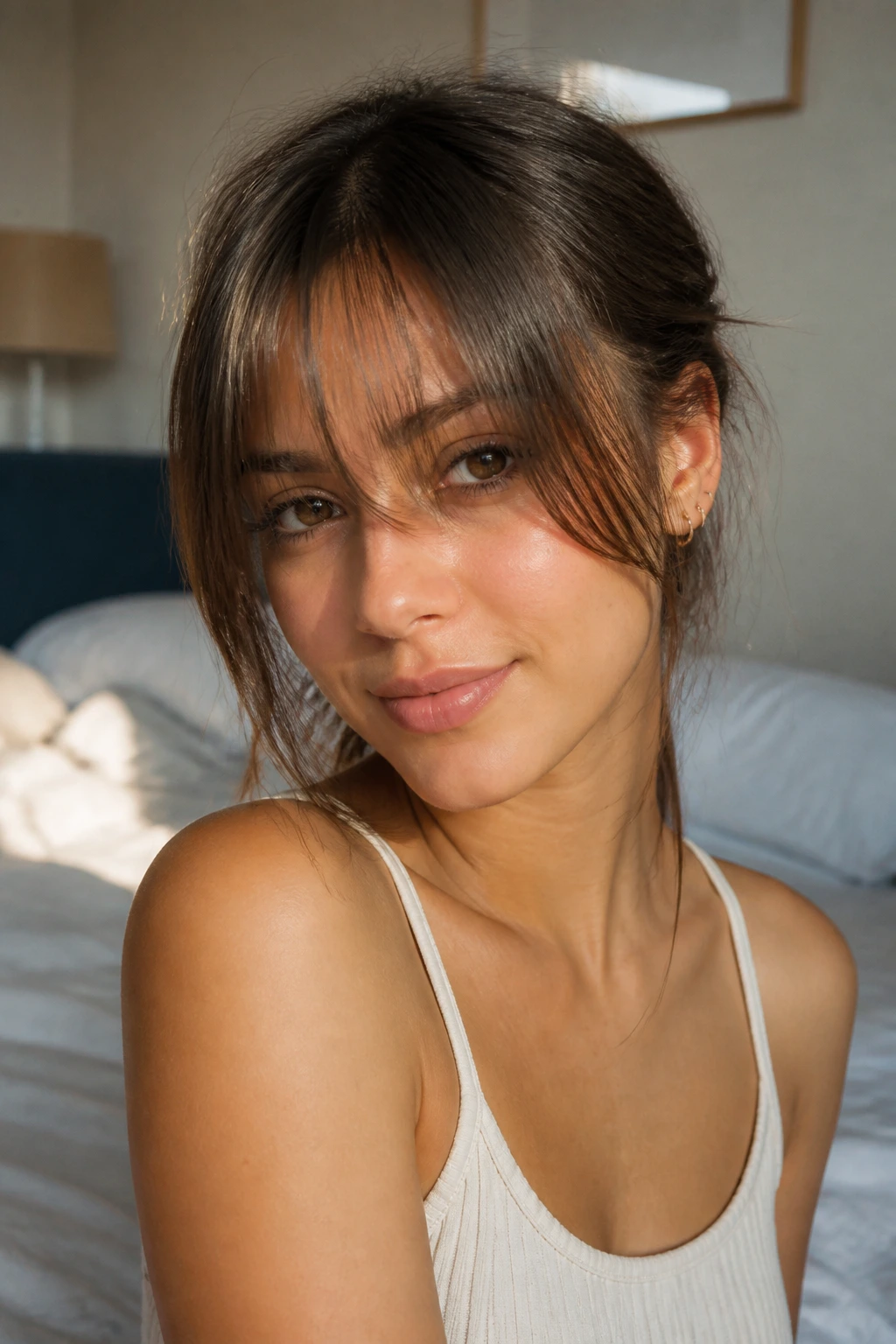
Sometimes you don’t need a short bang. A long, wispy bang that hits just below the eyes can be just as effective. They act like a curtain, partially covering the forehead but mostly focusing on highlighting the eyes.
Because they are longer, they create a very soft, dreamy look. They don’t cut the face in half at the forehead, which helps maintain the overall height of your face. You can tuck them behind your ears when you want them out of the way.
17. Blunt Fringe with Bob
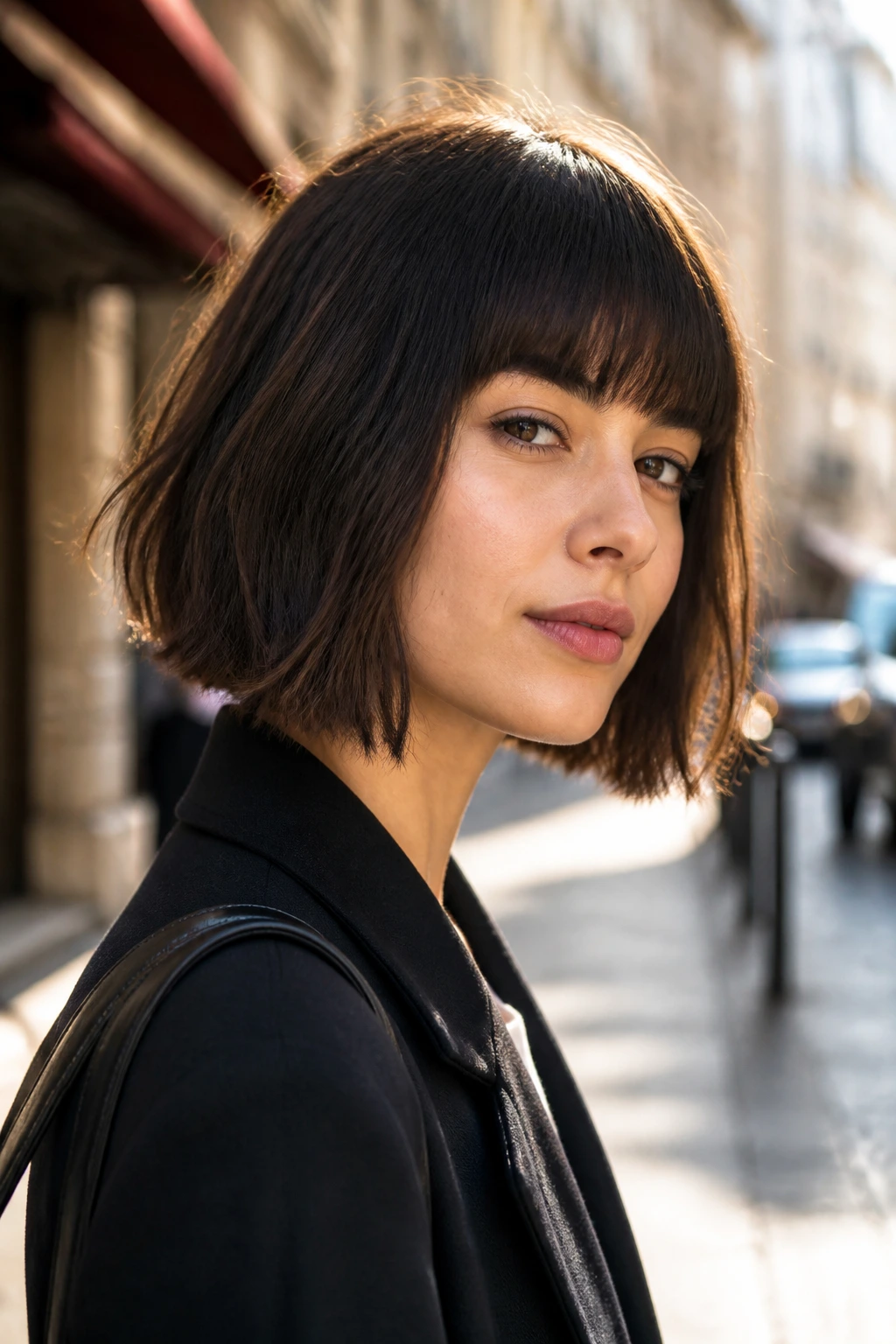
The blunt fringe and the bob is a classic Parisian look. For a round face, you have to be careful with the length of the bob. If the bob hits exactly at the chin, it can accentuate roundness. Pair your blunt fringe with an angled bob or a lob (long bob) that sits below the jaw.
Pro-Tip
The bluntness of the fringe creates a sophisticated, structured look. To keep it from overpowering a round face, ensure the bob has plenty of texture or waves, rather than being poker straight and flat.
18. Textured Curtain Bangs
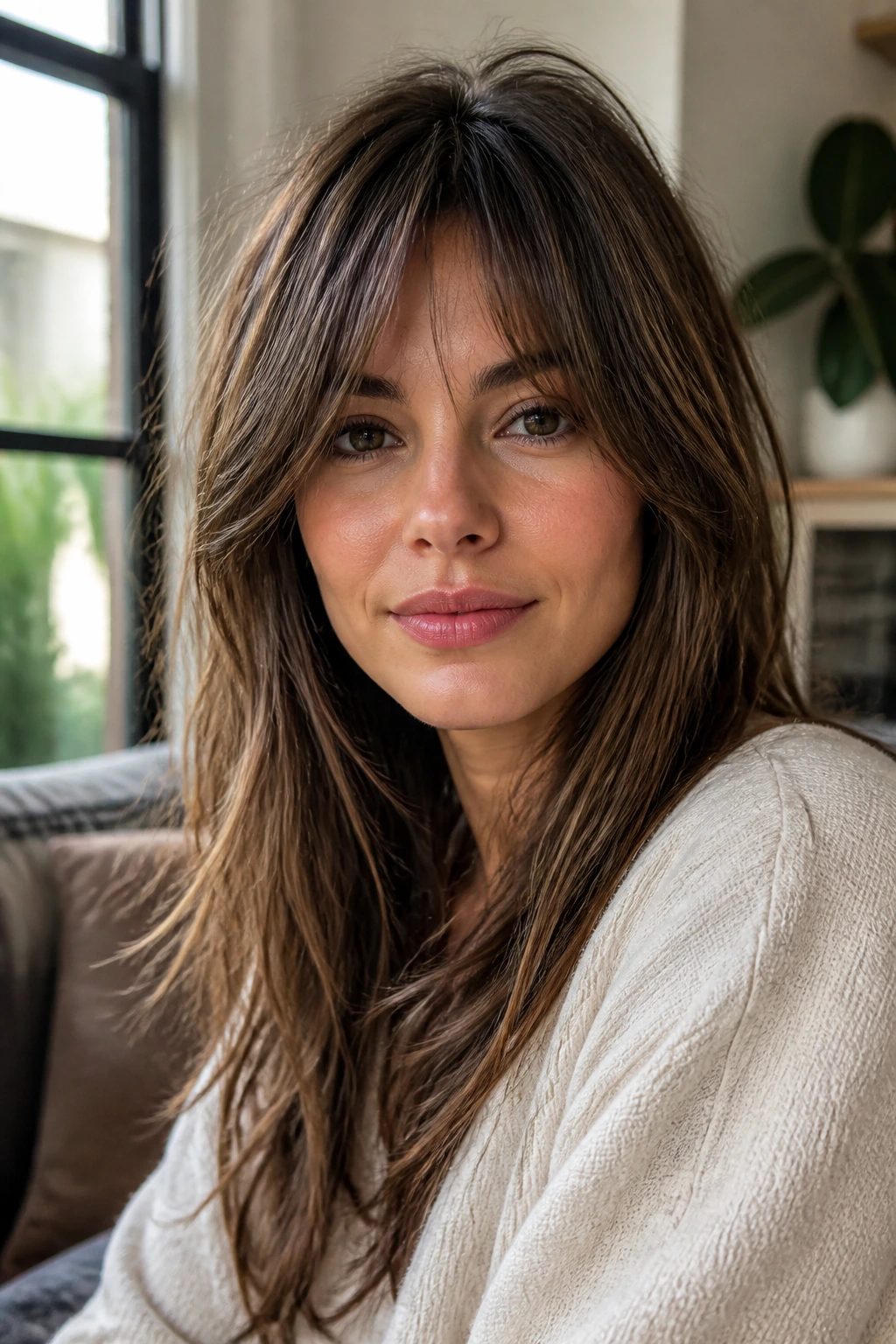
What happens when you add texturizing spray and a bit of a messy finish to curtain bangs? You get a more modern, lived-in look. This version of the curtain bang is less “salon blowout” and more “I woke up like this.”
The slight chaos in the hair helps to break up the lines of the face. It feels more casual and approachable. For a round face, this works because the texture creates volume, and volume at the crown helps counteract the roundness of the cheeks.
19. Deep Side Part Fringe
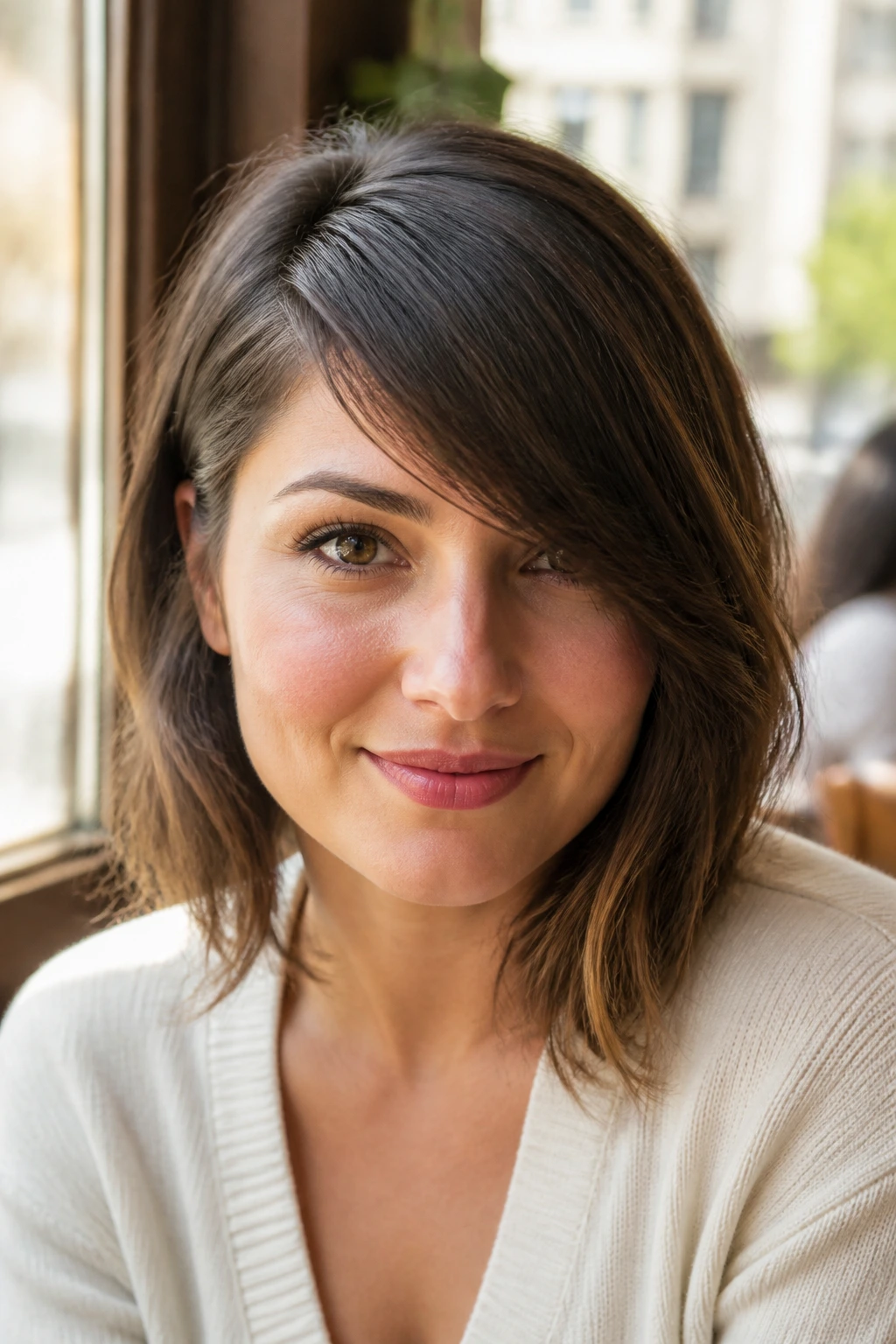
Move your part as far over as you can comfortably stand. This creates an extreme sweep that covers a significant portion of the forehead and creates a very high, dramatic diagonal line across the face.
The Visual Effect
This is one of the most effective ways to change the appearance of a round face instantly. The dramatic angle effectively “slices” through the roundness, creating a visual break that makes the face look longer and more oval.
20. Thin Baby Bangs
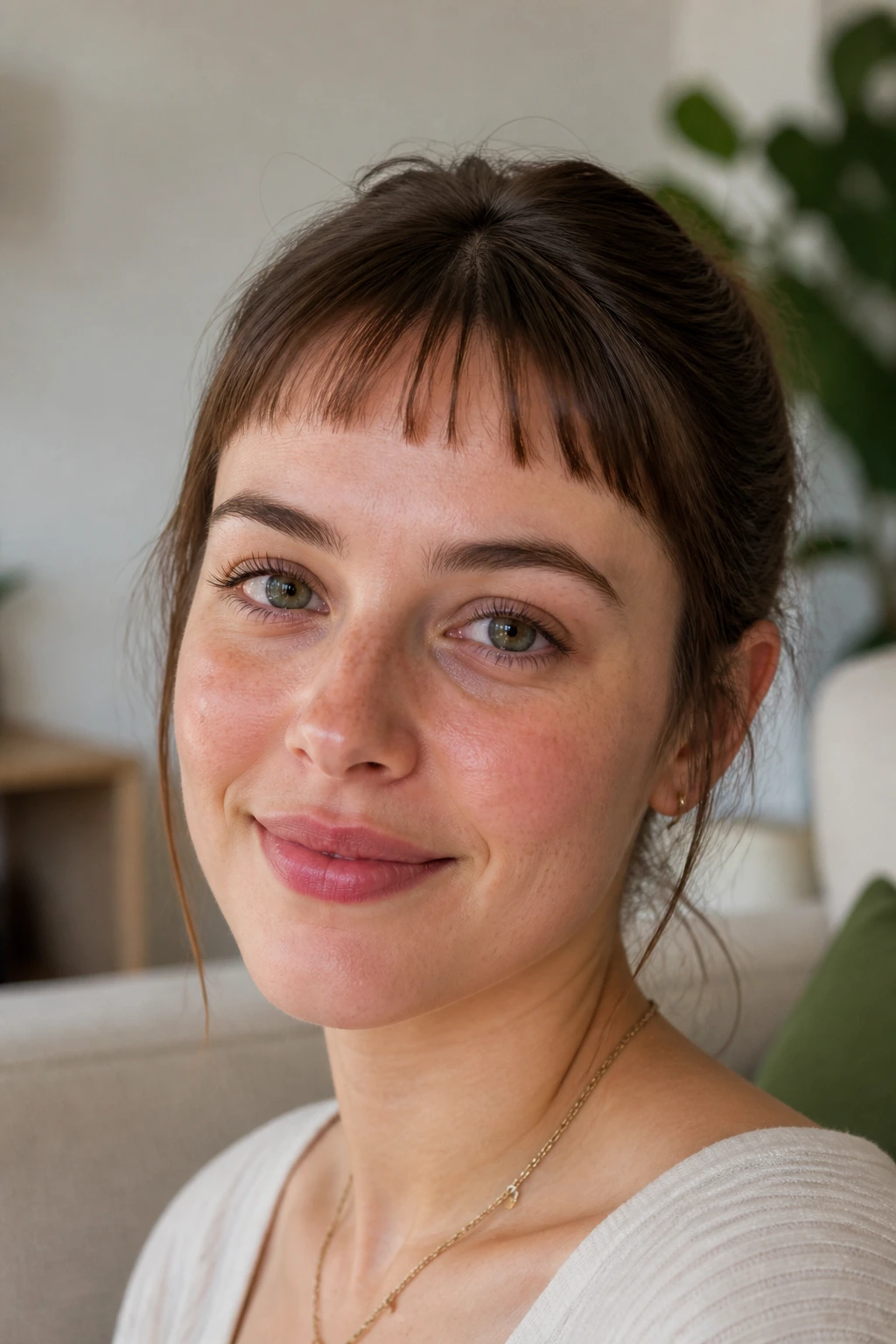
If you are worried that regular baby bangs are too much, go for “thin” baby bangs. This is a very sparse, delicate version. It’s almost like you only have a few strands of hair resting on your forehead.
It is a stylistic choice, almost like an accessory. It doesn’t really serve to hide the forehead or cover anything; it just adds a bit of detail. It works on round faces because it is so minimal that it doesn’t disturb the proportions of your face at all.
21. Wolf Cut Fringe
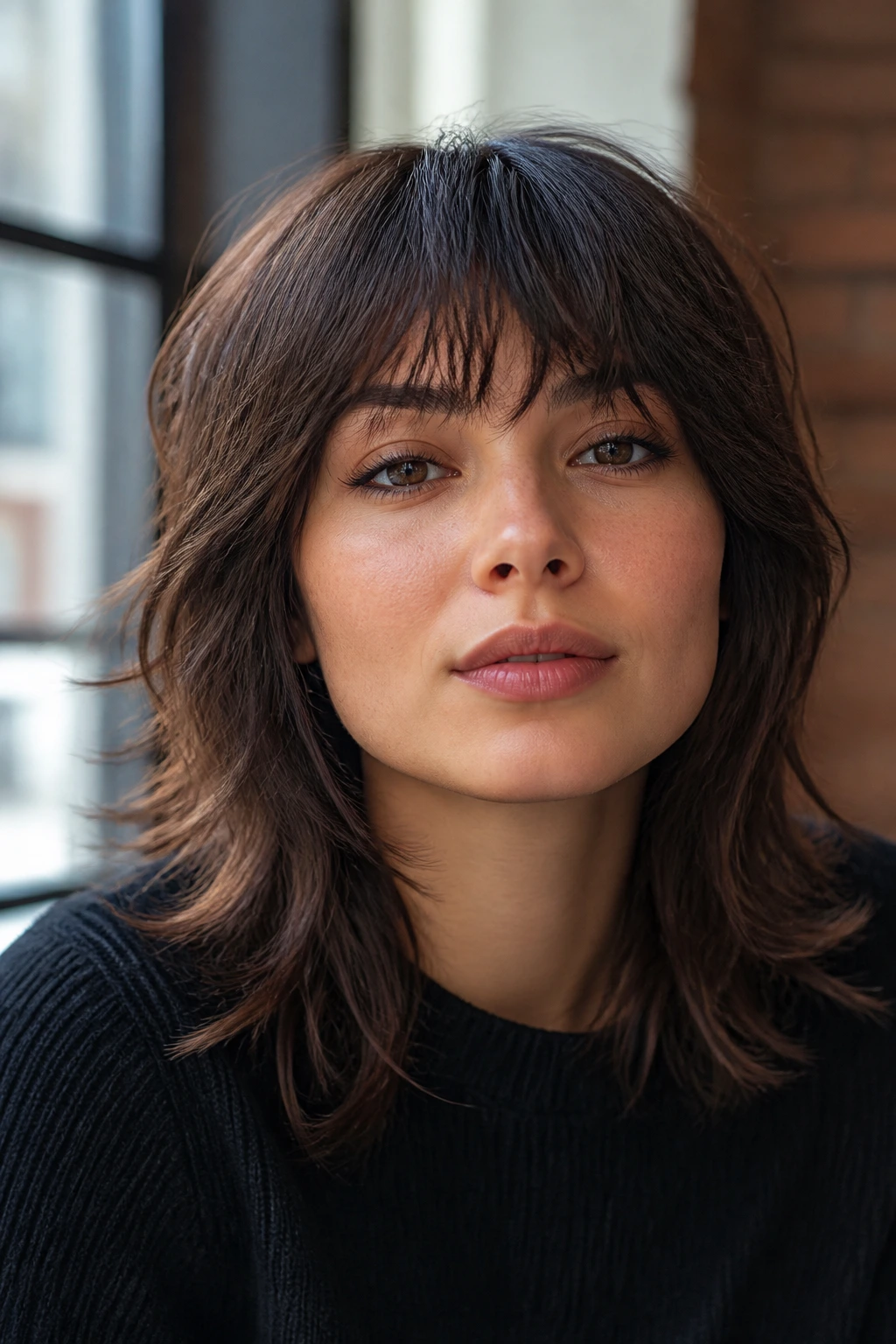
The wolf cut has been popular for a while because of its shaggy, layered, and wild nature. The fringe in a wolf cut is usually messy, with shorter pieces in the middle and longer pieces on the sides.
It is the ultimate style for creating volume. Since you want to add height and structure to a round face, the messy, layered volume of a wolf cut does exactly that. It is playful, edgy, and very easy to manage if your hair has any natural texture.
22. Razored Fringe
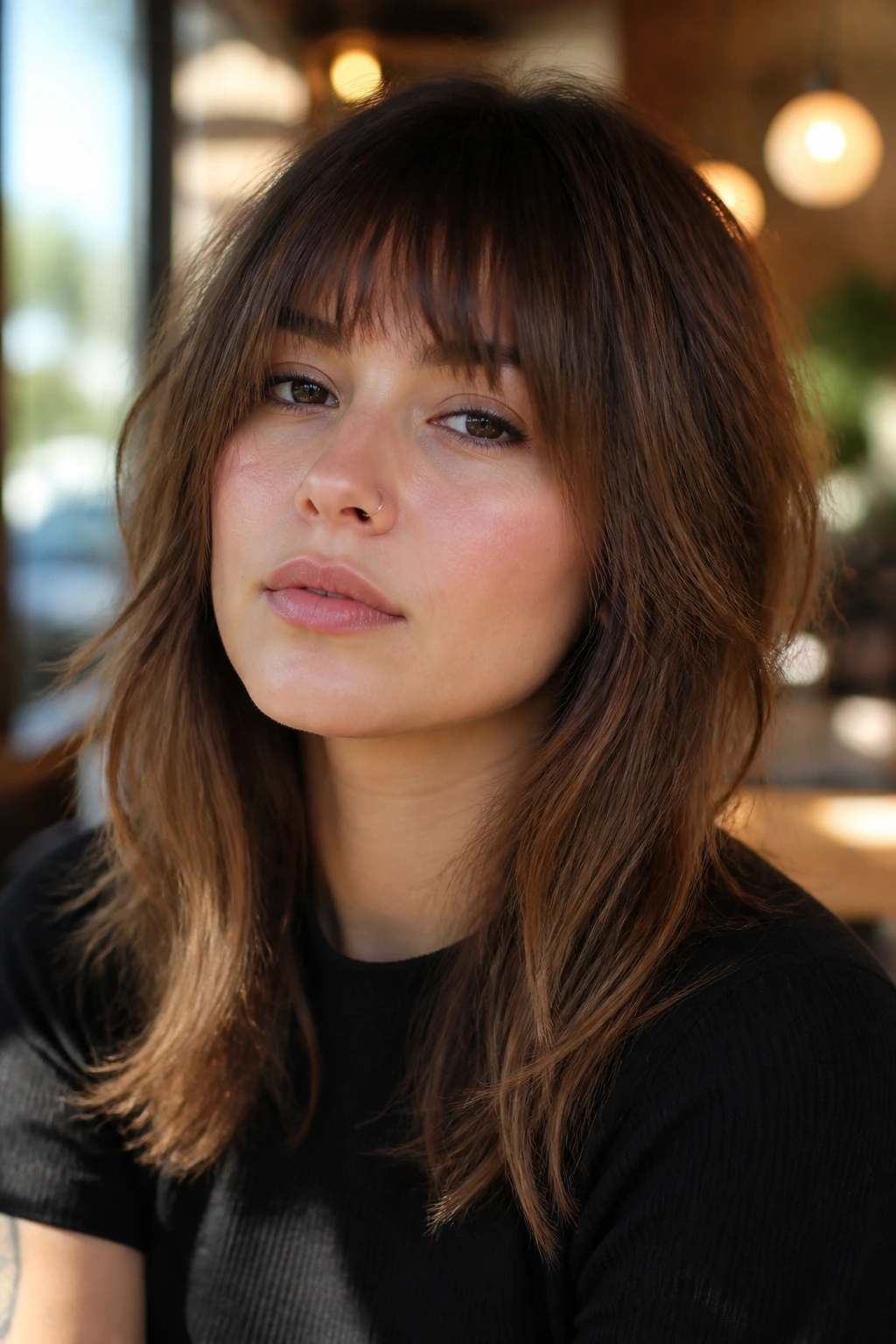
A razor cut provides a very different texture than scissor cuts. The ends look frayed, jagged, and ultra-light. A razored fringe will never look heavy, even if you cut a lot of hair.
This is excellent for people who want the look of a fuller bang without the density. If you have thick hair but want a fringe that feels soft and airy, ask your stylist to use a razor to take out some of the weight at the ends.
23. Blunt Over-Eyebrow Bangs
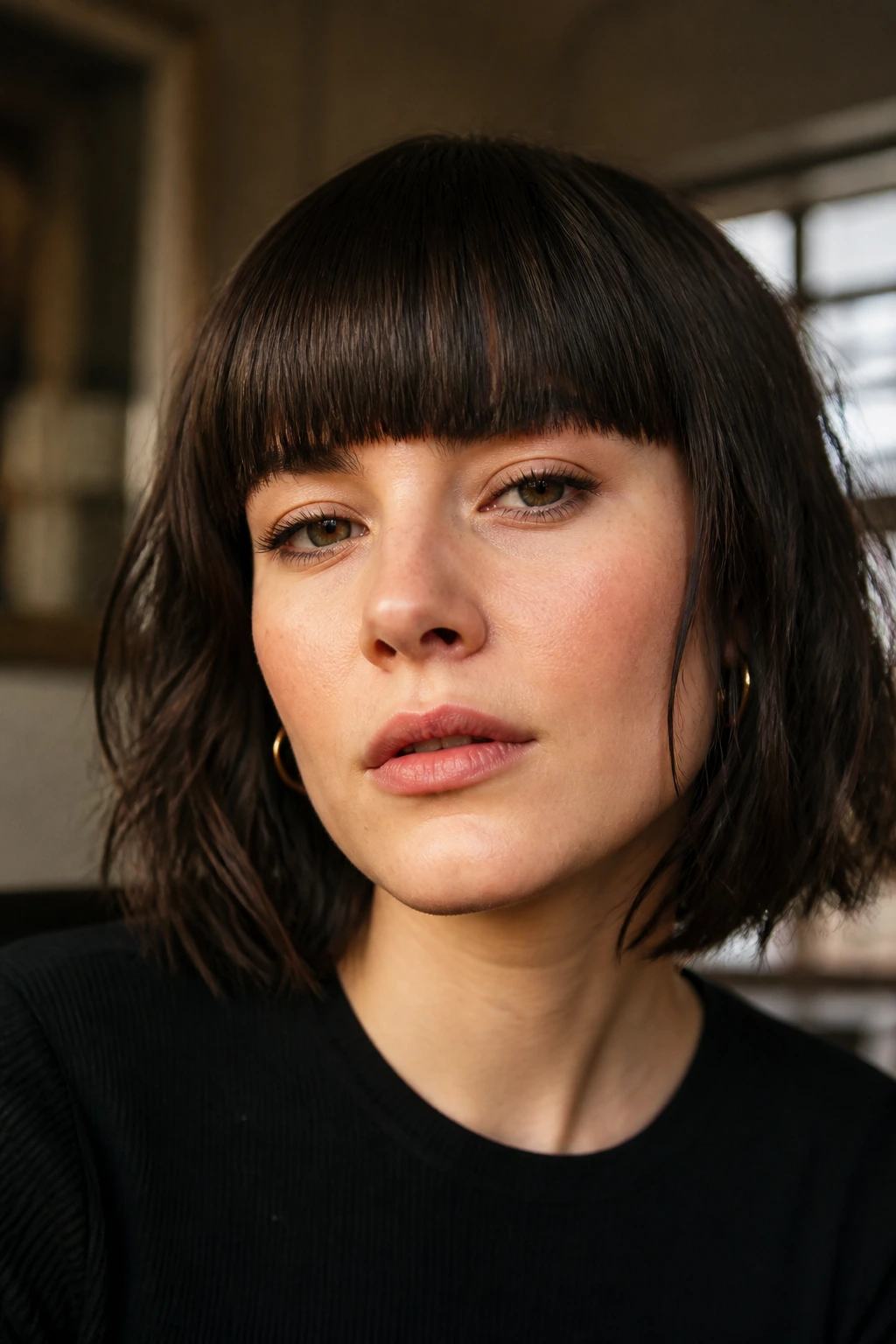
These are similar to baby bangs but slightly longer. They hit right between the hairline and the eyebrows. This creates a very intentional, graphic look. It is high fashion and very striking.
Why It Works for Round Faces
Because they sit well above the eyes, they leave the entire middle and lower portion of your face completely open. This allows your cheekbones and jawline to take center stage, which is usually exactly what you want if you have a rounder face.
24. Flicked-Out Fringe
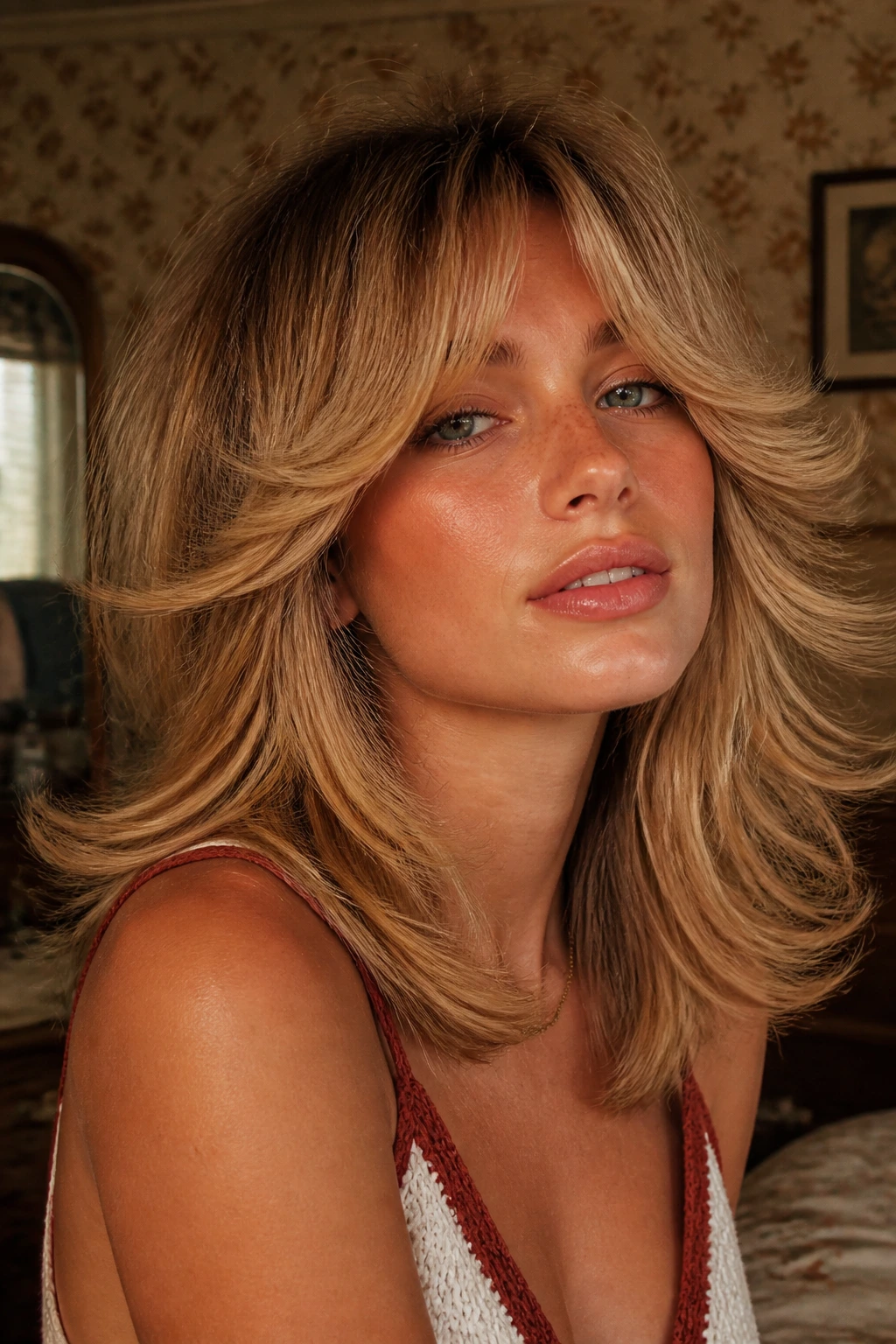
This is a styling technique rather than a specific cut, but you can request it. Using a flat iron or a round brush, you style the ends of your bangs to flick outward and away from your face.
This creates a retro, 1970s “Farrah Fawcett” vibe. It pulls the eye outward rather than inward, which can help add width at the temples and make the cheekbones appear more prominent and sculpted.
25. Middle-Part Wispy Bangs
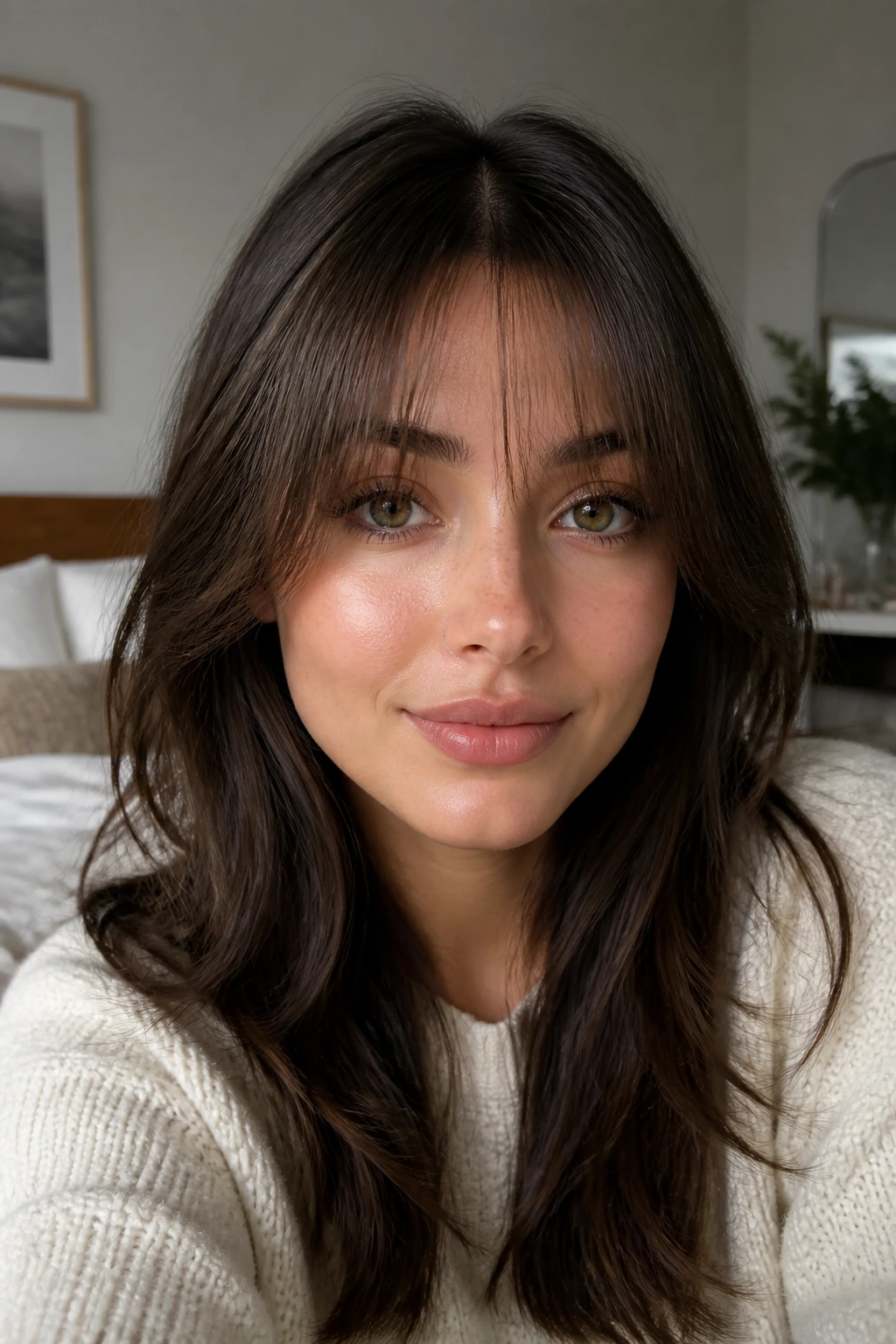
A middle part is sometimes feared by people with round faces, but if it is done with long, wispy bangs, it can be extremely flattering. The key is to keep the bangs long enough that they graze the eyelashes.
This creates a beautiful, symmetrical frame. It essentially highlights the center of the face. If you have great eyes, this is the way to show them off while still having the fun of wearing a fringe.
26. Short Textured Fringe
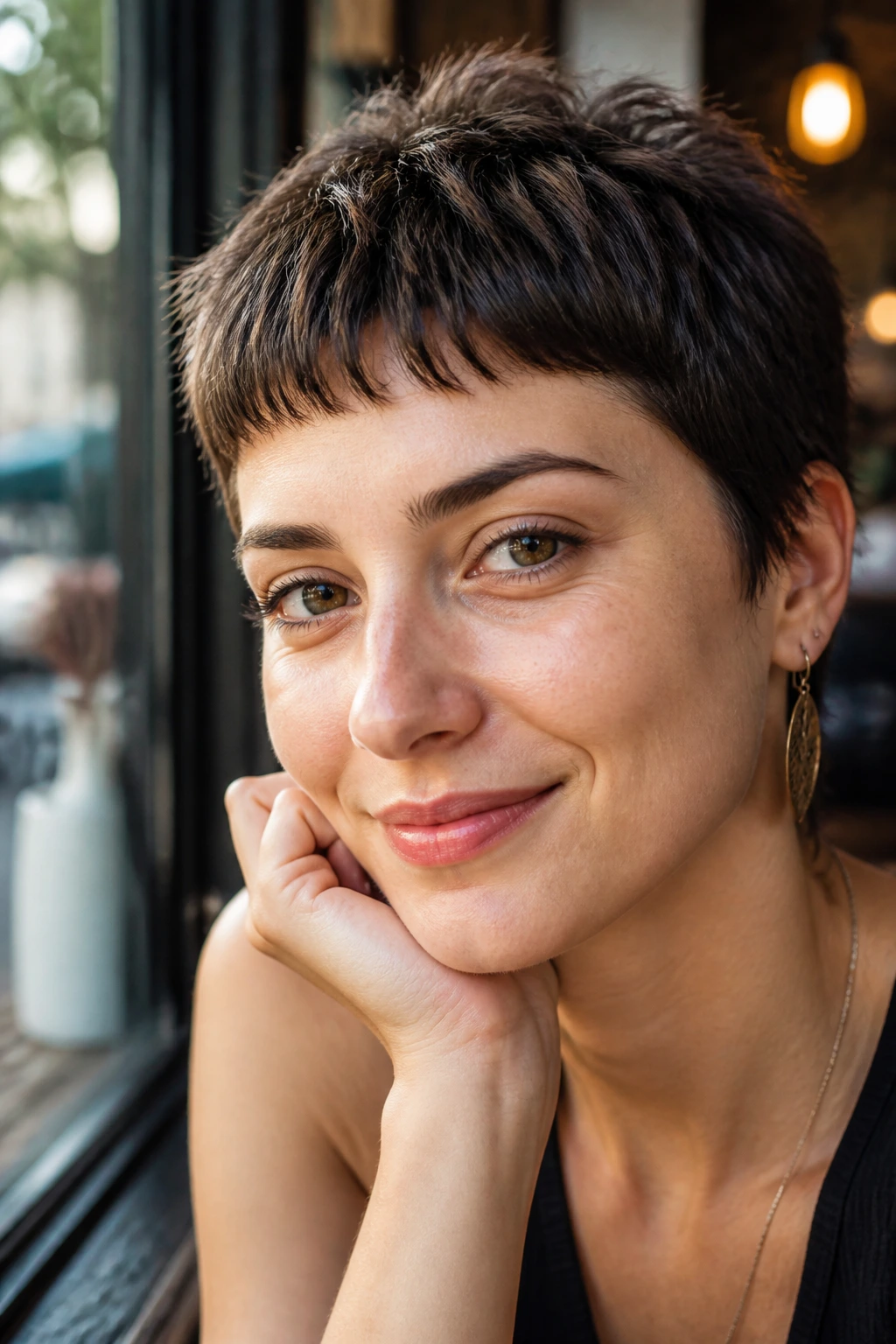
This is a step up from baby bangs but shorter than a standard brow-length bang. It’s a messy, textured crop. It is very short, very choppy, and requires almost no maintenance.
You can style this with a bit of matte paste. Just rough it up with your fingers. The lack of length prevents it from looking heavy, and the texture adds visual interest that draws the eye upward, away from the cheeks.
27. Layered Bardot Bangs
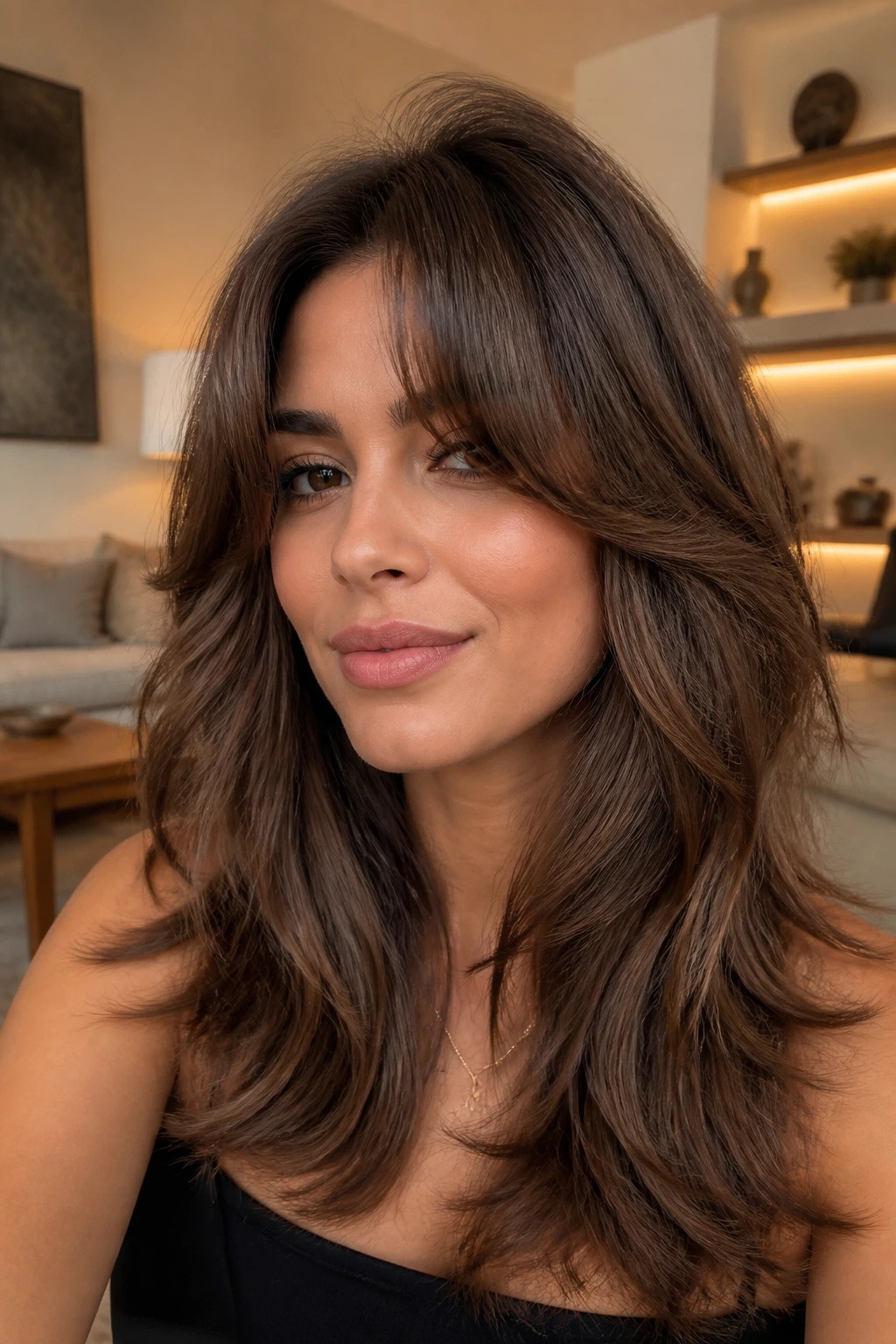
Inspired by Brigitte Bardot, these are the ultimate classic fringe. They are long, heavy, and very layered, often parted in the center. They are meant to look like they have been there for three days and you just tossed them around.
The Styling Secret
They need to be voluminous. You want the hair to have some lift at the roots. A little dry shampoo at the roots is your best friend here, as it adds the grit needed to keep the bangs from falling flat.
28. Messy Bedhead Fringe
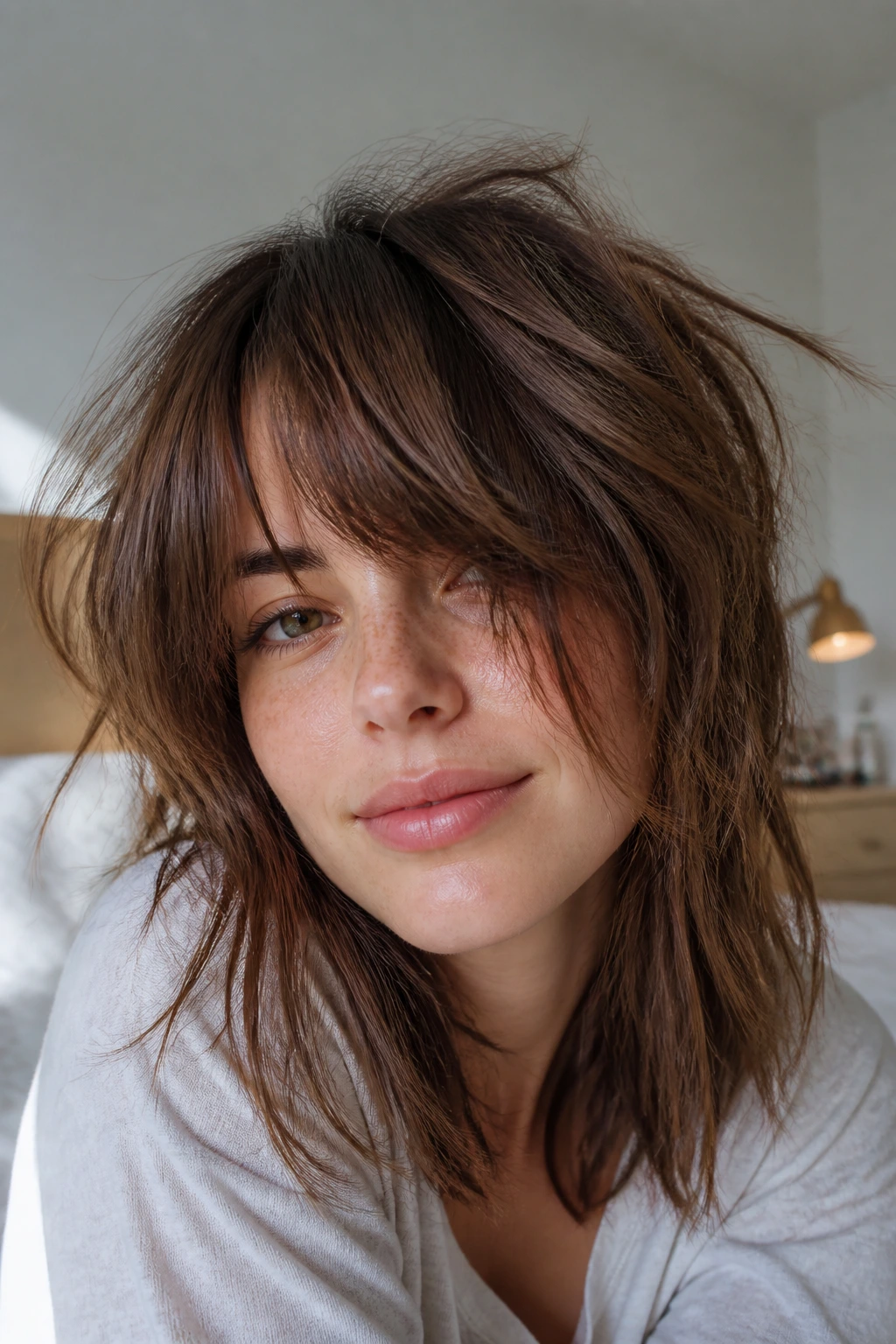
Sometimes, you just need to embrace the chaos. A messy bedhead fringe is essentially a long, choppy fringe that you don’t style. You let it dry naturally, you let it fall where it wants, and you don’t touch it.
It looks chic, effortless, and very “cool girl.” Because it is unpredictable and asymmetrical, it does a great job of softening the face. It doesn’t highlight roundness because it doesn’t follow any strict lines. It is the definition of relaxed hair.
Final Thoughts
When it comes to picking a fringe for a round face, the most important thing is to stop viewing your face shape as a problem to be “solved.” Your face shape is simply a canvas. The goal of a good haircut isn’t to disguise your face; it is to complement it.
Take your time when you are in the salon. Don’t be afraid to pull up a picture, but realize that the photo you are looking at might have a different hair texture than you. A thick-haired model’s blunt fringe will look very different on someone with fine, wispy hair.
If you are really nervous, start long. You can always go shorter, but you cannot add length back once it’s gone. Start with a longer curtain bang or a wispy fringe that you can tuck behind your ears. If you love that, go a little shorter. Eventually, you might find that you feel most like “you” with a full, bold fringe that you once thought you could never pull off.
