



Fine hair has a reputation for being difficult, but that reputation is largely unearned. The real challenge isn’t the hair itself; it’s the styling approach. When you have fine strands, the gravitational pull toward your scalp is stronger, and volume tends to deflate faster than a soufflé in a drafty room. Many people with fine hair assume that a fringe is out of the question, fearing that bangs will steal too much hair from the density of the rest of their head or, worse, end up looking greasy and stringy by noon.
The truth is quite different. When cut properly—with intention and the right density—a fringe can actually make fine hair look thicker. By bringing hair forward, you create an illusion of depth and movement around the face. The key is in the sectioning and the weight. You want to avoid heavy, blunt cuts that can weigh the face down and instead focus on airy, textured, and deliberate shapes. Whether you want a dramatic shift or just a bit of softness, there is a way to wear bangs without sacrificing the fullness of your style.
1. Wispy See-Through Bangs
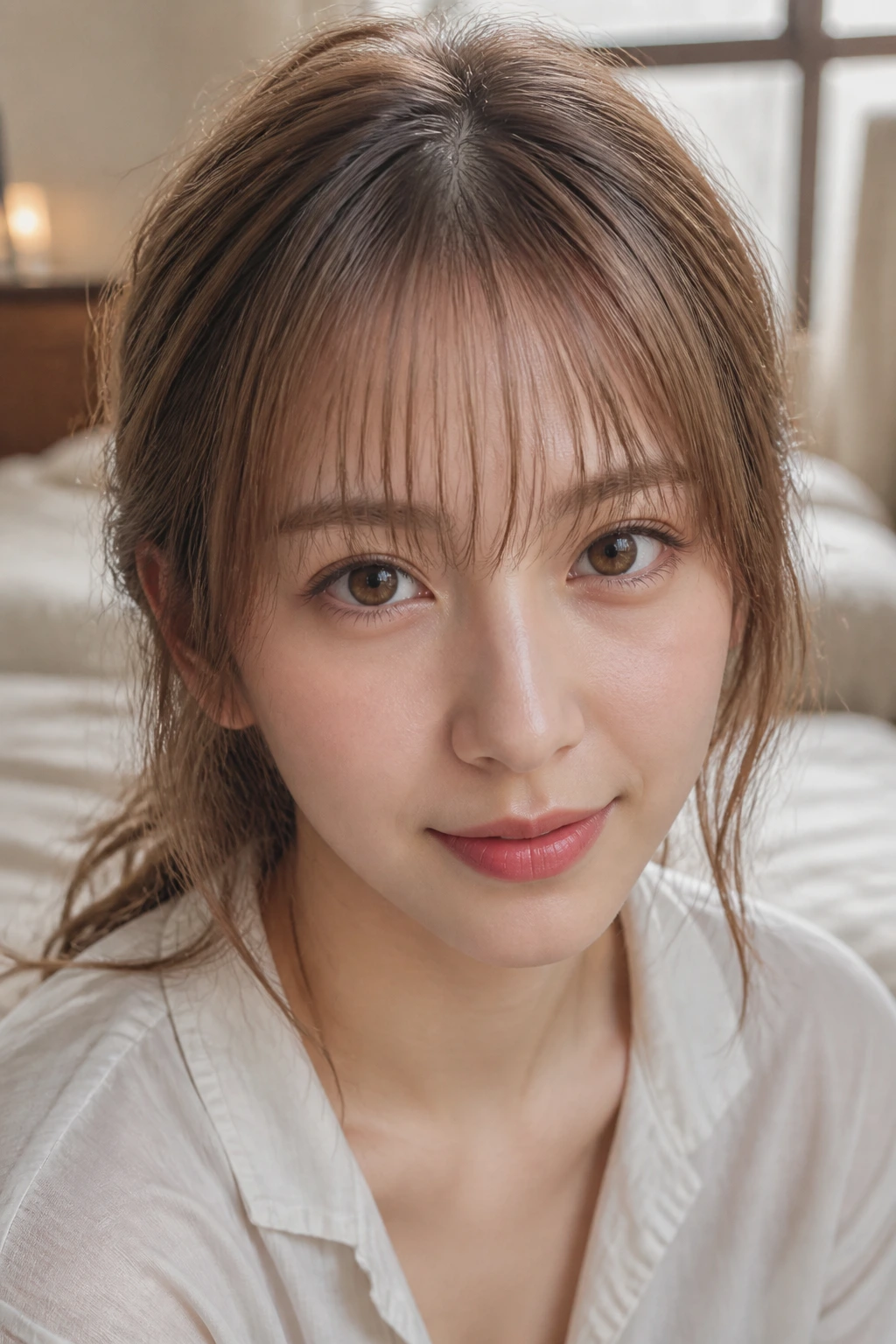
These bangs are the ultimate low-commitment style for fine-haired individuals. By cutting only a small amount of hair from the very front, you maintain density throughout the rest of your hair. The goal here is a “barely there” look that softens your facial features without overwhelming them.
Why They Work
The transparency of this style allows your forehead to show through, which prevents the look from becoming heavy or flat. Because you are using such a small section of hair, you avoid the common fine-hair pitfall of looking like you’ve lost half your volume to the bangs.
Styling Tips
- Keep them lightweight by avoiding heavy styling creams or waxes.
- A light spritz of sea salt spray works best to give them a bit of grit without stickiness.
- Use a small round brush to tuck the ends under just a fraction; you want them straight, not curled.
Pro tip: If they start to look oily, use a tiny puff of dry shampoo on the bangs before they look dirty to keep them bouncy.
2. Classic Curtain Bangs
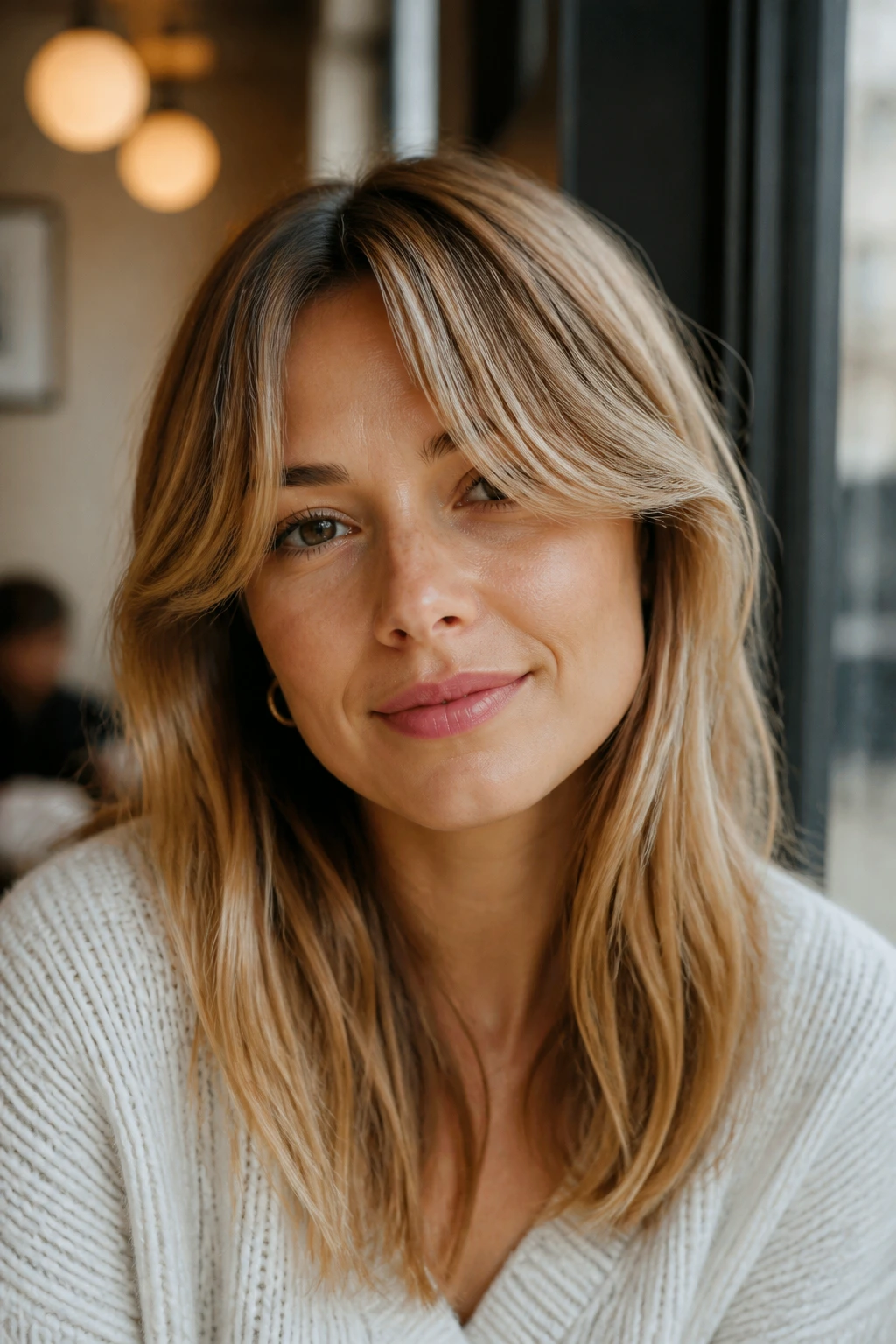
Curtain bangs are the gold standard for versatility. They frame the face, soften the angles, and grow out gracefully without needing a trim every two weeks. For fine hair, the magic is in the layering.
What Makes Them Different
Unlike a heavy fringe that cuts straight across, curtain bangs are parted in the middle or slightly off-center and sweep away from the face. This directs the eye outward, making the overall hairstyle appear wider and fuller.
Who Should Try Them
If you have a rounder face or simply want to hide a bit of forehead, this is the safest and most flattering entry point. They mimic the effect of layers, which instantly makes fine hair look more dynamic.
3. Side-Swept Feathered Fringe
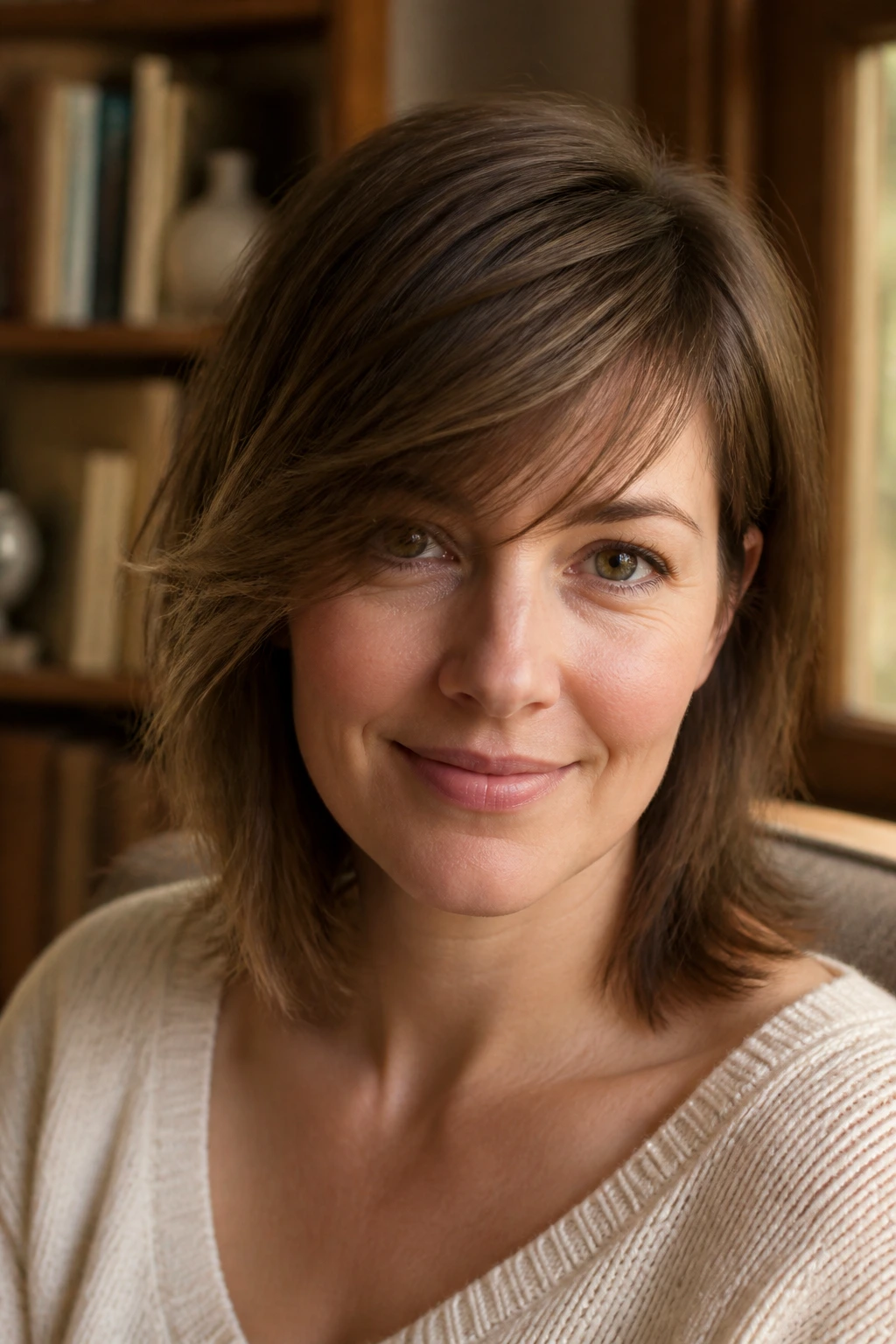
This style is a throwback to the soft, romantic looks of the past, but it remains incredibly relevant for anyone needing to boost the appearance of their hair’s density. The key here is the diagonal cut, which creates a sweeping motion.
Why It Works for Fine Hair
The diagonal line draws the eye across the face, which breaks up the monotony of a straight, flat hair surface. It adds a sense of direction to an otherwise limp style.
Essential Maintenance
- You will need a round brush to encourage that side-swept volume.
- Avoid flat-ironing these, as they need the airiness of a blow-dry to look full.
- A light hold hairspray is your best friend to keep them from falling forward into your eyes throughout the day.
4. Blunt Baby Bangs
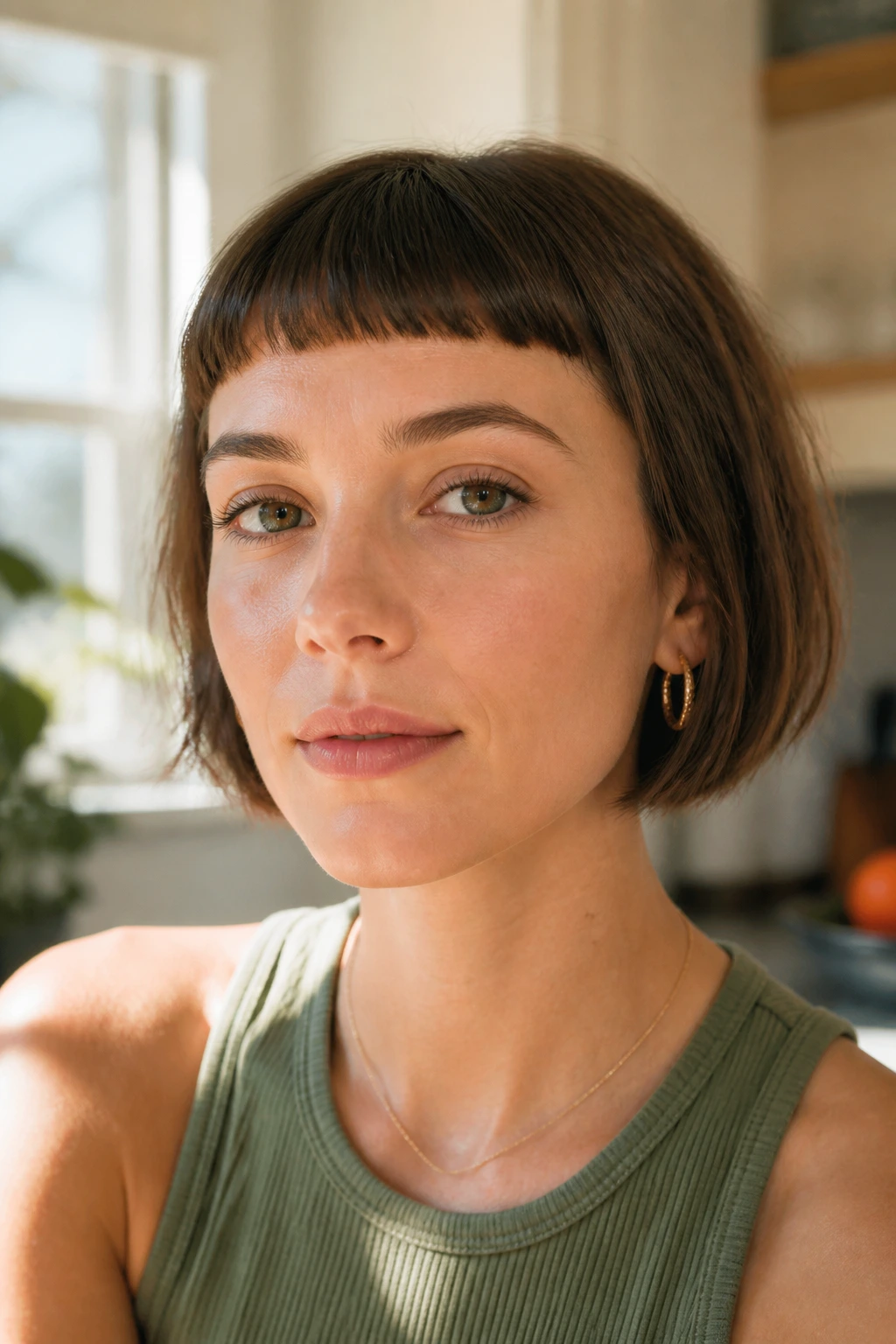
If you are tired of your hair looking thin and wispy, blunt baby bangs offer a striking contrast. By cutting a straight, sharp line across the forehead, you create a sense of structure that fine hair often lacks.
The Power of the Cut
There is something inherently thick about a blunt edge. Even if the hair is fine, the crisp line makes the fringe look dense and solid. It is a bold choice, but one that completely hides the lack of volume at the roots.
Styling for Sharpness
- Keep these very short, hitting well above the eyebrows.
- Use a shine serum for a glass-like finish that emphasizes the precision of the cut.
- Avoid using texturizing powder here; you want these to look smooth, not messy.
5. Textured Piecey Fringe
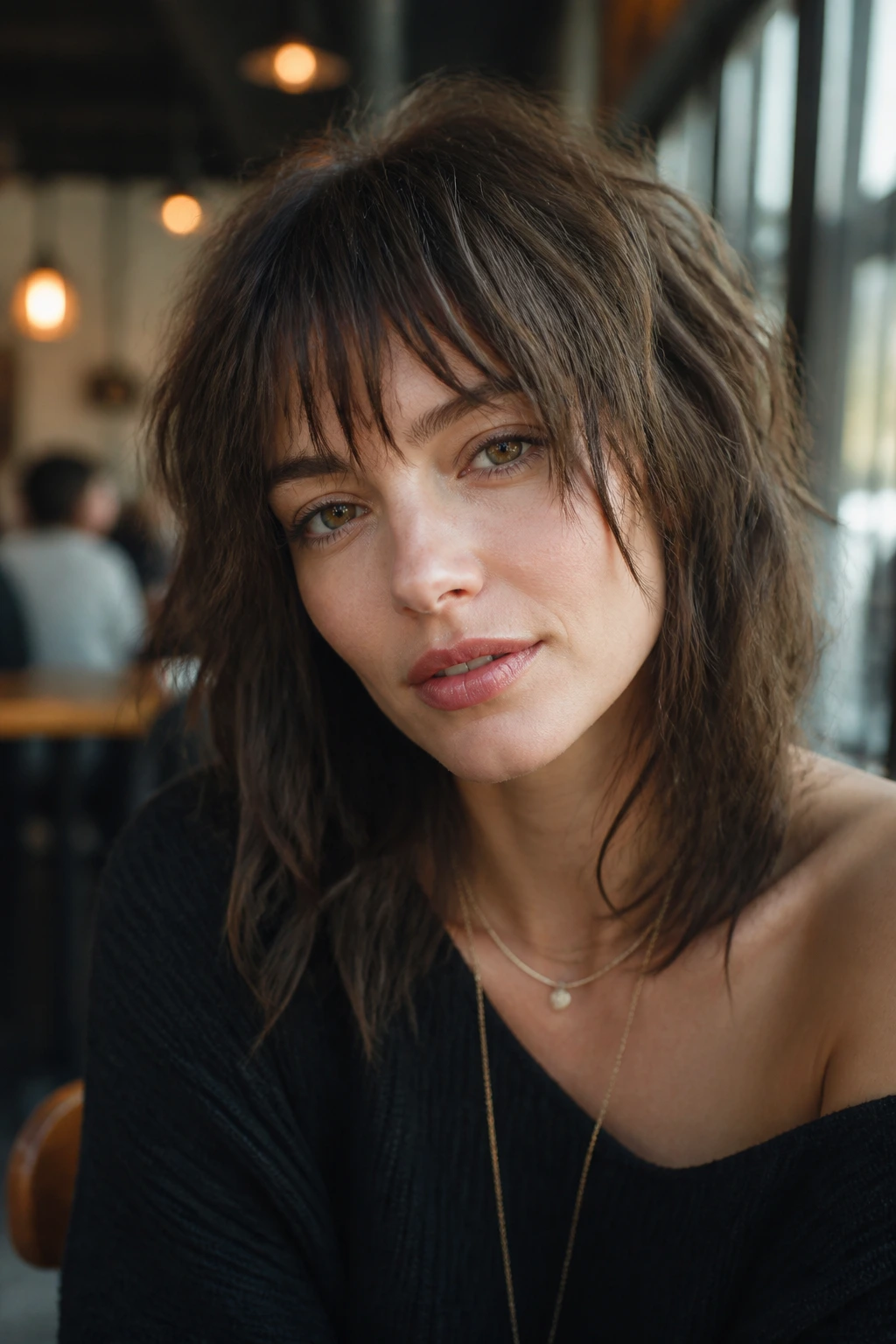
Think of these as the cooler, more modern cousin to the wispy bang. Instead of a uniform curtain, these are cut with point-cutting shears to create varied lengths and jagged ends.
Why It Works
Texture is the antidote to limpness. By creating different lengths within the fringe, you build internal layers. These layers support each other, helping the bangs stand up slightly rather than lying flat against your skin.
How to Achieve It
Ask your stylist for “shattered” or “point-cut” ends. It should look like it was cut with a razor, even if it wasn’t. This style thrives on a little bit of product—a tiny drop of styling paste rubbed between your fingers and then pinched into the ends of the bangs will make them look thicker and intentionally messy.
6. Long Face-Framing Tendrils
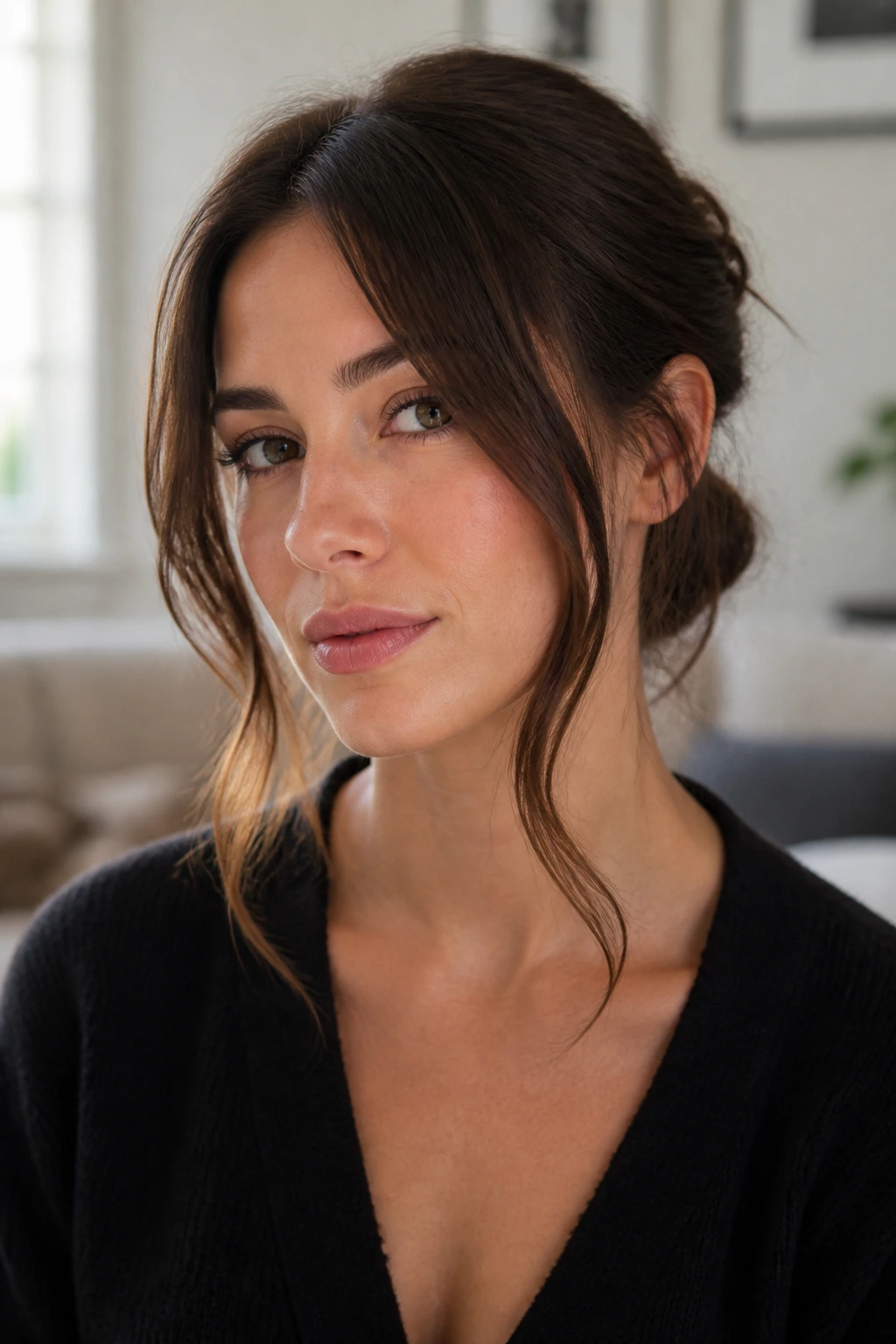
Are you not quite ready for a full fringe? Long tendrils are a subtle way to ease into the look. These are longer than traditional bangs, often hitting just below the cheekbones.
The Illusion of Thickness
Because these tendrils connect your bangs to the rest of your hair, they make your haircut feel cohesive. For fine hair, this is a great way to add “sides” to your style, which gives the illusion that your hair is denser around the face.
Styling Method
Use a large-barrel curling iron to flick these away from your face. The slight curl creates volume at the root that standard straight hair often misses, making the transition between the fringe and the rest of your hair look seamless.
7. Arching Soft Fringe
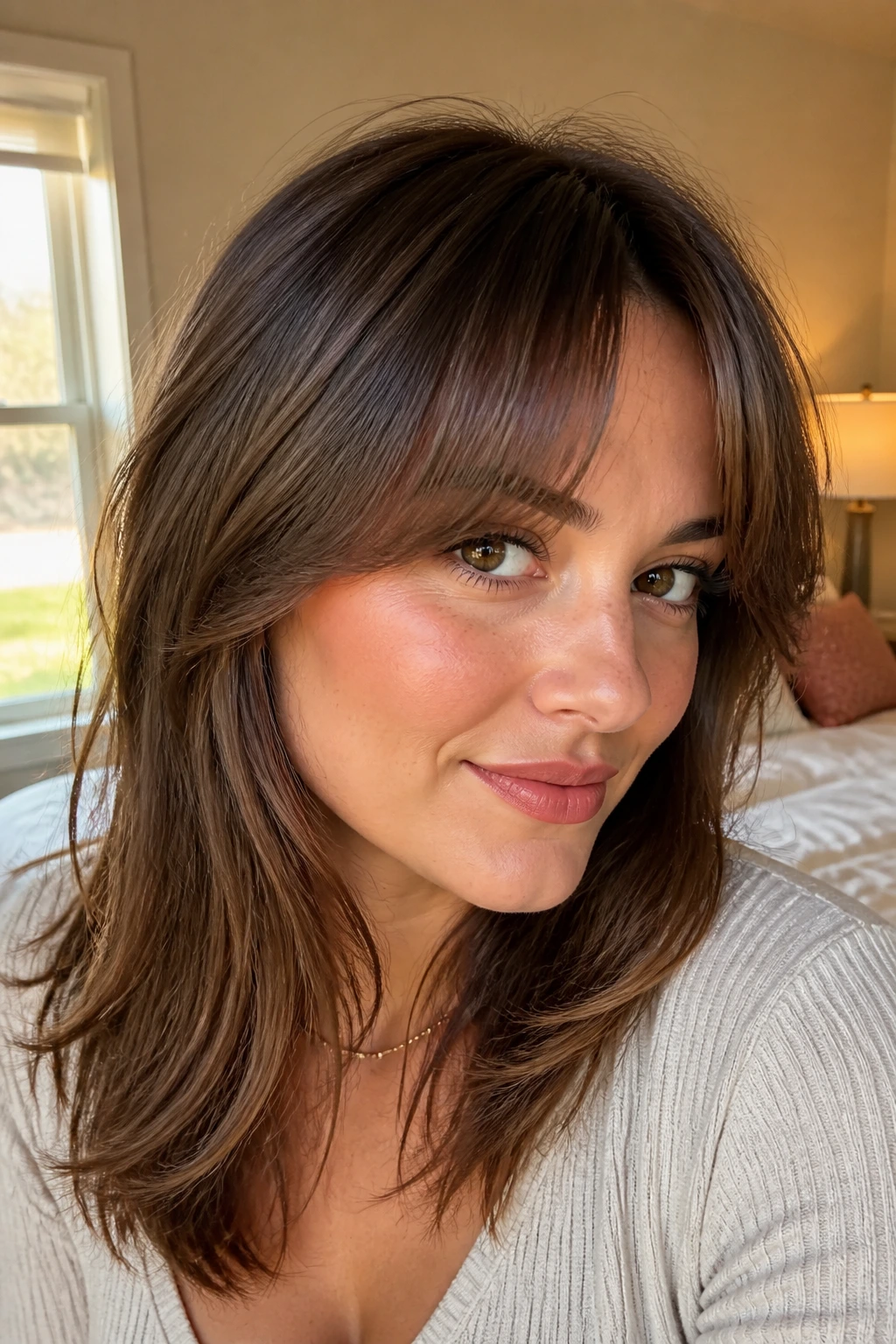
An arching fringe is a hybrid between a full fringe and a side-swept look. It is shorter in the middle and gets progressively longer toward the temples.
The Shape of Things
This arching shape is inherently flattering because it mimics the curve of the eyebrow and the eye socket. It avoids the heavy “curtain” feel while still providing coverage.
Why Fine Hair Loves It
It removes the weight from the center of the forehead, which is where fine hair tends to look stringiest. By keeping the bangs shorter in the middle, you avoid having a large clump of hair that can get oily quickly.
8. Retro Bardot Bangs
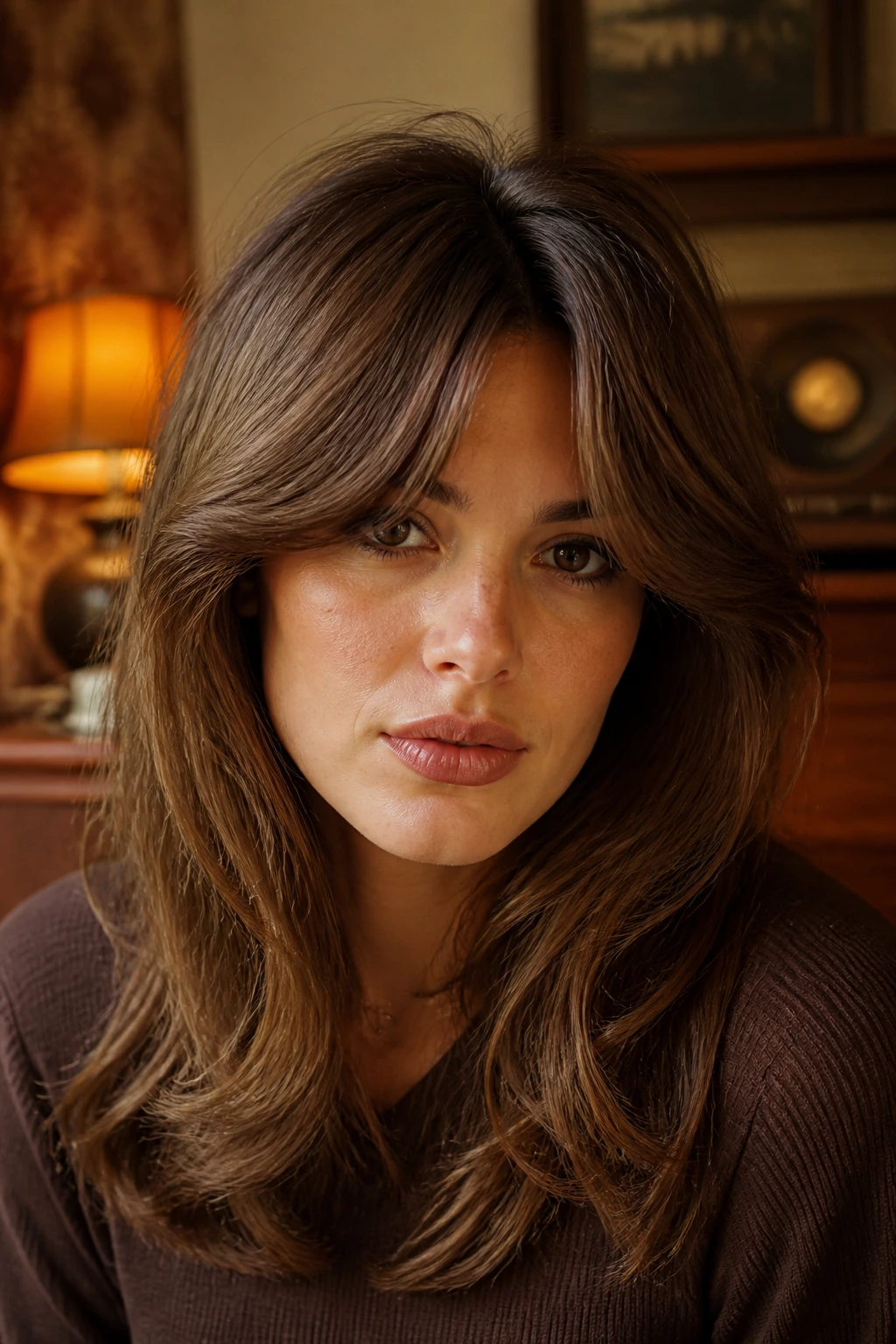
Inspired by 1960s icons, these are long, thick, and parted in the middle. They are voluminous and give off an air of effortless style.
The Technique
The secret here is the volume at the root. You cannot simply let these air dry; you have to lift them at the root while drying. Use a round brush to over-direct the hair upward and backward to get that iconic lift.
Product Selection
- Use a root-lifting mousse while the hair is damp.
- Finish with a dry texturizing spray, not a heavy hairspray.
- If you have very fine hair, you might need to backcomb the roots ever so slightly to get the volume to hold all day.
9. Micro Fringe
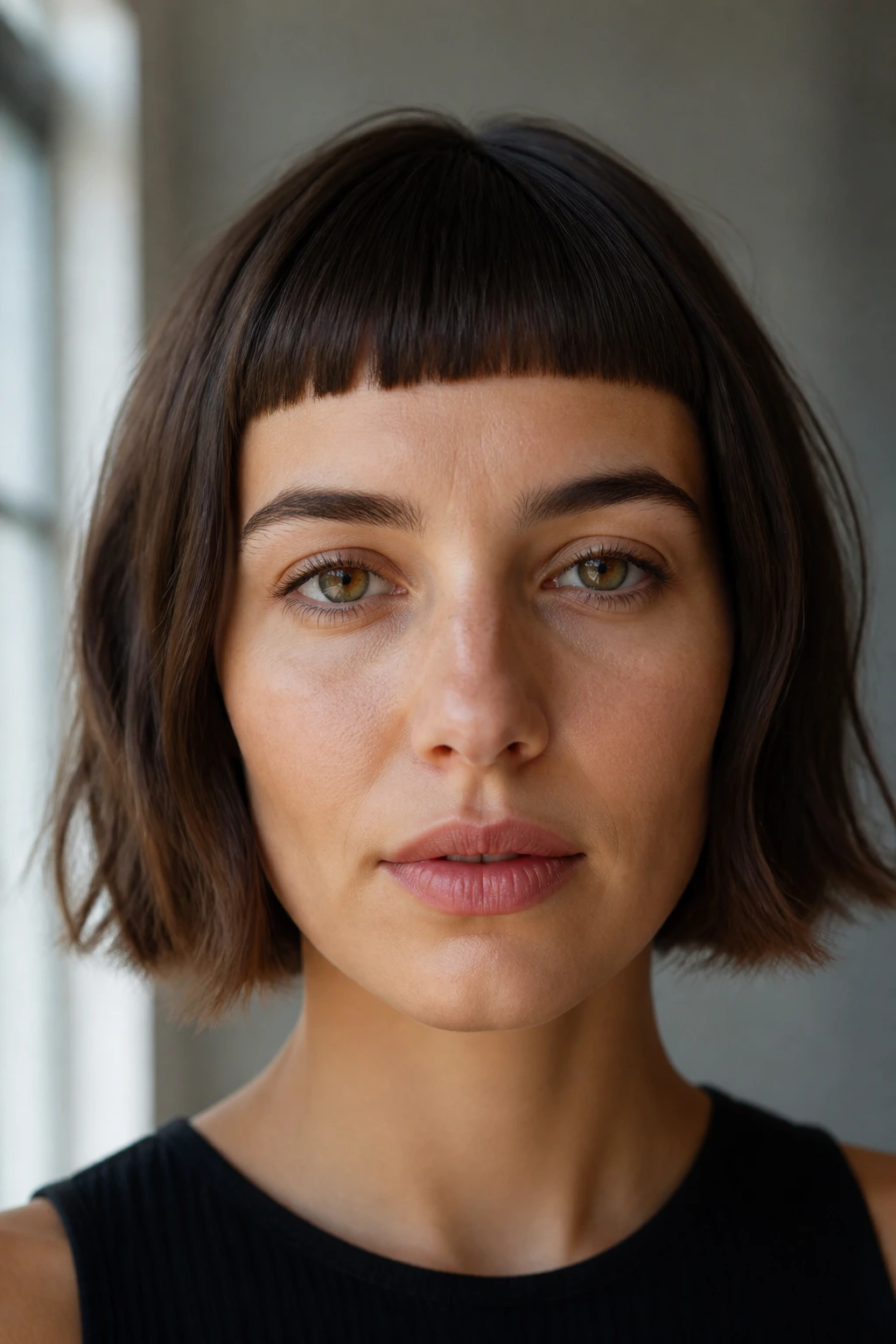
Micro fringe, or “baby bangs,” is not for the faint of heart. These bangs end an inch or two above the eyebrows, exposing the entire brow area.
Why It Works
By cutting the hair so short, you remove the length that often causes fine hair to drag down and look flat. The hair at the roots is naturally stronger and more buoyant when it is short.
Styling
- Precision is key; keep them blunt and clean.
- This style looks best with a strong brow, so keep your eyebrows groomed.
- It requires more frequent trims than other styles, as even a quarter-inch of growth can change the shape.
10. Layered Curtain Bangs
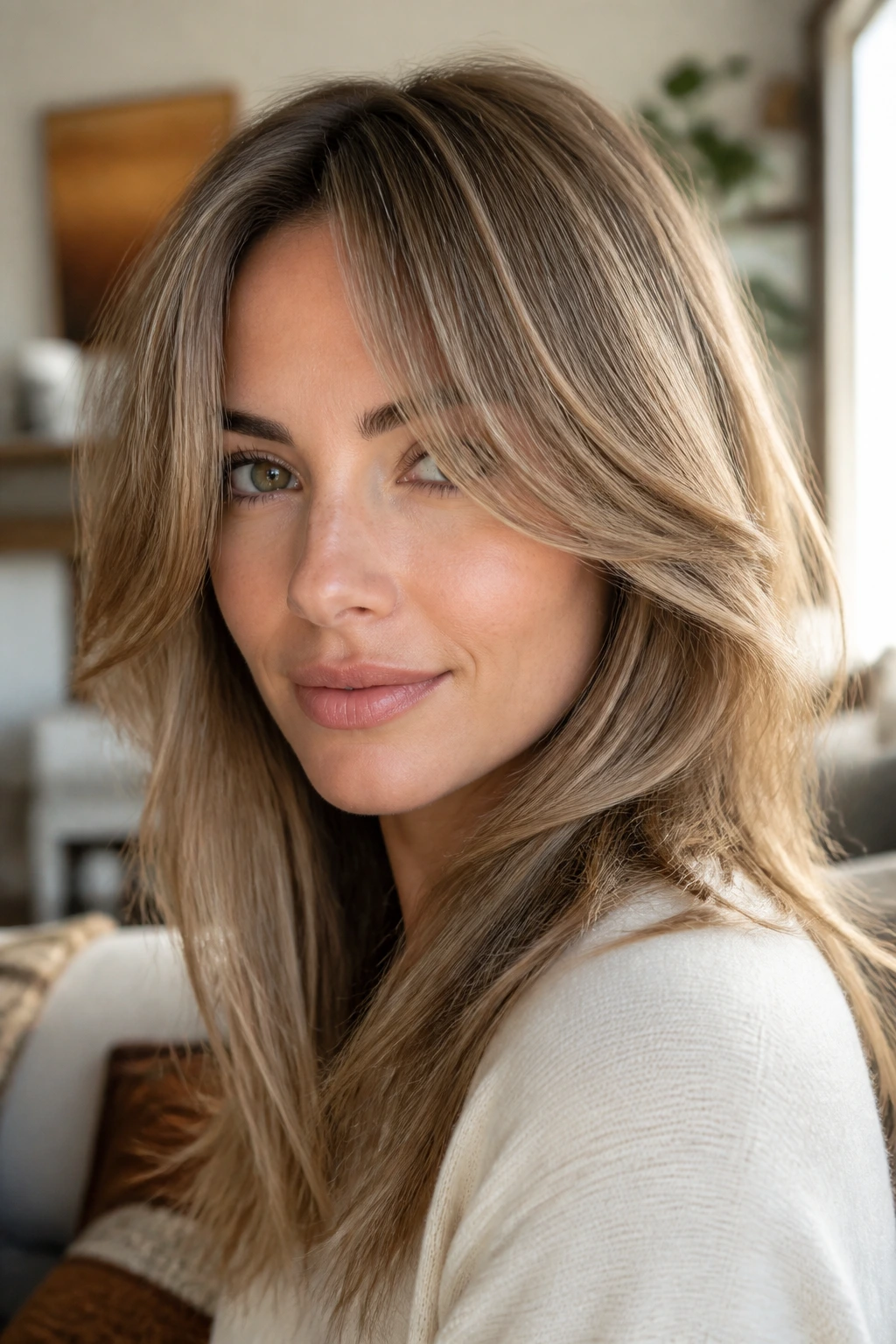
If classic curtain bangs aren’t providing enough lift, go for a layered version. This involves cutting the curtain fringe with subtle internal layers to remove weight.
The Benefit of Layers
Layers act like scaffolding for your hair. They prevent the bangs from hanging like a heavy sheet and encourage them to have more body and movement.
Who Is This For?
This is perfect for anyone with fine hair who wants the face-framing effect of curtain bangs but fears they will look too flat or thin. The layers ensure that the bangs have natural texture even without extensive styling.
11. Asymmetrical Side Fringe
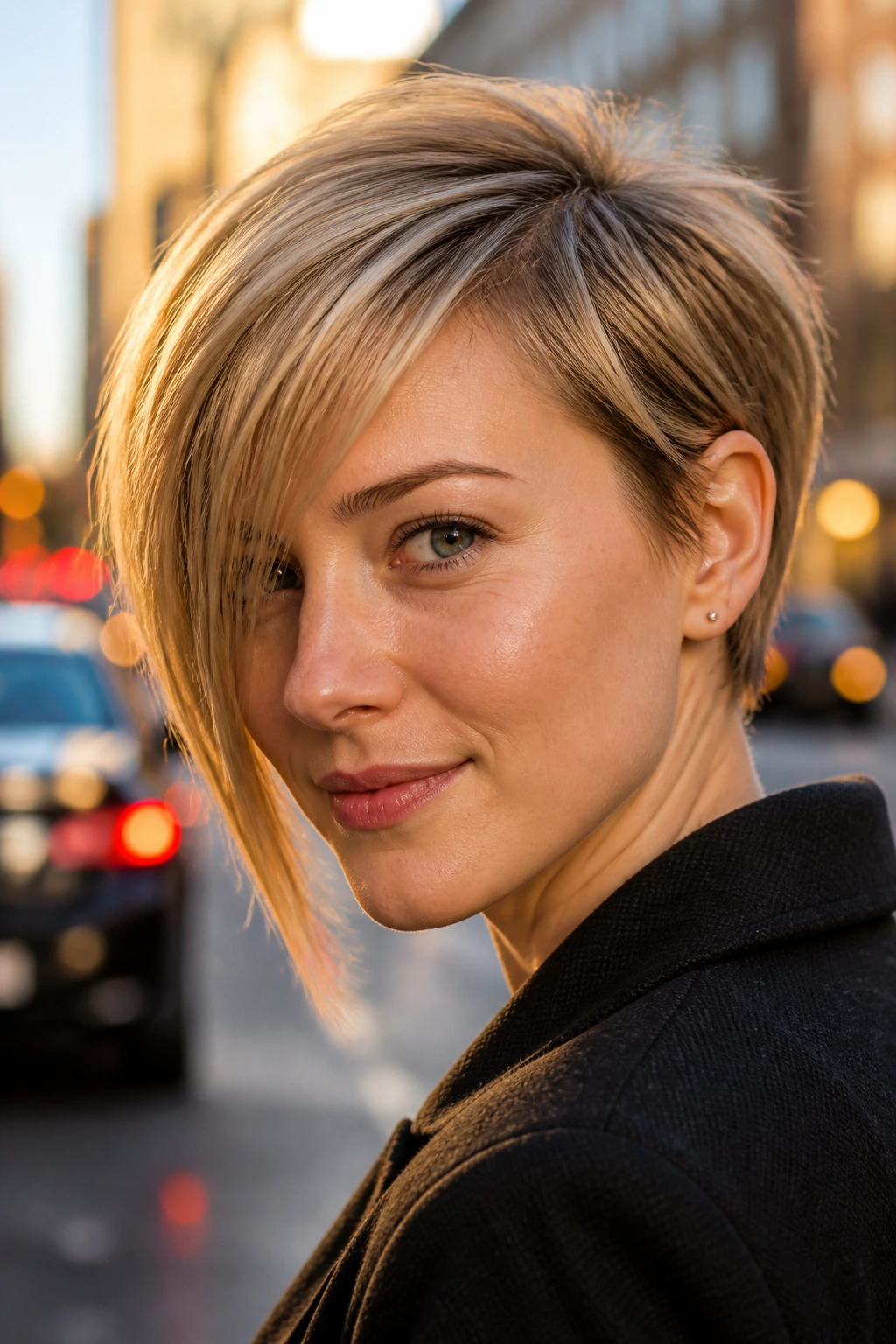
Asymmetry is a fantastic trick for fine hair. By cutting your fringe at an angle, you create a visual focal point that distracts from the overall density of the hair.
Visual Depth
When you have an asymmetrical cut, the eye is drawn to the sharp angle of the hair, not the volume at the roots. It is a subtle way to make your hair look more intentional and stylish.
Maintenance
- This style needs regular trimming to keep the angle sharp.
- Use a small amount of lightweight wax to define the longest piece.
- Avoid blow-drying these too straight; a little bend makes them look thicker.
12. Bottleneck Bangs
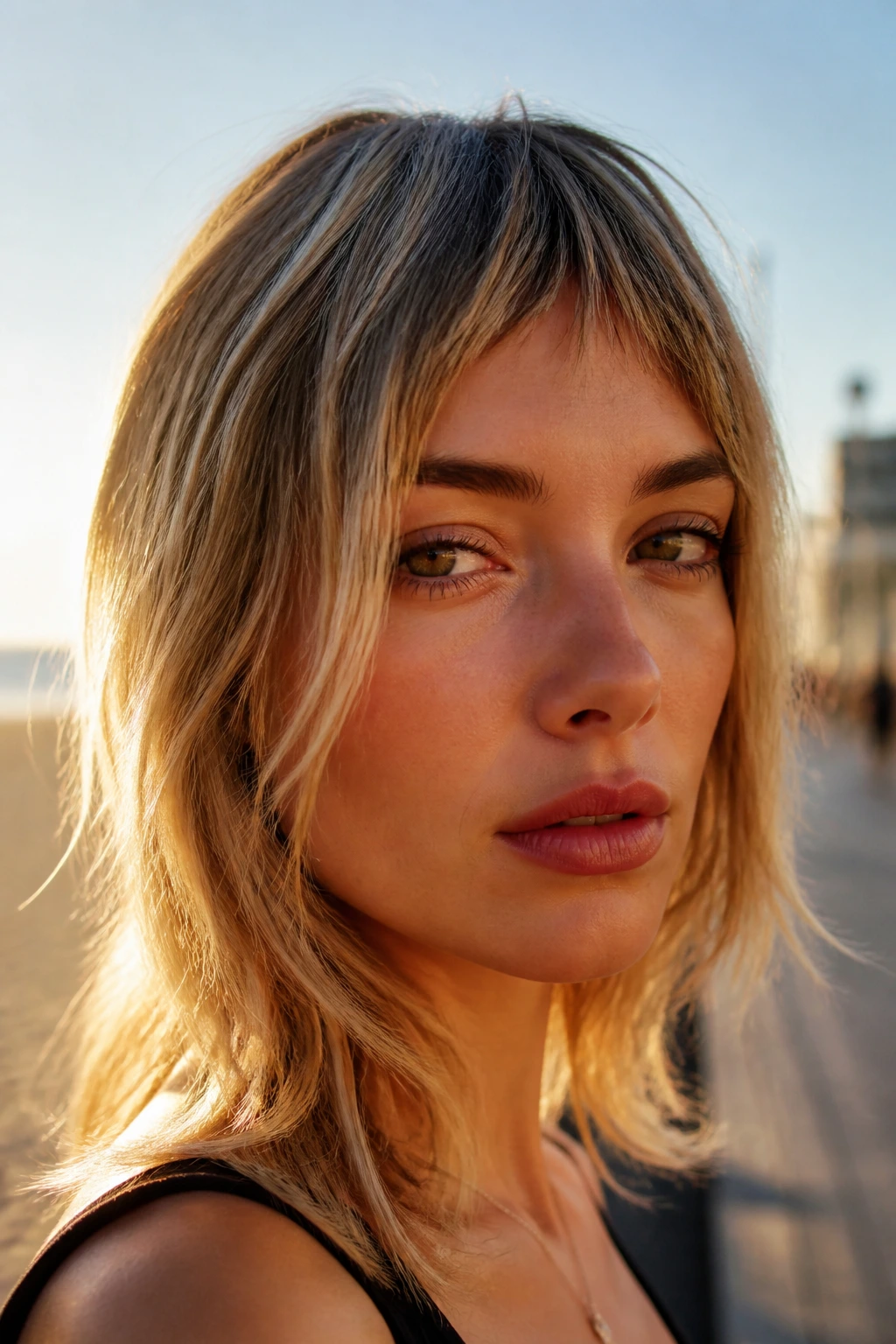
Bottleneck bangs are essentially curtain bangs that are short in the middle and get longer, but with a twist: they are much choppier. The name comes from the shape of a bottleneck—narrow at the neck (the middle) and wider at the base (the sides).
The Styling Vibe
These are meant to look undone. If your fine hair tends to do its own thing, this is the cut for you. It embraces the natural movement of the hair rather than trying to force it into a rigid shape.
Tips for Success
- Use a salt spray and let them air dry for a beachy texture.
- Don’t try to make them look perfect. The charm of bottleneck bangs is that they look slightly messy.
13. Choppy Shag Fringe
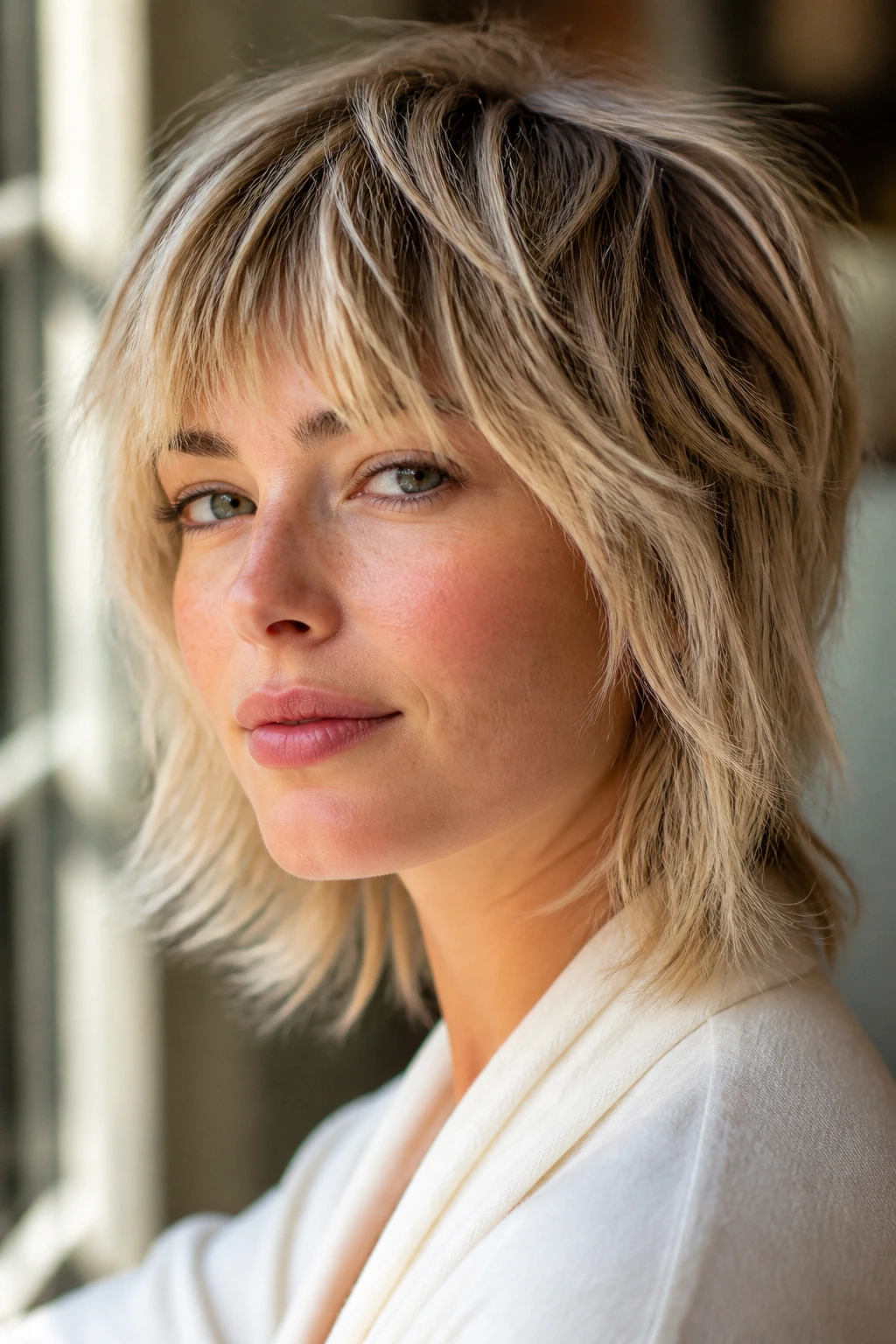
The shag haircut is having a moment, and the fringe is a big part of it. A choppy shag fringe is heavily layered, very textured, and blends into the rest of the hair.
Creating Density
The extreme layering in a shag cut actually builds volume. By taking hair from different lengths, you create a “stacking” effect that makes fine hair look thicker than it is.
Styling
This style requires a bit of grit. A texturizing powder applied directly to the roots of the fringe is non-negotiable. It helps the layers stay lifted and separated.
14. Rounded Full Fringe
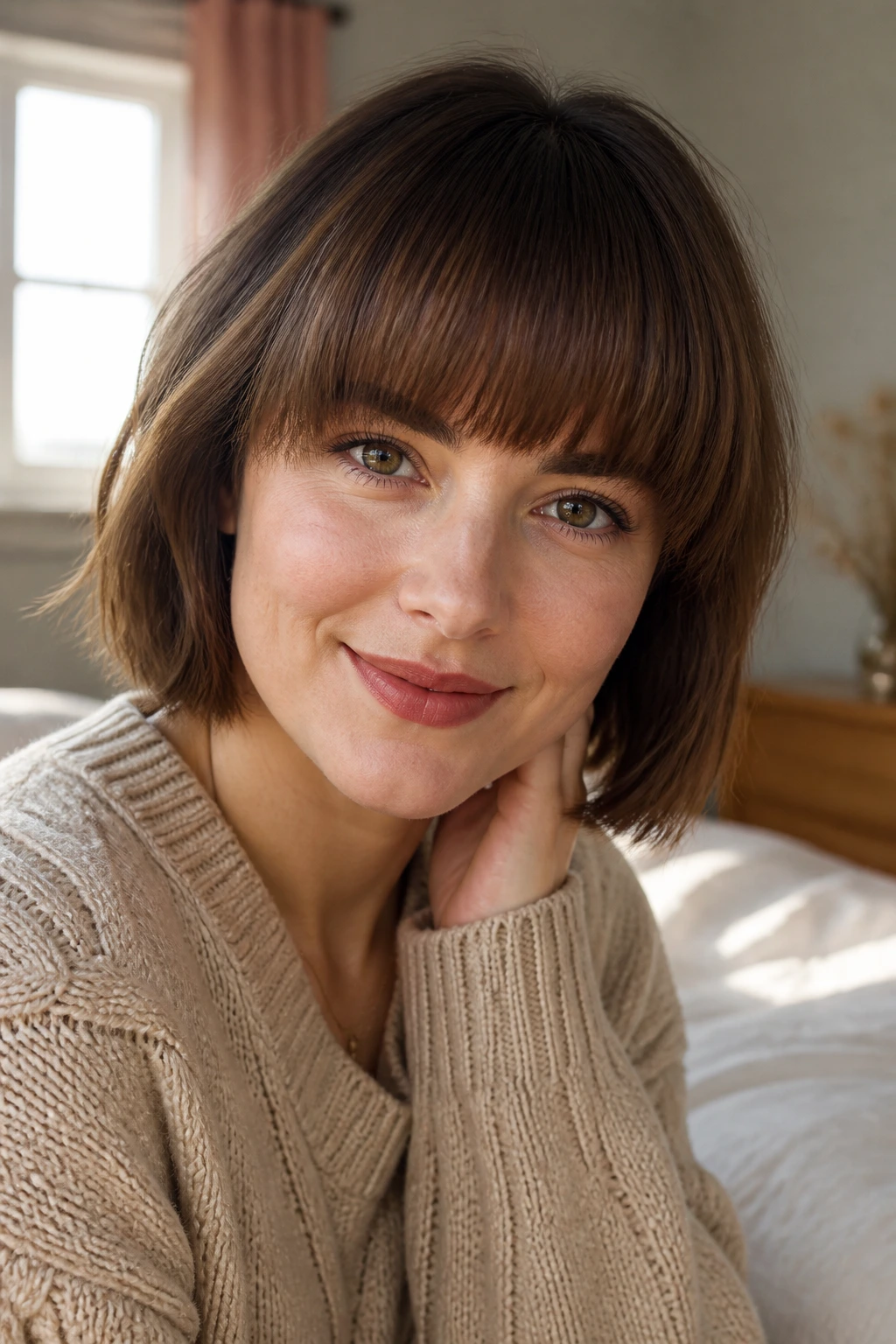
This is a softer take on the blunt bang. Instead of a hard, straight line, the bangs are cut in a soft, rounded shape that follows the curve of the forehead.
The Softening Effect
Rounded bangs are very feminine and incredibly effective at softening a sharp jawline. For fine hair, the rounded shape creates a sense of fullness because the hair covers more surface area.
How to Style
You will need a round brush to get the correct shape. Blow-dry the bangs by pulling them forward, then tuck the brush underneath to create the curve. Do not use a flat iron, as it will make the hair look too thin and wispy.
15. Two-Tiered Fringe
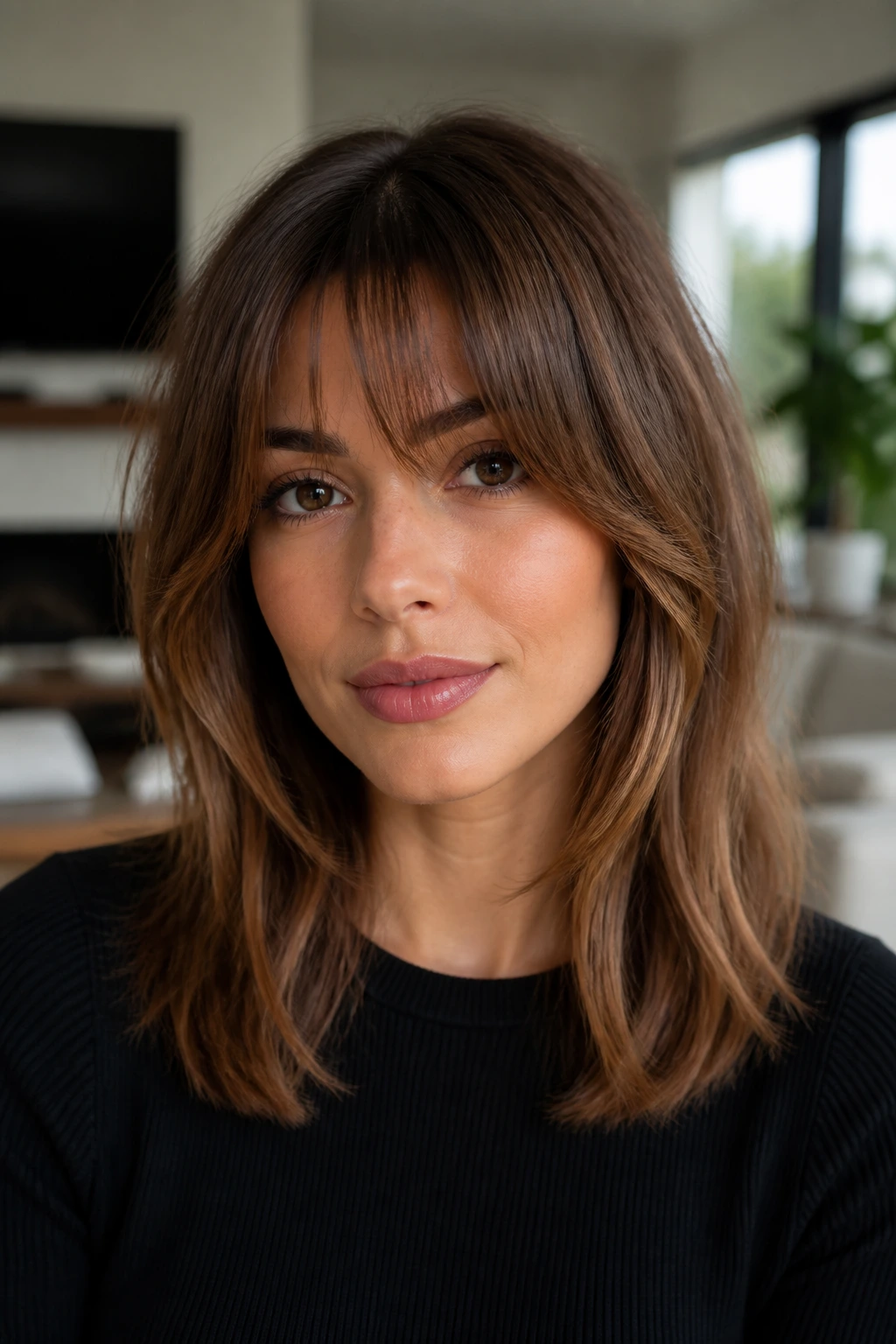
This is an advanced cut for those who want serious volume. It involves a shorter, inner layer of bangs and a longer, outer layer that blends into the face-framing pieces.
Why Double Up?
The shorter layer acts as a base, pushing the longer layer up and out. This creates natural volume that doesn’t fall flat during the day. It is a clever trick to maximize the appearance of density.
Styling
- You will need to style both layers with a round brush.
- Start with the shorter inner layer, then style the longer outer layer over it.
- A light hold mousse will help the two layers stay cohesive without becoming crunchy.
16. Airy Textured Bangs
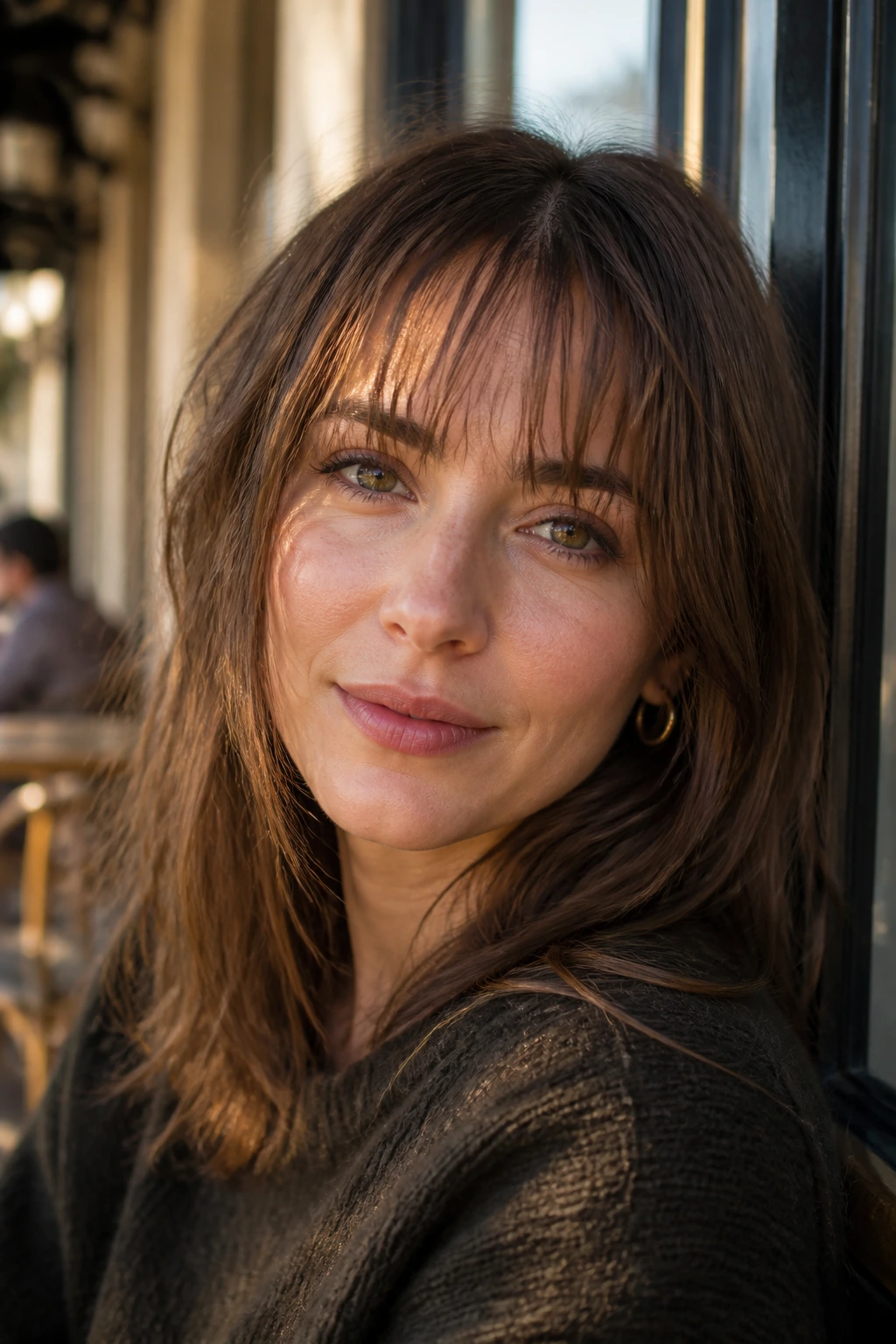
Sometimes less is more. Airy, textured bangs are very lightly cut to appear almost translucent. They are meant to be light, floaty, and very “French girl.”
Achieving the Airy Look
This look is all about the quality of the cut. Your stylist should use thinning shears or a razor to remove weight, ensuring the hair doesn’t clump together.
Daily Care
- Keep these away from heavy oils or serums.
- If you have natural waves, let them shine. This style is not meant to be pin-straight.
- A quick blow-dry with a vent brush is all you need.
17. Middle-Parted Long Fringe
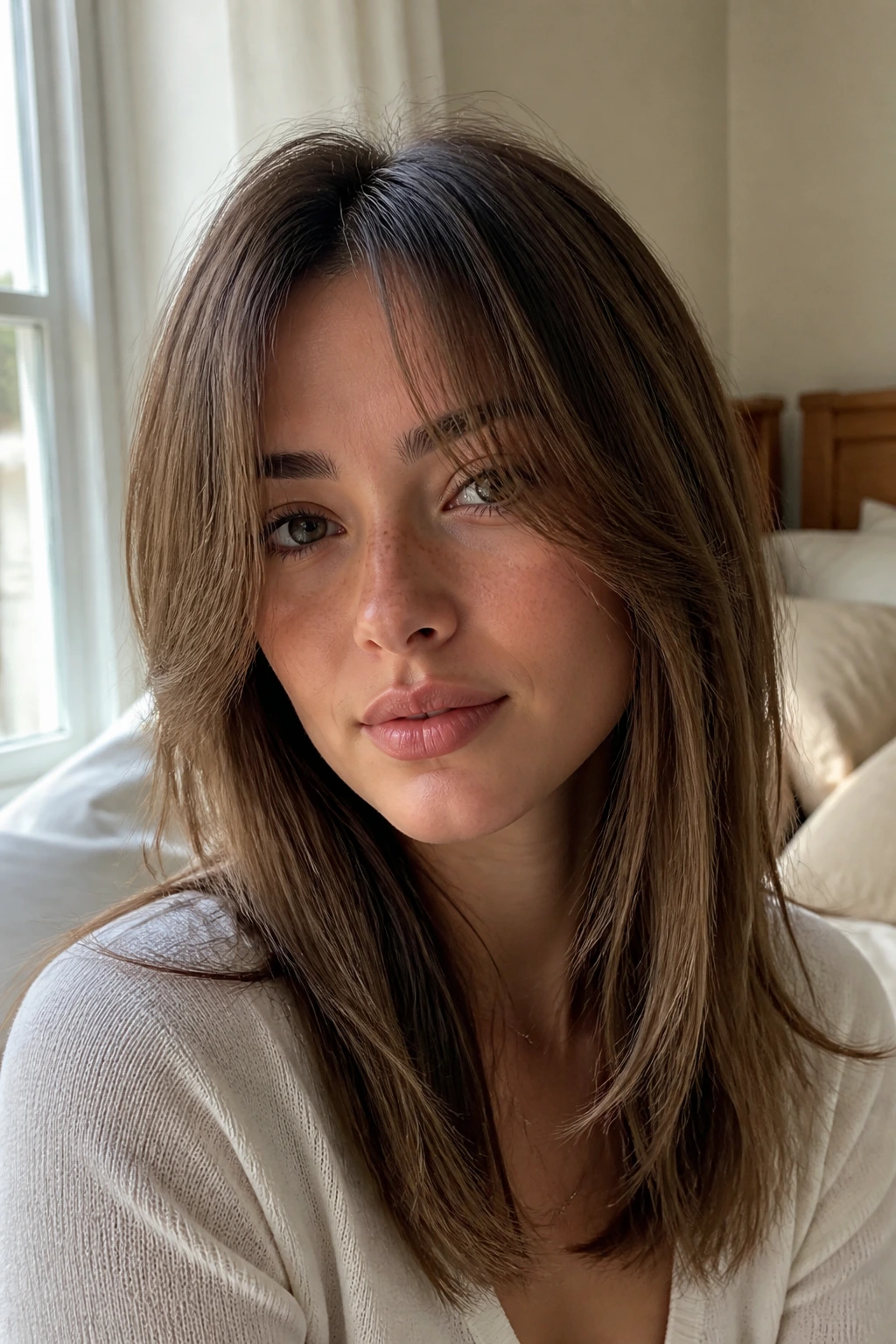
If you have fine hair, a middle part can sometimes expose the scalp, which isn’t ideal. However, a long fringe parted down the middle can frame the face beautifully while concealing the hairline.
The Face-Framing Trick
By parting the fringe in the middle and letting the hair fall around your cheekbones, you create a frame that brings attention to your eyes and lips. It draws the focus away from the hair density.
Styling
- Use a round brush to blow-dry the sections away from your face.
- If your hair tends to fall flat, add a little backcombing at the roots along the part.
18. Swooping Layered Bangs
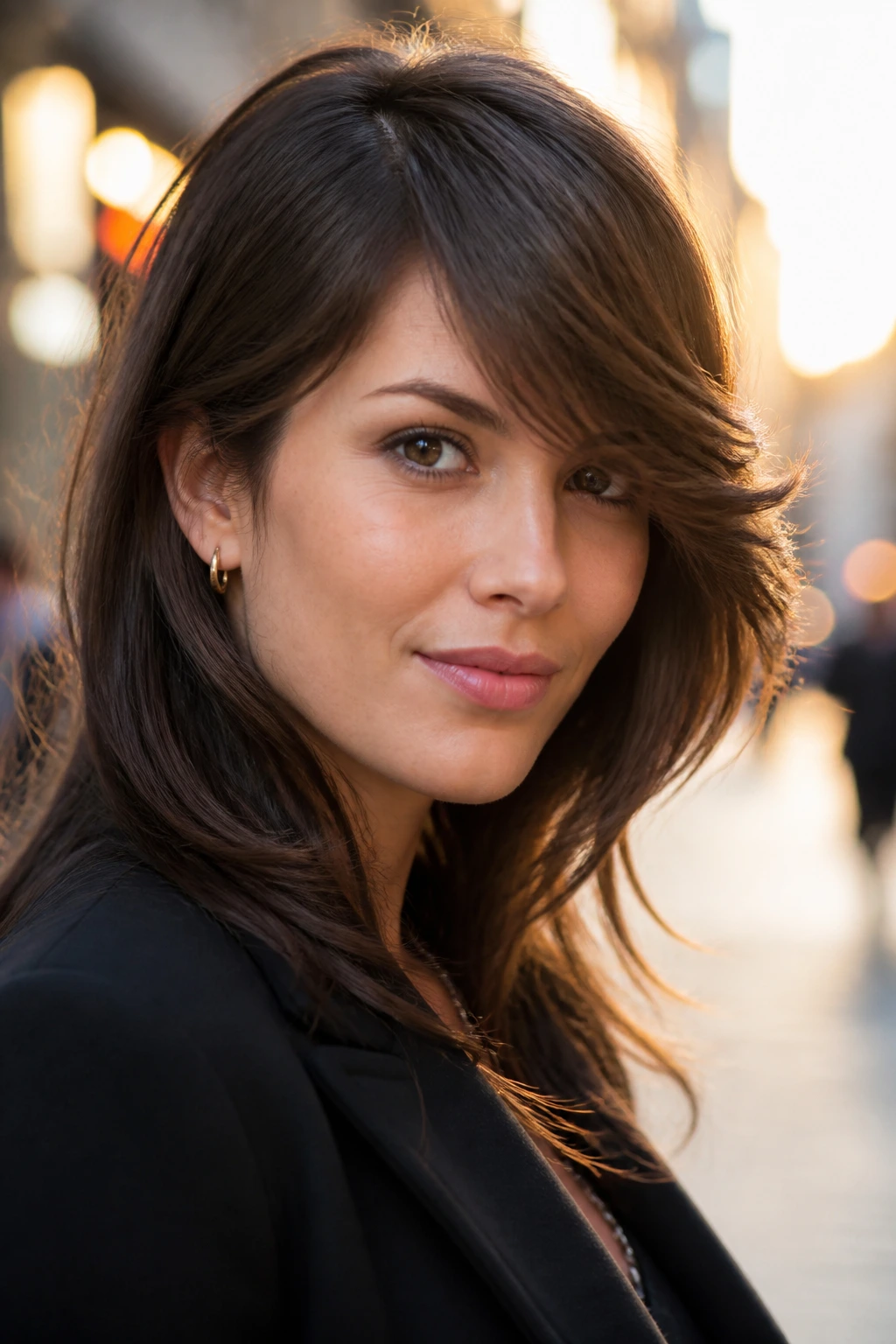
This style is about creating a big, dramatic swoop across the forehead. It’s elegant, classic, and adds a sense of movement to fine hair.
The Art of the Swoop
This fringe needs length to work. You want the hair to be long enough that it can sweep across the forehead and tuck behind the ear.
Maintenance
- Use a medium-sized round brush to create the curve.
- Avoid heavy products that will weigh the hair down.
- If your hair is very slippery, a light spritz of texture spray before styling will give you the grip you need to keep the swoop in place.
19. Short Blunt Fringe
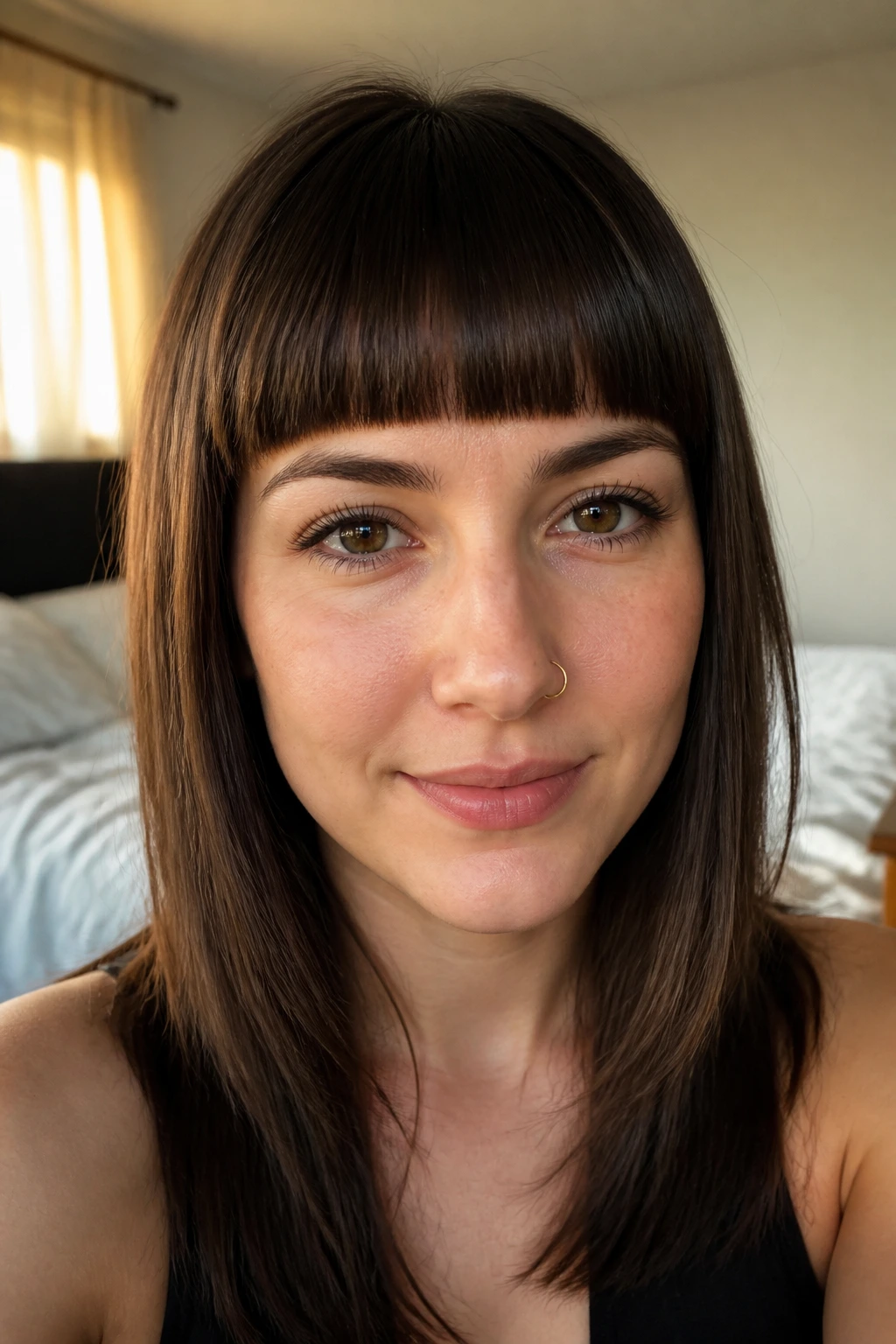
Short, blunt bangs are a great way to make a statement with fine hair. Because they are short, they are naturally more buoyant and less likely to fall flat against your face.
The Visual Weight
Short hair is lighter hair. When you cut the fringe short, you aren’t dealing with the weight of long strands pulling your style downward. This allows the hair to sit naturally without requiring a ton of product.
Styling
- Keep them very straight with a flat iron if you have a sleek, modern look in mind.
- If your hair has a natural bend, work with it by using a small pomade to piece out the ends.
20. Soft Texturized Fringe
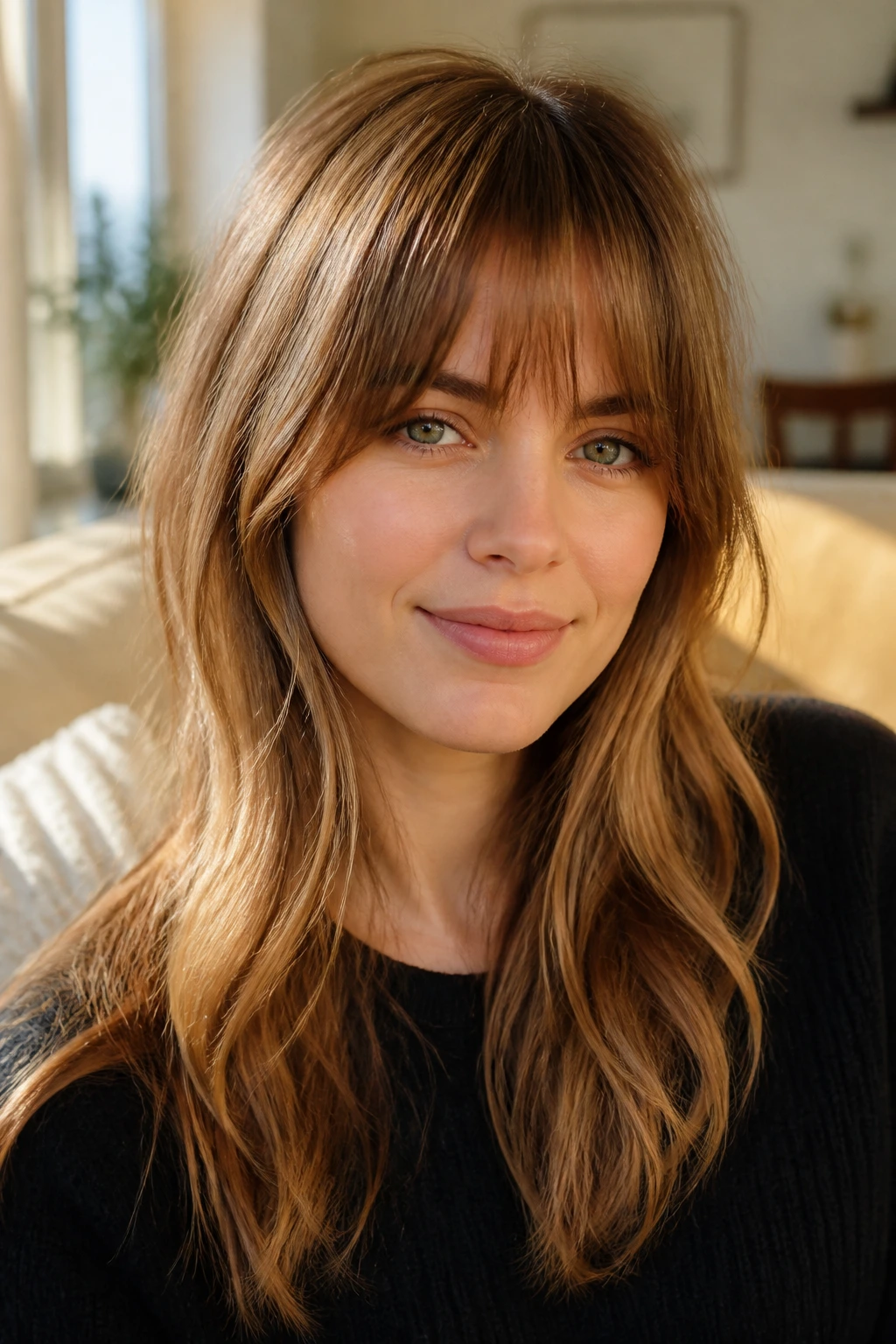
This style sits somewhere between blunt and wispy. It is cut with enough hair to cover the forehead, but the ends are point-cut to soften the line.
The Perfect Balance
This is the “goldilocks” fringe. It has enough density to look like a real style but enough texture to ensure it doesn’t look like a solid block of hair.
Who Is This Best For?
This is ideal for anyone who is nervous about getting bangs. It is very forgiving, easy to style, and grows out with minimal awkwardness.
21. Graduated Side Bangs
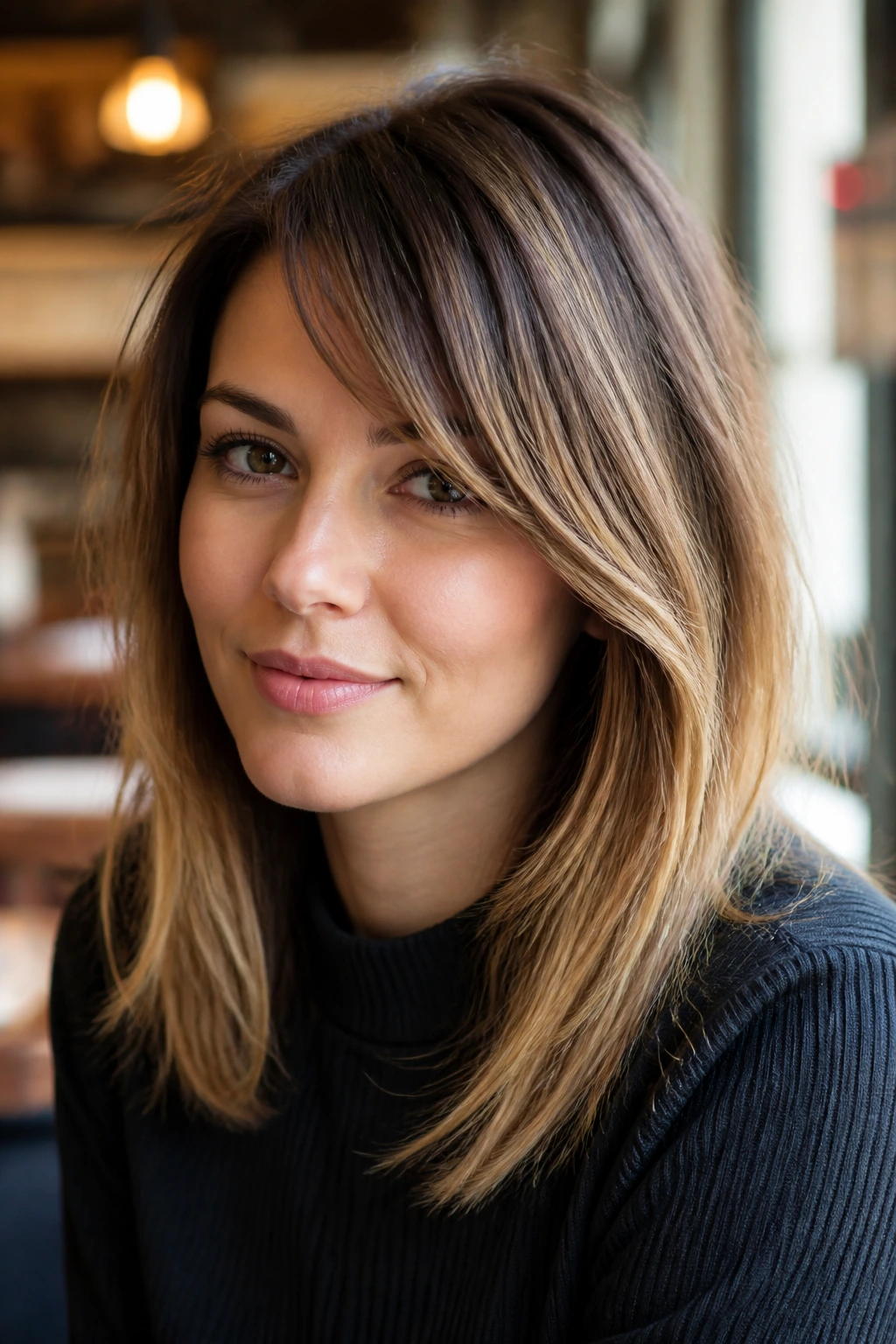
Graduated side bangs start short at the part and get longer as they move toward the temples. This creates a very natural, blended look.
Why It Works for Fine Hair
The graduation ensures there is no harsh line of demarcation. The bangs look like a natural extension of your hair, which prevents the look from becoming chunky.
Styling
- This style looks best when the hair is healthy, so keep the ends trimmed.
- Use a round brush to sweep them to the side while drying.
- If they tend to fall in your face, use a tiny bit of clear brow gel to hold them in place.
22. Wispy Brow-Skimming Bangs
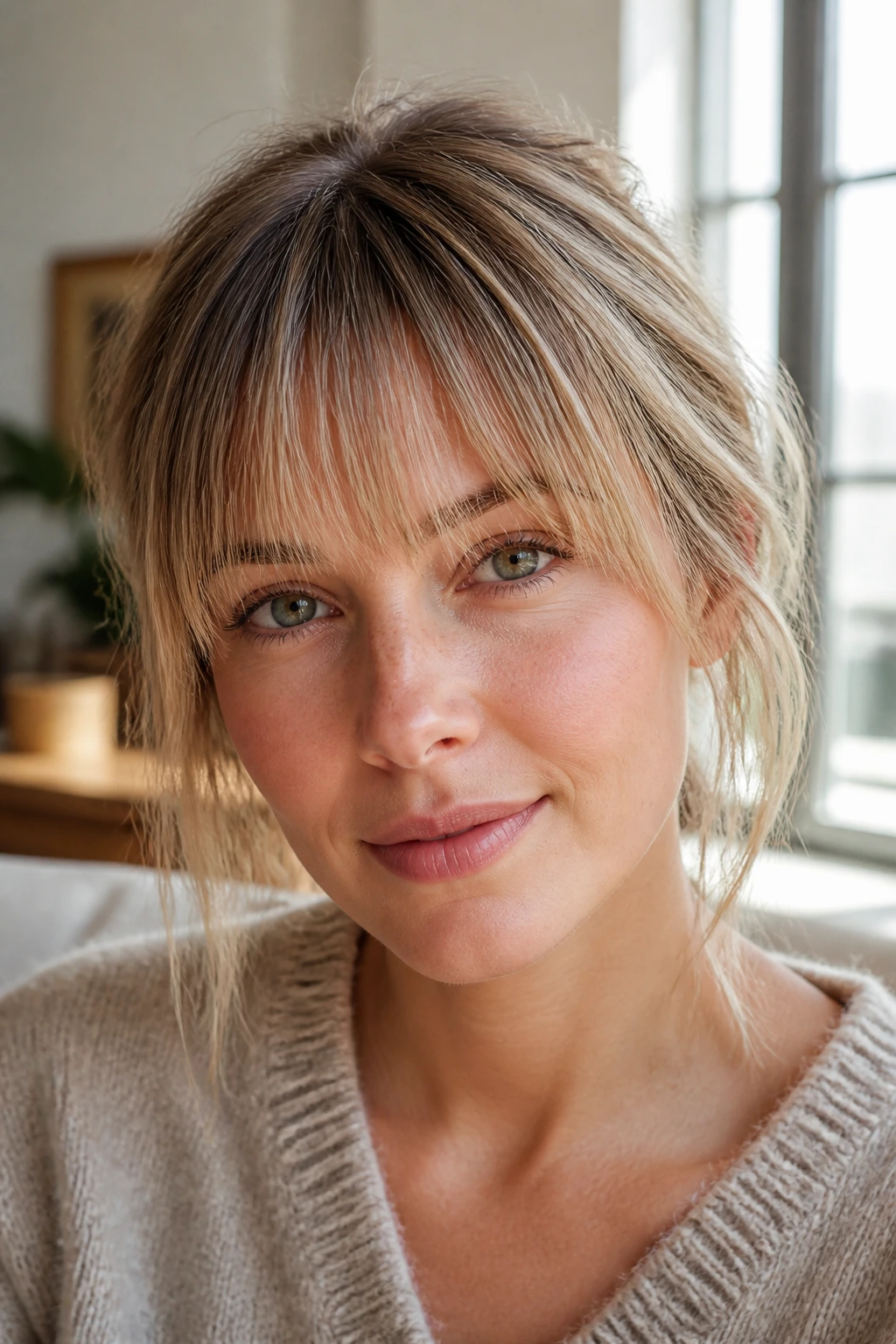
These bangs hit exactly at the eyebrow line and are cut with a light hand. They are designed to be airy but still provide that “fringe” aesthetic.
The Brow-Skimming Effect
By ending at the brows, they highlight your eyes. Because they are not overly thick, they don’t block the light, making your face look brighter and more open.
Daily Maintenance
- Keep them clean! Because they touch your skin, they will absorb oils from your forehead faster than the rest of your hair.
- A quick wipe of your forehead with an oil-blotting paper throughout the day can keep your bangs looking fresh longer.
23. Butterfly Fringe
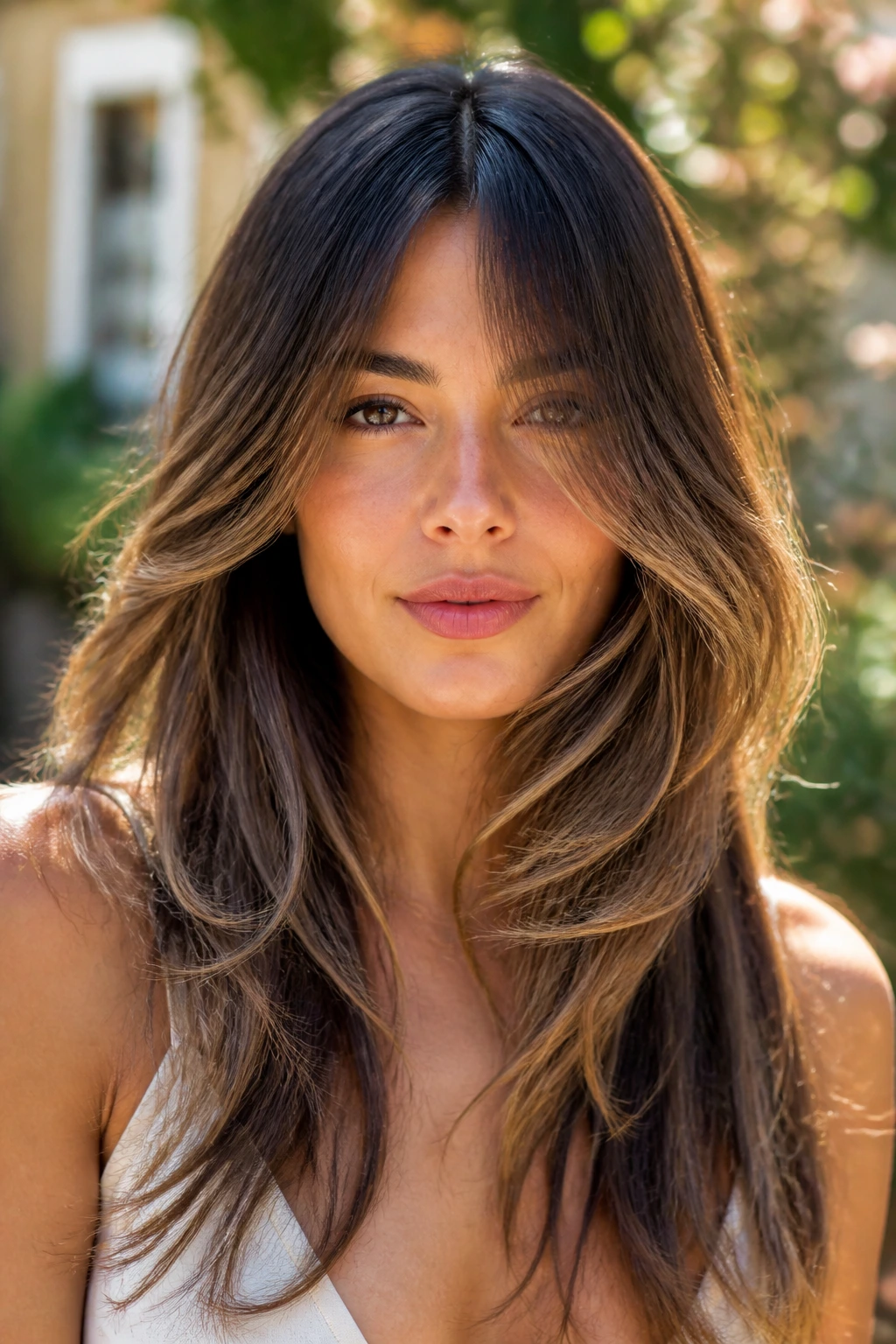
The butterfly fringe is part of the “butterfly cut” trend, focusing on very long, wispy, face-framing layers that can be styled to look like bangs.
Why It’s Great for Fine Hair
It creates the illusion of volume by layering the hair around the face. It feels like you have much more hair than you actually do.
Styling
- Use a large round brush or hot rollers to create volume.
- The more bounce you can get into these layers, the fuller your hair will look.
- This is a style that thrives on a bit of hairspray to hold the bounce.
24. Flicked-Out Curtain Bangs
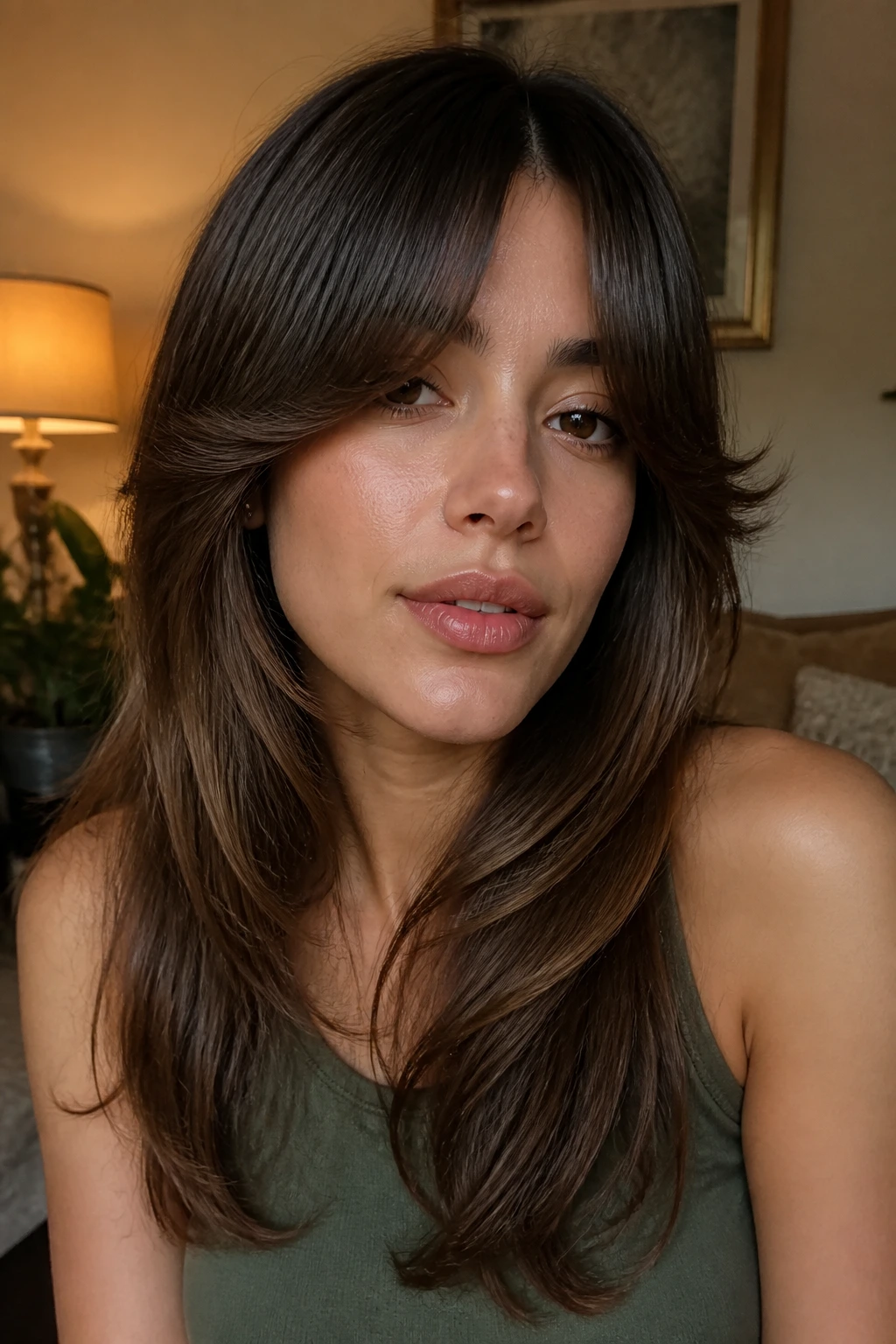
Take your standard curtain bangs and add a flick at the ends. This adds a playful, retro vibe and helps lift the hair away from the face.
The Flick Technique
When blow-drying, roll the brush up and away from your face at the very end. The flicked-out ends create horizontal width, which makes fine hair look more substantial.
Product
- Use a flexible hold hairspray.
- Avoid heavy gels, which will make the ends look clumpy.
- If you have trouble getting the flick to hold, a tiny bit of mousse on the damp hair before drying makes a huge difference.
25. Feathered Curtain Fringe
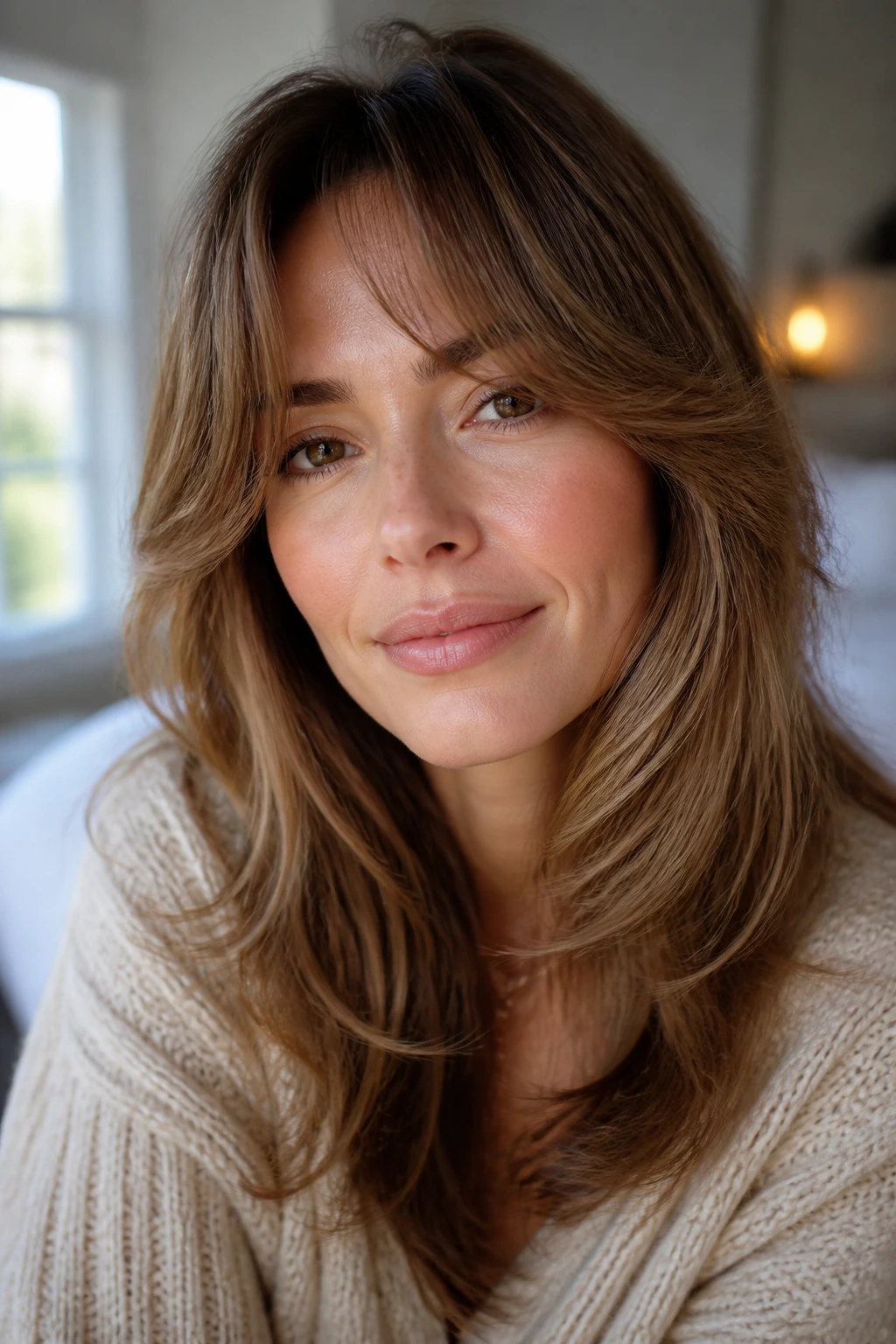
Feathering involves razor-cutting the ends to create a soft, fluttery texture. This is perfect for fine hair, as it adds movement without adding weight.
The Texture Advantage
Feathering breaks up the ends, ensuring the hair doesn’t clump together in stringy sections. It helps the curtain fringe blend seamlessly into the rest of your cut.
Styling
- Dry with a vent brush to encourage the feathering.
- Use a shine spray to define the feathered ends.
- This style looks particularly good with highlights, as the added color dimension pairs perfectly with the textured cut.
26. Blunt With Face-Framing Layers
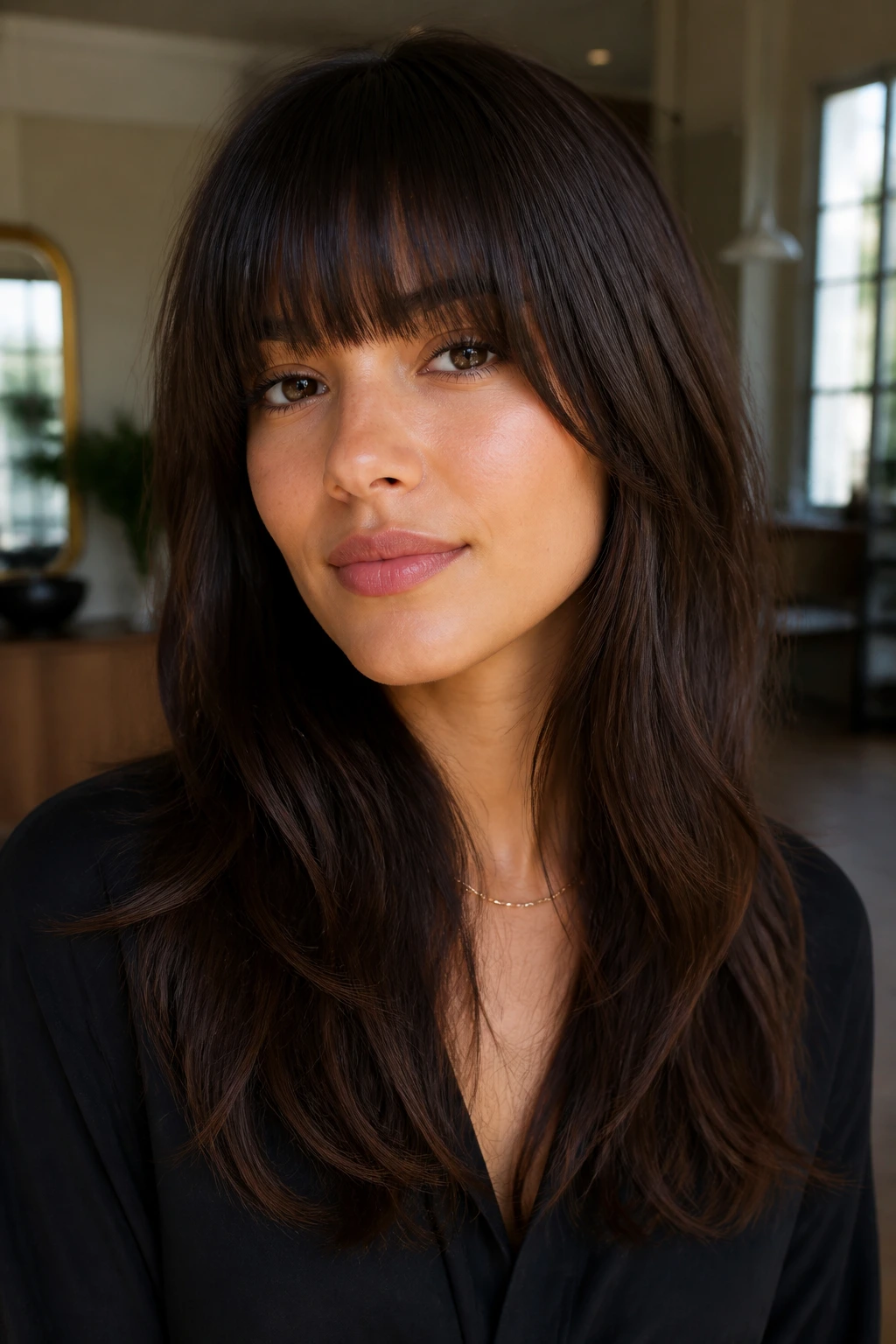
This is a classic look: a blunt fringe paired with long, face-framing layers. The blunt fringe provides the density, while the layers provide the movement.
Why It’s a Power Combo
The blunt bangs give you the thick look you want at the front, while the layers prevent the rest of the hair from looking flat. It’s a very balanced, polished look that works well for both casual and formal settings.
Styling
- Blow-dry the bangs straight and smooth.
- Use a curling iron to add loose waves to the layers, which creates that desired volume and body.
27. Soft Curtain With Highlights
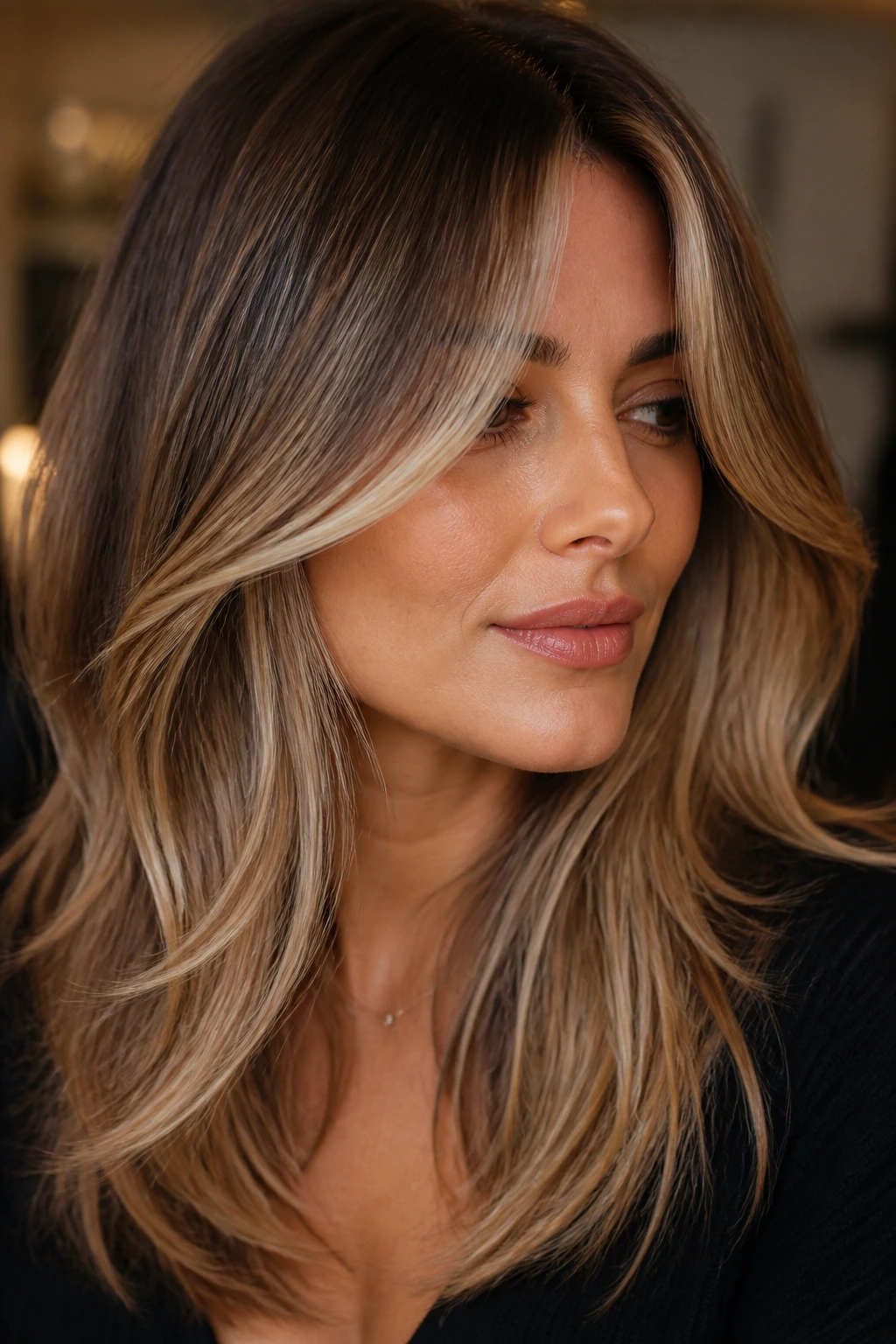
Sometimes the solution isn’t just the cut—it’s the color. Pairing a soft curtain fringe with strategically placed highlights can make the bangs appear thicker.
The Visual Trick
Highlights create depth. By adding lighter pieces around the face, you create the illusion of dimension, which makes fine hair look thicker than it does when it’s a single, flat color.
Styling
- Treat these as you would any curtain bang, but focus on keeping them shiny.
- Because highlights can sometimes be slightly drier, use a lightweight, moisturizing leave-in spray on the ends to keep them from looking frizzy.
28. Messy Bedhead Fringe
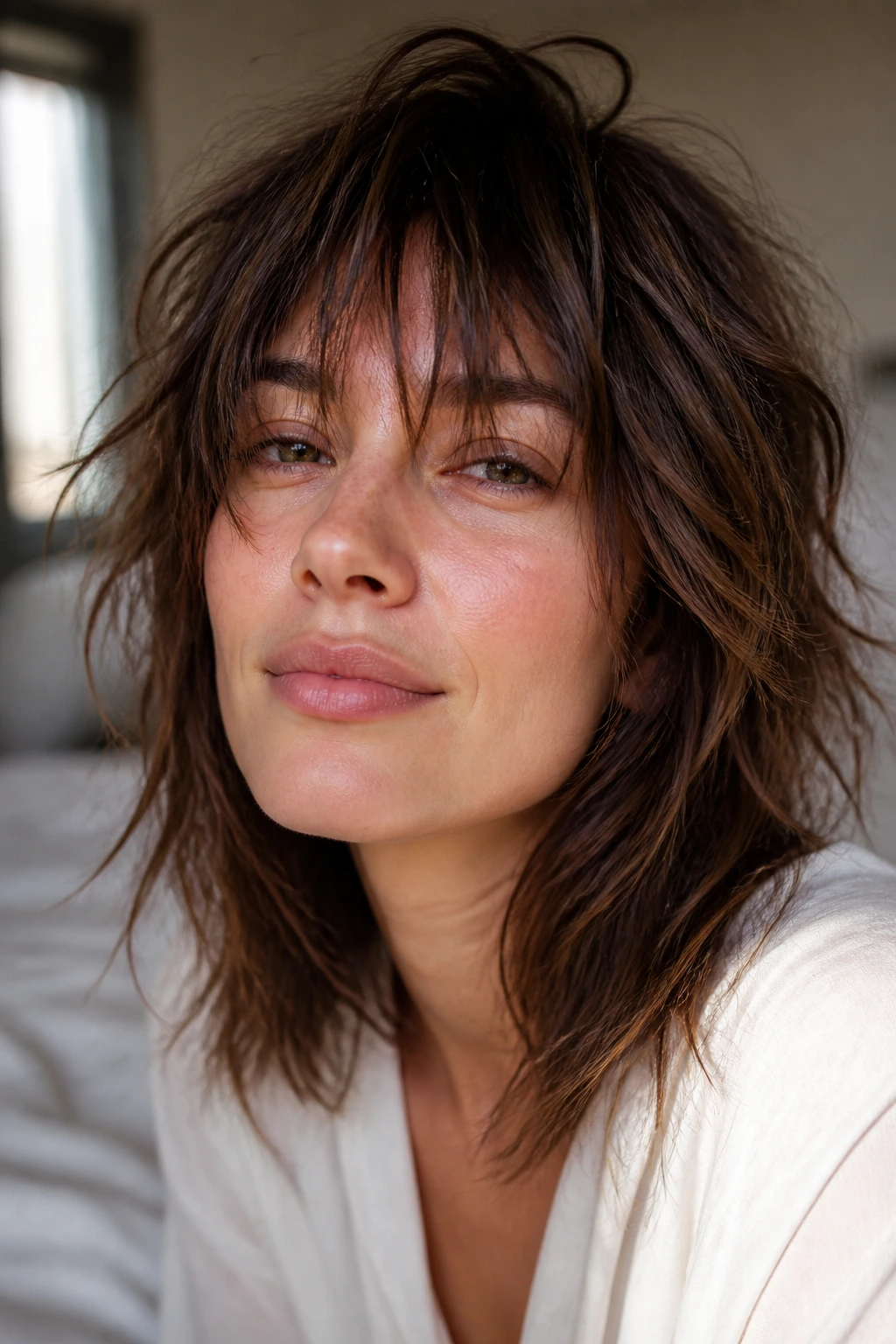
If you have fine hair that struggles to hold a style, stop trying to force it. Embrace the texture. A messy, bedhead fringe is cut to be tousled, piecey, and effortlessly cool.
The Philosophy
Fine hair often has a bit of natural wave or bend. Don’t fight it. This style leans into that natural texture, using it to build volume.
How to Achieve It
- Let your hair air dry 80% of the way.
- Apply a texturizing paste to your fingers and scrunch it into the bangs.
- If they look too “done,” muss them up with your hands. Perfection is the enemy of this style.
Final Thoughts
Choosing the right fringe for fine hair is less about finding a miracle cut and more about finding the style that plays to your hair’s strengths—which usually means embracing movement, texture, and lighter weights. You are never limited to one look. The most successful fringe is one that feels manageable for your daily routine. If you aren’t willing to spend ten minutes with a round brush every morning, skip the blunt micro-bangs and go for a curtain or side-swept style that forgives a little neglect.
Ultimately, don’t be afraid to experiment with your stylist. Ask them to remove weight where necessary and to cut with the growth pattern of your hair, not against it. Fine hair can hold a shape beautifully; it just needs the right structure to support it. Whether you go for the sharp, blunt edge that gives an illusion of density or the soft, wispy layers that emphasize movement, your hair has more potential than you think. Start with something low-commitment, see how it fits your face, and remember that, like all hair, it grows out—giving you the freedom to try something else next time.
