



Cool skin tones can wear auburn blonde without looking brassy, but the shade has to be handled with a light hand. The red needs to stay smoky, rosey, berry-toned, or beige; once it tips into pumpkin or tangerine, the whole thing starts fighting the face.
That’s the part people get wrong. They think auburn automatically means warm, and blonde automatically means bright, so they blend the two and hope for the best. On cool undertones, that kind of mix can look harsh fast. The better move is to keep the blonde soft, keep the auburn muted, and let a root shadow or gloss do some of the heavy lifting.
The nicest versions usually live around level 7 or 8, with a neutral base and lighter pieces placed where the light hits first. If your hair is darker, the smartest path is often a gradual lift with a toner or gloss, not one giant jump into copper territory. That keeps the cuticle calmer and the color looking expensive instead of fried.
These 28 auburn blonde hair color ideas for cool skin tones cover soft money pieces, smoky balayage, short cuts, curls, and a few richer takes for people who want depth. Some are quiet. Some are bolder. All of them work because they respect the same rule: cool skin usually looks best when the warmth is softened, not erased.
1. Smoky Auburn Balayage
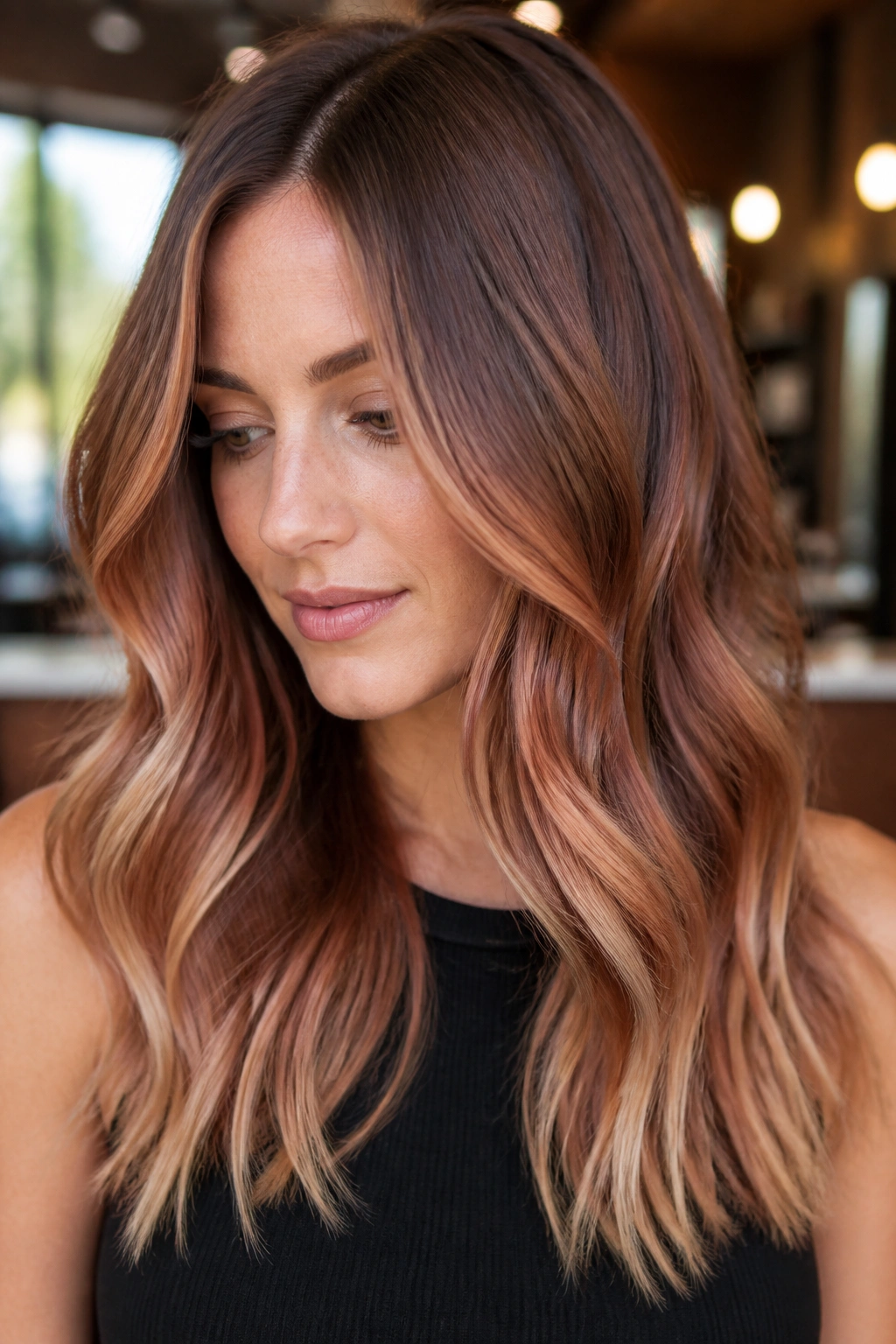
Smoky auburn balayage is the easiest place to start if you want warmth without orange. It gives you that red-brown glow, but the smoke in the formula keeps it from drifting into copper overload. On cool skin, that matters a lot. The face looks fresher when the red is softened by beige or ash instead of going straight fiery.
Why It Works on Cool Skin
Think of this as auburn with the volume turned down. A neutral brown root melt, auburn ribbons through the midlengths, and beige-blonde ends create movement without shouting.
- Best base: level 6 or 7 neutral brown
- Best finish: beige or pearl gloss, not gold
- Best cut: long layers, collarbone lobs, loose waves
- Maintenance: gloss every 6 to 8 weeks
Ask for a root smudge first. That one move keeps the grow-out soft and stops the color from looking stripey after a few washes.
2. Dusty Rose Auburn Blonde
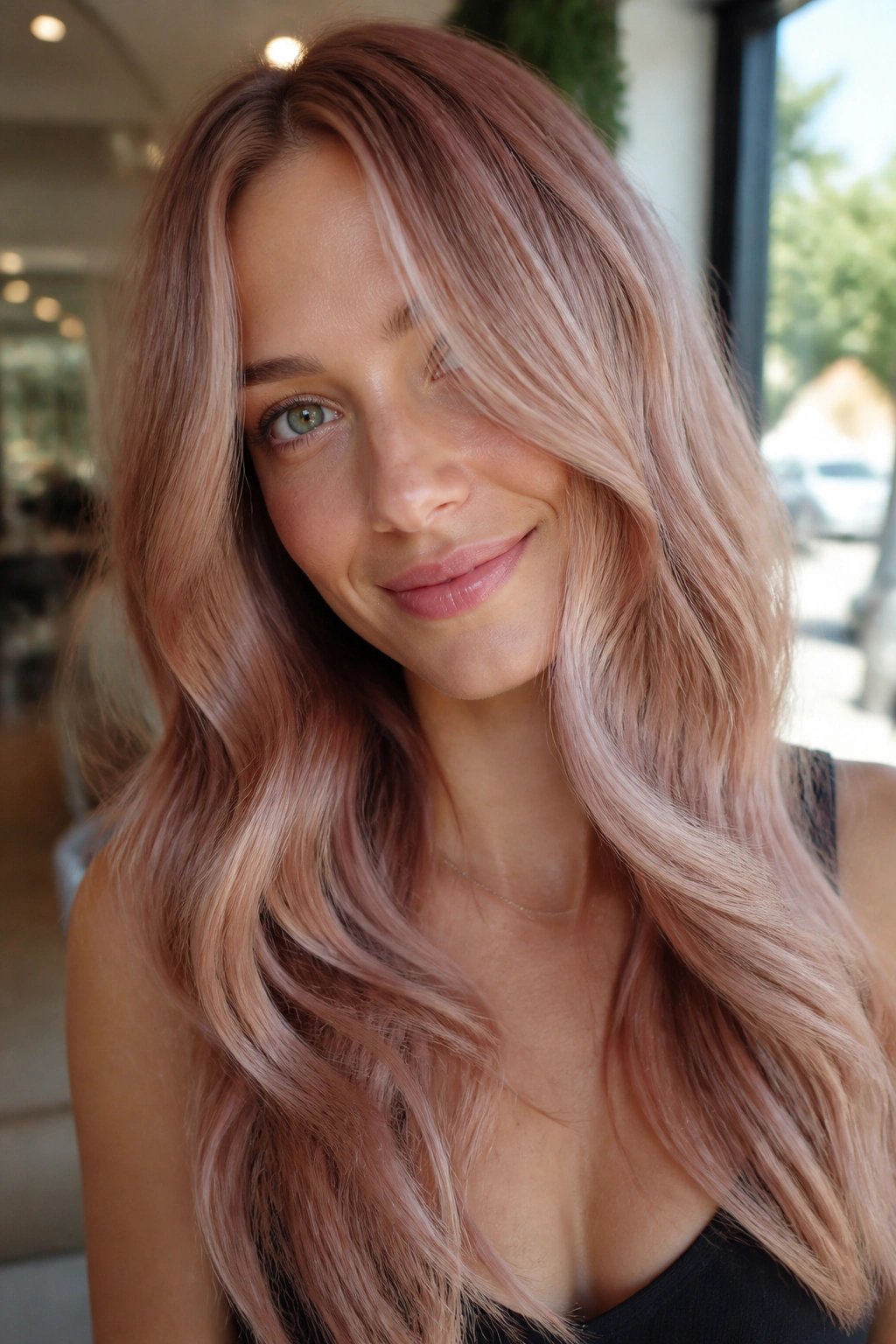
Dusty rose is one of those shades that sounds delicate and wears even better than it sounds. The rose note keeps the blonde side cool, while the auburn piece adds enough warmth that the whole color doesn’t look flat. It’s a smart match for cool skin with pink or blue undertones because it reads soft, not sugary.
The trick is restraint. You want the rose to feel muted, almost powdered, with a beige base underneath. If the pink gets too bright, the shade starts competing with the skin instead of sitting next to it. That’s where people go wrong with rose tones.
I like this on wavy hair best, where the color can break into tiny shifts of blush, apricot, and beige. Straight hair can wear it too, but it needs a cleaner gloss to keep the tone from looking patchy.
3. Ashy Strawberry Blonde
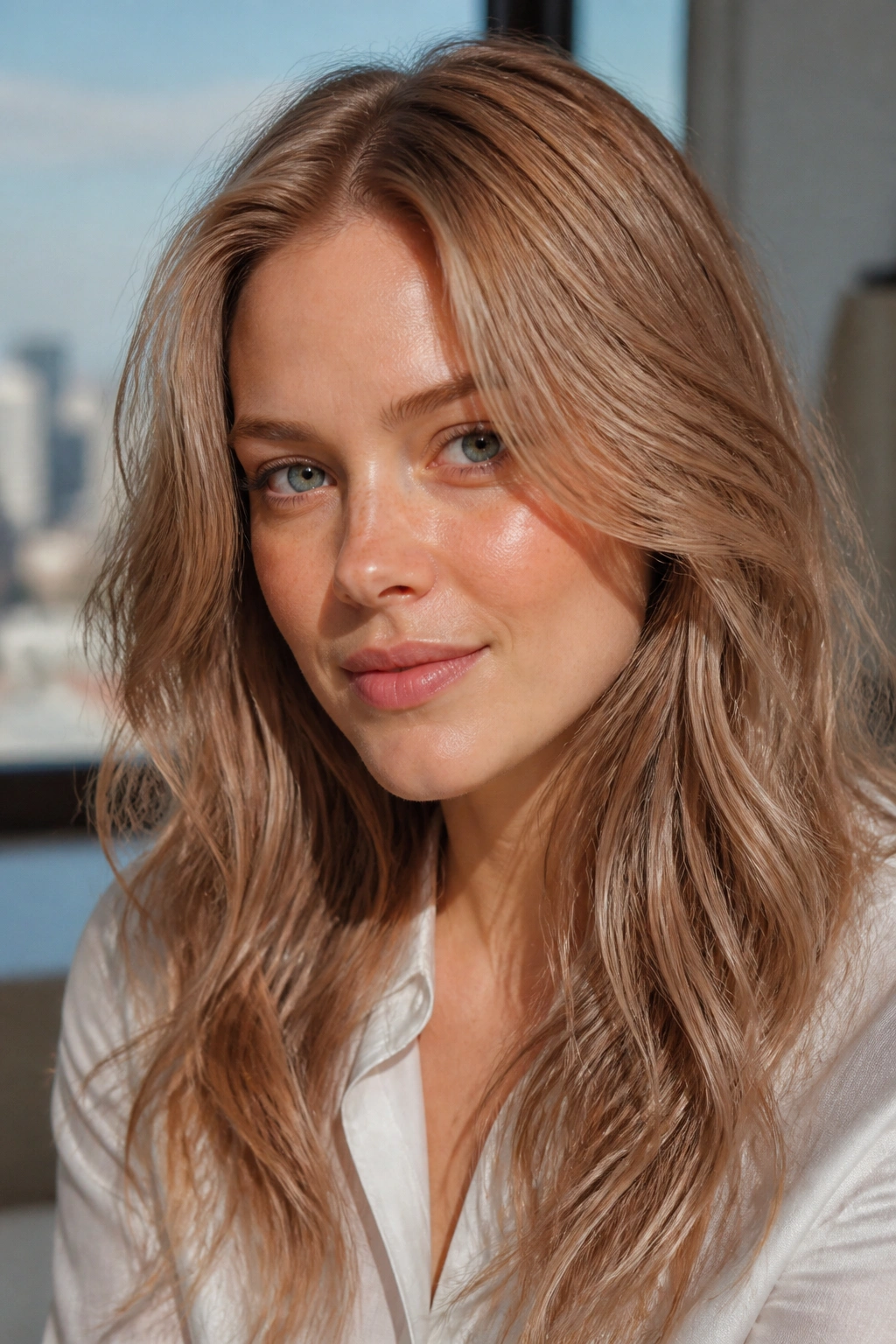
Can strawberry blonde stay cool? Absolutely — if the strawberry is pale and the blonde base leans ash-beige. The result is softer than classic copper strawberry and a lot easier on cool skin. It has that faint reddish warmth, but it never slips into orange.
How to Wear It Without Going Peachy
Ask for fine babylights, not chunky highlight stripes. You want the color to look woven into the hair, almost like a filtered version of red-gold rather than a solid tint. On fair cool skin, this can be one of the prettiest choices because it keeps the complexion looking clear.
The cut matters here, too. Soft layers or a curtain bang help the shade feel airy. If the hair is blunt and one-length, the color can look a little too dense.
A light violet shampoo once every 10 days is usually enough. Too much and the auburn side loses its life.
4. Merlot Ribbon Highlights
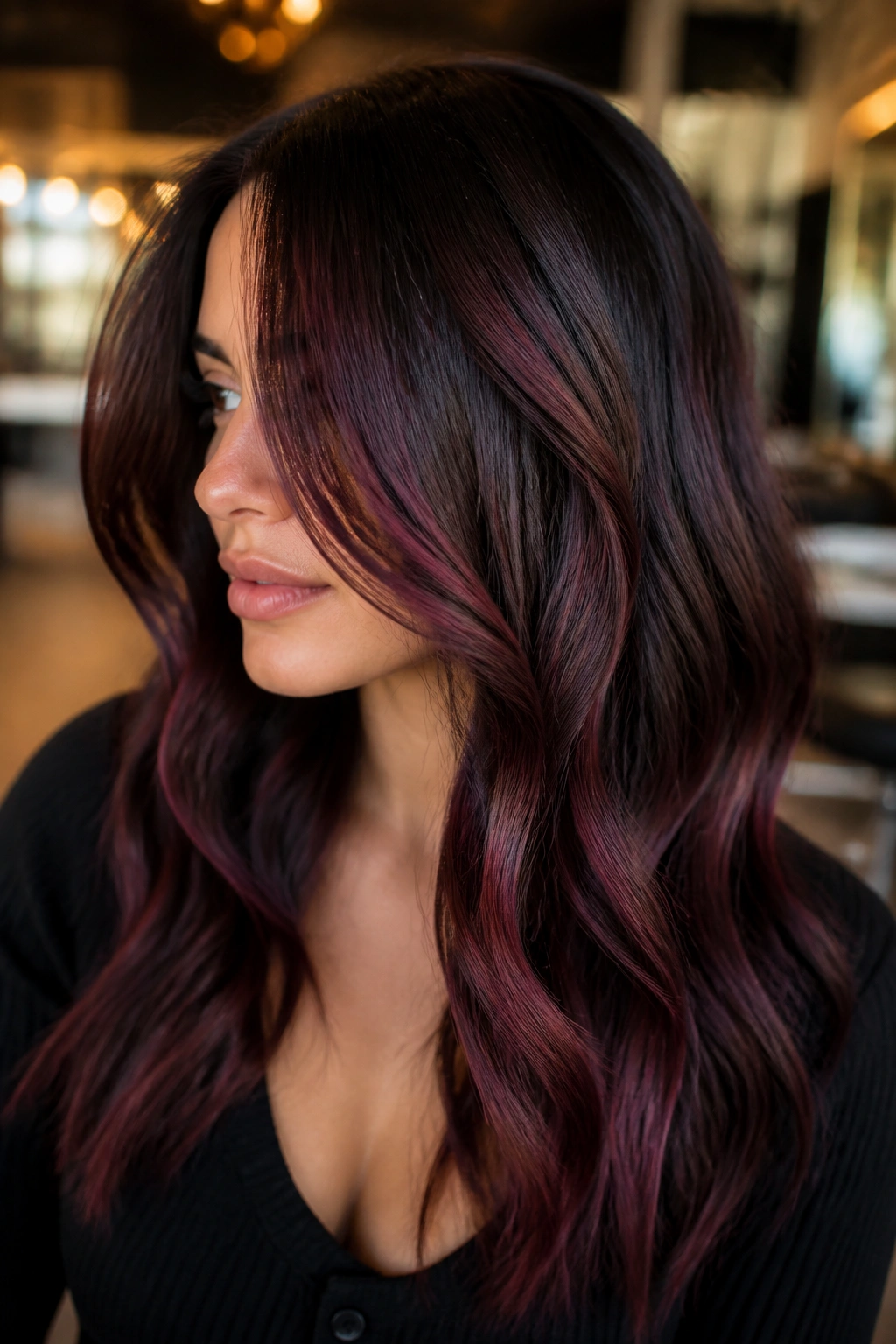
Picture deep brunette hair with thin merlot ribbons running through it. That is the sweet spot. It gives cool skin a rich red note without the harshness of true copper, and the blonde pieces keep the whole thing from turning heavy.
What Makes It Different
Merlot is deeper than cherry and more blue-based than rust, which is exactly why it works here. Instead of sitting on top of the hair, it seems to sink into the cut, especially around waves and curls. The blonde pieces can stay more beige than golden, so the contrast feels polished rather than loud.
- Best on: medium to long hair
- Best styling: loose bends, soft waves, polished curls
- Best upkeep: refresh the red ribbons with a gloss, not a full recolor
- Best face match: fair to medium cool undertones
This shade is for someone who likes depth. It looks especially good in low light, where the wine tone turns velvety instead of bright.
5. Mushroom Auburn Bronde
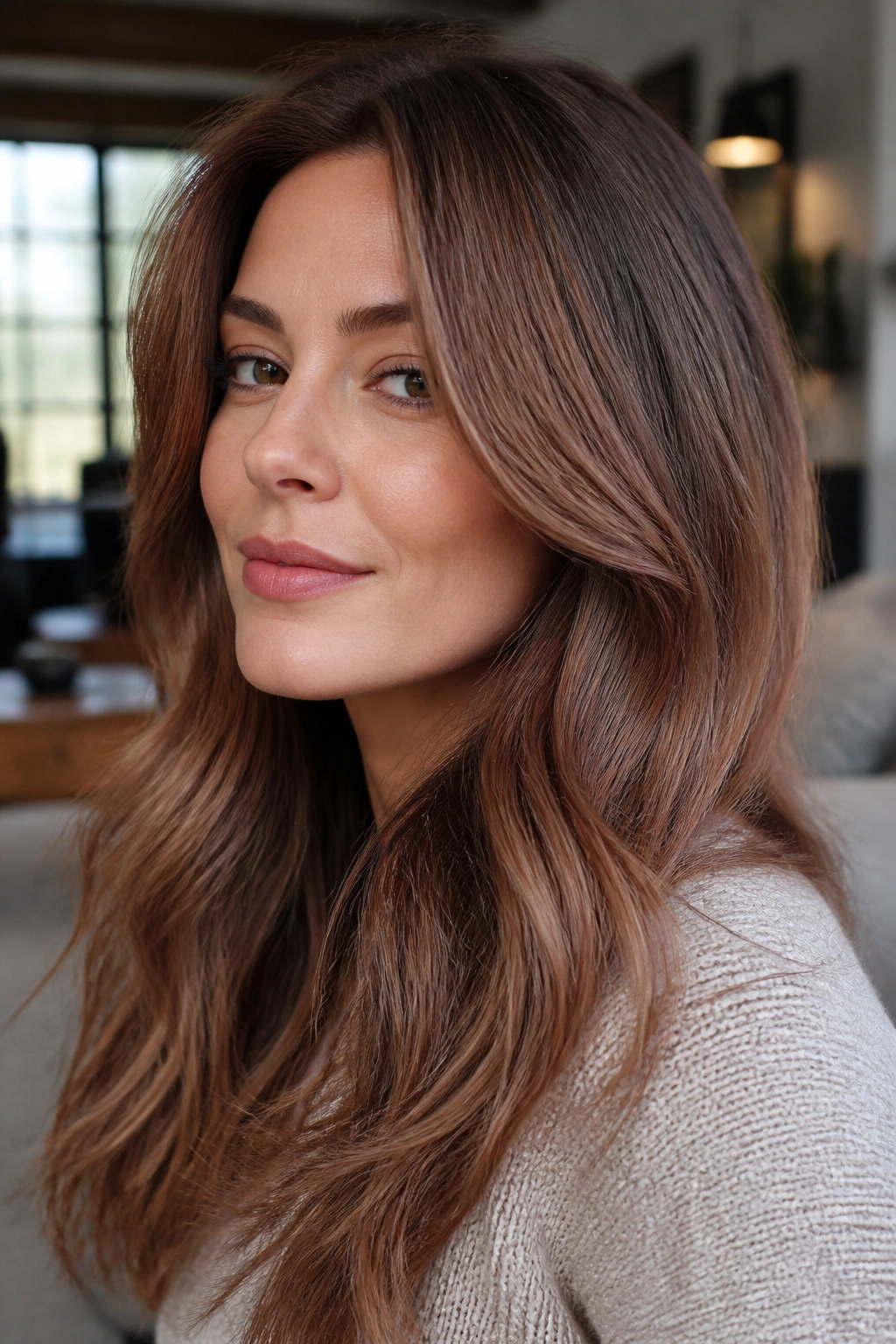
Mushroom auburn bronde is the most low-key option in the bunch, and that’s not a bad thing. The mushroom piece gives you taupe and smoke. The auburn adds a little life. Together, they sit in that cool-neutral lane that flatters skin with a pink cast or a cool beige cast.
It’s a good choice if you want dimension without obvious streaks. The color moves between brown, beige, and muted red depending on the light, which keeps it from looking one-note. On layered hair, that movement is the whole point.
This is also one of the easiest shades to live with. The grow-out is soft, the toner fades gracefully, and you do not have to baby it the way you would a brighter copper.
6. Cinnamon Beige Waves
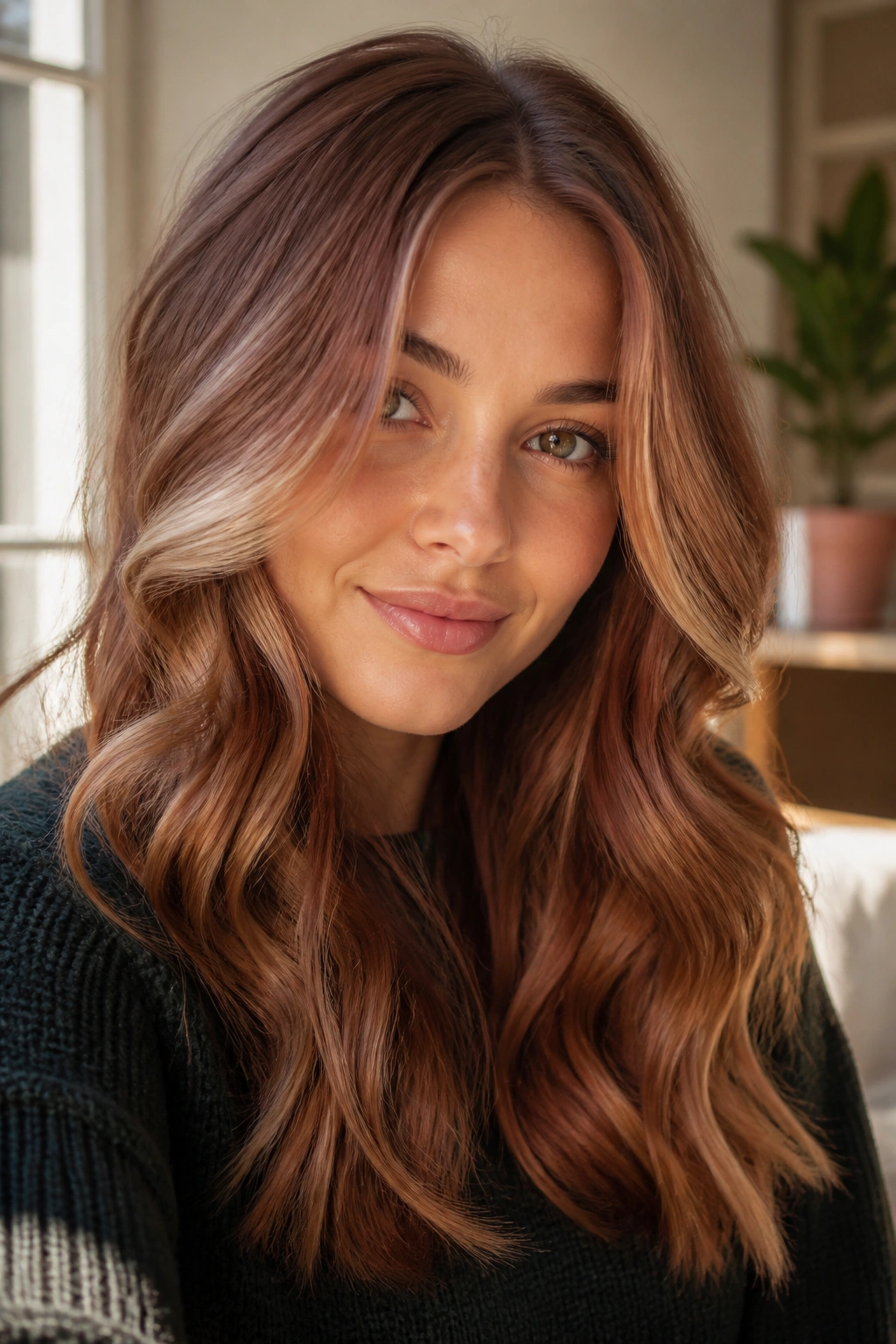
Cinnamon beige sounds warm, but the beige is what makes it wearable on cool skin. The cinnamon gives you spice; the beige keeps the spice from taking over. That balance is the reason this shade looks so good on waves, where the color can move between light and shadow without looking striped.
Unlike a flat copper, cinnamon beige works because it has soft edges. The auburn note sits more in the midlengths and ends, while the roots stay neutral. That means your face gets warmth without losing the cool contrast that usually flatters your features.
I’d recommend this for someone who likes hair that looks soft in daylight and rich at night. It’s not a loud color. That’s the charm.
7. Champagne Auburn Face Frame
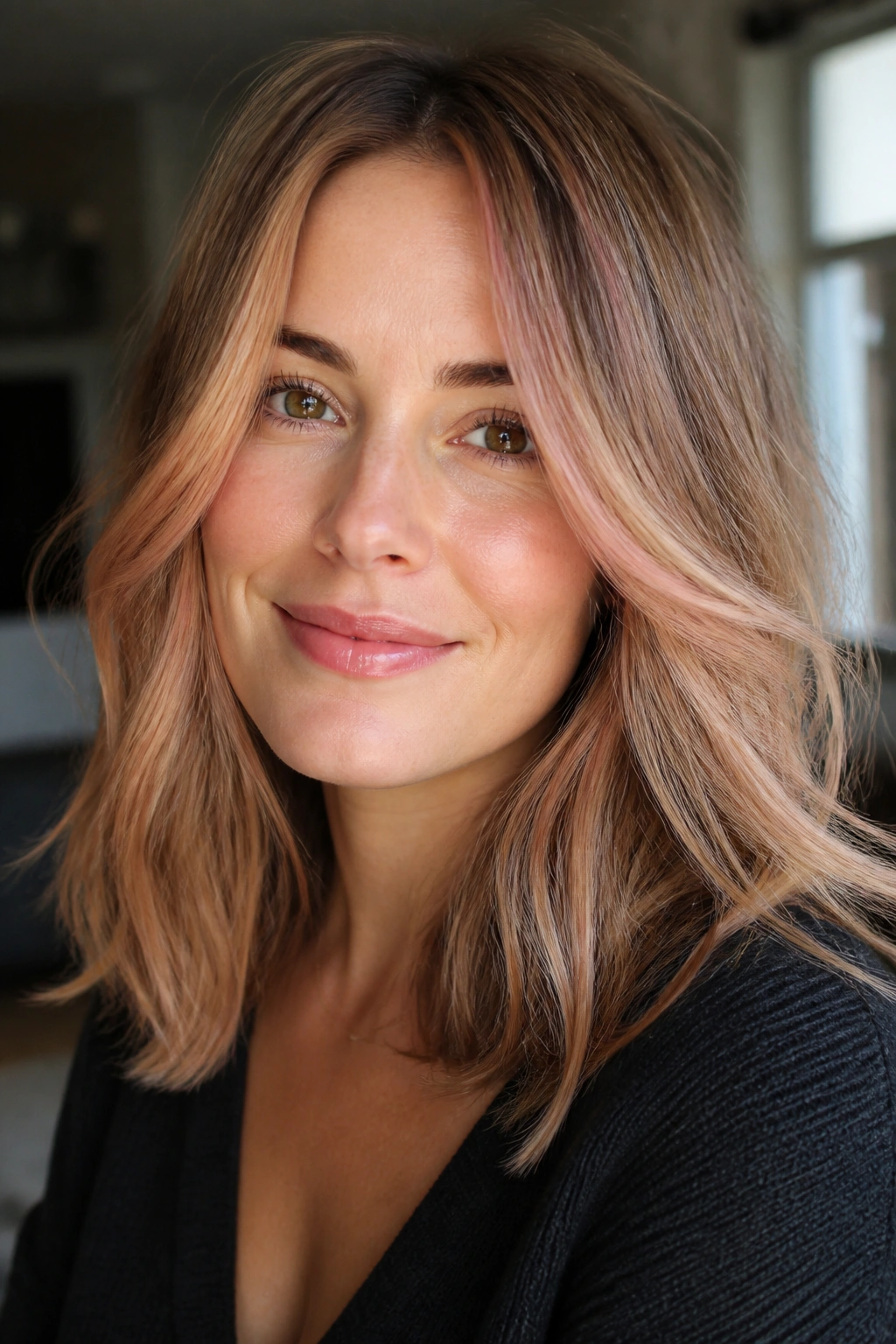
A face frame can carry an entire color story if the placement is right. Champagne auburn does that job well. The front pieces are bright enough to open the face, but the auburn tint keeps them from looking icy or flat against cool skin.
Why the Front Pieces Matter
When the money piece is too gold, it can drag cool undertones off balance. Champagne auburn stays lighter and softer, with a faint rose-beige cast that brightens without blinding. It works especially well on shoulder-length cuts, where the front pieces land around the cheekbones and jaw.
- Placement: 2 to 4 thin front panels on each side
- Tone: champagne beige with a whisper of auburn
- Best cut: lob, layered bob, long fringe
- Maintenance: easy — just refresh the front gloss
If you want a change without committing to all-over color, start here. It gives you a visible shift with much less upkeep than a full head of auburn blonde.
8. Plum Auburn Bob
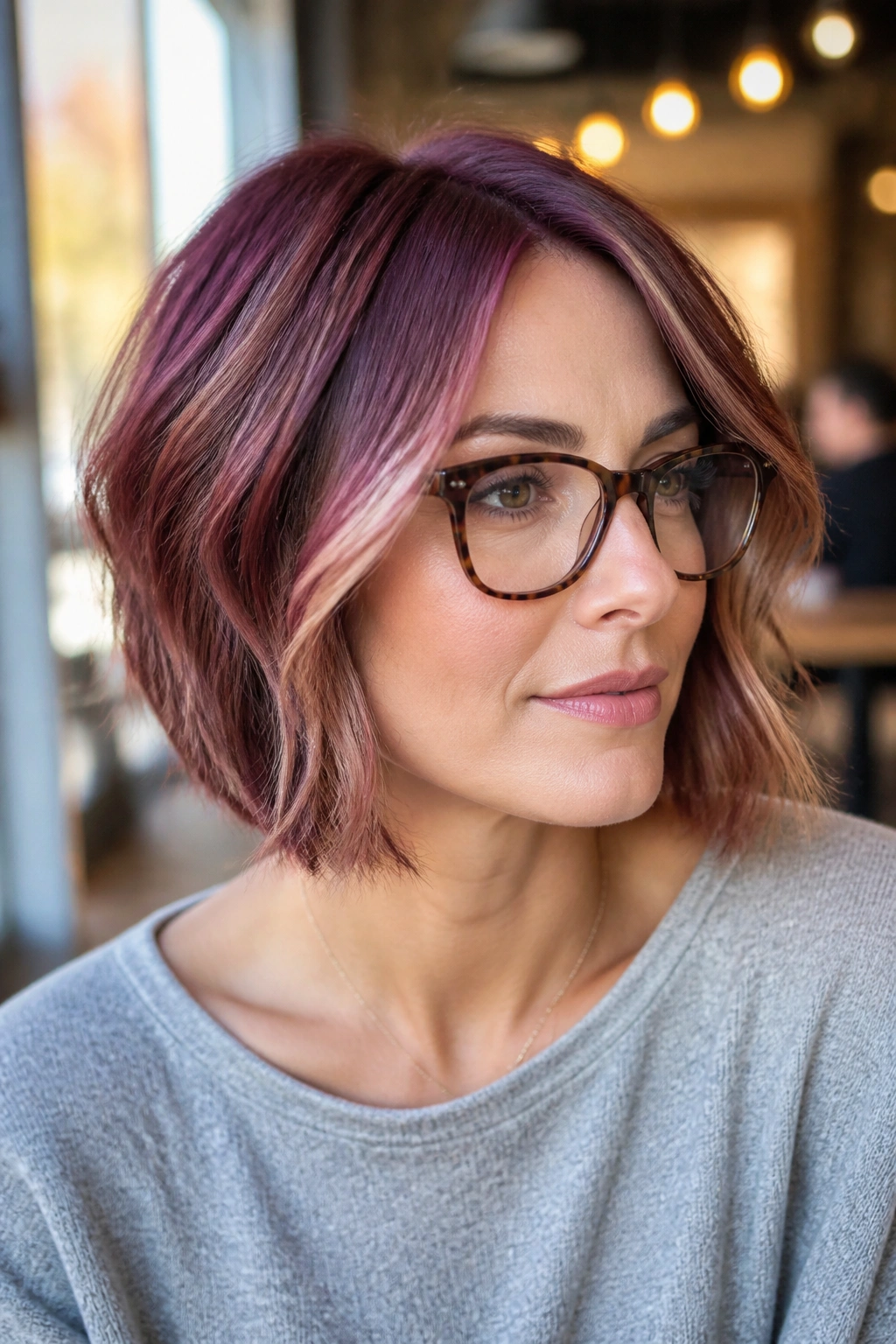
Can a bob carry plum tones without looking goth? Yes, and that’s exactly why this shade is fun. The plum softens the auburn, the auburn warms the plum, and the blonde pieces keep the result from getting too dark on cool skin.
A chin-length or jaw-skimming bob is a great home for this color. The cut keeps the shade crisp, while the tint adds a little mystery. If you wear glasses, this is especially good — the color frames the face without stealing the whole show.
Best for Short Hair
Ask for a plum glaze over an auburn base, then add a few beige-blonde surface pieces for movement. That mix keeps the haircut from feeling heavy. It also helps the shade survive washing better, because the lighter pieces stop it from fading into one solid block.
This one has edge, but it still feels wearable. That balance is rare.
9. Copper Rose Money Pieces
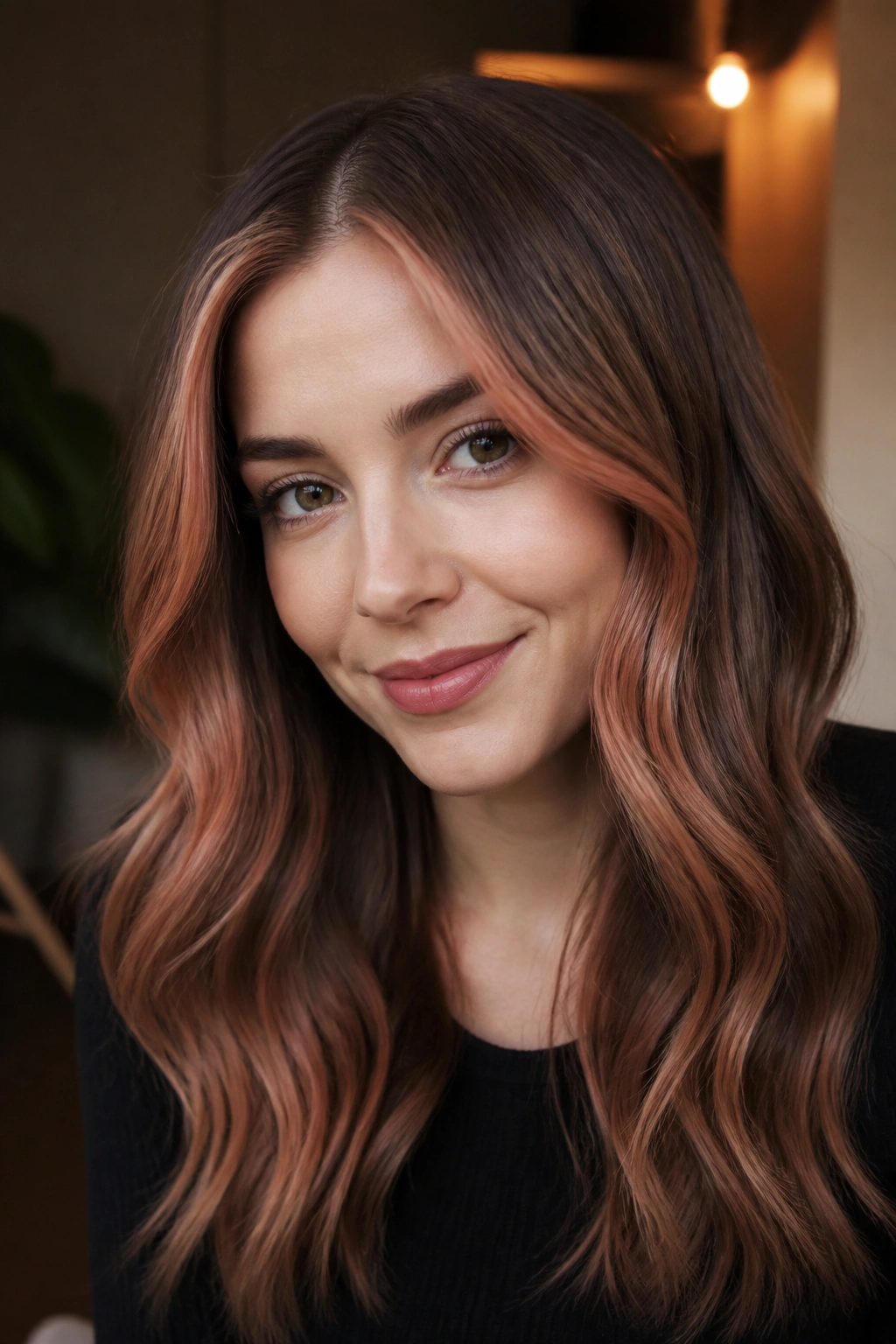
A bright front piece can ruin a cool complexion fast if the copper is too hot. Copper rose avoids that. The rose note cools the copper just enough, so the face gets brightness without the orange glare.
This works best when the money pieces are narrow and well blended. Think ribbon-thin panels, not thick slabs. Let the rest of the hair stay a muted blonde or brunette blend, and the front does all the talking.
The nice part is the grow-out. Money pieces are easy to refresh, and they let you test whether auburn blonde is your thing before committing to a full head of color. If you like wearing hair tucked behind the ears, the effect is even better.
10. Chestnut Blonde Melt
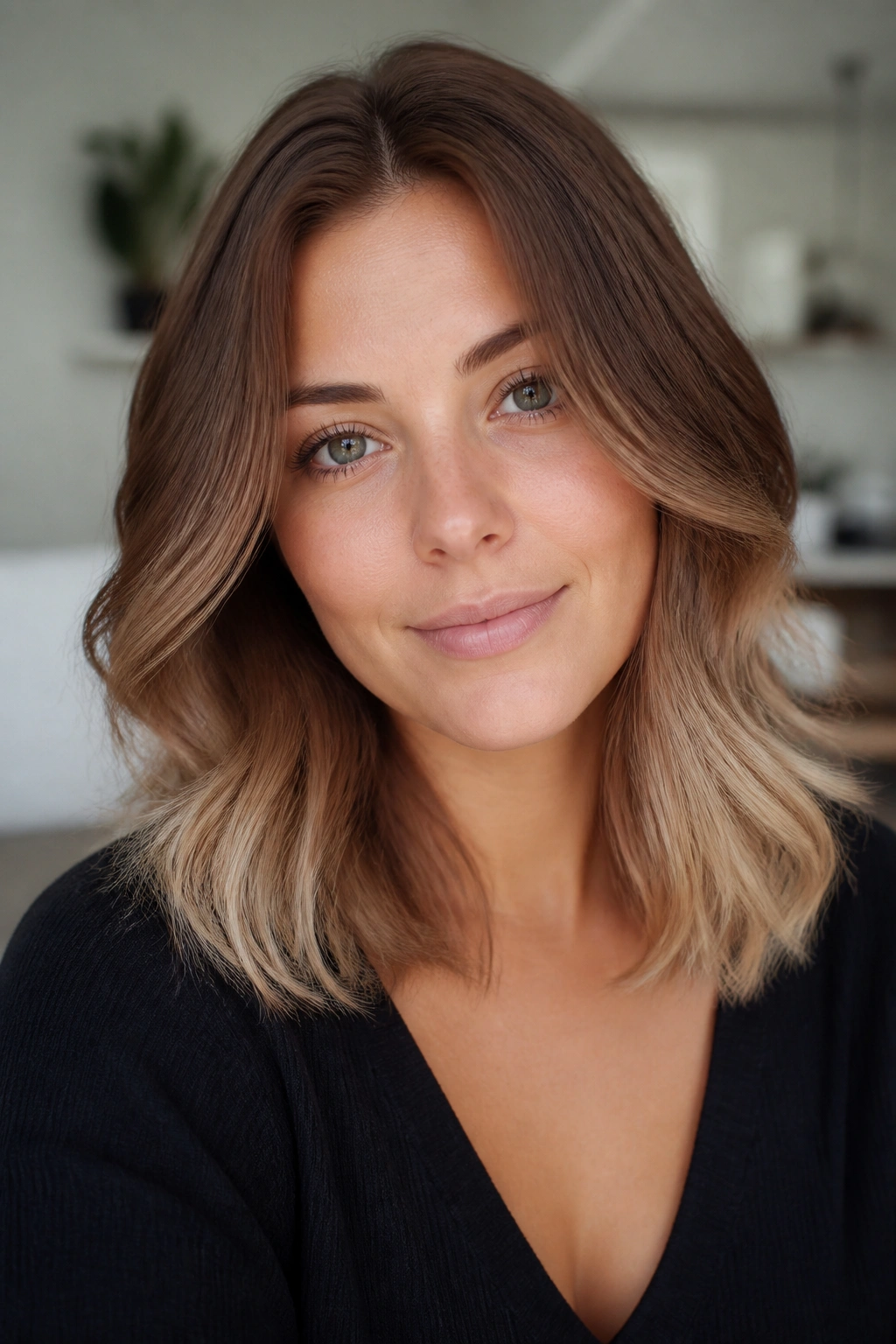
Chestnut blonde melt is for people who want their color to look like it grew there. The root stays chestnut, the mids soften into auburn, and the ends lighten into a pale beige blonde. The whole thing moves in one smooth line, which is why it flatters cool skin so well.
Why It Reads Softer Than Ombré
Ombré can sometimes look harsh because the shift is too obvious. A melt keeps the transition blurred. You get depth at the top, warmth through the middle, and light at the ends, but nothing looks chopped up.
That’s especially useful if your natural hair is medium brown or dark blonde. The grow-out blends instead of drawing a hard line. The color should look glossy, not striped.
A shoulder-length cut or long layers show this best. The ends stay light enough to lift the face, while the chestnut root gives the style some ground.
11. Ginger Shag With Ashy Ends
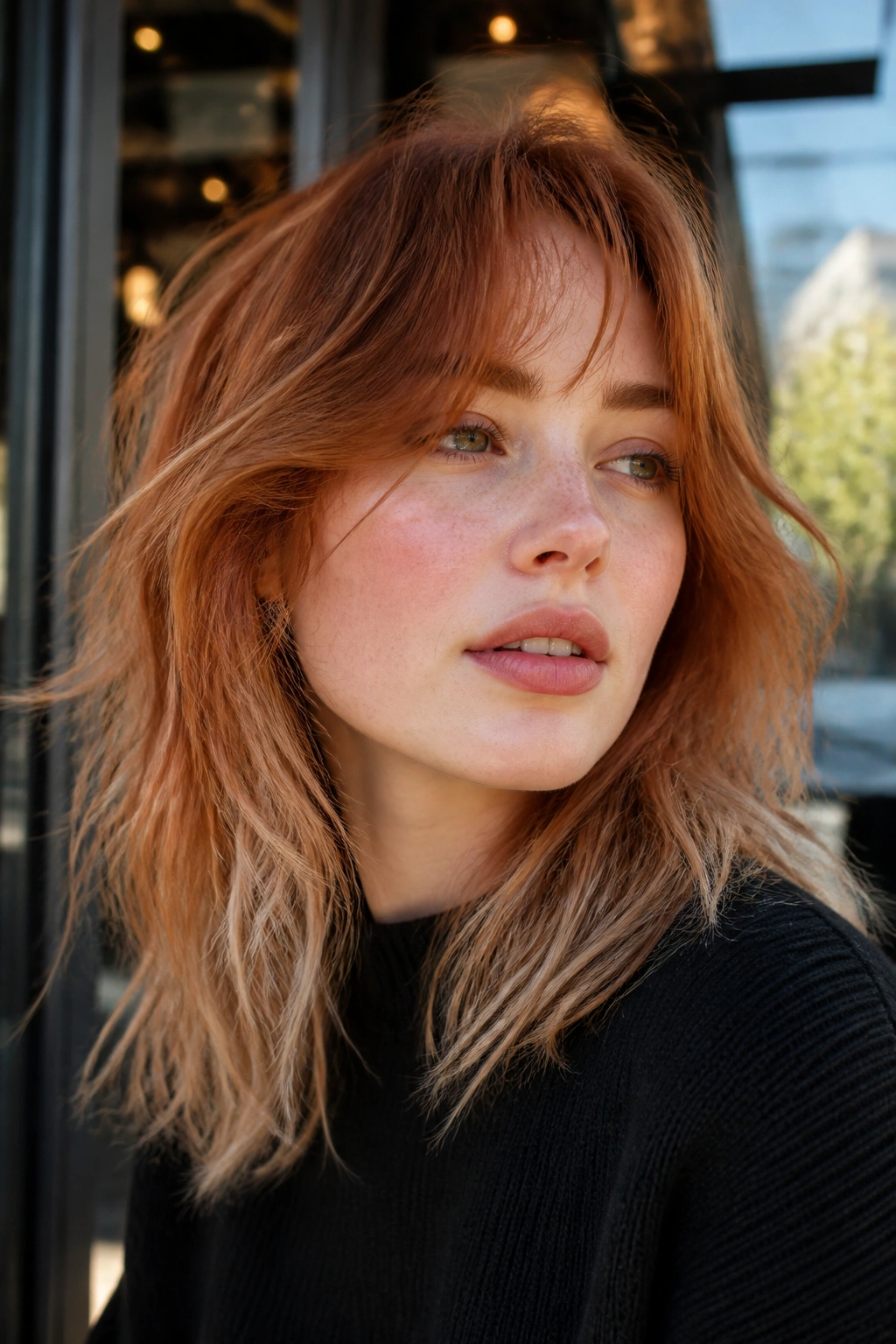
A shag cut changes everything here. The layers break up the color, so even a ginger-leaning auburn blonde reads softer once it’s cut into movement. The ashy ends are the key — they stop the ginger from turning into pumpkin.
The style suits cool skin because the texture takes the edge off the warmth. Instead of one heavy block of red-gold, you get little shifts of beige, copper, and smoke. That keeps the look lively. It also makes the hair look fuller, which is handy if your strands are fine.
A shag needs some styling, though. A little mousse at the roots and a diffuser or rough dry can make the layers pop. Skip the heavy cream products; they can make the color look muted in the wrong way.
12. Antique Auburn Pixie
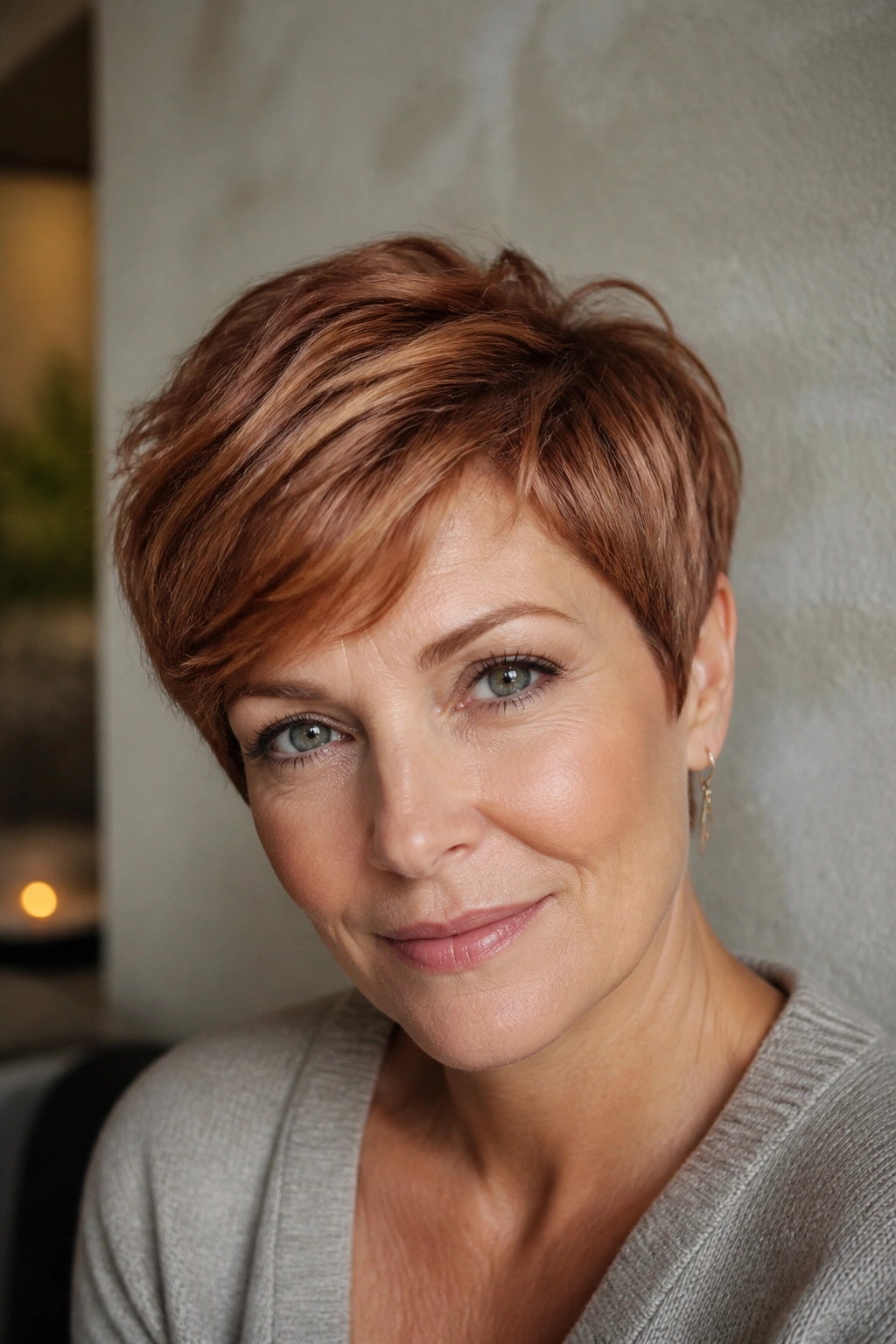
Antique auburn on a pixie is small hair with a lot of personality. The shade has an old-world feel — softer than copper, deeper than strawberry, and a touch dusty around the edges. On cool skin, that makes the cut feel intentional instead of harsh.
The short length keeps the color from overwhelming the face. That matters. With a pixie, every ounce of warmth shows, so a muted auburn blonde is far easier to wear than a bright orange-red. The antique tone also gives the crop a kind of satin finish, especially when the hair is styled with a little paste or cream.
A pixie like this is best when the top is slightly longer than the sides. That gives the color somewhere to move, and it keeps the shape from looking too stiff. Clean, but not severe.
13. Rosewood Lob
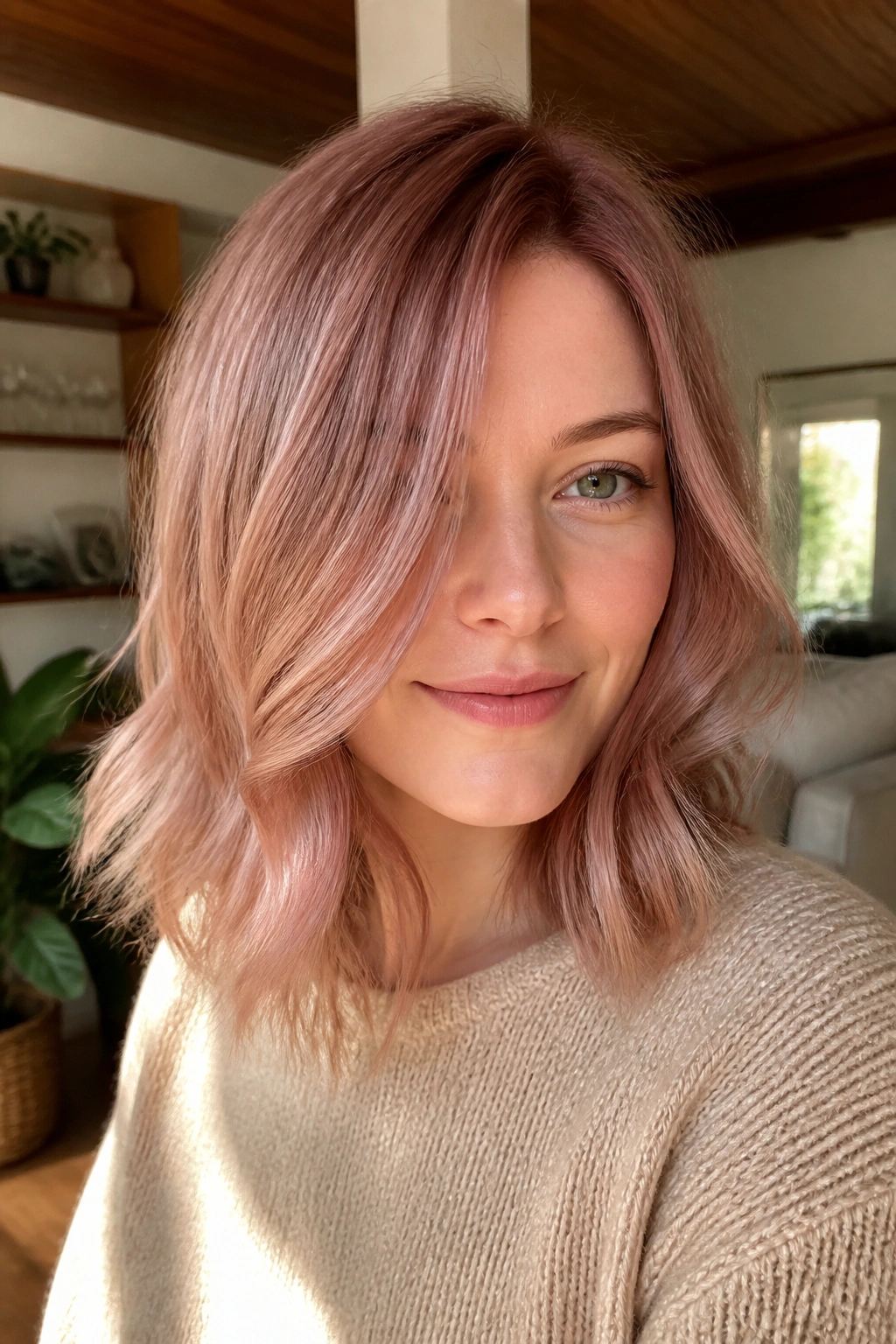
Rosewood sits in that lovely middle ground between red-brown and mauve. On a lob, it looks clean and modern, and cool skin usually gets along with it because the red is tempered by the rose tone. It has enough warmth to keep the hair from feeling flat, but not so much that it turns brassy.
What to Ask For
Tell your colorist you want a rosewood glaze over a beige-blonde foundation. That phrase matters because it keeps the blonde from going yellow. If the hair is very light already, a sheer rose toner can be enough.
- Best hair length: chin to collarbone
- Best finish: glossy blowout or soft wave
- Best tone family: rose, mauve, beige
- Best maintenance: gloss every 4 to 6 weeks
Rosewood is one of the more elegant auburn-blonde hybrids. It is quiet, but it does not disappear.
14. Iced Copper Balayage
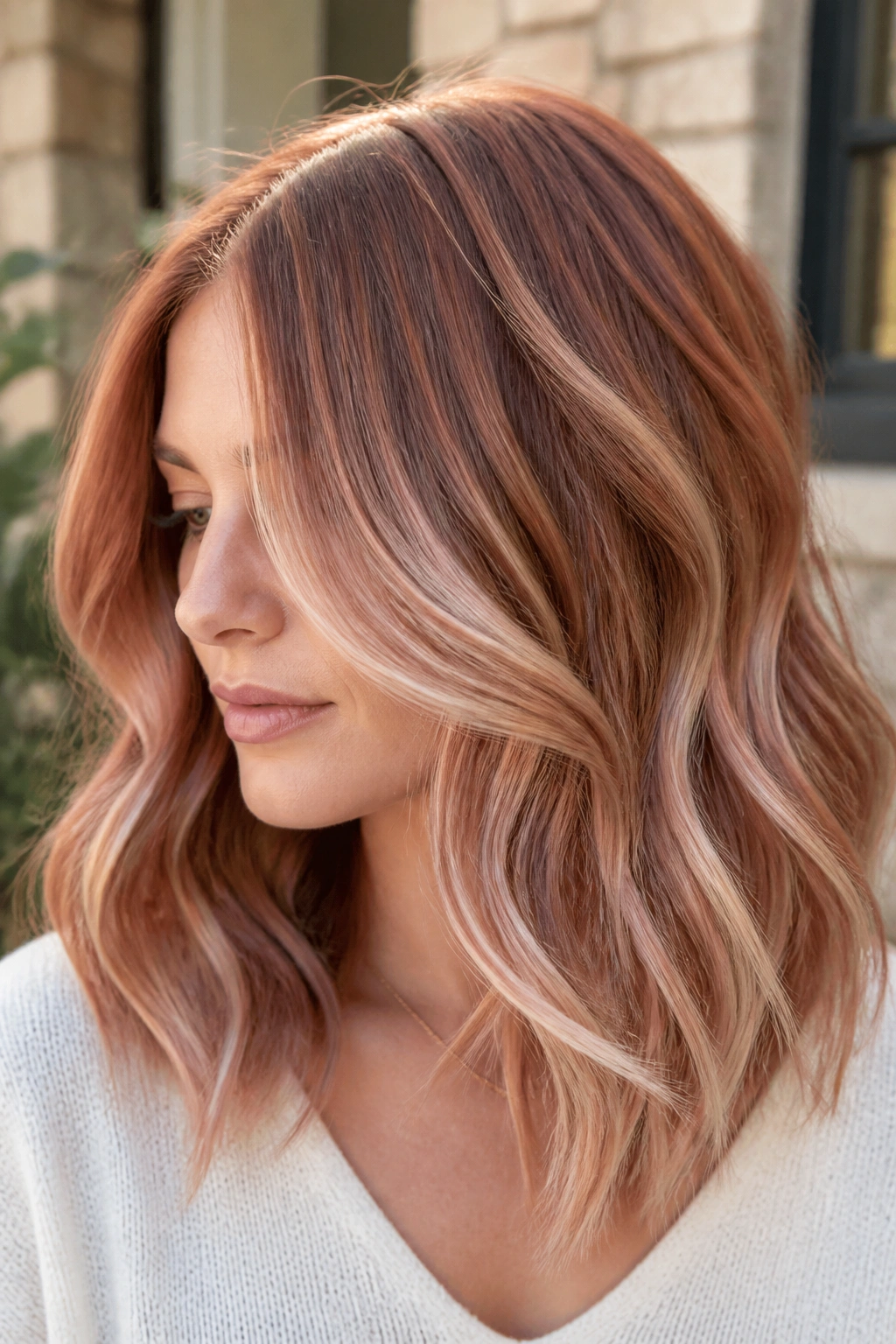
Can copper work for cool skin? Yes, if it’s iced down enough. Iced copper is copper with restraint — less flame, more frost. The blonde pieces should lean pearl or beige, and the red should stay light enough that it never gets shouty.
How It Stays Cool
The “iced” part comes from the toner, not from making everything pale. You still want copper in the hair. You just want the copper softened by a cool glaze so it stops before it looks neon. On medium skin with a cool undertone, this can be especially flattering because it gives warmth without flattening the face.
A balayage placement keeps the color airy. If you pack too much copper near the roots, the whole thing can turn heavy. Light ends and a softer root are the whole game here.
If you like loose curls, this one pays off. The bend in the hair shows the color shifts better than a straight blow-dry.
15. Mahogany Blonde Slices
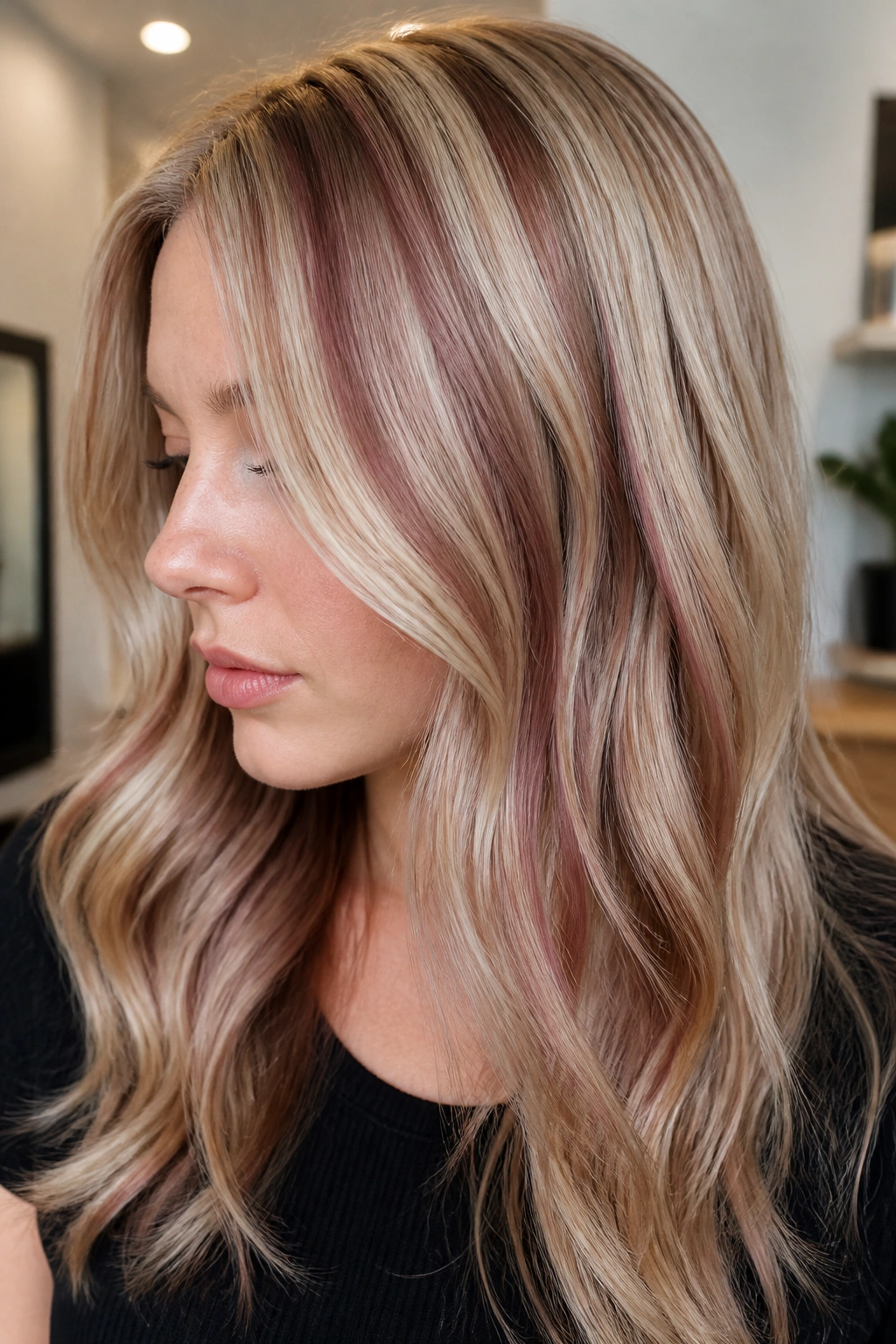
Mahogany blonde slices are more graphic than balayage, and that’s why they work for some people. Think of thin, deliberate slices of mahogany placed against a cool blonde base. The contrast is sharper, but the red-brown keeps it from feeling too bright against cool skin.
This is a strong choice for thicker hair, especially if you want dimension you can actually see from across the room. The slices add structure to the haircut and keep the color from disappearing in layers. On a blunt cut, it looks modern. On a layered cut, it can get a little busy, so placement matters.
The best version uses a beige or pearl blonde, not a yellow one. That keeps the mahogany from reading muddy. Sharp placement, soft tone. That’s the formula.
16. Strawberry Beige Shag
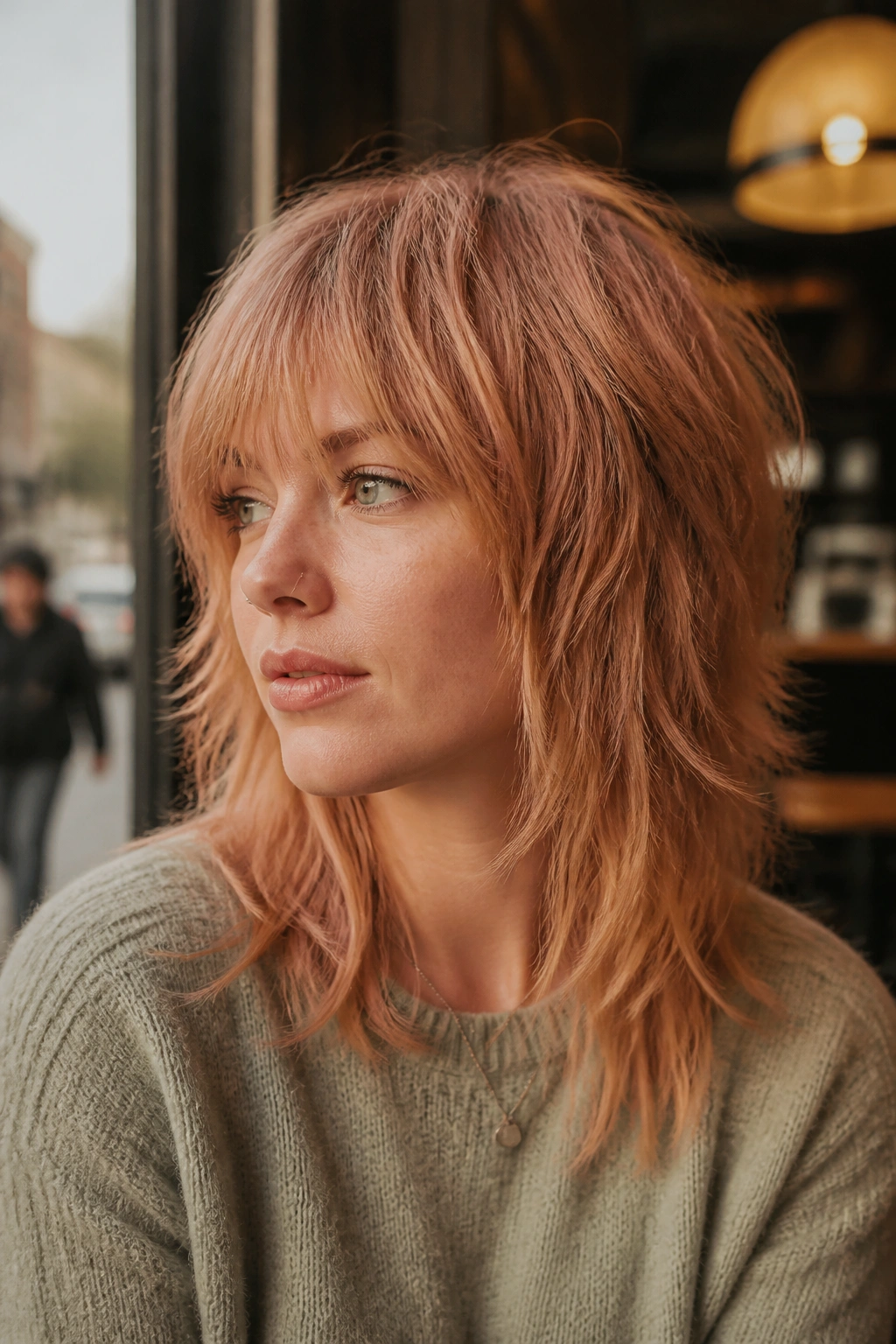
Strawberry beige works because it refuses to commit to one lane. The strawberry adds a red-gold whisper, while the beige pulls the warmth back into a cooler register. Put it on a shag, and the layers do the rest.
This is a smart pick for cool skin if you want something playful but not loud. The cut gives it movement, and the beige tone keeps the color from turning candy-bright. It’s especially nice on medium-density hair, where the layers can create shape without exposing too much scalp.
Unlike a full strawberry blonde, this version feels less sweet and more lived-in. That makes it easier to wear with charcoal, denim, black, and crisp white — colors that often sit better next to cool undertones anyway.
17. Burgundy Bronde Curls
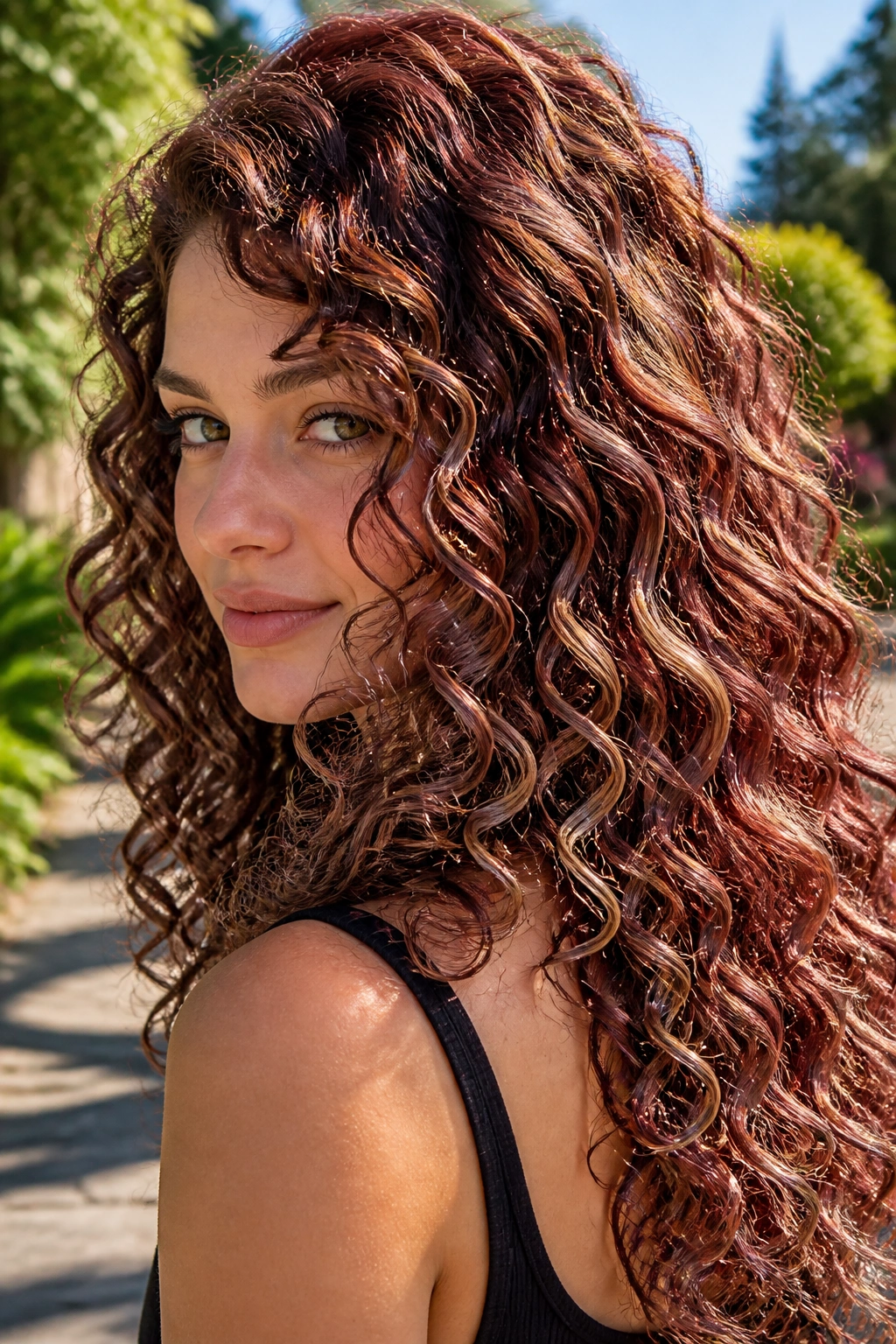
Curls love burgundy bronde because they show off every shift in tone. The darker burgundy adds depth, the bronde pieces keep the curls from collapsing into one dark block, and cool skin gets a shade that feels rich instead of orange.
A curl pattern changes the way color reads. What looks bold on straight hair can turn very soft once it moves. That’s why this shade works so well with ringlets and spiral curls. The lighter pieces pop at the bends, while the burgundy sits deeper in the base.
What Makes It Different
This isn’t a flat red and it isn’t a basic brown. It sits in between, and that middle space is useful. If your cool skin leans fair, keep the blonde pieces beige. If your complexion is deeper, you can let the burgundy go richer.
A curl cream with a little shine helps here. Dry curls mute the color. Nobody wants that.
18. Toffee Rose Curtain Bangs
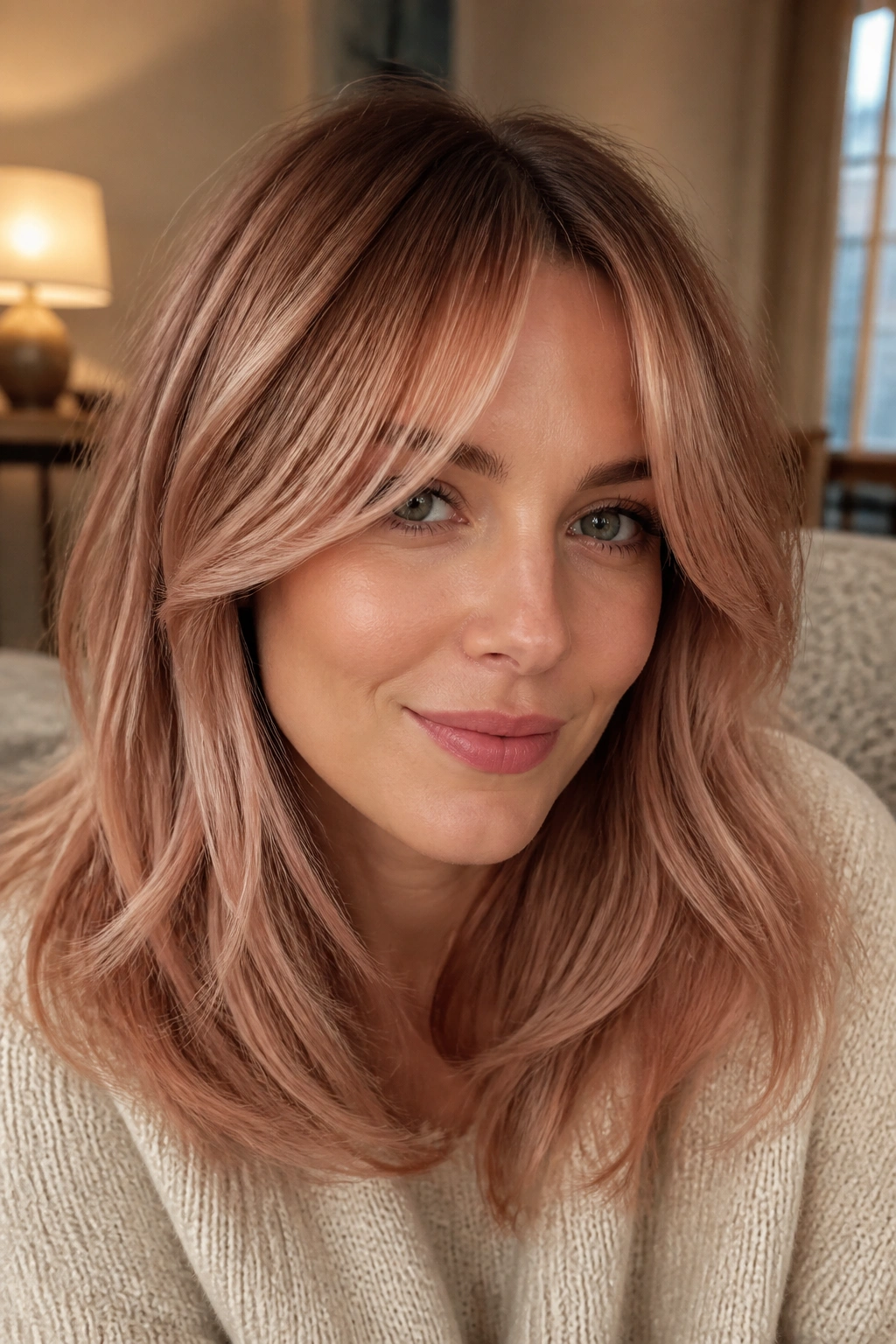
Curtain bangs can make a color look more intentional than it really is, and toffee rose uses that trick well. The toffee gives the root area some warmth, the rose keeps the blonde side cool, and the bangs bring the whole thing onto the face instead of letting it hide in the lengths.
That front softness helps cool skin a lot. Bangs break up the forehead and create a pale frame around the eyes, which means the red-brown doesn’t need to do all the work. The color can stay gentler through the rest of the hair.
I’d pick this for someone who wants auburn blonde but doesn’t want a heavy all-over red. The bangs can be toned a little stronger than the rest, which gives the style a pretty face-framing effect without making the whole head look overdone.
19. Rusted Mushroom Lob
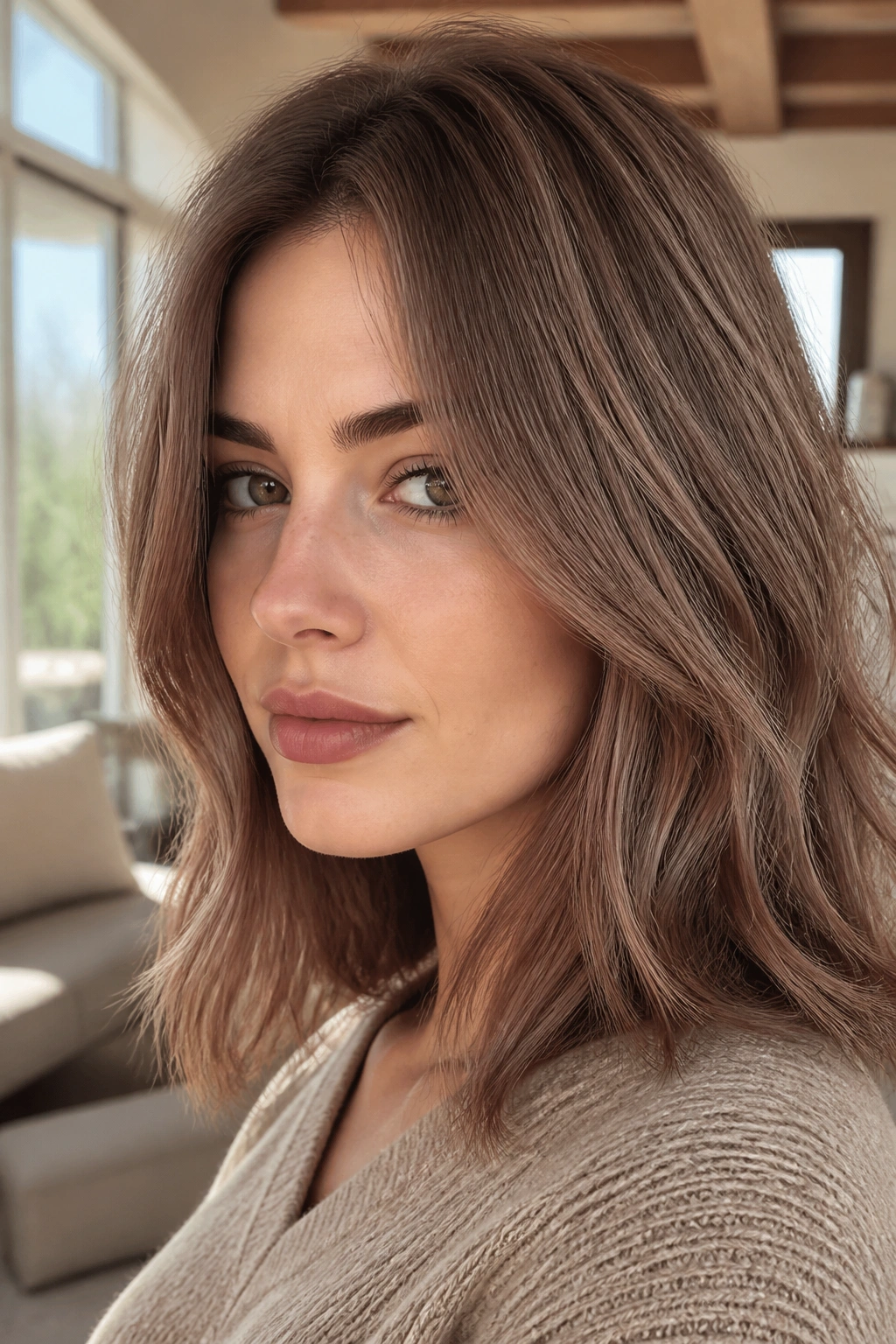
Rusted mushroom sounds odd on paper. On hair, it’s excellent. The rust adds a soft red-brown note, the mushroom keeps the tone earthy and cool, and the lob cut keeps everything looking clean and modern.
How It Wears in Real Life
This shade is a nice fit for cool skin that wants dimension but not shine. It has a matte, slightly smoky feel that works with straight hair and loose bends alike. The mushroom note helps the rust stay muted, which is the entire point.
- Best on: medium-length lobs and strong blunt cuts
- Best tone family: taupe, rust, beige
- Best styling: smooth blowout or broken waves
- Best upkeep: low to moderate, depending on how light the ends are
If you usually get bored with bright color, this one has staying power. It looks calm, but not dull.
20. Cranberry Auburn Highlights
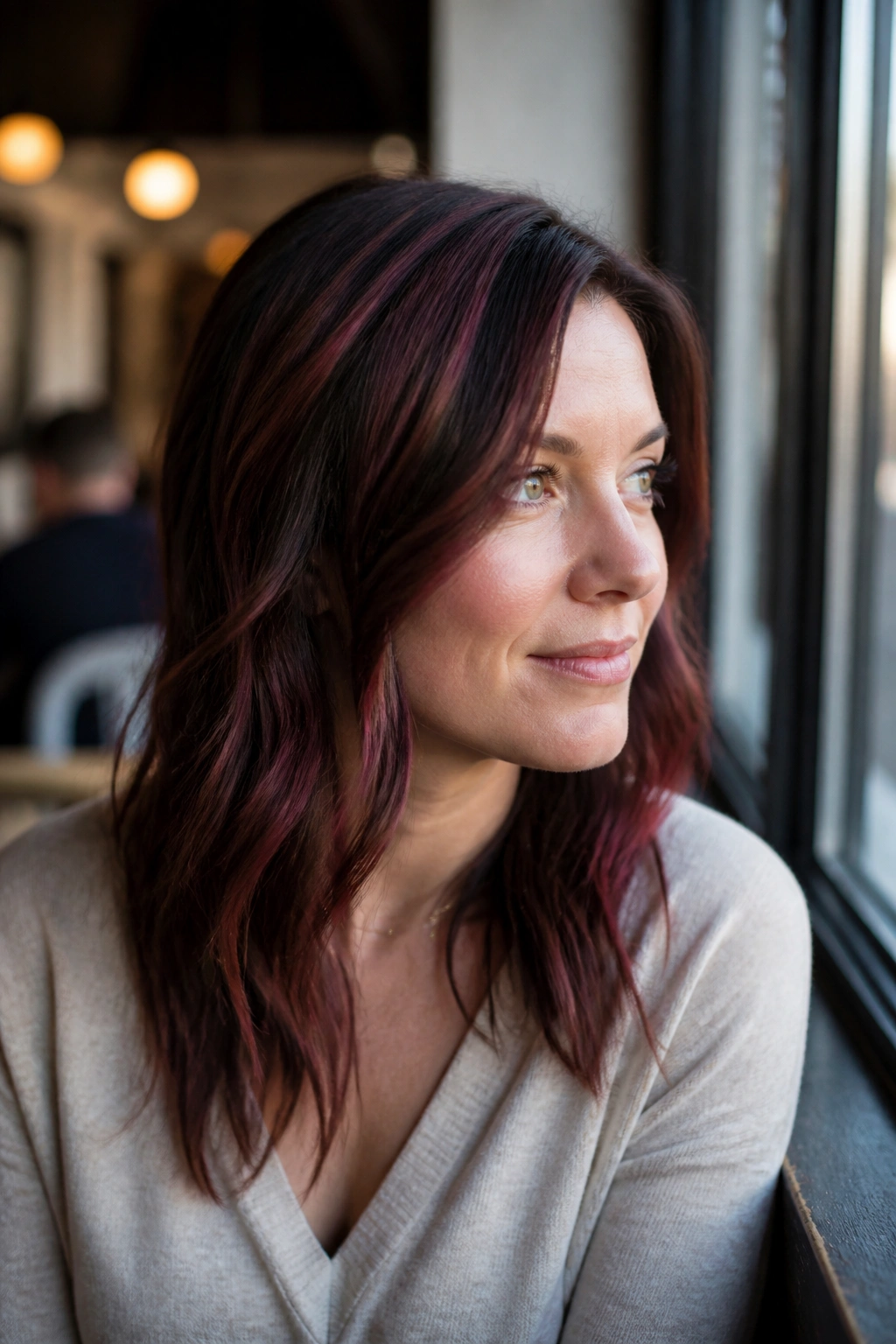
Cranberry highlights are the answer for someone who wants red in the hair but refuses to go full copper. The cranberry note is cooler and more berry-like, which makes it much easier on cool skin than a warm red-orange highlight.
The placement should stay thin. That’s the whole point. When cranberry is woven in lightly, it adds a dark, juicy shimmer that shows up in motion instead of reading like stripes. On darker bases, it can look almost plum-red in dim light and more ruby in daylight.
How to Keep It Fresh
Ask for a gloss between highlight sessions so the red stays polished. Red tones fade fast, and cranberry is no exception. A sulfate-free shampoo helps, too, but the bigger issue is heat. Too much hot styling can wash the tone out sooner than you expect.
This one is for people who like their color to shift with the light.
21. Sandalwood Auburn Blonde
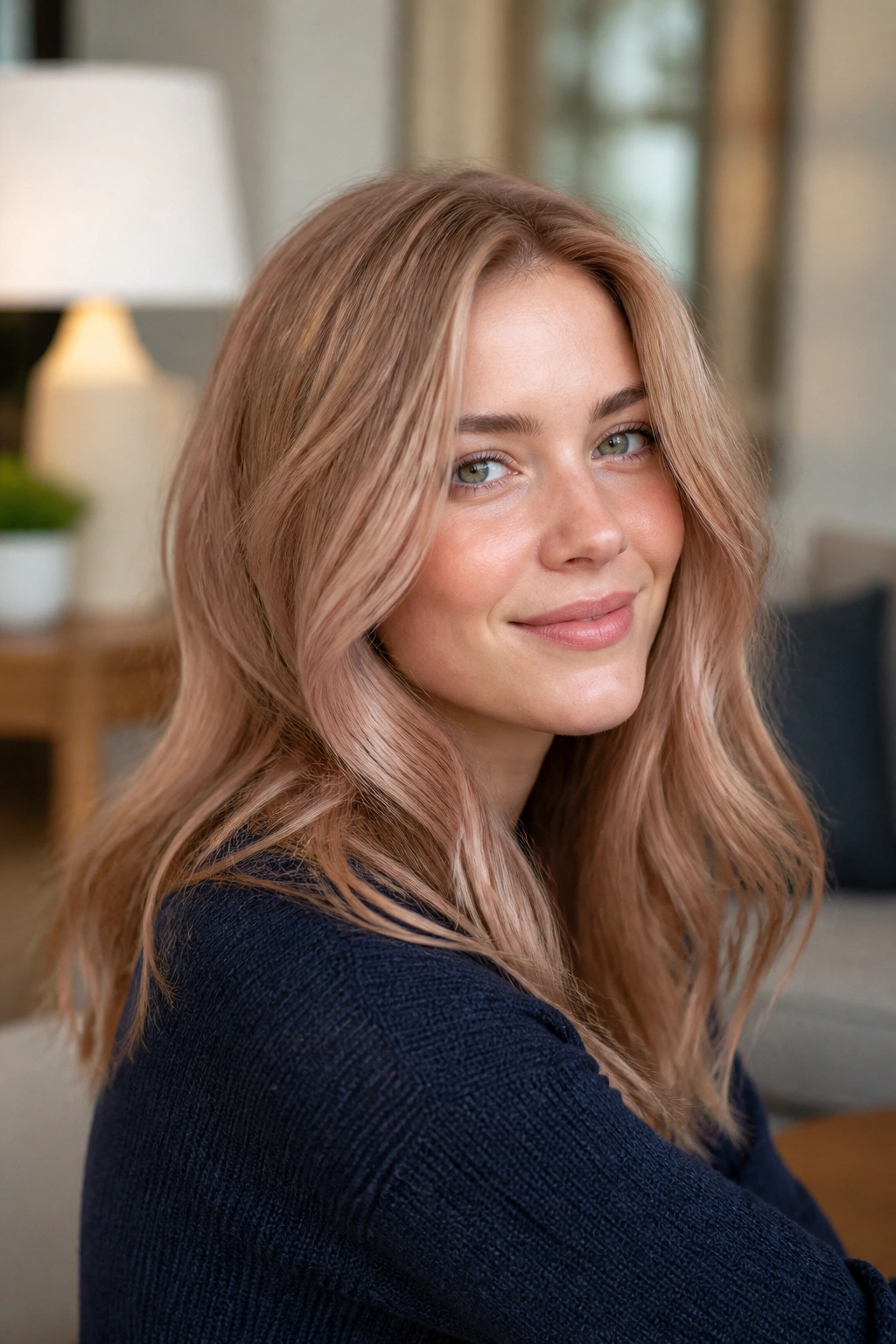
Sandalwood is one of the quietest shades in this lineup, and that’s its charm. It brings a creamy, pale neutral base, then threads in auburn so lightly that the overall effect stays soft. For cool skin, that softness matters more than brightness.
A lot of people chase contrast when they really need balance. Sandalwood gets the balance right. It does not scream red, and it does not lean too gold. The result is a blonde that feels warmer than ash but still cool enough to sit nicely next to pink or blue undertones.
This is especially pretty on fine hair, where a gentle color can make the texture look fuller without making each strand obvious. It’s also a nice choice if you wear a lot of navy, gray, or black.
22. Sable Auburn Melt
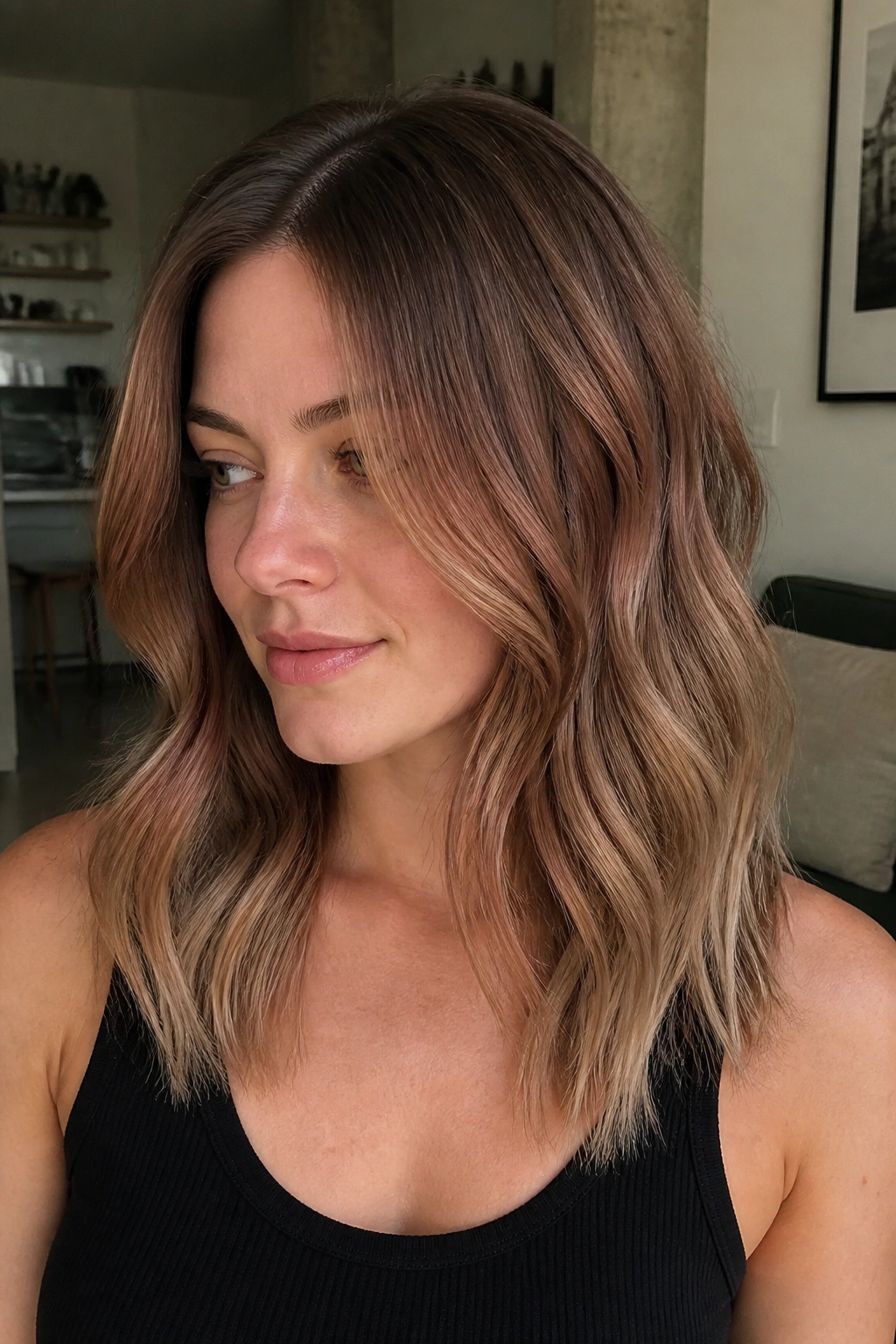
Why does a sable root melt work so well for cool skin? Because it gives the face a dark anchor before the auburn-blonde pieces start. That contrast keeps the lighter ends from looking washed out and stops the red from taking over the entire head.
The best version moves from deep sable at the roots into muted auburn midlengths and then into a beige blonde finish. It’s softer than ombré and more dimensional than one-tone color. On long hair, the effect can look plush without feeling heavy.
If you want a color that grows out cleanly, this is a smart pick. The root stays close to natural, so there’s less maintenance pressure. And because the fade is gradual, the blonde ends keep their softness longer.
23. Apricot Ash Layers
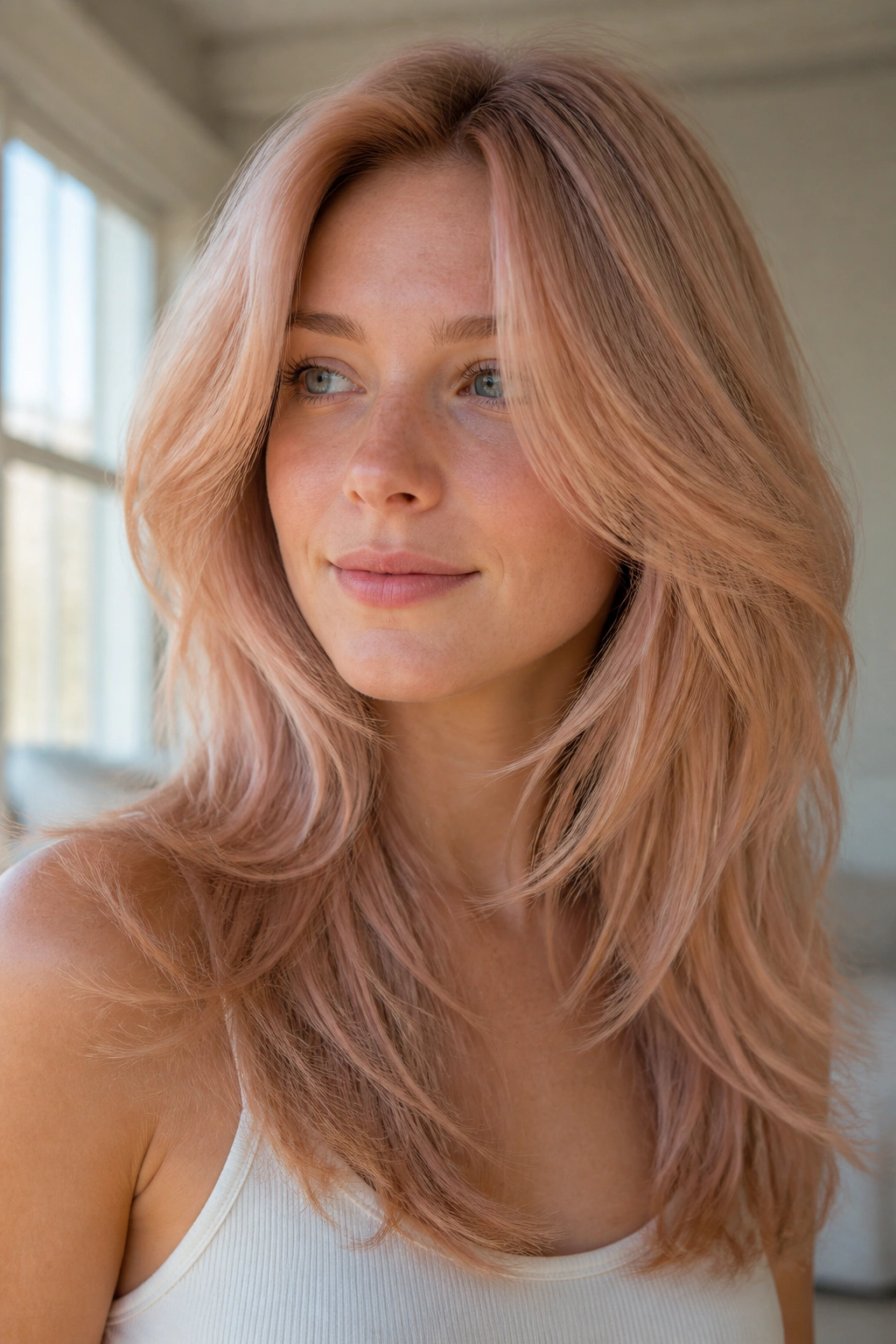
Apricot sounds warm. Ash sounds cool. Put them together and you get one of the more interesting auburn blonde ideas for cool skin, because the ash strips the apricot of its sugary edge. What’s left is a peachy-beige glow that reads softer than it sounds.
The layering matters a lot here. On a layered cut, the apricot pieces catch movement while the ashier sections cool everything down. That mix helps the color stay wearable on fair cool skin, which can look a little overwhelmed by brighter red tones.
I like this shade on medium-length cuts with face-framing layers. It has enough warmth to keep the hair from disappearing, but the ash prevents it from looking too sunny. That balance is rare, and worth chasing.
24. Velvet Auburn Ombré
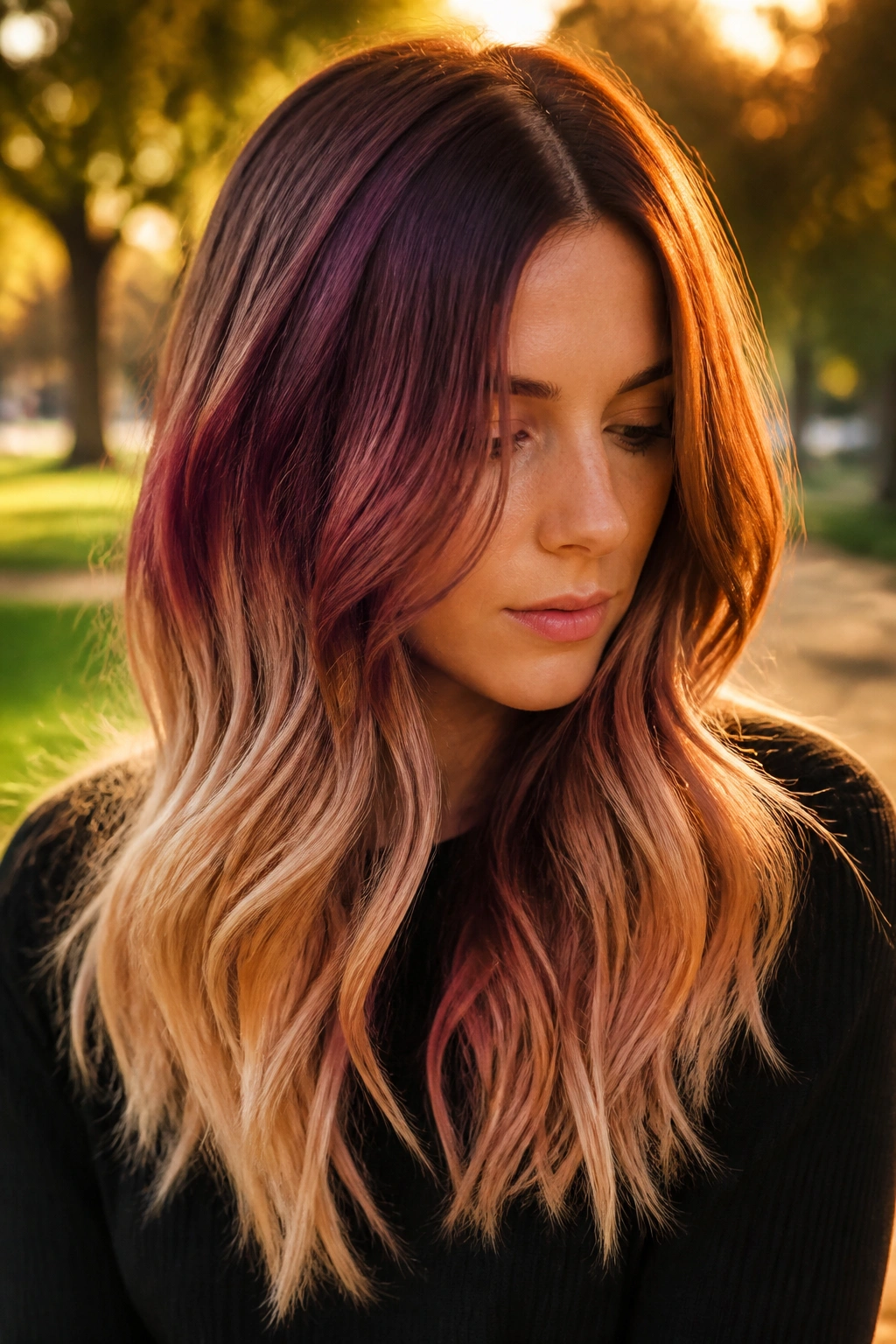
Velvet auburn ombré is all about texture. The root stays deeper and softer, the midlengths carry a velvety auburn, and the ends fade into a lighter blonde that never looks too sharp. On cool skin, that plush finish is far more flattering than a bright, hard-edged ombré line.
Why It Looks Rich Instead of Flat
The key is a low-contrast transition. You want each color zone to blur into the next so the finish feels smooth under natural light. If the blonde ends are too pale or the auburn too orange, the whole look loses its softness.
This is a good pick for hair that already has some dimension, like natural waves or loose curls. The movement gives the ombré places to live, and the color shifts look more expensive when they’re broken up by texture.
It is a strong shade, but it never has to be loud. That’s the best kind of strong.
25. Neutral Auburn Pixie
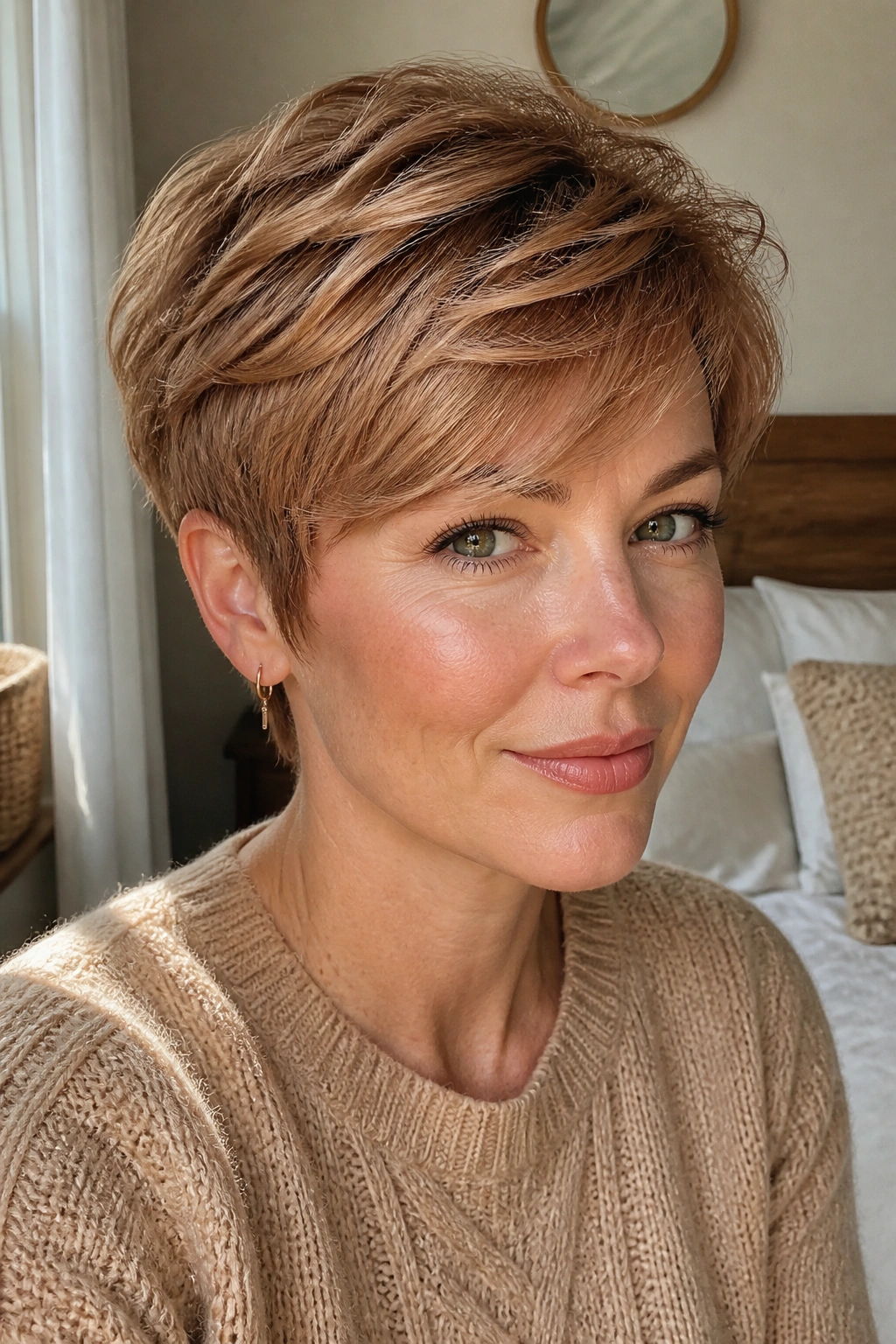
A pixie does not need a bright color to make a point. Neutral auburn proves that. The tone sits between red-brown and beige blonde, which keeps the cut wearable on cool skin and avoids the sharpness that brighter copper can create.
Best Features to Ask For
Keep the sides clean and the top slightly longer so the color has room to move. That’s especially helpful if you style with a bit of lift at the crown. A neutral auburn glaze can then show off the shape without turning the crop brassy.
- Best haircut shape: textured pixie with a longer top
- Best tone: red-brown with beige influence
- Best finish: matte cream or light shine paste
- Best upkeep: frequent trims, easy color refreshes
Short hair is honest about color. This one holds up because the tone is balanced, not flashy.
26. Halo Auburn Blonde
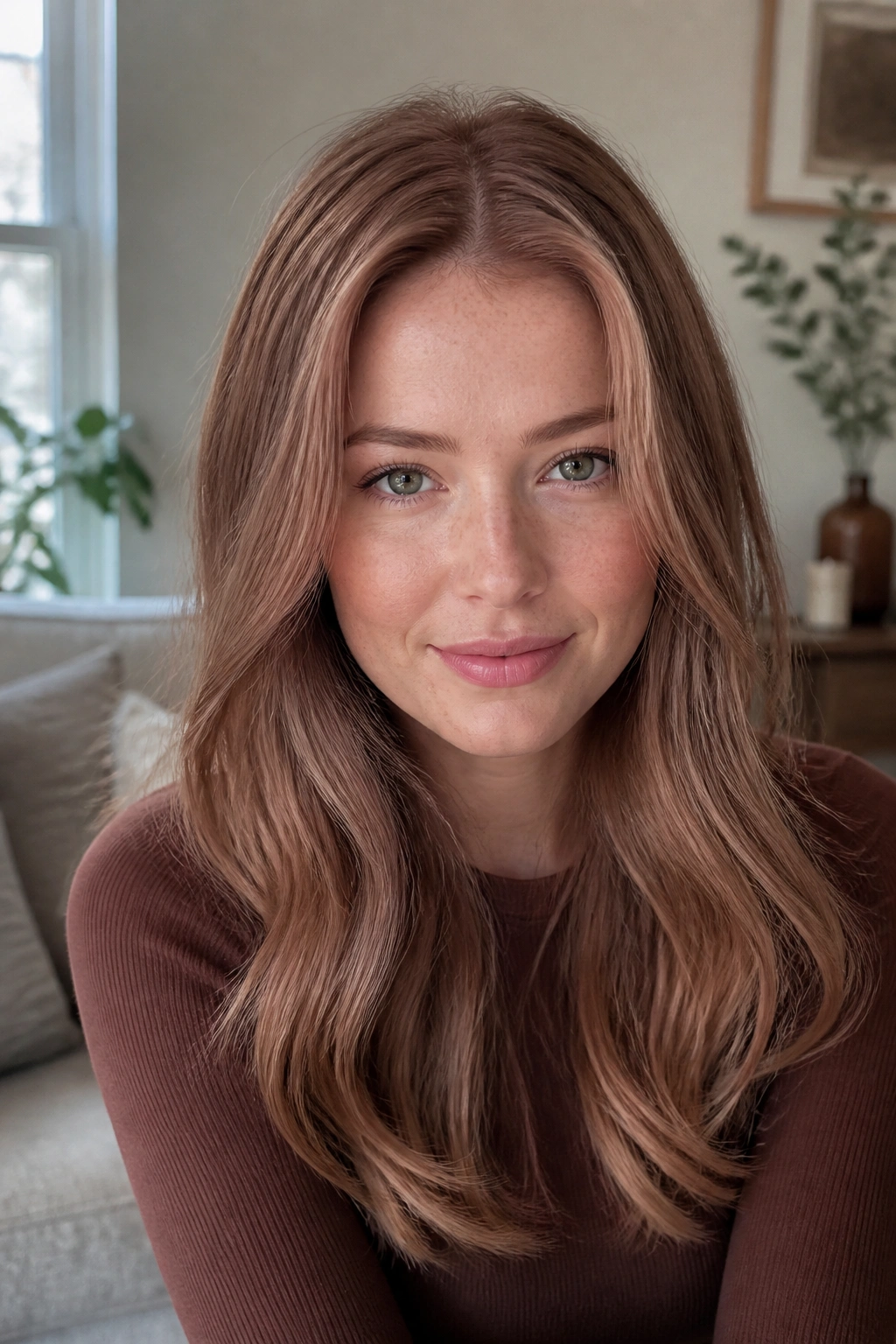
Could a halo highlight placement make auburn blonde look softer? Yes, and that’s why this is one of the easiest flattering options on cool skin. The lighter pieces sit around the crown and part line, which means they brighten the head without dumping warmth all over the lengths.
That placement is smart because it mimics the way natural light hits hair. Instead of streaks running everywhere, you get a soft ring of blonde with auburn woven underneath. The effect is clean from a distance and interesting up close.
How to Ask for It
Tell your colorist you want fine halo lights around the part and crown, with a muted auburn base underneath. If you wear your hair up often, this is even better, since the lighter pieces stay visible in a ponytail or bun.
It’s a clever way to get brightness without high commitment.
27. Cool Copper Beige Bob
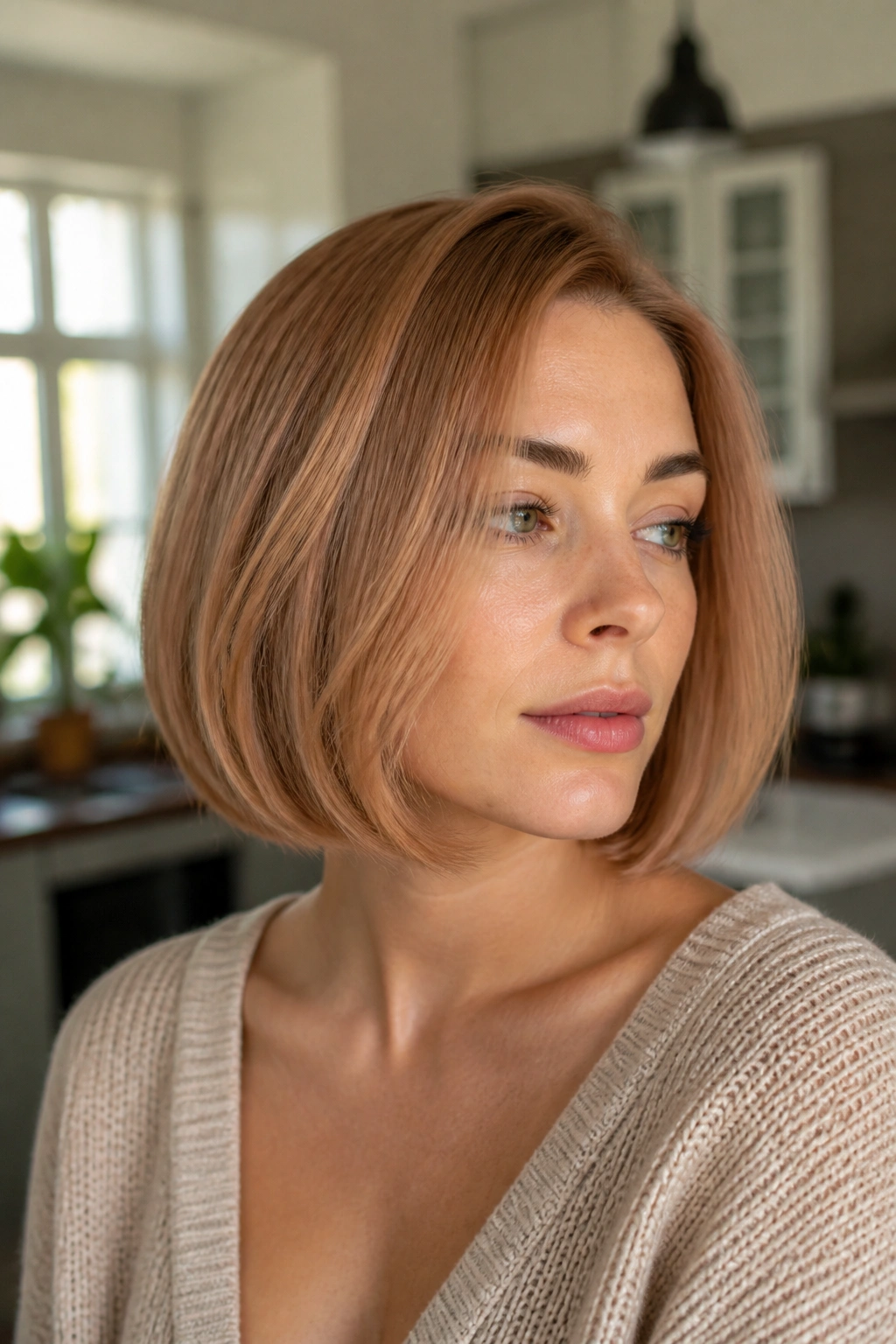
A bob can carry copper if the copper is cooled down with beige. That’s the whole point here. The color sits somewhere between soft ginger and neutral blonde, which gives cool skin enough warmth to look alive without making the face go ruddy.
This works especially well on blunt bobs. The clean line of the cut makes the muted copper read modern instead of nostalgic. Add a soft bend through the ends, and the beige tones start to show up more clearly, which helps the color look balanced in daylight.
A cool copper beige bob is also easy to style. A smooth blow-dry gives it polish; a loose wave makes the auburn side come forward a little more. I’d choose this if you want a bob that feels fresh but not fussy.
28. Soft Auburn Blonde Money Pieces
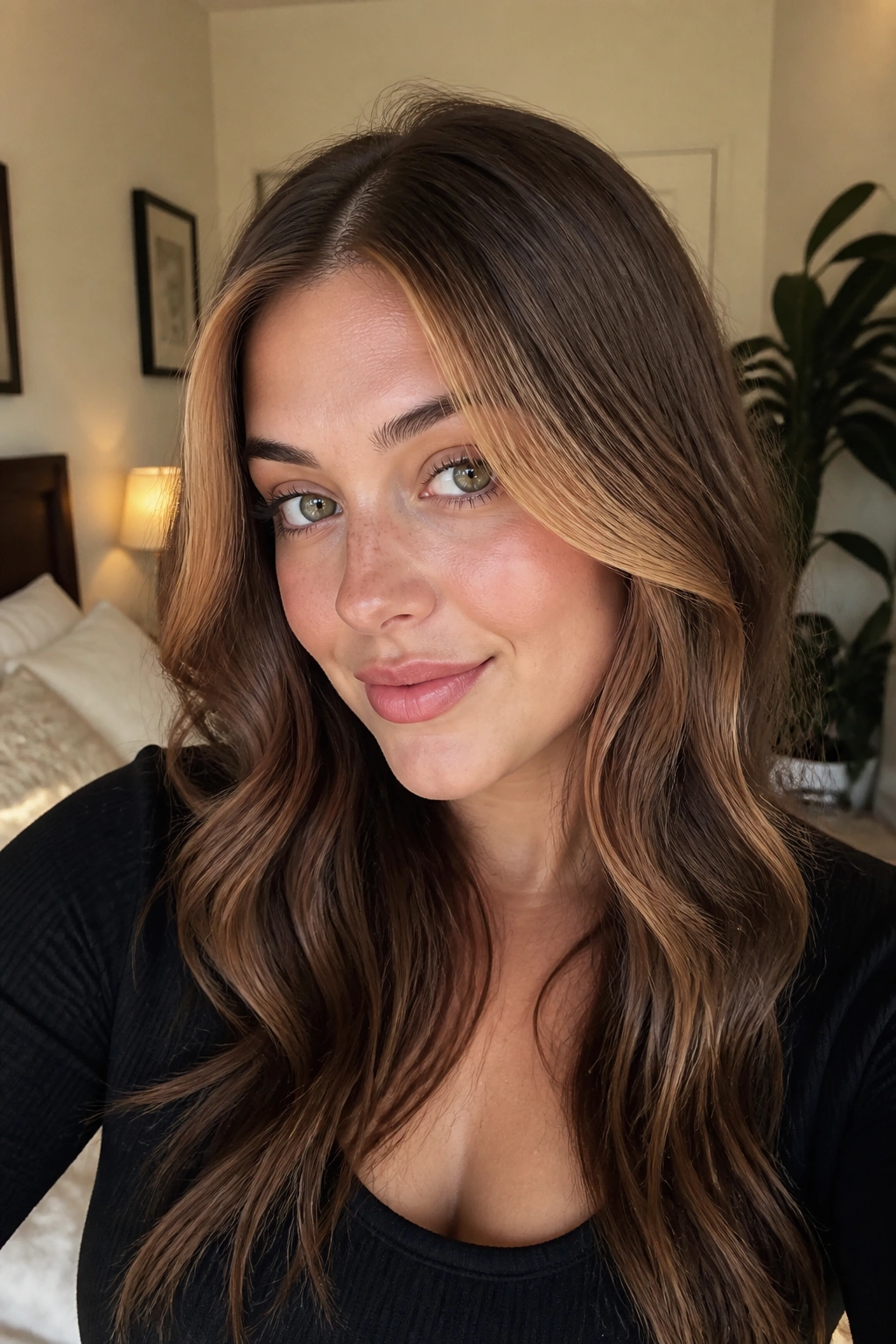
Soft money pieces are the lowest-risk way to test the whole auburn blonde idea. The front panels stay light enough to brighten the face, while the auburn tint keeps the contrast gentle for cool skin. If you do not want a full color appointment that changes everything, this is the sane place to start.
The beauty of this look is how little it asks from the rest of the hair. You can keep the base close to your natural shade, soften the front with beige-auburn highlights, and leave the lengths alone. That means easier grow-out, fewer toning appointments, and less stress on the hair itself.
I’d pick this for someone who wants a change that shows up in mirrors and photos but doesn’t require a full identity shift. That sounds dramatic, but hair color can feel that way. Start with the face frame, and you can always build from there later.
