



Finding the right blonde is often a exercise in frustration, especially when your skin has cool undertones. You walk into the salon with a vision, only to leave with a color that feels either too yellow or too dull. Champagne blonde is the perfect middle ground for cool complexions. It brings enough warmth to keep you from looking washed out, but stays grounded in the cool, pearlescent spectrum that prevents the dreaded brassy orange tones. It is a sophisticated, multi-dimensional shade that relies on a precise balance of violet and blue pigments to neutralize unwanted yellow while maintaining that signature sparkling, bubbly reflection.
When your skin has pink, blue, or red undertones, the wrong blonde can highlight any redness in your complexion. Champagne blonde sidesteps this entirely by leaning into subtle, icy highlights and soft, creamy lowlights. It creates a seamless effect that mimics light hitting a glass of sparkling wine. The secret isn’t just the color itself, but how it is placed and how the roots are managed. Whether you want something high-maintenance and bright or a lived-in, natural look, champagne blonde is versatile enough to fit.
1. Classic Champagne Highlights
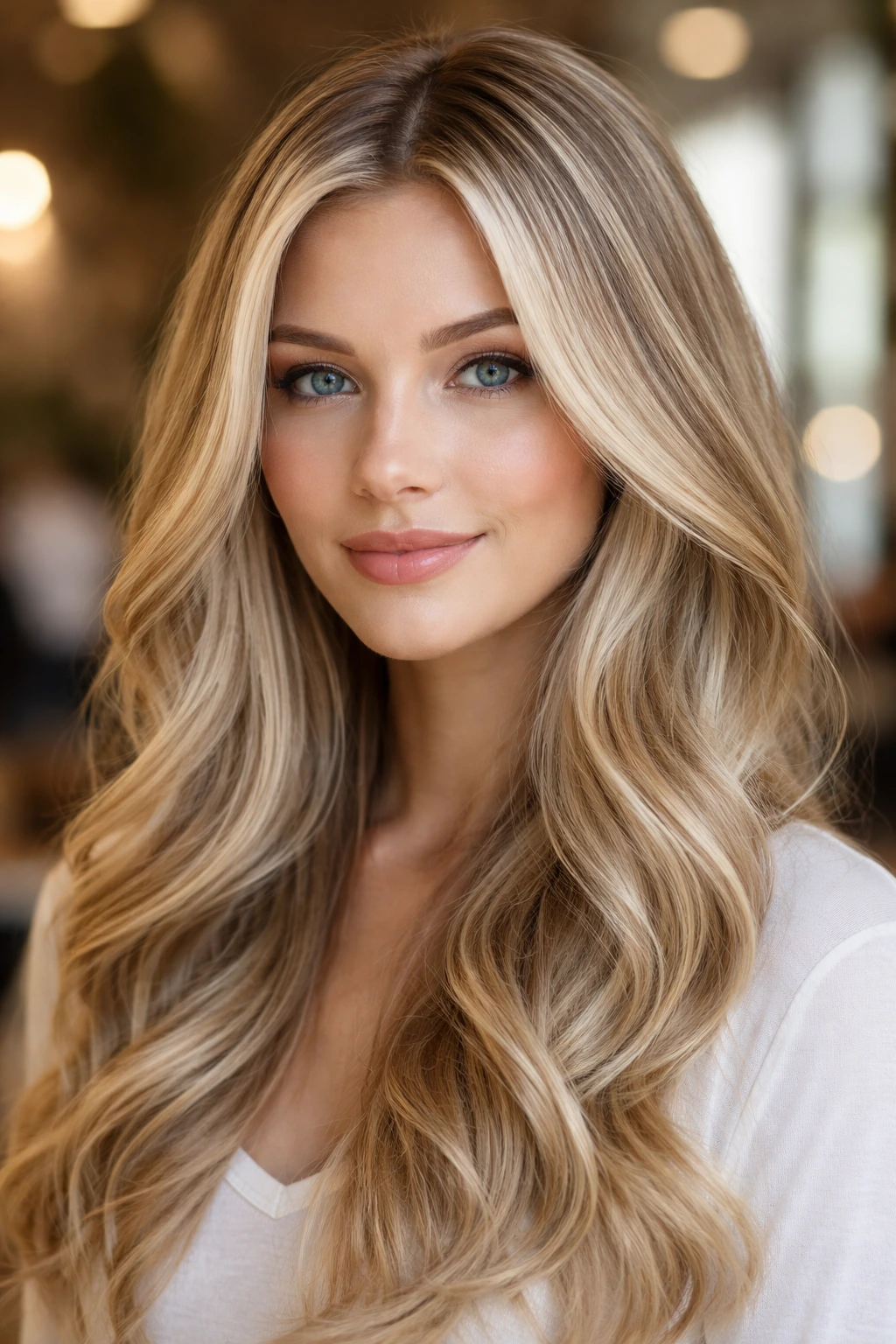
The classic approach to champagne blonde relies on a full head of fine highlights that catch the light from every angle. This isn’t about big, chunky streaks that defined earlier decades. Instead, a stylist uses thin, tightly woven foils to create a soft, blended effect where the champagne blonde weaves through your natural color.
Why It Works for Cool Skin
The goal here is to keep the base color close to your natural shade while lifting the highlights to a very pale, neutral blonde. By using a cool-toned toner—think violet or silver base—the highlights sit perfectly against cool skin without turning yellow.
Pro tip: Ask for a “teased foil” or “babylight” technique. This ensures the roots stay soft and there is no harsh line of demarcation as your hair grows out. It makes the maintenance feel much more natural and less like a chore you have to manage every four weeks.
2. Icy Champagne Balayage
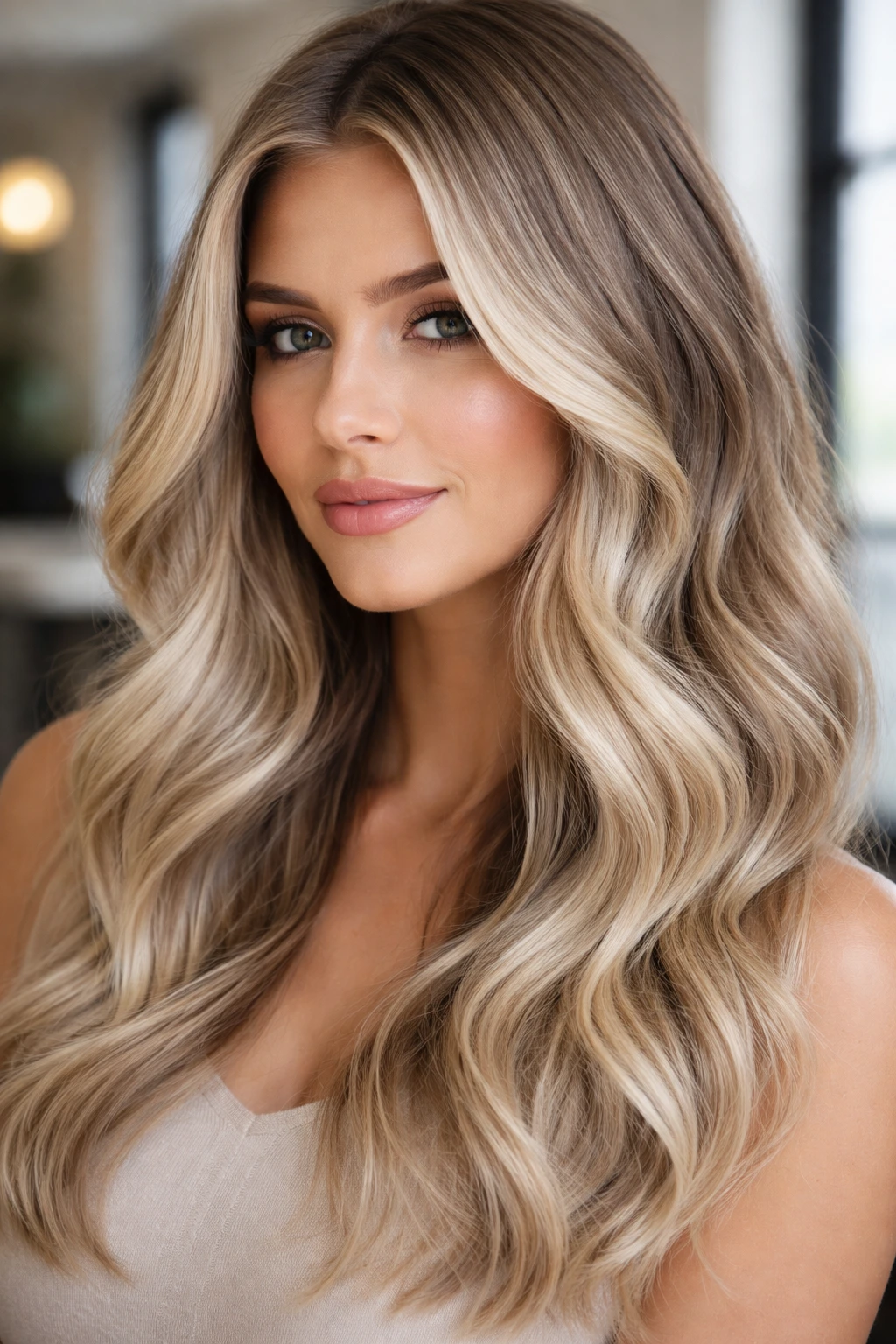
Balayage remains a staple because it offers a sun-kissed, low-maintenance aesthetic that fits almost anyone. When you combine this hand-painted technique with a champagne palette, you get a look that feels expensive and intentional. The key is to keep the brightness concentrated toward the ends and around the face, leaving the mid-lengths slightly deeper.
For cool skin, the painter should focus on neutral to ash-blonde tones. If the lightener lifts too warm, a gloss is mandatory to pull it back to that cool champagne finish. This style excels because it grows out beautifully, meaning you are not tethered to a salon chair every month.
3. Rooted Champagne Blonde
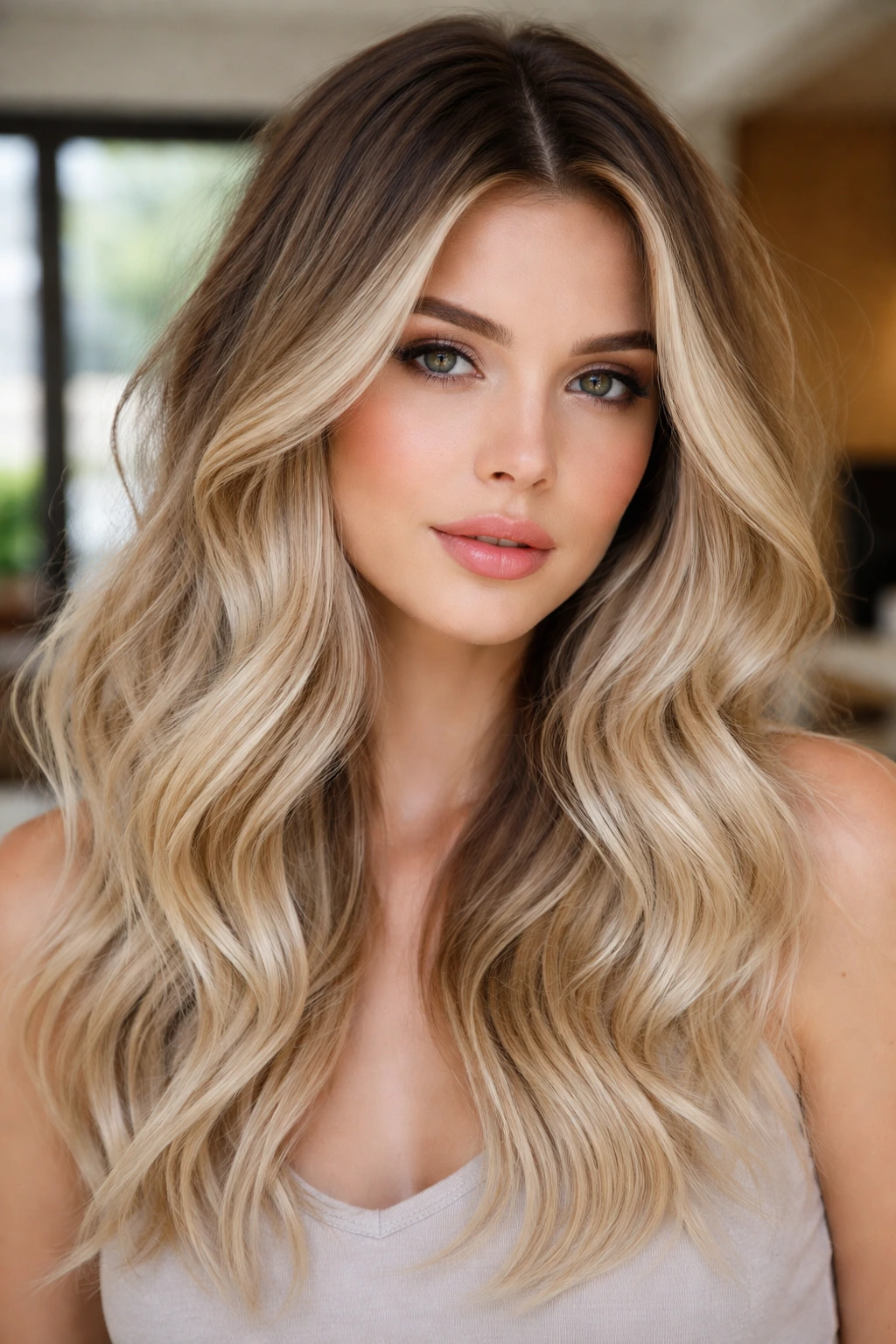
For those who want a dramatic, high-contrast look without the commitment of platinum, a rooted champagne blonde is the answer. This style features a deeper, shadow-like root—often a natural ash blonde or light brown—that melts into a bright, shimmering champagne blonde.
Achieving the Gradient
The transition between the root and the ends needs to be seamless. If there is a visible line, the look falls apart.
- The Melt: Your stylist will use a darker gloss at the root and pull it down slightly into the lighter hair.
- The Toning: The ends are kept at a pale, high-lift blonde level to keep that bubbly, champagne look.
- The Cut: This color thrives with a textured bob or long, beachy layers that show off the depth variation.
4. Pearl Champagne
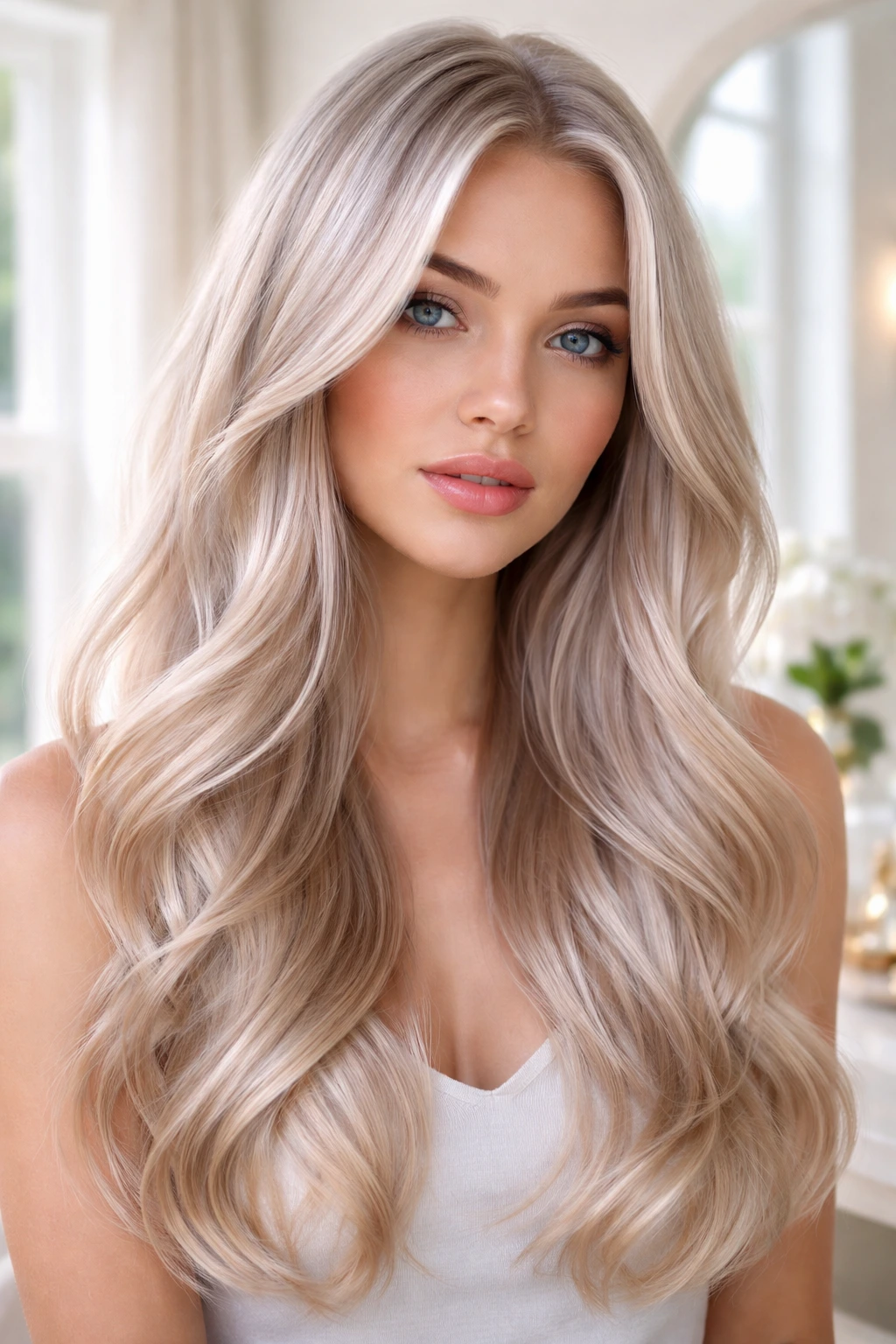
If you want something that leans more into the “cool” side of the spectrum, pearl champagne is your best friend. This shade looks almost opalescent. It has a heavy dose of violet and silver undertones that lean away from gold and toward white.
It is incredibly flattering on people with very fair, cool skin. Because it is so light, it requires a very clean, pale yellow canvas before toning. If your hair is naturally dark, this is a multi-session process. You cannot rush it without compromising the health of your hair, but the result is a sophisticated, glass-like shine that is hard to beat.
5. Champagne Highlights with Lowlights
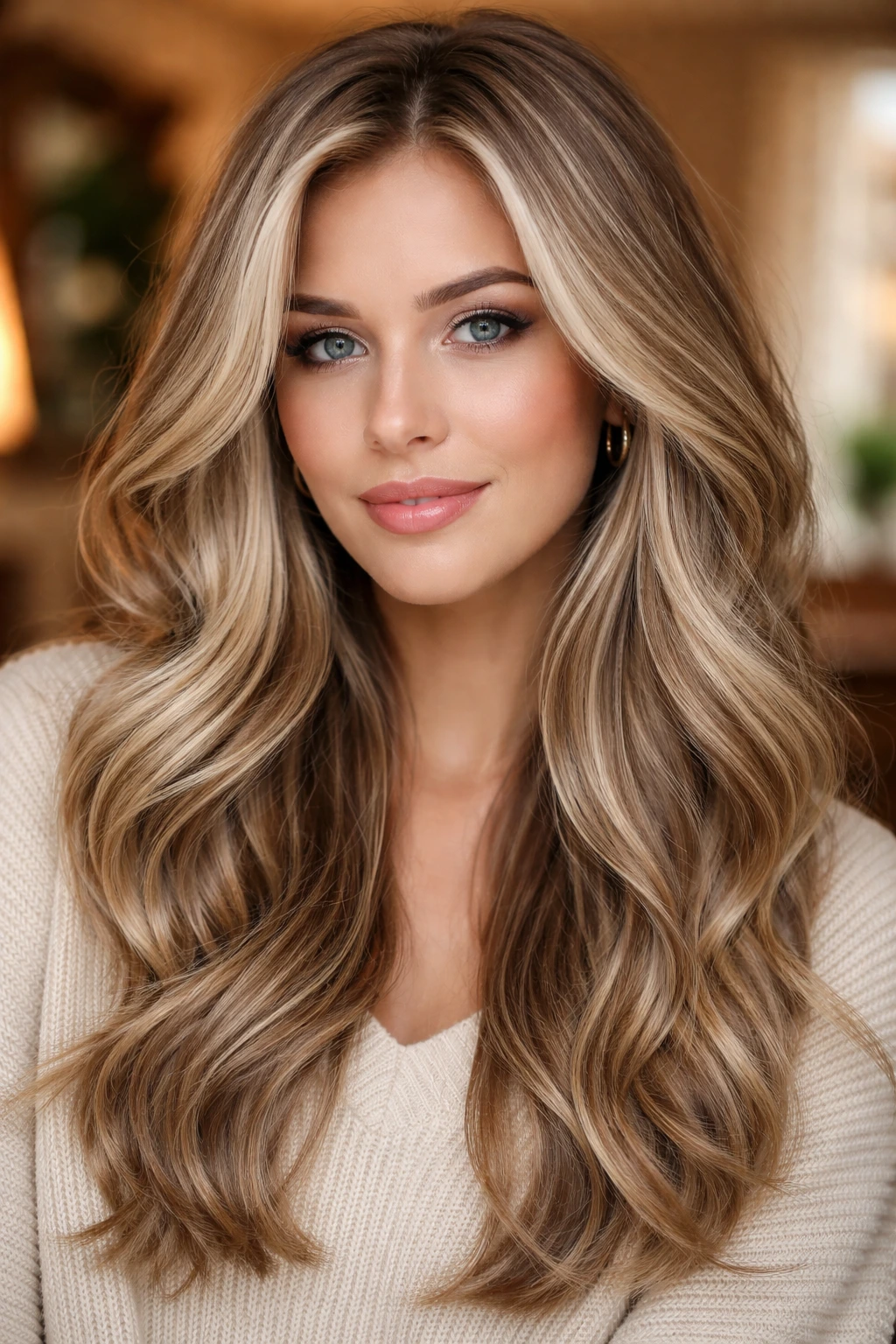
Sometimes a monochromatic blonde can look a bit flat or thin, especially if your hair is on the finer side. Introducing lowlights adds back the dimension that a full bleach service can strip away. The lowlights should be a shade or two darker than your highlights—a soft, beige blonde or a light taupe.
These lowlights don’t just add texture; they provide a buffer against your skin tone. By keeping some depth in the hair, the brighter champagne highlights pop more. It creates a natural-looking contrast that feels like your hair has more body and movement.
6. Pale Champagne Ombré
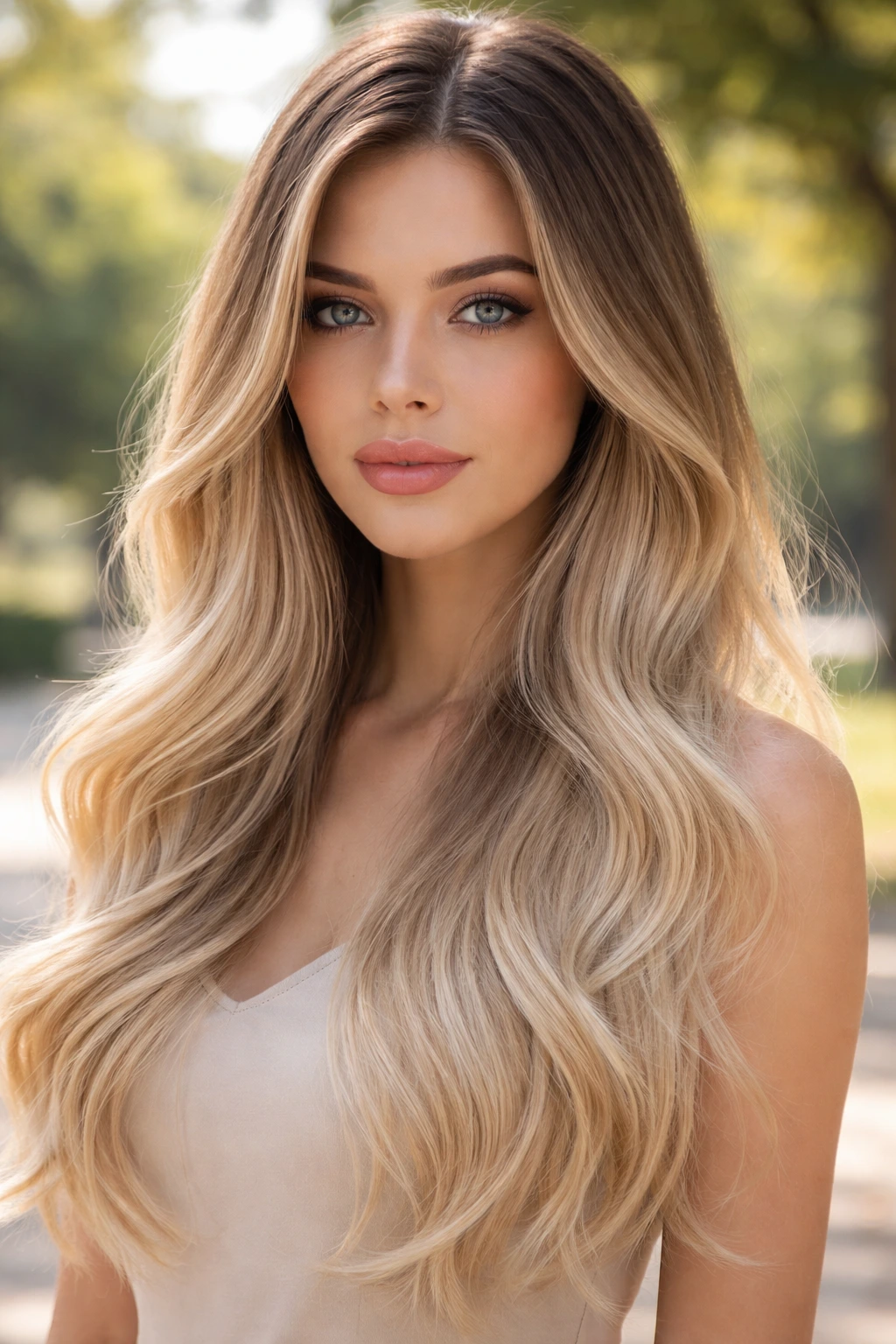
Ombré—the classic dip-dye effect—has evolved into a much softer, more gradual transition. In a pale champagne ombré, the roots are kept very dark, and the hair gradually lightens until the bottom four or five inches are almost white-gold.
The trick for cool skin is to avoid warm, golden-yellow tones at the ends. You want that bottom section to be a crisp, cool blonde. It is a bold look that works best on longer hair where there is enough length to allow the gradient to develop properly. If you cut your hair short, you might find the transition happens too quickly to look smooth.
7. Champagne with Lavender Undertones
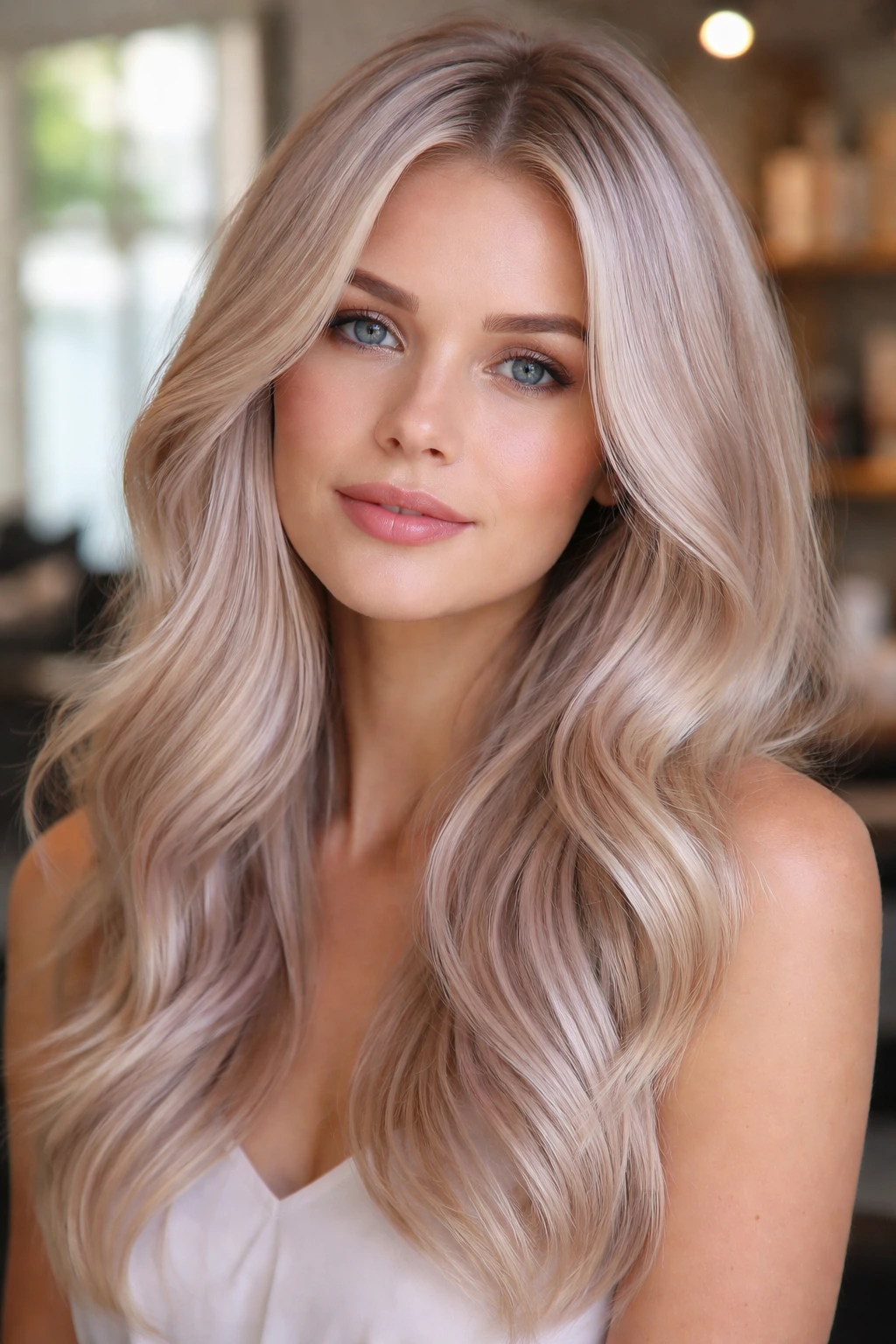
Lavender isn’t just for a fashion-forward statement; a sheer, cool-toned lavender glaze over champagne blonde is a pro-level trick for neutralizing brass. The violet pigments in the lavender counteract yellow tones, leaving the hair looking cleaner and brighter than a standard toner could achieve.
You only need a light wash of color. It shouldn’t look like purple hair. Instead, it creates an iridescent, pearly quality that catches the light in a way that feels almost ethereal. This is excellent if you struggle with your blonde turning yellow within weeks of leaving the salon.
8. Buttercream Champagne
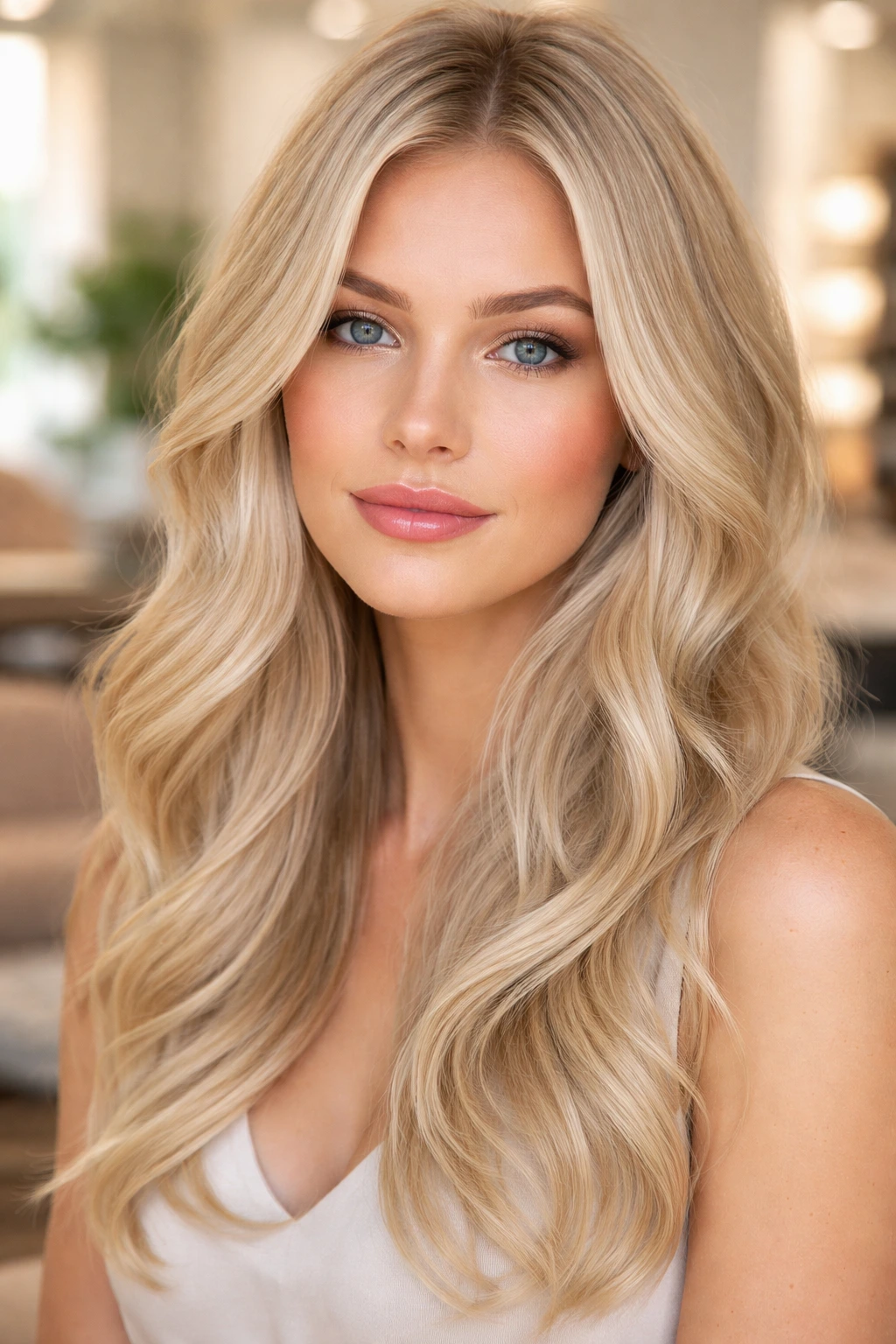
Buttercream sounds like it might be warm, but when mixed with the right cool-toned champagne base, it becomes a soft, rich, and creamy blonde. It has a slightly “lived-in” quality that feels less harsh than a stark, icy platinum.
It is a great entry point for those who are nervous about going too ashy. The cool tones keep it from looking orange, while the “creamy” descriptor refers to the depth and saturation. It is a very wearable color that looks just as good in the office as it does on the weekend.
9. Champagne Platinum
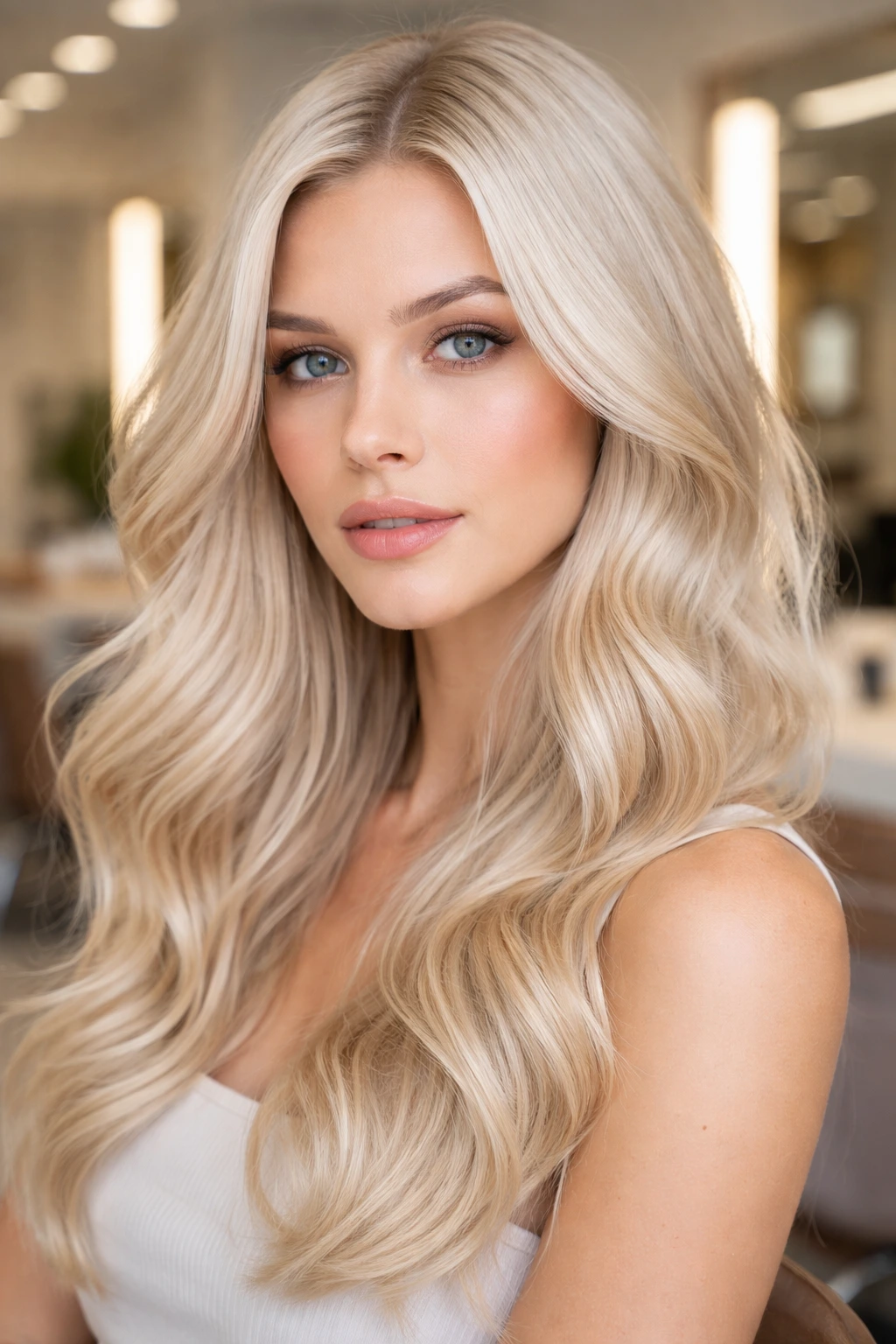
This is for the person who wants to go as light as humanly possible without sacrificing the cool, champagne vibe. It is essentially a platinum blonde, but instead of the harsh, stark white look, it has a softer, metallic tint.
Maintenance Reality
Be warned: this level of brightness requires serious care.
- Root touch-ups: Every 4-6 weeks, without fail.
- Bond builders: Use treatments to maintain hair integrity after the heavy lifting required to get to this level.
- Purple shampoo: This is non-negotiable. You need a high-quality pigmented shampoo to keep the yellow at bay.
10. Champagne Face-Framing Pieces
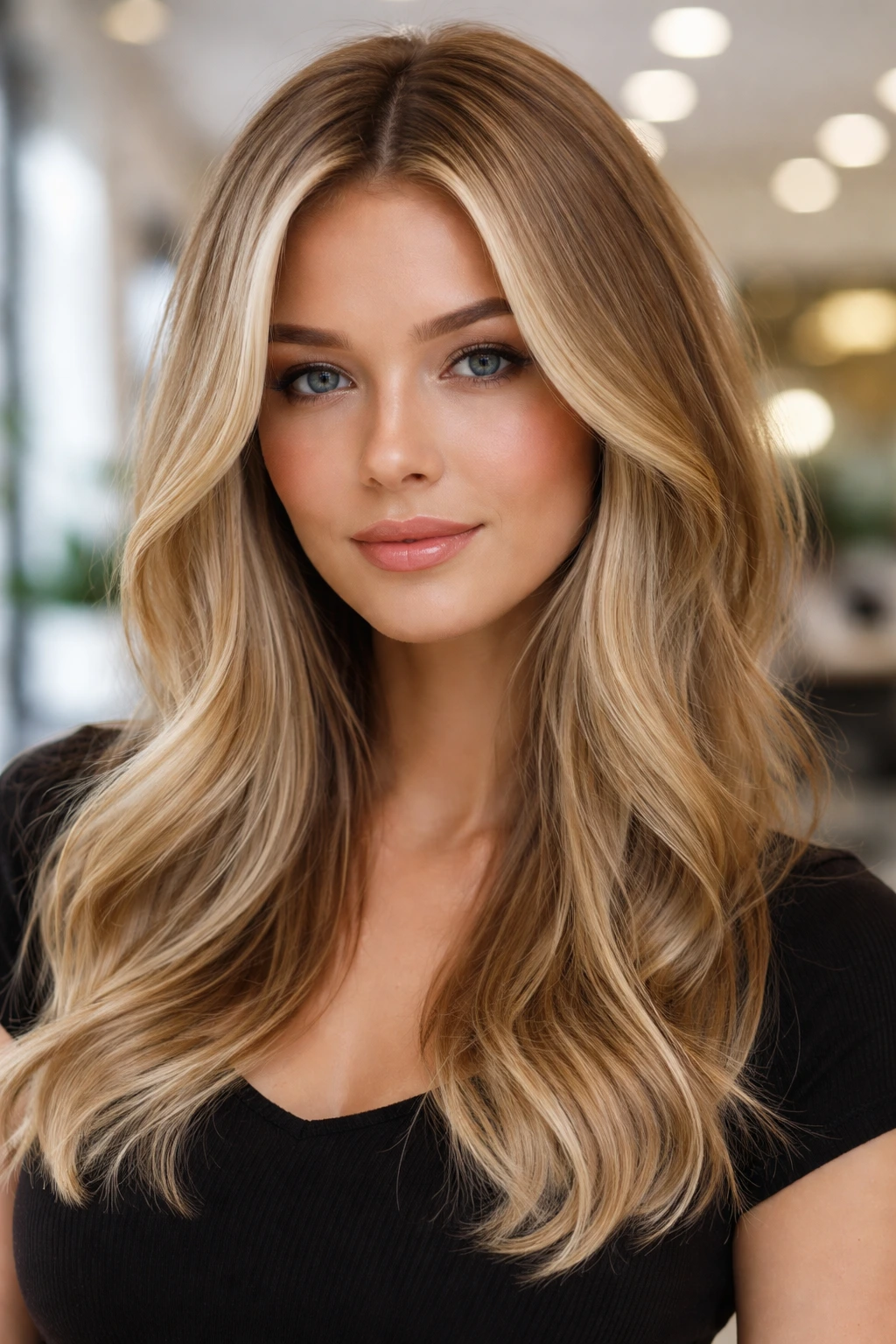
Sometimes, you do not need to color your entire head to get the champagne effect. Strategic face-framing—often called “money pieces”—can brighten your complexion immediately. By taking a small section of hair around the face and lifting it to a bright, cool champagne blonde, you reflect light onto your skin.
This is a fantastic option if you are growing out a previous color or if you want to test the waters with a lighter shade. It is low-impact on your overall hair health but offers a high-impact change to your appearance.
11. Sandy Champagne Blend
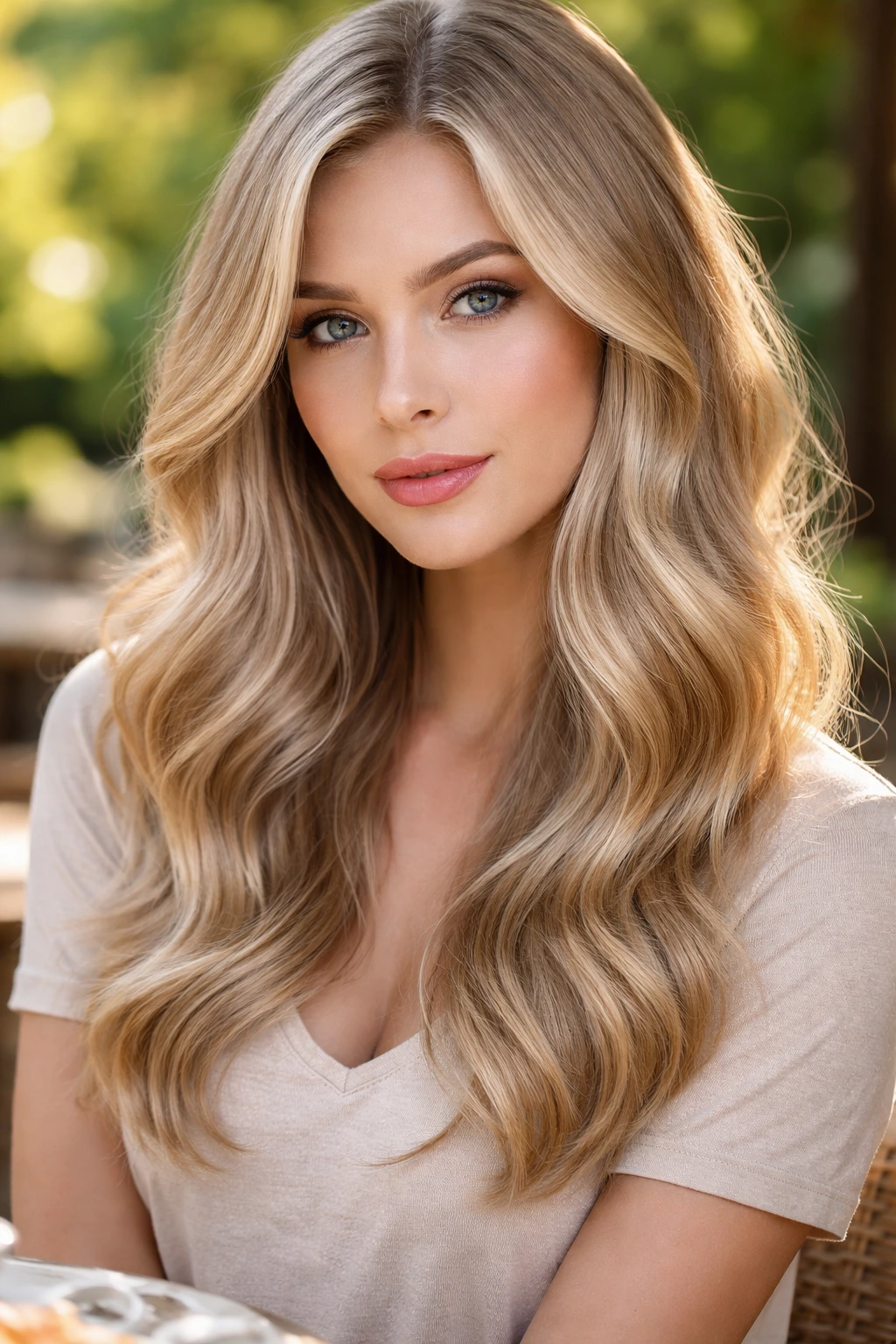
If you want something that feels natural and understated, look toward a sandy champagne. It mixes the cool, metallic notes of champagne with the earthy, neutral tones of sand. It lacks the intense brightness of platinum but gains significant depth and wearability.
This look is particularly good for those who have naturally light-brown or dark-blonde hair. It doesn’t require as much bleaching, which means your hair stays healthier and shinier. It is a “my hair but better” kind of color.
12. Metallic Champagne
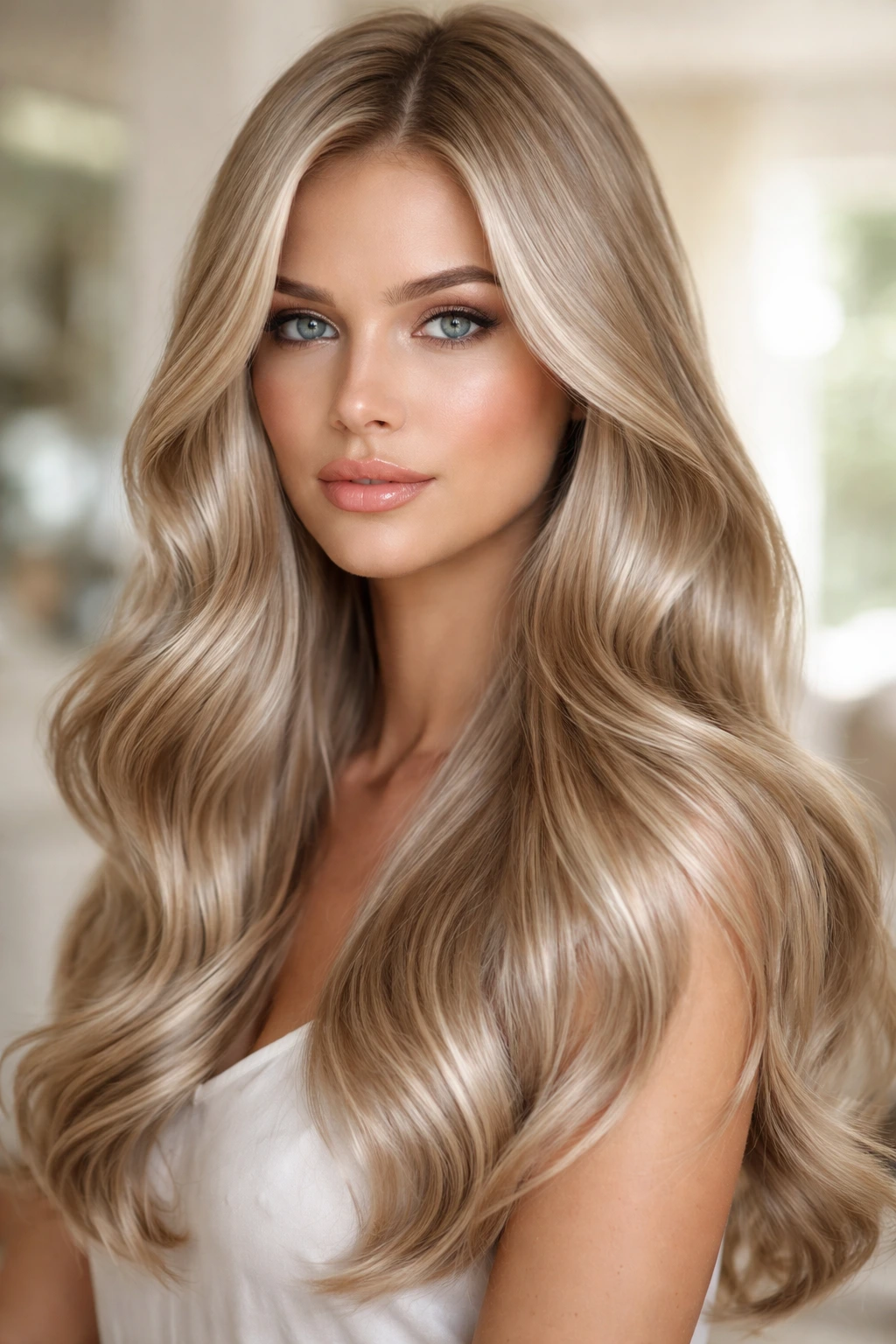
Metallic shades are having a moment, and champagne is the perfect base for this trend. It isn’t about glitter; it is about a finish that looks like polished metal. It has a sheen that is almost reflective.
To achieve this, stylists use clear glosses or “liquid color” treatments at the very end of the service. These treatments seal the cuticle and give the hair a glass-like finish. It looks best on healthy, hydrated hair, so if your ends are split or dry, make sure to get a trim before booking this service.
13. Champagne Babylights
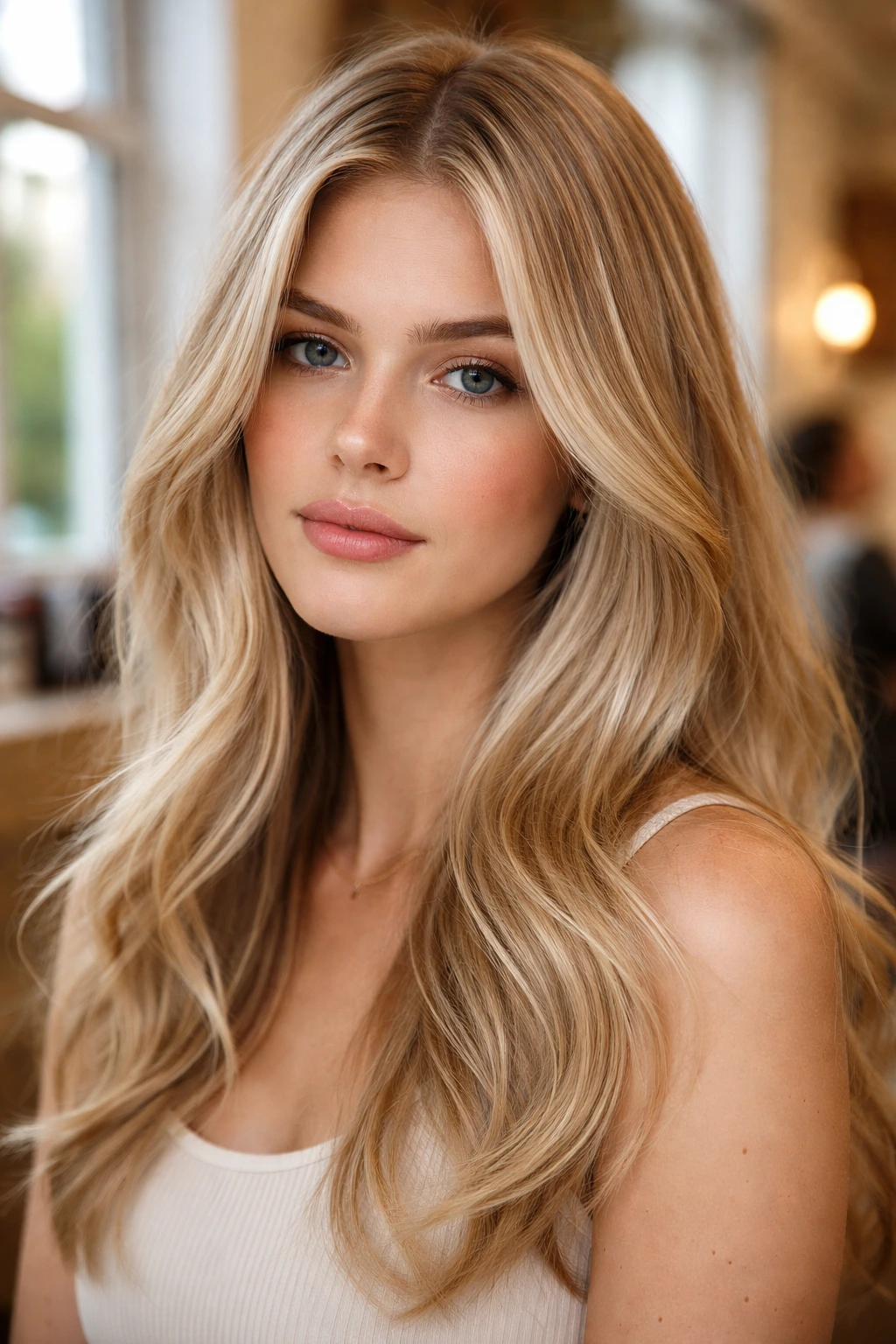
Babylights are the gold standard for a natural look. They are incredibly fine, subtle highlights that mimic the way hair lightens naturally in the sun. When done in a champagne tone, they look like you have been spending the summer on the coast.
Because the highlights are so fine, the regrowth is much softer. You won’t see a harsh line as your natural color grows out, which makes this one of the most practical and long-lasting color services available. It is subtle, but it makes a massive difference in how bright your overall color looks.
14. Soft Champagne Money Piece
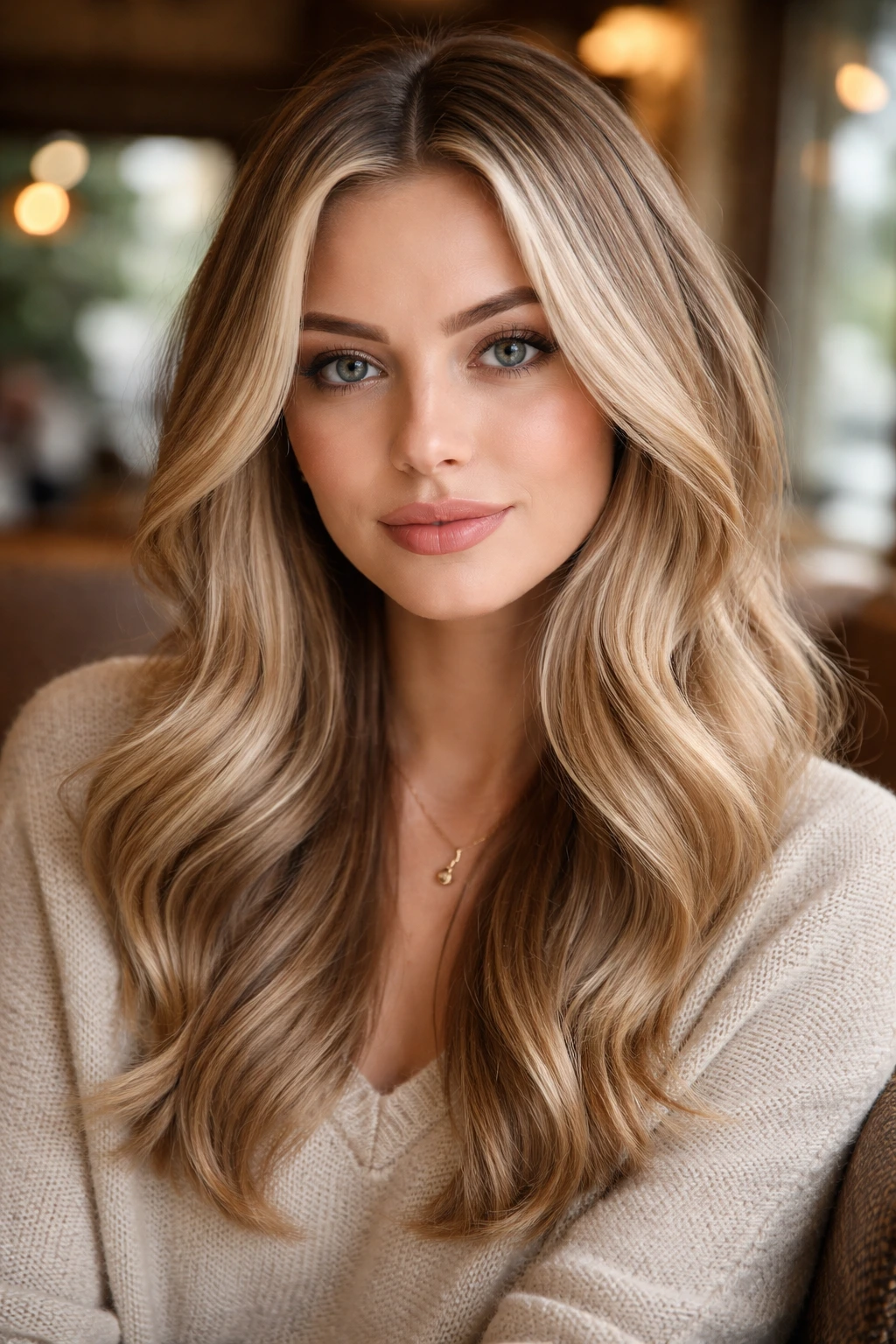
While some money pieces are chunky and bold, a soft champagne money piece is elegant and refined. The section of hair around the face is lightened, but the contrast is blended so it doesn’t look like two distinct strips of color.
It softens the features and brings brightness to the eyes. For those with cool skin, this is a great way to ensure that your face doesn’t look washed out by the rest of your hair color. It acts like a highlight, but for your face.
15. Ashy Champagne
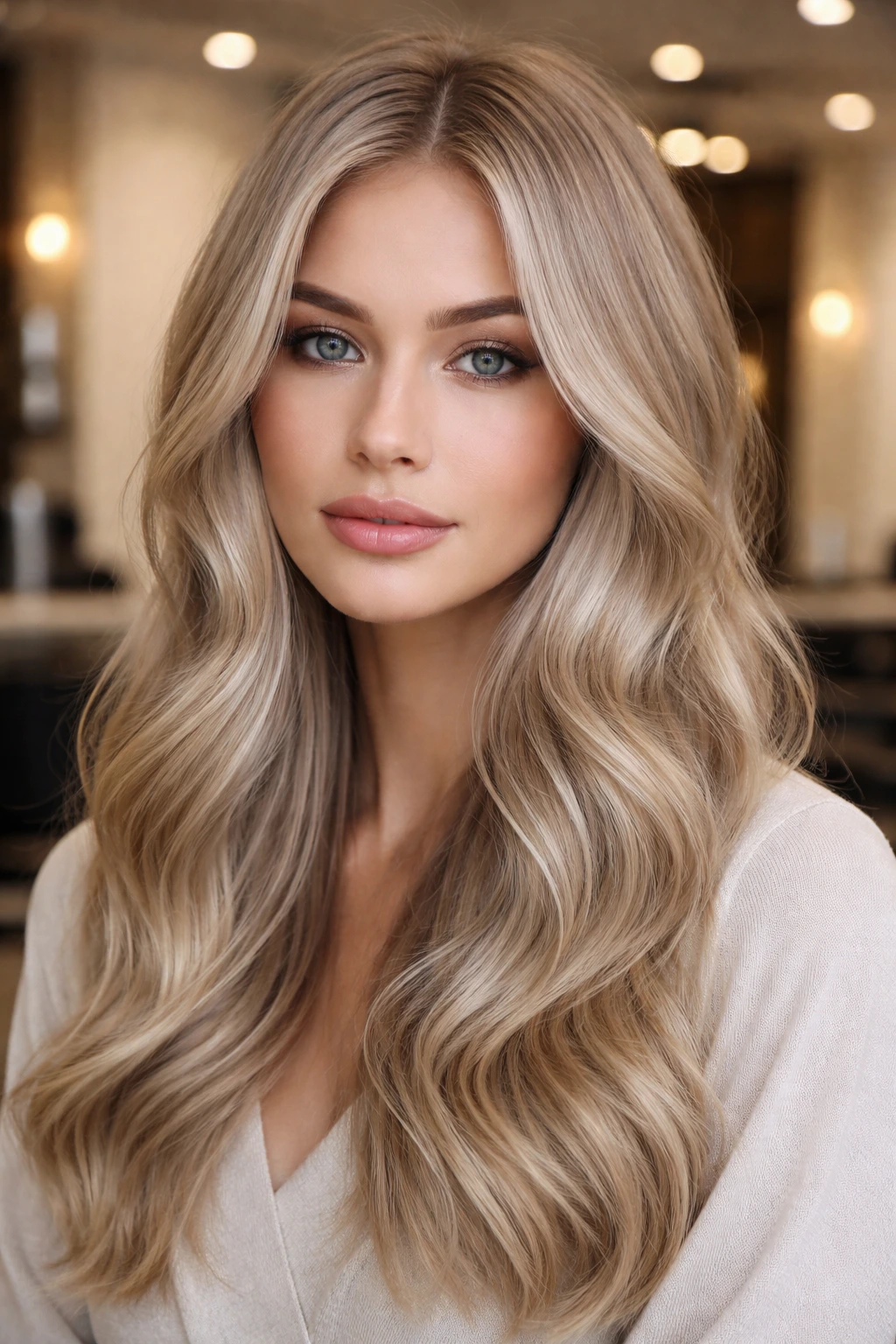
If you are worried about brassiness, lean into the ash. Ashy champagne is a beautiful, cool-toned blonde that sits right between beige and silver. It is devoid of warmth.
This shade is fantastic for people with pink or blue undertones in their skin. It creates a harmony that makes the skin look clearer and more vibrant. However, keep in mind that ashy tones can sometimes make hair look a little dull if not paired with the right shine treatments. Ask for a gloss service to keep the reflection high.
16. Champagne and Rose Gold Blend
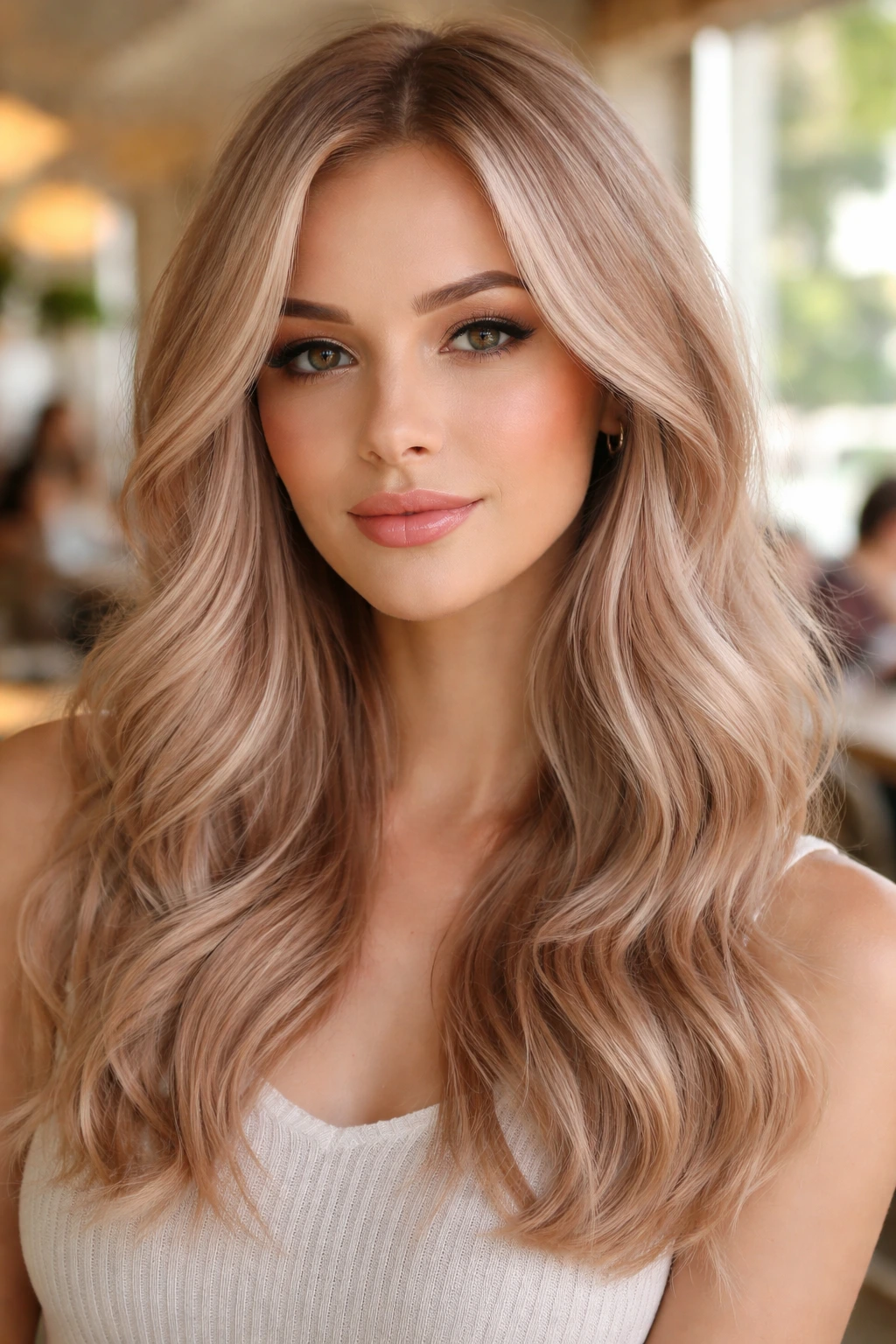
Rose gold is often associated with warmth, but if you mix it with a heavy dose of cool champagne, you get a beautiful, soft, muted pink-blonde that works well on cool skin. It is more of a dusty rose than a hot pink.
The champagne keeps the color grounded and prevents it from looking like a crayon. It is a great way to dip your toe into fashion colors without committing to a vibrant, high-maintenance shade. It fades beautifully into a soft, champagne blonde.
17. Champagne Shadow Root
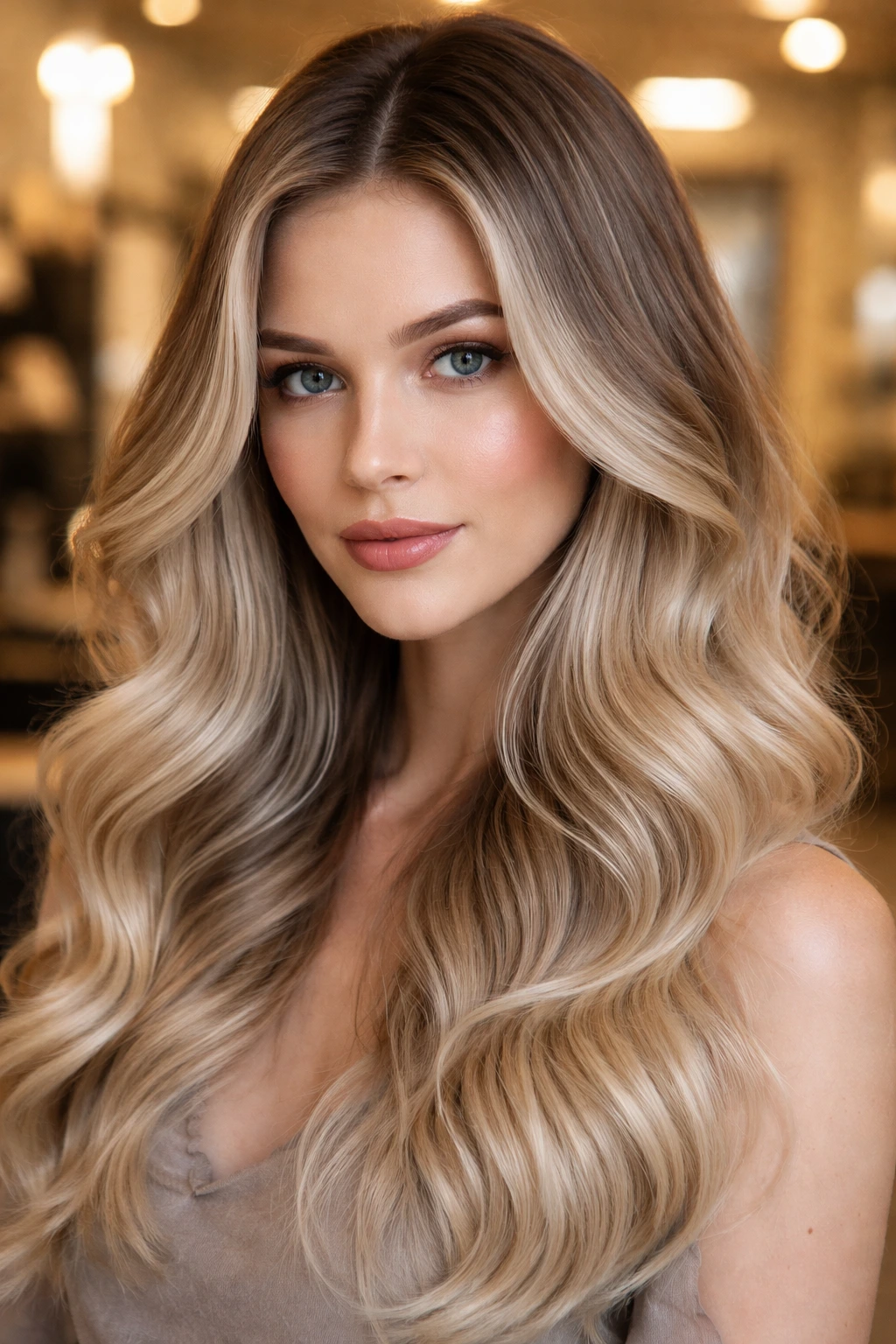
A shadow root with champagne blonde is all about the transition. The root area is intentionally left darker—sometimes even a soft, cool mushroom brown—and then it melts down into a bright, icy champagne.
The “shadow” effect creates depth at the scalp, which makes the hair look thicker and fuller. It also gives you a lot more time between salon visits. Even if you have three inches of root, it looks like it was meant to be that way rather than a mistake.
18. Bright Champagne Shag
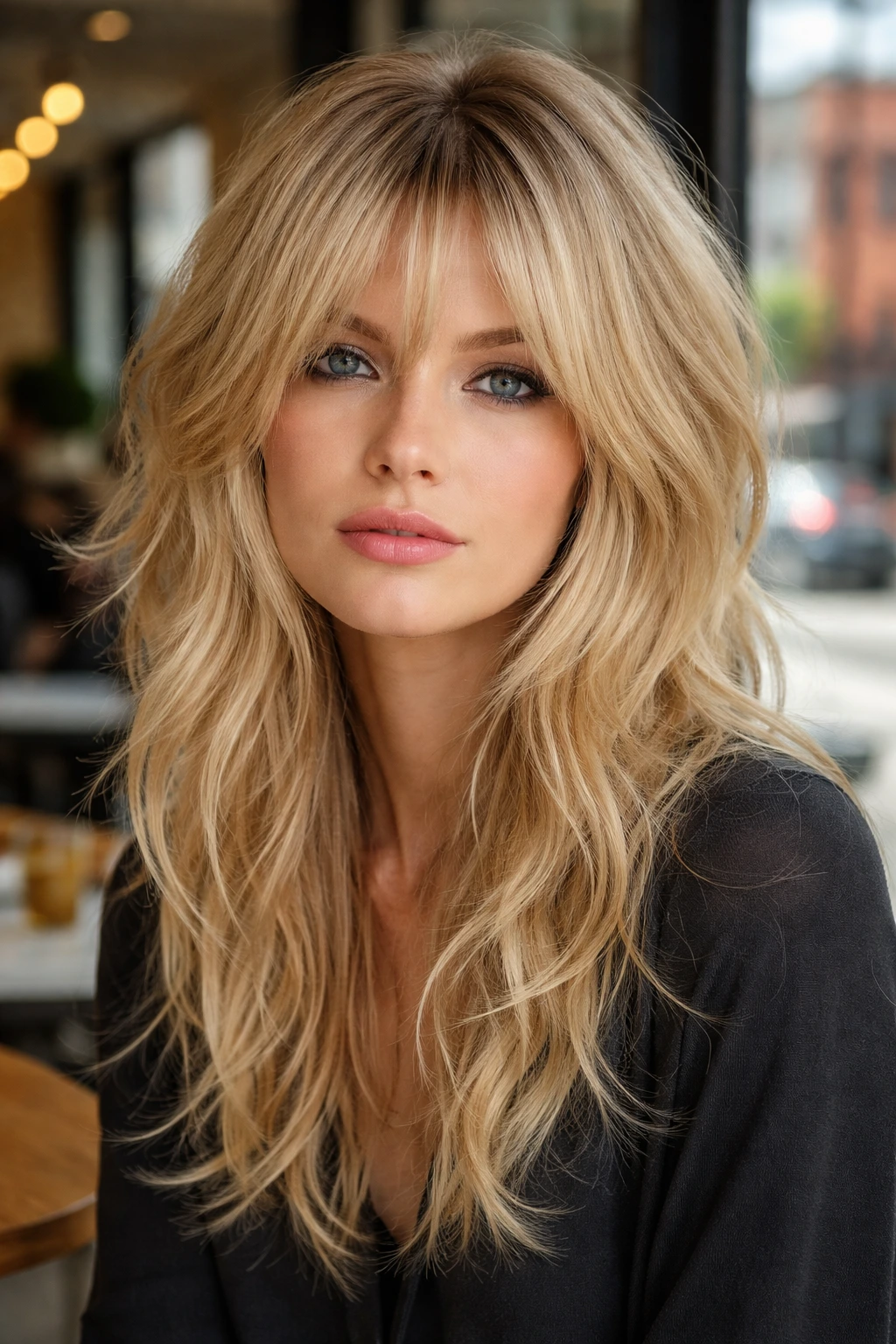
The shag cut is back, and it is a match made in heaven for champagne blonde. The layers in a shag allow different pieces of the hair to catch the light, which makes the champagne tones look incredibly dimensional.
Because the cut is so textured, it benefits from a color that has a bit of range. You want some darker lowlights, some bright highlights, and everything in between. The champagne palette provides that range perfectly. It’s an edgy, cool-girl look that is surprisingly easy to style.
19. Cool-Toned Champagne Blonde
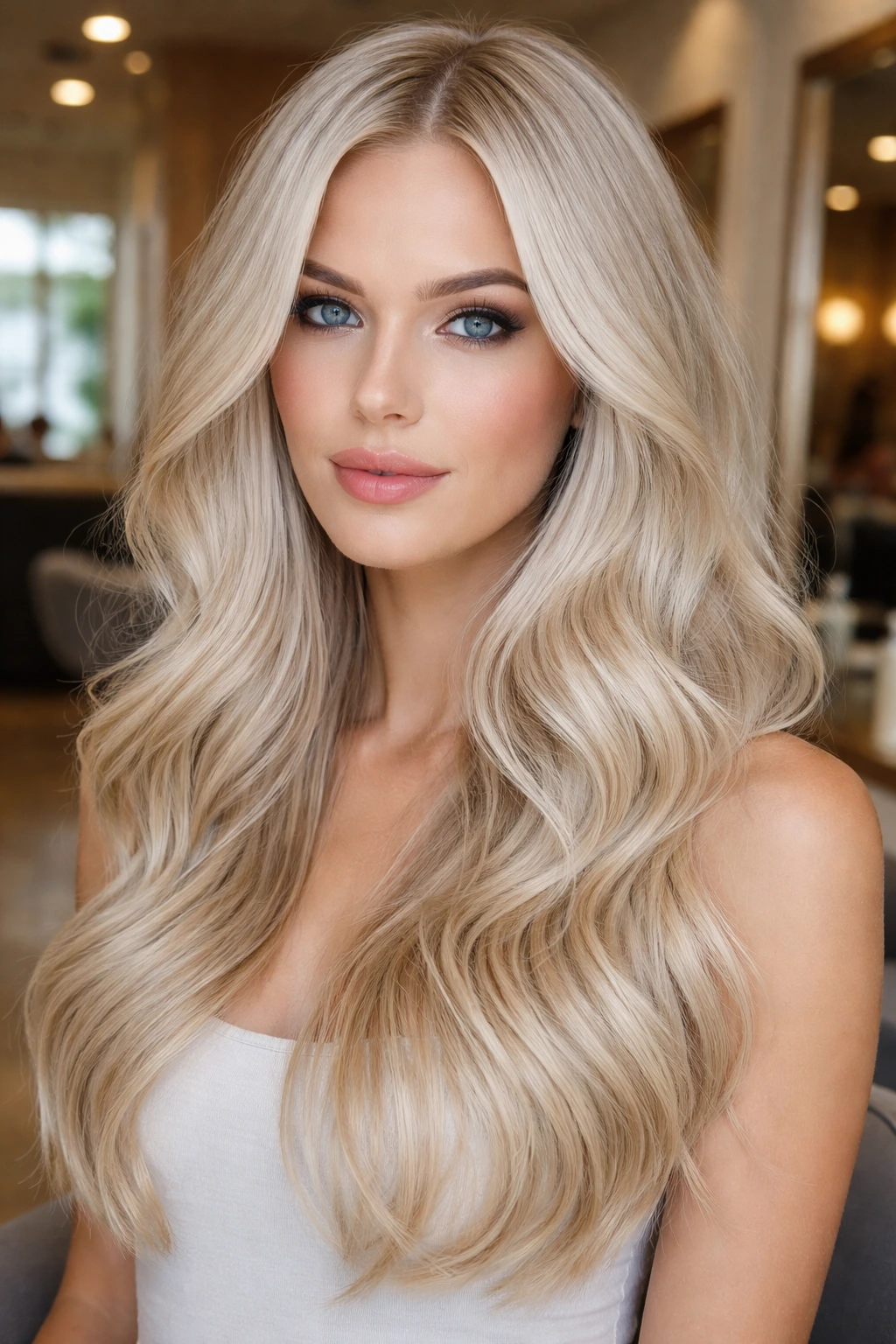
This is the purist’s version of the color. We are talking about no gold, no yellow, just cool, crisp, silvery-champagne. It is a high-fashion look that requires a commitment to color-depositing shampoos.
If you don’t use the right products, the cool tones will wash out, and you will be left with a dull, neutral blonde. Invest in a good, high-quality silver or violet shampoo and use it once a week. It will keep your color looking like you just left the salon chair.
20. Frosted Champagne
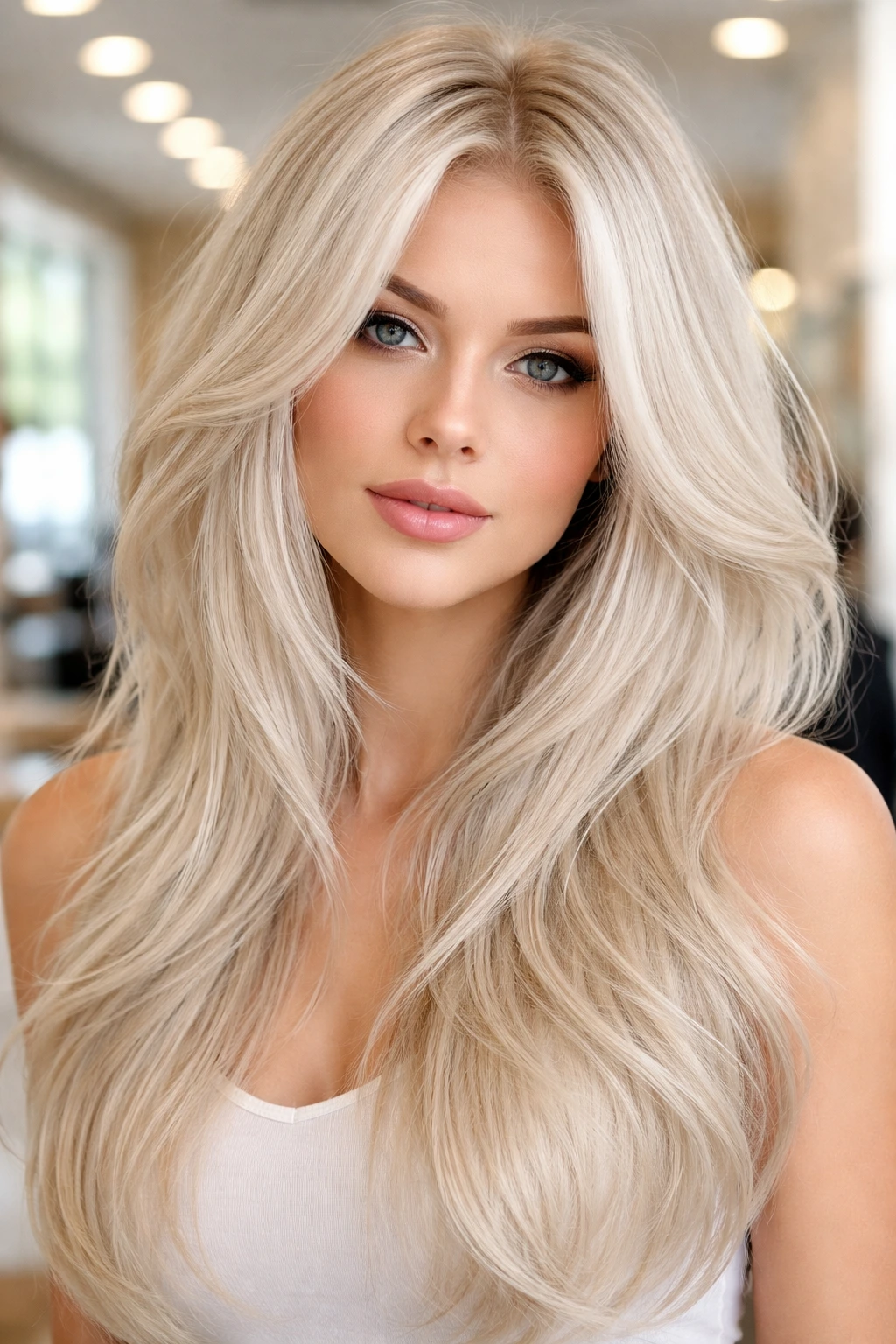
Think of this as the modern, sophisticated cousin of the 90s frosted tips. It is not about chunky streaks; it is about a very light, almost white-blonde, heavily layered through the hair, particularly on the top and around the face.
It creates a “brighter-all-over” effect. When done correctly, it looks like your hair has a permanent, shimmering highlight layer. It is a stunning look, but it requires a very skilled hand to ensure it stays blended and doesn’t end up looking like zebra stripes.
21. Champagne Blonde Bob
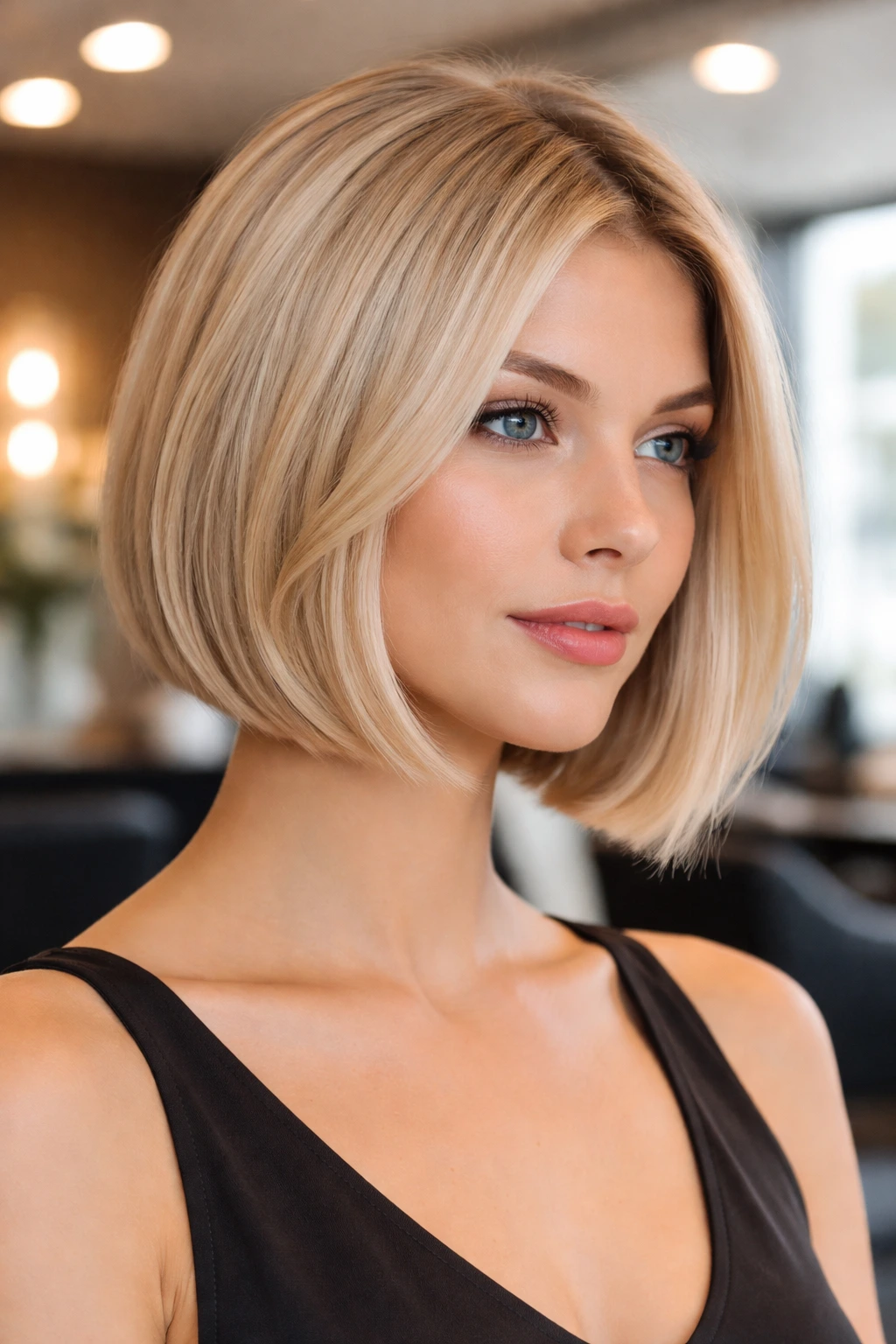
A sleek, chin-length bob in a solid or slightly dimensional champagne blonde is the definition of chic. The shorter length keeps the hair looking healthy and thick, which is important when you are lightening your hair to a champagne level.
A bob also allows you to be a bit more experimental with the tone. Because you are cutting off the ends regularly, you don’t have to worry as much about the long-term damage that comes with platinum-level lightening. It is a bold, clean aesthetic.
22. Champagne and Mushroom Brown
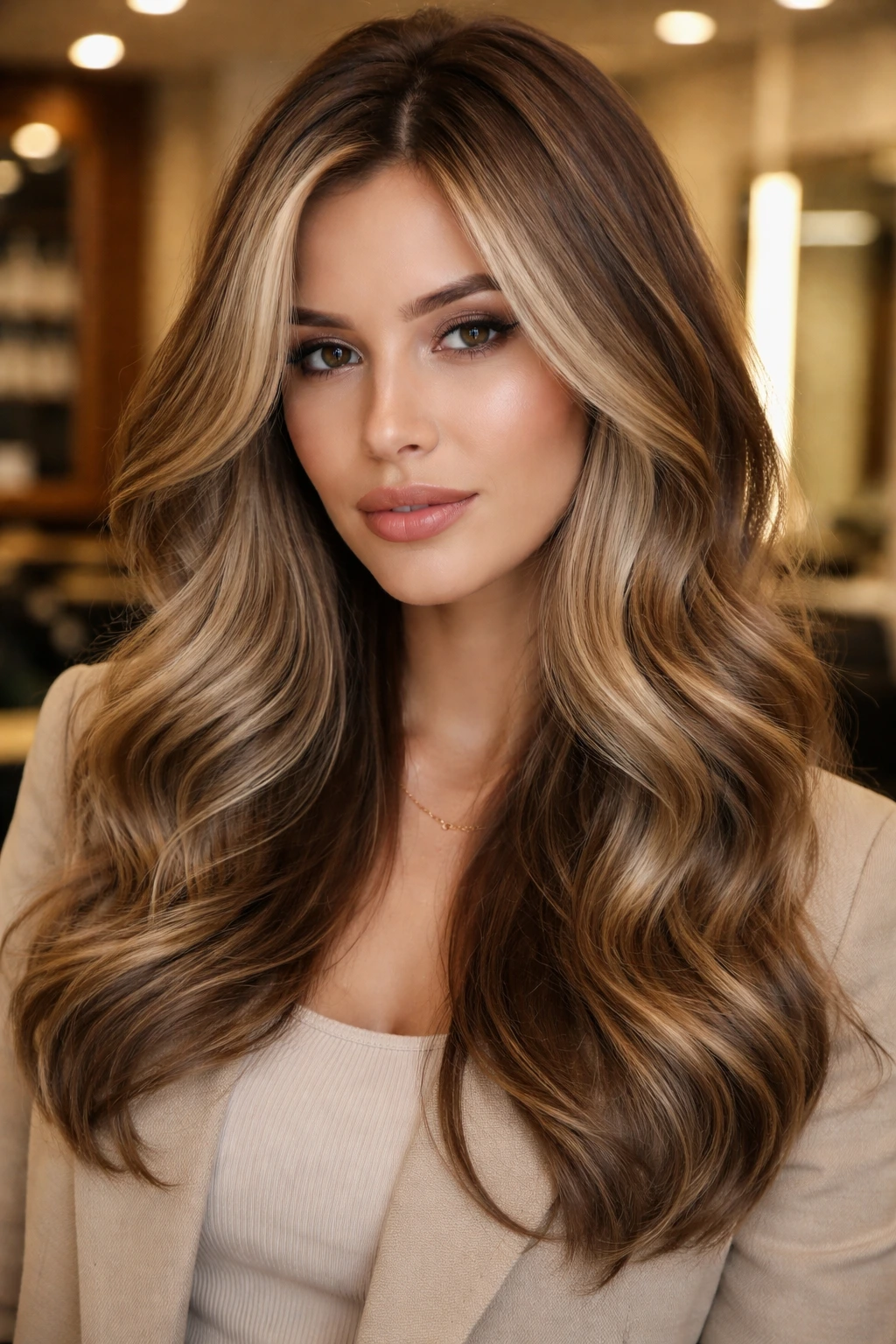
For those who aren’t ready to go full blonde, a champagne-blonde-meets-mushroom-brown balayage is an excellent middle ground. Mushroom brown is a cool, earthy, grayish-brown. When you weave champagne highlights through it, you get a beautiful, natural-looking contrast.
This is the ultimate low-maintenance look. The blend is seamless, and because you are keeping so much of your natural darker base, the hair looks incredibly shiny and healthy. It is also the most forgiving option for those with darker starting levels.
23. Champagne on Dark Bases
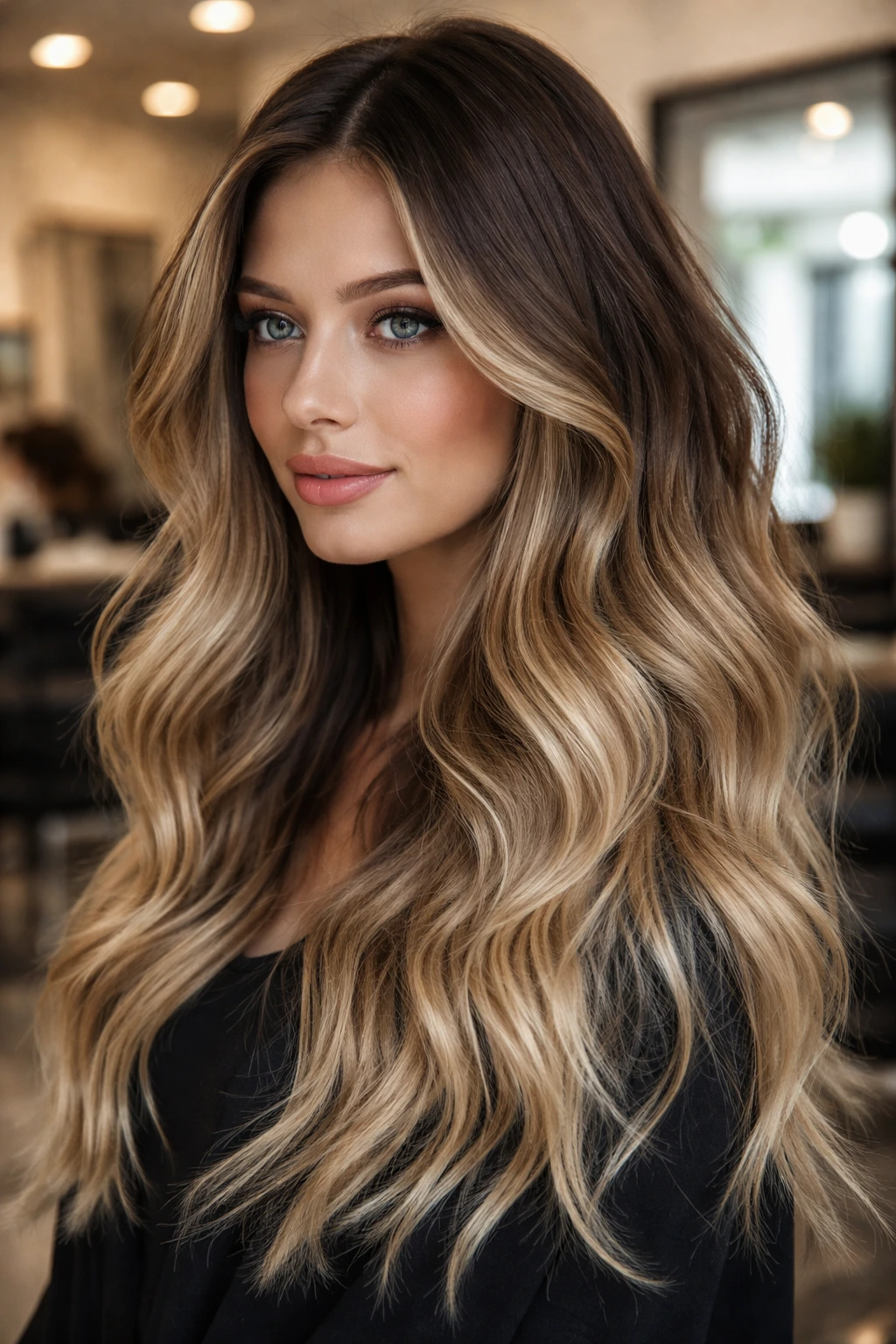
Can you do champagne blonde on dark hair? Absolutely, but you need to be realistic about the process. It is not going to happen in one visit. You will likely need a few sessions to lift your hair to a level where the champagne toner can actually take effect.
The key here is to keep the ends brighter and the roots darker. This creates a “grown-out” look that is intentional. Don’t try to go from black to champagne in one day—your hair will not survive it. Trust the process, and let your stylist space out your sessions.
24. Champagne with Beige Ribbons
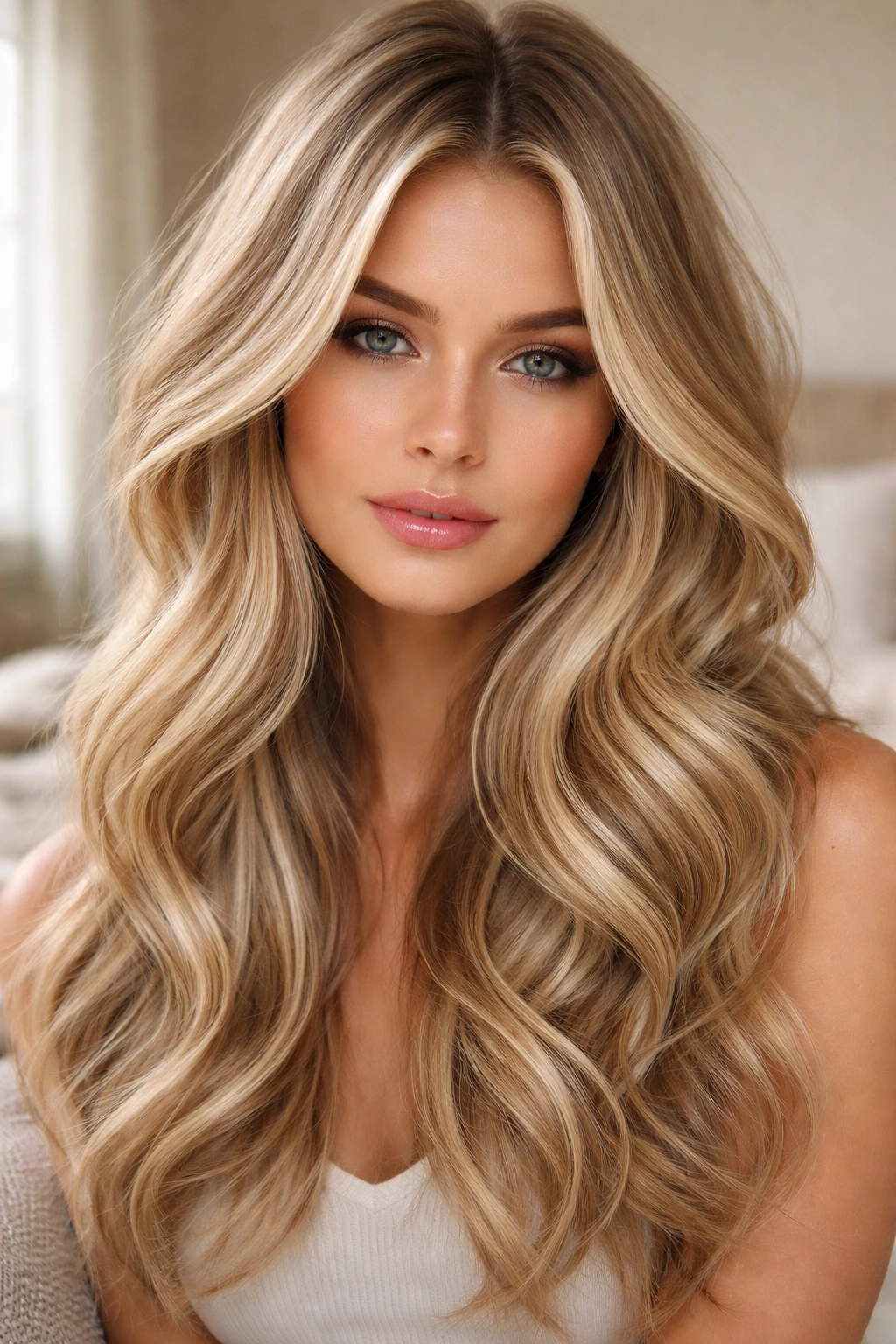
If “icy” feels too harsh for you, ask for champagne with beige ribbons. Beige is a softer, warmer, but still neutral blonde. It doesn’t have the golden-yellow kick of typical “warm” blondes, but it feels less clinical than silver.
The ribbons are thicker than babylights but thinner than traditional highlights. They provide a nice, soft texture that is very flattering for wavy or curly hair. It is a classic look that will never go out of style.
25. Dimensional Champagne
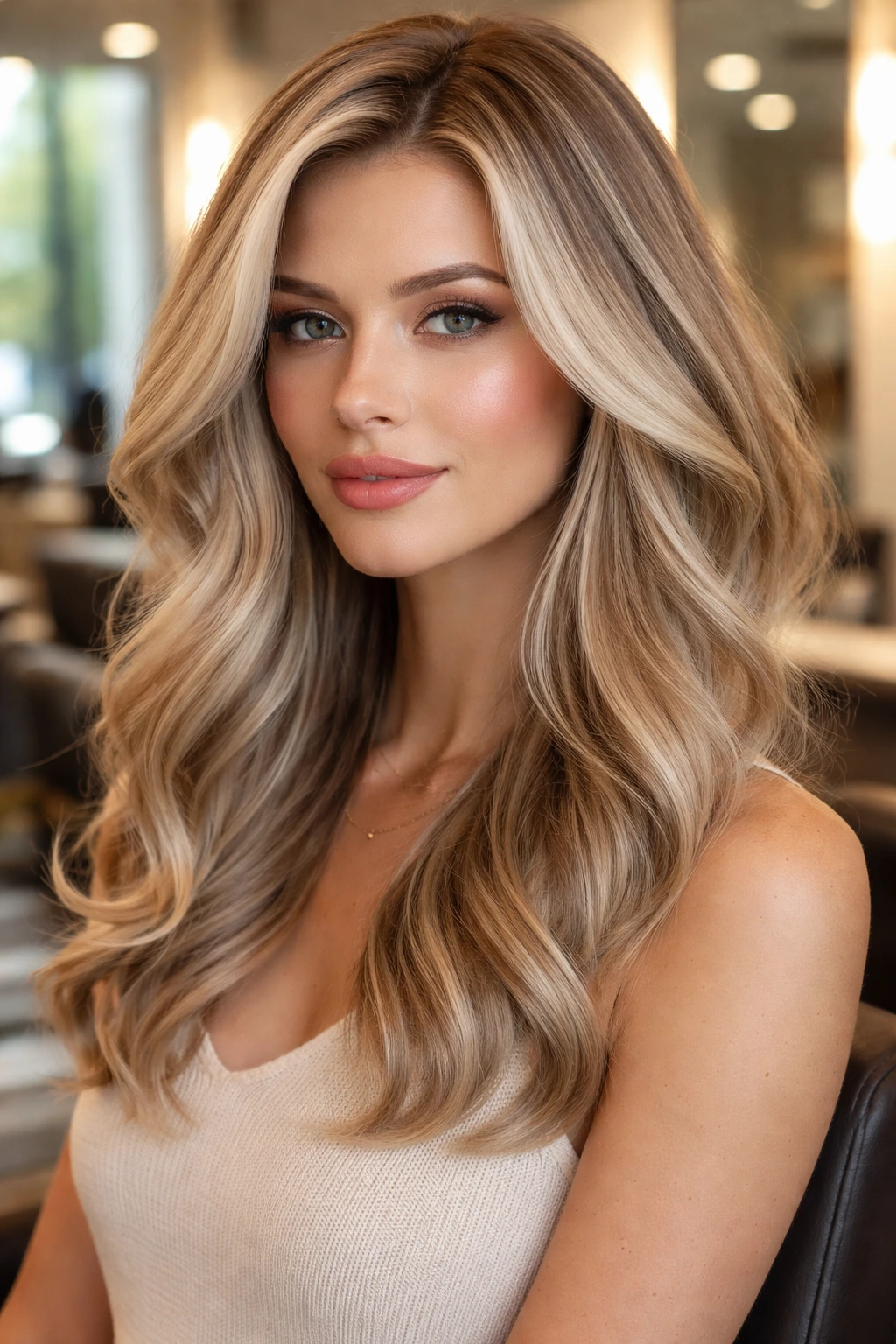
Finally, the dimensional champagne is the culmination of all these techniques. It isn’t just one color; it is a mixture of champagne, pearl, ash, and a touch of beige. A talented colorist will use a variety of tones to create a look that feels alive.
When you move your head, different colors catch the light. This is the most expensive-looking blonde you can have because it is so clearly customized. It works for cool skin because the stylist can adjust the ratio of colors—more pearl and ash if you are very fair, more beige if you have a bit of a tan. It is the bespoke suit of hair colors.
Final Thoughts
Champagne blonde is arguably the most adaptable color for anyone navigating the challenges of cool skin tones. It strikes a balance that avoids the harshness of stark white and the unflattering yellow of traditional gold-based blondes. When you are sitting in the chair, the most important conversation you can have with your stylist is about the toner.
Remember, champagne is a destination, not just a label. It is built through a combination of lifting your natural hair to the correct level and then applying a specific, cool-leaning glaze. If your hair pulls warm easily—which is very common—stay consistent with your aftercare. Using a purple-pigmented shampoo and deep conditioning masks will keep that pearlescent, bubbly shine from turning into a flat, dull beige. You do not need to change your entire identity to find a color that flatters you; sometimes, it just takes finding the right shade of sparkling blonde.
