



There is a persistent myth in the hair coloring world that copper is the enemy of cool skin. We have all heard it: if your skin has pink, blue, or olive undertones, you must stick to ash blondes, icy platinums, or cool browns to avoid looking washed out. I have spent enough time in salon chairs and behind the scenes of color corrections to tell you that this rule is outdated. It is not the copper itself that clashes with cool skin; it is the type of copper.
If you choose a copper shade that leans heavily into gold or bright, punchy orange, you are going to fight against your natural coloring. But if you shift the spectrum toward rose, violet, or dusty pink undertones, you land in a territory that is incredibly flattering. Copper blonde for cool skin is about finding that delicate balance between warmth and coolness. It is about creating a color that looks deliberate, moody, and sophisticated rather than like a mistake from a box dye kit.
We are moving away from the generic “let’s just put some red in your blonde” approach. Instead, we are looking at specific, calibrated color profiles that work with your complexion rather than against it. Whether you are aiming for a subtle shift or a complete departure from your current shade, there is a copper blonde out there that will make your eyes pop and your skin glow.
1. Strawberry Blonde
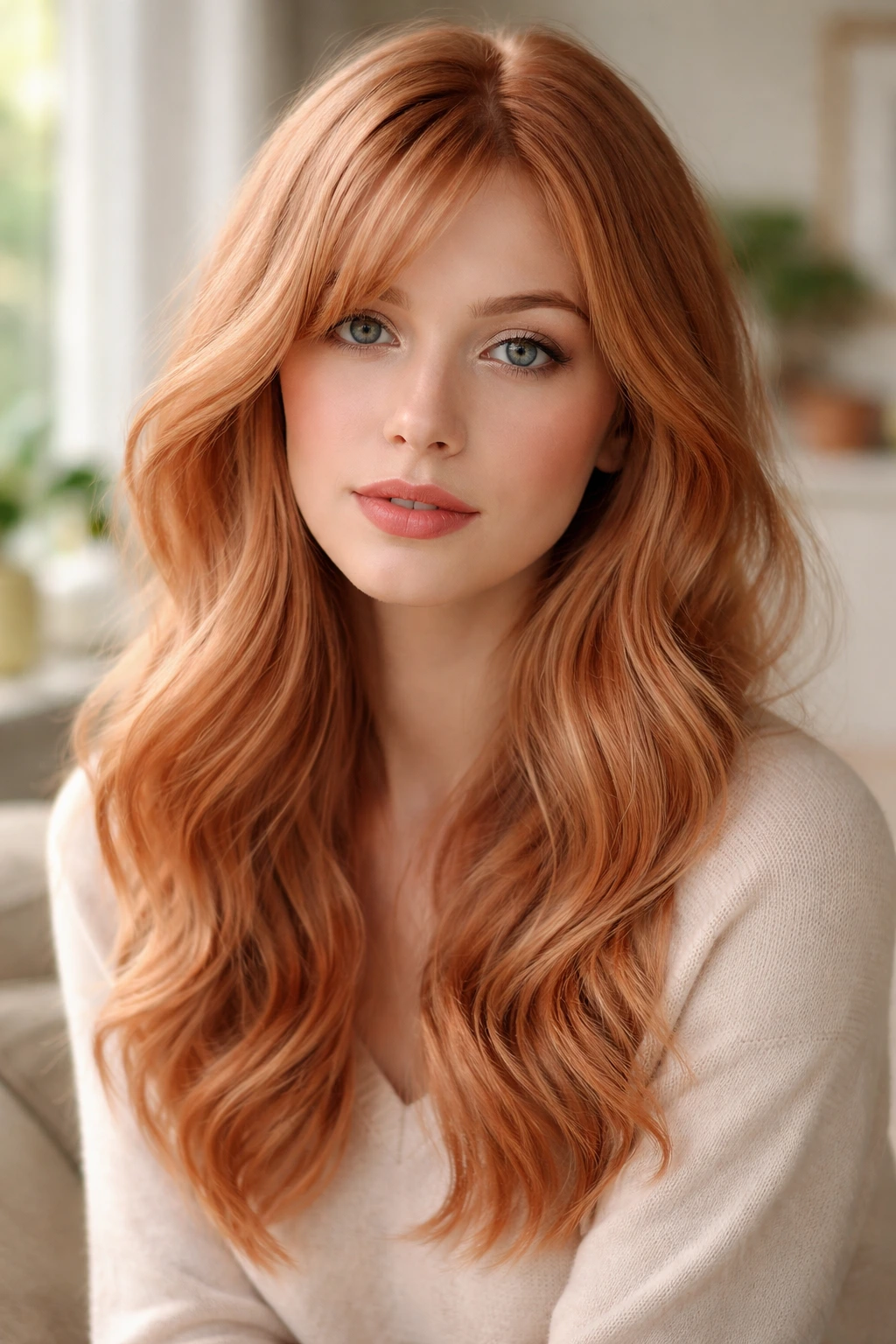
This is the classic entry point for anyone afraid of going full-on orange. Strawberry blonde is essentially a light blonde base kissed with just enough red to give it a pinkish-copper hue. Because it leans pink rather than golden-orange, it is naturally one of the best copper-adjacent shades for cool skin tones.
Why It Works for Cool Skin
The secret here is the pink undertone. Cool skin usually has underlying pink or blue pigments. By matching those with a strawberry blonde, you are keeping the color harmony consistent. It prevents that jarring contrast that happens when you put a warm, yellow-based copper against a cool, pink-based complexion.
How to Achieve This Look
You are looking for a level 8 or 9 base with a clear, light red or rose toner. Ask your colorist for a “cool strawberry” or a “pink-leaning copper.” Avoid anyone who suggests a “golden strawberry” or “warm honey copper,” as those will likely clash with your skin.
Pro tip: This color fades quickly because red pigments are notoriously small and slip out of the hair shaft. Wash with cool water and use a color-depositing conditioner with a hint of red or rose once a week to keep it fresh.
2. Pale Peach
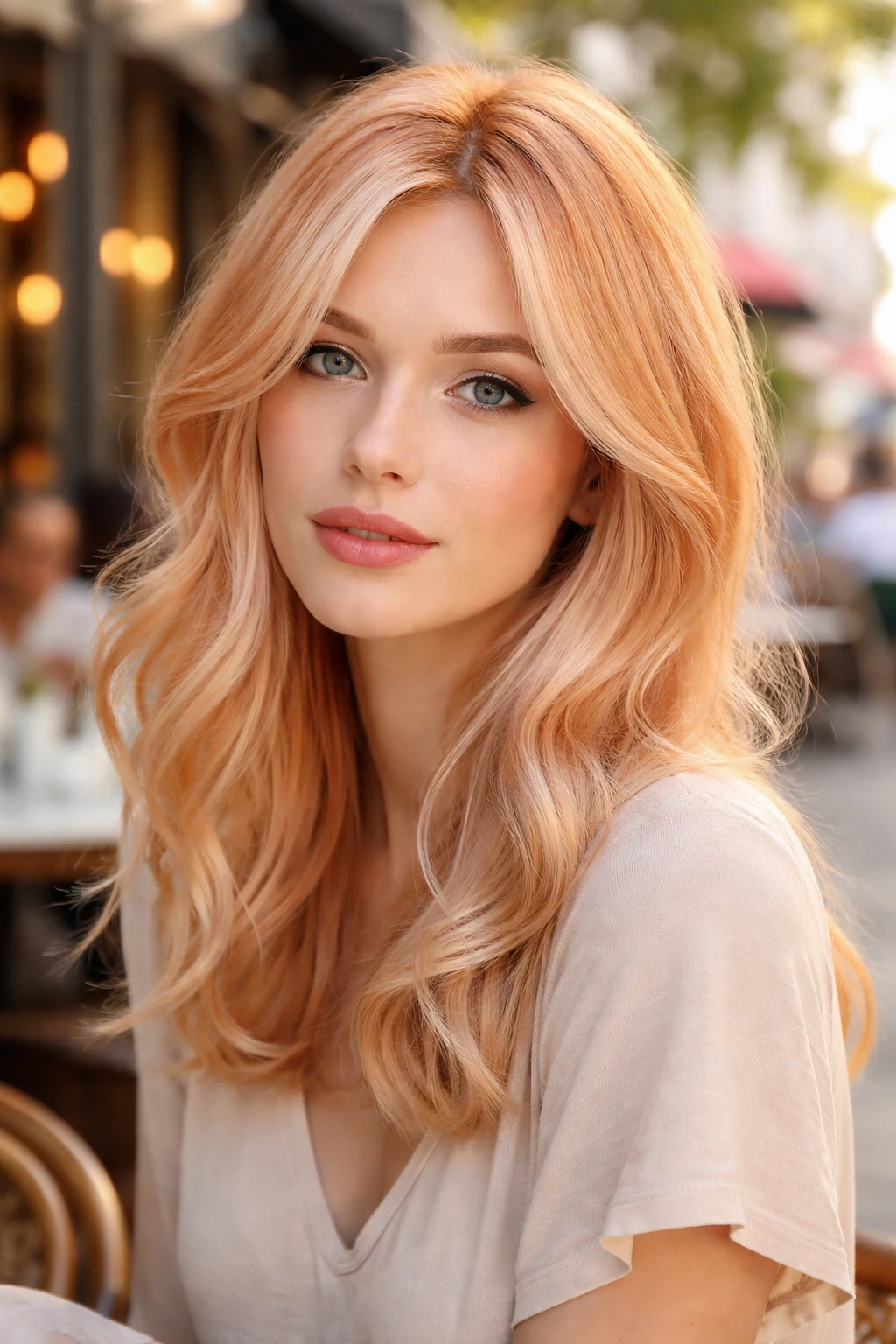
Think of this as a very light, airy version of copper. It is soft, almost translucent, and looks like the color of a peach skin in the early morning light. It is muted enough that it does not overwhelm a fair, cool complexion, but warm enough to look intentional.
The Nuance of Tone
Most people confuse peach with orange. Peach is actually a mix of yellow, white, and a tiny amount of red. By keeping the color pale and mixing it with a cool-toned blonde, you effectively neutralize the “loudness” that usually scares people away from copper.
Stylist Note
Because this color is so pale, your hair needs to be lifted to a very clean level 9 or 10 blonde first. If your hair is naturally dark, this is a high-maintenance color that will require bleach. Make sure your hair is healthy enough to handle the lift before committing.
3. Rose Gold
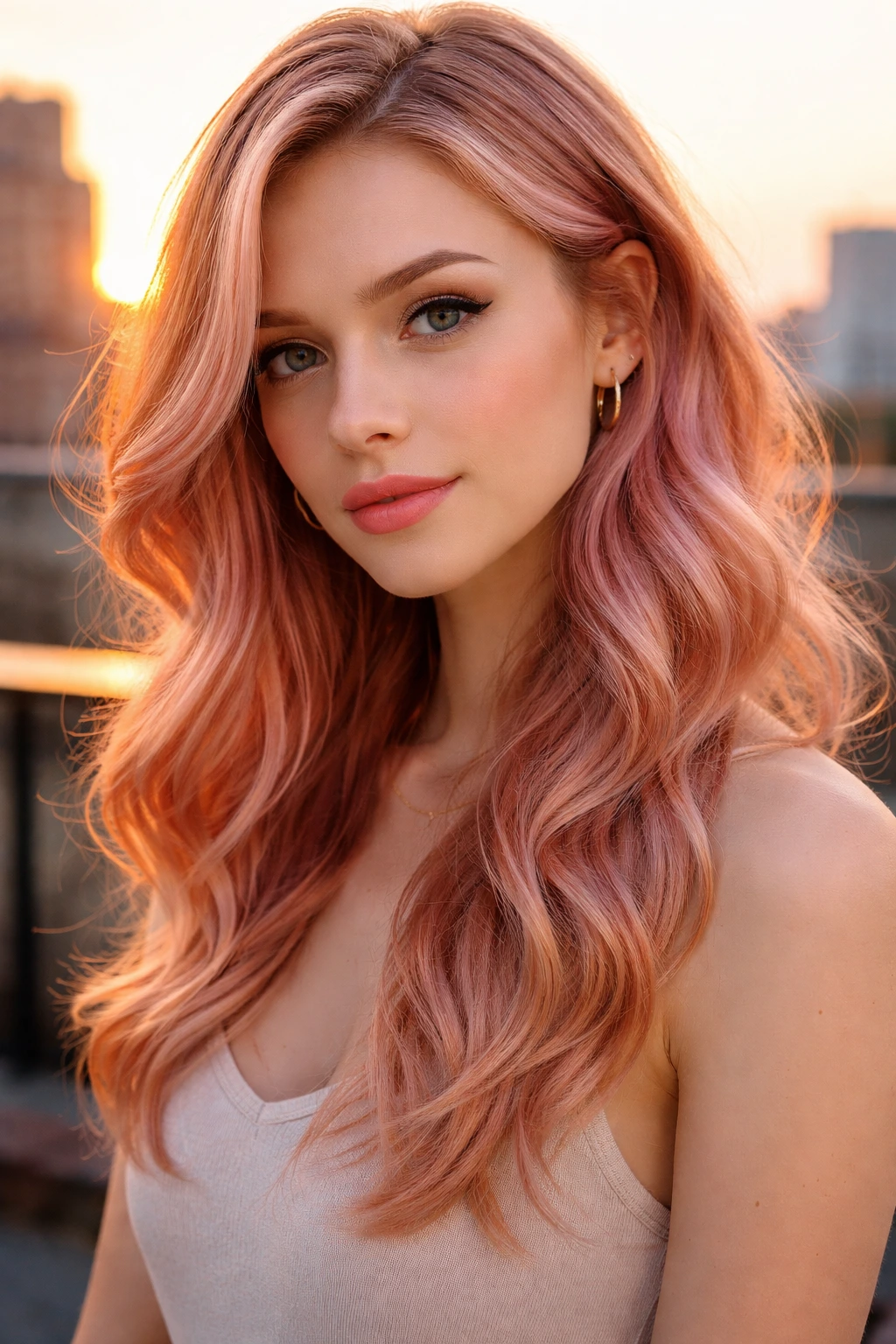
Rose gold has been popular for a long time, but it remains a staple for a reason. It is the perfect marriage of copper and pink. When done right, it is a soft, metallic shade that looks like jewelry against the skin.
Why It’s a Consistent Winner
It isn’t really a “blonde” in the traditional sense, but in practice, it acts like one. It’s light enough to be bright but saturated enough to be interesting. On cool skin, the violet-pink notes in rose gold act like a highlighter, brightening up the entire face.
Common Pitfalls
The biggest mistake people make with rose gold is letting it go too “brassy.” If it pulls too yellow, it stops being rose gold and starts looking like a botched DIY project. Use a violet-based shampoo periodically to keep the pink notes clean and the gold notes at bay.
4. Apricot Blonde
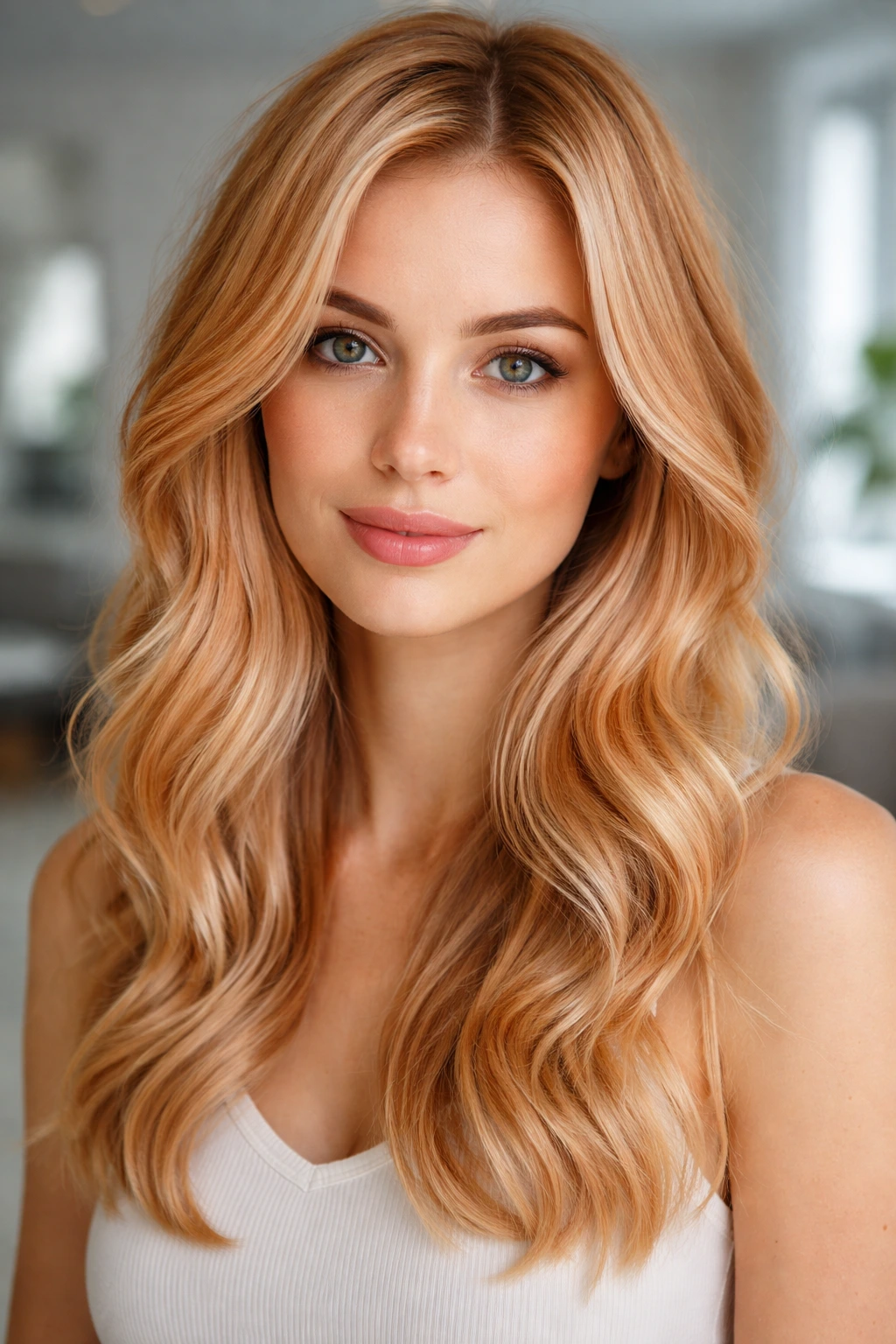
Apricot is distinct because it sits somewhere between orange and pink, but it’s much more saturated than peach. It has a vibrancy that feels sunny without being harsh. It’s a great way to transition if you’re currently a platinum blonde.
Balancing the Warmth
To make this work for cool skin, you need to ensure the colorist isn’t using a gold base. Ask for an “apricot toner on a cool blonde base.” The coolness of your natural hair or the pre-lightened base will act as a buffer, preventing the apricot from turning into an intense, glowing orange that can make cool skin look pale or sickly.
What to Ask For
“I want an apricot tint, but keep the base cool.” It sounds simple, but it tells the professional that you understand the mechanics of the color. They will likely use a clear gloss mixed with a tiny drop of orange-red pigment to achieve this translucent effect.
5. Muted Copper
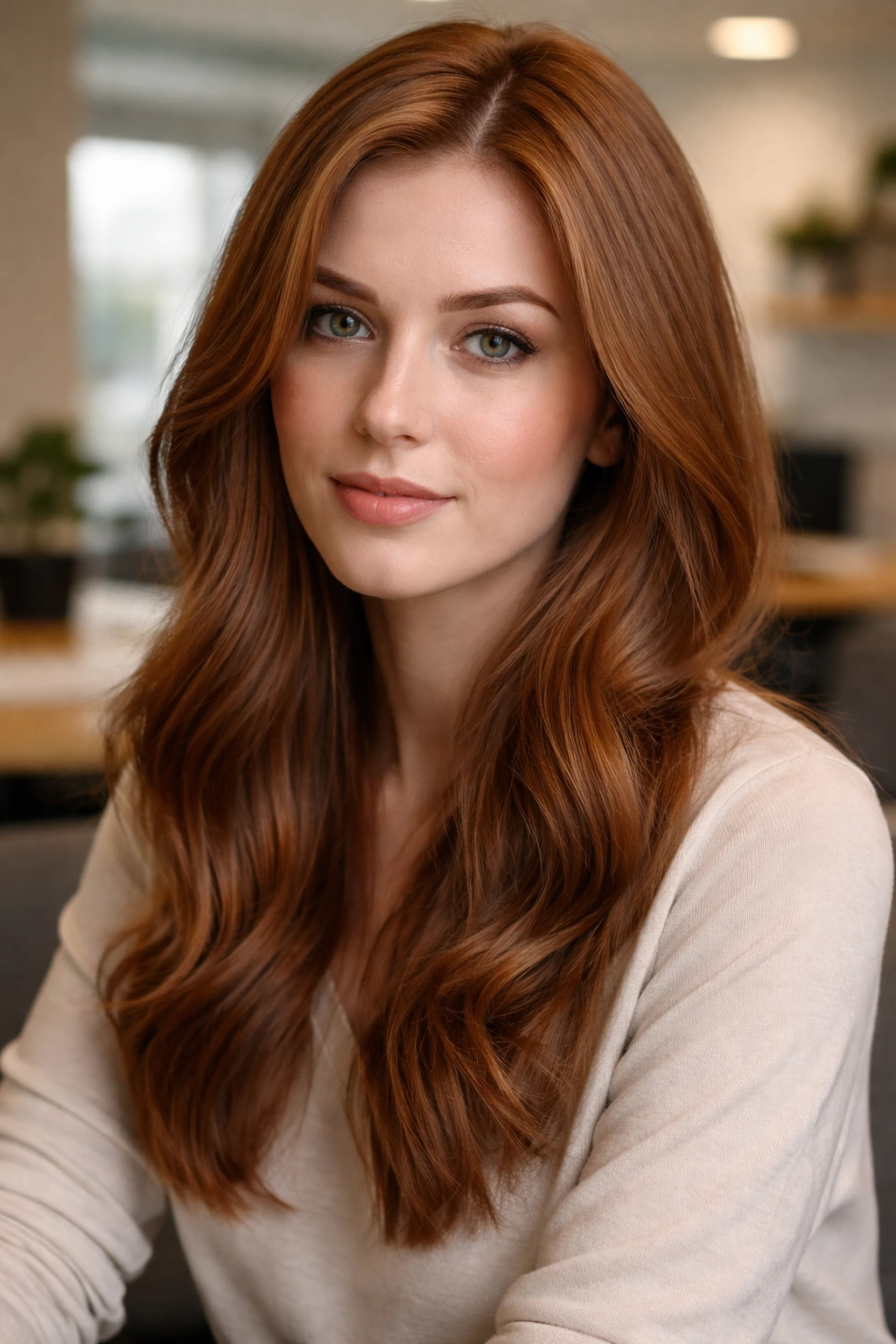
If you aren’t ready to scream your hair color from the rooftops, muted copper is your answer. It’s a darker, dusty version of copper that looks more like a natural red than a neon statement.
The Allure of Dustiness
Muted copper has a low level of saturation. It’s almost greyed out, which is perfect for cool skin because it mimics the natural, “ashy” undertones that cool skin prefers. It’s earthy, sophisticated, and incredibly chic.
When to Choose This
Choose this if you have a professional job that frowns upon bright hair colors, or if you just prefer a more understated look. It is much easier to maintain than brighter coppers because, as it fades, it just turns into a soft, light auburn, which is still a very natural-looking color.
6. Copper Balayage
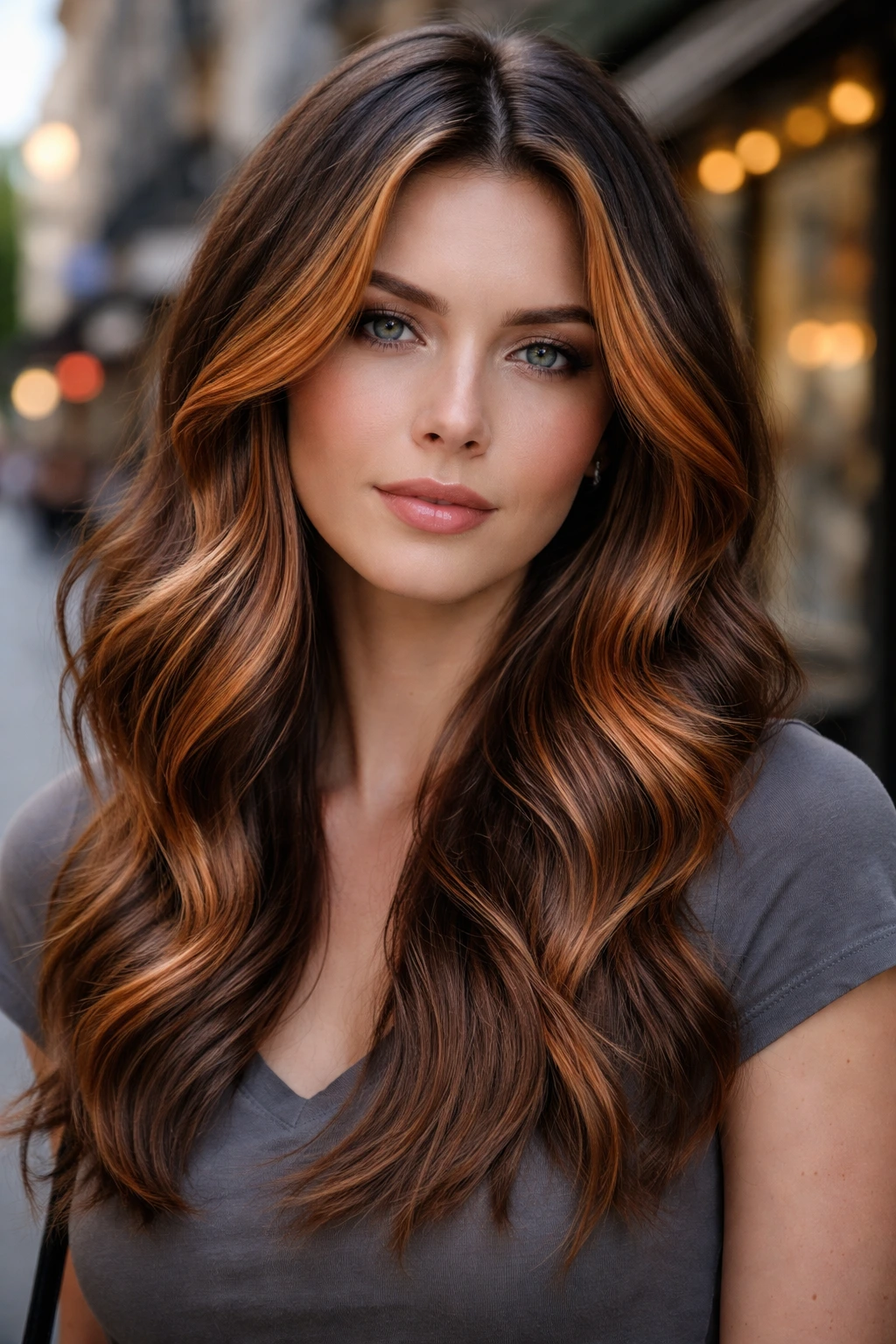
Maybe you don’t want to go all-in. A copper balayage allows you to keep your natural, cool-toned dark blonde or light brown root while weaving copper into the lengths.
Why It’s Low Commitment
The balayage technique creates a seamless transition. You don’t have to worry about a harsh line of demarcation as your roots grow out. Because the copper isn’t touching your skin directly, you can get away with a slightly warmer copper tone than you would if it were an all-over color.
The Placement Strategy
Focus the copper pieces around the face, but keep them at least an inch away from the hairline. By framing your face with cool-toned highlights and placing the copper deeper into the hair, you get the benefit of the copper without the color clash.
7. Cinnamon Blonde
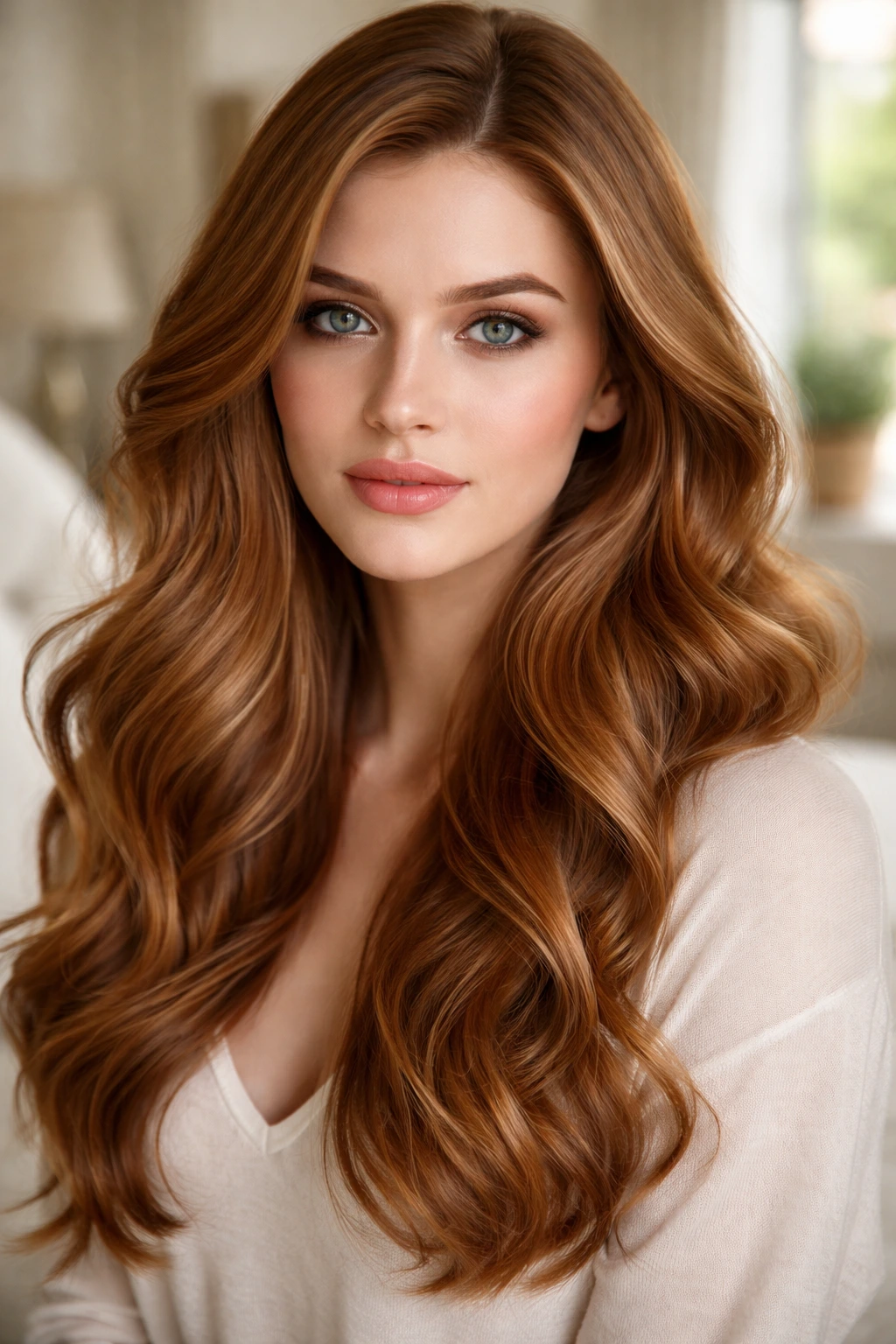
Cinnamon is a spicy, rich, slightly darker shade. It’s a level 7 or 8, making it a bit more substantial than a pale copper. It leans brown-red, which is a very forgiving shade for almost everyone.
A Deeper Perspective
Cool skin tones often look great with deeper colors. While light, pastel coppers are fun, a rich cinnamon blonde can make cool skin look creamy and porcelain. It’s all about the depth.
How to Maintain
Cinnamon tends to lean a bit warm. You’ll want to visit the salon every six to eight weeks for a glaze. This keeps the color from washing out and prevents it from turning into a muddy brown, which is the inevitable fate of neglected red-toned hair.
8. Honey-Copper Melt
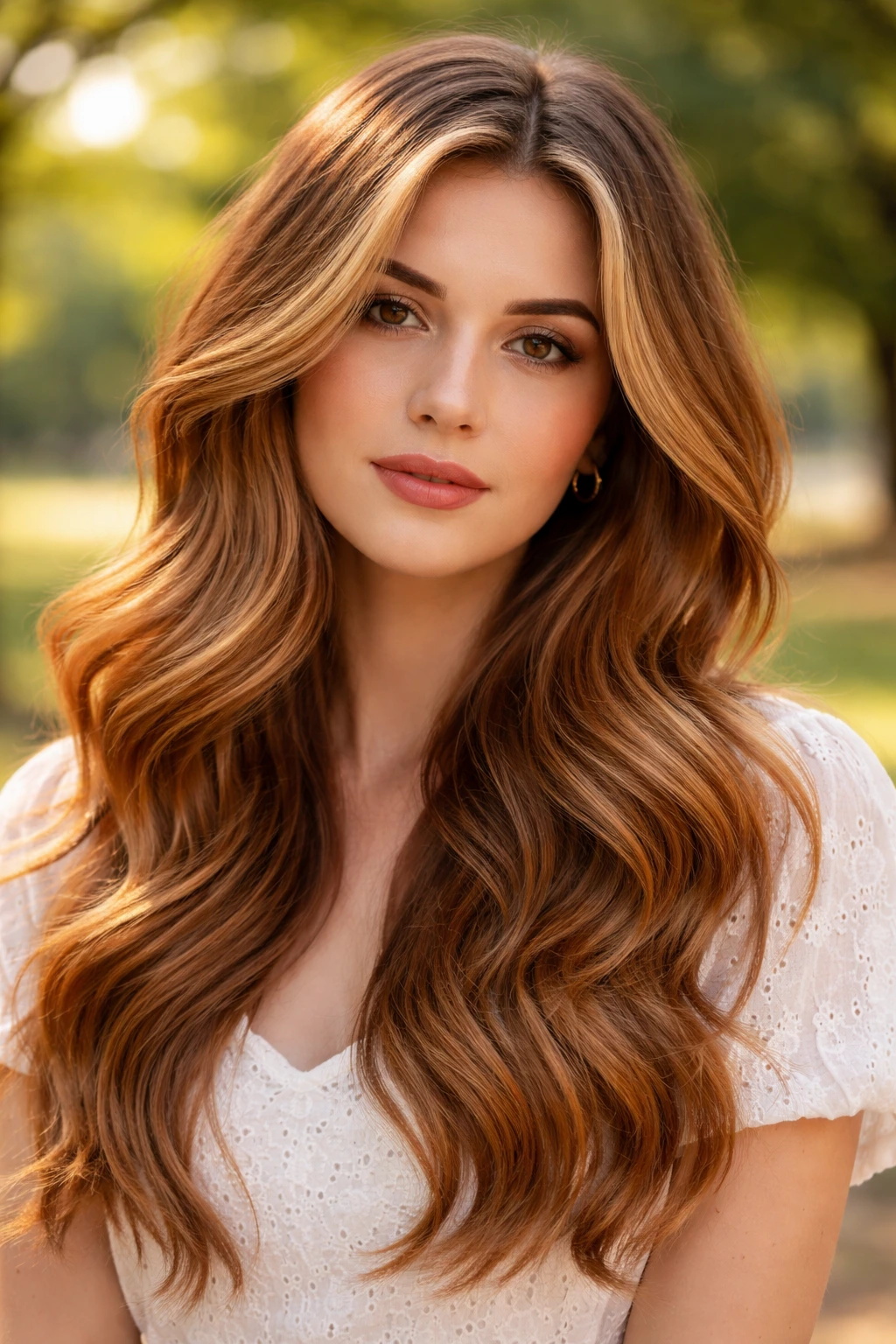
This is a technique-based color. A “color melt” involves smudging two or three shades together so there is no discernible line where one ends and the next begins. Imagine a honey-blonde root melting into a cool copper mid-length.
The Mechanics of the Melt
The secret here is the honey. Honey is generally warm, but when you pair it with a muted, cool-toned copper, you get a balance that isn’t too hot or too cold. It’s a very natural look, often mimicking the way hair lightens in the summer.
Is It Right for You?
If you have a lot of hair and you want movement, this is the way to go. The different tones catch the light differently. It creates an illusion of volume and thickness that one-dimensional colors just can’t match.
9. Pastel Copper
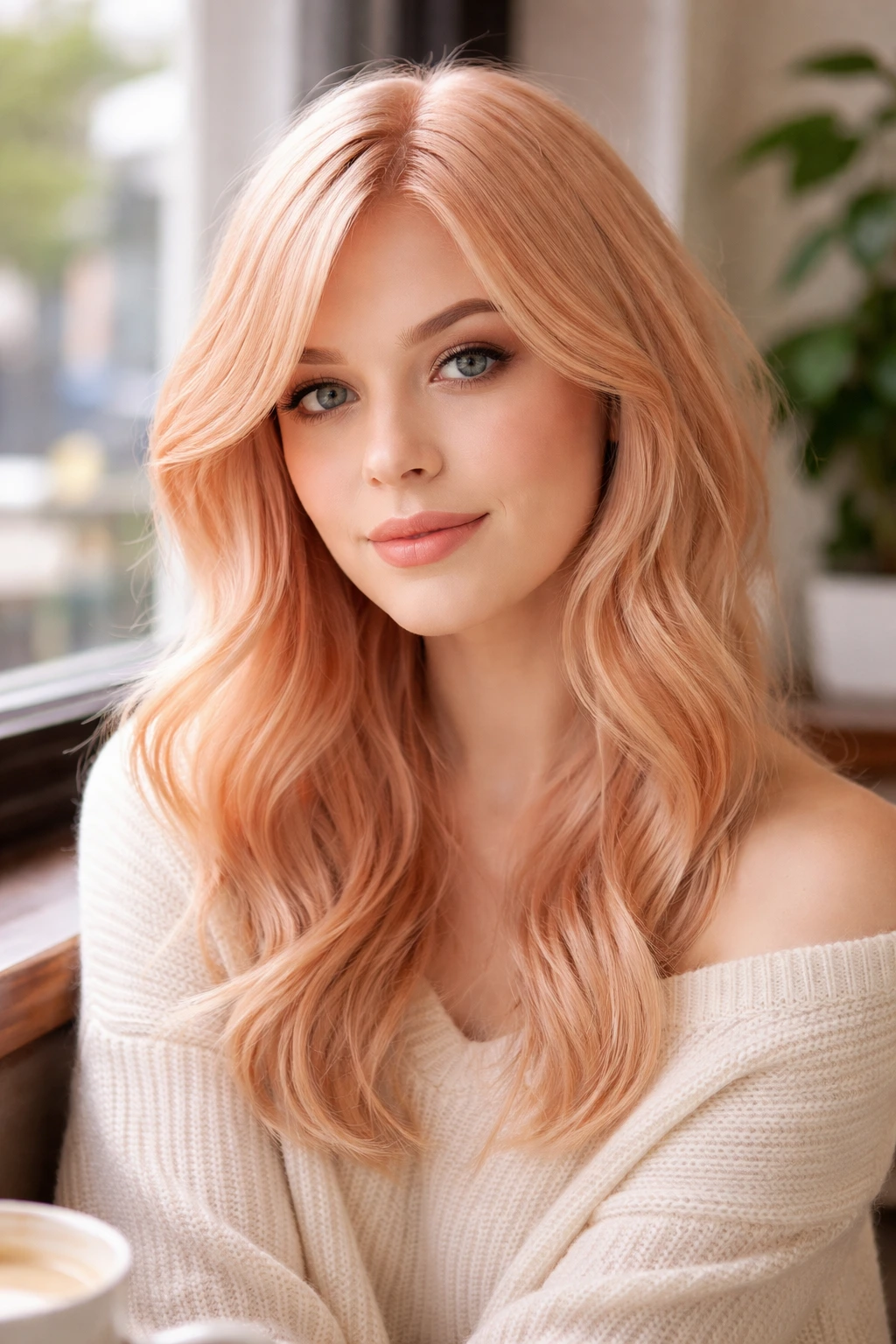
This is for the adventurous. Pastel copper is very light, very soft, and almost looks like a filter. It’s a fashion color that sits right at the intersection of trend and beauty.
The Reality of Pastel
You need very light, porous hair for this to take. If your hair isn’t light enough, this won’t show up. It’s also extremely high maintenance. It will wash out in three or four shampoos. You have to be prepared to use a color-depositing conditioner every time you shower.
Why It Works for Cool Skin
Because it is pastel, it has a lot of white pigment in it. That white base makes it inherently cooler. It doesn’t have the heavy saturation that usually causes issues with cool, pink-based skin tones.
10. Copper Ombré
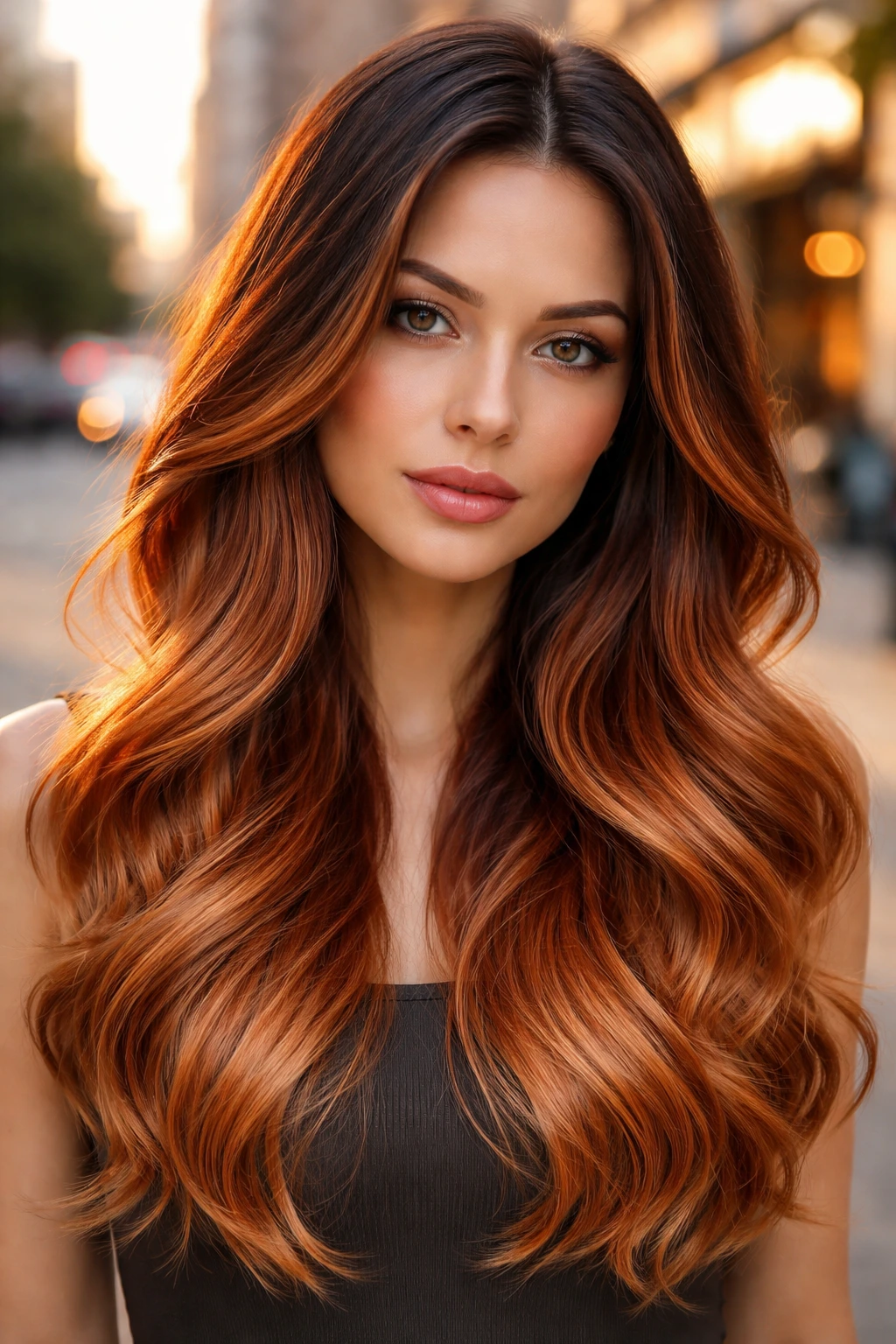
Ombré—a dark root fading into a lighter end—is still relevant, especially with copper. The key to making this work for cool skin is to keep the roots your natural color (which is likely a cool-toned blonde or light brown) and transition the ends to a metallic copper.
The Contrast Factor
The contrast between your cool natural root and the copper ends creates a frame that is very flattering. It prevents the copper from washing you out because the cool root is right next to your face.
Styling Tip
This color looks best with loose waves. The way the hair moves allows the dark and light pieces to blend, creating a dimensional effect that prevents the copper ends from looking like a separate, detached piece of hair.
11. Warm Sunset Blonde
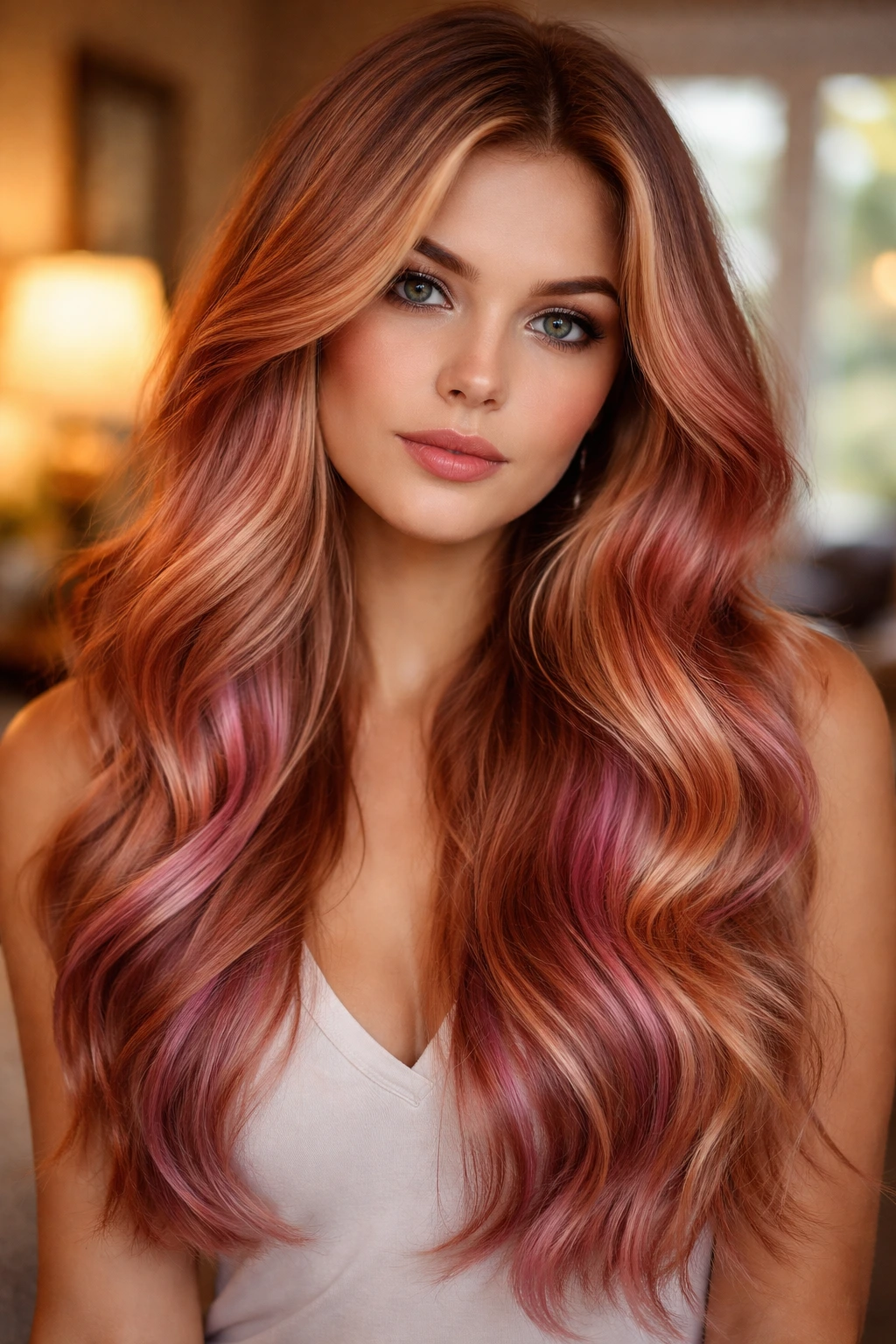
Don’t let the name fool you. While “warm” usually triggers a warning for cool skin, “sunset” implies a mix of colors: orange, pink, and violet. By ensuring there is enough violet in the mix, you neutralize the orange.
The Sunset Blend
Think of a sunset: it isn’t just one flat orange color. It’s a gradient. You can achieve this with a multi-tonal approach. Have your stylist alternate between copper-toned lowlights and cool, strawberry-blonde highlights.
Why It’s Versatile
It’s the most forgiving of all the copper styles. If one section of your hair is a little more orange, it blends into the rest. It looks expensive, deliberate, and perfectly blended.
12. Metallic Copper
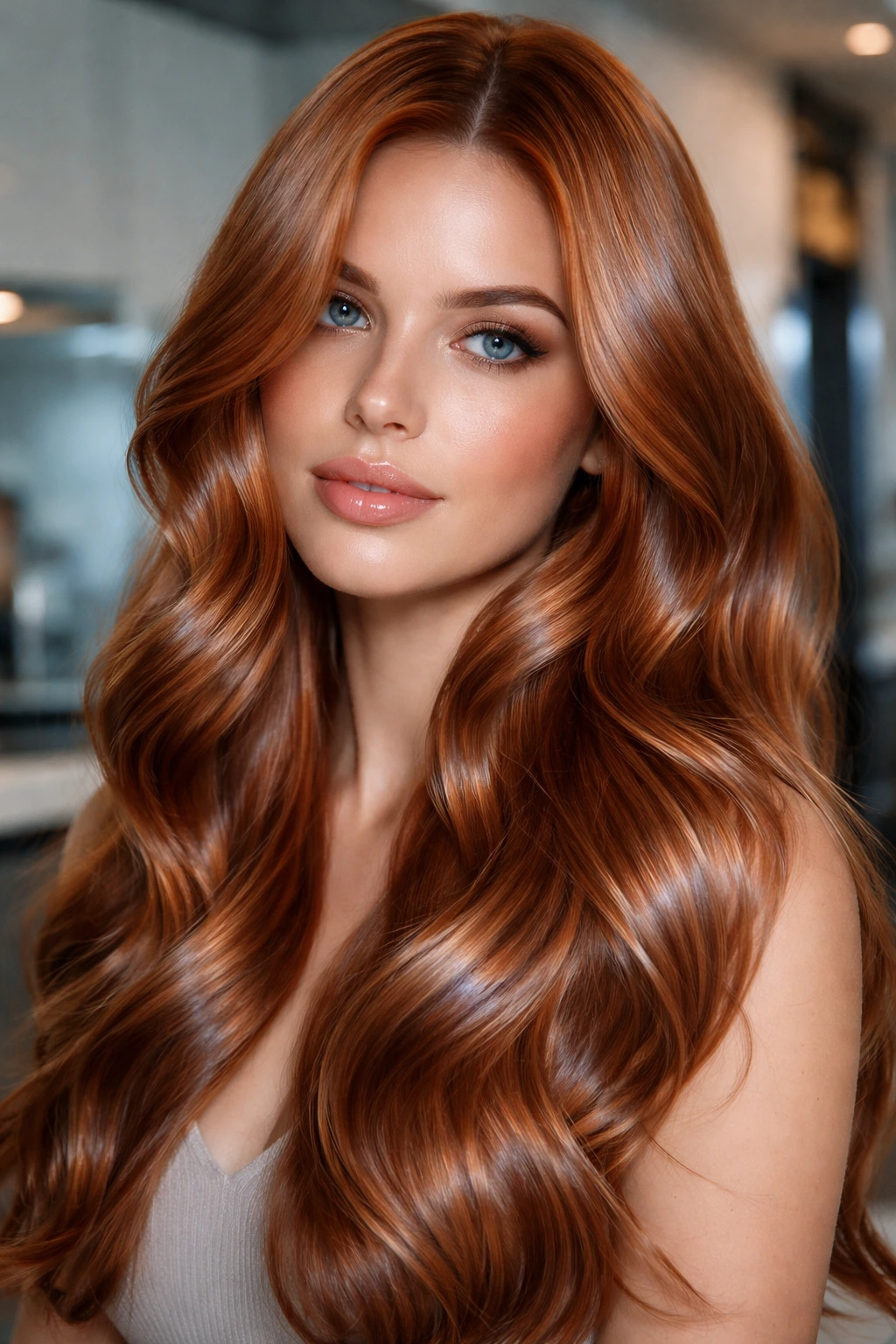
This isn’t a flat color; it’s shiny. Metallic shades are created using specific toners that contain blue or silver bases, which is exactly what cool skin needs.
The Metallic Effect
Think of the difference between a matte orange paper and a copper penny. The penny is shiny, reflective, and cool-toned. That’s what you want. Ask for a “metallic copper glaze” rather than a “vibrant copper dye.”
Maintenance
Shine is the most important part of this look. Use products that enhance gloss, avoid heavy waxes or matte-finish products, and consider a clear gloss treatment every other month to keep that reflective quality alive.
13. Ginger Blonde
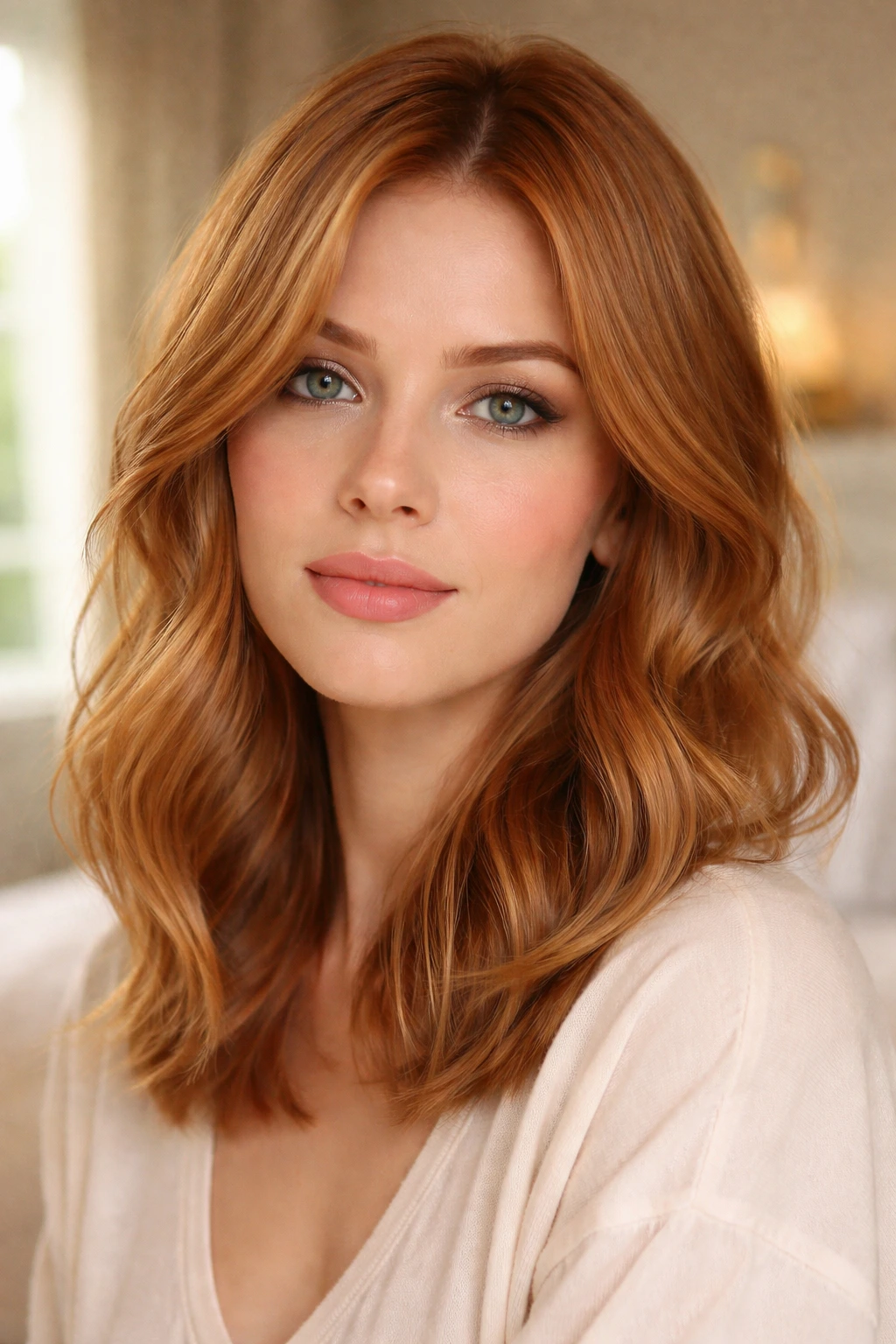
Ginger is a specific type of red. It’s earthy, a little bit muted, and very charming. It doesn’t have the neon brightness of a fire-engine red, nor the yellowness of a gold-blonde.
Why Ginger is Unique
Ginger usually leans toward a brownish-red. It’s a sophisticated shade that feels very “old money” and natural. On cool skin, it provides a nice contrast without being jarring. It makes eyes—especially blue or green eyes—stand out immediately.
Dealing with Roots
Ginger is closer to natural hair colors than many other coppers. This means when your roots grow out, the contrast is softer. It is a fantastic option if you are tired of the constant cycle of touch-ups.
14. Champagne Copper
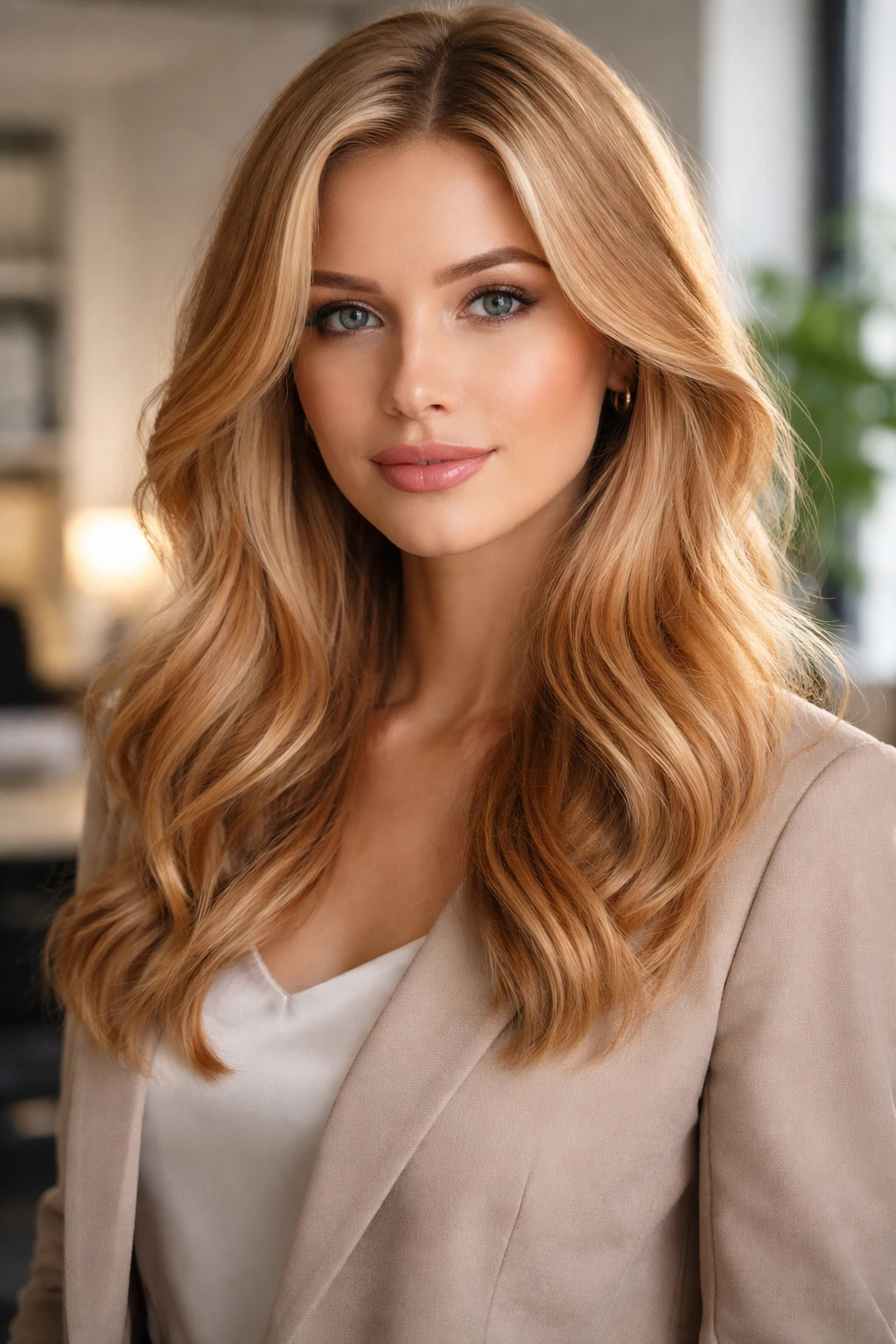
Champagne blonde is known for its cool, sophisticated vibe. When you add a whisper of copper to it, you get a color that is elegant, subtle, and very wearable for everyday life.
The “Quiet” Copper
This is the closest you can get to blonde while still calling it copper. It’s more of a tonal shift than a color change. If someone sees you in a dim room, they might think you’re just blonde. In the sun, they see that subtle, gorgeous copper glow.
The Best Environment
This color is perfect for an office environment or for anyone who prefers a “my hair but better” aesthetic. It’s low-key, high-class, and incredibly easy to style.
15. Terracotta Blonde
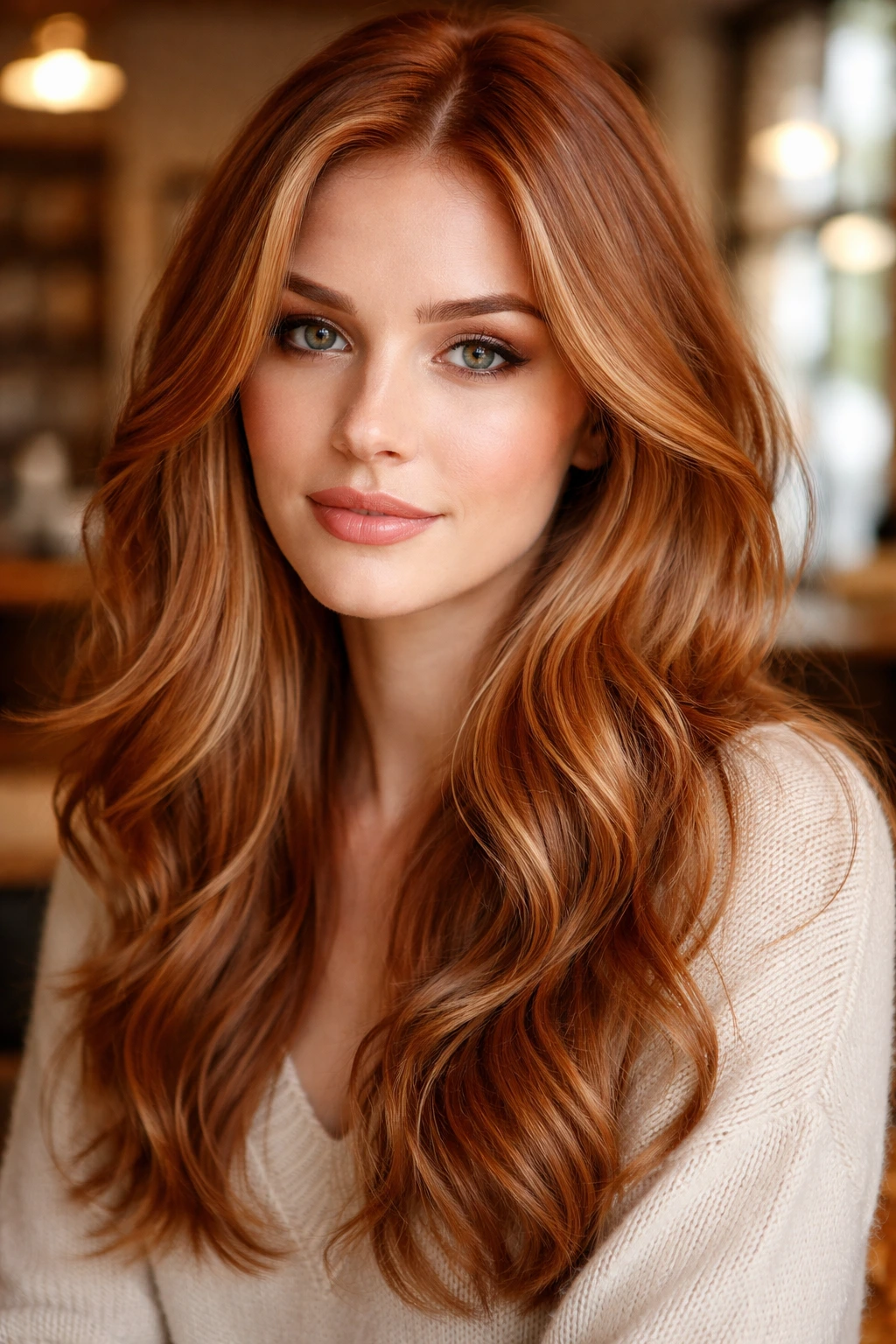
Terracotta is a brick-red color. It’s darker, more muted, and has a heavy brown base. It is essentially an auburn shade that has been lightened to a dark blonde level.
Why it Works
Brown-based colors are almost always safe for cool skin. They don’t have the yellow-gold intensity that makes cool skin look sallow. Terracotta is essentially a “cool” red, which makes it a natural fit for your coloring.
Practicality
Because of the brown base, this color has excellent longevity. It’s less prone to the rapid fading that plagues brighter copper shades. If you are a busy person who doesn’t want to visit the salon every four weeks, this is a top-tier choice.
16. Copper Babylights
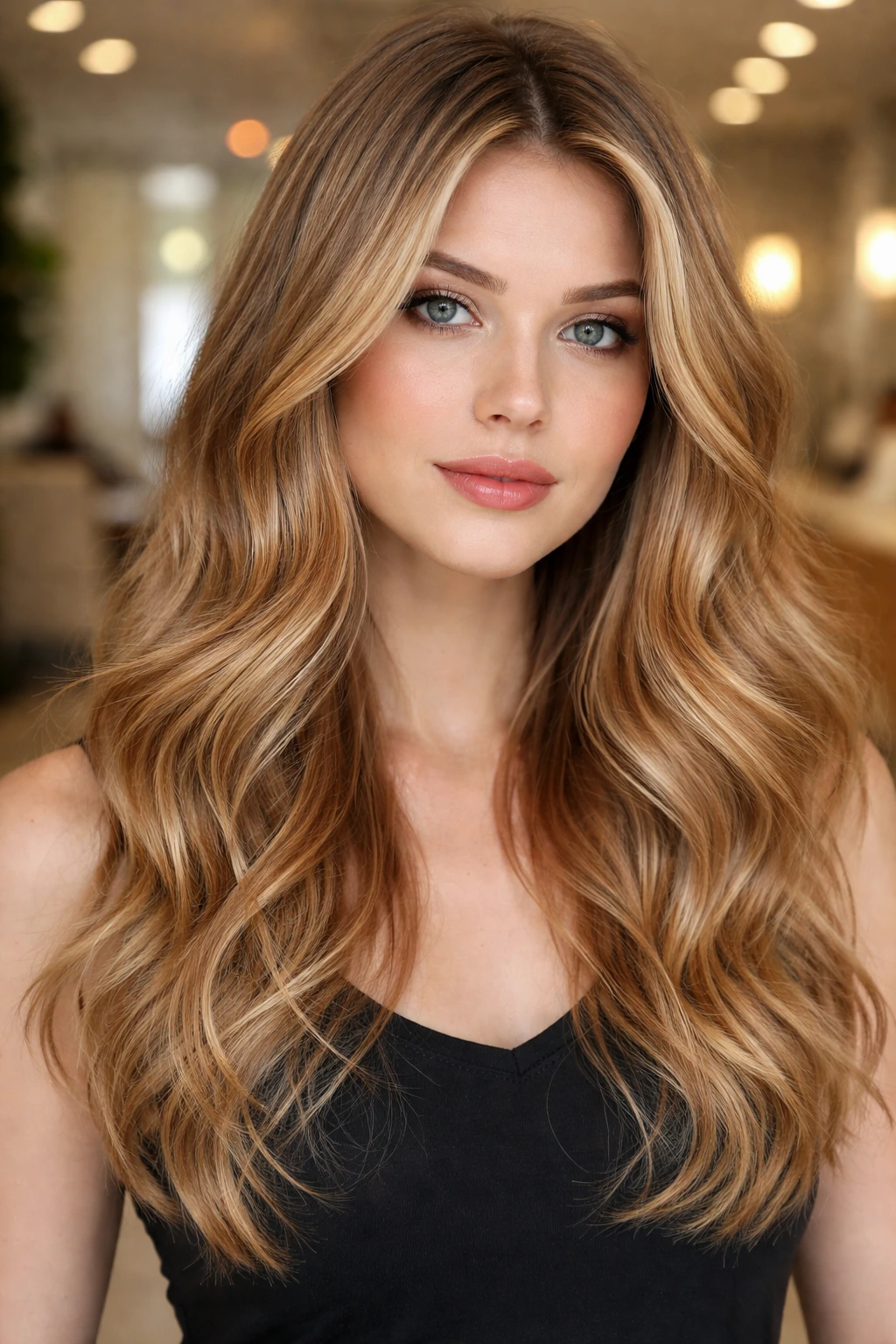
Babylights are extremely fine, subtle highlights. By using a copper shade for just a small percentage of your hair, you are essentially “filtering” the color through your current shade.
The Technique
Ask your stylist for “copper babylights on a cool blonde base.” The copper pieces will be so fine that they will blend in with your natural color, creating a shimmering, multi-tonal effect rather than stripes of color.
Why This is Safe
Since the copper isn’t the dominant color, it can’t clash with your skin. It just adds warmth and sparkle. It’s a very low-stakes way to try out copper without committing to a full transformation.
17. Dusty Copper
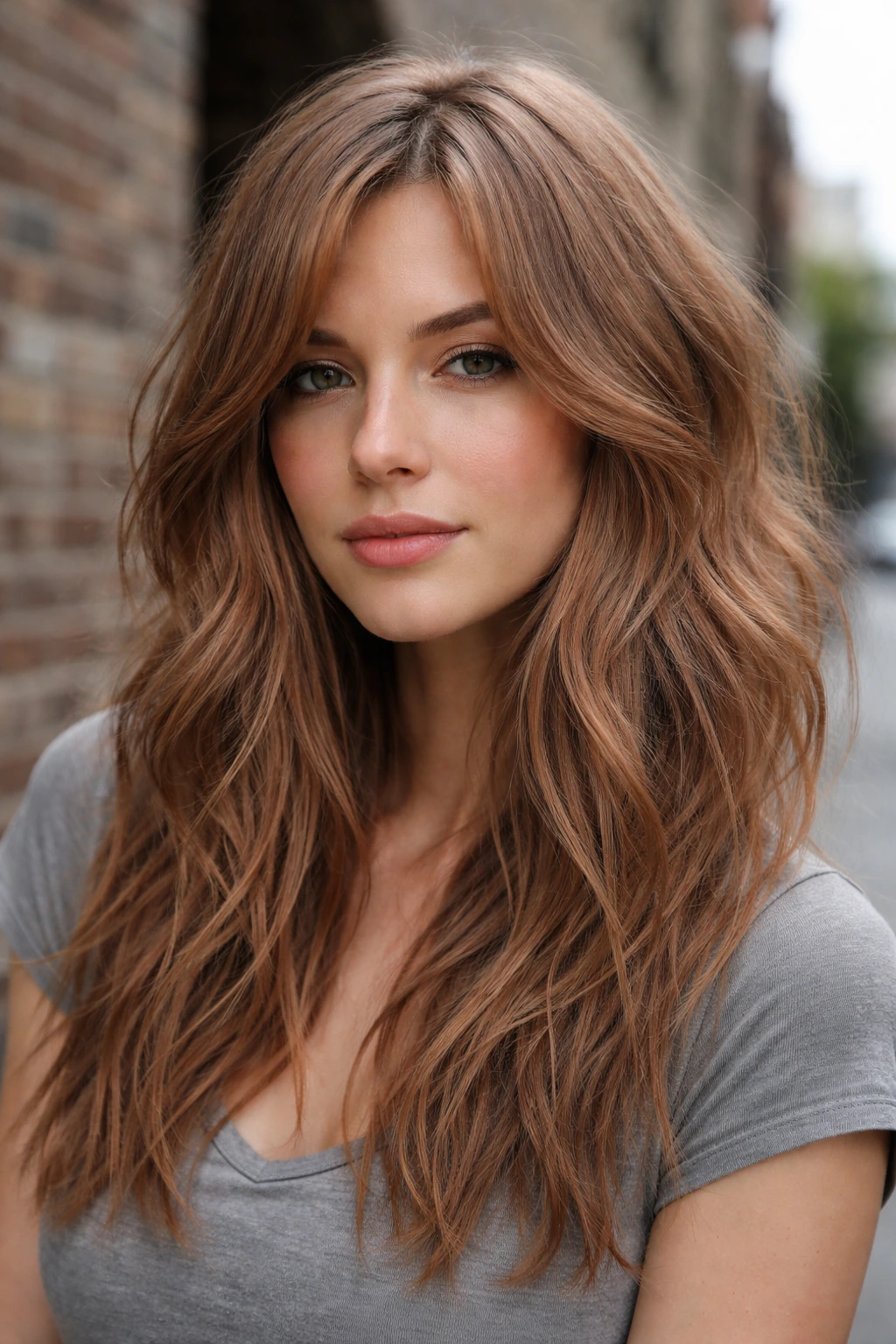
Dusty colors are “muted” colors. They have a bit of grey or ash mixed into the formulation. Dusty copper is perfect because it takes the “loud” edge off the copper.
The Appeal of Muted Tones
Cool skin can often look washed out by bright, saturated colors. A dusty copper is “low-saturation,” which means it has more visual weight and is easier for your complexion to handle. It feels intentional, like a fashion-forward choice rather than a random color decision.
How to Style
This color looks incredible with a slightly messy, textured style. It doesn’t need to be perfectly smooth and shiny to look good. In fact, a bit of texture spray and a wavy, undone look really brings out the earthy, muted tones in the dye.
18. Bright Tangerine Blonde
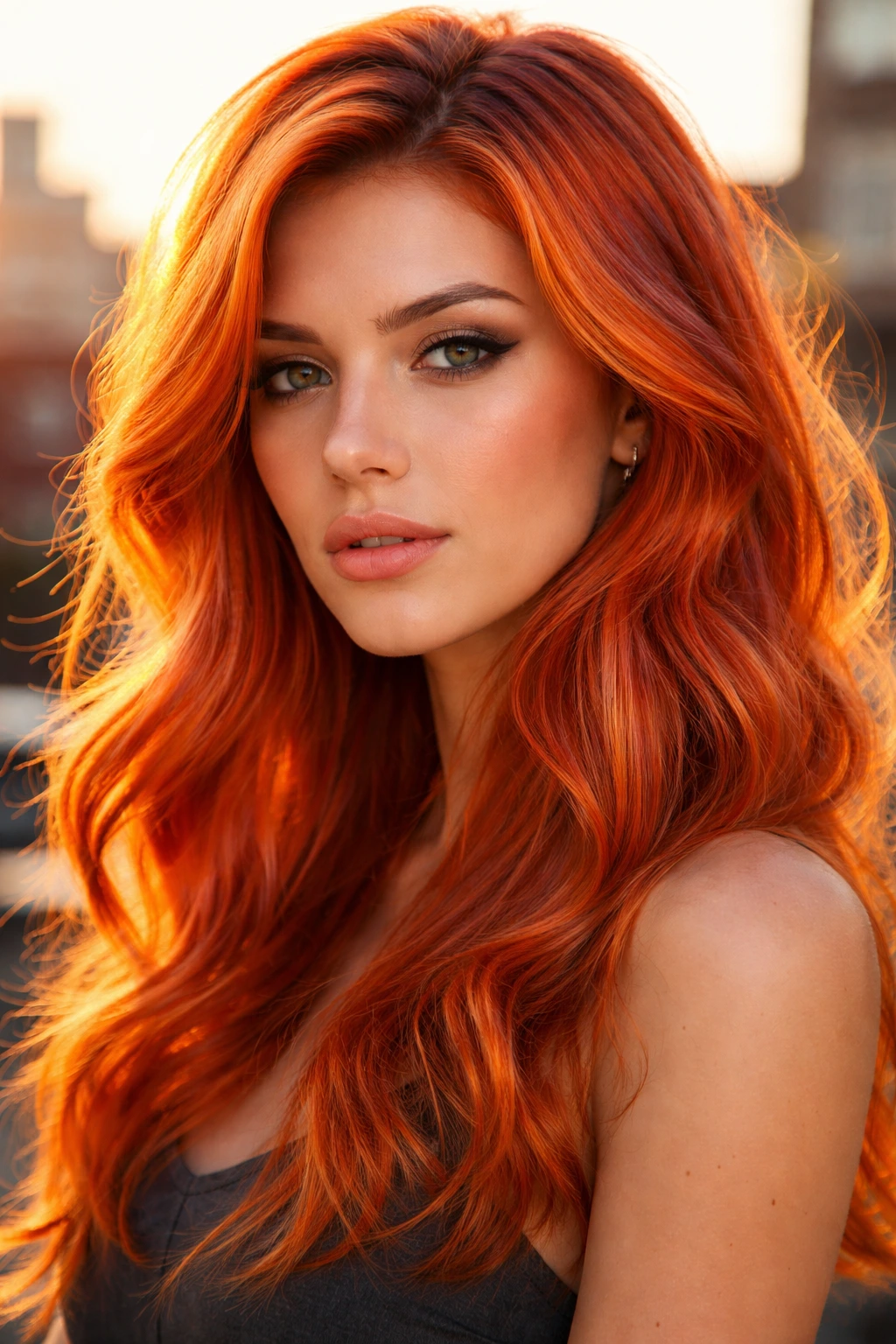
Okay, I know I said to avoid orange. But if you have a high-contrast complexion or you are just feeling bold, a bright tangerine—if balanced with violet—can be a stunning, punk-inspired look.
Balancing the Brightness
This is not for the faint of heart. You need a stylist who is a color theory expert. To make tangerine work for cool skin, they need to mix in a violet-based copper. The violet cuts through the orange, making it “cool” enough to wear.
The Commitment
This color requires significant upkeep. It will fade, and it will require touch-ups. You also need to be prepared for the fact that this is a “look.” It demands a certain confidence. If you wear it, wear it with purpose.
19. Cool-Toned Coppery Auburn
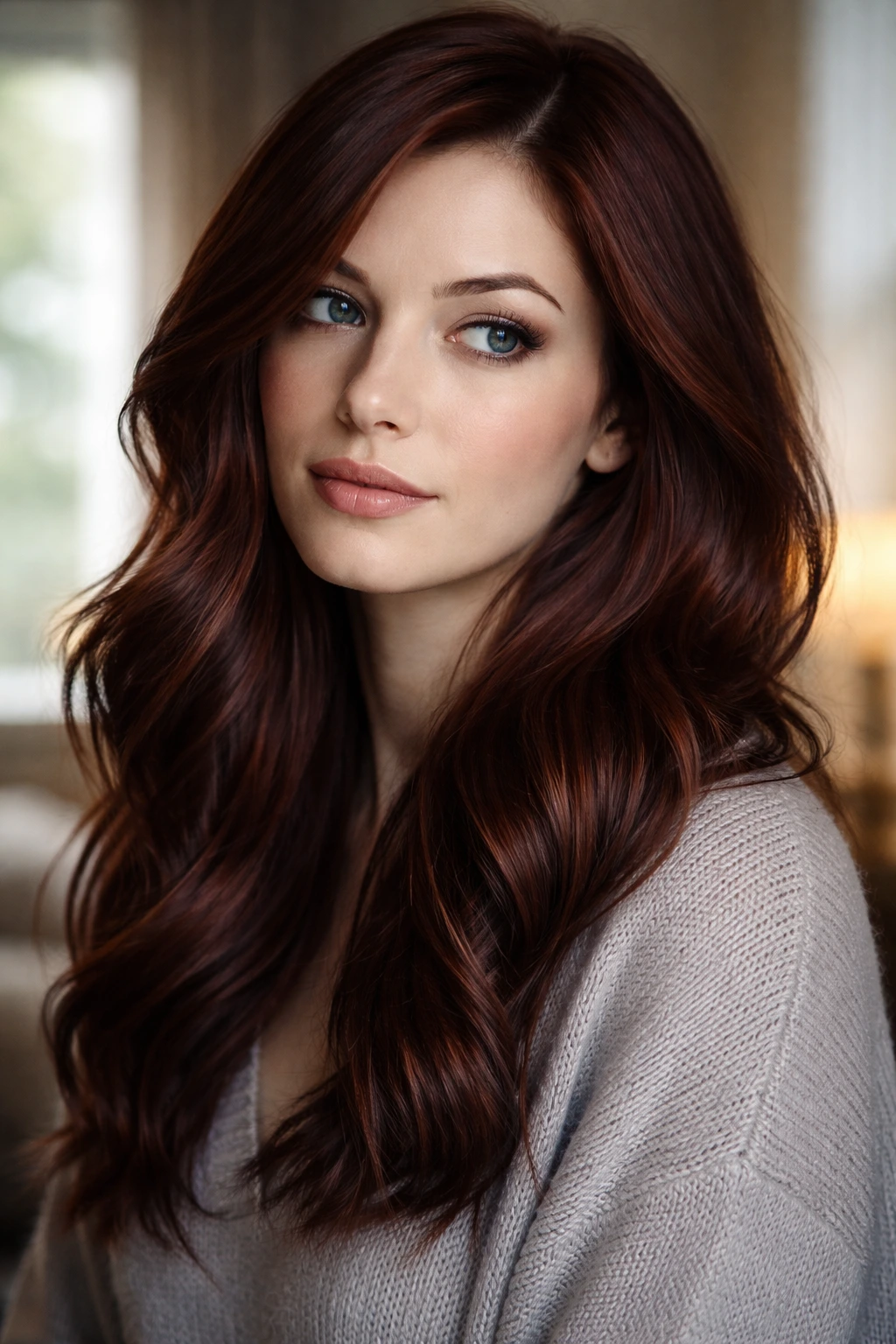
Auburn is a mix of brown and red. A cool-toned coppery auburn is a deep, rich shade that leans more towards mahogany than orange.
The Depth Factor
The darker the color, the easier it is to cool down. Mahogany-based coppers are excellent for cool skin. They provide that rich, reddish depth without bringing in the gold-yellow components that are the bane of cool-toned people.
Suitability
This is a fantastic option for winter months or for people who naturally have darker hair. It’s a very classic, timeless shade that never looks “out of style.”
20. Root Smudge Copper
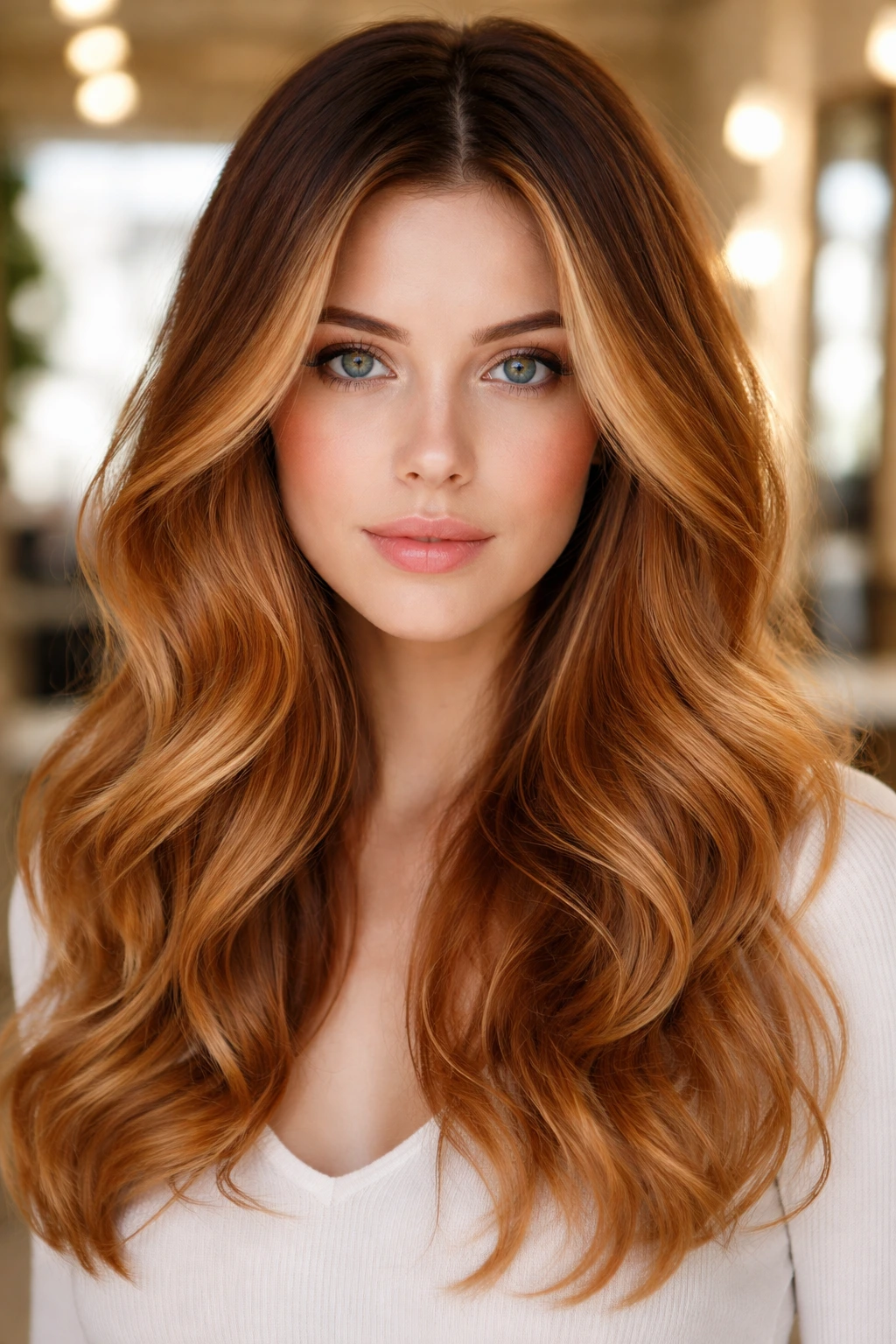
A root smudge (or root tap) is when the stylist applies a darker, cooler-toned color to the roots to blur the line between your regrowth and the highlighted ends.
Why It Solves the Problem
If you are worried about copper hair clashing with your skin, a root smudge is your best friend. By keeping your roots your natural color (which is likely cool and compatible with your skin), you create a buffer zone. The copper starts a few inches down, far enough away from your face to avoid any color clash.
The Result
You get the full effect of the copper color without the stress of worrying about how it sits against your complexion. It’s the ultimate “have your cake and eat it too” solution.
Understanding Your Undertones Before You Dye
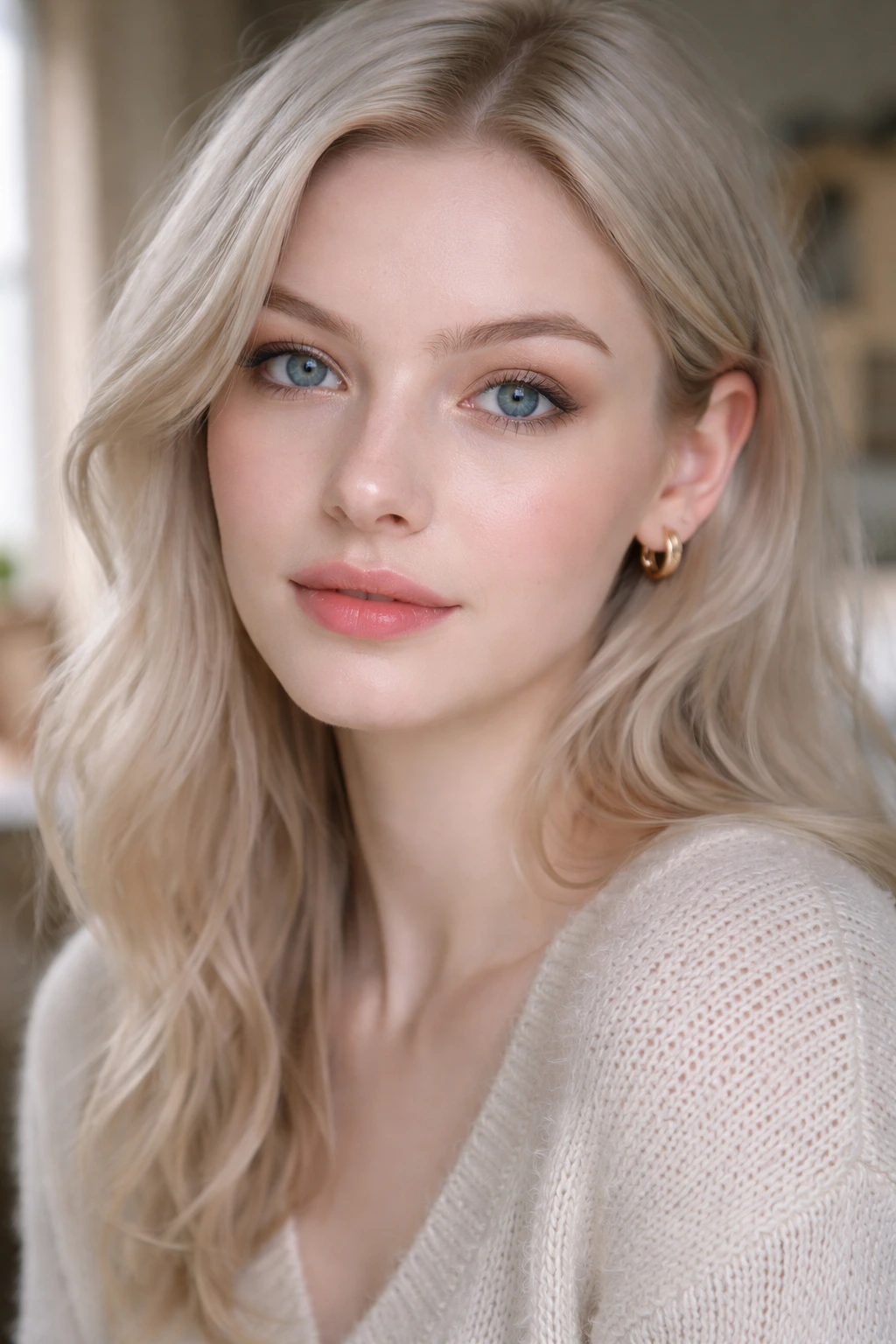
Before you even pick up the swatch book, you have to be honest about your skin. Not every “cool” skin tone is the same. There is a massive difference between a pale, blue-veined complexion and an olive, green-veined complexion. Both are cool, but they react differently to color.
If you have very pale, pink-based skin, stick to the lighter, cooler copper shades like strawberry blonde or pastel copper. If you put a dark, terracotta auburn on very pale skin, it might look too heavy or harsh.
On the flip side, if you have an olive or slightly darker cool skin tone, you can get away with richer, deeper coppers. In fact, the deep, reddish-brown coppers often look better on olive skin than the lighter, pastel ones, which can end up looking a bit chalky.
The Truth About Purple and Blue Shampoo
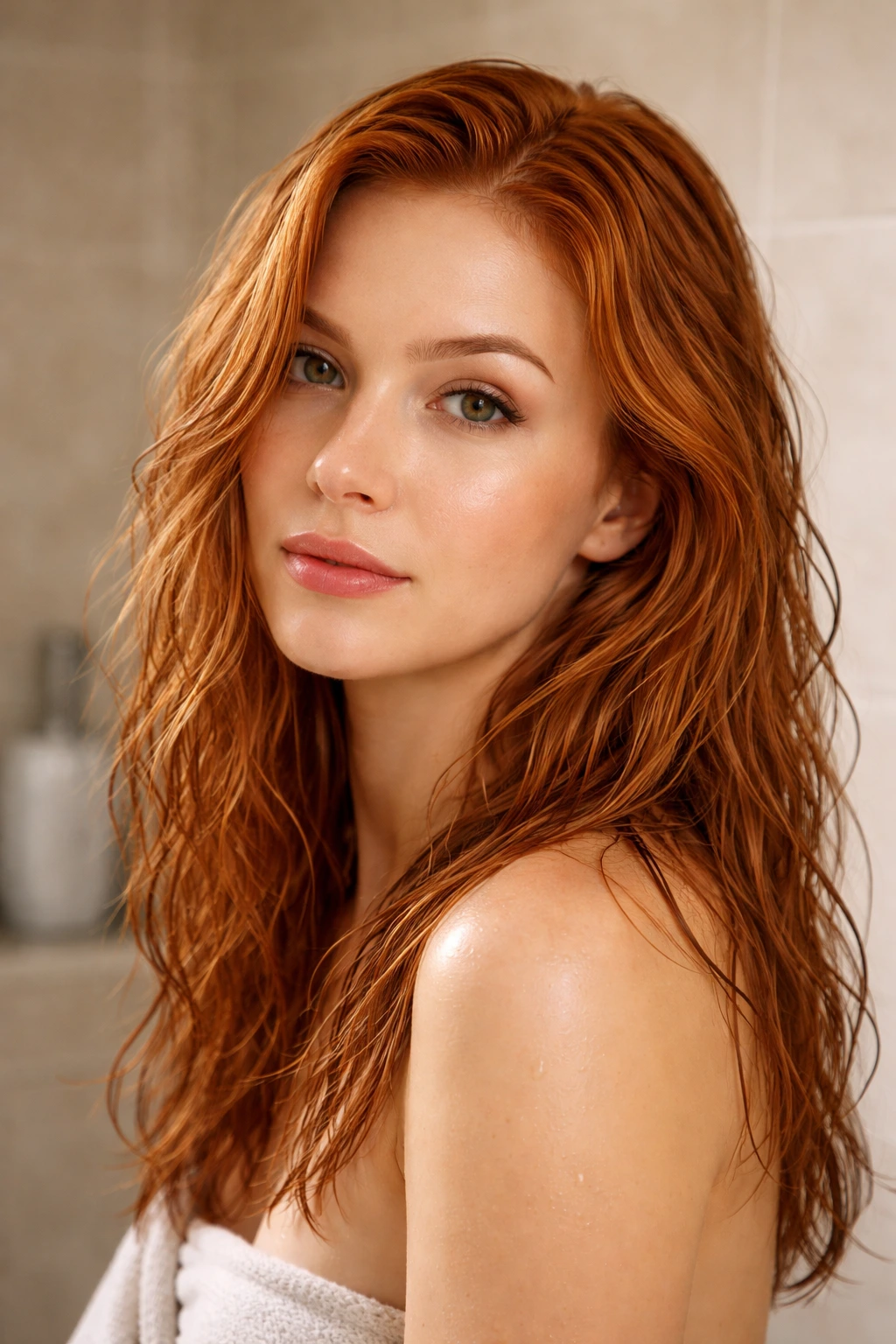
There is a massive amount of confusion regarding toning shampoos for copper hair. You have probably been told that if you go blonde, you need purple shampoo to kill the brass. If you have brown hair, you need blue shampoo to kill the orange.
So, what happens when your hair is copper? If you use a strong blue shampoo, you will neutralize the copper, turning it into a muddy, dull brown. If you use a strong purple shampoo, you will neutralize the yellow, turning the copper into a flat, orange-red.
You need to be very careful. Do not use toning shampoos daily. Only use them when you see the color starting to shift. If you are going for a cool copper, you might actually want to use a color-depositing conditioner—one that puts red or copper pigment back into the hair—rather than a shampoo that strips the color out. Always ask your stylist what they used to tone you and stick to a similar, milder version at home.
Choosing the Right Salon Professional
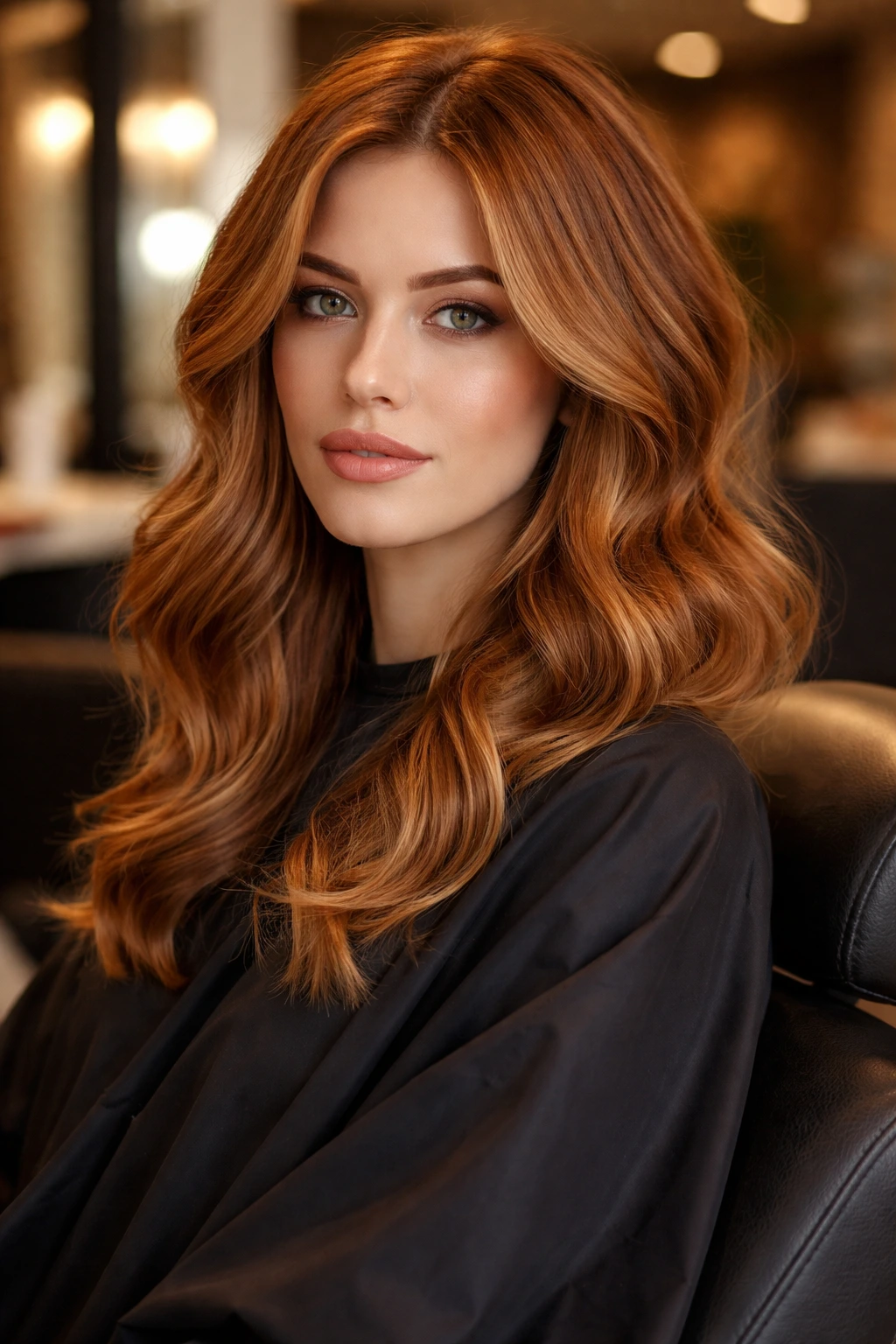
Copper is notoriously difficult to get right. It is not like a standard brown dye that just covers everything. Copper is a vibrant pigment. If your hair is pre-lightened, it will grab the color differently than if your hair is virgin.
When booking your appointment, look for a stylist who specializes in “lived-in color” or “reds.” Do not just book with the person who has the most Instagram followers. Look at their work specifically for red and copper tones. If all their photos are platinum blondes and dark brunettes, they might not have the expertise to manage a tricky copper formula.
When you sit in the chair, bring photos. But more importantly, show them photos of what you don’t want. If you hate that “vibrant, glowing carrot orange,” say that explicitly. Be prepared for them to tell you that it might take two sessions to get the exact shade you want. Good color is a process, not a single event.
Preparing Your Hair for the Transition
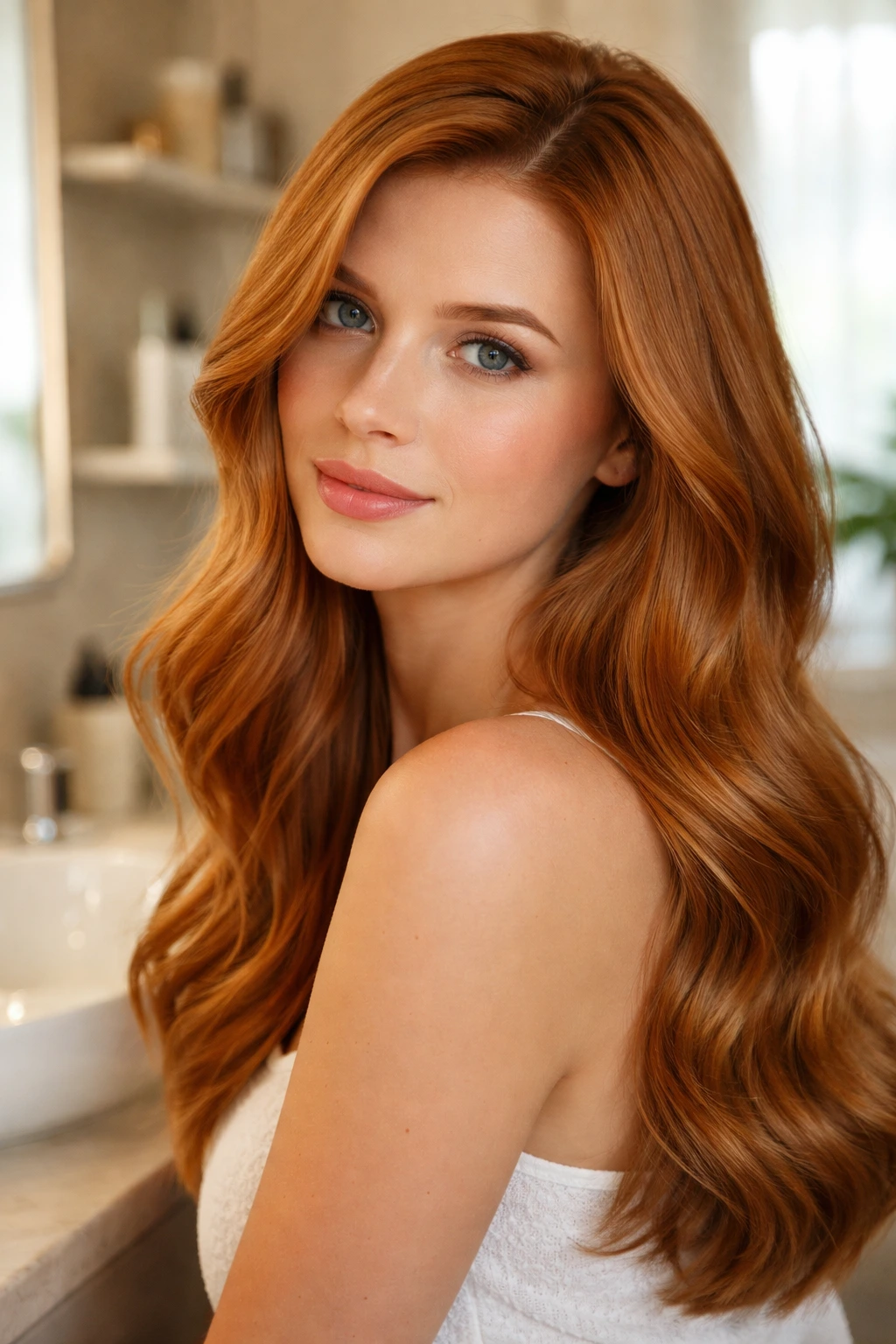
If you are coming from a dark hair color, you will likely need to lighten your hair to get a vibrant or light copper. This means bleach. There is no way around it. If you are coming from a platinum blonde, you are going to be “filling” the hair—adding pigment back in so the color doesn’t fade into a weird, translucent mess.
In both cases, your hair needs to be hydrated. Start using deep conditioning masks twice a week for at least a month before your appointment. The healthier your hair cuticle, the better it will hold onto that copper pigment. If your hair is damaged, the color will hold in some places and not others, leading to a patchy, uneven result.
The Long-Term Commitment of Copper
Let’s be real about the upkeep. Copper fades. It is the nature of the beast. The pigment molecules in red-toned dyes are larger than those in other colors, which means they don’t penetrate as deeply into the hair shaft. They are constantly washing out.
You need to embrace the change in color as it fades. You will not have the same color on day one as you do on day thirty. That is part of the charm of copper. However, if you hate the faded look, you need to budget for professional gloss treatments every four to six weeks. These glosses are low-ammonia, clear, or color-depositing treatments that seal the cuticle and refresh the shine without requiring a full dye job.
Styling to Enhance the Shade
Copper hair is all about reflection. Dull hair hides the color; shiny hair reveals it. You need to change your styling routine to prioritize gloss.
Avoid heavy, matte styling products. Salt sprays, matte pastes, and dry shampoos that leave a chalky residue are your enemies. They dull the surface of the hair, making the copper look flat. Instead, look for lightweight oils, shine sprays, and humidity-defying serums.
Also, consider your heat styling. High heat on a flat iron can “cook” the color, turning it brassy. Always use a heat protectant spray that is formulated to protect color. If you are using a curling iron, keep the temperature below 350°F (175°C) to protect the pigment integrity.
Final Thoughts
Copper blonde is not a single color; it is a spectrum of possibilities. The reason it has a bad reputation among those with cool skin is that we’ve spent years forcing ourselves into standardized categories. We’ve been told “cool skin = cool hair,” but the reality is that the best color is one that makes you feel like yourself.
By paying attention to undertones—prioritizing violet, pink, and ash bases over gold and yellow ones—you can absolutely pull off copper. You don’t have to sacrifice your preference for red tones just because your veins are blue. You just have to be specific, be careful with your maintenance, and find a stylist who understands the chemistry of color.
Whether you choose a soft, dusty copper that barely whispers its presence or a bold, tangerined-toned shade that demands attention, the most important part is how it makes you feel when you look in the mirror. Hair is meant to be played with, changed, and experimented with. If you’ve been waiting for a sign to try copper, this is it. Just make sure you bring a photo of the cool shade you want, skip the golden bases, and enjoy the glow.
