



Honey blonde can look flat on cool skin tones if the gold gets too loud, but the right version is one of the best ways to add warmth without making the face look red or washed out. The shades that work tend to sit in the beige, pearl, smoky, or champagne lane, not the pumpkin-yellow lane. That difference sounds small. It isn’t.
A cool complexion usually looks happiest when the blonde has some softness in it — a little neutral depth at the root, a clean gloss through the mids, and highlights that don’t sit like stripes. If the color is too warm, the skin can suddenly look pinker than it is. If it’s too pale and icy, the whole thing can feel harsh. The sweet spot is a honey blonde that looks polished, dimensional, and a touch expensive without screaming gold.
Placement matters just as much as pigment. A thin money piece around the face, a shadow root, or a few beige lowlights can change the whole read of the color. That’s why the best honey blonde hair color ideas for cool skin tones are not all the same shade at all — they’re different ways of controlling warmth.
1. Beige Honey Balayage with Soft Money Pieces
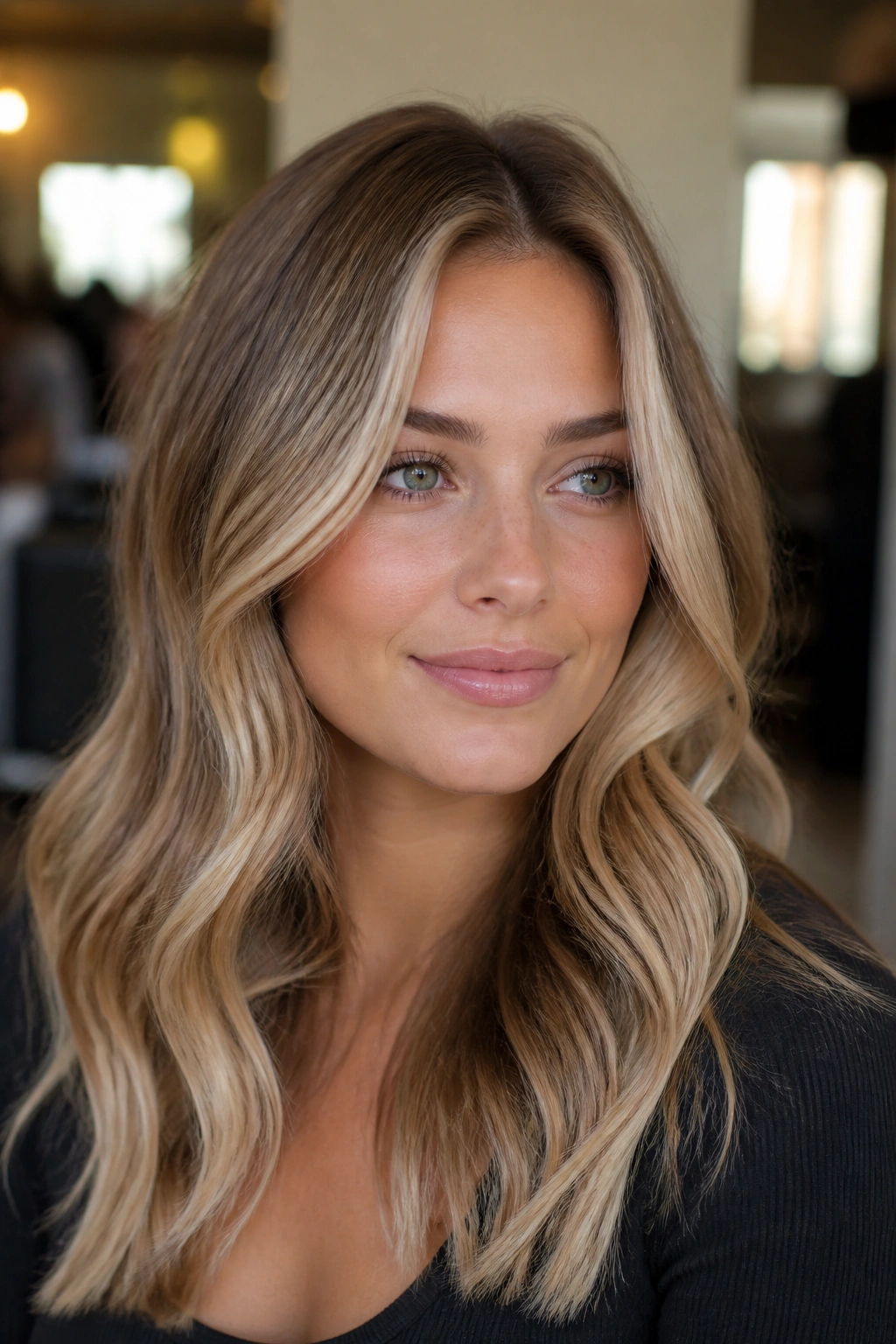
Beige honey balayage is the safest starting point if you want warmth that still plays nicely with cool undertones. The base stays a little deeper, and the lighter pieces are hand-painted so they soften near the face instead of sitting in harsh blocks. On cool skin, that beige-gold mix tends to look creamy rather than yellow.
Why It Flatters Cool Skin
The beige part does the heavy lifting here. It keeps the blonde from drifting into brass, which is the main thing that throws cool skin off. A few brighter money pieces around the cheekbones can wake up the face, but they should still look diffused, not chunky.
Ask your colorist for level 7 to 8 ribbons with a neutral-beige gloss and a root that stays about one shade deeper than the mids. That tiny bit of depth helps the blonde look more natural and less stripy.
- Keep the lightest pieces around the hairline and top layers.
- Ask for painted ends, not a full foil line from root to tip.
- Finish with a beige toner, not a copper one.
- Style with soft waves so the dimension shows.
Best move: If your skin flushes easily, keep the face-framing pieces thin. Big blonde panels can be a lot.
2. Icy Honey Blonde with a Shadow Root
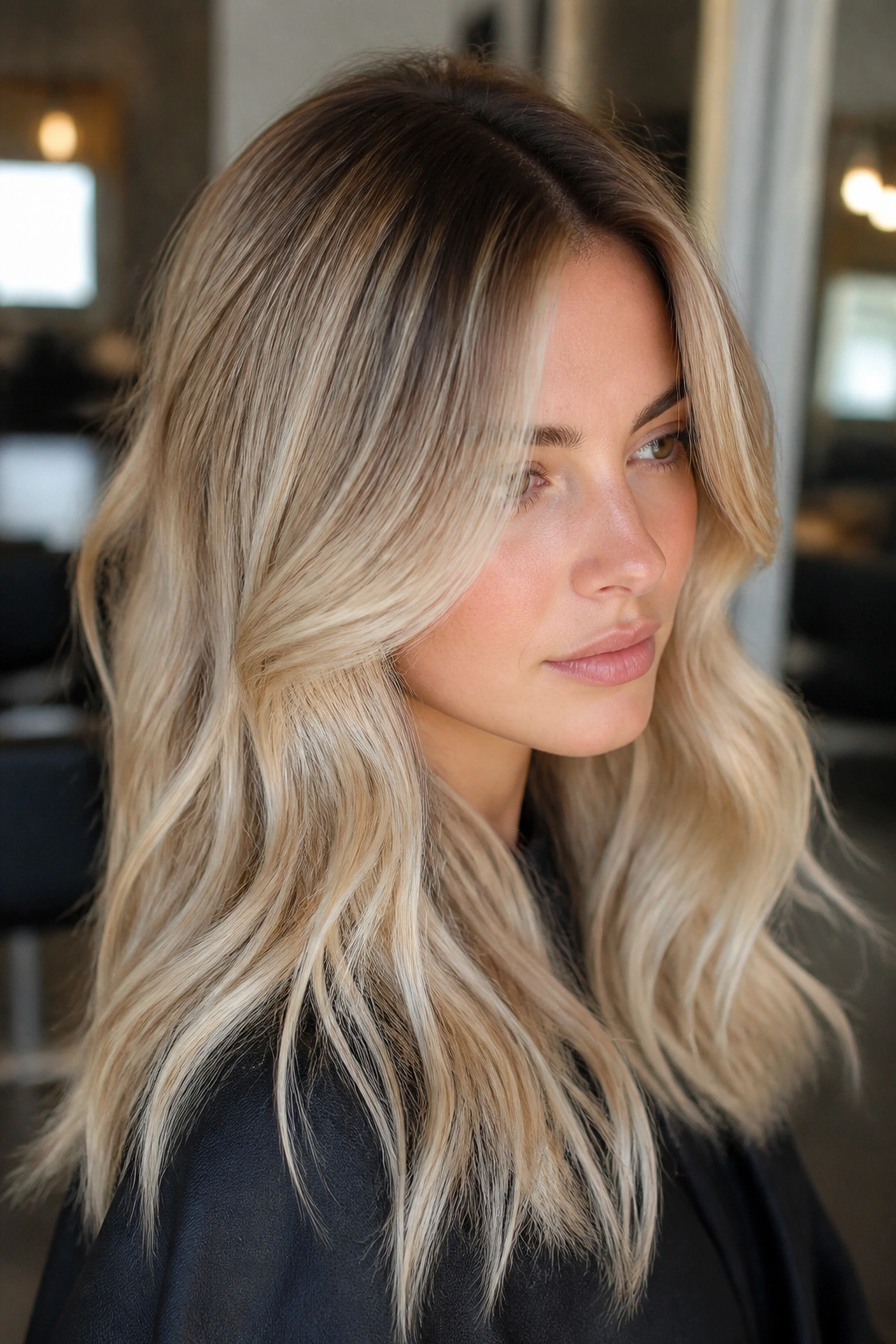
This one sounds contradictory, and that’s exactly why it works. Icy honey blonde takes the warmth of honey and cools it down with pearl and ash tones, then anchors everything with a soft shadow root. The result is brighter than beige balayage, but not sharp or white.
The shadow root matters because it gives the blonde a place to land. Without it, cool skin can start to look a little drained next to high-contrast pale hair. A root that’s only one to two levels deeper keeps the line soft and makes the grow-out less fussy.
If you like a cleaner, more refined blonde, ask for cool ribbons through the mid-lengths, level 8.5 to 9 ends, and a pearl-beige toner. That wording helps a stylist avoid overly sunny gold. Purple shampoo can help, but use it sparingly — once a week is usually enough. More than that and the hair can start to look dull.
A little icy, a little honeyed. That’s the point.
3. Mushroom Honey Blonde for a Smoky Finish
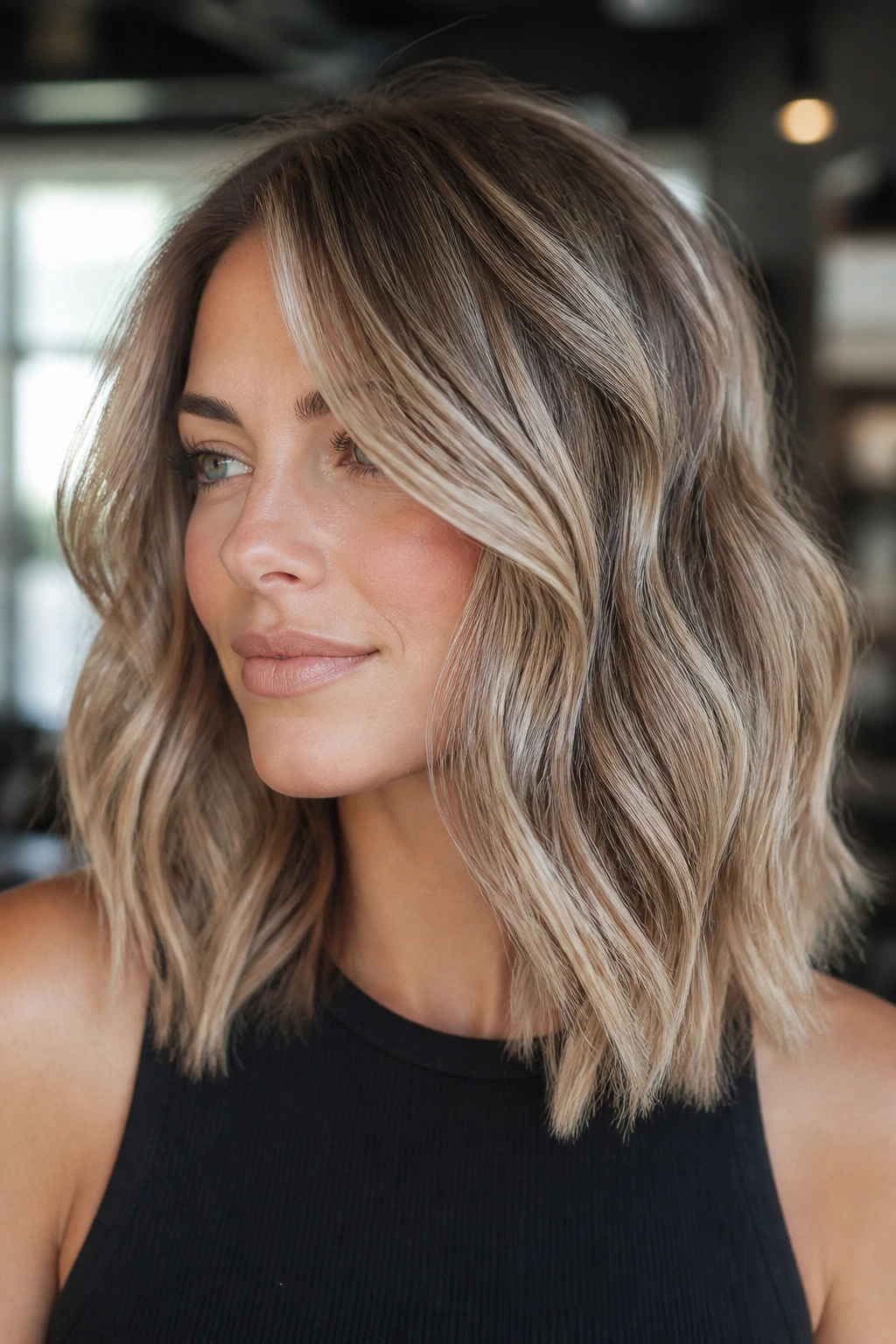
Can honey blonde look cool instead of sunny? Absolutely.
Mushroom honey blonde is what happens when you blur the line between beige blonde and soft brunette. It has a smoky, taupe-tinted quality that takes the edge off warmth, which is why it looks so good on cool skin that needs brightness without a blast of gold. The finish is calmer than classic honey, and honestly, that’s what makes it useful.
What Makes It Different
The base usually stays medium brown or dark blonde, then the lighter pieces are toned down with a mushroom-beige gloss. Think of it as honey blonde with the lights turned low. You still get shimmer, but the overall effect is grounded.
It works especially well on shoulder-length cuts and loose waves because the smoky dimension shows in movement. Straight hair can wear it too, though. It just looks sleeker and more editorial.
How to Wear It
- Ask for neutral-to-cool beige ribbons instead of yellow-gold highlights.
- Keep the roots slightly shadowed.
- Pair it with textured layers, not one blunt block of length.
- Use a gloss every 6 to 8 weeks if your hair tends to pull warm.
This is one of those shades that looks expensive even when it’s grown in a little. That matters.
4. Pearl Honey Blonde Face-Framing Ribbons
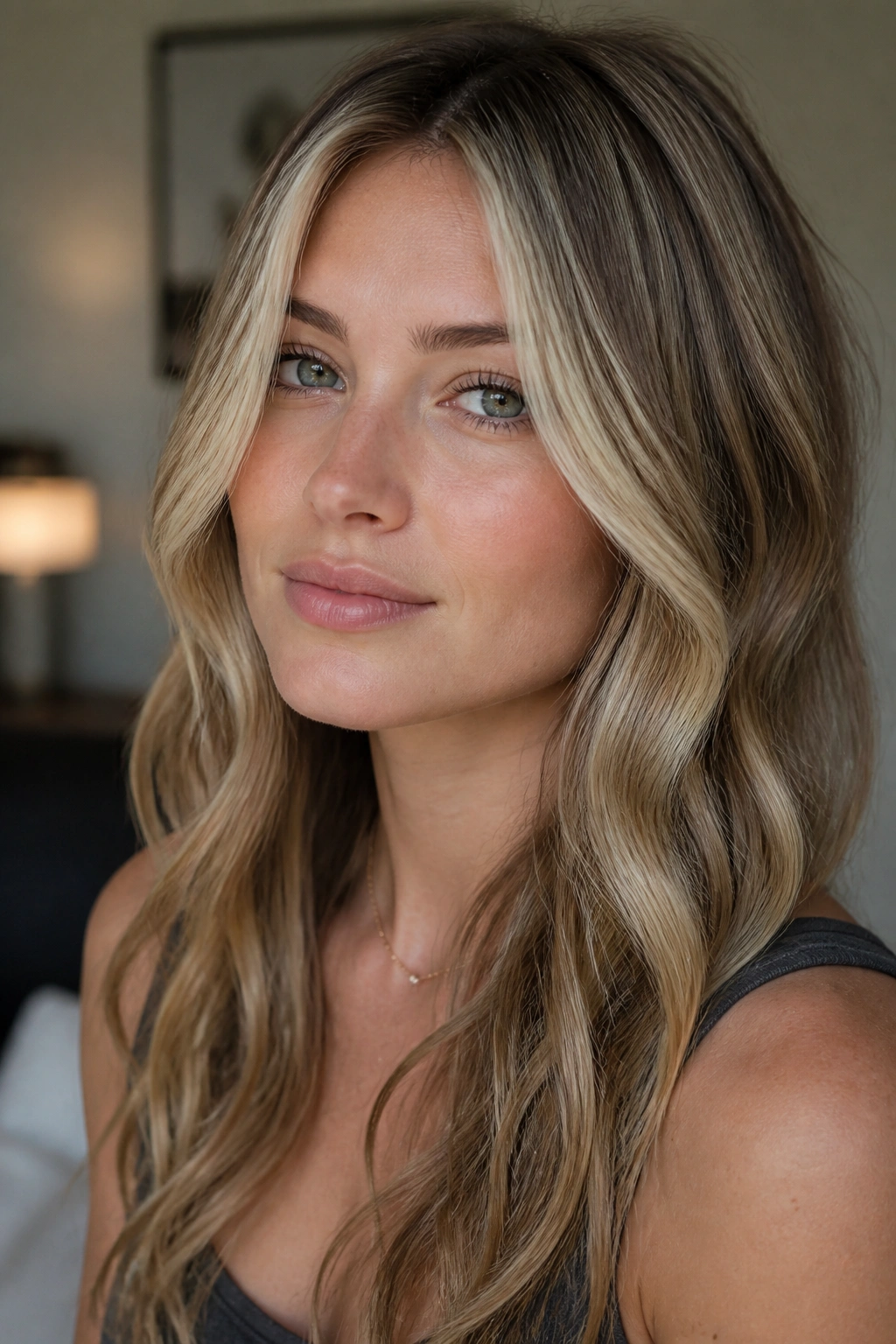
A few well-placed face-framing ribbons can do more for cool skin than an all-over blonde ever will. Pearl honey blonde keeps the warmth soft and airy, with just enough brightness to lift the face. It’s the kind of color that works when you want people to notice your hair, not your dye job.
The trick is the contrast. The face-framing pieces should be a clean level or two lighter than the rest, but still toned with pearl or beige rather than yellow. That stops the highlights from looking frosty. The rest of the hair can stay softer and lower-contrast, which is easier to live with between salon visits.
How to Ask for It
- Place the brightest ribbons at the temples and just below the cheekbones.
- Leave the underneath layers deeper for dimension.
- Use a pearl gloss on the lightest strands.
- Keep the pieces narrow so they blend as the hair moves.
One thing I like about this look: it gives cool skin a little glow without stealing the show. It’s subtle, but not invisible. There’s a difference.
5. Champagne Honey Blonde on a Sharp Bob
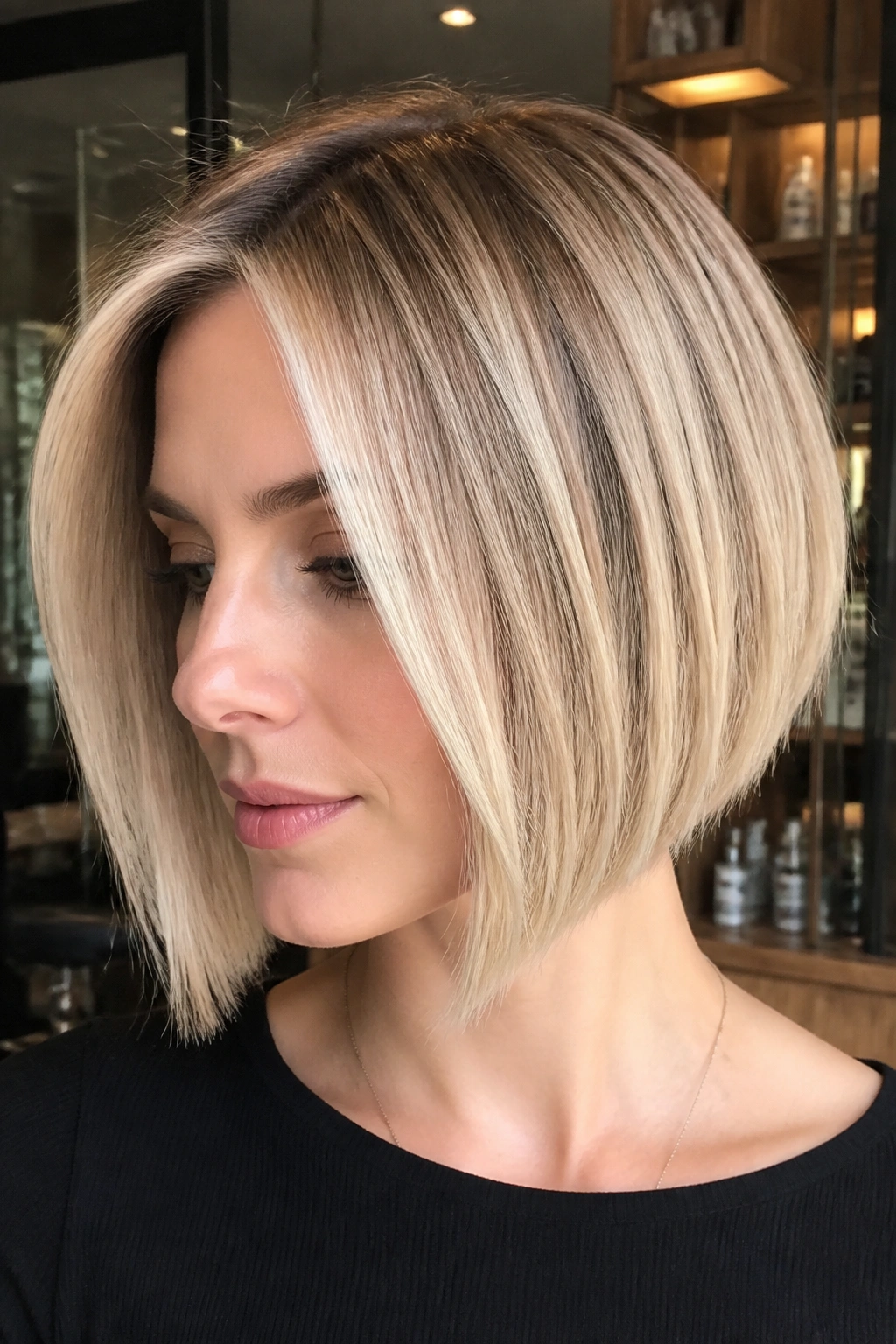
A bob is ruthless in the best possible way. It shows everything — color, cut, shine, and any brassiness you forgot to tone out. That’s why champagne honey blonde works so well here. The champagne keeps the blonde crisp and cool-leaning, while the honey keeps it from looking flat or washed out.
On a sharp bob, the color reads polished almost instantly. The clean edge of the cut makes the soft golden-beige tone feel deliberate, not beachy in the casual sense. If you have cool skin and a strong jawline, this can be a lovely combination because the color doesn’t fight your features; it sharpens them a little.
I’d ask for light beige-gold highlights, a soft root shadow, and a gloss finish with a hint of pearl. Sleek styling shows the color best, but a slight bend at the ends keeps it from feeling severe. A flat iron with a gentle curve at the front is enough.
Bobs do not forgive brass. That’s the only catch. Keep a tone-refreshing gloss in the rotation.
6. Cool Honey Babylights Over a Brown Base
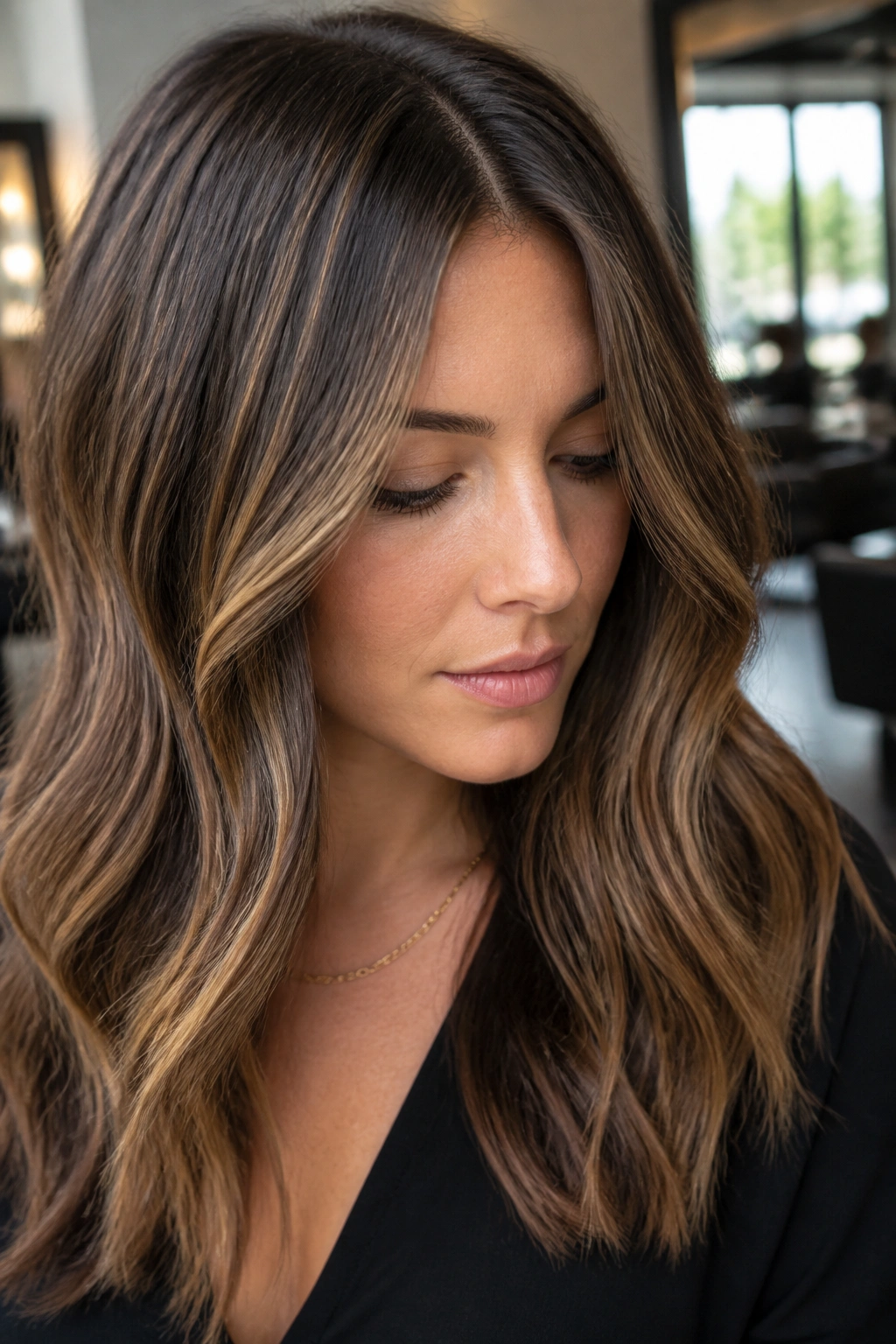
Babylights are the opposite of chunky. They’re thin, delicate, and quietly expensive-looking when they’re done well. On a brown base, cool honey babylights add brightness without turning the whole head blonde, which is a smart move if your skin leans pink or blue.
Why Thin Strands Matter
Thin strands blend into the base instead of floating on top of it. That means the warmth is scattered through the hair in little flashes, not dumped into one area. Cool skin tends to like that because the blonde feels softer near the face and through the lengths.
This is also one of the easiest ways to wear honey blonde if you’re nervous about maintenance. The grow-out stays graceful, and you can stretch gloss appointments longer than you can with a high-contrast blonde.
Best Way to Wear It
- Keep the base at a medium brunette level.
- Use very fine foils or micro-weaves for the light pieces.
- Ask for beige honey, not copper honey.
- Style with loose bends so the tiny highlights catch movement.
If you want blonde that people notice on second look, this is a strong pick. First look? Just healthy, shiny hair. That’s the appeal.
7. Sandy Honey Blonde on a Long Lob
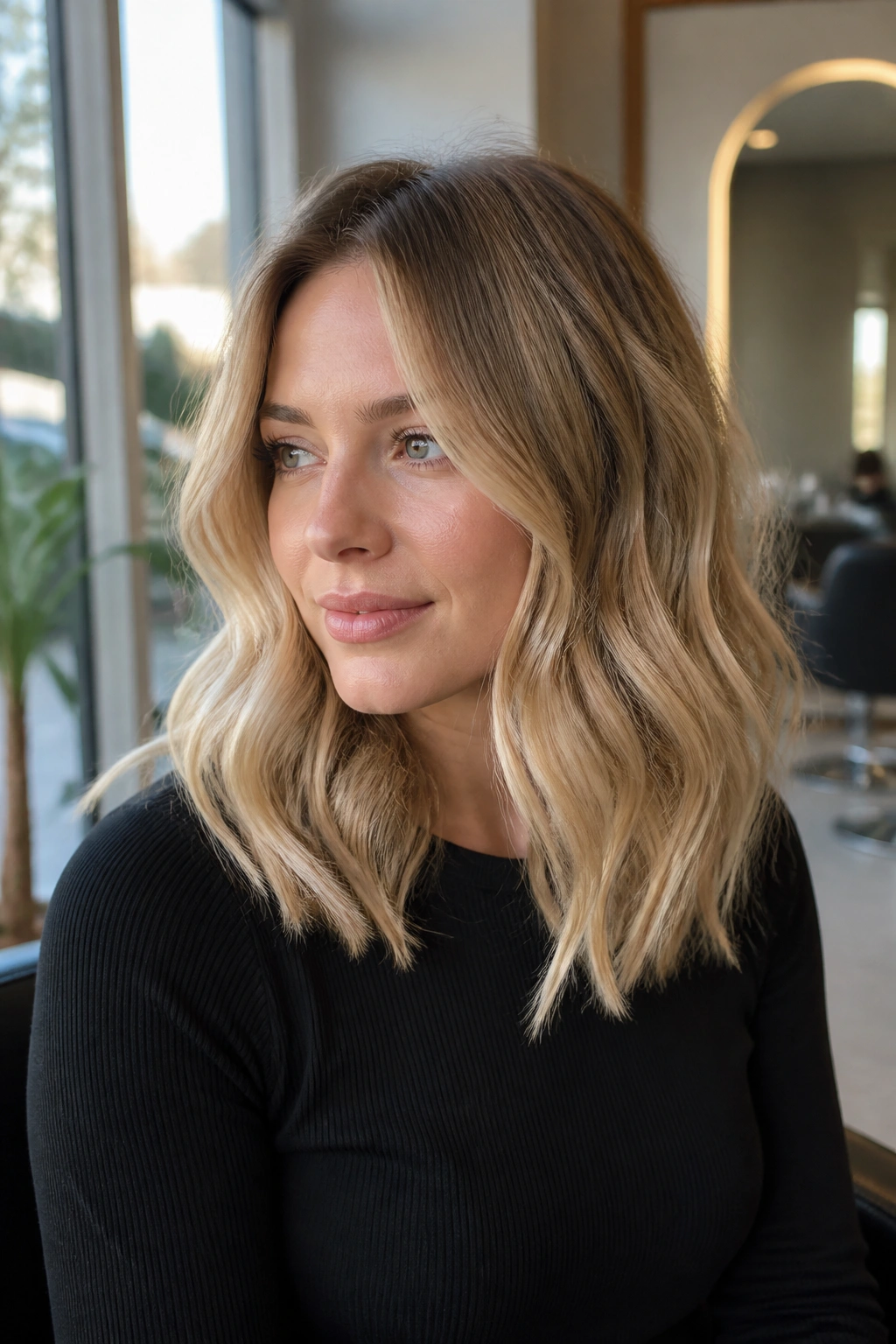
Sandy honey blonde sits in a nice middle zone: warm enough to brighten the face, cool enough to stay friendly to pale or rosy skin. On a long lob, it looks especially good because the length gives the color room to shift from beige at the root area to softer honey at the ends.
What It Looks Like in Real Life
It’s not a beachy-yellow blonde. It looks more like sunlit sand with a touch of cream in it. The shade is a little muted, which is exactly why it flatters cooler complexions that can get overwhelmed by strong gold.
Loose waves help, but so does air-drying with a little smoothing cream. You do not need curls that are too polished. A bit of movement keeps the sandy tone from reading flat.
A good salon note: ask for neutral highlights with a soft honey finish, then keep the face-framing pieces slightly lighter than the rest. That stops the look from going muddy. If your natural hair is medium brown, this can be a very wearable transition shade.
One detail I like: it grows out with a nice haze at the root instead of a hard stripe. That’s a relief.
8. Beige Honey Ombré from Mid-Lengths Down
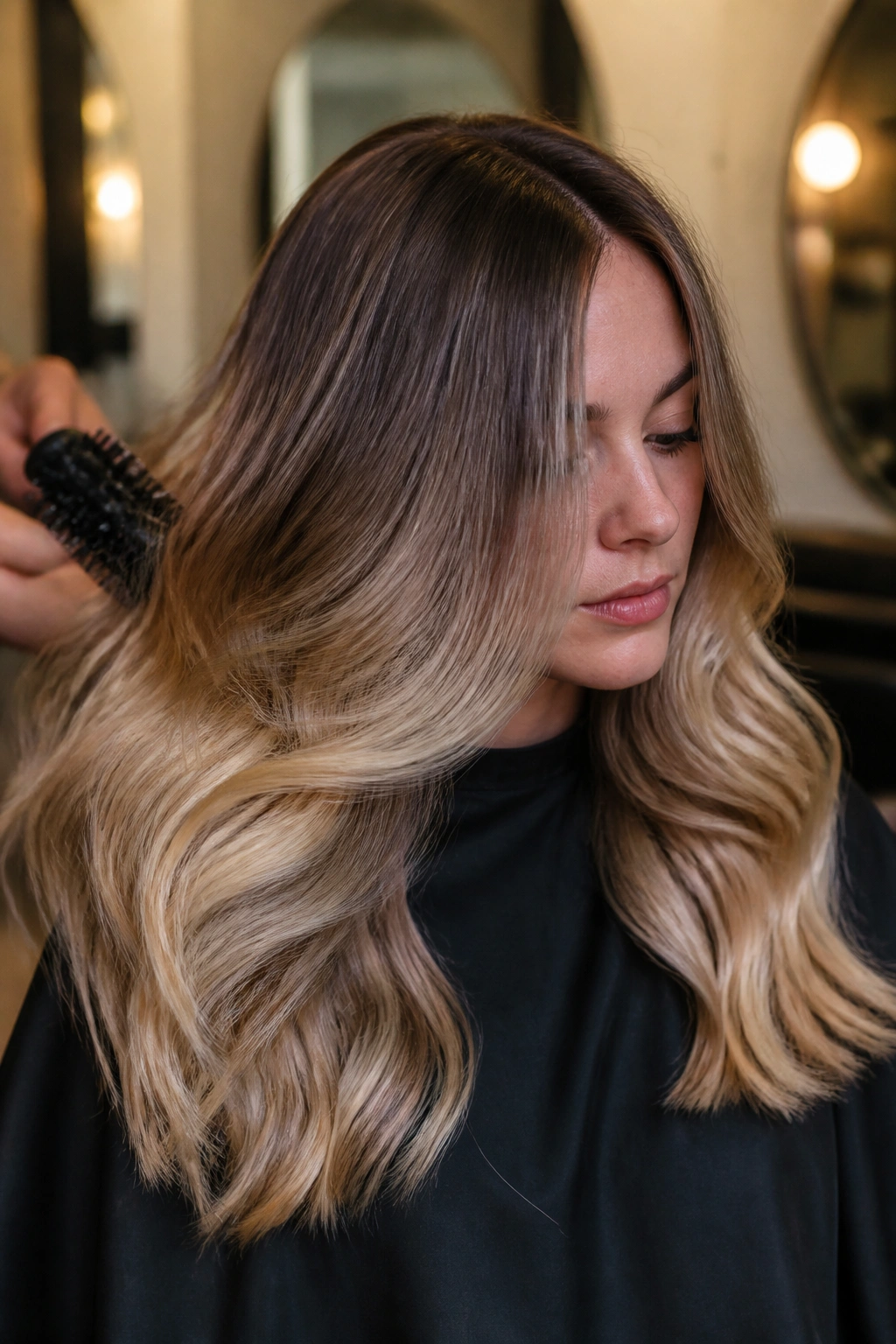
Beige honey ombré is for the person who wants lightness but does not want the constant upkeep of all-over blonde. The roots stay deeper, the color warms gradually through the mid-lengths, and the ends turn into a soft beige-honey fade. On cool skin, that darker top section helps the face stay balanced.
The ombré shape matters. Because the lightest part lives lower on the hair, the warmth doesn’t crowd the cheeks and forehead. Instead, the eyes go to the movement and the shine. That’s a much easier way to wear honey blonde if you’re worried about looking too golden.
This looks especially good on thick hair, where the fade can be stretched over a lot of length without looking patchy. Ask for a root that stays close to your natural level, then hand-painted beige honey from mid-shaft down. The ends should be lighter, but not pale.
For styling, big loose waves or a round-brush blowout work well. The gradient shows up best when the hair moves. Flat-ironed ombré can look sleek, but it hides some of the depth that makes the color interesting.
9. Smoky Honey Blonde with Depth at the Ends
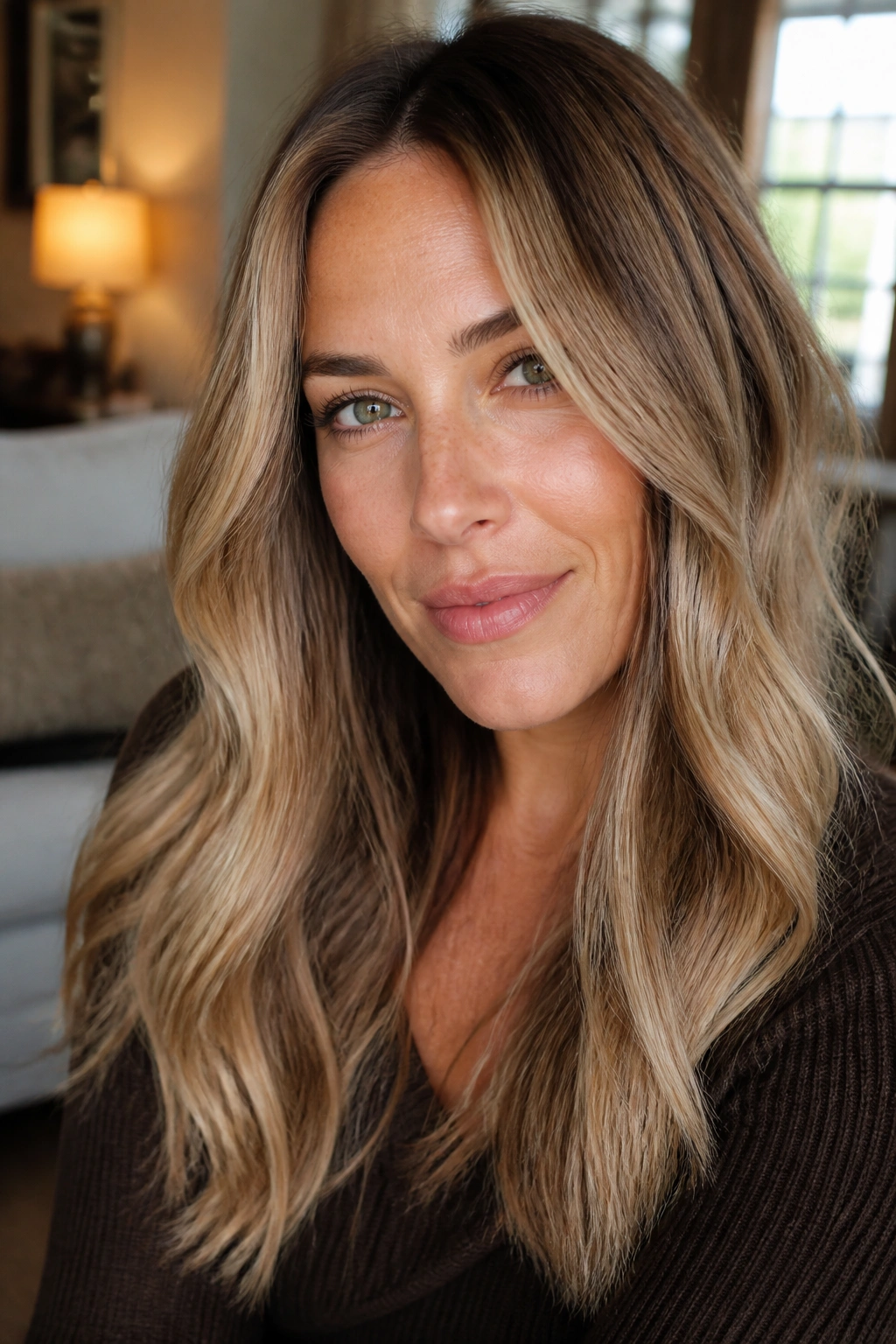
The ends matter more than people think. If they go too light and too gold, the whole style can tip warm in a way cool skin doesn’t love. Smoky honey blonde keeps the ends soft with a touch of depth, almost like the blonde has been dusted with ash.
How to Ask for It
Tell your colorist you want smoky lowlights woven through the lower half of the hair and a beige-honey gloss on the brighter pieces. That combination keeps the blonde dimensional instead of fuzzy. It also stops the ends from looking dry, which is a common problem with lighter honey shades.
This version works especially well if your hair has layers. The darker lowlights peek through on the interior pieces, and the lighter honey lands on the surface. That contrast makes the hair look fuller.
A lot of people chase bright ends and then wonder why the color reads cheap. Usually, the problem is not brightness. It’s too much sameness. Depth fixes that.
10. Honey Blonde Money Piece on Dark Brunette Hair
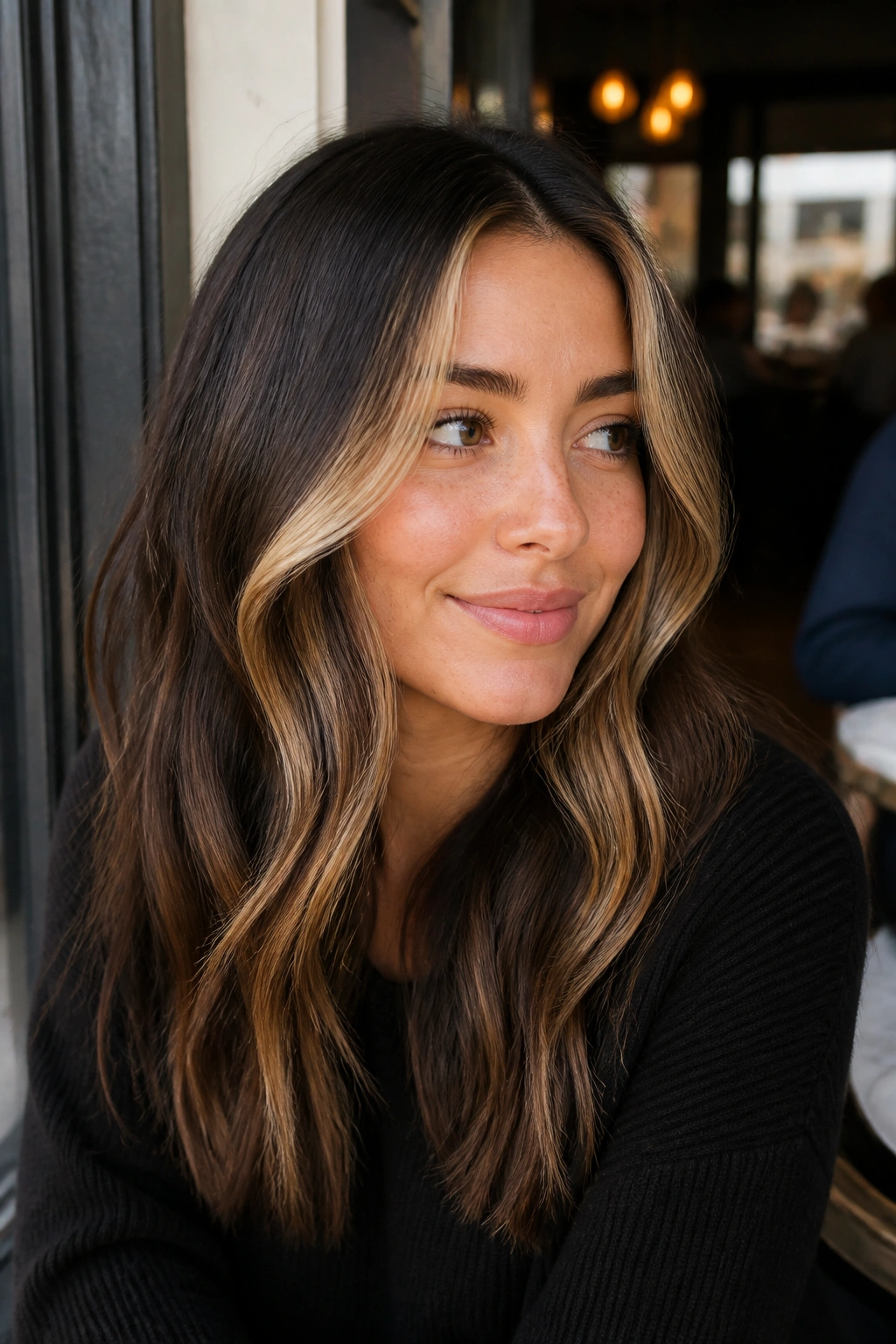
If you want a change that shows up fast, a honey blonde money piece is hard to beat. The dark brunette base gives the blonde something to contrast against, and the light front pieces brighten the face in a way that cool skin can actually handle, as long as the tone stays beige-gold instead of orange.
This is the kind of color I’d suggest to someone who wants a visual lift without a full-head commitment. You can keep most of your brunette depth and still get that front-of-face brightness. The trick is to avoid making the money piece too wide. Narrower is better. More wearable, too.
Ask for a pair of face-framing foils or balayaged ribbons that start around the cheekbone and taper down, then finish with a cool beige toner. If your skin is very fair, keep the brightest section right next to the face and let it blend quickly into darker lengths.
It’s bold, but not loud. That’s a useful line to walk.
11. Creamy Honey Blonde with a Soft Root Melt
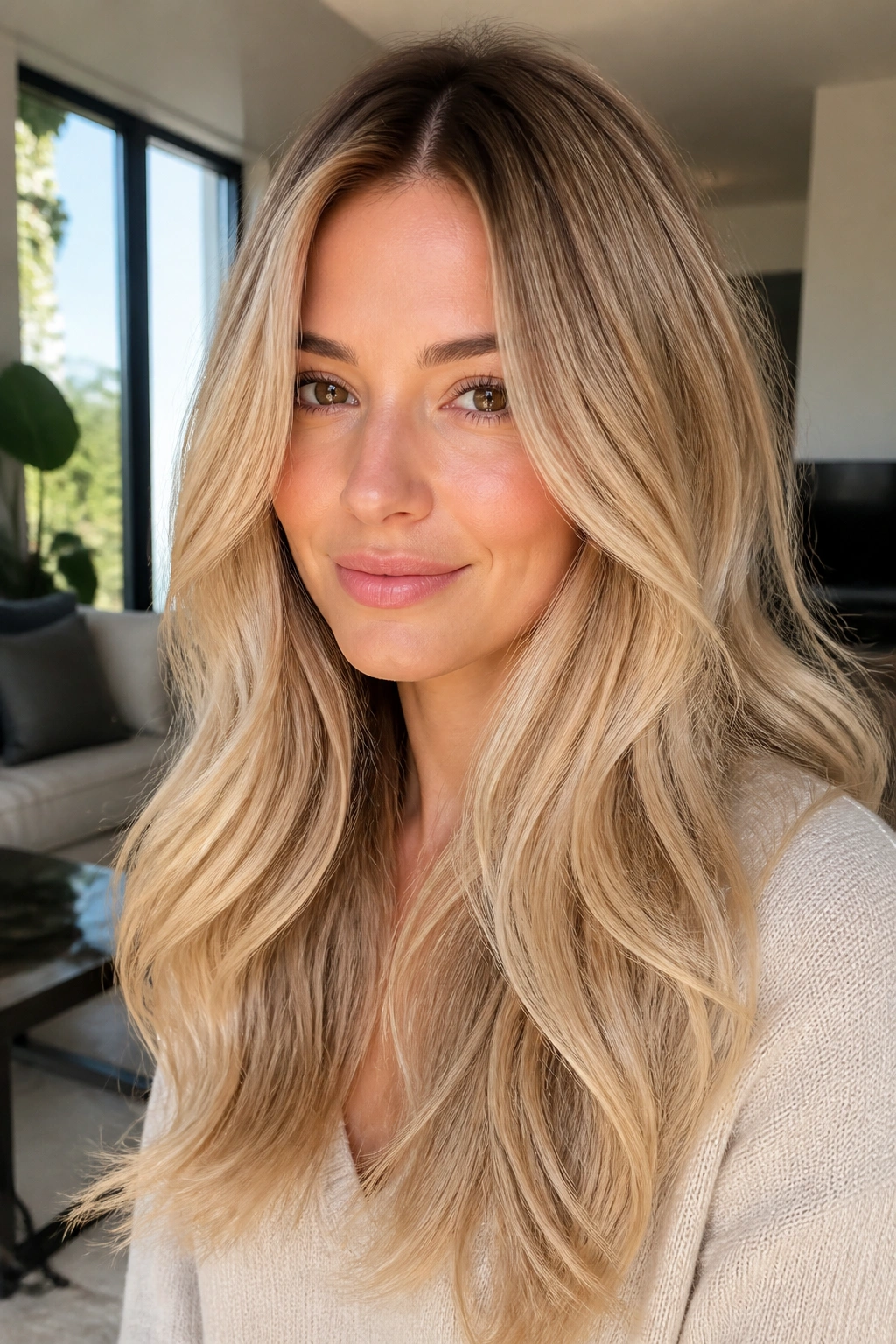
Creamy honey blonde is one of those shades that sounds warm on paper and still ends up flattering cool skin because the warmth is softened so much. The root melt keeps the top section a touch deeper, then the color melts into a creamy beige-honey through the mids and ends. Nothing abrupt. No stripey root line. Good.
This is a smart choice if you like a polished, salon-fresh look that can grow out gracefully. The root melt makes the regrowth less obvious, and the creamy tone keeps the blonde from going too sunny. It’s especially nice on layered midlength cuts where the transition can show off a lot of movement.
A nice salon request is “neutral root melt into creamy honey blonde with beige ends.” That wording gives room for dimension without pushing the color too gold. If your hair lifts very pale, a beige gloss can keep it from turning icy in a harsh way. If it lifts darker, the root melt becomes even more useful because it creates a soft bridge.
Creamy shades can look boring in photos. In person, they usually look expensive. Small difference. Big payoff.
12. Feathered Honey Blonde Pixie
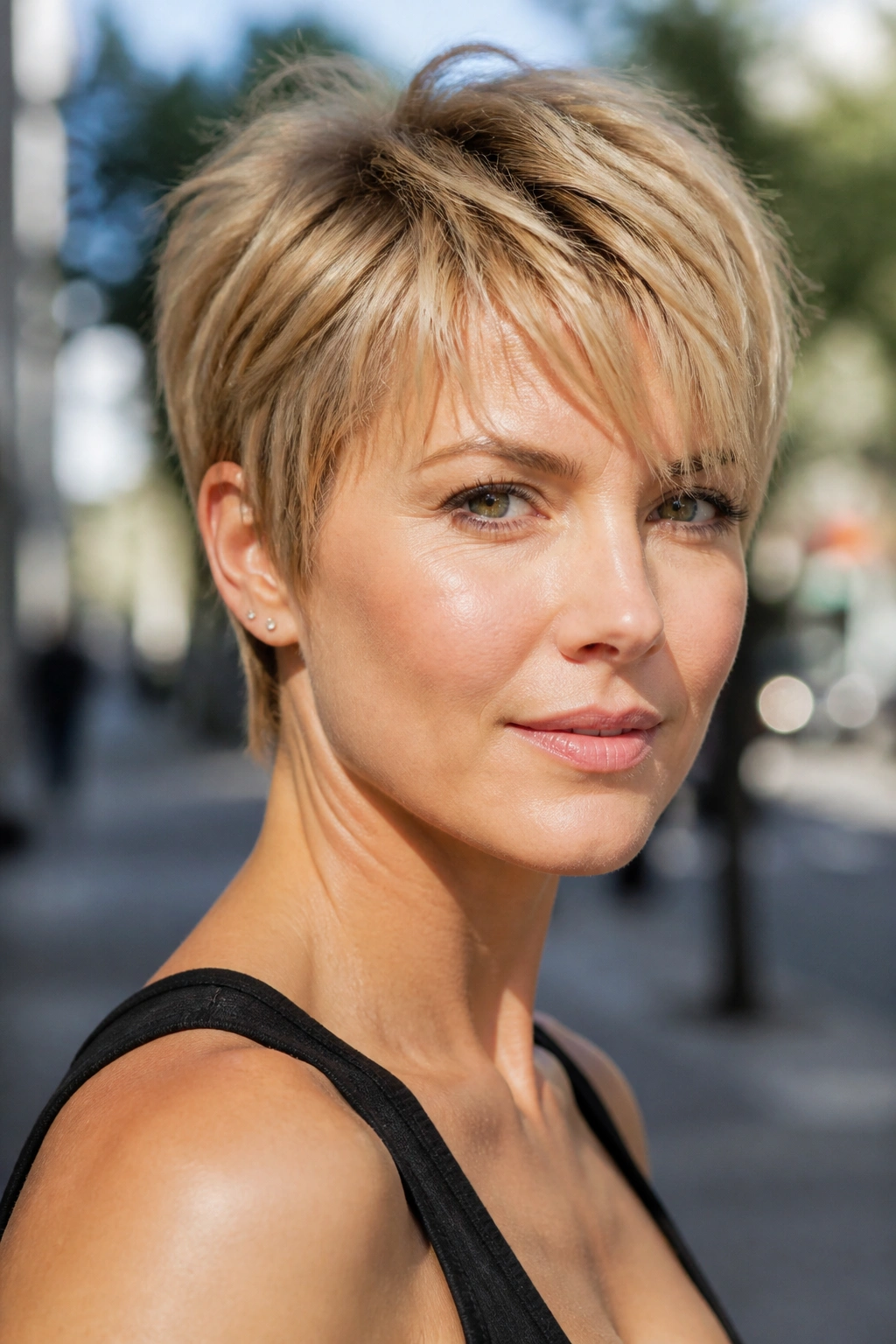
Short hair makes color easier to read, which is why a pixie needs a thoughtful blonde, not a loud one. Feathered honey blonde works because the texture breaks up the warmth, and the slightly deeper nape keeps the top from looking like one flat yellow cap. On cool skin, that balance matters a lot.
What Makes It Different
Unlike longer cuts, a pixie shows your toner choice immediately. If the honey is too golden, it can sit on top of the haircut instead of blending into it. A cooler beige-honey with a few brighter pieces on the crown gives the style lift without turning brassy.
How to Wear It
- Keep the back and sides a half step deeper.
- Put lighter pieces through the crown and fringe.
- Choose a matte paste or light cream, not heavy shine product.
- Ask for a beige toner with a faint ash base.
This cut is best for people who like clean lines and don’t mind maintenance every 5 to 7 weeks. Short blonde grows out fast in the mirror. That’s just the deal. But when the tone is right, the result is sharp and fresh.
13. Honey Blonde Curtain Bangs and Loose Waves
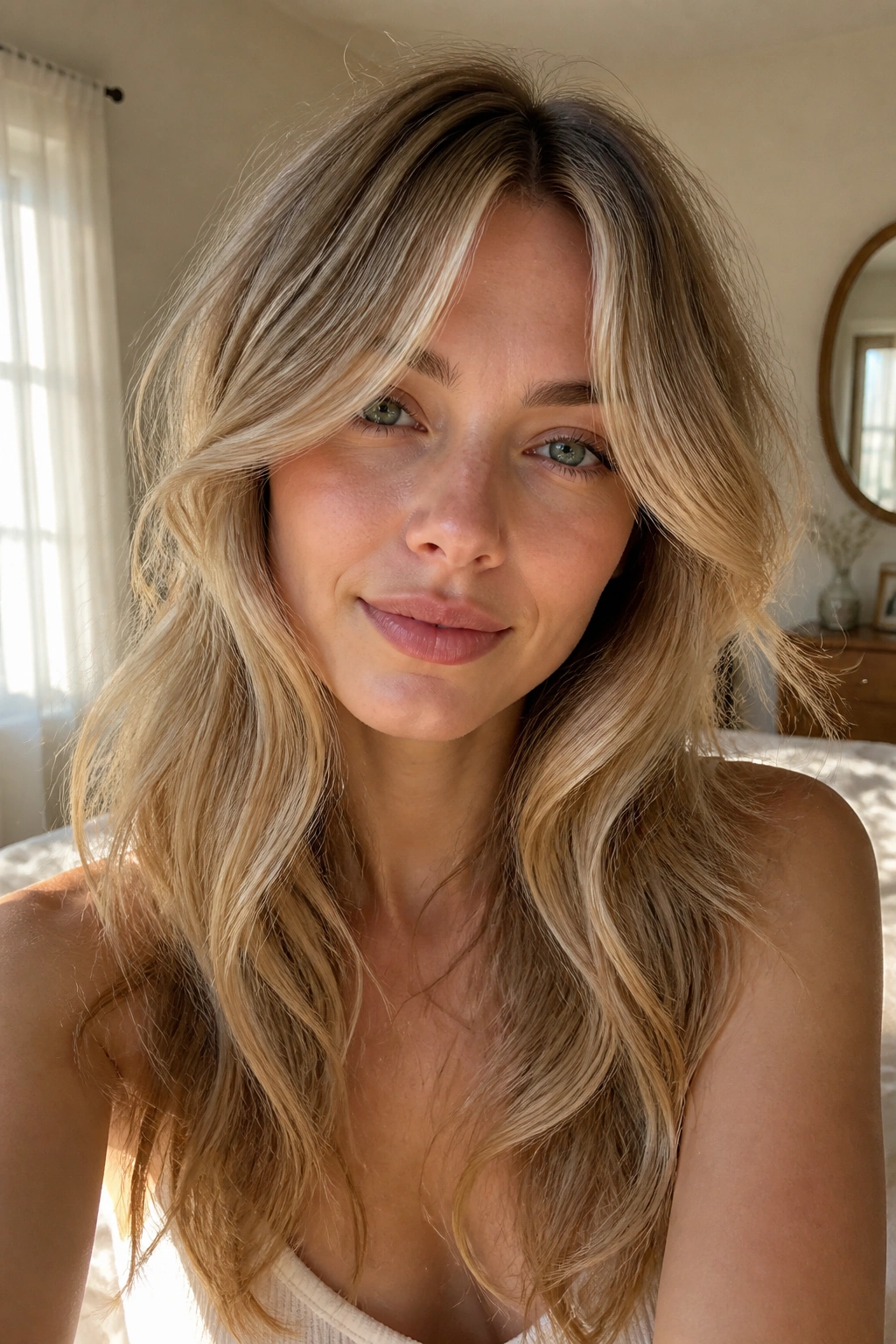
Curtain bangs can soften almost any honey blonde, which is why I like them for cool skin. The bangs break up the forehead area, so the brightest pieces don’t all sit right around the face. Paired with loose waves, the whole style looks airy and a little romantic, without drifting into overdone territory.
How to Get the Most From It
- Brighten the bangs by one level more than the rest of the front sections.
- Keep the mids in a neutral honey, not a pure gold.
- Add a shadow root so the bangs don’t look disconnected.
- Style the waves away from the face for a softer blend.
The reason this works is simple: movement hides any small tonal shift. A flat, one-note blonde can be unforgiving on cool skin. Waves and bangs create soft breaks between light and shadow, so the blonde feels more blended.
This is a good pick if you want your hair to look good both styled and slightly undone. Straight hair shows the bangs more sharply. Wavy hair makes the whole thing feel easier, which I prefer.
14. Almond Honey Blonde with a Satin Gloss
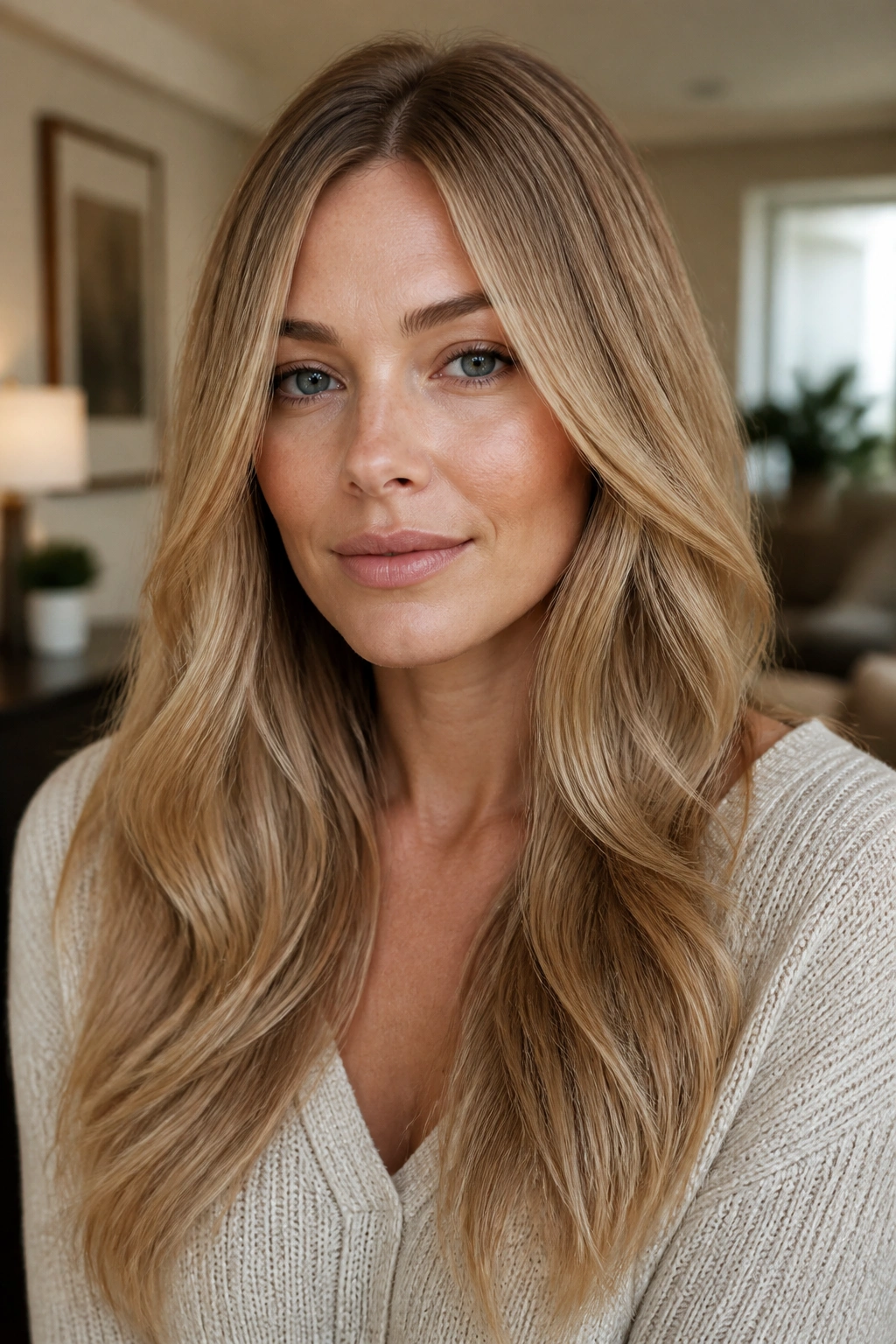
Almond honey blonde has a toasted-beige richness that makes the blonde feel grown-up. It’s warmer than ash, cooler than straight gold, and that middle ground is exactly why it flatters cool skin without dragging the face into yellow. A satin gloss seals the deal by taking away the raw, bleachy edge.
The finish should look smooth, not shiny in a plastic way. Think soft reflection on a clean surface. A satin gloss does that better than a high-shine glaze, especially if your hair has been lightened a few times and needs a little visual calm.
Ask for almond-beige lowlights threaded through honey ribbons, then finish with a neutral gloss. If your natural base is dark blonde or light brown, this shade can look rich without requiring a dramatic lift. If your hair is already light, the almond tone gives it some structure so it doesn’t float away into generic blonde.
I like this on people with blue or gray eyes. The tone tends to pull the eyes forward without making the skin look too flushed.
15. Vanilla Honey Blonde on Midlength Layers
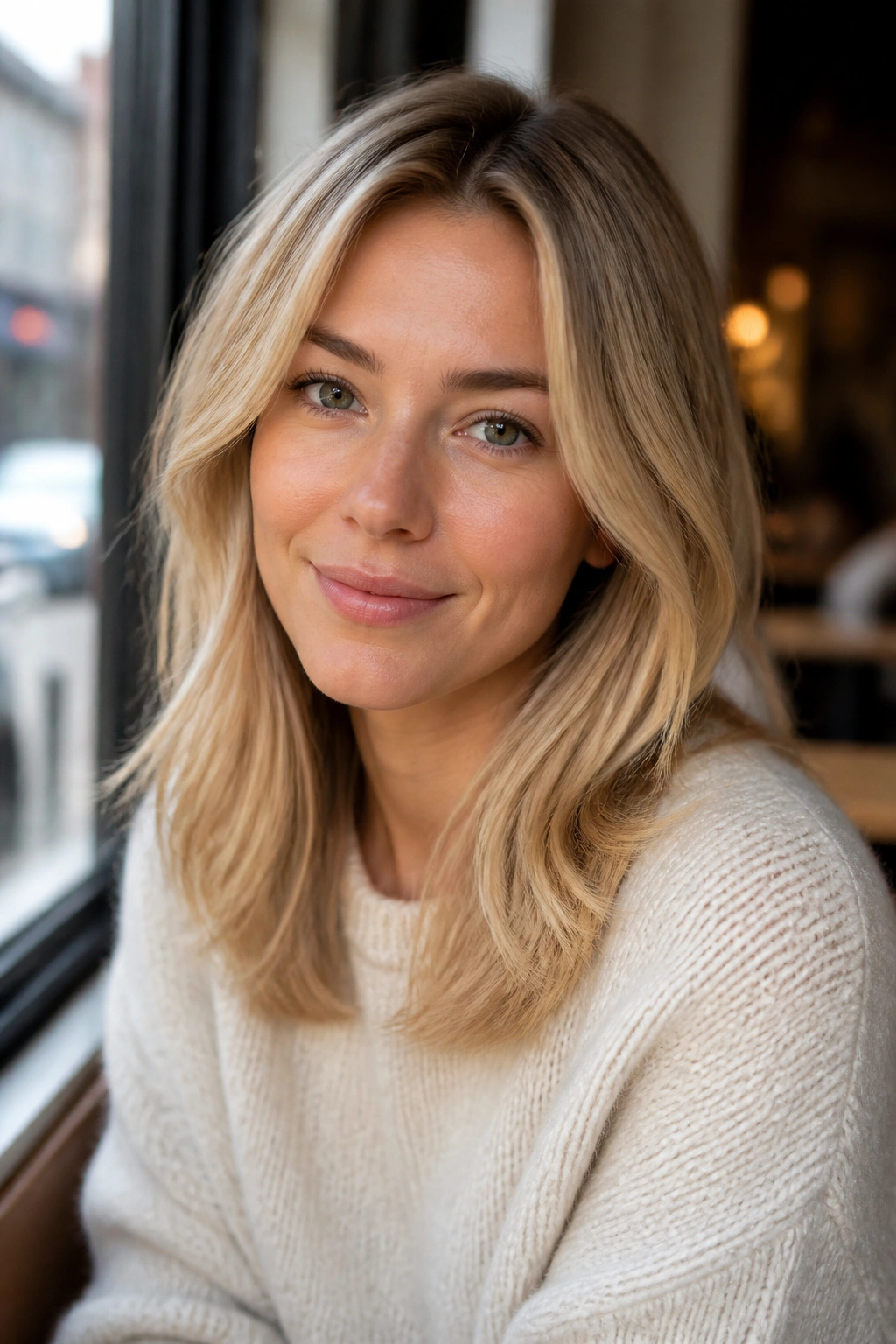
Can a softer blonde still count as honey blonde? Yes, if the tone keeps a whisper of gold under the beige. Vanilla honey blonde sits on the cooler side of blonde, but the tiny hint of honey keeps it from going flat or chalky on cool skin.
Midlength layers help more than people expect. They break up the color so the lighter sections don’t sit like one solid sheet. On cool skin, that movement matters because a flat blonde can make the face look pale in a dull way. Layers bring the color to life.
When to Skip It
If your hair is very dark and fragile, getting to a vanilla level can mean more lift than your ends want to handle. That does not mean you can’t do it. It means you may want to stay in the honey-beige family a little lower on the lightness scale and protect the hair first.
For best results, ask for level 9 beige highlights with a soft golden undertone, then keep the gloss cool enough to tame yellow. The vanilla part should feel creamy, not icy. That’s the difference between pretty and punishing.
16. Honey Bronde with Ash-Soft Dimension
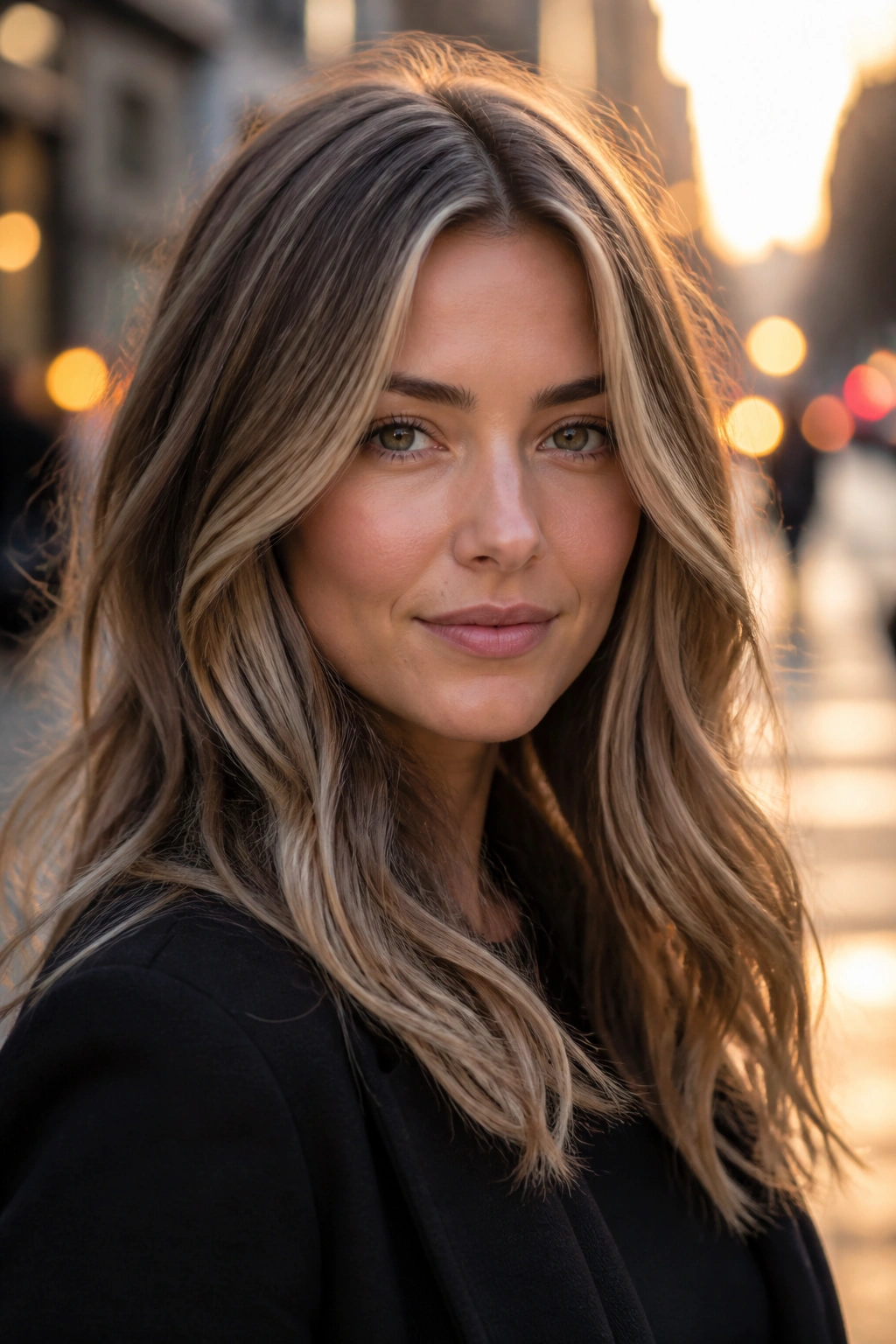
Bronde is a useful word because it admits what the hair is doing: living between brown and blonde. Honey bronde with ash-soft dimension is especially good for cool skin that wants brightness but still prefers a natural root. The ash softens the honey, so the color feels balanced instead of sugary.
The big advantage here is flexibility. You can wear it sleek, curly, or air-dried and still see the dimension. Because there’s more brown in the mix, the color usually grows out better than lighter honey blondes. That makes it a practical choice if you don’t want to sit in a chair every few weeks.
Who It Suits Best
- Medium brunettes who want lift without a dramatic blonde shift.
- Fair cool skin that gets overwhelmed by pure gold.
- People who like shine but not a loud contrast line.
- Anyone who wants a softer root and a slightly smoky finish.
If you ask for this, say “warm beige honey with ash dimension through the mids”. That keeps the tone in check. Too much gold and the whole thing turns brassy. Too much ash and you lose the honey.
17. Soft Nordic Honey Blonde for Fine Hair
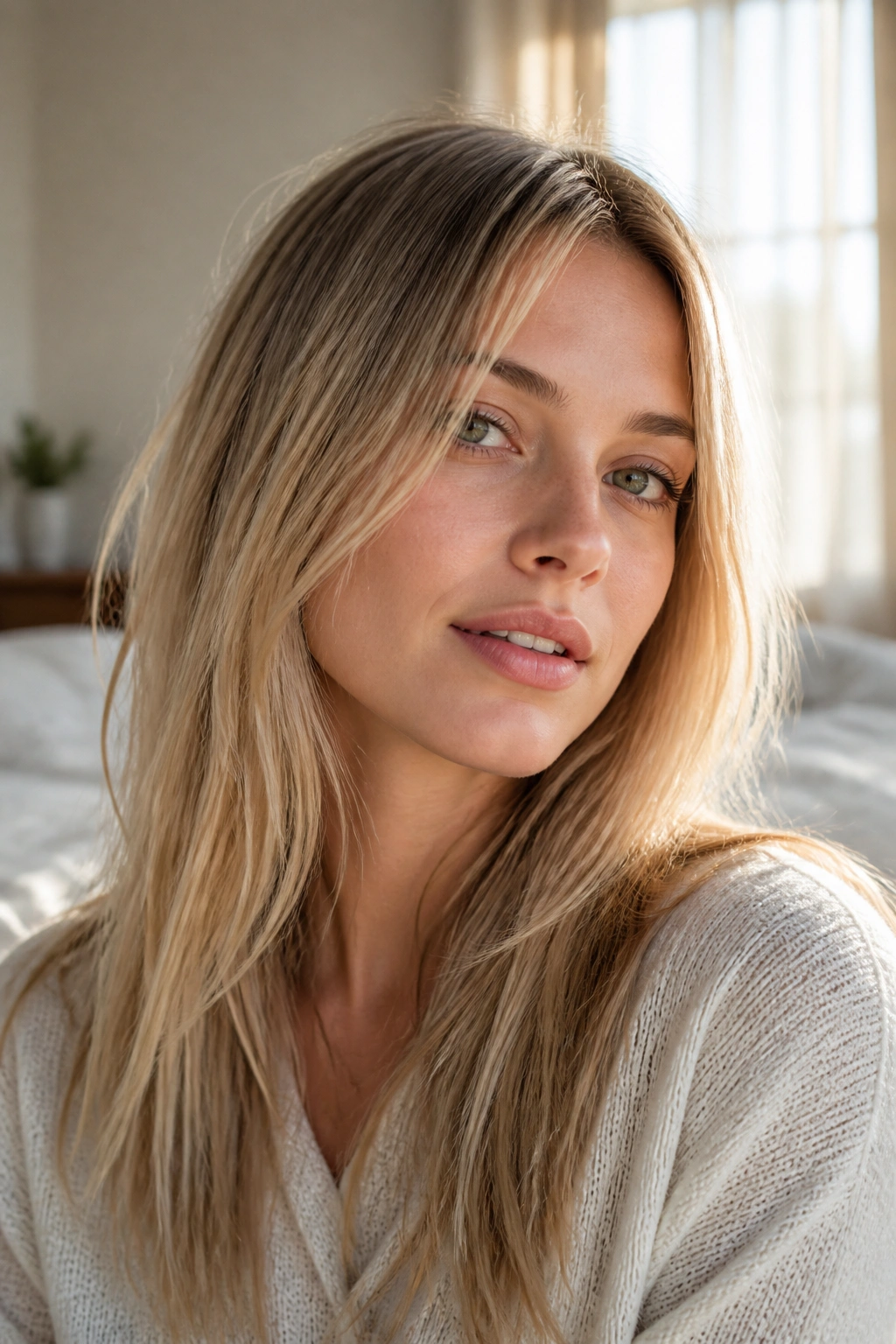
Fine hair can get swallowed by heavy lowlights, so a lighter, airier version of honey blonde often works better. Soft Nordic honey blonde is basically a clean, pale beige blonde with a very gentle honey cast. It stays cool-friendly, but it still has enough warmth to avoid the flatness that pure icy blondes can get.
Why It Helps Fine Hair
Fine hair needs visual density. Too many dark pieces can make it look stringy. A softer blonde with thin light-reflecting ribbons does the opposite: it gives the illusion of more hair because the tone shifts subtly across each section.
The best version keeps the roots just a little deeper and the ends a little brighter. Nothing chunky. Nothing blocky. Ask for fine micro-highlights, a neutral beige gloss, and minimal contrast near the ends. That keeps the finish delicate.
This look also pairs well with lightweight volume products — mousse at the roots, a soft round-brush blowout, and a touch of smoothing cream through the ends. Heavy oils can collapse it. That’s the part people forget.
18. Golden Beige Honey Curls with Ribbon Highlights
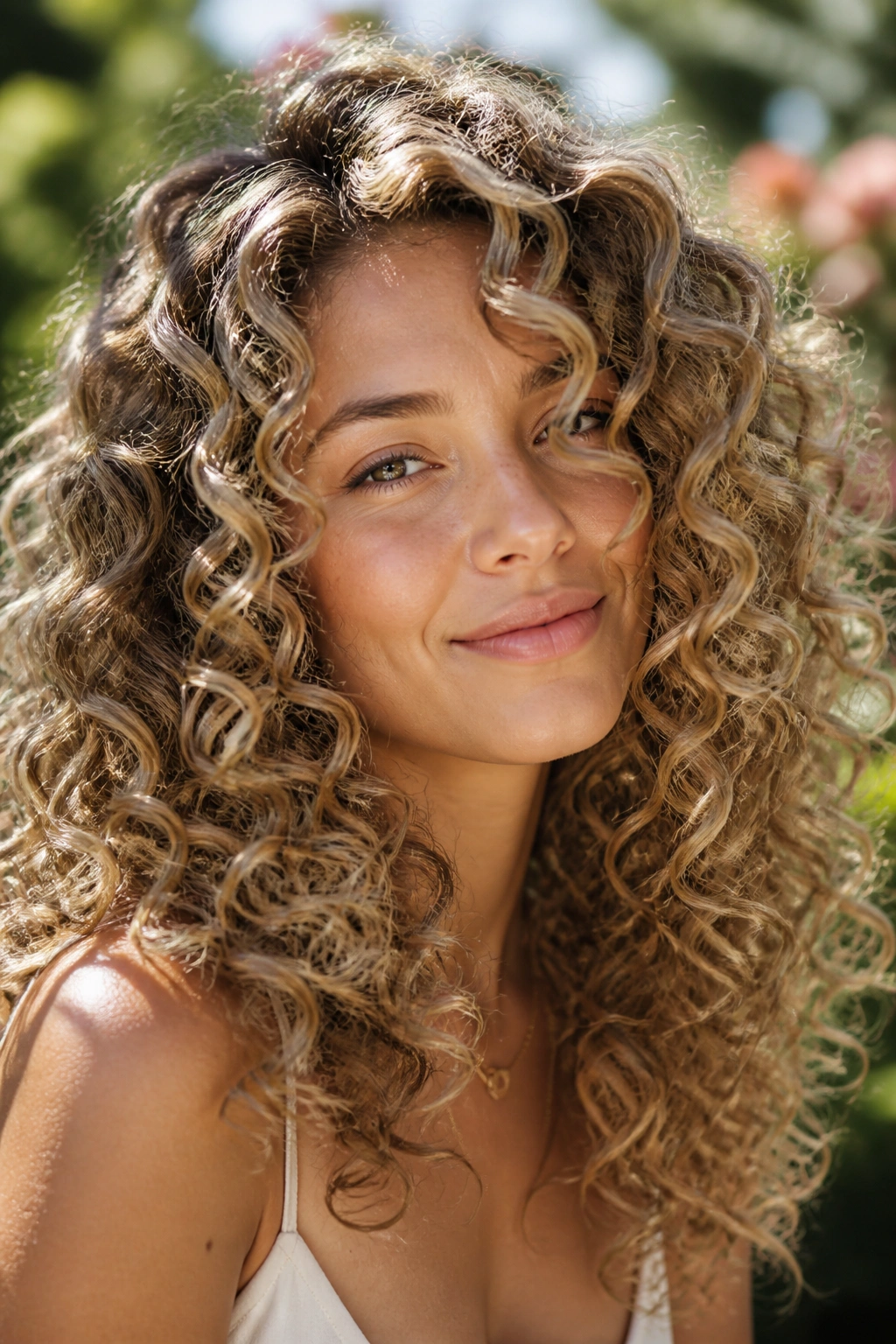
Curly hair loves dimension. Uniform color tends to hide the shape of the curl, while ribbon highlights follow the bend of the hair and make each spiral stand out. Golden beige honey curls are ideal for cool skin because the beige breaks up the gold, and the curl pattern keeps the color looking alive.
The Science Behind It
Loose ribbons painted along the curl family — not across it — pick up light differently when the hair moves. That gives the blonde a natural shadow-and-shine rhythm. On cool skin, the result is warmth with structure, which is much friendlier than a broad, one-tone gold.
A stylist should usually place the lightest pieces on the outer layers and around the face, then leave some depth underneath. That prevents curls from becoming puffy-looking or overprocessed. Ask for beige-gold ribbons, not wide blonde panels.
A curl cream with a little hold helps the color show because defined curls reveal the highlights better than frizzy ones. Sounds fussy. It is. Worth it, though.
19. Honey Blonde Highlights on Deep Brunette Hair
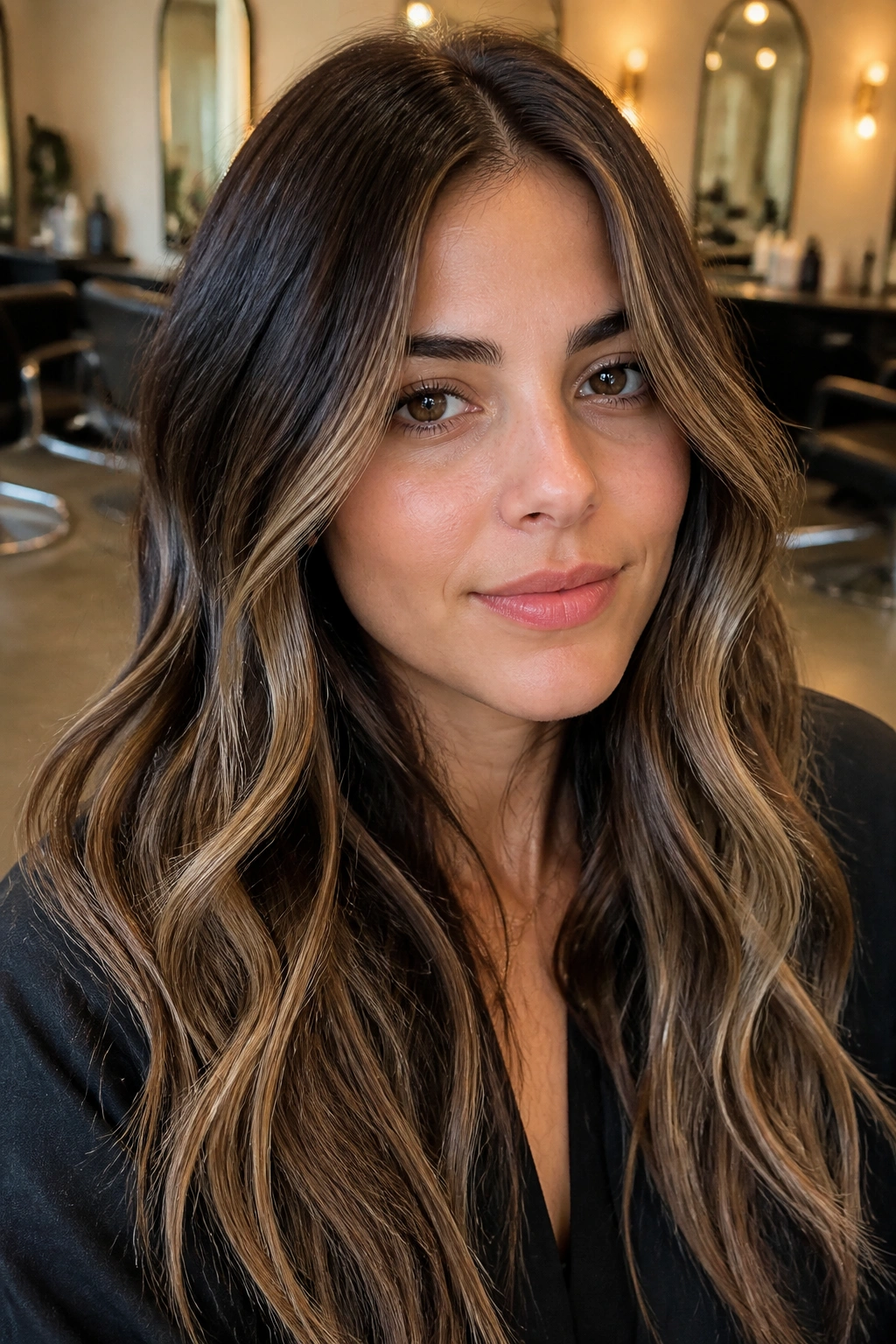
Deep brunette hair can handle honey blonde in a way lighter bases sometimes can’t. The contrast gives the blonde room to breathe, and if you keep the highlights beige-gold instead of orange-gold, the color can look striking on cool skin rather than harsh. The key is spacing.
How to Get the Balance Right
Brunette hair usually needs more lift to show honey properly, so the highlighted strands should be painted with intention. Narrower pieces around the face and a few interior ribbons are usually better than flooding the whole head with lightness. That keeps the dimension rich.
- Ask for level 8 to 9 honey highlights on a deep level 4 to 5 base.
- Keep some brunette showing between the light strands.
- Finish with a neutral or beige toner.
- Avoid overly thick sections near the temples.
This kind of contrast can look dramatic in the best possible way. It’s especially good if your cool skin has stronger contrast already, like dark brows or deeper eyes. Just don’t let the blonde go too orange. That’s the line you do not want to cross.
20. Silver-Tea Lowlights in Smoked Honey Blonde
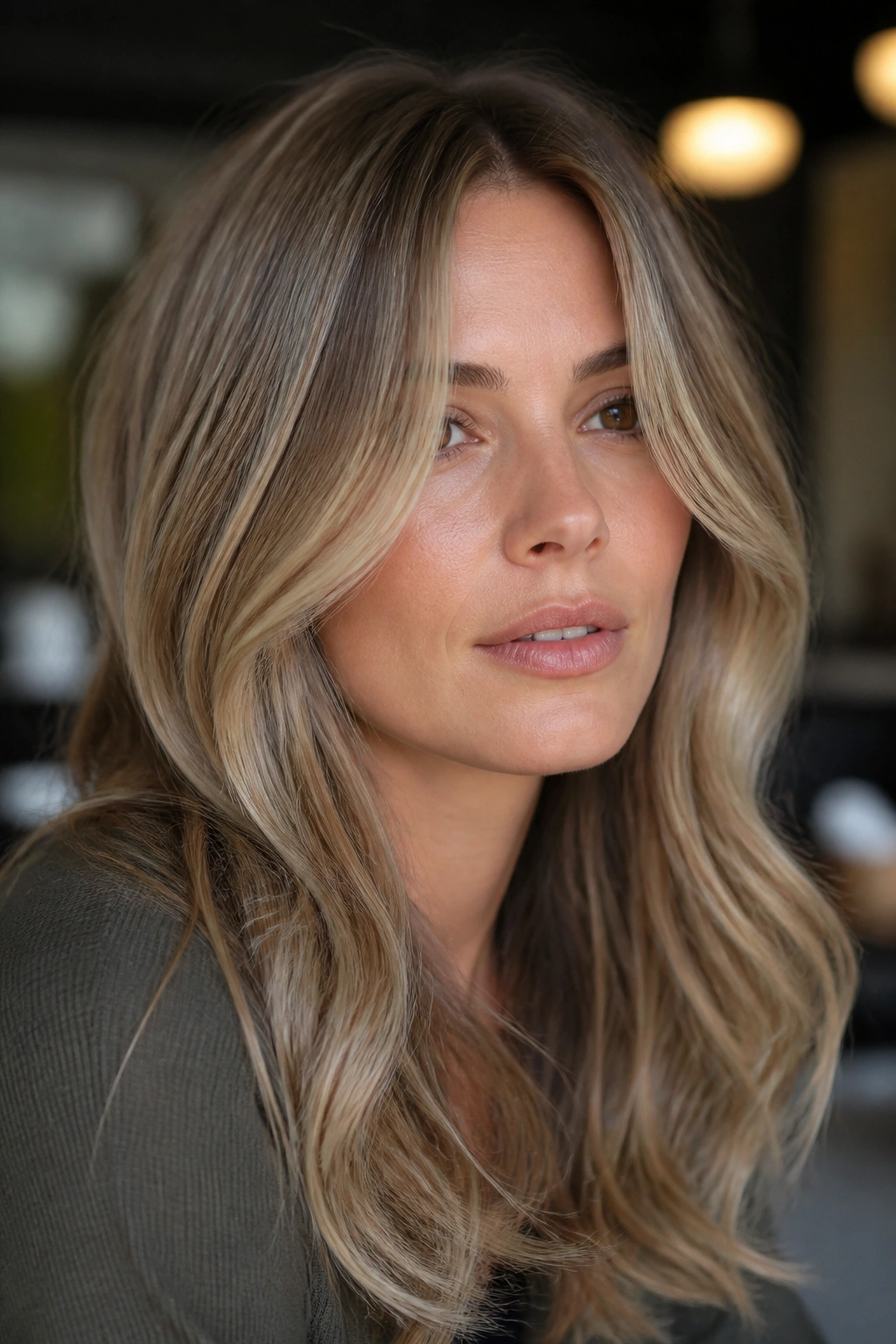
Silver-tea lowlights sound odd until you see what they do. They cool down the warmth just enough to keep honey blonde from slipping into yellow, and they add the kind of muted depth that makes cool skin look clearer. This is not a bright, sunny blonde. It’s a smoked honey blonde with a little quiet edge.
The lowlights should be fine and woven, not painted in obvious streaks. Their job is to interrupt the gold and make the lighter strands look more expensive. If you have a blonde that keeps getting too warm between appointments, this is one of the smartest ways to fix it without going darker overall.
Ask your colorist for beige-honey highlights plus soft silver-beige lowlights through the mids and ends. The contrast should be gentle. If it gets too smoky, the honey disappears; if it’s too light, you lose the cooling effect. A gloss every 6 to 8 weeks usually keeps the balance intact.
This is the version I’d pick for someone who likes blonde but hates looking yellow. Honest answer. It’s the most controlled kind of honey blonde, and that control is what cool skin tends to reward.
