



A pastel blonde can look airy and expensive on cool skin tones, or it can tip the wrong way fast and make the face look tired, gray, or a little yellow around the edges. The difference usually has less to do with how pale the hair is and more to do with the tone sitting inside it. Lavender, silver, icy pink, blue, and mauve all behave differently once they hit a cool complexion.
That is why pastel blonde hair color ideas for cool skin tones need more than pretty names. The lift has to be clean, the toner has to stay on the cool side, and the shade has to sit against your skin without fighting the natural pink, blue, or red in it. A warm beige blonde can look lovely on somebody else and still do absolutely nothing for you. On a cool face, it may read muddy. Or brassy. Sometimes both.
Pastel blonde is not one look. It can be stark and icy, soft and pearly, smoky and muted, or playful with a whisper of lilac or blue. Some shades feel polished. Some feel a little punk. A few work best with a short bob, while others make waves and curls do most of the talking.
Brass is the enemy.
1. Icy Platinum Blonde With Lavender Glaze
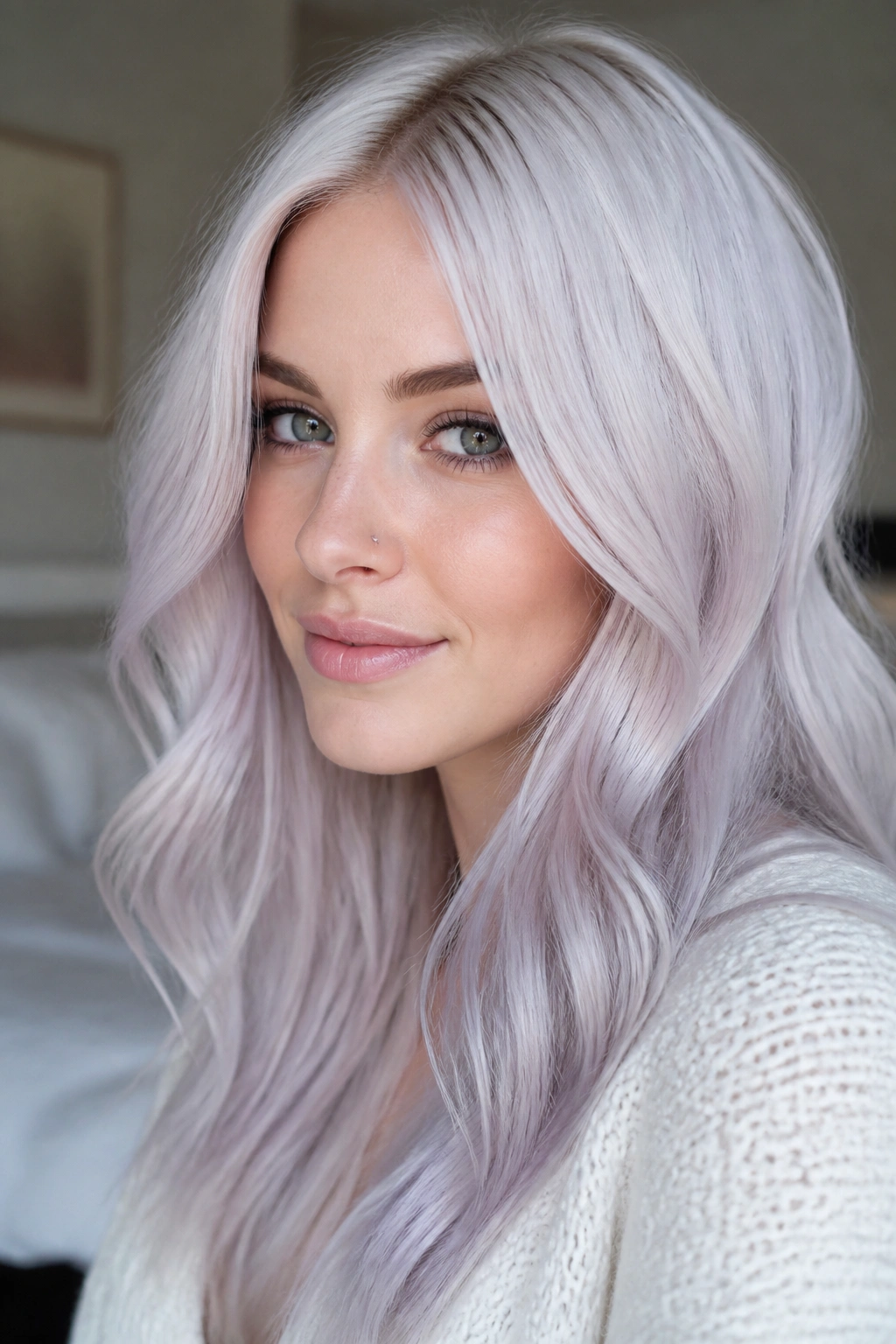
Icy platinum is the shade that makes cool skin look crisp instead of flat when the toner has a tiny lavender cast. Pure white platinum can be harsh around the nose and jaw, especially on fair or rosy complexions, but that whisper of violet softens the edge without making the hair look pink.
Why It Works on Cool Skin
The trick is balance. The hair still reads almost white, but the lavender keeps it from turning yellow under warm indoor light. It also gives the skin a cleaner contrast, which is useful if your complexion already leans pink or blue.
What to Ask For
- A lift to a pale yellow base, then a violet-lavender toner
- A soft root shadow if you hate a hard grow-out line
- A clear gloss over the mids and ends to keep the finish glossy, not chalky
Tip: If your hair has been bleached more than once, ask for a strand test first. Lavender can grab faster on porous ends.
2. Pearl Blonde With a Satin Finish
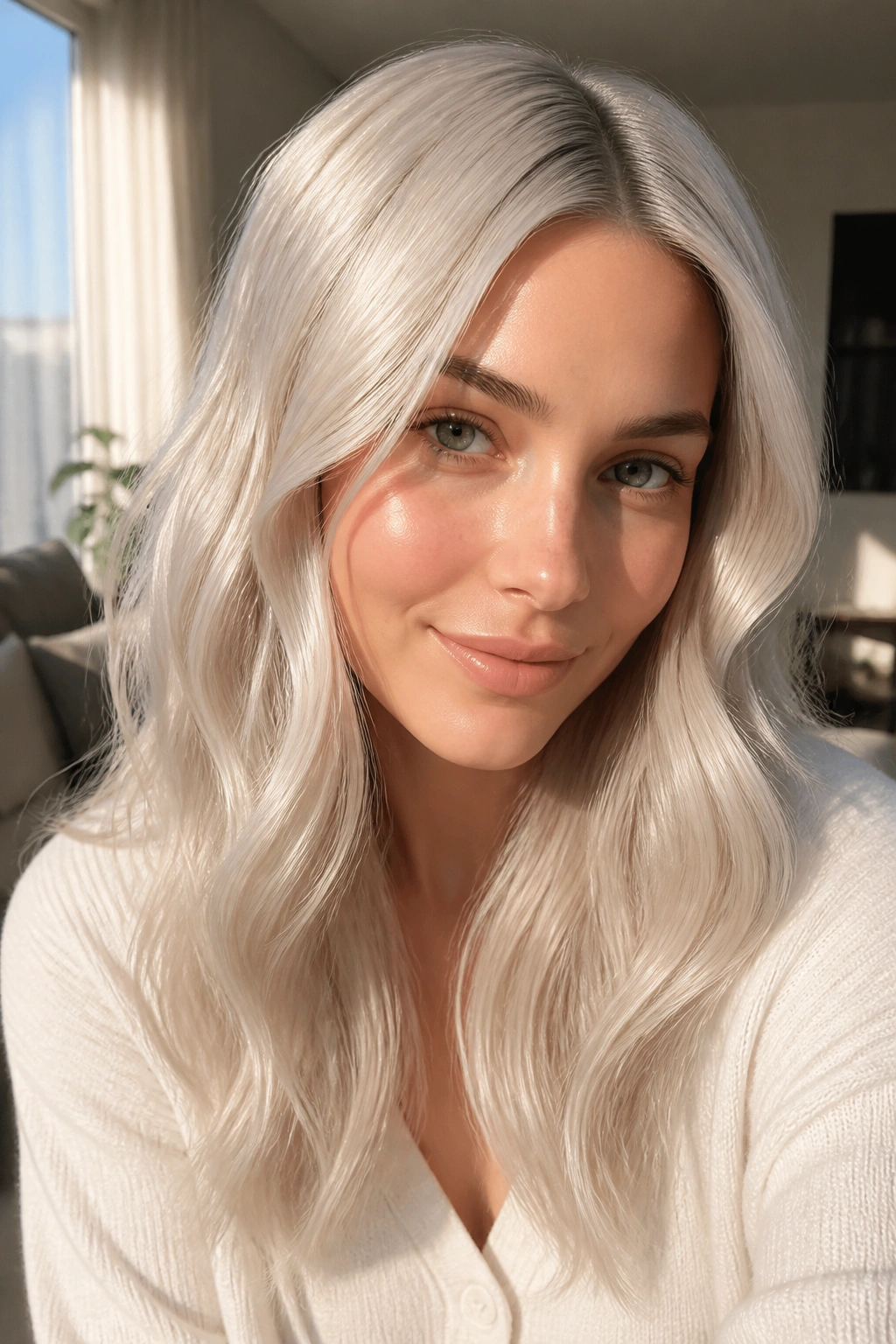
Pearl blonde is the shade I’d hand to someone with cool skin who wants shine more than drama. It sits between ivory and silver, which means it looks light without screaming “bleach.”
The finish matters here. Pearl blonde should feel smooth and satin-like, not frosted into stiffness. When the toner is mixed well, the shade reflects a soft, watery light that flatters fair skin, rosy undertones, and even a light olive tone with cool depth.
This one is quietly good with center parts, blunt ends, and polished waves. It also plays nicely with minimal makeup, which I always appreciate because not everyone wants their hair to do all the work. Ask for a pale neutral blonde with a violet or blue-violet toner, then keep the purple shampoo gentle. Too much and the whole look can drift dusty.
3. Silver Champagne Blonde
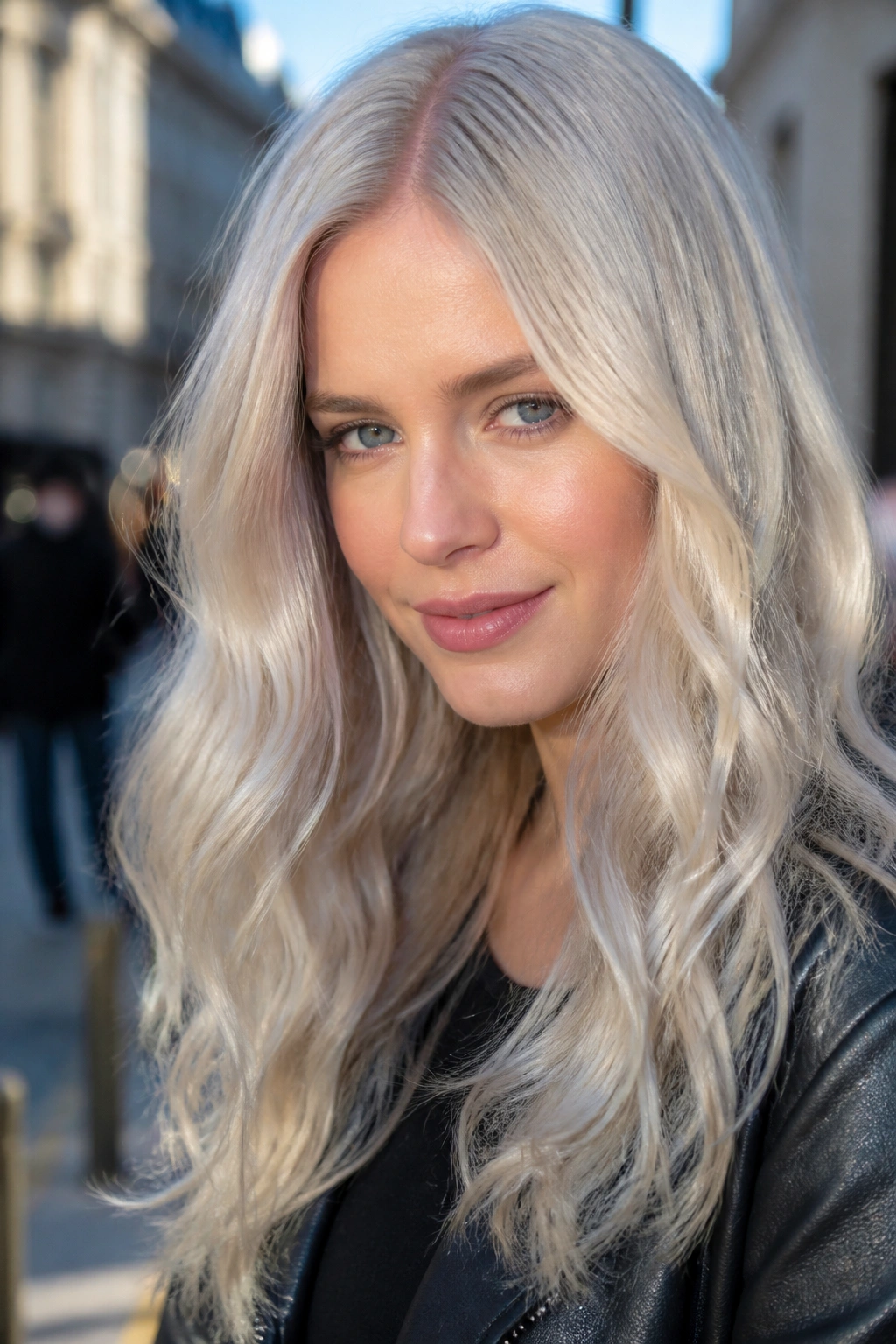
Can champagne still read cool? Yes, but only when the gold is stripped back and the silver takes the lead.
Silver champagne blonde keeps the brightness people like in champagne shades, yet the tone lands more pearly than warm. On cool skin tones, that matters. A regular champagne blonde can push yellow. This version stays brighter around the face and softer through the lengths, which helps pink cheeks and pale complexions look fresh instead of flushed.
How It Differs From Regular Champagne Blonde
The base is lifted very pale, then toned with silver-beige rather than honey-beige. The result is lighter than ash blonde but less stark than platinum. It works especially well if your eyes are blue, gray, or green, because the shade doesn’t compete with them.
Wear it with loose bends or a round-brush blowout. The movement keeps the color from looking one-note, and that little bit of reflection is half the charm.
4. Pastel Lilac Blonde
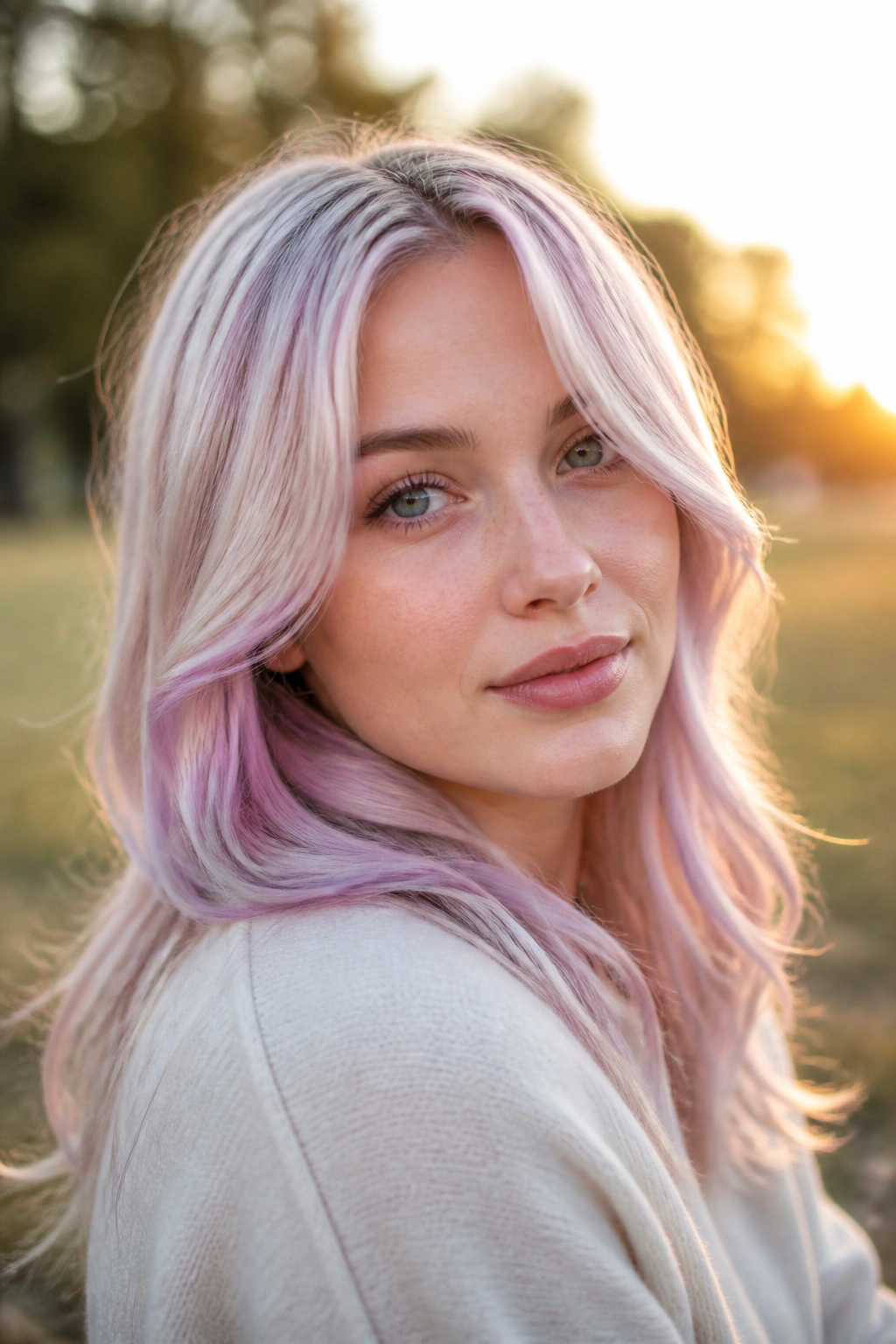
A pastel lilac blonde can change the whole mood of a haircut in one appointment. I’ve seen it turn a plain long bob into something that looks deliberate, even when the cut itself stays simple.
The reason it flatters cool skin is easy enough: lilac mirrors the blue-red balance already sitting in the complexion. Instead of fighting it, the color leans into it. That means less chance of the face looking yellow or dull next to the hair.
Ask For These Details
- A very pale blonde base before the lilac goes on
- A sheer lilac gloss rather than a dense purple dye
- Extra softness around the face-framing pieces so the color doesn’t feel heavy
Pastel lilac blonde is also one of the better choices if you like to wear black, charcoal, or icy denim. The contrast feels sharp in a good way. Not loud. Just sharp.
5. Powder Pink Blonde
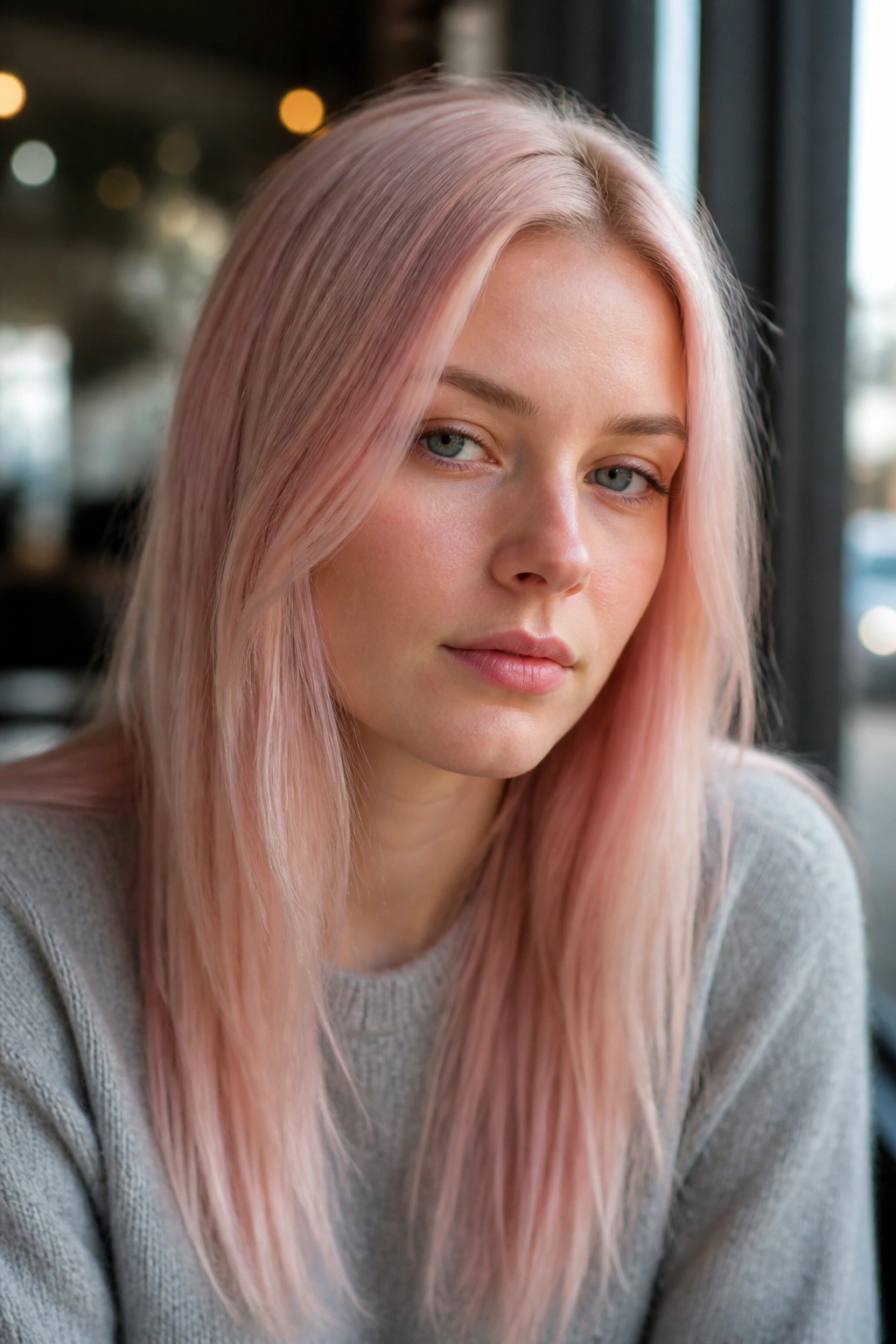
Powder pink is the safest pastel for cool skin if you want blush, not bubblegum. The shade sits in that soft in-between space where the blonde still leads, but the pink gives the hair a gentle flush.
This works because cool skin already carries a pink cast. A blue-based rose or powder pink tone can make the face look healthier and more awake without leaning warm. Peach does the opposite. Peach can be lovely, but on a cool face it often looks borrowed from someone else’s color palette.
Keep the pink sheer. That matters. A heavy pink deposit can make the hair look opaque and a little costume-like, which is not the goal unless you want that on purpose. Powder pink blonde is at its best when the roots stay pale and the color softens as it moves toward the ends. It looks especially nice on straight hair, where the shine makes the color read smooth instead of sugary.
6. Blue Ice Blonde
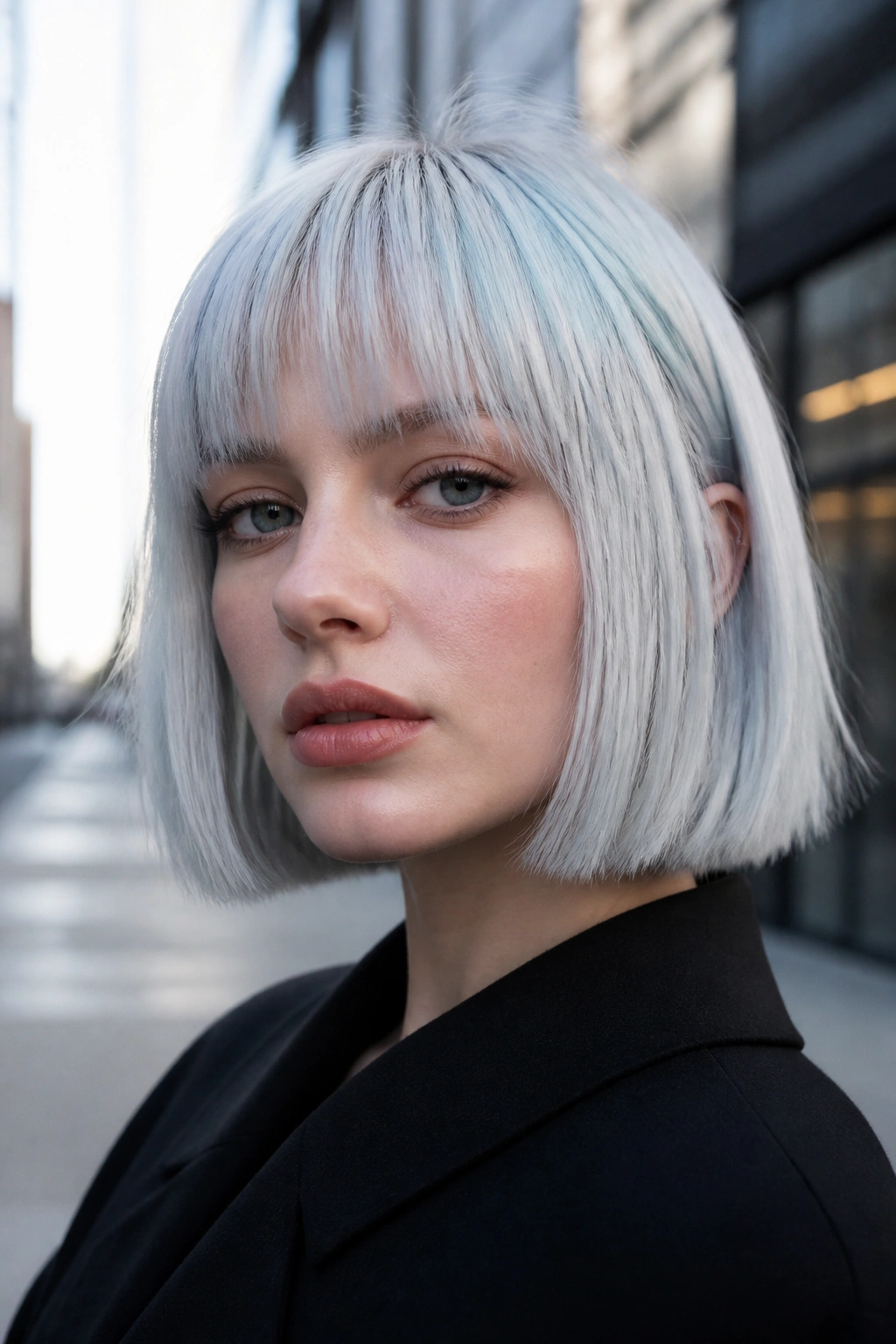
Blue ice blonde looks almost sharp enough to feel cold to the touch. That is exactly why it works on cool skin.
Unlike lilac or pink pastels, blue ice has a more graphic edge. It doesn’t soften the face as much as it cleans it up. If your complexion is very fair, this can make your features pop in a way that warm shades never do. If your skin has a little redness, the blue tone can also take the heat down visually.
It is a strong look, though. Blue ice blonde shows every uneven patch in the lift, so the base has to be pale and even before the toner goes on. I like this shade on sharp cuts: a jaw-length bob, a blunt fringe, or long layers with a lot of swing. It can look a little severe on soft, fluffy hair if the styling is too done. Clean lines help.
7. Opal Blonde
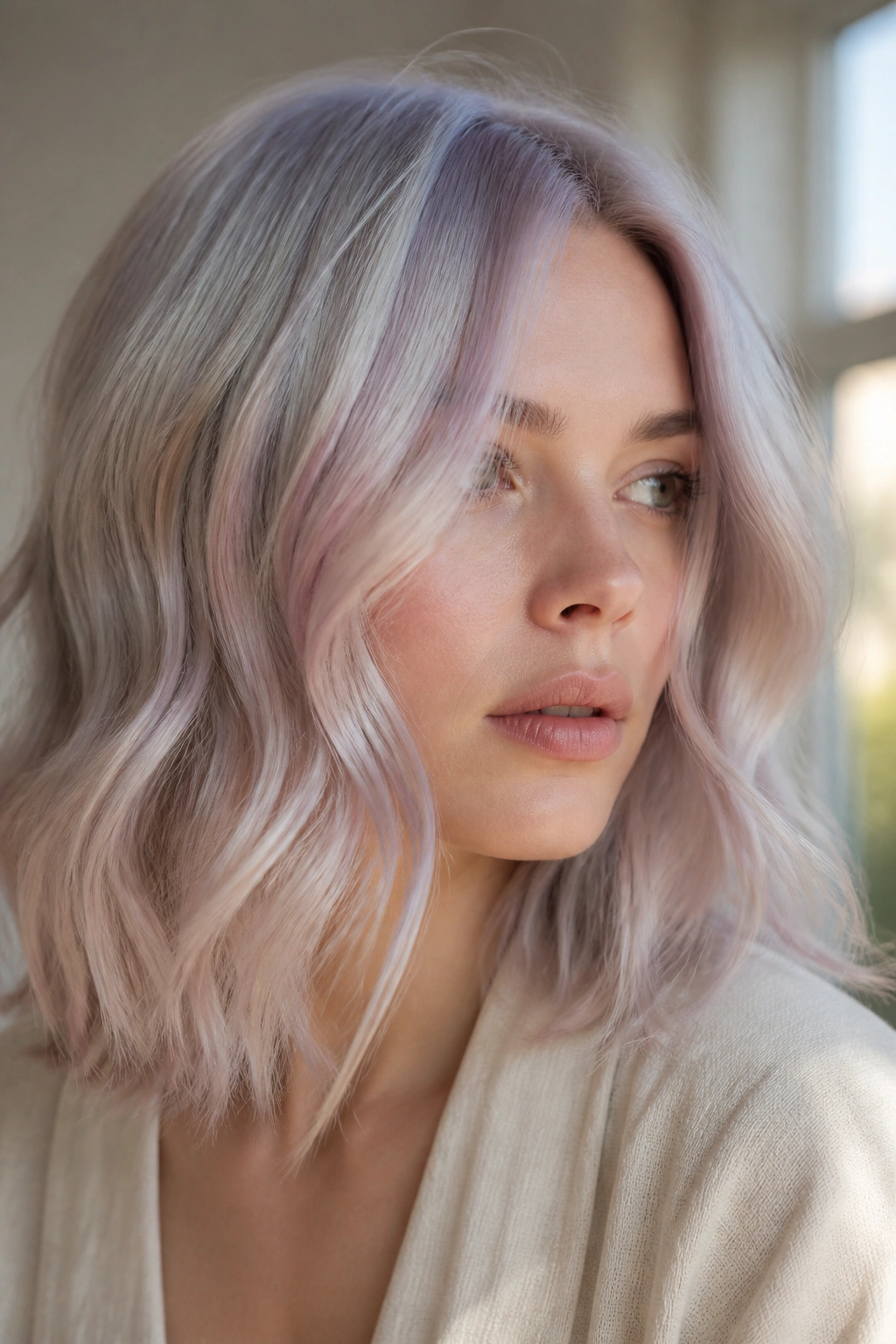
Opal blonde is what happens when one flat color is not enough. The shade shifts between silver, pale pink, and a whisper of lilac, so it changes every time the light moves.
That shifting quality is what makes it so flattering on cool skin tones. A still, one-note blonde can look flat against a cool face. Opal blonde gives you reflection without warmth. It also hides the fact that the hair was toned, which I like. Some pastel blondes look like the toner is sitting on the surface. Opal feels built in.
A wavy finish shows it best. Straight hair can look elegant, but soft bends let the different tones peek through in a more natural way. If you want to ask for it, ask for a pale silver blonde base with a translucent pink-violet glaze. The key word is translucent. Once the pastel gets too dense, the opal effect disappears and you just get pink or purple hair. Pretty, yes. Opal, no.
8. Mauve Beige Blonde
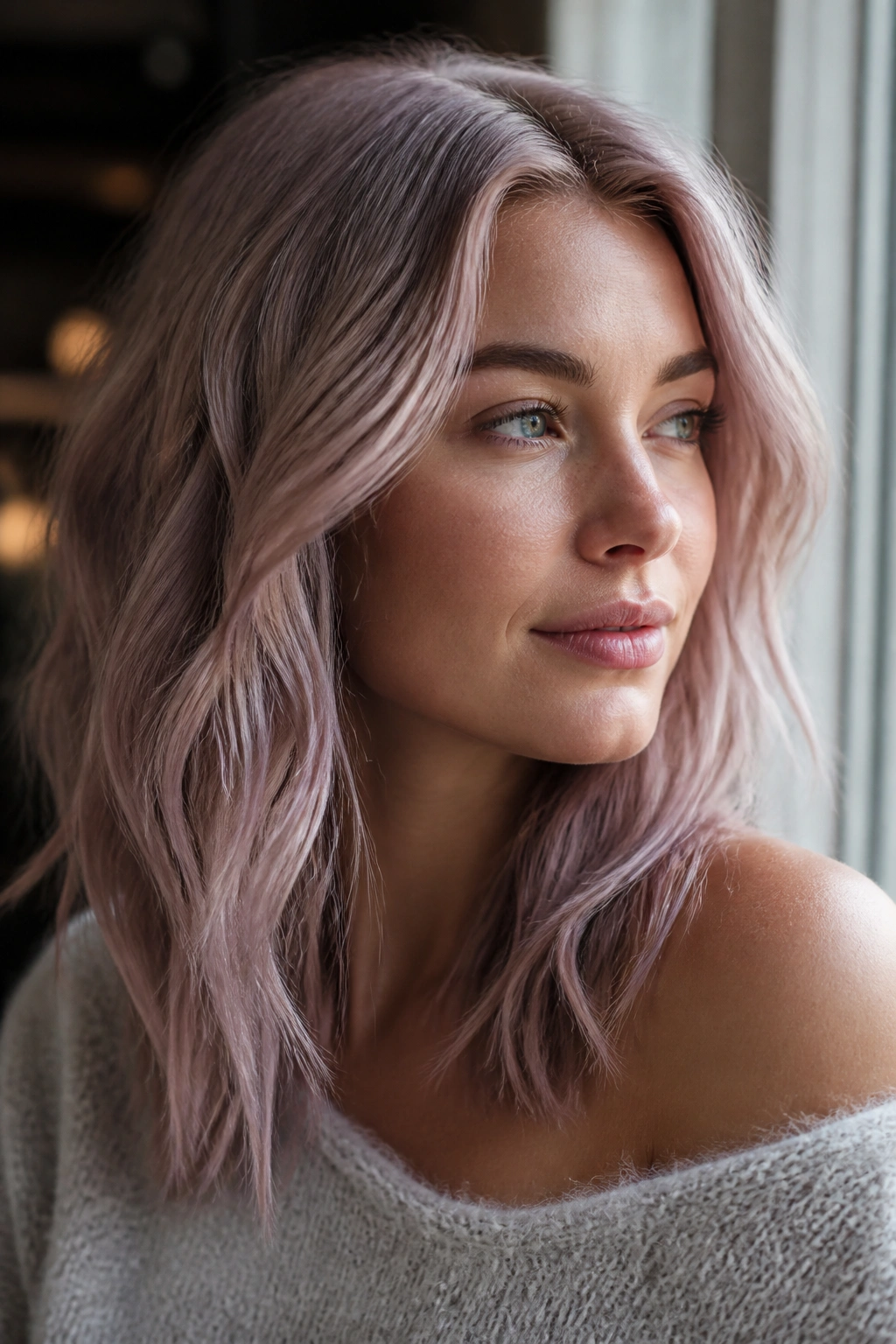
Mauve beige is the shade that makes pastel blonde look grown-up. It has a muted rose-lavender cast sitting over a soft beige base, so it keeps the lightness of blonde without leaning sweet.
Why Cool Skin Likes It
Cool complexions usually need some ash or violet in the mix to keep hair from looking too warm. Mauve beige does that job quietly. It gives the face a little color back, which is useful if you wear little makeup or if your skin tends to flush easily.
Best Ways to Wear It
- On a collarbone cut with loose texture
- On long layers that show the tonal shift
- With a darker root if you want softer regrowth
This is one of those shades that reads subtle from across the room and more interesting up close. It also ages well, which is a nice way of saying it doesn’t look tired the second the toner fades.
9. Smoke Blonde With Violet Lowlights
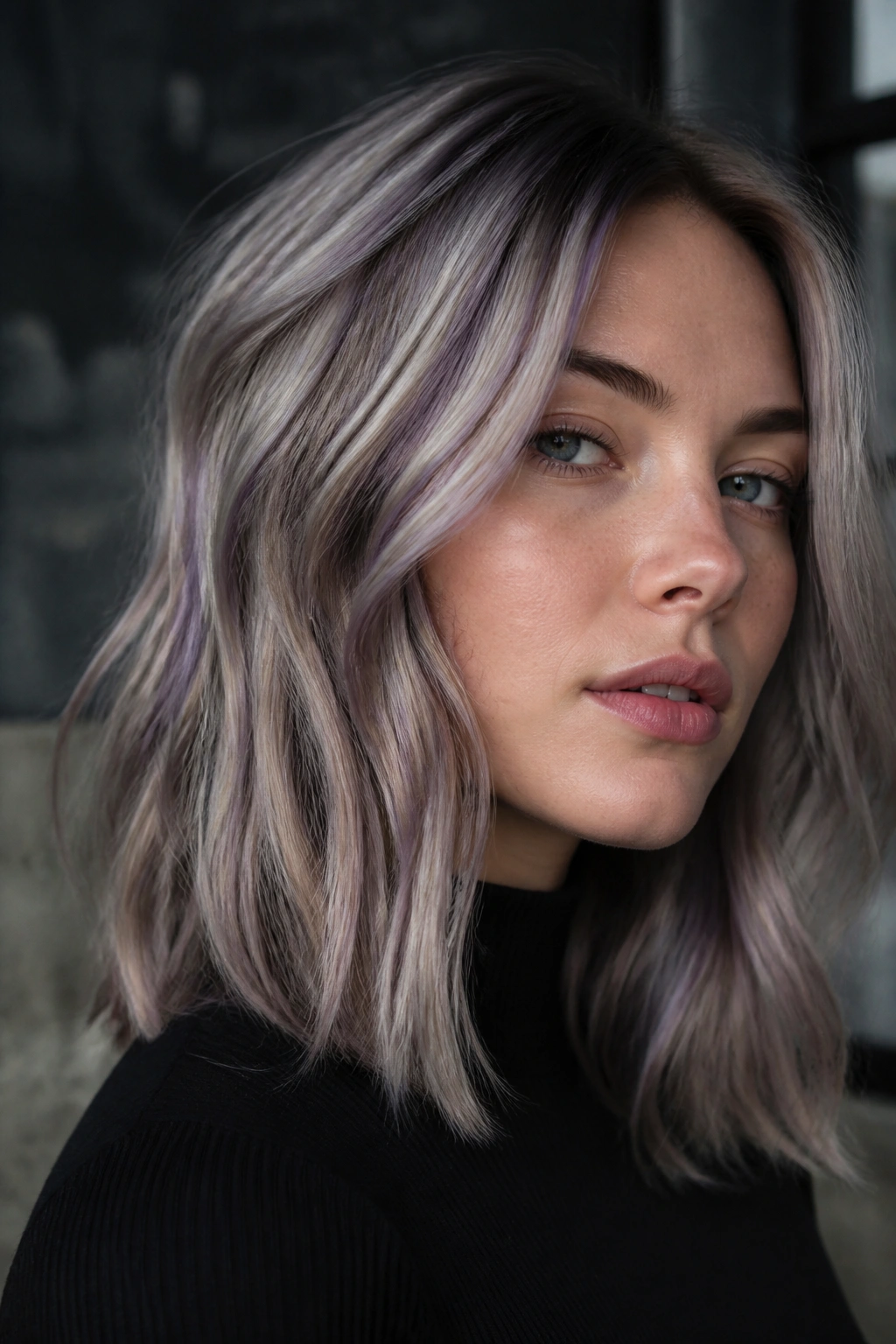
Not every cool blonde has to look sweet. Smoke blonde with violet lowlights has more mood, more depth, and a lot less sugar.
The smoke part keeps the base muted and ash-heavy, so the blonde never becomes brassy. The violet lowlights slide in underneath and stop the color from feeling flat. On cool skin, that depth can be a gift. The hair frames the face without stealing all the attention, which is hard to do with very pale pastel shades.
This is a smart option if you want something that grows out with less panic. The darker smoke note disguises the first inch or two of roots better than a full pastel wash does. It also works well on medium-length cuts, where the lowlights can move around and show different tones depending on where the light hits. I’d call it the moody cousin of lilac blonde. Less cheerful. More interesting.
10. Rose Quartz Blonde Balayage
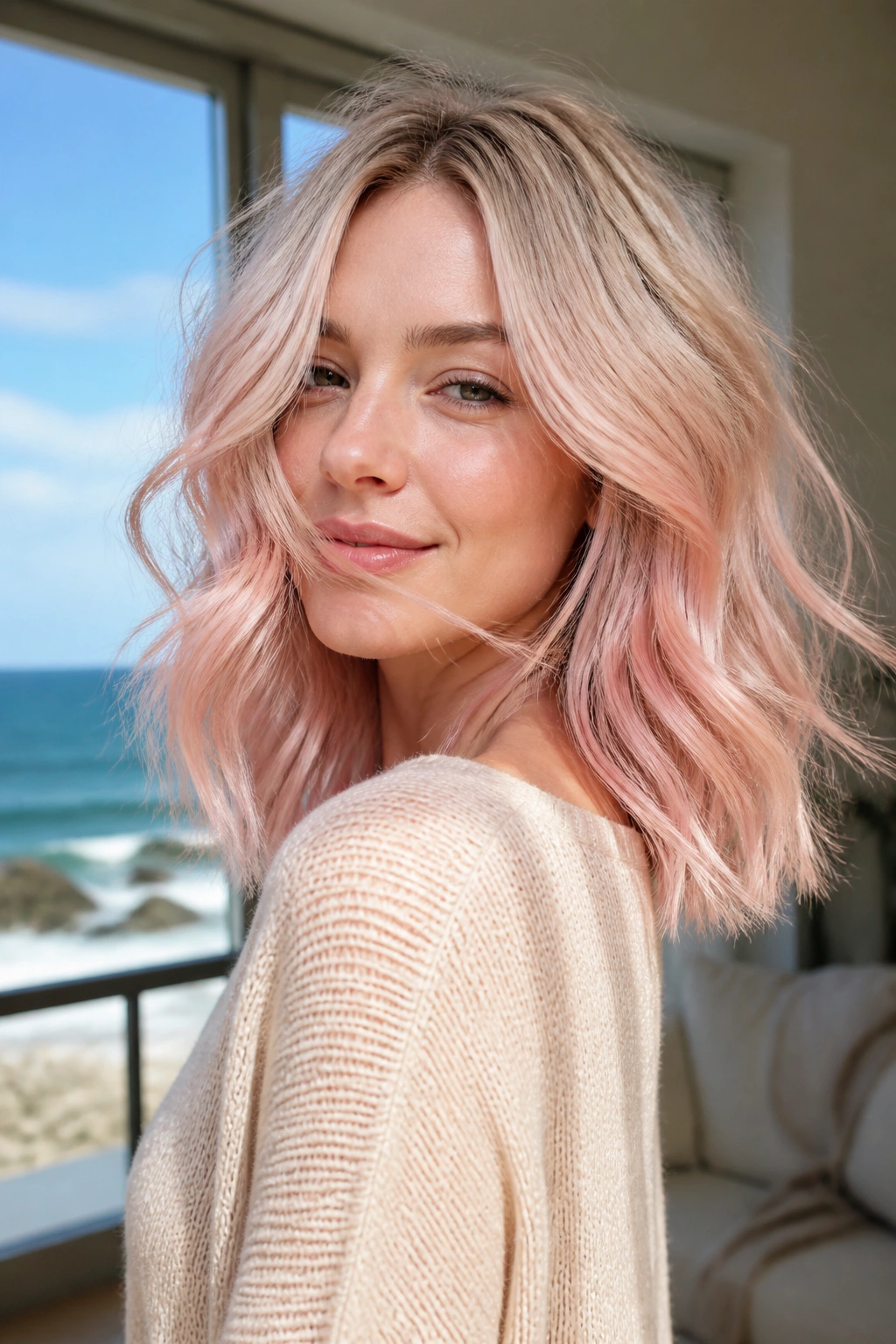
Picture a pale blonde base with blush-pink ribbons through the mids and ends. That is rose quartz blonde balayage in the cleanest form.
The balayage part matters because it keeps the hair bright near the face while letting the pink show up where it can move. On cool skin tones, that contrast helps the complexion stay lively. You get color, but you don’t lose the lightness that makes blonde feel airy.
What Makes It Different
Unlike an all-over pink pastel, rose quartz balayage leaves more of the blonde visible. That means less commitment and less risk of the hair looking over-processed. It also means the pink can fade a little and still leave a pretty blush cast behind.
If you wear gray, navy, soft white, or plum, this shade slides right into the wardrobe. It is especially nice on long waves, where the pink looks woven in rather than painted on top.
11. Periwinkle Money Piece Blonde
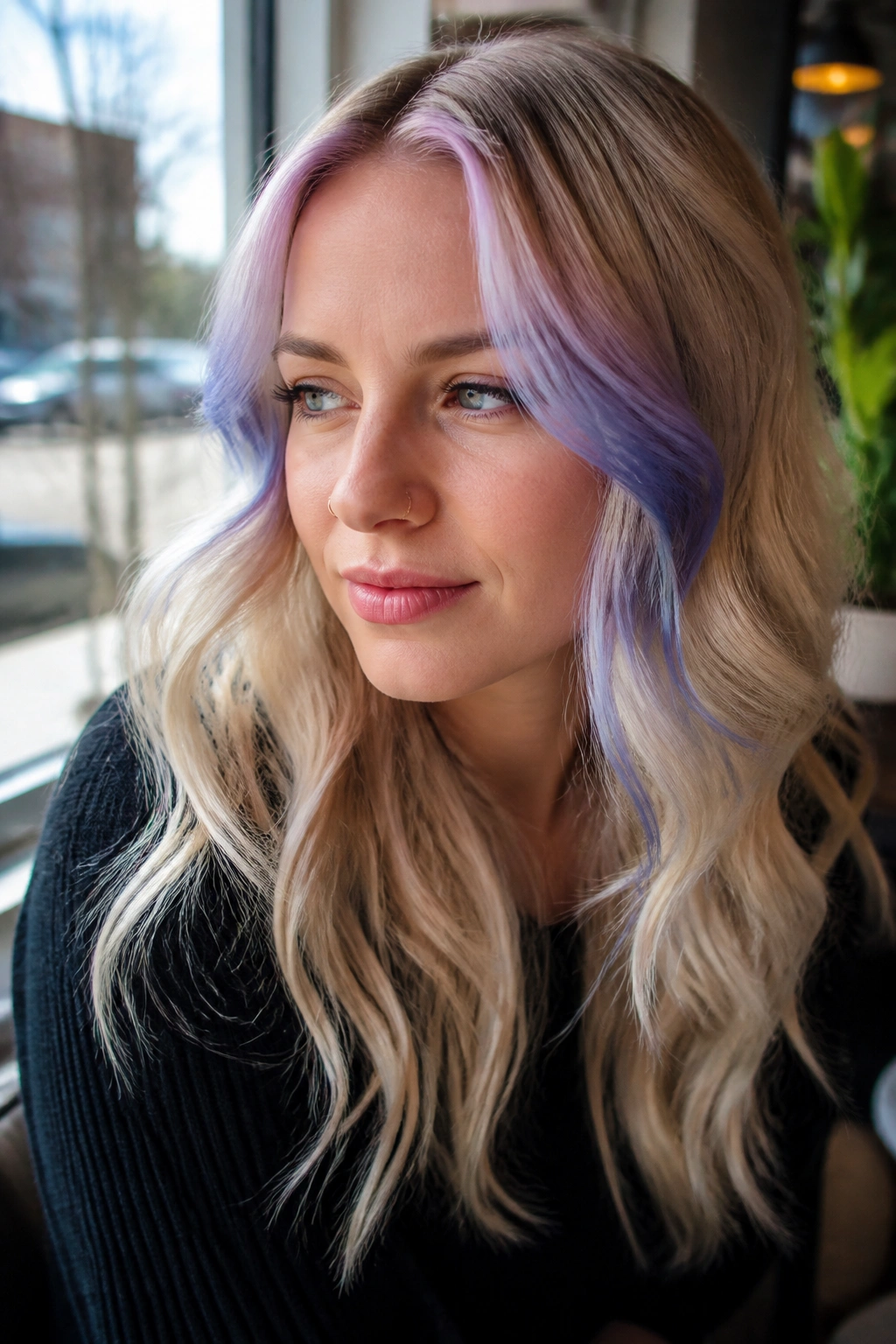
A periwinkle money piece can wake up an entire head of blonde in one shot. The cool blue-lavender streaks around the face bring the eye straight to the cheekbones and temples.
That front-panel placement is why the shade works so well on cool skin. It acts like a frame. The periwinkle is strong enough to show, but soft enough that it doesn’t crush the rest of the hair. If the lengths stay pale blonde or soft ash, the whole look feels balanced.
Why It Flatters
The contrast is doing the work. The cool color near the face pulls the skin toward a cleaner tone, while the blonde lengths keep the style airy.
How to Wear It
- On curtain bangs
- On a center part with face-framing layers
- On wavy hair, where the blue-lilac tone can peek through instead of sitting flat
If you want a pastel that feels modern without going full fantasy color, start here. It has enough personality to matter and enough restraint to wear every day.
12. Mint Frost Blonde
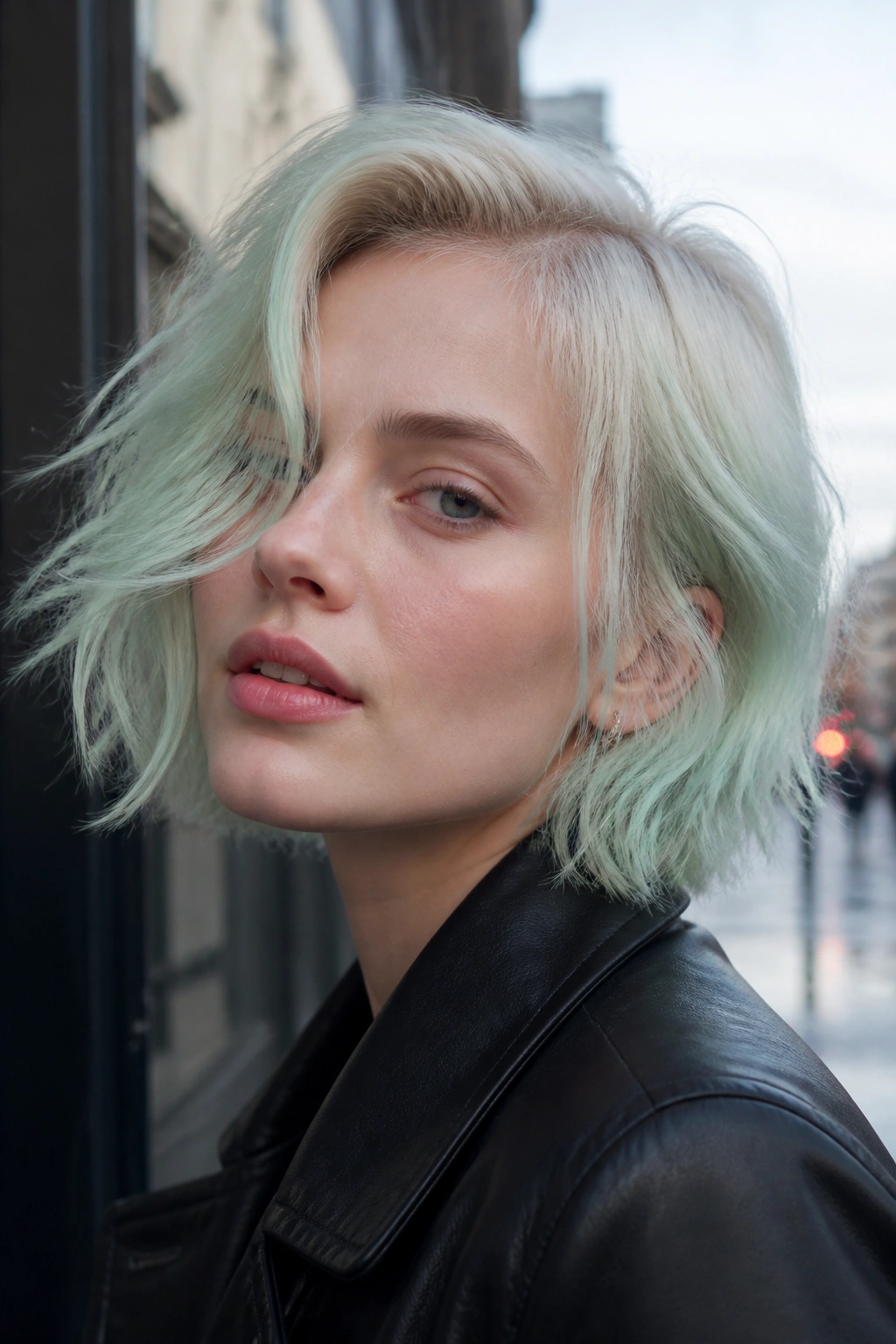
Mint frost blonde sounds playful, but on cool skin it can look surprisingly clean. The mint note adds a tiny blue-green cast over a pale blonde base, which keeps the hair from reading too icy or too pink.
The key is restraint. Mint should sit like frost, not like green dye. If the tone gets too bright, it loses the cool, airy feeling and starts looking loud in a way that is hard to wear. A sheer mint glaze over a platinum or pearl base is much nicer. So is a few mint-tinted face-framing pieces rather than an all-over color.
I like this shade on shorter cuts and airy layers because the movement shows the tint better. It also pairs well with silver jewelry and cool makeup shades. A soft mauve lip, a graphite liner, and mint frost blonde can look more polished than you’d expect. Oddly enough, the color reads calm when it is done right.
13. Orchid Blonde
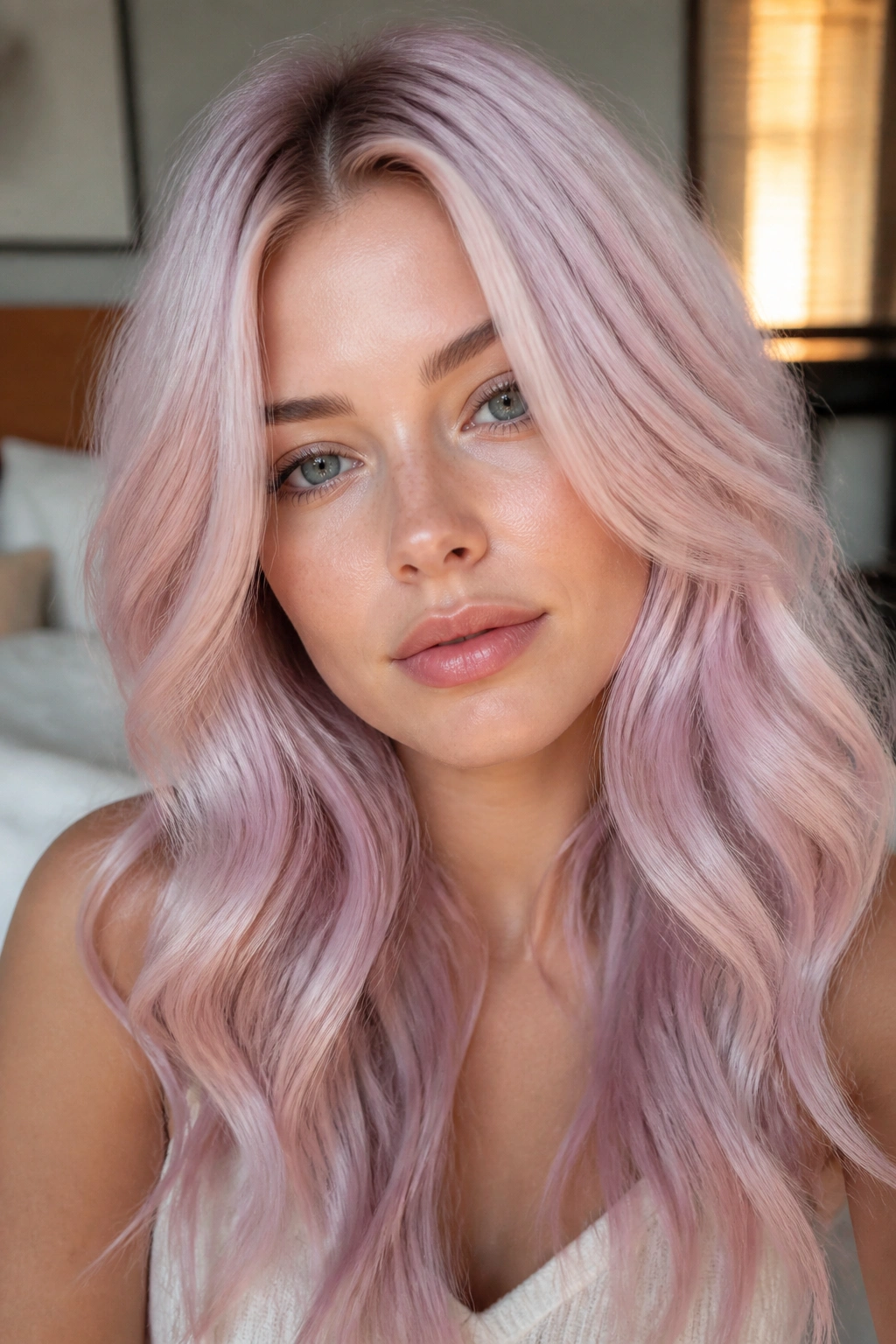
Orchid blonde sits between lilac and pink, which makes it one of the easiest pastel blondes to wear on cool skin. It has enough warmth from the rose side to keep the face from going washed out, but the violet note keeps it firmly in cool territory.
The shade looks especially nice when the blonde base is pale enough to support the pastel without turning muddy. On darker blonde hair, orchid can look flat or slightly opaque. On lifted hair, it glows in a softer way. That difference matters more than people think.
Straight styles show the color cleanly, while loose waves make it feel more dimensional. If your haircut is simple, orchid blonde can do a lot of the visual work on its own. If your haircut is already textured, the color gives the layers a little extra depth. Either way, it is one of the more forgiving pastel choices for cool complexions because it sits in the middle, not at the extremes.
14. Arctic Beige Blonde
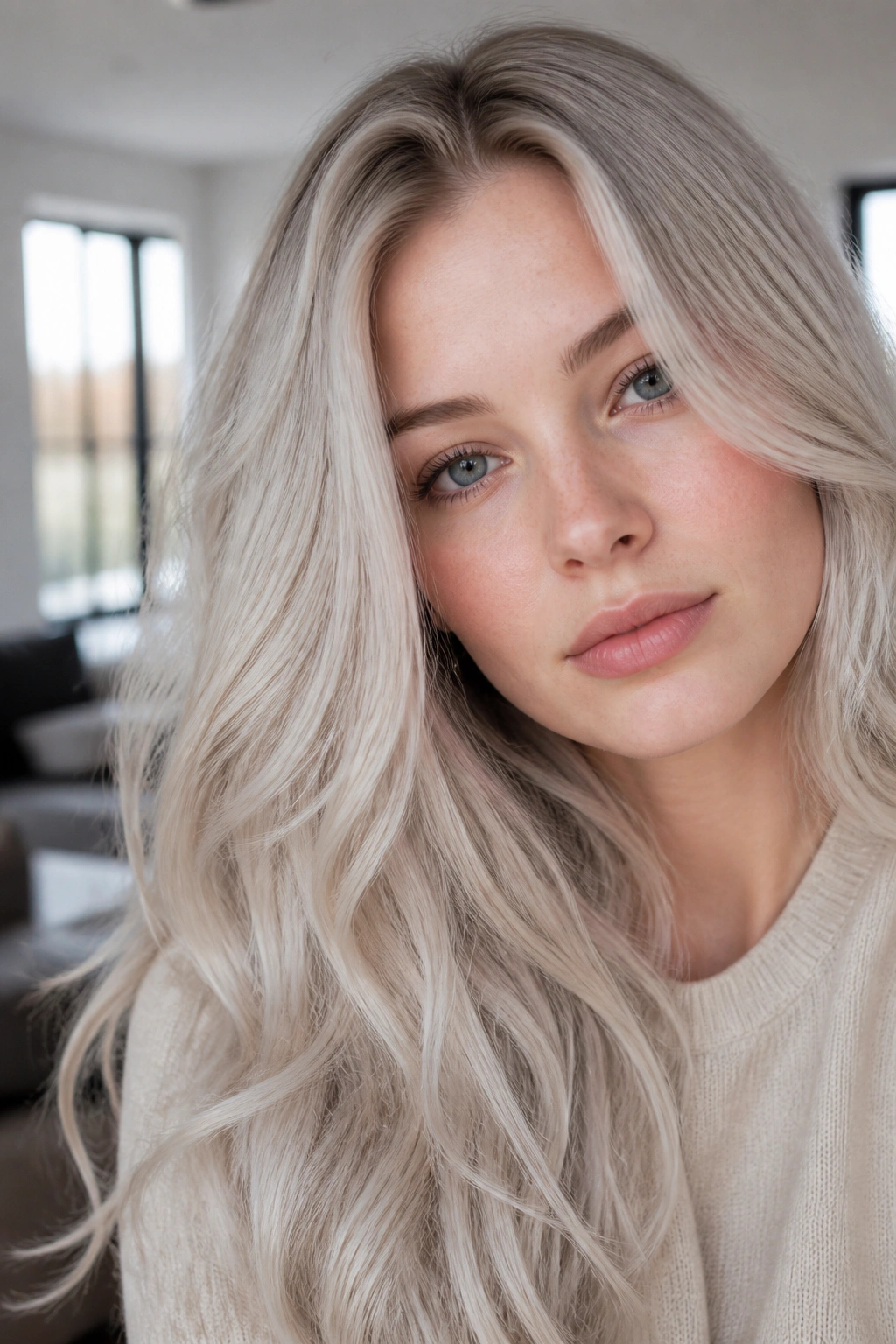
Can beige work on cool skin? Yes, if the beige leans icy and not honey.
Arctic beige blonde is cooler than classic beige blonde because the warmth has been pulled back and replaced with a pale, misty softness. Think dove, pearl, and a touch of ash. That makes the shade useful for people who want something gentler than silver but less stark than platinum.
What Sets It Apart From Warm Beige
Warm beige blonde can push the skin toward redness or dullness. Arctic beige does the opposite. It keeps the overall look bright, while the ash note prevents yellow from creeping in as the toner fades.
This shade works well on medium to long hair, especially if the cut has movement. It is also a solid choice if you want a blonde that feels expensive without screaming pastel. The color is quiet. Almost shy. That is part of the appeal.
15. Sea Glass Blonde
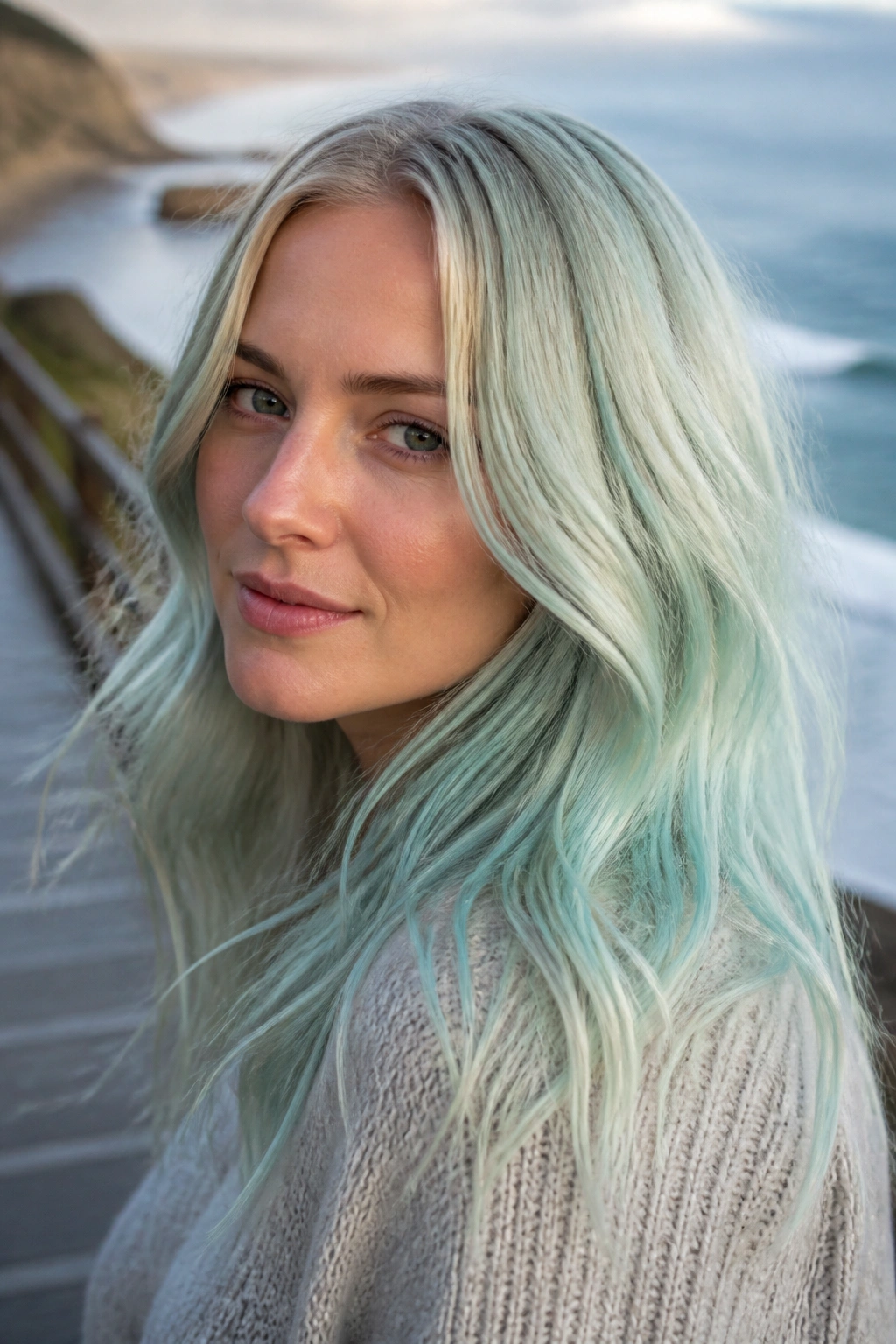
Sea glass blonde has a pale blue-green wash laid over a blonde base, and the effect can be lovely on cool skin because it feels fresh without going full fantasy color.
The shade works best when the blonde underneath is light enough to keep the sea-glass tint airy. If the base is too dark, the color can turn muddy. On a pale blonde canvas, though, the tint looks translucent and soft. That translucent part is what saves it from looking costume-heavy.
Where It Looks Strongest
- On loose waves, where the blue-green can shift in the light
- On lobs and shags, where the movement breaks up the color
- Around the ends, if you want just a dip of color
Sea glass blonde pairs well with cool-toned makeup and silver accessories, but it also has a beachy feel that never gets too sweet. That mix is rare. It is one of the few pastel blondes that can feel calm and playful at the same time.
16. Blueberry Cream Blonde
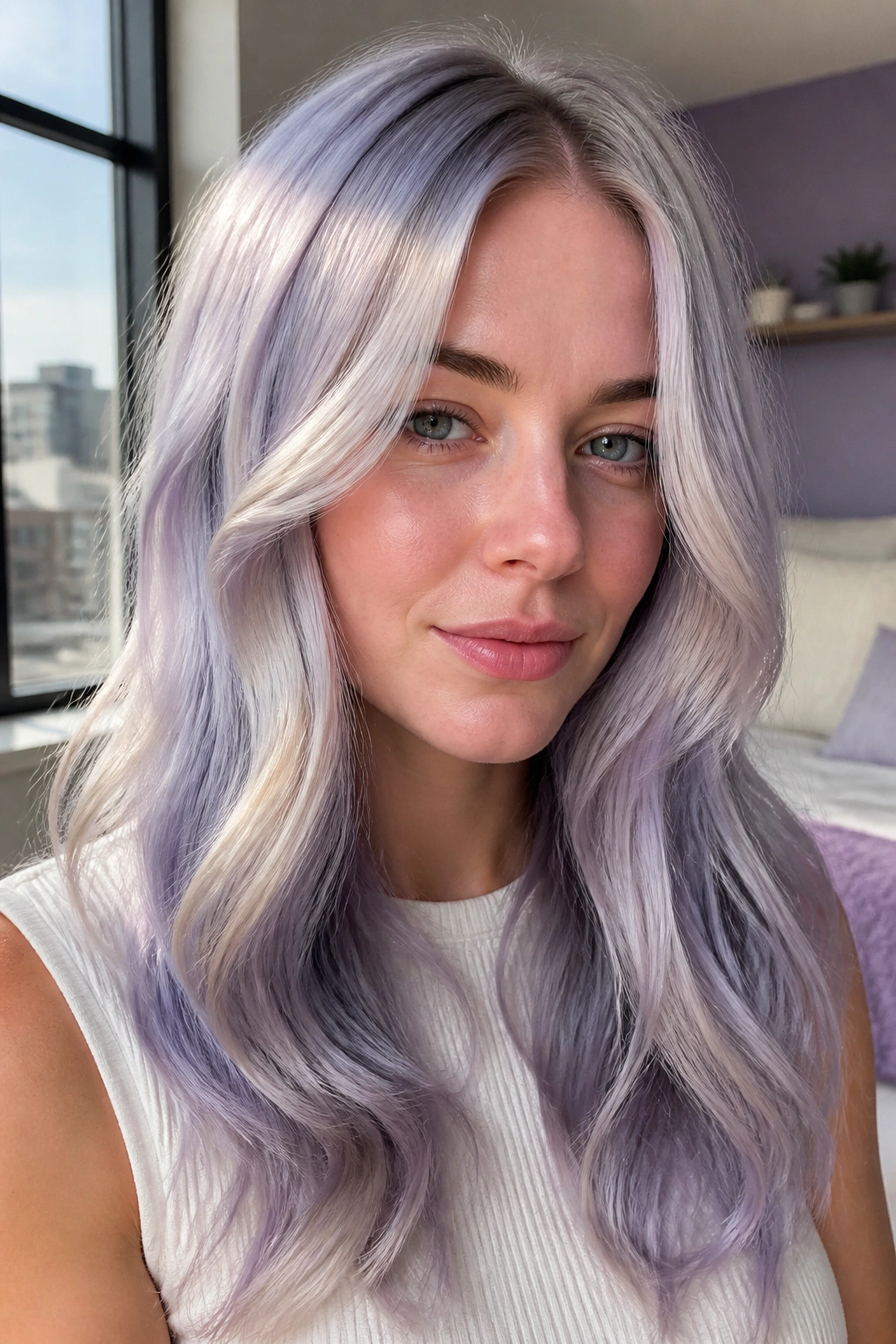
Blueberry cream blonde is one of those shades that sounds odd until you see the result. The base stays creamy and very light, then a soft blue-lilac veil cools the whole look down.
That cooling veil is what makes it work on cool skin. A plain cream blonde can go a little yellow next to pink undertones. Blueberry cream cuts that warmth back and gives the face a cleaner frame. The color also looks less expected than standard silver, which is nice if you want something a little softer than icy platinum.
This shade is especially good on layered cuts because the different lengths catch the blue-violet tint at different angles. It can also make curls look richer, since the pastel lives in the bends instead of sitting on top like a sticker. If you want the shade to stay pretty rather than muddy, ask for a cream blonde base with a sheer blue-violet gloss. That distinction matters.
17. Soft Silver Rose Blonde
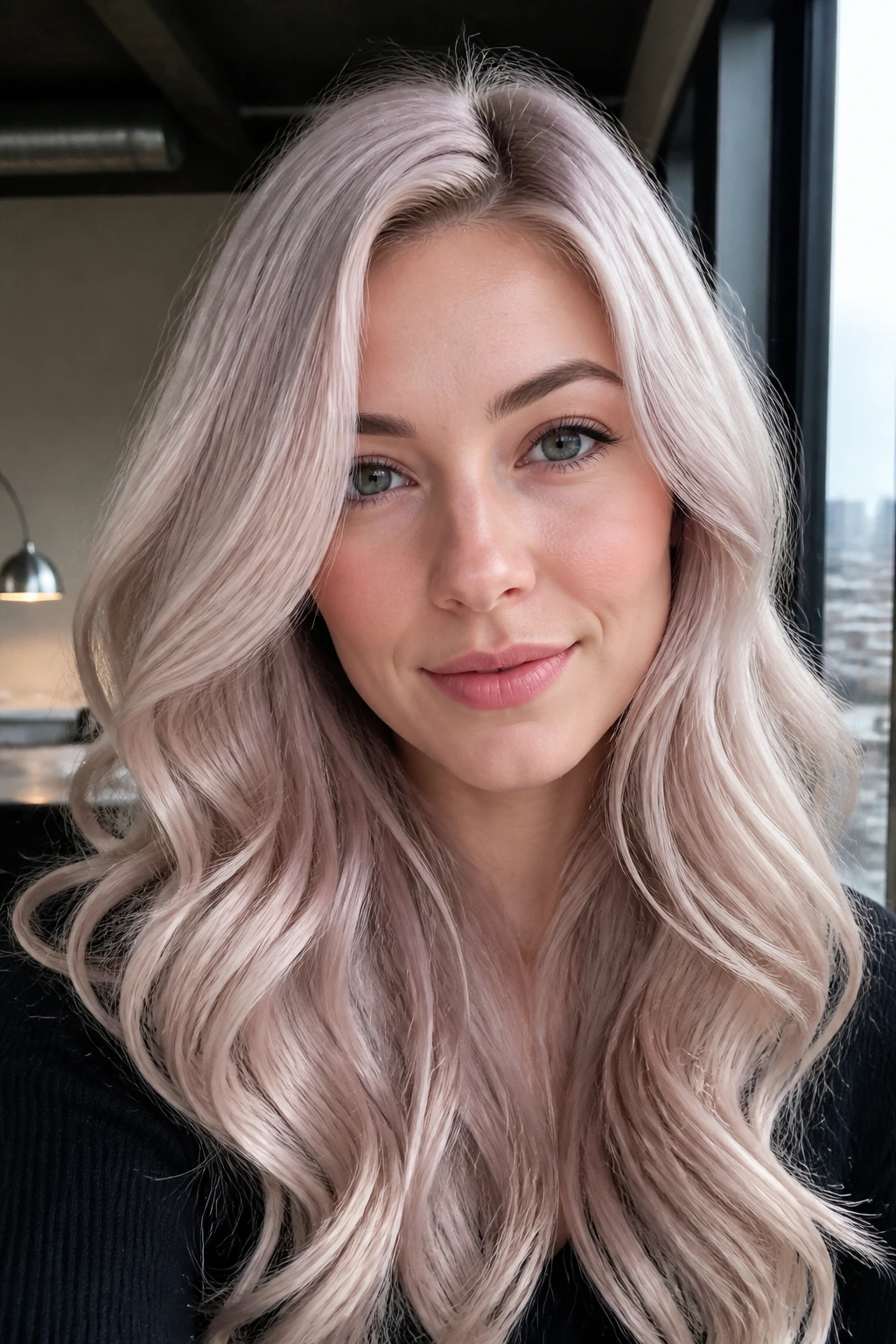
Soft silver rose blonde is quieter than rose quartz and a little more restrained than pink pastel. The silver pulls the sweetness back, which is why it works so well on cool skin.
The shade lands somewhere between blush and frost. It has enough color to keep the hair from disappearing against pale skin, but not so much that it takes over the face. That balance is useful if you wear a lot of black, charcoal, navy, or soft gray. The hair becomes part of the outfit instead of fighting it.
It is also one of the better choices for sleek cuts. A blunt bob, a long bob with a center part, or straight layers all show the silver-rose mix cleanly. On very textured hair, the tone can scatter a bit, which is pretty in a different way. If you want a pastel blonde that feels calm and a little polished, this is one I’d keep on the list.
18. Cotton Candy Blonde With Cool Pink Ends
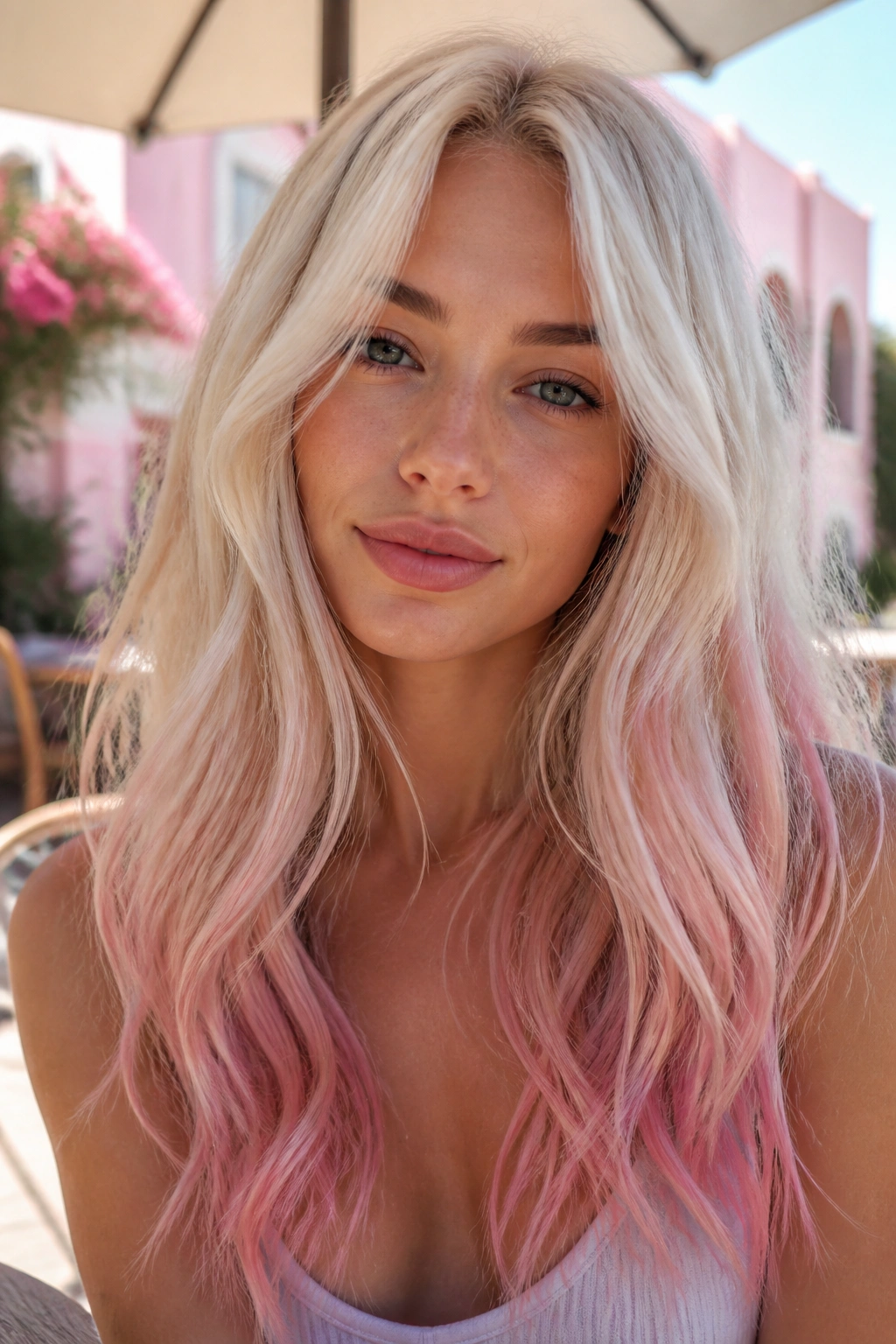
Cotton candy blonde sounds sugary, but the cool version is more controlled than the name suggests. Keep the roots and mids pale blonde, then let the ends drift into a soft blue-based pink.
That placement is what keeps it from looking costume-y. The blonde near the face does the flattering work, while the pink at the ends gives the cut movement and a little surprise. On cool skin tones, the soft pink end point brings a healthy blush without making the whole head pink.
How to Keep It Balanced
- Keep the root area pale and neutral
- Use a sheer pink gloss on the ends only
- Refresh the pink before it fades to a peachy tone
This shade is fun on long layers and curled styles. The ends catch the color in a way that straight hair sometimes hides. It is less subtle than pearl or arctic beige, sure, but sometimes you want the hair to feel a little playful. Fair enough.
19. Misty Mushroom Blonde
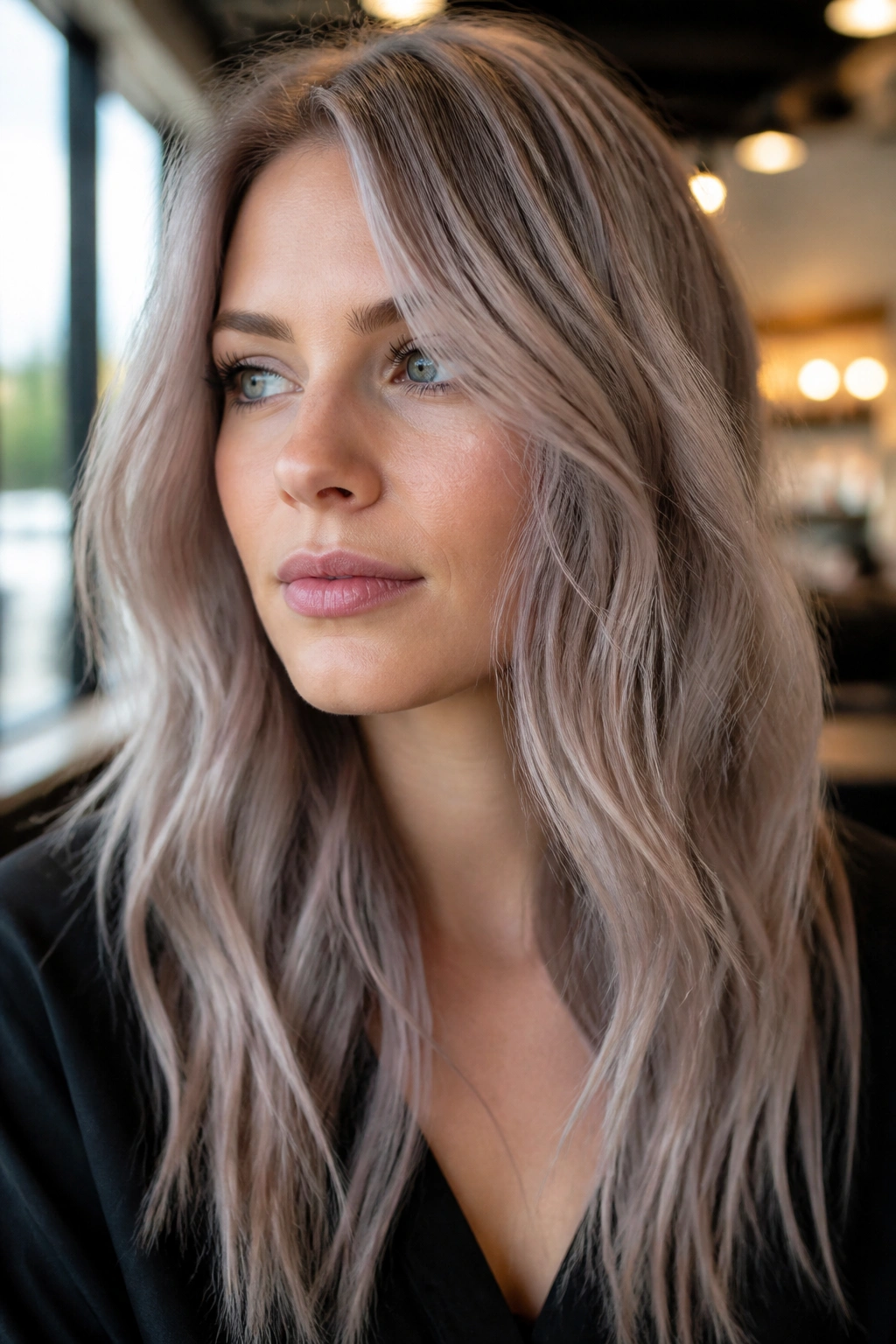
Misty mushroom blonde gets dismissed as boring by people who have not seen it on cool skin.
The shade is taupe-heavy, smoky, and soft around the edges, which means it can make pale complexions look more even without forcing a bright pastel statement. There is a reason people keep coming back to mushroom blonde when they want low-drama color with some depth. It does not go loud. It just sits there looking expensive in a quiet way.
This is a useful option if you want pastel energy without the upkeep of pink or blue. The tone grows out gracefully because the root and the lengths are already close in depth. It also works well on thick hair, where a lighter pastel might feel too airy. Mushroom gives weight back. That may not sound exciting, but hair that looks full and cool at the same time is hard to argue with.
20. Holographic Pastel Blonde
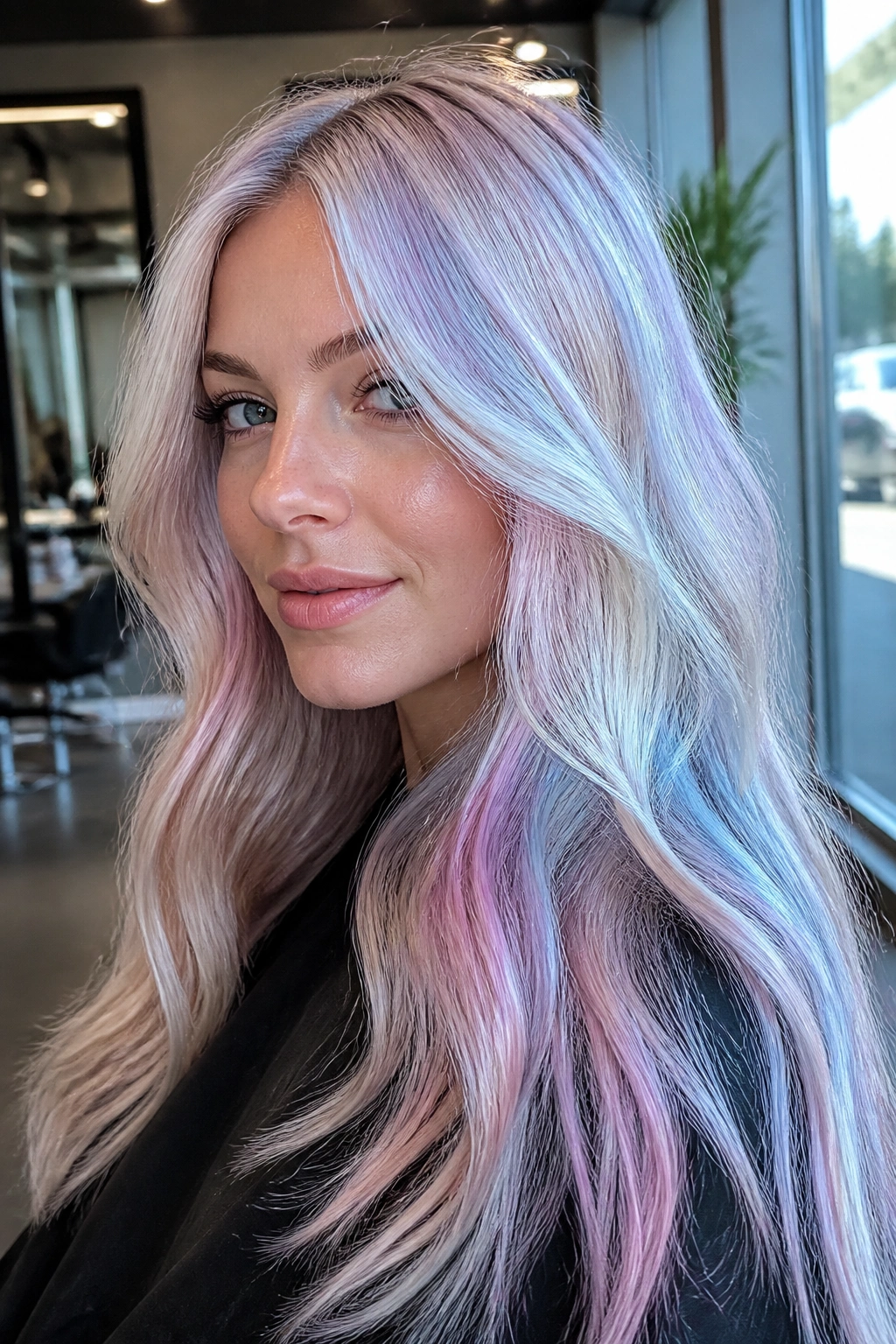
Holographic pastel blonde is less about one shade and more about a shift. Lilac, pink, silver, and blue all sit in the same blonde base, so the color changes as the hair moves.
That shifting effect is what makes it so good on cool skin tones. A flat pastel can sometimes lose definition against a pale face. Holographic blonde keeps the eye moving, which adds life to the complexion. It also photographs in a way that shows different tones under different light, though the in-person version is usually softer and nicer than the photos suggest.
Where It Works Best
- On wavy hair or loose curls
- On layered cuts with movement
- On a pale blonde base that has been toned evenly first
This shade is a little high-maintenance, so I would not pretend otherwise. The payoff is a hair color that feels modern without being stuck in one note. If you like cool pastels but don’t want to pick only one, this is the restless, pretty answer.
21. Frosted Vanilla Blonde
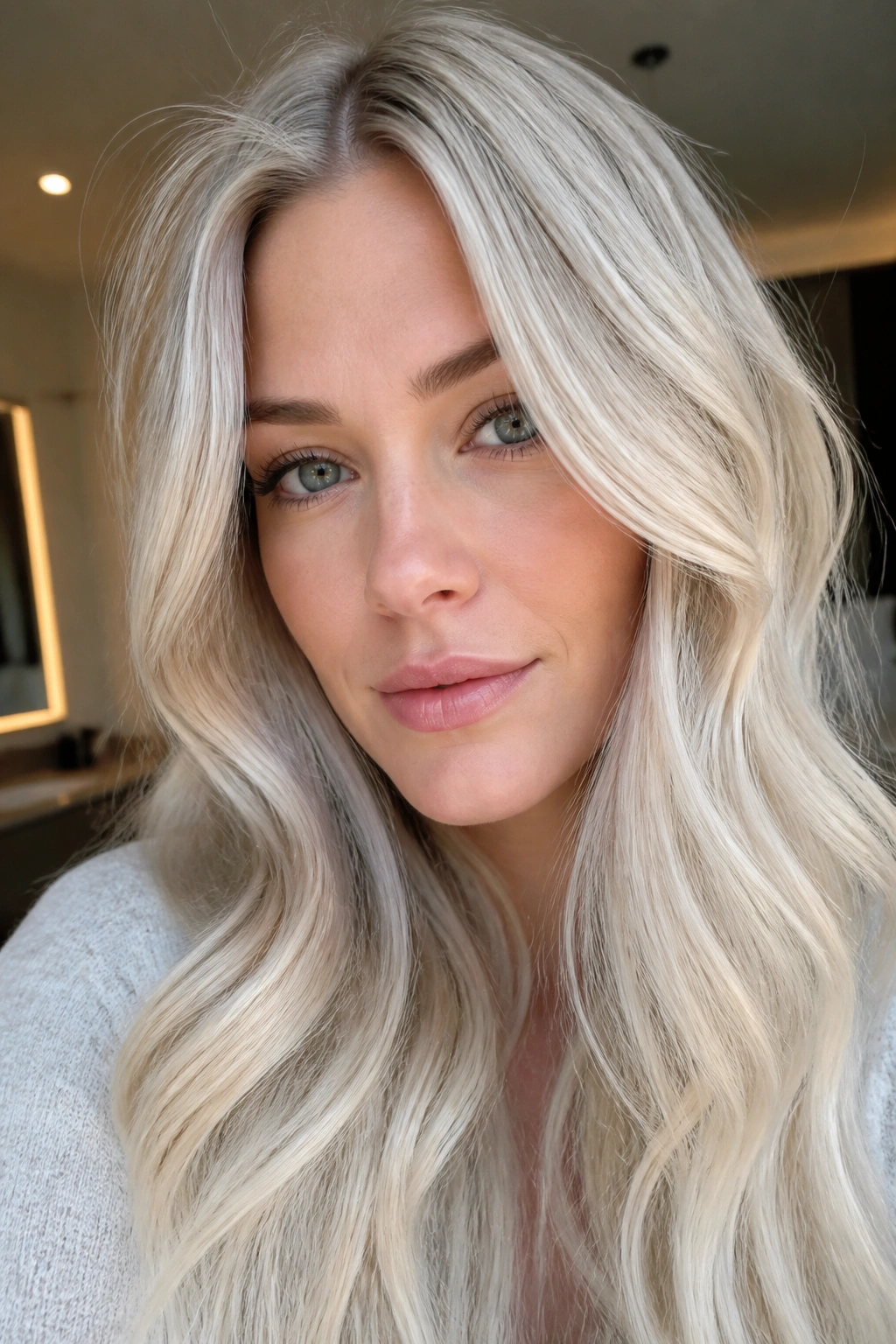
Frosted vanilla blonde sounds warm at first, but the frosted part changes the whole thing. The cream stays pale, while an ash or pearl toner keeps the shade from drifting into yellow.
On cool skin, that matters more than the name on the color chart. A true vanilla blonde can make a pink undertone look stronger than it is. Frosted vanilla keeps the softness while cutting the warmth down. The result is airy and gentle, not buttery.
Who It Suits
This shade is a good fit if you want a lighter blonde that still feels soft around the face. It works on blunt bobs, long layers, and fringe cuts because the tone does not compete with the haircut. It also pairs well with minimal styling, which is handy when you don’t want to spend half the morning with a round brush.
If you like cool-toned makeup, pearl earrings, and clean hairlines, frosted vanilla blonde fits that whole mood without being fussy.
22. Lavender Shadow-Root Blonde
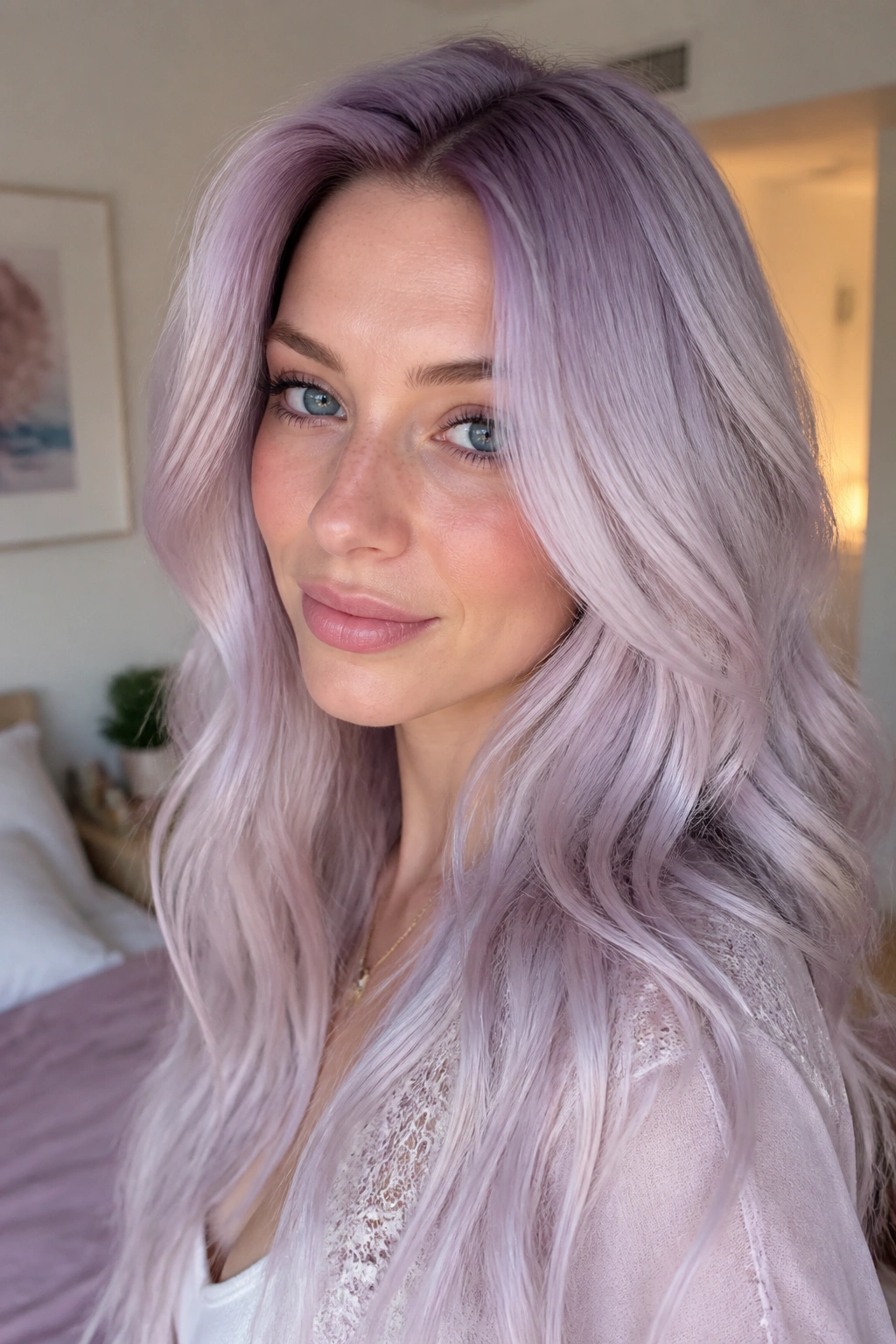
If the idea of pastel upkeep makes you flinch a little, start here. A lavender shadow-root blonde gives you the pastel tone near the face while making the grow-out softer and far less obvious.
The shadow root is the smart part. It keeps the base a touch deeper, which means the blond lengths can stay pale without the whole style looking unfinished a few weeks later. The lavender through the mids and ends keeps cool skin looking fresh, while the darker root stops the color from reading too washed out.
Why It’s Easier to Live With
- Regrowth blends better than a full pastel bleach job
- The lavender keeps brass from showing too fast
- The color still looks deliberate as it fades
I like this shade on people who want cool blonde without babysitting it every ten minutes. It has softness, contrast, and a little edge. That combination is hard to beat.
Cool blondes work best when the tone is doing something useful, not just looking pretty in a photo. If your skin runs pink, blue, or neutral-cool, the shades with silver, lilac, mauve, and blue-green in them usually play nicer than warm beige or gold. A clean lift, a good toner, and a shade that grows out with some grace will carry you farther than a trendy name ever will.
