



Cool skin tones can be picky about hair color. Put a warm gold next to pink, blue, or mauve undertones and the face can look a little redder than it really is. Brown blonde hair color ideas for cool skin tones work because they stay inside ash, beige, mushroom, taupe, and smoky territory, which keeps the dimension without turning the hair brassy.
The sweet spot is not flat brown. It is not icy platinum either. It is the middle ground where a brunette base gets lifted just enough to read soft and believable, with enough lightness to brighten the face and enough depth to keep the color from looking washed out.
A good cool-toned blend also does something practical. It softens regrowth, so you do not get that harsh line that screams fresh bleach from across a room. Root shadow, babylights, and glossing matter here, because the nicest version of this look usually lives in the details, not in one loud stripe of blonde.
Some shades are better near the face. Some are better deep in the mid-lengths. The difference sounds small, but on cool skin it changes everything, and the first few ideas below are the ones I reach for most often when the goal is lightness without warmth overload.
1. Mushroom Bronde With a Shadow Root
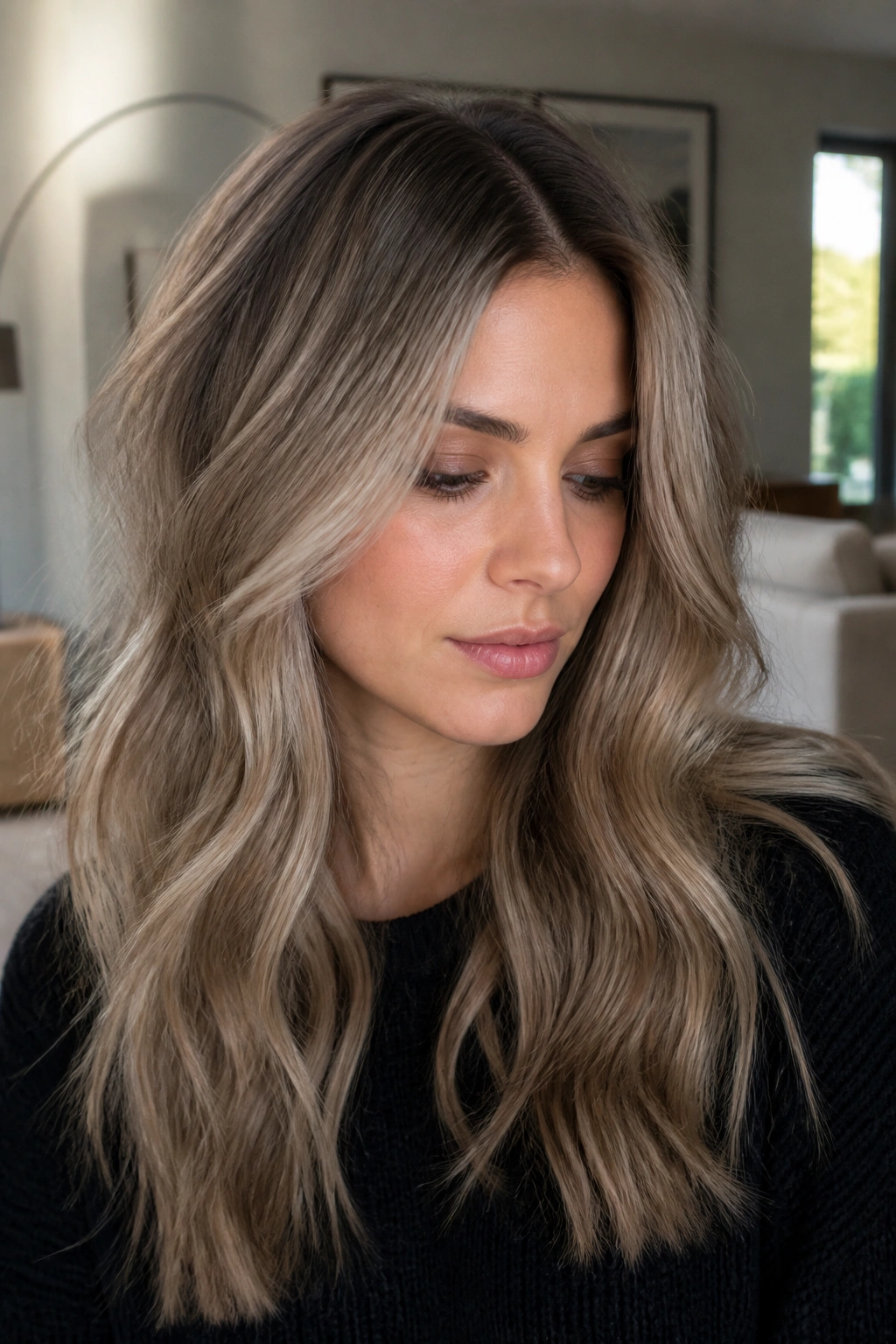
Mushroom bronde is one of those shades that looks expensive in the plainest, most practical way. It sits between brunette and blonde, but the color family stays gray-beige instead of sliding golden, which is exactly why it plays so well with cool skin tones. Think soft taupe ribbons over a level 5 or 6 base, then a shadow root that keeps the grow-out calm.
Why It Flatters Cool Undertones
The ash-beige balance keeps the complexion from looking too pink or too flushed. You still get brightness around the face, but the finish stays muted enough that the hair never starts competing with the skin.
This shade is especially nice if your natural hair is medium brown and you want to lift it only one or two levels. Go too light, and the mushroom effect gets lost. Stay in that smoky zone, though, and the whole look feels grounded.
- Ask for level 6 mushroom brown with level 8 beige-ash ribbons.
- Keep the root smudged about 1 inch for a softer blend.
- Use a violet or blue shampoo once a week if brass shows up fast.
Best tip: tell your colorist you want the blonde to look softly dusty, not sunny. That one word usually prevents a lot of disappointment.
2. Ash Brown Balayage
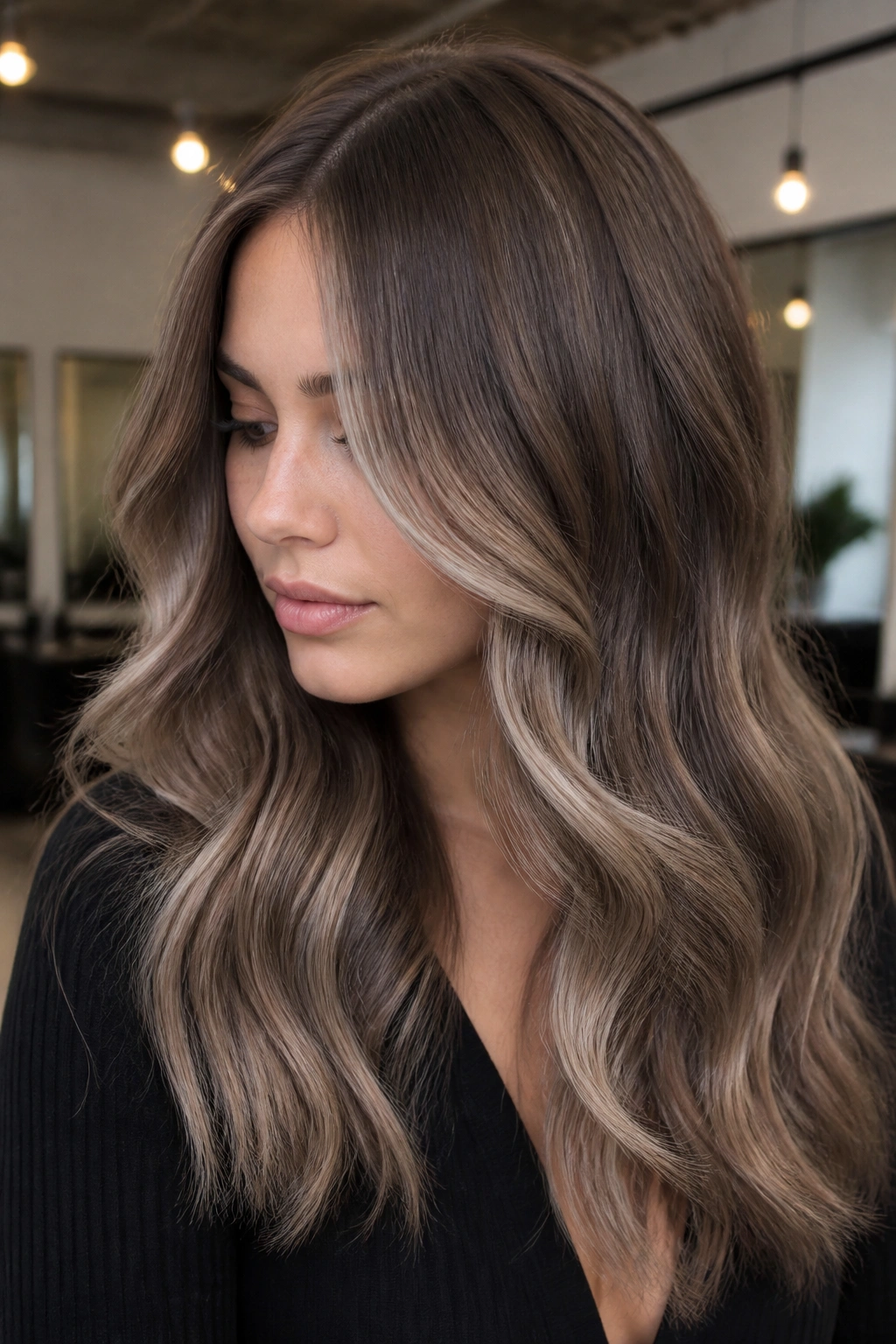
Ash brown balayage is the safest high-payoff choice when your skin flushes easily. It has enough blonde to lift the face, but the cool ash tone keeps everything from turning orange or coppery at the edges. That matters more than people think, because brass near the face is what makes a lot of brown-blonde blends look off on cool complexions.
The hand-painted placement gives you dimension where hair naturally moves. Mid-lengths and ends get the lightest pieces, while the root stays deeper and a little smoky. You end up with contrast, but not the hard stripy kind.
Use this if you like hair that still reads brunette at first glance. It is polished, easy to wear, and less fussy than a full-head blonde job. Ask for a balayage with a neutral-cool toner, not a honey toner. That single detail changes the whole finish.
And yes, it grows out nicely. That is the real charm here.
3. Beige Brunette With Pearl Ribbons
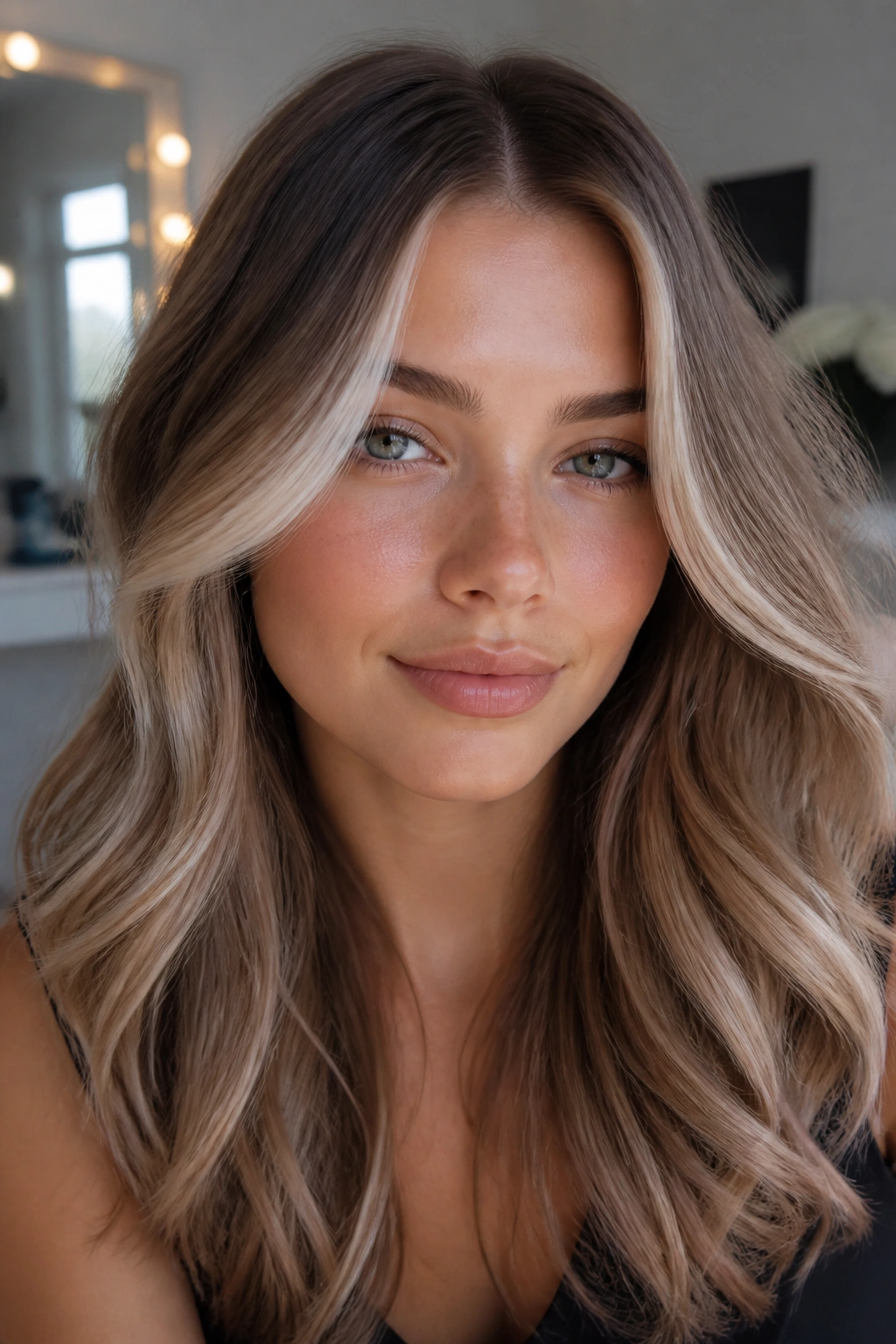
Can blonde still look soft when your base is brunette? Absolutely. The trick is to keep the blonde in the pearl family, where the brightness looks creamy but never yellow. On cool skin, pearl ribbons can make the complexion look clearer and more awake, especially around the eyes and cheekbones.
How to Ask for It
Bring up fine, face-framing ribbons instead of chunky highlights. Ask for the light pieces to sit around the part line, through the front sections, and a few pieces in the lower crown so the color moves when you turn your head.
The base should stay a rich beige brunette, not a red brown. If the brunette part gets too warm, the pearl pieces start looking disconnected. A good colorist will usually tone the ribbons to a pale beige-pearl level 8 or 9, then leave the darker base untouched for contrast.
This shade is a good fit if you want to keep the look elegant and understated. It is not loud. It just makes the hair look cleaner, which is often what cool-toned faces need.
4. Cool Mocha Melt
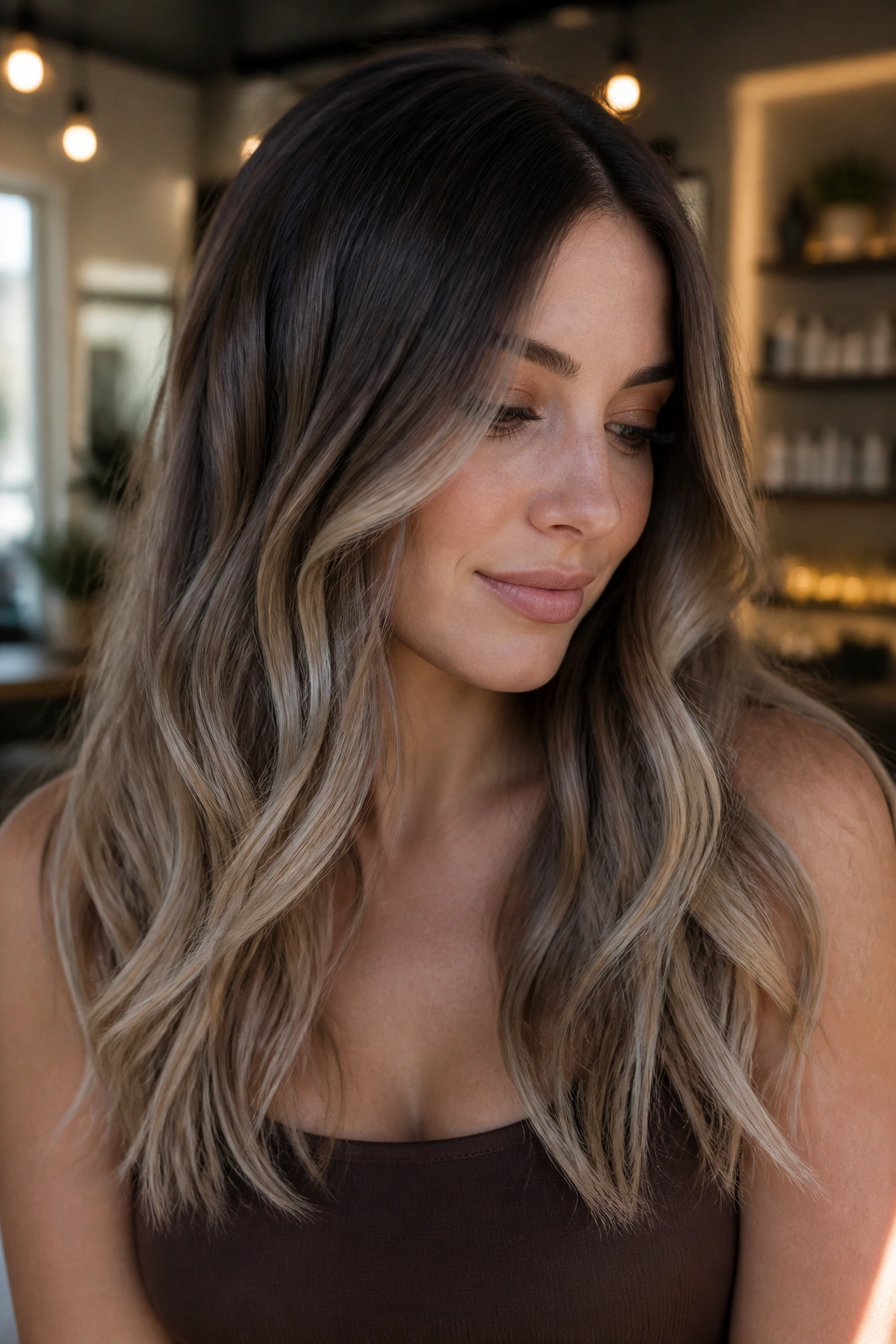
Picture shoulder-length hair with a level 4 mocha base that gradually fades into ash-blonde ends. That is the whole appeal of a cool mocha melt. The transition is slow, soft, and slightly smoky, so the eye never lands on one harsh line. It just sees depth.
This color works best when the blonde is more beige than gold and the brown is more cocoa than chestnut. A lot of people try to lighten mocha with caramel and then wonder why the result looks too warm. That is the wrong lane entirely. Cool mocha needs a little gray in it to stay flattering on pink or blue undertones.
- Best on wavy hair, because movement shows the gradient.
- Keep the lightest pieces two to three shades lighter than the root, not six.
- Add a clear gloss between salon visits to keep the finish shiny, not flat.
If you want a soft ombré that still feels rich, this is the one that usually wins.
5. Smoky Brunette Lob
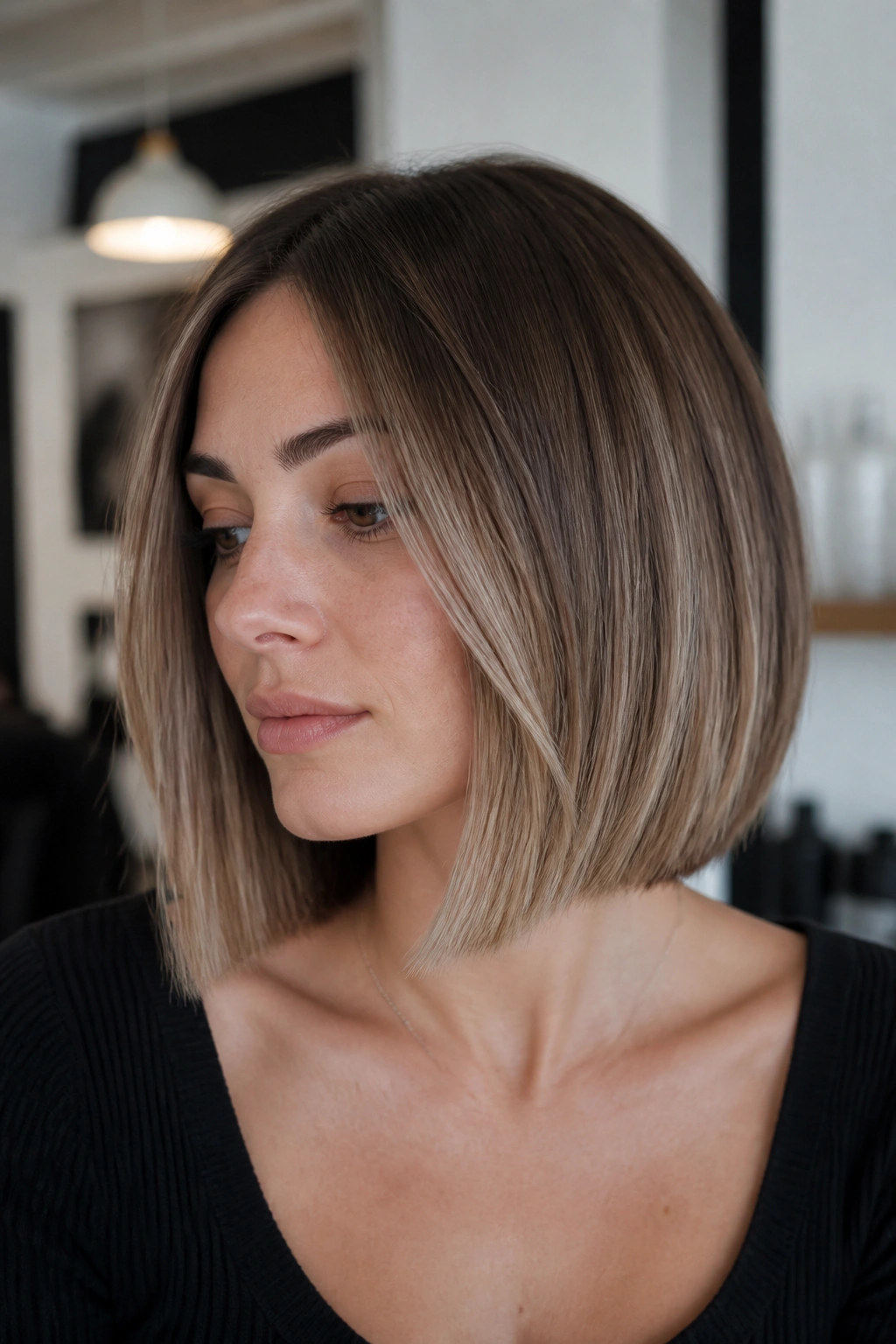
A blunt lob and a smoky brown-blonde blend get along better than they should. The cut gives the color a clean edge, and the color stops the cut from feeling heavy. On cool skin, that balance is gold — or rather, not gold, which is the point.
The best version keeps the base near espresso and lifts only the top layer and ends into muted beige blonde. The result is a hair color that looks deliberate but not overdone. You see dimension first, warmth never.
There is something especially good about this on straight or slightly bent hair. The lines of the lob make the ash tones look sharper, while a few softer ribbons around the face stop the whole thing from feeling severe. Sharp cut, soft color. That combo does a lot of work.
If your skin turns pink easily, skip heavy caramel streaks here. They tend to fight the cooler finish and make the cheeks look even rosier.
6. Taupe Bronde
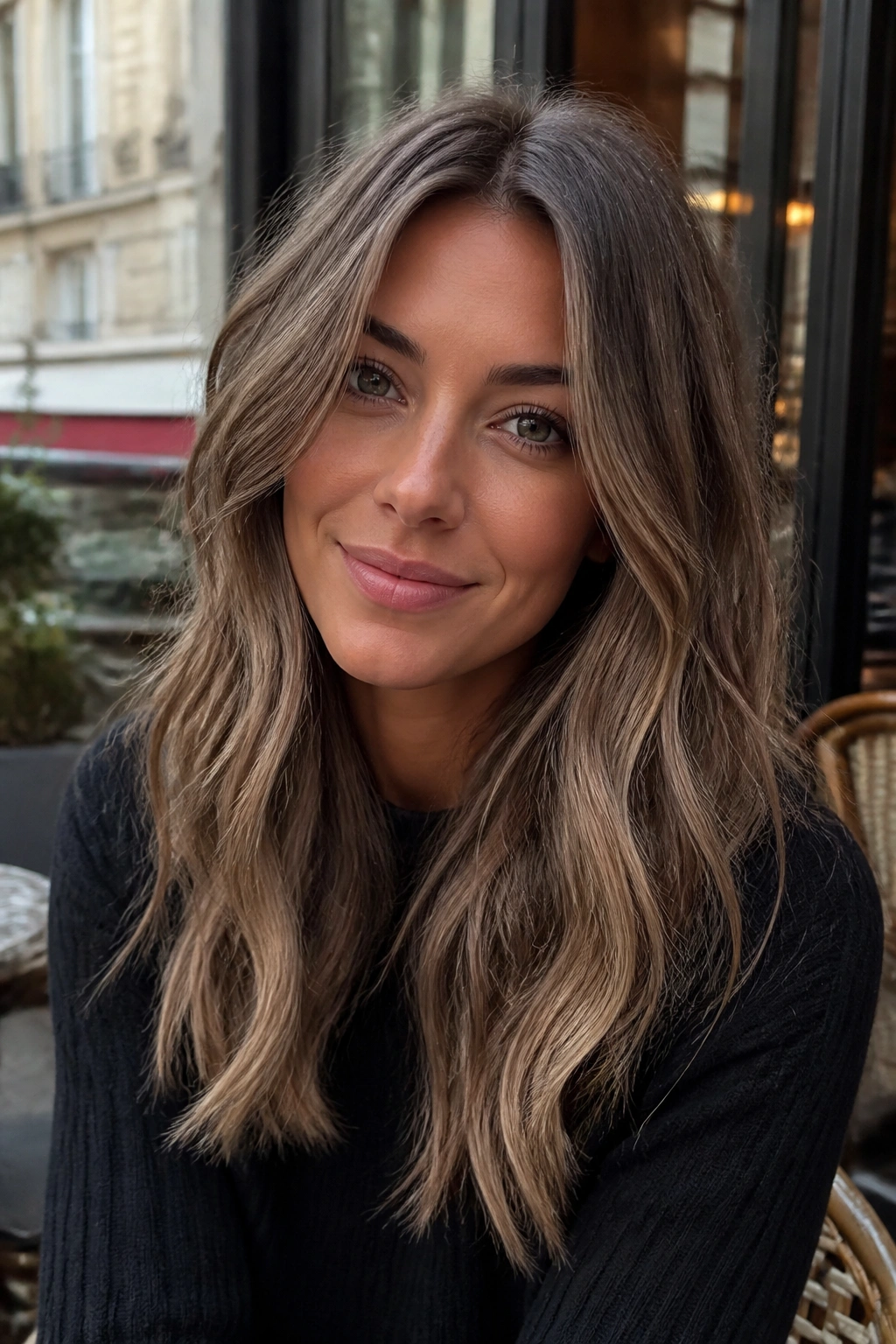
Taupe bronde is what happens when bronde grows up and learns restraint. Unlike caramel bronde, which lives in warm beige and honey territory, taupe bronde stays in the gray-beige lane. That is why it works so well on cool skin: it gives you brightness, but the light pieces never look sunny or orange.
What Makes It Different
The base is usually a medium brown with a soft ash cast. The highlights are not icy platinum; they are muted, slightly beige, and often toned down until they almost look like they belong there naturally. The whole effect is soft contrast, not contrast-for-its-own-sake.
This is a nice choice if you want low drama and high wearability. It suits people who wear silver jewelry, dark denim, black knits, and other cool shades a lot. The hair feels like it belongs in that wardrobe.
My recommendation: ask for a taupe bronde with micro-babylights near the hairline. Those tiny light pieces do more for the face than a few chunky foils ever will.
7. Pearl Face-Framing Highlights
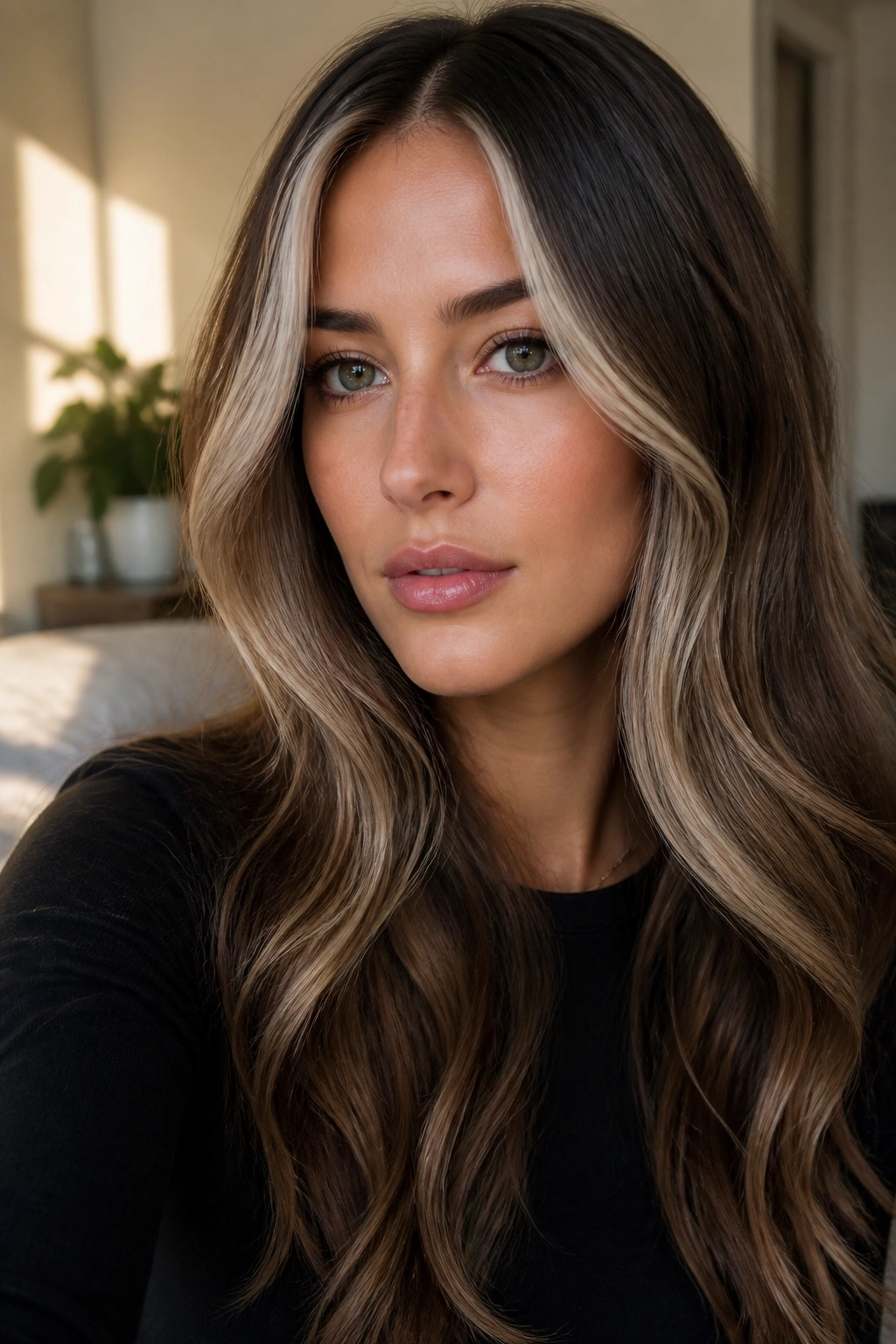
Why do a few pearl highlights near the face make such a difference? Because the front sections are where the eye goes first. If those pieces are too warm, the whole face can look a little red or tired. If they are pearl-toned, they brighten the skin in a cleaner way.
This idea works best when the rest of the hair stays darker and cooler. Think of it as a spotlight, not a full color shift. A level 7 or 8 pearl blonde placed through the money pieces and a few front layers can make a brunette base feel lighter without committing to all-over blonde.
How to Wear It
- Keep the brightest pieces 1 to 2 inches from the hairline.
- Ask for a soft root melt so the front does not look striped.
- Tone with a beige-pearl glaze if the blonde starts looking yellow.
The nice thing here is control. You can make the look subtle or more obvious, but either way it stays flattering on cool undertones if the warmth stays out of the formula.
8. Icy Chestnut Glaze
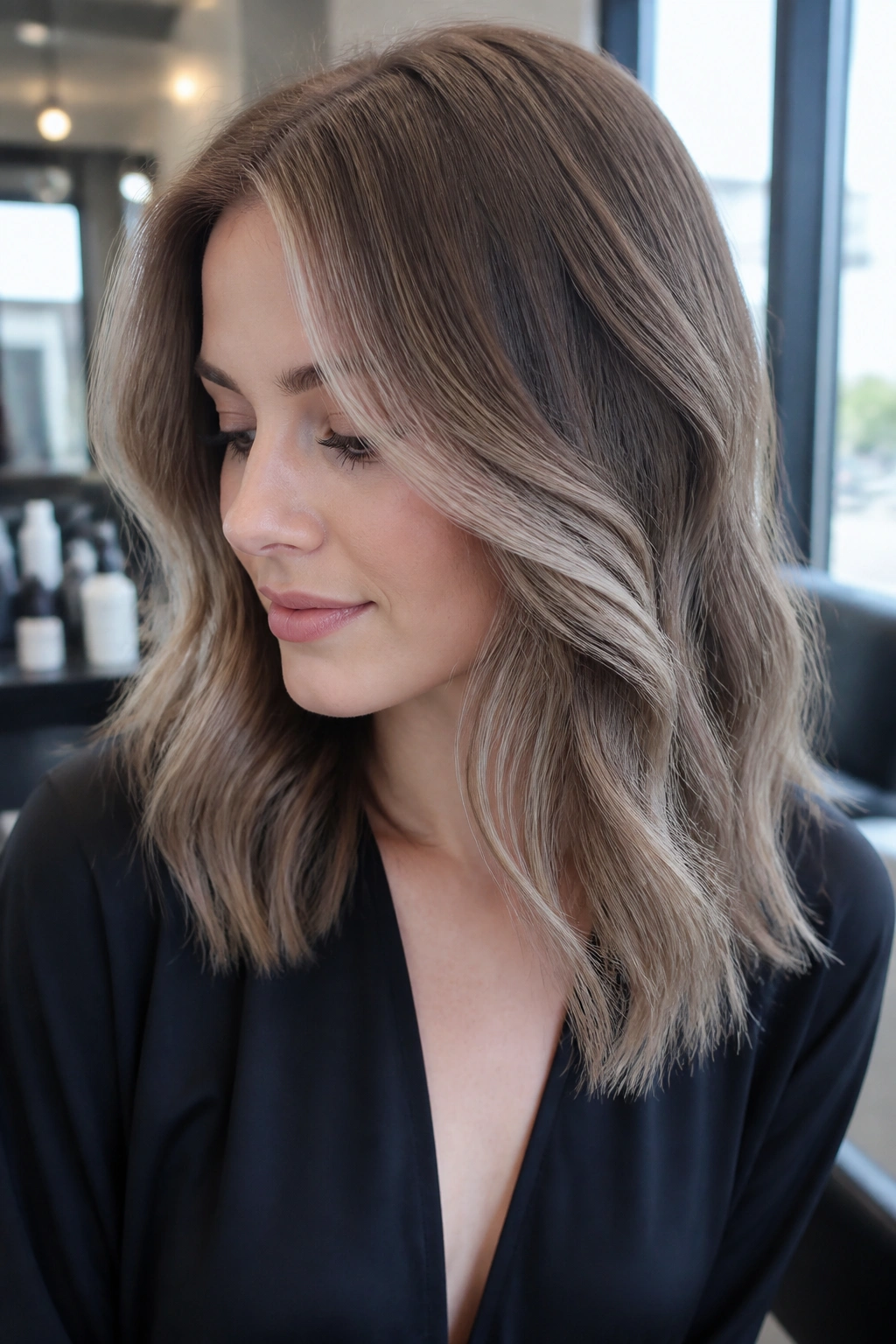
This is the color for cool brunettes who want lightness without obvious blonde streaks. An icy chestnut glaze keeps the deeper brown base, then shifts the finish just enough toward beige-silver that the whole head looks fresher. It is a color move, not a bleach story.
On cool skin, that matters. Chestnut by itself can lean warm, which is fine on some people and a little rough on others. Add a cool glaze, though, and the red-brown edge drops away. What you get is a brown blonde that feels polished and smoky at the same time.
It also works well if your hair has already been lightened and needs toning more than lifting. Sometimes the smartest move is not more bleach. It is better tone, better placement, and a gloss that cools down whatever warmth has crept in.
This one suits medium-length cuts especially well. The sheen shows up, the color stays calm, and the grow-out does not fight you.
9. Slate Brown Ombré
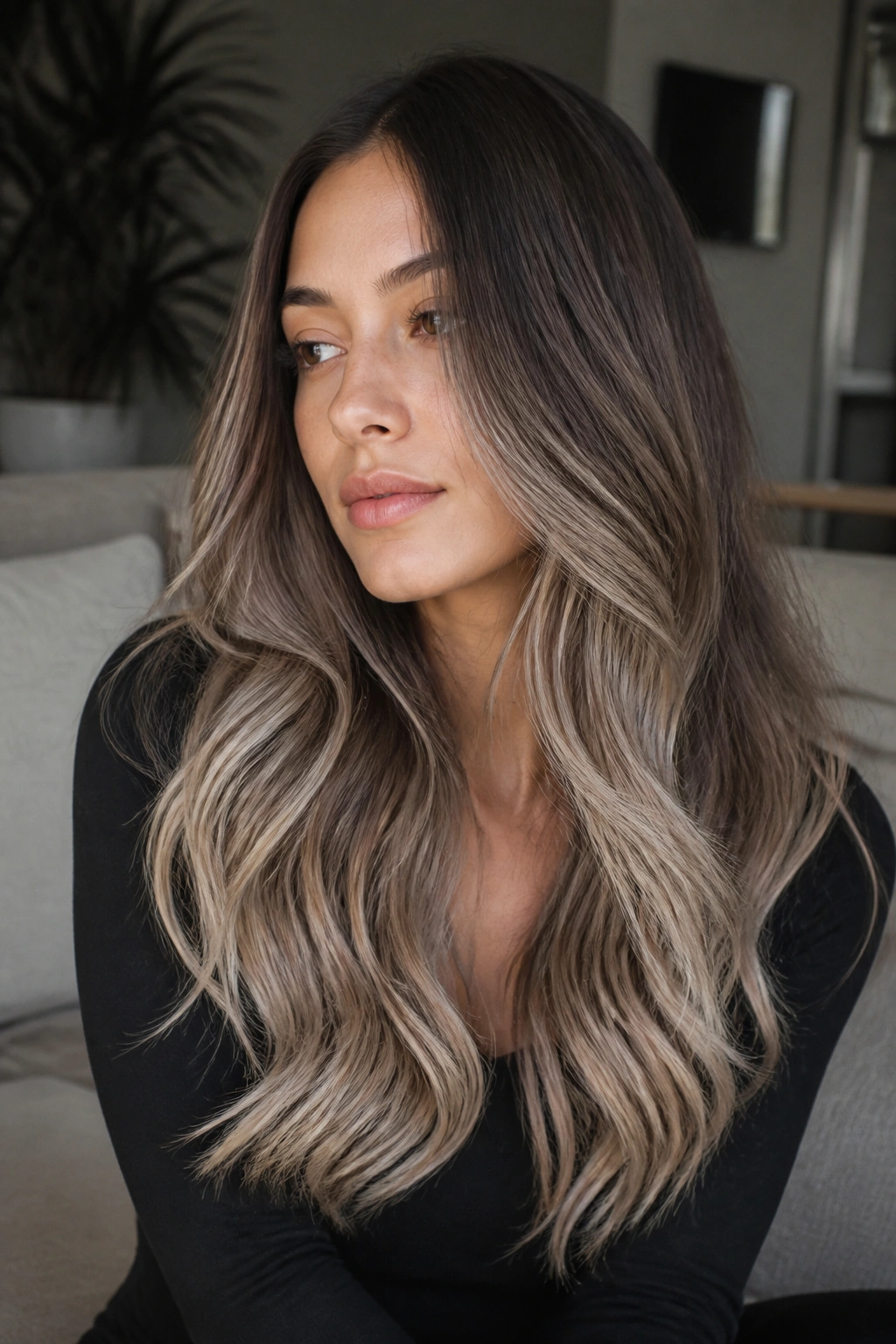
Slate brown ombré looks best when the change from root to tip feels like smoke fading into mist. Start with a dark brown root, keep the mid-lengths in a cool mocha zone, then let the ends drift into ash blonde. If the blend is done well, you never see a hard step. Just a slow shift.
I keep thinking of this on longer hair, especially if there are soft waves through the ends. The texture helps the darker and lighter parts mingle, which is half the battle. On pin-straight hair, the line between shades can read more sharply, so the blending has to be cleaner.
A few things help here:
- Ask for cool beige blonde ends, not gold.
- Keep the ombré transition around ear level to collarbone level, depending on length.
- Use a heat protectant every time you style it, because lighter ends show dryness fast.
This is a strong choice if you want something moody, dimensional, and a little more dramatic than a simple balayage.
10. Soft Ash Babylights on Dark Brown
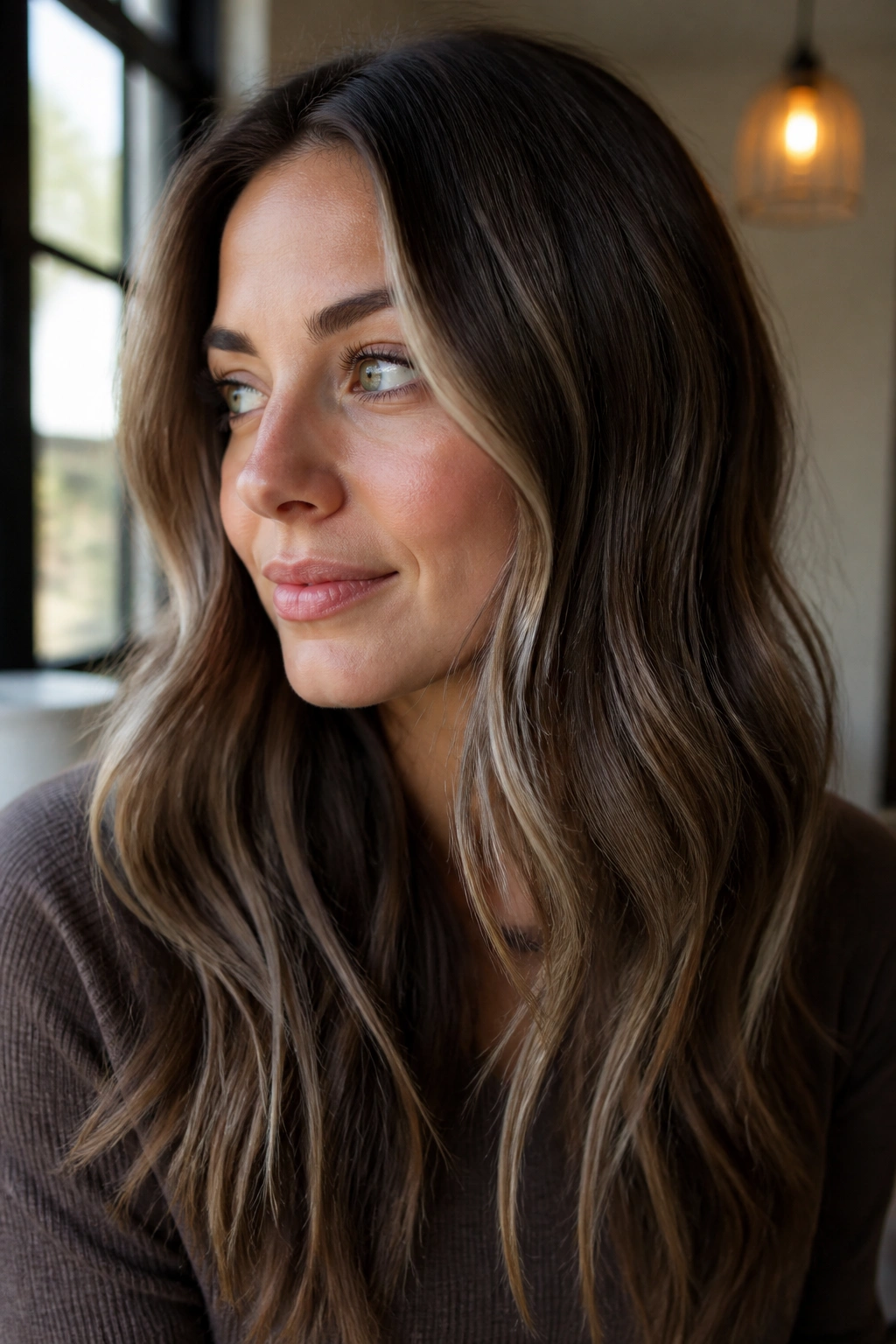
Soft ash babylights are the quiet answer for anyone who wants lightness but hates the idea of obvious highlights. The pieces are so fine that they almost look like natural sun lift, except the tone is cooler and more deliberate. On dark brown hair, that subtlety matters.
The beauty of babylights is that they move with the cut. A few whisper-thin ribbons through the top layers can break up a solid brunette base and make it feel less heavy around cool skin. You still look brunette. You just look like the brunette who got enough sleep and drinks enough water.
The only catch is that the toner has to stay cool. If those tiny strands drift yellow, they lose the whole point. Keep a violet or blue shampoo nearby, but use it lightly. Too much and the hair can start looking dull.
This idea is especially good for fine hair, because the delicate placement adds depth without taking away density.
11. Cocoa-to-Vanilla Fade
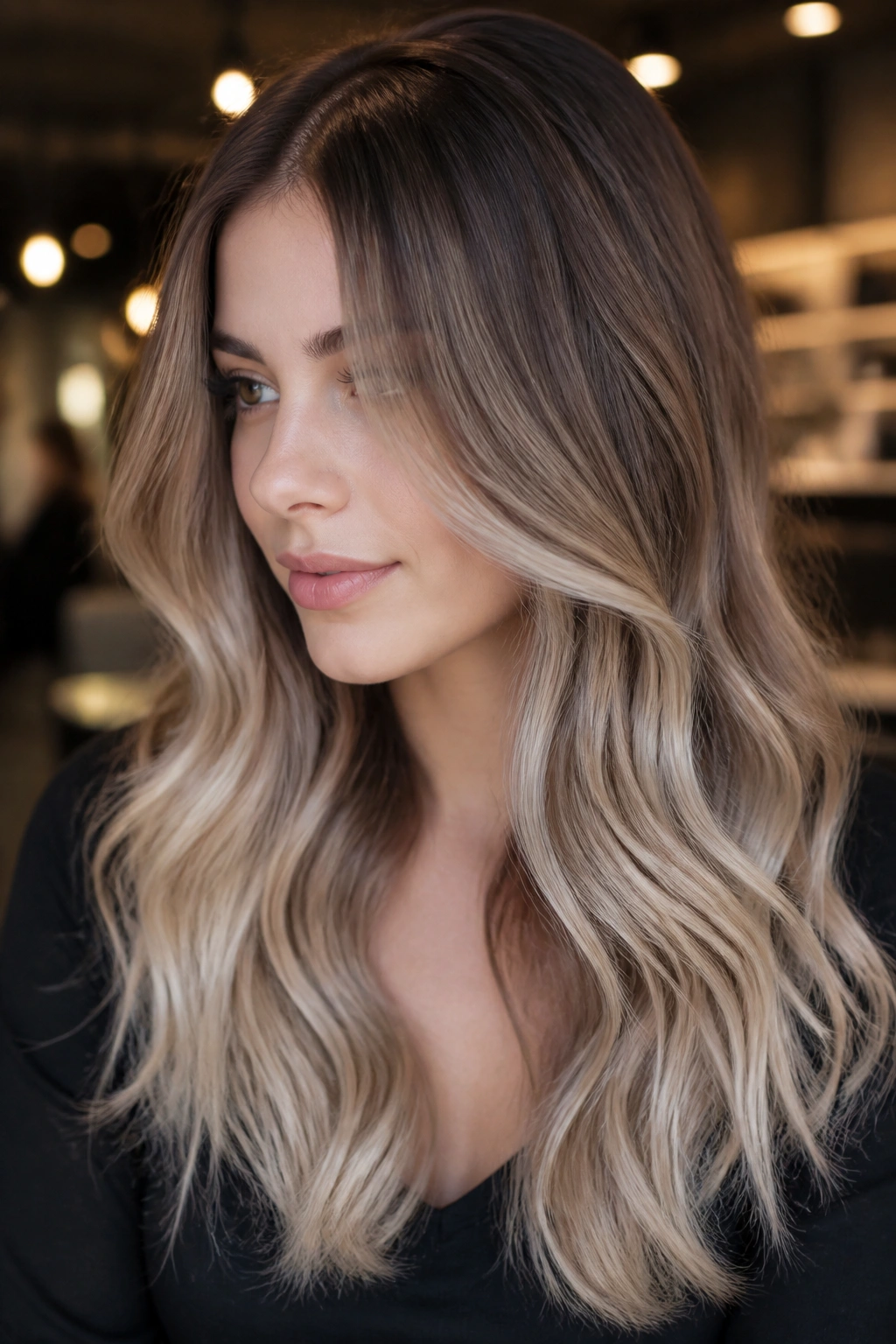
If you want more blonde at the ends but hate a harsh grow-out, the cocoa-to-vanilla fade is easier to live with than a classic ombré. The root stays cocoa brown, the mid-lengths move through beige, and the ends settle into a vanilla blonde that still has a cool edge. Not sweet. More milk-and-ash.
Why It Works Better Than a Harsh Contrast
A strong brown-to-blonde jump can look loud on cool skin, especially if the blonde gets too yellow. This fade keeps the transition soft enough that the eye reads the whole head as one color family.
It also gives you flexibility. You can wear it sleek and see the gradient clearly, or wave it and let the pieces blur together. The fade shows more movement than a solid color ever could.
Best for shoulder-length to long hair, especially if you like to wear it loose. If your hair is shorter, the fade can still work, but the blend has less room to breathe.
12. Espresso Beige Slices
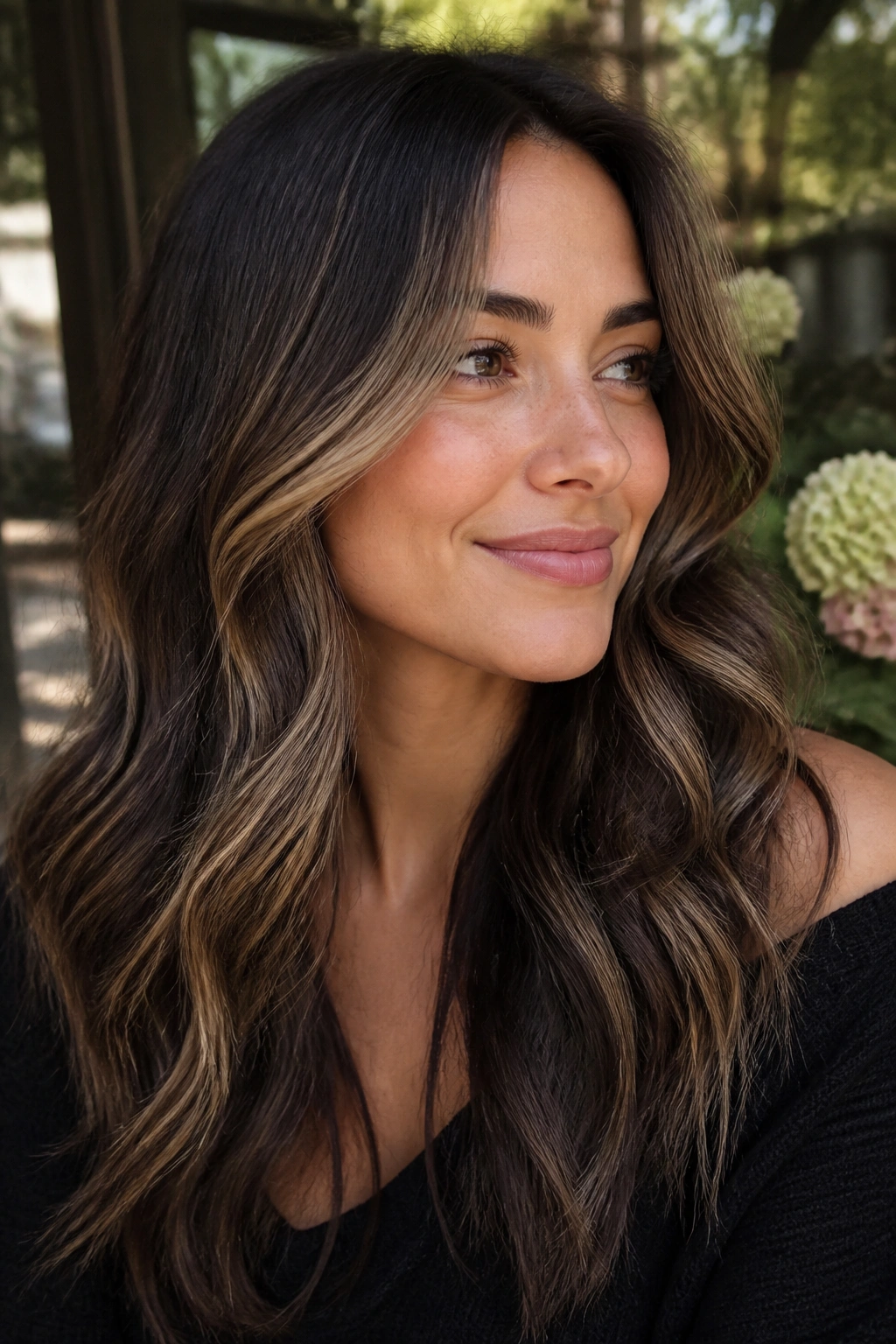
What makes sliced highlights feel richer than all-over foils? Placement. Instead of scattering light pieces everywhere, espresso beige slices carve out a few deliberate panels of blonde through a deep brown base. The result is contrast with a little structure, which can be a gift for cool skin.
The beige part is doing a lot of heavy lifting here. Keep it neutral-cool and the slices look soft. Push it too warm and the whole effect starts fighting your undertone. That is why this idea works best when the blonde pieces are toned down just enough to look smoky in daylight.
Where the Lightest Pieces Should Go
- Through the top layers where the part naturally falls.
- Around the face, but not right at the hairline if you want a subtler look.
- Beneath the surface layers for movement when the hair swings.
This is a smart pick if you want dimension that feels a little editorial, but not loud. It looks especially good on layered cuts where the slices can shift and catch differently from one angle to the next.
13. Smoky Bronde Bob
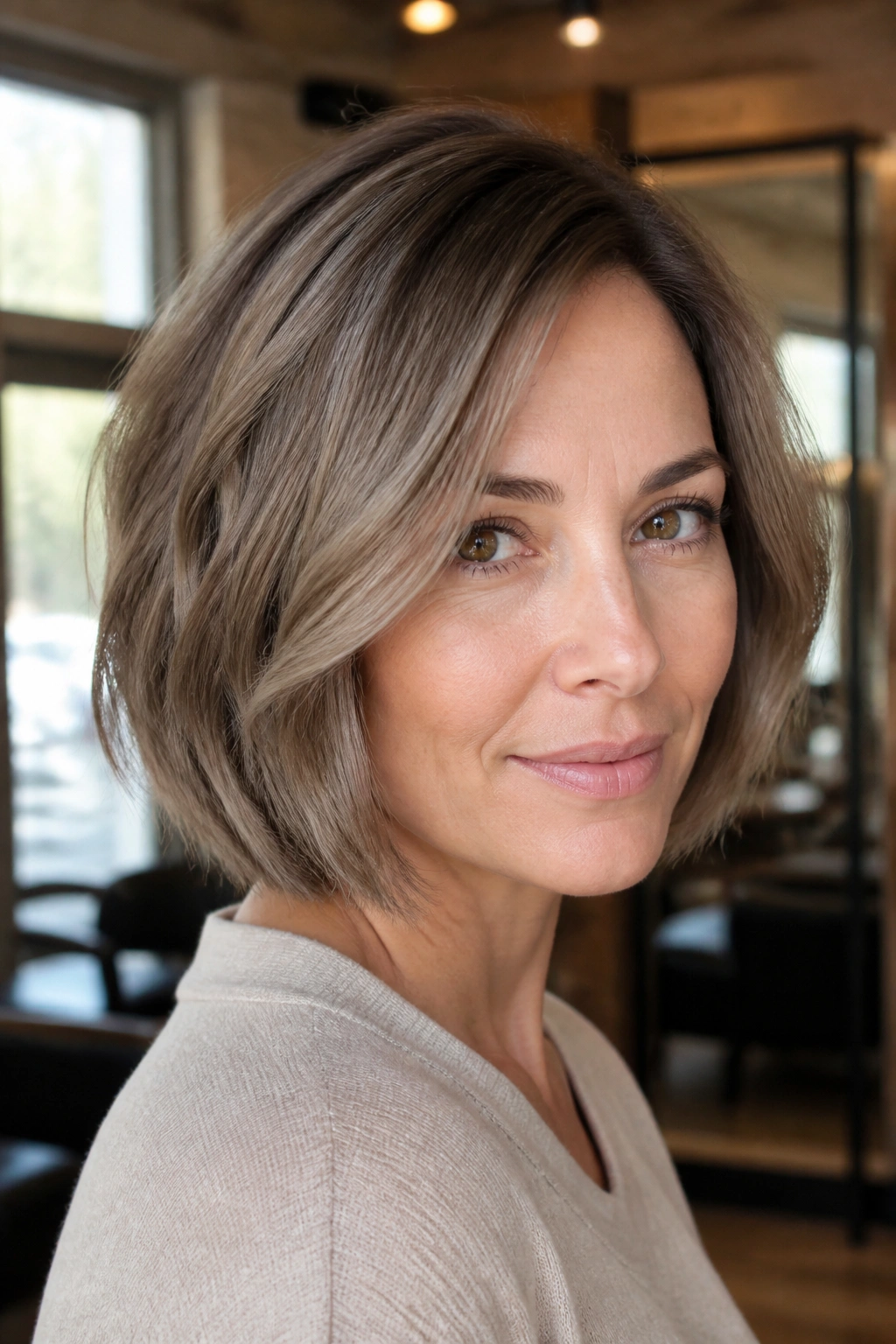
A chin-length bob changes the whole personality of bronde. The cut keeps the color neat, and the smoky tones keep the shape from looking blocky. On cool skin, that combination can be cleaner than longer, warmer balayage because the color is doing less shouting.
I like this on hair that has natural body or a slight bend. The bronde pieces sit around the curve of the bob and make it look denser at the base while still giving the ends some brightness. If the blonde is too pale, though, the bob can lose its depth. Smoky beige is the better call.
This is also one of the easiest ways to wear brown blonde hair color ideas for cool skin tones without committing to constant salon maintenance. Shorter hair shows regrowth faster, sure, but the dimmer, cooler tone helps soften that line. It buys you time.
A blunt finish, a cool toner, and a few brighter ribbons near the front. That is enough.
14. Cool Sand Lowlights
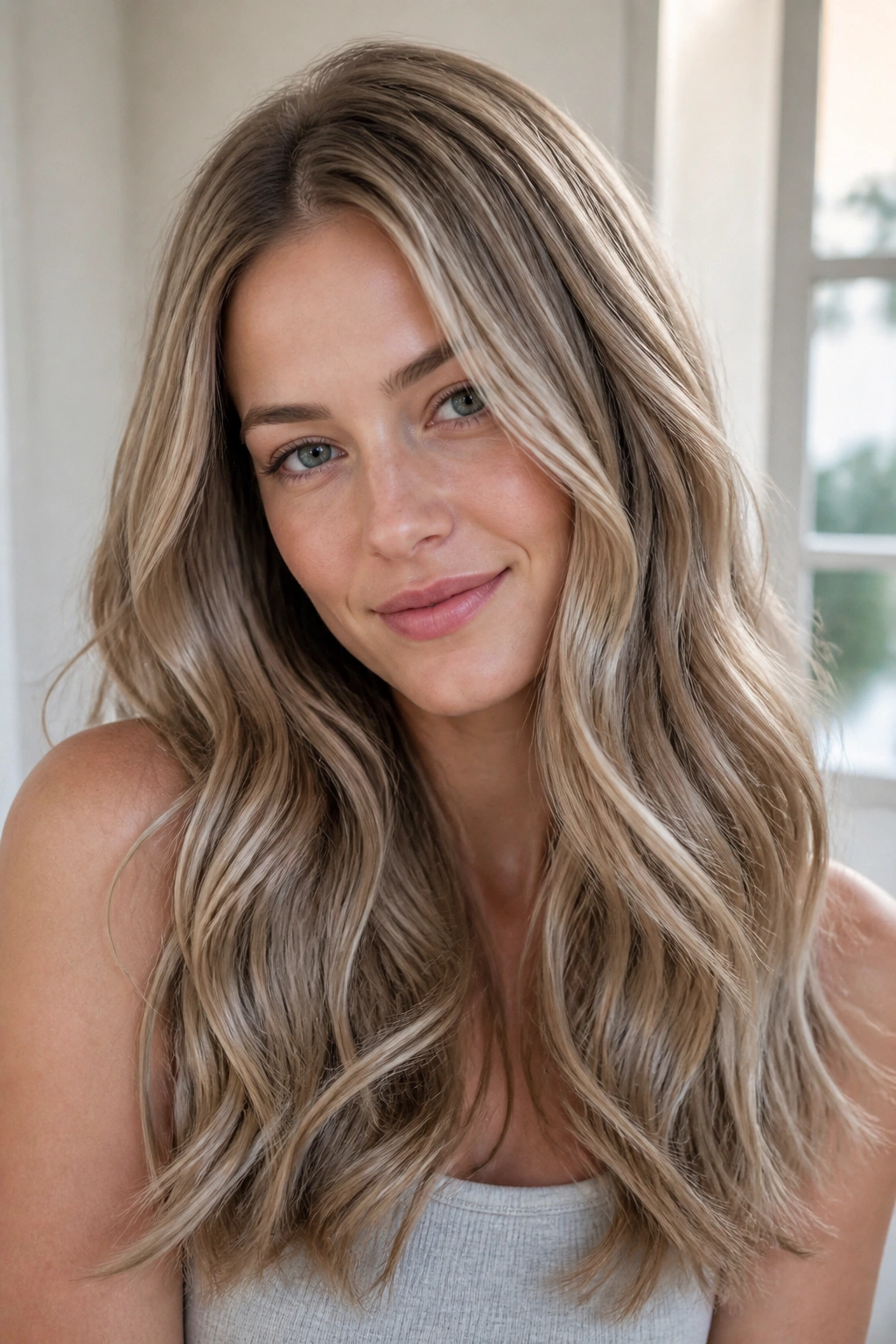
Lowlights are underrated when you are blonde and the color starts looking flat. Cool sand lowlights add back the depth that bleach can strip away, and they do it without adding warmth. The name sounds soft, and that is accurate. Think pale taupe, beige-gray, and muted sand rather than yellow beach blonde.
The Part People Miss
Most people reach for more highlights when their blonde feels dull. Sometimes the answer is the opposite. A few darker lowlights underneath can make the lighter pieces look cleaner, brighter, and more expensive in the plainest sense of the word.
This works well if you already have a blonde base that needs cooling down. It is also good for long hair, where too much even lightness can look a little flat on cool skin. The lowlights break that up.
Use this if you want the blonde to keep its brightness but gain some shadow back. It is one of those fixes that seems small and ends up changing the whole head.
15. Mushroom Money Piece
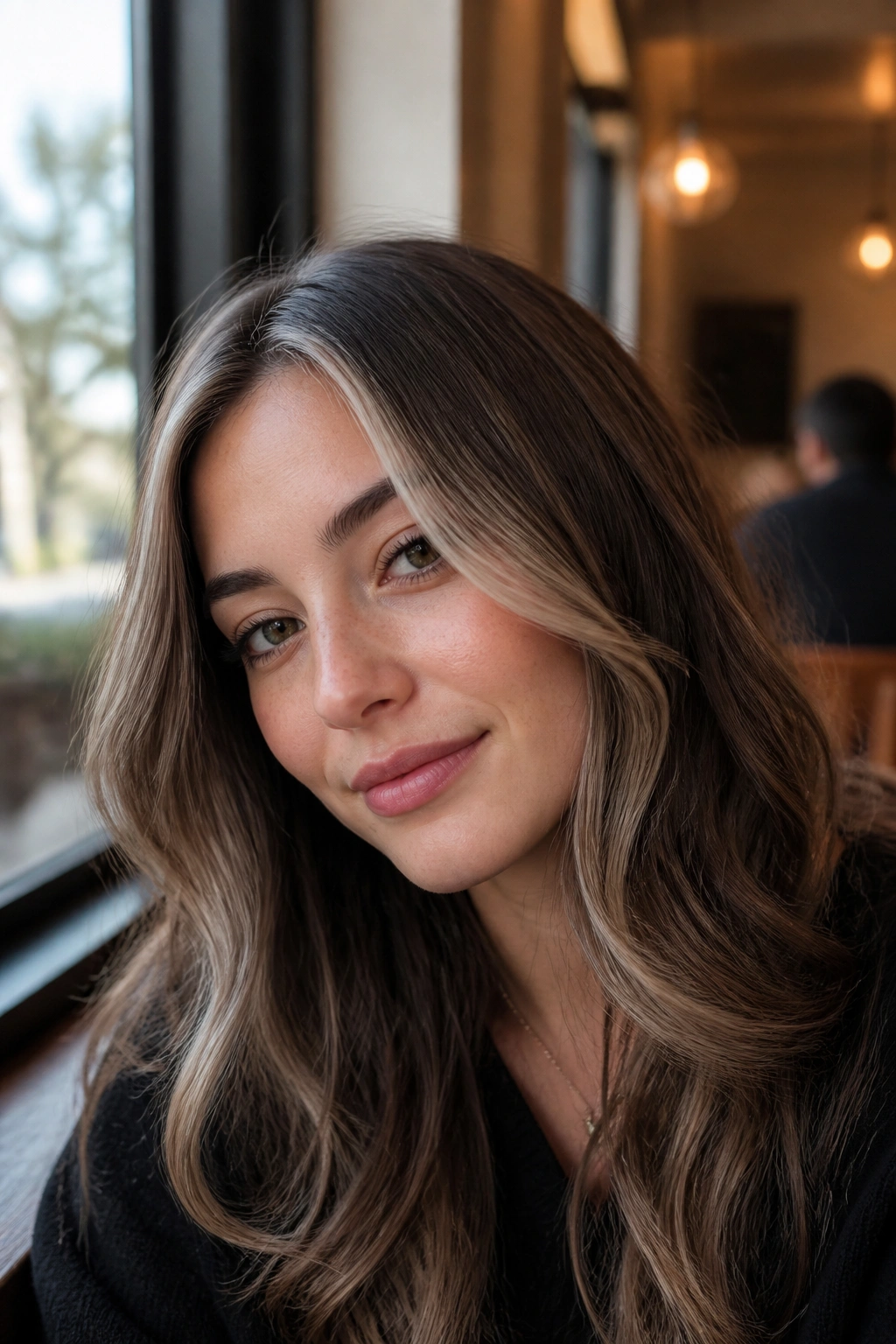
A money piece can be too bright. That happens all the time. The trick is mushroom, not platinum. A soft mushroom money piece gives you the face-brightening effect you want, but the tone stays muted enough for cool skin to handle comfortably.
The front strands should be a little lighter than the rest of the hair, but not so light that they look pasted on. You want them to blend into the front layers and fall naturally with the part. A level 8 mushroom beige, maybe a touch cooler at the roots, is usually enough.
Ask for This at the Salon
- A soft 1- to 2-level lift around the face.
- A shadow root to keep the money piece blended.
- Tone that sits in the beige-ash family, not honey.
This idea is perfect if you want a small change that still shows up in photos and mirrors. It wakes up the face fast. It also plays nicely with ponytails, buns, and half-up styles, which is handy because those front pieces do half the styling work for you.
16. Dusty Walnut Bronde
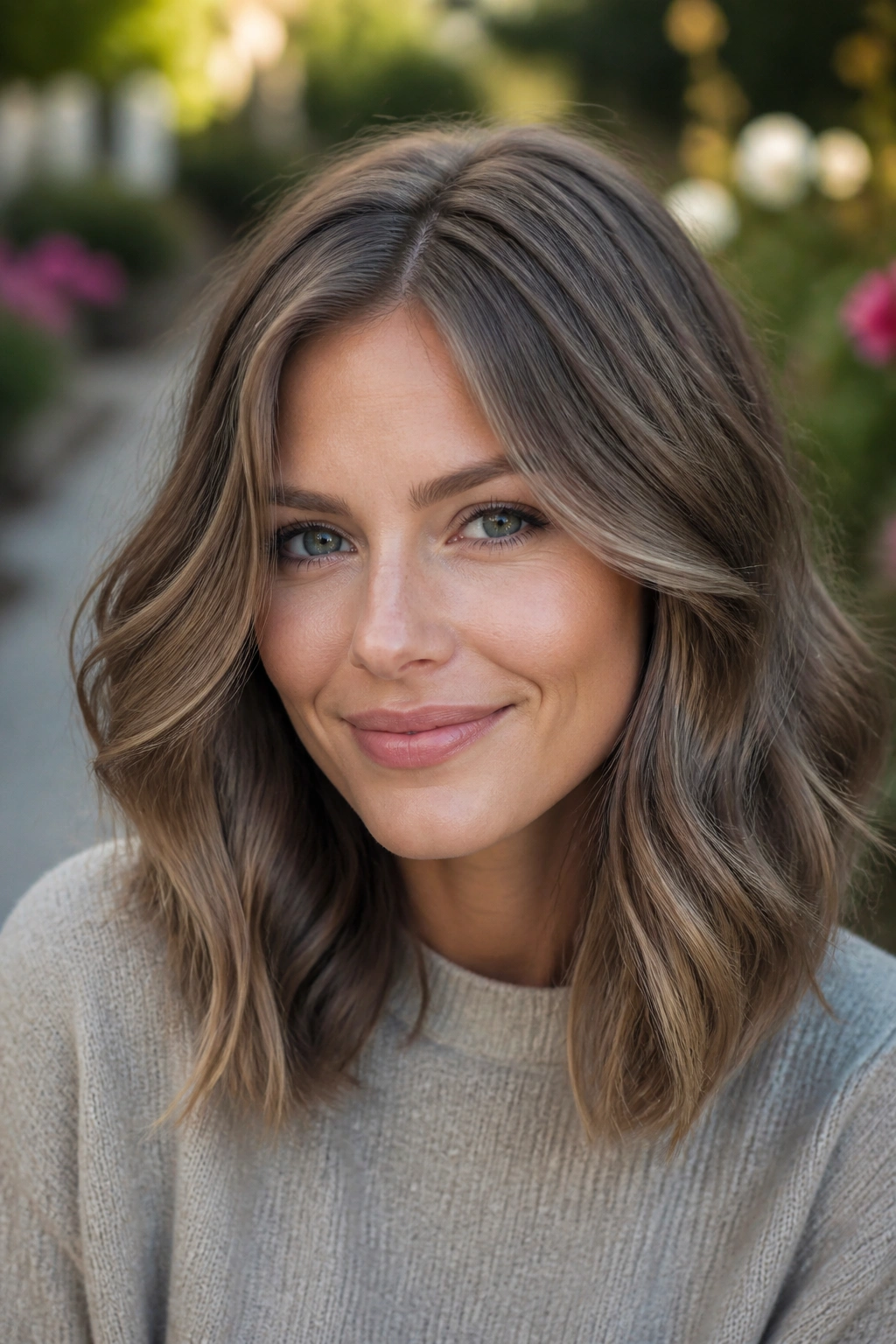
Dusty walnut bronde is deeper and moodier than the lighter mushroom looks, and that is a good thing if you want dimension without leaning blonde all over. The walnut base keeps the hair rich, while the bronde ribbons run through it like muted light. Nothing is shiny in a loud way. Everything feels soft.
This shade suits cool skin because the brown side stays cool, not red. That sounds like a small distinction, but it matters once the color sits next to your face. Warm walnut can read coppery. Dusty walnut reads grounded.
It is one of my favorite choices for medium to thick hair, especially if the natural texture has some wave. The darker base gives the hair weight, while the lighter pieces stop it from looking too solid. A gloss every few weeks keeps the brown from going flat and the blonde from drifting yellow.
If you like muted color, this is a strong one. It does not chase attention, but it holds up well.
17. Silver Taupe Gloss
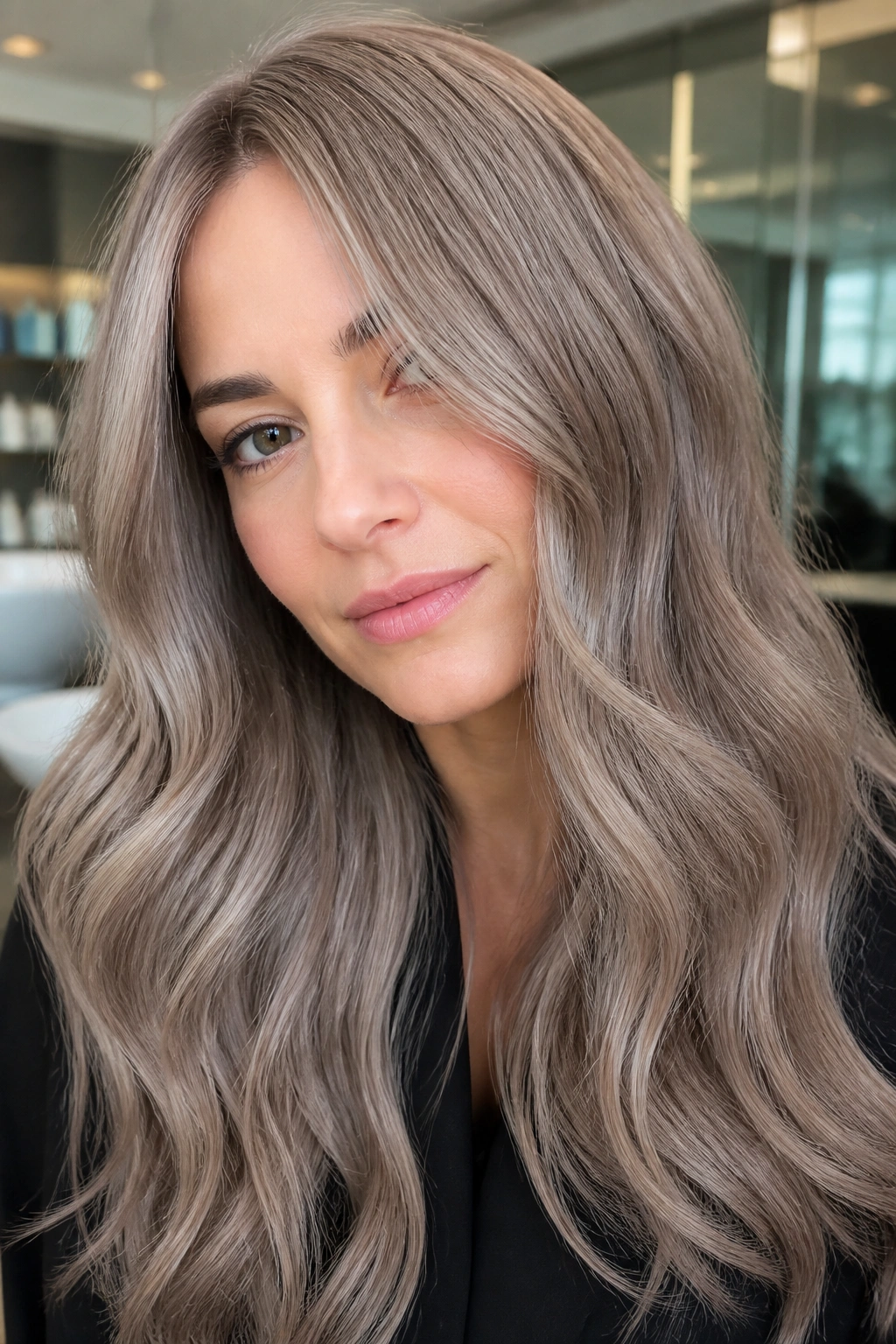
If your color already feels light enough, a silver taupe gloss can give it polish without more bleach. This is less about lifting and more about tone. The gloss pulls the blonde toward silver-beige and nudges the brown side into a cooler, cleaner finish. On cool skin, that kind of tone adjustment can be the difference between “nice hair” and “why does this suddenly look right?”
It is also one of the easiest maintenance tools on the list. A gloss can refresh dull blonde, tame brass, and blur overly warm pieces without changing the whole head. That makes it a good choice between bigger salon appointments.
Best for people who already have highlights, balayage, or a bronde base that just needs a reset. If your hair tends to go orange fast, this is worth asking about. The color should feel refined, not icy in a harsh way.
One smart note: if your hair is porous from prior lightening, the gloss may grab fast. A good stylist will watch the timing closely.
18. Frosted Brunette Ribbons
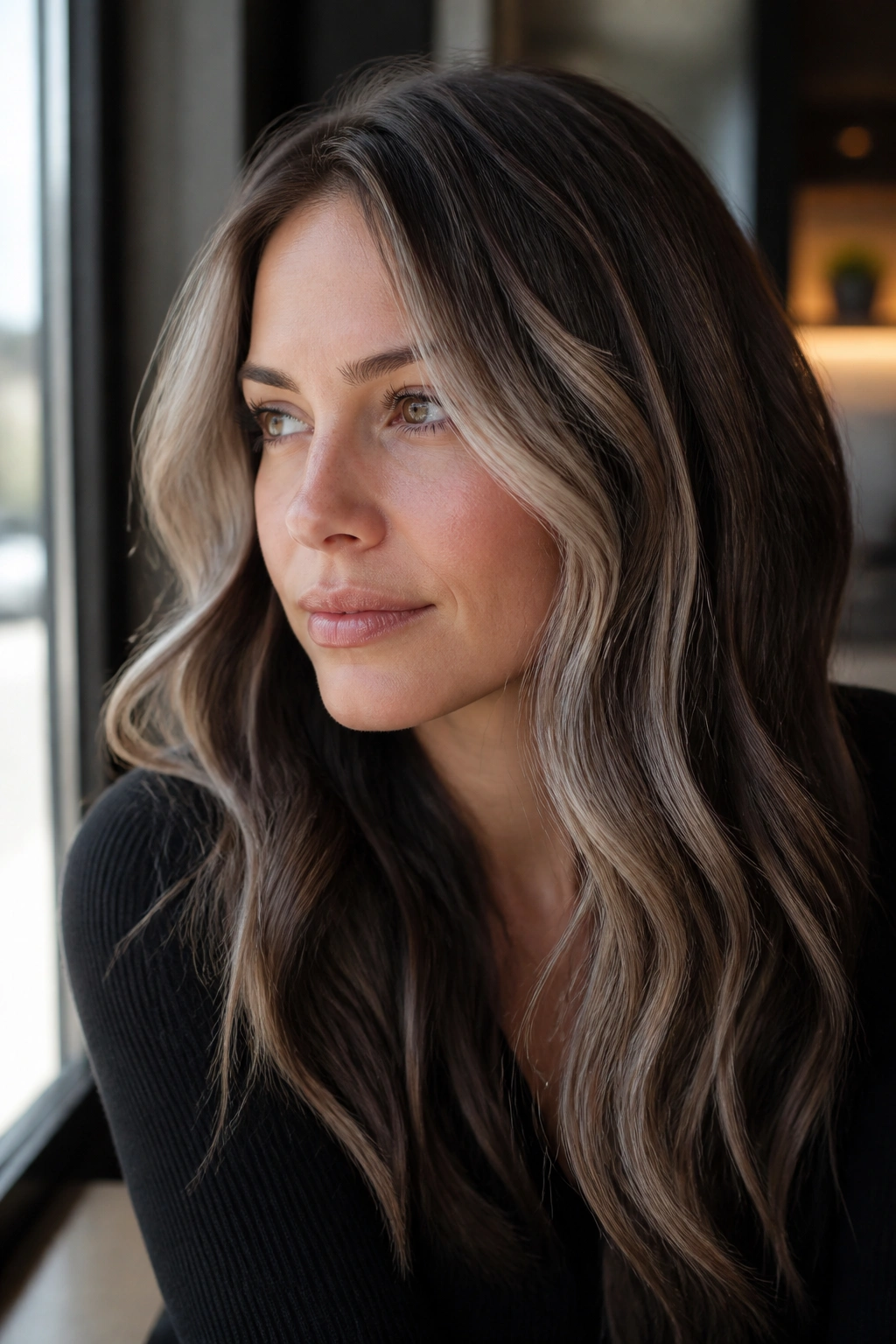
Frosted brunette ribbons work when you want dimension you can see from across the room but not a full blonde shift. The contrast is there, yet the blonde stays cool enough to sit comfortably against rosy or blue-leaning skin. The ribbons thread through a brunette base in a way that feels deliberate and modern, not streaky.
What to Tell Your Colorist
Ask for cool beige-blonde ribbons woven through the top and side sections, plus a darker root that stays close to your natural base. You want the lighter pieces to appear frosted, not sunny.
That means no heavy gold toner. No copper. No warm caramel trying to sneak in and call itself dimensional. The magic here is in the restraint.
This shade is especially good if you wear darker clothes, silver hoops, black eyeliner, or crisp neutrals. The hair picks up that same cool energy and makes the whole look feel connected. It also grows out in a fairly forgiving way, because the base stays visible under the lighter pieces.
Final Thoughts
Cool skin tones usually look best when the blonde side of the equation stays smoky, beige, pearl, or ash. That does not mean the hair has to be flat. Far from it. The best brown blonde combinations keep depth in the root and movement in the lighter pieces.
If you are sitting between shades, start with something soft like mushroom bronde, ash balayage, or taupe ribbons. Those shades give you room to adjust later. And if you already have blonde, a gloss or a few lowlights can do more than another round of bleach ever will.
The nicest part of these colors is that they do not fight your face. They sit beside it, which is a much better place for hair color to be.
