



A buttery blonde that looks soft in the salon chair can turn strange fast once it meets cool skin and bad lighting. The shades that work best here are never loud. They lean creamy, pearl, beige, or faintly smoky, so the hair feels bright without pushing the face into that washed-out, slightly yellow zone nobody asked for.
That matters more than people think. Cool undertones — pink, rosy, blue-leaning, or even neutral-cool skin — tend to look freshest next to blonde tones that have some restraint built in. Too much gold can pull the face down. A cleaner blonde, even a warm one, keeps the skin looking awake.
Salon mirrors can lie. Bathroom mirrors can lie even more. Under daylight, the difference between a soft buttercream blonde and a blunt banana-yellow blonde is obvious in about two seconds, which is why the smartest versions of this color family usually include a little root depth, a pearl glaze, or a cool beige toner that softens the whole head.
The good news is that buttery blonde is not one single shade. It’s a whole range, and some of the prettiest versions for cool skin tones sit right at the edge between warm and cool — creamy enough to feel rich, clean enough to stay flattering. Start there, and the rest gets easier.
1. Creamy Beige Buttery Blonde
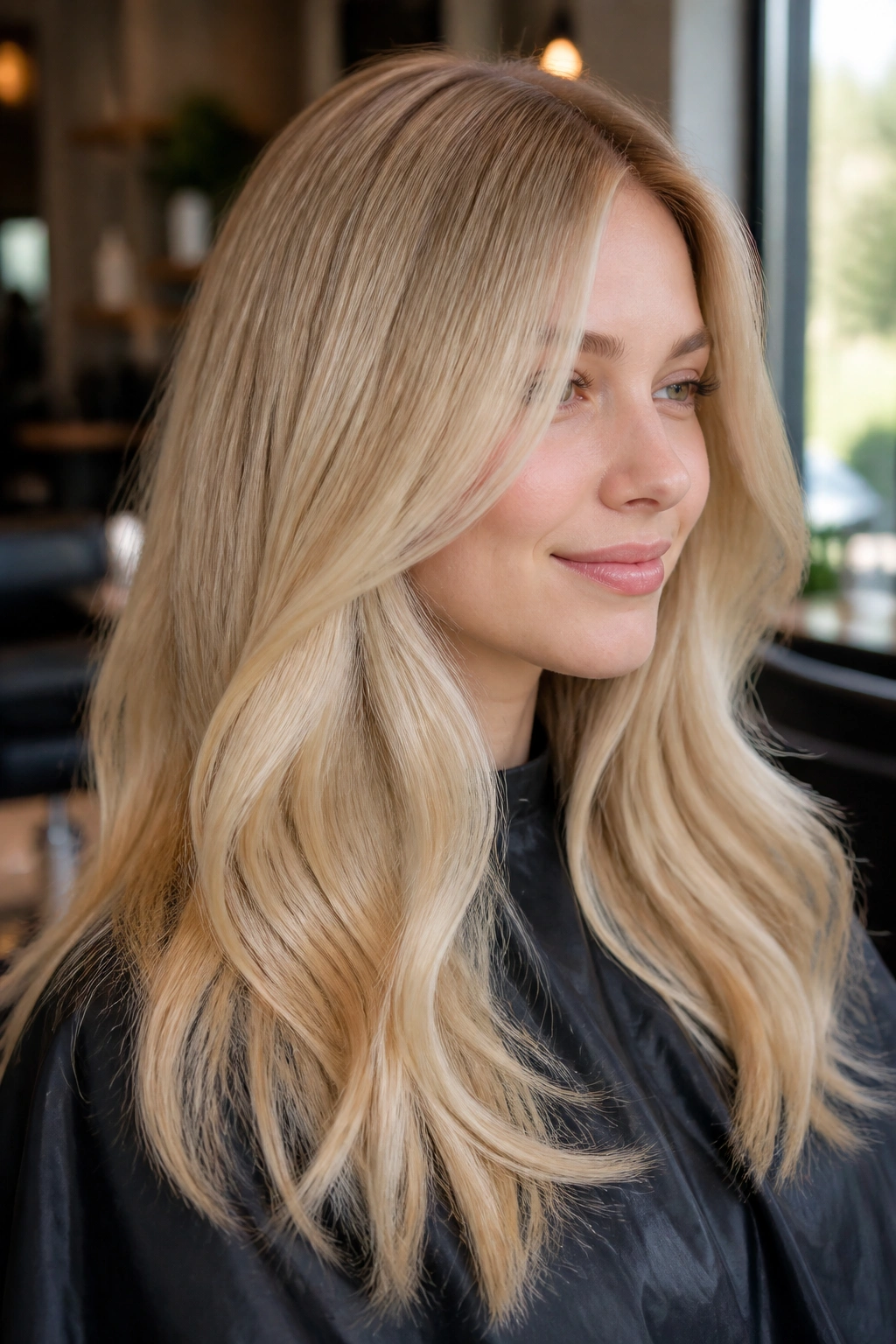
This is the shade I’d hand to someone who wants blonde that looks polished without drifting into yellow. The beige keeps it grounded, while the butter part gives it that soft, full-bodied finish that reads expensive even when the cut is simple.
Why beige behaves so well on cool skin
Beige is the quiet hero here. It has enough warmth to keep the hair from looking flat, but it doesn’t shout gold. On cool skin, that matters a lot, because the face still gets brightness without looking red or tired.
Ask for a level 8 or 9 beige blonde with a soft, neutral gloss rather than a sunny toner. If your natural hair is darker, the lift should be even and delicate, not striped. Chunky highlights make beige look patchy fast.
A good version of this shade looks creamy in daylight and almost satin-like indoors. That little shift is the whole point. It’s blonde, but it behaves.
- Ask for fine highlights around the face and crown so the beige stays airy.
- Keep the roots a half-step deeper for a softer grow-out.
- Use a gloss that leans beige, not yellow-gold.
- Best on hair that lifts evenly to level 8 or lighter.
Pro tip: If your skin flushes easily, keep the beige cooler at the root and slightly warmer through the ends. That small shift stops the color from reading muddy.
2. Pearl Butter Blonde
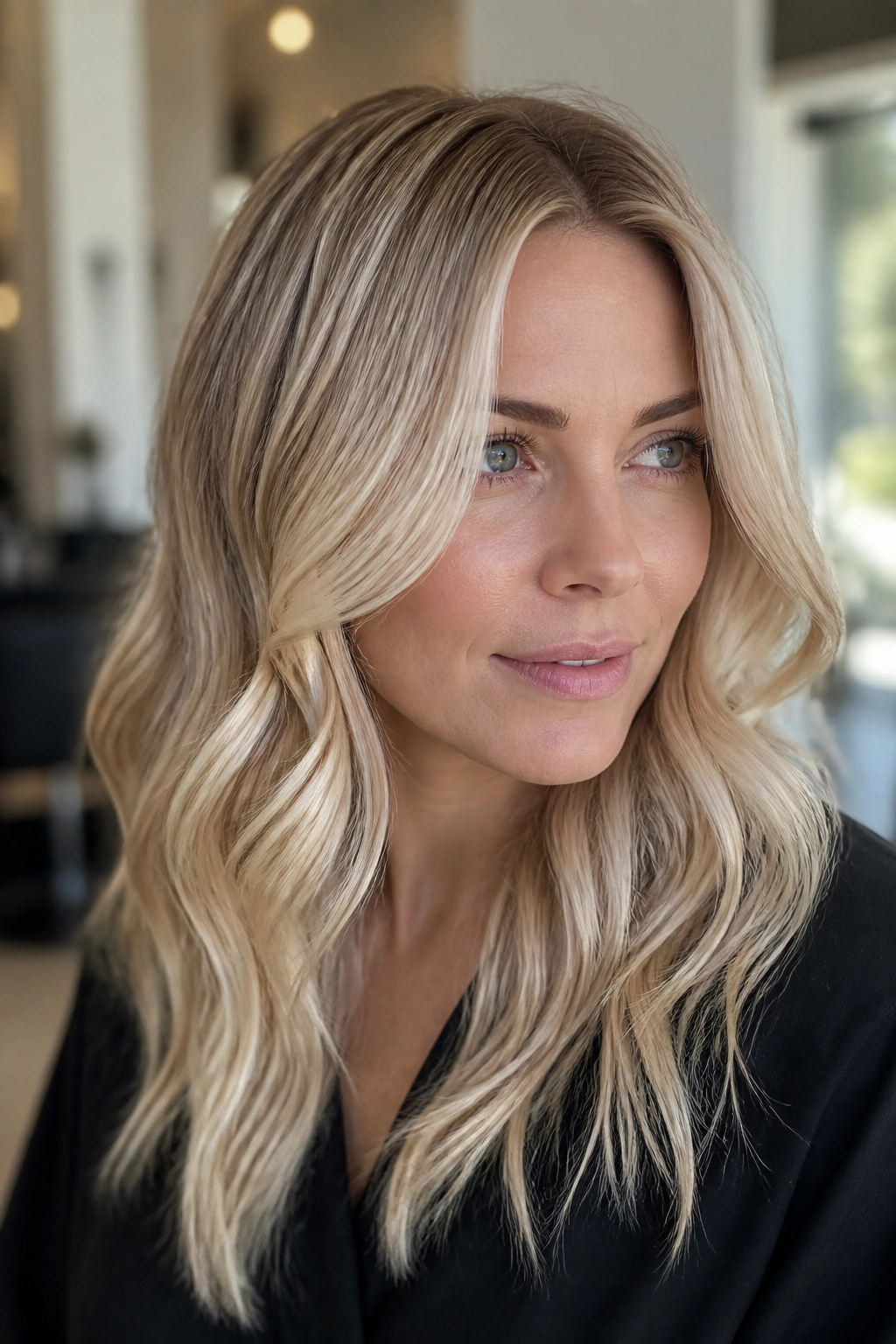
Pearl blonde is the sneakiest flattering choice in the bunch. It looks light, but the lightness comes from a soft, milky sheen rather than a bright yellow hit.
That makes it a strong match for cool skin tones, especially if your undertone is pink or porcelain. Pearl reflects light in a cleaner way than gold does, so the face keeps its clarity. There’s also a nice side effect: pearl tones make fine hair look smoother because they blur rough ends a little.
I’d ask for a pale blonde base with a pearl toner and a whisper of beige so it doesn’t turn icy-gray. Too much silver can make the hair look flat. Pearl needs warmth in the background, even if you only notice it when the light moves across it.
This is a good shade if you like a more expensive-looking blonde and don’t want something that screams “bleached.” It feels refined, but not fussy. And yes, it does need glossing now and then, because pearl can fade into dull yellow if you ignore it.
3. Champagne Butter Blonde
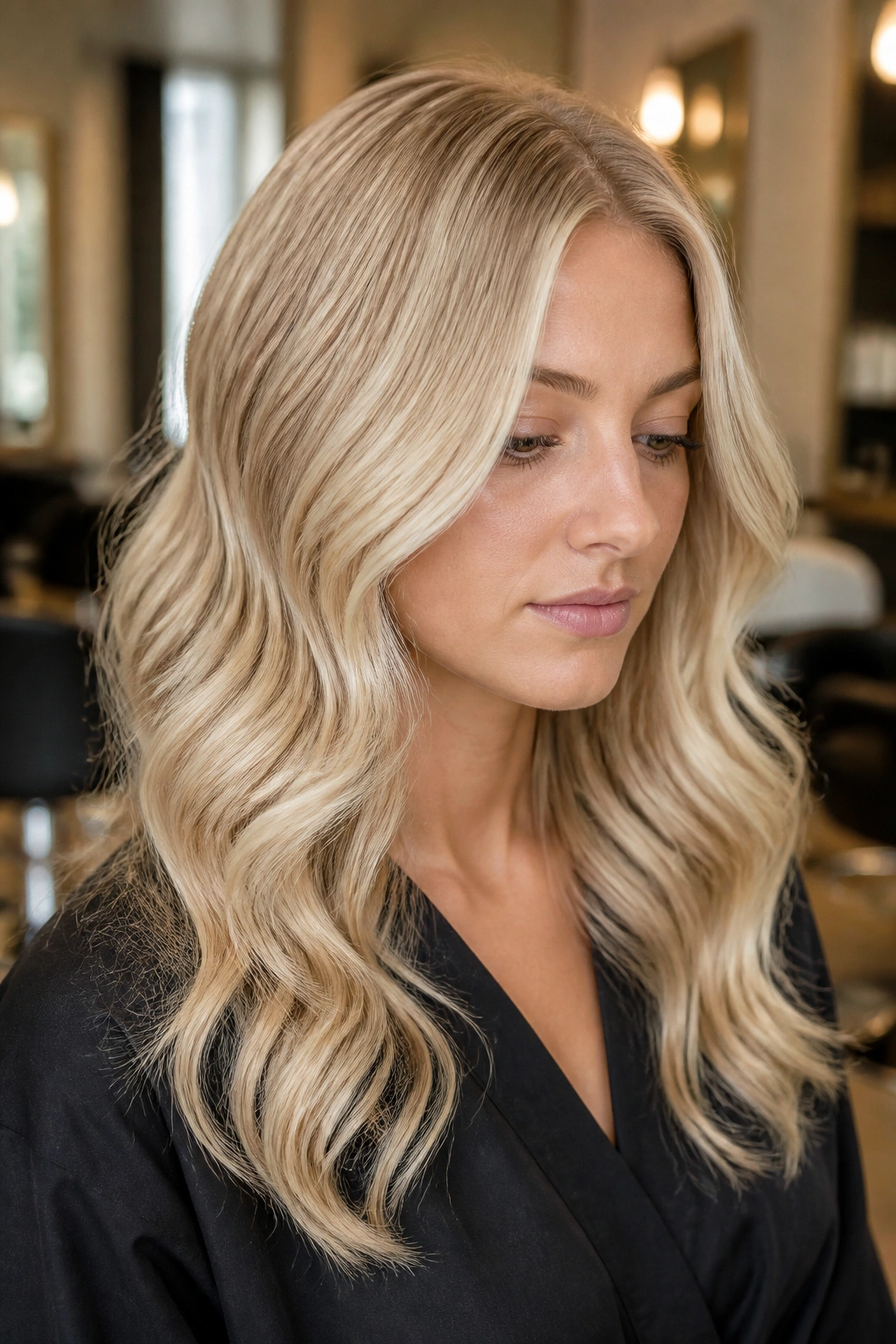
Why does champagne blonde work when people think cool skin and warm hair can’t mix? Because champagne isn’t the same thing as honey. It has a soft sparkle, but the base is usually cleaner and less orange than people expect.
The best champagne butter blondes sit in that middle zone where the hair looks airy, not brassy. A cool-toned client can wear it beautifully if the stylist keeps the golden notes light and mixes in beige or pale ash. The result feels lifted and bright, not tan.
How to keep the champagne from going brassy
- Ask for a soft champagne gloss, not a strong gold toner.
- Keep the money pieces lighter and cleaner than the back.
- Avoid heavy copper or amber tones near the face.
- Book a refresh before the ends turn mustard.
I like this shade on people who want a blonde with a little glow but not a full warm makeover. It has more life than a flat ash blonde, and it can make cool skin look fresh rather than stark. If you’ve ever felt that icy blonde made your face look too pale, champagne is the better answer.
4. Smoky Root Melt Butter Blonde
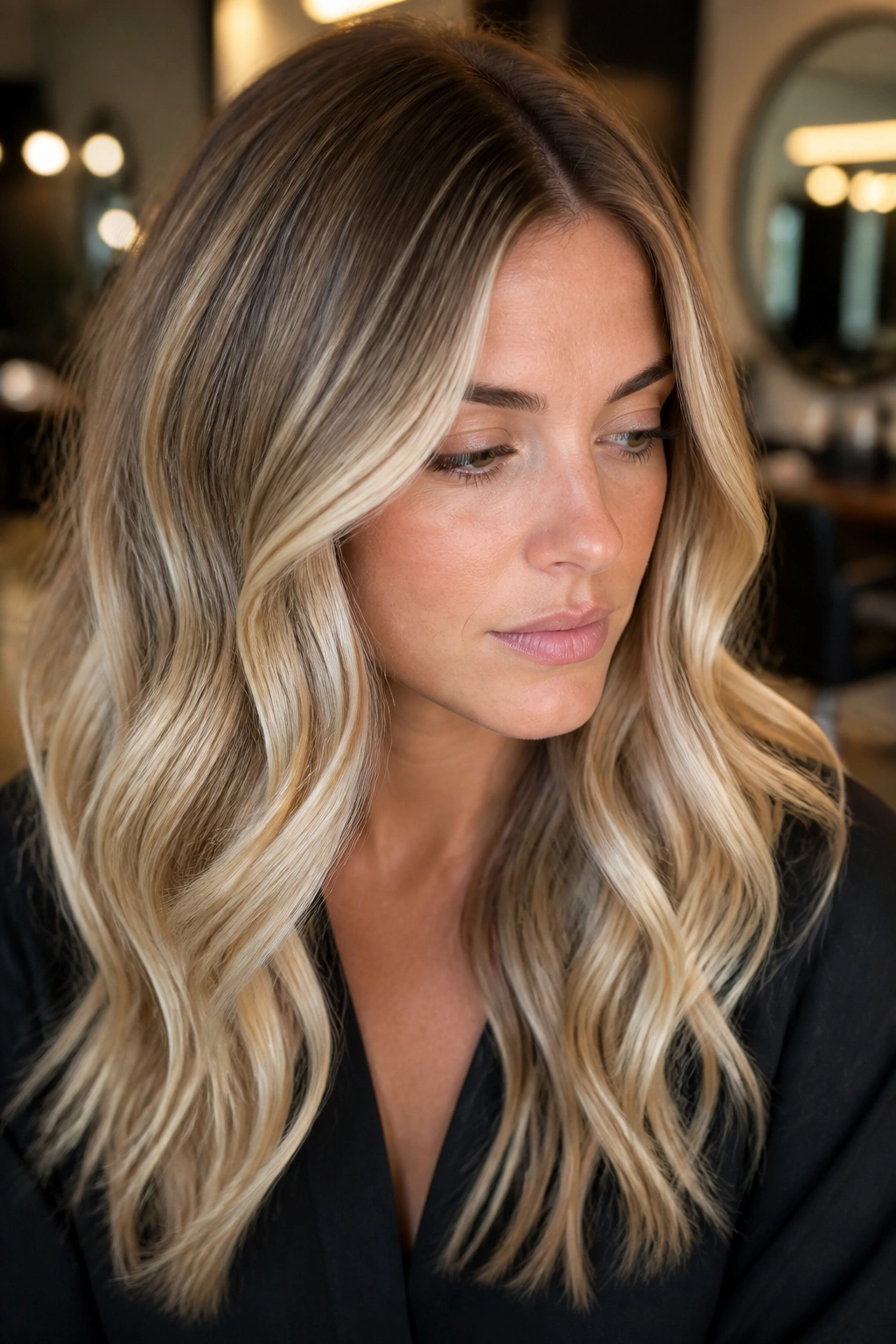
If you’ve ever left the salon with blonde hair that looked amazing for exactly one day and then got louder and brassier by the week, this is the fix. A smoky root melt softens that harsh line at the scalp and gives the blonde room to breathe.
The mechanism is simple. Darker roots blur into a buttery mid-length, then the ends stay light enough to keep the whole look bright. That smoked root keeps cool skin from fighting with a hard yellow band right at the part, which is where bad blonding often shows first.
What to ask for
- A shadow root about one shade deeper than your natural base.
- Butter beige through the mids.
- Creamy ends that don’t jump straight to white.
- A gloss that keeps the root smoky, not muddy.
This is one of the easiest blondes to live with if you do not want to sit in a chair every few weeks. The grow-out looks deliberate, not neglected. That matters. A rooted blonde can look more flattering than a brighter one simply because it leaves the skin alone and lets the color do its job in the right places.
5. Soft Icy Butter Blonde
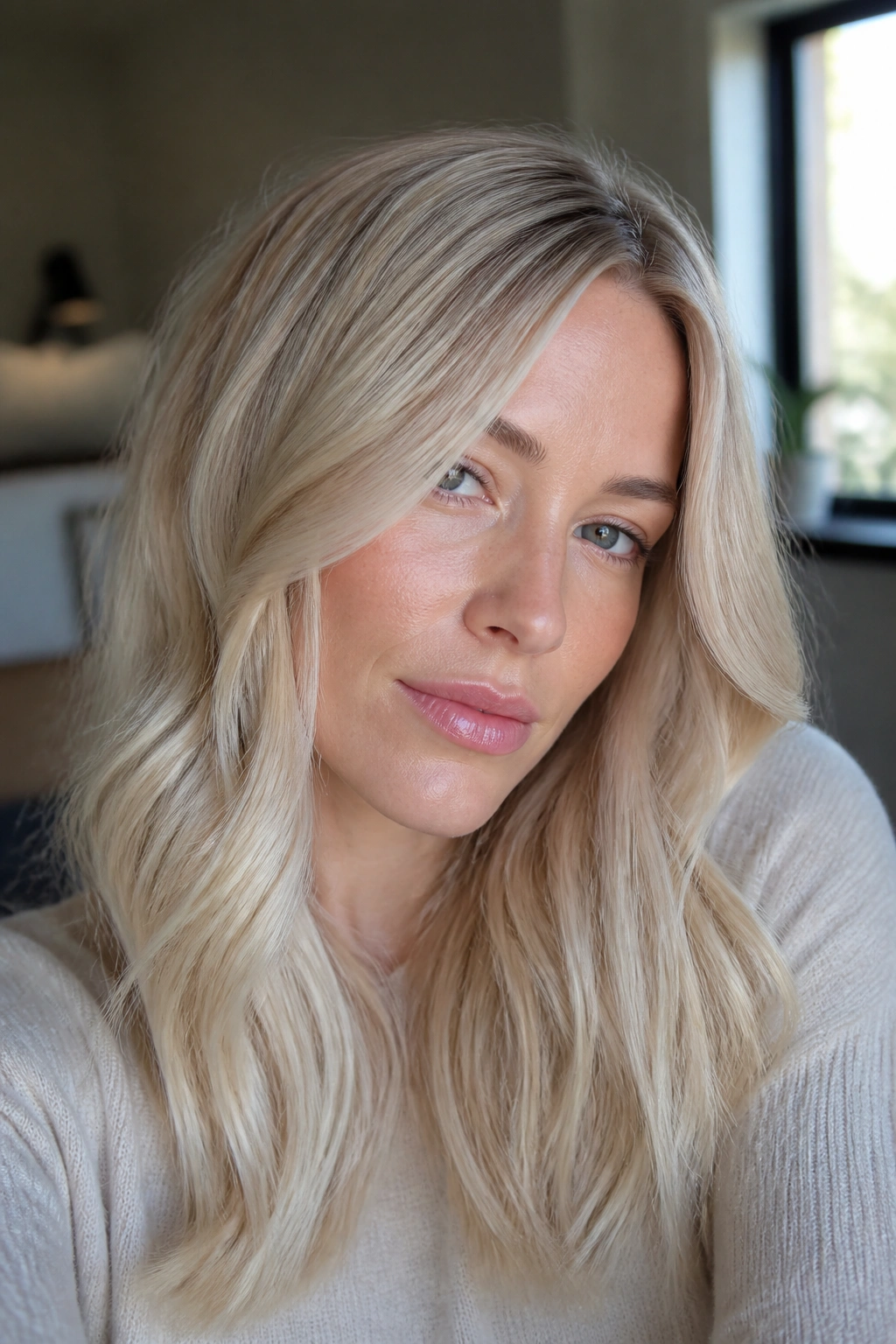
Soft icy butter blonde sounds contradictory, and that’s why it works. The “butter” keeps it from looking harsh, while the icy edge gives cool skin a crisp frame that can be hard to get from warmer blondes.
I like this shade on people with porcelain or rosy skin who can handle pale hair but don’t want a stark platinum finish. Platinum by itself can look a little severed from the rest of the face. Add just enough creaminess, and the whole thing feels more wearable.
This blonde needs careful toning. Too much ash and it goes flat. Too much gold and the icy effect disappears. The sweet spot is a pale base with a cool glaze that still lets the hair read soft, not frosted in a hard, metallic way.
It also looks best when the haircut has movement. Straight, one-length hair can make it feel harsher than it is. A few bends with a flat iron or loose blowout keeps the light bouncing, which is the whole reason the shade looks pretty in the first place.
6. Buttermilk Blonde
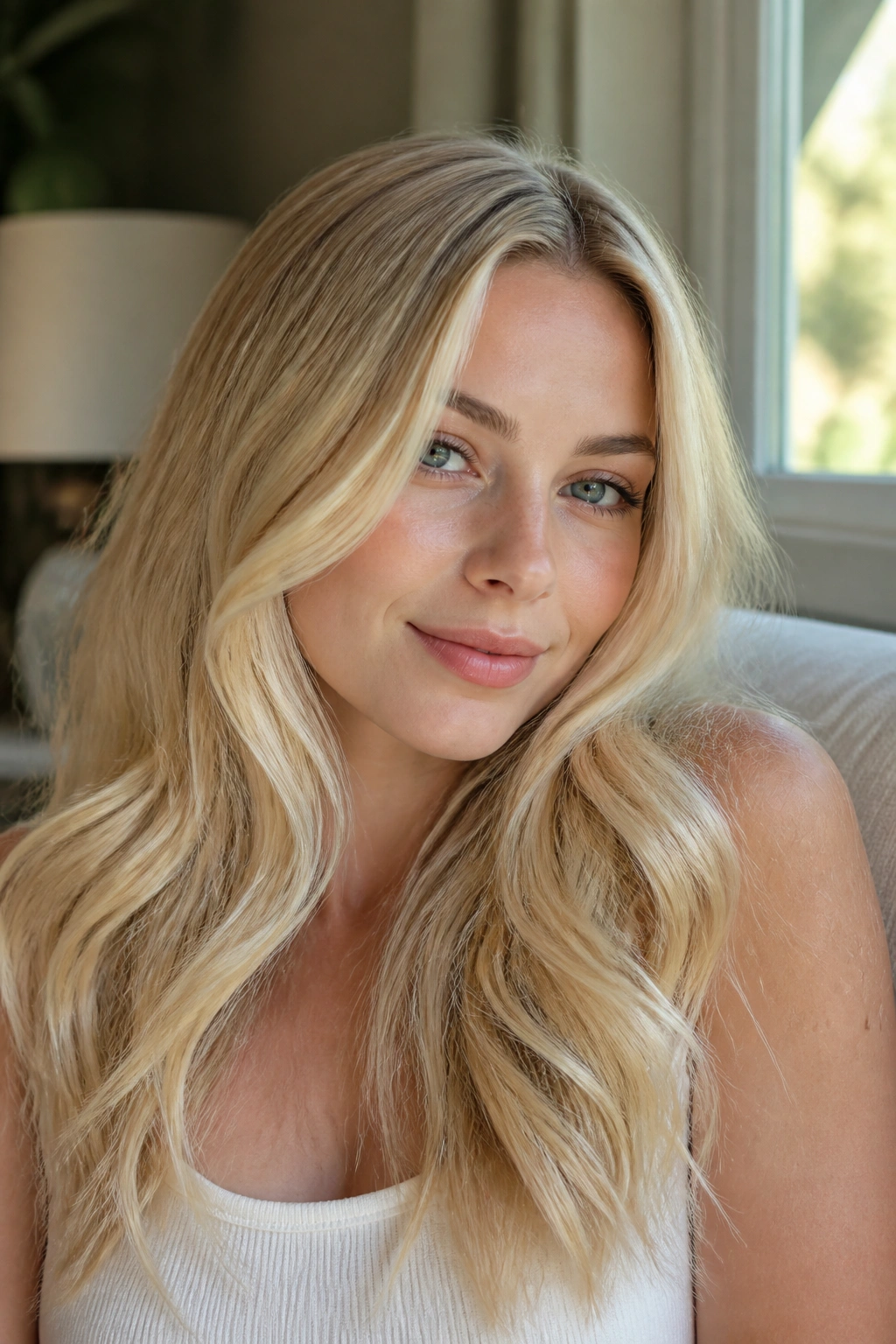
Buttermilk blonde is one of those shades that sounds sweeter than it is, and that’s a good thing. It’s creamy, gentle, and slightly warm, but it avoids the heavy golden cast that can fight with cool skin.
Unlike a true honey blonde, buttermilk has a pale dairy tone to it. That difference sounds tiny on paper and looks huge on the head. Honey can glow orange if the base is too dark or the toner runs warm. Buttermilk stays more restrained, which makes it safer for anyone whose skin turns red under strong yellow light.
This shade is especially nice if you want a natural-looking blonde rather than a dramatic one. It works well on medium-length hair, layered cuts, and soft waves because the movement helps the creamy tones show up. On very long, straight hair, it can look a little plain unless there’s a touch of brightness around the face.
If you like a blonde that feels edible in the best sense — smooth, rich, and not too sweet — this is a strong pick. It’s subtle, and that is the point.
7. Sandy Butter Blonde Balayage
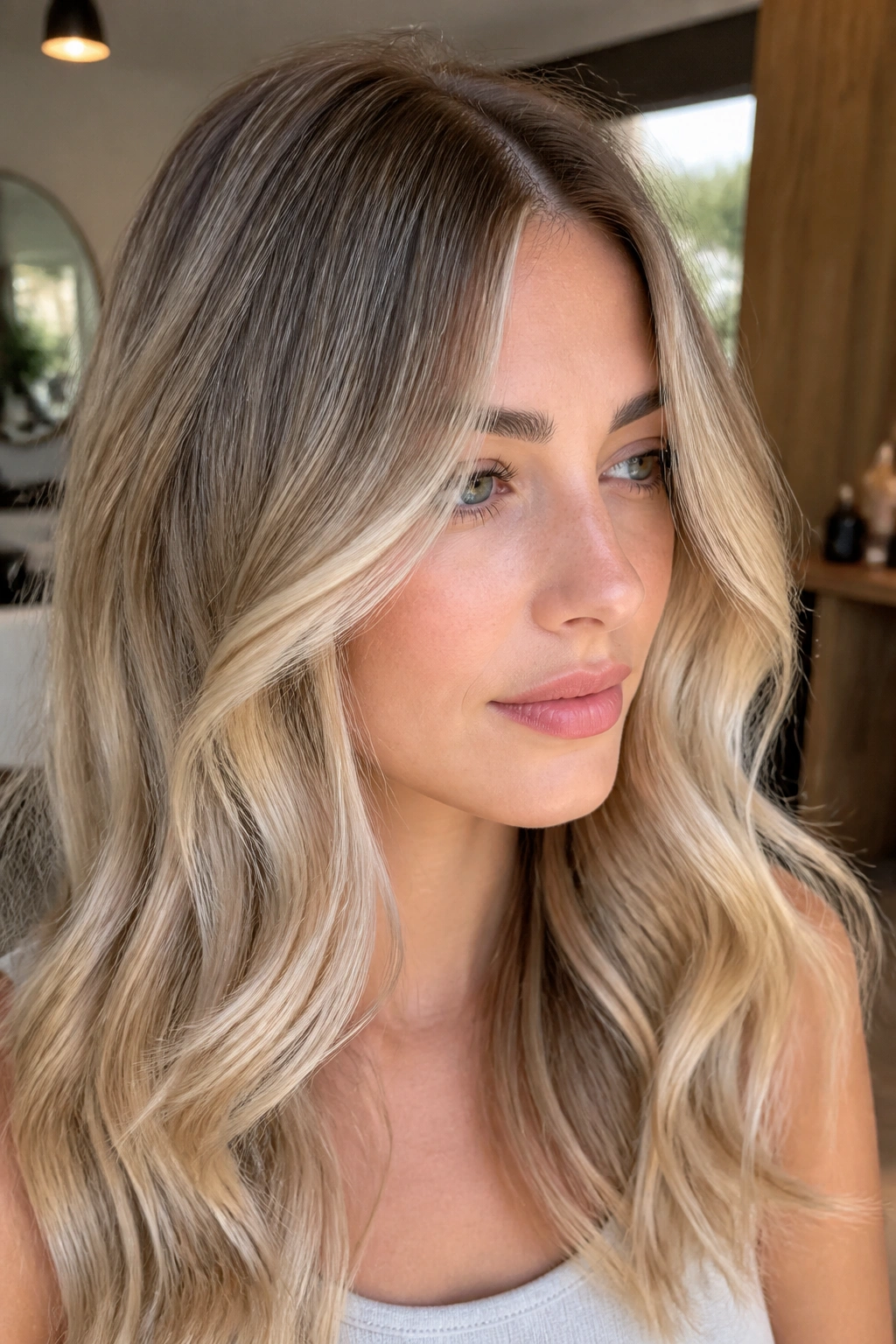
Sandy butter blonde is where this whole look gets a little more lived-in. Balayage lets the color melt instead of sitting in obvious stripes, and cool skin usually likes that softness.
Why balayage helps the color read cooler
Balayage keeps the lightness in the right places: around the face, through the top layers, and where the sun would naturally catch it. That prevents the blonde from turning into one solid warm block, which is the fastest way to make cool undertones look washed.
The sandy part matters too. Sand is not gold. It has a muted, airy quality that reads neutral in the room and a touch warmer in sunlight. That shift keeps the hair interesting without drifting into orange.
- Ask for hand-painted brightness through the surface layers.
- Keep the underlayers a little deeper for contrast.
- Choose a sandy-beige toner rather than a caramel one.
- Works well on wavy hair because the tones break up naturally.
The best part? This kind of blonde is forgiving. If your hair is a little porous or has seen a few color sessions already, sandy balayage can blur the rough spots better than a tight, full-head highlight pattern.
8. Scandi Buttery Blonde for Cool Skin Tones
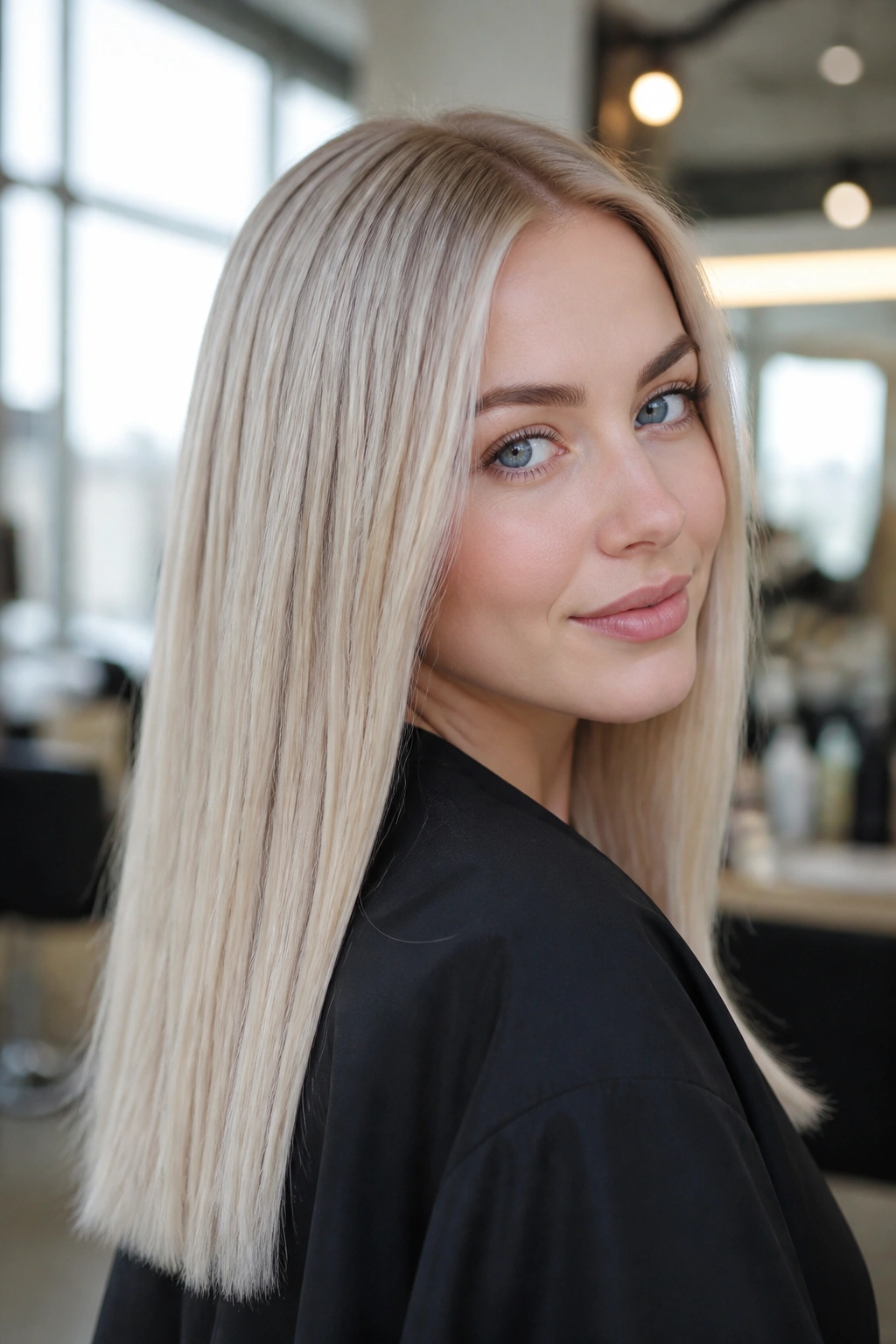
Scandi blonde is the cleanest version of buttery blonde in the whole group. It sits pale and airy, but it does not have to look icy or sterile.
The appeal is in the restraint. Scandinavian-inspired blondes usually favor lightness, softness, and a very even finish, which works beautifully on cool skin when the toner is kept beige-pearl instead of yellow. The face gets brightness, and the hair stays sleek in the color sense even if the texture is messy.
I’d choose this if you want a pale blonde that still feels soft around the edges. It’s a good match for cool eyes, light brows, and skin that can look flat under heavy gold. It can also make a bob or lob look sharper because the color itself is so clean.
The catch is upkeep. Scandi blonde shows brass fast. If you go this route, you need to stay ahead of the yellow shift, not chase it after the fact. A pale gloss and a careful shampoo routine keep it looking intentional instead of pale in a tired way.
9. Face-Framing Butter Blonde Money Piece
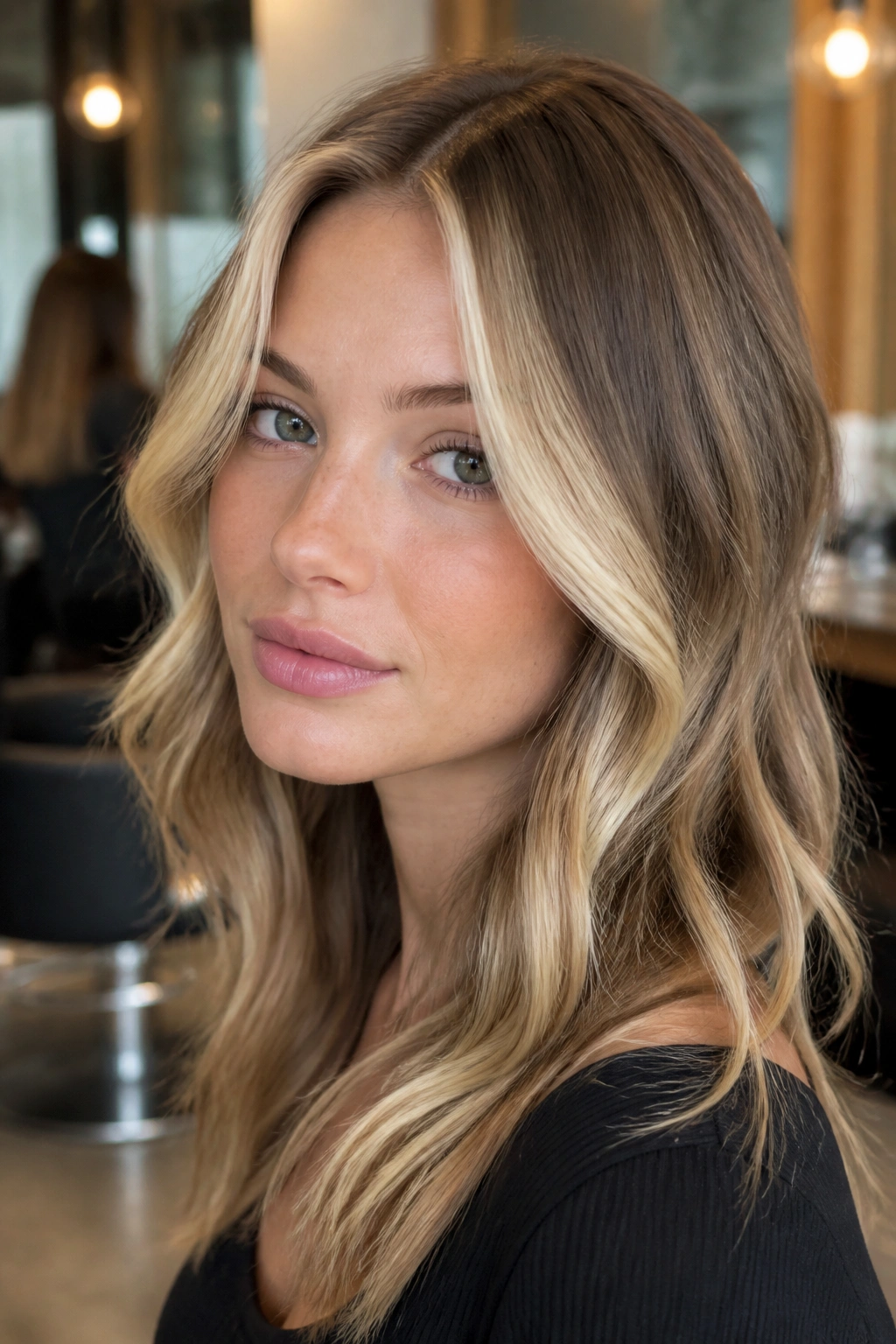
Can a few bright pieces change the whole face? Absolutely. A money piece is one of the easiest ways to try buttery blonde on cool skin without committing to a full blonde overhaul.
The front section matters because that is where undertones show up first. A soft, creamy money piece brightens the eyes and cheek area, but it does not flood the whole head with warmth. That makes it a smart choice if your natural color is still healthy and you only want a little lift.
How to wear it
- Keep the frame pieces one to two shades lighter than the rest.
- Ask for beige or pearl toning at the front.
- Blend the roots lightly so the streak does not look chunky.
- Pair it with soft waves, which break up the brightness.
This idea is also useful if you’re nervous about blonde. A face frame gives you the effect first. If you like it, you can build more around it later. If you don’t, it grows out fast enough that you won’t feel trapped by a full-head commitment.
10. Beige Lowlights Butter Blonde
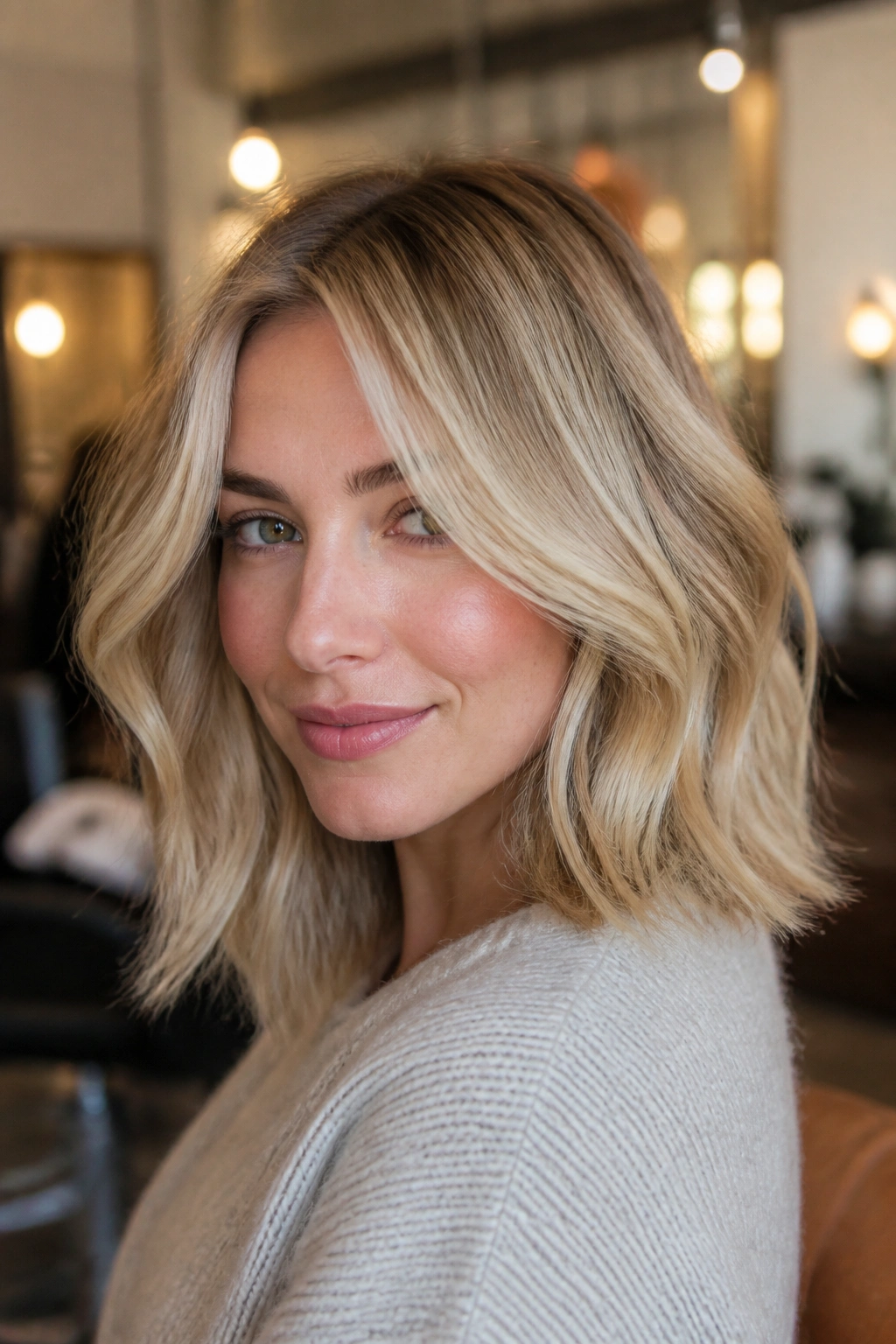
A lot of blonde advice focuses on adding more brightness. Sometimes the better move is to add depth. Beige lowlights give buttery blonde dimension and keep cool skin from getting overwhelmed by too much pale color.
If the hair is all one bright tone, cool skin can look even cooler — sometimes too cool. Beige lowlights fix that by breaking the surface with softer, muted ribbons. The result is still blonde, but it has enough texture to feel natural and expensive.
Picture the difference between cotton candy and woven fabric. One is loud. The other has structure. Beige lowlights give the structure.
This is a strong option if your hair is very fine, because lowlights make it appear thicker. They also help if the ends are a little over-lightened. Instead of chopping everything off, the colorist can bring some beige back through the mid-lengths and make the whole head look healthier.
11. Rooted Vanilla Butter Blonde
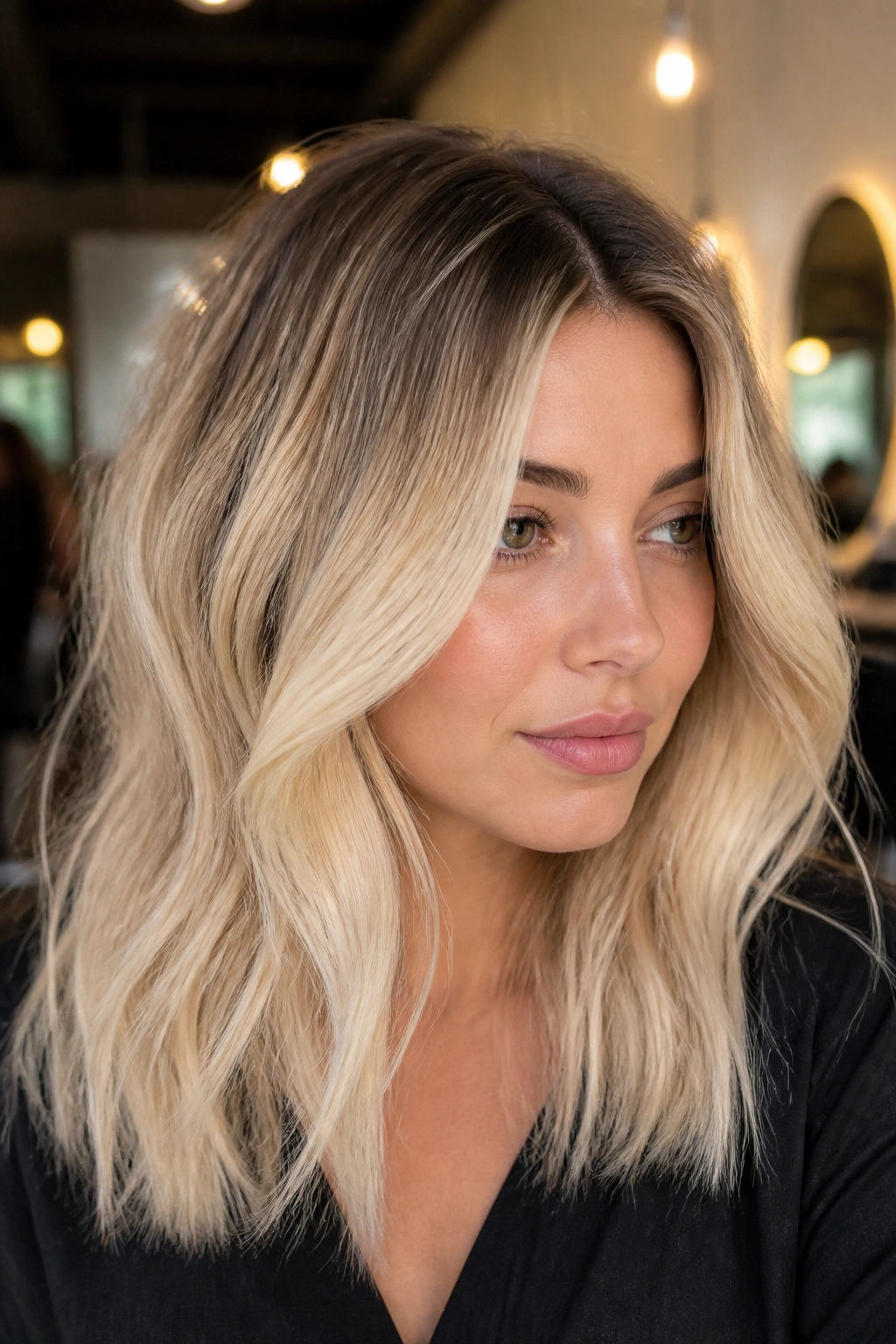
Rooted vanilla blonde is the easiest way to keep a buttery blonde looking soft on cool skin while cutting down on maintenance. The root shadow keeps the part from looking harsh, and the vanilla mids bring the creamy brightness.
This shade does a nice job of balancing fresh and believable. A solid platinum can look a little severe on certain faces. A rooted vanilla blonde feels easier, almost as if the color grew out that way. That little bit of darkness at the scalp gives the eyes somewhere to rest.
The best version uses a root that is softly smudged, not painted in a block. You want the blonde to melt down from the crown, not stop abruptly. Vanilla through the lengths keeps the finish light, and a cool beige gloss stops it from leaning too sweet.
It’s also one of the better options if your natural hair is deeper than blonde. You can keep some of that depth, brighten the rest, and avoid the monthly panic that comes with a fully bleached look. Some blondes demand attention. This one just behaves.
12. Mushroom Butter Blonde
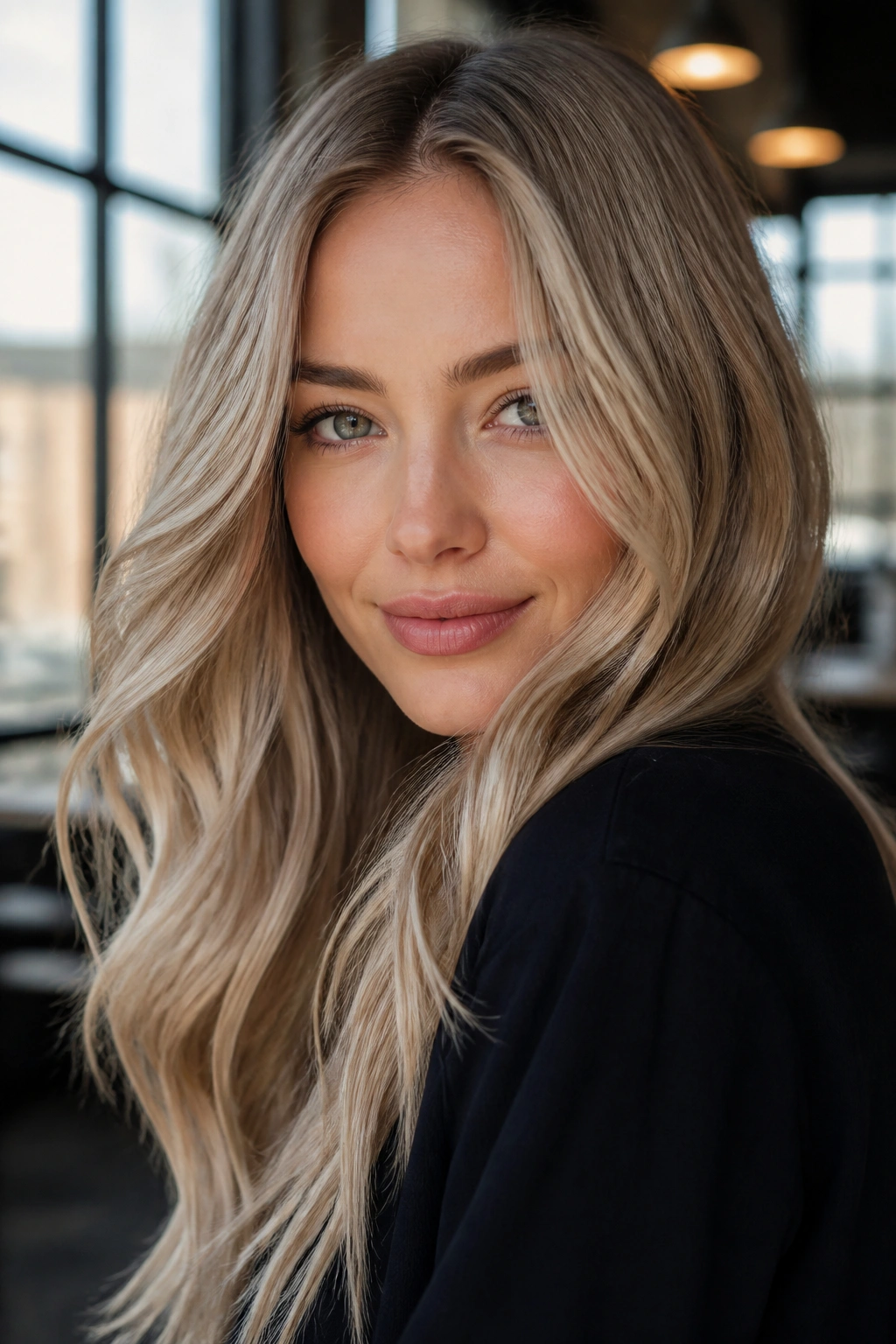
Unlike beige blonde, mushroom blonde brings a smoky cast that makes the whole look feel cooler and more urban. It still belongs in the buttery family, but it swaps golden softness for a muted taupe edge.
That edge is what flatters cool skin. Mushroom tones usually carry a mix of beige, soft brown, and ash, so the blonde never gets too sunny. If your skin tends to go pink in strong warmth, this shade can calm everything down and make the face look more even.
Who it works on best
- People who want blonde but hate yellow.
- Hair that lifts to a clean level 8 or 9.
- Cool undertones with medium contrast brows.
- Anyone who likes a matte-soft finish instead of shiny gold.
Mushroom blonde is not for someone who wants a bright beach look. It is for someone who wants something cooler, quieter, and a little more modern-looking. The shade can read sophisticated in low light and still show dimension in sunlight, which is why it tends to age well on the head.
13. Cream Soda Buttery Blonde
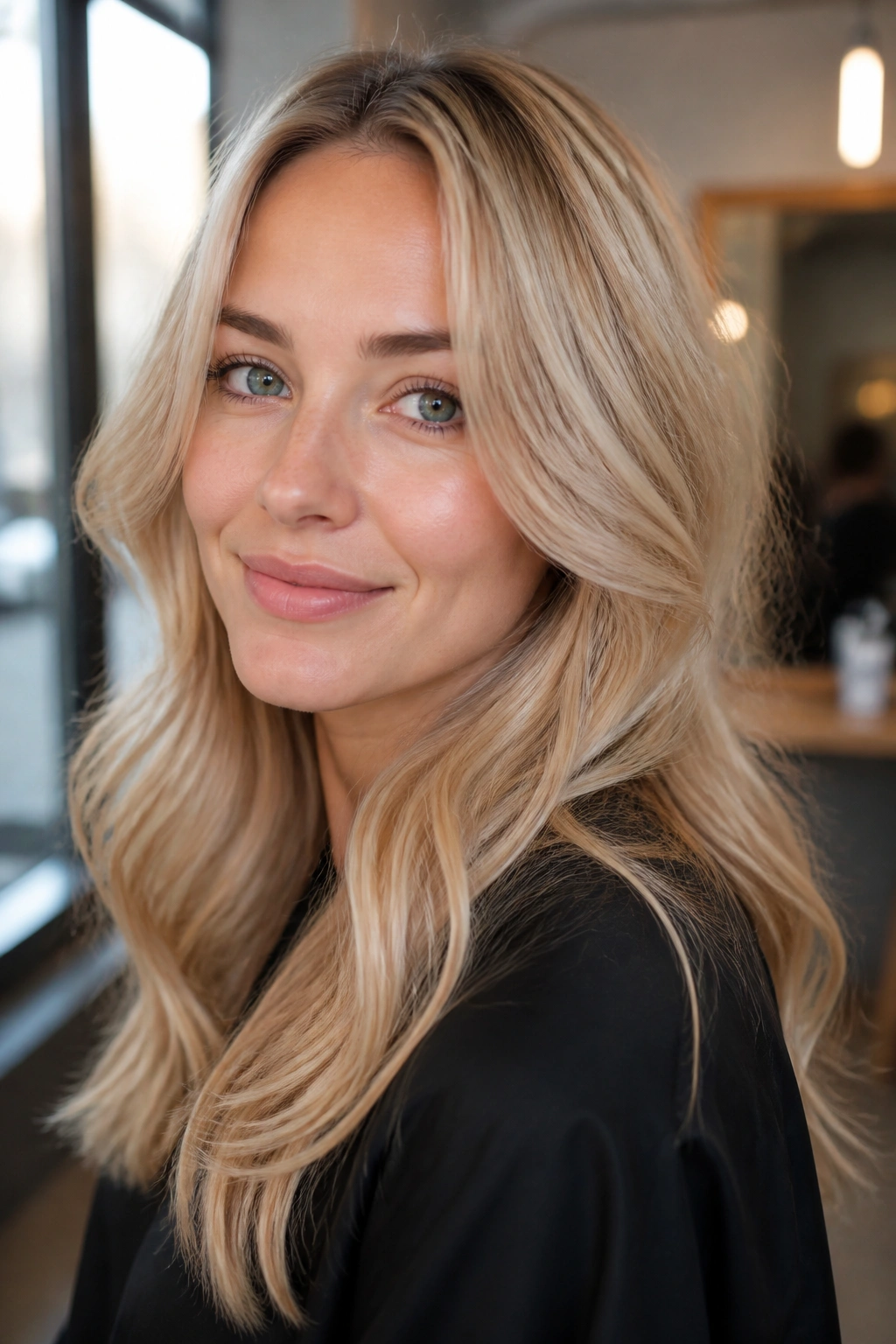
Cream soda blonde sits between beige and champagne, and that middle ground is what makes it useful. It has a pale sweetness, but it does not lean as gold as honey and not as icy as pearl.
What makes it different
The tone is the trick. Cream soda blonde works because the warmth is soft and rounded, not sharp. On cool skin, that matters because a hard golden highlight near the face can make the cheeks look red by comparison. Cream soda stays gentle.
This shade is especially nice if you already have some warmth in your natural base and want to refine it rather than fight it. The result can look glossy and smooth, almost like hair that was naturally lifted by sun over time. That illusion takes a careful toner, though. Too much warmth and it slips out of the buttery category fast.
I’d recommend this for someone who wants a blonde with a little personality but no drama. It’s cheerful, but not bright. Cream soda is one of those colors that looks easy when it’s done well, which is usually the sign that the colorist had to work for it.
14. Babylight Butter Blonde
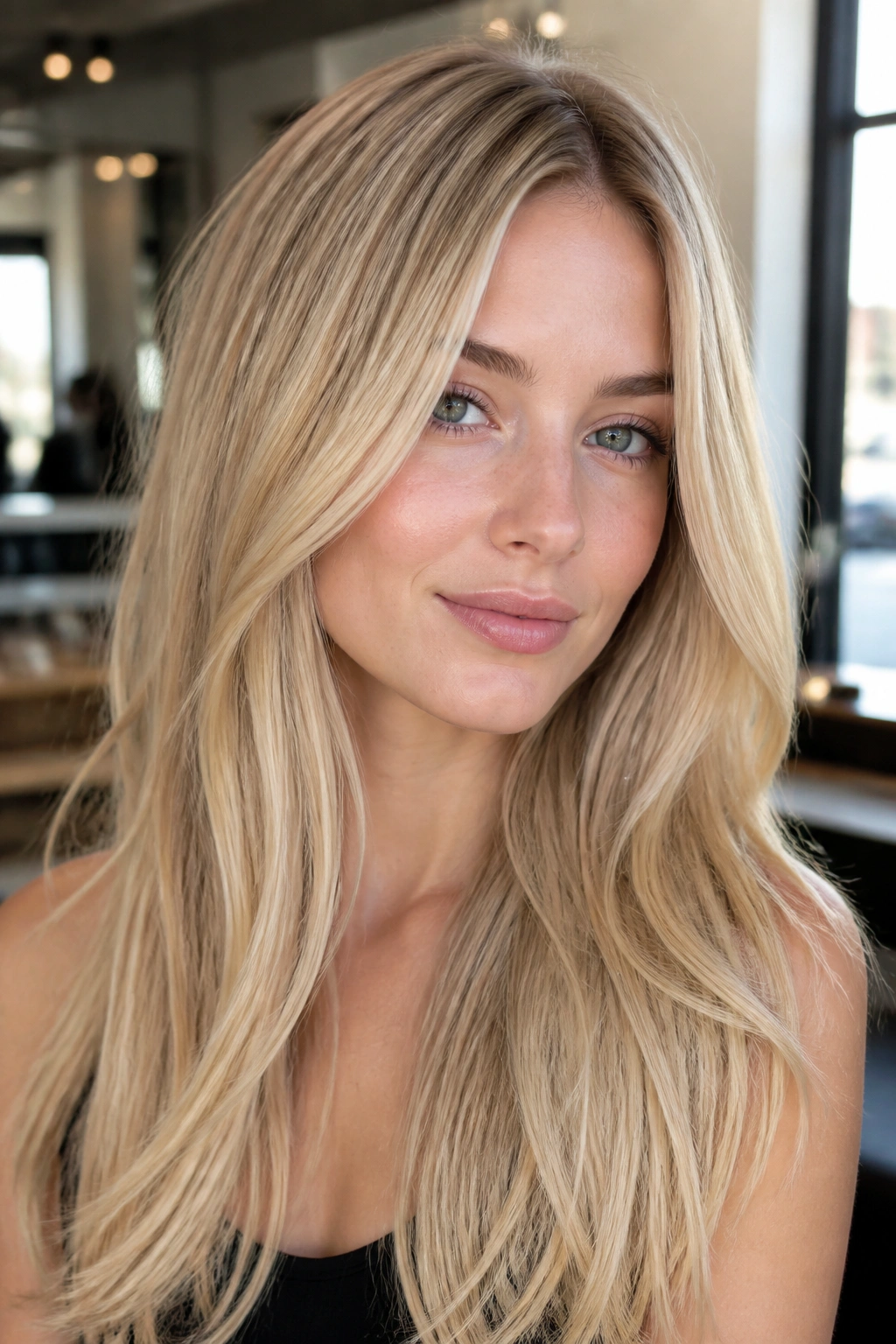
Babylights are the cleanest way to build a buttery blonde that still reads believable on cool skin. The strands are so fine that the color melts instead of striping.
That fine weave gives the hair a soft, multi-tonal finish. On cool skin, that softness is gold. Big, chunky blonde pieces can make the face look harder. Babylights do the opposite. They brighten the whole head in tiny shifts, so the skin stays the main event.
This look is especially smart on straight or slightly wavy hair because the narrow ribbons show off the movement. It also works on darker blondes who want a lighter look but do not want the maintenance of a full bleach transformation.
A good babylight blonde should look airy from a distance and detailed up close. If you can spot every foil line from across the room, the application is too heavy. The color should feel like light sprinkled through the hair, not painted across it.
15. Butter Blonde with Frosted Ends
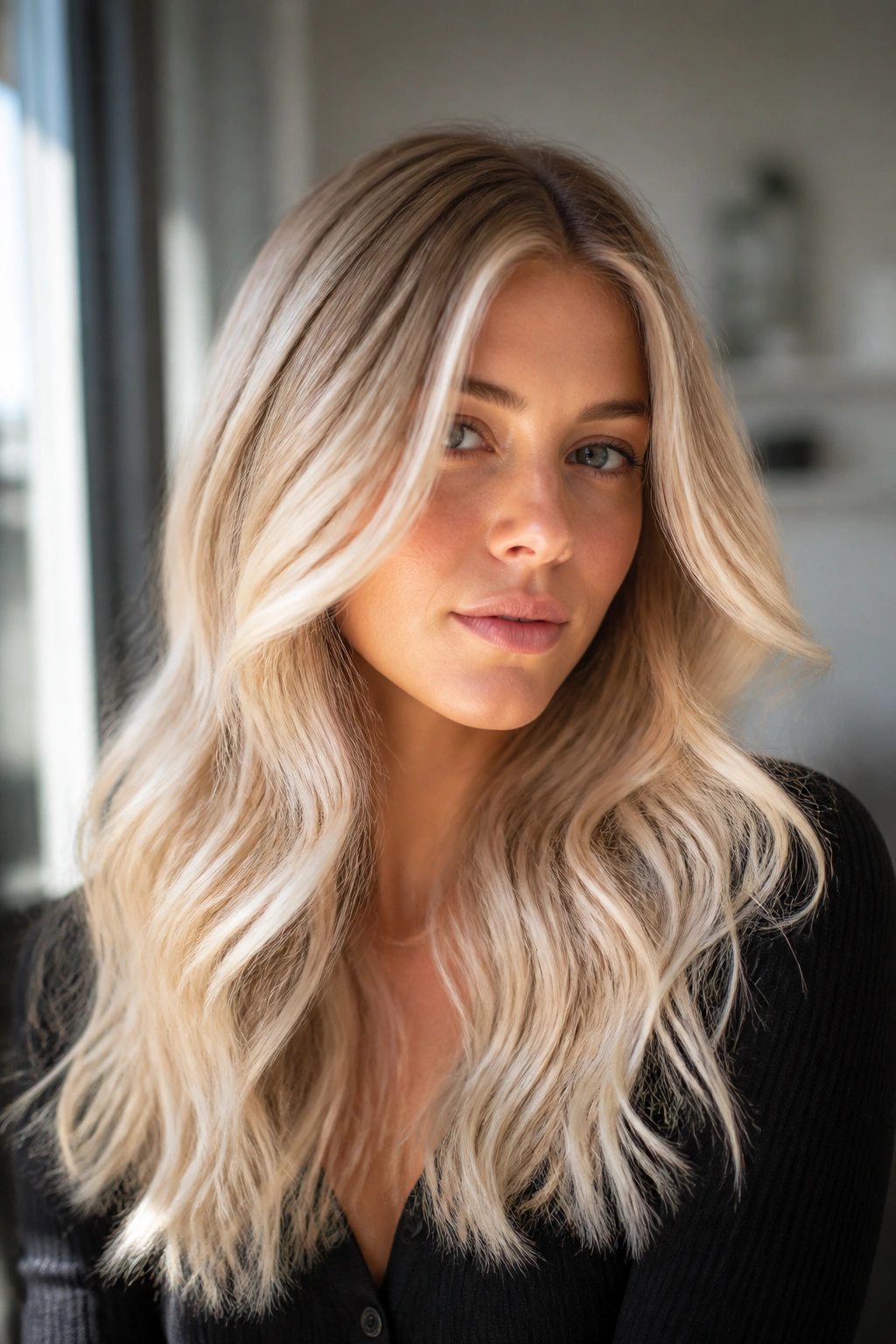
Why stop the brightness at the mids? Frosted ends can make buttery blonde feel fresher, especially on long hair that needs movement at the bottom.
The reason this works is simple: cool skin usually likes brightness that looks deliberate. Frosted ends give the eye a clear finish point, and because the roots and mids stay softer, the overall look still feels wearable. It’s a useful choice if your hair tends to look heavy at the bottom.
How to use it
- Keep the roots soft and shadowed.
- Make the last 3 to 4 inches lighter and cooler.
- Ask for a pearl or beige glaze on the ends.
- Style with bends or loose waves so the lighter tips show.
This is not a low-maintenance shade. The ends can dry out and look rough if the hair is already fragile. But on healthy hair, the contrast can look striking in a quiet way. It gives the blonde a little edge without losing the buttery softness at the top.
16. Butter Blonde with Silver Ribbons
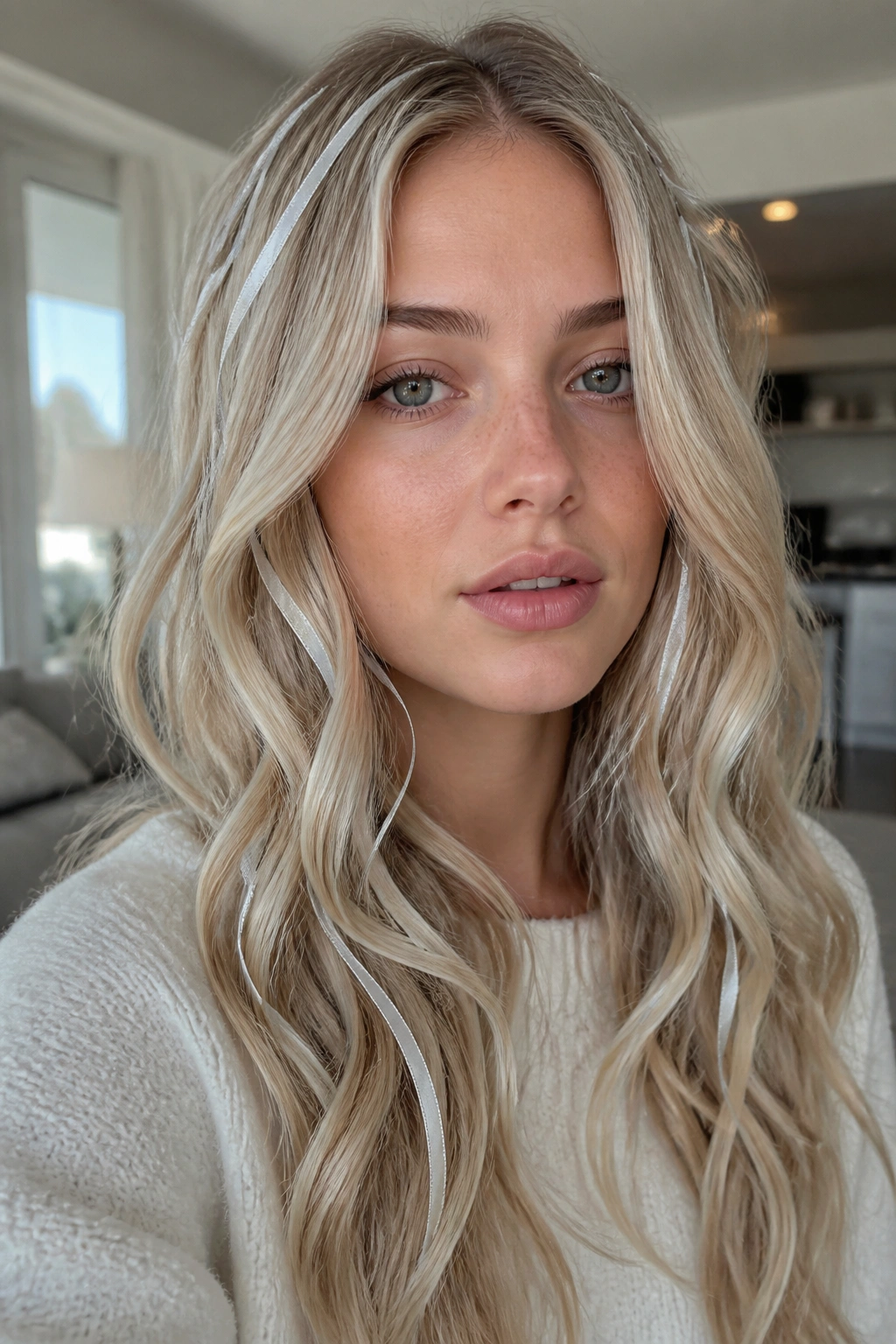
If your skin has a blue-pink undertone and ordinary gold blonde keeps missing the mark, silver ribbons can fix that problem fast. They cool the overall look and make the buttery base feel more expensive, less sugary.
This shade works because the silver is not spread everywhere. It comes through in thin ribbons or faint panels, which keeps the hair from turning gray. The buttery base still brings warmth, but the silver tones pull the finish back into cool territory where your skin can breathe.
It’s a strong move for layered hair, because the contrast shows up better when pieces move. On a blunt cut, silver ribbons can look a little sudden unless the color is blended very carefully. The best versions are soft enough that people notice shine before they notice the toner.
This is one of those shades that can make brown eyes look sharper and blue eyes look brighter, even if that sounds dramatic. It’s really about contrast. Cool skin likes a little of it, and silver ribbons give that in a cleaner way than heavy ash alone.
17. Cool Honey Butter Blonde
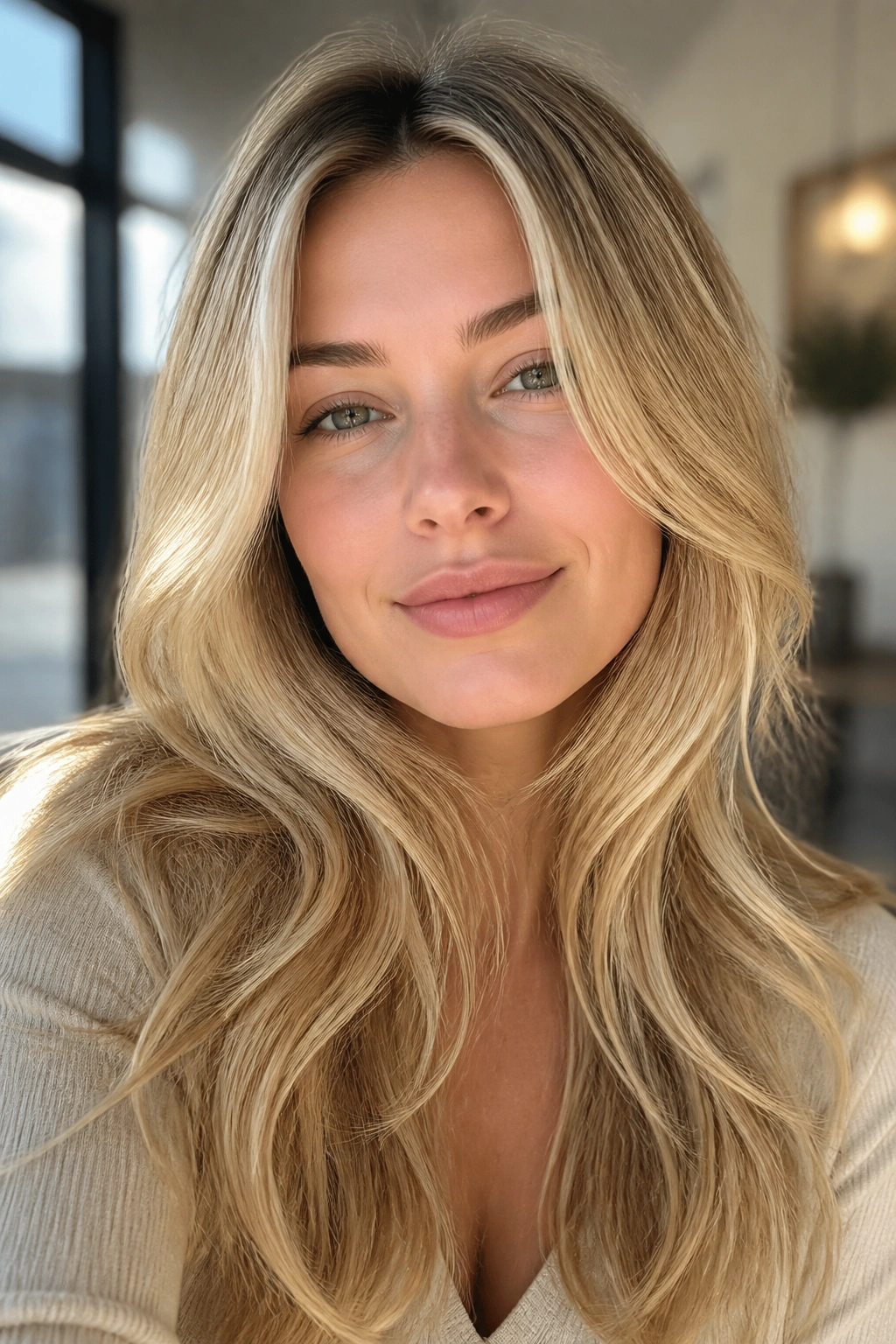
Honey blonde gets a bad reputation with cool skin, and sometimes it deserves it. But cool honey is different. The trick is to keep the warmth muted, almost cream-colored, so the blonde glows instead of going orange.
That means no loud amber, no strong copper, no chunky golden stripes. A cool honey butter blonde should sit closer to beige-gold than true honey. The shade still has warmth, but it has been edited down enough to keep the face fresh.
I like this on people who want to look bright and sun-kissed but do not want a hard warm blonde. If your natural coloring is cool-neutral, this can be the bridge shade that makes blonde feel easy. If you go too warm, though, the whole effect can slip into brassy territory fast.
The smartest way to wear it is with a soft root shadow and a pale face frame. That keeps the blonde from bunching warmth around the forehead and lets the skin stay in charge. It’s a little more forgiving than a pure gold blonde, and a lot more flattering on the right person.
18. Pearl-Glazed Buttery Blonde Melt
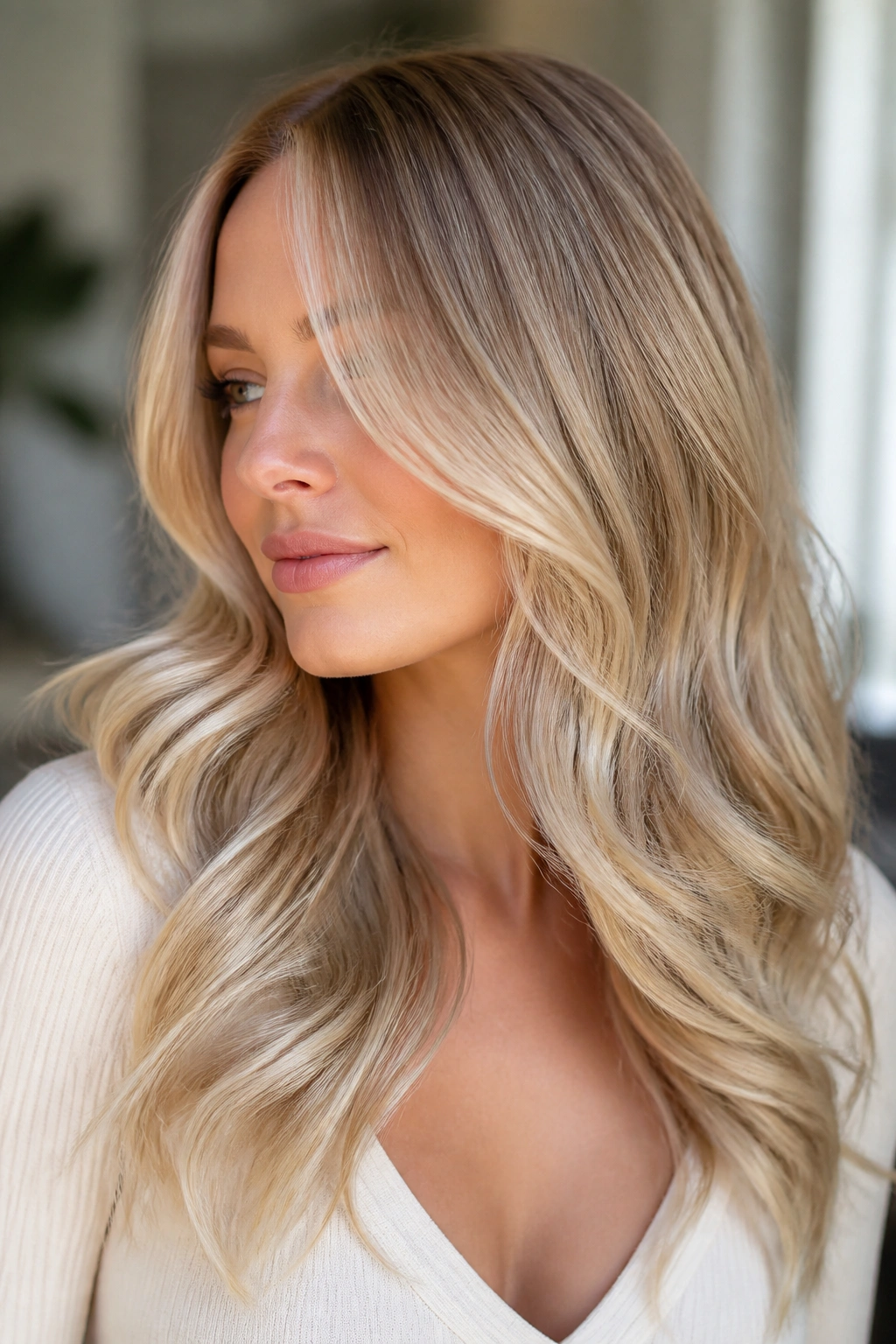
If creamy beige blonde is the easy starting point, pearl-glazed butter blonde melt is the polished finish. It combines softness at the root, brightness through the mids, and a pearly sheen on top that keeps cool skin looking clear.
This one works because the melt removes hard lines. The color moves from one tone to the next so gradually that the blonde feels expensive even when the cut is simple. Pearl glaze stops the warmth from turning loud, and the buttery base keeps the hair from looking washed out or brittle.
The finish is especially pretty on longer hair, where color can otherwise fall flat near the bottom. A melt gives the lengths more life. It also helps if your hair is a mix of textures, because the glaze smooths the visual difference between new growth and previously lightened ends.
If you want the safest place to land, this is it. Not the brightest. Not the iciest. Just balanced enough to flatter cool skin, clean enough to stay modern-looking, and soft enough that it won’t fight your face every time you catch your reflection in a window.
