



Warm blonde is where a lot of cool-toned people get tripped up. Put too much gold, copper, or honey near pink, rosy, or blue undertones and the face can look a little flushed, a little tired, or just oddly disconnected from the hair. The right blonde brown hair color ideas for cool skin tones do the opposite. They calm everything down.
Ash, pearl, mushroom, taupe, greige, smoky beige — those are the shades that make sense when your skin likes a cleaner, cooler frame. They keep dimension in the hair without dragging extra warmth into the face. That sounds subtle, but in a mirror it makes a huge difference. Your eyes look sharper. Your complexion looks clearer. The whole thing reads more deliberate.
I’ve always thought the smartest blonde-brown blends are the ones that still look like hair, not a filter. The best versions have softness around the face, a brown base that doesn’t go orange, and blonde pieces that sit in the beige-to-icy range instead of drifting into yellow. If your hair pulls brass easily, that detail matters even more. Toner, gloss, and root shadow are not fussy extras here. They’re the reason the color holds together.
So the trick is not “go lighter” or “go darker.” It’s choosing a cool-leaning blend that gives you brightness without warmth. Some looks are soft and wearable. Some are sharper and more fashion-forward. A few are low-contrast enough to grow out without drama, which, honestly, is usually the one people end up loving most.
1. Ash Bronde for Cool Skin Tones
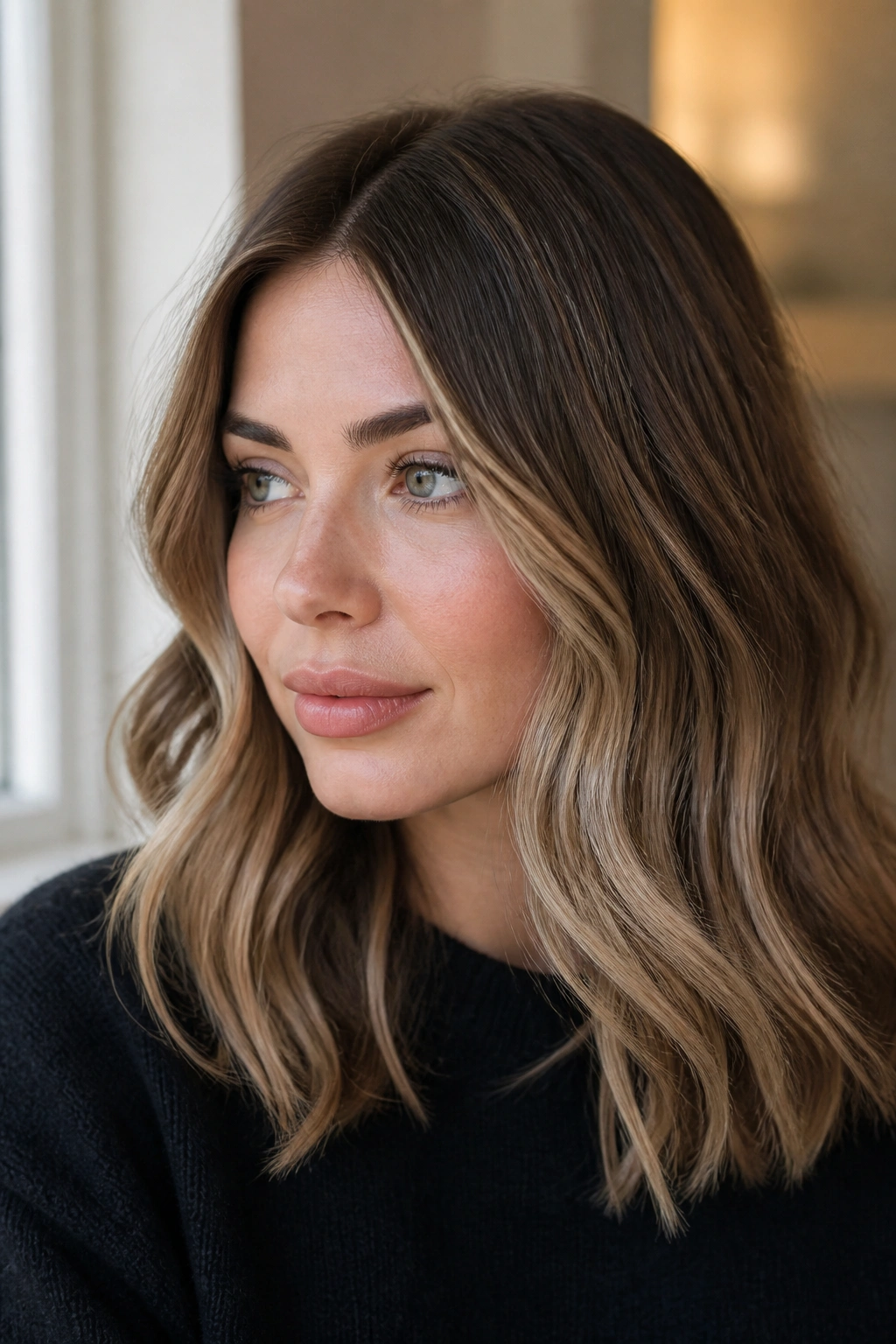
Ash bronde is the safest entry point, and I mean that in the best way. It gives you the depth of brunette and the brightness of blonde, but the ash keeps both sides from turning brassy.
Why It Flatters Cool Undertones
Ask for a medium brown base with beige-ash ribbons lifted just a little lighter than your natural shade. The goal is not pale blonde streaks. It’s a soft, smoky blend that sits around the face and through the mid-lengths without screaming for attention.
- A level 6 or 7 cool brown base keeps the look grounded.
- Fine highlights at level 8 or 9 stop the color from looking flat.
- A neutral-ash gloss helps the blonde stay beige instead of yellow.
- A root shadow gives the grow-out a softer edge.
Best on: straight hair, loose waves, and shoulder-length cuts that show off movement. If your skin leans pink, this is one of the least risky choices on the list.
2. Mushroom Blonde Brown Melt
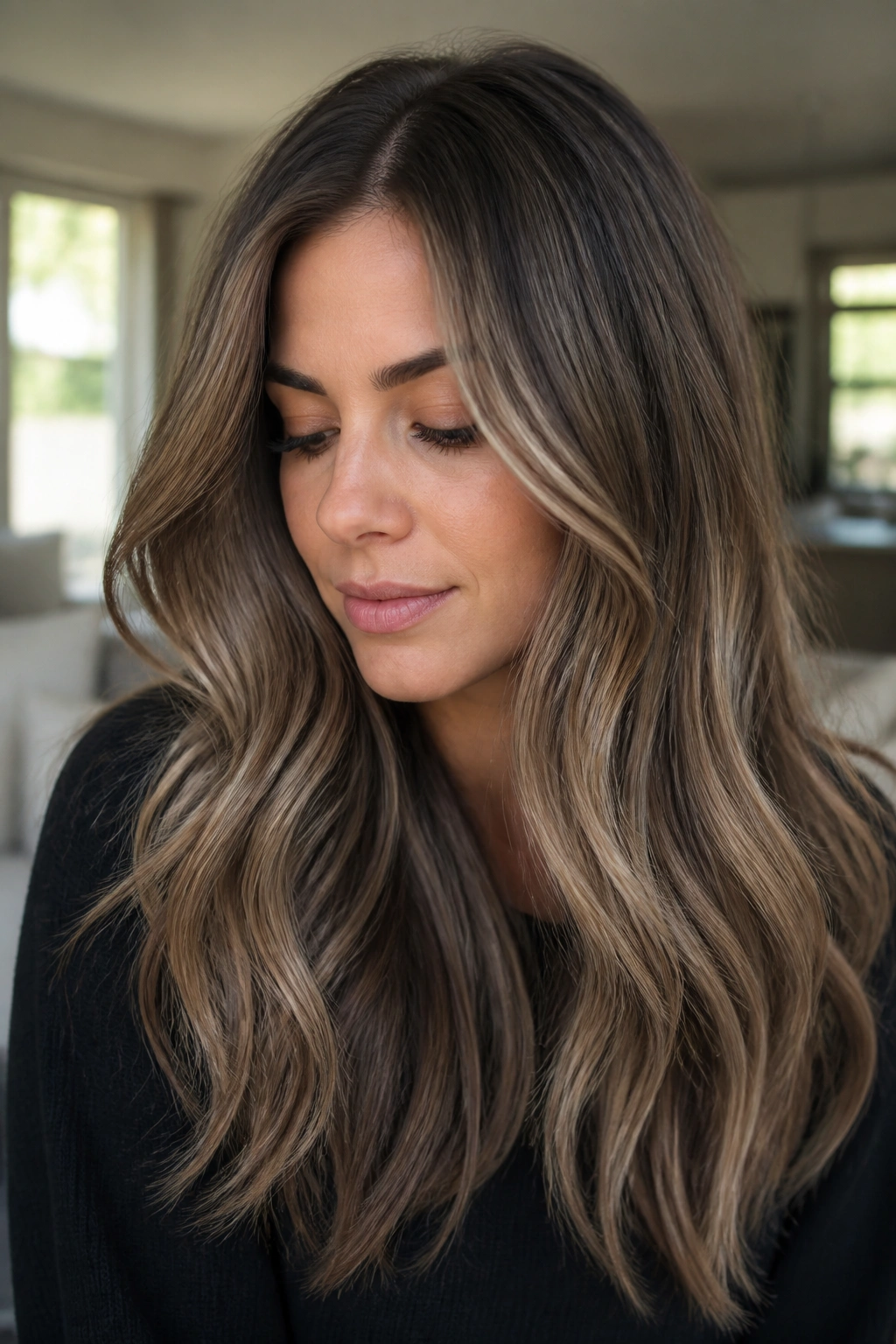
Mushroom blonde brown melts have that slightly earthy, taupe-heavy look that cool skin tones wear well. They feel softer than ash and less stark than platinum. That matters if you want something calm instead of icy.
The color works because the brown base stays muted, almost like wet stone, while the blonde pieces stay beige-gray rather than gold. On hair with a little texture, the blend looks expensive in that quiet way people notice only when the light moves across it. It’s especially good if you don’t want a high-contrast stripe pattern.
I like this shade on medium-length hair because the transition has room to breathe. On very long hair, it can look even better if the color melts from a smoky root into beige ends. No hard lines. No warm bands. Just a cool, soft blur.
3. Pearl Blonde Balayage Over a Smoked Brunette Base
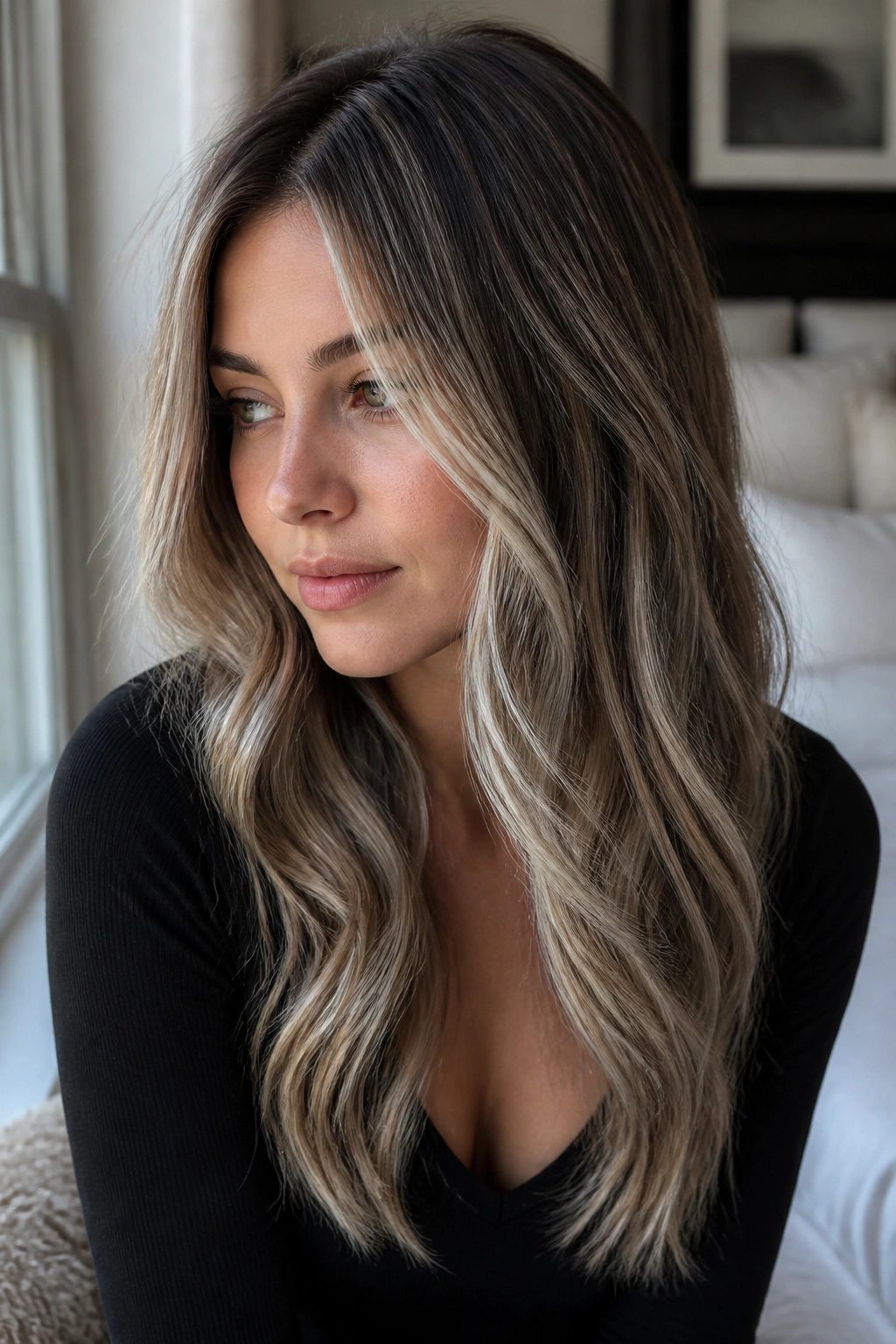
Pearl blonde is one of those shades that sounds delicate and ends up looking sharper than you expect. On a smoked brunette base, it gives cool skin a clean frame without the yellow cast that can make pale complexions look uneven.
The trick is placement. Don’t cover the whole head in lightness. Keep the brunette rich at the roots and let the pearl pieces sit where the hair would naturally catch the light — around the crown, the front, and the ends. That keeps the color airy instead of striped.
A pearl balayage is also one of the easier ways to make brown hair look expensive without taking it all the way to blonde. It’s not flashy. It’s polished. And if your hair likes to go brassy, the pearl tone buys you a little extra breathing room between salon visits.
4. Icy Money Piece Around the Face
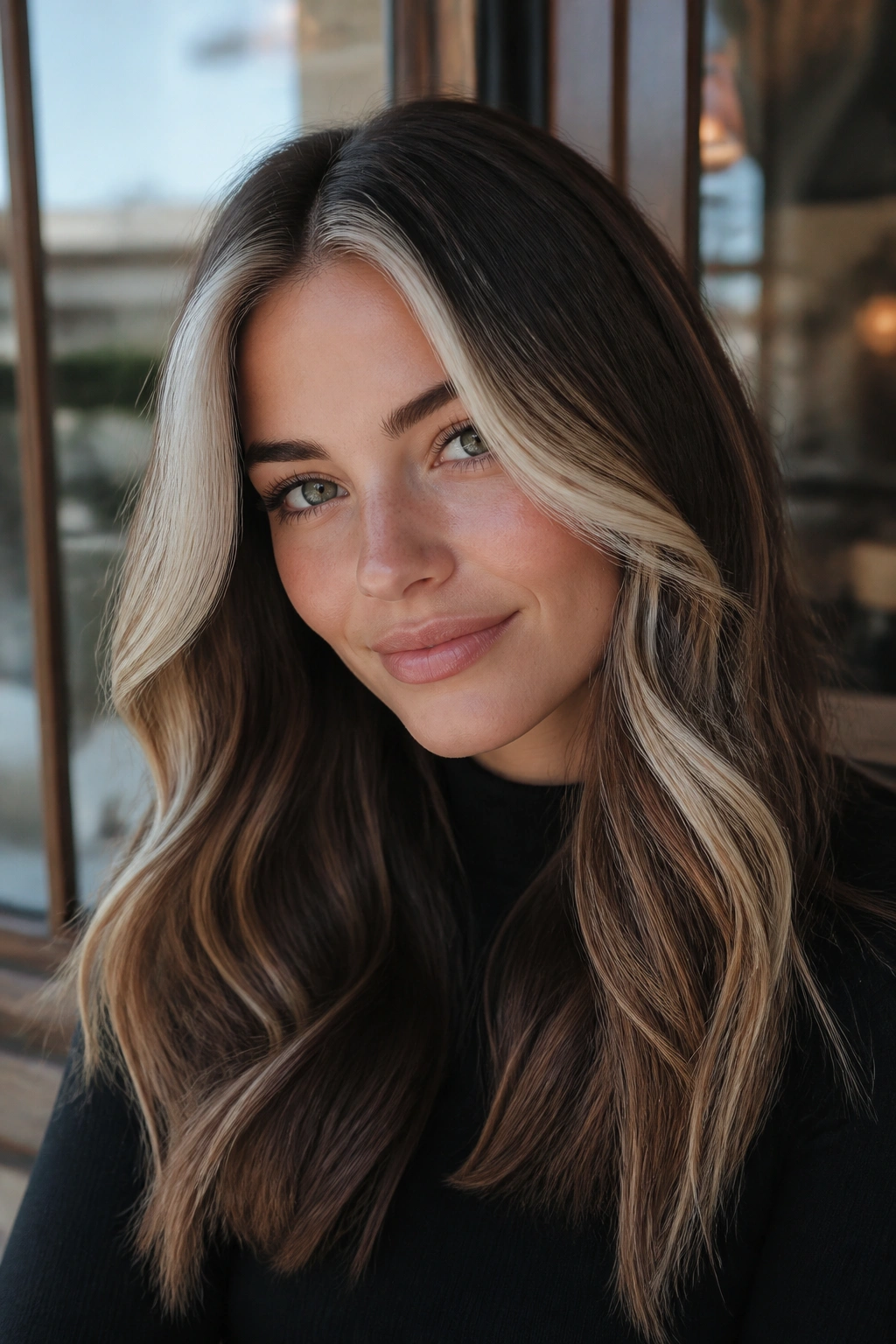
A bright face frame can change everything in ten seconds. Pull your hair back, and that icy money piece does the heavy lifting — it puts light right where the face needs it most.
This version works best when the rest of the hair stays medium brown or cool espresso. If the whole head goes too light, the face frame loses its job. I’d ask for soft contrast, not a heavy stripe. The highlight should look expensive, not chopped in.
What to Ask For
- A pale beige or icy blonde money piece at level 9 or 10.
- A cool root melt so the front doesn’t start with a hard line.
- Thin blending pieces behind the front section.
- A toner that keeps the light pieces from reading gold.
This is a strong choice if you wear your hair up a lot. The front pieces do the talking.
5. Taupe Brown With Frosted Ends
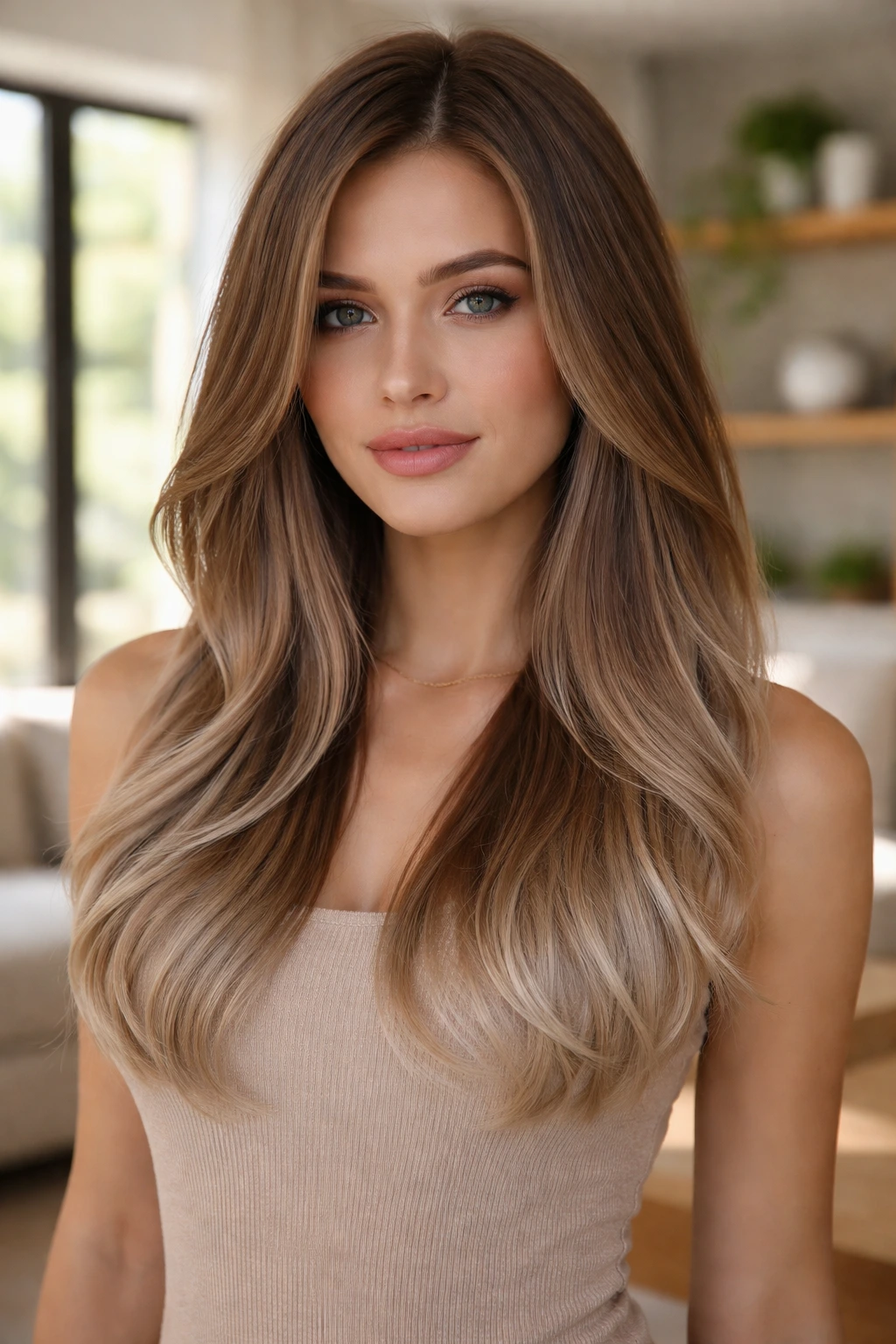
Taupe brown is one of those shades that looks plain in a swatch book and excellent on a head of hair. Add frosted ends and you get a cool, dimensional finish that suits cool skin without stealing the show.
Unlike caramel ombré, which can make the ends look yellow against cool complexions, frosted ends keep the transition clean. The brown stays quiet. The lighter pieces fade out in beige-silver territory. It feels modern, but not in a loud way.
I’d pick this for long layers or a blunt cut with movement at the bottom. The lighter ends need a little space to show up. If the haircut is too heavy, the contrast disappears. And if your hair is porous, this is one of those looks that needs a gloss refresh to stay crisp.
6. Smoky Beige Bob
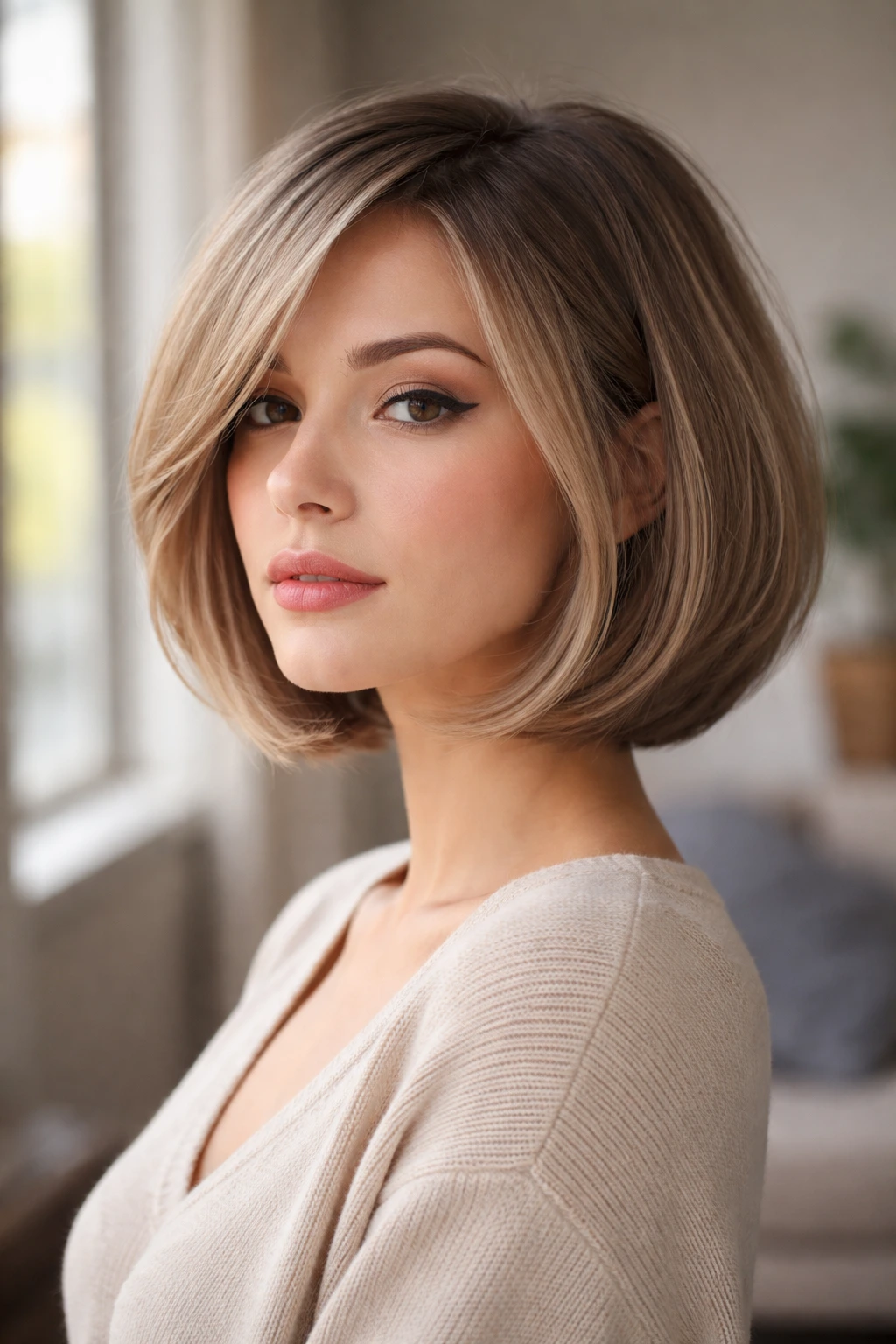
A bob and a smoky beige color are made for each other. The cut gives you shape; the color gives you softness. Together, they keep cool skin from looking washed out, which can happen with very pale blonde around a short cut.
Why the Bob Matters
The shorter length lets the beige-brown blend look intentional instead of busy. You notice the cheekbone area, the jawline, the curve at the ends. That’s where the color earns its keep.
- Keep the base in the cool brown family.
- Ask for beige highlights, not yellow blonde.
- Let the front pieces go a shade lighter than the back.
- Finish with a gloss, not a warm glaze.
A chin-length or jaw-length bob looks especially good with this palette. The cut stays crisp, and the color softens the edges just enough.
7. Silver-Infused Bronde
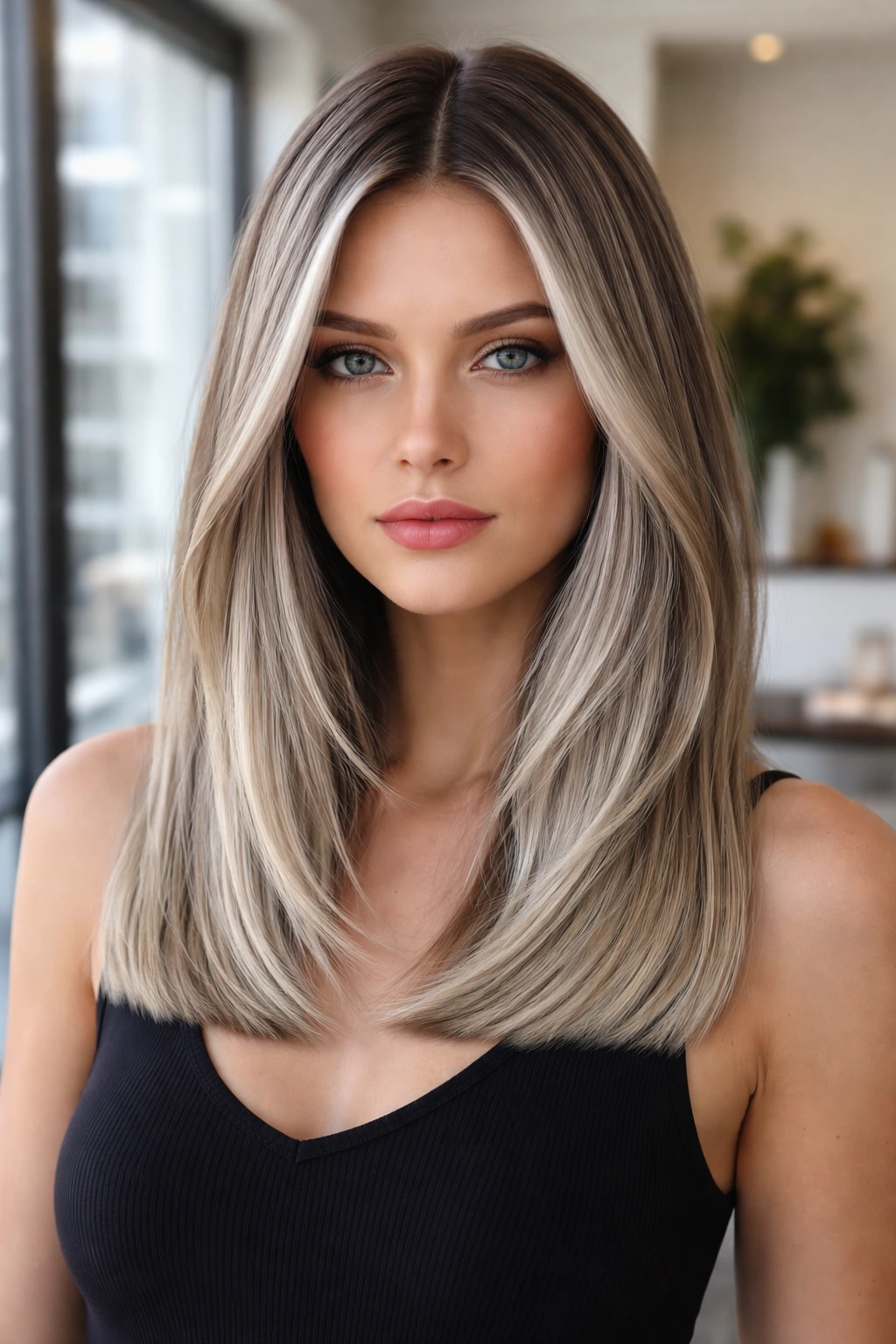
This is the sharpest pick on the list, and I mean that literally. Silver-infused bronde has enough cool pigment to make very fair skin look bright without tipping into the flat, chalky zone that can happen with pure ash.
The shade sits between brunette and icy blonde, but the silver tone is what gives it attitude. It’s especially good if your natural hair is already on the dark blonde or light brown side. You don’t have to fight your base as hard, so the result usually looks cleaner.
I’d avoid this if your hair already feels dry or porous, because silver tones can fade fast and start looking washed. On healthy hair, though, it has a crisp, almost metallic finish that works best with blunt ends or smooth blowouts.
8. Cool Champagne Highlights on Espresso Brown
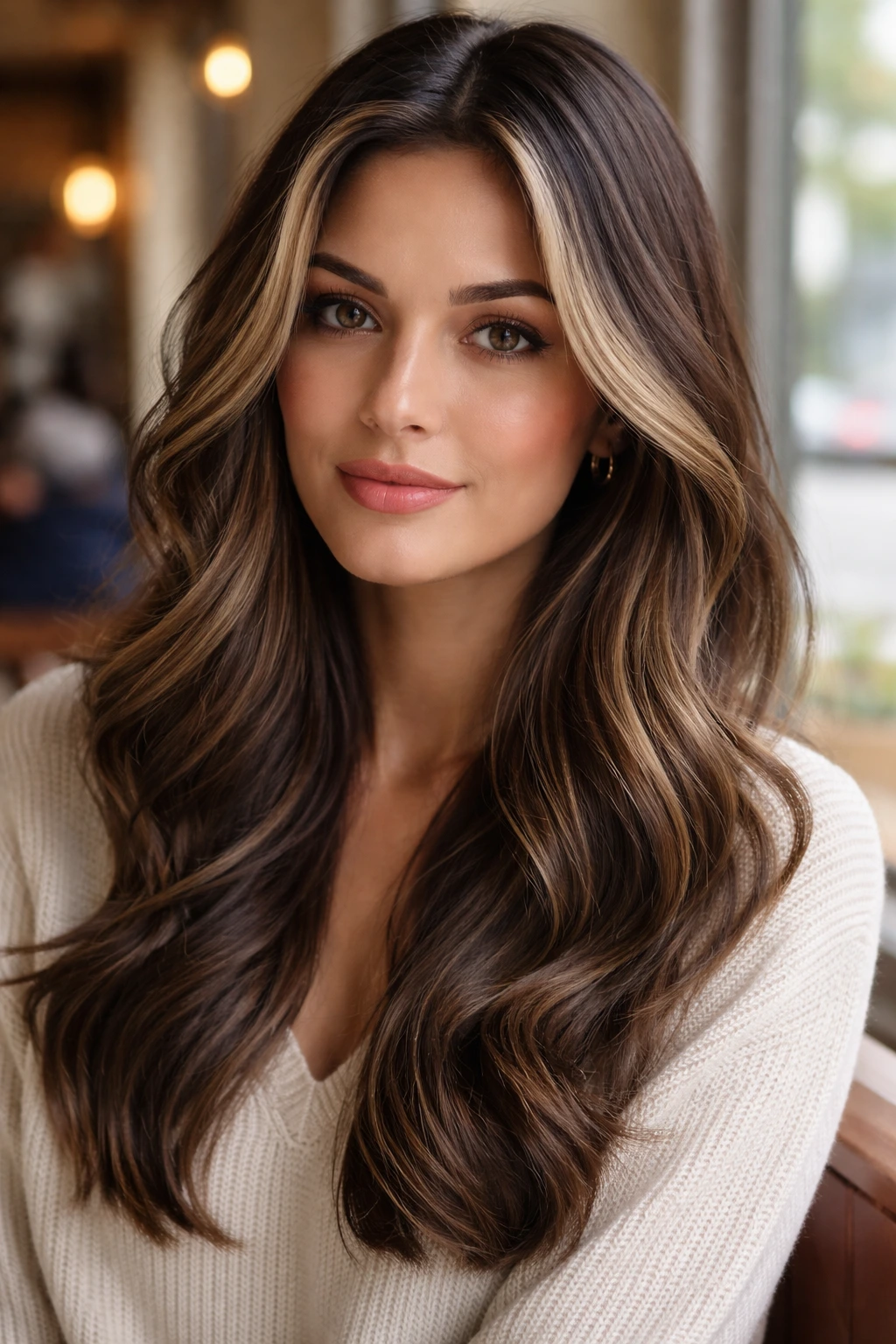
Can champagne be cool? Yes, if it leans pale, soft, and slightly beige instead of gold. That’s the difference between a lift that flatters cool skin and one that fights it.
Espresso brown gives the look enough depth to hold onto. The champagne pieces add brightness without making the whole head feel warm. This combo is especially nice if you want movement but not a dramatic blonde transformation. It keeps the dark base visible, which helps the lighter pieces look cleaner.
How to Wear It
- Ask for thin, scattered highlights instead of chunky stripes.
- Keep the brightest pieces around the front and crown.
- Use a purple shampoo sparingly if the blonde starts turning yellow.
- Style with loose waves so the contrast shows.
This is one of those shades that looks a little richer after a gloss service. Barely noticeable at first. Better in person.
9. Ashy Ribbon Highlights
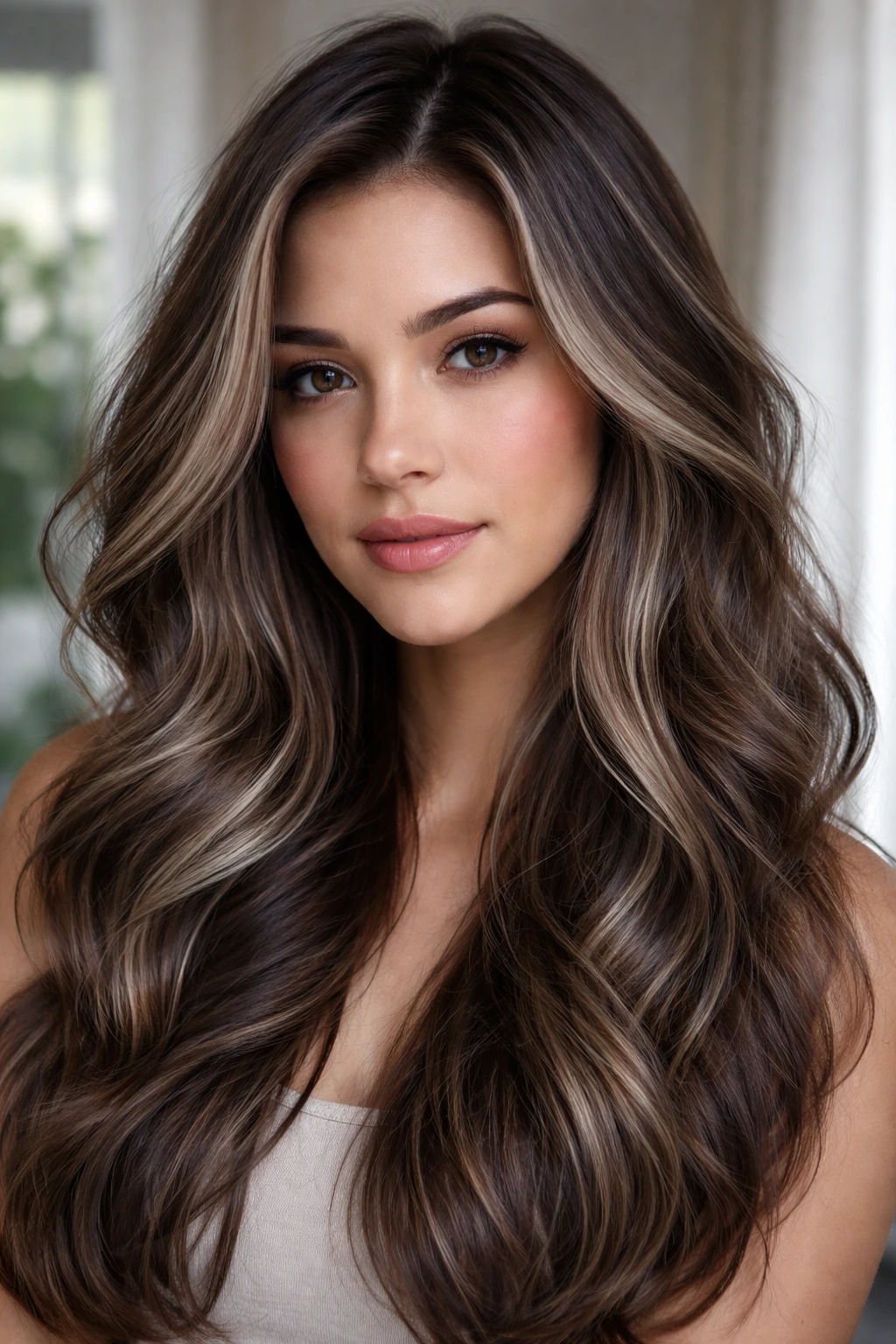
Ribbon highlights are thicker than baby lights, and that thickness gives the color room to show. On cool skin tones, ashy ribbons create a soft striped movement that looks especially good on layered hair.
The trick is restraint. Too many ribbons and the whole head starts to feel busy. Too few and the color disappears into the base. I like this look when the brown base is medium to dark, because the lighter ribbons sit on top like pale threads. You get dimension without losing the brunette identity.
One sentence? Keep the tones cool.
If your hair has a wave pattern, this placement can be lovely because the ribbons catch movement in a natural way. On very straight hair, ask your colorist to feather the edges so the highlights don’t look blunt.
10. Soft Vanilla Bronde on a Lob
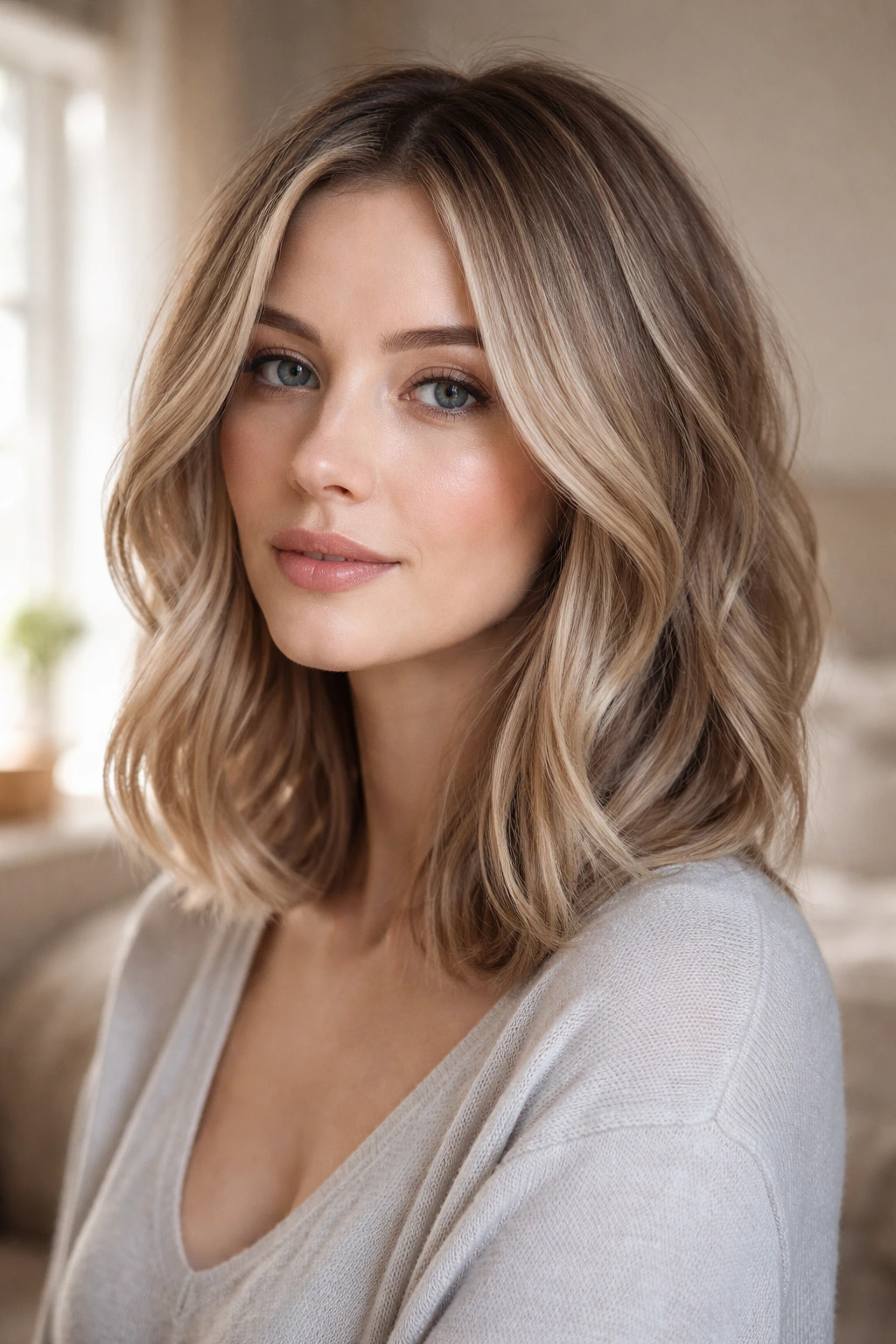
Soft vanilla bronde has to be handled carefully. Warm vanilla is the wrong road for cool skin. Soft vanilla, though — the pale beige kind — can look airy and clean on a lob.
The lob gives the shade shape. It stops the color from drifting into fluffy, over-light territory. I’d choose this for someone who wants a lighter feel without going icy or silver. The base should stay cool brown or dark blonde, and the blonde pieces should read creamy, not yellow.
This look also grows out nicely. A shoulder-grazing cut means the light ends don’t sit too far from the face, so the color keeps its shape even when the roots come in. If your skin leans very pink, keep the vanilla pieces muted. Too much brightness can turn the whole thing loud.
11. Slate Brown With Platinum Veils
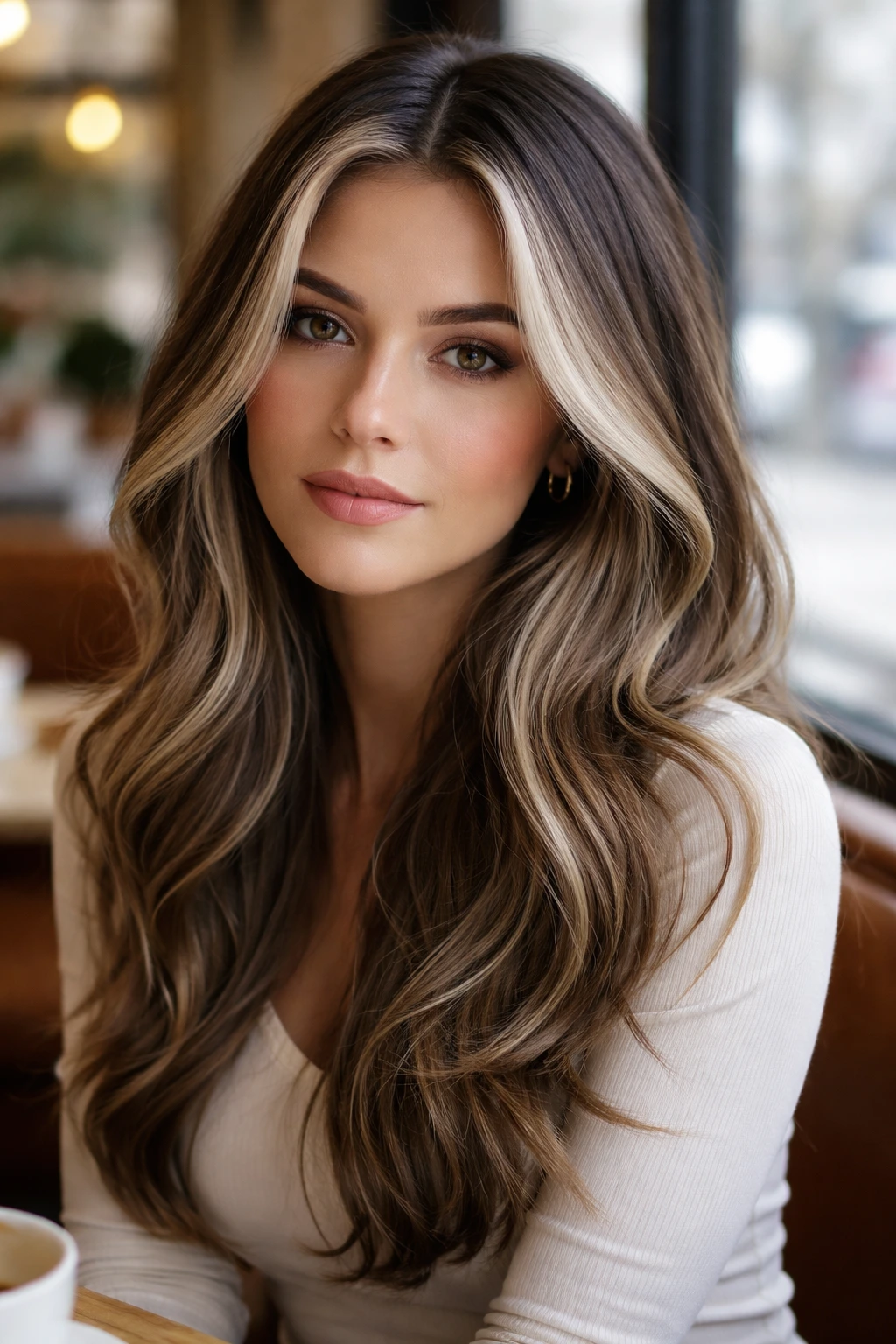
Platinum veils are a smart move when you want brightness but don’t want to bleach the whole head. Against slate brown, they give cool skin a clear frame and a bit of edge.
The word “veils” matters here. These are not big blocks of platinum. They’re light sections that sit in fine layers, almost like sheer fabric over the darker base. That keeps the look wearable and helps the platinum read as detail instead of damage.
- Best on medium-density hair.
- Strong on layered cuts and shags.
- Works well when the platinum is placed near the crown and sides.
- Needs toner upkeep more often than beige bronde.
If you want something with a little attitude but not a full platinum commitment, this is a very solid lane.
12. Greige Balayage
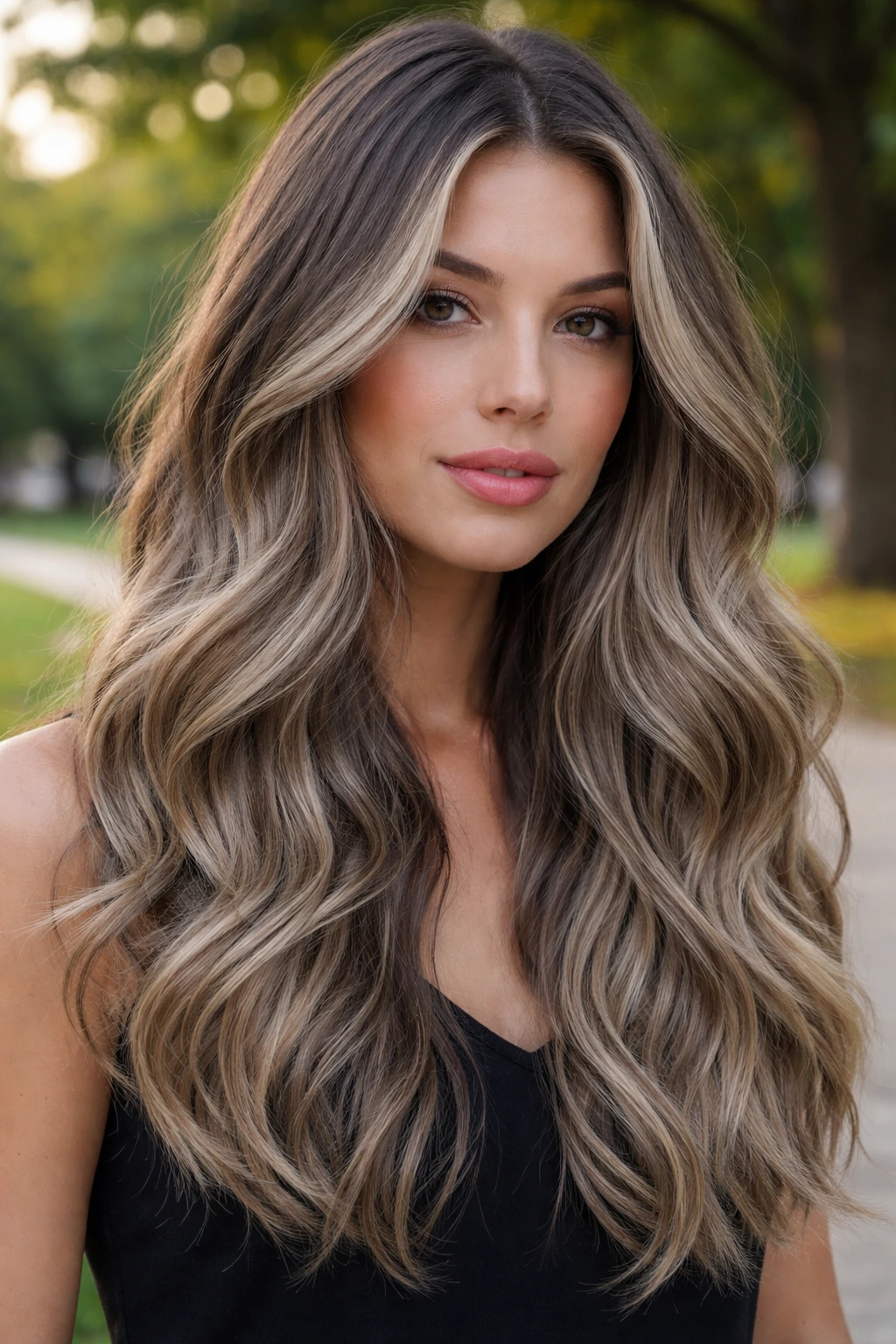
Greige is one of those shades people hear once and either love or shrug at. I’m in the first camp. For cool skin tones, the mix of gray and beige is useful because it gives you softness without the brass.
The balayage keeps the greige from looking like one flat color. You want the lightness spread through the lengths, with a darker root and a few face-framing pieces. That way the color has movement, and your skin doesn’t have to compete with a giant light panel.
If your natural hair is dark, don’t push the greige too pale. It can lose its depth and start reading dull. The prettiest version sits right in that middle zone — not blonde, not brown, just cool and quiet.
13. Cool Mushroom Shag
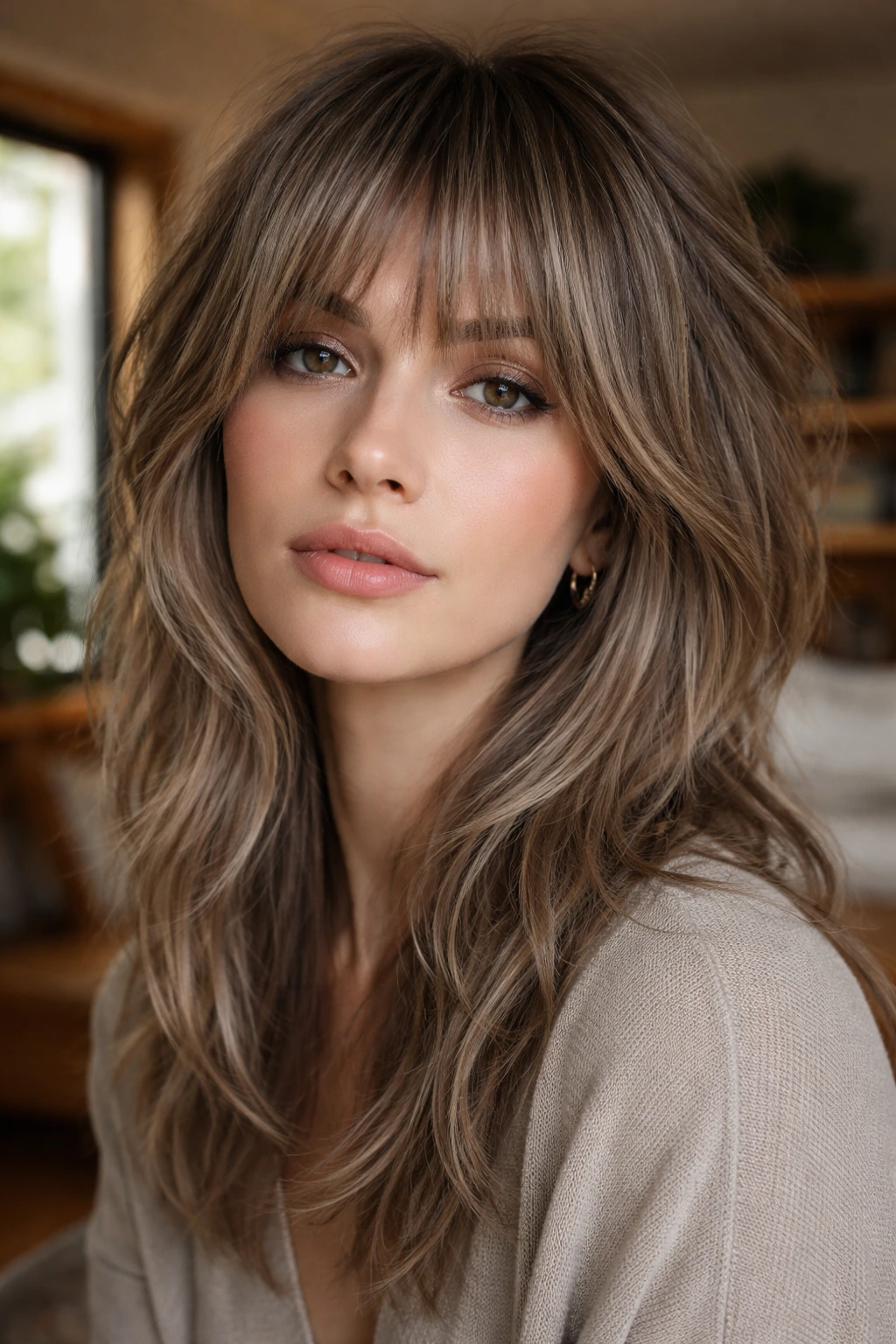
A shag cut loves color with texture, and mushroom brown-blonde is one of the best pairings. The layers break up the shade, which keeps the cooler tones from feeling heavy.
This is a good choice if your hair has natural wave or you like to rough-dry it. The color does a lot of work without needing perfect styling. The brown base stays smoky, while the blonde pieces stay soft and dusty instead of bright. That makes the whole cut feel lived-in in a good way.
I wouldn’t do this shade with chunky, warm highlights. The shag already has motion. It doesn’t need extra heat in the color. What it needs is contrast that looks accidental, almost like the hair faded that way on purpose.
14. Beige Brunette With Icy Face Frame
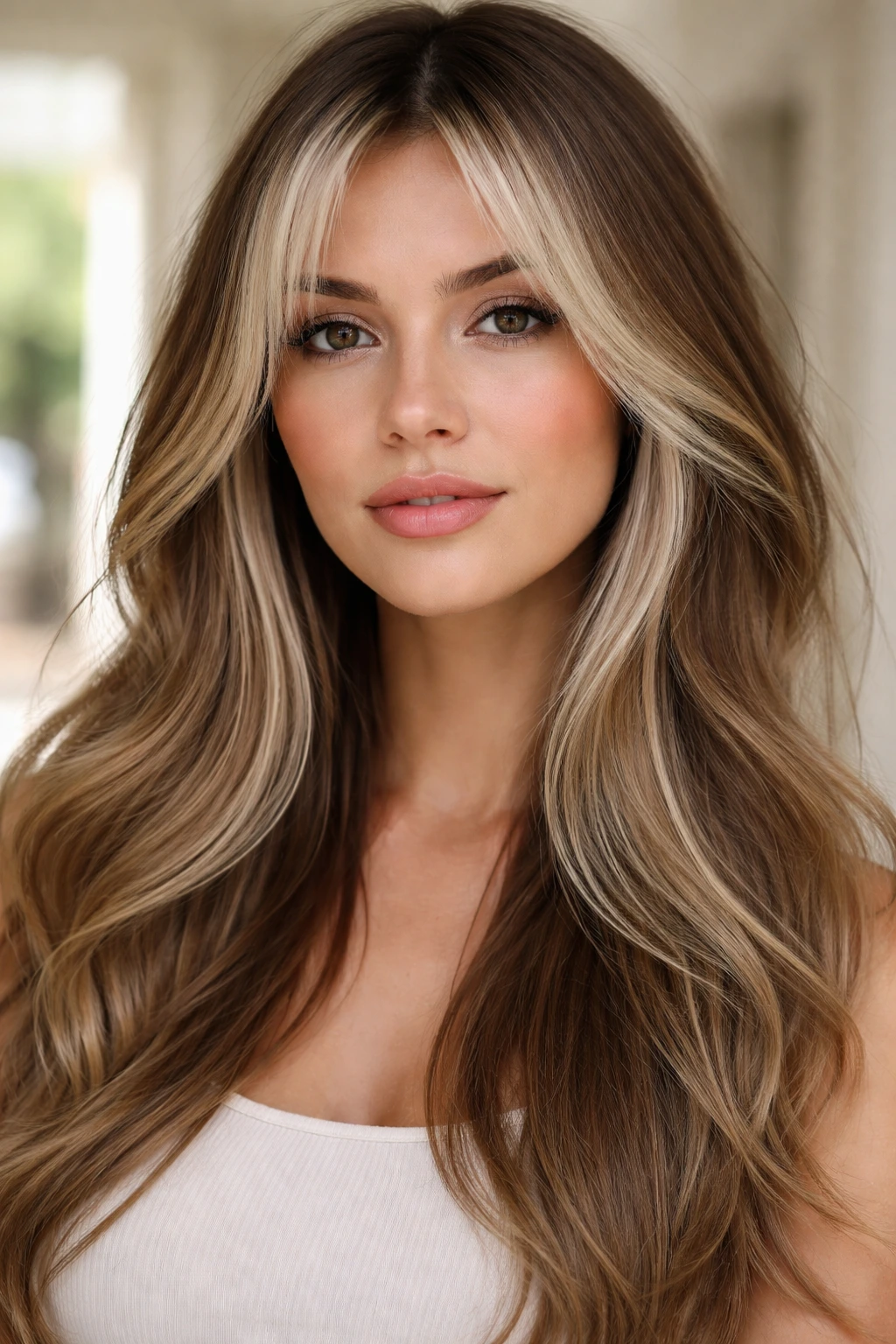
Beige brunette sounds gentle, and it is, but the icy face frame is what keeps it from disappearing. That tiny burst of brightness near the front gives cool skin a cleaner edge.
How to Keep It from Going Harsh
The front pieces should be lighter, yes, but they should still blend into the base. If the face frame starts with a hard line at the part, the color can look disconnected. Ask for a soft transition and a cool toner that keeps the light pieces from turning yellow.
- Best on curtain bangs or long face-framing layers.
- Keeps the back and mids low-maintenance.
- Makes the eyes stand out fast.
- Looks especially good with a middle part or soft off-center part.
This is one of my favorite options for people who want a little drama without changing the whole head.
15. Pearl-Toned Ombré
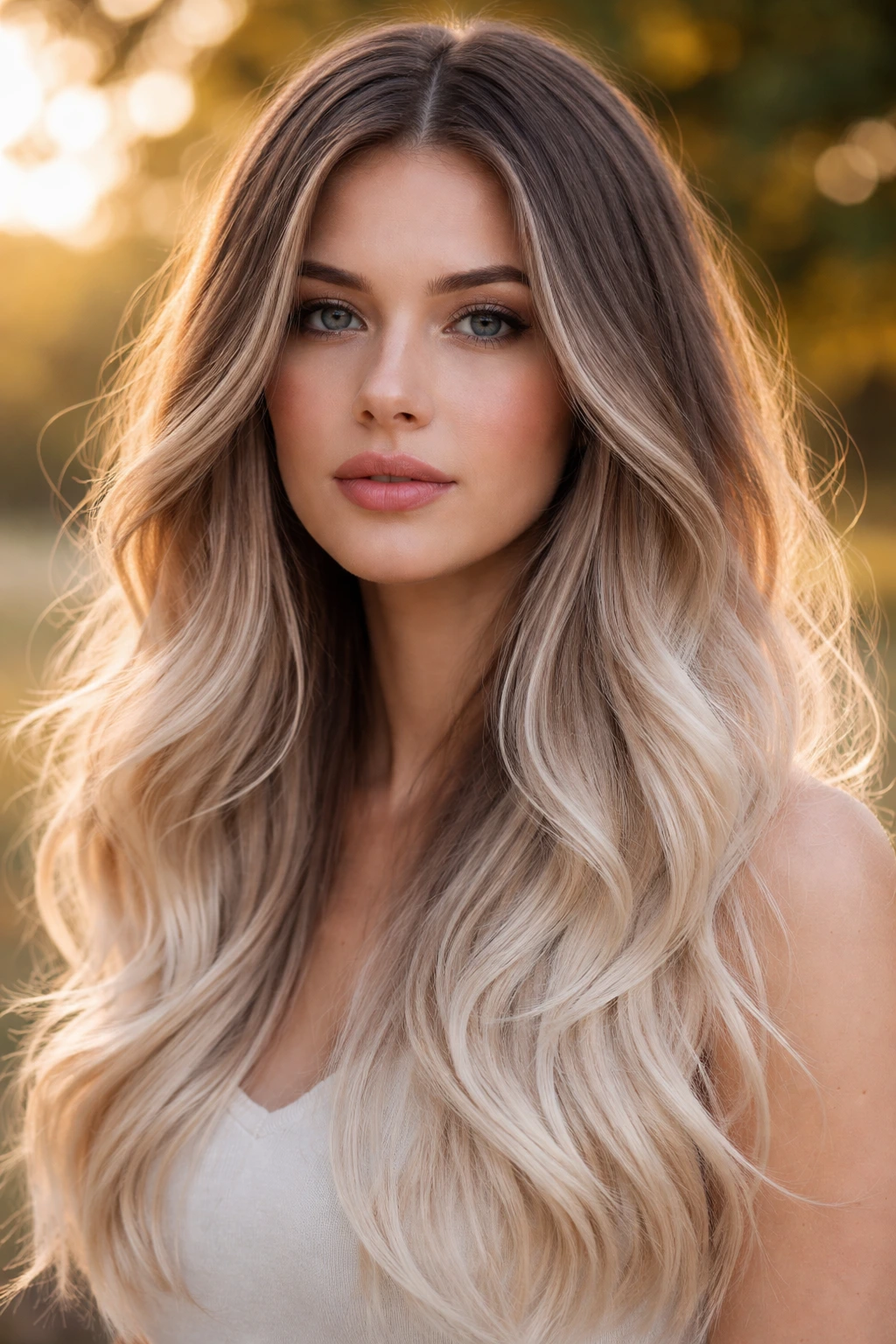
Pearl ombré works because it respects the root color. You keep the brown at the top, then let the hair drift slowly into pearl blonde at the ends. That slow shift matters on cool skin, because it avoids the harsh warm band that can make a fade look dated.
The best versions start with a cool brunette or dark blonde root and move into a pale pearl finish through the mid-lengths. If the fade is too sudden, it looks like a stripe. If it’s too warm, the whole thing loses its clean edge. Pearl sits in the middle, which is why it lasts aesthetically.
This is a nice option if you like longer hair and don’t want to be at the salon every few weeks. The root can grow out a little before the color loses shape. That’s worth a lot.
16. Espresso With Ash Blonde Peekaboo Panels
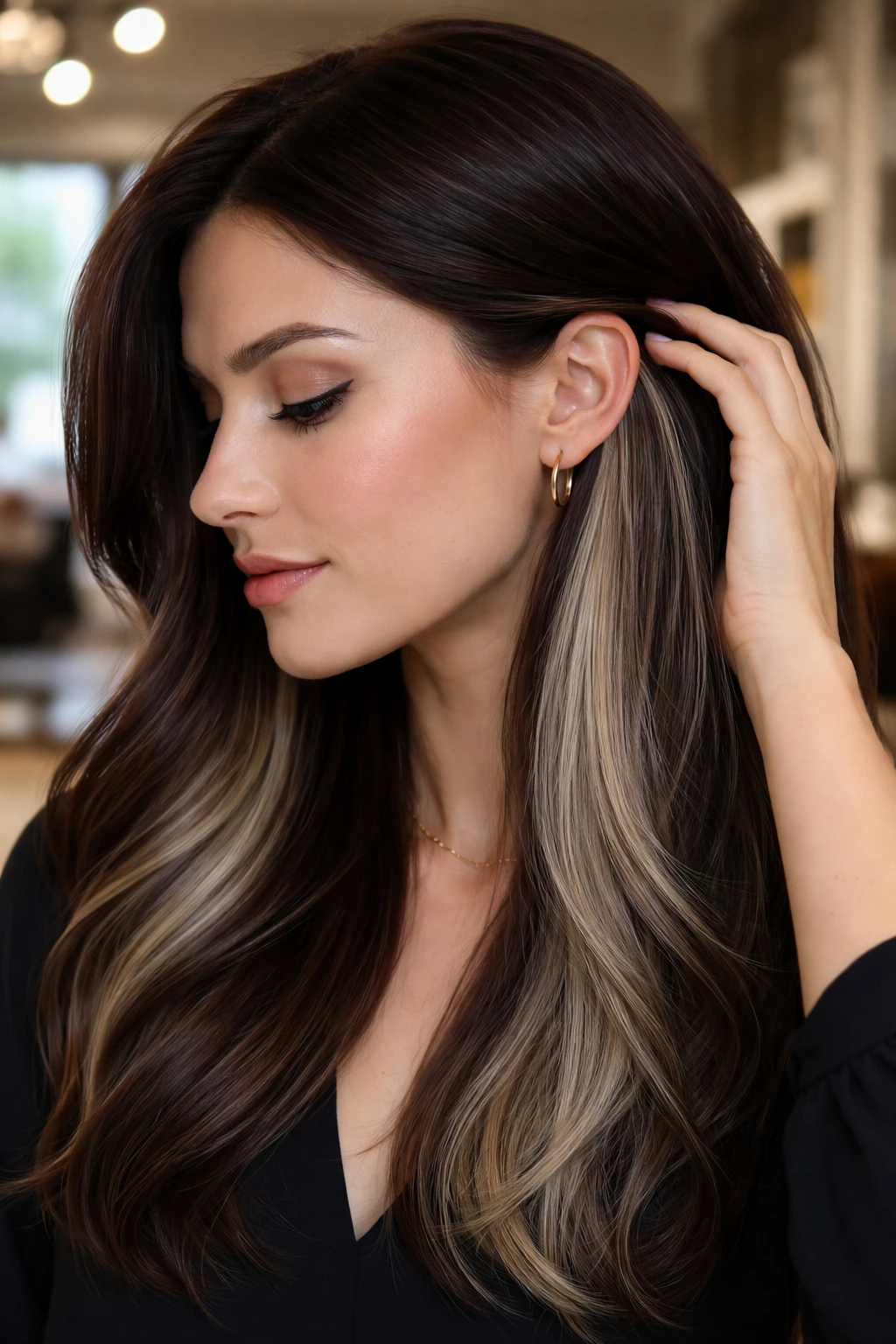
This one has a little attitude. Peekaboo panels hide ash blonde underneath an espresso top layer, so the color only shows when the hair moves, gets tucked behind the ear, or goes into a ponytail.
That hidden contrast is the reason it works so well on cool skin. You get brightness without committing to an all-over light look. The darker espresso keeps the top surface rich, while the ash blonde underneath adds flashes of clean light. It’s a smart choice if you want dimension that feels a touch more playful.
What Makes It Different
- The blonde is mostly underneath, not on top.
- The contrast shows most on layered cuts.
- You can keep the surface color darker for longer.
- It gives you a lighter effect without a full-head blonde maintenance routine.
I like this on straight hair, but it’s even more fun when there’s a bend or wave.
17. Cool Sand Bronde
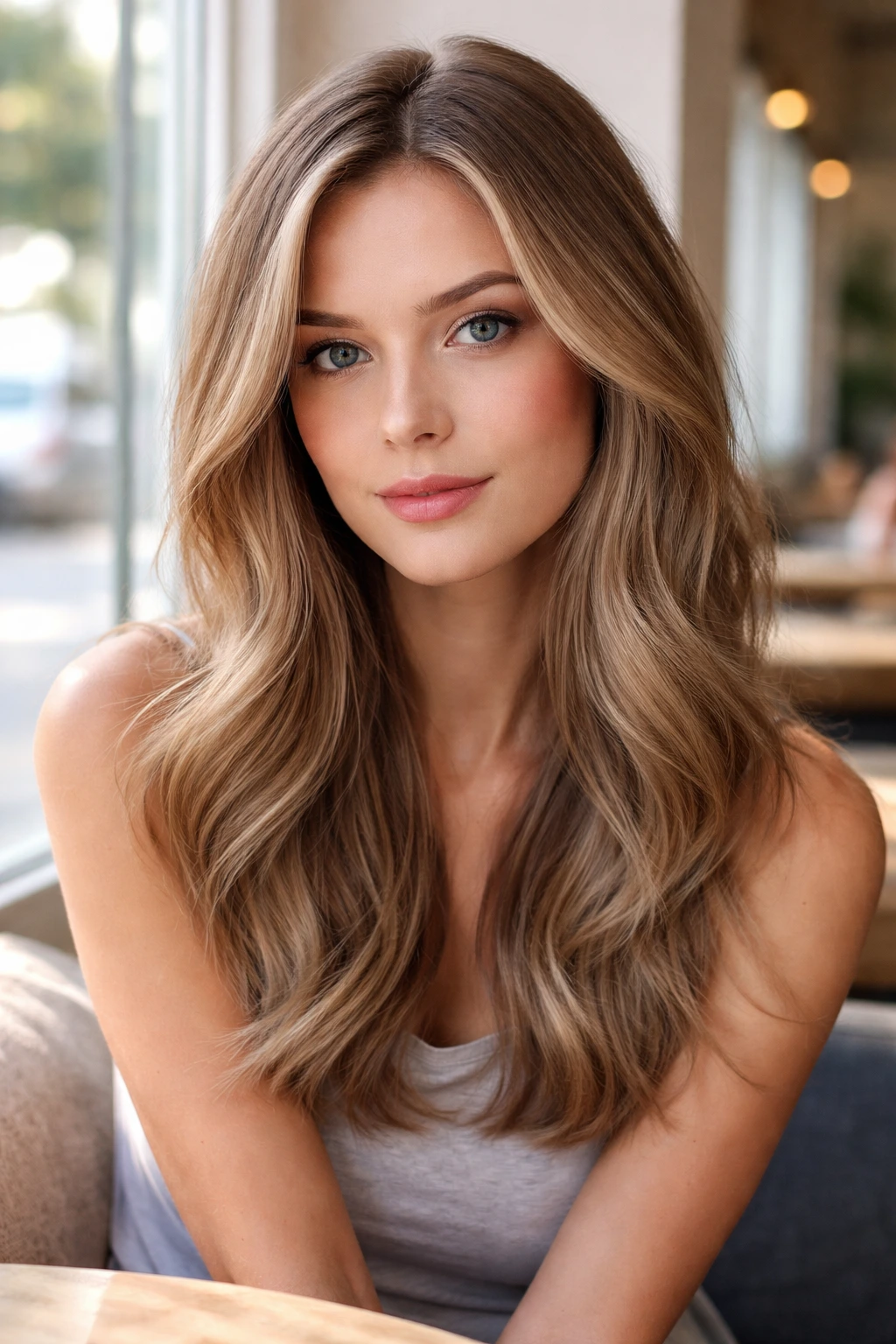
Cool sand bronde is one of those shades that sounds soft and turns out surprisingly useful. It’s not gold. It’s not ash-heavy either. It sits in the middle, which helps cool skin stay bright without looking washed.
A lot of people ask for “beige” and end up with something warmer than they meant. Sand bronde avoids that mistake when it leans muted and slightly smoky. The base can be a soft brown, and the blonde pieces stay sand-colored rather than buttery. That gives you a clean finish that doesn’t fight the complexion.
This one shines on medium-length cuts with movement around the ends. It’s relaxed, but not sloppy. If the haircut is too blunt, the softness gets lost.
18. Frosted Bronde for Cool Skin Tones
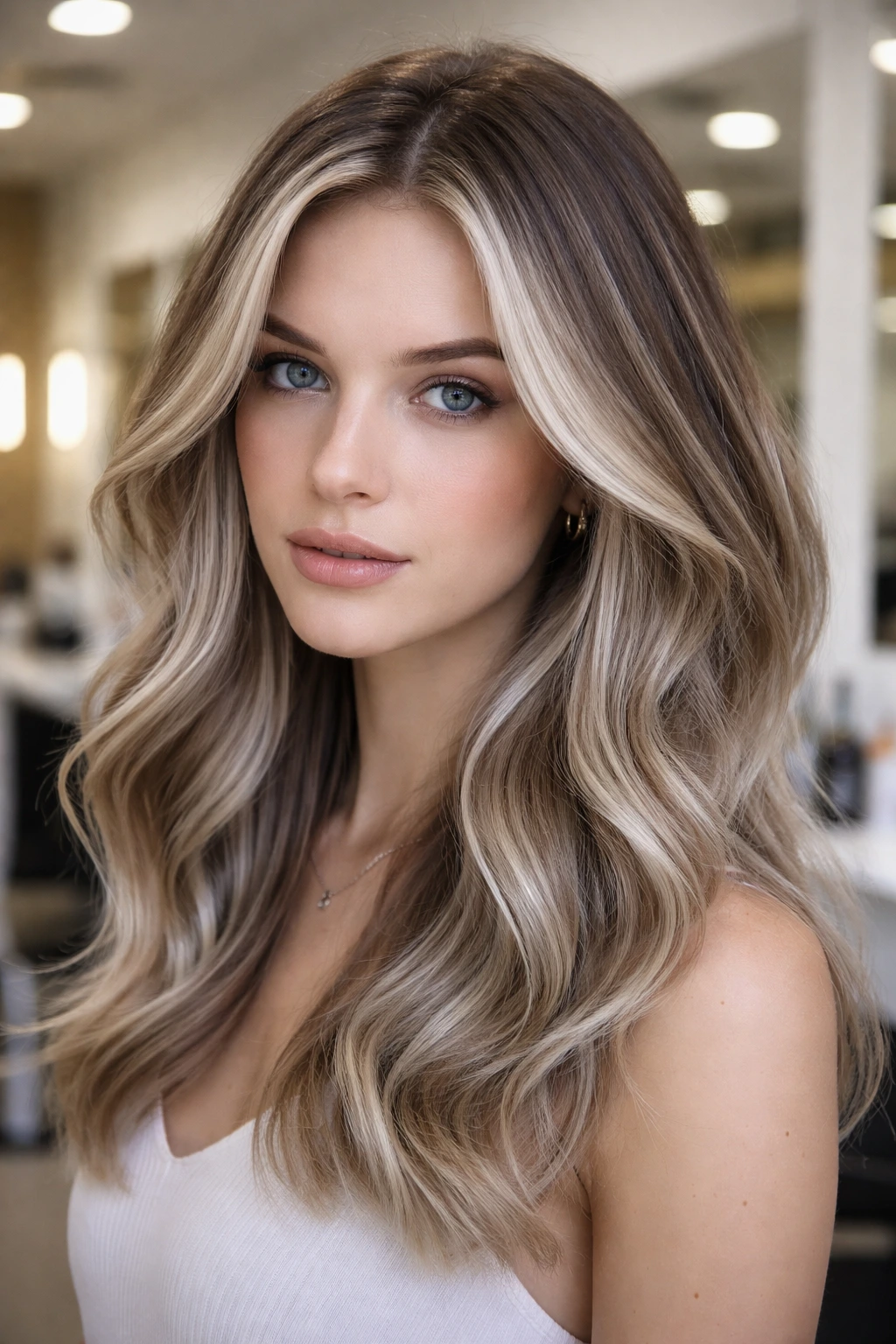
Frosted bronde is what I’d call a cool-girl compromise: lighter than brunette, softer than full blonde, and easier to wear than a high-contrast platinum look. It’s especially kind to cool skin because the frosted pieces stay pale without going yellow.
Best Salon Request
Tell your colorist you want a cool bronde base with frosted ribbons, not thick warm highlights. That one phrase can save you from a lot of orange. The ideal finish has a root smudge, scattered light pieces, and a glossy toner that keeps everything in the pearl-to-ash family.
- Ask for a level 7 or 8 base.
- Keep the lightest pieces around the crown and face.
- Use blue shampoo only when brass starts showing.
- Schedule gloss refreshes before the blonde turns flat.
This is one of those colors that looks quietly expensive when it’s done well.
19. Smoky Bronde Money Piece
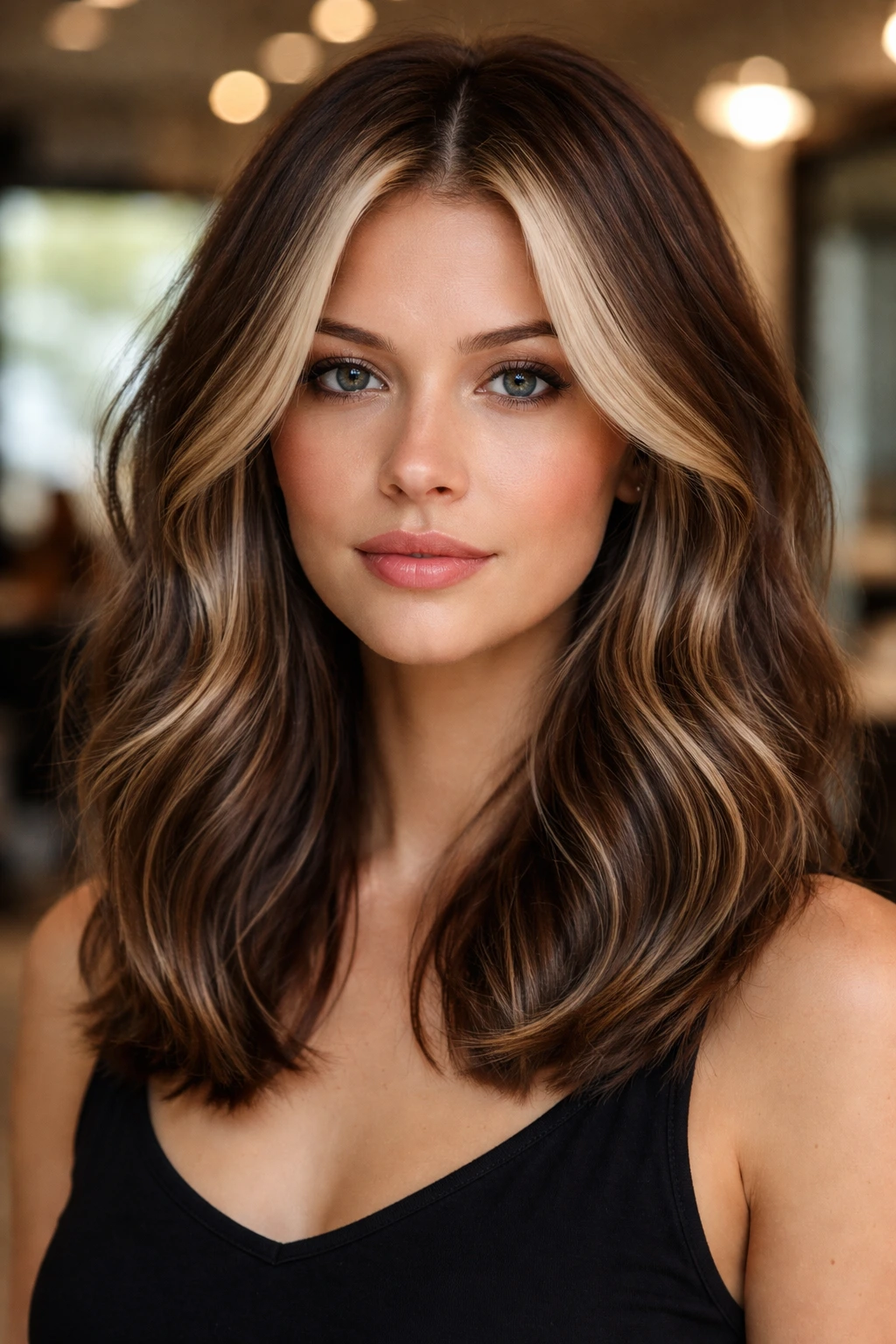
A smoky money piece gives you a lift right where the face needs it, but it doesn’t shout. That’s the appeal. The front pieces are light enough to wake up cool skin, yet the smoky brown base keeps the look grounded.
I’ve seen this work especially well on shoulder-length hair that gets tossed into clips, buns, and low ponytails. The color still reads when the hair is tied back, which is half the point of a money piece anyway. If the front is too warm, the whole style starts looking soft in the wrong way. Smoky keeps it crisp.
The best version has a feathered edge near the part and a slightly brighter face-framing section that fades into the rest of the brown. You want contrast. You do not want a block.
20. Pale Beige Balayage on Dark Blonde
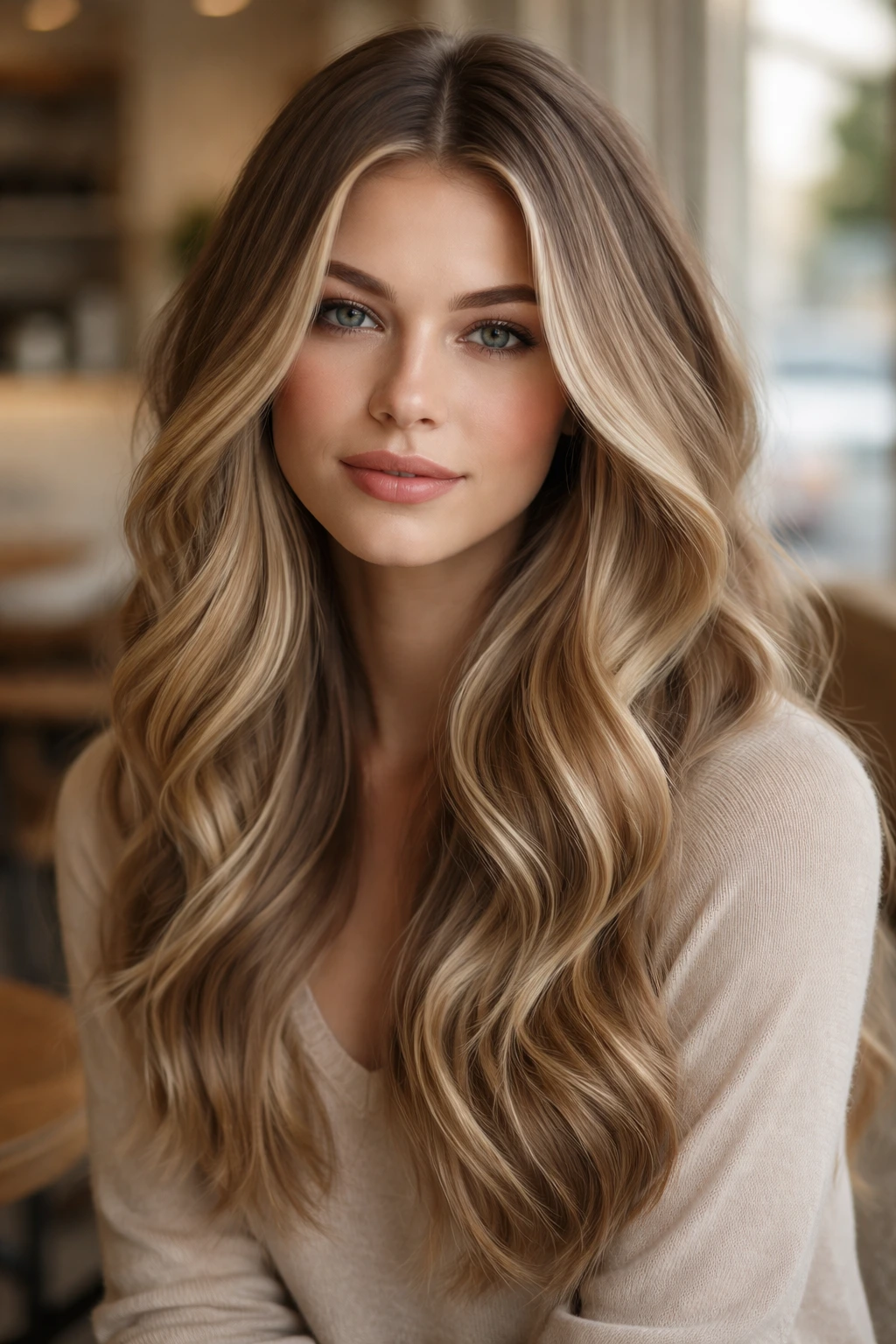
Pale beige balayage on dark blonde hair is the kind of look that’s easy to underestimate. It doesn’t have the obvious drama of platinum, but it gives cool skin a clear, clean brightness that feels wearable day after day.
The dark blonde base is key. If the base is too light, the contrast disappears. If it’s too dark, the beige can look dusty. When the balance is right, the color sits in a sweet spot where the light pieces look airy and the darker root keeps everything from floating away.
I’d recommend this to anyone who wants a low-key blonde-brown blend that still photographs with depth. It’s soft. It’s not boring. And it gives you enough room to play with glosses later if you want to lean more ash or more pearl.
21. Ash Brown With Soft Champagne Tips
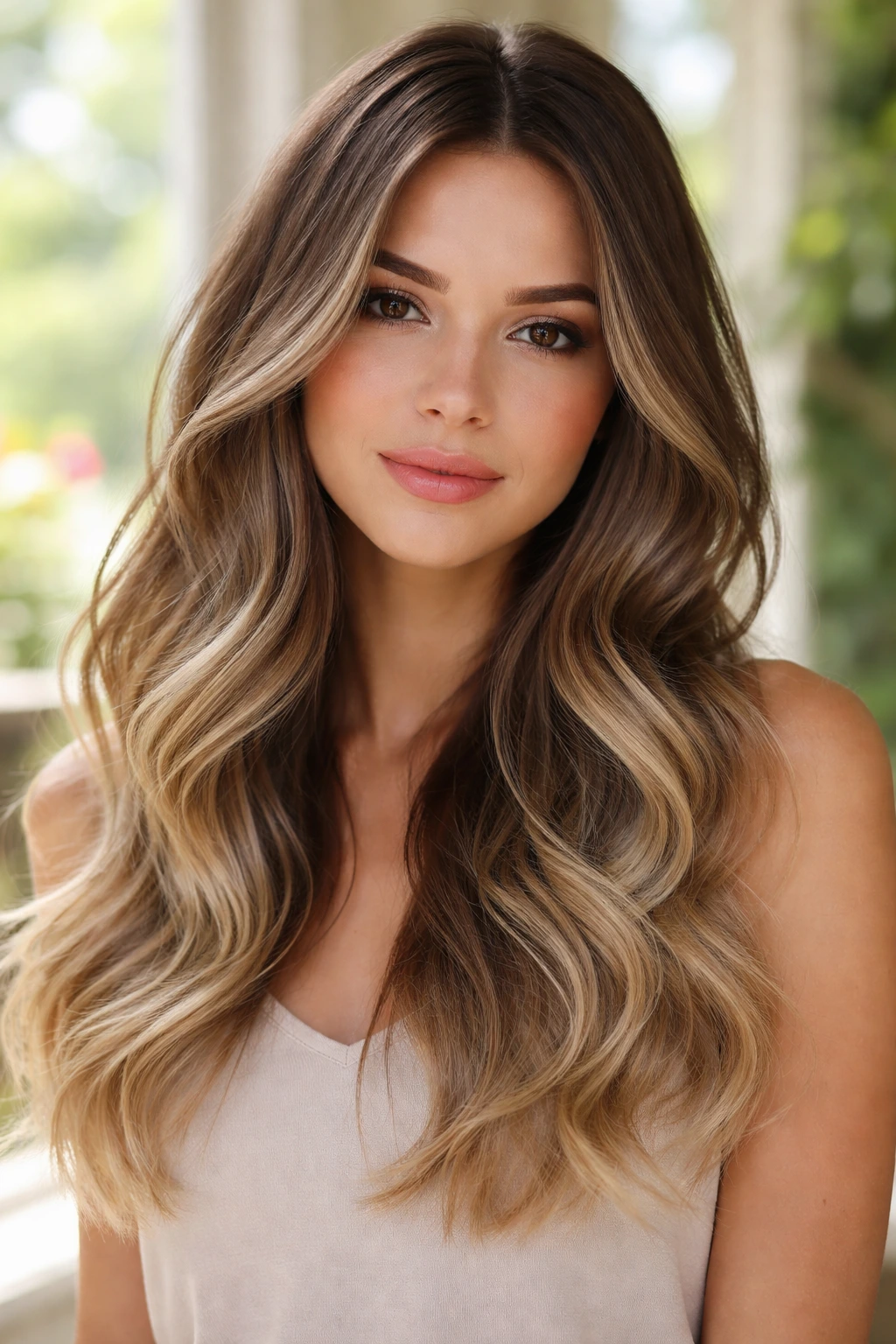
Ash brown with soft champagne tips is a gentler version of ombré. The tips brighten the hair, but the ash base keeps the warmth from getting out of hand. That matters if your skin likes cool, quiet color.
The champagne at the ends should stay pale and restrained, not buttery. Think of it as a soft lift, not a beachy blaze. On wavy hair, the lighter tips show movement. On straight hair, they give the cut a little edge. Either way, the contrast is enough to matter without being loud.
I’d skip this if your ends are already very damaged. Lighter tips show roughness fast. Healthy ends make the whole thing look clean.
22. Smoke and Cream Face Frame
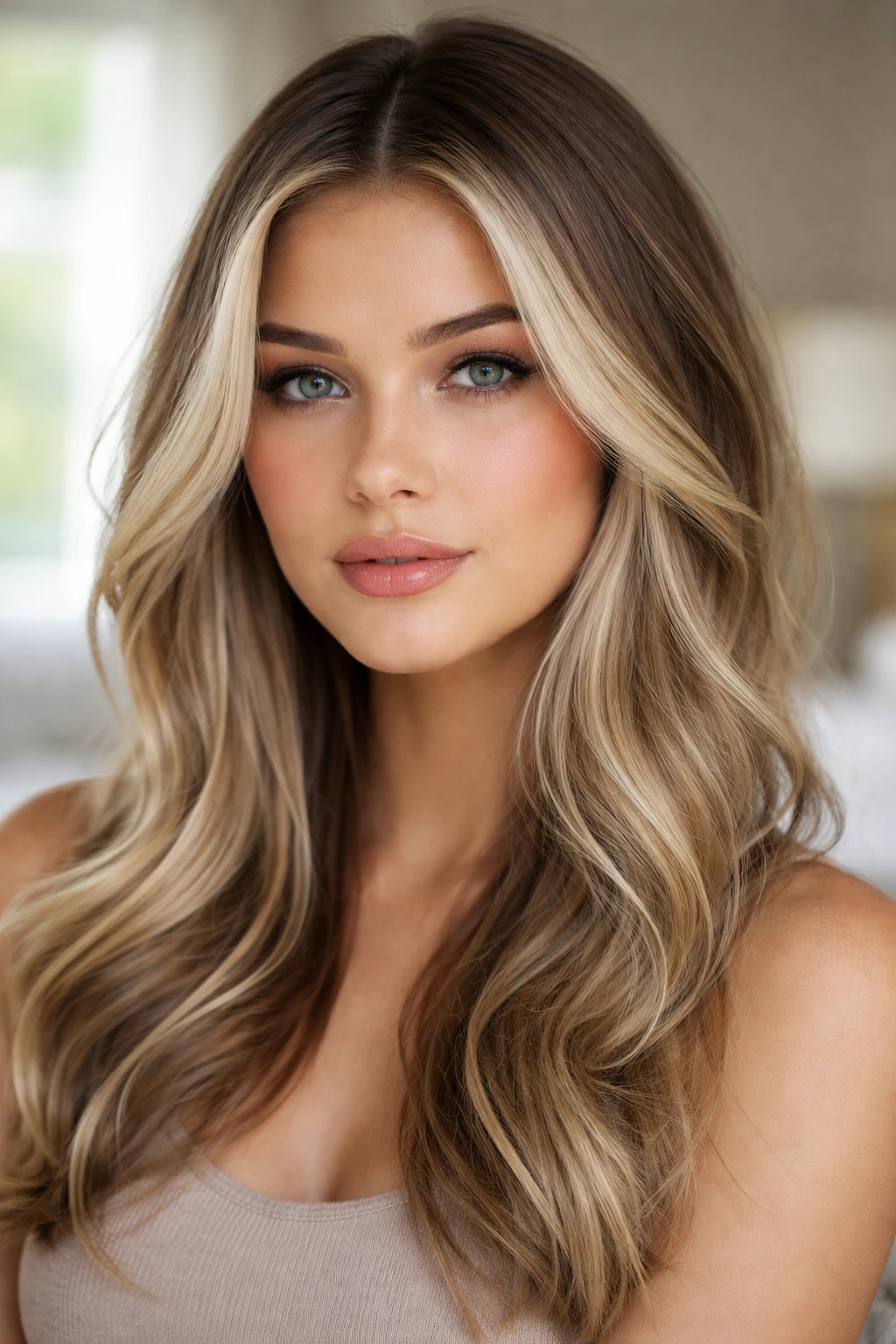
Smoke and cream around the face is a strong move for cool skin because it creates contrast without forcing the whole head into high-maintenance blonde. The “smoke” keeps the root and mid-lengths muted. The “cream” keeps the front pieces bright enough to lift the complexion.
Why It Works
The face frame does the visual work first. Your eyes go there. Your cheekbones go there. The rest of the hair can stay softer and darker, which gives the color a more natural shape.
If you wear a blowout, this looks polished. If you wear your hair messy, it still holds. That flexibility is a big part of its appeal. I’d ask for a cool beige or cream tone rather than anything gold, because the wrong warmth near the face is what makes cool skin look a little off.
23. Mushroom Beige With a Gloss Finish
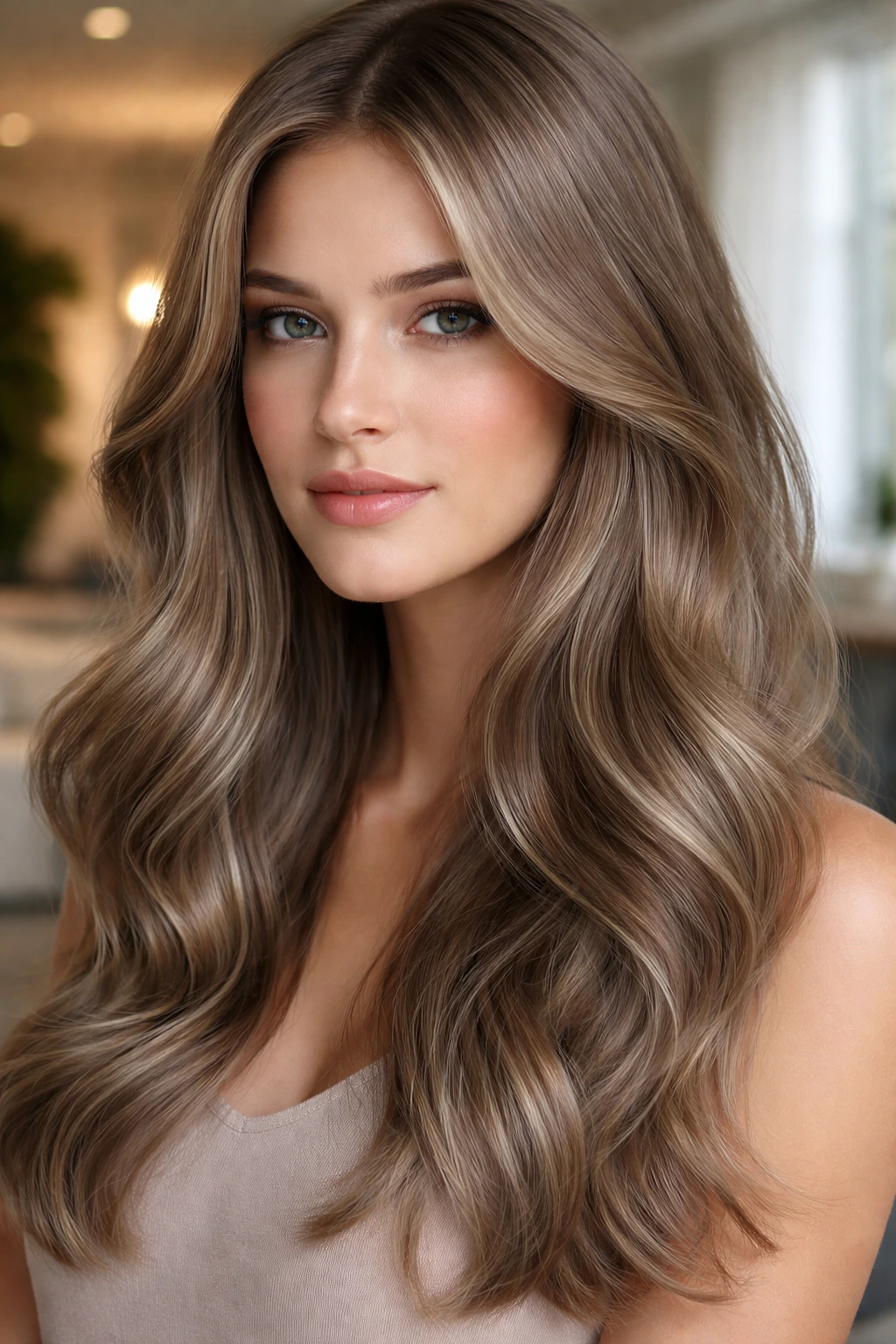
A gloss can change a color from decent to clean in about ten minutes, and mushroom beige is one of the shades that benefits most from it. The base color wants to stay soft and muted; the gloss keeps the lighter pieces from turning dull.
The finish should feel smooth, not shiny in a plastic way. That’s the sweet spot. On cool skin, mushroom beige with a gloss reads calm and balanced, especially if the hair has a little movement at the ends. If the tone starts pulling warm, the gloss is where you fix it.
I like this look because it doesn’t depend on extreme lift. The color sits closer to real hair, just filtered through a cooler lens. That makes it easier to wear for a long stretch.
24. Iced Brunette With Blonde Curtain Pieces
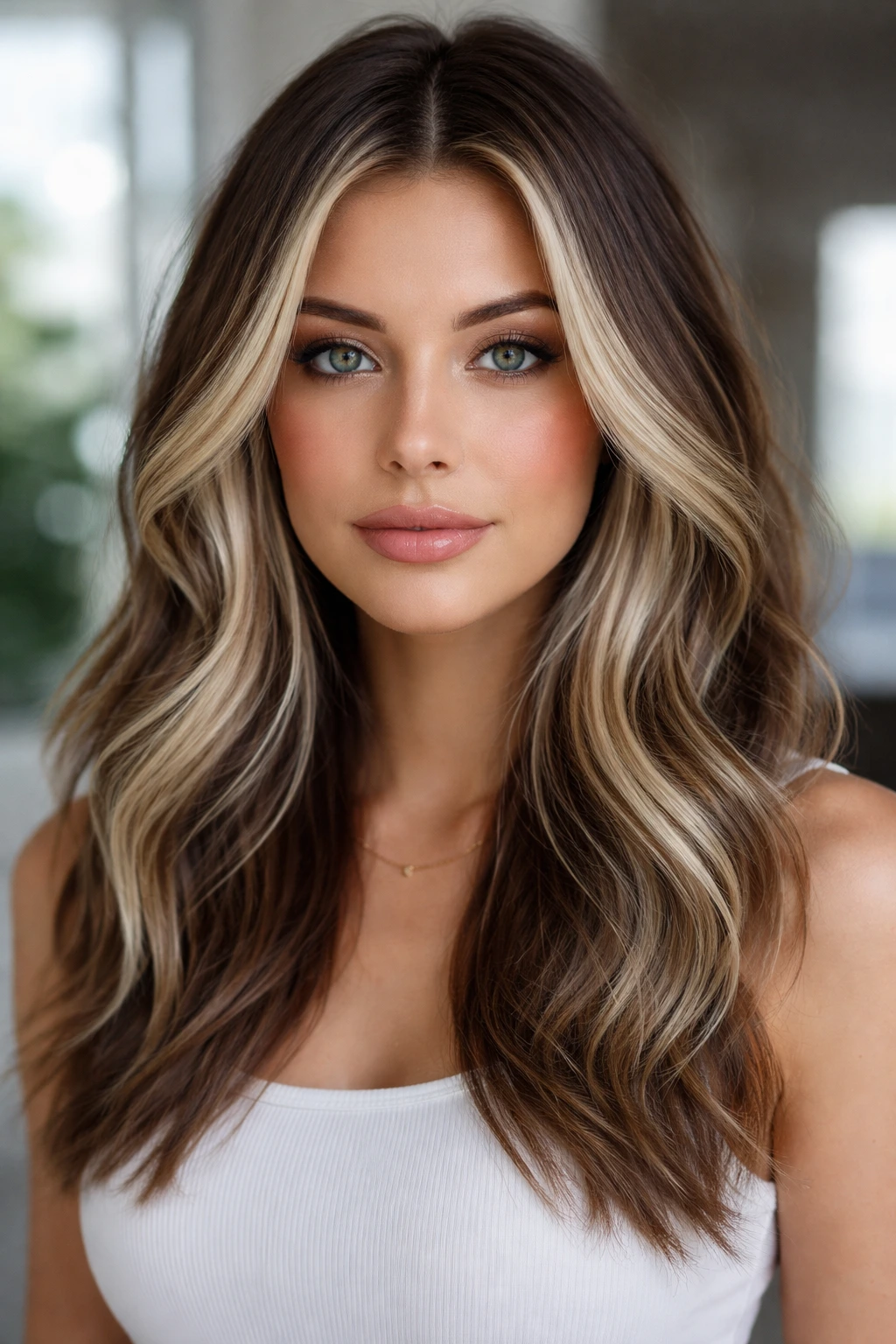
Curtain pieces are one of the easiest ways to bring blonde into brown hair without losing control of the overall tone. On cool skin, an iced brunette base with pale blonde curtain pieces gives you brightness where it counts and depth everywhere else.
The pieces should start a little below the part and sweep down around the cheekbones. That shape flatters the face and keeps the blonde from looking pasted on. If the blonde goes too yellow, the whole look falls apart fast. Keep it icy, pearly, or beige-ash, and the contrast feels much cleaner.
- Great for long layers and curtain bangs.
- Works with middle parts or soft off-center parts.
- Needs less upkeep than full-head blonde.
- Gives you a visible change without a full color overhaul.
This is the kind of look that can be dramatic or subtle depending on placement. That’s a useful trick.
25. Neutral Pearl Brown Blonde Melt
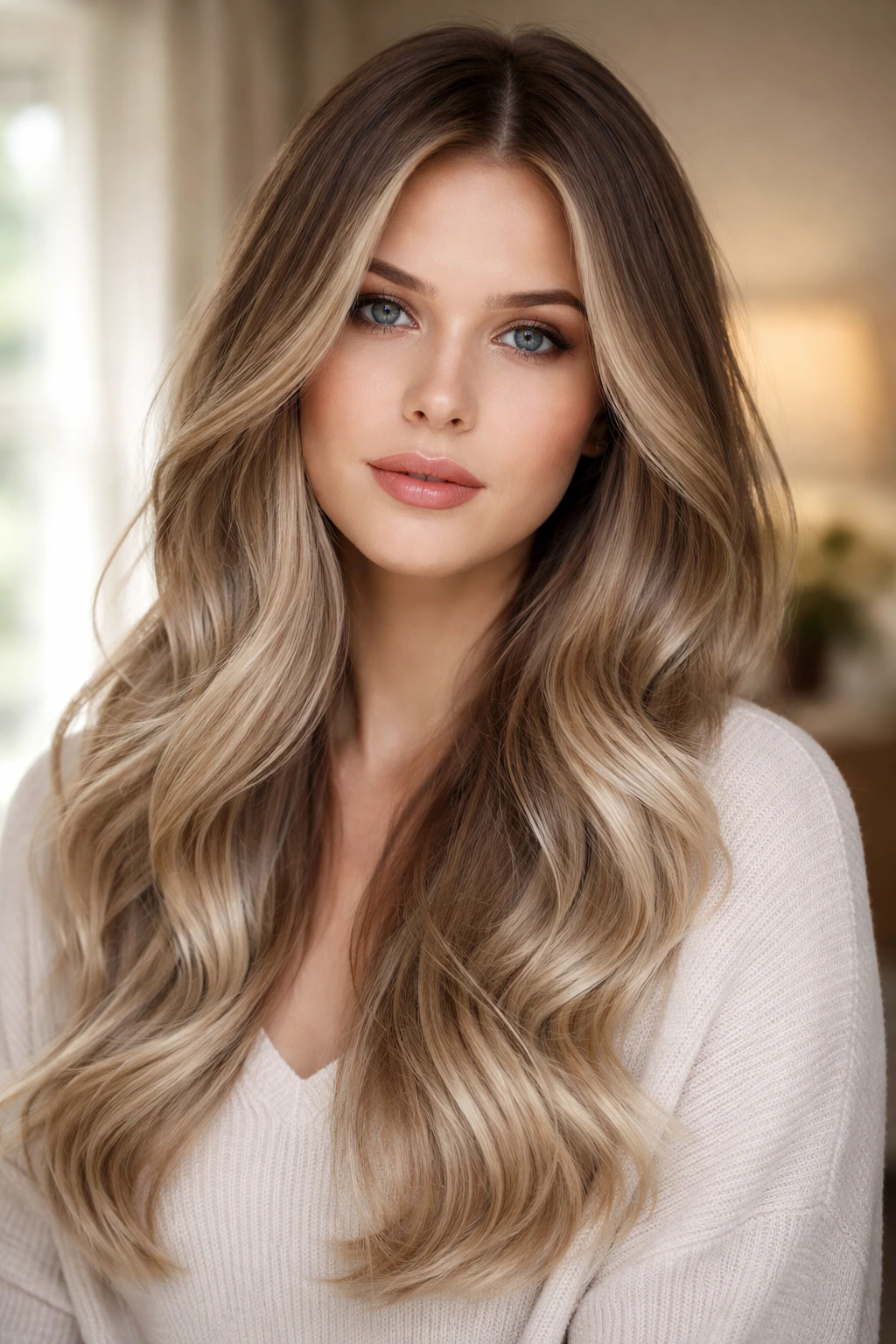
Neutral pearl brown blonde melt is the most forgiving option here, and maybe the one I’d hand to someone who wants the least drama with the most polish. It keeps the base cool, the mids soft, and the lighter ends in that pearl-beige space that works well on cool skin.
The beauty of this one is how little it tries to fight the natural hair. It smooths the transition between brown and blonde instead of drawing a line between them. That makes the color easy to live with, especially if you prefer low-maintenance color that still looks deliberate.
If I had to narrow the whole list down to one broad rule, it would be this: keep the warmth down, keep the dimension up, and let the brown do part of the work. Cool skin usually looks best when the hair feels clean, smoky, and softly lit — not sunny.
