



Finding a red-blonde hair color that actually complements cool skin tones often feels like trying to walk a tightrope. Most red-blonde shades—think classic strawberry or golden ginger—lean heavily into orange or yellow undertones. When you have cool skin, those warm, sunset hues can quickly make your complexion look sallow or washed out. The secret isn’t to avoid red altogether, but to pivot toward colors that bridge the gap between warm copper and cool violet or ash bases.
You need shades that have a blue or purple undertone beneath the red, which effectively neutralizes the contrast that usually clashes with cool-toned skin. Whether you want a subtle tint or a full, vibrant color transformation, the goal is to keep the red from turning into a muddy orange. We are looking for icy, metallic, and berry-infused blondes that offer that stunning, multidimensional look without compromising your skin’s natural brightness.
1. Soft Strawberry Blonde with Ash Roots
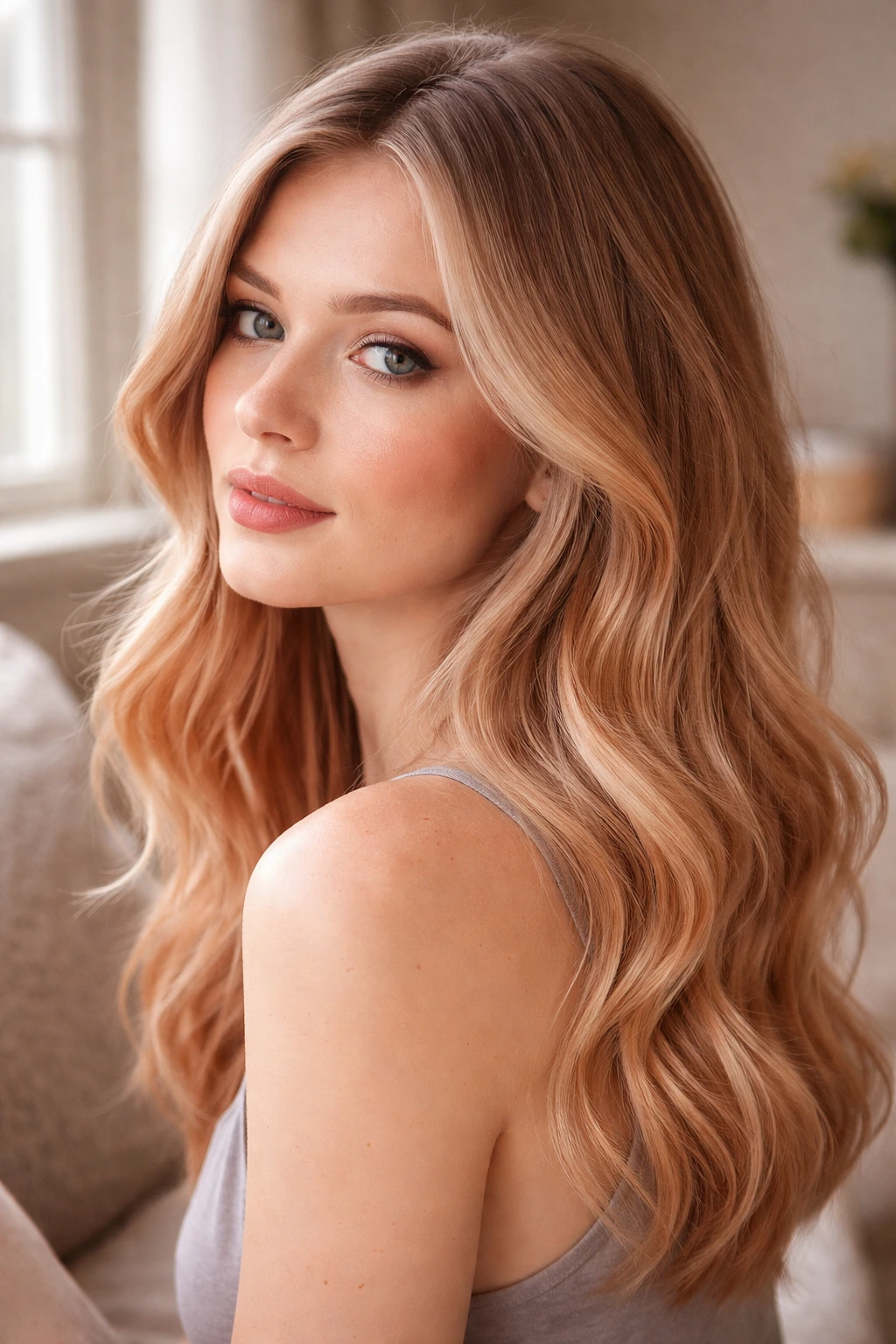
This is the entry-level shade for anyone hesitant to go full-on red. The classic strawberry blonde often pulls too orange, but by introducing an ash-toned root smudge, you immediately ground the look. The ash roots act as a buffer between your skin and the warmer mid-lengths.
You get the brightness of blonde with the warmth of red, but the ash keeps it from clashing with your cool complexion. This look works best on fine hair because the root smudge adds visual density. If you are naturally dark, keep the roots a few shades deeper to prevent that jarring line of demarcation as your hair grows out.
Why It Works for Cool Skin
The secret here is the negative space. By leaving the roots cool and dark, you ensure that the warmth of the red-blonde starts further down, away from your face. It’s a low-maintenance way to play with red without needing a complete color overhaul every four weeks.
2. Cool-Toned Ginger Balayage
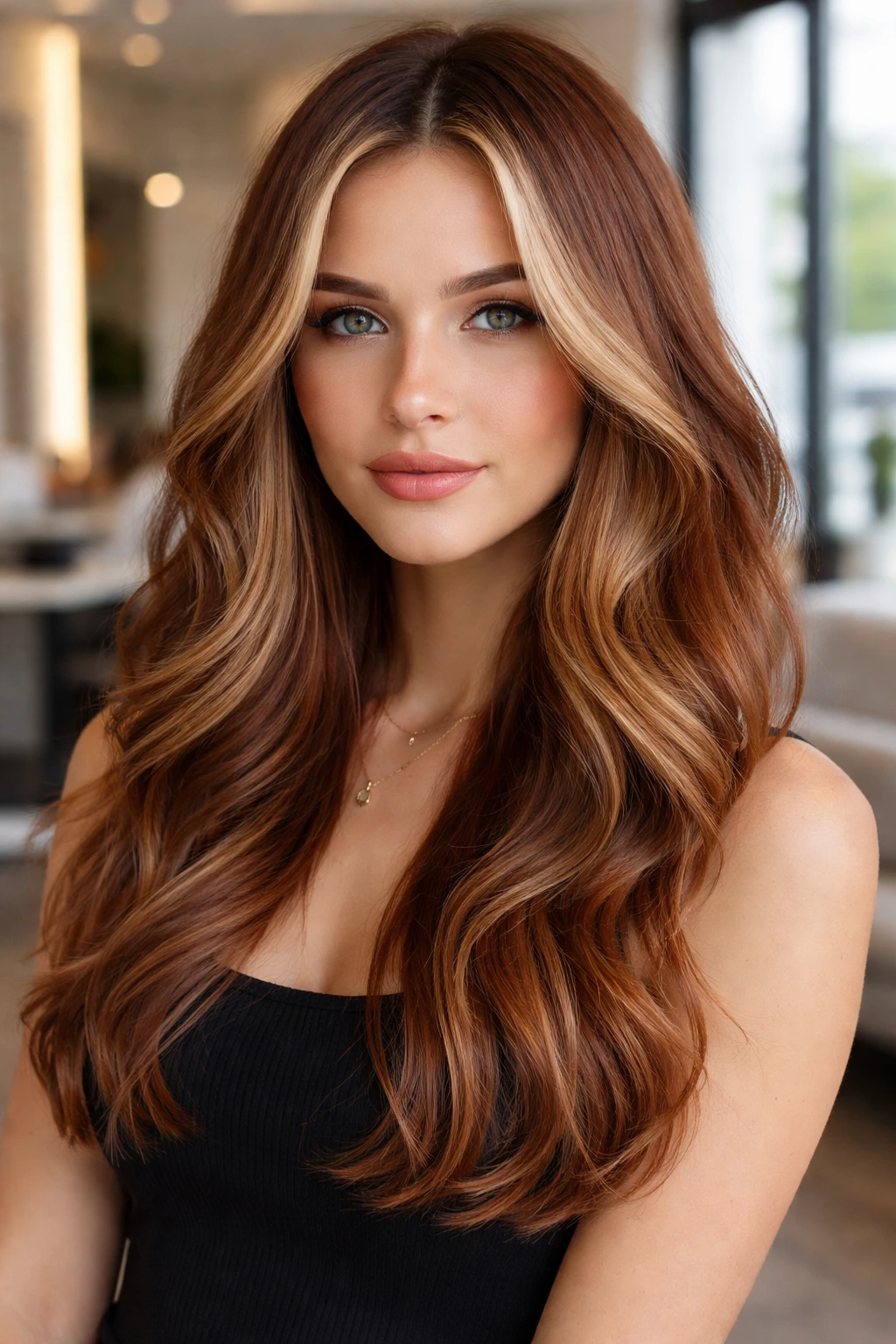
Ginger often carries a reputation for being aggressively warm, but that is a misunderstanding of the spectrum. A cool-toned ginger moves away from the “neon” orange and toward a more muted, clay-like copper. When applied as a balayage, these tones are painted onto a neutral or cool-toned blonde base, so you aren’t completely saturated in copper.
This technique allows for more control. Your stylist can keep the pieces framing your face slightly lighter and more neutral, while the copper lives in the lower sections and the interior layers. It creates a dimensional look that feels like a natural transition rather than a forced shift.
3. Muted Rose Gold
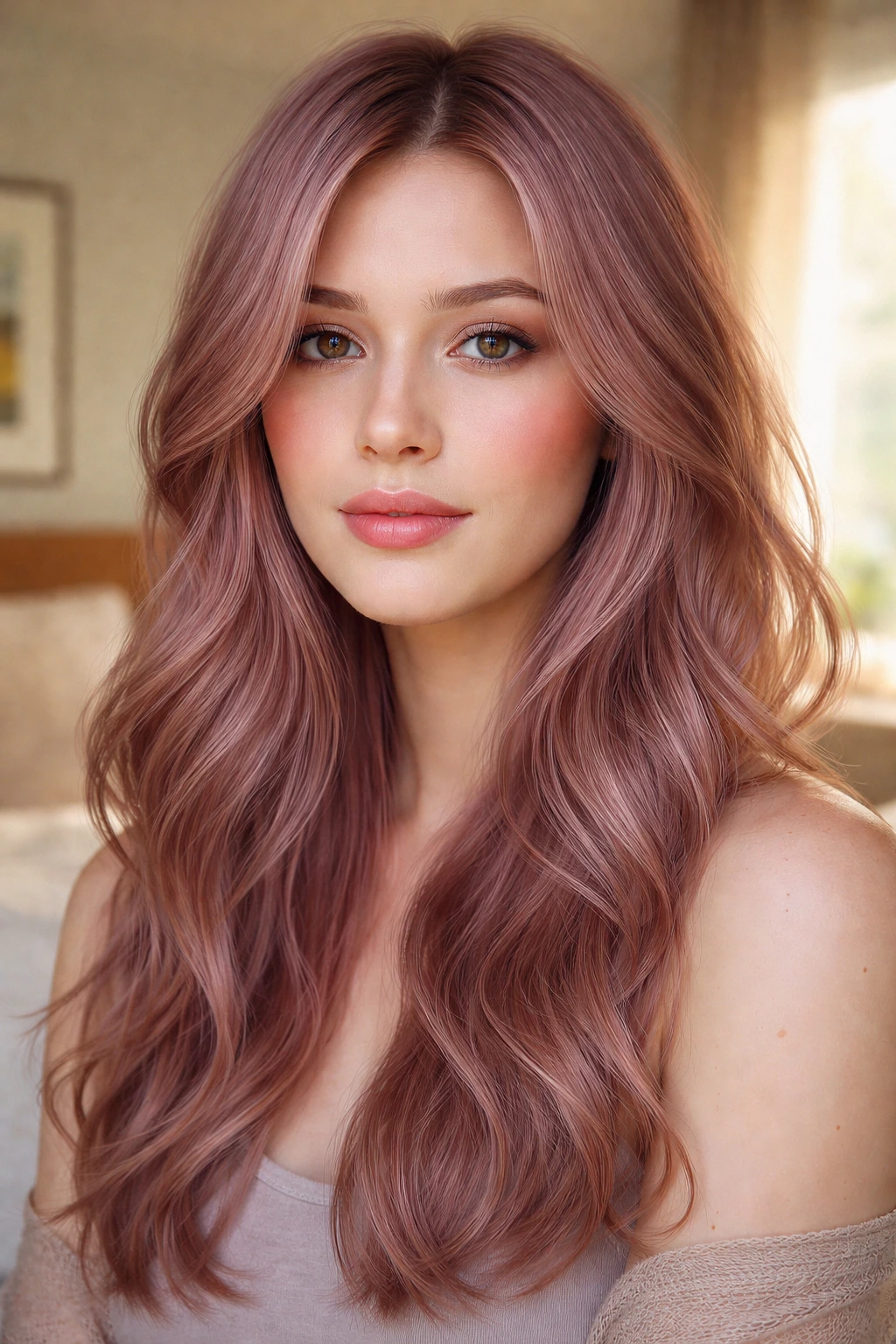
Rose gold is a dream for cool skin because it is, by definition, pink-toned. True rose gold isn’t just copper; it has a violet or berry undertone that aligns perfectly with the cool, blue-based complexion.
The trick is asking for a “dusty” rose gold rather than a metallic, brassy one. Think of a faded petal rather than a shiny coin. This shade fades gracefully, too. Since it relies on a pink-red deposit, it doesn’t leave behind that dreaded orange residue that so many other red-toned dyes do after a few washes.
4. Icy Raspberry Blonde
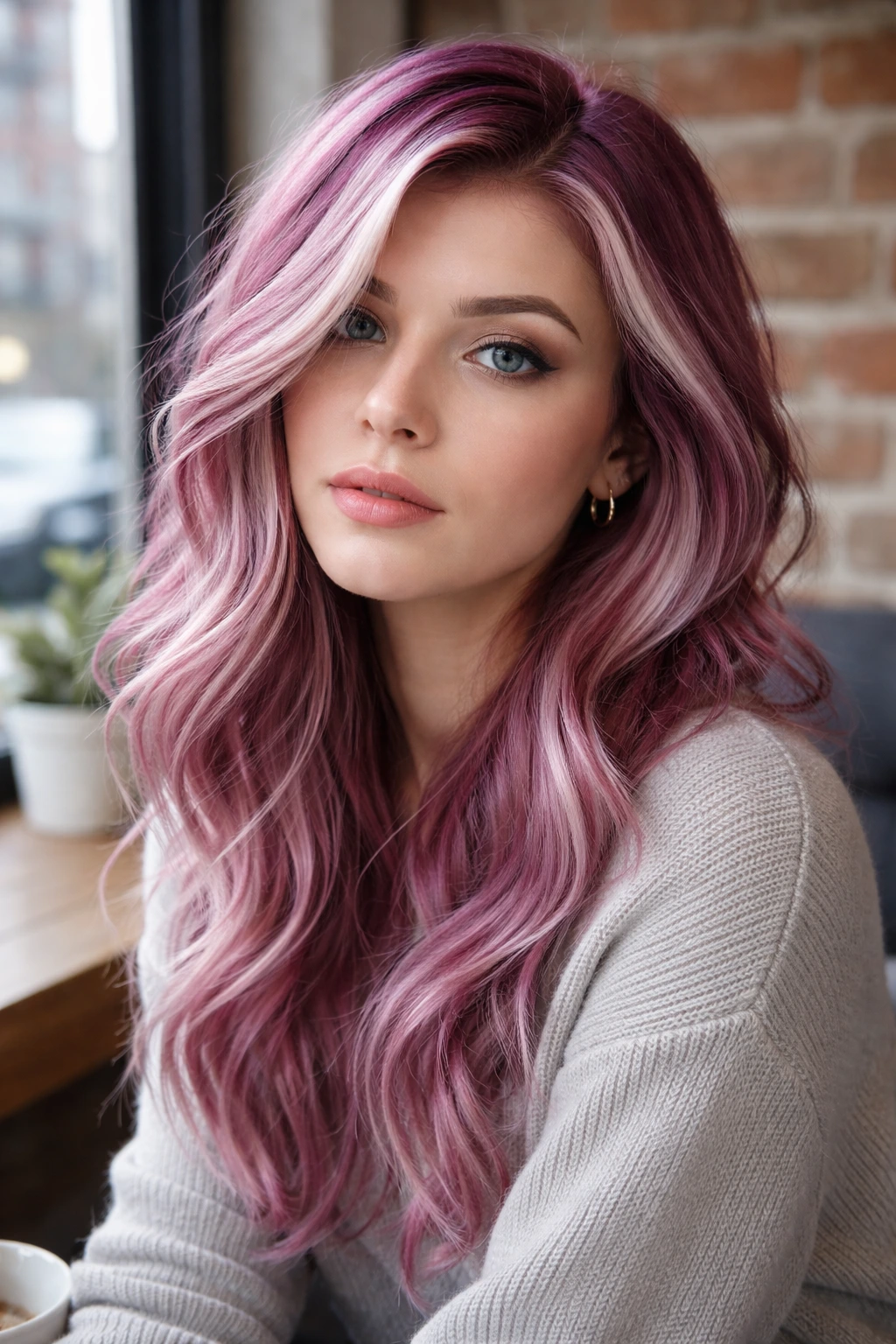
If you want to lean into the red spectrum without looking like you’ve raided a spice cabinet, raspberry is your best friend. This color sits right on the edge of red and purple. Because purple is the direct opposite of yellow on the color wheel, a violet-based red shade will always look fantastic against cool skin.
The “blonde” aspect comes in through the highlights—think platinum or icy white streaks woven through a berry-toned base. It gives you the high-fashion appearance of a multidimensional red without the warmth that usually makes cool skin look tired. This is a bold choice, so be prepared to invest in color-safe shampoos.
5. Platinum Base with Copper Lowlights
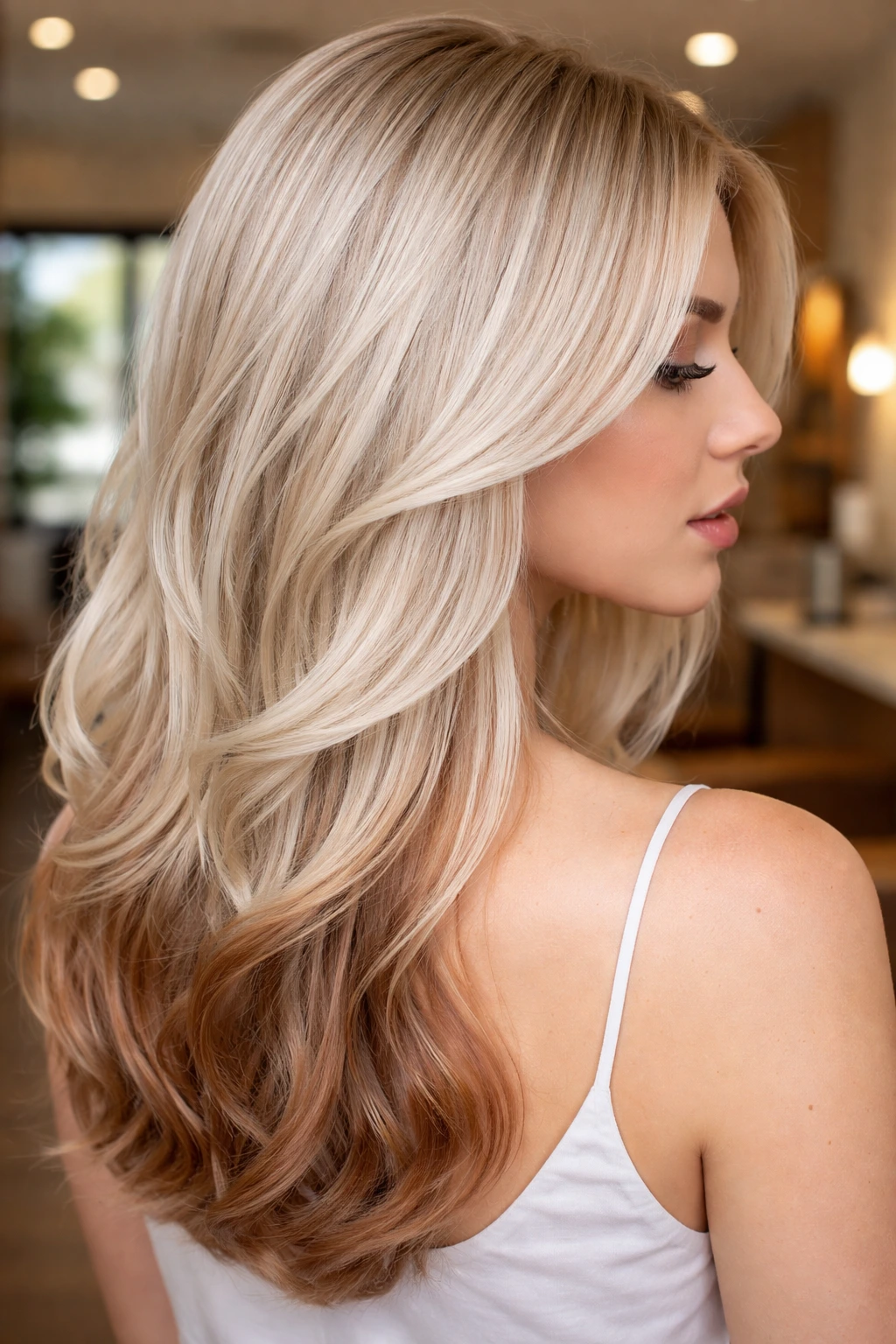
Sometimes the best way to wear red-blonde is to treat the red as a secondary accent. By starting with a full head of platinum or cool champagne blonde, you can then weave in incredibly fine, cool-copper lowlights.
Because the base is already white-blonde, the copper doesn’t have to fight to be seen. It provides a soft, shimmering warmth that feels sophisticated rather than beachy. The copper pieces should be placed strategically—near the nape of the neck or in the lower layers—so they peek through when you move, rather than sitting directly against your face.
6. Violet-Tinted Strawberry
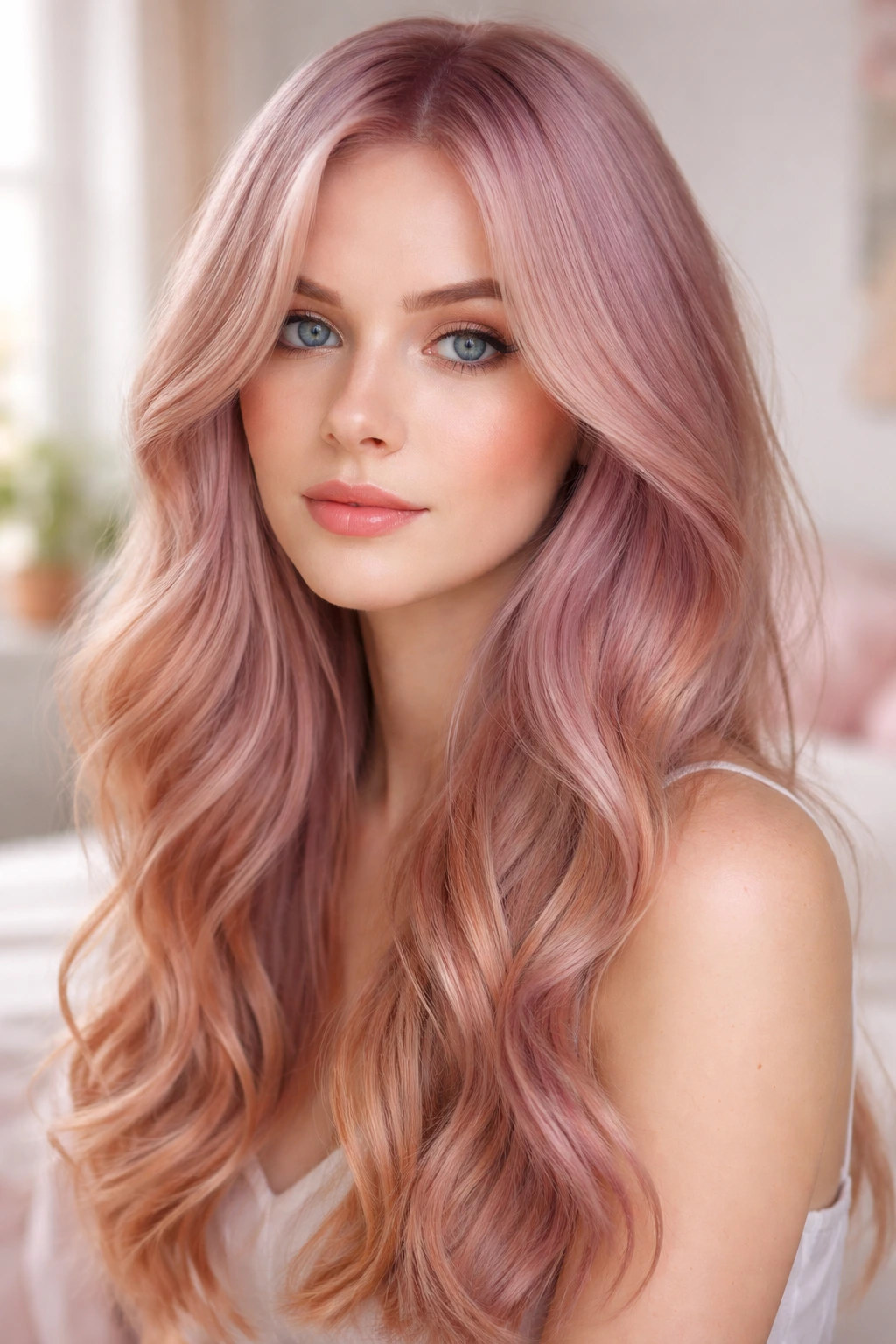
Classic strawberry blonde is risky for cool skin, but a violet-tinted version is a guaranteed win. By taking that traditional strawberry base and glazing it with a sheer violet toner, you kill the excess yellow.
The result is a strawberry blonde that feels almost like a soft pastel peach but with an unmistakable cool finish. It is surprisingly flattering. You might find that this color needs a quick gloss treatment every six weeks, but the result is a unique, ethereal shade that few people have.
7. Shadow Root and Cool Peach
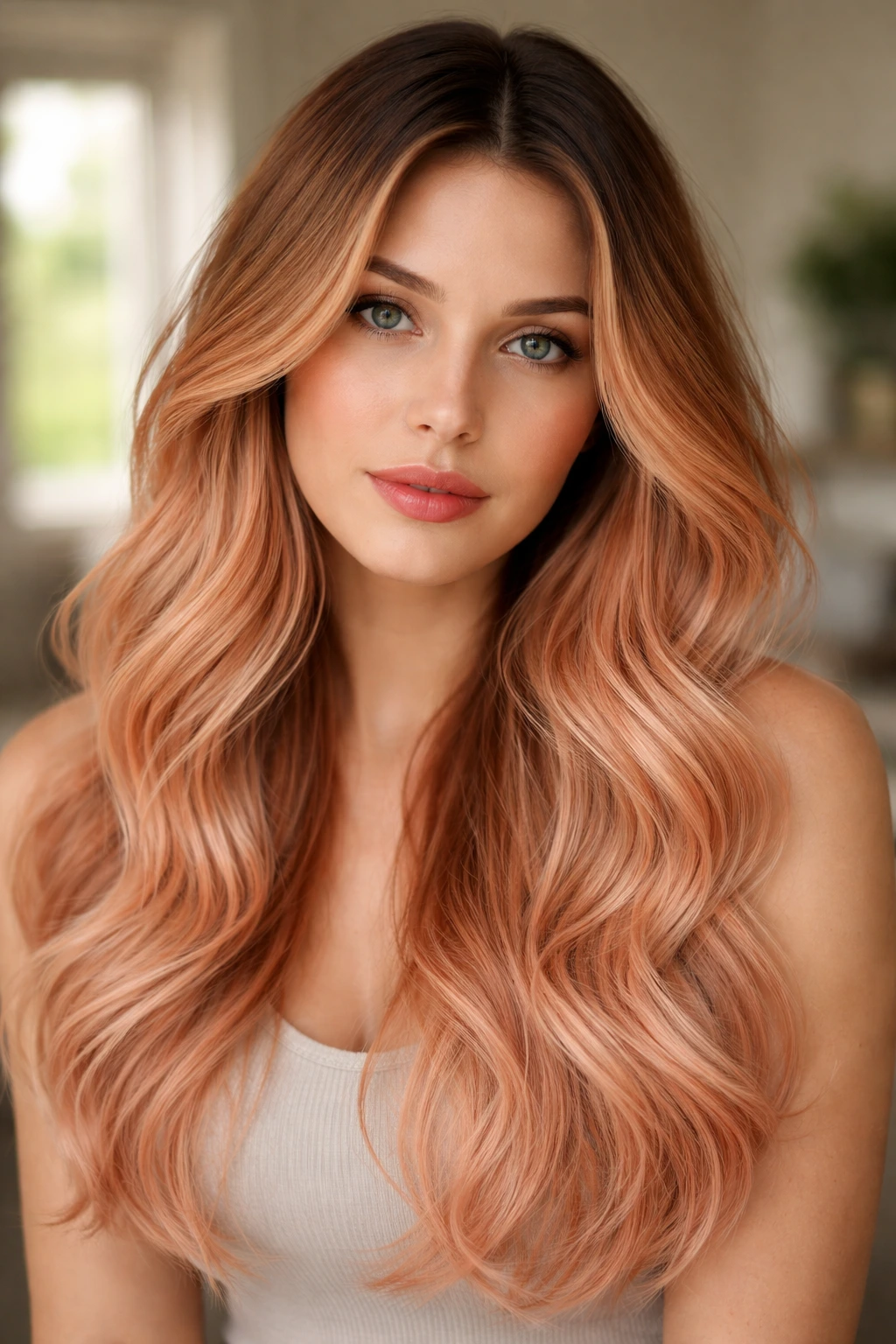
The “shadow root” technique is a lifesaver for anyone worried about red-blonde looking too bright. By keeping your natural root color and pulling it down just an inch or two into a cool peach or muted coral, you create a seamless transition.
This works for cool skin because your natural, deeper root acts as a barrier, preventing the red from dominating your face shape. The peach color on the ends is just a suggestion of warmth, not a full-on statement. It looks incredibly polished on longer, wavy styles where the colors can blend together.
8. Metallic Champagne Copper
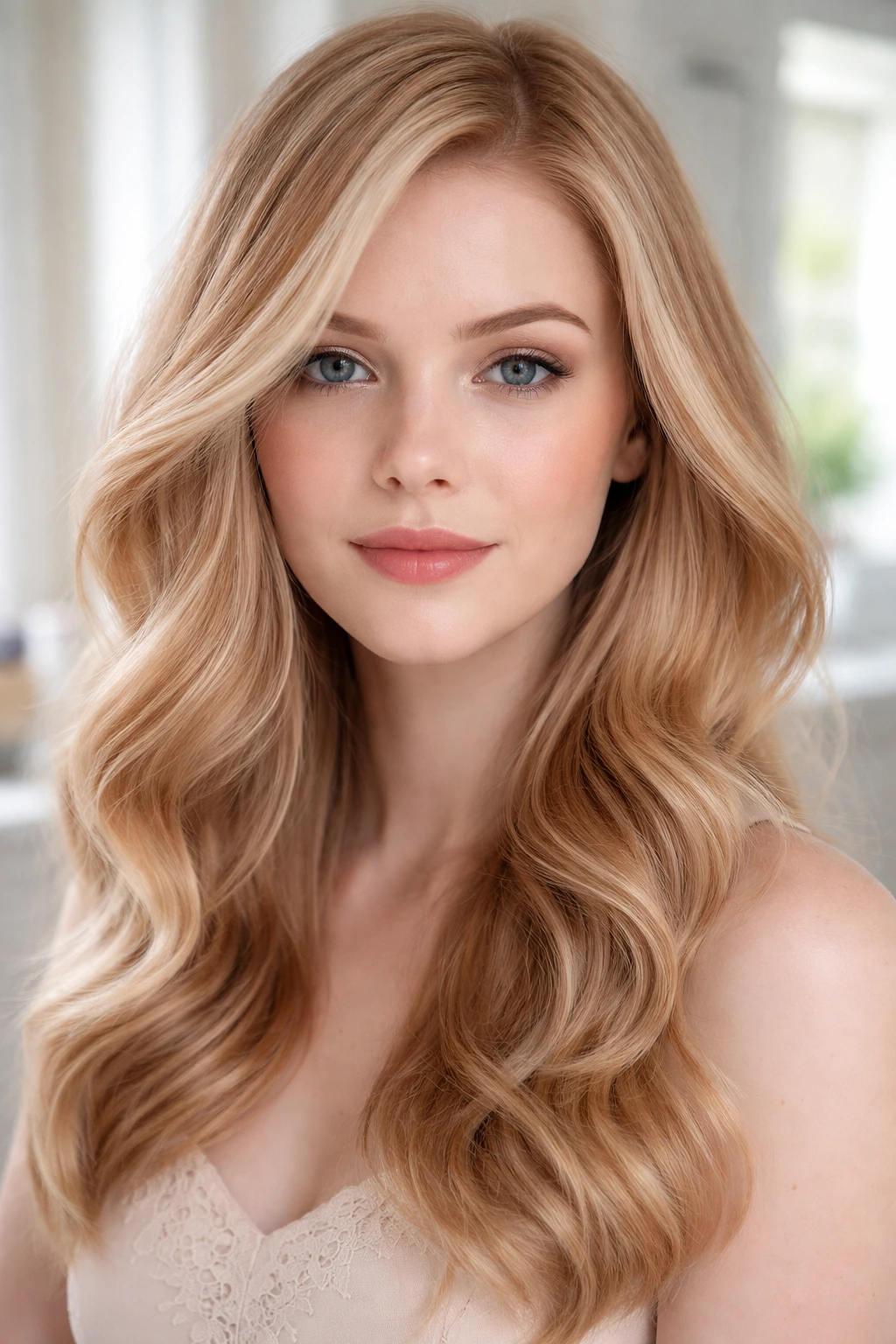
Think of this as the “expensive” version of red-blonde. It lacks the matte quality of ginger or strawberry and instead focuses on high-shine, metallic reflections. The color is a blend of pale champagne blonde and very fine, metallic copper ribbons.
Because the copper is muted by the champagne, it loses that “orange” feeling. It feels like a shimmering, cool-toned brass that has been polished down. This color is stunning on people with very fair, porcelain skin because it adds just enough warmth to give you a glow without making you look sunburnt.
9. Iridescent Peachy-Pink
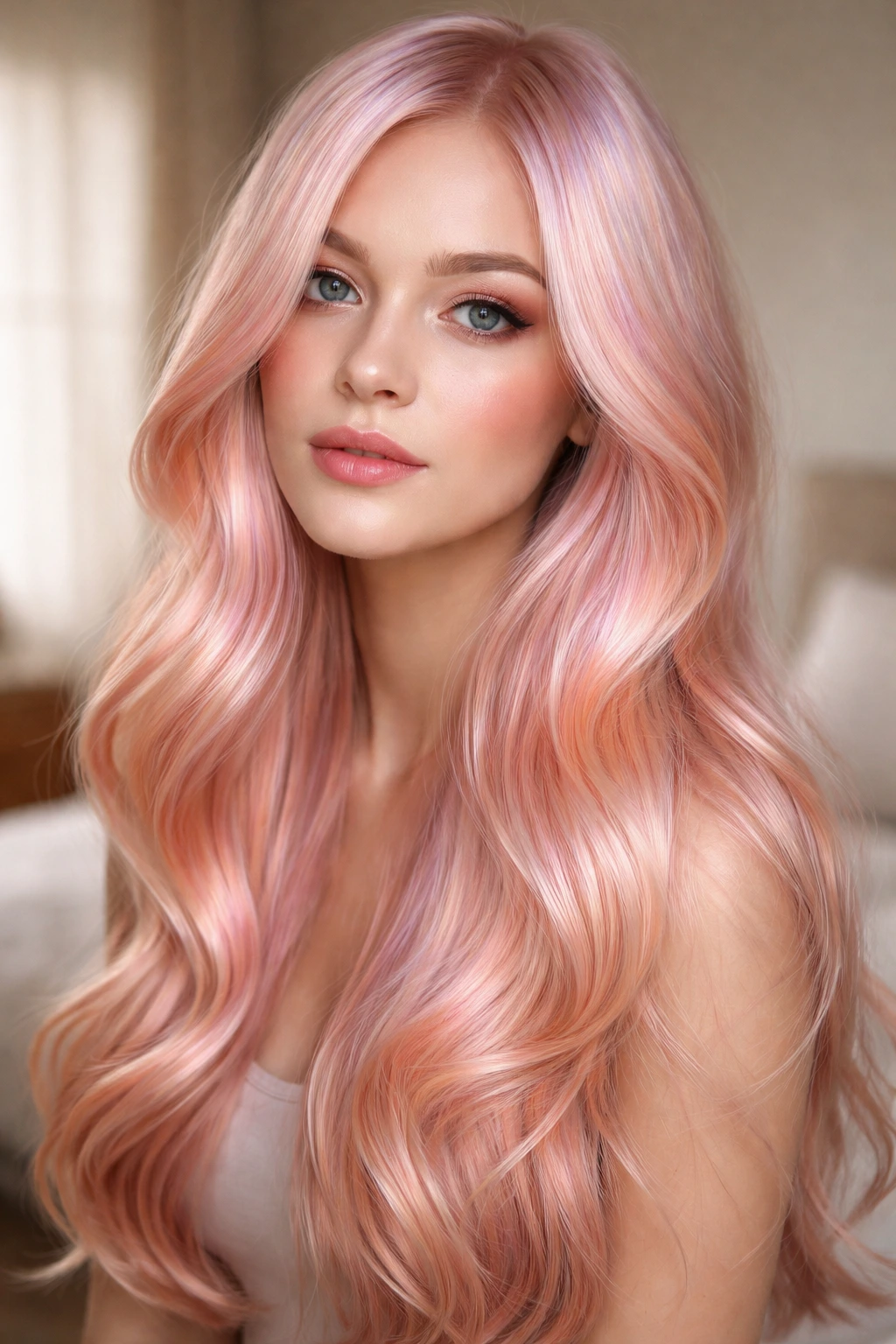
This is a step bolder than rose gold. It moves closer to a true pastel pink but keeps the golden-blonde undertones that define it as “red-blonde.” The iridescence comes from a silver or pearl toner applied after the color.
This silvery finish is the “cool skin” factor. Without the pearl overlay, this would look like a bright, warm bubblegum pink. With it, it turns into a sophisticated, wearable shade that catches the light like an opal. You definitely want to go to a professional for this one—achieving that specific iridescent finish requires a precise level of pre-lightening.
10. Sandy Strawberry Blonde
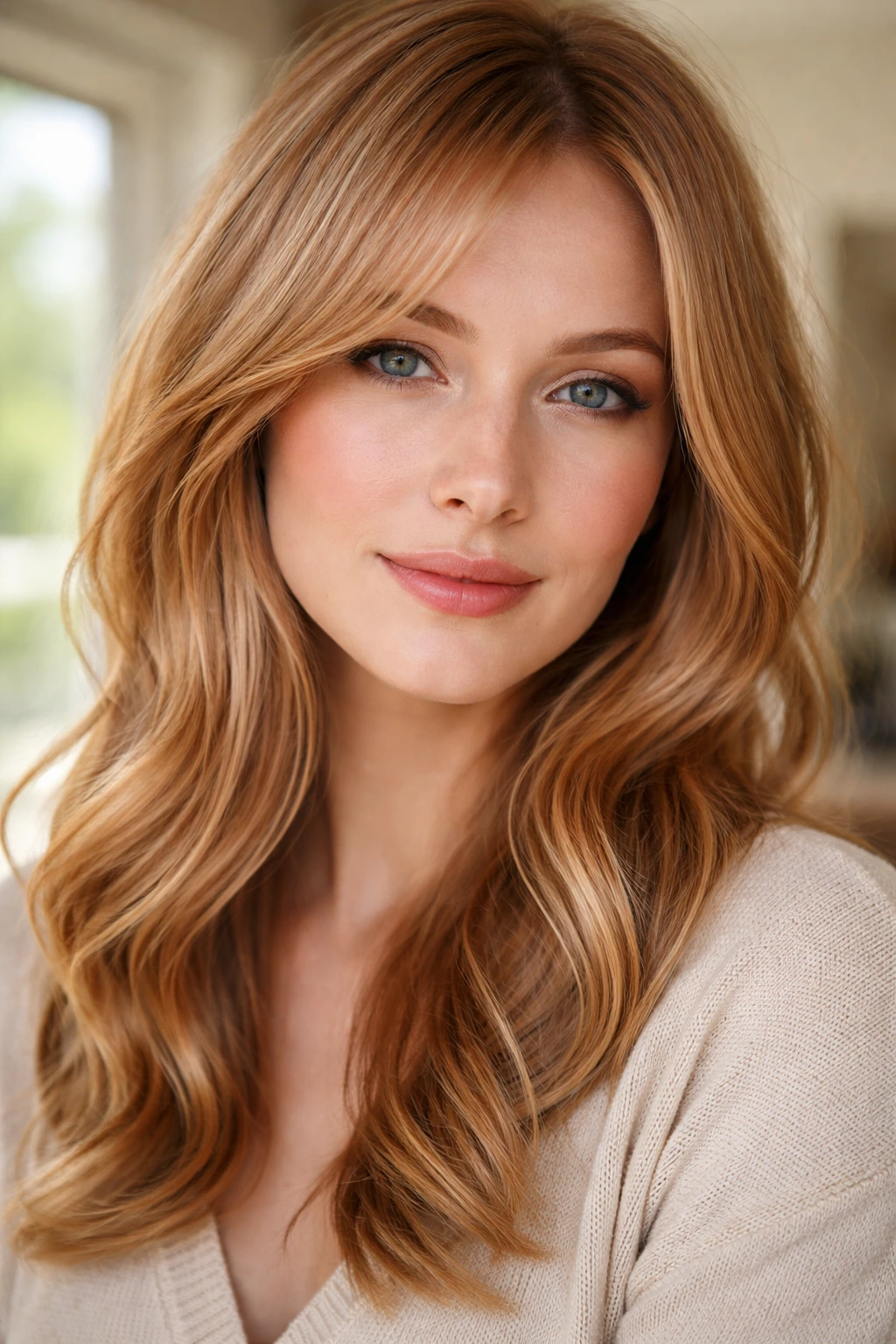
If your goal is something that looks entirely natural—like you just happen to have a “reddish” tint to your blonde hair—the sandy strawberry is the answer. It’s a muted, beige-blonde base with very fine, cool-toned red babylights.
“Sandy” implies a lack of orange. By focusing on a beige/ash base, you eliminate the brassiness that usually happens with strawberry shades. This is a very subtle look. It won’t stand out from across the room, but in the sunlight, it will show off those delicate, cool-red highlights.
11. Lavender-Kissed Copper
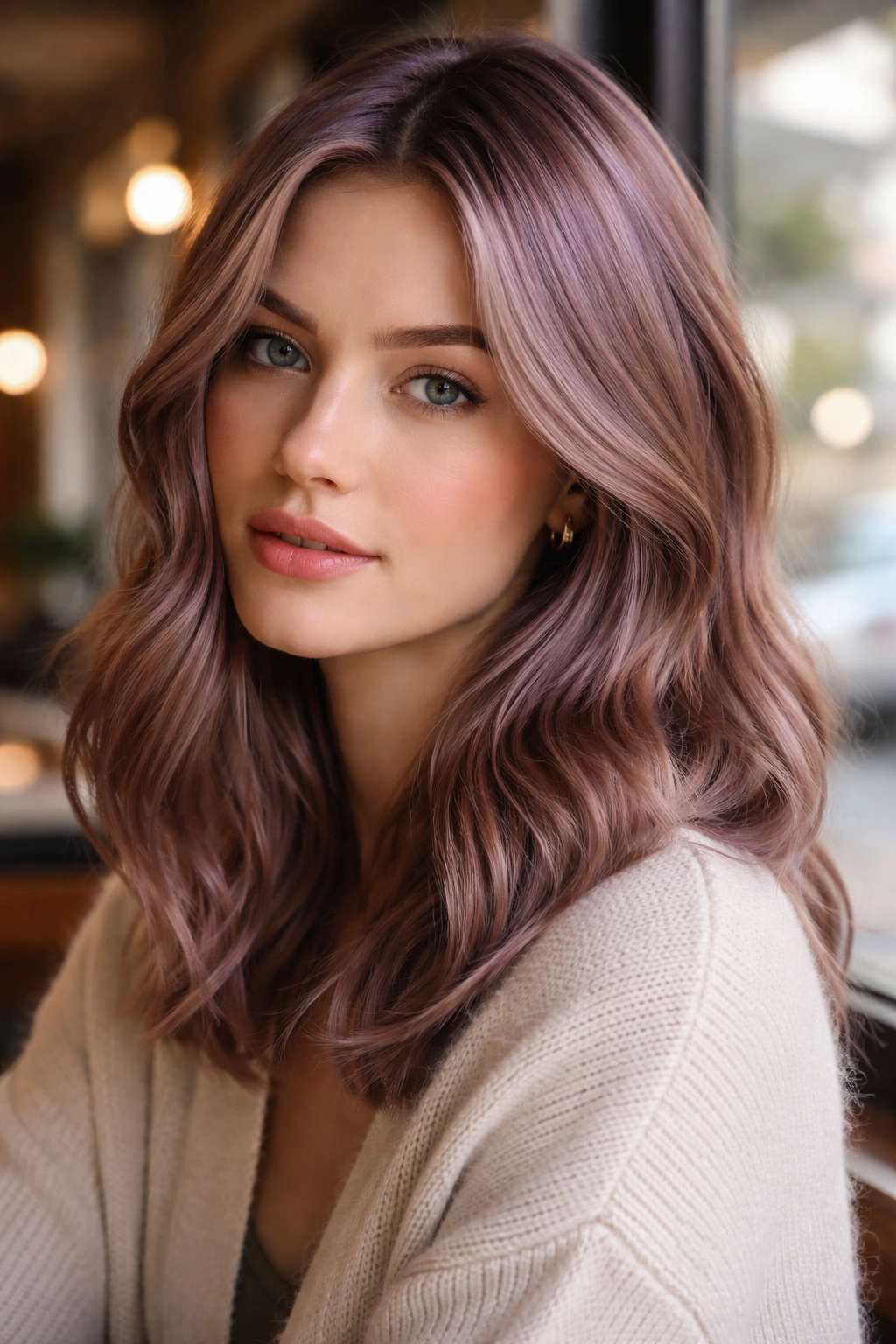
This is for the adventurous. You take a medium copper base and glaze it with a subtle lavender or lilac overlay. While it sounds strange, the logic is sound: lavender neutralizes yellow. By adding it to copper, you end up with a shade that is remarkably “cool.”
It’s a sophisticated, muted version of red-blonde that feels earthy and grounded. It doesn’t scream for attention; it whispers. If you have blue or green eyes, this is arguably one of the most flattering colors you could pick, as it makes the iris pop intensely.
12. Pale Apricot Blonde
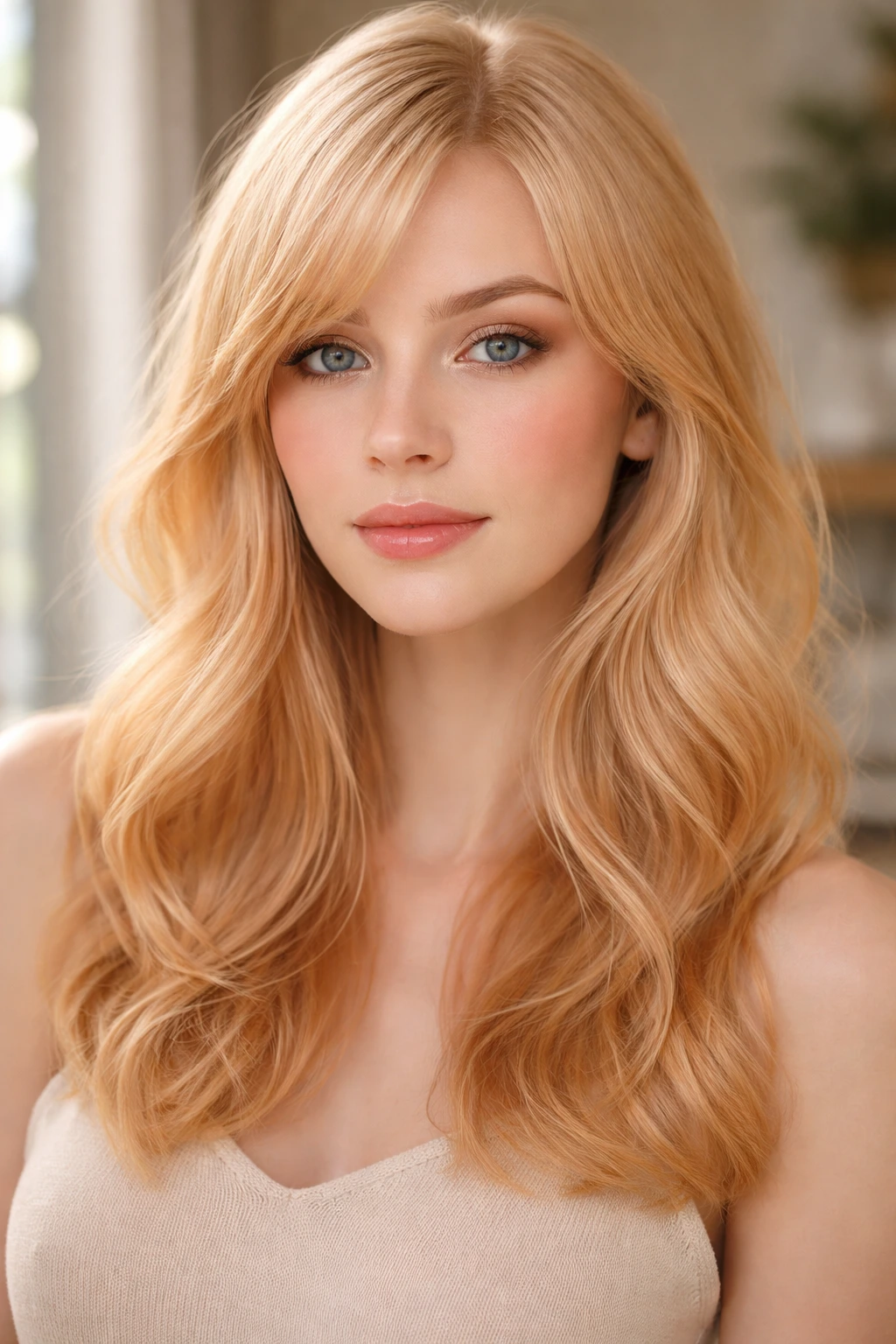
Apricot can lean very orange, so the trick here is to keep it “pale.” Think of the color of the flesh of a fruit that is just beginning to ripen—soft, creamy, and muted. You aren’t going for “bright orange”; you are going for a soft, creamy blonde with a whisper of ginger.
This is a great transitional shade. If you are currently blonde and want to try red, start here. It’s close enough to your current lightness that it won’t feel like a shock, but the apricot tint changes your entire complexion vibe. Keep your hair well-conditioned; lighter, pastel-leaning shades like this show texture and damage more easily than darker colors.
13. Baby Blonde with Rose Ribbons
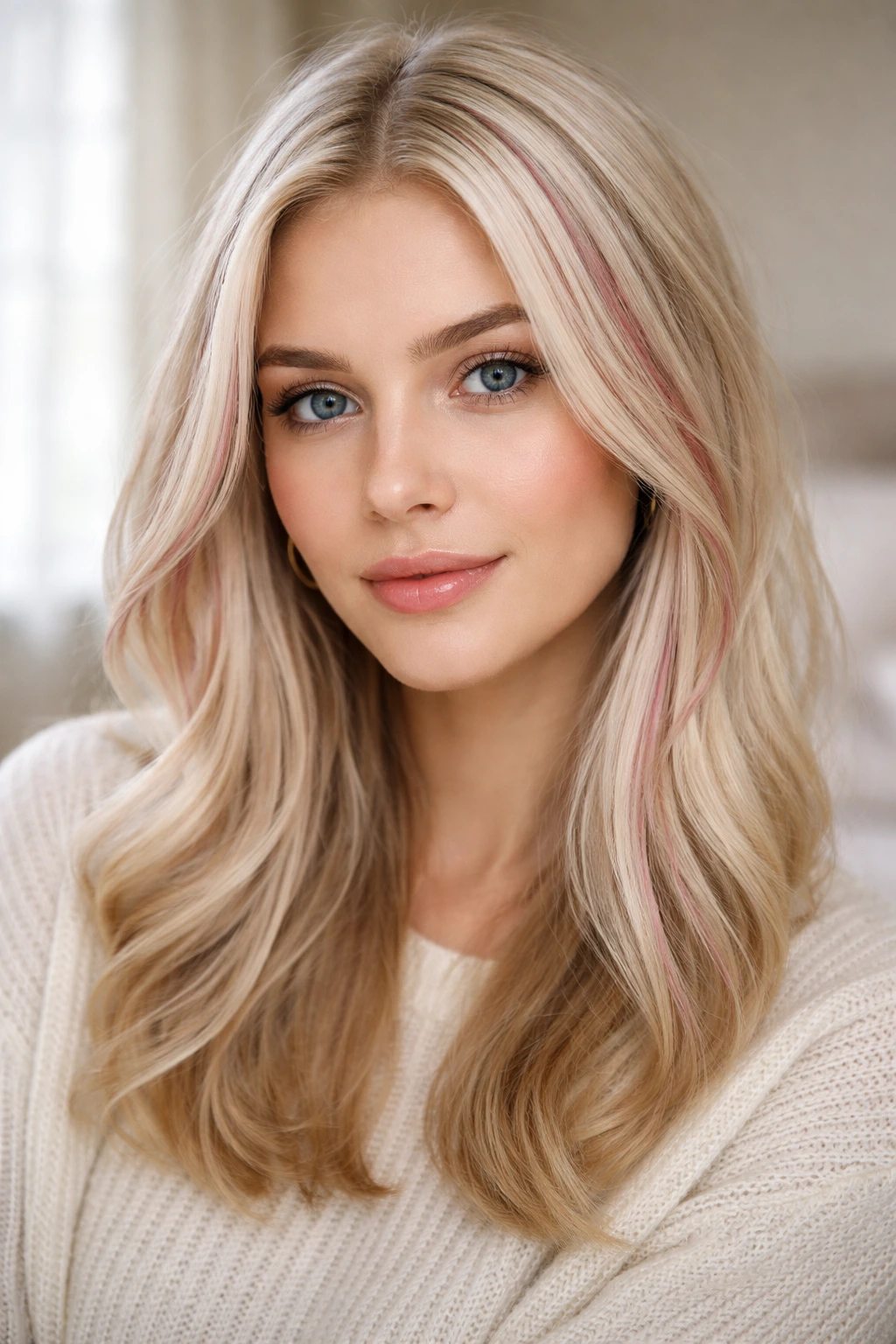
This is a classic “money piece” and face-framing style. Keep the bulk of your hair a cool, baby blonde—think platinum or very light ash. Then, add thin, strategic ribbons of cool-toned rose or pink-red.
By keeping the red ribbons thin and dispersed, you avoid having a big block of warm color near your face. The blonde is the main attraction, and the rose is just a delicate, feminine accent. This is one of the easiest ways to test-drive the trend without having to commit to a full-head color process.
14. Dusty Ginger
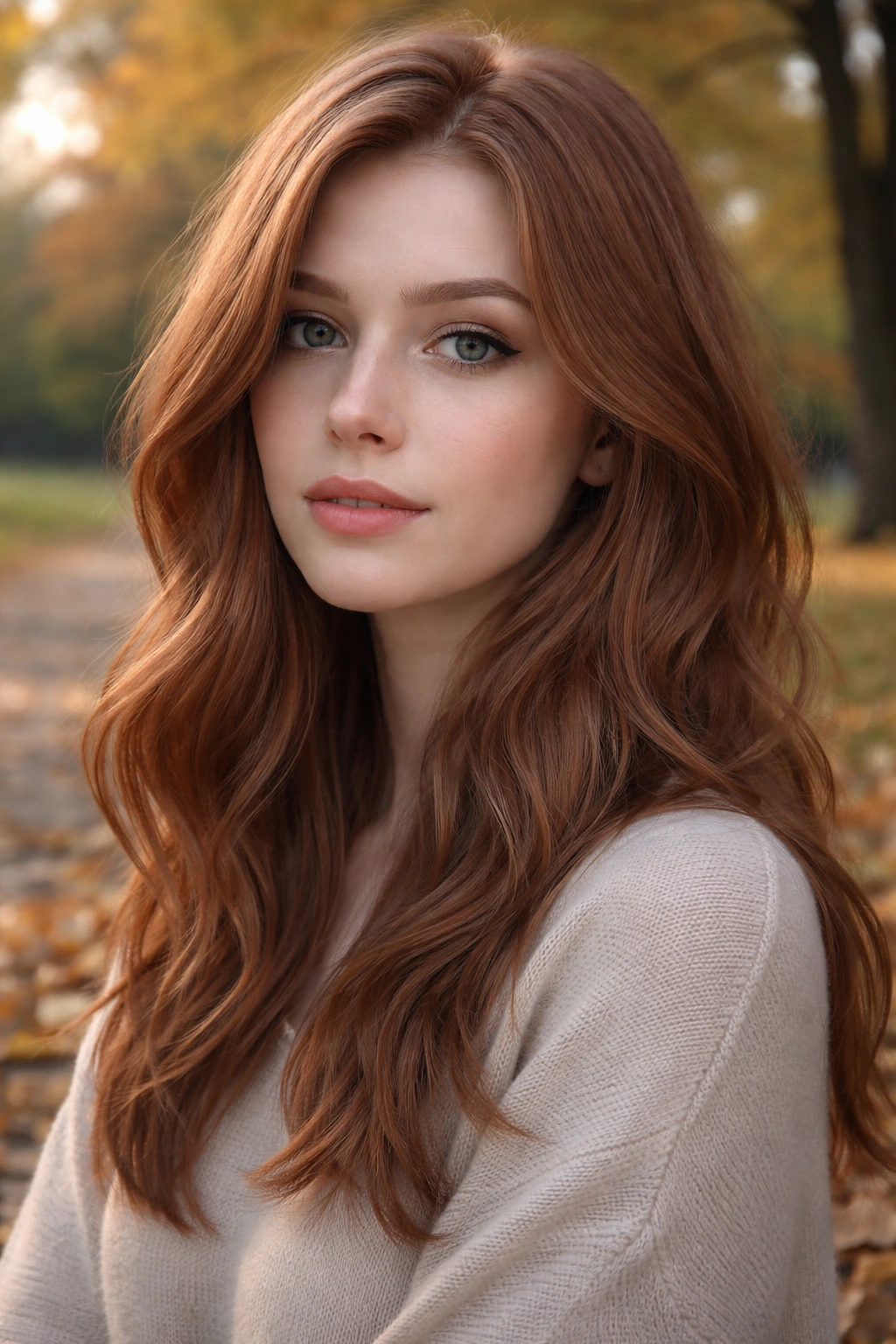
“Dusty” is the key word here. We are avoiding the shiny, saturated copper that people often associate with ginger. Dusty ginger is matte, muted, and slightly grayish, making it the ideal ginger shade for someone with cool, pale skin.
It almost looks like a soft, brownish-red. It’s perfect if you want a fall-inspired shade but need to keep it grounded in cool tones. Because it’s a darker, more muted shade, it actually requires less bleaching than the pastel or platinum versions, which is a big win for your hair’s overall health.
15. Cool-Toned Coral Blonde
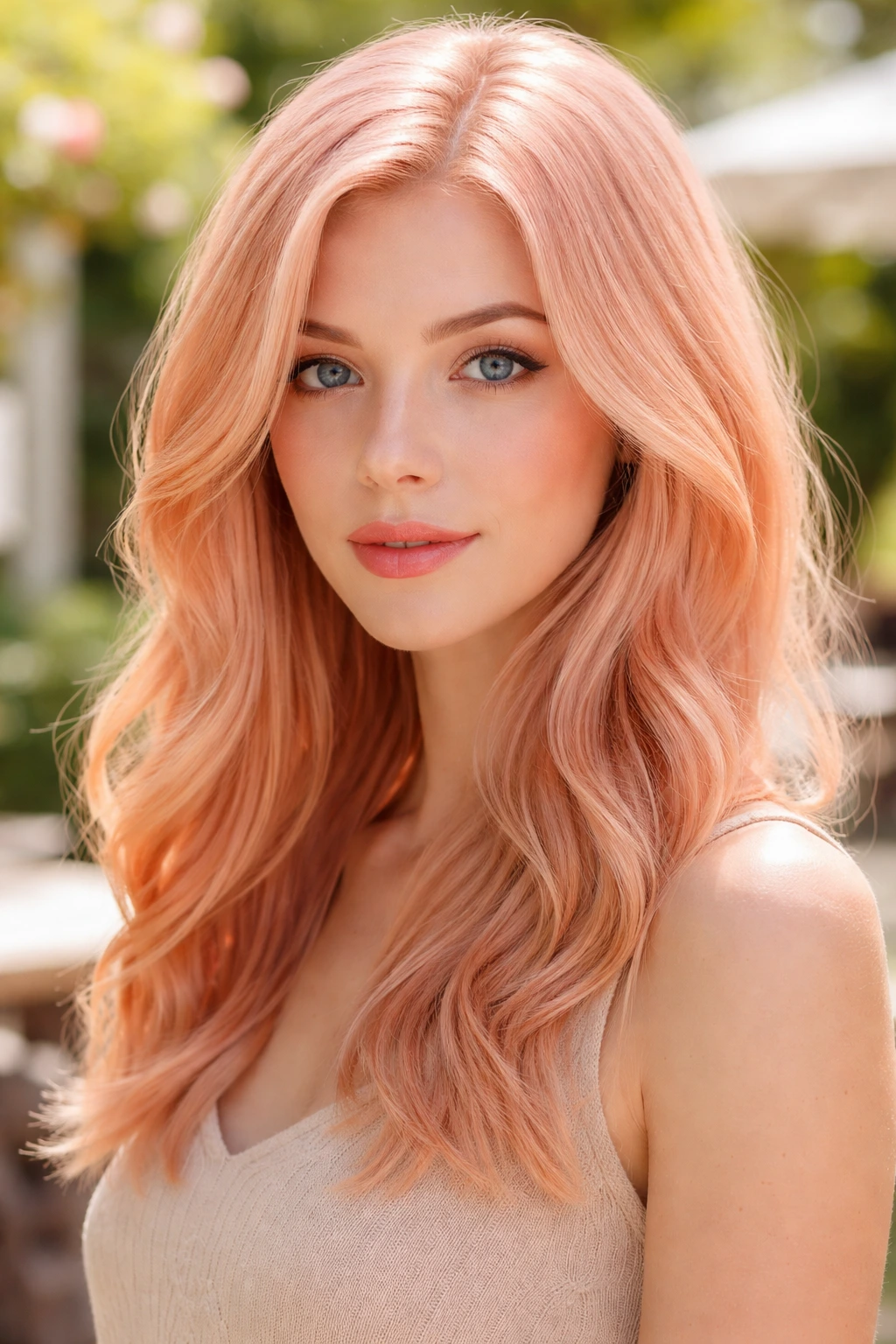
Coral is tricky because it’s inherently orange-red. To make it work for cool skin, you need to pull it away from the “neon” side and into the “muted” side. A cool-toned coral blonde has more pink than orange.
Think of a dried coral reef—sandy, pinkish, and soft. This shade is vibrant but not jarring. It’s an excellent choice for summer or if you live in a bright, sunny environment where your hair color needs to stand up to natural light. Just be sure to use a color-depositing conditioner to keep the coral from fading into a dull, flat blonde too quickly.
16. Sterling Strawberry
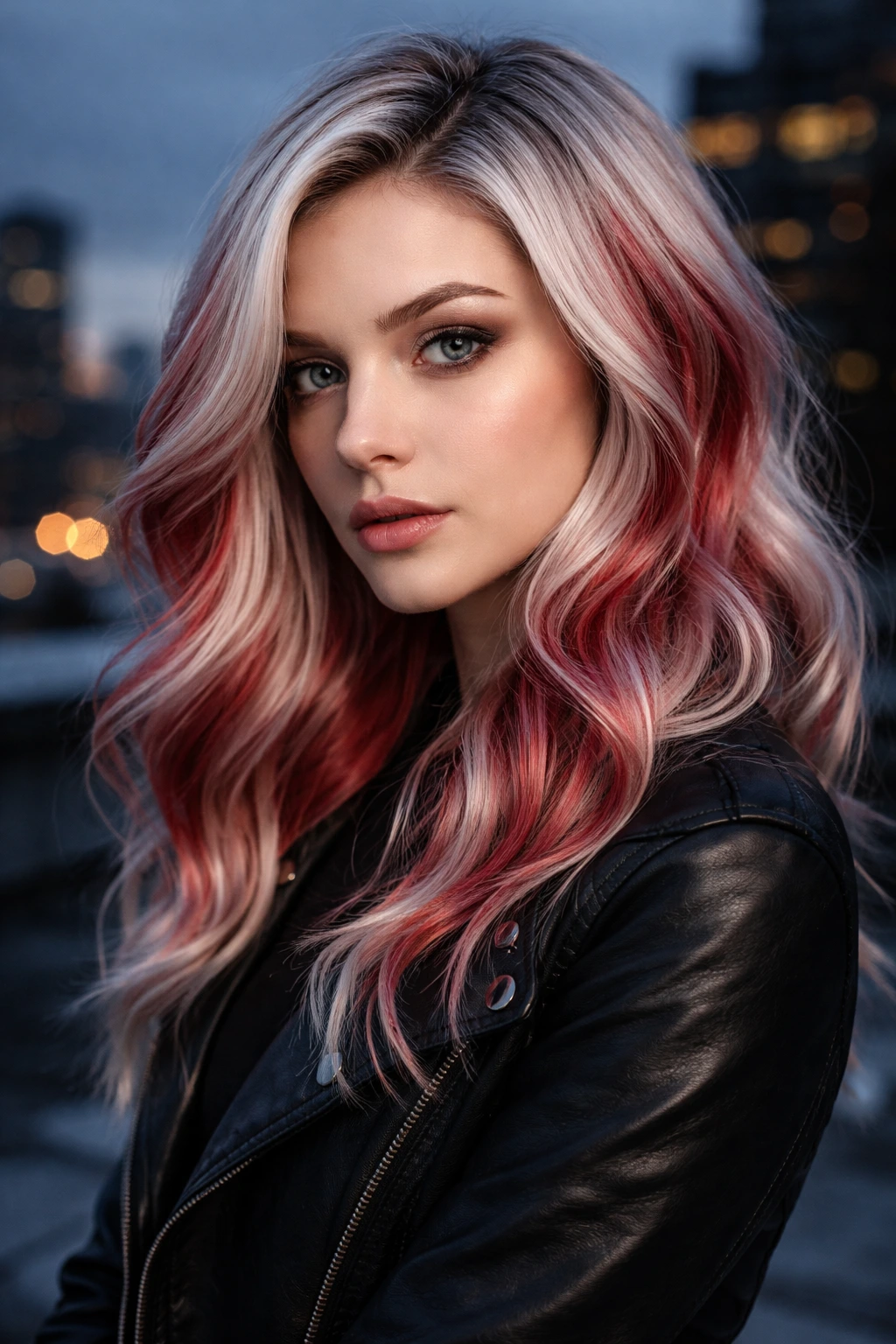
This is for those who love a high-contrast look. A sterling strawberry combines a nearly silver, icy-white blonde base with strawberry-red highlights. The contrast is sharp, intentional, and undeniably chic.
The silver base is the anchor that makes this work for cool skin tones. Because there is so much white and cool grey in the mix, the strawberry red serves as a high-fashion accessory rather than an overpowering color. It’s a bold look that demands confidence and a solid commitment to root touch-ups.
17. Subtle Apricot Ombré
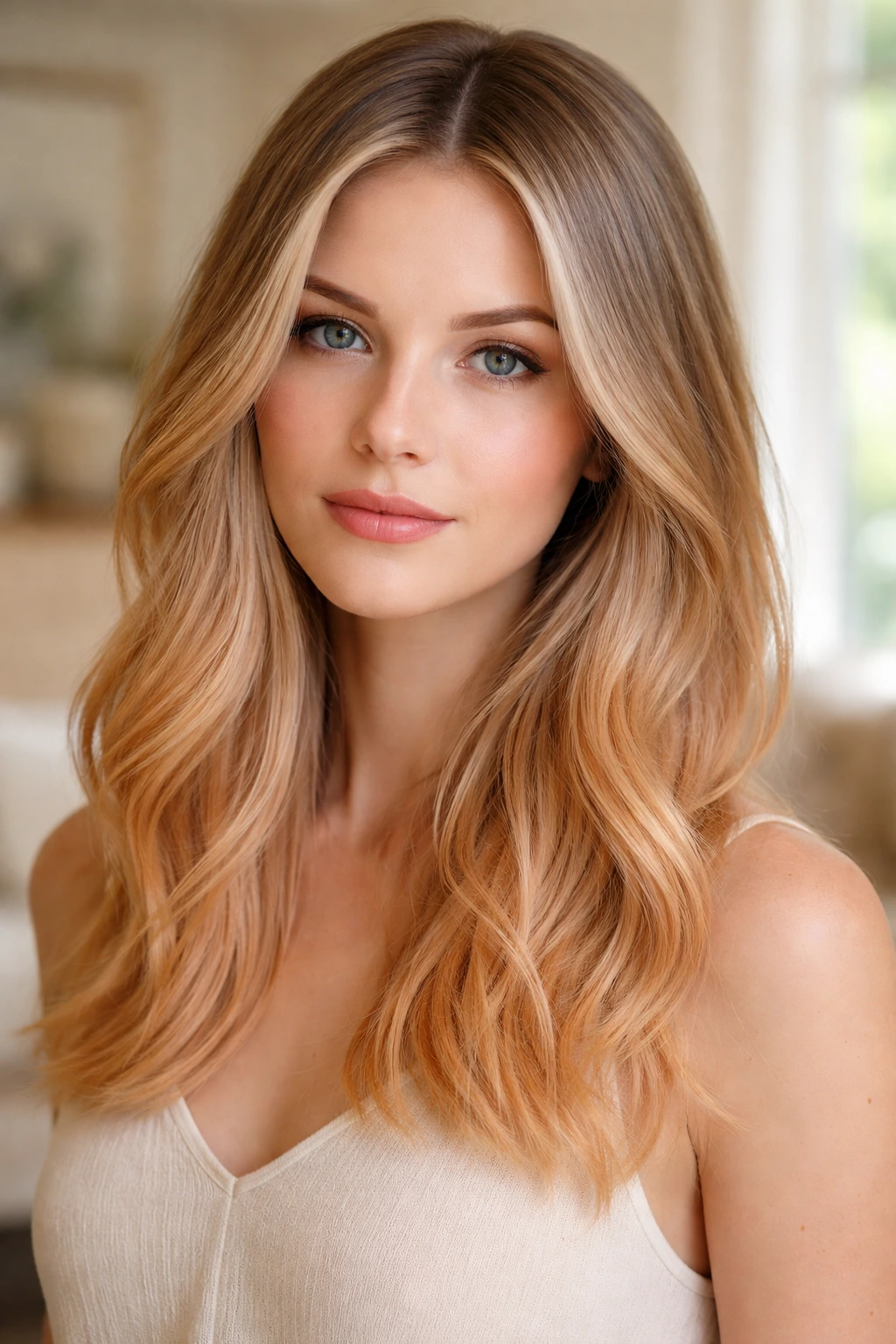
If a full-head color feels like too much, go for an ombré. Keep your roots and the top half of your hair a cool, natural-looking ash blonde. Then, have your stylist melt that into a soft, muted apricot on the ends.
The ombré technique is very forgiving. Because the warmth is concentrated at the tips, it’s nowhere near your skin. This gives you all the fun of a red-blonde shade without the risk of it making your skin tone look off. It also grows out beautifully, as the line between your natural root and the color is softened by the transition.
18. Frosted Ginger
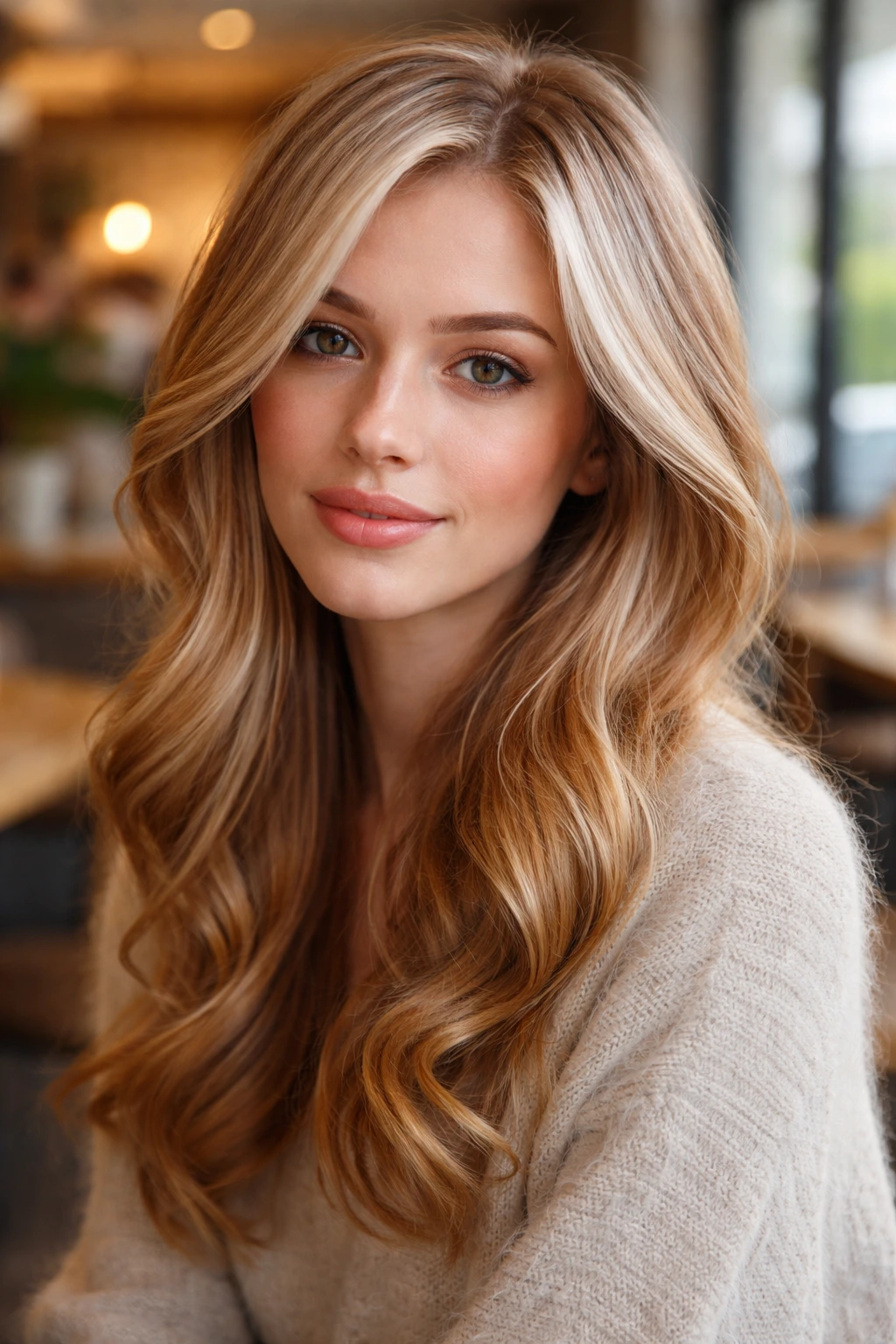
Frosted tips might sound like a relic of the past, but “frosted” color placement is back—and it’s more sophisticated than ever. Here, you take a ginger base and overlay it with a cool, platinum blonde glaze or highlights.
The “frosted” effect creates a multidimensional texture that makes the hair look thicker and fuller. The cool platinum tones neutralize the ginger, resulting in a color that feels almost like a warm, beige-blonde from a distance but reveals hidden copper depths up close.
19. Mauve-Blonde
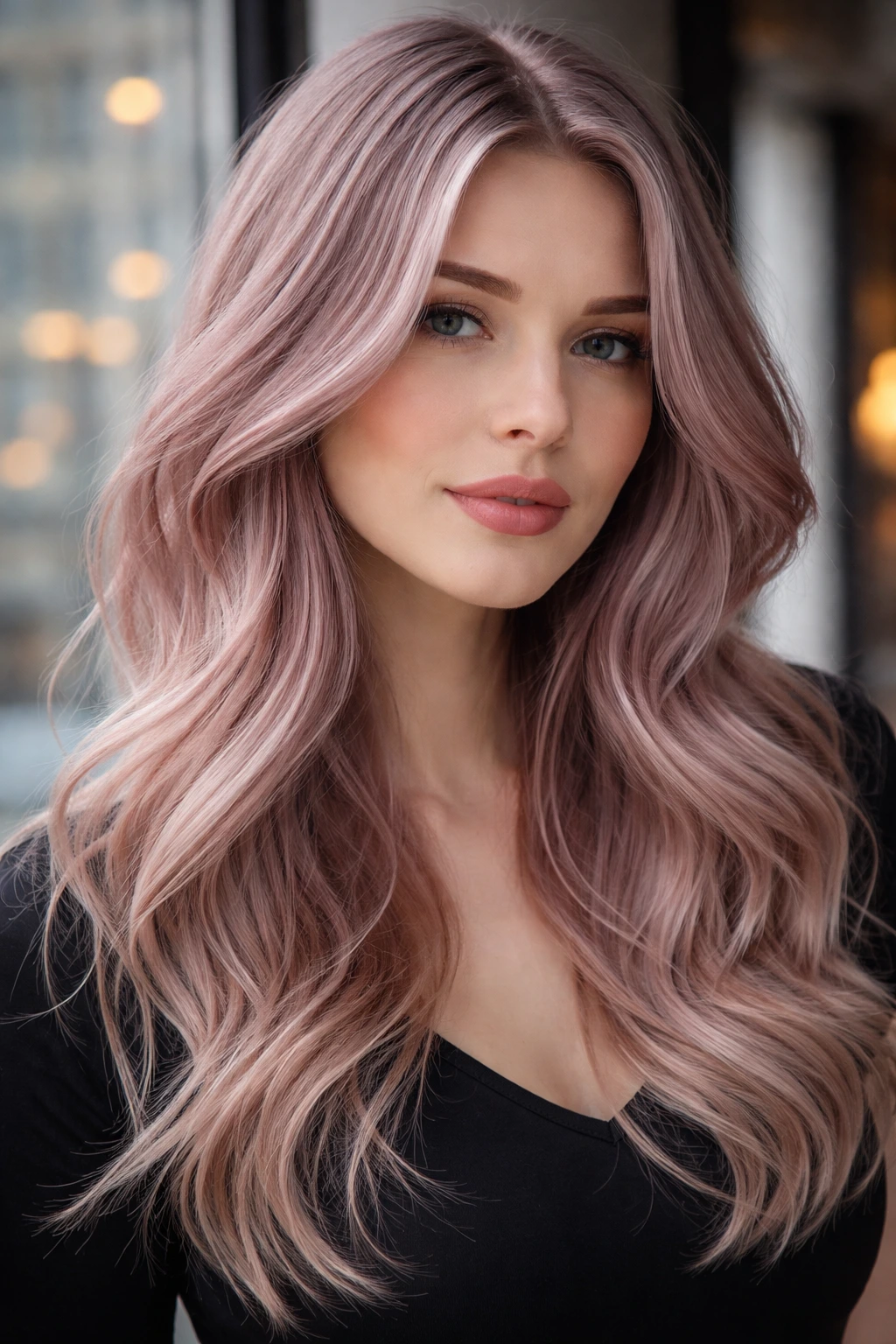
Mauve is a fantastic color for cool skin. It’s a muted, slightly purple-toned red. When you apply this as a glaze over a blonde base, you get a “mauve-blonde.” It’s a sophisticated, urban shade that looks like a blend of silver, purple, and dusty red.
This color is extremely low-maintenance. As it fades, it just turns into a soft, ashy blonde, which is a much easier transition than a red color fading into an ugly orange. If you want something that feels modern and a little bit moody, this is the one.
20. Cinnamon Blonde with Ash Undertones
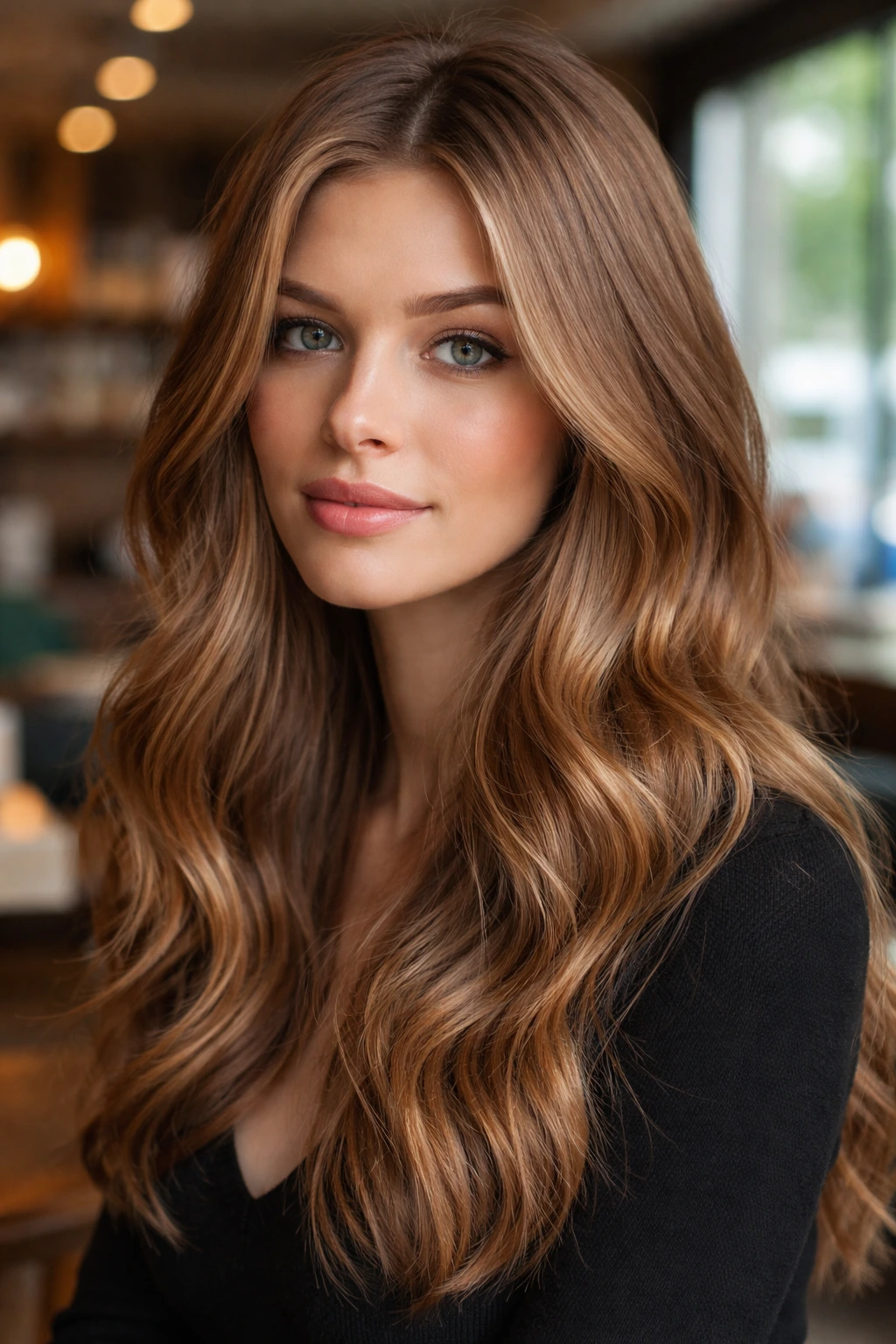
Cinnamon sounds warm, but it doesn’t have to be. By leaning into the “spice” aspect rather than the “orange” aspect, you can find a cinnamon shade that works for cool skin. It should have a brownish, dusty quality to it.
The ash undertones are non-negotiable here. Make sure your colorist adds an ash toner to the cinnamon mix. This will prevent the brown-red from pulling too orange in the sunlight. It’s a rich, deep color that is perfect for anyone who wants a more natural look that doesn’t scream “I dyed my hair.”
21. Pale Burgundy-Blonde
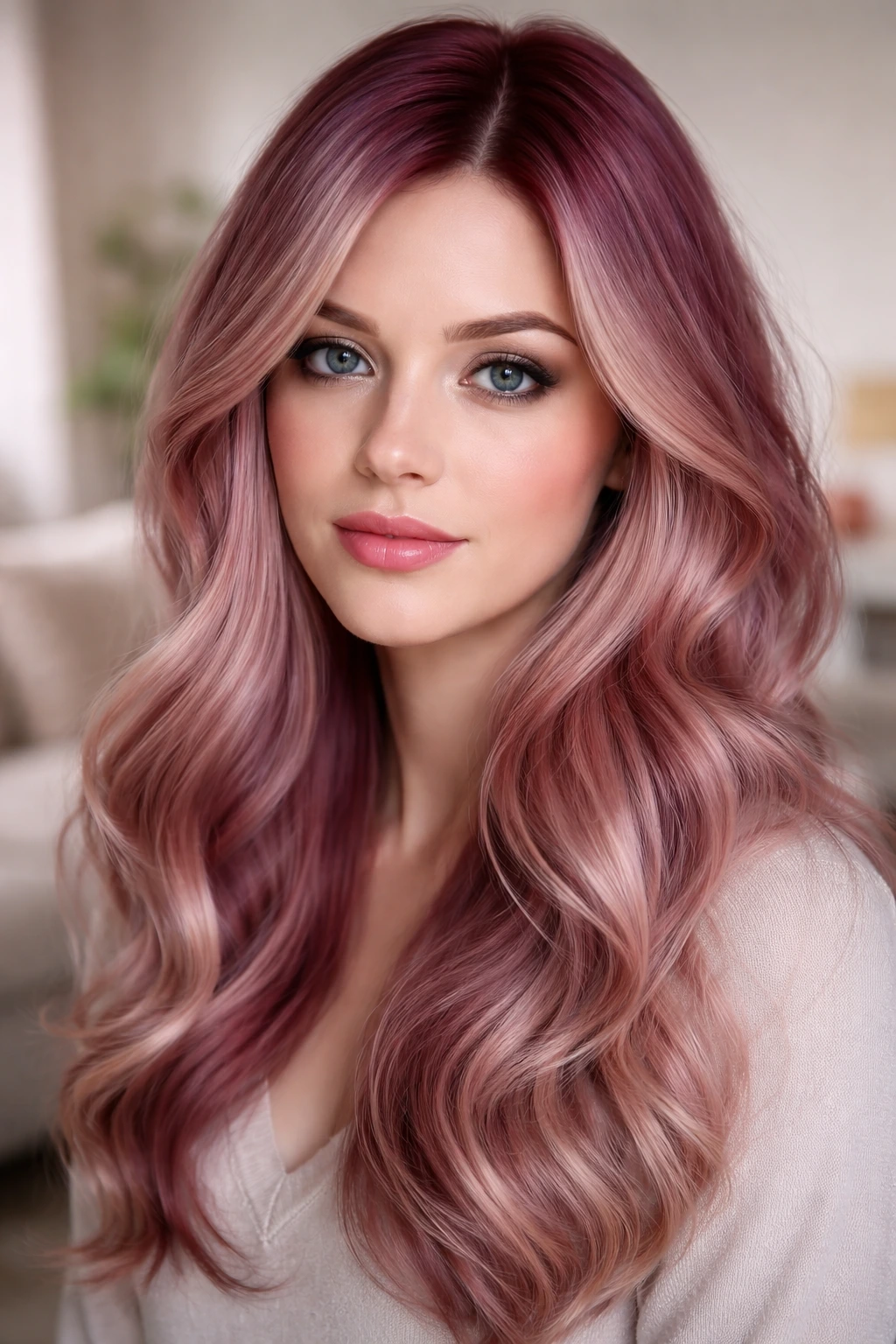
Burgundy is usually a very deep, cool-toned purple-red. When you dilute it heavily with blonde, you get a pale burgundy-blonde. It looks like a very light, pinkish-purple blonde.
It’s incredibly unique. Because it’s so heavily tied to the purple spectrum, it is one of the safest red-adjacent colors for cool skin. It won’t clash with your pink or blue undertones; instead, it will harmonize with them. It’s definitely a statement color, so keep your makeup and wardrobe in mind—this shade can dictate your overall style.
22. Subtle Cinnamon Highlights on Platinum
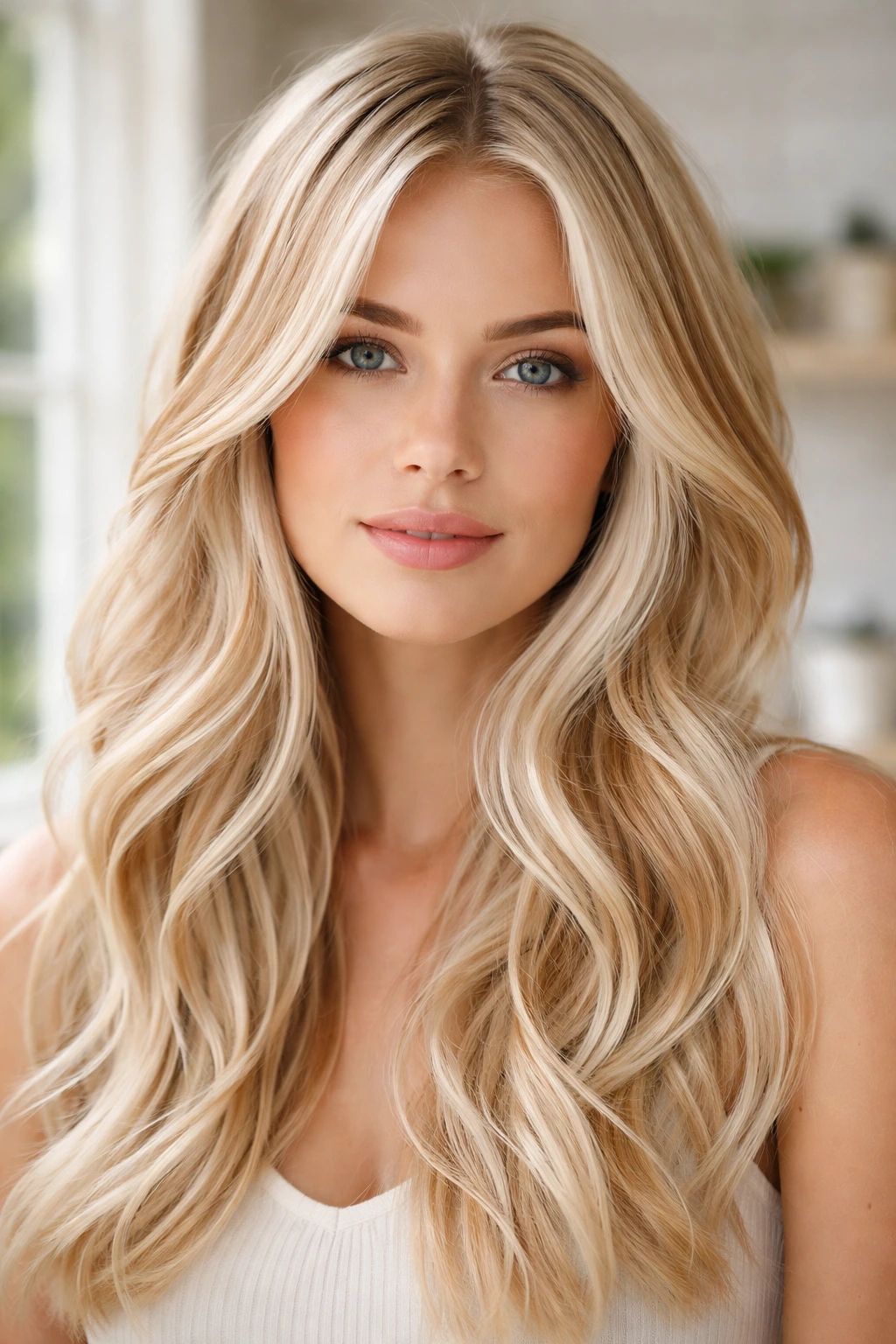
If you want to keep your platinum hair but miss the depth of red, go for cinnamon highlights. Keep your main head of hair as bright, cool blonde as possible, and just weave in a few fine, cinnamon-toned ribbons.
This isn’t a “red-blonde” shade in the traditional sense, but it is the best way to satisfy the craving for red without sacrificing your platinum status. The warmth is kept minimal, so your cool skin remains the focus. It adds a touch of mystery and interest to an otherwise one-dimensional blonde style.
Caring for Your New Shade
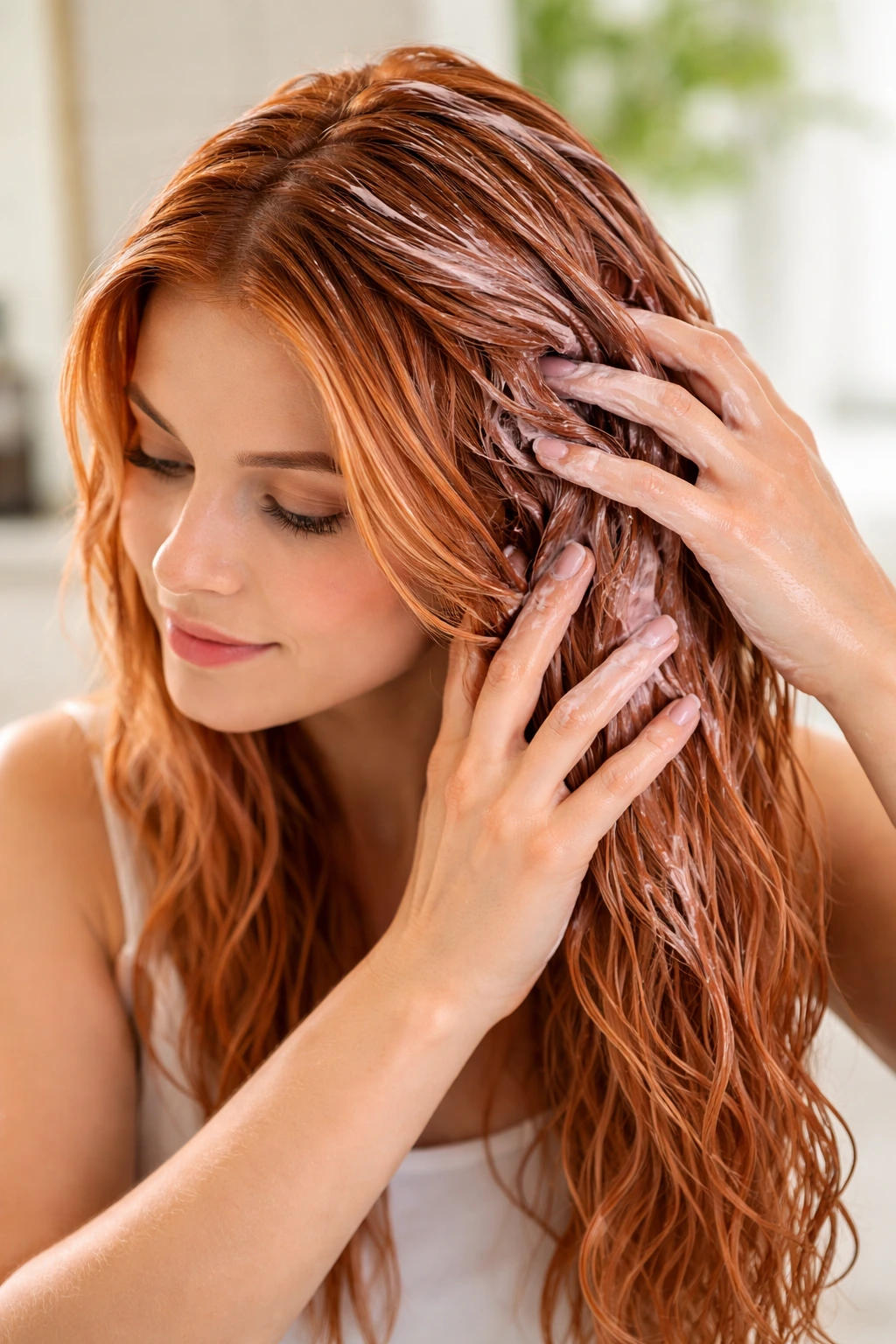
No matter which shade you choose, the reality of red tones is that they are the first to fade. This is true whether you use a permanent dye or a semi-permanent gloss. Because red molecules are larger than other color molecules, they don’t penetrate the hair shaft as deeply, meaning they wash out more easily.
You need to switch up your washing routine immediately. First, wash your hair in cool or lukewarm water. Hot water opens the hair cuticle and lets the color molecules escape faster than you can blink. Cold water helps keep that cuticle closed and the color locked in.
Second, avoid harsh, sulfate-based shampoos. These are designed to strip oil, but they also strip color. Look for shampoos labeled “color-safe” or, even better, one that is specifically formulated for red or copper tones. Even better, ask your colorist to mix a custom color-depositing conditioner for you to use once a week. This keeps the pigment topped up at home, extending the time between salon visits by weeks.
The Role of Undertones in Color Choice
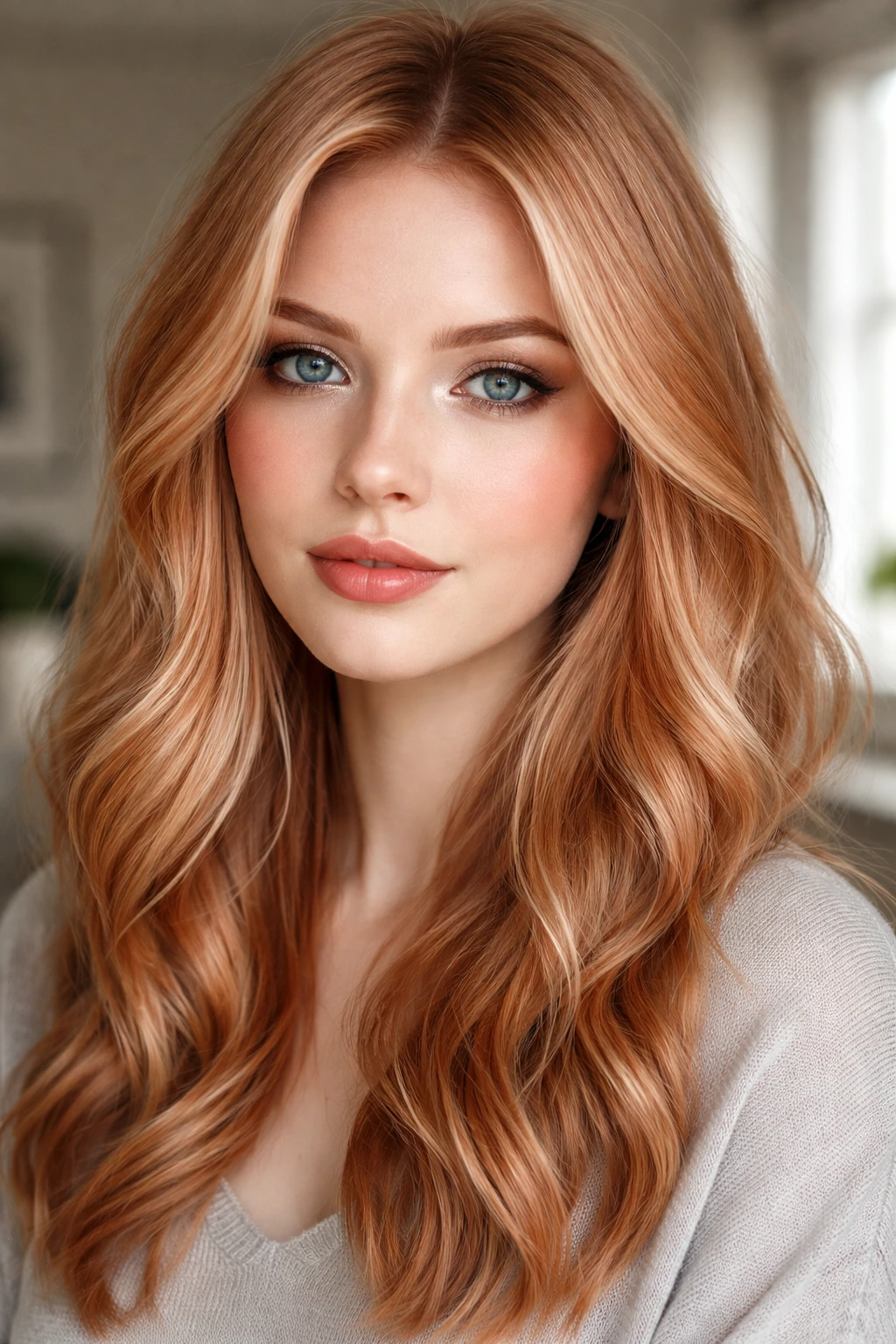
Understanding your skin’s undertone is the most critical step in picking the right red-blonde. If you aren’t sure if you are cool, look at the veins in your wrist. If they look blue or purple, you are cool-toned. If they look green, you are warm-toned.
For those with cool skin, the goal is always to avoid “brass.” Brassiness is that unwanted orange or gold tint that appears as your hair color fades. When you choose a cool-toned red-blonde, you are essentially “pre-toning” your hair. By opting for shades with violet, blue, or ash bases, you are fighting the natural tendency of your hair to turn warm.
Don’t be afraid to show your stylist a picture, but explain why you like it. Instead of saying “I want this red hair,” say “I want a red-blonde that doesn’t have orange in it—I need a violet or ash base to make sure it doesn’t clash with my cool skin.” A good colorist will understand exactly what you mean.
Final Thoughts
Stepping into the world of red-blonde hair as someone with cool skin isn’t about following trends blindly. It’s about choosing a variation of red that respects your skin’s natural undertones. You don’t have to settle for standard, warm ginger or basic strawberry blonde.
By focusing on shades that incorporate violet, ash, rose, or even muted brown tones, you can achieve a look that feels both vibrant and harmonious. Take your time during the consultation process, prioritize a high-quality gloss to keep the color fresh, and remember that maintenance is just as important as the initial application. Your perfect shade is out there; you just have to look for the cool-toned versions of the spectrum.
