



Most people assume that because copper is warm, it is strictly forbidden for anyone with cool, porcelain, or pink-toned skin. That is a myth that has kept thousands of people from ever trying the shade of their dreams. The secret isn’t avoiding copper; it is finding the right version of copper—one that leans into violet, pink, or metallic undertones rather than the intense, orange-based tones that can make cool skin look flat or washed out.
When you have cool skin, your veins often appear blue or purple through your skin, and you likely look better in silver jewelry than gold. Standard, fiery orange coppers clash with this, but a muted or cool-leaning copper creates a sophisticated, almost expensive contrast. It is all about the pigment profile. You want colors that harmonize with your natural coloring rather than fighting against it.
If you have been told that you cannot pull off a red or copper hue, set that advice aside. The landscape of hair color has evolved to include shades that bridge the gap between “icy” and “fiery.” We are talking about soft, dusty, and metallic versions of copper that look intentional, modern, and perfectly suited to cool complexions. Here are twenty-eight ways to get that look right, without ending up with a brassy result you regret.
1. Soft Strawberry Blonde
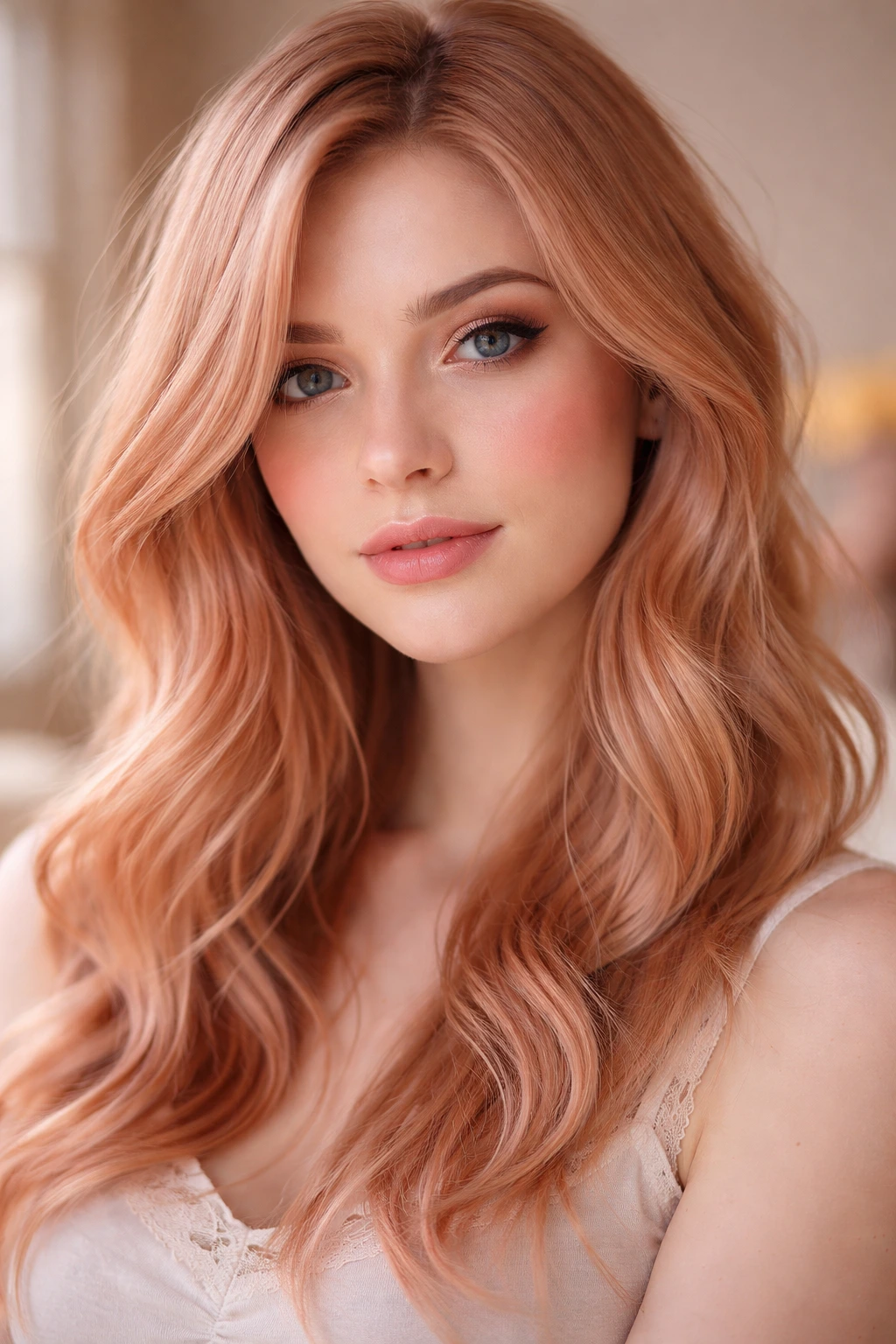
This is the entry point for anyone nervous about committing to a full-on copper. It relies on a very pale, pink-leaning base rather than a heavy orange one.
Why It Works for Cool Skin
The secret here is the pinkish tone. By leaning into a soft strawberry, you ensure the color reflects a rosy light onto your skin rather than a harsh, yellowish light. It feels intentional, light, and very natural on fair skin.
How to Maintain the Pink Tones
- Use a color-depositing conditioner with a slight pink pigment every second wash.
- Avoid heavy purple shampoos if you want to keep the pink warmth, as those can strip the strawberry hue and pull it toward an ash blonde.
- Get a gloss treatment every six weeks to keep the shine high.
Pro tip: Ask your colorist for a “sheer” glaze rather than a heavy, opaque dye. You want the copper to look like a filter over your natural blonde, not a solid coat of paint.
2. Rose Gold Fusion
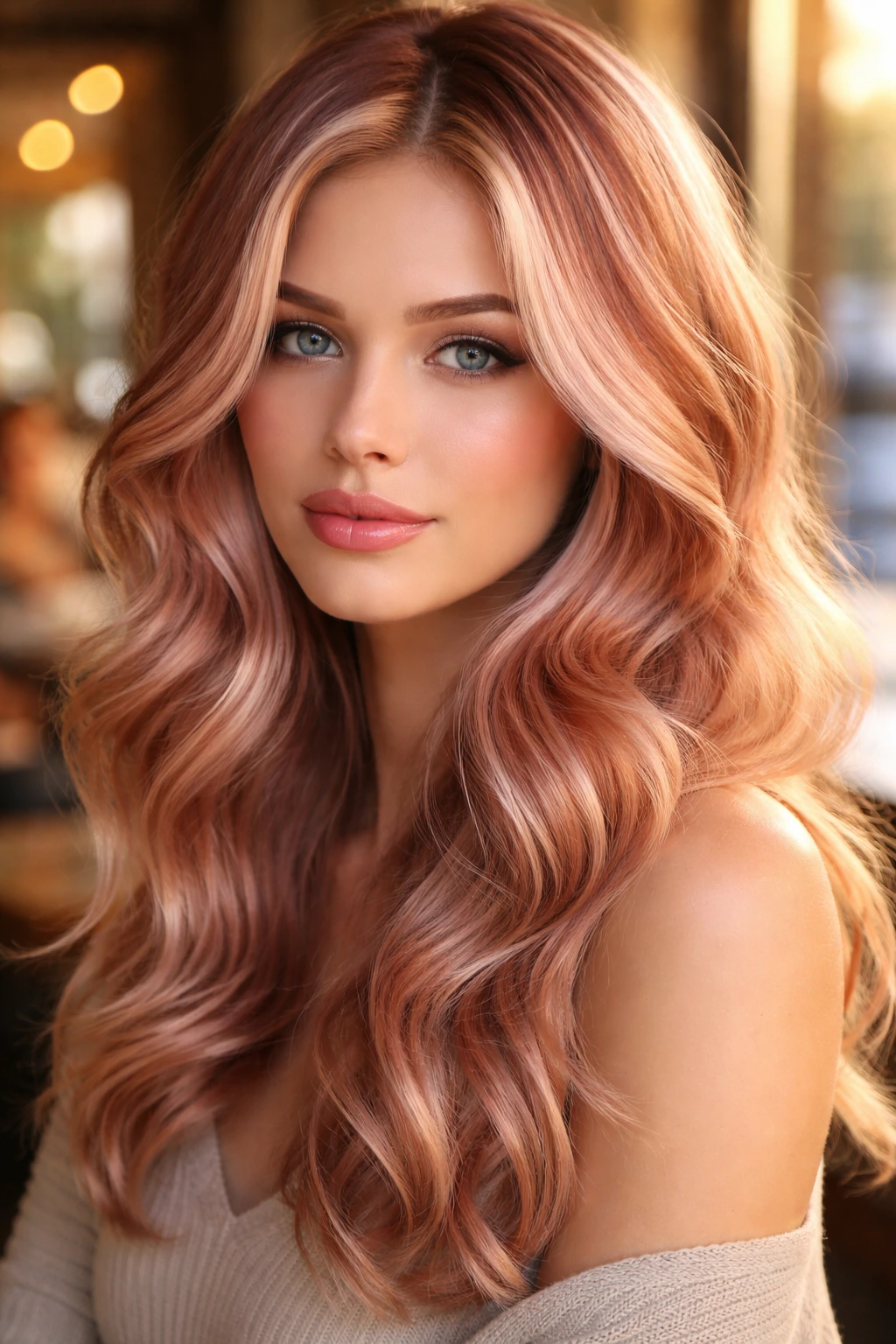
Rose gold is essentially a metallic, pink-copper blend, and it is arguably the most flattering shade for cool skin. It combines a cool-toned blonde base with shimmering rose ribbons.
Because this color mimics the jewelry trend, it feels inherently expensive. It does not try to be a natural hair color, which is exactly why it works so well. You aren’t trying to trick anyone into thinking you were born a redhead; you are embracing a deliberate, stylish choice. The shimmer in rose gold reflects light in a way that brightens up a tired, cool-toned complexion instantly.
3. Muted Metallic Copper
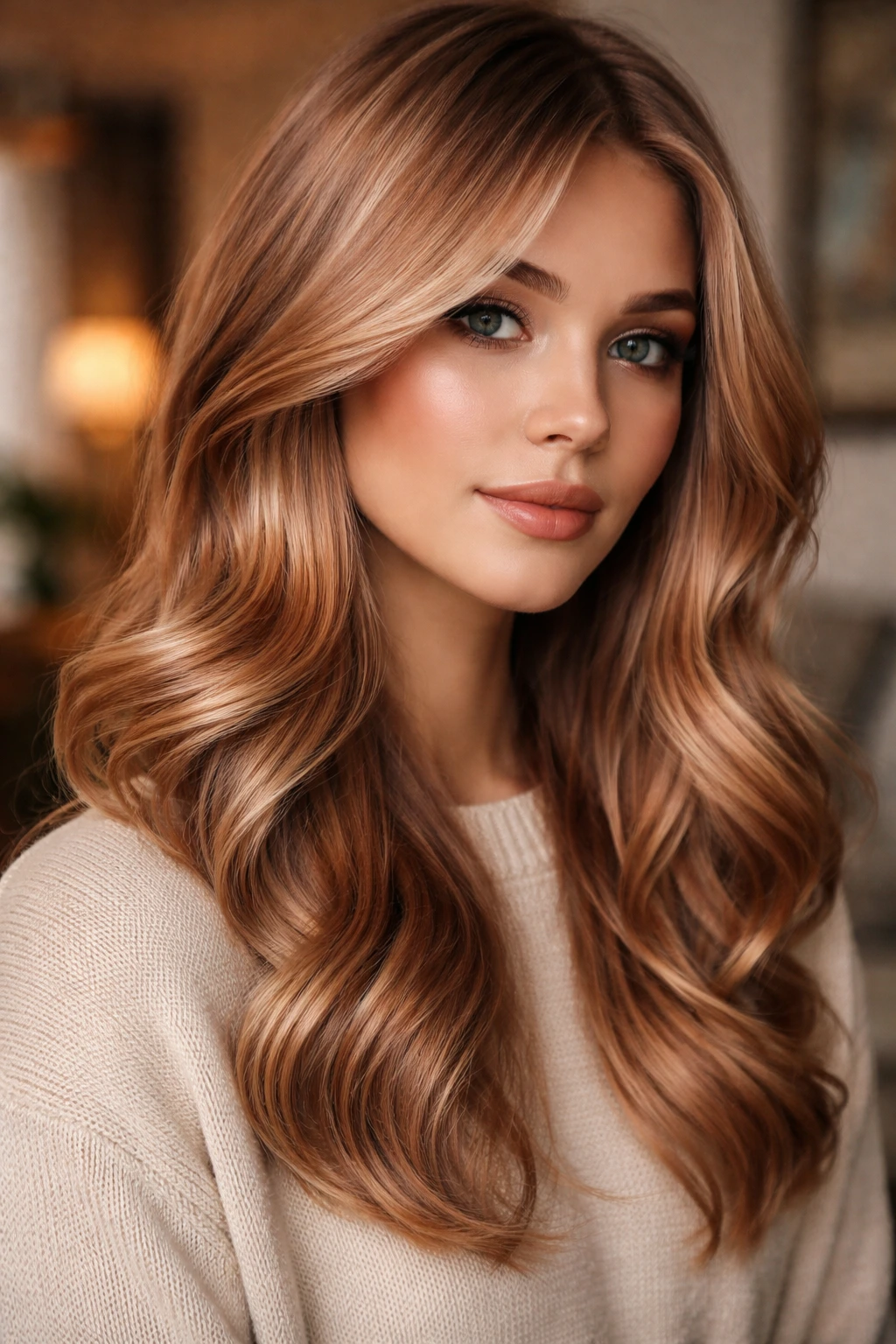
If you want something edgy but still sophisticated, lean into the metallic side of the spectrum. Think less “orange” and more “brushed copper penny.”
The Technique
This look requires a base color that is cool-toned or neutral. Your stylist should apply a copper glaze over a darker, ash-blonde base. This creates a “smokey” effect where the copper feels grounded by the shadow beneath it. It prevents the color from looking like a crayon box on your head and makes it look like a high-end salon finish.
When to Request This
This is an ideal choice if you have a darker natural hair color or if you are transitioning from a deep blonde. It requires less bleaching than a bright, vibrant copper, which is a major bonus for your hair’s overall health and integrity.
4. Violet-Based Copper
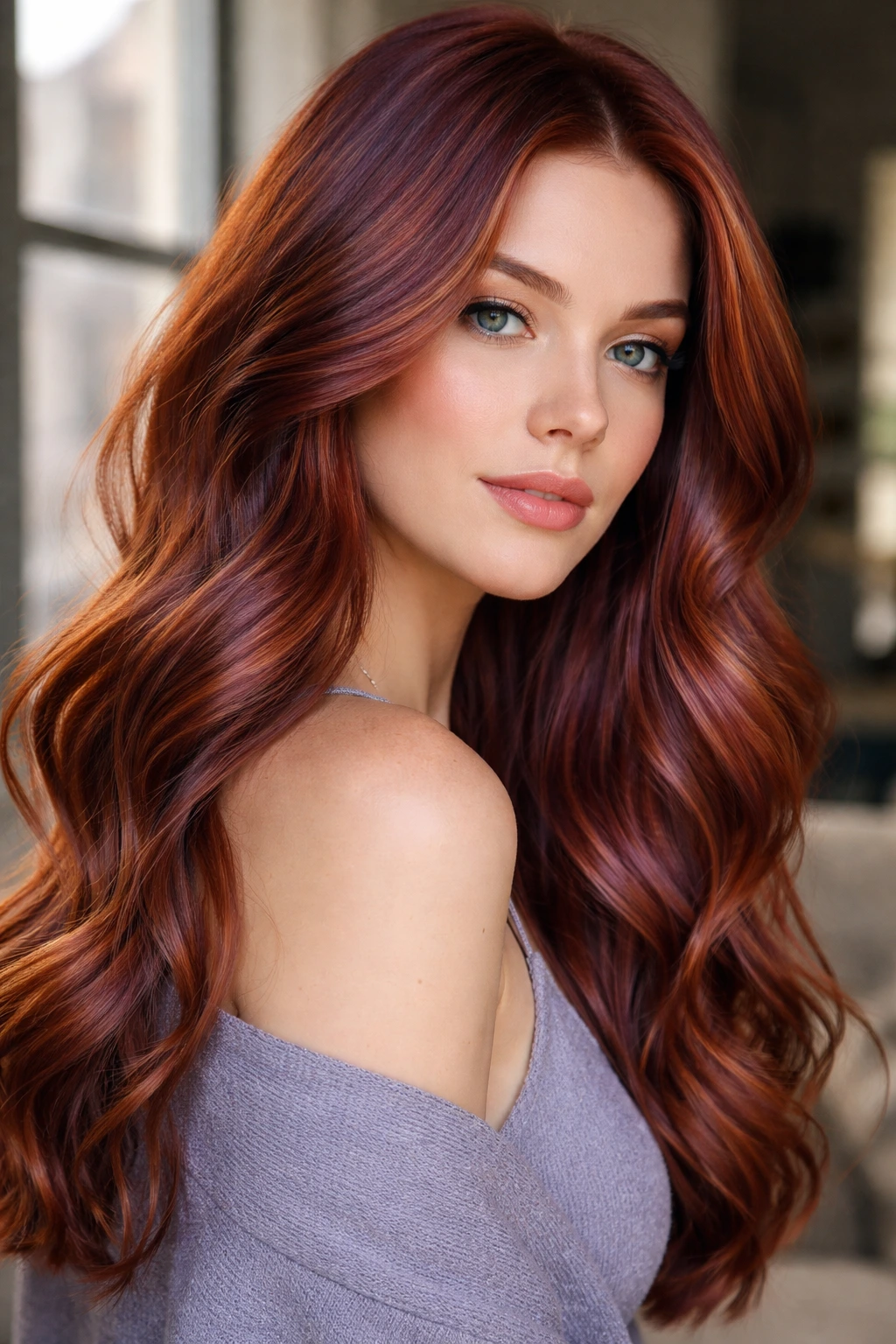
This is my personal favorite for anyone with a very cool, pink skin tone. By adding a drop of violet or blue-based pigment to your copper, you effectively cancel out the natural tendency for copper to turn brassy or orange as it fades.
It is a subtle difference that makes a massive impact. From a distance, it looks like a rich, warm copper. Up close, you can see the cool, multidimensional shimmer of the violet pulling it back from the edge of “too orange.” It is a balanced, stable color that tends to age much more gracefully than pure copper dyes.
5. Copper Balayage on Ash Blonde
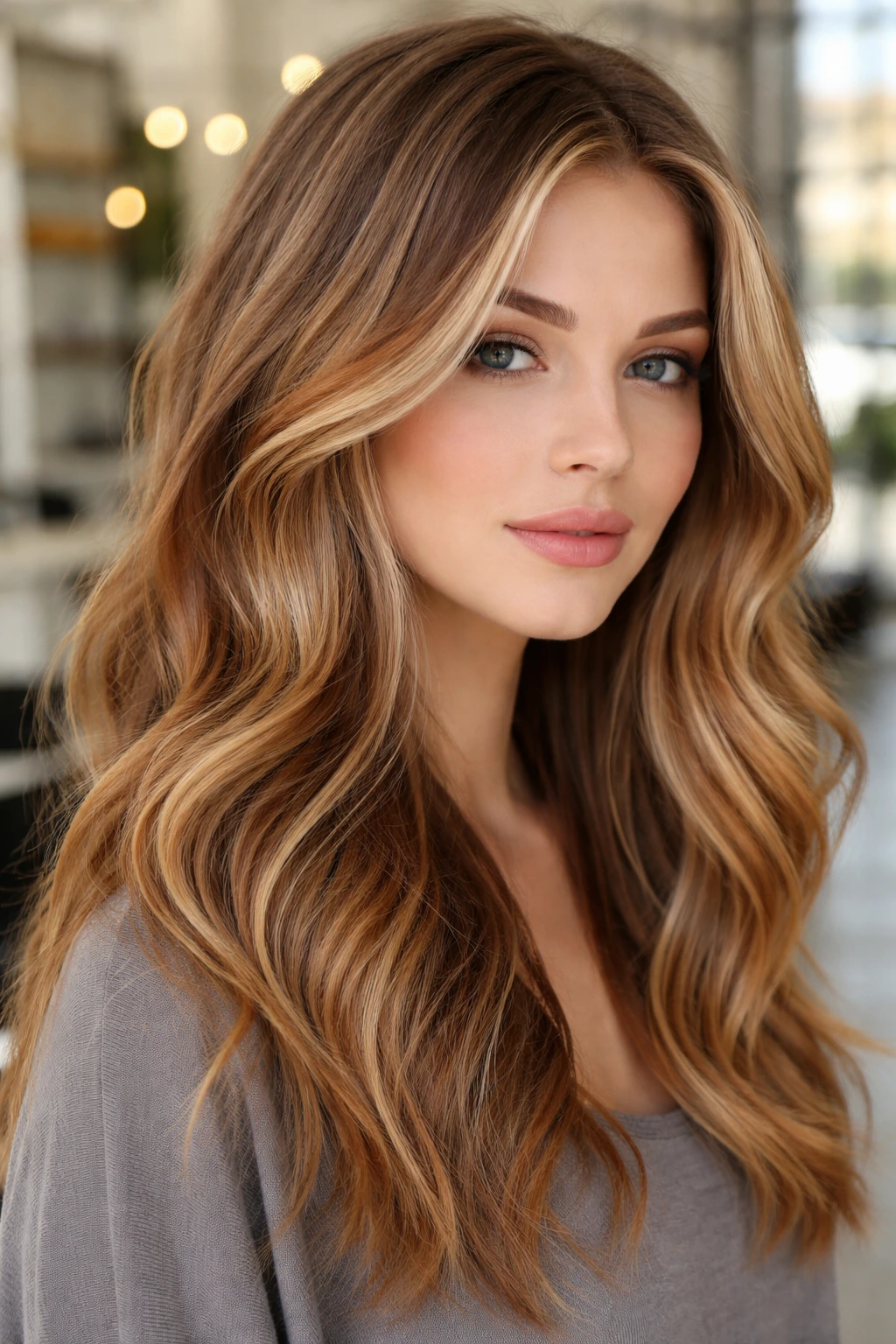
Many people think they have to choose between blonde and copper. You don’t. By keeping your natural ash blonde as the base and weaving in fine copper ribbons, you keep the cool, manageable base near your face while adding the warmth you crave.
Why This Style Lasts
Balayage grows out seamlessly. You will not have to deal with a harsh root line every four weeks. When the copper fades, you are still left with a beautiful, dimensional blonde, which makes this the lowest-maintenance option on this list.
Ask for This
Tell your stylist to focus the copper placement away from the hairline, leaving your natural cool blonde to frame your face. This prevents the warmth from clashing directly with your skin tone while still giving you the “copper effect.”
6. Bright Apricot Blonde
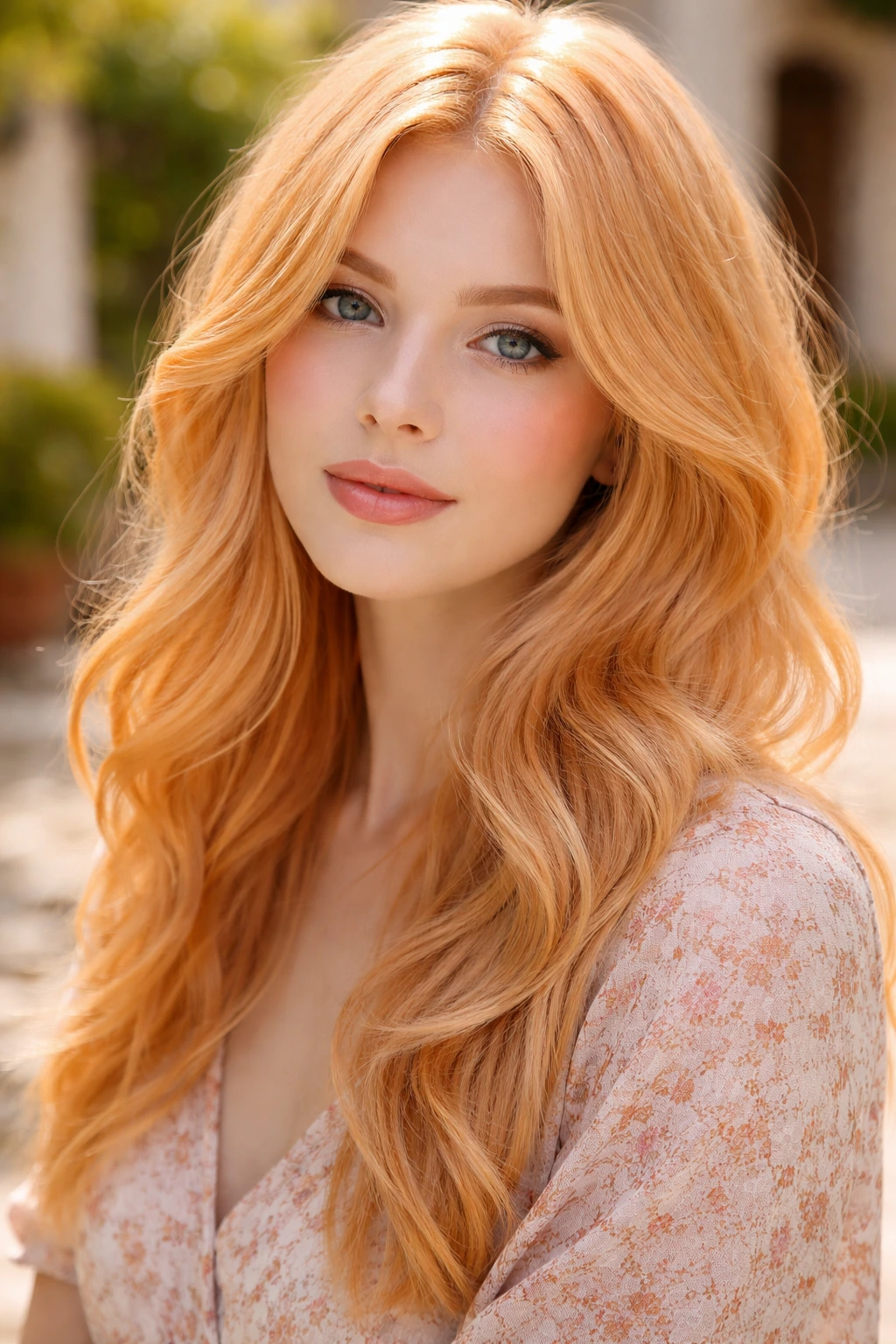
Apricot is brighter than strawberry blonde but softer than true copper. It sits right in the middle, and it is surprisingly effective on cool skin because it has a slight “peachy” quality that aligns well with cool pink undertones.
It is a high-energy, fun color. I have seen this look incredible on people with porcelain skin and light eyes. The key here is the level—you want to keep this shade light (around a level 8 or 9). If you go too dark with an apricot tone, it can start to look like a rusty orange, which is where it loses its appeal for the cool-toned crowd.
7. Copper Lowlights for Depth
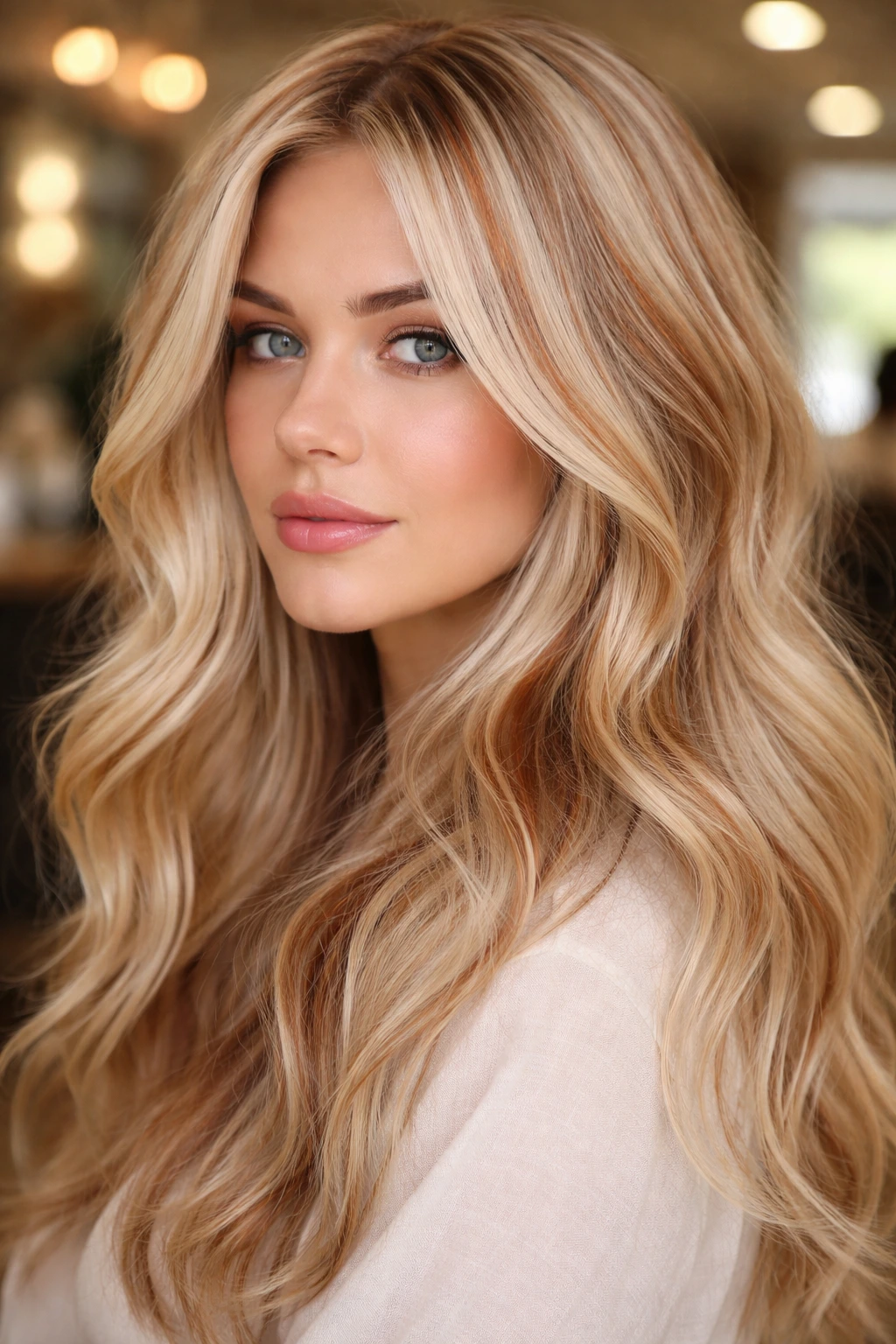
If your hair is currently a solid, bleach-blonde, you might feel like your face gets washed out. Copper lowlights are the antidote to this problem.
By threading thin, dark copper ribbons through your hair, you add shadows that give your face more definition. It is like contouring for your hair. These lowlights sit “inside” your blonde, so they don’t dominate your look but provide the warmth that makes your cool skin look vibrant instead of sickly.
8. Peach Toned Blonde
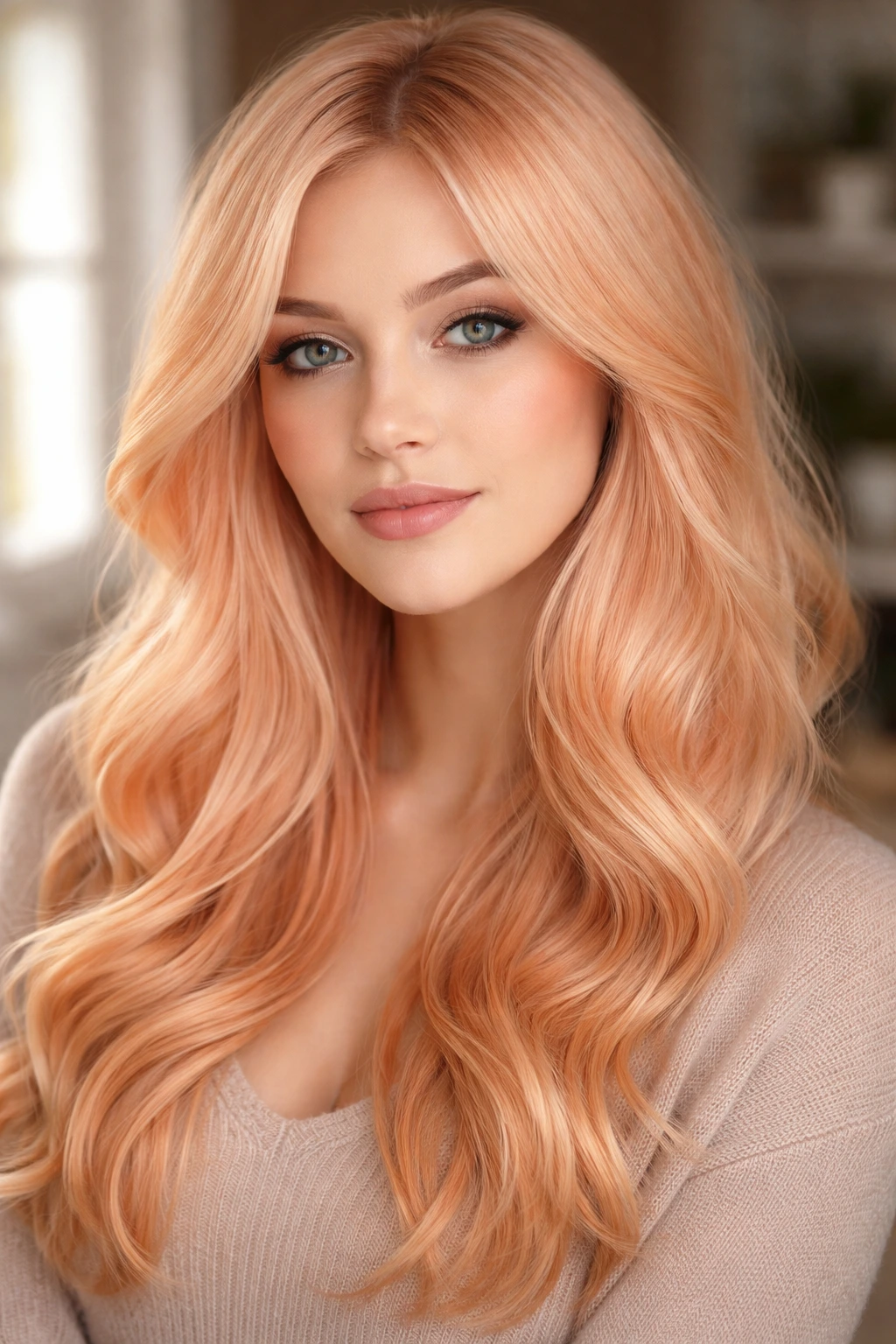
Peach is a cousin to strawberry, but it leans slightly more toward orange—yet, it remains “cool” because it is pastel. Think of the color of a sunset filtered through a slightly grey, cool sky.
It works because it is soft. Harsh, saturated oranges are the enemy of cool skin. Pastel, washed-out oranges? They are perfectly fine. They provide a fashion-forward look that doesn’t demand the same level of skin-undertone perfection that a deep, rich copper does. It is a playful, lighthearted shade that feels very fresh.
9. Copper Money Piece
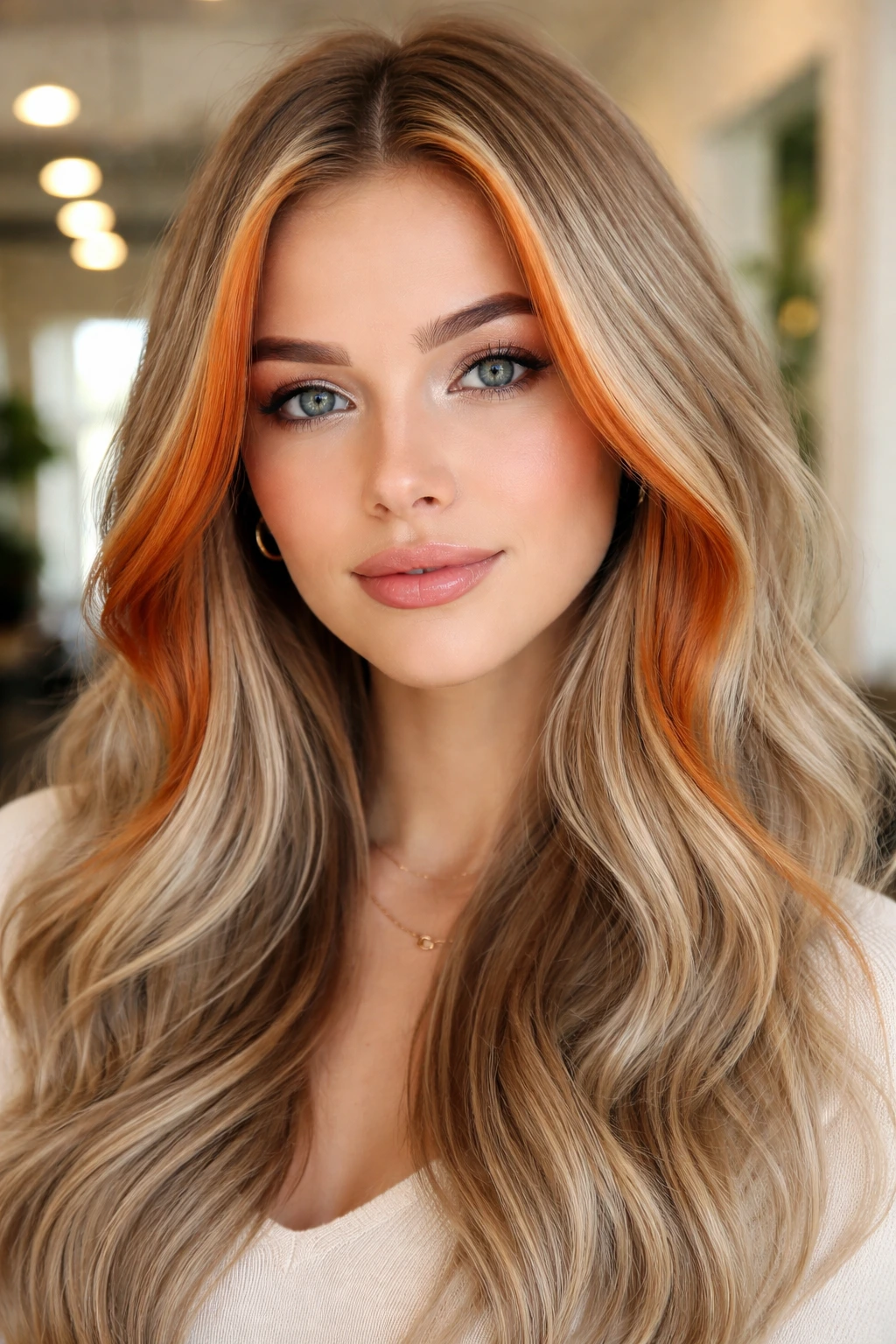
This is a high-impact, low-commitment way to test the waters. You keep the rest of your hair a cool, neutral tone and just lighten and color the two front face-framing strands a soft, metallic copper.
The Science of Framing
The “money piece” technique brings light directly to your face. If you use a copper tone here, it acts as a permanent highlighter, adding a healthy glow to your complexion. Because it is only two strands, the overall effect on your total hair color is minimal, meaning you can easily tone it down or change it if you decide it is not the right shade for you.
10. Deep Cinnamon Copper
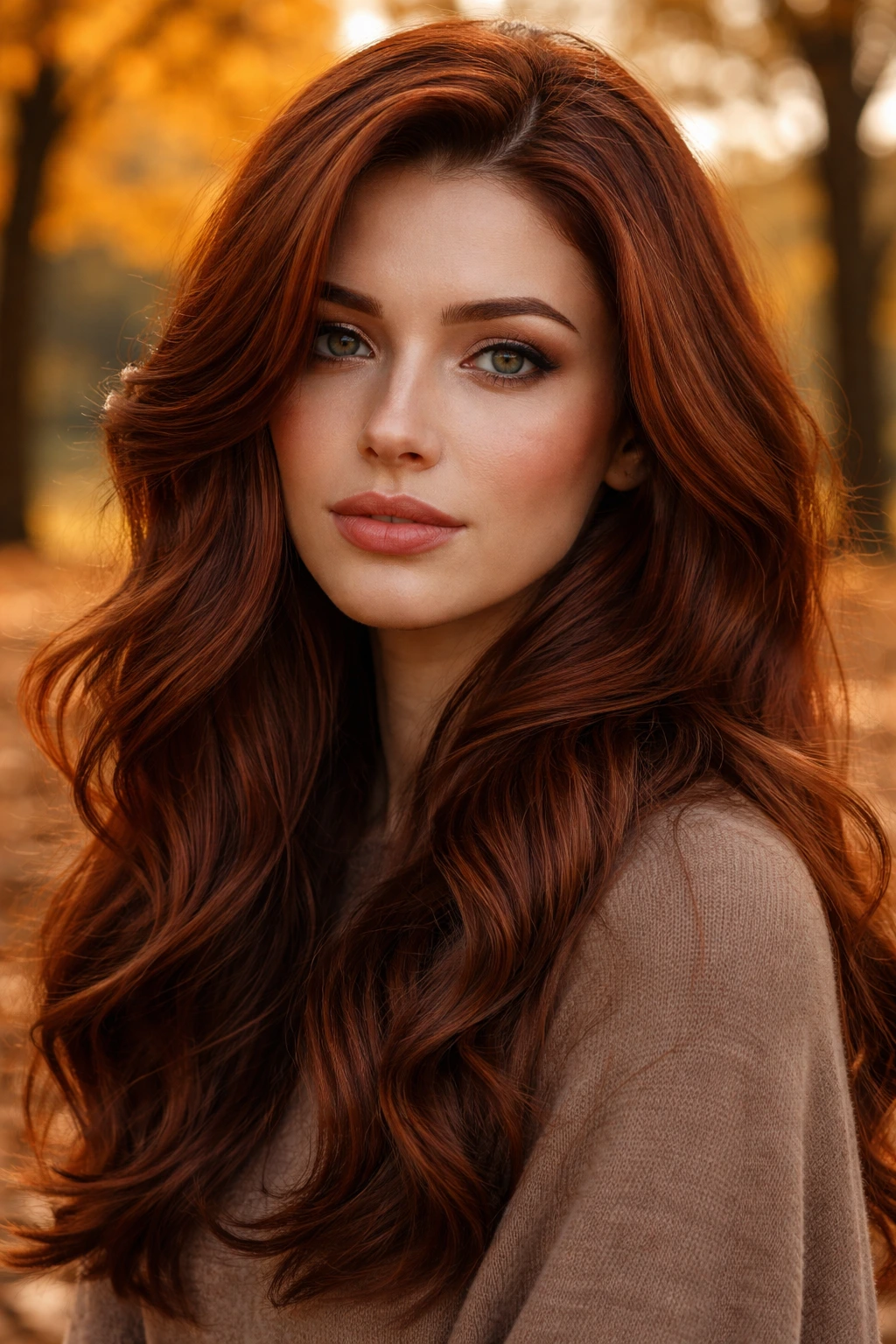
Think of a stick of cinnamon—warm, but with a brown, earthy base. This is a much deeper shade than the typical blonde-coppers, but it works beautifully for those who want a more “brunette-adjacent” look.
It is sophisticated and moody. It doesn’t scream for attention, but it has a richness that looks amazing in autumn or winter. Because it has a strong brown base, it isn’t “orange,” which keeps it safely within the acceptable range for cool-toned individuals.
11. Pastel Copper Haze
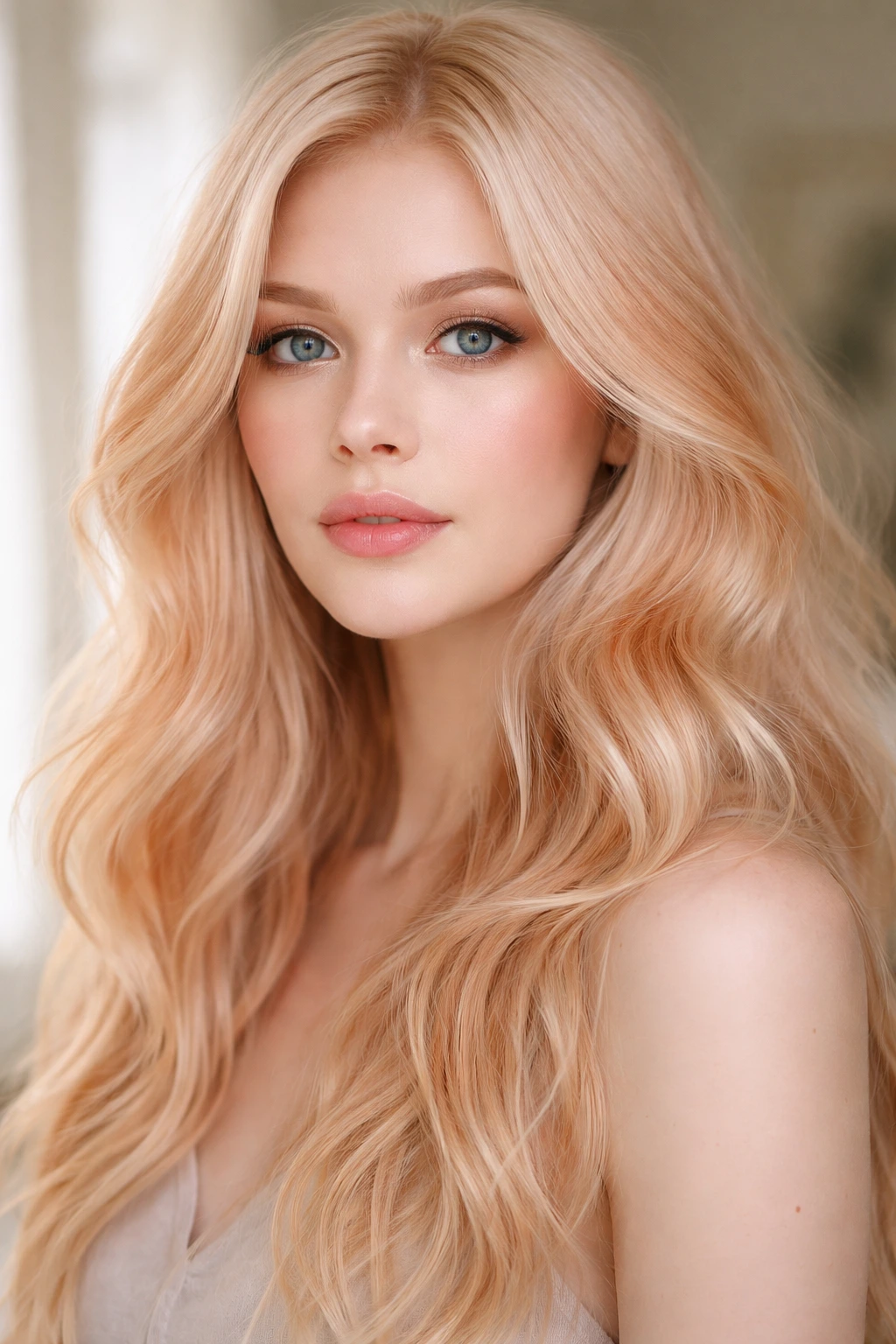
This is almost a filter-like effect. It is a very sheer, almost translucent wash of copper over a pre-lightened, very pale platinum blonde.
It is fleeting, which is part of the charm. It will wash out in a few shampoos, but it gives you a soft, ethereal, metallic look that is perfect for a special event or just to change your mood for a weekend. It does not penetrate the hair shaft deeply, making it a low-risk experiment for anyone afraid of color regret.
12. Coppery Strawberry Ombre
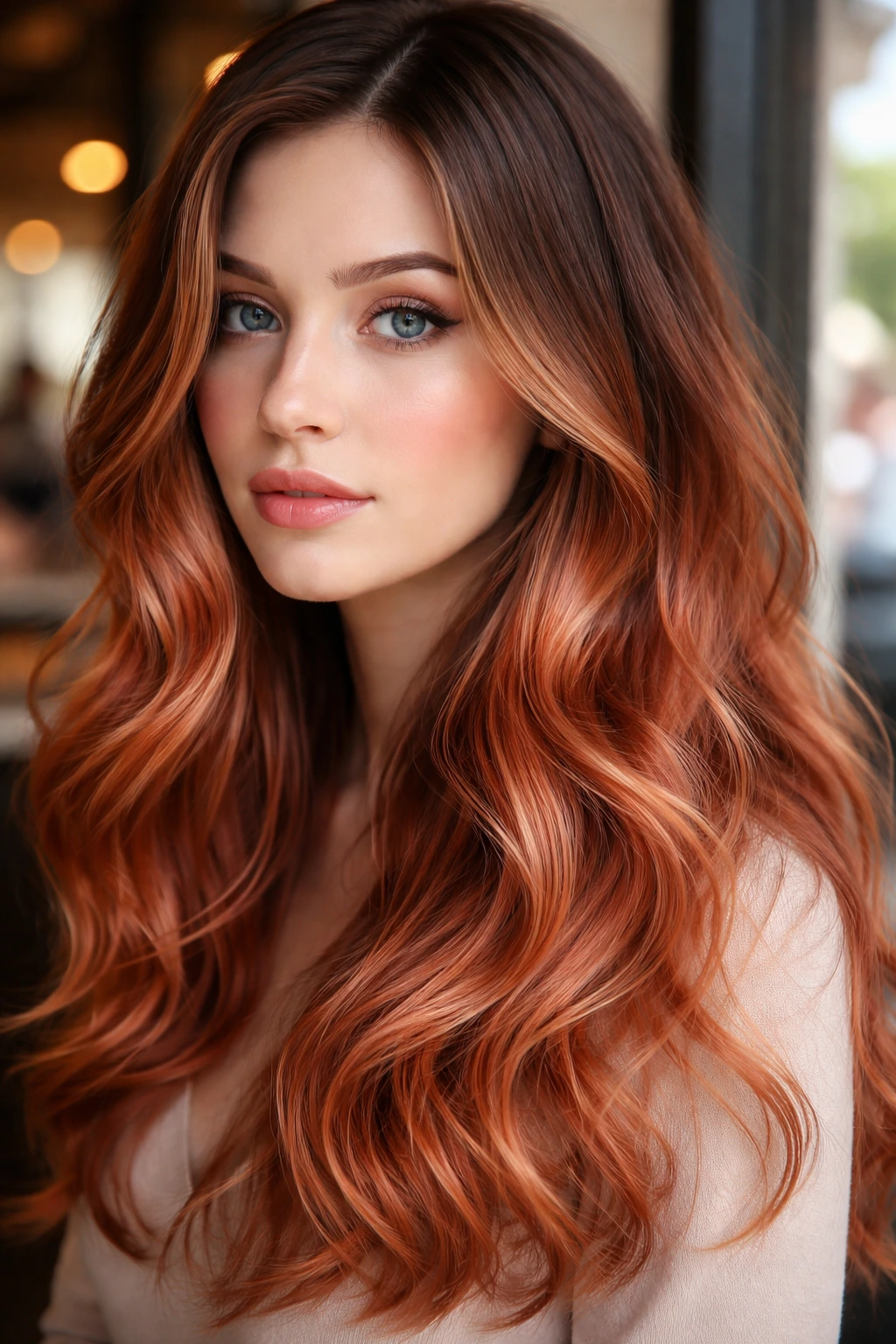
Take your roots to a soft, cool brown and fade into a strawberry copper at the ends. This works because the coolness at the root helps anchor the color and makes the transition to the warm copper at the ends look like a natural gradient rather than a mistake.
This style is excellent for people who struggle with hair health. You aren’t processing your roots, so you keep your natural hair stronger, while the ends get to be fun and experimental. Just be prepared to trim the ends more often, as copper dye tends to be a bit more drying than other shades.
13. Cool-Toned Ginger
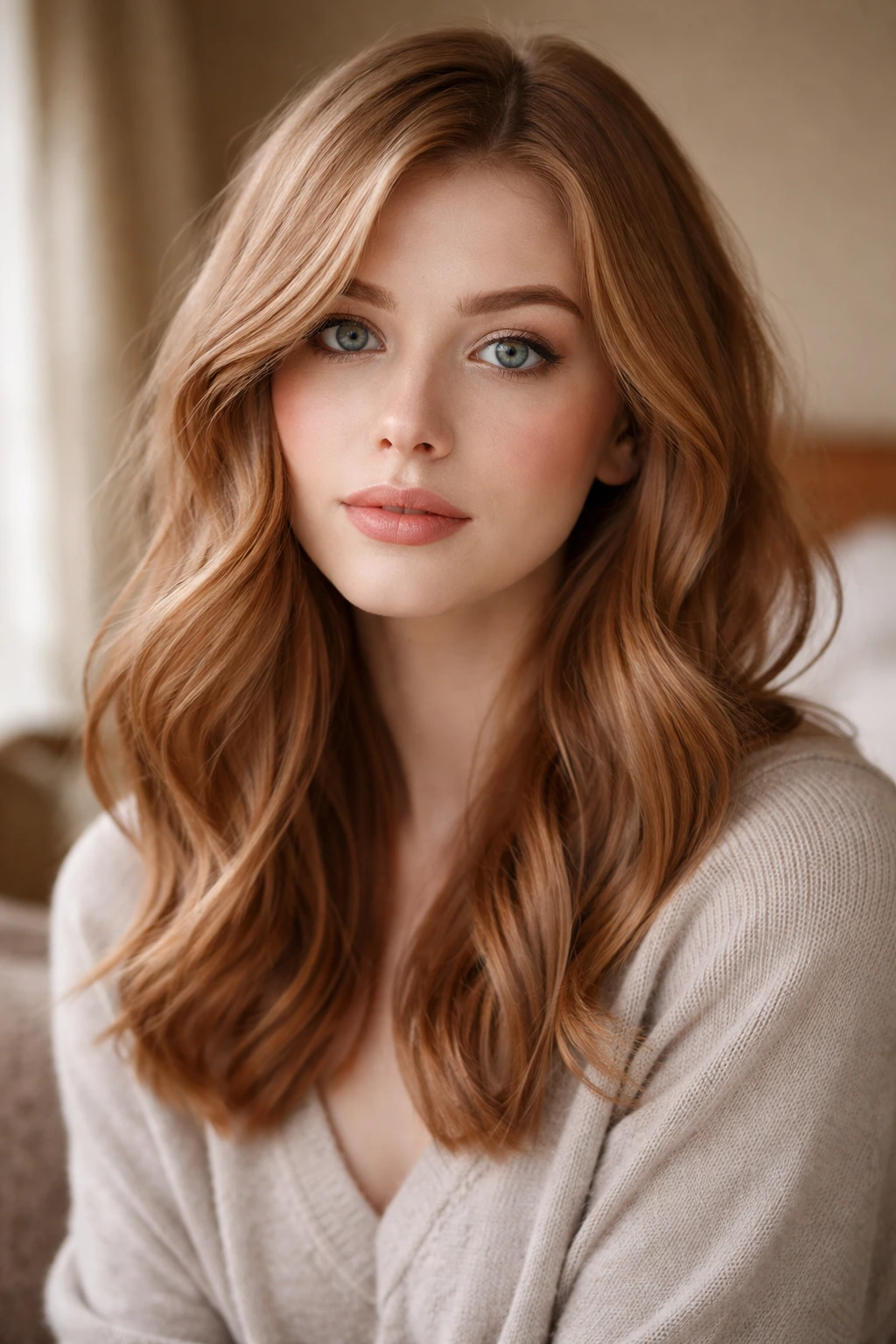
“Cool-toned ginger” sounds like an oxymoron, but it is entirely possible. It is all about finding a shade that mimics natural red hair but keeps the intensity level medium-to-low.
Natural gingers often have a slightly muted, earthy quality to their hair. If you ask your colorist for a “natural ginger” look, emphasize that you want a “muted” or “ashy” version. Avoid terms like “vibrant,” “neon,” or “true copper,” as these will almost always lead to an result that is too orange for your cool skin.
14. Sunset Copper Highlights
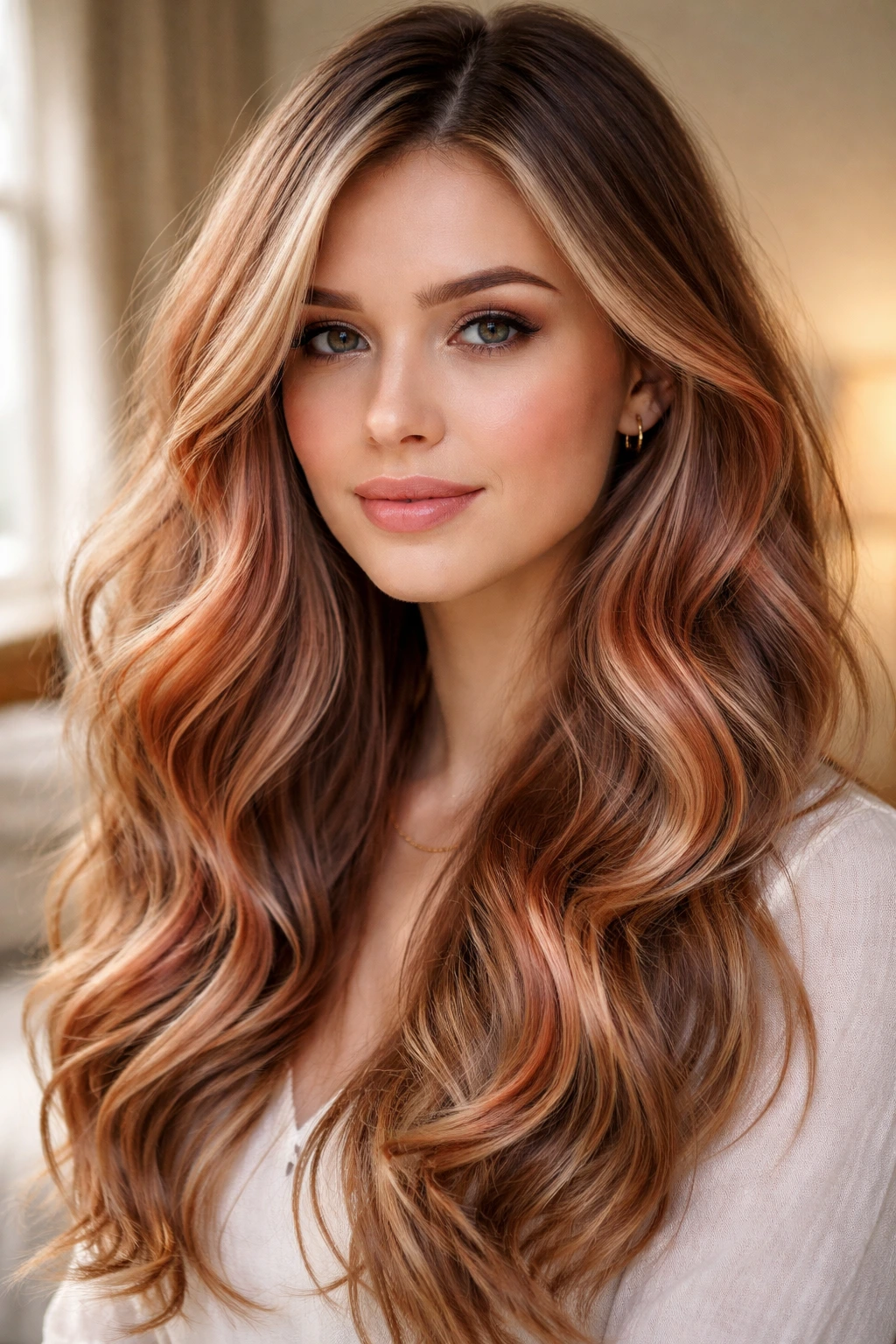
This style involves mixing cool-toned blonde highlights with sunset-inspired copper highlights. The juxtaposition is what makes it work.
Creating the Contrast
- Start with a cool, ash-blonde base (Level 7).
- Add babylights of platinum blonde to keep the base cool.
- Intersperse thin slices of copper and soft rose gold.
- The result is a multidimensional look where the cool blonde “cools down” the copper, preventing it from overwhelming your complexion.
15. Honey Copper Blend
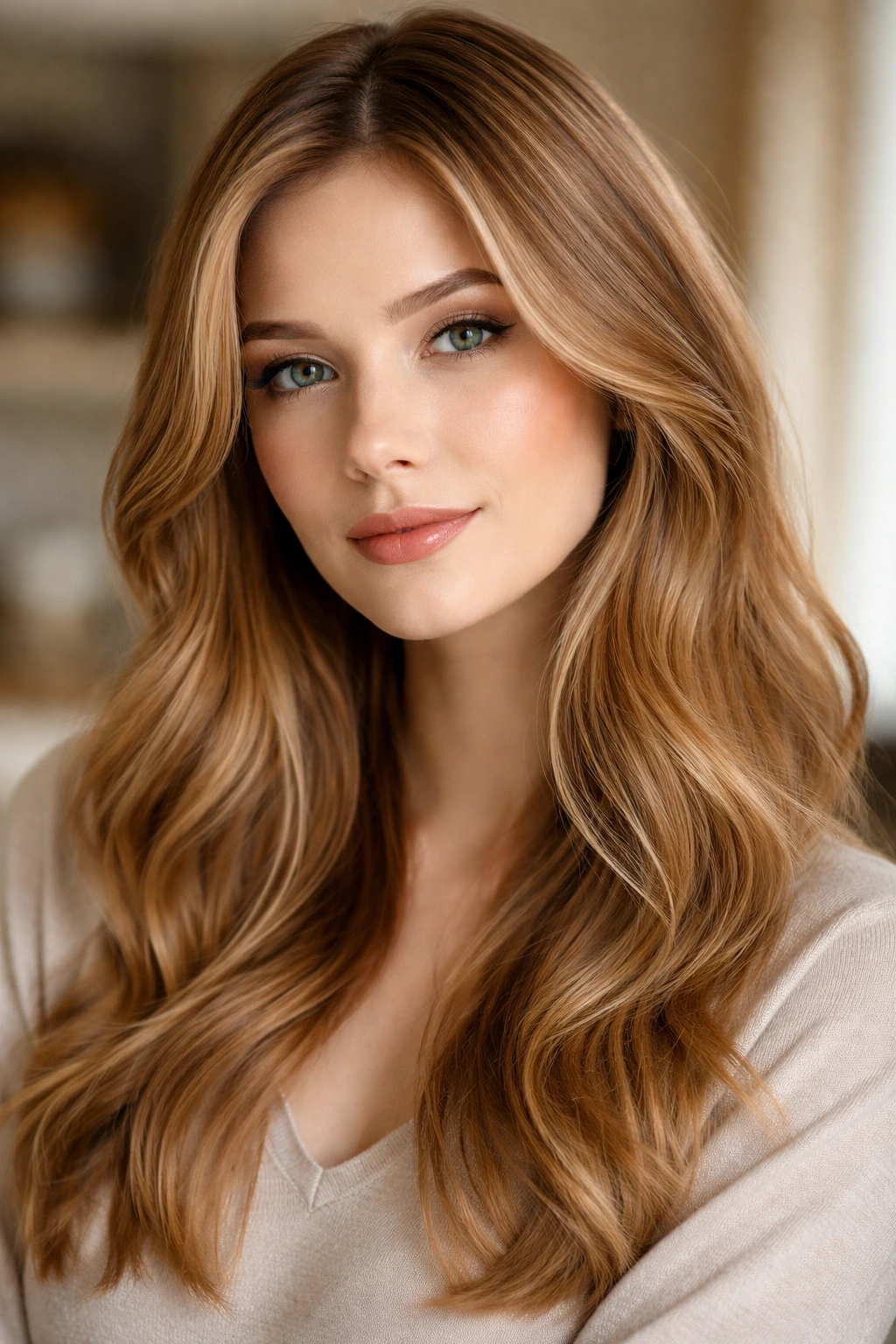
Honey is naturally a warmer blonde, but when blended with copper, it softens into a shade that bridges the gap between warm and cool. It is a very wearable, “everyday” color that looks intentional without being overly bold.
Many people with cool skin can actually pull off “honey” tones as long as they are mixed with cooler beige tones. This blend prevents the color from looking yellow or brassy. It is the perfect “I have my life together” hair color.
16. Dimensional Copper Blonde
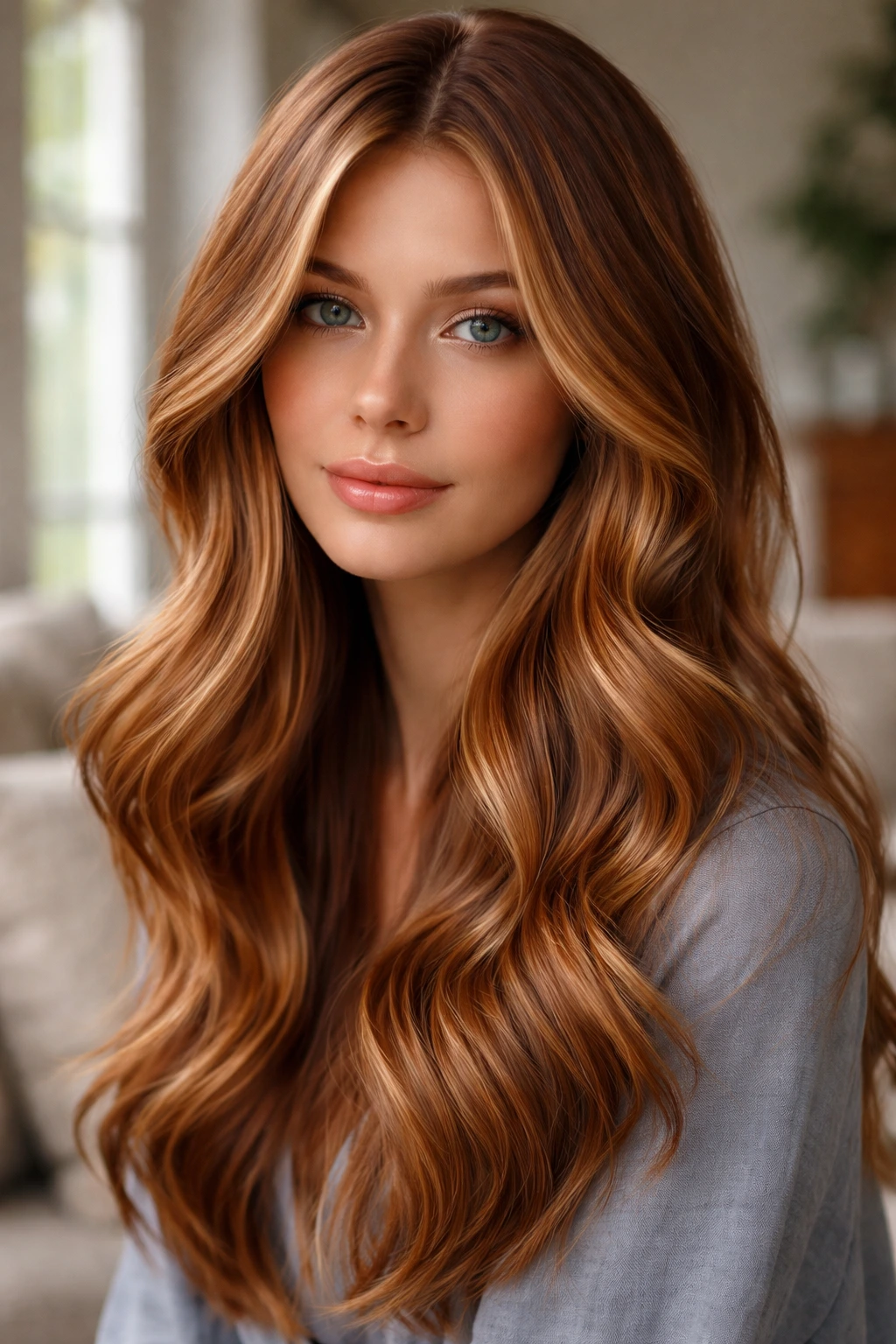
Dimensional color is all about placement. You don’t want one solid, flat copper color. You want a palette of colors that mimic the way hair naturally shifts in the sun.
What to Ask For
Ask for a “multidimensional color placement.” This means your stylist uses three or four shades—some cool, some slightly warm, all within the copper-blonde family—and paints them in alternating sections. This prevents the copper from sitting as one big block against your face, which is usually the mistake that causes it to clash with cool skin.
17. Rusty Rose Copper
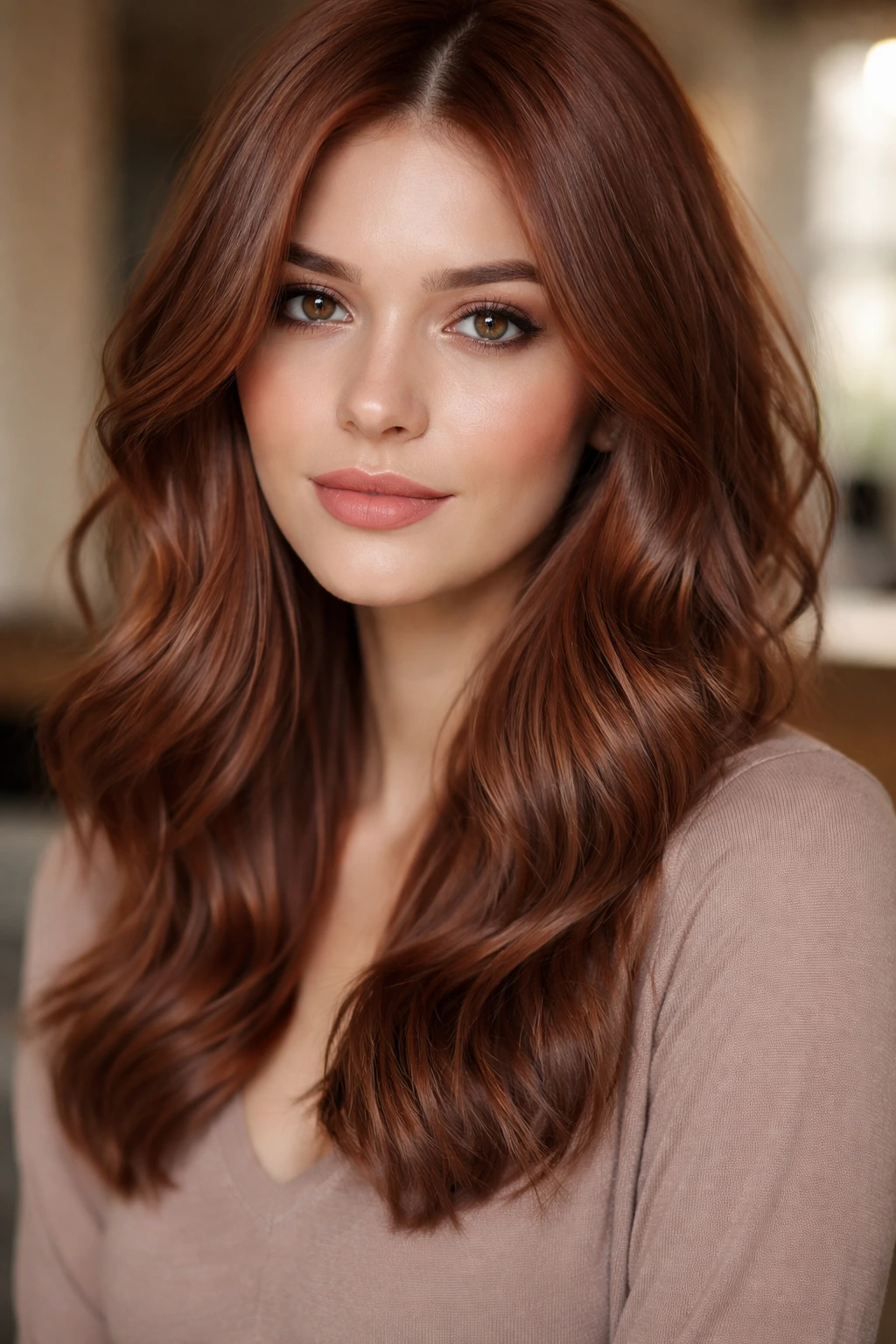
This is a more mature, refined version of the “rose gold” trend. It is deeper, dustier, and has a hint of brown-red that keeps it from being too “bubblegum.”
It feels very chic and pairs beautifully with a wardrobe of neutrals, greys, and navy blues—the classic colors that people with cool skin usually gravitate toward. It is a color that commands respect rather than just getting attention.
18. Burnt Orange Blonde
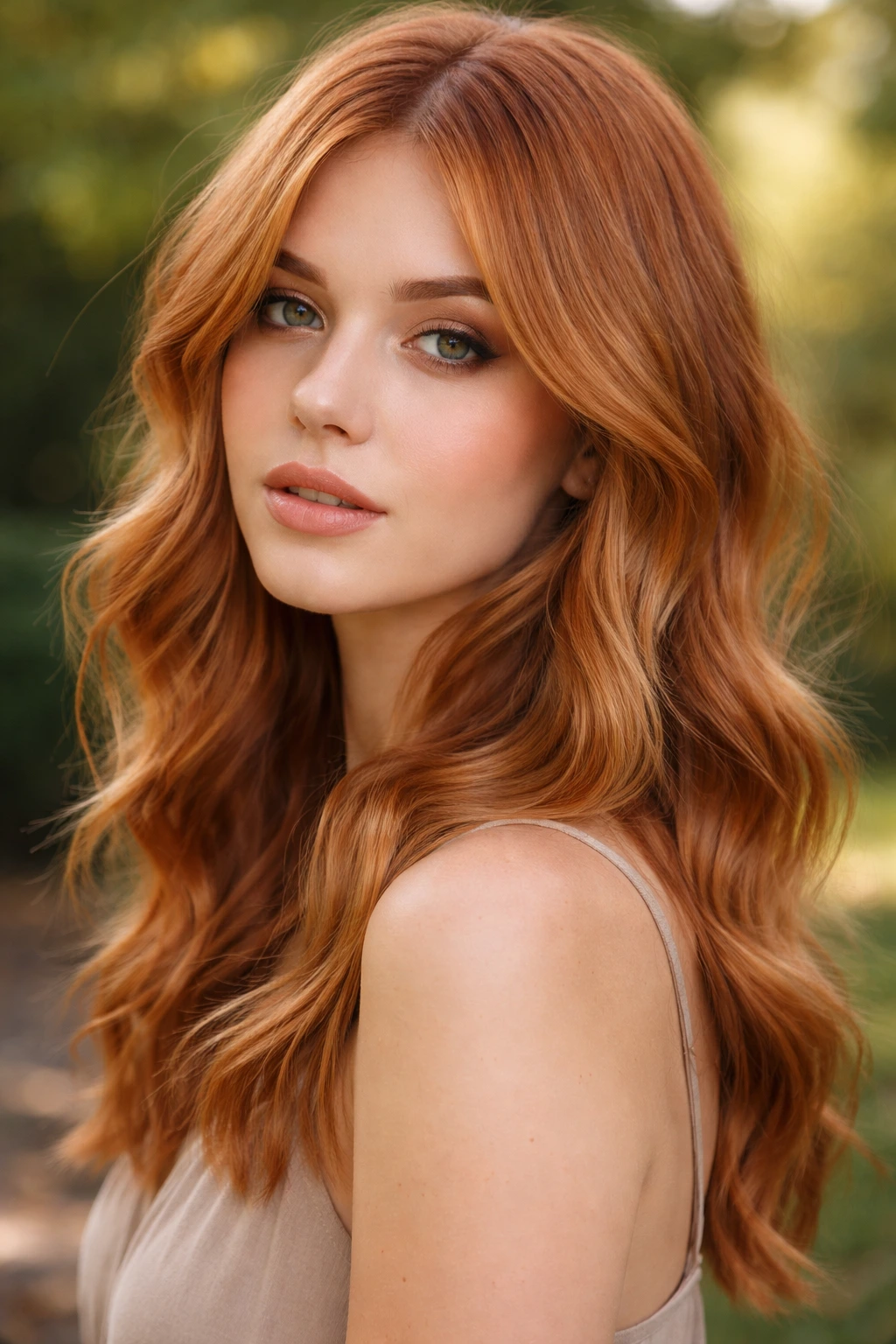
I know, I said orange is the enemy of cool skin—but hear me out. A burnt orange is completely different. It has a high level of pigment, leaning toward a terracotta or clay tone, which is much more muted than a bright, fluorescent orange.
It works for cool skin because it is an earthy, grounded color. It feels natural, not synthetic. If you have cool-toned skin but also have green or hazel eyes, this is often a fantastic choice because the terracotta tones will make the green in your eyes pop in a way no other color can.
19. Sandy Copper Glaze
This is the “I just got back from the beach in the fall” look. It’s a sandy, beige-blonde base with a very faint, almost invisible copper glaze over the top.
It is incredibly subtle. If you are standing in a dark room, it looks like a warm, golden blonde. If you step into the sunlight, you get these gorgeous flashes of copper reflection. It is perfect if you want to test the copper waters without actually dyeing your hair a new color.
20. Light Copper Reflects
Sometimes you don’t need a whole new dye job; you just need a change in how your light reflects. A clear gloss with a tiny drop of copper pigment can be applied over your existing cool blonde hair.
It is a semi-permanent treatment. It will fade after a few washes, but it gives you a taste of what it would look like to have copper hair. It’s a risk-free way to see if the shade suits your complexion.
21. Copper Tip Dip
If you are worried about the copper clashing with your skin, move the color as far away from your face as possible. Dipping the ends of your hair in a rich, vibrant copper provides the fun of the color without any of the risks of it washing you out.
This is a great style for long hair. It is dramatic, it looks intentional, and it is easy to cut off if you decide you’ve had enough. You can go for a very stark transition (an “ombre dip”) or a softer, blended transition depending on your style.
22. Strawberry Champagne
This is a high-fashion, icy-cool version of strawberry blonde. It has the pink and copper tones but is mixed with a very pale, platinum-blonde base.
It feels sophisticated and incredibly light. It’s the kind of color you see in high-fashion magazines—it looks almost artificial, but in a very high-end, deliberate way. It’s a high-maintenance color (you’ll need regular toning to keep the platinum base from yellowing), but the aesthetic payoff is significant.
23. Rich Copper-Infused Blonde
This involves taking a medium-blonde base and infusing it with “copper tones” at the mid-shafts and ends, leaving the roots their natural, cool, dark blonde shade.
It creates a “lived-in” copper look. It implies that your hair was once a lighter copper and has grown out, but in a way that feels stylish and curated. It is a fantastic option if you want a color that looks “cool” (as in stylish) and “cool” (as in undertone) at the same time.
24. Icy Copper Fusion
This is a specific technique where you alternate slices of icy, ash-blonde with slices of metallic, cool copper.
When these colors sit side-by-side, the eye blends them together. From a distance, you see a beautiful, soft, shimmering ginger. Up close, you see the individual icy and copper strands. It is a brilliant way to make a warm color work for a cool complexion, as the icy strands are constantly “cooling down” the overall visual effect.
25. Copper Smoke
Think of the color of a charcoal grey with a hint of copper rust running through it. It is an edgy, moody, “grunge-inspired” color.
This shade is not for everyone, but if you have a cool, pale complexion and you tend to wear a lot of black or monochromatic outfits, this can look incredibly striking. It is a deep, dark color that doesn’t rely on orange, making it a “copper” that is safe for almost any skin tone.
26. Vivid Copper Streak
If you are feeling adventurous, a single, vivid copper streak—perhaps tucked behind the ear or right at the temple—can be a great statement piece.
It doesn’t affect your overall skin tone because it is such a small amount of hair. It’s an accessory. You can choose a bright, saturated copper that would be impossible to wear as a full head of hair, but works perfectly as a bold accent.
27. Blended Copper Root Melt
A root melt involves taking a darker color (the root) and “melting” it into a lighter color (the ends) so that there is no distinct line.
For this look, use a cool, deep cocoa-brown at the root and melt it into a soft, apricot-copper at the ends. The transition happens at the jawline, keeping the cool brown around your face, which is the most flattering color for your skin. The copper gets to shine on the lower half of your hair where it won’t impact your complexion.
28. Champagne Copper Glow
This is a warm, bubbly blonde with just a whisper of copper. It’s the color of a glass of rosé champagne.
It is soft, feminine, and undeniably flattering. It works because it is mostly blonde—the copper is just a tint, not a base color. If you want to brighten your face and add a touch of warmth that doesn’t look like an obvious “red dye job,” this is the shade you should ask for.
Making the Final Decision
Choosing the right copper blonde is not about finding the “best” shade in a vacuum; it is about finding the one that highlights your features rather than fighting against them. If you have cool skin, the golden rule remains the same across all these options: prioritize muted, metallic, or violet-based tones over bright, orange-based ones.
Start with something subtle, like a glaze or a balayage, before you commit to a full-head transformation. Hair color is a journey, and the best color is one that makes you feel confident the moment you walk out of the salon. Do not be afraid to bring these suggestions to your stylist and ask for their opinion on which specific shade will work with your skin’s unique undertones. They see your hair in real-time, and they can help you steer the final result toward the perfect balance.
