



Finding the right white hair color for cool skin tones is less about following a trend and more about mastering the art of color theory. When you have cool undertones—think pink, blue, or violet nuances in your complexion—your skin is essentially a blank canvas waiting for an icy, clean, or stark contrast. If you try to wear a golden or honey-toned white, it often clashes with the natural blue-based pigment in your skin, making you look sallow or washed out. You want clarity. You want brightness.
This is not a project for the faint of heart. Achieving a true, clean white requires lifting the hair to a pale yellow level ten—the color of the inside of a banana peel. If you stop short of that, you aren’t getting white hair; you are getting yellow hair. And on cool skin, yellow is the enemy. It emphasizes redness in the skin and steals the sparkle from your eyes.
You need to lean into the icy, silver, or blue-tinted spectrums. These shades act like a mirror, reflecting the coolness in your skin and making it appear porcelain and clear. But simply saying “I want white hair” is the fastest way to walk out of a salon with a color that doesn’t fit. You have to get specific. Here are twenty-five ways to approach white hair for cool skin, categorized by the vibe, the depth, and the specific tonal adjustments that make them work.
1. Icy Platinum White
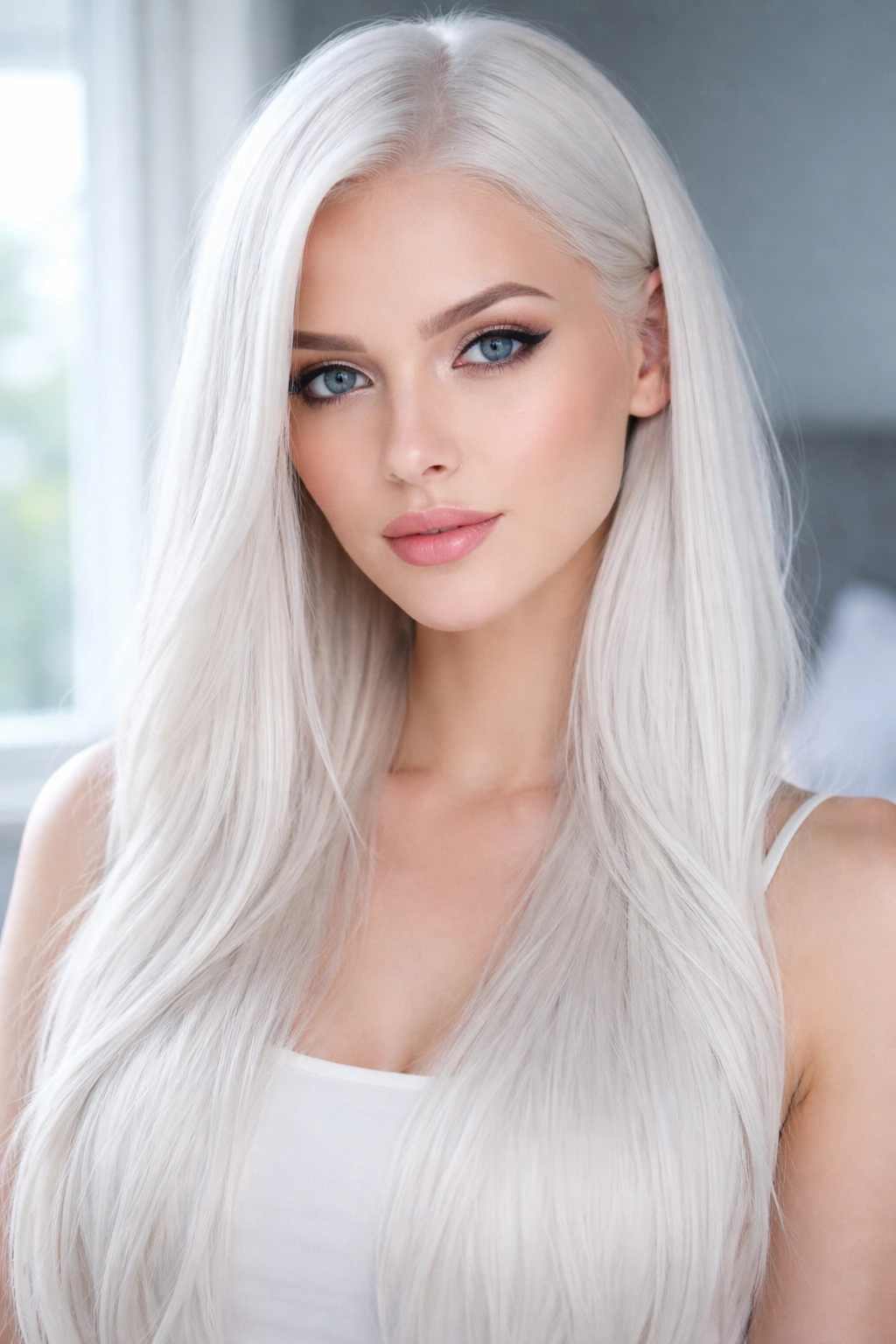
This is the gold standard for cool skin tones. It is the color that most people think of when they picture “white” hair. It has zero warmth, zero gold, and zero honey. It is stark, unapologetic, and incredibly bright. Because it lacks any depth or shadow, it makes your skin look striking.
The trick to maintaining this shade is battling the yellowing that happens naturally over time. You need a dedicated purple shampoo routine. However, do not leave it on for ten minutes as some bottles suggest, or you will end up with pastel violet hair. Two minutes is usually plenty. If your hair is porous—which it will be after the heavy bleaching required to reach this level—it will grab onto that pigment fast.
2. Lilac-Infused White
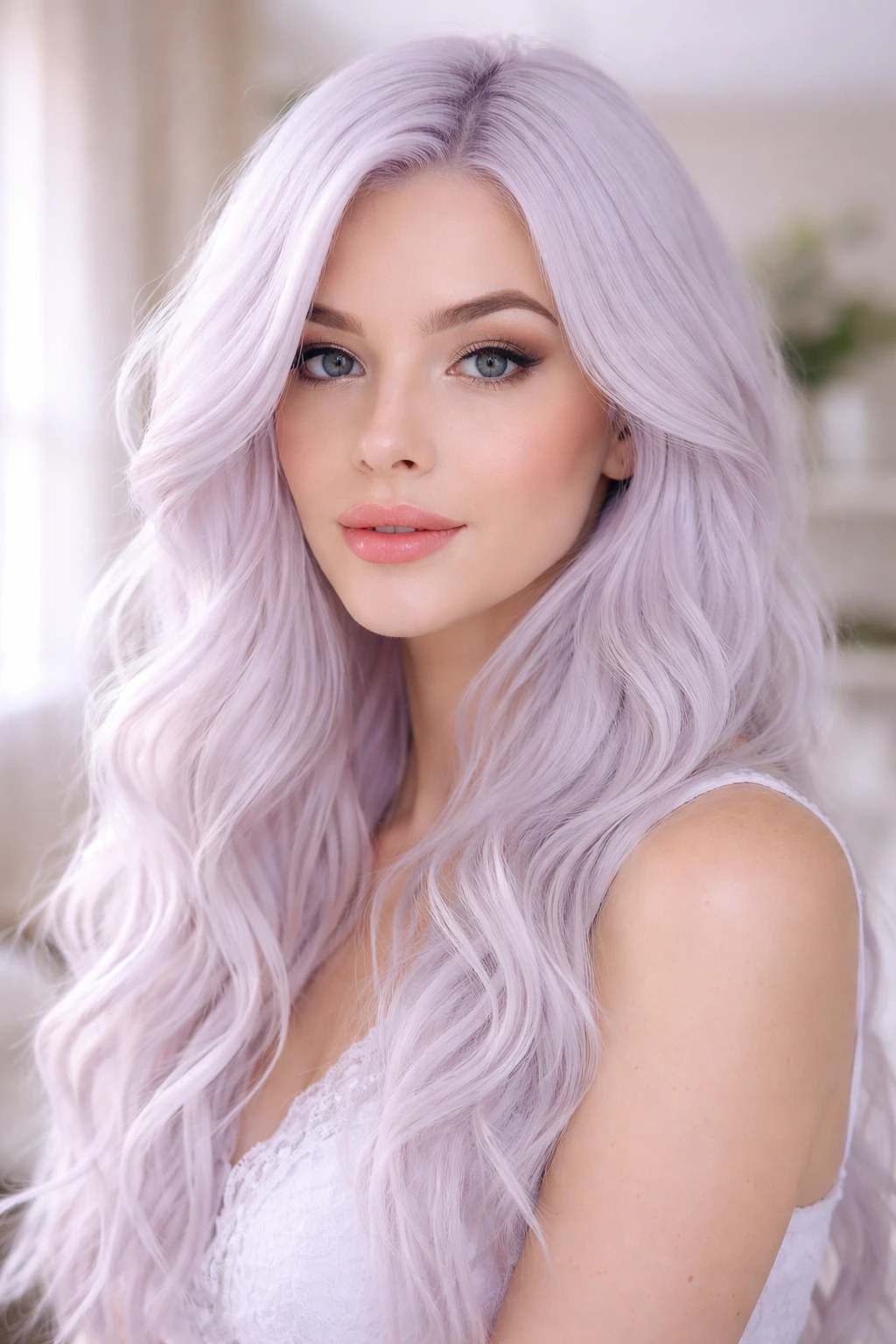
If you are nervous about your hair looking too much like a stark hospital light, a lilac infusion is a perfect middle ground. This color looks like a very pale, ethereal white with just a whisper of soft violet. The violet pigment is actually doing double duty here; it serves as a toner to neutralize any lingering yellow tones in the hair while adding a whimsical, soft aesthetic.
This shade is fantastic if your skin has strong pink undertones. The purple in the hair complements the pink in your complexion without clashing. It softens the overall look of the hair, making it feel less severe than a stark platinum. It fades out into a lovely, clean white over the course of three or four washes, so it’s essentially two colors in one.
3. Smokey Silver White
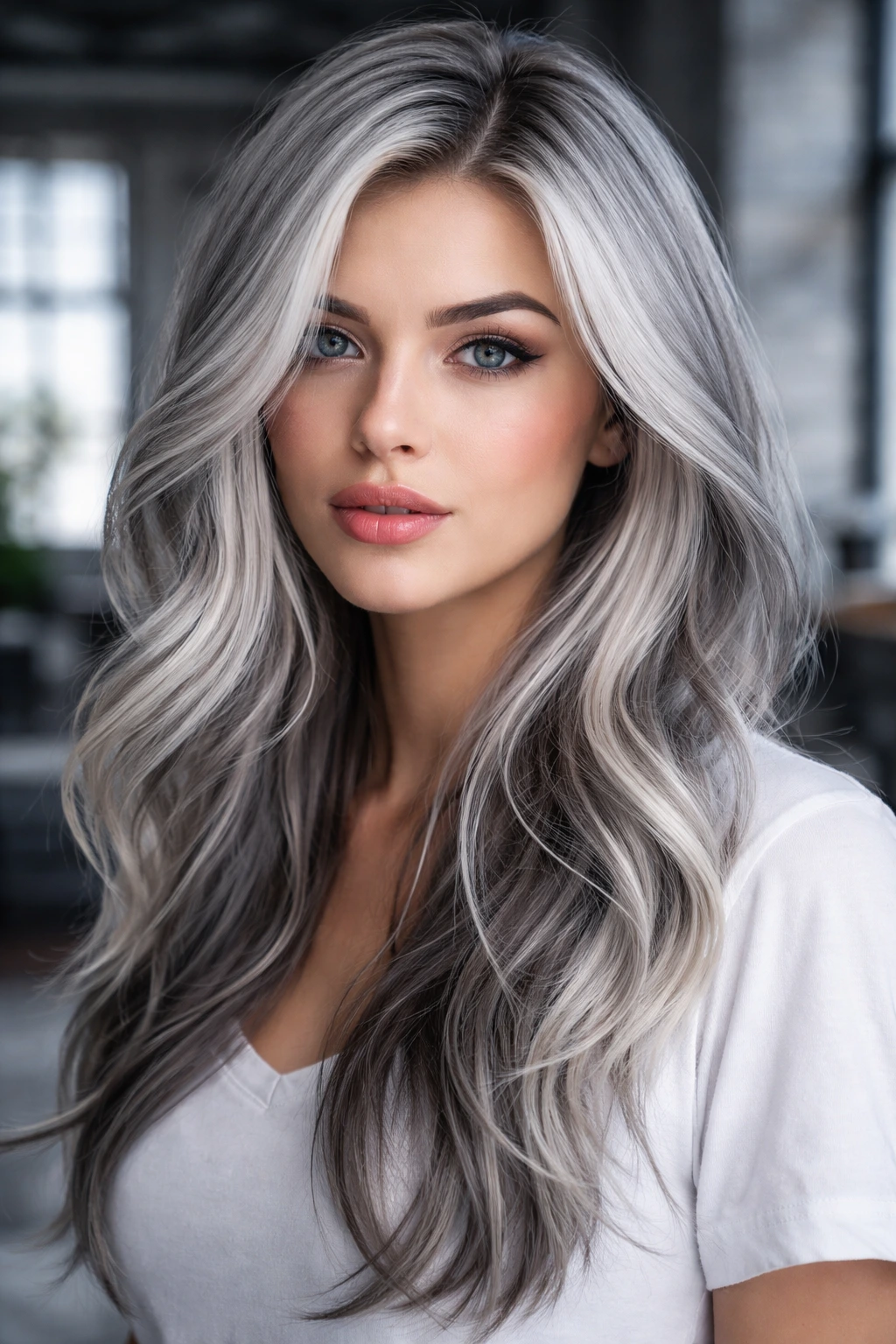
This is a more mature, sophisticated take on the white hair trend. It blends the brightness of white with the depth of charcoal or gunmetal silver. It isn’t a solid color; it has dimension, which helps if your hair is naturally thin or fine. The “smokey” effect gives the hair a bit of a gritty, rock-and-roll edge that pairs incredibly well with cool skin.
Because this look relies on darker pigments woven in, it is actually a bit easier to maintain than a solid platinum white. You aren’t constantly fighting to get the yellow out of the entire head of hair. If the white parts start to turn, the silver elements keep it looking intentional rather than neglected. It’s a great option for those who don’t want to spend their entire life in the salon chair for touch-ups.
4. Blue-Base Pearl White
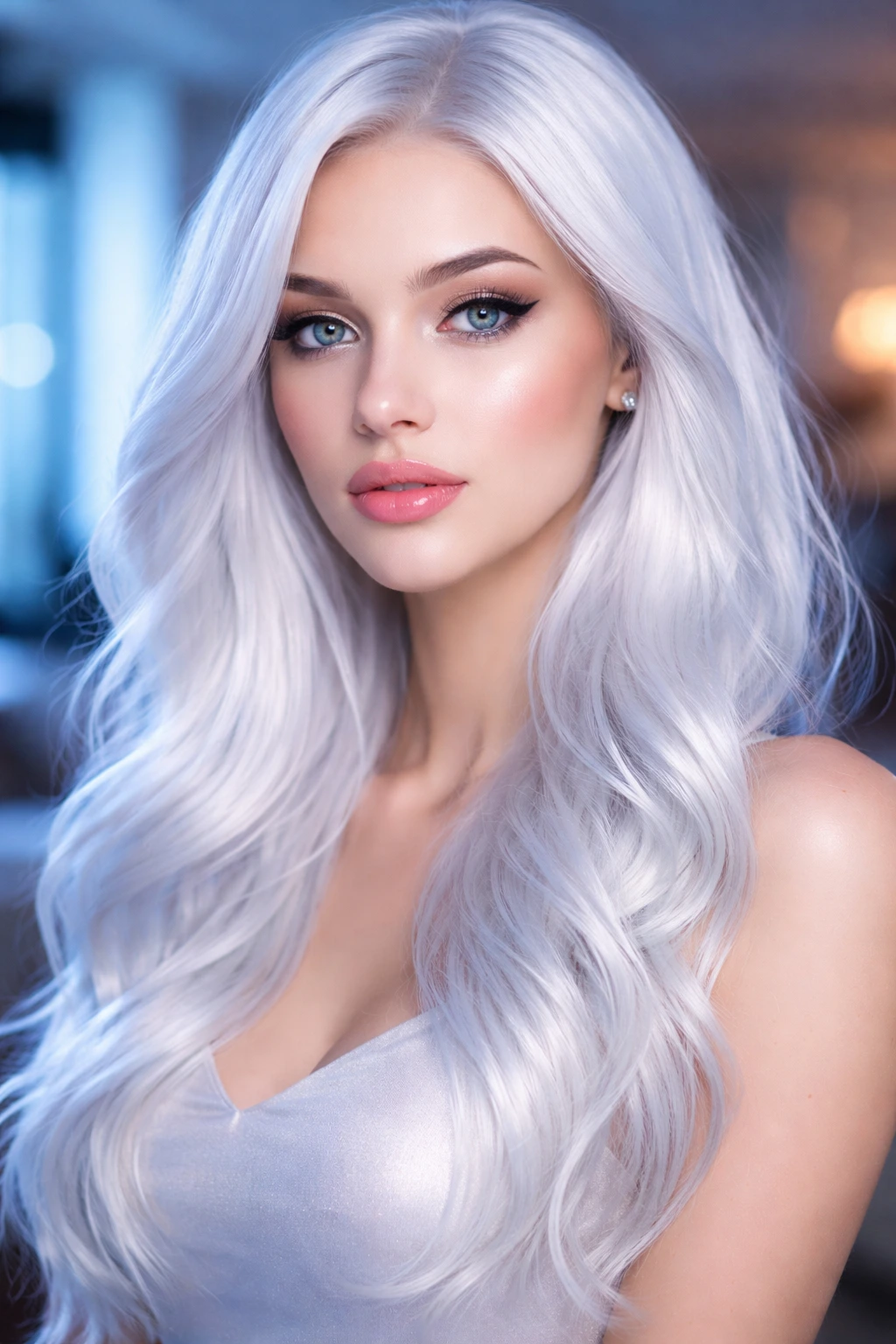
Pearl is distinct from platinum. While platinum is matte and stark, pearl has a subtle, iridescent quality. It mimics the inside of an oyster shell—glistening and slightly multi-dimensional. For cool skin tones, specifically those with blue or gray undertones, a blue-based pearl is the ultimate match.
The blue base is non-negotiable. If a stylist uses a gold or warm-based pearl, it will look muddy on cool skin. You want that icy, crisp finish. Ask your colorist specifically for a blue-toned toner. This helps lock in that “wet” look, making the hair look expensive and reflective rather than dry and fried. Use a high-quality gloss treatment every few weeks to keep that pearlescent sheen alive.
5. Shadow Root White
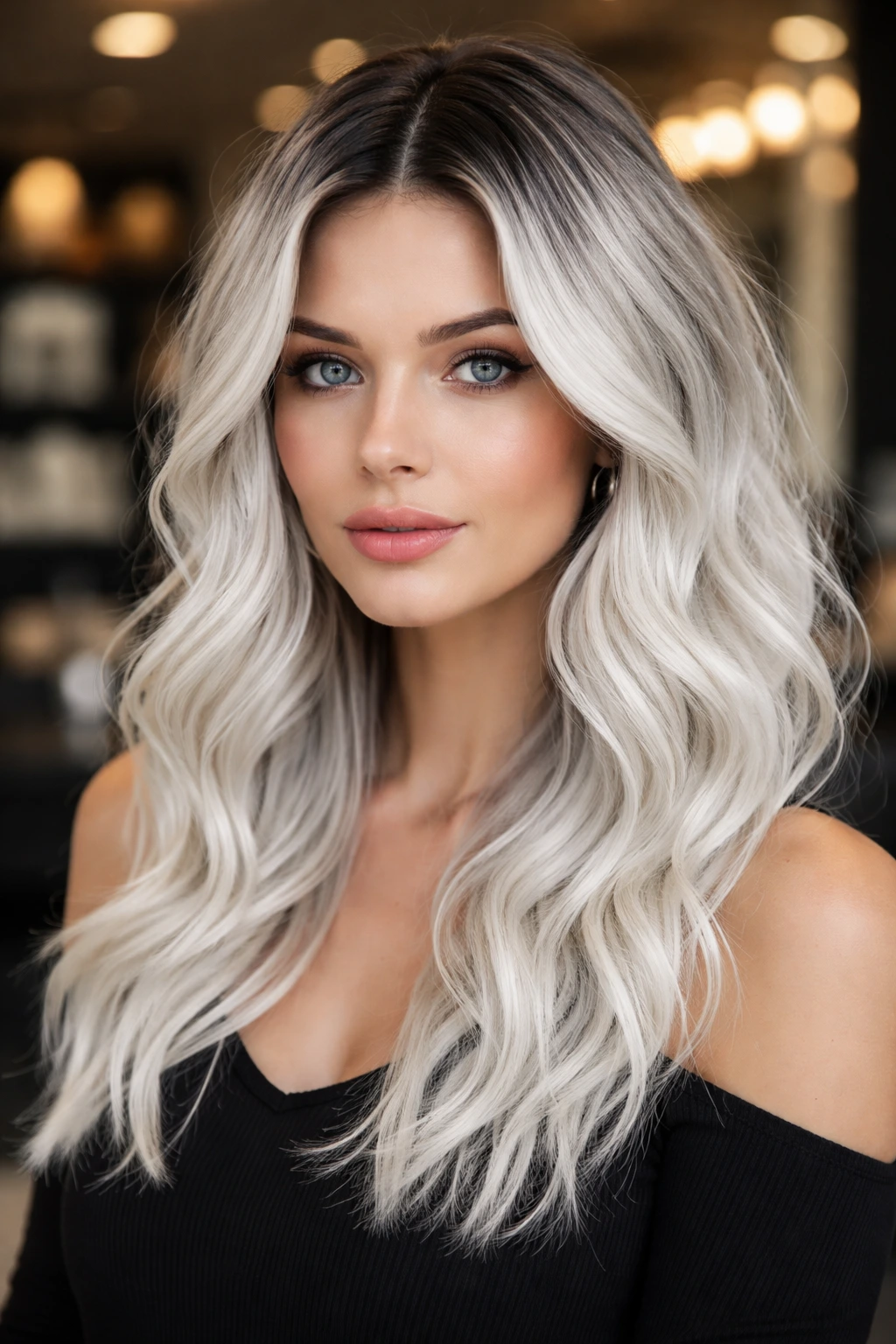
Let’s be honest: maintaining solid white hair from root to tip is a nightmare. It requires bleaching your scalp every four to six weeks, which is damaging and painful. The shadow root solves this. By keeping your natural darker color at the roots and fading it into a bright white mid-length and ends, you gain a stylish, deliberate look that grows out beautifully.
This is ideal if you have a cool skin tone but naturally dark hair. You don’t have to fight your biology. The transition point—the “melt”—is where the magic happens. A skilled colorist will blur the line between your natural color and the white, creating a seamless gradient. It looks cool, edgy, and requires half the maintenance of a solid shade.
6. White-Blonde Bob
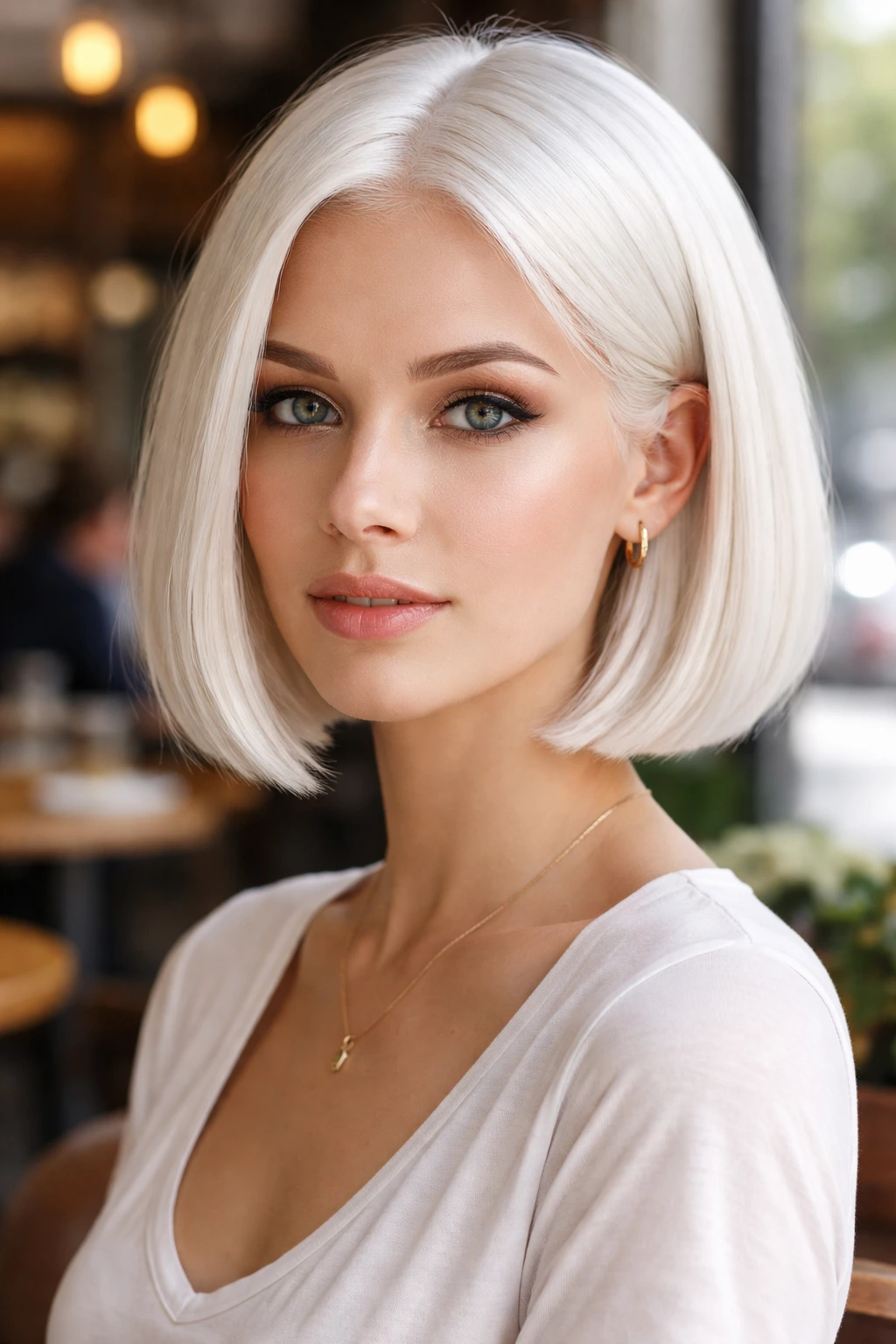
Sometimes the color is only half the battle; the cut dictates how the white appears. A sharp, blunt bob in a stark white-blonde is a powerful statement. The geometry of the cut highlights the clarity of the color. Because cool skin tones often look best with high-contrast hair, a precise bob creates an frame for the face that is impossible to ignore.
This is a high-maintenance look, not because of the color, but because of the trim. White hair needs to look healthy to look good. If your ends are split and frazzled, the white highlights every single imperfection. You need to commit to regular trims to keep those lines sharp. If the hair is healthy, the white will shine and catch the light beautifully.
7. Icy White Pixie
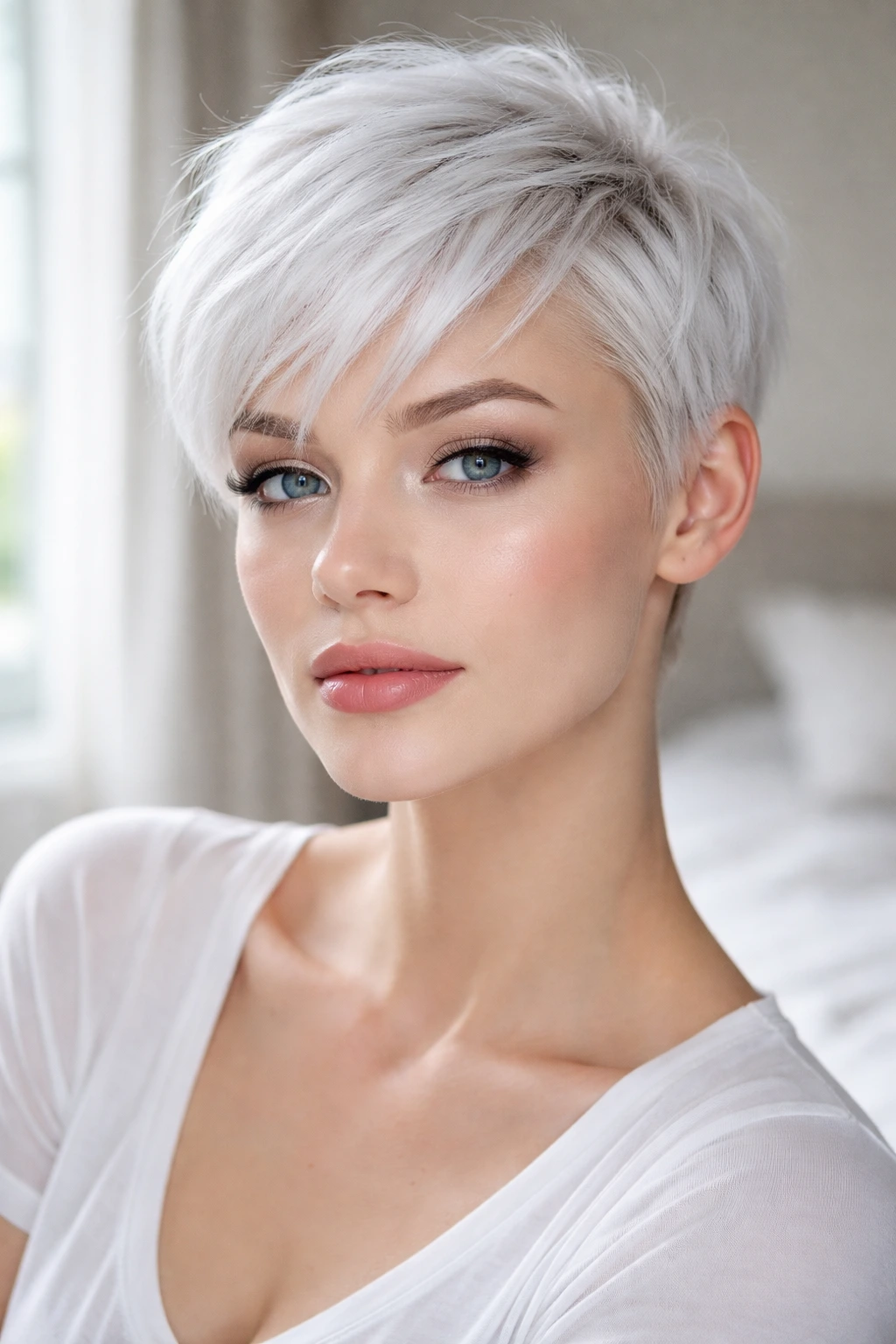
If you have the bone structure for it, an icy white pixie cut is perhaps the most striking look you can achieve. With so little hair, the focus is entirely on your face, your skin tone, and your eyes. The starkness of the white hair provides an incredible contrast against the skin, making cool undertones pop.
There is nowhere to hide with a pixie cut. You have to be confident. Because the hair is short, you can afford to be a bit more aggressive with the bleach, as you will be trimming away the damage regularly. It’s a bold choice that effectively turns your hair into an accessory rather than a backdrop.
8. White Balayage
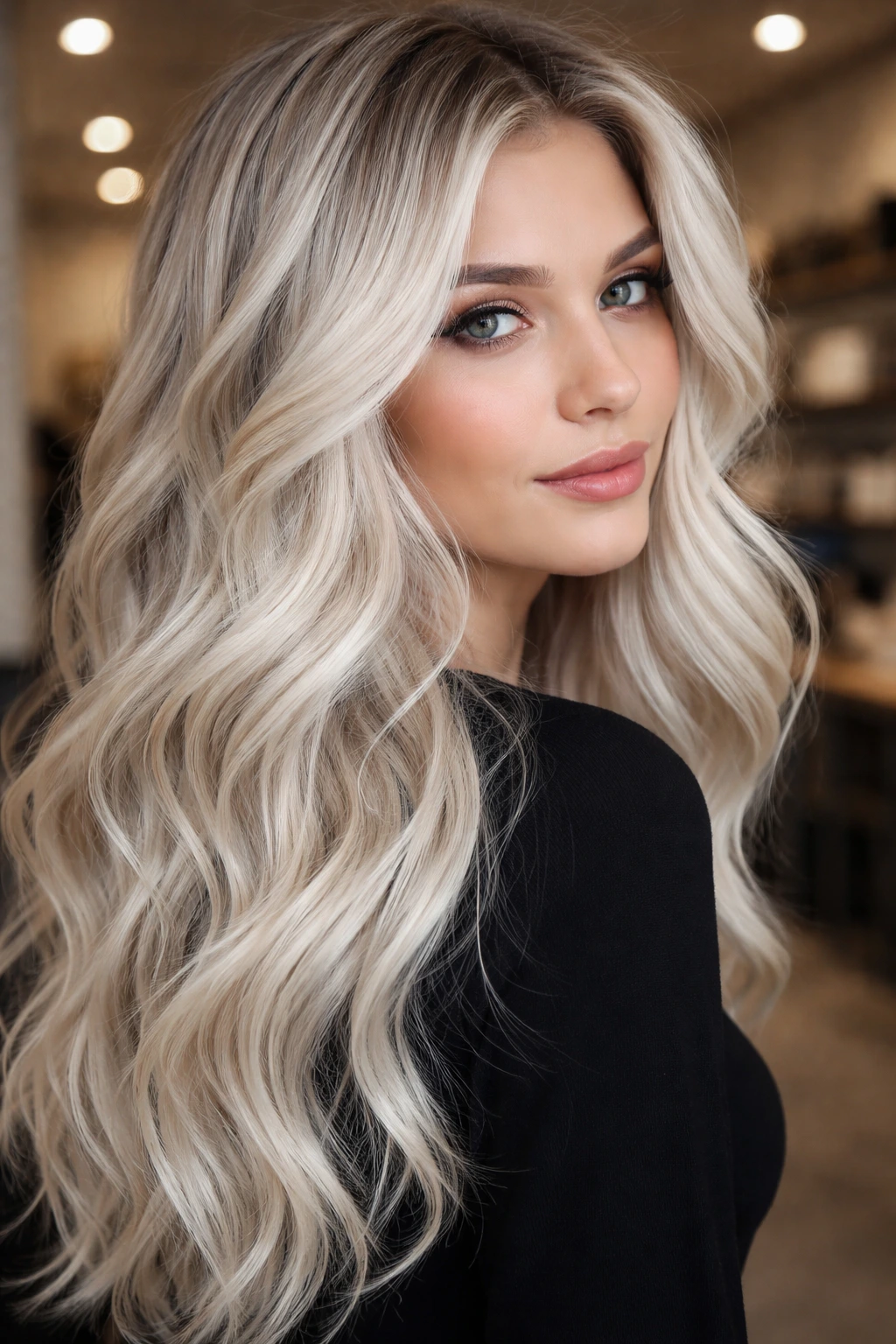
Maybe you aren’t ready to bleach your entire head to a level ten. That is fair. White balayage allows you to introduce those icy, cool tones through hand-painted highlights while keeping your natural base color. It’s a “lived-in” white look that feels relaxed and bohemian.
The challenge here is keeping the white parts white. Since they are mixed with your natural color, the white strands can easily pick up warm tones from your shampoo or even the environment. You need to be diligent about using professional-grade, sulfate-free color-protecting shampoos. Think of this as a low-stakes way to test if white hair suits your skin without the full commitment.
9. Lavender-Tinted White
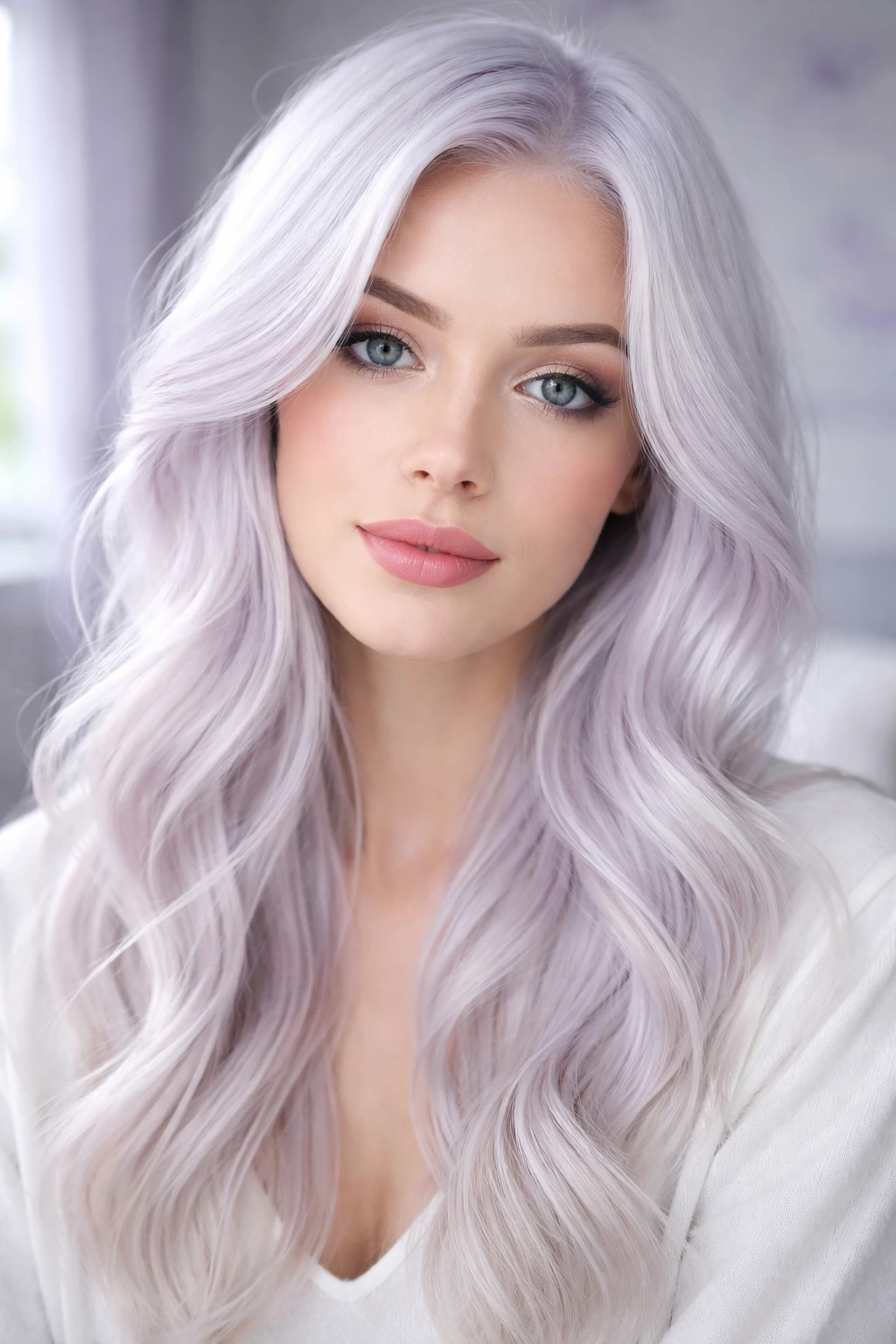
Lavender isn’t just for pastel lovers. It is the secret weapon for anyone trying to maintain white hair. By intentionally toning your hair to a visible lavender shade, you are essentially pre-loading the hair with the exact pigment needed to fight yellowing. As the lavender fades, it passes through a perfect, bright white stage before slowly leaning back toward yellow.
This is the most strategic color choice for someone who wants to stay “white” for as long as possible between salon visits. It looks fresh, fun, and very intentionally stylized. It looks particularly stunning on people with pale, cool skin, as the soft purple brings out the clarity in the complexion.
10. Sterling White
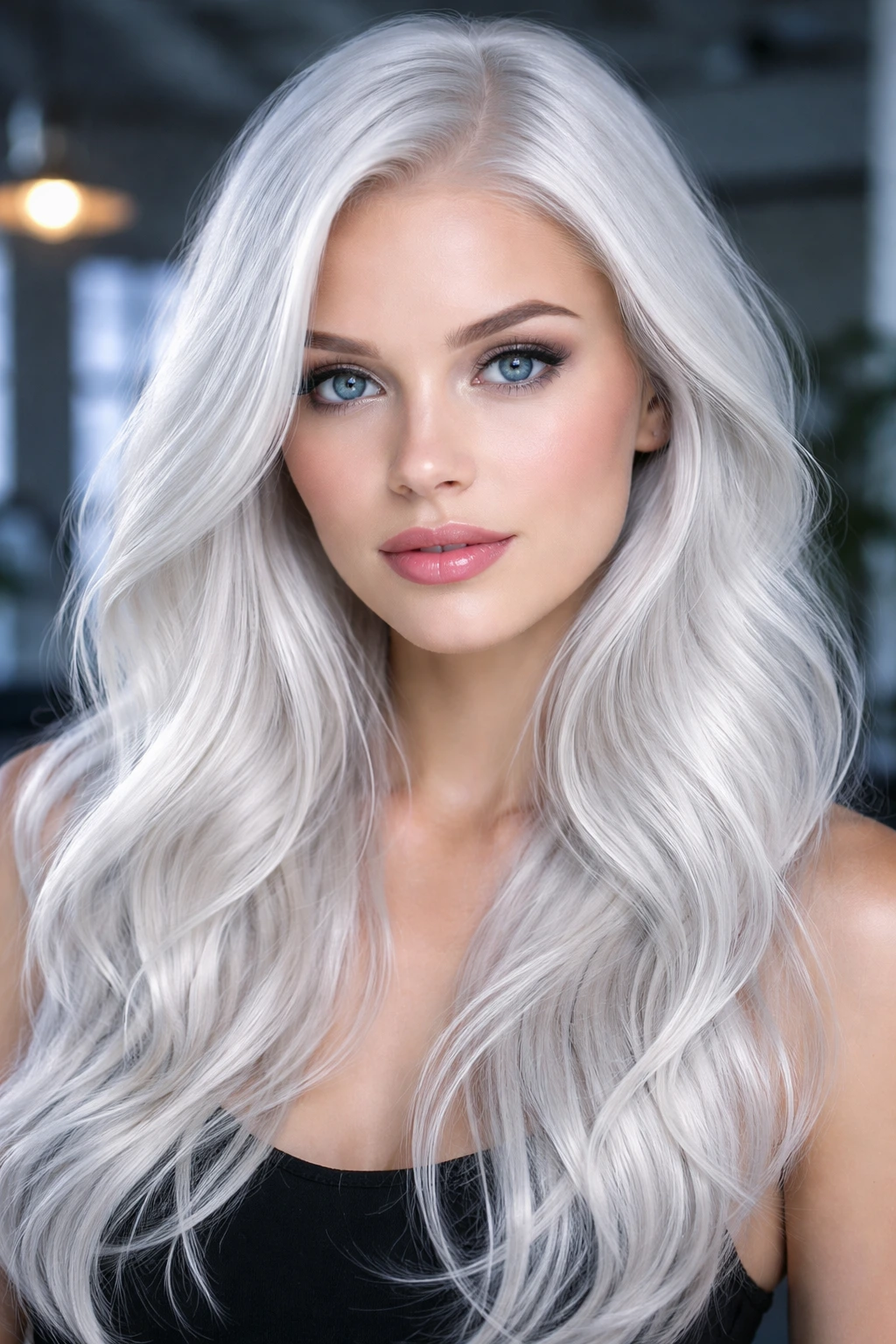
Sterling white leans heavily into the metallic silver spectrum. It is less about “bleached blonde” and more about “polished metal.” It has a higher sheen than platinum and feels a bit colder. This is a fantastic option if you find platinum feels too “flat” for your features.
Sterling white has a reflective quality that works wonders for brightening up the face. If you have blue or green eyes, this shade will intensify them. The key is to keep it from looking dull or gray. You want high shine. Use a hair oil that is clear—never gold or amber tinted—to add gloss without warming up the tone.
11. Sheer White Gloss
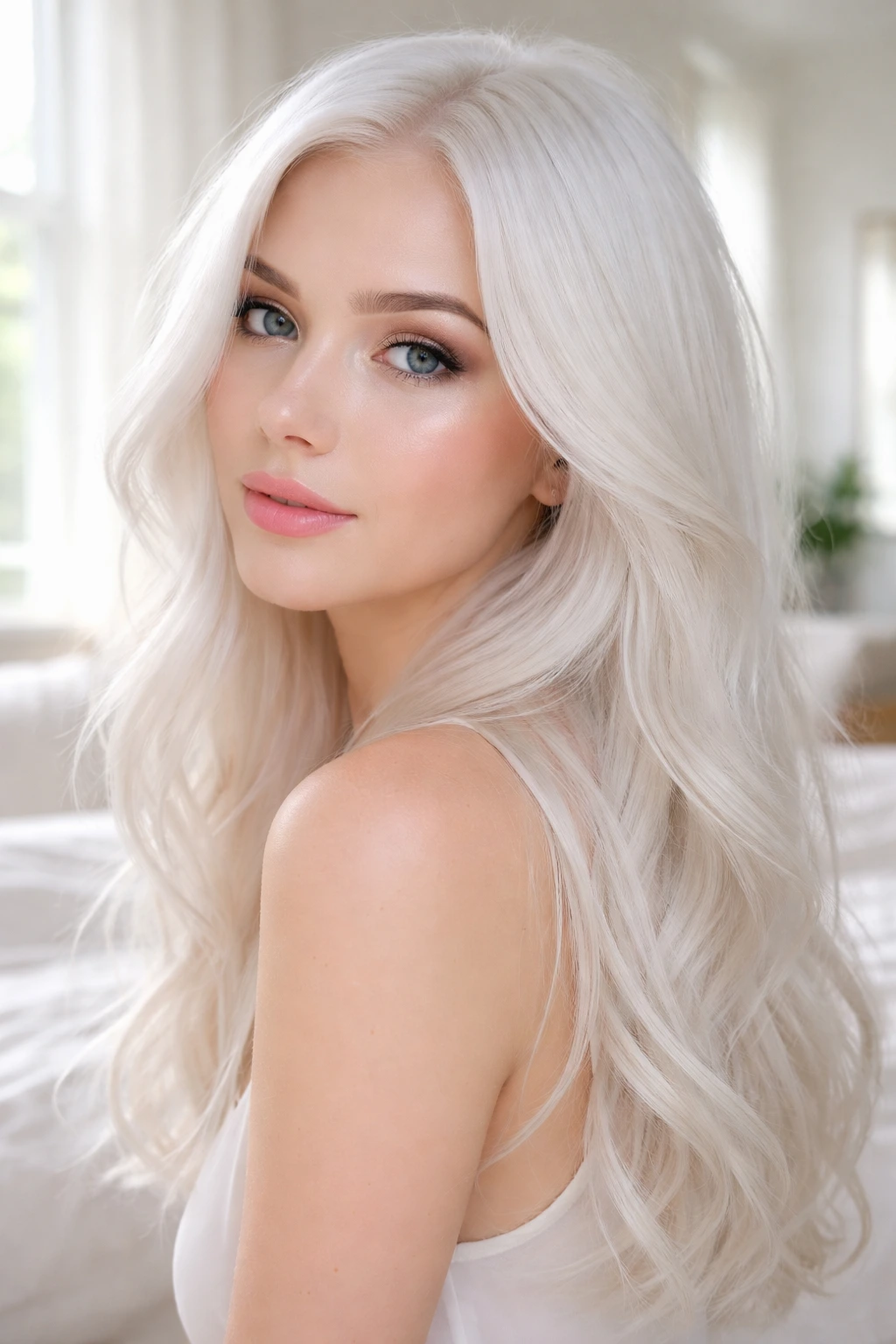
Sometimes the most beautiful white is the one that looks the most natural, even though it clearly isn’t. A sheer white gloss creates a translucent effect. It doesn’t look like a solid helmet of color; instead, it looks like your hair has been filtered through a soft, icy lens.
This is great if you have fine hair that can’t handle multiple rounds of heavy bleaching. It’s a softer, more manageable approach to the white trend. It will fade faster than a high-pigment toner, so you have to be okay with returning to the salon more often. But the result—a dreamy, soft, almost ethereal white—is worth the extra visits for many.
12. Ashy White Ombré
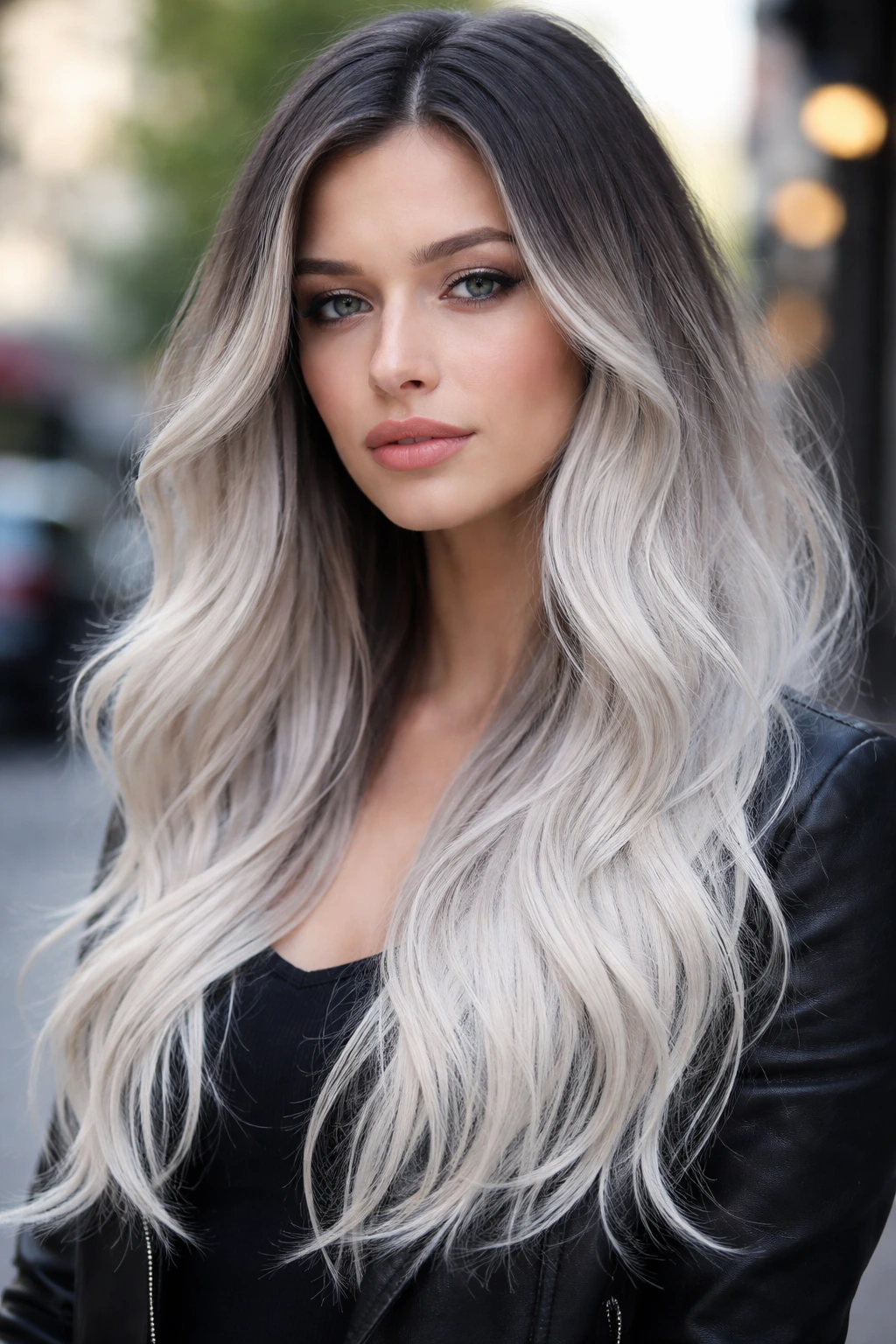
Ombré has evolved. We are long past the era of the harsh, chunky line of demarcation. Modern ashy white ombré is a soft, sweeping transition from a deep, cool-toned ash brown or dark gray root into a blinding, icy white end. It mimics the way hair might naturally lighten if you spent a lot of time in the sun, but with a color palette that is decidedly unnatural and high-fashion.
This works so well for cool skin because it anchors the hair with the dark root, preventing you from looking washed out. If you have very pale skin, a solid white head of hair can sometimes make you disappear. The dark root keeps you grounded, while the white ends provide that cool-toned, high-contrast look you want.
13. Moonstone White
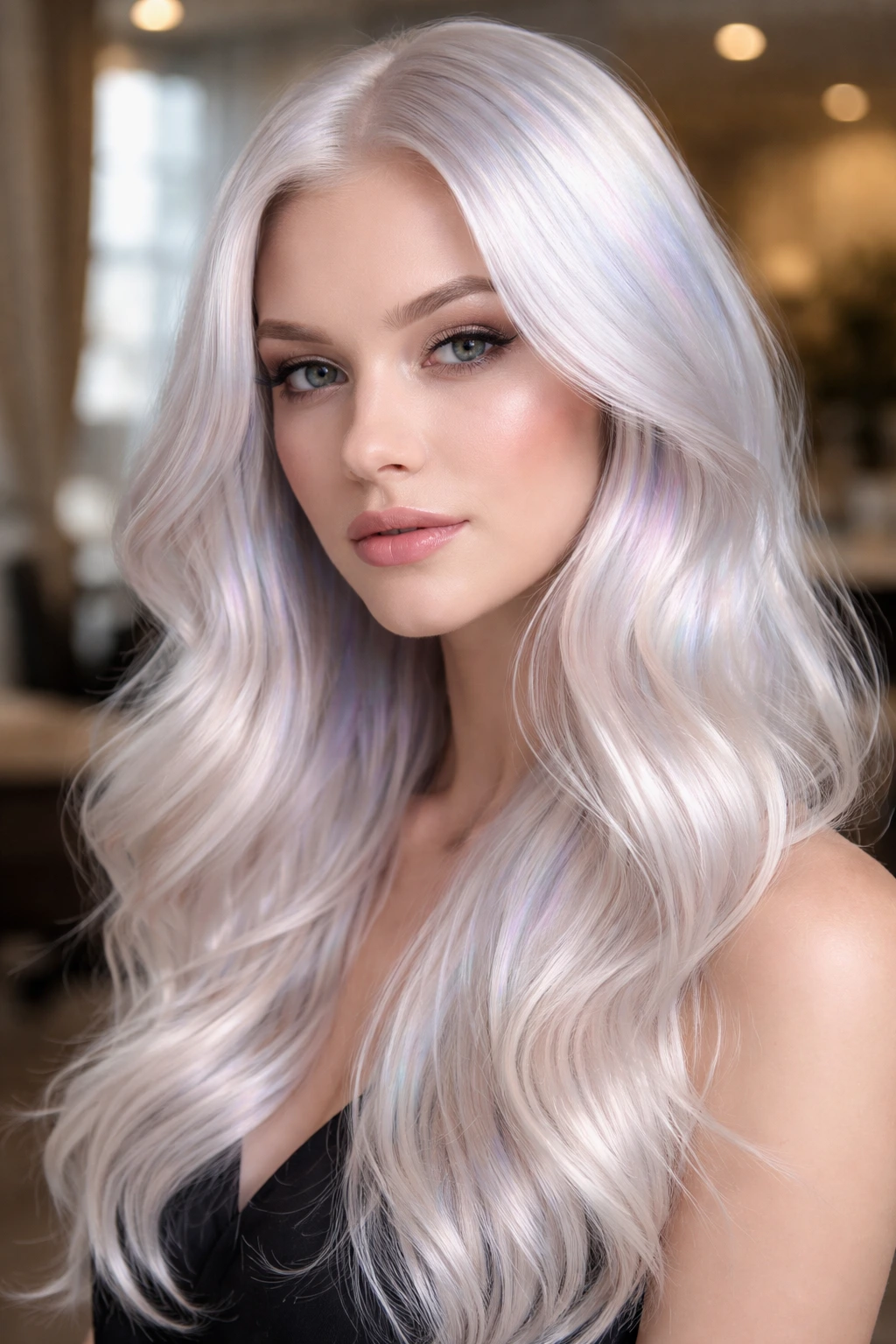
This is a nuanced color. It’s not just white; it has a hint of iridescent, almost holographic quality. Depending on the lighting, it might look slightly blue, slightly pink, or pure white. It’s a very high-end, editorial look that requires a very skilled colorist to pull off.
Moonstone white is perfect for those who want a color that changes with their mood and environment. It feels very sophisticated. Because it’s so complex, it is notoriously difficult to maintain at home. This is a “salon-only” color. If you are the type who likes to save money by doing your own toning, stay away from this one. It requires professional-grade glazes to keep that multi-dimensional sheen.
14. White-on-White Highlighting
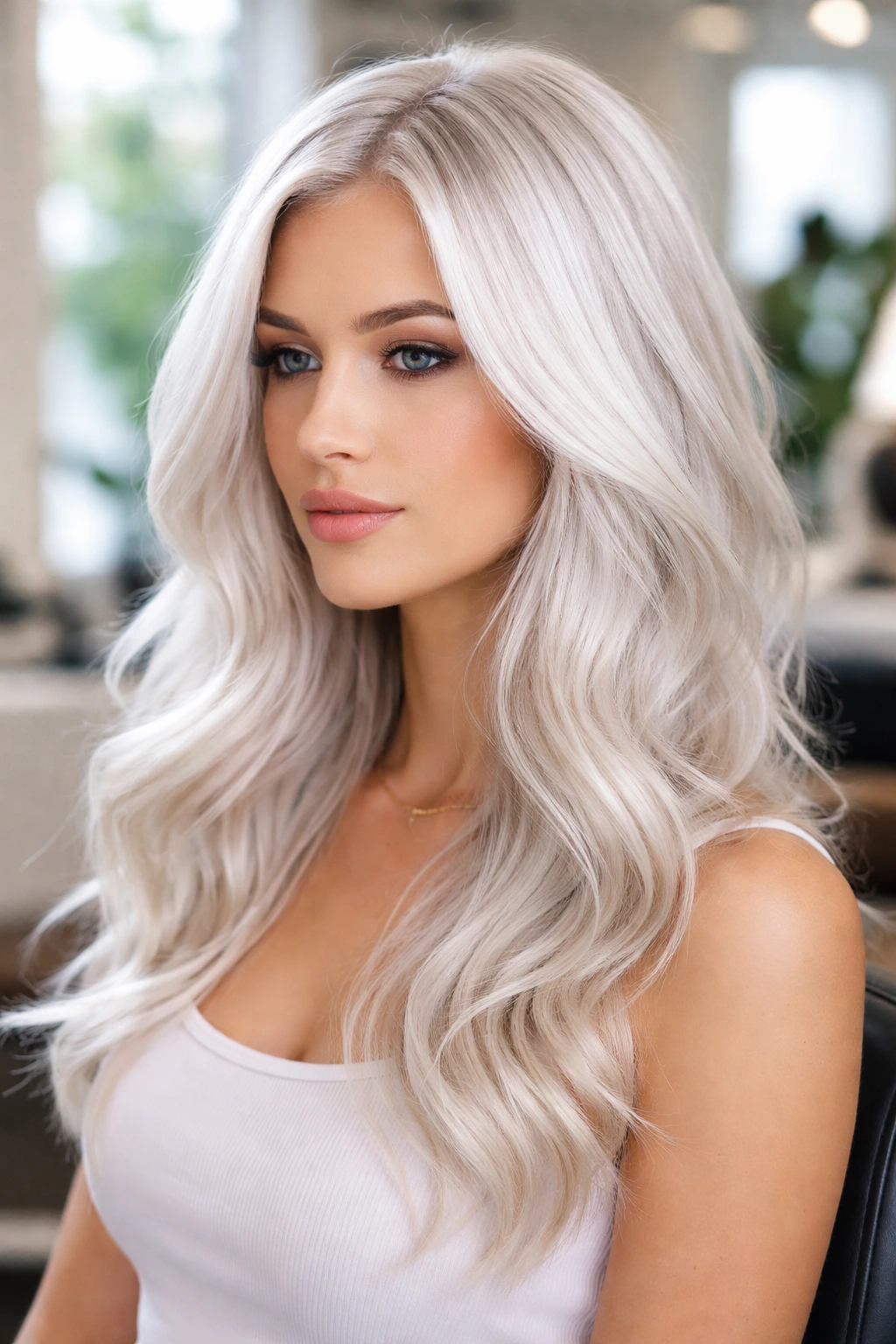
This is a technique, not just a color. It involves layering two slightly different shades of white. You might have a base of a softer, pearlescent white, with brighter, pure platinum white highlights woven throughout. This creates immense texture and depth in the hair.
Why do this? Because solid white hair can look like a wig if it’s too flat. By using two variations of white, you create the illusion of volume and movement. For cool skin tones, ensure both “whites” are in the cool/icy family. Do not mix a warm white highlight with a cool white base; it will ruin the effect and introduce warmth where you don’t want it.
15. Slate-White Mix
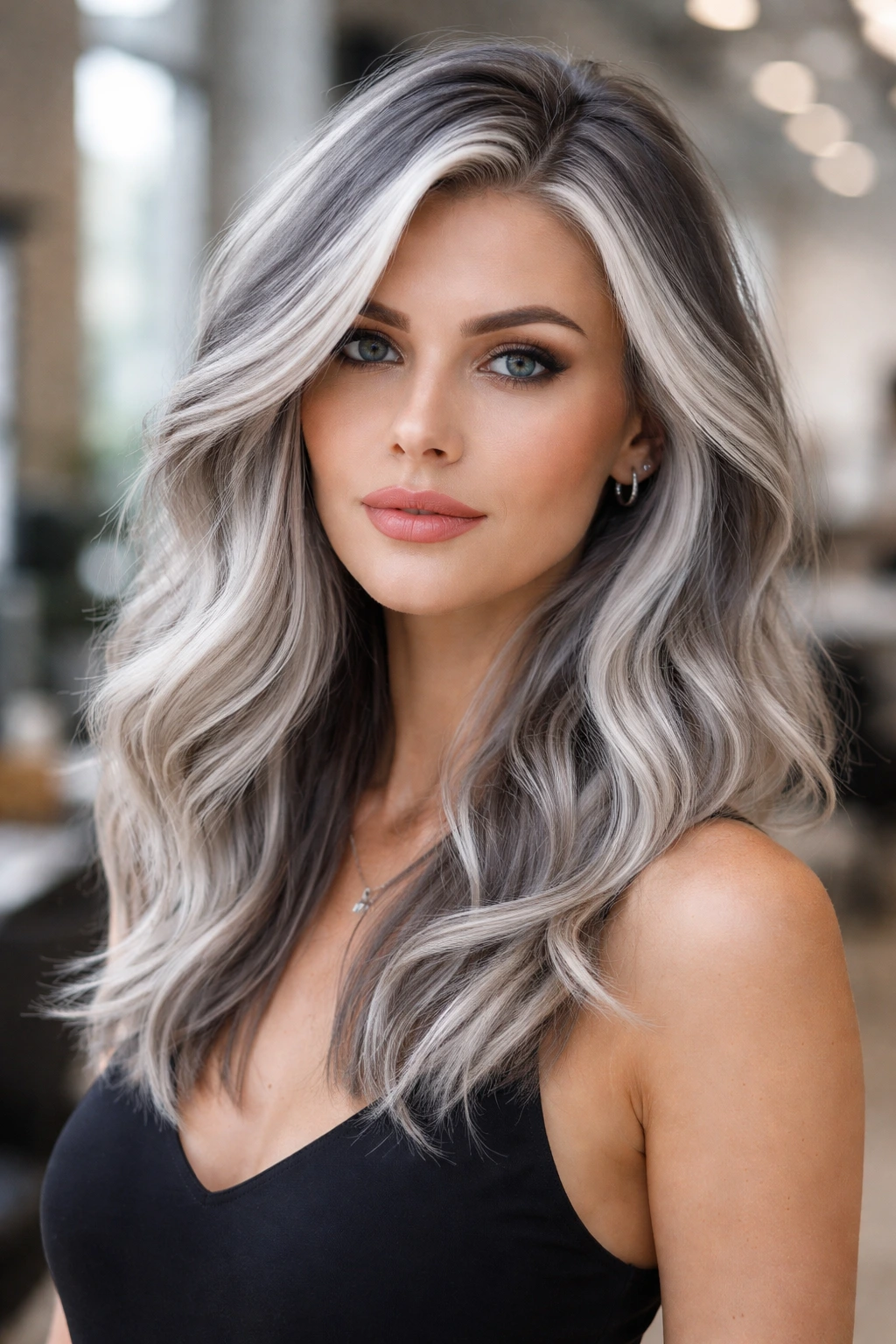
If you aren’t ready to fully commit to the brightest white, mix it with slate gray. This creates a “peppercorn” or “salt and pepper” look, but with a modern, high-fashion twist. It’s incredibly stylish and looks very intentional.
This is a great transitional look if you have naturally graying hair. Instead of fighting the gray, you lean into it, lifting the hair to create a mix of icy white and deep slate. It’s flattering for almost any cool skin tone because the slate provides enough depth to keep the skin from looking pale, while the white provides the brightness.
16. Nordic White
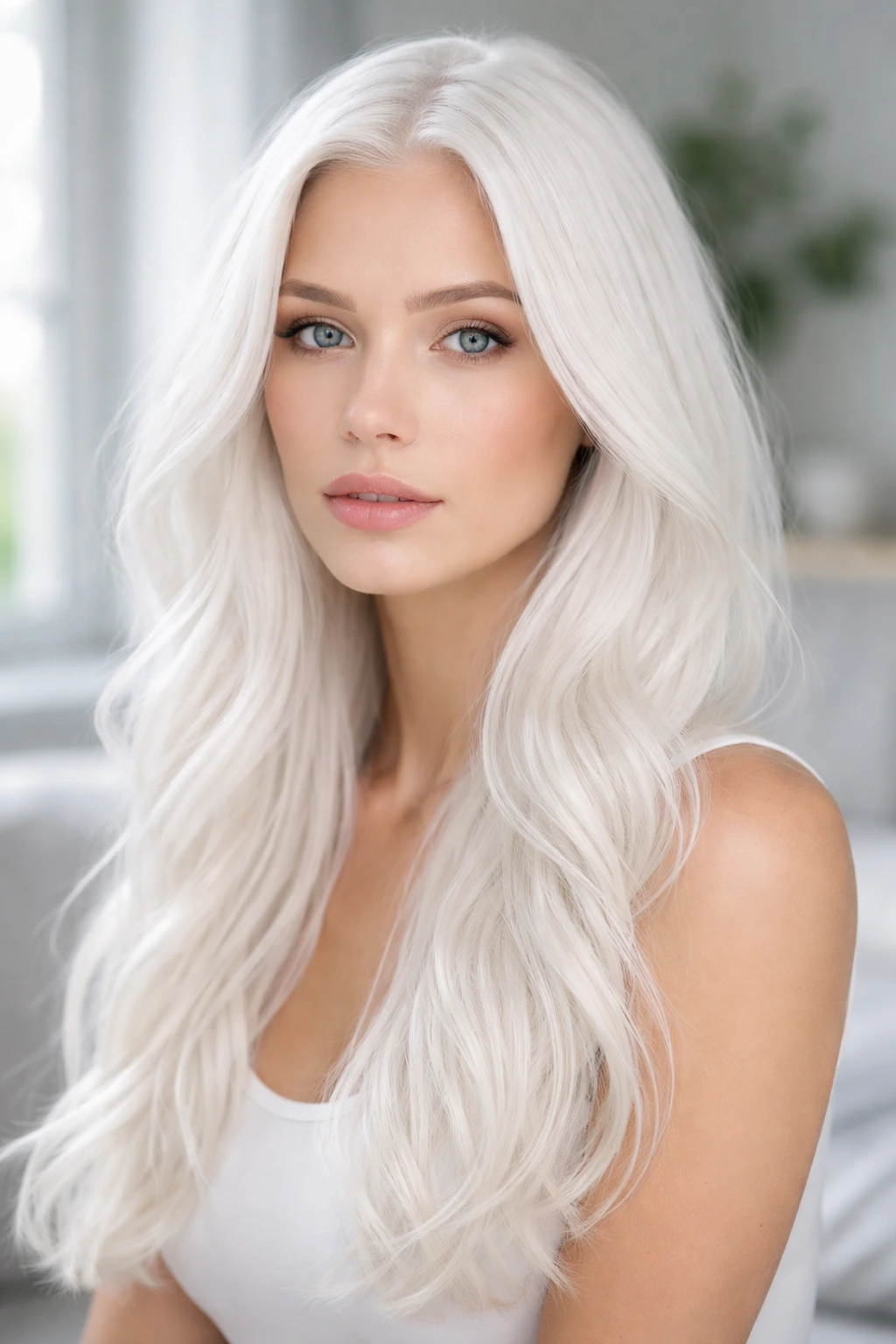
Nordic white is clean, crisp, and cold. Think of the light in a Scandinavian winter. It is the most “stripped” version of white hair. It has no purple, no blue, no silver—just pure, bleached-out clarity.
It is arguably the most difficult shade to maintain because there is no toner to mask the inevitable fading. You are essentially dealing with raw, lifted hair. To keep it looking “Nordic” and not just “damaged,” you must prioritize moisture. Use deep conditioning masks every single week without fail. If Nordic white gets dry, it loses that sleek, icy luster and starts to look like straw.
17. Periwinkle-Tinted White
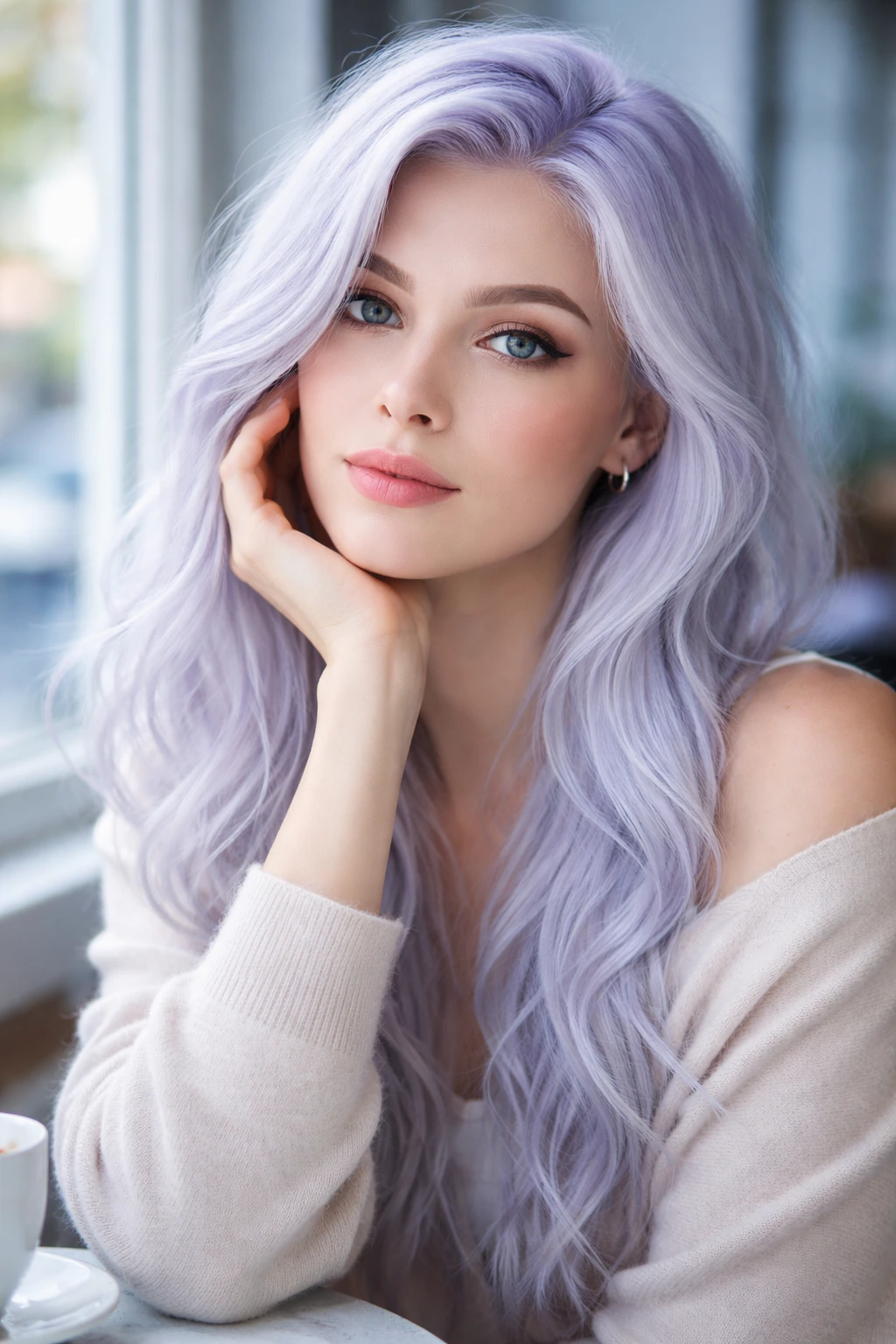
Periwinkle is a true blue-purple hybrid. It is a fantastic choice if your cool skin tone has strong blue undertones. It creates a cohesive look, as the hair color mirrors the undertones in your skin. It feels a bit more intentional and “color-focused” than a standard platinum.
When this color fades, it tends to go toward a very pale, powdery blue before hitting a clean white. It’s a fun journey for your hair color. It’s also extremely photogenic. If you’re looking for a white that has a bit more personality but still stays strictly in the “cool” color family, this is the one to ask for.
18. White-to-Silver Fade
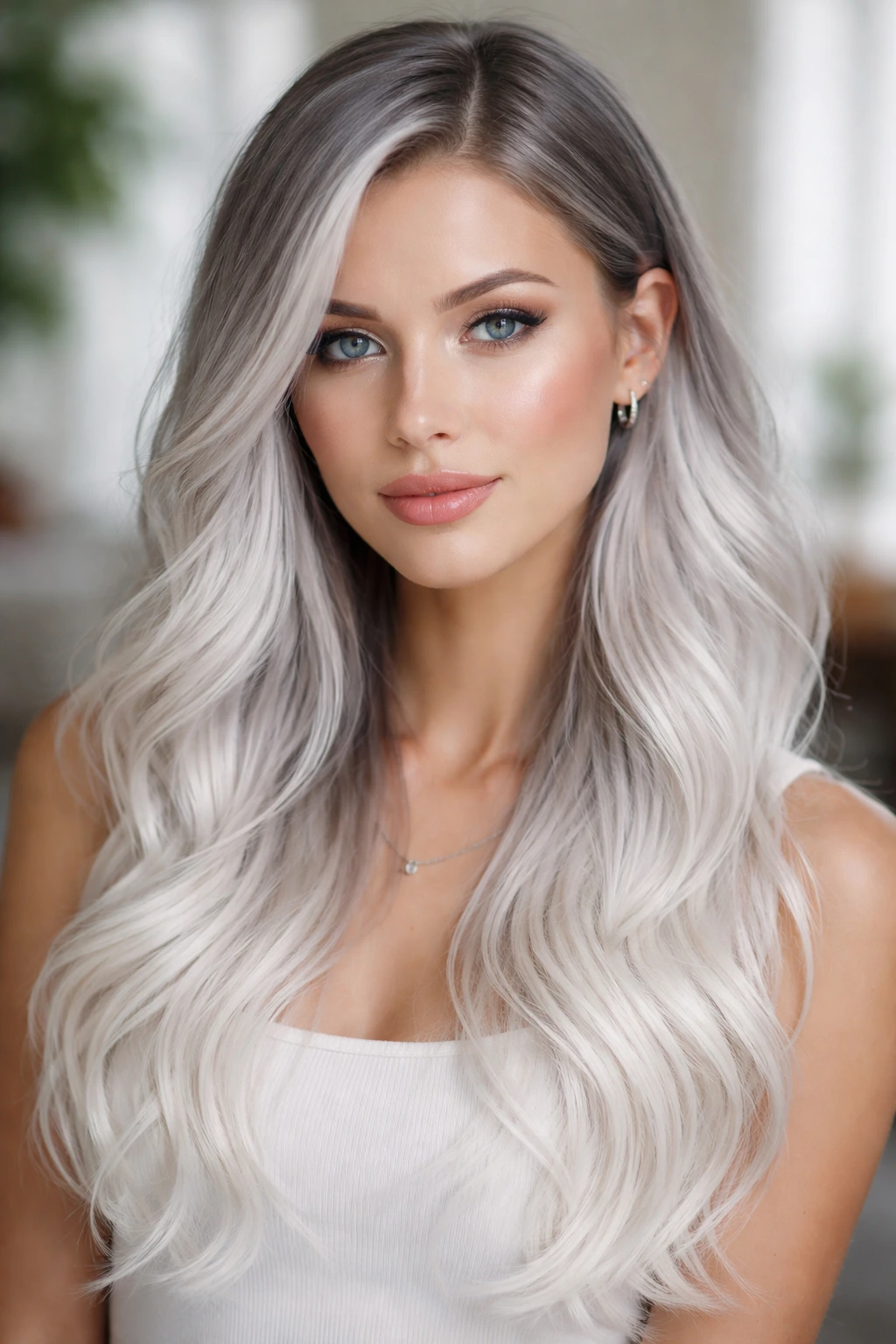
This is a vertical gradient. The roots are silver, fading down to a pure white at the ends. It’s a reverse of the traditional shadow root. This creates a very ethereal, “ice queen” vibe that is stunning against cool, pale skin.
The maintenance here is tricky because you have two different levels of hair to manage. You need to make sure the silver roots don’t fade to a muddy brown, and the white ends don’t turn yellow. Use a silver-depositing conditioner to keep the roots vibrant. It’s a high-effort look, but the visual impact is undeniably striking.
19. Frosted White Tips
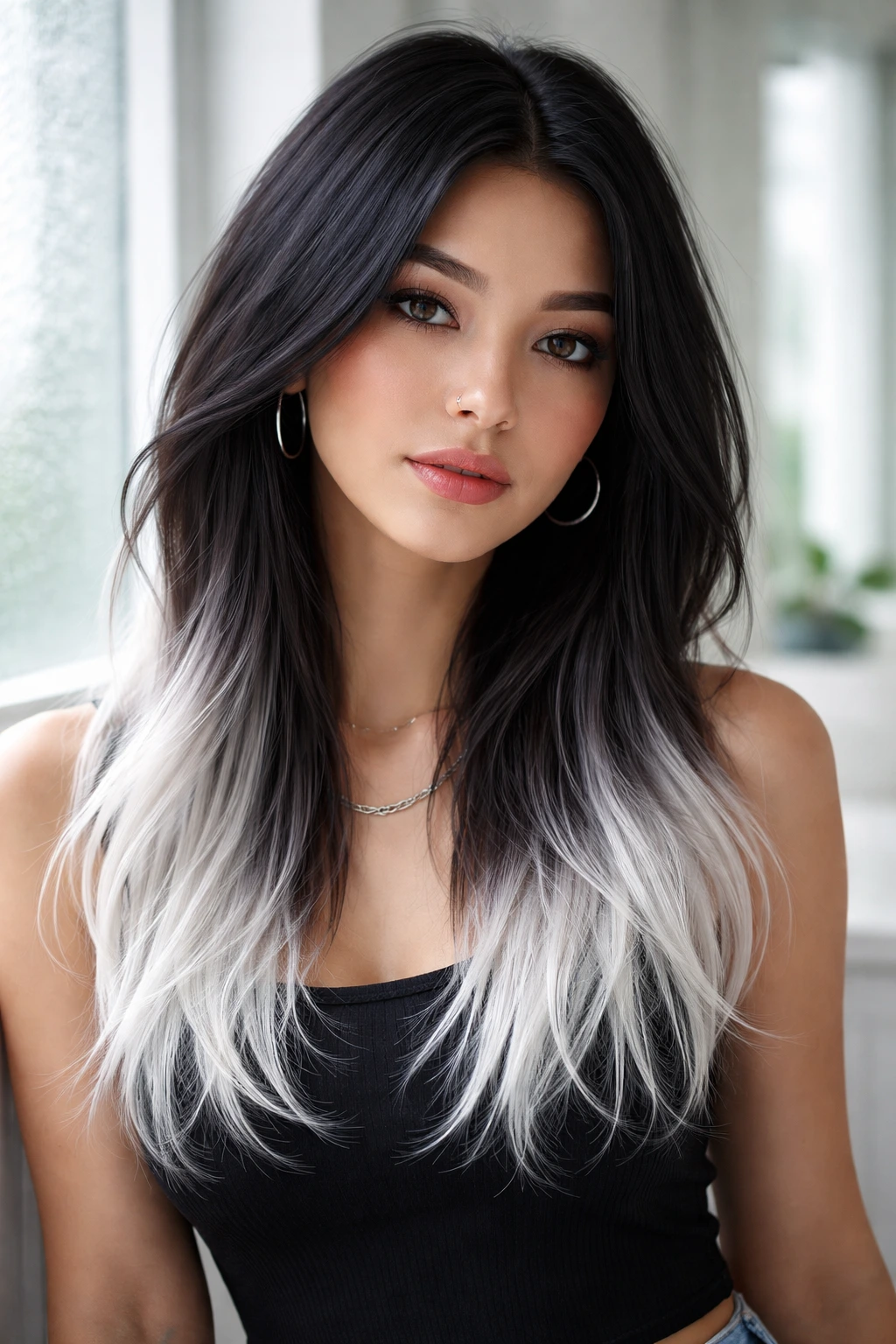
This is a playful, Y2K-inspired look that is having a moment. You keep the roots and most of the length a natural or darker cool shade, and only bleach and tone the tips of the hair to a stark white. It creates a “dipped” effect.
It’s great if you are concerned about hair damage. You are only bleaching a small portion of your hair, so if the ends get fried, you can just cut them off. It’s a low-commitment way to play with white hair. For cool skin, keep the tips icy white to ensure the contrast is high and the look stays edgy.
20. White with Blue Underlights
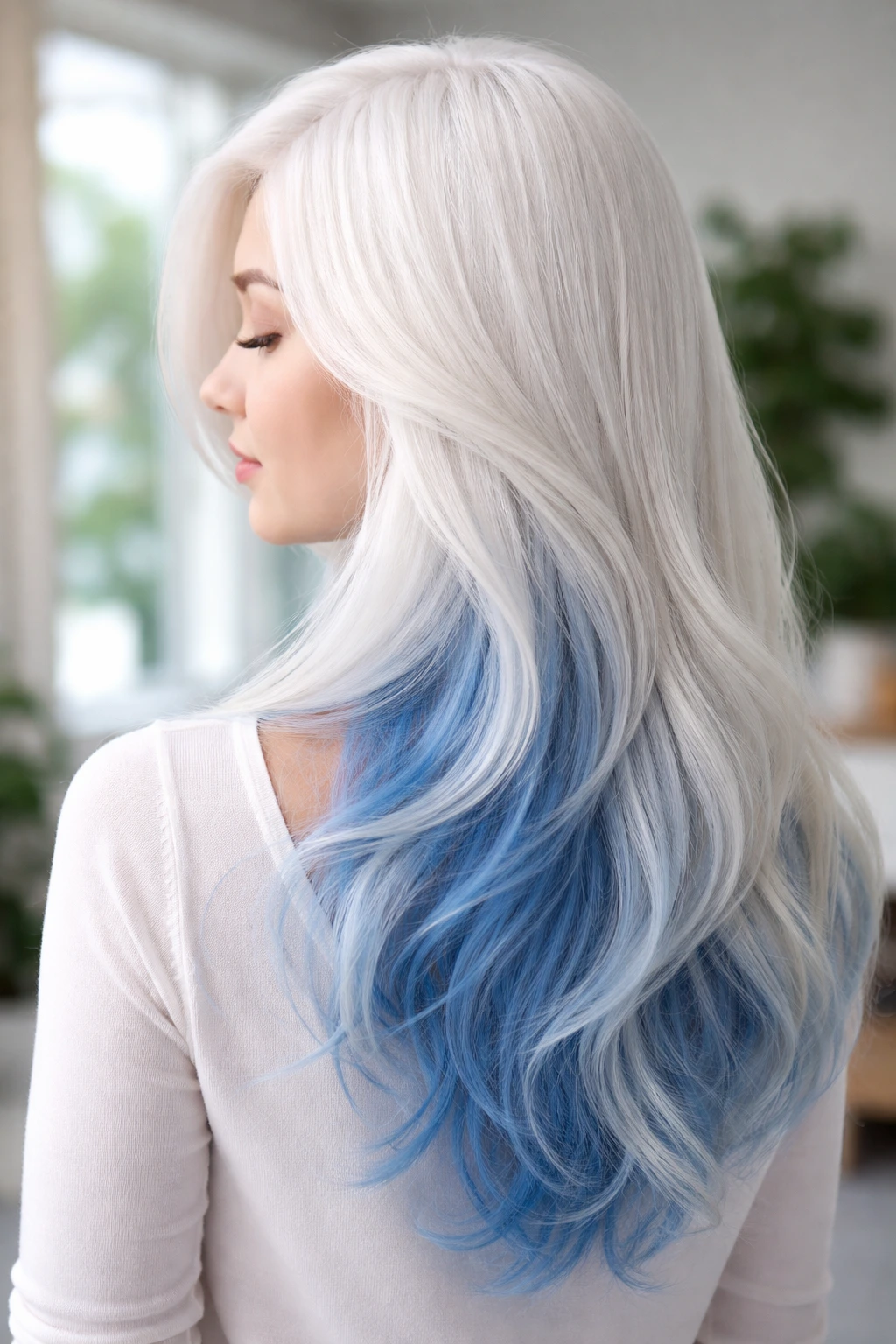
Underlights are for people who want the white hair aesthetic but also want to keep things interesting. You bleach the top layers to a brilliant white, but the hair at the nape of your neck—the underlayer—is dyed a vivid, electric blue or a soft baby blue.
When your hair is down, it looks like a chic, classic white. When you put it up, or when the wind blows, that pop of blue reveals itself. It’s a great way to introduce color while still keeping your face framed by the cool, white tones that best suit your skin.
21. Champagne-Cool White
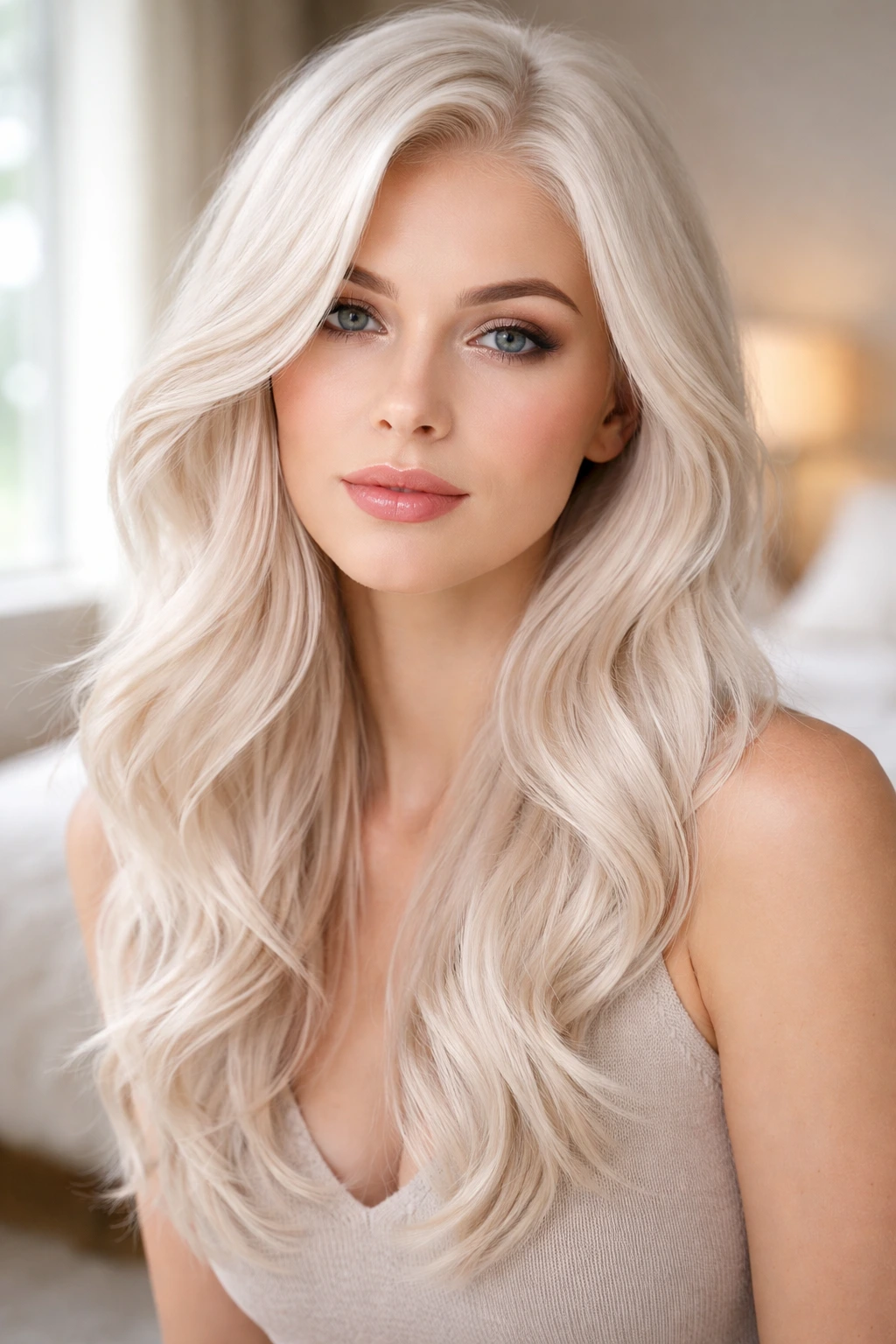
Okay, champagne is usually warm. But “champagne-cool” is a specific shade that sits right on the edge of the neutral line. It’s white with a very faint hint of pinkish-gold, but keep it in the “cool” family by ensuring the pink is a cool-pink, not a peach.
This is for the person who wants white hair but finds stark platinum too severe for their features. It’s a “soft” white. It still complements cool skin because of the pink undertone, which aligns with the natural flush of cool complexions. It’s an elegant, understated look.
22. Matte White
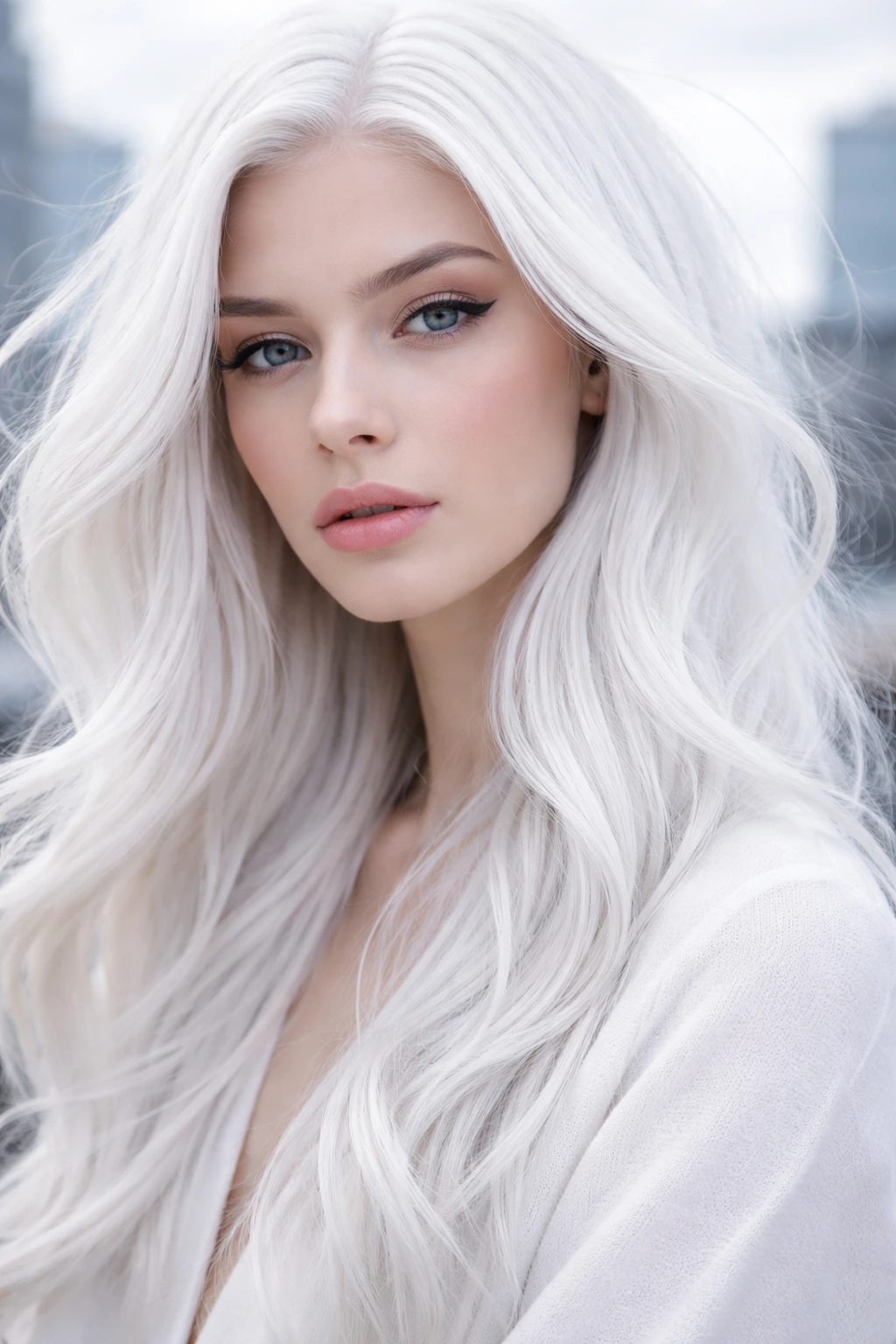
Most hair color aims for shine. But matte hair—hair that absorbs light rather than reflecting it—is an incredibly cool, high-fashion aesthetic. It looks almost like fabric, like white linen or wool.
This is a difficult finish to achieve with standard hair products, which are designed to add shine. You will need to use specific matte texturizing sprays or dry shampoos to dull the shine. It’s a very editorial, runway-ready look. It might not be the most practical for daily life, but it is undeniably cool for a specific aesthetic.
23. Glacial White
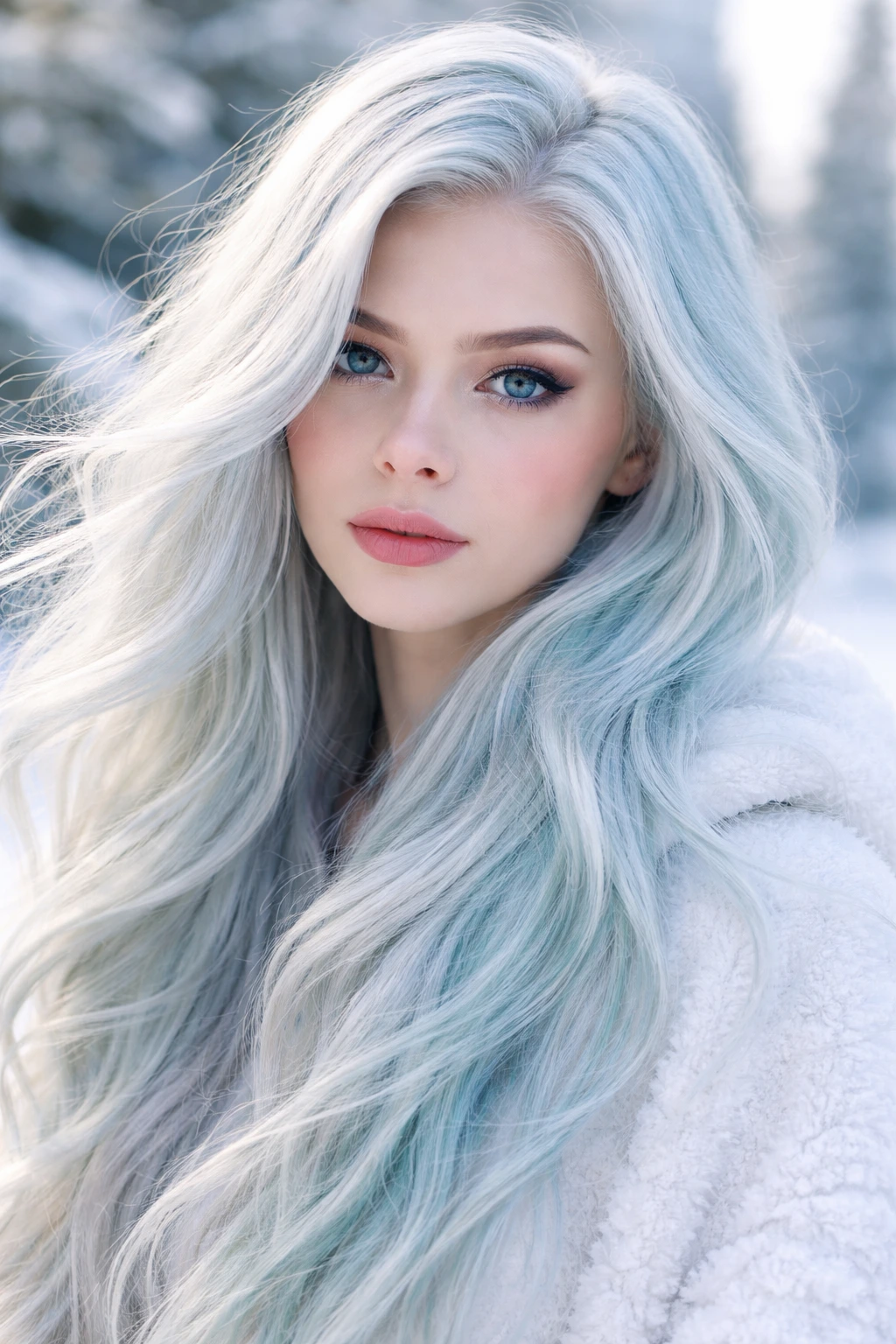
Glacial white is characterized by its “frozen” appearance. It is a very specific tone that involves a lot of blue and green pigments in the toner. It’s not for everyone, but if you have a very cool, almost gothic or high-contrast style, this is the shade for you.
It looks like the color of an iceberg. It is harsh, cold, and beautiful. It requires a lot of upkeep to keep the blue-green tint from washing out, but the resulting color is so unique that it’s often worth the effort. It is the ultimate “statement” white.
24. White with Silver Money Pieces
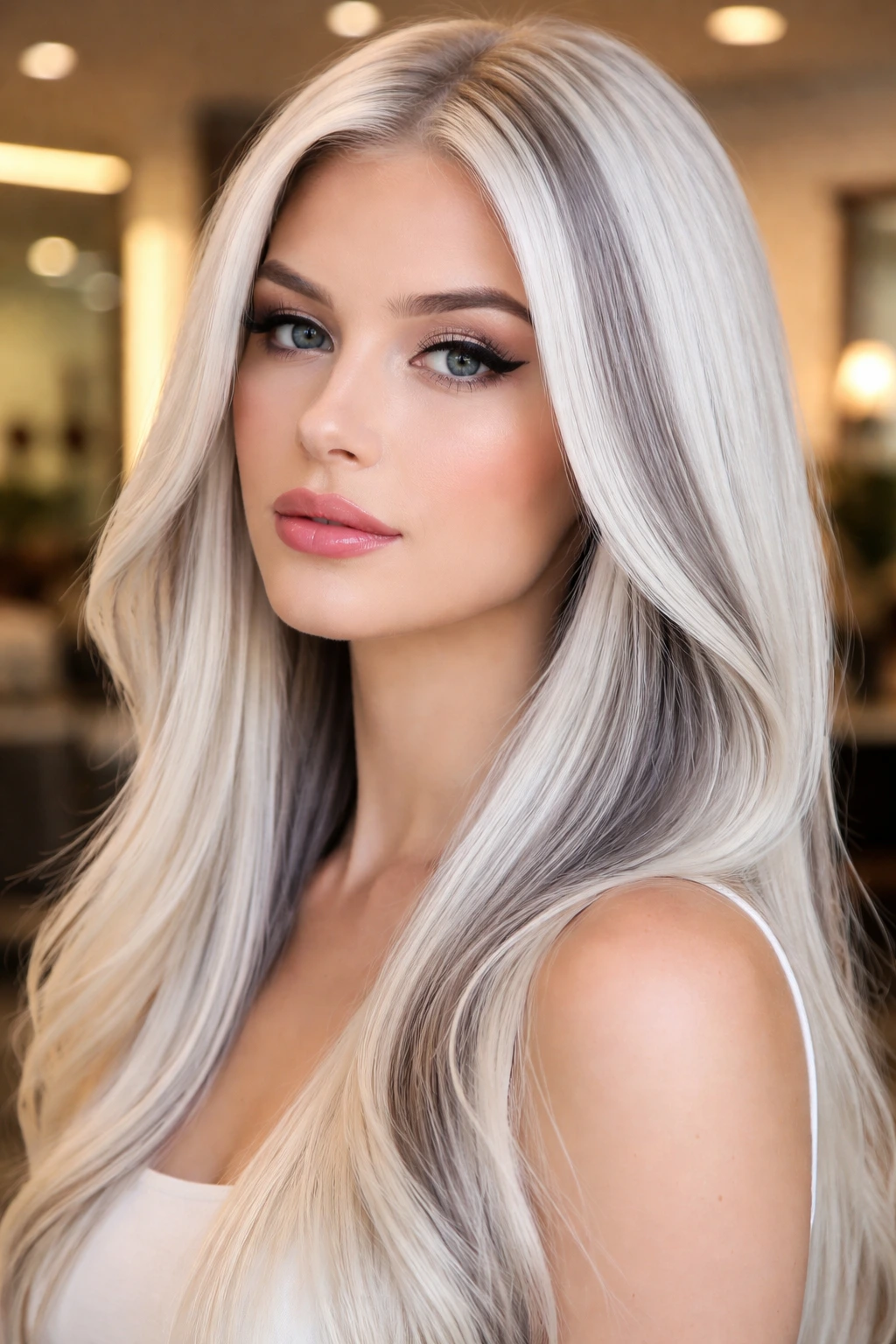
The “money piece”—the two thick, face-framing strands at the front—is a trend that isn’t going anywhere. By making those strands an icy, metallic silver against a backdrop of soft white, you draw incredible focus to your face.
This is a clever way to contour the face with hair color. The brightness around the face highlights your features, while the softer white elsewhere creates a balanced look. It’s a very flattering technique for cool skin tones because it ensures that the “brightest” part of your hair is the part that is closest to your complexion.
25. Porcelain White
Porcelain white is the palest of the pale. It is less “blonde” and more “white.” It is the color of a ceramic doll. It is incredibly clean and pure, with no visible metallic or pastel undertones.
To get this, you must be a level ten blonde. There is no shortcut. If you have even a tiny bit of orange or gold remaining, this color will fail. It requires a professional to get it right. But once it is there, it is the cleanest, most sophisticated version of white hair possible. It pairs perfectly with porcelain skin, creating an almost translucent, ethereal appearance.
The Reality of Maintenance
Getting to white is just the beginning. The second you step out of the salon, the clock starts ticking. Environmental factors are your enemy. Hard water contains minerals that will turn your white hair brassy in a matter of days. A shower filter is not a luxury; for white hair, it is a necessity.
You also need to rethink your heat styling. Bleached white hair is structurally fragile. Every time you run a flat iron at 400 degrees through your hair, you are essentially cooking already-damaged protein. If you must use heat, use a professional-grade heat protectant and keep the temperature low—under 300 degrees. Your hair will thank you by staying white instead of turning yellow or breaking off.
Avoiding the Yellow Trap
The biggest mistake people make with white hair is thinking that a purple shampoo can fix everything. It cannot. Purple shampoo is a “band-aid.” It masks yellow, but it doesn’t solve the underlying issue, which is usually either poor lifting or mineral build-up.
If your hair is yellow right out of the salon, the problem is the lightener. Your hair wasn’t lifted enough. No amount of purple shampoo will fix a level-eight yellow. It will just turn it into a dull, muddy gray. If your hair is white in the salon but turns yellow after a week, that is likely your water or your hair care products. Stop using gold-tinted oils. Stop using products with heavy silicones that trap minerals. Keep it simple, keep it cool, and stay consistent.
