



The intersection of cool skin tones and silver-based hair colors is a high-stakes beauty landscape, but when it clicks, the result is nothing short of magnetic. Lilac grey—a sophisticated, muted marriage of icy violet and slate—is notoriously unforgiving. If your base isn’t lifted correctly, or if you ignore the specific undertones of your skin, it can look like an accidental brassy mess within two washes. But if you get the chemistry right, it creates an ethereal, metallic finish that makes blue and pink undertones pop with clarity.
You are likely here because you have skin that leans cool—veins that look blue, jewelry that looks best in silver—and you want a hair color that leans into that palette rather than fighting it. Achieving this look isn’t just about picking a box of dye. It is about precision lifting, careful neutralization, and an understanding of how purple pigments sit on a pre-lightened canvas. This isn’t a weekend project for a complete novice. It’s a process.
1. The Soft Lavender-Grey Melt
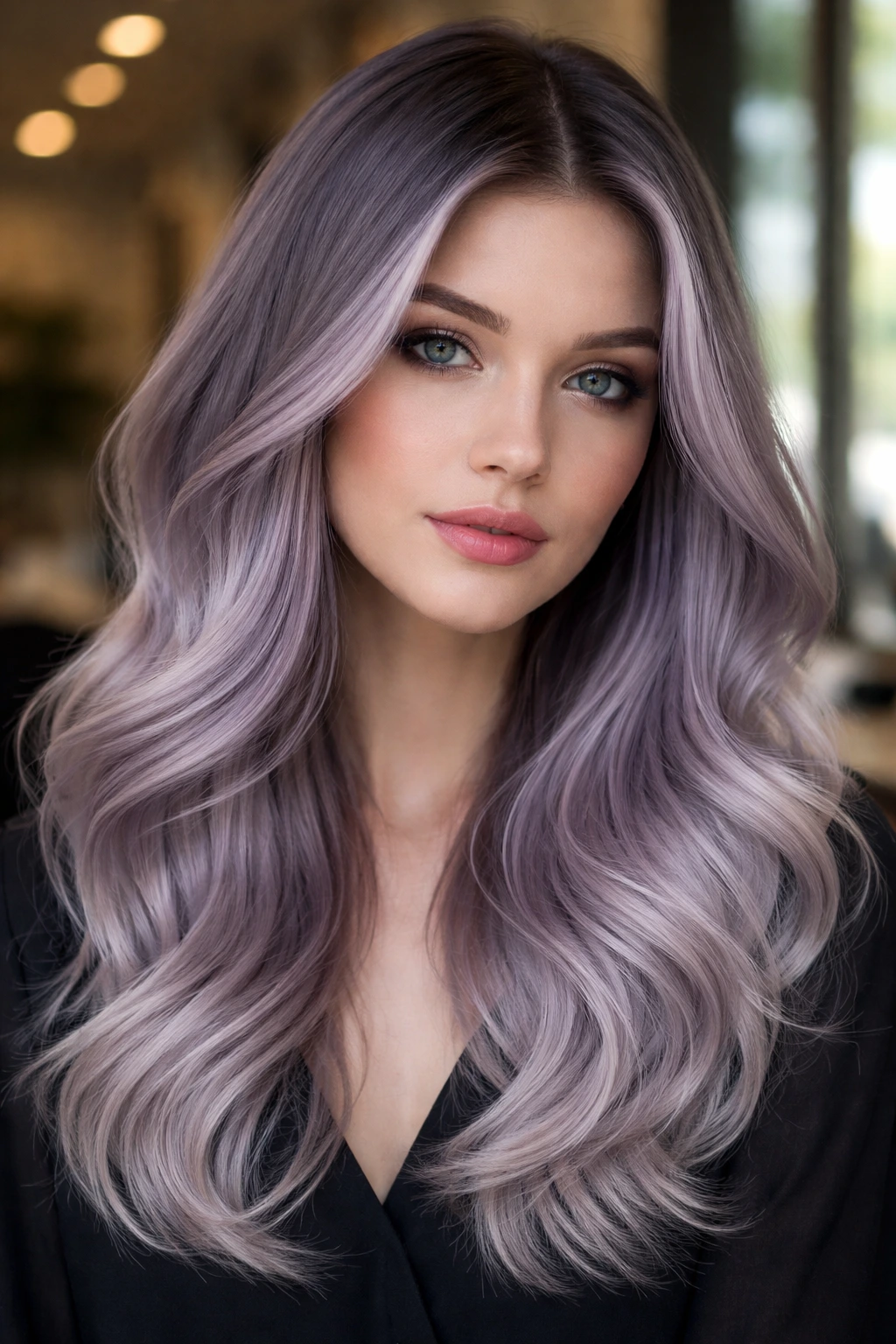
This is the entry point for most people who want the look without committing to a solid, opaque color. A color melt implies that the transition between your natural root color and the lilac-grey mid-lengths is seamless and blurred, rather than a hard line. On cool skin, you want to ensure the “grey” part of this mix is truly ashy, not brown.
Why It Works for Cool Tones
By keeping the root deeper—think a cool, darkened ash brown or even a slate grey—you provide a natural anchor for the skin. The lilac transitions out from that base, becoming progressively lighter and cooler toward the ends. This prevents the hair from washing out your complexion.
Technical Notes for Your Colorist
Ask for a shadow root that stays within two shades of your natural depth. The “melt” should happen somewhere between your temples and your chin. If the transition is too high, you lose the depth that gives this style its edge. If it’s too low, you just have a dip-dye effect, which feels a bit dated.
Pro tip: Use a protein-based filler before the final toner if your hair is porous. This ensures the lilac pigment grabs evenly. Without it, you end up with “splotchy” purple patches where the hair was a bit more damaged.
2. Deep Plum-Grey Shadow Roots
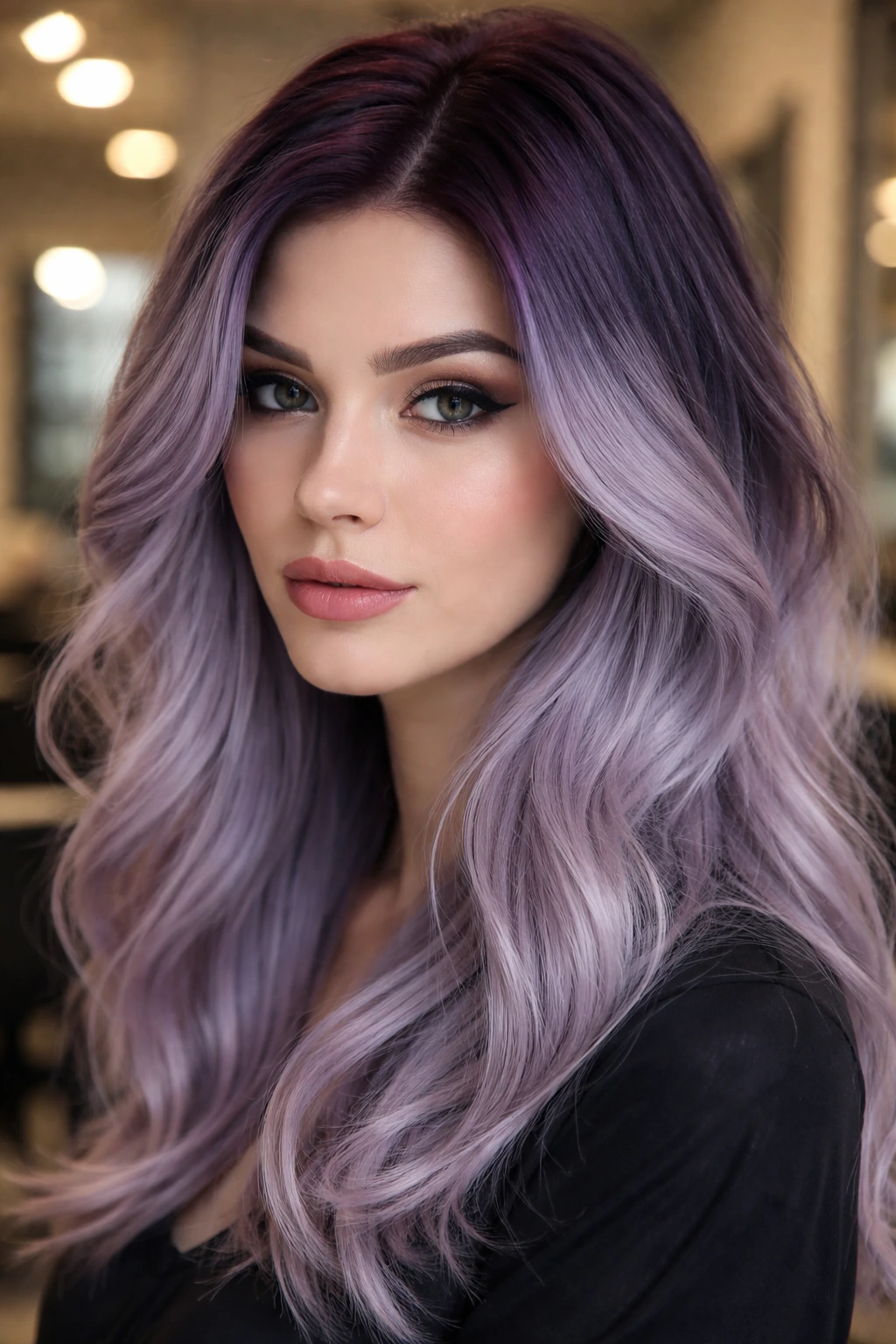
If you have a pale, porcelain complexion with cool undertones, high-contrast colors can look striking. A deep plum-grey root smudge creates a dramatic frame around the face, drawing eyes toward your features while keeping the rest of the hair in a lighter, moodier shade of lilac.
The Mechanics of the Shadow Root
A shadow root isn’t just about putting a dark color on top. It’s about creating a “smudge” that diffuses downward. Your colorist should use a brush to flick the darker pigment into the lighter mid-lengths while the hair is wet. This manual blending is what prevents a harsh, striped look.
Maintaining the Depth
Deep plum is a notoriously fast-fading shade. Because it’s a cool-toned red-purple, it tends to lose its vibrancy first, leaving behind a muddy grey. You will need a color-depositing conditioner with a violet base to keep the plum from turning flat or “dusty” after a few weeks.
3. The Icy Lilac Money Piece
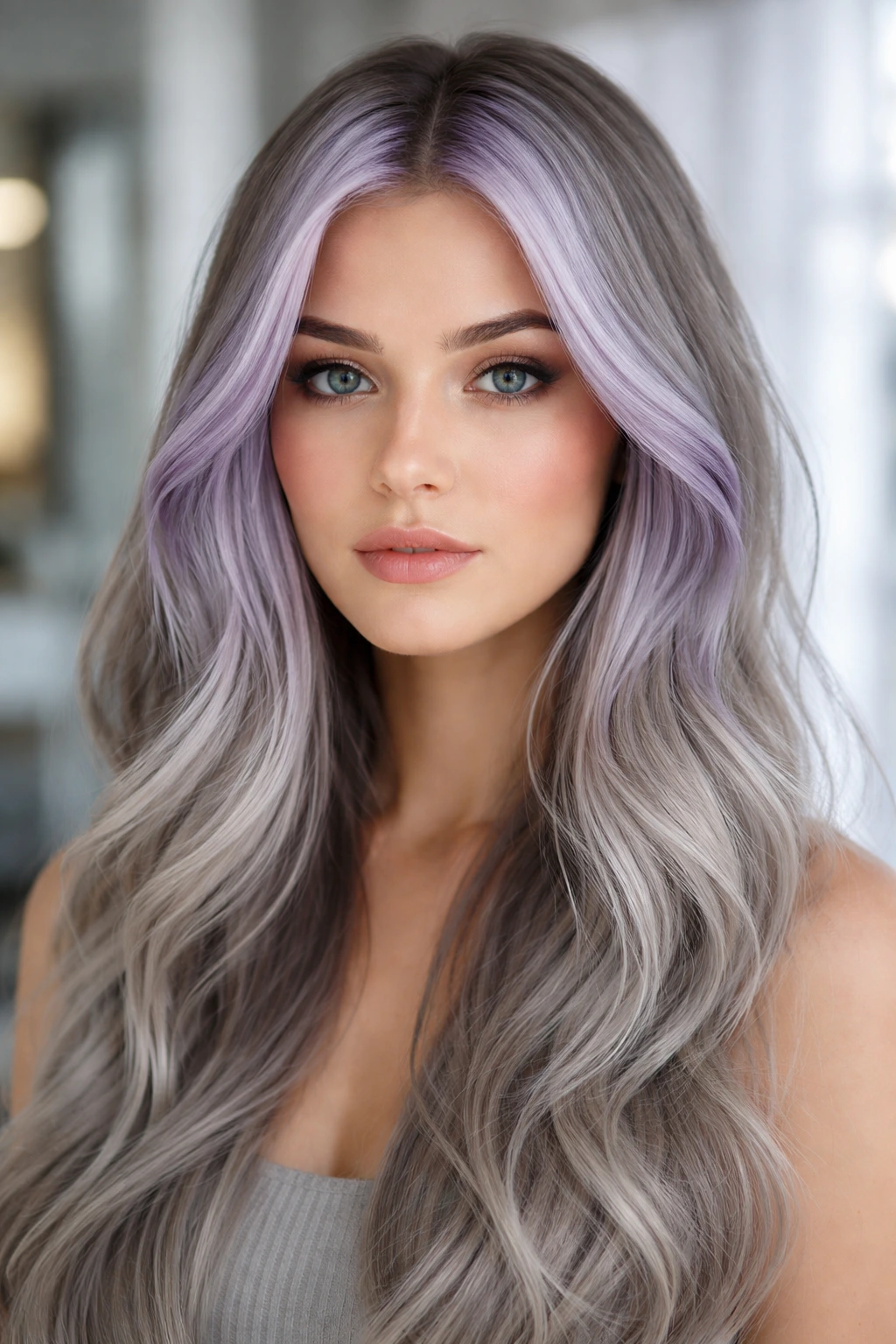
Think of this as the “halo” effect. You are keeping the majority of your hair a neutral, ash-toned silver, but the front two sections—the “money pieces”—are concentrated with a cool, vibrant lilac. It’s a bold choice, but it’s remarkably effective at brightening up a cool complexion.
Why This Style Succeeds
By concentrating the purple intensity around the face, you’re essentially using the color as a reflector. The cool, icy lilac brings out the blue or pink in your skin, making you look more awake and vibrant. It’s less intimidating than a full head of neon purple, but arguably more impactful.
Application Strategy
This requires a clean lift to a Level 10 (the inside of a banana peel). If you leave any yellow in the hair before applying the lilac, the yellow plus the purple will make a dull, khaki-grey. You absolutely must tone the money piece to a clean, silver white first.
4. Smokey Violet Balayage
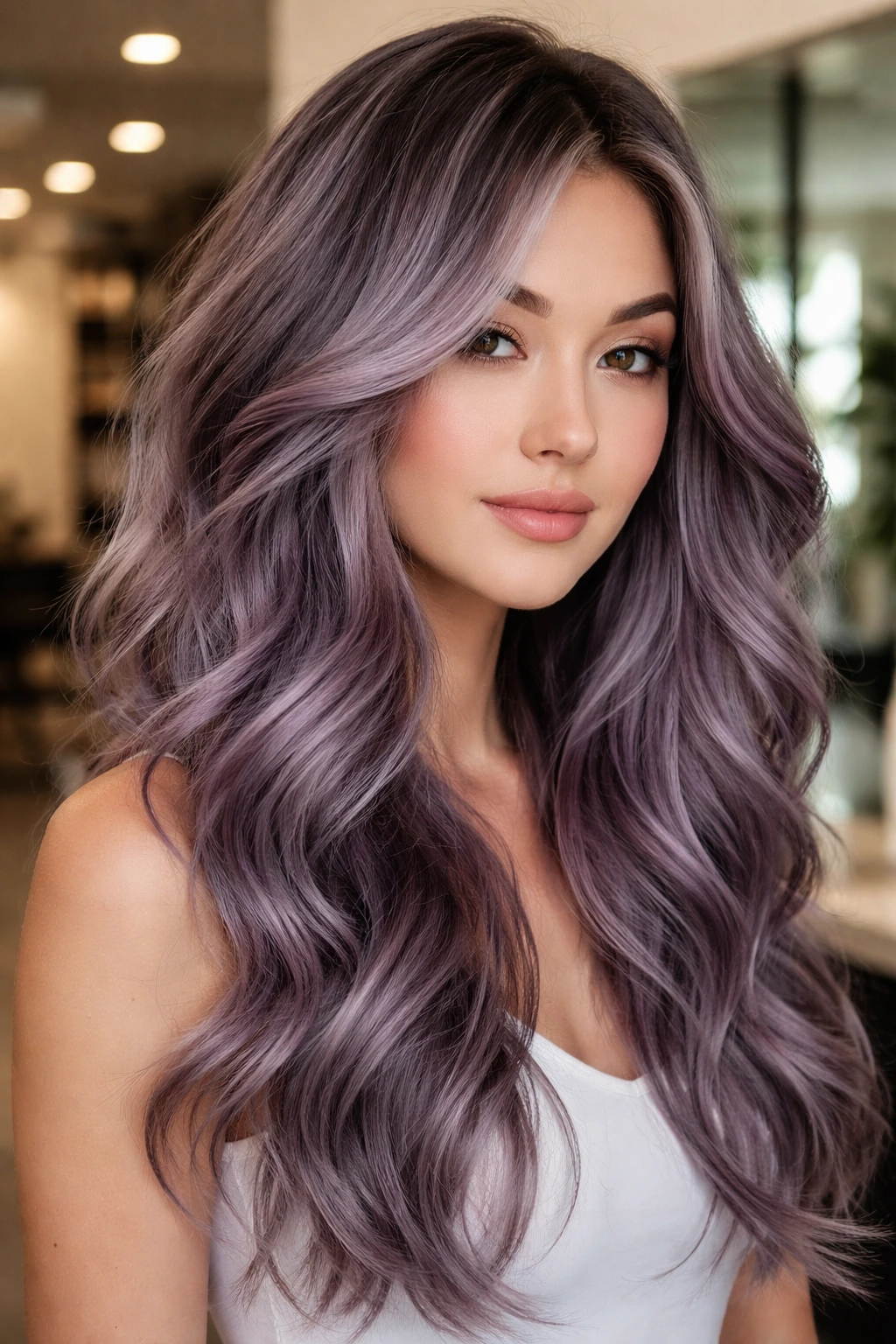
Balayage on grey hair is an art form. You are not painting gold or honey tones; you are painting cool, smokey violets onto an already lightened base. This look is fantastic for those who want movement in their hair, as the varying shades of lilac and slate create the illusion of thickness and texture.
Getting the “Smokey” Effect
The key here is the undertone of the grey. You don’t want a “clean” lilac that looks like a grape popsicle. You want a “dirty” or “smokey” lilac. This is achieved by mixing a touch of charcoal or blue-grey into your purple formula. It dulls the brightness just enough to make it look sophisticated and lived-in.
Managing the Texture
Because balayage involves lightener, it can make the hair feel dry. Ensure you are using a bond-builder during the lightening process. It isn’t just a marketing gimmick; it actually protects the internal structure of the hair strand, which is vital when you are aiming for high-lift, high-maintenance colors like this.
5. Periwinkle Ash Highlights
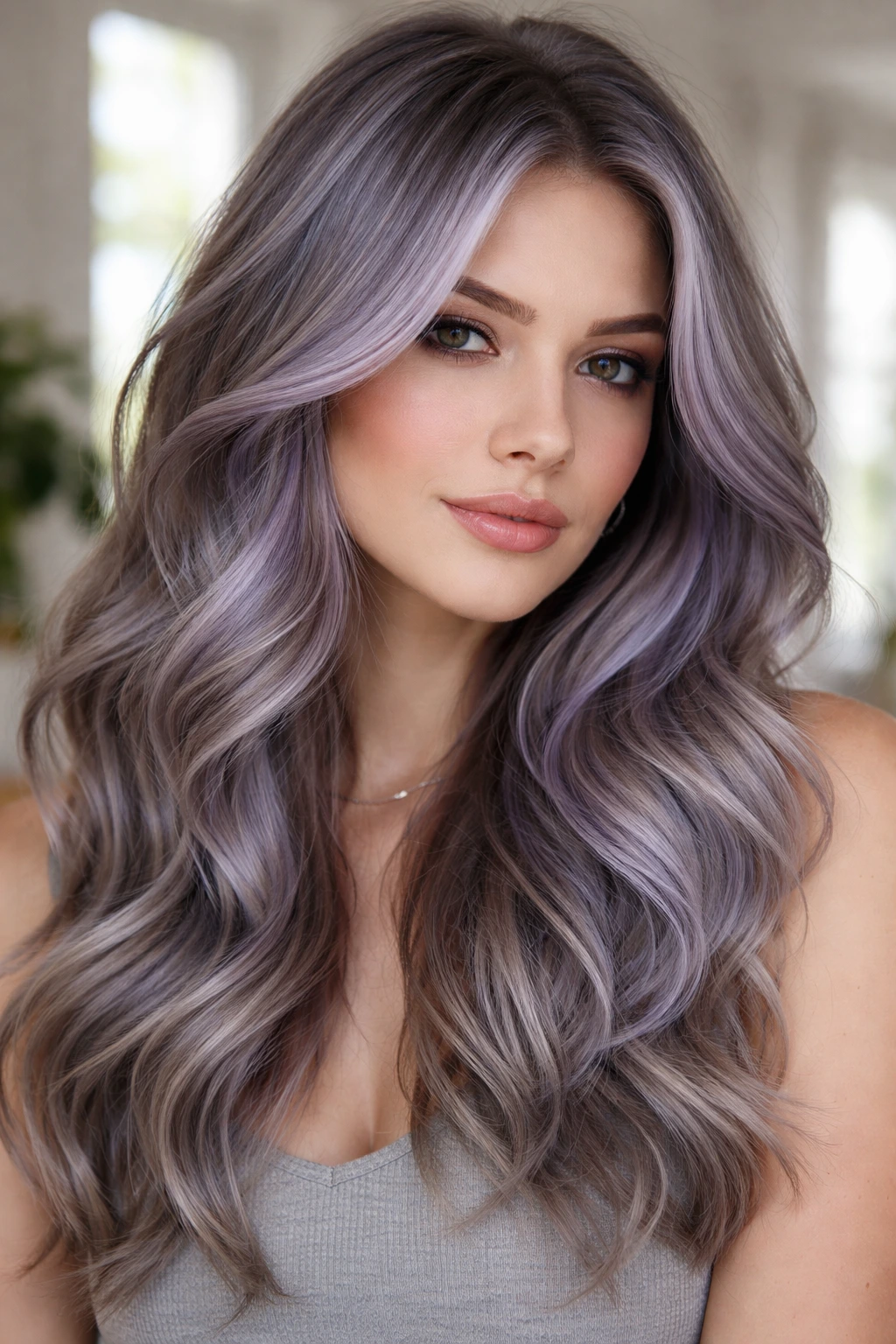
Periwinkle is the sweet spot between blue and purple. When mixed with an ash-grey base, it creates a subtle, almost iridescent finish. If you aren’t ready for a full-on “fashion color” look, this is the most professional, wearable version of lilac grey you can get.
How to Style It
Because these are highlights, they catch the light differently than a solid color. Style with a loose wave using a flat iron—not a curling wand—to get that sleek, “undone” bend. This allows the different shades of periwinkle and ash to peek through, rather than blending into a single, static color.
Frequency of Touch-Ups
Expect to be in the chair every six to eight weeks. These highlights are fine, and because they are a fashion tone, they will fade. However, the fade-out on periwinkle is actually quite pretty—it usually turns into a pale, dusty silver, which is easy to live with until your next appointment.
6. Lilac-Grey Face-Framing Strips
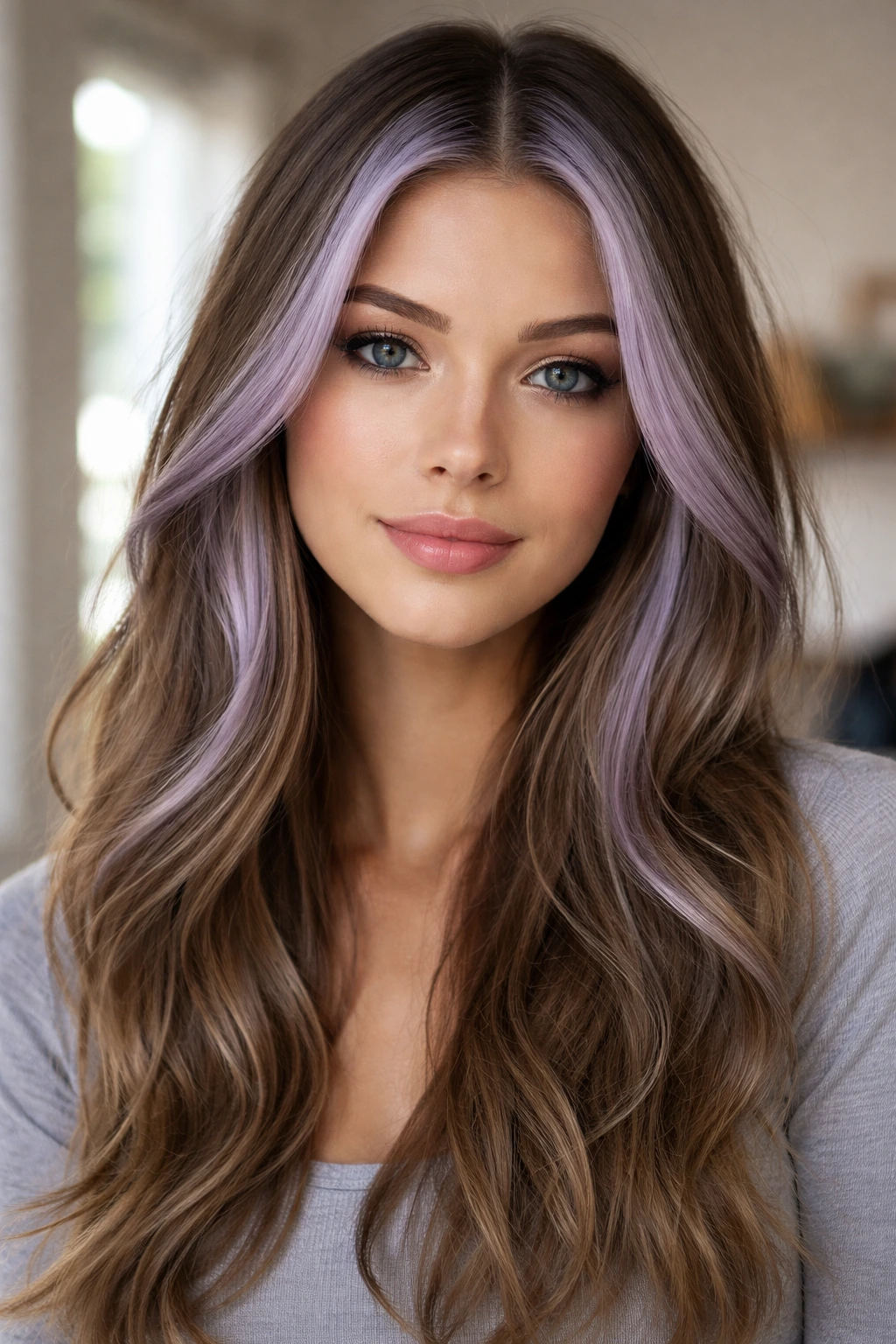
This is a more graphic version of the money piece. Instead of just a soft highlight, you are coloring the entire front section of your hair—from the part down to the tips—in a solid, saturated lilac-grey. It is a commitment, but it is one of the best ways to test if a full head of purple is right for you.
Why It’s Great for Cool Skin
Since the color sits right against your skin, it acts as a filter. If you have cool, dark hair naturally, this provides a nice contrast. If you are naturally blonde, it feels ethereal and soft. The key is ensuring the specific shade of lilac isn’t too warm. Steer clear of pinky-lilacs; focus on blue-lilacs.
The “Maintenance Trap”
The biggest danger here is staining. Since this is right against your face, if you use a semi-permanent dye that bleeds, your forehead and temples will be purple. Apply a thin layer of barrier cream or petroleum jelly to your hairline before you wash your hair to prevent the pigment from migrating.
7. The Dusty Lilac Pixie Cut
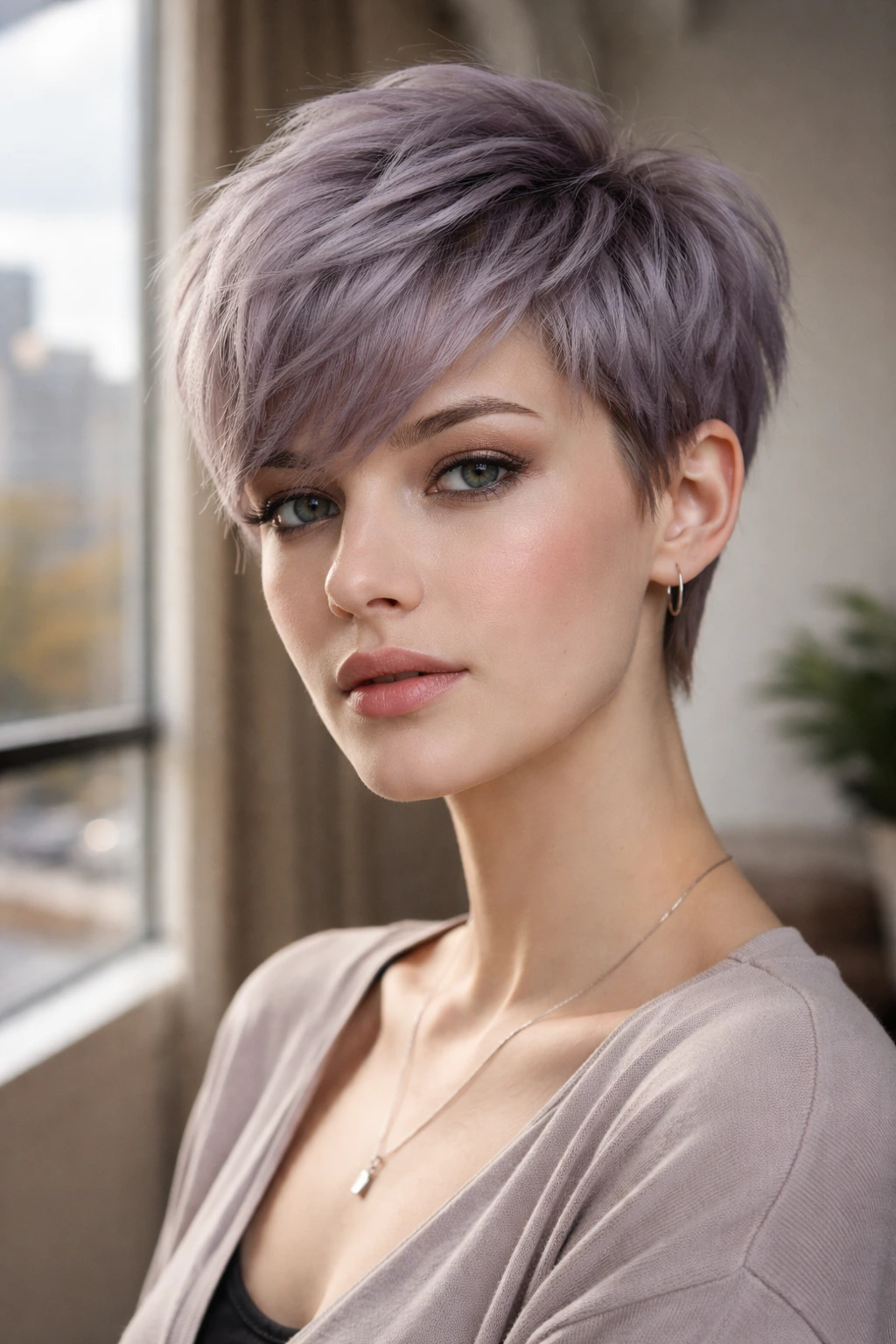
Short hair is the perfect canvas for lilac grey. Because there is less hair to maintain, you can afford to use more expensive, high-pigment dyes, and the color will always look fresh because you are getting frequent haircuts. The “dusty” effect comes from using a matte finish product rather than a shiny oil.
Achieving the Matte Texture
To get that “dusty” look, avoid heavy silicone-based serums. They make the hair look glass-like, which works against the moody aesthetic of a dusty lilac. Instead, use a texturizing powder or a dry shampoo that has a light hold. This keeps the color looking velvety and soft.
Why This Wins
Short, cool-toned hair requires very little effort to style, but the color makes it look like you spend an hour on it. It’s an effortless, high-fashion look that draws immediate attention to the eyes and cheekbones.
8. Violet-Grey Ombre Transition
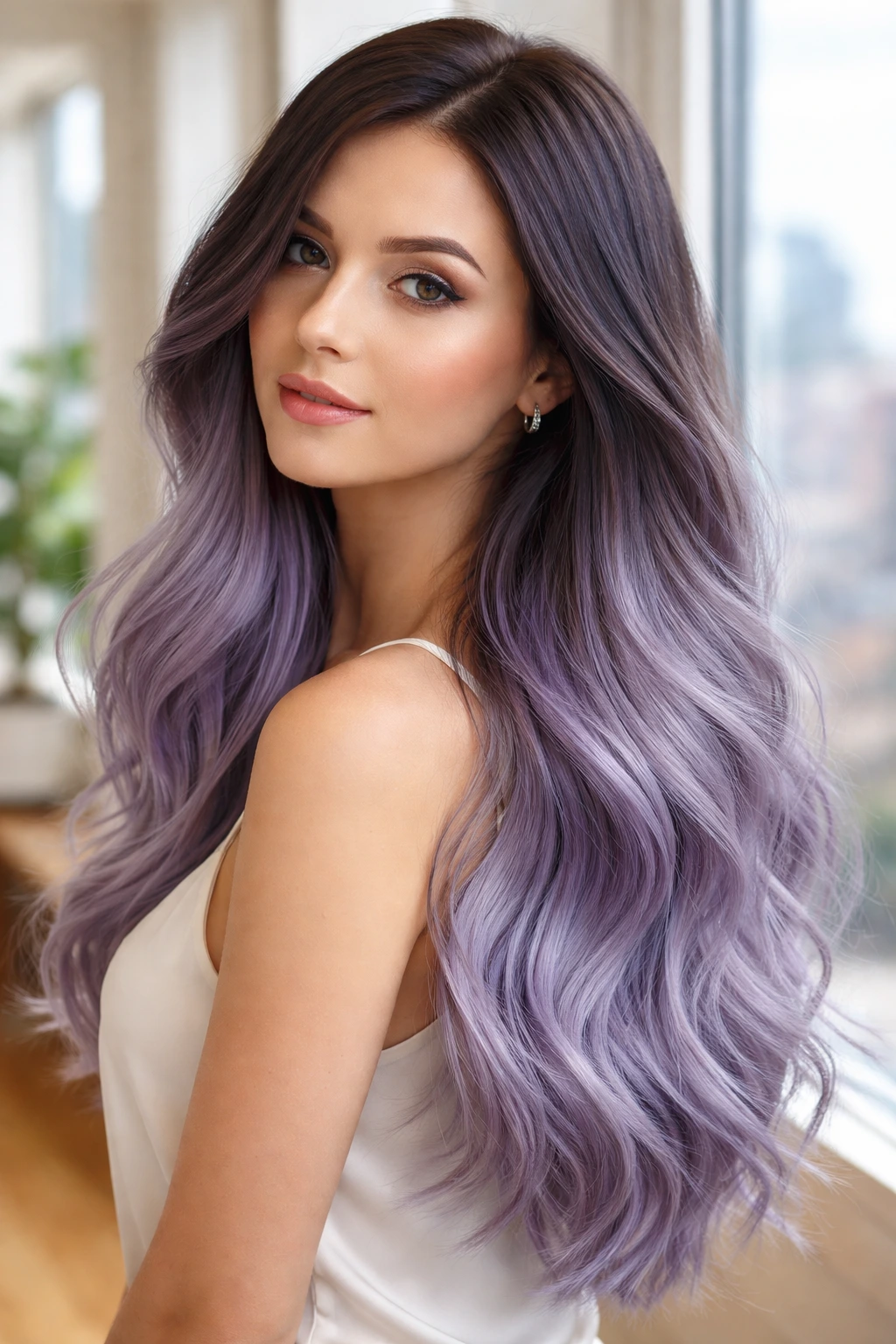
The ombre is the classic “dip-dye” effect, where the roots remain dark and the ends fade into a distinct, saturated lilac-grey. Unlike the melt, the ombre has a more deliberate line of demarcation. It’s bold, and it works exceptionally well if you have long hair.
The Color Gradient
The secret to a successful violet-grey ombre is the saturation. The very tips of your hair should be the darkest or most intense shade of lilac, fading up into a lighter, silver-grey before it meets your natural roots. This weight at the bottom creates a sense of fullness.
A Warning on Breakage
Ombre requires lightening the ends of your hair significantly. If your hair is already damaged or thin at the ends, skip this. The lightening process will make those ends brittle. You need healthy, thick hair to pull off a bleached-out ombre without it looking like straw.
9. Muted Lavender Lowlights
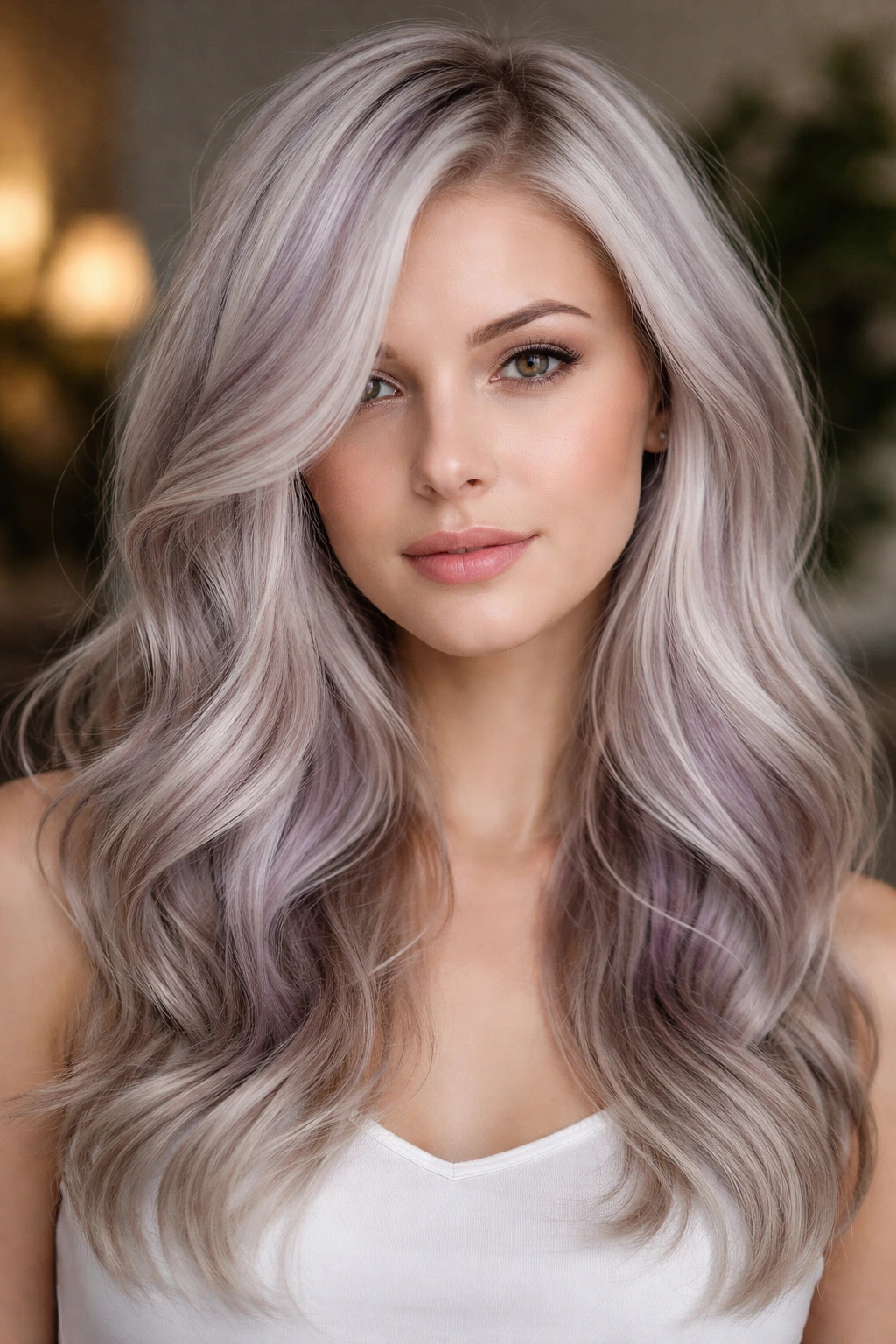
If you have a base of platinum blonde or natural silver, you don’t always need to dye the whole head to get the look. Muted lavender lowlights threaded through your natural base creates depth, dimension, and that “lilac” feel without the full-head commitment.
Technique Matters
Your colorist should use a low-volume developer—perhaps 5 or 10 volume—to deposit the lavender. You do not need to lift the hair; you are only depositing color. This makes it a “low-damage” service, which is fantastic for the long-term health of your hair.
The Effect of Lowlights
Lowlights are meant to be seen, not hidden. They should be placed in the “recessed” areas of your hair—near the nape of your neck and underneath the top layers. When you move, the hair will shift, revealing flashes of purple-grey against your lighter base.
10. Silver-Lilac Glaze
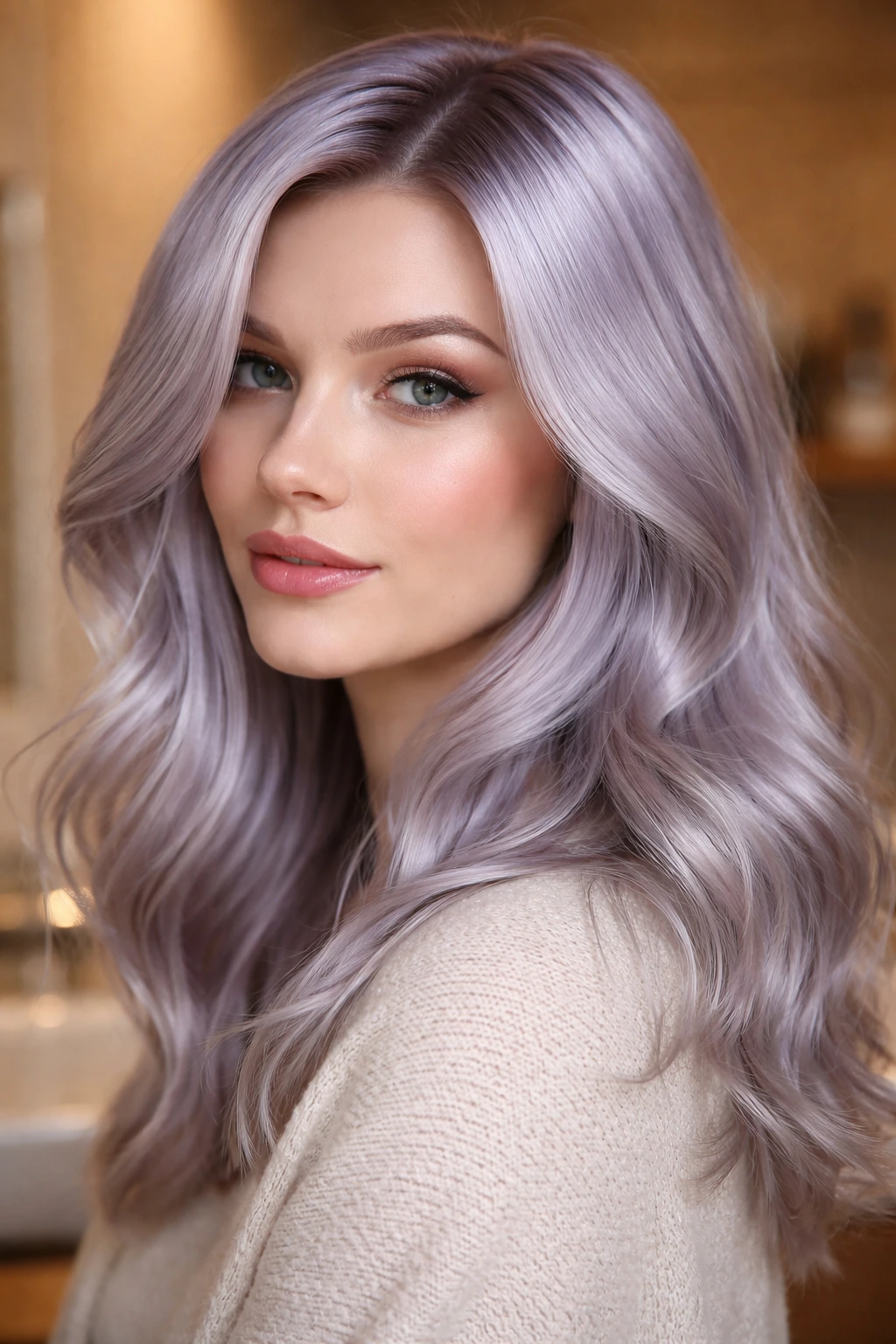
A glaze is a semi-permanent service that doesn’t penetrate the hair shaft deeply but coats it in a sheer, glossy layer of color. If you are already rocking a metallic silver or white, a silver-lilac glaze is the easiest way to experiment with this trend.
What to Expect
This will not last long. Expect two to three weeks of wear. However, that is the beauty of it. It’s a low-commitment way to shift your look from “ice queen” to “lavender dream.” It’s also incredibly conditioning, so your hair will feel healthier after the service than it did before.
How to Ask for It
Be specific. Don’t just say “purple.” Say, “I want a sheer violet-grey toner on my silver base.” If you say “lilac,” they might give you a vibrant, opaque purple. You want the sheer version.
11. Lilac-Grey Peekaboo Strips
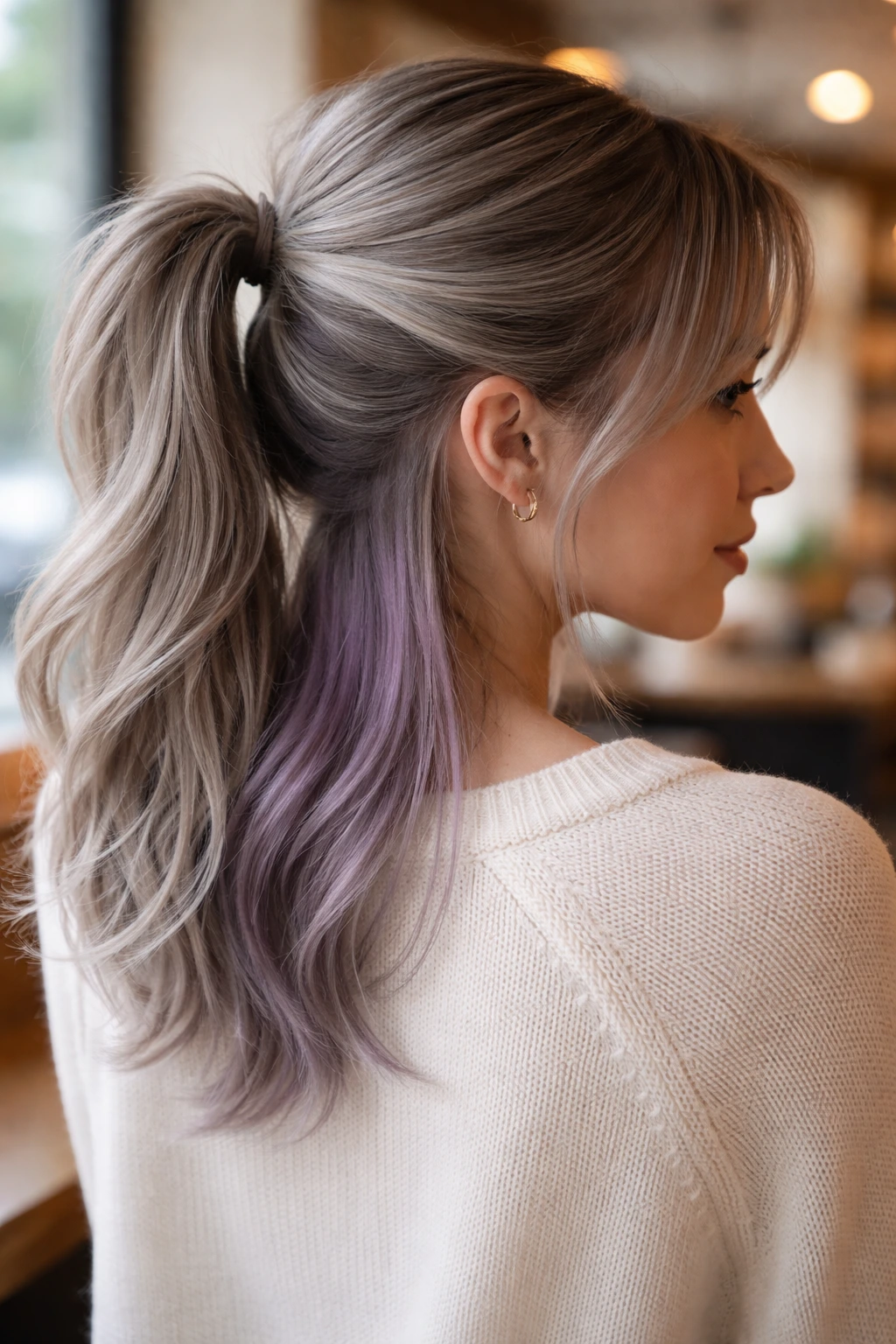
Peekaboo color is placed on the bottom layer of your hair. When your hair is down, it’s mostly hidden. When you pull it into a ponytail or half-up style, the lilac-grey is suddenly exposed. It’s a great way to handle the “can I wear this to work?” dilemma.
Placement Strategy
For the best effect, place these strips near the nape. If you have fine hair, don’t take too large of a section, or it will look stringy when you style it. If you have thick hair, you can go wider.
Managing the Bleed
The issue with peekaboo color is that it touches the hair above it. When you wash your hair, the purple dye will run and stain the top layers of your hair. To avoid this, wash your hair with cold water and keep the peekaboo section separated from the rest of your hair until the water runs clear.
12. Electric Lilac Ash
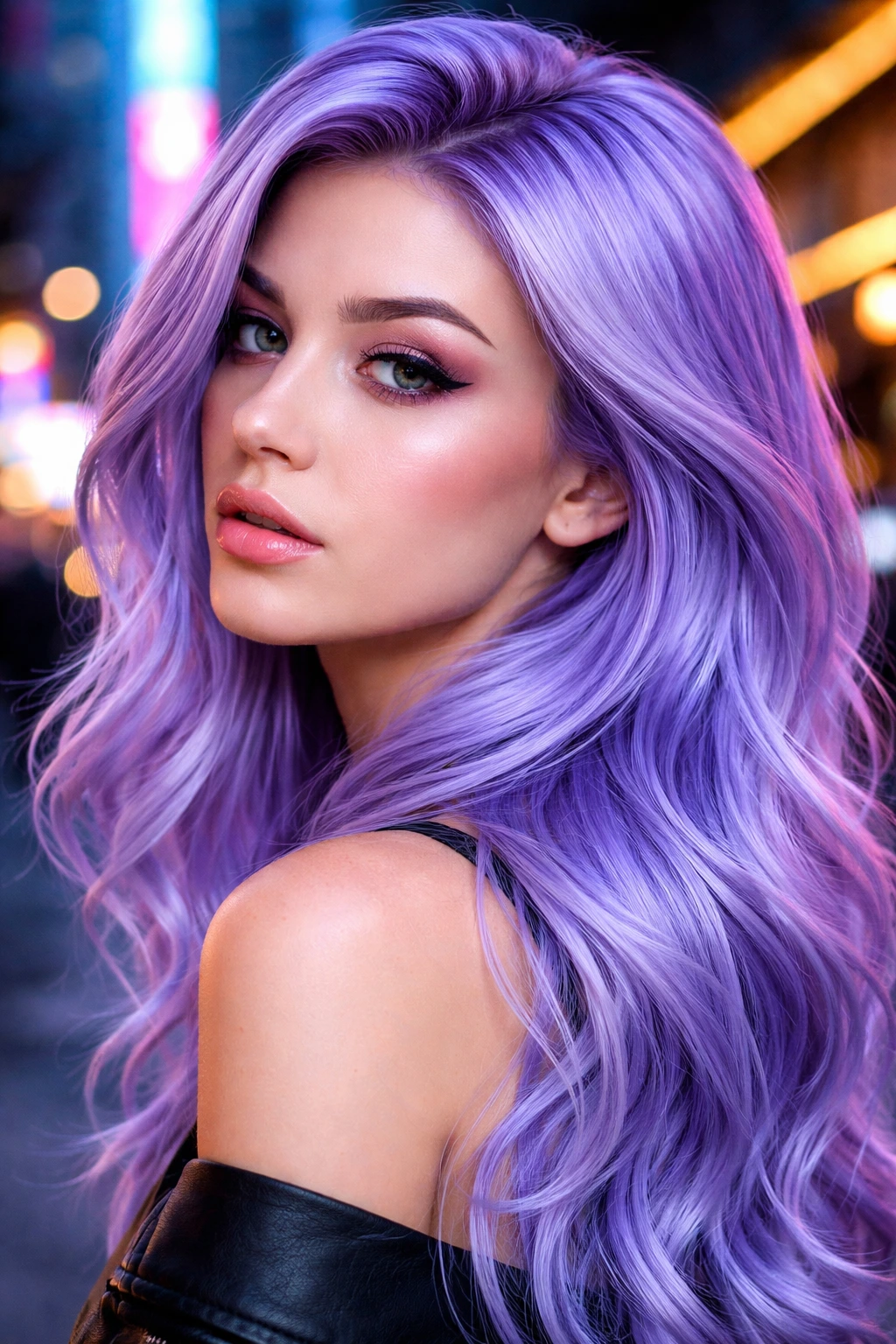
This leans into the “electric” side of the color wheel. It’s more intense, more saturated, and definitely not “muted.” It’s a high-impact, neon-adjacent lilac that has been cooled down with enough ash pigment to keep it from looking like a crayon.
The Maintenance Cost
You will lose the “electric” quality after one wash. That is just the nature of neon-toned semi-permanents. To keep this look, you need a color-depositing shampoo that matches the exact shade of the dye you used. Use it every other time you wash.
Who Should Avoid This
If your hair is fragile, avoid electric shades. They require a very light, very clean base, which often means pushing the bleach further than your hair might want to go. If you see signs of breakage during the lifting process, back off and settle for a deeper, muted lilac instead.
13. Dimensional Lilac-Grey Curls
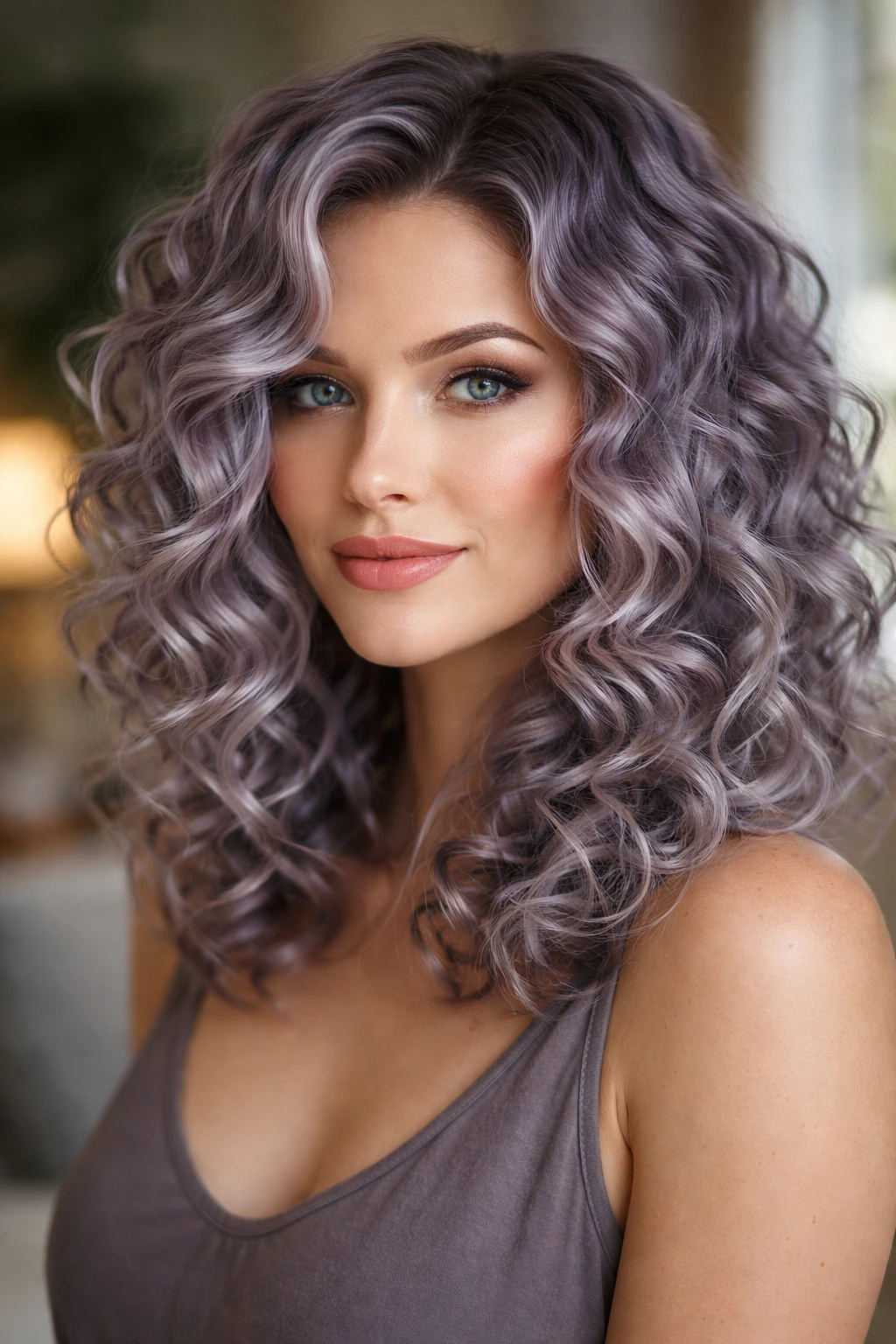
Curls are the best way to show off dimensional color. When you have multiple shades—slate, lavender, silver, and deep violet—coiled together, the hair looks like a precious stone. The key here is not to use a single color, but a mix of lilac-grey tones in the same bowl.
Applying the Color
Do not paint the hair in big blocks. Use a “teasing” technique where you backcomb the hair and apply color to the ends, then use a smudge brush to pull it up. This creates a soft transition that looks naturally “mottled” rather than striped.
Styling for Color
Avoid heavy products that weigh down curls. Use a lightweight curl cream. The color will stand out better on a defined, bouncy curl than on a frizzy, undefined one. The definition allows light to hit the different shades, which is where the dimensional effect comes from.
14. Slate Lilac Wave
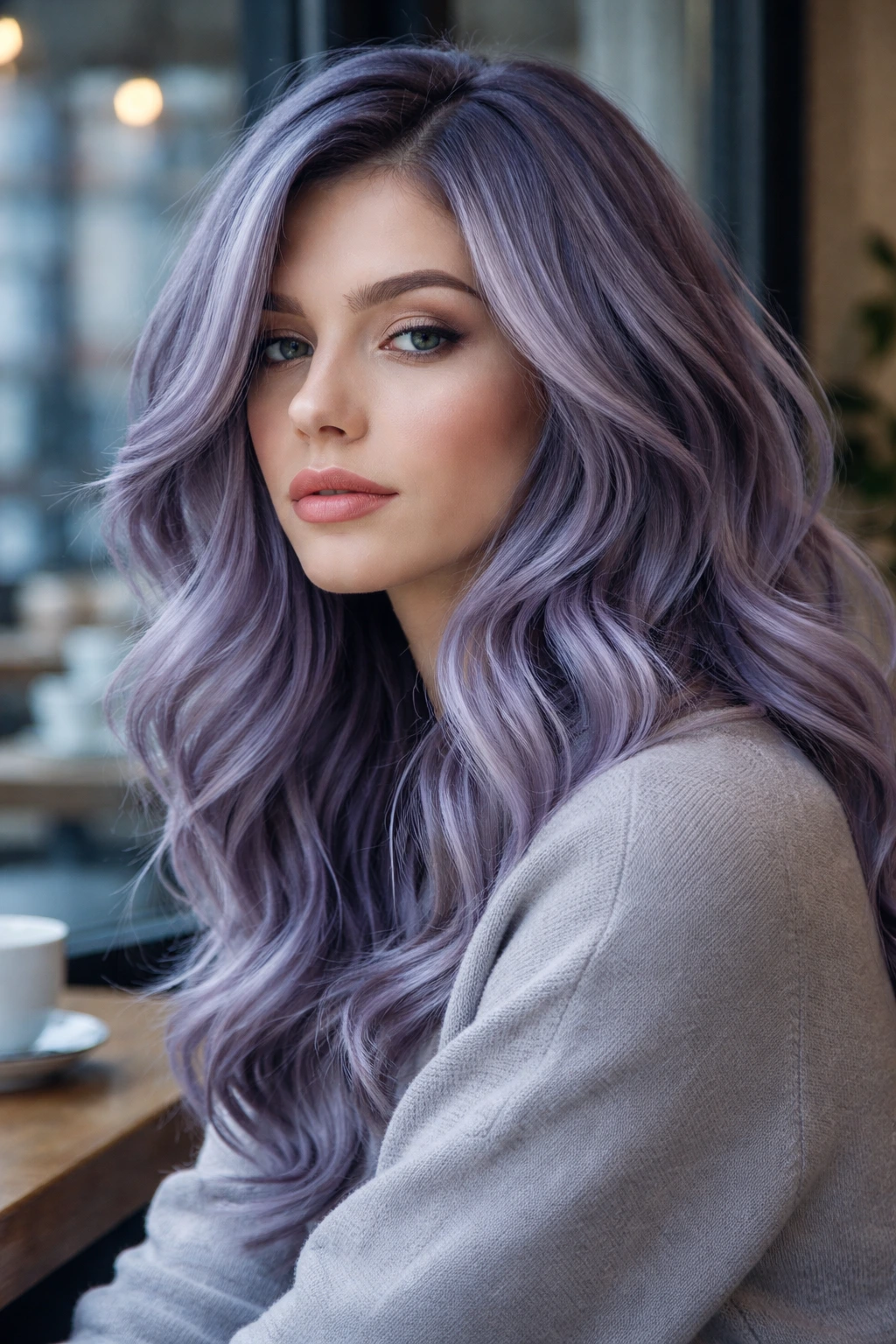
Think of slate as the darker, grittier cousin of grey. A slate-lilac wave is a deep, moody look. It’s less “airy” and more “grounded.” This is a fantastic option if you have naturally dark hair and don’t want to bleach yourself into oblivion to get a light lavender look.
Keeping the “Slate”
Slate is basically grey with a hint of blue. To keep it from turning just “blue,” your colorist must mix in a violet-grey tone. It’s a delicate balance. If there is too much blue, you get seafoam. Too much purple, you get grape.
Daily Care
Slate tones have a tendency to go warm (brown) as they fade. Use a blue-based toning shampoo to counteract any orange or brown tones that might emerge as your natural hair color starts to grow out.
15. Cool Lilac Frost
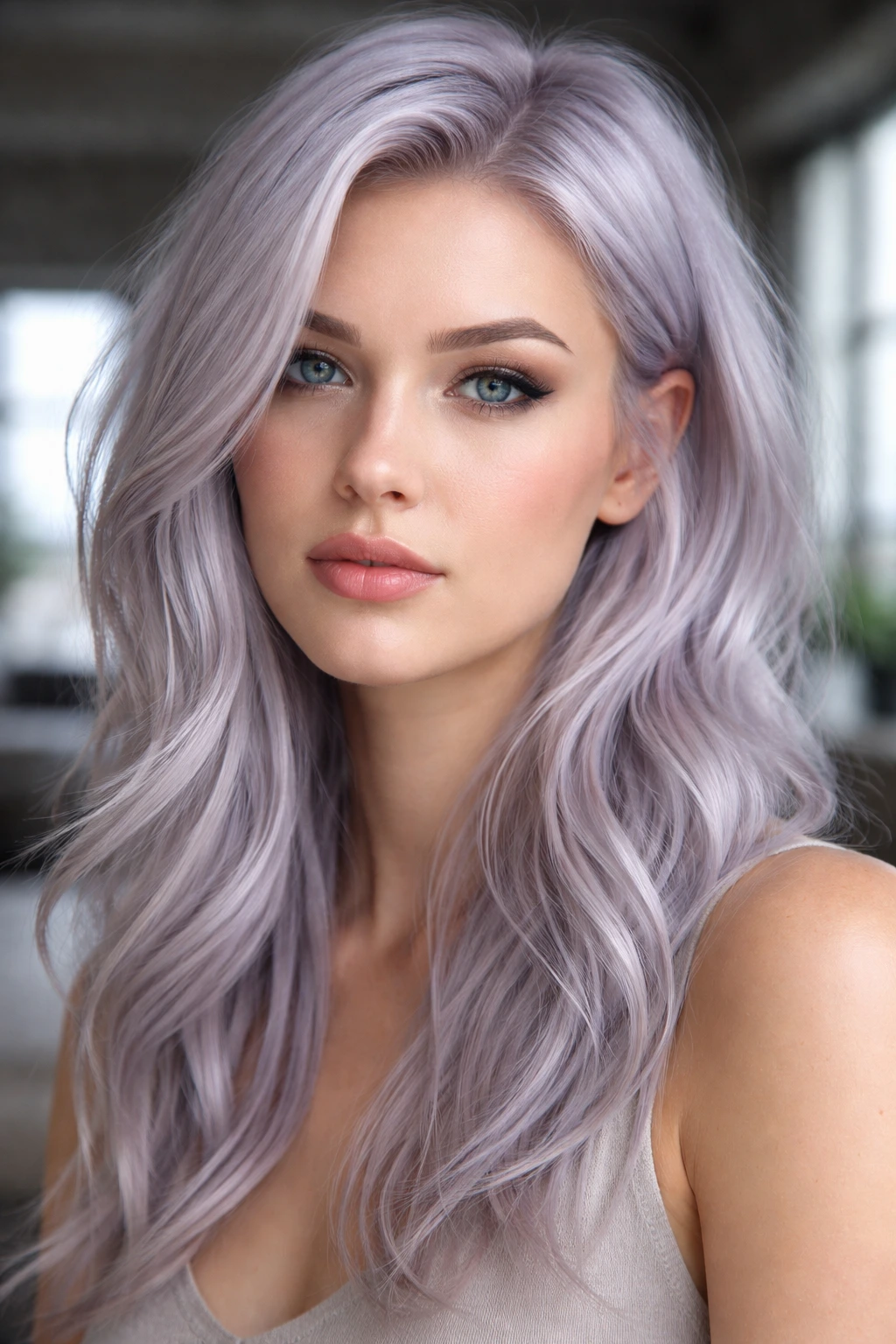
This is a high-fashion, almost white-lilac look. It’s very close to platinum but with a distinct purple undertone. It’s the ultimate “cool skin” shade because it is almost devoid of warmth.
The Reality Check
You must be a Level 10 to achieve this. If you are a dark brunette, this will take two sessions, maybe three. Do not try to do this in one day. You will melt your hair off. Patience is the only way to get a “frost” finish without the hair feeling like gum.
The “Yellow” Danger
Even a tiny bit of yellow in your base will turn this “frost” into a muddy, dull grey. You have to use a violet shampoo religiously. If you skip it for a week, you will see the yellow creeping back in, ruining that crisp, frosted finish.
16. Lilac-Grey Money Piece on Platinum
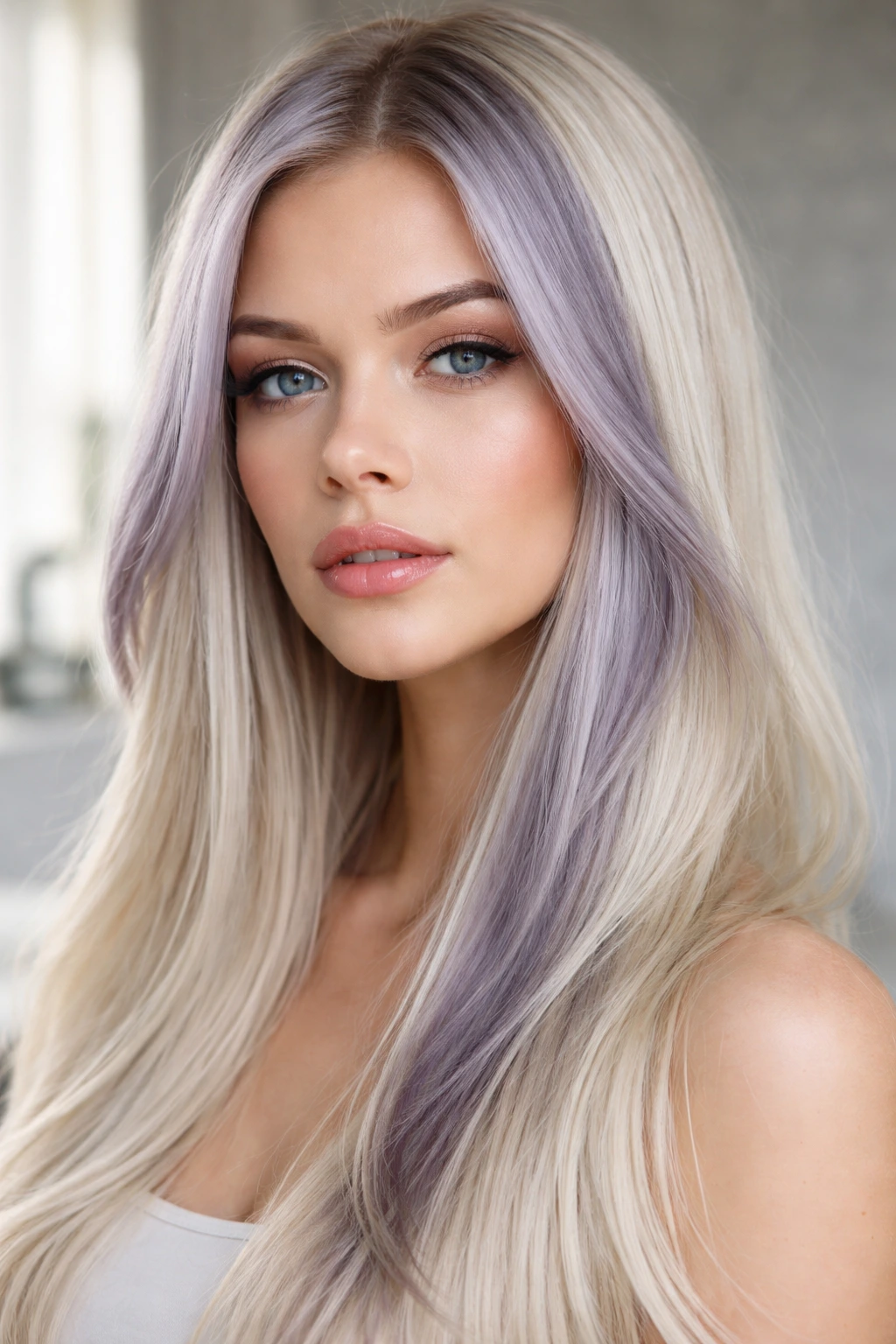
If you are already rocking platinum, adding a lilac-grey money piece is a ten-minute job. It gives you a total refresh without needing a full-head color service. It’s sharp, it’s modern, and it looks incredible with cool-toned makeup.
Customization
Because your base is already light, you can play with the intensity of the lilac. Do you want it pastel and airy, or deep and smoky? You can change it up every few weeks just by swapping the toner you use on that section.
Maintaining the Separation
The biggest issue is color bleed. When you wash that lilac money piece, the purple water will rinse over your platinum hair. To prevent your whole head from turning lilac, wash the money piece separately in the sink first, rinse it until the water is clear, and then wash the rest of your hair.
17. Orchid-Grey Root Smudge
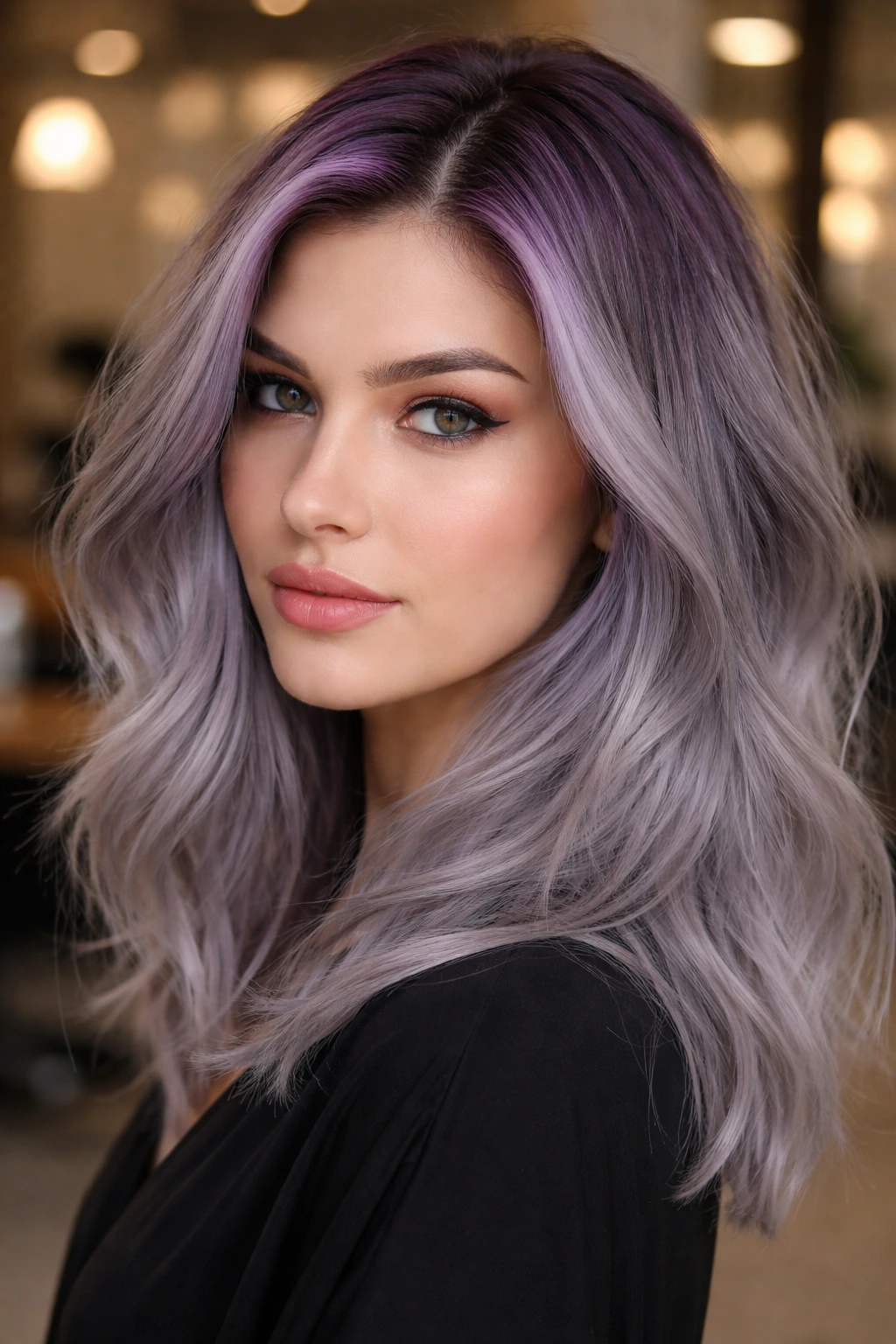
Orchid is a punchier, brighter version of lilac. When you smudge it into a grey base, it creates a very high-end, editorial look. It feels deliberate, expensive, and a bit more playful than the standard muted lilac-grey.
Why It Suits Cool Skin
Orchid has a touch of magenta in it, which can actually be very flattering on cool skin if it’s balanced correctly. By keeping the roots a solid slate grey, you neutralize the brightness of the orchid, so it doesn’t overwhelm your features.
Application Tip
Root smudges work best when they are slightly “imperfect.” Don’t aim for a perfectly straight line across the back of the head. Let the smudge dip lower at the temples and higher at the crown. It should mimic the way light naturally hits your head.
18. Frosted Lilac Bob
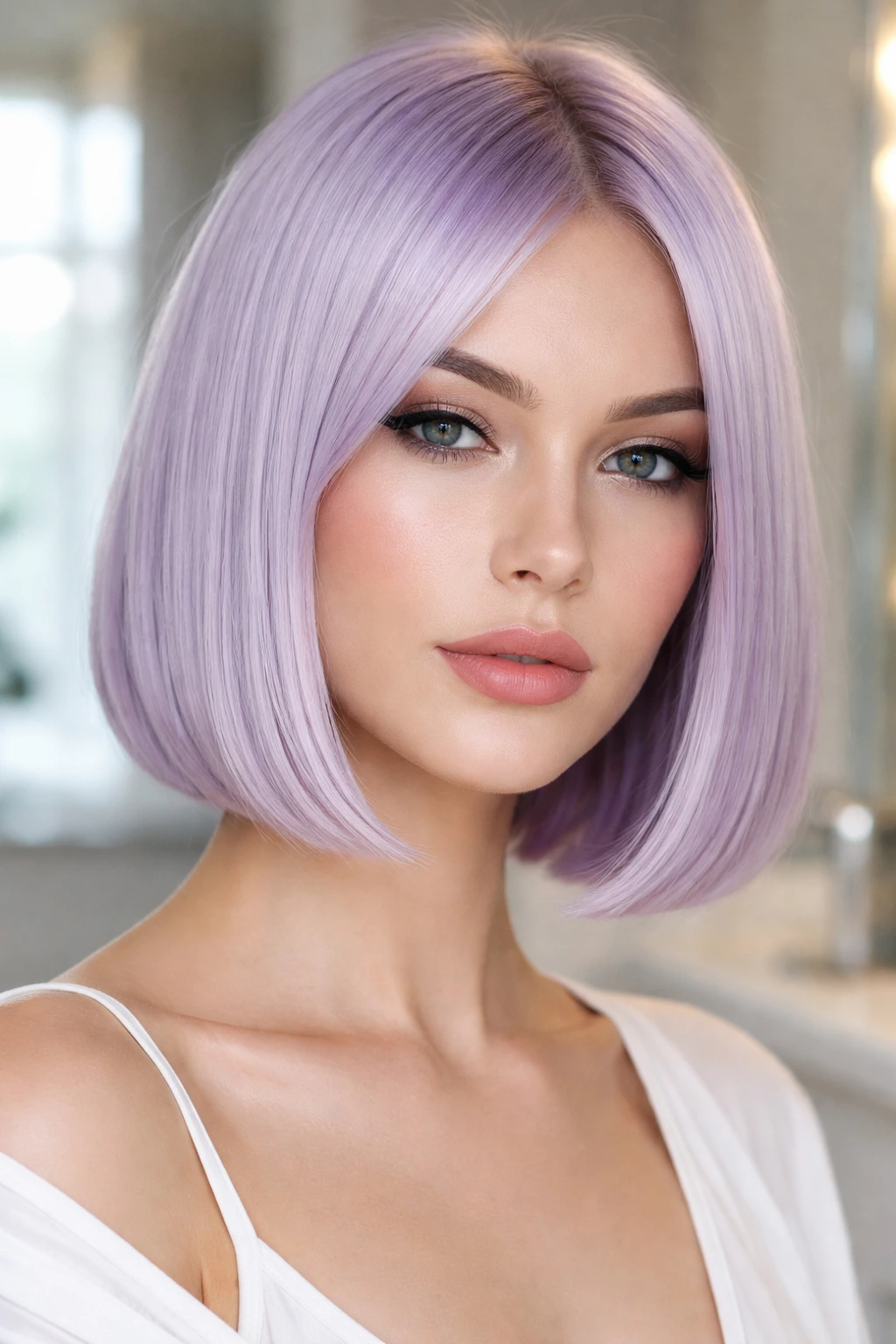
A blunt bob combined with a frosted lilac color is a statement. The bluntness of the cut provides structure, and the soft, cool color provides the contrast. It’s a very “Parisian” aesthetic—polished but edgy.
Styling the Bob
You need the hair to be sleek for this to work. A light-reflecting spray or a glossing serum is your best friend. Lilac-grey can sometimes look a bit “flat” or “dusty,” so you need to add some shine back into the hair to keep it looking healthy.
Maintenance
Bobs need regular trims—every six weeks—to keep the line sharp. Since you’re already in the salon for a trim, use that time for a “gloss” service. A clear gloss every six weeks will keep the lilac looking vibrant and the hair looking shiny.
19. Dusty Violet-Grey Waves
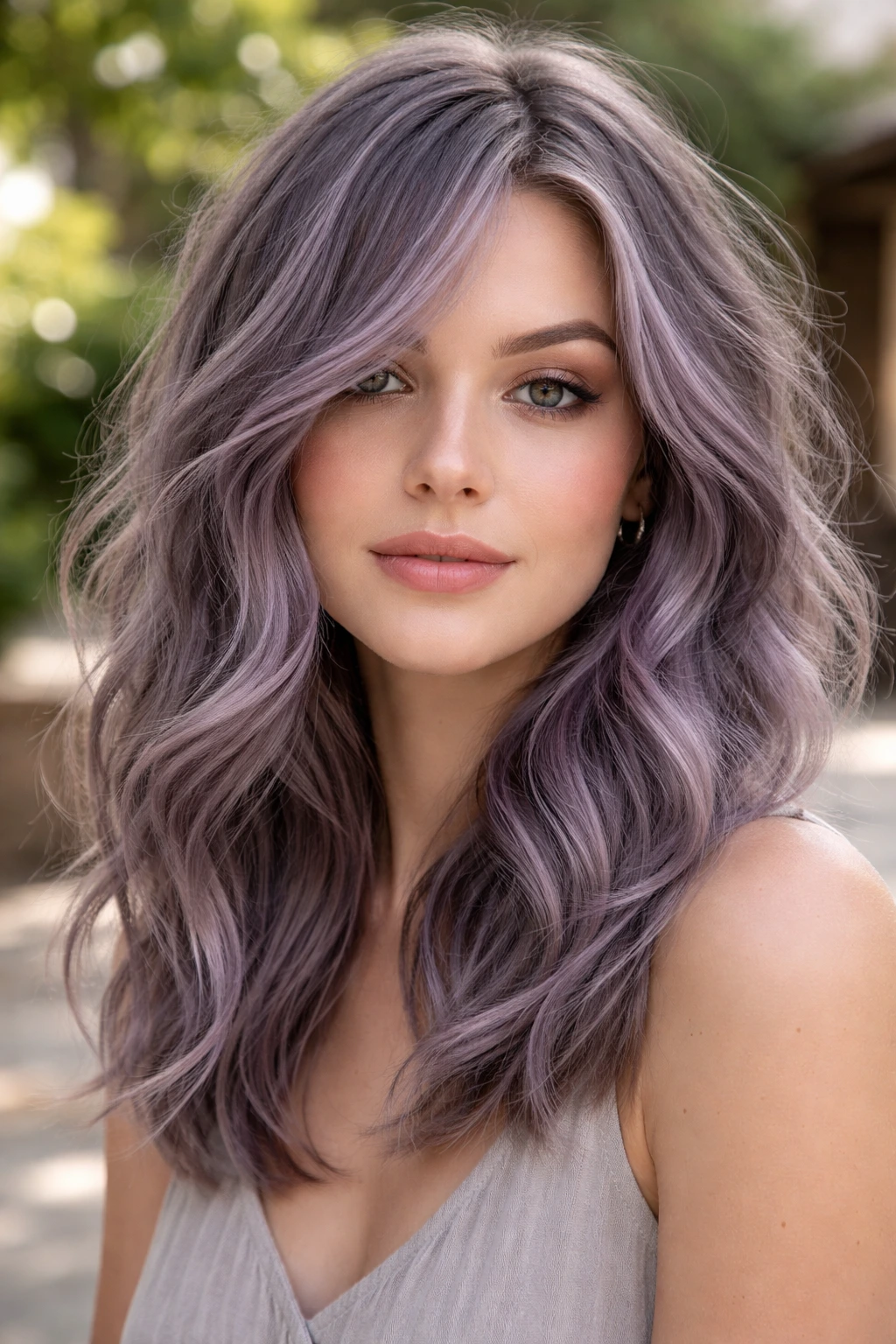
This is a more relaxed, bohemian version of the trend. It’s not about the cut; it’s about the texture. These waves are meant to be a bit messy, a bit voluminous, and full of different tones of violet and grey.
The “Natural” Look
To make a fashion color look “natural,” you need to vary the tones. Don’t use one dye. Use three: a slate grey, a soft lavender, and a deeper violet. Paint them randomly throughout the hair. This lack of uniformity is exactly what makes it look lived-in and real.
Product Selection
Use a sea salt spray or a texture spray to enhance the waves. Avoid heavy gels. You want the hair to move, and heavy products will make the color look clumped together.
20. Deep Indigo-Lilac Accents
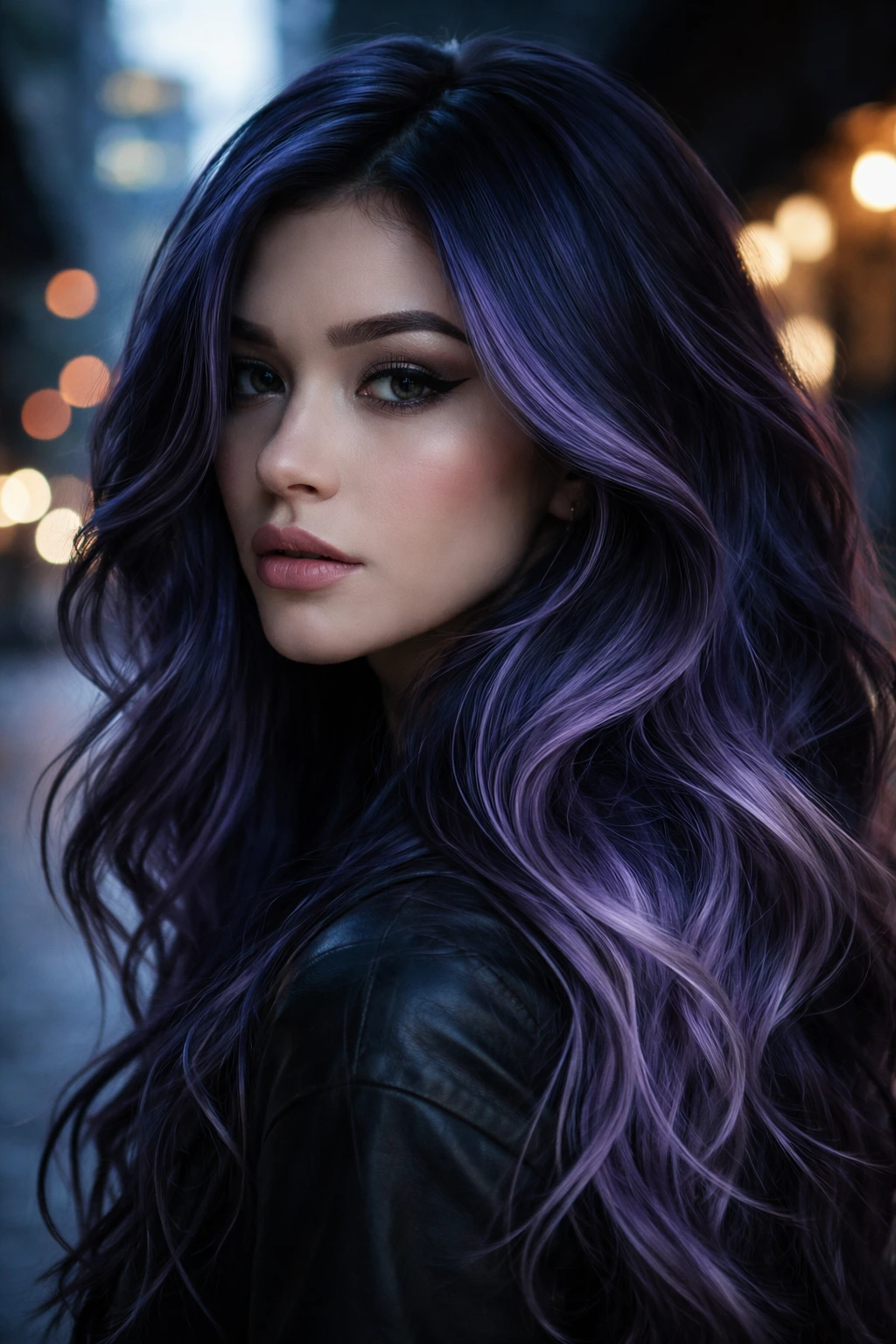
For the final idea, let’s go dark. Indigo-lilac is the deepest version of this trend. It’s a mix of purple, blue, and black. It’s moody, it’s dark, and it looks incredible on someone with very cool, pale skin. It brings out the eyes and adds a level of mystery.
Why It Works for Dark Hair
If you aren’t interested in bleaching your hair to platinum, this is your path. You only need to lift your hair to a Level 7 or 8 (light brown/dark blonde) to get a beautiful indigo-lilac finish. It’s much less damaging and lasts significantly longer than the pastel versions.
The Fade
Indigo fades to a beautiful, cool-toned steel grey. Because it starts so dark, you get weeks—sometimes months—of wear out of it. It’s the highest “value” color in terms of maintenance, as it grows out gracefully without a harsh line.
Maintenance and Care for Lilac-Grey Hair
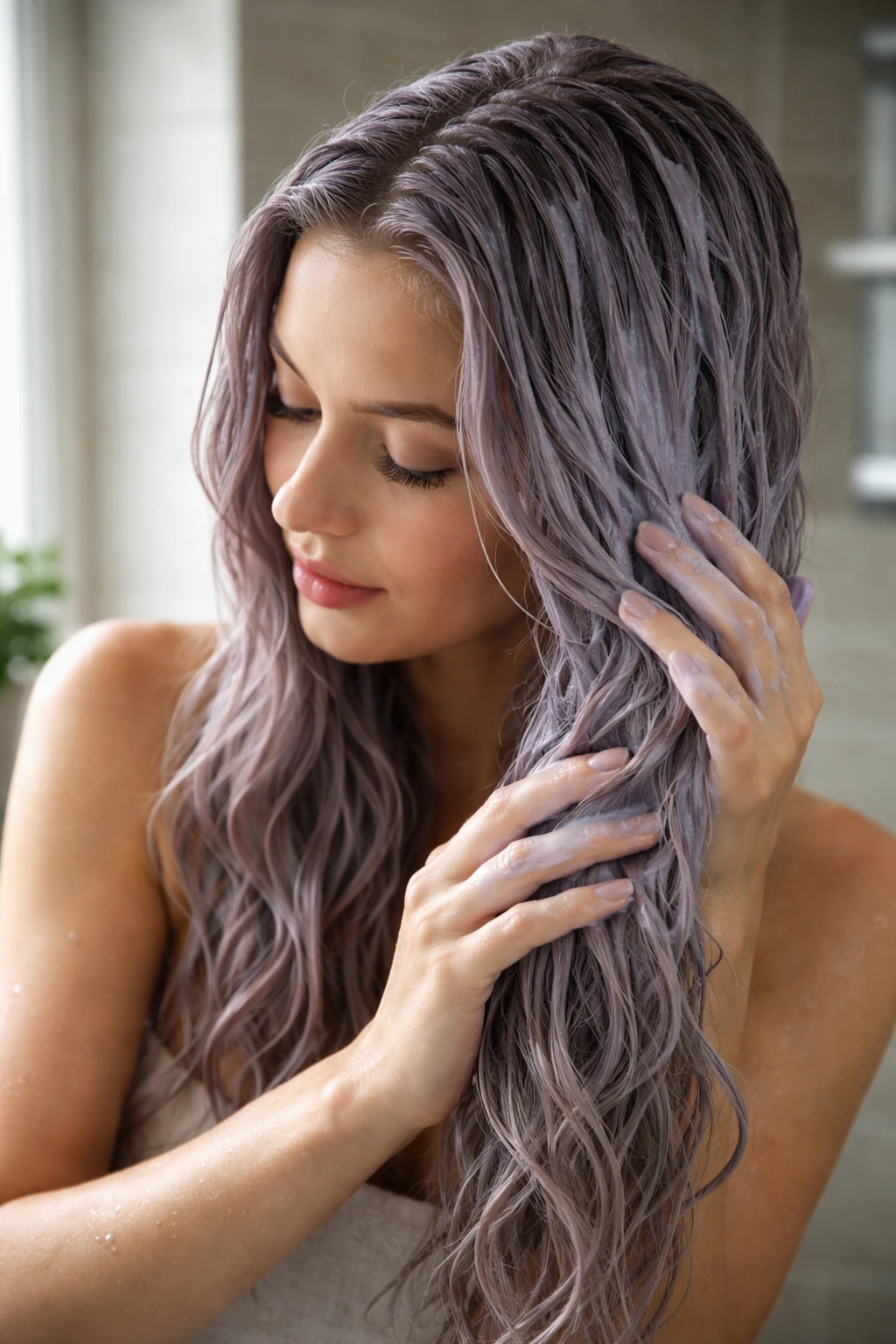
The color is just the beginning. Keeping lilac-grey hair looking intentional rather than faded requires a shift in your daily routine. Forget everything you know about standard shampooing. First, cold water is non-negotiable. Hot water opens the cuticle, and fashion colors like lilac will wash out in a single rinse. Use the coldest water you can tolerate.
Second, get a color-depositing conditioner. This is not the same as a toner. A toner is a chemical service; a color-depositing conditioner is a product you use in the shower. It adds a small amount of pigment back into the hair every time you wash. For lilac-grey, look for a “purple” or “violet” conditioner. If you find your hair is leaning too blue, look for a “lavender” or “lilac” specific conditioner.
Third, manage your protein-moisture balance. Bleached hair is protein-deficient. If your hair feels gummy when wet, you need a protein treatment. If it feels brittle and snaps when dry, you need a deep conditioning moisture mask. Alternate these treatments. Do not do both at once, and do not overdo the protein, or you will create a different kind of breakage.
Finally, protect your hair from heat. If you are using a flat iron or curling wand on 400°F (200°C), you are literally baking the color out of your hair. Turn your tools down to 300°F (150°C) or lower. If the tool has a digital display, use it. High heat on lilac-grey hair is the fastest way to turn it into an ugly, yellow-grey mess.
The Bottom Line
Lilac grey is more than a color; it’s a commitment to a specific tone of “cool.” It demands that you pay attention to the health of your hair, the temperature of your styling tools, and the chemistry of your shower products. It’s not for the faint of heart, but for those with cool skin tones, it provides a level of cohesion and brightness that warm-toned hair simply cannot match. If you are ready to put in the time for the upkeep, the result is a sophisticated, ethereal look that feels entirely your own. Just remember: the prep, the tone, and the maintenance are the true keys to the color, not just the dye itself. Trust the process, keep your products violet-based, and keep your water cold.
