



Finding the right pink-gray hair color when you have a cool skin tone is a delicate balancing act. If you choose a pink that leans too warm—think coral, peach, or hot fuchsia—it can clash with the blue and pink undertones in your skin, making you look washed out or like you’re coming down with a fever. The magic happens in the gray. By incorporating steel, ash, or silver bases, you ground the pink, turning it from a high-maintenance fashion statement into a sophisticated, cool-toned look that feels intentional and flattering.
I have spent years watching clients struggle with “unicorn hair” that just didn’t sit right against their complexion. The difference between a look that makes your eyes pop and one that dulls your skin is almost always about that base tone. You aren’t just looking for pink hair; you are looking for a muted, smoky, or icy version of it. It’s about finding that intersection where the cool gray meets the softest hint of pigment.
Let’s look at the best ways to pull this off, keeping your cool-toned skin at the forefront of the decision-making process.
1. Dusty Rose Silver
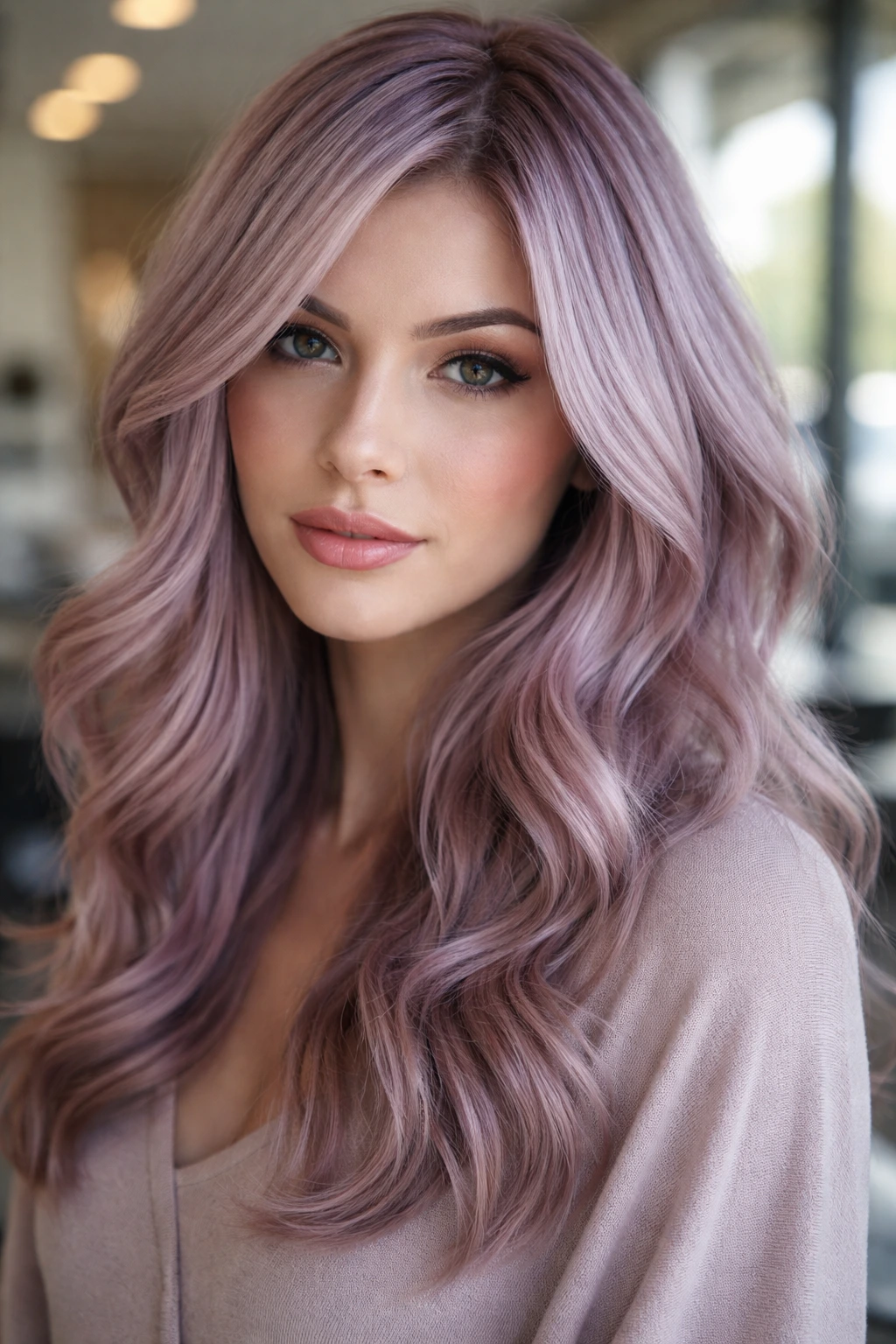
This is the entry-level standard for a reason. It perfectly bridges the gap between traditional silver and fashion-forward pink. The gray here acts as a filter, softening the pink pigments so they don’t overpower your complexion.
Why It Works for Cool Skin
Because the gray base is typically a cool-toned ash, it harmonizes with the blue undertones in your skin rather than fighting them. It’s less of a “bubblegum” look and more of a muted, metallic shade that feels expensive and lived-in.
Achieving the Shade
You need a level 10 bleached base for this to look like dusty rose rather than a muddy beige. If your hair has even a hint of yellow left, the gray and pink will mix to create a dingy tan. Get the hair as white as possible before you deposit the color.
- Maintenance: Use a color-depositing conditioner with cool violet pigments.
- Pro Tip: If your hair feels porous, do a bond-building treatment before the color service. It makes the pigment grab more evenly.
2. Smoky Violet-Pink Ash
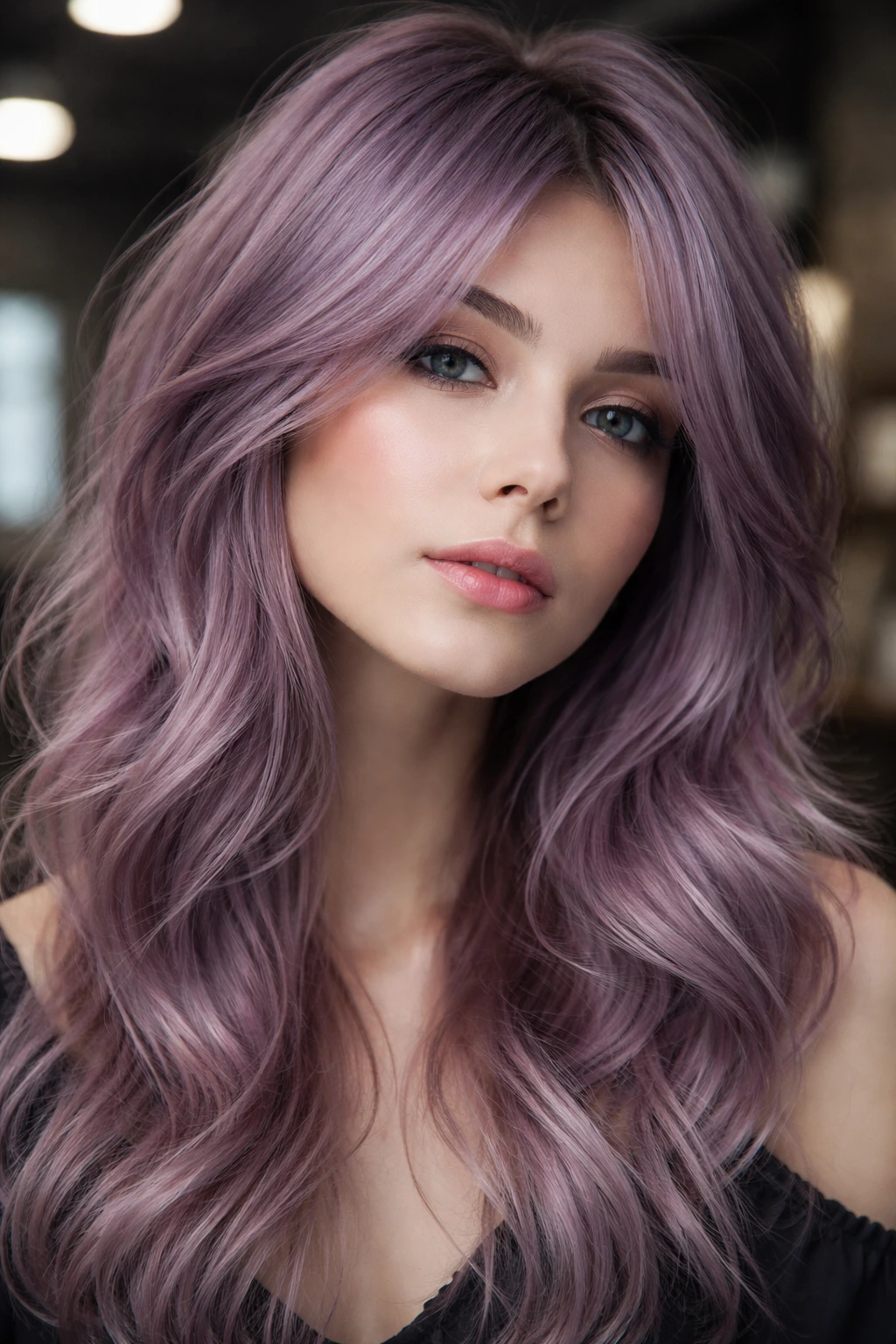
This shade is moody, deep, and incredibly flattering for those with fair, cool skin. It incorporates more blue and violet tones into the gray base, which makes the pink look almost like a shadow rather than a primary color.
When I recommend this, I’m usually talking to someone who wants a high-fashion look that doesn’t scream for attention from across the room. It’s an understated choice that gains a lot of depth in different lighting. In the shade, it looks like a deep, smoky mauve. In the sun, the pink really pops.
Technical Application
You are essentially layering a sheer, cool-toned pink gloss over a dark ash-gray base. Do not aim for full opacity. You want the gray to peek through. If you saturate the hair with too much pink, you lose the “smoky” element and just end up with flat purple hair. Keep the saturation sheer to maintain that cool, diffused look.
3. Icy Lavender-Pink Platinum
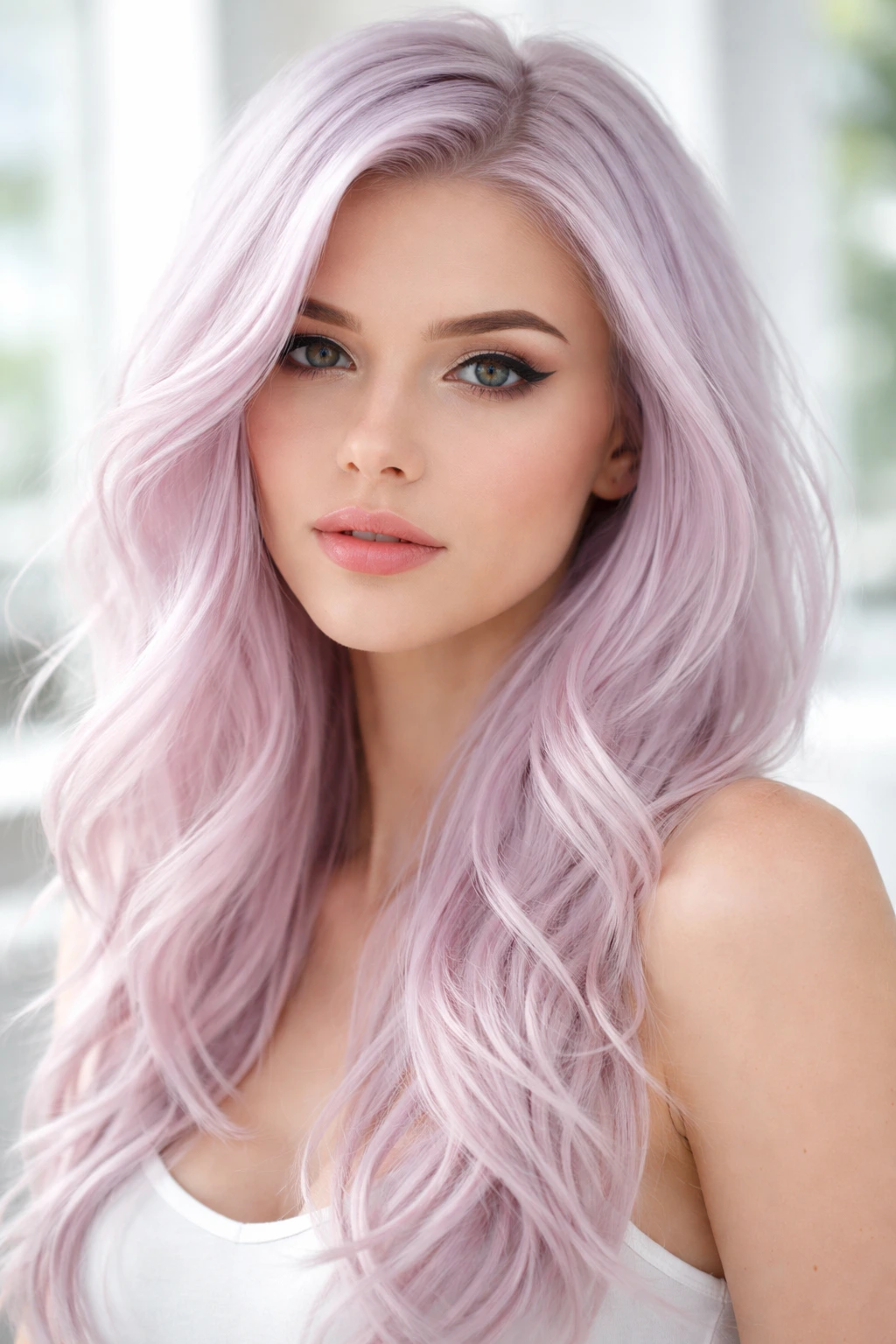
If your skin is porcelain or very fair with pink undertones, icy lavender-pink is your best friend. It is incredibly bright and clean. This isn’t a muted, dusty look; it’s a high-impact, shimmering platinum with just enough pink-violet pigment to keep it from looking like standard white hair.
The Foundation is Everything
There is no faking this. You must have a clean, white-platinum base. If there is a single strand of gold, this color will fail.
- The Struggle: Maintaining the integrity of the hair while bleaching to this level is the hardest part.
- The Fix: Don’t try to get there in one session. Two or three sessions are usually necessary to avoid “frying” the hair.
Expect to spend a lot of time in the salon chair for this one. Once you are there, the pink-gray fade is actually quite pretty—it turns into a soft, champagne-silver over time.
4. Slate Gray with Pink Money Pieces
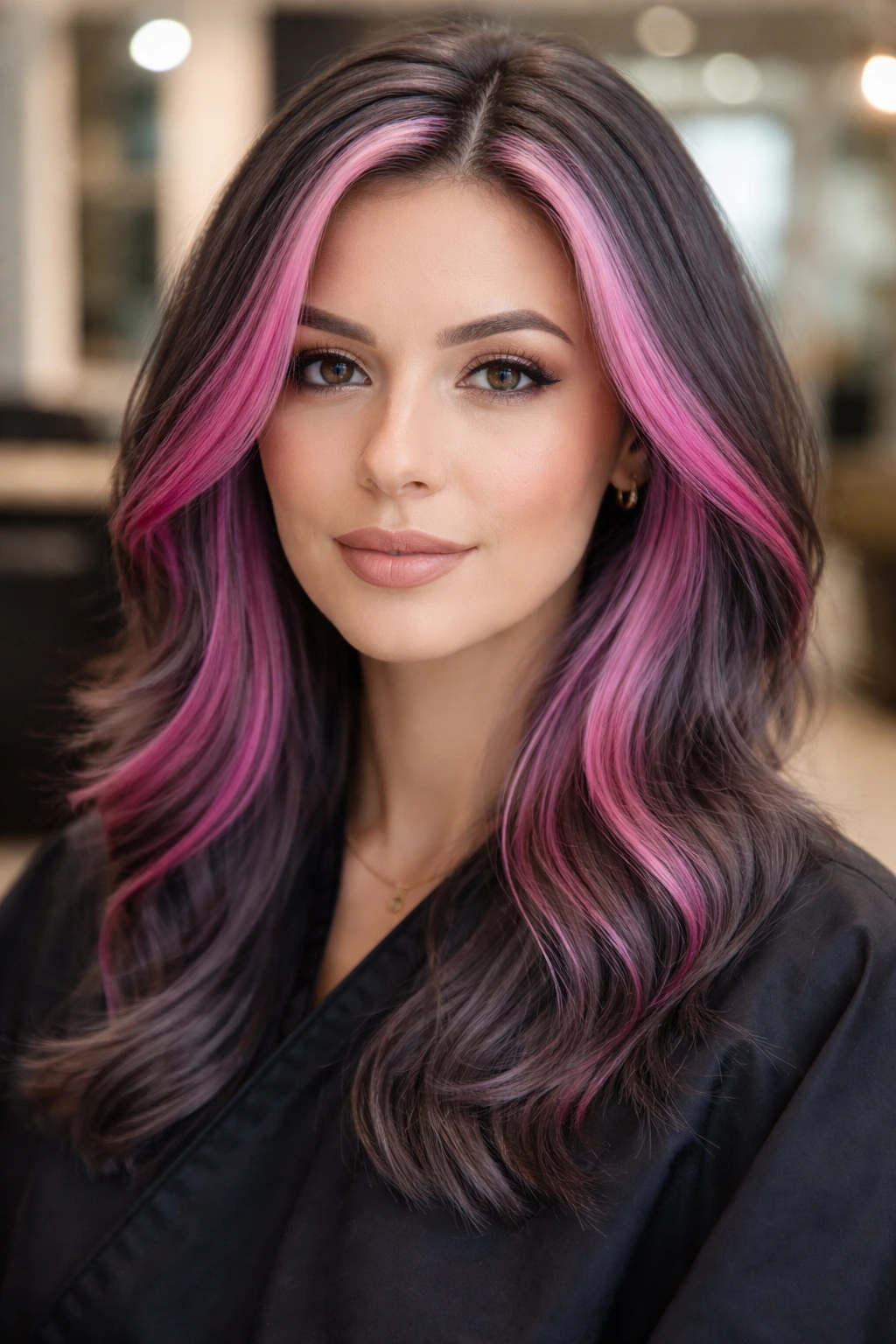
Maybe you aren’t ready to commit to an all-over pink color. That is perfectly fine. The “money piece” technique—where you focus color on the face-framing strands—is a classic for a reason. It brings the color right up against your face, which is the most important area to consider when matching skin tone.
Why This is a Low-Risk Option
If you decide you hate the pink, you only have to change two small sections of hair. Use a deep, dark slate gray for the rest of your hair to provide contrast. The cool slate anchors the look, preventing the pink framing from making your face look red or irritated.
- Application Note: Keep the slate gray slightly darker than the pink. It makes the pink look like a deliberate highlight rather than a mistake.
5. Muted Mauve-Gray Balayage
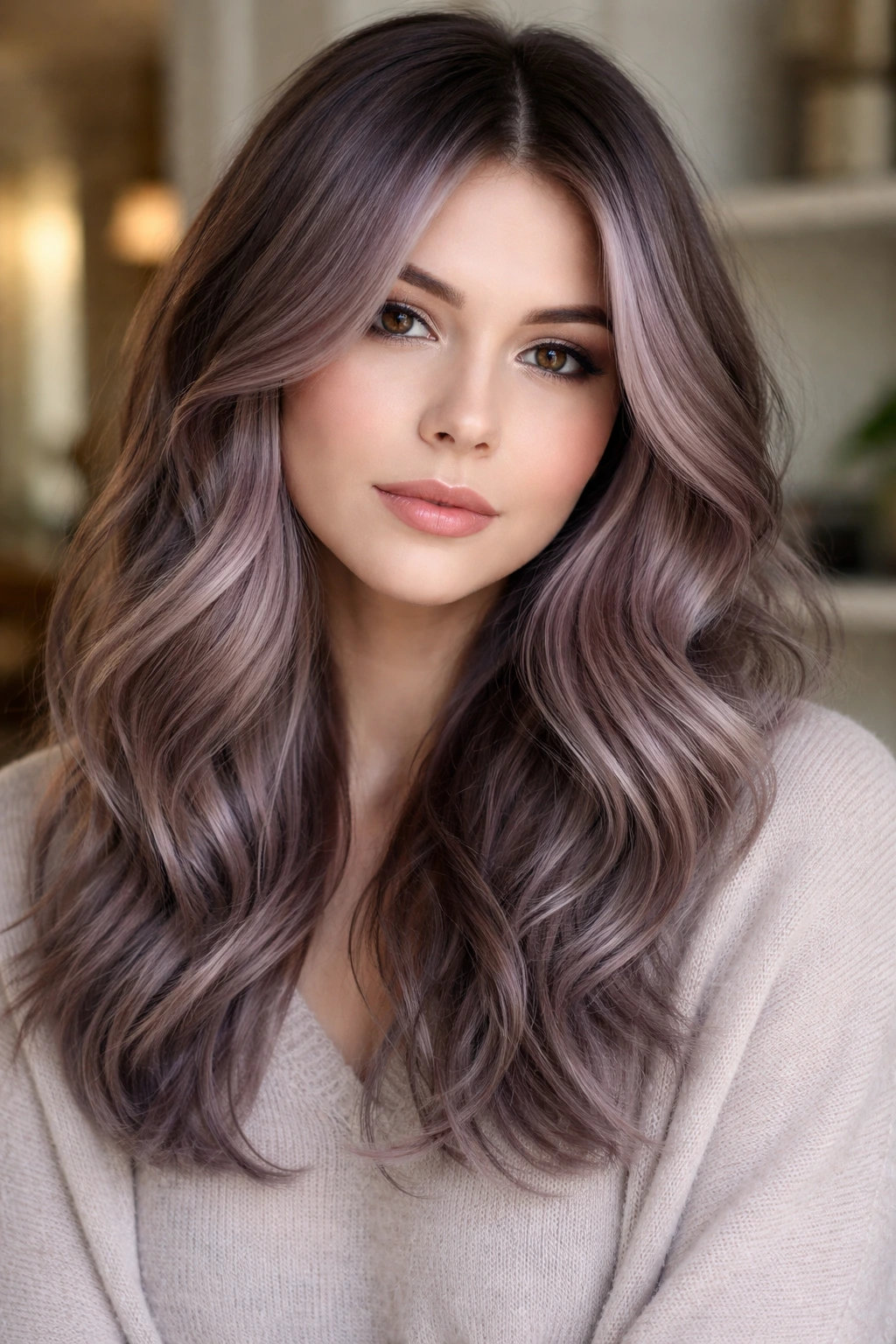
Balayage is the ultimate low-maintenance technique. For a cool skin tone, a mauve-gray blend is stellar because it sits right in the middle of cool and neutral. It’s not jarring, and it grows out gracefully.
The Color Composition
Mauve is essentially a grayed-out purple. When you weave this into a gray or silver base, you get a beautiful, natural-looking dimension. It looks like your hair is reflecting a sunset, but the gray undertone ensures it stays cool.
This is the kind of color that looks better the longer it’s on your hair. As it fades, it just becomes a lighter, ashier gray. You can go months between touch-ups if you keep your root color natural.
6. Charcoal Base with Magenta Tint
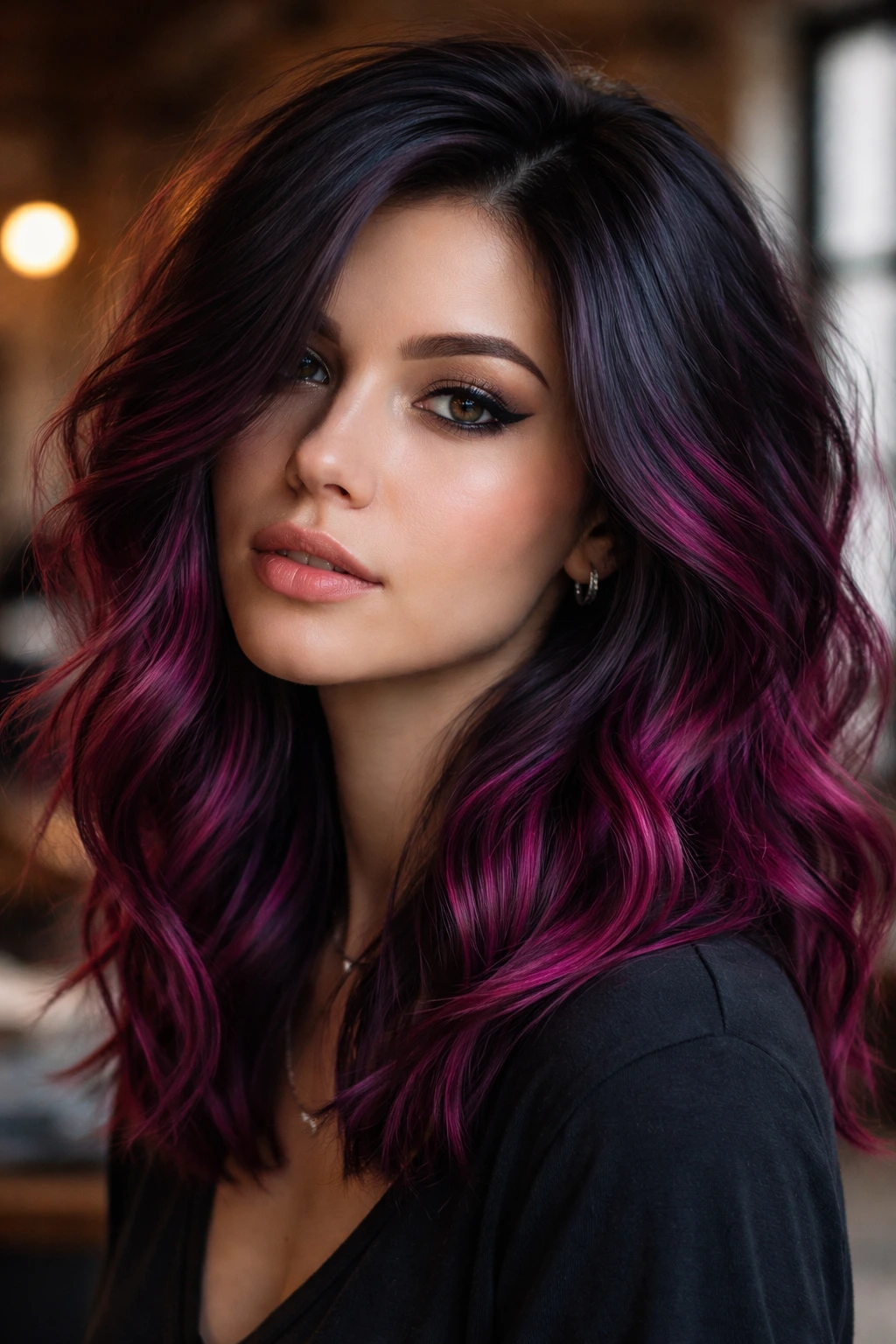
If you have a darker natural hair color or a deep complexion, a bright pink on a light gray base might look too stark. Enter the charcoal base. By using a deep, dark gray, you create a canvas that handles stronger pigments much better.
Why Contrast Matters
Dark skin tones or high-contrast coloring look incredible with deep, saturated colors. A soft pastel might wash you out, but a magenta-tinted charcoal adds life and vibrancy.
- The Look: It’s sharp, modern, and has a bit of an edge.
- The Technique: You don’t need to bleach your hair to a level 10 for this. A level 7 or 8 is sufficient, which is much healthier for your hair.
7. Champagne-Pink Silver
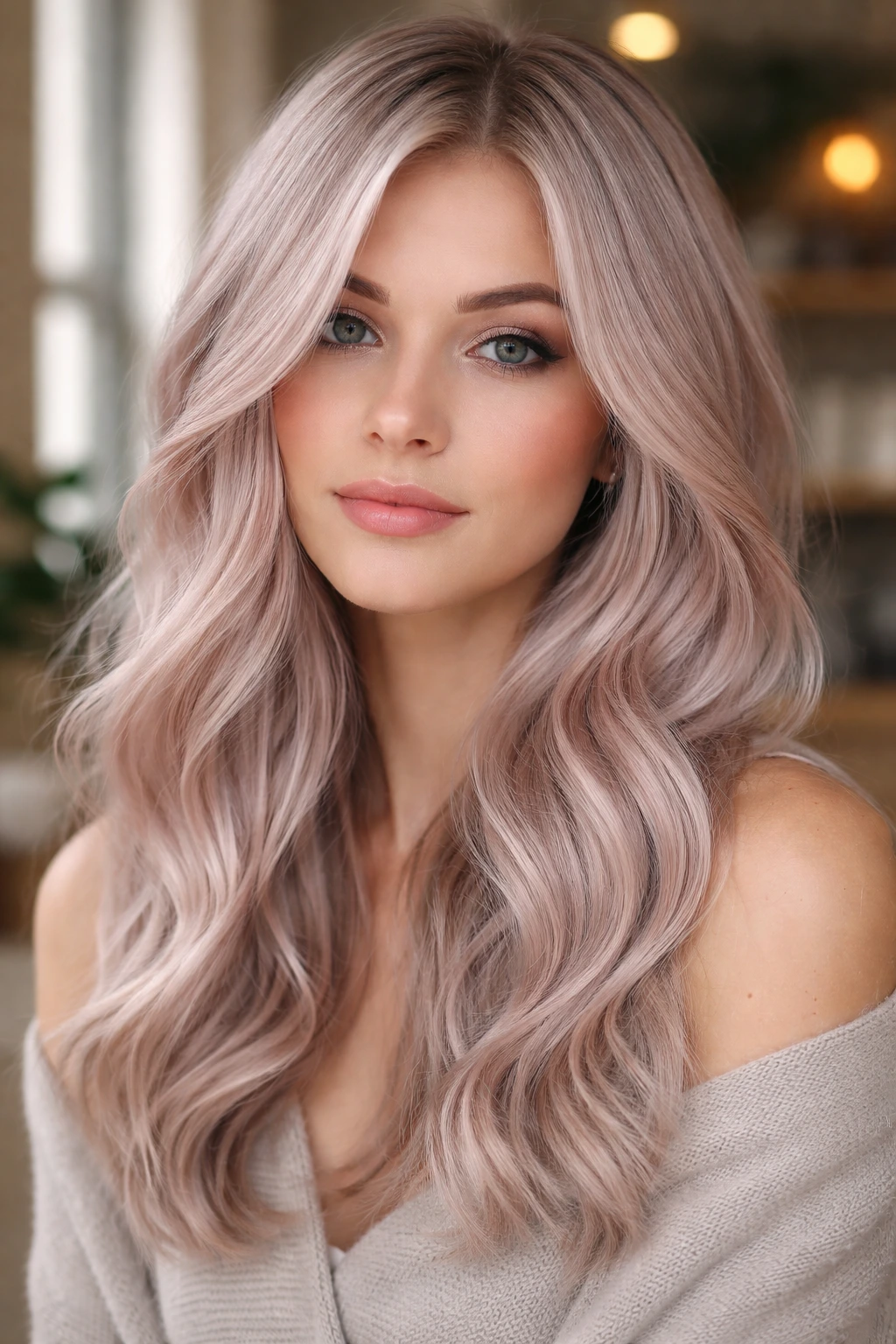
This is the softer, elegant cousin of the icy platinum look. It’s a bit more muted, a bit more beige-gray, but with that delicate pink shimmer. It feels very sophisticated.
Who Should Wear This
This works exceptionally well for people who are naturally graying and want to enhance their natural color rather than hide it. It acts like a glaze, smoothing over the natural wirey texture of gray hair while adding a gentle, youthful glow.
- Pairing: This looks particularly stunning with cool-toned silver jewelry.
- Avoid: If you have very warm, olive skin, steer clear of the champagne tones. Stick to the icier, blue-based colors.
8. Cool Lilac-Pink Melt
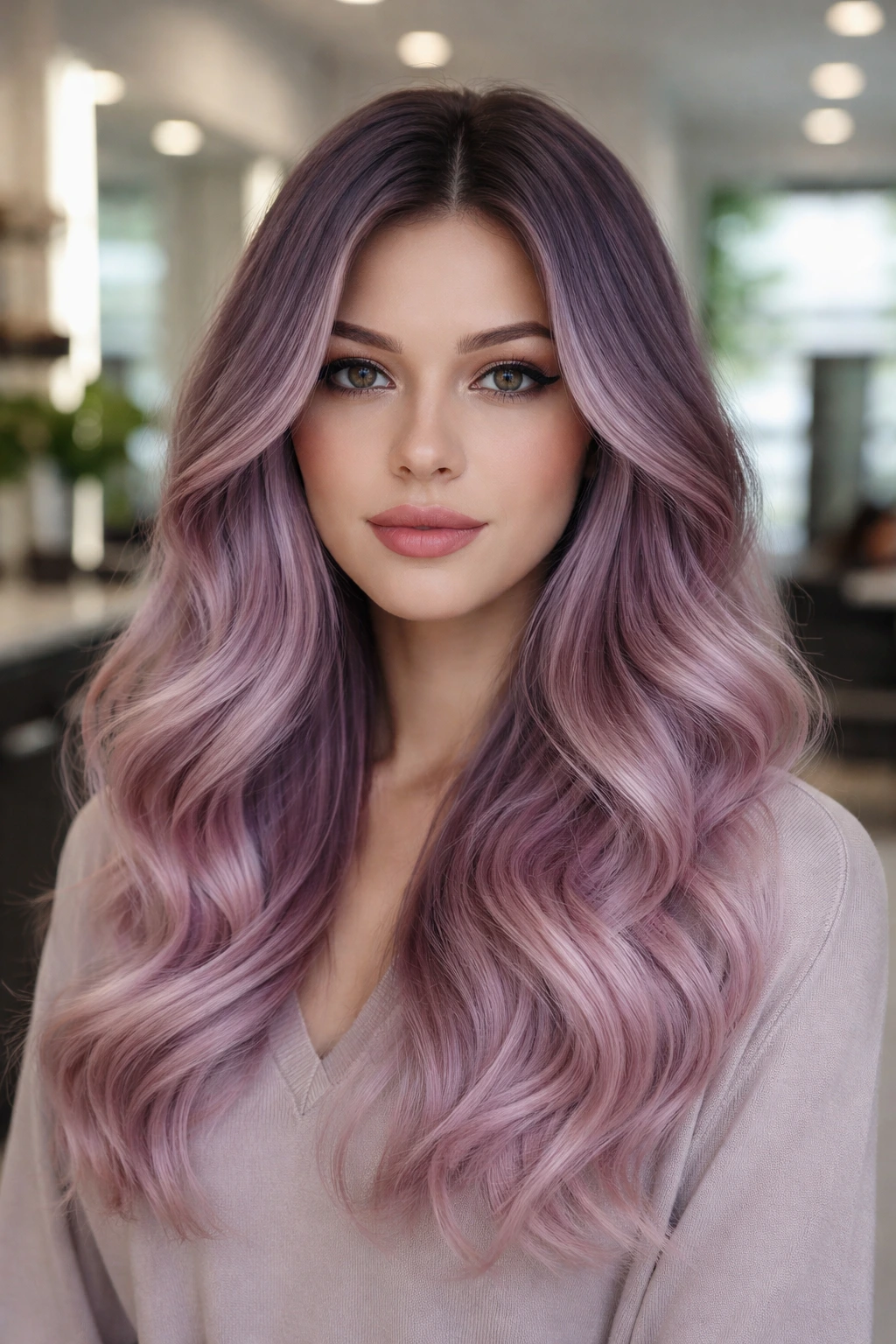
A color melt is exactly what it sounds like: colors that transition seamlessly into one another. For a cool skin tone, start with a cool-toned lavender at the root and melt it into a soft, pink-gray at the ends.
The Science of the Melt
The transition is everything. If you see a hard line, the look is ruined. You want the roots to be a deep, smoky violet-gray that slowly loses saturation as it moves toward the tips.
- Why It Works: It mimics the natural way hair fades, which makes it look “real” even though the colors are fantasy shades.
- Maintenance: Since the roots are darker, you can get away with a much longer grow-out period.
9. Steel Gray with Pastel Pink Tips
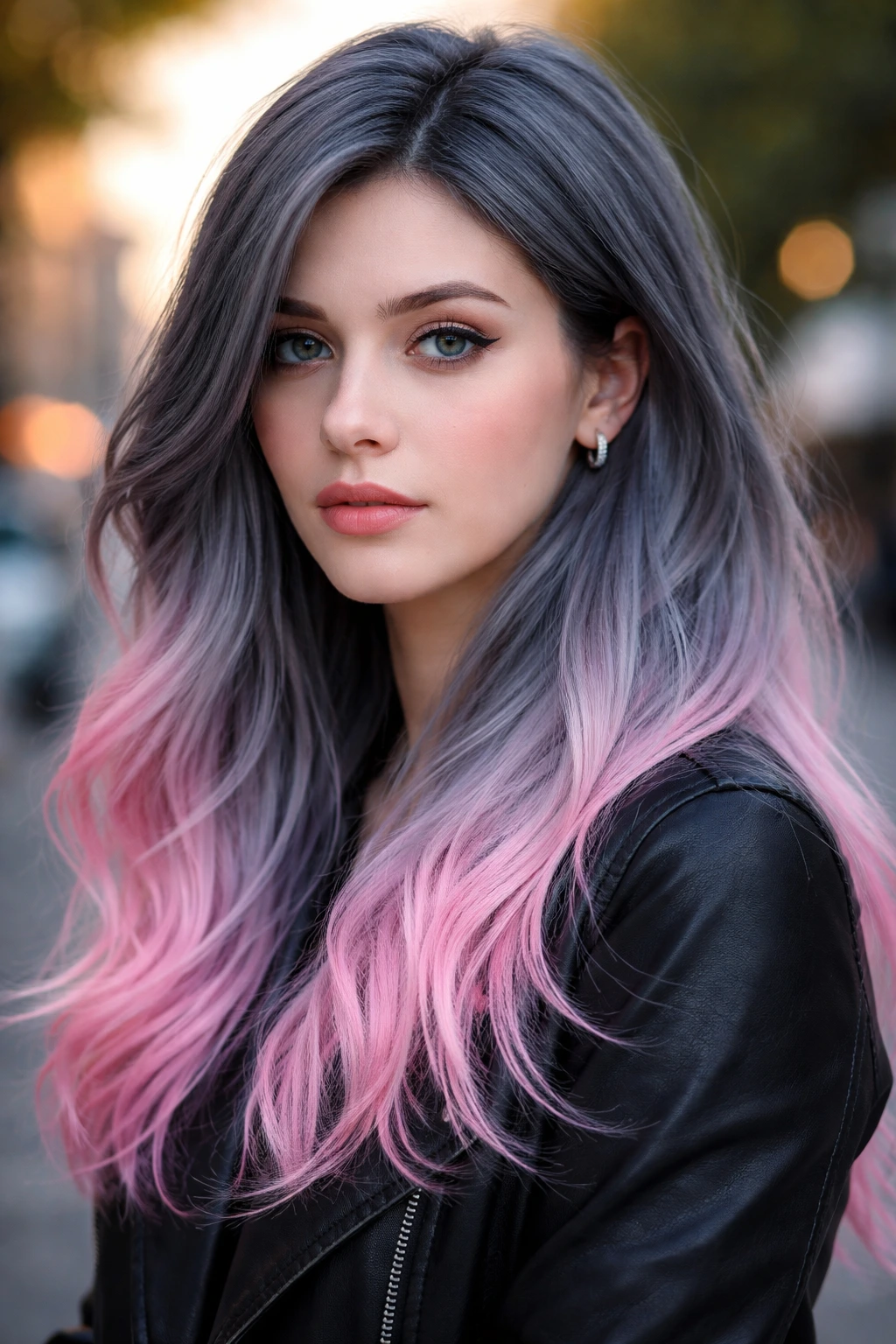
Sometimes, you just want a dip-dye look. It’s fun, it’s playful, and it’s very easy to change if you get bored. Taking a hard, industrial steel gray and pairing it with pastel pink tips creates a sharp, graphic contrast.
Why This Style Works
It’s a commitment-phobe’s dream. If you are worried about the pink damaging your hair or looking bad against your skin, you only apply it to the ends. You can easily cut them off if you decide it isn’t for you.
- Pro Tip: Make sure the steel gray is a true, neutral gray. If it leans too blue, make sure the pink is also a cool, blue-based pink. Consistency in temperature is the key to making this look “done” rather than accidental.
10. Blushed Metallic Silver
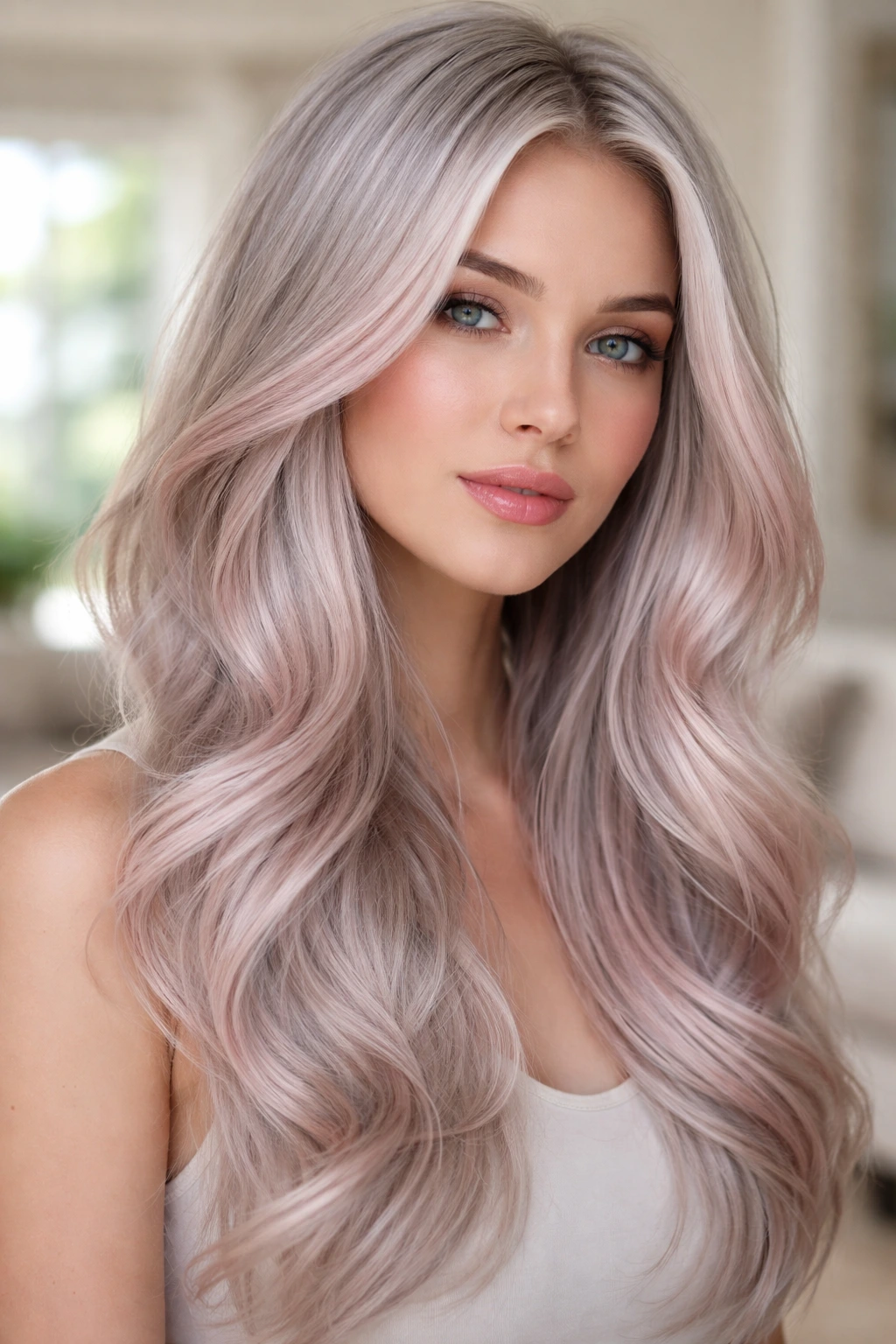
This is one of my favorite looks. It involves taking a metallic silver base and applying a very diluted, sheer pink toner all over. It isn’t pink hair; it’s silver hair that blushes pink when the light hits it.
How to Achieve the “Blush”
This is all about the toner. You have to get the hair to that perfect, clean silver stage first. Then, you use a clear gloss mixed with just a tiny drop of semi-permanent pink dye.
- Visual Cue: It should look like a faint reflection in a mirror. If you can clearly see pink dye sitting on top of the hair, you’ve used too much.
This color is incredibly subtle and fades almost instantly, which sounds bad, but it’s actually a great way to try the color without the anxiety of a long-term commitment.
11. Stormy Grey with Dusty Rose Highlights
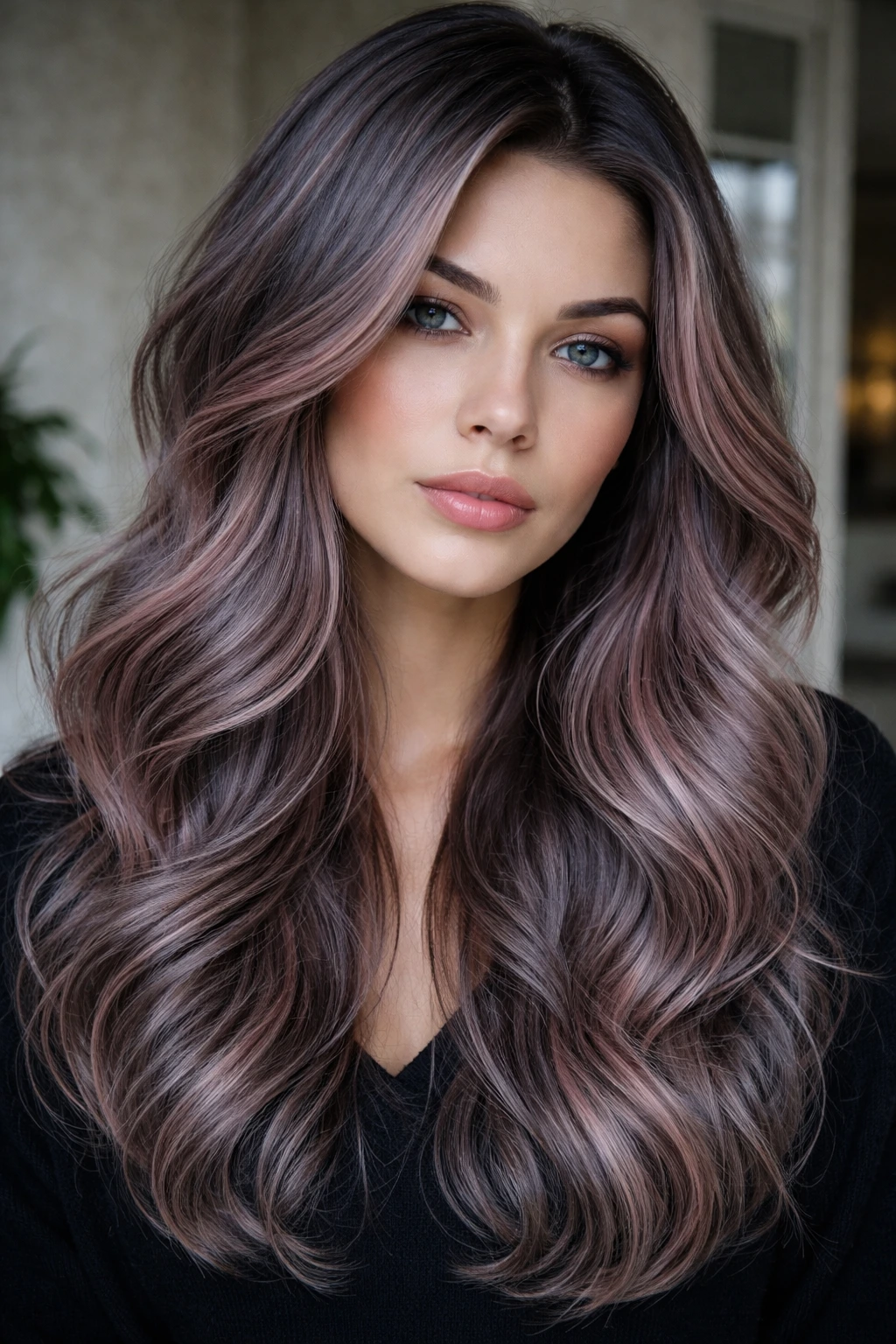
Instead of an all-over color, think about dimension. Take a dark, stormy gray—almost like the color of a rainy sky—and weave in fine, dusty rose highlights. This is incredibly sophisticated.
Creating Depth
The highlights should be “babylights”—very fine, very frequent. You don’t want thick chunks of pink here. You want the pink to look like it is woven into the gray, almost like a pinstripe pattern.
- Styling: This looks best when worn with some texture or waves. The movement helps the highlights blend into the gray base, creating a shimmering, multifaceted effect that catches the light beautifully.
12. Baby Pink on Platinum White Base
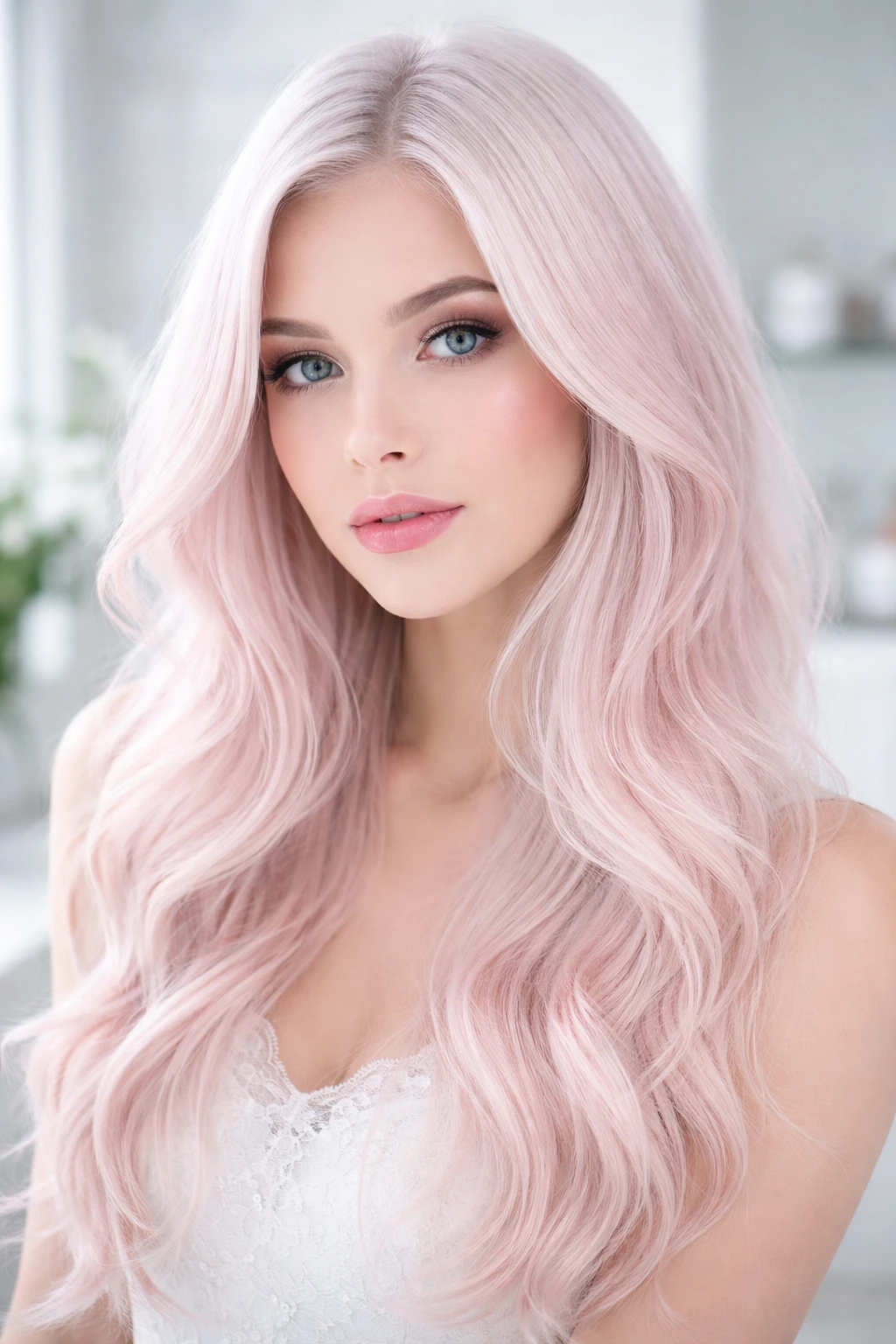
This is the high-maintenance, high-reward look. It is basically a very sheer, very pale pink on a hair base that is essentially white. It is stunning, but it is fragile.
Managing the Vulnerability
Baby pink pigment has very little staying power. It will wash out in three or four shampoos. You have to be okay with that. If you are looking for a color that lasts for six weeks, this is not the one for you.
- The Routine: You need a pink-tinted shampoo for every wash. It’s not an option; it’s a requirement.
- The Benefit: Because the base is white/platinum, your hair looks incredibly healthy and shiny, provided you haven’t over-processed it during the bleaching phase.
13. Dark Ash Gray with Plum-Pink Undertones
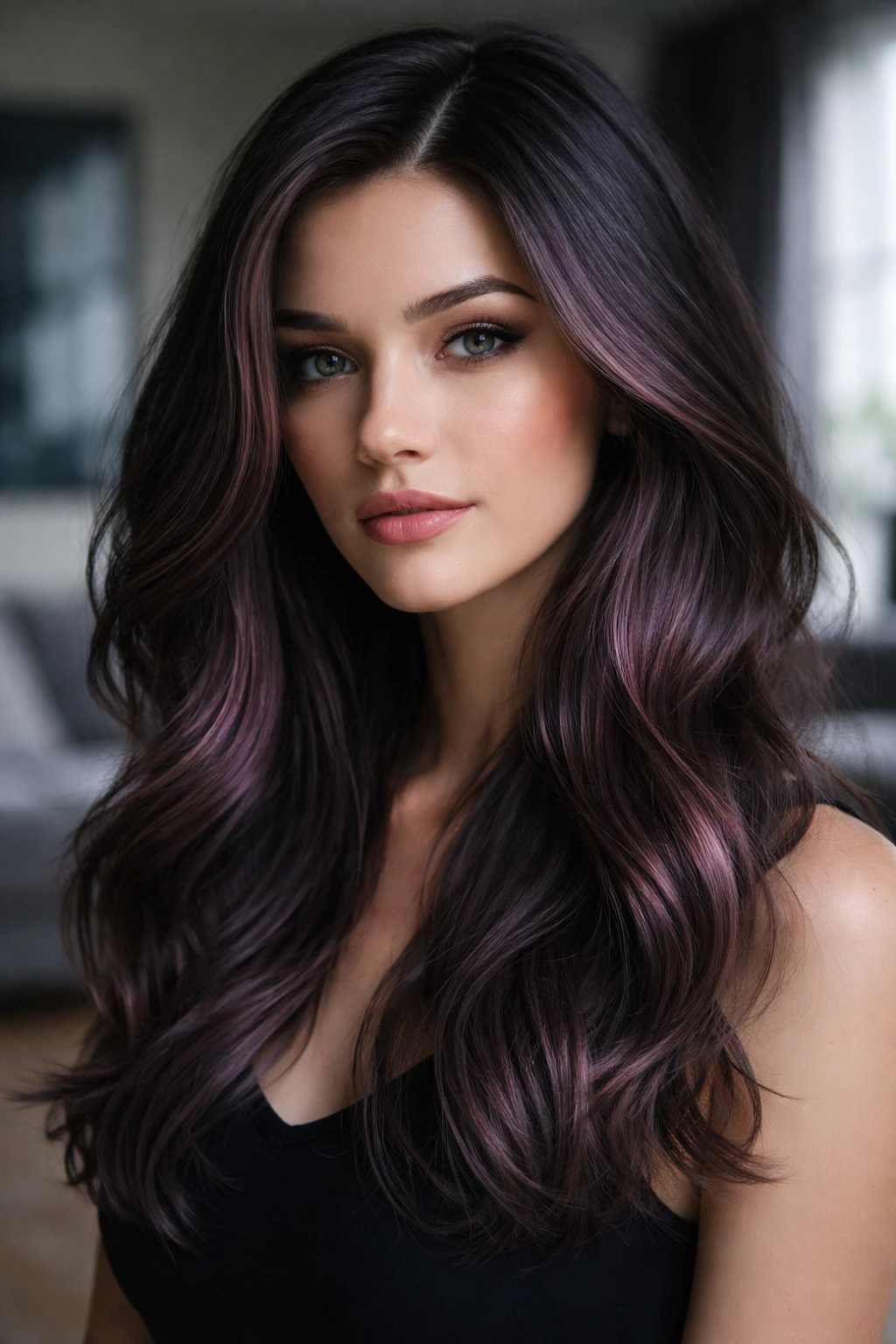
If you want something edgy and almost grunge-inspired, this is your path. It is a very dark, ash-gray base with deep plum-pink undertones that only really show up when the light hits them.
Why This Works for Cool Skin
It’s essentially a “secret” color. It’s cool, dark, and sophisticated. It doesn’t lean warm, so it won’t clash with cool skin, but it provides enough depth to frame your face strongly.
- Who it suits: This is excellent for people with naturally dark hair who don’t want the harshness of a bleached-out blonde base. It’s less damaging and arguably much more chic.
14. Periwinkle-Pink Fog
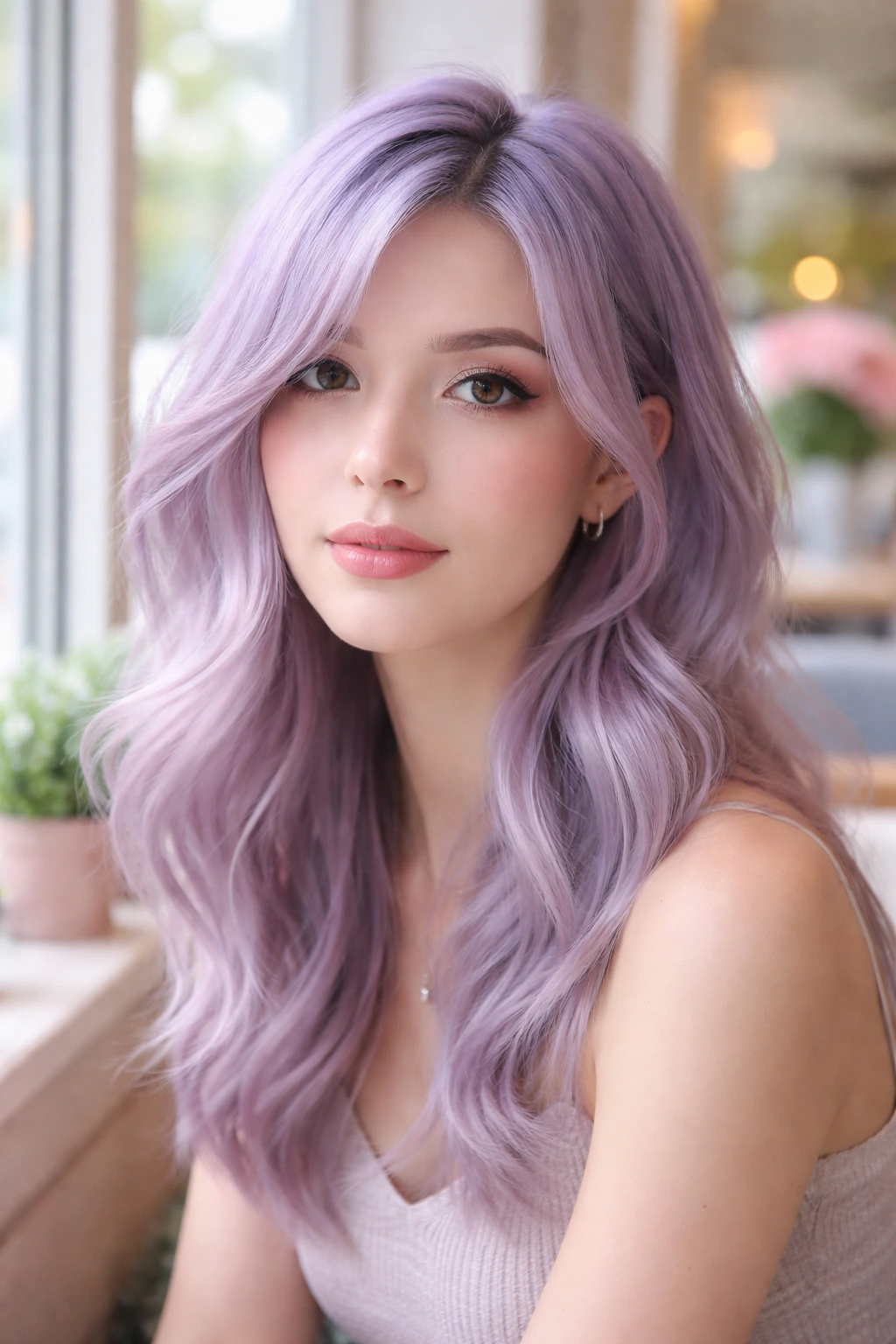
Periwinkle is the bridge between blue and purple. When you mix it with pink and gray, you get a color that is almost impossible to describe but impossible to ignore. It’s a “foggy,” dreamy color.
The Color Theory
Periwinkle is a cool color. Pink is a warm-leaning color. Gray is neutral. By balancing these three, you create a color that is truly neutral—meaning it works for almost any skin tone, but specifically shines on cool skin because the blue-based periwinkle is the dominant undertone.
- Maintenance: This will fade into a nice, silvery-gray. It’s one of the best-fading fantasy colors I’ve ever worked with.
15. Silver Bob with Soft Pink Peekaboos
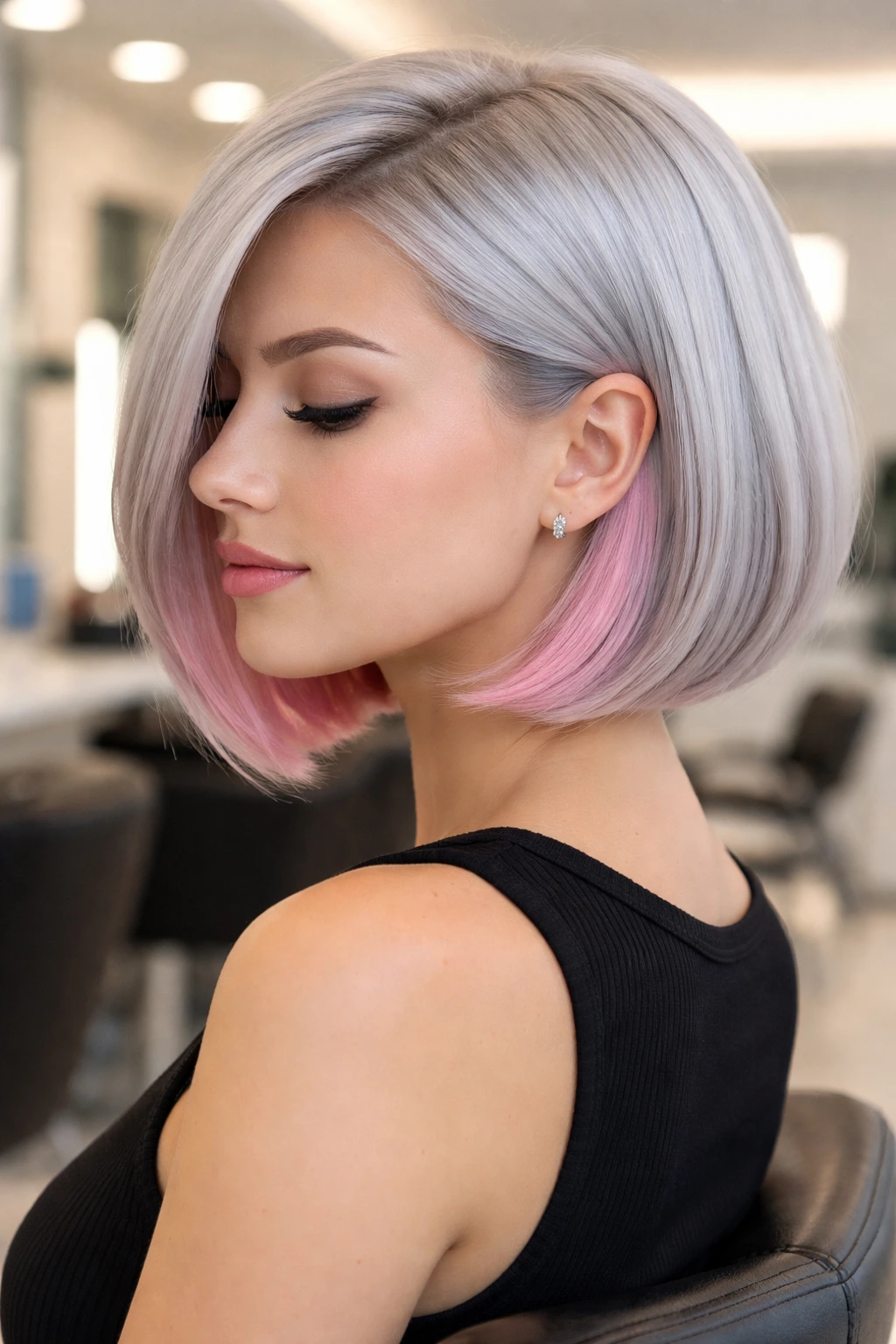
A “peekaboo” color is placed on the bottom layer of the hair, so it only shows when you move, tuck your hair behind your ears, or tie it up. It’s the business-in-the-front, party-in-the-back of the hair world.
Why This is Smart
It protects your hair health. You only have to bleach and color a portion of your hair, leaving the top layer (which gets the most sun and heat damage) relatively untouched.
- Placement: Place the pink peekaboos right behind the ears and at the nape of the neck. It creates a subtle flash of color that keeps the look fresh and surprising.
16. Ash Blonde with Pink-Gray Lowlights
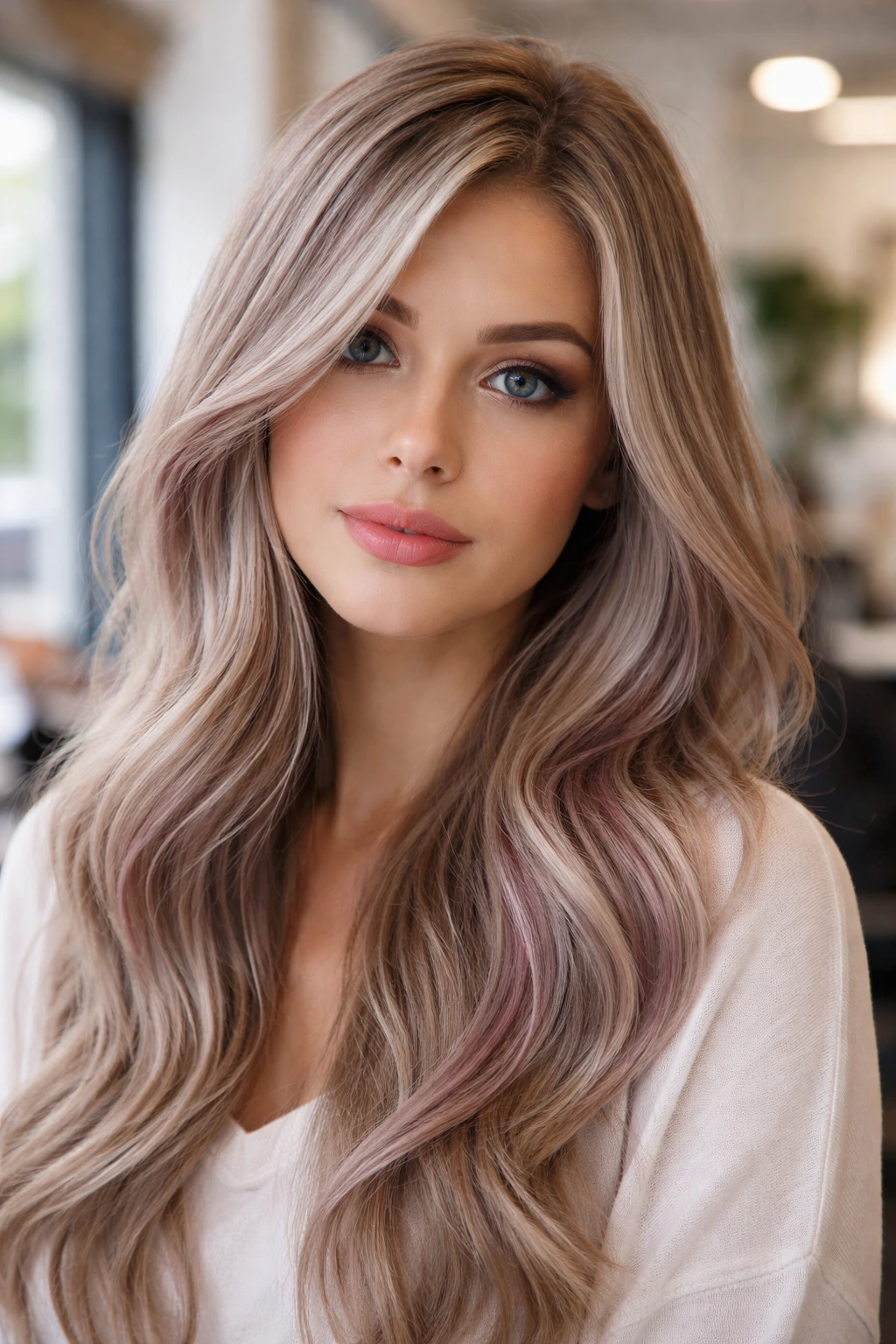
Sometimes, you don’t need a total transformation. If you are already an ash blonde or a light gray, simply adding pink-gray lowlights can completely change your look. It adds depth, volume, and that trendy, cool-toned flair without the commitment of a full dye job.
The Power of Lowlights
Lowlights are often overlooked in favor of highlights, but they are essential for making hair look thick and expensive. By adding a deeper pink-gray tone, you break up the monotony of a solid blonde or silver color and create the illusion of more hair density.
- Technique: Ask your colorist for “shadow roots” or “ribboning” to integrate the lowlights naturally so they don’t look like stripes.
17. Electric Cool-Pink on Deep Slate
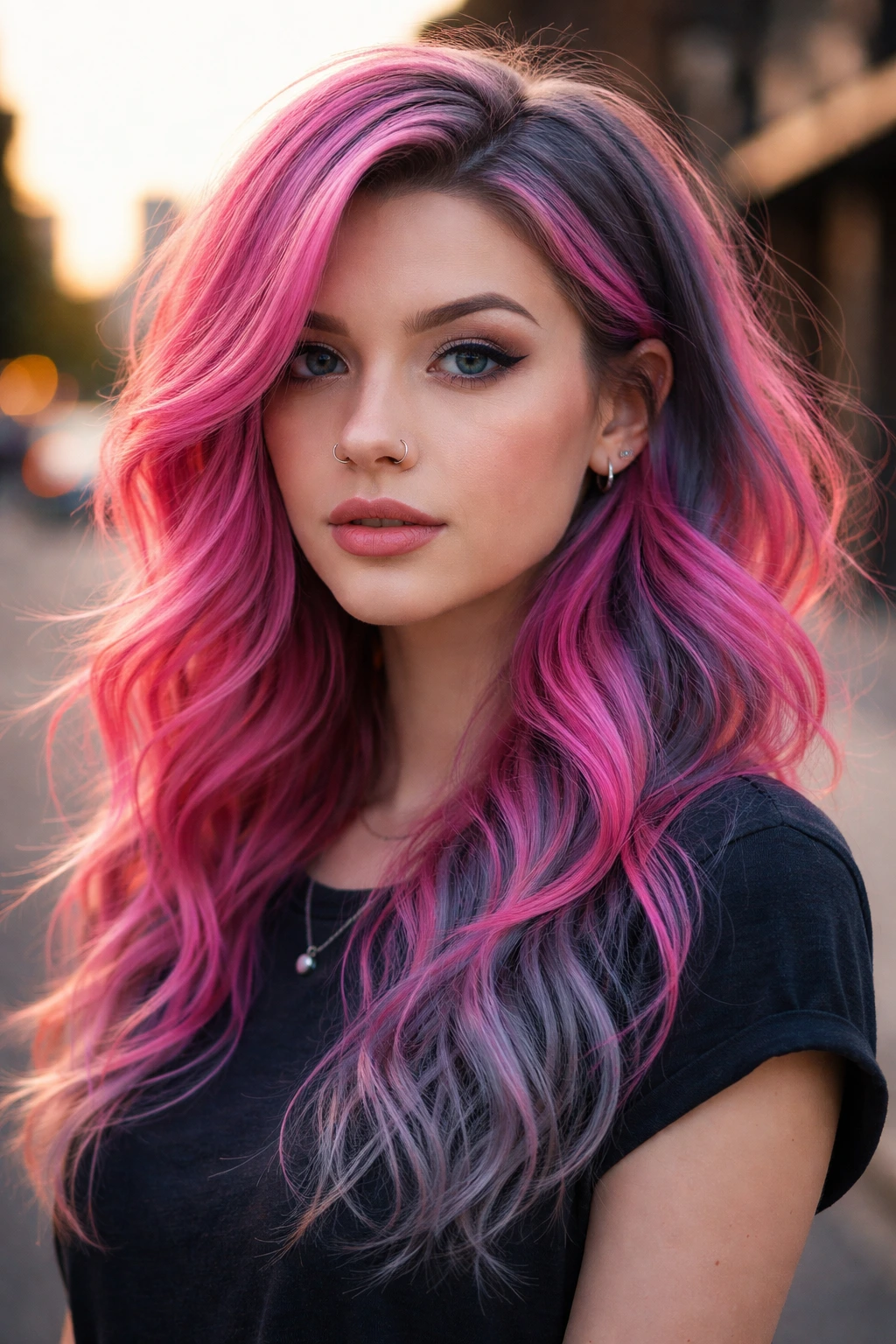
If you are tired of the muted, “dusty” versions of these colors, go for electric. This is a bright, vibrant, cool-toned pink placed against a very deep, dark slate gray. The contrast is the point here.
Achieving the Contrast
You have to keep the slate clean. If the slate gray gets muddy, the electric pink will lose its impact. This is a high-contrast style that demands attention.
- Skin Tone Match: This is the most “neon” you should go if you have cool skin. Anything more orange-based will definitely clash. Stick to the fuchsia-pink side of the spectrum.
18. Frosted Berry-Gray Gradient
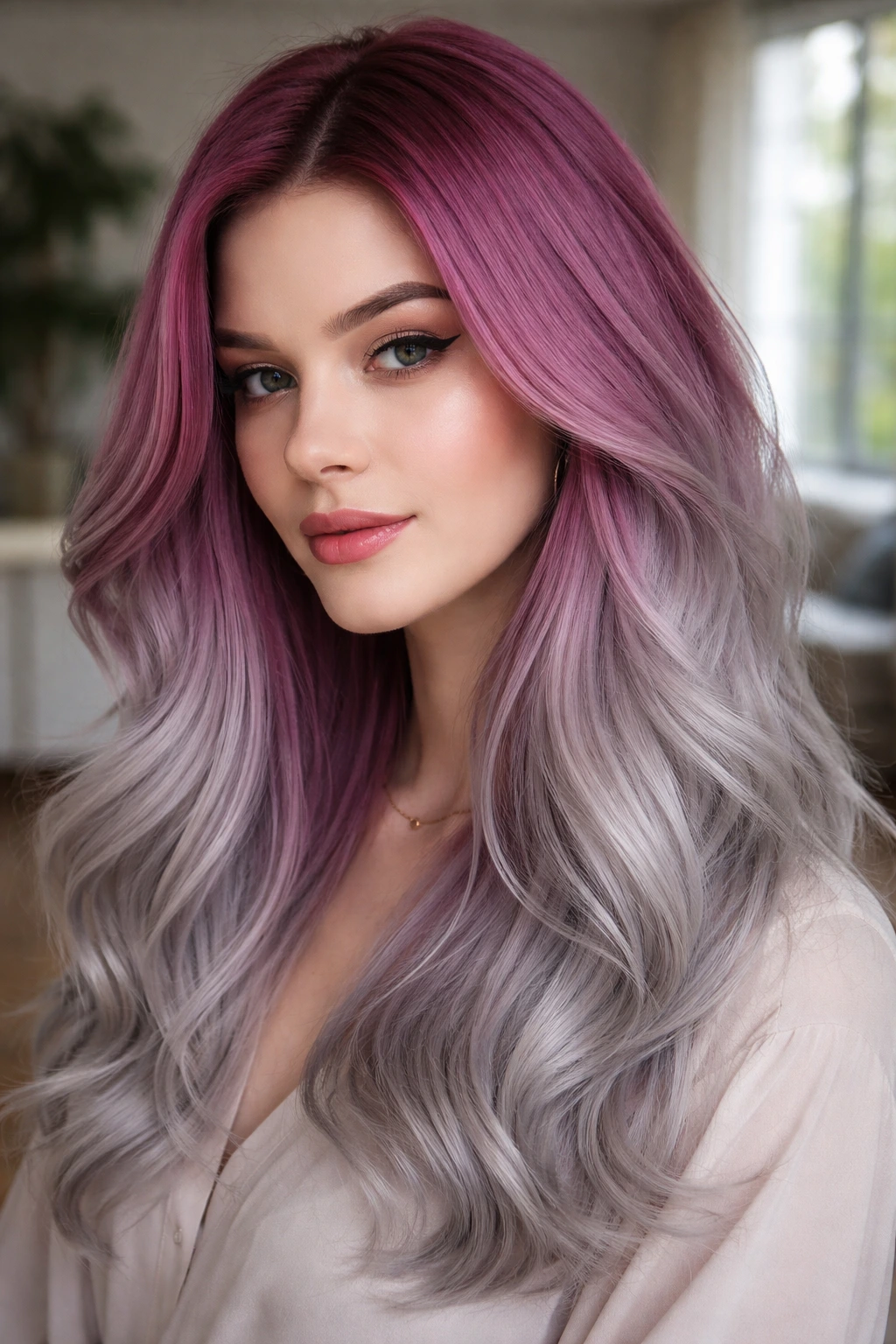
Think of this as a berry-toned ombre. You have a deep, berry-pink at the roots that gradients down into a soft, frosted-gray silver at the tips. It’s dramatic, it’s beautiful, and it gives you the best of both worlds.
The Visual Appeal
The berry-pink is cool-toned, which keeps your face framed in a flattering color, while the frosted-silver ends keep the overall look from being too heavy or gothic. It’s a balanced style that feels very modern.
- Care: Use a high-quality color-safe shampoo and avoid heat styling as much as possible to keep the gradient looking smooth and crisp.
Final Thoughts
At the end of the day, hair color is meant to be experimented with. The most important lesson is not to get too hung up on “rules,” but rather to understand your undertones so you know how to adapt a trend to work for you rather than against you. Cool skin tones thrive when you respect the cool base.
If you are going for a pink-gray look, don’t be afraid of the gray. Lean into it. The gray is what makes the pink wearable. Without that grounding, metallic element, you are just chasing a shade that might not fit your features. Take it slow, prioritize the health of your hair, and remember that these colors are designed to fade—enjoy the evolution of the color as much as the initial application.
