



The decision to switch up your hairstyle after forty feels different than it does in your twenties. Back then, you might have chased a trend because you saw it on a celebrity or a friend. Now, the priority shifts. You start looking for cuts that offer manageability, frame your face in a way that respects how your skin and bone structure have matured, and—most importantly—actually suit your hair’s changing texture.
Hair often loses density or elasticity as the years go on. Hormonal shifts can change your curl pattern or make your hair feel drier. These are not problems to be “fixed” with heavy styling products; they are characteristics to work with. A great haircut isn’t about hiding your age. It is about choosing a shape that makes your hair look its healthiest and makes you feel confident the moment you walk out of the salon.
The following list prioritizes versatility and maintenance. Some of these styles are wash-and-go options for busy mornings, while others are structured cuts designed for those who enjoy a little styling time. Regardless of your hair type—fine, thick, curly, or straight—there is a shape here that will highlight your features rather than dragging them down.
1. The Blunt Bob
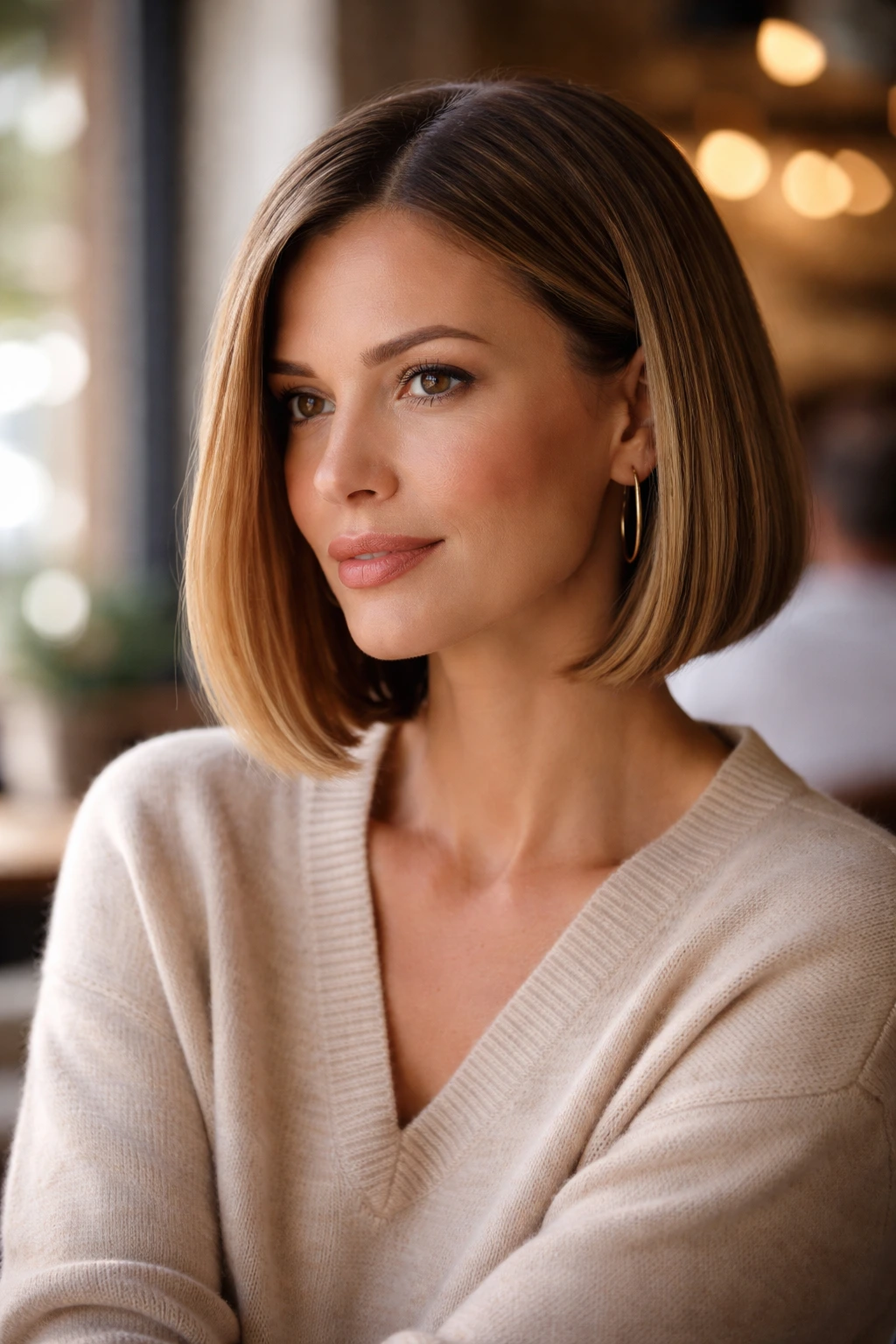
This is the ultimate power cut. It hits right at the jawline or slightly below, creating a clean, sharp edge that instantly makes fine hair appear thicker and more dense. There is no layering here, which is exactly why it works; by keeping the ends blunt, you retain maximum weight at the perimeter.
Why It Works for Mature Hair
When hair starts to lose its natural body, the worst thing you can do is over-layer it, which can make the ends look wispy or sparse. A blunt bob provides a solid foundation. It looks intentional, sophisticated, and incredibly healthy.
Styling for Success
- Use a flat iron to give it a slight inward bend at the ends for a polished look.
- Apply a lightweight smoothing cream to damp hair before blow-drying to prevent flyaways.
- If your hair has a natural wave, embrace the “lived-in” blunt bob by letting it air dry with a sea salt spray for texture.
Pro tip: Schedule a trim every six to eight weeks. Because this cut relies on that crisp, straight line, even a half-inch of growth can change the entire silhouette.
2. Long Layers with Face-Framing
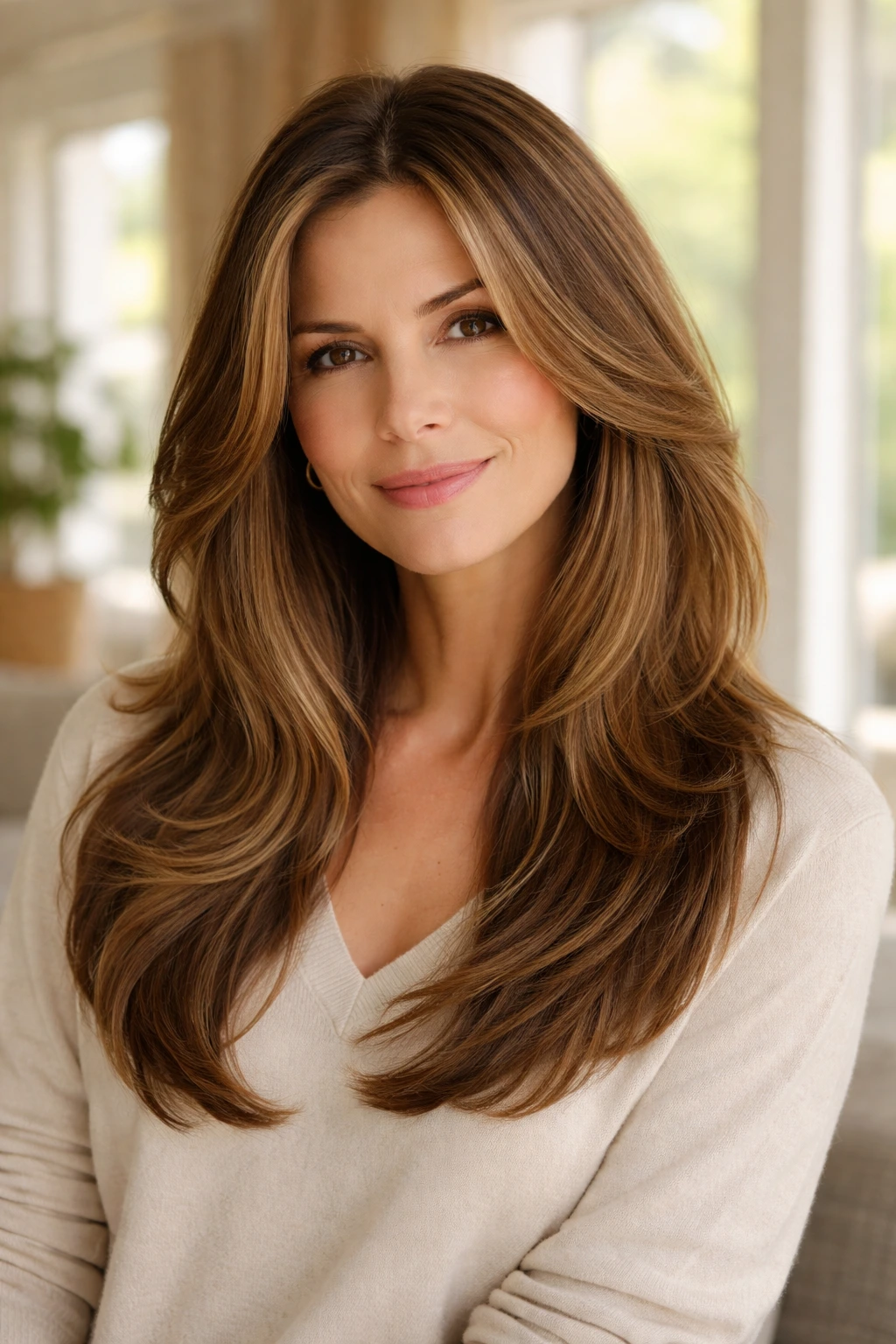
If you are hesitant to chop off your length, this is the safest and most flattering transition. By keeping the length but introducing long, internal layers, you remove the “heavy” look that can sometimes drag your face down. The face-framing pieces, often called “curtain” or “bardot” layers, soften the jawline and brighten your complexion.
This cut is particularly forgiving. It doesn’t require the precision maintenance of a bob. You can go three months between trims if you are diligent about avoiding split ends with moisturizing treatments. The layers provide natural movement, so your hair doesn’t just sit flat against your neck.
When asking your stylist for this, be specific about where the shortest layers should fall. Ask for them to start around the collarbone or chin. If they start too high, near the cheekbones, you risk creating a dated “mullet” effect. Keep the layers long and flowing to maintain that graceful, classic aesthetic.
3. The Pixie Crop
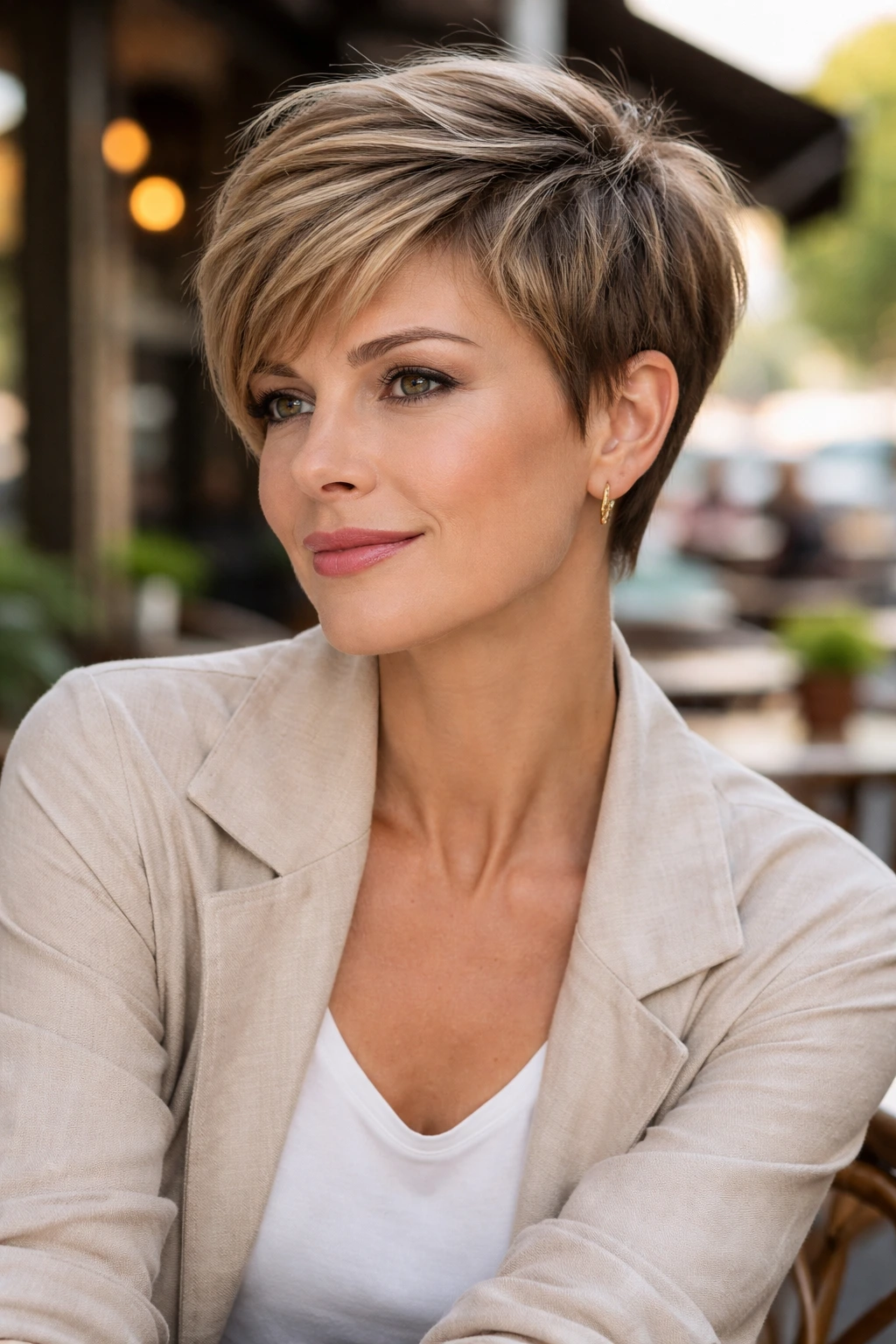
Cutting your hair short is liberating. A pixie crop is arguably the most low-maintenance style a woman can have, provided she is willing to visit the salon frequently for upkeep. It exposes your neck and jawline, which can be an incredibly elegant way to highlight your bone structure.
Key Features of a Great Pixie
- Tapered Nape: A soft taper at the back of the neck keeps the cut looking feminine rather than severe.
- Textured Crown: You want enough length on top to move around with your fingers.
- Soft Fringe: Avoid a harsh, straight-across bang. A piecey, side-swept fringe keeps the look approachable.
This isn’t just a “wash-and-wear” style; it is a “wash-and-style” style. You will need a good texture paste or molding cream. A dab of product on your fingertips is all it takes to spike it, smooth it, or create a messy, windblown appearance.
4. The Soft Shag
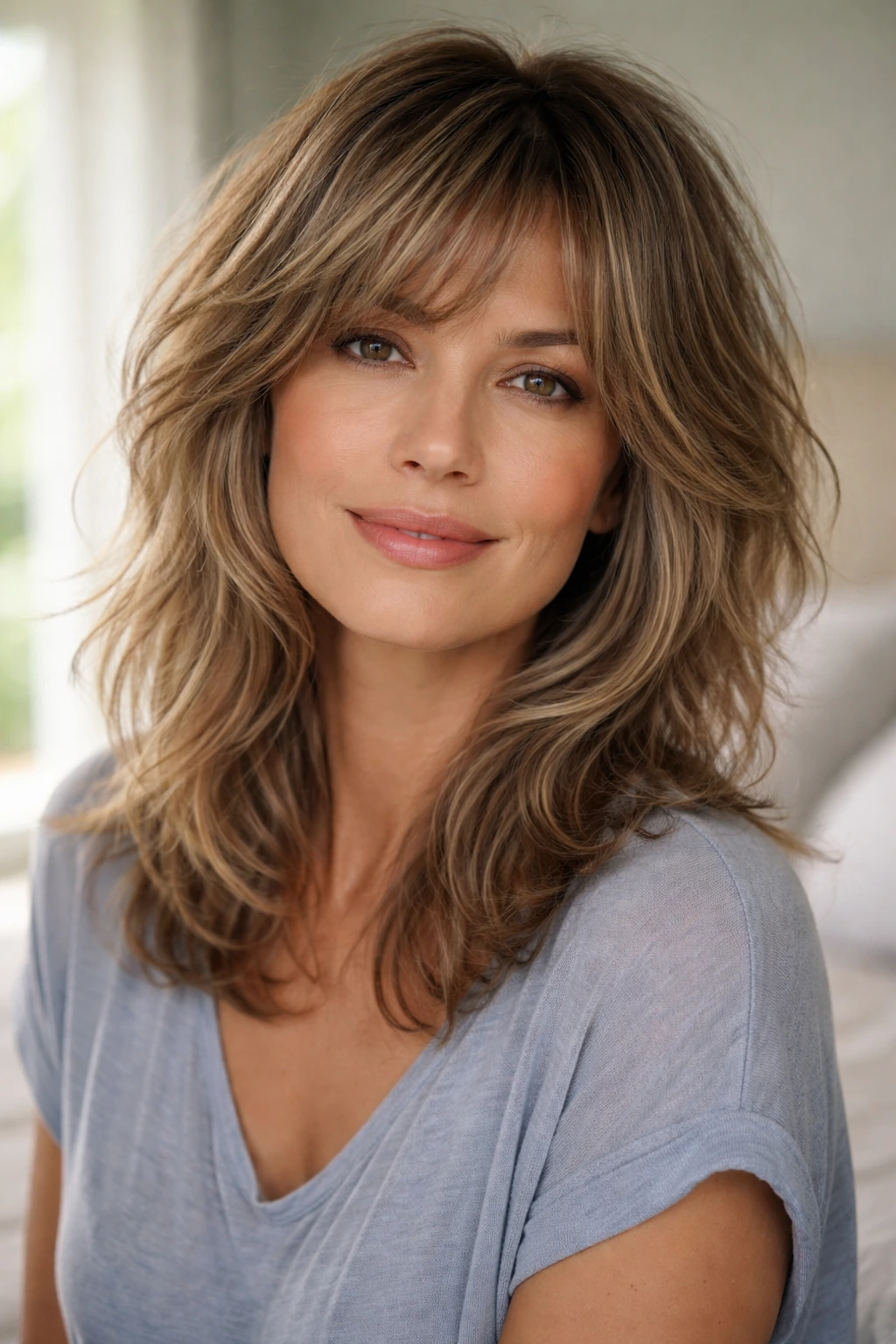
The shag is back, but not in the aggressive, feathered way you might remember from the seventies. The modern version is all about soft, blended layers that create volume at the crown and texture throughout the mid-lengths. It is fantastic for women with naturally wavy or curly hair who want to embrace their texture.
By incorporating shorter layers around the crown, you automatically create lift, which counters the “flat hair” syndrome that often accompanies thinning density. The shag feels young and energetic without trying too hard. It’s an effortless look that thrives on imperfection.
To style a soft shag, lean into the mess. Don’t worry about getting every piece perfectly straight or curled. Use a diffuser if you have waves, and focus on scrunching in a volumizing mousse while the hair is damp. The goal is a shape that looks better the second day, once your natural oils have settled into the texture.
5. The Long Bob (The Lob)
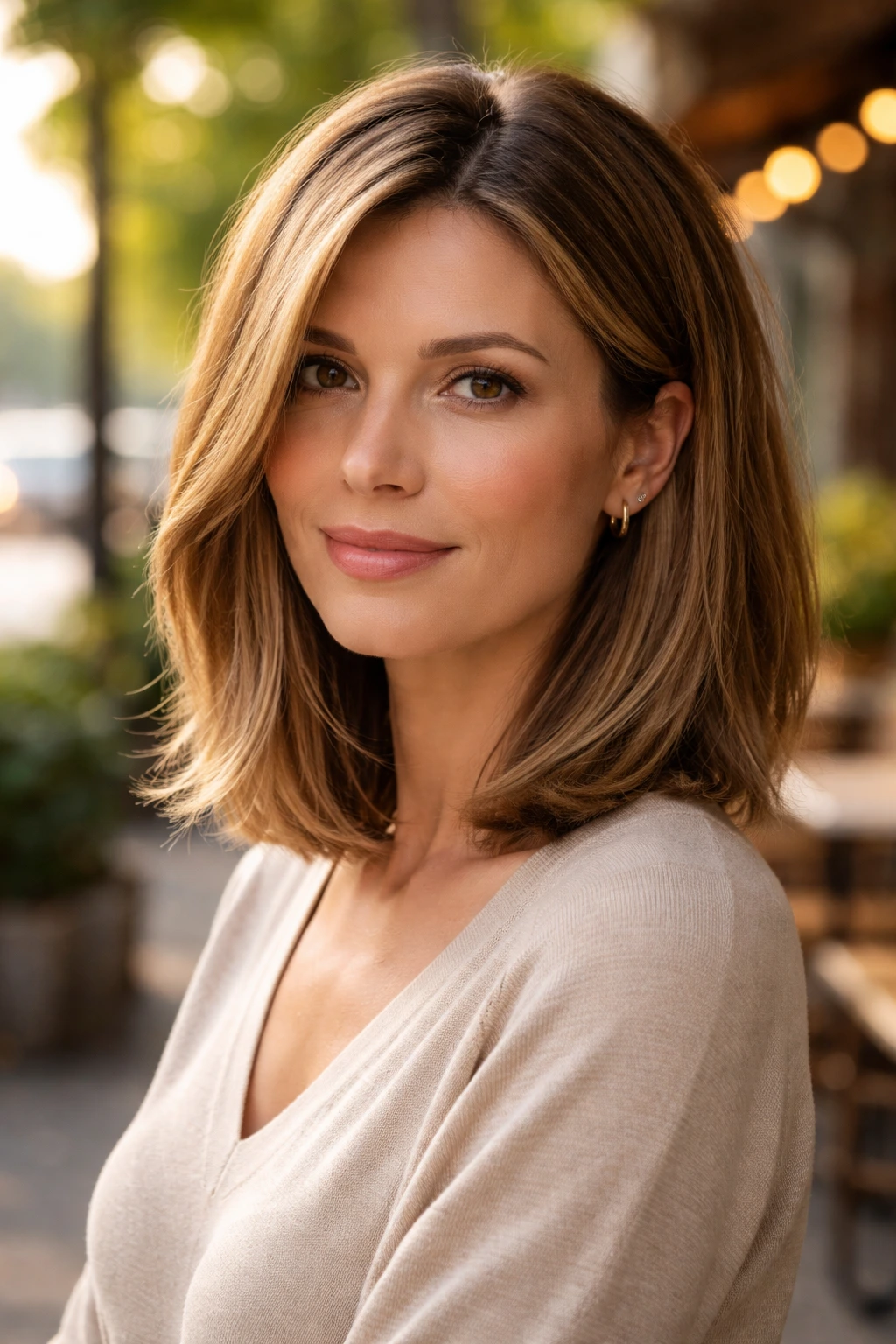
If the blunt bob is a commitment, the lob is a vacation. It hits somewhere between the collarbone and the shoulders, offering enough length to pull into a ponytail when you’re at the gym or in a rush, but enough shortness to keep it from feeling like “long, heavy hair.”
Who Should Choose the Lob?
- The Transitioners: People moving from long hair to short.
- The Fine-Haired: It creates a fuller look than long hair but is easier to style than a super-short cut.
- The Versatile: It works with straight, wavy, or curly hair textures equally well.
Ask for “subtle texturizing” at the ends to prevent that bulky, triangular shape that can happen as hair grows out. A little bit of point cutting—where the stylist snips vertically into the ends—softens the line and makes it look more natural.
6. Choppy Layers
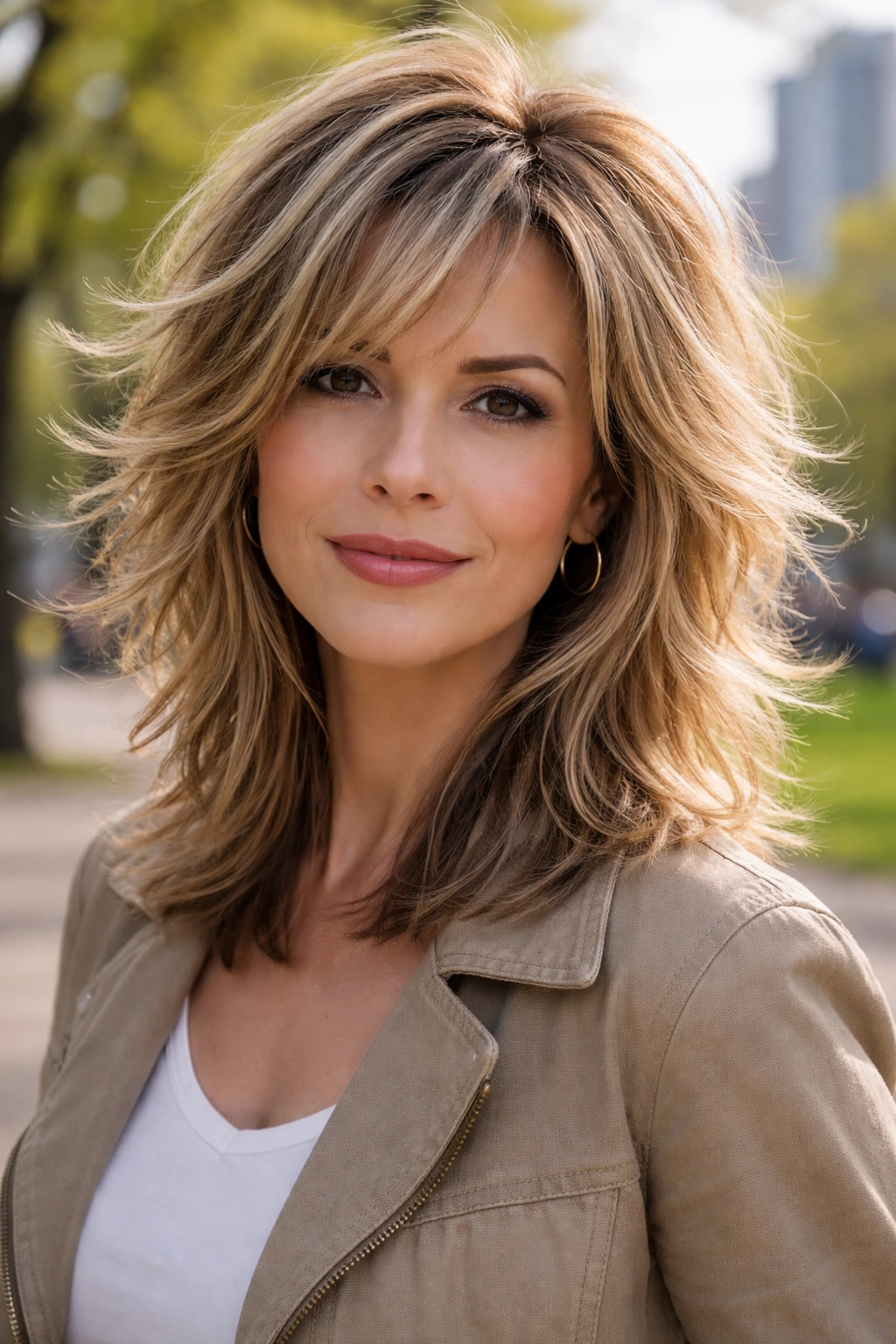
Fine hair can often look stringy, especially at the bottom. A choppy, layered cut is designed to break up that solid line and inject instant volume. Think of it as a deconstructed version of a long cut. It’s not about precision; it’s about creating a series of different lengths that overlap to trick the eye into seeing more volume.
Styling Tip
The secret to making choppy layers look good is grit. Don’t use heavy conditioners or smoothing oils, which will only weigh the hair down. Instead, look for “dry texture sprays” or “texturizing powders” that you can dust into the roots and mid-lengths. These products swell the hair shaft and give it that “lived-in” grip that makes choppy cuts shine.
7. Curtain Bangs
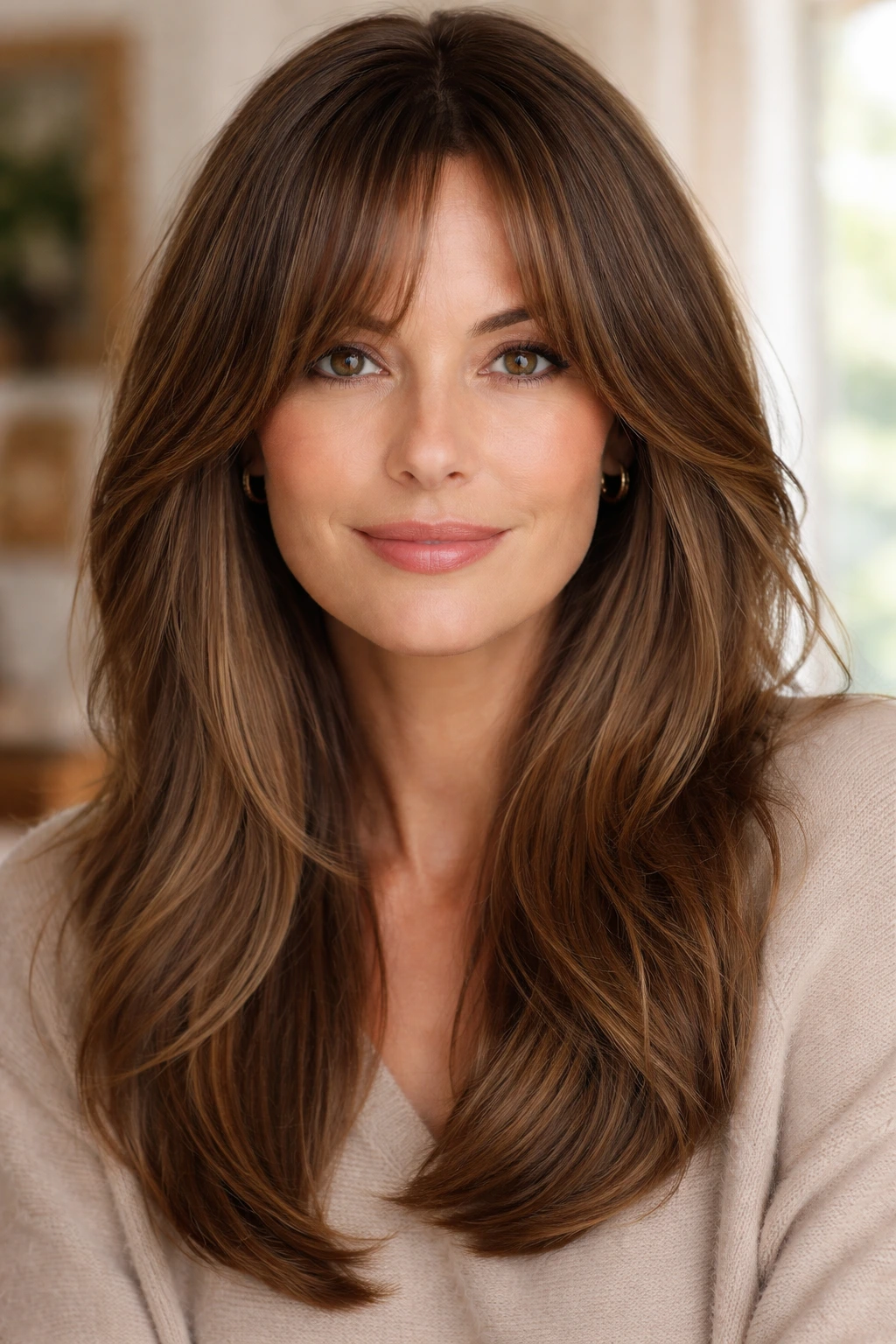
Bangs are a commitment, but curtain bangs are the exception. These are longer, parted-in-the-middle bangs that sweep away from the face. They are incredibly effective at softening the forehead and drawing attention to the eyes.
Because they are longer, they grow out gracefully. You won’t find yourself in a frantic cycle of trimming them every two weeks to keep them out of your eyes. They act as a frame, effectively contouring your face. If you have a rounder face, keep them slightly longer so they hit the cheekbones. If you have a long face, a slightly blunter fringe can help balance the proportions.
8. Deep Side Part
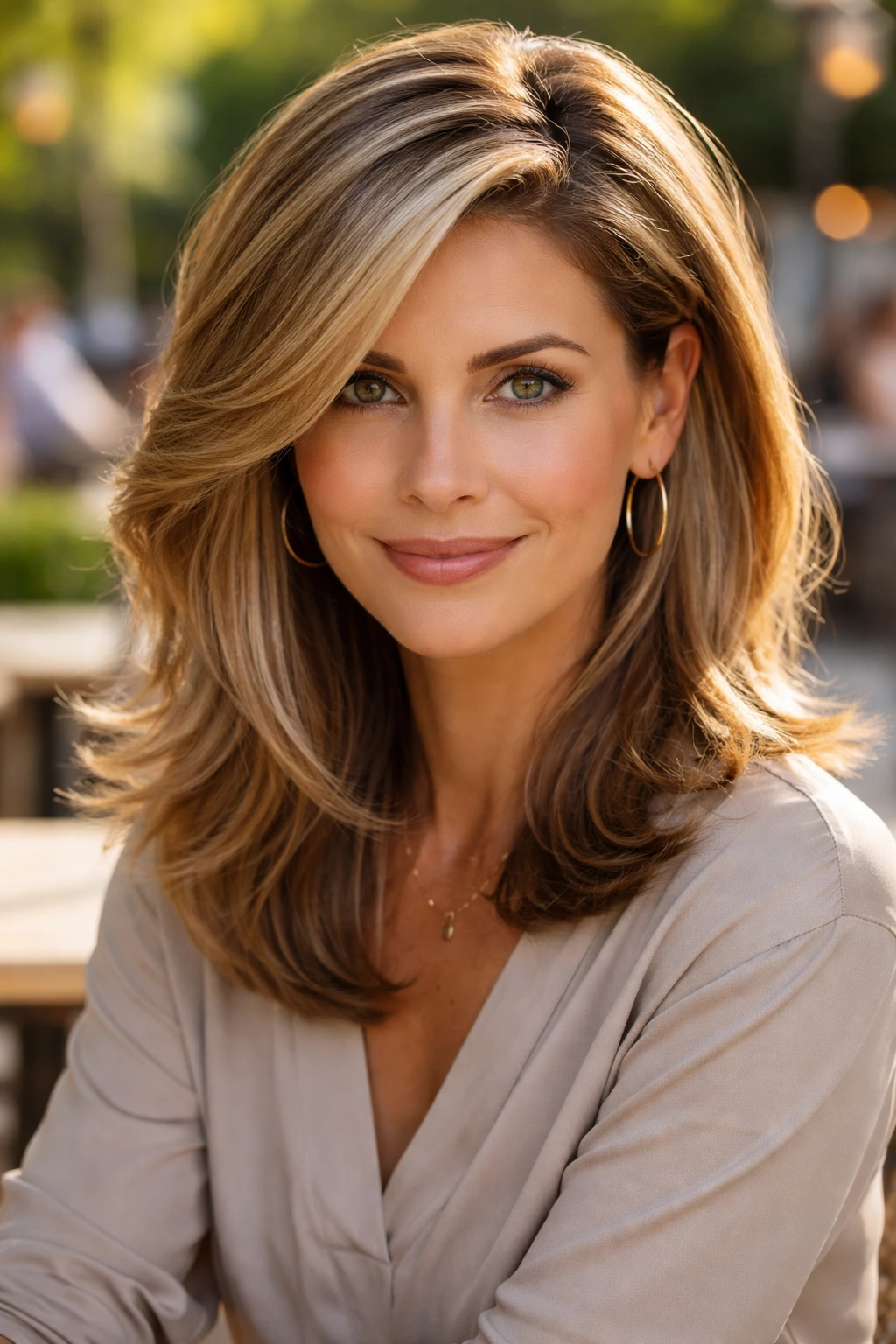
Sometimes the haircut isn’t the problem—it’s the silhouette. If your hair is currently a uniform length and you are bored, a deep side part is the easiest “haircut” you can get without taking any length off.
By forcing the hair over to one side, you create an immediate bump of volume at the roots. It shifts the weight and creates a beautiful, sweeping frame across your forehead. If you are worried about the look, have your stylist cut in some “side-swept” layers that naturally fall into that deep part, making the styling process easier every morning.
9. Textured Wavy Lob
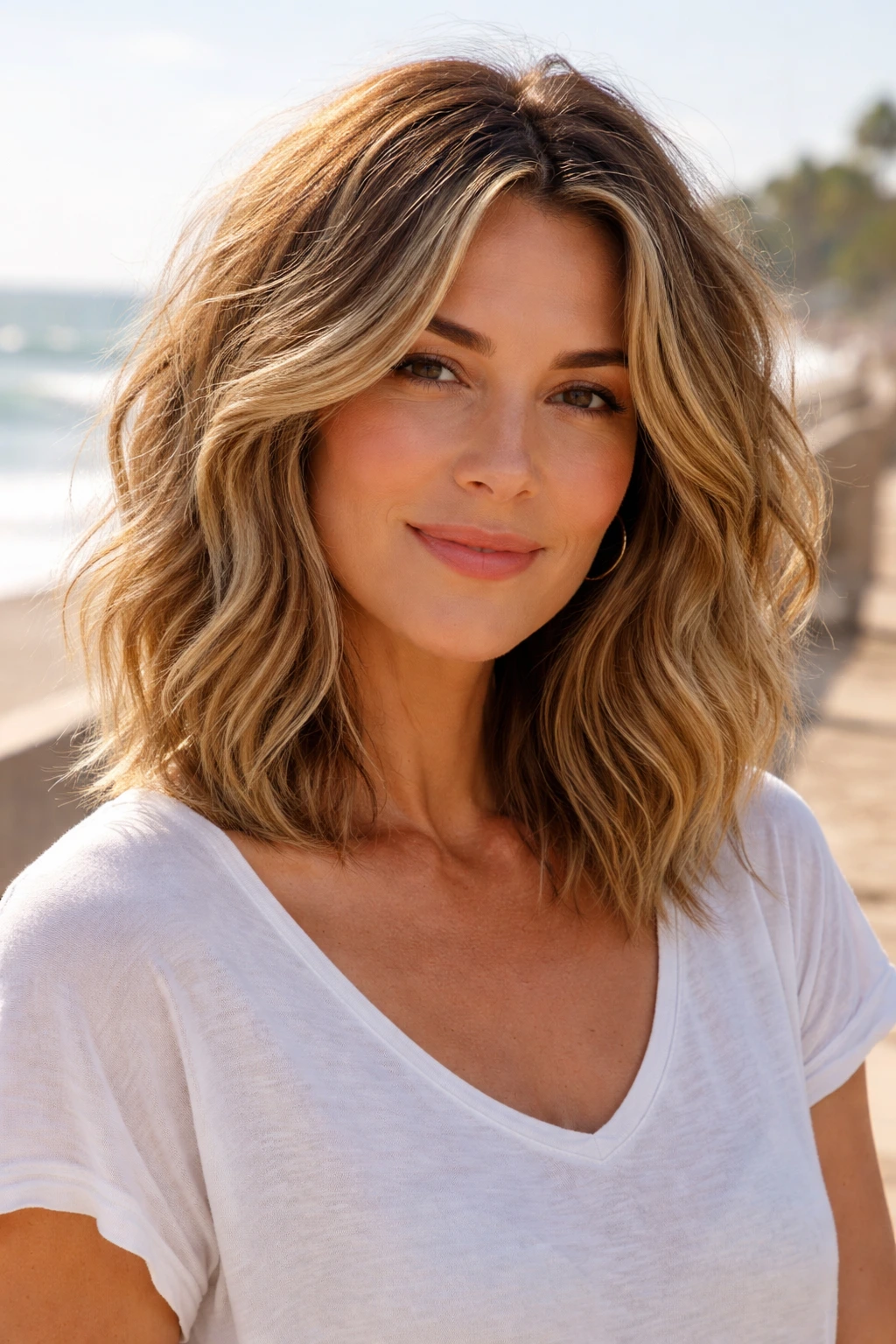
This is the “I just got back from the coast” haircut. It’s a lob that’s been enhanced with invisible internal layers to encourage natural waves. It feels beachy, relaxed, and incredibly youthful.
This cut thrives on air-drying. When you get out of the shower, apply a leave-in conditioner and a dab of curl cream. Let it dry 80% of the way, then give it a light scrunch with your hands. The result should look slightly undone. Avoid using a curling iron unless you are heading to a formal event; the heat can often make the waves look too “done” and stiff, which takes away from the effortless charm of the cut.
10. Blunt Bangs
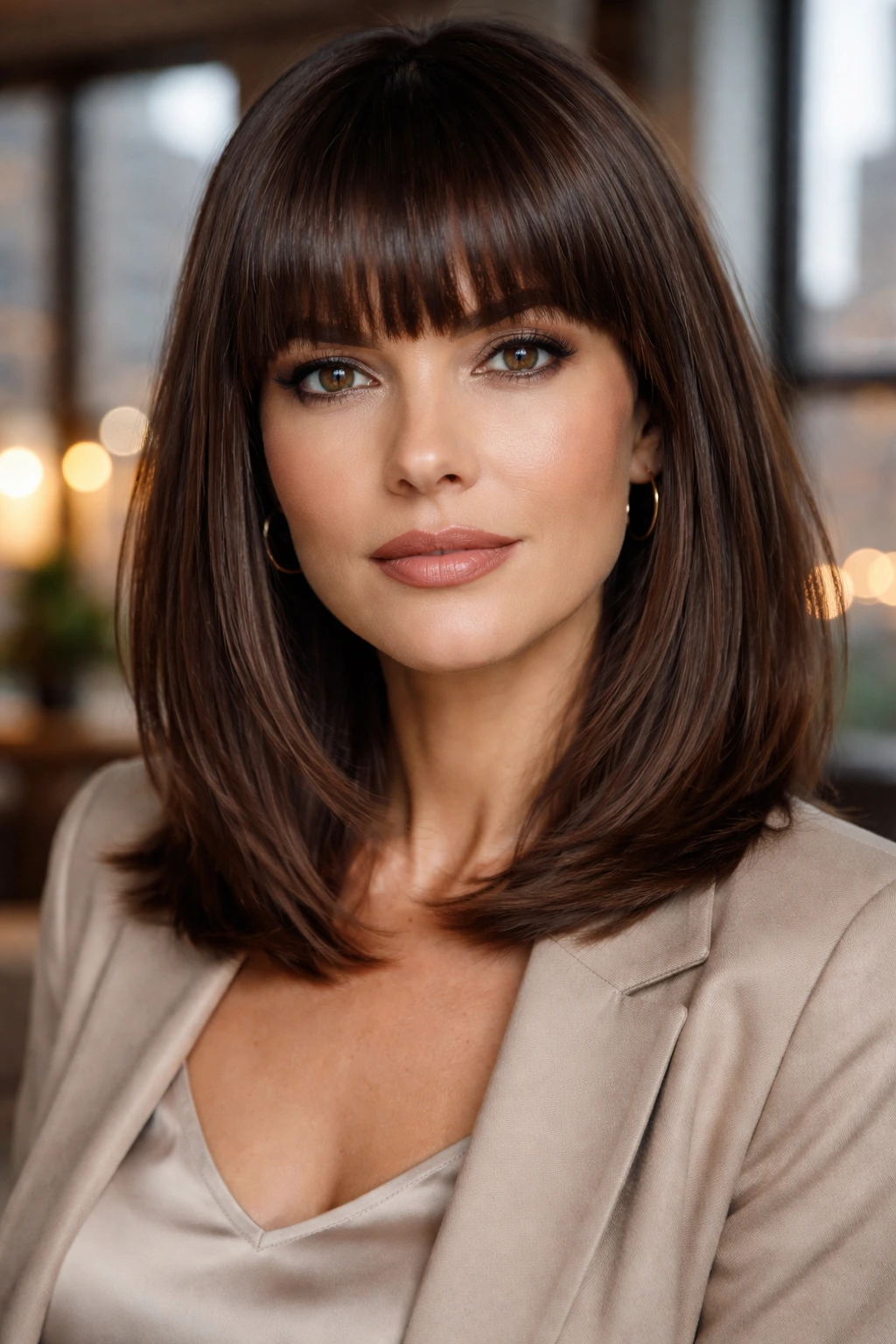
For those who are tired of hiding fine lines or simply want a change, blunt bangs are a statement. They create a strong horizontal line across the face that feels modern and bold.
However, proceed with caution. Blunt bangs require regular maintenance. If you don’t have a styling routine that includes a round brush and a blow dryer, you might find them frustrating. They need to sit flat and smooth to look right. If you have a cowlick at your hairline, talk to your stylist before committing—you might need to style them forward while damp to train the hair to sit correctly.
11. Asymmetrical Bob
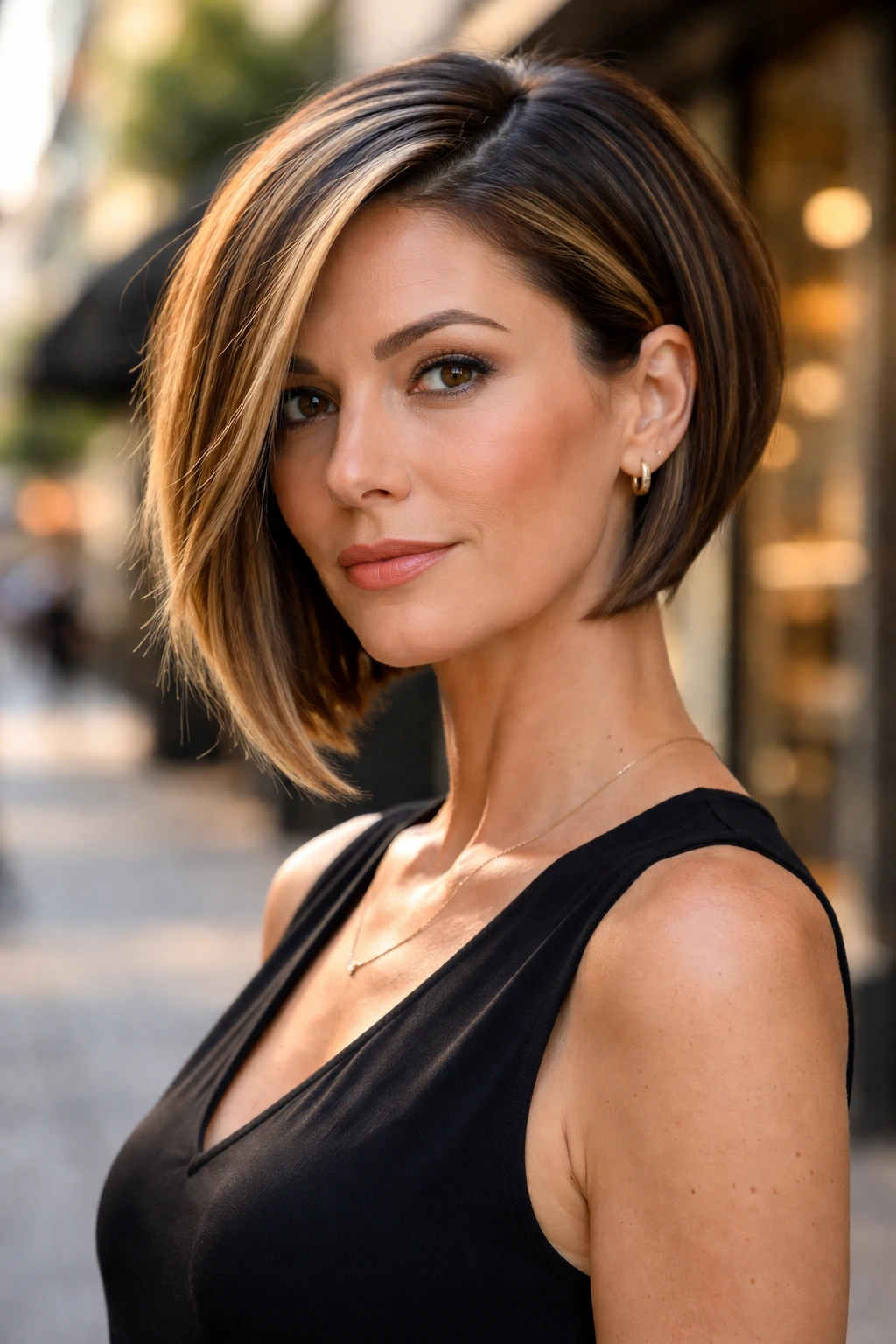
If you want something a little edgier, the asymmetrical bob is a fantastic choice. It features a shorter back and sides that gradually lengthen toward the front, framing your face with sharp, clean lines.
This cut does a lot of work for you. Because of the angle, the longer front pieces elongate the face and neck. It’s inherently stylish, meaning you don’t need to do much to it to make it look “finished.” A quick pass with a straightener to smooth it out, and you are ready for the day.
12. The Collarbone Cut
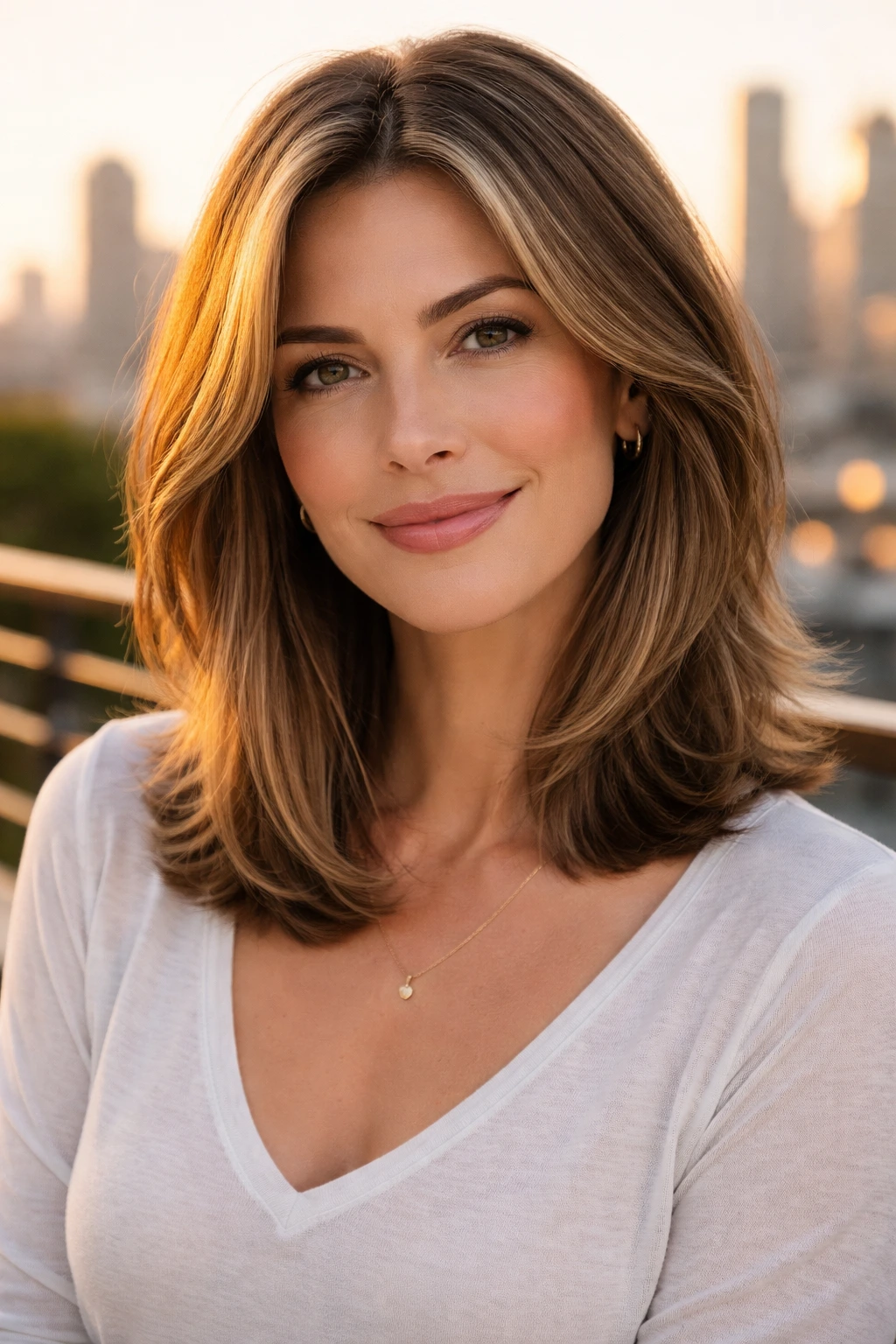
There is a sweet spot in hair length, often called the “collarbone cut.” It is long enough to pull back, but short enough that it doesn’t overwhelm your frame. It’s perfect for women who feel like their long hair is dragging them down but aren’t ready to go for a bob.
This length is exceptionally easy to grow out, too. If you decide you want to go shorter, you are halfway there. If you want to go longer, it’s a healthy stage. It’s the ultimate “low-risk, high-reward” cut. Ask for “face-framing layers starting at the chin” to ensure the hair doesn’t look like a solid curtain.
13. Wispy Layers
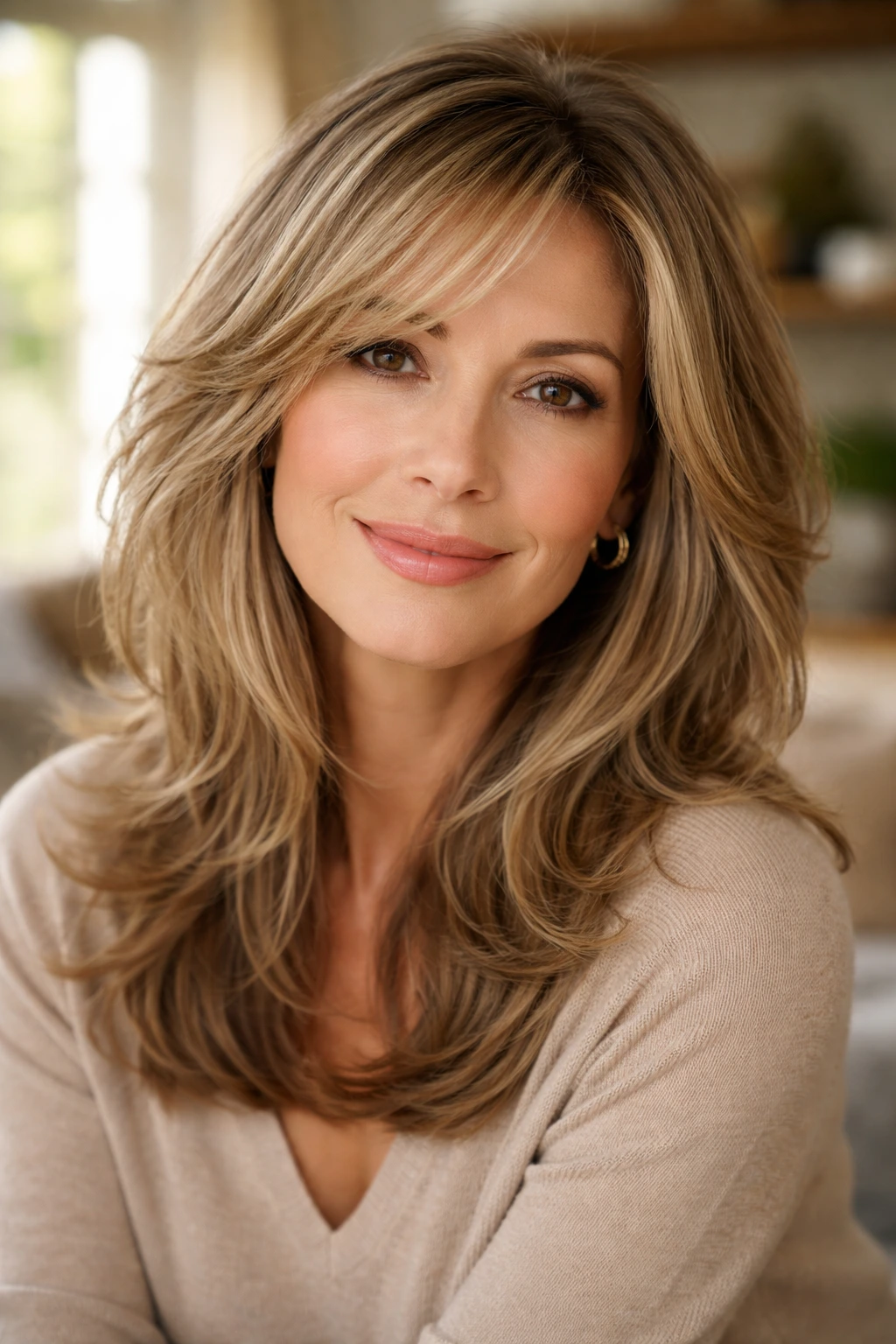
Sometimes, we want hair that feels like it’s floating. Wispy layers are very fine, light layers that take the weight out of thick hair without making it look thin. They create a feathered, airy effect that is incredibly soft.
This cut is best for people who have a lot of hair and struggle with the feeling of a heavy “helmet” on their head. The layers allow the hair to move, catch the light, and feel lighter on the scalp. It’s a sophisticated look that pairs beautifully with a blowout, as it accentuates the bounce of the hair.
14. The Undercut
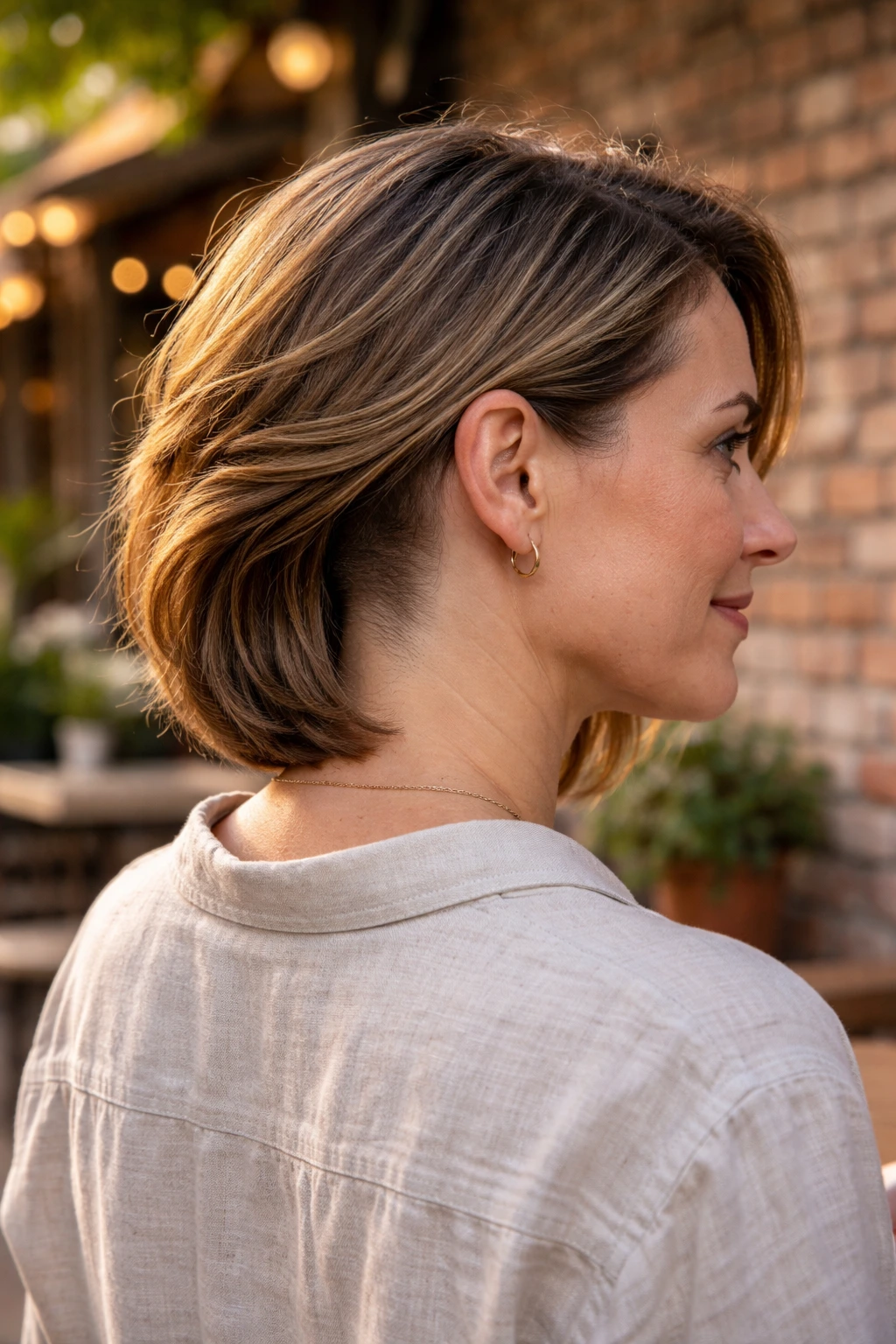
Don’t panic—an undercut doesn’t mean you have to shave your head. A “hidden” undercut involves shaving a small section of hair at the very nape of the neck.
Why do this? It removes a massive amount of weight from the back of the head. If you have thick hair that runs hot or is just physically heavy, this is a secret weapon. It remains completely invisible when your hair is down, but you will feel the difference in how lightweight your hair feels. It also prevents that annoying bunching of hair against your neck during warmer months.
15. Razored Pixie
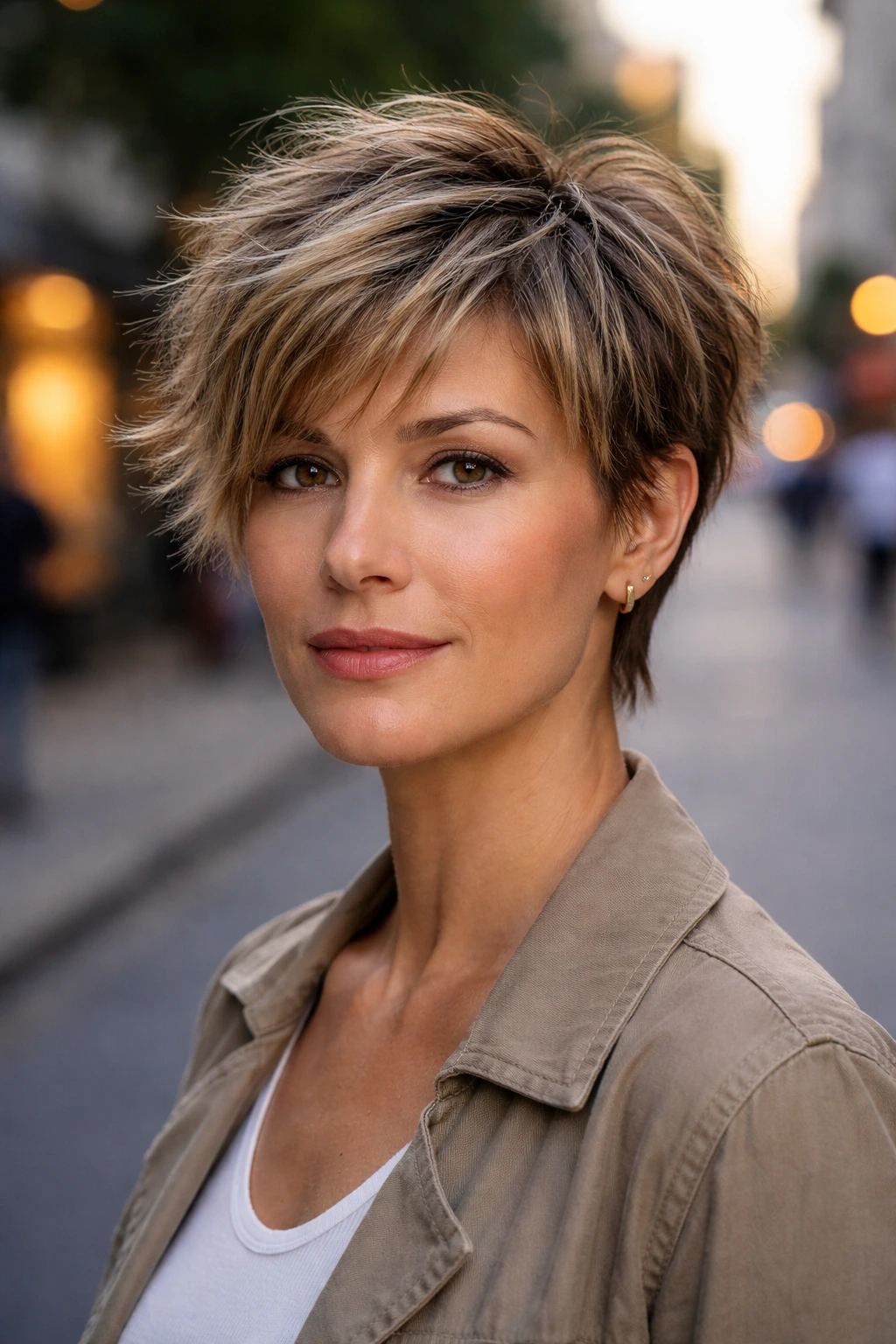
If you like the idea of a pixie but find a scissor-cut version too structured or “old fashioned,” ask for a razored cut. A razor allows the stylist to peel away hair in a way that creates soft, shattered ends.
This technique is amazing for texture. It creates a piecey, bedhead look that is very natural. It works exceptionally well on straight-to-wavy hair. Be aware, however, that if your hair is extremely prone to frizz, the razor can sometimes exacerbate the split ends, so ensure your stylist uses a sharp blade and focuses on the mid-lengths rather than the very ends.
16. Long with Subtle Balayage
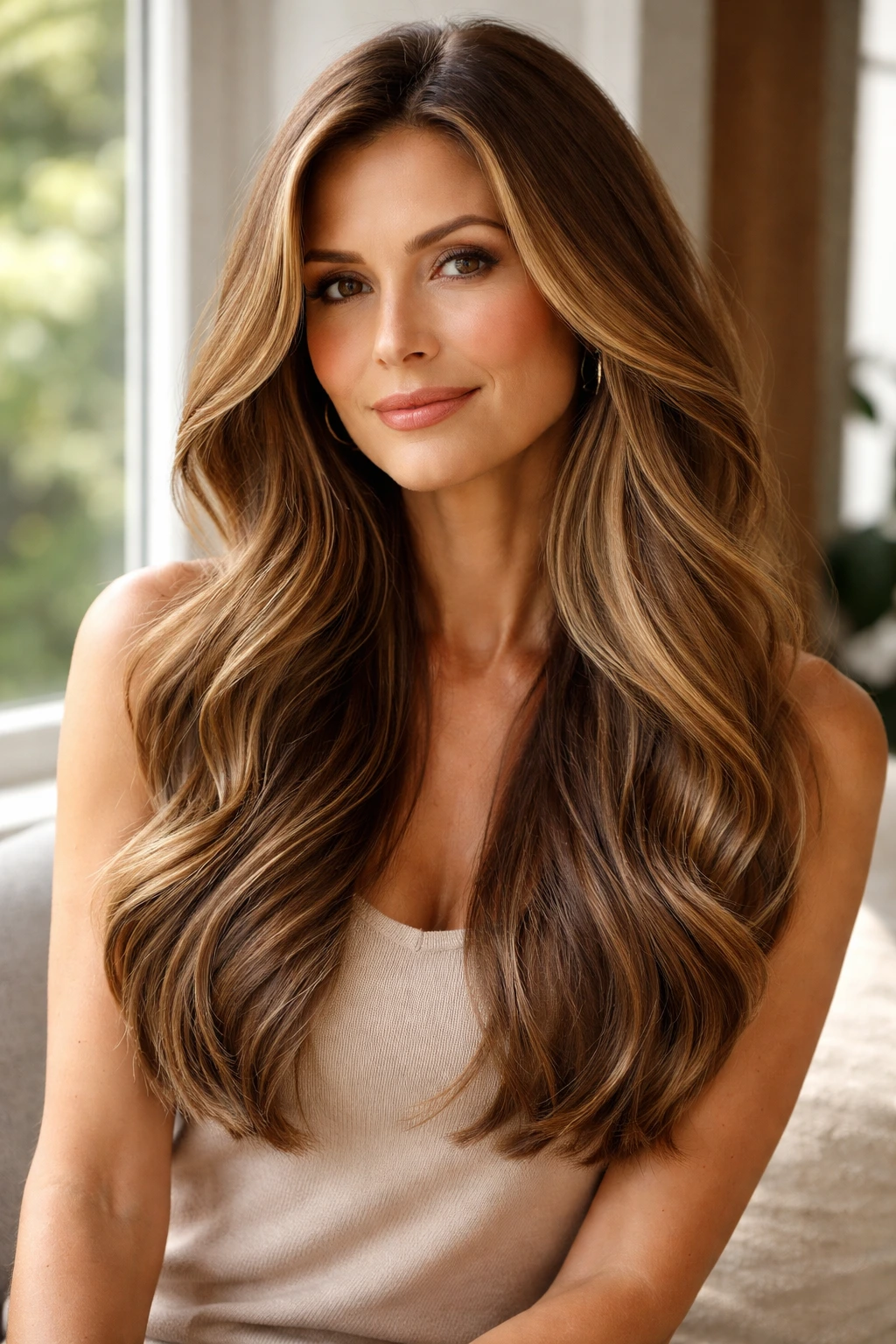
Okay, technically this is a color technique, but it changes how a haircut is perceived. A long cut with subtle, hand-painted highlights (balayage) adds dimension. Dimension makes hair look thicker.
When you have one solid, flat color, your hair looks like one single sheet. When you have subtle highlights—just a shade or two lighter than your base—the light reflects off those lighter pieces, creating the illusion of depth. It makes long hair look less heavy and more vibrant. Combine this with long, soft layers, and you have a timeless look that is easy to maintain.
17. The A-Line Bob
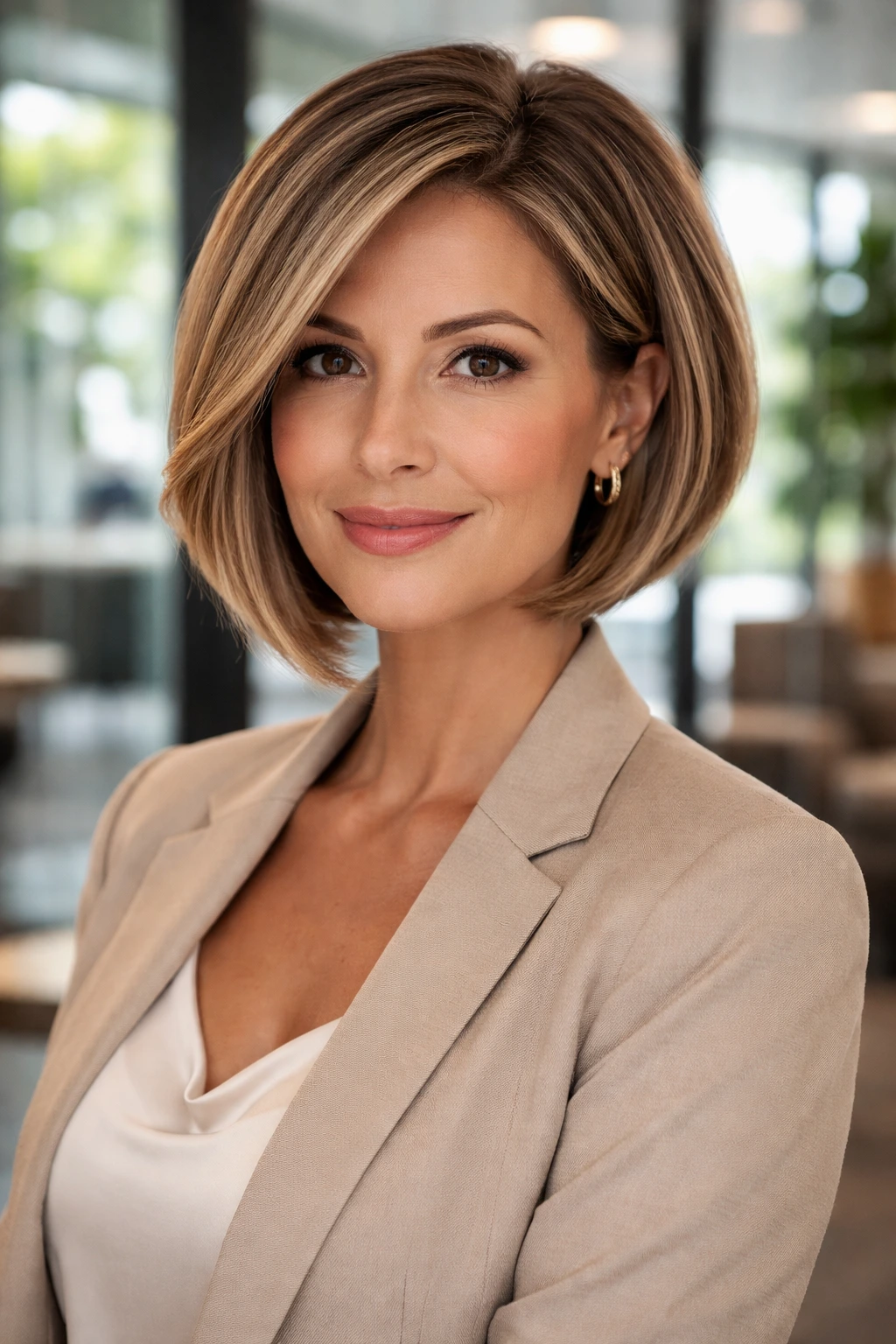
The A-Line Bob is similar to an asymmetrical bob but is symmetrical from side to side. The back is cut shorter, creating a “stacked” effect with plenty of volume, and it gets longer as it moves toward the chin.
This cut is the king of volume. If you have a flat crown, the stacked layers in the back create a natural lift that stays all day. It’s a very professional, put-together style that looks great in a boardroom or at dinner. It requires regular trims to keep that stacked back tight and tidy, so expect a salon visit every six weeks.
18. Curly Shag
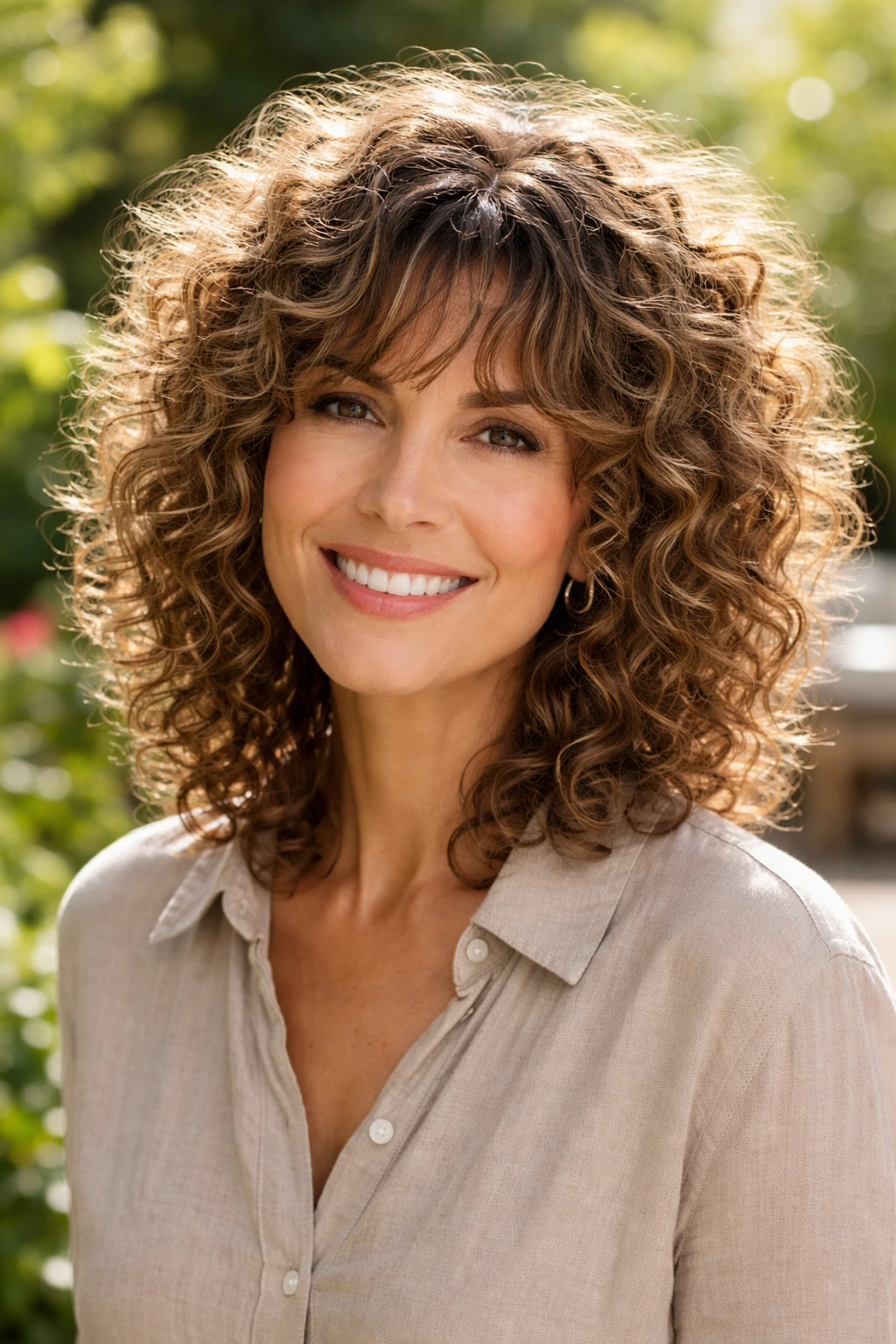
If you have spent your life trying to tame your curls into submission, stop. A curly shag is designed to celebrate those ringlets. It uses layers to remove the “pyramid” shape that curly hair often adopts (wide at the bottom, flat on top).
Tips for Managing the Curly Shag
- Never dry-brush: Brush only when wet and saturated with conditioner.
- Use a Diffuser: This tool is your best friend for getting volume at the roots without frizzing out the ends.
- Product is mandatory: A gel or styling cream is needed to hold the shape, or the shag will lose its definition by midday.
19. Graduated Bob
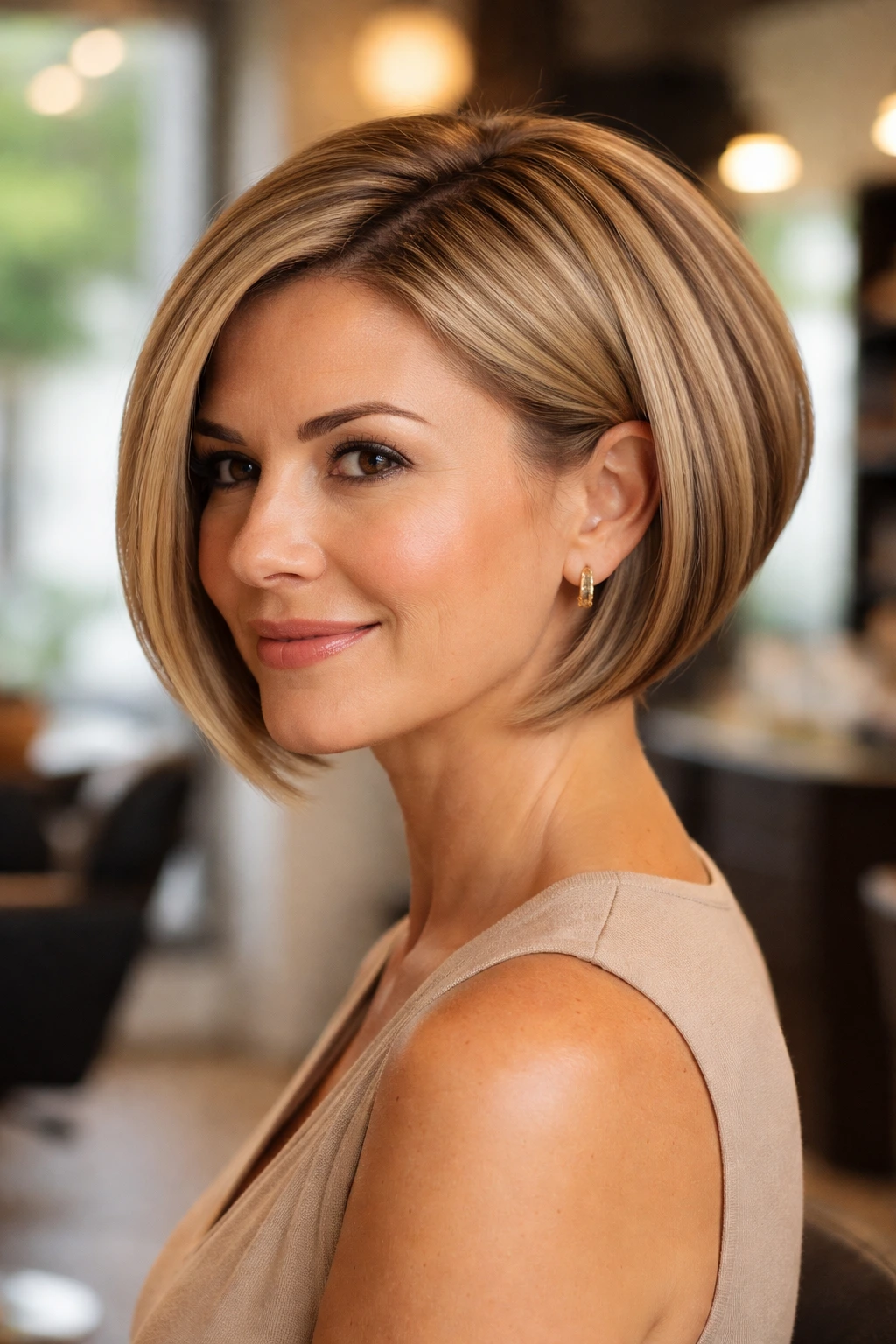
A graduated bob is all about precision and angles. It’s a cleaner, more tailored version of the A-line bob. It creates a very elegant, sculptural shape.
This cut is ideal for women with straight, fine hair. Because it relies on the architecture of the cut, you don’t need a ton of product to make it look intentional. It has a high-fashion, minimalist vibe. If you have a slightly longer neck, this cut is incredibly flattering as it accentuates that length.
20. Sleek Center Part
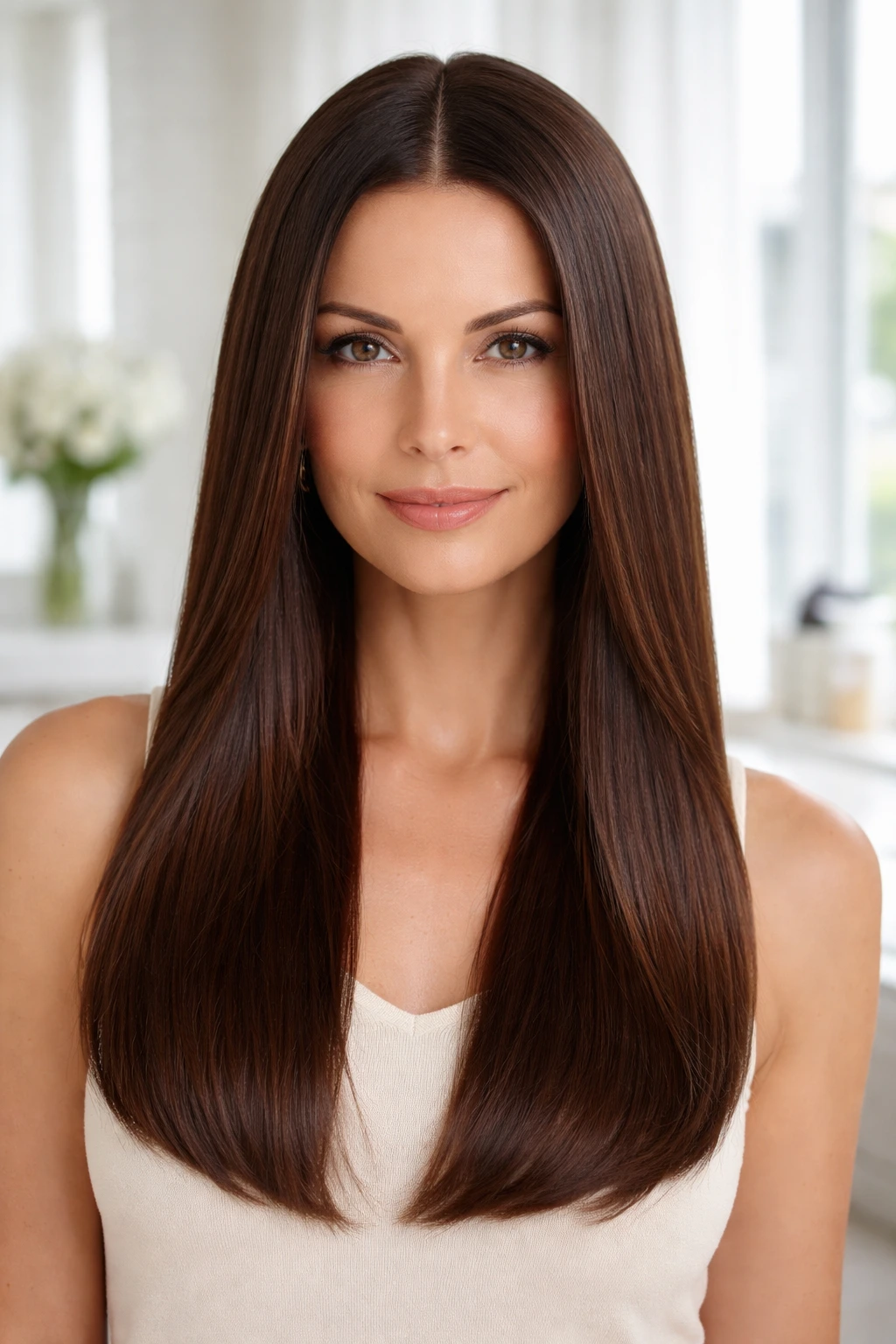
Similar to the side part, the center part is a styling choice that can redefine your cut. When you cut your hair into a long, one-length style with a center part, you are embracing a minimalist, “French-girl” aesthetic.
This is a very confident look. It draws a line right down the center of your face, which is perfect if you have symmetrical features. If you are worried about volume, use a little dry shampoo at the roots before you part it. The key to this look is shine. A light mist of shine spray or a drop of lightweight hair oil on the ends will make the sleekness pop.
21. The Textured Crop
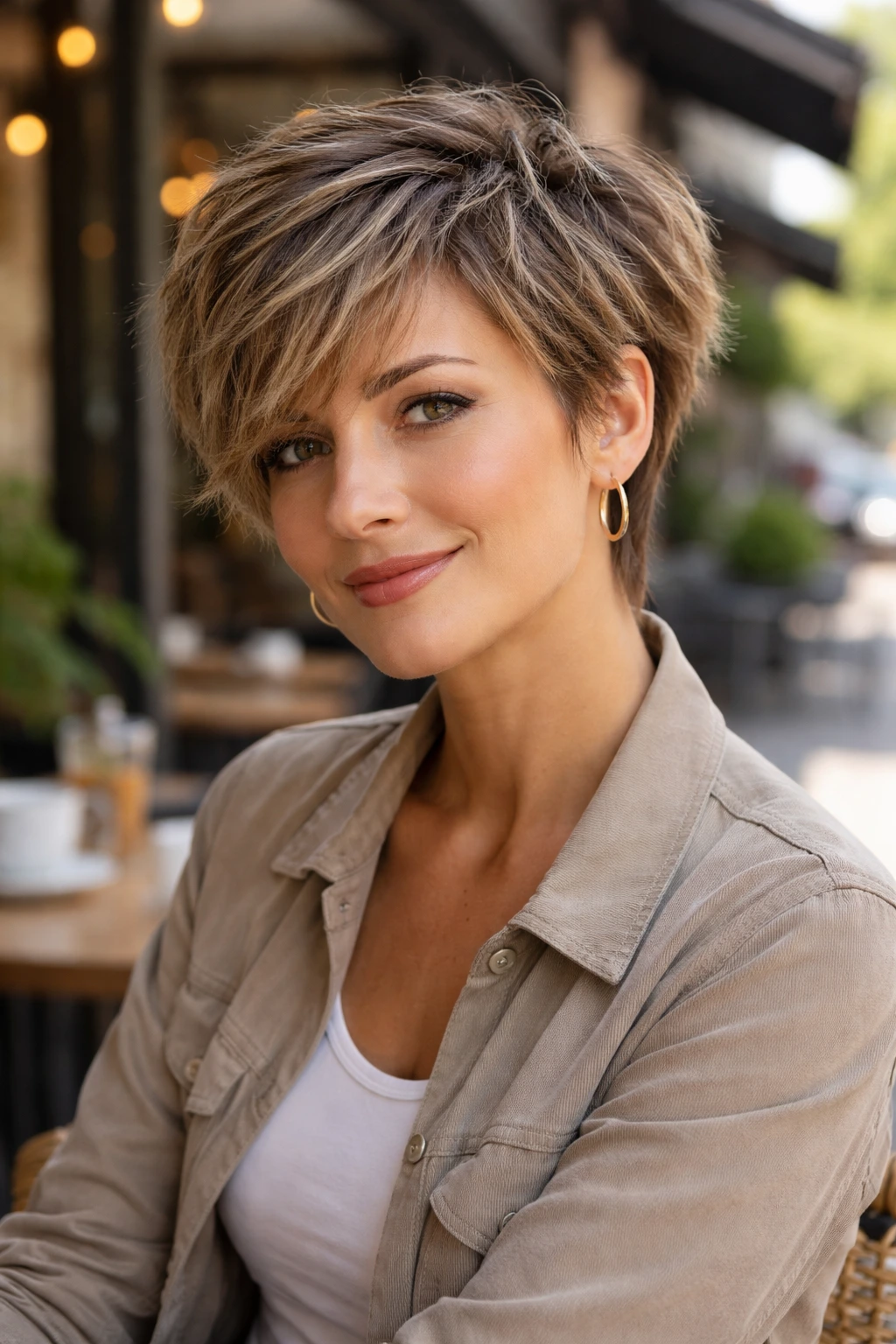
This is slightly longer than a pixie but shorter than a bob. It’s a “grown-out” crop that is intentionally kept messy. Think of it as a pixie with more room to play.
It’s a fantastic cut if you want something fun and experimental. You can use clay, pomade, or texture spray to style it in a dozen different ways. It’s a style that says you don’t take your beauty routine too seriously. If you have a round face, ask your stylist to keep a little more length on top to elongate your appearance.
22. Long and Face-Framing
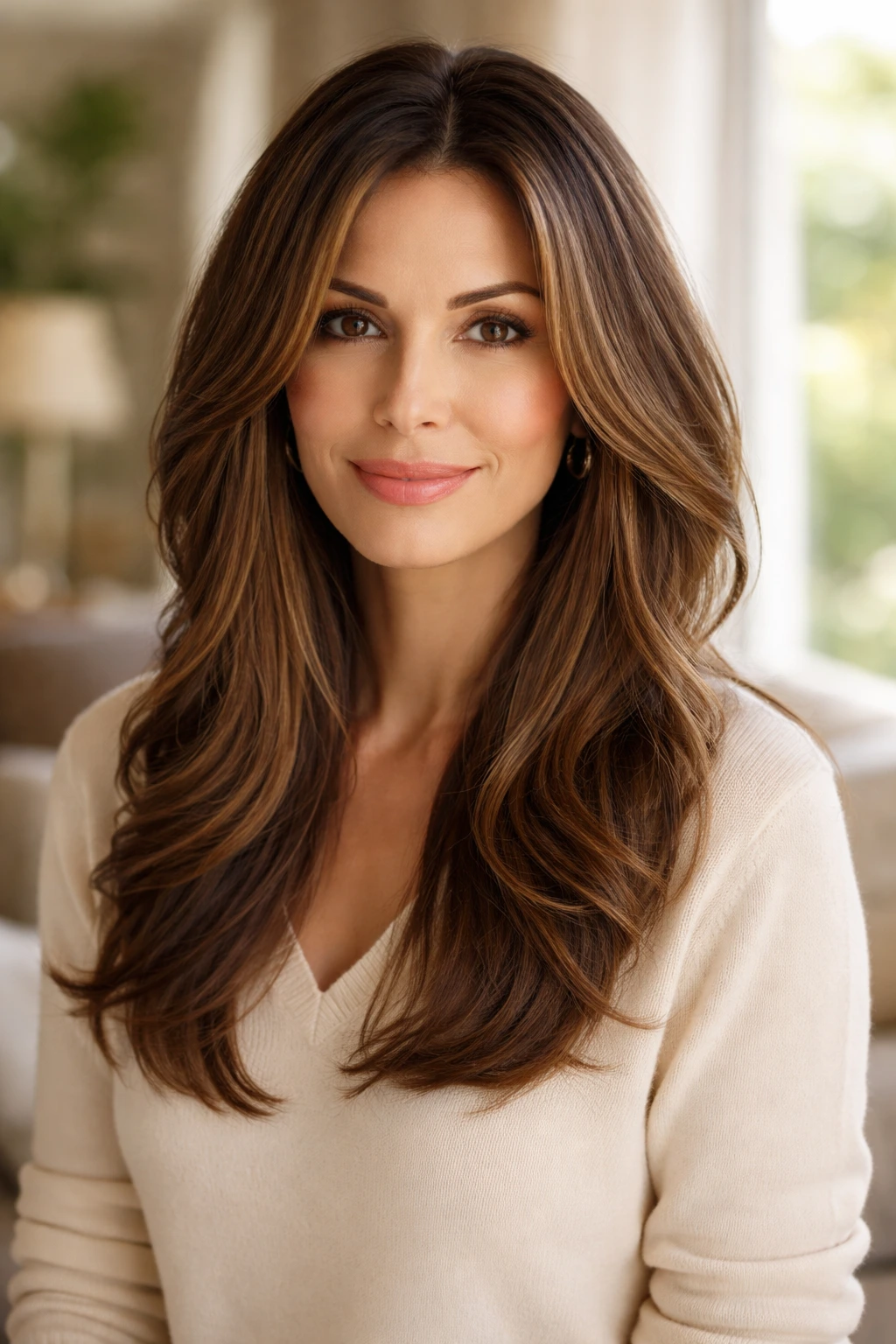
Sometimes, you just want to keep your length. There is nothing wrong with long hair in your forties, fifties, and beyond—provided it is healthy. The trick is to keep it from looking “heavy.”
Ask for “interior layers.” These are layers that aren’t visible as a “step” in your hair but remove weight from the center of the hair mass. This keeps your length while ensuring your hair doesn’t feel like a heavy blanket. Combine this with face-framing pieces that hit around the collarbone, and you have a classic, feminine look that is easy to wear up or down.
23. The Micro-Bob
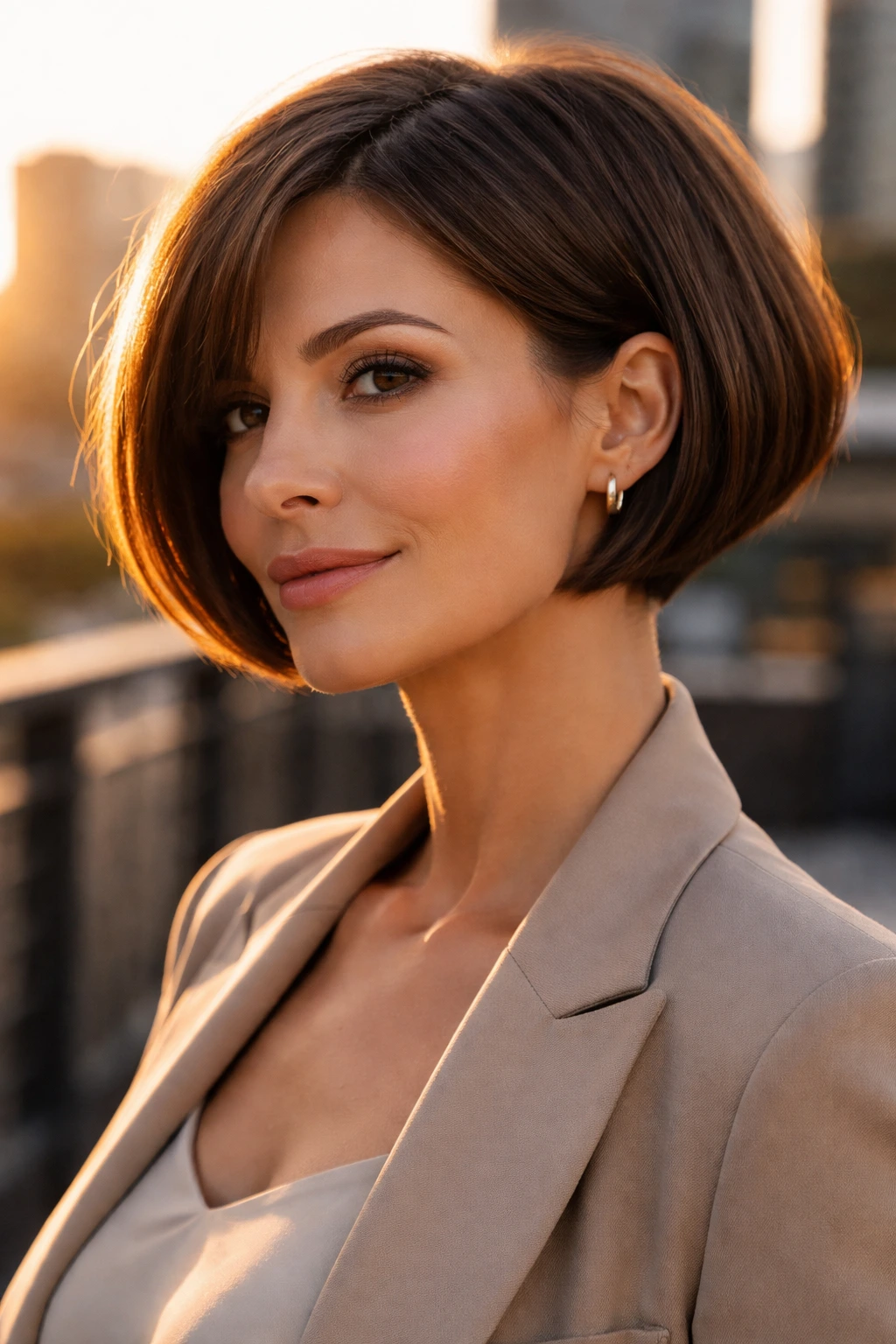
Feeling bold? The micro-bob hits at the cheekbones or mid-ear. It is a stunning, high-fashion cut that highlights the jawline and neck beautifully.
This is not a wash-and-go cut for most people; it requires styling. But the payoff is huge. It makes you look instantly stylish and polished. It is also excellent for highlighting earrings and makeup. If you have a strong, defined jawline, this cut will celebrate it. Just be prepared for the fact that you will need to trim this one frequently—hair grows fast, and even an inch of growth changes this cut from “chic” to “awkward.”
24. Soft Waves with Layers
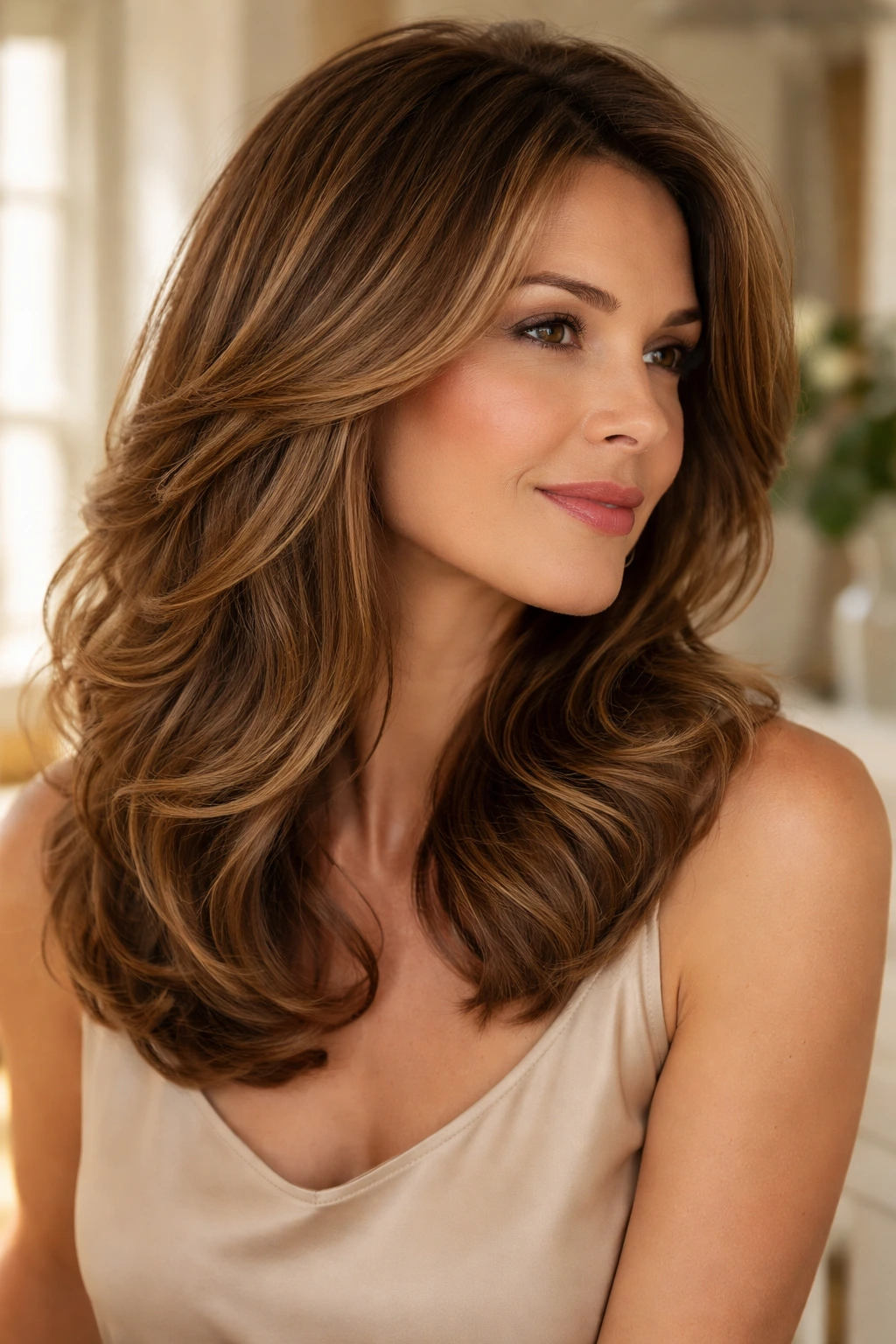
This is the classic “blowout” look. It’s a medium-length cut with long, blended layers designed to hold a wave. If you like using a curling iron or a round brush, this is the canvas for you.
The layers are cut to be long enough that they don’t break up the wave, but soft enough to create a nice bend. Use a heat protectant every single time you style this, as the layering can expose the ends to more heat than a blunt cut would. This is the look that makes you feel like you just stepped out of a salon, even if you did it in your own bathroom.
25. Layered Pixie
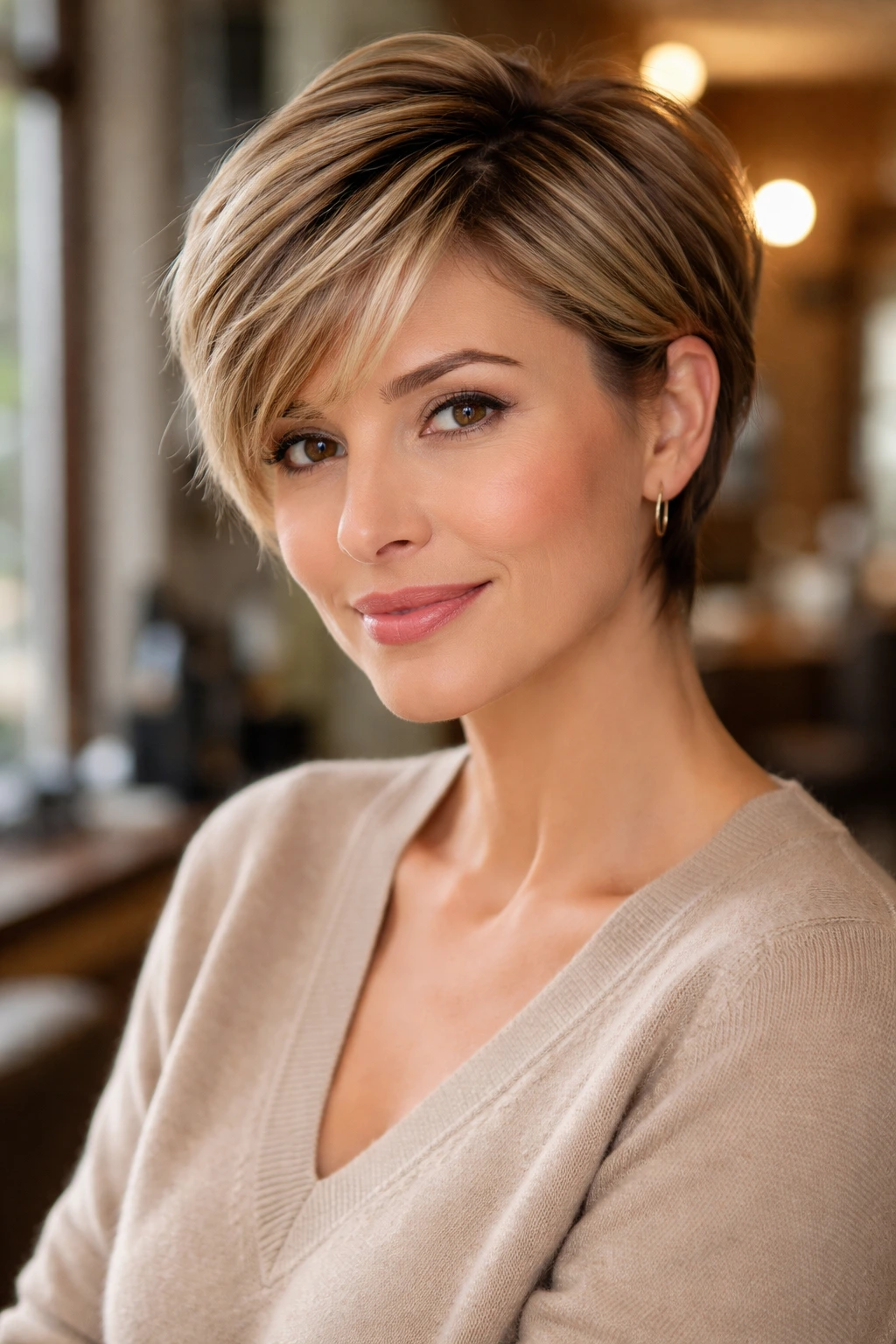
This is the “transition” pixie. It’s a bit longer than a traditional pixie, with more layering on the top and sides. It’s perfect for someone who is scared of going too short but wants the ease of a crop.
Because it has more length, you have more styling options. You can tuck it behind your ears for a sleek look, or use a little product to muss it up for a messy look. It’s an incredibly versatile cut that grows out beautifully, meaning you aren’t tied to the salon chair every four weeks if you don’t want to be.
Final Thoughts
The “right” haircut is the one that makes you feel like the best version of yourself. Forget the old rules about “hair length limits” after a certain age—those are outdated and irrelevant. Your hair is an accessory, and it should reflect your personality, your lifestyle, and your comfort level.
When you sit in the stylist’s chair, bring photos, but listen to their professional advice. They can see the texture, growth patterns, and density of your hair in a way you can’t when you’re staring in the mirror. Ask them, “Based on my hair type and my morning routine, what would actually work for me?”
Consistency is key. A great haircut only stays great if you maintain it. Find a stylist you trust, be realistic about how much time you are willing to spend styling your hair each morning, and don’t be afraid to try something new. It’s just hair—it will always grow back, and sometimes, a fresh start is exactly what you need.
