



Ginger copper hair color ideas for cool skin tones can look rich, sharp, and expensive-looking when the copper leans rose, berry, smoke, or brown-red instead of loud orange. Put the wrong orange next to pink or blue undertones and the face can look a little irritated. Get the shade right, though, and the same color wakes up pale eyes, brings freckles forward, and gives even straight hair some life.
Cool skin does not rule out copper. It only asks for a smarter version of copper.
The shades that flatter best usually have a touch of violet, red-brown, or muted auburn in them. That softens the warmth. It also keeps the color from drifting into pumpkin territory after a few washes, which is where a lot of ginger formulas go wrong. The best results usually come from a mix of depth and shine — not one flat orange note from root to end.
That matters more than people think. A copper that looks perfect under salon lights can turn brassy fast if it was built too light, too bright, or too yellow. So the useful question is not whether cool skin can wear ginger copper. It can. The real question is which version gives you glow without making your complexion look flushed, flat, or red in all the wrong places — and that is where these 25 ideas earn their keep.
1. Soft Rose Ginger Copper for Cool Skin Tones
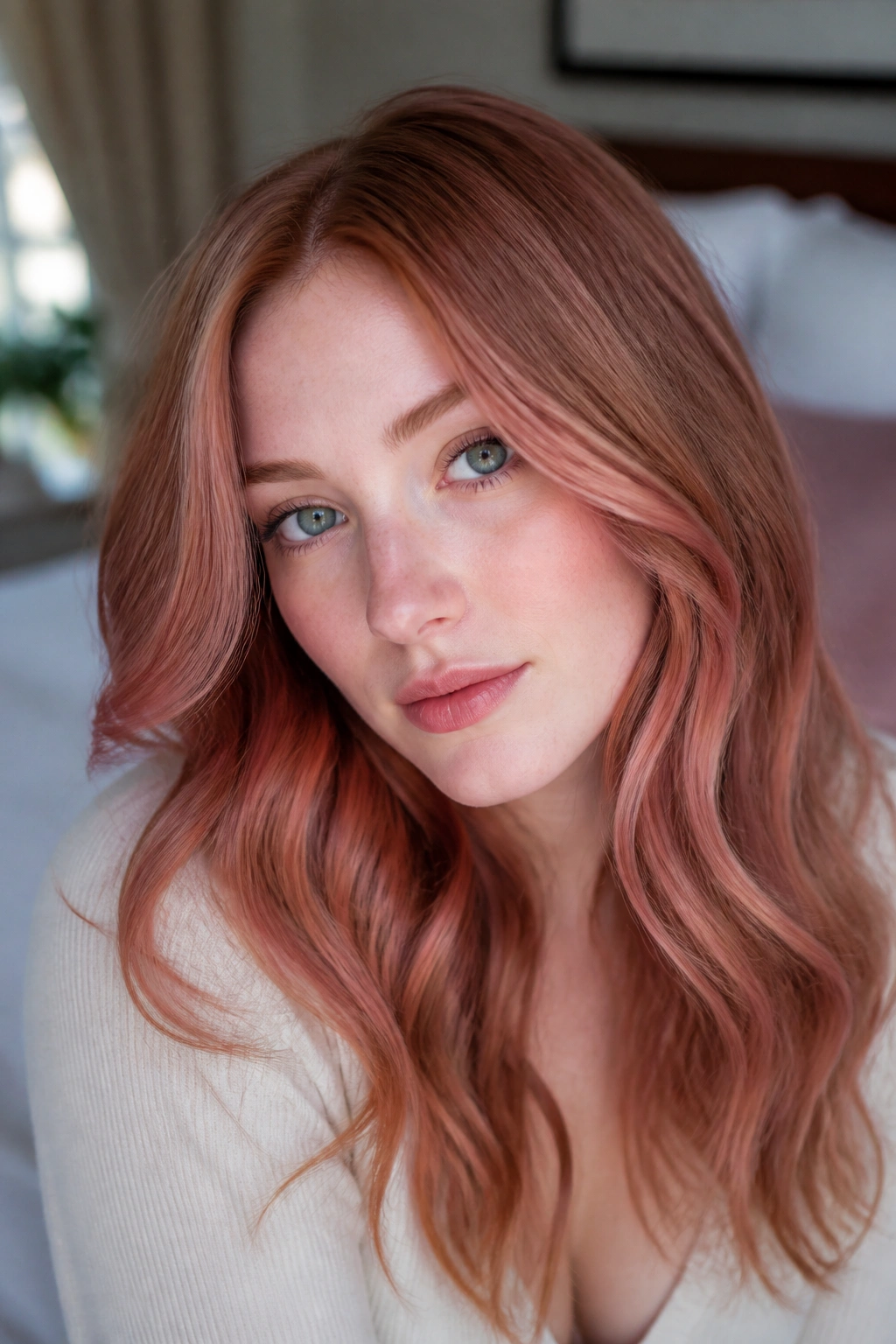
Soft rose ginger copper is the shade I reach for first on very fair cool skin. It keeps the copper close to blush and strawberry, which means the face gets warmth without the hard orange edge that can turn harsh fast. The finish feels airy, not heavy.
Why It Works
The rose note pulls the shade toward pink-red instead of yellow-orange, and that tiny shift matters. On cool skin, it keeps the color in the same family as the complexion instead of fighting it. Blue eyes, gray eyes, and pale green eyes all tend to look cleaner beside this tone.
- Ask for a level 8 or 9 base if your hair is already light enough.
- A demi-permanent gloss gives a softer finish than permanent color.
- Loose waves help the rose reflect move through the hair in thin ribbons.
- Refresh every 4 to 6 weeks if you want the blush tone to stay clear.
My take: skip anything described as “bright orange” and ask for a rose copper with a muted red-brown base.
2. Smoky Ginger Copper
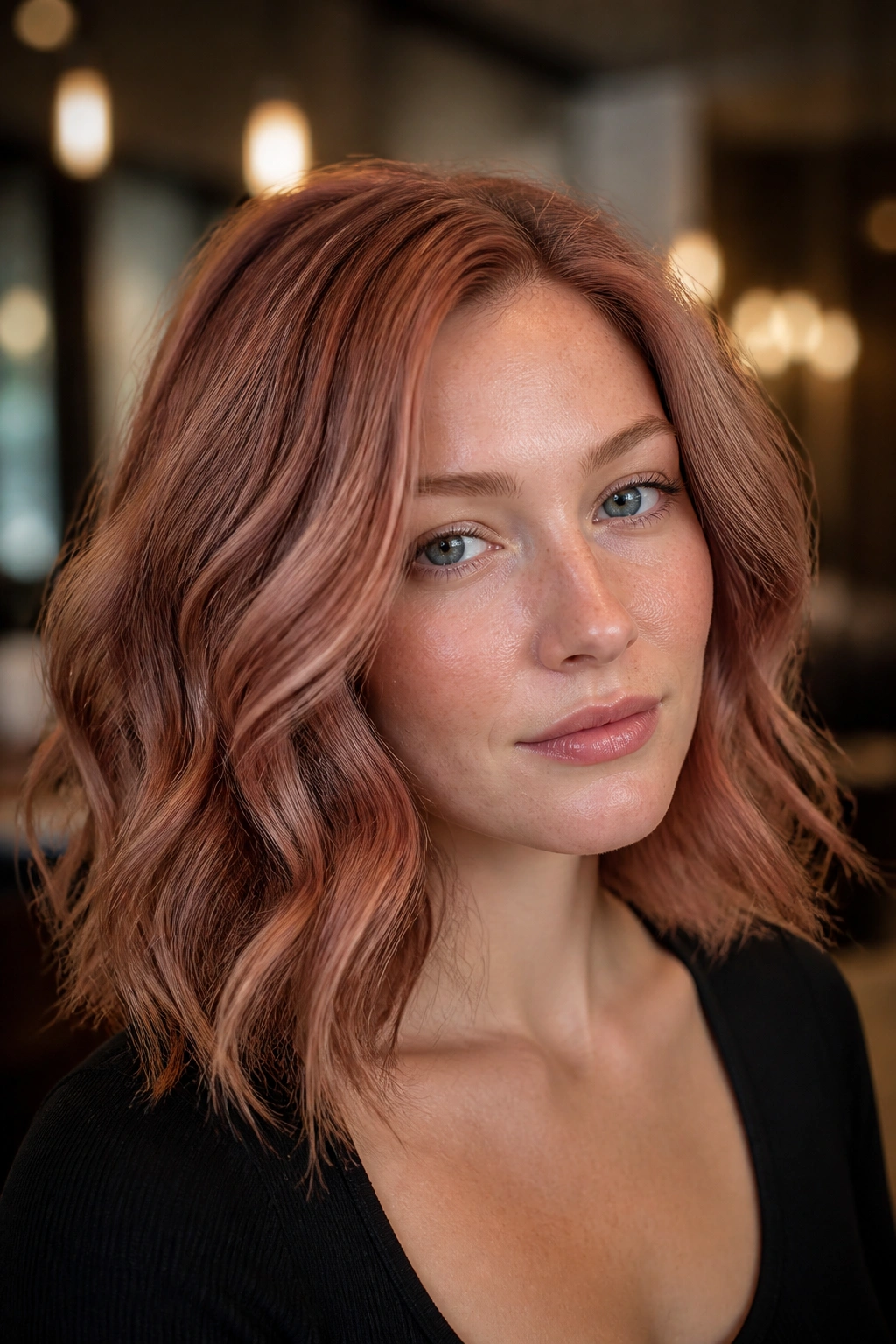
Smoky ginger copper is the antidote to cartoon-bright orange. It has enough fire to read copper, but a brown, taupe, or espresso veil keeps it grounded. On cool skin, that smoke makes the whole look feel calmer and cleaner.
I like this shade on people who want ginger but do not want their hair to shout across the room. It works especially well if your skin is porcelain with pink undertones, because the muted depth keeps the face from looking overly flushed. It also ages nicely between salon visits. When the brighter orange fades, you are still left with a soft copper brown instead of a washed-out gold.
A shoulder-length cut or a long layered style makes the shade look intentional. The movement matters. Flat hair can make smoky copper look a touch dull, while loose bends bring out the red-brown layers that make the color feel expensive.
3. Deep Auburn Copper
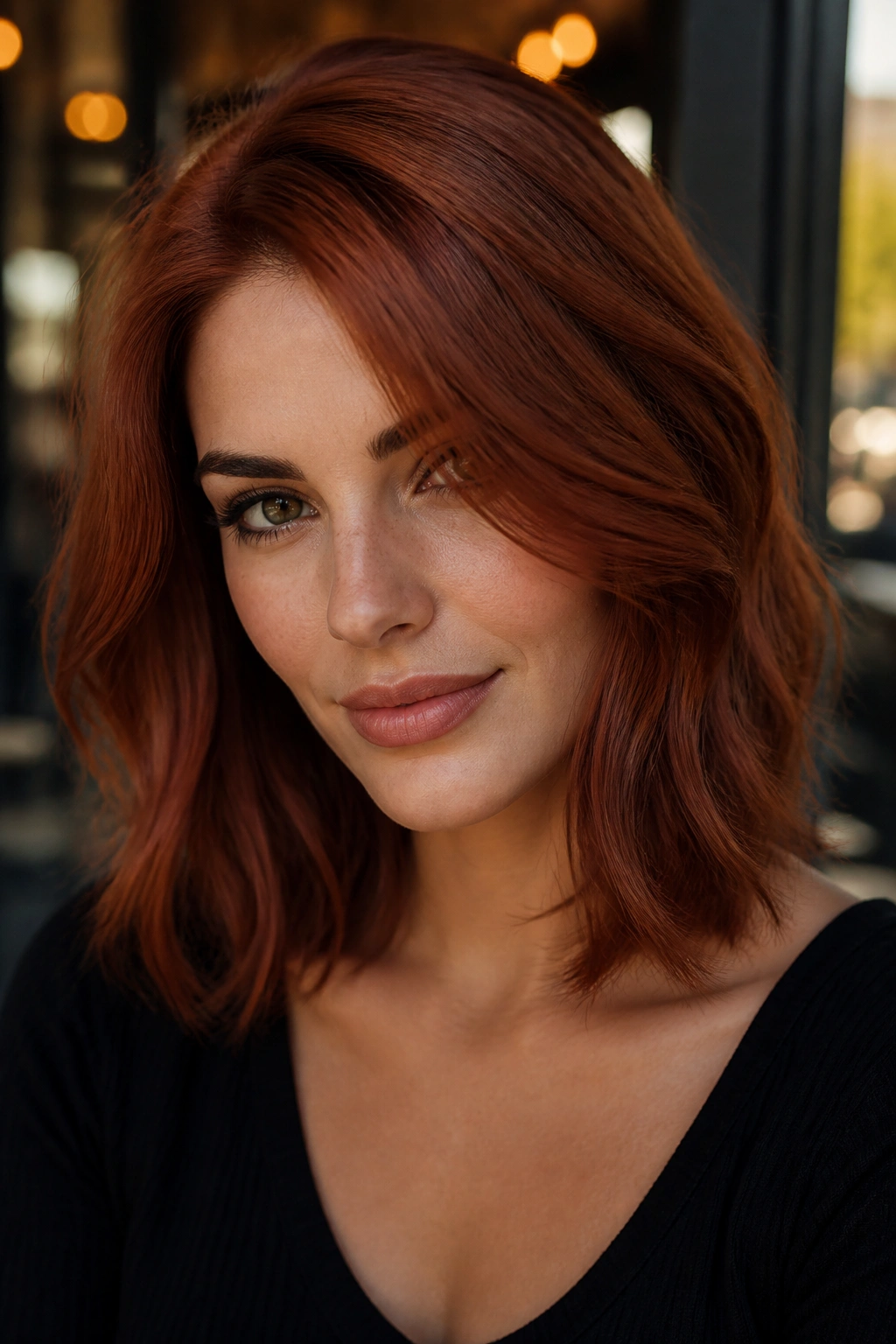
Why does deep auburn copper look cleaner than bright ginger on cool skin? Because auburn already has brown in it, and brown acts like a brake pedal for copper. That little bit of depth keeps the color from pushing too yellow or too red all at once.
How to Wear It
This shade is especially good if your brows are dark or your eye color is already strong. A blunt bob, a collarbone cut, or soft long layers all fit it well. The color sits close to the hair rather than floating on top of it, which gives the whole look more polish.
Ask for an auburn base with a copper reflect, not a straight orange lift. If your hair is naturally dark, a gloss after lightening can keep the finish rich instead of brassy. It is the kind of shade that works hard without looking like it is trying.
4. Strawberry Copper Balayage
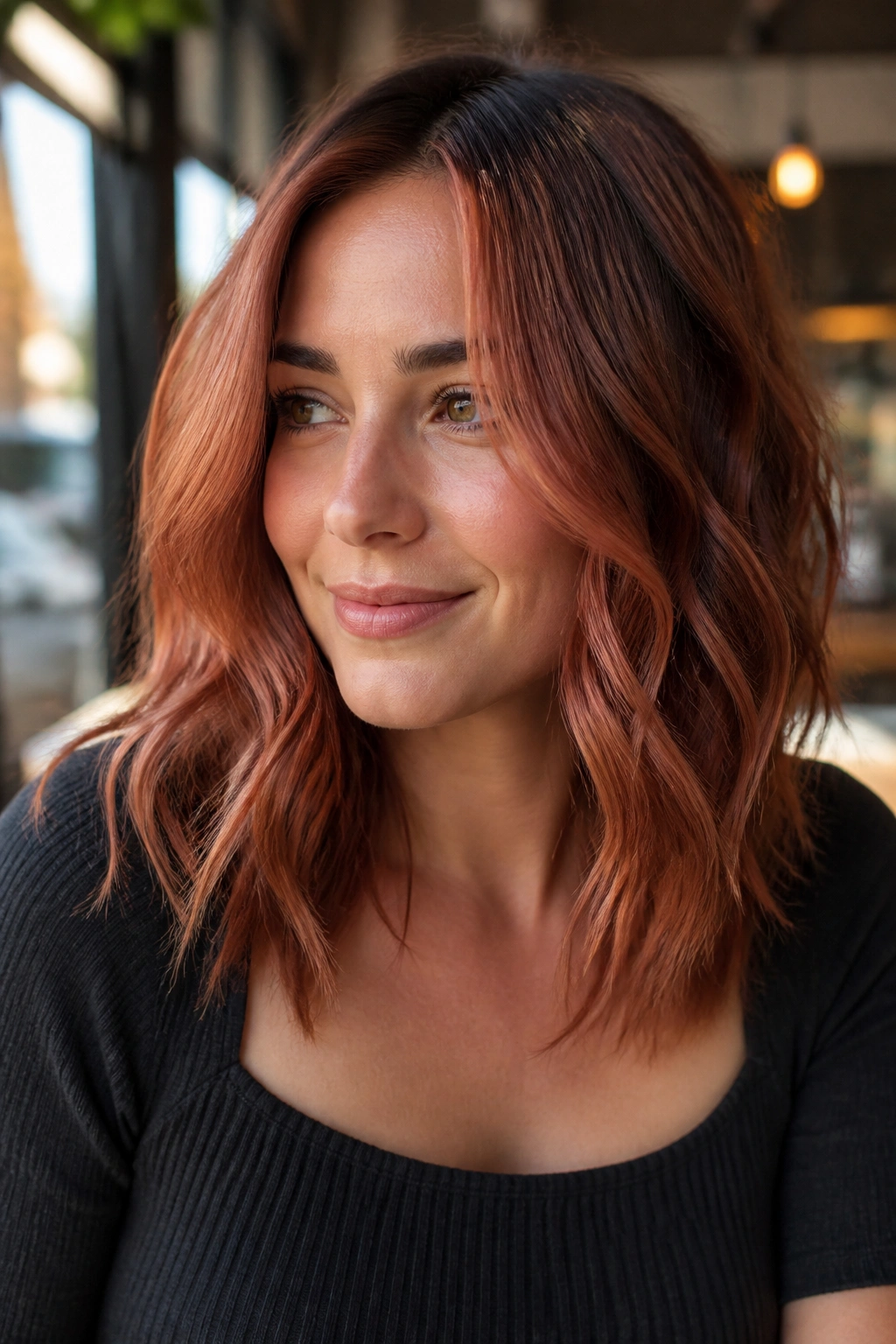
Picture a shoulder-length cut with hand-painted copper ribbons around the face, then deeper strawberry-brown through the back. That is the charm of strawberry copper balayage. It gives you brightness where you want it and keeps the rest of the hair soft enough for cool skin.
The painted placement is doing most of the work here. Because the highlights are broken up instead of packed in, the copper reads lighter and more playful without turning into a solid orange block. The darker base helps the shade feel balanced, which is exactly what cool undertones usually need.
- Best on wavy or softly curled hair, where the ribbons can separate.
- Ask for a shadow root if you want less upkeep.
- Keep the brightest pieces around the temples and cheekbones.
- This one grows out gracefully, so it suits people who hate hard lines.
The nicest part? It still looks good when it fades a little. That is half the battle with copper.
5. Cherry Copper Gloss
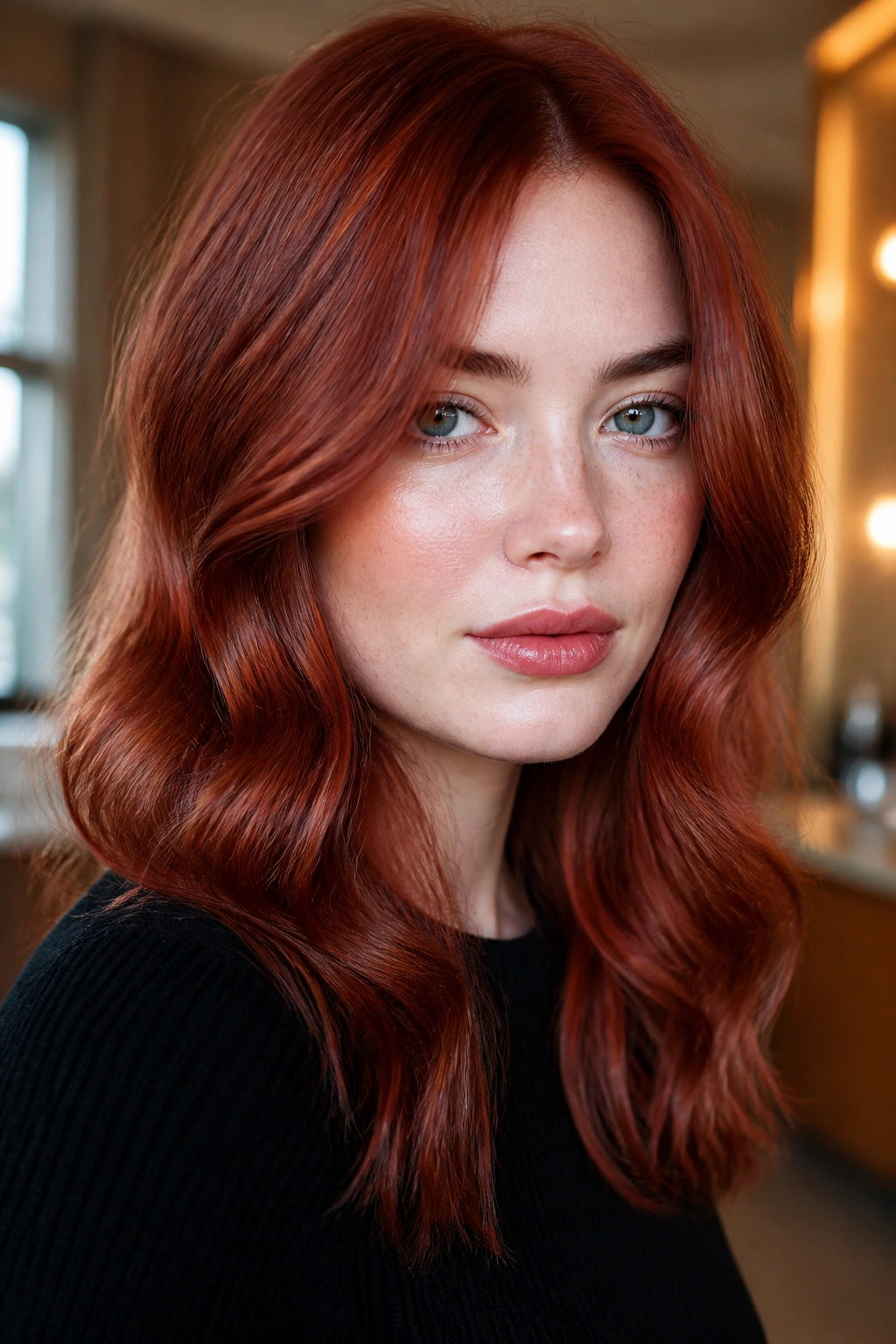
Cherry copper gloss is one of those colors that looks almost moody indoors and more fiery near a window. The red side is deeper than strawberry, and the copper side never goes fully orange. On cool skin, that balance is gold, even if the shade itself is not.
I like this look when someone wants the hair to feel glossy and dense. A gloss finish gives the color a smooth surface, so the red reflects in a clean way instead of looking dusty. It also helps damaged hair look less rough around the ends, which is one reason this shade flatters layered cuts so well. The shine is the point here. Without it, the color can lose its charm.
This is a smart choice if you wear berry lipstick, plum blush, or charcoal eyeliner. The hair and makeup speak the same language. Not matchy-matchy. Just coherent.
6. Burnished Cinnamon Copper
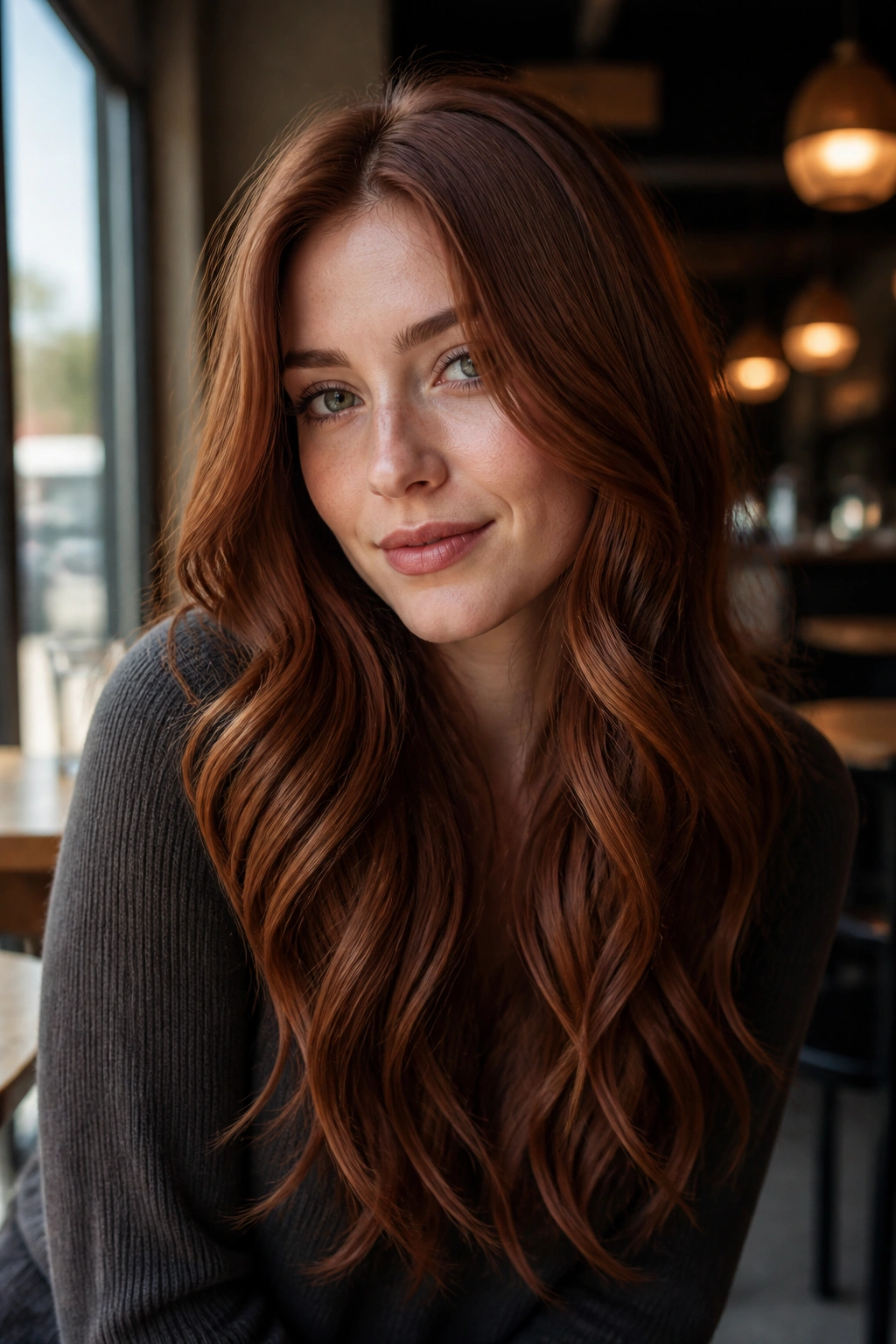
Burnished cinnamon copper sits one step deeper than a bright ginger and that is exactly why it works on cooler skin. The cinnamon note makes the warmth feel dry and spiced instead of loud. It has more brown in the recipe, which gives it a smoother finish against rosy cheeks and pale skin.
Unlike vivid copper, this shade does not need perfect lighting to look good. It holds its shape in overcast daylight, under indoor bulbs, and in photographs that would make a brighter orange look flat. That makes it a friendly option for people who want copper but do not want to babysit it.
A level 6 or 7 base is usually enough here, and that matters. If you push it too light, the cinnamon gets stripped away and the color starts to read peachy. That is the wrong turn. Keep it a little deeper, and it stays rich.
7. Copper Money Piece on Espresso Base
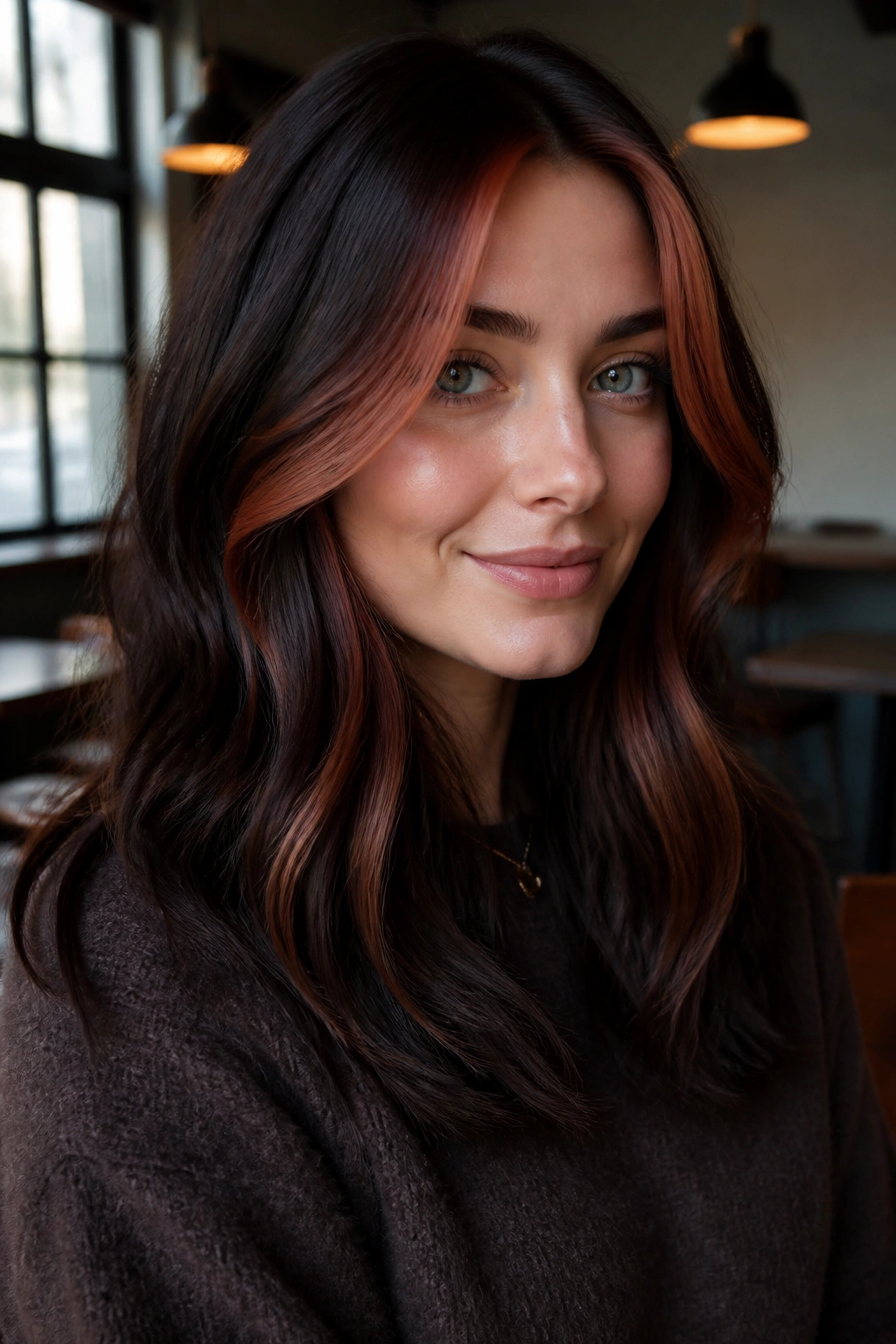
If full copper feels like too much, the money piece is the smartest way in. Bright ginger around the face gives you the payoff right where people look first, while the espresso base keeps cool skin from getting overwhelmed. It is a high-impact, low-commitment move.
Why It Works
The contrast does the flattering. Copper pieces near the part line and cheekbones brighten the face, and the darker base acts like a frame. That frame is what keeps the color from reading too orange or too unfinished.
- Best placement is 1 to 2 inches back from the hairline.
- Ask for thin slices, not chunky panels.
- Keep the base close to espresso, chestnut, or dark cocoa.
- A quick gloss refresh keeps the face-framing pieces from going dull.
Pro tip: if your hair is curly, let the money piece follow the curl pattern instead of forcing straight lines. It looks softer and more natural.
8. Muted Apricot Copper
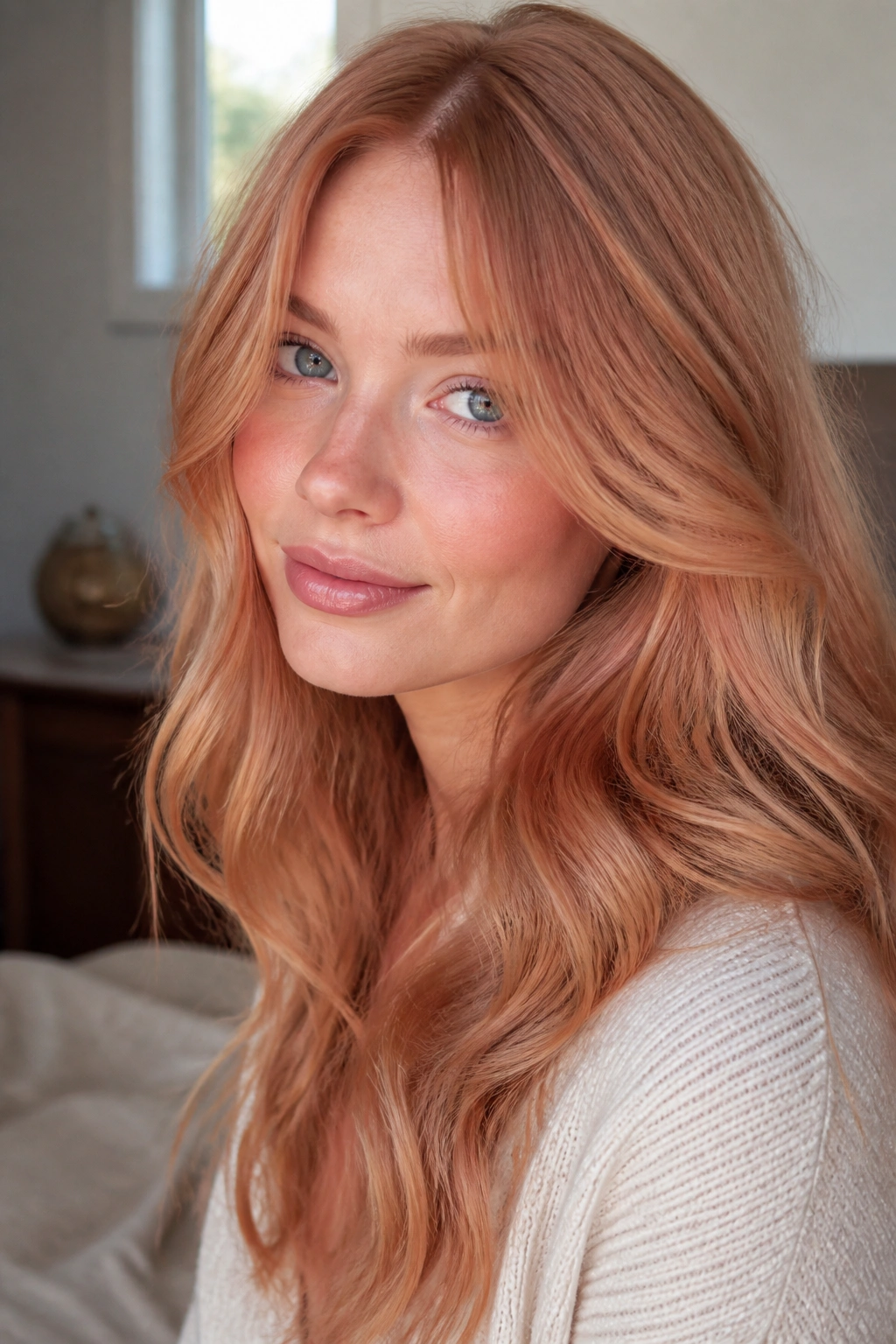
Muted apricot copper can work on cool skin, but the word muted matters. Hard peach is too sunny for most cool complexions. Dusty apricot, though, has enough softness to sit beside pink undertones without making the face look tired.
This shade is good when you want something lighter and a little playful. It feels airy on short hair, especially a shaggy bob or a small crop with texture. On long hair, it needs movement or it can start to feel flat. The trick is keeping the pigment sheer enough that the copper is more of a veil than a block.
I would not push this one too far into coral. That is where the color loses its restraint. Keep it pale, keep it dusty, and it stays elegant.
9. Mahogany Ginger Melt
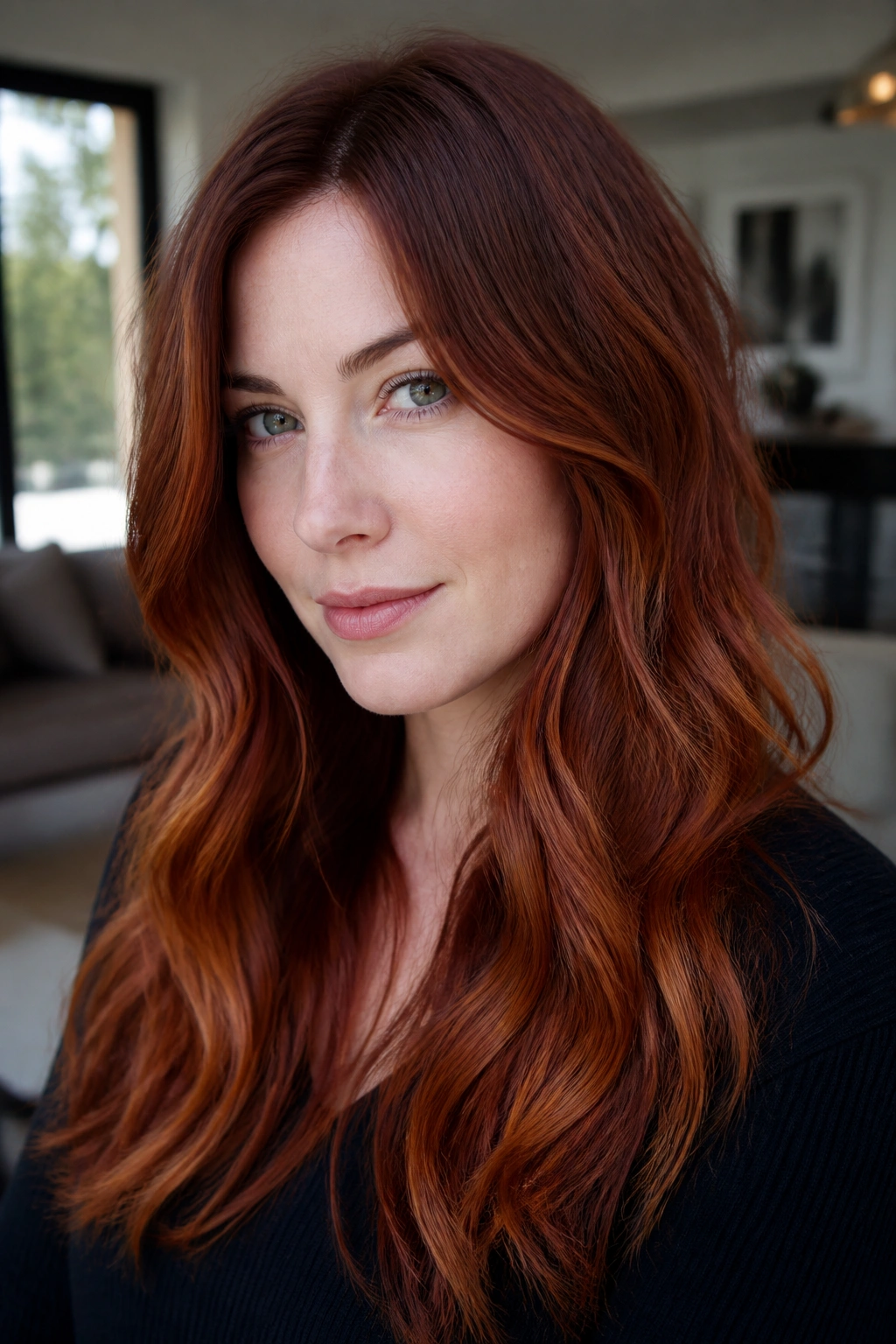
Can a darker ginger still read copper? Absolutely. Mahogany ginger melt proves it. The color starts deep at the root and eases into warmer copper through the mids and ends, which gives cool skin a rich contrast without any harsh line.
How to Ask Your Colorist
Ask for a mahogany root melt with copper mids and softly glowing ends. That language matters more than asking for “red” hair, because red can slide in too many directions. A melt also helps the style grow out cleaner, which means fewer obvious roots and less urgency between appointments.
This shade looks especially good on thick hair, because the depth stops the color from puffing out visually. It also plays nicely with waves and bends. When the light moves over the hair, the copper wakes up; when it settles, the mahogany keeps it from going loud. That push and pull is the whole point.
10. Rusty Copper Shag
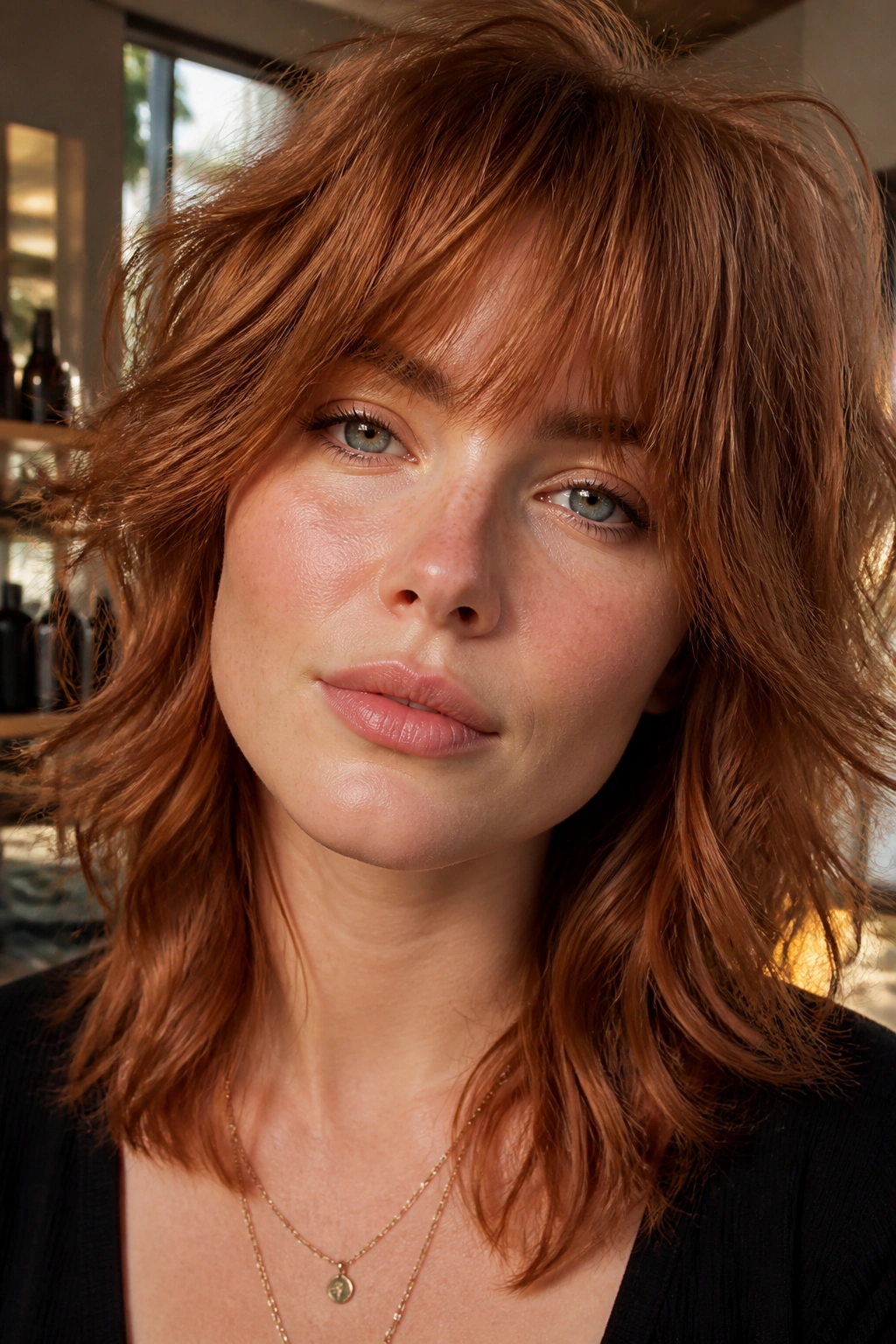
A shag cut gives copper room to breathe, and rusty copper uses that room well. The layers break up the color so it never lands as one flat panel. On cool skin, that matters, because texture can soften warmth the same way a shadow softens a bright room.
This is a good shade if you like hair that looks a little lived-in. Not messy. Just less precious. The rusty note adds warmth, but the shag keeps it from feeling too polished or too sweet. That combination works on stronger features, especially if your brows are full and your eyes already have definition.
- Ask for piecey layers around the crown and cheekbones.
- Keep the base one shade deeper than the ends.
- Use a lightweight styling cream so the layers do not frizz apart.
- A matte finish can make the rust tone look richer.
One caution: very pale cool skin may want a softer rust, not a copper that leans too orange-red.
11. Deep Copper Bob with Root Shadow
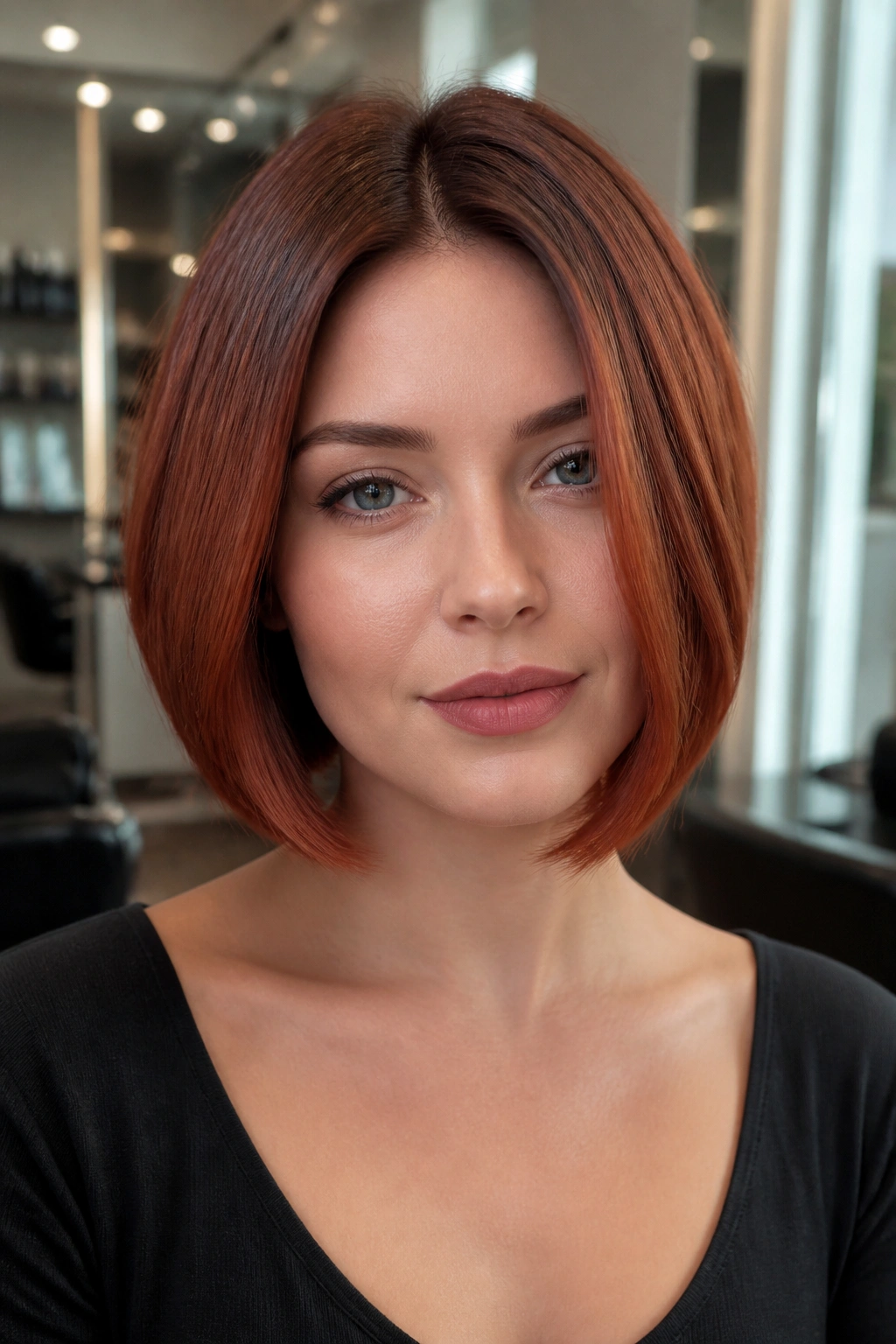
A chin-length bob changes how copper behaves. It makes the color look more deliberate, more framed, less like a wash of warmth that got away from you. Add a root shadow, and the whole thing gets calmer, which is good news for cool skin that needs structure.
I like this look because it does not rely on brightness alone. The bob shape gives you a clean line at the jaw, and the deeper root keeps the copper from starting at the scalp like a flashlight. The result feels crisp. A little graphic, even.
That kind of cut also makes makeup easier. Berry lips, soft taupe shadow, or a sharp wing all sit well beside it. If your hair has some natural wave, the copper bends along the ends and the root shadow keeps the top from looking puffy.
12. Peach-Rose Copper
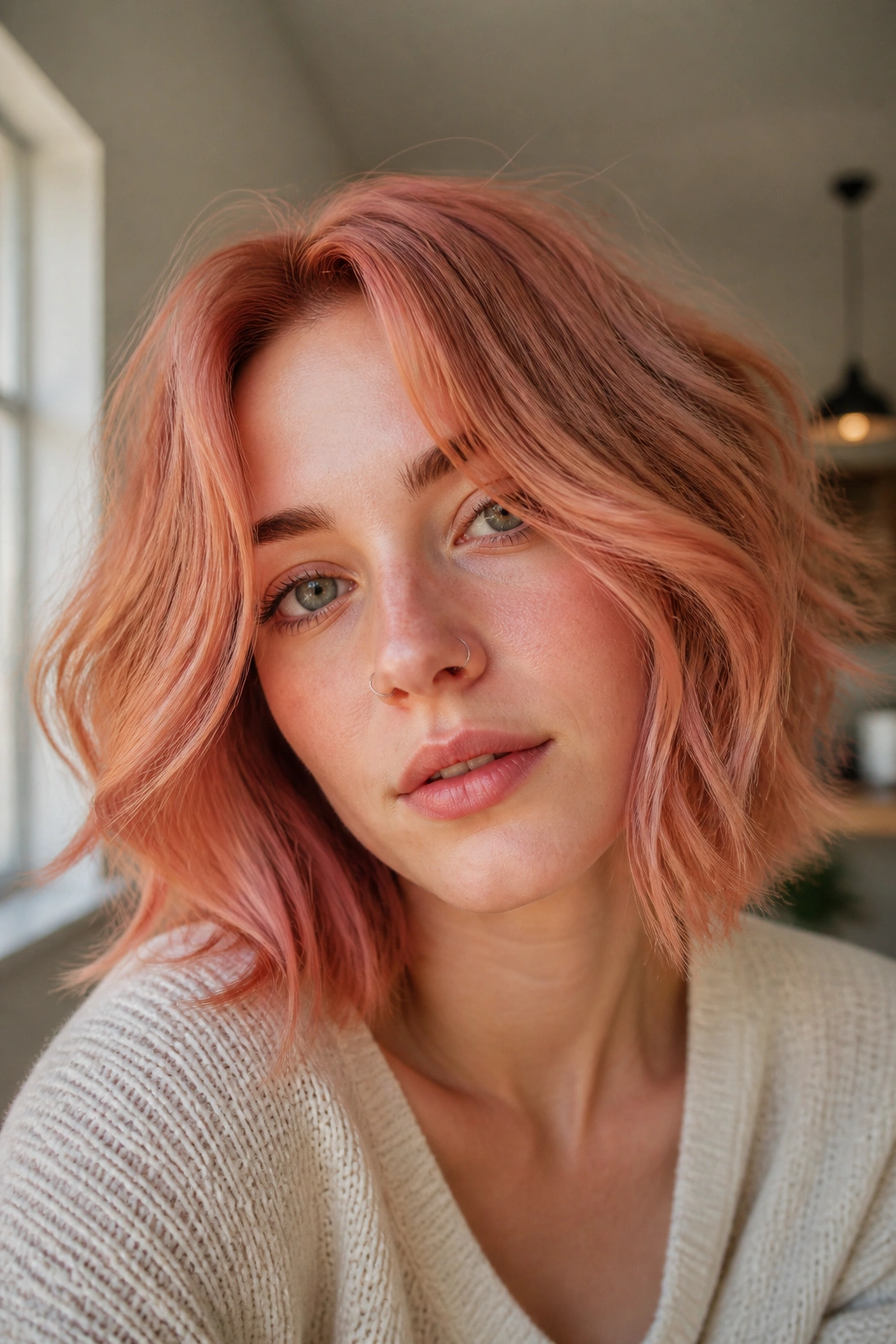
Peach-rose copper is warmer than rose copper, but the rose note saves it from looking too sunny. That is why it can still flatter cool skin. The peach gives it lift, and the rose keeps it from drifting into coral overload.
This shade suits people who want something playful but not neon. It can look especially nice on shorter cuts or collarbone-length layers, where the ends can flare out a little. On long straight hair, it needs shine or it can fall flat. A gloss is usually the difference between “cute” and “why does this look dry?”
If your skin leans very pink, keep the peach soft. If your skin is cool but not pale, you can push the shade a touch warmer and still stay in range. The point is to keep the color light, not loud.
13. Face-Framing Ginger Copper for Cool Skin Tones
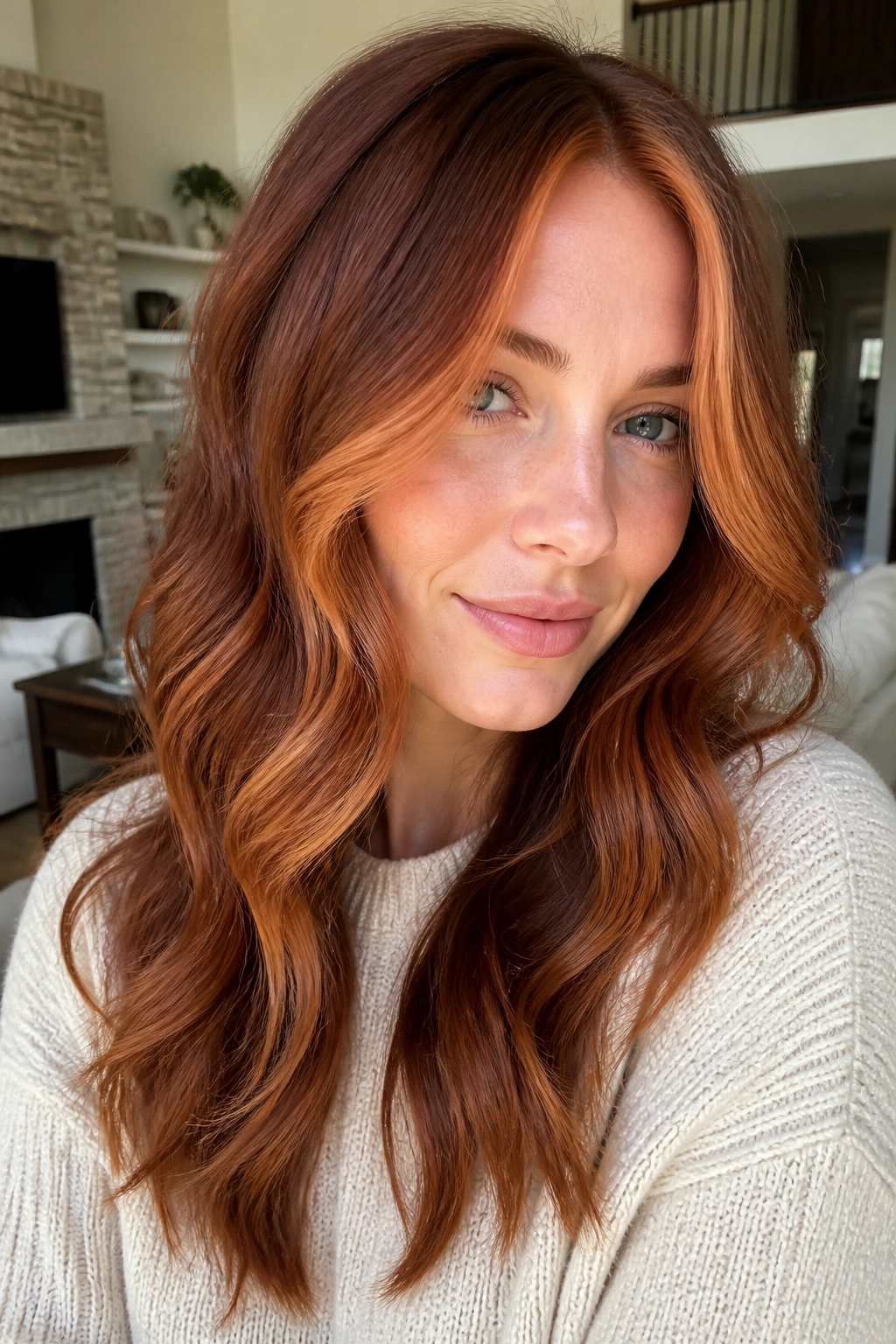
Face-framing ginger copper is the move when you want copper near the face without signing up for all-over red. The brightest pieces sit around the cheekbones, temples, and part line, while the rest of the hair stays deeper and cooler. That contrast is flattering fast.
Why It Works
The lighter front sections catch the eye, but the deeper base keeps the color anchored. On cool skin tones, that balance means you get warmth where it helps and depth where it protects the complexion. It also grows out better than a full-head copper, which is a relief if you are not married to the shade.
- Works well on brunette bases that need a lift near the face.
- Ask for soft ribbons, not hard streaks.
- Keep the inner layers a shade deeper so the front pieces stand out.
- A blowout or loose curl makes the contrast look cleaner.
My take: this is one of the easiest ways to try ginger copper without going all in.
14. Violet-Copper Gloss Over Brown Hair
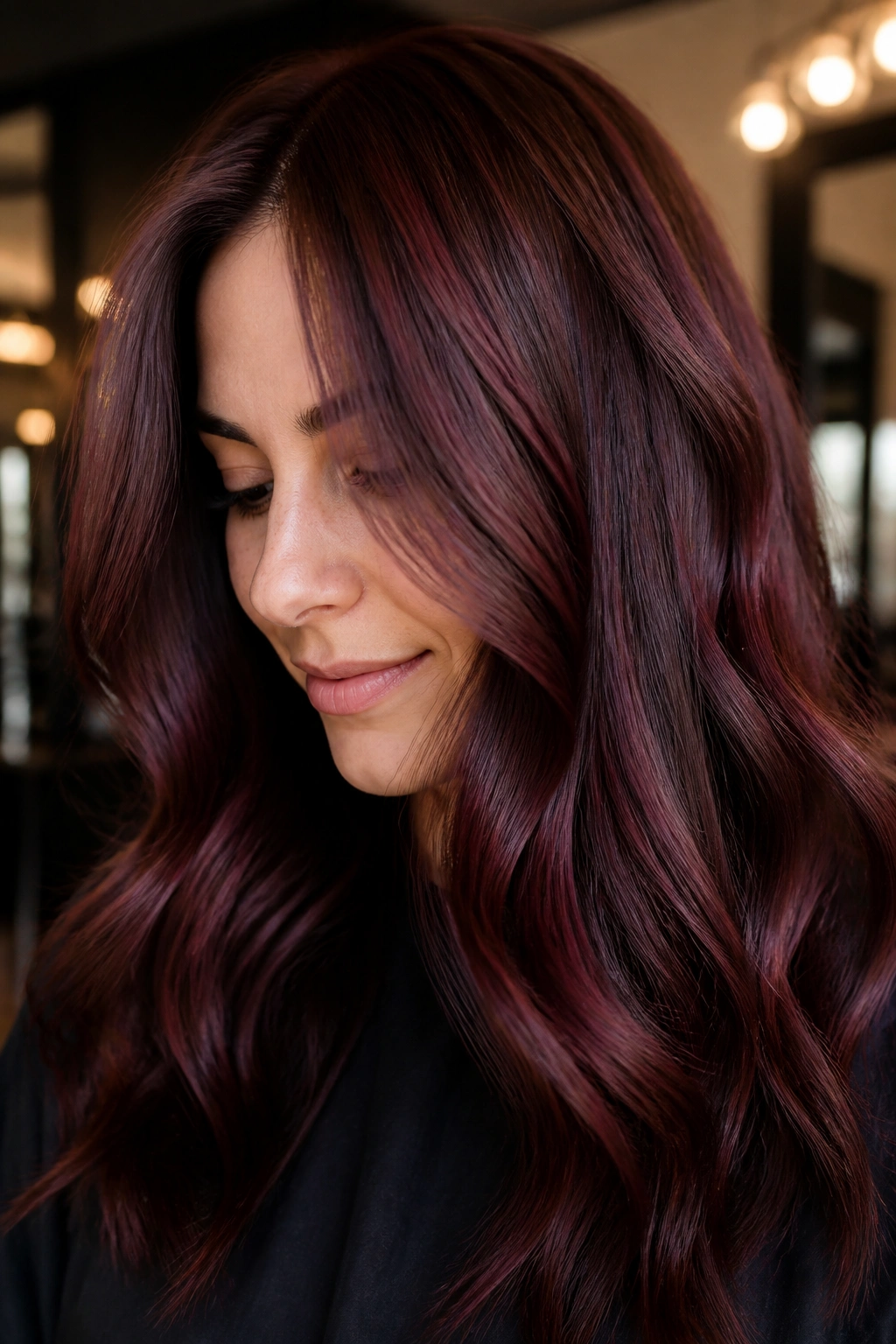
Violet is the quiet trick here. A violet-copper gloss over brown hair reins in orange and pushes the finish toward plum-copper, which is a much friendlier direction for cool skin. It gives warmth, but the warmth stays controlled.
This is a smart pick if your hair is already dark brown and you want shine more than dramatic lightness. A gloss does not hammer the cuticle the way repeated bleach can, so the hair often feels smoother afterward. The color sits on top of the brown rather than trying to erase it. That makes it look expensive in a low-key way.
The best part is how forgiving it is between appointments. As the gloss fades, the hair drifts back toward brown with a copper whisper. No hard line. No strange brass band at the root.
15. Ember Auburn Waves
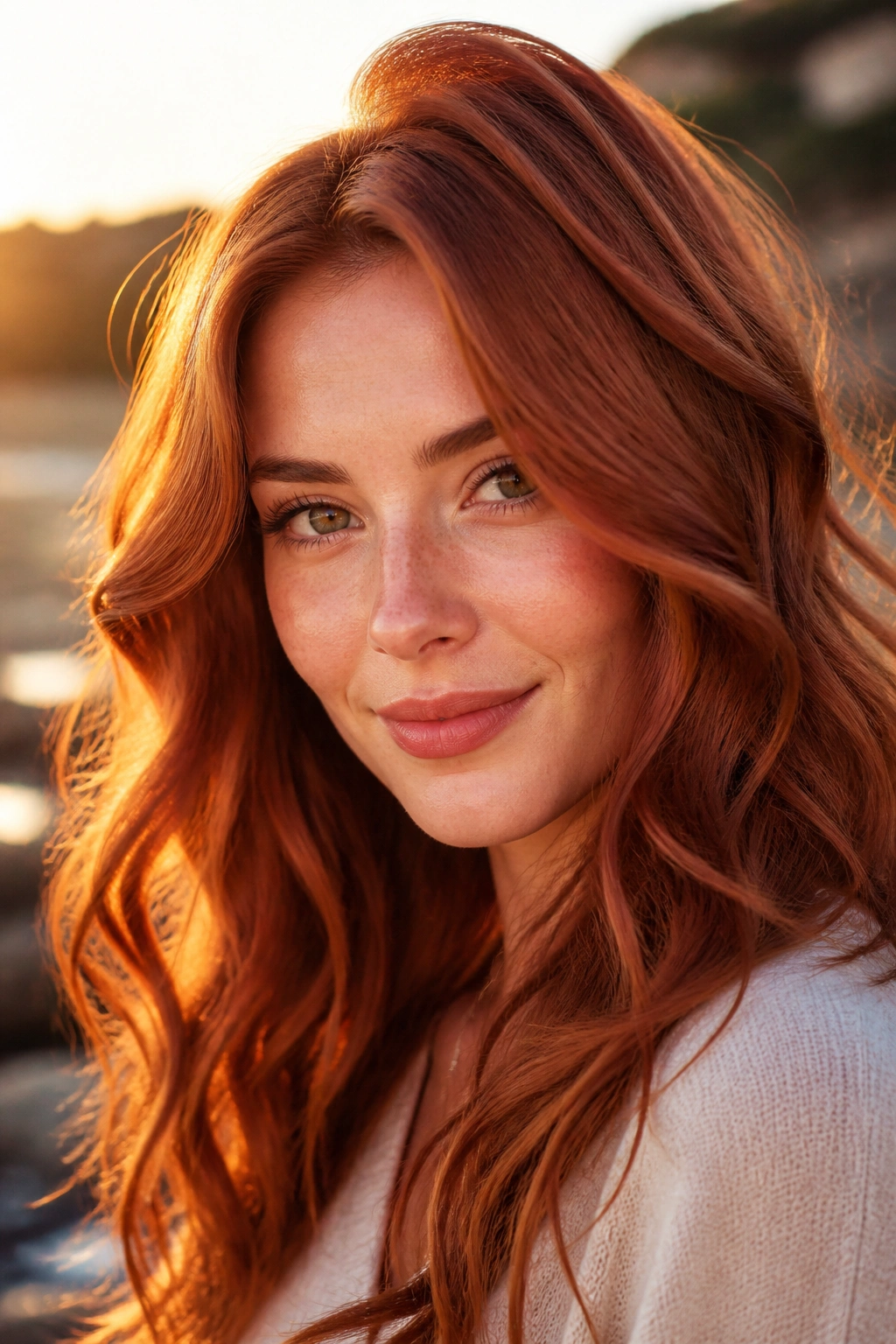
What happens when auburn goes a shade deeper? You get ember auburn waves, a color that looks like glowing wood instead of fresh paint. On cool skin, that deeper ember note gives you warmth without the face-flushing effect that brighter ginger can cause.
How to Wear It
Soft waves are the right partner here. They spread the shade across the hair in moving bands, which keeps the auburn from looking too solid. A side part works well, too, because it gives the front a little lift and lets the copper catch the eye near the face.
This color suits medium-to-dark hair that can hold depth. It is a good choice if you want red in your hair but still want it to feel grounded. Add a glossy finish and it can look almost polished in the nicest way — not stiff, just cared for.
16. Smoked Copper Pixie
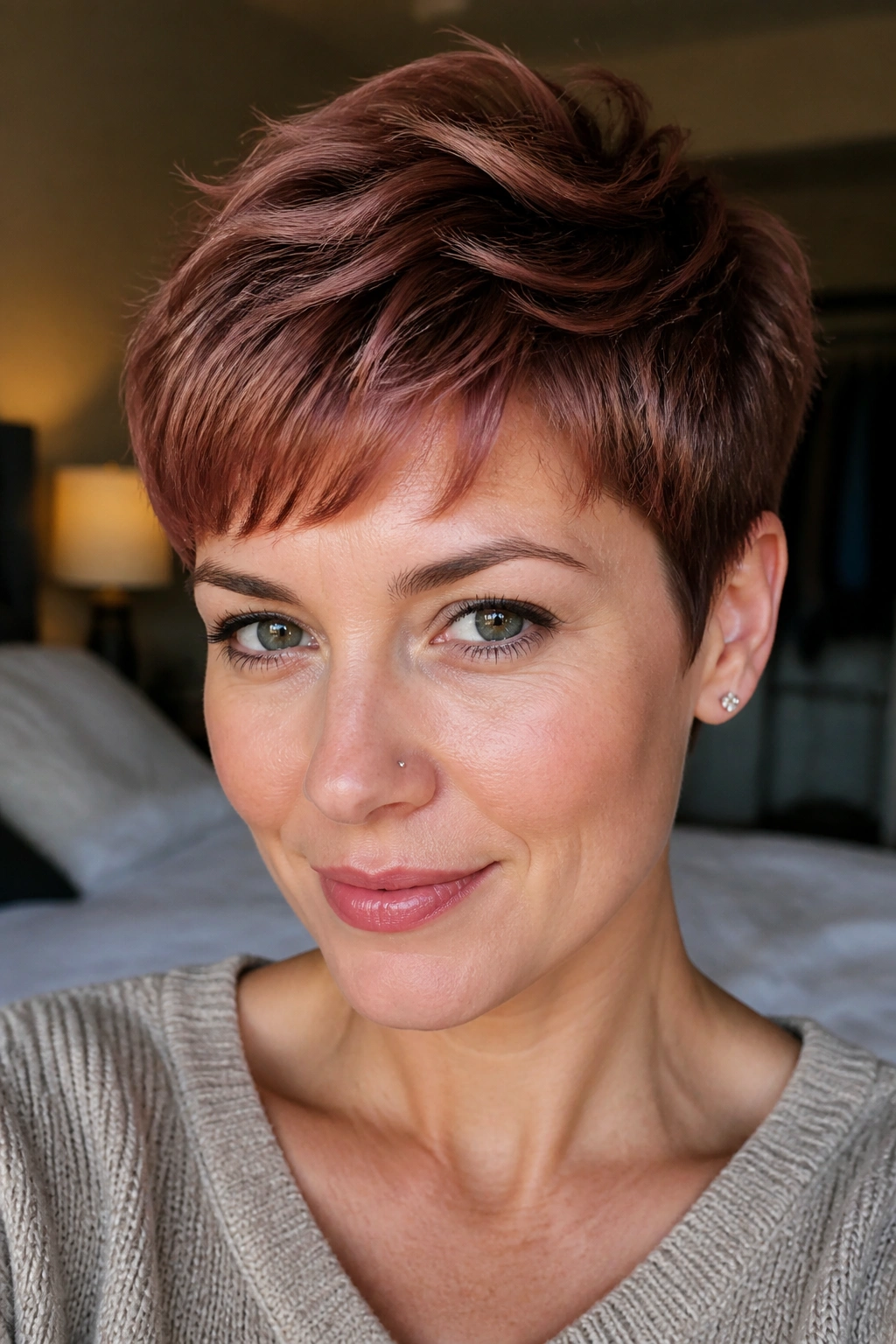
A pixie cut can take more color than people expect, and smoked copper is a good way to prove it. The short length lets the tone hit fast, but the smoky finish keeps it from turning into a bright block. Cool skin usually likes that restraint.
- Keep the crown slightly lighter than the sides.
- Ask for a soft fringe if your forehead is narrow or you want more movement.
- A root shadow helps the style look grown-in instead of harsh.
- Use a light styling paste so the texture stays piecey, not sticky.
This cut is sharp in the best sense. It shows off jawline, brows, and cheekbones without needing much effort from the color itself. If you want copper with a little attitude, this is the lane.
17. Strawberry Bronde Copper
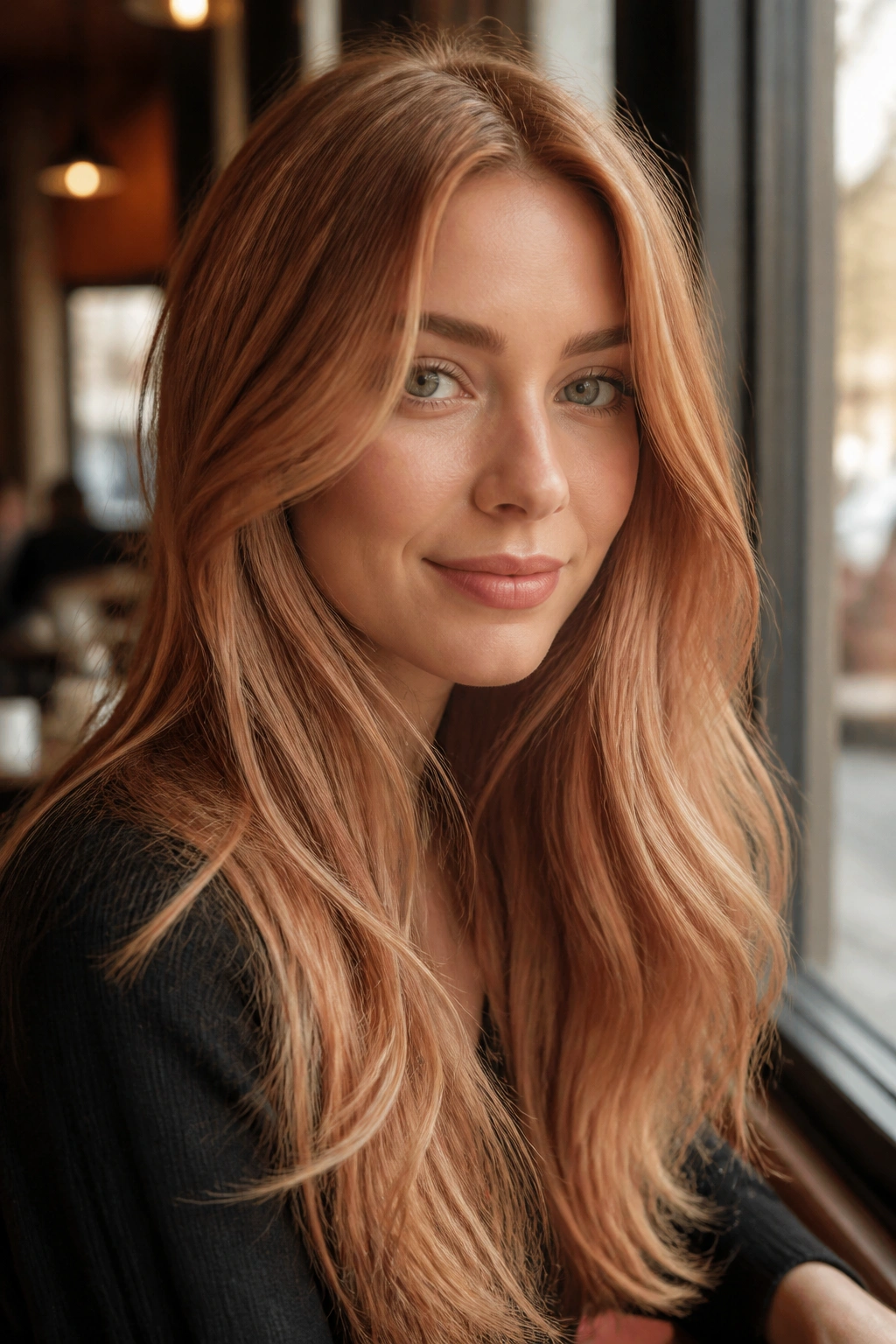
Strawberry bronde copper lives between blonde, brown, and red, and that middle ground is exactly why it flatters cool skin so well. The bronde base keeps the warmth from getting too heavy, while the strawberry copper threads add enough color to make the hair feel alive.
I like this version for people who want softness more than drama. It is especially kind to fine hair, because the mix of tones gives the illusion of fullness without needing a heavy dye job. The result can look airy and dimensional, especially on long layers or a soft lob. Not showy. Just pretty in a way that holds up close.
If you have a cool complexion and you worry that red hair will fight your face, this is a safe place to start. The copper sits like a whisper instead of a shout.
18. Sable Ginger Copper Curls
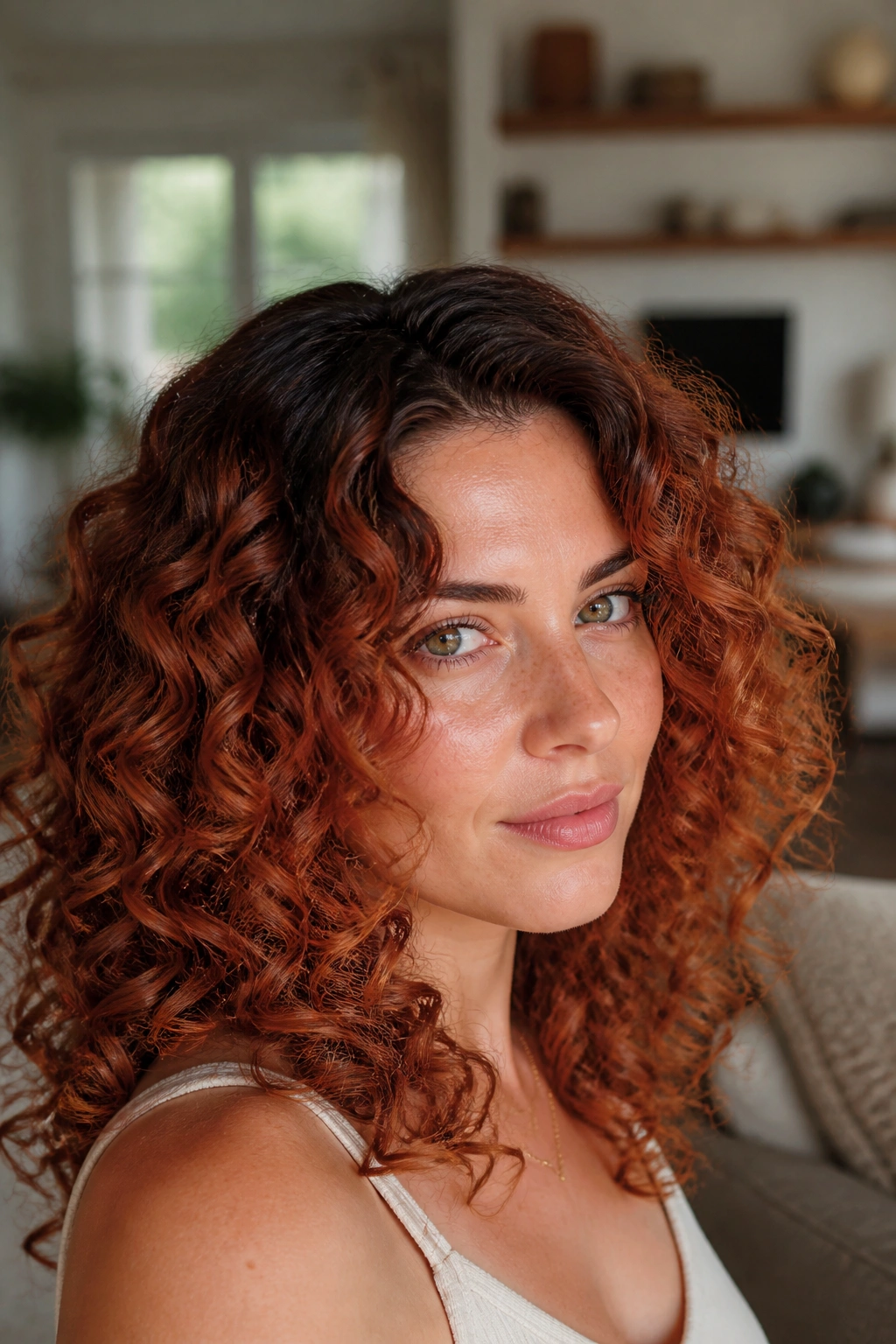
Unlike bright copper, sable ginger copper keeps the root and lowlights dark enough to let the curls do the talking. That darkness helps cool skin because it tones down the overall warmth and gives the color some shape. On curly hair, shape matters a lot.
This shade is a strong pick if your curls tend to shrink, puff, or frizz. The sable base creates depth inside the curl pattern, and the copper shows up on the outer bends and ends. That makes the hair look richer from a distance and more detailed up close. If you like a little edge, this one has it.
Ask for the copper to live mostly on the top layers and the curl tips. That keeps the root from going too orange and helps the color move instead of sitting there like a helmet.
19. Metallic Copper Balayage
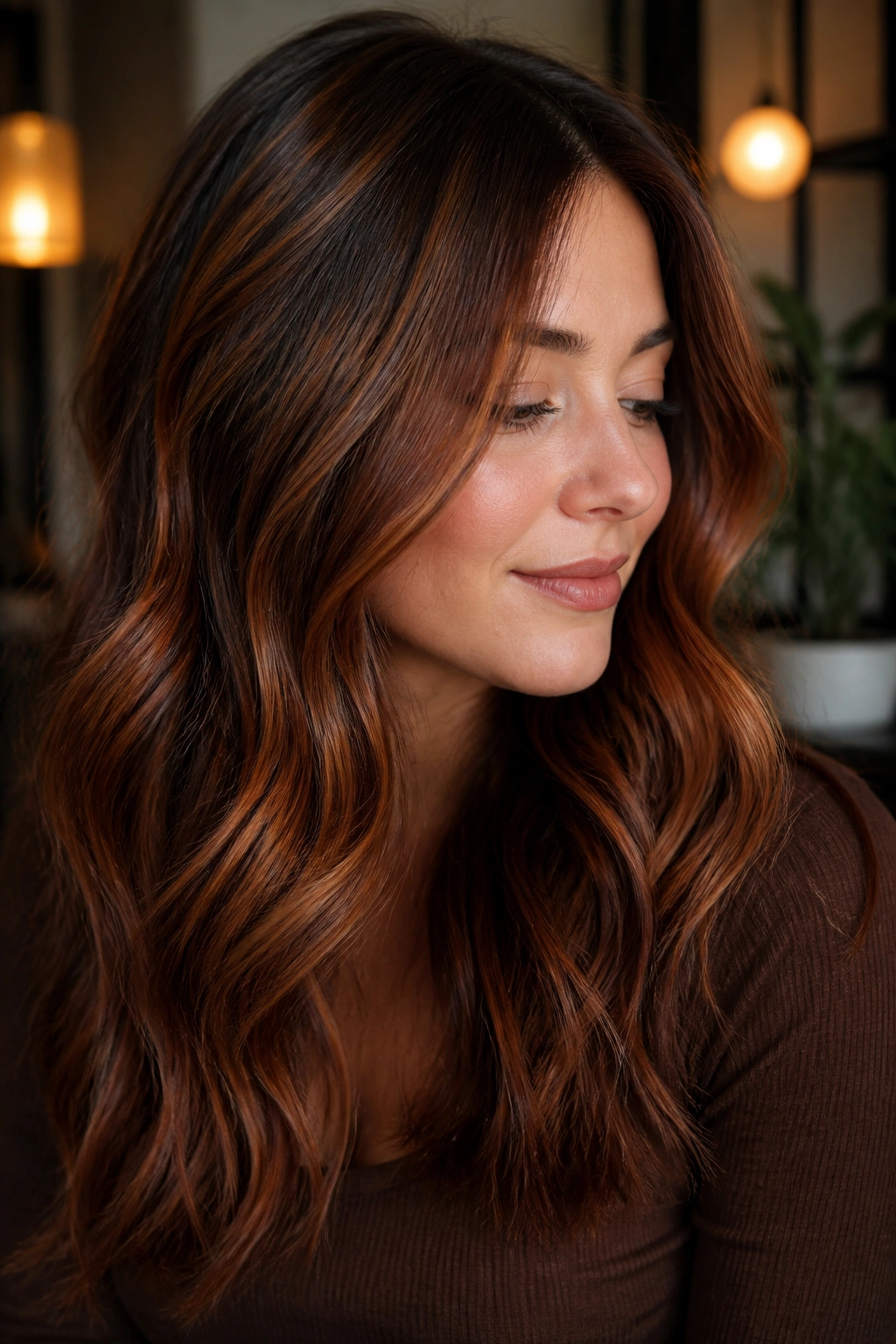
Metallic copper balayage sounds flashy, but the best version is actually restrained. The “metallic” part comes from sheen, not glitter. Fine ribbons of copper over a deeper brown base create a reflective surface that cool skin can wear without looking overdone.
Why It Looks Clean
Balayage lets the color breathe. Instead of full saturation, you get painted pieces that break up the warmth and leave some hair deeper underneath. That depth is what keeps the shade from turning bright and cartoonish.
- Ask for thin, hand-painted ribbons rather than wide panels.
- Keep the base at least one shade deeper than the lightest copper.
- A gloss toner can help the finish stay reflective.
- Best on hair that has some bend or wave.
Pro tip: if your hair is very fine, do not overlighten it. Fine hair looks better with contrast than with pale copper everywhere.
20. Cranberry Ginger Lob

Cranberry ginger is the red that cool skin often forgives. The cranberry note keeps the shade closer to berry than to orange, and a lob gives it a clean shape that feels modern without being fussy. It is one of those colors that looks strong but not loud.
A lob helps because the length sits right near the face and shoulders, where the color can do its best work. Too long, and cranberry can start to feel heavy. Too short, and the warmth can look abrupt. Mid-length gives it room to move. That movement is what stops the color from reading like one solid slab.
I would lean this way if you love red lipstick and dark mascara. The whole look hangs together fast. No extra drama needed.
21. Neutral Copper with Beige Gloss
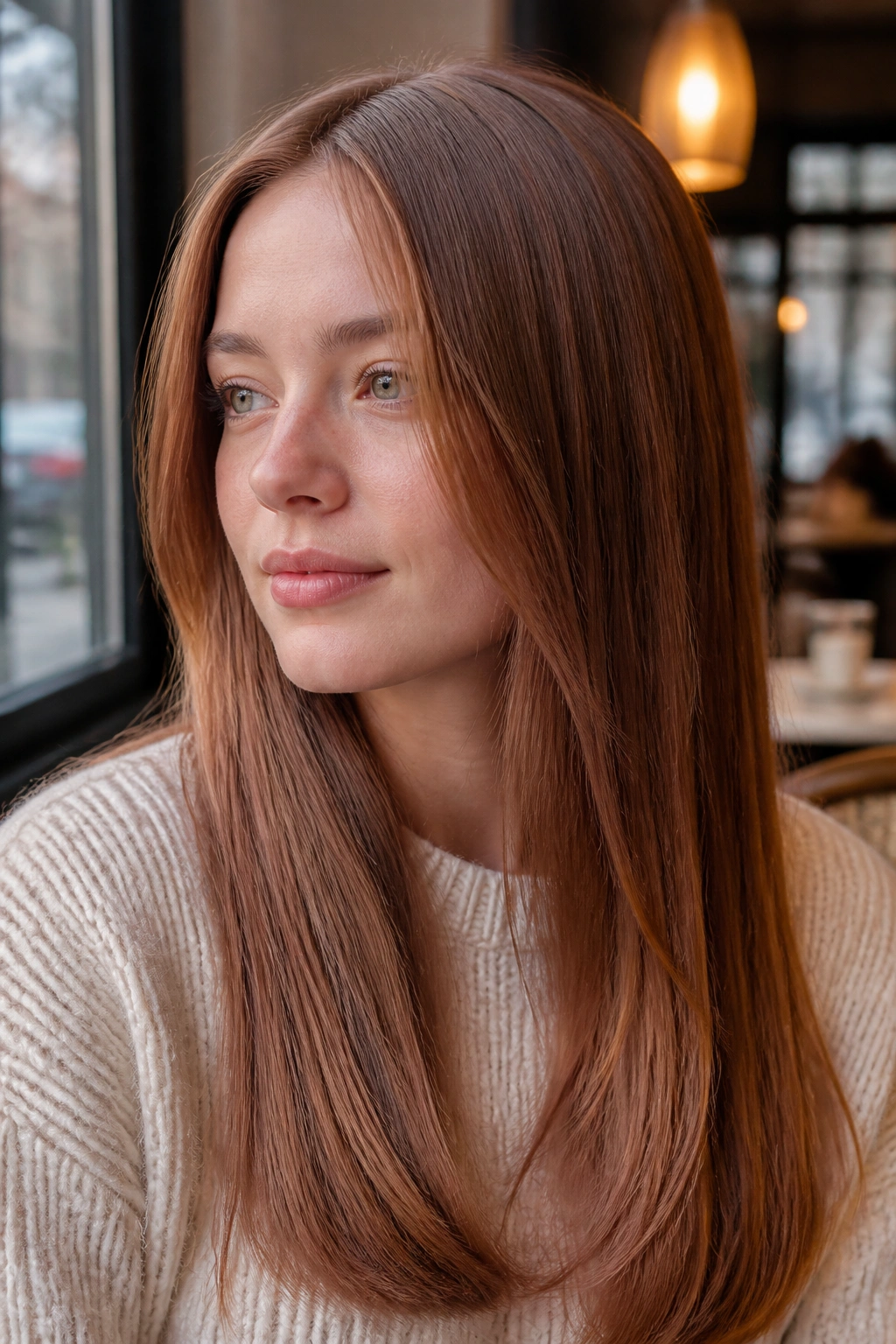
Can copper be neutral enough for cool skin? Yes, if beige gloss is doing the smoothing. This is the version for people who want warmth but do not want their hair to scream “redhead.” It is softer, quieter, and easier to live with.
How to Ask for It
Ask your colorist for a copper base with a beige or sand-toned gloss on top. That wording helps pull the shade away from orange and toward a calmer brown-red finish. If your skin is cool-neutral, this is one of the safest choices on the list.
This color works well on straight hair and on glossy blowouts because the neutral finish looks clean when the hair is smooth. It can also take a soft wave nicely. I would keep the makeup light and fresh with this one — think taupe, rose, or soft berry rather than bright coral.
22. Cinnamon-Rose Copper Shag

A shag cut makes cinnamon-rose copper feel easy, not precious. The layers break up the color, and the rose undertone keeps the warmth in check for cool skin. It has a little grit, a little softness, and no patience for flat hair.
The shag shape also lets the color do different things in different places. The fringe can read rosier, the mids can feel cinnamon-heavy, and the ends can drift a little lighter. That variation is useful. It keeps the shade from turning into one flat note.
- Best on medium-length hair with some natural texture.
- Ask for airier layers around the crown.
- A light styling cream beats heavy oil here.
- Pair it with mauve or berry makeup if you want the whole look to feel pulled together.
This one has personality. A lot of personality, honestly.
23. Copper Velvet Layers
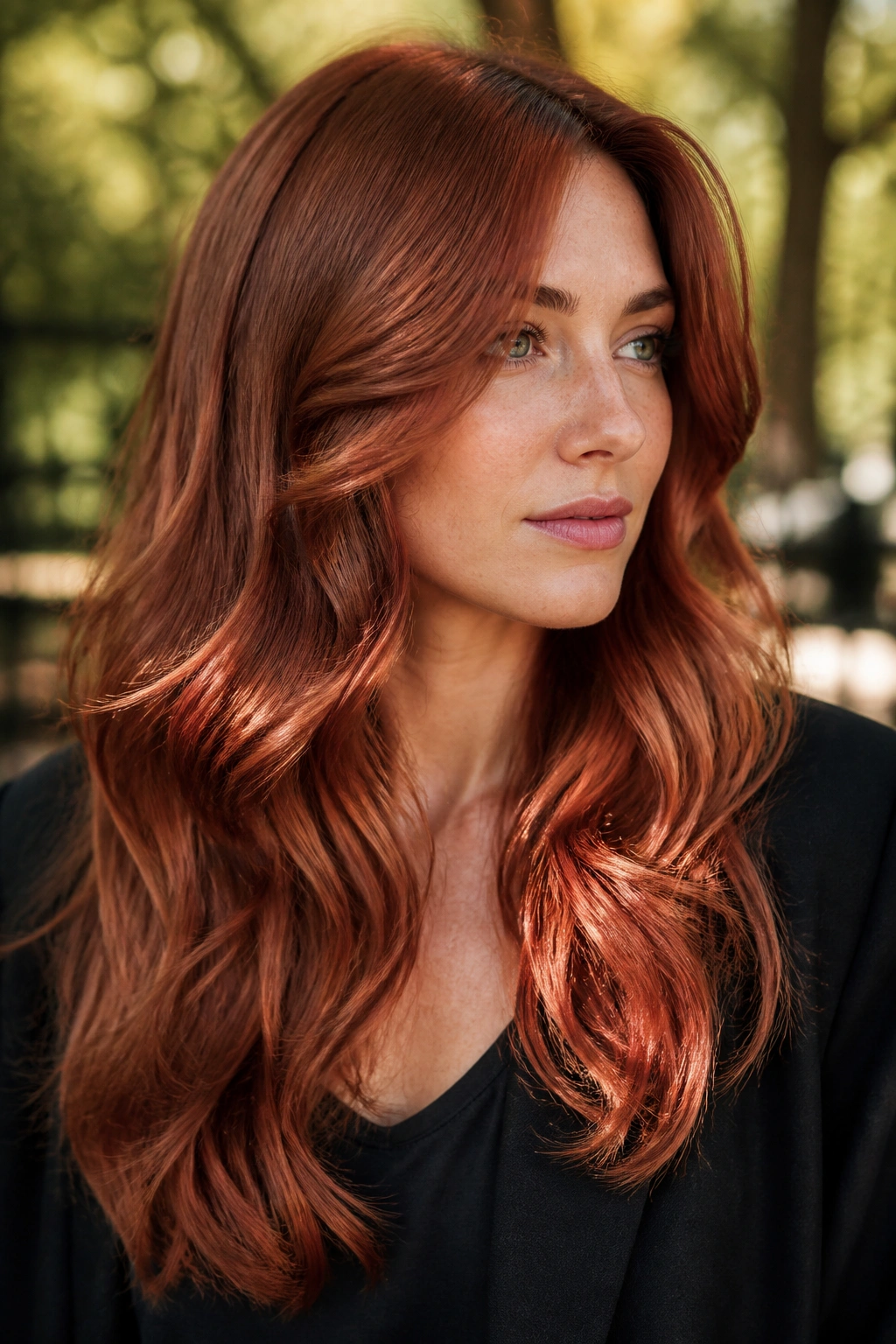
Copper velvet layers are for people who want depth, shine, and movement all at once. The color is deeper than bright ginger, which makes it easier on cool skin, and the layered cut gives it that soft, brushed texture velvet is known for. It feels rich without being stiff.
Long layers help the shade show in waves and bends, where the different tones can separate. Straight hair can wear it too, but then you need a clean finish and a little gloss to keep the copper from looking flat. If your hair tends to frizz, the deeper base helps hide that. That is not glamorous, but it is true.
I like this shade on thicker hair because the layers keep the weight from swallowing the color. It gives you warmth with shape. That is a better deal than pure brightness.
24. Dusty Ginger Pixie with Micro Bangs
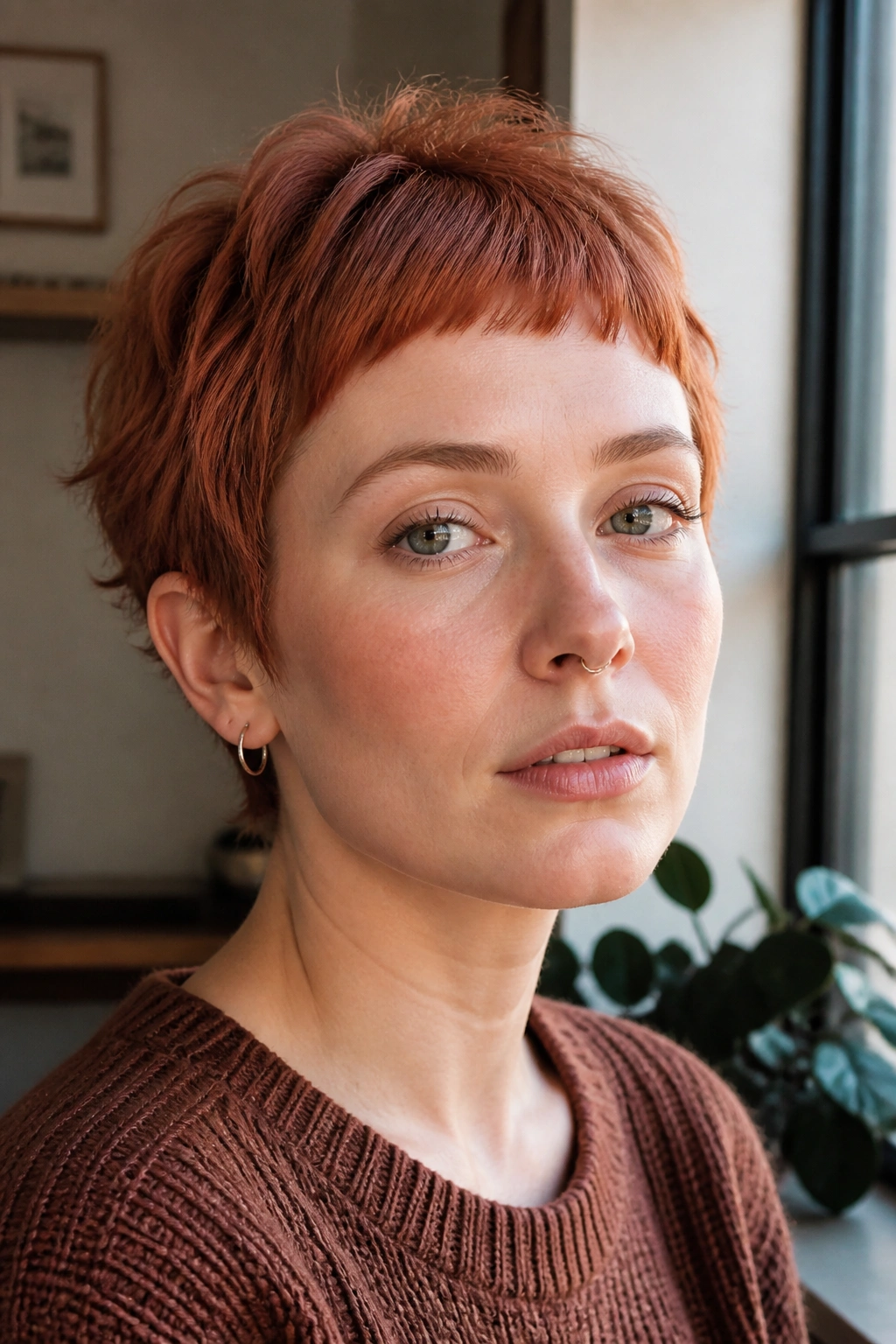
Unlike a bright ginger pixie, a dusty version keeps the fringe soft and wearable on cool skin. Micro bangs make the color sit right in the face, so the tone has to be controlled. Dusty ginger does that job better than a hot, orange-copper blast.
This look is a strong fit for fine features, sharp brows, or a face that already has a lot of contrast. The short length makes the hair feel light, and the dusty tone keeps it from reading too juvenile. If the color is too bright, the bangs can steal the whole show. Keep the root a touch deeper and the ends a little softer, and the cut looks intentional instead of loud.
If you like bold hair but not heavy maintenance, this is one of the better bets on the list.
25. Classic Ginger Copper for Cool Skin Tones
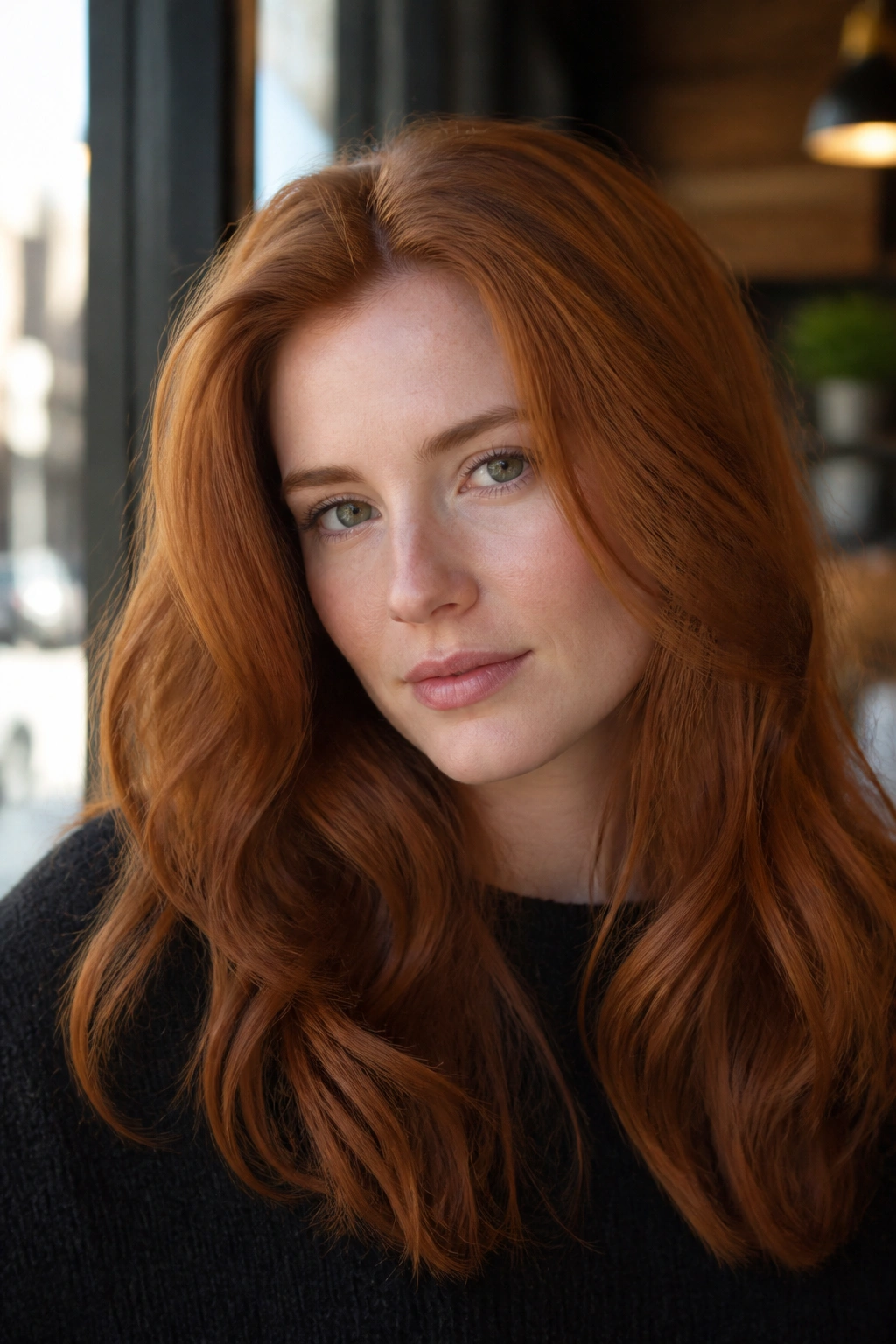
Classic ginger copper is the shade people picture first, and that is exactly why it needs to be handled carefully on cool skin. The best version is not pure orange. It is a balanced copper with enough red-brown underneath to keep the face from looking flushed.
Why It Still Works
This shade works because it has range. In daylight, you get ginger. In softer light, the red-brown depth comes forward and keeps the look grounded. That flexibility helps cool complexions more than a single flat orange ever could.
- Ask for a balanced copper base with muted auburn depth.
- A root shadow helps the color look polished longer.
- Best on medium-depth skin that can hold a little warmth.
- A color-depositing conditioner can keep the tone from drifting too gold.
My take: if you want the “classic redhead” feeling without the harsh edge, this is the one to try first.
Final Thoughts
The best ginger copper for cool skin tones is rarely the brightest one in the room. It is the one with enough red-brown, rose, berry, or smoke to calm the warmth down.
That is the thread running through all 25 ideas. Some are soft and light. Some are deep and moody. Some lean glossy, some lean piecey, and a few lean into contrast on purpose. The trick is matching the copper to your undertone instead of chasing the loudest version of the shade.
Bring photos to the salon, but bring good ones — images with the same base depth and haircut you want, not just a pretty color on someone with a completely different complexion. That one step saves a lot of disappointment.
