



Long hair gives blonde ombre room to breathe. On waist-length hair, the fade can start low, stay soft, and still read clearly from root to tip.
That’s why blonde ombre hair ideas for long hair can look so different from one another. Honey shades feel warm and easygoing, ash tones calm down brass, and pale platinum ends can turn the whole style sharper and louder. The cut matters too. A blunt hem, long layers, curtain bangs, and big curls all change how the color moves.
I’m partial to ombre on long lengths because it’s forgiving in a way full-head blonde usually isn’t. The root can stay rich, the midlengths can carry the transition, and the ends can go lighter without making the scalp look flat or overprocessed. But the placement has to be smart. If the fade starts too high, the whole thing can blur into one long stripe. If it starts too low, it barely reads as ombre at all.
So the trick is not just choosing blonde. It’s choosing the right blonde for the length, the layer pattern, and the amount of contrast you actually want. Some shades live quietly. Others walk into a room first.
1. Soft Honey-Blonde Ombre on Loose Waves
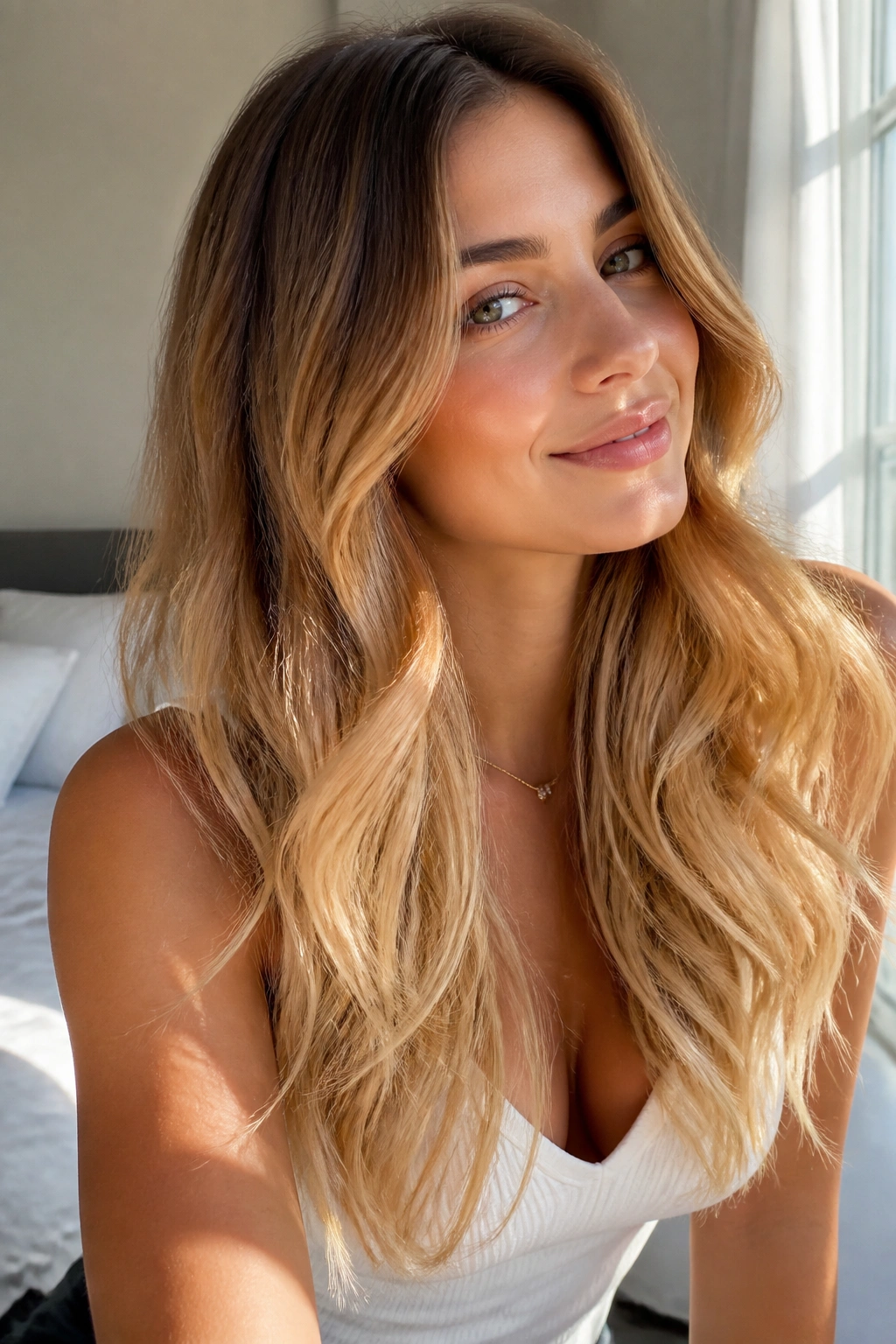
Honey blonde is the shade I’d hand to someone who wants warmth without tipping into gold-bar territory. On long hair, it gives the ends a soft glow that looks especially nice when the waves are loose and a little undone.
Why It Works on Long Hair
The extra length gives the transition room to blur. You can keep the roots deep brown, then let the mids warm up through caramel, and finish with honey at the bottom few inches. That stretch matters. It keeps the color from looking chopped off.
- Best on medium to dark brunette roots
- Looks richest when the waves are 1 to 1.25 inches wide
- Pairs well with a soft side part or curtain fringe
- Needs less toning than icy blonde shades
My favorite part: honey blonde does not fight the hair texture. It follows it. If your long hair already bends easily, this shade makes the movement look richer, not fussier.
2. Ash Blonde Ombre with Dark Mushroom Roots
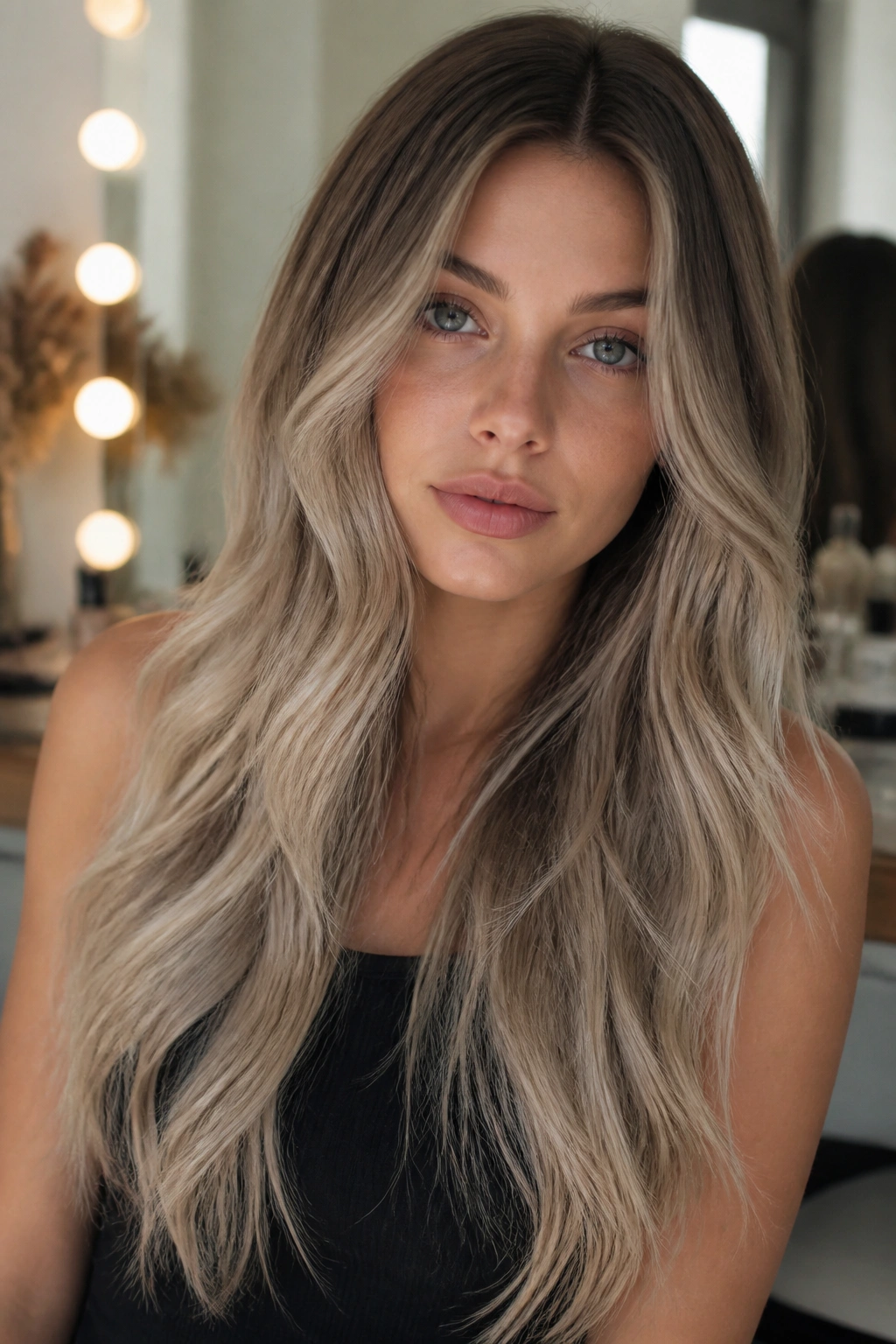
If you hate warmth, this is the safe bet. Ash blonde ombre with mushroom-brown roots keeps the whole look cool and smoky, which is a relief if your hair tends to pull orange the second it’s lightened.
The beauty of this version is the restraint. The top stays low and earthy, the midlengths soften into taupe, and the ends land in a pale ash blonde that still looks believable on long layers. It’s the kind of blonde that reads expensive only because it refuses to shout.
Ask for a root melt at least 2 to 3 inches long if you want the grow-out to stay graceful. And be honest about upkeep. Cool blonde fades faster than people expect, especially on porous ends. A violet shampoo once a week is usually enough, but overusing it can leave the hair looking flat and gray. That’s the tradeoff. Worth it, if you like a colder finish.
3. Vanilla Blonde Ombre with Curtain Bangs
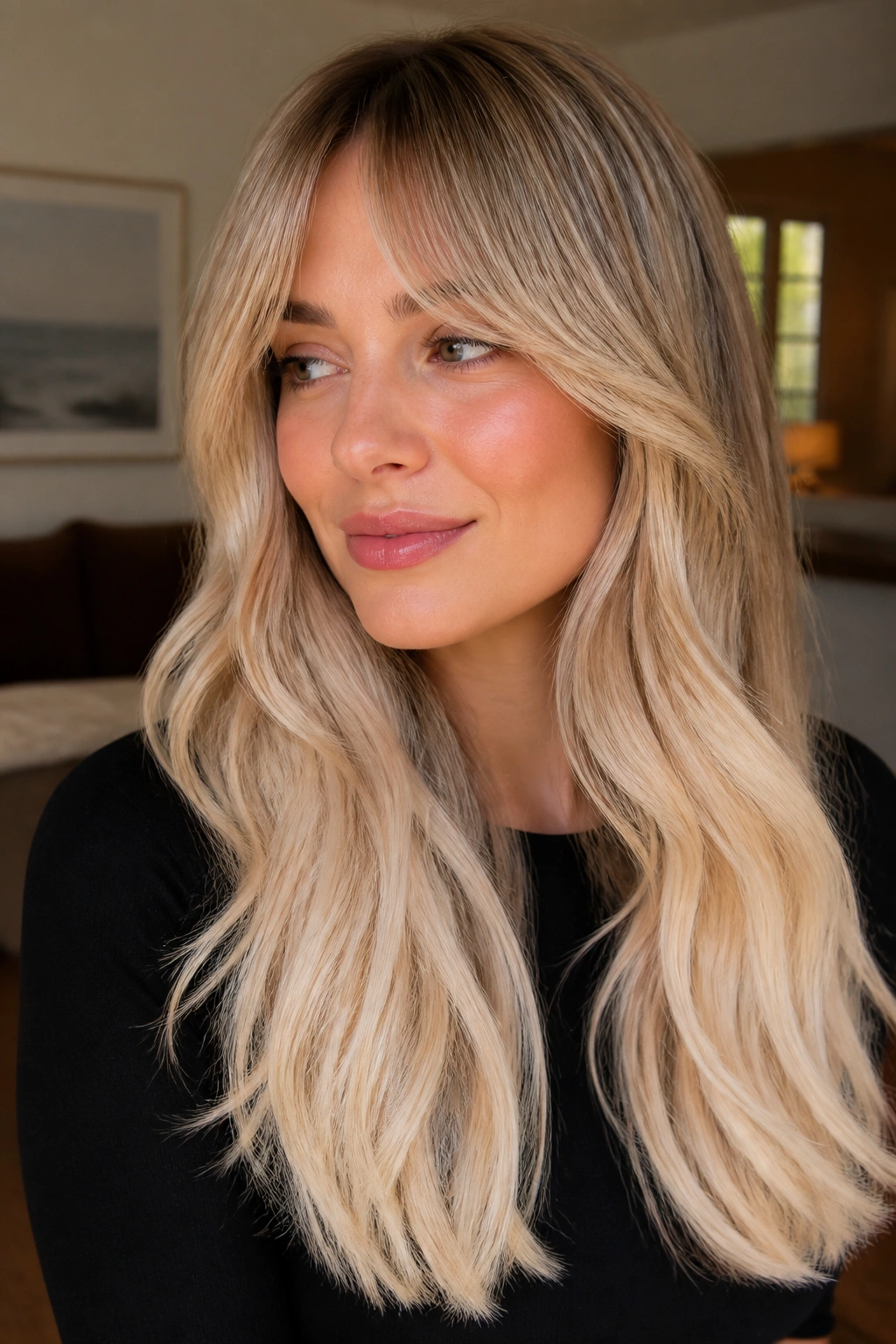
Can blonde ombre still feel soft when there are bangs in the mix? Absolutely. Vanilla blonde is the shade that keeps this from getting too harsh, because it has enough cream in it to blur the line between the face-framing pieces and the longer lengths.
How to Wear It
Curtain bangs work best when the lightest blonde starts just below the cheekbone. That way, the front pieces lift the face while the rest of the hair keeps a slower fade. On long hair, that creates a nice rhythm: lighter near the face, deeper through the crown, brighter again toward the ends.
A few things make this version land well:
- Ask for cream-toned blonde, not bright yellow
- Keep the bangs one level softer than the very ends
- Style with a round brush or big hot rollers so the fringe curves away from the eyes
- Use a lightweight shine cream, not a heavy oil
Vanilla blonde ombre has a quiet charm. It doesn’t need drama to look finished.
4. Caramel-to-Icy Blonde Ombre
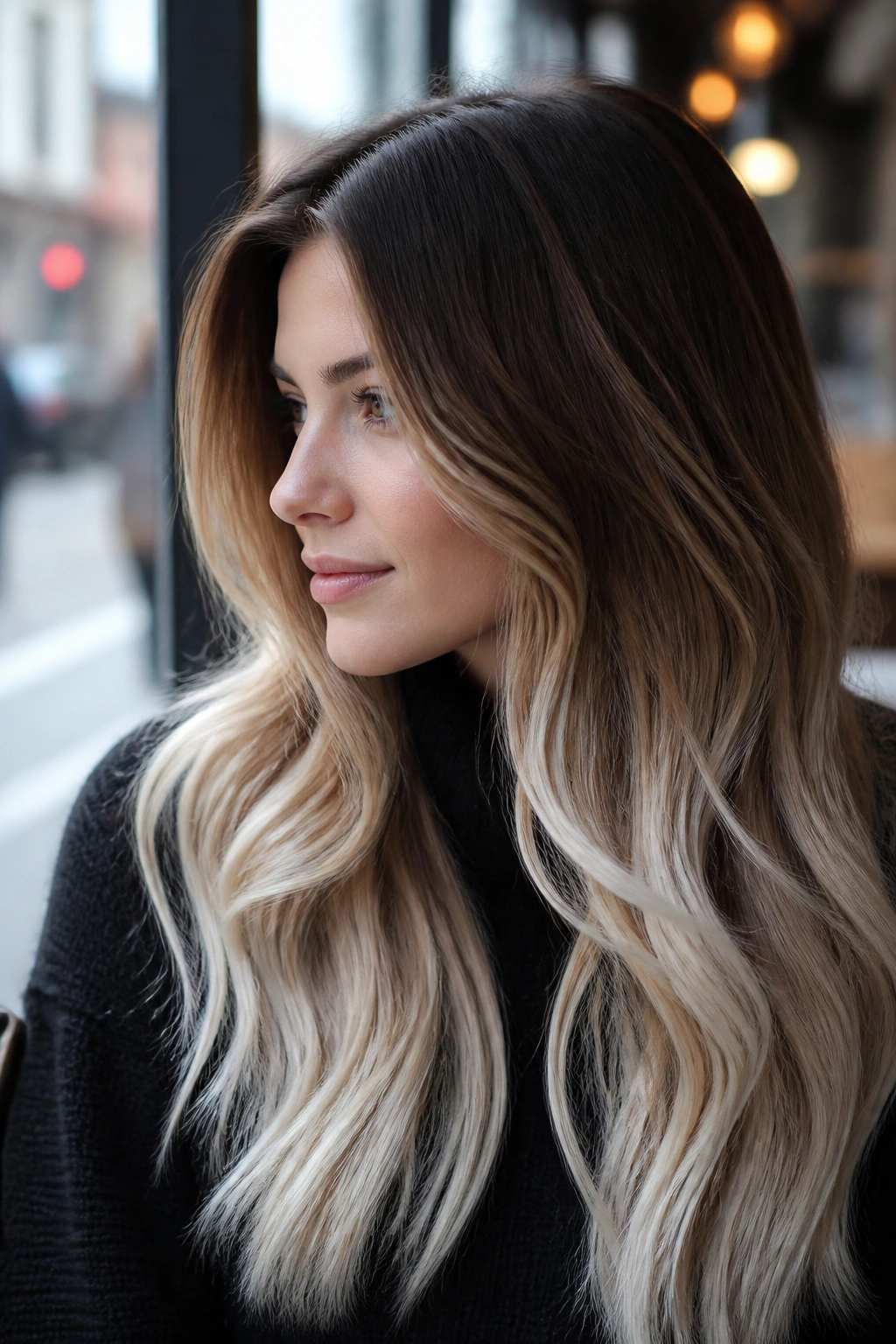
Picture dark espresso roots, a ribbon of caramel through the midlengths, then pale ends that almost look frosted. That contrast is the whole appeal. It feels deliberate, but not fussy.
This is one of those blonde ombre hair ideas for long hair that works because the color story changes in stages. The caramel softens the jump from dark root to light end, which matters on very long lengths. Without that middle step, the ombre can look like two different colors stitched together.
What to Ask For
- A deep root shadow
- A midtone that sits between caramel and beige
- Ends lifted to a cool pale blonde
- Soft blending around the ears and jawline
The only thing I’d warn against: don’t pair this with a blunt, one-length cut unless you want a harder graphic line. It’s better on hair with a little bend or layered movement. Straight hair can handle it too, but the transition has to be cleaner.
5. Champagne Blonde Ombre with a Glassy Straight Finish
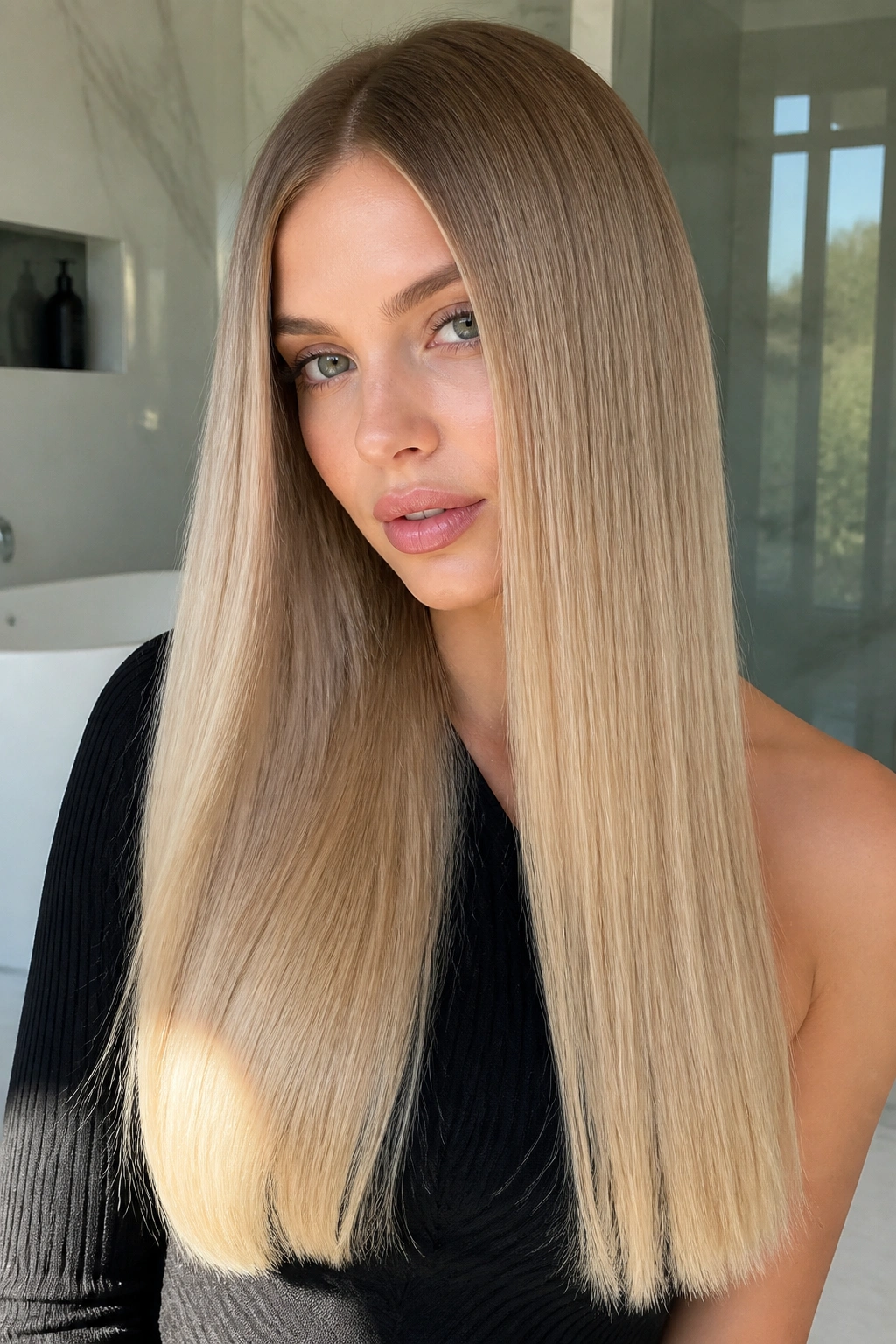
Champagne blonde is the version you pick when you want lightness without going stark white. It has a faint beige-pink softness to it, which gives long straight hair a polished, almost silky look.
What sells this style is the shine. On glossy lengths, champagne blonde catches the eye because it moves from deeper beige at the top to a brighter, pale fizz at the bottom. The fade is still there, but it feels more refined than obvious. That makes it a strong choice for someone who wears their hair straight most of the time and likes a cleaner finish.
I also like it on very long hair because the length gives the color enough room to breathe. Shorter cuts can make champagne blonde feel busy. Long hair lets the tone settle. A middle part helps, though a soft off-center part can make the lighter ends fall in a prettier way around the shoulders.
A flat iron pass and a heat protectant with a little slip go a long way here. Frizz will steal the whole effect.
6. Rooted Beige Blonde Ombre
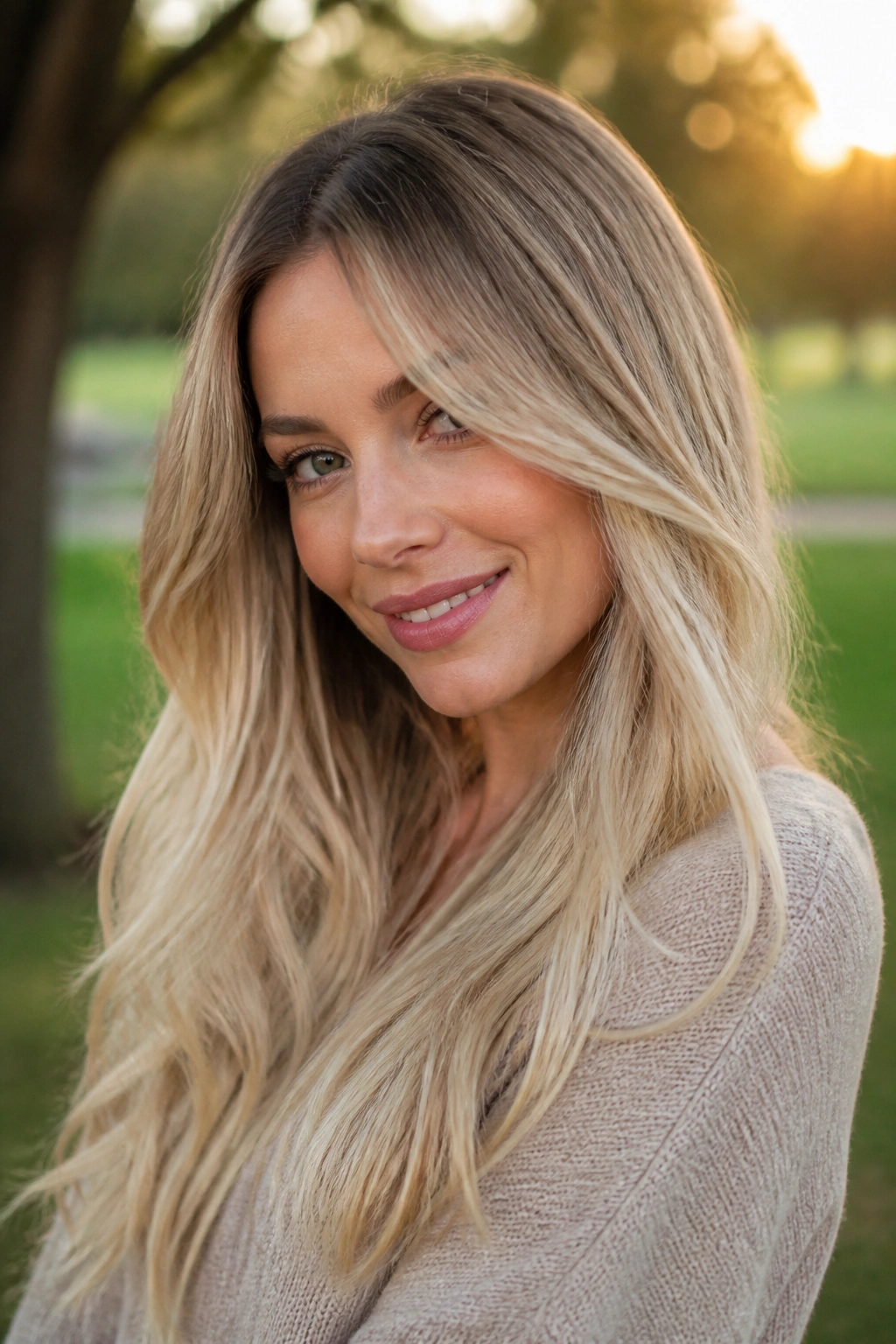
Unlike a solid blonde, this style keeps the root depth on purpose. That’s the whole point. Beige blonde ombre gives long hair a softer grow-out, and the beige tone keeps the light ends from looking too yellow or too icy.
It’s also one of the easiest styles to live with. If you work with a colorist, ask for a root shade that stays just a touch darker than your natural base. Then let the blonde drift into beige through the midlengths and finish with a slightly brighter end. The result is gentle, not washed out.
Who does this suit best? People who want something light but don’t want to chase toner every few weeks. It’s a smart choice for naturally dark blondes and light brunettes who want dimension without a big shift.
My recommendation: wear it with long, face-framing layers. Beige blonde can look sleepy on hair that hangs in one straight block.
7. Bronde Ombre with Sunlit Ends
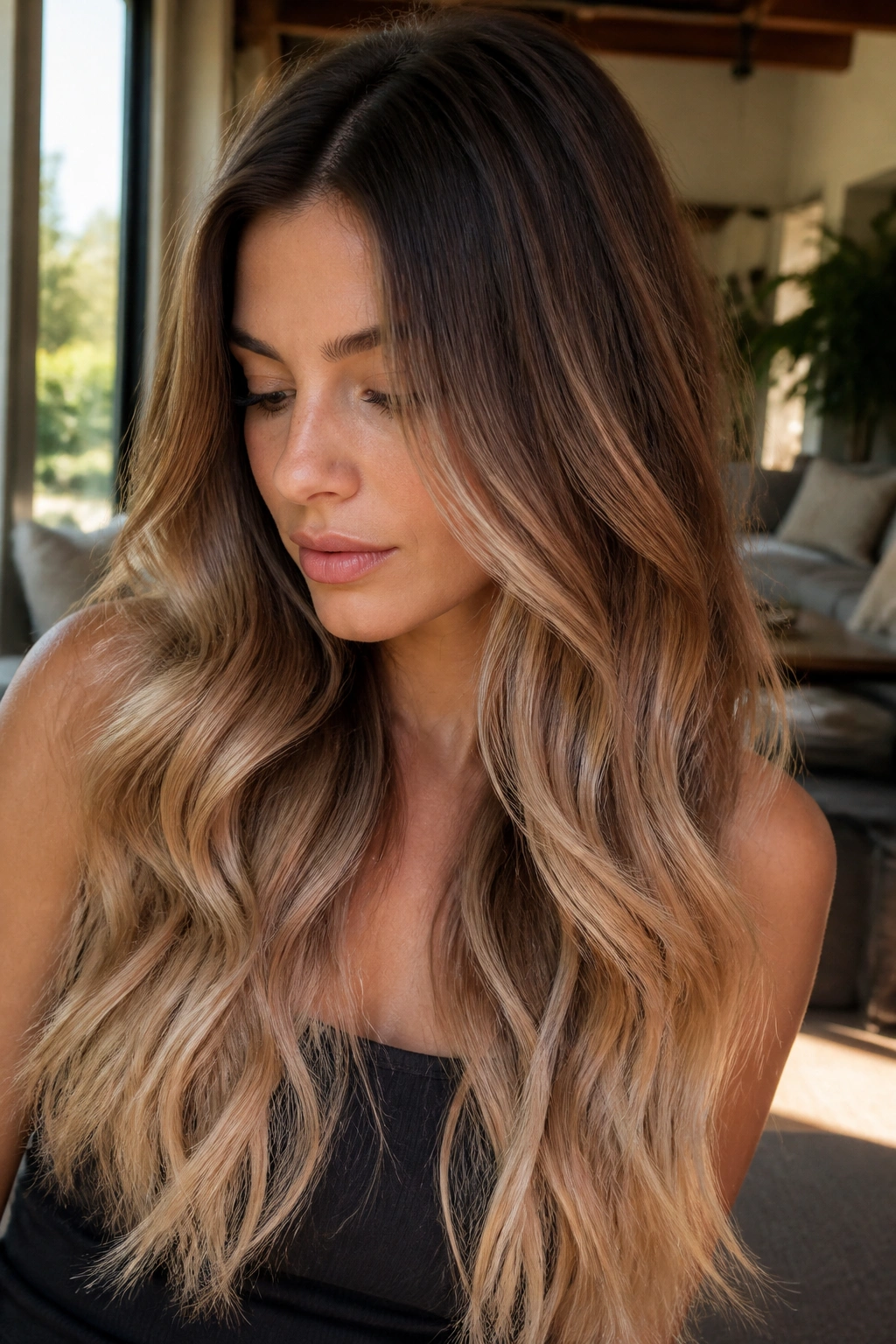
Bronde is one of those shades that sounds vague until you see it on long hair, and then it makes sense immediately. It sits between brown and blonde, which means the ombre doesn’t need a dramatic jump to look good.
The Shade Range That Keeps It Easy
The root stays brunette, the mids turn toasted almond, and the ends pick up a sunlit beige that brightens the whole shape. That slow fade is especially nice if your hair is dense or heavy, because it creates movement without asking for a full bleach look.
- Great for natural brunettes
- Looks best on layers below the collarbone
- Easy to wear with soft bends or a low ponytail
- Less contrast means a gentler grow-out
A small tip: if your hair is fine, don’t push the ends too pale. Bronde works because the depth stays visible. Lose that, and the whole thing can feel thin.
8. Platinum Face-Frame Blonde Ombre
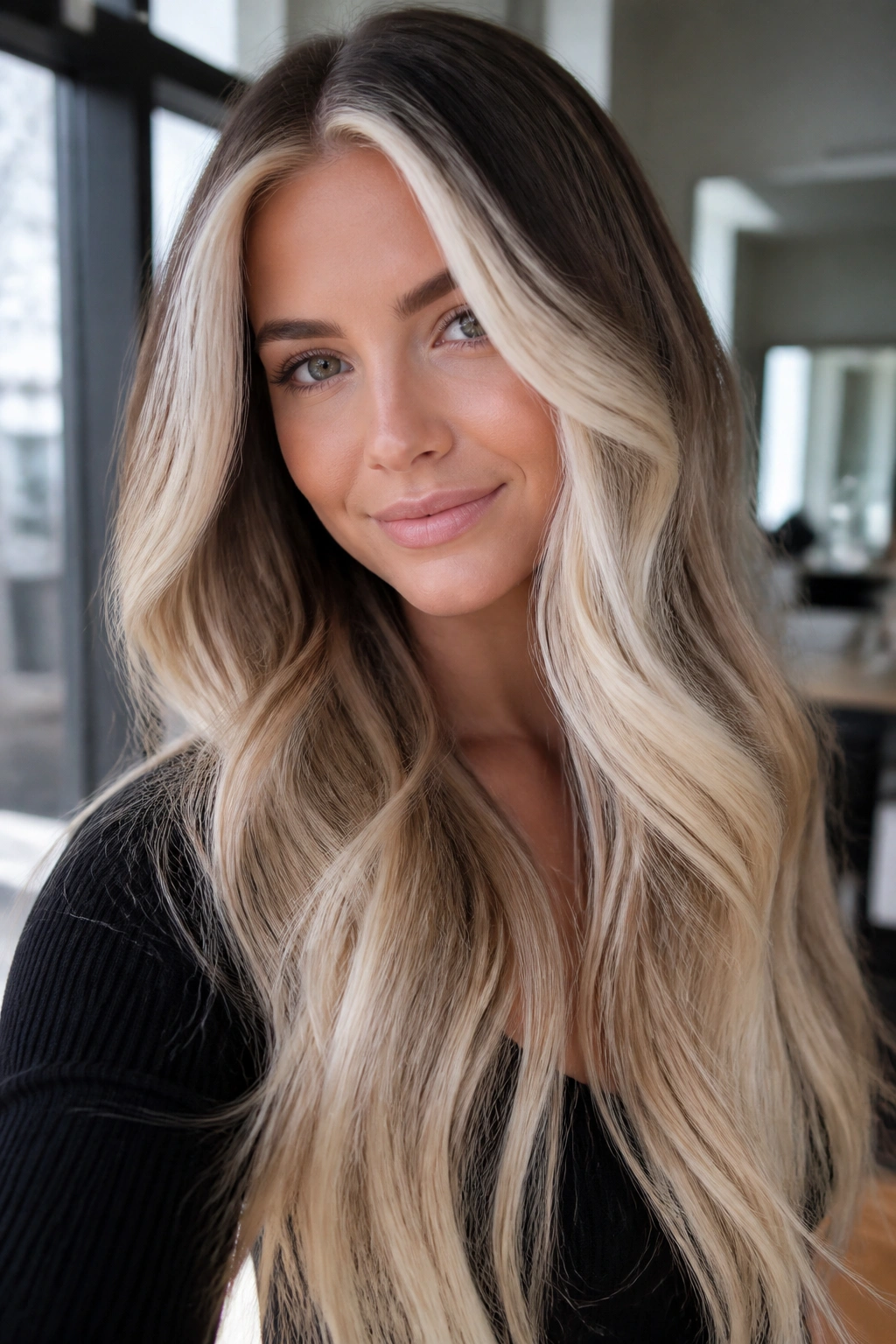
This is the bold one. If you want long hair to look icy right away, platinum around the face does the job fast, and the longer lengths make the fade feel even more dramatic.
The trick is to keep the face-framing pieces bright while letting the rest of the hair stay softer and darker. That keeps the look from turning into an all-over bleach job. The contrast is what makes it interesting. Around the face, it can almost act like built-in lighting. Down the lengths, the ombre keeps the style grounded.
I would not call this low-maintenance. Platinum needs toner, careful heat use, and a little discipline with conditioners that can weigh it down. Still, on long hair, the payoff is strong because the pale pieces draw the eye first and the darker root gives your scalp a break.
If you like sharp contrast and your cut already has long layers, this one has real punch.
9. Strawberry Blonde Ombre on Copper Base
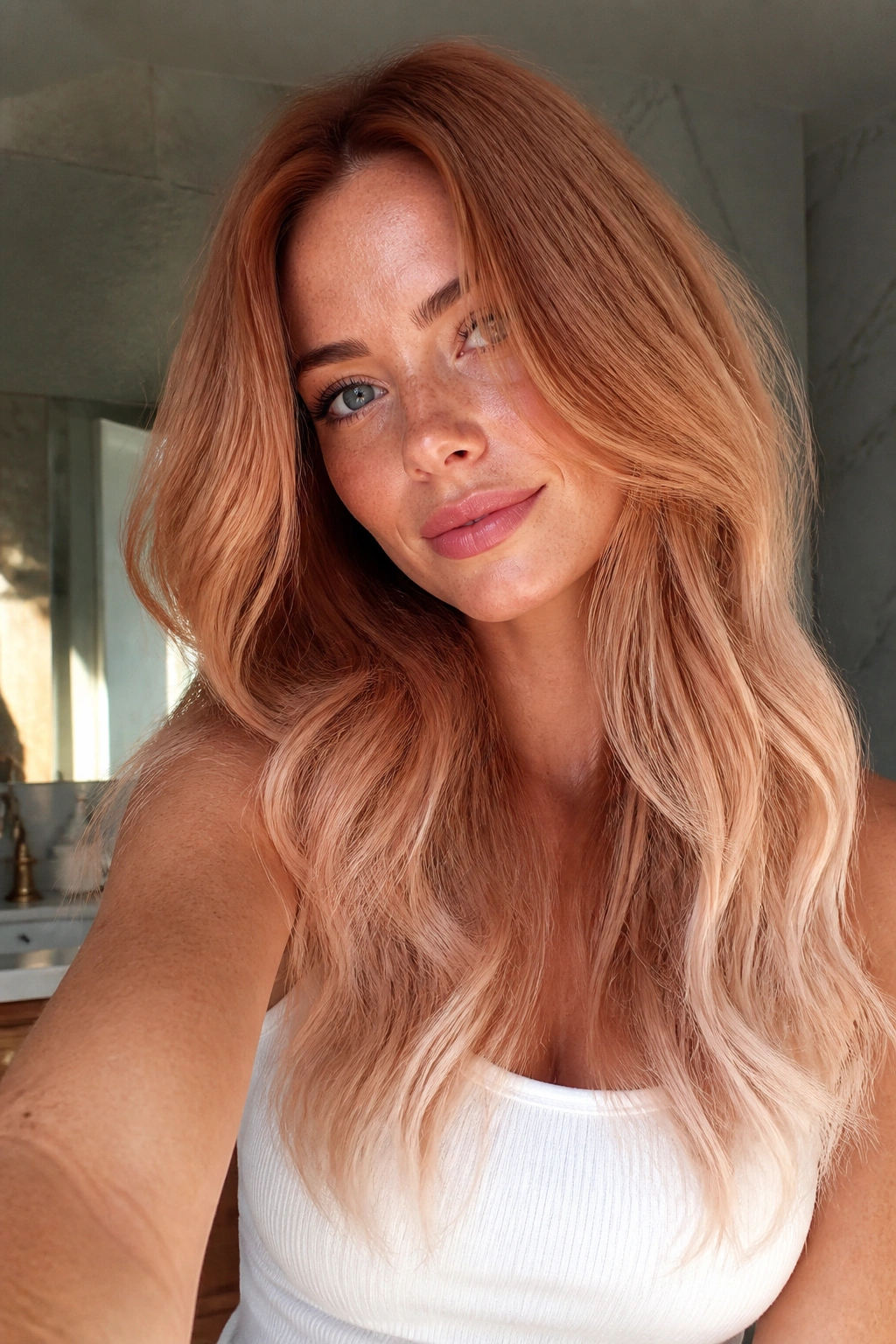
Can blonde ombre read warm without turning orange? Yes, if the copper is handled with care. Strawberry blonde sits in that sweet spot where the color feels fresh, soft, and a little romantic instead of loud.
How to Keep It Soft
The base works best when it starts copper or light auburn, then shifts into strawberry through the mids and a pale blush-blonde at the ends. Long hair gives the shade room to move, which matters here because warm red-blonde tones can look flat if they’re packed into a short cut.
You want this style if your skin likes warmth and you don’t want a cool blonde that fights your natural coloring. It also looks good in waves, where the red-gold notes catch just enough light to stay visible.
A gloss every few weeks helps keep the copper from dulling out. And if you wear heat tools a lot, use less of them than you think you need. Strawberry blonde fades fast when it gets cooked. That part is annoying. It’s also true.
10. Butter Blonde Ombre with Long Layers
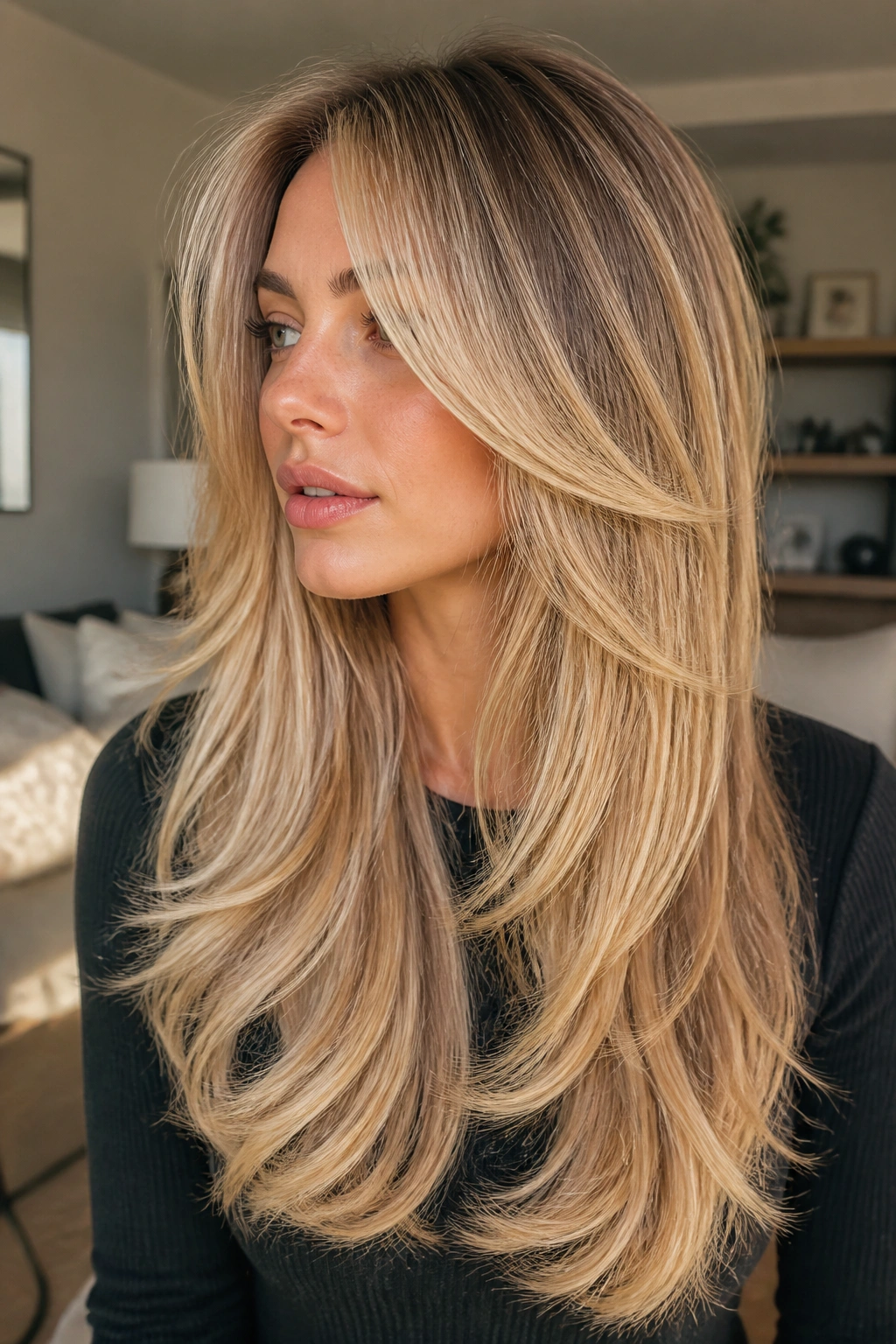
Butter blonde is soft, creamy, and a little old-school in the best way. On long layers, it gives the ends a warm glow that sits somewhere between pale gold and light vanilla.
The reason it works is simple: long layers let the color show in pieces. The top can stay deeper, the midlengths can melt into a buttery tone, and the ends can go one step brighter without looking stripy. If your hair moves a lot, this shade looks especially good because the layers keep revealing and hiding the lighter pieces as you walk.
A shoulder sweep of waves helps, but this isn’t only a curly style. Straight hair can wear it too, as long as the cut has enough shape. Without layers, butter blonde can blur into one flat block.
One thing I’d avoid is going too yellow at the bottom. Butter should feel soft and creamy, not neon. That’s the difference between flattering and harsh.
11. Sandy Blonde Ombre with Beach Waves
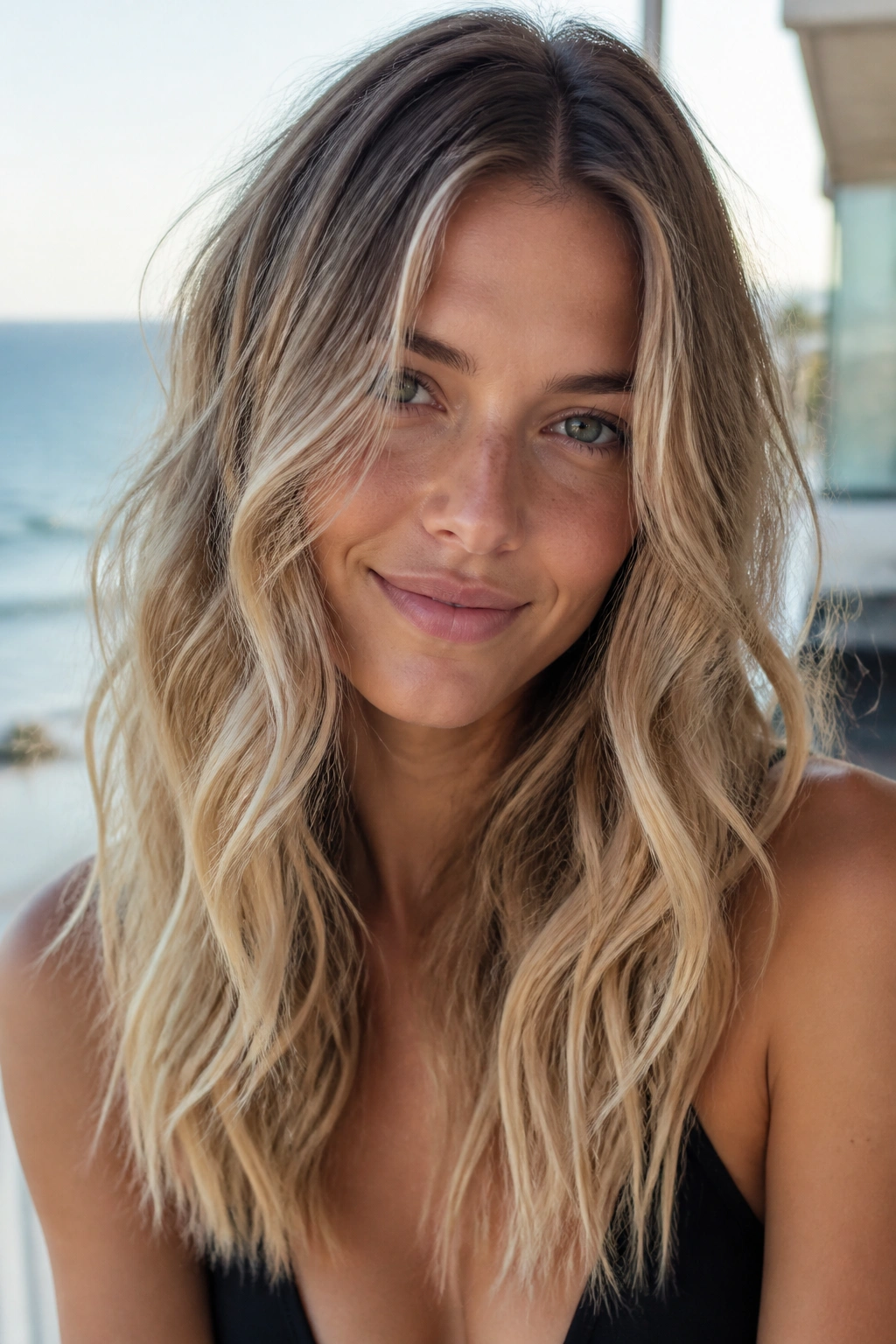
Sandy blonde has a dry, natural feel that suits long hair better than a lot of brighter blondes do. It’s a little beige, a little gold, and never too polished. That makes it easy to wear with beach waves, which is where this look really comes alive.
The color transition is quiet. Roots stay natural, mids soften into a warm-neutral blonde, and the ends drift a shade lighter. Nothing screams for attention. The appeal is the texture, not the contrast.
A beach wave spray can help, but don’t overdo it. Too much product and the hair starts looking stiff, which ruins the whole point. Loose bends, a center part, and a bit of separation at the ends are enough. Long sandy blonde ombre has a lived-in feel that a lot of other blondes try to fake. This one doesn’t have to try so hard.
12. Smoked Almond Blonde Ombre
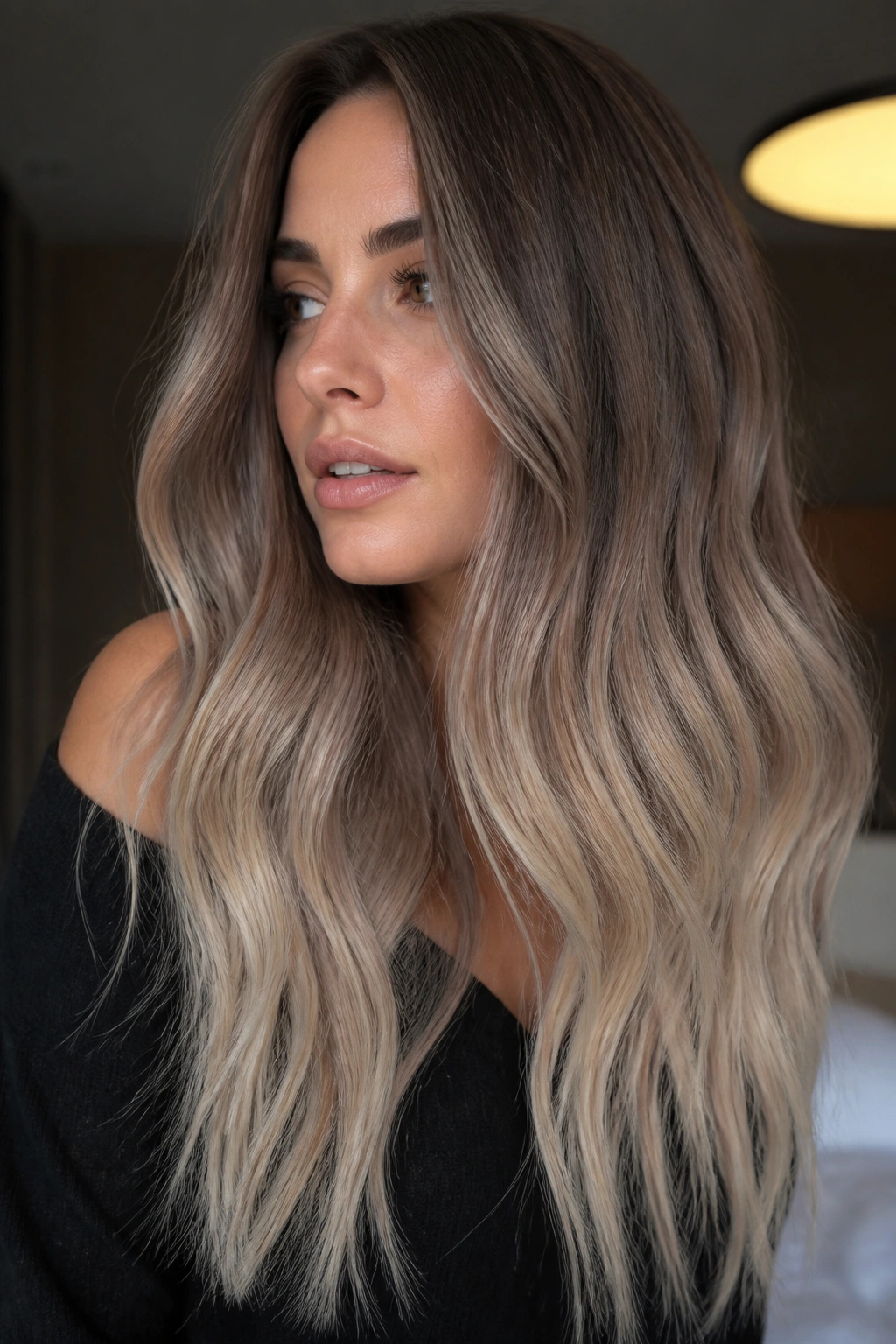
Smoked almond blonde is for the brunette who likes blonde, but not the loud kind. It keeps the transition cool and muted, almost like toasted nuts and pale beige had a quieter cousin.
Unlike brighter blondes, this one depends on the shadow. The root area stays brown, the mids take on a smoky taupe, and the ends lift to a soft almond blonde that never looks brassy. On long hair, that smoke gives the color depth, especially if the cut has long internal layers.
It’s a good match for people who want their hair to look expensive without looking obviously colored. That sounds snobby. I know. But there is a difference between visible blonde and believable blonde, and smoked almond sits firmly in the second category.
If your wardrobe leans black, cream, denim, or olive, this shade settles in beautifully. It doesn’t fight the clothes. It just hangs there looking better than it should.
13. Icy Pearl Blonde Ombre
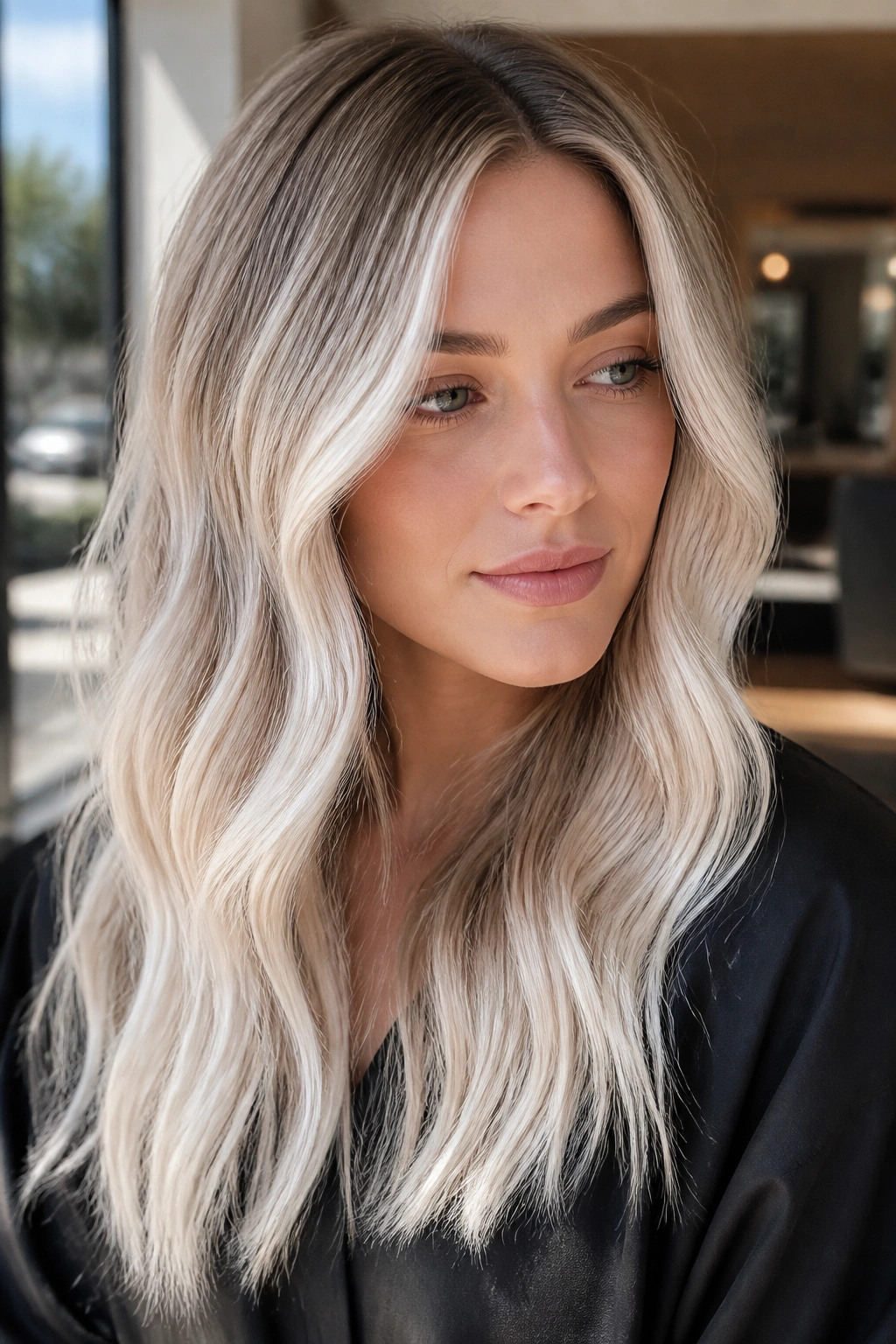
Pearl blonde has a cleaner finish than champagne and a softer edge than silver. On long hair, it looks almost liquid when the light hits the ends, especially if the waves are loose and the root melt is kept narrow.
Why It Stands Out
You need a light base to get here, and that means this style is usually better on hair that already lifts well. The ombre starts by preserving depth near the scalp, then gradually opens into pale pearl through the mids and ends. The result feels airy.
- Best on cool or neutral undertones
- Needs regular toning every few washes
- Looks strongest with sleek waves or soft curls
- Pairs well with a soft shadow root so the platinum doesn’t feel harsh
Small warning: pearl blonde is gorgeous for about five minutes if the toner is wrong. The shade should stay creamy, not flat gray. That’s a narrow line, which is why this one benefits from a careful hand.
14. Honey-to-Milk Tea Blonde Ombre
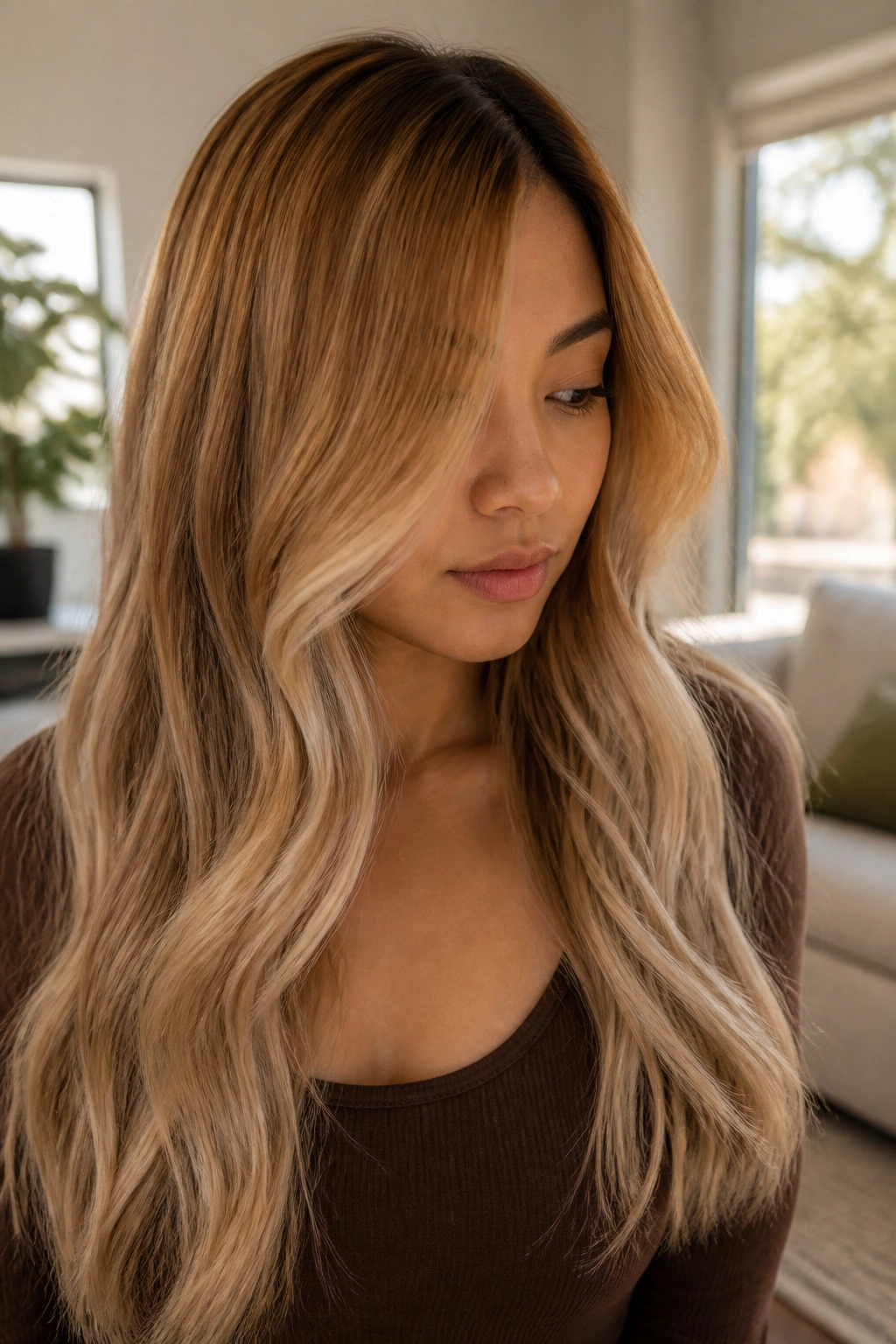
This shade has range. Honey at the top keeps the warmth alive, while the milk tea blonde near the ends cools the whole look just enough to make it feel modern and calm.
The transition is lovely on long hair because there’s space for both tones to show without competing. Honey usually reads best from the roots to the upper mids, then the color softens into a beige-brown blonde that looks almost creamy on the ends. It’s subtle, but not dull. That distinction matters.
I’d choose this if you want something softer than platinum but more interesting than plain golden blonde. It flatters long layers, braided styles, and half-up twists because both shades can peek through at once.
Practical note: keep the honey rich, not orange. If the warm part gets too coppery, the whole style shifts from polished to harsh fast. A gloss can fix a lot. It can’t fix everything.
15. Cinnamon Root Melt to Golden Blonde
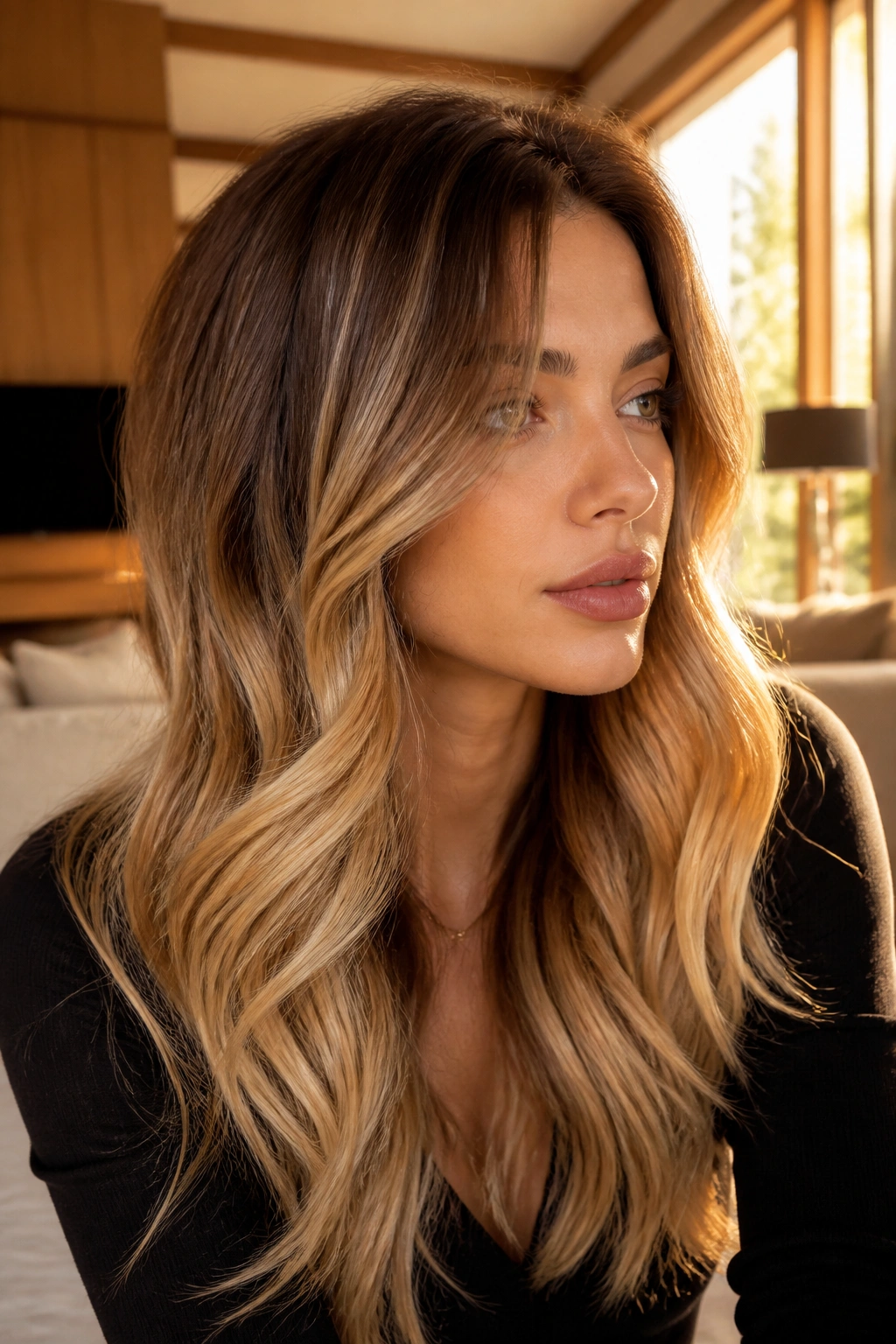
How do you make warm blonde look rich instead of brassy? Start with cinnamon at the root, not orange, and let the gold build gradually instead of all at once.
How to Style It
This ombre works because the root melt has depth. Cinnamon gives the top of the hair a reddish-brown warmth, then the mids move into soft gold, and the ends land in a brighter blonde that still feels sunlit. Long hair gives the whole gradient time to show itself.
It looks especially good when the hair is styled with a little bend, because the color appears richer in the curves. A flat finish can work too, but then you need a cleaner, more deliberate transition.
If your complexion likes warm tones, this is a strong one to keep on your shortlist. It feels cozy without becoming pumpkin-y. That sounds like a small thing. It isn’t. Warm blondes can go wrong fast, and cinnamon is one of the easiest ways to keep them under control.
16. Cool Beige Blonde Ombre with V-Cut Layers
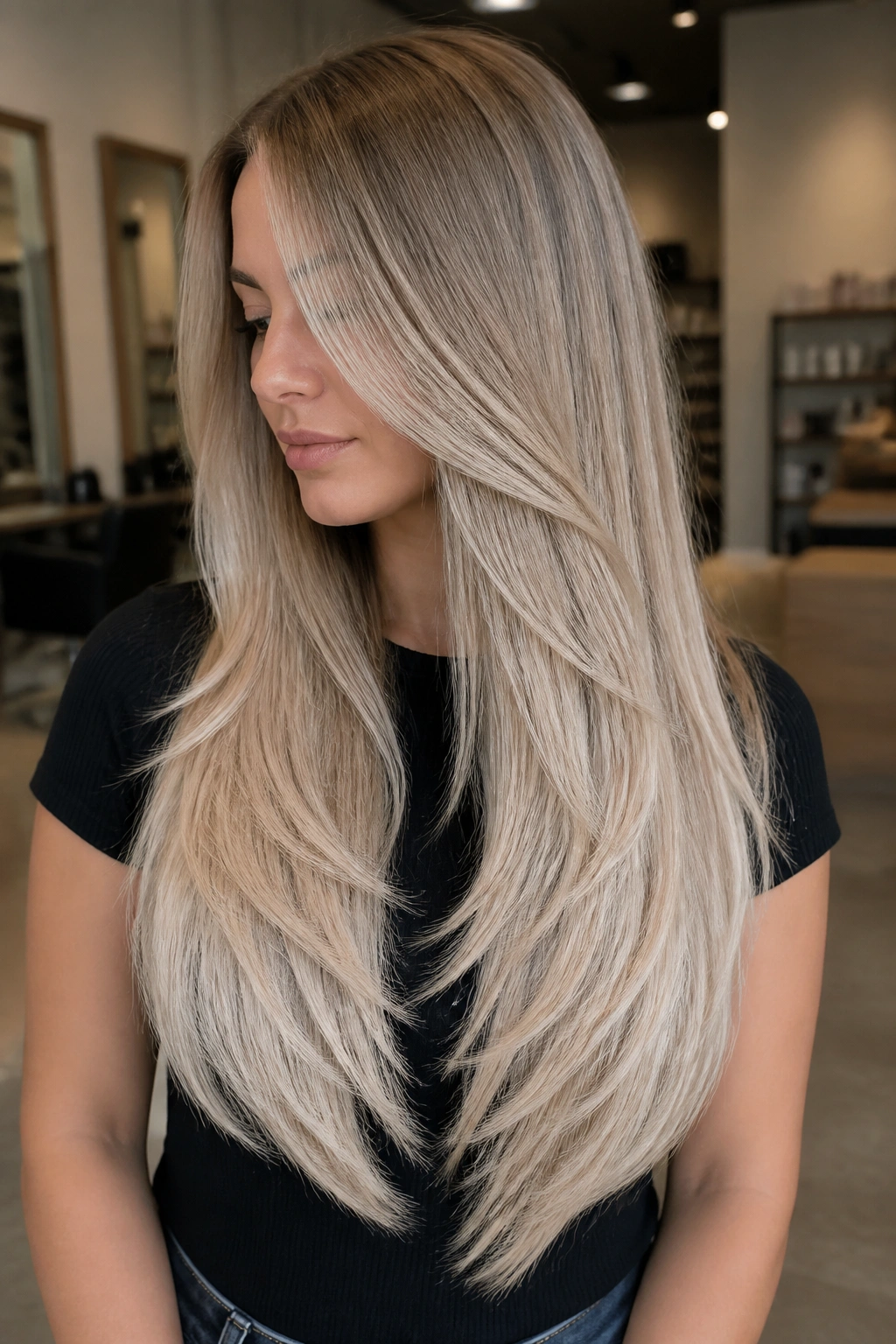
A V-cut does a lot of work for ombre, because it narrows the ends and makes the lighter pieces fall in a sharper point. That shape is good news for cool beige blonde, which can look heavy if the cut is too blunt.
The color itself sits in a nice middle ground. It’s cooler than honey, softer than ash, and easier to wear than ultra-pale platinum. The roots stay grounded, the mids fade through taupe, and the ends finish in beige blonde that looks clean on long lengths.
What Makes It Different
The V shape gives the lighter ends a little more swing. You see the ombre more when the hair moves, and that stops the style from feeling one-note. It’s also one of the better options if your hair is thick, because the shape removes bulk while the blonde adds visual lightness.
My advice: keep the beige tone muted. If it turns too golden, the whole cut loses that cool edge that makes it interesting.
17. High-Contrast Blonde Ombre
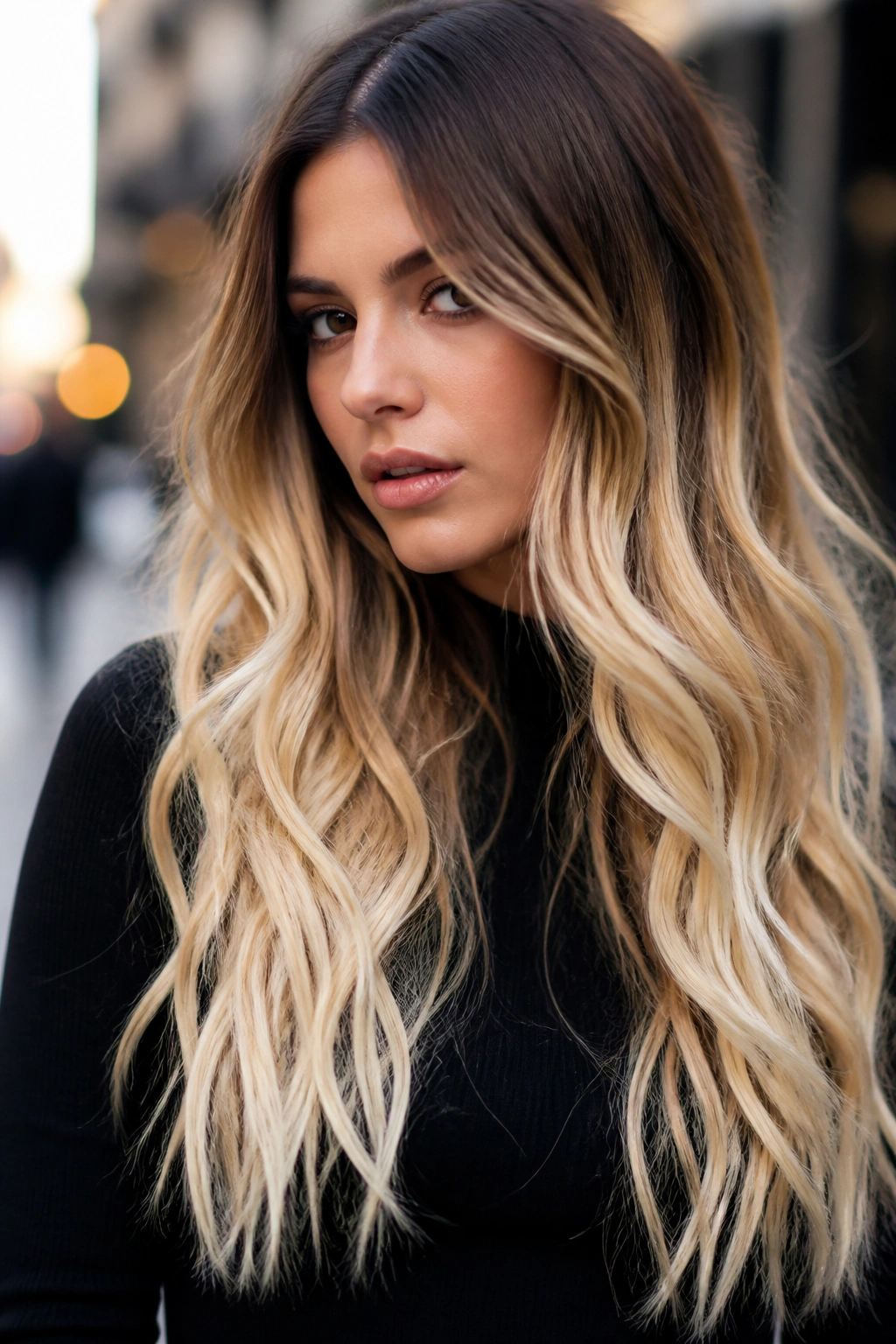
Some people want a fade you can spot from across the street. That’s this one. High-contrast blonde ombre keeps the root dark and the ends much lighter, so the shift is obvious on purpose.
I like it on long hair because the length keeps the contrast from feeling abrupt. There’s room for the eye to travel from deep brunette or dark blonde roots down through a softer midtone into pale ends. On curls, the effect is even stronger, because every bend catches a different part of the gradient.
This is not a shy look. It works best if you’re comfortable with the color being part of the outfit, not just a background detail. Maintenance is a little higher too, because the light ends will show warmth sooner than a softer blonde would.
Still, when it’s done well, it has real energy. Clean roots. Bright tips. No guessing.
18. Soft Balayage Blonde Ombre with a U-Shaped Cut
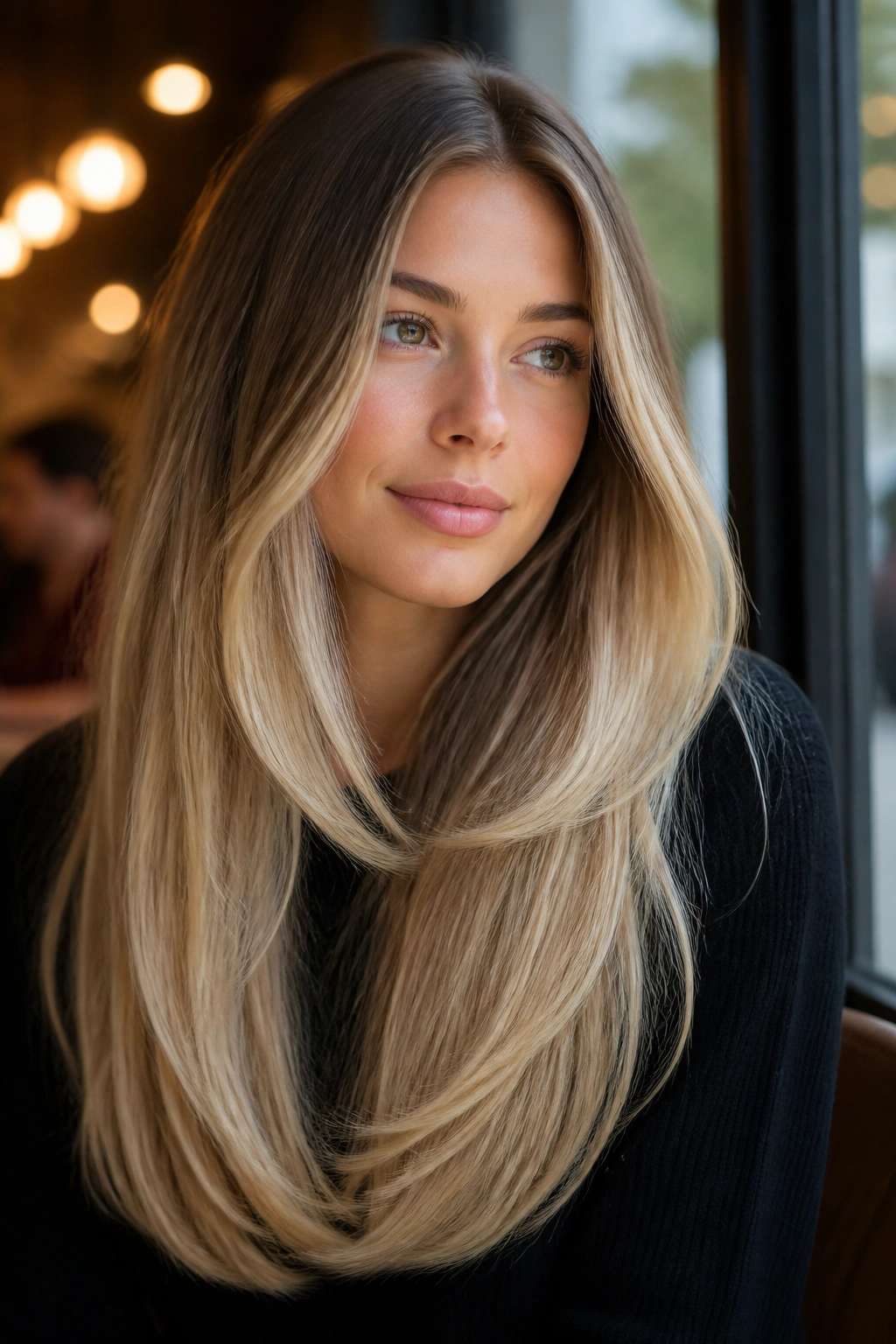
Balayage and ombre are cousins, and on long hair they play nicely together. A U-shaped cut keeps the perimeter soft, while the blonde pieces are painted so the fade feels hand-done rather than striped.
Unlike a rigid ombre with one obvious line, this version spreads the lightness through the lengths. That makes it easier for people who want dimension without a heavy color block at the bottom. The U shape helps too, because the hair keeps a rounded outline when it falls over the shoulders.
It’s a smart pick for medium to thick hair. The cut removes bulk, the balayage lifts the sides, and the ombre effect brightens the ends. That combination can make a lot of long hair look lighter without making it look thinner. There’s a difference. Big one.
If you like low drama but still want the color to move, this is one of the nicest ways to do it.
19. Cream Soda Blonde Ombre
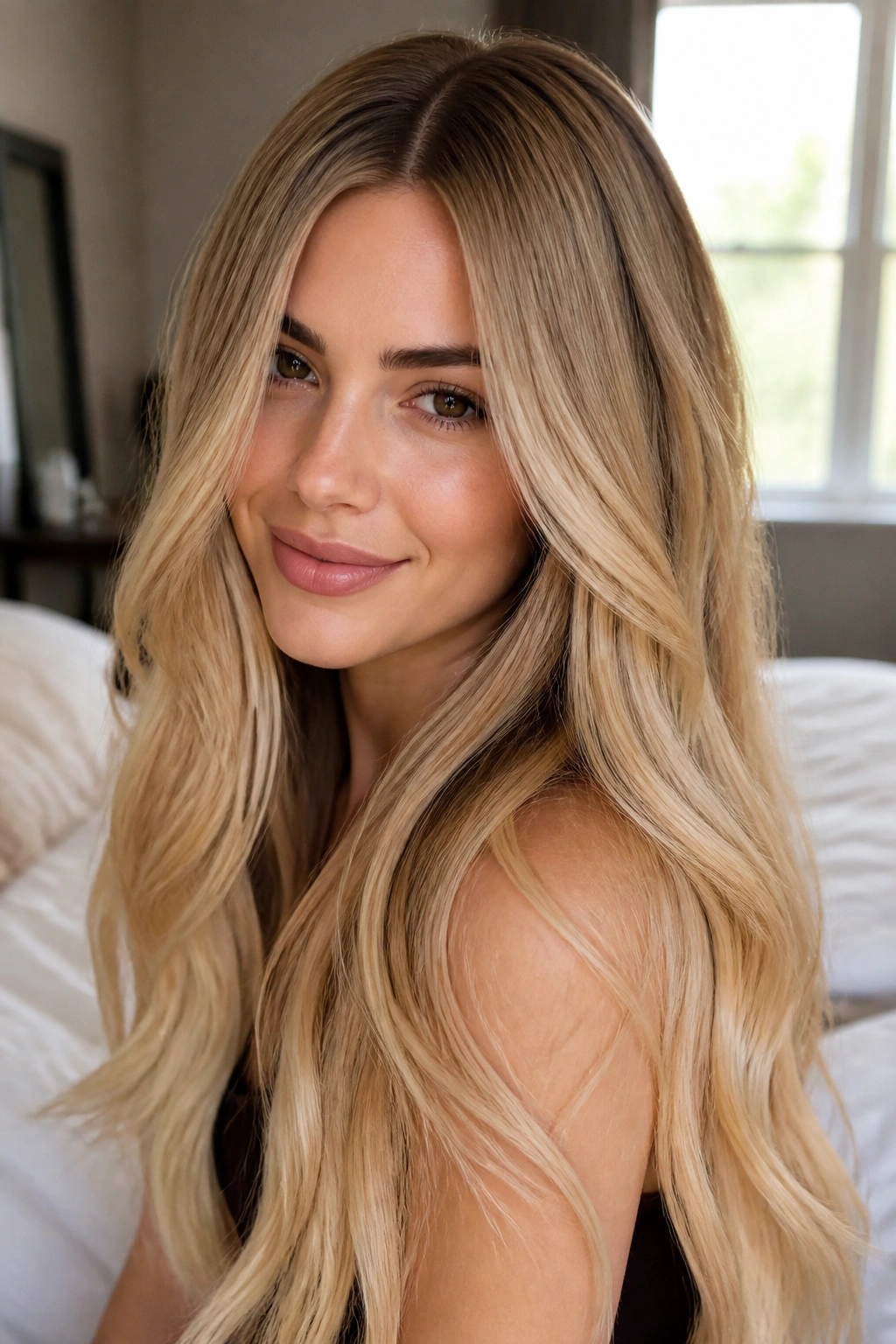
Cream soda blonde is sweet, warm, and a little glossy-looking even before the shine spray goes on. On long hair, it gives the fade a creamy beige base with a soft golden finish, which makes the whole style feel smooth.
The Shade Story
The root stays brown or dark blonde, the mids go a shade lighter and warmer, and the ends turn into that creamy soda blonde that sits between beige and gold. It has enough color to feel deliberate, but not so much that it overwhelms the length.
- Works well on wavy or blown-out hair
- Looks best with long layers or a soft U shape
- Benefits from a slightly deeper root shadow
- Needs glossing if your hair pulls yellow
Best part: cream soda blonde doesn’t ask for a giant commitment. It’s warm enough to look friendly, light enough to feel fresh, and soft enough that you can wear it with everyday clothes without feeling overdressed.
20. Platinum Dip-Dye Ombre for Long Hair
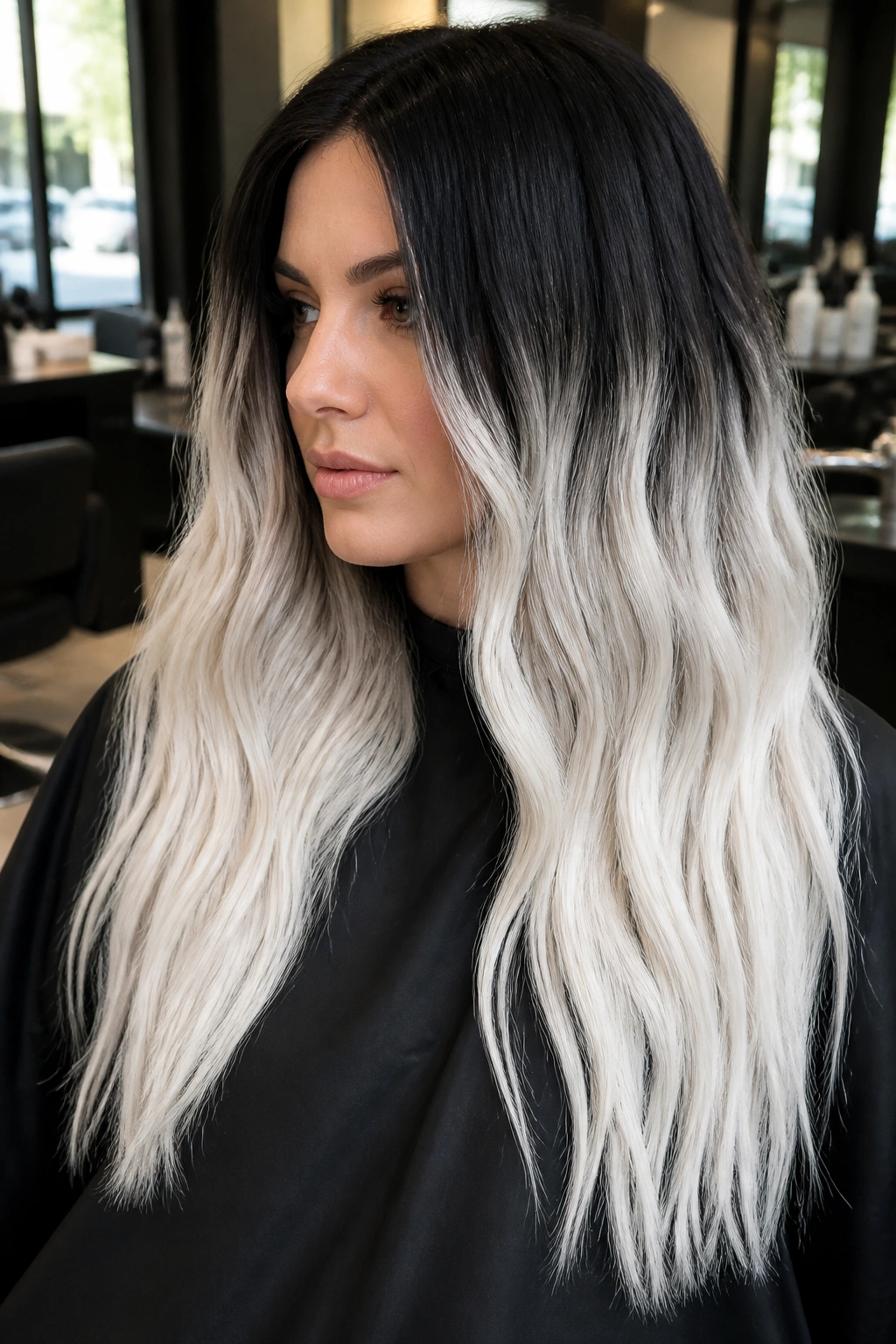
This is the loudest version in the lineup. The ends go platinum, the roots stay dark, and the line between them can be as sharp or as blurred as you want.
Long hair makes dip-dye blonde work because there’s enough length for the contrast to feel intentional instead of gimmicky. The top half can stay natural and healthy-looking while the bottom section delivers the punch. That split can be especially striking on straight hair, where the line reads cleanly, but it can look just as good on waves if you want the bright ends to flick in and out.
The catch is upkeep. Platinum ends need toning, careful washing, and a light touch with heat. They also show damage faster than creamy blondes do, so if your hair is already fragile, this style needs a realistic plan.
Still, there’s a reason people keep coming back to it. It’s graphic, bold, and easy to spot.
21. Dark Blonde to Wheat Blonde Ombre
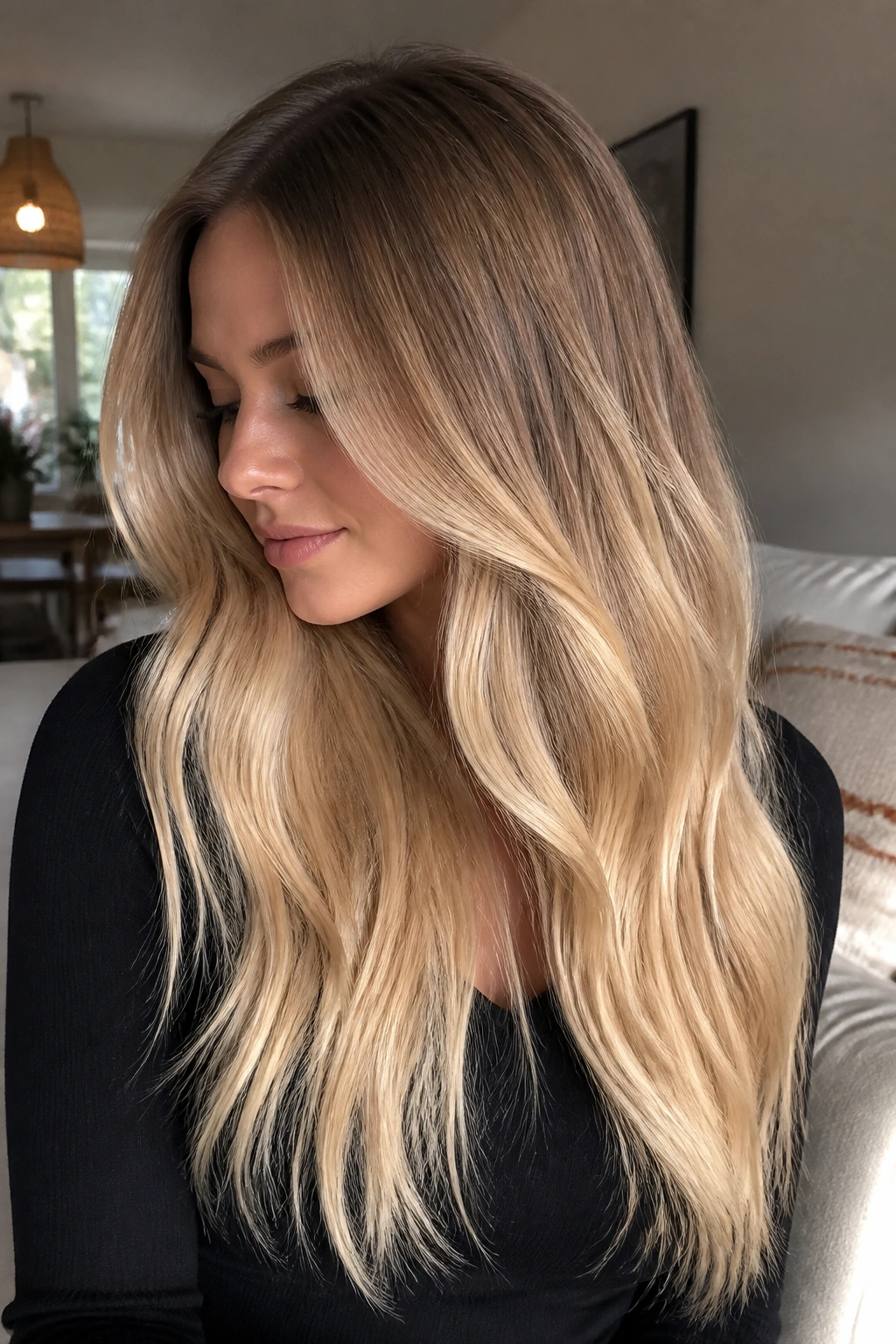
Can a blonde ombre stay subtle and still matter? Absolutely. Dark blonde melting into wheat blonde is one of those shades that looks unforced because it stays close to natural hair color.
What Makes It Feel Natural
The root doesn’t have to be very dark, and the ends don’t have to be very pale. That narrow range is the trick. On long hair, the difference still shows because the length gives your eye time to catch the shift. You see the darker crown, then the softer mids, then the wheat-blonde finish that sits somewhere between gold and beige.
This is a strong pick if you want color that works with office clothes, gym hair, braids, and messy buns. It doesn’t scream for attention, which makes it easy to live with. Some blondes need the whole outfit to match the mood. This one doesn’t.
The best version has a soft, buttery finish at the ends rather than a bright yellow cast. Wheat should feel toasted, not sunny.
22. Golden Peach Blonde Ombre
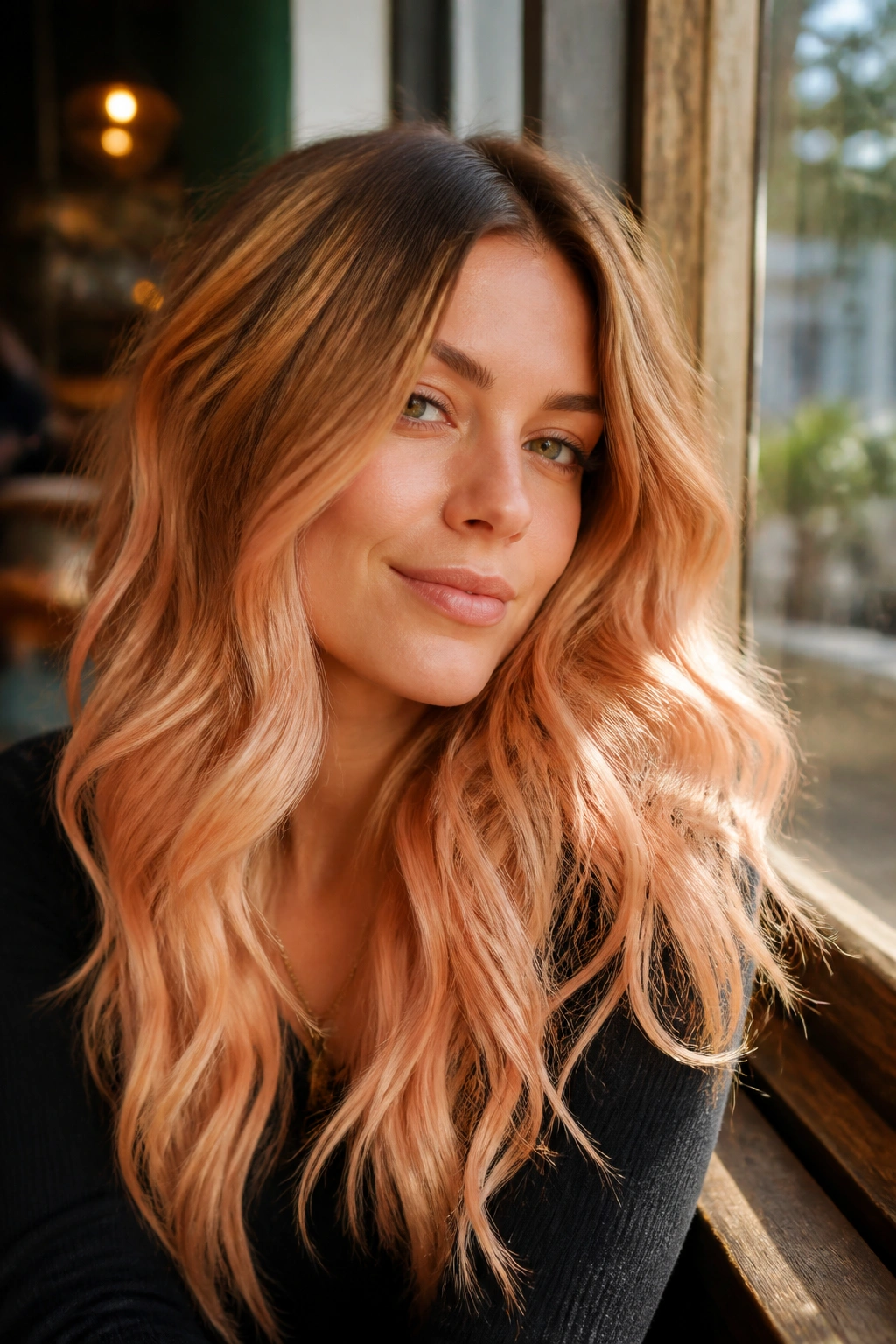
Golden peach blonde has a warm glow that feels cheerful without crossing into copper territory. On long hair, the peach note keeps the ends from looking flat, and the gold gives the whole fade a bit of shine.
The look starts with a darker golden root, then eases through apricot-beige mids before landing in peachy blonde ends. It’s a playful shade, but not cartoonish. Long lengths help. Short hair can make peach blonde feel too concentrated, while long hair lets it soften.
A Small Detail That Matters
Keep the peach tone sheer. If it gets too orange, the whole thing loses its balance. A sheer peach glaze is enough; you do not need a bright coral finish to make it work.
A soft curl pattern brings out the color best because the lighter ends catch on each bend. If you like a warmer wardrobe—creams, rust, tan, faded denim—this one slips in easily.
23. Toffee Blonde Ombre with Big Barrel Waves
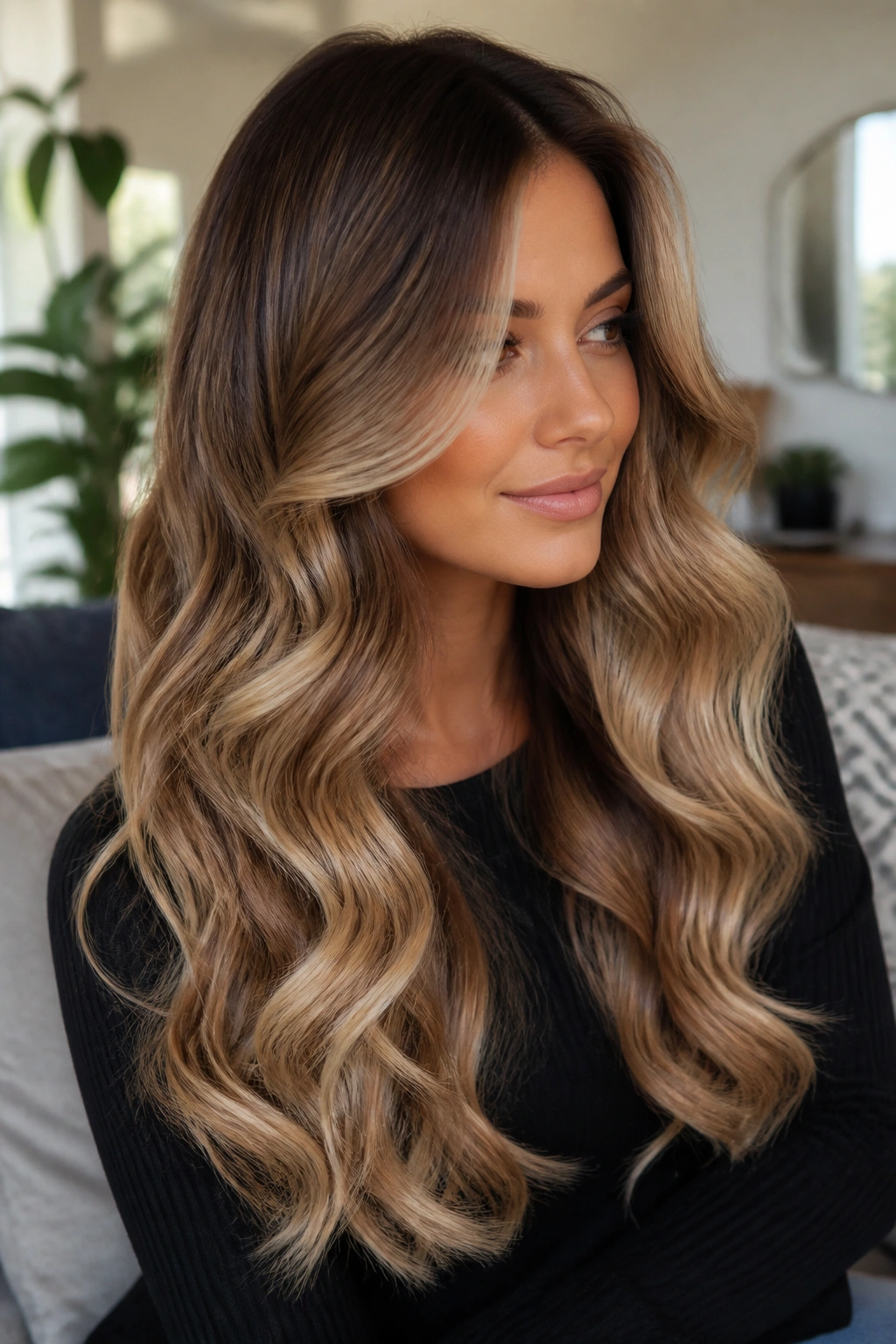
Toffee blonde on long hair is rich in a way that makes sense the second you see it. It has a deep caramel base, then a blonde finish that still feels warm and thick, almost like the color has weight to it.
Big barrel waves are the right partner here. Smaller curls can make the shade look busy, but large bends let the gradient show. The dark root, the toffee mids, and the soft blonde ends each get their own space. That’s the whole appeal. It looks expensive because it looks layered.
I’d recommend this shade if your hair is thick, long, and naturally carries warm pigments. It flatters volume. It also helps a blunt hemline feel a little less severe, which is handy if you like strong cuts but don’t want the color to look hard.
My honest take: toffee blonde is one of the easiest warm blondes to wear without regret.
24. Mushroom Blonde Ombre with Smoky Ends
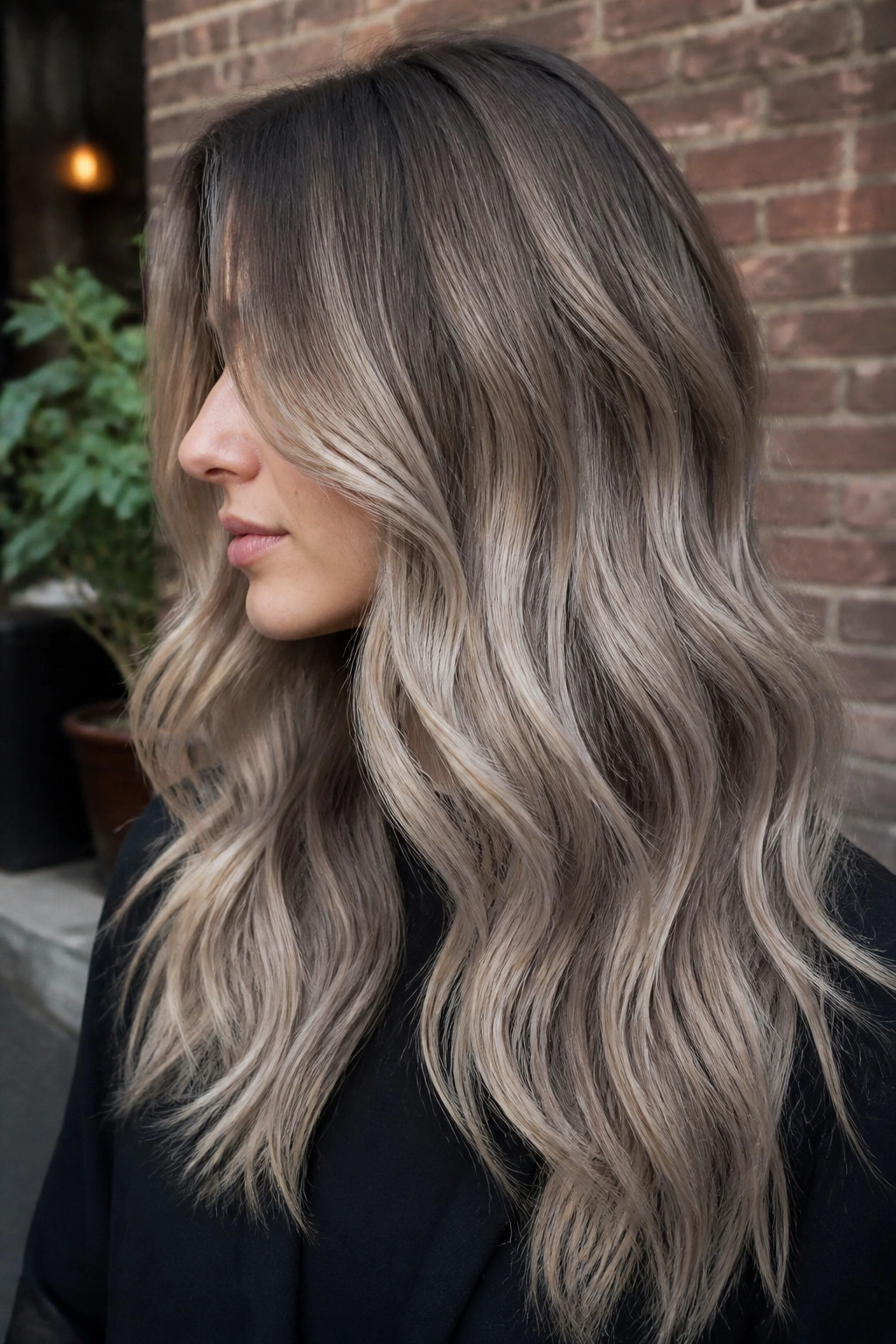
Mushroom blonde has a cooler, earthier feel than beige blonde. It pulls in taupe, ash, and soft brown tones, which makes it a smart ombre choice for long hair that tends to look too yellow when lightened.
Unlike brighter blonde styles, this one doesn’t chase shine first. It leans on tone. The root stays dark and neutral, the mids turn smoky, and the ends finish in a muted blonde that sits almost in the shade. That restrained look is part of the appeal. It feels grounded.
It suits people who want something modern without being flashy. It also does well on thick hair, where the cooler tone keeps the length from looking heavy. If you pair it with waves, the different tones show more clearly. Straight hair makes it look sleeker and more polished.
The only thing to avoid is pushing it too flat. Mushroom blonde needs a little warmth somewhere in the mix, or it can start looking muddy.
25. Bright Baby Blonde Ombre with Ultra-Long Length
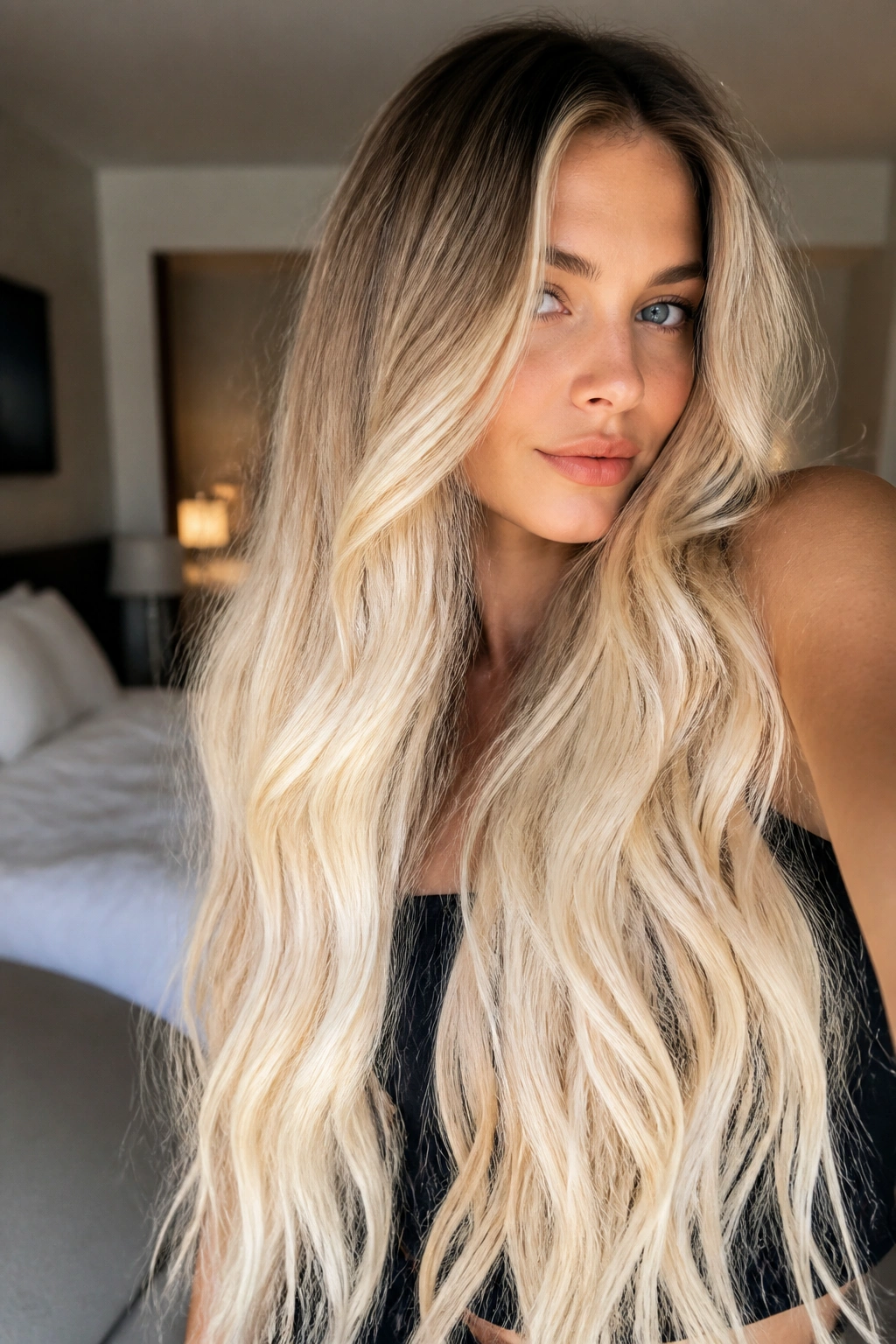
If you want the biggest blonde payoff, this is the one. Bright baby blonde on ultra-long hair has room to spread out, so the light ends can look airy instead of overdone.
The contrast is part of the charm. Deep roots keep the top grounded, while the lower lengths brighten into a creamy, almost baby-fine blonde that reads clean and fresh. On very long hair, the fade can start lower than you’d expect and still show up clearly. That makes this style useful if you like obvious blonde but don’t want the whole head lifted to the same level.
It works best when the hair is healthy, because bright blonde shows dryness fast. A smooth blowout helps. So do regular trims. Split ends make pale ombre look tired quicker than darker shades do, and there is no clever fix for that.
If your hair is long, thick, and willing to hold onto shine, this one gives you the brightest ending in the whole set.
Long hair makes blonde ombre more interesting because the color gets time to move. That’s the real advantage. You can choose soft or sharp, warm or cool, subtle or bold, and the length gives the shade room to tell the story.
If you’re stuck between two versions, start with how much contrast you want to see in a ponytail. That sounds oddly specific, but it tells you a lot. A low ponytail hides a weak ombre. A strong one still reads from the back.
