



Coloring curly hair is a high-stakes game. You are balancing the desire for a fresh, dimensional look with the absolute necessity of maintaining your curl pattern. When you bleach or lift cuticle layers to deposit color, you risk changing the elasticity of your hair. This is why brown shades are often the smartest choice for curly and coily textures. They generally require less aggressive lifting than platinum or vivid tones, meaning you can achieve a sophisticated shift in appearance without sacrificing the bounce and definition you have worked so hard to cultivate.
Light plays differently on curls than it does on straight strands. A straight strand reflects light in a single, unified plane. A curl reflects light in a scattered, multidimensional way. Because of this, brown hair on curly textures looks better when it has depth. Monochromatic, flat color can sometimes make curly hair look like a single, solid mass. Incorporating subtle variations—even within the brown family—allows the light to catch the curves and bends of your hair, emphasizing your natural texture rather than hiding it.
Choosing a brown shade isn’t just about matching your skin tone; it is about finding a level of maintenance you can actually stick with. If you are starting with natural black or dark brown hair, moving to a lighter shade involves bleach. If you are starting with lighter hair, you are looking at deposit-only color. Both paths require different levels of aftercare. As you read through these options, think about the health of your hair, your personal style, and how much time you honestly want to spend in a salon chair.
1. Dark Espresso
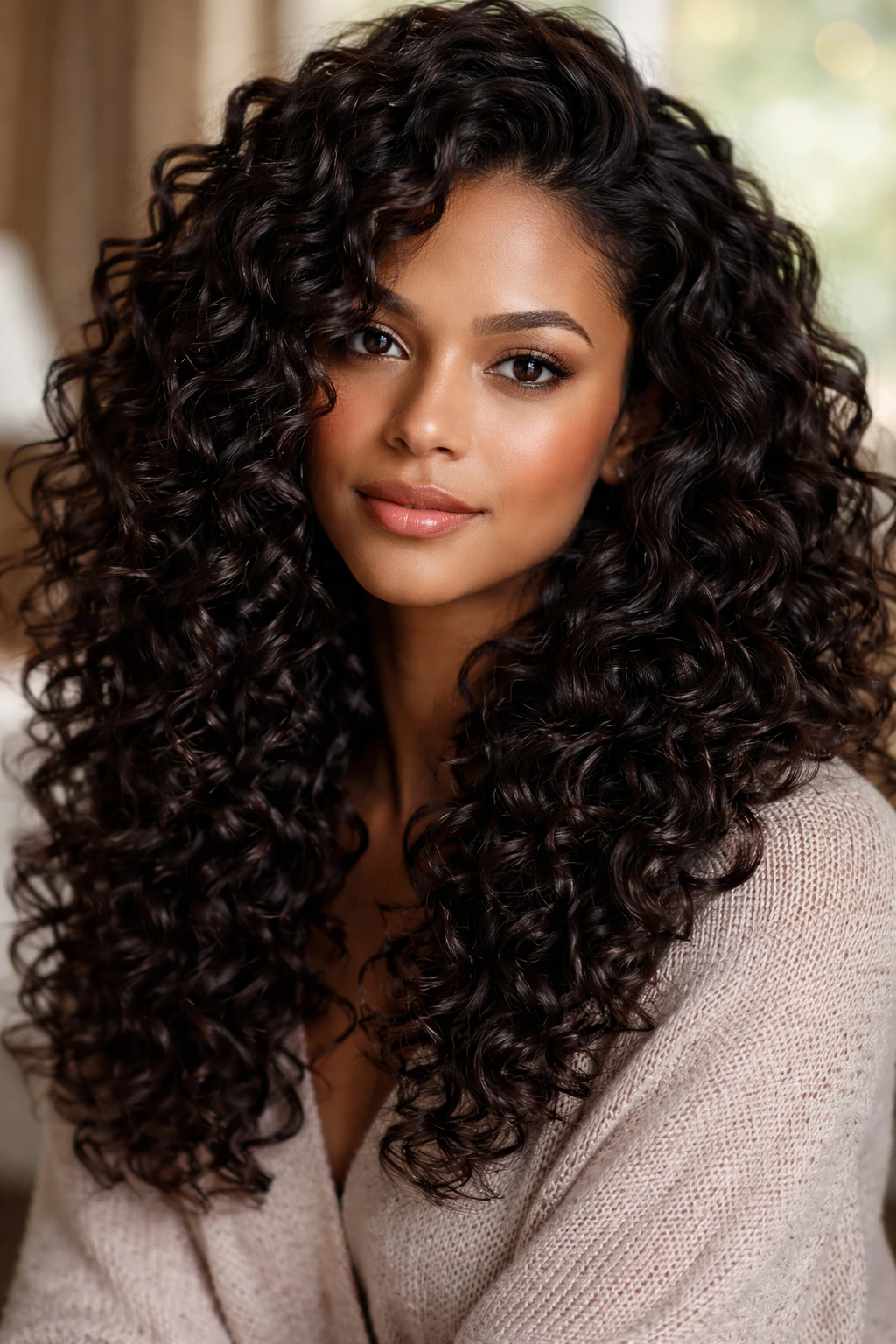
This is the “my natural color but better” shade. It is deep, intense, and carries almost no visible red or orange undertones. It works by saturating the hair with pigment, which actually helps the cuticle lay flatter. Many people find that after a dark espresso glaze, their hair feels heavier and more manageable.
Why It Works for Coily Textures
Because this shade is usually achieved with a semi-permanent or demi-permanent gloss, it is incredibly gentle. You are not lifting the hair shaft; you are depositing color. This keeps the protein structure of your coils intact, preventing that dreaded “frizz halo” that often follows a harsh bleach job.
Pro tip: Use a protein-rich deep conditioner once a week after coloring with dark espresso to keep the pigment locked in and the shine factor high. This color is all about health-led luster.
2. Warm Chestnut
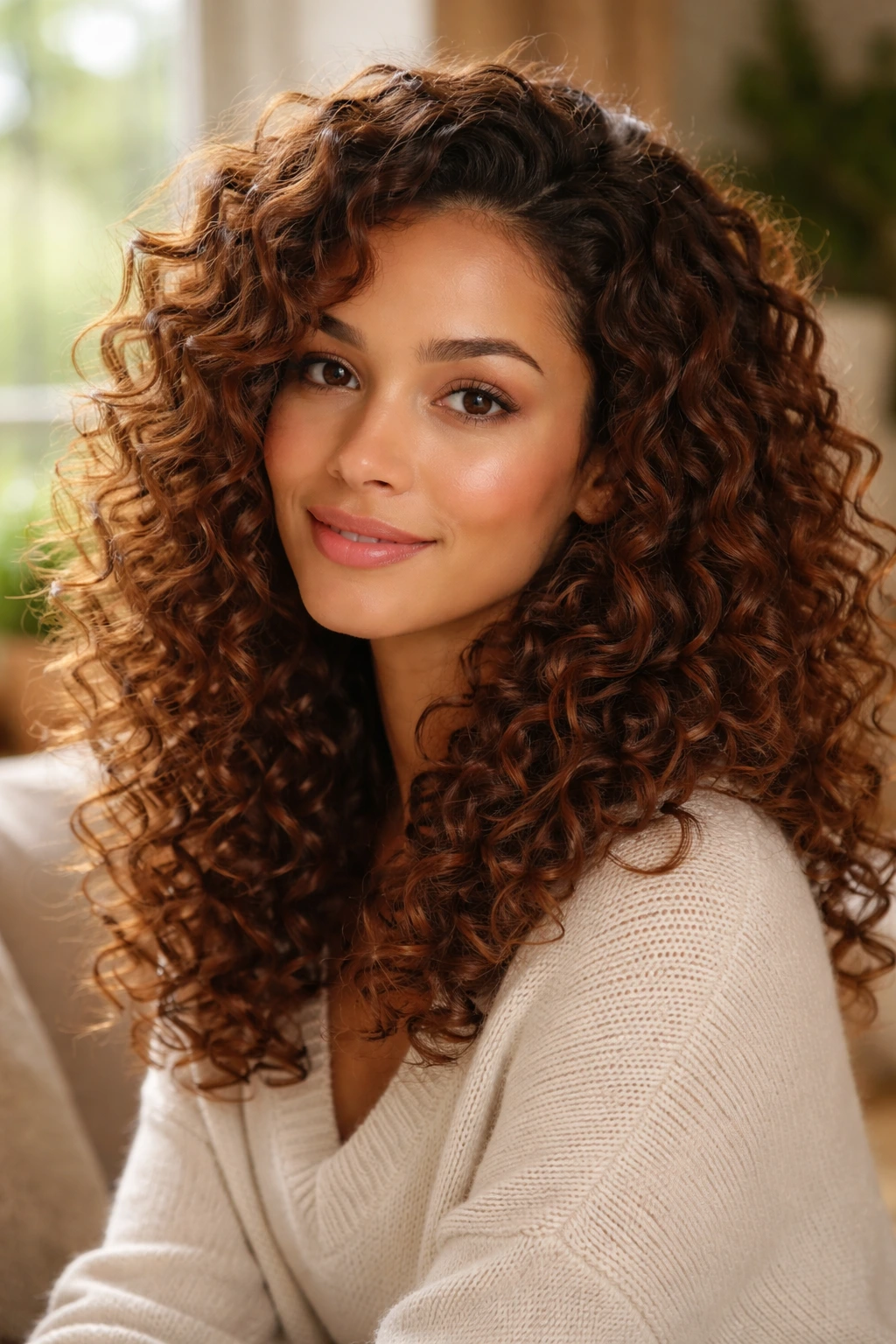
Chestnut is the classic bridge between dark brown and auburn. It has enough warmth to make your skin glow but enough brown to keep it looking grounded. If you have a neutral or cool complexion, a warm chestnut can wake up your face instantly.
The Maintenance Factor
Unlike darker, cooler shades, chestnut has red-gold undertones that are prone to fading. To keep this shade looking fresh, you must move away from clarifying shampoos, which strip color, and toward color-safe, sulfate-free cleansers. If you wash your hair every day, this color will fade into a lighter, brassier brown within weeks. If you can stretch your wash days to once or twice a week, this look will stay vibrant for months.
3. Rich Chocolate
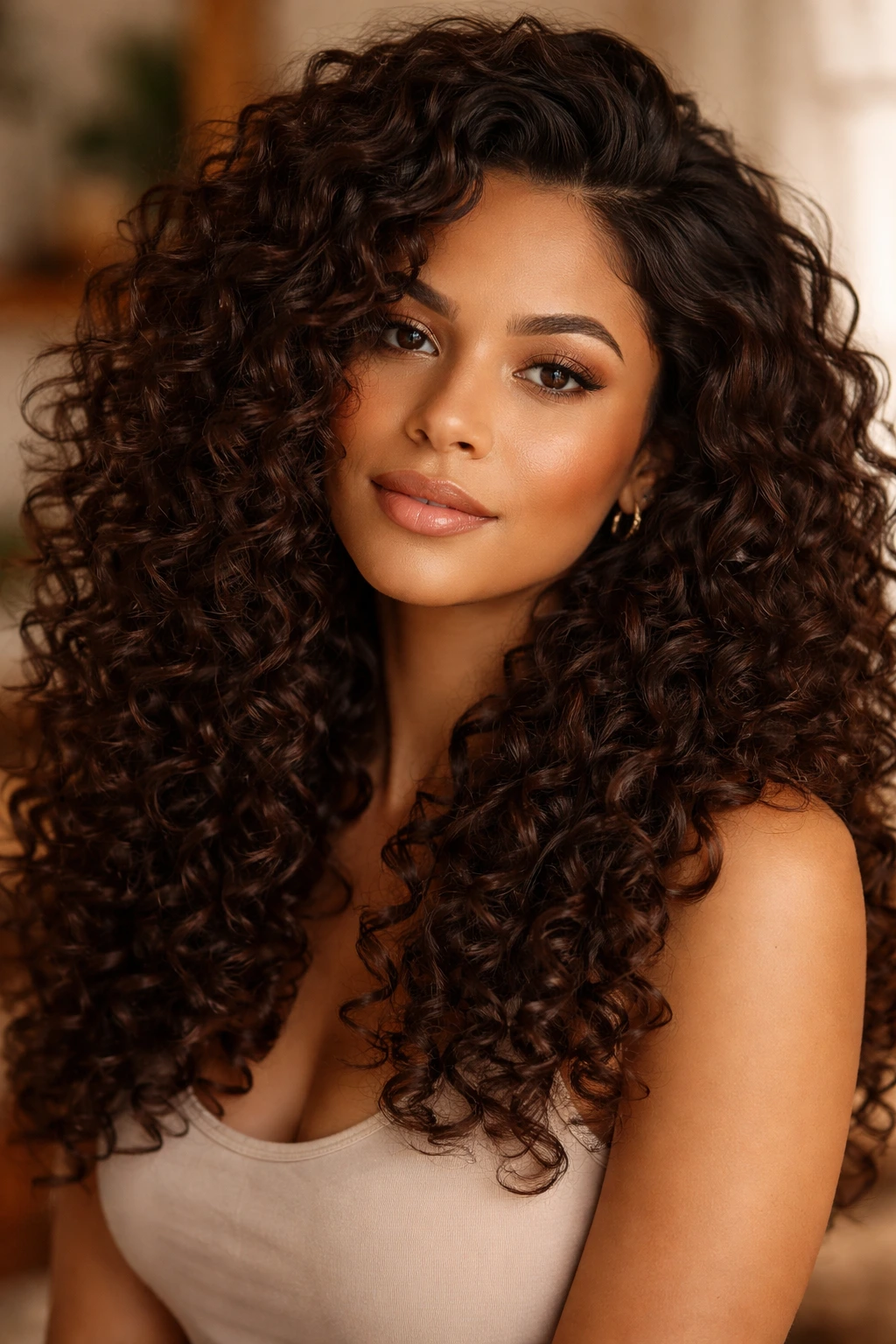
Think of a bar of 70% dark chocolate. It is deep, velvety, and has a slight richness to it without being overtly red. This is a very forgiving color. It grows out beautifully, meaning you do not have to worry about a harsh root line appearing four weeks later. It is the color of choice for those who want a change but are not ready for a high-maintenance schedule.
How to Style It
Because chocolate brown absorbs light, it can sometimes hide definition in tight coils. To combat this, use a lightweight, defining curl cream that dries clear. Avoid thick, heavy butters that might dull the finish of the color. You want your curls to look like polished ribbons of cocoa, not dry or matte.
4. Mocha Highlights
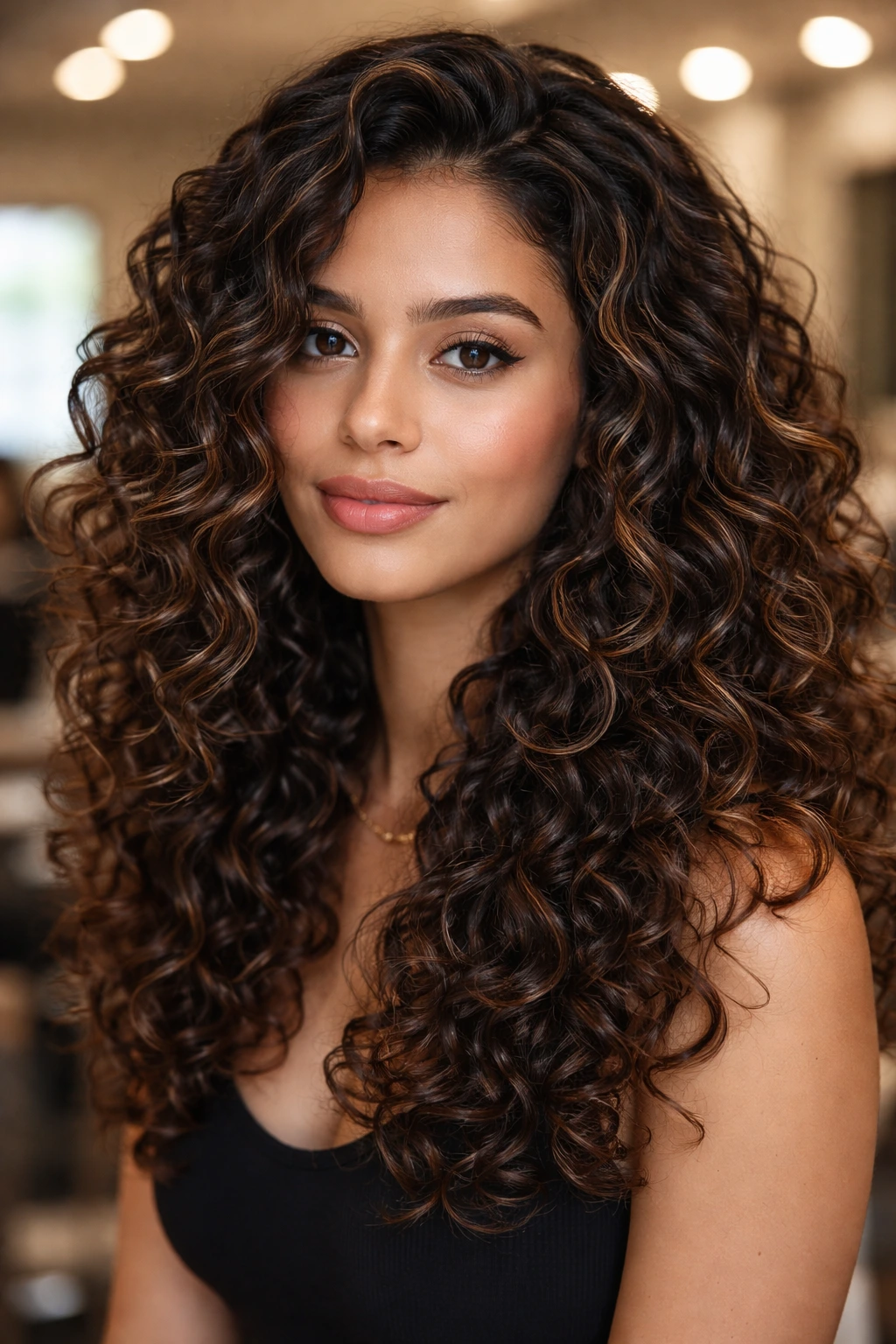
This is not a solid color; it is a dimensional strategy. By painting cool-toned, mocha-colored ribbons into a darker base, you create the illusion of volume. If you feel like your hair is dense and lacks “movement,” this is the fix. The contrast between the dark base and the lighter mocha strands breaks up the blocky appearance of dark curls.
- The Technique: Ask your stylist for “babylights” or “teasy-lights.” These are finer sections of hair, which ensures that even when your hair is dry and shrunk up, you see a blend rather than harsh stripes.
- The Result: A multidimensional look that makes curls pop without the commitment of an all-over light color.
5. Golden Caramel
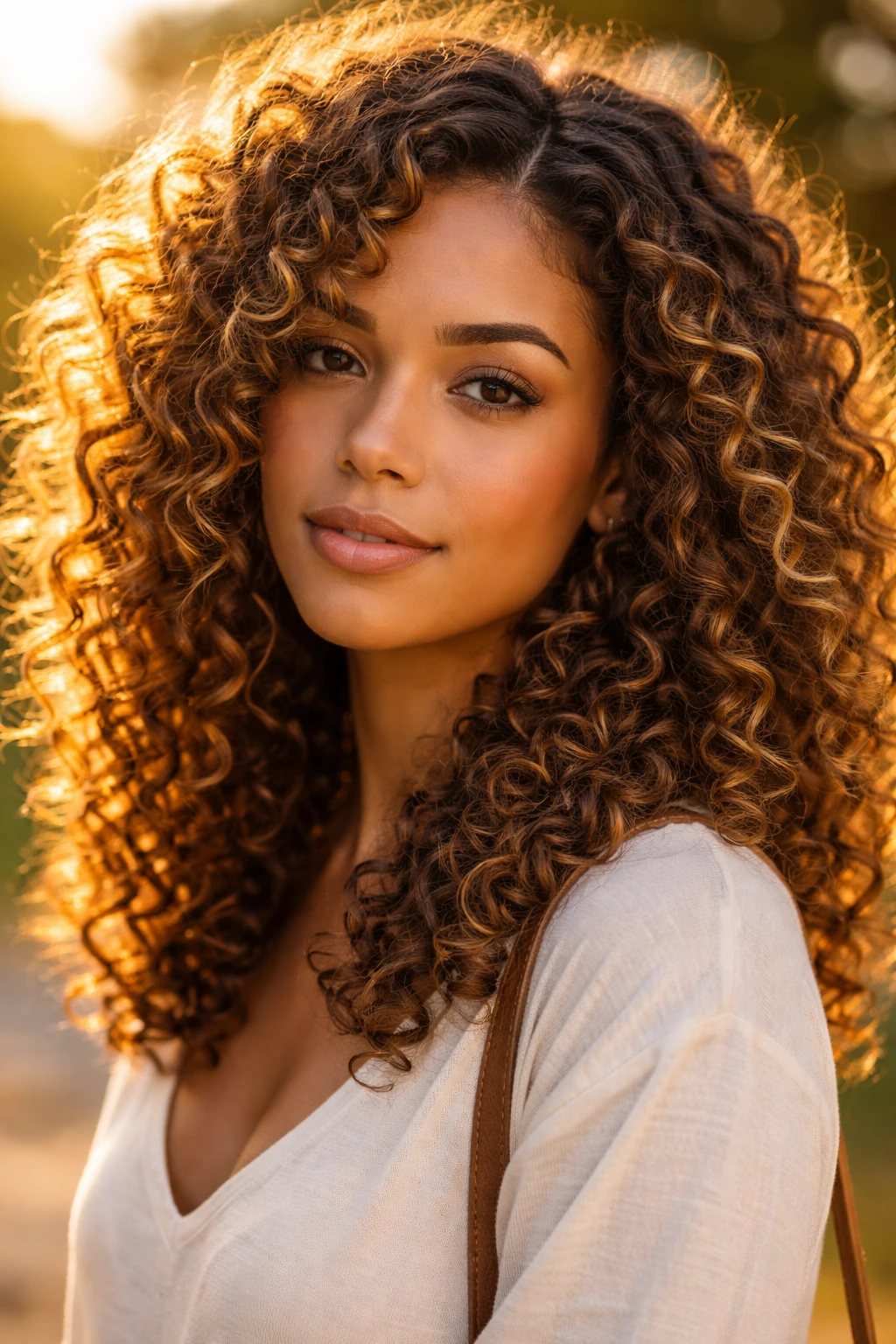
Caramel is a classic for a reason. It is sweet, inviting, and looks spectacular against warmer skin tones. When placed on curly hair, caramel acts like a highlighter, catching the sun on every turn of your coil. It is a warm, inviting shade that screams summer, even in the middle of winter.
However, be careful. Getting to a true caramel usually requires some lifting. If your base is naturally dark, you will need to bleach. Ensure your colorist uses a bond-builder—like Olaplex or a generic equivalent—during the process. Without it, your curl pattern could loosen, turning your springy ringlets into wavy, limp strands.
6. Toffee Balayage
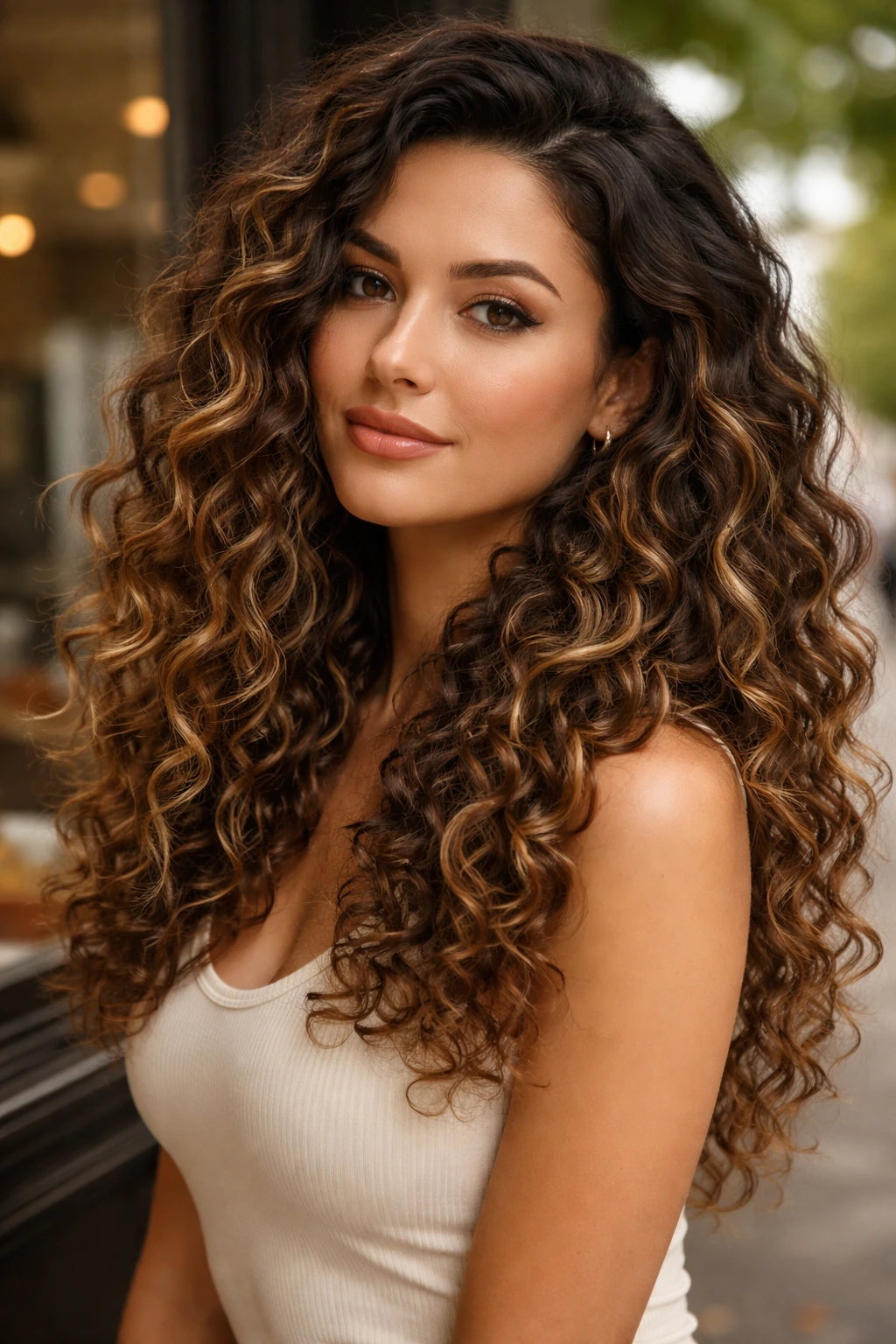
Balayage on curly hair is an art form. Unlike straight hair where the artist paints in straight lines, on curls, they must “paint the curve.” The colorist should look at how your hair clumps and apply the toffee color only to the mid-lengths and ends, leaving your natural roots untouched.
This provides the most natural grow-out process possible. You could technically go six months without a touch-up, and it would just look like a deliberate, lived-in style. It is the ultimate choice for the low-maintenance curly person who wants to add brightness without becoming a slave to the salon schedule.
7. Coffee Brown
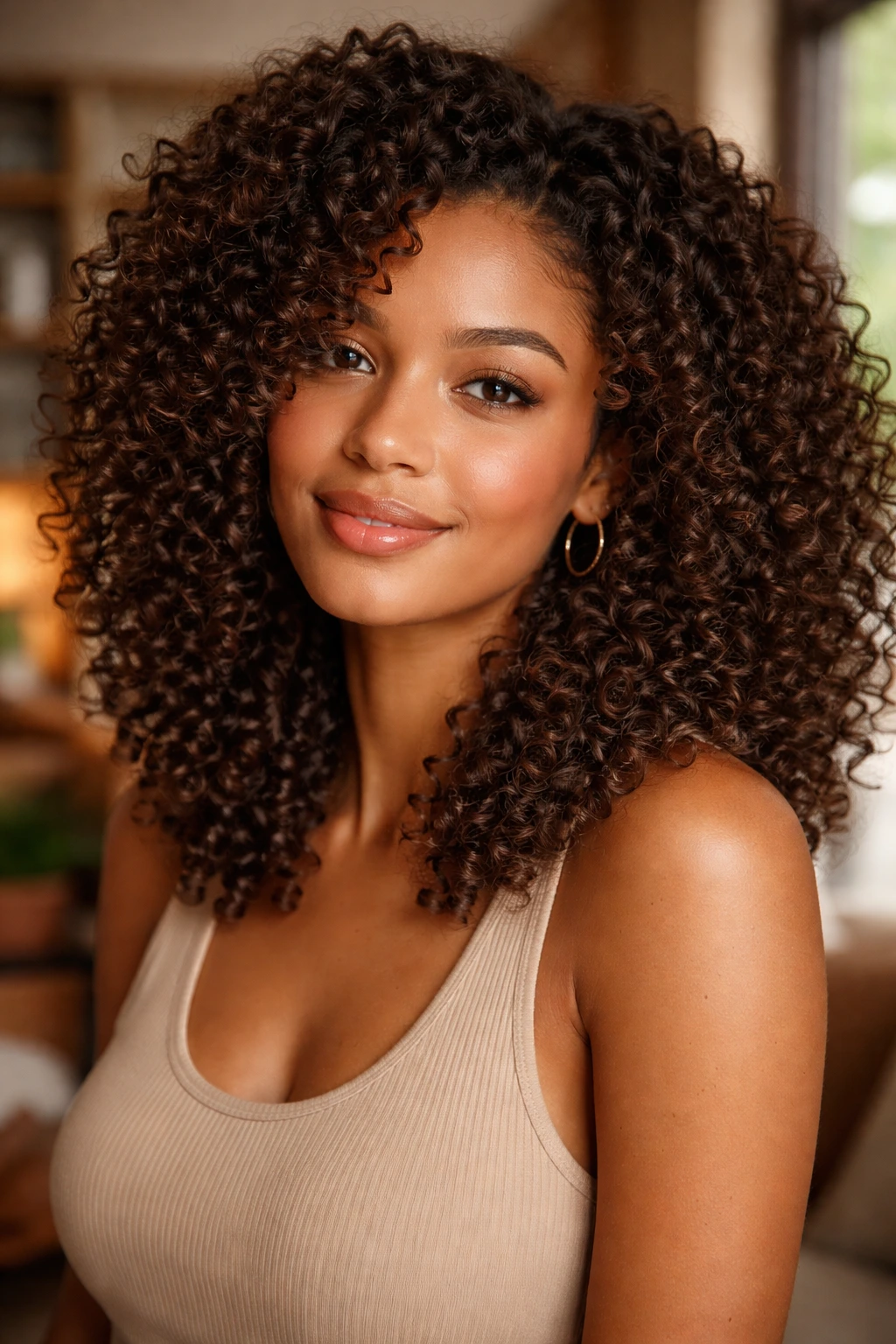
Coffee brown is a neutral shade—it doesn’t lean too warm (red/orange) or too cool (ashy). It is a “just right” brown. It looks healthy and professional. Because it is so neutral, it works well with almost every skin tone.
- Why it’s a staple: It provides the perfect canvas. If you ever decide you want to experiment with brighter colors later on, coffee brown is an easy starting point. You aren’t fighting previous pigment as much as you would be with a deep black or a vibrant copper.
- The Look: It pairs incredibly well with natural textures, especially when finished with a high-shine serum to emphasize the health of the strand.
8. Ash Brown
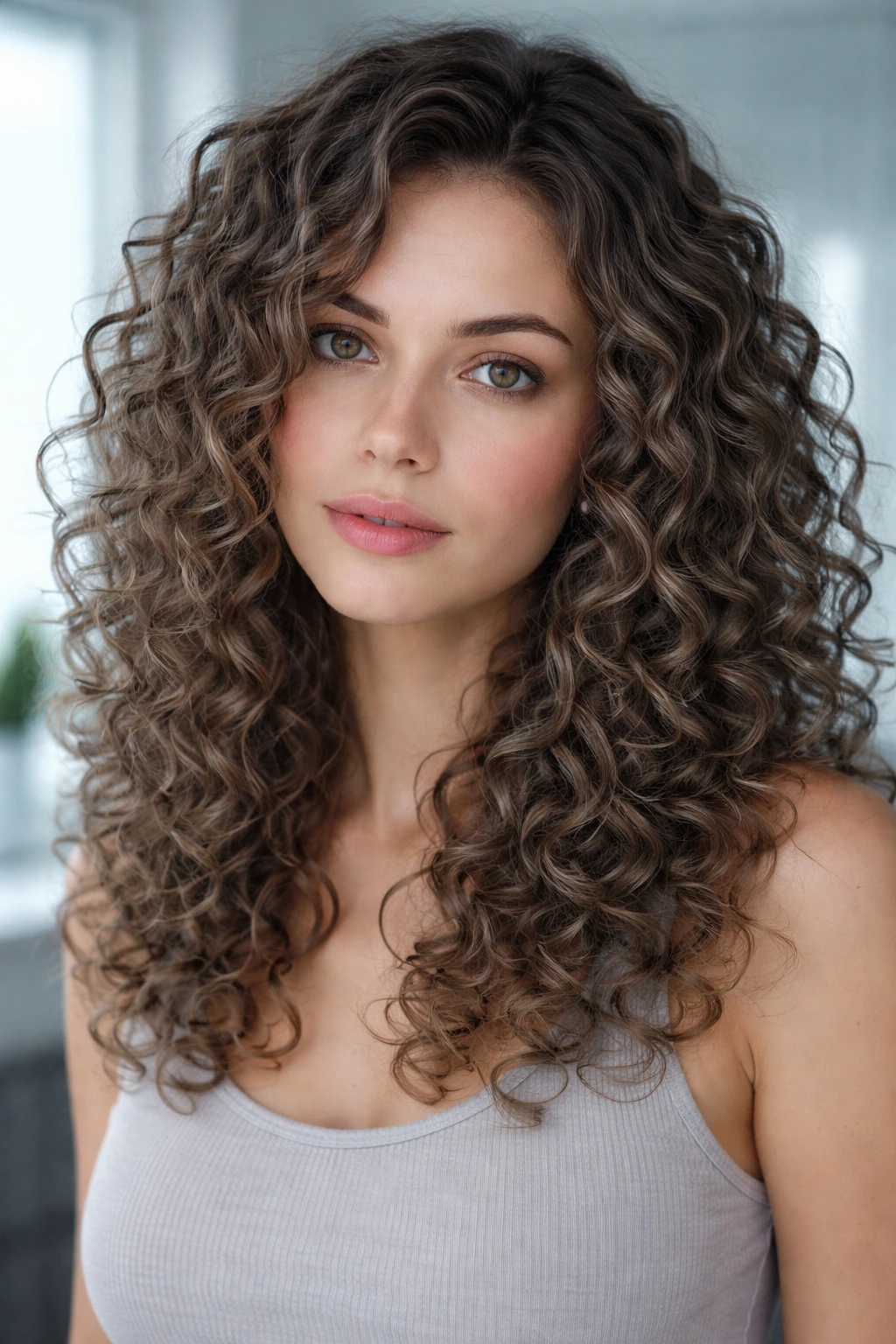
Ash brown is for those who are tired of brassiness. If your hair pulls orange when it is lightened, an ash brown toner is your best friend. It has blue and green undertones that neutralize warmth. It is a sophisticated, “cool girl” shade that looks exceptionally modern.
The Warning: Ash tones can sometimes make skin look washed out if you don’t choose the right shade. If you are very pale or have very cool-toned skin, be careful not to go too gray, or you might look tired. Ask your colorist for a “cool” rather than a “flat” ash to maintain some life in the hair.
9. Cinnamon Spice
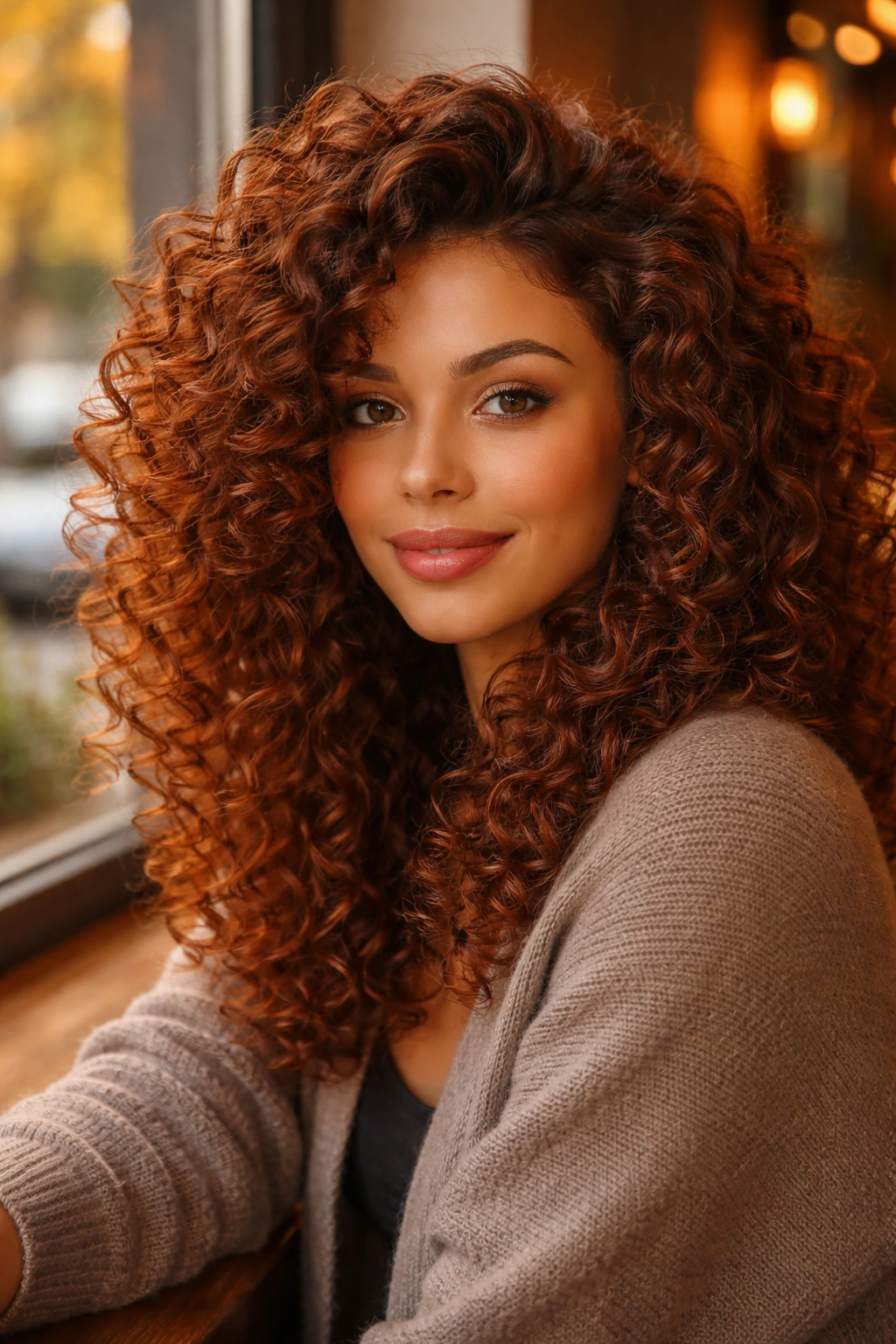
This shade introduces a hint of red, but it stays firmly in the brown family. It is perfect for autumn or for anyone who wants to add a bit of fire to their look without committing to a full red head. Cinnamon brown is vibrant, eye-catching, and full of personality.
Because it leans red, it is notoriously high maintenance. Red pigment molecules are larger than other colors, so they don’t penetrate the hair shaft as deeply, and they wash out faster. Expect to use a color-depositing conditioner once a week to keep the “spice” alive. If you neglect this, you will quickly find yourself with a dull, muddy brown.
10. Auburn Brown
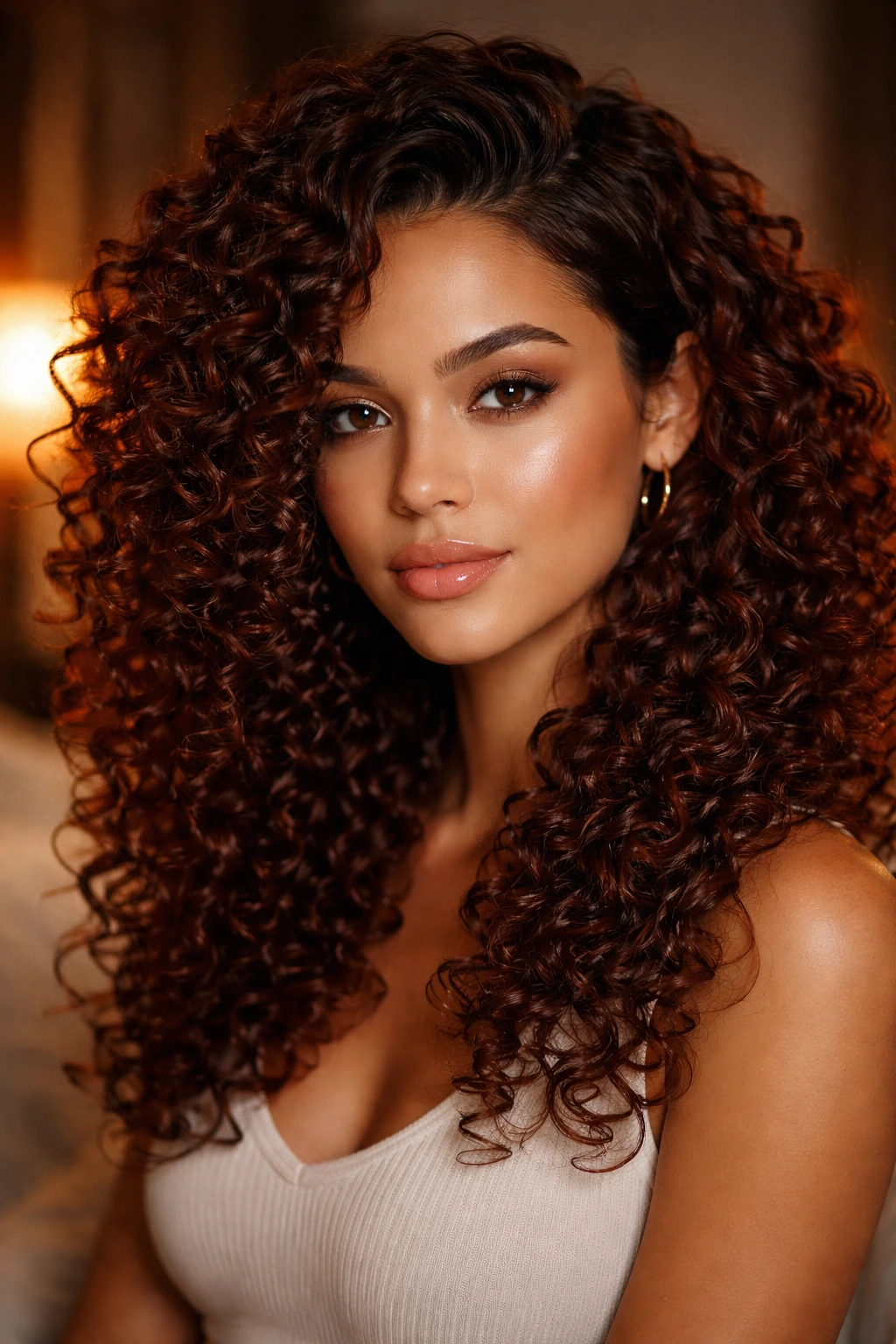
Auburn brown is a darker, moodier version of cinnamon. It has deep plum and maroon undertones. It feels romantic and slightly edgy at the same time. If you have dark eyes and a warm complexion, this color will make your eyes pop in a way that plain brown never could.
- The Curl Texture Factor: Auburn looks stunning on tighter textures because the richness of the red highlights the definition of the coil. When you twist your hair, the variation in light reflection is incredible.
- Styling: Use a gel with strong hold to keep the definition tight, which allows the auburn tones to catch the light effectively.
11. Honey Brown
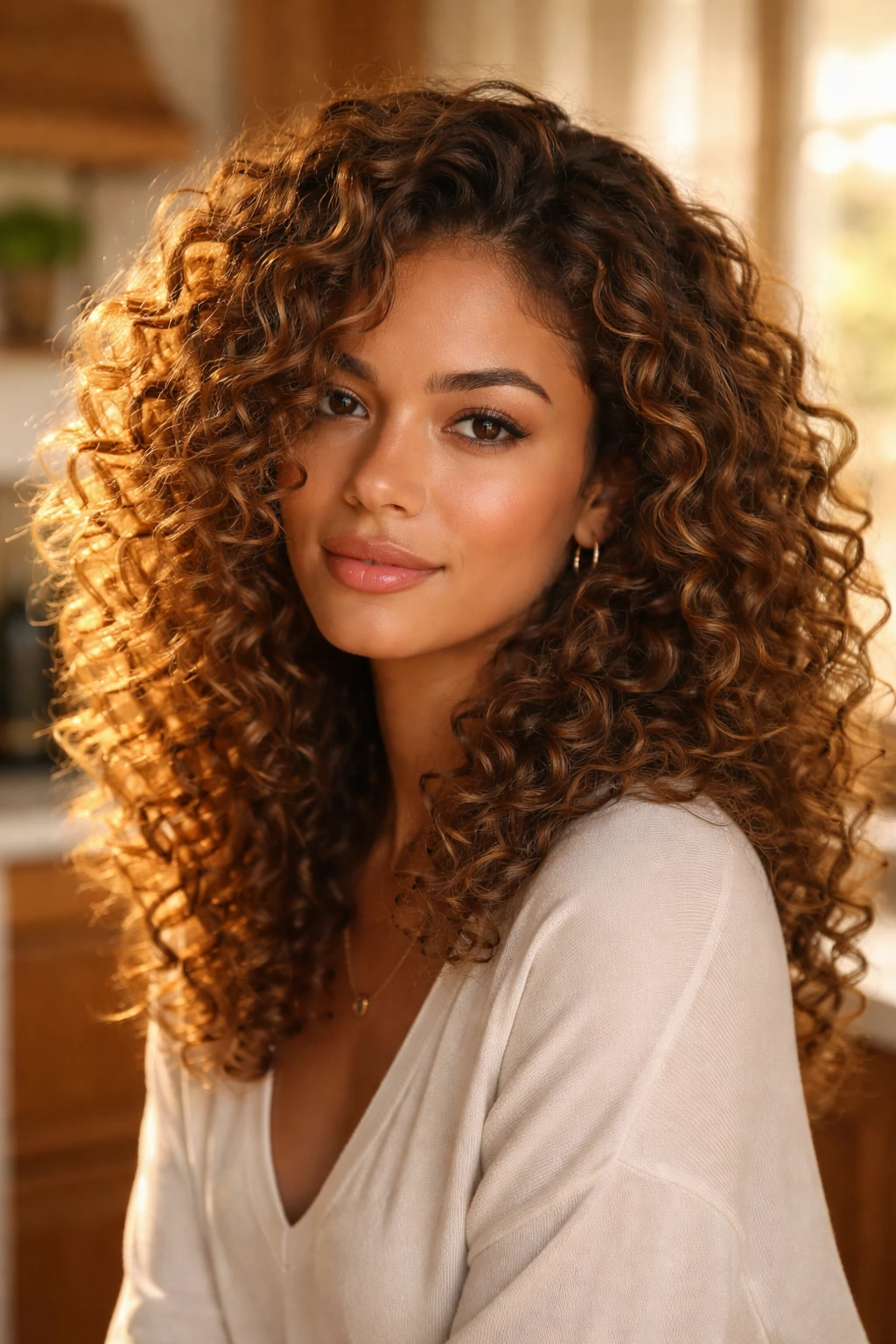
Honey brown is the brighter, more playful sibling of caramel. It has golden, yellow-based highlights woven throughout. It feels like you spent a month in the sun. This shade is best suited for people who already have some natural variation in their hair.
If you have very dark coils, jumping straight to honey can be harsh. Start with a honey-balayage first to see how your hair handles the lifting process. If your curl pattern remains tight and bouncy, you can always go lighter at the next appointment. Never force your curls to reach a target shade in one single session.
12. Rooted Mushroom
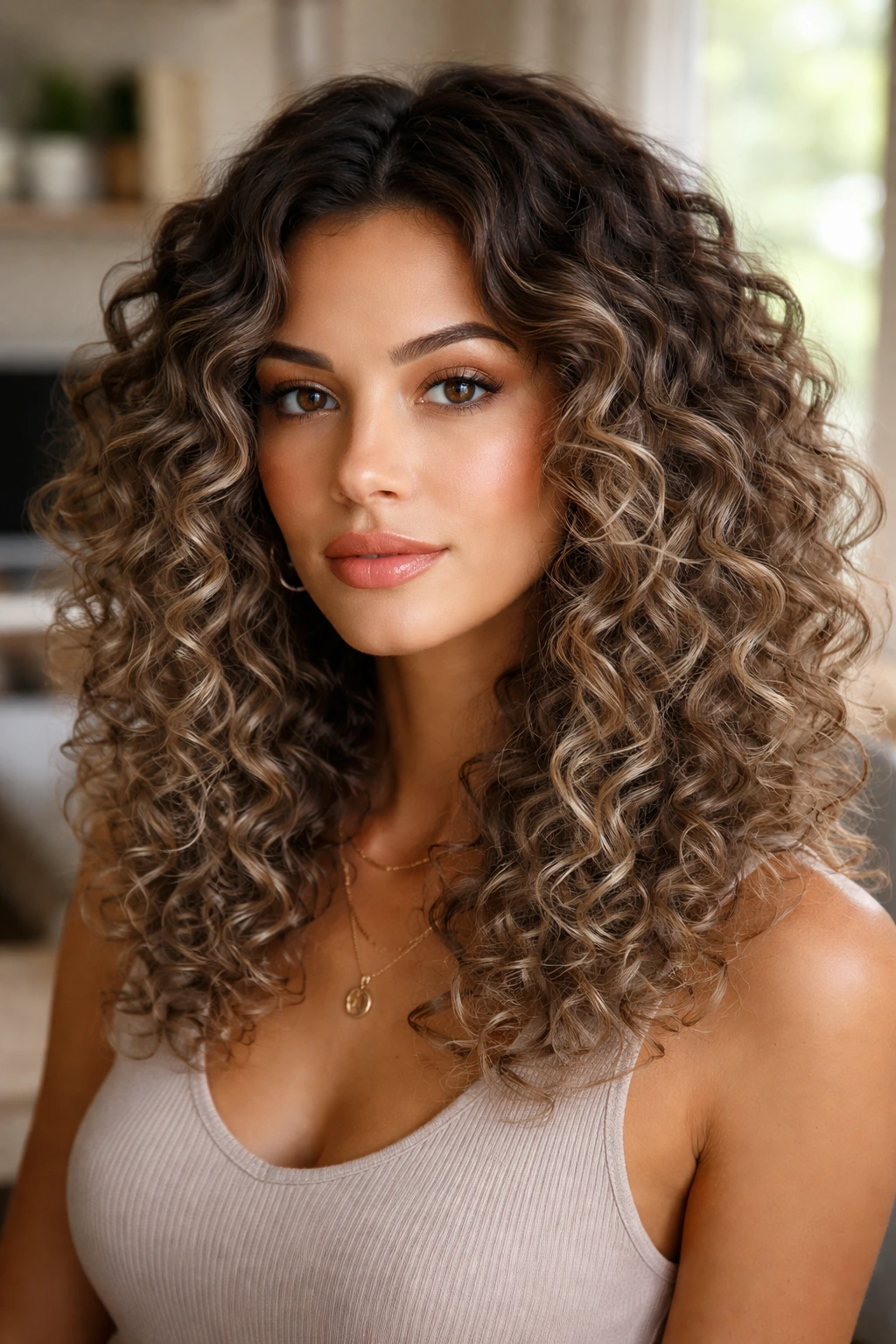
This is a trending technique rather than a single color. It involves keeping your roots a darker, natural-looking shade and transitioning into a cool, “mushroom” brown—which is essentially a blend of gray and taupe. It is the ultimate anti-damage color because your roots are left entirely alone.
Why It’s Perfect for Curly Hair
Rooted looks mimic the natural depth that curly hair already possesses. It feels intentional, like you planned for the grow-out. It works best on those with medium-to-dark hair who want a bit of lightness but don’t want to deal with the inevitable “roots showing” panic that comes with full-head coloring.
13. Mahogany Brown
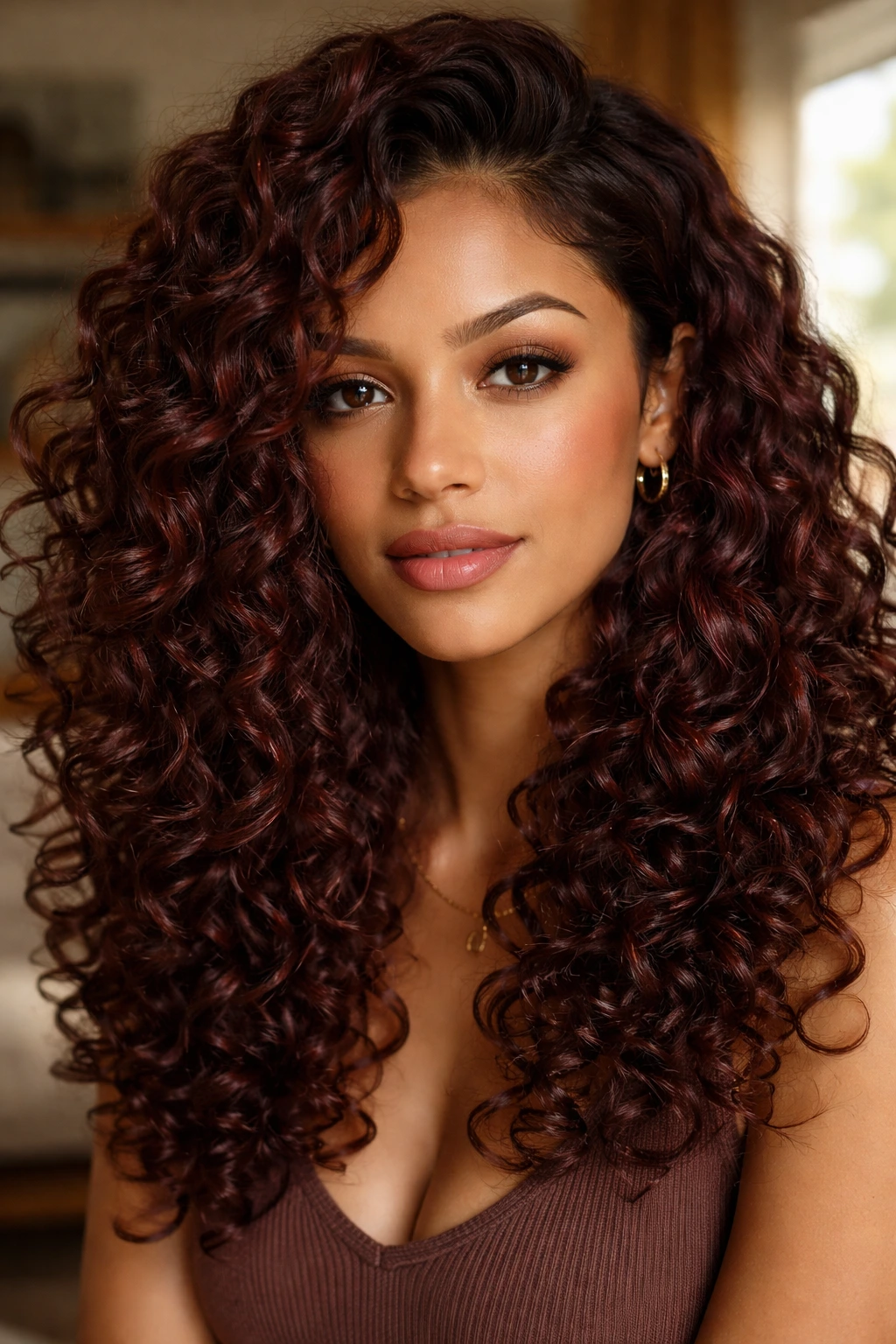
Mahogany is a rich, dark brown with a distinct red-violet base. It is not bright red; it is deep and luxurious. It looks almost like a dark wood finish. This is an excellent choice for those who have naturally very dark, almost black, curly hair and want to do something fun without going significantly lighter.
The violet undertones in mahogany act as a natural brightener, making the hair look exceptionally healthy. If you have any dullness in your hair, the glossiness of mahogany will hide it immediately. Just be aware that violet-based dyes can stain, so be mindful when washing your hair for the first few days after the salon visit.
14. Light Cocoa
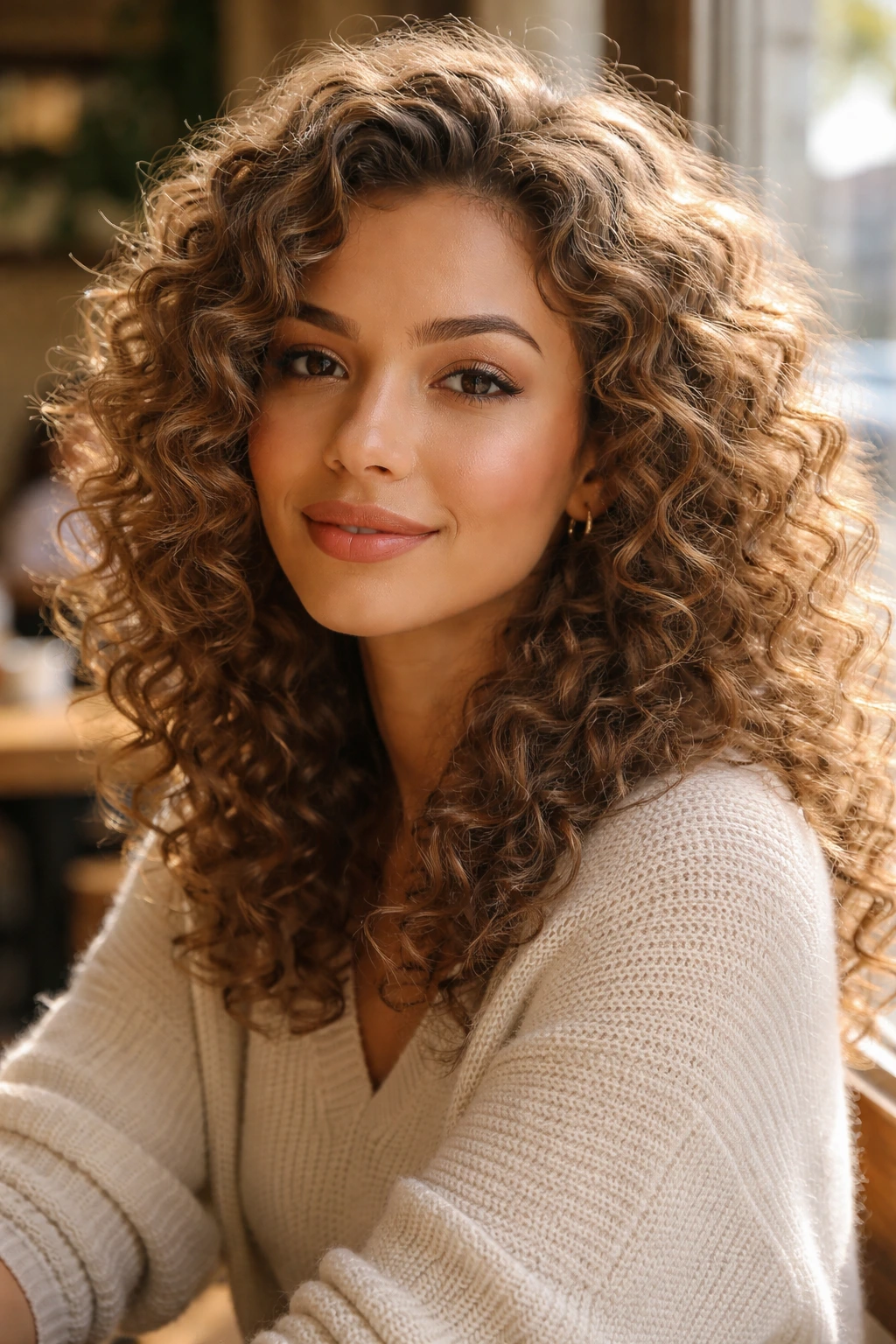
Light cocoa is a soft, airy brown. It is a few shades lighter than medium brown but lacks the aggressive gold of caramel. It is a neutral, warm-but-not-too-warm color that is very flattering for most people. Think of a cup of hot chocolate with a little extra milk.
This shade is particularly good for those who have fine, fragile curls. Because it doesn’t require a massive amount of lift, you can achieve it more gently. It is a subtle change that feels fresh and new without the trauma of a major color overhaul.
15. Bronze Brown
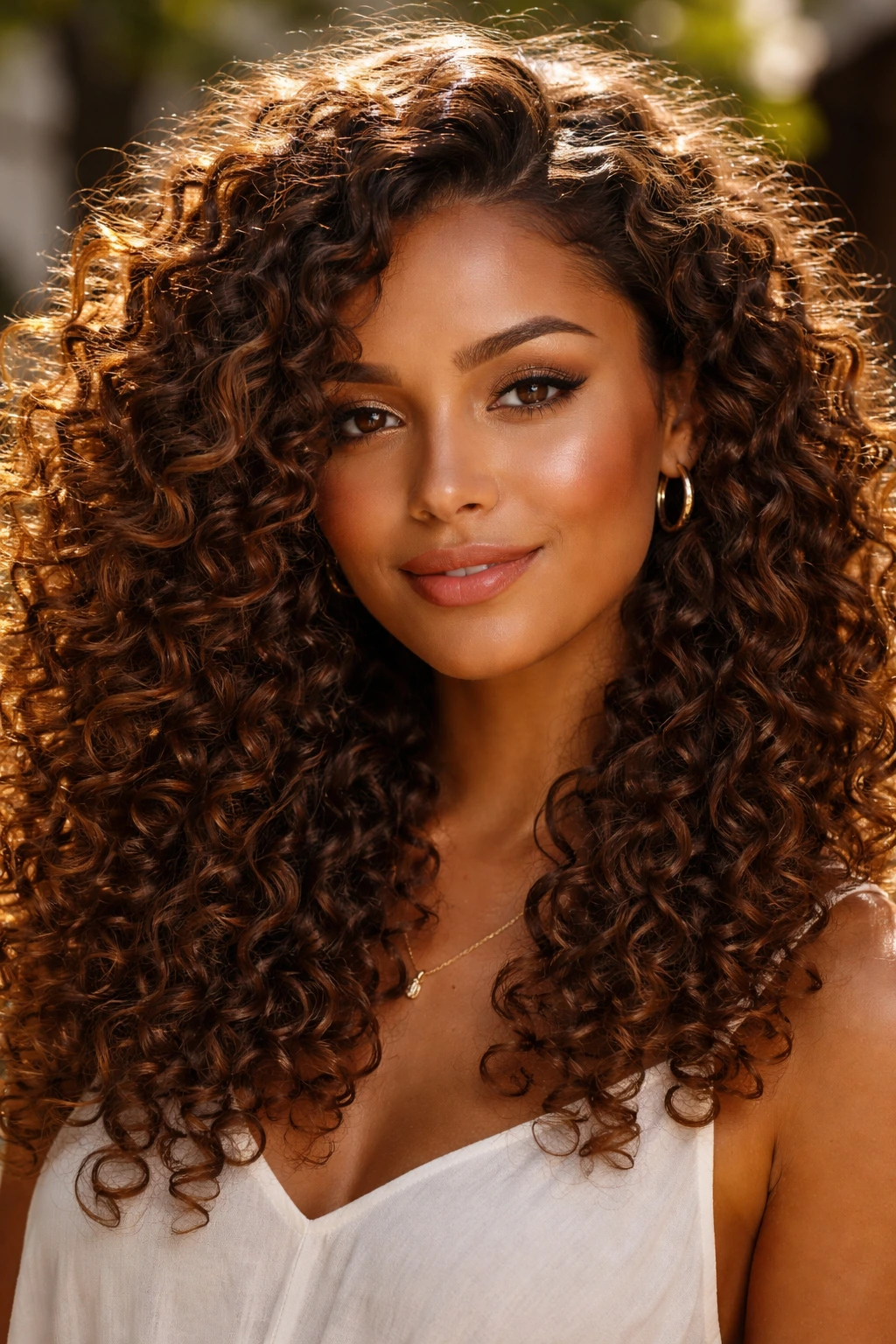
Bronze is a metallic-adjacent brown. It is warm, shiny, and has a slight shimmer to it. When the light hits your curls, they should look like they have a literal metallic finish. This is high-impact color that looks amazing on tightly coiled hair textures.
- The Finish: Because bronze is all about reflection, you need to prioritize shine. Use an oil spray or a finishing gloss as the final step in your styling routine. A matte, dry finish will completely ruin the effect of a bronze color.
16. Dark Truffle
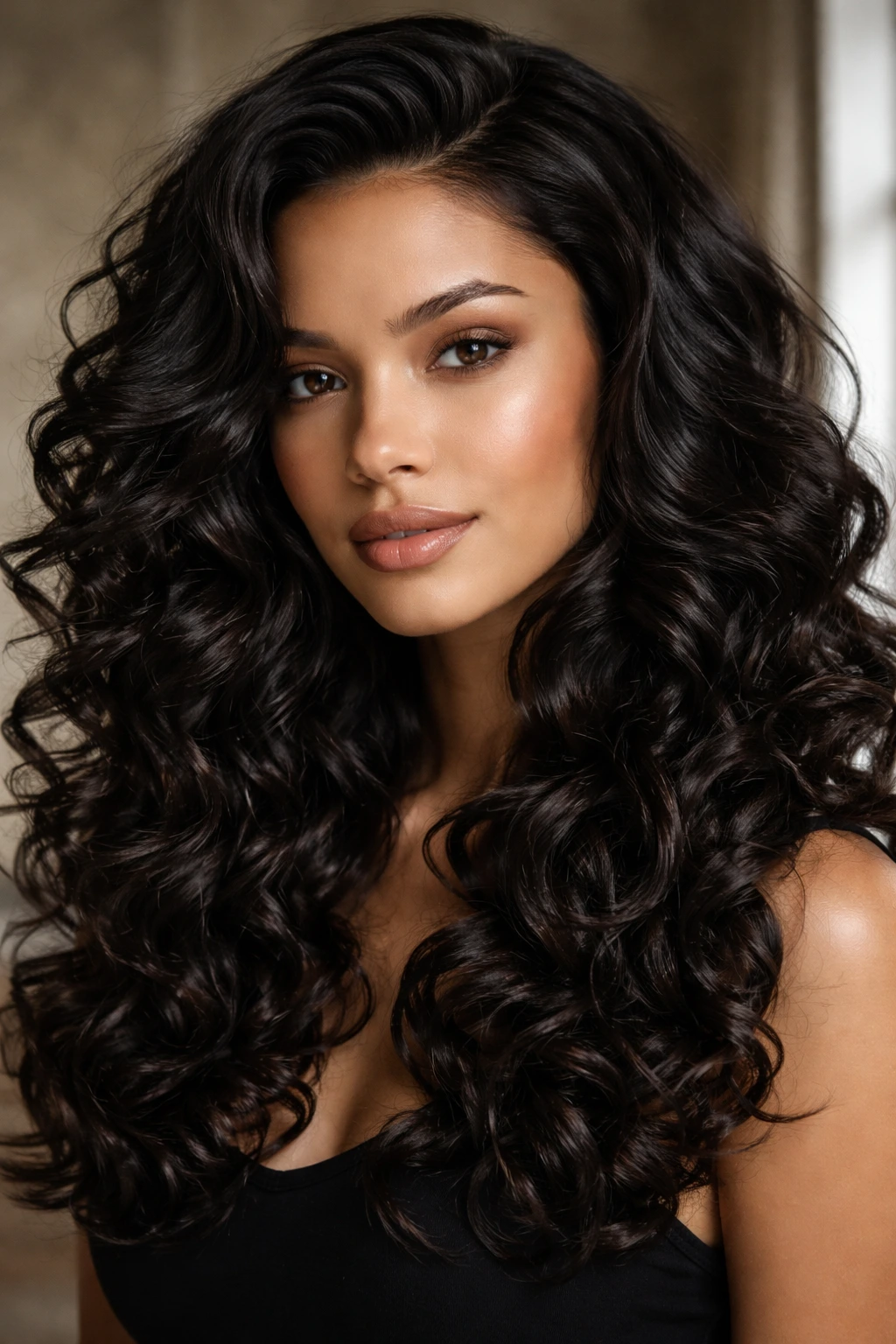
Truffle brown is basically a soft black-brown. It is sophisticated, understated, and incredibly sleek. If you have been over-processing your hair and need a break, going “truffle” is a great way to hide the damage. It covers up uneven lift and creates a uniform, healthy look.
Because it is so dark, it provides the best contrast for your skin tone. It makes your features stand out. If you have a rounder face, this deep shade can add a bit of definition. It is a low-key, high-reward color.
17. Caramel Ribbon
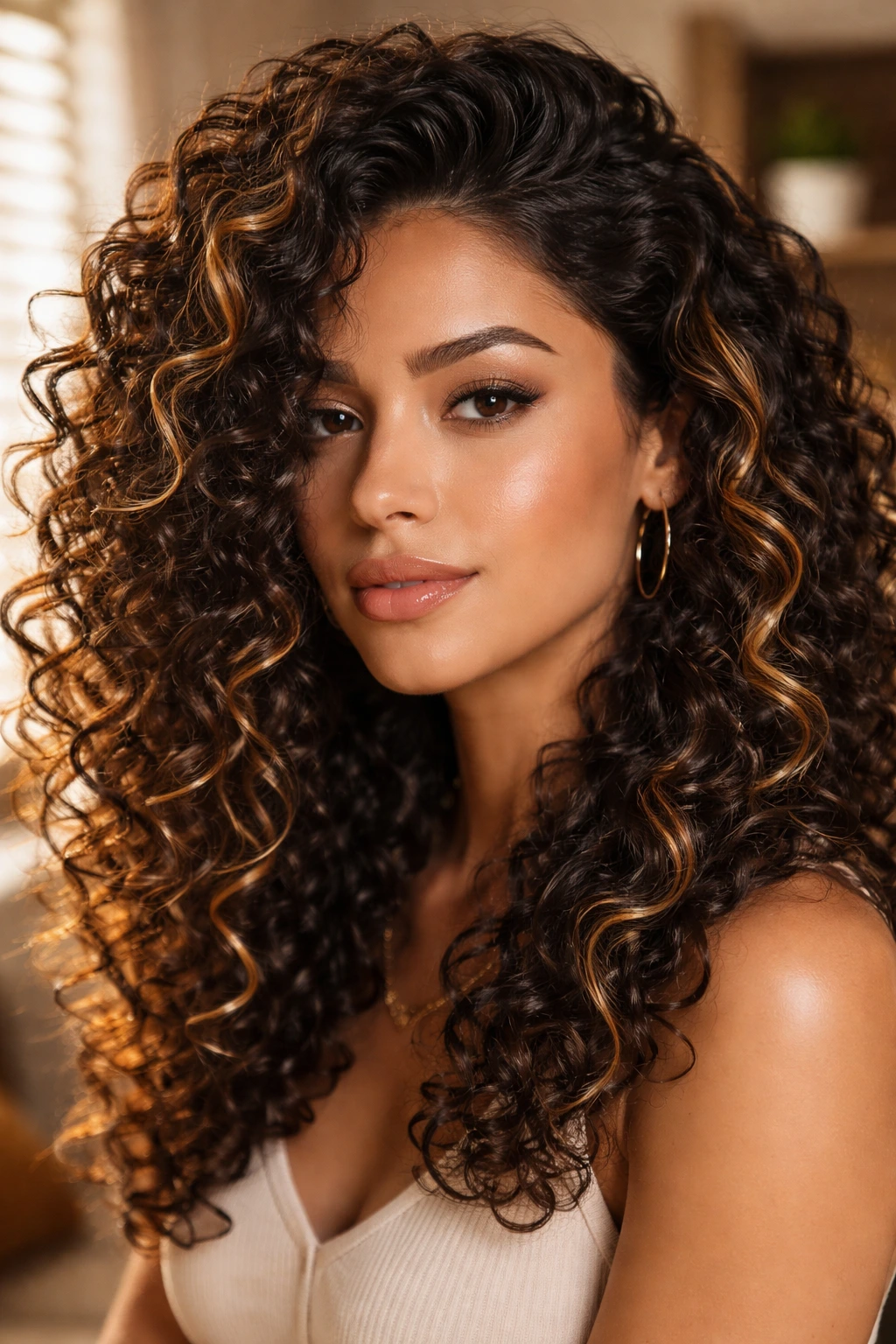
This is not a balayage; it is a highlight. Caramel ribbons involve weaving thicker, golden-brown streaks through the hair. It provides a high-contrast look that is very dramatic. You see the pattern of the color clearly against the darker background.
This is a commitment. Because the ribbons are thicker, they need to be placed carefully by a stylist who understands curly hair. You want the ribbons to start a few inches from the root so that as your hair grows, you aren’t dealing with a harsh line of demarcation.
18. Sandy Brown
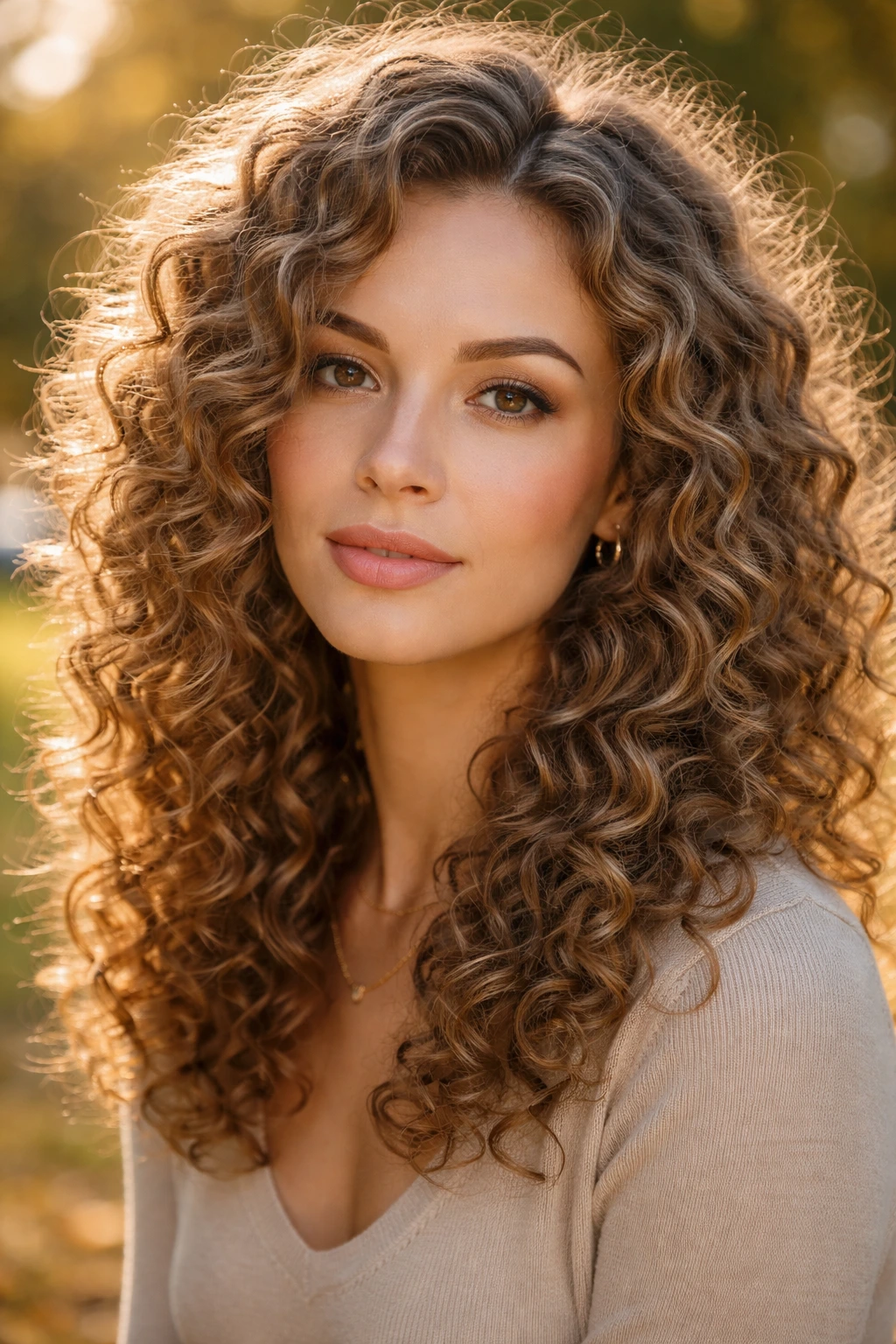
Sandy brown is a cool, light-brown shade with beige undertones. It is quite difficult to achieve if you have very dark hair because you have to lift the color significantly to get that “sandy” look. Only attempt this if your curls are in excellent condition.
- The Danger Zone: This shade is one step away from blonde. If your hair is currently processed or dyed with box dye, do not try this at home. You will end up with orange curls. This is a salon-only, experienced-colorist-needed project.
19. Spicy Cocoa
Take the richness of dark chocolate and mix it with a pinch of cayenne. Spicy cocoa is a warm, vibrant brown with red highlights. It is very energetic and fun. It works beautifully on people with olive or golden skin tones.
The key to spicy cocoa is the “spiciness.” If you don’t keep up with toning, the spicy part fades into a dull orange. You have to commit to gloss treatments every 6 to 8 weeks to keep the red-brown blend looking crisp and intentional rather than faded and brassy.
20. Deep Burgundy-Brown
Deep burgundy-brown is a statement color. It is dark, sexy, and very bold. It isn’t quite brown, and it isn’t quite purple—it’s that perfect spot in the middle. It is incredibly flattering for those with deep, rich skin tones, as it creates a beautiful harmony.
Burgundy is notorious for being hard to remove. If you think you might want to change your color in three months, avoid this. It stains the hair shaft in a way that is very difficult to lift. This is a color for someone who plans to stay in the dark-tone family for a long time.
21. Butterscotch Brown
Butterscotch is a light, golden brown that feels very creamy and rich. It is lighter than caramel and has more yellow than chestnut. It is a very “happy” color. It looks amazing on shoulder-length cuts where you can see the bounce of the curls.
Because it is a lighter brown, it requires regular protein treatments to keep the hair strong. When you lighten hair, you create holes in the cuticle where the protein has been stripped. Replacing that protein with a mask is the only way to keep your curls from becoming stringy or losing their shape.
22. Espresso Ombré
This is the classic “fade” look. Your roots are a deep, dark espresso, and the color gradually lightens toward the ends into a soft, light brown. It is the ultimate style for the “set it and forget it” person. Since the roots remain dark, you never have to worry about grow-out.
The key to a good espresso ombré on curly hair is the blend. If the transition is too abrupt, it will look like you just dipped your hair in paint. Ask your stylist for a “melted” transition where the colors blur together. This keeps the look modern and prevents the “1990s frost” effect.
Final Thoughts
The most important thing to remember, regardless of the brown shade you choose, is that curly hair is inherently drier than straight hair. Every time you alter the color, you are changing the porosity of your strands. You must adjust your routine to match. This means more moisture, more patience, and a willingness to step away from the heat tools.
Brown shades are the most forgiving way to experiment. They offer depth, shine, and sophistication without the extreme damage of platinum bleaching. Whether you go for a deep espresso or a light, butterscotch-tinted balayage, the result should be hair that feels as healthy as it looks. Take your time, find a stylist who knows how to handle textured hair, and always—always—prioritize the health of your curl pattern over the shade of the moment. Color will always be there, but your curls need your protection.
