



There is a specific kind of frustration that comes with having brunette hair. It’s a gorgeous, rich color, but it often lacks the visual drama that lighter or more vibrant shades can project. You walk into the salon wanting change, and the conversation usually drifts toward “how many highlights can we fit in before it looks like a zebra stripe.” But there is a secret weapon that many colorists keep under wraps: the interplay between high-contrast blonde and deep, velvet black lowlights.
We are not talking about the chunky, aggressive streaks of the early millennium. We are talking about intentional, strategic placement that adds depth, movement, and a sense of volume that flat brunette hair simply cannot mimic on its own. When you weave both bright blonde and dark black tones into brown hair, you create a spectrum of light and shadow. It makes the hair look thicker, healthier, and infinitely more expensive.
If you have been feeling like your hair color is just… sitting there, doing nothing, this is the solution. The trick is understanding that this isn’t just about dyeing strands; it is about architecture. You are building a map of light reflections that move when you move. It is bold, it is moody, and when done with precision, it is the most sophisticated upgrade you can give your hair.
1. Chunky High-Contrast Panels
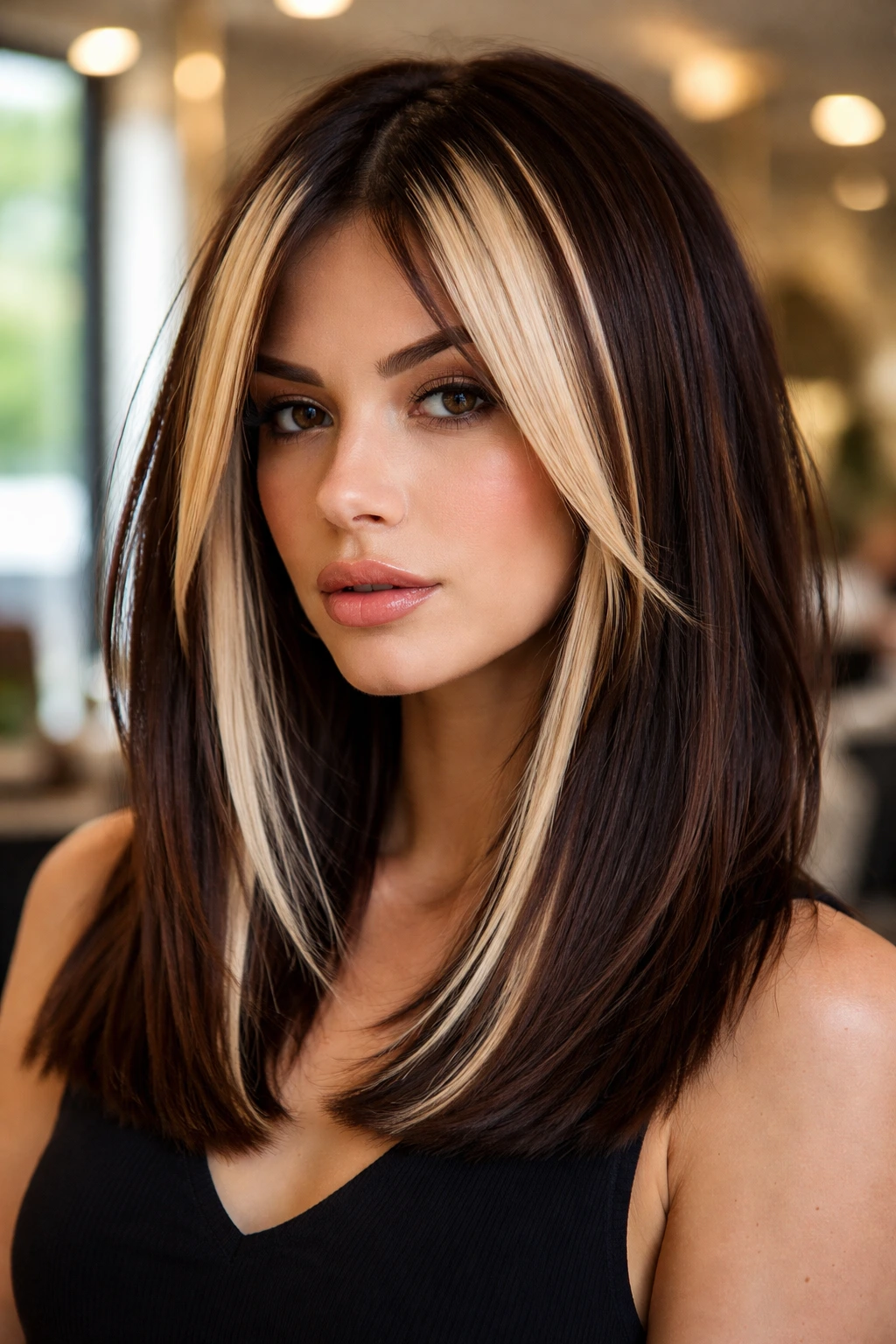
This style is not for the faint of heart, but it is undoubtedly the most effective way to frame your face and change your entire aesthetic. We are talking about deliberate, wide sections of color that stand out against your natural base rather than blending into it.
Why This Technique Works
When you isolate thicker sections, the contrast becomes the focal point. You aren’t trying to hide the lines of demarcation; you are celebrating them. This creates an immediate, striking impact that draws attention directly to your bone structure. It works exceptionally well on hair with a blunt cut, as the edges of the color panels follow the clean line of the haircut.
The Maintenance Factor
Be prepared to visit your colorist more often. Because the panels are thick, roots can show more aggressively than they would with soft, diffused highlights. You will need to commit to root touch-ups every six to eight weeks if you want that sharp, high-fashion finish.
2. Subtle Face-Framing Weaves
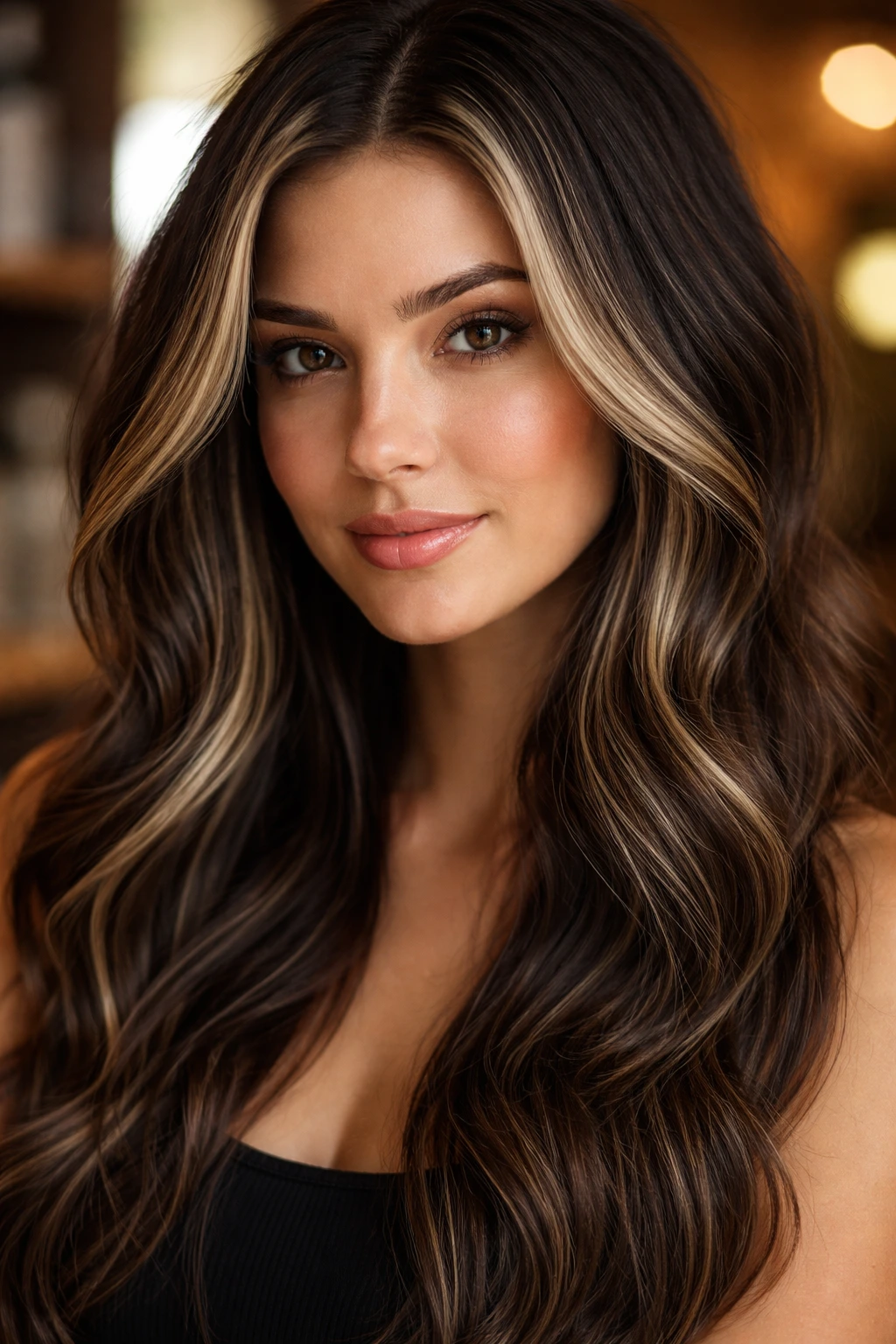
Sometimes, you do not want the drama of full panels. This approach is much softer, focusing on weaving very fine, delicate ribbons of both blonde and black into the hair immediately surrounding your face. It is like a spotlight for your features.
The Art of the Weave
Your colorist will need to use a fine-tooth comb to tease out tiny sections of hair. By alternating between a cool blonde and a deep, ink-black, you create a “salt and pepper” effect that feels intentional and elegant. It softens the jawline and brightens the complexion without requiring a full-head transformation.
Pro tip: Ask your stylist to keep the black lowlights near the root to ground the color, while keeping the blonde bright at the ends. This keeps the look fresh and prevents it from appearing heavy around your temples.
3. The Slicing Technique
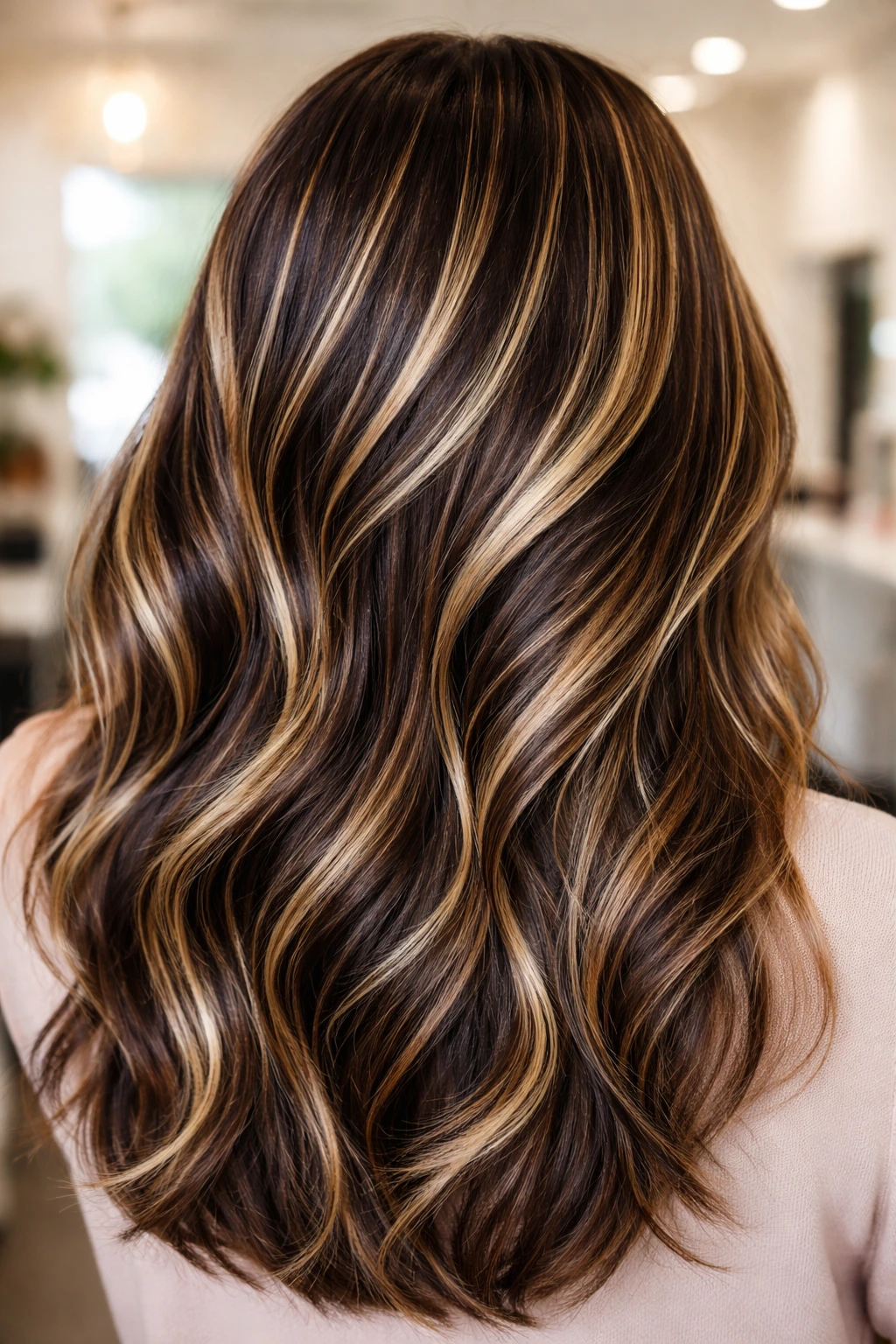
Slicing is a classic coloring method, but it gets a bad rap because it was often overused in the past. When used with blonde and black on brunette hair, it creates distinct ribbons of color that travel from root to tip.
Achieving Seamless Integration
The secret here is in the sectioning. Instead of standard foils, your stylist should use a “diagonal back” slicing pattern. This allows the colors to cascade over one another naturally. When you curl your hair, these ribbons will twist, revealing the dark and light strands in a way that looks almost like liquid silk.
4. Smudged Root Shadowing
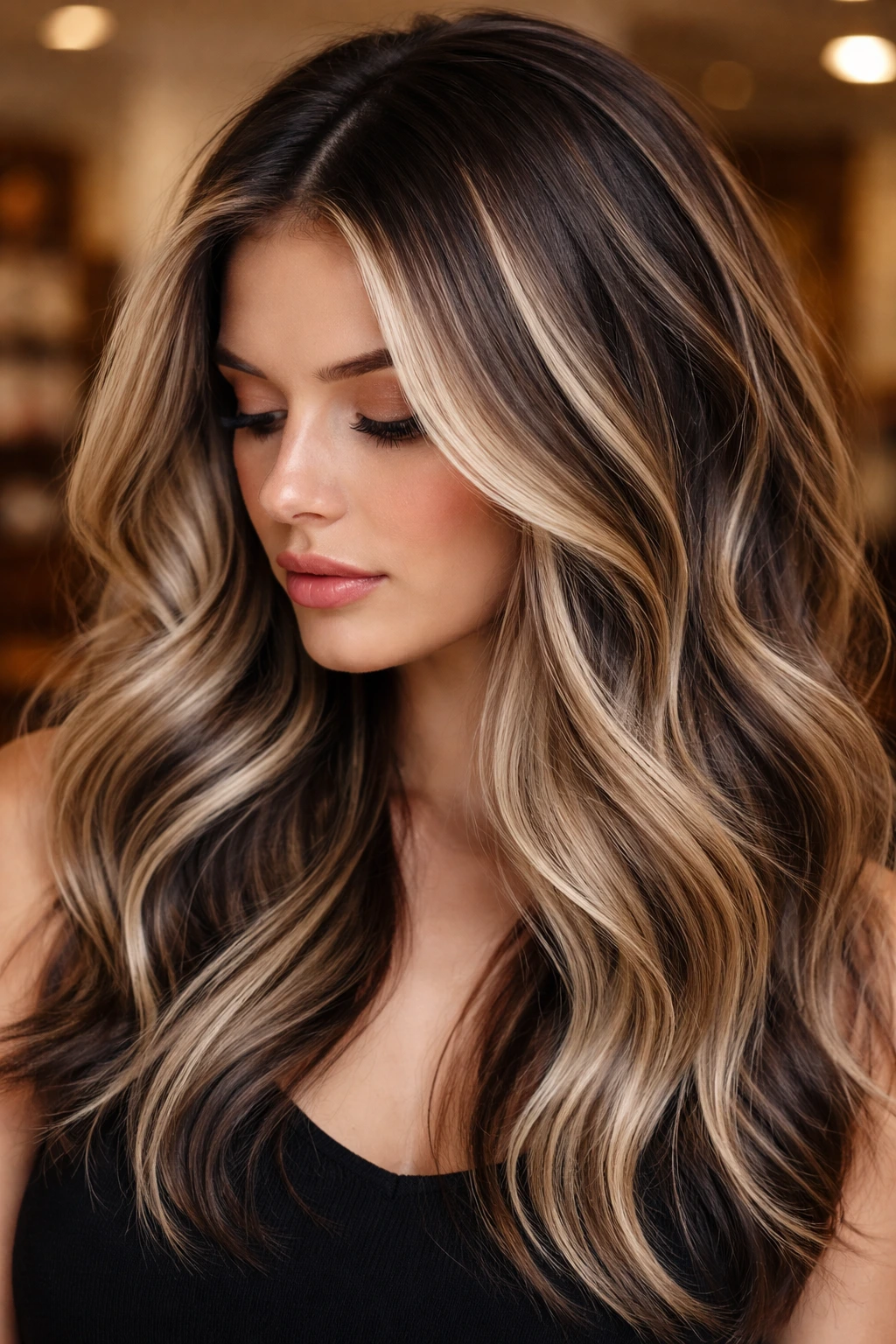
You might worry that adding blonde and black will look unnatural as your hair grows out. That is where a root smudge comes in. This is a finishing technique where a color that matches your natural base is “smudged” or blended into the roots of the highlights and lowlights.
Why It Eliminates Harsh Lines
A root shadow bridges the gap between your scalp and the rest of your hair. It makes the blonde pop more, because the contrast against the dark root is cleaner. It also ensures that when your hair grows out, there is no jarring horizontal line. It simply fades into a softer, more lived-in version of the original look.
5. Ash Blonde and Jet Black Combo
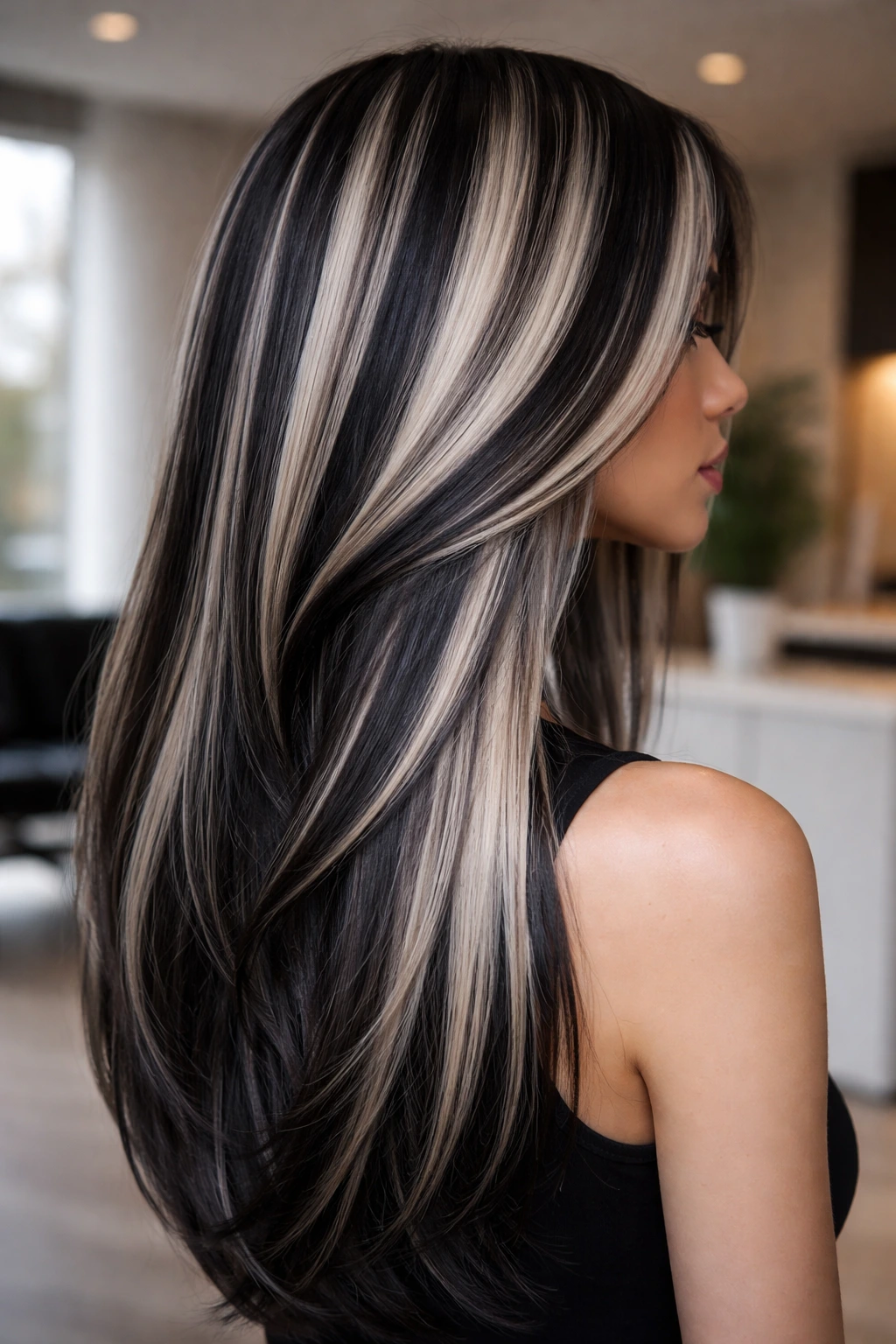
If your natural hair has cool undertones, warm honey or caramel colors might clash with your skin. This is where the “goth-glam” aesthetic comes in. Pairing icy, ash-blonde highlights with true jet-black lowlights creates a high-fashion, high-contrast look that is sleek and edgy.
Styling for the Best Effect
This color combination thrives on smoothness. When the hair is straightened or blown out with a round brush, the contrast between the icy blonde and the deep black is at its peak. Use a lightweight, high-shine serum to emphasize that contrast. Avoid heavy oils, as they can sometimes warm up the ash tones and ruin the cool, crisp vibe you are aiming for.
6. Honey Blonde Warmth with Onyx
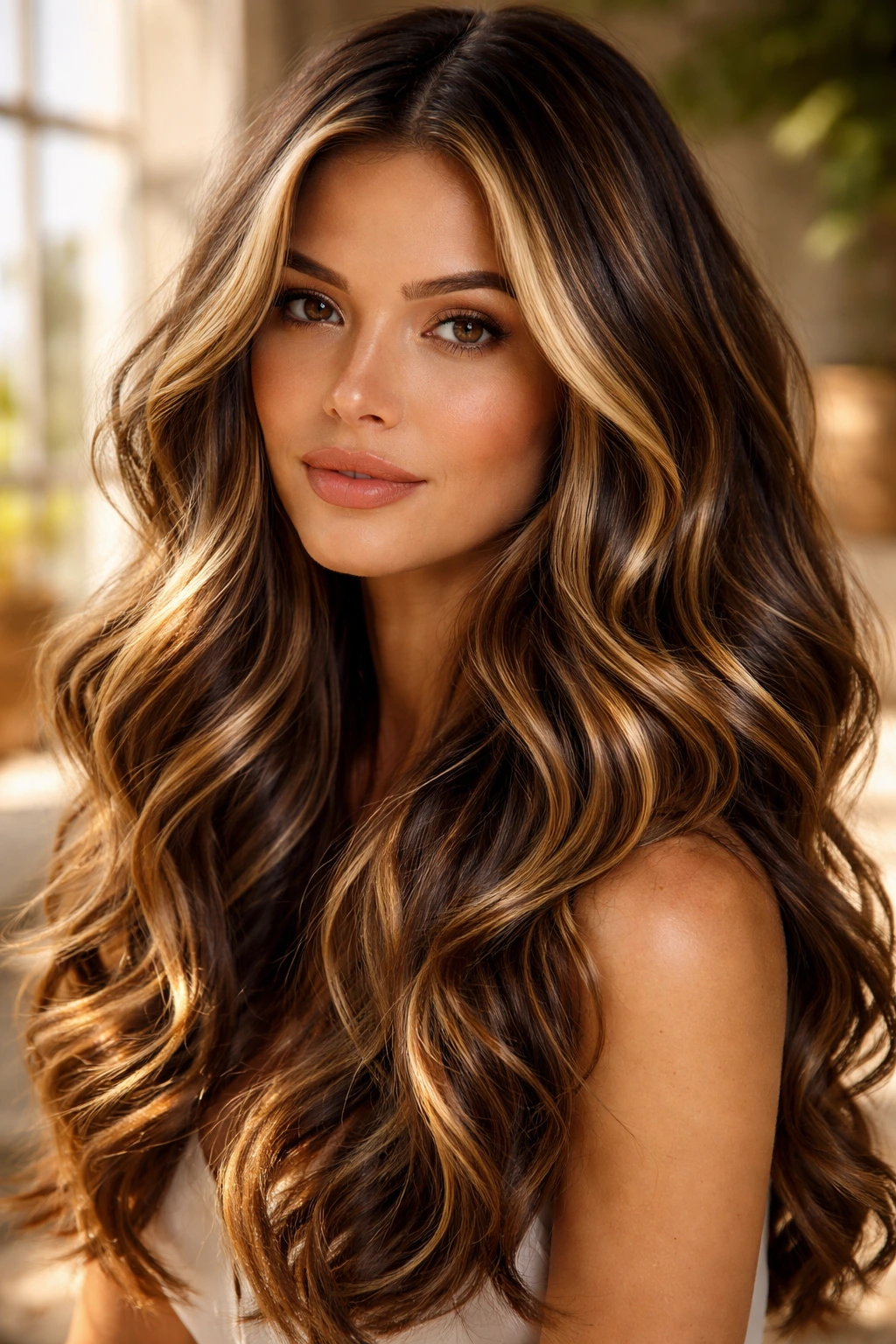
On the flip side, if you have a tan complexion or olive skin, icy tones can make you look washed out. Enter honey blonde and onyx. This creates a rich, opulent palette that feels luxurious and warm, even with the addition of the black lowlights.
Creating the Balance
The honey blonde brings out the gold in your skin, while the onyx black provides depth and prevents the honey from looking too “orangey.” It is a sophisticated, worldly look. It pairs well with beachy waves or textured, messy styles, as the warmth in the hair helps it catch the light even in low-visibility conditions.
7. Peek-a-Boo Layers
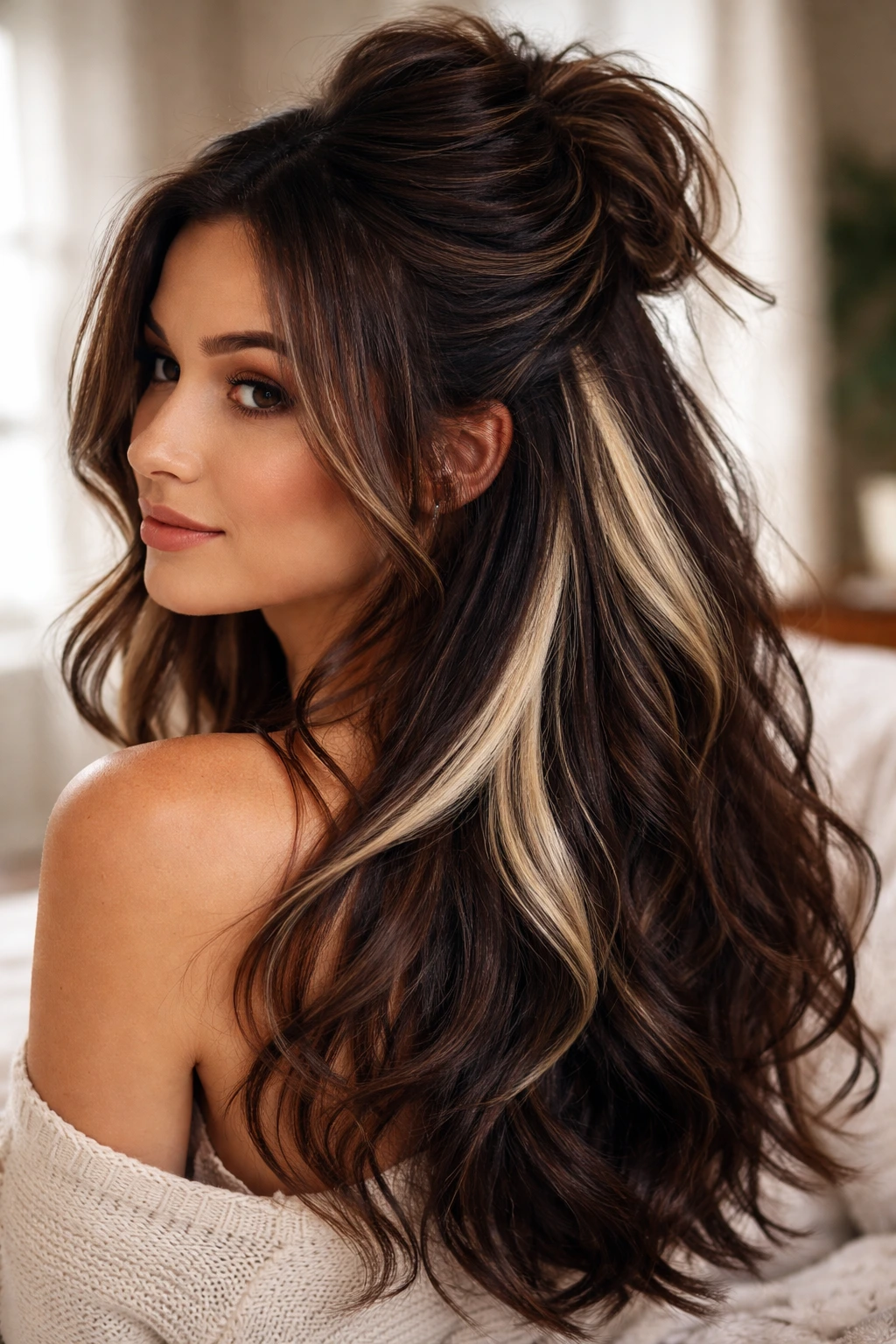
If you are nervous about going bold on top, hide the drama underneath. Peek-a-boo color places the blonde and black highlights on the internal layers of your hair, only revealing them when you move, tie your hair up, or style it with a braid.
Why This is a Low-Commitment Style
It is the perfect entry point if you have never played with high-contrast color before. You can control exactly how much of the color is visible. If you are in a professional setting, a sleek low bun hides the fun. Let your hair down for a night out, and the flashes of platinum and black become the main event.
8. Money Piece with Lowlight Balance
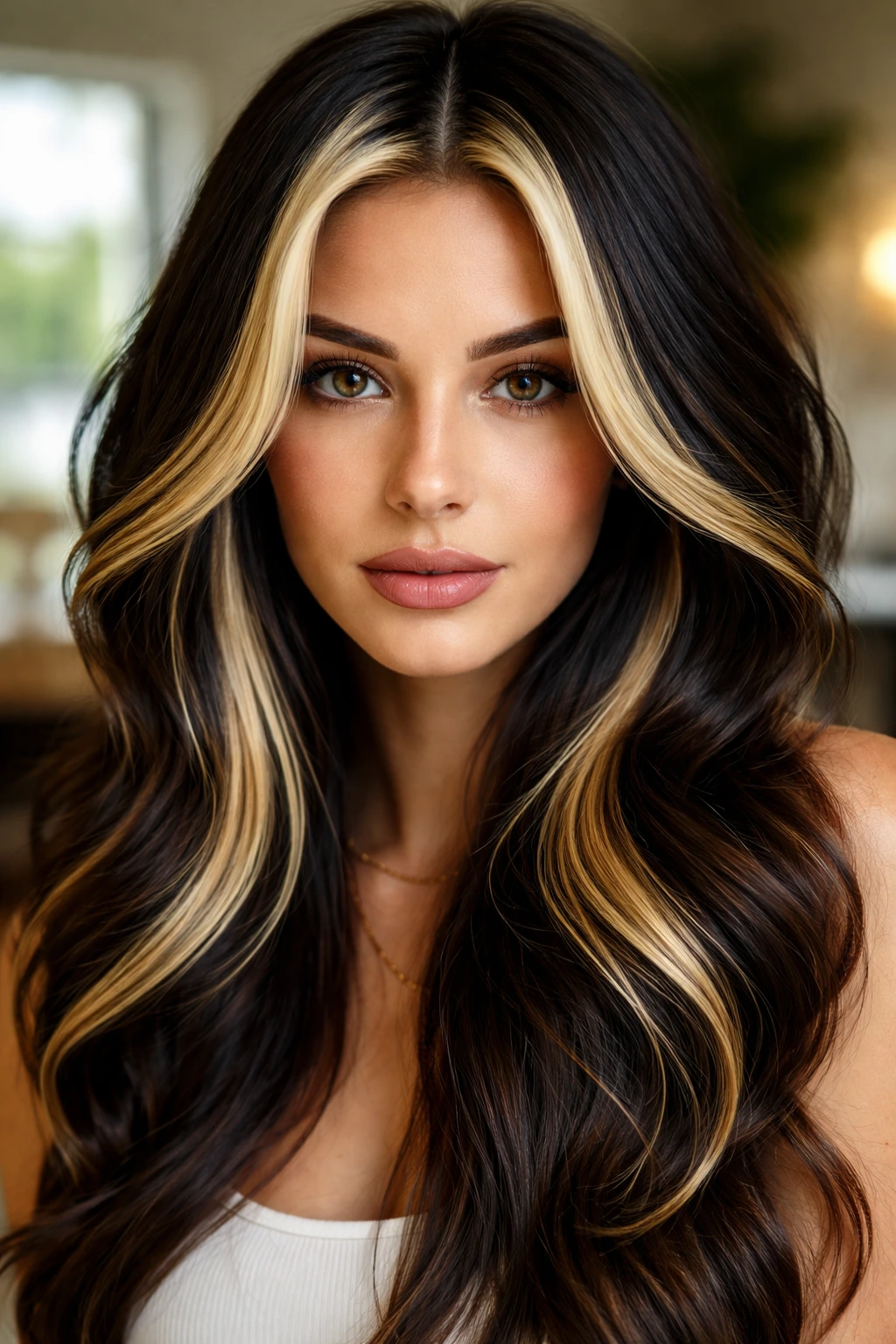
The “money piece”—those two bright strands framing your face—has been around for a while. But to keep it from looking dated, we are balancing it with a deep black lowlight right next to it.
The Visual Impact
By placing a dark, black strand right next to the bright, chunky blonde money piece, you increase the contrast exponentially. The blonde looks brighter because the black anchors it. This technique is incredibly flattering, as it creates an immediate point of focus that draws the eye toward your eyes and cheekbones. It is a classic move for anyone who wants a “fresh” look without dyeing the back of their head.
9. Full-Head Babylights
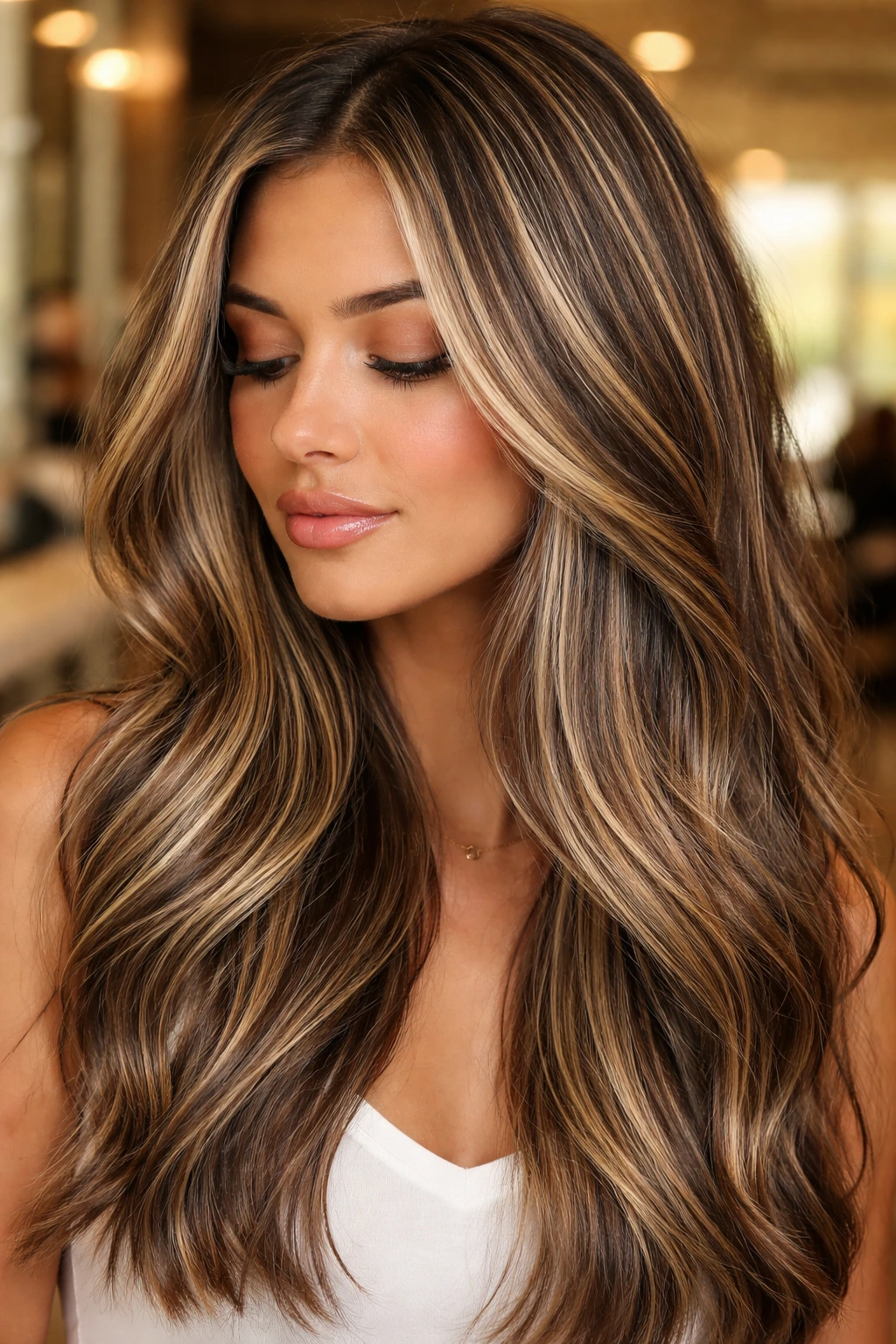
Babylights are labor-intensive, but the results are breathtaking. This involves weaving incredibly fine, delicate strands of blonde and black throughout the entire head.
What to Expect at the Salon
Plan on spending a significant portion of your day in the chair. Because the stylist is working with such tiny sections, the color is incredibly uniform and natural-looking. It doesn’t look like “streaks”; it looks like your hair has been kissed by the sun and shadowed by the moon. It creates a soft, diffused look that is elegant and understated, even though it utilizes high-contrast colors.
10. Reverse Balayage
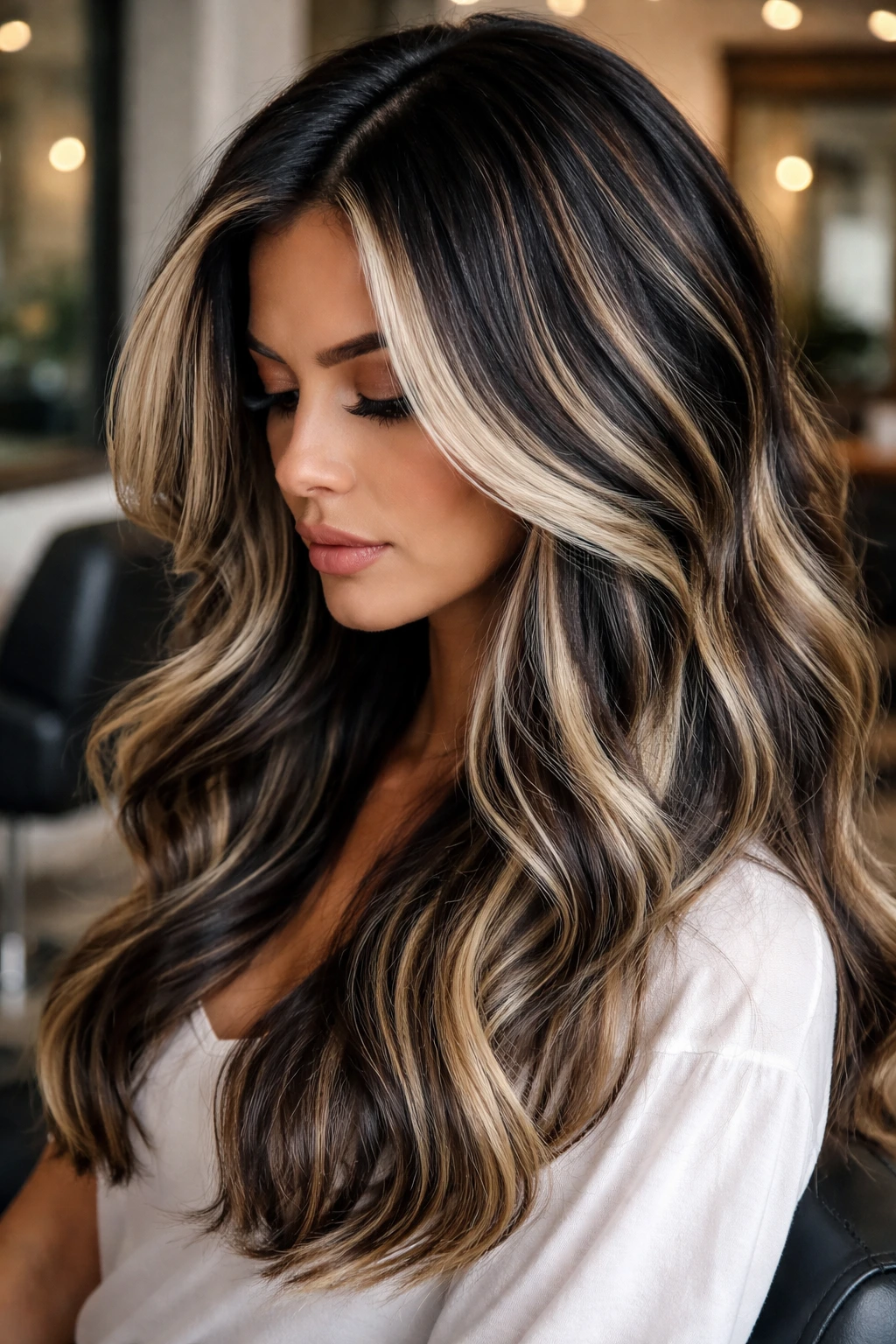
Usually, balayage is about painting lightener onto the hair. Reverse balayage does the opposite: it paints the color in. Your stylist will hand-paint black lowlights into the hair to create depth, then weave in blonde highlights for brightness.
Why It Lasts Longer
Since the root is left closer to your natural color, reverse balayage is notoriously low-maintenance. It allows you to play with high contrast without the constant upkeep of re-bleaching or re-dyeing the roots every month. It is a fantastic choice for those who want a dramatic look but hate sitting in the salon chair every six weeks.
11. Dimensional Ribbon Highlights
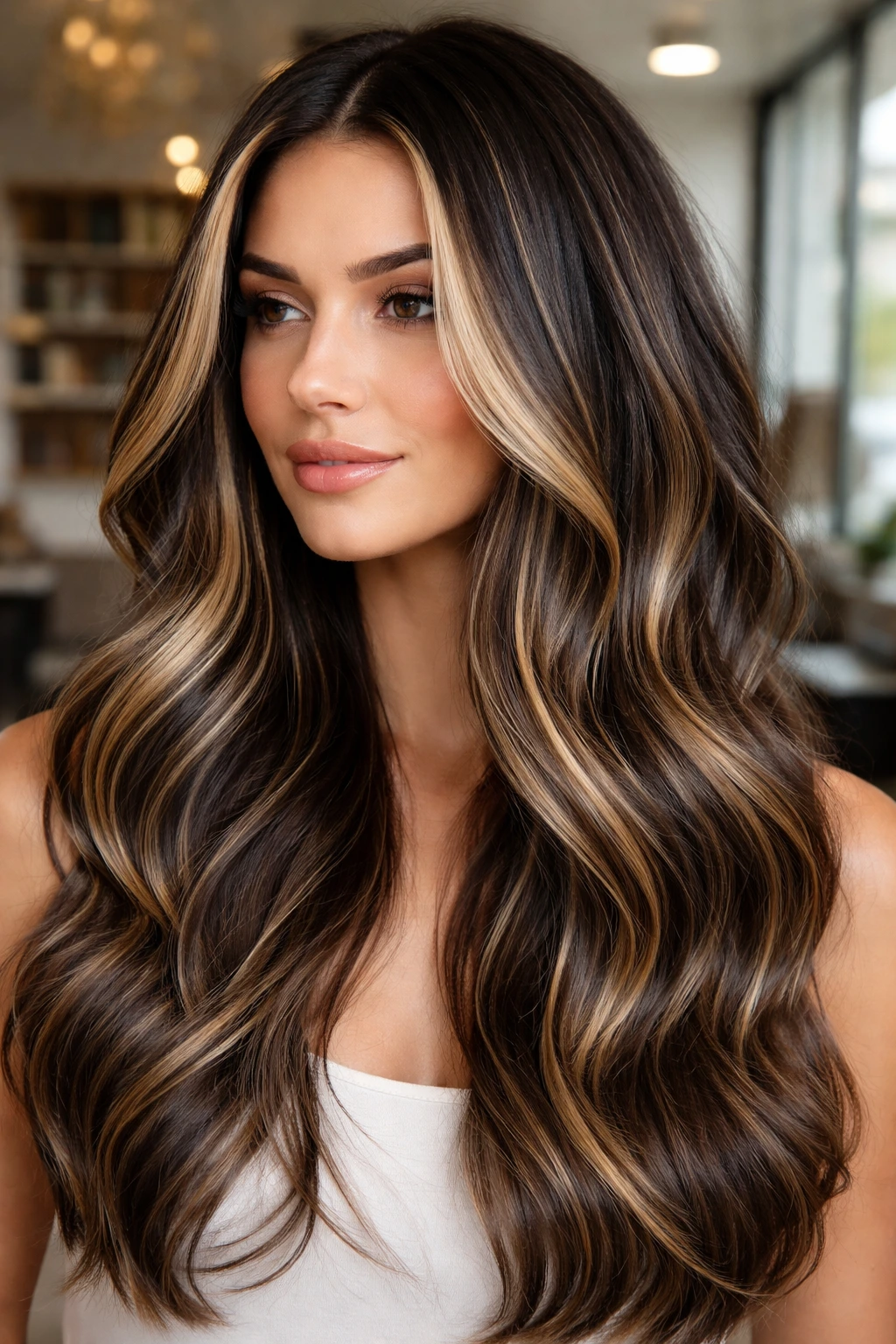
Ribbon highlights are wider than babylights but narrower than chunky panels. They are designed to mimic the natural way light hits your hair, but with an amped-up contrast.
Creating Movement
The key to ribbons is vertical placement. Your stylist should paint them starting a few inches down from the root and carrying them all the way to the ends. When you curl or wave your hair, these ribbons will stack on top of each other, creating a multi-dimensional effect that makes your hair look like it has more body than it actually does.
12. Caramel and Espresso Soft Contrast
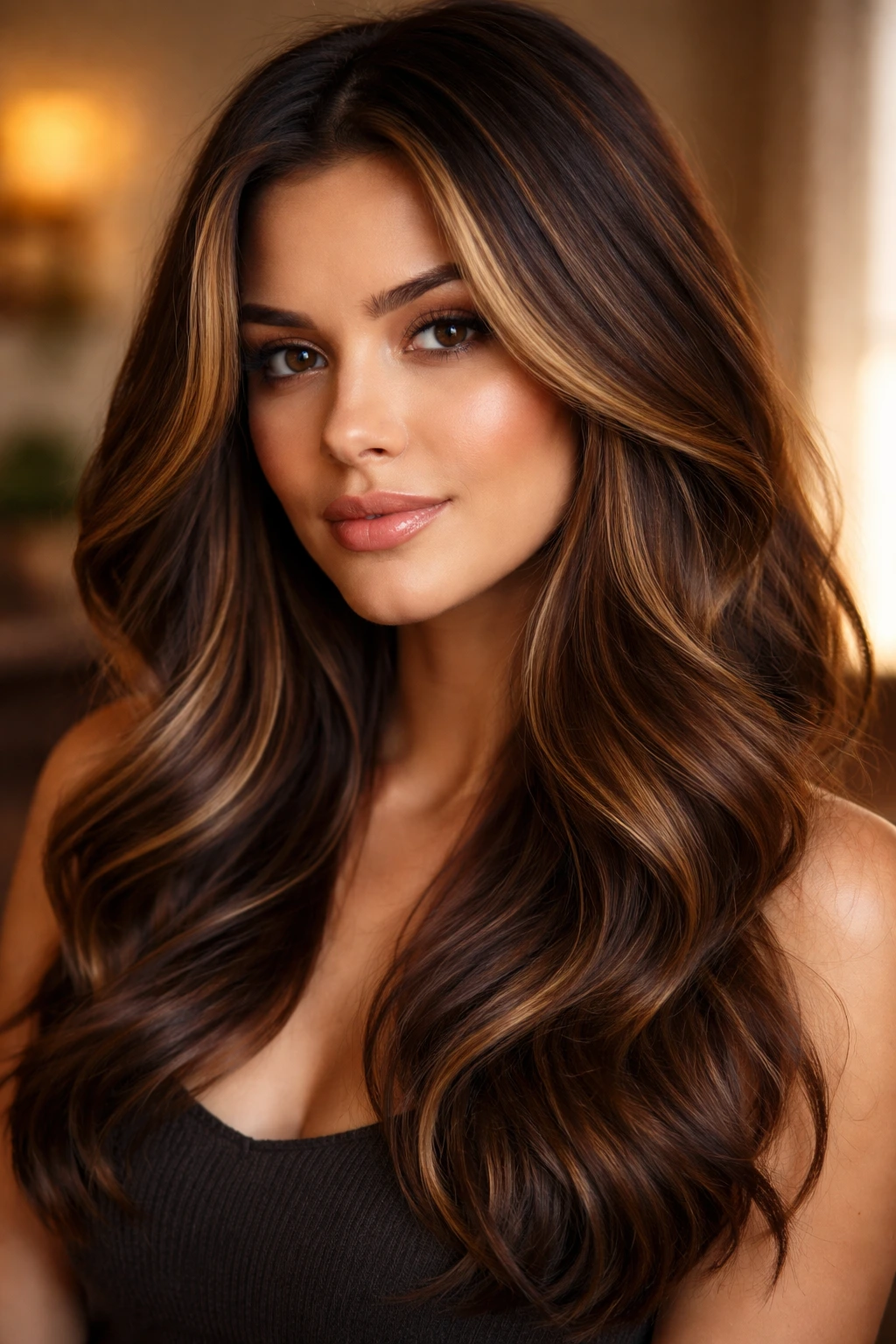
If the jump from platinum blonde to jet black feels too extreme, try this. Use a rich caramel blonde and a deep espresso (rather than true black) lowlight. It is the same concept—high contrast—but with a softer color palette.
Who Should Choose This
This is perfect for the “soft brunette” look. It’s warm, it’s inviting, and it’s very forgiving. If you have fine hair, the espresso lowlights will create the illusion of density, while the caramel will provide the shine. It is a classic look that never goes out of style and looks great on almost every skin tone.
13. Platinum and Obsidian Contrast
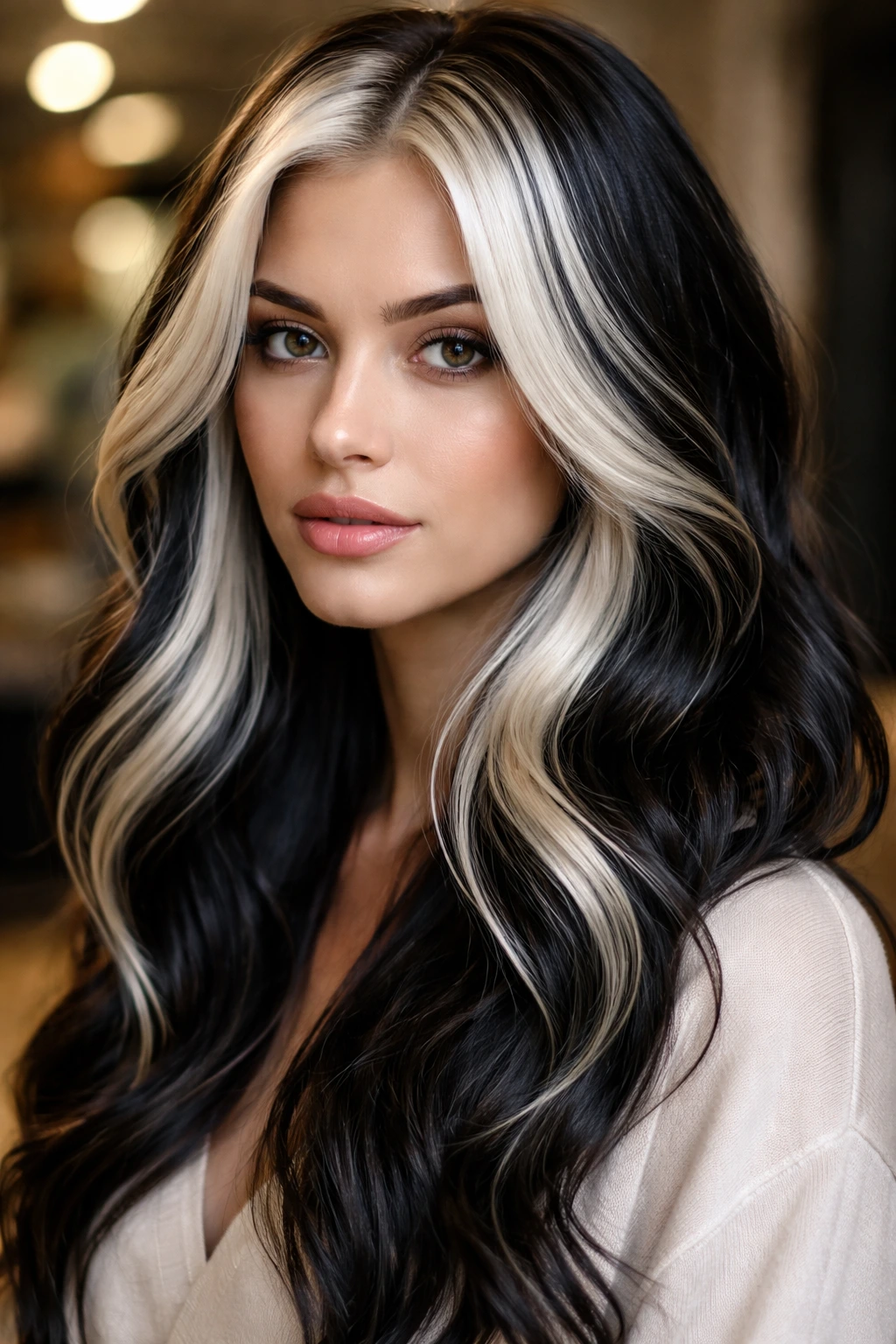
For those who want to turn heads, this is the look. We are talking about white-blonde (platinum) and absolute black (obsidian). This is maximum contrast. It is graphic, bold, and unapologetic.
Handling the Damage
Platinum blonde requires bleaching, which can be tough on brunette hair. To pull this off, you must invest in high-quality bond-building treatments. If your hair isn’t healthy, the platinum will look dull, and the obsidian will look matte. You need that high-gloss finish for this look to really work. It’s an investment in your hair’s health as much as it is in the color.
14. Thin Micro-Lowlights
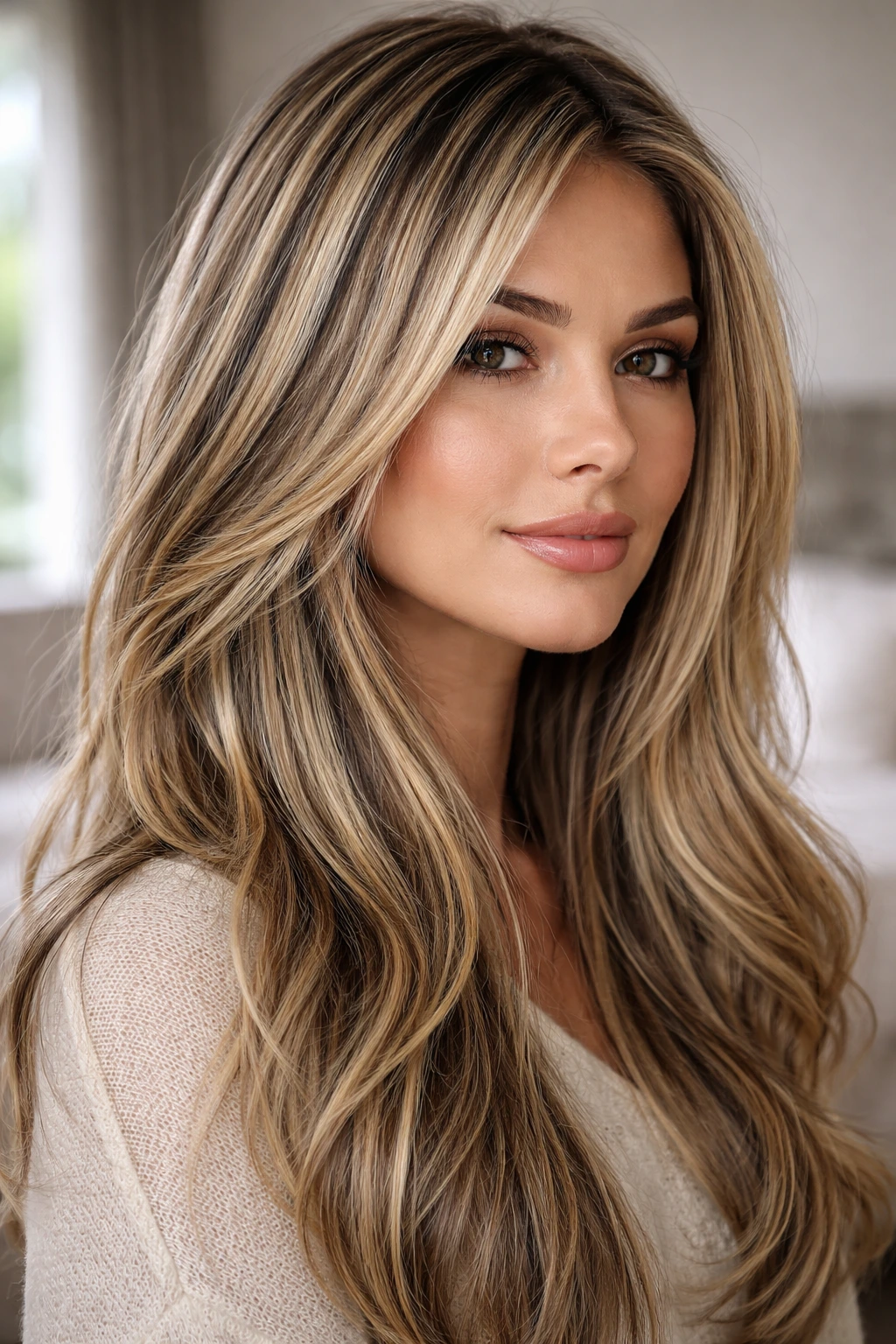
Micro-lowlights are the subtle cousin of chunky panels. They are almost imperceptible individually, but when you look at the head of hair as a whole, they create a depth that is unmistakable.
The Texture Boost
These thin, black ribbons add shadow, which in turn makes the blonde highlights stand out more. It is a brilliant technique for someone with flat, fine hair who wants to create the illusion of fullness. By placing these dark micro-lowlights near the scalp and the blonde throughout the mid-lengths, you create a “shadow-root” effect that looks thick and voluminous.
15. Chunky “Skunk Stripe” Accents
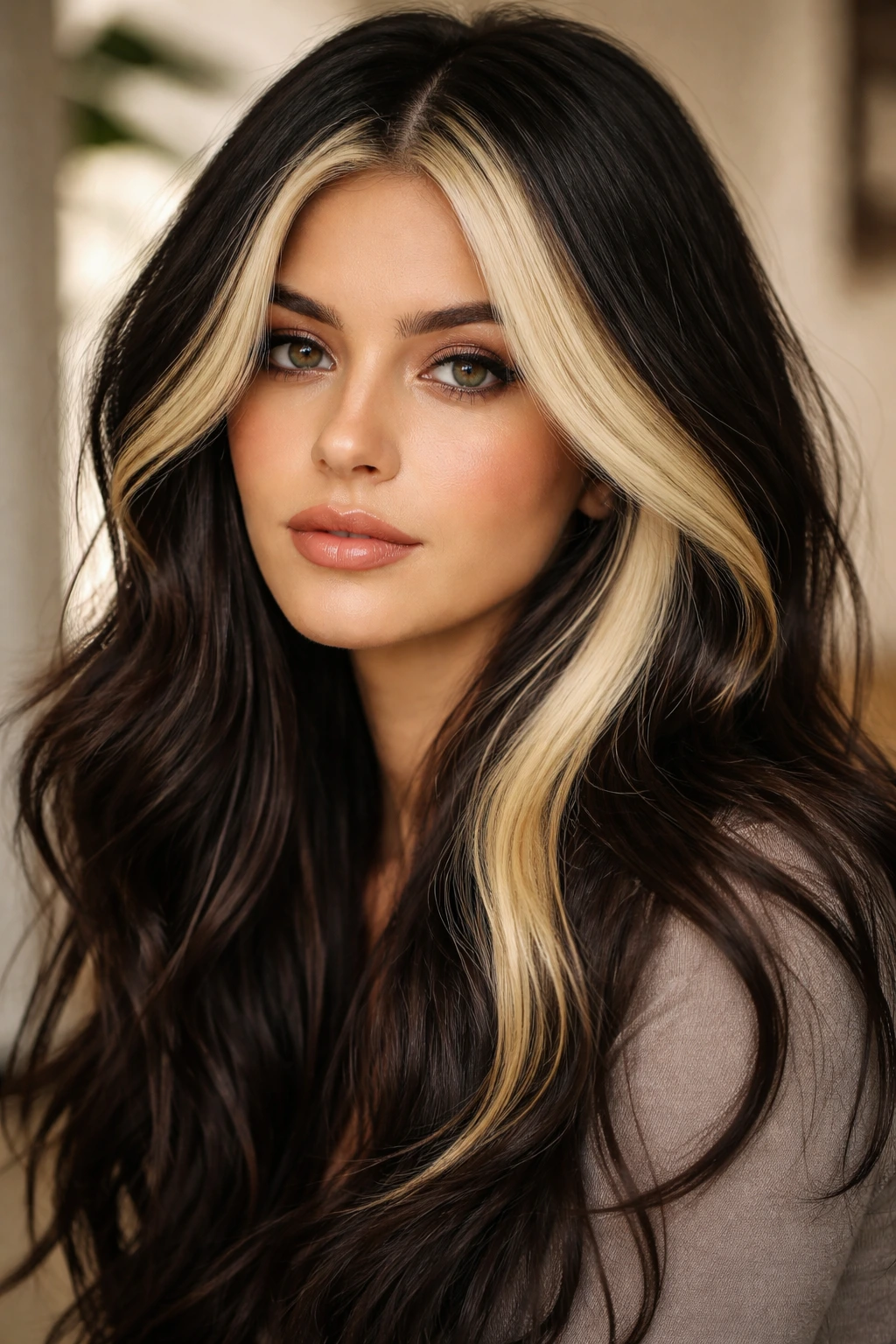
Let’s lean into the modern, “indie” aesthetic. The chunky stripe is having a massive resurgence. This involves a very thick, deliberate section of blonde (or black) placed in a specific spot—usually near the face or behind the ear—that serves as an accent.
Styling Ideas
This look thrives on contrast. Don’t try to blend it. Let it stand out. It looks incredible with a slicked-back ponytail or a half-up, half-down style. It tells the world that you aren’t trying to look like everyone else. It is fun, it is youthful, and it is incredibly easy to maintain because you only have one or two sections to focus on.
16. Curly Texture Definition
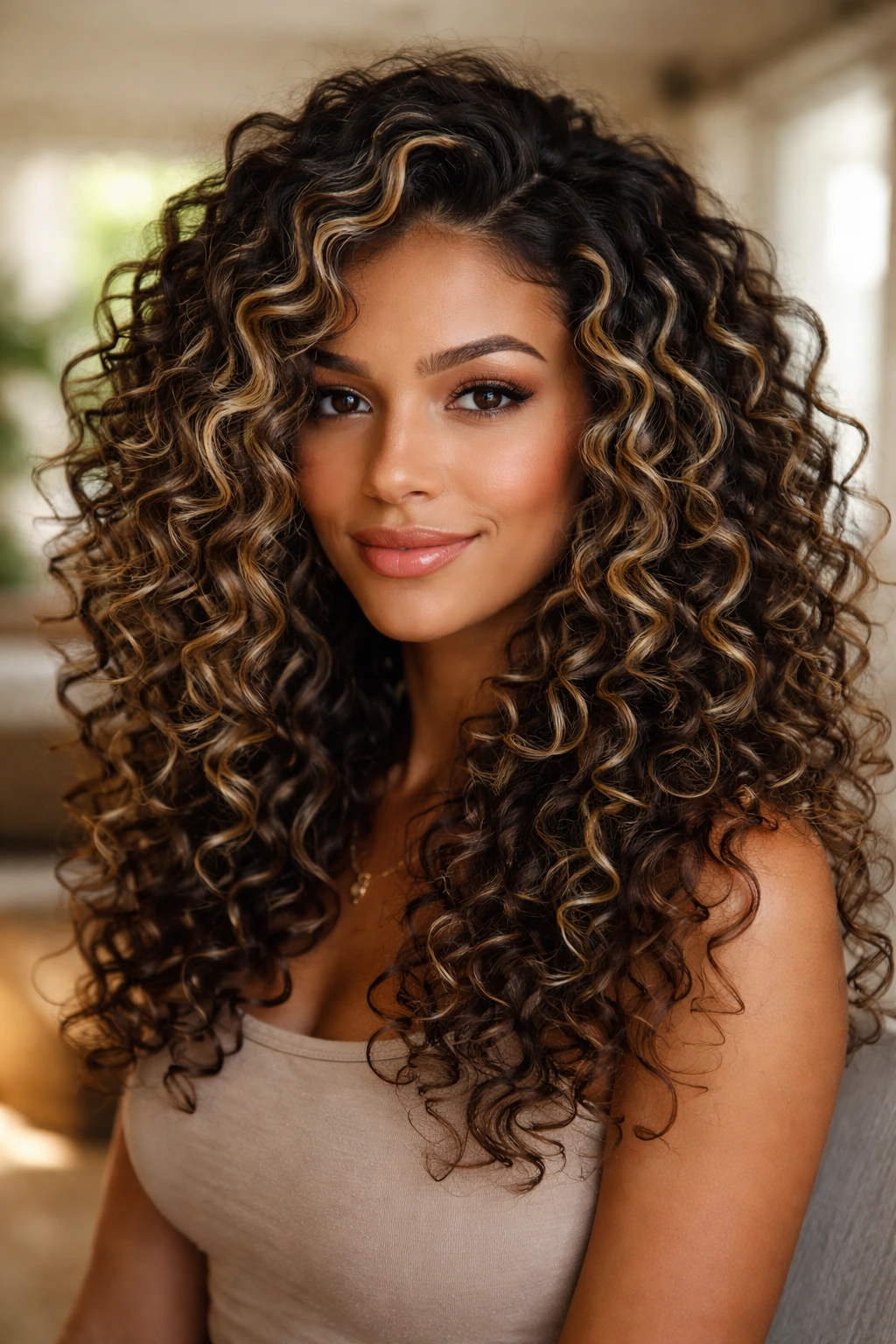
If you have natural curls or coils, you know the struggle: colors can sometimes get “lost” in the texture. High-contrast blonde and black lowlights are the antidote to this.
Why It Works for Curls
Because your hair is textured, the light hits every curve of the curl. When you have high-contrast color, those curves become even more visible. A black lowlight will sit in the shadow of the curl, while a blonde highlight will sit on the crest. It essentially acts as a contouring tool for your hair, highlighting the definition and the pattern of your curls.
17. Braided Dimensionality
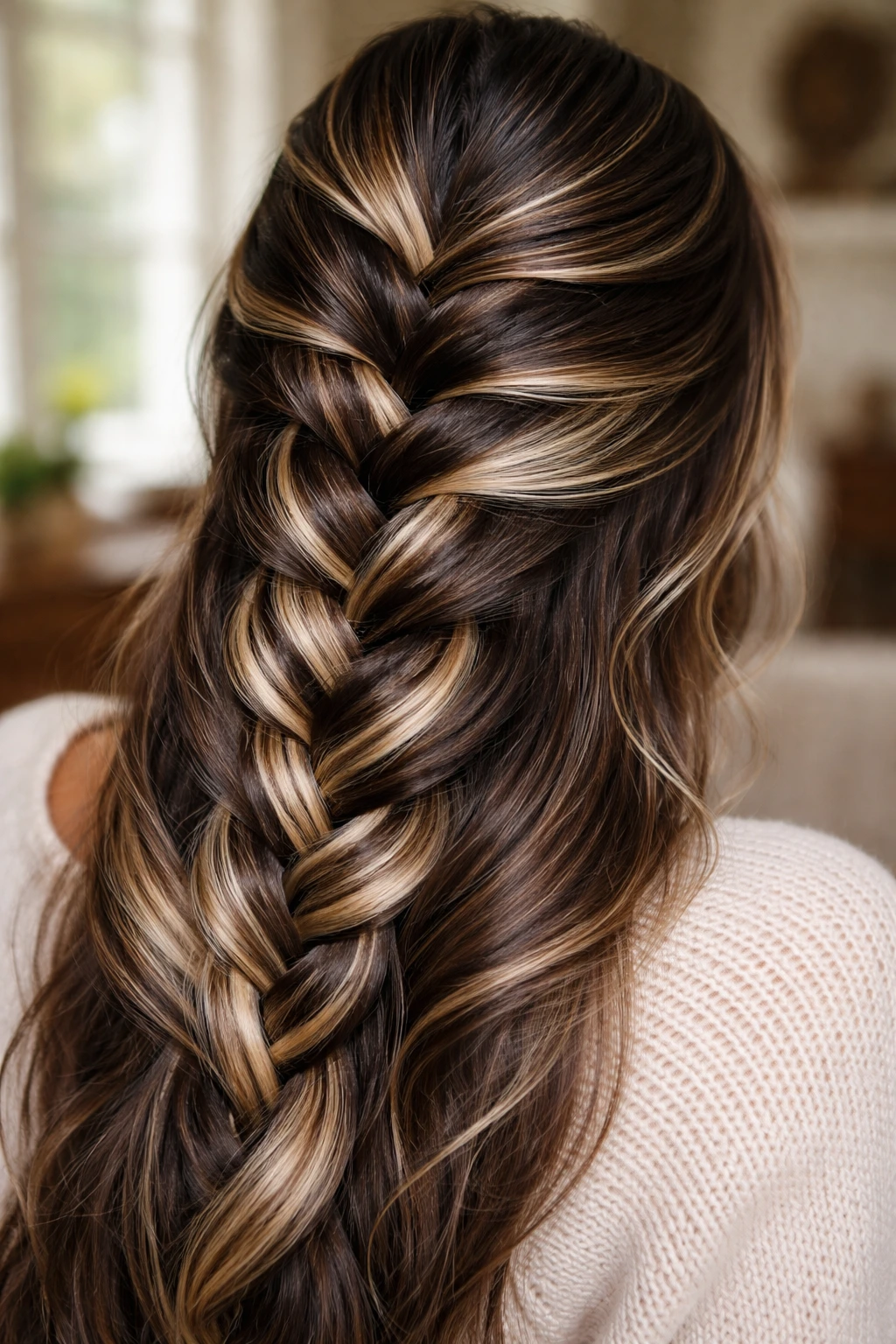
If you frequently wear braids, this color combination is a game-changer. The way the blonde and black weave together in a braid creates a visual complexity that is hypnotic to look at.
The Visual Effect
In a basic three-strand braid, the black strands will act as the “bones,” while the blonde stands out, creating a patterned look that makes the braid appear much more intricate than it actually is. You don’t need fancy, complicated tutorials to make your hair look like a work of art when the color is doing all the heavy lifting.
18. Sun-Kissed Lowlight Integration
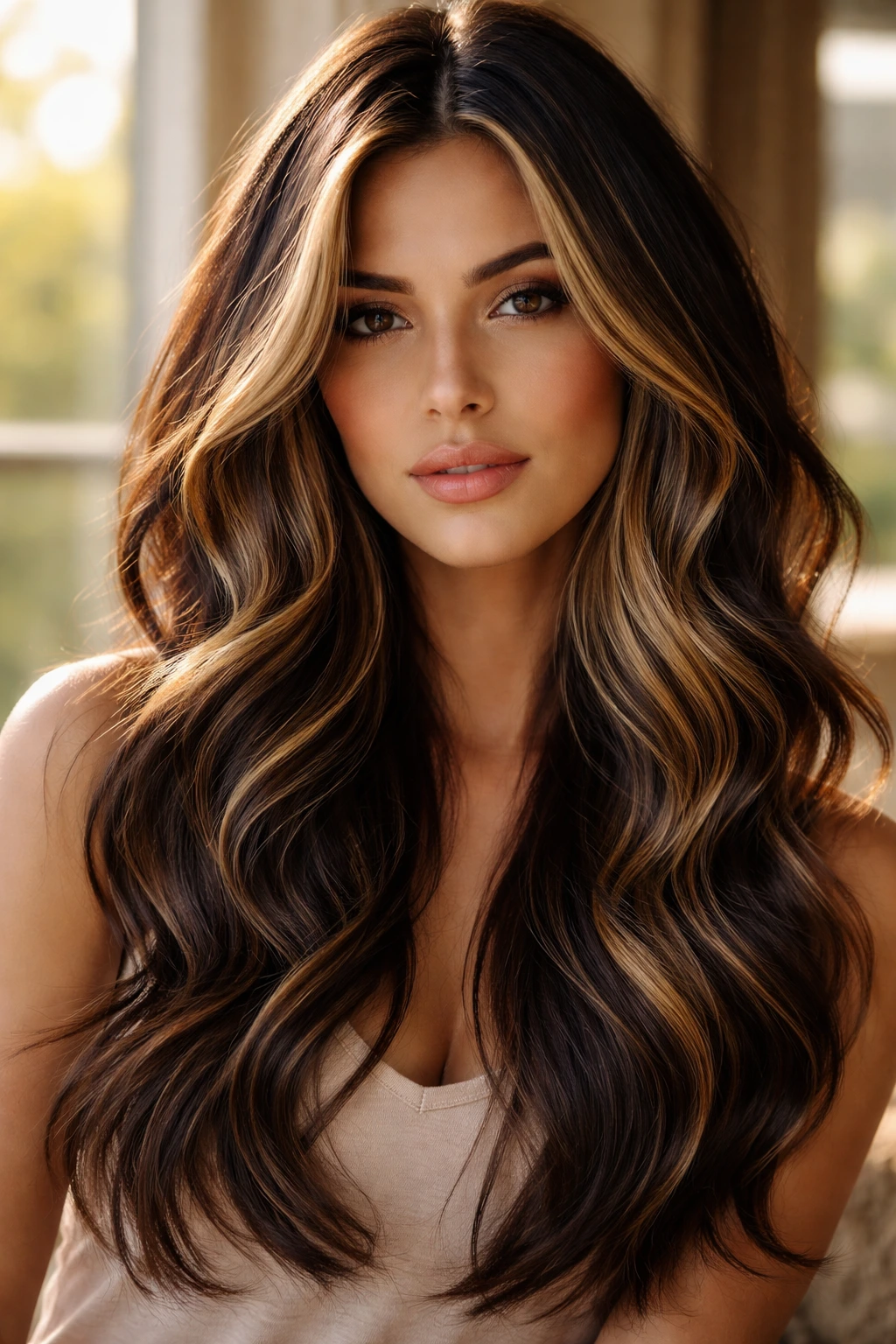
Maybe you want the high contrast, but you don’t want it to look “done.” This technique involves placing the blonde and black strands in a way that mimics how hair naturally bleaches in the sun and darkens in the shade.
The “Natural” Approach
It is less about perfect symmetry and more about chaos. Your stylist should place the black lowlights where the hair is usually naturally denser, and the blonde highlights where the sun would naturally hit the crown and the ends. It is the most “wearable” of the high-contrast looks because it feels effortless, even though it was carefully planned.
19. Mushroom Brown Base with Black Ribbons
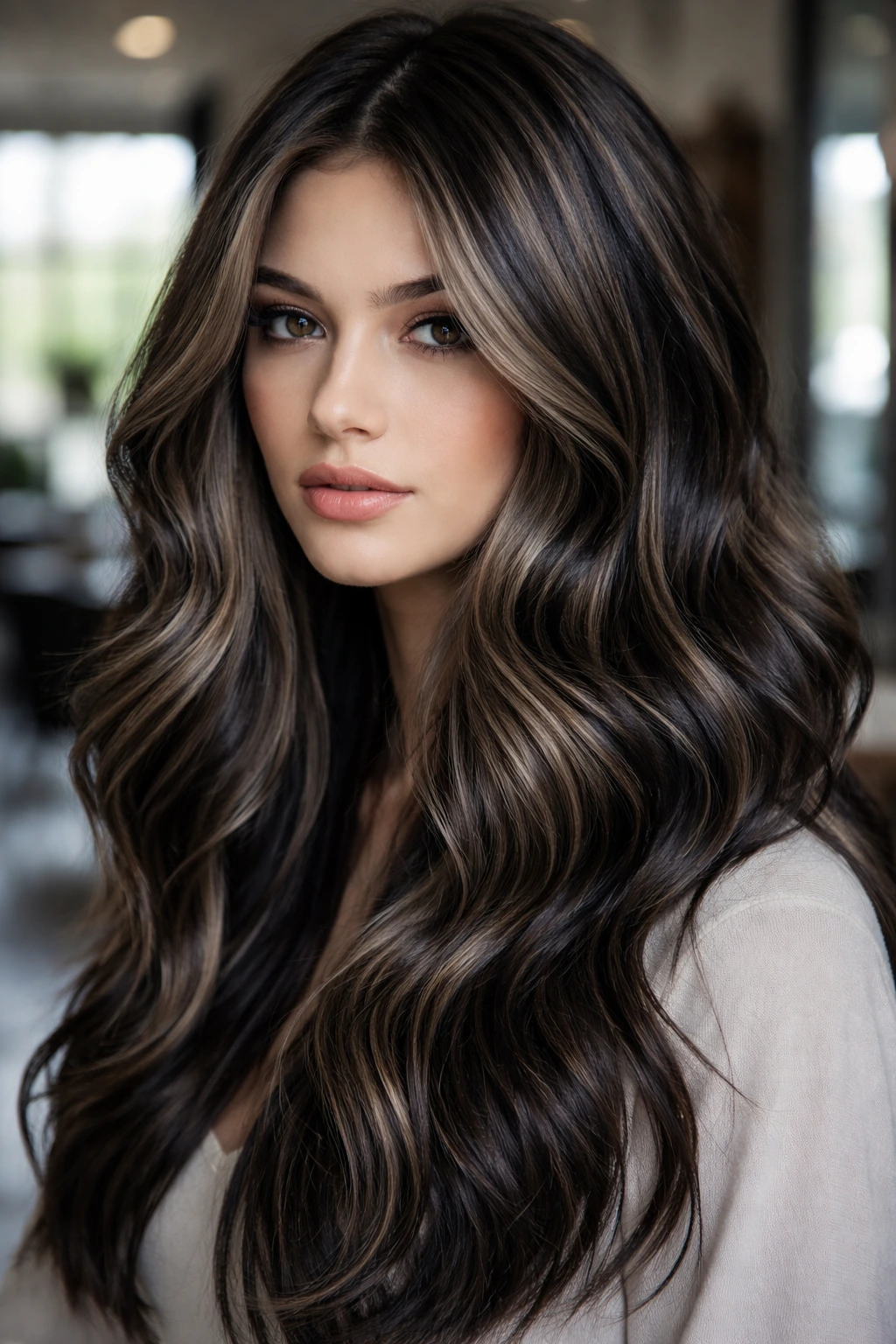
Mushroom brown—that earthy, cool-toned brunette—is a gorgeous base. When you add black ribbons into it, you get a cool-toned, gothic aesthetic that feels very current.
The Tone Check
This look is all about temperature control. If the black turns warm or the blonde looks too yellow, the whole look fails. You will need a purple-based toning shampoo to keep the blonde cool, and potentially a blue-based gloss to ensure the black remains neutral and doesn’t fade into a brown or rusty red.
20. Caramel Glazed Lowlights
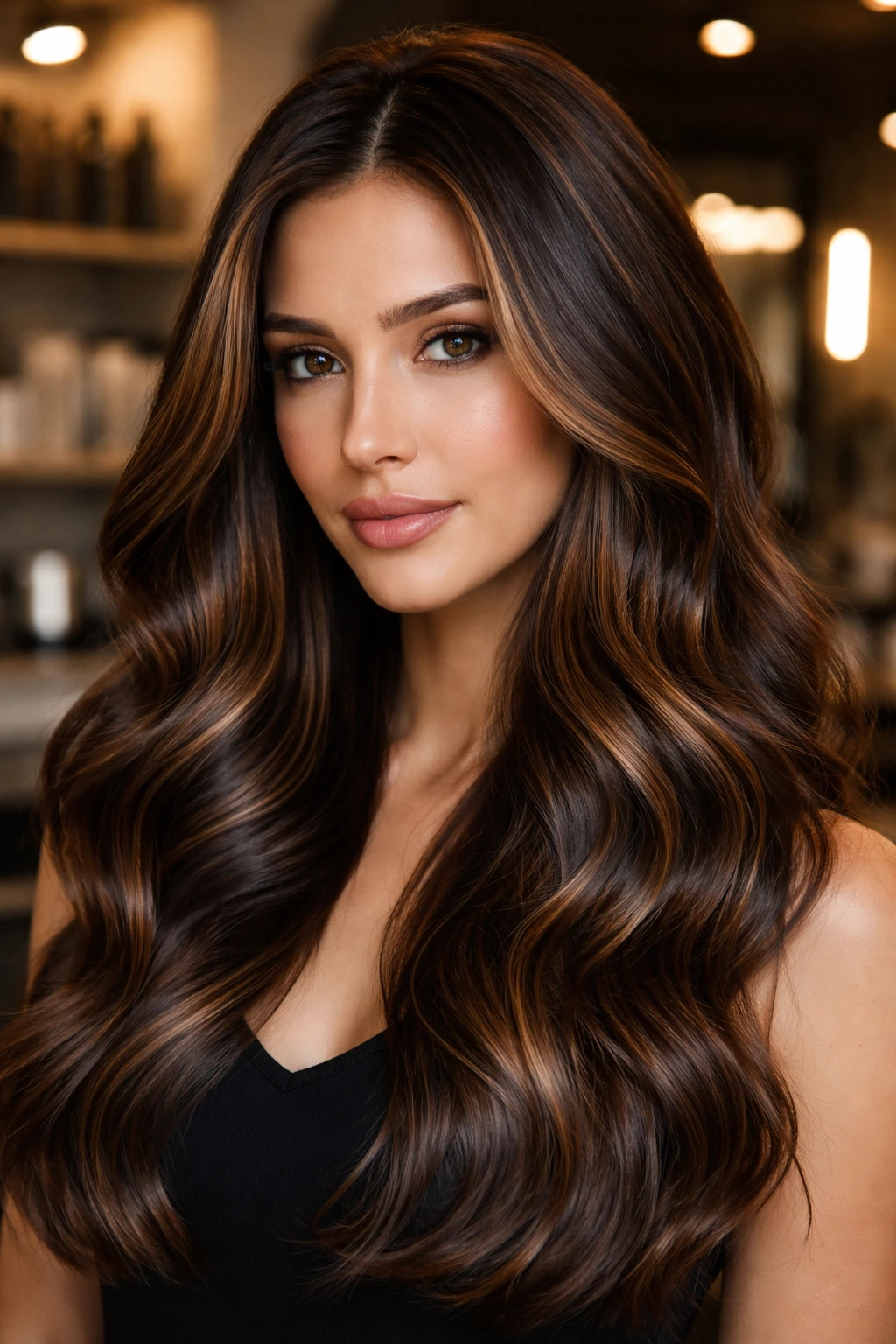
Sometimes, “black” can feel too harsh. If you want the depth but not the intensity of true black, try a dark coffee or “off-black” lowlight, and pair it with a caramel-toned blonde highlight.
The Finish
This look is all about shine. It looks best with a glossing treatment applied right after the coloring process. The goal is to make the hair look like it has been dipped in a mirror-like finish. When the light hits that caramel glaze, it radiates health. It is soft, romantic, and incredibly flattering.
21. The “Grunge” Look
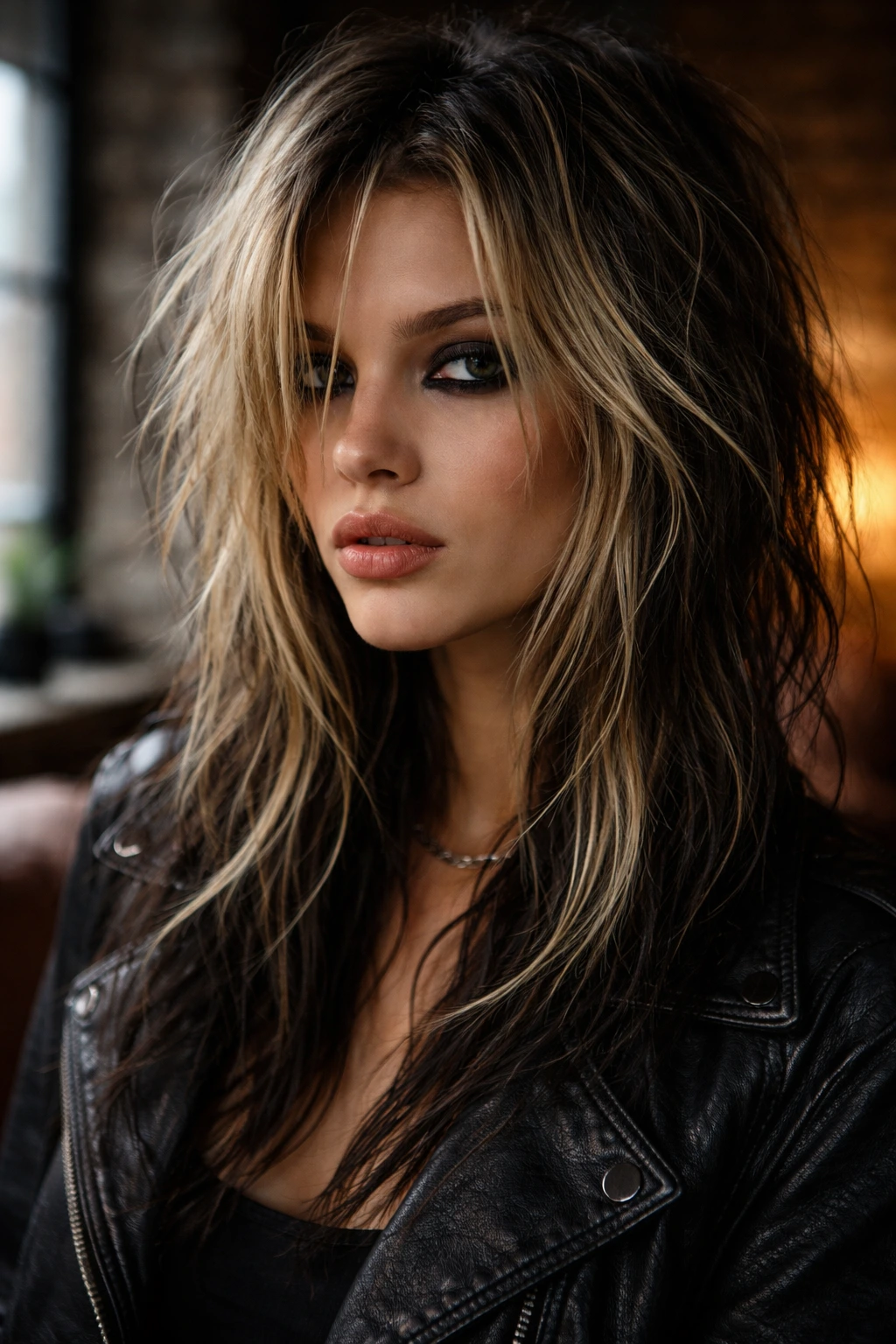
Not every look needs to be perfectly blended or symmetrical. The “grunge” aesthetic is all about intentional imperfection. It uses blonde and black to create a lived-in, messy, “I woke up like this” look.
How to Style It
This style pairs best with texturizing spray and a bit of matte pomade. You aren’t aiming for sleekness; you are aiming for grit. The blonde and black strands should be irregular, appearing in unexpected places, as if you’ve been rocking the same dye job for six months. It is effortless, cool, and incredibly chic.
22. Soft Sombre (Soft Ombre)
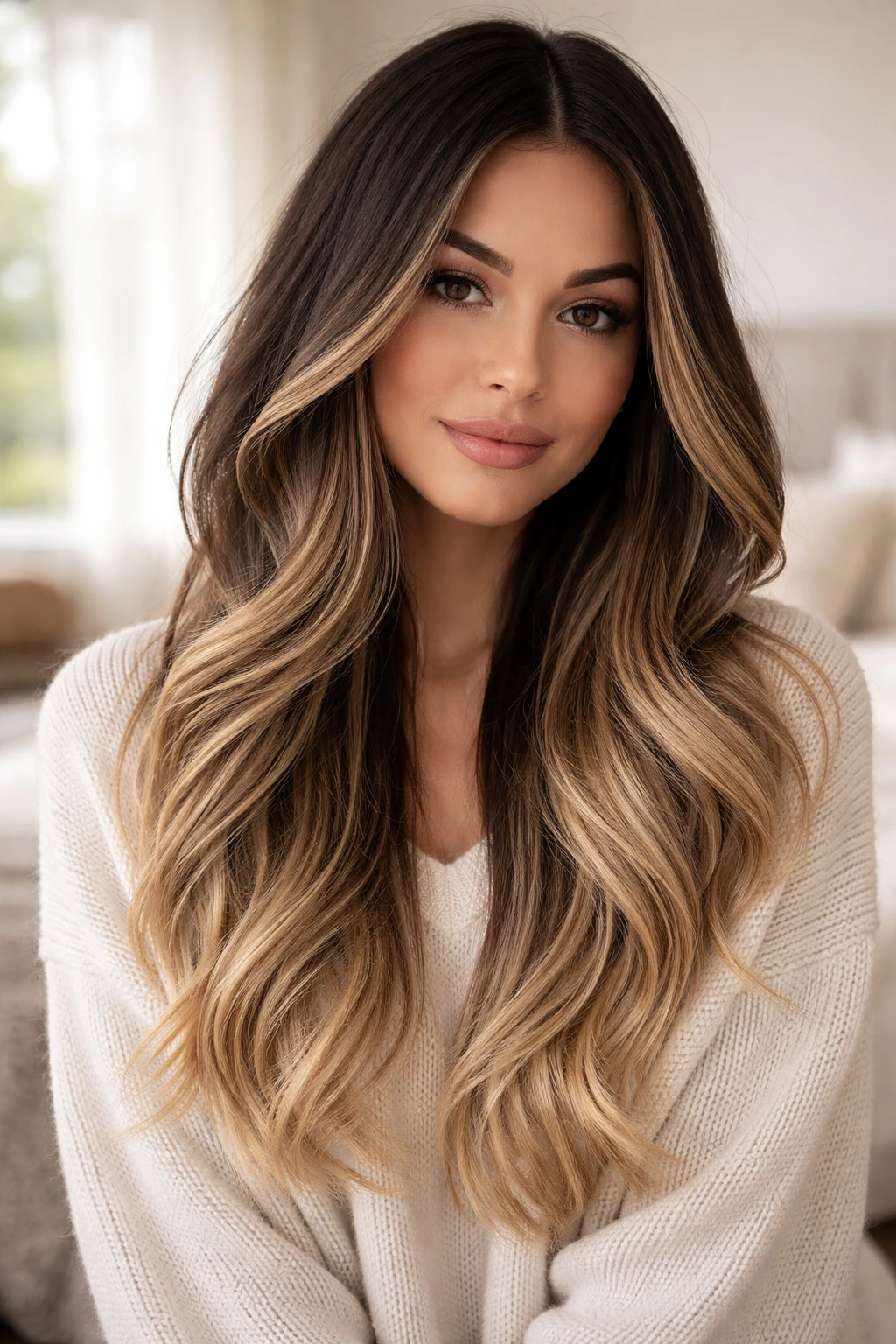
If you want the transition between your roots and your ends to be gradual, the sombre is your best friend. It is a softer, more subtle take on the ombre.
The Gradient Effect
By using blonde and black to create a gradient, you control where the light and dark fall. You can keep the roots dark, and as you move down the hair shaft, you integrate the blonde. It is the ultimate look for someone who wants high contrast but is afraid of having a sharp, undeniable line of demarcation. It is smooth, it is sophisticated, and it looks beautiful even as it grows out.
Final Thoughts
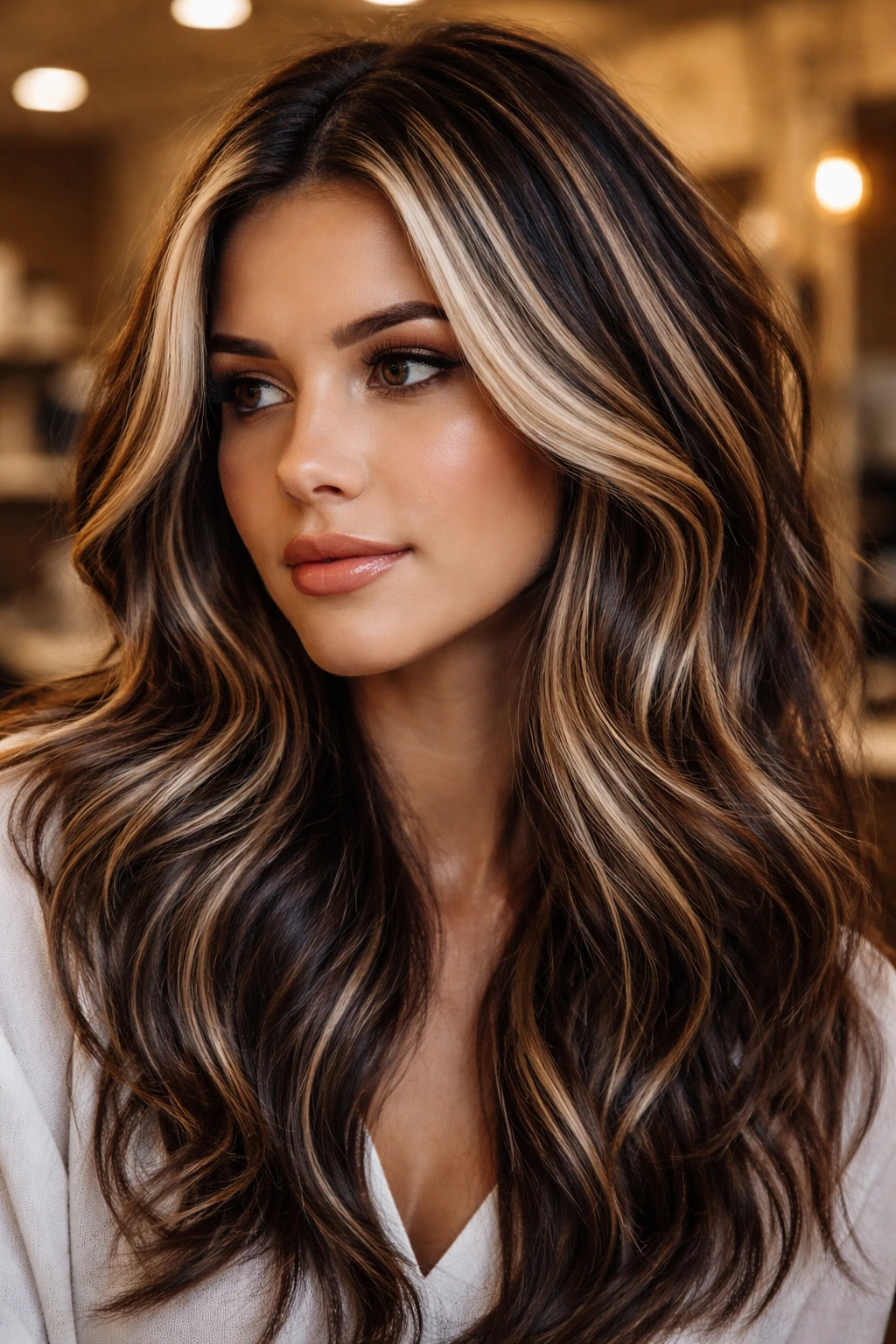
At the end of the day, color is just paint. It grows, it fades, and it changes. Do not get too bogged down by the “rules” of what constitutes a “good” or “natural” hair color. If you have been living with flat, one-dimensional brunette hair, the introduction of blonde and black isn’t just a style choice—it is a perspective shift.
It forces you to see your hair as a dynamic element of your style rather than a static accessory. The contrast is the point. The drama is the point. When you finally sit in that chair and see the mirror reveal that first ribbon of black alongside that pop of bright blonde, you will understand exactly why this combination remains the gold standard for adding depth.
Just remember that maintenance is non-negotiable with high-contrast color. You are signing up for good quality shampoos, the occasional gloss, and a stylist who understands the chemistry of lifting and depositing. Once you commit, though, there is simply no going back to the flat, monochromatic life. Go bold, choose the contrast that speaks to you, and watch how it changes the way you carry yourself.
