



Fine hair has a nasty habit of looking flatter than it did in the mirror, especially once you leave the house and the day starts doing its thing. A pastel pixie cut for fine hair fixes part of that problem by taking weight off the length, then using color and shape to fake density where you want it most.
The part people miss is this: pastel color alone does not make hair look fuller. The cut has to do the heavy lifting. Shorter napes, soft crown layers, feathered edges, and a little strategic messiness can make fine strands look more abundant than they are, while a pale tint keeps the whole shape light instead of harsh. That’s why some pixies fall flat and others look expensive, even when they’re cut on the same head of hair.
Pastels are friendlier than a lot of people think. Blush, lilac, peach, mint, baby blue, and dusty mauve can all sit on fine hair without swallowing it, but the placement matters. A blunt fringe in the wrong pastel can make the hair look sparse. A wispy fringe with a touch of lift at the roots? Much better. And if the hair is extra soft or slippery, the styling step matters almost as much as the salon cut.
So here are 20 pastel pixie cuts that actually work on fine hair — not just in photos, but in real life, where wind exists, roots grow out, and flat irons have opinions.
1. Blush Cloud Pixie
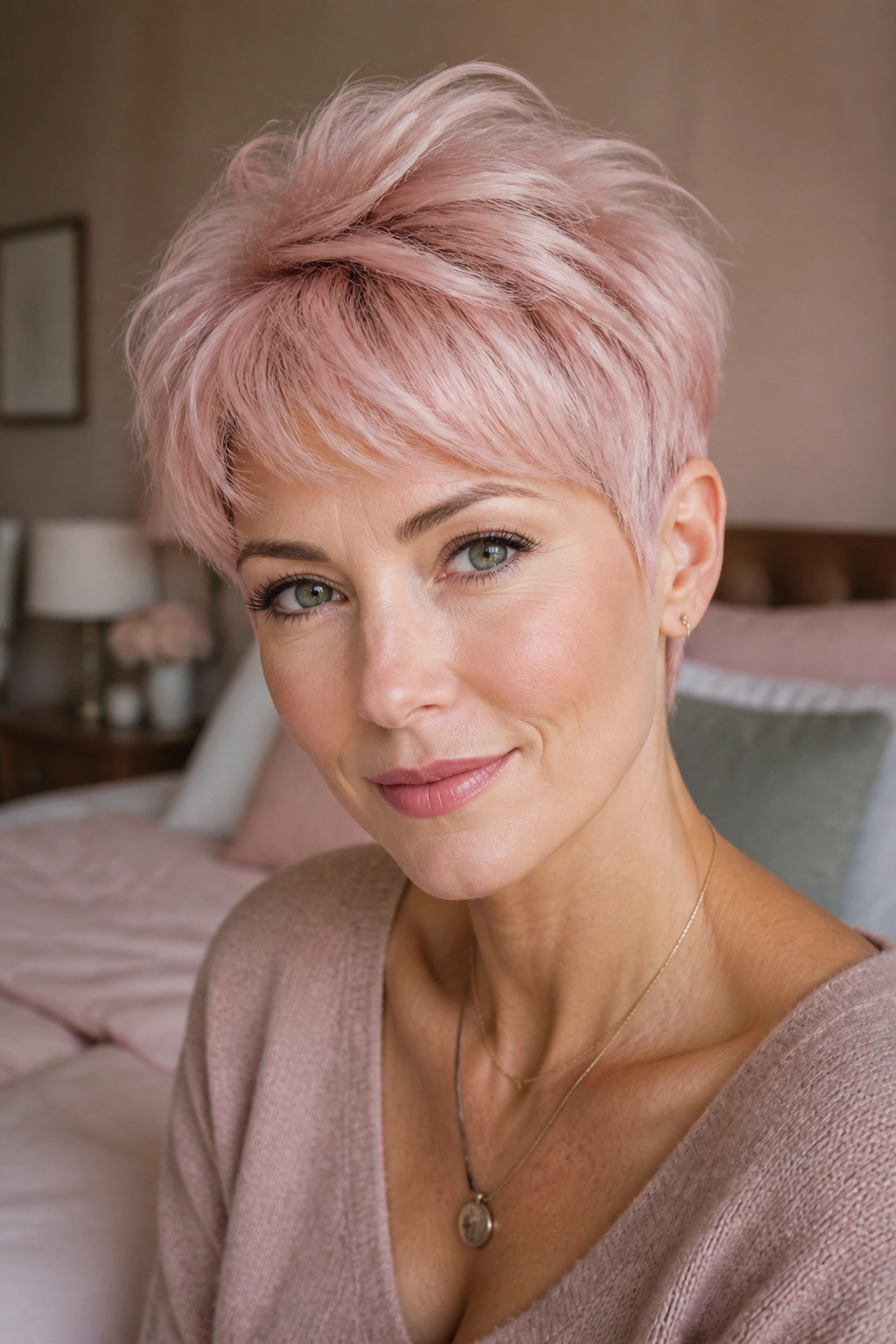
Blush pink is one of those shades that looks gentle without turning limp, and that matters on fine hair. A blush cloud pixie keeps the sides close, leaves a little lift through the crown, and uses soft, broken-up pieces around the forehead so the style feels airy instead of severe.
Why it flatters fine hair
The trick is the crown. Ask for short, feathered layers on top and a neat taper through the nape. That keeps the silhouette compact while giving the illusion of fullness where hair usually collapses first.
- Best on hair that lies flat at the roots.
- Looks good with a side part or a soft off-center fringe.
- Pairs well with a pale rose, rose-beige, or dusty blush tone.
- Usually needs a pea-size amount of mousse, not a heavy cream.
One good blow-dry with a round brush is enough. Push the roots up, bend the fringe slightly, and stop before the ends look puffy.
2. Lavender Feathered Crop
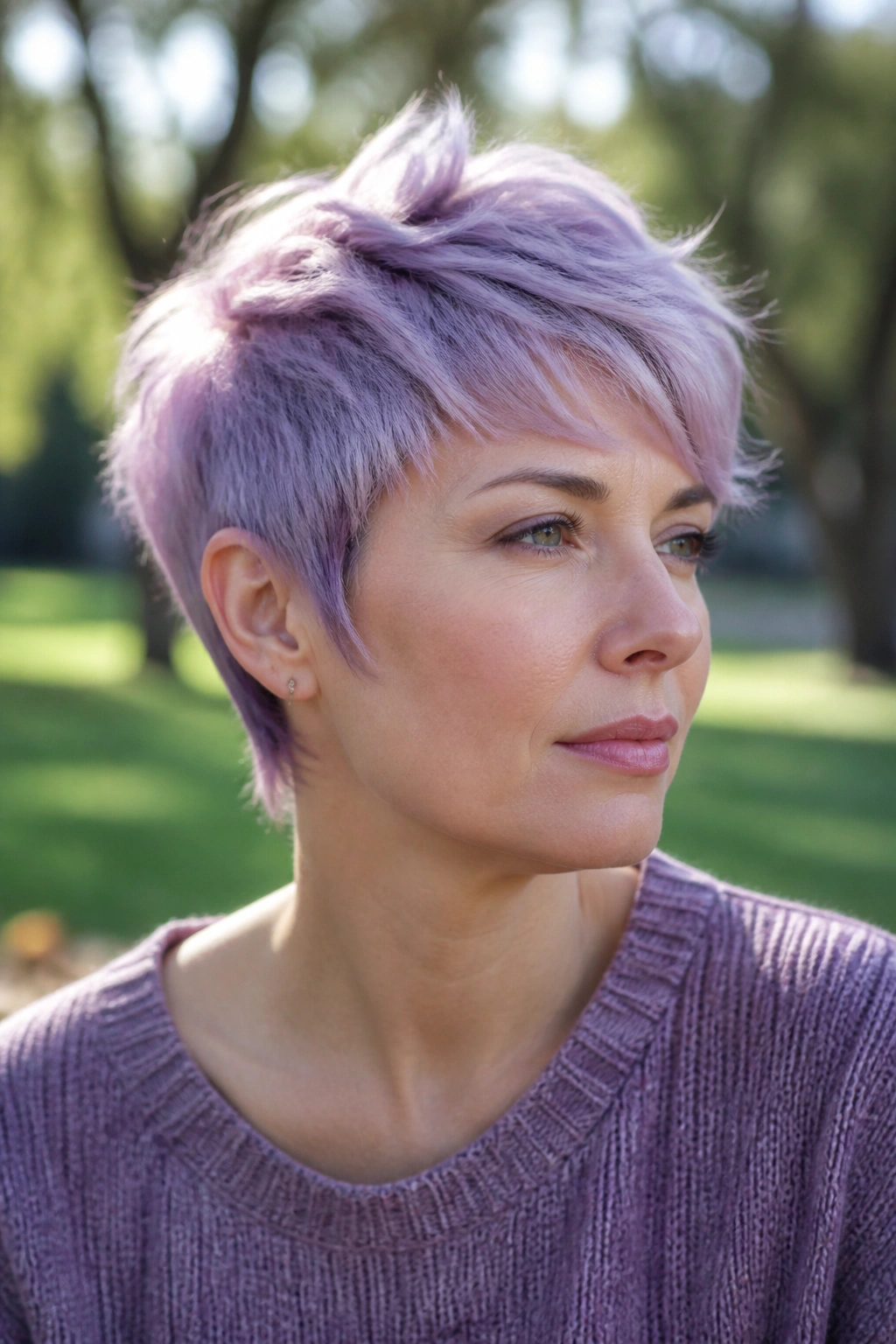
Lavender has a cool, airy feel that works beautifully with a short crop, especially when the cut is sliced rather than bluntly chopped. A lavender feathered crop gives fine hair some motion at the edges, which helps the overall shape look fuller without getting bulky.
The shade itself matters. Pale lavender on a clean blond base gives a soft wash of color, while a smoky lilac reads a little more grown-up. Either way, this cut is for someone who wants movement, not stiffness. The sides should stay close to the head, with a slightly longer top that can be pushed forward or swept up with a touch of styling paste.
I like this one because it doesn’t depend on volume you don’t have. It uses texture instead. A little dry shampoo at the roots the next morning usually wakes it right back up. If your hair tends to separate into skinny sections, this shape makes that separation look intentional instead of thin.
3. Baby Blue Micro Fringe Pixie
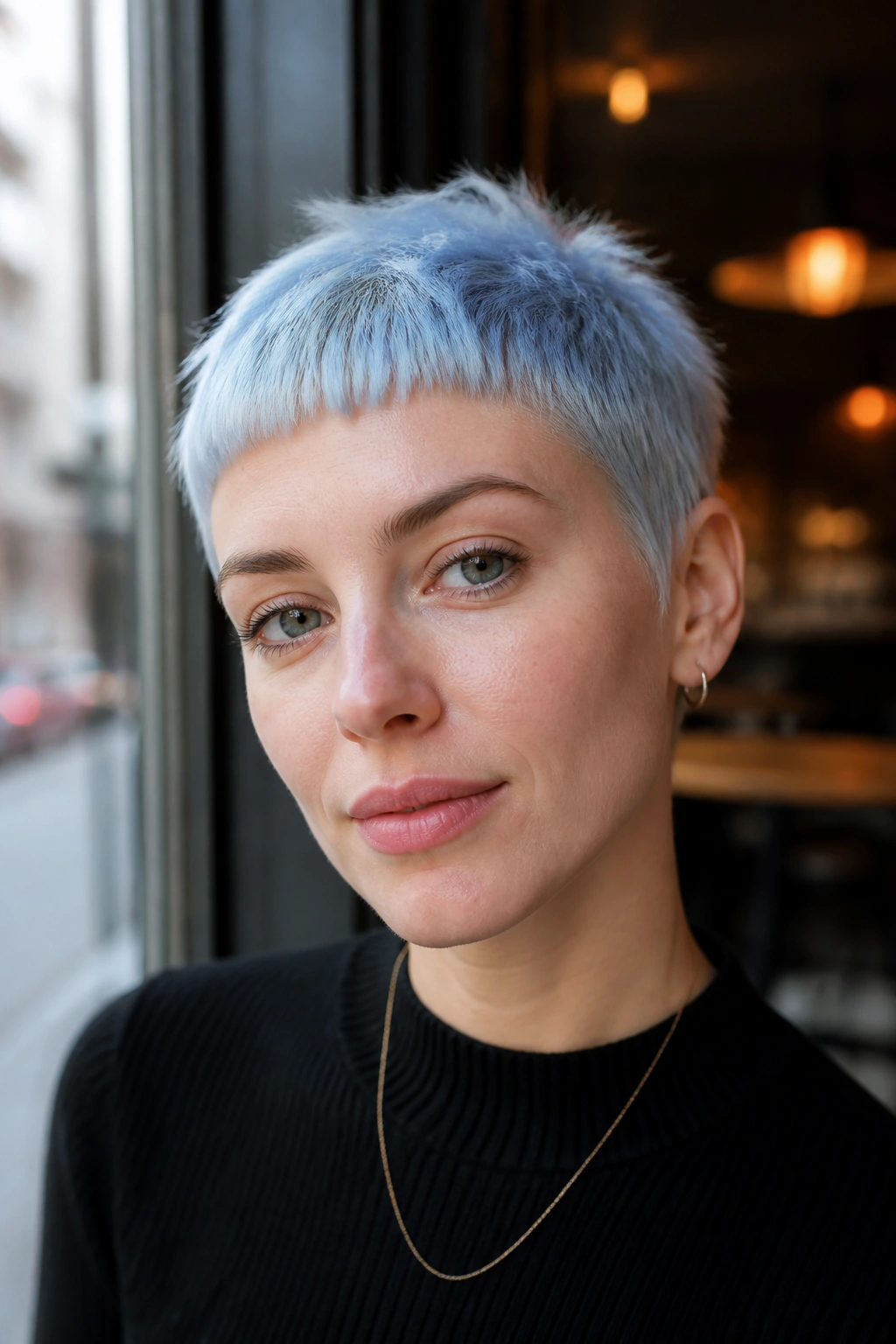
Can a tiny fringe work on fine hair? Yes — if the rest of the cut is clean and the color stays soft. A baby blue micro fringe pixie is sharp in shape but gentle in tone, and that contrast can make fine strands look much denser than they are.
How to wear it
The micro fringe should skim the brows or sit a touch above them, never heavy and never thick like a curtain. The top needs short, choppy layers so the hair doesn’t lie in one flat sheet. Keep the sides tapered close and let the blue sit on a pale blond canvas; that makes the color look clean instead of muddy.
This is the kind of cut that looks best with a matte finish. Shine can make the hair separate too much. A small dab of paste rubbed between the fingers and pressed into the top pieces gives you that neat, piecey effect without turning the hair into spikes.
If your face is long or narrow, this shape can be a smart choice. The fringe shortens the forehead visually, and the cropped length keeps everything crisp.
4. Mint Tapered Undercut Pixie
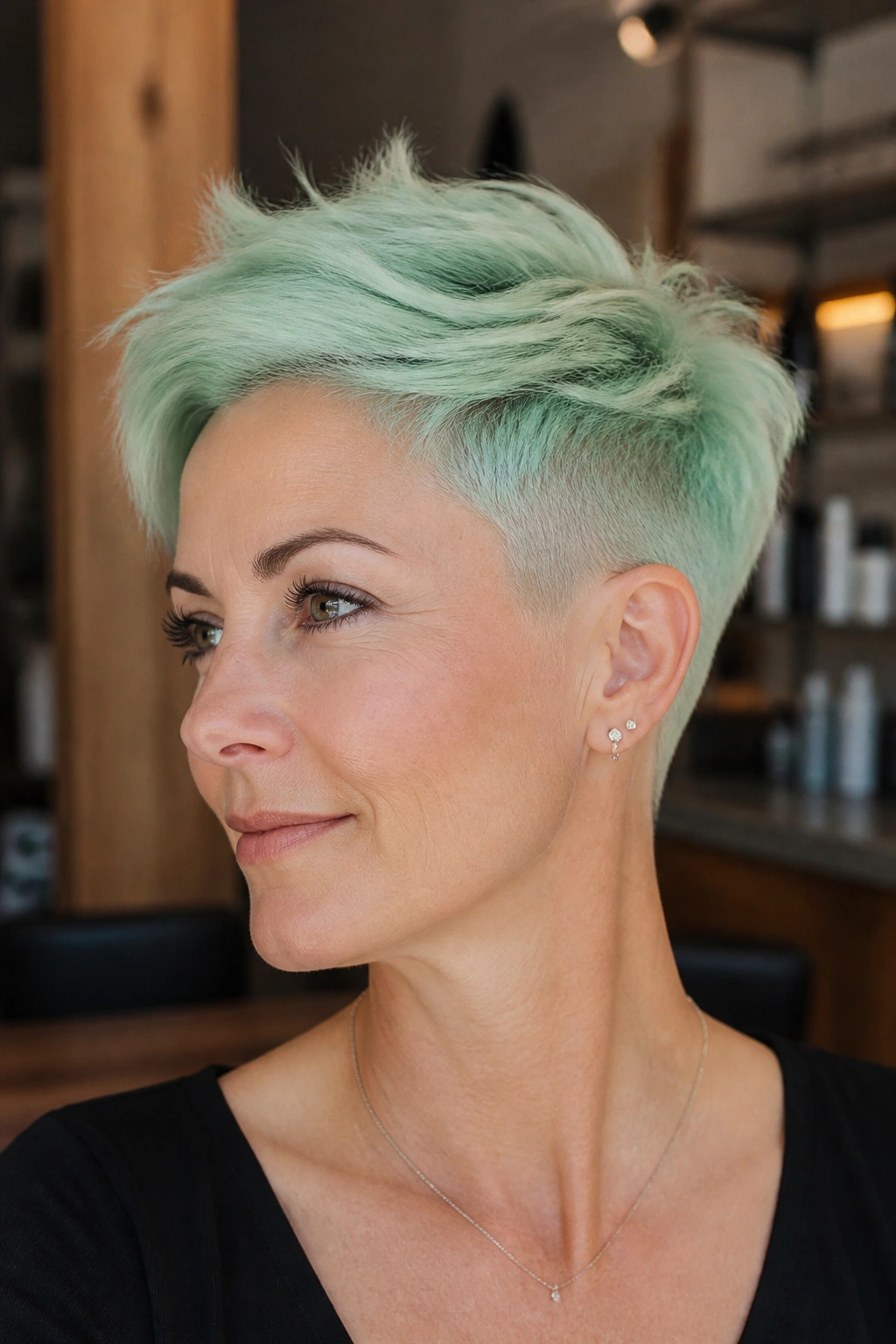
A mint tapered undercut pixie is for the person who wants something cooler and a little sharper. The undercut removes weight from the sides and back, which is useful on fine hair because too much length in those spots can make the whole head look wispy.
Picture a clean neckline, close sides, and a soft mint glaze on top that fades into pale blond underneath. That kind of contrast gives the cut some lift without making it bulky. The crown can be left a touch longer so it moves when you push it forward, back, or to one side.
- Ask for a tight taper at the nape.
- Keep the top textured, not layered to death.
- Use a lightweight mousse at the roots.
- Blow-dry against the natural fall for extra lift.
This cut has edge, sure. But it is also practical. Fine hair often behaves better when some of the weight is taken away, and the undercut keeps the shape neat for longer between salon visits.
5. Peach Shag Pixie
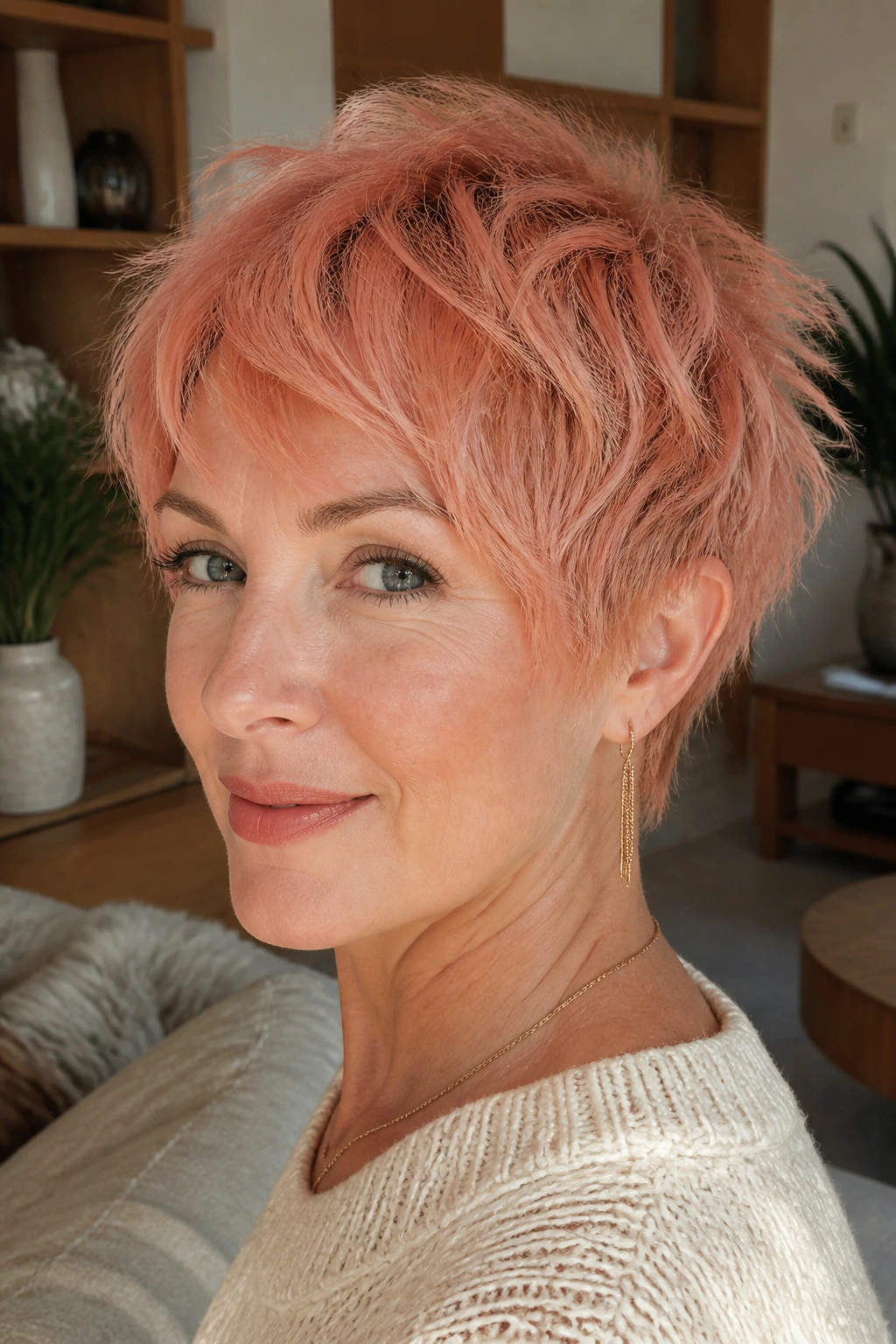
A peach shag pixie is one of my favorites for fine hair because it looks casual in the best way. Not sloppy. Just soft, broken up, and a little lived-in, which is exactly what fine hair often needs to feel thicker around the crown and temples.
The shag influence matters here. You want shorter pieces at the crown, a little length through the top, and edges that are feathered so the hair doesn’t hang in one flat line. Peach brings warmth without shouting. On paler skin, it reads fresh. On deeper skin, a more coral-peach tint can glow without getting neon.
This is one of those cuts that gets better when you stop chasing perfection. A bit of bend from a small flat iron, a quick spritz of sea salt spray, and a finger-combed finish make the texture look natural. If you overbrush it, the whole thing can collapse. So don’t.
6. Lilac Side-Swept Pixie
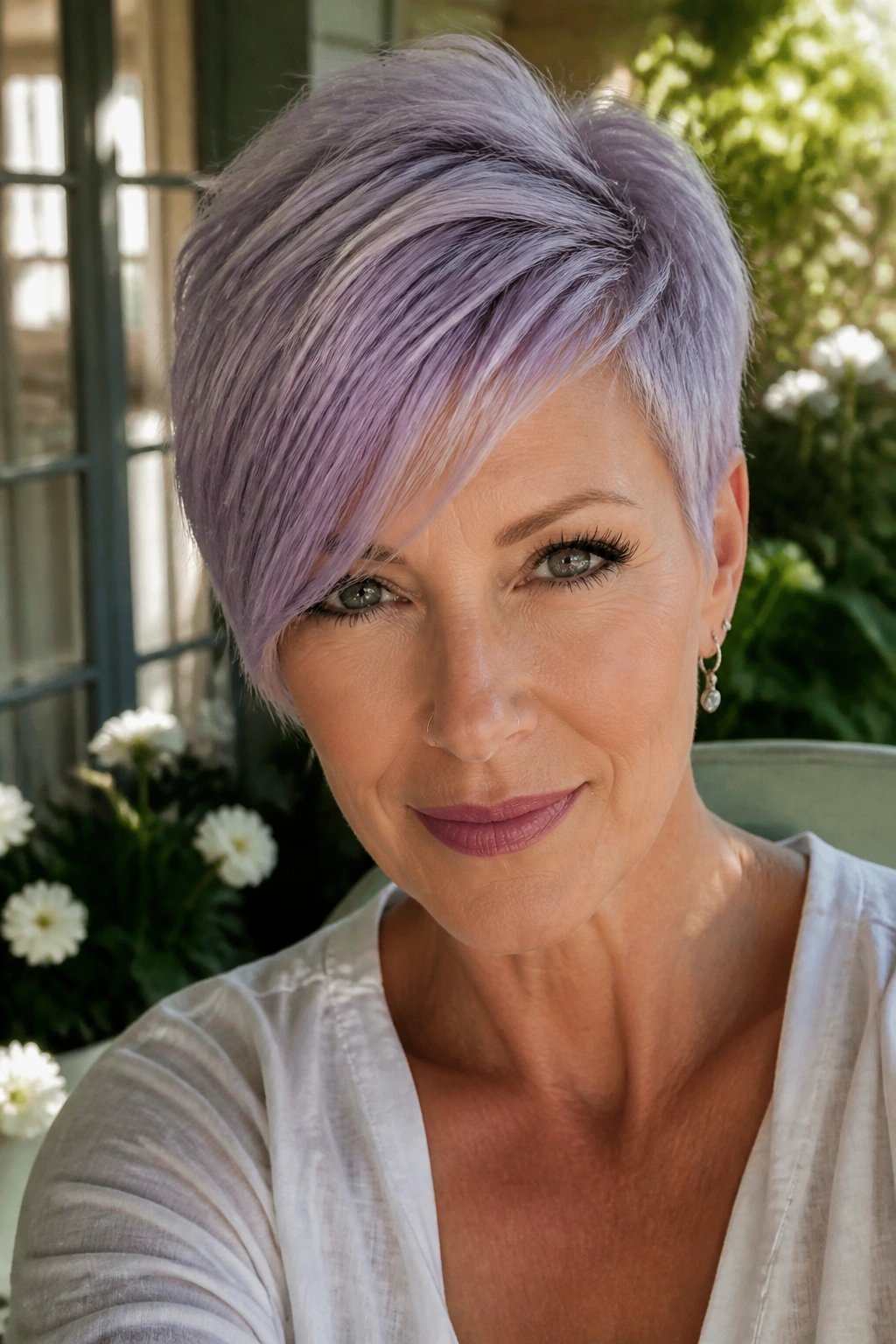
A side-swept pixie gives fine hair a built-in cheat code. The diagonal fringe creates the sense of width, and lilac softens the look so it never feels severe or overstyled. Compared with a straight-across fringe, this version feels easier to wear on a daily basis.
The best part is how forgiving it is. If one side sits flatter than the other, the sweep covers it. If your hair whorls in the front, the longer fringe can follow that pattern instead of fighting it. That matters more than most people think.
Use a root-lifting spray at the crown, then direct the fringe over with a blow-dryer and a small brush. The goal is a light bend, not a stiff wave. A little separation at the ends keeps the cut from looking helmet-like, which can happen if the top is too polished.
This is a smart pick if you want color that feels soft but not sugary. Lilac has enough gray in it to calm down the brightness, and that makes it easier to live with.
7. Cotton Candy Two-Tone Pixie
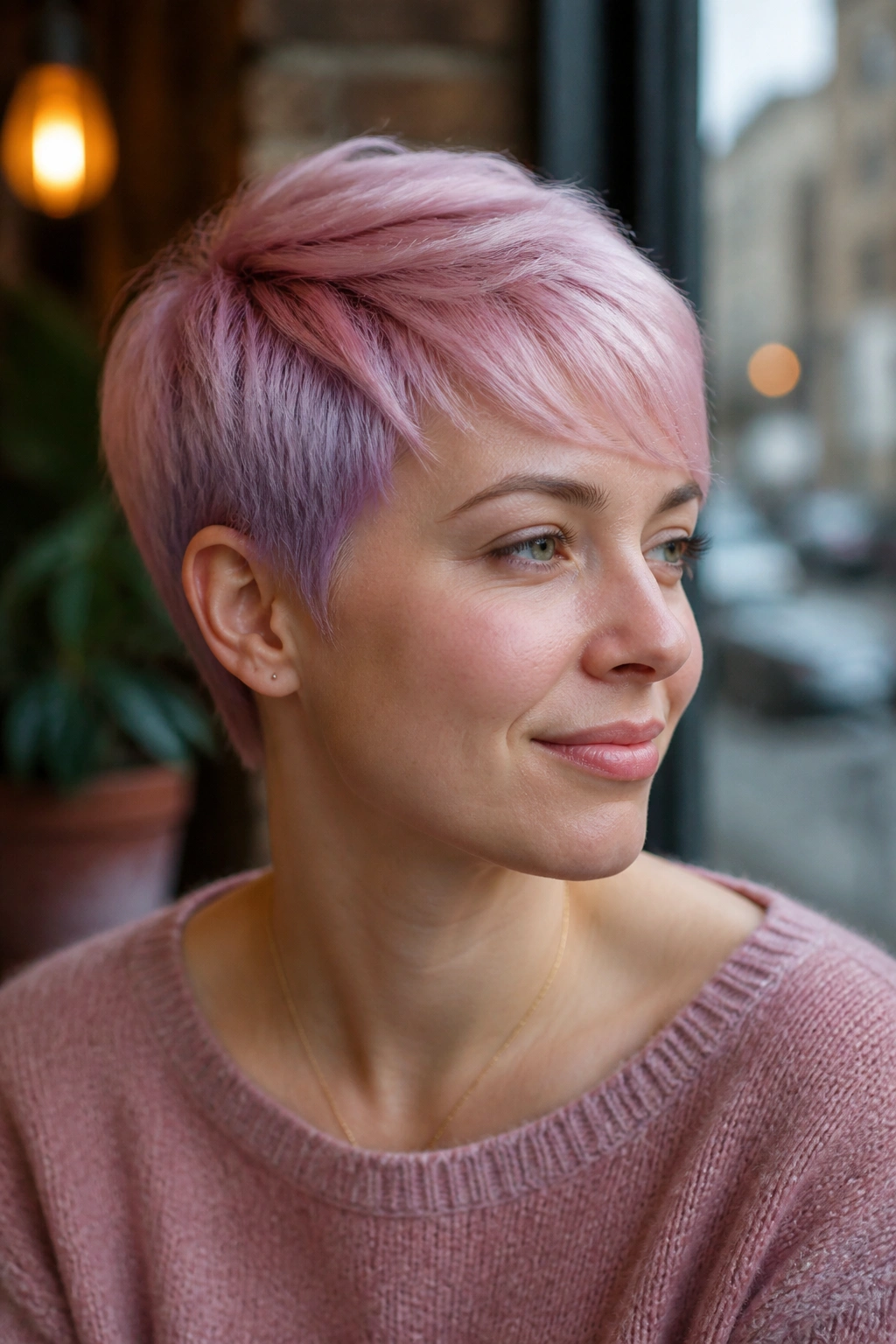
Two-tone color can be a lifesaver on fine hair, because it builds the eye’s sense of depth. A cotton candy two-tone pixie usually pairs a pale pink top with a lilac, peach, or blonde underlayer, and that tiny color shift makes the cut look fuller when the hair moves.
Why the color trick works
Fine hair often looks thinner when every strand is the same shade. A second tone breaks up the surface and makes the layers easier to see, even when there aren’t many of them.
- Best if the top is slightly longer than the sides.
- Ask for soft blending, not chunky stripes.
- Works with pink-over-lilac or pink-over-blond.
- Needs a color-safe shampoo or the pastel will fade fast.
The cut itself should stay rounded at the crown and close at the nape. That keeps the two-tone effect from feeling too busy. I’d avoid a heavy wave with this one. The color already does a lot of the visual work, so the styling should stay simple.
8. Pastel Coral Piecey Pixie
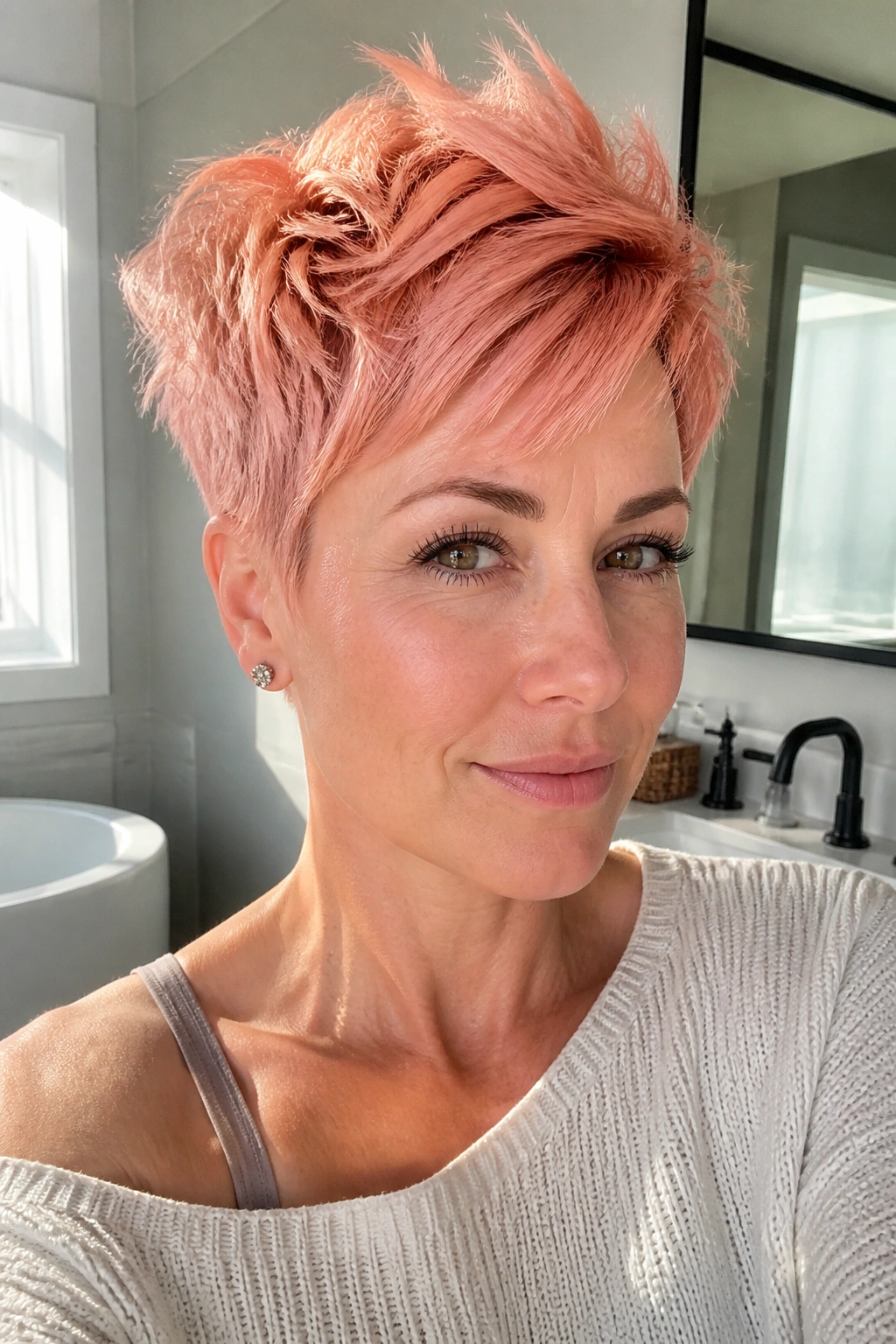
Coral gets overlooked because people think it has to be loud. It doesn’t. A pastel coral piecey pixie can look soft, almost dusty, especially on fine hair where a touch of warmth helps the scalp line feel less visible.
What gives this cut its shape is the piecey finish. The top should be cut into small, separate sections so you can see movement without big gaps. That matters on fine hair, because large disconnected layers can start to look thin in a bad way. Small pieces are safer. They give texture without exposing too much scalp.
If you like a little polish, this one is easy to style with a light cream and a quick pinch of pomade at the ends. If you prefer something more casual, let it dry rough and then break the top apart with your fingers. The coral shade catches the eye first; the texture keeps it from looking flat.
9. Periwinkle Bowlish Pixie
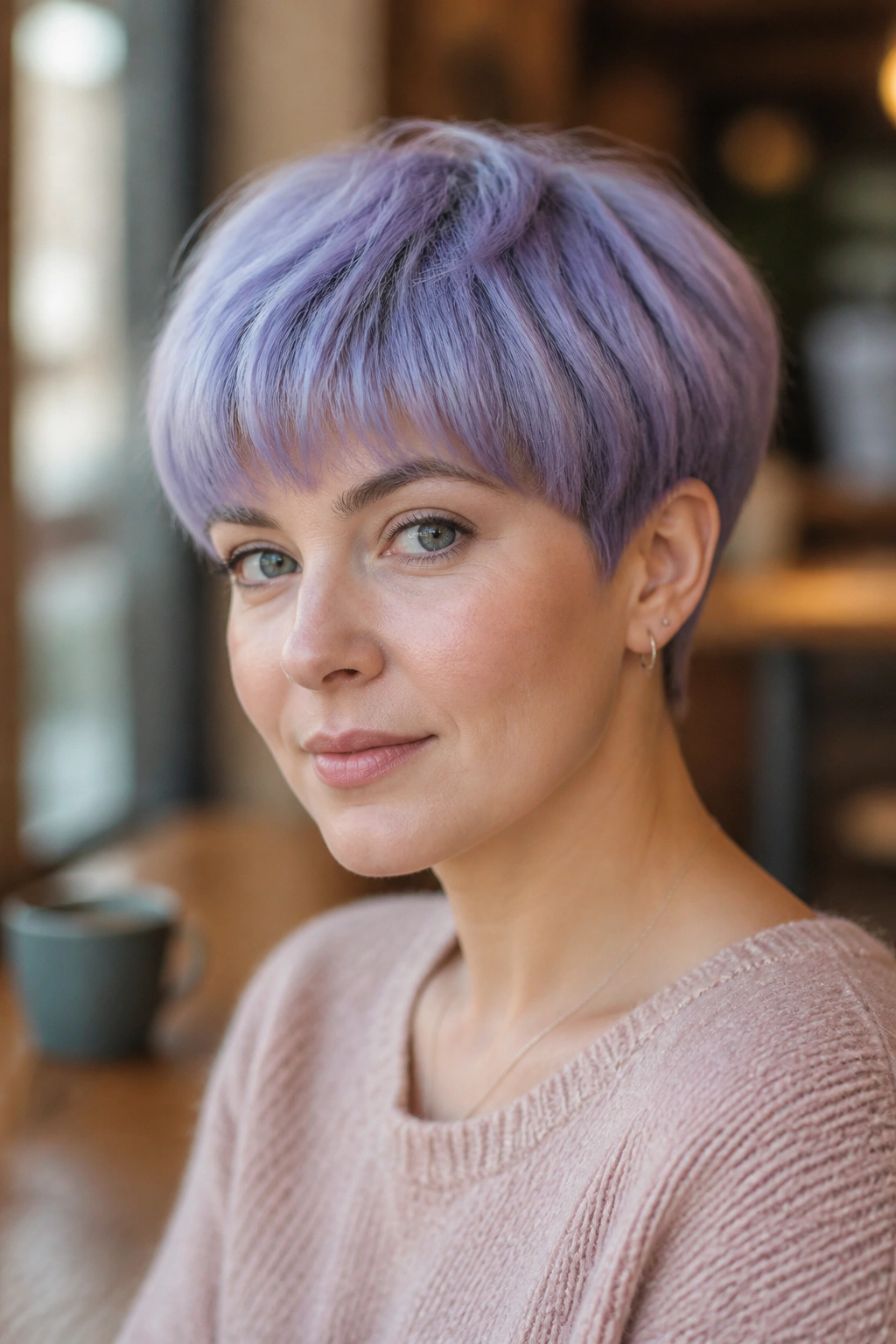
A bowlish shape sounds risky, but on fine hair it can be smart when the edges are soft and the perimeter is not too blunt. A periwinkle bowlish pixie keeps the outline rounder, which can make the hair look denser than a razor-tight crop.
The word “bowlish” does not mean old-fashioned helmet hair. It means a clean curve around the head with a little softness at the edges. Think of a rounded top, gentle fringe, and close sides that tuck in neatly. Periwinkle gives it a dreamy look, which helps the shape feel modern instead of severe.
This cut suits straight to slightly wavy fine hair best. If your strands are very fluffy or resistant, the shape can puff out in odd places. But when the hair behaves, this is a good one. It reads structured, and structure is what fine hair often needs. A tiny round brush and a cool shot at the end can make the line sit exactly where you want it.
10. Dusty Teal Cropped Pixie
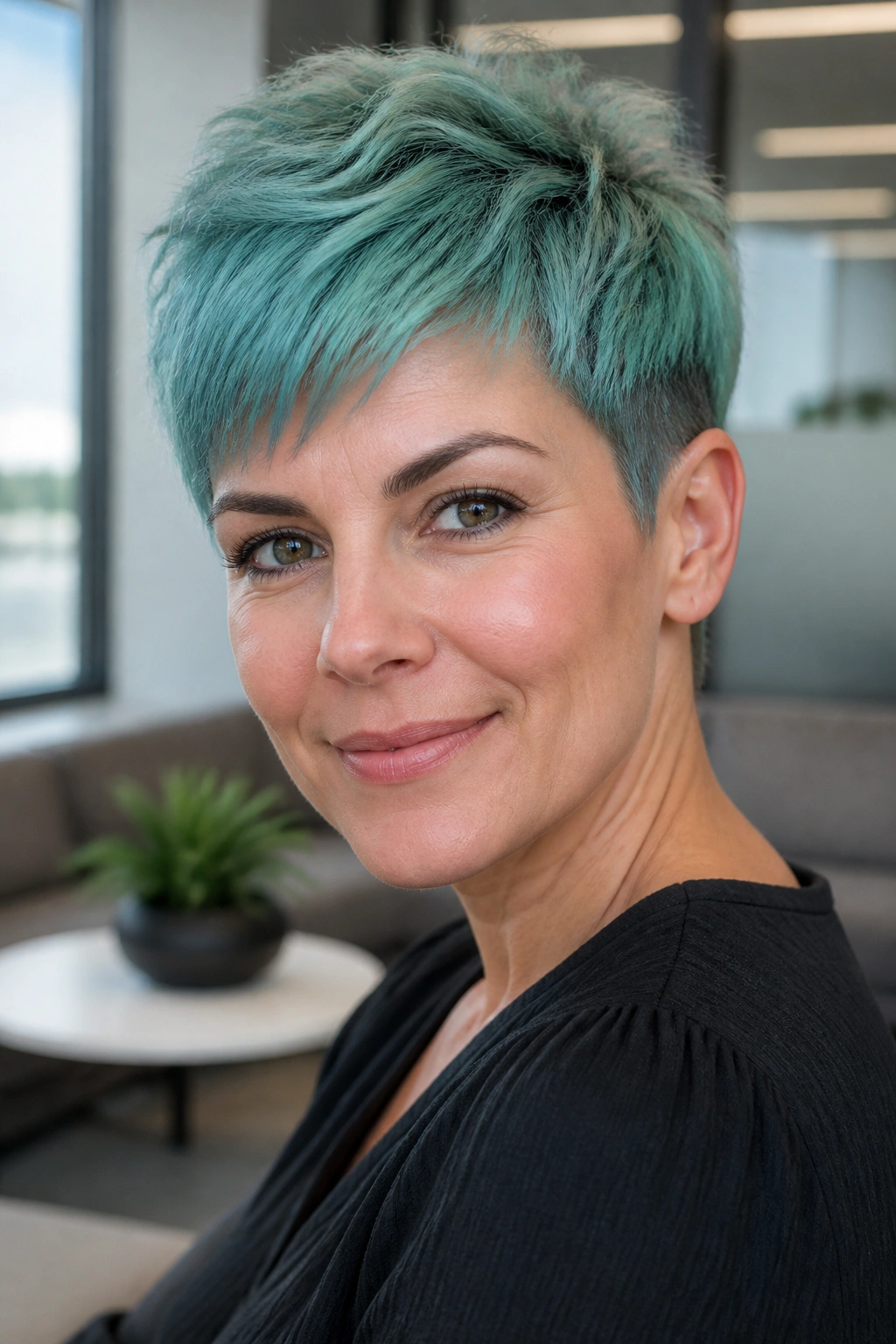
Dusty teal is one of the smartest pastel-adjacent shades for fine hair because it has enough gray in it to keep the color from shouting. A dusty teal cropped pixie feels a little cooler and more editorial than pink or peach, but it still stays soft.
The cut should be short through the back with a slightly longer top that can be pushed up or forward. What I like here is the contrast between the cool color and the neat shape. On fine hair, that contrast does a lot of work. It gives the impression that the hair has more structure than it actually does.
This is a good option if you want color that still looks grown-up at the office and a bit more interesting after dark. Use a matte paste sparingly. Too much product will flatten the teal and make the strands stick together in clumps. A little separation is enough. Seriously. You do not need much.
11. Butter Yellow Wispy Pixie
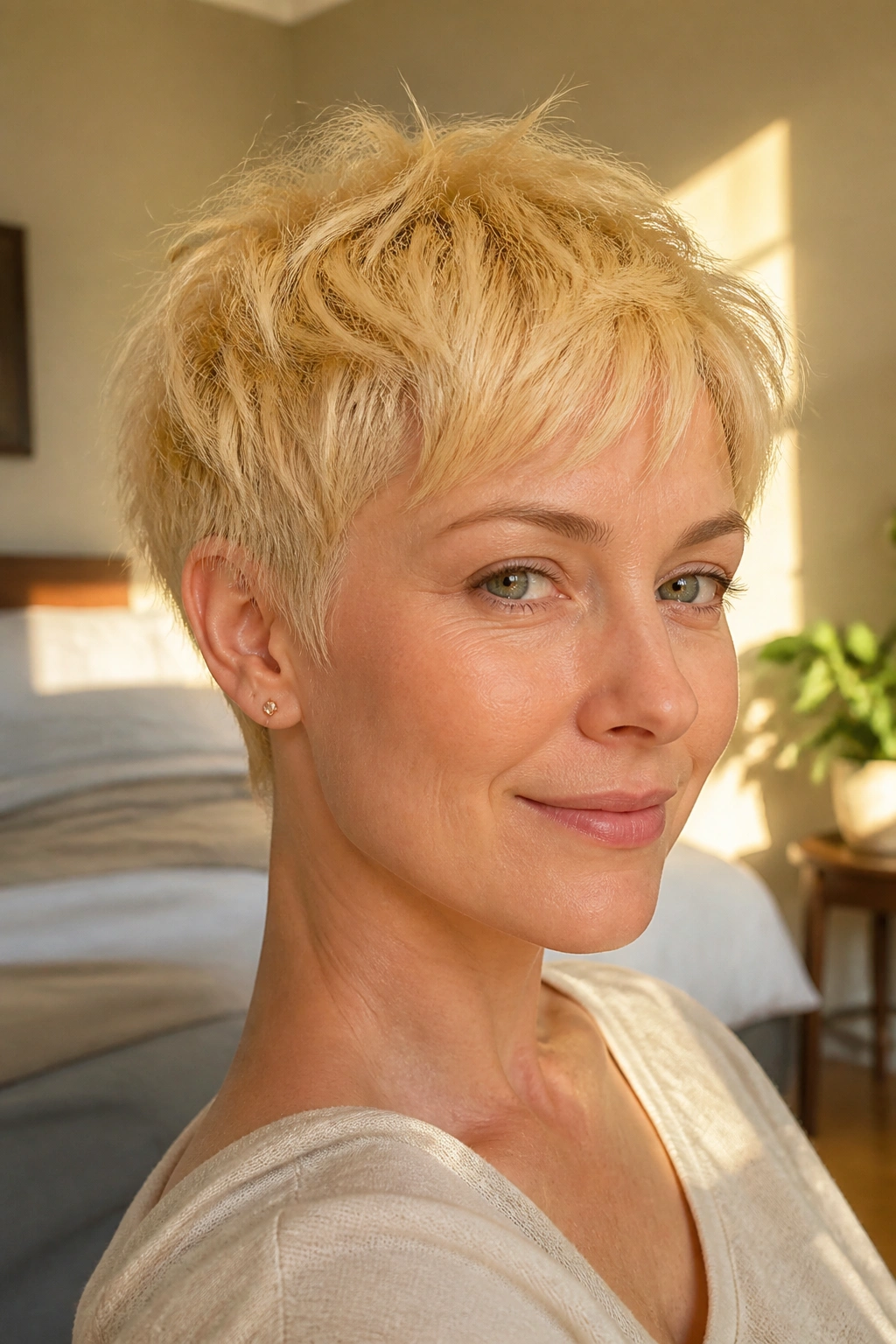
Butter yellow can sound gimmicky until you see it on a wispy pixie cut. Then it makes sense. The shade is pale enough to stay soft, and the wispy shape keeps fine hair from looking overloaded with color or product.
The cut should feel almost airy at the ends. Short layers through the top, a light fringe, and a tapered nape help the whole thing move. I’d ask for point cutting rather than a blunt scissor line, because the little irregular edges keep the hair from reading thin. Fine hair needs softness, but not too much. There’s a difference.
A butter-yellow pixie looks especially good when the roots are kept just a shade deeper than the ends. That tiny shadow gives the style more depth. If your hair tends to go translucent in sunlight, this shade can actually help. It brightens the face and makes the cut feel deliberate, not fragile.
12. Rose Gold Sliced Pixie
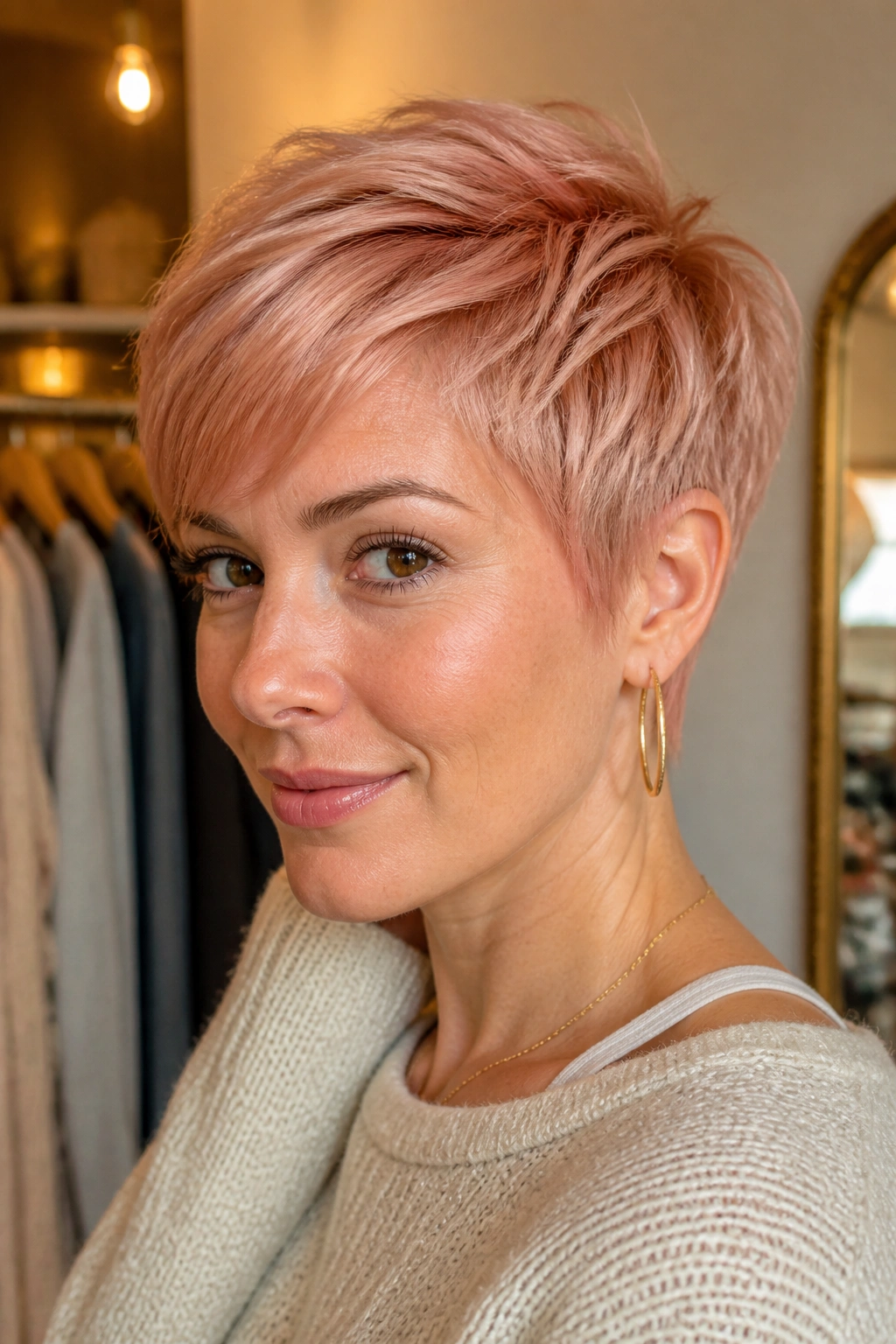
Rose gold is warmer than blush and less sugary than bubblegum pink, which is why it works so well in a sliced pixie. The sliced layers create crisp little seams through the top, and the metallic warmth makes each piece stand out without needing big volume.
Compared with a soft all-over pastel, this one has a bit more definition. That’s useful for fine hair. You want the eye to see movement, not every strand laid down flat. The sides can stay close while the crown gets a little extra length for lift. Ask the stylist to slice into the top rather than over-thin it. Over-thinning is how a pixie starts looking see-through at the ends.
This cut is a good match for people who like a polished finish. It takes a small round brush, a light heat protectant, and a touch of shine spray on the top only. Too much shine around the nape can make the cut feel limp, so keep the gloss where the hair needs it most.
13. Seafoam Asymmetrical Pixie
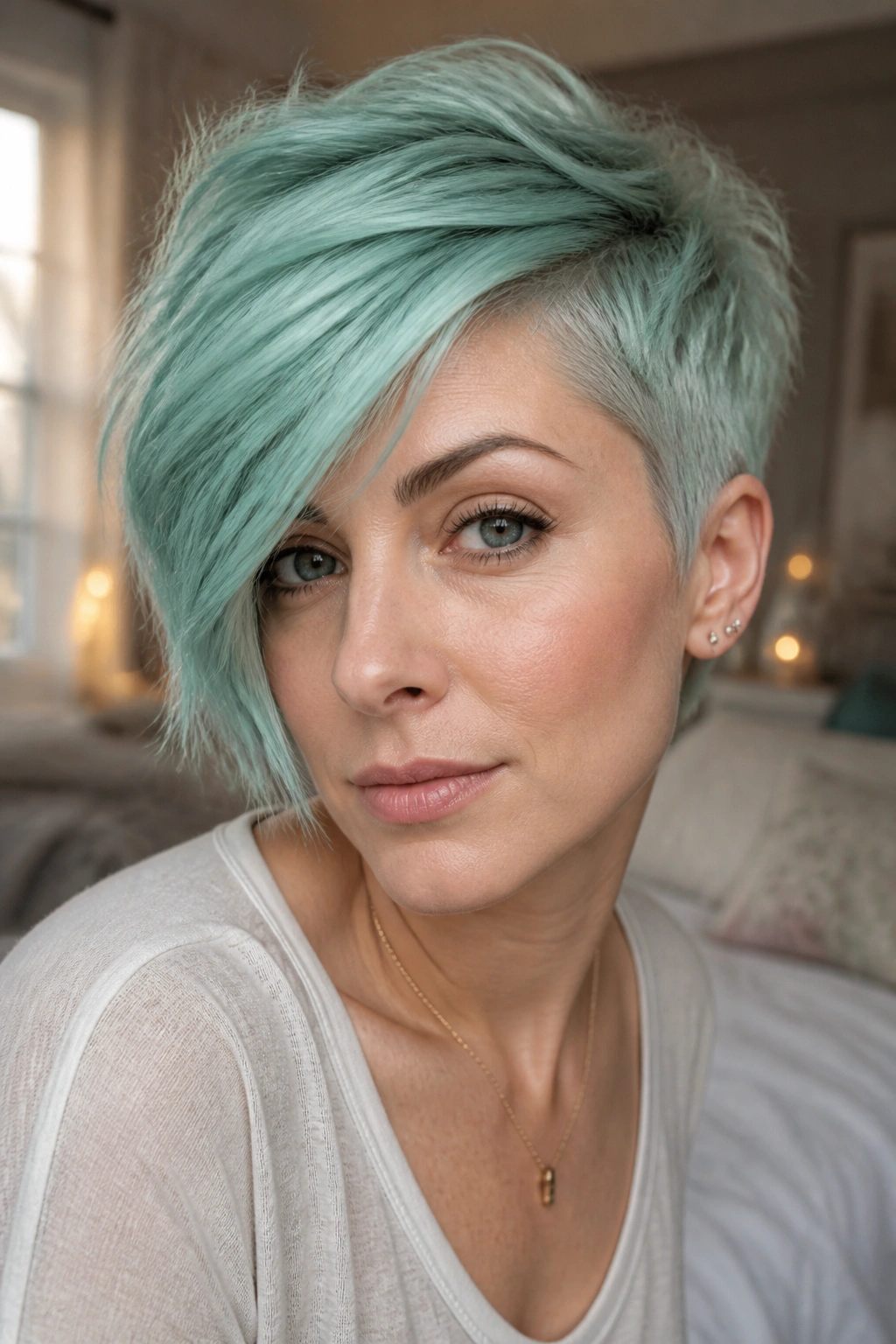
A seafoam asymmetrical pixie works because the uneven line gives the hair a sense of motion before you even style it. Fine hair often benefits from one side being slightly longer, since that asymmetry stops the cut from reading as a flat cap.
What makes it different
The longer side can sweep across the cheekbone, while the shorter side stays tight and clean. That contrast frames the face and makes the top look fuller. Seafoam keeps the mood soft, which matters because a harsh bright green on fine hair can show every sparse area.
If your hair parts where it wants to, this shape can work with that instead of fighting it. A bit of mousse at the roots, a quick blow-dry, and a dab of paste on the longer side usually do the job. Don’t overstyle the asymmetry. If both sides are trying too hard, the cut loses its charm.
This one suits someone who wants personality without going full punk. It has enough attitude to feel fresh, but it still reads wearable.
14. Smoky Mauve Textured Pixie
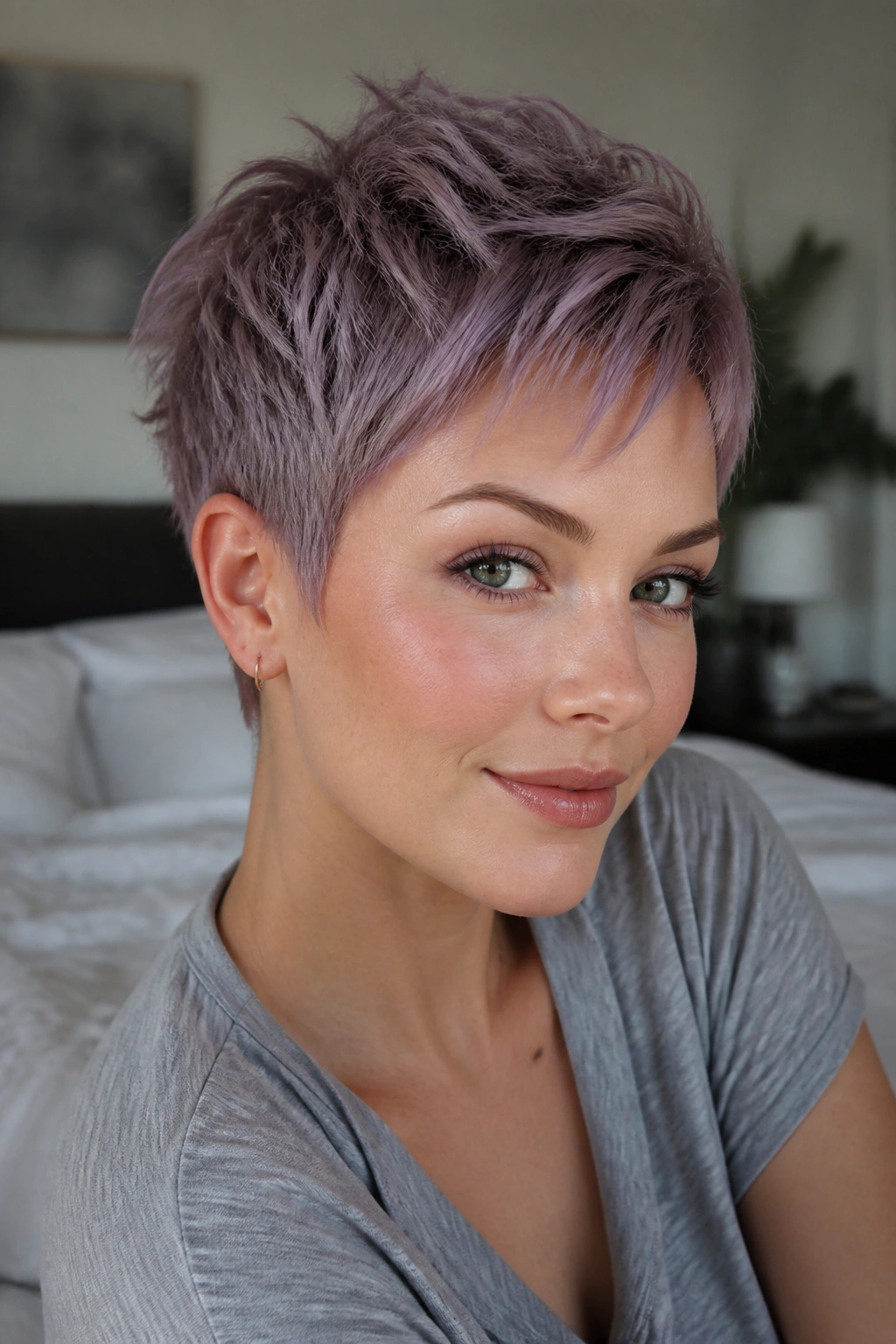
Smoky mauve is quieter than pink and softer than purple, which makes it one of the easiest pastel shades for fine hair. A smoky mauve textured pixie uses that subdued color to make the texture look richer, especially if the top is cut with short, irregular layers.
The nice thing about mauve is that it does not demand perfect volume. It looks good even when the hair falls a little flatter on one side, which is real life, frankly. The texture on top should be rough enough to catch the light in small sections, not one big fluffy cloud.
If you want this style to last through the day, dry the roots first and let the ends stay slightly soft. That keeps the pixie from puffing out. A finger twist at the front pieces can give you a little lift where you want it most. Not much. Just enough to stop the shape from sitting dead against the head.
15. Apricot Airy Pixie
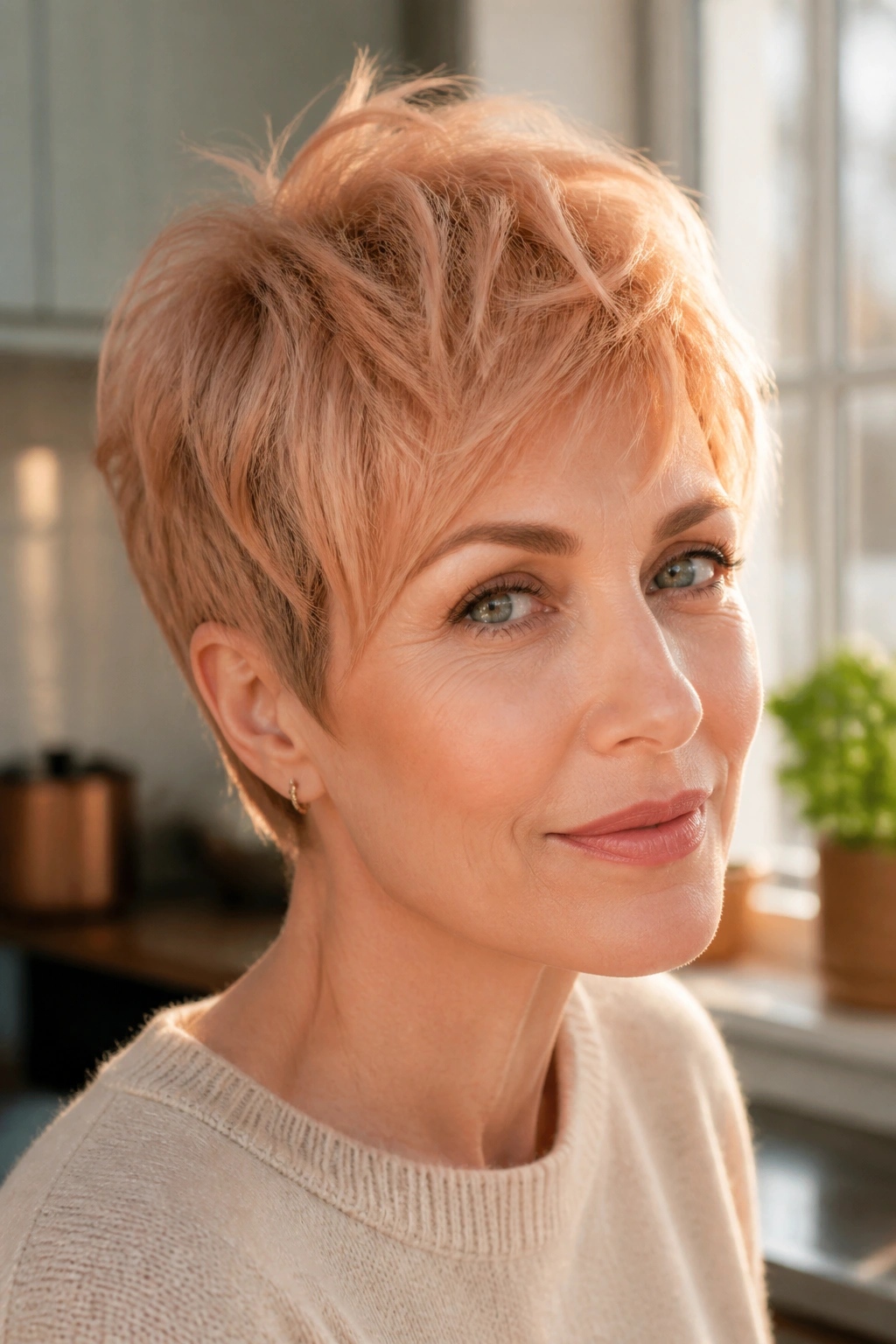
Apricot has a cheerful warmth that can make fine hair look healthier right away. A apricot airy pixie leans into that by keeping the layers light and the silhouette soft. It’s not about volume for volume’s sake. It’s about making the hair look lifted and touchable.
This style does best when the fringe is broken up and the crown is left loose enough to move. A hard fringe line would work against the shade. The color needs a little breathing room. If your hair is fine but dense, this shape can still work because the layers remove enough weight to keep the top from ballooning.
I’d pair it with a light styling lotion rather than a heavy cream. Cream can drag the hair down. Lotion gives a little grip, which is what short, soft hair often needs. When the finish is right, the cut looks fresh, not overdone. That matters more than people admit.
16. Silver-Lilac Tapered Pixie
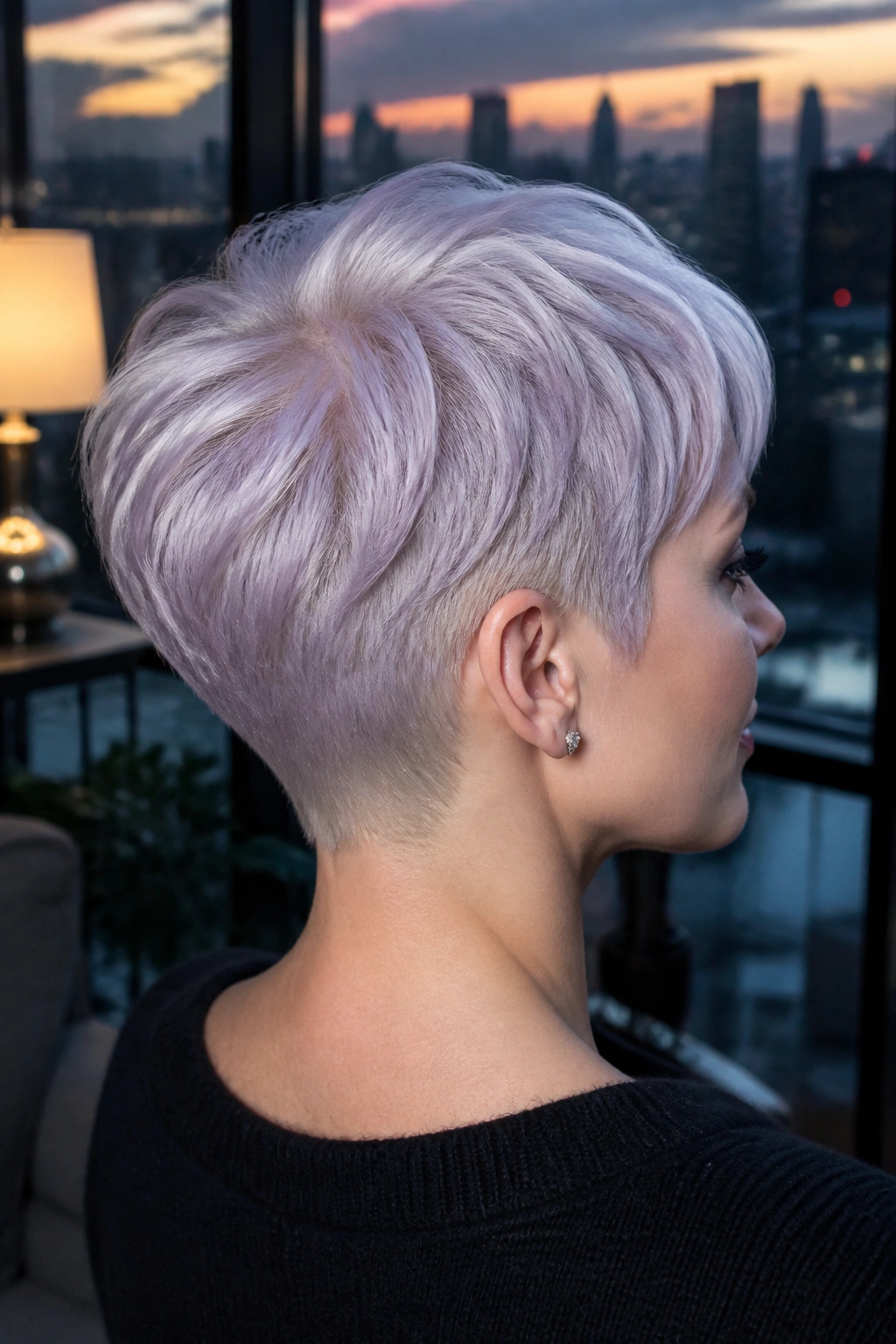
Silver-lilac is a clever choice for fine hair because it blurs the line between cool blonde and pastel color. A silver-lilac tapered pixie feels clean at the back, soft at the front, and slightly reflective without getting shiny in a cheap way.
The taper is doing some serious work here. Close sides and a trimmed nape keep the head shape neat, while the lilac-silver tone gives the upper section a little glow. Fine hair often looks better when the outline is crisp. Loose, fuzzy edges can make it seem thinner than it is.
This cut needs a little root lift and not much else. A small amount of volumizing spray at the crown is enough. If you use a heavy wax, the silver tone can flatten out and lose its airy feel. Better to keep the finish light and let the cut do the talking. The style reads polished, but not fussy.
17. Pastel Rainbow Tip Pixie
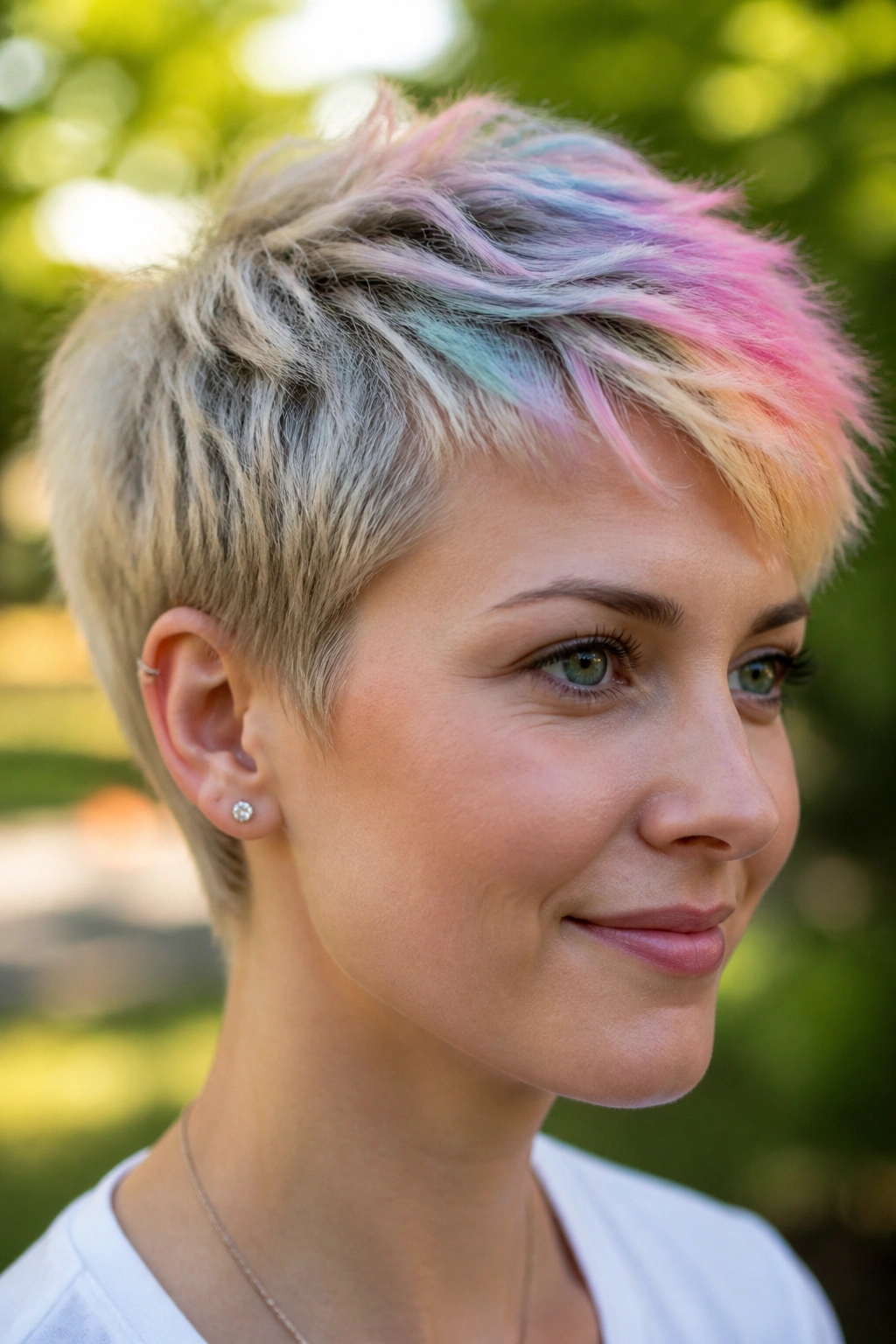
A pastel rainbow tip pixie sounds playful, and it is, but the smart version keeps the base neutral. Blonde or pale beige at the roots, then little tips of pink, mint, lilac, and soft blue at the ends. That keeps fine hair from turning into color overload.
The reason this works is simple: the color is concentrated where the hair can handle it. Short ends take pastel well, and the mixed tones make the texture look busier than it really is. That is a useful trick on finer strands, especially if the cut is cropped short through the nape and slightly longer on top.
Keep the layers clean. Too many choppy cuts plus too many colors can get messy in a bad way. This style is best when the shape stays neat and the colors are the fun part. A little smoothing serum on the very ends helps the shades blend instead of fray. It’s a playful look, but the structure still matters.
18. Bubblegum Mullet Pixie
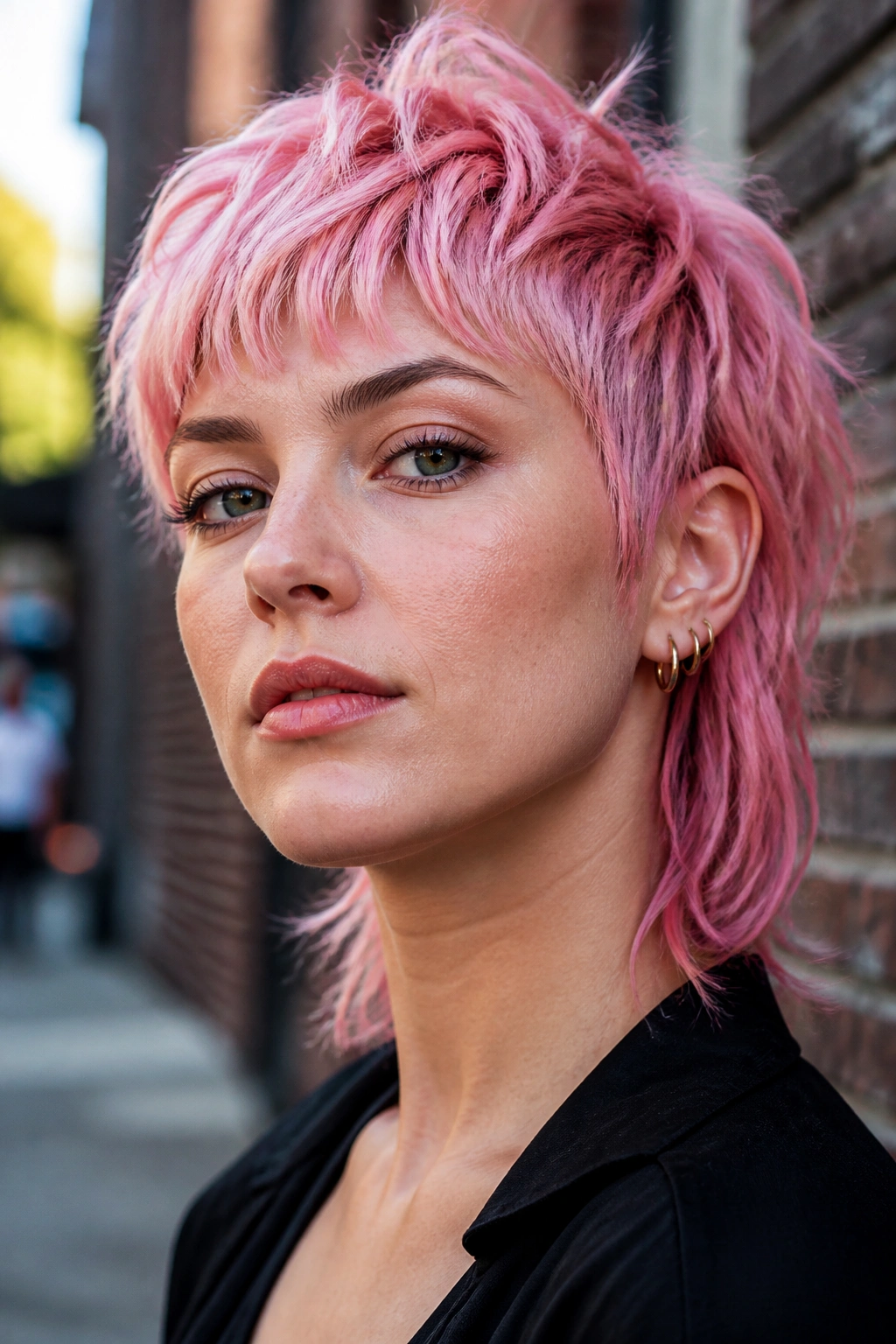
A bubblegum mullet pixie is not for everyone, and that’s fine. It is for the person who wants short hair with some bite, a little attitude, and enough length in the back to keep fine hair from disappearing entirely.
The mullet influence gives you a longer nape, while the top stays cropped and lifted. That extra length in back can be useful on fine hair because it creates a stronger outline. Bubblegum pink softens the shape so it feels fun instead of severe. The contrast between the tough cut and sweet color is the whole point.
This works especially well if your hair has a slight wave. The movement in the back helps the style avoid looking too flat. Ask for texture through the top and a soft, feathered back, not a harsh disconnected chop. You want a modern shape, not a costume. And yes, those are different things.
19. Opal Blonde Pixie
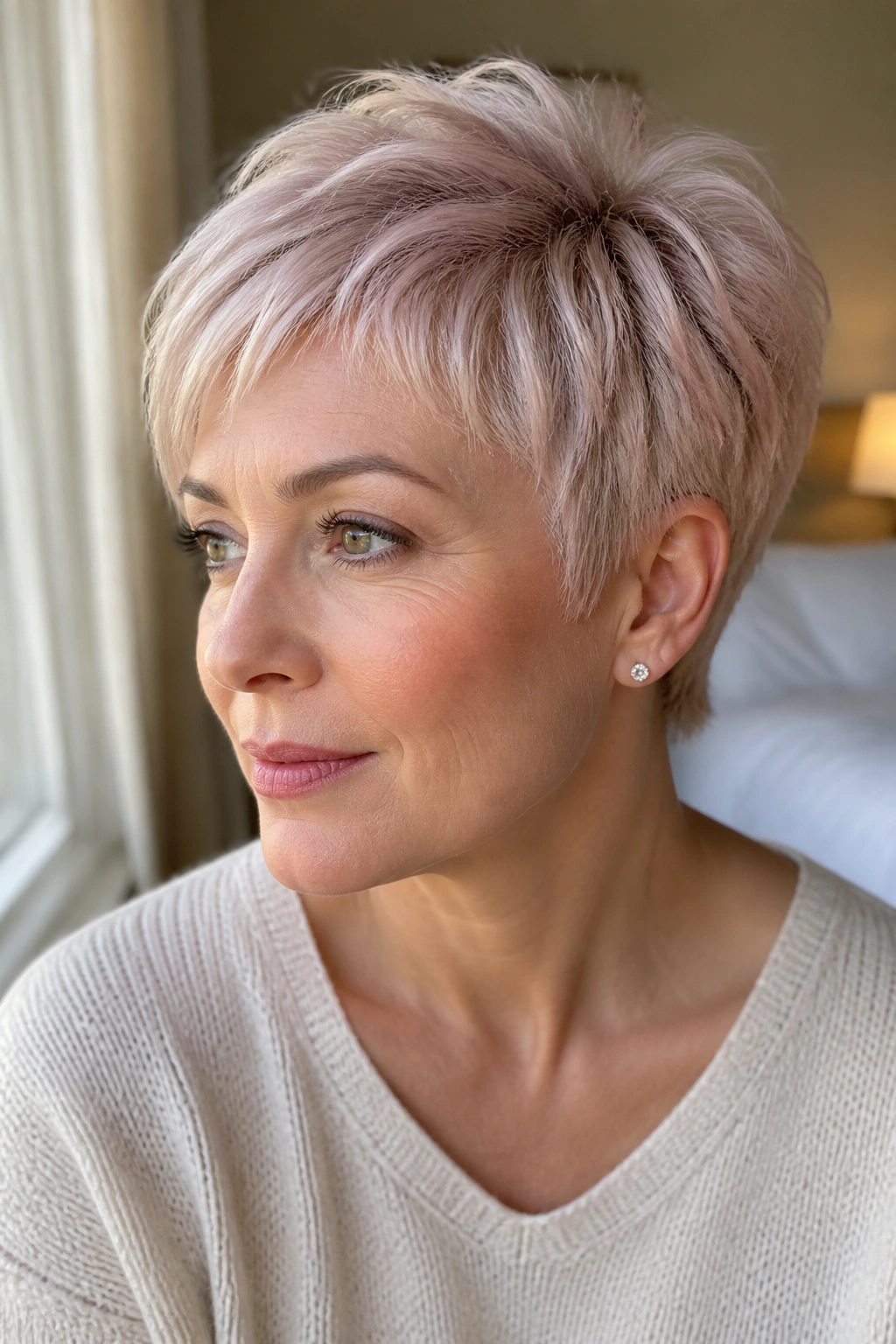
Opal blonde is a pastel cousin of platinum, and it’s one of the best choices if you want the color to feel luminous rather than loud. A opal blonde pixie uses pearly tones, maybe a hint of pink or lavender under the surface, to give fine hair a soft glow.
This style is less about obvious color and more about sheen. The cut should be neat around the ears and nape, with light layering through the top so the surface catches the changing tones. On fine hair, that shifting color can create the impression of depth. The hair doesn’t need to be thick to look layered.
A little root shadow can help here too. It stops the blond from washing out the face and gives the pixie a cleaner outline. Use a lightweight shine mist only on the top sections. The ends should stay soft, not greasy. If you’re after a pastel pixie that still feels understated, this is the one I’d point to first.
20. Sage-Lavender Soft Crop
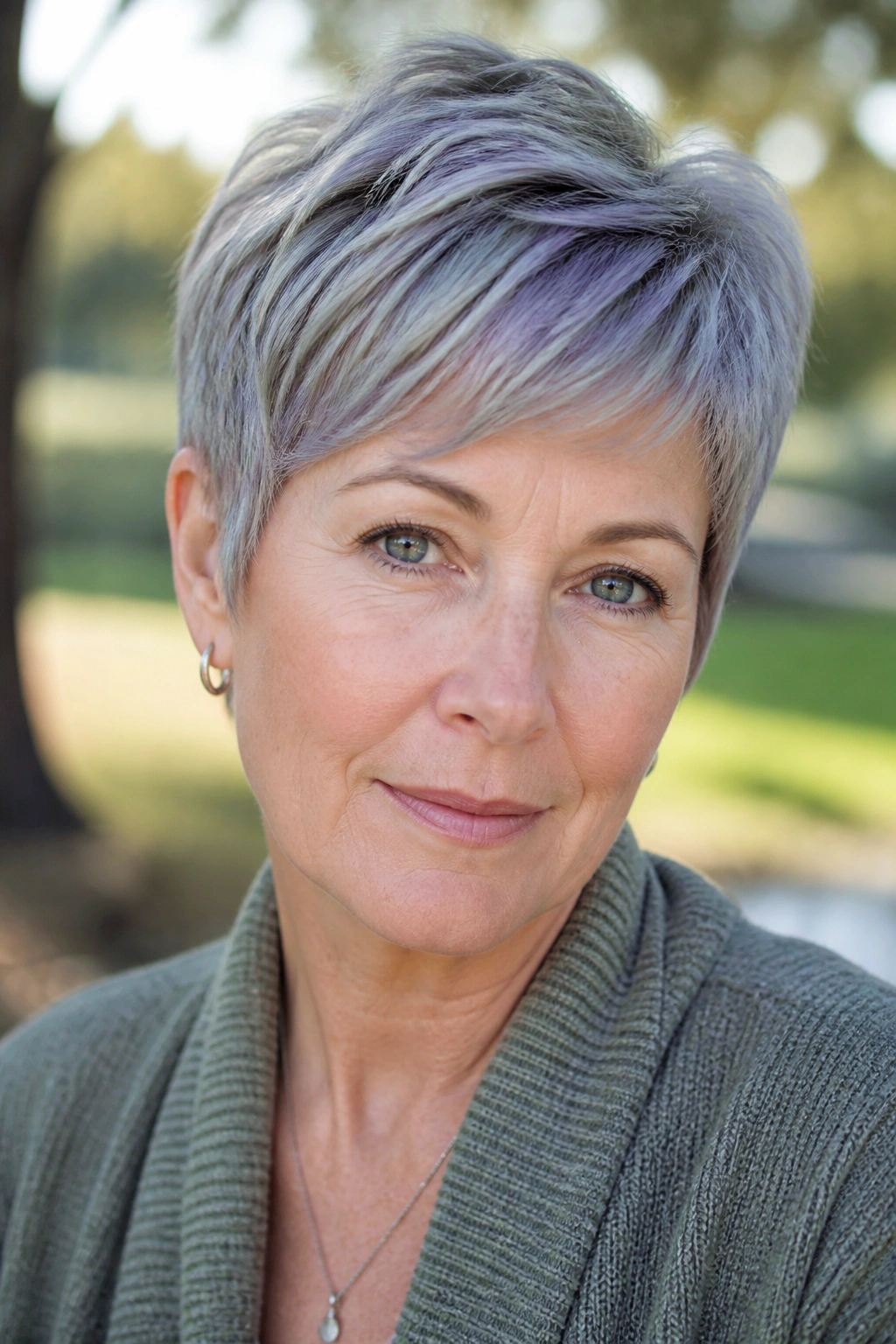
Sage-lavender is a quieter color story, and that makes it especially good for fine hair that needs shape more than drama. A sage-lavender soft crop blends muted green-gray with a whisper of purple, so the overall effect is calm, cool, and slightly unusual without looking loud.
The soft crop shape matters just as much as the shade. Keep the top short enough to avoid sagging, but not so short that the color disappears. A slight side part and a feathered fringe can make the face look more open, while the back stays tucked in neatly. This is one of those cuts that benefits from a quick tousle rather than a full styling routine.
If you want a pastel pixie that feels easier to live with than pink or blue, this is a strong pick. It grows out gently, and the muted tones forgive a little root show. That’s a gift on fine hair, because maintenance can get annoying fast if every inch of regrowth looks obvious.
