



Brunette highlights for brown hair work best when they look like they belong there. A few well-placed ribbons of caramel, mocha, ash beige, or copper can change the way brown hair catches light, and the difference is usually bigger than people expect. The trick is not chasing the lightest blonde in the room. It’s choosing depth, placement, and tone that flatter the brown you already have.
Most bad color jobs happen because the contrast is too sharp. Dark hair with chunky pale streaks can look striped, and warm brown hair with the wrong toner can go brassy fast. Better results usually come from softer weaves, controlled placement, and a shade plan that matches the undertone in your skin and your base color. Small decisions. Big payoff.
There’s also a funny little truth about brown hair: adding a few darker pieces can make the lighter pieces look brighter. Lowlights are not a backup plan. Sometimes they’re the smartest part of the whole formula, especially if the goal is dimension instead of drama. That’s why brunette color can look rich, expensive, and lived-in when it’s done with restraint.
1. Caramel Ribbons Through Dark Brown Hair
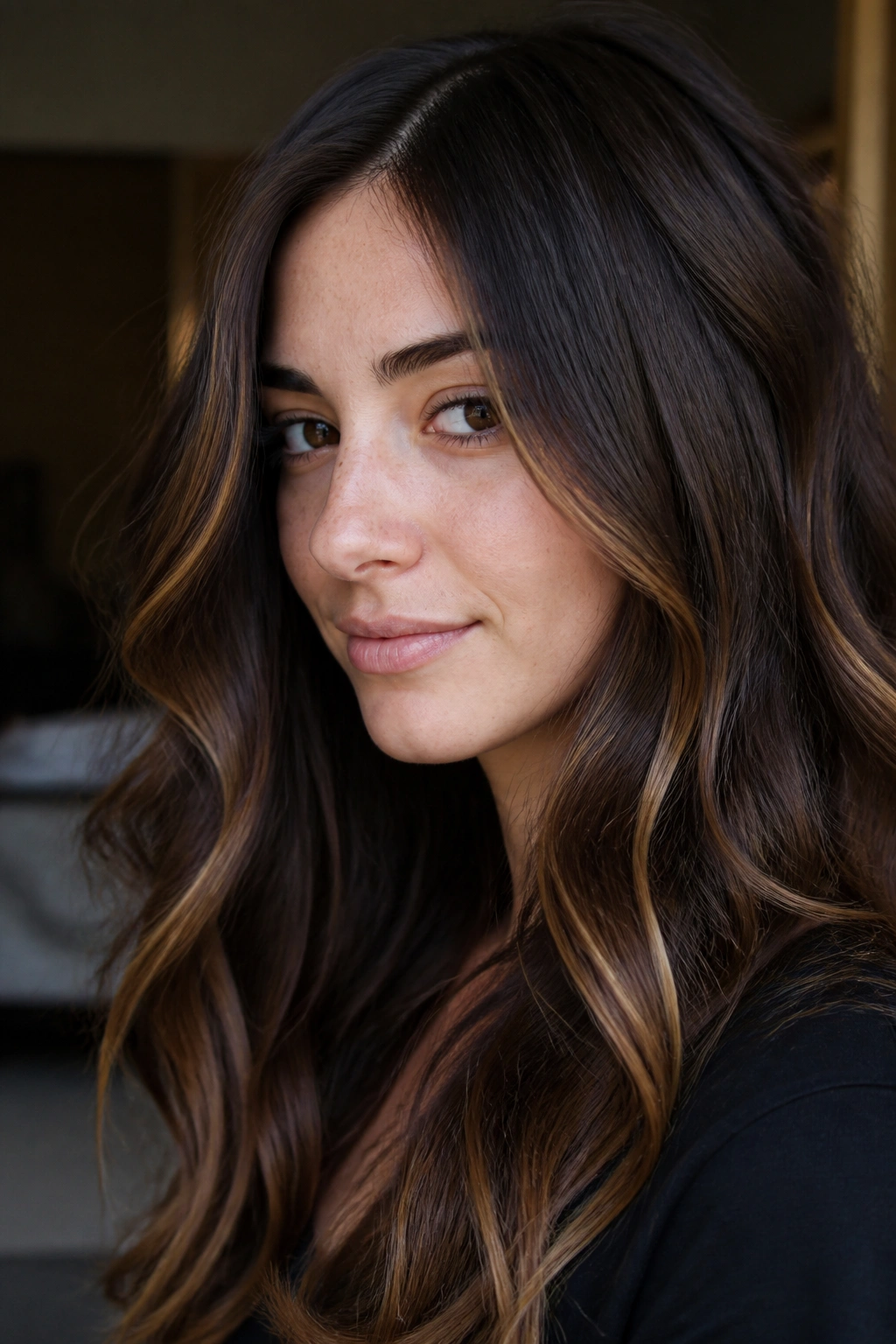
Caramel is one of those shades that rarely misses on dark brown hair. It has enough warmth to soften a deep base, but it does not jump out the way pale blonde does. The result feels smoother, not louder.
Why It Flatters Deep Brown Bases
Caramel works best when the pieces are painted in thin ribbons and kept a shade or two lighter than the base. On wavy hair, those ribbons bend with the movement and make the whole style look thicker. On straight hair, they create clean lines that still feel soft.
What To Ask For
- Hand-painted ribbons through the mids and ends, not a blocky stripe at the root.
- A warm beige-caramel toner so the finished color stays creamy instead of orange.
- A few face-framing pieces that start below the cheekbone for a softer grow-out.
Pro tip: If your brown hair pulls red, ask for a caramel shade with a tiny bit more beige. It keeps the color from turning pumpkin after a few washes.
2. Mocha Babylights on Medium Brown Hair
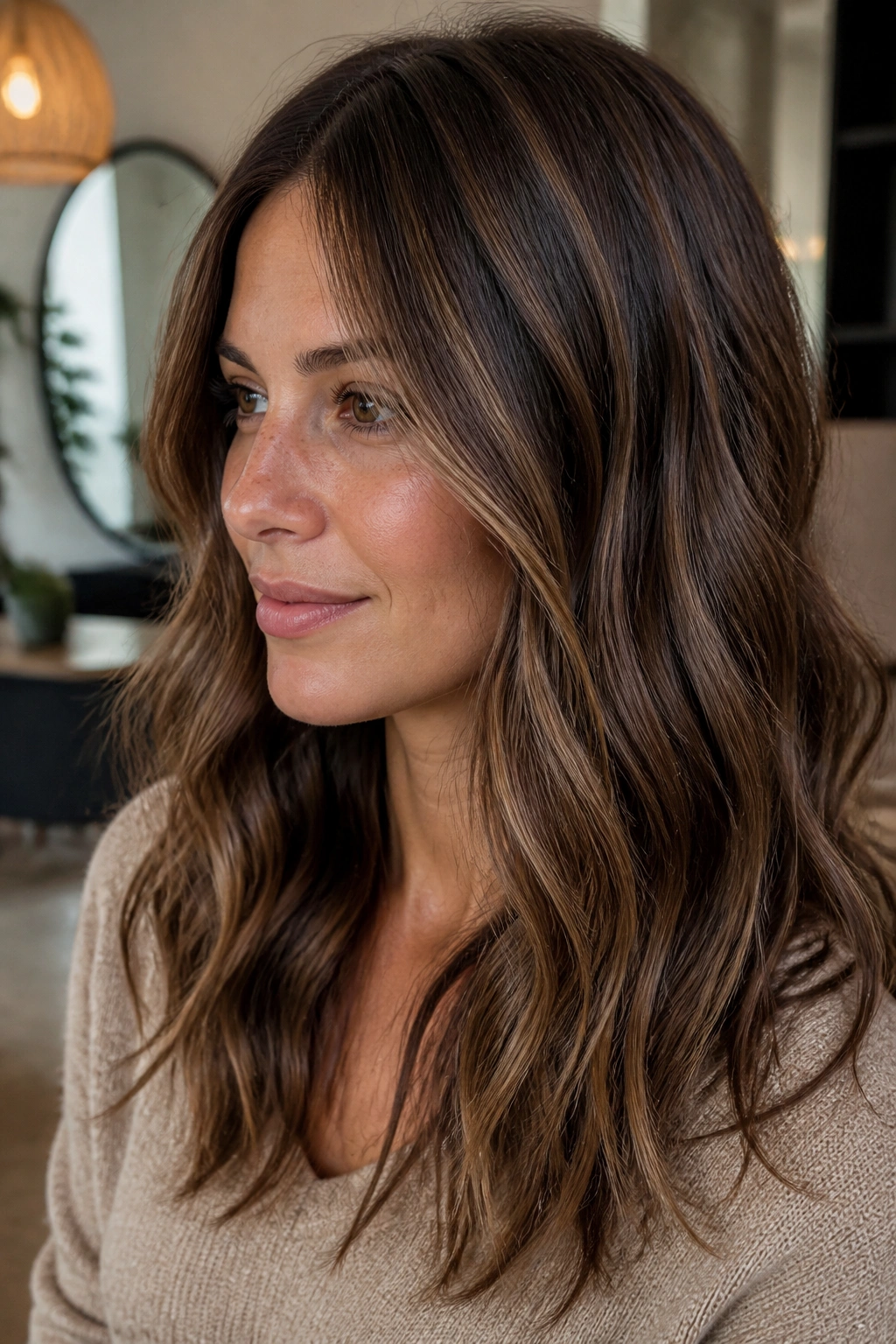
Mocha babylights are for the person who wants change without obvious streaks. They’re fine, delicate, and close to the shade of the natural base, which is exactly why they work. The whole point is to make medium brown hair look expensive and airy instead of flat.
Babylights need patience. A colorist uses tiny sections, often around 1/16 to 1/8 inch, so the light reflects in many places instead of sitting in one obvious band. That tiny detail matters. It keeps the color soft even when the hair is worn up or tucked behind the ears.
This is a good pick if you like brown hair that still looks brown at a glance. It’s not a “new hair, who dis” color. It’s more like your hair went on vacation and came back with better lighting.
3. Honey Highlights Around the Face
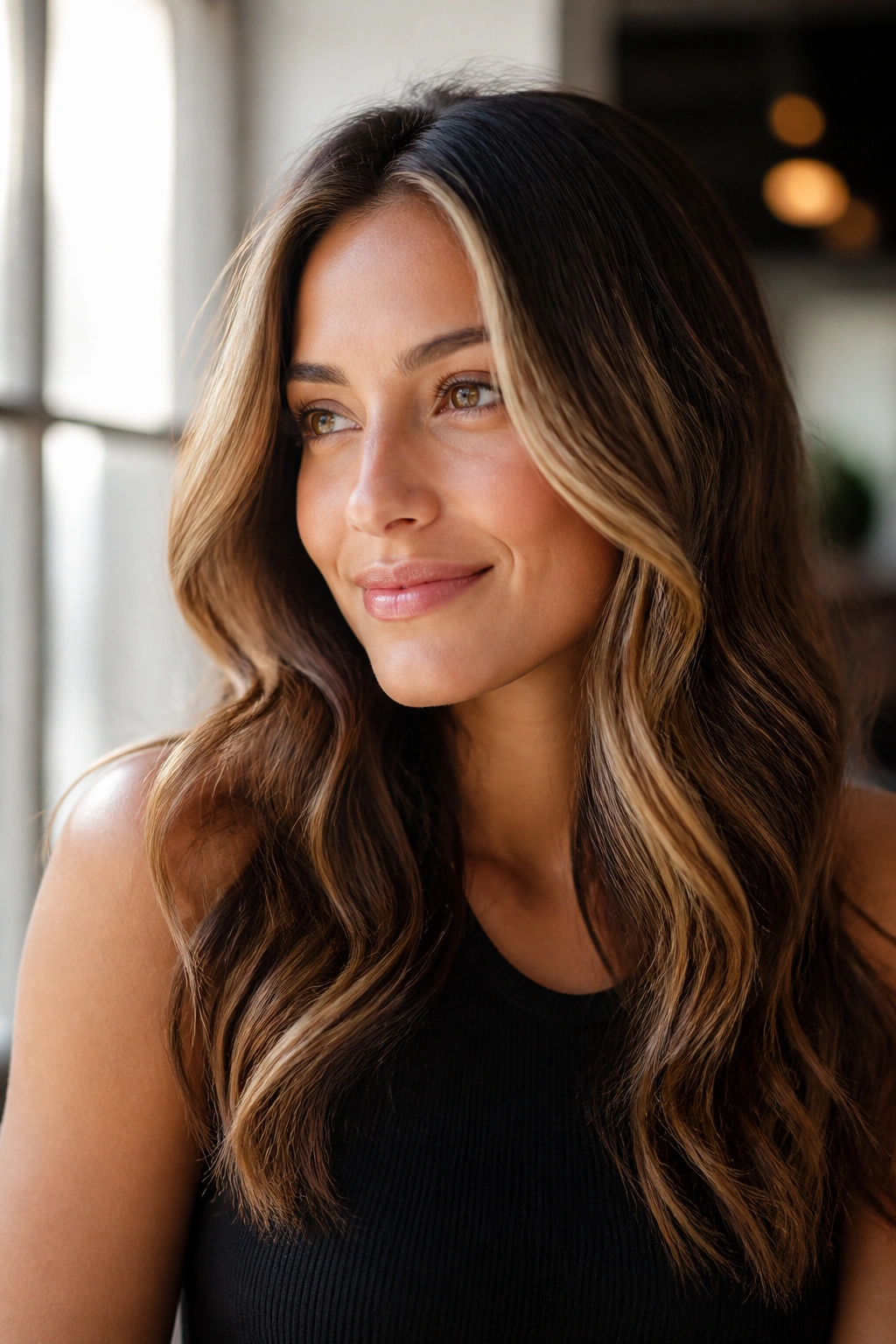
Pull your hair back and the whole face can suddenly look brighter. That’s why honey highlights around the front pieces do so much work for brown hair. They sit where the eye lands first, which means you can keep the rest of the color quieter and still get a noticeable lift.
Where They Make the Biggest Difference
Honey works especially well when the front sections are painted 1.5 to 2 inches wide and kept a touch lighter than the ends. That front placement flatters ponytails, half-up styles, and loose waves. It also helps a layered cut show off the shape around the face.
A Few Things To Watch
- Keep the warm tone honey, not gold-orange.
- Ask for the brightest pieces to sit near the cheekbones.
- Leave some darker hair between the lighter sections so the contrast doesn’t turn stripey.
If you like your brown hair to look fresh but not overdone, this is one of the easiest ways to get there.
4. Chestnut Lowlights for Extra Depth
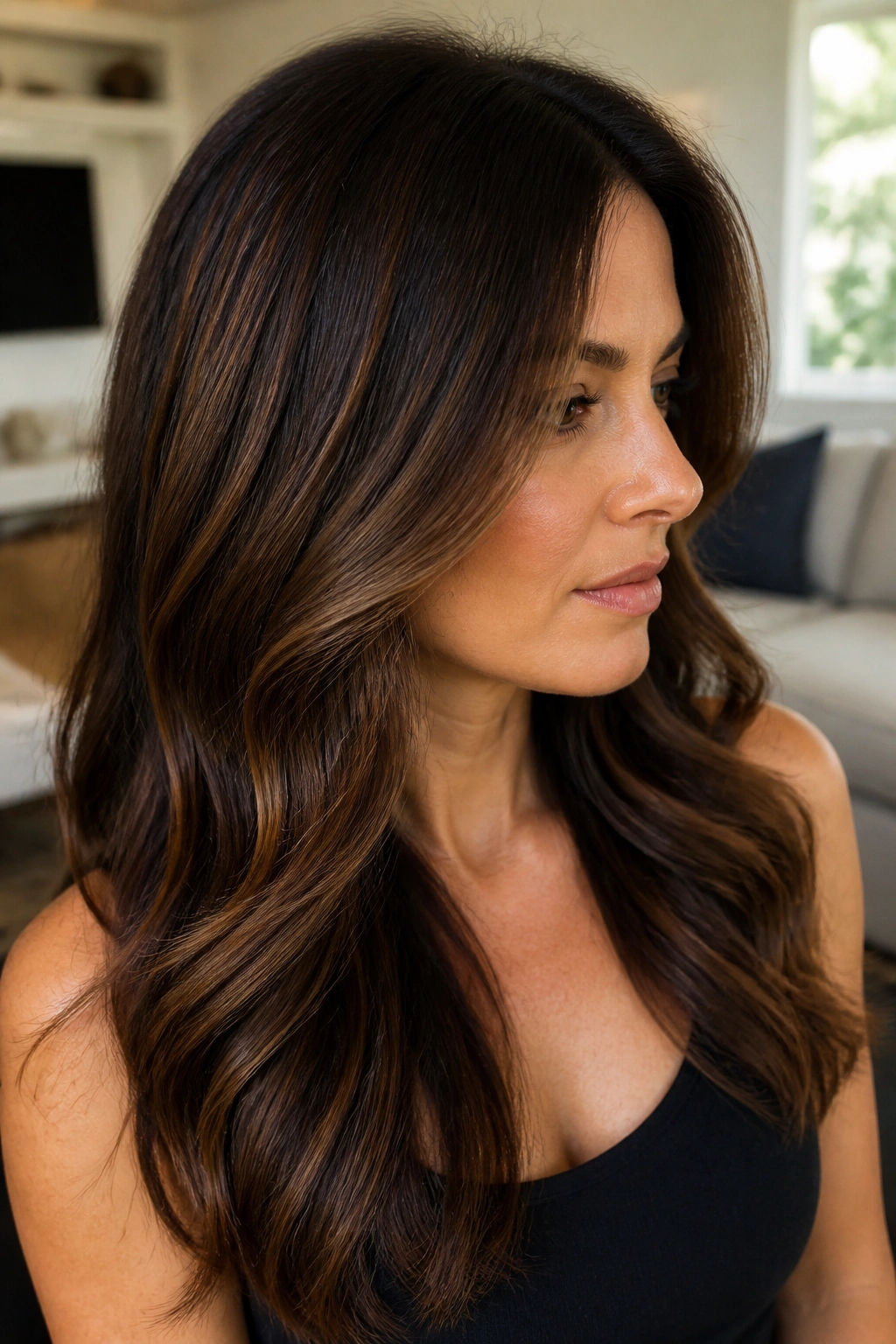
Not every brunette color needs to be lighter. Chestnut lowlights can fix the common problem of brown hair that looks washed out after too much lightening. Darker strands tucked through the interior add shape, and they make the lighter pieces around them look more deliberate.
That’s the part many people miss. A highlight only looks bright when there’s something darker beside it. Chestnut, with its warm brown-red note, gives that contrast without turning harsh. It’s especially good on medium brown hair that has started to look one-note in long lengths.
I like chestnut lowlights in the crown and underneath the outer layer, where they build depth without taking over. If your ends look a little transparent, this is the color move that quietly fixes it.
5. Toffee Strands on Chocolate Brown Hair
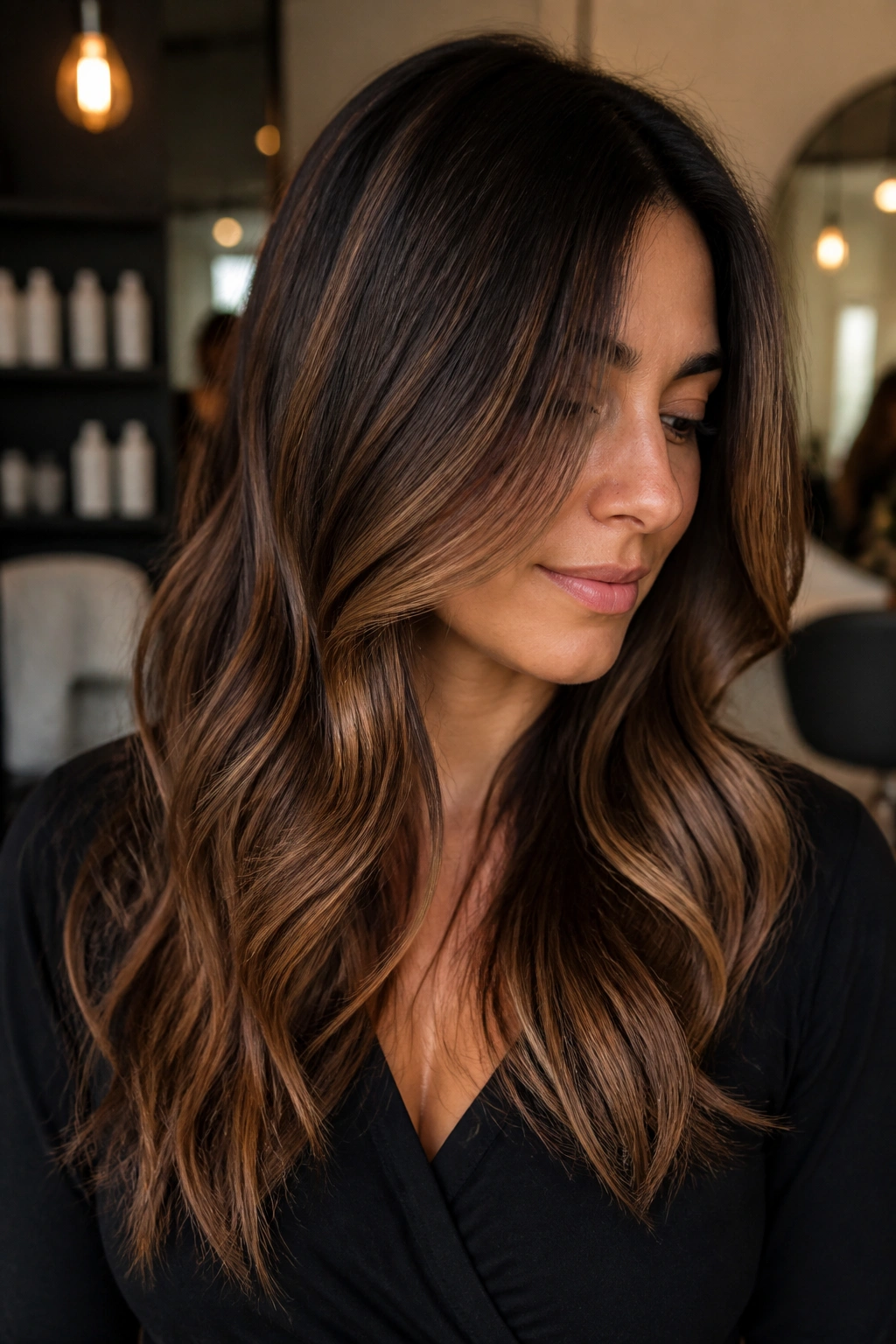
Toffee sits in that sweet middle zone between warm gold and deep caramel. On chocolate brown hair, it gives enough lightness to show movement, but not so much that the color starts looking disconnected from the base.
The Texture Trick
What makes toffee feel special is how it sits on layered cuts. A few wider panels through the mids and ends can make a blunt long bob look fuller. On curls, the warm strands break up the shadow and keep the shape from reading too heavy.
A good toffee placement usually avoids the root line and leans on the bend of the hair instead. That keeps regrowth softer. It also means the color grows out in a way that still looks tidy, even if you wait longer between salon visits.
One small warning: if your brown hair already pulls very warm, ask for a toffee shade with a beige or neutral toner so it doesn’t tip too orange.
6. Mushroom Brown Dimension for Cool Brunettes
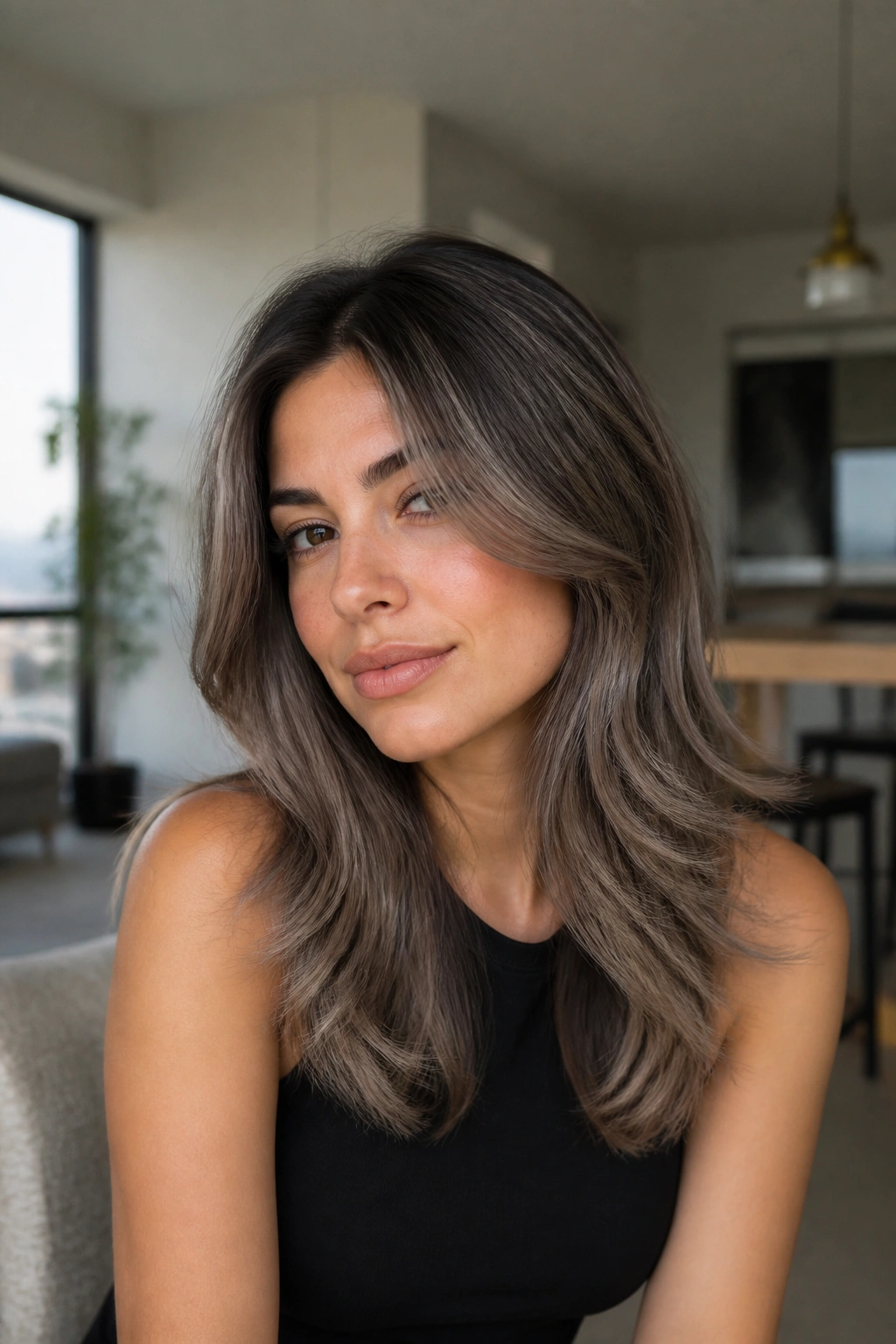
Cool brunettes often look best when the highlights stay quiet. Mushroom brown dimension uses taupe, ash, and smoky beige tones to add movement without warm streaks. It’s subtle, but it changes everything about how the hair reads in daylight.
This is one of my favorite choices for people who hate brass. The color family has a muted finish that keeps the hair looking clean, especially on medium to light brown bases. It also pairs well with straight styles because the soft contrast shows up cleanly on smooth strands.
The best version usually has cool mids, darker roots, and a smoky gloss on the ends. That combo keeps the hair from looking flat. It also keeps the color from drifting into muddy territory, which can happen if the ash tone is pushed too far.
7. Espresso-and-Cocoa Micro-Highlights
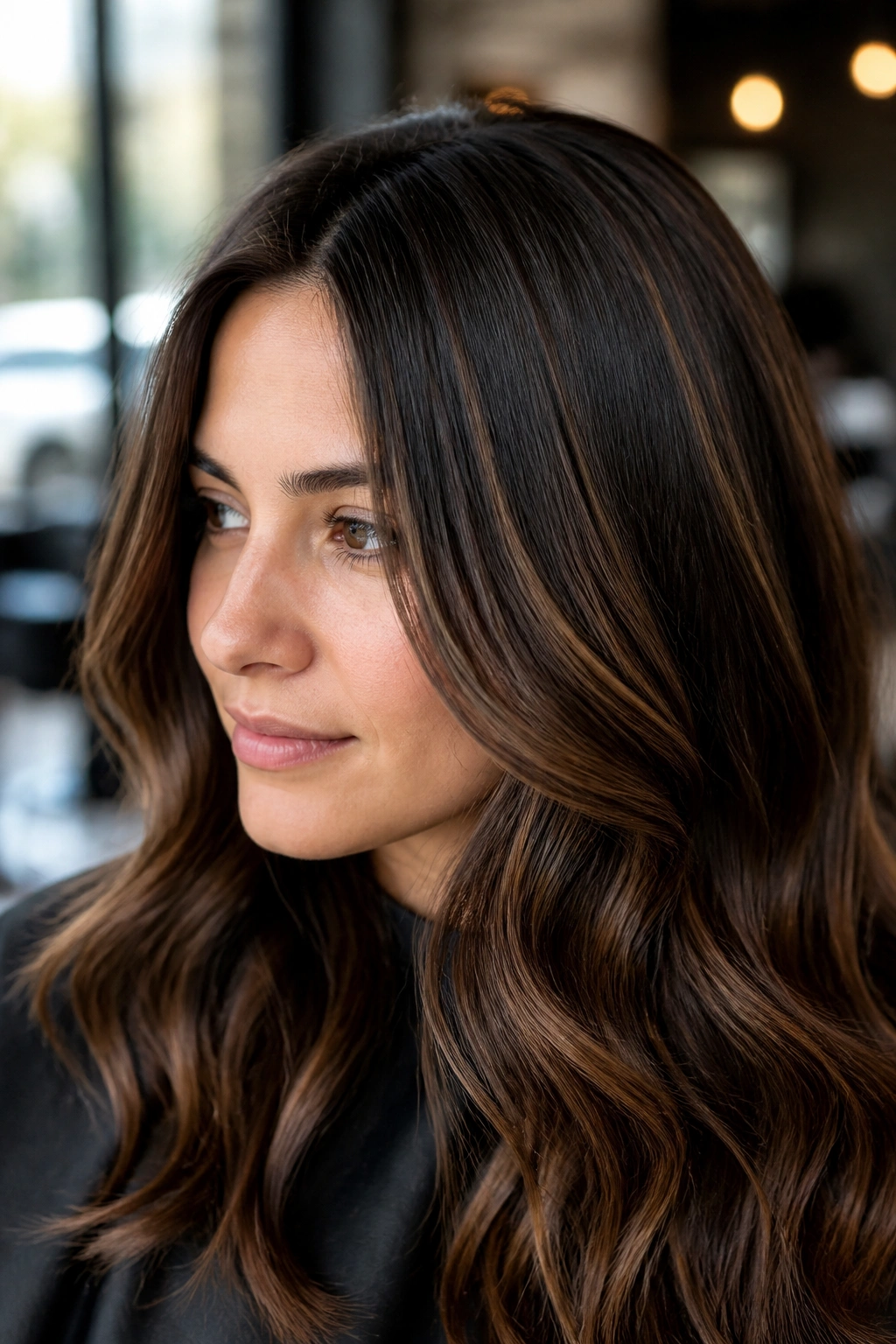
Tiny highlights can do more than big ones. Espresso-and-cocoa micro-highlights scatter through dark brown hair like fine threads, and the effect is clean, soft, and polished. There’s no stripe. No blocky chunk. Just tiny shifts that catch light in motion.
What Makes Them Different
Micro-highlights work especially well on fine hair because they add the look of density without making the color loud. The lighter pieces should stay close to the base shade—think one to two levels lighter, not five. That closeness is what keeps the result believable.
- Best for short bobs, sleek lobs, and straight textures
- Strongest around the top layer and hairline
- Good choice if you want dimension that survives a ponytail
If you love brown hair that looks expensive under office lights and outside in daylight, this is a strong pick. Quiet color, but not boring.
8. Cinnamon-Kissed Pieces for Warm Brown Hair
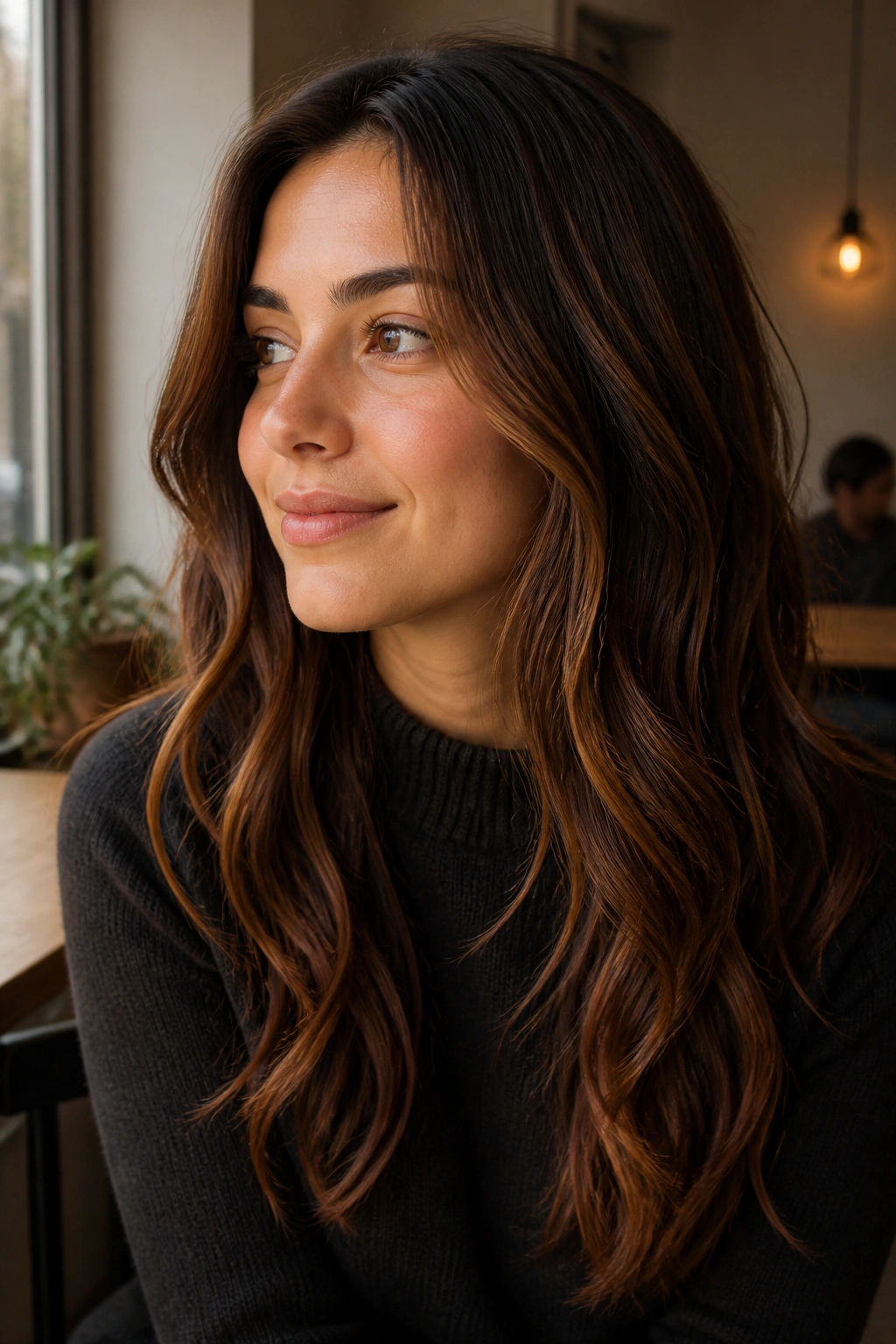
Warm brown hair can go one of two ways with highlights: too gold, or too flat. Cinnamon lands in the middle. It adds a little red-brown fire to the hair without pushing it into copper territory.
A warm base usually benefits from cinnamon pieces placed through the mid-lengths and ends rather than the root. That keeps the color soft and avoids a tiger-stripe effect. It also helps if the stylist weaves in some darker brown between the warm ribbons, because cinnamon looks richer when it has a little shadow around it.
Best Placement
- Around the face, if you want more brightness
- Through the bottom half of layered hair, if you want movement
- Scattered in curls, where the bend shows off the red-brown tone
This shade feels especially nice on brown hair with hazel or amber undertones. It looks intentional, not fussy.
9. Beige Brunette Balayage for Ash-Brown Hair
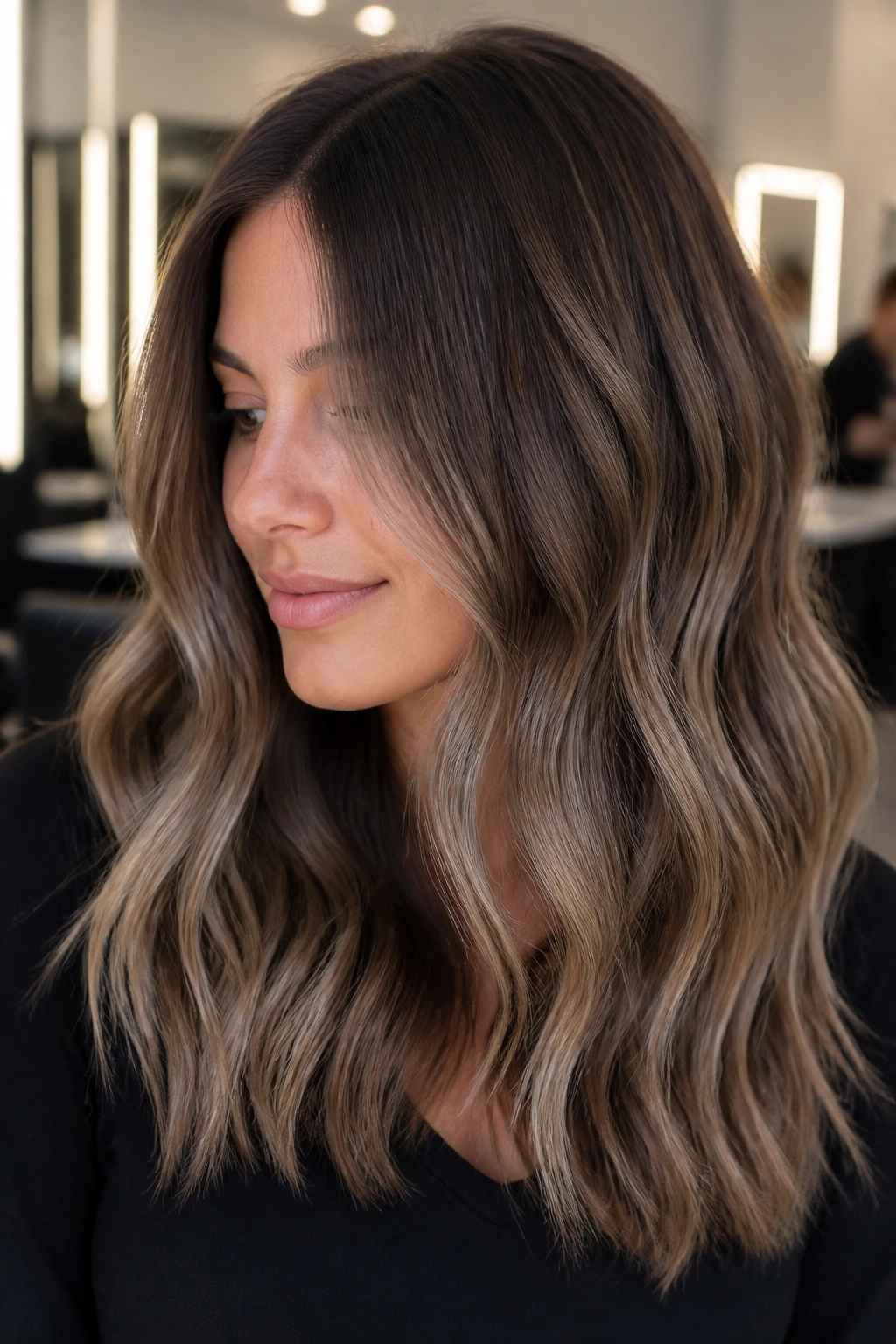
Why does beige work so well on ash-brown hair? Because it adds light without fighting the cooler base. Gold can sometimes look too warm on an ash brunette, while beige sits in a cleaner zone and keeps the finish soft.
How To Keep It Clean
A beige balayage usually looks best when the lightened sections stay airy and the toner stays neutral. If the hair leans green-gray at the base, a tiny amount of warmth in the glaze can save the result from looking dull. That tiny balance matters more than most people think.
A blue shampoo can help if brass shows through, but don’t overdo it. Once every couple of weeks is often enough. Too much toning product can make the ends look dusty.
This is a smart option for someone who likes cool-toned brunette hair but still wants lightness around the face and through the ends.
10. Face-Framing Money Pieces in Soft Bronde
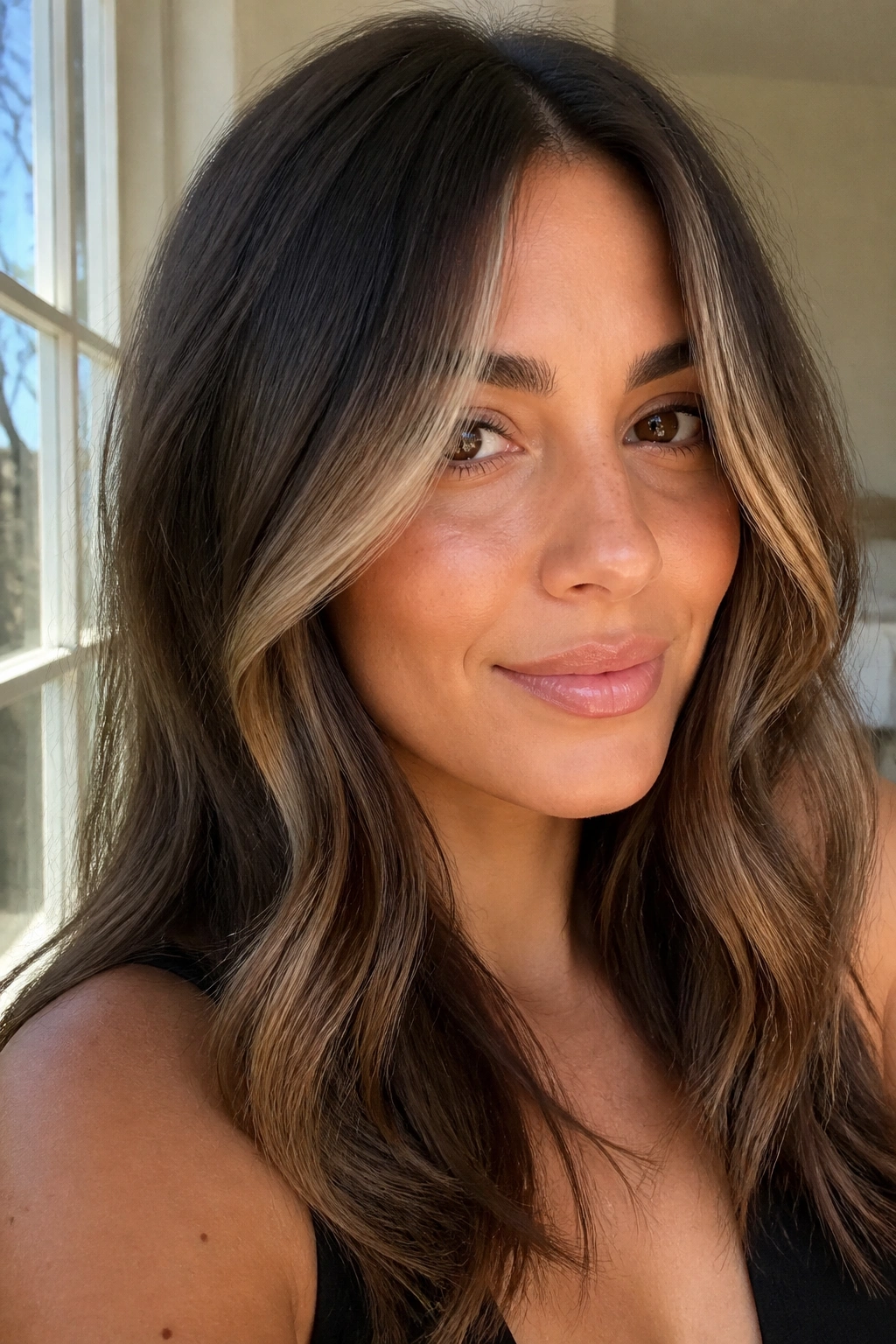
Money pieces do one thing fast: they pull the eye forward. On brown hair, soft bronde money pieces can brighten the face without changing the whole head of hair. That’s handy if you want a visible result but do not want full-head lightening.
The key is restraint. Keep the front pieces a couple of levels lighter than the rest and let them melt into a soft bronde tone instead of a stark blonde strip. On long layers, they can start around the cheekbone. On lobs, they often look better starting a little lower so the cut still feels balanced.
This works well if you wear your hair down most days. It’s also one of the easier styles to maintain because the bright zone is limited. Less touch-up. Less drama.
11. Ribbon Highlights on Layered Long Brown Hair
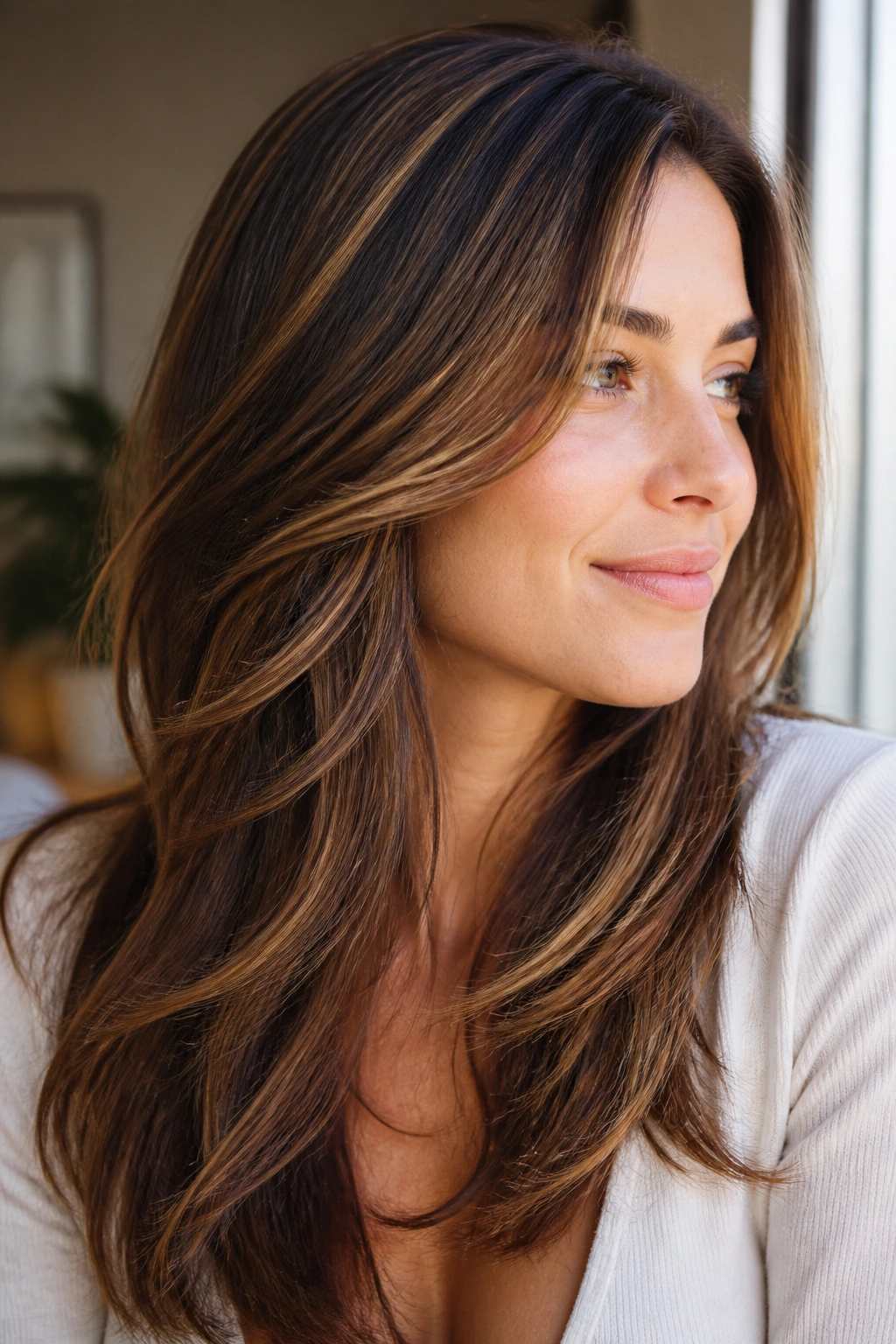
Layered hair gives highlights a place to move, and ribbon highlights make the most of that motion. These are wider, elongated pieces painted in a way that follows the fall of the hair, so each layer shows a slightly different shade when it swings.
That movement is the whole point. On long brown hair, ribbon highlights stop the ends from disappearing into one dark block. They also make wavy styles look fuller because the eye keeps picking up one warm or caramel strand after another.
What To Ask For
Ask for diagonal placement rather than straight horizontal bands. Diagonal pieces blend better through layers and keep the color from looking stacked. A few larger ribbons near the front can frame the face, while softer panels under the top layer keep the rest of the hair from feeling busy.
This style is for someone who wants to see the dimension from across the room, but still likes brown hair to be the main story.
12. Sunlit Babylights for a Barely-There Lift
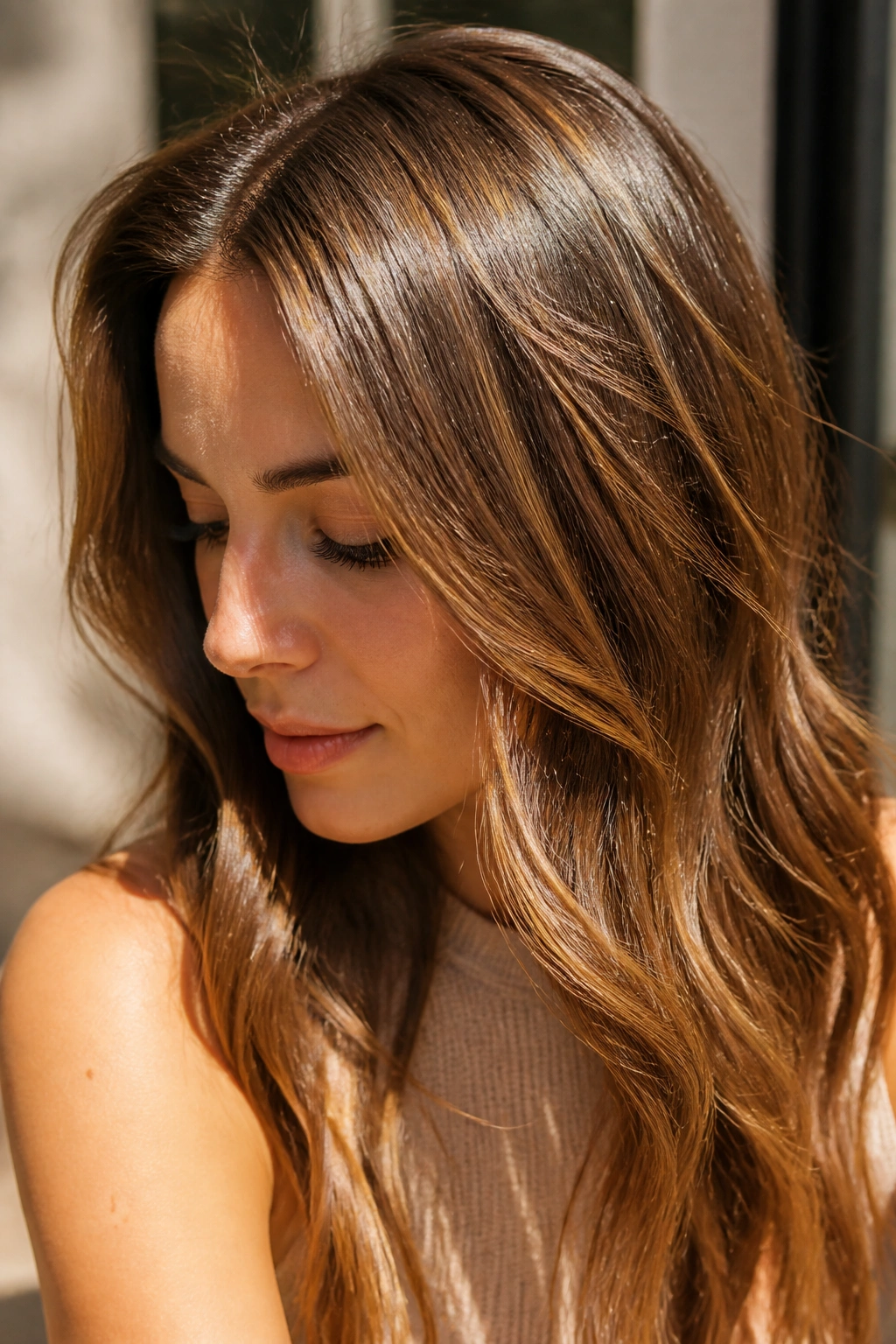
In bright light, the hair should look like it has tiny points of warmth scattered through it. That’s the effect of sunlit babylights. They are so fine that the color change registers slowly, almost like the hair got better in natural light without announcing why.
How It Should Read
Babylights work best when the contrast stays low and the weave stays tiny. A good version usually uses very narrow sections across the crown and top layer, with a soft gloss on the ends. The result is cleaner than chunky highlighting and easier to wear on a daily basis.
- Best for long brown hair that looks heavy at the roots
- Strong on fine to medium textures
- Good for people who want low-maintenance brightness
I like this look because it never tries too hard. The color just opens up a little when the light hits it, and that’s enough.
13. Auburn Glaze with Brunette Highlights
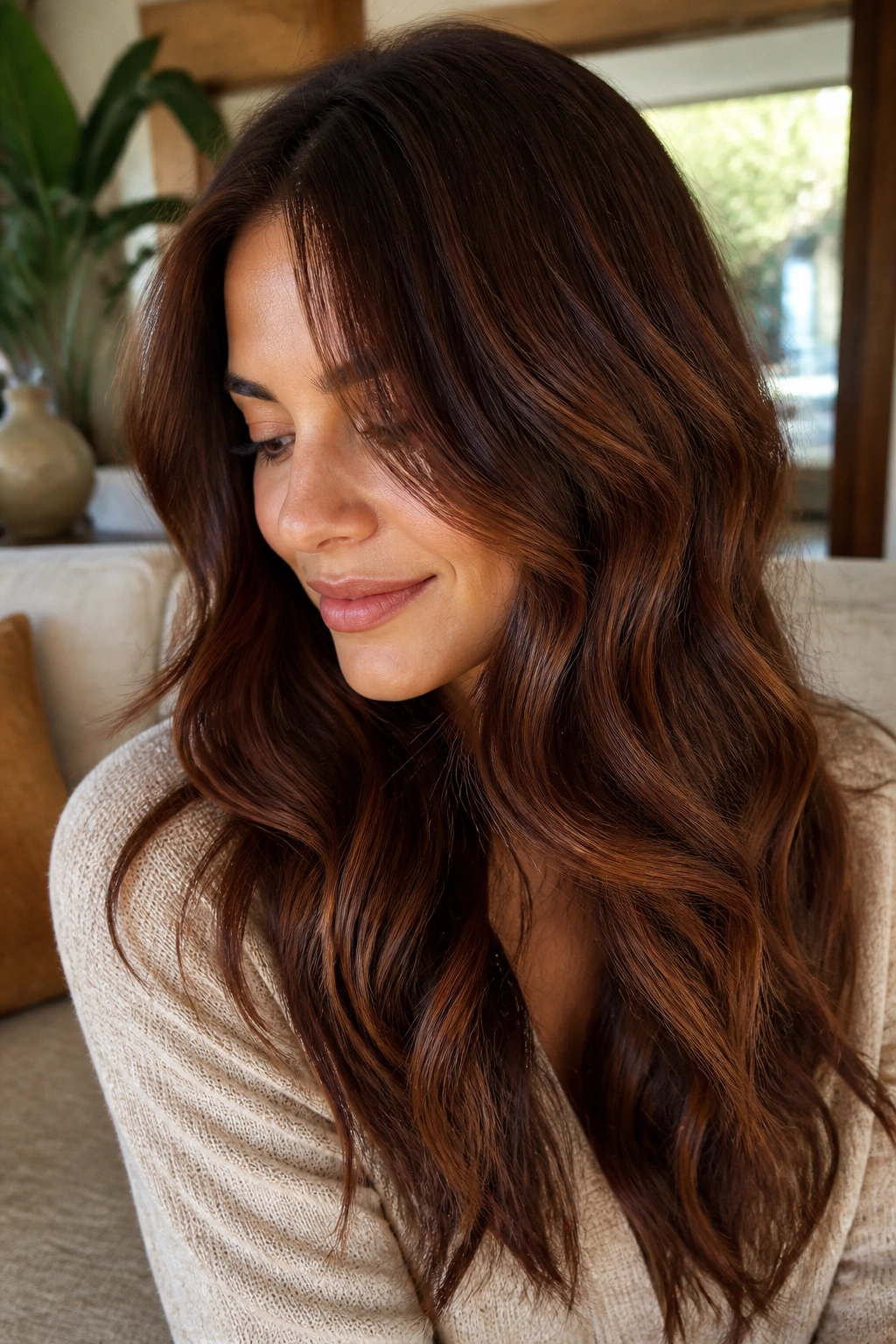
Auburn can be tricky, but when it’s handled as a glaze instead of a full color shift, it brings brown hair to life. The warm red-brown note gives dark brunette strands more richness, and the highlights keep the color from looking one-note.
This works especially well on hair that has gone dull from too much sun or too much heat styling. A sheer auburn glaze adds warmth through the mid-lengths while the lighter brunette highlights break up the density. You end up with something that feels deep and glossy instead of flat.
The best version is usually softer than people expect. You want red-brown, not bright red. If the auburn tone sits too high, it can look costume-like in harsh light. Kept low and warm, though, it’s gorgeous on medium brown and chocolate bases.
14. Sandy Beige Highlights for Soft Contrast
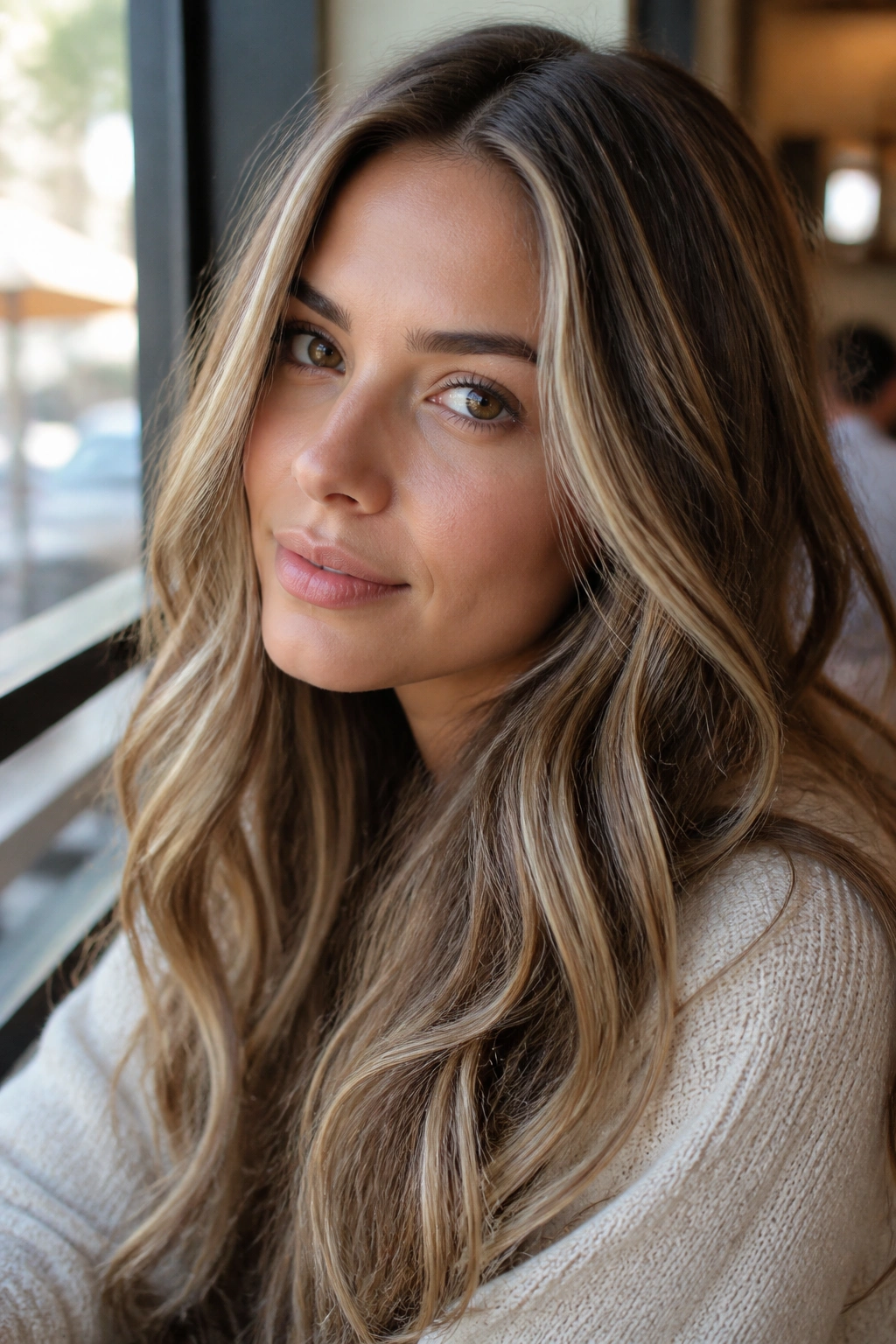
Not every brunette needs gold. Sandy beige highlights are a cleaner choice when you want lightness without warmth taking over the whole head. They sit in a soft neutral lane, which makes them useful on brown hair that already has plenty of red or orange in it.
Who It Suits
This shade tends to look strongest on medium brown hair, especially if the skin tone leans neutral or olive. It also plays well with short cuts because the beige pieces can be seen at once. On very dark brown hair, the effect is subtler and needs careful lifting to avoid a muddy finish.
A few fine beachy pieces through the top layer are usually enough. Too many, and you lose the softness. That’s the line to watch here.
The best sandy beige looks feel calm, not dry. Keep the toner soft and the placement airy, and the color stays graceful as it grows out.
15. Bronde Melt from Roots to Ends
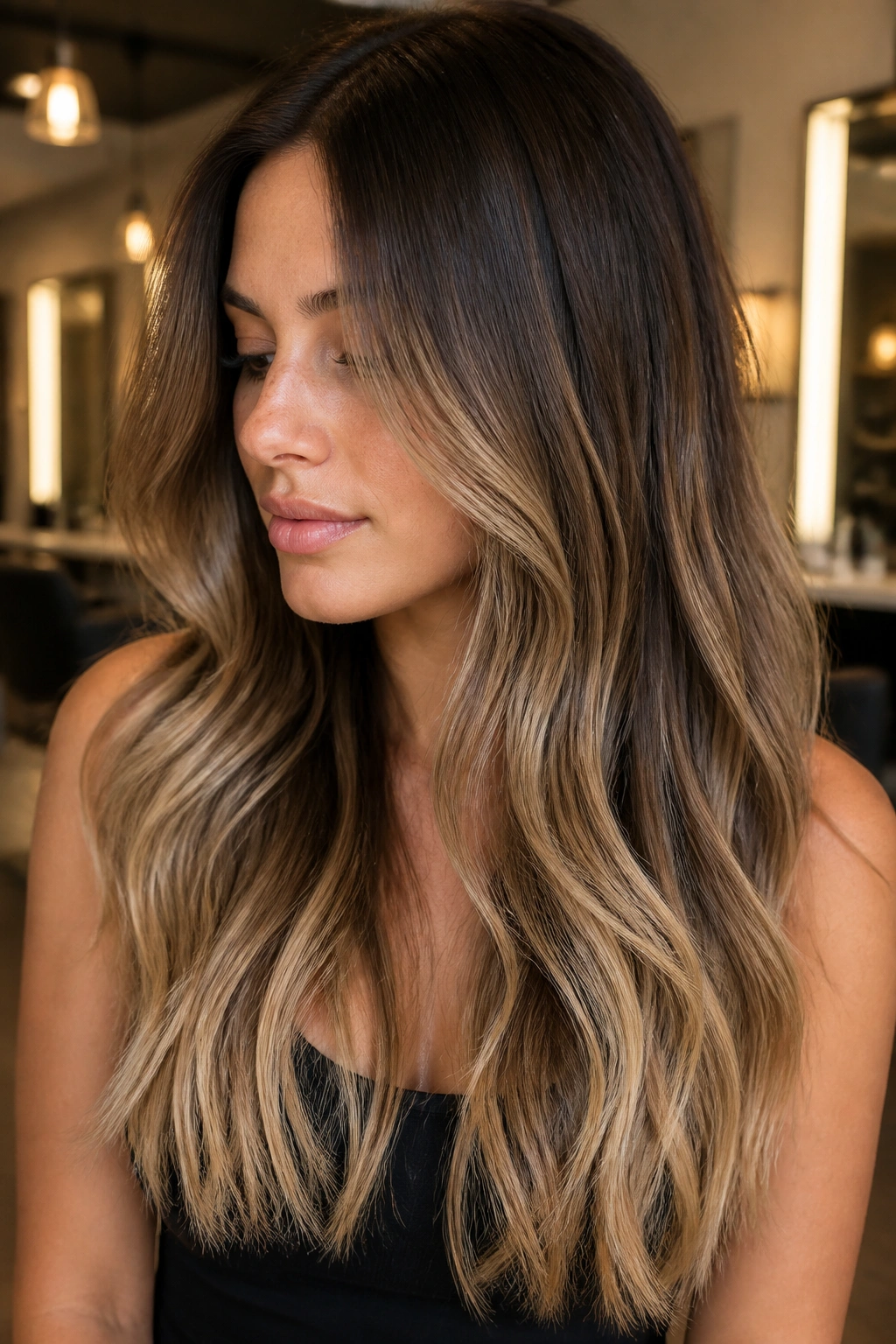
A bronde melt is the least fussy way to move brown hair toward brightness. The root stays brunette, the mids shift into neutral brown-blonde, and the ends land in a softer light zone. No obvious line. No hard stop.
Why It Works Better Than Stripey Highlights
A melt spreads the color change over a longer stretch of hair, so the grow-out line is less obvious. That’s one reason it suits people who do not want to sit in the salon every few weeks. It also gives long hair a smoother read, especially when the cut is blunt or the texture is straight.
- Root area stays darker for depth
- Mid-lengths carry the transition shade
- Ends get the brightest but softest tone
If you like lightness but hate obvious maintenance, this is the one to keep in mind. It looks polished without asking for constant upkeep.
16. Mahogany Lowlights for Glossy Richness
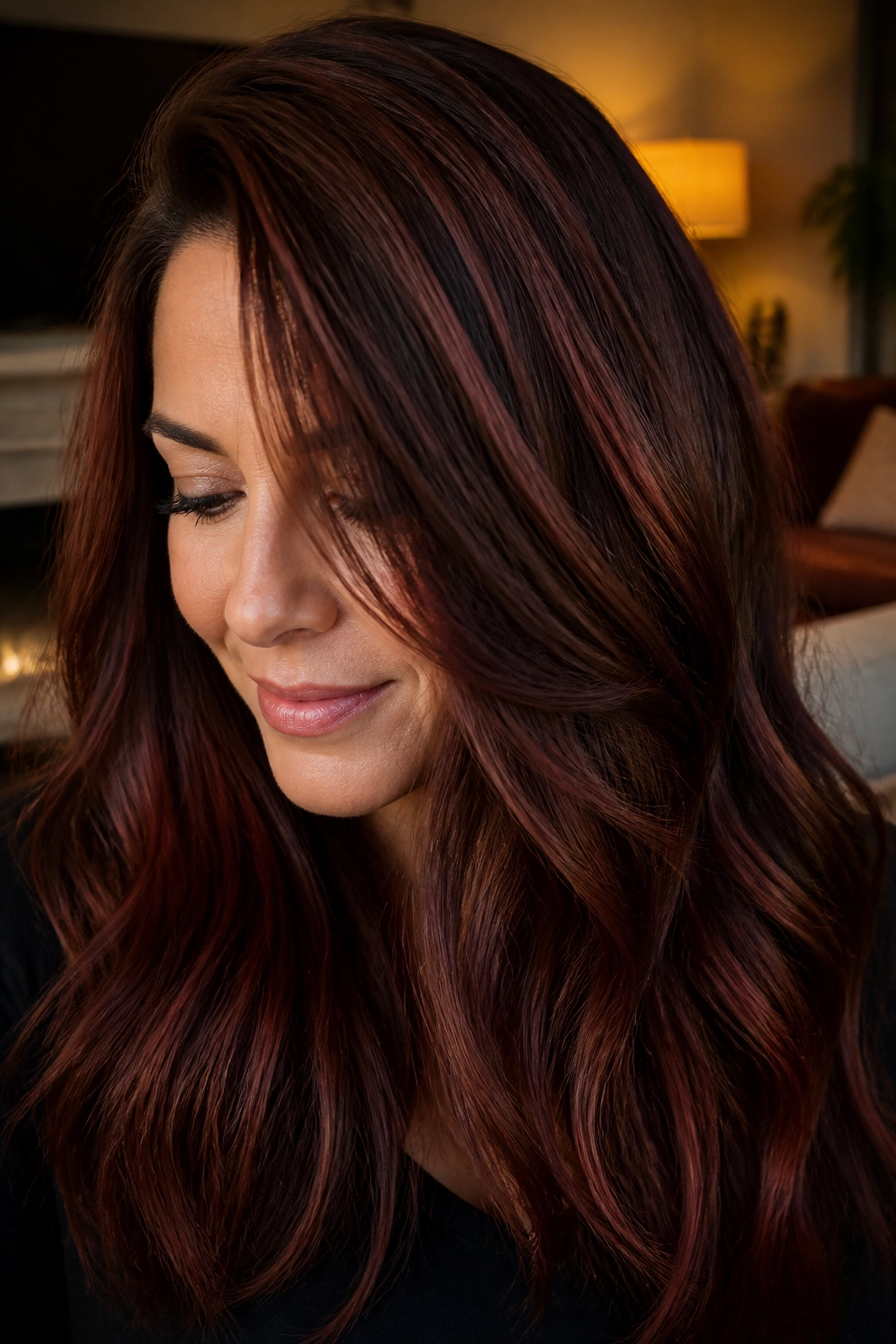
Mahogany lowlights do something a little sneaky: they make brown hair look richer by darkening selected pieces just enough to sharpen the contrast. The red-brown tone is deep, almost wine-like in some light, and it gives the whole head more body.
I like this especially on medium brown hair that has been lightened too much over time. Mahogany brings the color back down into a more luxurious lane. It also makes the hair look shinier because the darker pieces reflect light differently than the lighter ones around them.
Use it under the top layer and around the perimeter, not all over. That keeps the richness where the eye can catch it without making the hair look muddy. A few pieces go a long way here.
17. Golden-Amber Strokes on Warm Brown Hair
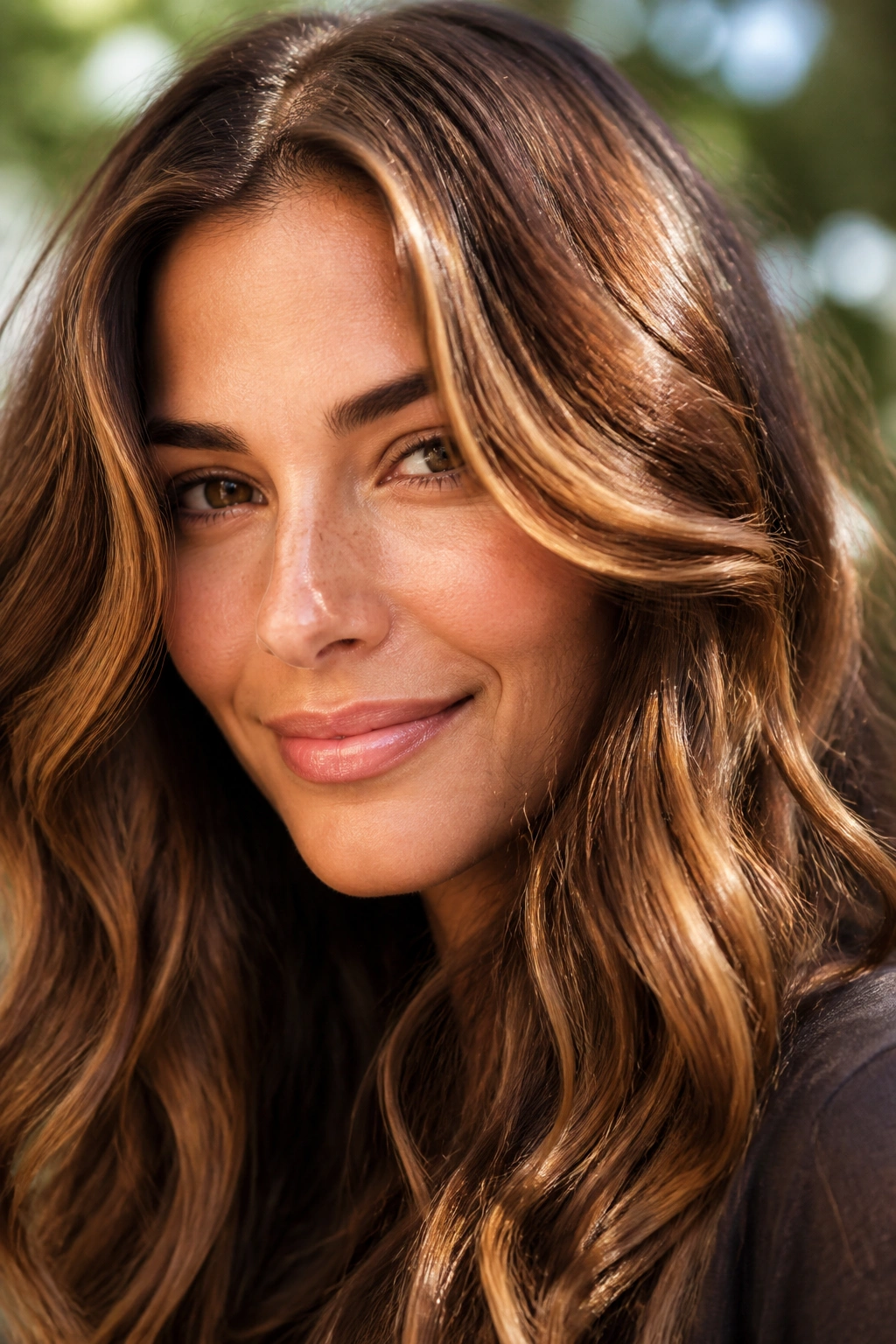
Can gold work on brown hair without looking loud? Yes, if it’s handled as amber instead of yellow. Golden-amber strokes add warmth and glow, but the tone needs to stay soft enough to blend with the base.
A good placement often starts around the temples and moves through the mids and ends in narrow, paint-on sections. That keeps the effect lifted near the face and more natural through the back. On wavy hair, the amber pieces flash as the hair moves. On curls, they sit in the bends and show up in little flashes of color.
What To Tell Your Colorist
- Keep the gold deep and buttery, not pale
- Let the root stay natural or slightly shadowed
- Focus the brightest pieces near the front and outer layer
This suits warm brown hair that already has a little chestnut or honey in it. It can look beautiful on olive skin too.
18. Subtle Contour Highlights Around the Haircut
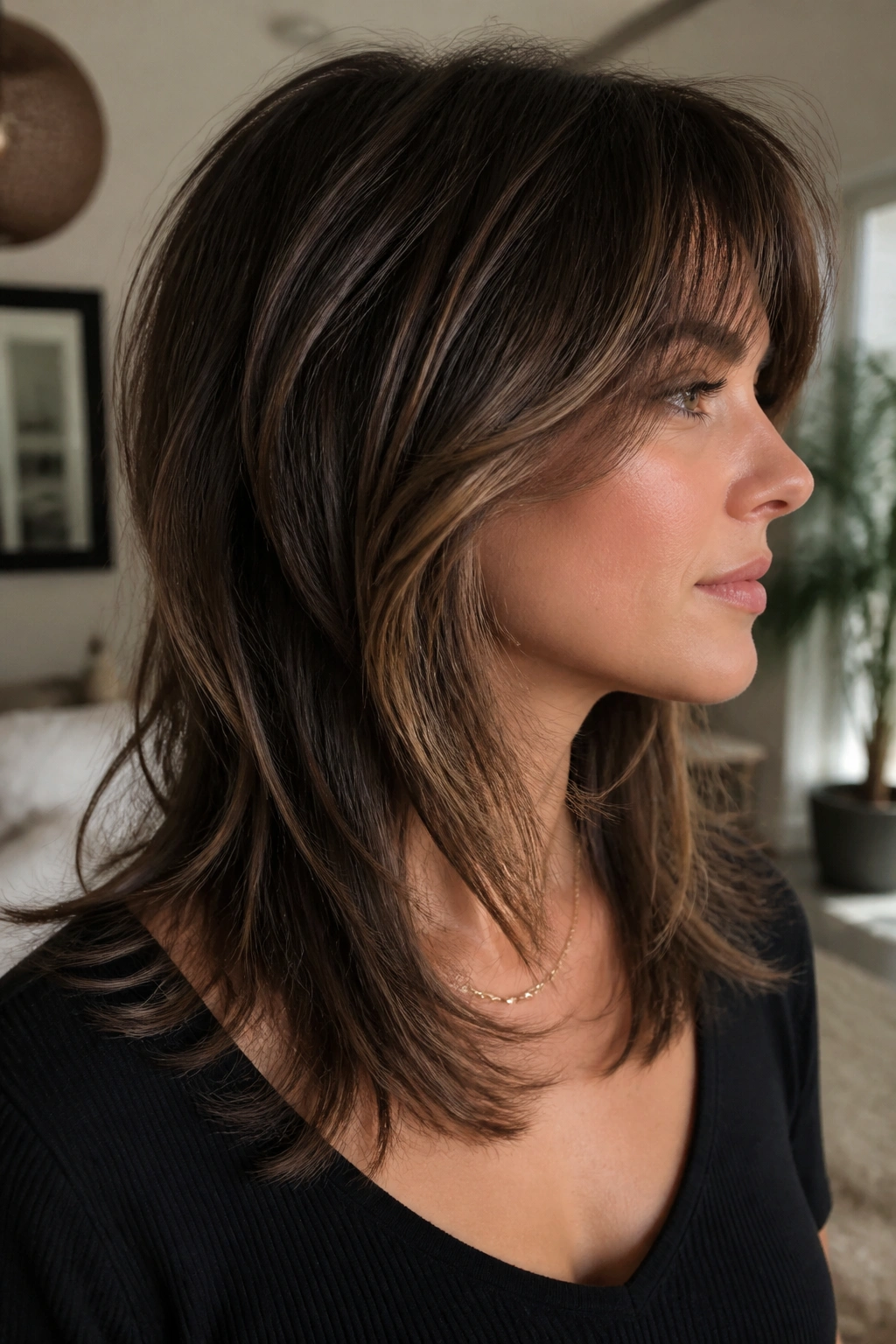
Contour highlights are basically face-framing color that follows the shape of the haircut. Instead of placing bright pieces everywhere, the colorist puts lighter strands where they support the cut: around the bangs, the cheekbones, the front layers, and the bend of the ends.
That makes the haircut do more of the work. A shag, curtain fringe, or layered lob looks sharper when the highlights trace the shape instead of ignoring it. Brown hair gets a little lift, and the cut suddenly feels more deliberate.
This is one of those ideas that looks simple until you see it on someone with a good cut. Then it makes perfect sense. The color guides the eye. The haircut keeps it there.
If you like a more tailored result than a loose balayage, contour highlights are worth considering.
19. Peekaboo Highlights Under the Top Layer
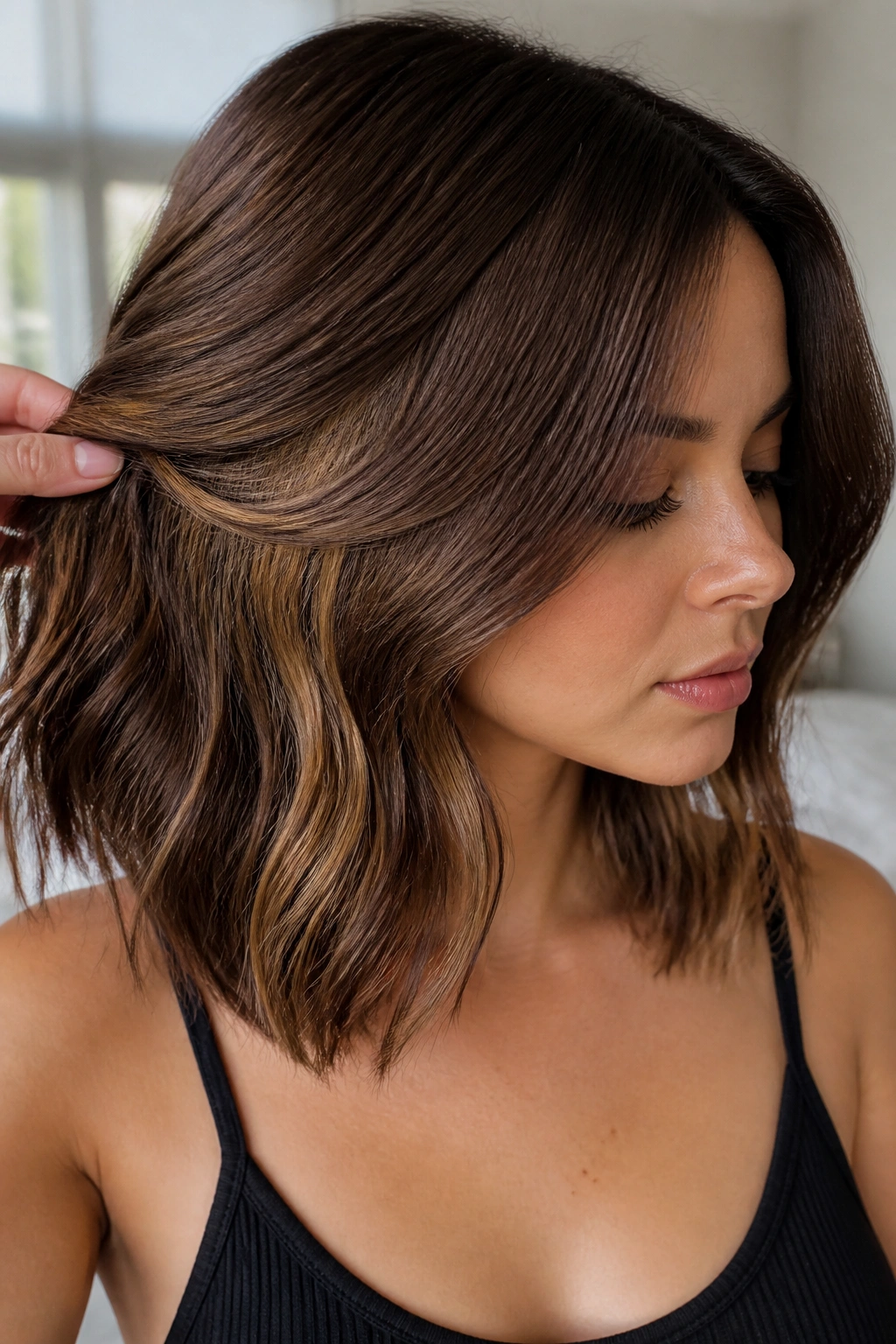
Peekaboo highlights are for the person who wants color with a little surprise. The lighter pieces sit beneath the top layer, so they only show when the hair moves, flips, or gets tucked back. Brown hair stays brown at rest. Then the lighter tone flashes out.
That hidden placement is part of the appeal. It keeps the look work-friendly and low-key, but still gives you dimension when the hair opens up. On shoulder-length cuts, peekaboo color can sit under the crown. On longer hair, it can run through the lower panels so it shows during waves and braids.
- Good for people easing into highlights
- Useful on thicker hair, where hidden panels still show
- Nice for creative color without constant visible upkeep
It’s playful, but not high-drama. And that matters if you want color that you control.
20. Toasted Almond Dimension for Medium Brunettes
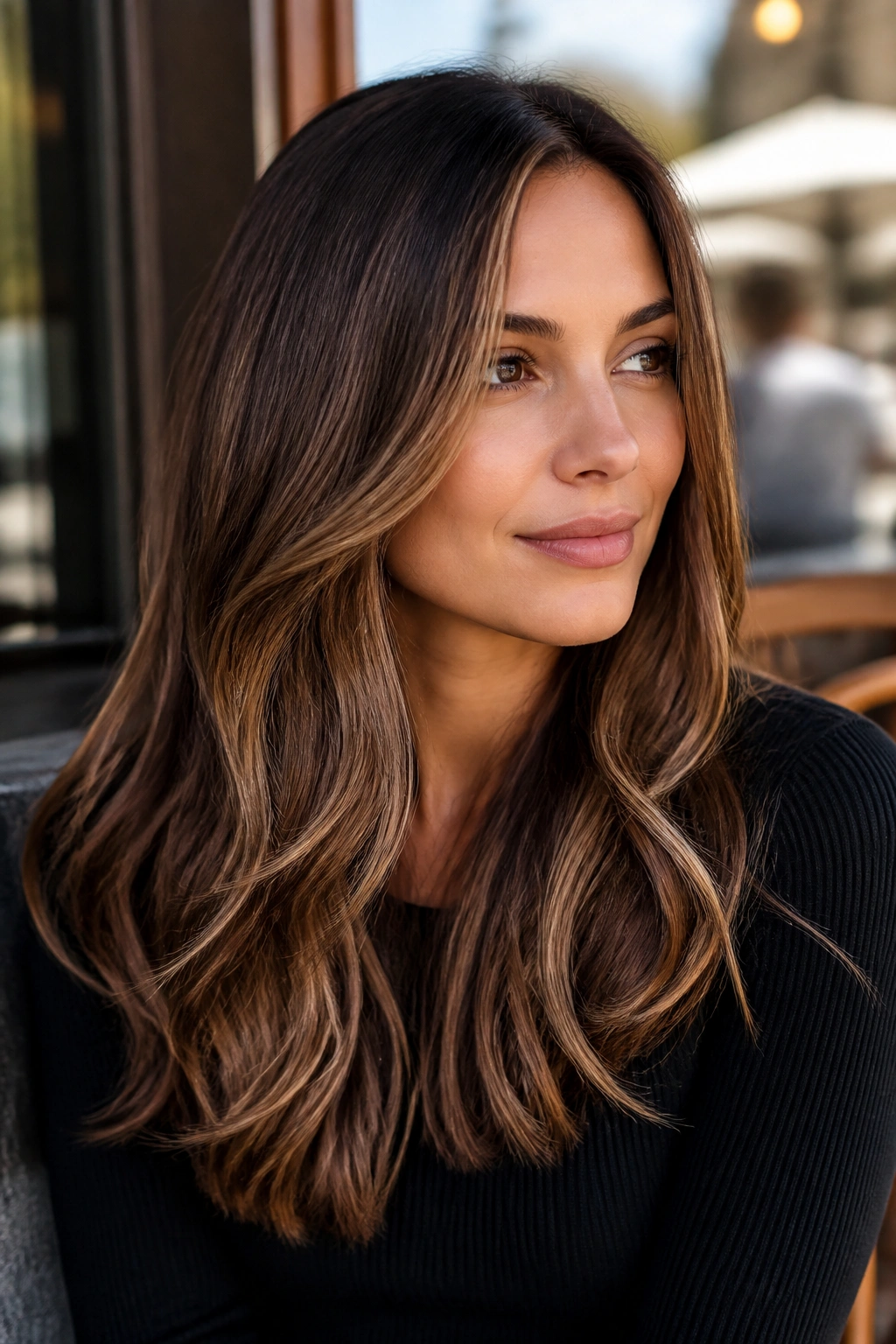
Toasted almond sits right between beige and warm brown, which makes it one of the easiest brunette highlight shades to wear. It adds lift without looking icy, and it adds warmth without turning copper.
Where It Lands Best
This shade usually looks strongest on medium brown hair with a neutral undertone. It can also soften a darker brunette base if the highlights are kept thin and scattered. On thicker hair, a few wider panels can keep the color from disappearing inside the density.
A soft almond tone works well around the face and through the lower half of the hair. It gives movement where the eye needs it most. If the hair is curly, the toasted note shows up in the bends and gives the shape a fuller read.
I’d choose this over a stronger blonde if you want a color that can live with you for a while. It’s easy on the eyes.
21. Walnut and Hazelnut Multi-Tone Color
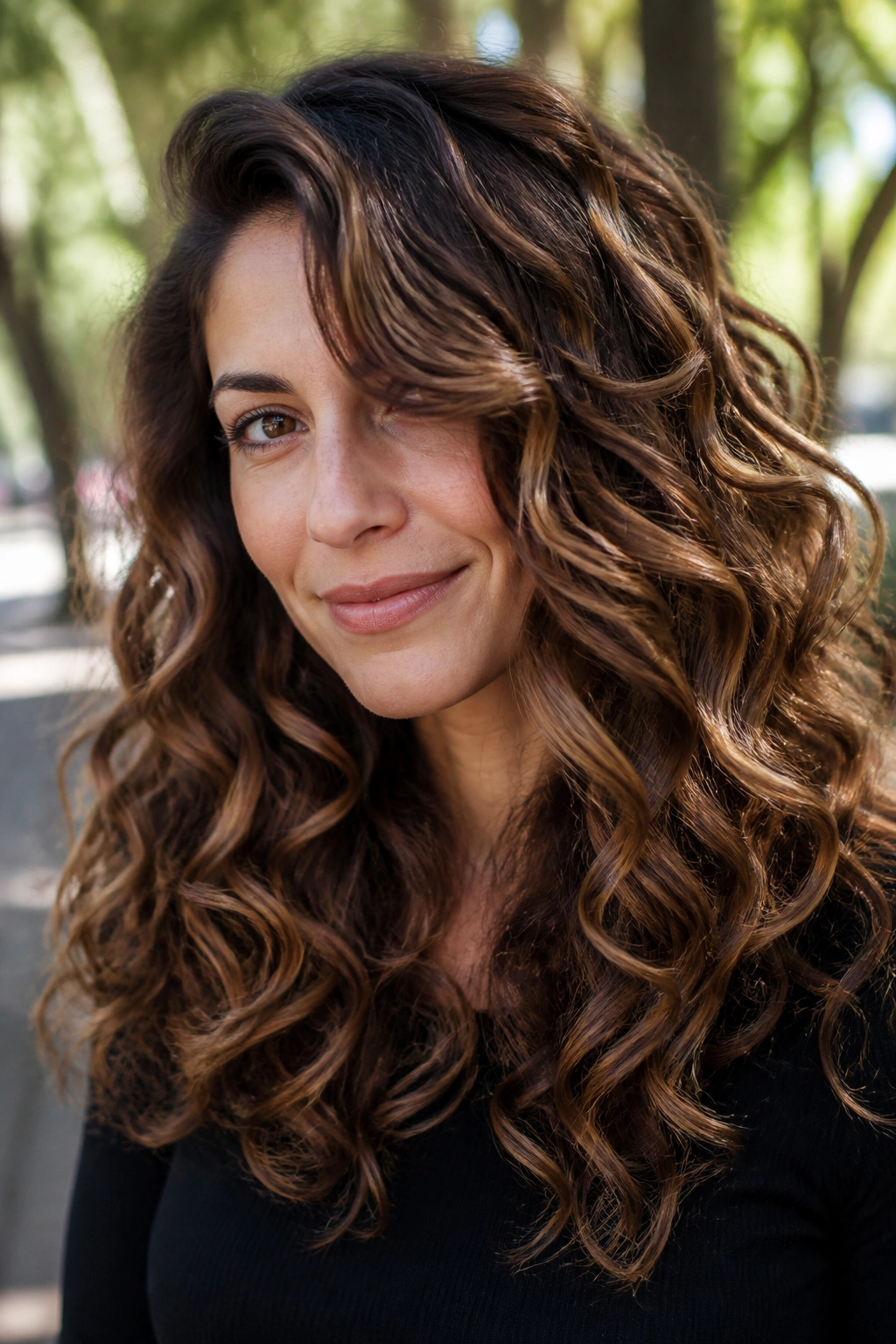
One-tone brown can look flat. Walnut and hazelnut pieces solve that by mixing two related shades instead of chasing one obvious highlight color. The result has depth, but it still feels anchored in brunette.
That multi-tone approach works especially well on curls and waves, where different pieces show up at different angles. A hazelnut ribbon can sit beside a deeper walnut strand, and suddenly the whole style has a little more movement. Not flash. Movement.
The smartest version usually keeps the darkest pieces near the interior and the lighter ones on the outer layers. That keeps the head of hair from looking busy from every angle. It also gives brown hair a richer finish in daylight and in softer indoor light.
If you like dimension but don’t want one highlight shade to dominate, this is an easy favorite.
22. Bronze Balayage for Thicker Hair
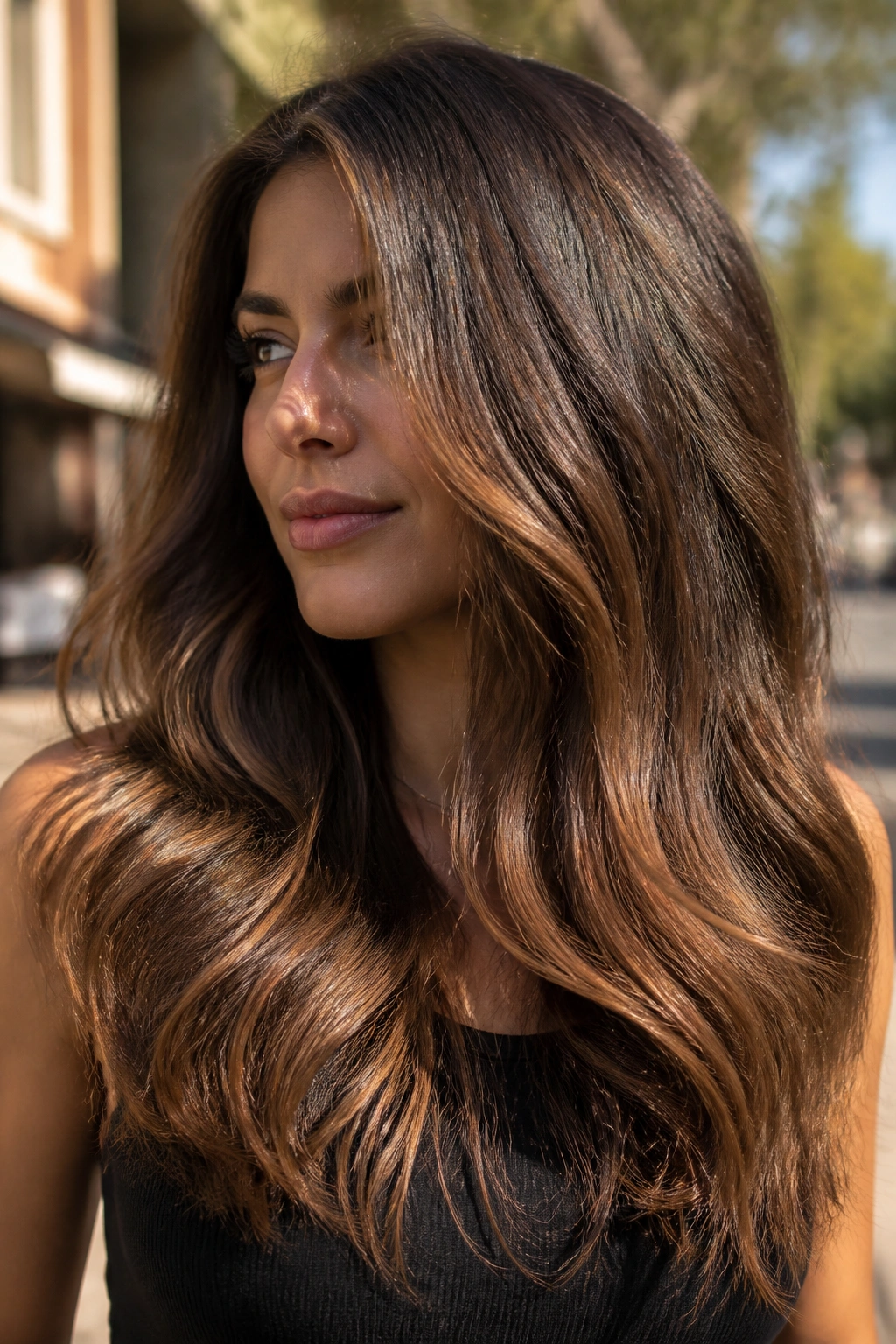
Bronze balayage looks especially good on thick hair because there is enough density to carry the warmth. Thin hair can lose the bronze effect if the pieces are too wide, but thicker strands have the body to hold it. The color reads polished and dimensional instead of streaky.
Why Thickness Helps
Bronze needs surface area. Wider painted sections show up better when the hair has plenty of mass, and the warm metallic tone reflects well on layered, voluminous cuts. A full head of thick brown hair can handle more contrast around the mids and ends without looking skimpy.
- Strong on long layers and voluminous blowouts
- Best when the bronze stays warm brown, not orange
- Looks especially good with soft waves and barrel curls
If your hair tends to swallow lighter pieces, bronze can wake it up. You just need enough of it to be seen.
23. Smoky Taupe Highlights for Cool-Toned Brunettes
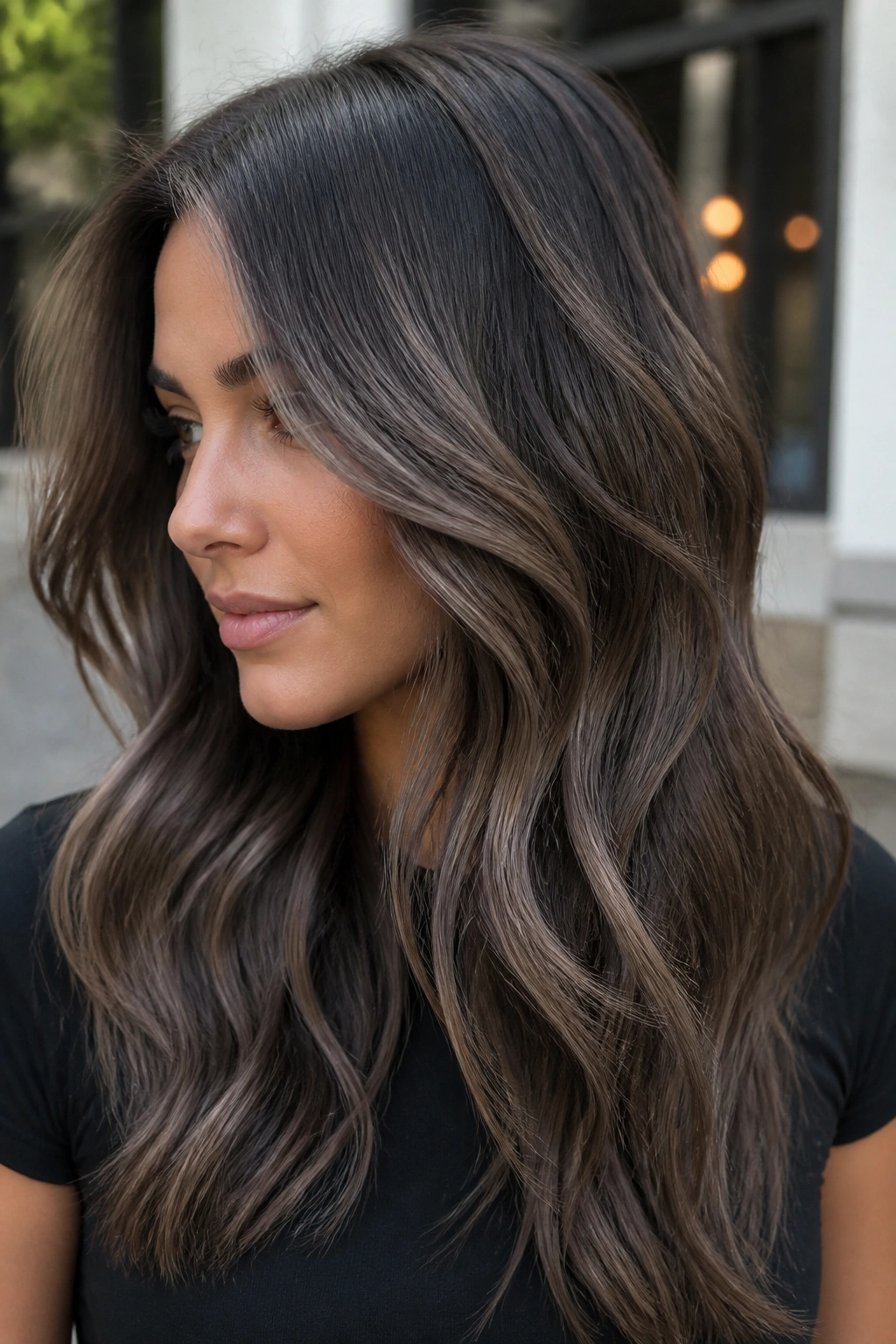
Smoky taupe is one of the cleanest ways to lighten cool brunette hair. It has a gray-beige softness that keeps the color from turning yellow, and it feels a little cooler than beige without getting flat.
A smoky taupe highlight works best when the lift is controlled and the toner stays muted. That combination keeps the result polished on straight hair and soft on waves. It’s a strong choice for people who wear cool-toned clothes and do not want their hair fighting the rest of the look.
The finish should feel airy, not dusty. That’s a fine line. Too much ash can make the hair look tired, while the right amount gives brown hair a sleek, calm shine. If your natural base already leans cool, this shade can be a very clean match.
24. Soft Copper Strands for Richer Depth
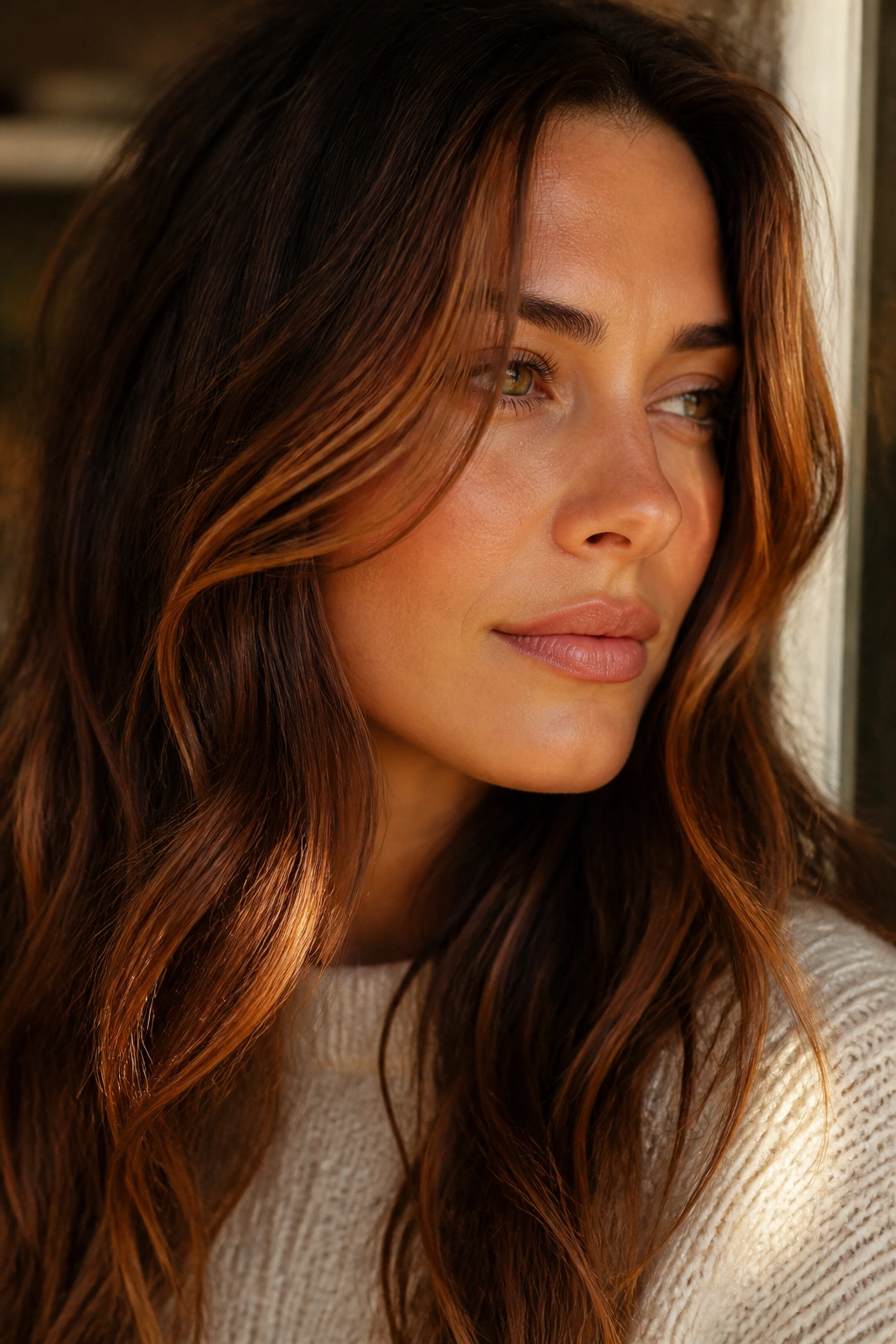
Can copper still read brunette? Absolutely, if it stays soft. Narrow copper strands through brown hair add warmth and a little energy without making the color look redhead-bright.
The trick is to keep the copper deep enough that it blends with the base. A lighter copper would jump out. A soft copper sits inside the brown and gives it a warm glow instead. This works especially well on medium brown hair and layered cuts, where the color can show in pieces instead of one big block.
How To Wear It Well
Keep the copper focused around the face and on the outer layer. Let the interior stay darker. That gives the hair depth and keeps the warm tone from overpowering the whole head.
It’s a nice choice if your skin has golden or peach undertones. The color can make brown hair look lively without needing much styling.
25. Reverse Balayage to Soften Grown-Out Color
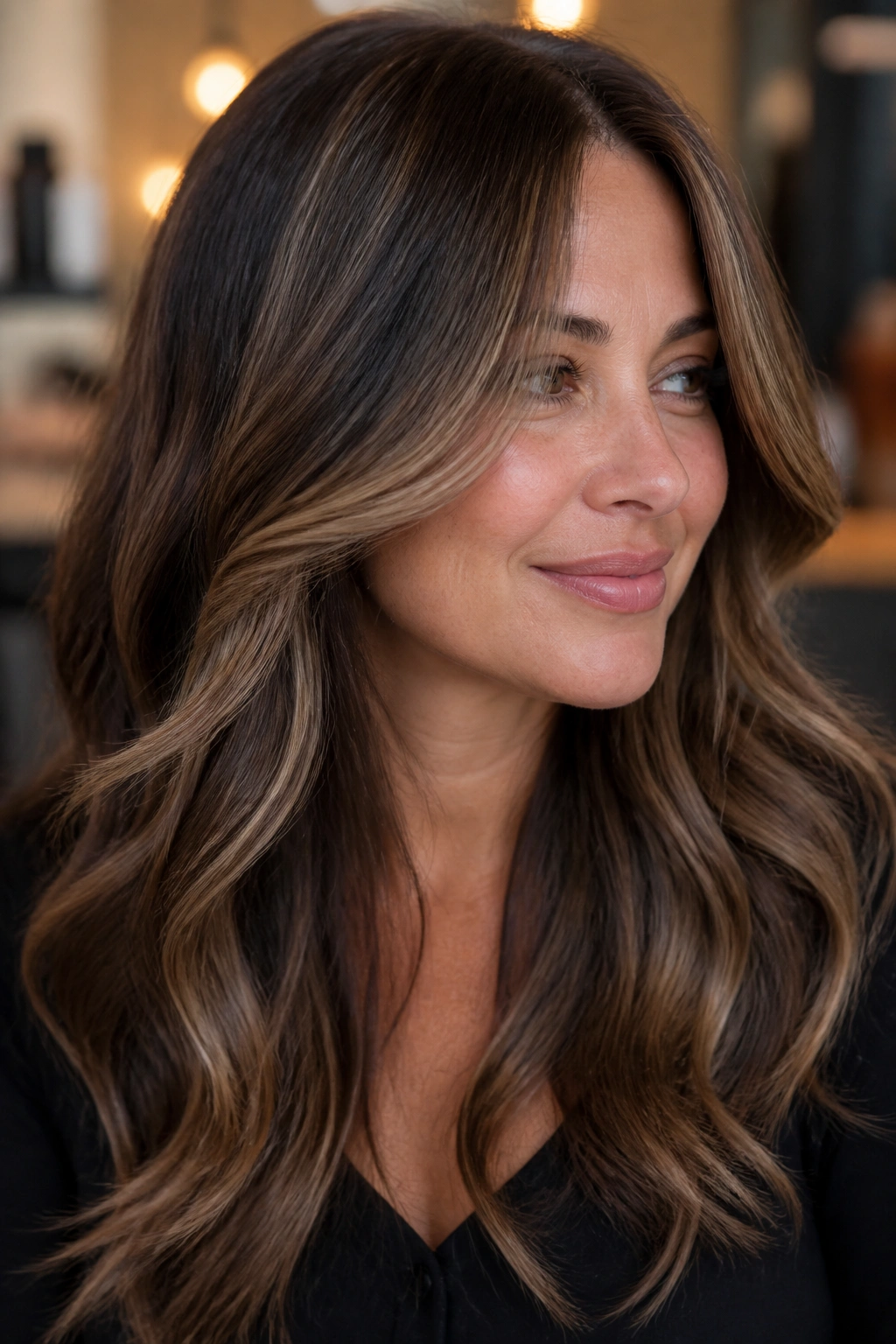
Sometimes the best fix for too much lightness is adding darker color back in. Reverse balayage does exactly that. It places brunette ribbons into lighter or over-highlighted hair so the whole thing looks more grounded and blended.
This is especially useful when brown hair has become too blonde at the ends or too flat from repeated lightening. The darker ribbons restore shape, and the contrast makes the existing highlights look more intentional. It’s a correction move, but a stylish one.
The placement usually starts through the mids and lower lengths, with the lightest pieces left around the face and ends. That keeps the hair from going muddy. It also gives you a softer grow-out than another round of strong lightening would.
If your color feels a little fried or overworked, reverse balayage can be a relief.
26. Ash Mocha Ribbons for Straight Hair
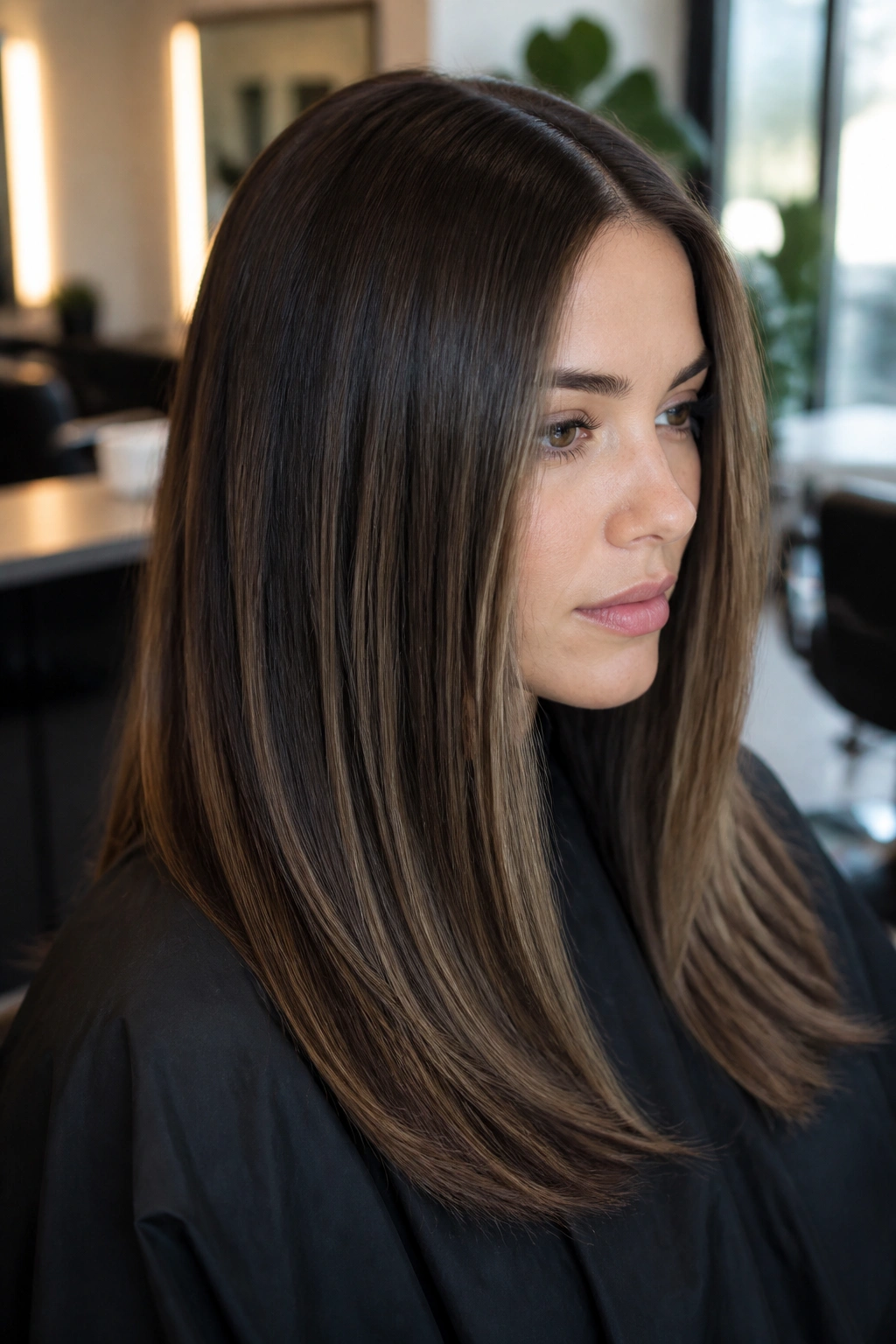
Straight hair shows everything. Every line. Every tone shift. That’s why ash mocha ribbons work so well here—they add movement without shouting. The cool mocha tone stays close to brown, so the hair still reads as brunette from a distance.
Why Straight Hair Likes This Shade
Because the texture is smooth, even subtle ribbons stand out. A few 1/4-inch sections painted through the top layer can create enough variation to keep the color from looking flat. The ash tone also helps the finish stay clean if your base color pulls warm.
I’d keep the ribbons a little wider near the ends and finer near the crown. That keeps the top from looking stripey. It also helps the style grow out in a softer way, which matters when the cut is blunt or long and sleek.
This is one of the better options if you want a low-drama brunette with a sharper finish.
27. Dimensional Waves with Alternating Lowlights
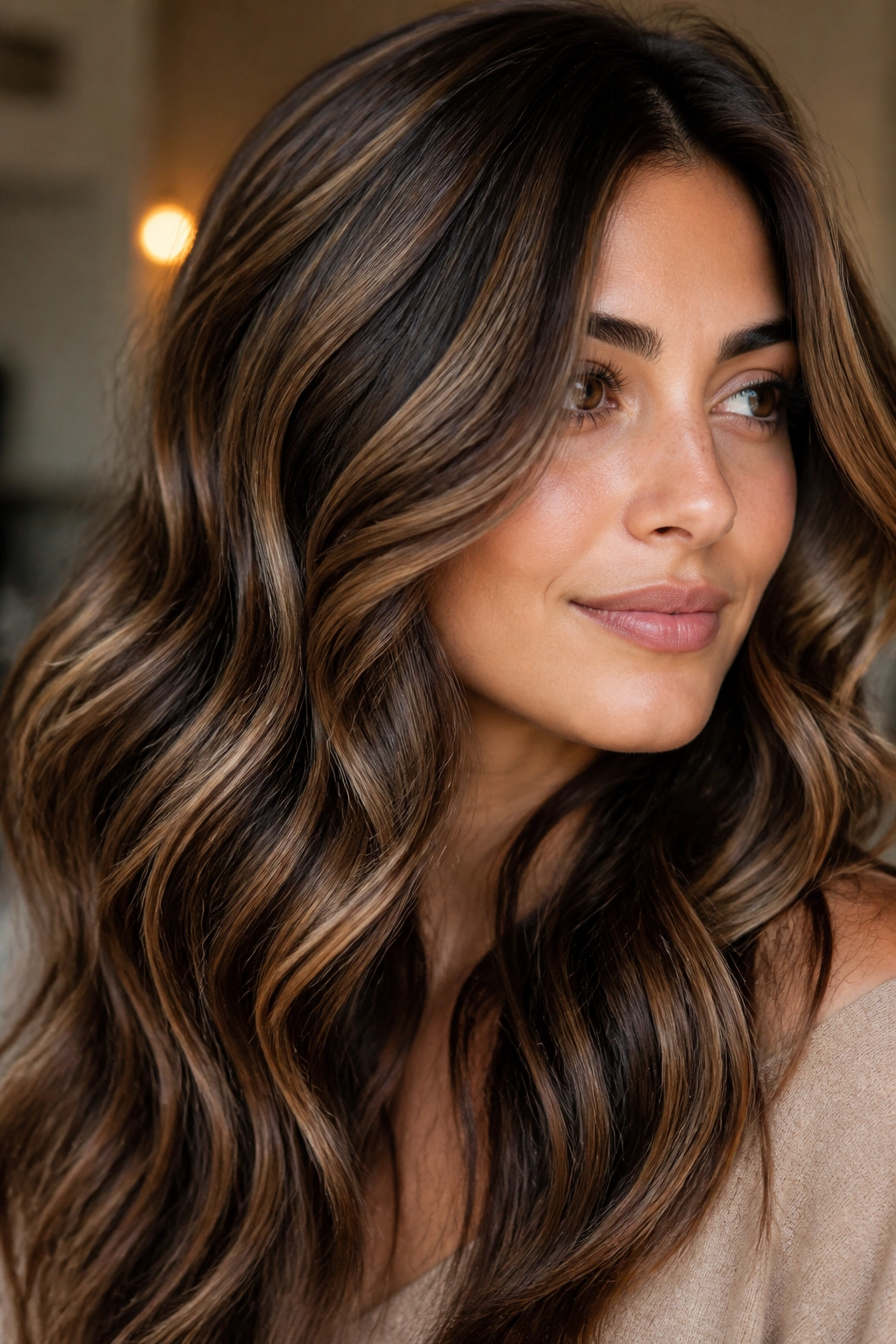
Waves do not need more blonde to look dimensional. Sometimes they need darker pieces in between the lighter ones. Alternating lowlights and highlights create a rhythm in the hair, and the bends of the wave do the rest.
That back-and-forth pattern makes the hair look thicker, especially around the mid-lengths and ends. It also gives brown hair a more natural, sun-worn feel than a single tone ever could. The effect is strongest when the pieces are painted to follow the wave pattern instead of fighting it.
A good colorist will keep the darker strands just deep enough to separate the lighter ones. Too much contrast and the hair can look chopped up. Too little, and the dimension disappears. The sweet spot is somewhere in the middle, where the waves catch both tones as they move.
28. Glossed Brunette Highlights for Shine-First Color
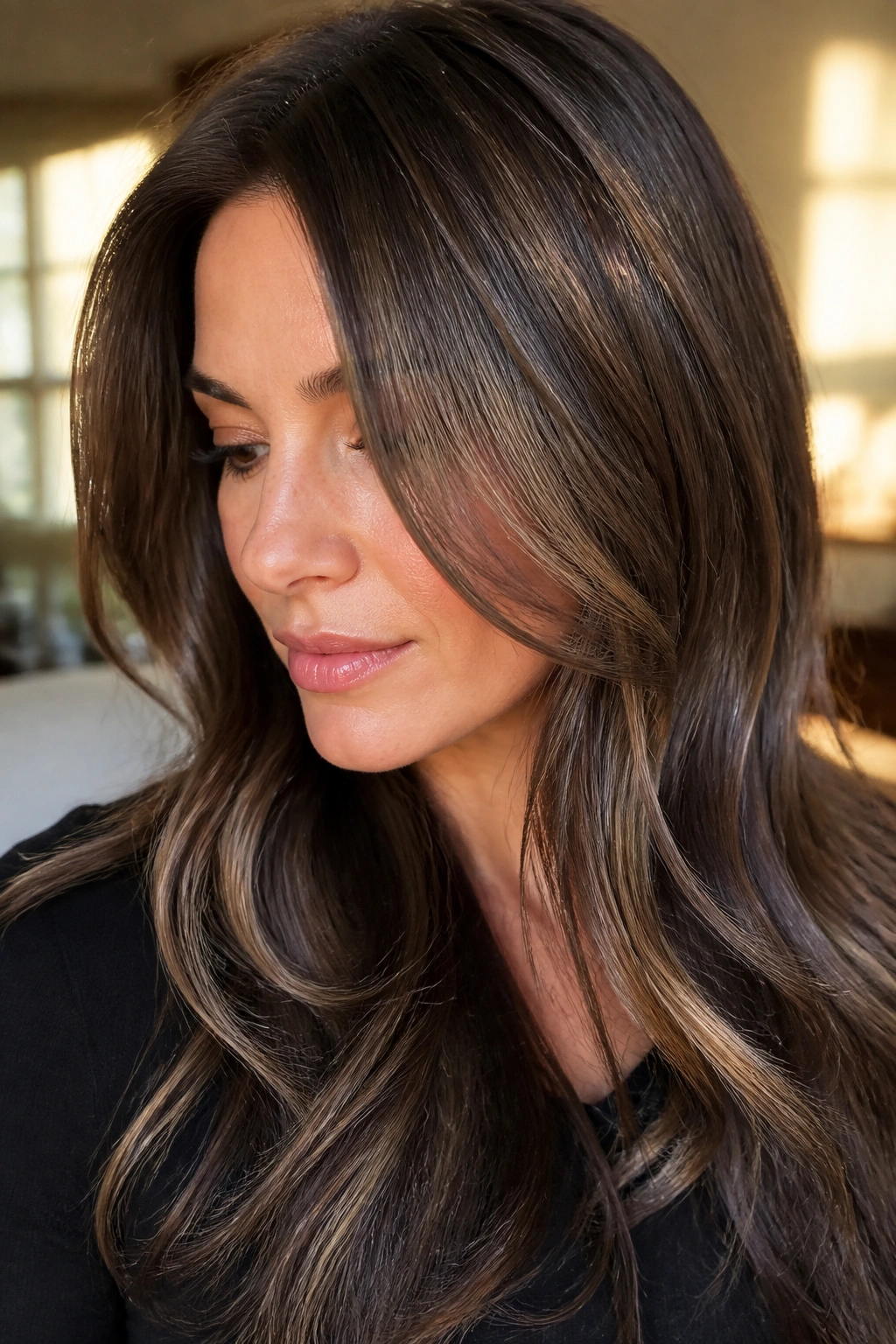
Sometimes the smartest brunette highlight choice is the one that finishes with gloss. A tinted glaze pulls all the pieces together, smooths the tone, and gives brown hair that wet-looking shine people chase in salon ads but rarely get at home.
This works on almost every brunette base, but it shines most when the highlights already have a soft placement. The gloss settles the tone so the lighter pieces do not look rough or over-processed. If your hair has been lightened more than once, that final glaze can make a bigger difference than another round of foils.
Bring a daylight photo and an indoor photo to your color appointment. Brown hair changes a lot between the two, and a gloss that looks perfect in one setting can look too warm or too cool in the other. That small bit of planning saves a lot of disappointment later.
