



Chestnut brown can look expensive on cool skin tones, but only when the warmth is kept on a short leash. If your skin leans pink, rosy, blue, or even neutral-cool, the wrong chestnut turns brassy fast. The right one? It makes your eyes look clearer and your complexion look calmer, which is a nicer result than the usual “I dyed it brown and hoped for the best” situation.
The trick is not chasing the deepest brown or the reddest chestnut. It’s choosing shades that lean ash, mocha, mushroom, plum, graphite, or beige-brown, because those undertones sit better beside cool coloring. A little depth helps. Too much copper does not. And if you have ever looked in a mirror under bathroom lighting and thought, Why does this brown look orange? — yes, that is the problem.
I like chestnut for cool skin because it gives you richness without flattening everything out. You get shine. You get softness. You get dimension. The good versions look polished in daylight and steady under indoor light, which is harder to pull off than people think.
1. Ash Chestnut Melt
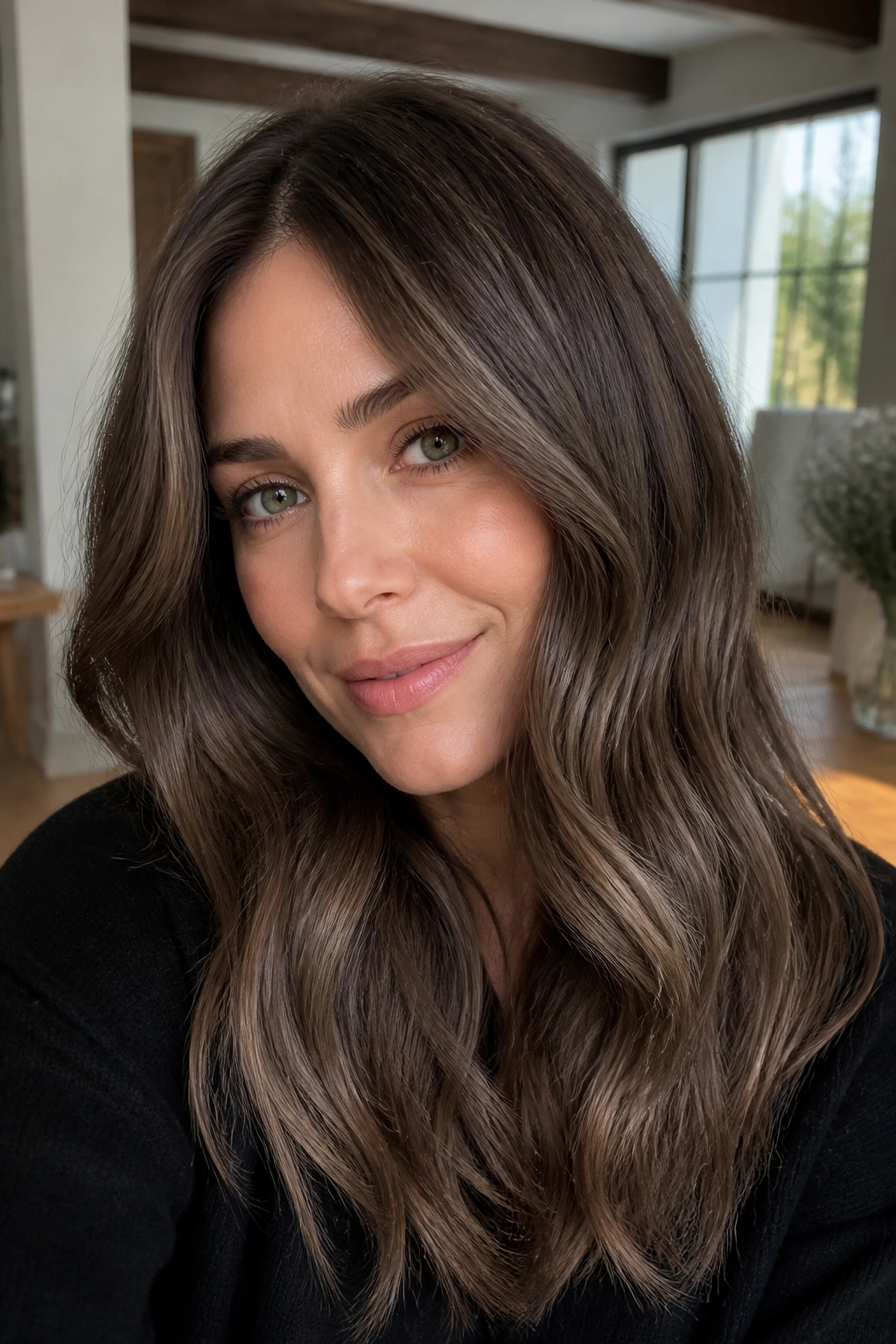
Ash chestnut is the safest place to start if your skin runs cool and you do not want a color that shouts. The shade sits between brown and soft charcoal, with just enough chestnut warmth to keep it from looking flat. It reads expensive without trying too hard.
Why It Works
The ash tone keeps the chestnut from turning coppery. Ask for a level 5 or 6 base with smoky, cool-toned gloss through the mids and ends. That keeps the hair from fighting pink or blue undertones in the skin.
Best for: medium to fair cool skin, especially if you wear silver jewelry more than gold.
- Request a muted brown base.
- Add a cool gloss, not a golden one.
- Keep the roots slightly deeper for softness.
Pro tip: this shade looks best when the finish is glossy, not matte.
2. Mushroom Chestnut Bob
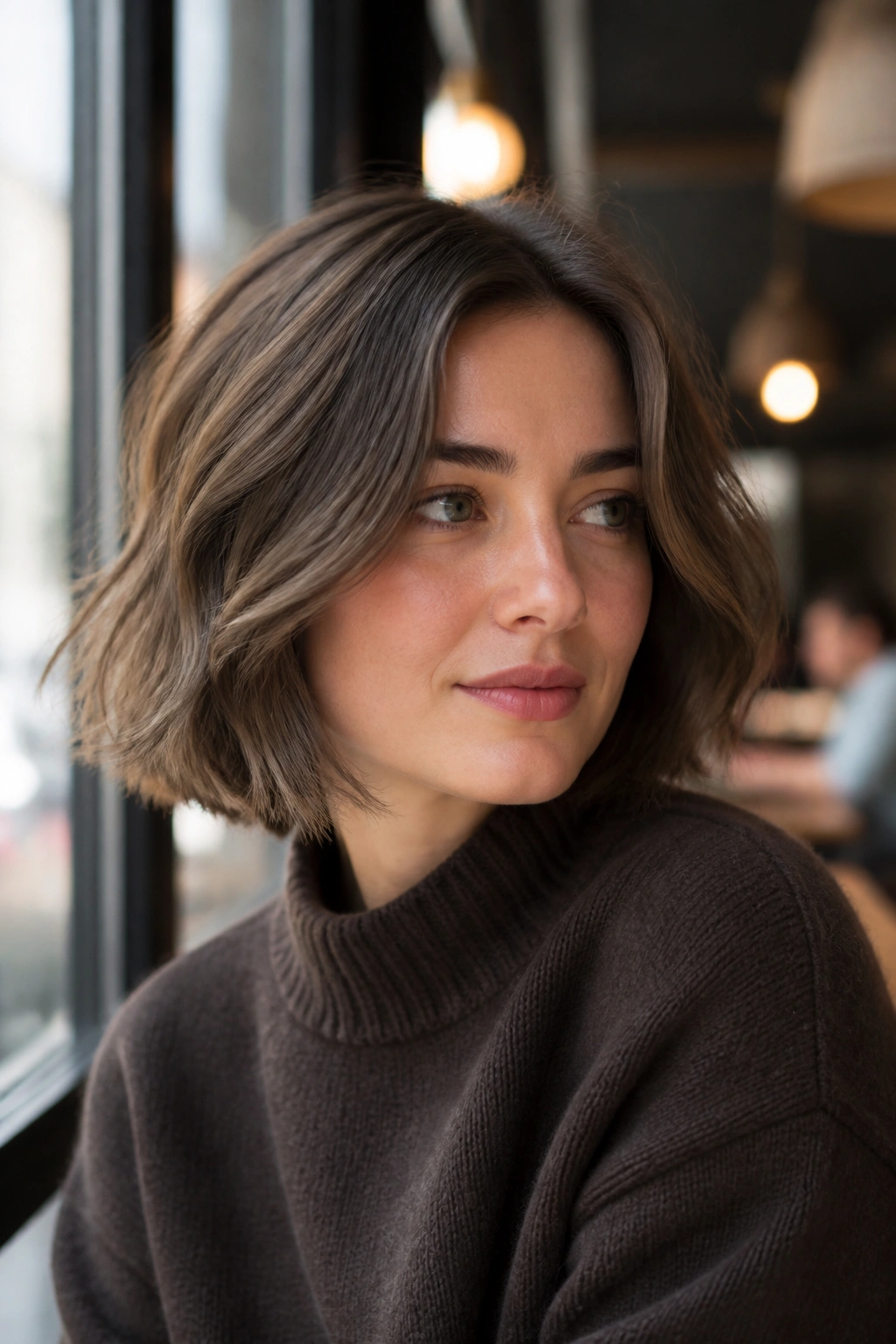
Mushroom chestnut is the shade I reach for when someone wants brown hair that feels soft, not heavy. It has that earthy, cool-beige thing going on, which makes it a very easy match for cool skin tones. On a bob, it looks neat and modern without turning severe.
The cut matters here. A blunt bob makes the color feel cleaner, while a softly layered bob keeps the mushroom tones from looking too dense around the jaw. If your hair is fine, this is one of those colors that gives the illusion of thickness because the shades shift gently from root to tip.
What Makes It Different
Unlike a warmer chestnut, mushroom chestnut does not pull red in sunlight. It stays muted. That is the whole point.
Use a soft wave or tuck one side behind the ear. Straight and glossy can work too, but the slight bend helps show the smoky beige notes that make the color interesting.
3. Smoky Chestnut Balayage
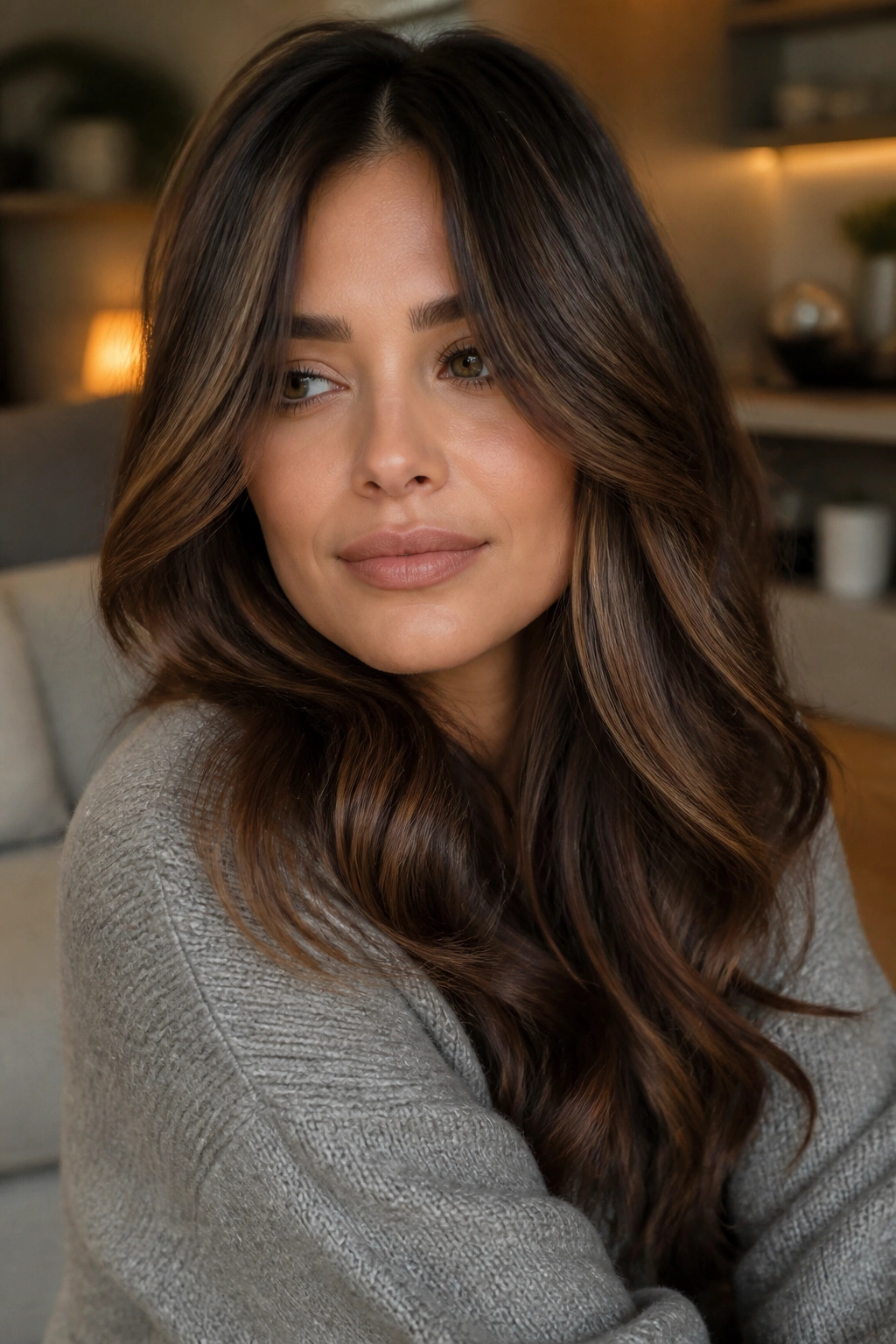
Can chestnut balayage look cool enough for blue or pink undertones? Yes, if the ribbons are kept smoky and the base stays neutral. This version is less about obvious highlights and more about soft movement that only shows when the light hits.
Balayage works well here because you can keep the brightest pieces away from the front if you do not want too much contrast. I prefer chestnut balayage on medium brown bases, where the hand-painted pieces melt instead of stripe. It gives a lived-in look without going blonde.
How to Wear It
- Ask for cool brown ribbons, not caramel.
- Keep the lightest pieces around the mid-lengths.
- Style with loose waves to show the tonal shift.
It is a good choice if you like dimension but hate obvious streaks. Very different things.
4. Cocoa Chestnut Gloss
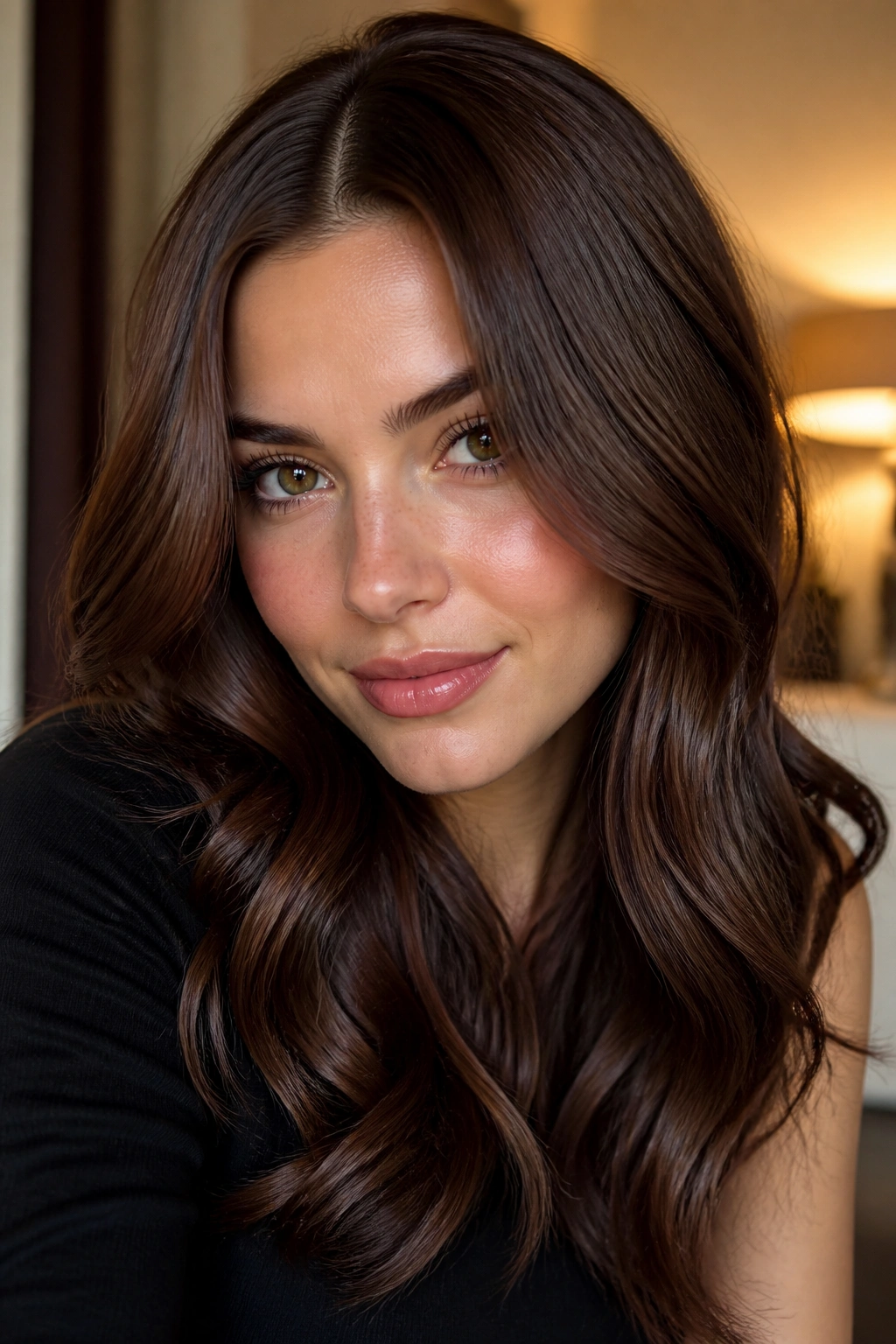
This is the low-drama option, and I mean that as praise. Cocoa chestnut gloss deepens brown hair with a soft chestnut tint that shines in indoor light and stays calm in daylight. If your hair is already close to brunette, a gloss can do more than a full dye job with less stress on the hair shaft.
I like this for people whose hair has been lightened before and needs a reset. The gloss adds uniformity, tones out weird orange patches, and makes the whole head look smoother. It is also a smart move if you want color that fades gracefully instead of growing out in a hard line.
A round brush blowout makes this shade look almost liquid. Flat, dull styling? Not nearly as good. It needs movement, even if it is only a little.
5. Espresso-Chestnut Shadow Root
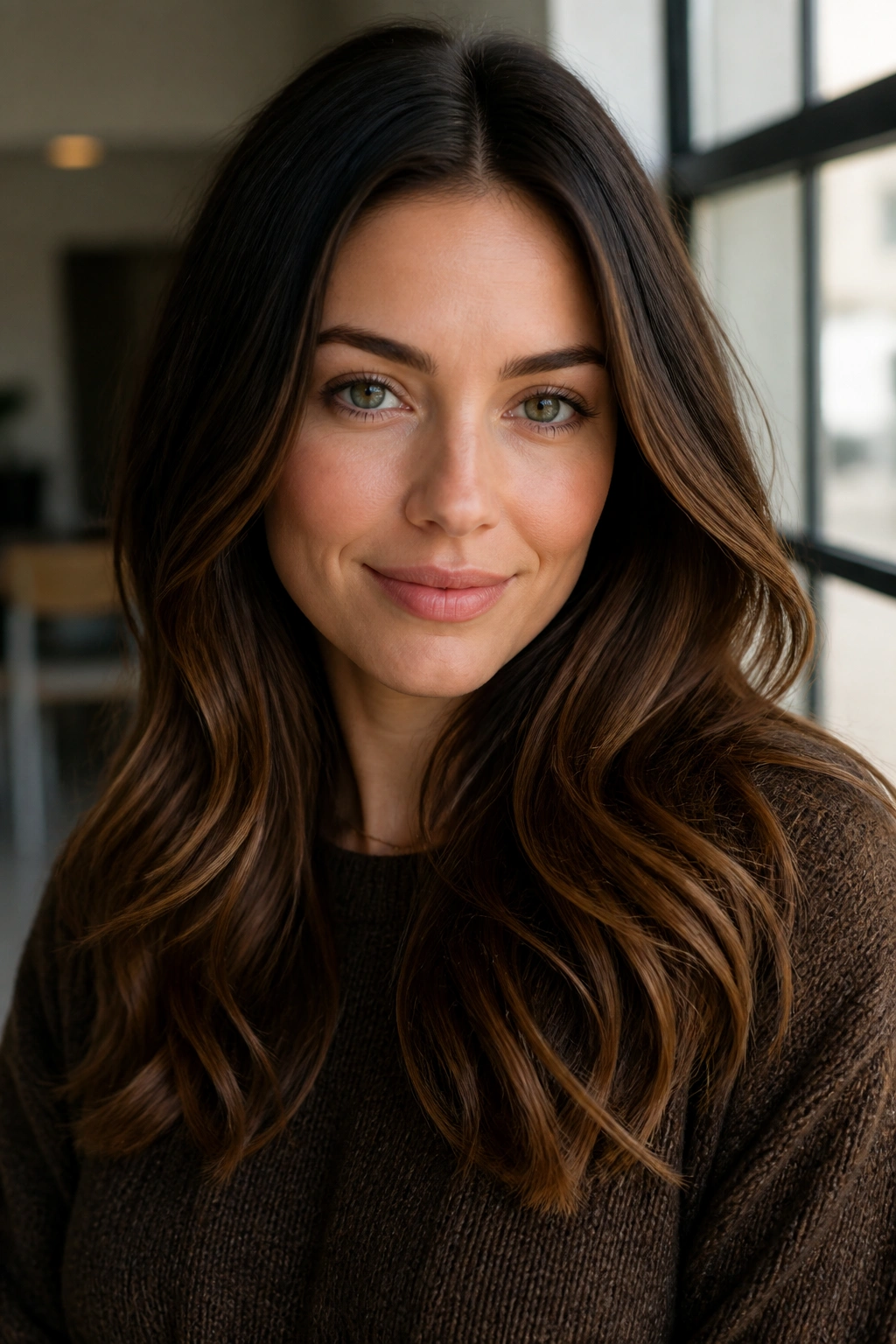
An espresso root with chestnut lengths is one of the cleanest ways to wear brunette color on cool skin. The root shadow creates depth near the scalp, then the chestnut comes forward through the mids and ends so the color does not read as one flat block.
I like this shade on long hair because it gives you that expensive, grown-out look without looking neglected. There is a difference. The root stays cool and rich, while the ends soften into brown chestnut warmth that flatters the face instead of sitting on top of it.
Best for
If your hair grows fast, this is practical. If you hate seeing a hard line at the part, even better.
A few soft layers help the color move. So does a center part. It lets the shadow root look intentional instead of heavy.
6. Chestnut With Silver Ribbon Lights
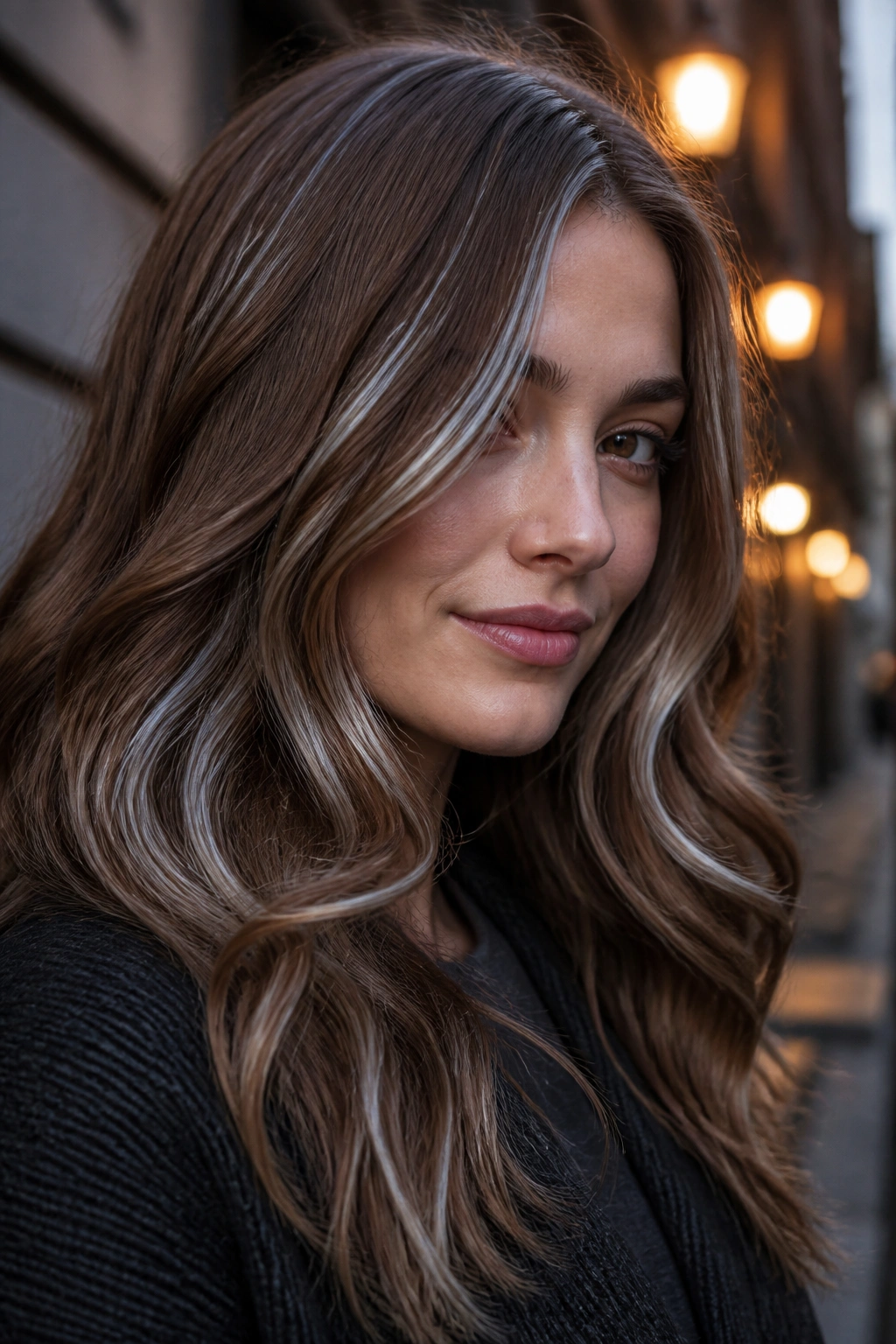
Silver ribbon lights are for people who want contrast without heading into blonde territory. The thin, cool-toned highlights sit inside the chestnut base like fine threads, and they give the color a crisp edge that works beautifully on cool skin. You get brightness, but it is icy brightness, not sunshine brightness.
This looks especially good on straight hair or loose bends, because the ribbons catch different angles without taking over the whole head. Keep them narrow. Thick ribbons can start to look chunky, and that ruins the effect.
What to Ask For
- Fine, cool blonde foils toned silvery.
- A brown chestnut base with low contrast.
- Soft placement around the face and crown.
One smart move: ask your colorist to leave some darker panels in place. The contrast makes the silver pop without making the brown look washed out.
7. Plum-Kissed Chestnut Brown
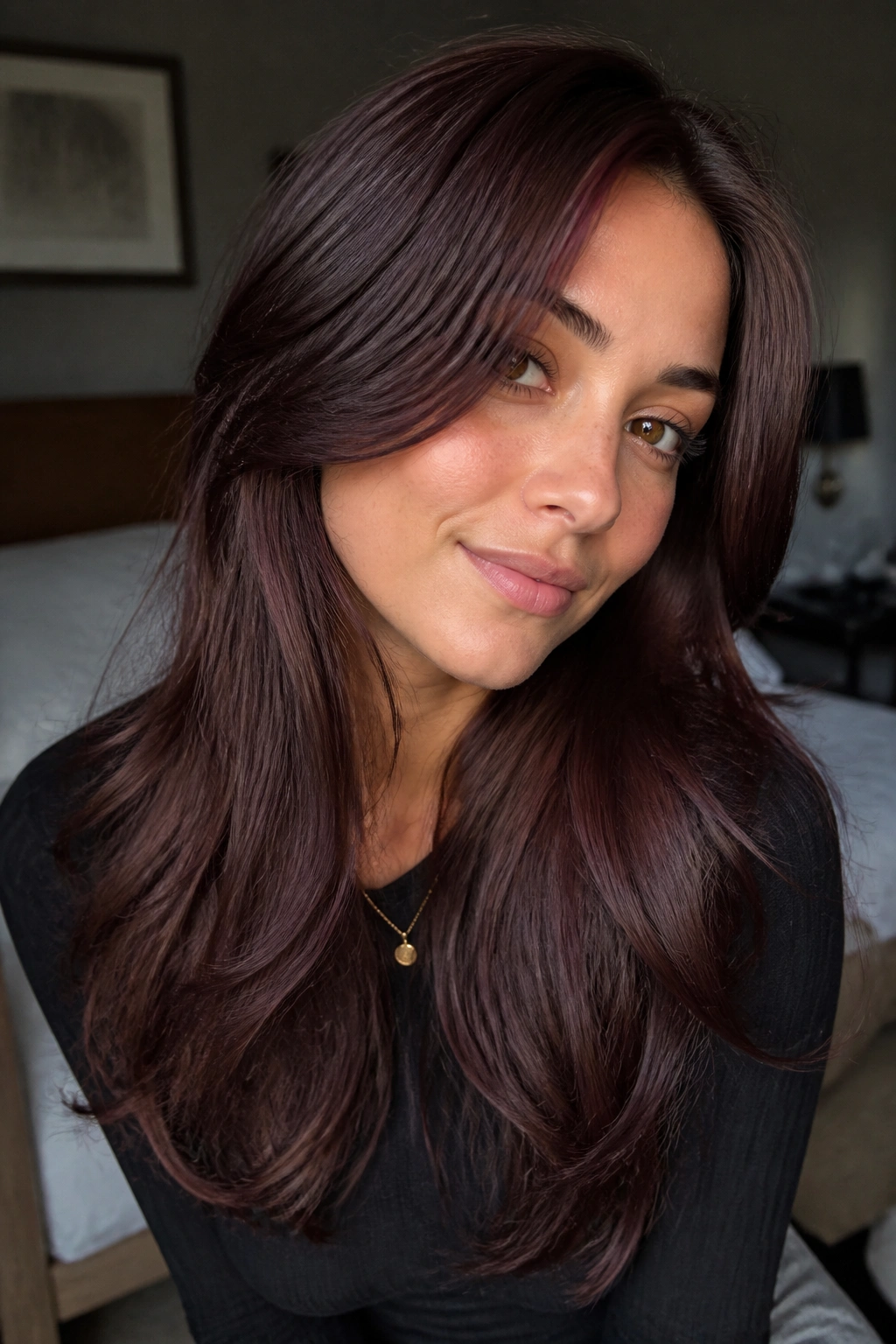
Plum-kissed chestnut is one of those shades that sounds dramatic and ends up being surprisingly wearable. The violet note cools the overall effect, which helps if your skin goes pink in bright light or flushes easily. It also keeps the chestnut from drifting orange.
I like this shade most on medium-depth brunettes. It is rich, but not heavy. A plum glaze over chestnut brown gives the hair a soft berry cast indoors, then settles back into a deep brunette outside. That shift is the fun part.
If you want to wear it without committing to a loud color, keep the plum subtle and ask for a brown base with violet-brown gloss. It is prettier than it sounds. Cleaner too.
8. Chestnut Money Pieces on a Deep Brunette Base
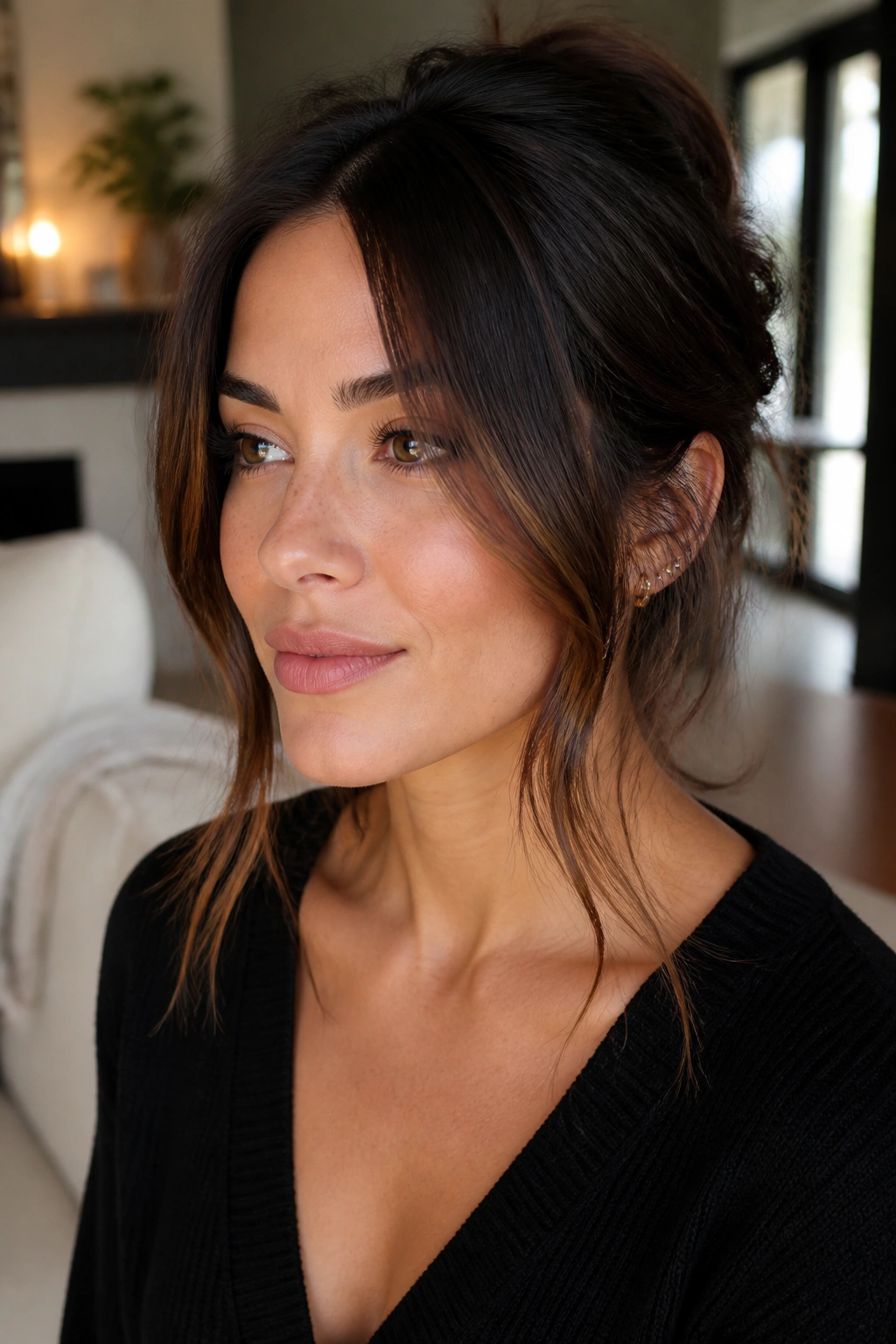
Money pieces can be annoying when they are too bright. These are not that. On cool skin tones, chestnut money pieces work best when they are barely lighter than the base and lean smoky, not golden. They frame the face without making the whole look high-contrast.
This is a smart option if you wear your hair up a lot. A bun or claw clip still shows the color around the face, which gives you payoff even on lazy days. And yes, lazy days matter.
Why This Placement Works
The eye goes straight to the front, so keep those pieces soft and slightly muted. You want a lift, not a streak.
This is especially flattering on oval and heart-shaped faces, where face-framing color can soften the cheek line without adding heaviness at the jaw.
9. Beige Chestnut Lob
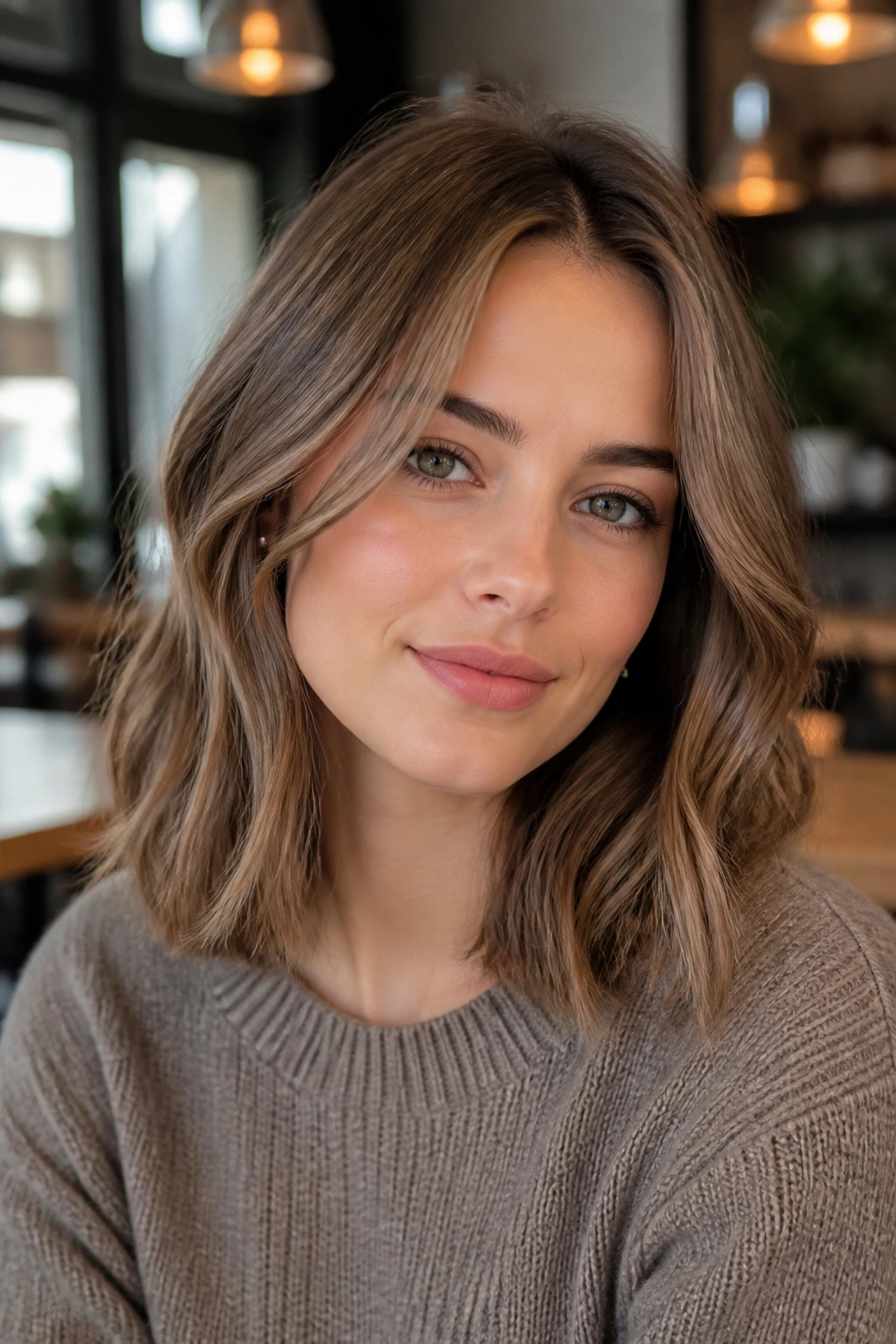
A beige chestnut lob sits in that nice middle zone between brown and blonde-adjacent brunette. The beige keeps it airy; the chestnut keeps it grounded. For cool skin tones, that balance matters. Too much warmth and the whole thing tips amber. Too much ash and it can feel dusty.
A lob gives the shade room to show off. The ends hit around the collarbone, which makes the color move when you turn your head. That sounds small. It is not. Hair colors like this need motion to look alive.
Wear it with a soft bend, not tight curls. The color looks more natural that way. Also, a center part or a slightly off-center part both work. The shade is forgiving, which is rare enough to mention.
10. Mocha Chestnut With Babylights
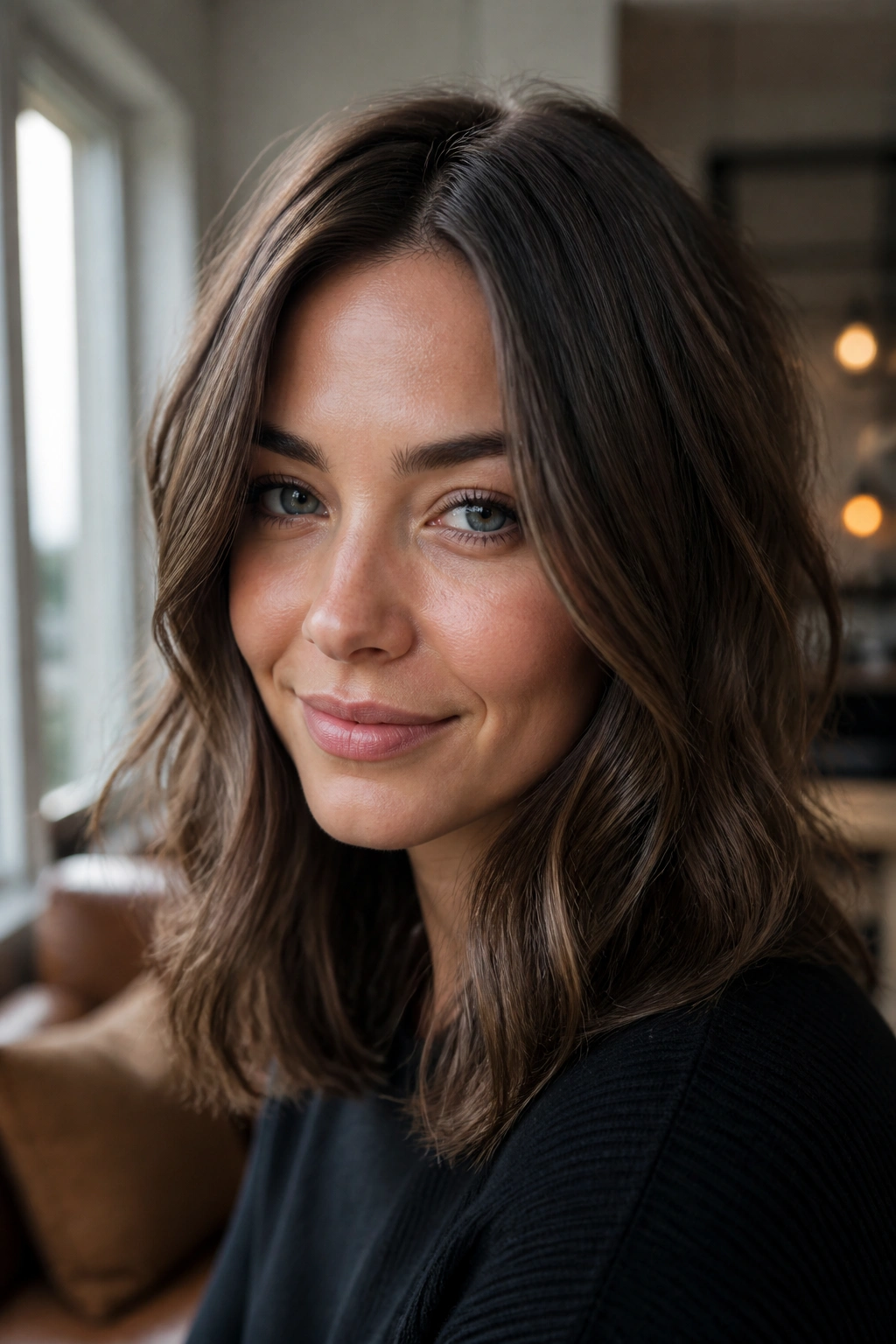
Mocha chestnut is a classic brunette move, but babylights keep it from reading flat. Those tiny, fine highlights break up the base just enough to show texture without making the hair look streaky. On cool skin tones, the key is keeping the highlights beige or ash, not honey.
This one is better than chunky highlights if you want subtlety. Babylights blend into the base more gently, so you get a soft, expensive-looking finish. The shade also tends to photograph well under mixed lighting, which matters if your hair gets seen indoors and outdoors a lot.
I would pair this with shoulder-length cuts and long layers. The lighter pieces move through the hair as you walk, which keeps the mocha chestnut from looking like one solid mass.
11. Muted Chestnut Ombré
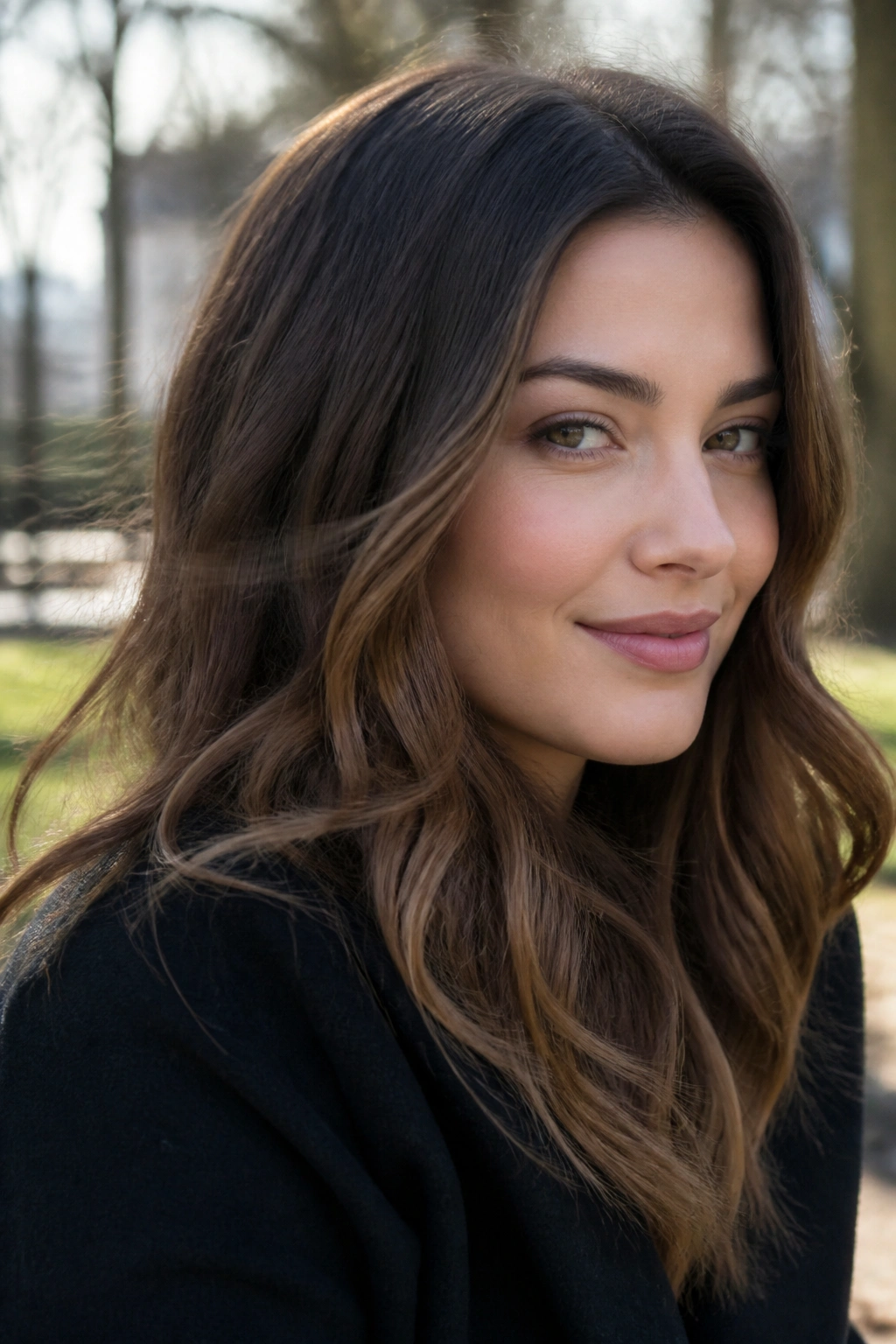
Muted ombré works when you want a visible change without a harsh line. The roots stay deeper and cooler, then the chestnut softens as it drops toward the ends. Keep the fade subtle. If the bottom half gets too light, the whole thing loses that cool-skin harmony.
This style suits people who like their color to grow out quietly. The top stays natural-looking, while the lower lengths pick up just enough warmth to keep the hair from feeling dull. The result is soft, not loud.
A small warning
Do not let the ends drift into orange-beige territory. That is where ombré chestnut gets messy.
A gentle wave through the bottom half helps the fade look smoother. Straight hair can work, but it shows every line more clearly.
12. Cool Chestnut Curly Shag
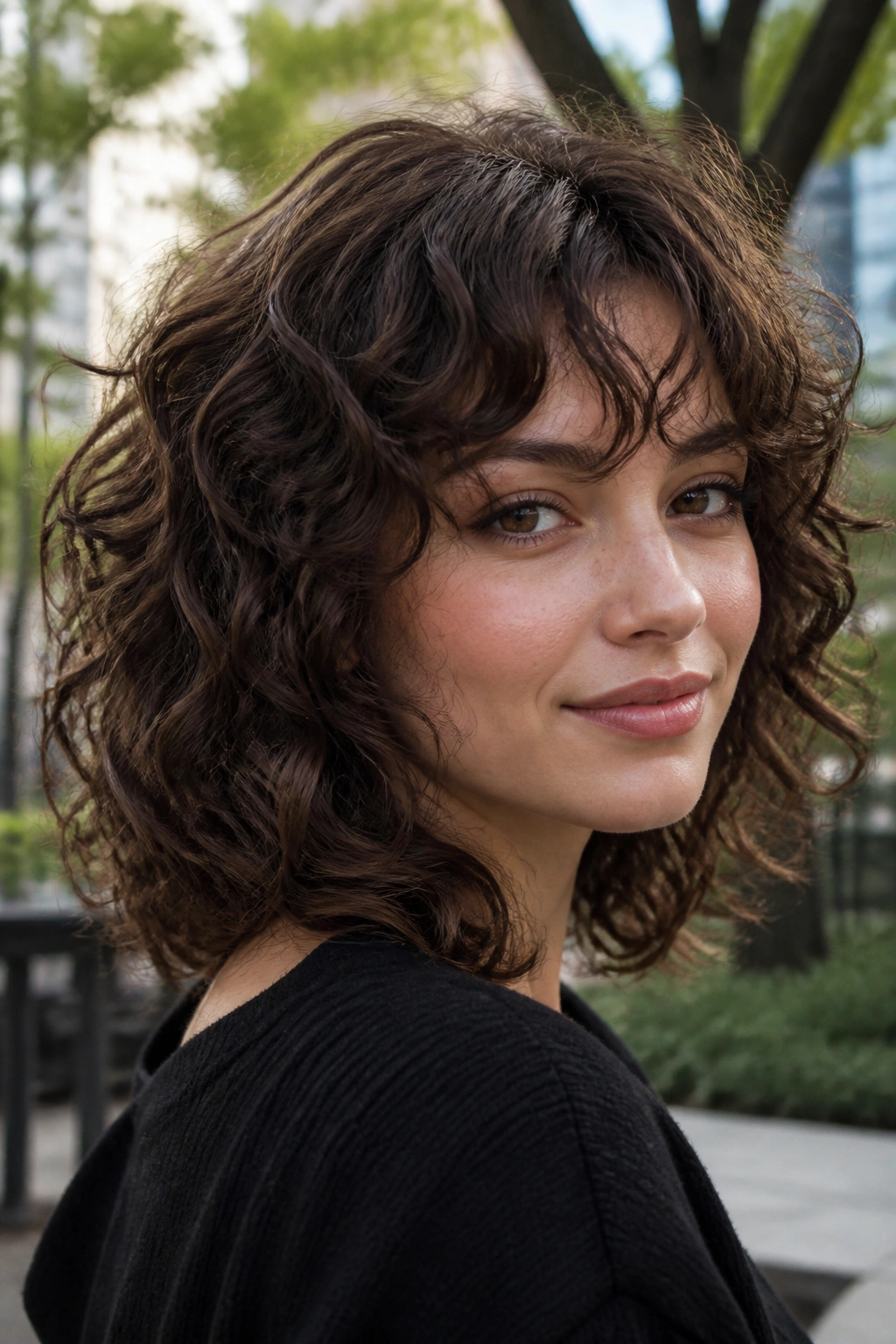
Curly hair needs dimension, and cool chestnut gives it without making the curls look busy. On a shag cut, the layers open up the shape and let the color shift from dark root to chestnut mid-lengths to slightly lighter ends. The effect is lively, not random.
The reason this works so well on cool skin is simple: the curls already add texture, so the color can stay restrained. You do not need bright highlight pieces to make it interesting. A smoky chestnut glaze with a few lighter curl tips often does the job.
How to Style It
Use a diffuser and keep the definition soft. Too much gel can make the color feel harder than it is.
This shade is one of the few brunette choices that looks better a little messy. Clean ringlets are nice. A touch of lived-in texture is better.
13. Chestnut and Graphite Dimension
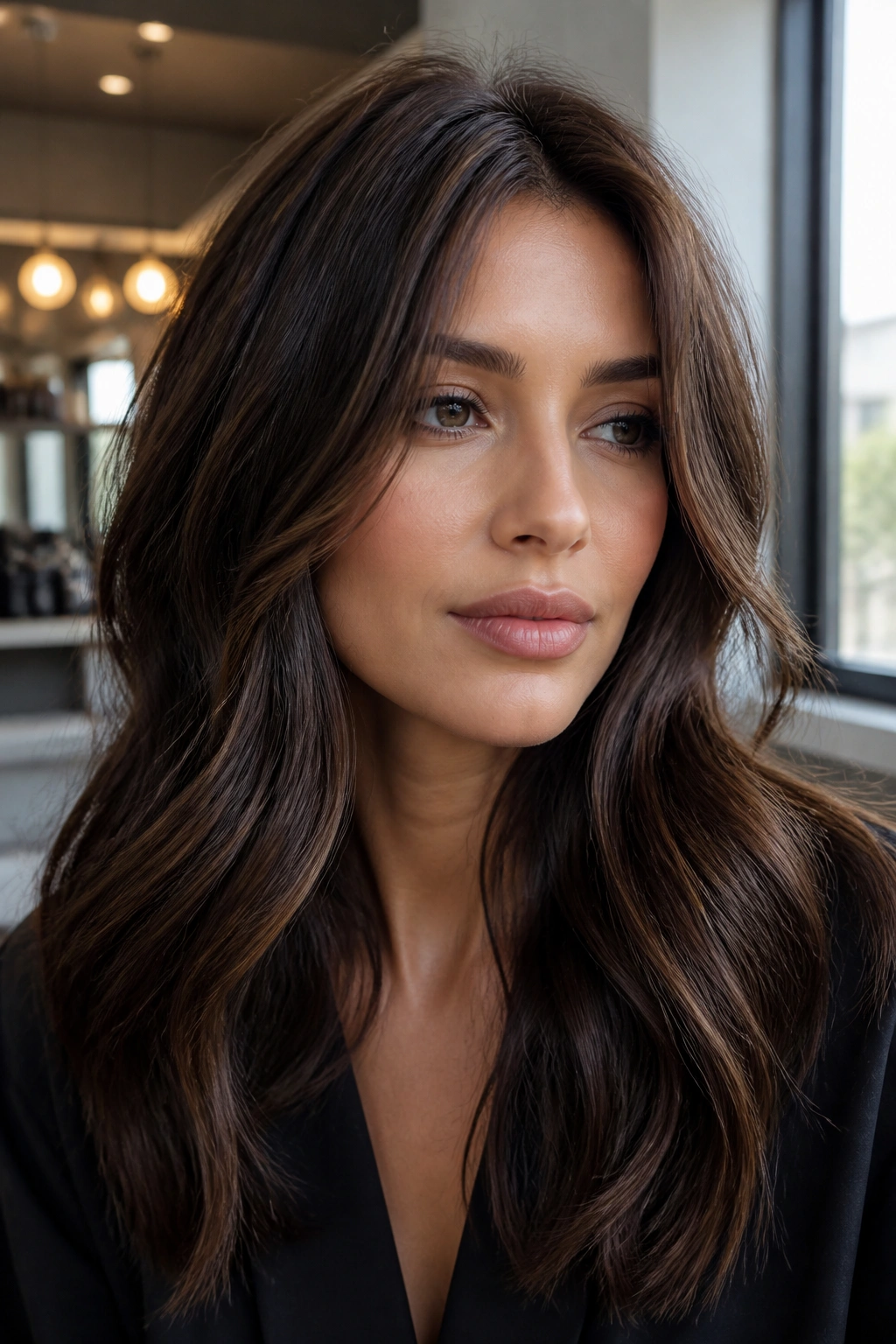
Graphite lowlights inside chestnut brown give the hair a cooler edge that suits porcelain, pink, and blue-leaning skin especially well. The contrast is sharper than mocha, but not as severe as black. That middle ground is where this color gets interesting.
I like this on thick hair because the darker graphite pieces break up bulk and create movement around the face. Fine hair can wear it too, though you may want fewer lowlights so it does not go heavy. Placement matters more here than people think.
What Makes It Different
Unlike warm highlights, graphite dimension makes the chestnut feel almost smoky. It is sleek. Slightly moody. Very good with silver hoops and a black sweater.
If your wardrobe leans cool and clean, this color slots in easily. It does not fight anything.
14. Velvet Chestnut One-Process Color
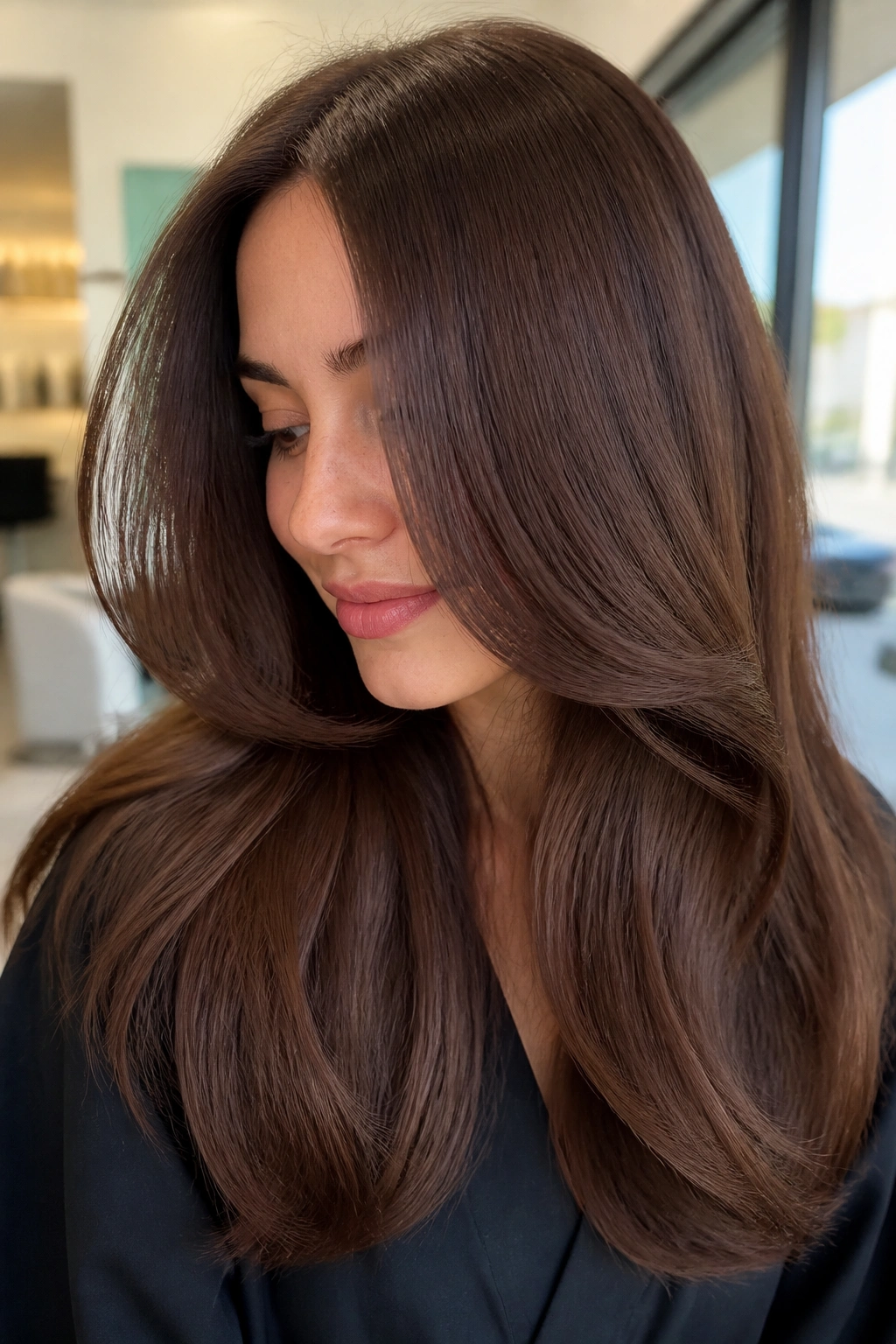
Sometimes the best chestnut is the one that looks even from root to tip. Velvet chestnut is a single-process brown with a soft chestnut cast and a shiny, plush finish. No ribbons. No obvious contrast. Just a rich brunette tone that flatters cool skin by staying balanced.
This is a good answer if you want low maintenance. One-process color grows out more softly than highlight-heavy looks, and it tends to be easier to refresh with a gloss every so often. The finish matters most here, so I would not skip the aftercare.
A smoothing cream and a blow dryer with a nozzle attachment help. The color should look smooth enough to almost feel tactile. That is the whole velvet idea.
15. Chestnut With Pearl Toner
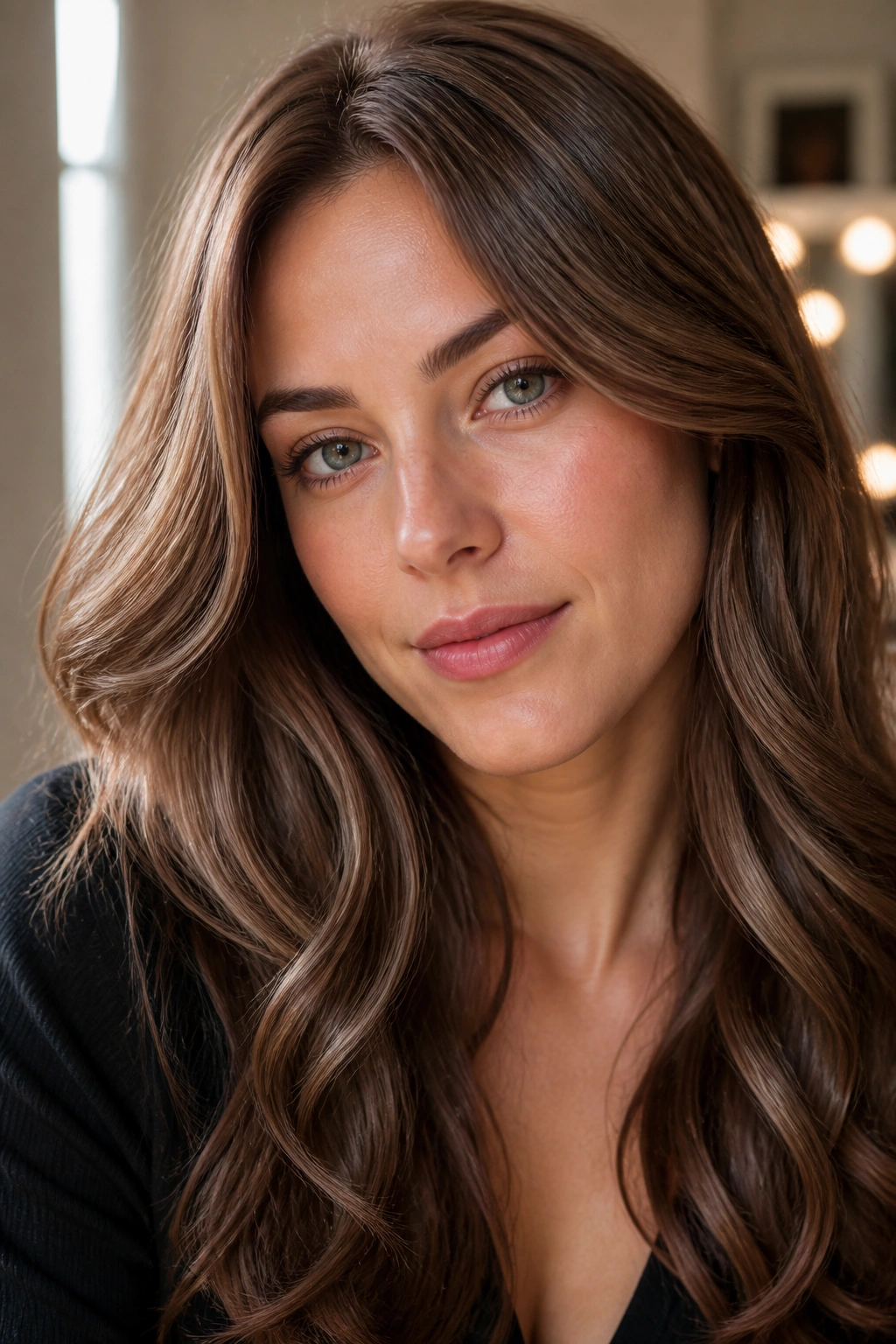
Pearl toner is a quiet little trick that can change chestnut brown in a useful way. It strips away the too-warm edge and leaves a cool, soft sheen that works especially well on pale or rosy skin. If the chestnut starts leaning peach, pearl toner pulls it back into line.
This version is a favorite for anyone with pre-lightened strands that need toning after summer or after too many warm glosses. It is also nice when you want brightness without gold. Pearl gives you that faded-luster look, almost like satin.
Use it on a few face-framing pieces or all over. Both work. The all-over look feels smoother, while partial toning leaves the base more natural.
16. Cool Auburn-Chestnut Hybrid
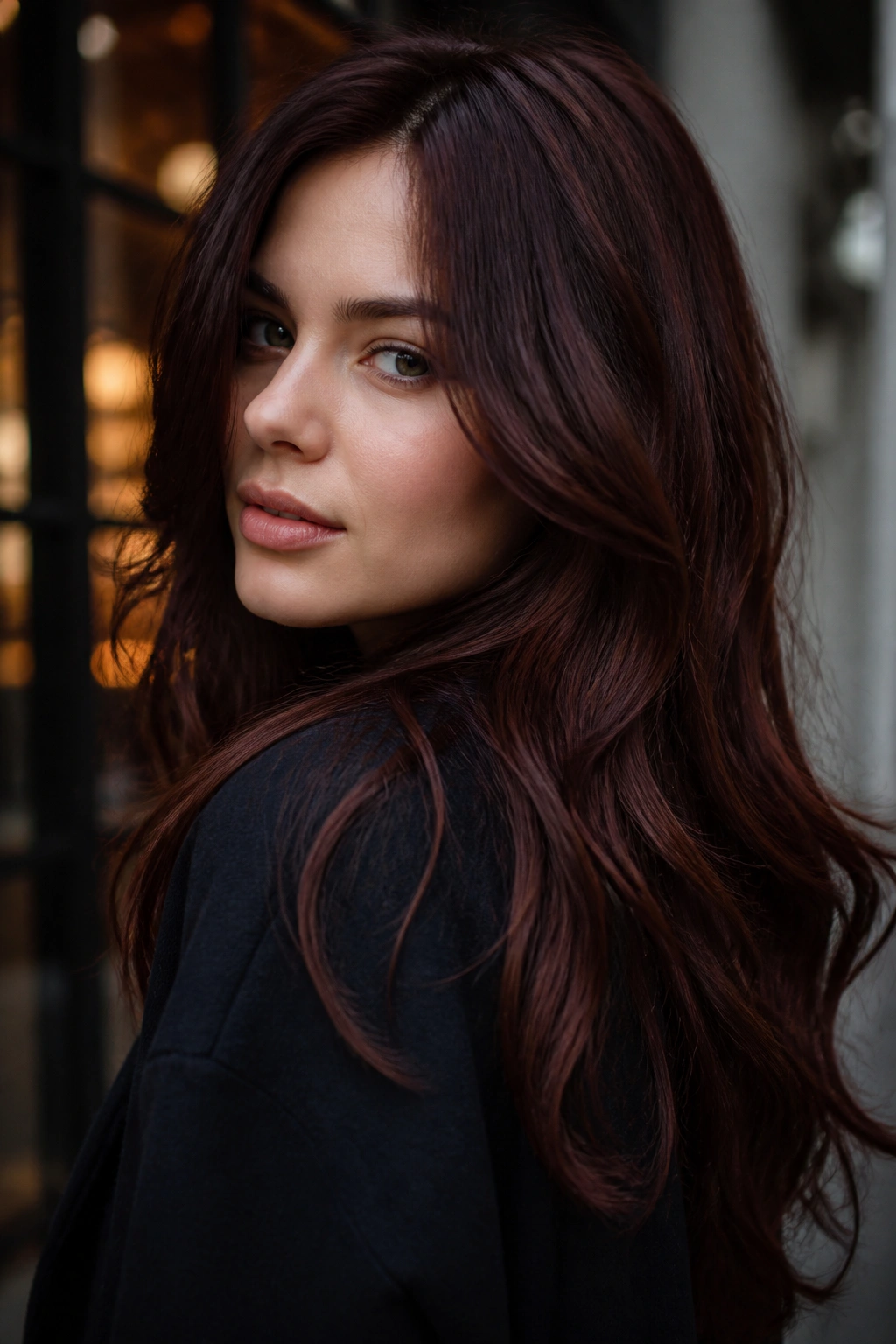
Auburn and cool skin tones can be tricky. Too much red, and the complexion turns blotchy. Too little, and the shade loses its point. A cool auburn-chestnut hybrid solves that by keeping the red muted and the brown dominant.
This is one of the few red-brown shades I would recommend for cool undertones, but only if the auburn is deep and restrained. Think berry-brown, not copper penny. It should look like a chestnut color with a faint wine note, especially in low light.
Best for
- Medium cool skin that can handle a little warmth.
- Dark eyes that benefit from contrast.
- Anyone who wants a richer brunette without going full red.
If you love red but fear orange, this is the safe lane.
17. Frosted Chestnut Midlength Layers
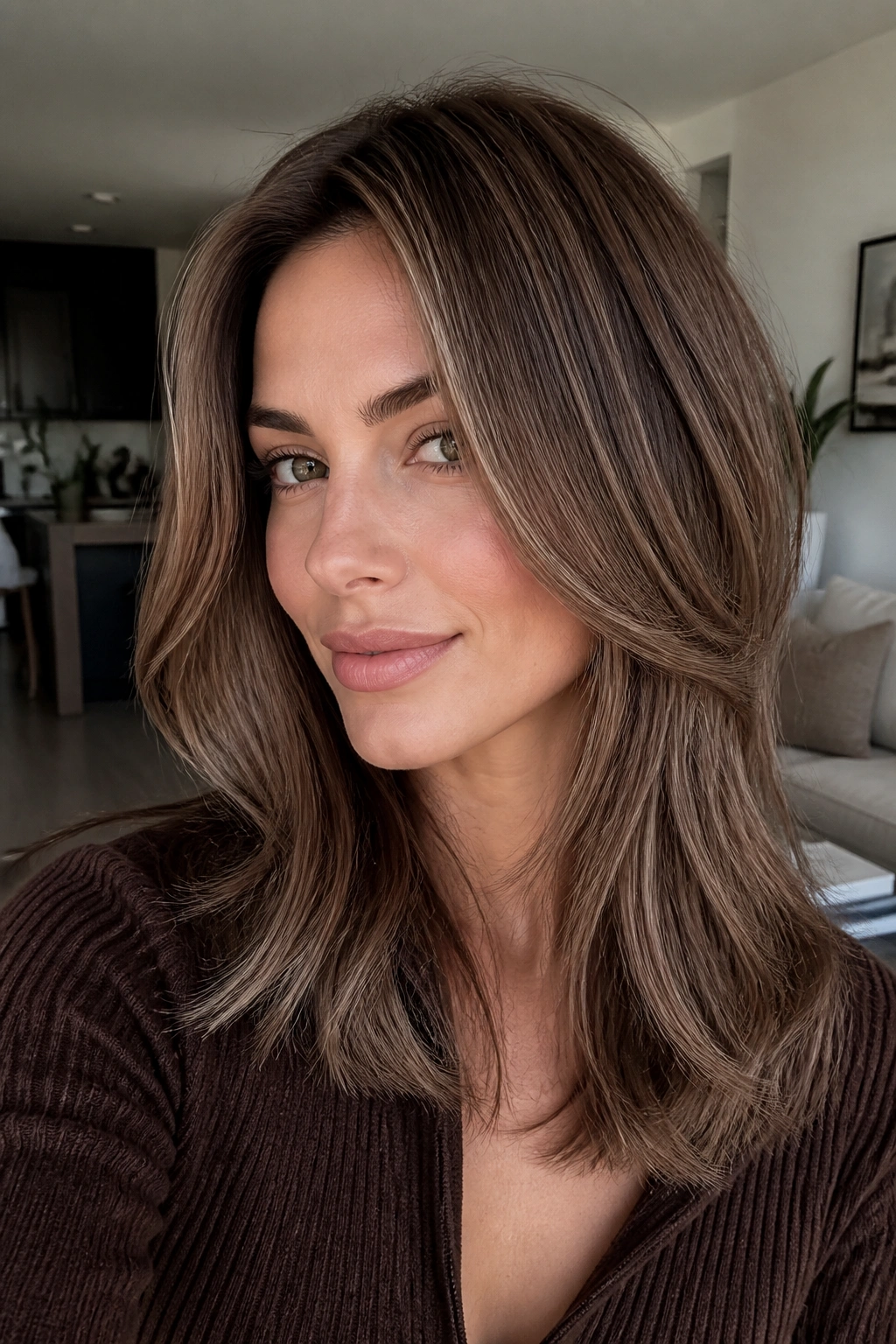
Frosted chestnut is what happens when the highlights are cool, soft, and spread through the layers instead of sitting on top like stripes. On midlength hair, the layering gives the color space to breathe, and the frosted pieces catch the ends in a pretty, subtle way.
It works well on cool skin because the frost effect keeps the chestnut from going muddy. The brown base stays rich, but the lighter strands add a clean edge. I prefer this on hair that has some natural movement already. Straight and glossy is fine. A little bend is better.
How to Ask For It
- Chestnut base.
- Fine, frosted beige or ash highlights.
- Layered placement through the mids and ends.
This is a tidy color. Nothing messy about it. That is part of the appeal.
18. Chestnut Contour Highlights
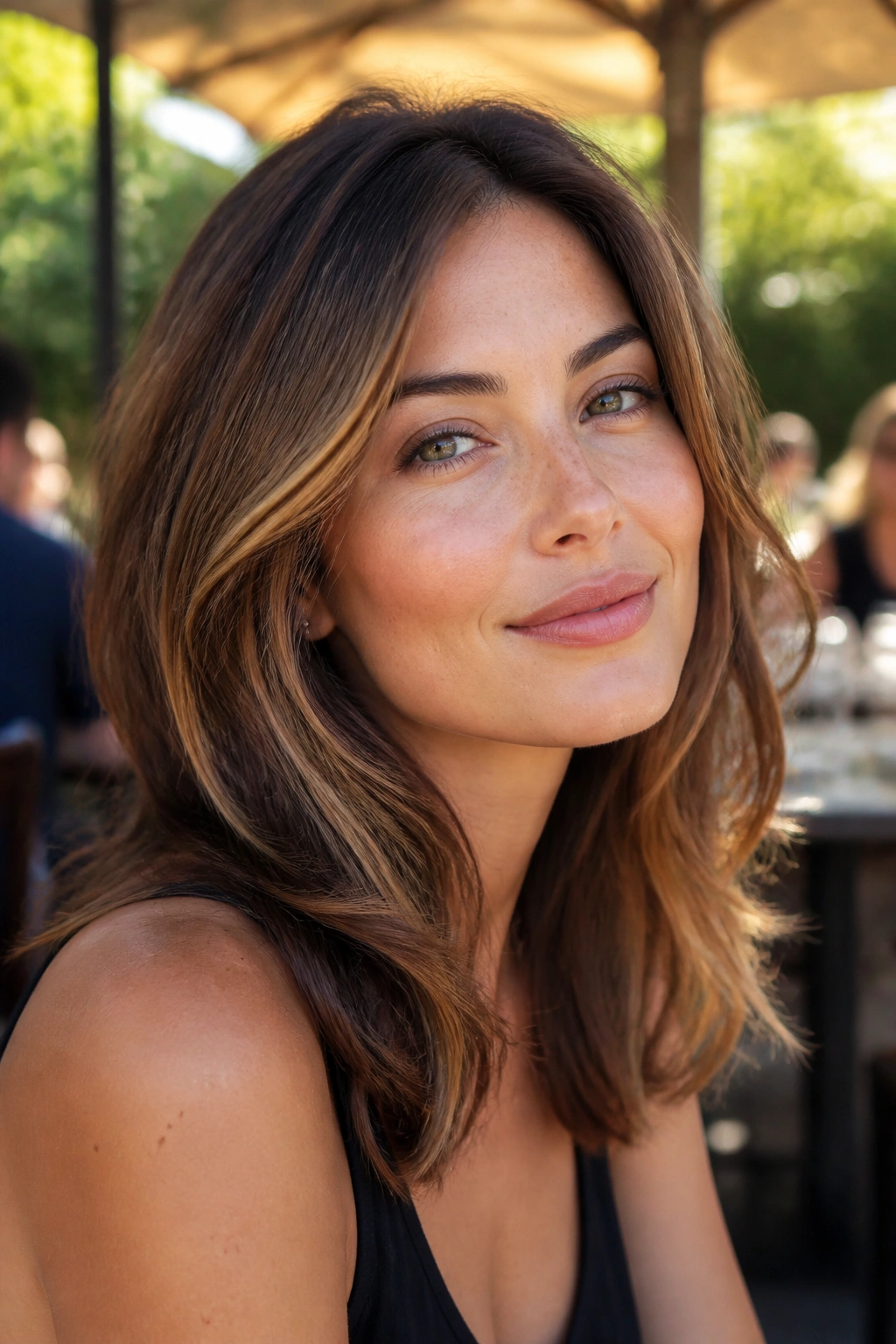
Contour highlights are placed where the face needs light, not where the whole head needs drama. Around cool skin tones, that usually means a few chestnut-brightened strands near the temples, cheekbones, and the top layer around the jaw. The effect is soft sculpting, not obvious streaks.
I like this idea because it feels tailored without looking fussy. You can keep the base chestnut brown and still get lift around the face. If your hair is curly or wavy, the contour pieces show up nicely when the hair moves. If it is straight, the shape of the cut matters even more.
There is a practical upside too. The color grows out gently, so you are not stuck maintaining a full highlight schedule. Good hair color should work with your life, not take it over.
19. Smoky Mocha-Chestnut Pixie
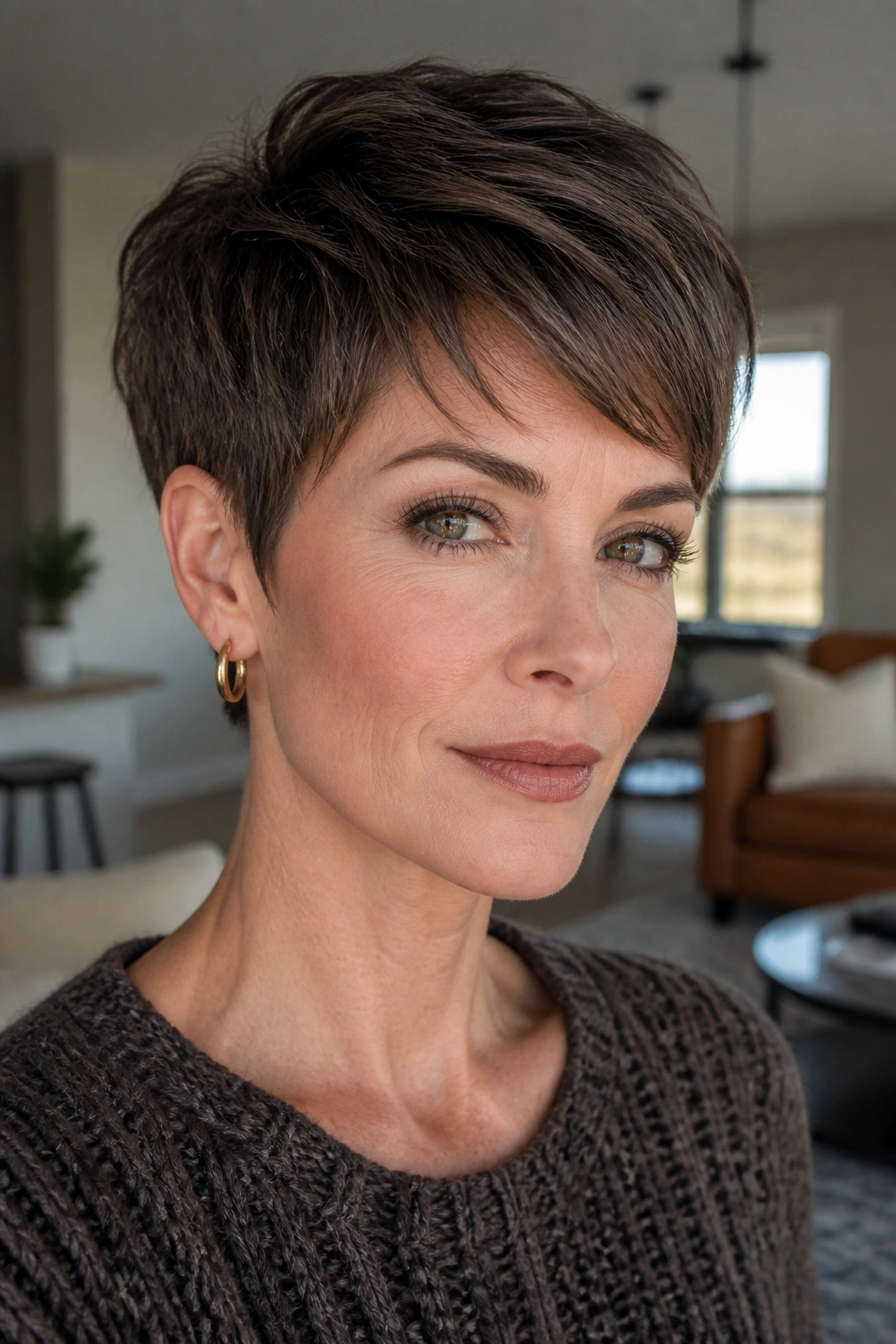
A pixie can handle more depth than people expect. Smoky mocha-chestnut gives short hair a plush, dimensional look that avoids the helmet effect some short cuts fall into. On cool skin, the smoky base keeps the color from getting too sweet or coppery.
Short hair shows tone shifts fast, so keep this one muted. A little variation around the crown and sides makes the cut look more deliberate. Too much lightness can make a pixie feel choppy instead of sleek.
What It Needs
- A clean shape from the cut.
- Matte or satin styling, not crunchy gel.
- Slightly deeper roots for contrast.
This is a strong choice if you want brown hair that reads sharp and modern. It has edge without going black.
20. Chestnut With Blue-Black Lowlights
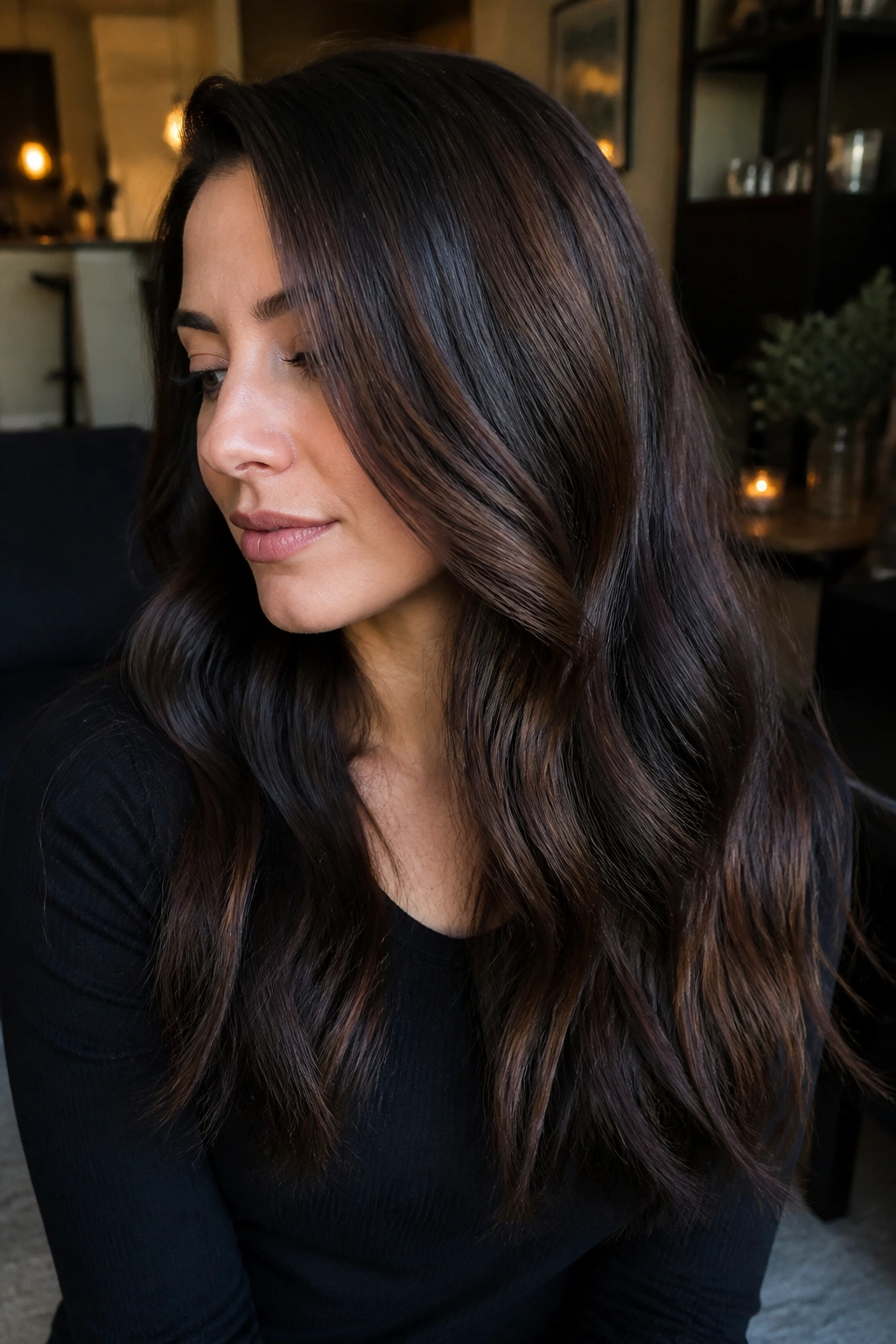
Blue-black lowlights are one of my favorite ways to deepen chestnut for cool skin. They bring a cool reflection that makes the brown look richer and less red. The hair ends up with a dark, inky undertone that plays nicely with pink or porcelain complexions.
This is not a soft color. It is more dramatic than mushroom chestnut and more serious than beige chestnut. That is a good thing if you like contrast and wear darker clothes. The blue-black notes make the chestnut look cleaner under artificial light, too.
A side part looks excellent here. So does a smooth blowout. The lowlights need some polish to show their depth instead of disappearing into the base.
21. Neutral Chestnut Melt for Gray Blending
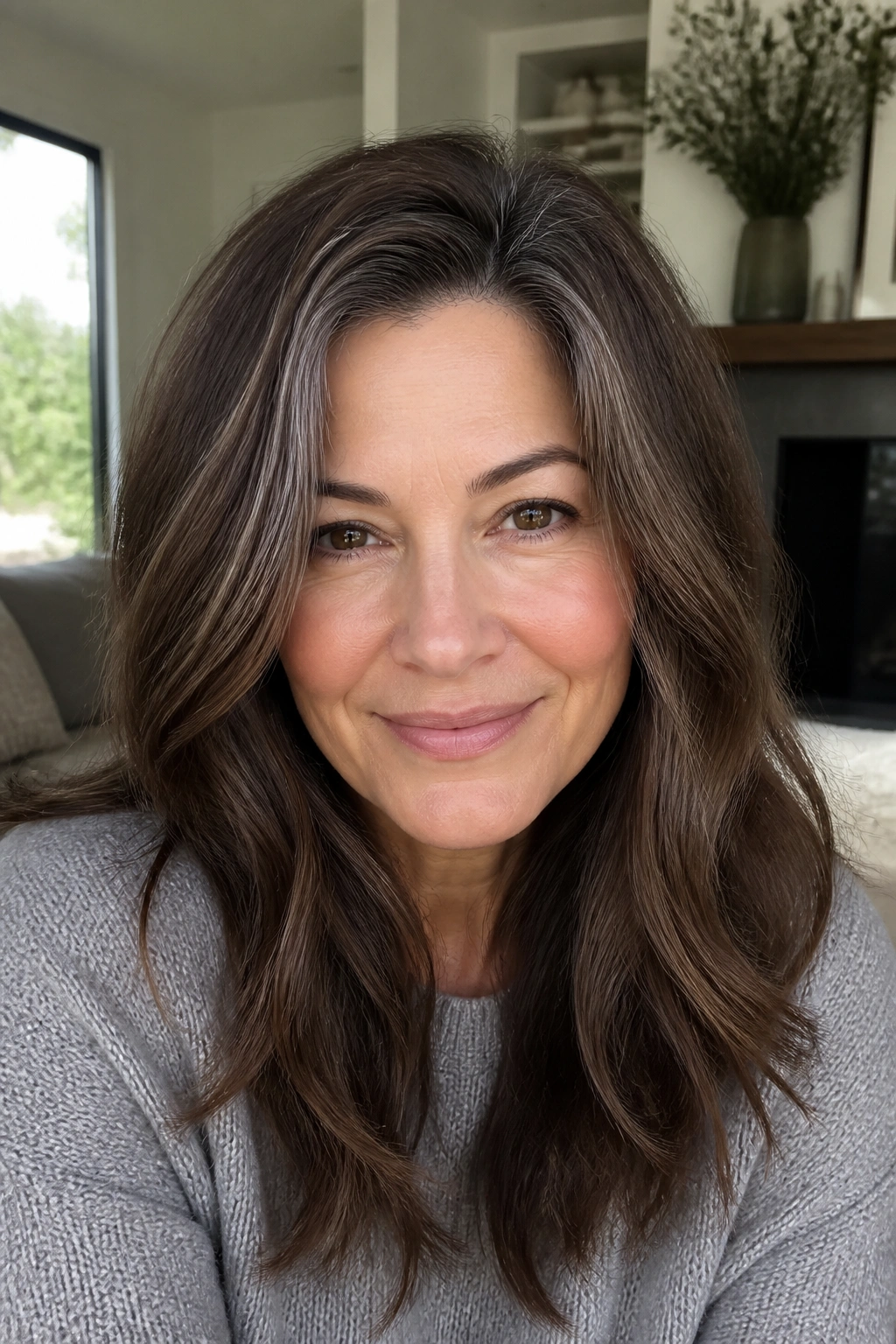
Gray blending is easier when the brown is neither too warm nor too ashy. A neutral chestnut melt sits right in the middle and lets silver strands blend instead of fight. That makes it a solid choice if you want to soften grays without covering every single one.
I think this shade works better than overly dark color for many cool skin tones. Deep brown can harden the face. Neutral chestnut keeps the tone softer while still looking polished. It also grows out without a harsh line, which matters more than people admit.
What to Ask For
Ask for a neutral brunette base with chestnut lowlights and a soft gloss. That combination gives you depth, a little warmth, and enough neutrality to keep the shade flattering.
This is one of those practical colors. Not flashy. Very useful.
22. Chestnut Bronde With Cool Ends
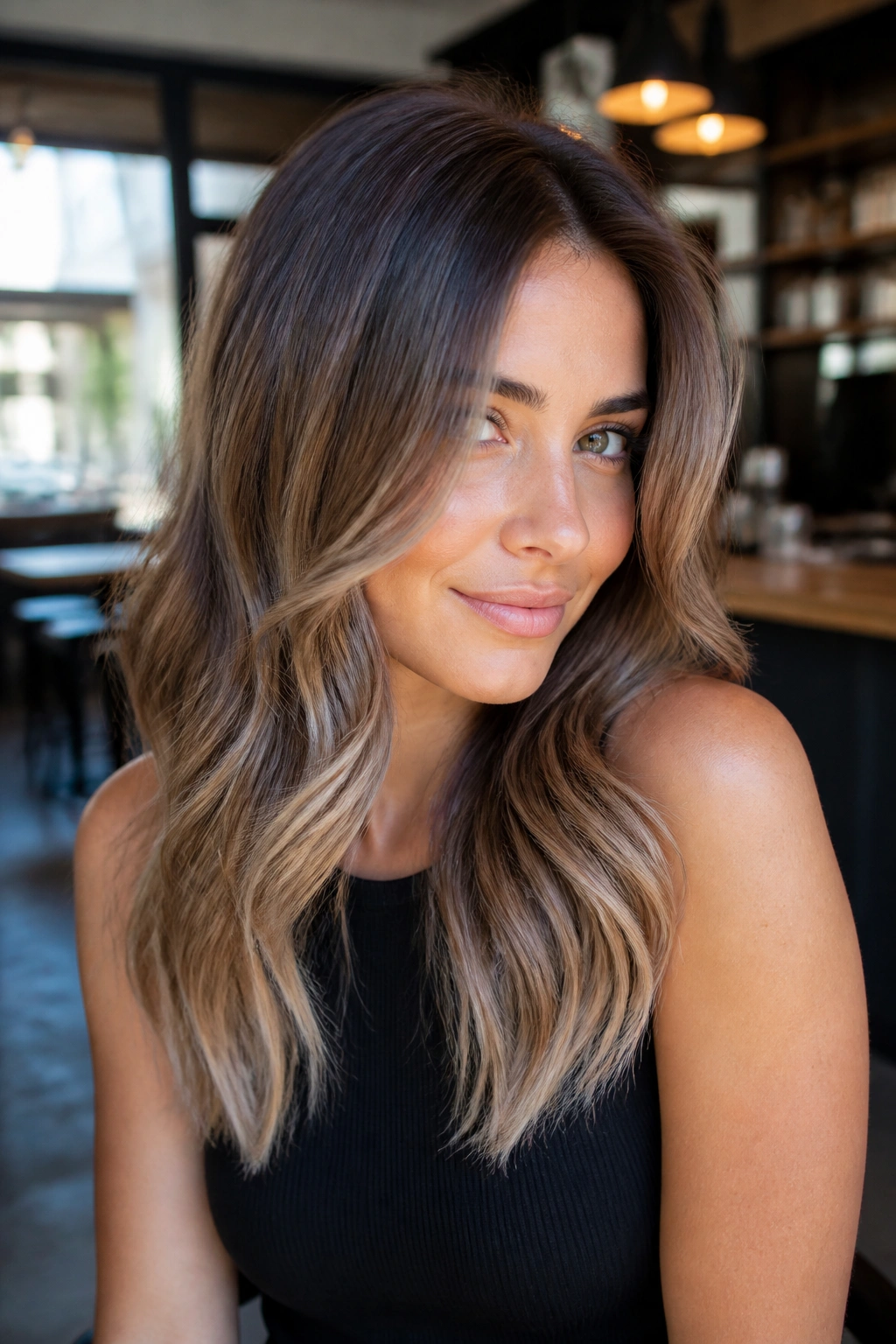
Bronde can look too beachy if it leans golden. A cool-ended chestnut bronde fixes that by keeping the roots brunette and the ends beige-ash rather than honey. The result is lighter around the edges but still anchored in a chestnut base.
I like this on medium-length hair because the transition from brown to soft light brown has room to unfold. On short hair, the blend can disappear. On longer hair, it looks airy. The trick is restraint. The ends should look cool and soft, almost dusty, not sun-fried.
If your skin is cool and your eyes are lighter, this can be a flattering middle path between brunette and blonde. It is gentler than full highlights and easier to live with.
23. Satin Chestnut Blowout Color
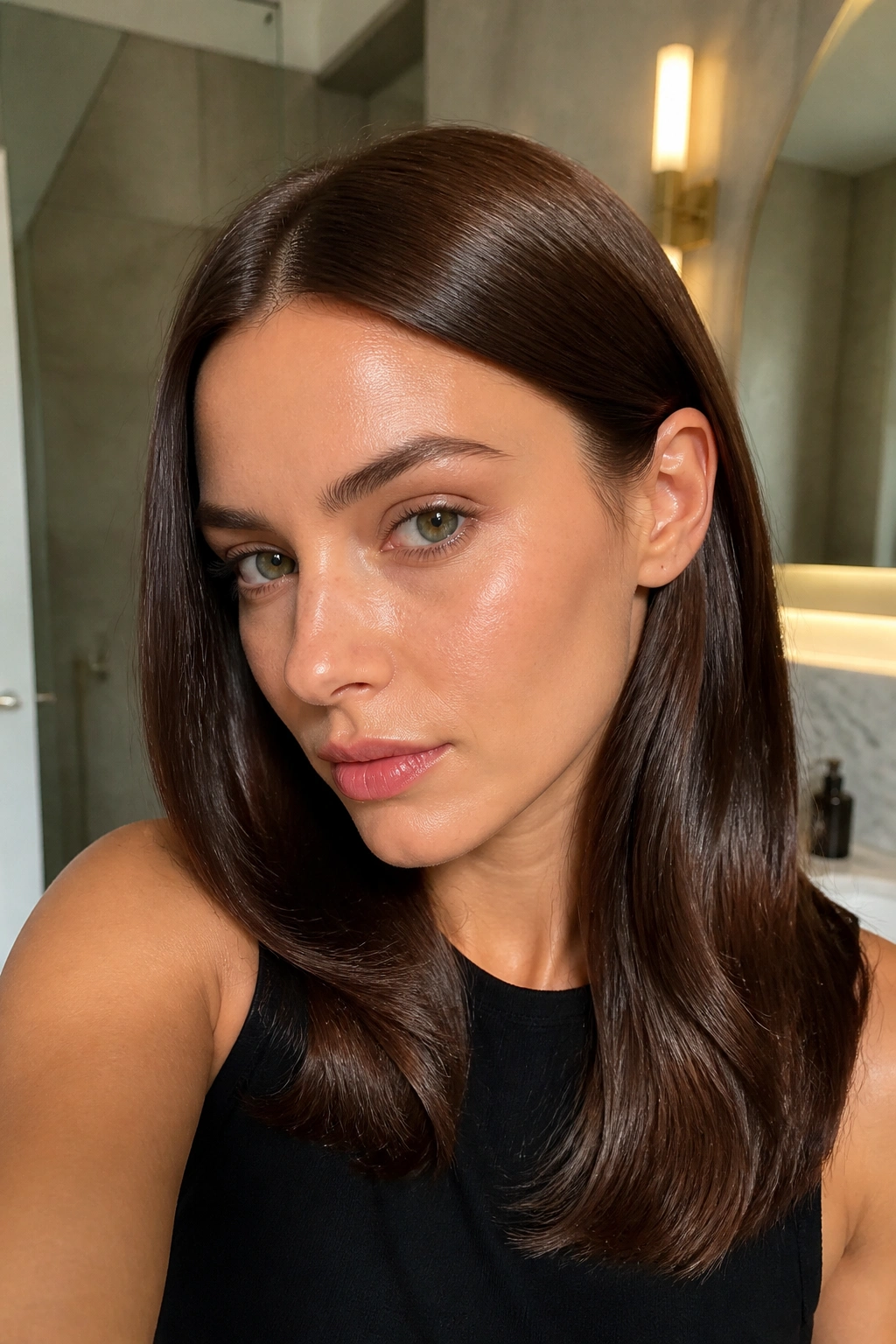
Satin chestnut is all about shine. The shade itself is a medium-rich brown with chestnut undertones, but the real appeal is the smooth, reflective finish you get after a blowout. Cool skin tones like this version because the color stays clean and polished instead of muddy.
This is the color for people who wear their hair straight or with a rounded blowout most of the time. The surface sheen matters more than strong contrast. If the hair looks dry, the satin effect disappears fast, so a lightweight serum or cream is worth using.
Why It Works
The reflective finish softens any remaining warmth in the chestnut. It makes the color look deliberate.
A center part and tucked-behind-the-ear styling make this feel very chic without trying to be. That helps.
24. Chestnut With Taupe Ribbons
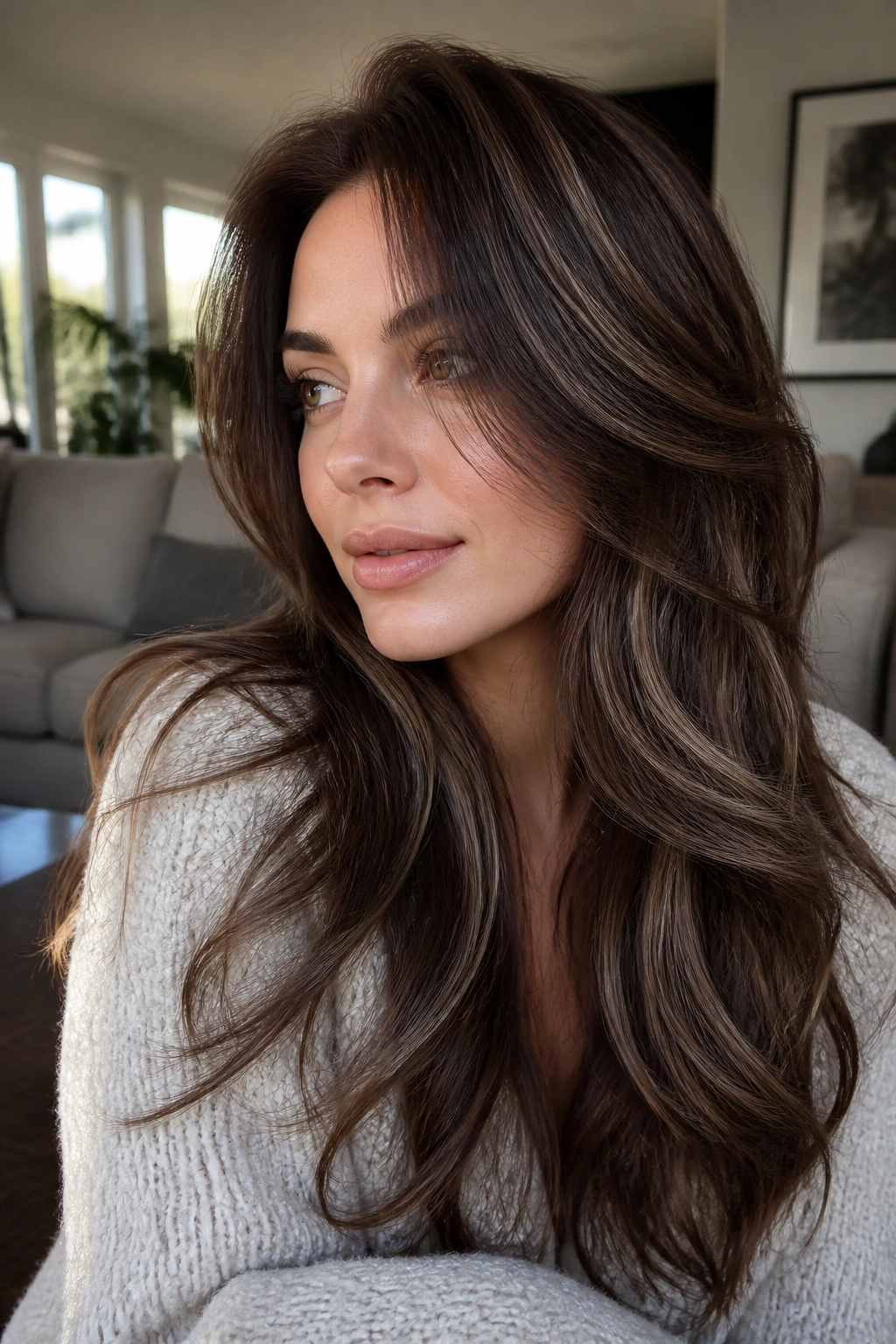
Taupe ribbons are the quiet cousin of beige highlights. They sit in a cooler, earthier space that pairs neatly with chestnut brown on cool skin. If you have ever wanted highlights that people notice only after a second look, this is the lane.
This color works especially well on layered cuts, because the taupe pieces appear and disappear as the hair moves. The effect is better than obvious streaks, at least in my view. It feels softer and more grown-up. Less salon billboard, more real life.
How It Differs
Unlike gold highlights, taupe ribbons do not brighten the face in a warm way. They sharpen it a little. That suits cool undertones better and keeps the overall brunette story intact.
If you wear gray, black, navy, or white, this shade fits right in.
25. Dimensional Chestnut Curls
Curly hair needs contrast or it can go visually heavy, and dimensional chestnut solves that by placing light and dark pieces where the curl pattern naturally falls. The result is movement that looks built in, not painted on. Cool skin tones benefit because the contrast stays brown-based and never tips blonde.
I like this best when the highlights are fine and the lowlights are soft. Hard lines are the enemy here. You want a curl to catch light on one side and stay deeper on the other. That makes the whole head look fuller.
A curl cream with decent hold helps show the dimension. Too much frizz control can erase the difference between tones. That is the annoying part, but it matters.
26. Chestnut Root Smudge and Soft Ends
A root smudge is one of the easiest ways to make chestnut hair look grown out on purpose. The darker root melts into softer chestnut mids and ends, so the whole style looks lived-in instead of freshly dyed. For cool skin tones, that darker root keeps the warmth under control.
This is a good solution if you hate maintenance. It also works if your natural color is darker than the shade you want on the ends. The smudge makes the transition less abrupt, which is kinder to both the hair and the eye.
A loose wave helps a lot. Straight hair can show the fade too bluntly, while bends make the color shift feel softer. Simple. Effective.
27. Deep Chestnut With Blackberry Undertones
Blackberry undertones give deep chestnut a moody, cool edge that suits richer complexions and fair cool skin alike. The berry note is subtle, not purple in the obvious salon sense. It reads as depth, shine, and a little mystery, which is more wearable than it sounds.
This version is one of the best if you want brown hair that still feels special after a few washes. The blackberry tone gives the shade life under low light, and it keeps the brown from going flat. If you are drawn to dark lipstick or jewel tones, this is probably your kind of chestnut.
Keep the finish glossy. That is not optional here. The sheen is part of the color, not an afterthought.
28. Soft Cashmere Chestnut
Soft cashmere chestnut is the shade I would call the quiet winner. It is a cool-leaning brown chestnut color with a smooth, airy finish that flatters cool skin without stealing the show. No harsh red. No obvious gold. Just a creamy brunette tone that looks expensive because it is balanced.
What I like most is how easily it works across cuts and textures. A blunt bob, long waves, a layered lob, even a simple ponytail — the color holds up. That makes it one of the most practical brown chestnut hair color ideas for cool skin tones, especially if you want something elegant but not high-maintenance.
If you want one last filter, use this: the shade should look soft in daylight and clean indoors. If it flashes orange, it is the wrong chestnut. If it sits like velvet and makes your skin look calmer, you found the one.
