



Espresso hair color gets flattering fast when the undertone is right, and that’s the part people miss. A dark brown that leans too red can make cool skin look flushed in a bad way, while a deeper coffee shade with ash, blue, or violet backing tends to make the face look cleaner and more awake.
That’s why espresso hair color ideas for cool skin tones are such a useful place to start if you want depth without the harshness of jet black. The shade can sit anywhere from soft level-3 brown to almost-black blue espresso, and those tiny differences matter more than most salon conversations admit. Under daylight, the wrong brown can suddenly read coppery. Under indoor lights, it can turn muddy. The right one stays rich.
If your skin has pink, blue, or cool olive undertones, the sweet spot usually lives in the darker brunette family, but not every dark brunette belongs there. Ash espresso, smoky mocha, violet-brown, and blue-black espresso all do different jobs. Some soften strong features. Some sharpen a bob. Some make curls look expensive without making them look stiff. A few are low-maintenance. A few are needy. That’s the honest tradeoff.
1. True Espresso With Soft Ash Undertones
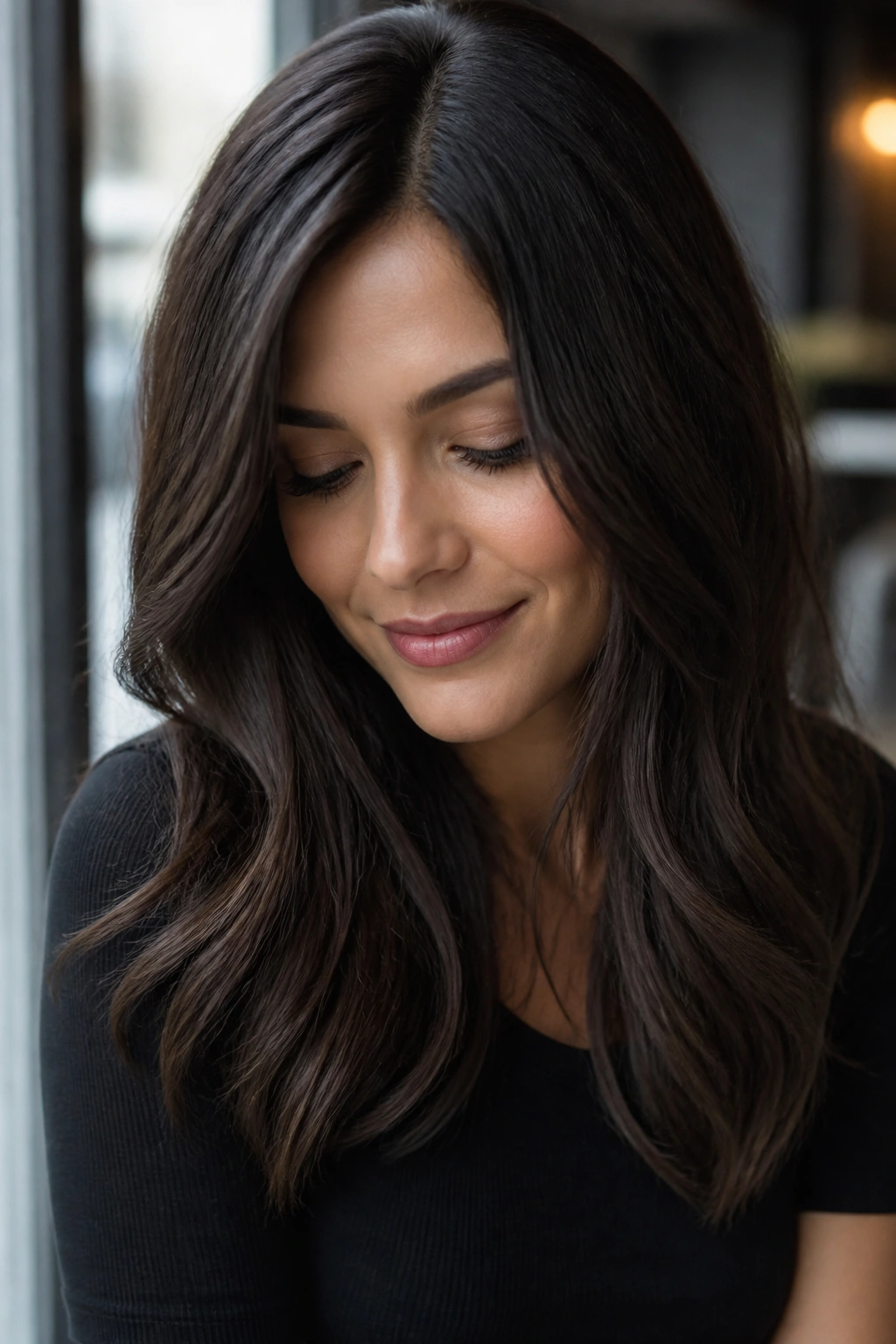
This is the version I’d hand to someone who wants dark hair but does not want the flat, inky look that can swallow cooler complexions. True espresso sits in that deep coffee-brown range, then uses a quiet ash base to keep the finish crisp. It’s rich, not red. Dense, not muddy.
Why It Flatters Cool Skin
Cool skin tones tend to look best when the hair has less orange in it. Ash undertones do the heavy lifting here because they mute warmth before it shows through in daylight.
- Ask for a level 3 or level 4 brunette with an ash or neutral-cool base.
- Keep the ends a touch softer than the roots if your hair is long.
- If your stylist mentions gold or copper, steer the conversation back.
- A clear gloss every 6 to 8 weeks keeps the brown looking polished.
Best tip: bring a photo taken in natural light. Espresso can look warmer on a phone screen than it does in person, and that little mismatch causes a lot of bad color decisions.
2. Blue-Black Espresso Shine
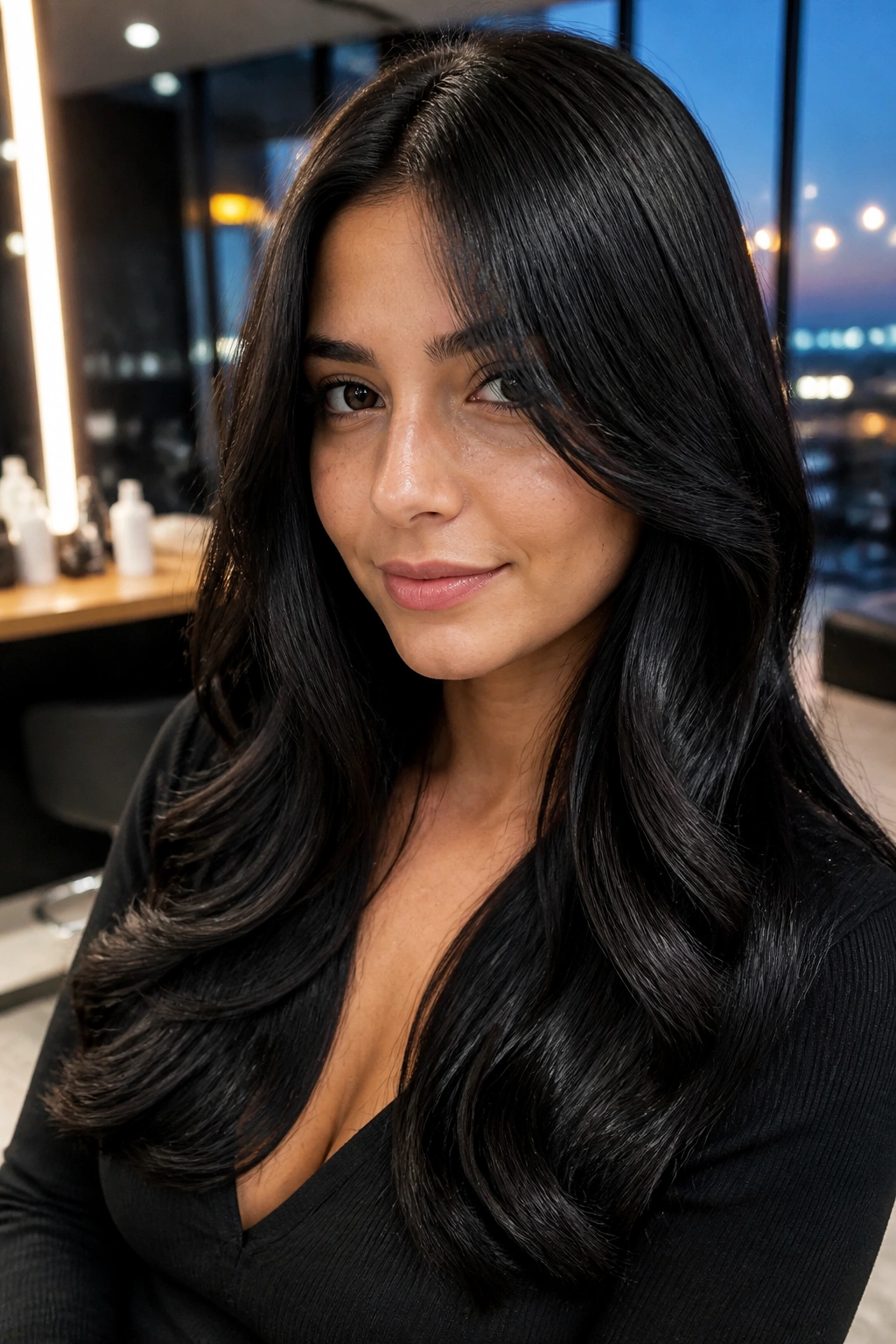
Blue-black espresso is the dramatic one. It’s deeper than classic brown, but it stops short of the severe, flat look that some black dyes create on pale skin. The blue base gives the shade a cool edge, so on cool undertones it can look sharp in a way that feels deliberate, not harsh.
This shade works especially well if you have clear eyes—gray, blue, green, or deep brown. The contrast can make the iris look brighter. It also suits straight hair very well because the shine shows off the depth immediately, almost like polished obsidian. On textured hair, it reads softer and a little moodier, which is a good thing.
You do need a little discipline with this one. Blue-black fades unevenly if you wash too often with hot water, and it will show root growth faster than softer espresso shades. If you like a clean look and don’t mind root touch-ups every 4 to 6 weeks, it’s a strong choice.
3. Smoky Espresso Balayage
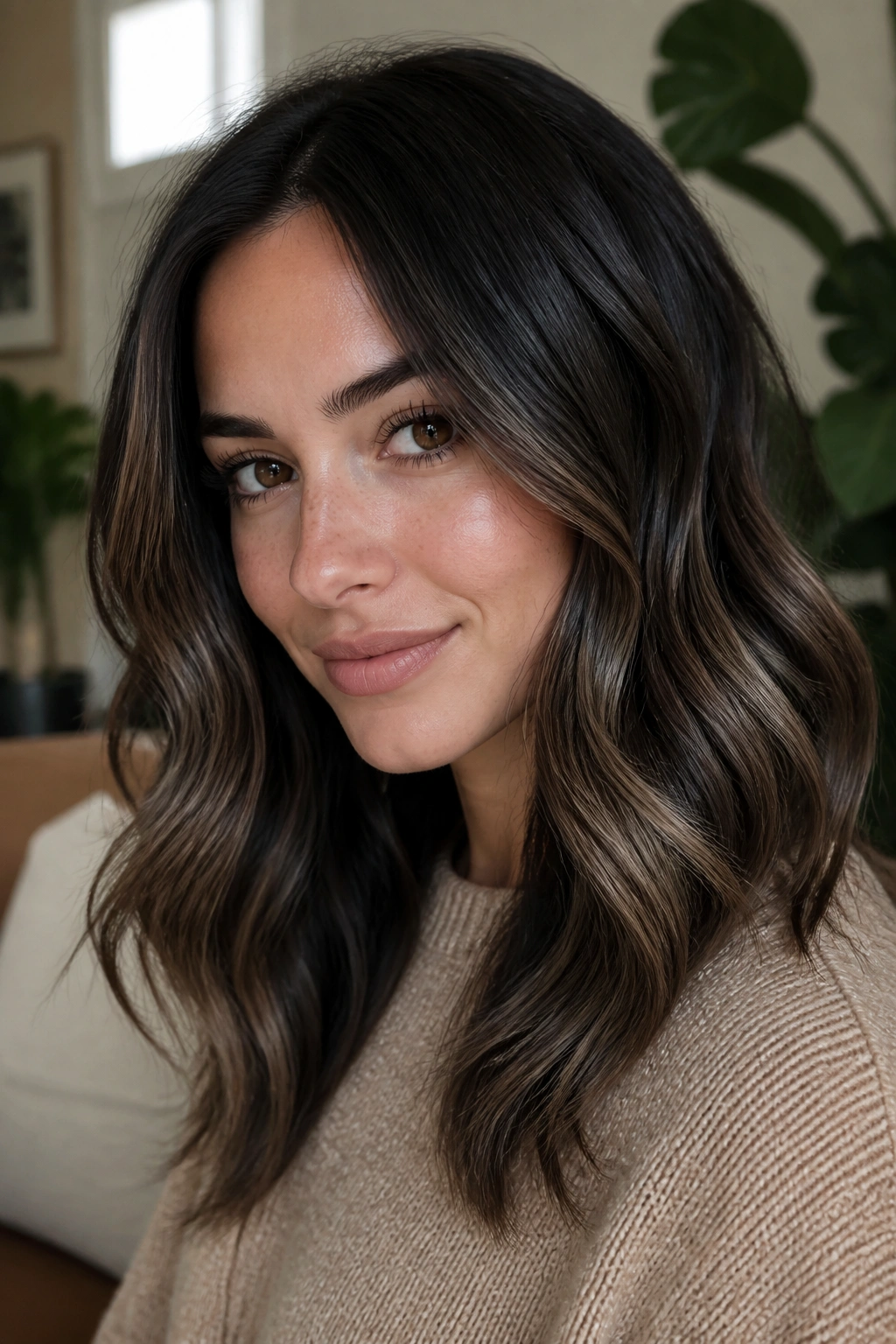
Why does this work so well on cool skin? Because the dark base keeps the hair grounded while the smoky ribbons stop it from feeling like a helmet. Balayage is usually sold as a brightening trick, but in this case the brightness is barely there; it’s more like softened contrast than highlight.
How to Ask for It
Tell your colorist you want an espresso base with cool taupe or mushroom-toned ribbons painted through the mid-lengths and ends. That wording matters. If you ask for caramel, you’re inviting warmth you probably don’t want.
The best result usually comes on wavy or layered cuts, where the painted pieces move and catch light in different spots. On one-length hair, the effect can feel heavier. Still nice. Just less airy.
- Ask for ribbons that are 1 to 2 levels lighter than the base.
- Keep the lightened pieces narrow so the brunette stays dominant.
- Use a purple-blue toning mask only when the shade starts looking brassy.
The whole point is depth with a little motion. Not streaks. Not blonde. Motion.
4. Espresso Root Melt With Cool Mocha Ends
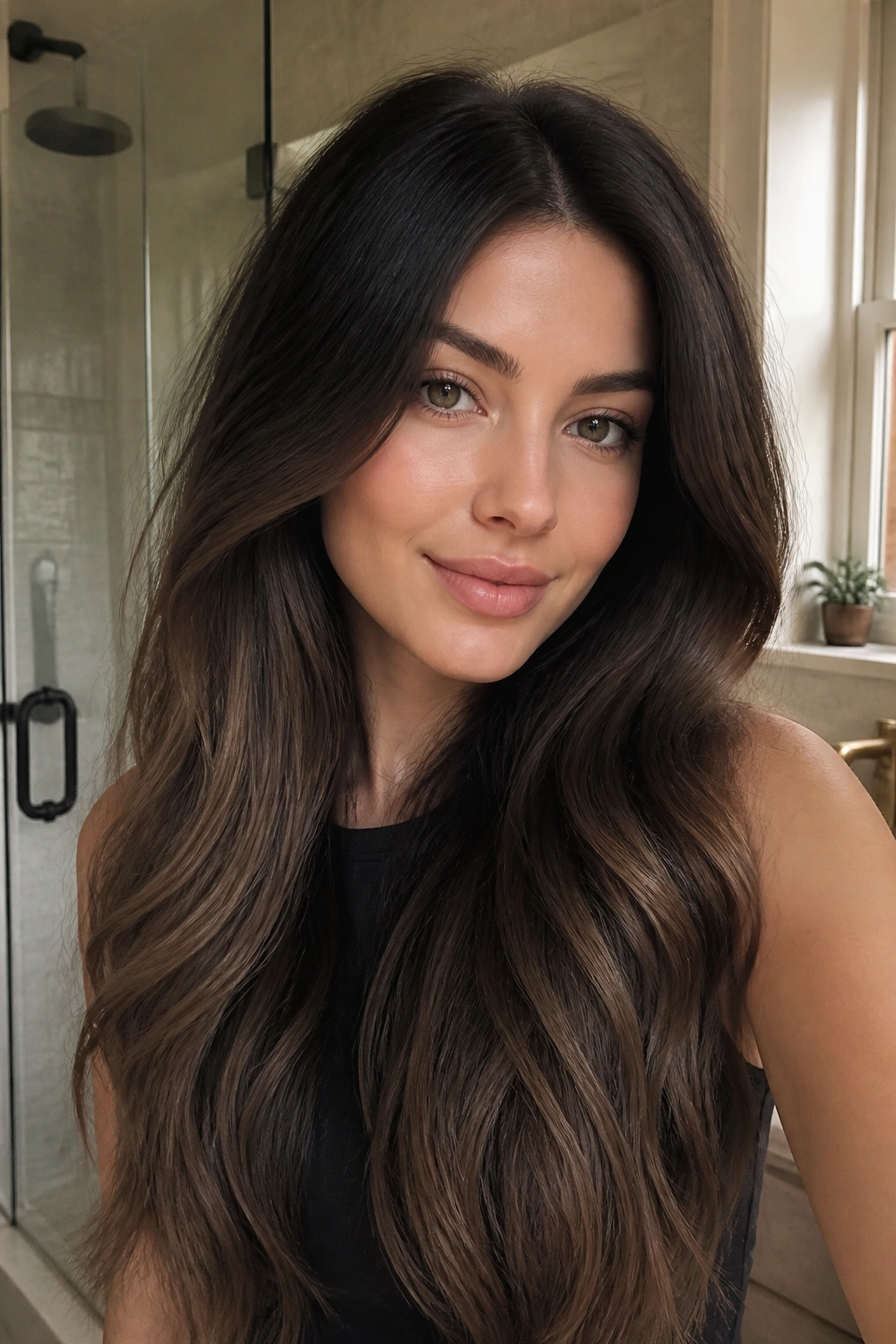
A root melt makes dark hair easier to live with, and that’s the truth people forget. If you hate a hard regrowth line, this is a smart way to wear espresso without feeling trapped by it. The roots stay deep and cool, then the color softens into a cooler mocha through the lengths.
Picture this on long hair that has already been lightened once or twice. The roots come in at a richer espresso, then the mid-lengths shift into muted chocolate, and the ends finish in a soft mocha-beige that never turns orange. It looks grown-in on purpose.
It’s best for: people who want a darker base with less monthly maintenance.
It’s not for: anyone who wants one solid, inky color from root to tip.
A melt like this needs thoughtful toning, though. If the ends get too pale, the whole style loses the espresso feel and starts reading as a generic brunette balayage. The trick is keeping the contrast subtle. A half-shade can matter here.
5. Matte Espresso on a Blunt Bob
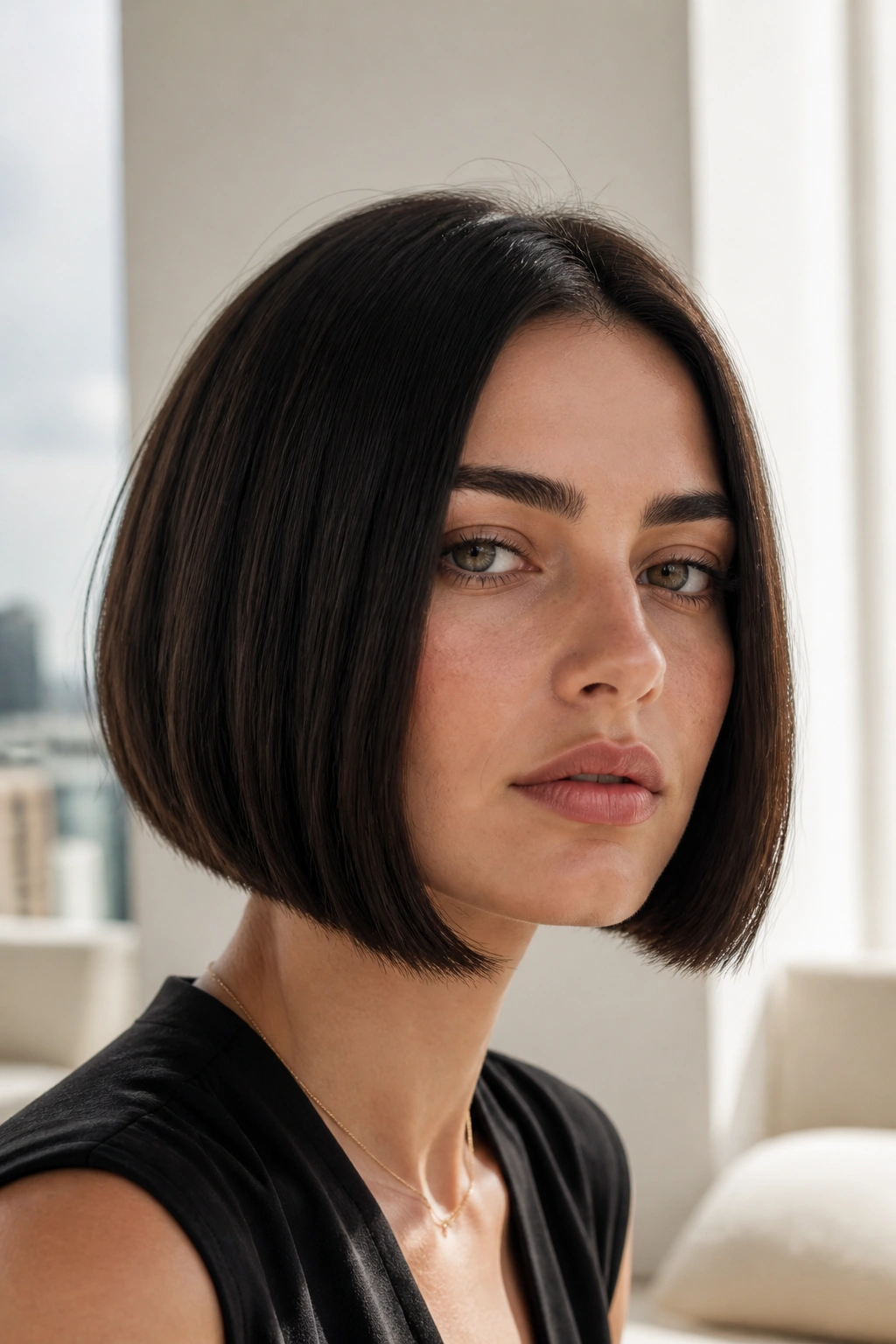
A blunt bob plus matte espresso is one of those combinations that looks expensive in the simplest possible way. The haircut does the talking. The color supports it. There’s no need for streaks, ribbons, or anything extra.
Cool skin tones work well with this because the clean line of the bob frames the face, and the matte finish keeps the brown from reflecting too much warmth. If your hair tends to get oily fast, this style can be tricky. The root area needs to look clean, not slick. But if you like crisp edges and a slightly editorial feel, it’s a strong move.
I’d choose this when the haircut is the star. A chin-length or jaw-skimming bob really shows off the depth of espresso, especially if the ends are slightly beveled under rather than flipped out. If you want movement, keep it subtle with a light texturizing spray. Too much volume fights the shape.
One small warning: a matte finish can make very fine hair look thinner if the cut is too heavy. Ask for internal weight removal, not choppy layers.
6. Espresso Money Piece With Silver-Brown Framing
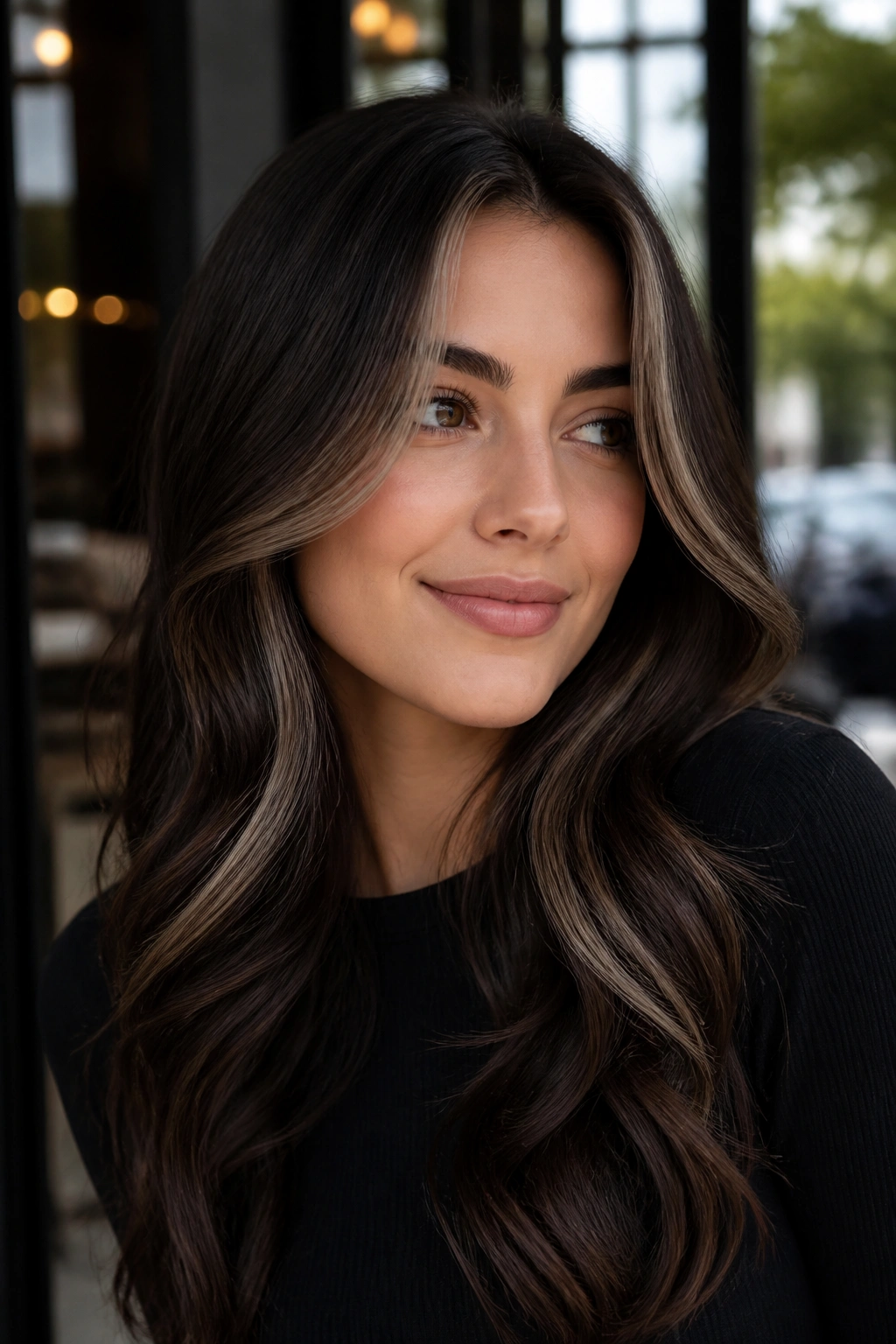
A money piece doesn’t have to be blonde to matter. On cool skin, a silver-brown frame can brighten the face while still staying inside the brunette family, and that makes the whole look feel more believable than a stark highlight strip.
This version works best when the front sections are just a shade or two lighter than the base. Think cool beige-brown, not gold, and not pale champagne either. The effect is subtle at first glance, then obvious when the hair moves back from the face. It’s one of the easiest ways to get a little lift without giving up the richness of espresso.
Best of all, the grow-out is forgiving. A rooty front section softens over time instead of screaming for a touch-up. That makes it a sensible option if you wear your hair up a lot or tuck it behind your ears.
If you’re nervous about brightness near the face, ask for a narrow money piece first. You can always widen it later.
7. Mushroom Espresso Brunette
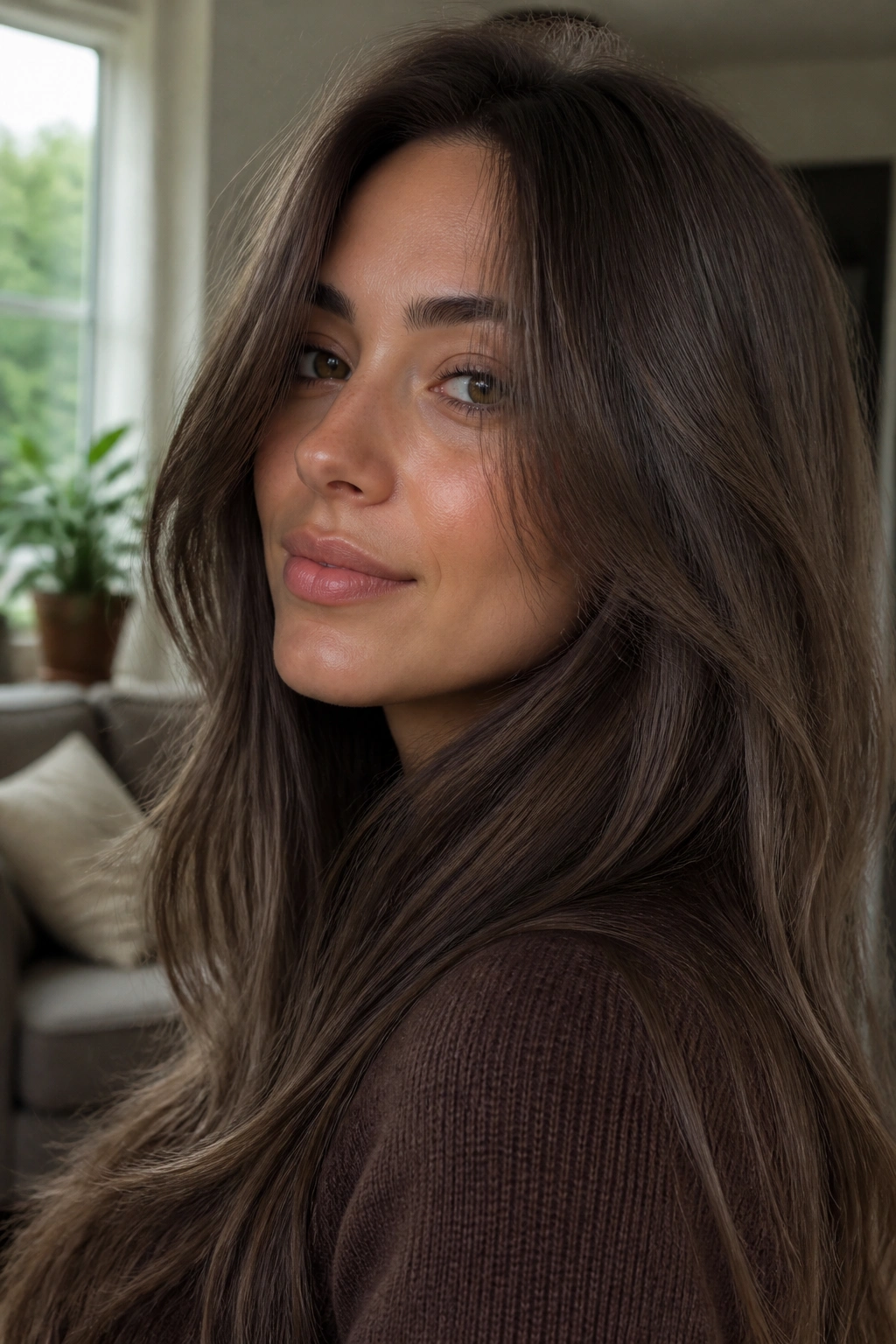
Mushroom espresso is for the person who likes brunette hair with a cool, slightly earthy edge. It leans taupe, gray-brown, and soft ash all at once, which keeps it from looking red under bright light. On cool skin tones, that muted quality can be a gift. It doesn’t fight pinkness in the cheeks. It quiets it.
What Makes It Different
The shade sits between espresso and mushroom brown, so it has depth without the blackness of blue espresso. That middle ground is useful if you find jet-black-adjacent hair too severe.
- Works well on medium to thick hair.
- Looks especially good on long layers and soft waves.
- Needs a cool toner to keep the taupe cast intact.
- Can look flat if the cut is too blunt and heavy.
Pro tip: mushroom espresso usually needs a salon gloss more often than a plain dark brown, because the cool pigments that create the smoky look fade out first.
This is one of my favorite choices for cool undertones that don’t want high contrast. It feels grown-up without being severe. A little mysterious, maybe. Not dramatic in the loud sense.
8. Espresso Gloss Over Natural Brown
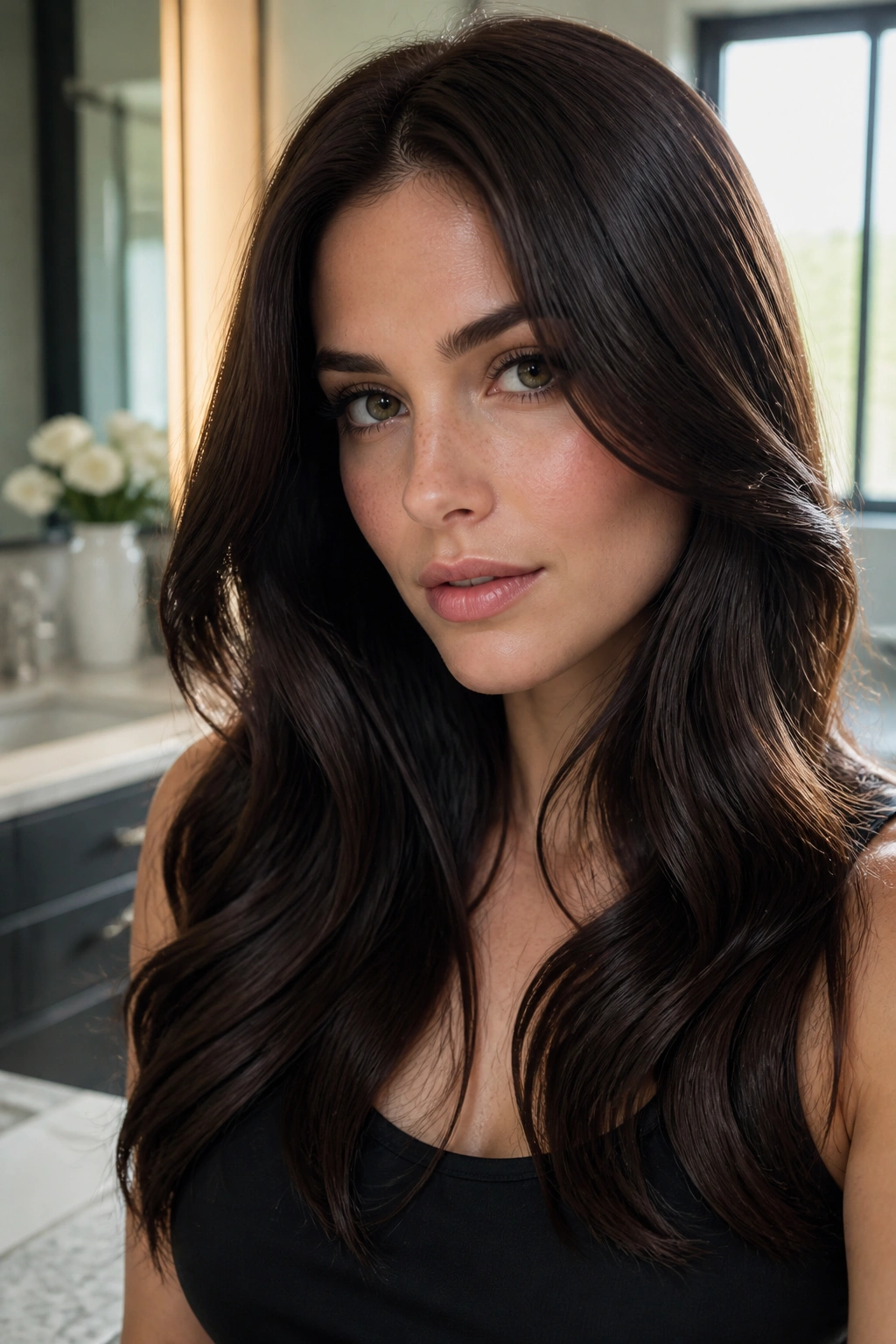
Sometimes the best color idea is not a full dye job at all. A gloss over natural brown can deepen your own shade into espresso territory without changing the structure of the hair much. That’s a blessing if your hair is dry, porous, or prone to swallowing color unevenly.
The beauty here is the finish. A gloss adds a cool brunette tint and boosts shine, so the hair looks denser and smoother. On cool skin, that softened depth can sharpen the face without adding obvious warmth. It’s also one of the least stressful ways to try espresso if you’re not ready to commit to permanent color.
Will it turn your hair into a super dark brown? Not always. It depends on where you start. Medium brown hair will move into richer espresso territory faster than light brown hair will. But that’s fine. A translucent result can look more natural than a heavy dye.
If you like to change your look often, this is the easiest entry point. It fades softly, and it doesn’t leave much of a line at the roots.
9. Charcoal Ribbon Highlights in Espresso
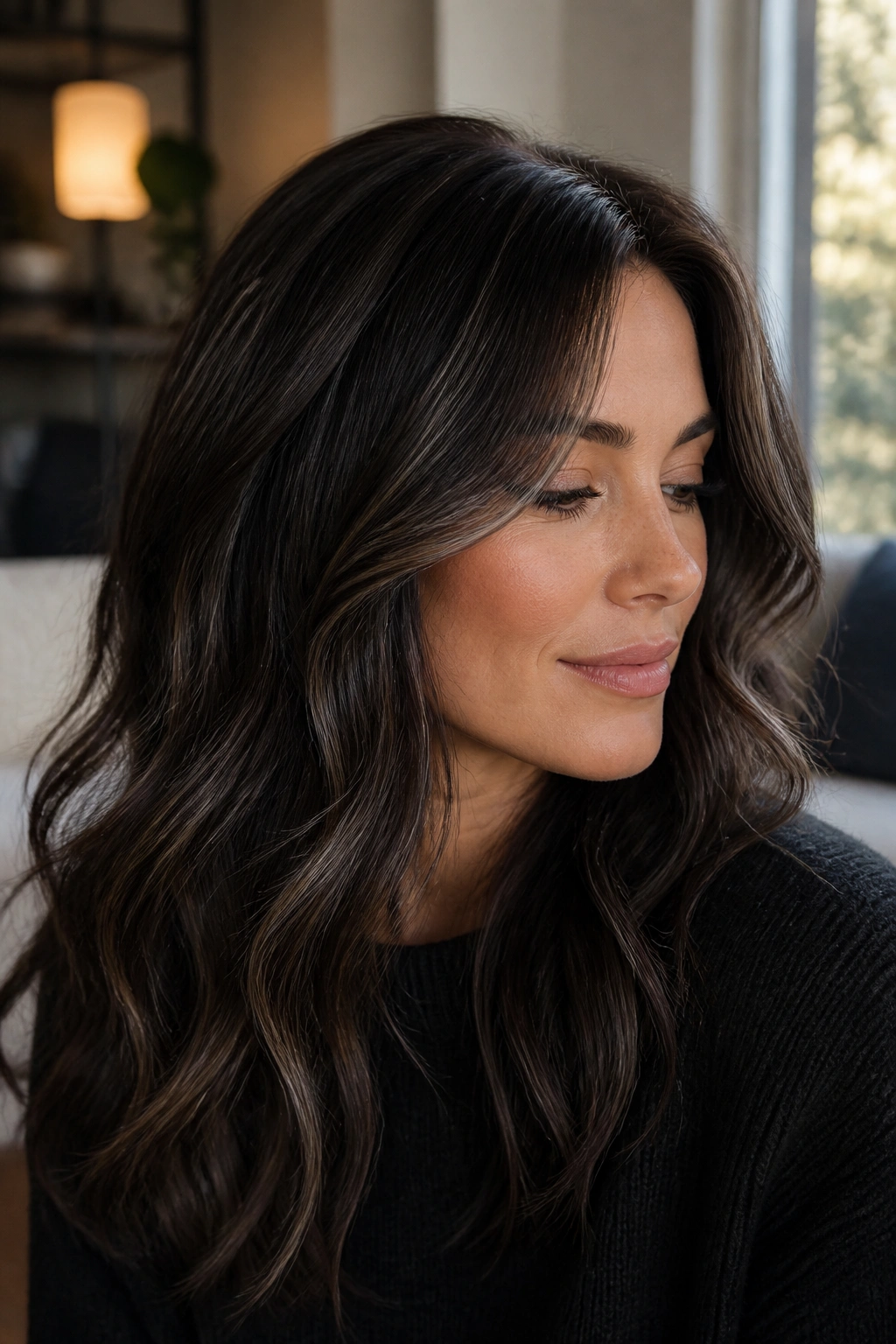
Charcoal ribbons are a smart answer for anyone who wants dimension but hates obvious highlights. They sit inside the espresso base like thin, smoky threads, so the hair moves without screaming “colored.”
This idea looks especially good in curls and loose waves. A round bend or S-wave lets the charcoal pieces peek through, then disappear again, which keeps the whole look soft. Straight hair can wear it too, but the ribbons need to be thinner or the contrast gets too graphic.
Good Placement Notes
- Place the darker ribbons around the crown and outer layers.
- Keep them narrower at the face and slightly wider toward the back.
- Use cool brown or slate-toned toner, not ash-blonde.
- Refresh the gloss every 6 weeks if your hair pulls warm fast.
There’s a nice side effect here: charcoal ribbons can make the hair look thicker. Not because the color is magic. Because the tonal shifts give the eye more to read. That’s a real trick, and it’s worth using.
10. Long Espresso Layers With Airy Movement
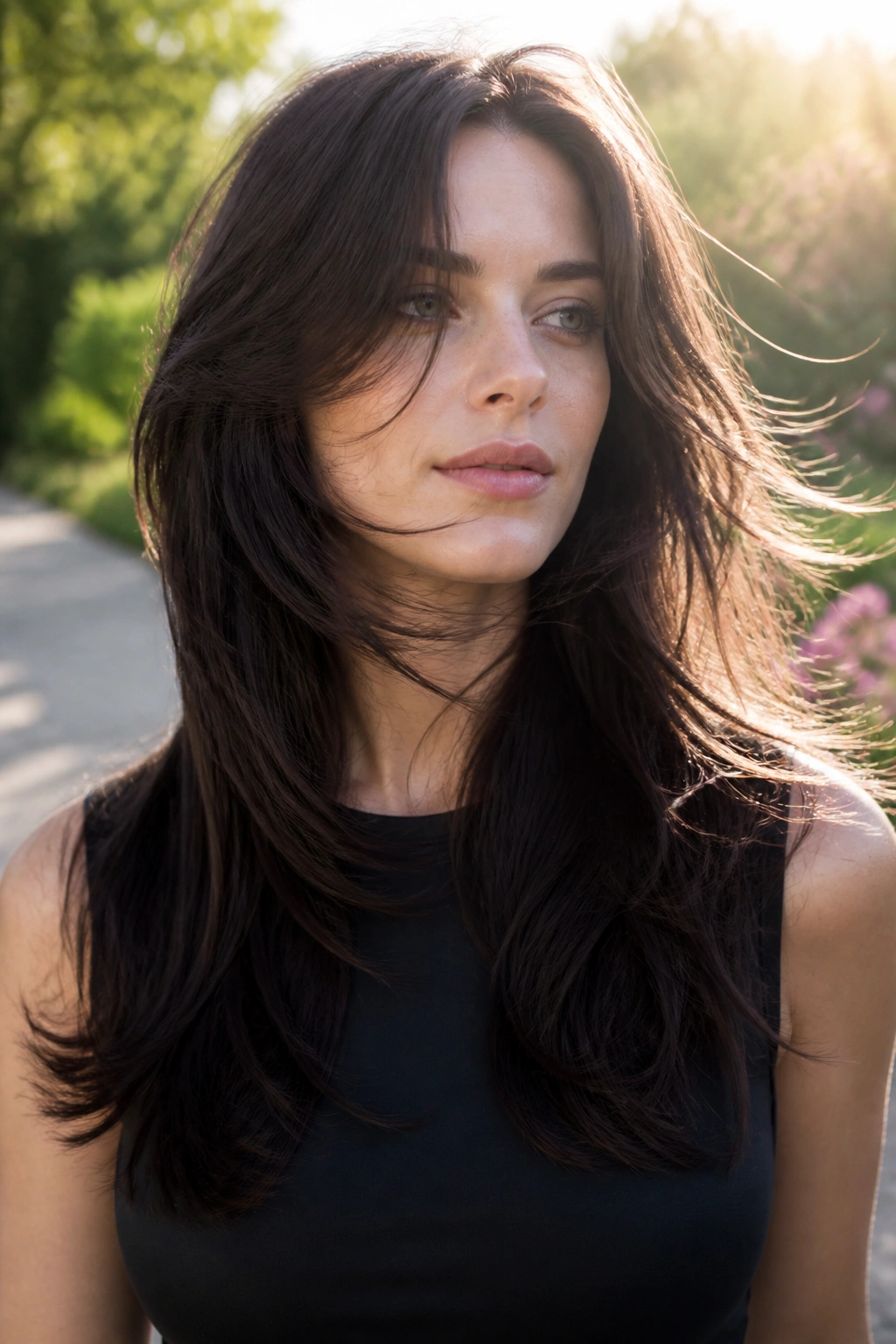
Long layers change the way espresso reads on the head. Without layers, deep brown can look like one big sheet, especially if the hair is thick. Add movement, and the shade gets dimension from the cut itself.
This is a quiet favorite for cool skin tones because it doesn’t rely on obvious highlights. The ends can catch light a little differently than the crown, and that small variation is enough. On long hair, espresso looks softer when the layers are placed around the cheekbones and collarbone rather than chopped high up the head.
A center part gives the color a more even, sleek feeling. A slight off-center part makes the front pieces fall in a way that brightens the face. Neither option is wrong. They just change the mood.
If your hair tends to hang heavy, this is one of the best ways to keep espresso from feeling too solid. Ask for long internal layers and a gloss finish. That combination gives you movement without losing the richness.
11. Violet-Reflected Espresso
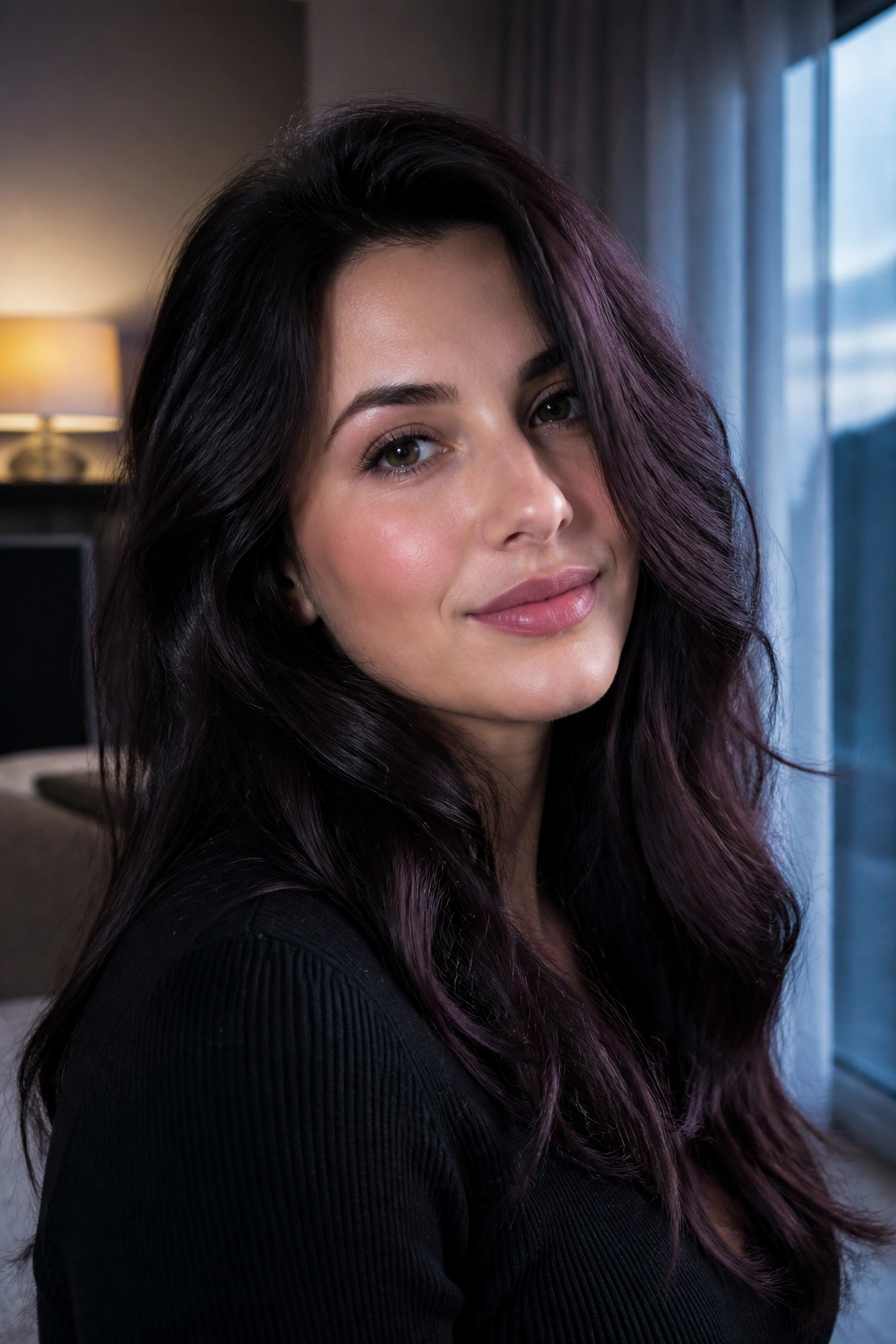
Violet-reflected espresso is one of those shades that sounds niche until you see it on the right skin tone. Then it makes sense immediately. The violet base cools the brown and gives it a deep plum cast in certain light, which can look especially good beside cool or rosy undertones.
Why Violet Helps
Brown hair often pulls red when it fades. Violet pigment nudges it back into cooler territory before that happens. It’s a simple fix, but a smart one.
If you’ve ever felt like espresso brown looked a little too plain on you, this version adds depth without turning the hair visibly purple. The violet is a reflection, not a statement color. Indoors, it may look like rich coffee. Near a window, it can flash plum-brown for a second. That shift is part of the appeal.
This is a strong choice for medium-length cuts and layered lobs, where the movement lets the reflection show up in pieces. If you wear your hair very straight and flat, the effect is subtler. Still pretty. Just quieter.
12. Espresso With Icy Face-Framing Streaks
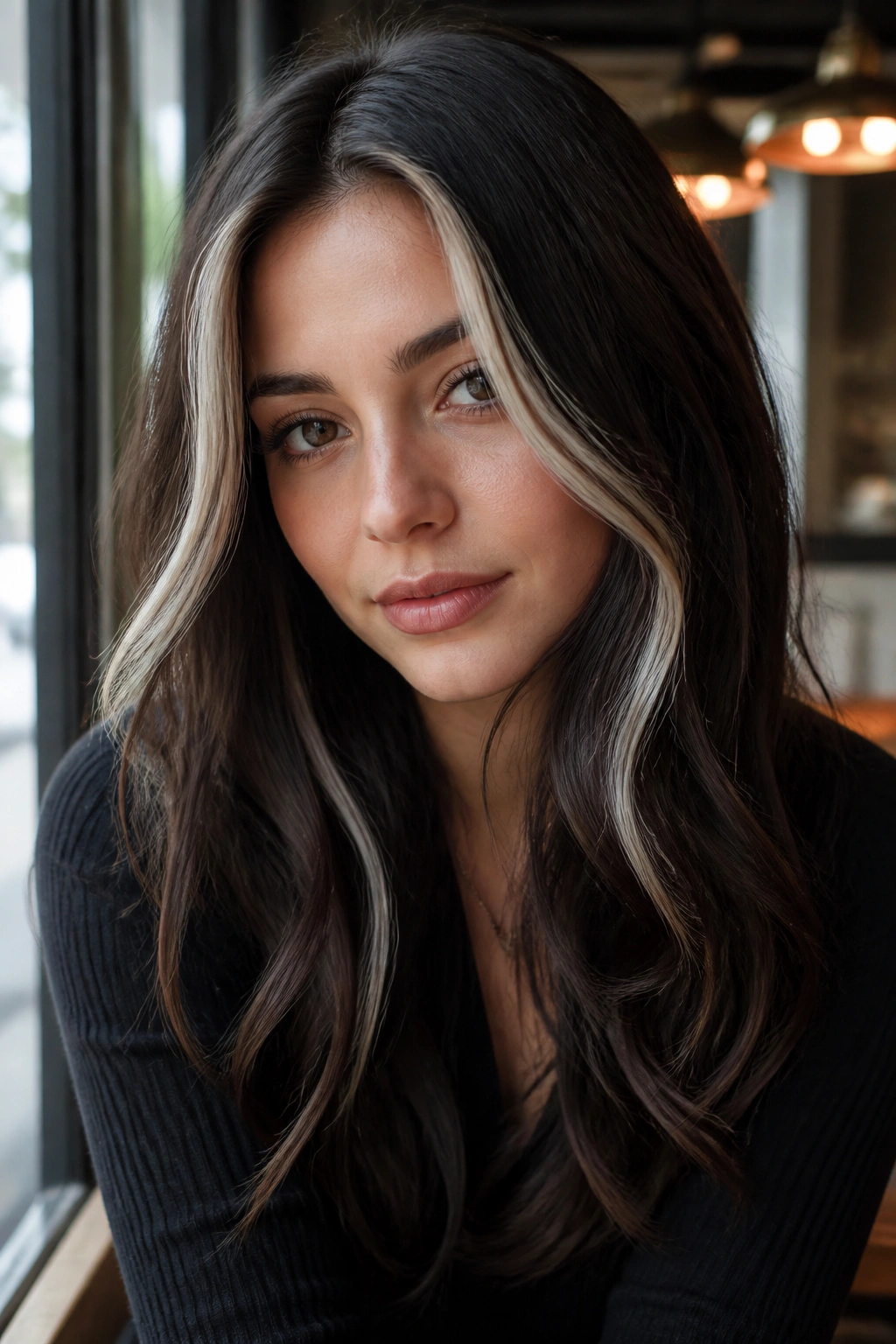
Two icy streaks around an espresso base can do a lot of work. A lot. They add brightness near the face while keeping the rest of the hair dark and cool, which is exactly why this idea flatters cool skin without turning the whole head blonde.
The key is restraint. The streaks should be fine, not chunky. Think delicate brightness through the front, almost like a cold beam of light, while the rest of the hair stays deep coffee brown. If the contrast is too strong, the look stops being chic and starts feeling disconnected.
This one works well if your haircut has movement around the front—curtain bangs, face-framing layers, or a softly layered lob. The lighter pieces help the cut show up. They also make a simple ponytail look more finished, which is a nice bonus.
If you’re nervous, keep the streaks only from temple to chin. That small zone is enough to lift the face.
13. Soft Espresso Babylights
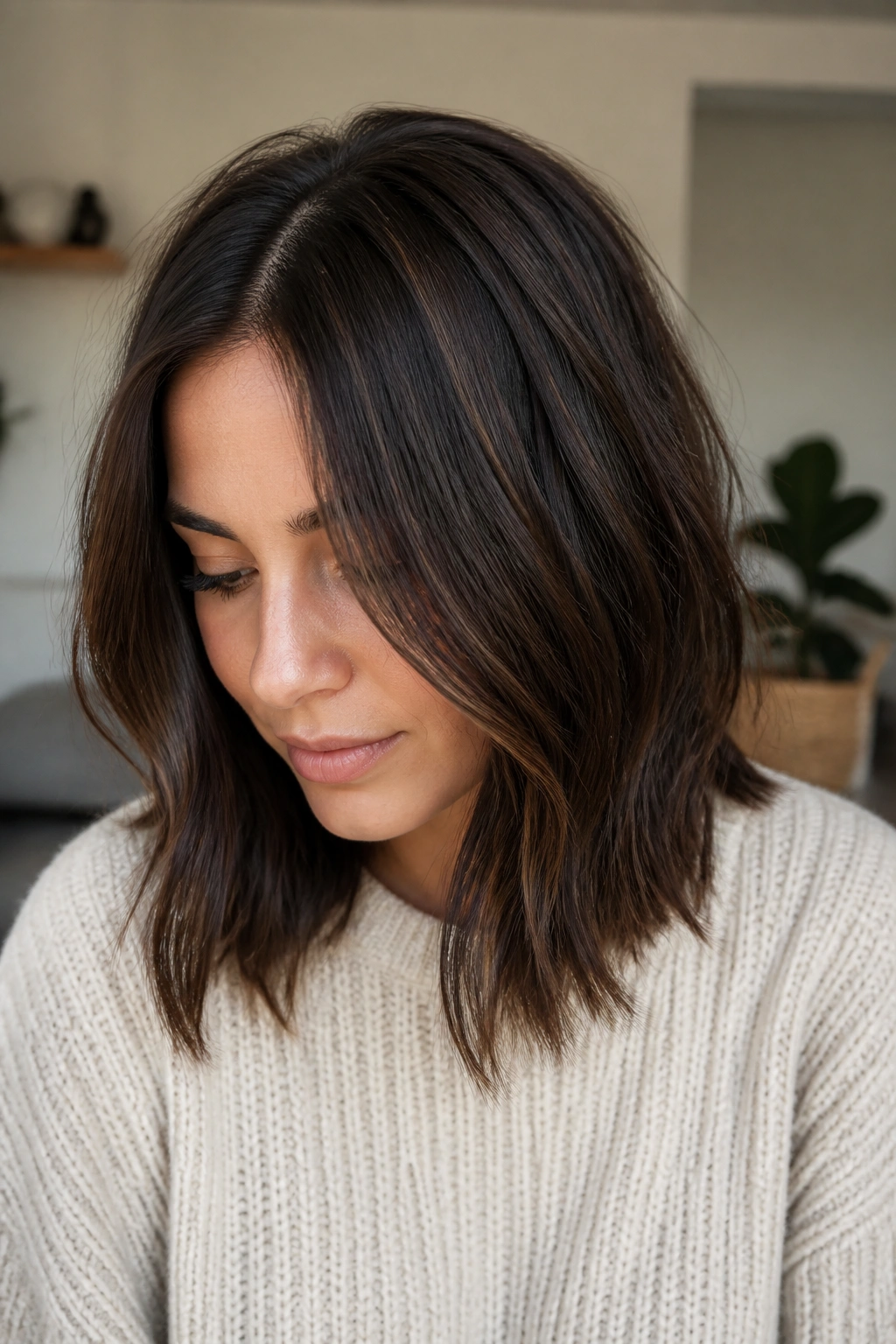
Babylights in espresso hair sound tiny because they are tiny. That’s the whole point. They’re thinner than standard highlights, and on a deep brunette base they create a fine, subtle shimmer instead of visible streaks.
How to Tell Your Colorist
Ask for micro-fine cool-brown lights placed around the part line, crown, and top layers. The goal is to mimic the natural variation you’d get from sunlight, not to lighten the hair in a dramatic way.
This idea suits cool skin tones because the lightened pieces can be toned down to beige-brown, ash beige, or soft mushroom, none of which fight the complexion. It’s also a good option if you want some movement in your color but you hate obvious grow-out.
Babylights do need toning more often than a solid espresso shade. They can go warm at the ends first, especially if you heat-style your hair a lot. That said, they’re gentle on the eye and easy to wear. Under office lights, they can look almost invisible. In sunlight, they wake up just enough.
14. Cool Cocoa Espresso Ombré
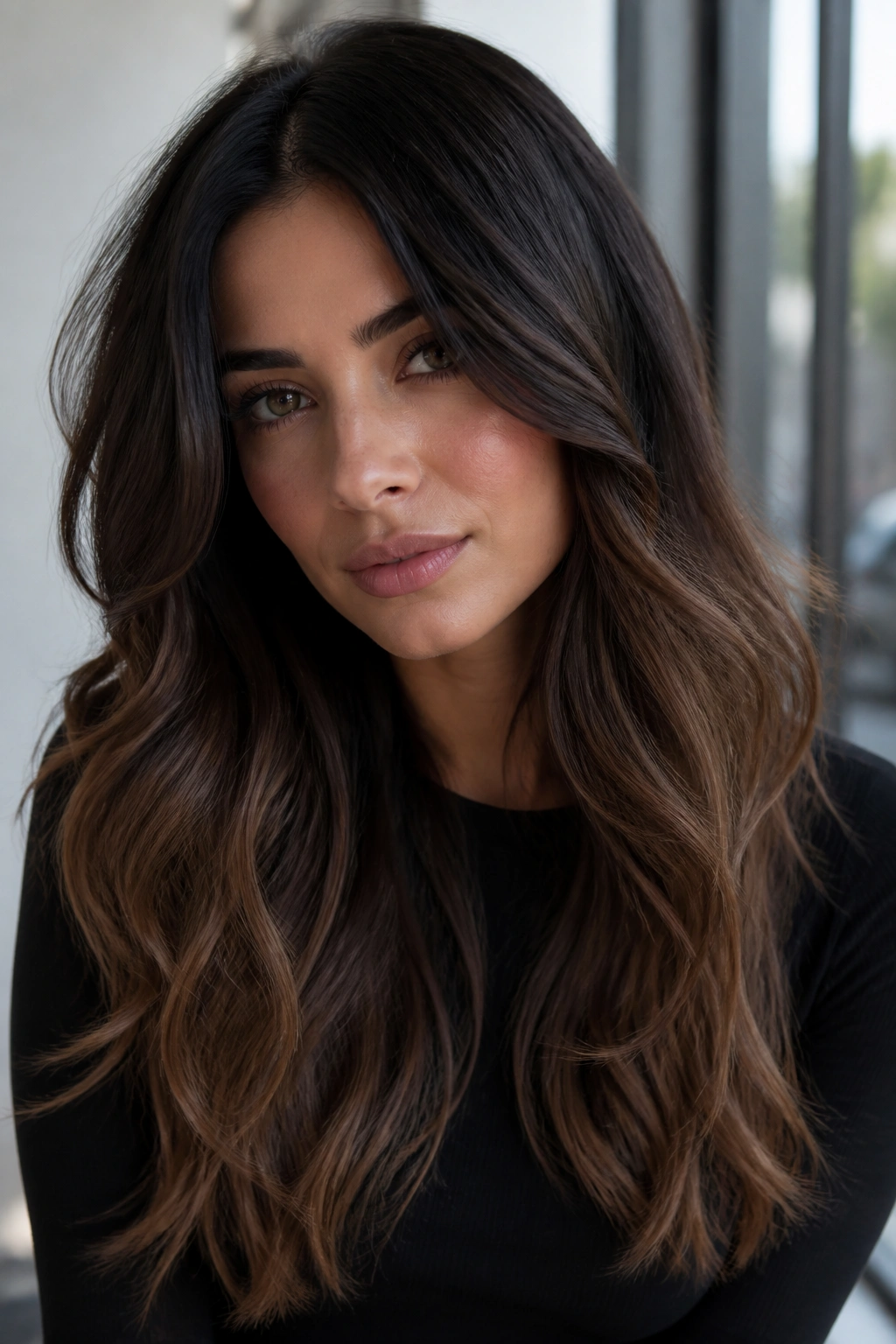
An ombré from espresso roots into cool cocoa ends is a softer path for anyone who wants dimension but not a stripy result. The root zone stays dark and rich, then the color eases into a muted cocoa that still feels brunette, just lighter and a little airier.
This works well on medium to long hair, especially if the ends are layered. The length gives the gradient room to breathe. If the transition happens too high, the look can get chunky. Keep the fade low and smooth. That’s where the good version lives.
One-sentence truth: the ends should never drift orange.
This style suits cool skin because the lighter ends are still cool enough to avoid brassiness. If your hair lifts warm when lightened, ask for a beige-brown toner with an ash base. A good ombré here should feel easy, almost like your hair naturally changed tone over time.
15. Deep Espresso Pixie Cut
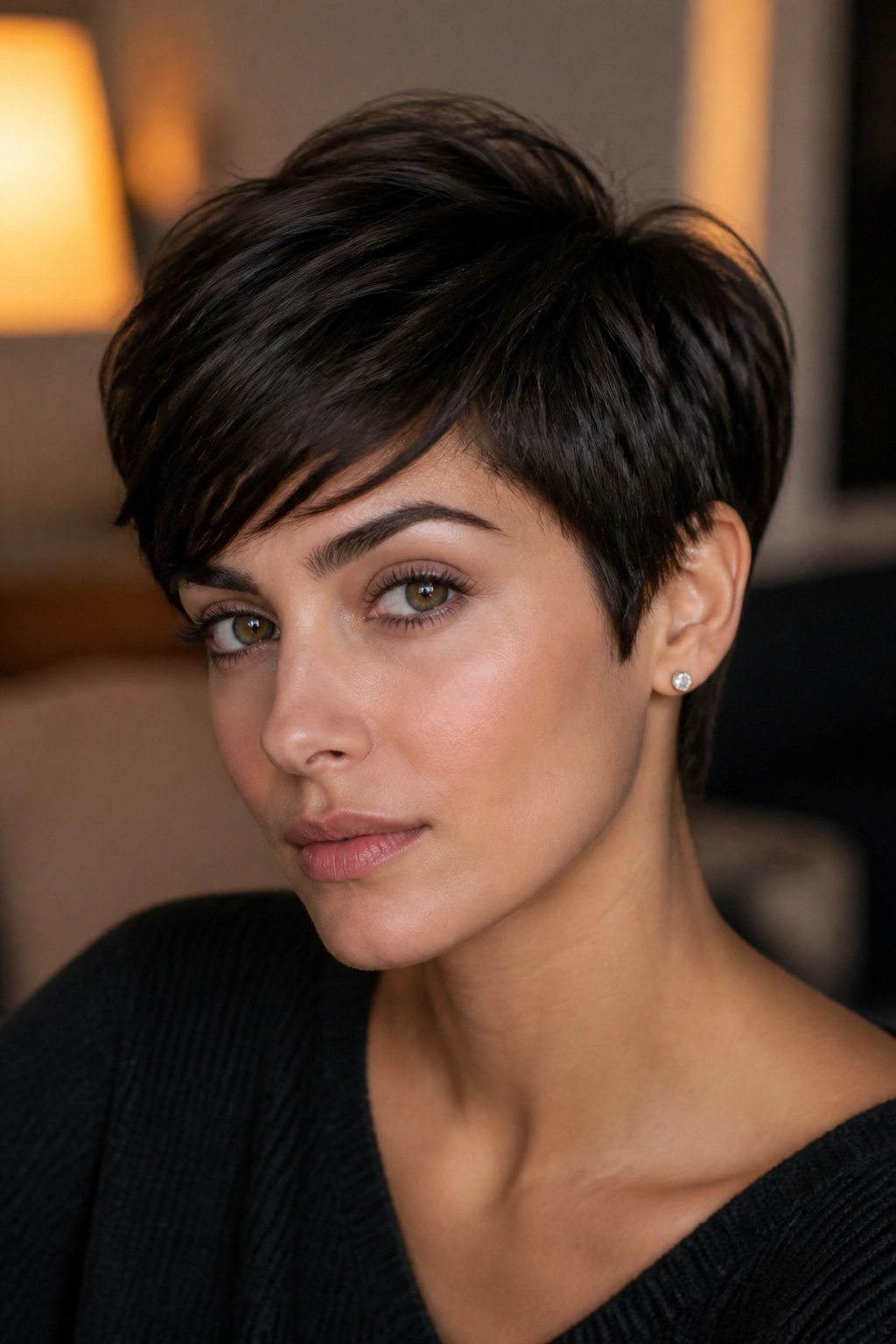
A pixie cut makes espresso look sharper than almost any longer style. The short shape leaves no room to hide the color, which sounds harsh until you realize that espresso on cropped hair can look sleek, clean, and very intentional.
Cool skin tones benefit from that neat contrast, especially if the pixie has a little texture on top and close sides. The depth of the color makes the cut look more defined. A soft side-swept fringe can keep the face from looking too severe, which matters if your features are fine or your skin is very fair.
I like this choice most on hair that has good natural density. Thin hair can still wear it, but the cut has to be shaped carefully so the espresso doesn’t flatten the whole look. A lightweight styling cream and a touch of shine spray are usually enough.
If you want a short cut that still feels rich, this is one of the strongest options. No fuss. Plenty of impact.
16. Espresso With Slate Lowlights
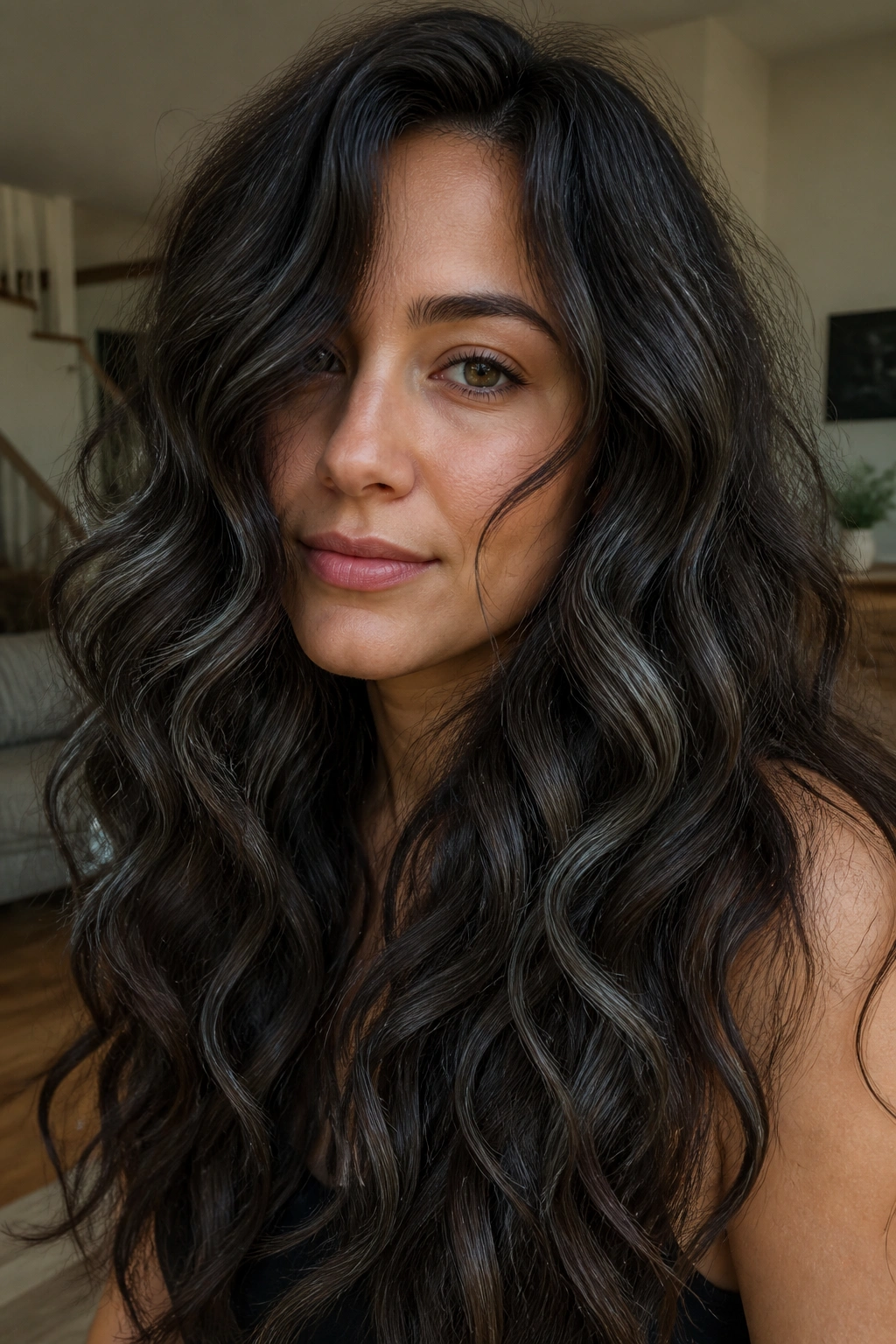
Lowlights are underrated. People chase brightness all the time, then wonder why their dark hair feels flat. Slate lowlights fix that by adding slightly cooler, deeper strands inside the espresso base, which gives the whole head more shadow and shape.
This is a good move for curly or wavy hair because the darker pieces show up differently as the hair moves. The result is less “striped” and more dimensional. On straight hair, the effect is subtler, but it still helps break up a heavy brunette mass.
Unlike highlights, lowlights keep the overall level dark, which means the style stays friendly to cool skin tones that need richness more than brightness. If your color has been looking too washed out, slate lowlights can pull it back into place.
Ask for strands that are one shade deeper than your base and keep them cool, not warm. That tiny distinction matters more than people think.
17. Satin Espresso Curls
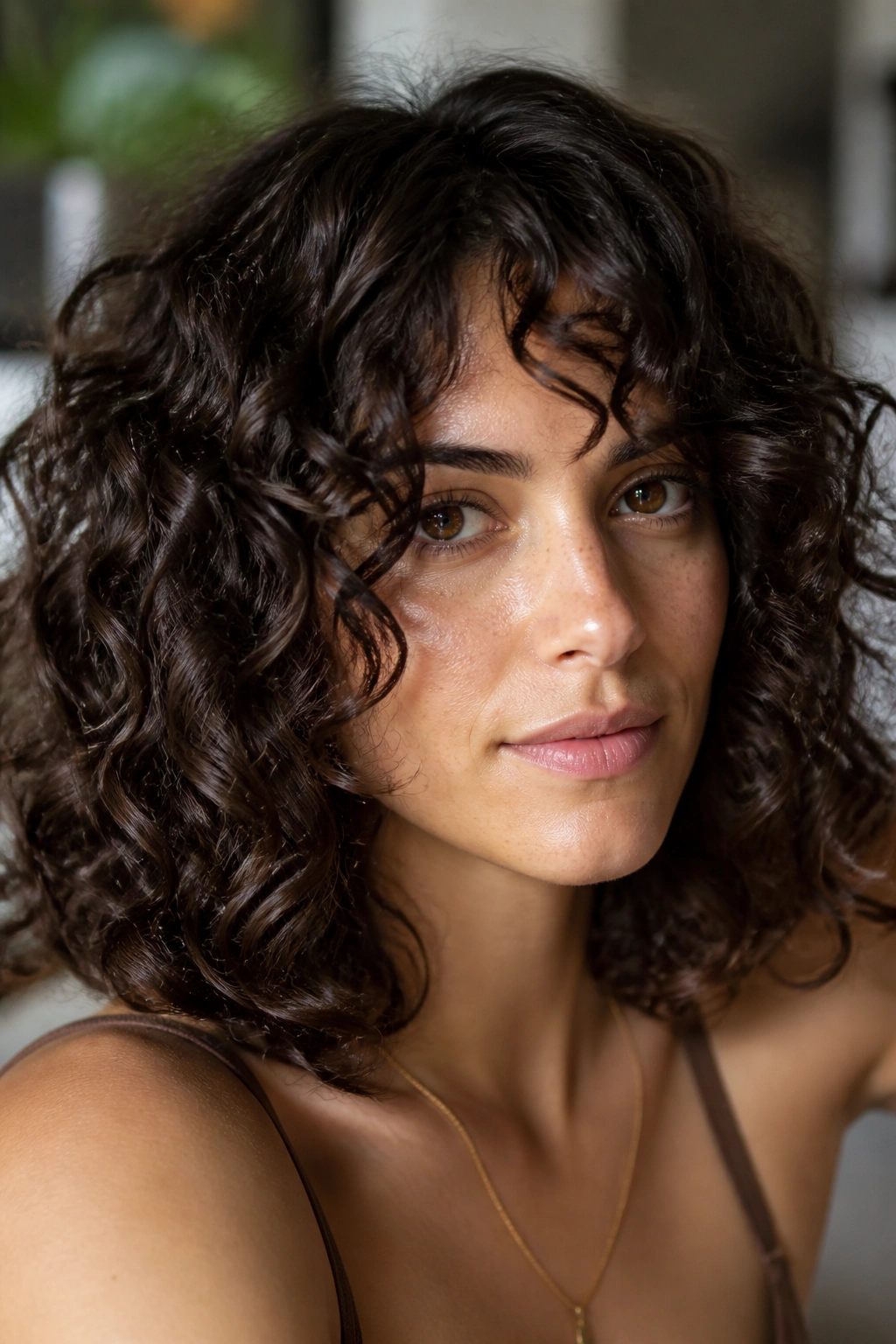
Espresso curls need shine. Without it, the color can sink into the shape and look dull. Satin espresso solves that by pairing a cool, deep brown with a smooth, reflective finish that lets each curl pattern read clearly.
What Helps This Look Work
- Use a curl cream with a light hold, not a stiff gel.
- Diffuse on low heat until the curls are dry but still soft.
- Finish with a pea-sized amount of oil on the ends.
- Ask for cool glossing rather than warm caramel accents.
The style is lovely on shoulder-length curls, but it can work on longer hair too. The trick is keeping the curl pattern defined enough to show off the tonal variation. On cool skin, the satin finish prevents the dark color from feeling heavy.
One warning: if your hair is highly porous, it may drink up toner faster than you expect. That means the shade can shift warm sooner. A color-safe conditioner and a gentle sulfate-free shampoo help keep the brown on track.
18. Espresso and Blue-Black Peekaboo
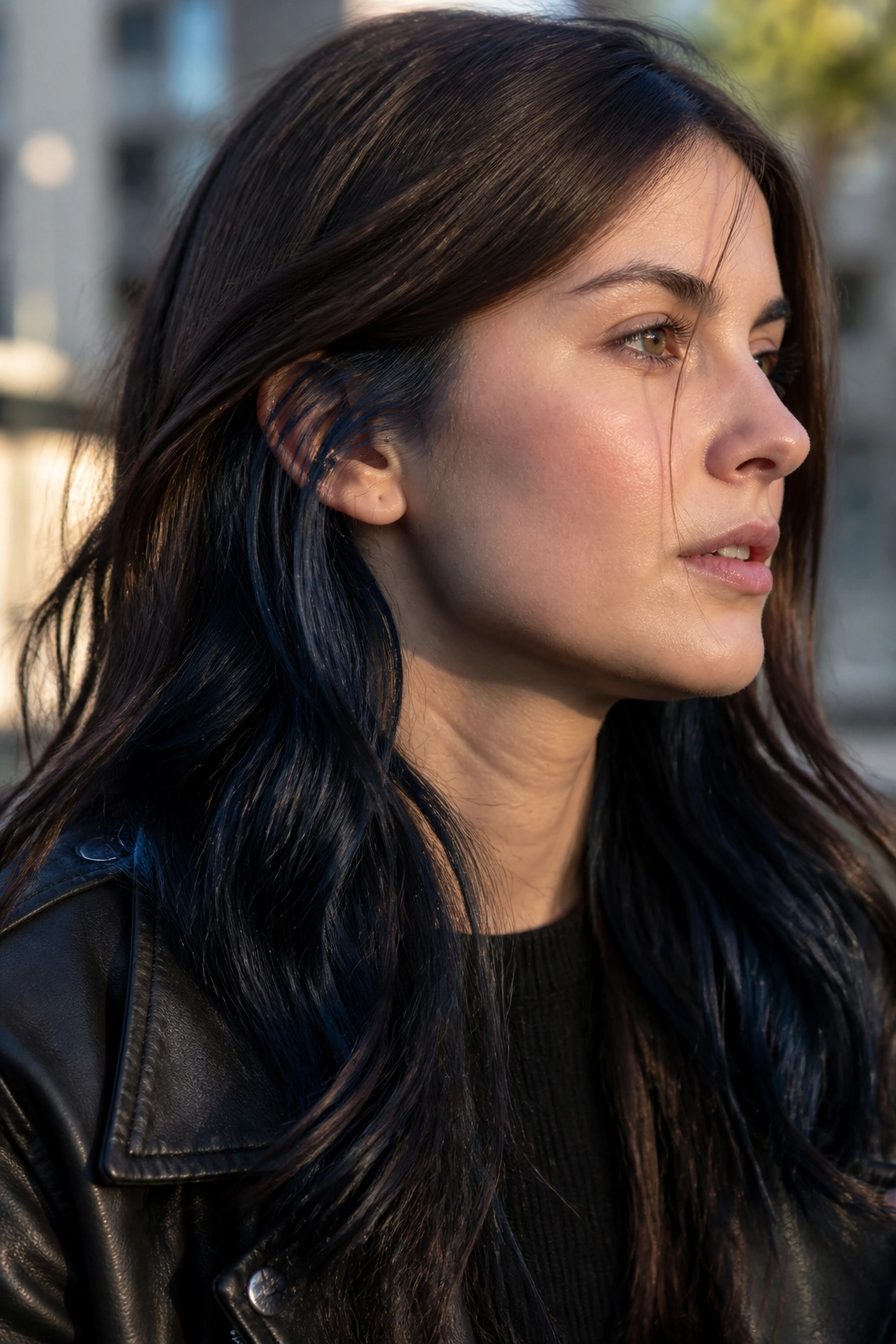
Want a little edge without painting the whole head blue-black? Peekaboo panels are the answer. They hide darker color beneath the top layer, so you catch flashes of cooler depth when the hair moves, lifts, or gets tucked behind the ear.
This is a strong option if you wear your hair half-up a lot, or if you like a simple front view and a little surprise underneath. The effect is more interesting than it sounds. On cool skin, the hidden blue-black sections can make the espresso top layer feel richer by comparison.
It also gives you some flexibility. If you love contrast, let the underlayer be more obvious. If you want something quieter, keep the panels narrow and place them beneath the crown only. The color story stays dark either way.
Best on layered cuts. A one-length style can hide the peekaboo too well, which defeats the point.
19. Soft Ash Espresso With a Center Part
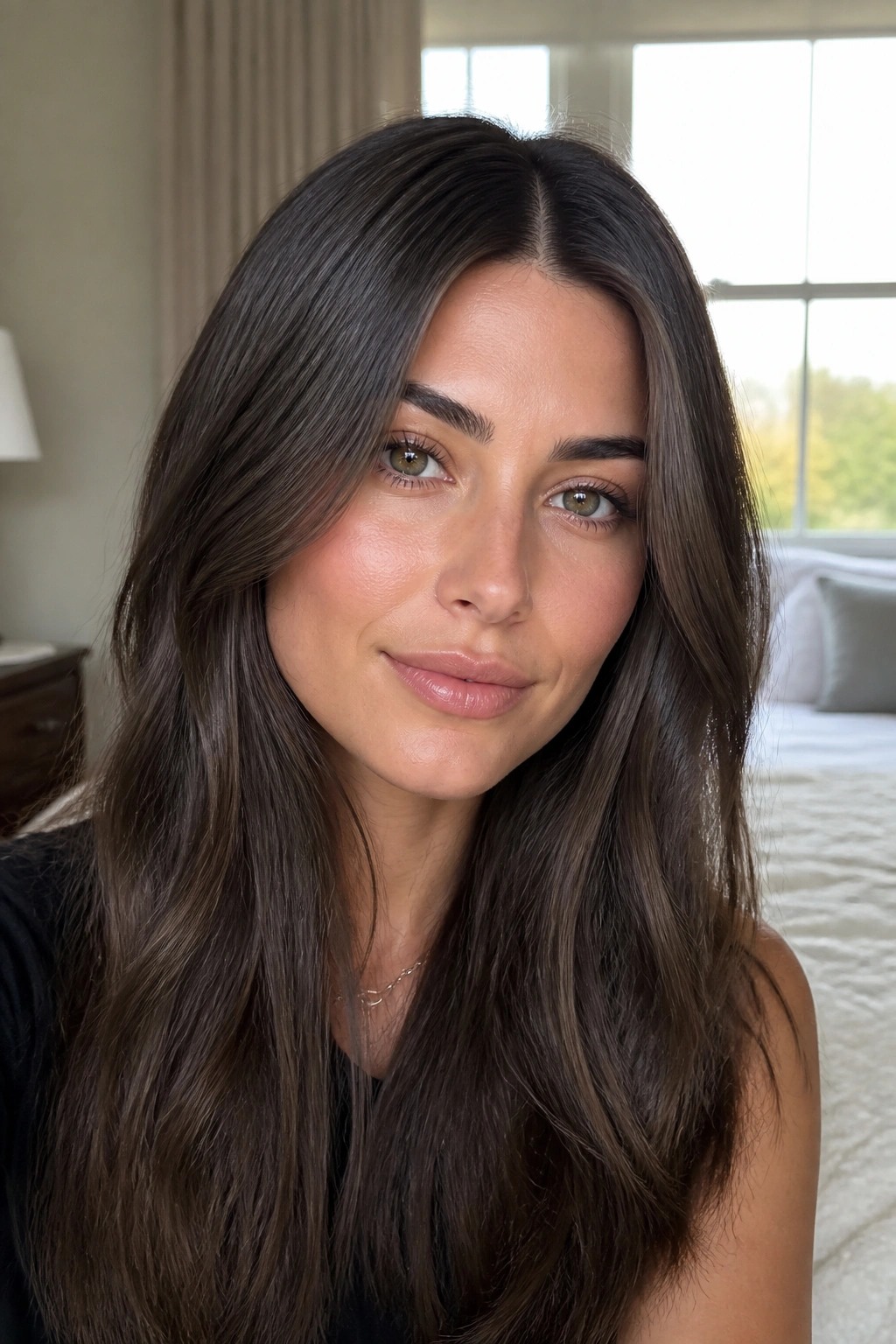
A center part and a soft ash espresso shade are a clean, restrained pairing. There’s no big drama here, and I mean that as praise. The middle part creates symmetry, while the cool brown keeps the look calm and polished.
This is ideal if your face is already fairly balanced and you want the hair to frame it without shouting. It suits fine to medium hair especially well because the cool espresso shade can make the strands look denser. The center part also helps the color fall in two even curtains, which is flattering on cool skin that reads best with clean lines.
A Few Placement Notes
- Keep the front pieces slightly softer than the crown.
- Ask for a neutral-cool gloss, not a red-brown glaze.
- If your hair is long, add movement below the collarbone.
- Use a wide-tooth comb after washing so the part stays neat.
There’s something almost clean about this look. Not boring. Clean. And sometimes that’s the better choice.
20. Espresso Lob With Shadow Roots
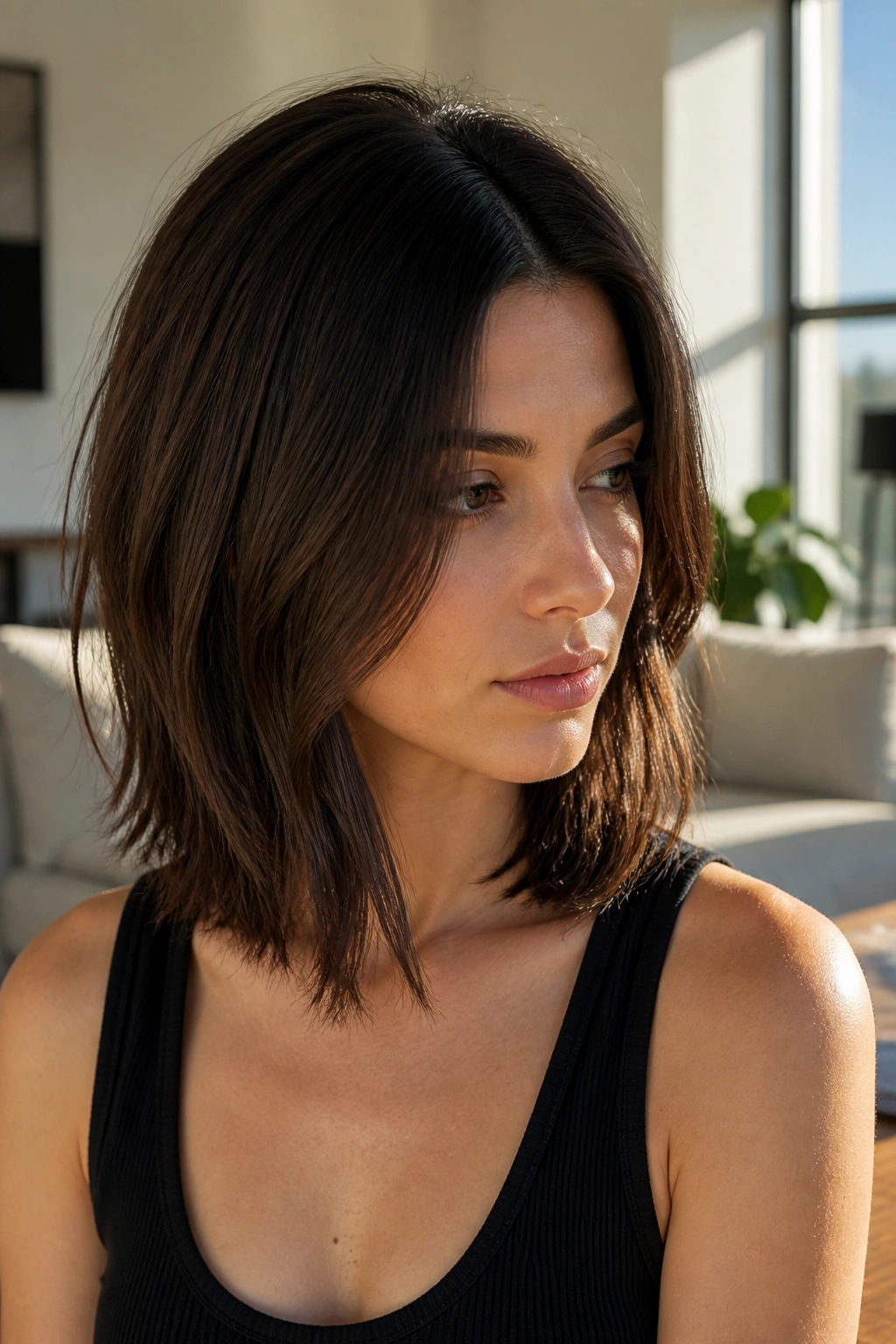
A lob gives espresso enough room to breathe without dragging the color down the back like very long hair can. Add a shadow root, and the whole cut becomes easier to live with. The root stays a shade deeper, so growth looks natural instead of obvious.
This is a practical option for cool skin tones because the overall brunette stays deep and cool, while the cut itself keeps the style modern and light on the shoulders. It works well on hair that’s straight, wavy, or somewhere in between. The lob length also helps espresso reflect a little more shine around the face.
If you heat-style often, a shadow root can be forgiving. The darkest area is the one that gets touched up last, which keeps the salon schedule from becoming annoying. I like that part. No drama.
Ask for a root shadow that blends softly into the rest of the brown, not a hard dip-dyed line. Soft is the whole point here.
21. Cool Chestnut-Espresso Blend
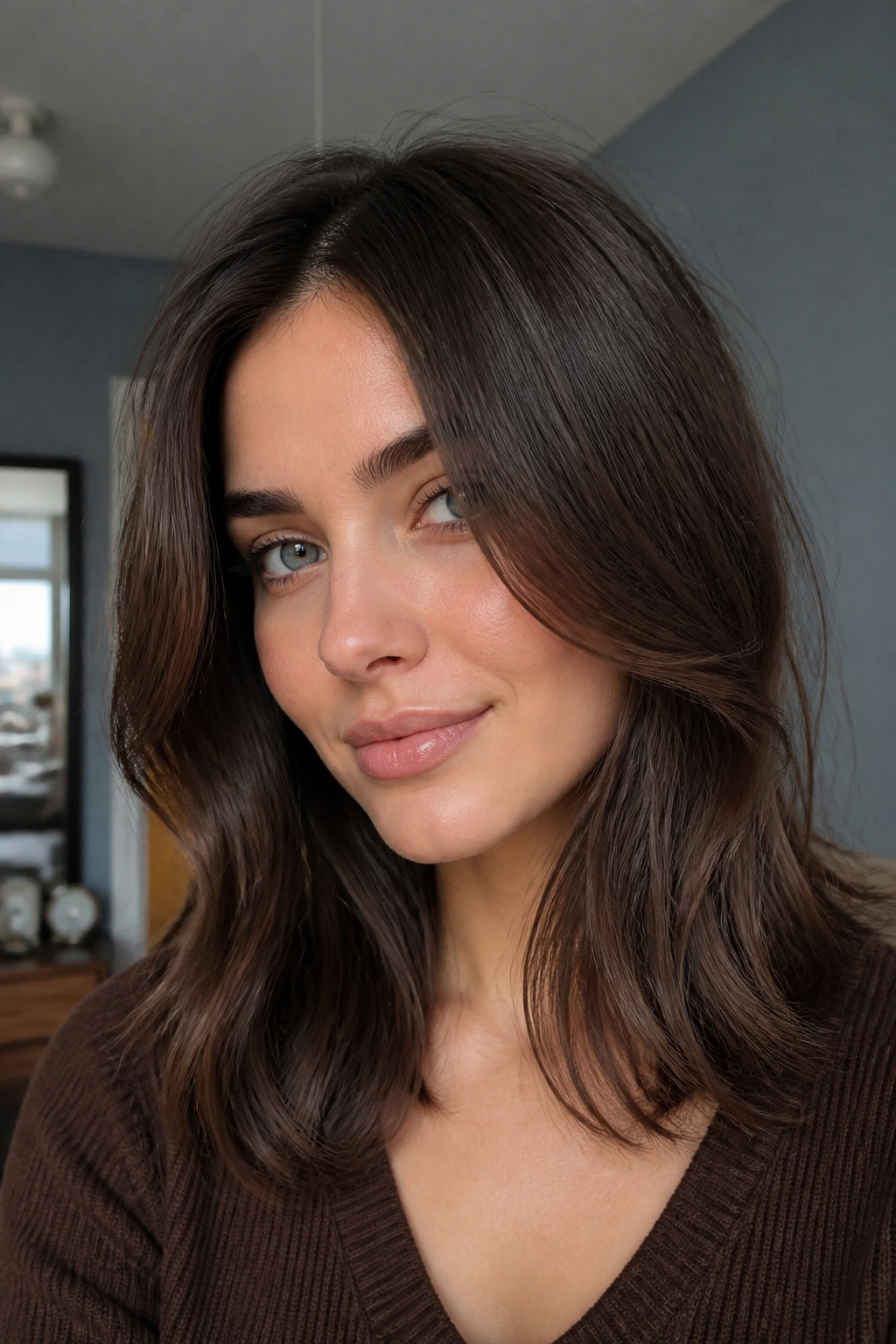
Chestnut usually sounds warm, so let’s be precise: this is cool chestnut, not the orange-red version that looks nice in the bottle and then turns on you in daylight. Blended with espresso, it creates a rich brown that still stays on the cool side of the color wheel.
This works best if you want depth but not the near-black effect. On cool skin, the softer chestnut note can warm the face a little without crossing into brass. That balance is useful on people who feel washed out by the darkest brunette shades.
The blend looks especially good on medium skin tones with cool undertones, where pure ash can sometimes feel a bit flat. A bit of chestnut softness gives the color life.
If you want this done well, ask for a brunette formula with cool red-brown kept to a minimum. That sounds picky, but it saves a lot of regret later.
22. Frosted Espresso Balayage
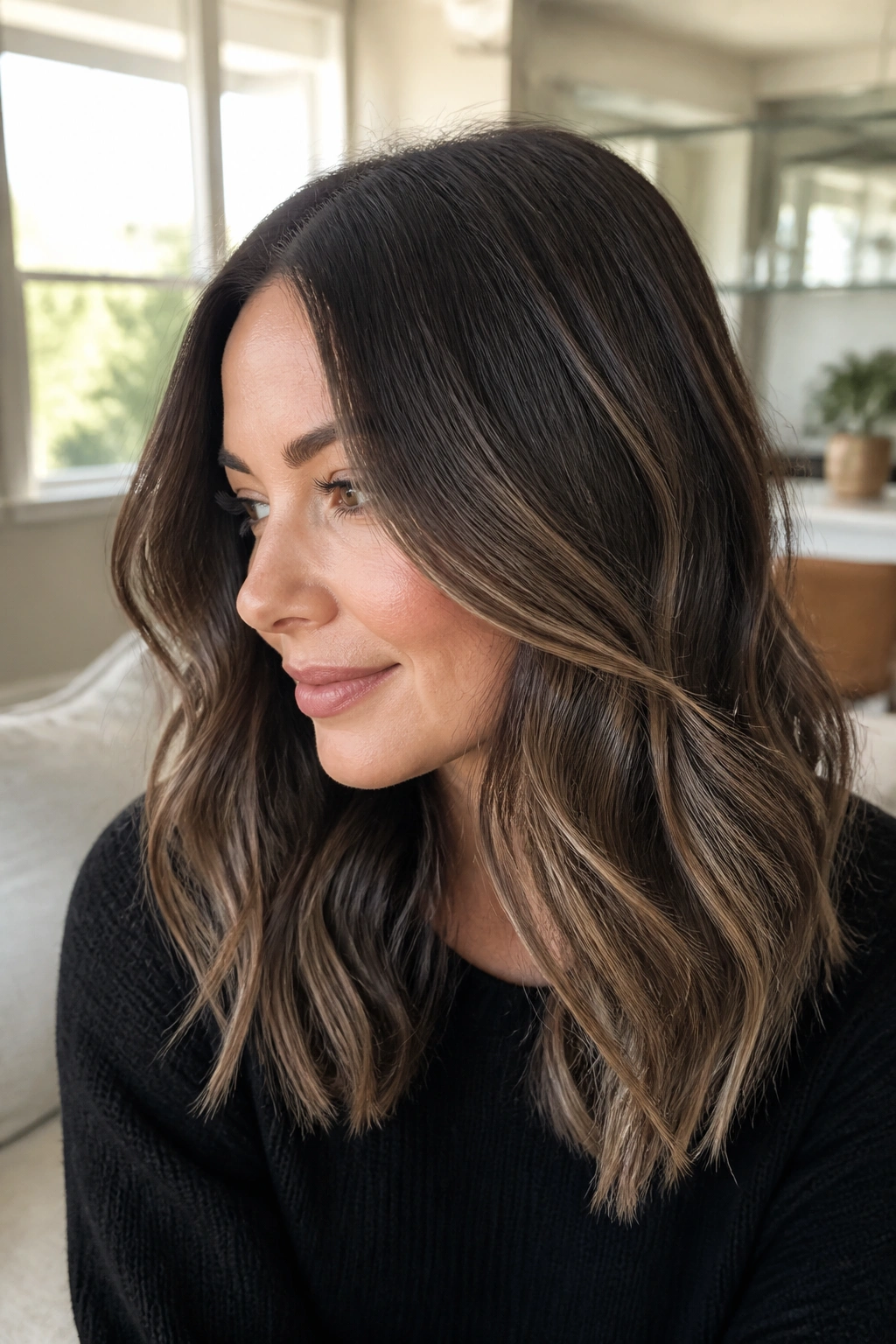
Frosted espresso balayage is for the person who wants a little brightness and a lot of depth. The light pieces should be cool enough to read almost frosted—more beige-ash than blonde—and painted so they sit inside the dark base instead of sitting on top of it.
Why It Stands Out
The darker base keeps the look grounded, while the frosted pieces add movement in places where the hair naturally bends or falls. On cool skin tones, the lighter pieces should never go gold. If they do, the whole effect loses its edge.
This works well on layered mid-lengths, where the lighter strands can show through during motion. It can also soften a strong jawline or balance a long face because the brightness spreads gently instead of concentrating in one chunk.
A good frosted balayage is low-contrast enough to grow out cleanly. That’s a relief. You get dimension, but you do not get a weekly maintenance problem.
23. Ultra-Dark Espresso Glass Hair
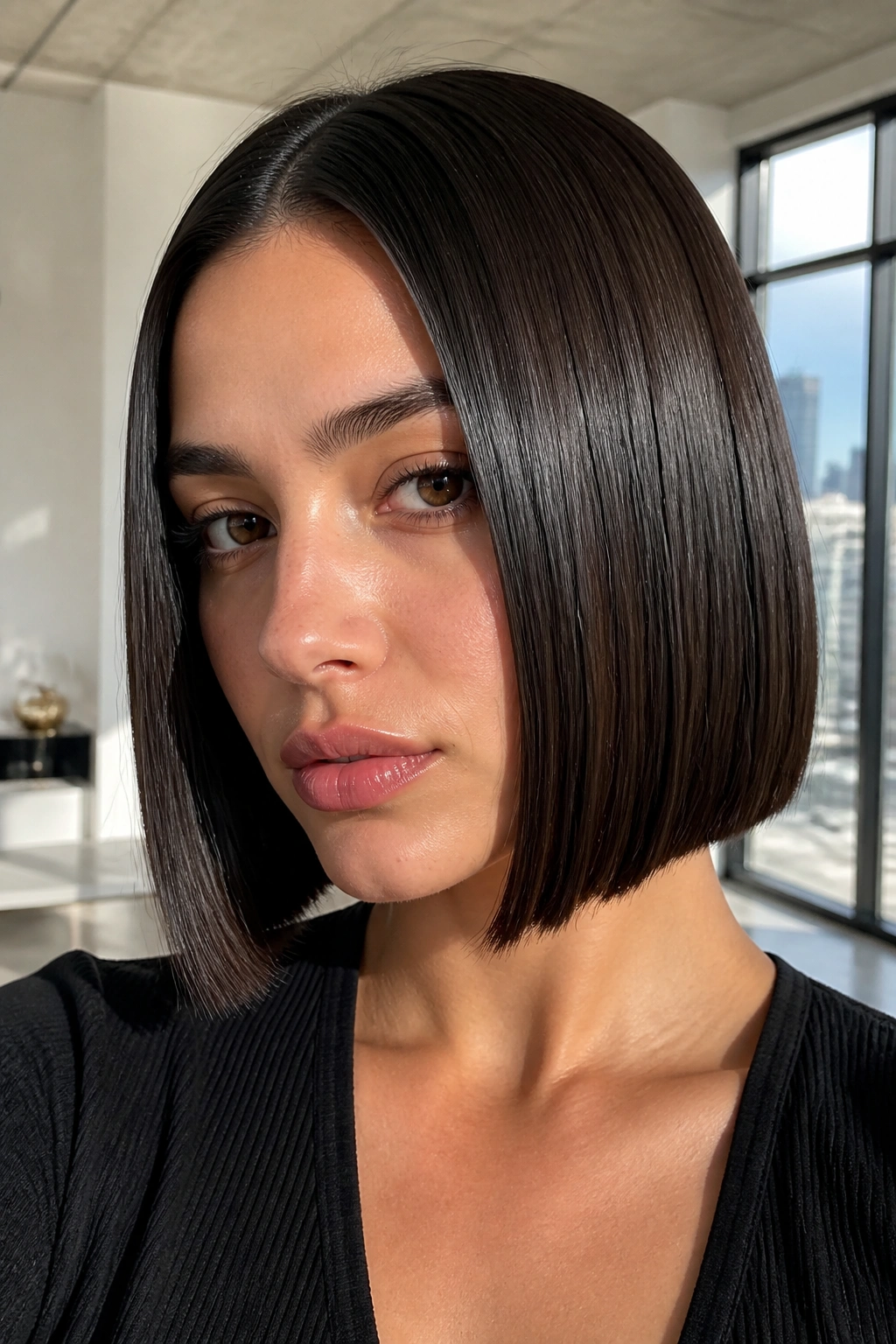
Glass hair is all about surface shine, and espresso gives it a perfect base. On cool skin, an ultra-dark espresso shade can look sleek and polished when the cut is precise and the finish is smooth. No frizz. No fuzzy ends. Just shine.
The trick is that the color itself is only half the story. The other half is the styling. A blowout with a round brush, a little smoothing serum, and a flat iron passed once or twice through the mid-lengths can turn a standard dark brown into something that looks almost reflective. If the hair is puffy or dry, the effect falls apart fast.
This idea works best on one-length bobs, long lobs, or straight long hair with minimal layers. The cleaner the line, the better the shine reads. If you have a lot of texture, you can still wear it, but it becomes a different look—less glass, more soft satin.
It’s a high-maintenance finish. Worth it if you love crisp hair. Not worth it if you hate styling.
24. Espresso With Silver Smoke Ends
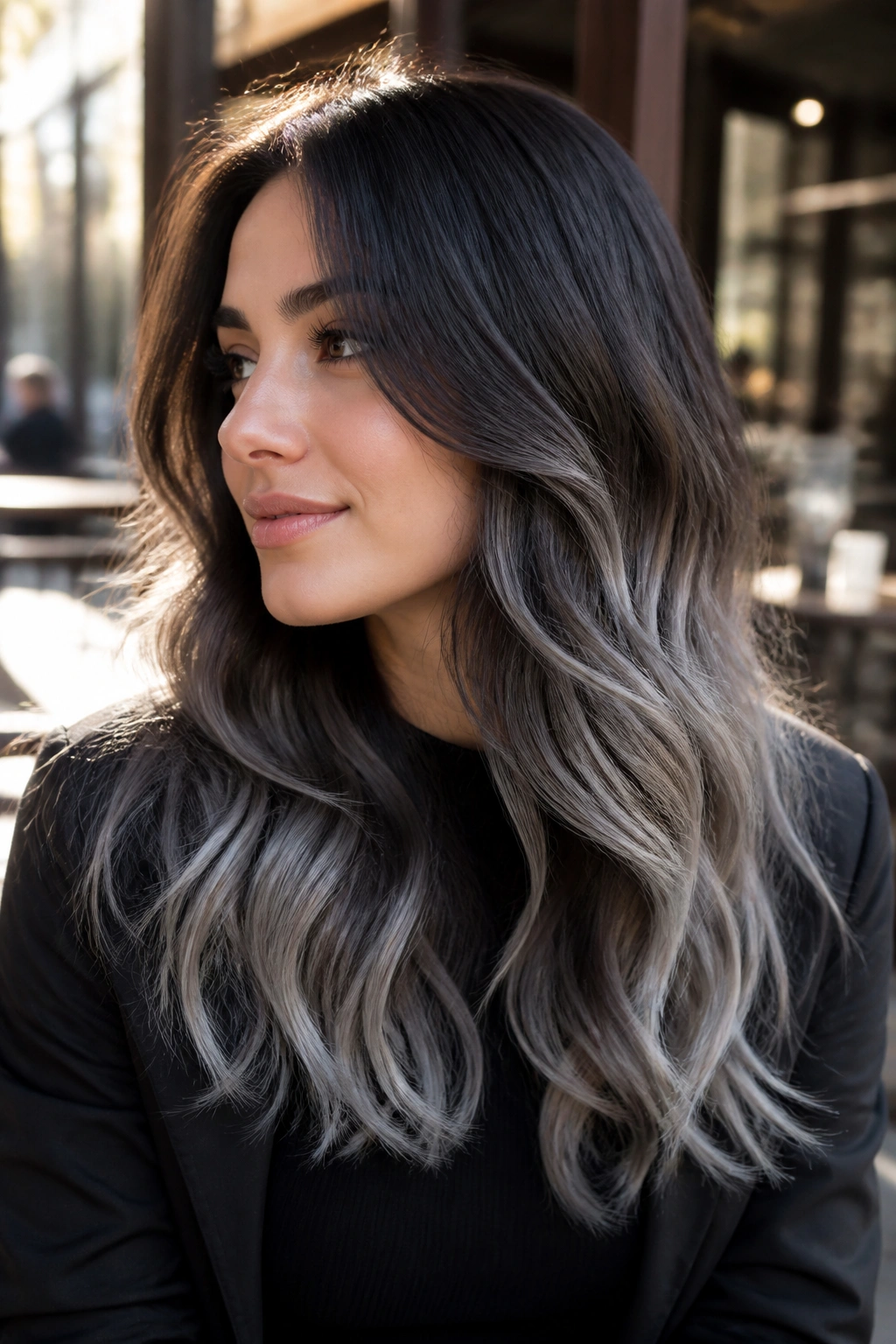
Silver smoke ends give espresso a cool, slightly futuristic edge without turning the whole head into a fashion color experiment. The roots and mid-lengths stay deep brown, then the ends soften into a smoky silver-brown that feels airy and refined.
This is a nice option if you’re growing out old highlights or if you want the ends to feel lighter without going gold. On cool skin, the silver tone can echo the undertone in the face, which keeps the look cohesive. It also looks good with waves, since the lighter ends show up in the bends.
What to Request
- Ask for a dark espresso root and mid-length.
- Keep the end toning in the silver-brown, slate, or ash-beige family.
- Avoid pale blonde at the tips.
- Use a cool toner every few washes if your ends pull warm.
The grow-out can be pretty forgiving if the fade is soft. That part matters.
25. Classic Espresso Reset for Faded Brown Hair
Sometimes the best espresso idea is a full reset. If your brown has gone brassy, faded flat, or picked up weird orange around the face, a classic espresso refresh can bring it back to life without adding anything fancy. It’s the simplest option on this list, and honestly, one of the smartest.
This version works especially well for cool skin tones because it strips away the warmth that makes brunette color feel tired. The result should be deep, rich, and even from roots to ends, with enough cool pigment to keep it from looking red in daylight. If you’re tired of fighting your hair every time the sun hits it, this is the repair move.
The best way to keep it looking good is boring but effective: use color-safe shampoo, wash with lukewarm water, and book a gloss before the shade starts drifting. If you want the color to last longer, keep your heat tools at a sane temperature and don’t fry the ends to death. That’s the unglamorous truth.
A well-done espresso reset is the kind of brown that makes everything else look a little more put together. Not loud. Not precious. Just deep, clean color that plays nicely with cool skin and doesn’t need to prove anything.
