



Chocolate brown hair can look lush on cool skin tones—or it can turn a little muddy and make the face look tired. The gap between those two outcomes is narrower than most shade charts admit, and it usually comes down to undertone rather than depth.
Cool skin usually likes brown shades with ash, blue, violet, taupe, or neutral notes. Not copper. Not gold. Not that syrupy caramel brown that seems to show up in half the salon swatch books and then looks oddly yellow against pink or blue undertones.
A good chocolate shade should make the complexion look cleaner and a bit more awake, not bronzed or sun-baked. That means paying attention to the gloss, the amount of warmth hiding in the formula, and where the lightest pieces sit around the face. A brown that looks rich in a color ring can change fast once it’s sitting next to real skin and natural light.
The shades below lean cooler, softer, and more wearable for cool undertones. Some are low-maintenance. Some need a toner more often than you’d like. All of them beat the warm-brown default that so often misses the mark.
1. Deep Espresso Gloss
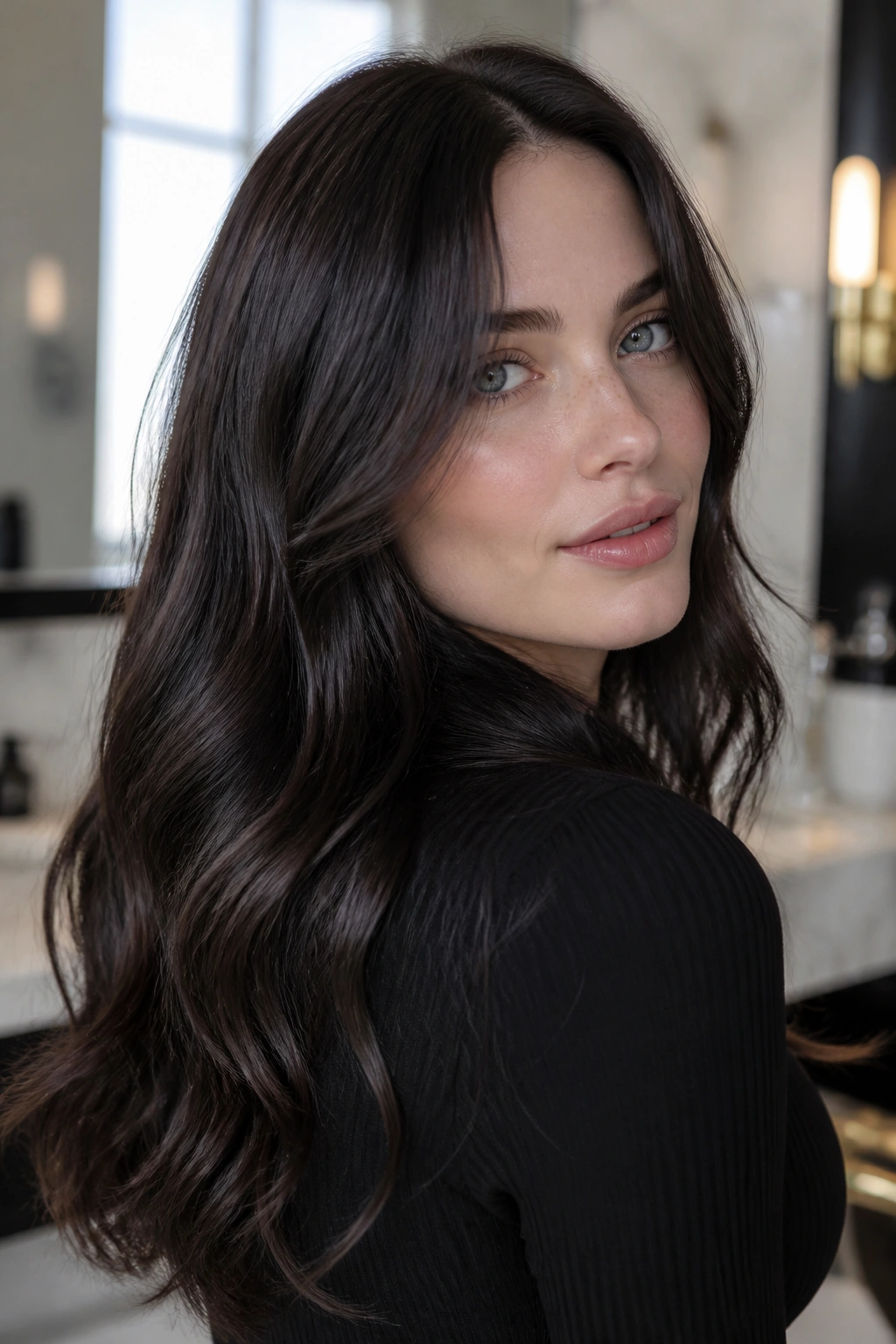
Deep espresso is the blunt instrument of chocolate brunette shades, and that’s exactly why it works. On cool skin, a dense level 3 or level 4 brown with a glassy finish can make pink or blue undertones look cleaner instead of redder.
The trick is keeping the warmth out of the formula. Ask for a blue-violet gloss or a neutral demi-permanent glaze after the color service, because that faint cool cast keeps the shade from drifting into chestnut territory in daylight. It’s the difference between sleek and smudgy.
Why It Suits Cool Skin Tones
On fair cool skin, espresso frames the face without fighting it. On deeper cool skin, it can look almost black at first glance, then soften when the light hits and show movement.
- Best on natural bases from level 2 to 4.
- Works well with blunt cuts, glassy waves, and sleek ponytails.
- Needs root touch-ups about every 5 to 7 weeks.
- Looks strongest when the finish is high-shine, not matte.
Pro tip: Keep the brows a touch cool too; warm auburn brows can argue with the hairline in a way you’ll notice every time you pass a mirror.
2. Smoky Ash Chocolate
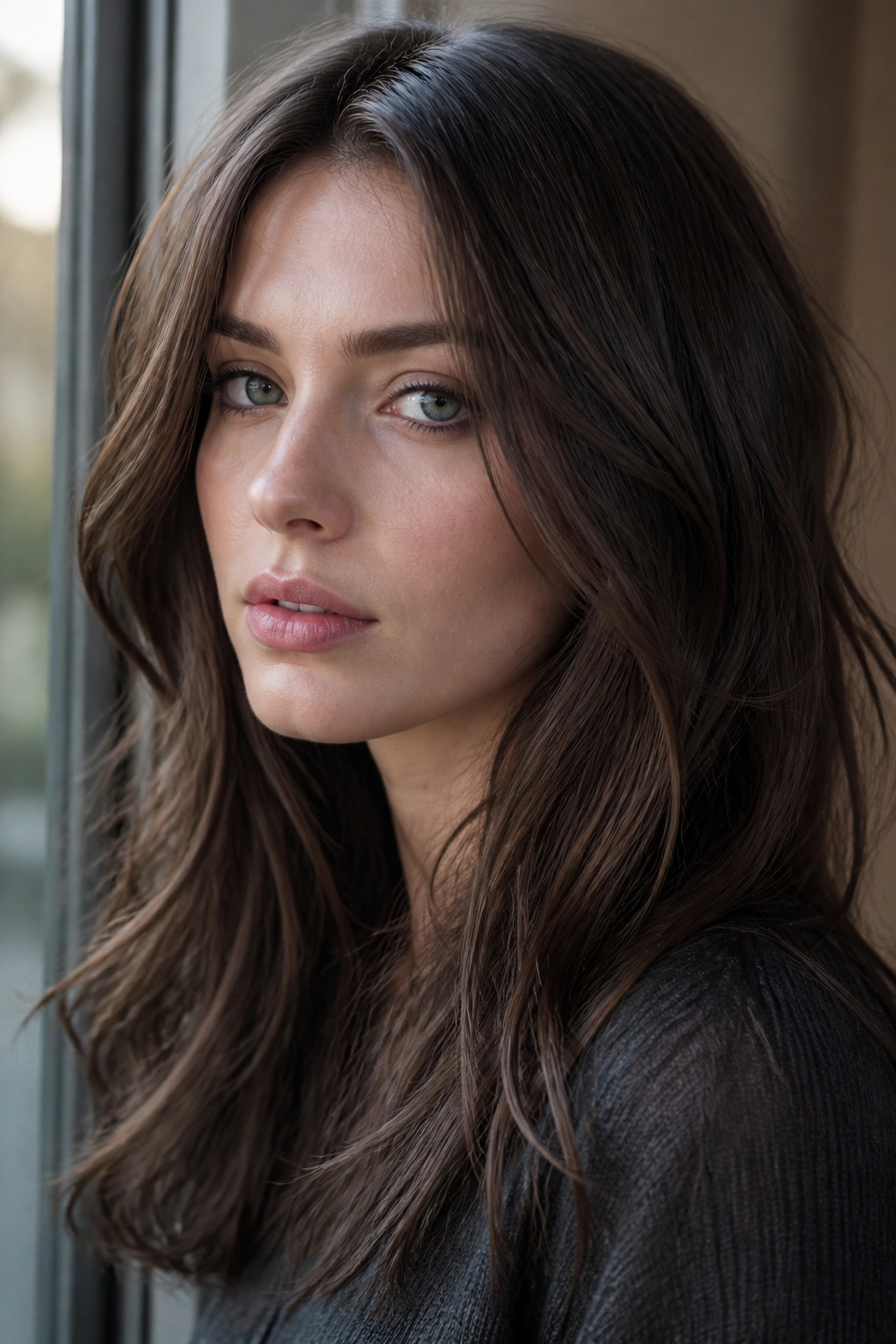
If a brown has ever made your skin look flushed, smoky ash chocolate is the correction. This shade keeps the richness of chocolate but strips out the orange glare that cool skin hates.
What makes it work is restraint. You still get depth, but the color leans toward ash instead of red-brown, so the hair feels grounded rather than sweet. It’s a smart choice if you want brunette hair color ideas for cool skin tones without going near anything flashy.
A good smoky ash chocolate usually sits around level 4 to 5, then gets softened with an ash toner or cool demi. That keeps the shade from reading flat.
If your hair pulls warm fast, ask for a cool gloss refresh every 4 to 6 weeks. It’s boring, yes. It also saves you from that too-warm phase that sneaks up after a few shampoos.
3. Cool Mocha Melt
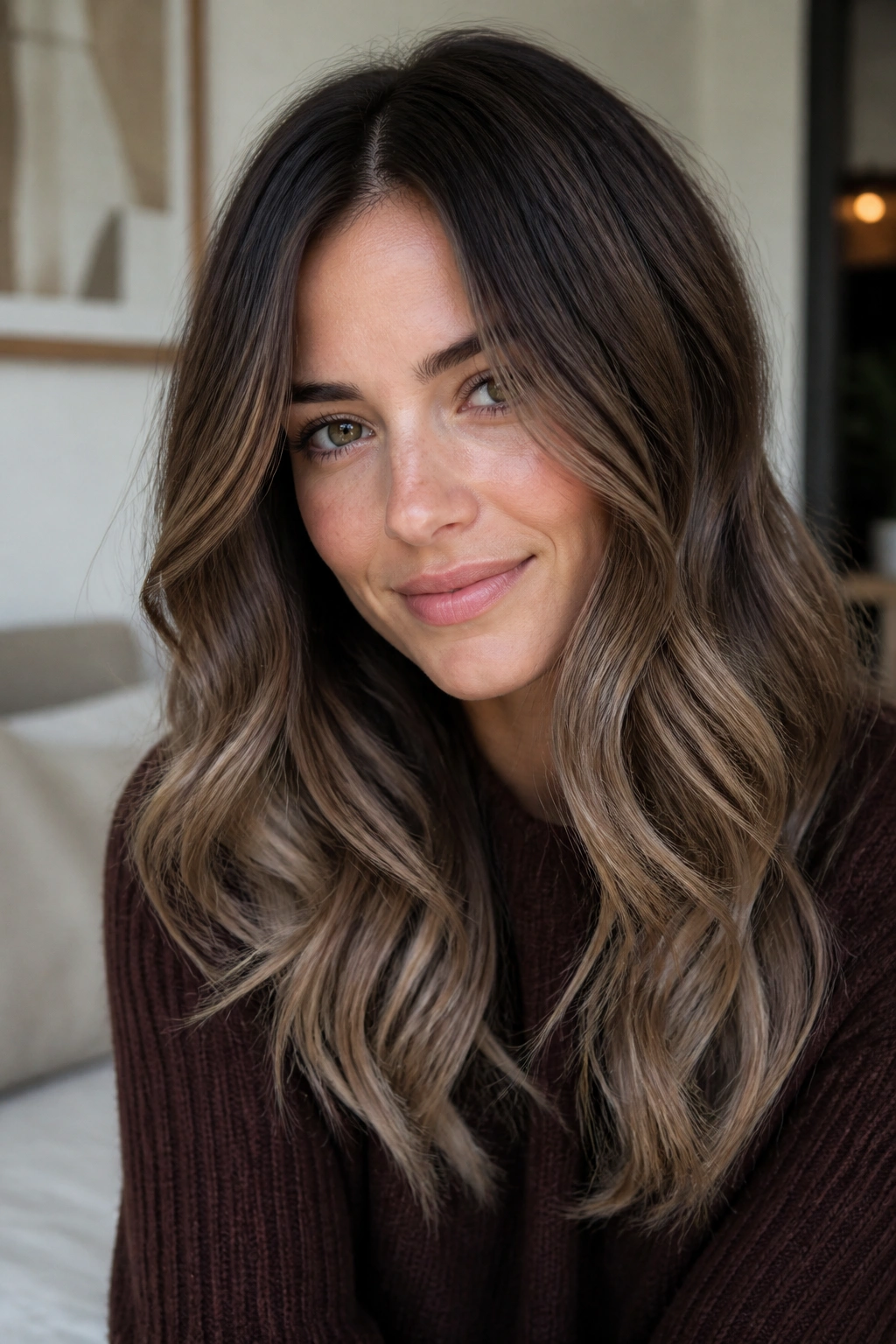
Why does cool mocha look softer than standard mocha on the same head of hair? Because the warmth is trimmed back just enough to let the skin do the talking.
This shade usually starts with a deeper root and melts into a cool, creamy brown through the mids. The finish matters here. If the ends go too beige, the whole thing turns drab; if they go too golden, the cool skin loses that clean contrast. The sweet spot is a muted mocha with a faint ash veil.
How to Ask for It
Tell your colorist you want a shadow root at level 4 or 5 that melts into a cooler mocha through the lengths. If you wear your hair in waves, keep the ends slightly lighter than the root so the movement shows.
A cool mocha melt works especially well on shoulder-length cuts and longer layers. The gradient gives the hair shape without needing chunky highlight lines.
4. Blue-Black Chocolate
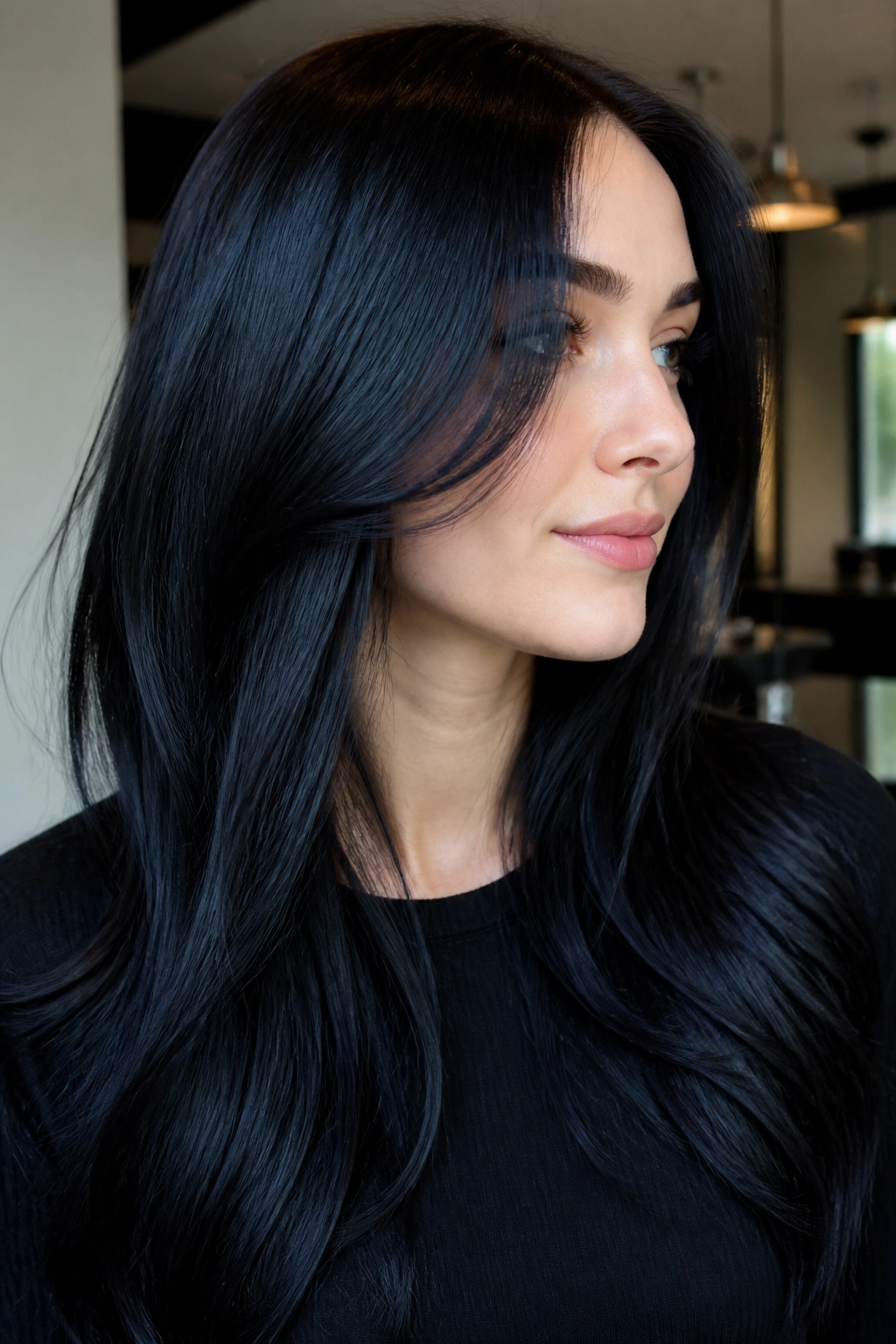
Picture hair pulled into a low bun. In shade, it looks nearly black. Then the light catches it and a dark cocoa sheen shows through.
That’s blue-black chocolate, and it’s one of the sharpest choices for cool skin when you want drama without copper or red reflect. It’s deeper than espresso, but the blue base keeps it from turning flat. On skin with pink or porcelain undertones, that cool darkness can look clean and precise.
- Best for people who like strong contrast.
- Flatters cool fair skin and deeper cool skin alike.
- Works on straight hair, glossy curls, and blunt cuts.
- Needs careful maintenance if your hair is porous, since porous hair grabs tone fast.
The catch is that this shade can look severe if the finish is dull. Keep it shiny. A clear glaze every few weeks makes a bigger difference here than most people expect.
5. Mushroom Chocolate Brown
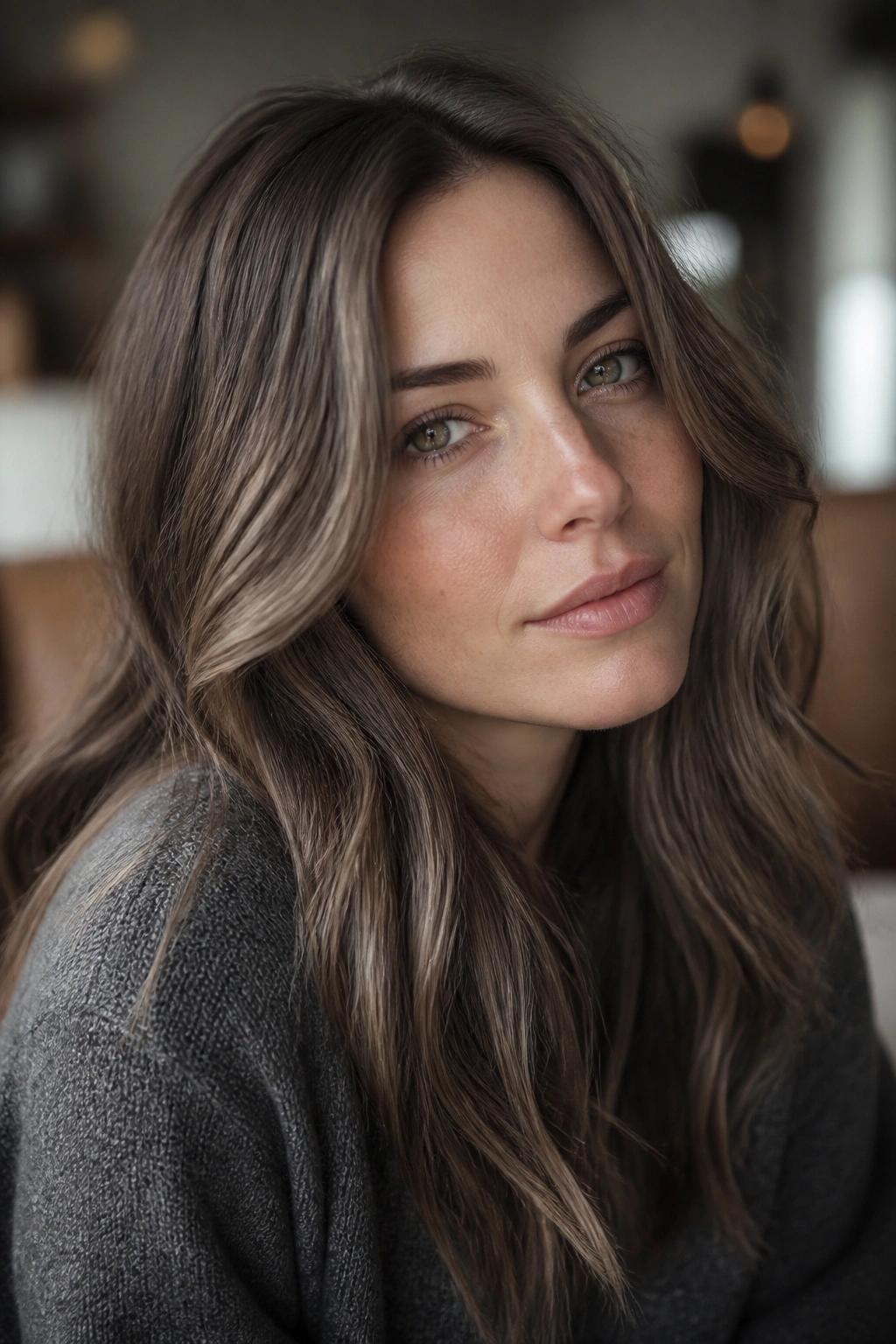
Mushroom chocolate brown is what happens when brunette gets a little smarter and a little quieter. It blends brown, taupe, and ash so the final result feels soft instead of sweet.
That softness matters on cool skin. Warm chocolate can pull the face toward redness; mushroom chocolate does the opposite and makes the skin look calmer. It’s especially nice if you hate obvious highlight stripes and want something that just looks expensive in a very low-key way.
The shade also works well on fine hair because the taupe notes keep the color from looking heavy. On thicker hair, it can look plush and cool, almost like brushed suede. That’s a good look.
If your hair tends to go brassy at the ends, keep a blue-toned shampoo in the shower once a week. Not daily. Weekly. Too much and the brown starts looking dusty.
6. Truffle Brunette Gloss
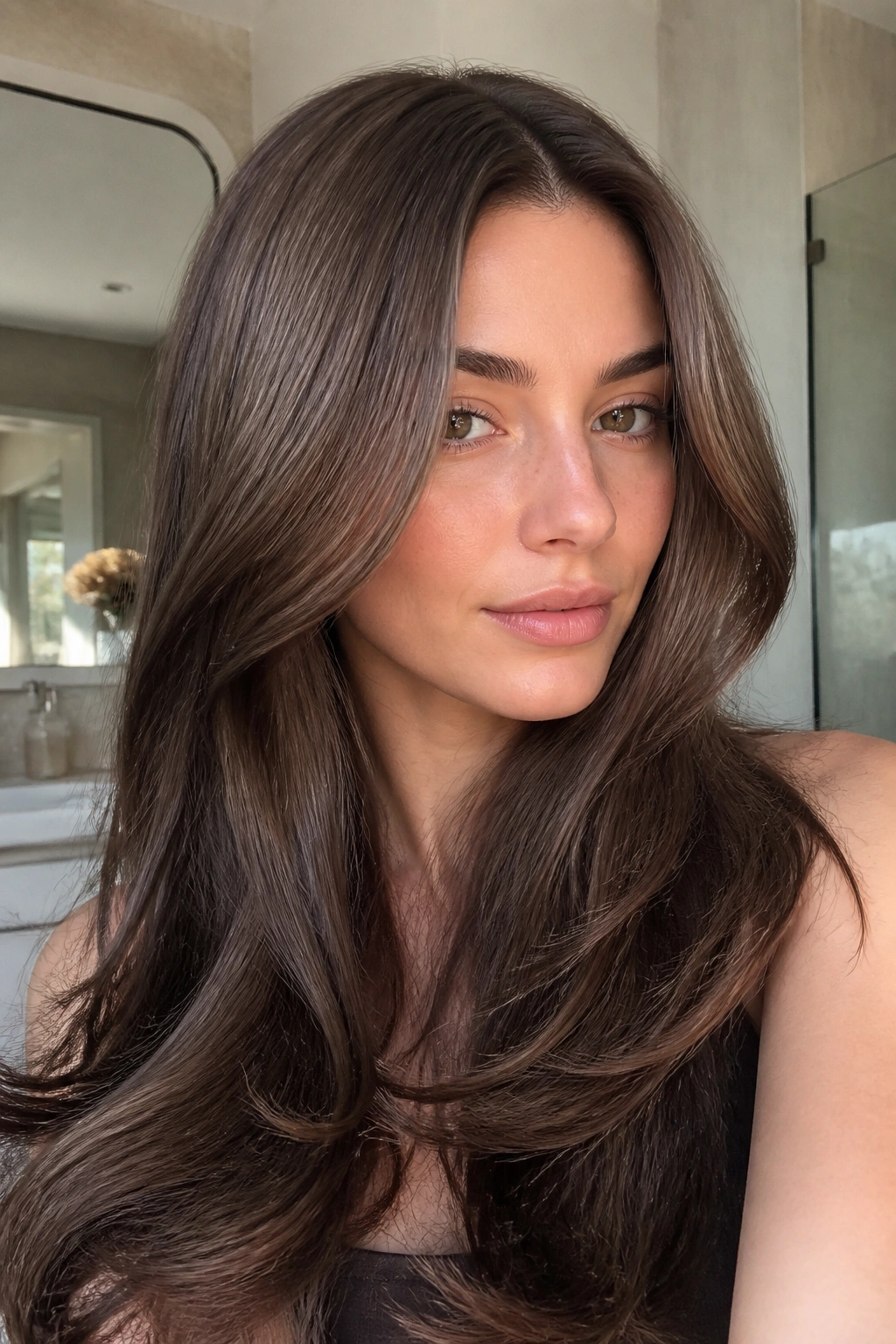
Unlike espresso, truffle brunette leaves a little breathing room. It has depth, but the edges are softer, with a cool beige-brown glow instead of a hard dark line.
That makes it a good fit for someone who wants chocolate hair color ideas for cool skin tones without going all the way into near-black territory. Truffle brunette sits right in that sweet spot where the hair still looks brown in sunlight, but in indoor light it reads plush and smooth.
This shade is best when the gloss is the main event. You do not need chunky highlights here. In fact, too much contrast can ruin the point.
I like this one on people with cool olive skin or a soft rosy cast, because it doesn’t fight the complexion. It just sits beside it and does its job.
7. Cocoa Root Shadow
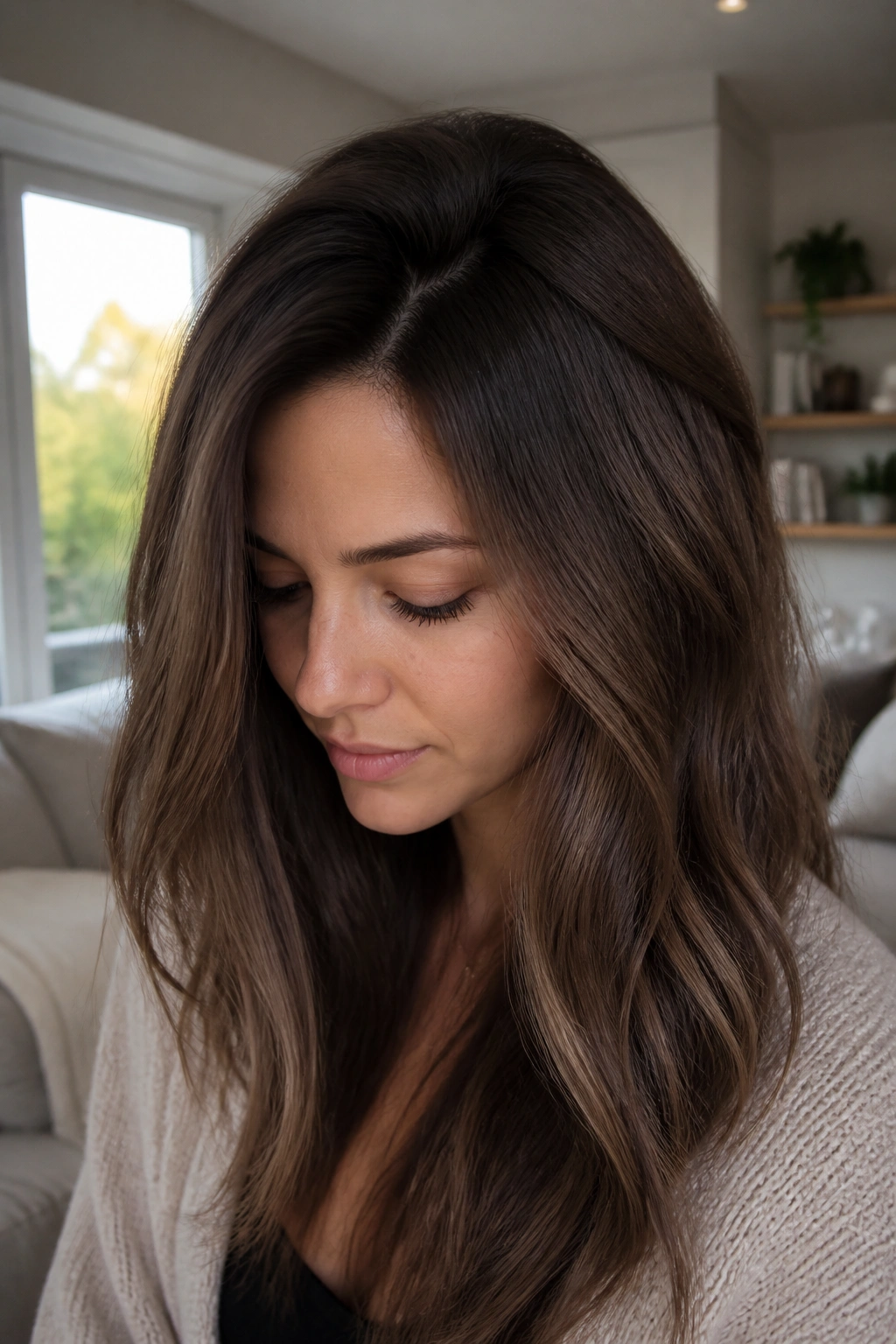
A cocoa root shadow is one of the easiest ways to make brunette color look intentional. The darker root is left a little deeper, then the lengths are softened into a cooler brown so the grow-out line doesn’t shout.
Why It Flatters Cool Skin
The root shadow keeps the top of the head from looking patchy, which matters a lot if your natural color is between shades. Cool skin tends to look best when the hair has control and shape, not random warmth at the root.
This is a good option if you already have balayage or old highlights and want the color to settle down. The root area can stay around level 4, while the mids and ends move one step lighter with ash-brown glossing.
- Nice for busy people who don’t want harsh regrowth.
- Works on straight, wavy, and curly textures.
- Keeps the hairline from looking too warm.
- Can be refreshed with a demi gloss instead of full color each time.
Good rule: if the roots start looking orange, the shadow is too warm.
8. Smoky Chocolate Ombré
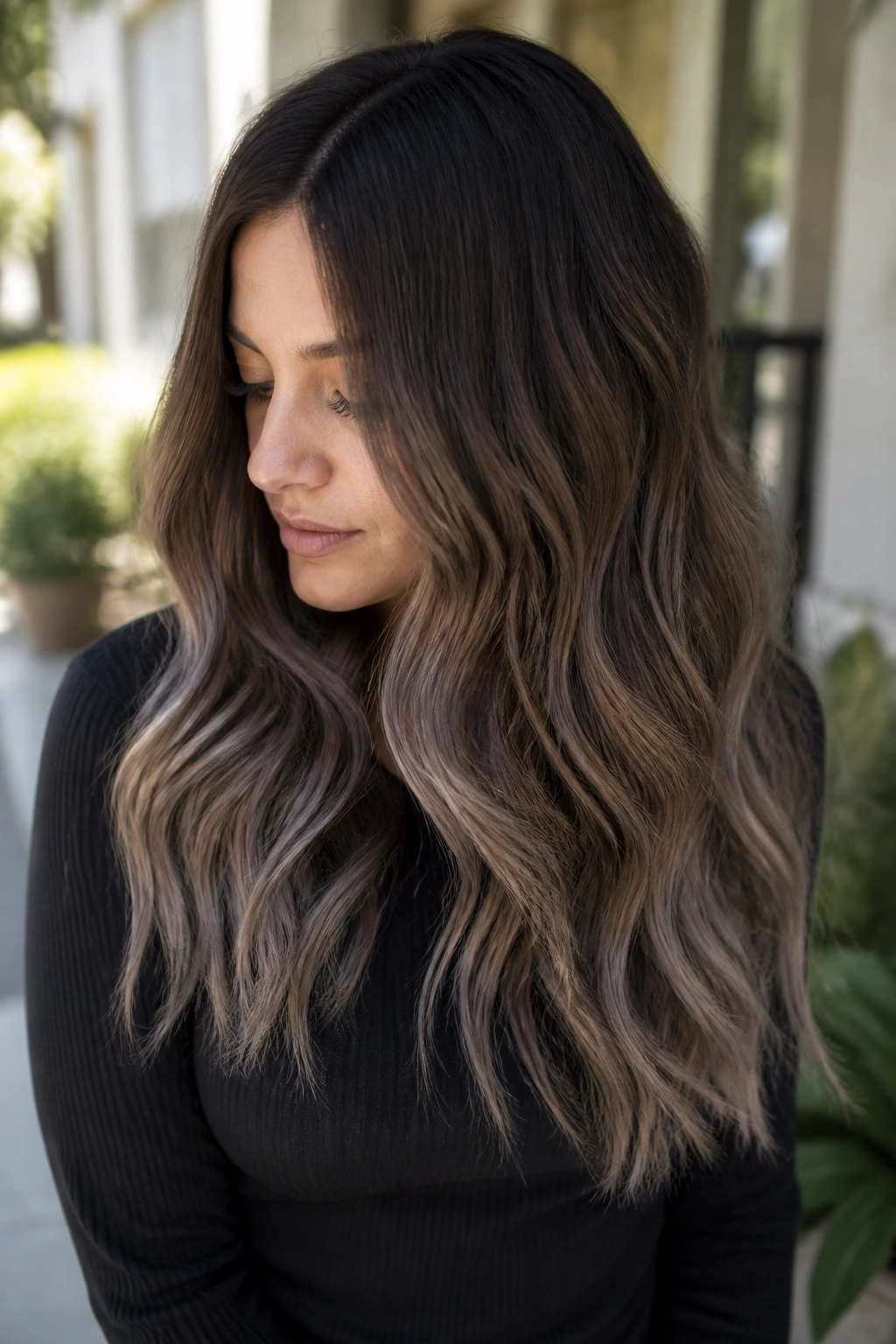
A smoky ombré keeps long hair from looking like one solid block. That’s the whole appeal, and on cool skin it works because the transition stays muted instead of sunny.
The root begins deep chocolate, then the color fades into a smoky mid-brown and ends in a cool taupe-brown zone. The fade should be soft, not stripey. If the ends go gold, the whole look loses its edge fast.
This is a strong pick for hair that reaches past the shoulders. Waves help the shift read clearly, while pin-straight hair can make the gradient look more polished and less beachy. Either way, the key is coolness in the lower half.
If your stylist reaches for warm caramel, stop them. You want beige ash, not honey.
9. Plum Chocolate Brown
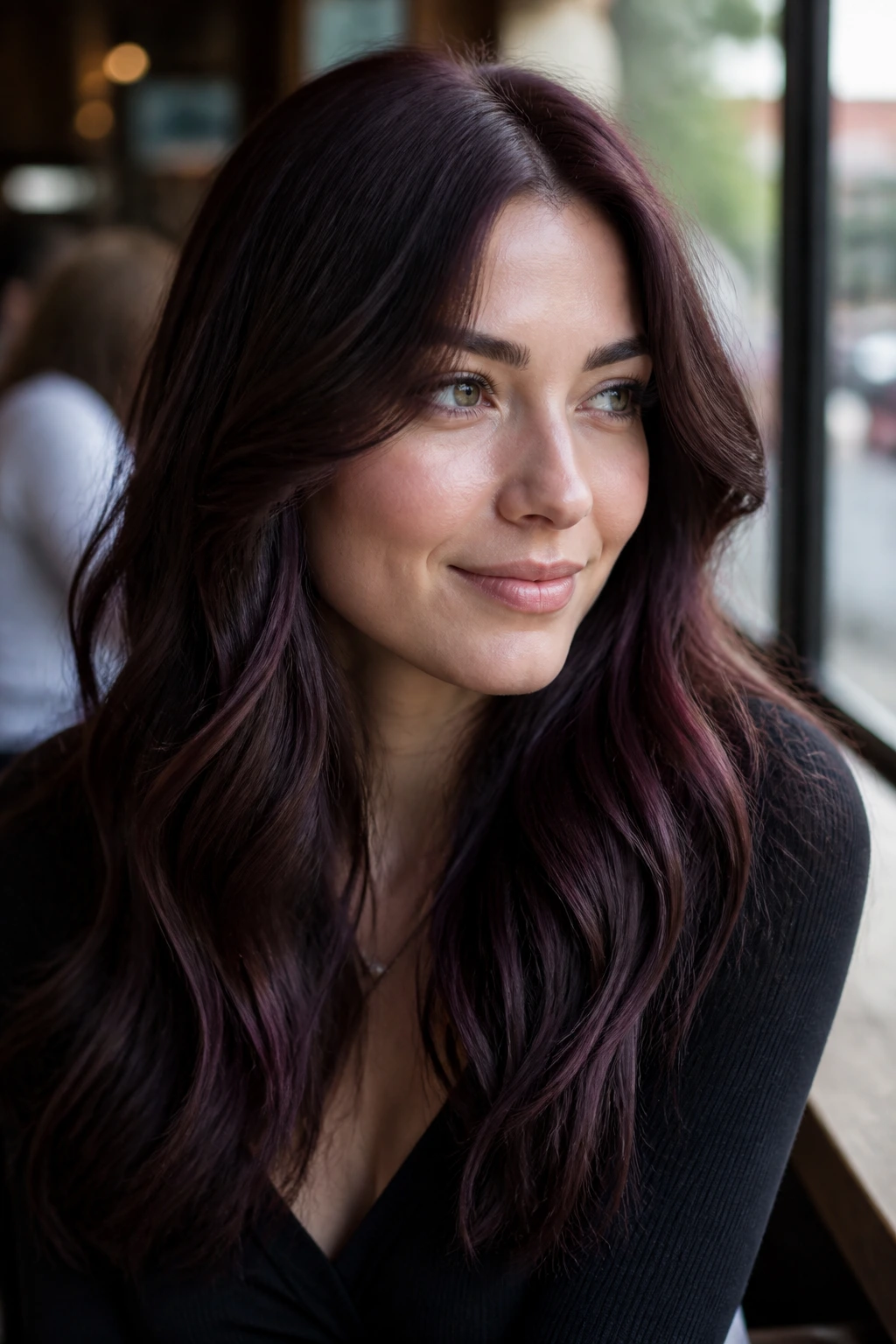
Why does plum make chocolate look richer on cool skin? Because that violet-red note mirrors the cooler undertones in the face instead of competing with them.
Plum chocolate brown isn’t loud. It’s more like a shadow of berry sitting inside a dark brunette base. In low light, it can look like a classic brown. In sunlight, the plum note wakes up and gives the hair a little depth that plain brown can miss.
How to Ask for It
Ask for a chocolate base with a violet-brown glaze or a semi-permanent plum overlay. Keep the red side muted; you want berry, not burgundy wine.
This shade suits cool skin that already has some pink in it. It also looks especially nice on layered cuts, where the violet cast can flicker through the movement. If your wardrobe leans black, gray, navy, or jewel tones, this one fits right in.
10. Cherry-Chocolate Brown
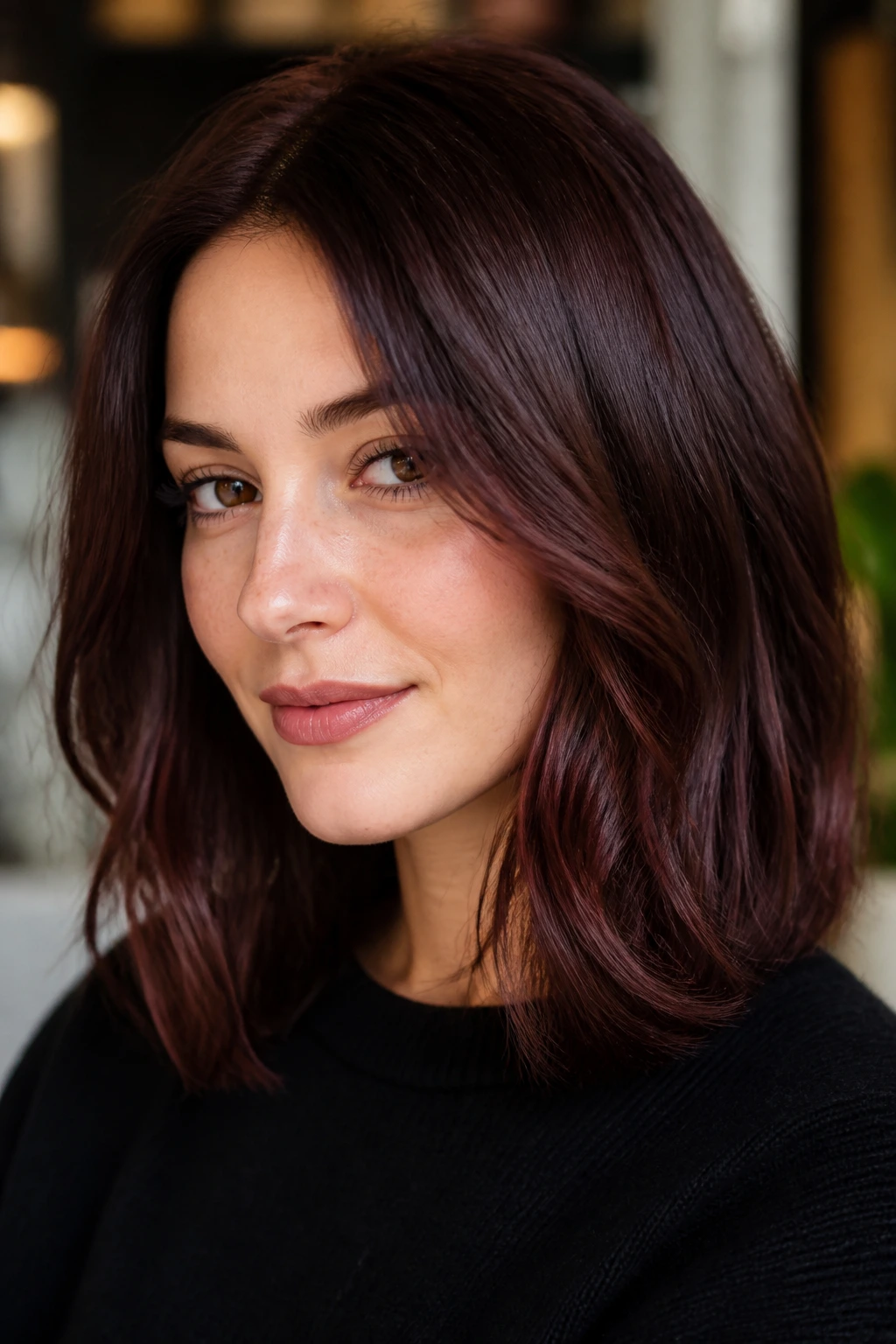
A cherry-chocolate brown can look almost conservative from a distance, then flash a soft red-violet note when the light hits it. That tiny shift is what makes it flattering on cool skin without tipping into copper.
Picture it on a shoulder-length lob or soft curls. The base stays brunette, so the color still feels grounded. Then the cherry tone gives the hair a little pulse, especially near the midlengths. It’s a good answer if you want something warmer than ash but still cool enough to suit your face.
- Best on level 4 to 5 brunettes.
- Works well with curl patterns because the curve shows the sheen.
- Needs gloss maintenance to keep the cherry note from fading flat.
- Looks best when the red is violet-based, not orange-based.
Avoid: bright auburn. That’s a different animal entirely.
11. Iced Milk Chocolate
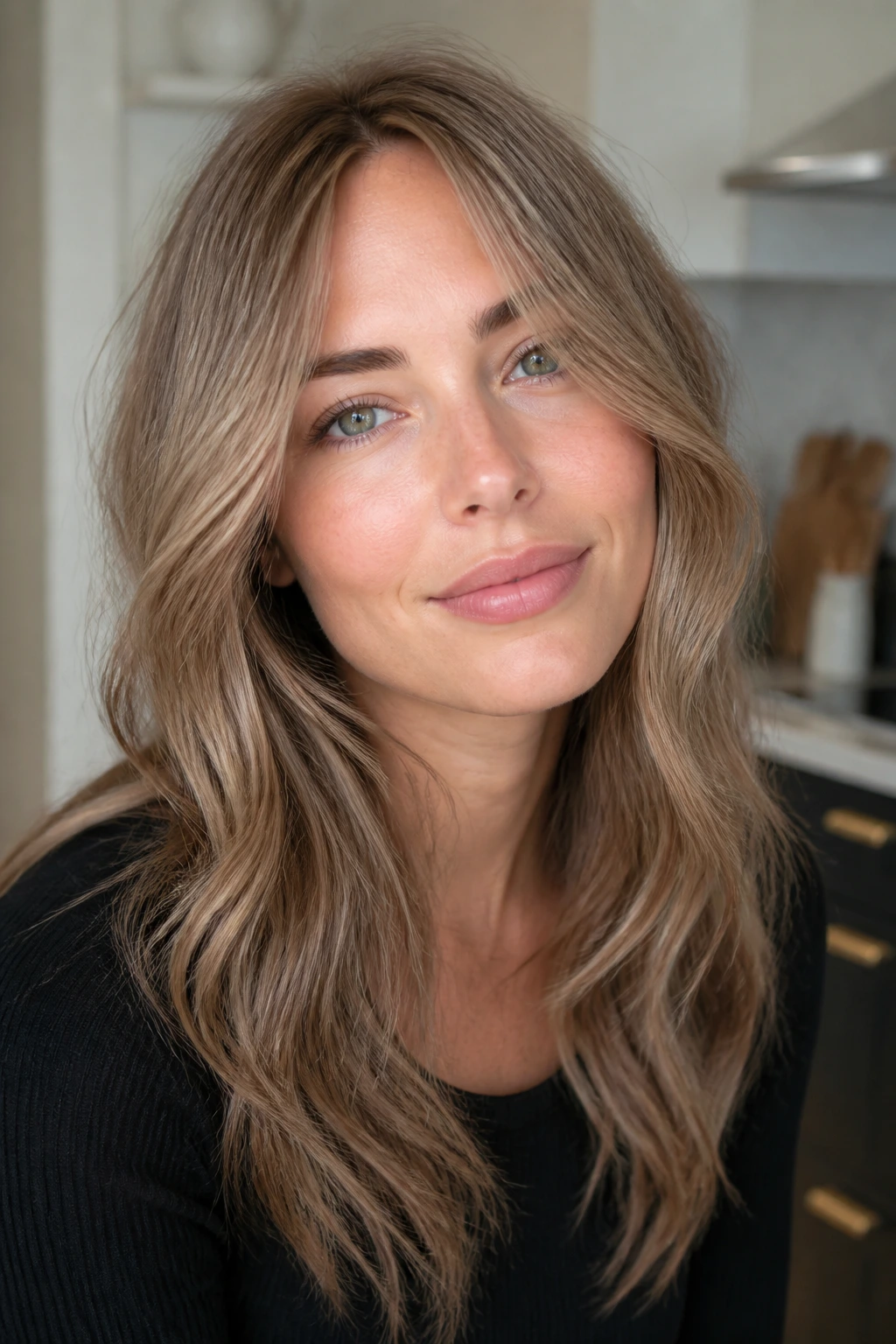
Iced milk chocolate sounds sweet, but the color is calmer than the name suggests. It’s a lighter brown with a cool, creamy finish that keeps the overall look soft instead of buttery.
This shade works well on cool medium skin and on lighter skin that needs a brown shade with some air in it. The point is not darkness. The point is texture. The color should look light enough to move, but muted enough that it doesn’t go golden.
A lot of people ask for milk chocolate and end up with warmth they didn’t want. The “iced” part matters. It should lean beige-ash, almost like the color of coffee with too much ice and not enough sweetness.
If your hair is fine, this shade can look especially pretty because it doesn’t overwhelm the strands. If it’s thick, ask for subtle dimension so it doesn’t go flat.
12. Slate Brown
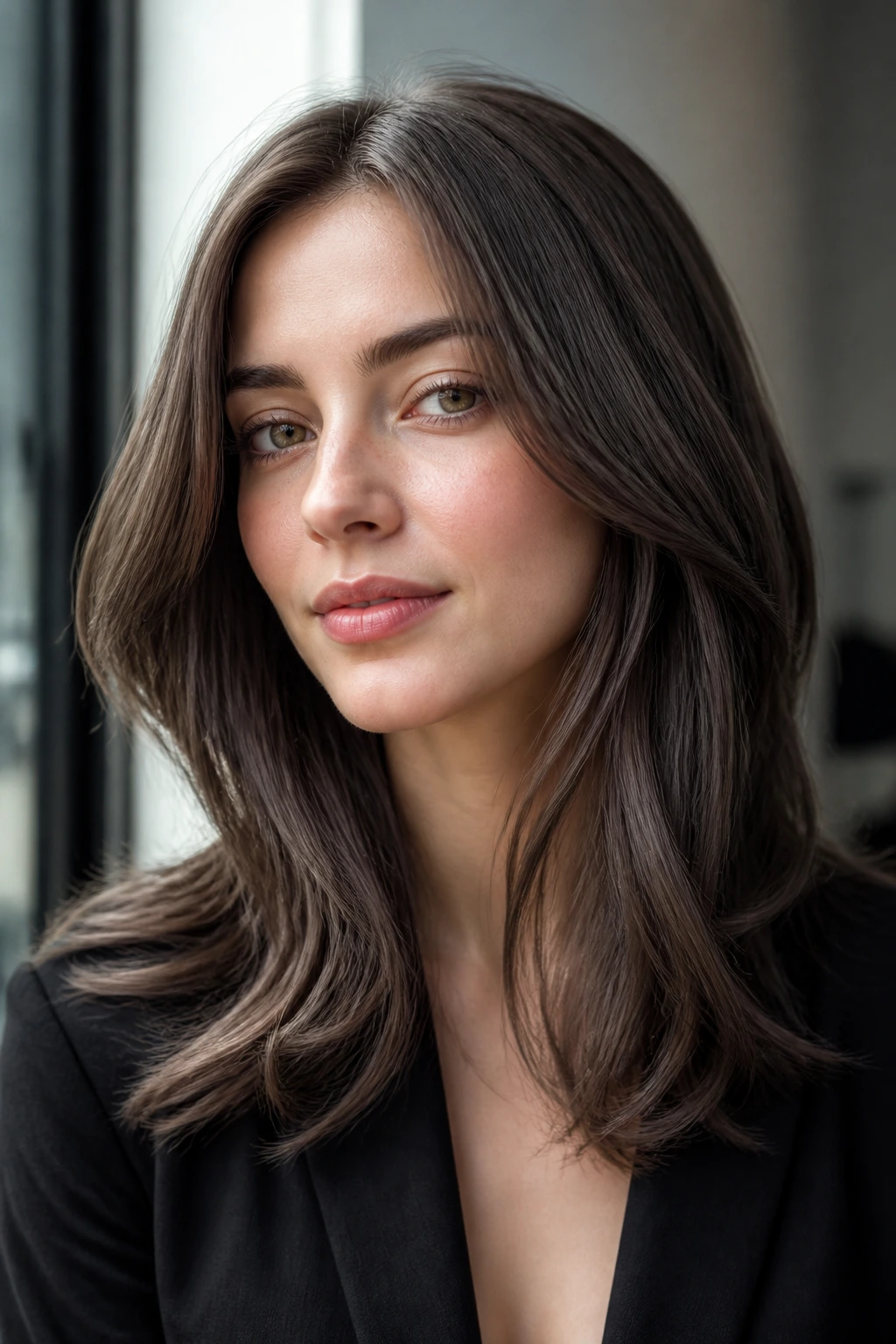
Slate brown is what I’d call the crispest brunette in the bunch. It has that cool gray-brown cast that feels clean next to pink or blue undertones and a little sharper than traditional ash brown.
Unlike mushroom brown, slate brown reads darker and tighter. That makes it useful if you want a polished finish rather than a soft, blended one. It’s a good choice for bob cuts, blunt fringes, and sleek long hair where every line shows.
This shade likes shine. A satin finish can look polished; a dry finish can look a bit dull. That’s the trade-off.
If your natural brown leans red, slate can be a smart corrective shade. It pulls the warmth back and gives the hair a more tailored look. Not warm. Tailored.
13. Walnut Brunette Lowlights
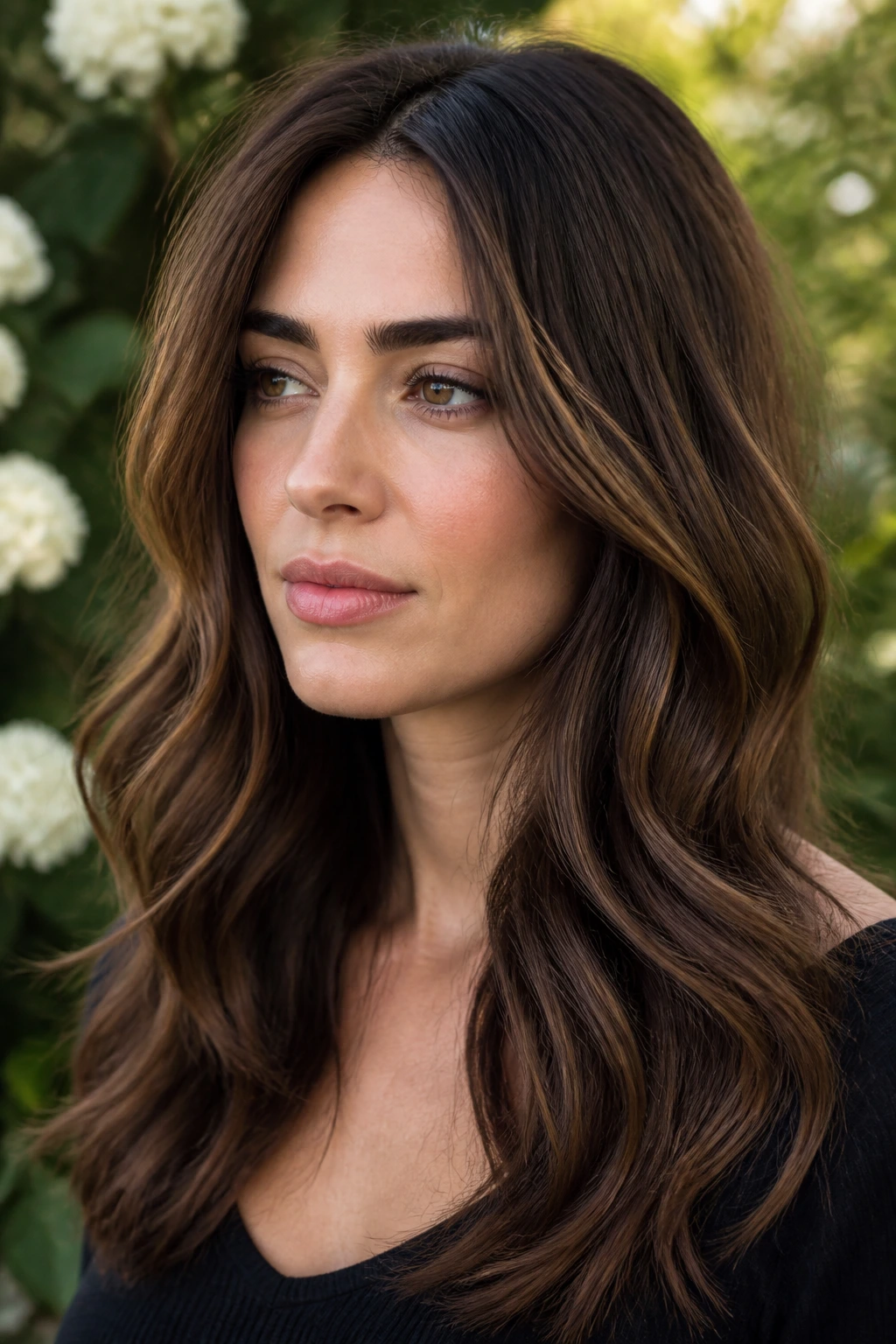
Walnut lowlights are for people who want movement without committing to a whole new color family. The base stays brunette, and the lowlights add cooler depth in select sections so the hair looks layered, not painted.
What Makes It Different
Because the lowlights sit darker than the base, they can sharpen the texture of waves and curls in a way single-process color can’t. On cool skin, that contrast keeps the face from being washed out by one flat brown block.
- Best if you already have light brown or dark blonde hair.
- Keep the walnut note neutral-cool, not golden.
- Works well around the crown and underlayers.
- Refresh every 8 to 10 weeks if the dimension starts blending away.
This is one of those shades that looks expensive without shouting. It’s also forgiving, which matters if you don’t want a high-maintenance brunette.
14. Satin Cocoa
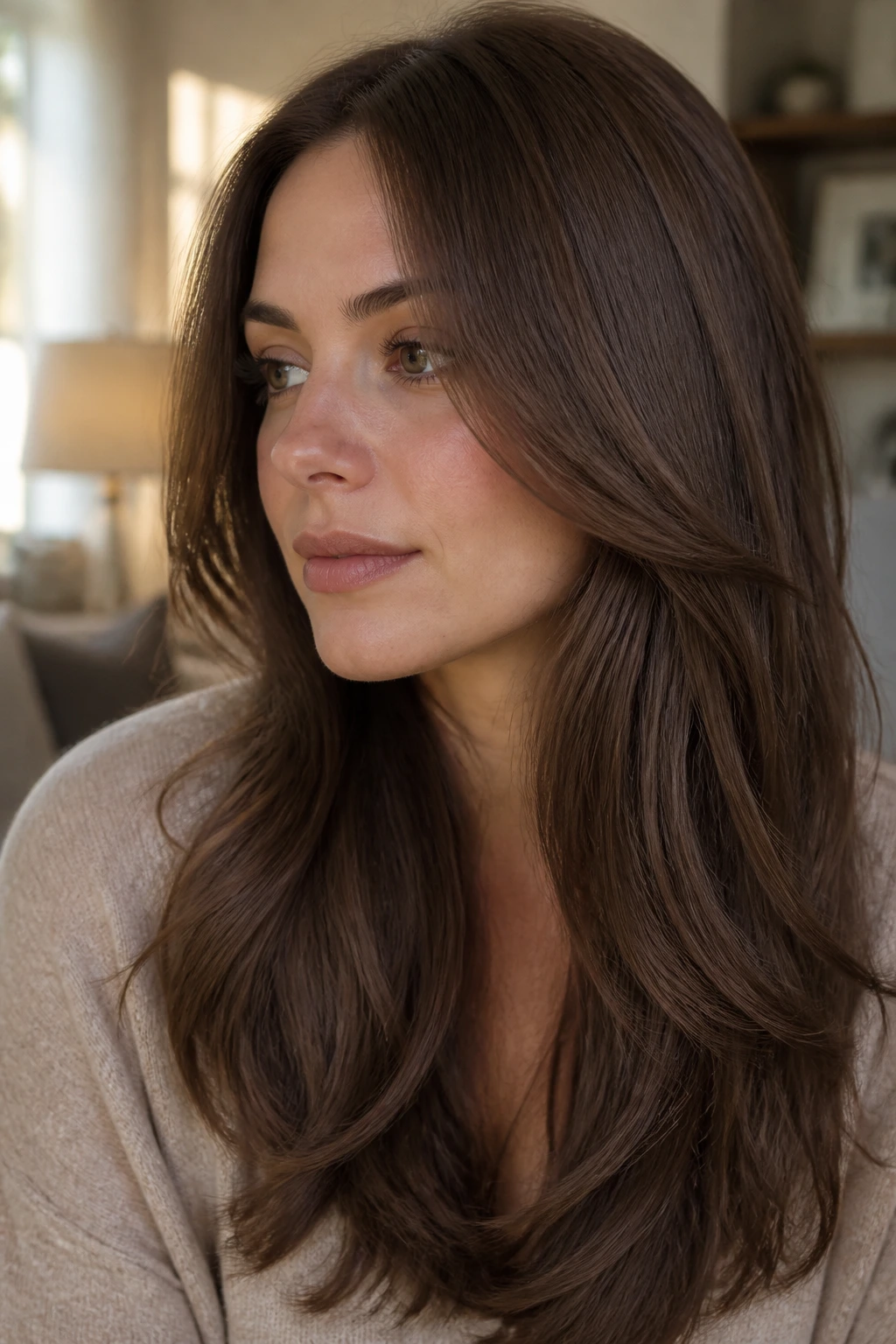
Satin cocoa is for the person who wants brown hair that looks touched, not transformed. The finish is smooth and soft, with just enough coolness to keep cool skin from looking flushed.
The shade usually lives between level 4 and 5, and the magic is in the gloss. You want a finish that feels polished, almost fabric-like, rather than chunky or highlighted. That’s why this color works so well on long layers and medium-density hair.
It’s also a good bridge color if you’re moving away from warm brunette shades. Satin cocoa doesn’t force the change too hard. It slides in quietly.
If your hair already has dimension, a single cool glaze can be enough. No drama. No heavy lift. Just a softer brown that sits better next to your face.
15. Cool Chestnut Dimension
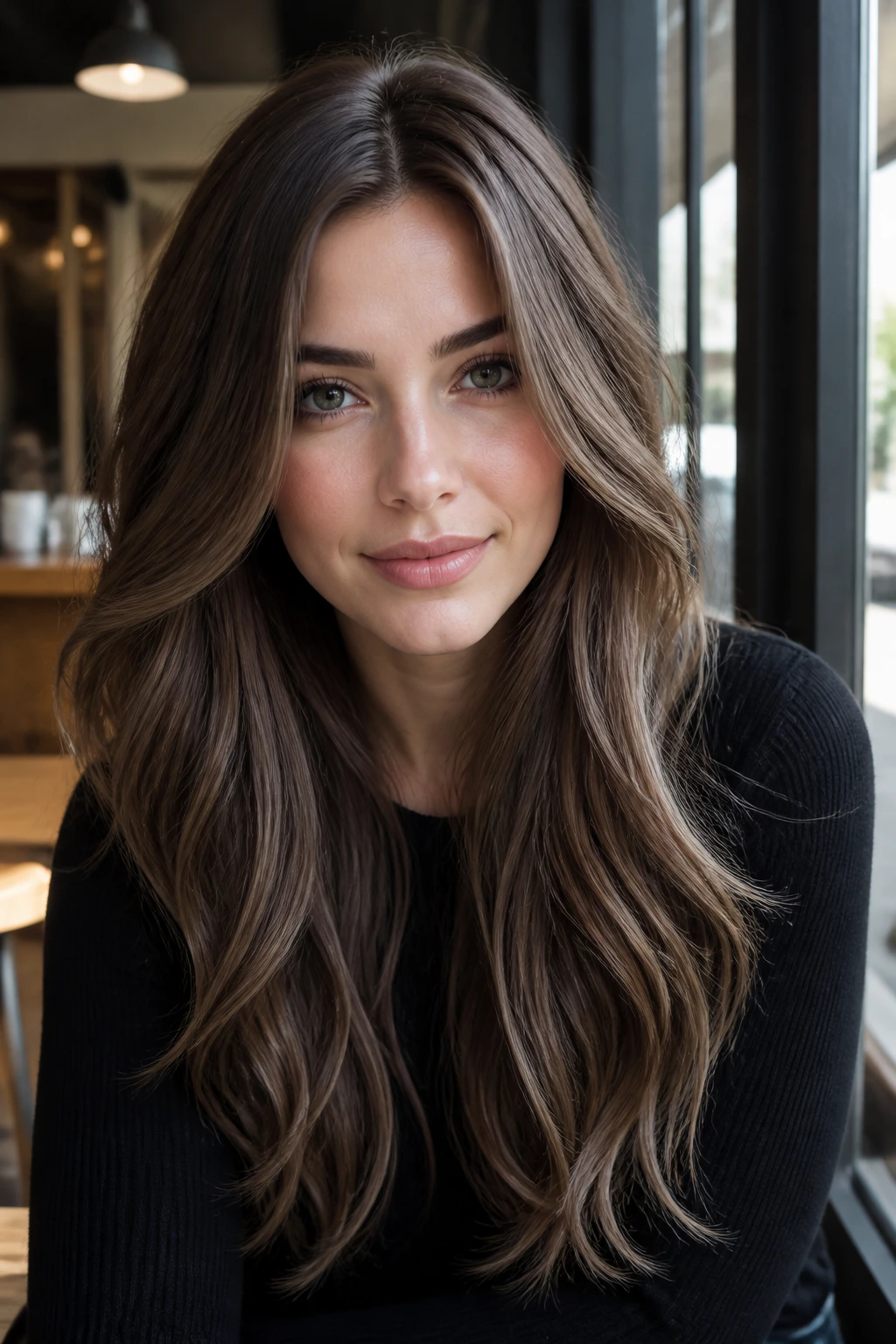
Why keep chestnut in the mix if cool skin usually dislikes warmth? Because chestnut can be cooled down with ash and beige until it stops reading red.
This version isn’t the orange-brown you see on a lot of boxes. It’s a grounded brunette with dimension in the mids and ends, often created through glossing, lowlights, or a soft balayage placement. The color looks especially good if you want movement but not a loud contrast.
How to Ask for It
Tell your colorist you want chestnut depth with a cool toner, not a warm gloss. If possible, bring a photo where the brown looks muted rather than shiny and coppery.
This shade is a solid pick for cool olive skin and medium skin that needs a little richness around the face. It can also make curly hair look more defined because the darker pieces create shape inside the curl pattern.
16. Bittersweet Chocolate Bob
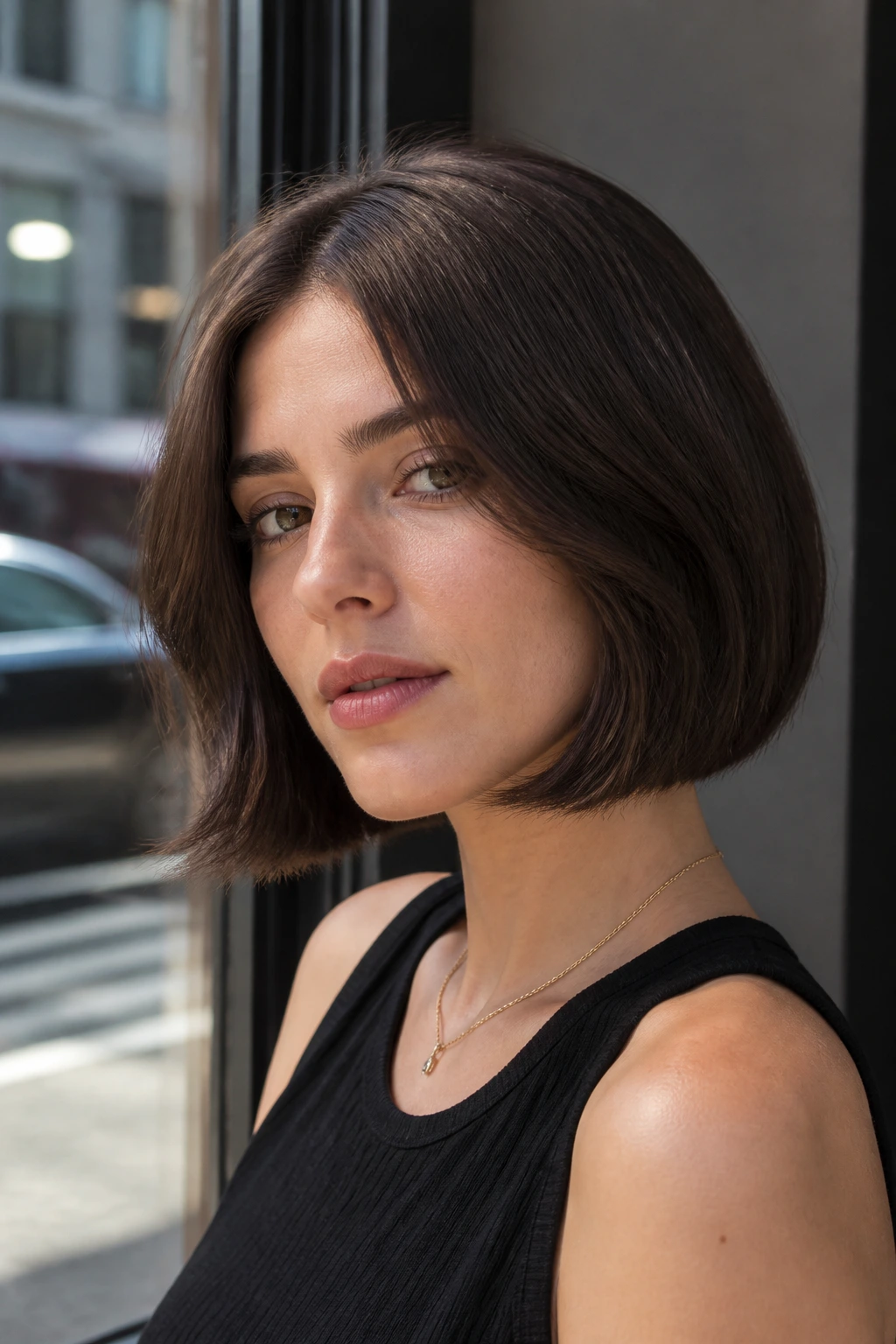
A short cut changes everything. On a bob, every shade line is easier to see, so bittersweet chocolate needs to be controlled and clean.
Picture a jaw-length bob with a cool brunette base and a faint ash veil over the top. The color looks dense near the root, then slightly softer through the ends. That small shift keeps the cut from looking like one dark helmet, which is the thing nobody wants.
- Best on straight or softly waved bobs.
- Works well with a side part or center part.
- Needs regular glossing to keep the finish smooth.
- Avoid chunky highlights; they can make the cut look busy.
This is a shade for people who like sharp haircuts and a neat finish. The chocolate tone should feel bittersweet, not syrupy.
17. Graphite Brunette
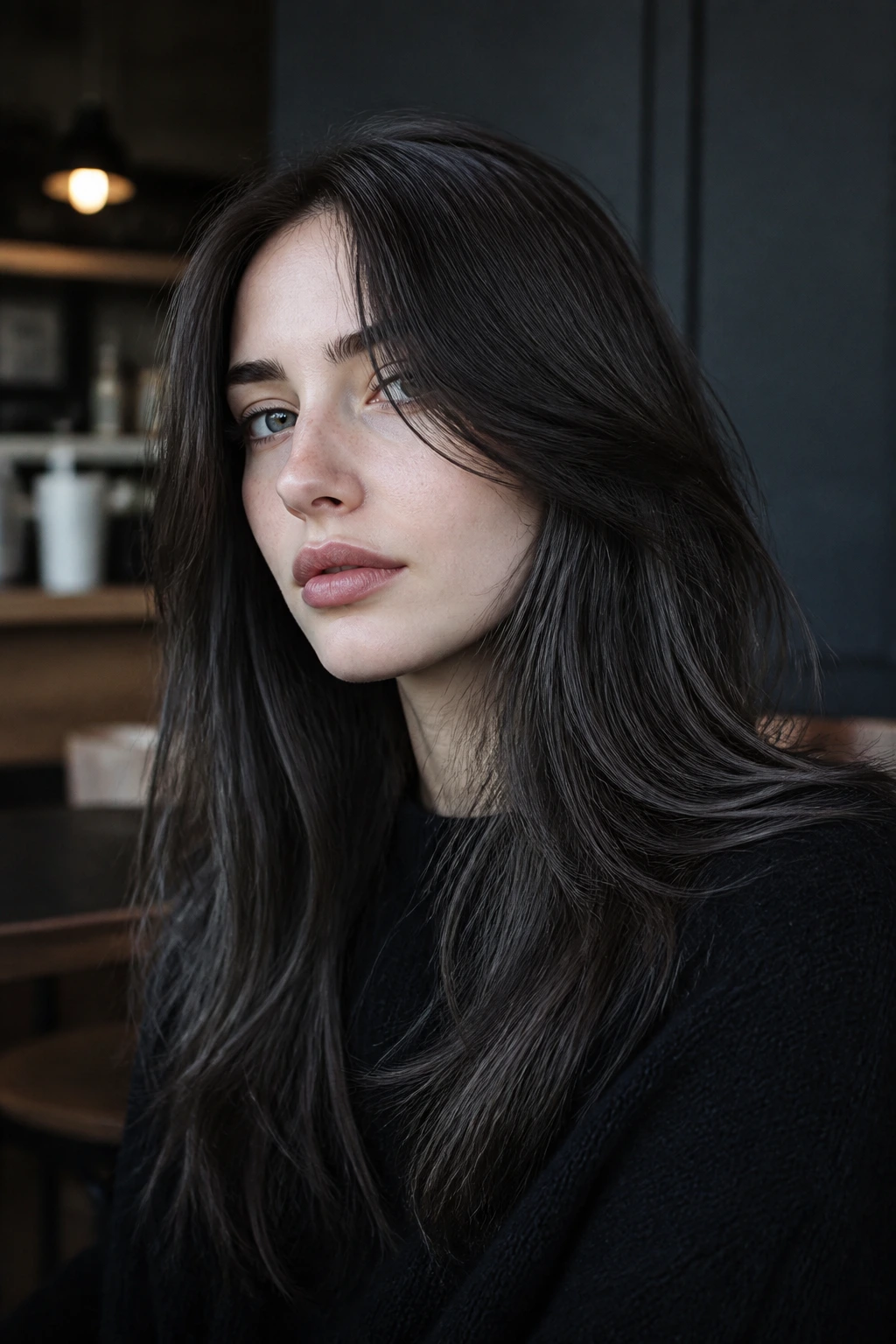
Graphite brunette sits on the cool end of chocolate and nearly brushes the edge of charcoal. It’s a very dark brown with a smoky cast, and it can look striking on cool skin because the contrast is clean rather than warm.
The appeal is in the seriousness of it. There’s nothing sugary here. No copper. No red shimmer. Just deep brunette with a slate-like finish that feels strong next to porcelain skin, pink undertones, or even deeper cool complexions.
If your eyebrows are naturally dark, this color can tie the whole face together. If your brows are lighter or warm-toned, consider keeping a little soft dimension around the hairline so the look doesn’t become too hard.
Graphite brunette is one of those shades that rewards shine products. A drop of serum on the midlengths can make the color look richer and more deliberate.
18. Mocha-Mushroom Ribbons
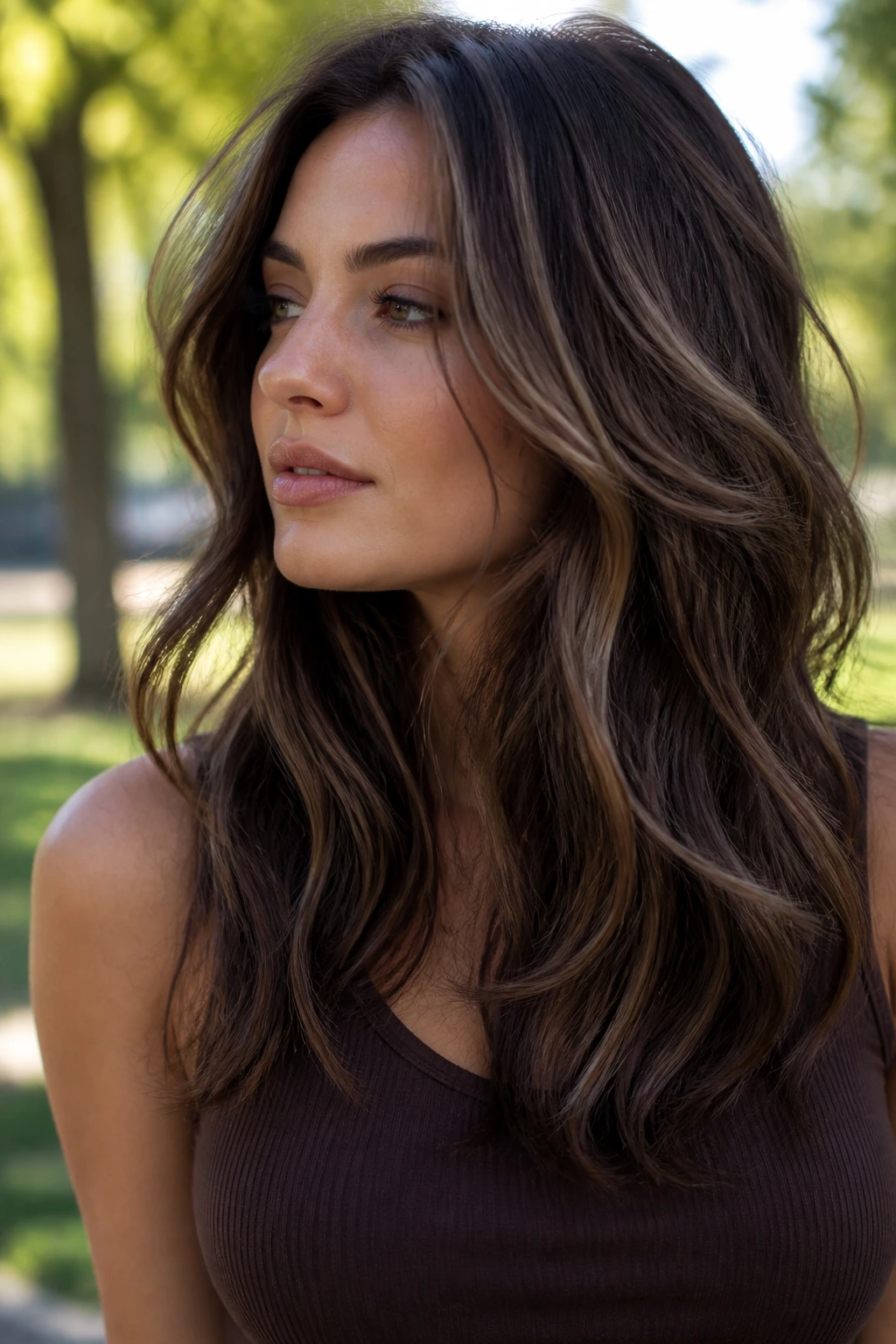
Unlike full balayage, mocha-mushroom ribbons keep the dimension closer to the base. That makes the effect subtler, which is a nice fit for cool skin if you want movement without obvious highlight stripes.
The ribbons should be thin and cool-toned, woven through the hair in a way that looks natural when the hair bends. Think soft contrast, not streaks. On layered cuts, this technique gives the hair a kind of moving shadow that feels modern without trying too hard.
Who It Works Best For
This is a smart pick for anyone who wants brunette color that grows out gracefully. It works especially well on medium to long hair, where the ribboning can travel down the lengths and show shape.
If your hair tends to collect warmth, tell your colorist to keep the ribbons in the taupe-ash family. That one detail does a lot of work.
19. Cool Cocoa Money Piece
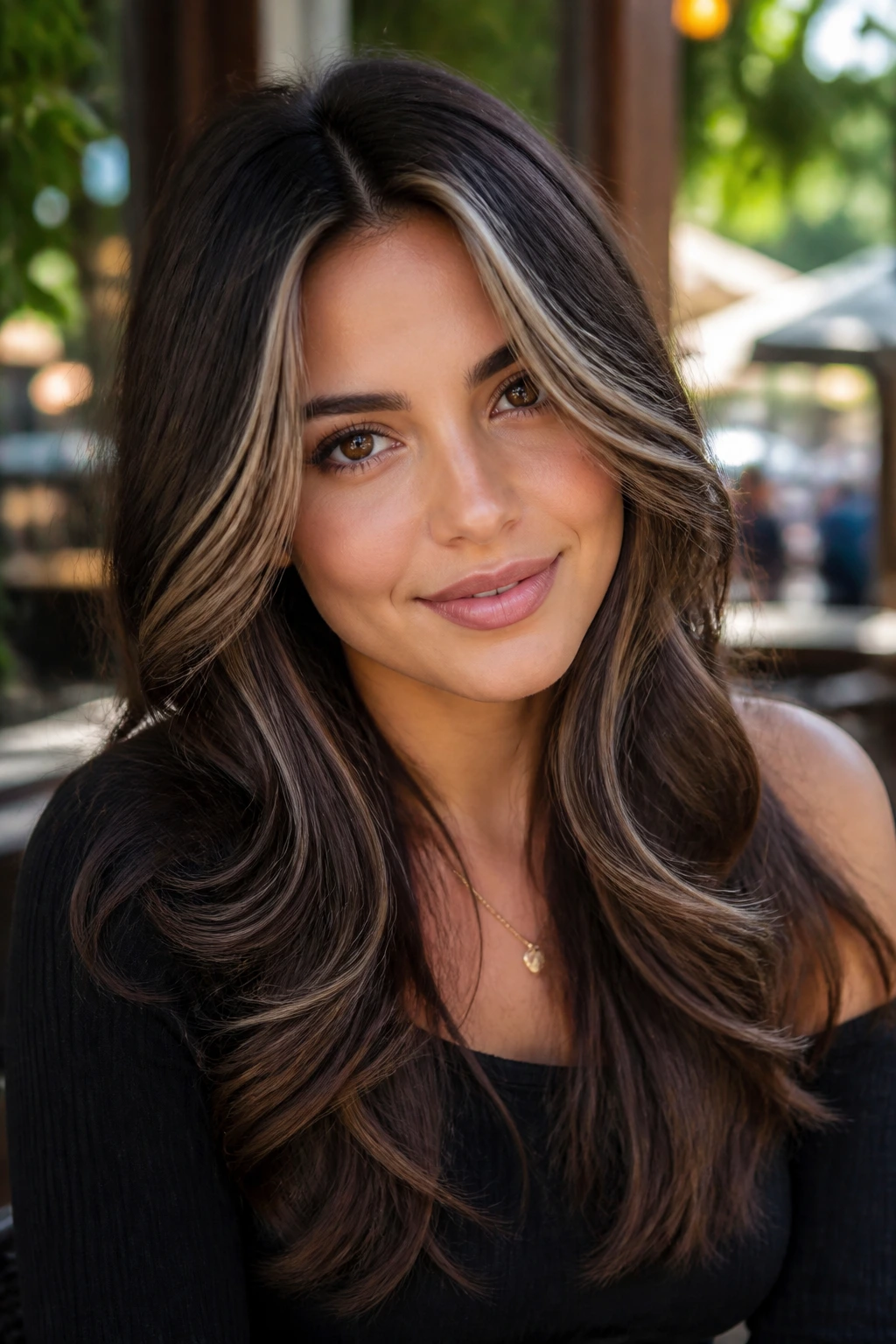
A cool cocoa money piece gives you brightness right where it matters most: around the face. That’s useful if you want a little lift without committing to a whole head of lighter color.
The face-framing pieces should stay in the cocoa-brown family, but lean cool enough to avoid gold. Around cool skin, this kind of placement can sharpen the features and make the eyes stand out. The rest of the hair can stay deeper and quieter.
- Best for brunettes who want a small but visible change.
- Works on waves, curls, and straight hair.
- Ask for a soft, blended placement, not thick front streaks.
- Keep the face-framing pieces one shade lighter than the base, maybe two if your hair is naturally dark.
This is a good middle ground. You get brightness. You keep the brunette identity.
20. Soft Truffle Highlights
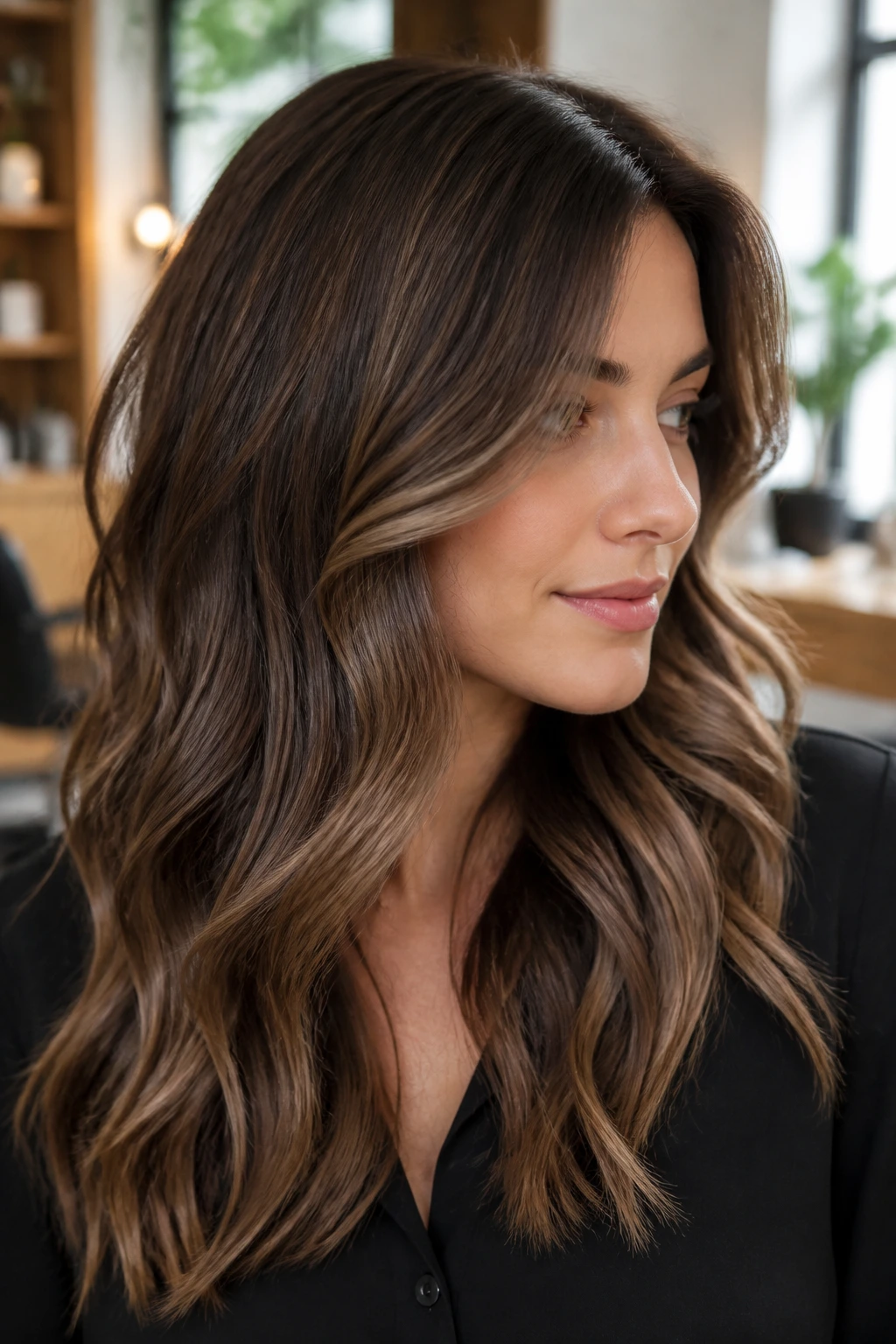
Soft truffle highlights are the opposite of obvious streaks. They’re fine, muted, and cool enough to sit inside the brunette instead of sitting on top of it.
That’s what makes them flattering on cool skin. The highlights create a little contrast, but they don’t go yellow, so the complexion stays calm. Think of the result as depth with a whisper, not a shout.
A technique with micro-foils or very fine balayage pieces works best here. You want thin sections around the crown and through the top layers, then a few softer pieces at the sides so the face gets light without looking striped.
This look is especially nice on hair that’s already brown and needs a little life. It’s also kinder than heavy lifting if your strands are fragile.
21. Violet Chocolate Gloss
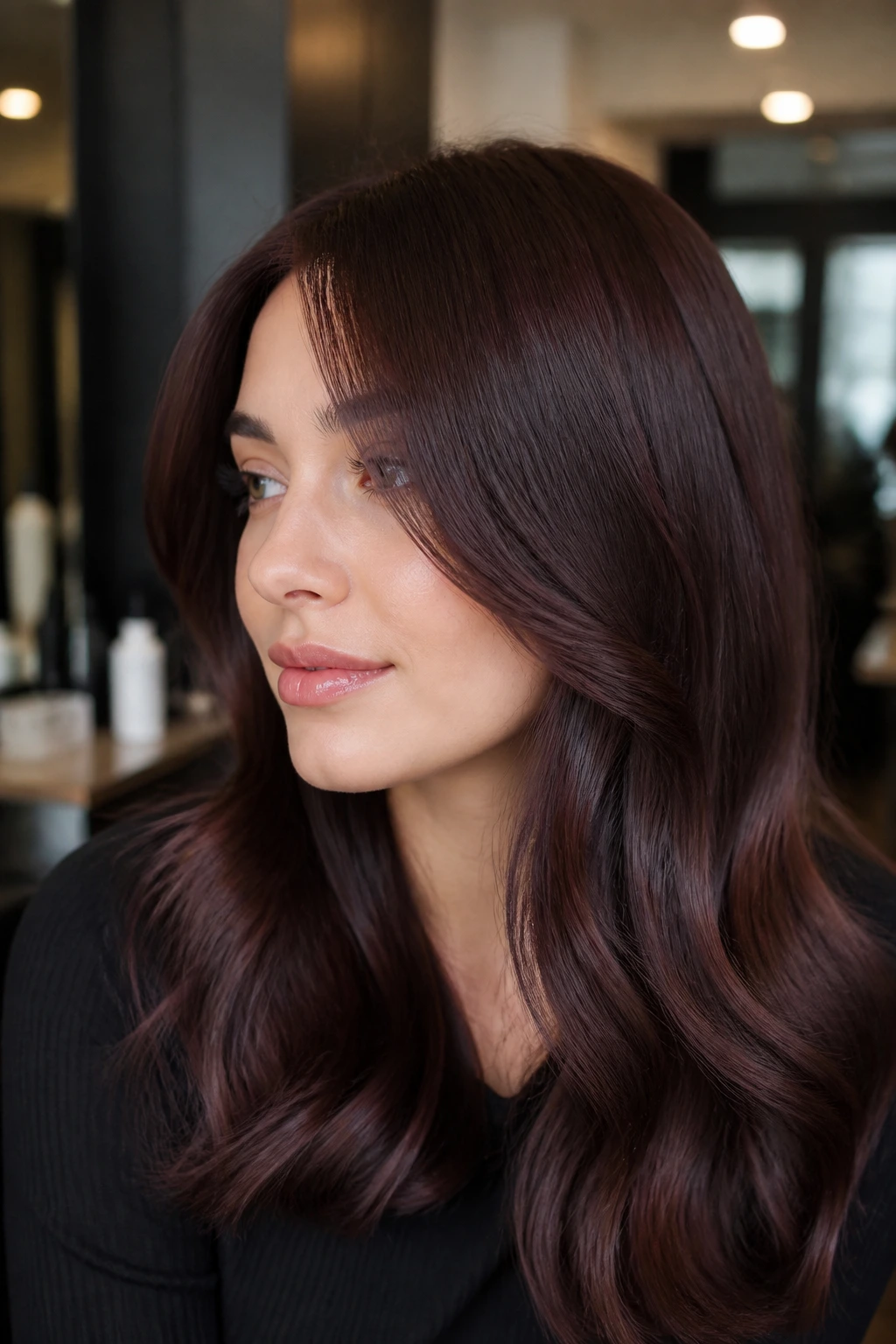
Why does violet chocolate feel so right on cool skin? Because violet helps cancel the warmth that can make brown hair look orange after a few washes.
The color itself is still brown. The violet lives inside the gloss, not on top like a loud fashion shade. That means the hair keeps its brunette identity while gaining a cool cast that flatters pink, blue, and neutral-cool undertones.
How to Ask for It
Ask for a chocolate base with a violet-brown toner or demi glaze. If you already have brown hair, this can be a fast salon refresh rather than a full color overhaul.
I like this shade for people who get brass fast. The violet note keeps the brown looking cleaner between appointments. It’s a small thing, but it changes how polished the whole head reads.
22. Coffee Bean Brown
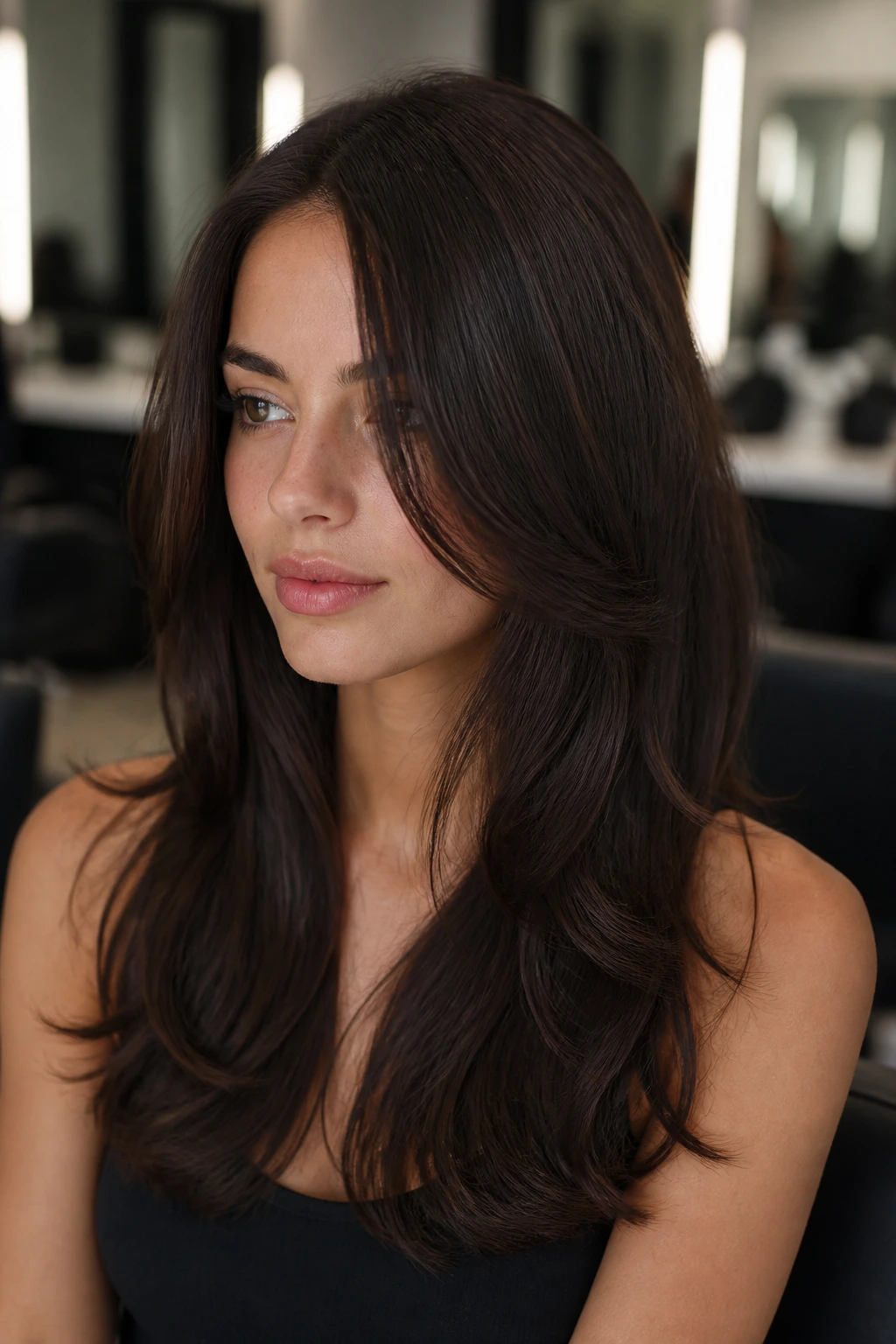
A coffee bean brown is darker and drier in tone than milk chocolate, which makes it a good fit for cool skin that needs depth without sweetness.
On straight hair, this shade looks sleek and almost architectural. On curls, it reads velvety. That difference matters. The same color can feel sharp or soft depending on the texture, and coffee bean brown handles both well because it doesn’t rely on warmth to carry the look.
- Best on level 3 to 4 brunettes.
- Good for people who like a low-gloss finish.
- Works with long layers, lobs, and one-length cuts.
- Looks strongest when paired with cool-toned makeup and crisp brows.
If your hair is very porous, watch the ends. They can soak up too much depth and look nearly black, which may be fine if that’s the goal but not if you want movement.
23. Taupe Chocolate Melt
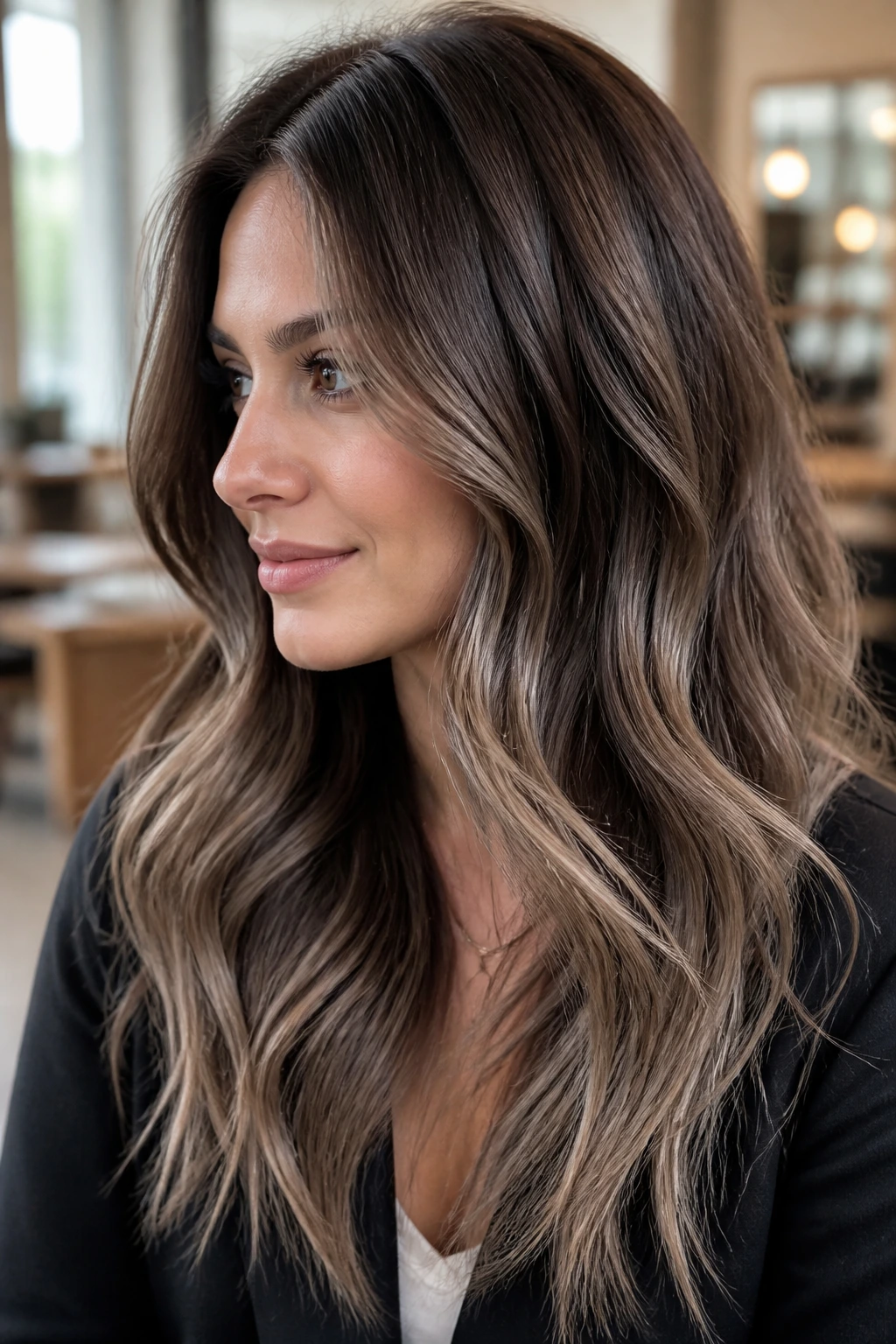
Taupe chocolate melt is one of the best choices for cool olive skin, and it’s underrated for people with fair cool skin too. The shade sits between brown and gray-beige, so it looks airy rather than muddy.
The melt part matters. You don’t want a hard line from root to end. You want the color to shift gently so the hair keeps dimension. On longer hair, that can look almost cashmere-soft.
This shade can go flat if it’s too dark, so I prefer it with a half-step lighter finish at the ends. That keeps the overall effect from swallowing the face. If the hair is very dense, a few subtle lowlights can help the shape breathe.
Taupe chocolate is for someone who likes a muted palette and doesn’t want the hair to compete with the skin.
24. Dark Cacao with Frosted Ends
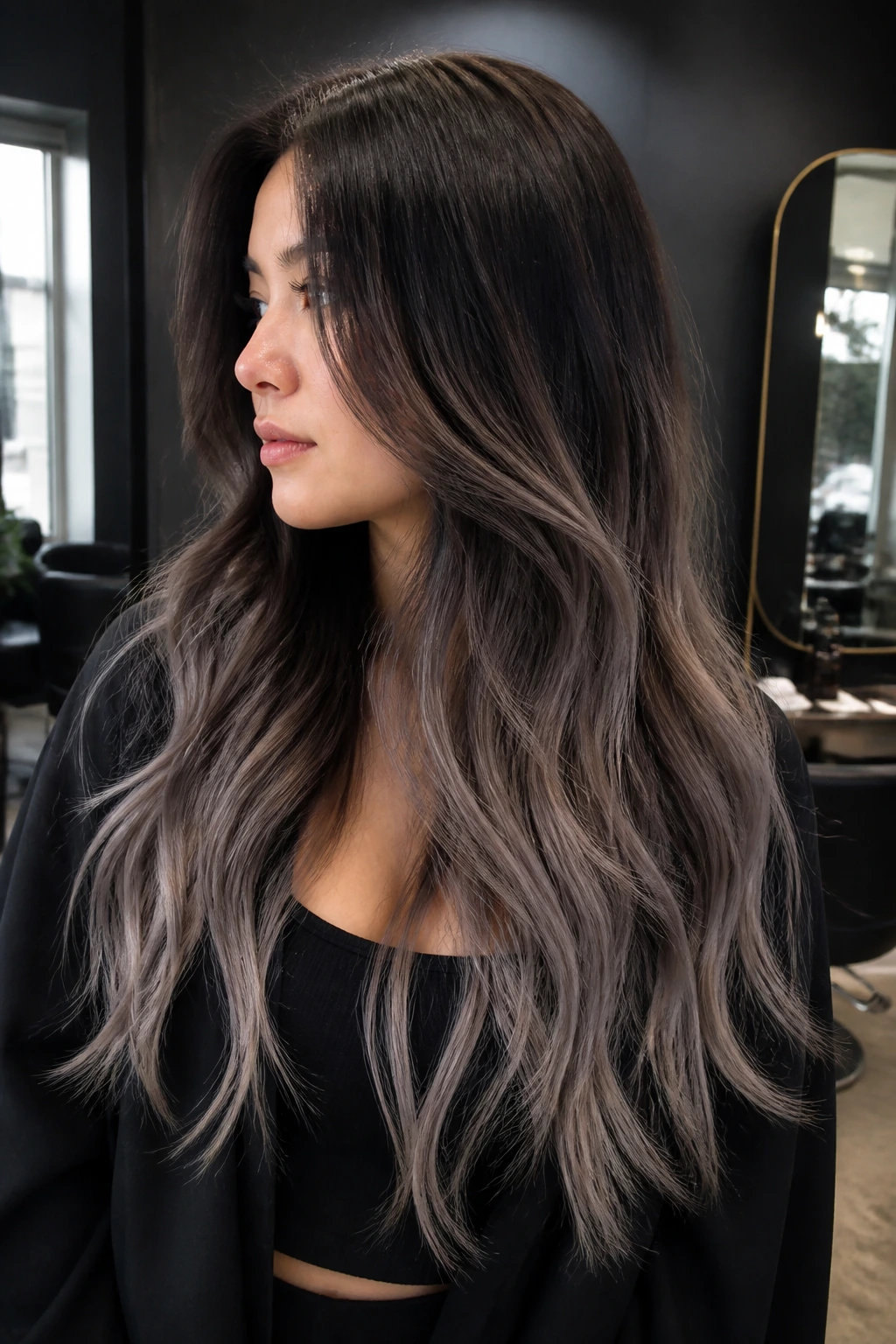
Dark cacao with frosted ends gives you depth at the root and a cooler, lighter finish below. Unlike a classic ombré, the change should be quiet. More frost than fade.
That makes it useful for cool skin because the lighter ends keep the face from looking boxed in by one heavy shade. The root stays rich and dark, while the lengths move into a soft ash-brown that feels lighter without becoming blonde.
This is a good choice for long hair that needs shape. The contrast can make layers stand out, especially if the ends are a little textured. It’s also nice when you want a cooler brunette without constant root panic.
The one thing to avoid is a sandy end color. Sand looks warm fast. Frosted should mean muted, not beige-gold.
25. Cool Beige Chocolate Blend
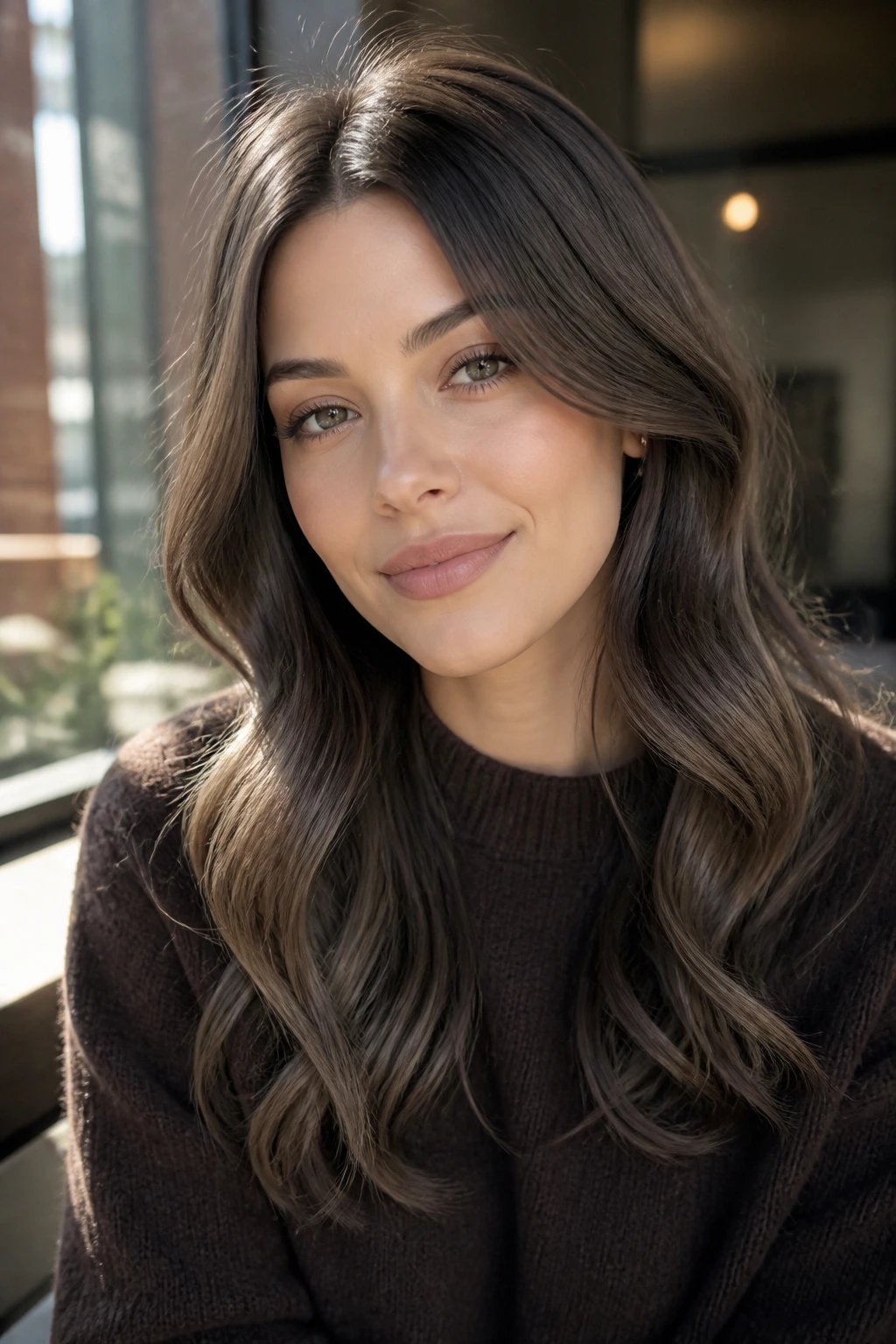
A cool beige chocolate blend is for someone who wants the gentlest version of brunette. The color stays brown, but the beige note keeps it soft and the cool undertone keeps it kind to the skin.
This is a smart pick if darker brunettes feel too heavy on your face. The blend should sit around level 5, maybe a touch lighter at the mids, with no gold in sight. It can look lovely on fine hair because it keeps the overall mass from reading too dense.
Why It Works
Cool beige gives the hair a little lightness without turning it blond. That matters if you want a brown that still feels easy and grown-up. It also works well when paired with low-key layers, since the color shift helps the cut show itself.
- Best for people who want a softer brunette.
- Ask for beige ash, not warm beige.
- Good with soft waves and airy blowouts.
- Needs a glaze to keep the beige from turning flat.
Simple rule: if the shade starts looking buttery, it’s too warm.
Final Thoughts
Chocolate brown hair on cool skin is all about restraint. The best shades lean ash, taupe, blue-black, or violet, and they stay away from copper-heavy warmth that can make the face look redder than it is.
If you’re choosing between two brunettes, pick the one that looks a touch cooler in daylight. That small choice usually matters more than going one shade darker. It’s not about chasing the deepest brown on the chart. It’s about finding the brown that sits quietly beside your skin instead of arguing with it.
Bring two reference photos to the salon if you can, one in bright natural light and one indoors. If the color makes your face look calmer in both, you’ve probably found the right chocolate.
